EP2829607A1 - Gencodierung eines enzyms zur verringerung der position 24 eines steroidskeletts und pflanze mit reduzierter expression dieses gens - Google Patents
Gencodierung eines enzyms zur verringerung der position 24 eines steroidskeletts und pflanze mit reduzierter expression dieses gens Download PDFInfo
- Publication number
- EP2829607A1 EP2829607A1 EP13764240.1A EP13764240A EP2829607A1 EP 2829607 A1 EP2829607 A1 EP 2829607A1 EP 13764240 A EP13764240 A EP 13764240A EP 2829607 A1 EP2829607 A1 EP 2829607A1
- Authority
- EP
- European Patent Office
- Prior art keywords
- plant
- enzyme
- gene
- seq
- dna
- Prior art date
- Legal status (The legal status is an assumption and is not a legal conclusion. Google has not performed a legal analysis and makes no representation as to the accuracy of the status listed.)
- Granted
Links
Images






Classifications
-
- C—CHEMISTRY; METALLURGY
- C12—BIOCHEMISTRY; BEER; SPIRITS; WINE; VINEGAR; MICROBIOLOGY; ENZYMOLOGY; MUTATION OR GENETIC ENGINEERING
- C12N—MICROORGANISMS OR ENZYMES; COMPOSITIONS THEREOF; PROPAGATING, PRESERVING, OR MAINTAINING MICROORGANISMS; MUTATION OR GENETIC ENGINEERING; CULTURE MEDIA
- C12N15/00—Mutation or genetic engineering; DNA or RNA concerning genetic engineering, vectors, e.g. plasmids, or their isolation, preparation or purification; Use of hosts therefor
- C12N15/09—Recombinant DNA-technology
- C12N15/63—Introduction of foreign genetic material using vectors; Vectors; Use of hosts therefor; Regulation of expression
- C12N15/79—Vectors or expression systems specially adapted for eukaryotic hosts
- C12N15/82—Vectors or expression systems specially adapted for eukaryotic hosts for plant cells, e.g. plant artificial chromosomes (PACs)
- C12N15/8216—Methods for controlling, regulating or enhancing expression of transgenes in plant cells
-
- A—HUMAN NECESSITIES
- A01—AGRICULTURE; FORESTRY; ANIMAL HUSBANDRY; HUNTING; TRAPPING; FISHING
- A01H—NEW PLANTS OR NON-TRANSGENIC PROCESSES FOR OBTAINING THEM; PLANT REPRODUCTION BY TISSUE CULTURE TECHNIQUES
- A01H1/00—Processes for modifying genotypes ; Plants characterised by associated natural traits
- A01H1/06—Processes for producing mutations, e.g. treatment with chemicals or with radiation
-
- C—CHEMISTRY; METALLURGY
- C12—BIOCHEMISTRY; BEER; SPIRITS; WINE; VINEGAR; MICROBIOLOGY; ENZYMOLOGY; MUTATION OR GENETIC ENGINEERING
- C12N—MICROORGANISMS OR ENZYMES; COMPOSITIONS THEREOF; PROPAGATING, PRESERVING, OR MAINTAINING MICROORGANISMS; MUTATION OR GENETIC ENGINEERING; CULTURE MEDIA
- C12N15/00—Mutation or genetic engineering; DNA or RNA concerning genetic engineering, vectors, e.g. plasmids, or their isolation, preparation or purification; Use of hosts therefor
- C12N15/09—Recombinant DNA-technology
- C12N15/63—Introduction of foreign genetic material using vectors; Vectors; Use of hosts therefor; Regulation of expression
- C12N15/79—Vectors or expression systems specially adapted for eukaryotic hosts
- C12N15/82—Vectors or expression systems specially adapted for eukaryotic hosts for plant cells, e.g. plant artificial chromosomes (PACs)
- C12N15/8241—Phenotypically and genetically modified plants via recombinant DNA technology
- C12N15/8242—Phenotypically and genetically modified plants via recombinant DNA technology with non-agronomic quality (output) traits, e.g. for industrial processing; Value added, non-agronomic traits
- C12N15/8243—Phenotypically and genetically modified plants via recombinant DNA technology with non-agronomic quality (output) traits, e.g. for industrial processing; Value added, non-agronomic traits involving biosynthetic or metabolic pathways, i.e. metabolic engineering, e.g. nicotine, caffeine
- C12N15/8245—Phenotypically and genetically modified plants via recombinant DNA technology with non-agronomic quality (output) traits, e.g. for industrial processing; Value added, non-agronomic traits involving biosynthetic or metabolic pathways, i.e. metabolic engineering, e.g. nicotine, caffeine involving modified carbohydrate or sugar alcohol metabolism, e.g. starch biosynthesis
-
- C—CHEMISTRY; METALLURGY
- C12—BIOCHEMISTRY; BEER; SPIRITS; WINE; VINEGAR; MICROBIOLOGY; ENZYMOLOGY; MUTATION OR GENETIC ENGINEERING
- C12Q—MEASURING OR TESTING PROCESSES INVOLVING ENZYMES, NUCLEIC ACIDS OR MICROORGANISMS; COMPOSITIONS OR TEST PAPERS THEREFOR; PROCESSES OF PREPARING SUCH COMPOSITIONS; CONDITION-RESPONSIVE CONTROL IN MICROBIOLOGICAL OR ENZYMOLOGICAL PROCESSES
- C12Q1/00—Measuring or testing processes involving enzymes, nucleic acids or microorganisms; Compositions therefor; Processes of preparing such compositions
- C12Q1/68—Measuring or testing processes involving enzymes, nucleic acids or microorganisms; Compositions therefor; Processes of preparing such compositions involving nucleic acids
- C12Q1/6876—Nucleic acid products used in the analysis of nucleic acids, e.g. primers or probes
- C12Q1/6888—Nucleic acid products used in the analysis of nucleic acids, e.g. primers or probes for detection or identification of organisms
- C12Q1/6895—Nucleic acid products used in the analysis of nucleic acids, e.g. primers or probes for detection or identification of organisms for plants, fungi or algae
-
- C—CHEMISTRY; METALLURGY
- C12—BIOCHEMISTRY; BEER; SPIRITS; WINE; VINEGAR; MICROBIOLOGY; ENZYMOLOGY; MUTATION OR GENETIC ENGINEERING
- C12Y—ENZYMES
- C12Y103/00—Oxidoreductases acting on the CH-CH group of donors (1.3)
- C12Y103/01—Oxidoreductases acting on the CH-CH group of donors (1.3) with NAD+ or NADP+ as acceptor (1.3.1)
- C12Y103/01072—DELTA24-sterol reductase (1.3.1.72)
-
- C—CHEMISTRY; METALLURGY
- C12—BIOCHEMISTRY; BEER; SPIRITS; WINE; VINEGAR; MICROBIOLOGY; ENZYMOLOGY; MUTATION OR GENETIC ENGINEERING
- C12Q—MEASURING OR TESTING PROCESSES INVOLVING ENZYMES, NUCLEIC ACIDS OR MICROORGANISMS; COMPOSITIONS OR TEST PAPERS THEREFOR; PROCESSES OF PREPARING SUCH COMPOSITIONS; CONDITION-RESPONSIVE CONTROL IN MICROBIOLOGICAL OR ENZYMOLOGICAL PROCESSES
- C12Q2600/00—Oligonucleotides characterized by their use
- C12Q2600/158—Expression markers
Definitions
- the present invention relates to an enzyme that reduces position 24 of the steroid skeleton of a plant belonging to the family Solanaceae, such as a potato, DNA encoding the enzyme that reduces position 24 of the steroid skeleton, a method for breeding and selecting a novel plant belonging to the family Solanaceae, such as a potato, using such DNA, and a plant belonging to the family Solanaceae, such as a potato, which does not accumulate glycoalkaloids because of the suppressed expression of the gene encoding the enzyme or the altered activity of the enzyme.
- Glycoalkaloids are a group of plant-derived compounds, which are also referred to as steroidal alkaloids.
- the glycoalkaloid structure is composed of C27 isoprenoids containing a nitrogen atom, and it has been reported that there are 422 compounds of glycoalkaloids from plants belonging to the genus Solanum (Non-Patent Literature 1, chapter 7.8).
- Non-Patent Literature 1 As to a plant other than those belonging to the genus Solanum in the family Solanaceae, some plants belonging to the family Liliaceae are also known to contain glycoalkaloids.
- glycoalkaloids important ones are chaconine and solanine from otatoes (Solanum tuberosum), and tomatine from tomatoes (Solanum lycopersicum)., which belong to the genus Solanum in the family Solanaceae.
- Potato is the fourth most produced crop in the world following corn, rice, and wheat.
- toxic chaconine and solanine are contained in the buds coming out of the tubers or the aerial parts of the plants.
- Symptoms of poisoning such as abdominal pain, dizziness, and mild disturbance of consciousness are caused by chaconine or solanine.
- Chaconine and solanine are easily accumulated in tubers when the tubers are damaged or exposed to solar light, and thus there is a risk of poisoning accident caused by improper management of tubers.
- Glycoalkaloids exhibit toxicity such as cholinesterase inhibitory activity or membrane disruption effect, but in addition to this, it is known that glycoalkaloids exhibit medicinal effects such as anti-cancer activity, a liver protective effect, an antispasmodic effect, an immune system promoting effect, an antifungal effect, an antiprotozoal effect, and shellfish killing agent activity (Non-patent Literature 1). It has also been reported that esculeoside A, which is a metabolite of glycoalkaloids in tomato, exhibits various physiological effects (Non-patent Literature 3). However, research and development on suppressing the metabolites or efficient production thereof have hardly proceeded since the biosynthetic pathway thereof is not known.
- Non-patent Literature 4 Several enzyme genes catalyzing the transglycosylation process following the aglycone biosynthesis process have been reported (Non-patent Literature 4 to Non-patent Literature 6).
- Non-patent Literature 4 the gene of UDP-galactosyltransferase, which mediates the conversion of solanidine, which is aglycone, to ⁇ solanine, and a strain in which the gene is suppressed have been reported, but the production of chaconine has not been suppressed at all ( Figure 2 of Non-patent Literature 4).
- Non-patent Literature 4 the gene of UDP-glucosyltransferase, which mediates the conversion of solanidine to ⁇ chaconine, and a strain in which the gene is suppressed have been reported, but the production of both chaconine and solanine is hardly suppressed ( Figure 5 of Non-patent Literature 5).
- Non-patent Literature 6 the gene of rhamnosyl transferase, which mediates the conversion of P chaconine to ⁇ chaconine and ⁇ solanine to ⁇ solanine, has been reported, but the ⁇ -form and ⁇ -form are increased by the suppression of the gene, although the ⁇ -form is decreased.
- Non-patent Literature 7 There is a report of an attempt to decrease glycoalkaloids by overexpressing biosynthetic genes of plant sterols or plant hormones (Non-patent Literature 7). However, the amount of glycoalkaloids can only be reduced to about a half at most, and thus an effective means has not been provided in modifying the pathway ( Figure 5 of Non-patent Literature 7).
- Plants mainly produce plant sterols after the introduction of a methyl group into position 24.
- a biosynthetic gene for such process a DWF1 gene of Arabidopsis thaliana has been known (Non-Patent Literatures 8 and 9), and the enzymatic reaction reduces ⁇ 24 (28) of the steroid (i.e., a double bond between C24 and C28); that is, such enzyme catalyzes a reaction for reducing methylene or the like at position 24.
- the DWF1 gene has a low homology with a DHCR24 gene of an enzyme that reduces a double bond at position 24 ( ⁇ 24; a double bond between C24 and C25) of the human steroid skeleton (i.e., the 3 ⁇ -hydroxycholesterol ⁇ 24-reducing enzyme).
- a DHCR24 gene of an enzyme that reduces a double bond at position 24 ( ⁇ 24; a double bond between C24 and C25) of the human steroid skeleton i.e., the 3 ⁇ -hydroxycholesterol ⁇ 24-reducing enzyme.
- production of cholesterol is observed in a plant belonging to the family Solanaceae (Non-Patent Literature 10).
- the biosynthetic pathway thereof remains unknown, and it has been predicted that a cholesterol would be a starting material of a glycoalkaloid biosynthetic pathway (Non-Patent Literatures 11 and 12), although such prediction has not yet been validated.
- Patent Literature 1 WO 2011/025011
- the present invention provides an enzyme that reduces position 24 of the steroid skeleton, DNA encoding the enzyme that reduces position 24 of the steroid skeleton, a method for breeding and selecting a novel plant belonging to the family Solanaceae using the DNA, and a plant belonging to the family Solanaceae, which does not produce cholesterols, including glycoalkaloids, because of the suppressed expression of the gene encoding the enzyme or the altered activity of the enzyme.
- the present inventors have conducted concentrated studies in order to attain the above objects.
- the present inventors focused on the assumption such that cholesterol would serve as a starting material for glycoalkaloid biosynthesis.
- the sterol methyltransferase 1 gene had been deduced to differentiate a plant sterol from cholesterol and studied (Non-Patent Literature 7).
- the present inventors focused on the cholesterol synthetase that reduces a double bond at position 24 (i.e., ⁇ 24: a double bond between C24 and C25) of the steroid skeleton (i.e., 3 ⁇ -hydroxycholesterol ⁇ 24-reducing enzyme; a position-24-reducing enzyme) and discovered a candidate gene in silico, and they suppressed the expression of the endogenous candidate gene by causing expression of parts of the candidate genes to induce RNAi. As a result, they successfully obtained a potato transformant with significantly reduced glycoalkaloid content and, at the same time, identified the glycoalkaloid biosynthetic enzyme gene.
- the present invention includes the following.
- the expression of the activity of a protein having activity of reducing position 24 of the steroid skeleton of a plant belonging to the family Solanaceae and that of the gene encoding such protein can be regulated.
- the present invention provides a method for producing a plant in which the activity of such gene is regulated and a plant belonging to the family Solanaceae that does not accumulate cholesterols, including glycoalkaloids.
- the glycoalkaloid biosynthetic enzyme according to the present invention is a protein having enzymatic activity for reducing a double bond at position 24 ( ⁇ 24, a double bond between C24 and C25) of the steroid skeleton, and such enzyme is essential for cholesterol synthesis. Accordingly, the enzyme according to the present invention can also be expressed as a cholesterol synthetic enzyme, 3 ⁇ -hydroxycholesterol ⁇ 24-reducing enzyme, or position-24-reducing enzyme.
- the enzyme according to the present invention is capable of reducing position 24 of a compound having a double bond at position 24 of the steroid skeleton of a cholestane derivative, such as desmosterol (cholesta-5,24-dienol), 7-dehydrodesmosterol (cholesta-5,7,24-trienol), lanosterol (lanosta-8,24-dienol), or cycloartol (cycloarta-24-enol).
- desmosterol cholesterolesta-5,24-dienol
- 7-dehydrodesmosterol cholesta-5,7,24-trienol
- lanosterol lanosterol
- cycloarta-24-enol cycloarta-24-enol
- the enzymatic protein according to the present invention is a reducing enzyme having a transmembrane region and an FAD-binding sequence.
- plants containing such enzymes include plants that generate cholesterols, such as plants of the family Solanaceae, such as potatoes ( Solanum tuberosum ) , tomatoes ( Solanum lycopersicum ), and Solanum glaucophyllum, those of the family Scrophulariaceae, such as digitalis ( Digitalis purpurea ), those of the family Diosconeacea, such as yam ( Dioscorea sp .), and those of the family Labiatae, such as Ajuga reptans .
- plants of the family Solanaceae such as potatoes ( Solanum tuberosum ) , tomatoes ( Solanum lycopersicum ), and Solanum glaucophyllum
- those of the family Scrophulariaceae such as digitalis ( Digitalis purpurea )
- those of the family Diosconeacea such as yam ( Dioscorea sp .)
- those of the family Labiatae such as A
- a compound in which position 24 has been reduced by the enzyme according to the present invention comprises cholesterols synthesized by plants or substituted derivatives thereof.
- examples thereof include cholesterol (cholesta-5-enol), 7-dehydrocholesterol (cholesta-5,7-dienol), a salt of either thereof, and a substituted derivative of either thereof.
- salts include alkali metal salts, such as sodium salt and potassium salt, ammonium salts, such as salts of ammonia or an organic amine, such as aliphatic amine, aromatic amine, saturated amine, or unsaturated amine, and carboxylic acid salt.
- alkali metal salts such as sodium salt and potassium salt
- ammonium salts such as salts of ammonia or an organic amine, such as aliphatic amine, aromatic amine, saturated amine, or unsaturated amine
- carboxylic acid salt such as alkali metal salts, such as sodium salt and potassium salt
- ammonium salts such as salts of ammonia or an organic amine, such as aliphatic amine, aromatic amine, saturated amine, or unsaturated amine
- carboxylic acid salt such as sodium salt and potassium salt
- Such salts may be formed during the process of production of the target triterpene compound by the method of the present invention. Alternatively, salts may be formed via neutralization after the production of such
- substituted derivatives include compounds derived from steroid compounds via substitution of a hydrogen atom at a position that is considered to be less influential on the activity of position-24-reducing enzyme, such as position 1, 2, 4, 6, 7, 11, 12, 14, 16, 17, 18, 19, 21, 22, 23, 26, or 27, with another substituent, such as a functional group, such as a lower alkyl group (e.g., methyl, ethyl, propyl, or butyl), halogen (e.g., fluorine, chlorine, bromine, or iodine), a hydroxyl group, an ester group (e.g., acetoxy or propanoyloxy), an acyl group (e.g., formyl, acetyl, or propionyl), an alkoxy group (e.g., methoxy, ethoxy, or propoxy), an amino group, a mono- or di-lower alkylamino group (e.g., methylamino, dimethylamino, or e
- Examples of preferable steroid compounds that serve as substrates for the position-24-reducing enzyme according to the present invention include steroid compounds, such as desmosterol, 7-dehydrodesmosterol, and substituted derivatives of either thereof.
- the site of substitution and the substituents for the substituted derivative are as described above.
- a steroid compound can be obtained from a substrate compound in which a double bond at position 24 has been reduced with the aid of the position-24-reducing enzyme.
- a reaction that reduces a double bond at position 24 of desmosterol is shown in Fig. 5 .
- vitamin D3 is generated upon irradiation of 7-dehydrocholesterol with light such as ultraviolet rays.
- vitamin D3 and vitamin D3 derivatives are collectively referred to as "vitamin D3s.”
- a vitamin D3 derivative has a substituent similar to that for the derivative of the steroid compound.
- a substrate for a position-24-reducing enzyme having a double bond is synthesized as follows. That is, lanosterol or cycloartol is synthesized from 2,3-oxidosqualene with the aid of a lanosterol synthetic enzyme or cycloartol synthetic enzyme, and a fundamental steroid skeleton is then synthesized. Thus, a substrate of interest is synthesized ( P. M. Dewick, Medicinal Natural Product, 3rd ed., John Wiley & Sons, 2009 ). Sequences of such synthetic enzymes have already been identified via cloning from cDNA libraries of various types of animals, plants and bacteria, and such sequences have already been known.
- Lanosterol synthetic enzymes are described in, for example, Baker et al., 1995, Biochem. Biophys. Res. Commun., 213: 154-160 ; Sung et al., 1995, Bio. Pharm. Bull., 18: 1459-1461 ; Corey et al., 1994, Proc. Natl. Acad. Sci., U.S.A., 91: 2211-2215 ; and Shi et al., 1994, Proc. Natl. Acad. Sci., U.S.A., 91: 7370-7374 . Cycloartenol synthetic enzymes are described in, for example, Corey et al., 1993, Proc. Natl. Acad.
- Such synthetic enzymes are known to exist in animals, plants, and bacteria, such as humans, mice, rats, yeasts, koji mold, Anabidopsis thaliana, Oryza sativa, Populus nigra, Vitis vinifera, Hordeum vulgare, Solanum lycopersicum, and Glycine max.
- DNA encoding the lanosterol synthetic enzyme or cycloartol synthetic enzyme may be obtained from such organisms in accordance with the cloning technique described in the aforementioned literature, and such DNA may be introduced into microbial, bacterial, or plant cells via well-known DNA recombination techniques or PCR techniques, so as to express such synthetic enzymes, according to need.
- DNA encoding a position-24-reducing enzyme may be expressibly incorporated into transgenic bacteria or plants regenerated from the transformed bacterial cells or plant cells capable of expressing lanosterol synthetic enzymes or cycloartol synthetic enzymes.
- steroid compounds in which position 24 has been reduced such as cholesterol or 7-dehydrocholesterol, can be generated with the use of the cells, bacteria, and plants described above.
- position-24-reducing enzymes examples include, but are not limited to, enzymes comprising the amino acid sequences as shown in SEQ ID NO: 1, SEQ ID NO: 21, and SEQ ID NO: 3, respectively, derived from potatoes and tomatoes. Further, a protein comprising an amino acid sequence having some mutations in the amino acid sequence as shown in SEQ ID NO: 1, SEQ ID NO: 21, or SEQ ID NO: 3 and having activity of position-24-reducing enzyme is within the scope of the enzyme that can be used in the present invention.
- a potato-derived position-24-reducing enzyme is referred to as "StDWF1H”
- a tomato-derived position-24-reducing enzyme is referred to as "S1DWF1H.”
- an amino acid sequence having some mutations include an amino acid sequence derived from the amino acid sequence as shown in SEQ ID NO: 1, SEQ ID NO: 21, or SEQ ID NO: 3 by deletion, substitution, insertion, and/or addition of one or more, and preferably one or several, such as 1 to 10, preferably 1 to 7, more preferably 1 to 5, further preferably 1 to 3, and still further preferably 1 or 2 amino acids and an amino acid sequence having at least 60%, at least 70%, at least 80%, at least 85%, preferably at least 90%, more preferably at least 95%, and particularly preferably at least 97%, 98%, or 99% sequence identity with the above amino acid sequence, when calculated with the use of known algorithms for homology search, such as BLAST or FASTA (based on, for example, default, (namely, initially set) parameters). Sequence identity among the enzymatic proteins comprising the amino acid sequences as shown in SEQ ID NO: 1, SEQ ID NO: 21, and SEQ ID NO: 3 is about 70% to 80%.
- sequence identity is expressed in percentage (%) terms, representing the number of identical amino acids or nucleotides relative to the total number of amino acids or nucleotides containing gaps determined when, for example, two amino acid sequences or nucleotide sequences are aligned. (Gaps may or may not be introduced, and gaps are preferably introduced.)
- the position-24-reducing enzyme according to the present invention encompasses a naturally occurring position-24-reducing enzyme isolated from a plant and a recombinant position-24-reducing enzyme produced via genetic engineering.
- DNA refers to any of genomic DNA, a gene, cDNA, and a chemically modified DNA.
- DNA encoding a position-24-reducing enzyme that is used in the present invention is DNA encoding an enzyme having activity of reducing position 24 of the steroid skeleton.
- DNAs encoding a position-24-reducing enzyme include DNA comprising the nucleotide sequence encoding the amino acid sequence as shown in SEQ ID NO: 1, DNA comprising the nucleotide sequence encoding the amino acid sequence as shown in SEQ ID NO: 21, and DNA comprising the nucleotide sequence encoding the amino acid sequence as shown in SEQ ID NO: 3.
- Specific examples thereof include DNA comprising the nucleotide sequence as shown in SEQ ID NO: 2, DNA comprising the nucleotide sequence as shown in SEQ ID NO: 4, and DNA comprising the nucleotide sequence as shown in SEQ ID NO: 22.
- DNA encoding a position-24-reducing enzyme examples include DNA hybridizing under stringent conditions to DNA comprising a nucleotide sequence complementary to the nucleotide sequence as shown in SEQ ID NO: 2, SEQ ID NO: 4, or SEQ ID NO: 22, DNA having at least 60%, at least 70%, at least 80%, at least 85%, preferably at least 90%, more preferably at least 95%, and particularly preferably at least 97%, 98%, or 99% sequence identity with the nucleotide sequence as shown in SEQ ID NO: 2, SEQ ID NO: 4, or SEQ ID NO: 22 calculated with the use of known algorithms for homology search, such as BLAST or FASTA (based on, for example, default (namely, initially set) parameters), and DNA encoding a protein comprising an amino acid sequence derived from the amino acid sequence of the protein encoded by any of the DNAs exemplified above by deletion, substitution, insertion, and/or addition of one or more, and preferably one or several amino acids, such
- DNA is a homolog, analog, or variant of DNA comprising the nucleotide sequence as shown in SEQ ID NO: 2, SEQ ID NO: 4, or SEQ ID NO: 22.
- DNA can be obtained from leaves, roots, seeds, or other parts of a plant that generates cholesterols, such as plants of the family Solanaceae, such as potatoes ( Solanum tubenosum ), tomatoes ( Solanum lycopersicum ), and Solanum glaucophyllum, those of the family Scrophulariaceae, such as digitalis ( Digitalis purpurea ), and those of the family Labiatae, such as Ajuga replants via hybridization, PCR amplification, or other techniques.
- stringent conditions DNAs having high degrees of sequence identity hybridize to each other, and a person skilled in the art can adequately determine such conditions.
- stringent conditions comprise “1 x SSC, 0.1% SDS, 37°C”
- more stringent (moderate-stringency) conditions comprise “0.5 x SSC, 0.1% SDS, 42°C”
- further stringent (high-stringency) conditions comprise "0.1 to 0.2 x SSC, 0.1% SDS, 65°C.”
- a step of washing may be carried out with, for example, 0.1 ⁇ SSC and 0.1% SDS at 55°C to 68°C, and the degree of stringency can then be increased.
- a 1 ⁇ SSC buffer is composed of 150 mM sodium chloride and 15 mM sodium citrate and has a pH of 7.0.
- Hybridization conditions and PCR procedures are described in, for example, F. M. Ausbel et al., Short Protocols in Molecular Biology, 3rd ed., John Wiley & Sons, 1995 .
- DNA according to the present invention encodes a protein having activity of position-24-reducing enzyme; specifically, any of the proteins (a) to (c) below:
- DNA described above is selected from DNAs (d) to (g) below:
- DNA according to the present invention is inserted expressibly into an adequate vector comprising a control sequence.
- the recombinant DNA thus obtained is a recombinant vector.
- vectors that can be used in prokaryotic or eukaryotic cells can be used.
- examples of vectors that can be used include microbial vectors of bacteria (e.g., Eschenichia, Pseudomonas, Bacillus, and Rhodococcus ), filamentous fungi (e.g., Aspergillus, Neurospora, Fusarium, Trichoderma, and Penicillium ), Basidiomycetes (e.g., white-rot fungi), and yeast (e.g., Saccharomyces, Pichia, and Candida ), plant cell vectors, and insect cell vectors.
- bacteria e.g., Eschenichia, Pseudomonas, Bacillus, and Rhodococcus
- filamentous fungi e.g., Aspergillus, Neurospora, Fusarium, Trichoderma, and Penicillium
- Basidiomycetes e.g., white-rot fungi
- yeast
- Examples of bacterial vectors include pBR, pUC, pET, and pBluescript vectors.
- yeast vectors include, but are not limited to, pDR196, pYES-DEST 52, YIp5, YRp17, and YEp24 vectors.
- Examples of plant cell vectors include, but are not limited to, pGWB, pBiEl2-GUS, pIGl21-Hm, pBIl21, pBiHyg-HSE, pB119, pBI101, pGV3850, and pABH-Hm1 vectors.
- Examples of insect cell vectors include, but are not limited to, pBM030, pBM034, and pBK283 vectors.
- a constitutional element associated with gene expression, regulation, or secretion such as a promoter, a terminator, an enhancer, the Shine-Dalgarno sequence, a ribosome-binding sequence, or a signal sequence, is incorporated into a vector used in the present invention, and a vector comprises a selection marker (e.g., a drug resistant gene or a reporter gene), according to need.
- a selection marker e.g., a drug resistant gene or a reporter gene
- promoters include, but are not limited to, lac promoters, trp promoters, recA promoters, tac promoters, ⁇ PL promoters, T7 promoters, CaMV35S promoters, ADH1 promoters, GAL promoters, PHO5 promoters, PGK promoters, and GAPDH promoters.
- Examples of drug resistant genes include kanamycin resistant genes, ampicillin resistant genes, and hygromycin resistant genes.
- reporter genes include lacZ genes, GFP genes, GUS genes, and luciferase genes.
- Examples of other selection markers include NPTII genes and dihydrofolate reductase genes.
- a constitutional element associated with gene expression, regulation, or secretion be functionally incorporated into a recombinant vector in accordance with its properties.
- a person skilled in the art can adequately perform such procedure.
- the present invention provides a method for suppressing the expression of a gene encoding an enzyme that reduces position 24 of the steroid skeleton of a plant.
- methods for gene suppression include the RNAi method via genetic recombination, the anti-sense method, the PTGS method involving the use of virus vectors, and direct introduction of small RNA.
- methods for modifying the genomes such as the zinc finger nuclease (ZFN) method, the tale nuclease (TALEN) method ( Science, 333, 307, 2011 ), and Cre-loxP site-directed recombination, can be employed. Such methods occasionally involve the use of the sequence provided by the present invention as the site for direct introduction of a mutation.
- a sequence of a region adjacent to the sequence provided by the present invention may be identified based on sequence information, and the sequence of the adjacent region may be used, so as to delete the entire region of the gene encoding an enzyme that reduces position 24 of the steroid skeleton.
- suppression of gene expression refers to reduction or elimination of RNA as a transcription product of a gene (DNA), a protein as a translation product, or enzymatic activity as a function of a protein.
- the present invention provides a method for detecting the presence of a mutation in a gene encoding an enzyme that reduces position 24 of the steroid skeleton, a polymorphism such as a single nucleotide polymorphism (SNP), and a gene expression mutation in a plant.
- a mutant may be obtained by radiation, chemical treatment, UV irradiation, or spontaneous mutation.
- the above method comprises steps of: isolating genomic DNA and/or RNA from mutant plants, various plant varieties, and improved plant varieties and synthesizing cDNA from RNA by reverse transcription; amplifying a gene fragment containing a gene encoding an enzyme that reduces position 24 of the steroid skeleton from DNA using the DNA amplification technique; and determining the presence of a mutation in the DNA.
- a commercially available kit such as DNeasy or RNeasy, Qiagen
- a commercially available kit (such as a SuperScript First-Strand System, Invitrogen) can also be used for a method of cDNA synthesis.
- PCR For a method of gene fragment amplification using a DNA amplification technique, so-called PCR, LAMP, and other techniques can be employed. These techniques involve the use of polymerase so as to amplify (i.e., to increase the number of copies of) a specific DNA sequence through continuous polymerase reactions. This reaction can be employed instead of cloning, and this requires only information concerning the nucleic acid sequence.
- primers complementary to the DNA sequence to be amplified are designed. Subsequently, the designed primers are produced by automatic DNA synthesis.
- DNA amplification techniques are well known in the art, and a person skilled in the art can readily implement such techniques based on the teachings and instructions provided in the present description.
- PCR techniques (and related techniques) are described in, for example, U.S. Patent Numbers 4,683,195 , 4,683,202 , 4,800,159 , and 4,965,188 and "PCR Protocols: A guide to method and applications" edited by Innis et al.
- a detection method relying on homology between a mutant gene and a normal gene may be used.
- Examples of such method include the nucleotide sequencing (Applied Biosystems) and the TILLING method by which a mutant is detected using an enzyme that cleaves one member of a mismatched pair ( Till et al., 2003, Genome Res 13: 524 to 530 ).
- the above method can be carried out by comparing the sequence data obtained by the above technique with the nucleotide sequence of a gene segment shown in SEQ ID NO: 2, 4, 7, or 22.
- cDNA may be subjected to quantitative PCR, such as RT-PCR or real-time PCR, using the primers produced based on the nucleotide sequence shown in SEQ ID NO: 2, 4, or 22. The results thereof may then be compared with the amount of cDNA obtained from the variety "Sassy,” so that whether or not there is a difference in the amount of mRNA can be determined.
- quantitative PCR such as RT-PCR or real-time PCR
- the method for determining the presence of a mutation in the gene encoding an enzyme that reduces position 24 of the steroid skeleton defined as above is applied to material obtained from potatoes ( Solanum tuberosum ) belonging to the family Solanaceae or close relatives thereof (Example 9).
- genotypes and the phenotypes of the gene encoding an enzyme that reduces position 24 of the steroid skeleton of many wild-type potato plants or close relatives thereof remain unknown.
- wild-type plants that have mutations in the biosynthetic genes and in which glycoalkaloid accumulation is undetectable or lower than that observed in cultivated plants or plants exhibiting lowered glycoalkaloid accumulation as a result of crossing can be selected.
- a mutation and/or a polymorphism in the gene encoding an enzyme that reduces position 24 of the steroid skeleton can be identified at the nucleotide level, and a plant comprising a mutation and/or a polymorphism in the gene encoding an enzyme that reduces position 24 of the steroid skeleton can be selected.
- the present invention encompasses a plant having a mutation and/or a polymorphism in the gene encoding an enzyme that reduces position 24 of the steroid skeleton that was obtained in the manner described above.
- a plant in which the ability to express a gene encoding an enzyme that reduces position 24 of the steroid skeleton or the activity of an enzyme that reduces position 24 of the steroid skeleton is altered can be selected.
- the ability to express a gene encoding an enzyme that reduces position 24 of the steroid skeleton or the activity of an enzyme that reduces position 24 of the steroid skeleton are suppressed by artificial mutagenesis, spontaneous mutagenesis, or genetic polymorphisms conserved in wild-type species.
- the expression "suppression of enzymatic activity” refers to reduction or elimination of the enzymatic activity. Suppression of activity of the enzyme that reduces position 24 of the steroid skeleton results in a situation in which normal functions of the enzyme that reduces position 24 of the skeleton structure are lowered or lost.
- Examples of such gene mutation include deletion of all or part of the gene encoding an enzyme that reduces position 24 of the steroid skeleton, substitution of some nucleotides with other nucleotides, and insertion of nucleotides.
- An example of insertion of nucleotides is insertion of several tens to several hundreds of continuous nucleotides into an exon of a gene encoding an enzyme that reduces position 24 of the steroid skeleton.
- Examples of substitution of some nucleotides with other nucleotides include substitution of a conserved sequence at the 5' splice site in an intron and insertion of a sequence that generates a new exon in an intron. Such substitution would inhibit the occurrence of normal splicing.
- Plants having such gene mutations are within the scope of the present invention. Further, the present invention comprises selecting a plant having such gene mutation as a mother plant. In addition, such plant is subjected to crossing as a mother plant, and a progeny thereof is selected. Thus, a cultivated plant with a lowered risk of glycoalkaloid accumulation can be prepared.
- the term "cultivated plant” used herein refers to a plant variety that can be subjected to cultivation aimed at crop production.
- a plant in which activity of an enzyme that reduces position 24 of the steroid skeleton is suppressed can be obtained by artificially modifying a gene encoding an enzyme that reduces position 24 of the steroid skeleton.
- the present invention also includes a method for producing a plant that can be obtained by artificially modifying a gene encoding an enzyme that reduces position 24 of the steroid skeleton and a plant produced by such method. Modification of the activity of an enzyme that reduces position 24 of the steroid skeleton of a particular plant via mutation is modification of an existing variety of such plant. While a wild-type plant is within the scope of such existing varieties, a naturally-occurring wild-type plant that is not used for industrial applications is not considered to be an existing variety.
- a modified plant resulting from mutation affecting the activity of an enzyme that reduces position 24 of the steroid skeleton comprises a sequence derived from a DNA sequence of the DWF1H gene as shown in SEQ ID NO: 22 by mutation so that A is substituted with T at position 427.
- R arginine
- W tryptophan
- Another example of the modified plant resulting from mutation affecting the activity of an enzyme that reduces position 24 of the steroid skeleton is a plant with a sequence that lacks the entire allele S as shown in SEQ ID NO: 2.
- An existing variety refers to any of the plant varieties that are produced when the activity of an enzyme in such plant that reduces position 24 of the steroid skeleton is modified. That is, plant varieties produced by an artificial procedure, such as crossing or genetic engineering, are within the scope thereof.
- a plant is not required to exhibit enzymatic activity that is lower than that of every existing plant variety in order to fall under the category of "plant(s) in which the activity of an enzyme that reduces position 24 of the steroid skeleton is suppressed.” As long as the activity of a plant is suppressed in comparison with that of a particular existing variety, such plant would fall under the category of "plant(s) in which the activity of an enzyme that reduces position 24 of the steroid skeleton is suppressed.”
- a plant with the activity that is naturally suppressed via mutation without artificial procedure is within the scope of "plant(s) in which the activity of an enzyme that reduces position 24 of the steroid skeleton is suppressed.” According to the method of the present invention, a plant in
- a control plant may be an existing variety that is the same as or different from the plant variety subjected to mutagenesis.
- a gene encoding an enzyme that reduces position 24 of the steroid skeleton selected from nature or produced via mutagenesis may be subjected to crossing with a gene of a plant having a mutation or polymorphism, so that the mutation of the gene encoding an enzyme that reduces position 24 of the steroid skeleton is fixed, and a novel plant variety with suppressed ability to express a gene encoding an enzyme that reduces position 24 of the steroid skeleton or activity of an enzyme that reduces position 24 of the steroid skeleton can be obtained.
- a plant in which the ability to express a gene encoding an enzyme that reduces position 24 of the steroid skeleton or activity of an enzyme that reduces position 24 of the steroid skeleton is suppressed in comparison with an existing variety encompasses a plant in which the ability to express a gene encoding an enzyme that reduces position 24 of the steroid skeleton is lowered in comparison with an existing variety. Also, a plant in which the activity of an enzyme that reduces position 24 of the steroid skeleton is lowered in comparison with an existing variety is within the scope of the plant as described above.
- a plant in which the ability to express a gene encoding an enzyme that reduces position 24 of the steroid skeleton or activity of an enzyme that reduces position 24 of the steroid skeleton is suppressed in comparison with an existing variety is within the scope of the present invention.
- the amount of an enzyme that reduces position 24 of the steroid skeleton synthesized is low, or such enzyme cannot be synthesized.
- the content of the enzyme that reduces position 24 of the steroid skeleton is low in the plant, or such enzyme is absent in the plant.
- the activity of the enzyme that reduces position 24 of the steroid skeleton is low or eliminated. Accordingly, the plant has low glycoalkaloid content or lacks glycoalkaloids.
- a glycoalkaloid such as chaconine or solanine is not synthesized, and thus the amount of a glycoalkaloid such as chaconine or solanine synthesized or existing in the potato tubers is low.
- a glycoalkaloid such as tomatine is not synthesized, and thus the amount of a glycoalkaloid such as tomatine synthesized or existing in tomato fruit is low.
- a glycoalkaloid such as chaconine or solanine is not synthesized in tubers, or the amount of a glycoalkaloid such as chaconine or solanine synthesized in tubers is lower than that in the existing variety described above. In such a case, also, the amount of a glycoalkaloid such as chaconine or solanine existing in tubers is low.
- a cultivated plant accumulating a reduced amount of or no glycoalkaloid and exhibiting good taste and cultivation properties can be produced.
- a plant in which "glycoalkaloid accumulation is reduced” is a cultivated plant in which the amount of glycoalkaloids accumulated or the rate of glycoalkaloid accumulation is lower than that of the mother plant used for the production thereof.
- a plant in which "glycoalkaloid accumulation is lost" is a cultivated plant in which the amount of glycoalkaloids becomes lower than the detection limit under conditions in which an existing plant variety would accumulate glycoalkaloids.
- glycoalkaloid accumulation is lowered or lost in the "cultivated plant in which a risk of glycoalkaloid accumulation is lowered.”
- the mother plant is a variant obtained from a cultivated plant, it is considered to be effective to subject such variant to crossing or a variant having mutations at different sites of the same target gene to crossing, in order to fix the mutation of interest at an early stage.
- EBN Endosperm Balance Number
- Such plants may be subjected to processing, such as direct pollination of ovules, ovule culture, reciprocal crossing, or somatic cell fusion, so that crossing or processing equivalent thereto can be realized.
- processing may be implemented with reference to " Jagaimo Jiten (Dictionary of Potatoes),” 2012, edited by the Japan Root and Tuber Crops Development Association Inc. Foundation, Zenkoku Noson Kyoiku Kyokai, Co., Ltd. or " Handbook of Potato Production, Improvement, and Postharvest Management," 2006, edited by Gopal and Paul Khurana, pp. 77-108, Haworth Press Inc .
- a wild-type plant is a parent plant having a gene with a mutation
- the resulting plant is designated as a cultivated plant and subjected to backcrossing.
- a gene with a mutation can be introduced while maintaining good taste and excellent properties of cultivated plants.
- the site of mutation in the gene may be analyzed at the nucleotide sequence level, so that a mutation-related gene marker can be obtained.
- markers are obtained in regions that cover the entire genome beyond regions in the vicinity of the gene of interest, a necessary portion (genetic region) can be selectively transferred.
- a necessary portion i.e., a trait
- the marker may have a certain probability of differing from the trait. This requires a trait to be tested.
- genetic mutation discovered in the present invention is consistent with the relevant trait, and it is not necessary to test such trait. This enables conclusive testing of the seeds subjected crossing when the seeds germinate and DNAs are obtained.
- a gene mutation test involving the use of a DNA marker can be carried out in combination with a trait test via glycoalkaloid analysis. When a cultivated plant is identified, in particular, it is preferable that reduction or elimination of glycoalkaloid accumulation be confirmed via analysis at each stage from plant growth to potato tuber storage.
- Potato sprouts are known to accumulate a very large amount of glycoalkaloids. While a glycoalkaloid biosynthetic pathway remains unknown, cholesterol is considered to serve as a starting material. Thus, the potato sprouts were considered to be the organs capable of cholesterol synthesis in plants and the excellent gene source for cholesterol biosynthesis.
- RNA was extracted with the use of RNeasy (Qiagen).
- cDNA was synthesized from 2 ⁇ g of RNA via reverse transcription with the use of a primer comprising a T7 promoter sequence added thereto. With the use of DNA polymerase and T7 RNA polymerase, the resulting fragment was amplified as RNA, and reverse transcription was carried out again to synthesize cDNA. With the use of an adaptor for GS FLX analysis, cDNA double-strands were synthesized therewith.
- primers: U931 (caccATGTCGGATGCTAAGGCCC (SEQ ID NO: 8), "cacc” is an additional sequence used for cloning into a vector) and U932 (TCAATTCGCAGGTTCATCAG (SEQ ID NO: 9)) were synthesized in order to obtain a full-length sequence of StDWF1H based on the sequence data SGN-U268686 in the Sol Genomics Network (http://solgenomics.net/index.pl).
- This cDNA was used as a template to amplify a gene by PCR at an annealing temperature of 55°C (30 cycles, with the use of PrimeSTAR HS DNA Polymerase, Takara Bio, Inc.).
- the resultant was cloned into the pENTRTM/ D-TOPO Entry vector (Invitrogen).
- Polynucleotide sequences of the obtained 8 independent clones were determined. The determined sequences are as shown in SEQ ID NO: 2 and SEQ ID NO: 6, and polypeptide sequences deduced based thereon are as shown in SEQ ID NO: 1 and SEQ ID NO: 5.
- These vectors were designated as pTOPO-PSStDWF1H and pTOPO-PSStDWF1.
- a degree of homology of StDWF1H with a human gene that is known as a position-24-reducing enzyme gene was 40.3% in terms of amino acid sequence identity for 533 amino acids, and that of StDWF1 was 39.0% for 533 amino acids.
- a degree of homology between DHCR24 and DWF1 was 39.8% for 522 amino acids. The degree of homology above was as low as about 40%, and it was difficult to predict functions on the basis of the results of gene homology analysis at this point.
- the full-length gene sequence of the relevant potato was identified to be SGN-U578468 on the basis of the sequence information in the Sol Genomics Network (http://solgenomics.net/index.pl) and the identified sequence was obtained.
- the identified sequence is as shown in SEQ ID NO: 4, and a polypeptide sequence deduced based thereon is as shown in SEQ ID NO: 3.
- StDWF1H and S1DWF1H were found to be classified into a cluster different from the cluster of an enzyme (DWF1) that reduces methylene at position 24 of cholesterol, and the relationship thereof with a human DHCR24 gene of the position-24-reducing enzyme was found to be distant from the viewpoint of evolution.
- DWF1 an enzyme that reduces methylene at position 24 of cholesterol
- Genomic DNA was extracted from “Sassy” using DNeasy (Qiagen). PCR was carried out using the same primers as those used in Example 1 (U957: caccATGACAGATGTTCAGGCTCC (SEQ ID NO: 10) and U958: TCAATCTTCAGGCTCATCAACT (SEQ ID NO: 11)) to determine the nucleotide sequence of the full-length genomic DNA (SEQ ID NO: 7). The sequence was found to comprise an intron.
- the genomic sequence of the potato gene was reported recently ( Xu et al., Nature, 2011, 475: 189-197 ). The genomic sequence is disclosed on the website of the Potato Genome Sequencing Consortium Data Release (http://potatogenomics.plantbiology.msu.edu/index.html). On the basis of this sequence, the genomic gene of the StDWF1H gene can be determined. The genomic sequence of the potato gene is also disclosed on the Sol Genomics Network (http://solgenomics.net/index.pl), and the sequence is reported to comprise an intron. However, there is no report concerning functions on these websites.
- RNAi reverse complementary gene fragment configured to be driven by a strong promoter
- the full-length cDNA obtained in Example 1 was subjected to PCR with the use of the primers (U952: GAGCTCTAGACCCTAGGAGGAAGATCCAG (SEQ ID NO: 12) and U953: GGATCCATATGCGTTTCTCATTCCAACAACA (SEQ ID NO: 13)) at an annealing temperature of 55°C (30 cycles, with the use of ExTaq DNA Polymerase, Takara Bio Inc.) to amplify the gene.
- the resultant was cloned into the pCR4-TOPO vector (Invitrogen) to obtain a gene fragment.
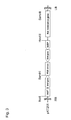
- a vector pKT251 for plant transformation was prepared by ligating a cauliflower mosaic virus 35S RNA promoter, the above gene fragment (in the forward direction), the third intron of the Arabidopsis thaliana phytoene desaturase gene (AT4g14210), the above gene fragment (in the reverse direction), and a cauliflower mosaic virus 35S RNA terminator in this order ( Fig. 3 ).
- the vector prepared in Example 4 was introduced into the Agrobacterium tumefaciens GV3110 strain by the electroporation method (edited by Gelvin and Schilperoor, Plant Molecular Biology Manual, C2, 1 to 32, 1994, Kluwer Academic Publishers).
- the Agrobacterium tumefaciens GV3110 strain containing the vector was subjected to shaking culture at 28°C for 12 hours in a YEB liquid medium (5 g/l beef extract, 1 g/l yeast extract, 5 g/l peptone, 5 g/l sucrose, and 2 mM magnesium sulfate (pH 7.2)) containing 50 ppm kanamycin.
- the resulting culture solution (1.5 ml) was centrifuged at 10,000 rpm for 3 minutes to collect the bacteria, followed by washing in 1 ml of an LB medium for removal of kanamycin. Further, centrifugation was performed at 10,000 rpm for 3 minutes to collect the bacteria, the collected bacteria were resuspended in 1.5 ml of an MS medium containing 3% sucrose ( Murashige and Skoog, Physiol. Plant., 15, 473 to 497, 1962 ), and the resultant was designated as a bacterial solution for infection.
- Potato transformation was carried out according to the literature ( Monma, 1990, Shokubutsu Soshiki Baiyo (Plant Tissue Culture) 7: 57 to 63 ).
- Microtubers obtained from the potato variety "Sassy" (Japan Agribio Co., Ltd.) were sliced to a thickness of 2 to 3 mm and provided as materials for Agrobacterium infection.
- the resulting slices were immersed in the aforementioned Agrobacterial solution and placed on sterilized filter paper so as to remove excess Agrobacteria .
- the slices were then placed on an MS medium (containing 1 ppm zeatin, 0.1 ppm IAA, 100 ⁇ M acetosyringone, and 0.8% agar) in a petri dish.
- the slices were then cultured under the conditions of 25°C, illumination for 16 hours (at a photon flux density of 32 ⁇ E/m 2 s)/non-illumination for 8 hours for 3 days. Subsequently, the slices were cultured in a medium containing 250 ppm carbenicillin in place of acetosyringone for 1 week. Thereafter, the slices were transferred onto a medium containing 50 ppm kanamycin, followed by subculture at 2-week intervals. During subculture, adventitious buds were formed and shoots grew. The elongated shoots were placed on an MS medium containing 250 ppm carbenicillin and 100 ppm kanamycin without plant growth regulators.
- a plant having a kanamycin-resistant gene as an exogenous gene was detected from among kanamycin-resistant, grown plants by subjecting the rooted shoots to PCR (conditions: 95°C for 5 minutes, 30 cycles of 95°C for 30 seconds, 55°C for 30 seconds, and 72°C for 1 minute, and 72°C for 10 minutes).
- the regenerated plant was confirmed to be a transformant.
- the primers for specifically amplifying the kanamycin-resistant gene sequence the following primers were used: TAAAGCACGAGGAAGCGGT (SEQ ID NO: 14) and GCACAACAGACAATCGGCT (SEQ ID NO: 15).
- the in vitro stems of the 39 plants obtained in Example 5 were elongated for 1 month after subculture. Thereafter, 2 to 4 of the elongated parts were put together to bring the amount thereof to about 100 mg, and the glycoalkaloid content therein was measured by the following method employing liquid chromatography with a column for alkali-resistant reversed-phase chromatography ( JP 2011-27429 A ). To the sample, 990 ⁇ l of 0.1% formic acid in 80% MeOH aq. and, as an internal standard, 10 ⁇ g/10 ⁇ l brassinolide (Brassino Co., Ltd.) were added, followed by pulverization using a mixer mill (1/25 sec, 10 min, 4°C).
- the pulverized products thus obtained were centrifuged at 10,000 rpm for 5 minutes at 4°C and then subjected to alcohol precipitation.
- the supernatant (25 ⁇ l) was fractionated, 475 ⁇ l of 0.1% aqueous formic acid was added, the mixture was filtered with the use of a multiscreen sorbinate (Millipore), and analysis was then carried out using LC-MS (LCMS-2010EV, Shimadzu Corporation; or Alliance e2795 Q-micro, Waters).
- LC conditions were analyzed via separation using a column XBridgeTM Shield RP18-5 (diameter of 2.1 ⁇ 150 mm, Waters) and the mobile phase (a mobile phase A: 10 mM aqueous ammonium hydrogen carbonate (pH 10) and a mobile phase B: acetonitrile (40 : 60)) under the isocratic conditions (column oven: 40°C). Quantification was carried out using the standard products (chaconine and solanine, Sigma-Aldrich).
- the in vitro stems of the 39 plants were analyzed twice. As a result, the amounts of glycoalkaloids accumulated in 4 lines (#2, #10, #11, and #12) were found to be low with good reproducibility.
- the in vitro stems (about 200 mg) were collected from 4 lines in which the amount of glycoalkaloids accumulated was low, a line (#9) in which the amount of glycoalkaloids accumulated was not low, and 2 control plants into which the gene was not introduced.
- These in vitro stems were pulverized with liquid nitrogen, a half thereof was subjected to measurement of the glycoalkaloid content, and the other half was subjected to measurement of mRNA.
- the epidermis of the center part of each of the 3 harvested tubers was peeled with a thickness of about 1 mm, and the glycoalkaloid content was analyzed in the same manner.
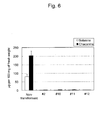
- the glycoalkaloid content in the tubers was found to be extremely low ( Fig. 6 ).
- These 4 transformed lines grew normally, and no traits such as dwarfism observed in Arabidopsis thaliana containing mutations in the DWF1 gene were observed.
- Tomato transformation was performed according to the literature ( Sun et al., 2006, Plant Cell Physiol., 47: 426-431 ).
- the Agrobacterium tumefaciens AGLO strain containing the vector pKT251 prepared in (Example 4) was cultured to give a bacterial solution for infection.
- Sections of 5 mm or smaller taken from the cotyledons of the experimental line of tomatoes ( Solanum lycopensicum ) called "Micro-Tom" obtained by sterile seeding were immersed in the aforementioned Agrobacterium suspension for 10 minutes to allow infection to take place. The leaves were then placed on sterilized filter paper to remove excess Agrobacteria .
- the leaves were placed on a coculture MS medium (containing 1.5 mg/l zeatin, 40 ⁇ M acetosyringone, and 0.3% Gelrite®) ( Murashige and Skoog, Physiol. Plant., 15, 473 to 497, 1962 ) in a petri dish.
- the petri dish was placed in a dark place and culture was performed at 25°C for 3 days.
- the sections were subjected to subculture at 2-week intervals in a selective MS medium 1 (containing 1.5 mg/l zeatin, 100 mg/l kanamycin, 375 mg/l augmentin, and 0.3% Gelrite®) under the conditions of illumination for 16 hours (at a photon flux density: 32 ⁇ E/m 2 s)/non-illumination for 8 hours at 25°C.
- a selective MS medium 1 containing 1.5 mg/l zeatin, 100 mg/l kanamycin, 375 mg/l augmentin, and 0.3% Gelrite®
- a selective MS medium 1 containing 1.5 mg/l zeatin, 100 mg/l kanamycin, 375 mg/l augmentin, and 0.3% Gelrite®
- the elongated shoots were allowed to root in a selective 1/2 concentration MS medium (containing 100 mg/l kanamycin, 375 mg/l augmentin, and 0.3% Gelrite®).
- a plant having a kanamycin-resistant gene as an exogenous gene was detected from among kanamycin-resistant, grown plants by subjecting the shoots to PCR using primers that specifically amplify the sequence of the kanamycin-resistant gene.
- the regenerated plant was confirmed to be a transformant.
- the transformed tomato plants (24 lines) into which the vector pKT251 had been introduced were obtained. These 24 plants were habituated in a greenhouse and cultivated for about 1 month.
- glycoalkaloid content i.e., the ⁇ tomatine content; the standard ⁇ tomatine product of Sigma Aldrich was used
- the glycoalkaloid content was measured by the method employed in Example 6 in a manner similar to that for potatoes, except that analysis was performed with a ratio of mobile phase A to mobile phase B of 60:40.
- tomatine content was remarkably low in 12 plants, which was 1/5 or less (i.e., 34 ⁇ g or less) of 174 ⁇ g per 100 mg fresh weight, which was the average of control plants ( Fig. 7 ). These transformed lines grew normally.
- Self-propagating seeds of the potato variety "Hokkaikogane” were subjected to mutation treatment by means of particle beam irradiation (an NIRS-HIMAC irradiation apparatus; Radiation Research 154, 485-496, 2000 ), a 90 to 470 Gy neon ion beam (30 kev/ ⁇ m), and a 20 to 80 Gy iron ion beam (185 kev/ ⁇ m).
- the seeds were immersed in a solution containing 2,000 ppm of gibberellin (Kyowa Hakko Kirin Co., Ltd.) for 2 days, and the resultants were sowed in commercially available culture soil.
- Leaves of the 4 plants were collectively used as a single sample, 450 ⁇ l of an extraction liquid (0.1 M Tris-HCl, pH 8.5, 40 mM EDTA, 0.6 M NaCl) was added thereto, and the resultant was pulverized using zirconia beads and a mixer mill (Retsch) (oscillation cycle 1/25 sec, 5 min).
- a Proteinase K solution (10 mg/ml) was added in an amount of 10 ⁇ l, and treatment was then carried out at 55°C for 20 minutes. Thereafter, 160 ⁇ l of 5 M potassium acetate was added and centrifugation was carried out at 15,000 rpm for 5 minutes.
- the supernatant (100 ⁇ l) was precipitated in the equivalent amount of isopropanol, and the resultant was dissolved in 100 ⁇ l of a TE solution (10 mM Tris-HCl, pH 8.0, 1 mM EDTA) to prepare pooled DNA samples. Mutation was detected by the Tilling method ( Nature Protocol 1, 2465-2477 ).
- the StDWF1H gene of Hokkaikogane had a sequence as shown in SEQ ID NO: 22 (allele K) comprising a nucleotide sequence different from the nucleotide sequence as shown in SEQ ID NO: 2 (allele S) by 23 bases. An amino acid sequence deduced based on the above nucleotide sequence is shown in SEQ ID NO: 21.
- SEQ ID NO: 2 In order to detect mutation, it is necessary to amplify SEQ ID NO: 2 separately from SEQ ID NO: 22.
- the first exon of the DWF1H gene as shown in SEQ ID NO: 2 was amplified using the primers: U1015: CTCTGCTCAAAGCCACACAA (SEQ ID NO: 18) and U1016: CCGTTAAGAGTTGCCAAAAACC (SEQ ID NO: 19), and the first exon of the DWF1H gene as shown in SEQ ID NO: 22 was amplified using the primers: U1015 and U1010: CAAATTTTGAATGGAGGGGTAT (SEQ ID NO: 20).
- DNA was amplified by PCR (conditions: 95°C for 5 minutes, 30 cycles of 95°C for 30 seconds, 55°C for 30 seconds, and 72°C for 1 minute, and 72°C for 5 minutes), denatured at 98°C for 2 minutes, and then reassociated. Thereafter, a solution containing CEL1 nuclease ( Nature Protocol 1, 2465-2477 ) was added, and treatment was carried out at 45°C for 15 minutes.
- the DNA product was subjected to electrophoresis on 8% acrylamide gel or electrophoresis with the use of MultiNA (Shimadzu Corporation) and the DNA-1000 Kit (Shimadzu Corporation), and plants comprising mutation were detected as bands that had newly emerged.
- the present invention can provide a plant belonging to the family Solanaceae, such as a potato, that does not accumulate glycoalkaloids therein.
Landscapes
- Life Sciences & Earth Sciences (AREA)
- Health & Medical Sciences (AREA)
- Genetics & Genomics (AREA)
- Chemical & Material Sciences (AREA)
- Engineering & Computer Science (AREA)
- Organic Chemistry (AREA)
- Zoology (AREA)
- Wood Science & Technology (AREA)
- Biotechnology (AREA)
- Molecular Biology (AREA)
- General Engineering & Computer Science (AREA)
- Bioinformatics & Cheminformatics (AREA)
- General Health & Medical Sciences (AREA)
- Biochemistry (AREA)
- Analytical Chemistry (AREA)
- Proteomics, Peptides & Aminoacids (AREA)
- Biomedical Technology (AREA)
- Microbiology (AREA)
- Biophysics (AREA)
- Physics & Mathematics (AREA)
- Botany (AREA)
- Nutrition Science (AREA)
- Cell Biology (AREA)
- Plant Pathology (AREA)
- Developmental Biology & Embryology (AREA)
- Environmental Sciences (AREA)
- Mycology (AREA)
- Immunology (AREA)
- Enzymes And Modification Thereof (AREA)
- Peptides Or Proteins (AREA)
- Breeding Of Plants And Reproduction By Means Of Culturing (AREA)
- Measuring Or Testing Involving Enzymes Or Micro-Organisms (AREA)
- Preparation Of Compounds By Using Micro-Organisms (AREA)
Applications Claiming Priority (2)
| Application Number | Priority Date | Filing Date | Title |
|---|---|---|---|
| JP2012068039 | 2012-03-23 | ||
| PCT/JP2013/058418 WO2013141383A1 (ja) | 2012-03-23 | 2013-03-22 | ステロイド骨格の24位を還元する酵素をコードする遺伝子および該遺伝子の発現が低下した植物体 |
Publications (3)
| Publication Number | Publication Date |
|---|---|
| EP2829607A1 true EP2829607A1 (de) | 2015-01-28 |
| EP2829607A4 EP2829607A4 (de) | 2015-12-02 |
| EP2829607B1 EP2829607B1 (de) | 2019-08-28 |
Family
ID=49222831
Family Applications (1)
| Application Number | Title | Priority Date | Filing Date |
|---|---|---|---|
| EP13764240.1A Active EP2829607B1 (de) | 2012-03-23 | 2013-03-22 | Gencodierung eines enzyms zur verringerung der position 24 eines steroidskeletts und pflanze mit reduzierter expression dieses gens |
Country Status (4)
| Country | Link |
|---|---|
| US (1) | US9688995B2 (de) |
| EP (1) | EP2829607B1 (de) |
| JP (1) | JP5902801B2 (de) |
| WO (1) | WO2013141383A1 (de) |
Cited By (1)
| Publication number | Priority date | Publication date | Assignee | Title |
|---|---|---|---|---|
| CN110438152A (zh) * | 2019-09-03 | 2019-11-12 | 四川农业大学 | 通过过表达马铃薯StDWF1基因促进马铃薯块茎萌芽的方法 |
Families Citing this family (1)
| Publication number | Priority date | Publication date | Assignee | Title |
|---|---|---|---|---|
| US11608505B2 (en) | 2017-11-27 | 2023-03-21 | Riken | Genome-edited plant production method |
Family Cites Families (12)
| Publication number | Priority date | Publication date | Assignee | Title |
|---|---|---|---|---|
| US4683195A (en) | 1986-01-30 | 1987-07-28 | Cetus Corporation | Process for amplifying, detecting, and/or-cloning nucleic acid sequences |
| US4965188A (en) | 1986-08-22 | 1990-10-23 | Cetus Corporation | Process for amplifying, detecting, and/or cloning nucleic acid sequences using a thermostable enzyme |
| US4683202A (en) | 1985-03-28 | 1987-07-28 | Cetus Corporation | Process for amplifying nucleic acid sequences |
| US4800159A (en) | 1986-02-07 | 1989-01-24 | Cetus Corporation | Process for amplifying, detecting, and/or cloning nucleic acid sequences |
| JP2001161373A (ja) | 1999-12-10 | 2001-06-19 | Kirin Brewery Co Ltd | 新規のプロモーター配列及びその使用 |
| AUPR673101A0 (en) | 2001-07-31 | 2001-08-23 | Cooperative Research Centre For Advanced Composite Structures Limited | Welding techniques for polymer or polymer composite components |
| AR065100A1 (es) * | 2007-01-30 | 2009-05-13 | Cropdesign Nv | Plantas con rasgos relacionados con el rendimiento mejorado y un metodo para producirlas |
| JP2011027429A (ja) | 2009-07-21 | 2011-02-10 | Kirin Holdings Co Ltd | 液体クロマトグラフィーを用いたグリコアルカロイド類の精製および分析法 |
| EP2471927B1 (de) | 2009-08-28 | 2015-12-23 | Kirin Holdings Kabushiki Kaisha | Protein mit glycoalkaloidbiosynthase-aktivität und dafür kodierendes gen |
| JP5794770B2 (ja) * | 2010-08-31 | 2015-10-14 | キリンホールディングス株式会社 | グリコアルカロイド生合成酵素活性を有するタンパク質とそれをコードする遺伝子 |
| JP5700765B2 (ja) | 2010-09-21 | 2015-04-15 | 株式会社ミツトヨ | 産業機械 |
| JP2012239412A (ja) * | 2011-05-18 | 2012-12-10 | Kirin Holdings Co Ltd | ステロイド骨格の24位を還元する酵素をコードする遺伝子 |
-
2013
- 2013-03-22 US US14/387,080 patent/US9688995B2/en active Active
- 2013-03-22 WO PCT/JP2013/058418 patent/WO2013141383A1/ja not_active Ceased
- 2013-03-22 EP EP13764240.1A patent/EP2829607B1/de active Active
- 2013-03-22 JP JP2014506305A patent/JP5902801B2/ja active Active
Cited By (1)
| Publication number | Priority date | Publication date | Assignee | Title |
|---|---|---|---|---|
| CN110438152A (zh) * | 2019-09-03 | 2019-11-12 | 四川农业大学 | 通过过表达马铃薯StDWF1基因促进马铃薯块茎萌芽的方法 |
Also Published As
| Publication number | Publication date |
|---|---|
| EP2829607B1 (de) | 2019-08-28 |
| US9688995B2 (en) | 2017-06-27 |
| JP5902801B2 (ja) | 2016-04-13 |
| EP2829607A4 (de) | 2015-12-02 |
| WO2013141383A1 (ja) | 2013-09-26 |
| JPWO2013141383A1 (ja) | 2015-08-03 |
| US20150052635A1 (en) | 2015-02-19 |
Similar Documents
| Publication | Publication Date | Title |
|---|---|---|
| US10138491B2 (en) | Protein having glycoalkaloid biosynthetic enzyme activity and gene encoding the same | |
| Hartwig et al. | Brassinosteroid control of sex determination in maize | |
| EP2612912B1 (de) | Protein mit wirkung eines biosynthetischen glykoalkaloidenzyms und dafür codierendes gen | |
| US10053701B2 (en) | Protein having glycoalkaloid biosynthetic enzyme activity and gene encoding the same | |
| EP3690042B1 (de) | Parthenokarpieregulierungsgen und verwendung davon | |
| US9340795B2 (en) | Genetically modified plant capable of biosynthesizing capsinoid | |
| US9688995B2 (en) | Gene encoding enzyme that reduces position 24 of steroid skeleton and plant in which expression level of the gene is lowered | |
| CA2916187C (en) | Gene encoding enzyme that oxidizes position 16 of steroid skeleton and plant in which expression level of the gene is lowered | |
| US9765353B2 (en) | Plant having suppressed expression of glycoalkaloid biosynthetic enzyme gene or altered activity of the enzyme | |
| WO2013077440A1 (ja) | スピロスタン型トリテルペンを生産するための植物 | |
| WO2021176557A1 (ja) | コロラドハムシに対する抵抗性が高められた植物、及びその製造方法、並びに植物におけるコロラドハムシに対する抵抗性の判定方法 |
Legal Events
| Date | Code | Title | Description |
|---|---|---|---|
| PUAI | Public reference made under article 153(3) epc to a published international application that has entered the european phase |
Free format text: ORIGINAL CODE: 0009012 |
|
| 17P | Request for examination filed |
Effective date: 20141017 |
|
| AK | Designated contracting states |
Kind code of ref document: A1 Designated state(s): AL AT BE BG CH CY CZ DE DK EE ES FI FR GB GR HR HU IE IS IT LI LT LU LV MC MK MT NL NO PL PT RO RS SE SI SK SM TR |
|
| AX | Request for extension of the european patent |
Extension state: BA ME |
|
| DAX | Request for extension of the european patent (deleted) | ||
| RIC1 | Information provided on ipc code assigned before grant |
Ipc: C12N 15/113 20100101ALI20151022BHEP Ipc: C12N 15/09 20060101AFI20151022BHEP Ipc: A01H 1/00 20060101ALI20151022BHEP Ipc: A01H 1/06 20060101ALI20151022BHEP Ipc: C12Q 1/68 20060101ALI20151022BHEP Ipc: A01H 5/00 20060101ALI20151022BHEP |
|
| RA4 | Supplementary search report drawn up and despatched (corrected) |
Effective date: 20151102 |
|
| STAA | Information on the status of an ep patent application or granted ep patent |
Free format text: STATUS: REQUEST FOR EXAMINATION WAS MADE |
|
| R17P | Request for examination filed (corrected) |
Effective date: 20141017 |
|
| STAA | Information on the status of an ep patent application or granted ep patent |
Free format text: STATUS: EXAMINATION IS IN PROGRESS |
|
| 17Q | First examination report despatched |
Effective date: 20170209 |
|
| REG | Reference to a national code |
Ref country code: DE Ref legal event code: R079 Ref document number: 602013059752 Country of ref document: DE Free format text: PREVIOUS MAIN CLASS: C12N0015090000 Ipc: C12N0015820000 |
|
| GRAP | Despatch of communication of intention to grant a patent |
Free format text: ORIGINAL CODE: EPIDOSNIGR1 |
|
| STAA | Information on the status of an ep patent application or granted ep patent |
Free format text: STATUS: GRANT OF PATENT IS INTENDED |
|
| RIC1 | Information provided on ipc code assigned before grant |
Ipc: C12N 15/113 20100101ALI20180517BHEP Ipc: C12N 15/53 20060101ALI20180517BHEP Ipc: C12N 15/82 20060101AFI20180517BHEP Ipc: A01H 1/00 20060101ALI20180517BHEP |
|
| INTG | Intention to grant announced |
Effective date: 20180606 |
|
| GRAJ | Information related to disapproval of communication of intention to grant by the applicant or resumption of examination proceedings by the epo deleted |
Free format text: ORIGINAL CODE: EPIDOSDIGR1 |
|
| STAA | Information on the status of an ep patent application or granted ep patent |
Free format text: STATUS: EXAMINATION IS IN PROGRESS |
|
| GRAP | Despatch of communication of intention to grant a patent |
Free format text: ORIGINAL CODE: EPIDOSNIGR1 |
|
| STAA | Information on the status of an ep patent application or granted ep patent |
Free format text: STATUS: GRANT OF PATENT IS INTENDED |
|
| INTC | Intention to grant announced (deleted) | ||
| INTG | Intention to grant announced |
Effective date: 20181119 |
|
| GRAJ | Information related to disapproval of communication of intention to grant by the applicant or resumption of examination proceedings by the epo deleted |
Free format text: ORIGINAL CODE: EPIDOSDIGR1 |
|
| STAA | Information on the status of an ep patent application or granted ep patent |
Free format text: STATUS: EXAMINATION IS IN PROGRESS |
|
| GRAP | Despatch of communication of intention to grant a patent |
Free format text: ORIGINAL CODE: EPIDOSNIGR1 |
|
| STAA | Information on the status of an ep patent application or granted ep patent |
Free format text: STATUS: GRANT OF PATENT IS INTENDED |
|
| INTC | Intention to grant announced (deleted) | ||
| INTG | Intention to grant announced |
Effective date: 20190403 |
|
| GRAS | Grant fee paid |
Free format text: ORIGINAL CODE: EPIDOSNIGR3 |
|
| GRAA | (expected) grant |
Free format text: ORIGINAL CODE: 0009210 |
|
| STAA | Information on the status of an ep patent application or granted ep patent |
Free format text: STATUS: THE PATENT HAS BEEN GRANTED |
|
| AK | Designated contracting states |
Kind code of ref document: B1 Designated state(s): AL AT BE BG CH CY CZ DE DK EE ES FI FR GB GR HR HU IE IS IT LI LT LU LV MC MK MT NL NO PL PT RO RS SE SI SK SM TR |
|
| REG | Reference to a national code |
Ref country code: GB Ref legal event code: FG4D |
|
| REG | Reference to a national code |
Ref country code: CH Ref legal event code: EP |
|
| REG | Reference to a national code |
Ref country code: AT Ref legal event code: REF Ref document number: 1172448 Country of ref document: AT Kind code of ref document: T Effective date: 20190915 |
|
| REG | Reference to a national code |
Ref country code: IE Ref legal event code: FG4D |
|
| REG | Reference to a national code |
Ref country code: DE Ref legal event code: R096 Ref document number: 602013059752 Country of ref document: DE |
|
| REG | Reference to a national code |
Ref country code: NL Ref legal event code: FP |
|
| REG | Reference to a national code |
Ref country code: LT Ref legal event code: MG4D |
|
| PG25 | Lapsed in a contracting state [announced via postgrant information from national office to epo] |
Ref country code: SE Free format text: LAPSE BECAUSE OF FAILURE TO SUBMIT A TRANSLATION OF THE DESCRIPTION OR TO PAY THE FEE WITHIN THE PRESCRIBED TIME-LIMIT Effective date: 20190828 Ref country code: BG Free format text: LAPSE BECAUSE OF FAILURE TO SUBMIT A TRANSLATION OF THE DESCRIPTION OR TO PAY THE FEE WITHIN THE PRESCRIBED TIME-LIMIT Effective date: 20191128 Ref country code: HR Free format text: LAPSE BECAUSE OF FAILURE TO SUBMIT A TRANSLATION OF THE DESCRIPTION OR TO PAY THE FEE WITHIN THE PRESCRIBED TIME-LIMIT Effective date: 20190828 Ref country code: NO Free format text: LAPSE BECAUSE OF FAILURE TO SUBMIT A TRANSLATION OF THE DESCRIPTION OR TO PAY THE FEE WITHIN THE PRESCRIBED TIME-LIMIT Effective date: 20191128 Ref country code: PT Free format text: LAPSE BECAUSE OF FAILURE TO SUBMIT A TRANSLATION OF THE DESCRIPTION OR TO PAY THE FEE WITHIN THE PRESCRIBED TIME-LIMIT Effective date: 20191230 Ref country code: FI Free format text: LAPSE BECAUSE OF FAILURE TO SUBMIT A TRANSLATION OF THE DESCRIPTION OR TO PAY THE FEE WITHIN THE PRESCRIBED TIME-LIMIT Effective date: 20190828 Ref country code: LT Free format text: LAPSE BECAUSE OF FAILURE TO SUBMIT A TRANSLATION OF THE DESCRIPTION OR TO PAY THE FEE WITHIN THE PRESCRIBED TIME-LIMIT Effective date: 20190828 |
|
| PG25 | Lapsed in a contracting state [announced via postgrant information from national office to epo] |
Ref country code: IS Free format text: LAPSE BECAUSE OF FAILURE TO SUBMIT A TRANSLATION OF THE DESCRIPTION OR TO PAY THE FEE WITHIN THE PRESCRIBED TIME-LIMIT Effective date: 20191228 Ref country code: ES Free format text: LAPSE BECAUSE OF FAILURE TO SUBMIT A TRANSLATION OF THE DESCRIPTION OR TO PAY THE FEE WITHIN THE PRESCRIBED TIME-LIMIT Effective date: 20190828 Ref country code: RS Free format text: LAPSE BECAUSE OF FAILURE TO SUBMIT A TRANSLATION OF THE DESCRIPTION OR TO PAY THE FEE WITHIN THE PRESCRIBED TIME-LIMIT Effective date: 20190828 Ref country code: GR Free format text: LAPSE BECAUSE OF FAILURE TO SUBMIT A TRANSLATION OF THE DESCRIPTION OR TO PAY THE FEE WITHIN THE PRESCRIBED TIME-LIMIT Effective date: 20191129 Ref country code: AL Free format text: LAPSE BECAUSE OF FAILURE TO SUBMIT A TRANSLATION OF THE DESCRIPTION OR TO PAY THE FEE WITHIN THE PRESCRIBED TIME-LIMIT Effective date: 20190828 Ref country code: LV Free format text: LAPSE BECAUSE OF FAILURE TO SUBMIT A TRANSLATION OF THE DESCRIPTION OR TO PAY THE FEE WITHIN THE PRESCRIBED TIME-LIMIT Effective date: 20190828 |
|
| REG | Reference to a national code |
Ref country code: AT Ref legal event code: MK05 Ref document number: 1172448 Country of ref document: AT Kind code of ref document: T Effective date: 20190828 |
|
| PG25 | Lapsed in a contracting state [announced via postgrant information from national office to epo] |
Ref country code: TR Free format text: LAPSE BECAUSE OF FAILURE TO SUBMIT A TRANSLATION OF THE DESCRIPTION OR TO PAY THE FEE WITHIN THE PRESCRIBED TIME-LIMIT Effective date: 20190828 |
|
| PG25 | Lapsed in a contracting state [announced via postgrant information from national office to epo] |
Ref country code: PL Free format text: LAPSE BECAUSE OF FAILURE TO SUBMIT A TRANSLATION OF THE DESCRIPTION OR TO PAY THE FEE WITHIN THE PRESCRIBED TIME-LIMIT Effective date: 20190828 Ref country code: RO Free format text: LAPSE BECAUSE OF FAILURE TO SUBMIT A TRANSLATION OF THE DESCRIPTION OR TO PAY THE FEE WITHIN THE PRESCRIBED TIME-LIMIT Effective date: 20190828 Ref country code: DK Free format text: LAPSE BECAUSE OF FAILURE TO SUBMIT A TRANSLATION OF THE DESCRIPTION OR TO PAY THE FEE WITHIN THE PRESCRIBED TIME-LIMIT Effective date: 20190828 Ref country code: AT Free format text: LAPSE BECAUSE OF FAILURE TO SUBMIT A TRANSLATION OF THE DESCRIPTION OR TO PAY THE FEE WITHIN THE PRESCRIBED TIME-LIMIT Effective date: 20190828 Ref country code: IT Free format text: LAPSE BECAUSE OF FAILURE TO SUBMIT A TRANSLATION OF THE DESCRIPTION OR TO PAY THE FEE WITHIN THE PRESCRIBED TIME-LIMIT Effective date: 20190828 Ref country code: EE Free format text: LAPSE BECAUSE OF FAILURE TO SUBMIT A TRANSLATION OF THE DESCRIPTION OR TO PAY THE FEE WITHIN THE PRESCRIBED TIME-LIMIT Effective date: 20190828 |
|
| PG25 | Lapsed in a contracting state [announced via postgrant information from national office to epo] |
Ref country code: IS Free format text: LAPSE BECAUSE OF FAILURE TO SUBMIT A TRANSLATION OF THE DESCRIPTION OR TO PAY THE FEE WITHIN THE PRESCRIBED TIME-LIMIT Effective date: 20200224 Ref country code: SM Free format text: LAPSE BECAUSE OF FAILURE TO SUBMIT A TRANSLATION OF THE DESCRIPTION OR TO PAY THE FEE WITHIN THE PRESCRIBED TIME-LIMIT Effective date: 20190828 Ref country code: CZ Free format text: LAPSE BECAUSE OF FAILURE TO SUBMIT A TRANSLATION OF THE DESCRIPTION OR TO PAY THE FEE WITHIN THE PRESCRIBED TIME-LIMIT Effective date: 20190828 Ref country code: SK Free format text: LAPSE BECAUSE OF FAILURE TO SUBMIT A TRANSLATION OF THE DESCRIPTION OR TO PAY THE FEE WITHIN THE PRESCRIBED TIME-LIMIT Effective date: 20190828 |
|
| REG | Reference to a national code |
Ref country code: DE Ref legal event code: R097 Ref document number: 602013059752 Country of ref document: DE |
|
| PLBE | No opposition filed within time limit |
Free format text: ORIGINAL CODE: 0009261 |
|
| STAA | Information on the status of an ep patent application or granted ep patent |
Free format text: STATUS: NO OPPOSITION FILED WITHIN TIME LIMIT |
|
| PG2D | Information on lapse in contracting state deleted |
Ref country code: IS |
|
| 26N | No opposition filed |
Effective date: 20200603 |
|
| PG25 | Lapsed in a contracting state [announced via postgrant information from national office to epo] |
Ref country code: SI Free format text: LAPSE BECAUSE OF FAILURE TO SUBMIT A TRANSLATION OF THE DESCRIPTION OR TO PAY THE FEE WITHIN THE PRESCRIBED TIME-LIMIT Effective date: 20190828 |
|
| PG25 | Lapsed in a contracting state [announced via postgrant information from national office to epo] |
Ref country code: MC Free format text: LAPSE BECAUSE OF FAILURE TO SUBMIT A TRANSLATION OF THE DESCRIPTION OR TO PAY THE FEE WITHIN THE PRESCRIBED TIME-LIMIT Effective date: 20190828 |
|
| REG | Reference to a national code |
Ref country code: CH Ref legal event code: PL |
|
| REG | Reference to a national code |
Ref country code: BE Ref legal event code: MM Effective date: 20200331 |
|
| PG25 | Lapsed in a contracting state [announced via postgrant information from national office to epo] |
Ref country code: LU Free format text: LAPSE BECAUSE OF NON-PAYMENT OF DUE FEES Effective date: 20200322 |
|
| PG25 | Lapsed in a contracting state [announced via postgrant information from national office to epo] |
Ref country code: CH Free format text: LAPSE BECAUSE OF NON-PAYMENT OF DUE FEES Effective date: 20200331 Ref country code: LI Free format text: LAPSE BECAUSE OF NON-PAYMENT OF DUE FEES Effective date: 20200331 Ref country code: IE Free format text: LAPSE BECAUSE OF NON-PAYMENT OF DUE FEES Effective date: 20200322 |
|
| PG25 | Lapsed in a contracting state [announced via postgrant information from national office to epo] |
Ref country code: BE Free format text: LAPSE BECAUSE OF NON-PAYMENT OF DUE FEES Effective date: 20200331 |
|
| PG25 | Lapsed in a contracting state [announced via postgrant information from national office to epo] |
Ref country code: MT Free format text: LAPSE BECAUSE OF FAILURE TO SUBMIT A TRANSLATION OF THE DESCRIPTION OR TO PAY THE FEE WITHIN THE PRESCRIBED TIME-LIMIT Effective date: 20190828 Ref country code: CY Free format text: LAPSE BECAUSE OF FAILURE TO SUBMIT A TRANSLATION OF THE DESCRIPTION OR TO PAY THE FEE WITHIN THE PRESCRIBED TIME-LIMIT Effective date: 20190828 |
|
| PG25 | Lapsed in a contracting state [announced via postgrant information from national office to epo] |
Ref country code: MK Free format text: LAPSE BECAUSE OF FAILURE TO SUBMIT A TRANSLATION OF THE DESCRIPTION OR TO PAY THE FEE WITHIN THE PRESCRIBED TIME-LIMIT Effective date: 20190828 |
|
| P01 | Opt-out of the competence of the unified patent court (upc) registered |
Effective date: 20230411 |
|
| PGFP | Annual fee paid to national office [announced via postgrant information from national office to epo] |
Ref country code: NL Payment date: 20260213 Year of fee payment: 14 |
|
| PGFP | Annual fee paid to national office [announced via postgrant information from national office to epo] |
Ref country code: GB Payment date: 20260202 Year of fee payment: 14 |
|
| PGFP | Annual fee paid to national office [announced via postgrant information from national office to epo] |
Ref country code: DE Payment date: 20260128 Year of fee payment: 14 |
|
| PGFP | Annual fee paid to national office [announced via postgrant information from national office to epo] |
Ref country code: FR Payment date: 20260209 Year of fee payment: 14 |