EP2822580B1 - Immunological methods of inhibiting gonad maturation - Google Patents
Immunological methods of inhibiting gonad maturation Download PDFInfo
- Publication number
- EP2822580B1 EP2822580B1 EP13709526.1A EP13709526A EP2822580B1 EP 2822580 B1 EP2822580 B1 EP 2822580B1 EP 13709526 A EP13709526 A EP 13709526A EP 2822580 B1 EP2822580 B1 EP 2822580B1
- Authority
- EP
- European Patent Office
- Prior art keywords
- fish
- gonads
- target protein
- cells
- juvenile
- Prior art date
- Legal status (The legal status is an assumption and is not a legal conclusion. Google has not performed a legal analysis and makes no representation as to the accuracy of the status listed.)
- Not-in-force
Links
Images



Classifications
-
- A—HUMAN NECESSITIES
- A61—MEDICAL OR VETERINARY SCIENCE; HYGIENE
- A61K—PREPARATIONS FOR MEDICAL, DENTAL OR TOILETRY PURPOSES
- A61K39/00—Medicinal preparations containing antigens or antibodies
- A61K39/0005—Vertebrate antigens
-
- A—HUMAN NECESSITIES
- A61—MEDICAL OR VETERINARY SCIENCE; HYGIENE
- A61K—PREPARATIONS FOR MEDICAL, DENTAL OR TOILETRY PURPOSES
- A61K47/00—Medicinal preparations characterised by the non-active ingredients used, e.g. carriers or inert additives; Targeting or modifying agents chemically bound to the active ingredient
- A61K47/50—Medicinal preparations characterised by the non-active ingredients used, e.g. carriers or inert additives; Targeting or modifying agents chemically bound to the active ingredient the non-active ingredient being chemically bound to the active ingredient, e.g. polymer-drug conjugates
- A61K47/51—Medicinal preparations characterised by the non-active ingredients used, e.g. carriers or inert additives; Targeting or modifying agents chemically bound to the active ingredient the non-active ingredient being chemically bound to the active ingredient, e.g. polymer-drug conjugates the non-active ingredient being a modifying agent
- A61K47/62—Medicinal preparations characterised by the non-active ingredients used, e.g. carriers or inert additives; Targeting or modifying agents chemically bound to the active ingredient the non-active ingredient being chemically bound to the active ingredient, e.g. polymer-drug conjugates the non-active ingredient being a modifying agent the modifying agent being a protein, peptide or polyamino acid
- A61K47/64—Drug-peptide, drug-protein or drug-polyamino acid conjugates, i.e. the modifying agent being a peptide, protein or polyamino acid which is covalently bonded or complexed to a therapeutically active agent
- A61K47/646—Drug-peptide, drug-protein or drug-polyamino acid conjugates, i.e. the modifying agent being a peptide, protein or polyamino acid which is covalently bonded or complexed to a therapeutically active agent the entire peptide or protein drug conjugate elicits an immune response, e.g. conjugate vaccines
-
- A—HUMAN NECESSITIES
- A61—MEDICAL OR VETERINARY SCIENCE; HYGIENE
- A61P—SPECIFIC THERAPEUTIC ACTIVITY OF CHEMICAL COMPOUNDS OR MEDICINAL PREPARATIONS
- A61P15/00—Drugs for genital or sexual disorders; Contraceptives
-
- A—HUMAN NECESSITIES
- A61—MEDICAL OR VETERINARY SCIENCE; HYGIENE
- A61P—SPECIFIC THERAPEUTIC ACTIVITY OF CHEMICAL COMPOUNDS OR MEDICINAL PREPARATIONS
- A61P43/00—Drugs for specific purposes, not provided for in groups A61P1/00-A61P41/00
-
- A—HUMAN NECESSITIES
- A61—MEDICAL OR VETERINARY SCIENCE; HYGIENE
- A61K—PREPARATIONS FOR MEDICAL, DENTAL OR TOILETRY PURPOSES
- A61K39/00—Medicinal preparations containing antigens or antibodies
- A61K2039/55—Medicinal preparations containing antigens or antibodies characterised by the host/recipient, e.g. newborn with maternal antibodies
- A61K2039/552—Veterinary vaccine
-
- A—HUMAN NECESSITIES
- A61—MEDICAL OR VETERINARY SCIENCE; HYGIENE
- A61K—PREPARATIONS FOR MEDICAL, DENTAL OR TOILETRY PURPOSES
- A61K39/00—Medicinal preparations containing antigens or antibodies
- A61K2039/60—Medicinal preparations containing antigens or antibodies characteristics by the carrier linked to the antigen
- A61K2039/6031—Proteins
Definitions
- the present invention relates to methods of inhibiting maturation of the gonads of animals, in particular of fish. Such methods may reduce the fertility of the treated animals.
- WO79/00133 discloses a method of treating fish which comprises inducing in fish the presence of antibodies against gonad tissue thereby producing an auto-immune response therein which impairs the development and/or maintenance of a normal gonad system in the fish, and that this may be done by administering such antibodies to the fish directly or by administering to the fish antigenic material which induces the formation of such antibodies, and that such antigenic material may be derived from sperm or particularly testis gonad tissue in the case of males and ovarian tissue in the case of females.
- the present inventors propose a method of impairing gonad development via immune mechanisms.
- Immunocontraceptive vaccines have been shown to be effective in many species ( Kirkpatrick et al., American Journal of Reproductive Immunology 66[2011] 40-50 ) but the process is typically reversible and sexually mature animals are targeted in order to affect fertilization ability of mature gametes.
- loss of fertility may be irreversible.
- these prior art vaccines may serve the purpose of restricting population growth, they are not suitable for aquaculture as they do not prevent gonadal maturation and the associated effects on flesh quality.
- a method of inhibiting maturation of the gonads of a juvenile animal which comprises administering to said juvenile animal an immunologically active molecule (IAM) or a vector comprising nucleic acid encoding an immunologically active molecule, said molecule binding to, or stimulating production of antibodies which bind to, a target protein in the gonads.
- IAM immunologically active molecule
- the administration can result in irreversible infertility in said juvenile animal; successful administration will result in reduced fertility in said animal, such reductions typically being irreversible.
- administering will induce an immune response, which may involve both B cells and T cells.
- B cells secrete antibodies which bind to the target protein and interfere with its function; T cells are able to cause cell ablation directly, e.g. through binding to target protein on the cell surface.
- the present invention provides a method of inhibiting maturation of the gonads of both male and female juvenile fish which comprises administering to said juvenile fish an antigenic peptide or a vector comprising nucleic acid encoding an antigenic peptide, said antigenic peptide being a 10 to 40 amino acid fragment of a target protein within the gonads and causing an immune response against that target protein and thereby inhibiting maturation of the gonads, wherein said target protein is selected from the group consisting of lymphocyte antigen 75 (CD205/Ly75), insulin-like growth factor 3 (IGF3), growth differentiation factor 9 (GDF9) and gonadal soma-derived growth factor (GSDF), a juvenile fish being a young form of a species that is not yet sexually mature but phenotypically resembles an adult form.
- IGF3 insulin-like growth factor 3
- GDF9 growth differentiation factor 9
- GSDF gonadal soma-derived growth factor
- the immune response includes activation of B cells and production of antibodies which bind to the target protein in the gonads and/or stimulation of T cells, in particular T cell binding to a target protein in the gonads.
- Specific T cell binding to target protein may be through T Cell Receptors on the surface of the T cell, such binding may cause cell death.
- Activation of both cell types is shown in the Examples by upregulation of marker genes.
- the target animals are juveniles, i.e. they are young forms of the species which are not yet sexually mature but phenotypically they resemble an adult form.
- the juvenile stage is termed the parr and smolt stages.
- the gametes in the gonads are not mature, therefore cannot be released for reproduction.
- a juvenile may have some or all of the physical structure of a gonad but the gonad is not mature in that the gametes are not mature or able to take part in natural reproduction.
- the development of gonads can start as early as the embryo stage, the final morphological organisation of the gonad comes at a juvenile stage.
- gonad immaturity can be determined by histological examination, inter alia through examination of the gametes.
- the morphology of gametes changes as they mature; for example, a fully mature oocyte is sometimes classified as stage V. In the testes, mature gametes are morphologically distinctive spermatoza.
- the targeting of juveniles is key to the present invention and can be contrasted with approaches to control fertility which are based on administration to the broodstock, i.e. sexually mature animals, or to the embryo.
- animals other than juveniles may be exposed to and/or receive an IAM but such animals are not the target animals of the methods of the present invention.
- irreversible infertility in the target animals may be achieved. This can be contrasted with many immunocontraceptives which are administered to sexually mature animals and have a temporary effect on fertility.
- 'irreversible' infertility is meant that, after successful administration, it is not necessary to continue administrations during the life of the animal (although the initial treatment may involve multiple administrations) to maintain infertility. Because the natural maturation of the gonads has been impaired, the gonads are effectively permanently retarded and may either be suspended in a juvenile state or even experience atrophy or damage. Such changes can result in irreversible infertility.
- no more than 40%, more preferably no more than 20% or even 10% of animals in the treated population will exhibit normal fertility after treatment.
- some of the treated animals will be sterile, i.e. completely infertile, e.g. at least 40%, preferably at least 50 or 60% of the animals.
- a method of inhibiting maturation of the gonads in a population of juvenile animals which comprises administering to said population an immunologically active molecule (IAM) or a vector comprising nucleic acid encoding an immunologically active molecule, said molecule binding to, or stimulating production of antibodies which bind to, a target protein in the gonads.
- IAM immunologically active molecule
- the administration preferably results in irreversibly reduced reproductive capability in said population. Reproductive performance or capability can be measured against a similar untreated population and/or against historical norms.
- a method of inhibiting maturation of the gonads in a population of juvenile animals comprises administering to said population an immunologically active molecule (IAM) or a vector comprising nucleic acid encoding an immunologically active molecule, said IAM being specific for a target protein within the gonads and binding thereto or causing an immune response against that target protein, and thereby inhibiting maturation of the gonads of the animals in said population.
- IAM immunologically active molecule
- the methods of the present invention can lead to reduced fertility, preferably irreversibly reduced fertility.
- a method of reducing fertility in a juvenile animal or a population of juvenile animals which comprises administering to said animal or population of animals an immunologically active molecule (IAM) or a vector comprising nucleic acid encoding an immunologically active molecule, said IAM being specific for a target protein within the gonads and binding thereto or causing an immune response against that target protein, and thereby inhibiting maturation of the gonads of said animal(s).
- IAM immunologically active molecule
- the methods of the invention improve yields in the farming of livestock, in particular in aquaculture, as a result of enhanced muscle growth due to reduced energy expenditure on gonad growth.
- a method of enhancing muscle growth in a juvenile animal or a population of juvenile animals which comprises administering to said animal or population of animals an immunologically active molecule (IAM) or a vector comprising nucleic acid encoding an immunologically active molecule, said IAM being specific for a target protein within the gonads and binding thereto or causing an immune response against that target protein, and thereby inhibiting maturation of the gonads of said animal(s).
- IAM immunologically active molecule
- Enhanced muscle growth can be determined relative to a control group and is typically a long term benefit of the methods of the present invention.
- Overall weight of an individual animal may be less, but given the significant contribution to weight of the gonads in some animals, in particular in fish, the proportion of muscle, of edible, high value flesh may still be increased.
- maturation of the gonads is inhibited.
- the animals preferably develop to adult size in other respects and muscle mass growth will preferably proceed as in normal development, or even in a superior fashion.
- a lack of, or reduction in, releasable gametes is a key indicator of inhibited maturation of the gonads.
- gonadal maturation is completely prevented, gametes cannot be released therefrom for reproduction, despite the fact the animal is of a sufficient age in weeks, months, years (as appropriate) to be sexually mature.
- individual animals may experience more or less inhibition of gonadal maturation and success will typically be judged at the population level.
- most (e.g at least 60, or 70%) of the treated animals will exhibit some inhibition and some will exhibit complete inhibition, e.g. at least 40%, preferably at least 50 or 60% of the animals.
- the target protein is selected from the group consisting of lymphocyte antigen 75 (CD205/Ly75), insulin-like growth factor 3 (IGF3), growth differentiation factor 9 (GDF9) and gonadal soma-derived growth factor (GSDF).
- the target protein is found in the gonads and is typically specific to the gonads, in that it is expressed only or predominantly in the gonad.
- the target protein typically has a structural or regulatory role in development or maintenance of the gonad, either being a germline protein or a protein of somatic cells, e.g. that are supportive of the gametes in the overall gonad structure.
- Supporting somatic cells include, but are not restricted to, Sertoli and Leydig cells in the testes and ovarian follicle and granulosa cells in the ovaries.
- the target protein is a known protein which has been selected for the role it plays or may play in the structure or function of the gonad.
- the IAM is designed to be reactive to this specific target protein, e.g. to bind thereto, to generate antibodies reactive to this target protein and/or to illicit a T cell response which is specific to this target protein.
- the IAM is specific for a predetermined target protein.
- Disclosed methods may involve selection of a target protein and the design or selection of an IAM specific for that target protein.
- the IAM is an antigenic peptide, preferably a peptide generated by recombinant technology or by de novo peptide synthesis.
- the sequence of the peptide is predetermined and based on the amino acid sequence of the target protein. Analysis can be done of the native sequence and antigenicity predicted.
- the antigenic peptide which is administered may be a heteroantigen, i.e. its sequence differs from the equivalent region of the native sequence in order to enhance antigenicity.
- the antigenic peptides are 10-40 amino acids, preferably 10-25 amino acids, more preferably 12-20 amino acids in length.
- the antigenic peptides may be conjugated to a carrier protein, as described further herein.
- the peptide is a fragment of the target protein. Disclosed is the case of a heteroantigen, in which the peptide corresponds to a short antigenic region of the target protein.
- the IAM is preferably not the whole target protein and is a synthetic and not a naturally occurring molecule.
- IAM e.g. more than one antigen (to the same or different target proteins)
- the IAM will have a specific target protein that has been selected and used in the design, selection and/or production of the IAM.
- the reactivity, e.g. antigenicity, of the formulation which is administered to the animals is controlled and, absent any side effects caused by unexpected crossreactivity, predictable.
- Gonadal transcriptome databases exist, e.g. for zebrafish described by Sreenivasan et al PLOS One 6(4), e 18181 . Suitable targets can be identified from such databases and the literature. The principle being that gonadal development is disrupted through immunization against key proteins involved in gonadal development.
- target proteins include structural cell surface proteins, cell surface receptors, cell interaction proteins, signalling proteins and vitamin carrier proteins. Without wishing to be bound by theory, it is believed that both B and T cell mediated effects impair gonad maturation for this category of target protein. Signalling proteins will, in contrast, tend to rely on antibodies secreted by B cells, whereas T-cell responses are believed to play the most significant role in gonad impairment when the target protein is a structural surface protein. Examples of targets in each category are given below.
- AKAP4 A-kinase anchoring protein 4 (AKAP4) - This is a structural protein associated with the sperm flagellum. It is well conserved in vertebrates and is expressed in zebrafish testis.
- sperm tail gene 3 (odf3) -
- the protein is a main component in the structure of the sperm tail.
- the gene is strongly up-regulated in zebrafish testis.
- IB bone morphogenetic protein receptor (Alk6b) - This is a receptor for BMP signalling which plays an important role in germ cell formation, development, and maturation. It is expressed in germ cells, spermatocytes, and stage I and II oocytes. Zebrafish mutations prevent germ cell differentiation, resulting in germ cell tumors.
- Vitellogenin receptors VtgR
- Vtg Vitellogenin receptors
- VtgR(s) are lipoprotein receptors expressed by oocytes to facilitate uptake of Vtg, as well as other important nutrients such as riboflavin, into the cell.
- Mannose 6-Phosphate receptor This receptor is found on the surface of spermatocytes, spermatids, and sertoli cells. It is thought to play a role of mediator in germ cell - sertoli cell interactions.
- Lymphocyte antigen 75 (CD205/Ly75) - This protein is a receptor belonging to the macrophage mannose receptor (MMR) family. In mammals its role is characterized by antigen uptake, processing, and presentation associated with dendritic cells. In fishes, CD205 is expressed on the surface of germ cells and early stage spermatogonia and oocytes.
- MMR macrophage mannose receptor
- Rhamnose binding lectins - (STL1/STL2) - These are found on the surface of rainbow trout oocytes. Their exact physiological function unknown. Their transcripts were shown to be upregulated in zebrafish ovaries.
- Connexin43 (Cx43) - Connexins are transmembrane proteins which assemble to form gap junctions between cells.
- Cx43 is the predominant connexin found in the testis and ovary.
- Testis-specific protein 1 (Tpx-1/CRISP2) - Testis specific adhesion molecule important for the interaction of Sertoli and spermatogenic cells.
- Sperm adhesion molecule 1 (SPAM1/PH-20) - Sperm cell surface receptor having hyaluronidase (enzymatic) activity. It enables sperm to penetrate through the hyaluronic acid-rich cumulus cell layer surrounding the oocyte (in mammals). It is involved in sperm-zona pellucida adhesion.
- sperm associated antigen (1 ⁇ 8) (SPAG8) - Sperm cell surface receptor. It is located in acrosomal region of spermatozoa (similarly as PH-20), plays a role in spermatogenesis (in mammals).
- IGF3 Insulin-like growth factor 3
- IGF3 Insulin-like growth factor 3 is a gonad-specific insulin-like growth factor sub-type found only in teleost fishes. It has been linked to ovarian functions, specifically oocyte maturation. Other studies have shown it is involved in regulating gonad steroidogenesis.
- Growth differentiation factor 9 (GDF9) - GDF9 is an oocyte specific growth factor of the transforming growth factor ⁇ family. It is strongly expressed in oocytes during the primary growth stage.
- Gonadal soma-derived growth factor (GSDF) - GSDF is a growth factor expressed by both granulosa and Sertoli cells. It plays an important role in germ cell proliferation.
- Anti-Mullerian hormone (AMH) - AMH is a member of the transforming growth factor ⁇ family of growth and differentiation factors. It plays an important role in male sex determination.
- Inhibin ⁇ subunit (inh ⁇ ) - Inh ⁇ is a member of the transforming growth factor ⁇ family of growth and differentiation factors. It is expressed by granulosa cells during primary oocyte growth, folliculogenesis and vitellogenesis.
- Bone morphogenetic protein 15 (BMP15) - BMP15 is a member of the transforming growth factor ⁇ family of growth and differentiation factors. Its signalling is critical for normal fertility in female mammals.
- Vitamin carrier proteins are Vitamin carrier proteins:
- Riboflavin carrier protein (RCP) - Riboflavin (B2) is a vitamin critical to embryo development. Immunization for RCP, effectively preventing vitamin deposition, has been effective as an immunocontraceptive in mammals.
- the methods of the present invention make use of the ability of antibodies or other antigen binding molecules to bind to a target protein and interfere with its normal function, in the present case leading to inhibition of gonad maturation. Inhibition of gonad maturation can also be caused by other autoimmune responses to introduced antigen, for example involving stimulation of cytotoxic T cells.
- the term 'immunologically active molecule' (IAM) includes both antibodies and antigens and antibody fragments such as Fab or scFv fragments and engineered variants such as diabodies, triabodies, minibodies and single-domain antibodies. Recent advances in the generation of molecular libraries and affinity screening has meant that identification of binding proteins with specific affinity for a given antigen target is relatively straightforward. Antibodies may be monoclonal or polyclonal.
- the administered IAM may bind to the target protein or stimulate production of antibodies in the juvenile animal which bind to the target protein or stimulate production of cytotoxic cells, such as T cells, which bind to the target protein.
- Antigen used to prompt generation of antibodies in the animal may be different from that of the target species to enhance the immune response (i.e. a heteroantigen), including Ab production, but still similar enough so that the antibodies produced will bind to the target protein in the juvenile animal of interest (e.g. Atlantic salmon for zebrafish and vice versa). This is the classic vaccine model.
- methods for selection of antigenic peptides from within a target protein sequence are known in the art (e.g. Hopp and Woods (1981) Proc. Nac. Acad. Sci 78, 3824-3828 ).
- antibodies to the target protein may be generated in a host animal and administered to the juvenile animal. This has the benefit of immediate impact as there is no delay while the animal's immune system generates antibodies to an introduced antigen and the effective concentration can be regulated. In other circumstances administration of antigen may be preferred as they are typically cheaper to produce and can be readily administered into the body cavity and illicit a wider autoimmune response.
- Antigenic peptides are disclosed in Tables 1 and 2 and these molecules and larger peptides incorporating them (but not the full length target proteins) and these peptides conjugated to carrier proteins constitute further aspects of the present disclosure.
- the peptides of Table 2 are preferred in these embodiments.
- an adjuvant is preferably co-administered, e.g. Freund's complete adjuvant, Freund's incomplete adjuvant, MF89, Gerbu, Titermax, or Montanide.
- the IAM e.g. purified antibodies or antisera or antigen may be administered in any suitable carrier or formulation, for example in a simple buffer such as PBS or in tailored delivery vehicles such as liposomes or ISCOMs (Immune stimulating complexes).
- Antigens may conveniently be delivered in microspheres or virus-like particles or bacterial ghosts or live bacterial or viral vectors. Kerr et al in Biology of Reproduction (1999) 61, 603-613 describe techniques for successful delivery of antigen or a virus expressing an antigen to generate antibodies against a gonadal protein, albeit in adult rabbits.
- the IAM is not administered as part of a bacterial or viral vector, particularly preferably not in a live vector.
- Administered antigens may be made up of single epitopes, possibly of no more than 10, or even fewer amino acids, preferably 10 to 20 amino acids. Conveniently the Invitrogen Peptide Select Tool may be used for designing the antigen. Such small antigens may conveniently be coupled to a carrier protein, such as maleimide-activated KLH. Such conjugations are conveniently performed using kits, e.g. as provided by Sigma-Aldrich.
- nucleic acid molecule encoding an IAM particularly DNA vaccines encoding an antigen, e.g. a bacterial, viral or plasmid vector.
- DNA vaccines encoding an antigen
- a nucleic acid molecule encoding an IAM particularly DNA vaccines encoding an antigen, e.g. a bacterial, viral or plasmid vector.
- Suitable viral vaccines include those utilising ectromelia, poxviruses such as myxoma or vaccinia viruses.
- Hardy et al. (2006) Journal of Reproductive Immunology 71, 102-111 describes viral vectors for immunocontraception and such molecules and techniques apply, mutatis mutandis , to the methods of the present invention.
- Administration may be any convenient means for delivery of a vaccine or, more generally, for delivery of biological pharmaceuticals.
- Administration may be via a mucosal surface, in particular by oral administration, or via a parenteral route, e.g. by a subcutaneous, intraperitoneal, intramuscular, intravenous or intradermal route.
- Injection and oral methods of administration are preferred routes.
- In fish administration is preferably by injection but may be oral, in particular with a virus based vaccine, more preferably by intraperitoneal injection, for example into the abdominal cavity, e.g. posterior to the pelvic girdle, or by intramuscular injection, e.g. below the dorsal fin; intramuscular administration is particularly suitable for delivery of antibodies.
- Administration is preferably in a single dose but it may be in multiple doses, (booster doses), such as repeated once, or more times (e.g. 2-5 times).
- Administration may be in animal feed and animal feed formulations comprising one or more feedstuffs and an IAM or nucleic acid encoding an IAM as defined herein is a further aspect of the present disclosure.
- Preferred feed formulations are fish feeds.
- feeds will comprise sources of carbohydrate, protein, fibre and/or lipid, optionally together with micronutrients. It may be advantageous to add the molecules and compositions to the water in tanks housing juvenile fish.
- Administration of antibody or antigen will typically involve delivery of 0.2-10 ⁇ l e.g. 1-5 ⁇ l, of formulation per 0.1g of body weight.
- the formulation comprising the IAM or nucleic acid encoding the IAM will typically be in a solution, suspension or emulsion. Suitable diluents or carriers are well known in the art.
- the animal which is treated according to the present invention is a fish.
- non-human animals typically animals in the human food chain, i.e. which are consumed by humans and farmed as such.
- Preferred animals are chordates and may be mammalian or non-mammalian.
- Particularly preferred are fish, especially Teleostei, in particular farmed fish.
- Farmed animals, livestock (terrestrial or aquatic), as well as domestic or pest animals are suitable targets.
- Species of particular interest include Atlantic salmon ( Salmo salar ), rainbow trout ( Oncorhynchus mykiss ), Atlantic cod ( Gadus morhua ), and Atlantic halibut ( Hippoglossus hippoglossus ).
- Experimental species such as zebrafish are also of interest.
- Target proteins may be sex specific but some target proteins will not be sex specific e.g. GSDF (gonadal soma-derived factor) and targets which are not sex specific are targets according to the present invention. It is a further surprising advantage of the present invention that a single IAM or a single target protein can be used to inhibit gonad maturation in both males and females. It may be preferred to target females.
- an immunologically active molecule or a vector comprising nucleic acid encoding an immunologically active molecule, said molecule binding to, or stimulating production of antibodies which bind to, a target protein in the gonads, for use in inhibiting maturation of the gonads of a juvenile animal.
- IAM immunologically active molecule
- vector comprising nucleic acid encoding an immunologically active molecule, said IAM being specific for a target protein within the gonads and capable of binding thereto or causing an immune response against that target protein for use in inhibiting maturation of the gonads of a juvenile animal.
- an immunologically active molecule or a vector comprising nucleic acid encoding an immunologically active molecule, said molecule binding to, or stimulating production of antibodies which bind to, a target protein in the gonads, for use in irreversibly reducing fertility in a juvenile animal.
- IAM immunologically active molecule
- vector comprising nucleic acid encoding an immunologically active molecule, said IAM being specific for a target protein within the gonads and capable of binding thereto or causing an immune response against that target protein for use in irreversibly reducing fertility in a juvenile animal.
- lAMs as defined herein in the manufacture of an agent for inhibiting maturation of the gonads of a juvenile animal, for (irreversibly) reducing fertility in a juvenile animal or enhancing muscle growth in a juvenile animal.
- compositions in particular pharmaceutical or feed formulations, comprising them and uses of them.
- Preferred pharmaceutical formulations are vaccine formulations, which optionally also contain an adjuvant.
- target proteins in the male gonad are preferred, or if female target proteins are selected they do not include the zona pellucida/radiata, in particular ZP-3 (or equivalent proteins thereto) are not included.
- Protocols are described for zebrafish by way of example but apply, mutatis mutandis , to other fish species and indeed to other animal species.
- Zebrafish are cultured under standard conditions. In order to evaluate the effect of the treatment, germline (ovaries or testes) status is visualized under fluorescent light through expression of fluorescent proteins.
- chimeric mRNA construct zebrafish vasa -3'UTR-GFP is used, this is microinjected into zebrafish embryos following the protocol of Saito et al., (2006) International Journal of Developmental Biology 50, 691-700 , for visualization of the germline.
- the target synthetic antigens prepared using Invitrogen's Peptide Select Tool to gonadal target proteins as discussed herein, are coupled to a carrier protein as described by Miller at al. (1998) in Vaccine 15, 1858-1862 .
- polyclonal antibodies against target proteins are prepared for vaccination following the protocols of Pradel et al. (1999) Journal of Neurobiology 39, 197-206 .
- a group of 60 juvenile 6 week old zebrafish are separated into two groups, a control group that are anaesthetized by immersion in 0.08 mg.ml -1 buffered MS222 solution and injected intraperitoneally or intramuscularly according to Kinkel et al., 2010, Journal of Vizualized Experiments 42, doi: 10.3791/2126 ; but modified to use a Hamilton, 10 ⁇ l microsyringe attached to a micromanipulator with PBS containing 10 mM sodium phosphate, 120 mM sodium chloride and 2.5 mM potassium chloride.
- the injection volume is 0.2 - 5 ⁇ l per 0.1 g body mass and injections are performed under a stereomicroscope.
- test molecules are commercially available or developed against the desired target using a commercial service.
- the fish for vaccination are arranged in two groups: one group of 30 fish are sham vaccinated with PBS whereas another group of 30 fish are injected with the target antigen at 6 week post fertilization.
- the fish are vaccinated, intraperitoneally, as described for the antibody-based technology above. Every three weeks after injection, samples are collected, thus there are three sampling points during the observation period that runs through the maturity cycle of the zebrafish. If more injections (i.e. booster injections) are needed, then they will be repeated weekly in another batch of juveniles.
- the window for application is roughly from 6 weeks to 8 weeks old. In the most prominent treatment variants, a population of 100 individuals is created for further development to adulthood.
- Antibody titre is measured using an ELISA method.
- ZPC zona pellucida C
- RCP riboflavin carrier protein
- the four targets have been chosen to test in juvenile zebrafish: insulin-like growth factor 3 (IGF3), growth differentiation factor 9 (GDF9), gonadal soma-derived growth factor (GDSF), and lymphocyte antigen 75 (CD205).
- IGF3 insulin-like growth factor 3
- GDF9 growth differentiation factor 9
- GDSF gonadal soma-derived growth factor
- CD205 lymphocyte antigen 75
- both juvenile and adult fish were injected and monitored for survival for 7 days post injection (dpi).
- dpi 7 days post injection
- 22 fish at 8 weeks post fertilization 27.4 mm ⁇ 15.2, average ⁇ standard deviation
- the treatment group received an injection of phosphate buffered saline solution (PBS; Sigma-Aldrich, Oslo, Norway), while the control group underwent a mock injection.
- PBS phosphate buffered saline solution
- a cold-water bath was used as anaesthetic as previously described by Kinkel et al. (2010) J. Vis. Exp., e2126 .
- Experimental fish were left in the water until they were unresponsive to physical stimuli.
- the experimental vaccines consisted of a synthetic peptide conjugated to KLH.
- Table 1 presents the amino acid sequences of the peptides used for the vaccination trial in adult zebrafish. Each peptide was chosen from the complete respective amino acid sequence based on predicted antigenicity ( Hopp and Woods (1981) Proc. Nac. Acad. Sci 78, 3824-3828 ).
- the peptides were commercially synthesized at > 80% purity (Thermo Scientific, Ulm, Germany) and conjugated to KLH using a maleimide activated conjugation kit following the manufacturer's protocol (Cat. no. MBK1, Sigma Aldrich). After conjugation, the protein conjugates were isolated through column chromatography (Sephadex G-25M, Cat. no.
- Zebrafish were sampled immediately prior to immunization. Treatment fish were then sampled every 10 days for 30 days, whereas control fish were sampled on day 20. Prior to sampling, fish received an overdose of buffered MS-222 (200 mg/L) and remained in the solution for 10 minutes following cessation of opercular movement. Upon removal from the bath, the fish were patted dry and weight and fork length measurements were taken. To ensure mortality the fish were then decapitated before opening the body cavity. The bodies were briefly washed with PBS before being fixated in 4% paraformaldehyde (pH 7.4) solution overnight at 4 °C. The following day, the tissues were washed in PBS and the gonads were excised and weighed.
- buffered MS-222 200 mg/L
- Peptides for four target protein were designed based on predicted antigenicity, as detailed in Hopp and Woods (1981) PNAS, 78, 3824-8 .
- Table 2 below presents the amino acid sequences of the peptides used for the vaccination trial in juvenile zebrafish. Custom peptides were synthesized and conjugated to KLH by Thermo Fisher Scientific. Upon arrival, lyophilized peptides were dissolved in PBS to make a stock solution of either 10.0 or 5.0 mg/L, depending on protein solubility. Treatments consisted of either a single antigen or a combination of antigens emulsified 1:1 in FCA.
- Juvenile zebrafish from each inbred strain were selected between five to seven weeks post hatch based on a total length of approximately 15 mm.
- 384 fish (15.5 ⁇ 2.8 mm) were immunized with one of six treatments or a PBS/FCA control (Table 3).
- the anti-IGF3 treatment consisted of all three peptides combined (i.e. IGF3(A), IGF3(B) and IGF(C) as shown in Table 2) and resulted in each individual peptide having a final vaccine concentration of 0.83 mg/mL.
- the (B) and (C) peptides were injected individually and had a final concentration of 2.5 mg/mL.
- CD205(B) and CD205(C) peptides were combined and retained a final concentration of 2.5 mg/mL in anti-CD205 treatment.
- Selected fish were anesthetized in a Petri dish of tank water containing 50 mg/L MS-222 (Tricaine; Sigma, Oslo, Norway) buffered with equal parts sodium bicarbonate. Each anesthetized fish was first individually photographed and measured for total length using a Zeiss Axio Zoom v.16 stereomicroscope.
- each fish from all treatments except for anti-IGF3 received a booster vaccination. Some control fish paired with anti-IGF3 also did not receive a booster. The same protocol was followed for the booster injection as before except the vaccination volume was reduced to 1.0 ⁇ L and FIA was used as the adjuvant.
- Table 3 below provides the distribution of fish used for juvenile vaccination trial. Fish from three inbred strains were used for the experiment: TAB (T), nacre -/(N), and tg(vas::egfp) (V). Treatment name consists of the target protein in uppercase and the specific antigen(s) described in Table 2 in parenthesises.
- zebrafish were sampled for quantitative real-time PCR (qPCR), histology and immunohistochemistry (IHC). Prior to sampling all fish were euthanized in buffered MS-222 (100 mg/L) so they could be photographed, screened for GFP signal, weighed and measured (total length).
- qPCR quantitative real-time PCR
- IHC immunohistochemistry
- TAB strain fish were used solely for qPCR analysis. For each fish destined for qPCR, gonadal mRNA signal was improved by removing as much unrelated tissue as possible. Because of the delicate nature of the juvenile gonad, it could not be dissected on its own. Instead, the digestive system, heart, and head kidney were removed along with the head and tail. This left only the trunk muscle tissue, swim bladder, kidney, and gonadal tissues in the samples. Each of these samples was placed in a 1.5 mL eppendorf tube and frozen in liquid nitrogen. Samples were stored at -80 °C until RNA extraction.
- T-Cell receptor alpha constant tcrac
- immunoglobulin kappa constant igkc
- vasa vasa
- gonadal somatic cell derived factor gsdf
- inhibin alpha inha
- anti-Mullerian hormone amh
- the genes used for reference were beta actin ( B - actin ) and elongation factor 1 alpha ( ef1 ⁇ ).
- Tcrac and igkc were both established as markers for T and B-cells, respectively ( Lam et al. (2004) Comp. Immunol., 28, 9-28 ).
- Vasa is a conserved germ cell marker ( Yoon et al.
- the ⁇ -actin and ef1 ⁇ primers have previously been used as detailed in Tang et al. (2007) Acta Biochimica et Biophysica Sinica, 39, 384-90 , and the inh ⁇ primer has previously been used in Poon et al. (2009).
- Table 4 presents the nucleotide sequences of the primers used. When possible, primers were designed to span one intron/exon border to avoid amplification of potential contaminating genomic DNA ( Fernandes et al. (2008) Biochem. Mol. Biol., 150, 23-32 ).
- the RT-qPCR was performed on LightCycler 480 (Roche, Mannheim, Germany) using 96-well plates (Roche). SYBR green-based detections were done under the thermal cycle conditions of 95 °C for 15 min, followed by 45 cycles of 95 °C for 15 s, 63 °C for 20 s and 72 °C for 20 s. All samples were run in duplicate, together with minus reverse transcriptase, no template and a positive plate control. 5-point standard curves (dilutions 1:1 - 1:81) were used to calculate the efficiency of the PCR reaction. The reaction specificity was evaluated by melting curve analysis. Cycle threshold ( C T ) values were determined using the LightCycler® 480 software with a level of fluorescence intensity set to one.
- the reference genes ( ⁇ -actin and ef1 ⁇ ) were examined for data normalization using geNorm ( Vandesompele et al. (2002) Genome Biology, 3, 34.1-34.11 ). Stability values were calculated to be 0.796. Raw qPCR data for the target genes were then corrected by the geometric average of the reference genes.
- Control and anti-CD205 ovaries from the 30 dpt group were also examined using whole mount IHC.
- Whole ovaries that were previously imaged using optical sectioning were stained for the presence of Bcl2-interacting-killer (Bik) protein.
- Bik is a pro-apoptotic protein localized to the endoplasmic reticulum which is normally suppressed by survival-promoting factors.
- the whole mount IHC procedure was performed basically as described by Draper (2012) Meth. Mol. Biol., 85(3), 615-25 with the following modifications: the primary antibody used was rabbit polyclonal IgG specific for anti-zebrafish Bik protein (Anaspec, Belgium). The primary antibody was diluted 1:150 and administered overnight at 4°C. The secondary antibody used was Alexa Fluor® 594 goat anti-rabbit IgG at a 1:500 dilution for 5 hours at room temperature. After the completion of the IHC procedure the gonads were imaged using an AxioZoom.V16 microscope equipped with the ApoTome.2 and DsRed filter.
- Table 5 below provides the survival of zebrafish over 7 days post intraperitoneal injection with PBS (adjuvant control), Freund's incomplete adjuvant (FIA) emulsified 1:1 with PBS, Freund's complete adjuvant (FCA) emulsified 1:1 with PBS, and FCA emulsified 1:1 with keyhole limpet hemocyanin (KLH) in PBS. Mock groups (NC) were also created.
- FIA Freund's incomplete adjuvant
- FCA Freund's complete adjuvant
- KLH keyhole limpet hemocyanin
- Table 6 shows total weight, fork length, and gonadosomatic index (GSI%) of adult zebrafish females vaccinated with Zona pellucida C (ZPC), Lymphocyte antigen 75 (CD205), Insulin-like growth factor 3 (IGF3), and Riboflavin carrier protein (RCP).
- ZPC Zona pellucida C
- CD205 Lymphocyte antigen 75
- IGF3 Insulin-like growth factor 3
- RCP Riboflavin carrier protein
- Table 7a tcrac igkc vasa mean SD mean SD mean SD Male 1239 1144 2249 2235 2075 1118 Female 4062 2197 1609 1025 4596 1360 Fold change 3.3 1.4 2.2
- tcrac (F (2,112) 6.7, p ⁇ 0.001)
- vasa (F (2,113) 21.6, p ⁇ 0.001)
- gsdf (F (2,113) 54.3, p ⁇ 0.001)
- inh ⁇ (F (2,110) 10.8, p ⁇ 0.001)
- amh (F (2,112) 33.0, p ⁇ 0.001).
- Expression of tcrac and vasa was female-biased, whereas expression of gsdf , inha and amh was male-biased. No significant effect of sex was found only in igkc expression.
- Tables 9a and 9b show gene expression in juvenile zebrafish gonads after vaccination with the antigens.
- Table 9a shows the gene expression 15 days post-treatment
- Table 9b shows the gene expression 30 days post-treatment.
- a booster injection was applied to all except anti-IGF3 treatments after 15 days. Normalized relative average values and standard deviations are given. Upregulation and down-regulation in transcript abundance, expressed as a fold-change of the control values (F-c), are marked as a positive number or a negative number, respectively. Significant differences between treatment and control values are marked with bold font.
- Gene expression in the anti-IGF3 treatment was compared to controls which did not receive the booster injection (no booster).
- tcrac At 15 dpt, expression in testes and ovaries was downregulated in all treatments as compared to controls (except for ovary in anti-GSDFb treatment). At 30 dpt, expression in testes was upregulated in all treatments, contrary to ovary, where expression in 4 of 6 treatments was downregulated. Significant downregulation was found in ovaries: in anti-GDF9c (15 dpt) and anti-CD205bc (30 dpt) variants. Significant upregulation was observed in the anti-GSDFb variant (30 dpf).
- igkc Expression of igkc : At 15 dpt, expression was generally upregulated in both testes and ovaries, with exception of anti-GDF9 treatments. At 30 dpt, upregulation was in all variants in testes, and in anti-GDF9 variants in ovaries. Significant upregulation was found at 15 dpt in ovaries (anti-CD205bc treatment) and in anti-GDF9 treatments in testes at 30 dpt.
- vasa was downregulated in all variants except for anti-GSDFb in ovary. At 30 dpt, there was upregulation in some variants. Significant downregulation was observed in ovaries (anti-GDF9c at 15 dpt and anti-CD205bc at 30 dpt). Significant upregulation was found in anti-GSDFb treatment in ovary at 30 dpt.
- amh varying expression, mostly upregulation, was found in both tissues.
- amh was downregulated in all treatments in both tissues except for anti-GSDFb in ovary.
- anti-GSDFb in ovary.
- anti-GDF9b treatments resulted in significant downregulation.
- significant downregulation was observed in anti-GDF9c and anti-CD205bc treatments.
- Treatment efficiency at 15 dpt There was no significant effect found in male gonads, and this resulted in high variation in gene expression; nevertheless, some of the treatments resulted in several-fold change in gene expression as compared to controls, such as anti-GDF9b (2.5 and 3.6 fold downregulation of tcrac and igkc , respectively), and anti-CD205bc (2.8-fold upregulation of igkc and 3.8-fold downregulation of vasa ). In ovary at 15 dpt, anti-GDF9c showed significant effect on expression of 3 out of 6 genes (downregulation of tcrac , vasa , and inha ).
- Treatment efficiency at 30 dpt The effect was more obvious than in 15 dpt samples. All variants (except anti-IGF3 and some control fish) received a booster injection at 15 dpt. Comparison on controls receiving booster with those not receiving booster, showed that booster injection significantly affected only igkc expression, elevating it 5.6 times. For this reason, gene expression in anti-IGF3 treatment was compared to non-boosted controls only.
- Anti-GDF9c resulted in significant downregulation of inh ⁇ and amh, and upregulation of igkc in testes, whereas in ovaries, amh was significantly downregulated and gsdf significantly upregulated in this variant.
- Anti-GDF9b and anti-GSDFc showed significant effects in testes only ( igkc upregulated and inh ⁇ downregulated in anti-GDF9b treatment, and inh ⁇ and amh downregulated in anti-GSDFc treatment).
- Anti-GSDFb resulted in significant downregulation of inh ⁇ and amh in testes, and significant upregulation of tcrac, vasa, and inh ⁇ in ovaries.
- Anti-IGF3 treatment resulted in significant downregulation in inh ⁇ , and amh ) and igkc in testes.
- stage IV vitellogenic
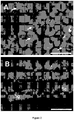
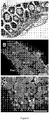
- Inflammation manifested in infiltration of peritoneal cells into gonads, frequently along with infiltration of eosinophilic granulocytes, possibly indicating granulomatous inflammation, was observed in several treatments, mostly anti-CD205 ( Fig. 5 ). In ovaries, infiltration of eosinophilic granulocytes was associated with atretic and atrophic processes (e.g. Fig. 5C ).
- testes In testis, treatment effects were manifested by retarded development ( Fig. 6 ). In several treatments, mostly anti- GDF9b and anti-GSDFb and c, testes of some relatively large male fish (over 23 mm total length) remained in the early stages of differentiation, whereas control males of this size had normally testes in spermatid stage or even producing spermatozoa. This effect was not observed in anti-CD205 and anti-GDF9c treated males.
- FSH follicle stimulating hormone
- Igf pathway for example, igf3
- Tgf ⁇ pathway for example, gsdf , amh and inh ⁇
- FSH is suggested to stimulate Sertoli cells proliferation. FSH upregulates inh ⁇ expression and induces downregulation of amh expression in trout testis ( Sambroni et al. (2013) J. Mol. Endocrinol., 50, 1-18 ).
- soma-germ cell signalling cross-talk Because of soma-germ cell signalling cross-talk, immunization against germ cell targets affected somatic supporting cells, and vice versa. Sertoli and granulosa cells derive from a common progenitor cell type. Inhibin alpha functions as an endocrine hormone from the gonads to regulate FSH secretion in the pituitary. In zebrafish, inh ⁇ is predominantly expressed in somatic follicle cells, increasing along with folliculogenesis. Amh expression is not detected in somatic cells of germ cell-ablated gonad of medaka, which indicates that signalling from germ cells is necessary to sustain amh expression in soma. Therefore, significant downregulation in both ovaries and testes, observed in anti-CD205 and anti-GDF9 treatments, could result from disturbance of soma-germline cross-talk in the gonads, caused by the efficient treatment to germ cells.
- results of several analyses indicate that the vaccination against chosen target proteins of germ cells and supporting somatic cells in juvenile zebrafish gonad induces an immune reaction which, as a consequence, leads to a disturbance in the gonadal development.
- Induced immune reactions can be concluded from: elevated expression of immune genes (both B-cell and T-cell related); pathological features observed in gonadal histology (granulomastous-like inflammatory reaction); and immunohictochemistry (strong expression of a pro-apoptotic protein).
- Disturbance in gonadal development can be concluded from: decrease in expression of genes which are markers or are predominantly expressed in germ cells and in supporting somatic cells in a gonad; histopathological features including atresia, atrophy, abnormal cell distribution, and retardation of development; retardation in weight. Together, the results show that the injected lAMs induced auto-immune reaction against gonadal cells, which affected gonadal development.
Landscapes
- Health & Medical Sciences (AREA)
- Life Sciences & Earth Sciences (AREA)
- Engineering & Computer Science (AREA)
- Bioinformatics & Cheminformatics (AREA)
- Medicinal Chemistry (AREA)
- Public Health (AREA)
- Veterinary Medicine (AREA)
- Pharmacology & Pharmacy (AREA)
- Chemical & Material Sciences (AREA)
- Animal Behavior & Ethology (AREA)
- General Health & Medical Sciences (AREA)
- Epidemiology (AREA)
- Immunology (AREA)
- Molecular Biology (AREA)
- Proteomics, Peptides & Aminoacids (AREA)
- Microbiology (AREA)
- Mycology (AREA)
- Nuclear Medicine, Radiotherapy & Molecular Imaging (AREA)
- Organic Chemistry (AREA)
- General Chemical & Material Sciences (AREA)
- Chemical Kinetics & Catalysis (AREA)
- Virology (AREA)
- Reproductive Health (AREA)
- Endocrinology (AREA)
- Medicines Containing Antibodies Or Antigens For Use As Internal Diagnostic Agents (AREA)
- Medicines That Contain Protein Lipid Enzymes And Other Medicines (AREA)
- Peptides Or Proteins (AREA)
- Medicines Containing Material From Animals Or Micro-Organisms (AREA)
Priority Applications (1)
| Application Number | Priority Date | Filing Date | Title |
|---|---|---|---|
| EP18207403.9A EP3466441A3 (en) | 2012-03-09 | 2013-03-11 | Immunological methods of inhibiting gonad maturation |
Applications Claiming Priority (2)
| Application Number | Priority Date | Filing Date | Title |
|---|---|---|---|
| GB201204280A GB201204280D0 (en) | 2012-03-09 | 2012-03-09 | Methods |
| PCT/GB2013/050592 WO2013132274A2 (en) | 2012-03-09 | 2013-03-11 | Methods of inhibiting gonad maturation |
Related Child Applications (2)
| Application Number | Title | Priority Date | Filing Date |
|---|---|---|---|
| EP18207403.9A Division EP3466441A3 (en) | 2012-03-09 | 2013-03-11 | Immunological methods of inhibiting gonad maturation |
| EP18207403.9A Division-Into EP3466441A3 (en) | 2012-03-09 | 2013-03-11 | Immunological methods of inhibiting gonad maturation |
Publications (2)
| Publication Number | Publication Date |
|---|---|
| EP2822580A2 EP2822580A2 (en) | 2015-01-14 |
| EP2822580B1 true EP2822580B1 (en) | 2019-01-02 |
Family
ID=46026353
Family Applications (2)
| Application Number | Title | Priority Date | Filing Date |
|---|---|---|---|
| EP13709526.1A Not-in-force EP2822580B1 (en) | 2012-03-09 | 2013-03-11 | Immunological methods of inhibiting gonad maturation |
| EP18207403.9A Withdrawn EP3466441A3 (en) | 2012-03-09 | 2013-03-11 | Immunological methods of inhibiting gonad maturation |
Family Applications After (1)
| Application Number | Title | Priority Date | Filing Date |
|---|---|---|---|
| EP18207403.9A Withdrawn EP3466441A3 (en) | 2012-03-09 | 2013-03-11 | Immunological methods of inhibiting gonad maturation |
Country Status (8)
| Country | Link |
|---|---|
| US (2) | US9931385B2 (https=) |
| EP (2) | EP2822580B1 (https=) |
| JP (1) | JP2015510878A (https=) |
| KR (1) | KR20150010707A (https=) |
| CA (1) | CA2866448A1 (https=) |
| CL (1) | CL2014002387A1 (https=) |
| GB (1) | GB201204280D0 (https=) |
| WO (1) | WO2013132274A2 (https=) |
Families Citing this family (3)
| Publication number | Priority date | Publication date | Assignee | Title |
|---|---|---|---|---|
| GB201204280D0 (en) | 2012-03-09 | 2012-04-25 | Univ Nordland | Methods |
| CN112625118B (zh) * | 2020-11-26 | 2022-05-24 | 广东海洋大学 | 一种金钱鱼促生殖细胞成熟基因igf3及其应用 |
| CN115281151B (zh) * | 2022-07-27 | 2023-07-18 | 广东省科学院动物研究所 | miR-34b/c基因抑制剂在调控施氏鲟早期性别分化中的应用 |
Family Cites Families (10)
| Publication number | Priority date | Publication date | Assignee | Title |
|---|---|---|---|---|
| WO1979000133A1 (en) * | 1977-09-06 | 1979-03-22 | Nat Res Dev | Improvements in or relating to fish farming |
| US4798885A (en) * | 1986-02-07 | 1989-01-17 | Genentech, Inc. | Compositions of hormonally active human and porcine inhibin containing an α chain and 62 chain |
| NZ220932A (en) * | 1986-07-03 | 1990-05-28 | Victoria State | Composition comprising an antigenic substance, such as lhrh, conjugated to at least two different carriers and method of immunological castration and spaying |
| US4996297A (en) * | 1987-10-07 | 1991-02-26 | Zonagen, Inc. | Recombinantly expressed rabbit zona pellucida polypeptides |
| US6790457B1 (en) * | 1998-12-22 | 2004-09-14 | Dalhousie University | Compositions and methods for reducing or preventing fertilization in fish and birds |
| EP1140151A2 (en) | 1998-12-22 | 2001-10-10 | Dalhousie University | Compositions and methods for reducing or preventing fertilization in fish and birds |
| US7194978B2 (en) | 2003-08-22 | 2007-03-27 | University Of Maryland Biotechnology Institute | Inducing sterility in fish by disrupting the development of the GnRH system |
| DK179025B1 (da) * | 2005-09-16 | 2017-08-28 | Intervet Int Bv | Fiskevaccine |
| WO2012106026A2 (en) | 2011-02-01 | 2012-08-09 | Purdue Research Foundation | Efficient sterilization of fish by disruption of germ cell development |
| GB201204280D0 (en) | 2012-03-09 | 2012-04-25 | Univ Nordland | Methods |
-
2012
- 2012-03-09 GB GB201204280A patent/GB201204280D0/en not_active Ceased
-
2013
- 2013-03-11 US US14/383,564 patent/US9931385B2/en not_active Expired - Fee Related
- 2013-03-11 EP EP13709526.1A patent/EP2822580B1/en not_active Not-in-force
- 2013-03-11 JP JP2014560447A patent/JP2015510878A/ja active Pending
- 2013-03-11 KR KR20147028265A patent/KR20150010707A/ko not_active Ceased
- 2013-03-11 WO PCT/GB2013/050592 patent/WO2013132274A2/en not_active Ceased
- 2013-03-11 EP EP18207403.9A patent/EP3466441A3/en not_active Withdrawn
- 2013-03-11 CA CA2866448A patent/CA2866448A1/en not_active Abandoned
-
2014
- 2014-09-09 CL CL2014002387A patent/CL2014002387A1/es unknown
-
2018
- 2018-02-20 US US15/899,547 patent/US20190046618A1/en not_active Abandoned
Non-Patent Citations (1)
| Title |
|---|
| None * |
Also Published As
| Publication number | Publication date |
|---|---|
| JP2015510878A (ja) | 2015-04-13 |
| US20190046618A1 (en) | 2019-02-14 |
| CA2866448A1 (en) | 2013-09-12 |
| US9931385B2 (en) | 2018-04-03 |
| EP3466441A3 (en) | 2019-06-19 |
| WO2013132274A3 (en) | 2013-11-14 |
| WO2013132274A2 (en) | 2013-09-12 |
| GB201204280D0 (en) | 2012-04-25 |
| EP2822580A2 (en) | 2015-01-14 |
| US20150104474A1 (en) | 2015-04-16 |
| EP3466441A2 (en) | 2019-04-10 |
| CL2014002387A1 (es) | 2015-07-10 |
| KR20150010707A (ko) | 2015-01-28 |
Similar Documents
| Publication | Publication Date | Title |
|---|---|---|
| US10136621B2 (en) | Method of producing infertile fish and egg-producing aquatic animals and of delivering compounds into eggs and embryos | |
| Golpour et al. | Induced sterility in fish and its potential and challenges for aquaculture and germ cell transplantation technology: a review | |
| CA2513744C (en) | Depletion of endogenous primordial germ cells in avian species | |
| KR19990022555A (ko) | 인히빈 조성물 및 증식 성능 개선 방법 | |
| US20190046618A1 (en) | Methods of inhibiting gonad maturation | |
| Presslauer et al. | Induced autoimmunity against gonadal proteins affects gonadal development in juvenile zebrafish | |
| Zhou et al. | Examination of the role of the forkhead box L2 (Foxl2) in gonadal and embryonic development in the boring giant clam Tridacna crocea | |
| Wu et al. | The roles of two myostatins and immune effects after inhibition in Qi river crucian carp (Carassius auratus) | |
| Corripio-Miyar et al. | RAG-1 and IgM genes, markers for early development of the immune system in the gadoid haddock, Melanogrammus aeglefinus, L. | |
| Debnanth | A review on the physiology of insulin-like growth factor-I (IGF-I) peptide in bony fishes and its phylogenetic correlation in 30 different taxa of 14 families of teleosts | |
| Chen et al. | Transfer of a foreign gene to Japanese abalone (Haliotis diversicolor supertexta) by direct testis-injection | |
| Parenrengi et al. | Enhancement of tiger shrimp Penaeus monodon resistance to white spot syndrome virus by overexpression of antiviral gene | |
| Delgado et al. | Temporal and spatial expression pattern of the myostatin gene during larval and juvenile stages of the Chilean flounder (Paralichthys adspersus) | |
| Duan et al. | Liposome-encapsulated rec8 and Dmrt1 plasmids induce red-spotted grouper (Epinephelus akaara) testis maturation | |
| Nakamura et al. | Sex differentiation, sex change, and sex control in groupers | |
| Martinez-Lopez et al. | Increasing versatility of the DNA vaccines through modification of the subcellular location of plasmid-encoded antigen expression in the in vivo transfected cells | |
| Radaelli et al. | Cellular localization of insulin-like growth factor-II protein in the sea bass (Dicentrarchus labrax) from hatching to adult | |
| Peng et al. | Production and purification of recombinant somatolactin and its effects on insulin-like growth factors gene expression in tilapia hepatocytes | |
| Xu | Developing technologies to produce reproductively sterile finfish and oysters, and characterizing changes of gene expression in the pituitary of sterile fish by single-cell RNA sequencing | |
| Ye | Alternative approaches for repressible transgenic sterilization of channel catfish (Ictalurus punctatus) | |
| Aroua et al. | The gonadoliberin (S)-gonadotropin (S) axis in the eel: expression and regulation under induced maturation and sex steroid feedbacks | |
| WO2022176917A1 (ja) | ミトカイン混合物を調製するための間葉系幹細胞及び脂肪細胞、並びに治療又は予防用医薬 | |
| WO2021132205A1 (ja) | 自家受精能を有する魚類及び自家受精卵の製造方法 | |
| Lokman et al. | Effects of reproductive stage, growth hormone and 11-4 ketotestosterone on expression of growth differentiation 5 factor-9 in the ovary of the eel, Anguilla australis 6 | |
| Tesfamichael | Expression and functional characterization of zebrafish gonadal soma-derived growth factor |
Legal Events
| Date | Code | Title | Description |
|---|---|---|---|
| PUAI | Public reference made under article 153(3) epc to a published international application that has entered the european phase |
Free format text: ORIGINAL CODE: 0009012 |
|
| 17P | Request for examination filed |
Effective date: 20141008 |
|
| AK | Designated contracting states |
Kind code of ref document: A2 Designated state(s): AL AT BE BG CH CY CZ DE DK EE ES FI FR GB GR HR HU IE IS IT LI LT LU LV MC MK MT NL NO PL PT RO RS SE SI SK SM TR |
|
| AX | Request for extension of the european patent |
Extension state: BA ME |
|
| DAX | Request for extension of the european patent (deleted) | ||
| STAA | Information on the status of an ep patent application or granted ep patent |
Free format text: STATUS: EXAMINATION IS IN PROGRESS |
|
| 17Q | First examination report despatched |
Effective date: 20170302 |
|
| GRAP | Despatch of communication of intention to grant a patent |
Free format text: ORIGINAL CODE: EPIDOSNIGR1 |
|
| STAA | Information on the status of an ep patent application or granted ep patent |
Free format text: STATUS: GRANT OF PATENT IS INTENDED |
|
| RAP1 | Party data changed (applicant data changed or rights of an application transferred) |
Owner name: NORD UNIVERSITY |
|
| INTG | Intention to grant announced |
Effective date: 20180716 |
|
| GRAS | Grant fee paid |
Free format text: ORIGINAL CODE: EPIDOSNIGR3 |
|
| GRAA | (expected) grant |
Free format text: ORIGINAL CODE: 0009210 |
|
| STAA | Information on the status of an ep patent application or granted ep patent |
Free format text: STATUS: THE PATENT HAS BEEN GRANTED |
|
| AK | Designated contracting states |
Kind code of ref document: B1 Designated state(s): AL AT BE BG CH CY CZ DE DK EE ES FI FR GB GR HR HU IE IS IT LI LT LU LV MC MK MT NL NO PL PT RO RS SE SI SK SM TR |
|
| REG | Reference to a national code |
Ref country code: GB Ref legal event code: FG4D |
|
| REG | Reference to a national code |
Ref country code: CH Ref legal event code: EP Ref country code: AT Ref legal event code: REF Ref document number: 1083531 Country of ref document: AT Kind code of ref document: T Effective date: 20190115 |
|
| REG | Reference to a national code |
Ref country code: IE Ref legal event code: FG4D |
|
| REG | Reference to a national code |
Ref country code: DE Ref legal event code: R096 Ref document number: 602013049140 Country of ref document: DE |
|
| REG | Reference to a national code |
Ref country code: NL Ref legal event code: MP Effective date: 20190102 |
|
| REG | Reference to a national code |
Ref country code: LT Ref legal event code: MG4D Ref country code: NO Ref legal event code: T2 Effective date: 20190102 |
|
| REG | Reference to a national code |
Ref country code: AT Ref legal event code: MK05 Ref document number: 1083531 Country of ref document: AT Kind code of ref document: T Effective date: 20190102 |
|
| PG25 | Lapsed in a contracting state [announced via postgrant information from national office to epo] |
Ref country code: NL Free format text: LAPSE BECAUSE OF FAILURE TO SUBMIT A TRANSLATION OF THE DESCRIPTION OR TO PAY THE FEE WITHIN THE PRESCRIBED TIME-LIMIT Effective date: 20190102 |
|
| PG25 | Lapsed in a contracting state [announced via postgrant information from national office to epo] |
Ref country code: LT Free format text: LAPSE BECAUSE OF FAILURE TO SUBMIT A TRANSLATION OF THE DESCRIPTION OR TO PAY THE FEE WITHIN THE PRESCRIBED TIME-LIMIT Effective date: 20190102 Ref country code: PL Free format text: LAPSE BECAUSE OF FAILURE TO SUBMIT A TRANSLATION OF THE DESCRIPTION OR TO PAY THE FEE WITHIN THE PRESCRIBED TIME-LIMIT Effective date: 20190102 Ref country code: ES Free format text: LAPSE BECAUSE OF FAILURE TO SUBMIT A TRANSLATION OF THE DESCRIPTION OR TO PAY THE FEE WITHIN THE PRESCRIBED TIME-LIMIT Effective date: 20190102 Ref country code: FI Free format text: LAPSE BECAUSE OF FAILURE TO SUBMIT A TRANSLATION OF THE DESCRIPTION OR TO PAY THE FEE WITHIN THE PRESCRIBED TIME-LIMIT Effective date: 20190102 Ref country code: PT Free format text: LAPSE BECAUSE OF FAILURE TO SUBMIT A TRANSLATION OF THE DESCRIPTION OR TO PAY THE FEE WITHIN THE PRESCRIBED TIME-LIMIT Effective date: 20190502 Ref country code: SE Free format text: LAPSE BECAUSE OF FAILURE TO SUBMIT A TRANSLATION OF THE DESCRIPTION OR TO PAY THE FEE WITHIN THE PRESCRIBED TIME-LIMIT Effective date: 20190102 |
|
| PGFP | Annual fee paid to national office [announced via postgrant information from national office to epo] |
Ref country code: NO Payment date: 20190329 Year of fee payment: 7 |
|
| PG25 | Lapsed in a contracting state [announced via postgrant information from national office to epo] |
Ref country code: LV Free format text: LAPSE BECAUSE OF FAILURE TO SUBMIT A TRANSLATION OF THE DESCRIPTION OR TO PAY THE FEE WITHIN THE PRESCRIBED TIME-LIMIT Effective date: 20190102 Ref country code: BG Free format text: LAPSE BECAUSE OF FAILURE TO SUBMIT A TRANSLATION OF THE DESCRIPTION OR TO PAY THE FEE WITHIN THE PRESCRIBED TIME-LIMIT Effective date: 20190402 Ref country code: RS Free format text: LAPSE BECAUSE OF FAILURE TO SUBMIT A TRANSLATION OF THE DESCRIPTION OR TO PAY THE FEE WITHIN THE PRESCRIBED TIME-LIMIT Effective date: 20190102 Ref country code: HR Free format text: LAPSE BECAUSE OF FAILURE TO SUBMIT A TRANSLATION OF THE DESCRIPTION OR TO PAY THE FEE WITHIN THE PRESCRIBED TIME-LIMIT Effective date: 20190102 Ref country code: GR Free format text: LAPSE BECAUSE OF FAILURE TO SUBMIT A TRANSLATION OF THE DESCRIPTION OR TO PAY THE FEE WITHIN THE PRESCRIBED TIME-LIMIT Effective date: 20190403 |
|
| PGFP | Annual fee paid to national office [announced via postgrant information from national office to epo] |
Ref country code: IS Payment date: 20190430 Year of fee payment: 7 |
|
| REG | Reference to a national code |
Ref country code: DE Ref legal event code: R119 Ref document number: 602013049140 Country of ref document: DE |
|
| REG | Reference to a national code |
Ref country code: DE Ref legal event code: R097 Ref document number: 602013049140 Country of ref document: DE |
|
| PG25 | Lapsed in a contracting state [announced via postgrant information from national office to epo] |
Ref country code: AL Free format text: LAPSE BECAUSE OF FAILURE TO SUBMIT A TRANSLATION OF THE DESCRIPTION OR TO PAY THE FEE WITHIN THE PRESCRIBED TIME-LIMIT Effective date: 20190102 Ref country code: MC Free format text: LAPSE BECAUSE OF FAILURE TO SUBMIT A TRANSLATION OF THE DESCRIPTION OR TO PAY THE FEE WITHIN THE PRESCRIBED TIME-LIMIT Effective date: 20190102 Ref country code: CZ Free format text: LAPSE BECAUSE OF FAILURE TO SUBMIT A TRANSLATION OF THE DESCRIPTION OR TO PAY THE FEE WITHIN THE PRESCRIBED TIME-LIMIT Effective date: 20190102 Ref country code: SK Free format text: LAPSE BECAUSE OF FAILURE TO SUBMIT A TRANSLATION OF THE DESCRIPTION OR TO PAY THE FEE WITHIN THE PRESCRIBED TIME-LIMIT Effective date: 20190102 Ref country code: AT Free format text: LAPSE BECAUSE OF FAILURE TO SUBMIT A TRANSLATION OF THE DESCRIPTION OR TO PAY THE FEE WITHIN THE PRESCRIBED TIME-LIMIT Effective date: 20190102 Ref country code: IT Free format text: LAPSE BECAUSE OF FAILURE TO SUBMIT A TRANSLATION OF THE DESCRIPTION OR TO PAY THE FEE WITHIN THE PRESCRIBED TIME-LIMIT Effective date: 20190102 Ref country code: RO Free format text: LAPSE BECAUSE OF FAILURE TO SUBMIT A TRANSLATION OF THE DESCRIPTION OR TO PAY THE FEE WITHIN THE PRESCRIBED TIME-LIMIT Effective date: 20190102 Ref country code: DK Free format text: LAPSE BECAUSE OF FAILURE TO SUBMIT A TRANSLATION OF THE DESCRIPTION OR TO PAY THE FEE WITHIN THE PRESCRIBED TIME-LIMIT Effective date: 20190102 Ref country code: EE Free format text: LAPSE BECAUSE OF FAILURE TO SUBMIT A TRANSLATION OF THE DESCRIPTION OR TO PAY THE FEE WITHIN THE PRESCRIBED TIME-LIMIT Effective date: 20190102 |
|
| PGFP | Annual fee paid to national office [announced via postgrant information from national office to epo] |
Ref country code: GB Payment date: 20190425 Year of fee payment: 7 |
|
| REG | Reference to a national code |
Ref country code: CH Ref legal event code: PL |
|
| PLBE | No opposition filed within time limit |
Free format text: ORIGINAL CODE: 0009261 |
|
| STAA | Information on the status of an ep patent application or granted ep patent |
Free format text: STATUS: NO OPPOSITION FILED WITHIN TIME LIMIT |
|
| PG25 | Lapsed in a contracting state [announced via postgrant information from national office to epo] |
Ref country code: SM Free format text: LAPSE BECAUSE OF FAILURE TO SUBMIT A TRANSLATION OF THE DESCRIPTION OR TO PAY THE FEE WITHIN THE PRESCRIBED TIME-LIMIT Effective date: 20190102 Ref country code: LU Free format text: LAPSE BECAUSE OF NON-PAYMENT OF DUE FEES Effective date: 20190311 |
|
| REG | Reference to a national code |
Ref country code: BE Ref legal event code: MM Effective date: 20190331 |
|
| 26N | No opposition filed |
Effective date: 20191003 |
|
| PG25 | Lapsed in a contracting state [announced via postgrant information from national office to epo] |
Ref country code: CH Free format text: LAPSE BECAUSE OF NON-PAYMENT OF DUE FEES Effective date: 20190331 Ref country code: LI Free format text: LAPSE BECAUSE OF NON-PAYMENT OF DUE FEES Effective date: 20190331 Ref country code: DE Free format text: LAPSE BECAUSE OF NON-PAYMENT OF DUE FEES Effective date: 20191001 Ref country code: IE Free format text: LAPSE BECAUSE OF NON-PAYMENT OF DUE FEES Effective date: 20190311 |
|
| PG25 | Lapsed in a contracting state [announced via postgrant information from national office to epo] |
Ref country code: BE Free format text: LAPSE BECAUSE OF NON-PAYMENT OF DUE FEES Effective date: 20190331 Ref country code: SI Free format text: LAPSE BECAUSE OF FAILURE TO SUBMIT A TRANSLATION OF THE DESCRIPTION OR TO PAY THE FEE WITHIN THE PRESCRIBED TIME-LIMIT Effective date: 20190102 Ref country code: FR Free format text: LAPSE BECAUSE OF NON-PAYMENT OF DUE FEES Effective date: 20190331 |
|
| PG25 | Lapsed in a contracting state [announced via postgrant information from national office to epo] |
Ref country code: TR Free format text: LAPSE BECAUSE OF FAILURE TO SUBMIT A TRANSLATION OF THE DESCRIPTION OR TO PAY THE FEE WITHIN THE PRESCRIBED TIME-LIMIT Effective date: 20190102 |
|
| PG25 | Lapsed in a contracting state [announced via postgrant information from national office to epo] |
Ref country code: MT Free format text: LAPSE BECAUSE OF NON-PAYMENT OF DUE FEES Effective date: 20190311 |
|
| REG | Reference to a national code |
Ref country code: NO Ref legal event code: MMEP |
|
| PG25 | Lapsed in a contracting state [announced via postgrant information from national office to epo] |
Ref country code: NO Free format text: LAPSE BECAUSE OF NON-PAYMENT OF DUE FEES Effective date: 20200331 |
|
| GBPC | Gb: european patent ceased through non-payment of renewal fee |
Effective date: 20200311 |
|
| PG25 | Lapsed in a contracting state [announced via postgrant information from national office to epo] |
Ref country code: GB Free format text: LAPSE BECAUSE OF NON-PAYMENT OF DUE FEES Effective date: 20200311 |
|
| PG25 | Lapsed in a contracting state [announced via postgrant information from national office to epo] |
Ref country code: CY Free format text: LAPSE BECAUSE OF FAILURE TO SUBMIT A TRANSLATION OF THE DESCRIPTION OR TO PAY THE FEE WITHIN THE PRESCRIBED TIME-LIMIT Effective date: 20190102 |
|
| PG25 | Lapsed in a contracting state [announced via postgrant information from national office to epo] |
Ref country code: HU Free format text: LAPSE BECAUSE OF FAILURE TO SUBMIT A TRANSLATION OF THE DESCRIPTION OR TO PAY THE FEE WITHIN THE PRESCRIBED TIME-LIMIT; INVALID AB INITIO Effective date: 20130311 |
|
| PG25 | Lapsed in a contracting state [announced via postgrant information from national office to epo] |
Ref country code: MK Free format text: LAPSE BECAUSE OF FAILURE TO SUBMIT A TRANSLATION OF THE DESCRIPTION OR TO PAY THE FEE WITHIN THE PRESCRIBED TIME-LIMIT Effective date: 20190102 |
|
| PG25 | Lapsed in a contracting state [announced via postgrant information from national office to epo] |
Ref country code: IS Free format text: LAPSE BECAUSE OF NON-PAYMENT OF DUE FEES Effective date: 20201007 |