EP2792779A1 - Method for washing laundry in a spray washing machine - Google Patents
Method for washing laundry in a spray washing machine Download PDFInfo
- Publication number
- EP2792779A1 EP2792779A1 EP20130164308 EP13164308A EP2792779A1 EP 2792779 A1 EP2792779 A1 EP 2792779A1 EP 20130164308 EP20130164308 EP 20130164308 EP 13164308 A EP13164308 A EP 13164308A EP 2792779 A1 EP2792779 A1 EP 2792779A1
- Authority
- EP
- European Patent Office
- Prior art keywords
- tub
- laundry
- drum
- heating device
- washing machine
- Prior art date
- Legal status (The legal status is an assumption and is not a legal conclusion. Google has not performed a legal analysis and makes no representation as to the accuracy of the status listed.)
- Granted
Links
Images

Classifications
-
- D—TEXTILES; PAPER
- D06—TREATMENT OF TEXTILES OR THE LIKE; LAUNDERING; FLEXIBLE MATERIALS NOT OTHERWISE PROVIDED FOR
- D06F—LAUNDERING, DRYING, IRONING, PRESSING OR FOLDING TEXTILE ARTICLES
- D06F35/00—Washing machines, apparatus, or methods not otherwise provided for
- D06F35/005—Methods for washing, rinsing or spin-drying
- D06F35/006—Methods for washing, rinsing or spin-drying for washing or rinsing only
Definitions
- the present invention relates to a method for washing laundry in a horizontal axis washing machine comprising a drum rotatably mounted in a tub, a recirculation pump for recirculating a washing liquid on the laundry and a heating device placed in the tub for heating washing liquid.
- So called "jet” or “spray” washing machines are well known in which the washing liquor is sprayed onto the laundry while the drum is rotated at a predetermined tumbling speed or spinning speed.
- the main advantage of such known washing method is an increase of washing efficiency due to the high detergent concentration and the overall reduction of water amount.
- the present invention it is possible to increase water level in the tub so that heater can be switched on without safety problems (entire heater submerged). Water already warmed can be distributed efficiently by recirculating it directly onto the laundry. According to a preferred feature of the invention, an increase of water level up to 20 mm is obtained in the tub so that heater can be safely switched on.
- One of the main feature of the invention is the application of a low speed spinning sufficiently high to generate a centrifugal force which forms and maintains at least partially an annular layer of clothes against the drum wall to free water from laundry and to increase water level in the wash tub.
- water recirculation is interrupted.
- water heating in the tub is carried out preferably with a slow motion movement (tumbling).
- Such water heating is preferably carried out for a predetermined period of time (and not on the basis of a temperature feedback). This predetermined time is set on the basis of the total energy which has to be transferred to the laundry (as it will be clear in the following detailed description).
- Temperature in the sump of the tub is therefore not monitored (a part from its sensing for safety reasons).
- the drum is rotated again at a low spinning speed during which water already warmed is recirculated directly to the laundry.
- a spray washing machine having a tub 12, a rotating drum 14 inside the tub 12 and driven by a motor 16, an electric heater 18 in the lower portion of the tub 12, a recirculation conduit 20 provided with a circulation pump 22 and a spray nozzle 24 for spraying washing liquid onto the laundry L.
- washing liquid we mean either water or a mixture of water plus detergents or the like.
- the washing machine has other components, as the drain pump, possible water storage tank, detergent distributors, water level sensors etc. but these will not be described in the following since they are not specifically related to the invention.
- the heater 18, the motor 16 and the pump 22 are electrically connected to a control unit 26 which drives all such components according to a predetermined sequence.
- a general advantage of using a recirculation system as shown in figure 1 is an improvement of the cleaning performances, for instance when such performances are tested according to the "red wine stain" standard procedure. Such advantage in cleaning performances is mainly due to a higher concentration of detergent.
- the slow spin phase S at a speed preferably comprised between 80 and 120 rpm, and more preferably around 100 rpm, is carried out after detergent is added in the tub 12.
- the method according to the invention can be carried out by adding detergent at the end of the heating phase, or at any time during the heating phase.
- the overall duration of the spinning phase S is preferably comprised between 10 and 50 s, more preferably between 20 and 40 s.
- control unit 26 of the washing machine 10 is running an algorithm for assessing the heating time after the slow spin phase S.
- the first step of such algorithm is the measure of ambient temperature T1 by means of a NTC temperature sensor 15 placed in the tub. Such measure is carried out before feeding any water in the tub. This temperature is also assumed to be the temperature of the laundry dry load L. If a washing cycle has been recently terminated , the control unit 26 will assume as ambient temperature the T1 of the previous washing cycle.
- Tt is the target temperature and T1 is ambient temperature.
- R resistance of the heater 18.
- Figures 5-7 show a comparison of the traditional spray washing cycle (dotted lines) and a washing cycle according to the invention (solid lines), and in which the same target temperature of laundry is used.
- the applicant has discovered that in above condition, i.e. if it is desired to reach the same temperature of the laundry at the end of the heating phase, a lower energy is needed in the method according to the invention.
- the applicant has measured an energy saving of at least 0,06 kWh for each washing cycle (this is shown in figure 7 ).
- a horizontal axis washing machine is loaded with a cotton load Ml (thermal capacity 1,26 kJ/kg°C, specific absorption 2 I/kg).
Landscapes
- Engineering & Computer Science (AREA)
- Textile Engineering (AREA)
- Control Of Washing Machine And Dryer (AREA)
- Detail Structures Of Washing Machines And Dryers (AREA)
Abstract
Description
- The present invention relates to a method for washing laundry in a horizontal axis washing machine comprising a drum rotatably mounted in a tub, a recirculation pump for recirculating a washing liquid on the laundry and a heating device placed in the tub for heating washing liquid.
- So called "jet" or "spray" washing machines are well known in which the washing liquor is sprayed onto the laundry while the drum is rotated at a predetermined tumbling speed or spinning speed. The main advantage of such known washing method is an increase of washing efficiency due to the high detergent concentration and the overall reduction of water amount.
- With such known washing machines a further reduction of water amount is prevented by the consequence of having a too low level of water in the tub which creates problems with a safe working of the heater. In theory, it is possible to further reduce the water needed in the washing cycle (and to beneficially increase detergent concentration), but the above technical problem prevents from such further reduction (if a traditional heater in the tub is used, which has a lower cost if compared to in-flow heaters).
- It is therefore an object of the present invention to solve the above technical problem therefore allowing a further reduction of the amount of water and a further increase of detergent concentration.
- Such object is reached thanks to the features listed in the appended claims.
- With a method according to the invention it is not only possible to get advantages of a spray washing, but also it is possible to use a very low amount of water, with a lower energy consumption if compared to known recirculation washing machines.
- According to the present invention it is possible to increase water level in the tub so that heater can be switched on without safety problems (entire heater submerged). Water already warmed can be distributed efficiently by recirculating it directly onto the laundry. According to a preferred feature of the invention, an increase of water level up to 20 mm is obtained in the tub so that heater can be safely switched on.
- One of the main feature of the invention is the application of a low speed spinning sufficiently high to generate a centrifugal force which forms and maintains at least partially an annular layer of clothes against the drum wall to free water from laundry and to increase water level in the wash tub. During such low speed spinning phase
- (which can be defined also as a high speed tumbling phase) water recirculation is interrupted. After such spinning phase, water heating in the tub is carried out preferably with a slow motion movement (tumbling). Such water heating is preferably carried out for a predetermined period of time (and not on the basis of a temperature feedback). This predetermined time is set on the basis of the total energy which has to be transferred to the laundry (as it will be clear in the following detailed description). Temperature in the sump of the tub is therefore not monitored (a part from its sensing for safety reasons). After heating, the drum is rotated again at a low spinning speed during which water already warmed is recirculated directly to the laundry.
- Further advantages and features of a method and washing machine according to the present invention will become clear from the following detailed description, with reference to the attached drawings, in which:
-
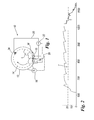
figure 1 is a schematic view of a spray washing machine; -
figure 2 is a diagram showing changes of water level in the tub vs. time in a washing method according to the invention; -
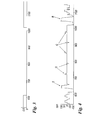
figure 3 shows the on/off cycle of the recirculation pump associated to the level diagram offigure 2 ; -
figure 4 is a diagram showing the speed of the drum vs. time, particularly in association with the washing method referred to infigure 2 ; -
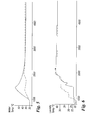
figure 5 is a diagram showing water temperature vs., time in a conventional spray washer (dotted line) and in a spray washing machine according to the invention (solid line); -
figure 6 is a diagram showing how in the same washing machines referred to infigure 5 the temperature of the laundry changes with time; -
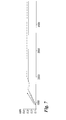
figure 7 is a diagram showing energy consumption vs. time of the same washing machines referred to infigures 5 and 6 ; and -
figures 8-9 are diagrams similar tofigures 5 and7 in a different working condition. - With reference to the drawings, with 10 it is indicated a spray washing machine having a
tub 12, a rotatingdrum 14 inside thetub 12 and driven by amotor 16, anelectric heater 18 in the lower portion of thetub 12, arecirculation conduit 20 provided with acirculation pump 22 and aspray nozzle 24 for spraying washing liquid onto the laundry L. With the term "washing liquid" we mean either water or a mixture of water plus detergents or the like. Of course the washing machine has other components, as the drain pump, possible water storage tank, detergent distributors, water level sensors etc. but these will not be described in the following since they are not specifically related to the invention. Theheater 18, themotor 16 and thepump 22 are electrically connected to acontrol unit 26 which drives all such components according to a predetermined sequence. - A general advantage of using a recirculation system as shown in
figure 1 is an improvement of the cleaning performances, for instance when such performances are tested according to the "red wine stain" standard procedure. Such advantage in cleaning performances is mainly due to a higher concentration of detergent. - When recirculation is carried out, free water in the
tub 12 of thewashing machine 10 is minimal, and water level W (figure 1 ) measured in the tub goes to zero. This necessarily requires an addition of water in thetub 12 so thatheater 18 is submerged and can therefore heat water. This addition of water does ensure a safe water level W during heating, but is disadvantageous in terms of detergent concentration and energy saving. According to the invention, such addition of water is avoided or at least reduced by stoppingrecirculation pump 22, increasing the speed of the drum in order to extract water from the laundry L by centrifugal force and switching on the heater for water heating. Such behavior is shown infigures 2-4 where with S is indicated the above spinning phase. Before switching on theheater 18, water level W in thetub 12 is preferably measured and in case such level is lower than a predetermined threshold (indicated with T infigure 2 ), a partial refill is carried out. - During heating of water a gentle tumbling of laundry L is carried out either for avoiding noise in the measurement of water level W or for obtaining a faster warm up of the free water near the
heater 18. Such tumbling, at a speed comprised between 20 and 70 rpm, preferably around 50 rpm, is shown infigure 4 by short movement of the drum indicated with G. To such short movements corresponds a small and sudden decrease of water level W in the tub 12 (figure 2 ). After a predetermined time is elapsed (about 400 s in the example offigures 2-4 ) during which water in thetub 12 has increased its temperature , theheater 18 is switched off andrecirculation pump 22 is switched on in order to spray heated water on laundry L by means of thespray nozzle 24. As shown in the right portion offigure 4 , when therecirculation pump 22 is switched on the speed of thedrum 14 is increased so that, similarly to what has been carried out when the recirculation pump has been switched off before water heating, a centrifugal force is generated which forms and maintains an annular layer of clothes against the drum wall. Such small spin, indicated with reference B infigure 4 , contributes to obtain a better distribution of water directly to the laundry L, such speed creating a satellization of the laundry L which increases the possibility to reach a better temperature balance. Even if the small spin B can be carried out at a speed different from the spinning phase S, such drum speeds are preferably identical. Also the duration of the small spin B is not critical, but it is preferably comprised between 10 and 50 s. - For the purposes of the present invention it is quite irrelevant the timing of the water heating and related slow spin phases S and B; it depends on the actual washing program selected by the user and by the presence of any pre-washing phase with cold or warm water. Generally speaking, the slow spin phase S, at a speed preferably comprised between 80 and 120 rpm, and more preferably around 100 rpm, is carried out after detergent is added in the
tub 12. At any rate, the method according to the invention can be carried out by adding detergent at the end of the heating phase, or at any time during the heating phase. The overall duration of the spinning phase S, even if carried out in sequential phases (for instance by changing rotation direction one or more times), is preferably comprised between 10 and 50 s, more preferably between 20 and 40 s. - According to a further preferred embodiment of the invention the
control unit 26 of thewashing machine 10 is running an algorithm for assessing the heating time after the slow spin phase S. The first step of such algorithm is the measure of ambient temperature T1 by means of aNTC temperature sensor 15 placed in the tub. Such measure is carried out before feeding any water in the tub. This temperature is also assumed to be the temperature of the laundry dry load L. If a washing cycle has been recently terminated , thecontrol unit 26 will assume as ambient temperature the T1 of the previous washing cycle. - Then an assessment of the mass Ml of the dry load L is carried out, using anyone of the known methods (for instance by a measure of the torque during acceleration of the drum). Then an estimation of the load ΔTl is carried out:

- Where Tt is the target temperature and T1 is ambient temperature.
- Next step is to calculate the energy El which is needed for heating up the load L by multiplying the mass of load Ml by ΔTl and by thermal capacitycl of the load L:

- Next step is calculation of water mass Mw by multiplying load mass Ml by specific absorption A of the load, by also adding a predetermined amount of free water Mwl:

- After such initial calculation phase, water is fed in the
tub 12 and by means ofNTC temperature sensor 15 water temperature T2 is measured. Then difference water temperature ΔTw is calculated by subtracting T2 from the target temperature Tt:
- Energy needed for heating water is calculated in a way similar to the calculation of energy for the load:

- where Cw is thermal capacity of water. Then total energy for heating up water and load is calculated:

- A certain energy loss towards environment is estimated by multiplying ΔT (Ttarget-T1) by a coefficient k which depends on the washing machine, to be experimentally assessed for each type of washing machine:

- Total energy to be used in the heating process is then calculated:

- By knowing such total energy, and knowing heating power P of the
heater 18, it is then possible to calculate time t which is necessary for heating:
- It is also possible to introduce in the above algorithm the value of power calculated from the voltage V, since power depends on the square voltage. Value of voltage V is normally measured by
control unit 26 since it is used to drive the motor 16 (i.e. such value is already "available"). Therefore power P can be calculated as:
- Where R is resistance of the
heater 18. - The final equation for calculating heating time t is:

-
Figures 5-7 show a comparison of the traditional spray washing cycle (dotted lines) and a washing cycle according to the invention (solid lines), and in which the same target temperature of laundry is used. The applicant has discovered that in above condition, i.e. if it is desired to reach the same temperature of the laundry at the end of the heating phase, a lower energy is needed in the method according to the invention. The applicant has measured an energy saving of at least 0,06 kWh for each washing cycle (this is shown infigure 7 ). - Instead of fixing the target laundry temperature, further comparison tests have been carried out by the applicant by fixing a predetermined heating time. In this condition the applicant has seen an increased final temperature reached by water or by the laundry, with differences between 3° and 5°C and 1° and 3° C respectively. In
figure 8 the difference of final water temperature is shown, while infigure 9 the two curves are substantially coincident (same energy consumption). Applicant believes that the above difference of about 2-3°C is due to a higher efficiency of the spray system to reach, distribute and keep higher temperatures in the laundry vs. conventional spray systems. Even if the method according to the invention is preferably used for horizontal axis washing machines, the same method can be used for vertical axis washing machines as well. - With an ambient temperature of 23°C, a horizontal axis washing machine is loaded with a cotton load Ml (
thermal capacity 1,26 kJ/kg°C, specific absorption 2 I/kg). - After determination of load mass Ml, water at 15°C has been added to the tub, with a target temperature of 40°C. Measured voltage is 220 V, and coefficient k is 2. Free water Mlw is 2 litres. Heating resistance of the heater is 25 Ω. Thermal capacity of water is 4,186 kJ/kg°C. Heating time t depends only on the load mass Ml:

- If the measured mass of the load Ml is 4 kg, the above formula gives a time t = 450 s for heating. With a voltage value of 230V, heating time would be 412 s.
Claims (15)
- Method for washing laundry in a washing machine (10), preferably a horizontal axis washing machine, comprising a drum (14) rotatably mounted in a tub (12), a recirculation pump (22) for recirculating a washing liquid on the laundry (L) and a heating device (18) for heating washing liquid, characterized in that it comprises increasing the drum speed up to a predetermined low spin speed (S) while recirculation pump (22) is switched off in order to increase water level (W) in the tub (12) and then switching on the heating device (18).
- Method according to claim 1, wherein the heating device (18) is switched on for a predetermined period of time.
- Method according to claim 2, wherein said predetermined period of time is based on the actual energy to be transferred to laundry (L).
- Method according to claim 3, wherein said period of time is calculated according to the formula:

where Ml = mass of laundry in the tub;
A = specific absorption of the laundry
Mwl= mass of free water
Cw = thermal capacity of water
Tt = target temperature of the load + water
T2 = temperature of water loaded in the tub
Cl = thermal capacity of load
T1 = ambient temperature
K = experimental coefficient for taking care of heat loss
R = resistance of the heater in the tub
V = voltage of electrical current used by the heater - Method according to any of the preceding claims, wherein said low spin speed is comprised between 80 and 120 rpm.
- Method according to any of the preceding claims, wherein the low spin speed (S) is maintained for an overall time comprised between 10 and 50 s.
- Method according to any of the preceding claims, wherein during the phase in which the heating device (18) is switched on, the drum (14) is rotated, at least intermittently, at a tumbling speed (G).
- Method according to claim 6, wherein the tumbling speed (G) is comprised between 10 and 70 rpm.
- Method according to any of the preceding claims, wherein after the heating device (18) is switched off, the drum (14) is rotated at a second low spin speed (B) for a predetermined period of time.
- Method according to claim 8, wherein the second low spin speed (B) is substantially identical to the first spin speed (S).
- Washing machine (10), preferably horizontal axis washing machine, comprising a drum (14) rotatably mounted in a tub (12), a recirculation pump (22) for recirculating a washing liquid on the laundry (L), a motor (16) for rotating the drum (14) and a heating device (18) for heating washing liquid, characterized in that it comprises a control unit (26) adapted to drive the motor (16) in order to increase the drum speed up to a predetermined low spin speed (S) while recirculation pump (22) is switched for increasing water level (W) in the tub (12) and assuring that the heating device (18) is fully submerged.
- Washing machine according to claim 11, wherein the control unit (26) is adapted to
drive the heating device (18) of a predetermined period of time. - Washing machine according to claim 12, wherein said predetermined period of time is calculated by the control unit (26) on the basis if the actual energy to be transferred to laundry (L).
- Washing machine according to claim 11, wherein the control unit (26) is adapted to
drive the drum (14), at least intermittently, at a tumbling speed (G) while said heating device (18) is switched on. - Washing machine according to claim11, wherein the control unit (26) is adapted to
drive the motor (16), after heating device (18) is switched off, so that the drum (14) is rotated at a second low spin speed (B) for a predetermined period of time.
Priority Applications (3)
| Application Number | Priority Date | Filing Date | Title |
|---|---|---|---|
| EP13164308.2A EP2792779B1 (en) | 2013-04-18 | 2013-04-18 | Method for washing laundry in a spray washing machine |
| PL13164308T PL2792779T3 (en) | 2013-04-18 | 2013-04-18 | Method for washing laundry in a spray washing machine |
| US14/250,746 US20140310885A1 (en) | 2013-04-18 | 2014-04-11 | Method for washing laundry in a spray washing machine |
Applications Claiming Priority (1)
| Application Number | Priority Date | Filing Date | Title |
|---|---|---|---|
| EP13164308.2A EP2792779B1 (en) | 2013-04-18 | 2013-04-18 | Method for washing laundry in a spray washing machine |
Publications (2)
| Publication Number | Publication Date |
|---|---|
| EP2792779A1 true EP2792779A1 (en) | 2014-10-22 |
| EP2792779B1 EP2792779B1 (en) | 2015-09-30 |
Family
ID=48145490
Family Applications (1)
| Application Number | Title | Priority Date | Filing Date |
|---|---|---|---|
| EP13164308.2A Revoked EP2792779B1 (en) | 2013-04-18 | 2013-04-18 | Method for washing laundry in a spray washing machine |
Country Status (3)
| Country | Link |
|---|---|
| US (1) | US20140310885A1 (en) |
| EP (1) | EP2792779B1 (en) |
| PL (1) | PL2792779T3 (en) |
Cited By (2)
| Publication number | Priority date | Publication date | Assignee | Title |
|---|---|---|---|---|
| CN112127120A (en) * | 2019-06-25 | 2020-12-25 | Bsh家用电器有限公司 | Laundry care appliance with pump device and method of operating a laundry care appliance |
| CN114051545A (en) * | 2019-07-04 | 2022-02-15 | Lg电子株式会社 | Washing machine and control method thereof |
Families Citing this family (1)
| Publication number | Priority date | Publication date | Assignee | Title |
|---|---|---|---|---|
| WO2017211412A1 (en) * | 2016-06-08 | 2017-12-14 | Arcelik Anonim Sirketi | Washer with an improved cleaning performance and an improved energy efficiency |
Citations (3)
| Publication number | Priority date | Publication date | Assignee | Title |
|---|---|---|---|---|
| FR2559798A1 (en) * | 1984-02-17 | 1985-08-23 | Esswein Sa | WASHING MACHINE CONTAINING WATER AT A LOW HEIGHT ABOVE THE BOTTOM OF THE DRUM |
| EP1961854A1 (en) * | 2007-02-26 | 2008-08-27 | Samsung Electronics Co., Ltd. | Washing machine and washing control method of the same |
| US20120151689A1 (en) * | 2009-08-27 | 2012-06-21 | Sang Il Hwang | Control method of laundry machine |
Family Cites Families (9)
| Publication number | Priority date | Publication date | Assignee | Title |
|---|---|---|---|---|
| IT1181078B (en) | 1984-11-20 | 1987-09-23 | Zanussi Elettrodomestici | WASHING MACHINE |
| KR100565251B1 (en) * | 2004-07-19 | 2006-03-30 | 엘지전자 주식회사 | Saving water washing method of drum washing machine |
| US20070118997A1 (en) * | 2005-08-23 | 2007-05-31 | Choi Du H | Washing machine |
| KR101275553B1 (en) | 2006-06-09 | 2013-06-20 | 엘지전자 주식회사 | Washing machine and its operating method |
| KR20090035898A (en) * | 2007-10-08 | 2009-04-13 | 엘지전자 주식회사 | How to wash your washing machine |
| US8713736B2 (en) * | 2008-08-01 | 2014-05-06 | Lg Electronics Inc. | Control method of a laundry machine |
| DE102008046465A1 (en) | 2008-09-09 | 2010-03-11 | Miele & Cie. Kg | Method of operating a washing machine and washing machine |
| EP2246469B1 (en) | 2010-02-16 | 2012-07-11 | V-Zug AG | Method for operating a washing machine and washing machine with circulation pump and spinning phase |
| KR101898489B1 (en) | 2012-02-07 | 2018-09-13 | 엘지전자 주식회사 | Controlling method of Laundry machine |
-
2013
- 2013-04-18 PL PL13164308T patent/PL2792779T3/en unknown
- 2013-04-18 EP EP13164308.2A patent/EP2792779B1/en not_active Revoked
-
2014
- 2014-04-11 US US14/250,746 patent/US20140310885A1/en not_active Abandoned
Patent Citations (3)
| Publication number | Priority date | Publication date | Assignee | Title |
|---|---|---|---|---|
| FR2559798A1 (en) * | 1984-02-17 | 1985-08-23 | Esswein Sa | WASHING MACHINE CONTAINING WATER AT A LOW HEIGHT ABOVE THE BOTTOM OF THE DRUM |
| EP1961854A1 (en) * | 2007-02-26 | 2008-08-27 | Samsung Electronics Co., Ltd. | Washing machine and washing control method of the same |
| US20120151689A1 (en) * | 2009-08-27 | 2012-06-21 | Sang Il Hwang | Control method of laundry machine |
Cited By (5)
| Publication number | Priority date | Publication date | Assignee | Title |
|---|---|---|---|---|
| CN112127120A (en) * | 2019-06-25 | 2020-12-25 | Bsh家用电器有限公司 | Laundry care appliance with pump device and method of operating a laundry care appliance |
| CN112127120B (en) * | 2019-06-25 | 2023-12-12 | Bsh家用电器有限公司 | Laundry care appliance with pump device and method of operating laundry care appliance |
| CN114051545A (en) * | 2019-07-04 | 2022-02-15 | Lg电子株式会社 | Washing machine and control method thereof |
| CN114051545B (en) * | 2019-07-04 | 2023-12-05 | Lg电子株式会社 | Washing machines and washing machine control methods |
| US12173441B2 (en) | 2019-07-04 | 2024-12-24 | Lg Electronics Inc. | Washing machine and control method of washing machine |
Also Published As
| Publication number | Publication date |
|---|---|
| EP2792779B1 (en) | 2015-09-30 |
| US20140310885A1 (en) | 2014-10-23 |
| PL2792779T3 (en) | 2015-12-31 |
Similar Documents
| Publication | Publication Date | Title |
|---|---|---|
| EP3385436B1 (en) | Water draining method of washing machine | |
| CN105283597B (en) | Method for operating a washing machine achieving improved residual moisture content of laundry and washing machine suitable for the method | |
| US20150113740A1 (en) | Washing machine and control method thereof | |
| CN103930609B (en) | front load washing machine | |
| EP1785520B1 (en) | Stain removal process control method using BPM motor feeback | |
| US20140366586A1 (en) | Efficient energy usage for a laundry appliance | |
| CN107429470B (en) | The method of washing machine and thus suitable washing machine are run for detecting by means of the foam of motor current analysis processing | |
| US20140250607A1 (en) | Method for Washing Laundry in a Laundry Washing Machine | |
| US20150047396A1 (en) | Laundry treating appliance and method of predicting mechanical degradation in a laundry treating appliance | |
| EP2792779B1 (en) | Method for washing laundry in a spray washing machine | |
| MX2007014348A (en) | Mechanical action estimation for washing machines. | |
| US20100306925A1 (en) | Method for the treatment of washing and programme-controlled washing machine suitable therefor | |
| CN107438684B (en) | Method for operating a washing machine with foam detection by motor current analysis and washing machine suitable therefor | |
| CN104420120A (en) | Washing machine and control method thereof | |
| CN112912555B (en) | Washing machine | |
| US8321983B2 (en) | Method for controlling a cycle of operation in a laundry treating appliance | |
| CN109183353B (en) | Drum washing machine and washing control method and device thereof | |
| CN109137399B (en) | Drum washing machine and washing control method and device thereof | |
| WO2008148844A2 (en) | A washer/dryer and the control method thereof | |
| JP2011050630A (en) | Drum-type washing and drying machine | |
| US20150292137A1 (en) | Methods for determining load mass and operating washing machine appliances | |
| JP7204445B2 (en) | Washing machine | |
| TR201704786A2 (en) | Method for determining foam in a washing machine | |
| US6581230B2 (en) | Method of washing laundry in a motor-driven washing machine | |
| EP2610388B1 (en) | Laundry drying machine and control method thereof |
Legal Events
| Date | Code | Title | Description |
|---|---|---|---|
| PUAI | Public reference made under article 153(3) epc to a published international application that has entered the european phase |
Free format text: ORIGINAL CODE: 0009012 |
|
| 17P | Request for examination filed |
Effective date: 20130418 |
|
| AK | Designated contracting states |
Kind code of ref document: A1 Designated state(s): AL AT BE BG CH CY CZ DE DK EE ES FI FR GB GR HR HU IE IS IT LI LT LU LV MC MK MT NL NO PL PT RO RS SE SI SK SM TR |
|
| AX | Request for extension of the european patent |
Extension state: BA ME |
|
| R17P | Request for examination filed (corrected) |
Effective date: 20150420 |
|
| RBV | Designated contracting states (corrected) |
Designated state(s): AL AT BE BG CH CY CZ DE DK EE ES FI FR GB GR HR HU IE IS IT LI LT LU LV MC MK MT NL NO PL PT RO RS SE SI SK SM TR |
|
| GRAP | Despatch of communication of intention to grant a patent |
Free format text: ORIGINAL CODE: EPIDOSNIGR1 |
|
| GRAS | Grant fee paid |
Free format text: ORIGINAL CODE: EPIDOSNIGR3 |
|
| INTG | Intention to grant announced |
Effective date: 20150731 |
|
| GRAA | (expected) grant |
Free format text: ORIGINAL CODE: 0009210 |
|
| AK | Designated contracting states |
Kind code of ref document: B1 Designated state(s): AL AT BE BG CH CY CZ DE DK EE ES FI FR GB GR HR HU IE IS IT LI LT LU LV MC MK MT NL NO PL PT RO RS SE SI SK SM TR |
|
| REG | Reference to a national code |
Ref country code: CH Ref legal event code: EP Ref country code: GB Ref legal event code: FG4D |
|
| REG | Reference to a national code |
Ref country code: AT Ref legal event code: REF Ref document number: 752492 Country of ref document: AT Kind code of ref document: T Effective date: 20151015 |
|
| REG | Reference to a national code |
Ref country code: IE Ref legal event code: FG4D |
|
| REG | Reference to a national code |
Ref country code: DE Ref legal event code: R096 Ref document number: 602013003255 Country of ref document: DE |
|
| REG | Reference to a national code |
Ref country code: PL Ref legal event code: T3 |
|
| PG25 | Lapsed in a contracting state [announced via postgrant information from national office to epo] |
Ref country code: FI Free format text: LAPSE BECAUSE OF FAILURE TO SUBMIT A TRANSLATION OF THE DESCRIPTION OR TO PAY THE FEE WITHIN THE PRESCRIBED TIME-LIMIT Effective date: 20150930 Ref country code: LT Free format text: LAPSE BECAUSE OF FAILURE TO SUBMIT A TRANSLATION OF THE DESCRIPTION OR TO PAY THE FEE WITHIN THE PRESCRIBED TIME-LIMIT Effective date: 20150930 Ref country code: LV Free format text: LAPSE BECAUSE OF FAILURE TO SUBMIT A TRANSLATION OF THE DESCRIPTION OR TO PAY THE FEE WITHIN THE PRESCRIBED TIME-LIMIT Effective date: 20150930 Ref country code: GR Free format text: LAPSE BECAUSE OF FAILURE TO SUBMIT A TRANSLATION OF THE DESCRIPTION OR TO PAY THE FEE WITHIN THE PRESCRIBED TIME-LIMIT Effective date: 20151231 Ref country code: NO Free format text: LAPSE BECAUSE OF FAILURE TO SUBMIT A TRANSLATION OF THE DESCRIPTION OR TO PAY THE FEE WITHIN THE PRESCRIBED TIME-LIMIT Effective date: 20151230 |
|
| REG | Reference to a national code |
Ref country code: NL Ref legal event code: MP Effective date: 20150930 |
|
| REG | Reference to a national code |
Ref country code: LT Ref legal event code: MG4D |
|
| REG | Reference to a national code |
Ref country code: AT Ref legal event code: MK05 Ref document number: 752492 Country of ref document: AT Kind code of ref document: T Effective date: 20150930 |
|
| PG25 | Lapsed in a contracting state [announced via postgrant information from national office to epo] |
Ref country code: SE Free format text: LAPSE BECAUSE OF FAILURE TO SUBMIT A TRANSLATION OF THE DESCRIPTION OR TO PAY THE FEE WITHIN THE PRESCRIBED TIME-LIMIT Effective date: 20150930 Ref country code: RS Free format text: LAPSE BECAUSE OF FAILURE TO SUBMIT A TRANSLATION OF THE DESCRIPTION OR TO PAY THE FEE WITHIN THE PRESCRIBED TIME-LIMIT Effective date: 20150930 Ref country code: HR Free format text: LAPSE BECAUSE OF FAILURE TO SUBMIT A TRANSLATION OF THE DESCRIPTION OR TO PAY THE FEE WITHIN THE PRESCRIBED TIME-LIMIT Effective date: 20150930 |
|
| REG | Reference to a national code |
Ref country code: FR Ref legal event code: PLFP Year of fee payment: 4 |
|
| PG25 | Lapsed in a contracting state [announced via postgrant information from national office to epo] |
Ref country code: IS Free format text: LAPSE BECAUSE OF FAILURE TO SUBMIT A TRANSLATION OF THE DESCRIPTION OR TO PAY THE FEE WITHIN THE PRESCRIBED TIME-LIMIT Effective date: 20160130 Ref country code: SK Free format text: LAPSE BECAUSE OF FAILURE TO SUBMIT A TRANSLATION OF THE DESCRIPTION OR TO PAY THE FEE WITHIN THE PRESCRIBED TIME-LIMIT Effective date: 20150930 Ref country code: CZ Free format text: LAPSE BECAUSE OF FAILURE TO SUBMIT A TRANSLATION OF THE DESCRIPTION OR TO PAY THE FEE WITHIN THE PRESCRIBED TIME-LIMIT Effective date: 20150930 Ref country code: NL Free format text: LAPSE BECAUSE OF FAILURE TO SUBMIT A TRANSLATION OF THE DESCRIPTION OR TO PAY THE FEE WITHIN THE PRESCRIBED TIME-LIMIT Effective date: 20150930 Ref country code: ES Free format text: LAPSE BECAUSE OF FAILURE TO SUBMIT A TRANSLATION OF THE DESCRIPTION OR TO PAY THE FEE WITHIN THE PRESCRIBED TIME-LIMIT Effective date: 20150930 Ref country code: EE Free format text: LAPSE BECAUSE OF FAILURE TO SUBMIT A TRANSLATION OF THE DESCRIPTION OR TO PAY THE FEE WITHIN THE PRESCRIBED TIME-LIMIT Effective date: 20150930 |
|
| PG25 | Lapsed in a contracting state [announced via postgrant information from national office to epo] |
Ref country code: AT Free format text: LAPSE BECAUSE OF FAILURE TO SUBMIT A TRANSLATION OF THE DESCRIPTION OR TO PAY THE FEE WITHIN THE PRESCRIBED TIME-LIMIT Effective date: 20150930 Ref country code: RO Free format text: LAPSE BECAUSE OF FAILURE TO SUBMIT A TRANSLATION OF THE DESCRIPTION OR TO PAY THE FEE WITHIN THE PRESCRIBED TIME-LIMIT Effective date: 20150930 Ref country code: PT Free format text: LAPSE BECAUSE OF FAILURE TO SUBMIT A TRANSLATION OF THE DESCRIPTION OR TO PAY THE FEE WITHIN THE PRESCRIBED TIME-LIMIT Effective date: 20160201 |
|
| REG | Reference to a national code |
Ref country code: DE Ref legal event code: R026 Ref document number: 602013003255 Country of ref document: DE |
|
| PLBI | Opposition filed |
Free format text: ORIGINAL CODE: 0009260 |
|
| PLAX | Notice of opposition and request to file observation + time limit sent |
Free format text: ORIGINAL CODE: EPIDOSNOBS2 |
|
| 26 | Opposition filed |
Opponent name: SACHS, ERHARDT RUDOLF Effective date: 20160630 |
|
| PG25 | Lapsed in a contracting state [announced via postgrant information from national office to epo] |
Ref country code: BE Free format text: LAPSE BECAUSE OF NON-PAYMENT OF DUE FEES Effective date: 20160430 Ref country code: DK Free format text: LAPSE BECAUSE OF FAILURE TO SUBMIT A TRANSLATION OF THE DESCRIPTION OR TO PAY THE FEE WITHIN THE PRESCRIBED TIME-LIMIT Effective date: 20150930 |
|
| PG25 | Lapsed in a contracting state [announced via postgrant information from national office to epo] |
Ref country code: SI Free format text: LAPSE BECAUSE OF FAILURE TO SUBMIT A TRANSLATION OF THE DESCRIPTION OR TO PAY THE FEE WITHIN THE PRESCRIBED TIME-LIMIT Effective date: 20150930 |
|
| REG | Reference to a national code |
Ref country code: CH Ref legal event code: PL |
|
| PG25 | Lapsed in a contracting state [announced via postgrant information from national office to epo] |
Ref country code: LU Free format text: LAPSE BECAUSE OF FAILURE TO SUBMIT A TRANSLATION OF THE DESCRIPTION OR TO PAY THE FEE WITHIN THE PRESCRIBED TIME-LIMIT Effective date: 20160418 Ref country code: BE Free format text: LAPSE BECAUSE OF FAILURE TO SUBMIT A TRANSLATION OF THE DESCRIPTION OR TO PAY THE FEE WITHIN THE PRESCRIBED TIME-LIMIT Effective date: 20150930 |
|
| REG | Reference to a national code |
Ref country code: IE Ref legal event code: MM4A |
|
| PG25 | Lapsed in a contracting state [announced via postgrant information from national office to epo] |
Ref country code: LI Free format text: LAPSE BECAUSE OF NON-PAYMENT OF DUE FEES Effective date: 20160430 Ref country code: CH Free format text: LAPSE BECAUSE OF NON-PAYMENT OF DUE FEES Effective date: 20160430 |
|
| REG | Reference to a national code |
Ref country code: FR Ref legal event code: PLFP Year of fee payment: 5 |
|
| PG25 | Lapsed in a contracting state [announced via postgrant information from national office to epo] |
Ref country code: IE Free format text: LAPSE BECAUSE OF NON-PAYMENT OF DUE FEES Effective date: 20160418 |
|
| REG | Reference to a national code |
Ref country code: FR Ref legal event code: PLFP Year of fee payment: 6 |
|
| PGFP | Annual fee paid to national office [announced via postgrant information from national office to epo] |
Ref country code: GB Payment date: 20180329 Year of fee payment: 6 |
|
| PG25 | Lapsed in a contracting state [announced via postgrant information from national office to epo] |
Ref country code: HU Free format text: LAPSE BECAUSE OF FAILURE TO SUBMIT A TRANSLATION OF THE DESCRIPTION OR TO PAY THE FEE WITHIN THE PRESCRIBED TIME-LIMIT; INVALID AB INITIO Effective date: 20130418 Ref country code: SM Free format text: LAPSE BECAUSE OF FAILURE TO SUBMIT A TRANSLATION OF THE DESCRIPTION OR TO PAY THE FEE WITHIN THE PRESCRIBED TIME-LIMIT Effective date: 20150930 |
|
| PGFP | Annual fee paid to national office [announced via postgrant information from national office to epo] |
Ref country code: PL Payment date: 20180315 Year of fee payment: 6 Ref country code: FR Payment date: 20180315 Year of fee payment: 6 |
|
| PG25 | Lapsed in a contracting state [announced via postgrant information from national office to epo] |
Ref country code: MT Free format text: LAPSE BECAUSE OF NON-PAYMENT OF DUE FEES Effective date: 20160430 Ref country code: CY Free format text: LAPSE BECAUSE OF FAILURE TO SUBMIT A TRANSLATION OF THE DESCRIPTION OR TO PAY THE FEE WITHIN THE PRESCRIBED TIME-LIMIT Effective date: 20150930 Ref country code: MK Free format text: LAPSE BECAUSE OF FAILURE TO SUBMIT A TRANSLATION OF THE DESCRIPTION OR TO PAY THE FEE WITHIN THE PRESCRIBED TIME-LIMIT Effective date: 20150930 Ref country code: MC Free format text: LAPSE BECAUSE OF FAILURE TO SUBMIT A TRANSLATION OF THE DESCRIPTION OR TO PAY THE FEE WITHIN THE PRESCRIBED TIME-LIMIT Effective date: 20150930 |
|
| PG25 | Lapsed in a contracting state [announced via postgrant information from national office to epo] |
Ref country code: BG Free format text: LAPSE BECAUSE OF FAILURE TO SUBMIT A TRANSLATION OF THE DESCRIPTION OR TO PAY THE FEE WITHIN THE PRESCRIBED TIME-LIMIT Effective date: 20150930 |
|
| PGFP | Annual fee paid to national office [announced via postgrant information from national office to epo] |
Ref country code: DE Payment date: 20180404 Year of fee payment: 6 |
|
| PGFP | Annual fee paid to national office [announced via postgrant information from national office to epo] |
Ref country code: IT Payment date: 20180420 Year of fee payment: 6 |
|
| PG25 | Lapsed in a contracting state [announced via postgrant information from national office to epo] |
Ref country code: TR Free format text: LAPSE BECAUSE OF FAILURE TO SUBMIT A TRANSLATION OF THE DESCRIPTION OR TO PAY THE FEE WITHIN THE PRESCRIBED TIME-LIMIT Effective date: 20150930 Ref country code: AL Free format text: LAPSE BECAUSE OF FAILURE TO SUBMIT A TRANSLATION OF THE DESCRIPTION OR TO PAY THE FEE WITHIN THE PRESCRIBED TIME-LIMIT Effective date: 20150930 |
|
| RDAF | Communication despatched that patent is revoked |
Free format text: ORIGINAL CODE: EPIDOSNREV1 |
|
| STAA | Information on the status of an ep patent application or granted ep patent |
Free format text: STATUS: THE PATENT HAS BEEN GRANTED |
|
| REG | Reference to a national code |
Ref country code: DE Ref legal event code: R064 Ref document number: 602013003255 Country of ref document: DE Ref country code: DE Ref legal event code: R103 Ref document number: 602013003255 Country of ref document: DE |
|
| RDAG | Patent revoked |
Free format text: ORIGINAL CODE: 0009271 |
|
| STAA | Information on the status of an ep patent application or granted ep patent |
Free format text: STATUS: PATENT REVOKED |
|
| 27W | Patent revoked |
Effective date: 20181215 |
|
| GBPR | Gb: patent revoked under art. 102 of the ep convention designating the uk as contracting state |
Effective date: 20181215 |