EP2769503B1 - Trägerdienst in kommunikationen - Google Patents
Trägerdienst in kommunikationen Download PDFInfo
- Publication number
- EP2769503B1 EP2769503B1 EP11773262.8A EP11773262A EP2769503B1 EP 2769503 B1 EP2769503 B1 EP 2769503B1 EP 11773262 A EP11773262 A EP 11773262A EP 2769503 B1 EP2769503 B1 EP 2769503B1
- Authority
- EP
- European Patent Office
- Prior art keywords
- local
- lipa
- messages
- broadcast
- point
- Prior art date
- Legal status (The legal status is an assumption and is not a legal conclusion. Google has not performed a legal analysis and makes no representation as to the accuracy of the status listed.)
- Active
Links
Images

Classifications
-
- H—ELECTRICITY
- H04—ELECTRIC COMMUNICATION TECHNIQUE
- H04L—TRANSMISSION OF DIGITAL INFORMATION, e.g. TELEGRAPHIC COMMUNICATION
- H04L12/00—Data switching networks
- H04L12/02—Details
- H04L12/16—Arrangements for providing special services to substations
- H04L12/18—Arrangements for providing special services to substations for broadcast or conference, e.g. multicast
- H04L12/1836—Arrangements for providing special services to substations for broadcast or conference, e.g. multicast with heterogeneous network architecture
-
- H—ELECTRICITY
- H04—ELECTRIC COMMUNICATION TECHNIQUE
- H04W—WIRELESS COMMUNICATION NETWORKS
- H04W28/00—Network traffic management; Network resource management
- H04W28/02—Traffic management, e.g. flow control or congestion control
-
- H—ELECTRICITY
- H04—ELECTRIC COMMUNICATION TECHNIQUE
- H04L—TRANSMISSION OF DIGITAL INFORMATION, e.g. TELEGRAPHIC COMMUNICATION
- H04L12/00—Data switching networks
- H04L12/02—Details
- H04L12/16—Arrangements for providing special services to substations
- H04L12/18—Arrangements for providing special services to substations for broadcast or conference, e.g. multicast
- H04L12/189—Arrangements for providing special services to substations for broadcast or conference, e.g. multicast in combination with wireless systems
Definitions
- the exemplary and non-limiting embodiments of this invention relate generally wireless communications networks, and more particularly to providing a bearer service.
- LIPA local IP access
- a UMTS or LTE device may use LIPA to access devices that are connected to the local network over the femtocell.
- APN tells SGSN (UMTS) or MME (LTE) that the mobile device wants to get a connection to the local network and not to the network operator's core network.
- a LIPA flag is defined that is sent by the mobile device during PDP context establishment (UMTS) or default bearer activation (LTE) for the same purpose.
- the mobile may have two PDP contexts (UMTS) or two default bearers (LTE): one that terminates in the local network and one that goes through the core network to GGSN/P-GW.
- UMTS PDP contexts
- LTE default bearers
- GGSN/P-GW default bearers
- Incoming packets from the local network are forwarded to a mobile device that is in an UMTS idle/cell or URA_PCH state or LTE idle state respectively.
- the mobile device is paged first and has to re-establish an RRC (radio resource control) connection before the data can be forwarded.
- RRC radio resource control
- Femto nodes provide Local IP Access (LIPA) which allows terminals to communicate with local area networks that the femtocells reside in using cellular air-interfaces (such as cdma2000, UMTS or LTE). Femto nodes also enable Remote IP Access (RIPA) service, which allows the terminals to access the local area network from the Internet as if they were present in the local area networks.
- LIPA Local IP Access
- RIPA Remote IP Access
- An exemplary embodiment relates to future networks enabling and supporting a local breakout functionality (local IP access, LIPA), such as LTE etc.
- LIPA local IP access
- An exemplary embodiment may involve eNBs, UEs and/or local gateways (L-GW).
- An ethernet bearer and shared prefix model may be introduced using point-to-point (PtP) radio bearers. These, however, do not include e.g. a broadcast bearer when needed for DL neighbour discovery (ND) delivery/point-to-multipoint in detail.
- PtP point-to-point
- the way of utilizing radio broadcast to realize IP multicast/broadcast may have some resemblance to e.g. MBMS (multimedia broadcast multicast service) procedures as well as multicasting/broadcasting ND messages and/or protocol messages using MBMS like radio broadcast channel.
- the multicast/broadcast channel which is used only for the protocol messages that needs multicasting, may be combined with a regular user specific unicast user plane channel in UE, so that UE's IP stack sees them as one logical IP interface.
- UE IP host generally
- IP host in a fixed network there may be no problem with IP host connected, as it seems that the messages including ND messages use the same interface without any confusion.
- a problem with the mobile terminals seems to come from how they handle bearers. Without the combining function the terminal just may not associate the broadcast/multicast bearer which pushes ND messages towards it, to a regular user plane bearer heading to the corresponding network.
- UE IP stack is supposed to understand that these two logical connections belong to the same IPv6 link.
- An exemplary embodiment involves creating a new local IP access (LIPA) broadcast radio bearer service to carry multicast IP messages efficiently over radio interface (i.e. basically to emulate a kind of ethernet-type broadcasting e.g. for handling IPv6 link-local multicast messaging for UEs sharing the same LIPA base station).
- LIPA local IP access
- An exemplary embodiment involves combining a multicast/broadcast channel which is used only for the protocol messages that need multicasting, with the regular user specific unicast user plane channel in UE, so that UE's IP stack sees them as one logical IP interface.
- An exemplary embodiment helps to provide kind of WLAN type access network services over a femto cell. If there is a large number of LIPA UEs served by one eNB, radio resources may be saved by using broadcast bearer to send multicast messages only once instead of repeating them on dedicated bearers (point-to-multipoint vs. point-to-point).
- a 3GPP bearer model implicitly defines the used IP link model.
- 3GPP accesses have two models:
- Modern host OSs may wish to abstract "everything" as an IEEE 802 (ethernet) type interface. This may lead to false assumptions on both end-host and network side regarding link model and addressing. As a result there may be no working combinations regarding addressing, and a need for a bearer model with true ethernet addressing is recognised.
- IEEE 802 ethernet
- a neighbour discovery (ND) protocol for IPv6 is a fundamental network layer protocol for IPv6, by which IPv6 hosts uses for, address configuration, L2 address resolution (AR) of other nodes, duplicate address detection (DUD), router discovery etc.
- the ND protocol is used inside an IPv6 link (subnet), and assumes the multicast capable transport. Some ND messages may be sent (multicast) to specific multicast groups, part of them to an All_Nodes multicast group, which means in practice broadcasting to each host in the link.
- the 3GPP IPv6 link model is based on dedicated prefixes per UE. Exactly one dedicated prefix is assigned for each UE, which means that there are no other hosts in a same IPv6 link (subnet).
- the prefix is advertised to UE as a prefix that cannot be used for on-link determination ("non-on-link prefix") so that UE knows that it is the only host in the link and sends each packet to a default router (P-GW, GGSN). Since UE is the only host in the link, most of the ND procedures may be omitted and no ND multicasting is needed.
- LIPA local IP access
- 3GPP UEs and BSs may be connected to a third-party-administered local area network.
- L-GW local mobile GW
- UEs logically belong to the network of the access router(s) of the local network.
- the address configuration management of the third party network is beyond the control of a mobile operator, thus for the flexibility sake the 3GPP subsystem should adapt to the usual IP addressing and link models used in the wired LANs.
- the shared IPv6 prefix link model is commonly used in LAN interfaces, meaning that each host including mobile ones share the same IPv6 prefix and belong to the same IPv6 link, which in turn necessitates that ND protocol messages are to be transported between hosts and routers.
- the ND protocol assumes a multicast-capable link.
- the 3GPP access link based on default and dedicated bearers is not, as such, multicast capable; instead the 3GPP access link is formed of point-to-point links (bearers) either between UE and P-GW/GGSN (3GPP variant) or UE and S-GW (IETF variant).
- the multicast link may be emulated by replicating multicast packets to point-to-point links (bearers) and sending replicated packets individually to each bearer, but this increases overhead and wastes radio resources and transport resources and should thus be avoided.
- 3GPP IPv6 link model relies on dedicated IPv6 prefixes for UE, which means that only PDN GW belongs to the same IPV6 link together with UE, which makes on-link determination unnecessary, thus avoiding ND protocol multicast.
- 3GPP UE may be attached to a third party administrator's network whose IP addressing policies are beyond a mobile network operator's control and quite often (probably) use shared IPv6 prefixes.
- An exemplary embodiment proposes that a point-to-multipoint broadcast bearer service is used for transporting ND messages (or other messages) with a multicast destination address over the air interface (see Figure 1 illustrating LIPA bearers with two UEs using a LIPA connection to a local network).
- LIPA service when initiating a direct access to the local network (LIPA service), i.e. when a two-way (uplink and downlink) LIPA dedicated bearer is established, UE starts reception of the downlink LIPA broadcast bearer service which is dedicated for the ND protocol message multicasting.
- the LIPA broadcast bearer service is established for a LIPA base station for transporting ND protocol messages, or some other protocol messages requiring multicasting, towards UEs.
- a filter function in the BS internal local GW identifies, based on a criteria such as a protocol (e.g. ARP, ICMP or some other protocol), and/or a destination address, etc., messages that are to be multicast and forwards them to the LIPA broadcast bearer (see Figure 2 illustrating LIPA data flows with a LIPA connection to a local network using on-link prefixes).
- a protocol e.g. ARP, ICMP or some other protocol
- FIG. 2 illustrating LIPA data flows with a LIPA connection to a local network using on-link prefixes.
- Other user plane traffic to UE from the local network interface (see SGi in Figure 2 ) or from another UE is forwarded to a regular unicast LIPA downlink bearer.
- the filter function in L-GW may also comprise multicast listener discovery (MLD) snooping for IPv6 or IGMP snooping for IPv4 functionality. Multicast snooping makes it possible to filter off multicast messages targeted to multicast groups to which none of the camped UEs are belonging.
- MLD multicast listener discovery
- UE when the LIPA bearer is established, UE receives a configuration message for configuring a LIPA bearer service and its associated LIPA broadcast bearer service, giving the necessary information for UE to start the reception of the LIPA broadcast service. Based on this configuration message, the downlink flows from the unicast LIPA downlink bearer and the LIPA multicast bearer are combined together in a multiplexer function of UE so that UE's IP stack sees them as a single logical ingress interface (see a MUX function in Figure 2 ).
- the LIPA broadcast bearer is common for the LIPA UEs connected to a local IP network and carries data that does not interest every UE. It is up to the UE's IP stack to recognise multicast packets that concern it.
- the ND protocol messages from UE to another host in LAN are sent to the uplink LIPA unicast bearer as other user plane uplink traffic.
- L-GW may either be a standalone node, or a collocated function in BS.
- the LIPA multicast traffic may be delivered from L-GW to LIPA base stations by using IP multicasting and transmitted over the air interface by using a coordinated transmission scheme similar to that of a multi-cell MBMS.
- the enhanced bearer model for local IP access involves delivering multicast (ND) protocol messages from a local IP network to UEs by using a point-to-multipoint (broadcast) radio bearer service which is combined to a regular bearer in UE so that UE sees them as one logical downlink interface.
- ND multicast
- the delivery of ND messaging becomes topical if L2-modelled local GWs are used or an ethernet like link model is used in a local GW.
- Many ND messages are sent to multicast IP addresses. Multicasting over the point-to-point 3GPP radio bearers introduces overhead and is waste of radio capacity.
- the present invention is applicable to any user terminal, network element, server, corresponding component, and/or to any communication system or any combination of different communication systems that support a bearer service.
- the communication system may be a fixed communication system or a wireless communication system or a communication system utilizing both fixed networks and wireless networks.
- the protocols used, the specifications of communication systems, servers and user terminals, especially in wireless communication develop rapidly. Such development may require extra changes to an embodiment. Therefore, all words and expressions should be interpreted broadly and they are intended to illustrate, not to restrict, the embodiment.
- the radio system is based on LTE network elements.
- the invention described in these examples is not limited to the LTE radio systems but can also be implemented in other radio systems, such as UMTS (universal mobile telecommunications system), GSM, EDGE, WCDMA, bluetooth network, WLAN or other fixed, mobile or wireless network.
- the presented solution may be applied between elements belonging to different but compatible systems such as LTE and UMTS.
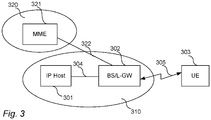
- Figure 3 is a simplified system architecture only showing some elements and functional entities, all being logical units whose implementation may differ from what is shown.
- the connections shown in Figure 3 are logical connections; the actual physical connections may be different. It is apparent to a person skilled in the art that the systems also comprise other functions and structures. It should be appreciated that the functions, structures, elements, and protocols used in or for fixed or wireless communication are irrelevant to the actual invention. Therefore, they need not be discussed in more detail here.
- the exemplary radio system of Figure 3 comprises a local network node 301, e.g. an IP host connected to a local network 310.
- the network node 301 may include e.g. an application server, PC, and/or a printer.
- the local network node 301 may be operationally connected (directly or indirectly) to a radio network node 302 including a local gateway function, via a connection 304.
- the local network node 301 and the radio network node 302 are operationally connected (directly or indirectly) to the same local IP network 310.
- the radio network node may include e.g. a base station (BS, node-B, eNB), access point (AP), radio network controller (RNC), or any other network element or a combination of network elements.
- BS base station
- AP access point
- RNC radio network controller
- the radio network node 302 that may also be called a base station (BS) and/or eNB/RNC (enhanced node-B/radio network controller) of the radio system hosts the functions for radio resource management in a public land mobile network.
- the radio network node 302 may also be connected to a core network 320 and one or more core network elements such as a mobility management entity MME 321, via a connection 322.
- Figure 3 shows one or more user equipment 303 located in the service area of the radio network node 302.
- the user equipment refers to a portable computing device, and it may also be referred to as a user terminal.
- Such computing devices include wireless mobile communication devices operating with or without a subscriber identification module (SIM) in hardware or in software, including, but not limited to, the following types of devices: mobile phone, smart-phone, personal digital assistant (PDA), handset, laptop computer.
- SIM subscriber identification module
- PDA personal digital assistant
- the user equipment 303 is capable of connecting to the radio network node 302 via a connection 305.
- Figure 3 only illustrates a simplified example.
- the net-work may include more network elements and user terminals.
- the networks of two or more operators may overlap, the sizes and form of the cells may vary from what is depicted in Figure 3 , etc.
- the communication system may also be able to communicate with other networks, such as a public switched telephone network.
- the embodiments are not, however, restricted to the network given above as an example, but a person skilled in the art may apply the solution to other communication networks provided with the necessary properties.
- the connections between different network elements may be realized with internet protocol (IP) connections.
- IP internet protocol
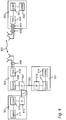
- Figure 4 illustrates examples of apparatuses according to embodiments of the invention.
- Figure 4 shows a user equipment 303 located in the area of the radio network node 302.
- the user equipment is configured to be in connection with the radio network node 302.
- the user equipment or UE 303 comprises a controller 401 operationally connected to a memory 202 and a transceiver 403.
- the controller 401 controls the operation of the user equipment 303.
- the memory 402 is configured to store software and data.
- the transceiver 403 is configured to set up and maintain a wireless connection to the radio network node 302.
- the transceiver is operationally connected to a set of antenna ports 404 connected to an antenna arrangement 405.
- the antenna arrangement 405 may comprise a set of antennas. The number of antennas may be one to four, for example.
- the number of antennas is not limited to any particular number.
- the user equipment 303 may also comprise various other components, such as a user interface, camera, and media player. They are not displayed in the figure due to simplicity.
- the radio network node 302 comprises a controller 406 operationally connected to an interface 407, and a transceiver 408.
- the controller 406 controls the operation of the radio network node 302.
- the transceiver 408 is configured to set up and maintain a wireless connection to the user equipment 303 within the service area of the radio network node 302.
- the transceiver 408 is operationally connected to an antenna arrangement 409.
- the antenna arrangement 409 may comprise a set of antennas.
- the number of antennas may be two to four, for example.
- the number of antennas is not limited to any particular number.
- the radio network node may be operationally connected (directly or indirectly) to another network element 301 of the communication system, such as an IP host, e.g. an application server, PC and/or a printer.
- the network element 301 may comprise a controller 410 operationally connected to an interface 412, and a memory 411.
- the controller 410 controls the operation of the network node 301.
- the memory 411 is configured to store software and data.
- the radio network node may also be operationally connected (directly or indirectly) to a further network element 321 of the communication system, such as a mobility management entity (MME), an MSC server (MSS), a mobile switching centre (MSC), a radio resource management (RRM) node, a gateway GPRS support node, an operations, administrations and maintenance (OAM) node, a home location register (HLR), a visitor location register (VLR), a serving GPRS support node, a base station controller (BSC), a gateway, and/or a server.
- MME mobility management entity
- MSC mobile switching centre
- RRM radio resource management
- gateway GPRS support node such as a gateway GPRS support node, an operations, administrations and maintenance (OAM) node, a home location register (HLR), a visitor location register (VLR), a serving GPRS support node, a base station controller (BSC), a gateway, and/or a server.
- the network element 321 may
- the memory 414 is configured to store software and data.
- the embodiments are not, however, restricted to the network given above as an example, but a person skilled in the art may apply the solution to other communication networks provided with the necessary properties.
- the connections between different network elements may be realized with internet protocol (IP) connections.
- IP internet protocol
- the memory may include volatile and/or non-volatile memory and typically stores content, data, or the like.
- the memory may store computer program code such as software applications (for example for the detector unit and/or for the adjuster unit) or operating systems, information, data, content, or the like for the processor to perform steps associated with operation of the apparatus in accordance with embodiments.
- the memory may be, for example, random access memory (RAM), a hard drive, or other fixed data memory or storage device. Further, the memory, or part of it, may be removable memory detachably connected to the apparatus.
- an apparatus implementing one or more functions of a corresponding mobile entity described with an embodiment comprises not only prior art means, but also means for implementing the one or more functions of a corresponding apparatus described with an embodiment and it may comprise separate means for each separate function, or means may be configured to perform two or more functions.
- these techniques may be implemented in hardware (one or more apparatuses), firmware (one or more apparatuses), software (one or more modules), or combinations thereof.
- firmware or software implementation can be through modules (e.g. procedures, functions, and so on) that perform the functions described herein.
- the software codes may be stored in any suitable, processor/computer-readable data storage medium(s) or memory unit(s) or article(s) of manufacture and executed by one or more processors/computers.
- the data storage medium or the memory unit may be implemented within the processor/computer or external to the processor/computer, in which case it can be communicatively coupled to the processor/computer via various means as is known in the art.
- User equipment may refer to any user communication device.
- a term "user equipment” as used herein may refer to any device having a communication capability, such as a wireless mobile terminal, a PDA, tablet, a smart phone, a personal computer (PC), a laptop computer, a desktop computer, etc.
- the wireless communication terminal may be an UMTS or GSM/EDGE smart mobile terminal having wireless modem.
- the application capabilities of the device according to various embodiments of the invention may include native applications available in the terminal, or subsequently installed applications by the user or operator or other entity.
- the network apparatus 302 may be implemented in any network element, such as a server.
- FIG. 4 is a block diagram of an apparatus according to an embodiment of the invention. Although the apparatus has been depicted as one entity, different modules and memory may be implemented in one or more physical or logical entities.
- the functionality of the network apparatus 302 is described in more detail below with Figures 5 and 6 . It should be appreciated that the apparatus 302 may comprise other units used in or for distributed computing and/or data federation. However, they are irrelevant to the actual invention and, therefore, they need not to be discussed in more detail here.
- the apparatus may also be a user terminal which is a piece of equipment or a device that associates, or is arranged to associate, the user terminal and its user with a subscription and allows a user to interact with a communications system.
- the user terminal presents information to the user and allows the user to input information.
- the user terminal may be any terminal capable of receiving information from and/or transmitting in-formation to the network, connectable to the network wirelessly or via a fixed connection. Examples of the user terminal include a personal computer, a game console, a laptop (a notebook), a personal digital assistant, a mobile station (mobile phone), and a line telephone.
- the apparatus 301, 302, 303, 321 may generally include a processor, controller, control unit or the like connected to a memory and to various interfaces of the apparatus.
- the processor is a central processing unit, but the processor may be an additional operation processor.
- the processor may comprise a computer processor, application-specific integrated circuit (ASIC), field-programmable gate array (FPGA), and/or other hardware components that have been programmed in such a way to carry out one or more functions of an embodiment.
- ASIC application-specific integrated circuit
- FPGA field-programmable gate array
- an apparatus implementing one or more functions of a corresponding mobile entity described with an embodiment comprises not only prior art means, but also means for implementing the one or more functions of a corresponding apparatus described with an embodiment and it may comprise separate means for each separate function, or means may be configured to perform two or more functions.
- these techniques may be implemented in hardware (one or more apparatuses), firmware (one or more apparatuses), software (one or more modules), or combinations thereof.
- firmware or software implementation may be through modules (e.g. procedures, functions, and so on) that perform the functions described herein.
- the software codes may be stored in any suitable, processor/computer-readable data storage medium(s) or memory unit(s) or article(s) of manufacture and executed by one or more processors/computers.
- the data storage medium or the memory unit may be implemented within the processor/computer or external to the processor/computer, in which case it may be communicatively coupled to the processor/computer via various means as is known in the art.
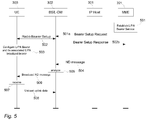
- a network element 321 which may comprise e.g. a core network node such as a mobility management entity 321, decides, in item 501, to establish a LIPA bearer service via a network apparatus such as a base station BS and/or a local gateway L-GW 302, by sending a bearer setup request message 501a to the apparatus 302, wherein the apparatus302 performs a radio bearer setup procedure 502 for configuring a LIPA bearer service and its associated LIPA broadcast bearer service for transmitting messages over the air interface 305, such that a point-to-multipoint broadcast bearer service may be used for transmitting neighbour discovery ND messages (or other messages) with a multicast destination address from the apparatus 302 to user terminals 303.
- a network element 321 which may comprise e.g. a core network node such as a mobility management entity 321, decides, in item 501, to establish a LIPA bearer service via a network apparatus such as a base station BS and/or a local gateway L-
- the radio bearer setup procedure 502 concerns both the LIPA bearer (unicast) and the established LIPA broadcast bearer (multicast) service, informing the user terminal 303 that the user terminal 303 may start reception of the LIPA broadcast bearer service.
- a bearer setup response message 502b may be transmitted from the apparatus 302 to the network element 321.
- the user terminal 303 configures the radio bearers according to the parameters received in the radio bearer setup procedure 502 from the apparatus 302.
- a network node 301 such as an IP host, may transmit an ND message 504 or another message 504 that is to be multicast to the user terminals 303.
- the apparatus 302 analyses, in item 505, whether the message 504 is to be multicast, wherein if the apparatus 302 identifies that the message is to be multicast, the apparatus 302 forwards 506 the identified message via the established LIPA broadcast bearer service to the user terminals 303 connected to the apparatus 302. In item 507, the user terminal 303 receives the multicast message 506 via the established LIPA broadcast bearer service. In a message 508, the user terminal 303 may send ND protocol messages to another host in the local IP network 310 via an uplink LIPA unicast bearer service.
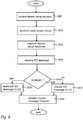
- the network apparatus 302 which may comprise e.g. a network element (network node) such as a base station BS and/or a local gateway L-GW, receives, in item 601, a bearer setup request message from a core network element 321, regarding establishment of a LIPA bearer service.
- the apparatus 302 performs a radio bearer setup procedure for configuring a LIPA bearer service and its associated LIPA broadcast bearer service for transmitting messages over the air interface 305, such that a point-to-multipoint broadcast bearer service may be used for transmitting neighbour discovery ND messages (or other messages) with a multicast destination address from the apparatus 302 to user terminals 303.
- a bearer setup response message may be transmitted, in item 603, from the apparatus 302 to the network element 321.
- the bearer setup procedure 602 concerns both the LIPA bearer (unicast) and the established LIPA broadcast bearer (multicast) service, informing the user terminal(s) 303 that the user terminal(s) 303 may start reception of the LIPA broadcast bearer service.
- a network element 301 such as an IP host, may transmit an ND message (or another message) that is to be multicast to the user terminals 303.
- the apparatus 302 In response to receiving, in item 604, the ND message (or other message) that is to be multicast, the apparatus 302 is configured to analyse, in item 605, whether the ND message (or other message) is to be multicast, wherein if the apparatus 302 identifies 605 that the message is to be multicast, the apparatus 302 is configured to forward 606 the identified message via the established LIPA broadcast bearer service to the user terminals 303 connected to the apparatus 302. However, if it is discovered that the message is not to be multicast or if, for example, it is beneficial in terms of the radio resource usage, a downlink LIPA unicast bearer service may be used 607 for transmission of the ND message or other message to the user terminal. In item 608, the apparatus may receive (and forward) ND protocol messages transmitted from the user terminal 303 via an uplink LIPA unicast bearer service, the messages being directed to another host in the local IP network.
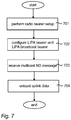
- FIG. 7 is a flow chart illustrating an exemplary embodiment.
- the user equipment 303 which may comprise e.g. a user terminal such as a mobile station or a laptop, performs, in item 701, with a network apparatus 302, a radio bearer setup procedure regarding a LIPA bearer (unicast) service and a LIPA broadcast bearer (multicast) service.
- the user terminal 303 configures the radio bearers according to the parameters received from the apparatus 302 in the radio bearer setup procedure, wherein the user terminal 303 may start reception of the LIPA broadcast bearer service.
- the user equipment 303 may receive, from the network apparatus 302, a multicast message (e.g. an ND message) via the established LIPA broadcast bearer service.
- the user equipment 303 may send (e.g. via the network apparatus 302) unicast data (e.g. a neighbour discovery protocol message) to another host in a local IP network via an uplink LIPA unicast bearer service.
- unicast data e.g.
- a method for providing a bearer service in a communications system comprising establishing, a radio bearer service between a network apparatus and a user terminal, for transmitting messages over an air interface, wherein a point-to-point radio bearer is to be used for transmitting unicast messages and its associated shared point-to-multipoint broadcast radio bearer in downlink is to be used for transmitting one or more of broadcast and multicast messages from a local IP network via the network apparatus to user terminals, such that messages received from a point-to-point radio bearer and its associated point-to-multipoint broadcast radio bearer in downlink are combinable in the user terminal to a single connection emulating one or more of a broadcast and multicast capable media respectively over the air interface.
- a method for establishing a LIPA broadcast bearer service for transmitting neighbour discovery messages or other protocol messages requiring multicasting, to user terminals.
- a method for identifying a message that is to be multicast and forwarding the identified message by utilizing the established broadcast bearer service to user terminals connected to the network apparatus.
- said communications protocol comprises one or more of ARP and ICMP.
- a method for keeping track on LIPA user terminals attached to the network apparatus wherein if there are no LIPA user terminals attached to the network apparatus, the method comprises stopping transmission via a LIPA broadcast bearer service.
- a method for stopping transmission via a LIPA broadcast bearer service if beneficial in terms of the radio resource usage, wherein a downlink LIPA unicast bearer service is to be used for transmission of the neighbour discovery messages.
- the network apparatus comprises a standalone local gateway, wherein LIPA multicast data traffic is delivered from an MBMS gateway to LIPA base stations by using IP multicasting.
- the network apparatus comprises a LIPA base station.
- an apparatus comprising a communication control circuitry configured to establish a radio bearer service between the apparatus and a user terminal, for transmitting messages over an air interface, wherein a point-to-point radio bearer is to be used for transmitting unicast messages and its associated shared point-to-multipoint broadcast radio bearer in downlink is to be used for transmitting one or more of broadcast and multicast messages from a local IP network via the apparatus to user terminals, such that messages received from a point-to-point radio bearer and its associated point-to-multipoint broadcast radio bearer in downlink are combinable in the user terminal to a single connection emulating one or more of a broadcast and multicast capable media respectively over the air interface.
- an apparatus comprising a communication control circuitry configured to establish a LIPA broadcast bearer service for transmitting neighbour discovery messages or other protocol messages requiring multicasting, towards user terminals.
- an apparatus comprising a communication control circuitry configured to identify a message that is to be multicast; and forward the identified message by utilizing the established broadcast bearer service to user terminals connected to the apparatus.
- an apparatus comprising a communication control circuitry configured to carry out the identifying based on one or more of a communications protocol and a destination address; and forward user plane data traffic that is not to be multicast, from a local network interface or from a further user terminal, via a downlink unicast bearer service to the user terminal.
- an apparatus comprising a communication control circuitry configured to keep track on LIPA user terminals attached to the apparatus; and stop transmission via the LIPA broadcast bearer service, if there are no LIPA user terminals attached to the apparatus.
- an apparatus comprising a communication control circuitry configured to stop transmission via the LIPA broadcast bearer service, if beneficial in terms of the radio resource usage, wherein a downlink LIPA unicast bearer service is to be used for transmission of the neighbour discovery messages.
- an apparatus comprising a filter function for filtering off multicast messages targeted to multicast groups to which none of the user terminals connected to the apparatus are belonging, the filter function including one or more of a multicast listener discovery MLD snooping for an IPv6 functionality and an IGMP snooping for an IPv4 functionality.
- the apparatus comprises a standalone local gateway, wherein the communication control circuitry is further configured to deliver LIPA multicast data traffic from an MBMS gateway to LIPA base stations by using IP multicasting.
- an apparatus comprising at least one processor; and at least one memory including a computer program code, wherein the at least one memory and the computer program code are configured to, with the at least one processor, cause the apparatus to establish a radio bearer service between the apparatus and a user terminal, for transmitting messages over an air interface, wherein a point-to-point radio bearer is to be used for transmitting unicast messages and its associated shared point-to-multipoint broadcast radio bearer in downlink is to be used for transmitting one or more of broadcast and multicast messages from a local IP network via the apparatus to user terminals, such that messages received from a point-to-point radio bearer and its associated point-to-multipoint broadcast radio bearer in downlink are combinable in the user terminal to a single connection emulating one or more of a broadcast and multicast capable media respectively over the air interface.
- a user equipment comprising a communication control circuitry configured to receive messages transmitted over an air interface, wherein a point-to-point radio bearer is used for transmitting unicast messages and its associated shared point-to-multipoint broadcast radio bearer in downlink is used for transmitting one or more of broadcast and multicast messages from a local IP network via a network apparatus to the user terminal; and combine the messages received from the point-to-point radio bearer and its associated point-to-multipoint broadcast radio bearer in downlink, to a single connection emulating one or more of a broadcast and multicast capable media respectively over the air interface.
- a user equipment comprising a communication control circuitry configured to combine, by means of a multiplexer functionality, downlink data traffic transmitted via a downlink LIPA unicast bearer service and downlink data traffic transmitted via the LIPA broadcast bearer service, so that an IP stack of the user equipment sees the downlink LIPA unicast bearer service and the LIPA broadcast bearer service as one logical ingress interface.
- a user equipment comprising a communication control circuitry configured to send neighbour discovery protocol messages to another host in a local area network via an uplink LIPA unicast bearer service.
- the LIPA broadcast bearer service is common for LIPA-capable user terminals, wherein the user equipment comprises a communication control circuitry configured to recognise multicast packets that concern the user equipment.
- a computer program comprising program code means adapted to perform any one of the method steps when the program is run on a computer.
- a computer readable storage medium comprising computer readable code for executing a computer process according to any one of the method steps.
Landscapes
- Engineering & Computer Science (AREA)
- Computer Networks & Wireless Communication (AREA)
- Signal Processing (AREA)
- Mobile Radio Communication Systems (AREA)
Claims (14)
- Verfahren zur Bereitstellung eines Trägerdienstes in einem Kommunikationssystem, wobei das Verfahren Folgendes umfasst:
Einrichten (502) eines lokalen IP-Zugriff-Funkträgerdienstes zwischen einer Netzwerkvorrichtung (302) und einem Benutzerterminal (303) zum Übertragen von Nachrichten über eine Luftschnittstelle (305), wobei ein lokaler Punkt-zu-Punkt-IP-Zugriff-Funkträger zum Übertragen von Unicast-Nachrichten verwendet werden soll und sein assoziierter gemeinsam genutzter lokaler Punkt-zu-Mehrpunkt-IP-Zugriff-Broadcast-Funkträger im Downlink zum Übertragen einer oder mehrerer Broadcast- und Multicast-Nachrichten von einem lokalen IP-Netzwerk (310) über die Netzwerkvorrichtung (302) zu Benutzerterminals (303) verwendet werden soll, derart, dass Nachrichten (506), die von dem lokalen Punkt-zu-Punkt-IP-Zugriff-Funkträger und seinem assoziierten gemeinsam genutzten lokalen Punkt-zu-Mehrpunkt-IP-Zugriff-Broadcast-Funkträger im Downlink empfangen werden, mit Hilfe einer Multiplexer-Funktionalität in dem Benutzerterminal (303) zu einer einzelnen Verbindung zur Handhabung einer oder mehrerer Broadcast- bzw. Multicast-IP-Nachrichten über die Luftschnittstelle (305) kombiniert werden. - Verfahren nach Anspruch 1, welches das Übertragen, über den lokalen IP-Zugriff-Broadcast-Trägerdienst, von Neighbour-Discovery-Nachrichten oder anderen Protokollnachrichten, die Multicasting erfordern, an Benutzerterminals (303) umfasst.
- Verfahren nach Anspruch 1 oder 2, welches Folgendes umfasst:Identifizieren (505, 605) einer Nachricht (504), die mittels Multicasting übertragen werden soll; undWeiterleiten (506, 606) der identifizierten Nachricht durch Ausnutzung des eingerichteten Broadcast-Trägerdienstes an Benutzerterminals (303), die mit der Netzwerkvorrichtung (302) verbunden sind.
- Verfahren nach Anspruch 3, wobei das Identifizieren (505, 605) basierend auf einem oder mehreren aus einem Kommunikationsprotokoll und einer Zieladresse ausgeführt wird, wobei das Verfahren das Weiterleiten (607) von Benutzerebenen-Datenverkehr, der nicht mittels Multicasting übertragen werden soll, von einer lokalen Netzwerkschnittstelle oder von einem weiteren Benutzerterminal über einen Downlink-Unicast-Trägerdienst an das Benutzerterminal (303) umfasst.
- Verfahren nach Anspruch 4, wobei das Kommunikationsprotokoll eines oder mehrere aus ARP und ICMP umfasst.
- Verfahren nach einem der Ansprüche 1 bis 5, welches die Nachverfolgung auf LIPA-Benutzerterminals (303), die mit der Netzwerkvorrichtung (302) verbunden sind, umfasst, wobei, wenn keine LIPA-Benutzerterminals mit der Netzwerkvorrichtung (302) verbunden sind, das Verfahren das Stoppen der Übertragung über den LIPA-Broadcast-Trägerdienst umfasst.
- Verfahren nach einem der Ansprüche 1 bis 6, welches das Stoppen der Übertragung über den LIPA-Broadcast-Trägerdienst umfasst, wenn dies hinsichtlich der Funkressourcennutzung vorteilhaft ist, wobei ein Downlink-LIPA-Unicast-Trägerdienst für die Übertragung der Neighbour-Discovery-Nachrichten verwendet werden soll.
- Verfahren nach einem der Ansprüche 1 bis 7, wobei die Netzwerkvorrichtung (302) ein eigenständiges lokales Gateway (L-GW) umfasst, wobei LIPA-Multicast-Datenverkehr durch Verwendung von IP-Multicasting von einem MBMS-Gateway an LIPA-Basisstationen bereitgestellt wird.
- Vorrichtung, welche Kommunikationssteuerschaltungen umfasst, die zu Folgendem konfiguriert sind:
Einrichten eines lokalen IP-Zugriff-Funkträgerdienstes zwischen der Vorrichtung (302) und einem Benutzerterminal (303) zum Übertragen von Nachrichten über eine Luftschnittstelle (305), wobei ein lokaler Punkt-zu-Punkt-IP-Zugriff-Funkträger zum Übertragen von Unicast-Nachrichten verwendet werden soll und sein assoziierter gemeinsam genutzter lokaler Punkt-zu-Mehrpunkt-IP-Zugriff-Broadcast-Funkträger im Downlink zum Übertragen einer oder mehrerer Broadcast- und Multicast-Nachrichten von einem lokalen IP-Netzwerk (310) über die Vorrichtung (302) zu Benutzerterminals (303) verwendet werden soll, derart, dass Nachrichten, die von dem lokalen Punkt-zu-Punkt-IP-Zugriff-Funkträger und seinem assoziierten gemeinsam genutzten lokalen Punkt-zu-Mehrpunkt-IP-Zugriff-Broadcast-Funkträger im Downlink empfangen werden, mit Hilfe einer Multiplexer-Funktionalität in dem Benutzerterminal (303) zu einer einzelnen Verbindung zur Handhabung einer oder mehrerer Broadcast- bzw. Multicast-IP-Nachrichten über die Luftschnittstelle (305) kombiniert werden. - Endgerät, welches Kommunikationssteuerschaltungen umfasst, die zu Folgendem konfiguriert sind:Empfangen von Nachrichten, die über eine Luftschnittstelle (305) übertragen werden, wobei ein lokaler Punkt-zu-Punkt-IP-Zugriff-Funkträger zum Übertragen von Unicast-Nachrichten verwendet wird und sein assoziierter gemeinsam genutzter lokaler Punkt-zu-Mehrpunkt-IP-Zugriff-Broadcast-Funkträger im Downlink zum Übertragen einer oder mehrerer Broadcast- und Multicast-Nachrichten von einem lokalen IP-Netzwerk (310) über eine Netzwerkvorrichtung (302) zu dem Benutzerterminal (303) verwendet wird; undKombinieren, mit Hilfe einer Multiplexer-Funktionalität, der Nachrichten, die von dem lokalen Punkt-zu-Punkt-IP-Zugriff-Funkträger und seinem assoziierten gemeinsam genutzten lokalen Punkt-zu-Mehrpunkt-IP-Zugriff-Broadcast-Funkträger im Downlink empfangen werden, zu einer einzelnen Verbindung zur Handhabung einer oder mehrerer Broadcast- bzw. Multicast-IP-Nachrichten über die Luftschnittstelle (305).
- Endgerät nach Anspruch 10, welches Kommunikationssteuerschaltungen umfasst, die zum Kombinieren, durch die Multiplexer-Funktionalität, von Downlink-Datenverkehr, der über einen Downlink-LIPA-Unicast-Trägerdienst übertragen wird, und Downlink-Datenverkehr, der über den LIPA-Broadcast-Trägerdienst übertragen wird, konfiguriert sind, sodass ein IP-Stapel des Endgerätes den Downlink-LIPA-Unicast-Trägerdienst und den LIPA-Broadcast-Trägerdienst als eine logische Eintrittsschnittstelle sieht.
- Endgerät nach Anspruch 10 oder 11, welches Kommunikationssteuerschaltungen umfasst, die zum Senden von Neighbour-Discovery-Protokollnachrichten an einen anderen Host in einem lokalen Netzwerk über einen Uplink-LIPA-Unicast-Trägerdienst konfiguriert sind.
- Endgerät nach Anspruch 10, 11 oder 12, wobei der LIPA-Broadcast-Trägerdienst für LIPA-fähige Benutzerterminals (303) üblich ist, wobei das Endgerät (303) Kommunikationssteuerschaltungen umfasst, die zum Erkennen von Multicast-Paketen, die das Endgerät (303) betreffen, konfiguriert sind.
- Computerprogramm, welches Programmcodemittel umfasst, die zum Durchführen mindestens sämtlicher der Schritte aus einem der Ansprüche 1 bis 8 geeignet sind, wenn das Programm auf einem Computer ausgeführt wird, wobei der Programmcode wahlweise einen computerlesbaren Code auf einem computerlesbaren Medium umfasst.
Applications Claiming Priority (1)
| Application Number | Priority Date | Filing Date | Title |
|---|---|---|---|
| PCT/EP2011/068437 WO2013056746A1 (en) | 2011-10-21 | 2011-10-21 | Bearer service in communications |
Publications (2)
| Publication Number | Publication Date |
|---|---|
| EP2769503A1 EP2769503A1 (de) | 2014-08-27 |
| EP2769503B1 true EP2769503B1 (de) | 2018-05-23 |
Family
ID=44863002
Family Applications (1)
| Application Number | Title | Priority Date | Filing Date |
|---|---|---|---|
| EP11773262.8A Active EP2769503B1 (de) | 2011-10-21 | 2011-10-21 | Trägerdienst in kommunikationen |
Country Status (3)
| Country | Link |
|---|---|
| US (1) | US10484903B2 (de) |
| EP (1) | EP2769503B1 (de) |
| WO (1) | WO2013056746A1 (de) |
Cited By (1)
| Publication number | Priority date | Publication date | Assignee | Title |
|---|---|---|---|---|
| US12660009B2 (en) | 2020-05-28 | 2026-06-16 | Huawei Technologies Co., Ltd. | Communications method and communications apparatus |
Families Citing this family (10)
| Publication number | Priority date | Publication date | Assignee | Title |
|---|---|---|---|---|
| JP6052026B2 (ja) * | 2013-03-29 | 2016-12-27 | 富士通株式会社 | 経路選択装置、経路選択方法および通信システム |
| WO2015057034A1 (ko) * | 2013-10-18 | 2015-04-23 | 삼성전자주식회사 | 무선통신 시스템에서 단말의 앵커링 방법 및 장치 |
| US9160553B2 (en) * | 2013-11-27 | 2015-10-13 | Architecture Technology Corporation | Adaptive multicast network communications |
| US9887974B2 (en) | 2013-11-27 | 2018-02-06 | Architecture Technology Corporation | Method for network communication past encryption devices |
| CN105933384B (zh) * | 2016-04-06 | 2021-05-25 | 腾讯科技(深圳)有限公司 | 一种文件共享方法、终端及文件共享系统 |
| CN112738912B (zh) | 2017-11-16 | 2023-03-14 | 维沃移动通信有限公司 | 无线承载的处理方法及网络设备 |
| US11470017B2 (en) * | 2019-07-30 | 2022-10-11 | At&T Intellectual Property I, L.P. | Immersive reality component management via a reduced competition core network component |
| EP4052419B1 (de) * | 2019-10-31 | 2025-08-13 | ZTE Corporation | Adaptives funkträger-mapping für multicast-broadcast in drahtlosen netzwerken |
| CN114071805B (zh) * | 2020-08-03 | 2024-03-19 | 大唐移动通信设备有限公司 | 业务处理方法、信息指示方法、终端和网络设备 |
| CN116711371A (zh) * | 2020-10-20 | 2023-09-05 | 紫藤科技有限公司 | 用于mbs的无线通信的装置和方法 |
Citations (1)
| Publication number | Priority date | Publication date | Assignee | Title |
|---|---|---|---|---|
| US20080039057A1 (en) * | 2006-08-11 | 2008-02-14 | Ipwireless, Inc. | Application-layer combining of multimedia streams delivered over multiple radio access networks and delivery modes |
Family Cites Families (14)
| Publication number | Priority date | Publication date | Assignee | Title |
|---|---|---|---|---|
| JP4077330B2 (ja) * | 2003-02-06 | 2008-04-16 | 富士通株式会社 | データ生成装置 |
| EP1530395A2 (de) * | 2003-11-07 | 2005-05-11 | Lg Electronics Inc. | Selektivruftechnik zur Unterstützung von Punkt-zu-Mehrpunkt (P-T-M) Datenübertragungen |
| EP1708413A1 (de) * | 2005-03-29 | 2006-10-04 | Lg Electronics Inc. | Zell-Rekonfiguration für den Multimedialen Broadcast/Multicast-Dienst (MBMS) |
| US8345638B2 (en) * | 2007-06-14 | 2013-01-01 | Telefonaktiebolaget L M Ericsson (Publ) | Method of maintaining broadcast service continuity |
| US20090052450A1 (en) * | 2007-08-22 | 2009-02-26 | Mockett Gregory P | Apparatus, system, and method for video delivery using dual multicast streams with one being delayed |
| US9271228B2 (en) * | 2008-07-09 | 2016-02-23 | Qualcomm Incorporated | Paging and power management schemes for local network access |
| US8665768B2 (en) * | 2010-01-29 | 2014-03-04 | Qualcomm Incorporated | Femtocell one-to-many packet delivery |
| US8711753B2 (en) * | 2010-01-29 | 2014-04-29 | Qualcomm Incorporated | Femtocell one-to-many packet delivery |
| GB201007012D0 (en) * | 2010-04-27 | 2010-06-09 | Vodafone Ip Licensing Ltd | Improving data rate in mobile communication network |
| GB2479939B (en) * | 2010-04-30 | 2016-05-25 | Samsung Electronics Co Ltd | Improvements to multicast traffic management |
| CA2812954C (en) * | 2010-09-28 | 2018-05-01 | Research In Motion Limited | Residential/enterprise network connection management and handover scenarios |
| US8989021B2 (en) * | 2011-01-20 | 2015-03-24 | Rohde & Schwarz Gmbh & Co. Kg | Universal broadband broadcasting |
| US9294932B2 (en) * | 2011-07-21 | 2016-03-22 | Qualcomm Incorporated | Apparatus and method for wireless network enhancement via variable down tilt |
| US8750179B2 (en) * | 2011-08-15 | 2014-06-10 | Blackberry Limited | Efficient multimedia broadcast multicast service continuity methods |
-
2011
- 2011-10-21 EP EP11773262.8A patent/EP2769503B1/de active Active
- 2011-10-21 US US14/355,044 patent/US10484903B2/en active Active
- 2011-10-21 WO PCT/EP2011/068437 patent/WO2013056746A1/en not_active Ceased
Patent Citations (1)
| Publication number | Priority date | Publication date | Assignee | Title |
|---|---|---|---|---|
| US20080039057A1 (en) * | 2006-08-11 | 2008-02-14 | Ipwireless, Inc. | Application-layer combining of multimedia streams delivered over multiple radio access networks and delivery modes |
Cited By (1)
| Publication number | Priority date | Publication date | Assignee | Title |
|---|---|---|---|---|
| US12660009B2 (en) | 2020-05-28 | 2026-06-16 | Huawei Technologies Co., Ltd. | Communications method and communications apparatus |
Also Published As
| Publication number | Publication date |
|---|---|
| WO2013056746A1 (en) | 2013-04-25 |
| US20140307617A1 (en) | 2014-10-16 |
| EP2769503A1 (de) | 2014-08-27 |
| US10484903B2 (en) | 2019-11-19 |
Similar Documents
| Publication | Publication Date | Title |
|---|---|---|
| US10484903B2 (en) | Bearer service in communications | |
| EP3753271B1 (de) | Verfahren zur bereitstellen einer breakout-pdu-sitzung für lokalen ip-zugriff | |
| US9344955B2 (en) | Apparatus and method for peer discovery | |
| US10154525B2 (en) | Method and apparatus for triggering radio bearer release by a relay UE (user equipment) in a wireless communication system | |
| EP3297301B1 (de) | Verfahren zur bereitstellung eines rundfunkdienstes in einem drahtloskommunikationssystem und vorrichtung dafür | |
| CN103404227B (zh) | 在无线通信系统中启动x2接口设置的方法和设备 | |
| CN107950063B (zh) | 在无线通信系统中支持设备对设备直接通信的方法及其装置 | |
| KR101901953B1 (ko) | 보고 수신 방법 및 네트워크 장치, 그리고 보고 수행 방법 및 기지국 | |
| US8379657B2 (en) | Method and apparatus for setting up uplink common bearer in wireless communication network | |
| EP2141823A1 (de) | Verfahren zum unterstützen eines multimedia-broadcast/multicast-dienstes bei der evolution einer systemarchitektur | |
| US20100150049A1 (en) | bearer control and management method in the ip-based evolved mobile communication network | |
| EP2661122B1 (de) | Verfahren zum senden und empfangen von ip-daten durch übergabe zwischen heterogenen netzen und vorrichtung dafür | |
| CN107113617A (zh) | 通过以太网为连接的住宅建筑提供LTE语音、互联网和eMBMS服务的机制 | |
| KR20180053740A (ko) | 무선 통신 시스템에서 단말 간의 직접 통신을 방법 및 이를 위한 장치 | |
| WO2014069954A1 (en) | Method and apparatus for setting up sctp connection and x2 interface in wireless communication system | |
| CN110475381A (zh) | 通信方法、设备和系统 | |
| KR20120123496A (ko) | 펨토셀 일-대-다 패킷 전달 | |
| WO2015105383A1 (en) | Method and apparatus for obtaining information for 3gpp lte-wlan interworking in wireless communication system | |
| WO2018058620A1 (zh) | 一种ip地址分配方法及装置 | |
| EP2369892A1 (de) | Verbesserte Verwendung von Funkschnittstellenressourcen für drahtlose Relais | |
| KR101455127B1 (ko) | 복수의 디바이스들을 포함하고 인터넷에 접속된 로컬 네트워크에서의 ip 서브넷 어드레스의 할당 | |
| JP5357981B2 (ja) | 移動体マルチキャストサービスのために固定ネットワークにおいてマルチキャストバックホールチャネルをセットアップすることを支援するための方法および装置 | |
| US10187914B2 (en) | Establishment of a wireless backhaul connection from a small cell RBS | |
| AU2013211557B2 (en) | Providing multiple levels of service for wireless communication |
Legal Events
| Date | Code | Title | Description |
|---|---|---|---|
| PUAI | Public reference made under article 153(3) epc to a published international application that has entered the european phase |
Free format text: ORIGINAL CODE: 0009012 |
|
| 17P | Request for examination filed |
Effective date: 20140521 |
|
| AK | Designated contracting states |
Kind code of ref document: A1 Designated state(s): AL AT BE BG CH CY CZ DE DK EE ES FI FR GB GR HR HU IE IS IT LI LT LU LV MC MK MT NL NO PL PT RO RS SE SI SK SM TR |
|
| DAX | Request for extension of the european patent (deleted) | ||
| STAA | Information on the status of an ep patent application or granted ep patent |
Free format text: STATUS: EXAMINATION IS IN PROGRESS |
|
| 17Q | First examination report despatched |
Effective date: 20161219 |
|
| REG | Reference to a national code |
Ref country code: DE Ref legal event code: R079 Ref document number: 602011048605 Country of ref document: DE Free format text: PREVIOUS MAIN CLASS: H04L0012180000 Ipc: H04W0028020000 |
|
| RIC1 | Information provided on ipc code assigned before grant |
Ipc: H04W 28/02 20090101AFI20170807BHEP Ipc: H04L 12/18 20060101ALI20170807BHEP |
|
| GRAP | Despatch of communication of intention to grant a patent |
Free format text: ORIGINAL CODE: EPIDOSNIGR1 |
|
| STAA | Information on the status of an ep patent application or granted ep patent |
Free format text: STATUS: GRANT OF PATENT IS INTENDED |
|
| INTG | Intention to grant announced |
Effective date: 20171130 |
|
| GRAS | Grant fee paid |
Free format text: ORIGINAL CODE: EPIDOSNIGR3 |
|
| GRAA | (expected) grant |
Free format text: ORIGINAL CODE: 0009210 |
|
| STAA | Information on the status of an ep patent application or granted ep patent |
Free format text: STATUS: THE PATENT HAS BEEN GRANTED |
|
| AK | Designated contracting states |
Kind code of ref document: B1 Designated state(s): AL AT BE BG CH CY CZ DE DK EE ES FI FR GB GR HR HU IE IS IT LI LT LU LV MC MK MT NL NO PL PT RO RS SE SI SK SM TR |
|
| REG | Reference to a national code |
Ref country code: GB Ref legal event code: FG4D |
|
| REG | Reference to a national code |
Ref country code: CH Ref legal event code: EP |
|
| REG | Reference to a national code |
Ref country code: IE Ref legal event code: FG4D |
|
| REG | Reference to a national code |
Ref country code: DE Ref legal event code: R096 Ref document number: 602011048605 Country of ref document: DE |
|
| REG | Reference to a national code |
Ref country code: AT Ref legal event code: REF Ref document number: 1002533 Country of ref document: AT Kind code of ref document: T Effective date: 20180615 |
|
| REG | Reference to a national code |
Ref country code: NL Ref legal event code: MP Effective date: 20180523 |
|
| REG | Reference to a national code |
Ref country code: LT Ref legal event code: MG4D |
|
| PG25 | Lapsed in a contracting state [announced via postgrant information from national office to epo] |
Ref country code: NO Free format text: LAPSE BECAUSE OF FAILURE TO SUBMIT A TRANSLATION OF THE DESCRIPTION OR TO PAY THE FEE WITHIN THE PRESCRIBED TIME-LIMIT Effective date: 20180823 Ref country code: BG Free format text: LAPSE BECAUSE OF FAILURE TO SUBMIT A TRANSLATION OF THE DESCRIPTION OR TO PAY THE FEE WITHIN THE PRESCRIBED TIME-LIMIT Effective date: 20180823 Ref country code: FI Free format text: LAPSE BECAUSE OF FAILURE TO SUBMIT A TRANSLATION OF THE DESCRIPTION OR TO PAY THE FEE WITHIN THE PRESCRIBED TIME-LIMIT Effective date: 20180523 Ref country code: SE Free format text: LAPSE BECAUSE OF FAILURE TO SUBMIT A TRANSLATION OF THE DESCRIPTION OR TO PAY THE FEE WITHIN THE PRESCRIBED TIME-LIMIT Effective date: 20180523 Ref country code: LT Free format text: LAPSE BECAUSE OF FAILURE TO SUBMIT A TRANSLATION OF THE DESCRIPTION OR TO PAY THE FEE WITHIN THE PRESCRIBED TIME-LIMIT Effective date: 20180523 Ref country code: ES Free format text: LAPSE BECAUSE OF FAILURE TO SUBMIT A TRANSLATION OF THE DESCRIPTION OR TO PAY THE FEE WITHIN THE PRESCRIBED TIME-LIMIT Effective date: 20180523 |
|
| PG25 | Lapsed in a contracting state [announced via postgrant information from national office to epo] |
Ref country code: RS Free format text: LAPSE BECAUSE OF FAILURE TO SUBMIT A TRANSLATION OF THE DESCRIPTION OR TO PAY THE FEE WITHIN THE PRESCRIBED TIME-LIMIT Effective date: 20180523 Ref country code: NL Free format text: LAPSE BECAUSE OF FAILURE TO SUBMIT A TRANSLATION OF THE DESCRIPTION OR TO PAY THE FEE WITHIN THE PRESCRIBED TIME-LIMIT Effective date: 20180523 Ref country code: HR Free format text: LAPSE BECAUSE OF FAILURE TO SUBMIT A TRANSLATION OF THE DESCRIPTION OR TO PAY THE FEE WITHIN THE PRESCRIBED TIME-LIMIT Effective date: 20180523 Ref country code: LV Free format text: LAPSE BECAUSE OF FAILURE TO SUBMIT A TRANSLATION OF THE DESCRIPTION OR TO PAY THE FEE WITHIN THE PRESCRIBED TIME-LIMIT Effective date: 20180523 Ref country code: GR Free format text: LAPSE BECAUSE OF FAILURE TO SUBMIT A TRANSLATION OF THE DESCRIPTION OR TO PAY THE FEE WITHIN THE PRESCRIBED TIME-LIMIT Effective date: 20180824 |
|
| REG | Reference to a national code |
Ref country code: AT Ref legal event code: MK05 Ref document number: 1002533 Country of ref document: AT Kind code of ref document: T Effective date: 20180523 |
|
| PG25 | Lapsed in a contracting state [announced via postgrant information from national office to epo] |
Ref country code: EE Free format text: LAPSE BECAUSE OF FAILURE TO SUBMIT A TRANSLATION OF THE DESCRIPTION OR TO PAY THE FEE WITHIN THE PRESCRIBED TIME-LIMIT Effective date: 20180523 Ref country code: PL Free format text: LAPSE BECAUSE OF FAILURE TO SUBMIT A TRANSLATION OF THE DESCRIPTION OR TO PAY THE FEE WITHIN THE PRESCRIBED TIME-LIMIT Effective date: 20180523 Ref country code: AT Free format text: LAPSE BECAUSE OF FAILURE TO SUBMIT A TRANSLATION OF THE DESCRIPTION OR TO PAY THE FEE WITHIN THE PRESCRIBED TIME-LIMIT Effective date: 20180523 Ref country code: CZ Free format text: LAPSE BECAUSE OF FAILURE TO SUBMIT A TRANSLATION OF THE DESCRIPTION OR TO PAY THE FEE WITHIN THE PRESCRIBED TIME-LIMIT Effective date: 20180523 Ref country code: RO Free format text: LAPSE BECAUSE OF FAILURE TO SUBMIT A TRANSLATION OF THE DESCRIPTION OR TO PAY THE FEE WITHIN THE PRESCRIBED TIME-LIMIT Effective date: 20180523 Ref country code: DK Free format text: LAPSE BECAUSE OF FAILURE TO SUBMIT A TRANSLATION OF THE DESCRIPTION OR TO PAY THE FEE WITHIN THE PRESCRIBED TIME-LIMIT Effective date: 20180523 Ref country code: SK Free format text: LAPSE BECAUSE OF FAILURE TO SUBMIT A TRANSLATION OF THE DESCRIPTION OR TO PAY THE FEE WITHIN THE PRESCRIBED TIME-LIMIT Effective date: 20180523 |
|
| REG | Reference to a national code |
Ref country code: DE Ref legal event code: R097 Ref document number: 602011048605 Country of ref document: DE |
|
| PG25 | Lapsed in a contracting state [announced via postgrant information from national office to epo] |
Ref country code: IT Free format text: LAPSE BECAUSE OF FAILURE TO SUBMIT A TRANSLATION OF THE DESCRIPTION OR TO PAY THE FEE WITHIN THE PRESCRIBED TIME-LIMIT Effective date: 20180523 Ref country code: SM Free format text: LAPSE BECAUSE OF FAILURE TO SUBMIT A TRANSLATION OF THE DESCRIPTION OR TO PAY THE FEE WITHIN THE PRESCRIBED TIME-LIMIT Effective date: 20180523 |
|
| PLBE | No opposition filed within time limit |
Free format text: ORIGINAL CODE: 0009261 |
|
| STAA | Information on the status of an ep patent application or granted ep patent |
Free format text: STATUS: NO OPPOSITION FILED WITHIN TIME LIMIT |
|
| 26N | No opposition filed |
Effective date: 20190226 |
|
| PG25 | Lapsed in a contracting state [announced via postgrant information from national office to epo] |
Ref country code: SI Free format text: LAPSE BECAUSE OF FAILURE TO SUBMIT A TRANSLATION OF THE DESCRIPTION OR TO PAY THE FEE WITHIN THE PRESCRIBED TIME-LIMIT Effective date: 20180523 |
|
| REG | Reference to a national code |
Ref country code: CH Ref legal event code: PL |
|
| REG | Reference to a national code |
Ref country code: DE Ref legal event code: R081 Ref document number: 602011048605 Country of ref document: DE Owner name: NOKIA TECHNOLOGIES OY, FI Free format text: FORMER OWNER: NOKIA SOLUTIONS AND NETWORKS OY, ESPOO, FI |
|
| GBPC | Gb: european patent ceased through non-payment of renewal fee |
Effective date: 20181021 |
|
| REG | Reference to a national code |
Ref country code: BE Ref legal event code: MM Effective date: 20181031 |
|
| PG25 | Lapsed in a contracting state [announced via postgrant information from national office to epo] |
Ref country code: MC Free format text: LAPSE BECAUSE OF FAILURE TO SUBMIT A TRANSLATION OF THE DESCRIPTION OR TO PAY THE FEE WITHIN THE PRESCRIBED TIME-LIMIT Effective date: 20180523 Ref country code: LU Free format text: LAPSE BECAUSE OF NON-PAYMENT OF DUE FEES Effective date: 20181021 |
|
| REG | Reference to a national code |
Ref country code: IE Ref legal event code: MM4A |
|
| PG25 | Lapsed in a contracting state [announced via postgrant information from national office to epo] |
Ref country code: BE Free format text: LAPSE BECAUSE OF NON-PAYMENT OF DUE FEES Effective date: 20181031 Ref country code: CH Free format text: LAPSE BECAUSE OF NON-PAYMENT OF DUE FEES Effective date: 20181031 Ref country code: FR Free format text: LAPSE BECAUSE OF NON-PAYMENT OF DUE FEES Effective date: 20181031 Ref country code: LI Free format text: LAPSE BECAUSE OF NON-PAYMENT OF DUE FEES Effective date: 20181031 |
|
| PG25 | Lapsed in a contracting state [announced via postgrant information from national office to epo] |
Ref country code: IE Free format text: LAPSE BECAUSE OF NON-PAYMENT OF DUE FEES Effective date: 20181021 Ref country code: GB Free format text: LAPSE BECAUSE OF NON-PAYMENT OF DUE FEES Effective date: 20181021 |
|
| PG25 | Lapsed in a contracting state [announced via postgrant information from national office to epo] |
Ref country code: AL Free format text: LAPSE BECAUSE OF FAILURE TO SUBMIT A TRANSLATION OF THE DESCRIPTION OR TO PAY THE FEE WITHIN THE PRESCRIBED TIME-LIMIT Effective date: 20180523 |
|
| PG25 | Lapsed in a contracting state [announced via postgrant information from national office to epo] |
Ref country code: MT Free format text: LAPSE BECAUSE OF NON-PAYMENT OF DUE FEES Effective date: 20181021 |
|
| PG25 | Lapsed in a contracting state [announced via postgrant information from national office to epo] |
Ref country code: TR Free format text: LAPSE BECAUSE OF FAILURE TO SUBMIT A TRANSLATION OF THE DESCRIPTION OR TO PAY THE FEE WITHIN THE PRESCRIBED TIME-LIMIT Effective date: 20180523 |
|
| PG25 | Lapsed in a contracting state [announced via postgrant information from national office to epo] |
Ref country code: PT Free format text: LAPSE BECAUSE OF FAILURE TO SUBMIT A TRANSLATION OF THE DESCRIPTION OR TO PAY THE FEE WITHIN THE PRESCRIBED TIME-LIMIT Effective date: 20180523 |
|
| PG25 | Lapsed in a contracting state [announced via postgrant information from national office to epo] |
Ref country code: MK Free format text: LAPSE BECAUSE OF NON-PAYMENT OF DUE FEES Effective date: 20180523 Ref country code: CY Free format text: LAPSE BECAUSE OF FAILURE TO SUBMIT A TRANSLATION OF THE DESCRIPTION OR TO PAY THE FEE WITHIN THE PRESCRIBED TIME-LIMIT Effective date: 20180523 Ref country code: HU Free format text: LAPSE BECAUSE OF FAILURE TO SUBMIT A TRANSLATION OF THE DESCRIPTION OR TO PAY THE FEE WITHIN THE PRESCRIBED TIME-LIMIT; INVALID AB INITIO Effective date: 20111021 |
|
| PG25 | Lapsed in a contracting state [announced via postgrant information from national office to epo] |
Ref country code: IS Free format text: LAPSE BECAUSE OF FAILURE TO SUBMIT A TRANSLATION OF THE DESCRIPTION OR TO PAY THE FEE WITHIN THE PRESCRIBED TIME-LIMIT Effective date: 20180923 |
|
| P01 | Opt-out of the competence of the unified patent court (upc) registered |
Effective date: 20230527 |
|
| PGFP | Annual fee paid to national office [announced via postgrant information from national office to epo] |
Ref country code: DE Payment date: 20250902 Year of fee payment: 15 |