EP2765160B1 - Hydrogel composition for a mask base and method for manufacturing a hydrogel using same - Google Patents
Hydrogel composition for a mask base and method for manufacturing a hydrogel using same Download PDFInfo
- Publication number
- EP2765160B1 EP2765160B1 EP12837935.1A EP12837935A EP2765160B1 EP 2765160 B1 EP2765160 B1 EP 2765160B1 EP 12837935 A EP12837935 A EP 12837935A EP 2765160 B1 EP2765160 B1 EP 2765160B1
- Authority
- EP
- European Patent Office
- Prior art keywords
- hydrogel
- styrene
- copolymer
- acrylate
- cross
- Prior art date
- Legal status (The legal status is an assumption and is not a legal conclusion. Google has not performed a legal analysis and makes no representation as to the accuracy of the status listed.)
- Active
Links
Images
Classifications
-
- C—CHEMISTRY; METALLURGY
- C08—ORGANIC MACROMOLECULAR COMPOUNDS; THEIR PREPARATION OR CHEMICAL WORKING-UP; COMPOSITIONS BASED THEREON
- C08L—COMPOSITIONS OF MACROMOLECULAR COMPOUNDS
- C08L39/00—Compositions of homopolymers or copolymers of compounds having one or more unsaturated aliphatic radicals, each having only one carbon-to-carbon double bond, and at least one being terminated by a single or double bond to nitrogen or by a heterocyclic ring containing nitrogen; Compositions of derivatives of such polymers
- C08L39/04—Homopolymers or copolymers of monomers containing heterocyclic rings having nitrogen as ring member
- C08L39/06—Homopolymers or copolymers of N-vinyl-pyrrolidones
-
- C—CHEMISTRY; METALLURGY
- C08—ORGANIC MACROMOLECULAR COMPOUNDS; THEIR PREPARATION OR CHEMICAL WORKING-UP; COMPOSITIONS BASED THEREON
- C08L—COMPOSITIONS OF MACROMOLECULAR COMPOUNDS
- C08L33/00—Compositions of homopolymers or copolymers of compounds having one or more unsaturated aliphatic radicals, each having only one carbon-to-carbon double bond, and only one being terminated by only one carboxyl radical, or of salts, anhydrides, esters, amides, imides or nitriles thereof; Compositions of derivatives of such polymers
- C08L33/04—Homopolymers or copolymers of esters
-
- A—HUMAN NECESSITIES
- A61—MEDICAL OR VETERINARY SCIENCE; HYGIENE
- A61K—PREPARATIONS FOR MEDICAL, DENTAL OR TOILETRY PURPOSES
- A61K8/00—Cosmetics or similar toiletry preparations
- A61K8/02—Cosmetics or similar toiletry preparations characterised by special physical form
- A61K8/0212—Face masks
-
- A—HUMAN NECESSITIES
- A61—MEDICAL OR VETERINARY SCIENCE; HYGIENE
- A61K—PREPARATIONS FOR MEDICAL, DENTAL OR TOILETRY PURPOSES
- A61K8/00—Cosmetics or similar toiletry preparations
- A61K8/02—Cosmetics or similar toiletry preparations characterised by special physical form
- A61K8/04—Dispersions; Emulsions
- A61K8/042—Gels
-
- A—HUMAN NECESSITIES
- A61—MEDICAL OR VETERINARY SCIENCE; HYGIENE
- A61K—PREPARATIONS FOR MEDICAL, DENTAL OR TOILETRY PURPOSES
- A61K8/00—Cosmetics or similar toiletry preparations
- A61K8/18—Cosmetics or similar toiletry preparations characterised by the composition
- A61K8/30—Cosmetics or similar toiletry preparations characterised by the composition containing organic compounds
- A61K8/33—Cosmetics or similar toiletry preparations characterised by the composition containing organic compounds containing oxygen
- A61K8/34—Alcohols
- A61K8/342—Alcohols having more than seven atoms in an unbroken chain
-
- A—HUMAN NECESSITIES
- A61—MEDICAL OR VETERINARY SCIENCE; HYGIENE
- A61K—PREPARATIONS FOR MEDICAL, DENTAL OR TOILETRY PURPOSES
- A61K8/00—Cosmetics or similar toiletry preparations
- A61K8/18—Cosmetics or similar toiletry preparations characterised by the composition
- A61K8/30—Cosmetics or similar toiletry preparations characterised by the composition containing organic compounds
- A61K8/33—Cosmetics or similar toiletry preparations characterised by the composition containing organic compounds containing oxygen
- A61K8/34—Alcohols
- A61K8/345—Alcohols containing more than one hydroxy group
-
- A—HUMAN NECESSITIES
- A61—MEDICAL OR VETERINARY SCIENCE; HYGIENE
- A61K—PREPARATIONS FOR MEDICAL, DENTAL OR TOILETRY PURPOSES
- A61K8/00—Cosmetics or similar toiletry preparations
- A61K8/18—Cosmetics or similar toiletry preparations characterised by the composition
- A61K8/72—Cosmetics or similar toiletry preparations characterised by the composition containing organic macromolecular compounds
- A61K8/73—Polysaccharides
-
- A—HUMAN NECESSITIES
- A61—MEDICAL OR VETERINARY SCIENCE; HYGIENE
- A61K—PREPARATIONS FOR MEDICAL, DENTAL OR TOILETRY PURPOSES
- A61K8/00—Cosmetics or similar toiletry preparations
- A61K8/18—Cosmetics or similar toiletry preparations characterised by the composition
- A61K8/72—Cosmetics or similar toiletry preparations characterised by the composition containing organic macromolecular compounds
- A61K8/73—Polysaccharides
- A61K8/733—Alginic acid; Salts thereof
-
- A—HUMAN NECESSITIES
- A61—MEDICAL OR VETERINARY SCIENCE; HYGIENE
- A61K—PREPARATIONS FOR MEDICAL, DENTAL OR TOILETRY PURPOSES
- A61K8/00—Cosmetics or similar toiletry preparations
- A61K8/18—Cosmetics or similar toiletry preparations characterised by the composition
- A61K8/72—Cosmetics or similar toiletry preparations characterised by the composition containing organic macromolecular compounds
- A61K8/73—Polysaccharides
- A61K8/737—Galactomannans, e.g. guar; Derivatives thereof
-
- A—HUMAN NECESSITIES
- A61—MEDICAL OR VETERINARY SCIENCE; HYGIENE
- A61K—PREPARATIONS FOR MEDICAL, DENTAL OR TOILETRY PURPOSES
- A61K8/00—Cosmetics or similar toiletry preparations
- A61K8/18—Cosmetics or similar toiletry preparations characterised by the composition
- A61K8/72—Cosmetics or similar toiletry preparations characterised by the composition containing organic macromolecular compounds
- A61K8/81—Cosmetics or similar toiletry preparations characterised by the composition containing organic macromolecular compounds obtained by reactions involving only carbon-to-carbon unsaturated bonds
- A61K8/8105—Compositions of homopolymers or copolymers of unsaturated aliphatic hydrocarbons having only one carbon-to-carbon double bond; Compositions of derivatives of such polymers
- A61K8/8117—Homopolymers or copolymers of aromatic olefines, e.g. polystyrene; Compositions of derivatives of such polymers
-
- A—HUMAN NECESSITIES
- A61—MEDICAL OR VETERINARY SCIENCE; HYGIENE
- A61K—PREPARATIONS FOR MEDICAL, DENTAL OR TOILETRY PURPOSES
- A61K8/00—Cosmetics or similar toiletry preparations
- A61K8/18—Cosmetics or similar toiletry preparations characterised by the composition
- A61K8/72—Cosmetics or similar toiletry preparations characterised by the composition containing organic macromolecular compounds
- A61K8/81—Cosmetics or similar toiletry preparations characterised by the composition containing organic macromolecular compounds obtained by reactions involving only carbon-to-carbon unsaturated bonds
- A61K8/8141—Compositions of homopolymers or copolymers of compounds having one or more unsaturated aliphatic radicals, each having only one carbon-to-carbon double bond, and at least one being terminated by only one carboxyl radical, or of salts, anhydrides, esters, amides, imides or nitriles thereof; Compositions of derivatives of such polymers
- A61K8/8152—Homopolymers or copolymers of esters, e.g. (meth)acrylic acid esters; Compositions of derivatives of such polymers
-
- A—HUMAN NECESSITIES
- A61—MEDICAL OR VETERINARY SCIENCE; HYGIENE
- A61K—PREPARATIONS FOR MEDICAL, DENTAL OR TOILETRY PURPOSES
- A61K8/00—Cosmetics or similar toiletry preparations
- A61K8/18—Cosmetics or similar toiletry preparations characterised by the composition
- A61K8/72—Cosmetics or similar toiletry preparations characterised by the composition containing organic macromolecular compounds
- A61K8/81—Cosmetics or similar toiletry preparations characterised by the composition containing organic macromolecular compounds obtained by reactions involving only carbon-to-carbon unsaturated bonds
- A61K8/817—Compositions of homopolymers or copolymers of compounds having one or more unsaturated aliphatic radicals, each having only one carbon-to-carbon double bond, and at least one being terminated by a single or double bond to nitrogen or by a heterocyclic ring containing nitrogen; Compositions or derivatives of such polymers, e.g. vinylimidazol, vinylcaprolactame, allylamines (Polyquaternium 6)
- A61K8/8182—Copolymers of vinyl-pyrrolidones. Compositions of derivatives of such polymers
-
- A—HUMAN NECESSITIES
- A61—MEDICAL OR VETERINARY SCIENCE; HYGIENE
- A61Q—SPECIFIC USE OF COSMETICS OR SIMILAR TOILETRY PREPARATIONS
- A61Q19/00—Preparations for care of the skin
-
- C—CHEMISTRY; METALLURGY
- C08—ORGANIC MACROMOLECULAR COMPOUNDS; THEIR PREPARATION OR CHEMICAL WORKING-UP; COMPOSITIONS BASED THEREON
- C08J—WORKING-UP; GENERAL PROCESSES OF COMPOUNDING; AFTER-TREATMENT NOT COVERED BY SUBCLASSES C08B, C08C, C08F, C08G or C08H
- C08J3/00—Processes of treating or compounding macromolecular substances
- C08J3/02—Making solutions, dispersions, lattices or gels by other methods than by solution, emulsion or suspension polymerisation techniques
- C08J3/03—Making solutions, dispersions, lattices or gels by other methods than by solution, emulsion or suspension polymerisation techniques in aqueous media
- C08J3/075—Macromolecular gels
-
- C—CHEMISTRY; METALLURGY
- C08—ORGANIC MACROMOLECULAR COMPOUNDS; THEIR PREPARATION OR CHEMICAL WORKING-UP; COMPOSITIONS BASED THEREON
- C08J—WORKING-UP; GENERAL PROCESSES OF COMPOUNDING; AFTER-TREATMENT NOT COVERED BY SUBCLASSES C08B, C08C, C08F, C08G or C08H
- C08J3/00—Processes of treating or compounding macromolecular substances
- C08J3/24—Crosslinking, e.g. vulcanising, of macromolecules
- C08J3/246—Intercrosslinking of at least two polymers
-
- C—CHEMISTRY; METALLURGY
- C08—ORGANIC MACROMOLECULAR COMPOUNDS; THEIR PREPARATION OR CHEMICAL WORKING-UP; COMPOSITIONS BASED THEREON
- C08J—WORKING-UP; GENERAL PROCESSES OF COMPOUNDING; AFTER-TREATMENT NOT COVERED BY SUBCLASSES C08B, C08C, C08F, C08G or C08H
- C08J5/00—Manufacture of articles or shaped materials containing macromolecular substances
- C08J5/18—Manufacture of films or sheets
-
- C—CHEMISTRY; METALLURGY
- C08—ORGANIC MACROMOLECULAR COMPOUNDS; THEIR PREPARATION OR CHEMICAL WORKING-UP; COMPOSITIONS BASED THEREON
- C08K—Use of inorganic or non-macromolecular organic substances as compounding ingredients
- C08K5/00—Use of organic ingredients
- C08K5/04—Oxygen-containing compounds
- C08K5/05—Alcohols; Metal alcoholates
-
- C—CHEMISTRY; METALLURGY
- C08—ORGANIC MACROMOLECULAR COMPOUNDS; THEIR PREPARATION OR CHEMICAL WORKING-UP; COMPOSITIONS BASED THEREON
- C08L—COMPOSITIONS OF MACROMOLECULAR COMPOUNDS
- C08L25/00—Compositions of, homopolymers or copolymers of compounds having one or more unsaturated aliphatic radicals, each having only one carbon-to-carbon double bond, and at least one being terminated by an aromatic carbocyclic ring; Compositions of derivatives of such polymers
- C08L25/02—Homopolymers or copolymers of hydrocarbons
- C08L25/04—Homopolymers or copolymers of styrene
-
- C—CHEMISTRY; METALLURGY
- C08—ORGANIC MACROMOLECULAR COMPOUNDS; THEIR PREPARATION OR CHEMICAL WORKING-UP; COMPOSITIONS BASED THEREON
- C08L—COMPOSITIONS OF MACROMOLECULAR COMPOUNDS
- C08L25/00—Compositions of, homopolymers or copolymers of compounds having one or more unsaturated aliphatic radicals, each having only one carbon-to-carbon double bond, and at least one being terminated by an aromatic carbocyclic ring; Compositions of derivatives of such polymers
- C08L25/02—Homopolymers or copolymers of hydrocarbons
- C08L25/04—Homopolymers or copolymers of styrene
- C08L25/08—Copolymers of styrene
-
- C—CHEMISTRY; METALLURGY
- C08—ORGANIC MACROMOLECULAR COMPOUNDS; THEIR PREPARATION OR CHEMICAL WORKING-UP; COMPOSITIONS BASED THEREON
- C08L—COMPOSITIONS OF MACROMOLECULAR COMPOUNDS
- C08L25/00—Compositions of, homopolymers or copolymers of compounds having one or more unsaturated aliphatic radicals, each having only one carbon-to-carbon double bond, and at least one being terminated by an aromatic carbocyclic ring; Compositions of derivatives of such polymers
- C08L25/02—Homopolymers or copolymers of hydrocarbons
- C08L25/04—Homopolymers or copolymers of styrene
- C08L25/08—Copolymers of styrene
- C08L25/14—Copolymers of styrene with unsaturated esters
-
- C—CHEMISTRY; METALLURGY
- C08—ORGANIC MACROMOLECULAR COMPOUNDS; THEIR PREPARATION OR CHEMICAL WORKING-UP; COMPOSITIONS BASED THEREON
- C08L—COMPOSITIONS OF MACROMOLECULAR COMPOUNDS
- C08L33/00—Compositions of homopolymers or copolymers of compounds having one or more unsaturated aliphatic radicals, each having only one carbon-to-carbon double bond, and only one being terminated by only one carboxyl radical, or of salts, anhydrides, esters, amides, imides or nitriles thereof; Compositions of derivatives of such polymers
- C08L33/04—Homopolymers or copolymers of esters
- C08L33/06—Homopolymers or copolymers of esters of esters containing only carbon, hydrogen and oxygen, which oxygen atoms are present only as part of the carboxyl radical
- C08L33/08—Homopolymers or copolymers of acrylic acid esters
-
- C—CHEMISTRY; METALLURGY
- C08—ORGANIC MACROMOLECULAR COMPOUNDS; THEIR PREPARATION OR CHEMICAL WORKING-UP; COMPOSITIONS BASED THEREON
- C08L—COMPOSITIONS OF MACROMOLECULAR COMPOUNDS
- C08L5/00—Compositions of polysaccharides or of their derivatives not provided for in groups C08L1/00 or C08L3/00
-
- A—HUMAN NECESSITIES
- A61—MEDICAL OR VETERINARY SCIENCE; HYGIENE
- A61K—PREPARATIONS FOR MEDICAL, DENTAL OR TOILETRY PURPOSES
- A61K2800/00—Properties of cosmetic compositions or active ingredients thereof or formulation aids used therein and process related aspects
- A61K2800/20—Chemical, physico-chemical or functional or structural properties of the composition as a whole
- A61K2800/24—Thermal properties
- A61K2800/244—Endothermic; Cooling; Cooling sensation
-
- C—CHEMISTRY; METALLURGY
- C08—ORGANIC MACROMOLECULAR COMPOUNDS; THEIR PREPARATION OR CHEMICAL WORKING-UP; COMPOSITIONS BASED THEREON
- C08J—WORKING-UP; GENERAL PROCESSES OF COMPOUNDING; AFTER-TREATMENT NOT COVERED BY SUBCLASSES C08B, C08C, C08F, C08G or C08H
- C08J2305/00—Characterised by the use of polysaccharides or of their derivatives not provided for in groups C08J2301/00 or C08J2303/00
-
- C—CHEMISTRY; METALLURGY
- C08—ORGANIC MACROMOLECULAR COMPOUNDS; THEIR PREPARATION OR CHEMICAL WORKING-UP; COMPOSITIONS BASED THEREON
- C08J—WORKING-UP; GENERAL PROCESSES OF COMPOUNDING; AFTER-TREATMENT NOT COVERED BY SUBCLASSES C08B, C08C, C08F, C08G or C08H
- C08J2325/00—Characterised by the use of homopolymers or copolymers of compounds having one or more unsaturated aliphatic radicals, each having only one carbon-to-carbon double bond, and at least one being terminated by an aromatic carbocyclic ring; Derivatives of such polymers
- C08J2325/02—Homopolymers or copolymers of hydrocarbons
- C08J2325/04—Homopolymers or copolymers of styrene
- C08J2325/08—Copolymers of styrene
-
- C—CHEMISTRY; METALLURGY
- C08—ORGANIC MACROMOLECULAR COMPOUNDS; THEIR PREPARATION OR CHEMICAL WORKING-UP; COMPOSITIONS BASED THEREON
- C08J—WORKING-UP; GENERAL PROCESSES OF COMPOUNDING; AFTER-TREATMENT NOT COVERED BY SUBCLASSES C08B, C08C, C08F, C08G or C08H
- C08J2325/00—Characterised by the use of homopolymers or copolymers of compounds having one or more unsaturated aliphatic radicals, each having only one carbon-to-carbon double bond, and at least one being terminated by an aromatic carbocyclic ring; Derivatives of such polymers
- C08J2325/02—Homopolymers or copolymers of hydrocarbons
- C08J2325/04—Homopolymers or copolymers of styrene
- C08J2325/08—Copolymers of styrene
- C08J2325/14—Copolymers of styrene with unsaturated esters
-
- C—CHEMISTRY; METALLURGY
- C08—ORGANIC MACROMOLECULAR COMPOUNDS; THEIR PREPARATION OR CHEMICAL WORKING-UP; COMPOSITIONS BASED THEREON
- C08J—WORKING-UP; GENERAL PROCESSES OF COMPOUNDING; AFTER-TREATMENT NOT COVERED BY SUBCLASSES C08B, C08C, C08F, C08G or C08H
- C08J2333/00—Characterised by the use of homopolymers or copolymers of compounds having one or more unsaturated aliphatic radicals, each having only one carbon-to-carbon double bond, and only one being terminated by only one carboxyl radical, or of salts, anhydrides, esters, amides, imides, or nitriles thereof; Derivatives of such polymers
- C08J2333/02—Homopolymers or copolymers of acids; Metal or ammonium salts thereof
-
- C—CHEMISTRY; METALLURGY
- C08—ORGANIC MACROMOLECULAR COMPOUNDS; THEIR PREPARATION OR CHEMICAL WORKING-UP; COMPOSITIONS BASED THEREON
- C08J—WORKING-UP; GENERAL PROCESSES OF COMPOUNDING; AFTER-TREATMENT NOT COVERED BY SUBCLASSES C08B, C08C, C08F, C08G or C08H
- C08J2333/00—Characterised by the use of homopolymers or copolymers of compounds having one or more unsaturated aliphatic radicals, each having only one carbon-to-carbon double bond, and only one being terminated by only one carboxyl radical, or of salts, anhydrides, esters, amides, imides, or nitriles thereof; Derivatives of such polymers
- C08J2333/04—Characterised by the use of homopolymers or copolymers of compounds having one or more unsaturated aliphatic radicals, each having only one carbon-to-carbon double bond, and only one being terminated by only one carboxyl radical, or of salts, anhydrides, esters, amides, imides, or nitriles thereof; Derivatives of such polymers esters
- C08J2333/06—Characterised by the use of homopolymers or copolymers of compounds having one or more unsaturated aliphatic radicals, each having only one carbon-to-carbon double bond, and only one being terminated by only one carboxyl radical, or of salts, anhydrides, esters, amides, imides, or nitriles thereof; Derivatives of such polymers esters of esters containing only carbon, hydrogen, and oxygen, the oxygen atom being present only as part of the carboxyl radical
- C08J2333/08—Homopolymers or copolymers of acrylic acid esters
-
- C—CHEMISTRY; METALLURGY
- C08—ORGANIC MACROMOLECULAR COMPOUNDS; THEIR PREPARATION OR CHEMICAL WORKING-UP; COMPOSITIONS BASED THEREON
- C08J—WORKING-UP; GENERAL PROCESSES OF COMPOUNDING; AFTER-TREATMENT NOT COVERED BY SUBCLASSES C08B, C08C, C08F, C08G or C08H
- C08J2339/00—Characterised by the use of homopolymers or copolymers of compounds having one or more unsaturated aliphatic radicals, each having only one carbon-to-carbon double bond, and at least one being terminated by a single or double bond to nitrogen or by a heterocyclic ring containing nitrogen; Derivatives of such polymers
- C08J2339/04—Homopolymers or copolymers of monomers containing heterocyclic rings having nitrogen as ring member
- C08J2339/06—Homopolymers or copolymers of N-vinyl-pyrrolidones
-
- C—CHEMISTRY; METALLURGY
- C08—ORGANIC MACROMOLECULAR COMPOUNDS; THEIR PREPARATION OR CHEMICAL WORKING-UP; COMPOSITIONS BASED THEREON
- C08L—COMPOSITIONS OF MACROMOLECULAR COMPOUNDS
- C08L2201/00—Properties
- C08L2201/54—Aqueous solutions or dispersions
-
- C—CHEMISTRY; METALLURGY
- C08—ORGANIC MACROMOLECULAR COMPOUNDS; THEIR PREPARATION OR CHEMICAL WORKING-UP; COMPOSITIONS BASED THEREON
- C08L—COMPOSITIONS OF MACROMOLECULAR COMPOUNDS
- C08L2312/00—Crosslinking
Definitions
- the present invention relates to a hydrogel composition for a mask base, a form of which is maintained without a supporter and has stable properties, even when a hydrogel is immersed in cosmetics or pharmaceuticals, and a method of manufacturing a hydrogel using the same.
- a hydrogel is a material maintained in a moist state, and fields of application thereof have tended to be diversified into areas such as dressings for wounds, contact lenses, pharmaceuticals, cosmetics delivery media, prostheses, and waste water treating agents.
- Hydrogel is a material having a three-dimensional hydrophilic polymer network structure including purified water as a dispersion medium, and is highly absorbent, able to absorb large amounts of water, thus having flexibility like that of natural tissue.
- the hydrogel may further have novel functions such as controlled release, in which delivery of a material contained therein can be control and susceptibility to expansion and contraction due to stimulation by a pH level, temperature, an electromagnetic field, and light.
- the hydrogel having the aforementioned characteristics has a structure that is similar to that of a cytosol of a human body, inactive biocompatibility, elasticity like rubber, excellent permeation of oxygen and nutrients, and is thus extensively used in pharmaceutical industrial fields as well as in the cosmetics and biomedical fields.
- a mask pack having an improved humectation, nutrient supplying properties, or dead skin cell removal effects has been developed by using elasticity, close contact properties with skin, and the soft sense of touch of hydrogel.
- Non-woven fabrics or cotton are used as a base in mask packs in order to maintain a form thereof, and particularly, non-woven fabrics have a lack of directionality, due to tangled fibers thereof, to thus prevent edges of non-woven fabrics from being fluidized, and accordingly, non-woven fabrics are used extensively as mask pack bases.
- mask packs including the non-woven fabrics or cotton as the base is easily dried and has a poor close contact property to skin.
- hydrogel immersed in cosmetics or pharmaceuticals has not used as the base for the mask pack until now.
- An aspect of the present invention provides a hydrogel composition for a mask base, a form of which is maintained without a supporter and has stable properties, even when a hydrogel is immersed in cosmetics or pharmaceuticals.
- Another aspect of the present invention provides manufacturing of a hydrogel using the hydrogel composition.
- a hydrogel composition according to claim 1 including 0.1 to 10 wt% of a cross-linking agent, 0.2 to 6 wt% of a gelling polymer, 0.5 to 20 wt% of a polyhydric alcohol, and 70 to 90 wt% of purified water.
- the cross-linking agent is a mixture of an acryl-based cross-linking polymer and a styrene-based copolymer.
- the acryl-based cross-linking polymer may be a sodium acrylate/C10-30 alkyl acrylate crosspolymer or a potassium acrylate/C10-30 alkyl acrylate crosspolymer
- the styrene-based copolymer comprises one or more from the group consisting of an acrylate/ethylhexyl acrylate/hema/styrene copolymer, a butylene/ethylene/styrene copolymer, an ammonium acrylate/methylstyrene/styrene copolymer, a styrene/VP copolymer, and a styrene/acrylate copolymer.
- the mixture of the acryl-based cross-linking polymer and the styrene-based copolymer is added in a weight ratio of 2 : 8 to 8 : 2.
- the gelling polymer comprises one or more selected from the group consisting of galactomannan, glucomannan, guar gum, locust bean gum, pluronic, agar, algin, carrageenan, xanthan gum, and gellan.
- the method may include molding the heat-treated hydrogel into a target form, and immersing the molded hydrogel in cosmetic or pharmaceutical solutions, and optionally sealing the hydrogel to manufacture a final product after the heat-treating.
- each surface of the hydrogel may have a film and a non-woven fabric
- the hydrogel composition layer may have the film on a surface thereof and the non-woven fabric on another surface thereof.
- the hydrogel composition includes 0.1 to 10 wt% of the cross-linking agent, 0.2 to 6 wt% of the gelling polymer, 0.5 to 20 wt% of the polyhydric alcohol, and 70 to 90 wt% of purified water.
- Strength of the hydrogel manufactured by cooling may be 1.5 to 7.0 kg/cm 2 .
- a hydrogel for a mask base provided according to the present invention has flexibility like natural tissue and thus has excellent wearability on skin. Even in the case that the hydrogel is immersed in cosmetics like essence or pharmaceuticals, since the gel is not fluidized but maintained in form, the hydrogel can be used as a base without a separate base.
- the resulting hydrogel is stable over a long period of time.
- the hydrogel of the present invention has excellent absorption qualities, a large amount of cosmetics or pharmaceuticals added to non-woven fabrics are uniformly charged in the hydrogel, and thus a large amount of cosmetics or pharmaceuticals are uniformly delivered to skin when the hydrogel adheres thereto.
- hydrogel of the present invention may be variously used in eye patches, hand patches, and atopy patches.
- the present invention relates to a hydrogel composition for a mask base, a form of which is maintained without a supporter and has stable properties, even when a hydrogel is immersed in cosmetics or pharmaceuticals, and a method of manufacturing a hydrogel using the same.
- the hydrogel composition for the mask base includes a cross-linking agent, a gelling polymer, a polyhydric alcohol, and purified water, and a functional additive may be further added according to a use.
- the cross-linking agent is a mixture of an acryl-based cross-linking polymer and a styrene-based copolymer, and the content of the cross-linking agent is 0.1 to 10 wt% and preferably 0.5 to 7 wt%.
- the content of the cross-linking agent is less than 0.1 wt%, the gel may be suspended, and when the content is greater than 10 wt%, a residue remains on skin and the gel is fluidized.
- the acryl-based cross-linking polymer acts as a bridge, forms a thin film to improve adhesion force and maintain moisture when the hydrogel is used on skin, and provides the soft sense of touch to the hydrogel, and specific examples may include a sodium acrylate/C10-30 alkyl acrylate crosspolymer or a potassium acrylate/C10-30 alkyl acrylate crosspolymer.
- the styrene-based copolymer is a film former, physical properties of the gel are increased when cross-linking is performed by heat treatment.
- the styrene-based copolymer comprises one or two or more from the group consisting of an acrylate/ethylhexyl acrylate/hema/styrene copolymer, a butylene/ethylene/styrene copolymer, an ammonium acrylate/methylstyrene/styrene copolymer, a styrene/VP copolymer, and a styrene/acrylate copolymer.
- the acryl-based cross-linking polymer and the styrene-based copolymer are added in a weight ratio of 2 : 8 to 8 : 2 and preferably 3 : 7 to 7 : 3.
- the weight ratio of the acryl-based cross-linking polymer and the styrene-based copolymer is outside the range of 2 : 8 to 8 : 2, when the hydrogel is used on skin, viscosity is changed to allow the hydrogel to flow down along skin, and absorption qualities are reduced, and thus it is difficult to charge the cosmetics or the pharmaceuticals in the hydrogel.
- the gelling polymer adjusts a form and strength of the gel.
- the gelling polymer comprises one or two or more from the group consisting of galactomannan, glucomannan, guar gum, locust bean gum, pluronic, agar, algin, carrageenan, xanthan gum, and gellan.
- the content of the gelling polymer is 0.2 to 6 wt% and preferably 0.5 to 5 wt%.
- the content of the gelling polymer is less than 0.2 wt%, the form of the gel can be maintained but strength of the gel is high and flexibility is reduced, and thus a close contact property to skin is reduced, and when the content is greater than 6 wt%, it is difficult to maintain the form because the gel droops, it is difficult to manufacture the hydrogel due to reduced elasticity, and adhesion to skin is reduced.
- the polyhydric alcohol provides flowability to the hydrogel so that the hydrogel comes into close contact with skin and the cosmetics or the pharmaceuticals permeate skin.
- polyhydric alcohol may include one or two or more selected from the group consisting of 1,2-ethanediol, 1,2-propanediol, 1,3-propanediol, 3-chloro-1,2-propanediol, 2-chloro-1,3-propanediol, and glycerin.
- the polyhydric alcohol is used in a content of 0.5 to 20 wt% and preferably 2 to 15 wt%.
- content of the polyhydric alcohol is less than 0.5 wt%, flowability cannot be provided to the hydrogel, and when the content is greater than 20 wt%, the hydrogel may have viscosity.
- the functional additive provides stability and functionality to the hydrogel and may be added if necessary, and specific examples may include one or two or more selected from the group consisting of methylparaben, propylparaben, a kojic acid, an ⁇ -hydroxy acid, imidazolidinyl urea, Twin 80, and retinol.
- the functional additive is used in a content of 0.5 to 3 wt% and preferably 1 to 2 wt%.
- the content of purified water is 70 to 90 wt% and preferably 75 to 85 wt%.
- the content of purified water is less than 70 wt%, even in the case that a temperature is increased, a gel state may not be changed into a fluidization state, and when the content is greater than 90%, the gel is not formed.
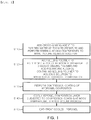
- the present invention provides a method of manufacturing the hydrogel using the hydrogel composition, and the method will be generally described with reference to FIG. 1 .
- the hydrogel is generally manufactured by the method including adding the cross-linking agent to purified water at room temperature (23 to 27°C) and then performing stirring at high temperatures to manufacture the aqueous solution in operation S110, adding the gelling polymer to the polyhydric alcohol at room temperature to dissolve the gelling polymer and then adding the polyhydric alcohol containing the gelling polymer to the aqueous solution to manufacture the hydrogel composition in operation S120, performing compression coating of the hydrogel composition in operation S130, cooling a hydrogel composition layer that is subjected to the compression coating at room temperature to manufacture the hydrogel in operation S140, and heat-treating the cooled hydrogel in operation S150.
- the method further includes molding the heat-treated hydrogel into a target form in operation S160, and immersing the molded hydrogel in the cosmetic or the pharmaceutical solutions in operation S170 after operation S150.
- the functional additive may be further added to operation S110.
- the cross-linking agent is added to purified water and then stirred at a temperature of 40 to 85°C to manufacture the aqueous solution.
- Purified water and the cross-linking agent are stirred at the temperature of 40 to 85°C to be easily thermally cross-linked with a mixture manufactured during the following operation S120.
- the gelling polymer is separately dissolved in the polyhydric alcohol, added to the aqueous solution manufactured during operation S110, and stirred at 40 to 80°C for 0.5 to 2 hours to manufacture the hydrogel composition.
- compression coating of the hydrogel composition is performed in a thickness of 0.5 to 2 mm by using a roll coater device to form the hydrogel composition layer.
- a thickness of the hydrogel composition layer is less than 0.5 mm, since the thickness is small, the hydrogel is torn when the hydrogel adheres to skin, and since the amount of the cosmetics or the pharmaceuticals permeating the gel is small, the cosmetics or the pharmaceuticals are not sufficiently delivered to skin, and when the thickness is greater than 2 mm, since the thickness is large, the hydrogel provides the sense of uncomfortableness and flows down when the hydrogel adheres to skin.
- a film may be compression-coated with the hydrogel composition in a thickness of 0.5 to 2.0 mm by a compression coating device to form the hydrogel composition layer.
- the film is not particularly limited as long as the film is easily stripped from the hydrogel and does not affect physical properties of the hydrogel, but a polyethylene terephthalate (PET) film may be used.
- PET polyethylene terephthalate
- a non-woven fabric may be provided on another surface of the hydrogel composition layer provided with the film on a surface thereof.
- the hydrogel composition layer that is subjected to compression coating is cooled at room temperature for 0.5 to 48 hours to manufacture the hydrogel.
- cooling is performed for a period of time of less than 0.5 hours, the hydrogel composition layer having a fluidized phase does not have a form.
- a cooled sheet is heat-treated in a drier at 40 to 85°C for 12 to 36 hours in order to sufficiently charge the cosmetics or the pharmaceuticals in the hydrogel.
- a heat treatment time is less than 12 hours, since heat treatment is not ensured, strength is similar to that of a hydrogel in the related art, and hydration or fluidization of the gel occurs when the cosmetics or the pharmaceuticals permeates, and thus the hydrogel cannot be used, and when the heat treatment time is greater than 36 hours, since the hydrogen is excessively dried, a permeation time of the cosmetics or the pharmaceuticals is increased.
- the hydrogel manufactured during operation S160 is molded into a target form during operation S160, and the liquid cosmetics or pharmaceuticals are charged in the molded hydrogel during operation S170.
- the hydrogel provided according to the present invention preferably has strength of 1.5 to 7 kg/cm 2 .
- the hydrogel of the present invention may be maintained in form without a separate base therein, and is maintained in form without fluidization of the gel even when the hydrogel is immersed in the cosmetics or the pharmaceuticals.
- the film may be provided on a surface of the hydrogel manufactured using compression coating of the hydrogel composition in order to prevent damage to the hydrogel during transportation, and the non-woven fabric may be provided on another surface thereof in order to sufficiently absorb the cosmetics or the pharmaceuticals.
- the cosmetics or the pharmaceuticals are charged in the hydrogel
- the cosmetics or the pharmaceuticals are infiltrated into the non-woven fabric to permeate the hydrogel, thus being uniformly charged in the surface of the hydrogel.
- the non-woven fabric and the film are separated and only the hydrogel is used.
- 2 wt% of the sodium acrylate/C10-30 alkyl acrylate cross polymer as the acryl-based cross-linking polymer and 3 wt% of the styrene/VP copolymer as the styrene-based copolymer were added to 72 wt% of purified water, and then stirred at 60°C.
- 2 wt% of carrageenan, 0.5 wt% of xanthan gum, and 0.5 wt% of locust bean gum as the gelling polymer were mixed with 20 wt% of glycerin as the polyhydric alcohol, added to the aqueous solution, and stirred at 70°C for 2 hours to manufacture the hydrogel composition.
- the hydrogel composition was cooled at room temperature for 1.5 hours.
- the cooled sheet was heat-treated in the drier (Sejong Scientific, Co., Ltd., DRY OVEN SJ-201DL) at 50°C for 13 hours to manufacture the hydrogel.
- Example 2 The same procedure as Example 1 was performed to manufacture the hydrogel, except that 3 wt% of the potassium acrylate/C10-30 alkyl acrylate crosspolymer as the acryl-based cross-linking polymer, 4 wt% of the styrene/acrylate copolymer as the styrene-based copolymer, 70.2 wt% of purified water, 20 wt% of glycerin, and 1.8 wt% of carrageenan and 1.0 wt% of glucomannan were used as the gelling polymer.
- 3 wt% of the potassium acrylate/C10-30 alkyl acrylate crosspolymer as the acryl-based cross-linking polymer
- 4 wt% of the styrene/acrylate copolymer as the styrene-based copolymer
- 70.2 wt% of purified water 20 wt% of glycerin
- Example 2 The same procedure as Example 1 was performed to manufacture the hydrogel, except that 6 wt% of the butylene/ethylene/styrene copolymer as the styrene-based copolymer was used as the cross-linking agent, and 17 wt% of the polyhydric alcohol, 74.7 wt% of purified water, and 1.0 wt% of carrageenan, 0.8 wt% of xanthan gum, and 0.5 wt% of glucomannan were used as the gelling polymer.
- Example 2 The same procedure as Example 1 was performed to manufacture the hydrogel, except that 5 wt% of the sodium acrylate/C10-30 alkyl acrylate cross polymer as the acryl-based cross-linking polymer was used as the cross-linking agent, and 71.4 wt% of purified water, 20 wt% of glycerin, and 2.3 wt% of carrageenan, 0.5 wt% of algin, and 0.8 wt% of locust bean gum were used as the gelling polymer.
- 5 wt% of the sodium acrylate/C10-30 alkyl acrylate cross polymer as the acryl-based cross-linking polymer was used as the cross-linking agent, and 71.4 wt% of purified water, 20 wt% of glycerin, and 2.3 wt% of carrageenan, 0.5 wt% of algin, and 0.8 wt% of locust bean gum were used as the gelling polymer.
- Example 2 The same procedure as Example 1 was performed to manufacture the hydrogel, except that the acryl-based cross-linking polymer and the styrene-based cross-linking polymer are not used, and 20 wt% of glycerin as the polyhydric alcohol, and 2 wt% of carrageenan, 0.5 wt% of xanthan gum, and 0.5 wt% of locust bean gum as the gelling polymer were dispersed in 77 wt% of purified water.
- the acryl-based cross-linking polymer and the styrene-based cross-linking polymer are not used, and 20 wt% of glycerin as the polyhydric alcohol, and 2 wt% of carrageenan, 0.5 wt% of xanthan gum, and 0.5 wt% of locust bean gum as the gelling polymer were dispersed in 77 wt% of purified water.
- Examples 1 to 4 of the present invention had excellent absorbancy, stability (fluidization of the gel), and strength.
- absorbancy, stability, and strength of Comparative Example 1 were not excellent as compared to Examples 1 to 4.
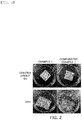
- FIG. 2 shows stability of the hydrogel manufactured according to Example 1 and Comparative Example 1, and it could be confirmed that the gel was not fluidized but stable properties were maintained even after 24 hours in Example 1 but the gel was fluidized after 24 hours in Comparative Example 1.
Landscapes
- Health & Medical Sciences (AREA)
- Life Sciences & Earth Sciences (AREA)
- Chemical & Material Sciences (AREA)
- Animal Behavior & Ethology (AREA)
- General Health & Medical Sciences (AREA)
- Public Health (AREA)
- Veterinary Medicine (AREA)
- Birds (AREA)
- Epidemiology (AREA)
- Medicinal Chemistry (AREA)
- Chemical Kinetics & Catalysis (AREA)
- Polymers & Plastics (AREA)
- Organic Chemistry (AREA)
- Dispersion Chemistry (AREA)
- Emergency Medicine (AREA)
- Engineering & Computer Science (AREA)
- Manufacturing & Machinery (AREA)
- Dermatology (AREA)
- Materials Engineering (AREA)
- Cosmetics (AREA)
- Medicinal Preparation (AREA)
Description
- The present invention relates to a hydrogel composition for a mask base, a form of which is maintained without a supporter and has stable properties, even when a hydrogel is immersed in cosmetics or pharmaceuticals, and a method of manufacturing a hydrogel using the same.
- A hydrogel is a material maintained in a moist state, and fields of application thereof have tended to be diversified into areas such as dressings for wounds, contact lenses, pharmaceuticals, cosmetics delivery media, prostheses, and waste water treating agents. Hydrogel is a material having a three-dimensional hydrophilic polymer network structure including purified water as a dispersion medium, and is highly absorbent, able to absorb large amounts of water, thus having flexibility like that of natural tissue.
- Further, the hydrogel may further have novel functions such as controlled release, in which delivery of a material contained therein can be control and susceptibility to expansion and contraction due to stimulation by a pH level, temperature, an electromagnetic field, and light. The hydrogel having the aforementioned characteristics has a structure that is similar to that of a cytosol of a human body, inactive biocompatibility, elasticity like rubber, excellent permeation of oxygen and nutrients, and is thus extensively used in pharmaceutical industrial fields as well as in the cosmetics and biomedical fields.
- Recently, a mask pack having an improved humectation, nutrient supplying properties, or dead skin cell removal effects has been developed by using elasticity, close contact properties with skin, and the soft sense of touch of hydrogel.
- Non-woven fabrics or cotton are used as a base in mask packs in order to maintain a form thereof, and particularly, non-woven fabrics have a lack of directionality, due to tangled fibers thereof, to thus prevent edges of non-woven fabrics from being fluidized, and accordingly, non-woven fabrics are used extensively as mask pack bases.
- However, as described above, since non-woven fabrics are manufactured through a chemical process, skin troubles may occur when a mask pack including non-woven fabrics in the base thereof is applied to the skin of a user; moreover, discarded non-woven fabrics are not easily decomposed in nature, thus causing environmental pollution. Further, there are limitations on the use of cotton in the bases of mask packs, in that manufacturing costs may be increased.
- Moreover, mask packs including the non-woven fabrics or cotton as the base is easily dried and has a poor close contact property to skin.
- Accordingly, there is demand for the development of a mask pack having no adverse affects on users' skin and excellent wearability. However, while efforts have been made to improve functionality, according to the components contained in mask packs, the base compositions of mask packs have not been developed.
- Particularly, hydrogel immersed in cosmetics or pharmaceuticals has not used as the base for the mask pack until now.
- An aspect of the present invention provides a hydrogel composition for a mask base, a form of which is maintained without a supporter and has stable properties, even when a hydrogel is immersed in cosmetics or pharmaceuticals.
- Another aspect of the present invention provides manufacturing of a hydrogel using the hydrogel composition.
- According to an aspect of the present invention, there is provided a hydrogel composition according to
claim 1, including 0.1 to 10 wt% of a cross-linking agent, 0.2 to 6 wt% of a gelling polymer, 0.5 to 20 wt% of a polyhydric alcohol, and 70 to 90 wt% of purified water. - The cross-linking agent is a mixture of an acryl-based cross-linking polymer and a styrene-based copolymer.
- The acryl-based cross-linking polymer may be a sodium acrylate/C10-30 alkyl acrylate crosspolymer or a potassium acrylate/C10-30 alkyl acrylate crosspolymer, and the styrene-based copolymer comprises one or more from the group consisting of an acrylate/ethylhexyl acrylate/hema/styrene copolymer, a butylene/ethylene/styrene copolymer, an ammonium acrylate/methylstyrene/styrene copolymer, a styrene/VP copolymer, and a styrene/acrylate copolymer.
- The mixture of the acryl-based cross-linking polymer and the styrene-based copolymer is added in a weight ratio of 2 : 8 to 8 : 2.
- The gelling polymer comprises one or more selected from the group consisting of galactomannan, glucomannan, guar gum, locust bean gum, pluronic, agar, algin, carrageenan, xanthan gum, and gellan.
- According to another aspect of the present invention, there is provided a method of manufacturing a hydrogel for a mask base according to claim 4.
- Further, the method may include molding the heat-treated hydrogel into a target form, and immersing the molded hydrogel in cosmetic or pharmaceutical solutions, and optionally sealing the hydrogel to manufacture a final product after the heat-treating.
- In this case, each surface of the hydrogel may have a film and a non-woven fabric, and specifically, the hydrogel composition layer may have the film on a surface thereof and the non-woven fabric on another surface thereof.
- The hydrogel composition includes 0.1 to 10 wt% of the cross-linking agent, 0.2 to 6 wt% of the gelling polymer, 0.5 to 20 wt% of the polyhydric alcohol, and 70 to 90 wt% of purified water.
- Strength of the hydrogel manufactured by cooling may be 1.5 to 7.0 kg/cm2.
- A hydrogel for a mask base provided according to the present invention has flexibility like natural tissue and thus has excellent wearability on skin. Even in the case that the hydrogel is immersed in cosmetics like essence or pharmaceuticals, since the gel is not fluidized but maintained in form, the hydrogel can be used as a base without a separate base.
- Further, even in the case that the cosmetics or the pharmaceuticals are charged in the hydrogel, the resulting hydrogel is stable over a long period of time.
- Further, since the hydrogel of the present invention has excellent absorption qualities, a large amount of cosmetics or pharmaceuticals added to non-woven fabrics are uniformly charged in the hydrogel, and thus a large amount of cosmetics or pharmaceuticals are uniformly delivered to skin when the hydrogel adheres thereto.
- Further, the hydrogel of the present invention may be variously used in eye patches, hand patches, and atopy patches.
- The above and other aspects, features and other advantages of the present invention will be more clearly understood from the following detailed description taken in conjunction with the accompanying drawings, in which:
-
FIG. 1 is a flowchart showing a method of manufacturing a hydrogel according to an embodiment of the present invention; and -
FIG. 2 shows stability of hydrogels manufactured according to Example 1 and Comparative Example 1. - The present invention relates to a hydrogel composition for a mask base, a form of which is maintained without a supporter and has stable properties, even when a hydrogel is immersed in cosmetics or pharmaceuticals, and a method of manufacturing a hydrogel using the same.
- Hereinafter, the present invention will be described in detail.
- The hydrogel composition for the mask base includes a cross-linking agent, a gelling polymer, a polyhydric alcohol, and purified water, and a functional additive may be further added according to a use.
- Each constituent component will be described below in detail.
- The cross-linking agent is a mixture of an acryl-based cross-linking polymer and a styrene-based copolymer, and the content of the cross-linking agent is 0.1 to 10 wt% and preferably 0.5 to 7 wt%. When the content of the cross-linking agent is less than 0.1 wt%, the gel may be suspended, and when the content is greater than 10 wt%, a residue remains on skin and the gel is fluidized.
- The acryl-based cross-linking polymer acts as a bridge, forms a thin film to improve adhesion force and maintain moisture when the hydrogel is used on skin, and provides the soft sense of touch to the hydrogel, and specific examples may include a sodium acrylate/C10-30 alkyl acrylate crosspolymer or a potassium acrylate/C10-30 alkyl acrylate crosspolymer.
- Further, the styrene-based copolymer is a film former, physical properties of the gel are increased when cross-linking is performed by heat treatment. The styrene-based copolymer comprises one or two or more from the group consisting of an acrylate/ethylhexyl acrylate/hema/styrene copolymer, a butylene/ethylene/styrene copolymer, an ammonium acrylate/methylstyrene/styrene copolymer, a styrene/VP copolymer, and a styrene/acrylate copolymer.
- The acryl-based cross-linking polymer and the styrene-based copolymer are added in a weight ratio of 2 : 8 to 8 : 2 and preferably 3 : 7 to 7 : 3.
- In the case where the weight ratio of the acryl-based cross-linking polymer and the styrene-based copolymer is outside the range of 2 : 8 to 8 : 2, when the hydrogel is used on skin, viscosity is changed to allow the hydrogel to flow down along skin, and absorption qualities are reduced, and thus it is difficult to charge the cosmetics or the pharmaceuticals in the hydrogel.
- The gelling polymer adjusts a form and strength of the gel. The gelling polymer comprises one or two or more from the group consisting of galactomannan, glucomannan, guar gum, locust bean gum, pluronic, agar, algin, carrageenan, xanthan gum, and gellan. The content of the gelling polymer is 0.2 to 6 wt% and preferably 0.5 to 5 wt%. When the content of the gelling polymer is less than 0.2 wt%, the form of the gel can be maintained but strength of the gel is high and flexibility is reduced, and thus a close contact property to skin is reduced, and when the content is greater than 6 wt%, it is difficult to maintain the form because the gel droops, it is difficult to manufacture the hydrogel due to reduced elasticity, and adhesion to skin is reduced.
- The polyhydric alcohol provides flowability to the hydrogel so that the hydrogel comes into close contact with skin and the cosmetics or the pharmaceuticals permeate skin.
- Specific examples of the polyhydric alcohol may include one or two or more selected from the group consisting of 1,2-ethanediol, 1,2-propanediol, 1,3-propanediol, 3-chloro-1,2-propanediol, 2-chloro-1,3-propanediol, and glycerin.
- The polyhydric alcohol is used in a content of 0.5 to 20 wt% and preferably 2 to 15 wt%. When the content of the polyhydric alcohol is less than 0.5 wt%, flowability cannot be provided to the hydrogel, and when the content is greater than 20 wt%, the hydrogel may have viscosity.
- Further, the functional additive provides stability and functionality to the hydrogel and may be added if necessary, and specific examples may include one or two or more selected from the group consisting of methylparaben, propylparaben, a kojic acid, an α-hydroxy acid, imidazolidinyl urea, Twin 80, and retinol.
- The functional additive is used in a content of 0.5 to 3 wt% and preferably 1 to 2 wt%.
- The content of purified water is 70 to 90 wt% and preferably 75 to 85 wt%. When the content of purified water is less than 70 wt%, even in the case that a temperature is increased, a gel state may not be changed into a fluidization state, and when the content is greater than 90%, the gel is not formed.
- Further, the present invention provides a method of manufacturing the hydrogel using the hydrogel composition, and the method will be generally described with reference to
FIG. 1 . - The hydrogel is generally manufactured by the method including adding the cross-linking agent to purified water at room temperature (23 to 27°C) and then performing stirring at high temperatures to manufacture the aqueous solution in operation S110, adding the gelling polymer to the polyhydric alcohol at room temperature to dissolve the gelling polymer and then adding the polyhydric alcohol containing the gelling polymer to the aqueous solution to manufacture the hydrogel composition in operation S120, performing compression coating of the hydrogel composition in operation S130, cooling a hydrogel composition layer that is subjected to the compression coating at room temperature to manufacture the hydrogel in operation S140, and heat-treating the cooled hydrogel in operation S150. Further, the method further includes molding the heat-treated hydrogel into a target form in operation S160, and immersing the molded hydrogel in the cosmetic or the pharmaceutical solutions in operation S170 after operation S150. Moreover, the functional additive may be further added to operation S110.
- During operation S110, the cross-linking agent is added to purified water and then stirred at a temperature of 40 to 85°C to manufacture the aqueous solution. Purified water and the cross-linking agent are stirred at the temperature of 40 to 85°C to be easily thermally cross-linked with a mixture manufactured during the following operation S120.
- During operation S120, the gelling polymer is separately dissolved in the polyhydric alcohol, added to the aqueous solution manufactured during operation S110, and stirred at 40 to 80°C for 0.5 to 2 hours to manufacture the hydrogel composition.
- When a stirring temperature of the aqueous solution manufactured during operation S110 and the mixture manufactured during operation S120 is less than 40°C, since the gelling polymer is not dissolved well, physical properties of the hydrogel are reduced, and when the stirring temperature is greater than 80°C, since viscosity of the hydrogel composition is increased, it is difficult to obtain a form and strength is reduced.
- Further, when a stirring time is less than 0.5 hours, since the gelling polymer is not uniformly dissolved, strength of the hydrogel is reduced, and when the stirring time is greater than 2 hours, since a gelling ratio of a polymer chain is reduced, strength of the hydrogel is reduced.
- During operation S130, compression coating of the hydrogel composition is performed in a thickness of 0.5 to 2 mm by using a roll coater device to form the hydrogel composition layer. When a thickness of the hydrogel composition layer is less than 0.5 mm, since the thickness is small, the hydrogel is torn when the hydrogel adheres to skin, and since the amount of the cosmetics or the pharmaceuticals permeating the gel is small, the cosmetics or the pharmaceuticals are not sufficiently delivered to skin, and when the thickness is greater than 2 mm, since the thickness is large, the hydrogel provides the sense of uncomfortableness and flows down when the hydrogel adheres to skin.
- As another example, a film may be compression-coated with the hydrogel composition in a thickness of 0.5 to 2.0 mm by a compression coating device to form the hydrogel composition layer. In this case, the film is not particularly limited as long as the film is easily stripped from the hydrogel and does not affect physical properties of the hydrogel, but a polyethylene terephthalate (PET) film may be used. Further, a non-woven fabric may be provided on another surface of the hydrogel composition layer provided with the film on a surface thereof.
- During operation S140, the hydrogel composition layer that is subjected to compression coating is cooled at room temperature for 0.5 to 48 hours to manufacture the hydrogel. When cooling is performed for a period of time of less than 0.5 hours, the hydrogel composition layer having a fluidized phase does not have a form.
- During operation S150, a cooled sheet is heat-treated in a drier at 40 to 85°C for 12 to 36 hours in order to sufficiently charge the cosmetics or the pharmaceuticals in the hydrogel. When a heat treatment time is less than 12 hours, since heat treatment is not ensured, strength is similar to that of a hydrogel in the related art, and hydration or fluidization of the gel occurs when the cosmetics or the pharmaceuticals permeates, and thus the hydrogel cannot be used, and when the heat treatment time is greater than 36 hours, since the hydrogen is excessively dried, a permeation time of the cosmetics or the pharmaceuticals is increased.
- The hydrogel manufactured during operation S160 is molded into a target form during operation S160, and the liquid cosmetics or pharmaceuticals are charged in the molded hydrogel during operation S170.
- The hydrogel provided according to the present invention preferably has strength of 1.5 to 7 kg/cm2.
- Further, the hydrogel of the present invention may be maintained in form without a separate base therein, and is maintained in form without fluidization of the gel even when the hydrogel is immersed in the cosmetics or the pharmaceuticals.
- The film may be provided on a surface of the hydrogel manufactured using compression coating of the hydrogel composition in order to prevent damage to the hydrogel during transportation, and the non-woven fabric may be provided on another surface thereof in order to sufficiently absorb the cosmetics or the pharmaceuticals.
- When the cosmetics or the pharmaceuticals are charged in the hydrogel, the cosmetics or the pharmaceuticals are infiltrated into the non-woven fabric to permeate the hydrogel, thus being uniformly charged in the surface of the hydrogel.
- Further, when the hydrogel provided with the film and the non-woven fabric is used, the non-woven fabric and the film are separated and only the hydrogel is used.
- Examples will be given hereinafter to help understanding of the present invention, but the following Examples have been described in an illustrative manner.
- 2 wt% of the sodium acrylate/C10-30 alkyl acrylate cross polymer as the acryl-based cross-linking polymer and 3 wt% of the styrene/VP copolymer as the styrene-based copolymer were added to 72 wt% of purified water, and then stirred at 60°C. Separately, 2 wt% of carrageenan, 0.5 wt% of xanthan gum, and 0.5 wt% of locust bean gum as the gelling polymer were mixed with 20 wt% of glycerin as the polyhydric alcohol, added to the aqueous solution, and stirred at 70°C for 2 hours to manufacture the hydrogel composition.
- After compression coating of the manufactured hydrogel composition was performed in a thickness of 1.0 mm by using the roll coater device, the hydrogel composition was cooled at room temperature for 1.5 hours. The cooled sheet was heat-treated in the drier (Sejong Scientific, Co., Ltd., DRY OVEN SJ-201DL) at 50°C for 13 hours to manufacture the hydrogel.
- The same procedure as Example 1 was performed to manufacture the hydrogel, except that 3 wt% of the potassium acrylate/C10-30 alkyl acrylate crosspolymer as the acryl-based cross-linking polymer, 4 wt% of the styrene/acrylate copolymer as the styrene-based copolymer, 70.2 wt% of purified water, 20 wt% of glycerin, and 1.8 wt% of carrageenan and 1.0 wt% of glucomannan were used as the gelling polymer.
- The same procedure as Example 1 was performed to manufacture the hydrogel, except that 6 wt% of the butylene/ethylene/styrene copolymer as the styrene-based copolymer was used as the cross-linking agent, and 17 wt% of the polyhydric alcohol, 74.7 wt% of purified water, and 1.0 wt% of carrageenan, 0.8 wt% of xanthan gum, and 0.5 wt% of glucomannan were used as the gelling polymer.
- The same procedure as Example 1 was performed to manufacture the hydrogel, except that 5 wt% of the sodium acrylate/C10-30 alkyl acrylate cross polymer as the acryl-based cross-linking polymer was used as the cross-linking agent, and 71.4 wt% of purified water, 20 wt% of glycerin, and 2.3 wt% of carrageenan, 0.5 wt% of algin, and 0.8 wt% of locust bean gum were used as the gelling polymer.
- The same procedure as Example 1 was performed to manufacture the hydrogel, except that the acryl-based cross-linking polymer and the styrene-based cross-linking polymer are not used, and 20 wt% of glycerin as the polyhydric alcohol, and 2 wt% of carrageenan, 0.5 wt% of xanthan gum, and 0.5 wt% of locust bean gum as the gelling polymer were dispersed in 77 wt% of purified water.
- The liquid cosmetics were impregnated in the hydrogel manufactured in the Examples and the Comparative Examples to measure physical properties, and the results are described in the following Table 1.
- 1. Absorbancy of the hydrogel: After the manufacturing initial weight of the manufactured hydrogel was measured, the weight after the hydrogel was deposited in the cosmetics or the pharmaceuticals for one day (weight after deposition) was measured to evaluate absorbancy calculated by the following Equation.

- 2. Stability: The hydrogel was cut to have a size of 2 cm × 2 cm and then immersed in the phosphate buffer solution (pH 7.4, 80 ml), and the physical change of the gel (fluidization of the gel) was measured in the shaking incubator rotating at 200 rpm under the condition of 37°C by the naked eye after 60 minutes, 5 hours, 10 hours, and 24 hours, and evaluated based on the following evaluation standard.
⊚ : Maintenance of properties
○: The gel is fluidized in an area of less than 10% of the total area
□: The gel is fluidized in an area of less than 30% of the total area
Δ: The gel is fluidized in an area of less than 50% of the total area
X: The gel is fluidized in an area of less than 70% of the total area - 3. Strength: Compressive strength of the gel was measured by using the SUN Rheo Meter Compac-100 II (Sun Scientific Co., Ltd., Japan). The sample for measuring compressive strength was cylindrical and had the width of 50 mm and the length of 50 mm.
- When compressive strength was measured, the adapter had the diameter of 10 mm, the entrance (admission) distance was 15 mm, and maximum stress of the load cell was 10 kg (maximum 20 kg).
[Table 1] Classification Example 1 Example 2 Example 3 Example 4 Comparative Example 1 Hydrogel absorbancy 240 220 190 170 120 Stability 60 minutes ⊚ ⊚ ⊚ ⊚ ⊚ 5 hours ⊚ ⊚ ⊚ ○ Δ 10 hours ○ ○ ○ Δ X 24 hours ○ Δ Δ X - Strength (kg/cm2) 6.4 5.3 5.4 5.1 1.0 - As shown in Table 1, it was confirmed that Examples 1 to 4 of the present invention had excellent absorbancy, stability (fluidization of the gel), and strength. On the other hand, absorbancy, stability, and strength of Comparative Example 1 were not excellent as compared to Examples 1 to 4.
-
FIG. 2 shows stability of the hydrogel manufactured according to Example 1 and Comparative Example 1, and it could be confirmed that the gel was not fluidized but stable properties were maintained even after 24 hours in Example 1 but the gel was fluidized after 24 hours in Comparative Example 1.
Claims (6)
- A hydrogel composition for a mask base comprising:0.1 to 10 wt% of a cross-linking agent, wherein the cross-linking agent is a mixture of an acryl-based cross-linking polymer and a styrene-based copolymer; wherein the styrene-based copolymer is one or more from the group consisting of an acrylate/ethylhexyl acrylate/hema/styrene copolymer, a butylene/ethylene/styrene copolymer, an ammonium acrylate/methylstyrene/styrene copolymer, a styrene/VP copolymer, and a styrene/acrylate copolymer;0.2 to 6 wt% of a gelling polymer, which comprises one or more from the group consisting of galactomannan, glucomannan, guar gum, locust bean gum, pluronic, agar, algin, carrageenan, xanthan gum, and gellan;0.5 to 20 wt% of a polyhydric alcohol; and70 to 90 wt% of purified water,wherein the mixture of the acryl-based cross-linking polymer and the styrene-based copolymer is added in a weight ratio of 2 : 8 to 8:2, and wherein the composition comprises 0.1 to 10 wt% of a cross-linking agent and 0.2 to 6 wt% of a gelling polymer.
- The hydrogel composition of claim 1, wherein the acryl-based cross-linking polymer is a sodium acrylate/C10-30 alkyl acrylate crosspolymer or a potassium acrylate/C10-30 alkyl acrylate crosspolymer.
- The hydrogel composition of claim 1, wherein the polyhydric alcohol is one or more selected from the group consisting of 1,2-ethanediol, 1,2-propanediol, 1,3-propanediol, 3-chloro-1,2-propanediol, 2-chloro-1,3-propanediol, and glycerin.
- A method of manufacturing a hydrogel for a mask base, the method comprising:adding a mixture of an acryl-based cross-linking polymer and a styrene-based copolymer to purified water at room temperature and then performing stirring at a temperature of 40 to 85°C to manufacture an aqueous solution; wherein the styrene-based copolymer is one or more selected from the group consisting of an acrylate/ethylhexyl acrylate/hema/styrene copolymer, a butylene/ethylene/styrene copolymer, an ammonium acrylate/methylstyrene/styrene copolymer, a styrene/VP copolymer, and a styrene/acrylate copolymer, andthe mixture of the acryl-based cross-linking polymer and the styrene-based copolymer is added in a weight ratio of 2 : 8 to 8 : 2;dissolving a gelling polymer, which is is one or more selected from the group consisting of galactomannan, glucomannan, guar gum, locust bean gum, pluronic, agar, algin, carrageenan, xanthan gum, and gellan in a polyhydric alcohol at room temperature, adding the polyhydric alcohol containing the gelling polymer to the aqueous solution, and stirring the resulting solution at 40 to 80°C to manufacture a hydrogel composition;performing compression coating of the hydrogel composition in a thickness of 0.5 to 2 mm;cooling a hydrogel composition layer that is subjected to the compression coating at room temperature to manufacture the hydrogel; andheat-treating the cooled hydrogel at a temperature of 40 to 85°C for 12 to 36 hours.
- The method of claim 4, further comprising:molding the heat-treated hydrogel into a target form; andimmersing the molded hydrogel in cosmetic or pharmaceutical solutions.
- The method of claim 4, wherein strength of the cooled hydrogel is 1.5 to 7.0 kg/cm2.
Applications Claiming Priority (2)
| Application Number | Priority Date | Filing Date | Title |
|---|---|---|---|
| KR1020110100690A KR101367105B1 (en) | 2011-10-04 | 2011-10-04 | Hydrogel Composition For Holding Object And Method For Preparing Hydrogel Using the Same |
| PCT/KR2012/007312 WO2013051795A1 (en) | 2011-10-04 | 2012-09-12 | Hydrogel composition for a mask base and method for manufacturing a hydrogel using same |
Publications (3)
| Publication Number | Publication Date |
|---|---|
| EP2765160A1 EP2765160A1 (en) | 2014-08-13 |
| EP2765160A4 EP2765160A4 (en) | 2015-06-17 |
| EP2765160B1 true EP2765160B1 (en) | 2019-11-13 |
Family
ID=48043932
Family Applications (1)
| Application Number | Title | Priority Date | Filing Date |
|---|---|---|---|
| EP12837935.1A Active EP2765160B1 (en) | 2011-10-04 | 2012-09-12 | Hydrogel composition for a mask base and method for manufacturing a hydrogel using same |
Country Status (6)
| Country | Link |
|---|---|
| US (1) | US10011712B2 (en) |
| EP (1) | EP2765160B1 (en) |
| JP (1) | JP5897141B2 (en) |
| KR (1) | KR101367105B1 (en) |
| CN (1) | CN103857744B (en) |
| WO (1) | WO2013051795A1 (en) |
Families Citing this family (21)
| Publication number | Priority date | Publication date | Assignee | Title |
|---|---|---|---|---|
| CN103520070B (en) * | 2013-10-08 | 2015-10-21 | 天津工业大学 | A kind of high resiliency is without support environment-friendly type gel mask and preparation method thereof |
| CN104173264B (en) * | 2014-07-19 | 2017-04-12 | 云南荣之健生物科技有限公司 | Rose essence oil hydrogel patch and preparation method thereof |
| GB2535562B8 (en) * | 2014-09-30 | 2017-07-19 | Chongqing Mj Medical Devices Co Ltd | Hydrogel compositions and their use in the treatment of symptoms induced by hypertrophic scars |
| KR101730129B1 (en) | 2014-12-31 | 2017-05-12 | 주식회사 필켐 | Delayed gelling hydrogel composition for slip casting and process of preparation thereof |
| CN107949368A (en) | 2015-07-28 | 2018-04-20 | 玫琳凯有限公司 | Topical skin preparations |
| KR20180032752A (en) | 2016-09-22 | 2018-04-02 | 롯데정밀화학 주식회사 | Composition for hydrogel sheet, hydrogel sheet made from the composition and method of manufacturing thereof |
| WO2017052301A1 (en) | 2015-09-25 | 2017-03-30 | 롯데정밀화학 주식회사 | Composition for hydrogel sheet, hydrogel sheet manufactured therefrom, and method for manufacturing same |
| KR102435660B1 (en) * | 2015-11-06 | 2022-08-24 | 롯데정밀화학 주식회사 | Method of manufacturing dry hydrogel sheet and dry hydrogel sheet manufactured by the method |
| CN105232354B (en) * | 2015-11-12 | 2018-01-16 | 广州沁瀚生物科技有限公司 | The ventilative cosmetically facial mask and preparation method thereof of biology |
| KR101709290B1 (en) * | 2016-03-25 | 2017-02-23 | 주식회사 한웅메디칼 | Hydrogel Composition And Hydrogel Sheet Product Including Hydrogel Layer Made Of The Same |
| CN105769748A (en) * | 2016-04-19 | 2016-07-20 | 桂林理工大学 | Cassava starch hydrogel nostoc commune extract mask matrix and preparation method thereof |
| CN105816335A (en) * | 2016-04-29 | 2016-08-03 | 诺斯贝尔化妆品股份有限公司 | Mask cloth containing multiple kinds of natural hydrophilic gel |
| KR102686652B1 (en) * | 2016-11-28 | 2024-07-19 | 롯데정밀화학 주식회사 | Method of manufacturing porous hydrogel sheet and porous hydrogel sheet manufactured by the method |
| CN108210344A (en) * | 2016-12-21 | 2018-06-29 | 常州柚盾实业投资有限公司 | A kind of Modified Membrane cloth and preparation method thereof |
| JP7311094B2 (en) * | 2019-02-12 | 2023-07-19 | 株式会社みやびコスメティックス | Liquid agent for soaking gel composition |
| FR3096581B1 (en) * | 2019-05-31 | 2021-10-22 | Chanel Parfums Beaute | A solid aqueous gel comprising a mixture of xanthan gum and carob gum |
| KR102398721B1 (en) * | 2020-05-19 | 2022-05-17 | 코스맥스아이큐어 주식회사 | Hydrogel flakes carrying a plant extract, hydrogel mask pack using the same, and method for manufacturing the same |
| EP4023205A4 (en) * | 2020-11-19 | 2022-09-14 | Jincostech Co., Ltd. | Hydrogel patch comprising syneresis pattern control filling solution, and method for manufacturing same |
| KR102256234B1 (en) * | 2020-11-19 | 2021-05-26 | (주)진코스텍 | Hydrogel patch including additive solution adjustable for its syrenesis pattern and method of manufacturing the composition |
| EP4346745A1 (en) * | 2021-05-25 | 2024-04-10 | Beiersdorf AG | Hydrogels including biopolymers |
| CN117414302A (en) * | 2022-07-11 | 2024-01-19 | 孟乡生化科技股份有限公司 | Polymer film |
Citations (1)
| Publication number | Priority date | Publication date | Assignee | Title |
|---|---|---|---|---|
| WO2004058211A1 (en) * | 2002-12-23 | 2004-07-15 | Beiersdorf Ag | Self-adhesive polymer matrix containing a seaweed extract |
Family Cites Families (30)
| Publication number | Priority date | Publication date | Assignee | Title |
|---|---|---|---|---|
| JPS5492618A (en) | 1977-12-30 | 1979-07-23 | Japan Synthetic Rubber Co Ltd | Poultice |
| US4965071A (en) * | 1988-10-19 | 1990-10-23 | The Gillette Company | Wrinkle masking composition of sodium polystyrene sulfonate and process for use |
| PT850043E (en) * | 1995-08-31 | 2002-06-28 | Procter & Gamble | COMPOSITION FOR STANDARDIZING THE SKIN CONTAINING SILICONE RUBBER POLYOXYETHYLENE MIXTURE AND GLYCEROL COMPOSITE |
| JP2000514052A (en) | 1996-07-01 | 2000-10-24 | ハンス・シュヴァルツコプフ・ゲゼルシャフト・ミット・ベシュレンクテル・ハフツング・ウント・コンパニー・コマンディットゲゼルシャフト | Use of hydrogel formers and formulations for treating keratin fibers |
| JPH10338619A (en) | 1997-06-06 | 1998-12-22 | Pola Chem Ind Inc | Transparent cosmetic |
| JP4787386B2 (en) * | 1998-05-08 | 2011-10-05 | 花王株式会社 | Sheet-like cosmetic containing clay mineral and method for producing the same |
| WO2001095889A1 (en) * | 2000-06-13 | 2001-12-20 | Hisamitsu Pharmaceutical Co., Inc. | Plaster |
| JP4190303B2 (en) | 2002-02-18 | 2008-12-03 | 日本精化株式会社 | Cationic copolymer |
| FR2832061B1 (en) * | 2002-04-15 | 2004-05-28 | Oreal | HYDROGEL ON SUPPORT AS AFTER-SHAVE PRODUCT |
| KR20050072459A (en) * | 2002-10-30 | 2005-07-11 | 쇼와 덴코 가부시키가이샤 | Adhesive composition for dermal patch and production process thereof |
| JP3905457B2 (en) | 2002-10-31 | 2007-04-18 | 花王株式会社 | Cosmetics and methods of use |
| DE10260873A1 (en) | 2002-12-23 | 2004-07-15 | Beiersdorf Ag | Self-adhesive polymer matrix containing marine algae extract and glycerin |
| US7993654B2 (en) | 2002-12-23 | 2011-08-09 | Beiersdorf Ag | Self-adhesive polymer matrix containing sea algae extract |
| JP4519408B2 (en) | 2003-01-30 | 2010-08-04 | ライオン株式会社 | Patch composition and production method thereof |
| JP2005008613A (en) | 2003-05-28 | 2005-01-13 | Kanae Technos:Kk | Gel sheet for pack |
| KR100506543B1 (en) * | 2003-08-14 | 2005-08-05 | 주식회사 제닉 | Temperature Sensitive State-Changing Hydrogel Composition and Method for their Preparation |
| JP2008507525A (en) | 2004-07-23 | 2008-03-13 | ザ プロクター アンド ギャンブル カンパニー | Substrate-based skin care device |
| JP2006089459A (en) | 2004-08-24 | 2006-04-06 | Kao Corp | Sheet-like composition |
| DE102005032237A1 (en) | 2005-07-07 | 2007-01-11 | Beiersdorf Ag | Emulsifier combination for cosmetics |
| CN100389145C (en) | 2006-09-29 | 2008-05-21 | 北京大学 | Hydrogels containing natural polymers and methods for preparing them by radiation |
| KR100841742B1 (en) * | 2006-12-14 | 2008-06-27 | 화인코주식회사 | Hydrogel mask packs, methods for their preparation and compositions used for their preparation |
| KR100937625B1 (en) * | 2007-08-10 | 2010-01-20 | 주식회사 제닉 | Soluble web air gap film and manufacturing method thereof |
| DE102007039229A1 (en) * | 2007-08-20 | 2009-02-26 | Ics Innovative Care Systems Andernach Gmbh | Water and medicated gel |
| KR101468579B1 (en) * | 2008-03-24 | 2014-12-03 | 아이큐어 주식회사 | Rapidly soluble film composition having improved drug stability, rapidly soluble film therefrom and iontophoresis patch set using the same |
| JP4993508B2 (en) | 2008-07-16 | 2012-08-08 | 信越化学工業株式会社 | Cosmetics containing a film-forming polymer |
| JP5398062B2 (en) | 2009-03-16 | 2014-01-29 | 積水化成品工業株式会社 | Hydrogel external preparation |
| WO2010143196A1 (en) * | 2009-04-03 | 2010-12-16 | Cavinkare Pvt Ltd. | Novel synergistic transparent / translucent hydrogel composition; method of preparing it and a sheet / film made thereform |
| KR101179654B1 (en) * | 2009-07-20 | 2012-09-04 | 주식회사 인섹트 바이오텍 | Skin care mask using hydrogel containing arazyme |
| JP5511319B2 (en) | 2009-11-10 | 2014-06-04 | 三栄源エフ・エフ・アイ株式会社 | Dry gel sheet and use thereof |
| KR101207403B1 (en) | 2011-01-28 | 2012-12-04 | 한국생산기술연구원 | Silver nanowire ink using liquid-crystalline polymer and preparation method thereof |
-
2011
- 2011-10-04 KR KR1020110100690A patent/KR101367105B1/en active Active
-
2012
- 2012-09-12 EP EP12837935.1A patent/EP2765160B1/en active Active
- 2012-09-12 US US14/349,202 patent/US10011712B2/en active Active
- 2012-09-12 WO PCT/KR2012/007312 patent/WO2013051795A1/en not_active Ceased
- 2012-09-12 JP JP2014534460A patent/JP5897141B2/en active Active
- 2012-09-12 CN CN201280048942.6A patent/CN103857744B/en active Active
Patent Citations (1)
| Publication number | Priority date | Publication date | Assignee | Title |
|---|---|---|---|---|
| WO2004058211A1 (en) * | 2002-12-23 | 2004-07-15 | Beiersdorf Ag | Self-adhesive polymer matrix containing a seaweed extract |
Also Published As
| Publication number | Publication date |
|---|---|
| US10011712B2 (en) | 2018-07-03 |
| CN103857744B (en) | 2017-11-10 |
| US20140239536A1 (en) | 2014-08-28 |
| EP2765160A1 (en) | 2014-08-13 |
| CN103857744A (en) | 2014-06-11 |
| KR101367105B1 (en) | 2014-02-26 |
| KR20130036543A (en) | 2013-04-12 |
| JP2014528443A (en) | 2014-10-27 |
| EP2765160A4 (en) | 2015-06-17 |
| JP5897141B2 (en) | 2016-03-30 |
| WO2013051795A1 (en) | 2013-04-11 |
Similar Documents
| Publication | Publication Date | Title |
|---|---|---|
| EP2765160A1 (en) | Hydrogel composition for a mask base and method for manufacturing a hydrogel using same | |
| Wu et al. | Silver nanoparticle/bacterial cellulose gel membranes for antibacterial wound dressing: investigation in vitro and in vivo | |
| Guo et al. | Hybrid hydrogels for immunoregulation and proangiogenesis through mild heat stimulation to accelerate whole‐process diabetic wound healing | |
| CN105153359B (en) | A kind of conductive hydrogel and conductive hydrogel coiled material and preparation method thereof | |
| Brahim et al. | Synthesis and hydration properties of pH-sensitive p (HEMA)-based hydrogels containing 3-(trimethoxysilyl) propyl methacrylate | |
| Sakai et al. | Design and fabrication of a high-strength hydrogel with ideally homogeneous network structure from tetrahedron-like macromonomers | |
| Yin et al. | Polyzwitterions as a versatile building block of tough hydrogels: from polyelectrolyte complex gels to double-network gels | |
| Zhang et al. | A hybrid hydrogel constructed using drug loaded mesoporous silica and multiple response copolymer as an intelligent dressing for wound healing of diabetic foot ulcers | |
| Reddy et al. | Thermosensitive transparent semi-interpenetrating polymer networks for wound dressing and cell adhesion control | |
| Zhao et al. | The relationship between oxygen permeability and phase separation morphology of the multicomponent silicone hydrogels | |
| Yang et al. | Enhancing frost-resistant and electrically conductive properties of bacterial cellulose-based IPN hydrogel wound dressings via photopolymerization: Towards epidermal sensor applications | |
| Doria-Serrano et al. | Physical characteristics of poly (vinyl alcohol) and calcium alginate hydrogels for the immobilization of activated sludge | |
| CN113527581B (en) | Water gel composition and water gel lens | |
| Li et al. | “one stone four birds” strategy of advanced hydrogel system based on eight-arm nanocages to promote chronic wound healing in diabetes | |
| Chen et al. | Mussel‐Inspired Adhesive, Antibacterial, and Stretchable Composite Hydrogel for Wound Dressing | |
| Zhang et al. | A natural gelatin/casein hydrogel with on-demand adhesion via chitosan solution for wound healing | |
| CN114306709A (en) | A kind of antibacterial polyurethane sponge and preparation method thereof | |
| CN108948397A (en) | A kind of film isolating agent | |
| Wang et al. | Mechanically adaptive, self-adhesive, conductive, cross-linked interpenetrating zwitterionic hydrogel sensor for simultaneous wound healing and monitoring | |
| CN112266454A (en) | Application of hydroxyl-terminated polymer in preparation of multifunctional polyurethane soft foam dressing | |
| Jaiswal et al. | Development of a Self-Healing, Tissue-Adhesive, and Bacteriostatic Guar Gum-Based Hydrogel for Enhanced Wound Healing and Tissue Regeneration | |
| Zhang et al. | Efficient Control of Swelling and Strength of Polyacrylamide/Polyacrylic Acid/Chitosan Hydrogels for NaF Release | |
| Ye et al. | A pH/glucose dual-responsive Janus dressing with optimized gradient modulus/tissue adhesion promotes diabetic wound healing by dynamic drug-payload release | |
| CN111714404B (en) | Acne-removing composition and preparation method and application thereof | |
| WO2019056819A1 (en) | Collagen-loaded alginate medical dressing and preparation method therefor |
Legal Events
| Date | Code | Title | Description |
|---|---|---|---|
| PUAI | Public reference made under article 153(3) epc to a published international application that has entered the european phase |
Free format text: ORIGINAL CODE: 0009012 |
|
| 17P | Request for examination filed |
Effective date: 20140326 |
|
| AK | Designated contracting states |
Kind code of ref document: A1 Designated state(s): AL AT BE BG CH CY CZ DE DK EE ES FI FR GB GR HR HU IE IS IT LI LT LU LV MC MK MT NL NO PL PT RO RS SE SI SK SM TR |
|
| DAX | Request for extension of the european patent (deleted) | ||
| RA4 | Supplementary search report drawn up and despatched (corrected) |
Effective date: 20150520 |
|
| RIC1 | Information provided on ipc code assigned before grant |
Ipc: C08L 25/14 20060101ALI20150513BHEP Ipc: C08L 25/08 20060101ALI20150513BHEP Ipc: C08K 5/05 20060101ALI20150513BHEP Ipc: C08J 3/075 20060101ALI20150513BHEP Ipc: C08L 39/06 20060101ALI20150513BHEP Ipc: A61K 8/73 20060101ALI20150513BHEP Ipc: C08L 33/04 20060101AFI20150513BHEP Ipc: A61K 8/02 20060101ALI20150513BHEP Ipc: A61K 8/81 20060101ALI20150513BHEP Ipc: C08L 33/08 20060101ALI20150513BHEP Ipc: C08J 5/18 20060101ALI20150513BHEP Ipc: A61Q 19/00 20060101ALI20150513BHEP Ipc: C08L 5/00 20060101ALI20150513BHEP Ipc: C08L 25/04 20060101ALI20150513BHEP Ipc: A61K 8/04 20060101ALI20150513BHEP Ipc: C08J 3/24 20060101ALI20150513BHEP Ipc: A61K 8/34 20060101ALI20150513BHEP |
|
| STAA | Information on the status of an ep patent application or granted ep patent |
Free format text: STATUS: EXAMINATION IS IN PROGRESS |
|
| 17Q | First examination report despatched |
Effective date: 20170508 |
|
| GRAP | Despatch of communication of intention to grant a patent |
Free format text: ORIGINAL CODE: EPIDOSNIGR1 |
|
| STAA | Information on the status of an ep patent application or granted ep patent |
Free format text: STATUS: GRANT OF PATENT IS INTENDED |
|
| INTG | Intention to grant announced |
Effective date: 20190619 |
|
| GRAS | Grant fee paid |
Free format text: ORIGINAL CODE: EPIDOSNIGR3 |
|
| GRAA | (expected) grant |
Free format text: ORIGINAL CODE: 0009210 |
|
| STAA | Information on the status of an ep patent application or granted ep patent |
Free format text: STATUS: THE PATENT HAS BEEN GRANTED |
|
| AK | Designated contracting states |
Kind code of ref document: B1 Designated state(s): AL AT BE BG CH CY CZ DE DK EE ES FI FR GB GR HR HU IE IS IT LI LT LU LV MC MK MT NL NO PL PT RO RS SE SI SK SM TR |
|
| REG | Reference to a national code |
Ref country code: CH Ref legal event code: EP Ref country code: AT Ref legal event code: REF Ref document number: 1201602 Country of ref document: AT Kind code of ref document: T Effective date: 20191115 |
|
| REG | Reference to a national code |
Ref country code: DE Ref legal event code: R096 Ref document number: 602012065704 Country of ref document: DE |
|
| REG | Reference to a national code |
Ref country code: IE Ref legal event code: FG4D |
|
| REG | Reference to a national code |
Ref country code: NL Ref legal event code: MP Effective date: 20191113 |
|
| REG | Reference to a national code |
Ref country code: LT Ref legal event code: MG4D |
|
| PG25 | Lapsed in a contracting state [announced via postgrant information from national office to epo] |
Ref country code: PT Free format text: LAPSE BECAUSE OF FAILURE TO SUBMIT A TRANSLATION OF THE DESCRIPTION OR TO PAY THE FEE WITHIN THE PRESCRIBED TIME-LIMIT Effective date: 20200313 Ref country code: ES Free format text: LAPSE BECAUSE OF FAILURE TO SUBMIT A TRANSLATION OF THE DESCRIPTION OR TO PAY THE FEE WITHIN THE PRESCRIBED TIME-LIMIT Effective date: 20191113 Ref country code: LV Free format text: LAPSE BECAUSE OF FAILURE TO SUBMIT A TRANSLATION OF THE DESCRIPTION OR TO PAY THE FEE WITHIN THE PRESCRIBED TIME-LIMIT Effective date: 20191113 Ref country code: FI Free format text: LAPSE BECAUSE OF FAILURE TO SUBMIT A TRANSLATION OF THE DESCRIPTION OR TO PAY THE FEE WITHIN THE PRESCRIBED TIME-LIMIT Effective date: 20191113 Ref country code: SE Free format text: LAPSE BECAUSE OF FAILURE TO SUBMIT A TRANSLATION OF THE DESCRIPTION OR TO PAY THE FEE WITHIN THE PRESCRIBED TIME-LIMIT Effective date: 20191113 Ref country code: GR Free format text: LAPSE BECAUSE OF FAILURE TO SUBMIT A TRANSLATION OF THE DESCRIPTION OR TO PAY THE FEE WITHIN THE PRESCRIBED TIME-LIMIT Effective date: 20200214 Ref country code: LT Free format text: LAPSE BECAUSE OF FAILURE TO SUBMIT A TRANSLATION OF THE DESCRIPTION OR TO PAY THE FEE WITHIN THE PRESCRIBED TIME-LIMIT Effective date: 20191113 Ref country code: NO Free format text: LAPSE BECAUSE OF FAILURE TO SUBMIT A TRANSLATION OF THE DESCRIPTION OR TO PAY THE FEE WITHIN THE PRESCRIBED TIME-LIMIT Effective date: 20200213 Ref country code: BG Free format text: LAPSE BECAUSE OF FAILURE TO SUBMIT A TRANSLATION OF THE DESCRIPTION OR TO PAY THE FEE WITHIN THE PRESCRIBED TIME-LIMIT Effective date: 20200213 Ref country code: PL Free format text: LAPSE BECAUSE OF FAILURE TO SUBMIT A TRANSLATION OF THE DESCRIPTION OR TO PAY THE FEE WITHIN THE PRESCRIBED TIME-LIMIT Effective date: 20191113 Ref country code: NL Free format text: LAPSE BECAUSE OF FAILURE TO SUBMIT A TRANSLATION OF THE DESCRIPTION OR TO PAY THE FEE WITHIN THE PRESCRIBED TIME-LIMIT Effective date: 20191113 |
|
| PG25 | Lapsed in a contracting state [announced via postgrant information from national office to epo] |
Ref country code: HR Free format text: LAPSE BECAUSE OF FAILURE TO SUBMIT A TRANSLATION OF THE DESCRIPTION OR TO PAY THE FEE WITHIN THE PRESCRIBED TIME-LIMIT Effective date: 20191113 Ref country code: IS Free format text: LAPSE BECAUSE OF FAILURE TO SUBMIT A TRANSLATION OF THE DESCRIPTION OR TO PAY THE FEE WITHIN THE PRESCRIBED TIME-LIMIT Effective date: 20200313 Ref country code: RS Free format text: LAPSE BECAUSE OF FAILURE TO SUBMIT A TRANSLATION OF THE DESCRIPTION OR TO PAY THE FEE WITHIN THE PRESCRIBED TIME-LIMIT Effective date: 20191113 |
|
| PG25 | Lapsed in a contracting state [announced via postgrant information from national office to epo] |
Ref country code: AL Free format text: LAPSE BECAUSE OF FAILURE TO SUBMIT A TRANSLATION OF THE DESCRIPTION OR TO PAY THE FEE WITHIN THE PRESCRIBED TIME-LIMIT Effective date: 20191113 |
|
| PG25 | Lapsed in a contracting state [announced via postgrant information from national office to epo] |
Ref country code: DK Free format text: LAPSE BECAUSE OF FAILURE TO SUBMIT A TRANSLATION OF THE DESCRIPTION OR TO PAY THE FEE WITHIN THE PRESCRIBED TIME-LIMIT Effective date: 20191113 Ref country code: CZ Free format text: LAPSE BECAUSE OF FAILURE TO SUBMIT A TRANSLATION OF THE DESCRIPTION OR TO PAY THE FEE WITHIN THE PRESCRIBED TIME-LIMIT Effective date: 20191113 Ref country code: RO Free format text: LAPSE BECAUSE OF FAILURE TO SUBMIT A TRANSLATION OF THE DESCRIPTION OR TO PAY THE FEE WITHIN THE PRESCRIBED TIME-LIMIT Effective date: 20191113 Ref country code: EE Free format text: LAPSE BECAUSE OF FAILURE TO SUBMIT A TRANSLATION OF THE DESCRIPTION OR TO PAY THE FEE WITHIN THE PRESCRIBED TIME-LIMIT Effective date: 20191113 |
|
| REG | Reference to a national code |
Ref country code: DE Ref legal event code: R097 Ref document number: 602012065704 Country of ref document: DE |
|
| REG | Reference to a national code |
Ref country code: AT Ref legal event code: MK05 Ref document number: 1201602 Country of ref document: AT Kind code of ref document: T Effective date: 20191113 |
|
| PG25 | Lapsed in a contracting state [announced via postgrant information from national office to epo] |
Ref country code: SM Free format text: LAPSE BECAUSE OF FAILURE TO SUBMIT A TRANSLATION OF THE DESCRIPTION OR TO PAY THE FEE WITHIN THE PRESCRIBED TIME-LIMIT Effective date: 20191113 Ref country code: SK Free format text: LAPSE BECAUSE OF FAILURE TO SUBMIT A TRANSLATION OF THE DESCRIPTION OR TO PAY THE FEE WITHIN THE PRESCRIBED TIME-LIMIT Effective date: 20191113 |
|
| PLBE | No opposition filed within time limit |
Free format text: ORIGINAL CODE: 0009261 |
|
| STAA | Information on the status of an ep patent application or granted ep patent |
Free format text: STATUS: NO OPPOSITION FILED WITHIN TIME LIMIT |
|
| 26N | No opposition filed |
Effective date: 20200814 |
|
| PG25 | Lapsed in a contracting state [announced via postgrant information from national office to epo] |
Ref country code: AT Free format text: LAPSE BECAUSE OF FAILURE TO SUBMIT A TRANSLATION OF THE DESCRIPTION OR TO PAY THE FEE WITHIN THE PRESCRIBED TIME-LIMIT Effective date: 20191113 Ref country code: SI Free format text: LAPSE BECAUSE OF FAILURE TO SUBMIT A TRANSLATION OF THE DESCRIPTION OR TO PAY THE FEE WITHIN THE PRESCRIBED TIME-LIMIT Effective date: 20191113 |
|
| PG25 | Lapsed in a contracting state [announced via postgrant information from national office to epo] |
Ref country code: IT Free format text: LAPSE BECAUSE OF FAILURE TO SUBMIT A TRANSLATION OF THE DESCRIPTION OR TO PAY THE FEE WITHIN THE PRESCRIBED TIME-LIMIT Effective date: 20191113 |
|
| PG25 | Lapsed in a contracting state [announced via postgrant information from national office to epo] |
Ref country code: MC Free format text: LAPSE BECAUSE OF FAILURE TO SUBMIT A TRANSLATION OF THE DESCRIPTION OR TO PAY THE FEE WITHIN THE PRESCRIBED TIME-LIMIT Effective date: 20191113 |
|
| REG | Reference to a national code |
Ref country code: CH Ref legal event code: PL |
|
| REG | Reference to a national code |
Ref country code: BE Ref legal event code: MM Effective date: 20200930 |
|
| PG25 | Lapsed in a contracting state [announced via postgrant information from national office to epo] |
Ref country code: LU Free format text: LAPSE BECAUSE OF NON-PAYMENT OF DUE FEES Effective date: 20200912 |
|
| PG25 | Lapsed in a contracting state [announced via postgrant information from national office to epo] |
Ref country code: CH Free format text: LAPSE BECAUSE OF NON-PAYMENT OF DUE FEES Effective date: 20200930 Ref country code: BE Free format text: LAPSE BECAUSE OF NON-PAYMENT OF DUE FEES Effective date: 20200930 Ref country code: LI Free format text: LAPSE BECAUSE OF NON-PAYMENT OF DUE FEES Effective date: 20200930 Ref country code: IE Free format text: LAPSE BECAUSE OF NON-PAYMENT OF DUE FEES Effective date: 20200912 |
|
| PG25 | Lapsed in a contracting state [announced via postgrant information from national office to epo] |
Ref country code: TR Free format text: LAPSE BECAUSE OF FAILURE TO SUBMIT A TRANSLATION OF THE DESCRIPTION OR TO PAY THE FEE WITHIN THE PRESCRIBED TIME-LIMIT Effective date: 20191113 Ref country code: MT Free format text: LAPSE BECAUSE OF FAILURE TO SUBMIT A TRANSLATION OF THE DESCRIPTION OR TO PAY THE FEE WITHIN THE PRESCRIBED TIME-LIMIT Effective date: 20191113 Ref country code: CY Free format text: LAPSE BECAUSE OF FAILURE TO SUBMIT A TRANSLATION OF THE DESCRIPTION OR TO PAY THE FEE WITHIN THE PRESCRIBED TIME-LIMIT Effective date: 20191113 |
|
| PG25 | Lapsed in a contracting state [announced via postgrant information from national office to epo] |
Ref country code: MK Free format text: LAPSE BECAUSE OF FAILURE TO SUBMIT A TRANSLATION OF THE DESCRIPTION OR TO PAY THE FEE WITHIN THE PRESCRIBED TIME-LIMIT Effective date: 20191113 |
|
| PGFP | Annual fee paid to national office [announced via postgrant information from national office to epo] |
Ref country code: DE Payment date: 20250702 Year of fee payment: 14 |
|
| PGFP | Annual fee paid to national office [announced via postgrant information from national office to epo] |
Ref country code: GB Payment date: 20250703 Year of fee payment: 14 |
|
| PGFP | Annual fee paid to national office [announced via postgrant information from national office to epo] |
Ref country code: FR Payment date: 20250703 Year of fee payment: 14 |