EP2725042A1 - Polymer and method for producing same - Google Patents
Polymer and method for producing same Download PDFInfo
- Publication number
- EP2725042A1 EP2725042A1 EP12803914.6A EP12803914A EP2725042A1 EP 2725042 A1 EP2725042 A1 EP 2725042A1 EP 12803914 A EP12803914 A EP 12803914A EP 2725042 A1 EP2725042 A1 EP 2725042A1
- Authority
- EP
- European Patent Office
- Prior art keywords
- polymer
- formula
- represented
- reaction
- mpc
- Prior art date
- Legal status (The legal status is an assumption and is not a legal conclusion. Google has not performed a legal analysis and makes no representation as to the accuracy of the status listed.)
- Granted
Links
Images
Classifications
-
- C—CHEMISTRY; METALLURGY
- C08—ORGANIC MACROMOLECULAR COMPOUNDS; THEIR PREPARATION OR CHEMICAL WORKING-UP; COMPOSITIONS BASED THEREON
- C08F—MACROMOLECULAR COMPOUNDS OBTAINED BY REACTIONS ONLY INVOLVING CARBON-TO-CARBON UNSATURATED BONDS
- C08F230/00—Copolymers of compounds having one or more unsaturated aliphatic radicals, each having only one carbon-to-carbon double bond, and containing phosphorus, selenium, tellurium or a metal
- C08F230/02—Copolymers of compounds having one or more unsaturated aliphatic radicals, each having only one carbon-to-carbon double bond, and containing phosphorus, selenium, tellurium or a metal containing phosphorus
-
- A—HUMAN NECESSITIES
- A61—MEDICAL OR VETERINARY SCIENCE; HYGIENE
- A61L—METHODS OR APPARATUS FOR STERILISING MATERIALS OR OBJECTS IN GENERAL; DISINFECTION, STERILISATION OR DEODORISATION OF AIR; CHEMICAL ASPECTS OF BANDAGES, DRESSINGS, ABSORBENT PADS OR SURGICAL ARTICLES; MATERIALS FOR BANDAGES, DRESSINGS, ABSORBENT PADS OR SURGICAL ARTICLES
- A61L27/00—Materials for grafts or prostheses or for coating grafts or prostheses
- A61L27/28—Materials for coating prostheses
- A61L27/34—Macromolecular materials
-
- A—HUMAN NECESSITIES
- A61—MEDICAL OR VETERINARY SCIENCE; HYGIENE
- A61L—METHODS OR APPARATUS FOR STERILISING MATERIALS OR OBJECTS IN GENERAL; DISINFECTION, STERILISATION OR DEODORISATION OF AIR; CHEMICAL ASPECTS OF BANDAGES, DRESSINGS, ABSORBENT PADS OR SURGICAL ARTICLES; MATERIALS FOR BANDAGES, DRESSINGS, ABSORBENT PADS OR SURGICAL ARTICLES
- A61L29/00—Materials for catheters, medical tubing, cannulae, or endoscopes or for coating catheters
- A61L29/08—Materials for coatings
- A61L29/085—Macromolecular materials
-
- A—HUMAN NECESSITIES
- A61—MEDICAL OR VETERINARY SCIENCE; HYGIENE
- A61L—METHODS OR APPARATUS FOR STERILISING MATERIALS OR OBJECTS IN GENERAL; DISINFECTION, STERILISATION OR DEODORISATION OF AIR; CHEMICAL ASPECTS OF BANDAGES, DRESSINGS, ABSORBENT PADS OR SURGICAL ARTICLES; MATERIALS FOR BANDAGES, DRESSINGS, ABSORBENT PADS OR SURGICAL ARTICLES
- A61L31/00—Materials for other surgical articles, e.g. stents, stent-grafts, shunts, surgical drapes, guide wires, materials for adhesion prevention, occluding devices, surgical gloves, tissue fixation devices
- A61L31/08—Materials for coatings
- A61L31/10—Macromolecular materials
-
- C—CHEMISTRY; METALLURGY
- C08—ORGANIC MACROMOLECULAR COMPOUNDS; THEIR PREPARATION OR CHEMICAL WORKING-UP; COMPOSITIONS BASED THEREON
- C08F—MACROMOLECULAR COMPOUNDS OBTAINED BY REACTIONS ONLY INVOLVING CARBON-TO-CARBON UNSATURATED BONDS
- C08F130/00—Homopolymers of compounds having one or more unsaturated aliphatic radicals, each having only one carbon-to-carbon double bond, and containing phosphorus, selenium, tellurium or a metal
- C08F130/02—Homopolymers of compounds having one or more unsaturated aliphatic radicals, each having only one carbon-to-carbon double bond, and containing phosphorus, selenium, tellurium or a metal containing phosphorus
-
- C—CHEMISTRY; METALLURGY
- C08—ORGANIC MACROMOLECULAR COMPOUNDS; THEIR PREPARATION OR CHEMICAL WORKING-UP; COMPOSITIONS BASED THEREON
- C08F—MACROMOLECULAR COMPOUNDS OBTAINED BY REACTIONS ONLY INVOLVING CARBON-TO-CARBON UNSATURATED BONDS
- C08F220/00—Copolymers of compounds having one or more unsaturated aliphatic radicals, each having only one carbon-to-carbon double bond, and only one being terminated by only one carboxyl radical or a salt, anhydride ester, amide, imide or nitrile thereof
- C08F220/02—Monocarboxylic acids having less than ten carbon atoms; Derivatives thereof
- C08F220/10—Esters
- C08F220/34—Esters containing nitrogen, e.g. N,N-dimethylaminoethyl (meth)acrylate
- C08F220/36—Esters containing nitrogen, e.g. N,N-dimethylaminoethyl (meth)acrylate containing oxygen in addition to the carboxy oxygen, e.g. 2-N-morpholinoethyl (meth)acrylate or 2-isocyanatoethyl (meth)acrylate
-
- C—CHEMISTRY; METALLURGY
- C08—ORGANIC MACROMOLECULAR COMPOUNDS; THEIR PREPARATION OR CHEMICAL WORKING-UP; COMPOSITIONS BASED THEREON
- C08F—MACROMOLECULAR COMPOUNDS OBTAINED BY REACTIONS ONLY INVOLVING CARBON-TO-CARBON UNSATURATED BONDS
- C08F220/00—Copolymers of compounds having one or more unsaturated aliphatic radicals, each having only one carbon-to-carbon double bond, and only one being terminated by only one carboxyl radical or a salt, anhydride ester, amide, imide or nitrile thereof
- C08F220/02—Monocarboxylic acids having less than ten carbon atoms; Derivatives thereof
- C08F220/10—Esters
- C08F220/38—Esters containing sulfur
- C08F220/387—Esters containing sulfur and containing nitrogen and oxygen
-
- C—CHEMISTRY; METALLURGY
- C08—ORGANIC MACROMOLECULAR COMPOUNDS; THEIR PREPARATION OR CHEMICAL WORKING-UP; COMPOSITIONS BASED THEREON
- C08F—MACROMOLECULAR COMPOUNDS OBTAINED BY REACTIONS ONLY INVOLVING CARBON-TO-CARBON UNSATURATED BONDS
- C08F220/00—Copolymers of compounds having one or more unsaturated aliphatic radicals, each having only one carbon-to-carbon double bond, and only one being terminated by only one carboxyl radical or a salt, anhydride ester, amide, imide or nitrile thereof
- C08F220/02—Monocarboxylic acids having less than ten carbon atoms; Derivatives thereof
- C08F220/10—Esters
- C08F220/26—Esters containing oxygen in addition to the carboxy oxygen
- C08F220/32—Esters containing oxygen in addition to the carboxy oxygen containing epoxy radicals
- C08F220/325—Esters containing oxygen in addition to the carboxy oxygen containing epoxy radicals containing glycidyl radical, e.g. glycidyl (meth)acrylate
Definitions
- the present invention relates to a novel polymer that is useful for imparting biocompatibility to medical devices which come into contact with living tissues, a method for producing the same, and a surface treatment agent for medical devices utilizing the polymer.
- Patent Publication 2 proposes use of a copolymer of 2-methacryloyloxyethyl-2-trimethylammonioethyl phosphate (abbreviated as MPC hereinbelow) and allylamine (abbreviated as AAM hereinbelow) on medical device surfaces for improved biocompatibility.
- MPC 2-methacryloyloxyethyl-2-trimethylammonioethyl phosphate
- AAM allylamine
- AAM is highly toxic and inconvenient in handling, so that it is not preferred to increase the compositional ratio of AAM in the copolymer.
- Patent Publication 3 proposes reacting MPC copolymer having primary amino groups, which is obtained by copolymerization of MPC and 2-aminoethylmethacrylate (abbreviated as AEMA hereinbelow), with reactive surfaces of medical devices. According to this method, the copolymer having highly reactive amino groups is chemically bonded to medical device surfaces, so that an increased amount of amino groups are introduced, resulting in highly durable surfaces.
- AEMA 2-aminoethylmethacrylate
- cationic property of the functional groups remaining unreacted may cause protein adsorption, activation of immune cells, or adsorption to cells, which may deteriorate the biocompatibility.
- the present inventors have made intensive researches in the light of the above objects to find out that reaction of a particular polymer having a phosphorylcholine-like group with 2-aminoethanethiol yields a polymer that is capable of improving surface hydrophilicity of medical devices, and has high biocompatibility and low cytotoxicity even when its reactivity to surfaces is low, to thereby complete the present invention.
- a polymer comprising structural units represented by the formulae (1a) and (1b), and having a weight average molecular weight of 10000 to 5000000:
- a method for producing this polymer comprising polymerization of a monomer composition comprising MPC presented by the formula (2a) and glycidyl methacrylate represented by the formula (2b) (abbreviated as GMA hereinbelow) at a molar ratio of GMA being 5 to 30 % of a total amount of MPC and GMA, followed by reaction with 2-aminoethanethiol represented by the formula (3) (abbreviated as AET hereinbelow): HS-CH 2 -CH 2 -NH 2 Formula (3).
- a surface treatment agent for a medical device consisting of an aqueous solution comprising 0.1 to 20 mass% of the polymer.
- the polymer according to the present invention having the structure mentioned above, capable of imparting hydrophilicity and biocompatibility to medical device surfaces by simple processing, and having low cytotoxicity, is useful as a surface treatment agent for medical devices which come into contact with body fluid or blood, such as guidewires, catheters, artificial vessels, cardiopulmonary bypasses, contact lenses, and intraocular lenses.
- the polymer according to the present invention has structural units represented by the formulae (1a) and (1b) above and a weight average molecular weight of 10000 to 5000000, preferably 100000 to 1500000, and may optionally have a structural unit or units other than those represented by the formulae (1a) and (1b).
- a weight average molecular weight of less than 10000 adhesivity to medical device surfaces is not sufficient, which may cause inferior durability
- a weight average molecular weight of over 5000000 viscosity of the polymer during its production is too high, which may cause difficulties in handling.
- b/(a+b) is less than 5
- adhesivity to medical device surfaces is not sufficient, durability may be low, and surface hydrophilicity may not be improved.
- b/(a+b) is over 30, cytotoxicity may be high.
- the polymer of the present invention may be obtained, for example, by the method of the present invention wherein a monomer composition containing MPC represented by the formula (2a) and GMA represented by the formula (2b) at the molar ratio of GMA being 5 to 30 % of the total amount of MPC and GMA, is polymerized, and then reacted with AET represented by the formula (3).
- the polymerization of the monomer composition may be carried out, for example, in the presence of a radical polymerization initiator in an atmosphere of or substituted with an inert gas, such as nitrogen, carbon dioxide, argon, or helium, by a known method, for example radical polymerization, such as bulk, suspension, emulsion, or solution polymerization. In view of purification or the like of the resulting polymer, solution polymerization is preferred.
- a polymer having a structural unit represented by the formula (2) is obtained:
- the radical polymerization initiator may be an azo radical polymerization initiator, such as 2,2-azobis(2-amidinopropyl) dihydrochloride, 2,2-azobis(2-(5-methyl-2-imidazoline-2-il)propane) dihydrochloride, 4,4-azobis(4-cyanovaleric acid), 2,2-azobisisobutylamide dihydrate, 2,2-azobis(2,4-dimethylvaleronitrile), 2,2-azobisisobutylonitrile (AIBN), dimethyl-2,2'-azobisisobutylate, 1-(1-cyano-1-methylethyl)azo) formamide, 2,2'-azobis(2-methyl-N-phenylpropionamidine) dihydrochloride, 2,2'-azobis(2-methyl-N-(2-hydroxyethyl)-propionamide, 2,2'-azobis(2-methylpropionamide) dehydrate, 4,4'-azobis(4-cyanopentanoic acid), or 2,2'-azobis(
- organic peroxides may also be used, such as benzoyl peroxide, diisopropyl peroxydicarbonate, t-butylperoxy-2-ethylhexanoate, t-butyl peroxypivalate, t-butyl peroxydiisobutyrate, lauroyl peroxide, t-butyl peroxyneodecanoate, succinylperoxide, glutarperoxide, succinyl peroxyglutarate, t-butyl peroxymaleate, t-butyl peroxypivalate, di-2-ethoxyethyl peroxycarbonate, or 3-hydroxy-1,1-dimethylbutyl peroxypivalate.
- benzoyl peroxide diisopropyl peroxydicarbonate
- t-butylperoxy-2-ethylhexanoate t-butyl peroxypivalate
- persulfates may also be used, such as ammonium persulfate, potassium persulfate, or sodium persulfate.
- persulfates such as ammonium persulfate, potassium persulfate, or sodium persulfate.
- One or a mixture of these radical polymerization initiators may be used.
- the amount of the polymerization initiator is usually 0.001 to 10 parts by mass, preferably 0.01 to 5.0 parts by mass with respect to 100 parts by mass of the monomer composition.
- the polymerization of the monomer composition may be carried out in the presence of a solvent.
- the solvent may be selected from those which dissolve the monomer composition without reacting therewith, for example, water; alcohol solvents, such as methanol, ethanol, n-propanol, or isopropanol; ketone solvents, such as acetone, methyl ethyl ketone, or diethyl ketone; ester solvents, such as ethyl acetate; straight or cyclic ether solvents, such as ethyl cellosolve, tetrahydrofuran, or N-methylpyrrolidone; or nitrogen-containing solvents, such as acetonitrile, or nitromethane.
- Preferred is water, alcohol, or a mixed solvent thereof.
- the resulting polymer represented by the formula (2) may be used in the next reaction after purification or dilution of the polymerization solvent without further processing.
- the reaction of the polymer represented by the formula (2), which is obtained through polymerization of the monomer composition, with AET represented by the formula (3) may be carried out in a solvent under heating.
- the resulting polymer represented by the formula (1) may be purified by a common process, such as reprecipitation, dialysis, or ultrafiltration.
- the solvent may be selected from those which dissolve the polymer of the formula (2) and AET without reacting therewith, for example, protic solvents, such as methanol, ethanol, n-propanol, or isopropanol, with n-propanol being preferred for its reactivity.
- protic solvents such as methanol, ethanol, n-propanol, or isopropanol, with n-propanol being preferred for its reactivity.
- the solution concentration of the polymer of the formula (2) upon reaction is preferably 4 to 30 mass%. At over 30 mass%, viscosity of the reaction solution is high and the reaction may not proceed sufficiently. At less than 4 mass%, the amount of the reaction solvent is large and the production efficiency may be low.
- the amounts of the polymer of the formula (2) and AET are preferably such that the molar ratio of the epoxy groups in the polymer of the formula (2) to AET is 1 : 3 to 100.
- the molar ratio of AET over 100 is not economical, whereas the molar ratio of AET less than 3 may cause side reaction, and the desired water-soluble polymer may not result.
- reaction hitherto discussed may be carried out either by adding AET to the polymer of the formula (2) or by adding the polymer of the formula (2) to AET.
- AET may be dissolved in the solvent prior to the addition, or may be added as it is.
- gradual addition of AET may cause side reaction, and the desired water-soluble polymer may not result, and thus addition in a lump is preferred.
- the reaction temperature is preferably 40 to 100 °C. At less than 40 °C, the reaction may not proceed sufficiently, whereas at over 100 °C, the resulting polymer may decompose.
- the reaction time is preferably not less than 3 hours and not more than 48 hours. With less than 3 hours, control of the reaction may be hard, whereas with over 48 hours, side reaction may occur, resulting in low purity of the obtained polymer.
- reaction vessel substituted with an inert gas, such as nitrogen or argon, so that the thiol group in AET is prevented from being oxidized into disulfide.
- an inert gas such as nitrogen or argon
- the obtained reaction liquid may be purified by a common process, such as reprecipitation, dialysis, or ultrafiltration, to obtain the objective polymer of the formula (1).
- the surface treatment agent for medical devices according to the present invention is composed of an aqueous solution containing 0.1 to 20 mass% of the polymer of the present invention. At the polymer content of the aqueous solution of less than 0.1 mass%, reactivity with the medical device surface is low, whereas at over 20 mass%, the viscosity of the aqueous solution is too high, which may cause difficulties in handling.
- the surface treatment agent for medical devices according to the present invention may be used, for example, by application to a medical device surface or by immersion of a medical device in the surface treatment agent for medical devices, to thereby fix the polymer of the present invention.
- the fixing may be effected, for example, by covalent bonding, ion bonding, or coordinate bonding the polymer of the present invention to a medical device surface. In view of durability, covalent bonding is preferred.
- a covalent bond may be established, for example, by causing a functional group which is reactive to the amino group in the present polymer, to be present on a medical device surface, and covalently bonding these groups.
- the functional group may be, for example, a carboxyl, carboxylic acid anhydride, epoxy, or isocyanate group.
- the surface may be converted to have functional groups by means of a polyfunctional reagent, such as diisocyanate or diepoxy, to render the surface reactive to the amino group.
- the surface of the medical device may be treated with plasma, corona, or ozone to provide the surface with, for example, carboxyl groups, to thereby render the surface reactive to the amino group.
- the covalent bond may be established by suitably selecting the conditions from conventional ones, depending on the kind and amount of the functional group, the material from which the medical device is made, or the like.
- the medical device to which the surface treatment agent of the present invention is applied may be those which come into contact with body fluid or blood, such as guidewires, catheters, artificial vessels, cardiopulmonary bypass, contact lenses, and intraocular lenses.
- TNBS 2,4,6-trinitrobenzene sodium sulfonate
- the measurement was made of 5 mg of the obtained polymer dissolved in 1g of a 0.1 mol/L sodium nitrate aqueous solution.
- the remaining conditions for the measurement were as follows:
- Cytotoxicity was tested with reference to ISO10993-5: 2009 and N. Tani et al., Toxicology in vitro 13(1999), 175-187 , and evaluated based on the cell survival rate.
- DMEM Dulbecco's modification of Eagle's medium
- 100x an antibiotic/antifungal solution
- PVDF polyvinylidene fluoride
- a sterile petri dish 9 mL of the cell culture medium and 1 mL of a cell suspension were placed, and cultured in a CO 2 incubator for over 48 hours to proliferate the cells.
- the cells in the petri dish were microscopically observed to confirm cell count increase and the state of the cells (whether the cells were not killed or floating without being adhered).
- the cell suspension was adjusted to the concentration of 1 ⁇ 10 5 cells/mL with the cell culture medium.
- the adjusted cell suspension was dispensed into a 96-well plate at 100 ⁇ L/well with a micropipette, and incubated for 24 hours in a CO 2 incubator.
- the polymer sample and sodium lauryl sulfate (SLS) of biochemical grade as a positive control were each dissolved in the cell culture medium or Dulbecco's phosphate-buffered saline (PBS) (10x), and sterilized through a PVDF sterilizing filter (0.22 ⁇ m).
- the polymer solution thus prepared (test sample) was serially diluted on a 96-well plate.
- test sample of 1.0 mass% polymer content prepared above was added at 100 ⁇ L to the 24-hour-incubated 96-well plate for exposure in a CO 2 incubator for 24 hours.
- NR was dissolved in ion-exchanged water at 5 mg/mL to prepare a NR stock solution.
- the NR stock solution was diluted by 100 folds with the cell culture medium to prepare a NR medium.
- the 96-well plate exposed to the test sample was taken out, the medium was discharged into a basin, and the plate was patted on Kimtowel to remove the residual medium.
- the NR medium was added to the 96-well plate at 100 ⁇ L/well with a micropipette, and incubated in a CO 2 incubator for 3 hours to allow the cells to take in NR.
- the 96-well plate was taken out of the CO 2 incubator, and the NR medium was removed. PBS was added at 100 ⁇ L/well, and then removed. A NR extractant containing 50 mass% ethanol, 49 mass% ion exchanged water, and 1 mass% acetic acid was added at 100 ⁇ L/well with a micropipette, and shaken with a shaking apparatus for five minutes to extract NR from the cells. The absorption at 540 nm was determined with a plate reader.
- the SLS contact concentration at 50% cell survival rate was confirmed to be about 0.01 mass%, and the survival rate of the cells when treated with the test sample was calculated:
- Cell survival rate ( Absorption when treated with test sample - Absorption of blank ) / Absorption when treated with medium - Absorption of blank ⁇ 100
- a 1 ⁇ 4 cm polyethylene film was placed between the electrodes of a corona discharge device with the electrode interval of 3 cm at a voltage across the electrodes of 15 kV to effect a discharge treatment. Then the film was immersed in a 10 mass% methacrylic acid aqueous solution, deaerated, and subjected to graft polymerization in vacuum. After the polymerization, the film was thoroughly washed with water, to obtain a MAA-grafted PE film.
- the 1 x 4 cm MAA-grafted PE film prepared above was immersed in 4.0 g of a 5 mass% aqueous solution of the polymer prepared in each Example or Comparative Example to be discussed later, also containing 0.04 g of water-soluble carbodiimide, to effect coupling reaction at room temperature for 24 hours. After this treatment, the film was washed with water, to thereby obtain a polymer-grafted film, which was subjected to the following evaluations.
- the film surface was analyzed by XPS, and the amount of the adhered polymer was calculated.
- the polymer-grafted film which had been immersed in water, was drawn out of the water, and the time lapsed before the water film was broken was measured to evaluate the surface hydrophilicity. The evaluation was made as follows:
- the solution thus prepared was mixed with 100 mL of acetonitrile to give an extractant liquid.
- the polymer had a weight average molecular weight of 630000, and the ratio of the units derived from MPC of the formula (1a) was 80 mol%, and the ratio of the units derived from the amino group of the formula (1b) was 20 mol%.
- the polymer had a weight average molecular weight of 850000, and the ratio of the units derived from MPC of the formula (1a) was 70 mol%, and the ratio of the units derived from the amino group of the formula (1b) was 30 mol%.
- Example 1-1 The reactions in Example 1-1 were followed, except that the monomers, the solvent, and the initiator were replaced with those shown in Table 1.
- the obtained polymer was subj ected to the measurements in the same way as in Example 1-1. The results are shown in Table 1.
- the polymers of Examples 1-1 to 1-4 had higher cell survival rates than the polymers of Comparative Examples 1-2 to 1-4, and were demonstrated to be safe. Further, comparing the results of the surface treatment tests, the polymers of Examples 1-1 to 1-4 were demonstrated to have hydrophilic film surface and suppressed protein adsorption, compared to the polymers of Comparative Examples 1-1 and 1-5.
Landscapes
- Health & Medical Sciences (AREA)
- Chemical & Material Sciences (AREA)
- Medicinal Chemistry (AREA)
- Epidemiology (AREA)
- Life Sciences & Earth Sciences (AREA)
- Animal Behavior & Ethology (AREA)
- General Health & Medical Sciences (AREA)
- Public Health (AREA)
- Veterinary Medicine (AREA)
- Chemical Kinetics & Catalysis (AREA)
- Organic Chemistry (AREA)
- Polymers & Plastics (AREA)
- Transplantation (AREA)
- Oral & Maxillofacial Surgery (AREA)
- Dermatology (AREA)
- Heart & Thoracic Surgery (AREA)
- Surgery (AREA)
- Vascular Medicine (AREA)
- Addition Polymer Or Copolymer, Post-Treatments, Or Chemical Modifications (AREA)
- Materials For Medical Uses (AREA)
Abstract
Description
- The present invention relates to a novel polymer that is useful for imparting biocompatibility to medical devices which come into contact with living tissues, a method for producing the same, and a surface treatment agent for medical devices utilizing the polymer.
- There are conventionally known techniques of imparting lubricity to medical device surfaces by coating (e.g., Patent Publication 1).
Patent Publication 2 proposes use of a copolymer of 2-methacryloyloxyethyl-2-trimethylammonioethyl phosphate (abbreviated as MPC hereinbelow) and allylamine (abbreviated as AAM hereinbelow) on medical device surfaces for improved biocompatibility. - However, AAM is highly toxic and inconvenient in handling, so that it is not preferred to increase the compositional ratio of AAM in the copolymer.
- Patent Publication 3 proposes reacting MPC copolymer having primary amino groups, which is obtained by copolymerization of MPC and 2-aminoethylmethacrylate (abbreviated as AEMA hereinbelow), with reactive surfaces of medical devices. According to this method, the copolymer having highly reactive amino groups is chemically bonded to medical device surfaces, so that an increased amount of amino groups are introduced, resulting in highly durable surfaces.
- However, cationic property of the functional groups remaining unreacted may cause protein adsorption, activation of immune cells, or adsorption to cells, which may deteriorate the biocompatibility.
- Patent Publication 1:
JP-H05-300940-A - Patent Publication 2:
WO 2001/05855 - Patent Publication 3:
US-6090901 - It is an object of the present invention to provide a polymer having low cytotoxicity and capable of imparting surface hydrophilicity and biocompatibility to medical device surfaces by simple processing, and a method for producing the polymer.
- It is another object of the present invention to provide a surface treatment agent for medical devices, having low cytotoxicity and capable of imparting surface hydrophilicity and biocompatibility to medical device surfaces by simple processing.
- The present inventors have made intensive researches in the light of the above objects to find out that reaction of a particular polymer having a phosphorylcholine-like group with 2-aminoethanethiol yields a polymer that is capable of improving surface hydrophilicity of medical devices, and has high biocompatibility and low cytotoxicity even when its reactivity to surfaces is low, to thereby complete the present invention.
- According to the present invention, there is provided a polymer comprising structural units represented by the formulae (1a) and (1b), and having a weight average molecular weight of 10000 to 5000000:


- wherein X stands for a group represented by the formula:
- According to the present invention, there is also provided a method for producing this polymer comprising polymerization of a monomer composition comprising MPC presented by the formula (2a) and glycidyl methacrylate represented by the formula (2b) (abbreviated as GMA hereinbelow) at a molar ratio of GMA being 5 to 30 % of a total amount of MPC and GMA, followed by reaction with 2-aminoethanethiol represented by the formula (3) (abbreviated as AET hereinbelow):


HS-CH2-CH2-NH2 Formula (3).
- According to the present invention, there is further provided a surface treatment agent for a medical device consisting of an aqueous solution comprising 0.1 to 20 mass% of the polymer.
- The polymer according to the present invention, having the structure mentioned above, capable of imparting hydrophilicity and biocompatibility to medical device surfaces by simple processing, and having low cytotoxicity, is useful as a surface treatment agent for medical devices which come into contact with body fluid or blood, such as guidewires, catheters, artificial vessels, cardiopulmonary bypasses, contact lenses, and intraocular lenses.
-
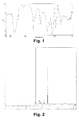
Fig. 1 is the IR spectrum of the polymer prepared in Example 1. -
Fig. 2 is the 1H NHR spectrum of the polymer prepared in Example 1. - The present invention will now be explained in detail.
- The polymer according to the present invention has structural units represented by the formulae (1a) and (1b) above and a weight average molecular weight of 10000 to 5000000, preferably 100000 to 1500000, and may optionally have a structural unit or units other than those represented by the formulae (1a) and (1b). With a weight average molecular weight of less than 10000, adhesivity to medical device surfaces is not sufficient, which may cause inferior durability, whereas with a weight average molecular weight of over 5000000, viscosity of the polymer during its production is too high, which may cause difficulties in handling.
- In the formulae (1a) and (1b), X stands for a group represented by the formula:

- The polymer of the present invention may be obtained, for example, by the method of the present invention wherein a monomer composition containing MPC represented by the formula (2a) and GMA represented by the formula (2b) at the molar ratio of GMA being 5 to 30 % of the total amount of MPC and GMA, is polymerized, and then reacted with AET represented by the formula (3).
- The polymerization of the monomer composition may be carried out, for example, in the presence of a radical polymerization initiator in an atmosphere of or substituted with an inert gas, such as nitrogen, carbon dioxide, argon, or helium, by a known method, for example radical polymerization, such as bulk, suspension, emulsion, or solution polymerization. In view of purification or the like of the resulting polymer, solution polymerization is preferred. Through this polymerization, a polymer having a structural unit represented by the formula (2) is obtained:

- wherein a and b may either be random or block, and satisfy b/(a+b) = 5 to 30. Purification of the polymer may be carried out by a common method, such as reprecipitation, dialysis, or ultrafiltration.
- The radical polymerization initiator may be an azo radical polymerization initiator, such as 2,2-azobis(2-amidinopropyl) dihydrochloride, 2,2-azobis(2-(5-methyl-2-imidazoline-2-il)propane) dihydrochloride, 4,4-azobis(4-cyanovaleric acid), 2,2-azobisisobutylamide dihydrate, 2,2-azobis(2,4-dimethylvaleronitrile), 2,2-azobisisobutylonitrile (AIBN), dimethyl-2,2'-azobisisobutylate, 1-(1-cyano-1-methylethyl)azo) formamide, 2,2'-azobis(2-methyl-N-phenylpropionamidine) dihydrochloride, 2,2'-azobis(2-methyl-N-(2-hydroxyethyl)-propionamide, 2,2'-azobis(2-methylpropionamide) dehydrate, 4,4'-azobis(4-cyanopentanoic acid), or 2,2'-azobis(2-(hydroxymethyl)propionitrile). Further, organic peroxides may also be used, such as benzoyl peroxide, diisopropyl peroxydicarbonate, t-butylperoxy-2-ethylhexanoate, t-butyl peroxypivalate, t-butyl peroxydiisobutyrate, lauroyl peroxide, t-butyl peroxyneodecanoate, succinylperoxide, glutarperoxide, succinyl peroxyglutarate, t-butyl peroxymaleate, t-butyl peroxypivalate, di-2-ethoxyethyl peroxycarbonate, or 3-hydroxy-1,1-dimethylbutyl peroxypivalate. Further, persulfates may also be used, such as ammonium persulfate, potassium persulfate, or sodium persulfate. One or a mixture of these radical polymerization initiators may be used. The amount of the polymerization initiator is usually 0.001 to 10 parts by mass, preferably 0.01 to 5.0 parts by mass with respect to 100 parts by mass of the monomer composition.
- The polymerization of the monomer composition may be carried out in the presence of a solvent. The solvent may be selected from those which dissolve the monomer composition without reacting therewith, for example, water; alcohol solvents, such as methanol, ethanol, n-propanol, or isopropanol; ketone solvents, such as acetone, methyl ethyl ketone, or diethyl ketone; ester solvents, such as ethyl acetate; straight or cyclic ether solvents, such as ethyl cellosolve, tetrahydrofuran, or N-methylpyrrolidone; or nitrogen-containing solvents, such as acetonitrile, or nitromethane. Preferred is water, alcohol, or a mixed solvent thereof.
- The resulting polymer represented by the formula (2) may be used in the next reaction after purification or dilution of the polymerization solvent without further processing.
- The reaction of the polymer represented by the formula (2), which is obtained through polymerization of the monomer composition, with AET represented by the formula (3) may be carried out in a solvent under heating. The resulting polymer represented by the formula (1) may be purified by a common process, such as reprecipitation, dialysis, or ultrafiltration.
- The solvent may be selected from those which dissolve the polymer of the formula (2) and AET without reacting therewith, for example, protic solvents, such as methanol, ethanol, n-propanol, or isopropanol, with n-propanol being preferred for its reactivity.
- The solution concentration of the polymer of the formula (2) upon reaction is preferably 4 to 30 mass%. At over 30 mass%, viscosity of the reaction solution is high and the reaction may not proceed sufficiently. At less than 4 mass%, the amount of the reaction solvent is large and the production efficiency may be low.
- The amounts of the polymer of the formula (2) and AET are preferably such that the molar ratio of the epoxy groups in the polymer of the formula (2) to AET is 1 : 3 to 100. The molar ratio of AET over 100 is not economical, whereas the molar ratio of AET less than 3 may cause side reaction, and the desired water-soluble polymer may not result.
- The reaction hitherto discussed may be carried out either by adding AET to the polymer of the formula (2) or by adding the polymer of the formula (2) to AET. In the case of the former, AET may be dissolved in the solvent prior to the addition, or may be added as it is. However, gradual addition of AET may cause side reaction, and the desired water-soluble polymer may not result, and thus addition in a lump is preferred.
- The reaction temperature is preferably 40 to 100 °C. At less than 40 °C, the reaction may not proceed sufficiently, whereas at over 100 °C, the resulting polymer may decompose.
- The reaction time is preferably not less than 3 hours and not more than 48 hours. With less than 3 hours, control of the reaction may be hard, whereas with over 48 hours, side reaction may occur, resulting in low purity of the obtained polymer.
- It is preferred to carry out the reaction with the atmosphere of the reaction vessel substituted with an inert gas, such as nitrogen or argon, so that the thiol group in AET is prevented from being oxidized into disulfide.
- When the reaction is completed, the obtained reaction liquid may be purified by a common process, such as reprecipitation, dialysis, or ultrafiltration, to obtain the objective polymer of the formula (1).
- The surface treatment agent for medical devices according to the present invention is composed of an aqueous solution containing 0.1 to 20 mass% of the polymer of the present invention. At the polymer content of the aqueous solution of less than 0.1 mass%, reactivity with the medical device surface is low, whereas at over 20 mass%, the viscosity of the aqueous solution is too high, which may cause difficulties in handling.
- The surface treatment agent for medical devices according to the present invention may be used, for example, by application to a medical device surface or by immersion of a medical device in the surface treatment agent for medical devices, to thereby fix the polymer of the present invention.
- The fixing may be effected, for example, by covalent bonding, ion bonding, or coordinate bonding the polymer of the present invention to a medical device surface. In view of durability, covalent bonding is preferred.
- A covalent bond may be established, for example, by causing a functional group which is reactive to the amino group in the present polymer, to be present on a medical device surface, and covalently bonding these groups.
- The functional group may be, for example, a carboxyl, carboxylic acid anhydride, epoxy, or isocyanate group. When only the functional groups unreactive to the amino group, such as an amino or hydroxyl group, are present on a medical device surface, the surface may be converted to have functional groups by means of a polyfunctional reagent, such as diisocyanate or diepoxy, to render the surface reactive to the amino group.
- When a medical device is made of polyethylene or the like, which is totally free of functional groups, the surface of the medical device may be treated with plasma, corona, or ozone to provide the surface with, for example, carboxyl groups, to thereby render the surface reactive to the amino group.
- The covalent bond may be established by suitably selecting the conditions from conventional ones, depending on the kind and amount of the functional group, the material from which the medical device is made, or the like.
- The medical device to which the surface treatment agent of the present invention is applied, may be those which come into contact with body fluid or blood, such as guidewires, catheters, artificial vessels, cardiopulmonary bypass, contact lenses, and intraocular lenses.
- The present invention will now be explained in more detail with reference to Examples, which do not limit the present invention. Various measurements in the following Examples were made as described below.
- Quantification of amino groups was performed with 2,4,6-trinitrobenzene sodium sulfonate (abbreviated as TNBS hereinbelow). Specifically, 0.01 g of the obtained polymer was dissolved in 9. 99g of distilled water, to which 4 mL of a 113 mM borate buffer, 1 mL of a 11.4mM Na2SO3 aqueous solution, and 1 mL of 3.8 mM TNBS were added, and reacted at 37 °C for 1 hour. When the reaction was completed, the absorbance at a wavelength of 420 nm was determined with an ultraviolet-visible spectrophotometer (V-550, manufactured by JASCO CORPORATION), and the ratio of amino groups introduced into the polymer was calculated.
- The measurement was made of 5 mg of the obtained polymer dissolved in 1g of a 0.1 mol/L sodium nitrate aqueous solution. The remaining conditions for the measurement were as follows:
- column: Shodex (GSM-700); eluting solvent: 0.1mol/L sodium nitrate aqueous solution; reference material: pullulan;
- detection: differential refractometer RI-8020 (manufactured by TOSOH CORPORATION) ; calculation of weight average molecular weight (Mw): molecular weight calculation program (GPC program for S-8020); flow rate: 1.0 ml/min; column temperature: 40 °C; sample injection volume: 100 µL; measurement time: 30 min.
- Cytotoxicity was tested with reference to ISO10993-5: 2009 and N. Tani et al., Toxicology in vitro 13(1999), 175-187, and evaluated based on the cell survival rate.
- To a 500 mL bottle of a Dulbecco's modification of Eagle's medium (DMEM), 5 mL of an antibiotic/antifungal solution (100x) was introduced through a polyvinylidene fluoride (PVDF) sterilizing filter (0.22 µm). Then, 50 mL of sterilized fetal bovine serum (FBS) was thawed at 4 °C and added to the bottle to prepare a cell culture medium.
- In a sterile petri dish, 9 mL of the cell culture medium and 1 mL of a cell suspension were placed, and cultured in a CO2 incubator for over 48 hours to proliferate the cells. The cells in the petri dish were microscopically observed to confirm cell count increase and the state of the cells (whether the cells were not killed or floating without being adhered).
- The cell suspension was adjusted to the concentration of 1 × 10⁵ cells/mL with the cell culture medium. The adjusted cell suspension was dispensed into a 96-well plate at 100 µL/well with a micropipette, and incubated for 24 hours in a CO2 incubator.
- The polymer sample and sodium lauryl sulfate (SLS) of biochemical grade as a positive control were each dissolved in the cell culture medium or Dulbecco's phosphate-buffered saline (PBS) (10x), and sterilized through a PVDF sterilizing filter (0.22 µm). The polymer solution thus prepared (test sample) was serially diluted on a 96-well plate.
- The test sample of 1.0 mass% polymer content prepared above was added at 100 µL to the 24-hour-incubated 96-well plate for exposure in a CO2 incubator for 24 hours.
- NR was dissolved in ion-exchanged water at 5 mg/mL to prepare a NR stock solution. The NR stock solution was diluted by 100 folds with the cell culture medium to prepare a NR medium. The 96-well plate exposed to the test sample was taken out, the medium was discharged into a basin, and the plate was patted on Kimtowel to remove the residual medium. Then the NR medium was added to the 96-well plate at 100 µL/well with a micropipette, and incubated in a CO2 incubator for 3 hours to allow the cells to take in NR.
- The 96-well plate was taken out of the CO2 incubator, and the NR medium was removed. PBS was added at 100 µL/well, and then removed. A NR extractant containing 50 mass% ethanol, 49 mass% ion exchanged water, and 1 mass% acetic acid was added at 100 µL/well with a micropipette, and shaken with a shaking apparatus for five minutes to extract NR from the cells. The absorption at 540 nm was determined with a plate reader.
- According to the formula below, the SLS contact concentration at 50% cell survival rate was confirmed to be about 0.01 mass%, and the survival rate of the cells when treated with the test sample was calculated:

- A 1 × 4 cm polyethylene film was placed between the electrodes of a corona discharge device with the electrode interval of 3 cm at a voltage across the electrodes of 15 kV to effect a discharge treatment. Then the film was immersed in a 10 mass% methacrylic acid aqueous solution, deaerated, and subjected to graft polymerization in vacuum. After the polymerization, the film was thoroughly washed with water, to obtain a MAA-grafted PE film.
- The 1 x 4 cm MAA-grafted PE film prepared above was immersed in 4.0 g of a 5 mass% aqueous solution of the polymer prepared in each Example or Comparative Example to be discussed later, also containing 0.04 g of water-soluble carbodiimide, to effect coupling reaction at room temperature for 24 hours. After this treatment, the film was washed with water, to thereby obtain a polymer-grafted film, which was subjected to the following evaluations.
- The film surface was analyzed by XPS, and the amount of the adhered polymer was calculated.
-
- A: 90% or more of the theoretical
- B: not less than 50% and less than 90% of the theoretical
- C: less than 50% of the theoretical
- The polymer-grafted film, which had been immersed in water, was drawn out of the water, and the time lapsed before the water film was broken was measured to evaluate the surface hydrophilicity. The evaluation was made as follows:
-
- A: more than 30 seconds lapsed before the water film was broken.
- B: more than 10 seconds and less than 30 seconds lapsed before the water film was broken.
- C: less than 10 seconds lapsed before the water film was broken.
- 0.900 g of sodium chloride and 0.104 g of monobasic sodium phosphate were measured out and placed in a 100 cc measuring flask, to which ion exchanged water was added to make the
total volume 100 mL. To this mixture, 1N sodium hydroxide aqueous solution was added to adjust the pH to about 7.4, to thereby obtain a phosphate buffer. - 0.388 g of albumin, 0.161 g of y-globulin, 0.120 g of lysozyme, and 0.100 g of mucin were measured out, and 100 mL of the phosphate buffer was added to disperse. An aqueous solution of 1M potassium chloride was further added and uniformly mixed to give a soiling protein solution.
- To a 100 cc measuring flask was introduced 50 mL of ion exchanged water and then 148 µL of trifluoroacetic acid, and the resulting mixture was diluted with ion exchanged water to 100 mL.
- The solution thus prepared was mixed with 100 mL of acetonitrile to give an extractant liquid.
- Two 1 × 4 cm polymer-grafted films were immersed in 32 mL of the soiling protein solution, and left to stand at 37 °C for 4 hours. Then the films were rinsed with saline, and immersed in 32 mL of the extractant liquid to effect extraction for 1 hour. The liquid after the extraction was taken by 200 µL, diluted with 800 µL of the extractant liquid, 1 mL of Micro BCA reagent was added, and heated at 60 °C for 1 hour. The absorption of the resulting solution at 562 nm was measured to calculate the amount of the adsorbed protein.
-
- A: (protein adsorption of sample / protein adsorption of blank) < 0.2
- B: 0.2 ≤ (protein adsorption of sample / protein adsorption of blank) < 0.8
- C: 0.8 ≤ (protein adsorption of sample / protein adsorption of blank)
- Here, a PE film was used as the blank.
- 68.3 g of MPC (manufactured by NOF CORPORATION) and 1.7g of GMA (manufacturedbyNOFCORPORATION) were dissolved in 210.0 g of n-propanol (NPA, manufactured by KISHIDA CHEMICAL CO., LTD.), placed in a 500 mL four-neck flask equipped with a thermometer and a cooling tube, and blown with nitrogen for 30 minutes. Then 0.27 g of t-butyl peroxyneodecanoate (PB-ND, manufactured by NOF CORPORATION) was added at 60 °C, and polymerized for 8 hours. The chemical structure of the obtained polymer was confirmed by IR and 1H NMR. Next, to 280. 0 g of this polymer solution (solution of the polymer represented by formula (2)) was added 157.5 g of NPA, and mixed into a uniform mixture. In this mixture, 9.8 g of AET (manufactured by WAKO PURE CHEMICAL INDUSTRIES, LTD.) was dissolved, heated, and stirred at 74 °C for 12 hours. When the reaction was completed, the resulting mixture was subjected to dialytic purification and freeze drying to recover white powdery polymer. The obtained polymer was subjected to IR, 1H NMR, elemental analysis, amino group quantification, and measurement of weight average molecular weight. The results are shown below and in Table 1. The IR and 1H NMR spectra are shown in
Figs. 1 and 2 , respectively.
IR: 3425 cm-1 (-OH), 2961 cm-1 (-CH), 1724 cm-1 (C=O), 1489 cm-1 (-CH), 1241 cm-1 (P=O), 1170 cm-1 (C-O-C), 1089 cm-1 (P-O-C), 968 cm-1 (C-O-C).
1H NMR data: 0.7-1.2 ppm (CH3C-), 1.4-2.3 ppm (-CH2C-), 2.7-3.1 ppm (-CH2CH(OH)CH2-, -OCH2CHCH2OH-), 3.3 ppm (-N(CH3)3), 3.5-4.4 ppm (-CH2CH2O-). - Actual measured values:
- C: 44.86 %; H: 7.56 %; N: 4.85 %
- Theoretical values:
- C: 44.97 %; H: 7.47 %; N: 4.83 %
- Amount of amino groups introduced:

- The above results show that the polymer had a weight average molecular weight of 650000, and the ratio of the units derived from MPC of the formula (1a) was 95 mol%, and the ratio of the units derived from the amino group of the formula (1b) was 5 mol%.
- 66.4 g of MPC, 3.6 g of GMA, and 163.3 g of NPA were placed in a 500 mL four-neck flask equipped with a thermometer and a cooling tube, and blown with nitrogen for 30 minutes. Then 0.23 g of PB-ND was added at 60 °C, and polymerized for 8 hours. The chemical structure of the obtained polymer was confirmed by IR and 1H NMR. Next, to 233.3 g of this polymer solution (solution of the polymer represented by formula (2)) was added 204.2 g of NPA, and mixed into a uniform mixture. In this mixture, 19.6 g of AET was dissolved, heated, and stirred at 74 °C for 12 hours. When the reaction was completed, the resulting mixture was subjected to dialytic purification and freeze drying to recover white powdery polymer. The obtained polymer was subjected to the measurements in the same way as in Example 1-1. The results are shown below and in Table 1.
IR: 3425 cm-1 (-OH), 2961 cm-1 (-CH), 1724 cm-1 (C=O), 1489 cm-1 (-CH), 1241 cm-1 (P=O), 1170 cm-1 (C-O-C), 1089 cm-1 (P-O-C), 968 cm-1 (C-O-C).
1H NMR data: 0.7-1.2 ppm (CH3C-), 1.4-2.3 ppm (-CH2C-), 2.7-3.1 ppm (-CH2CH(OH)CH2-, -OCH2CHCH2OH-), 3.3 ppm (-N(CH3)3), 3.5-4.4 ppm (-CH2CH2O-). - Actual measured values:
- C: 45.11 %; H: 7.63 %; N: 4.86 %
- Theoretical values:
- C: 45.20 %; H: 7.49 %; N: 4.91 %
- Amount of amino groups introduced:

- The above results show that the polymer had a weight average molecular weight of 880000, and the ratio of the units derived from MPC of the formula (1a) was 90 mol%, and the ratio of the units derived from the amino group of the formula (1b) was 10 mol%.
- 62.5 g of MPC, 7.5 g of GMA, and 210.0 g of NPA were placed in a 500 mL four-neck flask equipped with a thermometer and a cooing tube, and blown with nitrogen for 30 minutes. Then 0.27 g of PB-ND was added at 60 °C, and polymerized for 8 hours. The chemical structure of the obtained polymer was confirmed by IR and 1H NMR. Next, to 280.0 g of this polymer solution (solution of the polymer represented by formula (2)) was added 157.5 g of NPA, and mixed into a uniform mixture. In this mixture, 39.3 g of AET was dissolved, heated, and stirred at 74 °C for 12 hours. When the reaction was completed, the resulting mixture was subjected to dialytic purification and freeze drying to recover white powdery polymer. The obtained polymer was subjected to the measurements in the same way as in Example 1-1. The results are shown below and in Table 1.
IR: 3425 cm-1 (-OH), 2961 cm-1 (-CH), 1724 cm-1 (C=O), 1489 cm-1 (-CH), 1241 cm-1 (P=O), 1170 cm-1 (C-O-C), 1089 cm-1 (P-O-C), 968 cm-1 (C-O-C).
1H NMR data: 0.7-1.2 ppm (CH3C-), 1.4-2.3 ppm (-CH2C-), 2.7-3.1 ppm (-CH2CH(OH)CH2-, -OCH2CHCH2OH-), 3.3 ppm (-N(CH3)3), 3.5-4.4 ppm (-CH2CH2O-). - Actual measured values:
- C: 45.47 %; H: 7.69 %; N: 5.10 %
- Theoretical values:
- C: 45.66 %; H: 7.52 %; N: 5.08 %
- Amount of amino groups introduced:

- The above results show that the polymer had a weight average molecular weight of 630000, and the ratio of the units derived from MPC of the formula (1a) was 80 mol%, and the ratio of the units derived from the amino group of the formula (1b) was 20 mol%.
- 58.0 g of MPC, 12.0 g of GMA, and 163.3 g of NPA were placed in a 500 mL four-neck flask equipped with a thermometer and a cooling tube, and blown with nitrogen for 30 minutes. Then 0.23 g of PB-ND was added at 60 °C, and polymerized for 8 hours. The chemical structure of the obtained polymer was confirmed by IR and 1H NMR. Next, to 233.3 g of this polymer solution (solution of the polymer represented by formula (2)) was added 204.2 g of NPA, and mixed into a uniform mixture. In this mixture, 58.9 g of AET was dissolved, heated, and stirred at 74 °C for 12 hours. When the reaction was completed, the resulting mixture was subjected to dialytic purification and freeze drying to recover white powdery polymer. The obtained polymer was subjected to the measurements in the same way as in Example 1-1. The results are shown below and in Table 1.
IR: 3425 cm-1 (-OH), 2961 cm-1 (-CH), 1724 cm-1 (C=O), 1489 cm-1 (-CH), 1241 cm-1 (P=O), 1170 cm-1 (C-O-C), 1089 cm-1 (P-O-C), 968 cm-1 (C-O-C).
1H NMR data: 0.7-1.2 ppm (CH3C-), 1.4-2.3 ppm (-CH2C-), 2.7-3.1 ppm (-CH2CH(OH)CH2-, -OCH2CHCH2OH-), 3.3 ppm (-N(CH3)3), 3.5-4.4 ppm (-CH2CH2O-). - Actual measured values:
- C: 45.47 %; H: 7.69 %; N: 5.10 %
- Theoretical values:
- C: 45.66 %; H: 7.52 %; N: 5.08 %
- Amount of amino groups introduced:

- The above results show that the polymer had a weight average molecular weight of 850000, and the ratio of the units derived from MPC of the formula (1a) was 70 mol%, and the ratio of the units derived from the amino group of the formula (1b) was 30 mol%.
- The reactions in Example 1-1 were followed, except that the monomers, the solvent, and the initiator were replaced with those shown in Table 1. The obtained polymer was subj ected to the measurements in the same way as in Example 1-1. The results are shown in Table 1.
- 18.8 g of MPC and 1.2 g of AEMA (manufactured by ALDRICH) were dissolved in 80.0 g of ion exchanged water, placed in a 200 mL four-neck flask equipped with a thermometer and a cooling tube, and blown with nitrogen for 30 minutes. Then 0.1492 g of 2,2'-azobis(2-methylpropionamidine) dihydrochloride (V-50, manufactured by WAKO PURE CHEMICAL INDUSTRY, LTD.) was added at 60 °C, and polymerized for 8 hours. The chemical structure of the obtained polymer was confirmed by IR and 1H NMR.
- The polymerization in Comparative Example 1-3 was followed, except that the monomers, the solvent, and the initiator were replaced with those shown in Table 1. The chemical structure of the obtained polymer was confirmed by IR and 1H NMR.
Table 1 Example Comparative Example 1-1 1-2 1-3 1-4 1-1 1-2 1-3 1-4 1-5 Starting material amount (g) MPC 68.3 66.4 62.5 58.0 69.7 53.0 18.8 17.7 20 GMA 1.7 3.6 7.5 12.0 0.3 17.0 - - - AEMA - - - - - - 1.2 2.5 - Solvent (g) NPA 210.0 163.3 210.0 163.3 210.0 210.0 - - - Ion exchanged water - - - - - - 80.0 80.0 80.0 Initiator (g) PB-ND 0.27 0.23 0.27 0.23 0.27 0.27 - - - V-50 - - - - - - 0.15 0.15 0.15 GMA/MPC (in mole) 5/95 10/90 20/80 30/70 1/99 40/60 - - - AEMA/MPC (in mole) - - - - - - 10/90 20/80 0/100 Starting material amount (g) Polymer solution 280.0 233.3 280.0 233.3 280.0 280.0 - - - NPA 157.5 204.2 157.5 204.2 157.5 157.5 - - - AET (Formula (3)) 9.8 19.6 39.3 58.9 2.0 78.5 - - - Formula (2b)/Formula (3) (in mole) 1/10 1/10 1/10 1/10 1/10 1/10 - - - Reaction temperature 74°C 74°C 74°C 74°C 74°C 74°C - - - Reaction time 12 hrs 12 hrs 12 hrs 12 hrs 12 hrs 12 hrs - - - - The cytotoxicity test and the surface treatment tests were conducted on the polymers synthesized in Examples 1-1 to 1-4 and Comparative Examples 1-1 to 1-5 in accordance with the methods described above. The results are shown in Table 2.
Table 2 Sample used Example 1-1 Example 1-2 Example 1-3 Example 1-4 Comp.Ex. 1-1 Comp.Ex. 1-2 Comp.Ex. 1-3 Comp.Ex. 1-4 Comp.Ex. 1-5 Amount of amino groups introduced 5 10 20 30 1 40 10 20 0 Weight average molecular weight 650000 880000 610000 620000 640000 630000 800000 700000 720000 Cell survival rate (%) 108 106 99 98 109 52 35 7 99 Resuft of surface treatment XPS A A A A C A A A C Surface hydrophilicity A A A A C A A A C Protein adsorption A A A A C A A A C - The polymers of Examples 1-1 to 1-4 had higher cell survival rates than the polymers of Comparative Examples 1-2 to 1-4, and were demonstrated to be safe. Further, comparing the results of the surface treatment tests, the polymers of Examples 1-1 to 1-4 were demonstrated to have hydrophilic film surface and suppressed protein adsorption, compared to the polymers of Comparative Examples 1-1 and 1-5.

Claims (3)
- A polymer comprising structural units represented by the formulae (1a) and (1b), and having a weight average molecular weight of 10,000 to 5,000,000:

 wherein X stands for a group represented by the formula:
- A method for producing the polymer of claim 1, comprising polymerization of 2-methacryloyloxyethyl-2-trimethylammonioethyl phosphate represented by the formula (2a) (MPC) and glycidyl methacrylate represented by the formula (2b) (GMA) at a molar ratio of GMA being 5 to 30 % of a total amount of MPC and GMA, followed by reaction with 2-aminoethanethiol represented by the formula (3) (AET):


HS-CH2-CH2-NH2 Formula (3).
- A surface treatment agent for a medical device consisting of an aqueous solution comprising 0.1 to 20 mass% of the polymer of claim 1.
Applications Claiming Priority (2)
| Application Number | Priority Date | Filing Date | Title |
|---|---|---|---|
| JP2011142253 | 2011-06-27 | ||
| PCT/JP2012/065040 WO2013002021A1 (en) | 2011-06-27 | 2012-06-12 | Polymer and method for producing same |
Publications (3)
| Publication Number | Publication Date |
|---|---|
| EP2725042A1 true EP2725042A1 (en) | 2014-04-30 |
| EP2725042A4 EP2725042A4 (en) | 2014-11-05 |
| EP2725042B1 EP2725042B1 (en) | 2018-08-29 |
Family
ID=47423920
Family Applications (1)
| Application Number | Title | Priority Date | Filing Date |
|---|---|---|---|
| EP12803914.6A Active EP2725042B1 (en) | 2011-06-27 | 2012-06-12 | Polymer and method for producing same |
Country Status (7)
| Country | Link |
|---|---|
| US (1) | US9127099B2 (en) |
| EP (1) | EP2725042B1 (en) |
| JP (1) | JP5871000B2 (en) |
| KR (1) | KR101851825B1 (en) |
| CN (1) | CN103596996B (en) |
| TW (1) | TWI526458B (en) |
| WO (1) | WO2013002021A1 (en) |
Families Citing this family (11)
| Publication number | Priority date | Publication date | Assignee | Title |
|---|---|---|---|---|
| JP5898703B2 (en) * | 2012-02-07 | 2016-04-06 | 国立大学法人 東京大学 | Surface treatment agent for hydrophobic material and surface treatment method |
| JP6111052B2 (en) * | 2012-11-22 | 2017-04-05 | 国立大学法人 東京大学 | Water-soluble surface treatment agent for imparting stain resistance, and surface treatment method |
| JP6248603B2 (en) * | 2013-12-17 | 2017-12-20 | 日油株式会社 | Polymer and production method thereof |
| WO2016140259A2 (en) * | 2015-03-03 | 2016-09-09 | 国立大学法人東京大学 | Polymer and crosslinked body thereof |
| TWI748993B (en) * | 2016-02-23 | 2021-12-11 | 日商日油股份有限公司 | Use of solution for soft contact lenses in inhibiting protein adhesion to the soft contact lenses |
| CN110831991B (en) | 2017-07-18 | 2022-05-24 | 爱尔康公司 | Copolymers based on poly (meth) acrylamide containing phosphorylcholine |
| EP3655446B1 (en) | 2017-07-18 | 2022-08-31 | Alcon Inc. | Water-soluble, thermally-crosslinkable polymeric material comprising one or more poly(meth)acrylamide-based copolymers with carboxyl-terminated pendant chains |
| SG11202003456VA (en) | 2017-12-13 | 2020-07-29 | Alcon Inc | Method for producing mps-compatible water gradient contact lenses |
| US11099300B2 (en) | 2018-12-03 | 2021-08-24 | Alcon Inc. | Method for producing coated silicone hydrogel contact lenses |
| US11459479B2 (en) | 2018-12-03 | 2022-10-04 | Alcon Inc. | Method for making coated silicone hydrogel contact lenses |
| HUE072921T2 (en) | 2019-04-10 | 2025-12-28 | Alcon Inc | Method for producing coated contact lenses |
Family Cites Families (21)
| Publication number | Priority date | Publication date | Assignee | Title |
|---|---|---|---|---|
| JPH0688381B2 (en) * | 1990-10-01 | 1994-11-09 | タイガースポリマー株式会社 | Vulcanized rubber sheet for surface processing |
| US6090901A (en) | 1991-07-05 | 2000-07-18 | Biocompatibles Limited | Polymeric surface coatings |
| DK0818479T3 (en) * | 1991-08-08 | 2001-01-15 | Biocompatibles Ltd | Polymer surface coatings |
| CA2118496C (en) * | 1992-04-24 | 2005-01-11 | Roger Randall Charles New | Method of reducing microorganism adhesion |
| JP3130364B2 (en) | 1992-04-28 | 2001-01-31 | テルモ株式会社 | Surface lubricity imparting agent |
| JPH0688381A (en) * | 1992-09-10 | 1994-03-29 | Misawa Homes Co Ltd | Structural unit body for unit house |
| JPH07184990A (en) * | 1993-12-28 | 1995-07-25 | Kuraray Co Ltd | Medical polymer materials and medical materials |
| JP3825513B2 (en) * | 1996-11-22 | 2006-09-27 | 日本油脂株式会社 | Hydrophilic resin and medical material |
| JP4033514B2 (en) * | 1997-02-28 | 2008-01-16 | 日油株式会社 | Soluble cellulose derivatives and uses |
| WO2001005855A1 (en) | 1999-07-14 | 2001-01-25 | Nof Corporation | Random copolymer, process for the production thereof and medical material |
| WO2001007097A1 (en) * | 1999-07-28 | 2001-02-01 | Nof Corporation | Medical materials and process for producing the same |
| KR100346994B1 (en) | 2000-01-11 | 2002-07-31 | 한국과학기술연구원 | Biocompatible Metallic Materials Grafted with Sulfonated Poly(Ethylene Oxide) and Preparation Thereof |
| JP4441998B2 (en) * | 2000-07-14 | 2010-03-31 | 日油株式会社 | Contact lens material, contact lens and manufacturing method thereof |
| JP4694719B2 (en) * | 2001-05-31 | 2011-06-08 | 日油株式会社 | Antifouling and washing resistance imparting agents and compositions for fibers |
| DK1657302T3 (en) * | 2003-06-25 | 2013-02-18 | Nof Corp | Process for Forming Embryoid Bodies |
| JP2006321829A (en) * | 2005-05-17 | 2006-11-30 | Kazuhiko Ishihara | Copolymer and method for producing the same |
| JP4682828B2 (en) * | 2005-12-01 | 2011-05-11 | 住友ベークライト株式会社 | Biochip and method of use thereof |
| KR100808116B1 (en) * | 2006-08-22 | 2008-03-03 | 전남대학교산학협력단 | Copolymer resin coating material for preventing microbial adhesion |
| SI2107913T1 (en) * | 2006-12-22 | 2012-05-31 | Croma Pharma Ges M B H | Use of thiolated polysaccharides for tissue augmentation |
| JP5598891B2 (en) | 2008-09-05 | 2014-10-01 | 国立大学法人 東京大学 | Hydrophobic substrate surface treatment method |
| CN103282368B (en) | 2010-12-24 | 2015-04-08 | 日油株式会社 | Phosphorylcholine compound containing amino group and preparation method thereof |
-
2012
- 2012-06-12 US US14/129,490 patent/US9127099B2/en active Active
- 2012-06-12 JP JP2013522572A patent/JP5871000B2/en active Active
- 2012-06-12 CN CN201280029385.3A patent/CN103596996B/en active Active
- 2012-06-12 WO PCT/JP2012/065040 patent/WO2013002021A1/en not_active Ceased
- 2012-06-12 EP EP12803914.6A patent/EP2725042B1/en active Active
- 2012-06-12 KR KR1020147000608A patent/KR101851825B1/en active Active
- 2012-06-15 TW TW101121497A patent/TWI526458B/en active
Also Published As
| Publication number | Publication date |
|---|---|
| EP2725042A4 (en) | 2014-11-05 |
| JP5871000B2 (en) | 2016-03-01 |
| JPWO2013002021A1 (en) | 2015-02-23 |
| US9127099B2 (en) | 2015-09-08 |
| KR20140041705A (en) | 2014-04-04 |
| TWI526458B (en) | 2016-03-21 |
| TW201302820A (en) | 2013-01-16 |
| CN103596996B (en) | 2015-11-25 |
| WO2013002021A1 (en) | 2013-01-03 |
| KR101851825B1 (en) | 2018-04-24 |
| EP2725042B1 (en) | 2018-08-29 |
| US20140142240A1 (en) | 2014-05-22 |
| CN103596996A (en) | 2014-02-19 |
Similar Documents
| Publication | Publication Date | Title |
|---|---|---|
| EP2725042B1 (en) | Polymer and method for producing same | |
| JP7131585B2 (en) | ION COMPLEX MATERIAL AND METHOD FOR MANUFACTURING THE SAME | |
| JP6754362B2 (en) | Polymer composition, article, medical device, method for producing article and method for producing cell mass | |
| CN105308137B (en) | Ion complex material capable of inhibiting adhesion of biological substances and method for producing the same | |
| EP3266803B1 (en) | Polymer and crosslinked body thereof | |
| EP3480283B1 (en) | Slipperiness-imparting agent and slipperiness-imparting method | |
| JP6781706B2 (en) | Copolymer and its production method | |
| JPWO2018003821A1 (en) | Copolymer and its use | |
| JP7425405B2 (en) | Copolymers and their uses | |
| EP3925990A1 (en) | Method for producing polymer compatible with biomaterials | |
| EP4520795A1 (en) | Antifouling member, member for in-vitro diagnostic apparatus, and method of producing antifouling member | |
| JP7459616B2 (en) | Copolymers, medical coatings and medical devices | |
| JP2022036820A (en) | Copolymer and applications thereof | |
| JP2026081357A (en) | Copolymers and processing solutions for contact lenses | |
| KR20040065348A (en) | Vinylic Monomer and Polymer Containing Sulfonated PEO and Preparation Thereof |
Legal Events
| Date | Code | Title | Description |
|---|---|---|---|
| PUAI | Public reference made under article 153(3) epc to a published international application that has entered the european phase |
Free format text: ORIGINAL CODE: 0009012 |
|
| 17P | Request for examination filed |
Effective date: 20140116 |
|
| AK | Designated contracting states |
Kind code of ref document: A1 Designated state(s): AL AT BE BG CH CY CZ DE DK EE ES FI FR GB GR HR HU IE IS IT LI LT LU LV MC MK MT NL NO PL PT RO RS SE SI SK SM TR |
|
| DAX | Request for extension of the european patent (deleted) | ||
| A4 | Supplementary search report drawn up and despatched |
Effective date: 20141007 |
|
| RIC1 | Information provided on ipc code assigned before grant |
Ipc: A61L 27/00 20060101ALI20140930BHEP Ipc: A61L 31/00 20060101ALI20140930BHEP Ipc: C08F 8/34 20060101ALI20140930BHEP Ipc: C08F 220/34 20060101ALI20140930BHEP Ipc: A61L 29/00 20060101ALI20140930BHEP Ipc: C08F 230/02 20060101AFI20140930BHEP |
|
| GRAP | Despatch of communication of intention to grant a patent |
Free format text: ORIGINAL CODE: EPIDOSNIGR1 |
|
| STAA | Information on the status of an ep patent application or granted ep patent |
Free format text: STATUS: GRANT OF PATENT IS INTENDED |
|
| INTG | Intention to grant announced |
Effective date: 20180514 |
|
| GRAS | Grant fee paid |
Free format text: ORIGINAL CODE: EPIDOSNIGR3 |
|
| GRAA | (expected) grant |
Free format text: ORIGINAL CODE: 0009210 |
|
| STAA | Information on the status of an ep patent application or granted ep patent |
Free format text: STATUS: THE PATENT HAS BEEN GRANTED |
|
| AK | Designated contracting states |
Kind code of ref document: B1 Designated state(s): AL AT BE BG CH CY CZ DE DK EE ES FI FR GB GR HR HU IE IS IT LI LT LU LV MC MK MT NL NO PL PT RO RS SE SI SK SM TR |
|
| REG | Reference to a national code |
Ref country code: GB Ref legal event code: FG4D |
|
| REG | Reference to a national code |
Ref country code: CH Ref legal event code: EP |
|
| REG | Reference to a national code |
Ref country code: AT Ref legal event code: REF Ref document number: 1035034 Country of ref document: AT Kind code of ref document: T Effective date: 20180915 |
|
| REG | Reference to a national code |
Ref country code: IE Ref legal event code: FG4D |
|
| REG | Reference to a national code |
Ref country code: DE Ref legal event code: R096 Ref document number: 602012050459 Country of ref document: DE |
|
| REG | Reference to a national code |
Ref country code: NL Ref legal event code: MP Effective date: 20180829 |
|
| REG | Reference to a national code |
Ref country code: LT Ref legal event code: MG4D |
|
| PG25 | Lapsed in a contracting state [announced via postgrant information from national office to epo] |
Ref country code: SE Free format text: LAPSE BECAUSE OF FAILURE TO SUBMIT A TRANSLATION OF THE DESCRIPTION OR TO PAY THE FEE WITHIN THE PRESCRIBED TIME-LIMIT Effective date: 20180829 Ref country code: GR Free format text: LAPSE BECAUSE OF FAILURE TO SUBMIT A TRANSLATION OF THE DESCRIPTION OR TO PAY THE FEE WITHIN THE PRESCRIBED TIME-LIMIT Effective date: 20181130 Ref country code: RS Free format text: LAPSE BECAUSE OF FAILURE TO SUBMIT A TRANSLATION OF THE DESCRIPTION OR TO PAY THE FEE WITHIN THE PRESCRIBED TIME-LIMIT Effective date: 20180829 Ref country code: NL Free format text: LAPSE BECAUSE OF FAILURE TO SUBMIT A TRANSLATION OF THE DESCRIPTION OR TO PAY THE FEE WITHIN THE PRESCRIBED TIME-LIMIT Effective date: 20180829 Ref country code: LT Free format text: LAPSE BECAUSE OF FAILURE TO SUBMIT A TRANSLATION OF THE DESCRIPTION OR TO PAY THE FEE WITHIN THE PRESCRIBED TIME-LIMIT Effective date: 20180829 Ref country code: FI Free format text: LAPSE BECAUSE OF FAILURE TO SUBMIT A TRANSLATION OF THE DESCRIPTION OR TO PAY THE FEE WITHIN THE PRESCRIBED TIME-LIMIT Effective date: 20180829 Ref country code: BG Free format text: LAPSE BECAUSE OF FAILURE TO SUBMIT A TRANSLATION OF THE DESCRIPTION OR TO PAY THE FEE WITHIN THE PRESCRIBED TIME-LIMIT Effective date: 20181129 Ref country code: NO Free format text: LAPSE BECAUSE OF FAILURE TO SUBMIT A TRANSLATION OF THE DESCRIPTION OR TO PAY THE FEE WITHIN THE PRESCRIBED TIME-LIMIT Effective date: 20181129 Ref country code: IS Free format text: LAPSE BECAUSE OF FAILURE TO SUBMIT A TRANSLATION OF THE DESCRIPTION OR TO PAY THE FEE WITHIN THE PRESCRIBED TIME-LIMIT Effective date: 20181229 |
|
| REG | Reference to a national code |
Ref country code: AT Ref legal event code: MK05 Ref document number: 1035034 Country of ref document: AT Kind code of ref document: T Effective date: 20180829 |
|
| PG25 | Lapsed in a contracting state [announced via postgrant information from national office to epo] |
Ref country code: AL Free format text: LAPSE BECAUSE OF FAILURE TO SUBMIT A TRANSLATION OF THE DESCRIPTION OR TO PAY THE FEE WITHIN THE PRESCRIBED TIME-LIMIT Effective date: 20180829 Ref country code: HR Free format text: LAPSE BECAUSE OF FAILURE TO SUBMIT A TRANSLATION OF THE DESCRIPTION OR TO PAY THE FEE WITHIN THE PRESCRIBED TIME-LIMIT Effective date: 20180829 Ref country code: LV Free format text: LAPSE BECAUSE OF FAILURE TO SUBMIT A TRANSLATION OF THE DESCRIPTION OR TO PAY THE FEE WITHIN THE PRESCRIBED TIME-LIMIT Effective date: 20180829 |
|
| PG25 | Lapsed in a contracting state [announced via postgrant information from national office to epo] |
Ref country code: PL Free format text: LAPSE BECAUSE OF FAILURE TO SUBMIT A TRANSLATION OF THE DESCRIPTION OR TO PAY THE FEE WITHIN THE PRESCRIBED TIME-LIMIT Effective date: 20180829 Ref country code: AT Free format text: LAPSE BECAUSE OF FAILURE TO SUBMIT A TRANSLATION OF THE DESCRIPTION OR TO PAY THE FEE WITHIN THE PRESCRIBED TIME-LIMIT Effective date: 20180829 Ref country code: EE Free format text: LAPSE BECAUSE OF FAILURE TO SUBMIT A TRANSLATION OF THE DESCRIPTION OR TO PAY THE FEE WITHIN THE PRESCRIBED TIME-LIMIT Effective date: 20180829 Ref country code: ES Free format text: LAPSE BECAUSE OF FAILURE TO SUBMIT A TRANSLATION OF THE DESCRIPTION OR TO PAY THE FEE WITHIN THE PRESCRIBED TIME-LIMIT Effective date: 20180829 Ref country code: RO Free format text: LAPSE BECAUSE OF FAILURE TO SUBMIT A TRANSLATION OF THE DESCRIPTION OR TO PAY THE FEE WITHIN THE PRESCRIBED TIME-LIMIT Effective date: 20180829 Ref country code: CZ Free format text: LAPSE BECAUSE OF FAILURE TO SUBMIT A TRANSLATION OF THE DESCRIPTION OR TO PAY THE FEE WITHIN THE PRESCRIBED TIME-LIMIT Effective date: 20180829 |
|
| PG25 | Lapsed in a contracting state [announced via postgrant information from national office to epo] |
Ref country code: SM Free format text: LAPSE BECAUSE OF FAILURE TO SUBMIT A TRANSLATION OF THE DESCRIPTION OR TO PAY THE FEE WITHIN THE PRESCRIBED TIME-LIMIT Effective date: 20180829 Ref country code: SK Free format text: LAPSE BECAUSE OF FAILURE TO SUBMIT A TRANSLATION OF THE DESCRIPTION OR TO PAY THE FEE WITHIN THE PRESCRIBED TIME-LIMIT Effective date: 20180829 Ref country code: DK Free format text: LAPSE BECAUSE OF FAILURE TO SUBMIT A TRANSLATION OF THE DESCRIPTION OR TO PAY THE FEE WITHIN THE PRESCRIBED TIME-LIMIT Effective date: 20180829 |
|
| REG | Reference to a national code |
Ref country code: DE Ref legal event code: R097 Ref document number: 602012050459 Country of ref document: DE |
|
| PLBE | No opposition filed within time limit |
Free format text: ORIGINAL CODE: 0009261 |
|
| STAA | Information on the status of an ep patent application or granted ep patent |
Free format text: STATUS: NO OPPOSITION FILED WITHIN TIME LIMIT |
|
| 26N | No opposition filed |
Effective date: 20190531 |
|
| PG25 | Lapsed in a contracting state [announced via postgrant information from national office to epo] |
Ref country code: SI Free format text: LAPSE BECAUSE OF FAILURE TO SUBMIT A TRANSLATION OF THE DESCRIPTION OR TO PAY THE FEE WITHIN THE PRESCRIBED TIME-LIMIT Effective date: 20180829 |
|
| PG25 | Lapsed in a contracting state [announced via postgrant information from national office to epo] |
Ref country code: MC Free format text: LAPSE BECAUSE OF FAILURE TO SUBMIT A TRANSLATION OF THE DESCRIPTION OR TO PAY THE FEE WITHIN THE PRESCRIBED TIME-LIMIT Effective date: 20180829 |
|
| REG | Reference to a national code |
Ref country code: CH Ref legal event code: PL |
|
| REG | Reference to a national code |
Ref country code: BE Ref legal event code: MM Effective date: 20190630 |
|
| PG25 | Lapsed in a contracting state [announced via postgrant information from national office to epo] |
Ref country code: TR Free format text: LAPSE BECAUSE OF FAILURE TO SUBMIT A TRANSLATION OF THE DESCRIPTION OR TO PAY THE FEE WITHIN THE PRESCRIBED TIME-LIMIT Effective date: 20180829 |
|
| PG25 | Lapsed in a contracting state [announced via postgrant information from national office to epo] |
Ref country code: IE Free format text: LAPSE BECAUSE OF NON-PAYMENT OF DUE FEES Effective date: 20190612 |
|
| PG25 | Lapsed in a contracting state [announced via postgrant information from national office to epo] |
Ref country code: BE Free format text: LAPSE BECAUSE OF NON-PAYMENT OF DUE FEES Effective date: 20190630 Ref country code: CH Free format text: LAPSE BECAUSE OF NON-PAYMENT OF DUE FEES Effective date: 20190630 Ref country code: LI Free format text: LAPSE BECAUSE OF NON-PAYMENT OF DUE FEES Effective date: 20190630 Ref country code: LU Free format text: LAPSE BECAUSE OF NON-PAYMENT OF DUE FEES Effective date: 20190612 |
|
| PG25 | Lapsed in a contracting state [announced via postgrant information from national office to epo] |
Ref country code: PT Free format text: LAPSE BECAUSE OF FAILURE TO SUBMIT A TRANSLATION OF THE DESCRIPTION OR TO PAY THE FEE WITHIN THE PRESCRIBED TIME-LIMIT Effective date: 20181229 |
|
| PG25 | Lapsed in a contracting state [announced via postgrant information from national office to epo] |
Ref country code: CY Free format text: LAPSE BECAUSE OF FAILURE TO SUBMIT A TRANSLATION OF THE DESCRIPTION OR TO PAY THE FEE WITHIN THE PRESCRIBED TIME-LIMIT Effective date: 20180829 |
|
| PG25 | Lapsed in a contracting state [announced via postgrant information from national office to epo] |
Ref country code: HU Free format text: LAPSE BECAUSE OF FAILURE TO SUBMIT A TRANSLATION OF THE DESCRIPTION OR TO PAY THE FEE WITHIN THE PRESCRIBED TIME-LIMIT; INVALID AB INITIO Effective date: 20120612 Ref country code: MT Free format text: LAPSE BECAUSE OF FAILURE TO SUBMIT A TRANSLATION OF THE DESCRIPTION OR TO PAY THE FEE WITHIN THE PRESCRIBED TIME-LIMIT Effective date: 20180829 |
|
| PG25 | Lapsed in a contracting state [announced via postgrant information from national office to epo] |
Ref country code: MK Free format text: LAPSE BECAUSE OF FAILURE TO SUBMIT A TRANSLATION OF THE DESCRIPTION OR TO PAY THE FEE WITHIN THE PRESCRIBED TIME-LIMIT Effective date: 20180829 |
|
| P01 | Opt-out of the competence of the unified patent court (upc) registered |
Effective date: 20230410 |
|
| PGFP | Annual fee paid to national office [announced via postgrant information from national office to epo] |
Ref country code: DE Payment date: 20250618 Year of fee payment: 14 |
|
| PGFP | Annual fee paid to national office [announced via postgrant information from national office to epo] |
Ref country code: GB Payment date: 20250618 Year of fee payment: 14 |
|
| PGFP | Annual fee paid to national office [announced via postgrant information from national office to epo] |
Ref country code: FR Payment date: 20250624 Year of fee payment: 14 |
|
| PGFP | Annual fee paid to national office [announced via postgrant information from national office to epo] |
Ref country code: IT Payment date: 20250624 Year of fee payment: 14 |