EP2711253A2 - Windshield wiper having a coupler with positive locking features - Google Patents
Windshield wiper having a coupler with positive locking features Download PDFInfo
- Publication number
- EP2711253A2 EP2711253A2 EP13198197.9A EP13198197A EP2711253A2 EP 2711253 A2 EP2711253 A2 EP 2711253A2 EP 13198197 A EP13198197 A EP 13198197A EP 2711253 A2 EP2711253 A2 EP 2711253A2
- Authority
- EP
- European Patent Office
- Prior art keywords
- pair
- latching mechanism
- assembly
- wiper
- coupler
- Prior art date
- Legal status (The legal status is an assumption and is not a legal conclusion. Google has not performed a legal analysis and makes no representation as to the accuracy of the status listed.)
- Granted
Links
- 230000007246 mechanism Effects 0.000 claims abstract description 61
- 210000002105 tongue Anatomy 0.000 claims description 10
- 210000005069 ears Anatomy 0.000 claims description 6
- 230000000712 assembly Effects 0.000 description 6
- 238000000429 assembly Methods 0.000 description 6
- 238000000034 method Methods 0.000 description 4
- 239000000853 adhesive Substances 0.000 description 3
- 230000001070 adhesive effect Effects 0.000 description 3
- 239000011521 glass Substances 0.000 description 3
- 239000000463 material Substances 0.000 description 3
- 239000004593 Epoxy Substances 0.000 description 2
- 238000001125 extrusion Methods 0.000 description 2
- 238000001746 injection moulding Methods 0.000 description 2
- 238000004519 manufacturing process Methods 0.000 description 2
- 239000002184 metal Substances 0.000 description 2
- 239000004033 plastic Substances 0.000 description 2
- 229920000642 polymer Polymers 0.000 description 2
- 230000008569 process Effects 0.000 description 2
- 230000000717 retained effect Effects 0.000 description 2
- 230000000694 effects Effects 0.000 description 1
- 230000002209 hydrophobic effect Effects 0.000 description 1
- 230000003993 interaction Effects 0.000 description 1
- 238000012423 maintenance Methods 0.000 description 1
- 239000000203 mixture Substances 0.000 description 1
- 230000004048 modification Effects 0.000 description 1
- 238000012986 modification Methods 0.000 description 1
- 229920001296 polysiloxane Polymers 0.000 description 1
- 238000002360 preparation method Methods 0.000 description 1
- 238000003825 pressing Methods 0.000 description 1
- 230000008439 repair process Effects 0.000 description 1
- 230000004044 response Effects 0.000 description 1
- 239000012815 thermoplastic material Substances 0.000 description 1
- 238000003466 welding Methods 0.000 description 1
Images


Classifications
-
- B—PERFORMING OPERATIONS; TRANSPORTING
- B60—VEHICLES IN GENERAL
- B60S—SERVICING, CLEANING, REPAIRING, SUPPORTING, LIFTING, OR MANOEUVRING OF VEHICLES, NOT OTHERWISE PROVIDED FOR
- B60S1/00—Cleaning of vehicles
- B60S1/02—Cleaning windscreens, windows or optical devices
- B60S1/04—Wipers or the like, e.g. scrapers
- B60S1/32—Wipers or the like, e.g. scrapers characterised by constructional features of wiper blade arms or blades
- B60S1/40—Connections between blades and arms
- B60S1/4038—Connections between blades and arms for arms provided with a channel-shaped end
- B60S1/4045—Connections between blades and arms for arms provided with a channel-shaped end comprising a detachable intermediate element mounted on the channel-shaped end
- B60S1/4048—Connections between blades and arms for arms provided with a channel-shaped end comprising a detachable intermediate element mounted on the channel-shaped end the element being provided with retention means co-operating with the channel-shaped end of the arm
-
- B—PERFORMING OPERATIONS; TRANSPORTING
- B60—VEHICLES IN GENERAL
- B60S—SERVICING, CLEANING, REPAIRING, SUPPORTING, LIFTING, OR MANOEUVRING OF VEHICLES, NOT OTHERWISE PROVIDED FOR
- B60S1/00—Cleaning of vehicles
- B60S1/02—Cleaning windscreens, windows or optical devices
- B60S1/04—Wipers or the like, e.g. scrapers
- B60S1/32—Wipers or the like, e.g. scrapers characterised by constructional features of wiper blade arms or blades
- B60S1/38—Wiper blades
- B60S1/3848—Flat-type wiper blade, i.e. without harness
- B60S1/3849—Connectors therefor; Connection to wiper arm; Attached to blade
-
- B—PERFORMING OPERATIONS; TRANSPORTING
- B60—VEHICLES IN GENERAL
- B60S—SERVICING, CLEANING, REPAIRING, SUPPORTING, LIFTING, OR MANOEUVRING OF VEHICLES, NOT OTHERWISE PROVIDED FOR
- B60S1/00—Cleaning of vehicles
- B60S1/02—Cleaning windscreens, windows or optical devices
- B60S1/04—Wipers or the like, e.g. scrapers
- B60S1/32—Wipers or the like, e.g. scrapers characterised by constructional features of wiper blade arms or blades
- B60S1/40—Connections between blades and arms
- B60S1/4003—Multi-purpose connections for two or more kinds of arm ends
-
- B—PERFORMING OPERATIONS; TRANSPORTING
- B60—VEHICLES IN GENERAL
- B60S—SERVICING, CLEANING, REPAIRING, SUPPORTING, LIFTING, OR MANOEUVRING OF VEHICLES, NOT OTHERWISE PROVIDED FOR
- B60S1/00—Cleaning of vehicles
- B60S1/02—Cleaning windscreens, windows or optical devices
- B60S1/04—Wipers or the like, e.g. scrapers
- B60S1/32—Wipers or the like, e.g. scrapers characterised by constructional features of wiper blade arms or blades
- B60S1/40—Connections between blades and arms
- B60S1/4083—Connections between blades and arms for arms provided with a flat end
- B60S1/4087—Connections between blades and arms for arms provided with a flat end the end being provided with protrusions or holes
-
- B—PERFORMING OPERATIONS; TRANSPORTING
- B60—VEHICLES IN GENERAL
- B60S—SERVICING, CLEANING, REPAIRING, SUPPORTING, LIFTING, OR MANOEUVRING OF VEHICLES, NOT OTHERWISE PROVIDED FOR
- B60S1/00—Cleaning of vehicles
- B60S1/02—Cleaning windscreens, windows or optical devices
- B60S1/04—Wipers or the like, e.g. scrapers
- B60S1/32—Wipers or the like, e.g. scrapers characterised by constructional features of wiper blade arms or blades
- B60S1/38—Wiper blades
- B60S1/3848—Flat-type wiper blade, i.e. without harness
- B60S1/3849—Connectors therefor; Connection to wiper arm; Attached to blade
- B60S1/3851—Mounting of connector to blade assembly
- B60S1/3858—Mounting of connector to blade assembly with protrusions cooperating with holes
-
- B—PERFORMING OPERATIONS; TRANSPORTING
- B60—VEHICLES IN GENERAL
- B60S—SERVICING, CLEANING, REPAIRING, SUPPORTING, LIFTING, OR MANOEUVRING OF VEHICLES, NOT OTHERWISE PROVIDED FOR
- B60S1/00—Cleaning of vehicles
- B60S1/02—Cleaning windscreens, windows or optical devices
- B60S1/04—Wipers or the like, e.g. scrapers
- B60S1/32—Wipers or the like, e.g. scrapers characterised by constructional features of wiper blade arms or blades
- B60S1/38—Wiper blades
- B60S1/3848—Flat-type wiper blade, i.e. without harness
- B60S1/3849—Connectors therefor; Connection to wiper arm; Attached to blade
- B60S1/387—Connectors therefor; Connection to wiper arm; Attached to blade the connector being suitable for receiving different types of adapter
-
- B—PERFORMING OPERATIONS; TRANSPORTING
- B60—VEHICLES IN GENERAL
- B60S—SERVICING, CLEANING, REPAIRING, SUPPORTING, LIFTING, OR MANOEUVRING OF VEHICLES, NOT OTHERWISE PROVIDED FOR
- B60S1/00—Cleaning of vehicles
- B60S1/02—Cleaning windscreens, windows or optical devices
- B60S1/04—Wipers or the like, e.g. scrapers
- B60S1/32—Wipers or the like, e.g. scrapers characterised by constructional features of wiper blade arms or blades
- B60S1/40—Connections between blades and arms
- B60S1/4038—Connections between blades and arms for arms provided with a channel-shaped end
- B60S1/4045—Connections between blades and arms for arms provided with a channel-shaped end comprising a detachable intermediate element mounted on the channel-shaped end
- B60S1/4048—Connections between blades and arms for arms provided with a channel-shaped end comprising a detachable intermediate element mounted on the channel-shaped end the element being provided with retention means co-operating with the channel-shaped end of the arm
- B60S2001/4054—Connections between blades and arms for arms provided with a channel-shaped end comprising a detachable intermediate element mounted on the channel-shaped end the element being provided with retention means co-operating with the channel-shaped end of the arm the intermediate element engaging the back part of the arm
-
- B—PERFORMING OPERATIONS; TRANSPORTING
- B60—VEHICLES IN GENERAL
- B60S—SERVICING, CLEANING, REPAIRING, SUPPORTING, LIFTING, OR MANOEUVRING OF VEHICLES, NOT OTHERWISE PROVIDED FOR
- B60S1/00—Cleaning of vehicles
- B60S1/02—Cleaning windscreens, windows or optical devices
- B60S1/04—Wipers or the like, e.g. scrapers
- B60S1/32—Wipers or the like, e.g. scrapers characterised by constructional features of wiper blade arms or blades
- B60S1/40—Connections between blades and arms
- B60S1/4038—Connections between blades and arms for arms provided with a channel-shaped end
- B60S2001/4058—Connections between blades and arms for arms provided with a channel-shaped end comprising a separate locking element, e.g. in addition to an intermediate element
Definitions
- the present invention relates, generally, to windshield wiper assemblies. More specifically, the present invention relates to a windshield wiper assembly having a coupler with features that positively lock the coupler to the attachment portion of a windshield wiper arm.
- Conventional windshield wiper assemblies known in the related art include some type of wiper blade assembly mounted to an arm which, in turn, is mounted adjacent to a surface to be wiped, such as a windshield.
- Some type of coupler assembly is typically employed to mount the wiper blade to the arm.
- the wiper arm is pivotally driven to impart reciprocal motion to the wiper blade assembly across the windshield.
- a rubber wiping element is supported by the blade assembly and contacts the windshield across the surface to be wiped.
- the wiper blade is commonly either of the "tournament" or "beam blade” type.
- Both types of wiper assemblies commonly known in the related art typically incorporate one or more metal strips that act to reinforce the wiper element and facilitate wiping contact by the element across what is typically a curved glass surface.
- the wiper arm delivers a downward force to the blade assembly that is distributed thereacross, pressing the blade assembly into contact with the surface to be wiped.
- Windshield wiper assemblies are not meant to last forever and ultimately, the wiper blades wear out. Accordingly, wiper blades are designed to be replaced. While each type of windshield wiper assembly mentioned above has worked for its intended purpose, some of the devices used to interconnect the wiper blade to the wiper arm can be confusing to operate. Thus, the public is often frustrated when attempting to replace worn out wiper blades and must enlist the help of an after-market parts supplier or automotive technician for assistance with installing the replacement blade. This can require added time and cost to the process of replacing the worn out wiper blade.
- a windshield wiper assembly having a coupler that positively mounts the wiper blade to the wiper arm and that is intuitive and easy to operate such that it is unlikely to require the user to seek assistance in replacing a worn out wiper blade.
- the present invention overcomes many limitations and disadvantages in the related art in a windshield wiper assembly adapted to be mounted to the attachment portion of a wiper arm that imparts reciprocal motion to the windshield wiper assembly across the surface to be wiped.
- the windshield wiper assembly of the present invention includes a wiper blade adapted to contact the surface to be wiped.
- a coupler assembly is operatively mounted to the wiper blade and serves to interconnect the wiper blade to the wiper arm.
- the coupler assembly includes a coupler having a body with a pair of sidewalls, a channel defined between the pair of sidewalls and extending substantially parallel thereto. The channel is adapted to cooperatively receive the attachment portion of the wiper arm.
- the coupler assembly includes a latching mechanism that is operatively mounted to the body and movable between an open position spaced from the channel and a closed position disposed over the channel to secure the attachment portion of the wiper arm between the latching mechanism and the body thereby securing the coupler to the attachment portion of the wiper arm.
- the windshield wiper assembly of the present invention provides a coupler that positively mounts the wiper blade to the wiper arm and is intuitive and easy to operate such that it is unlikely to require the user to seek assistance in replacing the worn out wiper blade.
- the vehicle includes a cowl 12, a roof 14, and a pair of laterally spaced front or "A" pillars 16 extending between the roof 14 and the cowl 12.
- the A-pillars 16, roof 14, and cowl 12 cooperate to define a generally rectangular opening 18 in which is supported a curved or "swept back" glass windshield 20.
- a wiper system is generally indicated at 22 in Figure 1 and is employed to clean the glass windshield 20.
- the wiper system 22 includes a wiper arm, generally indicated at 24 and a wiper assembly, generally indicated at 26.
- a wiper system 22 may include more than one wiper arm 24 and more than one wiper assembly 26.
- a wiper system 22 may include a pair of wiper arms 24 and wiper assemblies 26, which correspond to the driver and passenger side of the vehicle 10.
- the wiper arm 24 imparts reciprocal motion to the windshield wiper assembly 26 across the surface to be wiped, in this case the windshield.
- the wiper arm 24 includes a pivot end 30 operatively attached to an electrical motor (not shown) to move the wiper arm 24 across the surface to be wiped in an oscillating manner.
- the wiper arm 24 further includes an elongate body 28 that extends outward from a pivot end 30 and an attachment member, described in greater detail below.
- the elongate body 28 has a predetermined length that is designed to direct the wiper assembly 26 across the appropriate surface area. Accordingly, it will be appreciated that the predetermined length of the elongate body 28 will vary depending on the surface area to be wiped.
- the elongate body 28 may be jointed for movement away from the surface to be wiped in order to facilitate replacement of the wiper assembly 26 when worn or to perform other maintenance or repair to the wiper system 22 or adjacent area of the vehicle 10.
- the wiper arm 24 may further include a biasing member (not shown), such as a spring, to provide a biasing force that facilitates contact between the wiper assembly 26 and the windshield 20 of the vehicle 10.
- the windshield wiper assembly 26 includes a wiper blade, generally indicated at 32, that is adapted to contact the surface to be wiped.
- the windshield wiper assembly 26 of the present invention may employ either a tournament style wiper blade or a beam blade style wiper blade.
- the windshield wiper assembly is shown using a beam blade type wiper blade 32.
- any type of conventional wiper blade may be employed in the assembly of the present invention without departing from the scope of the invention.
- the representative wiper blade 32 illustrated in the figures includes a wiping element, generally indicated at 36, that is adapted to contact the surface of the vehicle 10 to be wiped, in this representative example, the windshield 20.
- the wiping element 36 has a predetermined length and cross-sectional profile corresponding to a particular application and is typically constructed from a flexible rubber.
- the wiping element 36 may be constructed from any flexible material, such as silicone or other polymer, and via any manufacturing process, such as extrusion or injection molding, without departing from the scope of the invention.
- the representative wiper blade 32 illustrated in the drawings is of the beam blade type, it includes an elongated beam 38 ( Figure 3 ) that operatively engages the wiping element 36.
- the elongated beam 38 is adapted to distribute downward pressure from the wiper arm 24 across the wiping element 36.
- the wiping element 36 may be operatively attached to the bottom of the elongated beam 38 by an adhesive/epoxy.
- the wiping element may be operatively mounted to the elongated beam 38 by other methods such as through a slot defined in the elongated beam 38 that receives a portion of the wiping element 36.
- the wiper assembly 26 may include more than one elongated beam 38 that is operatively engaged to the wiping element 36.
- the wiper blade 32 may be of the tournament style or any other conventional type of blade.
- the wiper assembly 26 may also include an airfoil, generally indicated at 40 that utilizes airflow to increase downward force on to the wiper assembly 26 and thereby reduces the likelihood of windlift during operational movement across the surface to be wiped.
- an airfoil generally indicated at 40 that utilizes airflow to increase downward force on to the wiper assembly 26 and thereby reduces the likelihood of windlift during operational movement across the surface to be wiped.
- the airfoil 40, elongated beam 38 and wiping element 36 may be joined together through any conventional means such as bonding the airfoil 40 to the top end of the elongated beam 38 via adhesive/epoxy or by employing additional structure such as a retainer or spline that couples the wiping element 36 to the elongated beam 38 or the elongated beam 38 to the airfoil 40 without departing from the scope of the invention.
- the airfoil 40 may be manufactured from a thermoplastic material via, for example, an extrusion process, or an injection molding process using a polymer
- the wiper assembly 26 may also include a pair of end caps, generally indicated at 42.
- the end caps 42 are adapted to operatively engage the airfoil 40 and include a profile that substantially mimics the contours of the airfoil 40 to maintain the wind lift characteristics of the wiper assembly 26 and to provide an increased aesthetic value.
- the wiper assembly 26 further includes a coupler assembly, generally indicated at 44, that is operatively mounted to the wiper blade 32 and serves to interconnect the wiper blade to the wiper arm 24.
- the coupler assembly 44 includes a coupler, generally indicated at 46, and an adapter, generally indicated at 48. Each of these components will be described in greater detail below.
- the adapter 48 is generally disposed at an intermediate position along the length of the wiper blade 32.
- the adapter 48 includes a base 50 and a pair of upstanding sidewalls 52 disposed in spaced parallel relationship with respect to the base 50.
- the base 50 also includes a plurality of transversely extending tangs 54 that are adapted to operatively engage the bottom of the elongated beam 38.
- the adapter 48 also includes a hole 55 that extends through the pair of upstanding walls 52 for a purpose that will be described below.
- the tangs 54 cooperate to define a track, generally indicated at 58, that operative ly receives an intermediate portion of the elongated beam 38.
- the adapter 48 may include four transversely extending tangs 54 operatively disposed adjacent to the airfoil 40 to accommodate the resiliency of the elongated beam 38. In this manner, a portion of the elongated beam 38 is retained within the track 58, but remains able to flex in response to the curvature of the surface to be wiped.
- the tangs 54 may include additional structure to prevent axial movement between the adapter 48 and the elongated beam 38.
- one or more of the tangs 54 may further include a post and the elongated beam 38 may include a corresponding detent that is adapted to receive the post to prevent such axial movement of the adapter 48 relative to the elongated beam 38.
- the adapter 48 may be operatively attached to the elongated beam 38 by several methods other than as described above.
- the adapter 48 may be fixed by adhesive, riveting or welding to the elongated beam 38.
- the coupler 46 includes a body 60 having a pair of sidewalls 62.
- a channel 64 is defined between the sidewalls 62 and extends substantially parallel thereto.
- the channel 64 is adapted to cooperatively receive the attachment portion of the wiper arm 24, as will be described in greater detail below.
- the body 60 is operatively mounted to the adapter 48.
- the body 60 includes a pair of inwardly extending bosses 66.
- the bosses 66 extending between the pair of upstanding sidewalls 62 on the adapter 48 are received in the hole 55 defined in the walls 52 of the adapter to mount the body 60 to the adapter 48.
- a latching mechanism is operatively mounted to the body 60 and is moveable between an open position spaced from the channel 64 as illustrated in Figures 8 - 9 and a closed position disposed over the channel 64, as illustrated in Figure 10 , to secure the attachment portion of the wiper arm 24 between the latching mechanism 68 and the body 60.
- the latching mechanism 68 also includes a locking member, generally indicated at 70, that serves to secure the latching mechanism 68 in the closed position.
- the locking member 70 includes at least one flexible arm, generally indicated at 72.
- the body 60 defines a retainer 74.
- the flexible arm 72 is adapted for releasable engagement with the retainer 74 so that the latching mechanism 68 is snap-fit relative to the body 60 when in the closed position.
- the latching mechanism 68 defines a top wall 76 and a pair of sidewalls 78 that depend from the top wall 76.
- the latching mechanism 68 includes a pair of ears 80 extending in cantilevered fashion from the pair of sidewalls 78 and disposed spaced from the locking member 70.
- the ears 80 include a pair of inwardly projecting bosses 82 that are axially aligned with respect to one another.
- the body 60 includes a pair of inwardly extending openings 84.
- the bosses 82 are adapted to be cooperatively received in the inwardly extending openings 84 such that the latching mechanism 68 is pivotally mounted relative to the body 60 about an axis defined by the bosses 82.
- the bosses may be formed on the body and the inwardly extending openings may be formed on the ears without departing from the scope of the invention.
- the channel 64 may include one or more lugs 86 disposed in spaced relationship with respect to each other and extend upwardly from the channel 64.
- the lugs 86 are adapted to be received in corresponding holes 88 defined in the various embodiments of the attachment portion of the wiper arm, as will be described in greater detail below.
- the lugs 86 are optional.
- the body 60 of the coupler 46 also defines a pair of shoulders 90 that extend along the longitudinal length of the sidewalls 78.
- the sidewalls 78 of the latching mechanism 68 are juxtaposed in side-by-side relationship with the sidewalls 62 of the body 60 and adjacent the shoulder 80 when the latching mechanism 68 is in its closed position.
- the wiper arm 24 further includes an attachment member.
- attachment member there are two types of attachment members illustrated in the figures.
- One embodiment of an attachment member is generally indicated at 94 in Figures 2 and 8 - 10 .
- the attachment member 94 is disposed at or adjacent to the end of the elongate body 28, opposite the pivot end 30 of the wiper arm 24.
- the attachment member 94 is adapted to operatively engage the coupler 46, as will be described in greater detail below.
- the attachment member 94 includes a base 96 and bent tab 98 extending linearly outward from the base 96.
- the attachment member 94 further includes a pair of rails 100 depending from the base 96 aligned with respect to each other. The rails have terminal edges 92.
- the base 96 and rails 100 cooperate to define a track, generally indicated at 102, that is operatively received and retained by the coupler assembly 44, as will be described in greater detail below.
- the attachment member 94 includes an aperture 104 as well as the spaced holes 88 formed on the base 96.
- the locking member 70 of the coupler assembly 44 illustrated in Figures 8 - 10 is designed to accommodate the attachment member 94 illustrated in the figures.
- the flexible arm 72 of the locking member 70 of this embodiment has a first portion 108 that extends in cantilevered fashion from the top wall 76 of the latching mechanism 68 in a first direction, as well as a second portion 110 that is spaced from the first portion 108 and extends in a direction opposite to the first portion 108.
- the second portion 1 10 terminates in a distal end 112.
- a shoulder 114 is formed on the second portion 110 located spaced from the distal end 1 12.
- a hinge portion 1 16 interconnects the first 108 and second 1 10 portions such that the second portion 1 10 flexes upon coming into contact with the retainer 74 to move toward the first portion 108 until the shoulder 1 14 engages the retainer 74 and locks the latching mechanism 68 in the closed position.
- the retainer 74 includes an opening 118 defined in the body 60.
- the opening 118 corresponds with the aperture 104 formed on the base 96 of the attachment portion 94 illustrated in Figures 8 - 9 .
- the retainer opening 1 18 defines a locking ridge 120.
- the shoulder 1 14 of the second portion 1 10 of the flexible arm 72 is adapted to be disposed in abutting engagement with the locking ridge 120 when the latching mechanism 68 is in its closed position ( Figure 10 ).
- the lugs 86 are adapted to be received in the spaced holes 88 formed on the attachment member 94 as illustrated in Figures 8 - 9 .
- the terminal edge 92 of the rails 100 are disposed adjacent the shoulders 90 when the attachment member 94 is mounted in the coupler 46.
- the term "adjacent" means that the terminal edge 92 of the rails 100 of the attachment member 94 may be disposed immediately next to, or, alternatively, in abutting contact with, the shoulders 90 of the body 60 when the attachment member 94 is received by the coupler 46. In this way, and when the latching mechanism 68 is disposed in its closed position, the attachment member 94 of the wiper arm 24 is sandwiched between the latching mechanism 68 and the channel 64 defined in the body 60 of the coupler 46. Thus, the coupler 46 is positively mounted in a locked fashion to the attachment member 94.
- the distal end 112 of the second portion 1 10 may be biased toward the first portion to disengage the shoulder 1 14 from the locking ridge 120.
- the latching mechanism 68 then may be rotated about the axis defined between the bosses 82 and the openings 84 to move the latching mechanism 68 to its first, open position.
- the attachment member 94 may be then easily removed from the coupler 46 and a new wiper blade installed thereon.
- FIG. 11 - 13 Another embodiment of the coupler having a locking member that is specifically designed to cooperate with a different type attachment member is illustrated in Figures 11 - 13 .
- the attachment member 294 of the wiper arm 224 is essentially a substantially flat, rectangular wire stock that terminates in a bent tab 298 extending linearly outward and downwardly from the wire stock.
- a pair of spaced holes 288 are formed in the rectangular wire stock 294 to cooperate with the lugs 286 defined in the channel 264 of the body 260 of the coupler 246.
- the embodiment of the coupler 246 that is designed to accommodate this attachment member 294 is substantially similar to the coupler illustrated in Figures 2 - 10 . Accordingly, like numerals increased by two hundred are used to designate like structure between the two embodiments. In addition, and because of the similarities, the description that follows will focus on the differences between these two embodiments. Thus, the reader may assume that where structure of this embodiment has not been described, it is the same as the embodiment illustrated in Figures 2 - 10 .
- the opening 318 disposed in the body 260 is located biased toward the ears 280 and is adapted to accommodate the bent tab 298 extending linearly outward and downwardly from the wire stock attachment member 294.
- the latching mechanism 268 defines a top wall 276 and a pair of sidewalls 278 depending therefrom.
- the locking member 270 includes a pair of flexible arms 272 interconnected by a cross member 312. Each of the pair of flexible arms 272 has a first portion 308 extending cantilevered from the sidewalls 278 in a first direction as well as a second portion 310 spaced from the first portion 308 and extending in a direction opposite the first portion 308.
- the second portion 310 terminates at the cross member 312.
- a hinge portion 316 interconnects each of the first 308 and second 310 portions such that the second portions 310 flex upon coming in contact with the retainer 274 to move toward the first portion 308 until the retainer 274 is engaged and the latching mechanism 268 is locked in a closed position.
- the retainer 274 includes a pair of upwardly opening slots 322 formed in the sidewall 262 of the body 260 of the coupler 246.
- Each of the slots 322 includes at least one tongue 324 extending outwardly therefrom.
- Each of the second portions 310 of the flexible arms 272 includes a groove 326 that corresponds to the tongue 324.
- the pair of upwardly opening slots 322 correspond to the pair of flexible arms 272 and cooperate therewith to receive the pair of flexible arms 272 such that the tongues 324 are received in the grooves 326 so as to retain the latching mechanism 268 when the latching mechanism 268 is in its second, closed position.
- the bent tab 298 of the flat wire stock attachment member 294 is disposed in the opening 318 and the lugs 286 extending upwardly from the body 260 are received in holes 288 defined in the attachment member 294 such that the attachment member 294 of the wiper arm 224 is sandwiched between the latching mechanism 268 and the channel 264 defined in the body 260 of the coupler 246.
- the terminal edge 292 of the sidewalls 278 are disposed adjacent the opposite edge 290 of the sidewalls 262 of the body 260 of the coupler when the latching mechanism 268 is in its closed position.
- adjacent means that the terminal edge 292 of the sidewalls 278 of the latching mechanism 268 may be disposed immediately next to, or alternately, in abutting contact with, the opposite edge 290 of the sidewall 262 of the body 260 when the latching mechanism 268 is in its closed position.
- the coupler 246 is positively mounted in a locked fashion to the attachment member.
- the cross member 312 of the second portion 310 may be biased toward the first portion 308 to disengage the tongues 324 from the grooves 326 such that the latching mechanism 368 may be rotated about the axis defined between the bosses 282 and the openings 284 out of engagement with the retainer 274 to move the latching mechanism 268 to its first, open position.
- the attachment member 294 may be then easily removed from the coupler 246 and a new wiper blade installed thereon.
- the body 60, 260 of the coupler 46, 246 may be manufactured from any suitable plastic material. Because of the sandwiching effect between the latching mechanism 68, 268, the metal attachment member 94, 294, as well as the channel 64, 264 defined in the plastic body 60, 260, the coupler assembly 44 of the present invention provides a very strong connection between the wiper arm 24 and the windshield wiper assembly 26. Thus, the windshield wiper assembly 26 of the present invention provides a coupler assembly 44 that positively mounts the wiper blade to the wiper arm and is intuitive and easy to operate such that it is unlikely to require the user to seek assistance in replacing the worn out wiper blade.
Landscapes
- Engineering & Computer Science (AREA)
- Mechanical Engineering (AREA)
- Pivots And Pivotal Connections (AREA)
- Body Structure For Vehicles (AREA)
Abstract
Description
- The present invention relates, generally, to windshield wiper assemblies. More specifically, the present invention relates to a windshield wiper assembly having a coupler with features that positively lock the coupler to the attachment portion of a windshield wiper arm.
- Conventional windshield wiper assemblies known in the related art include some type of wiper blade assembly mounted to an arm which, in turn, is mounted adjacent to a surface to be wiped, such as a windshield. Some type of coupler assembly is typically employed to mount the wiper blade to the arm. The wiper arm is pivotally driven to impart reciprocal motion to the wiper blade assembly across the windshield. A rubber wiping element is supported by the blade assembly and contacts the windshield across the surface to be wiped. The wiper blade is commonly either of the "tournament" or "beam blade" type. Both types of wiper assemblies commonly known in the related art typically incorporate one or more metal strips that act to reinforce the wiper element and facilitate wiping contact by the element across what is typically a curved glass surface. In this context, the wiper arm delivers a downward force to the blade assembly that is distributed thereacross, pressing the blade assembly into contact with the surface to be wiped.
- Windshield wiper assemblies are not meant to last forever and ultimately, the wiper blades wear out. Accordingly, wiper blades are designed to be replaced. While each type of windshield wiper assembly mentioned above has worked for its intended purpose, some of the devices used to interconnect the wiper blade to the wiper arm can be confusing to operate. Thus, the public is often frustrated when attempting to replace worn out wiper blades and must enlist the help of an after-market parts supplier or automotive technician for assistance with installing the replacement blade. This can require added time and cost to the process of replacing the worn out wiper blade.
- Accordingly, there remains a need in the art for a windshield wiper assembly having a coupler that positively mounts the wiper blade to the wiper arm and that is intuitive and easy to operate such that it is unlikely to require the user to seek assistance in replacing a worn out wiper blade.
- The present invention overcomes many limitations and disadvantages in the related art in a windshield wiper assembly adapted to be mounted to the attachment portion of a wiper arm that imparts reciprocal motion to the windshield wiper assembly across the surface to be wiped. The windshield wiper assembly of the present invention includes a wiper blade adapted to contact the surface to be wiped. A coupler assembly is operatively mounted to the wiper blade and serves to interconnect the wiper blade to the wiper arm. The coupler assembly includes a coupler having a body with a pair of sidewalls, a channel defined between the pair of sidewalls and extending substantially parallel thereto. The channel is adapted to cooperatively receive the attachment portion of the wiper arm. In addition, the coupler assembly includes a latching mechanism that is operatively mounted to the body and movable between an open position spaced from the channel and a closed position disposed over the channel to secure the attachment portion of the wiper arm between the latching mechanism and the body thereby securing the coupler to the attachment portion of the wiper arm. In this way, the windshield wiper assembly of the present invention provides a coupler that positively mounts the wiper blade to the wiper arm and is intuitive and easy to operate such that it is unlikely to require the user to seek assistance in replacing the worn out wiper blade.
- Other objects, features and advantages of the present invention will be readily appreciated as the same becomes better understood after reading the subsequent description taken in connection with the accompanying drawings.
-
-
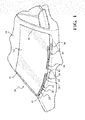
Figure 1 is a partial perspective view of the front of an automotive vehicle having a pair of windshield wiper assemblies that are pivotally mounted for reciprocal movement across the windshield of the vehicle; -
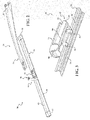
Figure 2 is a perspective assembly view of one embodiment of the windshield wiper assembly of the present invention; -
Figure 3 is a perspective view illustrating one embodiment of the coupler assembly mounted to the wiper blade; -
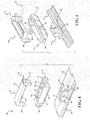
Figure 4 is an exploded view of one embodiment of the coupler assembly; -
Figure 5 is an exploded view of one embodiment of the coupler assembly taken from the vantage point of the underside thereof; -
Figure 6 is an exploded view of one embodiment of the coupler assembly taken from a vantage point that is longitudinally opposite to that illustrated inFigure 4 ; -
Figure 7 is an exploded perspective view of the coupler assembly taken from the underside thereof from a vantage point that is longitudinally opposite to that illustrated inFigure 5 ; -
Figure 8 is a partial perspective assembly view of a windshield wiper assembly showing one embodiment of the coupler assembly in preparation for mounting to the attachment member of the wiper arm; -
Figure 9 is a partial perspective assembly view of a windshield wiper assembly showing the attachment member of the wiper arm mounted relative to one embodiment of the coupler assembly with the latching mechanism disposed in its open position; -
Figure 10 is a partial perspective assembly view of the windshield wiper assembly mounted to a wiper arm with one embodiment of the latching mechanism disposed in its closed position; -
Figure 11 is a partial perspective assembly view of a windshield wiper assembly having another embodiment of the coupler assembly of the present invention; -
Figure 12 is a partial perspective assembly view of a windshield wiper assembly having the embodiment of the coupler assembly illustrated inFigure 1 1 showing the latching mechanism in its first, open position; and -
Figure 13 is a partial perspective assembly view of a windshield wiper assembly having the embodiment of the coupler assembly illustrated inFigure 1 1 showing the latching mechanism disposed in its second, closed position. - Referring now to the figures, where like numerals are used to designate like structure, a portion of a representative vehicle is schematically illustrated at 10 in
Figure 1 . The vehicle includes acowl 12, aroof 14, and a pair of laterally spaced front or "A"pillars 16 extending between theroof 14 and thecowl 12. TheA-pillars 16,roof 14, andcowl 12 cooperate to define a generally rectangular opening 18 in which is supported a curved or "swept back"glass windshield 20. - A wiper system is generally indicated at 22 in
Figure 1 and is employed to clean theglass windshield 20. Thewiper system 22 includes a wiper arm, generally indicated at 24 and a wiper assembly, generally indicated at 26. Those having ordinary skill in the art will appreciate that awiper system 22 may include more than onewiper arm 24 and more than onewiper assembly 26. By way of example and as indicated inFigure 1 , awiper system 22 may include a pair ofwiper arms 24 andwiper assemblies 26, which correspond to the driver and passenger side of thevehicle 10. - The
wiper arm 24 imparts reciprocal motion to thewindshield wiper assembly 26 across the surface to be wiped, in this case the windshield. To this end, thewiper arm 24 includes apivot end 30 operatively attached to an electrical motor (not shown) to move thewiper arm 24 across the surface to be wiped in an oscillating manner. Thewiper arm 24 further includes anelongate body 28 that extends outward from apivot end 30 and an attachment member, described in greater detail below. Theelongate body 28 has a predetermined length that is designed to direct thewiper assembly 26 across the appropriate surface area. Accordingly, it will be appreciated that the predetermined length of theelongate body 28 will vary depending on the surface area to be wiped. Furthermore, those having ordinary skill in the art will appreciate that theelongate body 28 may be jointed for movement away from the surface to be wiped in order to facilitate replacement of thewiper assembly 26 when worn or to perform other maintenance or repair to thewiper system 22 or adjacent area of thevehicle 10. In addition to these elements, thewiper arm 24 may further include a biasing member (not shown), such as a spring, to provide a biasing force that facilitates contact between thewiper assembly 26 and thewindshield 20 of thevehicle 10. - The
windshield wiper assembly 26 includes a wiper blade, generally indicated at 32, that is adapted to contact the surface to be wiped. In this context, thewindshield wiper assembly 26 of the present invention may employ either a tournament style wiper blade or a beam blade style wiper blade. In the representative example illustrated in the figures, the windshield wiper assembly is shown using a beam bladetype wiper blade 32. However, those having ordinary skill in the art will appreciate that any type of conventional wiper blade may be employed in the assembly of the present invention without departing from the scope of the invention. - Referring to
Figures 2 - 7 , therepresentative wiper blade 32 illustrated in the figures includes a wiping element, generally indicated at 36, that is adapted to contact the surface of thevehicle 10 to be wiped, in this representative example, thewindshield 20. Thewiping element 36 has a predetermined length and cross-sectional profile corresponding to a particular application and is typically constructed from a flexible rubber. Those having ordinary skill in the art will appreciate that thewiping element 36 may be constructed from any flexible material, such as silicone or other polymer, and via any manufacturing process, such as extrusion or injection molding, without departing from the scope of the invention. - Because the
representative wiper blade 32 illustrated in the drawings is of the beam blade type, it includes an elongated beam 38 (Figure 3 ) that operatively engages thewiping element 36. Theelongated beam 38 is adapted to distribute downward pressure from thewiper arm 24 across the wipingelement 36. In the embodiment illustrated in the figures, the wipingelement 36 may be operatively attached to the bottom of theelongated beam 38 by an adhesive/epoxy. However, those having ordinary skill in the art will appreciate that the wiping element may be operatively mounted to theelongated beam 38 by other methods such as through a slot defined in theelongated beam 38 that receives a portion of the wipingelement 36. Furthermore, those having ordinary skill in the art will appreciate that thewiper assembly 26 may include more than oneelongated beam 38 that is operatively engaged to the wipingelement 36. Alternatively and as noted above, thewiper blade 32 may be of the tournament style or any other conventional type of blade. - As best shown in
Figures 2 and4 , thewiper assembly 26 may also include an airfoil, generally indicated at 40 that utilizes airflow to increase downward force on to thewiper assembly 26 and thereby reduces the likelihood of windlift during operational movement across the surface to be wiped. Those having ordinary skill in the art will appreciate that theairfoil 40, elongatedbeam 38 and wipingelement 36 may be joined together through any conventional means such as bonding theairfoil 40 to the top end of theelongated beam 38 via adhesive/epoxy or by employing additional structure such as a retainer or spline that couples the wipingelement 36 to theelongated beam 38 or theelongated beam 38 to theairfoil 40 without departing from the scope of the invention. Theairfoil 40 may be manufactured from a thermoplastic material via, for example, an extrusion process, or an injection molding process using a polymer composition having greater hydrophobic properties than the materials used for manufacturing the wipingelement 36. - The
wiper assembly 26 may also include a pair of end caps, generally indicated at 42. The end caps 42 are adapted to operatively engage theairfoil 40 and include a profile that substantially mimics the contours of theairfoil 40 to maintain the wind lift characteristics of thewiper assembly 26 and to provide an increased aesthetic value. - Referring now to
Figures 3 - 7 , thewiper assembly 26 further includes a coupler assembly, generally indicated at 44, that is operatively mounted to thewiper blade 32 and serves to interconnect the wiper blade to thewiper arm 24. To this end, thecoupler assembly 44 includes a coupler, generally indicated at 46, and an adapter, generally indicated at 48. Each of these components will be described in greater detail below. - More specifically, the
adapter 48 is generally disposed at an intermediate position along the length of thewiper blade 32. Theadapter 48 includes abase 50 and a pair ofupstanding sidewalls 52 disposed in spaced parallel relationship with respect to thebase 50. The base 50 also includes a plurality of transversely extendingtangs 54 that are adapted to operatively engage the bottom of theelongated beam 38. Theadapter 48 also includes ahole 55 that extends through the pair ofupstanding walls 52 for a purpose that will be described below. Thetangs 54 cooperate to define a track, generally indicated at 58, that operative ly receives an intermediate portion of theelongated beam 38. As shown inFigure 7 , theadapter 48 may include four transversely extendingtangs 54 operatively disposed adjacent to theairfoil 40 to accommodate the resiliency of theelongated beam 38. In this manner, a portion of theelongated beam 38 is retained within the track 58, but remains able to flex in response to the curvature of the surface to be wiped. - However, those having ordinary skill in the art will appreciate that the
tangs 54 may include additional structure to prevent axial movement between theadapter 48 and theelongated beam 38. By way of example, one or more of thetangs 54 may further include a post and theelongated beam 38 may include a corresponding detent that is adapted to receive the post to prevent such axial movement of theadapter 48 relative to theelongated beam 38. Those having ordinary skill in the art will appreciate that theadapter 48 may be operatively attached to theelongated beam 38 by several methods other than as described above. By way of example, theadapter 48 may be fixed by adhesive, riveting or welding to theelongated beam 38. - The
coupler 46 includes abody 60 having a pair ofsidewalls 62. Achannel 64 is defined between the sidewalls 62 and extends substantially parallel thereto. Thechannel 64 is adapted to cooperatively receive the attachment portion of thewiper arm 24, as will be described in greater detail below. Thebody 60 is operatively mounted to theadapter 48. To this end, thebody 60 includes a pair of inwardly extendingbosses 66. Thebosses 66 extending between the pair ofupstanding sidewalls 62 on theadapter 48 are received in thehole 55 defined in thewalls 52 of the adapter to mount thebody 60 to theadapter 48. - A latching mechanism, generally indicated at 68, is operatively mounted to the
body 60 and is moveable between an open position spaced from thechannel 64 as illustrated inFigures 8 - 9 and a closed position disposed over thechannel 64, as illustrated inFigure 10 , to secure the attachment portion of thewiper arm 24 between the latchingmechanism 68 and thebody 60. In this way, thecoupler 46 is secured to the attachment portion of thewiper arm 24. Thelatching mechanism 68 also includes a locking member, generally indicated at 70, that serves to secure thelatching mechanism 68 in the closed position. The lockingmember 70 includes at least one flexible arm, generally indicated at 72. Thebody 60 defines aretainer 74. Theflexible arm 72 is adapted for releasable engagement with theretainer 74 so that thelatching mechanism 68 is snap-fit relative to thebody 60 when in the closed position. The structural detail of the lockingmember 70 and the interaction of thelatching mechanism 68, as well as the body with respect to different types of attachment members, will be described in greater detail below. - The
latching mechanism 68 defines atop wall 76 and a pair ofsidewalls 78 that depend from thetop wall 76. In addition, thelatching mechanism 68 includes a pair ofears 80 extending in cantilevered fashion from the pair ofsidewalls 78 and disposed spaced from the lockingmember 70. Theears 80 include a pair of inwardly projectingbosses 82 that are axially aligned with respect to one another. In turn, thebody 60 includes a pair of inwardly extendingopenings 84. Thebosses 82 are adapted to be cooperatively received in the inwardly extendingopenings 84 such that thelatching mechanism 68 is pivotally mounted relative to thebody 60 about an axis defined by thebosses 82. However, those having ordinary skill in the art will appreciate that the bosses may be formed on the body and the inwardly extending openings may be formed on the ears without departing from the scope of the invention. - In addition, the
channel 64 may include one ormore lugs 86 disposed in spaced relationship with respect to each other and extend upwardly from thechannel 64. Thelugs 86 are adapted to be received in correspondingholes 88 defined in the various embodiments of the attachment portion of the wiper arm, as will be described in greater detail below. However, those having ordinary skill in the art will appreciate that thelugs 86 are optional. - The
body 60 of thecoupler 46 also defines a pair ofshoulders 90 that extend along the longitudinal length of thesidewalls 78. Thesidewalls 78 of thelatching mechanism 68 are juxtaposed in side-by-side relationship with thesidewalls 62 of thebody 60 and adjacent theshoulder 80 when thelatching mechanism 68 is in its closed position. - As noted above, the
wiper arm 24 further includes an attachment member. There are two types of attachment members illustrated in the figures. One embodiment of an attachment member is generally indicated at 94 inFigures 2 and8 - 10 . Theattachment member 94 is disposed at or adjacent to the end of theelongate body 28, opposite thepivot end 30 of thewiper arm 24. Theattachment member 94 is adapted to operatively engage thecoupler 46, as will be described in greater detail below. In the embodiment illustrated inFigures 8 - 9 , theattachment member 94 includes abase 96 andbent tab 98 extending linearly outward from thebase 96. Theattachment member 94 further includes a pair ofrails 100 depending from the base 96 aligned with respect to each other. The rails have terminal edges 92. Thebase 96 andrails 100 cooperate to define a track, generally indicated at 102, that is operatively received and retained by thecoupler assembly 44, as will be described in greater detail below. In addition, theattachment member 94 includes anaperture 104 as well as the spacedholes 88 formed on thebase 96. The lockingmember 70 of thecoupler assembly 44 illustrated inFigures 8 - 10 is designed to accommodate theattachment member 94 illustrated in the figures. - More specifically and referring to
Figures 8 - 10 , theflexible arm 72 of the lockingmember 70 of this embodiment has afirst portion 108 that extends in cantilevered fashion from thetop wall 76 of thelatching mechanism 68 in a first direction, as well as asecond portion 110 that is spaced from thefirst portion 108 and extends in a direction opposite to thefirst portion 108. The second portion 1 10 terminates in adistal end 112. Ashoulder 114 is formed on thesecond portion 110 located spaced from the distal end 1 12. A hinge portion 1 16 interconnects the first 108 and second 1 10 portions such that the second portion 1 10 flexes upon coming into contact with theretainer 74 to move toward thefirst portion 108 until the shoulder 1 14 engages theretainer 74 and locks thelatching mechanism 68 in the closed position. - On the other hand, the
retainer 74 includes anopening 118 defined in thebody 60. Theopening 118 corresponds with theaperture 104 formed on thebase 96 of theattachment portion 94 illustrated inFigures 8 - 9 . The retainer opening 1 18 defines a lockingridge 120. The shoulder 1 14 of the second portion 1 10 of theflexible arm 72 is adapted to be disposed in abutting engagement with the lockingridge 120 when thelatching mechanism 68 is in its closed position (Figure 10 ). Similarly, thelugs 86 are adapted to be received in the spacedholes 88 formed on theattachment member 94 as illustrated inFigures 8 - 9 . In addition, theterminal edge 92 of therails 100 are disposed adjacent theshoulders 90 when theattachment member 94 is mounted in thecoupler 46. As used herein, the term "adjacent" means that theterminal edge 92 of therails 100 of theattachment member 94 may be disposed immediately next to, or, alternatively, in abutting contact with, theshoulders 90 of thebody 60 when theattachment member 94 is received by thecoupler 46. In this way, and when thelatching mechanism 68 is disposed in its closed position, theattachment member 94 of thewiper arm 24 is sandwiched between the latchingmechanism 68 and thechannel 64 defined in thebody 60 of thecoupler 46. Thus, thecoupler 46 is positively mounted in a locked fashion to theattachment member 94. - When it is desired to replace the
wiper blade 32, for example when the blade has become worn, thedistal end 112 of the second portion 1 10 may be biased toward the first portion to disengage the shoulder 1 14 from the lockingridge 120. Thelatching mechanism 68 then may be rotated about the axis defined between thebosses 82 and theopenings 84 to move thelatching mechanism 68 to its first, open position. Theattachment member 94 may be then easily removed from thecoupler 46 and a new wiper blade installed thereon. - Another embodiment of the coupler having a locking member that is specifically designed to cooperate with a different type attachment member is illustrated in
Figures 11 - 13 . In this case, theattachment member 294 of thewiper arm 224 is essentially a substantially flat, rectangular wire stock that terminates in abent tab 298 extending linearly outward and downwardly from the wire stock. A pair of spacedholes 288 are formed in therectangular wire stock 294 to cooperate with the lugs 286 defined in thechannel 264 of the body 260 of thecoupler 246. - The embodiment of the
coupler 246 that is designed to accommodate thisattachment member 294 is substantially similar to the coupler illustrated inFigures 2 - 10 . Accordingly, like numerals increased by two hundred are used to designate like structure between the two embodiments. In addition, and because of the similarities, the description that follows will focus on the differences between these two embodiments. Thus, the reader may assume that where structure of this embodiment has not been described, it is the same as the embodiment illustrated inFigures 2 - 10 . - In the embodiment illustrated in
Figures 11 - 13 , theopening 318 disposed in the body 260 is located biased toward theears 280 and is adapted to accommodate thebent tab 298 extending linearly outward and downwardly from the wirestock attachment member 294. - The
latching mechanism 268 defines atop wall 276 and a pair ofsidewalls 278 depending therefrom. The lockingmember 270 includes a pair offlexible arms 272 interconnected by across member 312. Each of the pair offlexible arms 272 has afirst portion 308 extending cantilevered from thesidewalls 278 in a first direction as well as asecond portion 310 spaced from thefirst portion 308 and extending in a direction opposite thefirst portion 308. Thesecond portion 310 terminates at thecross member 312. Ahinge portion 316 interconnects each of the first 308 and second 310 portions such that thesecond portions 310 flex upon coming in contact with theretainer 274 to move toward thefirst portion 308 until theretainer 274 is engaged and thelatching mechanism 268 is locked in a closed position. - The
retainer 274 includes a pair of upwardly openingslots 322 formed in thesidewall 262 of the body 260 of thecoupler 246. Each of theslots 322 includes at least onetongue 324 extending outwardly therefrom. Each of thesecond portions 310 of theflexible arms 272 includes agroove 326 that corresponds to thetongue 324. The pair of upwardly openingslots 322 correspond to the pair offlexible arms 272 and cooperate therewith to receive the pair offlexible arms 272 such that thetongues 324 are received in thegrooves 326 so as to retain thelatching mechanism 268 when thelatching mechanism 268 is in its second, closed position. - When the
latching mechanism 268 is disposed in its closed position, thebent tab 298 of the flat wirestock attachment member 294 is disposed in theopening 318 and the lugs 286 extending upwardly from the body 260 are received inholes 288 defined in theattachment member 294 such that theattachment member 294 of thewiper arm 224 is sandwiched between thelatching mechanism 268 and thechannel 264 defined in the body 260 of thecoupler 246. In addition, theterminal edge 292 of thesidewalls 278 are disposed adjacent theopposite edge 290 of thesidewalls 262 of the body 260 of the coupler when thelatching mechanism 268 is in its closed position. As used herein, the term "adjacent" means that theterminal edge 292 of thesidewalls 278 of thelatching mechanism 268 may be disposed immediately next to, or alternately, in abutting contact with, theopposite edge 290 of thesidewall 262 of the body 260 when thelatching mechanism 268 is in its closed position. Thus, thecoupler 246 is positively mounted in a locked fashion to the attachment member. - When it is desired to replace the wiper blade, for example when the blade has become worn, the
cross member 312 of thesecond portion 310 may be biased toward thefirst portion 308 to disengage thetongues 324 from thegrooves 326 such that the latching mechanism 368 may be rotated about the axis defined between the bosses 282 and the openings 284 out of engagement with theretainer 274 to move thelatching mechanism 268 to its first, open position. Theattachment member 294 may be then easily removed from thecoupler 246 and a new wiper blade installed thereon. - The
body 60, 260 of thecoupler mechanism metal attachment member channel plastic body 60, 260, thecoupler assembly 44 of the present invention provides a very strong connection between thewiper arm 24 and thewindshield wiper assembly 26. Thus, thewindshield wiper assembly 26 of the present invention provides acoupler assembly 44 that positively mounts the wiper blade to the wiper arm and is intuitive and easy to operate such that it is unlikely to require the user to seek assistance in replacing the worn out wiper blade. - The invention has been described in an illustrative manner. It is to be understood that the terminology which has been used is intended to be in the nature of words of description rather than of limitation. Many modifications and variations of the invention are possible in light of the above teachings. Therefore, the invention may be practiced other than as specifically described.
Claims (10)
- A windshield wiper assembly (26) adapted to be mounted to the attachment portion of a wiper arm (224) that imparts reciprocal motion to the windshield wiper assembly (26) across a surface to be wiped, said windshield wiper assembly (26) comprising:a wiper blade (32) adapted to contact the surface to be wiped;a coupler assembly (44) operatively mounted to said wiper blade (32) and serving to interconnect said wiper blade (32) to the wiper arm (224);said coupler assembly (44) including a coupler (246) having a body (260) including a pair of sidewalls (262), a channel (264) defined between said sidewalls (262) and extending substantially parallel thereto, said channel (264) adapted to cooperatively receive the attachment portion of the wiper arm (224); anda latching mechanism (268) operatively mounted to said body (260) and moveable between an open position spaced from said channel (264) and a closed position to secure the attachment portion of the wiper arm (224) between said latching mechanism (268) and said body (260) thereby securing said coupler (246) to the attachment portion of the wiper arm (224);said latching mechanism (268) including a locking member (270), said locking member serving to secure said latching mechanism (268) in said closed position;said locking member (270) including at least one flexible arm (272), said body defining a retainer (274), said flexible arm (272) adapted for releasable engagement with said retainer (274) so that said latching mechanism (268) is snap fit relative to said body (260) when in said closed position,characterized in that said latching mechanism (268) in its closed position is disposed over said channel (264) and that said latching mechanism (268) defines a top wall (276) and a pair of sidewalls (278) depending therefrom, said locking member (270) includes a pair of flexible arms (272) interconnected by a cross member (312), each of said pair of flexible arms (272) having a first portion (308) extending cantilevered from said sidewalls (278) in a first direction, and a second portion (310) spaced from said first portion (308) extending in a direction opposite said first portion (308) and terminating in said cross member (312), a hinge portion (316) interconnecting each of the first and second portions (308, 310) such that said second portions (310) flex upon coming in contact with said retainer (274) to move toward said first portion (308) until engaging said retainer (274) and locking said latching mechanism (268) in said closed position.
- The windshield wiper assembly (26) as set forth in claim 1 wherein said retainer (274) includes a pair of upwardly opening slots (322) formed in said sidewall (262) of said body (260), each slot (322) including at least one tongue (324), each of said second portions (310) of said flexible arms (272) including a groove (326) that corresponds to said tongue (324), said pair of upwardly opening slots (322) corresponding to said pair of flexible arms (272) and cooperating therewith to receive said pair of flexible arms (272) such that said tongues (324) are received in said groove (326) so as to retain said latching mechanism (268) when said latching mechanism is in said closed position.
- The windshield wiper assembly (26) as set forth in claim 1 or 2 wherein said latching mechanism includes a pair of ears (280) extending in cantilevered fashion from said pair of sidewalls (278) and disposed spaced from said locking member (270), said body (260) including a pair of outwardly projecting bosses that are axially aligned with respect to one another, said ears (280) including a pair of openings, said bosses adapted to be cooperatively received in said openings such that said latching mechanism (268) is pivotally mounted relative to said body (260) about an axis defined by said bosses.
- The windshield wiper assembly (26) as set forth in one of the preceding claims wherein said channel (264) includes a pair of lugs (286) disposed in spaced relationship with respect to each other and extending upwardly from said channel (264), said lugs (286) adapted to be received in corresponding holes (288) defined in the attachment portion of the wiper arm (224).
- The windshield wiper assembly (26) as set forth in one of the preceding claims wherein said body (260) of said coupler (246) defines a pair of shoulders extending along the longitudinal length of said sidewalls (278) of said latching mechanisms (268), said sidewalls (278) of said latching mechanisms (268) juxtaposed in side-by-side relationship with said sidewalls (262) of said body (260) and adjacent said shoulder when said latching mechanism (268) is in said closed position.
- The windshield wiper assembly (26) as set forth in one of the preceding claims wherein said coupler assembly (44) includes an adapter (48) operatively mounted to said wiper blade (32), said body (260) operatively mounted to said adapter (48).
- The windshield wiper assembly (26) as set forth in claim 6 wherein said adapter (48) includes a base (50) and a pair of upstanding sidewalls (52) disposed in spaced parallel relationship with respect to said base (50), said base including a plurality of transversely extending tangs (54) that are adapted to operatively engage said wiper blade (32).
- The windshield wiper assembly (26) as set forth in claim 6 or 7 wherein said adapter (48) includes a hole (55) extending between said pair of upstanding walls (52), said body (260) including a pair of bosses (66) extending inwardly between the pair of sidewalls (262), said bosses (66) received in said hole (55) to mount said body (260) to said adapter (48).
- A windshield wiper assembly (26) adapted to be mounted to the attachment portion of a wiper arm (224) that imparts reciprocal motion to the windshield wiper assembly (26) across a surface to be wiped, said windshield wiper assembly (26) comprising:a wiper blade (32) adapted to contact the surface to be wiped;a coupler assembly (44) including an adapter (48) operatively mounted to said wiper blade (32) and serving to interconnect said wiper blade (32) to the wiper arm (224);said coupler assembly (44) including a coupler (246) having a body (260) operatively mounted to said adapter (48), said body (260) including a pair of sidewalls (262), a channel (264) defined between said sidewalls (262) and extending substantially parallel thereto, said channel (264) adapted to cooperatively receive the attachment portion of the wiper arm (224); anda latching mechanism (268) operatively mounted to said body (260) and moveable between an open position spaced from said channel (264) and a closed position disposed over said channel (264) to secure the attachment portion of the wiper arm (224) between said latching mechanism (268) and said body (260) thereby securing said coupler (246) to the attachment portion of the wiper arm (224);said latching mechanism (268) includes a locking member (270), said locking member (270) includes at least one flexible arm (272), said body (260) of said coupler (246) defining a retainer (274), said flexible arm (272) adapted for releasable engagement with said retainer (274) so that said latching mechanism (268) is snap fit relative to said body (260) when in said closed position;said latching mechanism (268) further defining a top wall (276) and a pair of sidewalls (278) depending therefrom, said locking member (270) includes a pair of flexible arms (272) interconnected by a cross member (312), each of said pair of flexible arms (272) having a first portion (308) extending cantilevered from said sidewalls (278) in a first direction, and a second portion (310) spaced from said first portion (308) extending in a direction opposite said first portion (308) and terminating in said cross member (312), a hinge portion (316) interconnecting each of the first and second portions (308, 310) such that said second portion (310) flex upon coming in contact with said retainer (274) to move toward said first portion (308) until engaging said retainer (274) and locking said latching mechanism (268) in said closed position.
- The windshield wiper assembly (26) as set forth in claim 9 wherein said retainer (274) includes a pair of upwardly opening slots (322) formed in said sidewall (262) of said body (260), , each slot (322) including at least one tongue (324), each of said second portions (310) of said flexible arms (272) including a groove (326) that corresponds to said tongue (324), said pair of upwardly opening slots (322) corresponding to said pair of flexible arms (272) and cooperating therewith to receive said pair of flexible arms (272) such that said tongues (324) are received in said grooves (326) so as to retain said latching mechanism (268) when said latching mechanism is in said closed position.
Applications Claiming Priority (2)
| Application Number | Priority Date | Filing Date | Title |
|---|---|---|---|
| US41015110P | 2010-11-04 | 2010-11-04 | |
| EP11838804.0A EP2635467B1 (en) | 2010-11-04 | 2011-11-03 | Windshield wiper having a coupler with positive locking features |
Related Parent Applications (2)
| Application Number | Title | Priority Date | Filing Date |
|---|---|---|---|
| EP11838804.0A Division EP2635467B1 (en) | 2010-11-04 | 2011-11-03 | Windshield wiper having a coupler with positive locking features |
| EP11838804.0A Division-Into EP2635467B1 (en) | 2010-11-04 | 2011-11-03 | Windshield wiper having a coupler with positive locking features |
Publications (3)
| Publication Number | Publication Date |
|---|---|
| EP2711253A2 true EP2711253A2 (en) | 2014-03-26 |
| EP2711253A3 EP2711253A3 (en) | 2014-08-20 |
| EP2711253B1 EP2711253B1 (en) | 2017-02-15 |
Family
ID=46018249
Family Applications (2)
| Application Number | Title | Priority Date | Filing Date |
|---|---|---|---|
| EP13198197.9A Not-in-force EP2711253B1 (en) | 2010-11-04 | 2011-11-03 | Windshield wiper having a coupler with positive locking features |
| EP11838804.0A Active EP2635467B1 (en) | 2010-11-04 | 2011-11-03 | Windshield wiper having a coupler with positive locking features |
Family Applications After (1)
| Application Number | Title | Priority Date | Filing Date |
|---|---|---|---|
| EP11838804.0A Active EP2635467B1 (en) | 2010-11-04 | 2011-11-03 | Windshield wiper having a coupler with positive locking features |
Country Status (7)
| Country | Link |
|---|---|
| US (2) | US8881338B2 (en) |
| EP (2) | EP2711253B1 (en) |
| CN (1) | CN103201143B (en) |
| BR (1) | BR112013011099A2 (en) |
| ES (1) | ES2700475T3 (en) |
| HU (1) | HUE041525T2 (en) |
| WO (1) | WO2012061589A2 (en) |
Cited By (1)
| Publication number | Priority date | Publication date | Assignee | Title |
|---|---|---|---|---|
| EP4328098A4 (en) * | 2021-06-11 | 2024-10-16 | Danyang UPC Auto Parts Co., Ltd. | WIPER CONNECTION STRUCTURE |
Families Citing this family (44)
| Publication number | Priority date | Publication date | Assignee | Title |
|---|---|---|---|---|
| DE102010062928B4 (en) * | 2010-12-13 | 2023-09-07 | Robert Bosch Gmbh | wiper device |
| DE102010062933A1 (en) * | 2010-12-13 | 2012-06-14 | Robert Bosch Gmbh | wiper device |
| DE102010062917A1 (en) * | 2010-12-13 | 2012-06-14 | Robert Bosch Gmbh | Exhaust device for transverse engine |
| KR101254582B1 (en) * | 2010-12-14 | 2013-04-15 | 주식회사 캐프 | Wiper device |
| US9457768B2 (en) | 2011-04-21 | 2016-10-04 | Pylon Manufacturing Corp. | Vortex damping wiper blade |
| CA2843527C (en) | 2011-07-28 | 2018-11-27 | Pylon Manufacturing Corp. | Windshield wiper adapter, connector and assembly |
| US9108595B2 (en) | 2011-07-29 | 2015-08-18 | Pylon Manufacturing Corporation | Windshield wiper connector |
| US10723322B2 (en) | 2012-02-24 | 2020-07-28 | Pylon Manufacturing Corp. | Wiper blade with cover |
| US20130219649A1 (en) | 2012-02-24 | 2013-08-29 | Pylon Manufacturing Corp. | Wiper blade |
| MX385411B (en) | 2012-02-24 | 2025-03-18 | Pylon Mfg Corp | WINDSHIELD WIPER BLADES. |
| DE102012011225A1 (en) * | 2012-06-05 | 2013-12-05 | Daimler Ag | Wiper blade and connection arrangement for a windshield wiper system of a vehicle |
| FR2994146B1 (en) * | 2012-08-02 | 2015-07-03 | Valeo Systemes Dessuyage | CONNECTION SYSTEM BETWEEN A WIPER ARM AND A WIPER BRUSH |
| US10829092B2 (en) | 2012-09-24 | 2020-11-10 | Pylon Manufacturing Corp. | Wiper blade with modular mounting base |
| FR2995851B1 (en) | 2012-09-27 | 2015-05-01 | Valeo Systemes Dessuyage | DEVICE FOR ACTUATING A DRIVE ARM FOR A WIPER BOSS, ESPECIALLY FOR A VEHICLE REAR WINDOW, AND A WIPING SYSTEM EQUIPPED WITH SAID DEVICE |
| US10166951B2 (en) | 2013-03-15 | 2019-01-01 | Pylon Manufacturing Corp. | Windshield wiper connector |
| US9511748B2 (en) | 2013-03-15 | 2016-12-06 | Illinois Tool Works Inc. | Universal connector for attachment of a windshield wiper blade with multiple types of windshield wiper arms |
| US9555775B2 (en) | 2013-03-15 | 2017-01-31 | Illinois Tool Works Inc. | Connectors and connector kit for attachment of a windshield wiper blade to multiple types of windshield wiper arms |
| FR3005445B1 (en) * | 2013-05-13 | 2016-03-04 | Valeo Systemes Dessuyage | ASSEMBLY FOR CARRYING OUT A MOTOR VEHICLE WINDSCREEN WIPING SYSTEM AND CONNECTING DEVICE COMPRISING SUCH AN ASSEMBLY |
| CN104648329B (en) * | 2013-11-19 | 2017-04-12 | 扬弘实业股份有限公司 | Wiper connector and wiper assembly |
| US20150135466A1 (en) * | 2013-11-19 | 2015-05-21 | Trico Products Corporation | Locking coupler for wiper assembly |
| USD727238S1 (en) | 2013-12-13 | 2015-04-21 | Illinois Tool Works Inc. | Cover used for windshield wiper connectors |
| US9505380B2 (en) | 2014-03-07 | 2016-11-29 | Pylon Manufacturing Corp. | Windshield wiper connector and assembly |
| US9434355B2 (en) | 2014-04-01 | 2016-09-06 | Trico Products Corporation | Wiper adapter and wiper assembly incorporating the same |
| US9539987B2 (en) | 2014-04-01 | 2017-01-10 | Trico Products Corporation | Wiper adapter and wiper assembly incorporating the same |
| MX2016017003A (en) * | 2014-07-03 | 2017-05-12 | Federal Mogul Sa | Windscreen wiper device. |
| KR101675892B1 (en) * | 2014-12-22 | 2016-11-14 | 케이비와이퍼시스템 주식회사 | Connector for connecting a wiper blade and a wiper arm |
| CN204845878U (en) * | 2015-03-24 | 2015-12-09 | 美途汽配实业(厦门)有限公司 | Integral type connector for arm is scraped to n shape |
| FR3037906B1 (en) * | 2015-06-26 | 2017-07-14 | Valeo Systemes Dessuyage | ADAPTER FOR A MOTOR VEHICLE WIPER AND ASSEMBLY COMPRISING SUCH AN ADAPTER |
| FR3037895B1 (en) * | 2015-06-26 | 2018-11-02 | Valeo Systemes D'essuyage | ADAPTER FOR A MOTOR VEHICLE WIPER AND ASSEMBLY COMPRISING SUCH AN ADAPTER |
| FR3037896B1 (en) * | 2015-06-26 | 2017-07-21 | Valeo Systemes Dessuyage | ADAPTER FOR A MOTOR VEHICLE WIPER AND ASSEMBLY COMPRISING SUCH AN ADAPTER |
| FR3037898A1 (en) * | 2015-06-29 | 2016-12-30 | Valeo Systemes Dessuyage | ORGAN FOR A CONNECTION SYSTEM FROM A WIPER TO A WIPER ARM |
| US10363905B2 (en) | 2015-10-26 | 2019-07-30 | Pylon Manufacturing Corp. | Wiper blade |
| EP3398822A4 (en) * | 2015-12-28 | 2019-08-07 | Gos Co. Ltd. | Wiper blade adapter assembly |
| EP3458315B1 (en) | 2016-05-19 | 2021-09-08 | Pylon Manufacturing Corp. | Windshield wiper blade |
| CN109311452A (en) | 2016-05-19 | 2019-02-05 | 电缆塔制造有限公司 | windshield wiper connector |
| AU2017268008A1 (en) | 2016-05-19 | 2018-11-22 | Pylon Manufacturing Corp. | Windshield wiper connector |
| CN109311450A (en) | 2016-05-19 | 2019-02-05 | 电缆塔制造有限公司 | windshield wiper connector |
| US11040705B2 (en) | 2016-05-19 | 2021-06-22 | Pylon Manufacturing Corp. | Windshield wiper connector |
| FR3091230B1 (en) * | 2018-12-28 | 2021-07-23 | Valeo Systemes Dessuyage | Motor vehicle wiper blade adapter |
| KR102581423B1 (en) | 2019-01-07 | 2023-09-20 | 앨버리 프로덕츠 인코포레이티드 | Windshield Wiper Blade Adapter |
| CN113291253B (en) | 2021-06-11 | 2025-07-25 | 丹阳镇威汽配有限公司 | Windscreen wiper connection structure |
| KR102648661B1 (en) * | 2022-03-18 | 2024-03-19 | 주식회사 캐프 | Wiper device |
| FR3146120A1 (en) * | 2023-06-30 | 2024-08-30 | Valeo Systemes D'essuyage | Wiper blade connection module |
| DE102023212750A1 (en) * | 2023-12-14 | 2025-06-18 | Robert Bosch Gesellschaft mit beschränkter Haftung | Connection system for a windscreen wiper |
Family Cites Families (12)
| Publication number | Priority date | Publication date | Assignee | Title |
|---|---|---|---|---|
| FR2600291A1 (en) * | 1986-06-18 | 1987-12-24 | Marchal Equip Auto | FASTENER CONNECTING A WIPER ARM AND A CALIPER CARRYING A SCRAPER BLADE |
| US5332328A (en) * | 1993-08-26 | 1994-07-26 | Yang Ming Tung | Universal windshield wiper arm connector for multiple wiper arms |
| US5611103A (en) | 1993-09-10 | 1997-03-18 | Lee; Albert | Windshield wiper frame connector which accomodates different size wiper arms |
| DE29718457U1 (en) * | 1997-10-17 | 1997-12-04 | Robert Bosch Gmbh, 70469 Stuttgart | windshield wipers |
| US5920950A (en) * | 1997-12-09 | 1999-07-13 | Trico Products Corporation | Wiper blade attachment adapter |
| DE19758245A1 (en) * | 1997-12-30 | 1999-07-08 | Bosch Gmbh Robert | Connecting element for connecting a wiper blade to a wiper arm hook |
| GB2348118A (en) * | 1999-03-24 | 2000-09-27 | Trico Products | Windscreen wiper/blade arm connector |
| JP2002308063A (en) * | 2001-04-10 | 2002-10-23 | Maruenu Kk | Connecting tool for connecting wiper to arm |
| FR2830823B1 (en) | 2001-10-15 | 2004-02-27 | Valeo Systemes Dessuyage | MOTOR VEHICLE WIPER WITH SAFETY CLASP |
| GB0311960D0 (en) | 2003-05-23 | 2003-06-25 | Trico Ltd | Wiper arm connecting clip |
| FR2879986B1 (en) * | 2004-12-23 | 2008-07-11 | Valeo Systemes Dessuyage | UNIVERSAL FLAT WIPER BLADE AND REMOVABLE CONNECTOR |
| MX2010013445A (en) * | 2008-06-17 | 2010-12-22 | Shell Int Research | Apparatus and process for connecting a wiper blade to a wiper arm. |
-
2011
- 2011-11-03 WO PCT/US2011/059129 patent/WO2012061589A2/en not_active Ceased
- 2011-11-03 EP EP13198197.9A patent/EP2711253B1/en not_active Not-in-force
- 2011-11-03 ES ES11838804T patent/ES2700475T3/en active Active
- 2011-11-03 US US13/288,578 patent/US8881338B2/en not_active Expired - Fee Related
- 2011-11-03 HU HUE11838804A patent/HUE041525T2/en unknown
- 2011-11-03 CN CN201180053037.5A patent/CN103201143B/en not_active Expired - Fee Related
- 2011-11-03 EP EP11838804.0A patent/EP2635467B1/en active Active
- 2011-11-03 BR BR112013011099A patent/BR112013011099A2/en active Search and Examination
-
2014
- 2014-10-16 US US14/515,758 patent/US9731685B2/en not_active Expired - Fee Related
Non-Patent Citations (1)
| Title |
|---|
| None |
Cited By (1)
| Publication number | Priority date | Publication date | Assignee | Title |
|---|---|---|---|---|
| EP4328098A4 (en) * | 2021-06-11 | 2024-10-16 | Danyang UPC Auto Parts Co., Ltd. | WIPER CONNECTION STRUCTURE |
Also Published As
| Publication number | Publication date |
|---|---|
| US8881338B2 (en) | 2014-11-11 |
| US9731685B2 (en) | 2017-08-15 |
| EP2711253A3 (en) | 2014-08-20 |
| CN103201143A (en) | 2013-07-10 |
| WO2012061589A3 (en) | 2012-08-23 |
| EP2711253B1 (en) | 2017-02-15 |
| US20150033494A1 (en) | 2015-02-05 |
| HUE041525T2 (en) | 2019-05-28 |
| ES2700475T3 (en) | 2019-02-18 |
| US20120110773A1 (en) | 2012-05-10 |
| WO2012061589A2 (en) | 2012-05-10 |
| EP2635467B1 (en) | 2018-09-26 |
| CN103201143B (en) | 2015-09-30 |
| BR112013011099A2 (en) | 2016-08-02 |
| EP2635467A2 (en) | 2013-09-11 |
| EP2635467A4 (en) | 2015-11-18 |
Similar Documents
| Publication | Publication Date | Title |
|---|---|---|
| US9731685B2 (en) | Windshield wiper having a coupler with positive locking features | |
| US8938847B2 (en) | Universal coupler for a beam blade windshield wiper assembly | |
| US9260084B2 (en) | Wiper coupler adapter and wiper assembly incorporating same | |
| US8857009B2 (en) | Beam blade wiper assembly having self-locking end cap | |
| GB2424824A (en) | Wiper coupler and wiper assembly incorporating same | |
| KR20060133055A (en) | Windscreen wiper blades with support frame, internal spine and link elements | |
| US20150013093A1 (en) | Wiper coupler adaptor and wiper assembly incorporating same | |
| CN106335472B (en) | Adapter for connecting a wiper blade to a drive arm | |
| US9227599B2 (en) | Mounting assembly for wiper blade and wiper arm | |
| US9616854B2 (en) | Mounting assembly for wiper blade and wiper arm | |
| KR200445232Y1 (en) | Spoiler member and wiper blade with same | |
| US9533655B2 (en) | Wiper coupler adapter and wiper assembly incorporating same | |
| US9032586B2 (en) | Wiper blade | |
| EP4422933A1 (en) | Wiper arm for wiper of vehicle, wiper and vehicle |
Legal Events
| Date | Code | Title | Description |
|---|---|---|---|
| PUAI | Public reference made under article 153(3) epc to a published international application that has entered the european phase |
Free format text: ORIGINAL CODE: 0009012 |
|
| AC | Divisional application: reference to earlier application |
Ref document number: 2635467 Country of ref document: EP Kind code of ref document: P |
|
| AK | Designated contracting states |
Kind code of ref document: A2 Designated state(s): AL AT BE BG CH CY CZ DE DK EE ES FI FR GB GR HR HU IE IS IT LI LT LU LV MC MK MT NL NO PL PT RO RS SE SI SK SM TR |
|
| PUAL | Search report despatched |
Free format text: ORIGINAL CODE: 0009013 |
|
| AK | Designated contracting states |
Kind code of ref document: A3 Designated state(s): AL AT BE BG CH CY CZ DE DK EE ES FI FR GB GR HR HU IE IS IT LI LT LU LV MC MK MT NL NO PL PT RO RS SE SI SK SM TR |
|
| RIC1 | Information provided on ipc code assigned before grant |
Ipc: B60S 1/40 20060101AFI20140716BHEP Ipc: B60S 1/38 20060101ALI20140716BHEP |
|
| 17P | Request for examination filed |
Effective date: 20141107 |
|
| RBV | Designated contracting states (corrected) |
Designated state(s): AL AT BE BG CH CY CZ DE DK EE ES FI FR GB GR HR HU IE IS IT LI LT LU LV MC MK MT NL NO PL PT RO RS SE SI SK SM TR |
|
| GRAP | Despatch of communication of intention to grant a patent |
Free format text: ORIGINAL CODE: EPIDOSNIGR1 |
|
| INTG | Intention to grant announced |
Effective date: 20160428 |
|
| GRAS | Grant fee paid |
Free format text: ORIGINAL CODE: EPIDOSNIGR3 |
|
| GRAA | (expected) grant |
Free format text: ORIGINAL CODE: 0009210 |
|
| AC | Divisional application: reference to earlier application |
Ref document number: 2635467 Country of ref document: EP Kind code of ref document: P |
|
| AK | Designated contracting states |
Kind code of ref document: B1 Designated state(s): AL AT BE BG CH CY CZ DE DK EE ES FI FR GB GR HR HU IE IS IT LI LT LU LV MC MK MT NL NO PL PT RO RS SE SI SK SM TR |
|
| REG | Reference to a national code |
Ref country code: CH Ref legal event code: EP Ref country code: GB Ref legal event code: FG4D |
|
| REG | Reference to a national code |
Ref country code: IE Ref legal event code: FG4D |
|
| REG | Reference to a national code |
Ref country code: AT Ref legal event code: REF Ref document number: 867691 Country of ref document: AT Kind code of ref document: T Effective date: 20170315 |
|
| REG | Reference to a national code |
Ref country code: DE Ref legal event code: R096 Ref document number: 602011035141 Country of ref document: DE |
|
| REG | Reference to a national code |
Ref country code: NL Ref legal event code: MP Effective date: 20170215 |
|
| REG | Reference to a national code |
Ref country code: LT Ref legal event code: MG4D |
|
| REG | Reference to a national code |
Ref country code: AT Ref legal event code: MK05 Ref document number: 867691 Country of ref document: AT Kind code of ref document: T Effective date: 20170215 |
|
| PG25 | Lapsed in a contracting state [announced via postgrant information from national office to epo] |
Ref country code: HR Free format text: LAPSE BECAUSE OF FAILURE TO SUBMIT A TRANSLATION OF THE DESCRIPTION OR TO PAY THE FEE WITHIN THE PRESCRIBED TIME-LIMIT Effective date: 20170215 Ref country code: GR Free format text: LAPSE BECAUSE OF FAILURE TO SUBMIT A TRANSLATION OF THE DESCRIPTION OR TO PAY THE FEE WITHIN THE PRESCRIBED TIME-LIMIT Effective date: 20170516 Ref country code: NO Free format text: LAPSE BECAUSE OF FAILURE TO SUBMIT A TRANSLATION OF THE DESCRIPTION OR TO PAY THE FEE WITHIN THE PRESCRIBED TIME-LIMIT Effective date: 20170515 Ref country code: LT Free format text: LAPSE BECAUSE OF FAILURE TO SUBMIT A TRANSLATION OF THE DESCRIPTION OR TO PAY THE FEE WITHIN THE PRESCRIBED TIME-LIMIT Effective date: 20170215 Ref country code: FI Free format text: LAPSE BECAUSE OF FAILURE TO SUBMIT A TRANSLATION OF THE DESCRIPTION OR TO PAY THE FEE WITHIN THE PRESCRIBED TIME-LIMIT Effective date: 20170215 |
|
| PG25 | Lapsed in a contracting state [announced via postgrant information from national office to epo] |
Ref country code: PT Free format text: LAPSE BECAUSE OF FAILURE TO SUBMIT A TRANSLATION OF THE DESCRIPTION OR TO PAY THE FEE WITHIN THE PRESCRIBED TIME-LIMIT Effective date: 20170615 Ref country code: BG Free format text: LAPSE BECAUSE OF FAILURE TO SUBMIT A TRANSLATION OF THE DESCRIPTION OR TO PAY THE FEE WITHIN THE PRESCRIBED TIME-LIMIT Effective date: 20170515 Ref country code: RS Free format text: LAPSE BECAUSE OF FAILURE TO SUBMIT A TRANSLATION OF THE DESCRIPTION OR TO PAY THE FEE WITHIN THE PRESCRIBED TIME-LIMIT Effective date: 20170215 Ref country code: ES Free format text: LAPSE BECAUSE OF FAILURE TO SUBMIT A TRANSLATION OF THE DESCRIPTION OR TO PAY THE FEE WITHIN THE PRESCRIBED TIME-LIMIT Effective date: 20170215 Ref country code: AT Free format text: LAPSE BECAUSE OF FAILURE TO SUBMIT A TRANSLATION OF THE DESCRIPTION OR TO PAY THE FEE WITHIN THE PRESCRIBED TIME-LIMIT Effective date: 20170215 Ref country code: NL Free format text: LAPSE BECAUSE OF FAILURE TO SUBMIT A TRANSLATION OF THE DESCRIPTION OR TO PAY THE FEE WITHIN THE PRESCRIBED TIME-LIMIT Effective date: 20170215 Ref country code: LV Free format text: LAPSE BECAUSE OF FAILURE TO SUBMIT A TRANSLATION OF THE DESCRIPTION OR TO PAY THE FEE WITHIN THE PRESCRIBED TIME-LIMIT Effective date: 20170215 Ref country code: SE Free format text: LAPSE BECAUSE OF FAILURE TO SUBMIT A TRANSLATION OF THE DESCRIPTION OR TO PAY THE FEE WITHIN THE PRESCRIBED TIME-LIMIT Effective date: 20170215 |
|
| PG25 | Lapsed in a contracting state [announced via postgrant information from national office to epo] |
Ref country code: CZ Free format text: LAPSE BECAUSE OF FAILURE TO SUBMIT A TRANSLATION OF THE DESCRIPTION OR TO PAY THE FEE WITHIN THE PRESCRIBED TIME-LIMIT Effective date: 20170215 Ref country code: IT Free format text: LAPSE BECAUSE OF FAILURE TO SUBMIT A TRANSLATION OF THE DESCRIPTION OR TO PAY THE FEE WITHIN THE PRESCRIBED TIME-LIMIT Effective date: 20170215 Ref country code: EE Free format text: LAPSE BECAUSE OF FAILURE TO SUBMIT A TRANSLATION OF THE DESCRIPTION OR TO PAY THE FEE WITHIN THE PRESCRIBED TIME-LIMIT Effective date: 20170215 Ref country code: SK Free format text: LAPSE BECAUSE OF FAILURE TO SUBMIT A TRANSLATION OF THE DESCRIPTION OR TO PAY THE FEE WITHIN THE PRESCRIBED TIME-LIMIT Effective date: 20170215 Ref country code: RO Free format text: LAPSE BECAUSE OF FAILURE TO SUBMIT A TRANSLATION OF THE DESCRIPTION OR TO PAY THE FEE WITHIN THE PRESCRIBED TIME-LIMIT Effective date: 20170215 |
|
| REG | Reference to a national code |
Ref country code: DE Ref legal event code: R097 Ref document number: 602011035141 Country of ref document: DE |
|
| PG25 | Lapsed in a contracting state [announced via postgrant information from national office to epo] |
Ref country code: SM Free format text: LAPSE BECAUSE OF FAILURE TO SUBMIT A TRANSLATION OF THE DESCRIPTION OR TO PAY THE FEE WITHIN THE PRESCRIBED TIME-LIMIT Effective date: 20170215 Ref country code: PL Free format text: LAPSE BECAUSE OF FAILURE TO SUBMIT A TRANSLATION OF THE DESCRIPTION OR TO PAY THE FEE WITHIN THE PRESCRIBED TIME-LIMIT Effective date: 20170215 Ref country code: DK Free format text: LAPSE BECAUSE OF FAILURE TO SUBMIT A TRANSLATION OF THE DESCRIPTION OR TO PAY THE FEE WITHIN THE PRESCRIBED TIME-LIMIT Effective date: 20170215 |
|
| PLBE | No opposition filed within time limit |
Free format text: ORIGINAL CODE: 0009261 |
|
| STAA | Information on the status of an ep patent application or granted ep patent |
Free format text: STATUS: NO OPPOSITION FILED WITHIN TIME LIMIT |
|
| 26N | No opposition filed |
Effective date: 20171116 |
|
| PG25 | Lapsed in a contracting state [announced via postgrant information from national office to epo] |
Ref country code: SI Free format text: LAPSE BECAUSE OF FAILURE TO SUBMIT A TRANSLATION OF THE DESCRIPTION OR TO PAY THE FEE WITHIN THE PRESCRIBED TIME-LIMIT Effective date: 20170215 |
|
| PG25 | Lapsed in a contracting state [announced via postgrant information from national office to epo] |
Ref country code: MC Free format text: LAPSE BECAUSE OF FAILURE TO SUBMIT A TRANSLATION OF THE DESCRIPTION OR TO PAY THE FEE WITHIN THE PRESCRIBED TIME-LIMIT Effective date: 20170215 |
|
| PG25 | Lapsed in a contracting state [announced via postgrant information from national office to epo] |
Ref country code: LI Free format text: LAPSE BECAUSE OF NON-PAYMENT OF DUE FEES Effective date: 20171130 Ref country code: CH Free format text: LAPSE BECAUSE OF NON-PAYMENT OF DUE FEES Effective date: 20171130 |
|
| PG25 | Lapsed in a contracting state [announced via postgrant information from national office to epo] |
Ref country code: LU Free format text: LAPSE BECAUSE OF NON-PAYMENT OF DUE FEES Effective date: 20171103 |
|
| REG | Reference to a national code |
Ref country code: FR Ref legal event code: ST Effective date: 20180731 Ref country code: BE Ref legal event code: MM Effective date: 20171130 |
|
| REG | Reference to a national code |
Ref country code: IE Ref legal event code: MM4A |
|
| PG25 | Lapsed in a contracting state [announced via postgrant information from national office to epo] |
Ref country code: MT Free format text: LAPSE BECAUSE OF NON-PAYMENT OF DUE FEES Effective date: 20171103 |
|
| PG25 | Lapsed in a contracting state [announced via postgrant information from national office to epo] |
Ref country code: IE Free format text: LAPSE BECAUSE OF NON-PAYMENT OF DUE FEES Effective date: 20171103 Ref country code: FR Free format text: LAPSE BECAUSE OF NON-PAYMENT OF DUE FEES Effective date: 20171130 |
|
| PG25 | Lapsed in a contracting state [announced via postgrant information from national office to epo] |
Ref country code: BE Free format text: LAPSE BECAUSE OF NON-PAYMENT OF DUE FEES Effective date: 20171130 |
|
| PG25 | Lapsed in a contracting state [announced via postgrant information from national office to epo] |
Ref country code: HU Free format text: LAPSE BECAUSE OF FAILURE TO SUBMIT A TRANSLATION OF THE DESCRIPTION OR TO PAY THE FEE WITHIN THE PRESCRIBED TIME-LIMIT; INVALID AB INITIO Effective date: 20111103 |
|
| PG25 | Lapsed in a contracting state [announced via postgrant information from national office to epo] |
Ref country code: CY Free format text: LAPSE BECAUSE OF NON-PAYMENT OF DUE FEES Effective date: 20170215 |
|
| PG25 | Lapsed in a contracting state [announced via postgrant information from national office to epo] |
Ref country code: MK Free format text: LAPSE BECAUSE OF FAILURE TO SUBMIT A TRANSLATION OF THE DESCRIPTION OR TO PAY THE FEE WITHIN THE PRESCRIBED TIME-LIMIT Effective date: 20170215 |
|
| PG25 | Lapsed in a contracting state [announced via postgrant information from national office to epo] |
Ref country code: TR Free format text: LAPSE BECAUSE OF FAILURE TO SUBMIT A TRANSLATION OF THE DESCRIPTION OR TO PAY THE FEE WITHIN THE PRESCRIBED TIME-LIMIT Effective date: 20170215 |
|
| PGFP | Annual fee paid to national office [announced via postgrant information from national office to epo] |
Ref country code: DE Payment date: 20200121 Year of fee payment: 9 |
|
| PG25 | Lapsed in a contracting state [announced via postgrant information from national office to epo] |
Ref country code: AL Free format text: LAPSE BECAUSE OF FAILURE TO SUBMIT A TRANSLATION OF THE DESCRIPTION OR TO PAY THE FEE WITHIN THE PRESCRIBED TIME-LIMIT Effective date: 20170215 Ref country code: IS Free format text: LAPSE BECAUSE OF FAILURE TO SUBMIT A TRANSLATION OF THE DESCRIPTION OR TO PAY THE FEE WITHIN THE PRESCRIBED TIME-LIMIT Effective date: 20170615 |
|
| PGFP | Annual fee paid to national office [announced via postgrant information from national office to epo] |
Ref country code: GB Payment date: 20201117 Year of fee payment: 10 |
|
| REG | Reference to a national code |
Ref country code: DE Ref legal event code: R119 Ref document number: 602011035141 Country of ref document: DE |
|
| PG25 | Lapsed in a contracting state [announced via postgrant information from national office to epo] |
Ref country code: DE Free format text: LAPSE BECAUSE OF NON-PAYMENT OF DUE FEES Effective date: 20210601 |
|
| GBPC | Gb: european patent ceased through non-payment of renewal fee |
Effective date: 20211103 |
|
| PG25 | Lapsed in a contracting state [announced via postgrant information from national office to epo] |
Ref country code: GB Free format text: LAPSE BECAUSE OF NON-PAYMENT OF DUE FEES Effective date: 20211103 |