EP2700412A1 - PROBIOTICS, SECRETORY IgA AND INFLAMMATION - Google Patents
PROBIOTICS, SECRETORY IgA AND INFLAMMATION Download PDFInfo
- Publication number
- EP2700412A1 EP2700412A1 EP13189401.6A EP13189401A EP2700412A1 EP 2700412 A1 EP2700412 A1 EP 2700412A1 EP 13189401 A EP13189401 A EP 13189401A EP 2700412 A1 EP2700412 A1 EP 2700412A1
- Authority
- EP
- European Patent Office
- Prior art keywords
- composition
- lactobacillus
- siga
- composition according
- probiotics
- Prior art date
- Legal status (The legal status is an assumption and is not a legal conclusion. Google has not performed a legal analysis and makes no representation as to the accuracy of the status listed.)
- Granted
Links
Images




Classifications
-
- C—CHEMISTRY; METALLURGY
- C07—ORGANIC CHEMISTRY
- C07K—PEPTIDES
- C07K16/00—Immunoglobulins [IG], e.g. monoclonal or polyclonal antibodies
- C07K16/12—Immunoglobulins [IG], e.g. monoclonal or polyclonal antibodies against material from bacteria
- C07K16/1203—Gram-negative bacteria
- C07K16/1228—Enterobacterales (O), e.g. Citrobacter (G), Serratia (G), Proteus (G), Providencia (G), Morganella (G) or Yersinia (G)
-
- A—HUMAN NECESSITIES
- A61—MEDICAL OR VETERINARY SCIENCE; HYGIENE
- A61K—PREPARATIONS FOR MEDICAL, DENTAL OR TOILETRY PURPOSES
- A61K35/00—Medicinal preparations containing materials or reaction products thereof with undetermined constitution
- A61K35/66—Microorganisms or materials therefrom
- A61K35/74—Bacteria
- A61K35/741—Probiotics
- A61K35/744—Lactic acid bacteria, e.g. enterococci, pediococci, lactococci, streptococci or leuconostocs
-
- A—HUMAN NECESSITIES
- A61—MEDICAL OR VETERINARY SCIENCE; HYGIENE
- A61K—PREPARATIONS FOR MEDICAL, DENTAL OR TOILETRY PURPOSES
- A61K35/00—Medicinal preparations containing materials or reaction products thereof with undetermined constitution
- A61K35/66—Microorganisms or materials therefrom
- A61K35/74—Bacteria
- A61K35/741—Probiotics
- A61K35/744—Lactic acid bacteria, e.g. enterococci, pediococci, lactococci, streptococci or leuconostocs
- A61K35/745—Bifidobacteria
-
- A—HUMAN NECESSITIES
- A61—MEDICAL OR VETERINARY SCIENCE; HYGIENE
- A61K—PREPARATIONS FOR MEDICAL, DENTAL OR TOILETRY PURPOSES
- A61K35/00—Medicinal preparations containing materials or reaction products thereof with undetermined constitution
- A61K35/66—Microorganisms or materials therefrom
- A61K35/74—Bacteria
- A61K35/741—Probiotics
- A61K35/744—Lactic acid bacteria, e.g. enterococci, pediococci, lactococci, streptococci or leuconostocs
- A61K35/747—Lactobacilli, e.g. L. acidophilus or L. brevis
-
- A—HUMAN NECESSITIES
- A61—MEDICAL OR VETERINARY SCIENCE; HYGIENE
- A61P—SPECIFIC THERAPEUTIC ACTIVITY OF CHEMICAL COMPOUNDS OR MEDICINAL PREPARATIONS
- A61P1/00—Drugs for disorders of the alimentary tract or the digestive system
- A61P1/14—Prodigestives, e.g. acids, enzymes, appetite stimulants, antidyspeptics, tonics, antiflatulents
-
- A—HUMAN NECESSITIES
- A61—MEDICAL OR VETERINARY SCIENCE; HYGIENE
- A61P—SPECIFIC THERAPEUTIC ACTIVITY OF CHEMICAL COMPOUNDS OR MEDICINAL PREPARATIONS
- A61P29/00—Non-central analgesic, antipyretic or antiinflammatory agents, e.g. antirheumatic agents; Non-steroidal antiinflammatory drugs [NSAID]
-
- A—HUMAN NECESSITIES
- A61—MEDICAL OR VETERINARY SCIENCE; HYGIENE
- A61P—SPECIFIC THERAPEUTIC ACTIVITY OF CHEMICAL COMPOUNDS OR MEDICINAL PREPARATIONS
- A61P31/00—Antiinfectives, i.e. antibiotics, antiseptics, chemotherapeutics
-
- A—HUMAN NECESSITIES
- A61—MEDICAL OR VETERINARY SCIENCE; HYGIENE
- A61P—SPECIFIC THERAPEUTIC ACTIVITY OF CHEMICAL COMPOUNDS OR MEDICINAL PREPARATIONS
- A61P37/00—Drugs for immunological or allergic disorders
- A61P37/02—Immunomodulators
-
- A—HUMAN NECESSITIES
- A61—MEDICAL OR VETERINARY SCIENCE; HYGIENE
- A61P—SPECIFIC THERAPEUTIC ACTIVITY OF CHEMICAL COMPOUNDS OR MEDICINAL PREPARATIONS
- A61P37/00—Drugs for immunological or allergic disorders
- A61P37/02—Immunomodulators
- A61P37/06—Immunosuppressants, e.g. drugs for graft rejection
-
- A—HUMAN NECESSITIES
- A61—MEDICAL OR VETERINARY SCIENCE; HYGIENE
- A61P—SPECIFIC THERAPEUTIC ACTIVITY OF CHEMICAL COMPOUNDS OR MEDICINAL PREPARATIONS
- A61P43/00—Drugs for specific purposes, not provided for in groups A61P1/00-A61P41/00
-
- A—HUMAN NECESSITIES
- A61—MEDICAL OR VETERINARY SCIENCE; HYGIENE
- A61K—PREPARATIONS FOR MEDICAL, DENTAL OR TOILETRY PURPOSES
- A61K39/00—Medicinal preparations containing antigens or antibodies
- A61K2039/505—Medicinal preparations containing antigens or antibodies comprising antibodies
-
- A—HUMAN NECESSITIES
- A61—MEDICAL OR VETERINARY SCIENCE; HYGIENE
- A61K—PREPARATIONS FOR MEDICAL, DENTAL OR TOILETRY PURPOSES
- A61K39/00—Medicinal preparations containing antigens or antibodies
- A61K2039/60—Medicinal preparations containing antigens or antibodies characteristics by the carrier linked to the antigen
- A61K2039/6031—Proteins
- A61K2039/6037—Bacterial toxins, e.g. diphteria toxoid [DT], tetanus toxoid [TT]
-
- A—HUMAN NECESSITIES
- A61—MEDICAL OR VETERINARY SCIENCE; HYGIENE
- A61K—PREPARATIONS FOR MEDICAL, DENTAL OR TOILETRY PURPOSES
- A61K2123/00—Preparations for testing in vivo
Definitions
- the present invention relates generally to the field of nutrition, health and wellness.
- the present invention relates to probiotics and ways to increase their effectiveness.
- One embodiment of the present invention relates to a combination of probiotics with secretory IgA and possible uses of this combination.
- Inflammation is the complex biological response of tissues to harmful stimuli, such as pathogens, damaged cells, or irritants. It is generally a protective attempt by the organism to remove the injurious stimuli as well as initiate the healing process for the tissue.
- harmful stimuli such as pathogens, damaged cells, or irritants.
- It is generally a protective attempt by the organism to remove the injurious stimuli as well as initiate the healing process for the tissue.
- non-appropriately regulated inflammation can lead to several diseases irrespective of the age of the subject.
- Ageing is often associated with a dysregulation of the immune system, such as a noted decline in cell-mediated immune response concomitant with an increased humoral immune dysfunction (e.g. lower response to vaccine). Ageing is furthermore often associated with a status of low-grade inflammation. Consequently, in particular many elderly subjects are at increased risk of infectious and non-infectious diseases that contribute to morbidity and mortality.
- One way to achieve this object is to administer a food composition comprising probiotics.
- Probiotic micro-organisms are known to have a beneficial effect on the health and well-being of the host.
- the use of probiotic bacteria has gained considerable attention as a safe and accessible form of treatment for example for gastrointestinal diseases ( Isolauri E, et al., Dig Dis Sci 1994,39:2595-2600 ).
- Typical probiotic bacteria that have been employed in this respect belong to the Lactobacillus or the Bifidobacterium genus.
- probiotics depend, in part, on their ability to resist to digestive tract conditions and adhere to intestinal epithelium. Moreover, a critical aspect conditioning their potential benefit to the host is the probiotic cross-talk with the host's environment and their impact on epithelium barrier and its function.
- probiotics While some probiotics already achieve very respectable result in terms of colonization of the gastrointestinal tract and interaction with the host, it would be desirable to have available a tool to further improve the effectiveness with which the probiotic micro-organisms colonize the gut and interact with the host.
- the present invention relates hence to a composition comprising secretory IgA and at least one probiotic and its use to treat, modulate, reduce or prevent inflammation.
- SIgA and probiotics may form combinations that may potentiate the interaction of probiotics with the host and improve their health benefit.
- the first interaction of probiotics with the host occurs at the level of the gut mucosa.
- a probiotic micro-organism is its capacity to adhere to intestinal mucosa.
- SIgA secretory IgA
- Biosynthesis of polymeric IgA takes place in the mucosal lamina intestinal, and its transport across the epithelium lining the mucosal surfaces is ensured by the polymeric Ig receptor (pIgR) expressed by crypt and columnar epithelial cells.
- pIgR polymeric Ig receptor
- secretory component SC
- SIgA secretory IgA-mediated immune exclusion in vivo. Immunity 17:107-115 ).
- the present inventors have identified that a combination of SIgA antibody with probiotics is capable of improving the interaction of the bacteria with a human cell line serving as a mimic of the gastrointestinal epithelium.
- the present inventors have used in vitro Caco-2 epithelial cell monolayers to examine how SIgA favours the cross-talk between non-pathogenic bacteria and the epithelial surface.
- Two probiotic strains representative of the two main genders Lactobacilli and Bifidobacteria were evaluated as proof of principle, i.e. Lactobacillus rhamnosus NCC4007 (LPR) and Bifidobacterium lactis NCC2818 (BL818).
- SIgA and/or SC when associated with probiotics, promotes the interaction of probiotics with the host and modulates downstream processes involved in defense mechanisms.
- SIgA and/or SC could optimally help trigger efficient protective host defense reactions, including immune responses, against various pathogens. Given their homeostatic effect ( Corthesy B. (2007), J. Immunol.;178:27-32 ), SIgA, combined with probiotics, will help to trigger an immune boosting effect while preventing any potential damaging inflammatory process.
- one embodiment of the present invention is a composition comprising SIgA and at least one probiotic for the preparation of a product to treat or prevent inflammation.
- the present invention also relates to the use of a composition comprising SIgA and at least one probiotic for the preparation of a product to treat or prevent inflammation.
- Probiotic means microbial cell preparations or components of microbial cells with a beneficial effect on the health or well-being of the host.
- All probiotic micro-organisms may be used in accordance with the present invention.
- they are selected from the group consisting of Bifidobacterium, Lactobacillus, Streptococcus and Saccharomyces or mixtures thereof, in particular selected from the group consisting of Bifidobacterium longum, Bifidobacterium lactis, Lactobacillus acidophilus, Lactobacillus rhamnosus, Lactobacillus paracasei, Lactobacillus johnsonii, Lactobacillus plantarum, Lactobacillus salivarius, Enterococcus faecium, Saccharomyces boulardii and Lactobacillus reuteri or mixtures thereof, preferably selected from the group consisting of Lactobacillus johnsonii (NCC533; CNCM I-1225), Bifidobacterium longum (NCC490; CNCM I-2170), Bifidobacterium longum (NCC2705;
- composition of the present invention may also contain prebiotics.
- prebiotics are beneficial as it can, when combined with probiotics, delivers synergistic effects in terms of the health benefits.
- a composition comprising a combination of prebiotics and probiotics is commonly known as a symbiotic composition.
- Prebiotic means food substances that promote the growth of beneficial bacteria such as bifidobacteria or lactobacilli, and/or probiotics in the intestines. They are not broken down in the stomach or absorbed in the GI tract of the person ingesting them, but they are fermented by the gastrointestinal microflora and/or by probiotics.
- the prebiotics that may be used in accordance with the present inventions are not particularly limited and include all food substances that promote the growth of probiotics in the intestine.
- they may be selected from the group consisting of oligosaccharides, optionally containing fructose, galactose, mannose; dietary fibers, in particular soluble fibers, soy fibers; inulin; or mixtures thereof.
- Preferred prebiotics are fructo-oligosaccharides (FOS), galacto-oligosaccharides (GOS), isomalto-oligosaccharides, xylo-oligosaccharides, oligosaccharides of soy, glycosylsucrose (GS), lactosucrose (LS), lactulose (LA), palatinose-oligosaccharides (PAO), malto-oligosaccharides, pectins and/or hydrolysates thereof.
- FOS fructo-oligosaccharides
- GOS galacto-oligosaccharides
- isomalto-oligosaccharides oligosaccharides of soy
- GS glycosylsucrose
- LS lactosucrose
- LA lactulose
- PAO palatinose-oligosaccharides
- malto-oligosaccharides pectins and/or hydrolysates thereof.
- Typical inflammatory conditions that may be treated or prevented by the use of the present invention include but are not limited to acute inflammations such as sepsis, infections, burns and chronic inflammations such as inflammatory bowel disease, Crohn's disease, ulcerative colitis, necrotizing enterocolitis, skin inflammation, such as UV or chemical-induced skin inflammation, eczema, reactive skin, psoriasis, vitiligo, acne, liver inflammation, alcoholic cirrhosis, allergy, atopy, bone inflammation, rheumatoid arthritis, systemic lupus, Gougerot-Sjögren's syndrome, Reiter's syndrome, poliomyelitis, dermato-myositis, thyro ⁇ ditis, Basedow, Hashimoto, type I diabetes, Addison's disease, auto-immunes hepatitis, celiac disease, Biermer's disease, multiple sclerosis, myasthenia, encephalomyelitis, eye
- composition of the present invention may also be used to control and/or alleviate an inflammatory reaction of the body.
- composition of the present invention can further be used to generate, improve or reinforce homeostasis and oral tolerance.
- the product prepared by the use of the present invention may be a food product, an animal food product or a pharmaceutical composition.
- the product may be a nutritional composition, a nutraceutical, a drink, a food additive or a medicament.
- a food additive or a medicament may be in the form of tablets, capsules, pastilles or a liquid for example.
- Food additives or medicaments are preferably provided as sustained release formulations, allowing a constant supply of SIgA and probiotics for prolonged times.
- the product is preferably selected from the group consisting of milk powder based products; instant drinks; ready-to-drink formulations; nutritional powders; nutritional liquids; milk-based products, in particular yoghurts or ice cream; cereal products; beverages; water; coffee; cappuccino; malt drinks; chocolate flavoured drinks; culinary products; soups; tablets; and/or syrups.
- Milk may be any milk obtainable from animal or plant sources and is preferably cows milk, human milk, sheep milk, goat milk, horse milk, camel milk, rice milk or soy milk.
- milk instead of milk, also milk derived protein fractions or colostrum may be used.
- the composition may further contain protective hydrocolloids (such as gums, proteins, modified starches), binders, film forming agents, encapsulating agents/materials, wall/shell materials, matrix compounds, coatings, emulsifiers, surface active agents, solubilizing agents (oils, fats, waxes, lecithins etc.), adsorbents, carriers, fillers, co-compounds, dispersing agents, wetting agents, processing aids (solvents), flowing agents, taste masking agents, weighting agents, jellifying agents, gel forming agents, antioxidants and antimicrobials.
- protective hydrocolloids such as gums, proteins, modified starches
- binders film forming agents, encapsulating agents/materials, wall/shell materials, matrix compounds, coatings, emulsifiers, surface active agents, solubilizing agents (oils, fats, waxes, lecithins etc.), adsorbents, carriers, fillers, co-compounds, dispersing
- They may also contain conventional pharmaceutical additives and adjuvants, excipients and diluents, including, but not limited to, water, gelatine of any origin, vegetable gums, ligninsulfonate, talc, sugars, starch, gum arabic, vegetable oils, polyalkylene glycols, flavouring agents, preservatives, stabilizers, emulsifying agents, buffers, lubricants, colorants, wetting agents, fillers, and the like. Further, they may contain an organic or inorganic carrier material suitable for oral or enteral administration as well as vitamins, minerals trace elements and other micronutrients in accordance with the recommendations of Government bodies such as the USRDA.
- conventional pharmaceutical additives and adjuvants, excipients and diluents including, but not limited to, water, gelatine of any origin, vegetable gums, ligninsulfonate, talc, sugars, starch, gum arabic, vegetable oils, polyalkylene glycols, flavouring agents, preservative
- composition of the present invention may contain a protein source, a carbohydrate source and/or a lipid source.
- Any suitable dietary protein may be used, for example animal proteins (such as milk proteins, meat proteins and egg proteins); vegetable proteins (such as soy protein, wheat protein, rice protein, and pea protein); mixtures of free amino acids; or combinations thereof. Milk proteins such as casein and whey, and soy proteins are particularly preferred.
- the fat source more preferably provides 5% to 40% of the energy of the formula; for example 20% to 30% of the energy.
- DHA may be added.
- a suitable fat profile may be obtained using a blend of canola oil, corn oil and high-oleic acid sunflower oil.
- a source of carbohydrates may more preferably provide between 40% to 80% of the energy of the composition.
- Any suitable carbohydrate may be used, for example sucrose, lactose, glucose, fructose, corn syrup solids, maltodextrins, and mixtures thereof.
- the product prepared by the present invention may be administered to humans or animals, in particular companion animals, pets or livestock. It has beneficial effects for any age group.
- the product is intended in for infants, juveniles, adults or elderly. It may however also be administered to mothers during pregnancy and lactation to treat the infant.
- composition of the present invention will be effective as long as probiotics and SIgA are administered simultaneously, briefly one after the other, for example in a maximal timeframe of less than 60 minutes, preferably less than 30 minutes, more preferred less than 15 minutes and most preferred less than 5 minutes, and/or are combined prior to administration as already present in the food product.
- one embodiment of the present invention relates to the use of a composition comprising SIgA and probiotics, wherein the SIgA and at least one probiotic are at least partially associated in the composition.
- the composition may also contain at least one other kind of other food grade bacteria, preferably selected from the group consisting of lactic acid bacteria, bifidobacteria, enterococci or mixtures thereof. These other food grade bacteria may contribute to obtain a healthy gut microflora and will hence contribute to achieve the object of the present invention even more effectively.
- the present invention also relates to a food composition
- a food composition comprising SIgA and at least one probiotic micro-organism.
- the SIgA and the probiotic micro-organism may preferably be combined in the food composition.
- SIgA and the probiotic micro-organism may preferably be present in a stoichiometric ratio of at least 10:1, preferably at least 100:1, most preferably at least 2000:1 to 100000:1.
- the upper limit of SIgA saturation is determined by the surface of the probiotic micro-organisms and by the number of available binding sites for SIgA.
- the probiotics will be effective in a large range amount. In general, it is preferred if the product comprises between 10 2 and 10 10 cells of probiotics per daily dose.
- the amount of SIgA required to achieve an effect is equally not limited. It is generally preferred if the product comprises between 0,0001 mg SIgA and 100mg SIgA per daily dose.
- Results are shown in figure 2 and 3 .
- Results are shown in figure 4 .
- Results are shown in figure 5 .
- Caco-2 cells were seeded per 1 cm 2 Transwell filter. Cells were incubated for 16h at 37°C with 2x10 7 CFU of LPR or BL818 in absence of antibiotic or FCS. Probiotics were tested alone or in combination with with either 0.2 ⁇ g of SC, 1 ⁇ g of polyclonal SIgA. Control S . flexneri was tested alone or in combination with 1 ⁇ g of specific anti-S. flexneri LPS SIgAC5. After washing, Caco-2 cells were directly recovered from the Transwell filters and lysed. Nuclei were removed and cell debris as well as cytoplasms were analysed by Western blot using anti-pIgR antibody and antisera to human SC and ⁇ ⁇ -actin as controls.
Landscapes
- Health & Medical Sciences (AREA)
- Life Sciences & Earth Sciences (AREA)
- Chemical & Material Sciences (AREA)
- Medicinal Chemistry (AREA)
- General Health & Medical Sciences (AREA)
- Mycology (AREA)
- Microbiology (AREA)
- Veterinary Medicine (AREA)
- Public Health (AREA)
- Pharmacology & Pharmacy (AREA)
- Animal Behavior & Ethology (AREA)
- Organic Chemistry (AREA)
- Molecular Biology (AREA)
- Immunology (AREA)
- Epidemiology (AREA)
- Chemical Kinetics & Catalysis (AREA)
- General Chemical & Material Sciences (AREA)
- Nuclear Medicine, Radiotherapy & Molecular Imaging (AREA)
- Bioinformatics & Cheminformatics (AREA)
- Engineering & Computer Science (AREA)
- Proteomics, Peptides & Aminoacids (AREA)
- Genetics & Genomics (AREA)
- Biophysics (AREA)
- Biochemistry (AREA)
- Transplantation (AREA)
- Nutrition Science (AREA)
- Rheumatology (AREA)
- Pain & Pain Management (AREA)
- Oncology (AREA)
- Communicable Diseases (AREA)
- Medicines Containing Material From Animals Or Micro-Organisms (AREA)
- Medicines Containing Antibodies Or Antigens For Use As Internal Diagnostic Agents (AREA)
- Pharmaceuticals Containing Other Organic And Inorganic Compounds (AREA)
Abstract
Description
- The present invention relates generally to the field of nutrition, health and wellness. In particular the present invention relates to probiotics and ways to increase their effectiveness. One embodiment of the present invention relates to a combination of probiotics with secretory IgA and possible uses of this combination.
- Inflammation is the complex biological response of tissues to harmful stimuli, such as pathogens, damaged cells, or irritants. It is generally a protective attempt by the organism to remove the injurious stimuli as well as initiate the healing process for the tissue. However, non-appropriately regulated inflammation can lead to several diseases irrespective of the age of the subject.
- Ageing is often associated with a dysregulation of the immune system, such as a noted decline in cell-mediated immune response concomitant with an increased humoral immune dysfunction (e.g. lower response to vaccine). Ageing is furthermore often associated with a status of low-grade inflammation. Consequently, in particular many elderly subjects are at increased risk of infectious and non-infectious diseases that contribute to morbidity and mortality.
- Unwanted inflammation can be treated by proper medication. However, medication may always result in unwanted side effects and often requires the supervision of medical personnel. Consequently, there is a need in the art for compositions that can be administered - preferably on a day-to-day basis -without unwanted side effects and without the need to consult a doctor and that can be used to treat or prevent inflammation.
- One way to achieve this object is to administer a food composition comprising probiotics.
- Probiotic micro-organisms are known to have a beneficial effect on the health and well-being of the host. In the last few decades, the use of probiotic bacteria has gained considerable attention as a safe and accessible form of treatment for example for gastrointestinal diseases (Isolauri E, et al., Dig Dis Sci 1994,39:2595-2600). Typical probiotic bacteria that have been employed in this respect belong to the Lactobacillus or the Bifidobacterium genus.
- The effectiveness of probiotics depends, in part, on their ability to resist to digestive tract conditions and adhere to intestinal epithelium. Moreover, a critical aspect conditioning their potential benefit to the host is the probiotic cross-talk with the host's environment and their impact on epithelium barrier and its function.
- While some probiotics already achieve very respectable result in terms of colonization of the gastrointestinal tract and interaction with the host, it would be desirable to have available a tool to further improve the effectiveness with which the probiotic micro-organisms colonize the gut and interact with the host.
- It was consequently the object of the present invention to provide the art with a composition that has the same advantages as the administration of probiotics to a subject in need thereof but that is even more effective in treating or preventing inflammation than the administration of probiotics alone.
- The present inventors have addressed this need and found that they could achieve this object by a composition in accordance with
claim 1. - The present invention relates hence to a composition comprising secretory IgA and at least one probiotic and its use to treat, modulate, reduce or prevent inflammation.
- Without wishing to be bound by theory, the inventors believe that SIgA and probiotics may form combinations that may potentiate the interaction of probiotics with the host and improve their health benefit.
- The suggested mechanism of interaction of the immune combination with the intestinal mucosa of the host is presented in
figure 1 . - The first interaction of probiotics with the host occurs at the level of the gut mucosa. Among the key criteria for the selection of a probiotic micro-organism is its capacity to adhere to intestinal mucosa.
- This adhesion seems to be required to block pathogen entry and contribute to modulate protective immune functions, for example.
- One of the most characteristic features of the mucosal immune system in most mammals is the dominant presence of secretory antibodies, particularly secretory IgA (SIgA), an antibody class unique to mucosae.
- Biosynthesis of polymeric IgA takes place in the mucosal lamina propria, and its transport across the epithelium lining the mucosal surfaces is ensured by the polymeric Ig receptor (pIgR) expressed by crypt and columnar epithelial cells.
- In secretions, a significant portion of the pIgR termed the secretory component (SC) remains associated with polymeric IgA, releasing SIgA.
- The release of SIgA into the lumen is dependent on the production of SC, whose expression is up-regulated after birth. pIgR appears to be critical to the stability and mucosal anchoring of the antibody (Phalipon et al. (2002)Secretory component : A new role in secretory IgA-mediated immune exclusion in vivo. Immunity 17:107-115).
- The inventors presently believe that it is this association of SIgA with probiotics that potentiates the interaction of probiotics with the host, so that the health benefits for the host are improved.
- The present inventors have identified that a combination of SIgA antibody with probiotics is capable of improving the interaction of the bacteria with a human cell line serving as a mimic of the gastrointestinal epithelium.
- The present inventors have used in vitro Caco-2 epithelial cell monolayers to examine how SIgA favours the cross-talk between non-pathogenic bacteria and the epithelial surface. Two probiotic strains representative of the two main genders Lactobacilli and Bifidobacteria were evaluated as proof of principle, i.e. Lactobacillus rhamnosus NCC4007 (LPR) and Bifidobacterium lactis NCC2818 (BL818).
- It was found that SIgA and/or SC, when associated with probiotics, promotes the interaction of probiotics with the host and modulates downstream processes involved in defense mechanisms.
- This contributes to enhance the health benefits of probiotics. Through their combination with probiotics, SIgA and/or SC could optimally help trigger efficient protective host defense reactions, including immune responses, against various pathogens. Given their homeostatic effect (Corthesy B. (2007), J. Immunol.;178:27-32), SIgA, combined with probiotics, will help to trigger an immune boosting effect while preventing any potential damaging inflammatory process.
- Consequently, one embodiment of the present invention is a composition comprising SIgA and at least one probiotic for the preparation of a product to treat or prevent inflammation.
- The present invention also relates to the use of a composition comprising SIgA and at least one probiotic for the preparation of a product to treat or prevent inflammation.
- "Probiotic" means microbial cell preparations or components of microbial cells with a beneficial effect on the health or well-being of the host. (Salminen S, Ouwehand A. Benno Y. et al "Probiotics: how should they be defined" Trends Food Sci. Technol. 1999:10 107-10).
- All probiotic micro-organisms may be used in accordance with the present invention. Preferably, they are selected from the group consisting of Bifidobacterium, Lactobacillus, Streptococcus and Saccharomyces or mixtures thereof, in particular selected from the group consisting of Bifidobacterium longum, Bifidobacterium lactis, Lactobacillus acidophilus, Lactobacillus rhamnosus, Lactobacillus paracasei, Lactobacillus johnsonii, Lactobacillus plantarum, Lactobacillus salivarius, Enterococcus faecium, Saccharomyces boulardii and Lactobacillus reuteri or mixtures thereof, preferably selected from the group consisting of Lactobacillus johnsonii (NCC533; CNCM I-1225), Bifidobacterium longum (NCC490; CNCM I-2170), Bifidobacterium longum (NCC2705; CNCM I-2618), Bifidobacterium lactis (2818; CNCM I-3446), Lactobacillus paracasei (NCC2461; CNCM I-2116), Lactobacillus rhamnosus GG (ATCC53103), Lactobacillus rhamnosus (NCC4007; CGMCC 1.3724), Enterococcus faecium SF 68 (NCIMB10415), and mixtures thereof.
- The composition of the present invention may also contain prebiotics. The addition of prebiotics is beneficial as it can, when combined with probiotics, delivers synergistic effects in terms of the health benefits. A composition comprising a combination of prebiotics and probiotics is commonly known as a symbiotic composition.
- "Prebiotic" means food substances that promote the growth of beneficial bacteria such as bifidobacteria or lactobacilli, and/or probiotics in the intestines. They are not broken down in the stomach or absorbed in the GI tract of the person ingesting them, but they are fermented by the gastrointestinal microflora and/or by probiotics.
- The prebiotics that may be used in accordance with the present inventions are not particularly limited and include all food substances that promote the growth of probiotics in the intestine. Preferably, they may be selected from the group consisting of oligosaccharides, optionally containing fructose, galactose, mannose; dietary fibers, in particular soluble fibers, soy fibers; inulin; or mixtures thereof. Preferred prebiotics are fructo-oligosaccharides (FOS), galacto-oligosaccharides (GOS), isomalto-oligosaccharides, xylo-oligosaccharides, oligosaccharides of soy, glycosylsucrose (GS), lactosucrose (LS), lactulose (LA), palatinose-oligosaccharides (PAO), malto-oligosaccharides, pectins and/or hydrolysates thereof.
- Typical inflammatory conditions that may be treated or prevented by the use of the present invention include but are not limited to acute inflammations such as sepsis, infections, burns and chronic inflammations such as inflammatory bowel disease, Crohn's disease, ulcerative colitis, necrotizing enterocolitis, skin inflammation, such as UV or chemical-induced skin inflammation, eczema, reactive skin, psoriasis, vitiligo, acne, liver inflammation, alcoholic cirrhosis, allergy, atopy, bone inflammation, rheumatoid arthritis, systemic lupus, Gougerot-Sjögren's syndrome, Reiter's syndrome, poliomyelitis, dermato-myositis, thyroïditis, Basedow, Hashimoto, type I diabetes, Addison's disease, auto-immunes hepatitis, celiac disease, Biermer's disease, multiple sclerosis, myasthenia, encephalomyelitis, eye inflammation, obesity-associated inflammation, age-related low-grade inflammation, Blau's syndrome, Alzheimer's disease, cardiovascular diseases, atherosclerosis, metabolic syndrome, gingivitis, paronditis and combinations thereof.
- The composition of the present invention may also be used to control and/or alleviate an inflammatory reaction of the body.
- The composition of the present invention can further be used to generate, improve or reinforce homeostasis and oral tolerance.
- The product prepared by the use of the present invention may be a food product, an animal food product or a pharmaceutical composition. For example, the product may be a nutritional composition, a nutraceutical, a drink, a food additive or a medicament.
- A food additive or a medicament may be in the form of tablets, capsules, pastilles or a liquid for example. Food additives or medicaments are preferably provided as sustained release formulations, allowing a constant supply of SIgA and probiotics for prolonged times.
- The product is preferably selected from the group consisting of milk powder based products; instant drinks; ready-to-drink formulations; nutritional powders; nutritional liquids; milk-based products, in particular yoghurts or ice cream; cereal products; beverages; water; coffee; cappuccino; malt drinks; chocolate flavoured drinks; culinary products; soups; tablets; and/or syrups.
- Milk may be any milk obtainable from animal or plant sources and is preferably cows milk, human milk, sheep milk, goat milk, horse milk, camel milk, rice milk or soy milk.
- Instead of milk, also milk derived protein fractions or colostrum may be used.
- The composition may further contain protective hydrocolloids (such as gums, proteins, modified starches), binders, film forming agents, encapsulating agents/materials, wall/shell materials, matrix compounds, coatings, emulsifiers, surface active agents, solubilizing agents (oils, fats, waxes, lecithins etc.), adsorbents, carriers, fillers, co-compounds, dispersing agents, wetting agents, processing aids (solvents), flowing agents, taste masking agents, weighting agents, jellifying agents, gel forming agents, antioxidants and antimicrobials. They may also contain conventional pharmaceutical additives and adjuvants, excipients and diluents, including, but not limited to, water, gelatine of any origin, vegetable gums, ligninsulfonate, talc, sugars, starch, gum arabic, vegetable oils, polyalkylene glycols, flavouring agents, preservatives, stabilizers, emulsifying agents, buffers, lubricants, colorants, wetting agents, fillers, and the like. Further, they may contain an organic or inorganic carrier material suitable for oral or enteral administration as well as vitamins, minerals trace elements and other micronutrients in accordance with the recommendations of Government bodies such as the USRDA.
- The composition of the present invention may contain a protein source, a carbohydrate source and/or a lipid source.
- Any suitable dietary protein may be used, for example animal proteins (such as milk proteins, meat proteins and egg proteins); vegetable proteins (such as soy protein, wheat protein, rice protein, and pea protein); mixtures of free amino acids; or combinations thereof. Milk proteins such as casein and whey, and soy proteins are particularly preferred.
- If the composition includes a fat source, the fat source more preferably provides 5% to 40% of the energy of the formula; for example 20% to 30% of the energy. DHA may be added. A suitable fat profile may be obtained using a blend of canola oil, corn oil and high-oleic acid sunflower oil.
- A source of carbohydrates may more preferably provide between 40% to 80% of the energy of the composition. Any suitable carbohydrate may be used, for example sucrose, lactose, glucose, fructose, corn syrup solids, maltodextrins, and mixtures thereof.
- The product prepared by the present invention may be administered to humans or animals, in particular companion animals, pets or livestock. It has beneficial effects for any age group. Preferably, the product is intended in for infants, juveniles, adults or elderly. It may however also be administered to mothers during pregnancy and lactation to treat the infant.
- The composition of the present invention will be effective as long as probiotics and SIgA are administered simultaneously, briefly one after the other, for example in a maximal timeframe of less than 60 minutes, preferably less than 30 minutes, more preferred less than 15 minutes and most preferred less than 5 minutes, and/or are combined prior to administration as already present in the food product.
- However, it was found that the combination of probiotics and SIgA is in particular effective, if SIgA and probiotics are combined in complexes prior to administration. This has the advantage that the beneficial complexes do not need to form after consumption of the product, but that they are already present in the food product. Consequently, one embodiment of the present invention relates to the use of a composition comprising SIgA and probiotics, wherein the SIgA and at least one probiotic are at least partially associated in the composition.
- The composition may also contain at least one other kind of other food grade bacteria, preferably selected from the group consisting of lactic acid bacteria, bifidobacteria, enterococci or mixtures thereof. These other food grade bacteria may contribute to obtain a healthy gut microflora and will hence contribute to achieve the object of the present invention even more effectively.
- The present invention also relates to a food composition comprising SIgA and at least one probiotic micro-organism. The SIgA and the probiotic micro-organism may preferably be combined in the food composition. SIgA and the probiotic micro-organism may preferably be present in a stoichiometric ratio of at least 10:1, preferably at least 100:1, most preferably at least 2000:1 to 100000:1. Obviously, the more SIgA molecules are attached to the surface of the probiotic micro-organism the more effective this combination will be. The upper limit of SIgA saturation is determined by the surface of the probiotic micro-organisms and by the number of available binding sites for SIgA.
- Typically, the probiotics will be effective in a large range amount. In general, it is preferred if the product comprises between 102 and 1010 cells of probiotics per daily dose.
- The amount of SIgA required to achieve an effect, is equally not limited. It is generally preferred if the product comprises between 0,0001 mg SIgA and 100mg SIgA per daily dose.
- Those skilled in the art will understand that they can freely combine all features of the present invention described herein, without departing from the scope of the invention as disclosed. In particular, features described for the uses of the present invention may be applied to the food composition of the present invention and vice versa.
- Further advantages and features of the present invention are apparent from the following Examples and Figures.
-
Figure 1 shows schematically how SIgA is believed to improve the effects of commensal bacteria, when associated with them by increasing the interaction with the intestinal mucosa of the host. Depicted are possible and documented routes of interaction of SIgA associated with commensal bacteria with the host intestinal mucosa. -
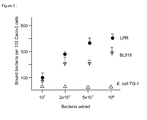
Figure 2 shows the result of experiments testing the binding properties of two probiotic strains, Lactobacillus rhamnosus NCC4007 (LPR) and Bifidobacterium lactis NCC2818 (BL818), representative for the two main genders Lactobacilli and Bifidobacteria to epithelial cells. Data are expressed as means CFU per 100 Caco-2 cells ± SEM. -
Figures 3 shows the result of experiments testing the binding properties of two probiotic strains, Lactobacillus rhamnosus NCC4007 (LPR) and Bifidobacterium lactis NCC2818 (BL818), representative for the two main genders Lactobacilli and Bifidobacteria to epithelial cells and the influence of secretory IgA (SIgA) or secretory component (SC). Data are expressed as means CFU per 100 Caco-2 cells ± SEM. -
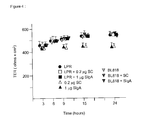
Figure 4 shows the result of an experiment testing the effect of two probiotic strains, Lactobacillus rhamnosus NCC4007 (LPR) and Bifidobacterium lactis NCC2818 (BL818), representative for the two main genders Lactobacilli and Bifidobacteria, alone or in combination with SIgA or SC, on transepithelial electrical resistance (TER) measuring epithelial permeability. Data are expressed as means ohms per cm2 ± SEM. -
Figure 5 shows the result of an experiment testing the effect of LPR, combined or not with SIgA or SC, on NF-κB activation in Caco-2 cell monolayer. Decrease in NF-kB binding activity is indicative of attenuated inflammatory pathway(s) within the Caco-2 cell. -
Figure 6 shows the result of an experiment testing the effect of LPR, combined or not with SIgA or SC, on S. flexneri invasion of Caco-2 cell. Two monoclonal SIgA molecules were used: a non-specific SIgA (SIgAnon-specific) recognizing a Salmonella epitope, and a specific anti-S. flexneri SIgA (SIgAC5). Data are expressed as means CFU per transwell filter ± SEM. -
Figure 7 shows the result of an experiment testing the effect of probiotics on polymeric Ig receptor (pIgR) expression in a Caco-2 monolayer. (A) Different treatments were tested at 16h, including combination of probiotics with non-specific SIgA and combination of S. flexeneri with specific anti-S. flexneri SIgA (western blot). (B) Semi-quantitative analysis of pIgR expression levels normalized to β-actin by densitometric analysis of the bands identified in the gels in A. (C) Kinetic of pIgR expression over 24h incubation of Caco-2 cells with various preparations (ELISA). - Example 1:
- Approximately 106 Caco-2 cells were seeded per 1 cm2 Transwell filter. Cells were incubated for 16h at 37°C with different doses of bacteria, indicated in the figure legend in absence of antibiotic or FCS. Fresh overnight cultures of LPR, BL818 and E. coli TG-1 bacteria were used. Cells were then washed prior to enumeration. Bound bacteria were counted by plating on MRS or LB plates. For each experiment, triplicate tests were performed. Data were expressed as means of bound bacteria per 100 Caco-2 cells ± SEM. Triplicates were performed for each experiment. In a subsequent experiment, cells were incubated with 2x10⁷ bacteria for 16 hours at 37°C, in the presence of increasing doses of either SIgA or SC as indicated in the legend to
figure 3 . Cells were then washed prior to enumeration. Bound bacteria were counted by plating on MRS or LB plates. For each experiment, triplicate tests were performed. Data were expressed as means of bound bacteria per 100 Caco-2 cells ± SEM. Triplicates were performed for each experiment.
A preferential binding to polarized Caco-2 cells of LPR and BL818 is observed in comparison to E. coli TG-1 (figure 2 ). There is a dose-dependent binding capacity of probiotics to intestinal epithelial cells. It can be observed that binding properties could be differentiated between the two strains.
For subsequent experiments 2x10⁷ CFU of probiotics were used, as this amount did not lead to any pH change in the medium on one hand, and showed an efficient binding ratio on the other hand. - Increasing the dose of monoclonal SIgA potentiated the capacity of both LPR and BL818 to bind to polarized Caco-2 cell monolayers. Secretory component by itself did not exhibit such properties (
figure 3 ). The 1 µg dose of SIgA that confers a significant improvement in probiotic binding capacity was selected for subsequent experiments. This dose enables a final complex constituted of 50'000 to 100'000 units of SIgA for 1 bacterium. - Results are shown in
figure 2 and3 . - Approximately 106 Caco-2 cells were seeded per 1 cm2 Transwell filter. Cells were incubated for 24h at 37°C with 2x10⁷ CFU of bacteria in absence of antibiotic or FCS. Bacteria were tested either alone or in combination with SIgA or SC at concentrations indicated in the legend to
figure 4 . Transepithelial electrical resistance (TER) was measured at 3, 6, 9, 15 and 24 h. Controls include incubation with SIgA and SC alone. Triplicates were performed for each experiment.
A 20-25% increase in transepithelial electrical resistance (TER) resulted from the incubation of polarized Caco-2 cell monolayer with LPR or BL818 alone, suggesting that probiotics potentiated epithelial barrier function. This remained true when the bacteria were combined with SIgA or SC (figure 4 ). SIgA or SC by themselves did not lead to any TER change.. - Results are shown in
figure 4 . - Approximately 106 Caco-2 cells were seeded per 1 cm2 Transwell filter. Cells were incubated for 16h at 37°C with 2x10⁷ CFU of LPR in absence of antibiotic or FCS. Bacteria were tested either alone or in combination with SIgA or SC at concentrations indicated in the legend to
figure 5 . S. flexneri, S. typhi and H. pylori (2x10⁷ CFU) were used as pathogenic controls. Nuclear and cytoplasmic extracts were prepared and analysed by electrophoretic mobility shift assay (EMSA) and Western blot using anti-IκBα-specific monoclonal antibody. Triplicates were performed for each experiment. - Exposure to pathogenic bacteria led to much more pronounced activation of nuclear NF-κB compared to non-pathogenic bacteria (
figure 5 ).
Disappearance of IκBα (lower panel) reflects activation of the pathway leading to nuclear translocation of NF-κB. In that respect, while LPR alone has a mild effect on NF-κB activation, combination of LPR with SIgA or SC reduced NF-κB activation in Caco-2 cells (BL818 not tested). Incubation of epithelial cells with pathogenic S. flexneri led to total disappearance of IκBα expression. - Results are shown in
figure 5 . - Approximately 106 Caco-2 cells were seeded per 1 cm2 Transwell filter. Cells were incubated for 16h at 37°C with 2x10⁷ CFU of LPR in absence of antibiotic or FCS. LPR was tested alone or in combination with with either 0.2 µg of SC, 1 µg of polyclonal SIgA or 1 µg of specific anti-S. flexneri LPS SIgAC5. After incubation with LPR cells were washed and then incubated with 107
S. flexneri for 6 hours, washed again and incubated with 50 mg/ml gentamycin for 45 min. Finally, cells were lysed and intracellular S. flexneri were enumerated on LB agar plates. Triplicates were performed for each experiment.
Addition of LPR reduced infection of polarized Caco-2 cell monolayer by S. flexneri in a dose dependent manner. The effect was highly enhanced upon combination with SIgA. Full prevention of infection was achieved when S. flexneri LPS-specific SIgAC5 antibody was used (figure 6 ).
Results are shown infigure 6 . - Approximately 106 Caco-2 cells were seeded per 1 cm2 Transwell filter. Cells were incubated for 16h at 37°C with 2x10⁷ CFU of LPR or BL818 in absence of antibiotic or FCS. Probiotics were tested alone or in combination with with either 0.2 µg of SC, 1 µg of polyclonal SIgA. Control S. flexneri was tested alone or in combination with 1 µg of specific anti-S. flexneri LPS SIgAC5. After washing, Caco-2 cells were directly recovered from the Transwell filters and lysed. Nuclei were removed and cell debris as well as cytoplasms were analysed by Western blot using anti-pIgR antibody and antisera to human SC and□ β-actin as controls. Triplicates were performed for each experiment.
In a subsequent experiment cells were incubated following the same procedure and then recovered from the transwell filter at 8, 16 and 24h of incubation. Quantitative analysis of pIgR was performed by ELISA on cell debris/cytoplasm fractions. Total proteins were determined by BCA protein assay. Values were normalized to protein content and data expressed as means of ng pIgR/mg of total protein ± SEM.
pIgR expression in epithelial cells was normalized to β-actin expression. As revealed by Western blot (upper panel) and densitometric analysis of the respective bands (lower panel) there was an increase of pIgR level following overnight exposure of polarized Caco-2 monolayers to combinations of LPR or BL818 with either SIgA or SC compared to probiotics alone (figure 7a ). Specific anti-S. flexneri LPS SIgAC5 prevented interaction of the pathogen with the Caco-2 cell polarized monolayer, thus explaining the decrease in pIgR expression when compared to S. flexneri treatment alone.
The results further showed a time-dependent increase of polymeric Ig receptor (pIgR) level following exposure of polarized Caco-2 cell monolayers to probiotic combinations with SIgA or SC (figure 7b ).
Results are shown infigure 7 .
Claims (10)
- A composition comprising SIgA and at least one probiotic micro-organism, wherein the composition is a food composition intended for consumption by hymans, an animal food product, or a pharmaceutical composition.
- A composition according to claim 1, wherein the probiotic micro-organism is selected from the group consisting of Bifidobacterium, Lactobacillus, Streptococcus and Saccharomyces or mixtures thereof.
- A composition according to claim 2, wherein the probiotic micro-organism is selected from the group consisting of Bifidobacterium longum, Bifidobacterium lactis, Lactobacillus acidophilus, Lactobacillus rhamnosus, Lactobacillus paracasei, Lactobacillus johnsonii, Lactobacillus plantarum, Lactobacillus salivarius, Enterococcus faecium, Saccharomyces boulardii and Lactobacillus reuteri or mixtures thereof.
- A composition according to claim 2 or 3, wherein the probiotic micro-organism is selected from the group consisting of Lactobacillus johnsonii (NCC533; CNCM I-1225), Bifidobacterium longum (NCC490; CNCM I-2170), Bifidobacterium longum (NCC2705; CNCM I-2618), Bifidobacterium lactis (2818; CNCM I-3446), Lactobacillus paracasei (NCC2461; CNCM I-2116), Lactobacillus rhamnosus GG (ATCC53103), Lactobacillus rhamnosus (NCC4007; CGMCC 1.3724), Enterococcus faecium SF 68 (NCIMB10415), and mixtures thereof.
- A composition according to any one of claims 1 to 4, wherein the composition is intended for consumption by infants, juveniles, adults, or elderly humans.
- A composition according to any one of the preceding claims, wherein the SIgA and the at least one probiotic are at least partially associated in the composition.
- A composition according to any one of the preceding claims, wherein the composition comprises at least one other kind of other food grade bacteria.
- A product according to any one of the preceding claims, wherein the product further contains at least one prebiotic.
- A composition according to any one of the preceding claims, wherein the at least one probiotic micro-organism and the SIgA are present in the form of a complex.
- A composition according to any one of the preceding claims, wherein the composition is selected from the group consisting of milk powder based products; instant drinks; ready-to-drink formulations; nutritional powders; nutritional liquids; milk-based products, in particular yoghurts or ice cream; cereal products; beverages; water; coffee; cappuccino; malt drinks; chocolate flavoured drinks; culinary products; soups; tablets; and/or syrups.
Priority Applications (1)
| Application Number | Priority Date | Filing Date | Title |
|---|---|---|---|
| EP13189401.6A EP2700412B1 (en) | 2008-06-24 | 2009-06-16 | PROBIOTICS, SECRETORY IgA AND INFLAMMATION |
Applications Claiming Priority (3)
| Application Number | Priority Date | Filing Date | Title |
|---|---|---|---|
| EP08158827A EP2138186A1 (en) | 2008-06-24 | 2008-06-24 | Probiotics, secretory IgA and inflammation |
| EP09769150.5A EP2318046B1 (en) | 2008-06-24 | 2009-06-16 | Probiotics, secretory iga and inflammation |
| EP13189401.6A EP2700412B1 (en) | 2008-06-24 | 2009-06-16 | PROBIOTICS, SECRETORY IgA AND INFLAMMATION |
Related Parent Applications (1)
| Application Number | Title | Priority Date | Filing Date |
|---|---|---|---|
| EP09769150.5A Division EP2318046B1 (en) | 2008-06-24 | 2009-06-16 | Probiotics, secretory iga and inflammation |
Publications (2)
| Publication Number | Publication Date |
|---|---|
| EP2700412A1 true EP2700412A1 (en) | 2014-02-26 |
| EP2700412B1 EP2700412B1 (en) | 2017-07-26 |
Family
ID=39855103
Family Applications (3)
| Application Number | Title | Priority Date | Filing Date |
|---|---|---|---|
| EP08158827A Withdrawn EP2138186A1 (en) | 2008-06-24 | 2008-06-24 | Probiotics, secretory IgA and inflammation |
| EP13189401.6A Active EP2700412B1 (en) | 2008-06-24 | 2009-06-16 | PROBIOTICS, SECRETORY IgA AND INFLAMMATION |
| EP09769150.5A Active EP2318046B1 (en) | 2008-06-24 | 2009-06-16 | Probiotics, secretory iga and inflammation |
Family Applications Before (1)
| Application Number | Title | Priority Date | Filing Date |
|---|---|---|---|
| EP08158827A Withdrawn EP2138186A1 (en) | 2008-06-24 | 2008-06-24 | Probiotics, secretory IgA and inflammation |
Family Applications After (1)
| Application Number | Title | Priority Date | Filing Date |
|---|---|---|---|
| EP09769150.5A Active EP2318046B1 (en) | 2008-06-24 | 2009-06-16 | Probiotics, secretory iga and inflammation |
Country Status (11)
| Country | Link |
|---|---|
| US (2) | US9822167B2 (en) |
| EP (3) | EP2138186A1 (en) |
| JP (1) | JP2011525483A (en) |
| CN (1) | CN102076360B (en) |
| AU (1) | AU2009264417B2 (en) |
| BR (1) | BRPI0914561A2 (en) |
| CA (1) | CA2727300A1 (en) |
| ES (2) | ES2447572T3 (en) |
| PL (1) | PL2318046T3 (en) |
| PT (2) | PT2700412T (en) |
| WO (1) | WO2009156301A1 (en) |
Families Citing this family (62)
| Publication number | Priority date | Publication date | Assignee | Title |
|---|---|---|---|---|
| EP2138187A1 (en) | 2008-06-24 | 2009-12-30 | Nestec S.A. | Probiotics, secretory IgA and infection |
| EP2138186A1 (en) * | 2008-06-24 | 2009-12-30 | Nestec S.A. | Probiotics, secretory IgA and inflammation |
| US20140170126A1 (en) * | 2011-07-12 | 2014-06-19 | Nestec S.A. | Probiotic for administration to healthy young mammals during the weaning period for improving tolerance to newly introduced food stuffs |
| GB201112091D0 (en) | 2011-07-14 | 2011-08-31 | Gt Biolog Ltd | Bacterial strains isolated from pigs |
| GB201117313D0 (en) | 2011-10-07 | 2011-11-16 | Gt Biolog Ltd | Bacterium for use in medicine |
| CN102618461B (en) * | 2012-03-09 | 2014-04-09 | 北京和美科盛生物技术有限公司 | Lactobacillus plantarum capable of promoting secretion of SIgA (Secretory Immunoglobulin A) in intestinal canal and detecting method of lactobacillus plantarum |
| US10010564B2 (en) * | 2012-09-11 | 2018-07-03 | Khaled Mahmood Al-Qaoud | Camel milk-based topical pharmaceutical composition |
| US10278404B2 (en) * | 2012-09-11 | 2019-05-07 | Al-Urdonia Lemudaddat Al-Ajsam Co | Immunized camel milk-based composition for the treatment or prevention of gastrointestinal infections |
| FR2999932B1 (en) * | 2012-12-21 | 2020-01-31 | Société des Produits Nestlé S.A. | USE OF PROBIOTIC MICROORGANISMS AS A MELANIN SYNTHESIS AGENT |
| FR2999933B1 (en) * | 2012-12-21 | 2020-01-31 | Société des Produits Nestlé S.A. | USE OF PROBIOTIC MICROORGANISMS AS A MELANIN SYNTHESIS AGENT |
| US9458230B2 (en) | 2013-01-04 | 2016-10-04 | Wisconsin Alumni Research Foundation | Secretory IGA compositions, methods of making and methods of use thereof |
| GB201306536D0 (en) | 2013-04-10 | 2013-05-22 | Gt Biolog Ltd | Polypeptide and immune modulation |
| US9468674B2 (en) | 2013-09-24 | 2016-10-18 | Wisconsin Alumni Research Foundation | Methods of use of secretory IgA |
| EP3400953A1 (en) | 2014-12-23 | 2018-11-14 | 4D Pharma Research Limited | Pirin polypeptide and immune modulation |
| AR103260A1 (en) | 2014-12-23 | 2017-04-26 | 4D Pharma Res Ltd | IMMUNE MODULATION |
| NZ737752A (en) | 2015-06-15 | 2022-02-25 | 4D Pharma Res Ltd | Compositions comprising bacterial strains |
| MA41060B1 (en) | 2015-06-15 | 2019-11-29 | 4D Pharma Res Ltd | Compositions comprising bacterial strains |
| SMT201900588T1 (en) | 2015-06-15 | 2019-11-13 | 4D Pharma Res Limited | Blautia stercosis and wexlerae for use in treating inflammatory and autoimmune diseases |
| WO2016203221A1 (en) | 2015-06-15 | 2016-12-22 | 4D Pharma Research Limited | Compositions comprising bacterial strains |
| MA41010B1 (en) | 2015-06-15 | 2020-01-31 | 4D Pharma Res Ltd | Compositions comprising bacterial strains |
| CN108235682A (en) | 2015-09-29 | 2018-06-29 | 金伯利-克拉克环球有限公司 | For safeguarding the cooperative compositions in a healthy and balanced way of microbiologic population |
| CN108513545B (en) | 2015-11-20 | 2020-11-03 | 4D制药研究有限公司 | Compositions comprising bacterial strains |
| GB201520497D0 (en) | 2015-11-20 | 2016-01-06 | 4D Pharma Res Ltd | Compositions comprising bacterial strains |
| GB201520631D0 (en) | 2015-11-23 | 2016-01-06 | 4D Pharma Res Ltd | Compositions comprising bacterial strains |
| GB201520638D0 (en) | 2015-11-23 | 2016-01-06 | 4D Pharma Res Ltd | Compositions comprising bacterial strains |
| CN108882740A (en) | 2015-12-29 | 2018-11-23 | N·V·努特里奇亚 | Fermented formulations containing non-digestible oligosaccharides |
| CN108697141A (en) * | 2015-12-29 | 2018-10-23 | N·V·努特里奇亚 | Nutritional formula containing non-digestible oligosaccharides and non-replicating lactic acid producing bacteria |
| ME03487B (en) | 2016-03-04 | 2020-01-20 | 4D Pharma Plc | BACTERIAL BLAUTIA STRAIN COMPOSITIONS FOR THE TREATMENT OF VISCERAL HIGH SENSITIVITY |
| GB201612191D0 (en) | 2016-07-13 | 2016-08-24 | 4D Pharma Plc | Compositions comprising bacterial strains |
| US11197902B2 (en) | 2016-06-24 | 2021-12-14 | Ig Biosciences Corporation | Prebiotic neutraceutical compositions and methods of treatment using the same |
| TWI802545B (en) | 2016-07-13 | 2023-05-21 | 英商4D製藥有限公司 | Compositions comprising bacterial strains |
| GB201621123D0 (en) | 2016-12-12 | 2017-01-25 | 4D Pharma Plc | Compositions comprising bacterial strains |
| DK3630136T3 (en) | 2017-05-22 | 2021-05-25 | 4D Pharma Res Ltd | COMPOSITIONS INCLUDING BACTERIA STRAINS |
| EP3630942B1 (en) | 2017-05-24 | 2022-11-30 | 4D Pharma Research Limited | Compositions comprising bacterial strain |
| CA3066189A1 (en) | 2017-06-14 | 2018-12-20 | 4D Pharma Research Limited | Compositions comprising bacterial strains |
| SMT202000555T1 (en) | 2017-06-14 | 2020-11-10 | 4D Pharma Res Limited | Compositions comprising a bacterial strain of the genus megasphaera and uses thereof |
| SMT202000695T1 (en) | 2017-06-14 | 2021-01-05 | 4D Pharma Res Limited | Compositions comprising bacterial strains |
| CN109744441A (en) * | 2017-11-02 | 2019-05-14 | 健茂生物科技股份有限公司 | Preparation technology of composite fermented beverage of cactus fruit and red dragon fruit with antioxidant function |
| CA3114973A1 (en) * | 2018-10-02 | 2020-04-09 | Societe Des Produits Nestle S.A. | Probiotic combination for treatment of inflammatory-related gastrointestinal disorders |
| WO2020123121A1 (en) * | 2018-12-11 | 2020-06-18 | University Of Pittsburgh - Of The Commonwealth System Of Higher Education | Methods of screening antibodies for treating and/or preventing necrotizing enterocolitis (nec) |
| CA3122937A1 (en) * | 2018-12-21 | 2020-06-25 | Societe Des Produits Nestle S.A. | Probiotic combination for treatment of allergic disorders |
| EP3949760A4 (en) * | 2019-03-29 | 2023-06-07 | Kabushiki Kaisha Yakult Honsha | NEW BACTERIA OF THE GENUS BIFIDOBACTERIUM WITH A HIGH CAPACITY TO USE FOOD-BORNE POLYSACCHARIDES |
| WO2020260502A1 (en) * | 2019-06-28 | 2020-12-30 | Societe Des Produits Nestle S.A. | COMPOSITIONS COMPRISING SECRETORY IgA AND PROBIOTICS |
| WO2021219635A2 (en) | 2020-04-27 | 2021-11-04 | Société des Produits Nestlé S.A. | Method for producing milk like products |
| MX2022013442A (en) | 2020-04-27 | 2022-11-30 | Nestle Sa | Method for producing milk like products. |
| WO2023021141A1 (en) * | 2021-08-19 | 2023-02-23 | Société des Produits Nestlé S.A. | Postbiotic |
| IL311932A (en) | 2021-10-27 | 2024-06-01 | Soci?T? Des Produits Nestl? S A | Method for producing milk like products |
| MX2024005184A (en) | 2021-10-27 | 2024-05-14 | Nestle Sa | Method for producing milk like products. |
| US20250223550A1 (en) | 2021-10-27 | 2025-07-10 | Societe Des Produits Nestle S.A. | Method for producing milk like products |
| JP2024539915A (en) | 2021-10-27 | 2024-10-31 | ソシエテ・デ・プロデュイ・ネスレ・エス・アー | Method for producing dairy products |
| US20250297215A1 (en) | 2021-10-27 | 2025-09-25 | Societe Des Produits Nestle S.A. | Method for producing milk like products |
| EP4451918B1 (en) | 2021-12-20 | 2026-02-25 | Société des Produits Nestlé S.A. | Secretory iga-biotic complexes and uses thereof |
| CN114990004B (en) * | 2022-04-19 | 2023-09-15 | 尚品健康科技(青岛)有限公司 | Secretory immunoglobulin A-packaged lactobacillus reuteri and application thereof in preventing and treating gestational diabetes |
| CN115919905A (en) * | 2022-08-30 | 2023-04-07 | 山西医科大学 | Application of compound probiotics in preparation of medicines for preventing and treating autoimmune hepatitis |
| KR102590051B1 (en) * | 2022-10-20 | 2023-10-16 | 주식회사 종근당바이오 | Probioticscomposition for improvement of intestinal microbiome environment and intestinal health comprising intestinal microorganism of healthy Korean |
| AU2024263549A1 (en) | 2023-04-27 | 2025-10-16 | Société des Produits Nestlé S.A. | Method for producing milk like products |
| CN121152870A (en) | 2023-04-27 | 2025-12-16 | 雀巢产品有限公司 | Methods for producing milk-like products |
| EP4455271A1 (en) | 2023-04-27 | 2024-10-30 | Société des Produits Nestlé S.A. | Method for producing milk like products |
| EP4455272A1 (en) | 2023-04-27 | 2024-10-30 | Société des Produits Nestlé S.A. | Method for producing milk like products |
| WO2025228507A1 (en) | 2024-04-29 | 2025-11-06 | Société des Produits Nestlé S.A. | Method for producing milk like products |
| WO2025229022A1 (en) | 2024-04-29 | 2025-11-06 | Société des Produits Nestlé S.A. | Exosomes and uses thereof |
| CN118995516B (en) * | 2024-09-03 | 2025-09-23 | 江南大学 | A salivarius-associated lactobacillus strain capable of increasing host secretory immunoglobulin expression and enhancing its anti-infection properties and its postbiotics |
Citations (4)
| Publication number | Priority date | Publication date | Assignee | Title |
|---|---|---|---|---|
| WO1997020577A1 (en) * | 1995-12-06 | 1997-06-12 | Pharma Pacific Pty. Ltd. | Improved therapeutic formulation and method |
| EP1661983A1 (en) * | 2003-08-21 | 2006-05-31 | Otsuka Pharmaceutical Co., Ltd. | Lactic acid bacteria having mucosal immunopotentiation effect |
| WO2007019901A1 (en) * | 2005-08-19 | 2007-02-22 | Unilever N.V. | Food products comprising probiotic micro-organisms and antibodies |
| EP1854467A1 (en) * | 2005-02-02 | 2007-11-14 | Meiji Dairies Corporation | Composition for immune activation |
Family Cites Families (12)
| Publication number | Priority date | Publication date | Assignee | Title |
|---|---|---|---|---|
| JPS5589233A (en) | 1978-12-28 | 1980-07-05 | Shogo Nakano | Preparation of additive for breeding of new born cattle |
| JP2968374B2 (en) | 1991-05-16 | 1999-10-25 | 株式会社ヤクルト本社 | IgA production promoter |
| JPH06234647A (en) | 1993-02-12 | 1994-08-23 | Yakult Honsha Co Ltd | Iga production promoter and its production |
| JP3269890B2 (en) | 1993-08-25 | 2002-04-02 | 株式会社ヤクルト本社 | Vaccine effect enhancer and effect enhancer food |
| US5531988A (en) * | 1994-10-28 | 1996-07-02 | Metagenics, Inc. | Bacteria and immunoglobulin-containing composition for human gastrointestinal health |
| EP1446023B1 (en) * | 2001-11-12 | 2009-02-25 | Mars, Incorporated | Foodstuff for cats and dogs |
| WO2008064489A1 (en) * | 2006-12-01 | 2008-06-05 | Mcmaster University | Probiotics to inhibit inflammation |
| US20080145420A1 (en) * | 2006-12-13 | 2008-06-19 | Simon Michael R | HUMAN SECRETORY IgA FOR THE TREATMENT OF CLOSTRIDIUM DIFFICILE ASSOCIATED DISEASES |
| CN102124027B (en) * | 2008-05-15 | 2015-01-21 | 温氏健康有限公司 | Method for producing a milk fraction enriched in secretory immunoglobulins |
| EP2127661A1 (en) * | 2008-05-27 | 2009-12-02 | Nestec S.A. | Probiotics to improve gut microbiotica |
| EP2138186A1 (en) | 2008-06-24 | 2009-12-30 | Nestec S.A. | Probiotics, secretory IgA and inflammation |
| EP2138187A1 (en) * | 2008-06-24 | 2009-12-30 | Nestec S.A. | Probiotics, secretory IgA and infection |
-
2008
- 2008-06-24 EP EP08158827A patent/EP2138186A1/en not_active Withdrawn
-
2009
- 2009-06-16 EP EP13189401.6A patent/EP2700412B1/en active Active
- 2009-06-16 PL PL09769150T patent/PL2318046T3/en unknown
- 2009-06-16 WO PCT/EP2009/057453 patent/WO2009156301A1/en not_active Ceased
- 2009-06-16 PT PT131894016T patent/PT2700412T/en unknown
- 2009-06-16 JP JP2011514017A patent/JP2011525483A/en active Pending
- 2009-06-16 CN CN200980124319.2A patent/CN102076360B/en active Active
- 2009-06-16 EP EP09769150.5A patent/EP2318046B1/en active Active
- 2009-06-16 US US13/000,666 patent/US9822167B2/en not_active Expired - Fee Related
- 2009-06-16 BR BRPI0914561A patent/BRPI0914561A2/en not_active IP Right Cessation
- 2009-06-16 ES ES09769150.5T patent/ES2447572T3/en active Active
- 2009-06-16 PT PT97691505T patent/PT2318046E/en unknown
- 2009-06-16 CA CA2727300A patent/CA2727300A1/en not_active Abandoned
- 2009-06-16 AU AU2009264417A patent/AU2009264417B2/en active Active
- 2009-06-16 ES ES13189401.6T patent/ES2641364T3/en active Active
-
2017
- 2017-10-19 US US15/787,904 patent/US10501530B2/en active Active
Patent Citations (4)
| Publication number | Priority date | Publication date | Assignee | Title |
|---|---|---|---|---|
| WO1997020577A1 (en) * | 1995-12-06 | 1997-06-12 | Pharma Pacific Pty. Ltd. | Improved therapeutic formulation and method |
| EP1661983A1 (en) * | 2003-08-21 | 2006-05-31 | Otsuka Pharmaceutical Co., Ltd. | Lactic acid bacteria having mucosal immunopotentiation effect |
| EP1854467A1 (en) * | 2005-02-02 | 2007-11-14 | Meiji Dairies Corporation | Composition for immune activation |
| WO2007019901A1 (en) * | 2005-08-19 | 2007-02-22 | Unilever N.V. | Food products comprising probiotic micro-organisms and antibodies |
Non-Patent Citations (9)
| Title |
|---|
| CORTHESY B., J. IMMUNOL., vol. 178, 2007, pages 27 - 32 |
| CORTHESY BLAISE ET AL: "Secretory immunoglobulin A: From mucosal protection to vaccine development", BIOLOGICAL CHEMISTRY, vol. 380, no. 11, November 1999 (1999-11-01), pages 1251 - 1262, XP009107514, ISSN: 1431-6730 * |
| CORTHESY BLAISE: "Recombinant secretory immunoglobulin A in passive immunotherapy: Linking immunology and biotechnology", CURRENT PHARMACEUTICAL BIOTECHNOLOGY, BENTHAM SCIENCE PUBLISHERS, NL, vol. 4, no. 1, 1 February 2003 (2003-02-01), pages 51 - 67, XP009094155, ISSN: 1389-2010 * |
| ISOLAURI E ET AL., DIG DIS SCI, vol. 39, 1994, pages 2595 - 2600 |
| PANT NEHA ET AL: "Effective prophylaxis against rotavirus diarrhea using a combination of Lactobacillus rhamnosus GG and antibodies", BMC MICROBIOLOGY, BIOMED CENTRAL, LONDON, GB, vol. 7, no. 1, 27 September 2007 (2007-09-27), pages 86, XP021033260, ISSN: 1471-2180 * |
| PANT NEHA ET AL: "Lactobacilli expressing variable domain of llama heavy-chain antibody fragments (lactobodies) confer protection against rotavirus-induced diarrhea", JOURNAL OF INFECTIOUS DISEASES, CHICAGO, IL, vol. 194, no. 11, 1 December 2006 (2006-12-01), pages 1580 - 1588, XP009107245, ISSN: 0022-1899 * |
| PHALIPON ARMELLE ET AL: "Novel functions for mucosal SIgA", MUCOSAL IMMUNE DEFENSE: IMMUNOGLOBULIN A SPRINGER, 233 SPRING STREET, NEW YORK, NY 10013, UNITED STATES, 2007, pages 183 - 202, XP009107522 * |
| PHALIPON ET AL.: "Secretory component : A new role in secretory IgA-mediated immune exclusion in vivo", IMMUNITY, vol. 17, 2002, pages 107 - 115, XP009107491, DOI: doi:10.1016/S1074-7613(02)00341-2 |
| SALMINEN S; OUWEHAND A; BENNO Y. ET AL.: "Probiotics: how should they be defined", TRENDS FOOD SCI. TECHNOL., vol. 10, 1999, pages 107 - 10, XP055150446 |
Also Published As
| Publication number | Publication date |
|---|---|
| US20180037637A1 (en) | 2018-02-08 |
| PT2700412T (en) | 2017-11-09 |
| US9822167B2 (en) | 2017-11-21 |
| JP2011525483A (en) | 2011-09-22 |
| AU2009264417B2 (en) | 2015-04-30 |
| ES2641364T3 (en) | 2017-11-08 |
| WO2009156301A1 (en) | 2009-12-30 |
| BRPI0914561A2 (en) | 2015-12-15 |
| US10501530B2 (en) | 2019-12-10 |
| EP2318046B1 (en) | 2013-12-04 |
| US20110268743A1 (en) | 2011-11-03 |
| EP2138186A1 (en) | 2009-12-30 |
| CN102076360B (en) | 2018-03-09 |
| PT2318046E (en) | 2014-02-27 |
| ES2447572T3 (en) | 2014-03-12 |
| PL2318046T3 (en) | 2014-05-30 |
| EP2700412B1 (en) | 2017-07-26 |
| EP2318046A1 (en) | 2011-05-11 |
| AU2009264417A1 (en) | 2009-12-30 |
| CN102076360A (en) | 2011-05-25 |
| CA2727300A1 (en) | 2009-12-30 |
Similar Documents
| Publication | Publication Date | Title |
|---|---|---|
| US10501530B2 (en) | Probiotics, secretory IgA and inflammation | |
| EP2318047B2 (en) | Probiotics, secretory iga and infection | |
| Parvez et al. | Probiotics and their fermented food products are beneficial for health | |
| EP2308498A1 (en) | Administration of Bifidobacterium breve during infancy to prevent inflammation later in life | |
| US20120107290A1 (en) | Non-replicating micro-organisms and their immune boosting effect | |
| CN113355255A (en) | Lactobacillus reuteri LM1071 strain and composition comprising culture thereof | |
| Faujdar et al. | Role of probiotics in human health and disease: an update | |
| CN119112913A (en) | Compositions for reducing pain and/or pain perception in infants and young children | |
| AU2013263711B2 (en) | Probiotics, secretory IgA and infection | |
| Rajyalakshmi et al. | Benefaction of probiotics in human gastro intestinal tract | |
| HATI et al. | CHAPTER-14 PROBIOTICS IN 21ST CENTURY | |
| effective is Lactobacillus | What is Lactobacillus? |
Legal Events
| Date | Code | Title | Description |
|---|---|---|---|
| PUAI | Public reference made under article 153(3) epc to a published international application that has entered the european phase |
Free format text: ORIGINAL CODE: 0009012 |
|
| AC | Divisional application: reference to earlier application |
Ref document number: 2318046 Country of ref document: EP Kind code of ref document: P |
|
| AK | Designated contracting states |
Kind code of ref document: A1 Designated state(s): AT BE BG CH CY CZ DE DK EE ES FI FR GB GR HR HU IE IS IT LI LT LU LV MC MK MT NL NO PL PT RO SE SI SK TR |
|
| 17P | Request for examination filed |
Effective date: 20140826 |
|
| RBV | Designated contracting states (corrected) |
Designated state(s): AT BE BG CH CY CZ DE DK EE ES FI FR GB GR HR HU IE IS IT LI LT LU LV MC MK MT NL NO PL PT RO SE SI SK TR |
|
| 17Q | First examination report despatched |
Effective date: 20141222 |
|
| GRAP | Despatch of communication of intention to grant a patent |
Free format text: ORIGINAL CODE: EPIDOSNIGR1 |
|
| INTG | Intention to grant announced |
Effective date: 20160606 |
|
| GRAS | Grant fee paid |
Free format text: ORIGINAL CODE: EPIDOSNIGR3 |
|
| GRAJ | Information related to disapproval of communication of intention to grant by the applicant or resumption of examination proceedings by the epo deleted |
Free format text: ORIGINAL CODE: EPIDOSDIGR1 |
|
| STAA | Information on the status of an ep patent application or granted ep patent |
Free format text: STATUS: GRANT OF PATENT IS INTENDED |
|
| GRAP | Despatch of communication of intention to grant a patent |
Free format text: ORIGINAL CODE: EPIDOSNIGR1 |
|
| INTG | Intention to grant announced |
Effective date: 20170104 |
|
| GRAS | Grant fee paid |
Free format text: ORIGINAL CODE: EPIDOSNIGR3 |
|
| GRAA | (expected) grant |
Free format text: ORIGINAL CODE: 0009210 |
|
| STAA | Information on the status of an ep patent application or granted ep patent |
Free format text: STATUS: THE PATENT HAS BEEN GRANTED |
|
| AC | Divisional application: reference to earlier application |
Ref document number: 2318046 Country of ref document: EP Kind code of ref document: P |
|
| AK | Designated contracting states |
Kind code of ref document: B1 Designated state(s): AT BE BG CH CY CZ DE DK EE ES FI FR GB GR HR HU IE IS IT LI LT LU LV MC MK MT NL NO PL PT RO SE SI SK TR |
|
| REG | Reference to a national code |
Ref country code: GB Ref legal event code: FG4D |
|
| REG | Reference to a national code |
Ref country code: CH Ref legal event code: EP |
|
| REG | Reference to a national code |
Ref country code: AT Ref legal event code: REF Ref document number: 911851 Country of ref document: AT Kind code of ref document: T Effective date: 20170815 |
|
| REG | Reference to a national code |
Ref country code: IE Ref legal event code: FG4D |
|
| REG | Reference to a national code |
Ref country code: DE Ref legal event code: R096 Ref document number: 602009047437 Country of ref document: DE |
|
| REG | Reference to a national code |
Ref country code: NL Ref legal event code: FP |
|
| REG | Reference to a national code |
Ref country code: SE Ref legal event code: TRGR |
|
| RAP2 | Party data changed (patent owner data changed or rights of a patent transferred) |
Owner name: NESTEC S.A. |
|
| REG | Reference to a national code |
Ref country code: ES Ref legal event code: FG2A Ref document number: 2641364 Country of ref document: ES Kind code of ref document: T3 Effective date: 20171108 |
|
| REG | Reference to a national code |
Ref country code: PT Ref legal event code: SC4A Ref document number: 2700412 Country of ref document: PT Date of ref document: 20171109 Kind code of ref document: T Free format text: AVAILABILITY OF NATIONAL TRANSLATION Effective date: 20171024 |
|
| REG | Reference to a national code |
Ref country code: LT Ref legal event code: MG4D |
|
| REG | Reference to a national code |
Ref country code: AT Ref legal event code: MK05 Ref document number: 911851 Country of ref document: AT Kind code of ref document: T Effective date: 20170726 |
|
| PG25 | Lapsed in a contracting state [announced via postgrant information from national office to epo] |
Ref country code: AT Free format text: LAPSE BECAUSE OF FAILURE TO SUBMIT A TRANSLATION OF THE DESCRIPTION OR TO PAY THE FEE WITHIN THE PRESCRIBED TIME-LIMIT Effective date: 20170726 Ref country code: NO Free format text: LAPSE BECAUSE OF FAILURE TO SUBMIT A TRANSLATION OF THE DESCRIPTION OR TO PAY THE FEE WITHIN THE PRESCRIBED TIME-LIMIT Effective date: 20171026 Ref country code: LT Free format text: LAPSE BECAUSE OF FAILURE TO SUBMIT A TRANSLATION OF THE DESCRIPTION OR TO PAY THE FEE WITHIN THE PRESCRIBED TIME-LIMIT Effective date: 20170726 Ref country code: HR Free format text: LAPSE BECAUSE OF FAILURE TO SUBMIT A TRANSLATION OF THE DESCRIPTION OR TO PAY THE FEE WITHIN THE PRESCRIBED TIME-LIMIT Effective date: 20170726 |
|
| PG25 | Lapsed in a contracting state [announced via postgrant information from national office to epo] |
Ref country code: LV Free format text: LAPSE BECAUSE OF FAILURE TO SUBMIT A TRANSLATION OF THE DESCRIPTION OR TO PAY THE FEE WITHIN THE PRESCRIBED TIME-LIMIT Effective date: 20170726 Ref country code: BG Free format text: LAPSE BECAUSE OF FAILURE TO SUBMIT A TRANSLATION OF THE DESCRIPTION OR TO PAY THE FEE WITHIN THE PRESCRIBED TIME-LIMIT Effective date: 20171026 Ref country code: PL Free format text: LAPSE BECAUSE OF FAILURE TO SUBMIT A TRANSLATION OF THE DESCRIPTION OR TO PAY THE FEE WITHIN THE PRESCRIBED TIME-LIMIT Effective date: 20170726 Ref country code: IS Free format text: LAPSE BECAUSE OF FAILURE TO SUBMIT A TRANSLATION OF THE DESCRIPTION OR TO PAY THE FEE WITHIN THE PRESCRIBED TIME-LIMIT Effective date: 20171126 |
|
| REG | Reference to a national code |
Ref country code: GR Ref legal event code: EP Ref document number: 20170402634 Country of ref document: GR Effective date: 20180309 |
|
| PG25 | Lapsed in a contracting state [announced via postgrant information from national office to epo] |
Ref country code: CZ Free format text: LAPSE BECAUSE OF FAILURE TO SUBMIT A TRANSLATION OF THE DESCRIPTION OR TO PAY THE FEE WITHIN THE PRESCRIBED TIME-LIMIT Effective date: 20170726 Ref country code: DK Free format text: LAPSE BECAUSE OF FAILURE TO SUBMIT A TRANSLATION OF THE DESCRIPTION OR TO PAY THE FEE WITHIN THE PRESCRIBED TIME-LIMIT Effective date: 20170726 Ref country code: RO Free format text: LAPSE BECAUSE OF FAILURE TO SUBMIT A TRANSLATION OF THE DESCRIPTION OR TO PAY THE FEE WITHIN THE PRESCRIBED TIME-LIMIT Effective date: 20170726 |
|
| REG | Reference to a national code |
Ref country code: DE Ref legal event code: R097 Ref document number: 602009047437 Country of ref document: DE |
|
| REG | Reference to a national code |
Ref country code: FR Ref legal event code: PLFP Year of fee payment: 10 |
|
| PG25 | Lapsed in a contracting state [announced via postgrant information from national office to epo] |
Ref country code: EE Free format text: LAPSE BECAUSE OF FAILURE TO SUBMIT A TRANSLATION OF THE DESCRIPTION OR TO PAY THE FEE WITHIN THE PRESCRIBED TIME-LIMIT Effective date: 20170726 Ref country code: SK Free format text: LAPSE BECAUSE OF FAILURE TO SUBMIT A TRANSLATION OF THE DESCRIPTION OR TO PAY THE FEE WITHIN THE PRESCRIBED TIME-LIMIT Effective date: 20170726 |
|
| PLBE | No opposition filed within time limit |
Free format text: ORIGINAL CODE: 0009261 |
|
| STAA | Information on the status of an ep patent application or granted ep patent |
Free format text: STATUS: NO OPPOSITION FILED WITHIN TIME LIMIT |
|
| 26N | No opposition filed |
Effective date: 20180430 |
|
| PG25 | Lapsed in a contracting state [announced via postgrant information from national office to epo] |
Ref country code: SI Free format text: LAPSE BECAUSE OF FAILURE TO SUBMIT A TRANSLATION OF THE DESCRIPTION OR TO PAY THE FEE WITHIN THE PRESCRIBED TIME-LIMIT Effective date: 20170726 |
|
| REG | Reference to a national code |
Ref country code: IE Ref legal event code: MM4A |
|
| PG25 | Lapsed in a contracting state [announced via postgrant information from national office to epo] |
Ref country code: MC Free format text: LAPSE BECAUSE OF FAILURE TO SUBMIT A TRANSLATION OF THE DESCRIPTION OR TO PAY THE FEE WITHIN THE PRESCRIBED TIME-LIMIT Effective date: 20170726 Ref country code: LU Free format text: LAPSE BECAUSE OF NON-PAYMENT OF DUE FEES Effective date: 20180616 |
|
| PG25 | Lapsed in a contracting state [announced via postgrant information from national office to epo] |
Ref country code: IE Free format text: LAPSE BECAUSE OF NON-PAYMENT OF DUE FEES Effective date: 20180616 |
|
| REG | Reference to a national code |
Ref country code: NL Ref legal event code: PD Owner name: SOCIETE DES PRODUITS NESTLE S.A.; CH Free format text: DETAILS ASSIGNMENT: CHANGE OF OWNER(S), MERGE Effective date: 20190620 |
|
| REG | Reference to a national code |
Ref country code: CH Ref legal event code: PFUS Owner name: SOCIETE DES PRODUITS NESTLE S.A., CH Free format text: FORMER OWNER: NESTEC S.A., CH |
|
| REG | Reference to a national code |
Ref country code: GB Ref legal event code: 732E Free format text: REGISTERED BETWEEN 20190801 AND 20190807 |
|
| REG | Reference to a national code |
Ref country code: BE Ref legal event code: PD Owner name: SOCIETE DES PRODUITS NESTLE S.A.; CH Free format text: DETAILS ASSIGNMENT: CHANGE OF OWNER(S), CESSION; FORMER OWNER NAME: NESTEC S.A. Effective date: 20190712 |
|
| REG | Reference to a national code |
Ref country code: ES Ref legal event code: PC2A Owner name: SOCIETE DES PRODUITS NESTLE S.A. Effective date: 20191217 |
|
| PG25 | Lapsed in a contracting state [announced via postgrant information from national office to epo] |
Ref country code: MT Free format text: LAPSE BECAUSE OF NON-PAYMENT OF DUE FEES Effective date: 20180616 |
|
| REG | Reference to a national code |
Ref country code: DE Ref legal event code: R082 Ref document number: 602009047437 Country of ref document: DE Representative=s name: MITSCHERLICH, PATENT- UND RECHTSANWAELTE PARTM, DE Ref country code: DE Ref legal event code: R081 Ref document number: 602009047437 Country of ref document: DE Owner name: SOCIETE DES PRODUITS NESTLE S.A., CH Free format text: FORMER OWNER: NESTEC S.A., VEVEY, CH |
|
| PG25 | Lapsed in a contracting state [announced via postgrant information from national office to epo] |
Ref country code: HU Free format text: LAPSE BECAUSE OF FAILURE TO SUBMIT A TRANSLATION OF THE DESCRIPTION OR TO PAY THE FEE WITHIN THE PRESCRIBED TIME-LIMIT; INVALID AB INITIO Effective date: 20090616 |
|
| PG25 | Lapsed in a contracting state [announced via postgrant information from national office to epo] |
Ref country code: CY Free format text: LAPSE BECAUSE OF FAILURE TO SUBMIT A TRANSLATION OF THE DESCRIPTION OR TO PAY THE FEE WITHIN THE PRESCRIBED TIME-LIMIT Effective date: 20170726 Ref country code: MK Free format text: LAPSE BECAUSE OF NON-PAYMENT OF DUE FEES Effective date: 20170726 |
|
| REG | Reference to a national code |
Ref country code: FR Ref legal event code: PLFP Year of fee payment: 15 |
|
| P01 | Opt-out of the competence of the unified patent court (upc) registered |
Effective date: 20230527 |
|
| PGFP | Annual fee paid to national office [announced via postgrant information from national office to epo] |
Ref country code: GB Payment date: 20240502 Year of fee payment: 16 |
|
| PGFP | Annual fee paid to national office [announced via postgrant information from national office to epo] |
Ref country code: GR Payment date: 20240514 Year of fee payment: 16 |
|
| PGFP | Annual fee paid to national office [announced via postgrant information from national office to epo] |
Ref country code: NL Payment date: 20250516 Year of fee payment: 17 |
|
| PGFP | Annual fee paid to national office [announced via postgrant information from national office to epo] |
Ref country code: FI Payment date: 20250620 Year of fee payment: 17 |
|
| PGFP | Annual fee paid to national office [announced via postgrant information from national office to epo] |
Ref country code: DE Payment date: 20250429 Year of fee payment: 17 |
|
| PGFP | Annual fee paid to national office [announced via postgrant information from national office to epo] |
Ref country code: BE Payment date: 20250516 Year of fee payment: 17 Ref country code: IT Payment date: 20250522 Year of fee payment: 17 |
|
| PGFP | Annual fee paid to national office [announced via postgrant information from national office to epo] |
Ref country code: PT Payment date: 20250616 Year of fee payment: 17 |
|
| PGFP | Annual fee paid to national office [announced via postgrant information from national office to epo] |
Ref country code: FR Payment date: 20250508 Year of fee payment: 17 |
|
| PGFP | Annual fee paid to national office [announced via postgrant information from national office to epo] |
Ref country code: TR Payment date: 20250612 Year of fee payment: 17 |
|
| PGFP | Annual fee paid to national office [announced via postgrant information from national office to epo] |
Ref country code: SE Payment date: 20250514 Year of fee payment: 17 |
|
| PGFP | Annual fee paid to national office [announced via postgrant information from national office to epo] |
Ref country code: ES Payment date: 20250703 Year of fee payment: 17 |
|
| PGFP | Annual fee paid to national office [announced via postgrant information from national office to epo] |
Ref country code: CH Payment date: 20250701 Year of fee payment: 17 |
|
| GBPC | Gb: european patent ceased through non-payment of renewal fee |
Effective date: 20250616 |
|
| PG25 | Lapsed in a contracting state [announced via postgrant information from national office to epo] |
Ref country code: GB Free format text: LAPSE BECAUSE OF NON-PAYMENT OF DUE FEES Effective date: 20250616 |
|
| PG25 | Lapsed in a contracting state [announced via postgrant information from national office to epo] |
Ref country code: GR Free format text: LAPSE BECAUSE OF NON-PAYMENT OF DUE FEES Effective date: 20260108 |