EP2684949A2 - Recombinant microorganism having ability to produce [lactate-co-glycolate]copolymer from glucose, and method for preparing [lactate-co-glycolate]copolymer using same - Google Patents
Recombinant microorganism having ability to produce [lactate-co-glycolate]copolymer from glucose, and method for preparing [lactate-co-glycolate]copolymer using same Download PDFInfo
- Publication number
- EP2684949A2 EP2684949A2 EP12757647.8A EP12757647A EP2684949A2 EP 2684949 A2 EP2684949 A2 EP 2684949A2 EP 12757647 A EP12757647 A EP 12757647A EP 2684949 A2 EP2684949 A2 EP 2684949A2
- Authority
- EP
- European Patent Office
- Prior art keywords
- glycolate
- recombinant microorganism
- amino acid
- seq
- acid sequence
- Prior art date
- Legal status (The legal status is an assumption and is not a legal conclusion. Google has not performed a legal analysis and makes no representation as to the accuracy of the status listed.)
- Granted
Links
Images


Classifications
-
- C—CHEMISTRY; METALLURGY
- C12—BIOCHEMISTRY; BEER; SPIRITS; WINE; VINEGAR; MICROBIOLOGY; ENZYMOLOGY; MUTATION OR GENETIC ENGINEERING
- C12N—MICROORGANISMS OR ENZYMES; COMPOSITIONS THEREOF; PROPAGATING, PRESERVING, OR MAINTAINING MICROORGANISMS; MUTATION OR GENETIC ENGINEERING; CULTURE MEDIA
- C12N1/00—Microorganisms; Compositions thereof; Processes of propagating, maintaining or preserving microorganisms or compositions thereof; Processes of preparing or isolating a composition containing a microorganism; Culture media therefor
- C12N1/20—Bacteria; Culture media therefor
-
- C—CHEMISTRY; METALLURGY
- C12—BIOCHEMISTRY; BEER; SPIRITS; WINE; VINEGAR; MICROBIOLOGY; ENZYMOLOGY; MUTATION OR GENETIC ENGINEERING
- C12P—FERMENTATION OR ENZYME-USING PROCESSES TO SYNTHESISE A DESIRED CHEMICAL COMPOUND OR COMPOSITION OR TO SEPARATE OPTICAL ISOMERS FROM A RACEMIC MIXTURE
- C12P7/00—Preparation of oxygen-containing organic compounds
- C12P7/62—Carboxylic acid esters
- C12P7/625—Polyesters of hydroxy carboxylic acids
-
- C—CHEMISTRY; METALLURGY
- C12—BIOCHEMISTRY; BEER; SPIRITS; WINE; VINEGAR; MICROBIOLOGY; ENZYMOLOGY; MUTATION OR GENETIC ENGINEERING
- C12N—MICROORGANISMS OR ENZYMES; COMPOSITIONS THEREOF; PROPAGATING, PRESERVING, OR MAINTAINING MICROORGANISMS; MUTATION OR GENETIC ENGINEERING; CULTURE MEDIA
- C12N15/00—Mutation or genetic engineering; DNA or RNA concerning genetic engineering, vectors, e.g. plasmids, or their isolation, preparation or purification; Use of hosts therefor
- C12N15/09—Recombinant DNA-technology
- C12N15/11—DNA or RNA fragments; Modified forms thereof; Non-coding nucleic acids having a biological activity
- C12N15/52—Genes encoding for enzymes or proenzymes
-
- C—CHEMISTRY; METALLURGY
- C12—BIOCHEMISTRY; BEER; SPIRITS; WINE; VINEGAR; MICROBIOLOGY; ENZYMOLOGY; MUTATION OR GENETIC ENGINEERING
- C12N—MICROORGANISMS OR ENZYMES; COMPOSITIONS THEREOF; PROPAGATING, PRESERVING, OR MAINTAINING MICROORGANISMS; MUTATION OR GENETIC ENGINEERING; CULTURE MEDIA
- C12N15/00—Mutation or genetic engineering; DNA or RNA concerning genetic engineering, vectors, e.g. plasmids, or their isolation, preparation or purification; Use of hosts therefor
- C12N15/09—Recombinant DNA-technology
- C12N15/63—Introduction of foreign genetic material using vectors; Vectors; Use of hosts therefor; Regulation of expression
- C12N15/70—Vectors or expression systems specially adapted for E. coli
-
- C—CHEMISTRY; METALLURGY
- C12—BIOCHEMISTRY; BEER; SPIRITS; WINE; VINEGAR; MICROBIOLOGY; ENZYMOLOGY; MUTATION OR GENETIC ENGINEERING
- C12N—MICROORGANISMS OR ENZYMES; COMPOSITIONS THEREOF; PROPAGATING, PRESERVING, OR MAINTAINING MICROORGANISMS; MUTATION OR GENETIC ENGINEERING; CULTURE MEDIA
- C12N9/00—Enzymes; Proenzymes; Compositions thereof; Processes for preparing, activating, inhibiting, separating or purifying enzymes
- C12N9/0004—Oxidoreductases (1.)
- C12N9/0006—Oxidoreductases (1.) acting on CH-OH groups as donors (1.1)
-
- C—CHEMISTRY; METALLURGY
- C12—BIOCHEMISTRY; BEER; SPIRITS; WINE; VINEGAR; MICROBIOLOGY; ENZYMOLOGY; MUTATION OR GENETIC ENGINEERING
- C12N—MICROORGANISMS OR ENZYMES; COMPOSITIONS THEREOF; PROPAGATING, PRESERVING, OR MAINTAINING MICROORGANISMS; MUTATION OR GENETIC ENGINEERING; CULTURE MEDIA
- C12N9/00—Enzymes; Proenzymes; Compositions thereof; Processes for preparing, activating, inhibiting, separating or purifying enzymes
- C12N9/10—Transferases (2.)
- C12N9/1025—Acyltransferases (2.3)
- C12N9/1029—Acyltransferases (2.3) transferring groups other than amino-acyl groups (2.3.1)
-
- C—CHEMISTRY; METALLURGY
- C12—BIOCHEMISTRY; BEER; SPIRITS; WINE; VINEGAR; MICROBIOLOGY; ENZYMOLOGY; MUTATION OR GENETIC ENGINEERING
- C12P—FERMENTATION OR ENZYME-USING PROCESSES TO SYNTHESISE A DESIRED CHEMICAL COMPOUND OR COMPOSITION OR TO SEPARATE OPTICAL ISOMERS FROM A RACEMIC MIXTURE
- C12P7/00—Preparation of oxygen-containing organic compounds
- C12P7/40—Preparation of oxygen-containing organic compounds containing a carboxyl group including Peroxycarboxylic acids
Definitions
- the present invention relates to a recombinant microorganism having producibility of poly(lactate-co-glycolate) from glucose, and more particularly, to a recombinant microorganism having producibility of poly(lactate-co-glycolate) without adding an exogenous glycolate precursor, and a method of preparing poly(preparing lactate-co-glycolate) using the same.
- Poly(lactate-co-glycolate) (PLGA), which is a representative biodegradable polymer derived from lactate and glycolate, is a polymer having high applicability to a general purpose polymer or medical polymer.
- the PLGA may be prepared by a direct polymerization reaction of lactate and glycolate, but PLGA having a low molecular weight (1000 to 5000 daltons) is mainly prepared in this reaction.
- PLGA having a high molecular weight of 100,000 daltons or more may be synthesized by a ring opening condensation reaction of lactide and glycolide.
- the lactide and glycolide which are cyclic diesters of lactate and glycolate, respectively, are formed by pyrolysis of a lactate oligomer and a glycolate oligomer, respectively.
- a catalyst such as tin(II) 2-ethylhexanoate, tin(II) alkoxide, aluminum isopropoxide, or the like, should be used.
- a method of preparing the PLGA having a high molecular weight there is a method of polymerizing a polymer having a relatively high molecular weight from a polymer obtained by direct polymerization and having a low molecular weight using a chain coupling agent, but in this method, since the chain coupling agent is used, a process may be complicated due to addition of an organic solvent or the chain coupling agent, and it may be difficult to remove this organic solvent or chain coupling agent.
- poly(hydroxyalkanoate) is a polyester accumulated by microorganism as an energy or carbon source storage material in the microorganism when the carbon source excessively exists but other nutrients such as phosphorus, nitrogen, magnesium, oxygen, and the like are insufficient. Since the PHA has complete biodegradability while having physical properties similar to those of the existing synthetic polymers derived from petroleum, the PHA has been recognized as a material replacing the existing synthetic plastic material.
- the existing known PHA may be representatively divided into a short-chain-length PHA (SCL-PHA) having a short carbon chain and a medium-chain-length PHA (MCL-PHA) having a long carbon chain.
- SCL-PHA short-chain-length PHA
- MCL-PHA medium-chain-length PHA
- Gene for synthesizing the PHA was cloned from Ralstonia eutropha, Pseudomonas, or the like, and PHA composed of various monomers was synthesized by recombinant microorganism ( Qi et al., FEMS Microbiol. Lett., 157:155, 1997 ; Qi et al., FEMS Microbiol. Lett., 167:89, 1998 ; Langenbach et al., FEMS Microbiol. Lett., 150:303, 1997 ; WO 01/55436 ; US 6,143,952 ; WO 98/54329 ; WO
- glycolic acid is the simplest hydrocarboxylic acid
- a PHA synthase enzyme of Ralstonia europha and a glycolyl-CoA produced from beta oxidation pathway as a substrate.
- the present inventors confirmed that in the case of culturing recombinant E. coli transfected with propionate CoA-transferase gene (Pct) derived from Clostridium propionicum, which is gene coding an enzyme converting lactate and glycolate into lactyl-CoA and glycolyl-CoA, respectively, and poly(hydroxyalkanoate) (PHA) synthase gene using lactyl-CoA and glycolyl-CoA as substrates in a production medium containing glucose and glycolate or glucose, glycolate, and hydroxyalkanoate, poly(lactate-co-glycolate) and poly(lactate-co-glycolate-co-hydroxyalkanoate) were produced (Korean Patent Application No. 10-2009-0030133 ).
- Pct propionate CoA-transferase gene
- the method of producing PLGA using the recombinant E. coli has a disadvantage in that glucose and glycolate corresponding to precursors of the monomer should be individually added.
- the present inventors have tried to develop recombinant E. coli capable of producing PLGA in which a content of a glycolate fraction is high without adding exogenous glycolate, and confirmed that in the case of expressing glycerate dehydrogenase of P. multocida or E. coli in E. coli transfected with propionate CoA-transferase of Clostridium propionicum and PHA synthase of Pseudomonas sp.
- PLGA in which the content of the glycolate fraction is high may be produced at a high concentration using only glucose, thereby completing the present invention.
- An object of the present invention is to provide a recombinant microorganism capable of producing PLGA at a high concentration without adding exogenous glycolate.
- Another object of the present invention is to provide a method of preparing PLGA using a recombinant microorganism capable of producing PLGA at a high concentration without adding exogenous glycolate.
- a mutant transfected with a gene coding poly(hydroxyalkanoate) (PHA) synthase, a gene coding propionyl-CoA transferase, and a gene coding glycerate dehydrogenase (EC 1.1.1.26).
- a method of preparing poly(lactate-co-glycolate) including: culturing a mutant transfected with a gene coding poly(hydroxyalkanoate) (PHA) synthase, a gene coding propionyl-CoA transferase, and a gene coding glycerate dehydrogenase (EC 1.1.1.26) in a glucose-containing medium to produce PLGA; and obtaining the produced PLGA.
- PHA poly(hydroxyalkanoate)
- PHA propionyl-CoA transferase
- a gene coding glycerate dehydrogenase EC 1.1.1.26
- a method of preparing poly(lactate-co-glycolate) including: culturing a mutant transfected so that a gene coding PHA synthase, a gene coding propionyl-CoA transferase, and a gene coding glycerate dehydrogenase (EC 1.1.1.26) are inserted, a gene (iclR) coding isocitrate lyase regulator or aceB (malate synthase) gene is deleted, and a gene ( ace A) coding isocitrate lyase is amplified in a glucose-containing medium to produce PLGA; and obtaining the produced PLGA.
- the present invention relates to a recombinant microorganism transfected with a gene coding poly(hydroxyalkanoate) (PHA) synthase, a gene coding propionyl-CoA transferase, and a gene coding glycerate dehydrogenase (EC 1.1.1.26) and having producibility of poly(lactate-co-glycolate).
- PHA poly(hydroxyalkanoate)
- propionyl-CoA transferase a gene coding propionyl-CoA transferase
- a gene coding glycerate dehydrogenase EC 1.1.1.26
- the propionate CoA-transferase may be propionate CoA-transferase of C. propionicum or Pct540, which is a mutant enzyme of propionate CoA-transferase of C. propionicum, and poly(hydroxyalkanoate) (PHA) synthase may be PHA synthase of Pseudomonas sp. 6-19 or a mutant enzyme of PHA synthase of Pseudomonas sp. 6-19.
- the gene coding the mutant enzyme of the PHA synthase may have a base sequence corresponding to an amino acid sequence including at least one mutation selected from a group consisting of E130D, S325T, L412M, S477R, S477H, S477F, S477Y, S477G, Q481M, Q481K, and Q481R in an amino acid sequence of SEQ ID No: 1.
- the gene coding the mutant enzyme of the PHA synthase may have a base sequence corresponding to an amino acid sequence selected from a group consisting of an amino acid sequence C1335 in which E130D, S325T, L412M, S477G, and Q481M in the amino acid sequence of SEQ ID No: 1 are mutated; an amino acid sequence C1310 in which E130D, S477F, and Q481K in the amino acid sequence of SEQ ID No: 1 are mutated; and an amino acid sequence C1312 in which E130D, S477F, and Q481R in the amino acid sequence of SEQ ID No: 1 are mutated.
- the gene coding glycerate dehydrogenase (EC 1.1.1.26) may be derived from Pasteurella multocida or E. coli and have a base sequence of SEQ ID No: 2.
- the present invention relates to a recombinant microorganism transfected so that a gene coding PHA synthase, a gene coding propionyl-CoA transferase, and a gene coding glycerate dehydrogenase (EC 1.1.1.26) are inserted, a gene ( icl R) coding isocitrate lyase regulator or aceB (malate synthase) gene is deleted, and a gene ( ace A) coding isocitrate lyase is amplified, and having producibility of poly(lactate-co-glycolate).
- a gene coding PHA synthase a gene coding propionyl-CoA transferase
- a gene coding glycerate dehydrogenase EC 1.1.1.26
- icl R coding isocitrate lyase regulator or aceB (malate synthase) gene
- ace A coding
- the term “deletion” means that genes are modulated so as to allow a protein coded by the gene not to perform its original function through substitution, removal, and mutation.
- both of the gene ( icl R) coding isocitrate lyase regulator and aceB (malate synthase) genes may be deleted.
- the gene ( aceA ) coding isocitrate lyase may be additionally amplified.
- a parent strain of the mutant may be selected from a group consisting of E.coli XL1-Blue, E.coli JLX5, E.coli JLX6, E.coli JLX7, E.coli JLX8, E.coli JLX10, E.coli JLX11, E.coli JLX12, and E.coli JLX13, and features of the parent strain were shown in Table 1.
- the present invention relates to a method of preparing poly(lactate-co-glycolate) (PLGA) including: culturing a recombinant microorganism transfected with a gene coding poly(hydroxyalkanoate) (PHA) synthase, a gene coding propionyl-CoA transferase, and a gene coding glycerate dehydrogenase (EC 1.1.1.26) in a glucose-containing medium to produce PLGA; and obtaining the produced PLGA.
- PHA poly(hydroxyalkanoate)
- PHA propionyl-CoA transferase
- a gene coding glycerate dehydrogenase EC 1.1.1.26
- an E. coil strain producing the PLGA which is a polymer that is not produced in a natural state, was developed, and a production amount of glycolate, which is a monomer of the PLGA, may be further increased by modulating a metabolic pathway of E.coli.
- a recombinant E. coli JLXF5 strain expressing Pct540 Cp , PhaC1437 Ps6-19 , and glycerate dehydrogenase of P multocida produces 33.6 weight% of P(35.2 mol% LA-co-64.8mol% GA).
- This result is a first study in which the poly(lactate-co-glycolate) is produced from glucose in metabolically engineered recombinant E. coli .
- the present invention relates to a method of preparing poly(lactate-co-glycolate) (PLGA) including: culturing a recombinant microorganism in which a gene coding PHA synthase, a gene coding propionyl-CoA transferase, and a gene coding glycerate dehydrogenase (EC 1.1.1.26) are inserted, a gene ( icl R) coding isocitrate lyase regulator or aceB (malate synthase) gene is deleted in a glucose-containing medium to produce PLGA; and obtaining the produced PLGA.
- a gene coding PHA synthase a gene coding propionyl-CoA transferase
- a gene coding glycerate dehydrogenase EC 1.1.1.26
- Example 1 Used strain and analysis method
- a MR medium used to produce a PLGA in a recombinant E. coli may contain 6.67g of KH 2 PO 4 , 4g of (NH 4 ) 2 HPO 4 , 0.8g of MgSO 4 H 2 O, 0.8g of citric acid, and 5ml of a trace metal solution per 1L, wherein the trace metal solution contains 0.5M HCl: 10g of FeSO 4 ⁇ H 2 O, 2g of CaCl 2 , 2.2g of ZnSO 4 ⁇ H 2 O, 0.5g of MnSO 4 ⁇ H 2 O, 1g of CuSO 4 ⁇ H 2 O, 0.1g of (NH 4 ) 6 Mo 7 O 24 ⁇ H 2 O, and 0.02g of Na 2 B 4 O 7 ⁇ 10H 2 O, Carbon source, and MgSO 4 ⁇ H 2 O per 1L.
- a seed strain was shaking-cultured in a 25mL tube in which 10mL of LB medium was added at 30°C overnight, and 1mL of the cultured solution was inoculated into a 250mL flask charged with 100mL of the MR medium containing glucose (20g/L) and shaking-cultured at 30°C for 72 hours.
- 3HB (2g/L) was added to a culture medium.
- necator PHA biosynthesis operon phaC1 Ps 6-19 variant ( phaC1400 Ps 6-19 ; E130D, S325T, S477R, Q481M), pct Cp variant ( pct532 Cp ; A243T, silent mutations: A1200G), transcriptional terminator of the C. necator PHA biosynthesis operon, derivative of pBluescript II KS(+) Present invention pPs619C1310-CpPCT540 Ap R , Promoter of the C.
- necator PHA biosynthesis operon phaC1 Ps 6-19 variant ( phaC1310 Ps 6-19 ; E130D, S477F, Q481K), pct Cp variant ( pct540 Cp ; V193A, Silent mutations: T78C, T669C, A1125G, T1158C), transcriptional terminator of the C. necator PHA biosynthesis operon, derivative of pBluescriptII KS(+) Korean Patent Laid-Open Publication No. 2010-0111766 pPs619C1437-CpPCT540 Ap R , Promoter of the C.
- necator PHA biosynthesis operon phaC1 Ps 6-19 variant ( phaC1337 Ps 6-19 ; E130D, S325T, S477G, Q481K), pct Cp variant ( pct540 Cp ; V193A, Silent mutations: T78C, T669C, A1125G, T1158C), transcriptional terminator of the C.
- necator PHA biosynthesis operon derivative of pBluescriptII KS(+) Present invention pTac15k p15A origin of replication, Km R , tac promoter Lab stock pTac15kPmu0559 Derivative of pTac15k, expression of Pasteurella multocida glycerate dehydrogenase gene under tac promoter Present invention pBBR1MCS2 Broad host range vector; Km r pZE12-MCS Expression vector; P Ll a cO-1 promoter; Ap r EXPRESSYS c pKE12-MCS Expression vector; P LlacO-1 promoter, R.
- eutropha PHA biosynthesis genes transcription terminator ; Ap r Present invention pZA31-MCS Expression vector; P LtetO-1 promoter; Cm r EXPRESSYS pKA32-MCS Expression vector; P LlacO-1 promoter, R. eutropha PHA biosynthesis genes transcription terminator; Cm r Present invention pKM22-MCS Expression vector; P LlacO-1 promoter; Km r Present invention pKM22-YcdW Derivative of pKM22-MCS, expression of E.
- adhE FDadhE1 (SEQ ID NO:5) RdadhE1 (SEQ ID NO:6) FDadhE2 (SEQ ID NO:7) RdadhE2 (SEQ ID NO:8) Ptrc acs FPacs1 (SEQ ID NO:9) RPacs1 (SEQ ID NO:10) FPacs2 (SEQ ID NO:11) RPacs2 (SEQ ID NO:12) FPacs3 (SEQ ID NO:13) RPacs3 (SEQ ID NO:14) JLXF 5 K.O.
- pflB FDpflB1 (SEQ ID NO:15) RDpflB1 (SEQ ID NO:16) FDpflB2 (SEQ ID NO:17) RDpflB2 (SEQ ID NO:18) frdA BCD FDfrd1 (SEQ ID NO:19) RDfrd1 (SEQ ID NO:20) FDfrd2 (SEQ ID NO:21) RDfrd2 (SEQ ID NO:22) adhE FDadhE1 (SEQ ID NO:23) RDadhE1 (SEQ ID NO:24) FDadhE2 (SEQ ID NO:25) RDadhE2 (SEQ ID NO:26) lacI FDlacI1 (SEQ ID NO:27) RDlacI1 (SEQ ID NO:28) FDlacI2 (SEQ ID NO:29) RDlacI2 (SEQ ID NO:30) Ptrc ldhA FPldhA1 (SEQ ID NO:
- Metabolites including glucose, pyruvic acid, acetic acid, formic acid, lactate, and succinate were analyzed by HPLC (Varian ProStar 210, USA) equipped with UV/VIS (Varian ProStar 320, USA) and refractive index (Shodex RI-71, Japan) using a MetaCarb 87H column (300 x 7.8mM). Cell growth was measured at 600nm absorbance using Ultraspec 300 spectrophotometer (Amersham Bioscience, Sweden).
- Example 2 Biosynthesis of P(LA-co-GA) using E. coli expressing PHA synthase, propionyl-CoA transferase, and glycerate dehydrogenase
- glycolate was added to the medium at a concentration of 2g/L as a precursor of glycolyl-CoA. It was reported that glycolate was used as a single carbon source in E. coli , but the concentration of the glycolate in the medium was not decreased during a culture period. When 3HB and glycolate were added to the medium at a concentration of 2g/L, respectively, glycolate was not used to synthesize P(3HB-co-LA). This result means that a glycolate transport system mediated by glycolate permease (GlcA) did not operate under the present experimental condition.
- glycolate permease GlcA
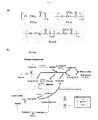
- the present inventors allowed glycolate to be produced from glyoxylate by glyoxylate reductase/glycerate dehydrogenase ( FIG. 1B )
- a reaction of converting glycerate into glycolate was performed by enzyme commission (EC) Nos. 1.1.1.79 (NAD(P)H-dependent glyoxylate reductase), 1.1.1.29 (NADH-dependent glyoxylate reductase), or 1.1.1.26 (glycerate dehydrogenase).
- Productivity of glycolate for synthesizing the PLGA copolymer from glucose was confirmed using NADPH-dependent glyoxylate reductase (EC 1.1.1.79) genes of E.coli MG1655 purchased from ATCC and KCTC and E.coli MG1655 strains amplified from chromosome of P. putida KT2440 and P. multocida and glycerate dehydrogenase (EC 1.1.1.26) genes of P. putida KT2440 and P. multocida.
- glycerate hydrogenase (SEQ ID No: 51) of E. coli and glycerate hydrogenase (SEQ ID No: 2) of P. multocida may produce the PLGA copolymer, but in the case of using the glycerate hydrogenase of P. multocida , since the GA fraction in the polymer was higher than in the case of using the glycerate hydrogenase of E. coli , the glycerate hydrogenase of P. multocida was used in the following Experiments.
- the PHA synthase of Pseudomonas sp. 6-19 did not efficiently produce a polymer containing lactate without 3HB, which is a monomer having the highest affinity in synthesis of the polymer, which may be caused by low substrate-specificity to lactyl-CoA and a restricted content of lactyl-CoA in wild-type E. coli strain. It was thought that 3HB-CoA maybe serves as an initiator in synthesizing the polymer containing lactate ( Yang et al., Biotechnol. Bioeng., 105;150, 2010 ).
- the lactate monomer was efficiently contained in the PLGA at 50 mol% or more, such that it was confirmed that the glycolyl-CoA was a substrate having significant affinity for PhaC1437 Ps6-19 and may be used as an initiator such as 3HB.
- the glycolyl-CoA was produced by the recombinant E. coli expressing glycerate dehydrogenase of P. multocida shown in Table 2.
- the recombinant E. coli was sampled and centrifuged at 10,000xg for 5 minutes to obtain a cell pellet. Then, the obtained cell pellet was washed with a TDM buffer (50mM Tris hydrochloride, 10mM MgCl2, and 1mM dithiothreitol, pH 7.5) two times, and suspended in the same buffer, followed by destructing cells using a titanium probe 40T (diameter: 4mm, length: 127mm) of an ultrasonic homogenizer (VCX-600, Sonics and Materials Inc., USA). Then the resultant was centrifuged at 4°C and 16,000xg for 10 minutes, and the supernatant was used to measure the enzyme activity. A protein concentration of the cell extracts for measuring the enzyme activity was measured by a Bradford method.
- the enzyme activity was an average value obtained by repeating the measuring experiment 3 times, and the recombinant JLX10 strain was cultured at 30°C or 72 hours using a MR medium to which 20 g/L glucose and 4 g/L succinate were added.
- the recombinant XL1-Blue strain was cultured in a MR medium to which only 20 g/L glucose was added.
- the sample for analyzing the enzyme activity was extracted after 10 hours and 70 hours of 1mM isopropylthiogalactoside (IPTG) induction.
- 1 unit of enzyme activity was defined as the amount of enzyme converting a 1mmole of a substrate into a specific product at 30°C for 1 minute.
- a unit of activity was defined as unit/mg protein.
- the enzyme activity was analyzed at 30°C using a temperature control spectrophotometer (SpectraMax M2, Molecular Devices Co., USA). The enzyme activity was repeatedly tested 3 times and analyzed, and an amount of cell extract solution used in analysis was 16.5 ⁇ L/mL. Analysis of the reaction was performed by monitoring NAD(P)H at 340nm, a value used as an extinction coefficient of NAD(P)H at 340nm was 6.23/mM/cm, and 1 unit of enzyme activity was defined as the amount of enzyme converting a 1mmole of a substrate into a specific product at 30°C for 1 minute. A unit of activity was defined as unit/mg protein.
- the activity of the glycerate dehydrogenase of P. multocida was analyzed by a method suggested by Rintalls et al, ( Rintalla et al., Yeast, 24, 129-136, 2007 ).
- a reaction was carried out by adding glyoxylate to the reaction mixture containing 50mM sodium phosphate buffer (pH 7.0), the cell extracts, and 0.2mM NAD(P)H so that a concentration of glyoxylate became 25mM, and the reaction mixture to which glyoxylate was not added was used as a control group.
- the wild-type E. coli XL1-Blue had significantly low glycerate dehydrogenase activity of 0.06U/mg, but the recombinant strain transfected with a plasmid over-expressing glycerate dehydrogenase of P. multocida had glycerate dehydrogenase activity of 1.4U/mg protein or more, which was 23 times higher than that of the wild-type E. coli strain.
- multocida Concentration Recombinant strain A unit of acivity of glycerate dehydrogenase * (U/mg of protein) Polymer composition (mol%) Polymer concentration (weigh%) 10 h 70 h LA GA XL1-Blue/pBluescript+pTac15k 0.06 0.03 - - - XL1-Blue/pPs619C1437-CpPCT540+pTac15kPmu0559 1.60 1.40 49 51 13.5
- the E. coli JLXF5 strain expressing Pct540, PhaC1437, and glycerate dehydrogenase of P. multocida produced P(57.2mol%LA-co-42.8mol%GA) at a polymer concentration of 20.3 weight% or more without IPTG induction.
- Example 3 Production of PLGA having high glycolate content through metabolic engineering of E. coil
- the PLGA was successfully produced from glucose using the recombinant XL1-Blue strains and recombinant JLXF5 strains in Example 2, but a concentration of the produced polymer was low.
- a glycolate synthesis pathway was enhanced in the JLXF5 strain modulated so as to efficiently produce lactate from glucose.
- an increase in the glycolate content may be advantageous for allowing glycolyl-CoA to start synthesis of the polymer.
- the aceB and iclR genes involved in glyoxylate shunt were deleted, and the aceA gene was amplified.
- a one-step inactivation method (Datsenko and Wanner, 2000) of deleting the icl R (isocitrate lyase regulator) and aceB (malate synthase) gene in the chromosome DNA and replacing the promoter of aceA (isocitrate lyase) gene with the trc promoter was used.
- the concentration of PLGA produced in the recombinant strain was increased from 14.2 to 23.9 weight%, and the glycolate monomer fraction in the PLGA polymer was increased from 42.8 mol% to 56.2 mol%.
- the concentration of PLGA produced in the recombinant strain was 32.6 weight%, which was 2.3 times higher than that of PLGA produced in JLFX5 strain. Further, the glycolate monomer was increased to 61.6 mol% or more.
- a monomer component of the copolymer synthesized in the present invention was analyzed using a gas chromatography, and the polymer was purified from cells by an organic solvent extraction method ( Jacque et al., Biochem. Eng J 39:15-27, 2008 ).
- a molecular weight of the polymer was measured using nuclear magnetic resonance (NMR) spectroscopy and gel permeation chromatography (GPC).
- the PLGA produced by the E. coli JLXF5 had the same structure as that of chemically synthesized PLGA (See FIG. 1A ).
- an oxymethine proton (-OCH-) of LA was shown at 5.2ppm and a methyl proton (-CH 3 ) of GA was shown at 4.6 to 4.9ppm ( FIG. 5A ).
- the poly(lactate-co-glycolate) in which the concentration of the glycolate fraction is high may be prepared at a high concentration without supplying exogenous glyoxylate.
Landscapes
- Life Sciences & Earth Sciences (AREA)
- Chemical & Material Sciences (AREA)
- Health & Medical Sciences (AREA)
- Engineering & Computer Science (AREA)
- Organic Chemistry (AREA)
- Genetics & Genomics (AREA)
- Zoology (AREA)
- Wood Science & Technology (AREA)
- Bioinformatics & Cheminformatics (AREA)
- Biotechnology (AREA)
- General Engineering & Computer Science (AREA)
- Microbiology (AREA)
- Biomedical Technology (AREA)
- Biochemistry (AREA)
- General Health & Medical Sciences (AREA)
- Molecular Biology (AREA)
- Medicinal Chemistry (AREA)
- Chemical Kinetics & Catalysis (AREA)
- General Chemical & Material Sciences (AREA)
- Physics & Mathematics (AREA)
- Biophysics (AREA)
- Plant Pathology (AREA)
- Tropical Medicine & Parasitology (AREA)
- Virology (AREA)
- Preparation Of Compounds By Using Micro-Organisms (AREA)
- Micro-Organisms Or Cultivation Processes Thereof (AREA)
- Enzymes And Modification Thereof (AREA)
Abstract
Description
- The present invention relates to a recombinant microorganism having producibility of poly(lactate-co-glycolate) from glucose, and more particularly, to a recombinant microorganism having producibility of poly(lactate-co-glycolate) without adding an exogenous glycolate precursor, and a method of preparing poly(preparing lactate-co-glycolate) using the same.
- Poly(lactate-co-glycolate) (PLGA), which is a representative biodegradable polymer derived from lactate and glycolate, is a polymer having high applicability to a general purpose polymer or medical polymer. Currently, the PLGA may be prepared by a direct polymerization reaction of lactate and glycolate, but PLGA having a low molecular weight (1000 to 5000 daltons) is mainly prepared in this reaction. PLGA having a high molecular weight of 100,000 daltons or more may be synthesized by a ring opening condensation reaction of lactide and glycolide. The lactide and glycolide, which are cyclic diesters of lactate and glycolate, respectively, are formed by pyrolysis of a lactate oligomer and a glycolate oligomer, respectively.
- In the ring opening condensation reaction, a catalyst such as tin(II) 2-ethylhexanoate, tin(II) alkoxide, aluminum isopropoxide, or the like, should be used. As a method of preparing the PLGA having a high molecular weight, there is a method of polymerizing a polymer having a relatively high molecular weight from a polymer obtained by direct polymerization and having a low molecular weight using a chain coupling agent, but in this method, since the chain coupling agent is used, a process may be complicated due to addition of an organic solvent or the chain coupling agent, and it may be difficult to remove this organic solvent or chain coupling agent.
- Currently, in a commercialized process for producing the PLGA having a high molecular weight, a method of converting lactate and glycolate into lactide and glycolide, respectively, and then synthesizing the PLGA through the ring opening condensation reaction of the lactide and glycolide has been used.
- Meanwhile, poly(hydroxyalkanoate) (PHA) is a polyester accumulated by microorganism as an energy or carbon source storage material in the microorganism when the carbon source excessively exists but other nutrients such as phosphorus, nitrogen, magnesium, oxygen, and the like are insufficient. Since the PHA has complete biodegradability while having physical properties similar to those of the existing synthetic polymers derived from petroleum, the PHA has been recognized as a material replacing the existing synthetic plastic material.
- The existing known PHA may be representatively divided into a short-chain-length PHA (SCL-PHA) having a short carbon chain and a medium-chain-length PHA (MCL-PHA) having a long carbon chain. Gene for synthesizing the PHA was cloned from Ralstonia eutropha, Pseudomonas, or the like, and PHA composed of various monomers was synthesized by recombinant microorganism (Qi et al., FEMS Microbiol. Lett., 157:155, 1997; Qi et al., FEMS Microbiol. Lett., 167:89, 1998; Langenbach et al., FEMS Microbiol. Lett., 150:303, 1997;
WO 01/55436 US 6,143,952 ;WO 98/54329 WO 99/61624 - Since glycolic acid is the simplest hydrocarboxylic acid, there has been an attempt to insert glycolic acid into the PHA polymer using a PHA synthase enzyme of Ralstonia europha and a glycolyl-CoA produced from beta oxidation pathway as a substrate.
- The present inventors confirmed that in the case of culturing recombinant E. coli transfected with propionate CoA-transferase gene (Pct) derived from Clostridium propionicum, which is gene coding an enzyme converting lactate and glycolate into lactyl-CoA and glycolyl-CoA, respectively, and poly(hydroxyalkanoate) (PHA) synthase gene using lactyl-CoA and glycolyl-CoA as substrates in a production medium containing glucose and glycolate or glucose, glycolate, and hydroxyalkanoate, poly(lactate-co-glycolate) and poly(lactate-co-glycolate-co-hydroxyalkanoate) were produced (Korean Patent Application No.
10-2009-0030133 - However, the method of producing PLGA using the recombinant E. coli has a disadvantage in that glucose and glycolate corresponding to precursors of the monomer should be individually added.
- Therefore, the present inventors have tried to develop recombinant E. coli capable of producing PLGA in which a content of a glycolate fraction is high without adding exogenous glycolate, and confirmed that in the case of expressing glycerate dehydrogenase of P. multocida or E. coli in E. coli transfected with propionate CoA-transferase of Clostridium propionicum and PHA synthase of Pseudomonas sp. 6-19, deleting isocitrate lyase regulator gene (iclR) and aceB (malate synthase) gene, and amplifying isocitrate lyase gene (aceA), even though glycolate is not added, PLGA in which the content of the glycolate fraction is high may be produced at a high concentration using only glucose, thereby completing the present invention.
- An object of the present invention is to provide a recombinant microorganism capable of producing PLGA at a high concentration without adding exogenous glycolate.
- Another object of the present invention is to provide a method of preparing PLGA using a recombinant microorganism capable of producing PLGA at a high concentration without adding exogenous glycolate.
- According to an aspect of the present invention, there is provided a mutant transfected with a gene coding poly(hydroxyalkanoate) (PHA) synthase, a gene coding propionyl-CoA transferase, and a gene coding glycerate dehydrogenase (EC 1.1.1.26).
- According to another aspect of the present invention, there is provided a mutant transfected so that a gene coding PHA synthase, a gene coding propionyl-CoA transferase, and a gene coding glycerate dehydrogenase (EC 1.1.1.26) are inserted, a gene (iclR) coding isocitrate lyase regulator or a aceB (malate synthase) gene is deleted.
- According to another aspect of the present invention, there is provided a method of preparing poly(lactate-co-glycolate) (PLGA) including: culturing a mutant transfected with a gene coding poly(hydroxyalkanoate) (PHA) synthase, a gene coding propionyl-CoA transferase, and a gene coding glycerate dehydrogenase (EC 1.1.1.26) in a glucose-containing medium to produce PLGA; and obtaining the produced PLGA.
- According to another aspect of the present invention, there is provided a method of preparing poly(lactate-co-glycolate) (PLGA) including: culturing a mutant transfected so that a gene coding PHA synthase, a gene coding propionyl-CoA transferase, and a gene coding glycerate dehydrogenase (EC 1.1.1.26) are inserted, a gene (iclR) coding isocitrate lyase regulator or aceB (malate synthase) gene is deleted, and a gene (aceA) coding isocitrate lyase is amplified in a glucose-containing medium to produce PLGA; and obtaining the produced PLGA.
- Other features and embodiments of the present invention will become obvious from the following detailed description and the accompanying claims.
-
-
FIG. 1A shows Chemical Formulas of poly(lactate-co-glycolate) (PLGA), poly-gamma-glutamic acid (PGA), and polylactic acid (PLA) prepared in the present invention, andFIG. 1B shows a PLGA production pathway by metabolic engineering performed in the present invention. -
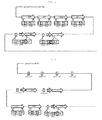
FIG. 2 shows a map of genes associated with production of PLGA in chromosome of E. coli XL1-Blue. -
FIG. 3 shows a map of genes associated with production of PLGA in chromosome of recombinant E. coli JLXF5 constructed in the present invention. -
FIG. 4 shows a map of genes associated with production of PLGA in chromosome of recombinant E. coli JLXF8 constructed in the present invention. -
Fig. 5 shows NMR results of PLGA which is produced by recombinant E.coli constructed in the present invention. - Unless otherwise defined herein, technical and scientific terms used in the present specification have the same meanings as those understood by specialists in the skilled art to which the present invention pertains. Generally, nomenclature used in the present specification is well known and commonly used in the art.
- In one general aspect, the present invention relates to a recombinant microorganism transfected with a gene coding poly(hydroxyalkanoate) (PHA) synthase, a gene coding propionyl-CoA transferase, and a gene coding glycerate dehydrogenase (EC 1.1.1.26) and having producibility of poly(lactate-co-glycolate).
- The propionate CoA-transferase may be propionate CoA-transferase of C. propionicum or Pct540, which is a mutant enzyme of propionate CoA-transferase of C. propionicum, and poly(hydroxyalkanoate) (PHA) synthase may be PHA synthase of Pseudomonas sp. 6-19 or a mutant enzyme of PHA synthase of Pseudomonas sp. 6-19.
- The gene coding the mutant enzyme of the PHA synthase may have a base sequence corresponding to an amino acid sequence including at least one mutation selected from a group consisting of E130D, S325T, L412M, S477R, S477H, S477F, S477Y, S477G, Q481M, Q481K, and Q481R in an amino acid sequence of SEQ ID No: 1. In addition, the gene coding the mutant enzyme of the PHA synthase may have a base sequence corresponding to an amino acid sequence selected from a group consisting of an amino acid sequence C1335 in which E130D, S325T, L412M, S477G, and Q481M in the amino acid sequence of SEQ ID No: 1 are mutated; an amino acid sequence C1310 in which E130D, S477F, and Q481K in the amino acid sequence of SEQ ID No: 1 are mutated; and an amino acid sequence C1312 in which E130D, S477F, and Q481R in the amino acid sequence of SEQ ID No: 1 are mutated.
- The gene coding glycerate dehydrogenase (EC 1.1.1.26) may be derived from Pasteurella multocida or E. coli and have a base sequence of SEQ ID No: 2.
- In another aspect, the present invention relates to a recombinant microorganism transfected so that a gene coding PHA synthase, a gene coding propionyl-CoA transferase, and a gene coding glycerate dehydrogenase (EC 1.1.1.26) are inserted, a gene (iclR) coding isocitrate lyase regulator or aceB (malate synthase) gene is deleted, and a gene (aceA) coding isocitrate lyase is amplified, and having producibility of poly(lactate-co-glycolate).
- In the present invention, the term "deletion" means that genes are modulated so as to allow a protein coded by the gene not to perform its original function through substitution, removal, and mutation.
In the present invention, both of the gene (iclR) coding isocitrate lyase regulator and aceB (malate synthase) genes may be deleted. - In the present invention, in the recombinant microorganism, the gene (aceA) coding isocitrate lyase may be additionally amplified.
- In the present invention, a parent strain of the mutant may be selected from a group consisting of E.coli XL1-Blue, E.coli JLX5, E.coli JLX6, E.coli JLX7, E.coli JLX8, E.coli JLX10, E.coli JLX11, E.coli JLX12, and E.coli JLX13, and features of the parent strain were shown in Table 1.
- In another aspect, the present invention relates to a method of preparing poly(lactate-co-glycolate) (PLGA) including: culturing a recombinant microorganism transfected with a gene coding poly(hydroxyalkanoate) (PHA) synthase, a gene coding propionyl-CoA transferase, and a gene coding glycerate dehydrogenase (EC 1.1.1.26) in a glucose-containing medium to produce PLGA; and obtaining the produced PLGA.
- In the present invention, an E. coil strain producing the PLGA, which is a polymer that is not produced in a natural state, was developed, and a production amount of glycolate, which is a monomer of the PLGA, may be further increased by modulating a metabolic pathway of E.coli.
- In one aspect, a recombinant E. coli JLXF5 strain expressing Pct540 Cp , PhaC1437Ps6-19, and glycerate dehydrogenase of P multocida produces 33.6 weight% of P(35.2 mol% LA-co-64.8mol% GA). This result is a first study in which the poly(lactate-co-glycolate) is produced from glucose in metabolically engineered recombinant E. coli.
- In another aspect, the present invention relates to a method of preparing poly(lactate-co-glycolate) (PLGA) including: culturing a recombinant microorganism in which a gene coding PHA synthase, a gene coding propionyl-CoA transferase, and a gene coding glycerate dehydrogenase (EC 1.1.1.26) are inserted, a gene (iclR) coding isocitrate lyase regulator or aceB (malate synthase) gene is deleted in a glucose-containing medium to produce PLGA; and obtaining the produced PLGA.
- Hereinafter, the present invention will be described in detail through the Examples. However, these Examples are only to illustrate the present invention, and those skilled in the art will appreciate that these Examples are not to be construed as limiting a scope of the present invention.
- Strains, plasmids, and primers used in the following Examples were shown in Table 1.
- In the following Example, a MR medium used to produce a PLGA in a recombinant E. coli may contain 6.67g of KH2PO4, 4g of (NH4)2HPO4, 0.8g of MgSO4H2O, 0.8g of citric acid, and 5ml of a trace metal solution per 1L, wherein the trace metal solution contains 0.5M HCl: 10g of FeSO4·H2O, 2g of CaCl2, 2.2g of ZnSO4·H2O, 0.5g of MnSO4·H2O, 1g of CuSO4·H2O, 0.1g of (NH4)6Mo7O24·H2O, and 0.02g of Na2B4O7·10H2O, Carbon source, and MgSO4·H2O per 1L.
- In culturing each strain, a seed strain was shaking-cultured in a 25mL tube in which 10mL of LB medium was added at 30°C overnight, and 1mL of the cultured solution was inoculated into a 250mL flask charged with 100mL of the MR medium containing glucose (20g/L) and shaking-cultured at 30°C for 72 hours. In the case of synthesizing p(3HB-co-LA-co-GA), 3HB (2g/L) was added to a culture medium.
- In the case of using JLX10 strains (Jung et al., 2010) as a host cell, in order to overcome growth restriction caused by ppc gene deletion, 4g/L of sodium succinate (Sigma-Aldrich, USA) was added to the culture medium, and in order to express ldhA and acs genes regulated by a trc promoter, when an OD600 value was 0.5, 1mM IPTG was added. As needed, ampicillin (100µM/mL), chloramphenicol (34µg/mL), and thiamine (10µg/mL) were added to the medium.
- Genetic characteristics of the recombinant strains and plasmids used in the present invention were shown in Table 1, and the primers used to construct the recombinant strains and plasmids in the present invention were shown in Table 2.
- In constructing the recombinant strain used in the present invention, as a method of deleting iclR and aceB genes in chromosome and replacing a promoter of aceA gene with a trc promoter, a one-step inactivation method using the primer shown in Table 2 was used (Datsenko and Wanner, Proc. Natl. Acad. Sci. USA. 6;97:6640, 2000).
[Table 1] Strain, Plasmid or Primer Strain characteristic a Reference or rececing area XL1-Blue recA1 endA1 gyrA96 thi-1 hsdR17 supE44 relA1 lac [F'proAB lacIqZΔM15 Tn10 (TetR)] Stratageneb JLX10 XL1-Blue ΔackA PldhA::Ptrc Δppc Pacs::Ptrc ΔadhE Present invention JLX11 JLX10 ΔiclR Present invention JLX12 JLX10 ΔaceB PaceA::Ptrc Present invention JLX13 JLX10 ΔiclR ΔaceB PaceA::Ptrc Present invention JLXF5 XB-F ΔiacI ΔpflB ΔfrdABCD ΔadhE PldhA::Ptrc Pacs::Ptrc Present invention JLXF6 JLXF5 ΔiclR Present invention JLXF7 JLXF5 ΔaceB PaceA::Ptrc Present invention JLXF8 JLXF5 ΔiclR ΔaceB PaceA::Ptrc Present invention Present invention Plasmid pBluescript ApR, cloning and expression vector Stratageneb pPs619C1400-CpPCT532 ApR, Promoter of the C. necator PHA biosynthesis operon, phaC1 Ps6-19 variant (phaC1400 Ps6-19 ; E130D, S325T, S477R, Q481M), pctCp variant (pct532Cp ; A243T, silent mutations: A1200G), transcriptional terminator of the C. necator PHA biosynthesis operon, derivative of pBluescript II KS(+) Present invention pPs619C1310-CpPCT540 ApR, Promoter of the C. necator PHA biosynthesis operon, phaC1 Ps6-19 variant (phaC1310 Ps6-19; E130D, S477F, Q481K), pctCp variant (pct540Cp ; V193A, Silent mutations: T78C, T669C, A1125G, T1158C), transcriptional terminator of the C. necator PHA biosynthesis operon, derivative of pBluescriptII KS(+) Korean Patent Laid-Open Publication No. 2010-0111766 pPs619C1437-CpPCT540 ApR, Promoter of the C. necator PHA biosynthesis operon, phaC1 Ps6-19 variant (phaC1337 Ps6-19 ; E130D, S325T, S477G, Q481K), pctCp variant (pct540Cp ; V193A, Silent mutations: T78C, T669C, A1125G, T1158C), transcriptional terminator of the C. necator PHA biosynthesis operon, derivative of pBluescriptII KS(+) Present invention pTac15k p15A origin of replication, KmR, tac promoter Lab stock pTac15kPmu0559 Derivative of pTac15k, expression of Pasteurella multocida glycerate dehydrogenase gene under tac promoter Present invention pBBR1MCS2 Broad host range vector; Kmr pZE12-MCS Expression vector; P LlacO-1 promoter; Apr EXPRESSYSc pKE12-MCS Expression vector; PLlacO-1 promoter, R. eutropha PHA biosynthesis genes transcription terminator; Apr Present invention pZA31-MCS Expression vector; PLtetO-1 promoter; Cmr EXPRESSYS pKA32-MCS Expression vector; PLlacO-1 promoter, R. eutropha PHA biosynthesis genes transcription terminator; Cmr Present invention pKM22-MCS Expression vector; PLlacO-1 promoter; Kmr Present invention pKM22-YcdW Derivative of pKM22-MCS, expression of E. coli glycerate dehydrogenase gene (ycdW) under lacIO promoter Present invention Primer PmuFEcoRI (SEQ ID NO:3) 
Present invention PmuRPstI (SEQ ID NO:4) 
Present invention aAp: ampicillin; Km: kanamycin; R: resistance.
bStratagene Cloning System, La Jolla, CA, USA. cwww.expressys.com[Table 2] Primer list JLX1 0 K.O. adhE FDadhE1 (SEQ ID NO:5) 
RdadhE1 (SEQ ID NO:6) 
FDadhE2 (SEQ ID NO:7) 
RdadhE2 (SEQ ID NO:8) 
Ptrc acs FPacs1 (SEQ ID NO:9) 
RPacs1 (SEQ ID NO:10) 
FPacs2 (SEQ ID NO:11) 
RPacs2 (SEQ ID NO:12) 
FPacs3 (SEQ ID NO:13) 
RPacs3 (SEQ ID NO:14) 
JLXF 5 K.O. pflB FDpflB1 (SEQ ID NO:15) 
RDpflB1 (SEQ ID NO:16) 
FDpflB2 (SEQ ID NO:17) 
RDpflB2 (SEQ ID NO:18) 
frdA BCD FDfrd1 (SEQ ID NO:19) 
RDfrd1 (SEQ ID NO:20) 
FDfrd2 (SEQ ID NO:21) 
RDfrd2 (SEQ ID NO:22) 
adhE FDadhE1 (SEQ ID NO:23) 
RDadhE1 (SEQ ID NO:24) 
FDadhE2 (SEQ ID NO:25) 
RDadhE2 (SEQ ID NO:26) 
lacI FDlacI1 (SEQ ID NO:27) 
RDlacI1 (SEQ ID NO:28) 
FDlacI2 (SEQ ID NO:29) 
RDlacI2 (SEQ ID NO:30) 
Ptrc ldhA FPldhA1 (SEQ ID NO:31) 
RPldhA1 (SEQ ID NO:32) 
FPldhA2 (SEQ ID NO:33) 
RPldhA2 (SEQ ID NO:34) 
FPldhA3 (SEQ ID NO:35) 
RPldhA3 (SEQ ID NO:36) 
acs FPacs1 (SEQ ID NO:37) 
RPacs1 (SEQ ID NO:38) 
FPacs2 (SEQ ID NO:39) 
RPacs2 (SEQ ID NO:40) 
FPacs3 (SEQ ID NO:41) 
RPacs3 (SEQ ID NO:42) 
PLGA K.O. iclr 11HLiclR-inXB:(SEQ ID NO:43) 
12HLiclR-inXB: (SEQ ID NO:44) 
K.O. +Pac eA aceB -A 11HLaceB-A_PC inXB: (SEQ ID NO:45) 
12HRaceB-A_PC-inXB: (SEQ ID NO:46) 
ycdW f ycdWf-EcoRI (SEQ ID NO:47) gaattc atggatatcatcttttatcac ycdWb-KpnI (SEQ ID NO:48) ggtacc ttagtagccgcgtgcgcggtc hprA f hprAf-EcoRI (SEQ ID NO:49) gaattc atgcccagcccgcgtcgcgc hprAb-KpnI (SEQ ID NO:50) ggtacc tcagctgaccacgcggcgtg - Metabolites including glucose, pyruvic acid, acetic acid, formic acid, lactate, and succinate were analyzed by HPLC (Varian ProStar 210, USA) equipped with UV/VIS (Varian ProStar 320, USA) and refractive index (Shodex RI-71, Japan) using a MetaCarb 87H column (300 x 7.8mM). Cell growth was measured at 600nm absorbance using Ultraspec 300 spectrophotometer (Amersham Bioscience, Sweden).
- In the present Example, in order to construct a recombinant E. coli producing P(LA-co-GA) in which a glycolate fraction is increased, genes to be inserted were selected.
- It was confirmed through previous study (Korean Patent Laid-Open Publication No.
2010-0111766 - First, in order to prepare a polymer containing glycolate, sodium glycolate was added to the medium at a concentration of 2g/L as a precursor of glycolyl-CoA. It was reported that glycolate was used as a single carbon source in E. coli, but the concentration of the glycolate in the medium was not decreased during a culture period. When 3HB and glycolate were added to the medium at a concentration of 2g/L, respectively, glycolate was not used to synthesize P(3HB-co-LA). This result means that a glycolate transport system mediated by glycolate permease (GlcA) did not operate under the present experimental condition.
- Therefore, in order to overcome the problem that glycolate was not transported into the cells, the present inventors allowed glycolate to be produced from glyoxylate by glyoxylate reductase/glycerate dehydrogenase (
FIG. 1B ) - A reaction of converting glycerate into glycolate was performed by enzyme commission (EC) Nos. 1.1.1.79 (NAD(P)H-dependent glyoxylate reductase), 1.1.1.29 (NADH-dependent glyoxylate reductase), or 1.1.1.26 (glycerate dehydrogenase). Productivity of glycolate for synthesizing the PLGA copolymer from glucose was confirmed using NADPH-dependent glyoxylate reductase (EC 1.1.1.79) genes of E.coli MG1655 purchased from ATCC and KCTC and E.coli MG1655 strains amplified from chromosome of P. putida KT2440 and P. multocida and glycerate dehydrogenase (EC 1.1.1.26) genes of P. putida KT2440 and P. multocida.
- As a result, among these genes, only glycerate hydrogenase (SEQ ID No: 51) of E. coli and glycerate hydrogenase (SEQ ID No: 2) of P. multocida may produce the PLGA copolymer, but in the case of using the glycerate hydrogenase of P. multocida, since the GA fraction in the polymer was higher than in the case of using the glycerate hydrogenase of E. coli, the glycerate hydrogenase of P. multocida was used in the following Experiments.
[Table 3] recombinant strain polymer Polymer composition (mol%) Polymer concentr ation(wt %) LA GA XB/pPs619C1437-CpPCT540 +pTac15kPmu05591 P(LA-co-GA) 47.8 52.2 12.3 XB/p619C1437-PCT540 + pKM22-ycdW P(LA-co-GA) 61.4 38.6 12.8 - Recombinant E. coli XL-1 Blue strains expressing Pct540 Cp , PhaC1437Ps6-19, and the glycerate dehydrogenase of P. multocida produced P(47.8 mol% LA-co-52.2mol% GA) at a polymer concentration of 12.3 weight% (Table 3).
- The PHA synthase of Pseudomonas sp. 6-19 did not efficiently produce a polymer containing lactate without 3HB, which is a monomer having the highest affinity in synthesis of the polymer, which may be caused by low substrate-specificity to lactyl-CoA and a restricted content of lactyl-CoA in wild-type E. coli strain. It was thought that 3HB-CoA maybe serves as an initiator in synthesizing the polymer containing lactate (Yang et al., Biotechnol. Bioeng., 105;150, 2010). However, at the time of synthesizing PLGA, even in the case of not adding 3HB, the lactate monomer was efficiently contained in the PLGA at 50 mol% or more, such that it was confirmed that the glycolyl-CoA was a substrate having significant affinity for PhaC1437Ps6-19 and may be used as an initiator such as 3HB. The glycolyl-CoA was produced by the recombinant E. coli expressing glycerate dehydrogenase of P. multocida shown in Table 2.
- As a result, it may be appreciated that an enzyme activity of glycerate dehydrogenase of P. multocida plays an important role in synthesizing glycolate from glycerate.
- In measuring the enzyme activity, after 10 hours and 70 hours of 1mM isopropylthiogalactoside (IPTG) induction, the recombinant E. coli was sampled and centrifuged at 10,000xg for 5 minutes to obtain a cell pellet. Then, the obtained cell pellet was washed with a TDM buffer (50mM Tris hydrochloride, 10mM MgCl2, and 1mM dithiothreitol, pH 7.5) two times, and suspended in the same buffer, followed by destructing cells using a titanium probe 40T (diameter: 4mm, length: 127mm) of an ultrasonic homogenizer (VCX-600, Sonics and Materials Inc., USA). Then the resultant was centrifuged at 4°C and 16,000xg for 10 minutes, and the supernatant was used to measure the enzyme activity. A protein concentration of the cell extracts for measuring the enzyme activity was measured by a Bradford method.
- In this case, the enzyme activity was an average value obtained by repeating the measuring experiment 3 times, and the recombinant JLX10 strain was cultured at 30°C or 72 hours using a MR medium to which 20 g/L glucose and 4 g/L succinate were added. The recombinant XL1-Blue strain was cultured in a MR medium to which only 20 g/L glucose was added.
- The sample for analyzing the enzyme activity was extracted after 10 hours and 70 hours of 1mM isopropylthiogalactoside (IPTG) induction. 1 unit of enzyme activity was defined as the amount of enzyme converting a 1mmole of a substrate into a specific product at 30°C for 1 minute. A unit of activity was defined as unit/mg protein.
- The enzyme activity was analyzed at 30°C using a temperature control spectrophotometer (SpectraMax M2, Molecular Devices Co., USA). The enzyme activity was repeatedly tested 3 times and analyzed, and an amount of cell extract solution used in analysis was 16.5µL/mL. Analysis of the reaction was performed by monitoring NAD(P)H at 340nm, a value used as an extinction coefficient of NAD(P)H at 340nm was 6.23/mM/cm, and 1 unit of enzyme activity was defined as the amount of enzyme converting a 1mmole of a substrate into a specific product at 30°C for 1 minute. A unit of activity was defined as unit/mg protein.
- The activity of the glycerate dehydrogenase of P. multocida was analyzed by a method suggested by Rintalls et al, (Rintalla et al., Yeast, 24, 129-136, 2007). A reaction was carried out by adding glyoxylate to the reaction mixture containing 50mM sodium phosphate buffer (pH 7.0), the cell extracts, and 0.2mM NAD(P)H so that a concentration of glyoxylate became 25mM, and the reaction mixture to which glyoxylate was not added was used as a control group.
- The wild-type E. coli XL1-Blue had significantly low glycerate dehydrogenase activity of 0.06U/mg, but the recombinant strain transfected with a plasmid over-expressing glycerate dehydrogenase of P. multocida had glycerate dehydrogenase activity of 1.4U/mg protein or more, which was 23 times higher than that of the wild-type E. coli strain.
- In the case of using NADH as a cofactor, the enzyme activity of glycerate dehydrogenase of P. multocida was measured, but in the case of using NADPH as a cofactor, an enzyme reaction was not carried out, such that it may be appreciated that the glycerate dehydrogenase of P. multocida did not have an enzyme activity for NADPH.
[Table 4] Activity of glycerate dehydrogenase of P. multocida Concentration Recombinant strain A unit of acivity of glycerate dehydrogenase * (U/mg of protein) Polymer composition (mol%) Polymer concentration (weigh%) 10 h 70 h LA GA XL1-Blue/pBluescript+pTac15k 0.06 0.03 - - - XL1-Blue/pPs619C1437-CpPCT540+pTac15kPmu0559 1.60 1.40 49 51 13.5 - In producing the polymer containing lactate in the recombinant strain, since a step of producing lactyl-CoA is a rate-limiting step deteriorating polymer production efficiency, in order to increase the content of the lactate in the strain, a JLXF5 strain in which several metabolic pathways competitively using the lactate precursor were deleted in the chromosome of E. coli XL1-Blue was constructed. In addition, a laclq gene under a control of a trc promoter was also deleted (See Table 1 and
FIGS. 1 to 4 ). - As shown in Table 5, the E. coli JLXF5 strain expressing Pct540, PhaC1437, and glycerate dehydrogenase of P. multocida produced P(57.2mol%LA-co-42.8mol%GA) at a polymer concentration of 20.3 weight% or more without IPTG induction.
- When the concentration of the lactate in the strain was increase, the lactate fraction in PLGA was increased. In the case of adding IPTG, the polymer concentration was increased from 20.3 to 26.9 weight%, and a composition of the monomer was barely changed.
[Table 5] Composition and concentration of PLAG copolymer produced in recombinant E. coli Polymer concentration Recombinant strain polymer Polymer composition (mol%) Polymer concentra tion (wt%) LA GA XB/pPs619C1437-CpPCT540 +pTac15kPmu05591 P(LA-co-GA) 47.8 52.2 12.3 JLXF5/pPs619C1437-CpPCT540+pTac15kPmu05591 P(LA-co-GA) 54.6 45.4 26.9 JLXF5/pPs619C1437-CpPCT540+pTac15kPmu0559 P(LA-co-GA) 57.2 42.8 20.3 JLXF6/pPs619C1437-CpPCT540+pTac15kPmu0559 P(LA-co-GA) 43.7 56.2 23.9 JLXF7/pPs619C1437-CpPCT540+pTac15kPmu0559 P(LA-co-GA) 40.2 59.8 29.6 JLXF8/pPs619C1437-CpPCT540+pTac15kPmu0559 P(LA-co-GA) 38.4 61.6 32.6 - In order to express ldhA and acs genes of chromosome under a control of a 1trc promoter and genes of glycerate dehydrogenase of P. multocida under a control of a tac promoter of the plasmid, when a concentration of the culturing solution was 0.5 of OD600, 1mM IPTG was treated.
- The PLGA was successfully produced from glucose using the recombinant XL1-Blue strains and recombinant JLXF5 strains in Example 2, but a concentration of the produced polymer was low. In order to improve PLGA biosynthesis in the recombinant strains, a glycolate synthesis pathway was enhanced in the JLXF5 strain modulated so as to efficiently produce lactate from glucose. In addition, an increase in the glycolate content may be advantageous for allowing glycolyl-CoA to start synthesis of the polymer. In order to increase synthesis of glycolate, the aceB and iclR genes involved in glyoxylate shunt were deleted, and the aceA gene was amplified.
- In order to increase a glyoxylate pathway, a one-step inactivation method (Datsenko and Wanner, 2000) of deleting the iclR (isocitrate lyase regulator) and aceB (malate synthase) gene in the chromosome DNA and replacing the promoter of aceA (isocitrate lyase) gene with the trc promoter was used.
- When the iclR gene was deleted, the concentration of PLGA produced in the recombinant strain was increased from 14.2 to 23.9 weight%, and the glycolate monomer fraction in the PLGA polymer was increased from 42.8 mol% to 56.2 mol%. In the case of additionally deleting the aceB gene and amplifying aceA gene, the concentration of PLGA produced in the recombinant strain was 32.6 weight%, which was 2.3 times higher than that of PLGA produced in JLFX5 strain. Further, the glycolate monomer was increased to 61.6 mol% or more.
- A monomer component of the copolymer synthesized in the present invention was analyzed using a gas chromatography, and the polymer was purified from cells by an organic solvent extraction method (Jacque et al., Biochem. Eng J 39:15-27, 2008). A molecular weight of the polymer was measured using nuclear magnetic resonance (NMR) spectroscopy and gel permeation chromatography (GPC).
- The PLGA produced by the E. coli JLXF5 had the same structure as that of chemically synthesized PLGA (See
FIG. 1A ). In a 500MHz 1H NMR spectrum of the PLGA, an oxymethine proton (-OCH-) of LA was shown at 5.2ppm and a methyl proton (-CH3) of GA was shown at 4.6 to 4.9ppm (FIG. 5A ). - Internal 3-bond coupling of protons was confirmed in 1H-1H COSY spectrum, and the structure of PLGA became clear therefrom. Coupling between the oxymethine proton of LA and a methylene proton adjacent thereto was confirmed as a cross peak at 5.1 ppm/1.6 ppm (
FIG. 5B ). Coupling between methylene protons of GA was confirmed as a cross peak present at 4.6 to 4.9ppm. In a 125MHz 13C NMR spectrum of PLGA, a carbonyl carbon peak of GA*-GA sequence was shown at 169.4 ppm, a carbonyl peak of LA*-LA and LA-LA* sequences was shown at 169.63 ppm, and a carbonyl peak of LA*-GA + GA-LA* sequences was shown at 169.80 ppm (FIG. 5C ). - As set forth above, according to the present invention, the poly(lactate-co-glycolate) in which the concentration of the glycolate fraction is high may be prepared at a high concentration without supplying exogenous glyoxylate. Although the present invention has been described in detail based on particular features thereof, and it is obvious to those skilled in the art that these specific technologies are merely preferable embodiments and thus the scope of the present invention is not limited to the embodiments. Therefore, the substantial scope of the present invention is defined by the accompanying claims and equivalent thereof.




Claims (18)
- A recombinant microorganism having producibility of poly(lactate-co-glycolate), wherein the microorganism is transfected so that a gene coding poly(hydroxyalkanoate) (PHA) synthase, a gene coding propionyl-CoA transferase, and a gene coding glycerate dehydrogenase (EC 1.1.1.26) are inserted.
- The recombinant microorganism of claim 1, wherein the propionate CoA-transferase is propionate CoA-transferase of C. propionicum or Pct540, which is a mutant enzyme of propionate CoA-transferase of C. propionicum.
- The recombinant microorganism of claim 1, wherein the poly(hydroxyalkanoate) (PHA) synthase is PHA synthase of Pseudomonas sp. 6-19 or a mutant enzyme of PHA synthase of Pseudomonas sp. 6-19.
- The recombinant microorganism of claim 3, wherein the gene coding the mutant enzyme of the PHA synthase have a base sequence corresponding to an amino acid sequence including at least one mutation selected from a group consisting of E130D, S325T, L412M, S477R, S477H, S477F, S477Y, S477G, Q481M, Q481K, and Q481R in an amino acid sequence of SEQ ID No: 1.
- The recombinant microorganism of claim 3, wherein the gene coding the mutant enzyme of the PHA synthase have a base sequence corresponding to an amino acid sequence selected from a group consisting of
an amino acid sequence (C1335) in which E130D, S325T, L412M, S477G, and Q481M in the amino acid sequence of SEQ ID No: 1 are mutated;
an amino acid sequence (C1310) in which E130D, S477F, and Q481K in the amino acid sequence of SEQ ID No: 1 are mutated; and
an amino acid sequence (C1312) in which E130D, S477F, and Q481R in the amino acid sequence of SEQ ID No: 1 are mutated. - The recombinant microorganism of claim 1, wherein the gene coding glycerate dehydrogenase (EC 1.1.1.26) is derived from Pasteurella multocida.
- The recombinant microorganism of claim 6, wherein the gene coding glycerate dehydrogenase have a base sequence of SEQ ID No: 2.
- A recombinant microorganism having producibility of poly(lactate-co-glycolate), wherein the microorganism is transfected so that a gene coding PHA synthase, a gene coding propionyl-CoA transferase, and a gene coding glycerate dehydrogenase (EC 1.1.1.26) are inserted, a gene (iclR) coding isocitrate lyase regulator or aceB (malate synthase) gene is deleted.
- The recombinant microorganism of claim 8, wherein the propionate CoA-transferase is propionate CoA-transferase of C. propionicum or Pct540, which is a mutant enzyme of propionate CoA-transferase of C. propionicum
- The recombinant microorganism of claim 8, wherein the poly(hydroxyalkanoate) (PHA) synthase is PHA synthase of Pseudomonas sp. 6-19 or a mutant enzyme of PHA synthase of Pseudomonas sp. 6-19.
- The recombinant microorganism of claim 10, wherein the gene coding the mutant enzyme of the PHA synthase have a base sequence corresponding to an amino acid sequence including at least one mutation selected from a group consisting of E130D, S325T, L412M, S477R, S477H, S477F, S477Y, S477G, Q481M, Q481K, and Q481R in an amino acid sequence of SEQ ID No: 1.
- The recombinant microorganism of claim 10, wherein the gene coding the mutant enzyme of the PHA synthase have a base sequence corresponding to an amino acid sequence selected from a group consisting of
an amino acid sequence (C1335) in which E130D, S325T, L412M, S477G, and Q481M in the amino acid sequence of SEQ ID No: 1 are mutated;
an amino acid sequence (C1310) in which E130D, S477F, and Q481K in the amino acid sequence of SEQ ID No: 1 are mutated; and
an amino acid sequence (C1312) in which E130D, S477F, and Q481R in the amino acid sequence of SEQ ID No: 1 are mutated. - The recombinant microorganism of claim 10, wherein the gene coding glycerate dehydrogenase (EC 1.1.1.26) is derived from Pasteurella multocida or E. coli.
- The recombinant microorganism of claim 13, wherein the gene coding glycerate dehydrogenase have a base sequence of SEQ ID No: 2.
- The recombinant microorganism of claim 10, wherein both of the gene (iclR) coding isocitrate lyase regulator and a gene (aceB) coding isocitrate lyase are deleted.
- The recombinant microorganism of claim 10, wherein the gene (aceA) coding isocitrate lyase is additionally amplified.
- A method of preparing poly(lactate-co-glycolate) (PLGA) including: culturing the recombinant microorganism of any one of claims 1 to 9 to produce poly(lactate-co-glycolate); and obtaining the produced PLGA.
- A method of preparing poly(lactate-co-glycolate) (PLGA) including: culturing the recombinant microorganism of any one of claims 10 to 16 to produce poly(lactate-co-glycolate); and obtaining the produced PLGA.
Applications Claiming Priority (2)
| Application Number | Priority Date | Filing Date | Title |
|---|---|---|---|
| KR1020110022020A KR101575585B1 (en) | 2011-03-11 | 2011-03-11 | Recombinant Microorganism Having Producing Poly(lactate-co-glycolate) from Glucose and Preparing Method of Poly(lactate-co-glycolate) Using Thereof |
| PCT/KR2012/001754 WO2012124943A2 (en) | 2011-03-11 | 2012-03-09 | Recombinant microorganism having ability to produce [lactate-co-glycolate] copolymer from glucose, and method for preparing [lactate-co-glycolate] copolymer using same |
Publications (3)
| Publication Number | Publication Date |
|---|---|
| EP2684949A2 true EP2684949A2 (en) | 2014-01-15 |
| EP2684949A4 EP2684949A4 (en) | 2014-10-15 |
| EP2684949B1 EP2684949B1 (en) | 2018-05-02 |
Family
ID=46831184
Family Applications (1)
| Application Number | Title | Priority Date | Filing Date |
|---|---|---|---|
| EP12757647.8A Active EP2684949B1 (en) | 2011-03-11 | 2012-03-09 | Recombinant microorganism having ability to produce [lactate-co-glycolate]copolymer from glucose, and method for preparing [lactate-co-glycolate]copolymer using same |
Country Status (5)
| Country | Link |
|---|---|
| US (1) | US8883463B2 (en) |
| EP (1) | EP2684949B1 (en) |
| JP (1) | JP5842230B2 (en) |
| KR (1) | KR101575585B1 (en) |
| WO (1) | WO2012124943A2 (en) |
Families Citing this family (3)
| Publication number | Priority date | Publication date | Assignee | Title |
|---|---|---|---|---|
| US20150359363A1 (en) * | 2014-06-17 | 2015-12-17 | Geeeps1, Llc. | Compartmentalized beverage container |
| KR101774431B1 (en) * | 2016-01-28 | 2017-09-05 | 한국과학기술원 | Recombinant Microorganism Having Ability Producing Poly(lactate-co-glycolate) and Its Copolymers from Xylose and Preparing Method of Poly(lactate-co-glycolate) and its copolymers Using Thereof |
| CN115851510B (en) * | 2022-10-13 | 2023-09-12 | 深圳中科翎碳生物科技有限公司 | Salmonella and application thereof in co-production of tetrahydropyrimidine and polyhydroxyalkanoate |
Family Cites Families (14)
| Publication number | Priority date | Publication date | Assignee | Title |
|---|---|---|---|---|
| EP0881293A1 (en) | 1997-05-28 | 1998-12-02 | Eidgenössische Technische Hochschule Zürich Institut für Biotechnologie | Production of medium chain length poly-3-hydroxy alkanoates in Escherichia coli, and monomers derived therefrom |
| US6143952A (en) | 1998-03-31 | 2000-11-07 | Regents Of The University Of Minnesota | Modified pseudomonas oleovorans phaC1 nucleic acids encoding bispecific polyhydroxyalkanoate polymerase |
| ATE483023T1 (en) | 1998-05-22 | 2010-10-15 | Metabolix Inc | POLYHYDROXYALKANOOATBIOPOLYMERS |
| US6225438B1 (en) | 2000-01-31 | 2001-05-01 | The Procter & Gamble Company | Medium chain length PHA copolymer and process for producing same |
| WO2007140816A1 (en) | 2006-06-09 | 2007-12-13 | Metabolic Explorer | Glycolic acid production by fermentation from renewable resources |
| CN101541967A (en) * | 2006-11-23 | 2009-09-23 | Lg化学株式会社 | Mutant derived from PHA synthase of Pseudomonas 6-19 and method for preparing lactate homopolymer or copolymer using the mutant |
| KR101045572B1 (en) * | 2007-08-14 | 2011-07-01 | 주식회사 엘지화학 | Propionyl-CoA Transferase Variants Derived from Cructostilridium Substances and Processes for Producing Lactate Polymers or Lactate Copolymers Using the Variants |
| KR100938742B1 (en) | 2007-09-19 | 2010-01-26 | 삼성에스디에스 주식회사 | How to create a new learning content textbook in e-learning system |
| KR20090078925A (en) | 2008-01-16 | 2009-07-21 | 주식회사 엘지화학 | Recombinant microorganisms having polylactate or copolymer production ability thereof and method for producing polylactate or copolymer thereof |
| WO2009157702A2 (en) * | 2008-06-24 | 2009-12-30 | (주)Lg화학 | Method for preparing polylactate and copolymer thereof using a mutant microorganism with enhanced polylactate, and the copolymer producing capability thereof |
| KR101085960B1 (en) * | 2009-04-08 | 2011-11-22 | 주식회사 엘지화학 | Preparation of lactate glycolate copolymers or lactate glycolate hydroxyalkanoate copolymers using cells or plants having a lactate glycolate copolymer or lactate glycolate hydroxyalkanoate copolymer generating ability Way |
| KR101041663B1 (en) | 2009-07-15 | 2011-06-14 | 한국야금 주식회사 | double side type cutting insert |
| WO2011074842A2 (en) | 2009-12-14 | 2011-06-23 | (주)Lg화학 | Recombinant microorganism for producing polylactic acid or a polylactic acid copolymer from glycerol and method for producing polylactic acid or a polylactic acid copolymer from glycerol using the microorganism |
| KR101260187B1 (en) * | 2009-12-14 | 2013-05-06 | 주식회사 엘지화학 | Recombinant microorganism able to produce polylactate or polylactate copolymer from glycerol and method for producing polylactate or polylactate copolymer from glycerol using the same |
-
2011
- 2011-03-11 KR KR1020110022020A patent/KR101575585B1/en active Active
-
2012
- 2012-03-09 WO PCT/KR2012/001754 patent/WO2012124943A2/en not_active Ceased
- 2012-03-09 JP JP2013558781A patent/JP5842230B2/en active Active
- 2012-03-09 US US14/004,437 patent/US8883463B2/en active Active
- 2012-03-09 EP EP12757647.8A patent/EP2684949B1/en active Active
Also Published As
| Publication number | Publication date |
|---|---|
| EP2684949A4 (en) | 2014-10-15 |
| EP2684949B1 (en) | 2018-05-02 |
| KR20120103996A (en) | 2012-09-20 |
| WO2012124943A2 (en) | 2012-09-20 |
| KR101575585B1 (en) | 2015-12-21 |
| WO2012124943A3 (en) | 2012-12-27 |
| WO2012124943A9 (en) | 2013-02-21 |
| JP5842230B2 (en) | 2016-01-13 |
| US20140030775A1 (en) | 2014-01-30 |
| JP2014512173A (en) | 2014-05-22 |
| US8883463B2 (en) | 2014-11-11 |
Similar Documents
| Publication | Publication Date | Title |
|---|---|---|
| Park et al. | Metabolic engineering of Ralstonia eutropha for the biosynthesis of 2-hydroxyacid-containing polyhydroxyalkanoates | |
| EP2376622B1 (en) | Green process and compositions for producing poly(5hv) and 5 carbon chemicals | |
| JP5626735B2 (en) | Recombinant Ralstonia eutropha having ability to produce polylactic acid or polylactic acid copolymer and method for producing polylactic acid or polylactic acid copolymer using the same | |
| EP1305439A2 (en) | Production of polyhydroxyalkanoates from polyols | |
| Adaya et al. | Inactivation of an intracellular poly-3-hydroxybutyrate depolymerase of Azotobacter vinelandii allows to obtain a polymer of uniform high molecular mass | |
| US12031123B2 (en) | Recombinant bacterial cells and methods for producing poly(3-hydroxybutyrate-co-3-hydroxyvalerate) | |
| Jo et al. | Multilayer engineering of an Escherichia coli-based biotransformation system to exclusively produce glycolic acid from formaldehyde | |
| KR101328567B1 (en) | Recombinant Microorganism Producing polyhydroxyalkanoate (PHA) containing 2-hydroxybutyrate (2HB) monomer and Preparing Method of PHA containing 2HB Using Thereof | |
| EP2684949B1 (en) | Recombinant microorganism having ability to produce [lactate-co-glycolate]copolymer from glucose, and method for preparing [lactate-co-glycolate]copolymer using same | |
| Sudesh et al. | Genetic analysis of Comamonas acidovorans polyhydroxyalkanoate synthase and factors affecting the incorporation of 4-hydroxybutyrate monomer | |
| Saito et al. | Biosynthesis of poly (3-hydroxybutyrate-co-3-hydroxyhexanoate) from glucose by Escherichia coli through butyryl-CoA formation driven by Ccr-Emd combination | |
| Choi et al. | Biosynthesis and characterization of poly (d‐lactate‐co‐glycolate‐co‐4‐hydroxybutyrate) | |
| US10640774B2 (en) | Recombinant microorganism having ability to produce poly(lactate-coglycolate) or copolymer thereof from xylose and method for preparing poly(lactate-coglycolate) or copolymer thereof by using same | |
| CN102171356A (en) | Method for polymerising glycolic acid with microorganisms | |
| WO2003046159A1 (en) | (r)-hydroxycarboxylic acid producing recombinant microorganism and process for preparing (r)-hydroxycarboxylic acid using the same | |
| US20110118434A1 (en) | Method for polymerising glycolic acid with microorganisms | |
| JP2008212114A (en) | Production method of copolyester | |
| WO2026099499A1 (en) | Means and method for the microbial production of atactic poly(3-hydroxybutyrate) | |
| CN119776250A (en) | A method for constructing an engineering bacterium for synthesizing polyvalerolactone (PVL) | |
| Le Meur | Biosynthesis of polyhydroxyalkanoates (PHAs) from low-cost growth carbon substrates in recombinant bacterial strains | |
| Tseng et al. | Manuscript version 2 Biosynthesis of chiral 3-hydroxyvalerate from single 2 propionate-unrelated carbon sources in metabolically 3 engineered E. coli 4 |
Legal Events
| Date | Code | Title | Description |
|---|---|---|---|
| PUAI | Public reference made under article 153(3) epc to a published international application that has entered the european phase |
Free format text: ORIGINAL CODE: 0009012 |
|
| 17P | Request for examination filed |
Effective date: 20130911 |
|
| AK | Designated contracting states |
Kind code of ref document: A2 Designated state(s): AL AT BE BG CH CY CZ DE DK EE ES FI FR GB GR HR HU IE IS IT LI LT LU LV MC MK MT NL NO PL PT RO RS SE SI SK SM TR |
|
| DAX | Request for extension of the european patent (deleted) | ||
| A4 | Supplementary search report drawn up and despatched |
Effective date: 20140912 |
|
| RIC1 | Information provided on ipc code assigned before grant |
Ipc: C12N 15/52 20060101ALI20140908BHEP Ipc: C12N 15/31 20060101ALI20140908BHEP Ipc: C12P 7/40 20060101ALI20140908BHEP Ipc: C12N 1/21 20060101AFI20140908BHEP |
|
| 17Q | First examination report despatched |
Effective date: 20160613 |
|
| GRAP | Despatch of communication of intention to grant a patent |
Free format text: ORIGINAL CODE: EPIDOSNIGR1 |
|
| STAA | Information on the status of an ep patent application or granted ep patent |
Free format text: STATUS: GRANT OF PATENT IS INTENDED |
|
| INTG | Intention to grant announced |
Effective date: 20171103 |
|
| GRAS | Grant fee paid |
Free format text: ORIGINAL CODE: EPIDOSNIGR3 |
|
| GRAA | (expected) grant |
Free format text: ORIGINAL CODE: 0009210 |
|
| STAA | Information on the status of an ep patent application or granted ep patent |
Free format text: STATUS: THE PATENT HAS BEEN GRANTED |
|
| AK | Designated contracting states |
Kind code of ref document: B1 Designated state(s): AL AT BE BG CH CY CZ DE DK EE ES FI FR GB GR HR HU IE IS IT LI LT LU LV MC MK MT NL NO PL PT RO RS SE SI SK SM TR |
|
| REG | Reference to a national code |
Ref country code: GB Ref legal event code: FG4D |
|
| REG | Reference to a national code |
Ref country code: CH Ref legal event code: EP Ref country code: AT Ref legal event code: REF Ref document number: 995259 Country of ref document: AT Kind code of ref document: T Effective date: 20180515 |
|
| REG | Reference to a national code |
Ref country code: DE Ref legal event code: R096 Ref document number: 602012045941 Country of ref document: DE Ref country code: IE Ref legal event code: FG4D |
|
| REG | Reference to a national code |
Ref country code: NL Ref legal event code: FP |
|
| REG | Reference to a national code |
Ref country code: LT Ref legal event code: MG4D |
|
| PG25 | Lapsed in a contracting state [announced via postgrant information from national office to epo] |
Ref country code: ES Free format text: LAPSE BECAUSE OF FAILURE TO SUBMIT A TRANSLATION OF THE DESCRIPTION OR TO PAY THE FEE WITHIN THE PRESCRIBED TIME-LIMIT Effective date: 20180502 Ref country code: SE Free format text: LAPSE BECAUSE OF FAILURE TO SUBMIT A TRANSLATION OF THE DESCRIPTION OR TO PAY THE FEE WITHIN THE PRESCRIBED TIME-LIMIT Effective date: 20180502 Ref country code: NO Free format text: LAPSE BECAUSE OF FAILURE TO SUBMIT A TRANSLATION OF THE DESCRIPTION OR TO PAY THE FEE WITHIN THE PRESCRIBED TIME-LIMIT Effective date: 20180802 Ref country code: FI Free format text: LAPSE BECAUSE OF FAILURE TO SUBMIT A TRANSLATION OF THE DESCRIPTION OR TO PAY THE FEE WITHIN THE PRESCRIBED TIME-LIMIT Effective date: 20180502 Ref country code: BG Free format text: LAPSE BECAUSE OF FAILURE TO SUBMIT A TRANSLATION OF THE DESCRIPTION OR TO PAY THE FEE WITHIN THE PRESCRIBED TIME-LIMIT Effective date: 20180802 Ref country code: LT Free format text: LAPSE BECAUSE OF FAILURE TO SUBMIT A TRANSLATION OF THE DESCRIPTION OR TO PAY THE FEE WITHIN THE PRESCRIBED TIME-LIMIT Effective date: 20180502 |
|
| PG25 | Lapsed in a contracting state [announced via postgrant information from national office to epo] |
Ref country code: RS Free format text: LAPSE BECAUSE OF FAILURE TO SUBMIT A TRANSLATION OF THE DESCRIPTION OR TO PAY THE FEE WITHIN THE PRESCRIBED TIME-LIMIT Effective date: 20180502 Ref country code: HR Free format text: LAPSE BECAUSE OF FAILURE TO SUBMIT A TRANSLATION OF THE DESCRIPTION OR TO PAY THE FEE WITHIN THE PRESCRIBED TIME-LIMIT Effective date: 20180502 Ref country code: GR Free format text: LAPSE BECAUSE OF FAILURE TO SUBMIT A TRANSLATION OF THE DESCRIPTION OR TO PAY THE FEE WITHIN THE PRESCRIBED TIME-LIMIT Effective date: 20180803 Ref country code: LV Free format text: LAPSE BECAUSE OF FAILURE TO SUBMIT A TRANSLATION OF THE DESCRIPTION OR TO PAY THE FEE WITHIN THE PRESCRIBED TIME-LIMIT Effective date: 20180502 |
|
| REG | Reference to a national code |
Ref country code: AT Ref legal event code: MK05 Ref document number: 995259 Country of ref document: AT Kind code of ref document: T Effective date: 20180502 |
|
| PG25 | Lapsed in a contracting state [announced via postgrant information from national office to epo] |
Ref country code: CZ Free format text: LAPSE BECAUSE OF FAILURE TO SUBMIT A TRANSLATION OF THE DESCRIPTION OR TO PAY THE FEE WITHIN THE PRESCRIBED TIME-LIMIT Effective date: 20180502 Ref country code: RO Free format text: LAPSE BECAUSE OF FAILURE TO SUBMIT A TRANSLATION OF THE DESCRIPTION OR TO PAY THE FEE WITHIN THE PRESCRIBED TIME-LIMIT Effective date: 20180502 Ref country code: DK Free format text: LAPSE BECAUSE OF FAILURE TO SUBMIT A TRANSLATION OF THE DESCRIPTION OR TO PAY THE FEE WITHIN THE PRESCRIBED TIME-LIMIT Effective date: 20180502 Ref country code: AT Free format text: LAPSE BECAUSE OF FAILURE TO SUBMIT A TRANSLATION OF THE DESCRIPTION OR TO PAY THE FEE WITHIN THE PRESCRIBED TIME-LIMIT Effective date: 20180502 Ref country code: EE Free format text: LAPSE BECAUSE OF FAILURE TO SUBMIT A TRANSLATION OF THE DESCRIPTION OR TO PAY THE FEE WITHIN THE PRESCRIBED TIME-LIMIT Effective date: 20180502 Ref country code: SK Free format text: LAPSE BECAUSE OF FAILURE TO SUBMIT A TRANSLATION OF THE DESCRIPTION OR TO PAY THE FEE WITHIN THE PRESCRIBED TIME-LIMIT Effective date: 20180502 Ref country code: PL Free format text: LAPSE BECAUSE OF FAILURE TO SUBMIT A TRANSLATION OF THE DESCRIPTION OR TO PAY THE FEE WITHIN THE PRESCRIBED TIME-LIMIT Effective date: 20180502 |
|
| REG | Reference to a national code |
Ref country code: DE Ref legal event code: R097 Ref document number: 602012045941 Country of ref document: DE |
|
| PG25 | Lapsed in a contracting state [announced via postgrant information from national office to epo] |
Ref country code: IT Free format text: LAPSE BECAUSE OF FAILURE TO SUBMIT A TRANSLATION OF THE DESCRIPTION OR TO PAY THE FEE WITHIN THE PRESCRIBED TIME-LIMIT Effective date: 20180502 Ref country code: SM Free format text: LAPSE BECAUSE OF FAILURE TO SUBMIT A TRANSLATION OF THE DESCRIPTION OR TO PAY THE FEE WITHIN THE PRESCRIBED TIME-LIMIT Effective date: 20180502 |
|
| PLBE | No opposition filed within time limit |
Free format text: ORIGINAL CODE: 0009261 |
|
| STAA | Information on the status of an ep patent application or granted ep patent |
Free format text: STATUS: NO OPPOSITION FILED WITHIN TIME LIMIT |
|
| 26N | No opposition filed |
Effective date: 20190205 |
|
| PG25 | Lapsed in a contracting state [announced via postgrant information from national office to epo] |
Ref country code: SI Free format text: LAPSE BECAUSE OF FAILURE TO SUBMIT A TRANSLATION OF THE DESCRIPTION OR TO PAY THE FEE WITHIN THE PRESCRIBED TIME-LIMIT Effective date: 20180502 |
|
| PG25 | Lapsed in a contracting state [announced via postgrant information from national office to epo] |
Ref country code: MC Free format text: LAPSE BECAUSE OF FAILURE TO SUBMIT A TRANSLATION OF THE DESCRIPTION OR TO PAY THE FEE WITHIN THE PRESCRIBED TIME-LIMIT Effective date: 20180502 |
|
| REG | Reference to a national code |
Ref country code: CH Ref legal event code: PL |
|
| PG25 | Lapsed in a contracting state [announced via postgrant information from national office to epo] |
Ref country code: AL Free format text: LAPSE BECAUSE OF FAILURE TO SUBMIT A TRANSLATION OF THE DESCRIPTION OR TO PAY THE FEE WITHIN THE PRESCRIBED TIME-LIMIT Effective date: 20180502 Ref country code: LU Free format text: LAPSE BECAUSE OF NON-PAYMENT OF DUE FEES Effective date: 20190309 |
|
| REG | Reference to a national code |
Ref country code: BE Ref legal event code: MM Effective date: 20190331 |
|
| PG25 | Lapsed in a contracting state [announced via postgrant information from national office to epo] |
Ref country code: IE Free format text: LAPSE BECAUSE OF NON-PAYMENT OF DUE FEES Effective date: 20190309 Ref country code: LI Free format text: LAPSE BECAUSE OF NON-PAYMENT OF DUE FEES Effective date: 20190331 Ref country code: CH Free format text: LAPSE BECAUSE OF NON-PAYMENT OF DUE FEES Effective date: 20190331 |
|
| PG25 | Lapsed in a contracting state [announced via postgrant information from national office to epo] |
Ref country code: BE Free format text: LAPSE BECAUSE OF NON-PAYMENT OF DUE FEES Effective date: 20190331 |
|
| PG25 | Lapsed in a contracting state [announced via postgrant information from national office to epo] |
Ref country code: TR Free format text: LAPSE BECAUSE OF FAILURE TO SUBMIT A TRANSLATION OF THE DESCRIPTION OR TO PAY THE FEE WITHIN THE PRESCRIBED TIME-LIMIT Effective date: 20180502 |
|
| PG25 | Lapsed in a contracting state [announced via postgrant information from national office to epo] |
Ref country code: MT Free format text: LAPSE BECAUSE OF NON-PAYMENT OF DUE FEES Effective date: 20190309 Ref country code: PT Free format text: LAPSE BECAUSE OF FAILURE TO SUBMIT A TRANSLATION OF THE DESCRIPTION OR TO PAY THE FEE WITHIN THE PRESCRIBED TIME-LIMIT Effective date: 20180903 |
|
| PG25 | Lapsed in a contracting state [announced via postgrant information from national office to epo] |
Ref country code: CY Free format text: LAPSE BECAUSE OF FAILURE TO SUBMIT A TRANSLATION OF THE DESCRIPTION OR TO PAY THE FEE WITHIN THE PRESCRIBED TIME-LIMIT Effective date: 20180502 |
|
| PG25 | Lapsed in a contracting state [announced via postgrant information from national office to epo] |
Ref country code: IS Free format text: LAPSE BECAUSE OF FAILURE TO SUBMIT A TRANSLATION OF THE DESCRIPTION OR TO PAY THE FEE WITHIN THE PRESCRIBED TIME-LIMIT Effective date: 20180902 |
|
| PG25 | Lapsed in a contracting state [announced via postgrant information from national office to epo] |
Ref country code: HU Free format text: LAPSE BECAUSE OF FAILURE TO SUBMIT A TRANSLATION OF THE DESCRIPTION OR TO PAY THE FEE WITHIN THE PRESCRIBED TIME-LIMIT; INVALID AB INITIO Effective date: 20120309 |
|
| PG25 | Lapsed in a contracting state [announced via postgrant information from national office to epo] |
Ref country code: MK Free format text: LAPSE BECAUSE OF FAILURE TO SUBMIT A TRANSLATION OF THE DESCRIPTION OR TO PAY THE FEE WITHIN THE PRESCRIBED TIME-LIMIT Effective date: 20180502 |
|
| P01 | Opt-out of the competence of the unified patent court (upc) registered |
Effective date: 20230524 |
|
| PGFP | Annual fee paid to national office [announced via postgrant information from national office to epo] |
Ref country code: NL Payment date: 20260220 Year of fee payment: 15 |
|
| PGFP | Annual fee paid to national office [announced via postgrant information from national office to epo] |
Ref country code: GB Payment date: 20260224 Year of fee payment: 15 |
|
| PGFP | Annual fee paid to national office [announced via postgrant information from national office to epo] |
Ref country code: DE Payment date: 20260220 Year of fee payment: 15 |
|
| PGFP | Annual fee paid to national office [announced via postgrant information from national office to epo] |
Ref country code: FR Payment date: 20260224 Year of fee payment: 15 |