EP2666759A1 - Method of synthesis of ferrous phosphate from waste materials - Google Patents
Method of synthesis of ferrous phosphate from waste materials Download PDFInfo
- Publication number
- EP2666759A1 EP2666759A1 EP12382198.5A EP12382198A EP2666759A1 EP 2666759 A1 EP2666759 A1 EP 2666759A1 EP 12382198 A EP12382198 A EP 12382198A EP 2666759 A1 EP2666759 A1 EP 2666759A1
- Authority
- EP
- European Patent Office
- Prior art keywords
- iron
- phosphoric acid
- products containing
- industrial
- vivianite
- Prior art date
- Legal status (The legal status is an assumption and is not a legal conclusion. Google has not performed a legal analysis and makes no representation as to the accuracy of the status listed.)
- Granted
Links
Images

Classifications
-
- C—CHEMISTRY; METALLURGY
- C05—FERTILISERS; MANUFACTURE THEREOF
- C05F—ORGANIC FERTILISERS NOT COVERED BY SUBCLASSES C05B, C05C, e.g. FERTILISERS FROM WASTE OR REFUSE
- C05F7/00—Fertilisers from waste water, sewage sludge, sea slime, ooze or similar masses
- C05F7/005—Waste water from industrial processing material neither of agricultural nor of animal origin
-
- C—CHEMISTRY; METALLURGY
- C02—TREATMENT OF WATER, WASTE WATER, SEWAGE, OR SLUDGE
- C02F—TREATMENT OF WATER, WASTE WATER, SEWAGE, OR SLUDGE
- C02F1/00—Treatment of water, waste water, or sewage
- C02F1/52—Treatment of water, waste water, or sewage by flocculation or precipitation of suspended impurities
- C02F1/5236—Treatment of water, waste water, or sewage by flocculation or precipitation of suspended impurities using inorganic agents
- C02F1/5245—Treatment of water, waste water, or sewage by flocculation or precipitation of suspended impurities using inorganic agents using basic salts, e.g. of aluminium and iron
-
- C—CHEMISTRY; METALLURGY
- C05—FERTILISERS; MANUFACTURE THEREOF
- C05B—PHOSPHATIC FERTILISERS
- C05B11/00—Fertilisers produced by wet-treating or leaching raw materials either with acids in such amounts and concentrations as to yield solutions followed by neutralisation, or with alkaline lyes
- C05B11/04—Fertilisers produced by wet-treating or leaching raw materials either with acids in such amounts and concentrations as to yield solutions followed by neutralisation, or with alkaline lyes using mineral acid
- C05B11/10—Fertilisers produced by wet-treating or leaching raw materials either with acids in such amounts and concentrations as to yield solutions followed by neutralisation, or with alkaline lyes using mineral acid using orthophosphoric acid
-
- C—CHEMISTRY; METALLURGY
- C05—FERTILISERS; MANUFACTURE THEREOF
- C05B—PHOSPHATIC FERTILISERS
- C05B17/00—Other phosphatic fertilisers, e.g. soft rock phosphates, bone meal
-
- C—CHEMISTRY; METALLURGY
- C05—FERTILISERS; MANUFACTURE THEREOF
- C05D—INORGANIC FERTILISERS NOT COVERED BY SUBCLASSES C05B, C05C; FERTILISERS PRODUCING CARBON DIOXIDE
- C05D9/00—Other inorganic fertilisers
- C05D9/02—Other inorganic fertilisers containing trace elements
-
- C—CHEMISTRY; METALLURGY
- C02—TREATMENT OF WATER, WASTE WATER, SEWAGE, OR SLUDGE
- C02F—TREATMENT OF WATER, WASTE WATER, SEWAGE, OR SLUDGE
- C02F1/00—Treatment of water, waste water, or sewage
- C02F1/52—Treatment of water, waste water, or sewage by flocculation or precipitation of suspended impurities
- C02F2001/5218—Crystallization
-
- C—CHEMISTRY; METALLURGY
- C02—TREATMENT OF WATER, WASTE WATER, SEWAGE, OR SLUDGE
- C02F—TREATMENT OF WATER, WASTE WATER, SEWAGE, OR SLUDGE
- C02F2101/00—Nature of the contaminant
- C02F2101/10—Inorganic compounds
- C02F2101/105—Phosphorus compounds
Definitions
- This invention refers to a method for obtaining a compound of iron and phosphorous of a composition similar to vivianite using waste materials or by-products containing phosphoric acid and/or phosphates and industrial by-products containing Fe(II).
- the object of this invention refers to a method of obtaining a compound of iron and phosphorous of a composition similar to vivianite (Fe 3 (PO 4 ) 2 ⁇ 8H 2 O) from waste materials or by-products as a source of phosphorous, such as waste water with phosphorous and/or phosphoric acid from fertilizer manufacture, and industrial by-products containing Fe(II), mainly ferrous sulphates, obtaining a compound which is useful as a solid fertilizer, being a nutritional source of phosphorous and iron, and which is also effective in correcting and preventing iron chlorosis in plants.
- vivianite Fe 3 (PO 4 ) 2 ⁇ 8H 2 O
- Iron chlorosis is a chlorophyll deficiency in leaves caused by an iron (Fe) nutrition disorder.
- Fe iron
- the most visible effect is seen in the youngest leaves, with characteristic yellowing between the veins.
- the youngest leaves can become completely yellow and they shrink in size.
- the affected shoots can even come to lose their leaves (Pastor et al., 2000).
- it affects crops in calcareous soils (De Santiago and Delgado, 2007), but in general, any factor affecting the mobilisation of the iron available to the plant will be related to iron chlorosis (Pastor et al., 2000).
- Iron chlorosis affects crops of great socioeconomic significance, such as sunflowers, chickpea, vines, peach, kiwifruit, etc., but above all it affects the olive (Del Campillo and Torrent, 2005).
- Iron chlorosis has a great economic impact not solely due to the loss of fruit production, but rather to the loss of vigour and shortening of the useful life of the tree.
- Prevention and correction of iron chlorosis have been tackled using different agricultural practices, including application of various iron compounds to the soil (such as chelates, inorganic salts or organic complexes, industrial by-products enriched with iron, etc.), foliar treatments and application of injection to tree trunks (Iglesias et al., 1998). These treatments are either Fe compounds which are relatively economical but with limited effectiveness (ferrous sulphate) or highly effective Fe compounds (chelates) which are also very expensive (Rosado et al., 2000).
- Vivianite Fe 3 (PO 4 ) 2 ⁇ 8H 2 O
- Vivianite is a blue-green mineral containing 33.42% Fe, 12.36% P and 28.7% H 2 O. It appears naturally in sediments at the bottom of some lakes under certain conditions of redox potential, sediment-water and sediment-sediment interfaces, pH, availability of elements such as Fe, S, P, Ca, Mn, Mg, organic material content and sedimentation rate (Sapota et al., 2006). Reducing environments or anaerobic conditions also favour the precipitation of vivianite (Al-Borno and Tomson, 1994).
- vivianite releases Fe which evolves to amorphous compounds (ferrihydrite or lepidocrite with low crystallinity) which form the main source of Fe for cultivated plants in limy soils (Rosado et al., 2000).
- the vivianite (Fe 3 (PO 4 ) 2 ⁇ 8H 2 O), applied to calcareous soils at 1 g ⁇ kg -1 of soil, is capable of preventing iron chlorosis in lupins and chickpeas cultivated in pots under controlled conditions (Eynard et al.,1992), in pear trees cultivated in the field by making use of traditional agricultural practices (Iglesias et al., 1998) and in olive groves over at least 3 years (Rosado et al., 2002).
- a compound with a similar composition to vivianite in Fe and P can also be obtained from ferrous sulphate mixed with monoammonium phosphate, diammonium phosphate or phosphoric acid:
- a method for correcting iron chlorosis in plants based on phosphoric acid enriched with Fe is also described in Spanish patent ES 2 320 841 , in the name of the Universidad de Sevilla. This consists of applying a phosphoric acid solution enriched with Fe, from commercial ferrous sulphate, by means of fertigation (irrigation water plus fertilizers). However, the iron and phosphorous compound similar to vivianite is not obtained in this method, as the solution is maintained at an acid pH, preferably below 2, so that the Fe and other elements do not precipitate and cause damage to the irrigation installations.
- waste materials or by-products with phosphorous are used, such as waste water from fertilizer manufacture, with added phosphoric acid if necessary, as a source of phosphorous, and by-products or wastes with iron in reduced form (Fe 2+ ), especially industrial iron sulphates with differing iron contents, such as the iron sulphates generated in the production of titanium dioxide, as sources of iron, an iron and phosphorous compound with a similar composition to vivianite (hereinafter also called "ferrous phosphate compound”) is obtained with unexpected technical advantages:
- one object of the invention is to provide a method for producing a ferrous phosphate compound with a composition similar to vivianite, which is useful as a fertilizer and for correcting iron chlorosis in plants, from waste water (waste exploitation), which overcomes the disadvantages of the prior art.
- a first aspect of the invention is aimed at a method for obtaining an iron and phosphorous compound with a similar composition to vivianite (Fe 3 (PO 4 ) 2 ⁇ 8H 2 O), which is useful as a fertilizer and in the correction of iron chlorosis in plants, from waste materials or by-products containing phosphoric acid and/or phosphates and industrial products containing Fe(II), comprising the steps of:
- acidic waste water is used for preference from the manufacture of phosphoric acid and phosphate fertilizers, enriched in P if necessary to a concentration between 0.01 and 23% P (w/w) or more preferably between 0.50 and 12% P (w/w) and even more preferably between 0.65 and 6.55% P (w/w).
- iron As a source of iron, raw materials, by-products or wastes are used with iron in a reduced form (Fe 2+ ) especially industrial iron sulphates with differing iron contents, as a waste current in some cases, such as iron sulphates generated in the production of titanium dioxide.
- Fe 2+ reduced form
- These sources have an Fe content between 0.5 and 27.5% (w/w), preferably between 2 and 20 % (w/w) Fe and most preferably between 12 and 20 % (w/w) Fe.
- these raw materials are preferably mixed at a ratio of 0.10 ml - 368.45 ml of phosphated waste water per gram of Fe, or more preferably at a ratio of 1.10 ml - 72.41 ml of phosphated waste water per gram of Fe and even more preferably at a ratio of 5.34 ml - 58.50 ml of phosphated waste water per gram of Fe.
- the suspension formed is then neutralised using a basic hydroxide, preferably ammoniacal, either in ammoniacal solution or ammonia gas, or with other basic hydroxides such as NaOH or KOH, such that the final pH of the solution is preferably between 6.5 and 7.5 and more preferably around 7.0, with which the ferrous phosphate compound precipitates. Finally, this precipitate is separated and dried using the habitual means known to the person skilled in the art.
- a basic hydroxide preferably ammoniacal, either in ammoniacal solution or ammonia gas, or with other basic hydroxides such as NaOH or KOH, such that the final pH of the solution is preferably between 6.5 and 7.5 and more preferably around 7.0, with which the ferrous phosphate compound precipitates.
- solution or waste product by-product or waste, it will be understood to mean any material resulting from a production process.
- the present method constitutes a simple, effective and low-cost method of industrial manufacture of this product, resulting in a compound with improved technical characteristics and, at the same time, with a lower manufacturing cost than that of the prior art.
- the ferrous phosphate compound obtained according to the invention has, in addition to Fe, a high phosphorous concentration, and it can also contain other major nutrients (e.g. N, K, Na), secondary nutrients (S, Mg, etc.) and micronutrients (Mo, Mn, Zn, etc.) necessary for the plant, constituting a slow release source of nutrients, given ferrous phosphate's low solubility in water.
- the method of the invention produces more ferrous phosphate compound per unit of both P and Fe than those of the prior art.
- the method of the invention based on waste water, which naturally has a variable composition and lower purity, and waste ferrous sulphates which also have variable composition and lower purity, on precipitating the ferrous phosphate compound produces a mixture of vivianite plus various types of phosphates such as ammonium/potassium/sodium. This may explain the small percentage content of soluble P contained by the ferrous phosphate compound obtained according to the invention, while those in prior publications do not appear to have this soluble P.
- the authors have also confirmed that the ferrous phosphate compounds synthesised according to the method of the invention are capable of resisting drying at 100°C for 18 hours without significant alterations, while it is known that in pure vivianite, the Fe oxidises rapidly after 45 minutes at 100°C.
- the reason for this behaviour is believed to be due to the influence of other cations susceptible to being oxidised which are present in percentages or ppm (from the raw materials), the drying method and the surface exposed during this. Therefore, when the ferrous phosphate compound from the invention is dried, only a small portion of the Fe oxidises (approximately 25 - 35% of the total Fe is oxidised) and the rest remains stable.
- the majority of the Fe 2+ has yielded its electrons and oxidised to Fe 3+ , leading to ferric phosphate.
- ferrous phosphate synthesis Some examples of ferrous phosphate synthesis are shown below, according to the source of iron used in the process:
- ferrous sulphate compound was obtained from waste water as a source of phosphorous with a phosphorous content of 1.09% P and iron sulphate heptahydrate, laboratory reagent (20.08% Fe).
- One litre of this waste water containing approximately 10.91 g of P was mixed with 149.84 g of ferrous sulphate heptahydrate containing 29.97 g of Fe in a 2 litre beaker and was stirred until it dissolved. Therefore, the Fe/P ratio was 2.747.
- the pH was then raised to 6.5 - 7.5 with NH 4 OH, NaOH or KOH to precipitate the ferrous phosphate and the suspension was filtered.
- Table 1 shows the mean compositions of the 3 experiments carried out: Table 1. Compositions of the ferrous phosphates obtained according to the procedure described on dry material NH 4 OH NaOH KOH % P 10.21 9.82 9.88 Total %Fe 30.90 31.72 31.23 % Fe 2+ 21.44 19.62 19.29 % Fe 3+ 9.46 12.10 11.94 % N 2.30 0.058 0.062 % K 1.70 1.85 13.19 % Na 0.69 3.53 0.52
- ferrous phosphate compound resulting has a similar composition to that of mineral vivianite (12.36% P and 33.5% Fe total).
- these synthesised ferrous phosphates upon raising the pH with NH 4 OH, NaOH or KOH, they were enriched with N, Na or K and other micronutrients at the same time, constituting a source of these elements for plant nutrition.
- ferrous phosphates were blue in colour, indicating the presence of Fe 2- cations in their mineral structure, as confirmed in the diffractogram shown in Figure 1 .
- Table 2 shows the mean compositions of the experiments carried out: Table 2. Compositions of' the ferrous phosphates obtained with waste FeSO 4 ⁇ 7H 2 O (18% Fe) according to the procedure described on dry material NH 4 OH NaOH KOH % P 9.72 9.72 10.08 Total % Fe 23.25 24.23 27.70 % Fe 2+ 14.35 18.02 16.56 % Fe 3+ 8.90 6.21 11.14 % N 3.30 0.17 0.10 % K 0.29 0.05 6.60 % Na 0.46 3.73 0.47
- Table 3 shows the mean compositions of the experiments carried out: Table 3. Compositions of the ferrous phosphates obtained with waste FeSO 4 ⁇ 7H 2 O (15% Fe) according to the procedure described on dry material NH 4 OH NaOH KOH % P 8.88 8.08 8.08 Total % Fe 23.72 24.65 21.74 % Fe 2+ 13.77 12.50 12.08 % Fe 3+ 9.95 12.15 9.66 % N 2.09 0.10 0.12 % K 0.47 0.28 4.62 % Na 0.41 2.79 0.80
- Table 4 shows the mean compositions of the experiments carried out: Table 4. Compositions of the ferrous phosphates obtained with waste FeSO 4 ⁇ H 2 O (16% Fe) according to the procedure described on dry material NH 4 OH NaOH KOH % P 8.58 7.18 10.01 Total % Fe 25.63 25.15 27.49 % Fe 2+ 18.00 12.59 19.31 % Fe 3+ 12.63 12.56 8.18 % N 2.12 0.09 0.05 % K 0.12 0.10 7.60 % Na 2.63 6.17 2.41
- the product obtained in these cases had a lower Fe and P content than that presented in table 1.
- the difference lies in the source of Fe.
- the trials summarised in Table 1 were carried out with ferrous sulphate laboratory reagent, while the trials in Tables 2, 3 and 4 were carried out with ferrous sulphates which come from industries and are considered to be wastes from them, hence they contain a certain level of impurities which reduce the total nutrients and promote the appearance of other solid compounds, generating other small peaks in the diffractograms ( Figures 2 - 4 ).
- the total Fe content of the products synthesised at low cost varies between 21.74 and 27.70%.
Landscapes
- Chemical & Material Sciences (AREA)
- Organic Chemistry (AREA)
- Engineering & Computer Science (AREA)
- Environmental & Geological Engineering (AREA)
- Inorganic Chemistry (AREA)
- Life Sciences & Earth Sciences (AREA)
- Hydrology & Water Resources (AREA)
- Water Supply & Treatment (AREA)
- Chemical Kinetics & Catalysis (AREA)
- Fertilizers (AREA)
- Processing Of Solid Wastes (AREA)
Abstract
Description
- This invention refers to a method for obtaining a compound of iron and phosphorous of a composition similar to vivianite using waste materials or by-products containing phosphoric acid and/or phosphates and industrial by-products containing Fe(II).
- The object of this invention refers to a method of obtaining a compound of iron and phosphorous of a composition similar to vivianite (Fe3(PO4)2·8H2O) from waste materials or by-products as a source of phosphorous, such as waste water with phosphorous and/or phosphoric acid from fertilizer manufacture, and industrial by-products containing Fe(II), mainly ferrous sulphates, obtaining a compound which is useful as a solid fertilizer, being a nutritional source of phosphorous and iron, and which is also effective in correcting and preventing iron chlorosis in plants.
- Iron chlorosis is a chlorophyll deficiency in leaves caused by an iron (Fe) nutrition disorder. When plants suffer from an Fe deficiency, the most visible effect is seen in the youngest leaves, with characteristic yellowing between the veins. In cases in which the chlorosis is not corrected, the youngest leaves can become completely yellow and they shrink in size. In severe cases the affected shoots can even come to lose their leaves (Pastor et al., 2000). Above all, it affects crops in calcareous soils (De Santiago and Delgado, 2007), but in general, any factor affecting the mobilisation of the iron available to the plant will be related to iron chlorosis (Pastor et al., 2000).
- Iron chlorosis affects crops of great socioeconomic significance, such as sunflowers, chickpea, vines, peach, kiwifruit, etc., but above all it affects the olive (Del Campillo and Torrent, 2005).
- Iron chlorosis has a great economic impact not solely due to the loss of fruit production, but rather to the loss of vigour and shortening of the useful life of the tree. Prevention and correction of iron chlorosis have been tackled using different agricultural practices, including application of various iron compounds to the soil (such as chelates, inorganic salts or organic complexes, industrial by-products enriched with iron, etc.), foliar treatments and application of injection to tree trunks (Iglesias et al., 1998). These treatments are either Fe compounds which are relatively economical but with limited effectiveness (ferrous sulphate) or highly effective Fe compounds (chelates) which are also very expensive (Rosado et al., 2000). Additionally, they wash away easily, hence it is necessary to apply them once or twice per year (Iglesias et al., 1998) and they do not degrade easily and are toxic to some microorganisms (Rombolà et al., 2003).
- Vivianite, Fe3(PO4)2·8H2O, is a blue-green mineral containing 33.42% Fe, 12.36% P and 28.7% H2O. It appears naturally in sediments at the bottom of some lakes under certain conditions of redox potential, sediment-water and sediment-sediment interfaces, pH, availability of elements such as Fe, S, P, Ca, Mn, Mg, organic material content and sedimentation rate (Sapota et al., 2006). Reducing environments or anaerobic conditions also favour the precipitation of vivianite (Al-Borno and Tomson, 1994). Although it has low solubility at the pH of calcareous soils, vivianite releases Fe which evolves to amorphous compounds (ferrihydrite or lepidocrite with low crystallinity) which form the main source of Fe for cultivated plants in limy soils (Rosado et al., 2000). It has been seen in the prior art that the vivianite, (Fe3(PO4)2·8H2O), applied to calcareous soils at 1 g·kg-1 of soil, is capable of preventing iron chlorosis in lupins and chickpeas cultivated in pots under controlled conditions (Eynard et al.,1992), in pear trees cultivated in the field by making use of traditional agricultural practices (Iglesias et al., 1998) and in olive groves over at least 3 years (Rosado et al., 2002).
- A compound with a similar composition to vivianite in Fe and P can also be obtained from ferrous sulphate mixed with monoammonium phosphate, diammonium phosphate or phosphoric acid:
- ■ By dissolving diammonium phosphate with FeSO4·7H2O to obtain vivianite in suspension for olive (Rosado et al., 2002) and pear (Iglesias et al., 1998) trees
- ■ By mixing FeSO4·7H2O with phosphoric acid for olive trees (Rosado et al., 2002)
- ■ By dissolving monoammonium phosphate with FeSO4·7H2O (Rombolà et al., 2003) for kiwifruit.
- A method for correcting iron chlorosis in plants based on phosphoric acid enriched with Fe is also described in
Spanish patent ES 2 320 841 - These procedures have generally been carried out laboratory testing level, using pure reagents to confirm the product's effectiveness as an iron chlorosis corrector in the field.
- However, the authors have now found that if, instead of using pure reagents, waste materials or by-products with phosphorous are used, such as waste water from fertilizer manufacture, with added phosphoric acid if necessary, as a source of phosphorous, and by-products or wastes with iron in reduced form (Fe2+), especially industrial iron sulphates with differing iron contents, such as the iron sulphates generated in the production of titanium dioxide, as sources of iron, an iron and phosphorous compound with a similar composition to vivianite (hereinafter also called "ferrous phosphate compound") is obtained with unexpected technical advantages:
- On the one hand, by using the method of the invention, in spite of starting with raw materials with a lower Fe/P quotient, more ferrous phosphate compound is obtained than by using the methods of the prior art, hence the method of the invention, overall, produces more grams of ferrous sulphate compound per gram of both Fe and P.
- On the other hand, the ferrous sulphate compound produced according to the method of the invention has a notable resistance to drying, having been dried at 100°C for 18 hours without significant changes, while pure vivianite oxides rapidly in 45 minutes at 100°C.
- On the other hand, in the patent literature, for example documents
CA 2,252,656 andUS 5,997,747 , , methods for treatment of waste water can be found to reduce their phosphorous content. However, the methods achieve this objective by adding Fe(III) compounds to the waste waters and maintaining anaerobic conditions and/or using reducing agents, methods which in some cases also require the use of anaerobic reactors with long residence times. - Therefore, one object of the invention is to provide a method for producing a ferrous phosphate compound with a composition similar to vivianite, which is useful as a fertilizer and for correcting iron chlorosis in plants, from waste water (waste exploitation), which overcomes the disadvantages of the prior art.
- Consequently, a first aspect of the invention is aimed at a method for obtaining an iron and phosphorous compound with a similar composition to vivianite (Fe3(PO4)2·8H2O), which is useful as a fertilizer and in the correction of iron chlorosis in plants, from waste materials or by-products containing phosphoric acid and/or phosphates and industrial products containing Fe(II), comprising the steps of:
- a. providing waste materials containing phosphoric acid and/or phosphates and, where necessary, adjusting their P content with phosphoric acid to 0.01 ― 23% P (w/w);
- b. mixing the waste material from step a) with industrial by-products containing Fe(II) with an Fe concentration in the range 0.5 to 27.5% Fe (w/w);
- c. adjusting the pH of the resulting solution or suspension to a value between 6.5 and 7.5, so precipitating the iron and phosphorous compound with a similar composition to vivianite; and
- d. separating and drying the precipitate obtained.
- As a source of phosphorous, acidic waste water is used for preference from the manufacture of phosphoric acid and phosphate fertilizers, enriched in P if necessary to a concentration between 0.01 and 23% P (w/w) or more preferably between 0.50 and 12% P (w/w) and even more preferably between 0.65 and 6.55% P (w/w).
- As a source of iron, raw materials, by-products or wastes are used with iron in a reduced form (Fe2+) especially industrial iron sulphates with differing iron contents, as a waste current in some cases, such as iron sulphates generated in the production of titanium dioxide. These sources have an Fe content between 0.5 and 27.5% (w/w), preferably between 2 and 20 % (w/w) Fe and most preferably between 12 and 20 % (w/w) Fe. Consequently, according to the method of the invention, these raw materials are preferably mixed at a ratio of 0.10 ml - 368.45 ml of phosphated waste water per gram of Fe, or more preferably at a ratio of 1.10 ml - 72.41 ml of phosphated waste water per gram of Fe and even more preferably at a ratio of 5.34 ml - 58.50 ml of phosphated waste water per gram of Fe. The suspension formed is then neutralised using a basic hydroxide, preferably ammoniacal, either in ammoniacal solution or ammonia gas, or with other basic hydroxides such as NaOH or KOH, such that the final pH of the solution is preferably between 6.5 and 7.5 and more preferably around 7.0, with which the ferrous phosphate compound precipitates. Finally, this precipitate is separated and dried using the habitual means known to the person skilled in the art.
- In general, throughout this specification, by the terms solution or waste product, by-product or waste, it will be understood to mean any material resulting from a production process.
- The present method constitutes a simple, effective and low-cost method of industrial manufacture of this product, resulting in a compound with improved technical characteristics and, at the same time, with a lower manufacturing cost than that of the prior art. Additionally, the ferrous phosphate compound obtained according to the invention has, in addition to Fe, a high phosphorous concentration, and it can also contain other major nutrients (e.g. N, K, Na), secondary nutrients (S, Mg, etc.) and micronutrients (Mo, Mn, Zn, etc.) necessary for the plant, constituting a slow release source of nutrients, given ferrous phosphate's low solubility in water.
- The data on the method of the invention, as well as the iron and phosphorous compounds obtained using it, were compared with the prior art, noting that the method of the invention exhibits a lower Fe/P ratio and higher PFe(iron and phosphorous compound)/Fe and PFe/P ratios in accordance with the table below:
Bibliographic references PFe/gP g PFe/g g PFe/ g Fe Rosado 2002; Roldán 2002; Del Campillo, 2000 3.00 - 3.91 6.11 -9.94 1.56 - 3.32 Intention 2.63 - 2.86 10.01 - 17.38 3.45 - 6.56 - In other words, it is shown that, even with a lower Fe/P ratio, the method of the invention produces more ferrous phosphate compound per unit of both P and Fe than those of the prior art. Without intending to be bound by the theory, it is believed that, in the method of the invention, based on waste water, which naturally has a variable composition and lower purity, and waste ferrous sulphates which also have variable composition and lower purity, on precipitating the ferrous phosphate compound produces a mixture of vivianite plus various types of phosphates such as ammonium/potassium/sodium. This may explain the small percentage content of soluble P contained by the ferrous phosphate compound obtained according to the invention, while those in prior publications do not appear to have this soluble P. In other words, in publications on the prior art, a compound is obtained which is similar to more or less highly-pure vivianite. Meanwhile two phases are obtained using the procedure of the invention. The majority are made up of a ferrous phosphate compound similar to vivianite, and the minority are made up, it is believed, of soluble ammonium, potassium and sodium phosphates, as well as microelements, producing a larger amount of overall product, i.e., more grams of ferrous phosphate compound per gram of either Fe or P.
- On the other hand, the authors have also confirmed that the ferrous phosphate compounds synthesised according to the method of the invention are capable of resisting drying at 100°C for 18 hours without significant alterations, while it is known that in pure vivianite, the Fe oxidises rapidly after 45 minutes at 100°C. The reason for this behaviour is believed to be due to the influence of other cations susceptible to being oxidised which are present in percentages or ppm (from the raw materials), the drying method and the surface exposed during this. Therefore, when the ferrous phosphate compound from the invention is dried, only a small portion of the Fe oxidises (approximately 25 - 35% of the total Fe is oxidised) and the rest remains stable. On the contrary, in the case of publications on the prior art, after the 45 minutes indicated by the bibliography, the majority of the Fe2+ has yielded its electrons and oxidised to Fe3+, leading to ferric phosphate.
-
-
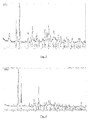
Figure 1 . Shows a comparison of the diffractogram for vivianite (lower diffractogram) with that for a ferrous phosphate synthesised from phosphated waste water and ferrous sulphate laboratory reagent (upper diffractogram). -
Figure 2 . Shows a comparison of the diffractogram for vivianite (lower diffractogram) with that for a ferrous phosphate synthesised from phosphated waste water and waste ferrous sulphate with 18% Fe (upper diffractogram). -
Figure 3 . Shows a comparison of the diffractogram for vivianite (lower diffractogram) with that for a ferrous phosphate synthesised from phosphated waste water and ferrous sulphate with 15% Fe (upper diffractogram). -
Figure 4 . Shows a comparison of the diffractogram for vivianite (lower diffractogram) with that for a ferrous phosphate synthesised from phosphated waste water and waste ferrous sulphate monohydrate (upper diffractogram). - The similarities can be clearly seen in all these figures between the diffractagrams produced by the vivianite and the different ferrous sulphate compounds obtained from phosphated waste water and ferrous sulphate with differing Fe contents according to the invention.
- Some examples of ferrous phosphate synthesis are shown below, according to the source of iron used in the process:
- Three experiments were carried out with four repetitions in which the ferrous sulphate compound was obtained from waste water as a source of phosphorous with a phosphorous content of 1.09% P and iron sulphate heptahydrate, laboratory reagent (20.08% Fe). One litre of this waste water containing approximately 10.91 g of P was mixed with 149.84 g of ferrous sulphate heptahydrate containing 29.97 g of Fe in a 2 litre beaker and was stirred until it dissolved. Therefore, the Fe/P ratio was 2.747. The pH was then raised to 6.5 - 7.5 with NH4OH, NaOH or KOH to precipitate the ferrous phosphate and the suspension was filtered.
- Table 1 shows the mean compositions of the 3 experiments carried out:
Table 1. Compositions of the ferrous phosphates obtained according to the procedure described on dry material NH4OH NaOH KOH % P 10.21 9.82 9.88 Total %Fe 30.90 31.72 31.23 % Fe2+ 21.44 19.62 19.29 % Fe3+ 9.46 12.10 11.94 % N 2.30 0.058 0.062 % K 1.70 1.85 13.19 % Na 0.69 3.53 0.52 - It is shown that the ferrous phosphate compound resulting has a similar composition to that of mineral vivianite (12.36% P and 33.5% Fe total). In the case of these synthesised ferrous phosphates, upon raising the pH with NH4OH, NaOH or KOH, they were enriched with N, Na or K and other micronutrients at the same time, constituting a source of these elements for plant nutrition.
- Furthermore, as with vivianite, the ferrous phosphates were blue in colour, indicating the presence of Fe2- cations in their mineral structure, as confirmed in the diffractogram shown in
Figure 1 . - As in example 1, nine experiments were carried out with four repetitions in which ferrous phosphate was synthesised from waste water as a source of phosphorous and industrial waste iron sulphates.
- In a 500 ml beaker, 250 ml of phosphated waste water containing 2.07 g of P was mixed with 31.28 g of ferrous sulphate (5.63 g Fe) and stirred until it dissolved. Therefore, the Fe/P ratio was 2.719. The solution was then neutralised with NH4OH, NaOH or KOH to a pH of 6.5 - 7.5 so that the ferrous sulphate compound precipitated and the suspension was filtered.
- Table 2 shows the mean compositions of the experiments carried out:
Table 2. Compositions of' the ferrous phosphates obtained with waste FeSO4·7H2O (18% Fe) according to the procedure described on dry material NH4OH NaOH KOH % P 9.72 9.72 10.08 Total % Fe 23.25 24.23 27.70 % Fe2+ 14.35 18.02 16.56 % Fe3+ 8.90 6.21 11.14 % N 3.30 0.17 0.10 % K 0.29 0.05 6.60 % Na 0.46 3.73 0.47 - In a 500 ml beaker, 250 ml of waste water with a phosphorous content of 2.31 g P was mixed with 41.88 g of ferrous sulphate heptahydrate with 15% Fe (6.28 g Fe) and was stirred until it dissolved. The Fe/P was, therefore, 2.719. It was then neutralised at a pH of 6.5 ― 7.5 with NH4OH, NaOH or KOH to precipitate the ferrous phosphate and the suspension was filtered.
- Table 3 shows the mean compositions of the experiments carried out:
Table 3. Compositions of the ferrous phosphates obtained with waste FeSO4·7H2O (15% Fe) according to the procedure described on dry material NH4OH NaOH KOH % P 8.88 8.08 8.08 Total % Fe 23.72 24.65 21.74 % Fe2+ 13.77 12.50 12.08 % Fe3+ 9.95 12.15 9.66 % N 2.09 0.10 0.12 % K 0.47 0.28 4.62 % Na 0.41 2.79 0.80 - In a 1 litre beaker, 500 ml of waste water with a phosphorous content of 3.93 g P was mixed with 65.04 g of ferrous sulphate monohydrate with 16% Fe (10.41 g Fe) and was stirred until it dissolved. Therefore, the Fe/P ratio was 2.647. The pH was then raised to 6.5 - 7.5 with NH4OH, NaOH or KOH so that the ferrous phosphate precipitated and the suspension was filtered.
- Table 4 shows the mean compositions of the experiments carried out:
Table 4. Compositions of the ferrous phosphates obtained with waste FeSO4·H2O (16% Fe) according to the procedure described on dry material NH4OH NaOH KOH % P 8.58 7.18 10.01 Total % Fe 25.63 25.15 27.49 % Fe2+ 18.00 12.59 19.31 % Fe3+ 12.63 12.56 8.18 % N 2.12 0.09 0.05 % K 0.12 0.10 7.60 % Na 2.63 6.17 2.41 - The product obtained in these cases had a lower Fe and P content than that presented in table 1. The difference lies in the source of Fe. The trials summarised in Table 1 were carried out with ferrous sulphate laboratory reagent, while the trials in Tables 2, 3 and 4 were carried out with ferrous sulphates which come from industries and are considered to be wastes from them, hence they contain a certain level of impurities which reduce the total nutrients and promote the appearance of other solid compounds, generating other small peaks in the diffractograms (
Figures 2 - 4 ). - The total Fe content of the products synthesised at low cost varies between 21.74 and 27.70%.
-
- Al-Borno, A., Tomson, M.B. (1994). The temperature dependence of the solubility product constant of vivianite. Geochimia et Cosmochinia Acta. Vol. 58. No 24. Pages 5373 ― 5378.
- De Santiago, A., Delgado, A. (2007). Effects of humic substances on iron nutrition of lupin. Biology and Fertility of Soils (2007) 43:829 - 836
- Del Campillo, M.C., Barrón, V. and Torrent, J. (2000). Clorosis férrica del olivo y técnicas de corrección más adecuadas. Vida rural Mayo 2000. Pages 54-60
- Del Campillo, M.C., Torrent., J. (2005). El contenido de Fe en suelo es el mejor indicador del riesgo de clorosis férrica. I Jornadas del Grupo de Fertilización de la SECH, Moncada (Valencia)
- Eynard, A., del Campillo, C., Barrón, V., Torrent., J. (1992). Use of vivianite (Fe3(PO4)2·8H2O) to prevent iron chlorosis in calcareous soils. Fertilizer Research 31: 61-67
- Iglesias, I., Dalmau, R., Marcé, X., del Campillo, C., Barrón, V., Torrent., J. (1998). Diversos fosfatos de hierro presentan eficacia prolongada en la prevención de la clorosis férrica en peral (cv. Blanquilla). Nutri-fitos, Pages. 76 - 87
- Pastor, M., Castro, J., hidalgo, J., Camacho, L., F., del Campillo, C. (2000). Corrección de la clorosis férrica en olivar mediante la utilización de quelatos Fe-EDDHA en fertirrigación. Edafología. Volume 7-2. Pages 197-204
- Rombolà, A.D., Toselli, M., Carpintero, J., Ammari, T., Quartieri, M., Torrent, J., Marangoni, B. (2003). Prevention of iron-deficiency induced chlorosis in kiwifruit (Actinidia deliciosa) through soil application of synthetic vivianite in a calcareous soil. Journal of Plant Nutrition. Vol. 26, Nos. 10 & 11, pp. 2031-2041
- Roldan, R., Barrón, V., Torrent, J. (2002). Experimental alteration of vivianite to lepidocrocite in a calcareous medium. Clay minerals 37: 709-718
- Rosado, R., del Campillo, M.C., Barrón, V. y Torrent, J. (2000). Inyección de vivianita al suelo para corregir la clorosis férrica en olivo. Edafología. Volume 7-2. Pages. 57-66
- Rosado, R., del Campillo, M.C., Barrón, V. and Torrent, J. (2002). Long-term effectiveness of vivianite in reducing iron chlorosis in olive trees. Plant and soil 241: 139-144
- Sapota, T., Aldahan, A., Al-Aasm, I.S. (2006). Sedimentary facies and climate control on formation of vivianite and siderite microconcretions in sediments of Lake Baikal, Siberia. Journal Paleolimnology 36: 245 - 257
Claims (13)
- A method for obtaining an iron and phosphorous compound with a similar composition to vivianite (Fe3(PO4)2·8H2O), which is useful as a fertilizer and in the correction of iron chlorosis in plants, from waste materials or by-products containing phosphoric acid and/or phosphates and industrial products containing Fe(II), comprising the steps of:a. providing waste material or by-product containing phosphoric acid and/or phosphates and, where necessary, adjusting its P content with phosphoric acid to 0.01 ― 23 % P (w/w);b. mixing the material from step a) with industrial by-products containing Fe(II) with an Fe concentration in the range 0.5 to 27.5% Fe (w/w);c. adjusting the pH of the resulting solution or suspension to a value between 6.5 and 7.5, thereby precipitating the iron and phosphorous compound with a similar composition to vivianite; andd. separating and drying the precipitate obtained.
- A method according to claim 1, wherein, in step a), the P content is adjusted with phosphoric acid, if necessary, to a value in the range 0.5% - 12% P (w/w).
- A method according to claim 2, wherein, in step a), the P content is adjusted with phosphoric acid, if necessary, to a value in the range 0.65% ― 6.55% P (w/w).
- A method according to any of claims 1 to 3, wherein the material in step a) is a solution or suspension which, in step b), is mixed at a ratio of 0.1 ml - 368.45 ml of solution or suspension per gram of Fe contained in the industrial by-products containing Fe(II).
- A method according to any of claims 1 to 4, wherein the material in step a) is a solution or suspension which, in step b), is mixed at a ratio of 1.1 ml - 72.41 ml of solution or suspension per gram of Fe contained in the industrial by-products containing Fe(II).
- A method according to any of claims 1 to 4, wherein the material in step a) is a solution or suspension which, in step b), is mixed at a ratio of 5.34 ml - 58.50 ml of solution or suspension per gram of Fe contained in the industrial by-products containing Fe(II).
- A method according to any of the previous claims, wherein, in step c), the pH is adjusted to a value of around 7.0.
- A method according to any of the previous claims, wherein, in step c), the pH is adjusted using at least one of NH4OH, NaOH and KOH.
- A method according to any of the previous claims, wherein, in step d), the drying is carried out at a temperature of up to 100°C over 18 hours.
- A method according to any of the previous claims, wherein the waste materials or by-products containing phosphoric acid and/or phosphates are acidic waste waters or other currents or solid or semi-solid by-products from the manufacture of phosphoric acid or phosphate fertilizers.
- A method according to any of the previous claims, wherein the industrial by-products containing Fe(II) are waste materials or currents in liquid, solid or semi-solid form containing ferrous sulphates or other salts of mainly Fe(II).
- The use of a compound obtained according to the method of any of the previous claims 1 to 11 as plant fertilizer.
- The use of a compound obtained according to the method of any of the previous claims 1 to 11 in preventive or corrective treatment for iron chlorosis in plants.
Priority Applications (5)
| Application Number | Priority Date | Filing Date | Title |
|---|---|---|---|
| PT123821985T PT2666759T (en) | 2012-05-24 | 2012-05-24 | Method of synthesis of ferrous phosphate from waste materials |
| EP12382198.5A EP2666759B1 (en) | 2012-05-24 | 2012-05-24 | Method of synthesis of ferrous phosphate from waste materials |
| PL12382198T PL2666759T3 (en) | 2012-05-24 | 2012-05-24 | Method of synthesis of ferrous phosphate from waste materials |
| ES12382198T ES2749638T3 (en) | 2012-05-24 | 2012-05-24 | Synthesis method of ferrous phosphate from waste materials |
| HRP20191853TT HRP20191853T1 (en) | 2012-05-24 | 2019-10-15 | Method of synthesis of ferrous phosphate from waste materials |
Applications Claiming Priority (1)
| Application Number | Priority Date | Filing Date | Title |
|---|---|---|---|
| EP12382198.5A EP2666759B1 (en) | 2012-05-24 | 2012-05-24 | Method of synthesis of ferrous phosphate from waste materials |
Publications (2)
| Publication Number | Publication Date |
|---|---|
| EP2666759A1 true EP2666759A1 (en) | 2013-11-27 |
| EP2666759B1 EP2666759B1 (en) | 2019-07-17 |
Family
ID=46298336
Family Applications (1)
| Application Number | Title | Priority Date | Filing Date |
|---|---|---|---|
| EP12382198.5A Active EP2666759B1 (en) | 2012-05-24 | 2012-05-24 | Method of synthesis of ferrous phosphate from waste materials |
Country Status (5)
| Country | Link |
|---|---|
| EP (1) | EP2666759B1 (en) |
| ES (1) | ES2749638T3 (en) |
| HR (1) | HRP20191853T1 (en) |
| PL (1) | PL2666759T3 (en) |
| PT (1) | PT2666759T (en) |
Cited By (11)
| Publication number | Priority date | Publication date | Assignee | Title |
|---|---|---|---|---|
| CN104445555A (en) * | 2014-03-17 | 2015-03-25 | 友达光电股份有限公司 | Wastewater dephosphorization method and preparation method of ferrous phosphate |
| CN104761114A (en) * | 2014-01-07 | 2015-07-08 | 北京林业大学 | Enhanced wastewater phosphorus removal method |
| WO2017198735A1 (en) * | 2016-05-18 | 2017-11-23 | Kemira Oyj | Production of a phosphate containing fertilizer |
| WO2018169395A1 (en) * | 2017-03-15 | 2018-09-20 | Stichting Wetsus, European Centre Of Excellence For Sustainable Water Technology | Method and system for phosphate recovery from a stream |
| CN111620317A (en) * | 2020-07-24 | 2020-09-04 | 山东鑫动能锂电科技有限公司 | A kind of method utilizing ferrous sulfate to prepare ferrous phosphate |
| NL2023428B1 (en) | 2019-07-03 | 2021-02-02 | Univ Delft Tech | Separating phosphate from treated sewer sludge |
| CN113023702A (en) * | 2021-03-05 | 2021-06-25 | 北京工业大学 | Sludge phosphorus recovery method for synthesizing vivianite by adding sponge iron as seed crystal |
| CN113387340A (en) * | 2021-07-02 | 2021-09-14 | 攀枝花学院 | Method for preparing ferrous phosphate hydrated salt crystal |
| NL2028955A (en) * | 2020-11-30 | 2022-01-13 | Univ Suzhou Sci & Technology | Process for enriching phosphorus and recovering vivianite by biofilm method |
| CN117480117A (en) * | 2023-09-21 | 2024-01-30 | 广东邦普循环科技有限公司 | A method for preparing iron phosphate by recycling iron phosphate dust collection material and its application |
| CN119798002A (en) * | 2024-12-13 | 2025-04-11 | 广东省科学院生态环境与土壤研究所 | A soil improvement material and its preparation method and application |
Citations (8)
| Publication number | Priority date | Publication date | Assignee | Title |
|---|---|---|---|---|
| ES2035766A1 (en) * | 1991-04-03 | 1993-04-16 | Torrent Castellet Jose | Correcting ferric chlorosis in plants |
| FR2734562A1 (en) * | 1995-05-22 | 1996-11-29 | Turol Trading Sl | Phosphate fertiliser contg. sulphur and trace elements |
| CA2252656A1 (en) | 1997-11-05 | 1999-05-05 | University Of Waterloo | Treatment system for removing phosphorus |
| US5997747A (en) | 1995-11-09 | 1999-12-07 | Jowett; E. Craig | Treatment of phosphorus in septic tank effluent |
| WO2009030796A2 (en) * | 2007-09-06 | 2009-03-12 | Universidad De Sevilla | Use of a mixture of compost and vivianite in the prevention and control of iron chlorosis in plants |
| ES2320841A1 (en) | 2007-11-27 | 2009-05-28 | Universidad De Sevilla | Method of correction of ferrous chlorosis in plants from phosphoric acid enriched in faith (Machine-translation by Google Translate, not legally binding) |
| US20110154873A1 (en) * | 2009-12-30 | 2011-06-30 | Vitag Corporation | Bioorganically-augmented high value fertilizer |
| US20120103037A1 (en) * | 2008-08-15 | 2012-05-03 | Jennifer Zimmermann | Method for extracting phosphorous from solids using active leaching and phosphate-accumulating microorganisms |
-
2012
- 2012-05-24 EP EP12382198.5A patent/EP2666759B1/en active Active
- 2012-05-24 PL PL12382198T patent/PL2666759T3/en unknown
- 2012-05-24 PT PT123821985T patent/PT2666759T/en unknown
- 2012-05-24 ES ES12382198T patent/ES2749638T3/en active Active
-
2019
- 2019-10-15 HR HRP20191853TT patent/HRP20191853T1/en unknown
Patent Citations (8)
| Publication number | Priority date | Publication date | Assignee | Title |
|---|---|---|---|---|
| ES2035766A1 (en) * | 1991-04-03 | 1993-04-16 | Torrent Castellet Jose | Correcting ferric chlorosis in plants |
| FR2734562A1 (en) * | 1995-05-22 | 1996-11-29 | Turol Trading Sl | Phosphate fertiliser contg. sulphur and trace elements |
| US5997747A (en) | 1995-11-09 | 1999-12-07 | Jowett; E. Craig | Treatment of phosphorus in septic tank effluent |
| CA2252656A1 (en) | 1997-11-05 | 1999-05-05 | University Of Waterloo | Treatment system for removing phosphorus |
| WO2009030796A2 (en) * | 2007-09-06 | 2009-03-12 | Universidad De Sevilla | Use of a mixture of compost and vivianite in the prevention and control of iron chlorosis in plants |
| ES2320841A1 (en) | 2007-11-27 | 2009-05-28 | Universidad De Sevilla | Method of correction of ferrous chlorosis in plants from phosphoric acid enriched in faith (Machine-translation by Google Translate, not legally binding) |
| US20120103037A1 (en) * | 2008-08-15 | 2012-05-03 | Jennifer Zimmermann | Method for extracting phosphorous from solids using active leaching and phosphate-accumulating microorganisms |
| US20110154873A1 (en) * | 2009-12-30 | 2011-06-30 | Vitag Corporation | Bioorganically-augmented high value fertilizer |
Non-Patent Citations (12)
| Title |
|---|
| AL-BOMO, A.; TOMSON, M.B.: "The temperature dependence of the solubility product constant of vivianite", GEOCHIMIA ET COSMOCHINIA ACTA., vol. 58, no. 24, 1994, pages 5373 - 5378 |
| DE SANTIAGO, A.; DELGADO, A.: "Effects of humic substances on iron nutrition of lupin", BIOLOGY AND FERTILITY OF SOILS, vol. 43, 2007, pages 829 - 836 |
| DEL CAMPILLO, M.C.; BARRÓN, V.; TORRENT, J.: "Clorosis férrica del olivo y técnicas de corrección más adecuadas", VIDA RURAL MAYO, 2000, pages 54 - 60 |
| DEL CAMPILLO, M.C.; TORRENT., J.: "El contenido de Fe en suelo es el mejor indicador del riesgo de clorosis férrica", I JOMADAS DEL GRUPO DE FERTILIZACIÓN DE LA SECH, 2005 |
| EYNARD, A.; DEL CAMPILLO, C.; BARRÓN, V.; TORRENT., J.: "Use of vivianite (Fe3(PO4)2·8H2O) to prevent iron chlorosis in calcareous soils", FERTILIZER RESEARCH, vol. 31, 1992, pages 61 - 67 |
| IGLESIAS, I.; DALMAU, R.; MARCÉ, X.; DEL CAMPILLO, C.; BARRÓN, V.; TORRENT., J.: "Diversos fosfatos de hierro presentan eficacia prolongada en la prevención de la clorosis férrica en peral (cv. Blanquilla", NUTRI-FITOS, 1998, pages 76 - 87 |
| PASTOR, M.; CASTRO, J.; HIDALGO, J.; CAMACHO, L., F.; DEL CAMPILLO, C.: "Carrección de la clorosis férrica en olivar mediante la utilización de quelatos Fe-EDDHA en fertirrigación", EDAFOLOGÍA, vol. 7-2, 2000, pages 197 - 204 |
| ROLDAN, R.; BARRÓN, V.; TORRENT, J.: "Experimental alteration of vivianite to lepidocrocite in a calcareous medium", CLAY MINERALS, vol. 37, 2002, pages 709 - 718 |
| ROMBOLÀ, A.D.; TOSELLI, M.; CARPINTERO, J.; AMMARI, T.; QUARTIERI, M.; TORRENT, J.; MARANGONI, B.: "Prevention of iron-deficiency induced chlorosis in kiwrifruit (Actinidia deliciosa) through soil application of synthetic vivianite in a calcareous soil", JOURNAL OF PLANT NUTRITION, vol. 26, no. 10, 11, 2003, pages 2031 - 2041 |
| ROSADO, R.; DEL CAMPILLO, M.C.; BARRÓN, V.; TORRENT, J.: "Long-term effectiveness of vivianite in reducing iron chlorosis in olive trees", PLANT AND SOIL, vol. 241, 2002, pages 139 - 144 |
| ROSADO, R.; DEL CAMPILLO, M.C.; BARRÓN, V.; Y TORRENT, J.: "Inyección de vivianita al suelo para corregir la clorosis férrica en olivo", EDAFOLOGÍA, vol. 7-2, 2000, pages 57 - 66 |
| SAPOTA, T.; ALDAHAN, A.; AL-AASM, I.S.: "Sedimentary facies and climate control on formation of vivianite and siderite microconcretions in sediments of Lake Baikal, Siberia", JOURNAL PALEOLIMNOLOGY, vol. 36, 2006, pages 245 - 257 |
Cited By (17)
| Publication number | Priority date | Publication date | Assignee | Title |
|---|---|---|---|---|
| CN104761114A (en) * | 2014-01-07 | 2015-07-08 | 北京林业大学 | Enhanced wastewater phosphorus removal method |
| CN104445555A (en) * | 2014-03-17 | 2015-03-25 | 友达光电股份有限公司 | Wastewater dephosphorization method and preparation method of ferrous phosphate |
| JP2019522610A (en) * | 2016-05-18 | 2019-08-15 | ケミラ ユルキネン オサケイティエKemira Oyj | Manufacture of phosphate-containing fertilizer |
| WO2017198735A1 (en) * | 2016-05-18 | 2017-11-23 | Kemira Oyj | Production of a phosphate containing fertilizer |
| EP4219411A1 (en) * | 2017-03-15 | 2023-08-02 | Kemira OYJ | Method and system for phosphate recovery from a stream |
| NL2018525B1 (en) * | 2017-03-15 | 2018-09-24 | Stichting Wetsus European Centre Of Excellence For Sustainable Water Tech | Method and system for phosphate recovery from a stream |
| CN110691758A (en) * | 2017-03-15 | 2020-01-14 | 威特苏斯基金会,欧洲可持续水处理技术卓越中心 | Method and system for recovering phosphate from a stream |
| WO2018169395A1 (en) * | 2017-03-15 | 2018-09-20 | Stichting Wetsus, European Centre Of Excellence For Sustainable Water Technology | Method and system for phosphate recovery from a stream |
| US11834355B2 (en) | 2017-03-15 | 2023-12-05 | Kemira Oyj | Method and system for phosphate recovery from a stream |
| NL2023428B1 (en) | 2019-07-03 | 2021-02-02 | Univ Delft Tech | Separating phosphate from treated sewer sludge |
| CN111620317A (en) * | 2020-07-24 | 2020-09-04 | 山东鑫动能锂电科技有限公司 | A kind of method utilizing ferrous sulfate to prepare ferrous phosphate |
| NL2028955A (en) * | 2020-11-30 | 2022-01-13 | Univ Suzhou Sci & Technology | Process for enriching phosphorus and recovering vivianite by biofilm method |
| CN113023702A (en) * | 2021-03-05 | 2021-06-25 | 北京工业大学 | Sludge phosphorus recovery method for synthesizing vivianite by adding sponge iron as seed crystal |
| CN113387340A (en) * | 2021-07-02 | 2021-09-14 | 攀枝花学院 | Method for preparing ferrous phosphate hydrated salt crystal |
| CN117480117A (en) * | 2023-09-21 | 2024-01-30 | 广东邦普循环科技有限公司 | A method for preparing iron phosphate by recycling iron phosphate dust collection material and its application |
| WO2025059967A1 (en) * | 2023-09-21 | 2025-03-27 | 广东邦普循环科技有限公司 | Method for recycling and preparing iron phosphate from iron phosphate-containing collected dust material, and use of iron phosphate |
| CN119798002A (en) * | 2024-12-13 | 2025-04-11 | 广东省科学院生态环境与土壤研究所 | A soil improvement material and its preparation method and application |
Also Published As
| Publication number | Publication date |
|---|---|
| PT2666759T (en) | 2019-10-29 |
| ES2749638T3 (en) | 2020-03-23 |
| EP2666759B1 (en) | 2019-07-17 |
| PL2666759T3 (en) | 2020-06-15 |
| HRP20191853T1 (en) | 2019-12-27 |
Similar Documents
| Publication | Publication Date | Title |
|---|---|---|
| EP2666759B1 (en) | Method of synthesis of ferrous phosphate from waste materials | |
| Wahba et al. | Management of calcareous soils in arid region | |
| El Diwani et al. | Recovery of ammonia nitrogen from industrial wastewater treatment as struvite slow releasing fertilizer | |
| CA2182300C (en) | A novel formulation of phosphorus fertilizer for plants | |
| CN104177150B (en) | Iron tailings residue Reclaimed Soil and preparation method | |
| Yu et al. | Effect of organic materials on the chemical properties of saline soil in the Yellow River Delta of China | |
| Uygur et al. | The effect of organic amendments on mineral phosphate fractions in calcareous soils | |
| US7875096B2 (en) | Fertilizer | |
| Saracanlao et al. | Increasing phosphorus fertilizer value of recycled iron phosphates by prolonged flooding and organic matter addition | |
| Eshun et al. | Assessing microbially mediated vivianite as a novel phosphorus and iron fertilizer | |
| KR101514377B1 (en) | Composite fertilizer including ion activation composite and making process thereof | |
| WO2014005201A1 (en) | Complex liquid fertilizer | |
| Kłeczek et al. | Humic substances and significance of their application–a review | |
| KR20130142444A (en) | Ion activation composite contains mineral extract by nitric acid hydrolysys and making process thereof | |
| Humaria | Impact of iron and steel slag on crop cultivation: a review | |
| Liu et al. | Enhancing efficiency of phosphorus fertilizers through formula modifications | |
| New et al. | Study on phosphate solubilization of salt tolerant soil yeast isolates and effects on maize germination and growth | |
| WO2001074740A2 (en) | Improved solubility fertilizer compounds and compositions | |
| KR100828730B1 (en) | Soil Improving Agent and Soil Improving Method Using Basic Compound and Legal Sulfur | |
| Hafez et al. | Efficient Eco-Friendly Organic Wastes Mixed with Growth Promoting Bacteria to Remediate and Increase Fertility of Saline Sodic Soil in Egypt | |
| Jagtap et al. | Effect of Micronutrient Fertilizers on Release of Nutrients in Saline-sorlic Soil | |
| Silas et al. | The pH of leaf water extracts and amount of acid required lowering the pH of leaf water extracts to 5.0 | |
| Drief | Impact of soil, plant, and fertilizer properties and processes on the dissolution and agronomic effectiveness of Moroccan phosphate rock: A thesis submitted in partial fulfilment of the requirements for the degree of Doctor of Philosophy at Lincoln University | |
| Sathya et al. | Effect of soil properties on availability of nitrogen and phosphorus in submerged and upland soil-a review. | |
| Hafeza et al. | Efficient Eco-Friendly Organic Wastes Mixed with Growth Promoting Bacteria to 1 Remediate and Increase Fertility of Saline Sodic Soil in Egypt 2 |
Legal Events
| Date | Code | Title | Description |
|---|---|---|---|
| PUAI | Public reference made under article 153(3) epc to a published international application that has entered the european phase |
Free format text: ORIGINAL CODE: 0009012 |
|
| AK | Designated contracting states |
Kind code of ref document: A1 Designated state(s): AL AT BE BG CH CY CZ DE DK EE ES FI FR GB GR HR HU IE IS IT LI LT LU LV MC MK MT NL NO PL PT RO RS SE SI SK SM TR |
|
| AX | Request for extension of the european patent |
Extension state: BA ME |
|
| 17P | Request for examination filed |
Effective date: 20140527 |
|
| RBV | Designated contracting states (corrected) |
Designated state(s): AL AT BE BG CH CY CZ DE DK EE ES FI FR GB GR HR HU IE IS IT LI LT LU LV MC MK MT NL NO PL PT RO RS SE SI SK SM TR |
|
| STAA | Information on the status of an ep patent application or granted ep patent |
Free format text: STATUS: EXAMINATION IS IN PROGRESS |
|
| 17Q | First examination report despatched |
Effective date: 20171129 |
|
| GRAP | Despatch of communication of intention to grant a patent |
Free format text: ORIGINAL CODE: EPIDOSNIGR1 |
|
| STAA | Information on the status of an ep patent application or granted ep patent |
Free format text: STATUS: GRANT OF PATENT IS INTENDED |
|
| GRAS | Grant fee paid |
Free format text: ORIGINAL CODE: EPIDOSNIGR3 |
|
| GRAA | (expected) grant |
Free format text: ORIGINAL CODE: 0009210 |
|
| STAA | Information on the status of an ep patent application or granted ep patent |
Free format text: STATUS: THE PATENT HAS BEEN GRANTED |
|
| INTG | Intention to grant announced |
Effective date: 20190522 |
|
| AK | Designated contracting states |
Kind code of ref document: B1 Designated state(s): AL AT BE BG CH CY CZ DE DK EE ES FI FR GB GR HR HU IE IS IT LI LT LU LV MC MK MT NL NO PL PT RO RS SE SI SK SM TR |
|
| REG | Reference to a national code |
Ref country code: GB Ref legal event code: FG4D |
|
| REG | Reference to a national code |
Ref country code: CH Ref legal event code: EP |
|
| REG | Reference to a national code |
Ref country code: IE Ref legal event code: FG4D |
|
| REG | Reference to a national code |
Ref country code: DE Ref legal event code: R096 Ref document number: 602012062053 Country of ref document: DE |
|
| REG | Reference to a national code |
Ref country code: AT Ref legal event code: REF Ref document number: 1155709 Country of ref document: AT Kind code of ref document: T Effective date: 20190815 |
|
| REG | Reference to a national code |
Ref country code: HR Ref legal event code: TUEP Ref document number: P20191853 Country of ref document: HR |
|
| REG | Reference to a national code |
Ref country code: ES Ref legal event code: PC2A Owner name: INCRO, S.A. Effective date: 20191016 |
|
| REG | Reference to a national code |
Ref country code: PT Ref legal event code: SC4A Ref document number: 2666759 Country of ref document: PT Date of ref document: 20191029 Kind code of ref document: T Free format text: AVAILABILITY OF NATIONAL TRANSLATION Effective date: 20191016 |
|
| REG | Reference to a national code |
Ref country code: NL Ref legal event code: MP Effective date: 20190717 |
|
| RAP2 | Party data changed (patent owner data changed or rights of a patent transferred) |
Owner name: INCRO, S.A. |
|
| REG | Reference to a national code |
Ref country code: LT Ref legal event code: MG4D |
|
| REG | Reference to a national code |
Ref country code: HR Ref legal event code: PPPP Ref document number: P20191853 Country of ref document: HR Owner name: INCRO S.A., ES |
|
| REG | Reference to a national code |
Ref country code: HR Ref legal event code: T1PR Ref document number: P20191853 Country of ref document: HR |
|
| REG | Reference to a national code |
Ref country code: AT Ref legal event code: MK05 Ref document number: 1155709 Country of ref document: AT Kind code of ref document: T Effective date: 20190717 |
|
| REG | Reference to a national code |
Ref country code: GR Ref legal event code: EP Ref document number: 20190403089 Country of ref document: GR Effective date: 20200122 |
|
| PG25 | Lapsed in a contracting state [announced via postgrant information from national office to epo] |
Ref country code: SE Free format text: LAPSE BECAUSE OF FAILURE TO SUBMIT A TRANSLATION OF THE DESCRIPTION OR TO PAY THE FEE WITHIN THE PRESCRIBED TIME-LIMIT Effective date: 20190717 Ref country code: NO Free format text: LAPSE BECAUSE OF FAILURE TO SUBMIT A TRANSLATION OF THE DESCRIPTION OR TO PAY THE FEE WITHIN THE PRESCRIBED TIME-LIMIT Effective date: 20191017 Ref country code: AT Free format text: LAPSE BECAUSE OF FAILURE TO SUBMIT A TRANSLATION OF THE DESCRIPTION OR TO PAY THE FEE WITHIN THE PRESCRIBED TIME-LIMIT Effective date: 20190717 Ref country code: BG Free format text: LAPSE BECAUSE OF FAILURE TO SUBMIT A TRANSLATION OF THE DESCRIPTION OR TO PAY THE FEE WITHIN THE PRESCRIBED TIME-LIMIT Effective date: 20191017 Ref country code: LT Free format text: LAPSE BECAUSE OF FAILURE TO SUBMIT A TRANSLATION OF THE DESCRIPTION OR TO PAY THE FEE WITHIN THE PRESCRIBED TIME-LIMIT Effective date: 20190717 Ref country code: NL Free format text: LAPSE BECAUSE OF FAILURE TO SUBMIT A TRANSLATION OF THE DESCRIPTION OR TO PAY THE FEE WITHIN THE PRESCRIBED TIME-LIMIT Effective date: 20190717 |
|
| PG25 | Lapsed in a contracting state [announced via postgrant information from national office to epo] |
Ref country code: AL Free format text: LAPSE BECAUSE OF FAILURE TO SUBMIT A TRANSLATION OF THE DESCRIPTION OR TO PAY THE FEE WITHIN THE PRESCRIBED TIME-LIMIT Effective date: 20190717 Ref country code: LV Free format text: LAPSE BECAUSE OF FAILURE TO SUBMIT A TRANSLATION OF THE DESCRIPTION OR TO PAY THE FEE WITHIN THE PRESCRIBED TIME-LIMIT Effective date: 20190717 Ref country code: IS Free format text: LAPSE BECAUSE OF FAILURE TO SUBMIT A TRANSLATION OF THE DESCRIPTION OR TO PAY THE FEE WITHIN THE PRESCRIBED TIME-LIMIT Effective date: 20191117 Ref country code: RS Free format text: LAPSE BECAUSE OF FAILURE TO SUBMIT A TRANSLATION OF THE DESCRIPTION OR TO PAY THE FEE WITHIN THE PRESCRIBED TIME-LIMIT Effective date: 20190717 |
|
| REG | Reference to a national code |
Ref country code: ES Ref legal event code: FG2A Ref document number: 2749638 Country of ref document: ES Kind code of ref document: T3 Effective date: 20200323 |
|
| PG25 | Lapsed in a contracting state [announced via postgrant information from national office to epo] |
Ref country code: RO Free format text: LAPSE BECAUSE OF FAILURE TO SUBMIT A TRANSLATION OF THE DESCRIPTION OR TO PAY THE FEE WITHIN THE PRESCRIBED TIME-LIMIT Effective date: 20190717 Ref country code: DK Free format text: LAPSE BECAUSE OF FAILURE TO SUBMIT A TRANSLATION OF THE DESCRIPTION OR TO PAY THE FEE WITHIN THE PRESCRIBED TIME-LIMIT Effective date: 20190717 Ref country code: EE Free format text: LAPSE BECAUSE OF FAILURE TO SUBMIT A TRANSLATION OF THE DESCRIPTION OR TO PAY THE FEE WITHIN THE PRESCRIBED TIME-LIMIT Effective date: 20190717 Ref country code: IT Free format text: LAPSE BECAUSE OF FAILURE TO SUBMIT A TRANSLATION OF THE DESCRIPTION OR TO PAY THE FEE WITHIN THE PRESCRIBED TIME-LIMIT Effective date: 20190717 |
|
| PG25 | Lapsed in a contracting state [announced via postgrant information from national office to epo] |
Ref country code: CZ Free format text: LAPSE BECAUSE OF FAILURE TO SUBMIT A TRANSLATION OF THE DESCRIPTION OR TO PAY THE FEE WITHIN THE PRESCRIBED TIME-LIMIT Effective date: 20190717 Ref country code: IS Free format text: LAPSE BECAUSE OF FAILURE TO SUBMIT A TRANSLATION OF THE DESCRIPTION OR TO PAY THE FEE WITHIN THE PRESCRIBED TIME-LIMIT Effective date: 20200224 Ref country code: SM Free format text: LAPSE BECAUSE OF FAILURE TO SUBMIT A TRANSLATION OF THE DESCRIPTION OR TO PAY THE FEE WITHIN THE PRESCRIBED TIME-LIMIT Effective date: 20190717 Ref country code: SK Free format text: LAPSE BECAUSE OF FAILURE TO SUBMIT A TRANSLATION OF THE DESCRIPTION OR TO PAY THE FEE WITHIN THE PRESCRIBED TIME-LIMIT Effective date: 20190717 |
|
| REG | Reference to a national code |
Ref country code: HR Ref legal event code: ODRP Ref document number: P20191853 Country of ref document: HR Payment date: 20200211 Year of fee payment: 9 |
|
| REG | Reference to a national code |
Ref country code: DE Ref legal event code: R097 Ref document number: 602012062053 Country of ref document: DE |
|
| PLBE | No opposition filed within time limit |
Free format text: ORIGINAL CODE: 0009261 |
|
| STAA | Information on the status of an ep patent application or granted ep patent |
Free format text: STATUS: NO OPPOSITION FILED WITHIN TIME LIMIT |
|
| PG2D | Information on lapse in contracting state deleted |
Ref country code: IS |
|
| 26N | No opposition filed |
Effective date: 20200603 |
|
| PG25 | Lapsed in a contracting state [announced via postgrant information from national office to epo] |
Ref country code: SI Free format text: LAPSE BECAUSE OF FAILURE TO SUBMIT A TRANSLATION OF THE DESCRIPTION OR TO PAY THE FEE WITHIN THE PRESCRIBED TIME-LIMIT Effective date: 20190717 |
|
| REG | Reference to a national code |
Ref country code: DE Ref legal event code: R119 Ref document number: 602012062053 Country of ref document: DE |
|
| PG25 | Lapsed in a contracting state [announced via postgrant information from national office to epo] |
Ref country code: CH Free format text: LAPSE BECAUSE OF NON-PAYMENT OF DUE FEES Effective date: 20200531 Ref country code: MC Free format text: LAPSE BECAUSE OF FAILURE TO SUBMIT A TRANSLATION OF THE DESCRIPTION OR TO PAY THE FEE WITHIN THE PRESCRIBED TIME-LIMIT Effective date: 20190717 Ref country code: LI Free format text: LAPSE BECAUSE OF NON-PAYMENT OF DUE FEES Effective date: 20200531 |
|
| REG | Reference to a national code |
Ref country code: BE Ref legal event code: MM Effective date: 20200531 |
|
| GBPC | Gb: european patent ceased through non-payment of renewal fee |
Effective date: 20200524 |
|
| PG25 | Lapsed in a contracting state [announced via postgrant information from national office to epo] |
Ref country code: LU Free format text: LAPSE BECAUSE OF NON-PAYMENT OF DUE FEES Effective date: 20200524 |
|
| PG25 | Lapsed in a contracting state [announced via postgrant information from national office to epo] |
Ref country code: GB Free format text: LAPSE BECAUSE OF NON-PAYMENT OF DUE FEES Effective date: 20200524 Ref country code: FR Free format text: LAPSE BECAUSE OF NON-PAYMENT OF DUE FEES Effective date: 20200531 Ref country code: IE Free format text: LAPSE BECAUSE OF NON-PAYMENT OF DUE FEES Effective date: 20200524 |
|
| REG | Reference to a national code |
Ref country code: HR Ref legal event code: ODRP Ref document number: P20191853 Country of ref document: HR Payment date: 20210413 Year of fee payment: 10 |
|
| PG25 | Lapsed in a contracting state [announced via postgrant information from national office to epo] |
Ref country code: DE Free format text: LAPSE BECAUSE OF NON-PAYMENT OF DUE FEES Effective date: 20201201 Ref country code: BE Free format text: LAPSE BECAUSE OF NON-PAYMENT OF DUE FEES Effective date: 20200531 |
|
| REG | Reference to a national code |
Ref country code: HR Ref legal event code: ODRP Ref document number: P20191853 Country of ref document: HR Payment date: 20220325 Year of fee payment: 11 |
|
| PG25 | Lapsed in a contracting state [announced via postgrant information from national office to epo] |
Ref country code: MT Free format text: LAPSE BECAUSE OF FAILURE TO SUBMIT A TRANSLATION OF THE DESCRIPTION OR TO PAY THE FEE WITHIN THE PRESCRIBED TIME-LIMIT Effective date: 20190717 Ref country code: CY Free format text: LAPSE BECAUSE OF FAILURE TO SUBMIT A TRANSLATION OF THE DESCRIPTION OR TO PAY THE FEE WITHIN THE PRESCRIBED TIME-LIMIT Effective date: 20190717 |
|
| PG25 | Lapsed in a contracting state [announced via postgrant information from national office to epo] |
Ref country code: MK Free format text: LAPSE BECAUSE OF FAILURE TO SUBMIT A TRANSLATION OF THE DESCRIPTION OR TO PAY THE FEE WITHIN THE PRESCRIBED TIME-LIMIT Effective date: 20190717 |
|
| REG | Reference to a national code |
Ref country code: HR Ref legal event code: ODRP Ref document number: P20191853 Country of ref document: HR Payment date: 20230518 Year of fee payment: 12 |
|
| P01 | Opt-out of the competence of the unified patent court (upc) registered |
Effective date: 20230530 |
|
| REG | Reference to a national code |
Ref country code: HR Ref legal event code: ODRP Ref document number: P20191853 Country of ref document: HR Payment date: 20240416 Year of fee payment: 13 |
|
| PGFP | Annual fee paid to national office [announced via postgrant information from national office to epo] |
Ref country code: PT Payment date: 20250310 Year of fee payment: 14 Ref country code: HR Payment date: 20250311 Year of fee payment: 14 |
|
| PGFP | Annual fee paid to national office [announced via postgrant information from national office to epo] |
Ref country code: FI Payment date: 20250310 Year of fee payment: 14 |
|
| PGFP | Annual fee paid to national office [announced via postgrant information from national office to epo] |
Ref country code: GR Payment date: 20250327 Year of fee payment: 14 |
|
| PGFP | Annual fee paid to national office [announced via postgrant information from national office to epo] |
Ref country code: PL Payment date: 20250311 Year of fee payment: 14 |
|
| PGFP | Annual fee paid to national office [announced via postgrant information from national office to epo] |
Ref country code: TR Payment date: 20250310 Year of fee payment: 14 |
|
| REG | Reference to a national code |
Ref country code: HR Ref legal event code: ODRP Ref document number: P20191853 Country of ref document: HR Payment date: 20250311 Year of fee payment: 14 |
|
| PGFP | Annual fee paid to national office [announced via postgrant information from national office to epo] |
Ref country code: ES Payment date: 20250619 Year of fee payment: 14 |