EP2631299B1 - Method of organic acid fermentation by rumen fluid using cellulose-containing waste matter - Google Patents
Method of organic acid fermentation by rumen fluid using cellulose-containing waste matter Download PDFInfo
- Publication number
- EP2631299B1 EP2631299B1 EP11834470.4A EP11834470A EP2631299B1 EP 2631299 B1 EP2631299 B1 EP 2631299B1 EP 11834470 A EP11834470 A EP 11834470A EP 2631299 B1 EP2631299 B1 EP 2631299B1
- Authority
- EP
- European Patent Office
- Prior art keywords
- rumen fluid
- cellulose
- reaction
- rumen
- waste
- Prior art date
- Legal status (The legal status is an assumption and is not a legal conclusion. Google has not performed a legal analysis and makes no representation as to the accuracy of the status listed.)
- Active
Links
Images



Classifications
-
- C—CHEMISTRY; METALLURGY
- C12—BIOCHEMISTRY; BEER; SPIRITS; WINE; VINEGAR; MICROBIOLOGY; ENZYMOLOGY; MUTATION OR GENETIC ENGINEERING
- C12P—FERMENTATION OR ENZYME-USING PROCESSES TO SYNTHESISE A DESIRED CHEMICAL COMPOUND OR COMPOSITION OR TO SEPARATE OPTICAL ISOMERS FROM A RACEMIC MIXTURE
- C12P7/00—Preparation of oxygen-containing organic compounds
- C12P7/40—Preparation of oxygen-containing organic compounds containing a carboxyl group including Peroxycarboxylic acids
- C12P7/54—Acetic acid
-
- C—CHEMISTRY; METALLURGY
- C02—TREATMENT OF WATER, WASTE WATER, SEWAGE, OR SLUDGE
- C02F—TREATMENT OF WATER, WASTE WATER, SEWAGE, OR SLUDGE
- C02F3/00—Biological treatment of water, waste water, or sewage
-
- C—CHEMISTRY; METALLURGY
- C12—BIOCHEMISTRY; BEER; SPIRITS; WINE; VINEGAR; MICROBIOLOGY; ENZYMOLOGY; MUTATION OR GENETIC ENGINEERING
- C12N—MICROORGANISMS OR ENZYMES; COMPOSITIONS THEREOF; PROPAGATING, PRESERVING, OR MAINTAINING MICROORGANISMS; MUTATION OR GENETIC ENGINEERING; CULTURE MEDIA
- C12N1/00—Microorganisms; Compositions thereof; Processes of propagating, maintaining or preserving microorganisms or compositions thereof; Processes of preparing or isolating a composition containing a microorganism; Culture media therefor
- C12N1/22—Processes using, or culture media containing, cellulose or hydrolysates thereof
-
- C—CHEMISTRY; METALLURGY
- C12—BIOCHEMISTRY; BEER; SPIRITS; WINE; VINEGAR; MICROBIOLOGY; ENZYMOLOGY; MUTATION OR GENETIC ENGINEERING
- C12P—FERMENTATION OR ENZYME-USING PROCESSES TO SYNTHESISE A DESIRED CHEMICAL COMPOUND OR COMPOSITION OR TO SEPARATE OPTICAL ISOMERS FROM A RACEMIC MIXTURE
- C12P5/00—Preparation of hydrocarbons or halogenated hydrocarbons
- C12P5/02—Preparation of hydrocarbons or halogenated hydrocarbons acyclic
- C12P5/023—Methane
-
- C—CHEMISTRY; METALLURGY
- C12—BIOCHEMISTRY; BEER; SPIRITS; WINE; VINEGAR; MICROBIOLOGY; ENZYMOLOGY; MUTATION OR GENETIC ENGINEERING
- C12P—FERMENTATION OR ENZYME-USING PROCESSES TO SYNTHESISE A DESIRED CHEMICAL COMPOUND OR COMPOSITION OR TO SEPARATE OPTICAL ISOMERS FROM A RACEMIC MIXTURE
- C12P7/00—Preparation of oxygen-containing organic compounds
- C12P7/40—Preparation of oxygen-containing organic compounds containing a carboxyl group including Peroxycarboxylic acids
- C12P7/52—Propionic acid; Butyric acids
-
- D—TEXTILES; PAPER
- D21—PAPER-MAKING; PRODUCTION OF CELLULOSE
- D21C—PRODUCTION OF CELLULOSE BY REMOVING NON-CELLULOSE SUBSTANCES FROM CELLULOSE-CONTAINING MATERIALS; REGENERATION OF PULPING LIQUORS; APPARATUS THEREFOR
- D21C5/00—Other processes for obtaining cellulose, e.g. cooking cotton linters ; Processes characterised by the choice of cellulose-containing starting materials
- D21C5/02—Working-up waste paper
-
- C—CHEMISTRY; METALLURGY
- C12—BIOCHEMISTRY; BEER; SPIRITS; WINE; VINEGAR; MICROBIOLOGY; ENZYMOLOGY; MUTATION OR GENETIC ENGINEERING
- C12P—FERMENTATION OR ENZYME-USING PROCESSES TO SYNTHESISE A DESIRED CHEMICAL COMPOUND OR COMPOSITION OR TO SEPARATE OPTICAL ISOMERS FROM A RACEMIC MIXTURE
- C12P2203/00—Fermentation products obtained from optionally pretreated or hydrolyzed cellulosic or lignocellulosic material as the carbon source
-
- Y—GENERAL TAGGING OF NEW TECHNOLOGICAL DEVELOPMENTS; GENERAL TAGGING OF CROSS-SECTIONAL TECHNOLOGIES SPANNING OVER SEVERAL SECTIONS OF THE IPC; TECHNICAL SUBJECTS COVERED BY FORMER USPC CROSS-REFERENCE ART COLLECTIONS [XRACs] AND DIGESTS
- Y02—TECHNOLOGIES OR APPLICATIONS FOR MITIGATION OR ADAPTATION AGAINST CLIMATE CHANGE
- Y02E—REDUCTION OF GREENHOUSE GAS [GHG] EMISSIONS, RELATED TO ENERGY GENERATION, TRANSMISSION OR DISTRIBUTION
- Y02E50/00—Technologies for the production of fuel of non-fossil origin
- Y02E50/30—Fuel from waste, e.g. synthetic alcohol or diesel
-
- Y—GENERAL TAGGING OF NEW TECHNOLOGICAL DEVELOPMENTS; GENERAL TAGGING OF CROSS-SECTIONAL TECHNOLOGIES SPANNING OVER SEVERAL SECTIONS OF THE IPC; TECHNICAL SUBJECTS COVERED BY FORMER USPC CROSS-REFERENCE ART COLLECTIONS [XRACs] AND DIGESTS
- Y02—TECHNOLOGIES OR APPLICATIONS FOR MITIGATION OR ADAPTATION AGAINST CLIMATE CHANGE
- Y02W—CLIMATE CHANGE MITIGATION TECHNOLOGIES RELATED TO WASTEWATER TREATMENT OR WASTE MANAGEMENT
- Y02W30/00—Technologies for solid waste management
- Y02W30/50—Reuse, recycling or recovery technologies
- Y02W30/64—Paper recycling
Definitions
- the present invention is related to a method for the production of organic acids such as acetic acid and propionic acid to serve as a raw material for methane fermentation and for other useful compounds, comprising reacting rumen fluid collected from a ruminant such as cattle with cellulose-containing waste.
- Used paper in an office such as classified papers is currently subjected to a finely cutting treatment.
- As a certain level of strength needs to be maintained during the production of recycle paper from waste paper its recycling number has to be limited and all of the waste paper recovered is not suitable for recycling.
- Patent Documents 1 and 2 Recently, techniques have been reported for the production of ethanol with fermentation of glycosylated products of the cellulose-containing waste by an enzyme such as cellulase (Patent Documents 1 and 2), or an acid (Patent Document 3).
- Patent Documents
- cellulose-containing waste is cellulose-based biomass that is a high-quality material for fermentation
- an effective method for its utilization has been desired.
- Mourino et al. have studied the kinetic of cellulose in vitro degradation or digestion in the presence of rumen microorganisms and more particularly the effect of initial pH of the fermentation medium. Their disclosure, however, remains silent concerning other various means that would be available or useful for improving the production of organic acids generated during cellulose fermentation or digestion.
- the present inventors have studied hard to solve the above problems and found that organic acids to serve as a substrate for methane fermentation, especially, acetic acid that is most accessible to methane bacteria will be obtained as a main decomposed matter when the waste paper is soaked in raw rumen fluid in the presence of cysteine at 0.1-0.25% by weight.
- the present invention is based on the above findings.
- the cellulose-based biomass such as the waste paper could be converted into the organic acids to give a high-quality raw material for methane fermentation such as acetic acid, propionic acid and butyric acid.
- the above method could shorten a reaction time required for the production of the raw material for methane fermentation (acceleration of the acid fermentation) and significantly increase an amount of the production of acetic acid that is a main final-product for the raw material for methane fermentation.
- Methane could be produced effectively by using the organic acids such as acetic acid or processed rumen fluid containing the organic acids thus produced.
- the present invention has the following excellent advantages over the prior arts: It is of a low-cost since it can utilize waste rumen fluid of butchered livestock; its environmental burden is low since the processed fluid can be directly subjected to methane fermentation without any treatment for waste liquid; it will promote the glycosylation of the waste paper since the rumen fluid contains microorganisms that will break an ether bond, a main bond of lignin; and it will not induce the destruction of the bone structure of sugar since the treatment with the microorganisms is mild.
- the present invention relates to a method for the production of organic acids to serve as the raw material for methane fermentation such as acetic acid, propionic acid and butyric acid, comprising reacting the rumen fluid collected from a ruminant with the cellulose-containing waste in the presence of cysteine at 0.1-0.25% by weight.
- cellulose-containing waste means any waste material that has been generated as a result of industrial activities and daily consumption activities, including those containing cellulose as a main component. Its origin and kind are not limited.
- a representative of the cellulose-containing waste is the waste paper such as the used paper in the office.
- the above waste may be optionally subjected to pre-treatment such as fracturing, crushing or cutting depending on its shape, conditions and the like before it is reacted with the rumen fluid.
- the "rumen” is present in the ruminant such as cattle in order to utilize the fiber of plants as energy source.
- the cattle forms a gigantic bursa (first stomach) that occupies almost all part in the left side and half a part (a rear part) in the right side of its abdominal cavity.
- the rumen occupies 80% of the whole of a multiple stomach consisting of the first to forth stomach and has become about 200 liter (L) in volume in an adult cow.
- L liter
- a lot of feed will be stored in the rumen and decomposed by microorganisms living therein.
- About 90% of the rumen content consists of water so that fermentation will be sufficiently performed with the microorganisms.
- An infinite number of bacteria are living in the rumen, which include about 10 9 -10 11 bacteria with 60 kinds or more (cellulolytic bacteria, amylolytic bacteria, proteolytic bacteria, etc.) per 1g of the rumen content and about 10 5 -10 6 protozoa with 90 kinds or more per 1g of the rumen content.
- the decomposition of the feed and synthesis are actively carried out by these microorganisms in the rumen.
- the "rumen fluid" used in the present invention is an aqueous solution (fluid in the first stomach) containing various kinds of the microorganisms living in the rumen of the ruminant and will be about 200 L per an individual of the cattle.
- the rumen fluid can be easily collected from the rumen of the ruminant by any method known for those skilled in the art.
- the rumen fluid that is collected from a living cattle, or the rumen fluid of the butchered livestock, which has been treated as waste, may be used in the present invention.
- the collected rumen fluid may be used in its original conditions (as a "raw rumen fluid") without any pre-treatment.
- the rumen fluid may be stored with freezing and the like and used after storage.
- the anaerobic conditions may be generated, for example, by the presence of a compound with the reducing property such as cysteine within a system of the reaction between the rumen fluid collected from a ruminant with the cellulose-containing waste.
- a compound with the reducing property such as cysteine
- the cysteine concentration is 0.1 - 0.25 % by weight of the whole reaction mixture, when it is added alone.
- the reaction between the rumen fluid and the cellulose-containing waste may be carried out in the closed system under atmosphere of nitrogen or hydrogen in order to obtain the anaerobic conditions.
- reaction temperature in a range around the temperature in the rumen of the ruminant, for example, preferably at 30°C - 45°C, more preferably at 37°C - 42°C in the case of the rumen fluid from the cattle.
- pH of the reaction is in such a range that the microorganisms can sufficiently exert their activities so as to increase the efficiency in the production of the organic acids, such as for example, in a range of 5.0 - 8.0, more preferably in a range of 6.0 - 7.0.
- the waste concentration in the reaction system may be optionally controlled depending on its kind, being usually about 1 - 10 % by weight, for example, 0. 5 % - 7 % by weight, and preferably 5 % - 7 % by weight of the whole reaction system.
- the reaction time between the rumen fluid and the cellulose-containing waste may be optionally controlled by those skilled in the art depending on various reaction conditions such as the kind, amount of the cellulose-containing waste, the condition of the rumen fluid and the like, so that a desired amount of the organic acids can be produced.
- the reaction may be carried out with any suitable apparatus or means known for those skilled in the art.
- a mixture of the rumen fluid and the cellulose-containing waste may be reacted with stirring or shaking in a reaction vessel for a few hours to ten and a few hours, as described in the Examples of the present specification.
- the time for said reaction may be 24 hours or less, preferably about 6 hours.
- acetic acid which is a main raw material for methane fermentation, can be produced in a few hours at its final concentration of acetic acid of 10 g/L (reaction mixture) or more, preferably 12 g/L (reaction mixture) or more, more preferably 15 g/L (reaction mixture) or more, up to about 18 g/L (reaction mixture).
- the present invention relates to a method for the production of methane, comprising performing methane fermentation with any method known for those skilled in the art using as the raw material the organic acids or processed rumen fluid containing said organic acids produced by the method according the present invention.
- Material to be used for the methane fermentation may be any one containing the methane bacteria such as various kinds of sludge that have been generated in various disposing facilities of household or industrial waste products and the like, including, for example, digested sludge produced in an anaerobically-disposing facility for discharged water.
- Rumen fluid was collected orally with a rumen catheter (a tool to obtain stomach fluid of a cow) from a cow about one hour after the cow had been fed, and immediately transferred to and kept in an incubator that had been pre-heated at 37°C.
- a rumen catheter a tool to obtain stomach fluid of a cow
- the results shown in Tables 1 and 2, and Fig. 1, 2 , 4-7 have revealed that the addition of cysteine has increased the production of acetic acid that is accessible to methane bacteria.
- the cysteine concentration is preferably 0.025 - 0.25 % by weight, more preferably of 0.1 % by weight of the whole reaction system. If an amount of the added cysteine is lower than the above range, a sufficient result could not be obtained. If said amount is higher than the above range, it would be undesirable since inhibition would occur due to the resulting low pH and its SH group.
- the amount of the production of acetic acid was increased by about 1.3 g when compared between the cases of 0 % and 0.1 % cysteine in the two tests as shown both in Tables 1 and 2, indicating its reproducibility (Table 1: from 10.021 to 11.337 g/L, Table 2: from 9.66 to 10.971 g/L). Accordingly, it was recognized that the addition of 0.1 % cysteine was strongly involved in the increase of the amount of the production of acetic acid. Furthermore, it was also confirmed that propionic acid and butyric acid were produced due the addition of cysteine. Also, as shown in the time course of an amount of the production of acetic acid in Fig.
- the concentration of the waste paper is preferably 0. 5 % - 7 % by weight, and more preferably 5 % - 7 % by weight of the whole reaction system.
- a lower concentration would be inefficient due to a low amount of the organic compounds per unit area, and a higher concentration would cause insuffient solubilization of the waste paper.
- the evaluation was made in terms of the concentration of acetic acid that was most accessible to the methane bacteria.
- the organic acids were determined with the HPLC by means of a post-column method using a BTB agent. The conditions for the determination are as follows:
- Fig.14 shows an average of an amount of the generated methane gas per day. It indicates that the highest mount (177.7 mL/day with a standard deviation of 16.1 mL/day) of the generated methane gas was shown by the addition of the processed rumen fluid obtained for 6-hour treatment with the rumen fluid, followed by the amount (142.0 mL/day with a standard deviation of 13.4 mL/day) for the processed rumen fluid obtained by 24-hour treatment with the rumen fluid and the amount (71.7 mL/day with a standard deviation of 19.6 mL/day) by the control.
- Table 6 shows that the methane yield was increased in the order of the processed rumen fluid (6 h) > the processed rumen fluid (24 h) >the control, confirming the effectiveness of the treatment with the rumen fluid. Furthermore, it was difficult to continue the methane fermentation in the control as long as ammonium carbonate had been regularly added as a nitrogen source (data not shown). On the other hand, as the processed rumen fluid contained soluble nitrogen of 300-400 mg/L, it was not necessary to externally add any nitrogen source. Accordingly, it was demonstrated that the rumen fluid was effective not only as a catalyst for solubilizing the waste paper but also as the nitrogen source.
- the processed rumen fluid (24 h) produced a larger amount of acetic acid since the waste paper was sufficiently solubilized, an amount of the generated CO 2 during the treatment with the rumen fluid was about 20 times higher than that produced by the processed rumen fluid (6 h).
- loss of carbon resource (carbon originated from the waste paper) as CO 2 was large, and there was a tendency that the amount of the generated methane gas by the addition of the processed rumen fluid (24 h) was lower than that by the processed rumen fluid (6 h).
- the reaction time may be 24 hours or less, preferably about 6 hours.
- the present invention it is possible to produce organic acids to serve as the raw material for methane fermentation from the cellulose-containing waste such as waste paper, and to produce methane gas by methane fermentation using as the raw material the organic acids thus produced.
- the present invention may be therefore utilized finally in the fields of industry for the production of fuel gas, electricity and the like.
Landscapes
- Chemical & Material Sciences (AREA)
- Organic Chemistry (AREA)
- Life Sciences & Earth Sciences (AREA)
- Engineering & Computer Science (AREA)
- Wood Science & Technology (AREA)
- Zoology (AREA)
- Health & Medical Sciences (AREA)
- Genetics & Genomics (AREA)
- Microbiology (AREA)
- Bioinformatics & Cheminformatics (AREA)
- Biotechnology (AREA)
- General Health & Medical Sciences (AREA)
- General Engineering & Computer Science (AREA)
- Biochemistry (AREA)
- Chemical Kinetics & Catalysis (AREA)
- General Chemical & Material Sciences (AREA)
- Hydrology & Water Resources (AREA)
- Environmental & Geological Engineering (AREA)
- Water Supply & Treatment (AREA)
- Biodiversity & Conservation Biology (AREA)
- Medicinal Chemistry (AREA)
- Tropical Medicine & Parasitology (AREA)
- Virology (AREA)
- Biomedical Technology (AREA)
- Preparation Of Compounds By Using Micro-Organisms (AREA)
- Processing Of Solid Wastes (AREA)
- Fodder In General (AREA)
Description
- The present invention is related to a method for the production of organic acids such as acetic acid and propionic acid to serve as a raw material for methane fermentation and for other useful compounds, comprising reacting rumen fluid collected from a ruminant such as cattle with cellulose-containing waste.
- Used paper in an office such as classified papers is currently subjected to a finely cutting treatment. As a certain level of strength needs to be maintained during the production of recycle paper from waste paper, its recycling number has to be limited and all of the waste paper recovered is not suitable for recycling.
- In the past, cellulose-containing waste such as the finely-cut office paper and a kind of waste paper that is not suitable for recycling have been mostly incinerated and not been therefore effectively utilized. Incineration leads to energy loss, and will produce a huge amount of greenhouse gas, carbon dioxide. There is a necessity of a method for utilizing the waste paper that is hard to recycle.
- Recently, techniques have been reported for the production of ethanol with fermentation of glycosylated products of the cellulose-containing waste by an enzyme such as cellulase (
Patent Documents 1 and 2), or an acid (Patent Document 3). -
- Patent Document 1: Japanese Patent Publication
2002-176997 - Patent Document 2: Japanese Patent Publication
2002-186938 - Patent Document 3: Japanese Patent Publication
2007-202518 - Mourino et al. "Initial pH as a Determinant of Cellulose Digestion Rate by mixed Ruminal Microorganisms in vitro", Journal of Dairy Science, American Dairy Science Association, US vol. 84, .
- The above methods of glycosylation with the enzyme and the acid treatment in the prior arts have an advantage of a relatively fast treatment rate. However, the enzyme (cellulase) is expensive, and a method for recovering and re-utilizing of said enzyme has not yet established. There is another problem that said enzyme can not decompose lignin that will prohibit glycosylation. On the other hand, the acid treatment is not preferable from an environmental point of view, and the neutralization of the waste water is therefore necessary in the acid treatment. Furthermore, a bone structure of sugars itself will be partly destroyed due to the over-decomposition with the acid. Accordingly, the above methods with the enzyme and the acid in the prior arts have problems such as a high cost, a high environmental burden and a low efficiency.
- Since the cellulose-containing waste is cellulose-based biomass that is a high-quality material for fermentation, an effective method for its utilization has been desired. Mourino et al. have studied the kinetic of cellulose in vitro degradation or digestion in the presence of rumen microorganisms and more particularly the effect of initial pH of the fermentation medium. Their disclosure, however, remains silent concerning other various means that would be available or useful for improving the production of organic acids generated during cellulose fermentation or digestion.
- The present inventors have studied hard to solve the above problems and found that organic acids to serve as a substrate for methane fermentation, especially, acetic acid that is most accessible to methane bacteria will be obtained as a main decomposed matter when the waste paper is soaked in raw rumen fluid in the presence of cysteine at 0.1-0.25% by weight. The present invention is based on the above findings.
- The present disclosure is therefore related to the following aspects:
- [1] A method for producing organic acids selected from acetic acid, propionic acid and butyric acid, comprising reacting rumen fluid collected from a ruminant with cellulose-containing waste under anaerobic conditions in the presence of cysteine at a concentration of 0.1 - 0.25 % by weight of the whole reaction mixture.
- [2] The method according to
Aspect 1, wherein the cellulose-containing waste is waste paper. - [3] The method according to
Aspect - [4] The method according to any one of Aspects 1-3, wherein the reaction between the rumen fluid collected from the ruminant with the cellulose-containing waste is carried out in anaerobic conditions.
- [5] The method according to
Aspect 4, wherein the anaerobic conditions are generated by co-existence of a compound with a reducing property selected from the group consisting of cysteine, sodium sulfate, ascorbic acid, methionine, thioglycolic acid, DDT and any combination thereof in a system of the reaction between the rumen fluid collected from the ruminant with the cellulose-containing waste. - [6] The method according to
Aspect 5, wherein a cysteine concentration in the reaction system is 0.1 - 0.25 % by weight. - [7] The method according to
Aspect 5, wherein the reaction between the rumen fluid with the cellulose-containing waste is carried out in a closed system under atmosphere of nitrogen or hydrogen. - [8] The method according to any one of Aspects 4-7, wherein the reaction is kept at 30°C - 45°C.
- [9] The method according to any one of Aspects 4-8, wherein pH of the reaction is in a range of 5.0 - 8.0
- [10] The method according to any one of Aspects 1-9, wherein a waste concentration in the reaction system is 0.5 % - 7 % by weight.
- [11] The method according to any one of Aspects 1-10, wherein a final concentration of generated acetic acid is 10g/L (reaction mixture) or more.
- [12] A method for the production of methane comprising performing the method according to aspects 1 - 11 and further using the organic acids or the rumen fluid containing said organic acids for the production of methane.
- According to the method of the present invention, the cellulose-based biomass such as the waste paper could be converted into the organic acids to give a high-quality raw material for methane fermentation such as acetic acid, propionic acid and butyric acid. The above method could shorten a reaction time required for the production of the raw material for methane fermentation (acceleration of the acid fermentation) and significantly increase an amount of the production of acetic acid that is a main final-product for the raw material for methane fermentation. Methane could be produced effectively by using the organic acids such as acetic acid or processed rumen fluid containing the organic acids thus produced.
- The present invention has the following excellent advantages over the prior arts: It is of a low-cost since it can utilize waste rumen fluid of butchered livestock; its environmental burden is low since the processed fluid can be directly subjected to methane fermentation without any treatment for waste liquid; it will promote the glycosylation of the waste paper since the rumen fluid contains microorganisms that will break an ether bond, a main bond of lignin; and it will not induce the destruction of the bone structure of sugar since the treatment with the microorganisms is mild.
-
-
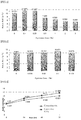
Fig.1 shows the results of an amount of the production of acetic acid as a function of an amount of additive cysteine in the present method. -
Fig. 2 shows the results of an amount of the production of acetic acid as a function of an amount of additive cysteine in the present method. -
Fig.3 shows the time course of an amount of the production of acetic acid as a function of an amount of additive cysteine in the present method. -
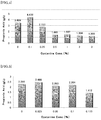
Fig.4 shows the results of an amount of the production of propionic acid as a function of an amount of additive cysteine in the present method. -
Fig. 5 shows the results of an amount of the production of propionic acid as a function of an amount of additive cysteine in the present method. -
Fig. 6 shows the results of an amount of the production of butyric acid as a function of an amount of additive cysteine in the present method. -
Fig. 7 shows the results of an amount of the production of butyric acid as a function of an amount of additive cysteine in the present method. -
Fig.8 shows the results of an amount of the production of acetic acid as a function of a reaction temperature in the present method. -
Fig.9 shows the results of an amount of the production of propionic acid as a function of a reaction temperature in the present method. -
Fig.10 shows the results of an amount of the production of butyric acid as a function of a reaction temperature in the present method. -
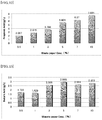
Fig.11 shows the results of an amount of the production of acetic acid as a function of the concentration of waste paper in the present method. -
Fig.12 shows the results of an amount of the production of propionic acid as a function of the concentration of waste paper in the present method. -
Fig.13 shows the results of an amount of the production of butyric acid as a function of the concentration of waste paper in the present method. -
Fig.14 shows an average of an amount of the generated methane gas per day in the methane fermentation according to the present method. - The present invention relates to a method for the production of organic acids to serve as the raw material for methane fermentation such as acetic acid, propionic acid and butyric acid, comprising reacting the rumen fluid collected from a ruminant with the cellulose-containing waste in the presence of cysteine at 0.1-0.25% by weight.
- The term "cellulose-containing waste" means any waste material that has been generated as a result of industrial activities and daily consumption activities, including those containing cellulose as a main component. Its origin and kind are not limited. A representative of the cellulose-containing waste is the waste paper such as the used paper in the office. The above waste may be optionally subjected to pre-treatment such as fracturing, crushing or cutting depending on its shape, conditions and the like before it is reacted with the rumen fluid.
- The "rumen" is present in the ruminant such as cattle in order to utilize the fiber of plants as energy source. In the case of the cattle, it forms a gigantic bursa (first stomach) that occupies almost all part in the left side and half a part (a rear part) in the right side of its abdominal cavity. The rumen occupies 80% of the whole of a multiple stomach consisting of the first to forth stomach and has become about 200 liter (L) in volume in an adult cow. A lot of feed will be stored in the rumen and decomposed by microorganisms living therein. About 90% of the rumen content consists of water so that fermentation will be sufficiently performed with the microorganisms.
- An infinite number of bacteria are living in the rumen, which include about 109-1011 bacteria with 60 kinds or more (cellulolytic bacteria, amylolytic bacteria, proteolytic bacteria, etc.) per 1g of the rumen content and about 105-106 protozoa with 90 kinds or more per 1g of the rumen content. The decomposition of the feed and synthesis are actively carried out by these microorganisms in the rumen.
- The "rumen fluid" used in the present invention is an aqueous solution (fluid in the first stomach) containing various kinds of the microorganisms living in the rumen of the ruminant and will be about 200 L per an individual of the cattle. The rumen fluid can be easily collected from the rumen of the ruminant by any method known for those skilled in the art. The rumen fluid that is collected from a living cattle, or the rumen fluid of the butchered livestock, which has been treated as waste, may be used in the present invention.
- The collected rumen fluid may be used in its original conditions (as a "raw rumen fluid") without any pre-treatment. The rumen fluid may be stored with freezing and the like and used after storage.
- It is preferable to carry out the reaction between the rumen fluid collected from the ruminant and the cellulose-containing waste in anaerobic conditions in order to make the microorganisms sufficiently exert their activities and to increase an efficiency in the production of the organic acids.
- The anaerobic conditions may be generated, for example, by the presence of a compound with the reducing property such as cysteine within a system of the reaction between the rumen fluid collected from a ruminant with the cellulose-containing waste. According to the invention, the cysteine concentration is 0.1 - 0.25 % by weight of the whole reaction mixture, when it is added alone. Alternatively, the reaction between the rumen fluid and the cellulose-containing waste may be carried out in the closed system under atmosphere of nitrogen or hydrogen in order to obtain the anaerobic conditions.
- It is preferred to keep the reaction temperature in a range around the temperature in the rumen of the ruminant, for example, preferably at 30°C - 45°C, more preferably at 37°C - 42°C in the case of the rumen fluid from the cattle.
- It is preferable that pH of the reaction is in such a range that the microorganisms can sufficiently exert their activities so as to increase the efficiency in the production of the organic acids, such as for example, in a range of 5.0 - 8.0, more preferably in a range of 6.0 - 7.0.
- The waste concentration in the reaction system may be optionally controlled depending on its kind, being usually about 1 - 10 % by weight, for example, 0. 5 % - 7 % by weight, and preferably 5 % - 7 % by weight of the whole reaction system.
- The reaction time between the rumen fluid and the cellulose-containing waste may be optionally controlled by those skilled in the art depending on various reaction conditions such as the kind, amount of the cellulose-containing waste, the condition of the rumen fluid and the like, so that a desired amount of the organic acids can be produced.
- The reaction may be carried out with any suitable apparatus or means known for those skilled in the art. For example, a mixture of the rumen fluid and the cellulose-containing waste may be reacted with stirring or shaking in a reaction vessel for a few hours to ten and a few hours, as described in the Examples of the present specification. When the methane fermentation is performed by using the processed rumen fluid obtained as a result of the reaction between the rumen fluid and the cellulose-containing waste, the time for said reaction may be 24 hours or less, preferably about 6 hours.
- According to the method of the present invention, acetic acid, which is a main raw material for methane fermentation, can be produced in a few hours at its final concentration of acetic acid of 10 g/L (reaction mixture) or more, preferably 12 g/L (reaction mixture) or more, more preferably 15 g/L (reaction mixture) or more, up to about 18 g/L (reaction mixture). Furthermore, propionic acid and butyric acid will be decomposed into acetic acid in accordance with the following chemical equation, and to serve as the raw material for methane fermentation as well:
Chemical Equation 1: CH3CH2CH2COO- + 2H2O ⇄ 2CH3COO- + 2H2 + H+ + 48.1kJ/mol CH3CH2COO- + 3H2O ⇄ CH3COO- + HCO3 - + 3H2 + H+ + 76.1kJ/mol
- Furthermore, the present invention relates to a method for the production of methane, comprising performing methane fermentation with any method known for those skilled in the art using as the raw material the organic acids or processed rumen fluid containing said organic acids produced by the method according the present invention. Material to be used for the methane fermentation may be any one containing the methane bacteria such as various kinds of sludge that have been generated in various disposing facilities of household or industrial waste products and the like, including, for example, digested sludge produced in an anaerobically-disposing facility for discharged water.
- The present invention will be specifically explained with reference to the following examples, which will be provided only for the purpose of explanation of the present invention. Accordingly, they shall not be construed as restricting or limiting a scope of the present invention by any means. Those skilled in the art will readily understand that various embodiments or aspects can be performed based on the technical concepts disclosed in the claims.
- Rumen fluid was collected orally with a rumen catheter (a tool to obtain stomach fluid of a cow) from a cow about one hour after the cow had been fed, and immediately transferred to and kept in an incubator that had been pre-heated at 37°C.
-
- Waste paper (waste paper typed with "A" - "Z" in black ink: 49 characters x 17 lines per page): 3 g (1% w/v)
- L-cysteine hydrochloride-hydrate: 0 g (0% w/v) - 9 g (3% w/v)
- 300 ml of the raw rumen fluid, 3 g of the waste paper and 0 g (0% w/v) - 9 g (3% w/v) of L-cysteine hydrochloride-hydrate were added into a reaction vessel (500 ml) equipped with a gas-collecting bag. After culture had been carried out at 37°C for 72 hours with shaking at 140 rpm, the resulting sample was sterilized by filtration with a membrane filter (0.25 µm) and subjected to HPLC for the determination of organic acids.
- The results shown in Tables 1 and 2, and
Fig. 1, 2 ,4-7 have revealed that the addition of cysteine has increased the production of acetic acid that is accessible to methane bacteria. The cysteine concentration is preferably 0.025 - 0.25 % by weight, more preferably of 0.1 % by weight of the whole reaction system. If an amount of the added cysteine is lower than the above range, a sufficient result could not be obtained. If said amount is higher than the above range, it would be undesirable since inhibition would occur due to the resulting low pH and its SH group.[TABLE 1] Cysteine (%) Acetic Acid (g/L) Propionic acid (g/L) Butyric acid (g/L) 0 10.021 3.499 2.308 0. 1 11.564 4. 438 2.205 0.25 11.337 2. 737 2.289 0.5 7.400 1.441 1.575 1 6.588 1.507 1.859 2 5.580 1.304 1.398 3 5.256 1.208 1.354 [TABLE 2] Cysteine (%) Acetic Acid (g/L) Propionic acid (g/L) Butyric acid (g/L) 0 9.667 2.286 1.56 0.025 10.015 2.466 1.653 0.05 10.167 2.093 0.931 0.1 10.971 2.201 1.036 0.175 10.076 1.412 0.532 - The amount of the production of acetic acid was increased by about 1.3 g when compared between the cases of 0 % and 0.1 % cysteine in the two tests as shown both in Tables 1 and 2, indicating its reproducibility (Table 1: from 10.021 to 11.337 g/L, Table 2: from 9.66 to 10.971 g/L). Accordingly, it was recognized that the addition of 0.1 % cysteine was strongly involved in the increase of the amount of the production of acetic acid. Furthermore, it was also confirmed that propionic acid and butyric acid were produced due the addition of cysteine. Also, as shown in the time course of an amount of the production of acetic acid in
Fig. 3 , it was produced in an amount of 10 g/l after 72 hours in the case of 0 % cysteine, but after 48 hours (shortened by 10 hours) in the case of 0.1 % cysteine. These results confirmed that the addition of cysteine caused shortening of the reaction time for the production of the raw material for methane fermentation (acceleration of the acid fermentation). -
- Raw rumen fluid: 300 ml
- Waste paper (waste paper typed with "A" - "Z" in black ink: 49 characters x 17 lines per page): 3 g (1% w/v)
- L-cysteine hydrochloride-hydrate: 0.3 g (0.1% w/v)
- 300 ml of the raw rumen fluid, 3 g of the waste paper and 0.3 g (0.1% w/v) of L-cysteine hydrochloride-hydrate were added into a reaction vessel (500 ml) equipped with a gas-collecting bag. After culture had been carried out at 37°C, 39.5°C or 42°C for 72 hours with shaking at 140 rpm, the resulting sample was sterilized by filtration with a membrane filter (0.25 µm) and subjected to HPLC for the determination of organic acids.
- The results shown in Table 3, and
Fig. 8-10 have first revealed that the waste paper could be solubilized at 37°C, which was lower than the temperature of the cattle (at 38.5°C in colon and at 39.5°C in rumen). The reaction temperature is preferably in the range of 37°C - 42°C, more preferably at 37°C in view of energy for heating. A lower temperature would decrease the activity for decomposing the waste paper, and a higher temperature would also decrease or inactivate the same activity.[TABLE 3] Temperature (°C) Acetic acid (g/L) Propionic acid (g/L) Butyric acid ( g/L) 37 12.996 4.2595 3.074 39.5 12.681 3.6925 2.026 42 12.450 3.043 1.910 -
- Raw rumen fluid: 300 ml
- Waste paper (waste paper typed with "A" - "Z" in black ink: 49 characters x 17 lines per page): 1.5 g (0.5% w/v) - 30 g (10% w/v)
- L-cysteine hydrochloride-hydrate: 0.3 g (0.1% w/v)
- 300 ml of the raw rumen fluid, 1.5 g (0.5% w/v) - 30 g (10% w/v) of the waste paper and 0.3 g (0.1% w/v) of L-cysteine hydrochloride-hydrate were added into a reaction vessel (500 ml) equipped with a gas-collecting bag. After culture had been carried out at 37°C for 72 hours with shaking at 190 rpm, the resulting sample was sterilized by filtration with a membrane filter (0.25 µm) and subjected to HPLC for the determination of organic acids.
- According to the results shown in Table 4,
Fig. 11-13 , the concentration of the waste paper is preferably 0. 5 % - 7 % by weight, and more preferably 5 % - 7 % by weight of the whole reaction system. A lower concentration would be inefficient due to a low amount of the organic compounds per unit area, and a higher concentration would cause insuffient solubilization of the waste paper.[TABLE 4] Concentration of waste paper (%) Acetic acid (g/L) Propionic acid (g/L) Butyric acid (g/L) 0.5 8.364 2.057 1.722 1 12.299 2.915 1.629 3 15.882 3.709 2.595 5 16.687 5.601 2.965 7 17.766 6.37 2.661 10 17.741 7.601 2.822 - The evaluation was made in terms of the concentration of acetic acid that was most accessible to the methane bacteria. The organic acids were determined with the HPLC by means of a post-column method using a BTB agent. The conditions for the determination are as follows:
- Pump: PU-980(JASCO)
- Detector: 870-UV
- Wave length: 445nm
- Column:RSpak HC-G, RSpak KC-811(Shodex)
- Flow rate: 0.8 ml/min
- Temperature: 60°C (column), 20°C (room temperature)
- Reagent Pump: PU-980(JASCO)
- Regent floe rate: 1.2 ml/min
-
- Raw rumen fluid: 300 ml (collected as above)
- Waste paper (waste paper typed with "A" - "Z" in black ink: 49 characters x 17 lines per page): 3 g (1% w/v)
- L-cysteine hydrochloride-hydrate: 0.3 g (0.1% w/v)
- The substrate and nutrient salts shown in Table 5 were added to 2 L of the digested sludge produced in an anaerobically-disposing facility of discharged water and cultured for one month to give seed sludge.
[TABLE 5] CH3COONa 2g/L Fe-EDTA 0.03 g/L Waste paper 2g/L CoCl2▪6H2O 0.005 g/L NH4Cl 2g/L MnCl2▪4H2O 0.005 g/L KH2PO4 0.016 g/L Yeast extract 0.1 g/L CaCl2▪2H2O 0.025 g/L NiCl2▪6H2O 0.005 g/L MgCl2▪6H2O 0.025 g/L - 300 ml of the raw rumen fluid, 3 g (1% w/v) of the waste paper and 0.3 g (0.1% w/v) of L-cysteine hydrochloride-hydrate were added into a reaction vessel (500 ml) equipped with a gas-collecting bag. After culture had been carried out at 37°C for 6 or 24 hours with shaking at 140 rpm. The processed rumen fluid thus obtained was added to 600 mL of the seed sludge at a ratio of 30 mL/day (HRT20 days) to carry out methane fermentation at 35°C, 150 rpm for 20 days. The generated biogas was subjected to gas chromatography to determine a gas composition. In the control, 0.3 g of the waste paper and 30 mL of distilled water were added without the treatment by rumen in the same way.
-
Fig.14 shows an average of an amount of the generated methane gas per day. It indicates that the highest mount (177.7 mL/day with a standard deviation of 16.1 mL/day) of the generated methane gas was shown by the addition of the processed rumen fluid obtained for 6-hour treatment with the rumen fluid, followed by the amount (142.0 mL/day with a standard deviation of 13.4 mL/day) for the processed rumen fluid obtained by 24-hour treatment with the rumen fluid and the amount (71.7 mL/day with a standard deviation of 19.6 mL/day) by the control. - Furthermore, an amount of the generated methane gas by the processed rumen fluid of 300 mL volume (14 mL for 6 hours, 147 mL for 24 hours) was converted into that generated by an input in a day (30 mL) and summed up with the amount the methane gas that has generated in the methane fermentation to give methane yield (Table 6). The theoretical value used in the calculation of the yield (%) was obtained based on COD of the waste paper and the rumen fluid (Table 7: rumen fluid treatment, Table 8: Control)
[TABLE 6] Amount of the generated methane gas Methane gas Total (ml) Theoretical Value (ml) Yield (%) Treatment with rumen fluid (ml) Methane fermentation (ml) Processed rumen fluid (6h) 1.4 177.7 179.1 213.5 83.9 Processed rumen fluid (24h) 14.7 142.0 156.7 213.5 73.4 Control 0 71.7 71.7 108.5 66.1 [TABLE 7] COD (g) COD (Total of the raw material) coefficient Theoretical value (ml) Waste paper (0.3 g) 0.31 0.61 350 213.5 Rumen fluid (30 ml) 0.3 [TABLE 8] COD (g) coefficient Theoretical value (ml) Waste paper (0.3 g) 0.31 350 108.5 - Provided that CH4 + 2O2 → CO2 + 2H2O and that oxygen (64 g) corresponds to COD of methane (22.4L), the following equation is obtained:
COD 1g = CH4 0.35L (= 22.4 ÷ 64) = CH4 350 ml. - Table 6 shows that the methane yield was increased in the order of the processed rumen fluid (6 h) > the processed rumen fluid (24 h) >the control, confirming the effectiveness of the treatment with the rumen fluid. Furthermore, it was difficult to continue the methane fermentation in the control as long as ammonium carbonate had been regularly added as a nitrogen source (data not shown). On the other hand, as the processed rumen fluid contained soluble nitrogen of 300-400 mg/L, it was not necessary to externally add any nitrogen source. Accordingly, it was demonstrated that the rumen fluid was effective not only as a catalyst for solubilizing the waste paper but also as the nitrogen source.
- Although the processed rumen fluid (24 h) produced a larger amount of acetic acid since the waste paper was sufficiently solubilized, an amount of the generated CO2 during the treatment with the rumen fluid was about 20 times higher than that produced by the processed rumen fluid (6 h). As a result, loss of carbon resource (carbon originated from the waste paper) as CO2 was large, and there was a tendency that the amount of the generated methane gas by the addition of the processed rumen fluid (24 h) was lower than that by the processed rumen fluid (6 h). Thus, it is considered that the reaction time may be 24 hours or less, preferably about 6 hours.
- According to the present invention, it is possible to produce organic acids to serve as the raw material for methane fermentation from the cellulose-containing waste such as waste paper, and to produce methane gas by methane fermentation using as the raw material the organic acids thus produced. The present invention may be therefore utilized finally in the fields of industry for the production of fuel gas, electricity and the like.
Claims (9)
- A method for producing organic acids selected from acetic acid, propionic acid and butyric acid, comprising reacting rumen fluid collected from a ruminant with cellulose-containing waste under anaerobic conditions in the presence of cysteine at a concentration of 0.1 - 0.25 % by weight of the whole reaction mixture.
- The method according to claim 1, wherein the cellulose-containing waste is waste paper.
- The method according to claim 1 or 2, wherein the ruminant is cattle.
- The method according to any one of claims 1 - 3, wherein the reaction between the rumen fluid and the cellulose-containing waste is carried out in a closed system under atmosphere of nitrogen or hydrogen.
- The method according to any one of claims 1 - 4, wherein the reaction is kept at 30°C - 45°C.
- The method according to any one of claims 1 - 5, wherein the pH of the reaction is in a range of 5.0 - 8.0.
- The method according to any one of claims 1 - 6, wherein a waste concentration in the reaction system is 0. 5 % - 7 % by weight.
- The method according to any one of claims 1 - 7, wherein a final concentration of generated acetic acid is 10g/L (reaction mixture) or more.
- A method for the production of methane comprising performing the method according to claims 1 - 8 and further using the organic acids or the rumen fluid containing said organic acids for the production of methane.
Applications Claiming Priority (2)
| Application Number | Priority Date | Filing Date | Title |
|---|---|---|---|
| JP2010237676 | 2010-10-22 | ||
| PCT/JP2011/074277 WO2012053631A1 (en) | 2010-10-22 | 2011-10-21 | Method of organic acid fermentation by rumen fluid using cellulose-containing waste matter |
Publications (3)
| Publication Number | Publication Date |
|---|---|
| EP2631299A1 EP2631299A1 (en) | 2013-08-28 |
| EP2631299A4 EP2631299A4 (en) | 2016-04-27 |
| EP2631299B1 true EP2631299B1 (en) | 2019-09-25 |
Family
ID=45975339
Family Applications (1)
| Application Number | Title | Priority Date | Filing Date |
|---|---|---|---|
| EP11834470.4A Active EP2631299B1 (en) | 2010-10-22 | 2011-10-21 | Method of organic acid fermentation by rumen fluid using cellulose-containing waste matter |
Country Status (5)
| Country | Link |
|---|---|
| US (1) | US9574213B2 (en) |
| EP (1) | EP2631299B1 (en) |
| JP (1) | JP5920728B2 (en) |
| CN (1) | CN103180452A (en) |
| WO (1) | WO2012053631A1 (en) |
Families Citing this family (11)
| Publication number | Priority date | Publication date | Assignee | Title |
|---|---|---|---|---|
| CN105274150A (en) * | 2014-07-17 | 2016-01-27 | 武汉摩尔生物科技有限公司 | Semi-artificial rumen method and device for efficient decomposition of plant fibers |
| CN105505995A (en) * | 2015-12-21 | 2016-04-20 | 湖南大学 | Method for increasing methane yield by preprocessing rice straw through rumen microorganisms |
| CN106865937B (en) * | 2017-02-24 | 2019-07-26 | 福建农林大学 | A method for treating sludge with red mud and rumen juice to promote the production of short-chain fatty acids |
| JP2019209286A (en) * | 2018-06-06 | 2019-12-12 | 株式会社神鋼環境ソリューション | Biomass treatment method, wastewater treatment method and wastewater treatment equipment |
| JP2021070000A (en) * | 2019-11-01 | 2021-05-06 | 株式会社神鋼環境ソリューション | Biomass treatment method, and biomass treatment equipment |
| CN111458261A (en) * | 2020-04-28 | 2020-07-28 | 常州工程职业技术学院 | Construction method of system for determining methane production potential of straws |
| JP7843986B2 (en) * | 2020-11-13 | 2026-04-13 | 国立大学法人東北大学 | Lignocellulose decomposition system and method for decomposing lignocellulose |
| JP7641556B2 (en) * | 2020-12-11 | 2025-03-07 | 株式会社神鋼環境ソリューション | Filtration Equipment |
| JP2023087566A (en) * | 2021-12-13 | 2023-06-23 | 国立大学法人東北大学 | liquid composition |
| JP7814031B2 (en) * | 2023-01-27 | 2026-02-16 | 株式会社神鋼環境ソリューション | Hydrogen fermentation treatment system and hydrogen fermentation treatment method |
| CN120098868A (en) * | 2025-05-09 | 2025-06-06 | 上海创赛医药科技有限公司 | Preparation method and device for rumen fluid anaerobic culture medium additive |
Family Cites Families (7)
| Publication number | Priority date | Publication date | Assignee | Title |
|---|---|---|---|---|
| PL308485A1 (en) | 1992-10-22 | 1995-08-07 | Bio Tech Resources | Inhibition of methane generation by methane-producing bacteria by means of antraquinones |
| JP2000232892A (en) | 1999-02-15 | 2000-08-29 | Tokyo Gas Co Ltd | Golf course waste treatment method |
| JP2002176997A (en) | 2000-12-15 | 2002-06-25 | Tsukishima Kikai Co Ltd | Method for treating cellulose-containing material |
| JP2002186938A (en) | 2000-12-20 | 2002-07-02 | Tsukishima Kikai Co Ltd | Method for treating cellulose-containing material |
| JP2007202518A (en) | 2006-02-03 | 2007-08-16 | Mitsui Eng & Shipbuild Co Ltd | Pretreatment method and pretreatment apparatus for woody biomass chip |
| EP2097499A4 (en) * | 2006-12-18 | 2012-05-02 | Univ Maryland | METHOD FOR RAPID ANAEROBIC DIGESTION OF BIOMASS USING MICROBES AND PRODUCTION OF BIOFUELS THEREFROM |
| ES2587402T3 (en) | 2007-08-17 | 2016-10-24 | Basf Se | Carboxylic acid producing member of the Pasteurellaceae family |
-
2011
- 2011-10-21 EP EP11834470.4A patent/EP2631299B1/en active Active
- 2011-10-21 JP JP2012539779A patent/JP5920728B2/en active Active
- 2011-10-21 CN CN2011800507580A patent/CN103180452A/en active Pending
- 2011-10-21 US US13/878,469 patent/US9574213B2/en active Active
- 2011-10-21 WO PCT/JP2011/074277 patent/WO2012053631A1/en not_active Ceased
Non-Patent Citations (1)
| Title |
|---|
| None * |
Also Published As
| Publication number | Publication date |
|---|---|
| WO2012053631A1 (en) | 2012-04-26 |
| US9574213B2 (en) | 2017-02-21 |
| US20130236939A1 (en) | 2013-09-12 |
| CN103180452A (en) | 2013-06-26 |
| JPWO2012053631A1 (en) | 2014-02-24 |
| JP5920728B2 (en) | 2016-05-18 |
| EP2631299A4 (en) | 2016-04-27 |
| EP2631299A1 (en) | 2013-08-28 |
Similar Documents
| Publication | Publication Date | Title |
|---|---|---|
| US9574213B2 (en) | Method of organic acid fermentation by rumen fluid using cellulose-containing waste matter | |
| Tartakovsky et al. | Electrolysis-enhanced anaerobic digestion of wastewater | |
| FI116521B (en) | Procedure for processing organic material | |
| US9121040B2 (en) | Process for rapid anaerobic digestion of biomass using microbes and the production of biofuels therefrom | |
| Domrongpokkaphan et al. | In-situ methane enrichment of biogas from anaerobic digestion of palm oil mill effluent by addition of zero valent iron (ZVI) | |
| CN113195120B (en) | Treatment of organic waste | |
| García-González et al. | Recovery of ammonia from anaerobically digested manure using gas-permeable membranes | |
| EP3800274A1 (en) | Method for producing biomass or derivatives thereof | |
| CN108793656B (en) | Method for improving purity of methane in biogas generated by anaerobic digestion of sludge | |
| KR20140015102A (en) | System for producing biogas using substitution reaction in pretreatment process of anaerobic fermentation to improve biogas production from organic wastes, production method thereof and biogas produced by the method | |
| EP0159054B1 (en) | A process for producing methane from solid vegetable material | |
| JP4875864B2 (en) | Biomass processing system | |
| US20020162794A1 (en) | Anaerobic digestion | |
| JP2006314920A (en) | Energy recovery method from biomass | |
| KR101575582B1 (en) | A cyanide production and accumulation system by using cyanide producing bacterium and a method for recovering platinum group metals from spent automotive catalyst by using this biogenic cyanide production and accumulation system | |
| CN106967588A (en) | Biological material forms methane device and generation method | |
| JP2006312120A (en) | Biomass treatment method | |
| CN112479390A (en) | Compound for organic sewage treatment and preparation process thereof | |
| US20190203250A1 (en) | Microbial pretreatment for conversion of biomass into biogas | |
| JPH0731484A (en) | Method for biologically producing hydrogen | |
| Harvey et al. | Biological hydrogen production: Simultaneous saccharification and fermentation with nitrogen and phosphorus removal from wastewater effluent | |
| Alavi et al. | Increased biological and cathodic hydrogen production using a novel integrated thermophilic fermenter and dual anion exchange membrane bioelectrochemical system | |
| JP2005021731A (en) | Treatment method of anaerobic digestive juice | |
| JP5523168B2 (en) | Processing method of solid biomass | |
| Bjerg et al. | Management of disturbances in agricultural digesters by post-digestion, total solid adjustment, and recirculation |
Legal Events
| Date | Code | Title | Description |
|---|---|---|---|
| PUAI | Public reference made under article 153(3) epc to a published international application that has entered the european phase |
Free format text: ORIGINAL CODE: 0009012 |
|
| 17P | Request for examination filed |
Effective date: 20130516 |
|
| AK | Designated contracting states |
Kind code of ref document: A1 Designated state(s): AL AT BE BG CH CY CZ DE DK EE ES FI FR GB GR HR HU IE IS IT LI LT LU LV MC MK MT NL NO PL PT RO RS SE SI SK SM TR |
|
| DAX | Request for extension of the european patent (deleted) | ||
| RA4 | Supplementary search report drawn up and despatched (corrected) |
Effective date: 20160331 |
|
| RIC1 | Information provided on ipc code assigned before grant |
Ipc: C12P 5/02 20060101ALI20160323BHEP Ipc: C02F 3/28 20060101ALI20160323BHEP Ipc: B09B 3/00 20060101ALI20160323BHEP Ipc: C12P 7/40 20060101AFI20160323BHEP |
|
| STAA | Information on the status of an ep patent application or granted ep patent |
Free format text: STATUS: EXAMINATION IS IN PROGRESS |
|
| 17Q | First examination report despatched |
Effective date: 20180220 |
|
| REG | Reference to a national code |
Ref country code: DE Ref legal event code: R079 Ref document number: 602011062369 Country of ref document: DE Free format text: PREVIOUS MAIN CLASS: C12P0007400000 Ipc: C12P0007520000 |
|
| GRAP | Despatch of communication of intention to grant a patent |
Free format text: ORIGINAL CODE: EPIDOSNIGR1 |
|
| STAA | Information on the status of an ep patent application or granted ep patent |
Free format text: STATUS: GRANT OF PATENT IS INTENDED |
|
| RIC1 | Information provided on ipc code assigned before grant |
Ipc: C12P 5/02 20060101ALI20190319BHEP Ipc: D21C 5/02 20060101ALI20190319BHEP Ipc: C02F 3/00 20060101ALI20190319BHEP Ipc: C12P 7/52 20060101AFI20190319BHEP Ipc: C12P 7/54 20060101ALI20190319BHEP Ipc: C12N 1/22 20060101ALI20190319BHEP |
|
| INTG | Intention to grant announced |
Effective date: 20190409 |
|
| GRAS | Grant fee paid |
Free format text: ORIGINAL CODE: EPIDOSNIGR3 |
|
| GRAA | (expected) grant |
Free format text: ORIGINAL CODE: 0009210 |
|
| STAA | Information on the status of an ep patent application or granted ep patent |
Free format text: STATUS: THE PATENT HAS BEEN GRANTED |
|
| AK | Designated contracting states |
Kind code of ref document: B1 Designated state(s): AL AT BE BG CH CY CZ DE DK EE ES FI FR GB GR HR HU IE IS IT LI LT LU LV MC MK MT NL NO PL PT RO RS SE SI SK SM TR |
|
| REG | Reference to a national code |
Ref country code: GB Ref legal event code: FG4D |
|
| REG | Reference to a national code |
Ref country code: CH Ref legal event code: EP |
|
| REG | Reference to a national code |
Ref country code: DE Ref legal event code: R096 Ref document number: 602011062369 Country of ref document: DE |
|
| REG | Reference to a national code |
Ref country code: AT Ref legal event code: REF Ref document number: 1183873 Country of ref document: AT Kind code of ref document: T Effective date: 20191015 |
|
| REG | Reference to a national code |
Ref country code: IE Ref legal event code: FG4D |
|
| REG | Reference to a national code |
Ref country code: NL Ref legal event code: MP Effective date: 20190925 |
|
| PG25 | Lapsed in a contracting state [announced via postgrant information from national office to epo] |
Ref country code: LT Free format text: LAPSE BECAUSE OF FAILURE TO SUBMIT A TRANSLATION OF THE DESCRIPTION OR TO PAY THE FEE WITHIN THE PRESCRIBED TIME-LIMIT Effective date: 20190925 Ref country code: FI Free format text: LAPSE BECAUSE OF FAILURE TO SUBMIT A TRANSLATION OF THE DESCRIPTION OR TO PAY THE FEE WITHIN THE PRESCRIBED TIME-LIMIT Effective date: 20190925 Ref country code: BG Free format text: LAPSE BECAUSE OF FAILURE TO SUBMIT A TRANSLATION OF THE DESCRIPTION OR TO PAY THE FEE WITHIN THE PRESCRIBED TIME-LIMIT Effective date: 20191225 Ref country code: NO Free format text: LAPSE BECAUSE OF FAILURE TO SUBMIT A TRANSLATION OF THE DESCRIPTION OR TO PAY THE FEE WITHIN THE PRESCRIBED TIME-LIMIT Effective date: 20191225 Ref country code: SE Free format text: LAPSE BECAUSE OF FAILURE TO SUBMIT A TRANSLATION OF THE DESCRIPTION OR TO PAY THE FEE WITHIN THE PRESCRIBED TIME-LIMIT Effective date: 20190925 Ref country code: HR Free format text: LAPSE BECAUSE OF FAILURE TO SUBMIT A TRANSLATION OF THE DESCRIPTION OR TO PAY THE FEE WITHIN THE PRESCRIBED TIME-LIMIT Effective date: 20190925 |
|
| REG | Reference to a national code |
Ref country code: LT Ref legal event code: MG4D |
|
| PG25 | Lapsed in a contracting state [announced via postgrant information from national office to epo] |
Ref country code: RS Free format text: LAPSE BECAUSE OF FAILURE TO SUBMIT A TRANSLATION OF THE DESCRIPTION OR TO PAY THE FEE WITHIN THE PRESCRIBED TIME-LIMIT Effective date: 20190925 Ref country code: GR Free format text: LAPSE BECAUSE OF FAILURE TO SUBMIT A TRANSLATION OF THE DESCRIPTION OR TO PAY THE FEE WITHIN THE PRESCRIBED TIME-LIMIT Effective date: 20191226 Ref country code: LV Free format text: LAPSE BECAUSE OF FAILURE TO SUBMIT A TRANSLATION OF THE DESCRIPTION OR TO PAY THE FEE WITHIN THE PRESCRIBED TIME-LIMIT Effective date: 20190925 |
|
| REG | Reference to a national code |
Ref country code: AT Ref legal event code: MK05 Ref document number: 1183873 Country of ref document: AT Kind code of ref document: T Effective date: 20190925 |
|
| PG25 | Lapsed in a contracting state [announced via postgrant information from national office to epo] |
Ref country code: PL Free format text: LAPSE BECAUSE OF FAILURE TO SUBMIT A TRANSLATION OF THE DESCRIPTION OR TO PAY THE FEE WITHIN THE PRESCRIBED TIME-LIMIT Effective date: 20190925 Ref country code: EE Free format text: LAPSE BECAUSE OF FAILURE TO SUBMIT A TRANSLATION OF THE DESCRIPTION OR TO PAY THE FEE WITHIN THE PRESCRIBED TIME-LIMIT Effective date: 20190925 Ref country code: AT Free format text: LAPSE BECAUSE OF FAILURE TO SUBMIT A TRANSLATION OF THE DESCRIPTION OR TO PAY THE FEE WITHIN THE PRESCRIBED TIME-LIMIT Effective date: 20190925 Ref country code: AL Free format text: LAPSE BECAUSE OF FAILURE TO SUBMIT A TRANSLATION OF THE DESCRIPTION OR TO PAY THE FEE WITHIN THE PRESCRIBED TIME-LIMIT Effective date: 20190925 Ref country code: PT Free format text: LAPSE BECAUSE OF FAILURE TO SUBMIT A TRANSLATION OF THE DESCRIPTION OR TO PAY THE FEE WITHIN THE PRESCRIBED TIME-LIMIT Effective date: 20200127 Ref country code: IT Free format text: LAPSE BECAUSE OF FAILURE TO SUBMIT A TRANSLATION OF THE DESCRIPTION OR TO PAY THE FEE WITHIN THE PRESCRIBED TIME-LIMIT Effective date: 20190925 Ref country code: ES Free format text: LAPSE BECAUSE OF FAILURE TO SUBMIT A TRANSLATION OF THE DESCRIPTION OR TO PAY THE FEE WITHIN THE PRESCRIBED TIME-LIMIT Effective date: 20190925 Ref country code: RO Free format text: LAPSE BECAUSE OF FAILURE TO SUBMIT A TRANSLATION OF THE DESCRIPTION OR TO PAY THE FEE WITHIN THE PRESCRIBED TIME-LIMIT Effective date: 20190925 Ref country code: NL Free format text: LAPSE BECAUSE OF FAILURE TO SUBMIT A TRANSLATION OF THE DESCRIPTION OR TO PAY THE FEE WITHIN THE PRESCRIBED TIME-LIMIT Effective date: 20190925 |
|
| PG25 | Lapsed in a contracting state [announced via postgrant information from national office to epo] |
Ref country code: SM Free format text: LAPSE BECAUSE OF FAILURE TO SUBMIT A TRANSLATION OF THE DESCRIPTION OR TO PAY THE FEE WITHIN THE PRESCRIBED TIME-LIMIT Effective date: 20190925 Ref country code: SK Free format text: LAPSE BECAUSE OF FAILURE TO SUBMIT A TRANSLATION OF THE DESCRIPTION OR TO PAY THE FEE WITHIN THE PRESCRIBED TIME-LIMIT Effective date: 20190925 Ref country code: CZ Free format text: LAPSE BECAUSE OF FAILURE TO SUBMIT A TRANSLATION OF THE DESCRIPTION OR TO PAY THE FEE WITHIN THE PRESCRIBED TIME-LIMIT Effective date: 20190925 Ref country code: IS Free format text: LAPSE BECAUSE OF FAILURE TO SUBMIT A TRANSLATION OF THE DESCRIPTION OR TO PAY THE FEE WITHIN THE PRESCRIBED TIME-LIMIT Effective date: 20200224 |
|
| REG | Reference to a national code |
Ref country code: CH Ref legal event code: PL |
|
| REG | Reference to a national code |
Ref country code: DE Ref legal event code: R097 Ref document number: 602011062369 Country of ref document: DE |
|
| PG2D | Information on lapse in contracting state deleted |
Ref country code: IS |
|
| PG25 | Lapsed in a contracting state [announced via postgrant information from national office to epo] |
Ref country code: LI Free format text: LAPSE BECAUSE OF NON-PAYMENT OF DUE FEES Effective date: 20191031 Ref country code: LU Free format text: LAPSE BECAUSE OF NON-PAYMENT OF DUE FEES Effective date: 20191021 Ref country code: DK Free format text: LAPSE BECAUSE OF FAILURE TO SUBMIT A TRANSLATION OF THE DESCRIPTION OR TO PAY THE FEE WITHIN THE PRESCRIBED TIME-LIMIT Effective date: 20190925 Ref country code: CH Free format text: LAPSE BECAUSE OF NON-PAYMENT OF DUE FEES Effective date: 20191031 Ref country code: IS Free format text: LAPSE BECAUSE OF FAILURE TO SUBMIT A TRANSLATION OF THE DESCRIPTION OR TO PAY THE FEE WITHIN THE PRESCRIBED TIME-LIMIT Effective date: 20200126 |
|
| PLBE | No opposition filed within time limit |
Free format text: ORIGINAL CODE: 0009261 |
|
| STAA | Information on the status of an ep patent application or granted ep patent |
Free format text: STATUS: NO OPPOSITION FILED WITHIN TIME LIMIT |
|
| REG | Reference to a national code |
Ref country code: BE Ref legal event code: MM Effective date: 20191031 |
|
| PG25 | Lapsed in a contracting state [announced via postgrant information from national office to epo] |
Ref country code: MC Free format text: LAPSE BECAUSE OF FAILURE TO SUBMIT A TRANSLATION OF THE DESCRIPTION OR TO PAY THE FEE WITHIN THE PRESCRIBED TIME-LIMIT Effective date: 20190925 Ref country code: BE Free format text: LAPSE BECAUSE OF NON-PAYMENT OF DUE FEES Effective date: 20191031 |
|
| 26N | No opposition filed |
Effective date: 20200626 |
|
| PG25 | Lapsed in a contracting state [announced via postgrant information from national office to epo] |
Ref country code: IE Free format text: LAPSE BECAUSE OF NON-PAYMENT OF DUE FEES Effective date: 20191021 |
|
| PG25 | Lapsed in a contracting state [announced via postgrant information from national office to epo] |
Ref country code: SI Free format text: LAPSE BECAUSE OF FAILURE TO SUBMIT A TRANSLATION OF THE DESCRIPTION OR TO PAY THE FEE WITHIN THE PRESCRIBED TIME-LIMIT Effective date: 20190925 |
|
| PG25 | Lapsed in a contracting state [announced via postgrant information from national office to epo] |
Ref country code: CY Free format text: LAPSE BECAUSE OF FAILURE TO SUBMIT A TRANSLATION OF THE DESCRIPTION OR TO PAY THE FEE WITHIN THE PRESCRIBED TIME-LIMIT Effective date: 20190925 |
|
| PG25 | Lapsed in a contracting state [announced via postgrant information from national office to epo] |
Ref country code: MT Free format text: LAPSE BECAUSE OF FAILURE TO SUBMIT A TRANSLATION OF THE DESCRIPTION OR TO PAY THE FEE WITHIN THE PRESCRIBED TIME-LIMIT Effective date: 20190925 Ref country code: HU Free format text: LAPSE BECAUSE OF FAILURE TO SUBMIT A TRANSLATION OF THE DESCRIPTION OR TO PAY THE FEE WITHIN THE PRESCRIBED TIME-LIMIT; INVALID AB INITIO Effective date: 20111021 |
|
| PG25 | Lapsed in a contracting state [announced via postgrant information from national office to epo] |
Ref country code: TR Free format text: LAPSE BECAUSE OF FAILURE TO SUBMIT A TRANSLATION OF THE DESCRIPTION OR TO PAY THE FEE WITHIN THE PRESCRIBED TIME-LIMIT Effective date: 20190925 |
|
| PG25 | Lapsed in a contracting state [announced via postgrant information from national office to epo] |
Ref country code: MK Free format text: LAPSE BECAUSE OF FAILURE TO SUBMIT A TRANSLATION OF THE DESCRIPTION OR TO PAY THE FEE WITHIN THE PRESCRIBED TIME-LIMIT Effective date: 20190925 |
|
| REG | Reference to a national code |
Ref country code: DE Ref legal event code: R081 Ref document number: 602011062369 Country of ref document: DE Owner name: NAKAI, YUTAKA, TAINAI-SHI, JP Free format text: FORMER OWNER: TOHOKU UNIVERSITY, SENDAI-SHI, MIYAGI, JP |
|
| REG | Reference to a national code |
Ref country code: GB Ref legal event code: 732E Free format text: REGISTERED BETWEEN 20230119 AND 20230125 |
|
| PGFP | Annual fee paid to national office [announced via postgrant information from national office to epo] |
Ref country code: GB Payment date: 20250828 Year of fee payment: 15 |
|
| PGFP | Annual fee paid to national office [announced via postgrant information from national office to epo] |
Ref country code: FR Payment date: 20250908 Year of fee payment: 15 |
|
| PGFP | Annual fee paid to national office [announced via postgrant information from national office to epo] |
Ref country code: DE Payment date: 20250902 Year of fee payment: 15 |