EP2601802B1 - Telefon und steuerverfahren zum abonnieren einer anrufweiterleitung - Google Patents
Telefon und steuerverfahren zum abonnieren einer anrufweiterleitung Download PDFInfo
- Publication number
- EP2601802B1 EP2601802B1 EP10855651.5A EP10855651A EP2601802B1 EP 2601802 B1 EP2601802 B1 EP 2601802B1 EP 10855651 A EP10855651 A EP 10855651A EP 2601802 B1 EP2601802 B1 EP 2601802B1
- Authority
- EP
- European Patent Office
- Prior art keywords
- phone number
- call transfer
- subscription information
- call
- network operator
- Prior art date
- Legal status (The legal status is an assumption and is not a legal conclusion. Google has not performed a legal analysis and makes no representation as to the accuracy of the status listed.)
- Active
Links
Images




Classifications
-
- H—ELECTRICITY
- H04—ELECTRIC COMMUNICATION TECHNIQUE
- H04M—TELEPHONIC COMMUNICATION
- H04M3/00—Automatic or semi-automatic exchanges
- H04M3/42—Systems providing special services or facilities to subscribers
- H04M3/54—Arrangements for diverting calls for one subscriber to another predetermined subscriber
-
- H—ELECTRICITY
- H04—ELECTRIC COMMUNICATION TECHNIQUE
- H04W—WIRELESS COMMUNICATION NETWORKS
- H04W4/00—Services specially adapted for wireless communication networks; Facilities therefor
- H04W4/16—Communication-related supplementary services, e.g. call-transfer or call-hold
-
- H—ELECTRICITY
- H04—ELECTRIC COMMUNICATION TECHNIQUE
- H04M—TELEPHONIC COMMUNICATION
- H04M1/00—Substation equipment, e.g. for use by subscribers
- H04M1/72—Mobile telephones; Cordless telephones, i.e. devices for establishing wireless links to base stations without route selection
- H04M1/724—User interfaces specially adapted for cordless or mobile telephones
-
- H—ELECTRICITY
- H04—ELECTRIC COMMUNICATION TECHNIQUE
- H04W—WIRELESS COMMUNICATION NETWORKS
- H04W12/00—Security arrangements; Authentication; Protecting privacy or anonymity
- H04W12/04—Key management, e.g. using generic bootstrapping architecture [GBA]
- H04W12/043—Key management, e.g. using generic bootstrapping architecture [GBA] using a trusted network node as an anchor
- H04W12/0431—Key distribution or pre-distribution; Key agreement
-
- H—ELECTRICITY
- H04—ELECTRIC COMMUNICATION TECHNIQUE
- H04W—WIRELESS COMMUNICATION NETWORKS
- H04W12/00—Security arrangements; Authentication; Protecting privacy or anonymity
- H04W12/30—Security of mobile devices; Security of mobile applications
- H04W12/35—Protecting application or service provisioning, e.g. securing SIM application provisioning
-
- H—ELECTRICITY
- H04—ELECTRIC COMMUNICATION TECHNIQUE
- H04W—WIRELESS COMMUNICATION NETWORKS
- H04W8/00—Network data management
- H04W8/18—Processing of user or subscriber data, e.g. subscribed services, user preferences or user profiles; Transfer of user or subscriber data
- H04W8/183—Processing at user equipment or user record carrier
-
- H—ELECTRICITY
- H04—ELECTRIC COMMUNICATION TECHNIQUE
- H04M—TELEPHONIC COMMUNICATION
- H04M3/00—Automatic or semi-automatic exchanges
- H04M3/42—Systems providing special services or facilities to subscribers
- H04M3/54—Arrangements for diverting calls for one subscriber to another predetermined subscriber
- H04M3/548—Arrangements for diverting calls for one subscriber to another predetermined subscriber with remote control
-
- H—ELECTRICITY
- H04—ELECTRIC COMMUNICATION TECHNIQUE
- H04W—WIRELESS COMMUNICATION NETWORKS
- H04W12/00—Security arrangements; Authentication; Protecting privacy or anonymity
- H04W12/40—Security arrangements using identity modules
- H04W12/45—Security arrangements using identity modules using multiple identity modules
-
- H—ELECTRICITY
- H04—ELECTRIC COMMUNICATION TECHNIQUE
- H04W—WIRELESS COMMUNICATION NETWORKS
- H04W88/00—Devices specially adapted for wireless communication networks, e.g. terminals, base stations or access point devices
- H04W88/02—Terminal devices
- H04W88/06—Terminal devices adapted for operation in multiple networks or having at least two operational modes, e.g. multi-mode terminals
Definitions
- the present invention generally relates to a telephone, a control method therefor, a provisioning server, and a control method therefor.
- M2ME Machine-to-Machine equipment
- TR 33.812 V9.0.0 3rd Generation Partnership Project
- M2ME which is a kind of a communication device, is provided with a temporary private identity called a Provisional Connectivity ID (PCID).
- the PCID follows the same format as an International Mobile Subscriber Identity (IMSI),'and a network operator identified by the PCID is called a Registration Operator (RO).
- IMSI International Mobile Subscriber Identity
- RO Registration Operator
- the M2ME accesses the RO using the PCID, and requests for subscription information called a Machine Communication Identity Module (MCIM).
- MCIM Machine Communication Identity Module
- SHO Selected Home Operator
- receives the MCIM issued by the SHO receives the MCIM issued by the SHO, and forwards the MCIM to the M2ME.
- SHO Selected Home Operator
- the M2ME is able to obtain the MCIM from the SHO via the RO using the PCID just one time, and thereafter, the M2ME is able to attach a 3GPP network using the MCIM.
- TR 33.812 The mechanism of TR 33.812 is convenient for a user of a communication device such as a mobile phone in that it is possible for the user to obtain subscription information for the communication device via a network.
- a user of a mobile phone can easily obtain an MCIM, which equates to a Universal Subscriber Identity Module (USIM) in this context, and provision it into the mobile phone as needed. Accordingly, it will be more likely in the future that a single mobile phone is provided with two or more USIMs.
- USIM Universal Subscriber Identity Module
- the mobile phone of the user is provided with a USIM ("USIM-S") of a Swedish network operator ("Operator-S").
- USIM-S a USIM
- Operator-S Swedish network operator
- the user decides to subscribe to a Japanese network operator ("Operator-J”).
- the user provisions a USIM ("USIM-J") of Operator-J into the mobile phone, and causes the mobile phone to attach a 3GPP network using USIM-J. Because the user maintains the subscription to Operator-S, the mobile phone is provided with two USIMs.
- US 2008064443 A1 describes a method for setting a service in a mobile communication terminal including at least a first and a second user identity cards. The method includes selecting the first identity card to be used for mobile communication, and requesting services directed to the second identity card be forwarded to the first identity card.
- XP 014047407, 1 July 2010 describes generic bootstrapping architecture (GBA).
- the present invention is intended to address the above-described problem, and it is a feature thereof to introduce an improved mechanism for configuring call transfer.
- a telephone that is capable of accessing a memory for storing subscription information that includes a phone number, the telephone comprising:
- a method for controlling a telephone that is capable of accessing a memory for storing subscription information that includes a phone number, the method comprising:
- a provisioning server for providing a telephone with subscription information that includes a phone number, the provisioning server comprising:
- a provisioning server for providing a telephone with subscription information that includes a phone number comprising:
- a telephone that is capable of accessing a memory for storing subscription information that is provided by a provisioning server and includes a phone number, the telephone comprising:
- a method for controlling a telephone that is capable of accessing a memory for storing subscription information that is provided by a provisioning server and includes a phone number, the method comprising:
- an improved mechanism for configuring call transfer is introduced.
- the user can make a phone call using the phone number of non-selected subscription information as a caller phone number with reduced labor.
- a mobile phone is referred to as an example of the telephone of the present invention.
- the present invention is not limited to the mobile phone.
- the telephone of the present invention may be a fixed telephone.
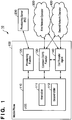
- Fig. 1 illustrates an overview of a call transfer system 10 according to the first embodiment of the present invention.
- the call transfer system 10 comprises a mobile phone 100, a provisioning server 200 that is operated by an RO, a first network operator 300, and a second network operator 400.
- the mobile phone 100 comprises a Universal Integrated Circuit Card (UICC) 110, a provisioning function 120, a common CS/PS function 130, and a call transfer agent 140.
- UICC Universal Integrated Circuit Card
- the provisioning function 120 obtains a USIM from the provisioning server 200 and stores the obtained USIM in the UICC 110 in accordance with the mechanism defined in 3GPP TR 33.812. In the present embodiment, it is assumed that the provisioning function 120 has stored a first USIM 111 of the first network operator 300 and a second USIM 112 of the second network operator 400 in the UICC 110.
- the first USIM 111 includes a Mobile Subscriber ISDN Number (MSISDN), which is hereinafter referred to as a "first phone number”
- the second USIM 112 includes an MSISDN, which is hereinafter referred to as a "second phone number”.
- MSISDN Mobile Subscriber ISDN Number
- the mobile phone 100 obtains USIMs in accordance with the mechanism of TR 33.812
- the present embodiment is not limited to this mechanism.
- the user may visit a network operator's shop and ask a clerk to provision a USIM in the UICC 110.
- the common CS/PS function 130 performs operations related to Circuit Switched (CS) communication and Packet Switched (PS) communication through a 3GPP network.
- the common CS/PS function 130 selects one of the USIMs stored in the UICC 110, and attaches a 3GPP network using the selected USIM.
- the common CS/PS function 130 selects the first USIM 111 and establishes an IP bearer to a Gateway GPRS Support Node (GGSN) of the first network operator 300.
- GGSN Gateway GPRS Support Node
- provisioning function 120 and the common CS/PS function 130 may be implemented using dedicated hardware, using software executed by a processor (not shown) of the mobile phone 100, or a combination thereof.
- the call transfer agent 140 performs the configuration procedure of call transfer as detailed later with reference to the sequence diagram of Fig. 3 .
- the call transfer agent 140 also performs the second dialing procedure as detailed later with reference to the sequence diagram of Fig. 4 .
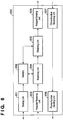
- Fig. 2 illustrates a detailed configuration of the call transfer agent 140 of the mobile phone 100.
- the call transfer agent 140 comprises a searching unit 201, an obtaining unit 202, a sending unit 203, a bootstrapping unit 204, a receiving unit 205, an input unit 206, and a calling unit 207.
- the functionality of each block in the call transfer agent 140 may be implemented using dedicated hardware, using software executed by a processor (not shown), or a combination thereof.
- the detailed operations of each block in the call transfer agent 140 will be described later with reference to the sequence diagrams of Figs. 3 and 4 .
- Fig. 3 is a sequence diagram of the configuration procedure of call transfer according to the first embodiment of the present invention.
- the provisioning function 120 of the mobile phone 100 has stored the first USIM 111 and the second USIM 112 in the UICC 110 before the mobile phone 100 starts the configuration procedure.
- the mobile phone 100 attaches a 3GPP network using the first USIM 111 of the first network operator 300, and configures the call transfer service of the second network operator 400 such that a call addressed to the second phone number of the second USIM 112 is transferred to the first phone number of the first USIM 111.
- step S301 the common CS/PS function 130 of the mobile phone 100 selects one of the USIMs stored in the UICC 110 for use in attaching a 3GPP network.
- the first USIM 111 is selected.
- step S302 the common CS/PS function 130 performs GPRS attach and establishes an IP bearer to the GGSN 340 of the first network operator 300 using the first USIM 111.
- step S303 the searching unit 201 searches the UICC 110 for USIMs that are different from the first USIM 111 selected in step S301.
- the second USIM 112 is found.
- step S304 the obtaining unit 202 obtains the first phone number included in the first USIM 111. In some embodiments, the obtaining unit 202 also obtains the second phone number included in the second USIM 112.
- the bootstrapping unit 204 obtains credentials of the second USIM 112 through the obtaining unit 202, and performs GBA bootstrapping toward the Bootstrapping Server Function (BSF) 410 of the second network operator 400 using the credentials in accordance with the mechanism defined in 3GPP TS 33.220 V7.3.0.
- BSF Bootstrapping Server Function
- the GBA bootstrapping is performed over the IP bearer established in step S302.
- a Bootstrapping Transaction Identifier (B-TID) is generated and shared between the mobile phone 100 and the BSF 410.
- GBA is used to secure the configuration procedure of call transfer in the present embodiment, GBA may be replaced by other mechanisms such as an authentication based on a username/password pair.
- step S306 the obtaining unit 202 obtains, from the second USIM 112, NAF-ID of the call transfer server 420, which acts as a GBA Network Application Function (NAF), of the second network operator 400.
- NAF-ID acts as a GBA Network Application Function (NAF)
- NAF-ID is pre-stored in one Elementary File of the second USIM 112.
- the obtaining unit 202 also obtains Ks_NAF for the call transfer server 420.
- step S307 the sending unit sends, to the call transfer server 420, a call transfer request together with the B-TID and authentication information generated based on the Ks_NAF.
- the call transfer request specifies the first phone number obtained in step S304 as transfer destination information.
- the call transfer request specifies the second phone number as transfer source information.
- the call transfer request specifies the B-TID as the transfer source information.
- the call transfer server 420 can identify the second phone number based on the B-TID with support from the BSF 410, whether the transfer source information is the second phone number itself or the B-TID, the call transfer server 420 can identify the second phone number as a transfer source number.
- step S308 the call transfer server 420 obtains, using the received B-TID, the Ks_NAF from the BSF 410 over the standard GBA Zn interface, and verifies the call transfer request based on the Ks_NAF and the received authentication information.
- the call transfer server 420 also obtains, using the B-TID, the second phone number from the BSF 410.
- step S309 if the call transfer request has been successfully verified in step S308, the call transfer server 420 stores, in a memory (not shown), call transfer information that associates the second phone number with the first phone number.
- step S310 the call transfer server 420 returns an OK message together with a third phone number for use in the second dialing procedure of Fig. 4 .
- the third phone number is received by the receiving unit 205 of the mobile phone 100.
- step S311 the receiving unit 205 stores the third phone number in the calling unit 207.
- the Mobile Service Switching Center (MSC) 430 of the second network operator 400 receives a call addressed to the second phone number of the second USIM 112 later, the call is transferred to the first phone number of the first USIM 111 and received by the mobile phone 100.
- the MSC 430 receives the call addressed to the second phone number.
- the MSC 430 queries the call transfer server 420 about the transfer destination number associated with the second phone number, and identifies the first phone number.
- the MSC 430 transfers the call to the first phone number in step S314, and the call is finally received by the common CS/PS function 130 of the mobile phone 100 via the MSC 330 of the first network operator 300 in step S315.
- the sending unit 203 may send the call transfer request to respective call transfer servers of respective network operators associated with the found USIMs.
- the processing in the other steps is also performed in relation to the respective network operators as needed.
- the bootstrapping unit 204 performs GBA bootstrapping toward the respective BSFs of the respective network operators in step S305.
- Fig. 4 is a sequence diagram of the second dialing procedure according to the first embodiment of the present invention.
- the second dialing procedure can be performed after the third phone number is stored in step S311 of Fig. 3 .
- step S401 the user of the mobile phone 100 decides to make a call, and enters a called phone number through, for example, a keypad (not shown) of the mobile phone 100.
- step S402 the input unit 206 receives the called phone number from the keypad, and inputs the called phone number to the calling unit 207.
- step S403 the calling unit 207, in cooperation with the CS/PS function 130, makes a call to the third phone number, instead of the input called phone number, using the first phone number as a caller phone number.
- the call is eventually received by the MSC 430 of the second network operator.
- step S404 the MSC 430 queries the call transfer server 420 about a phone number associated with the first phone number in the call transfer information stored in step S309.
- the second phone number of the second USIM 112 is identified.
- step S405 the MSC 430 accepts the call, and therefore, the phone call between the mobile phone 100 and the MSC 430 is established.
- step S406 the calling unit 207, in cooperation with the CS/PS function 130, makes a call (i.e., a second dialing) to the called phone number, which has been input in step S402, via the phone call established in step S405.
- a call i.e., a second dialing
- step S407 the MSC 430 makes a call to the called phone number using the second phone number as a caller phone number. Accordingly, even when the mobile phone 100 is using the first USIM 111, the called party can receive a call that uses the second phone number of the second USIM 112 as a caller phone number.
- the mobile phone 100 while the mobile phone 100 is using the first USIM 111 to attach a 3GPP network, the mobile phone 100 configures call transfer such that a call addressed to the second phone number of the second USIM 112 is transferred to the first phone number of the first USIM 111.
- the mobile phone 100 searches for USIMs (e.g., the second USIM 112) that have not been selected, and sends, to the call transfer server 420, a call transfer request for requesting call transfer from the second phone number to the first phone number.
- the mobile phone 100 can receive a phone call addressed to the second phone number even while the mobile phone 100 is using the first USIM 111.
- the third phone number provided to the mobile phone 100 during the configuration procedure of call transfer enables the mobile phone 100 to make a phone call using the second phone number as a caller phone number even while the mobile phone 100 is using the first USIM 111.
- a provisioning server of an RO sends the call transfer request to the call transfer server. Because the provisioning server provides USIMs to the mobile phone, if the provisioning server remembers the provided USIMs and is informed of the USIM selected by the mobile phone, the provisioning server can identify the USIMs that are different from the selected USIMs, and the provisioning server can request call transfer from the phone number of the found USIM to the phone number of the selected USIM on behalf of the mobile phone.
- the configuration procedure of call transfer differs from that of the first embodiment.
- the second dialing procedure is performed in a similar way to that of the first embodiment (see Fig. 4 ).
- Fig. 5 illustrates an overview of a call transfer system 50 according to the second embodiment of the present invention.
- the call transfer system 50 comprises a call transfer agent 540 and a provisioning server 600 in place of the call transfer agent 140 and the provisioning server 200.
- the call transfer agent 540 performs the configuration procedure of call transfer as detailed later with reference to the sequence diagram of Fig. 8 .
- the call transfer agent 540 also performs the second dialing procedure as detailed previously with reference to the sequence diagram of Fig. 4 .
- the provisioning server 600 provides the mobile phone 500 with USIMs. Moreover, the provisioning server 600 sends the call transfer request to the second network operator 400.
- Fig. 6 illustrates a detailed configuration of the provisioning server 600.
- the provisioning server 600 comprises a storing unit 601, a memory 602, a request receiving unit 603, a searching unit 604, an obtaining unit 605, a request sending unit 606, a phone number receiving unit 607, and a phone number sending unit 608.
- the functionality of each block in the provisioning server 600 may be implemented using dedicated hardware, using software executed by a processor (not shown), or a combination thereof. The detailed operations of each block in the provisioning server 600 will be described later with reference to the sequence diagram of Fig. 8 .
- Fig. 7 illustrates a detailed configuration of the call transfer agent 540 of the mobile phone 500.
- the call transfer agent comprises a sending unit 703 in place of the sending unit 203.
- the functionality of each block in the call transfer agent 540 may be implemented using dedicated hardware, using software executed by a processor (not shown), or a combination thereof. The detailed operations of each block in the call transfer agent 540 will be described later with reference to the sequence diagram of Fig. 8 .
- Fig. 8 is a sequence diagram of the configuration procedure of call transfer according to the second embodiment of the present invention.
- step S801 upon request from the provisioning function 120 of the mobile phone 500, the storing unit 601 of the provisioning server 600 provides the provisioning function 120 with a USIM.
- the request includes a PCID, which can be used as device identifier that identifies the mobile phone 500.
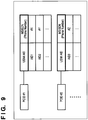
- the storing unit 601 stores, in the memory 602, association information representing association between the PCID, a USIM Application Identity (AID) that identifies the USIM that has been provided to the mobile phone 500 in step S801, and a phone number included in that USIM.
- association information representing association between the PCID, a USIM Application Identity (AID) that identifies the USIM that has been provided to the mobile phone 500 in step S801, and a phone number included in that USIM.
- AID USIM Application Identity
- steps S801 and S802 can be repeated as many times as necessary.
- the association information shown in Fig. 9 as an example is stored in the memory 602.
- step S803 the sending unit 703 of the mobile phone 500 sends a call transfer request to the provisioning server 600.
- the call transfer request is received by the request receiving unit 603 of the provisioning server 600.
- the call transfer request includes the PCID of the mobile phone 500 and the USIM AID of the USIM selected in step S301.
- the USIM AID can be read from DIR Elementary File in the UICC 110.
- step S804 the searching unit 604 of the provisioning server 600 searches the memory 602 for USIM AIDs that are associated with the PCID and that identify USIMs which are different from the selected USIM.
- the searching unit 604 of the provisioning server 600 searches the memory 602 for USIM AIDs that are associated with the PCID and that identify USIMs which are different from the selected USIM.
- step S805 the obtaining unit 605 obtains the first phone number included in the first USIM 111 and the second phone number included in the second USIM 112.
- step S806 the request sending unit 606 sends a call transfer request to the call transfer server 420 of the second network operator 400 associated with the second USIM 112.
- the address of the call transfer server 420 is pre-known by the provisioning server 600.
- the call transfer request specifies the second phone number obtained in step S805 as transfer source information and also specifies the first phone number obtained in step S805 as transfer destination information.
- step S807 the call transfer server 420 stores, in a memory (not shown), call transfer information that associates the second phone number with the first phone number.
- step S808 the call transfer server 420 returns an OK message together with a third phone number for use in the second dialing procedure of Fig. 4 .
- the third phone number is received by the phone number receiving unit 607 of the provisioning server 600.
- step S809 the phone number sending unit 608 sends the OK message and the third phone number to the mobile phone 500.
- the receiving unit 205 of the mobile phone 500 receives the third phone number and stores the third phone number in the calling unit 207.
- the second dialing procedure using the third phone number can be performed in a similar way to that of the first embodiment (see Fig. 4 ).
- the request sending unit 606 may send the call transfer request to respective call transfer servers of respective network operators associated with the USIMs identified by the found USIM AIDs.
- the processing in the other steps is also performed in relation to the respective network operators as needed.
- the mobile phone 500 notifies the provisioning server 600 of the selected USIM (e.g., the first USIM 111) through the USIM AID thereof.
- the provisioning server 600 remembers the USIMs (e.g., the first USIM 111 and the second USIM 112) provided to the mobile phone 500, and searches for USIMs that are different from the selected USIM.
- the provisioning server 600 sends, to the call transfer server 420, a call transfer request for requesting call transfer from the second phone number of the second USIM 112 to the first phone number of the first USIM 111.
- the mobile phone 500 can receive a phone call addressed to the second phone number even while the mobile phone 500 is using the first USIM 111.
- the third phone number provided to the mobile phone 500 during the configuration procedure of call transfer enables the mobile phone 500 to make a phone call using the second phone number as a caller phone number even while the mobile phone 500 is using the first USIM 111.
Landscapes
- Engineering & Computer Science (AREA)
- Signal Processing (AREA)
- Computer Networks & Wireless Communication (AREA)
- Computer Security & Cryptography (AREA)
- Databases & Information Systems (AREA)
- Human Computer Interaction (AREA)
- Telephonic Communication Services (AREA)
- Mobile Radio Communication Systems (AREA)
Claims (5)
- Telefon (100), das auf einen Speicher (110) zugreifen kann, um Teilnehmerinformationen zu speichern, die eine Telefonnummer einschließen, wobei das Telefon Folgendes umfasst:eine Auswahleinheit (130), die konfiguriert ist zum Auswählen eines von zwei universalen Teilnehmerkennungsmodulen, USIMs (111, 112), wobei die ausgewählte USIM im Speicher als erste Teilnehmerinformation gespeichert wird, wobei die erste Teilnehmerinformation einem ersten Netzbetreiber zugeordnet ist und zum Verbinden mit dem ersten Netzwerk verwendet wird und eine erste Telefonnummer einschließt;eine Sucheinheit(201), die konfiguriert ist, um den Speicher nach zweiten Teilnehmerinformationen zu durchsuchen, die sich von der ersten Teilnehmerinformation unterscheiden, wobei die zweiten Teilnehmerinformationen einem zweiten Netzbetreiber zugeordnet sind und eine zweite Telefonnummer einschließen;eine Bootstrapping-Einheit (204), die konfiguriert ist, um über ein Kommunikationsnetz des ersten Netzbetreibers ein generisches Bootstrapping-Architektur-Bootstrapping-Verfahren, GBA-Bootstrapping-Verfahren, zu einer Bootstrapping-Serverfunktion, BSF, des zweiten Netzbetreibers unter Verwendung der zweiten Teilnehmerinformation durchzuführen;eine Erhalteeinheit(202), die konfiguriert ist, um die erste Telefonnummer zu erhalten, die in der ersten Teilnehmerinformation eingeschlossen und konfiguriert ist, um aus der zweiten Teilnehmerinformation eine Kennung, NAF-ID, und einen Schlüssel, Ks_NAF, eines Anrufumleitungsservers des zweiten Netzbetreibers und eine Bootstrapping-Transaktionskennung, B-TID, zu erhalten, die als Ergebnis des GBA-Bootstrapping-Verfahrens erzeugt wurde, wobei der Anrufumleitungsserver als GBA-Netzanwendungsfunktion, NAF, agiert und die B-TID es dem Anrufumleitungsserver ermöglicht, die zweite Telefonnummer mit Unterstützung durch die BSF zu identifizieren; undeine Sendeeinheit (203), die konfiguriert ist, eine Anrufumleitungsanforderung, die B-TID, und Authentifizierungsinformationen, die basierend auf dem Ks_NAF generiert wurden, zu dem Anrufumleitungsserver zu senden, wobei die Anrufumleitungsanforderung dazu dient, den zweiten Netzbetreiber aufzufordern, einen Anruf zur ersten Telefonnummer umzuleiten, der an eine Telefonnummer gerichtet ist, die vom Anrufumleitungsserver basierend auf der B-TID identifiziert wird, wobei die Anrufumleitungsanforderung vom Anrufumleitungsserver basierend auf den Authentifizierungsinformationen authentifiziert wird.
- Telefon nach Anspruch 1, wobei
die Erhalteeinheit konfiguriert ist, um die zweite Telefonnummer selbst als die Umleitungsquelleninformation zu erhalten. - Telefon nach Anspruch 1 oder 2, ferner umfassend:eine Empfangseinheit (205), die konfiguriert ist, um eine dritte Telefonnummer vom Anrufumleitungsserver als Antwort auf die Anrufumleitungsanforderung zu empfangen;eine Eingabeeinheit(206), die konfiguriert ist, um eine angerufene Telefonnummer einzugeben; undeine Anrufeinheit (207, 130), die konfiguriert ist, um die dritte Telefonnummer unter Verwendung der ersten Telefonnummer als Anrufertelefonnummer als Reaktion auf die Eingabe der angerufenen Telefonnummer anzurufen,wobei die Anrufeinheit ferner konfiguriert ist, um die angerufene Telefonnummer über einen Telefonanruf anzurufen, der als Ergebnis des Anrufs an die dritte Telefonnummer eingerichtet wurde.
- Telefon nach einem der Ansprüche 1 bis 3, wobei im Falle, dass die Sucheinheit eine Vielzahl von Elementen von Teilnehmerinformationen findet, die jeweils verschieden von der ersten Teilnehmerinformation sind, die Sendeeinheit konfiguriert ist, um die Anrufumleitungsanforderung zu den jeweiligen Anrufumleitungservern der jeweiligen Netzbetreiber, die den jeweiligen Elementen der gefundenen Teilnehmerinformationen zugeordnet sind, zu senden.
- Verfahren zum Steuern eines Telefons (100), das auf einen Speicher (110) zum Speichern von Teilnehmerinformationen zugreifen kann, die eine Telefonnummer einschließen, wobei das Verfahren durch das Telefon (100) durchgeführt wird und Folgendes umfasst:einen Auswahlschritt (S301) zum Auswählen einer von zwei universalen Teilnehmerkennungsmodulen, USIMs (111, 112), wobei die ausgewählte USIM im Speicher als erste Teilnehmerinformation gespeichert wird, wobei die erste Teilnehmerinformation einem ersten Netzbetreiber zugeordnet wird, zum Verbinden mit dem ersten Netzwerk verwendet wird und eine erste Telefonnummer einschließt;einen Suchschritt(S303) zum Durchsuchen des Speichers nach einer zweiten Teilnehmerinformation, die sich von der ersten Teilnehmerinformation unterscheidet, wobei die zweite Teilnehmerinformation einem zweiten Netzbetreiber zugeordnet ist und eine zweite Telefonnummer einschließt;einen Bootstrapping-Schritt (S305) zum Durchführen eines generischen Bootstrapping-Architektur-Bootstrapping-Verfahrens, GBA-Bootstrapping-Verfahren, über ein Kommunikationsnetzwerk des ersten Netzbetreibers zu einer Bootstrapping-Serverfunktion, BSF, des zweiten Netzbetreibers unter Verwendung der zweiten Teilnehmerinformation;einen Erhalteschritt zum Erhalten (S304, S306) der ersten Telefonnummer, die in der ersten Teilnehmerinformation eingeschlossen ist, und zum Erhalten einer Kennung, NAF-ID, und eines Schlüssels, Ks_NAF, eines Anrufumleitungsservers des zweiten Netzbetreibers aus der zweiten Teilnehmerinformation, und einer Bootstrapping-Transaktionskennung, B-TID, die als Ergebnis des GBA-Bootstrapping-Verfahrens erzeugt wurde, wobei der Anrufumleitungsserver als GBA-Netzanwendungsfunktion, NAF, agiert und die B-TID es dem Anrufumleitungsserver ermöglicht, die zweite Telefonnummer mit Unterstützung durch die BSF zu identifizieren; undeinen Sendeschritt (S307) zum Senden einer Anrufumleitungsanforderung, die B-TID, und der Authentifizierungsinformation, die basierend auf dem Ks_NAF erzeugt wurde, an den Anrufumleitungsserver, wobei die Anrufumleitungsanforderung dazu dient, den zweiten Netzbetreiber aufzufordern, einen Anruf zur ersten Telefonnummer umzuleiten, der an eine Telefonnummer gerichtet ist, die vom Anrufumleitungsserver basierend auf der B-TID identifiziert wird, wobei die Anrufumleitungsanforderung vom Anrufumleitungsserver basierend auf den Authentifizierungsinformationen authentifiziert wird.
Applications Claiming Priority (1)
| Application Number | Priority Date | Filing Date | Title |
|---|---|---|---|
| PCT/JP2010/063590 WO2012017562A1 (en) | 2010-08-04 | 2010-08-04 | Telephone, control method therefor, provisioning server, and control method therefor |
Publications (3)
| Publication Number | Publication Date |
|---|---|
| EP2601802A1 EP2601802A1 (de) | 2013-06-12 |
| EP2601802A4 EP2601802A4 (de) | 2017-09-27 |
| EP2601802B1 true EP2601802B1 (de) | 2019-04-17 |
Family
ID=45559092
Family Applications (1)
| Application Number | Title | Priority Date | Filing Date |
|---|---|---|---|
| EP10855651.5A Active EP2601802B1 (de) | 2010-08-04 | 2010-08-04 | Telefon und steuerverfahren zum abonnieren einer anrufweiterleitung |
Country Status (4)
| Country | Link |
|---|---|
| US (1) | US8964957B2 (de) |
| EP (1) | EP2601802B1 (de) |
| CN (1) | CN103053184B (de) |
| WO (1) | WO2012017562A1 (de) |
Families Citing this family (10)
| Publication number | Priority date | Publication date | Assignee | Title |
|---|---|---|---|---|
| JP6035713B2 (ja) * | 2011-08-12 | 2016-11-30 | ソニー株式会社 | 情報処理装置、通信システムおよび情報処理装置の制御方法 |
| JP5948762B2 (ja) * | 2011-08-26 | 2016-07-06 | ソニー株式会社 | 情報処理装置、通信システムおよび情報処理装置の制御方法 |
| EP2745541B1 (de) * | 2011-09-16 | 2018-04-18 | Nokia Technologies Oy | Verfahren und vorrichtung zum zugriff auf virtuelle chipkarten |
| US8954067B2 (en) * | 2011-12-23 | 2015-02-10 | Nokia Corporation | Method and apparatus for emulating a plurality of subscriptions |
| CN103781029B (zh) * | 2012-10-18 | 2018-05-04 | 中兴通讯股份有限公司 | 呼叫请求处理方法和装置 |
| CN103973908B (zh) * | 2013-01-29 | 2017-07-14 | 中兴通讯股份有限公司 | 设定呼叫转移的方法及系统 |
| WO2014182694A1 (en) * | 2013-05-06 | 2014-11-13 | Convida Wireless LLC | Device triggering |
| EP3729847B1 (de) * | 2017-12-22 | 2023-02-08 | Giesecke+Devrient Mobile Security GmbH | Msisdn-registrierung |
| EP3903527A1 (de) * | 2018-12-28 | 2021-11-03 | NEC Corporation | Handhabungsverfahren für ein benutzergerät, das mehrere usim-karten unterstützt |
| US12200613B2 (en) * | 2021-07-08 | 2025-01-14 | Qualcomm Incorporated | Radio access technology searching in dual active mode |
Family Cites Families (9)
| Publication number | Priority date | Publication date | Assignee | Title |
|---|---|---|---|---|
| JPH05328429A (ja) * | 1992-05-21 | 1993-12-10 | Fujitsu Ltd | ローミング中サービス制御方式 |
| JP2006121334A (ja) * | 2004-10-20 | 2006-05-11 | Vodafone Kk | 情報通信端末及び通信管理システム |
| US20080064391A1 (en) * | 2006-09-08 | 2008-03-13 | Yigang Cai | Call forwarding between different types of wireless networks |
| KR100793093B1 (ko) | 2006-09-08 | 2008-01-10 | 엘지전자 주식회사 | 복수개의 심카드가 장착되는 이동통신단말기의 서비스설정방법 |
| JP2008236346A (ja) * | 2007-03-20 | 2008-10-02 | Fujitsu Ltd | 携帯端末及びそのサービス登録方法 |
| US8504048B2 (en) * | 2007-12-17 | 2013-08-06 | Geos Communications IP Holdings, Inc., a wholly owned subsidiary of Augme Technologies, Inc. | Systems and methods of making a call |
| CN101431825B (zh) * | 2008-11-29 | 2012-11-28 | 中兴通讯股份有限公司 | 基于多模终端的呼叫转移实现方法以及多模终端 |
| CN101505468B (zh) * | 2009-03-12 | 2011-05-11 | 中兴通讯股份有限公司 | 一种根据网络状态实现自动呼叫转移的方法及多模终端 |
| EP2491695A4 (de) * | 2009-10-19 | 2016-11-09 | Nokia Technologies Oy | Benutzeridentitätsmanagement zur ermöglichung der zusammenarbeit einer bootstrapping-architektur und eines dienstes mit gemeinsam genutzten identitäten |
-
2010
- 2010-08-04 US US13/812,662 patent/US8964957B2/en active Active
- 2010-08-04 WO PCT/JP2010/063590 patent/WO2012017562A1/en not_active Ceased
- 2010-08-04 CN CN201080068438.3A patent/CN103053184B/zh not_active Expired - Fee Related
- 2010-08-04 EP EP10855651.5A patent/EP2601802B1/de active Active
Non-Patent Citations (1)
| Title |
|---|
| None * |
Also Published As
| Publication number | Publication date |
|---|---|
| CN103053184B (zh) | 2016-08-03 |
| US8964957B2 (en) | 2015-02-24 |
| US20130121483A1 (en) | 2013-05-16 |
| EP2601802A4 (de) | 2017-09-27 |
| EP2601802A1 (de) | 2013-06-12 |
| WO2012017562A1 (en) | 2012-02-09 |
| CN103053184A (zh) | 2013-04-17 |
Similar Documents
| Publication | Publication Date | Title |
|---|---|---|
| EP2601802B1 (de) | Telefon und steuerverfahren zum abonnieren einer anrufweiterleitung | |
| US8019323B2 (en) | Methods for handling an apparatus terminated communication request and communication apparatuses utilizing the same | |
| US8738081B2 (en) | Methods for handling apparatus originated communication requests and communication apparatuses utilizing the same | |
| EP2399405B1 (de) | Nichtvalidierte notrufe für nur-ip 3gpp ims netzwerke | |
| US20090215449A1 (en) | System and Method for Virtual Roaming of Mobile Communication Devices | |
| US8626145B2 (en) | Device based telecommunications initiated data fulfillment system | |
| CN104170416A (zh) | 在线签约数据配置方法、装置及系统 | |
| KR20140020223A (ko) | 휴대폰 네트워크와 인터페이스하기 위한 장치 및 방법 | |
| KR20090118924A (ko) | 통신 네트워크들 내에서의 인증 | |
| US20090239575A1 (en) | Methods for processing apparatus originated communication request, handling equipment identity requests and communication apparatuses utilizing the same | |
| CN111988821B (zh) | 语音通信方法及其装置 | |
| KR20220161207A (ko) | 온-디바이스 물리적 sim에서 esim으로의 전환 | |
| EP3968666B1 (de) | Bereitstellung eines endgerätes für ein mobilkommunikationsnetz | |
| US9009269B2 (en) | Mediation server, control method therefor, communication device, control method therefor, account provisioning server, and control method therefor | |
| EP3241374B1 (de) | Verfahren zum zugriff auf eine roaming-vorrichtung und entsprechendes proxy-netzwerk | |
| EP3897013B1 (de) | Verfahren für zugriff auf ein lokales netzwerk und zugehörige vorrichtung | |
| EP3054712B1 (de) | Verfahren zum Ändern eines Abonnements für ein Mobilfunknetzwerk auf einem Sicherheitsmodul | |
| US11019485B2 (en) | Method for sharing a mobile operator profile in integrated circuit cards, and corresponding system and computer program product | |
| JP2008527796A (ja) | 別のルーティングのために設けられたセルラテレコミュニケーションネットワークにおける方法及びサーバ | |
| JP2010098444A (ja) | 交換機及び通信制御方法 | |
| EP2747460A1 (de) | Bereitstellung einer Benutzervorrichtung in einem Netzwerkuntersystem | |
| GB2532516A (en) | Communications system |
Legal Events
| Date | Code | Title | Description |
|---|---|---|---|
| PUAI | Public reference made under article 153(3) epc to a published international application that has entered the european phase |
Free format text: ORIGINAL CODE: 0009012 |
|
| 17P | Request for examination filed |
Effective date: 20121109 |
|
| AK | Designated contracting states |
Kind code of ref document: A1 Designated state(s): AL AT BE BG CH CY CZ DE DK EE ES FI FR GB GR HR HU IE IS IT LI LT LU LV MC MK MT NL NO PL PT RO SE SI SK SM TR |
|
| DAX | Request for extension of the european patent (deleted) | ||
| RIC1 | Information provided on ipc code assigned before grant |
Ipc: H04M 3/54 20060101ALI20170519BHEP Ipc: H04M 1/725 20060101ALI20170519BHEP Ipc: H04W 8/18 20090101ALI20170519BHEP Ipc: H04W 4/16 20090101AFI20170519BHEP Ipc: H04W 88/06 20090101ALN20170519BHEP Ipc: H04W 12/04 20090101ALI20170519BHEP |
|
| RA4 | Supplementary search report drawn up and despatched (corrected) |
Effective date: 20170829 |
|
| RIC1 | Information provided on ipc code assigned before grant |
Ipc: H04W 12/04 20090101ALI20170823BHEP Ipc: H04W 8/18 20090101ALI20170823BHEP Ipc: H04W 88/06 20090101ALN20170823BHEP Ipc: H04M 1/725 20060101ALI20170823BHEP Ipc: H04W 4/16 20090101AFI20170823BHEP Ipc: H04M 3/54 20060101ALI20170823BHEP |
|
| GRAP | Despatch of communication of intention to grant a patent |
Free format text: ORIGINAL CODE: EPIDOSNIGR1 |
|
| STAA | Information on the status of an ep patent application or granted ep patent |
Free format text: STATUS: GRANT OF PATENT IS INTENDED |
|
| GRAS | Grant fee paid |
Free format text: ORIGINAL CODE: EPIDOSNIGR3 |
|
| INTG | Intention to grant announced |
Effective date: 20190215 |
|
| RIC1 | Information provided on ipc code assigned before grant |
Ipc: H04W 8/18 20090101ALI20190201BHEP Ipc: H04W 88/06 20090101ALN20190201BHEP Ipc: H04W 4/16 20090101AFI20190201BHEP Ipc: H04M 1/725 20060101ALI20190201BHEP Ipc: H04W 12/04 20090101ALI20190201BHEP Ipc: H04M 3/54 20060101ALI20190201BHEP |
|
| GRAA | (expected) grant |
Free format text: ORIGINAL CODE: 0009210 |
|
| STAA | Information on the status of an ep patent application or granted ep patent |
Free format text: STATUS: THE PATENT HAS BEEN GRANTED |
|
| AK | Designated contracting states |
Kind code of ref document: B1 Designated state(s): AL AT BE BG CH CY CZ DE DK EE ES FI FR GB GR HR HU IE IS IT LI LT LU LV MC MK MT NL NO PL PT RO SE SI SK SM TR |
|
| REG | Reference to a national code |
Ref country code: GB Ref legal event code: FG4D |
|
| REG | Reference to a national code |
Ref country code: CH Ref legal event code: EP |
|
| REG | Reference to a national code |
Ref country code: DE Ref legal event code: R096 Ref document number: 602010058360 Country of ref document: DE |
|
| REG | Reference to a national code |
Ref country code: AT Ref legal event code: REF Ref document number: 1122865 Country of ref document: AT Kind code of ref document: T Effective date: 20190515 Ref country code: IE Ref legal event code: FG4D |
|
| REG | Reference to a national code |
Ref country code: NL Ref legal event code: MP Effective date: 20190417 |
|
| REG | Reference to a national code |
Ref country code: LT Ref legal event code: MG4D |
|
| PG25 | Lapsed in a contracting state [announced via postgrant information from national office to epo] |
Ref country code: NL Free format text: LAPSE BECAUSE OF FAILURE TO SUBMIT A TRANSLATION OF THE DESCRIPTION OR TO PAY THE FEE WITHIN THE PRESCRIBED TIME-LIMIT Effective date: 20190417 |
|
| PG25 | Lapsed in a contracting state [announced via postgrant information from national office to epo] |
Ref country code: SE Free format text: LAPSE BECAUSE OF FAILURE TO SUBMIT A TRANSLATION OF THE DESCRIPTION OR TO PAY THE FEE WITHIN THE PRESCRIBED TIME-LIMIT Effective date: 20190417 Ref country code: ES Free format text: LAPSE BECAUSE OF FAILURE TO SUBMIT A TRANSLATION OF THE DESCRIPTION OR TO PAY THE FEE WITHIN THE PRESCRIBED TIME-LIMIT Effective date: 20190417 Ref country code: LT Free format text: LAPSE BECAUSE OF FAILURE TO SUBMIT A TRANSLATION OF THE DESCRIPTION OR TO PAY THE FEE WITHIN THE PRESCRIBED TIME-LIMIT Effective date: 20190417 Ref country code: FI Free format text: LAPSE BECAUSE OF FAILURE TO SUBMIT A TRANSLATION OF THE DESCRIPTION OR TO PAY THE FEE WITHIN THE PRESCRIBED TIME-LIMIT Effective date: 20190417 Ref country code: AL Free format text: LAPSE BECAUSE OF FAILURE TO SUBMIT A TRANSLATION OF THE DESCRIPTION OR TO PAY THE FEE WITHIN THE PRESCRIBED TIME-LIMIT Effective date: 20190417 Ref country code: PT Free format text: LAPSE BECAUSE OF FAILURE TO SUBMIT A TRANSLATION OF THE DESCRIPTION OR TO PAY THE FEE WITHIN THE PRESCRIBED TIME-LIMIT Effective date: 20190817 Ref country code: NO Free format text: LAPSE BECAUSE OF FAILURE TO SUBMIT A TRANSLATION OF THE DESCRIPTION OR TO PAY THE FEE WITHIN THE PRESCRIBED TIME-LIMIT Effective date: 20190717 Ref country code: HR Free format text: LAPSE BECAUSE OF FAILURE TO SUBMIT A TRANSLATION OF THE DESCRIPTION OR TO PAY THE FEE WITHIN THE PRESCRIBED TIME-LIMIT Effective date: 20190417 |
|
| PG25 | Lapsed in a contracting state [announced via postgrant information from national office to epo] |
Ref country code: PL Free format text: LAPSE BECAUSE OF FAILURE TO SUBMIT A TRANSLATION OF THE DESCRIPTION OR TO PAY THE FEE WITHIN THE PRESCRIBED TIME-LIMIT Effective date: 20190417 Ref country code: GR Free format text: LAPSE BECAUSE OF FAILURE TO SUBMIT A TRANSLATION OF THE DESCRIPTION OR TO PAY THE FEE WITHIN THE PRESCRIBED TIME-LIMIT Effective date: 20190718 Ref country code: LV Free format text: LAPSE BECAUSE OF FAILURE TO SUBMIT A TRANSLATION OF THE DESCRIPTION OR TO PAY THE FEE WITHIN THE PRESCRIBED TIME-LIMIT Effective date: 20190417 Ref country code: BG Free format text: LAPSE BECAUSE OF FAILURE TO SUBMIT A TRANSLATION OF THE DESCRIPTION OR TO PAY THE FEE WITHIN THE PRESCRIBED TIME-LIMIT Effective date: 20190717 |
|
| REG | Reference to a national code |
Ref country code: AT Ref legal event code: MK05 Ref document number: 1122865 Country of ref document: AT Kind code of ref document: T Effective date: 20190417 |
|
| PG25 | Lapsed in a contracting state [announced via postgrant information from national office to epo] |
Ref country code: IS Free format text: LAPSE BECAUSE OF FAILURE TO SUBMIT A TRANSLATION OF THE DESCRIPTION OR TO PAY THE FEE WITHIN THE PRESCRIBED TIME-LIMIT Effective date: 20190817 |
|
| REG | Reference to a national code |
Ref country code: DE Ref legal event code: R097 Ref document number: 602010058360 Country of ref document: DE |
|
| PG25 | Lapsed in a contracting state [announced via postgrant information from national office to epo] |
Ref country code: DK Free format text: LAPSE BECAUSE OF FAILURE TO SUBMIT A TRANSLATION OF THE DESCRIPTION OR TO PAY THE FEE WITHIN THE PRESCRIBED TIME-LIMIT Effective date: 20190417 Ref country code: AT Free format text: LAPSE BECAUSE OF FAILURE TO SUBMIT A TRANSLATION OF THE DESCRIPTION OR TO PAY THE FEE WITHIN THE PRESCRIBED TIME-LIMIT Effective date: 20190417 Ref country code: EE Free format text: LAPSE BECAUSE OF FAILURE TO SUBMIT A TRANSLATION OF THE DESCRIPTION OR TO PAY THE FEE WITHIN THE PRESCRIBED TIME-LIMIT Effective date: 20190417 Ref country code: RO Free format text: LAPSE BECAUSE OF FAILURE TO SUBMIT A TRANSLATION OF THE DESCRIPTION OR TO PAY THE FEE WITHIN THE PRESCRIBED TIME-LIMIT Effective date: 20190417 Ref country code: CZ Free format text: LAPSE BECAUSE OF FAILURE TO SUBMIT A TRANSLATION OF THE DESCRIPTION OR TO PAY THE FEE WITHIN THE PRESCRIBED TIME-LIMIT Effective date: 20190417 Ref country code: SK Free format text: LAPSE BECAUSE OF FAILURE TO SUBMIT A TRANSLATION OF THE DESCRIPTION OR TO PAY THE FEE WITHIN THE PRESCRIBED TIME-LIMIT Effective date: 20190417 |
|
| PLBE | No opposition filed within time limit |
Free format text: ORIGINAL CODE: 0009261 |
|
| STAA | Information on the status of an ep patent application or granted ep patent |
Free format text: STATUS: NO OPPOSITION FILED WITHIN TIME LIMIT |
|
| PG25 | Lapsed in a contracting state [announced via postgrant information from national office to epo] |
Ref country code: SM Free format text: LAPSE BECAUSE OF FAILURE TO SUBMIT A TRANSLATION OF THE DESCRIPTION OR TO PAY THE FEE WITHIN THE PRESCRIBED TIME-LIMIT Effective date: 20190417 Ref country code: IT Free format text: LAPSE BECAUSE OF FAILURE TO SUBMIT A TRANSLATION OF THE DESCRIPTION OR TO PAY THE FEE WITHIN THE PRESCRIBED TIME-LIMIT Effective date: 20190417 |
|
| 26N | No opposition filed |
Effective date: 20200120 |
|
| PG25 | Lapsed in a contracting state [announced via postgrant information from national office to epo] |
Ref country code: TR Free format text: LAPSE BECAUSE OF FAILURE TO SUBMIT A TRANSLATION OF THE DESCRIPTION OR TO PAY THE FEE WITHIN THE PRESCRIBED TIME-LIMIT Effective date: 20190417 |
|
| PG25 | Lapsed in a contracting state [announced via postgrant information from national office to epo] |
Ref country code: MC Free format text: LAPSE BECAUSE OF FAILURE TO SUBMIT A TRANSLATION OF THE DESCRIPTION OR TO PAY THE FEE WITHIN THE PRESCRIBED TIME-LIMIT Effective date: 20190417 Ref country code: SI Free format text: LAPSE BECAUSE OF FAILURE TO SUBMIT A TRANSLATION OF THE DESCRIPTION OR TO PAY THE FEE WITHIN THE PRESCRIBED TIME-LIMIT Effective date: 20190417 Ref country code: LI Free format text: LAPSE BECAUSE OF NON-PAYMENT OF DUE FEES Effective date: 20190831 Ref country code: LU Free format text: LAPSE BECAUSE OF NON-PAYMENT OF DUE FEES Effective date: 20190804 Ref country code: CH Free format text: LAPSE BECAUSE OF NON-PAYMENT OF DUE FEES Effective date: 20190831 |
|
| REG | Reference to a national code |
Ref country code: BE Ref legal event code: MM Effective date: 20190831 |
|
| PG25 | Lapsed in a contracting state [announced via postgrant information from national office to epo] |
Ref country code: IE Free format text: LAPSE BECAUSE OF NON-PAYMENT OF DUE FEES Effective date: 20190804 |
|
| PG25 | Lapsed in a contracting state [announced via postgrant information from national office to epo] |
Ref country code: BE Free format text: LAPSE BECAUSE OF NON-PAYMENT OF DUE FEES Effective date: 20190831 |
|
| PG25 | Lapsed in a contracting state [announced via postgrant information from national office to epo] |
Ref country code: CY Free format text: LAPSE BECAUSE OF FAILURE TO SUBMIT A TRANSLATION OF THE DESCRIPTION OR TO PAY THE FEE WITHIN THE PRESCRIBED TIME-LIMIT Effective date: 20190417 |
|
| PG25 | Lapsed in a contracting state [announced via postgrant information from national office to epo] |
Ref country code: MT Free format text: LAPSE BECAUSE OF FAILURE TO SUBMIT A TRANSLATION OF THE DESCRIPTION OR TO PAY THE FEE WITHIN THE PRESCRIBED TIME-LIMIT Effective date: 20190417 Ref country code: HU Free format text: LAPSE BECAUSE OF FAILURE TO SUBMIT A TRANSLATION OF THE DESCRIPTION OR TO PAY THE FEE WITHIN THE PRESCRIBED TIME-LIMIT; INVALID AB INITIO Effective date: 20100804 |
|
| PG25 | Lapsed in a contracting state [announced via postgrant information from national office to epo] |
Ref country code: MK Free format text: LAPSE BECAUSE OF FAILURE TO SUBMIT A TRANSLATION OF THE DESCRIPTION OR TO PAY THE FEE WITHIN THE PRESCRIBED TIME-LIMIT Effective date: 20190417 |
|
| PGFP | Annual fee paid to national office [announced via postgrant information from national office to epo] |
Ref country code: DE Payment date: 20250827 Year of fee payment: 16 |
|
| PGFP | Annual fee paid to national office [announced via postgrant information from national office to epo] |
Ref country code: GB Payment date: 20250827 Year of fee payment: 16 |
|
| PGFP | Annual fee paid to national office [announced via postgrant information from national office to epo] |
Ref country code: FR Payment date: 20250825 Year of fee payment: 16 |