EP2578087B1 - Pet food - Google Patents
Pet food Download PDFInfo
- Publication number
- EP2578087B1 EP2578087B1 EP11786528.7A EP11786528A EP2578087B1 EP 2578087 B1 EP2578087 B1 EP 2578087B1 EP 11786528 A EP11786528 A EP 11786528A EP 2578087 B1 EP2578087 B1 EP 2578087B1
- Authority
- EP
- European Patent Office
- Prior art keywords
- pet food
- component
- oil
- fatty acid
- fat
- Prior art date
- Legal status (The legal status is an assumption and is not a legal conclusion. Google has not performed a legal analysis and makes no representation as to the accuracy of the status listed.)
- Revoked
Links
- 235000013305 food Nutrition 0.000 title claims description 221
- KRKNYBCHXYNGOX-UHFFFAOYSA-N citric acid Chemical compound OC(=O)CC(O)(C(O)=O)CC(O)=O KRKNYBCHXYNGOX-UHFFFAOYSA-N 0.000 claims description 296
- 239000000203 mixture Substances 0.000 claims description 111
- 239000000787 lecithin Substances 0.000 claims description 65
- 235000010445 lecithin Nutrition 0.000 claims description 65
- IIZPXYDJLKNOIY-JXPKJXOSSA-N 1-palmitoyl-2-arachidonoyl-sn-glycero-3-phosphocholine Chemical compound CCCCCCCCCCCCCCCC(=O)OC[C@H](COP([O-])(=O)OCC[N+](C)(C)C)OC(=O)CCC\C=C/C\C=C/C\C=C/C\C=C/CCCCC IIZPXYDJLKNOIY-JXPKJXOSSA-N 0.000 claims description 64
- 229940067606 lecithin Drugs 0.000 claims description 64
- 235000021122 unsaturated fatty acids Nutrition 0.000 claims description 63
- 150000004670 unsaturated fatty acids Chemical class 0.000 claims description 62
- 238000000034 method Methods 0.000 claims description 55
- XEEYBQQBJWHFJM-UHFFFAOYSA-N Iron Chemical compound [Fe] XEEYBQQBJWHFJM-UHFFFAOYSA-N 0.000 claims description 53
- 235000014113 dietary fatty acids Nutrition 0.000 claims description 44
- 229930195729 fatty acid Natural products 0.000 claims description 44
- 239000000194 fatty acid Substances 0.000 claims description 44
- 229940092258 rosemary extract Drugs 0.000 claims description 44
- 235000020748 rosemary extract Nutrition 0.000 claims description 44
- 239000001233 rosmarinus officinalis l. extract Substances 0.000 claims description 44
- 150000004665 fatty acids Chemical class 0.000 claims description 43
- 229910052500 inorganic mineral Inorganic materials 0.000 claims description 43
- 239000011707 mineral Substances 0.000 claims description 43
- ADRVNXBAWSRFAJ-UHFFFAOYSA-N catechin Natural products OC1Cc2cc(O)cc(O)c2OC1c3ccc(O)c(O)c3 ADRVNXBAWSRFAJ-UHFFFAOYSA-N 0.000 claims description 35
- 235000005487 catechin Nutrition 0.000 claims description 35
- 229910052742 iron Inorganic materials 0.000 claims description 27
- RYGMFSIKBFXOCR-UHFFFAOYSA-N Copper Chemical compound [Cu] RYGMFSIKBFXOCR-UHFFFAOYSA-N 0.000 claims description 26
- 239000000470 constituent Substances 0.000 claims description 26
- 229910052802 copper Inorganic materials 0.000 claims description 26
- 239000010949 copper Substances 0.000 claims description 26
- JZNWSCPGTDBMEW-UHFFFAOYSA-N Glycerophosphorylethanolamin Natural products NCCOP(O)(=O)OCC(O)CO JZNWSCPGTDBMEW-UHFFFAOYSA-N 0.000 claims description 24
- 238000007254 oxidation reaction Methods 0.000 claims description 24
- 150000008104 phosphatidylethanolamines Chemical class 0.000 claims description 24
- 150000003839 salts Chemical class 0.000 claims description 21
- 230000003647 oxidation Effects 0.000 claims description 20
- 238000002156 mixing Methods 0.000 claims description 18
- REFJWTPEDVJJIY-UHFFFAOYSA-N Quercetin Chemical compound C=1C(O)=CC(O)=C(C(C=2O)=O)C=1OC=2C1=CC=C(O)C(O)=C1 REFJWTPEDVJJIY-UHFFFAOYSA-N 0.000 claims description 16
- VFLDPWHFBUODDF-FCXRPNKRSA-N curcumin Chemical compound C1=C(O)C(OC)=CC(\C=C\C(=O)CC(=O)\C=C\C=2C=C(OC)C(O)=CC=2)=C1 VFLDPWHFBUODDF-FCXRPNKRSA-N 0.000 claims description 16
- 150000008442 polyphenolic compounds Chemical class 0.000 claims description 16
- 235000013824 polyphenols Nutrition 0.000 claims description 16
- -1 alkali metal citrate Chemical class 0.000 claims description 14
- 150000001765 catechin Chemical class 0.000 claims description 13
- 239000005749 Copper compound Substances 0.000 claims description 12
- 150000001880 copper compounds Chemical class 0.000 claims description 12
- 150000002506 iron compounds Chemical class 0.000 claims description 12
- 229910052783 alkali metal Inorganic materials 0.000 claims description 11
- ZVOLCUVKHLEPEV-UHFFFAOYSA-N Quercetagetin Natural products C1=C(O)C(O)=CC=C1C1=C(O)C(=O)C2=C(O)C(O)=C(O)C=C2O1 ZVOLCUVKHLEPEV-UHFFFAOYSA-N 0.000 claims description 8
- HWTZYBCRDDUBJY-UHFFFAOYSA-N Rhynchosin Natural products C1=C(O)C(O)=CC=C1C1=C(O)C(=O)C2=CC(O)=C(O)C=C2O1 HWTZYBCRDDUBJY-UHFFFAOYSA-N 0.000 claims description 8
- 235000012754 curcumin Nutrition 0.000 claims description 8
- 229940109262 curcumin Drugs 0.000 claims description 8
- 239000004148 curcumin Substances 0.000 claims description 8
- VFLDPWHFBUODDF-UHFFFAOYSA-N diferuloylmethane Natural products C1=C(O)C(OC)=CC(C=CC(=O)CC(=O)C=CC=2C=C(OC)C(O)=CC=2)=C1 VFLDPWHFBUODDF-UHFFFAOYSA-N 0.000 claims description 8
- MWDZOUNAPSSOEL-UHFFFAOYSA-N kaempferol Natural products OC1=C(C(=O)c2cc(O)cc(O)c2O1)c3ccc(O)cc3 MWDZOUNAPSSOEL-UHFFFAOYSA-N 0.000 claims description 8
- DCYOADKBABEMIQ-FLCVNNLFSA-N myricitrin Natural products O([C@H]1[C@@H](O)[C@H](O)[C@@H](O)[C@H](C)O1)C1=C(c2cc(O)c(O)c(O)c2)Oc2c(c(O)cc(O)c2)C1=O DCYOADKBABEMIQ-FLCVNNLFSA-N 0.000 claims description 8
- DCYOADKBABEMIQ-OWMUPTOHSA-N myricitrin Chemical compound O[C@@H]1[C@H](O)[C@@H](O)[C@H](C)O[C@H]1OC1=C(C=2C=C(O)C(O)=C(O)C=2)OC2=CC(O)=CC(O)=C2C1=O DCYOADKBABEMIQ-OWMUPTOHSA-N 0.000 claims description 8
- 235000005875 quercetin Nutrition 0.000 claims description 8
- 229960001285 quercetin Drugs 0.000 claims description 8
- 239000000419 plant extract Substances 0.000 claims 1
- 239000003921 oil Substances 0.000 description 118
- 235000019198 oils Nutrition 0.000 description 118
- 239000003925 fat Substances 0.000 description 106
- 235000019197 fats Nutrition 0.000 description 106
- 235000015165 citric acid Nutrition 0.000 description 98
- 239000000306 component Substances 0.000 description 91
- 230000003078 antioxidant effect Effects 0.000 description 63
- 235000010755 mineral Nutrition 0.000 description 39
- 238000012360 testing method Methods 0.000 description 38
- 230000000694 effects Effects 0.000 description 30
- 235000002639 sodium chloride Nutrition 0.000 description 28
- 239000003963 antioxidant agent Substances 0.000 description 26
- 235000006708 antioxidants Nutrition 0.000 description 26
- RTZKZFJDLAIYFH-UHFFFAOYSA-N Diethyl ether Chemical compound CCOCC RTZKZFJDLAIYFH-UHFFFAOYSA-N 0.000 description 24
- PFTAWBLQPZVEMU-DZGCQCFKSA-N (+)-catechin Chemical compound C1([C@H]2OC3=CC(O)=CC(O)=C3C[C@@H]2O)=CC=C(O)C(O)=C1 PFTAWBLQPZVEMU-DZGCQCFKSA-N 0.000 description 23
- 229950001002 cianidanol Drugs 0.000 description 22
- 239000000047 product Substances 0.000 description 22
- JLPULHDHAOZNQI-ZTIMHPMXSA-N 1-hexadecanoyl-2-(9Z,12Z-octadecadienoyl)-sn-glycero-3-phosphocholine Chemical compound CCCCCCCCCCCCCCCC(=O)OC[C@H](COP([O-])(=O)OCC[N+](C)(C)C)OC(=O)CCCCCCC\C=C/C\C=C/CCCCC JLPULHDHAOZNQI-ZTIMHPMXSA-N 0.000 description 21
- 230000000630 rising effect Effects 0.000 description 21
- 239000000284 extract Substances 0.000 description 20
- 238000011156 evaluation Methods 0.000 description 19
- 229940083466 soybean lecithin Drugs 0.000 description 16
- 244000068988 Glycine max Species 0.000 description 14
- 235000010469 Glycine max Nutrition 0.000 description 14
- 239000000463 material Substances 0.000 description 13
- XLYOFNOQVPJJNP-UHFFFAOYSA-N water Substances O XLYOFNOQVPJJNP-UHFFFAOYSA-N 0.000 description 13
- 235000013330 chicken meat Nutrition 0.000 description 12
- 150000003904 phospholipids Chemical class 0.000 description 12
- 238000002360 preparation method Methods 0.000 description 12
- MBMBGCFOFBJSGT-KUBAVDMBSA-N all-cis-docosa-4,7,10,13,16,19-hexaenoic acid Chemical compound CC\C=C/C\C=C/C\C=C/C\C=C/C\C=C/C\C=C/CCC(O)=O MBMBGCFOFBJSGT-KUBAVDMBSA-N 0.000 description 11
- 150000002978 peroxides Chemical class 0.000 description 11
- 241000287828 Gallus gallus Species 0.000 description 10
- IPCSVZSSVZVIGE-UHFFFAOYSA-N hexadecanoic acid Chemical compound CCCCCCCCCCCCCCCC(O)=O IPCSVZSSVZVIGE-UHFFFAOYSA-N 0.000 description 10
- 235000014593 oils and fats Nutrition 0.000 description 10
- GZIFEOYASATJEH-VHFRWLAGSA-N δ-tocopherol Chemical compound OC1=CC(C)=C2O[C@@](CCC[C@H](C)CCC[C@H](C)CCCC(C)C)(C)CCC2=C1 GZIFEOYASATJEH-VHFRWLAGSA-N 0.000 description 10
- 241000282412 Homo Species 0.000 description 9
- 235000021323 fish oil Nutrition 0.000 description 9
- 239000000796 flavoring agent Substances 0.000 description 9
- 235000019634 flavors Nutrition 0.000 description 9
- 238000005259 measurement Methods 0.000 description 9
- 230000036284 oxygen consumption Effects 0.000 description 9
- 235000019629 palatability Nutrition 0.000 description 9
- 239000000243 solution Substances 0.000 description 9
- 235000019484 Rapeseed oil Nutrition 0.000 description 8
- 238000004458 analytical method Methods 0.000 description 8
- 235000012054 meals Nutrition 0.000 description 8
- 235000013372 meat Nutrition 0.000 description 8
- VLTRZXGMWDSKGL-UHFFFAOYSA-N perchloric acid Chemical compound OCl(=O)(=O)=O VLTRZXGMWDSKGL-UHFFFAOYSA-N 0.000 description 8
- WTJKGGKOPKCXLL-RRHRGVEJSA-N phosphatidylcholine Chemical compound CCCCCCCCCCCCCCCC(=O)OC[C@H](COP([O-])(=O)OCC[N+](C)(C)C)OC(=O)CCCCCCCC=CCCCCCCCC WTJKGGKOPKCXLL-RRHRGVEJSA-N 0.000 description 8
- 240000008042 Zea mays Species 0.000 description 7
- 235000005824 Zea mays ssp. parviglumis Nutrition 0.000 description 7
- 235000002017 Zea mays subsp mays Nutrition 0.000 description 7
- JAZBEHYOTPTENJ-JLNKQSITSA-N all-cis-5,8,11,14,17-icosapentaenoic acid Chemical compound CC\C=C/C\C=C/C\C=C/C\C=C/C\C=C/CCCC(O)=O JAZBEHYOTPTENJ-JLNKQSITSA-N 0.000 description 7
- DTOSIQBPPRVQHS-PDBXOOCHSA-N alpha-linolenic acid Chemical compound CC\C=C/C\C=C/C\C=C/CCCCCCCC(O)=O DTOSIQBPPRVQHS-PDBXOOCHSA-N 0.000 description 7
- 235000005822 corn Nutrition 0.000 description 7
- 235000020669 docosahexaenoic acid Nutrition 0.000 description 7
- 235000020673 eicosapentaenoic acid Nutrition 0.000 description 7
- 229960005135 eicosapentaenoic acid Drugs 0.000 description 7
- JAZBEHYOTPTENJ-UHFFFAOYSA-N eicosapentaenoic acid Natural products CCC=CCC=CCC=CCC=CCC=CCCCC(O)=O JAZBEHYOTPTENJ-UHFFFAOYSA-N 0.000 description 7
- QTBSBXVTEAMEQO-UHFFFAOYSA-N Acetic acid Chemical compound CC(O)=O QTBSBXVTEAMEQO-UHFFFAOYSA-N 0.000 description 6
- OYHQOLUKZRVURQ-HZJYTTRNSA-N Linoleic acid Chemical compound CCCCC\C=C/C\C=C/CCCCCCCC(O)=O OYHQOLUKZRVURQ-HZJYTTRNSA-N 0.000 description 6
- 241001465754 Metazoa Species 0.000 description 6
- OKKJLVBELUTLKV-UHFFFAOYSA-N Methanol Chemical compound OC OKKJLVBELUTLKV-UHFFFAOYSA-N 0.000 description 6
- 208000008589 Obesity Diseases 0.000 description 6
- 230000000052 comparative effect Effects 0.000 description 6
- 229940090949 docosahexaenoic acid Drugs 0.000 description 6
- XMOCLSLCDHWDHP-IUODEOHRSA-N epi-Gallocatechin Chemical compound C1([C@H]2OC3=CC(O)=CC(O)=C3C[C@H]2O)=CC(O)=C(O)C(O)=C1 XMOCLSLCDHWDHP-IUODEOHRSA-N 0.000 description 6
- 125000005456 glyceride group Chemical group 0.000 description 6
- 230000001965 increasing effect Effects 0.000 description 6
- 229910052751 metal Inorganic materials 0.000 description 6
- 239000002184 metal Substances 0.000 description 6
- QIQXTHQIDYTFRH-UHFFFAOYSA-N octadecanoic acid Chemical compound CCCCCCCCCCCCCCCCCC(O)=O QIQXTHQIDYTFRH-UHFFFAOYSA-N 0.000 description 6
- ZQPPMHVWECSIRJ-KTKRTIGZSA-N oleic acid Chemical compound CCCCCCCC\C=C/CCCCCCCC(O)=O ZQPPMHVWECSIRJ-KTKRTIGZSA-N 0.000 description 6
- 239000002994 raw material Substances 0.000 description 6
- 238000010561 standard procedure Methods 0.000 description 6
- 239000000126 substance Substances 0.000 description 6
- GVJHHUAWPYXKBD-UHFFFAOYSA-N (±)-α-Tocopherol Chemical compound OC1=C(C)C(C)=C2OC(CCCC(C)CCCC(C)CCCC(C)C)(C)CCC2=C1C GVJHHUAWPYXKBD-UHFFFAOYSA-N 0.000 description 5
- KRKNYBCHXYNGOX-UHFFFAOYSA-K Citrate Chemical compound [O-]C(=O)CC(O)(CC([O-])=O)C([O-])=O KRKNYBCHXYNGOX-UHFFFAOYSA-K 0.000 description 5
- GZIFEOYASATJEH-UHFFFAOYSA-N D-delta tocopherol Natural products OC1=CC(C)=C2OC(CCCC(C)CCCC(C)CCCC(C)C)(C)CCC2=C1 GZIFEOYASATJEH-UHFFFAOYSA-N 0.000 description 5
- 108010068370 Glutens Proteins 0.000 description 5
- 235000011684 Sorghum saccharatum Nutrition 0.000 description 5
- 229920002472 Starch Polymers 0.000 description 5
- 235000010389 delta-tocopherol Nutrition 0.000 description 5
- 235000021312 gluten Nutrition 0.000 description 5
- 150000002327 glycerophospholipids Chemical class 0.000 description 5
- NLJMYIDDQXHKNR-UHFFFAOYSA-K sodium citrate Chemical compound O.O.[Na+].[Na+].[Na+].[O-]C(=O)CC(O)(CC([O-])=O)C([O-])=O NLJMYIDDQXHKNR-UHFFFAOYSA-K 0.000 description 5
- 239000011732 tocopherol Substances 0.000 description 5
- 229960001295 tocopherol Drugs 0.000 description 5
- 229940088594 vitamin Drugs 0.000 description 5
- 229930003231 vitamin Natural products 0.000 description 5
- 235000013343 vitamin Nutrition 0.000 description 5
- 239000011782 vitamin Substances 0.000 description 5
- 239000002446 δ-tocopherol Substances 0.000 description 5
- HEDRZPFGACZZDS-UHFFFAOYSA-N Chloroform Chemical compound ClC(Cl)Cl HEDRZPFGACZZDS-UHFFFAOYSA-N 0.000 description 4
- WMBWREPUVVBILR-UHFFFAOYSA-N GCG Natural products C=1C(O)=C(O)C(O)=CC=1C1OC2=CC(O)=CC(O)=C2CC1OC(=O)C1=CC(O)=C(O)C(O)=C1 WMBWREPUVVBILR-UHFFFAOYSA-N 0.000 description 4
- XMOCLSLCDHWDHP-UHFFFAOYSA-N L-Epigallocatechin Natural products OC1CC2=C(O)C=C(O)C=C2OC1C1=CC(O)=C(O)C(O)=C1 XMOCLSLCDHWDHP-UHFFFAOYSA-N 0.000 description 4
- OAICVXFJPJFONN-UHFFFAOYSA-N Phosphorus Chemical compound [P] OAICVXFJPJFONN-UHFFFAOYSA-N 0.000 description 4
- 244000178231 Rosmarinus officinalis Species 0.000 description 4
- 244000269722 Thea sinensis Species 0.000 description 4
- 239000004480 active ingredient Substances 0.000 description 4
- 235000021120 animal protein Nutrition 0.000 description 4
- 239000007864 aqueous solution Substances 0.000 description 4
- QVGXLLKOCUKJST-UHFFFAOYSA-N atomic oxygen Chemical compound [O] QVGXLLKOCUKJST-UHFFFAOYSA-N 0.000 description 4
- LGJMUZUPVCAVPU-UHFFFAOYSA-N beta-Sitostanol Natural products C1CC2CC(O)CCC2(C)C2C1C1CCC(C(C)CCC(CC)C(C)C)C1(C)CC2 LGJMUZUPVCAVPU-UHFFFAOYSA-N 0.000 description 4
- 235000014633 carbohydrates Nutrition 0.000 description 4
- 150000001720 carbohydrates Chemical class 0.000 description 4
- 238000006243 chemical reaction Methods 0.000 description 4
- 239000003153 chemical reaction reagent Substances 0.000 description 4
- 230000002708 enhancing effect Effects 0.000 description 4
- DZYNKLUGCOSVKS-UHFFFAOYSA-N epigallocatechin Natural products OC1Cc2cc(O)cc(O)c2OC1c3cc(O)c(O)c(O)c3 DZYNKLUGCOSVKS-UHFFFAOYSA-N 0.000 description 4
- 238000001125 extrusion Methods 0.000 description 4
- 239000000706 filtrate Substances 0.000 description 4
- 230000037406 food intake Effects 0.000 description 4
- LVJJFMLUMNSUFN-UHFFFAOYSA-N gallocatechin gallate Natural products C1=C(O)C=C2OC(C=3C=C(O)C(O)=CC=3)C(O)CC2=C1OC(=O)C1=CC(O)=C(O)C(O)=C1 LVJJFMLUMNSUFN-UHFFFAOYSA-N 0.000 description 4
- 238000004128 high performance liquid chromatography Methods 0.000 description 4
- BHEPBYXIRTUNPN-UHFFFAOYSA-N hydridophosphorus(.) (triplet) Chemical compound [PH] BHEPBYXIRTUNPN-UHFFFAOYSA-N 0.000 description 4
- 229940099578 hydrogenated soybean lecithin Drugs 0.000 description 4
- 230000007774 longterm Effects 0.000 description 4
- 229910052760 oxygen Inorganic materials 0.000 description 4
- 239000001301 oxygen Substances 0.000 description 4
- 239000011574 phosphorus Substances 0.000 description 4
- 229910052698 phosphorus Inorganic materials 0.000 description 4
- 230000001766 physiological effect Effects 0.000 description 4
- 230000001953 sensory effect Effects 0.000 description 4
- 239000002904 solvent Substances 0.000 description 4
- 235000019698 starch Nutrition 0.000 description 4
- 238000004448 titration Methods 0.000 description 4
- JQWAHKMIYCERGA-UHFFFAOYSA-N (2-nonanoyloxy-3-octadeca-9,12-dienoyloxypropoxy)-[2-(trimethylazaniumyl)ethyl]phosphinate Chemical compound CCCCCCCCC(=O)OC(COP([O-])(=O)CC[N+](C)(C)C)COC(=O)CCCCCCCC=CCC=CCCCCC JQWAHKMIYCERGA-UHFFFAOYSA-N 0.000 description 3
- PORPENFLTBBHSG-MGBGTMOVSA-N 1,2-dihexadecanoyl-sn-glycerol-3-phosphate Chemical compound CCCCCCCCCCCCCCCC(=O)OC[C@H](COP(O)(O)=O)OC(=O)CCCCCCCCCCCCCCC PORPENFLTBBHSG-MGBGTMOVSA-N 0.000 description 3
- CSCPPACGZOOCGX-UHFFFAOYSA-N Acetone Chemical compound CC(C)=O CSCPPACGZOOCGX-UHFFFAOYSA-N 0.000 description 3
- 241000251468 Actinopterygii Species 0.000 description 3
- 235000016068 Berberis vulgaris Nutrition 0.000 description 3
- 241000335053 Beta vulgaris Species 0.000 description 3
- LFQSCWFLJHTTHZ-UHFFFAOYSA-N Ethanol Chemical compound CCO LFQSCWFLJHTTHZ-UHFFFAOYSA-N 0.000 description 3
- XEKOWRVHYACXOJ-UHFFFAOYSA-N Ethyl acetate Chemical compound CCOC(C)=O XEKOWRVHYACXOJ-UHFFFAOYSA-N 0.000 description 3
- 240000005979 Hordeum vulgare Species 0.000 description 3
- 235000007340 Hordeum vulgare Nutrition 0.000 description 3
- 108010070551 Meat Proteins Proteins 0.000 description 3
- 108010064851 Plant Proteins Proteins 0.000 description 3
- 244000062793 Sorghum vulgare Species 0.000 description 3
- 235000021307 Triticum Nutrition 0.000 description 3
- 241000209140 Triticum Species 0.000 description 3
- 239000000654 additive Substances 0.000 description 3
- 230000003064 anti-oxidating effect Effects 0.000 description 3
- 239000006227 byproduct Substances 0.000 description 3
- 125000004432 carbon atom Chemical group C* 0.000 description 3
- 235000013339 cereals Nutrition 0.000 description 3
- ORTQZVOHEJQUHG-UHFFFAOYSA-L copper(II) chloride Chemical compound Cl[Cu]Cl ORTQZVOHEJQUHG-UHFFFAOYSA-L 0.000 description 3
- 230000007423 decrease Effects 0.000 description 3
- 238000001035 drying Methods 0.000 description 3
- 238000005516 engineering process Methods 0.000 description 3
- 238000000605 extraction Methods 0.000 description 3
- 230000006872 improvement Effects 0.000 description 3
- 239000000944 linseed oil Substances 0.000 description 3
- 235000021388 linseed oil Nutrition 0.000 description 3
- VLKZOEOYAKHREP-UHFFFAOYSA-N n-Hexane Chemical compound CCCCCC VLKZOEOYAKHREP-UHFFFAOYSA-N 0.000 description 3
- 239000007800 oxidant agent Substances 0.000 description 3
- 230000001590 oxidative effect Effects 0.000 description 3
- 239000005022 packaging material Substances 0.000 description 3
- 235000021118 plant-derived protein Nutrition 0.000 description 3
- 150000004671 saturated fatty acids Chemical class 0.000 description 3
- 239000001509 sodium citrate Substances 0.000 description 3
- 229960001790 sodium citrate Drugs 0.000 description 3
- 235000011083 sodium citrates Nutrition 0.000 description 3
- 238000013112 stability test Methods 0.000 description 3
- 229930003799 tocopherol Natural products 0.000 description 3
- 235000010384 tocopherol Nutrition 0.000 description 3
- 235000013311 vegetables Nutrition 0.000 description 3
- 150000003722 vitamin derivatives Chemical class 0.000 description 3
- GVJHHUAWPYXKBD-IEOSBIPESA-N α-tocopherol Chemical compound OC1=C(C)C(C)=C2O[C@@](CCC[C@H](C)CCC[C@H](C)CCCC(C)C)(C)CCC2=C1C GVJHHUAWPYXKBD-IEOSBIPESA-N 0.000 description 3
- XMOCLSLCDHWDHP-SWLSCSKDSA-N (+)-Epigallocatechin Natural products C1([C@H]2OC3=CC(O)=CC(O)=C3C[C@@H]2O)=CC(O)=C(O)C(O)=C1 XMOCLSLCDHWDHP-SWLSCSKDSA-N 0.000 description 2
- LSHVYAFMTMFKBA-PZJWPPBQSA-N (+)-catechin-3-O-gallate Chemical compound O([C@H]1CC2=C(O)C=C(C=C2O[C@@H]1C=1C=C(O)C(O)=CC=1)O)C(=O)C1=CC(O)=C(O)C(O)=C1 LSHVYAFMTMFKBA-PZJWPPBQSA-N 0.000 description 2
- PFTAWBLQPZVEMU-ZFWWWQNUSA-N (+)-epicatechin Natural products C1([C@@H]2OC3=CC(O)=CC(O)=C3C[C@@H]2O)=CC=C(O)C(O)=C1 PFTAWBLQPZVEMU-ZFWWWQNUSA-N 0.000 description 2
- WMBWREPUVVBILR-GHTZIAJQSA-N (+)-gallocatechin gallate Chemical compound O([C@H]1CC2=C(O)C=C(C=C2O[C@@H]1C=1C=C(O)C(O)=C(O)C=1)O)C(=O)C1=CC(O)=C(O)C(O)=C1 WMBWREPUVVBILR-GHTZIAJQSA-N 0.000 description 2
- WMBWREPUVVBILR-WIYYLYMNSA-N (-)-Epigallocatechin-3-o-gallate Chemical compound O([C@@H]1CC2=C(O)C=C(C=C2O[C@@H]1C=1C=C(O)C(O)=C(O)C=1)O)C(=O)C1=CC(O)=C(O)C(O)=C1 WMBWREPUVVBILR-WIYYLYMNSA-N 0.000 description 2
- PFTAWBLQPZVEMU-UKRRQHHQSA-N (-)-epicatechin Chemical compound C1([C@H]2OC3=CC(O)=CC(O)=C3C[C@H]2O)=CC=C(O)C(O)=C1 PFTAWBLQPZVEMU-UKRRQHHQSA-N 0.000 description 2
- LSHVYAFMTMFKBA-TZIWHRDSSA-N (-)-epicatechin-3-O-gallate Chemical compound O([C@@H]1CC2=C(O)C=C(C=C2O[C@@H]1C=1C=C(O)C(O)=CC=1)O)C(=O)C1=CC(O)=C(O)C(O)=C1 LSHVYAFMTMFKBA-TZIWHRDSSA-N 0.000 description 2
- GHOKWGTUZJEAQD-ZETCQYMHSA-N (D)-(+)-Pantothenic acid Chemical compound OCC(C)(C)[C@@H](O)C(=O)NCCC(O)=O GHOKWGTUZJEAQD-ZETCQYMHSA-N 0.000 description 2
- KILNVBDSWZSGLL-KXQOOQHDSA-N 1,2-dihexadecanoyl-sn-glycero-3-phosphocholine Chemical compound CCCCCCCCCCCCCCCC(=O)OC[C@H](COP([O-])(=O)OCC[N+](C)(C)C)OC(=O)CCCCCCCCCCCCCCC KILNVBDSWZSGLL-KXQOOQHDSA-N 0.000 description 2
- 244000291564 Allium cepa Species 0.000 description 2
- 235000002732 Allium cepa var. cepa Nutrition 0.000 description 2
- CIWBSHSKHKDKBQ-JLAZNSOCSA-N Ascorbic acid Chemical compound OC[C@H](O)[C@H]1OC(=O)C(O)=C1O CIWBSHSKHKDKBQ-JLAZNSOCSA-N 0.000 description 2
- 241000283690 Bos taurus Species 0.000 description 2
- 240000002791 Brassica napus Species 0.000 description 2
- 235000004977 Brassica sinapistrum Nutrition 0.000 description 2
- VTYYLEPIZMXCLO-UHFFFAOYSA-L Calcium carbonate Chemical compound [Ca+2].[O-]C([O-])=O VTYYLEPIZMXCLO-UHFFFAOYSA-L 0.000 description 2
- 229920002261 Corn starch Polymers 0.000 description 2
- LSHVYAFMTMFKBA-UHFFFAOYSA-N ECG Natural products C=1C=C(O)C(O)=CC=1C1OC2=CC(O)=CC(O)=C2CC1OC(=O)C1=CC(O)=C(O)C(O)=C1 LSHVYAFMTMFKBA-UHFFFAOYSA-N 0.000 description 2
- 241000196324 Embryophyta Species 0.000 description 2
- UQSXHKLRYXJYBZ-UHFFFAOYSA-N Iron oxide Chemical compound [Fe]=O UQSXHKLRYXJYBZ-UHFFFAOYSA-N 0.000 description 2
- 229910021578 Iron(III) chloride Inorganic materials 0.000 description 2
- NHTMVDHEPJAVLT-UHFFFAOYSA-N Isooctane Chemical compound CC(C)CC(C)(C)C NHTMVDHEPJAVLT-UHFFFAOYSA-N 0.000 description 2
- UPYKUZBSLRQECL-UKMVMLAPSA-N Lycopene Natural products CC(=C/C=C/C=C(C)/C=C/C=C(C)/C=C/C1C(=C)CCCC1(C)C)C=CC=C(/C)C=CC2C(=C)CCCC2(C)C UPYKUZBSLRQECL-UKMVMLAPSA-N 0.000 description 2
- 235000009134 Myrica cerifera Nutrition 0.000 description 2
- 240000007594 Oryza sativa Species 0.000 description 2
- 235000007164 Oryza sativa Nutrition 0.000 description 2
- 235000004347 Perilla Nutrition 0.000 description 2
- 244000124853 Perilla frutescens Species 0.000 description 2
- WCUXLLCKKVVCTQ-UHFFFAOYSA-M Potassium chloride Chemical compound [Cl-].[K+] WCUXLLCKKVVCTQ-UHFFFAOYSA-M 0.000 description 2
- ZTHYODDOHIVTJV-UHFFFAOYSA-N Propyl gallate Chemical compound CCCOC(=O)C1=CC(O)=C(O)C(O)=C1 ZTHYODDOHIVTJV-UHFFFAOYSA-N 0.000 description 2
- LGJMUZUPVCAVPU-JFBKYFIKSA-N Sitostanol Natural products O[C@@H]1C[C@H]2[C@@](C)([C@@H]3[C@@H]([C@H]4[C@@](C)([C@@H]([C@@H](CC[C@H](C(C)C)CC)C)CC4)CC3)CC2)CC1 LGJMUZUPVCAVPU-JFBKYFIKSA-N 0.000 description 2
- FAPWRFPIFSIZLT-UHFFFAOYSA-M Sodium chloride Chemical compound [Na+].[Cl-] FAPWRFPIFSIZLT-UHFFFAOYSA-M 0.000 description 2
- 229920002125 Sokalan® Polymers 0.000 description 2
- 244000061457 Solanum nigrum Species 0.000 description 2
- 240000006394 Sorghum bicolor Species 0.000 description 2
- BGNXCDMCOKJUMV-UHFFFAOYSA-N Tert-Butylhydroquinone Chemical compound CC(C)(C)C1=CC(O)=CC=C1O BGNXCDMCOKJUMV-UHFFFAOYSA-N 0.000 description 2
- 230000000996 additive effect Effects 0.000 description 2
- YZXBAPSDXZZRGB-DOFZRALJSA-N arachidonic acid Chemical compound CCCCC\C=C/C\C=C/C\C=C/C\C=C/CCCC(O)=O YZXBAPSDXZZRGB-DOFZRALJSA-N 0.000 description 2
- 230000008901 benefit Effects 0.000 description 2
- NUHCTOLBWMJMLX-UHFFFAOYSA-N bromothymol blue Chemical compound BrC1=C(O)C(C(C)C)=CC(C2(C3=CC=CC=C3S(=O)(=O)O2)C=2C(=C(Br)C(O)=C(C(C)C)C=2)C)=C1C NUHCTOLBWMJMLX-UHFFFAOYSA-N 0.000 description 2
- 150000001746 carotenes Chemical class 0.000 description 2
- 235000005473 carotenes Nutrition 0.000 description 2
- 238000004737 colorimetric analysis Methods 0.000 description 2
- 239000008120 corn starch Substances 0.000 description 2
- 229940099112 cornstarch Drugs 0.000 description 2
- 230000003247 decreasing effect Effects 0.000 description 2
- 230000006866 deterioration Effects 0.000 description 2
- 150000001982 diacylglycerols Chemical class 0.000 description 2
- JVSWJIKNEAIKJW-UHFFFAOYSA-N dimethyl-hexane Natural products CCCCCC(C)C JVSWJIKNEAIKJW-UHFFFAOYSA-N 0.000 description 2
- 201000010099 disease Diseases 0.000 description 2
- 208000037265 diseases, disorders, signs and symptoms Diseases 0.000 description 2
- BNIILDVGGAEEIG-UHFFFAOYSA-L disodium hydrogen phosphate Chemical compound [Na+].[Na+].OP([O-])([O-])=O BNIILDVGGAEEIG-UHFFFAOYSA-L 0.000 description 2
- 238000004090 dissolution Methods 0.000 description 2
- 239000012153 distilled water Substances 0.000 description 2
- LPTRNLNOHUVQMS-UHFFFAOYSA-N epicatechin Natural products Cc1cc(O)cc2OC(C(O)Cc12)c1ccc(O)c(O)c1 LPTRNLNOHUVQMS-UHFFFAOYSA-N 0.000 description 2
- 235000012734 epicatechin Nutrition 0.000 description 2
- 229940030275 epigallocatechin gallate Drugs 0.000 description 2
- 235000008524 evening primrose extract Nutrition 0.000 description 2
- 239000010475 evening primrose oil Substances 0.000 description 2
- 229940089020 evening primrose oil Drugs 0.000 description 2
- 238000002474 experimental method Methods 0.000 description 2
- 230000036541 health Effects 0.000 description 2
- 239000010460 hemp oil Substances 0.000 description 2
- AMWRITDGCCNYAT-UHFFFAOYSA-L hydroxy(oxo)manganese;manganese Chemical compound [Mn].O[Mn]=O.O[Mn]=O AMWRITDGCCNYAT-UHFFFAOYSA-L 0.000 description 2
- 238000005342 ion exchange Methods 0.000 description 2
- RBTARNINKXHZNM-UHFFFAOYSA-K iron trichloride Chemical compound Cl[Fe](Cl)Cl RBTARNINKXHZNM-UHFFFAOYSA-K 0.000 description 2
- 150000007522 mineralic acids Chemical class 0.000 description 2
- 150000002759 monoacylglycerols Chemical class 0.000 description 2
- 235000015097 nutrients Nutrition 0.000 description 2
- 235000020824 obesity Nutrition 0.000 description 2
- 239000003960 organic solvent Substances 0.000 description 2
- 239000003002 pH adjusting agent Substances 0.000 description 2
- SECPZKHBENQXJG-FPLPWBNLSA-N palmitoleic acid Chemical compound CCCCCC\C=C/CCCCCCCC(O)=O SECPZKHBENQXJG-FPLPWBNLSA-N 0.000 description 2
- 239000001335 perilla frutescens leaf extract Substances 0.000 description 2
- 150000003905 phosphatidylinositols Chemical class 0.000 description 2
- NLKNQRATVPKPDG-UHFFFAOYSA-M potassium iodide Chemical class [K+].[I-] NLKNQRATVPKPDG-UHFFFAOYSA-M 0.000 description 2
- 229920001592 potato starch Polymers 0.000 description 2
- 239000000843 powder Substances 0.000 description 2
- 235000009566 rice Nutrition 0.000 description 2
- 229940100486 rice starch Drugs 0.000 description 2
- 159000000000 sodium salts Chemical class 0.000 description 2
- AKHNMLFCWUSKQB-UHFFFAOYSA-L sodium thiosulfate Chemical compound [Na+].[Na+].[O-]S([O-])(=O)=S AKHNMLFCWUSKQB-UHFFFAOYSA-L 0.000 description 2
- 235000019345 sodium thiosulphate Nutrition 0.000 description 2
- 235000012424 soybean oil Nutrition 0.000 description 2
- 239000003549 soybean oil Substances 0.000 description 2
- 239000008107 starch Substances 0.000 description 2
- LGJMUZUPVCAVPU-HRJGVYIJSA-N stigmastanol Chemical compound C([C@@H]1CC2)[C@@H](O)CC[C@]1(C)[C@@H]1[C@@H]2[C@@H]2CC[C@H]([C@H](C)CC[C@@H](CC)C(C)C)[C@@]2(C)CC1 LGJMUZUPVCAVPU-HRJGVYIJSA-N 0.000 description 2
- 238000010998 test method Methods 0.000 description 2
- DCXXMTOCNZCJGO-UHFFFAOYSA-N tristearoylglycerol Chemical compound CCCCCCCCCCCCCCCCCC(=O)OCC(OC(=O)CCCCCCCCCCCCCCCCC)COC(=O)CCCCCCCCCCCCCCCCC DCXXMTOCNZCJGO-UHFFFAOYSA-N 0.000 description 2
- NCYCYZXNIZJOKI-UHFFFAOYSA-N vitamin A aldehyde Natural products O=CC=C(C)C=CC=C(C)C=CC1=C(C)CCCC1(C)C NCYCYZXNIZJOKI-UHFFFAOYSA-N 0.000 description 2
- OILXMJHPFNGGTO-UHFFFAOYSA-N (22E)-(24xi)-24-methylcholesta-5,22-dien-3beta-ol Natural products C1C=C2CC(O)CCC2(C)C2C1C1CCC(C(C)C=CC(C)C(C)C)C1(C)CC2 OILXMJHPFNGGTO-UHFFFAOYSA-N 0.000 description 1
- DVSZKTAMJJTWFG-SKCDLICFSA-N (2e,4e,6e,8e,10e,12e)-docosa-2,4,6,8,10,12-hexaenoic acid Chemical compound CCCCCCCCC\C=C\C=C\C=C\C=C\C=C\C=C\C(O)=O DVSZKTAMJJTWFG-SKCDLICFSA-N 0.000 description 1
- JPFCOVZKLAXXOE-XBNSMERZSA-N (3r)-2-(3,5-dihydroxy-4-methoxyphenyl)-8-[(2r,3r,4r)-3,5,7-trihydroxy-2-(4-hydroxyphenyl)-3,4-dihydro-2h-chromen-4-yl]-3,4-dihydro-2h-chromene-3,5,7-triol Chemical compound C1=C(O)C(OC)=C(O)C=C1C1[C@H](O)CC(C(O)=CC(O)=C2[C@H]3C4=C(O)C=C(O)C=C4O[C@@H]([C@@H]3O)C=3C=CC(O)=CC=3)=C2O1 JPFCOVZKLAXXOE-XBNSMERZSA-N 0.000 description 1
- WRIDQFICGBMAFQ-UHFFFAOYSA-N (E)-8-Octadecenoic acid Natural products CCCCCCCCCC=CCCCCCCC(O)=O WRIDQFICGBMAFQ-UHFFFAOYSA-N 0.000 description 1
- LPZCCMIISIBREI-JXMPMKKESA-N (Z)-24-ethylidenelophenol Chemical compound C[C@@H]1[C@@H](O)CC[C@]2(C)[C@@H](CC[C@@]3([C@@H]([C@H](C)CC/C(=C/C)C(C)C)CC[C@H]33)C)C3=CC[C@H]21 LPZCCMIISIBREI-JXMPMKKESA-N 0.000 description 1
- QFMZQPDHXULLKC-UHFFFAOYSA-N 1,2-bis(diphenylphosphino)ethane Chemical compound C=1C=CC=CC=1P(C=1C=CC=CC=1)CCP(C=1C=CC=CC=1)C1=CC=CC=C1 QFMZQPDHXULLKC-UHFFFAOYSA-N 0.000 description 1
- LQJBNNIYVWPHFW-UHFFFAOYSA-N 20:1omega9c fatty acid Natural products CCCCCCCCCCC=CCCCCCCCC(O)=O LQJBNNIYVWPHFW-UHFFFAOYSA-N 0.000 description 1
- ARYTXMNEANMLMU-UHFFFAOYSA-N 24alpha-methylcholestanol Natural products C1CC2CC(O)CCC2(C)C2C1C1CCC(C(C)CCC(C)C(C)C)C1(C)CC2 ARYTXMNEANMLMU-UHFFFAOYSA-N 0.000 description 1
- CWVRJTMFETXNAD-FWCWNIRPSA-N 3-O-Caffeoylquinic acid Natural products O[C@H]1[C@@H](O)C[C@@](O)(C(O)=O)C[C@H]1OC(=O)\C=C\C1=CC=C(O)C(O)=C1 CWVRJTMFETXNAD-FWCWNIRPSA-N 0.000 description 1
- XZEUYTKSAYNYPK-UHFFFAOYSA-N 3beta-29-Norcycloart-24-en-3-ol Natural products C1CC2(C)C(C(CCC=C(C)C)C)CCC2(C)C2CCC3C(C)C(O)CCC33C21C3 XZEUYTKSAYNYPK-UHFFFAOYSA-N 0.000 description 1
- GZJLLYHBALOKEX-UHFFFAOYSA-N 6-Ketone, O18-Me-Ussuriedine Natural products CC=CCC=CCC=CCC=CCC=CCC=CCCCC(O)=O GZJLLYHBALOKEX-UHFFFAOYSA-N 0.000 description 1
- OQMZNAMGEHIHNN-UHFFFAOYSA-N 7-Dehydrostigmasterol Natural products C1C(O)CCC2(C)C(CCC3(C(C(C)C=CC(CC)C(C)C)CCC33)C)C3=CC=C21 OQMZNAMGEHIHNN-UHFFFAOYSA-N 0.000 description 1
- QSBYPNXLFMSGKH-UHFFFAOYSA-N 9-Heptadecensaeure Natural products CCCCCCCC=CCCCCCCCC(O)=O QSBYPNXLFMSGKH-UHFFFAOYSA-N 0.000 description 1
- 235000001674 Agaricus brunnescens Nutrition 0.000 description 1
- 241000219318 Amaranthus Species 0.000 description 1
- 241000271566 Aves Species 0.000 description 1
- 239000004255 Butylated hydroxyanisole Substances 0.000 description 1
- 239000004322 Butylated hydroxytoluene Substances 0.000 description 1
- NLZUEZXRPGMBCV-UHFFFAOYSA-N Butylhydroxytoluene Chemical compound CC1=CC(C(C)(C)C)=C(O)C(C(C)(C)C)=C1 NLZUEZXRPGMBCV-UHFFFAOYSA-N 0.000 description 1
- PZIRUHCJZBGLDY-UHFFFAOYSA-N Caffeoylquinic acid Natural products CC(CCC(=O)C(C)C1C(=O)CC2C3CC(O)C4CC(O)CCC4(C)C3CCC12C)C(=O)O PZIRUHCJZBGLDY-UHFFFAOYSA-N 0.000 description 1
- OYPRJOBELJOOCE-UHFFFAOYSA-N Calcium Chemical compound [Ca] OYPRJOBELJOOCE-UHFFFAOYSA-N 0.000 description 1
- SGNBVLSWZMBQTH-FGAXOLDCSA-N Campesterol Natural products O[C@@H]1CC=2[C@@](C)([C@@H]3[C@H]([C@H]4[C@@](C)([C@H]([C@H](CC[C@H](C(C)C)C)C)CC4)CC3)CC=2)CC1 SGNBVLSWZMBQTH-FGAXOLDCSA-N 0.000 description 1
- 241000282472 Canis lupus familiaris Species 0.000 description 1
- 240000006162 Chenopodium quinoa Species 0.000 description 1
- GHOKWGTUZJEAQD-UHFFFAOYSA-N Chick antidermatitis factor Natural products OCC(C)(C)C(O)C(=O)NCCC(O)=O GHOKWGTUZJEAQD-UHFFFAOYSA-N 0.000 description 1
- LPZCCMIISIBREI-MTFRKTCUSA-N Citrostadienol Natural products CC=C(CC[C@@H](C)[C@H]1CC[C@H]2C3=CC[C@H]4[C@H](C)[C@@H](O)CC[C@]4(C)[C@H]3CC[C@]12C)C(C)C LPZCCMIISIBREI-MTFRKTCUSA-N 0.000 description 1
- 244000060011 Cocos nucifera Species 0.000 description 1
- 235000013162 Cocos nucifera Nutrition 0.000 description 1
- QPLDLSVMHZLSFG-UHFFFAOYSA-N Copper oxide Chemical compound [Cu]=O QPLDLSVMHZLSFG-UHFFFAOYSA-N 0.000 description 1
- 239000005751 Copper oxide Substances 0.000 description 1
- JPVYNHNXODAKFH-UHFFFAOYSA-N Cu2+ Chemical compound [Cu+2] JPVYNHNXODAKFH-UHFFFAOYSA-N 0.000 description 1
- 235000003392 Curcuma domestica Nutrition 0.000 description 1
- 244000008991 Curcuma longa Species 0.000 description 1
- RRTBTJPVUGMUNR-UHFFFAOYSA-N Cycloartanol Natural products C12CCC(C(C(O)CC3)(C)C)C3C2(CC)CCC2(C)C1(C)CCC2C(C)CCCC(C)C RRTBTJPVUGMUNR-UHFFFAOYSA-N 0.000 description 1
- ZZZCUOFIHGPKAK-UHFFFAOYSA-N D-erythro-ascorbic acid Natural products OCC1OC(=O)C(O)=C1O ZZZCUOFIHGPKAK-UHFFFAOYSA-N 0.000 description 1
- 241000526670 Echinochloa esculenta Species 0.000 description 1
- 239000004258 Ethoxyquin Substances 0.000 description 1
- VMBCEJXTYHMTMM-UHFFFAOYSA-N F.F.I Chemical compound F.F.I VMBCEJXTYHMTMM-UHFFFAOYSA-N 0.000 description 1
- 241000282326 Felis catus Species 0.000 description 1
- 239000004277 Ferrous carbonate Substances 0.000 description 1
- PMVSDNDAUGGCCE-TYYBGVCCSA-L Ferrous fumarate Chemical compound [Fe+2].[O-]C(=O)\C=C\C([O-])=O PMVSDNDAUGGCCE-TYYBGVCCSA-L 0.000 description 1
- 235000019733 Fish meal Nutrition 0.000 description 1
- BTEISVKTSQLKST-UHFFFAOYSA-N Haliclonasterol Natural products CC(C=CC(C)C(C)(C)C)C1CCC2C3=CC=C4CC(O)CCC4(C)C3CCC12C BTEISVKTSQLKST-UHFFFAOYSA-N 0.000 description 1
- UFHFLCQGNIYNRP-UHFFFAOYSA-N Hydrogen Chemical compound [H][H] UFHFLCQGNIYNRP-UHFFFAOYSA-N 0.000 description 1
- YZCKVEUIGOORGS-UHFFFAOYSA-N Hydrogen atom Chemical class [H] YZCKVEUIGOORGS-UHFFFAOYSA-N 0.000 description 1
- DGAQECJNVWCQMB-PUAWFVPOSA-M Ilexoside XXIX Chemical compound C[C@@H]1CC[C@@]2(CC[C@@]3(C(=CC[C@H]4[C@]3(CC[C@@H]5[C@@]4(CC[C@@H](C5(C)C)OS(=O)(=O)[O-])C)C)[C@@H]2[C@]1(C)O)C)C(=O)O[C@H]6[C@@H]([C@H]([C@@H]([C@H](O6)CO)O)O)O.[Na+] DGAQECJNVWCQMB-PUAWFVPOSA-M 0.000 description 1
- 244000017020 Ipomoea batatas Species 0.000 description 1
- 235000002678 Ipomoea batatas Nutrition 0.000 description 1
- HVXLSFNCWWWDPA-UHFFFAOYSA-N Isocycloartenol Natural products C1CC(O)C(C)(C)C2C31CC13CCC3(C)C(C(CCCC(C)=C)C)CCC3(C)C1CC2 HVXLSFNCWWWDPA-UHFFFAOYSA-N 0.000 description 1
- UXVPWKDITRJELA-CLWJZODNSA-N Isorosmanol Chemical compound C1CCC(C)(C)[C@@H]2[C@@H](O)[C@H]3C(C=C(C(=C4O)O)C(C)C)=C4[C@]21C(=O)O3 UXVPWKDITRJELA-CLWJZODNSA-N 0.000 description 1
- 241000442132 Lactarius lactarius Species 0.000 description 1
- 241000207923 Lamiaceae Species 0.000 description 1
- 241000289619 Macropodidae Species 0.000 description 1
- 240000003183 Manihot esculenta Species 0.000 description 1
- 235000016735 Manihot esculenta subsp esculenta Nutrition 0.000 description 1
- 108010011756 Milk Proteins Proteins 0.000 description 1
- 102000014171 Milk Proteins Human genes 0.000 description 1
- 229920000881 Modified starch Polymers 0.000 description 1
- CWVRJTMFETXNAD-KLZCAUPSSA-N Neochlorogenin-saeure Natural products O[C@H]1C[C@@](O)(C[C@@H](OC(=O)C=Cc2ccc(O)c(O)c2)[C@@H]1O)C(=O)O CWVRJTMFETXNAD-KLZCAUPSSA-N 0.000 description 1
- PVNIIMVLHYAWGP-UHFFFAOYSA-N Niacin Chemical compound OC(=O)C1=CC=CN=C1 PVNIIMVLHYAWGP-UHFFFAOYSA-N 0.000 description 1
- 239000005642 Oleic acid Substances 0.000 description 1
- ZQPPMHVWECSIRJ-UHFFFAOYSA-N Oleic acid Natural products CCCCCCCCC=CCCCCCCCC(O)=O ZQPPMHVWECSIRJ-UHFFFAOYSA-N 0.000 description 1
- 241000283973 Oryctolagus cuniculus Species 0.000 description 1
- 235000019482 Palm oil Nutrition 0.000 description 1
- 235000021314 Palmitic acid Nutrition 0.000 description 1
- 235000021319 Palmitoleic acid Nutrition 0.000 description 1
- 241000282320 Panthera leo Species 0.000 description 1
- 241001494479 Pecora Species 0.000 description 1
- 241000286209 Phasianidae Species 0.000 description 1
- HXQRIQXPGMPSRW-UHZRDUGNSA-N Pollinastanol Natural products O[C@@H]1C[C@H]2[C@@]3([C@]4([C@H]([C@@]5(C)[C@@](C)([C@H]([C@H](CCCC(C)C)C)CC5)CC4)CC2)C3)CC1 HXQRIQXPGMPSRW-UHZRDUGNSA-N 0.000 description 1
- ZLMJMSJWJFRBEC-UHFFFAOYSA-N Potassium Chemical compound [K] ZLMJMSJWJFRBEC-UHFFFAOYSA-N 0.000 description 1
- 229920001991 Proanthocyanidin Polymers 0.000 description 1
- 235000019774 Rice Bran oil Nutrition 0.000 description 1
- CEEMRWKKNNEQDT-UHFFFAOYSA-N Rosmanol Natural products CC(C)c1cc2C(OC(=O)C)C3OC(=O)C4(CCCC(C)(C)C34)c2c(OC(=O)C)c1OC(=O)C CEEMRWKKNNEQDT-UHFFFAOYSA-N 0.000 description 1
- 241000736029 Ruvettus pretiosus Species 0.000 description 1
- 235000019485 Safflower oil Nutrition 0.000 description 1
- 241000209056 Secale Species 0.000 description 1
- 235000007238 Secale cereale Nutrition 0.000 description 1
- 240000005498 Setaria italica Species 0.000 description 1
- 108010073771 Soybean Proteins Proteins 0.000 description 1
- 235000021355 Stearic acid Nutrition 0.000 description 1
- 235000019486 Sunflower oil Nutrition 0.000 description 1
- 241000282898 Sus scrofa Species 0.000 description 1
- 235000009430 Thespesia populnea Nutrition 0.000 description 1
- HZYXFRGVBOPPNZ-UHFFFAOYSA-N UNPD88870 Natural products C1C=C2CC(O)CCC2(C)C2C1C1CCC(C(C)=CCC(CC)C(C)C)C1(C)CC2 HZYXFRGVBOPPNZ-UHFFFAOYSA-N 0.000 description 1
- 229930003268 Vitamin C Natural products 0.000 description 1
- 229930003427 Vitamin E Natural products 0.000 description 1
- 150000001340 alkali metals Chemical class 0.000 description 1
- 229910052784 alkaline earth metal Inorganic materials 0.000 description 1
- 235000020661 alpha-linolenic acid Nutrition 0.000 description 1
- AZDRQVAHHNSJOQ-UHFFFAOYSA-N alumane Chemical class [AlH3] AZDRQVAHHNSJOQ-UHFFFAOYSA-N 0.000 description 1
- 235000021342 arachidonic acid Nutrition 0.000 description 1
- 229940114079 arachidonic acid Drugs 0.000 description 1
- 238000006701 autoxidation reaction Methods 0.000 description 1
- 235000015278 beef Nutrition 0.000 description 1
- 229940076810 beta sitosterol Drugs 0.000 description 1
- NJKOMDUNNDKEAI-UHFFFAOYSA-N beta-sitosterol Natural products CCC(CCC(C)C1CCC2(C)C3CC=C4CC(O)CCC4C3CCC12C)C(C)C NJKOMDUNNDKEAI-UHFFFAOYSA-N 0.000 description 1
- 230000037396 body weight Effects 0.000 description 1
- 210000004556 brain Anatomy 0.000 description 1
- 230000005587 bubbling Effects 0.000 description 1
- 235000019282 butylated hydroxyanisole Nutrition 0.000 description 1
- 235000010354 butylated hydroxytoluene Nutrition 0.000 description 1
- 239000011575 calcium Substances 0.000 description 1
- 229910052791 calcium Inorganic materials 0.000 description 1
- 229910000019 calcium carbonate Inorganic materials 0.000 description 1
- 235000010216 calcium carbonate Nutrition 0.000 description 1
- 239000001506 calcium phosphate Substances 0.000 description 1
- 229910000389 calcium phosphate Inorganic materials 0.000 description 1
- 235000011010 calcium phosphates Nutrition 0.000 description 1
- ARYTXMNEANMLMU-ATEDBJNTSA-N campestanol Chemical compound C([C@@H]1CC2)[C@@H](O)CC[C@]1(C)[C@@H]1[C@@H]2[C@@H]2CC[C@H]([C@H](C)CC[C@@H](C)C(C)C)[C@@]2(C)CC1 ARYTXMNEANMLMU-ATEDBJNTSA-N 0.000 description 1
- 235000000431 campesterol Nutrition 0.000 description 1
- SGNBVLSWZMBQTH-PODYLUTMSA-N campesterol Chemical compound C1C=C2C[C@@H](O)CC[C@]2(C)[C@@H]2[C@@H]1[C@@H]1CC[C@H]([C@H](C)CC[C@@H](C)C(C)C)[C@@]1(C)CC2 SGNBVLSWZMBQTH-PODYLUTMSA-N 0.000 description 1
- 125000002915 carbonyl group Chemical group [*:2]C([*:1])=O 0.000 description 1
- 125000003178 carboxy group Chemical group [H]OC(*)=O 0.000 description 1
- 239000005018 casein Substances 0.000 description 1
- BECPQYXYKAMYBN-UHFFFAOYSA-N casein, tech. Chemical compound NCCCCC(C(O)=O)N=C(O)C(CC(O)=O)N=C(O)C(CCC(O)=N)N=C(O)C(CC(C)C)N=C(O)C(CCC(O)=O)N=C(O)C(CC(O)=O)N=C(O)C(CCC(O)=O)N=C(O)C(C(C)O)N=C(O)C(CCC(O)=N)N=C(O)C(CCC(O)=N)N=C(O)C(CCC(O)=N)N=C(O)C(CCC(O)=O)N=C(O)C(CCC(O)=O)N=C(O)C(COP(O)(O)=O)N=C(O)C(CCC(O)=N)N=C(O)C(N)CC1=CC=CC=C1 BECPQYXYKAMYBN-UHFFFAOYSA-N 0.000 description 1
- 235000021240 caseins Nutrition 0.000 description 1
- 230000008859 change Effects 0.000 description 1
- 239000003795 chemical substances by application Substances 0.000 description 1
- 230000001055 chewing effect Effects 0.000 description 1
- 229940074393 chlorogenic acid Drugs 0.000 description 1
- 235000001368 chlorogenic acid Nutrition 0.000 description 1
- CWVRJTMFETXNAD-JUHZACGLSA-N chlorogenic acid Chemical compound O[C@@H]1[C@H](O)C[C@@](O)(C(O)=O)C[C@H]1OC(=O)\C=C\C1=CC=C(O)C(O)=C1 CWVRJTMFETXNAD-JUHZACGLSA-N 0.000 description 1
- FFQSDFBBSXGVKF-KHSQJDLVSA-N chlorogenic acid Natural products O[C@@H]1C[C@](O)(C[C@@H](CC(=O)C=Cc2ccc(O)c(O)c2)[C@@H]1O)C(=O)O FFQSDFBBSXGVKF-KHSQJDLVSA-N 0.000 description 1
- 229930002875 chlorophyll Natural products 0.000 description 1
- 235000019804 chlorophyll Nutrition 0.000 description 1
- ATNHDLDRLWWWCB-AENOIHSZSA-M chlorophyll a Chemical compound C1([C@@H](C(=O)OC)C(=O)C2=C3C)=C2N2C3=CC(C(CC)=C3C)=[N+]4C3=CC3=C(C=C)C(C)=C5N3[Mg-2]42[N+]2=C1[C@@H](CCC(=O)OC\C=C(/C)CCC[C@H](C)CCC[C@H](C)CCCC(C)C)[C@H](C)C2=C5 ATNHDLDRLWWWCB-AENOIHSZSA-M 0.000 description 1
- 150000001851 cinnamic acid derivatives Chemical class 0.000 description 1
- BMRSEYFENKXDIS-KLZCAUPSSA-N cis-3-O-p-coumaroylquinic acid Natural products O[C@H]1C[C@@](O)(C[C@@H](OC(=O)C=Cc2ccc(O)cc2)[C@@H]1O)C(=O)O BMRSEYFENKXDIS-KLZCAUPSSA-N 0.000 description 1
- SECPZKHBENQXJG-UHFFFAOYSA-N cis-palmitoleic acid Natural products CCCCCCC=CCCCCCCCC(O)=O SECPZKHBENQXJG-UHFFFAOYSA-N 0.000 description 1
- 229960004106 citric acid Drugs 0.000 description 1
- 239000010941 cobalt Substances 0.000 description 1
- 229910017052 cobalt Inorganic materials 0.000 description 1
- GUTLYIVDDKVIGB-UHFFFAOYSA-N cobalt atom Chemical compound [Co] GUTLYIVDDKVIGB-UHFFFAOYSA-N 0.000 description 1
- 229910021446 cobalt carbonate Inorganic materials 0.000 description 1
- ZOTKGJBKKKVBJZ-UHFFFAOYSA-L cobalt(2+);carbonate Chemical compound [Co+2].[O-]C([O-])=O ZOTKGJBKKKVBJZ-UHFFFAOYSA-L 0.000 description 1
- 239000003240 coconut oil Substances 0.000 description 1
- 235000019864 coconut oil Nutrition 0.000 description 1
- 229940116318 copper carbonate Drugs 0.000 description 1
- 229910001431 copper ion Inorganic materials 0.000 description 1
- 229910000431 copper oxide Inorganic materials 0.000 description 1
- 229910000365 copper sulfate Inorganic materials 0.000 description 1
- ARUVKPQLZAKDPS-UHFFFAOYSA-L copper(II) sulfate Chemical compound [Cu+2].[O-][S+2]([O-])([O-])[O-] ARUVKPQLZAKDPS-UHFFFAOYSA-L 0.000 description 1
- OMZSGWSJDCOLKM-UHFFFAOYSA-N copper(II) sulfide Chemical compound [S-2].[Cu+2] OMZSGWSJDCOLKM-UHFFFAOYSA-N 0.000 description 1
- GEZOTWYUIKXWOA-UHFFFAOYSA-L copper;carbonate Chemical compound [Cu+2].[O-]C([O-])=O GEZOTWYUIKXWOA-UHFFFAOYSA-L 0.000 description 1
- 235000005687 corn oil Nutrition 0.000 description 1
- 239000002285 corn oil Substances 0.000 description 1
- 239000002385 cottonseed oil Substances 0.000 description 1
- 235000012343 cottonseed oil Nutrition 0.000 description 1
- 229960003280 cupric chloride Drugs 0.000 description 1
- 235000003373 curcuma longa Nutrition 0.000 description 1
- ONQRKEUAIJMULO-YBXTVTTCSA-N cycloartenol Chemical compound CC(C)([C@@H](O)CC1)[C@H]2[C@@]31C[C@@]13CC[C@]3(C)[C@@H]([C@@H](CCC=C(C)C)C)CC[C@@]3(C)[C@@H]1CC2 ONQRKEUAIJMULO-YBXTVTTCSA-N 0.000 description 1
- YNBJLDSWFGUFRT-UHFFFAOYSA-N cycloartenol Natural products CC(CCC=C(C)C)C1CCC2(C)C1(C)CCC34CC35CCC(O)C(C)(C)C5CCC24C YNBJLDSWFGUFRT-UHFFFAOYSA-N 0.000 description 1
- FODTZLFLDFKIQH-UHFFFAOYSA-N cycloartenol trans-ferulate Natural products C1=C(O)C(OC)=CC(C=CC(=O)OC2C(C3CCC4C5(C)CCC(C5(C)CCC54CC53CC2)C(C)CCC=C(C)C)(C)C)=C1 FODTZLFLDFKIQH-UHFFFAOYSA-N 0.000 description 1
- CYQFCXCEBYINGO-IAGOWNOFSA-N delta1-THC Chemical compound C1=C(C)CC[C@H]2C(C)(C)OC3=CC(CCCCC)=CC(O)=C3[C@@H]21 CYQFCXCEBYINGO-IAGOWNOFSA-N 0.000 description 1
- 238000004332 deodorization Methods 0.000 description 1
- 206010012601 diabetes mellitus Diseases 0.000 description 1
- 235000013325 dietary fiber Nutrition 0.000 description 1
- KAUVQQXNCKESLC-UHFFFAOYSA-N docosahexaenoic acid (DHA) Natural products COC(=O)C(C)NOCC1=CC=CC=C1 KAUVQQXNCKESLC-UHFFFAOYSA-N 0.000 description 1
- 150000002148 esters Chemical class 0.000 description 1
- 235000019285 ethoxyquin Nutrition 0.000 description 1
- 229940093500 ethoxyquin Drugs 0.000 description 1
- DECIPOUIJURFOJ-UHFFFAOYSA-N ethoxyquin Chemical compound N1C(C)(C)C=C(C)C2=CC(OCC)=CC=C21 DECIPOUIJURFOJ-UHFFFAOYSA-N 0.000 description 1
- 229940032296 ferric chloride Drugs 0.000 description 1
- 229960005191 ferric oxide Drugs 0.000 description 1
- RAQDACVRFCEPDA-UHFFFAOYSA-L ferrous carbonate Chemical compound [Fe+2].[O-]C([O-])=O RAQDACVRFCEPDA-UHFFFAOYSA-L 0.000 description 1
- 235000019268 ferrous carbonate Nutrition 0.000 description 1
- 229960004652 ferrous carbonate Drugs 0.000 description 1
- 239000011773 ferrous fumarate Substances 0.000 description 1
- 235000002332 ferrous fumarate Nutrition 0.000 description 1
- 229960000225 ferrous fumarate Drugs 0.000 description 1
- KSEBMYQBYZTDHS-HWKANZROSA-N ferulic acid Chemical class COC1=CC(\C=C\C(O)=O)=CC=C1O KSEBMYQBYZTDHS-HWKANZROSA-N 0.000 description 1
- 239000012467 final product Substances 0.000 description 1
- 239000004467 fishmeal Substances 0.000 description 1
- 235000012041 food component Nutrition 0.000 description 1
- 239000005428 food component Substances 0.000 description 1
- 235000011194 food seasoning agent Nutrition 0.000 description 1
- 235000021588 free fatty acids Nutrition 0.000 description 1
- VZCCETWTMQHEPK-UHFFFAOYSA-N gamma-Linolensaeure Natural products CCCCCC=CCC=CCC=CCCCCC(O)=O VZCCETWTMQHEPK-UHFFFAOYSA-N 0.000 description 1
- VZCCETWTMQHEPK-QNEBEIHSSA-N gamma-linolenic acid Chemical compound CCCCC\C=C/C\C=C/C\C=C/CCCCC(O)=O VZCCETWTMQHEPK-QNEBEIHSSA-N 0.000 description 1
- 235000020664 gamma-linolenic acid Nutrition 0.000 description 1
- WIGCFUFOHFEKBI-UHFFFAOYSA-N gamma-tocopherol Natural products CC(C)CCCC(C)CCCC(C)CCCC1CCC2C(C)C(O)C(C)C(C)C2O1 WIGCFUFOHFEKBI-UHFFFAOYSA-N 0.000 description 1
- 229960002733 gamolenic acid Drugs 0.000 description 1
- 239000003349 gelling agent Substances 0.000 description 1
- 229940002508 ginger extract Drugs 0.000 description 1
- 235000020708 ginger extract Nutrition 0.000 description 1
- 150000004676 glycans Chemical class 0.000 description 1
- 238000010438 heat treatment Methods 0.000 description 1
- 239000005556 hormone Substances 0.000 description 1
- 229940088597 hormone Drugs 0.000 description 1
- 229910052739 hydrogen Inorganic materials 0.000 description 1
- 239000001257 hydrogen Substances 0.000 description 1
- 235000013980 iron oxide Nutrition 0.000 description 1
- 229910000358 iron sulfate Inorganic materials 0.000 description 1
- BAUYGSIQEAFULO-UHFFFAOYSA-L iron(2+) sulfate (anhydrous) Chemical compound [Fe+2].[O-]S([O-])(=O)=O BAUYGSIQEAFULO-UHFFFAOYSA-L 0.000 description 1
- 229910000015 iron(II) carbonate Inorganic materials 0.000 description 1
- QXJSBBXBKPUZAA-UHFFFAOYSA-N isooleic acid Natural products CCCCCCCC=CCCCCCCCCC(O)=O QXJSBBXBKPUZAA-UHFFFAOYSA-N 0.000 description 1
- QCBIICHRPQFAOD-UHFFFAOYSA-N isorosmanol Natural products CC(C)c1cc2C3OC(=O)C4(CCCC(C)(C)C4C3OC(=O)C)c2c(OC(=O)C)c1OC(=O)C QCBIICHRPQFAOD-UHFFFAOYSA-N 0.000 description 1
- 235000020778 linoleic acid Nutrition 0.000 description 1
- OYHQOLUKZRVURQ-IXWMQOLASA-N linoleic acid Natural products CCCCC\C=C/C\C=C\CCCCCCCC(O)=O OYHQOLUKZRVURQ-IXWMQOLASA-N 0.000 description 1
- 229960004488 linolenic acid Drugs 0.000 description 1
- 210000004185 liver Anatomy 0.000 description 1
- 244000144972 livestock Species 0.000 description 1
- WPBNNNQJVZRUHP-UHFFFAOYSA-L manganese(2+);methyl n-[[2-(methoxycarbonylcarbamothioylamino)phenyl]carbamothioyl]carbamate;n-[2-(sulfidocarbothioylamino)ethyl]carbamodithioate Chemical compound [Mn+2].[S-]C(=S)NCCNC([S-])=S.COC(=O)NC(=S)NC1=CC=CC=C1NC(=S)NC(=O)OC WPBNNNQJVZRUHP-UHFFFAOYSA-L 0.000 description 1
- 238000000691 measurement method Methods 0.000 description 1
- 150000004667 medium chain fatty acids Chemical class 0.000 description 1
- 235000021243 milk fat Nutrition 0.000 description 1
- 235000021239 milk protein Nutrition 0.000 description 1
- 239000012046 mixed solvent Substances 0.000 description 1
- 235000019426 modified starch Nutrition 0.000 description 1
- 150000002772 monosaccharides Chemical class 0.000 description 1
- 239000004570 mortar (masonry) Substances 0.000 description 1
- WQEPLUUGTLDZJY-UHFFFAOYSA-N n-Pentadecanoic acid Natural products CCCCCCCCCCCCCCC(O)=O WQEPLUUGTLDZJY-UHFFFAOYSA-N 0.000 description 1
- 235000001968 nicotinic acid Nutrition 0.000 description 1
- 229960003512 nicotinic acid Drugs 0.000 description 1
- 239000011664 nicotinic acid Substances 0.000 description 1
- 235000016709 nutrition Nutrition 0.000 description 1
- 230000035764 nutrition Effects 0.000 description 1
- OQCDKBAXFALNLD-UHFFFAOYSA-N octadecanoic acid Natural products CCCCCCCC(C)CCCCCCCCC(O)=O OQCDKBAXFALNLD-UHFFFAOYSA-N 0.000 description 1
- 239000008601 oleoresin Substances 0.000 description 1
- 229920001542 oligosaccharide Polymers 0.000 description 1
- 150000002482 oligosaccharides Chemical class 0.000 description 1
- 239000004006 olive oil Substances 0.000 description 1
- 235000008390 olive oil Nutrition 0.000 description 1
- 235000020660 omega-3 fatty acid Nutrition 0.000 description 1
- 229940012843 omega-3 fatty acid Drugs 0.000 description 1
- 235000020665 omega-6 fatty acid Nutrition 0.000 description 1
- 229940033080 omega-6 fatty acid Drugs 0.000 description 1
- 239000002540 palm oil Substances 0.000 description 1
- 235000002252 panizo Nutrition 0.000 description 1
- 229940055726 pantothenic acid Drugs 0.000 description 1
- 235000019161 pantothenic acid Nutrition 0.000 description 1
- 239000011713 pantothenic acid Substances 0.000 description 1
- 230000035790 physiological processes and functions Effects 0.000 description 1
- 229920001282 polysaccharide Polymers 0.000 description 1
- 239000005017 polysaccharide Substances 0.000 description 1
- 235000020777 polyunsaturated fatty acids Nutrition 0.000 description 1
- 229910052700 potassium Inorganic materials 0.000 description 1
- 239000011591 potassium Substances 0.000 description 1
- XAEFZNCEHLXOMS-UHFFFAOYSA-M potassium benzoate Chemical compound [K+].[O-]C(=O)C1=CC=CC=C1 XAEFZNCEHLXOMS-UHFFFAOYSA-M 0.000 description 1
- 239000001103 potassium chloride Substances 0.000 description 1
- 235000011164 potassium chloride Nutrition 0.000 description 1
- 244000144977 poultry Species 0.000 description 1
- 235000013594 poultry meat Nutrition 0.000 description 1
- 239000003755 preservative agent Substances 0.000 description 1
- 230000002335 preservative effect Effects 0.000 description 1
- 239000000473 propyl gallate Substances 0.000 description 1
- 235000010388 propyl gallate Nutrition 0.000 description 1
- 229940075579 propyl gallate Drugs 0.000 description 1
- 235000018102 proteins Nutrition 0.000 description 1
- 108090000623 proteins and genes Proteins 0.000 description 1
- 102000004169 proteins and genes Human genes 0.000 description 1
- 238000010298 pulverizing process Methods 0.000 description 1
- 238000011002 quantification Methods 0.000 description 1
- 230000009467 reduction Effects 0.000 description 1
- 238000009877 rendering Methods 0.000 description 1
- 239000008165 rice bran oil Substances 0.000 description 1
- LCAZOMIGFDQMNC-FORWCCJISA-N rosmanol Chemical compound C1CCC(C)(C)[C@@H]2[C@H]3[C@@H](O)C(C=C(C(=C4O)O)C(C)C)=C4[C@]21C(=O)O3 LCAZOMIGFDQMNC-FORWCCJISA-N 0.000 description 1
- 239000003813 safflower oil Substances 0.000 description 1
- 235000005713 safflower oil Nutrition 0.000 description 1
- 239000008159 sesame oil Substances 0.000 description 1
- 235000011803 sesame oil Nutrition 0.000 description 1
- 238000007493 shaping process Methods 0.000 description 1
- 229950005143 sitosterol Drugs 0.000 description 1
- KZJWDPNRJALLNS-VJSFXXLFSA-N sitosterol Chemical compound C1C=C2C[C@@H](O)CC[C@]2(C)[C@@H]2[C@@H]1[C@@H]1CC[C@H]([C@H](C)CC[C@@H](CC)C(C)C)[C@@]1(C)CC2 KZJWDPNRJALLNS-VJSFXXLFSA-N 0.000 description 1
- 229910052708 sodium Inorganic materials 0.000 description 1
- 239000011734 sodium Substances 0.000 description 1
- 239000011780 sodium chloride Substances 0.000 description 1
- 239000007787 solid Substances 0.000 description 1
- 238000001179 sorption measurement Methods 0.000 description 1
- 235000019710 soybean protein Nutrition 0.000 description 1
- 230000006641 stabilisation Effects 0.000 description 1
- 238000011105 stabilization Methods 0.000 description 1
- 239000008117 stearic acid Substances 0.000 description 1
- 230000001954 sterilising effect Effects 0.000 description 1
- 238000004659 sterilization and disinfection Methods 0.000 description 1
- 229940032091 stigmasterol Drugs 0.000 description 1
- HCXVJBMSMIARIN-PHZDYDNGSA-N stigmasterol Chemical compound C1C=C2C[C@@H](O)CC[C@]2(C)[C@@H]2[C@@H]1[C@@H]1CC[C@H]([C@H](C)/C=C/[C@@H](CC)C(C)C)[C@@]1(C)CC2 HCXVJBMSMIARIN-PHZDYDNGSA-N 0.000 description 1
- 235000016831 stigmasterol Nutrition 0.000 description 1
- BFDNMXAIBMJLBB-UHFFFAOYSA-N stigmasterol Natural products CCC(C=CC(C)C1CCCC2C3CC=C4CC(O)CCC4(C)C3CCC12C)C(C)C BFDNMXAIBMJLBB-UHFFFAOYSA-N 0.000 description 1
- 238000003756 stirring Methods 0.000 description 1
- 239000002600 sunflower oil Substances 0.000 description 1
- 238000000194 supercritical-fluid extraction Methods 0.000 description 1
- 239000013589 supplement Substances 0.000 description 1
- 239000003760 tallow Substances 0.000 description 1
- 239000004250 tert-Butylhydroquinone Substances 0.000 description 1
- 235000019281 tert-butylhydroquinone Nutrition 0.000 description 1
- 238000004809 thin layer chromatography Methods 0.000 description 1
- QORWJWZARLRLPR-UHFFFAOYSA-H tricalcium bis(phosphate) Chemical compound [Ca+2].[Ca+2].[Ca+2].[O-]P([O-])([O-])=O.[O-]P([O-])([O-])=O QORWJWZARLRLPR-UHFFFAOYSA-H 0.000 description 1
- UFTFJSFQGQCHQW-UHFFFAOYSA-N triformin Chemical compound O=COCC(OC=O)COC=O UFTFJSFQGQCHQW-UHFFFAOYSA-N 0.000 description 1
- 235000013976 turmeric Nutrition 0.000 description 1
- 239000008513 turmeric extract Substances 0.000 description 1
- 229940052016 turmeric extract Drugs 0.000 description 1
- 235000020240 turmeric extract Nutrition 0.000 description 1
- 235000019154 vitamin C Nutrition 0.000 description 1
- 239000011718 vitamin C Substances 0.000 description 1
- 150000003700 vitamin C derivatives Chemical class 0.000 description 1
- 235000019165 vitamin E Nutrition 0.000 description 1
- 239000011709 vitamin E Substances 0.000 description 1
- 229940046009 vitamin E Drugs 0.000 description 1
- 235000019786 weight gain Nutrition 0.000 description 1
- 235000015099 wheat brans Nutrition 0.000 description 1
- 229940100445 wheat starch Drugs 0.000 description 1
Images


Classifications
-
- A—HUMAN NECESSITIES
- A61—MEDICAL OR VETERINARY SCIENCE; HYGIENE
- A61K—PREPARATIONS FOR MEDICAL, DENTAL OR TOILETRY PURPOSES
- A61K31/00—Medicinal preparations containing organic active ingredients
- A61K31/21—Esters, e.g. nitroglycerine, selenocyanates
- A61K31/215—Esters, e.g. nitroglycerine, selenocyanates of carboxylic acids
- A61K31/22—Esters, e.g. nitroglycerine, selenocyanates of carboxylic acids of acyclic acids, e.g. pravastatin
- A61K31/23—Esters, e.g. nitroglycerine, selenocyanates of carboxylic acids of acyclic acids, e.g. pravastatin of acids having a carboxyl group bound to a chain of seven or more carbon atoms
- A61K31/231—Esters, e.g. nitroglycerine, selenocyanates of carboxylic acids of acyclic acids, e.g. pravastatin of acids having a carboxyl group bound to a chain of seven or more carbon atoms having one or two double bonds
-
- A—HUMAN NECESSITIES
- A23—FOODS OR FOODSTUFFS; TREATMENT THEREOF, NOT COVERED BY OTHER CLASSES
- A23K—FODDER
- A23K20/00—Accessory food factors for animal feeding-stuffs
- A23K20/10—Organic substances
-
- A—HUMAN NECESSITIES
- A23—FOODS OR FOODSTUFFS; TREATMENT THEREOF, NOT COVERED BY OTHER CLASSES
- A23K—FODDER
- A23K20/00—Accessory food factors for animal feeding-stuffs
- A23K20/10—Organic substances
- A23K20/105—Aliphatic or alicyclic compounds
-
- A—HUMAN NECESSITIES
- A23—FOODS OR FOODSTUFFS; TREATMENT THEREOF, NOT COVERED BY OTHER CLASSES
- A23K—FODDER
- A23K20/00—Accessory food factors for animal feeding-stuffs
- A23K20/10—Organic substances
- A23K20/158—Fatty acids; Fats; Products containing oils or fats
-
- A—HUMAN NECESSITIES
- A23—FOODS OR FOODSTUFFS; TREATMENT THEREOF, NOT COVERED BY OTHER CLASSES
- A23K—FODDER
- A23K20/00—Accessory food factors for animal feeding-stuffs
- A23K20/20—Inorganic substances, e.g. oligoelements
- A23K20/30—Oligoelements
-
- A—HUMAN NECESSITIES
- A23—FOODS OR FOODSTUFFS; TREATMENT THEREOF, NOT COVERED BY OTHER CLASSES
- A23K—FODDER
- A23K50/00—Feeding-stuffs specially adapted for particular animals
- A23K50/40—Feeding-stuffs specially adapted for particular animals for carnivorous animals, e.g. cats or dogs
-
- A—HUMAN NECESSITIES
- A61—MEDICAL OR VETERINARY SCIENCE; HYGIENE
- A61K—PREPARATIONS FOR MEDICAL, DENTAL OR TOILETRY PURPOSES
- A61K31/00—Medicinal preparations containing organic active ingredients
- A61K31/21—Esters, e.g. nitroglycerine, selenocyanates
- A61K31/215—Esters, e.g. nitroglycerine, selenocyanates of carboxylic acids
- A61K31/22—Esters, e.g. nitroglycerine, selenocyanates of carboxylic acids of acyclic acids, e.g. pravastatin
- A61K31/23—Esters, e.g. nitroglycerine, selenocyanates of carboxylic acids of acyclic acids, e.g. pravastatin of acids having a carboxyl group bound to a chain of seven or more carbon atoms
- A61K31/232—Esters, e.g. nitroglycerine, selenocyanates of carboxylic acids of acyclic acids, e.g. pravastatin of acids having a carboxyl group bound to a chain of seven or more carbon atoms having three or more double bonds, e.g. etretinate
-
- A—HUMAN NECESSITIES
- A61—MEDICAL OR VETERINARY SCIENCE; HYGIENE
- A61P—SPECIFIC THERAPEUTIC ACTIVITY OF CHEMICAL COMPOUNDS OR MEDICINAL PREPARATIONS
- A61P3/00—Drugs for disorders of the metabolism
- A61P3/04—Anorexiants; Antiobesity agents
Definitions
- the present invention relates to a pet food including an unsaturated fatty acid-containing oil and fat.
- the number of pets has been increasing with the current popularity of pets. Along with the trend, the number of pets suffering from diseases similar to human adult diseases, such as obesity, diabetes, andliverdiseases, duetoaging, lack of exercise and nutrient excess of the pets has been increasing. In addition, there are many dogs and cats which get fat because of hormone imbalance after sterilization. Many pet foods for preventing such obesity and body weight gain have been developed. For example, a pet food including an oil and fat having an increased unsaturated fatty acid content has been proposed.
- Such pet food contains a large amount of the unsaturated fattyacid, and hence is easily oxidized in some storage environments, which may affect odor and palatability of the pet food.
- the applicant of the present invention has proposed improvement of long-term storage stability by a technology of blending a vitamin C derivative in a pet food having a high mineral content (Patent Document 1) and a technology of incorporating a naturally-occurring antioxidant and controlling contents of an iron ion and a copper ion in a pet food (Patent Document 2).
- Patent Document 3 a combination of a glyceride containing a medium-chain fatty acid as a constituent fatty acid and an antioxidant
- Patent Document 4 a combination of a bayberry extract, a water-soluble antioxidant, and a lipophilic antioxidant
- Patent Document 5 a combination of a mushroom mycelium culture filtrate and an antioxidant
- the present invention provides a pet food, including the following components (A) to (D):
- the present invention also provides a method of preventing oxidation of a composition including (A) an oil and fat containing, as a constituent fatty acid, an unsaturated fatty acid having two or more double bonds and (B) a mineral component selected from iron, an iron compound, copper, and a copper compound, the method including blending, in the composition, (C) one or more kinds selected from citric acid and a salt thereof and (D) one or more kinds selected from a lecithin and a rosemary extract.
- the inventors of the present invention studied long-term storage stability of a pet food including an oil and fat including, as a constituent fatty acid, an unsaturated fatty acid having two or more double bonds, and found that, when a metal salt necessary for a pet food, in particular, copper or iron is blended with an unsaturated fatty acid-containing oil and fat, oxidation of the oil and fat is promoted and thus a pet food which contains both of them and is stable against oxidation cannot be obtained.
- the inventors made various studies to improve the oxidation stability, and found that while oxidation of a pet food including the unsaturated fatty acid-containing oil and fat and the metal salt cannot be prevented sufficiently by singly blending catechin, vitamin E, lecithin, vitamin C or carotene known to have antioxidative effects, oxidation of the pet food can significantly be prevented by blending citric acid or a salt thereof in a predetermined amount.
- the inventors of the present invention studied to further improve the stabilization effect against oxidation of the pet food by blending citric acid or a salt thereof, and as a result, surprisingly, found that stability of the pet food including the unsaturated fatty acid-containing oil and fat and the metal salt can be significantly improved by blending the lecithin or rosemary extract, which has substantially no antioxidative effect when added singly, together with a certain amount or more of citric acid or a salt thereof, thus completing the present invention.
- the pet food of the present invention is very excellent in long-term storage stability. Therefore, for example, in the case where an oil and fat containing, as a constituent fatty acid, a large amount of a highly unsaturated fatty acid such as ⁇ 3 or ⁇ 6 is blended therein, the expected physiological function can be expressed for a long period of time. In addition, it is possible to effectively suppress a change in the odor and deterioration of the palatability, caused by oxidation of the fatty acid.
- Preferred exemplary embodiments of the present invention are as follows.
- the pet food of the present invention contains (A) an oil and fat including, as a constituent fatty acid, an unsaturated fatty acid having two or more double bonds (hereinafter, also simply referred to as highly unsaturated fatty acid).
- the content of the highly unsaturated fatty acid in the constituent fatty acid of the oil and fat is preferably 20 to 90 mass% (hereinafter, simply referred to as "%"), more preferably 23 to 80%, even more preferably 25 to 70% in view of health of the skin and hair of a pet.
- the content of the oil and fat containing, as a constituent fatty acid, the highly unsaturated fatty acid in the pet food is preferably 1 to 45%, more preferably 2 to 45%, even more preferably 2.5 to 40%, even more preferably 3 to 35%.
- suitable examples of the highly unsaturated fatty acid include a highly unsaturated fatty acid having 18 to 24 carbon atoms.
- Examples of the unsaturated fatty acid having two double bonds include linoleic acid.
- the oil and fat preferably contains a large amount of an unsaturated fatty acid having three or more double bonds from the viewpoint that various physiological effects can be expected to be exerted.
- the unsaturated fatty acid is preferably ⁇ -linolenic acid, ⁇ -linolenic acid, arachidonic acid, eicosapentaenoic acid (EPA), or docosahexaenoic acid (DHA).
- the content of the fatty acid in the constituent fatty acid of the oil and fat as the component (A) is preferably 3.0% or more, more preferably 3.5% or more, even more preferably 4.0% or more.
- an unsaturated fatty acid having one double bond and a saturated fatty acid may be contained in addition to the highly unsaturated fatty acid.
- examples of the unsaturated fatty acid having one double bond include an unsaturated fatty acid having 16 to 24 carbon atoms. Of those, oleic acid, palmitoleic acid, and the like are preferred.
- examples of the saturated fatty acid include a saturated fatty acid having 12 to 18 carbon atoms. Of those, palmitic acid and stearic acid are suitable.
- the pet food may include an oil and fat other than the component (A), i.e., an oil and fat which does not contain the highly unsaturated fatty acid as a constituent fatty acid.
- the content of all the oils and fats in the pet food of the present invention is preferably 6 to 50%, more preferably 6 to 45%, even more preferably 6 to 40%, even more preferably 8 to 35% in view of palatability and removal of unpleasant odor of the pet food.
- the content of the unsaturated fatty acid having two or more double bonds in the constituent fatty acids of all the oils and fats in the pet food is preferably 5% to 80%, more preferably 10 to 75%, even more preferably 15 to 70%, even more preferably 20 to 65%.
- oils and fats used in the pet food of the present invention include safflower oil, olive oil, cotton seed oil, corn oil, rapeseed oil, soybean oil, palm oil, sunflower oil, linseed oil, sesame oil, lard, beef tallow, fish oil, milk fat, coconut oil, copra oil, rice bran oil, perilla oil, perilla seed oil, evening primrose oil, and hemp seed oil which contain the highly unsaturated fattyacidas a constituent fattyacid.
- linseed oil, fish oil, perilla oil, perilla seed oil, evening primrose oil, and hemp seed oil which contain an unsaturated fatty acid having three or more double bonds as a constituent fatty acid are preferred.
- the oils and fats include not only the materials blended as the oils and fats but also another plant or animal material containing an oil and fat.
- the oils and fats may contain diglycerides.
- the pet food of the present invention further contains a mineral component selected from iron, an iron compound, copper and a copper compound as the component (B).
- a mineral component selected from iron, an iron compound, copper and a copper compound as the component (B).
- the iron compound include iron sulfate, ferric chloride, ferrous fumarate, ferrous carbonate, and iron oxide.
- the content of the iron compound in the pet food is preferably 0.00001 to 1%, more preferably 0.00005 to 0.3%, even more preferably 0.0001 to 0.1% in terms of iron, which fall within an acceptable range for blending in the pet food.
- Examples of the copper compound include copper sulfate, copper chloride, copper oxide, copper carbonate, copper sulfide, and copper chlorophyll.
- the content of the copper compound in the pet food is preferably 0.00001 to 0.1%, more preferably 0.00005 to 0.03%, even more preferably 0.0001 to 0.01% in terms of copper, which fall within an acceptable range for blending in the pet food.
- the iron or iron compound and the copper or copper compound are preferably used in combination.
- the total content of the mineral components is preferably 0.0005 to 1%, more preferably 0.0005 to 0.5%, even more preferably 0.001 to 0.1% in terms of mineral (in terms of iron and in terms of copper).
- the pet food of the present invention may include, as the mineral components, manganese, cobalt, calcium, phosphorus, sodium, potassium and the like in addition to iron and copper.
- the mineral components are blended, for example, as manganese oxide, cobalt carbonate, calcium carbonate, calcium phosphate, sodium chloride and potassium chloride.
- the pet food of the present invention further includes, as the component (C), one or more kinds selected from citric acid and a salt thereof, and the total amount of the component (C) is 10 times or more that of the component (B) in terms of molar ratio.
- the salt of citric acid include an alkali metal salt and an alkaline earth metal salt, and in particular, an alkali metal salt is preferred.
- the alkali metal salt means a normal salt (trialkali metal salt), a monohydrogen dialkali metal salt, and a dihydrogen alkali metal salt of citric acid.
- Examples of the alkali metal salt of citric acid include a sodium salt and a potassium salt, and in particular, a sodium salt is preferred. It should be noted that, in this description, sodium citrate refers to trisodium citrate (dihydrate) unless otherwise specified.
- the antioxidation effect obtained by combined use of citric acid and/or a salt thereof and a lecithin or a rosemary extract is synergistically improved.
- the total amount of the component (C) is preferably 11 times or more, more preferably 12 times or more, even more preferably 15 times or more, even more preferably 18 times or more that of the component (B) in terms of molar ratio.
- the total amount of citric acid or a salt thereof is preferably 60 times or less that of the component (B) in view of palatability.
- the pet food preferably includes the component (C) in an amount of 0.5% or more in terms of citric acid.
- the phrase "in terms of citric acid” as used herein refers that, in the case where the pet food includes, as the component (C), citric acid and an alkali metal salt of citric acid (hereinafter, also referred to as citric acids), or in the case where the component (C) includes only an alkali metal salt of citric acid, the mass is converted by replacing the alkali metal by hydrogen and calculating a molecular weight of citric acid.
- the pet food of the present invention includes the citric acids in an amount of preferably 0.7% or more, more preferably 0.75% or more, even more preferably 0.9% or more, even more preferably 1.0% or more in terms of citric acid in view of storage stability and palatability.
- the upper limit of the content of the citric acids is preferably 5.0%, more preferably 4.0% in view of palatability and odor during storage.
- the pet food of the present invention includes, as the component (D), one or more kinds selected from a lecithin and a rosemary extract, together with the component (C).
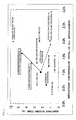
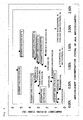
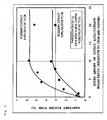
- the lecithin or rosemary extract is used singly in a composition including the mineral component and the oil and fat containing the highly unsaturated fatty acid as a constituent fatty acid like the present invention, the effect is low and is lower than the antioxidative activity in a composition including no mineral component (see FIGS. 1 and 4 ).
- a composition including citric acid singly in an amount of 1.0% or more, the antioxidative activity is raised to the level of the composition including no mineral component.
- the present invention has revealed that the antioxidative activity can be improved by using both of the citric acid and the lecithin or rosemary extract to a level unimaginable from the effect obtained by using one of the citric acid and the lecithin or rosemary extract.
- the antioxidative activity can be improved by using both of the citric acid and the lecithin or rosemary extract to a level unimaginable from the effect obtained by using one of the citric acid and the lecithin or rosemary extract.
- a phenomenon where the antioxidative activity decreased compared with that in case of use of only citric acid was observed ( FIGS. 1 and 4 ). That is, it can be said that improvement of the antioxidative activity is a phenomenon specific to a combination of citric acid and the lecithin or rosemary extract.
- the lecithin means a phosphatidylcholine in a limited sense but means a glycerophospholipid in a broad sense.
- Phosphatidylethanolamine which is suitably used in the present invention is one of the glycerophospholipids and included in a broad-sense lecithin.
- the lecithin means a broad-sense glycerophospholipid, and is usually a mixture including the glycerophospholipid as a major component.
- lecithin examples include soybean lecithin, powder soybean lecithin, egg yolk lecithin, hydrogenated soybean lecithin, hydrogenated egg yolk lecithin, rapeseed lecithin, corn lecithin, bovine brain lecithin and bovine liver lecithin.
- soybean lecithin components generally used in food and feed include phosphatidylcholine (PC), phosphatidylethanolamine (PE), phosphatidylinositol (PI), and phosphatidic acid (PA) in descending order of content, the components are independently considered as a lecithin in the present invention.
- examples of the lecithin include PC-DHA in which DHA is bound as a constituent fatty acid of PC.
- PE was found to have high antioxidative activity. Therefore, the mixture desirably has a high PE content and desirably contains a large amount of the highly unsaturated fatty acid.
- Soybean lecithin, powder soybean lecithin, hydrogenated soybean lecithin, and egg yolk lecithin are more preferred from the viewpoint of taste and flavor, odor, and cost.
- soybean lecithin is preferred from the viewpoint of onset of the effect and cost.
- the content of the lecithin as the component (D) is preferably 0.1% or more, more preferably 0.3% or more, even more preferably 0.5% or more relative to the oil and fat as the component (A). From the viewpoint of a higher antioxidative effect and taste and flavor, the content is preferably 0.6% or more and 20.0% or less, more preferably 1.0% or more and 15.0% or less.
- the amount of the lecithin as the component (D) refers to an amount in terms of phospholipid which is acetone-insoluble matter, and the amount in terms of phospholipid can be measured by a method described in " Standard Methods for the Analysis of Fats, OilsandRelatedMaterials, 5.3.3.1-86 Phospholipid Phosphorus Composition” edited by Japan Oil Chemists' Society .
- soybean lecithin which is generally used in foods contains acetone-soluble matter such as a triglyceride, and such component is excluded.
- the amount of the lecithin which is the acetone-insoluble matter accounts for about 60% of a lecithin source (for example, a preparation commercially available as soybean lecithin).
- a lecithin source for example, a preparation commercially available as soybean lecithin.
- the content of a phospholipid in the pet food can be preferably determined by extracting an oil and fat from the pet food with a solvent of chloroform/methanol and quantifying the content of phosphorous in the oil and fat.
- the content of phosphorous in the oil and fat can be quantified by a colorimetric method in accordance with " Standard Methods for the Analysis of Fats, Oils and Related Materials" (Japan Oil Chemists' Society, 2.4.11-1996 ) (conversion factor from the amount of phosphorus: 25.4).
- the value of the phospholipid content determined by the quantification method is in excellent agreement with the amount in terms of the phospholipid which is the acetone-insoluble matter.
- the content of the lecithin as the component (D) is preferably 0.06 to 6.0%, more preferably 0.1 to 3%, even more preferably 0.2 to 2.0%, in the total amount of the pet food of the present invention from the viewpoint of an antioxidative effect and taste and flavor.
- the content of PE as the component (D) is preferably 0.03% or more, more preferably 0.04% or more in the pet food, from the viewpoint ofahighantioxidativeeffect.
- the content of the lecithin as the component (D) is preferably 0.5% or more and 75% or less, more preferably 0.5% or more and 50% or less relative to the highly unsaturated fatty acid which is a component of the oil and fat as the component (A) from the viewpoint of a high antioxidative effect.
- the rosemary extract as the component (D) used in the present invention is a water and/or organic solvent extract of leaves of rosemary which is a plant belonging to Lamiaceae, and generally has an odor specific to rosemary which is herb. More specifically, the extract is obtained by drying and pulverizing leaves of rosemary, and subjecting the resultant product to extraction with, for example, water, hot water, hexane, ethanol, acetone, ethyl acetate, or a mixed solvent thereof.
- deodorized products products obtained by subjecting the extracts to deodorization treatment by reduced pressure method, heating reduced pressure method, supercritical extraction method or column adsorption method
- deodorized products products obtained by subjecting the extracts to deodorization treatment by reduced pressure method, heating reduced pressure method, supercritical extraction method or column adsorption method
- a commercially available rosemary extract there are given, for example, Herbalox type O, Herbalox type HT-O, Herbalox type 25, Duolite NMH, and Duolite NM-1 (all of which are manufactured by Kalsec), Leomeal E and Leomeal IO (all of which are manufactured by Lion Corporation), and RM keeper (manufactured by Mitsubishi-Kagaku Foods Corporation).
- the content of the rosemary extract as the component (D) is 0.04% or more in terms of extract content (no solvent) relative to the oil and fat as the component (A) in view of the antioxidative effect. From the viewpoint of a higher antioxidative effect, taste and flavor, and economy, the content is preferably 0.04% or more and 0.4% or less, more preferably 0.08% or more and 0.2% or less.
- the content of the rosemary extract as the component (D) is preferably 0.004% or more, more preferably 0.008% or more, even more preferably 0.01% or more in terms of extract content (no solvent) in the total amount of the pet food of the present invention from the viewpoint of the antioxidative effect and taste and flavor.
- the antioxidative activity is further enhanced.
- the Rancimat rising time which represents the antioxidative activity is increased up to about 3 times.
- the antioxidative activity becomes equal to or lower than that in the case of addition of only citric acid. That is, in the pet food including the components (A) and (B), improvement of the antioxidative activity by catechin is a phenomenon specific to a composition including both of citric acid and lecithin and is unimaginable from the effect obtained by using only each antioxidant.
- a catechin is preferred because it can drastically enhance the antioxidative effect.
- the catechin has only to have a 3,3',4',5,7-flavanpentol skeleton, and examples thereof include catechin, epicatechin, gallocatechin, epigallocatechin, catechin gallate, epicatechin gallate, gallocatechin gallate, and epigallocatechin gallate.
- a tea extract may also be used as the catechin.
- a curcumin source a turmeric extract, a ginger extract, or the like may be used.
- a quercetin source an onion skin extract or an apple skin extract.
- a myricitrin source a bayberry extract may be used.
- the content of the polyphenol as the component (E) in the pet food of the present invention is preferably 0.01 to 35%, more preferably 0.02 to 5.0%, even more preferably 0.03 to 2.0% from the viewpoint of the antioxidative effect and taste and flavor.
- the mass ratio (D/E) of the component (D) to the component (E) is preferably 1/1 to 100/1, more preferably 2/1 to 80/1.
- the amount of the polyphenol refers to an amount of the polyphenol which is considered to be effective. In the case of using a tea extract as the catechin, the amount refers to the total content of the above-mentioned seven catechins in the extract.
- the pet food of the present invention preferably has a pH of 3.5 to 7.0.
- the pH falls within the range, oxidation of the component (A) by the component (B) is more effectively suppressed, and good palatability is achieved.
- the pH is 4.0 to 7.0, more preferably 4.5 to 6.8, the oxidation suppressing effect is more enhanced, and the odor during storage becomes good, which is preferred.
- methods of adding a pH adjuster in addition to citric acid may be employed.
- a method involving using citric acid and a citrate in combination is preferred because adjustment of the pH is easy, and because the resultant pet food has good palatability and a well-rounded taste and flavor.
- the above-mentioned alkali metal citrate is preferably used as the citrate.
- pH of the pet food refers to a pH measured for the pet food by the following method.
- ion-exchange water preferably ion-exchange water having an electrical conductivity at 25°C of 0.01 mS/m or less
- the mixture was subsequently filtered using a qualitative filter (No.1, manufactured by Advantec), and the pH of the filtrate was measured at 25°C.
- the above-mentioned stirring procedure is preferably carried out after the pet food is ground finely using a mortar.
- the pet food of the present invention preferably further contains a carbohydrate.
- carbohydrate source include monosaccharides, oligosaccharides, polysaccharides, dietary fiber, and starches.
- starches include waxy corn starch, corn starch, wheat starch, rice starch, glutinous rice starch, potato starch, sweet potato starch, tapioca starch, sago starch, and chemically treated or chemically modified products thereof, i.e., modified starches.
- the carbohydrate may be contained as a grain, and examples of the grain include corn, barley, wheat, rye, sorghum, rice, Japanese barnyard millet, foxtail millet, amaranthus, and quinoa.
- the content of the carbohydrate in the pet food is preferably 10 to 70%, more preferably 20 to 60%, even more preferably 30 to 50% inviewof economy, an obesity-preventing effect, ingestion capacity, a stool condition, and healthy and beautiful appearance.
- the pet food of the present invention preferably further includes an animal or plant protein in view of the obesity-preventing effect, ingestion capacity, nutrient balance, and healthy and beautiful appearance.
- an animal protein is more preferred.
- the animal protein include a milk protein such as casein. Of those, in view of obesity-preventing effect and ingestion capacity, an animal meat protein is preferred.
- animal meat protein examples include: meat of livestock and wild animals such as cattle, swine, sheep, rabbits, and kangaroos, and by-products and processed products thereof; meat of birds such as chicken, turkey, and quail, and by-products and processed products thereof; meat of fish such as fish or white fish, and by-products and processed products thereof; and products obtained by rendering the above-mentioned materials, such as meat meal, meat born, chicken meal, poultry meal, and fish meal.
- chickenmeat and fishmeat are particularlypreferred in view of the obesity-preventing effect.
- the content of the chicken meat and/or fish meat is preferably 30 to 100%, more preferably 50 to 100% relative to the whole meat material.
- Preferred examples of the plant protein include a soybean protein, a wheat protein, wheat gluten, and corn gluten.
- the content of the animal or plant protein in the pet food of the present invention is preferably 5 to 70%, more preferably 10 to 60%, even more preferably 15 to 40% in terms of loss on drying.
- the pet foodof the present inventionpet food may further include a phytosterol.
- the content of the phytosterol in the pet food is preferably 0.1% or more, more preferably 0.5% or more in viewof a cholesterol-reducing effect.
- the upper limit of the contnet of the phytosterol has only to fall within the range of 0.1 to 30%.
- examples of the phytosterol include free forms of ⁇ -sitosterol, ⁇ -sitosterol, stigmasterol, campesterol, ⁇ -sitostanol, ⁇ -sitostanol, stigmastanol, campestanol, and cycloartenol, and esters thereof such as fatty acid esters, ferulic acid esters, and cinnamic acid esters.
- bran, chaffs, vegetables or vitamins may be blended.
- the bran include rice bran and wheat bran
- examples of the chaff include soybean chaff.
- examples of the vegetables include a vegetable extract.
- the vitamins include A, B1, B2, D, E, niacin, pantothenic acid, and carotene. The content thereof is preferably 0.05 to 10%.
- the pet food may include additives which are generally used in a pet food, such as a gelling agent, a shape retaining agent, a pH adjuster, a seasoning, a preservative and a nutrition supplement.
- a synthetic antioxidant such as BHA, BHT, ethoxyquin, TBHQ, or propyl gallate may also be included. Also in such a case, the technology of the present invention enables reduction in the amount of the synthetic antioxidant compared with ever before. It should be noted that the synthetic antioxidant is preferably not included in the pet food of the present invention.
- the pet food of the present invention can be produced by mixing the above-mentioned components and shaping the mixture into a desired form, and the oil and fat component as the component (A) is preferably added finally.
- the oil and fat component as the component (A) is preferably added finally.
- citric acid and a citrate are mixed well together with cereal, meat meal, and mineral components such as iron and copper, and the resultant product is subjected to extrusion molding using an extruder while adding water or water vapor. After that, the resultant product is dried by hot air until the water content becomes preferably 10% or less.
- the oil and fat containing a large amount of a fatty acid having two or more double bonds is desirably coated after drying by hot air.
- the lecithin and catechin may be added together with citric acid or together with the oil and fat.
- the pet food of the present invention may be any of dry-type, wet-type, semi-moist-type, jerky-type, biscuit-type, gum-type, granular, powdery, and soupy pet foods Of those, a dry-type pet food is preferred in view of easiness of storage.
- the pet food for multiple feed is included in a laminate package.
- the pet food is easily brought into contact with air and hence is liable to be oxidized. Therefore, it can be said that, when the pet food of the present invention is a dry-type pet food, the effect is more exerted.
- the dry-type pet food may have a kibble shape, a plate shape, or a born shape, for example.
- the pet food has a bulk density of preferably 100 to 900 kg/m 3 , more preferably 300 to 700 kg/m 3 .
- the pet food tends to have a large surface area and many voids. Therefore, it is considered that the oil and fat in the pet food is easily oxidized.
- the pet food according to the present invention has high antioxidative activity, and the above-mentioned advantages can be utilized. Therefore, the pet food has excellent palatability for pets, maintains the taste and flavor for a long period of time, and can provide benefits such as desired physiological effects due to the highly unsaturated fatty acid.
- the prepared samples are placed in an automatic fat and oil stability test device ("Rancimat 743", manufactured by Metrohm) and maintained at 120°C while bubbling air under a condition of 20 mL/min, and the electrical conductivity is measured.
- the electrical conductivity is plotted with respect to the elapsed time, and the rising time (unit: hour) is calculated as shown in FIG. 2 to evaluate stability. This is an evaluation based on a principle that the electrical conductivity increases by oxidation, and a long rising time means that the sample has high resistance to oxidation.
- Table 4 shows the test results in the case where the (C) citric acid mixture, (D) lecithin, and (X) another oxidant were used as antioxidants, and Table 5 shows the test results in the case where the (E) polyphenol was further added.
- the effect of the antioxidant was judged whether or not the rising time is extended compared with a composition before addition of the antioxidant.
- the oil and fat used in the pet food was considered to have a Rancimat rising time (hereinafter, referred to as rising time) of preferably 3 hours or more. This was evaluated as a preferred composition.
- the oil and fat a1 (containing an unsaturated fatty acid having three or more double bonds in an amount of 13.0%) was used, while in the test numbers 33 to 36, in order to compare evaluations of the antioxidative effects depending on the fatty acid compositions, a test was carried out using a2 (containing the same unsaturated fatty acid in an amount of 2.8%).
- the rising time of a1 was 2.2 hours, and the rising time of a2 was 11.9 hours, which suggested that there was a huge difference.
- the rising time of a1 was 0.5 hour, and the rising time of a2 was 0.7 hour, which suggested that the antioxidative activity of a2 was significantly reduced to almost the same level of a1.
- the rising time of a2 recovered to a sufficient level (6.7 hours) .
- the rising time of a1 recovered up to 2.2 hours, which was a level of addition of only the oil and fat. That is, in the case of the oil and fat containing the highly unsaturated fatty acid in a large amount, a technical ingenuity is required to achieve high antioxidative activity.
- the pet foods of the test numbers 10 to 12 and 16 were studied. Each of the antioxidants was added to a composition including the oil and fat, mineral, and citric acid in an amount in terms of active ingredient shown in Table 4 (1.0% as is), and the results are shown. Only the lecithin (derived from soybeans) was found to have an effect of further enhancing the effect of the citric acid mixture.
- the amount of the lecithin which was able tobe used commercially or industrially in a pet food was determined based on acetone-insoluble matter of soybean lecithin.
- experiments using singly each component of soybean PC and soybean PE, which are glycerophospholipids of soybean lecithin, were carried out (test numbers 15 to 25).
- PE was found to have a higher activity compared with PC contained as a component in the largest amount.
- the results of the test numbers 19 to 23 reveal that the antioxidative effect depends on the PE content ( FIG. 3 ).
- the antioxidative activity was evaluated in the case where various polyphenols were added together with the above-mentioned citric acid mixture and lecithin.
- the catechins were found to extend the rising time and to drastically enhance the antioxidative activity. Also in the case of addition of curcumin, quercetin, or myricitrin, the antioxidative activity was improved.
- the catechins were studied as a typical example (test numbers 7 and 10)
- the antioxidative activity was not improved by addition of only the catechins and by addition of the catechins together with the citric acid mixture (no lecithin). Therefore, the effect of improving the antioxidative activity is expressed only in a composition including all the citric acid, lecithin, and catechins.
- the method is the same as that in Test Example A.
- Test Example B The results of Test Example B are shown in Table 8.
- Test number A Oil and fat B Mineral C Citric acid mixture D Rosemary extract X Other antioxidants Rising time (h) 41 a1 - - - - 2.2 42 a1 b1 - - - 0.5 43 a1 b1 c1 - - 0.8 44 a1 b1 c5 - - 2.2 45 a1 b1 - d3 - 0.5 46 a1 b1 c1 d2 - 0.7 47 a1 b1 c2 d2 - 2.6 48 a1 b1 c3 d2 - 3.0 49 a1 b1 c4 d2 - 3.5 50 a1 b1 c5 d1 - 2.6 51 a1 b1 c5 d2 - 3.0 52 a1 b1 c5 d3 - 5.3 53 a1 b1 c4 d3
- FIG. 4 shows a graph created based on a part of the results.
- test numbers 52, 57, 60, and 62 are systems each including the oil and fat, mineral, and citric acid, and each composition contains each antioxidant added in an amount of 1.0 mass% as it is relative to the oil and fat and the results thereof are shown. As compared with the test number 44, only the rosemary extract was found to have an effect of further enhancing the effect of the citric acid mixture.
- the rosemary extract As compared with the citric acid mixture, the rosemary extract is generally expensive and has a characteristic odor. Therefore, in order to obtain the maximum effect by the minimum amount of the rosemary extract, it is necessary to adjust the amount of the citric acid mixture.
- the samples of the test numbers 45 to 49 and 51 were used to examine the concentration of the citric acid mixture, and FIG. 5 shows the results. It was found that when the citric acid mixture is added in an amount of at least 10 times by mol relative to the amount of the mineral, the oxidation-preventing effect in addition of the rosemary extract was stably obtained at a maximum.
- the concentration of the rosemary extract was changed in a composition in which the citric acid mixture was contained in an amount of at least 10 times by mol relative to the amount of the mineral, the stability in addition of the rosemary extract in an amount of 0.04% exceeds that in addition of only the citric acid mixture. Therefore, the effect of addition of the rosemary extract was confirmed.
- the rosemary extract was added in an amount of 0.08% or more, oxidation stability sufficient as the pet food (rising time: more than 3 hours) was exhibited.
- the raw materials having a composition shown in Table 9 were used and subjected to mixing extrusion molding using an extruder, to thereby produce a cylindrical pet food (kibbles) having a diameter of 10 mm and a length of about 10 mm.
- the pet food was found to have a bulk density of 472 kg/m 3 .
- Tables 10 to 12 show the composition of the glyceride or fatty acid in the oil and fat extracted from the pet food of Example 1, and the contents of the unsaturated fatty acid having two or more double bonds and the unsaturated fatty acid having three or more double bonds.
- the content of all the oils and fats in the pet food was found to be 15%, the content of the unsaturated fatty acid having two or more double bonds in the pet food was found to be 27.2%, and the content of the unsaturated fatty acid having three or more double bonds was found to be 6.7%.
- the pet foods were stored at room temperature (about 20°C) for 16 weeks, and changes in the odor of the oil and fat were evaluated by a sensory test by 5 humans.
- the pet food evaluated to "have little bad odor” by "4 or more humans” was represented as "A”
- the pet food evaluated to "have little bad odor” by "2 or 3 humans” was represented as "B”
- the pet food evaluated to "have little bad odor” by "1 or less human” was represented as "C", in order of the degree of odor.
- the pet foods were stored at room temperature (about 20°C), and at week 16, measurement and evaluation of the POVs (peroxide values) of the oil and fat in the pet foods were carried out by the following procedures.
- the peroxide value (POV) was analyzed in accordance with 2.4.12.2-94 "Peroxide Value" in "Standard Methods for the Analysis of Fats, Oils and Related Materials” edited by Japan Oil Chemists' Society .
- the pet food having an increase in POV of the oil and fat (16 weeks) of 5 or less was represented as "A"
- the pet food having an increase of more than 5 to 7 was represented as "B”
- the pet food having an increase of more than 7 to 9 was represented as "C”
- the pet food having an increase of more than 9 was represented as "D”.
- Table 9 shows the results. It should be noted that the pet food including no additive or including only the catechin was found to have an increase in POV of about 13.
- Kibbles (3.0g) werepulverizedbyamixer, 5 mL of 5% perchloric acid are added thereto, and the mixture is shaken for 10 minutes. After shaking, the volume is adjusted using a 50-mL measuring flask. The resultant solution is sonicated for 10 minutes and filtered, and the filtrate was subjected to measurement by high-performance liquid chromatography (HPLC). It should be noted that conditions of the HPLC measurement are as follows.
- the content of phosphorous in the extracted oil and fat was quantified.
- the content of phosphorous in the oil and fat was quantified by a phospholipid colorimetric method described in 2.4.11-1996 in "Standard Methods for the Analysis of Fats, Oils and Related Materials” edited by Japan Oil Chemists' Society (conversion factor from phosphorus level: 25.4).
- the content in the pet food was calculated by multiplying the content in the oil and fat by the content of the oil and fat in the pet food.
- the percentage of PE in the phospholipid was determined in accordance with Phospholipid Composition (thin-layer chromatography) Standard Methods for the Analysis of Fats, Oils and Related Materials 4.3.3.1-1996, and multiplied by the above-mentioned converted value in terms of phospholipid to determine the concentration of PE.
- the raw materials shown in Table 13 were used and subjected to mixing extrusion molding using an extruder, to thereby produce a cylindrical pet food (kibbles) having a diameter of 8.5 mm and a length of about 5.5 mm.
- the pet food was found to have a bulk density of 428 kg/m 3 .
- Tables 11 and 12 show the compositions of glycerides and fatty acids in the oil and fat extracted from the pet food of Example 3 and the contents of unsaturated fatty acids having two or more and three or more double bonds.
- the content of all the oils and fats in the pet food was 15%, the content of the unsaturated fatty acid having two or more double bonds in the pet food was 27.2%, and the content of the unsaturated fatty acid having three or more double bonds in the pet food was 6.7%.
- Example 3 Comparative Example 3 Components of pet food Corn 27.00 27.00 27.00 Chicken meal 23.00 23.00 23.00 Corn gluten 12.00 12.00 12.00 Sorghum 21.50 21.50 22.50 Soybean oil 4.00 4.00 4.00 Linseed oil 1.50 1.50 1.50 Chicken oil 3.50 3.75 3.75 Beet pulp 3.00 3.00 3.00 Vitamin mineral mix 3.00 3.00 3.00 Soybean lecithin (active ingredient 63.3%) 0.50 0.25 0.25 Citric acid mixture A 1.00 1.00 0 Total 100.00 100.00 100.00 Analysis value Iron (converted value) % 0.0136 0.0136 0.015 Copper (converted value) % 0.0014 0.0014 0.001 Citric acid (converted value) % 0.94 0.94 0.13 Citric acid/(iron+copper) molar ratio 18.5 18.5 2.37 PE 0.08 0.04 0.04 Accelerated evaluation Increase in POV of oil and fat (40°C, 8 weeks) A B D Evaluation of odor A B c Slope of oxygen consumption m
- the pet foods were stored for 8 weeks at 40°C, and changes in the odor of the oil and fat were evaluated by a sensory test by 5 humans.
- the pet food evaluated to "have little bad odor" by "4 or more humans” was represented by "A”
- the pet food evaluated to "have little bad odor” by "2 or 3 humans” was represented by "B”
- the pet food evaluated to "have little bad odor” by "1 or less human” was represented by "C", in order of the degree of odor.
- the pet food having an increase in POV of the oil and fat (40°C, 8 weeks) of 5 or less was represented by "A"
- the pet food having an increase of more than 5 and less than 7 was represented by “B”
- the pet food having an increase of more than 7 and less than 10 was represented by "C”
- the pet food having an increase of more than 10 was represented by "D”.
- Table 13 shows the results.
- the POV value after storage has been used as an index of oxidation stability of the pet food.
- the value was obtained by allowing oxygen to react with the double bond moiety in the oil and fat to produce a peroxide and quantifying the peroxide.
- the value is a very good index to examine deterioration of the oil and fat, and the method is the most general.
- it takes much time to measure an increase in POV i.e., at least two months in storage at 40°C as an accelerated test or 4 months at room temperature, and there is a problem with the long time.
- the peroxide is not a final product in oxidation, and is highly reactive, turns into a carbonyl group and then a carboxyl group by autoxidat ion.
- the total oxidation reaction was evaluated by measuring the amount of decreased oxygen as an index of the oxidation reaction.
- the relationship between the storage period and the oxygen consumption was found to be a very good linear relationship, and the slope of the line was used as an index of stability of the pet food.
- the oxygen consumption is effectively used as an index of stability.
- the oxygen consumption was evaluated based on POV and the results of sensory evaluation, and the pet food having a value of less than 1.2 was represented by "A”, the pet food having a value of 1.2 or more and less than 1.6 was represented by “B”, the pet food having a value of 1.6 or more and less than 2.0 was represented by "C”, and the pet food having a value of 2.0 or more was represented by "D”.
- the raw materials having the composition shown in Table 16 were used and subj ected to mixing extrusion molding using an extruder, to thereby produce a cylindrical pet food (kibbles) having a diameter of 10 mm and a length of about 10 mm.
- the pet food was found to have a bulk density of 472 kg/m 3 .
- Tables 17 to 19 show the compositions of the glycerides and fatty acids in the oil and fat extracted from the pet food of Reference Example, and the contents of the unsaturated fatty acid having two or more double bonds and the unsaturated fatty acid having three or more double bonds.
- the content of all the oils and fats in the pet food was found to be 15%, the content of the unsaturated fatty acid having two or more double bonds in the pet food was found to be 28.2%, and the content of the unsaturated fatty acid having three or more double bonds was found to be 7.45%.
- the pet foods were stored for 4 weeks at room temperature (about 20°C), and changes in the odor of the oil and fat were evaluated by a sensory test by 5 humans.
- the pet food evaluated to "have little bad odor" by "4 or more humans” was represented by "A”
- the pet food evaluated to "have little bad odor” by "2 or 3 humans” was represented by "B”
- the pet food evaluated to "have little bad odor” by "1 or less human” was represented by "C", in order of the degree of odor.
- the pet foods were stored at room temperature (about 20°C) and sampled at week 0 and at week 4, and the POVs (peroxide values) of the oil and fat in the pet foods were measured. Table 16 shows increases in the POVs during the period.
- the peroxide value (POV) was analyzed in accordance with 2.4.12.2-94 "Peroxide Value" in "Standard Methods for the Analysis of Fats, Oils and Related Materials” edited by Japan Oil Chemists' Society.
- the pet food having an increase in POV in the oil and fat (4 weeks) of 10 or less was represented by "A"
- the pet food having an increase of more than 10 and 15 or less was represented by "B”
- the pet food having an increase of more than 15 was represented by "C”.
- Table 16 shows the results. It should be noted that the pet food including no additive was found to have a POV of about 35.
- Kibbles (3.0 g) werepulverizedbyamixer, 5mL of 5% perchloric acid were added thereto, and the mixture was shaken for 10 minutes. After shaking, the volume of the mixture was adjusted using a 50 mL measuring flask. The mixture was sonicated for 10 minutes and filtered, and the filtrate was subjected to measurement by high-performance liquid chromatography (HPLC). It should be noted that conditions of HPLC measurement are as follows.
- the pet food of Example was found to have high oxidation stability in 4-week storage.
Landscapes
- Chemical & Material Sciences (AREA)
- Life Sciences & Earth Sciences (AREA)
- Polymers & Plastics (AREA)
- Health & Medical Sciences (AREA)
- Engineering & Computer Science (AREA)
- Animal Husbandry (AREA)
- Food Science & Technology (AREA)
- Zoology (AREA)
- Animal Behavior & Ethology (AREA)
- Veterinary Medicine (AREA)
- Public Health (AREA)
- General Health & Medical Sciences (AREA)
- Pharmacology & Pharmacy (AREA)
- Medicinal Chemistry (AREA)
- Emergency Medicine (AREA)
- Epidemiology (AREA)
- Birds (AREA)
- Inorganic Chemistry (AREA)
- Child & Adolescent Psychology (AREA)
- Bioinformatics & Cheminformatics (AREA)
- Diabetes (AREA)
- Hematology (AREA)
- Obesity (AREA)
- Chemical Kinetics & Catalysis (AREA)
- General Chemical & Material Sciences (AREA)
- Nuclear Medicine, Radiotherapy & Molecular Imaging (AREA)
- Organic Chemistry (AREA)
- Fodder In General (AREA)
Description
- The present invention relates to a pet food including an unsaturated fatty acid-containing oil and fat.
- The number of pets has been increasing with the current popularity of pets. Along with the trend, the number of pets suffering from diseases similar to human adult diseases, such as obesity, diabetes, andliverdiseases, duetoaging, lack of exercise and nutrient excess of the pets has been increasing. In addition, there are many dogs and cats which get fat because of hormone imbalance after sterilization. Many pet foods for preventing such obesity and body weight gain have been developed. For example, a pet food including an oil and fat having an increased unsaturated fatty acid content has been proposed.
- Such pet food contains a large amount of the unsaturated fattyacid, and hence is easily oxidized in some storage environments, which may affect odor and palatability of the pet food. In view of the foregoing, the applicant of the present invention has proposed improvement of long-term storage stability by a technology of blending a vitamin C derivative in a pet food having a high mineral content (Patent Document 1) and a technology of incorporating a naturally-occurring antioxidant and controlling contents of an iron ion and a copper ion in a pet food (Patent Document 2).
- In addition, for example, there have been proposed antioxidation systems for foods, such as a combination of a glyceride containing a medium-chain fatty acid as a constituent fatty acid and an antioxidant (Patent Document 3), a combination of a bayberry extract, a water-soluble antioxidant, and a lipophilic antioxidant (Patent Document 4), and a combination of a mushroom mycelium culture filtrate and an antioxidant (Patent Document 5).
- [
- Patent Document 1]
JP-A-2005-204659 - [Patent Document 2]
JP-A-2007-110916 - [Patent Document 3]
JP-A-2004-115758 - [Patent Document 4]
JP-A-2007-185138 - [Patent Document 5]
JP-A-7-59548 - The present invention provides a pet food, including the following components (A) to (D):
- (A) an oil and fat including, as a constituent fatty acid, an unsaturated fatty acid having two or more double bonds;
- (B) a mineral component selected from iron, an iron compound, copper, and a copper compound;
- (C) one or more kinds selected from citric acid and a salt thereof; and
- (D) one or more kinds selected from a lecithin and a rosemary extract, wherein the total amount of the component (C) is 10 times or more that of the component (B) in terms of molar ratio.
- The present invention also provides a method of preventing oxidation of a composition including (A) an oil and fat containing, as a constituent fatty acid, an unsaturated fatty acid having two or more double bonds and (B) a mineral component selected from iron, an iron compound, copper, and a copper compound, the method including blending, in the composition, (C) one or more kinds selected from citric acid and a salt thereof and (D) one or more kinds selected from a lecithin and a rosemary extract.
-
- [
FIG. 1 ] A graph showing results of evaluation of antioxidative activities of various antioxidants against compositions including an oil and fat and a mineral component by a Rancimat test method. - [
FIG. 2 ] A graph showing time-course changes in electrical conductivity of a sample. - [
FIG. 3 ] A drawing showing effects of the amount and kind of a lecithin on Rancimat rising time. - [
FIG. 4 ] A graph showing results of evaluation of antioxidative activities of various antioxidants against compositions including an oil and fat and a mineral component by the Rancimat test method. - [
FIG. 5 ] A graph showing effects of blending of a rosemary extract in addition to citric acid and/or a salt thereof on Rancimat rising time. - With increasing health consciousness for pets in recent years, there has been a demand for a pet food containing a large amount of an oil and fat including, as a constituent fatty acid, a fatty acid having many unsaturated bonds in its molecule, such as an ω3 fatty acid or an ω6 fatty acid, which is expected to have various physiological effects. However, the fatty acid is very easily oxidized and is difficult to exert the physiological effects for a long period of time. Therefore, it has been required to achieve long-term storage stability in such pet food including an oil and fat containing, as a constituent fatty acid, a highly unsaturated fatty acid.
- Therefore, the inventors of the present invention studied long-term storage stability of a pet food including an oil and fat including, as a constituent fatty acid, an unsaturated fatty acid having two or more double bonds, and found that, when a metal salt necessary for a pet food, in particular, copper or iron is blended with an unsaturated fatty acid-containing oil and fat, oxidation of the oil and fat is promoted and thus a pet food which contains both of them and is stable against oxidation cannot be obtained. Accordingly, the inventors made various studies to improve the oxidation stability, and found that while oxidation of a pet food including the unsaturated fatty acid-containing oil and fat and the metal salt cannot be prevented sufficiently by singly blending catechin, vitamin E, lecithin, vitamin C or carotene known to have antioxidative effects, oxidation of the pet food can significantly be prevented by blending citric acid or a salt thereof in a predetermined amount.
- In addition, the inventors of the present invention studied to further improve the stabilization effect against oxidation of the pet food by blending citric acid or a salt thereof, and as a result, surprisingly, found that stability of the pet food including the unsaturated fatty acid-containing oil and fat and the metal salt can be significantly improved by blending the lecithin or rosemary extract, which has substantially no antioxidative effect when added singly, together with a certain amount or more of citric acid or a salt thereof, thus completing the present invention.
- The pet food of the present invention is very excellent in long-term storage stability. Therefore, for example, in the case where an oil and fat containing, as a constituent fatty acid, a large amount of a highly unsaturated fatty acid such as ω3 or ω6 is blended therein, the expected physiological function can be expressed for a long period of time. In addition, it is possible to effectively suppress a change in the odor and deterioration of the palatability, caused by oxidation of the fatty acid.
- Preferred exemplary embodiments of the present invention are as follows.
- [1] A pet food, including the following components (A) to (D):
- (A) an oil and fat including, as a constituent fatty acid, an unsaturated fatty acid having two or more double bonds;
- (B) a mineral component selected from iron, an iron compound, copper, and a copper compound;
- (C) one or more kinds selected from citric acid and a salt thereof; and
- (D) one or more kinds selected from a lecithin and a rosemary extract, wherein the total amount of the component (C) is 10 times or more that of the component (B) in terms of molar ratio.
- [2] A method of preventing oxidation of a composition including (A) an oil and fat containing, as a constituent fatty acid, an unsaturated fatty acid having two or more double bonds and (B) a mineral component selected from iron, an iron compound, copper, and a copper compound,
the method including blending, in the composition, (C) one or more kinds selected from citric acid and a salt thereof and (D) one or more kinds selected from a lecithin and a rosemary extract. - [3] The pet food or method according to the above-mentioned item [1] or [2], wherein the component (D) includes any one of the lecithin and the rosemary extract.
- [4] The pet food or method according to the above-mentioned item [1] or [2], wherein the component (D) includes both of the lecithin and the rosemary extract.
- [5] The pet food or method according to any one of the above-mentioned items [1] to [4], wherein the component (A) is an oil and fat containing, as a constituent fatty acid, 20 to 90 mass% of an unsaturated fatty acid having two or more double bonds.
- [6] The pet food or method according to any one of the above-mentioned items [1] to [5], wherein the component (A) is an oil and fat containing, as a constituent fatty acid, 3 mass% or more of an unsaturated fatty acid having three or more double bonds.
- [7] The pet food or method according to any one of the above-mentioned items [1] to [6], wherein the content of the component (A) in the pet food or the composition is 5 to 80 mass%.
- [8] The pet food or method according to any one of the above-mentioned items [1] to [7], wherein the mineral component (B) is contained as iron or an iron compound in an amount of 0.00001 to 1 mass% in terms of iron in the pet food or the composition.
- [9] The pet food or method according to any one of the above-mentioned items [1] to [8], wherein the mineral component (B) is contained as copper or a copper compound in an amount of 0.00001 to 0.1 mass% in terms of copper in the pet food.
- [10] The pet food or method according to any one of the above-mentioned items [1] to [9], wherein the component (C) is one or more kinds selected from citric acid and an alkali metal citrate.
- [11] The pet food or method according to any one of the above-mentioned items [1] to [10], wherein the total amount of the component (C) is 10 to 60 times that of the component (B) in terms of molar ratio.
- [12] The pet food or method according to any one of the above-mentioned items [1] to [11], wherein the component (D) includes phosphatidylethanolamine, and the content thereof in the pet food or the composition is 0.03 mass% or more.
- [13] The pet food or method according to any one of the above-mentioned items [1] to [12], wherein the content of the lecithin as the component (D) in the pet food or the composition is 0.06 to 6.0 mass%.
- [14] The pet food or method according to any one of the above-mentioned items [1] to [13], wherein the content of the rosemary extract as the component (D) in the pet food or the composition is 0.004 mass% or more.
- [15] The pet food or method according to any one of the above-mentioned items [1] to [14], wherein the pet food or the composition further includs (E) at least one kind of polyphenol selected from catechins, curcumin, quercetin, and myricitrin.
- [16] The pet food or method according to the above-mentioned item [15], wherein the component (E) is catechins.
- [17] The pet food or method according to the above-mentioned item [15] or [16], wherein the content of the component (E) in the pet food or the composition is 0.001 to 35 mass%.
- [18] The pet food or method according to any one of the above-mentioned items [1] to [17], wherein the pet food or the composition has a pH of 3.5 to 7.0.
- [19] The pet food or method according to any one of the above-ment ioned items [1] to [18], wherein the pet food or the composition is dry-type.
- The pet food of the present invention contains (A) an oil and fat including, as a constituent fatty acid, an unsaturated fatty acid having two or more double bonds (hereinafter, also simply referred to as highly unsaturated fatty acid). The content of the highly unsaturated fatty acid in the constituent fatty acid of the oil and fat is preferably 20 to 90 mass% (hereinafter, simply referred to as "%"), more preferably 23 to 80%, even more preferably 25 to 70% in view of health of the skin and hair of a pet. In addition, the content of the oil and fat containing, as a constituent fatty acid, the highly unsaturated fatty acid in the pet food is preferably 1 to 45%, more preferably 2 to 45%, even more preferably 2.5 to 40%, even more preferably 3 to 35%. Here, suitable examples of the highly unsaturated fatty acid include a highly unsaturated fatty acid having 18 to 24 carbon atoms. Examples of the unsaturated fatty acid having two double bonds include linoleic acid. Further, the oil and fat preferably contains a large amount of an unsaturated fatty acid having three or more double bonds from the viewpoint that various physiological effects can be expected to be exerted. The unsaturated fatty acid is preferably α-linolenic acid, γ-linolenic acid, arachidonic acid, eicosapentaenoic acid (EPA), or docosahexaenoic acid (DHA). The content of the fatty acid in the constituent fatty acid of the oil and fat as the component (A) is preferably 3.0% or more, more preferably 3.5% or more, even more preferably 4.0% or more.
- It should be noted that, as the constituent fatty acid of the oil and fat as the component (A), an unsaturated fatty acid having one double bond and a saturated fatty acid may be contained in addition to the highly unsaturated fatty acid. Here, examples of the unsaturated fatty acid having one double bond include an unsaturated fatty acid having 16 to 24 carbon atoms. Of those, oleic acid, palmitoleic acid, and the like are preferred. In addition, examples of the saturated fatty acid include a saturated fatty acid having 12 to 18 carbon atoms. Of those, palmitic acid and stearic acid are suitable.
- In the present invention, the pet food may include an oil and fat other than the component (A), i.e., an oil and fat which does not contain the highly unsaturated fatty acid as a constituent fatty acid. The content of all the oils and fats in the pet food of the present invention is preferably 6 to 50%, more preferably 6 to 45%, even more preferably 6 to 40%, even more preferably 8 to 35% in view of palatability and removal of unpleasant odor of the pet food. Further, the content of the unsaturated fatty acid having two or more double bonds in the constituent fatty acids of all the oils and fats in the pet food is preferably 5% to 80%, more preferably 10 to 75%, even more preferably 15 to 70%, even more preferably 20 to 65%.
- Examples of the oils and fats used in the pet food of the present invention include safflower oil, olive oil, cotton seed oil, corn oil, rapeseed oil, soybean oil, palm oil, sunflower oil, linseed oil, sesame oil, lard, beef tallow, fish oil, milk fat, coconut oil, copra oil, rice bran oil, perilla oil, perilla seed oil, evening primrose oil, and hemp seed oil which contain the highly unsaturated fattyacidas a constituent fattyacid. Of those, linseed oil, fish oil, perilla oil, perilla seed oil, evening primrose oil, and hemp seed oil which contain an unsaturated fatty acid having three or more double bonds as a constituent fatty acid are preferred. However, the oils and fats include not only the materials blended as the oils and fats but also another plant or animal material containing an oil and fat. In addition, the oils and fats may contain diglycerides.
- The pet food of the present invention further contains a mineral component selected from iron, an iron compound, copper and a copper compound as the component (B). Examples of the iron compound include iron sulfate, ferric chloride, ferrous fumarate, ferrous carbonate, and iron oxide. The content of the iron compound in the pet food is preferably 0.00001 to 1%, more preferably 0.00005 to 0.3%, even more preferably 0.0001 to 0.1% in terms of iron, which fall within an acceptable range for blending in the pet food.
- Examples of the copper compound include copper sulfate, copper chloride, copper oxide, copper carbonate, copper sulfide, and copper chlorophyll. The content of the copper compound in the pet food is preferably 0.00001 to 0.1%, more preferably 0.00005 to 0.03%, even more preferably 0.0001 to 0.01% in terms of copper, which fall within an acceptable range for blending in the pet food.
- Of those mineral components, the iron or iron compound and the copper or copper compound are preferably used in combination. In the present invention, the total content of the mineral components is preferably 0.0005 to 1%, more preferably 0.0005 to 0.5%, even more preferably 0.001 to 0.1% in terms of mineral (in terms of iron and in terms of copper).
- The pet food of the present invention may include, as the mineral components, manganese, cobalt, calcium, phosphorus, sodium, potassium and the like in addition to iron and copper. The mineral components are blended, for example, as manganese oxide, cobalt carbonate, calcium carbonate, calcium phosphate, sodium chloride and potassium chloride.
- The pet food of the present invention further includes, as the component (C), one or more kinds selected from citric acid and a salt thereof, and the total amount of the component (C) is 10 times or more that of the component (B) in terms of molar ratio. Here, examples of the salt of citric acid include an alkali metal salt and an alkaline earth metal salt, and in particular, an alkali metal salt is preferred. The alkali metal salt means a normal salt (trialkali metal salt), a monohydrogen dialkali metal salt, and a dihydrogen alkali metal salt of citric acid. Examples of the alkali metal salt of citric acid include a sodium salt and a potassium salt, and in particular, a sodium salt is preferred. It should be noted that, in this description, sodium citrate refers to trisodium citrate (dihydrate) unless otherwise specified.
- When the total amount of citric acid and a salt thereof is 10 times or more that of the metal as the component (B) in terms of molar ratio, the antioxidation effect obtained by combined use of citric acid and/or a salt thereof and a lecithin or a rosemary extract is synergistically improved. The total amount of the component (C) is preferably 11 times or more, more preferably 12 times or more, even more preferably 15 times or more, even more preferably 18 times or more that of the component (B) in terms of molar ratio. In addition, the total amount of citric acid or a salt thereof is preferably 60 times or less that of the component (B) in view of palatability.
- In addition, the pet food preferably includes the component (C) in an amount of 0.5% or more in terms of citric acid. The phrase "in terms of citric acid" as used herein refers that, in the case where the pet food includes, as the component (C), citric acid and an alkali metal salt of citric acid (hereinafter, also referred to as citric acids), or in the case where the component (C) includes only an alkali metal salt of citric acid, the mass is converted by replacing the alkali metal by hydrogen and calculating a molecular weight of citric acid.
- The pet food of the present invention includes the citric acids in an amount of preferably 0.7% or more, more preferably 0.75% or more, even more preferably 0.9% or more, even more preferably 1.0% or more in terms of citric acid in view of storage stability and palatability. The upper limit of the content of the citric acids is preferably 5.0%, more preferably 4.0% in view of palatability and odor during storage.
- The pet food of the present invention includes, as the component (D), one or more kinds selected from a lecithin and a rosemary extract, together with the component (C). In the case where the lecithin or rosemary extract is used singly in a composition including the mineral component and the oil and fat containing the highly unsaturated fatty acid as a constituent fatty acid like the present invention, the effect is low and is lower than the antioxidative activity in a composition including no mineral component (see
FIGS. 1 and4 ). On the other hand, in a composition including citric acid singly in an amount of 1.0% or more, the antioxidative activity is raised to the level of the composition including no mineral component. The present invention has revealed that the antioxidative activity can be improved by using both of the citric acid and the lecithin or rosemary extract to a level unimaginable from the effect obtained by using one of the citric acid and the lecithin or rosemary extract. In actuality, in the case of using both the citric acid and mix tocopherol which is another generally-known antioxidant or δ-tocopherol which is known to have a very high effect, a phenomenon where the antioxidative activity decreased compared with that in case of use of only citric acid was observed (FIGS. 1 and4 ). That is, it can be said that improvement of the antioxidative activity is a phenomenon specific to a combination of citric acid and the lecithin or rosemary extract. - The lecithin means a phosphatidylcholine in a limited sense but means a glycerophospholipid in a broad sense. Phosphatidylethanolamine which is suitably used in the present invention is one of the glycerophospholipids and included in a broad-sense lecithin. In the case where the lecithin is used for commercial or industrial use, the lecithin means a broad-sense glycerophospholipid, and is usually a mixture including the glycerophospholipid as a major component.
- Examples of the lecithin as the component (D) used in the present invention include soybean lecithin, powder soybean lecithin, egg yolk lecithin, hydrogenated soybean lecithin, hydrogenated egg yolk lecithin, rapeseed lecithin, corn lecithin, bovine brain lecithin and bovine liver lecithin. In addition, soybean lecithin components generally used in food and feed include phosphatidylcholine (PC), phosphatidylethanolamine (PE), phosphatidylinositol (PI), and phosphatidic acid (PA) in descending order of content, the components are independently considered as a lecithin in the present invention. In addition, examples of the lecithin include PC-DHA in which DHA is bound as a constituent fatty acid of PC. Of those lecithins, PE was found to have high antioxidative activity. Therefore, the mixture desirably has a high PE content and desirably contains a large amount of the highly unsaturated fatty acid. Soybean lecithin, powder soybean lecithin, hydrogenated soybean lecithin, and egg yolk lecithin are more preferred from the viewpoint of taste and flavor, odor, and cost. In particular, soybean lecithin is preferred from the viewpoint of onset of the effect and cost.
- In view of the antioxidative effect, the content of the lecithin as the component (D) is preferably 0.1% or more, more preferably 0.3% or more, even more preferably 0.5% or more relative to the oil and fat as the component (A). From the viewpoint of a higher antioxidative effect and taste and flavor, the content is preferably 0.6% or more and 20.0% or less, more preferably 1.0% or more and 15.0% or less.
- It should be noted that, in the present invention, the amount of the lecithin as the component (D) refers to an amount in terms of phospholipid which is acetone-insoluble matter, and the amount in terms of phospholipid can be measured by a method described in "Standard Methods for the Analysis of Fats, OilsandRelatedMaterials, 5.3.3.1-86 Phospholipid Phosphorus Composition" edited by Japan Oil Chemists' Society. For example, soybean lecithin which is generally used in foods contains acetone-soluble matter such as a triglyceride, and such component is excluded. In many cases, the amount of the lecithin which is the acetone-insoluble matter accounts for about 60% of a lecithin source (for example, a preparation commercially available as soybean lecithin). In addition, the content of a phospholipid in the pet food can be preferably determined by extracting an oil and fat from the pet food with a solvent of chloroform/methanol and quantifying the content of phosphorous in the oil and fat. The content of phosphorous in the oil and fat can be quantified by a colorimetric method in accordance with "Standard Methods for the Analysis of Fats, Oils and Related Materials" (Japan Oil Chemists' Society, 2.4.11-1996) (conversion factor from the amount of phosphorus: 25.4). The value of the phospholipid content determined by the quantification method is in excellent agreement with the amount in terms of the phospholipid which is the acetone-insoluble matter. Further, the content of the lecithin as the component (D) is preferably 0.06 to 6.0%, more preferably 0.1 to 3%, even more preferably 0.2 to 2.0%, in the total amount of the pet food of the present invention from the viewpoint of an antioxidative effect and taste and flavor. In addition, the content of PE as the component (D) is preferably 0.03% or more, more preferably 0.04% or more in the pet food, from the viewpoint ofahighantioxidativeeffect. Moreover, the content of the lecithin as the component (D) is preferably 0.5% or more and 75% or less, more preferably 0.5% or more and 50% or less relative to the highly unsaturated fatty acid which is a component of the oil and fat as the component (A) from the viewpoint of a high antioxidative effect.
- The rosemary extract as the component (D) used in the present invention is a water and/or organic solvent extract of leaves of rosemary which is a plant belonging to Lamiaceae, and generally has an odor specific to rosemary which is herb. More specifically, the extract is obtained by drying and pulverizing leaves of rosemary, and subjecting the resultant product to extraction with, for example, water, hot water, hexane, ethanol, acetone, ethyl acetate, or a mixed solvent thereof. In the present invention, there may be used the above-mentioned extracts obtained with water and/or an organic solvent, oleoresin preparations obtained by formulating the extracts, or preparations including rosmanol, carsonol and isorosmanol , which are components. Particularly preferred are products obtained by subjecting the extracts to deodorization treatment by reduced pressure method, heating reduced pressure method, supercritical extraction method or column adsorption method (hereinafter, referred to as deodorized products) in view of taste and flavor. Here, as a commercially available rosemary extract, there are given, for example, Herbalox type O, Herbalox type HT-O,
Herbalox type 25, Duolite NMH, and Duolite NM-1 (all of which are manufactured by Kalsec), Leomeal E and Leomeal IO (all of which are manufactured by Lion Corporation), and RM keeper (manufactured by Mitsubishi-Kagaku Foods Corporation). - The content of the rosemary extract as the component (D) is 0.04% or more in terms of extract content (no solvent) relative to the oil and fat as the component (A) in view of the antioxidative effect. From the viewpoint of a higher antioxidative effect, taste and flavor, and economy, the content is preferably 0.04% or more and 0.4% or less, more preferably 0.08% or more and 0.2% or less.
- In addition, the content of the rosemary extract as the component (D) is preferably 0.004% or more, more preferably 0.008% or more, even more preferably 0.01% or more in terms of extract content (no solvent) in the total amount of the pet food of the present invention from the viewpoint of the antioxidative effect and taste and flavor.
- When the pet food of the present invention further includes at least one kind of polyphenol selected from catechin, curcumin, quercetin, and myricitrin as the component (E), the antioxidative activity is further enhanced. As shown in
FIG. 1 , in the case where 0.3% of catechin is added to 1% of citric acid + 0.6% of lecithin (▲ in the figure), the Rancimat rising time which represents the antioxidative activity is increased up to about 3 times. Interestingly, in the case where 0.3% of catechin is added to 1% of citric acid (◆), the antioxidative activity becomes equal to or lower than that in the case of addition of only citric acid. That is, in the pet food including the components (A) and (B), improvement of the antioxidative activity by catechin is a phenomenon specific to a composition including both of citric acid and lecithin and is unimaginable from the effect obtained by using only each antioxidant. - As the polyphenol used in the present invention, a catechin is preferred because it can drastically enhance the antioxidative effect. The catechin has only to have a 3,3',4',5,7-flavanpentol skeleton, and examples thereof include catechin, epicatechin, gallocatechin, epigallocatechin, catechin gallate, epicatechin gallate, gallocatechin gallate, and epigallocatechin gallate. A tea extract may also be used as the catechin.
- As a curcumin source, a turmeric extract, a ginger extract, or the like may be used. As a quercetin source, an onion skin extract or an apple skin extract. As a myricitrin source, a bayberry extract may be used.
- The content of the polyphenol as the component (E) in the pet food of the present invention is preferably 0.01 to 35%, more preferably 0.02 to 5.0%, even more preferably 0.03 to 2.0% from the viewpoint of the antioxidative effect and taste and flavor. In addition, in view of achieving a higher antioxidative effect, the mass ratio (D/E) of the component (D) to the component (E) is preferably 1/1 to 100/1, more preferably 2/1 to 80/1. In the present invention, the amount of the polyphenol refers to an amount of the polyphenol which is considered to be effective. In the case of using a tea extract as the catechin, the amount refers to the total content of the above-mentioned seven catechins in the extract.
- The pet food of the present invention preferably has a pH of 3.5 to 7.0. When the pH falls within the range, oxidation of the component (A) by the component (B) is more effectively suppressed, and good palatability is achieved. When the pH is 4.0 to 7.0, more preferably 4.5 to 6.8, the oxidation suppressing effect is more enhanced, and the odor during storage becomes good, which is preferred. In order to produce a pet food containing the citric acids and having a pH within the above-mentioned range, methods of adding a pH adjuster in addition to citric acid may be employed. Of those, a method involving using citric acid and a citrate in combination is preferred because adjustment of the pH is easy, and because the resultant pet food has good palatability and a well-rounded taste and flavor. In particular, the above-mentioned alkali metal citrate is preferably used as the citrate.
- It should be noted that the phrase "pH of the pet food" refers to a pH measured for the pet food by the following method.
- 10 g of the pet food were added to 60 mL of ion-exchange water (preferably ion-exchange water having an electrical conductivity at 25°C of 0.01 mS/m or less) at 45°C, and the mixture was stirred sufficiently and allowed to stand still for 1 hour. The mixture was subsequently filtered using a qualitative filter (No.1, manufactured by Advantec), and the pH of the filtrate was measured at 25°C.
- It should be noted that in the case where the pet food is in a solid state, the above-mentioned stirring procedure is preferably carried out after the pet food is ground finely using a mortar.
- The pet food of the present invention preferably further contains a carbohydrate. Examples of carbohydrate source include monosaccharides, oligosaccharides, polysaccharides, dietary fiber, and starches. Examples of the starches include waxy corn starch, corn starch, wheat starch, rice starch, glutinous rice starch, potato starch, sweet potato starch, tapioca starch, sago starch, and chemically treated or chemically modified products thereof, i.e., modified starches. In addition, the carbohydrate may be contained as a grain, and examples of the grain include corn, barley, wheat, rye, sorghum, rice, Japanese barnyard millet, foxtail millet, amaranthus, and quinoa. The content of the carbohydrate in the pet food is preferably 10 to 70%, more preferably 20 to 60%, even more preferably 30 to 50% inviewof economy, an obesity-preventing effect, ingestion capacity, a stool condition, and healthy and beautiful appearance.
- The pet food of the present invention preferably further includes an animal or plant protein in view of the obesity-preventing effect, ingestion capacity, nutrient balance, and healthy and beautiful appearance. In view of ingestion capacity, an animal protein is more preferred. Examples of the animal protein include a milk protein such as casein. Of those, in view of obesity-preventing effect and ingestion capacity, an animal meat protein is preferred. Examples of the animal meat protein include: meat of livestock and wild animals such as cattle, swine, sheep, rabbits, and kangaroos, and by-products and processed products thereof; meat of birds such as chicken, turkey, and quail, and by-products and processed products thereof; meat of fish such as fish or white fish, and by-products and processed products thereof; and products obtained by rendering the above-mentioned materials, such as meat meal, meat born, chicken meal, poultry meal, and fish meal. Of those, chickenmeat and fishmeat are particularlypreferred in view of the obesity-preventing effect. In the case using a mixture of two or more of meat proteins, the content of the chicken meat and/or fish meat is preferably 30 to 100%, more preferably 50 to 100% relative to the whole meat material.
- Preferred examples of the plant protein include a soybean protein, a wheat protein, wheat gluten, and corn gluten.
- The content of the animal or plant protein in the pet food of the present invention is preferably 5 to 70%, more preferably 10 to 60%, even more preferably 15 to 40% in terms of loss on drying.
- The pet foodof the present inventionpet food may further include a phytosterol. The content of the phytosterol in the pet food is preferably 0.1% or more, more preferably 0.5% or more in viewof a cholesterol-reducing effect. The upper limit of the contnet of the phytosterol has only to fall within the range of 0.1 to 30%. Here, examples of the phytosterol include free forms of α-sitosterol, β-sitosterol, stigmasterol, campesterol, α-sitostanol, β-sitostanol, stigmastanol, campestanol, and cycloartenol, and esters thereof such as fatty acid esters, ferulic acid esters, and cinnamic acid esters.
- In the pet food of the present invention, bran, chaffs, vegetables or vitamins may be blended. Examples of the bran include rice bran and wheat bran, and examples of the chaff include soybean chaff. Examples of the vegetables include a vegetable extract. Examples of the vitamins include A, B1, B2, D, E, niacin, pantothenic acid, and carotene. The content thereof is preferably 0.05 to 10%. In addition, the pet food may include additives which are generally used in a pet food, such as a gelling agent, a shape retaining agent, a pH adjuster, a seasoning, a preservative and a nutrition supplement. Further, a synthetic antioxidant such as BHA, BHT, ethoxyquin, TBHQ, or propyl gallate may also be included. Also in such a case, the technology of the present invention enables reduction in the amount of the synthetic antioxidant compared with ever before. It should be noted that the synthetic antioxidant is preferably not included in the pet food of the present invention.
- The pet food of the present invention can be produced by mixing the above-mentioned components and shaping the mixture into a desired form, and the oil and fat component as the component (A) is preferably added finally. For example, citric acid and a citrate are mixed well together with cereal, meat meal, and mineral components such as iron and copper, and the resultant product is subjected to extrusion molding using an extruder while adding water or water vapor. After that, the resultant product is dried by hot air until the water content becomes preferably 10% or less. The oil and fat containing a large amount of a fatty acid having two or more double bonds is desirably coated after drying by hot air. In addition, the lecithin and catechin may be added together with citric acid or together with the oil and fat.
- In addition, the pet food of the present invention may be any of dry-type, wet-type, semi-moist-type, jerky-type, biscuit-type, gum-type, granular, powdery, and soupy pet foods Of those, a dry-type pet food is preferred in view of easiness of storage. Usually, in the case of the dry-type pet food, the pet food for multiple feed is included in a laminate package. However, after opening the package, the pet food is easily brought into contact with air and hence is liable to be oxidized. Therefore, it can be said that, when the pet food of the present invention is a dry-type pet food, the effect is more exerted.
- The dry-type pet food may have a kibble shape, a plate shape, or a born shape, for example. From the viewpoint of easiness of chewing by pets and an easily-handled shape, the pet food has a bulk density of preferably 100 to 900 kg/m3, more preferably 300 to 700 kg/m3. However, when the pet food has such bulk density, the pet food tends to have a large surface area and many voids. Therefore, it is considered that the oil and fat in the pet food is easily oxidized. However, even in such a case, the pet food according to the present invention has high antioxidative activity, and the above-mentioned advantages can be utilized. Therefore, the pet food has excellent palatability for pets, maintains the taste and flavor for a long period of time, and can provide benefits such as desired physiological effects due to the highly unsaturated fatty acid.
- Various combinations of the (A) oil and fat, (B) mineral component, (C) citric acid+sodium citrate (mass ratio of 1:2; hereinafter, referred to as citric acid mixture), (D) lecithin, (E) polyphenol, and (X) another antioxidant shown in Table 1 were tested. The test was carried out by adding, to 3g of the (A) oil and fat, or a blend of the oil and fat with the (D) lecithin and (X) another antioxidant, dissolution of the (B) mineral component, (C) citric acid mixture, and (E) polyphenol in a small amount of water. It should be noted that each numerical value represented by "%" in Table 1 is "mass%" relative to the amount of the oil and fat.
[Table 1] Type Symbol Composition Used amount A a1 Rapeseed oil+Fish oil 3 g a2 Rapeseed oil+Chicken oil 3 g B b1 Iron 0.01%+Copper 0.001% 2.0 µmol b2 Iron 0.03%+Copper 0.003% 6.0 µmol C c1 Citric acid mixture 0.33% 13.3 µmol c2 Citric acid mixture 0.50% 20.0 µmol c3 Citric acid mixture 1.00% 40.0 µmol c4 Citric acid mixture 3.00% 120.0 µmol D d1 Soybean lecithin 0.30% d2 Soybean lecithin 0.60% d3 Soybean lecithin 3.00% d4 Soybean-derived PE 0.075% d5 Soybean-derived PE 0.10% d6 Soybean-derived PE 0.15% d7 Soybean-derived PE 0.60% d8 Soybean-derived PE 1.00% d9 DPPE 0.60% d10 DOPE 0.60% d11 Soybean-derived PC 0.60% d12 DPPC 0.60% d13 Hydrogenated soybean lecithin 0.60% E e1 Catechin preparation 0.30% e2 Curcumin 0.15% e3 Quercetin 0.05% e4 Myricitrin 0.05% e5 Chlorogenic acid 0.27% e6 Proanthocyanidin 0.95% X x1 Mix tocopherol 1.00% x2 δ-Tocopherol 1.00% - Details of the materials used in the test are as follows.
- (A) Oil and fat: The composition of fatty acids is as shown in Table 2.
- (B) Mineral component
- Ferric chloride: reagent, manufactured by Wako Pure Chemical Industries, Ltd.
- Cupric chloride: reagent, manufactured by Wako Pure Chemical Industries, Ltd.
- (C) Citric acid mixture
- Sodiumcitrate (dihydrate) : reagent, manufactured by Wako Pure Chemical Industries, Ltd.
- Citric acid (anhydrous): reagent, manufactured by Wako Pure Chemical Industries, Ltd.
- (D) Lecithin
- Lecithin (derived from soybeans): YELKIN TS (product name, manufactured by ADM Company, 63.3% in terms of phospholipid (active ingredient))
- PE derived from soybeans: phosphatidylethanolamine (product name)
- PC derived from soybeans: L-α-phosphatidylcholine (product name, derived from soybeans; manufactured by Sigma-Aldrich Japan K.K.)
- Hydrogenated soybean lecithin: L-α-phosphatidylcholine (product name, manufactured by Wako Pure Chemical Industries, Ltd.)
- DPPC: L-α-phosphatidylcholine, dipalmitoyl (product name, manufactured by Wako Pure Chemical Industries, Ltd.)
- (E) Polyphenol
- Catechin preparation: polyphenone (product name, manufactured by Mitsui Norin Co., Ltd., tea extract, catechin content of 30%, and the composition of catechins is as shown in Table 3)
- Curcumin: turmeric rhizome extract (product name, manufactured by YOKOHAMA OILS & FATS INDUSTRY CO., LTD., content of 15% or more)
- Quercetin: onion skin/peel extract (product name, YOKOHAMA OILS & FATS INDUSTRY CO., LTD. content of 5.0 % or more)
- Myricitrin: Sanmelin YO-1844 (product name, manufactured by San-Ei Gen F.F.I., Inc.)
-
- δ-Tocopherol: manufactured by TAMA BIOCHEMICAL CO., LTD.
- Mix-tocopherol: manufactured by Archer Daniels Midland Company
- The prepared samples are placed in an automatic fat and oil stability test device ("Rancimat 743", manufactured by Metrohm) and maintained at 120°C while bubbling air under a condition of 20 mL/min, and the electrical conductivity is measured. The electrical conductivity is plotted with respect to the elapsed time, and the rising time (unit: hour) is calculated as shown in
FIG. 2 to evaluate stability. This is an evaluation based on a principle that the electrical conductivity increases by oxidation, and a long rising time means that the sample has high resistance to oxidation. - Table 4 shows the test results in the case where the (C) citric acid mixture, (D) lecithin, and (X) another oxidant were used as antioxidants, and Table 5 shows the test results in the case where the (E) polyphenol was further added.
[Table 4] Test number A Oil and fat B Mineral C Citric acid mixture D Lecithin E Polyphenol X Another oxidant Rising time (h) 1 a1 - - - - - 2.2 2 a1 b1 - - - - 0.5 3 a1 b1 c1 - - - 2.2 4 a1 b1 c2 - - - 2.2 5 a1 b1 c3 - - - 2.2 6 a1 b1 - d2 - - 1.5 7 a1 b1 - - e1 - 0.8 8 a1 b1 - - - x1 0.5 9 a1 b1 - - - x2 0.5 10 a1 b1 c3 - e1 - 2.1 11 a1 b1 c3 - - x1 1.0 12 a1 b1 c3 - - x2 1.4 13 a1 b1 c1 d2 - - 1.0 14 a1 b1 c1 d3 - - 1.3 15 a1 b1 c2 d2 - - 2.7 16 a1 b1 c2 d3 - - 4.0 17 a1 b1 c3 d1 - - 3.3 18 a1 b1 c3 d2 - - 4.6 19 a1 b1 c3 d4 - - 2.5 20 a1 b1 c3 d5 - - 3.1 21 a1 b1 c3 d6 - - 5.7 22 a1 b1 c3 d7 - - 14.2 23 a1 b1 c3 d8 - - 21.6 24 a1 b1 c3 d9 - - 8.5 25 a1 b1 c3 d10 - - 20.0 26 a1 b1 c3 d11 - - 2.7 27 a1 b1 c3 d12 - - 6.0 28 a1 b1 c3 d13 - - 5.9 29 a1 b2 c3 - - - 2.2 30 a1 b2 c3 d2 - - 1.5 31 a1 b2 c4 - - - 2.2 32 a1 b2 c4 d2 - - 3.3 33 a2 - - - - - 11.9 34 a2 b1 - - - - 0.7 35 a2 b1 c3 - - - 6.7 36 a2 b1 c3 d2 - - 4.6 [Table 5] Test number A Oil and fat B Mineral C Citric acid mixture D Lecithin E Polyphenol X Another oxidant Rising time (h) 5 a1 b1 c3 - - - 2.2 18 a1 b1 c3 d2 - - 4.6 37 a1 b1 c3 d2 e1 - 12.0 38 a1 b1 c3 d2 e2 - 5.0 39 a1 b1 c3 d2 e3 - 5.2 40 a1 b1 c3 d2 e4 - 6.8 - The effect of the antioxidant was judged whether or not the rising time is extended compared with a composition before addition of the antioxidant. In addition, from past experience, the oil and fat used in the pet food was considered to have a Rancimat rising time (hereinafter, referred to as rising time) of preferably 3 hours or more. This was evaluated as a preferred composition.
- In the
test numbers 1 to 32 and 37 to 40, the oil and fat a1 (containing an unsaturated fatty acid having three or more double bonds in an amount of 13.0%) was used, while in the test numbers 33 to 36, in order to compare evaluations of the antioxidative effects depending on the fatty acid compositions, a test was carried out using a2 (containing the same unsaturated fatty acid in an amount of 2.8%). In the cases of using only the oil and fat, the rising time of a1 was 2.2 hours, and the rising time of a2 was 11.9 hours, which suggested that there was a huge difference. However, when the mineral was further added, the rising time of a1 was 0.5 hour, and the rising time of a2 was 0.7 hour, which suggested that the antioxidative activity of a2 was significantly reduced to almost the same level of a1. When the citric acid mixture was added thereto, the rising time of a2 recovered to a sufficient level (6.7 hours) . However, the rising time of a1 recovered up to 2.2 hours, which was a level of addition of only the oil and fat. That is, in the case of the oil and fat containing the highly unsaturated fatty acid in a large amount, a technical ingenuity is required to achieve high antioxidative activity. - The pet foods of the
test numbers 10 to 12 and 16 were studied. Each of the antioxidants was added to a composition including the oil and fat, mineral, and citric acid in an amount in terms of active ingredient shown in Table 4 (1.0% as is), and the results are shown. Only the lecithin (derived from soybeans) was found to have an effect of further enhancing the effect of the citric acid mixture. - Changes in the antioxidative activity were confirmed for the pet foods of test numbers 13 to 18 and 29 to 32 by changing the amount of the citric acid mixture relative to the amount of the mineral. In the case where the molar ratio to the mineral of the citric acid mixture (latter/former) was 6.7, the antioxidative activity was not improved and was found to tend to decrease compared with the case of addition of no lecithin. In the case where the molar ratio was 10, the effect of addition of the lecithinwas observed, and in the case where the lecithin was added in an amount of 3.0% relative to the oil and fat, the Rancimat time exceeded 3 hours, resulting in sufficient stability. In the case where the molar ratio was 20, a sufficient effect was obtained by adding lecithin in an amount of 0.6% relative to the oil and fat. When the mineral content was increased up to 3 times (test numbers 29 to 32), in the case where the molar ratio was 6.7, the effect obtained by addition of the lecithin was not observed, while in the case where the molar ratio was 20, the effect obtained by addition of the lecithin was observed. When the lecithin was added in an amount of 0.6% relative to the oil, sufficient results were obtained.
- The amount of the lecithin which was able tobe used commercially or industrially in a pet food was determined based on acetone-insoluble matter of soybean lecithin. In addition, experiments using singly each component of soybean PC and soybean PE, which are glycerophospholipids of soybean lecithin, were carried out (test
numbers 15 to 25). As a result, PE was found to have a higher activity compared with PC contained as a component in the largest amount. Further, the results of the test numbers 19 to 23 reveal that the antioxidative effect depends on the PE content (FIG. 3 ). - In the test numbers 37 to 40, the antioxidative activity was evaluated in the case where various polyphenols were added together with the above-mentioned citric acid mixture and lecithin. The catechins were found to extend the rising time and to drastically enhance the antioxidative activity. Also in the case of addition of curcumin, quercetin, or myricitrin, the antioxidative activity was improved. When the catechins were studied as a typical example (test numbers 7 and 10), the antioxidative activity was not improved by addition of only the catechins and by addition of the catechins together with the citric acid mixture (no lecithin). Therefore, the effect of improving the antioxidative activity is expressed only in a composition including all the citric acid, lecithin, and catechins.
- Various combinations of the (A) oil and fat, (B) mineral component, (C) citric acid+sodium citrate (mass ratio of 1:2; hereinafter, referred to as citric acid mixture), (D) rosemary extract, and (X) another antioxidant shown in Table 6 were tested. The test was carried out by adding, to a blend of 3 g of the (A) oil and fat with the (D) rosemary extract and (X) another antioxidant, a dissolution of the (B) mineral component and (C) citric acid/citrate in a small amount of water.
[Table 6] Type Symbol Composition Used amount A a1 Rapeseed oil+Fish oil (A1+A2) 3 g B b1 Iron 0.01%+Copper 0.001% 2.0 µmol C c1 Citric acid mixture 0.05% 2.0 µmol c2 Citric acid mixture 0.20% 8.0 µmol c3 Citric acid mixture 0.40% 16.0 µmol c4 Citric acid mixture 0.50% 20.0 µmol c5 Citric acid mixture 1.00% 40.0 µmol D d1 Rosemary extract (Herbalox) 0.04% d2 Rosemary extract (Herbalox) 0.08% d3 Rosemary extract (Herbalox) 0.40% d4 Rosemary extract (RM keeper) 0.20% X x1 Catechin preparation 0.30% x2 Catechin preparation 0.60% x3 Mix tocopherol 1.00% x4 δ-Tocopherol 1.00% x5 Soybean lecithin 0.60% *The used amount of the rosemary extract is an amount in terms of extract. - It should be noted that details of the materials used for the test are shown below.
- (A) Oil and fat: The composition of fatty acids is as shown in Table 2 above.
- The (B) mineral component and (C) citric acid mixture are the same as those in Test Example A.
- (D) Rosemary extract
- Product name Herbalox HT-OC (rosemary extract content of 40%), manufactured by Kalsec Inc.
- Product name RM keeper (rosemary extract content of 20%), manufactured by Mitsubishi-Kagaku Foods Corporation (X) Another antioxidant
- Catechin preparation: product name polyphenone, Mitsui Norin Co., Ltd. (tea extract: content of 30%)
- δ-tocopherol: manufactured by TAMA BIOCHEMICAL CO.,LTD.
- mix-tocopherol: manufactured by Archer Daniels Midland Company
- The method is the same as that in Test Example A.
- The results of Test Example B are shown in Table 8.
[Table 8] Test number A Oil and fat B Mineral C Citric acid mixture D Rosemary extract X Other antioxidants Rising time (h) 41 a1 - - - - 2.2 42 a1 b1 - - - 0.5 43 a1 b1 c1 - - 0.8 44 a1 b1 c5 - - 2.2 45 a1 b1 - d3 - 0.5 46 a1 b1 c1 d2 - 0.7 47 a1 b1 c2 d2 - 2.6 48 a1 b1 c3 d2 - 3.0 49 a1 b1 c4 d2 - 3.5 50 a1 b1 c5 d1 - 2.6 51 a1 b1 c5 d2 - 3.0 52 a1 b1 c5 d3 - 5.3 53 a1 b1 c4 d3 - 5.5 54 a1 b1 c5 d4 - 3.4 55 a1 b1 - - x1 0.8 56 a1 b1 - d3 x1 1.4 57 a1 b1 c5 - x1 2.1 58 a1 b1 - - x2 1.5 59 a1 b1 - - x3 0.5 60 a1 b1 c5 - x3 1.1 61 a1 b1 - - x4 0.5 62 a1 b1 c5 - x4 1.0 63 a1 b1 c5 d3 x5 7.5 - An evaluation was carried out in the same manner as in Test Example A.
FIG. 4 shows a graph created based on a part of the results. - <Material capable of further enhancing effect of citric acid mixture>
- The
test numbers 52, 57, 60, and 62 are systems each including the oil and fat, mineral, and citric acid, and each composition contains each antioxidant added in an amount of 1.0 mass% as it is relative to the oil and fat and the results thereof are shown. As compared with the test number 44, only the rosemary extract was found to have an effect of further enhancing the effect of the citric acid mixture. - As compared with the citric acid mixture, the rosemary extract is generally expensive and has a characteristic odor. Therefore, in order to obtain the maximum effect by the minimum amount of the rosemary extract, it is necessary to adjust the amount of the citric acid mixture. The samples of the test numbers 45 to 49 and 51 were used to examine the concentration of the citric acid mixture, and
FIG. 5 shows the results. It was found that when the citric acid mixture is added in an amount of at least 10 times by mol relative to the amount of the mineral, the oxidation-preventing effect in addition of the rosemary extract was stably obtained at a maximum. - In addition, when the concentration of the rosemary extract was changed in a composition in which the citric acid mixture was contained in an amount of at least 10 times by mol relative to the amount of the mineral, the stability in addition of the rosemary extract in an amount of 0.04% exceeds that in addition of only the citric acid mixture. Therefore, the effect of addition of the rosemary extract was confirmed. In addition, when the rosemary extract was added in an amount of 0.08% or more, oxidation stability sufficient as the pet food (rising time: more than 3 hours) was exhibited.
- Further, in order to enhance the stability, the lecithin which was found to have a higheffect in Test Example A was used in combination (test number 63). The results revealed that the pet food had high stability.
- The raw materials having a composition shown in Table 9 were used and subjected to mixing extrusion molding using an extruder, to thereby produce a cylindrical pet food (kibbles) having a diameter of 10 mm and a length of about 10 mm. The pet food was found to have a bulk density of 472 kg/m3.
- Tables 10 to 12 show the composition of the glyceride or fatty acid in the oil and fat extracted from the pet food of Example 1, and the contents of the unsaturated fatty acid having two or more double bonds and the unsaturated fatty acid having three or more double bonds.
- The content of all the oils and fats in the pet food was found to be 15%, the content of the unsaturated fatty acid having two or more double bonds in the pet food was found to be 27.2%, and the content of the unsaturated fatty acid having three or more double bonds was found to be 6.7%.
[Table 9] Example 1 Example 2 Reference Example Comparative Example 1 Comparative Example 2 Pet food component Barley 27.00 27.00 27.00 27.00 27.00 Chicken meal 23.00 23.00 23.00 23.00 23.00 Corn gluten 12.00 12.00 12.00 12.00 12.00 Sorghum 22.00 21.50 22.00 23.00 22.50 Rapeseed oil 3.00 3.00 3.00 3.00 3.00 Fish oil 2.00 2.00 2.00 2.00 2.00 Chicken oil 3.75 3.75 4.00 4.00 4.00 Beet pulp 3.00 3.00 3.00 3.00 3.00 Vitamin mineral mix 3.00 3.00 3.00 3.00 3.00 Soybean lecithin (active ingredient 63.3%) 0.25 0.25 0 0 0 Citric acid mixture A 1.00 1.00 1.00 0 0 Catechin preparation 0 0.50 0 0 0.50 Total 100.00 100.00 100.00 100.00 100.00 Analysis value Iron (converted value) % 0.015 0.015 0.015 0.015 0.015 Copper (converted value) % 0.001 0.001 0.001 0.001 0.001 Citric acid (converted value) % 1.09 1.09 1.09 0.13 0.13 Citric acid/(iron+copper) molar ratio 15 15 15 2.37 2.37 Evaluation Increase in POV in oil and fat (16 weeks) A A C D D Evaluation of odor A A B c c pH of pet food 5.3 5.4 5.4 5.6 5.6 [Table 10] Glyceride composition in extracted oil and fat (wt%) Fatty acid 5.9 Monoacylglycerol 1.2 Diacylglycerol 2.9 Triacylglycerol 90 Total 100 [Table 11] Fatty acid composition in extracted oil and fat (wt%) C14:0 0.8 C16:0 17 C18:0 4.6 C18:1 39.6 C18:2 20.5 C18:3 2.92 EPA 0.74 DHA 3.07 Others 10.77 Total 100 [Table 12] (wt%) Unsaturated fatty acid having two or more double bonds 27.2 Unsaturated fatty acid having three or more double bonds 6.7 - The pet foods were stored at room temperature (about 20°C) for 16 weeks, and changes in the odor of the oil and fat were evaluated by a sensory test by 5 humans. The pet food evaluated to "have little bad odor" by "4 or more humans" was represented as "A", the pet food evaluated to "have little bad odor" by "2 or 3 humans" was represented as "B", and the pet food evaluated to "have little bad odor" by "1 or less human" was represented as "C", in order of the degree of odor.
- The pet foods were stored at room temperature (about 20°C), and at week 16, measurement and evaluation of the POVs (peroxide values) of the oil and fat in the pet foods were carried out by the following procedures.
- The peroxide value (POV) was analyzed in accordance with 2.4.12.2-94 "Peroxide Value" in "Standard Methods for the Analysis of Fats, Oils and Related Materials" edited by Japan Oil Chemists' Society.
- 50 g of kibbles were pulverized and passed through a 1-mm mesh sieve, and a cylindrical filter paper was filled with the resultant sample and placed in an open column with a cock. With the cock kept closed, 150 mL of diethyl ether were added dropwise using a dropping funnel from the upper side. After completion of dropping, the cock of the column was opened to collect diethyl ether. Subsequently, the same procedure was carried out using 50 mL of diethyl ether. The collected diethyl ether was removed using an evaporator, to thereby obtain an extracted oil and fat from the pet food.
- 0.5 g of the oil and fat extracted from the pet food was weighed in a 250-mL tall beaker and dissolved in 20 mL of a solution of acetic acid/isooctane=3/2 (volume ratio). 0.1 mL of a saturated potassium iodide solution was added to the tall beaker, and the mixture was shaken well for 1 minute. After that, 30 mL of distilled water were added to prepare a titration sample. The titration sample was titrated with 0.01 N sodium thiosulfate. In this procedure, an automatic POV titrator manufactured by METROHM-SHIBATA LTD., DMP Titrino type 785, was used.
- The pet food having an increase in POV of the oil and fat (16 weeks) of 5 or less was represented as "A", the pet food having an increase of more than 5 to 7 was represented as "B", the pet food having an increase of more than 7 to 9 was represented as "C", and the pet food having an increase of more than 9 was represented as "D". Table 9 shows the results. It should be noted that the pet food including no additive or including only the catechin was found to have an increase in POV of about 13.
- As an index of an oxidation reaction of the pet food, oxygen consumption was measured in this test.
- Kibbles (3.0g) werepulverizedbyamixer, 5 mL of 5% perchloric acid are added thereto, and the mixture is shaken for 10 minutes. After shaking, the volume is adjusted using a 50-mL measuring flask. The resultant solution is sonicated for 10 minutes and filtered, and the filtrate was subjected to measurement by high-performance liquid chromatography (HPLC). It should be noted that conditions of the HPLC measurement are as follows.
Column: Shodex Rspak KC-811, 2 columns, diameter 8 mmxlength 300 mm (manufactured by SHOWA DENKO K.K.)
Column temperature: 40°C
Mobile phase: 3 mmol/L perchloric acid aqueous solution
Reaction solution: 15 mmol/L disodium hydrogen phosphate aqueous solution containing 0.2 mmol/L bromthymol blue
Flow volume: 1.0 mL/min for mobile phase, 1.4 mL/min for reaction solution
Measurement wavelength: 445 nm - An oil and fat was extracted from the pet food with a solvent of chloroform:methanol=2:1. The content of phosphorous in the extracted oil and fat was quantified. The content of phosphorous in the oil and fat was quantified by a phospholipid colorimetric method described in 2.4.11-1996 in "Standard Methods for the Analysis of Fats, Oils and Related Materials" edited by Japan Oil Chemists' Society (conversion factor from phosphorus level: 25.4). The content in the pet food was calculated by multiplying the content in the oil and fat by the content of the oil and fat in the pet food.
- The percentage of PE in the phospholipid was determined in accordance with Phospholipid Composition (thin-layer chromatography) Standard Methods for the Analysis of Fats, Oils and Related Materials 4.3.3.1-1996, and multiplied by the above-mentioned converted value in terms of phospholipid to determine the concentration of PE.
- The results shown in Table 9 suggest that stability was significantly improved in the case of using the two components including the citric acid and lecithin and in the case of using the three components including the citric acid, lecithin, and catechin. It should be noted that the pet foods of Examples 1 and 2 had a PE content of 0.04%.
- The raw materials shown in Table 13 were used and subjected to mixing extrusion molding using an extruder, to thereby produce a cylindrical pet food (kibbles) having a diameter of 8.5 mm and a length of about 5.5 mm. The pet food was found to have a bulk density of 428 kg/m3.
- Tables 11 and 12 show the compositions of glycerides and fatty acids in the oil and fat extracted from the pet food of Example 3 and the contents of unsaturated fatty acids having two or more and three or more double bonds.
- The content of all the oils and fats in the pet food was 15%, the content of the unsaturated fatty acid having two or more double bonds in the pet food was 27.2%, and the content of the unsaturated fatty acid having three or more double bonds in the pet food was 6.7%.
[Table 13] Example 3 Example 4 Comparative Example 3 Components of pet food Corn 27.00 27.00 27.00 Chicken meal 23.00 23.00 23.00 Corn gluten 12.00 12.00 12.00 Sorghum 21.50 21.50 22.50 Soybean oil 4.00 4.00 4.00 Linseed oil 1.50 1.50 1.50 Chicken oil 3.50 3.75 3.75 Beet pulp 3.00 3.00 3.00 Vitamin mineral mix 3.00 3.00 3.00 Soybean lecithin (active ingredient 63.3%) 0.50 0.25 0.25 Citric acid mixture A 1.00 1.00 0 Total 100.00 100.00 100.00 Analysis value Iron (converted value) % 0.0136 0.0136 0.015 Copper (converted value) % 0.0014 0.0014 0.001 Citric acid (converted value) % 0.94 0.94 0.13 Citric acid/(iron+copper) molar ratio 18.5 18.5 2.37 PE 0.08 0.04 0.04 Accelerated evaluation Increase in POV of oil and fat (40°C, 8 weeks) A B D Evaluation of odor A B c Slope of oxygen consumption mL/week 1.02 1.5 1.9 pH of pet food 5.3 5.3 5.6 [Table 14] Fatty acid composition in extracted oil and fat (wt%) C14:0 0.4 C16:0 16 C18:0 5.1 C18:1 32.5 C18:2 33.9 C18:3 8.0 EPA 0 DHA 0 [Table 15] (wt%) Unsaturated fatty acid having two or more double bonds 41.9 Unsaturated fatty acid having three or more double bonds 8.0 - The pet foods were stored for 8 weeks at 40°C, and changes in the odor of the oil and fat were evaluated by a sensory test by 5 humans. The pet food evaluated to "have little bad odor" by "4 or more humans" was represented by "A", the pet food evaluated to "have little bad odor" by "2 or 3 humans" was represented by "B", and the pet food evaluated to "have little bad odor" by "1 or less human" was represented by "C", in order of the degree of odor.
- The pet food having an increase in POV of the oil and fat (40°C, 8 weeks) of 5 or less was represented by "A", the pet food having an increase of more than 5 and less than 7 was represented by "B", the pet food having an increase of more than 7 and less than 10 was represented by "C", and the pet food having an increase of more than 10 was represented by "D". Table 13 shows the results.
- As an index of oxidation stability of the pet food, the POV value after storage has been used. The value was obtained by allowing oxygen to react with the double bond moiety in the oil and fat to produce a peroxide and quantifying the peroxide. The value is a very good index to examine deterioration of the oil and fat, and the method is the most general. However, it takes much time to measure an increase in POV, i.e., at least two months in storage at 40°C as an accelerated test or 4 months at room temperature, and there is a problem with the long time. In addition, the peroxide is not a final product in oxidation, and is highly reactive, turns into a carbonyl group and then a carboxyl group by autoxidat ion. Moreover, there arises a problem in that POV is not changed or decreases in spite of clear progress of the oxidation reaction particularly at high temperature. Therefore, in the present invention, the total oxidation reaction was evaluated by measuring the amount of decreased oxygen as an index of the oxidation reaction.
- 50 g of the pet food were weighed, hermetically sealed with a packaging material including laminated aluminum, and stored in an incubator at 40°C. The oxygen concentration Xt (%) in air in the packaging material was measured every 1 week to calculate an oxygen decrease rate. The initial air volume V (mL) in the packaging material was measured, and the oxygen consumption per 50 g of the pet food was calculated by the following equation.

- The relationship between the storage period and the oxygen consumption was found to be a very good linear relationship, and the slope of the line was used as an index of stability of the pet food.
- Also in the pet food having a high polyunsaturated fatty acid content, stability was significantly improved by blending the citric acid and lecithin. In addition, the test revealed that, in the case where only the lecithin was blended without blending citric acid, stability was insufficient.
- The oxygen consumption is effectively used as an index of stability. The oxygen consumption was evaluated based on POV and the results of sensory evaluation, and the pet food having a value of less than 1.2 was represented by "A", the pet food having a value of 1.2 or more and less than 1.6 was represented by "B", the pet food having a value of 1.6 or more and less than 2.0 was represented by "C", and the pet food having a value of 2.0 or more was represented by "D".
- The raw materials having the composition shown in Table 16 were used and subj ected to mixing extrusion molding using an extruder, to thereby produce a cylindrical pet food (kibbles) having a diameter of 10 mm and a length of about 10 mm. The pet food was found to have a bulk density of 472 kg/m3.
- Tables 17 to 19 show the compositions of the glycerides and fatty acids in the oil and fat extracted from the pet food of Reference Example, and the contents of the unsaturated fatty acid having two or more double bonds and the unsaturated fatty acid having three or more double bonds.
- The content of all the oils and fats in the pet food was found to be 15%, the content of the unsaturated fatty acid having two or more double bonds in the pet food was found to be 28.2%, and the content of the unsaturated fatty acid having three or more double bonds was found to be 7.45%.
[Table 16] Composition of pet food (mass%) Composition 1Composition 2Composition 3Antioxidation system Only citric acid mixture A Citric acid mixture A+rosemary extract Reference Example Example Comparative Example Barley 27 27 27 Chicken meal 23 23 23 Corn gluten meal 12 12 12 Sorghum (red milo) 22 21.975 23 Rapeseed oil 3 3 3 Fish oil 2 2 2 Rosemary (Herbalox) 0 0.025 0 Beet pulp 3 3 3 Chicken oil 4 4 4 Vitamin mineral mix 3 3 3 Citric acid mixture (in terms of citric acid) 1 (1.09) 1 (1.09) 0 (0.13) Total 100 100 100 Iron (converted value) 0.015 0.015 0.015 Copper (converted value) 0.001 0.001 0.001 Molar ratio of citric acid to iron and copper 15 15 1.8 Increase in POV of oil and fat (4 weeks) B A c Evaluation of odor of pet food B A c pH of pet food 5.4 5.3 5.6 [Table 17] Glyceride composition in extracted oil and fat (mass%) Free fatty acid 5.6 Monoacylglycerol 1.0 Diacylglycerol 2.4 Triacylglycerol 91 Total 100 [Table 18] Fatty acid composition in extracted oil and fat (mass%) C14:0 0.9 C16:0 15.7 C18:0 4 C18:1 39.8 C18:2 20.7 C18:3 3.1 EPA 0.9 DHA 3.5 Others 11.4 Total 100 [Table 19] (mass%) Unsaturated fatty acid having two or more double bonds 28.2 Unsaturated fatty acid having three or more double bonds 7.5 - The pet foods were stored for 4 weeks at room temperature (about 20°C), and changes in the odor of the oil and fat were evaluated by a sensory test by 5 humans. The pet food evaluated to "have little bad odor" by "4 or more humans" was represented by "A", the pet food evaluated to "have little bad odor" by "2 or 3 humans" was represented by "B", and the pet food evaluated to "have little bad odor" by "1 or less human" was represented by "C", in order of the degree of odor.
- The pet foods were stored at room temperature (about 20°C) and sampled at
week 0 and atweek 4, and the POVs (peroxide values) of the oil and fat in the pet foods were measured. Table 16 shows increases in the POVs during the period. - The peroxide value (POV) was analyzed in accordance with 2.4.12.2-94 "Peroxide Value" in "Standard Methods for the Analysis of Fats, Oils and Related Materials" edited by Japan Oil Chemists' Society.
- 50 g of kibbles were pulverized and passed through a 1-mm mesh sieve, and a cylindrical filter paper was filled with the resultant sample and placed in an open column with a cock. With the cock kept closed, 150 mL of diethyl ether was added dropwise using a dropping funnel from the upper side. After completion of dropping, the cock of the column was opened to collect diethyl ether. Subsequently, the same procedure was carried out using 50 mL of diethyl ether. The collected diethyl ether was removed using an evaporator, to thereby obtain an extracted oil and fat from the pet food.
- 0.5 g of the oil and fat extracted from the pet food was weighed in a 250 mL tall beaker, and dissolved in 20 mL of a solution of acetic acid/isooctane=3/2 (volume ratio). 0.1 mL of a saturated potassium iodide solution was added to the tall beaker, and the mixture was shaken well for 1 minute. After that, 30 mL of distilled water was added thereto to prepare a titration sample. The titration sample was titrated with 0.01 N sodium thiosulfate. In this experiment, an automatic POV titrator manufactured by METROHM-SHIBATA LTD., DMP Titrino type 785, was used.
- The pet food having an increase in POV in the oil and fat (4 weeks) of 10 or less was represented by "A", the pet food having an increase of more than 10 and 15 or less was represented by "B", and the pet food having an increase of more than 15 was represented by "C". Table 16 shows the results. It should be noted that the pet food including no additive was found to have a POV of about 35.
- Kibbles (3.0 g) werepulverizedbyamixer, 5mL of 5% perchloric acid were added thereto, and the mixture was shaken for 10 minutes. After shaking, the volume of the mixture was adjusted using a 50 mL measuring flask. The mixture was sonicated for 10 minutes and filtered, and the filtrate was subjected to measurement by high-performance liquid chromatography (HPLC). It should be noted that conditions of HPLC measurement are as follows.
Column: Shodex Rspak KC-811, 2 columns, diameter 8 mmxlength 300 mm (manufactured by SHOWA DENKO K.K.)
Column temperature: 40°C
Mobile phase: 3 mmol/L perchloric acid aqueous solution
Reaction solution: 15 mmol/L disodium hydrogen phosphate aqueous solution containing 0.2 mmol/L bromthymol blue
Flow volume: 1.0 mL/min for mobile phase, 1.4 mL/min for reaction solution
Measurement wavelength: 445 nm - As shown in Table 16, the pet food of Example was found to have high oxidation stability in 4-week storage.
| Fatty acid composition | A1 Rapeseed oil | A2 Fishoil | A3 Chicken oil | a1: A1+A2 | a2: A1+A3 |
| C16 | 4.1 | 19.8 | 24.5 | 7.2 | 20.4 |
| C18:0 | 2.1 | 5.5 | 5.7 | 2.8 | 5.0 |
| C18:1 | 63.7 | 12.4 | 39.9 | 53.4 | 44.6 |
| C18:2 | 20.1 | 1.5 | 15.6 | 15.7 | 16.3 |
| C18:3 | 8.3 | 1.6 | 1.0 | 7.0 | 2.5 |
| EPA | - | 5.8 | - | 1.2 | - |
| DHA | - | 23.7 | - | 4.7 | - |
| Unsaturated fatty acid having two or more double bonds | 30.1 | 32.5 | 18.2 | 30.6 | 20.6 |
| Unsaturated fatty acid having three or more double bonds | 8.5 | 31.1 | 1.4 | 13.0 | 2.8 |
| Catechins in catechin preparation | Content (%) |
| Catechin | 0.7 |
| Epicatechin | 2.5 |
| Gallocatechin | 2.2 |
| Epigallocatechin | 9.4 |
| Epigallocatechin gallate | 13.0 |
| Gallocatechin gallate | 0.9 |
| Epicatechin gallate | 3.2 |
| Catechin gallate | 0.1 |
| Total | 32.0 |
| Numerical values in the table (%) | |||
| Rapeseed oil | Fish oil | Rapeseed+Fish oil | |
| C16:0 | 4.1 | 19.8 | 7.2 |
| C18:0 | 2.1 | 5.5 | 2.8 |
| C18:1 | 63.7 | 12.4 | 53.4 |
| C18:2 | 20.1 | 1.5 | 15.7 |
| C18:3 | 8.3 | 1.6 | 7.0 |
| EPA | - | 5.8 | 1.2 |
| DHA | - | 23.7 | 4.7 |
| Unsaturated fatty acid having two or more double bonds | 30.1 | 32.5 | 30.6 |
| Unsaturated fatty acid having three or more double bonds | 8.5 | 31.1 | 13.0 |
Claims (20)
- A pet food, comprising the following components (A) to (D) :(A) an oil and fat comprising, as a constituent fatty acid, an unsaturated fatty acid having two or more double bonds;(B) a mineral component selected from iron, an iron compound, copper, and a copper compound;(C) one or more kinds selected from citric acid and a salt thereof; and(D) one or more kinds selected from a lecithin and a rosemary extract,wherein a total amount of the component (C) is 10 times or more that of the component (B) in terms of molar ratio.
- The pet food according to claim 1, wherein the component (D) comprises any one of the lecithin and the rosemary extract.
- The pet food according to claim 1, wherein the component (D) comprises both of the lecithin and the rosemary extract.
- The pet food according to any one of claims 1 to .3, wherein the component (A) is an oil and fat comprising, as a constituent fatty acid, 20 to 90 mass% of an unsaturated fatty acid having two or more double bonds.
- The pet food according to any one of claims 1 to 4, wherein the component (A) is an oil and fat comprising, as a constituent fatty acid, 3 mass% or more of an unsaturated fatty acid having three or more double bonds.
- The pet food according to any one of claims 1 to 5, wherein a content of the component (A) in the pet food is 5 to 80 mass%.
- The pet food according to any one of claims 1 to 6, wherein the mineral component (B) is comprised as iron or an iron compound in an amount of 0.00001 to 1 mass% in terms of iron in the pet food.
- The pet food according to any one of claims 1 to 7, wherein the mineral component (B) is comprised as copper or a copper compound in an amount of 0.00001 to 0.1 mass% in the pet food.
- The pet food according to any one of claims 1 to 8, wherein the component (C) is one or more kinds selected from citric acid and an alkali metal citrate.
- The pet food according to any one of claims 1 to 9, wherein the total amount of the component (C) is 10 to 60 times that of the component (B) in terms of molar ratio.
- The pet food according to any one of claims 1 to 10, wherein the component (D) comprises phosphatidylethanolamine, and a content of the phosphatidylethanolamine in the pet food is 0.03 mass% or more.
- The pet food according to any one of claims 1 to 11, wherein a content of the lecithin as the component (D) in the pet food is 0.06 to 6.0 mass%.
- The pet food according to any one of claims 1 to 12, wherein a content of the rosemary extract as the component (D) in the pet food is 0.004 mass% or more.
- The pet food according to any one of claims 1 to 13, further comprising (E) at least one kind of polyphenol selected from catechins, curcumin, quercetin, and myricitrin.
- The pet food according to claim 14, wherein the component (E) is catechins.
- The pet food according to claim 14 or 15, wherein a content of the component (E) in the pet food is 0.001 to 35 mass%.
- The pet food according to any one of claims 1 to 16, wherein the pet food has a pH of 3.5 to 7.0.
- The pet food according to any one of claims 1 to 17, wherein the pet food is dry-type.
- A method of preventing oxidation of a composition comprising (A) an oil and fat comprising, as a constituent fatty acid, an unsaturated fatty acid having two or more double bonds and (B) a mineral component selected from iron, an iron compound, copper, and a copper compound,
the method comprising blending, in the composition, (C) one or more kinds selected from citric acid and a salt thereof and (D) one or more kinds selected from a lecithin and a rosemary extract,
wherein a total amount of the components (C) is 10 times or more that of the component (B) in terms of molar ratio. - The method ofpreventing oxidation according to claim 19, further comprising blending the composition with a plant extract comprising (E) at least one kind of polyphenol selected from catechins, curcumin, quercetin, and myricitrin.
Applications Claiming Priority (3)
| Application Number | Priority Date | Filing Date | Title |
|---|---|---|---|
| JP2010119052 | 2010-05-25 | ||
| JP2010119053A JP5646211B2 (en) | 2010-05-25 | 2010-05-25 | Pet food |
| PCT/JP2011/061358 WO2011148829A1 (en) | 2010-05-25 | 2011-05-18 | Pet food |
Publications (3)
| Publication Number | Publication Date |
|---|---|
| EP2578087A1 EP2578087A1 (en) | 2013-04-10 |
| EP2578087A4 EP2578087A4 (en) | 2013-10-23 |
| EP2578087B1 true EP2578087B1 (en) | 2014-12-03 |
Family
ID=45003820
Family Applications (1)
| Application Number | Title | Priority Date | Filing Date |
|---|---|---|---|
| EP11786528.7A Revoked EP2578087B1 (en) | 2010-05-25 | 2011-05-18 | Pet food |
Country Status (3)
| Country | Link |
|---|---|
| US (1) | US20130059057A1 (en) |
| EP (1) | EP2578087B1 (en) |
| WO (1) | WO2011148829A1 (en) |
Families Citing this family (11)
| Publication number | Priority date | Publication date | Assignee | Title |
|---|---|---|---|---|
| US20140272070A1 (en) * | 2013-03-15 | 2014-09-18 | Ainsworth Pet Nutrition | Animal food and method for producing same |
| JP6586268B2 (en) * | 2014-10-07 | 2019-10-02 | 辻製油株式会社 | Method for inhibiting heat coloring of lecithin |
| US20160213027A1 (en) * | 2015-01-21 | 2016-07-28 | George Maniatakos | Pet food additive |
| CA3064854A1 (en) * | 2017-05-26 | 2018-11-29 | Nutreco Ip Assets B.V. | Pet food product |
| US11825864B2 (en) | 2017-12-29 | 2023-11-28 | Spectrum Brands, Inc. | Palatable pet food composition |
| GB2613276A (en) * | 2017-12-29 | 2023-05-31 | Spectrum Brands Inc | Novel palatable pet food composition |
| WO2020055856A1 (en) * | 2018-09-10 | 2020-03-19 | Mars, Incorporated | Compositions containing linoleic acid |
| CA3114312A1 (en) * | 2018-11-02 | 2020-05-07 | Hill's Pet Nutrition, Inc. | Pet food compositions |
| CN110800874A (en) * | 2019-12-02 | 2020-02-18 | 江苏农牧科技职业学院 | Pet dog hair beautifying additive formula |
| CN111165714A (en) * | 2020-01-14 | 2020-05-19 | 江苏奥迈生物科技有限公司 | Special antioxidant for pet food |
| US20230240335A1 (en) * | 2020-05-26 | 2023-08-03 | Mars, Incorporated | Process for preparing pet food and pet food obtainable thereby |
Family Cites Families (13)
| Publication number | Priority date | Publication date | Assignee | Title |
|---|---|---|---|---|
| US4011346A (en) * | 1974-09-18 | 1977-03-08 | Ralston Purina Company | Process for the production of a formed high moisture pet food product |
| US5077069A (en) * | 1991-01-07 | 1991-12-31 | Kabi Pharmacia Ab | Composition of natural antioxidants for the stabilization of polyunsaturated oils |
| JPH0759548A (en) | 1993-08-20 | 1995-03-07 | Tanabe Seiyaku Co Ltd | Natural antioxidants |
| JP4995377B2 (en) * | 2001-04-26 | 2012-08-08 | 花王株式会社 | Oil composition |
| JP4040412B2 (en) | 2002-09-30 | 2008-01-30 | 花王株式会社 | Antioxidant composition |
| JP2005204659A (en) | 2003-12-26 | 2005-08-04 | Kao Corp | Pet food |
| EP1698232B1 (en) * | 2003-12-26 | 2008-07-02 | Kao Corporation | Pet food |
| JP5118028B2 (en) * | 2005-06-17 | 2013-01-16 | アプライド フード バイオテクノロジー インコーポレーテッド | Method for stabilizing oxidized fat |
| JP4768391B2 (en) | 2005-10-18 | 2011-09-07 | 花王株式会社 | Pet food |
| DE602006020903D1 (en) * | 2005-10-18 | 2011-05-05 | Kao Corp | Pet food |
| JP2007185138A (en) | 2006-01-13 | 2007-07-26 | Sanei Gen Ffi Inc | Lipophilic antioxidant and method for producing the same |
| JP5155863B2 (en) * | 2006-08-11 | 2013-03-06 | 花王株式会社 | Oil composition |
| US20110124743A1 (en) * | 2008-06-03 | 2011-05-26 | Pascal Vanacker | Palatability enhancers and methods for enhancing palatability |
-
2011
- 2011-05-18 EP EP11786528.7A patent/EP2578087B1/en not_active Revoked
- 2011-05-18 WO PCT/JP2011/061358 patent/WO2011148829A1/en not_active Ceased
- 2011-05-18 US US13/697,944 patent/US20130059057A1/en not_active Abandoned
Also Published As
| Publication number | Publication date |
|---|---|
| EP2578087A4 (en) | 2013-10-23 |
| US20130059057A1 (en) | 2013-03-07 |
| WO2011148829A1 (en) | 2011-12-01 |
| EP2578087A1 (en) | 2013-04-10 |
Similar Documents
| Publication | Publication Date | Title |
|---|---|---|
| EP2578087A1 (en) | Pet food | |
| ES2923413T3 (en) | Combination of natural antioxidants | |
| JPH1066519A (en) | Edible hen egg, method for producing the hen egg, and hen feed therefor | |
| EP1353569A2 (en) | Preparation for improved dietary utilisation | |
| EP1645617A1 (en) | Antioxidant fat or oil composition containing long-chain highly unsaturated fatty acid | |
| AU782420B2 (en) | Pet food and feed | |
| EP1946651A1 (en) | Pet foods | |
| JP5886540B2 (en) | Pet food | |
| de Ciriano et al. | Use of natural antioxidants from lyophilized water extracts of Borago officinalis in dry fermented sausages enriched in ω-3 PUFA | |
| JP4768391B2 (en) | Pet food | |
| JP6487762B2 (en) | Pet food | |
| JP2005204659A (en) | Pet food | |
| US20070134370A1 (en) | Pet food | |
| JP5646211B2 (en) | Pet food | |
| CN111615338A (en) | Stabilizing omega-3 fatty acids with bran | |
| JP2023033328A (en) | Novel delicious pet food composition | |
| JP5219772B2 (en) | Pet food | |
| JP2013094145A (en) | Pet food | |
| JP5220566B2 (en) | Pet food | |
| Olivier et al. | The effect of soybean-sunflower oil and antioxidant supplementation on feedlot lamb performance and meat quality | |
| JP2015122984A (en) | Pet food | |
| US20080069942A1 (en) | Flax-stabilized fatty acid compositions and methods | |
| CA2496123C (en) | Pet food or feed | |
| MC462A1 (en) | Feed for farmyard animals and livestock, intended to improve the feed obtained from these animals, method of incorporation and new products resulting therefrom | |
| WO2009070859A1 (en) | Flax-stabilized fatty acid compositions and methods |
Legal Events
| Date | Code | Title | Description |
|---|---|---|---|
| PUAI | Public reference made under article 153(3) epc to a published international application that has entered the european phase |
Free format text: ORIGINAL CODE: 0009012 |
|
| 17P | Request for examination filed |
Effective date: 20121205 |
|
| AK | Designated contracting states |
Kind code of ref document: A1 Designated state(s): AL AT BE BG CH CY CZ DE DK EE ES FI FR GB GR HR HU IE IS IT LI LT LU LV MC MK MT NL NO PL PT RO RS SE SI SK SM TR |
|
| DAX | Request for extension of the european patent (deleted) | ||
| A4 | Supplementary search report drawn up and despatched |
Effective date: 20130925 |
|
| RIC1 | Information provided on ipc code assigned before grant |
Ipc: A61K 31/231 20060101ALI20130919BHEP Ipc: A61K 33/26 20060101ALI20130919BHEP Ipc: A61K 47/12 20060101ALI20130919BHEP Ipc: A61K 33/34 20060101ALI20130919BHEP Ipc: A23K 1/16 20060101AFI20130919BHEP Ipc: A61K 47/24 20060101ALI20130919BHEP Ipc: A61K 31/232 20060101ALI20130919BHEP Ipc: A61P 3/04 20060101ALI20130919BHEP Ipc: A61K 47/22 20060101ALI20130919BHEP |
|
| REG | Reference to a national code |
Ref country code: DE Ref legal event code: R079 Ref document number: 602011012020 Country of ref document: DE Free format text: PREVIOUS MAIN CLASS: A23K0001160000 Ipc: A23K0001180000 |
|
| GRAP | Despatch of communication of intention to grant a patent |
Free format text: ORIGINAL CODE: EPIDOSNIGR1 |
|
| RIC1 | Information provided on ipc code assigned before grant |
Ipc: A23K 1/18 20060101AFI20140204BHEP Ipc: A61K 31/231 20060101ALI20140204BHEP Ipc: A23K 1/175 20060101ALI20140204BHEP Ipc: A61K 31/232 20060101ALI20140204BHEP Ipc: A23K 1/16 20060101ALI20140204BHEP |
|
| INTG | Intention to grant announced |
Effective date: 20140306 |
|
| GRAS | Grant fee paid |
Free format text: ORIGINAL CODE: EPIDOSNIGR3 |
|
| GRAP | Despatch of communication of intention to grant a patent |
Free format text: ORIGINAL CODE: EPIDOSNIGR1 |
|
| INTG | Intention to grant announced |
Effective date: 20140922 |
|
| GRAA | (expected) grant |
Free format text: ORIGINAL CODE: 0009210 |
|
| AK | Designated contracting states |
Kind code of ref document: B1 Designated state(s): AL AT BE BG CH CY CZ DE DK EE ES FI FR GB GR HR HU IE IS IT LI LT LU LV MC MK MT NL NO PL PT RO RS SE SI SK SM TR |
|
| REG | Reference to a national code |
Ref country code: GB Ref legal event code: FG4D |
|
| REG | Reference to a national code |
Ref country code: CH Ref legal event code: EP Ref country code: AT Ref legal event code: REF Ref document number: 698818 Country of ref document: AT Kind code of ref document: T Effective date: 20141215 |
|
| REG | Reference to a national code |
Ref country code: IE Ref legal event code: FG4D |
|
| REG | Reference to a national code |
Ref country code: DE Ref legal event code: R096 Ref document number: 602011012020 Country of ref document: DE Effective date: 20150115 |
|
| REG | Reference to a national code |
Ref country code: NL Ref legal event code: T3 |
|
| REG | Reference to a national code |
Ref country code: AT Ref legal event code: MK05 Ref document number: 698818 Country of ref document: AT Kind code of ref document: T Effective date: 20141203 |
|
| PG25 | Lapsed in a contracting state [announced via postgrant information from national office to epo] |
Ref country code: LT Free format text: LAPSE BECAUSE OF FAILURE TO SUBMIT A TRANSLATION OF THE DESCRIPTION OR TO PAY THE FEE WITHIN THE PRESCRIBED TIME-LIMIT Effective date: 20141203 Ref country code: FI Free format text: LAPSE BECAUSE OF FAILURE TO SUBMIT A TRANSLATION OF THE DESCRIPTION OR TO PAY THE FEE WITHIN THE PRESCRIBED TIME-LIMIT Effective date: 20141203 Ref country code: NO Free format text: LAPSE BECAUSE OF FAILURE TO SUBMIT A TRANSLATION OF THE DESCRIPTION OR TO PAY THE FEE WITHIN THE PRESCRIBED TIME-LIMIT Effective date: 20150303 Ref country code: ES Free format text: LAPSE BECAUSE OF FAILURE TO SUBMIT A TRANSLATION OF THE DESCRIPTION OR TO PAY THE FEE WITHIN THE PRESCRIBED TIME-LIMIT Effective date: 20141203 |
|
| REG | Reference to a national code |
Ref country code: FR Ref legal event code: PLFP Year of fee payment: 5 |
|
| REG | Reference to a national code |
Ref country code: LT Ref legal event code: MG4D |
|
| PG25 | Lapsed in a contracting state [announced via postgrant information from national office to epo] |
Ref country code: RS Free format text: LAPSE BECAUSE OF FAILURE TO SUBMIT A TRANSLATION OF THE DESCRIPTION OR TO PAY THE FEE WITHIN THE PRESCRIBED TIME-LIMIT Effective date: 20141203 Ref country code: GR Free format text: LAPSE BECAUSE OF FAILURE TO SUBMIT A TRANSLATION OF THE DESCRIPTION OR TO PAY THE FEE WITHIN THE PRESCRIBED TIME-LIMIT Effective date: 20150304 Ref country code: SE Free format text: LAPSE BECAUSE OF FAILURE TO SUBMIT A TRANSLATION OF THE DESCRIPTION OR TO PAY THE FEE WITHIN THE PRESCRIBED TIME-LIMIT Effective date: 20141203 Ref country code: LV Free format text: LAPSE BECAUSE OF FAILURE TO SUBMIT A TRANSLATION OF THE DESCRIPTION OR TO PAY THE FEE WITHIN THE PRESCRIBED TIME-LIMIT Effective date: 20141203 Ref country code: CY Free format text: LAPSE BECAUSE OF FAILURE TO SUBMIT A TRANSLATION OF THE DESCRIPTION OR TO PAY THE FEE WITHIN THE PRESCRIBED TIME-LIMIT Effective date: 20141203 Ref country code: AT Free format text: LAPSE BECAUSE OF FAILURE TO SUBMIT A TRANSLATION OF THE DESCRIPTION OR TO PAY THE FEE WITHIN THE PRESCRIBED TIME-LIMIT Effective date: 20141203 Ref country code: HR Free format text: LAPSE BECAUSE OF FAILURE TO SUBMIT A TRANSLATION OF THE DESCRIPTION OR TO PAY THE FEE WITHIN THE PRESCRIBED TIME-LIMIT Effective date: 20141203 |
|
| PG25 | Lapsed in a contracting state [announced via postgrant information from national office to epo] |
Ref country code: EE Free format text: LAPSE BECAUSE OF FAILURE TO SUBMIT A TRANSLATION OF THE DESCRIPTION OR TO PAY THE FEE WITHIN THE PRESCRIBED TIME-LIMIT Effective date: 20141203 Ref country code: SK Free format text: LAPSE BECAUSE OF FAILURE TO SUBMIT A TRANSLATION OF THE DESCRIPTION OR TO PAY THE FEE WITHIN THE PRESCRIBED TIME-LIMIT Effective date: 20141203 Ref country code: CZ Free format text: LAPSE BECAUSE OF FAILURE TO SUBMIT A TRANSLATION OF THE DESCRIPTION OR TO PAY THE FEE WITHIN THE PRESCRIBED TIME-LIMIT Effective date: 20141203 Ref country code: RO Free format text: LAPSE BECAUSE OF FAILURE TO SUBMIT A TRANSLATION OF THE DESCRIPTION OR TO PAY THE FEE WITHIN THE PRESCRIBED TIME-LIMIT Effective date: 20141203 Ref country code: PT Free format text: LAPSE BECAUSE OF FAILURE TO SUBMIT A TRANSLATION OF THE DESCRIPTION OR TO PAY THE FEE WITHIN THE PRESCRIBED TIME-LIMIT Effective date: 20150403 |
|
| PGFP | Annual fee paid to national office [announced via postgrant information from national office to epo] |
Ref country code: GB Payment date: 20150528 Year of fee payment: 5 |
|
| PG25 | Lapsed in a contracting state [announced via postgrant information from national office to epo] |
Ref country code: PL Free format text: LAPSE BECAUSE OF FAILURE TO SUBMIT A TRANSLATION OF THE DESCRIPTION OR TO PAY THE FEE WITHIN THE PRESCRIBED TIME-LIMIT Effective date: 20141203 Ref country code: IS Free format text: LAPSE BECAUSE OF FAILURE TO SUBMIT A TRANSLATION OF THE DESCRIPTION OR TO PAY THE FEE WITHIN THE PRESCRIBED TIME-LIMIT Effective date: 20150403 |
|
| PGFP | Annual fee paid to national office [announced via postgrant information from national office to epo] |
Ref country code: FR Payment date: 20150518 Year of fee payment: 5 Ref country code: NL Payment date: 20150516 Year of fee payment: 5 |
|
| REG | Reference to a national code |
Ref country code: DE Ref legal event code: R026 Ref document number: 602011012020 Country of ref document: DE |
|
| PLBI | Opposition filed |
Free format text: ORIGINAL CODE: 0009260 |
|
| PLAX | Notice of opposition and request to file observation + time limit sent |
Free format text: ORIGINAL CODE: EPIDOSNOBS2 |
|
| 26 | Opposition filed |
Opponent name: HILL'S PET NUTRITION, INC. Effective date: 20150903 |
|
| PG25 | Lapsed in a contracting state [announced via postgrant information from national office to epo] |
Ref country code: DK Free format text: LAPSE BECAUSE OF FAILURE TO SUBMIT A TRANSLATION OF THE DESCRIPTION OR TO PAY THE FEE WITHIN THE PRESCRIBED TIME-LIMIT Effective date: 20141203 |
|
| PGFP | Annual fee paid to national office [announced via postgrant information from national office to epo] |
Ref country code: DE Payment date: 20150629 Year of fee payment: 5 |
|
| PG25 | Lapsed in a contracting state [announced via postgrant information from national office to epo] |
Ref country code: IT Free format text: LAPSE BECAUSE OF FAILURE TO SUBMIT A TRANSLATION OF THE DESCRIPTION OR TO PAY THE FEE WITHIN THE PRESCRIBED TIME-LIMIT Effective date: 20141203 |
|
| REG | Reference to a national code |
Ref country code: CH Ref legal event code: PL |
|
| PG25 | Lapsed in a contracting state [announced via postgrant information from national office to epo] |
Ref country code: MC Free format text: LAPSE BECAUSE OF FAILURE TO SUBMIT A TRANSLATION OF THE DESCRIPTION OR TO PAY THE FEE WITHIN THE PRESCRIBED TIME-LIMIT Effective date: 20141203 Ref country code: LI Free format text: LAPSE BECAUSE OF NON-PAYMENT OF DUE FEES Effective date: 20150531 Ref country code: LU Free format text: LAPSE BECAUSE OF FAILURE TO SUBMIT A TRANSLATION OF THE DESCRIPTION OR TO PAY THE FEE WITHIN THE PRESCRIBED TIME-LIMIT Effective date: 20150518 Ref country code: CH Free format text: LAPSE BECAUSE OF NON-PAYMENT OF DUE FEES Effective date: 20150531 |
|
| RDAF | Communication despatched that patent is revoked |
Free format text: ORIGINAL CODE: EPIDOSNREV1 |
|
| REG | Reference to a national code |
Ref country code: DE Ref legal event code: R064 Ref document number: 602011012020 Country of ref document: DE Ref country code: DE Ref legal event code: R103 Ref document number: 602011012020 Country of ref document: DE |
|
| REG | Reference to a national code |
Ref country code: IE Ref legal event code: MM4A |
|
| PG25 | Lapsed in a contracting state [announced via postgrant information from national office to epo] |
Ref country code: SI Free format text: LAPSE BECAUSE OF FAILURE TO SUBMIT A TRANSLATION OF THE DESCRIPTION OR TO PAY THE FEE WITHIN THE PRESCRIBED TIME-LIMIT Effective date: 20141203 |
|
| PG25 | Lapsed in a contracting state [announced via postgrant information from national office to epo] |
Ref country code: IE Free format text: LAPSE BECAUSE OF NON-PAYMENT OF DUE FEES Effective date: 20150518 |
|
| RDAG | Patent revoked |
Free format text: ORIGINAL CODE: 0009271 |
|
| STAA | Information on the status of an ep patent application or granted ep patent |
Free format text: STATUS: PATENT REVOKED |
|
| PG25 | Lapsed in a contracting state [announced via postgrant information from national office to epo] |
Ref country code: BE Free format text: LAPSE BECAUSE OF FAILURE TO SUBMIT A TRANSLATION OF THE DESCRIPTION OR TO PAY THE FEE WITHIN THE PRESCRIBED TIME-LIMIT Effective date: 20141203 |
|
| 27W | Patent revoked |
Effective date: 20160211 |
|
| GBPR | Gb: patent revoked under art. 102 of the ep convention designating the uk as contracting state |
Effective date: 20160211 |
|
| PG25 | Lapsed in a contracting state [announced via postgrant information from national office to epo] |
Ref country code: HU Free format text: LAPSE BECAUSE OF FAILURE TO SUBMIT A TRANSLATION OF THE DESCRIPTION OR TO PAY THE FEE WITHIN THE PRESCRIBED TIME-LIMIT; INVALID AB INITIO Effective date: 20110518 |
|
| PG25 | Lapsed in a contracting state [announced via postgrant information from national office to epo] |
Ref country code: MT Free format text: LAPSE BECAUSE OF NON-PAYMENT OF DUE FEES Effective date: 20150518 |
|
| PG25 | Lapsed in a contracting state [announced via postgrant information from national office to epo] |
Ref country code: AL Free format text: LAPSE BECAUSE OF FAILURE TO SUBMIT A TRANSLATION OF THE DESCRIPTION OR TO PAY THE FEE WITHIN THE PRESCRIBED TIME-LIMIT Effective date: 20141203 |
|
| PG25 | Lapsed in a contracting state [announced via postgrant information from national office to epo] |
Ref country code: BG Free format text: LAPSE BECAUSE OF FAILURE TO SUBMIT A TRANSLATION OF THE DESCRIPTION OR TO PAY THE FEE WITHIN THE PRESCRIBED TIME-LIMIT Effective date: 20141203 |
|
| PG25 | Lapsed in a contracting state [announced via postgrant information from national office to epo] |
Ref country code: TR Free format text: LAPSE BECAUSE OF FAILURE TO SUBMIT A TRANSLATION OF THE DESCRIPTION OR TO PAY THE FEE WITHIN THE PRESCRIBED TIME-LIMIT Effective date: 20141203 |