EP2554671A1 - Novel allene oxide synthase derived from lemna paucicostata - Google Patents
Novel allene oxide synthase derived from lemna paucicostata Download PDFInfo
- Publication number
- EP2554671A1 EP2554671A1 EP11765685A EP11765685A EP2554671A1 EP 2554671 A1 EP2554671 A1 EP 2554671A1 EP 11765685 A EP11765685 A EP 11765685A EP 11765685 A EP11765685 A EP 11765685A EP 2554671 A1 EP2554671 A1 EP 2554671A1
- Authority
- EP
- European Patent Office
- Prior art keywords
- oxide synthase
- dna
- allene oxide
- protein
- seq
- Prior art date
- Legal status (The legal status is an assumption and is not a legal conclusion. Google has not performed a legal analysis and makes no representation as to the accuracy of the status listed.)
- Withdrawn
Links
Images



Classifications
-
- C—CHEMISTRY; METALLURGY
- C12—BIOCHEMISTRY; BEER; SPIRITS; WINE; VINEGAR; MICROBIOLOGY; ENZYMOLOGY; MUTATION OR GENETIC ENGINEERING
- C12N—MICROORGANISMS OR ENZYMES; COMPOSITIONS THEREOF; PROPAGATING, PRESERVING, OR MAINTAINING MICROORGANISMS; MUTATION OR GENETIC ENGINEERING; CULTURE MEDIA
- C12N9/00—Enzymes; Proenzymes; Compositions thereof; Processes for preparing, activating, inhibiting, separating or purifying enzymes
- C12N9/88—Lyases (4.)
-
- C—CHEMISTRY; METALLURGY
- C12—BIOCHEMISTRY; BEER; SPIRITS; WINE; VINEGAR; MICROBIOLOGY; ENZYMOLOGY; MUTATION OR GENETIC ENGINEERING
- C12Y—ENZYMES
- C12Y402/00—Carbon-oxygen lyases (4.2)
- C12Y402/01—Hydro-lyases (4.2.1)
- C12Y402/01092—Hydroperoxide dehydratase (4.2.1.92)
Definitions
- the present invention relates to a novel allene oxide synthase gene derived from Lemna paucicostata, an expression product of said allene oxide synthase gene, and a method of producing allene oxide synthase using the allene oxide synthase gene.
- Allene oxide synthase is an enzyme having an activity of converting a hydroperoxidated fatty acid to an allene oxide. Since said allene oxide is unstable, it is nonenzymatically converted to ⁇ -ketol form.
- Allene8 oxide synthase is known to present in plants, animals and yeast. Among the plants, it is known to be present in throughout the angiosperms. For example, it is recognized to present in barley, wheat, corn, cotton, egg plants, flax (seed etc.), lettuce, oat, spinach, sunflower etc.
- allene oxide synthase contributes to the pathway of jasmonic acid biosynthesis in response to stress such as pests and injuries, and is generally known to covert 13-hydroxyperoxy linolenic acid to 12,13-epoxylinolenic acid ( Rika Ozawa, Protein, Nucleic acid and Enzyme, 48(13): 1786-1792, 2003 )
- KODA ⁇ -ketol unsaturated fatty acid
- KODA can be formed in a plant or enzymatically according to the following scheme:
- KODA is produced by reacting ⁇ -linolenic acid with position 9 product specific lipoxygenase (LOX) to obtain 9-hydroperoxylinolenic acid, and then reacting allene oxide synthase (AOS) to said 9-hydroperoxylinolenic acid, thereby hydroperoxy group at position 9 is dehydrated to form an epoxy group, and said epoxy compound is nonenzymatically converted to ⁇ -ketol form
- LOX position 9 product specific lipoxygenase
- AOS allene oxide synthase
- KODA was known to be present in a variety of plant species, and Lemna paucicostata that was subjected to a stress was known to release KODA at a very high level (a few hundred-fold higher) compared to other plants (Japanese Unexamined Patent Publication (Kokai) No. 11-29410 ).
- Japanese Unexamined Patent Publication (Kokai) No. 11-29410 Japanese Unexamined Patent Publication (Kokai) No. 11-29410 .
- allene oxide synthase having an excellent activity compared to allene oxide synthases derived from other plants was present in Lemna paucicostata.
- cDNA of allene oxide synthase from Lemna paucicostata was not isolated and the sequence was unknown.
- allene oxide synthase When KODA is to be produced by enzymatic synthesis using ⁇ -linolenic acid or linoleic acid as the starting substance, allene oxide synthase is required.
- allene oxide synthase generally has a suicide substrate-like property, and thus when the substrate concentration is increased, the amount of KODA produced conversely decreases, and thus it was difficult to produce KODA in large quantities by the enzymatic method.
- the problem to be solved by the present invention is to identify allene oxide synthase useful for the formation of KODA, to isolate cDNA, to provide a vector having integrated said cDNA therein, to provide a transformant having introduced said vector therein, and to provide an expression product of the allene oxide synthase gene using said transformant, and even to provide a method of enzymatically producing compounds such as KODA and jasmonic acid by using said allene oxide synthase.
- the present inventors have isolated allene oxide synthase cDNA from Lemna paucicostata SH strain, integrated it into a vector, introduced said vector into Escherichia coli to express the protein of allene oxide synthase, and examined the activity of said allene oxide synthase protein. It was revealed that allene oxide synthase derived from Lemna paucicostata SH strain had an activity higher than that of allene oxide synthase derived from Arabidopsis thaliana, which is conventionally used ( Fig. 4 ).
- the present inventors provide a novel allene oxide synthase gene derived from Lemna paucicostata SH strain and a protein encoded by said gene.
- the present invention provides a gene consisting of a DNA having a base sequence of SEQ ID NO: 1, a gene consisting of a DNA substantially identical to said DNA, and proteins encoded by these genes.
- the present inventors provide an expression vector having the above DNA and a vector fragment bound to each other therein.
- the present invention also relates to a transformant of a microorganism, an animal cell or an insect cell transformed with said expression vector.
- the allene oxide synthase of the present invention can be obtained by culturing said transformant, recovering said transformant, extracting allene oxide synthase from said transformant, and purifying it.
- Allene oxide synthase derived from Lemna paucicostata SH strain of the present invention was shown to have a high activity compared to the conventionally used allene oxide synthase ( Fig. 3 ). This high activity is probably due to the fact that this allene oxide synthase does not exhibit a suicide substrate-like property carried by a generally known allene oxide synthase.
- an ⁇ -ketol unsaturated fatty acid including KODA can be efficiently prepared in an enzymatic synthesis with ⁇ -linolenic acid or linoleic acid as the starting substance, by using the allene oxide synthase of the present invention. Since allene oxide synthase also contributes to the jasmonic acid biosynthetic pathway, it will allow to prepare jasmonic acid efficiently.
- the present invention relates to a novel allene oxide synthase gene derived from Lemna paucicostata SH strain and a protein encoded by said gene. Specifically, the present invention relates to a gene consisting of a DNA having a base sequence of SEQ ID NO: 1 and a DNA substantially identical with said DNA. Furthermore, the present invention relates to a gene consisting of a DNA that encodes a protein consisting of an amino acid sequence of SEQ ID NO: 2, and a gene consisting of a DNA that encodes a protein consisting of an amino acid sequence substantially identical to said amino acid sequence. Furthermore, the present invention also relates to a fragment of the above DNA that encodes a protein having an allene oxide synthase activity.
- substantially identical DNA refers to a DNA that has a 70% identity in the base sequence with the reference DNA.
- the identity may preferably be at least 80%, at least 90%, at least 95%, at least 97%, at least 98%, at least 99%, at least 99.5%, or at least 99.9%.
- substantially identical DNA also refers to a DNA that can hybridize under a high stringent condition to a DNA comprising a base sequence complementary to the reference DNA.
- the "substantially identical DNA” when transcribed and translated, has the same enzyme activity as that of a protein encoded by the reference DNA, i.e., the allene oxide synthase activity.
- Hybridization can be carried out by a known method or a method based on said method, such as a method described in J. Sambrook et al., Molecular Cloning, 2nd., Cold Spring Harbor Laboratory Press, 1989 .
- a high stringent hybridization condition refers to, for example, a NaCl concentration of about 10-40 mM, preferably about 20 mM, and a temperature of about 50-70°C, preferably about 60-65°C.
- the present invention also relates to a protein consisting of an amino acid sequence of SEQ ID NO: 2 and a protein consisting of an amino acid sequence substantially identical to said amino acid sequence. Furthermore, the present invention relates to a protein that is encoded by a DNA having a base sequence of SEQ ID NO: 1 or a DNA substantially identical to said DNA, and that has an allene oxide synthase activity. Furthermore, the present invention also relates to a fragment of said protein, having an allene oxide synthase activity.
- a protein comprising a substantially identical amino acid sequence refers to a protein that comprises an amino acid sequence in which one or a few amino acids have been deleted, substituted or added in the amino acid sequence of the reference protein, and that has the activity of the reference protein, or an allene oxide synthase activity.
- a protein comprising a substantially identical amino acid sequence refers to a protein that comprises a sequence having an identity of at least 70% with the reference amino acid sequence and that has an allene oxide synthase activity. The identity may preferably be at least 80%, at least 90%, at least 95%, at least 97%, at least 98%, at least 99%, at least 99.5%, or at least 99.9%.
- SEQ ID NO: 1 represents the base sequence of the allene oxide synthase gene derived from Lemna paucicostata SH strain
- SEQ ID NO: 2 represents the amino acid sequence of said allene oxide synthase. Specific sequences thereof are shown in Figs. 2A to C .
- the allene oxide synthase activity means an enzyme activity of converting a hydroperoxidated fatty acid to an allene oxide.
- allene oxide synthase or a protein having an allene oxide synthase activity refers to one that is recognized to have an allene oxide synthase activity by, for example, an activity determination method described below.
- those having an activity of at least 10%, at least 50%, at least 70%, at least 80%, at least 90%, more preferably at least 95%, and furthermore 100% or more, for example 110% or more, 110% or more, 120% or more, 150% or more, 200% or more are encompassed.
- the gene (cDNA) of the present invention can be obtained by, for example, the following procedure. Primers are designed from an amino acid sequence common to a plant-derived allene oxide synthase, and RT-PCR is carried out to obtain a cDNA fragment. This fragment is labelled, as needed, with 32 P or digoxgenine, and using this in 5'-RACE or 3'-RACE, or using a cDNA library constructed in a standard method, screening can be carried out to obtain the full-length of the allene oxide synthase gene (cDNA). The determination of the base sequence can be conducted by a common method such as the Sanger method and the Maxam Gilbert method.
- Lemna paucicostata-derived allene oxide synthase is purified using ammonium sulfate fractionation or various chromatographic methods, separated by SDS polyacrylamide gel electrophoresis, electrically transferred to a PVDF membrane etc., and a band detected with a dye such as Coomassie brilliant blue is excised. Then, the N-terminal amino acid sequence is determined with a protein sequencer. Based on this sequence, primers are designed, and PCR is carried out according to the method mentioned above to obtain the full-length of the allene oxide synthase gene (cDNA).
- cDNA allene oxide synthase gene
- the isolated gene (cDNA) can be inserted into a plasmid, virus etc., by a known method to prepare an expression vector, which is then introduced into the host cells such as a microorganism, the cultured cells of animal cells, plant cells, insect cells and is expressed, and thus the protein can be produced in large quantities.
- a cell-free protein expression system the cultured cells of a system using a wheat germ extract, may be used.
- an Escherichia coli-derived plasmid such as pBR322, pBR325, pUC18 and pUC119, a Bacillus subtilis-derived plasmid such as pUB110, pTP5 and pC194, a yeast-derived plasmid such as pSH19 and pSH15, a bacteriophage such as ⁇ phage, an animal virus such as retrovirus, vaccinia virus and baculovirus, and pAl-11, pXT1, pRC/CMV, pRC/RSV, pcDNAI/Neo etc., can be used but not limited to them.
- a commercially available vector pET41a (Novagen) can be used in the the present invention.
- the expression vector comprising the gene of the present invention can be produced by ligating the gene of the present invention downstream to a promoter of a suitable vector via a suitable restriction site by a known method.
- the promoter to be used in the present invention may not be specifically limited as long as it is a suitable promoter corresponding to the host to be used for the expression of the gene.
- SR ⁇ promoter, SV40 promoter, LTR promoter, CMV promoter, HSV-TK promoter, ⁇ -actin promoter etc. can be mentioned.
- the host is a bacteria of the genus Escherichia such as Escherichia coli, trp promoter, lac promoter, recA promoter, ⁇ PL promoter, lpp promoter, T7 promoter etc.
- the host is a bacteria of the genus bacillus, SPO1 promoter, SP02 promoter, pen promoter may preferably be used, and when the host is a yeast, PHO5 promoter, PGK promoter, GAP promoter, ADH promoter etc., may preferably be used.
- the expression vector may further contain an enhancer, a splicing signal, a polyA addition signal, a selection marker, SV40 replication origin, etc.
- the host cell may be, but not limited to, a procaryotic cell or an eucaryotic cell that is conventionally used as the host for producing recombinant protein, and may include a mammal cell, an insect cell, a plant cell or a fungal cell, and preferably microorganisms such as bacteria or fungi.
- the term "fungus" is intended to encompass filamentous microorganisms and yeasts.
- suitable bacteria include Gram positive bacteria including genus Escherichia such as Escherichia coli, genus Bacillus such as Bacillus subtilis, and genus Streptomyces such as S. lividans, and Gram negative bacteria including genus Pseudomonas such as P. cepacia.
- the cells may be of fungi, i.e. yeast or filamentous cells.
- Yeast may be cells of genus Saccharomyces such as S. cereviceae.
- Filamentous host orgamisms may be, for example, Aspergillus strains such as A. niger.
- insect cells Sf cells, MG1 cells, BmN cells etc.
- animal cells for example, monkey cell COS-7 cells, Vero cells, Chinese hamster cells CHO etc., may be mentioned.
- Escherichia coli cells may specifically be preferred.
- a known method such as the calcium chloride method, the calcium phosphate coprecipitation method, the DEAE dextran method, the lipofectin method, the protoplast polyethylene fusion method, the electroporation method etc., can be used, and may be selected as appropriate depending on the host cell to be used.
- the protein of interest can be recovered by culturing the recombinant host cells obtained in a suitable culture medium, separating the cells from the culture liquid by a common procedure including, but not limited to, centrifugation or filtration, disrupting the cells as needed, precipitating the proteinaceous components of the supernatant or the filtrate by a salt such as ammonium sulfate, and then performing various chromatographic procedures such as ion exchange chromatography and an affinity chromatography.
- a vector containing a tag sequence can be used.
- As the tag His tag, GST tag, c-Myc tag, HA tag etc., can be mentioned.
- a suitable signal sequence for secretion in microorganisms or animals upstream to DNA encoding the protein of the present invention
- said protein can be secreted and expressed in the culture medium.
- a DNA modified to a secretary type is useful since it facilitates the purification of the protein secreted into the culture medium.
- a signal sequence there can be mentioned the pel B signal ( S.P. Lei et al., J. Bacteriology, 169: 4379-4383, 1987 ) in the case of Escherichia coli, ⁇ factor signal ( A.J. Brake, Yeast Genetic Engineering, p269 Butterworth, 1989 ) in the case of yeast, the signal SG-1 of immunoglobulin ( H. Maeda et al., Hum. Antibod. Hybridomas, 2: 124-134, 1991 ), C25 signal ( WO94/20632 ) etc., in the case of animal cells.
- the allene oxide synthase activity can be determined by allowing a 9-product specific lipoxygenase to act on ⁇ -linolenic acid, and then adding a given amount of allene oxide synthase to the enzymatic reaction product 9-hydroperoxylinolenic acid (9-HPOT) to produce KODA, and the KODA produced is quantitatively analyzed by HPLC.
- the protein of the present invention may be useful as a reagent for use in the synthesis of various linoleic acid and linolenic acid derivatives.
- the protein of the present invention is useful as an enzyme to be used when an ⁇ -ketol unsaturated fatty acid, specifically KODA, useful as a plant growth regulating agent, is enzymatically synthesized from linoleic acid or linolenic acid.
- KODA ⁇ -ketol unsaturated fatty acid
- Example 1 Screening of a high KODA-producing Lemna paucicostata strain
- the 1/2-diluted Hutner's medium had the following ingredients: Sucrose 10 g/l K 2 HPO 4 200 mg/l NH 4 NO 3 100 mg/l EDTA free acid 250 mg/l Ca(NO 3 ) ⁇ 4H 2 O 176 mg/l MgSO 4 ⁇ 7H 2 O 250 mg/l FeSO 4 ⁇ 7H 2 O 12.4 mg/l MnCl 2 ⁇ 4H 2 O 8.92 mg/l ZnSO 4 ⁇ 7H 2 O 32.8 mg/l Na 2 MoO 4 ⁇ 2H 2 O 12.6 mg/l H 3 BO 3 7.1 mg/l Co(NO 3 ) ⁇ 6H 2 O 0.1 mg/l CuSO 4 ⁇ 5H 2 O 1.97 mg/l and pH was adjusted to 6.2-6.5 with KOH (50%).
- the grown Lemna paucicostata was unfolded on a filter paper, and after allowing to stand for 2 hours, it was immersed in water for 1 hour.
- the concentration of KODA was analyzed using high performance liquid chromatography (HPLC; column: TYPE UG120 5 ⁇ m, SIZE: 4.6 mm I.D. ⁇ 250 mm; guard filter: INERTSTL 4.6mm ⁇ 50 mm; eluent: 50% acetonitrile+0.1% trifluoroacetic acid; condition: absorption wavelength 210 ⁇ (nm), flow rate: 1 ml/min, column temperature: 40°C).
- Lemna paucicostata SH strain produced 60.2 ⁇ M of KODA, which is about 12-times as much as the mean amount of KODA produced, giving a very high production amount ( Fig. 1 ).
- Example 2 Cloning of allene oxide synthase derived from Lemna paucicostata SH strain and its activity measurement
- RNA was extracted using RNeasy Plant Mini Kit (QIAGEN), and then cDNA was synthesized using LongRange 2 Step RT-PCR Kit (QIAGEN) from 1.8 ⁇ g of total RNA as the template. Then, using the primers derived from Arabidopsis thaliana, and setting the annealing temperature for PCR at a low temperature of 45°C, a partial sequence information of allene oxide synthase derived from the SH strain (SHLpAOS) was obtained by using the synthesized cDNA as the template.
- SHLpAOS partial sequence information of allene oxide synthase derived from the SH strain
- the full-length sequence was determined by the 3' or 5' RACE (Rapid Amplification of cDNA end) method.
- SH-3'-TP 5'-TCTGGGCAGACTCTTCTTTGGAG-3' (SEQ ID NO: 5)
- SH-5'-TP 5'-CCGGCTTGCGCTATATATCTGAGAATT-3' (SEQ ID NO: 6)
- cDNA was synthesized using CapFishing TM target full-length cDNA cloning Kit (Seegene). PCR was carried out by using an addapter primer (3'-RACE primer) in the kit and SH-3'-TP, and this cDNA as the template solution.
- cDNA was synthesized using CapFishing TM target full-length cDNA cloning Kit (Seegene). PCR was carried out by using an addapter primer (5'-RACE primer) in the kit and SH-5'-TP, and this cDNA as the template solution.
- PCR was performed by using the primers shown below and the above cDNA, and the entire sequence of cDNA was subcloned into pTAC-2 vector (BioDynamics).
- pTAC-2 vector BioDynamics
- a NcoI site was added at the 5'-end and a XhoI site was added at the 3'-end.
- the SHLpAOS sequence integrated into the pTAC-2 vector by the above method was cleaved with NcoI and XhoI, it was introduced into a commercially available vector pET41a (Novagen) for protein expression to obtain a plasmid pET41a/SHLpAOS for expression of Lemna paucicostata allene oxide synthase.
- This plasmid was transformed into Escherichia coli strain BL21(DE3) (Novagen). Then, it was inoculated in 3 ml of the LB medium containing 30 mg/l kanamycin, and cultured under shaking overnight at 37°C and 250 rpm.
- HPLC analysis was carried out with a column: Capsule pack C-18 UG120 (4.6 ⁇ 250 mm, Shiseido), column temperature: 40°C, mobile phase: 50% acetonitrile solution (0.02% TFA), flow rate: 1 ml/min, detection wavelength: 210 nm.
- the result of the HPLC is shown in Fig. 3 (A, B).
- the peak of KODA was confirmed indicating that allene oxide synthase derived from Lemna paucicostata SH strain can be used in KODA production.
- the SHLpAOS protein had an activity nearly 7-fold higher than the AtAOS protein ( Fig. 4 ).
- SHLpAOS obtained from Lemna paucicostata SH strain was subjected to kinetic analysis. Using a reaction mixture comprising 40 mM phosphate buffer (pH 7.5) and 1% EtOH, the reaction was carried out at a temperature of 25°C. The substrate 9-HPOT was tested at the substrate concentration of 5-53 ⁇ M. The substrate 9-HOPT was added as an EtOH solution, and the final concentration of EtOH was adjusted to 1%. 100 ⁇ l of the reaction mixture was added into a cuvette, and a decrease in absorbance at 234 nm was scanned over time for 1 minute at an interval of 2 seconds using the SmartSpec Plus Spectrophotometer (Bio-Rad).
- Kinetic parameters were determined using the Hanes-Woolf plot ([S]/v versus [S] plot). The result indicates that in SHLpAOS the K m value is significantly lower than AtAOS and had an about 5-fold higher affinity for 9-HPOT.
- the V max was about 2.8-fold higher than AtAOS.
- the K cat value was also about 2.8-fold higher in SHLpAOS than in AtAOS, indicating that reaction turnover is occurring very efficiently.
- the K cat /K m value was about 14-fold higher in SHLpAOS than in AtAOS.
Landscapes
- Chemical & Material Sciences (AREA)
- Life Sciences & Earth Sciences (AREA)
- Organic Chemistry (AREA)
- Health & Medical Sciences (AREA)
- Genetics & Genomics (AREA)
- Engineering & Computer Science (AREA)
- Bioinformatics & Cheminformatics (AREA)
- Zoology (AREA)
- Wood Science & Technology (AREA)
- General Health & Medical Sciences (AREA)
- Biochemistry (AREA)
- General Engineering & Computer Science (AREA)
- Microbiology (AREA)
- Biotechnology (AREA)
- Biomedical Technology (AREA)
- Molecular Biology (AREA)
- Medicinal Chemistry (AREA)
- Enzymes And Modification Thereof (AREA)
- Micro-Organisms Or Cultivation Processes Thereof (AREA)
- Preparation Of Compounds By Using Micro-Organisms (AREA)
Abstract
Description
- The present invention relates to a novel allene oxide synthase gene derived from Lemna paucicostata, an expression product of said allene oxide synthase gene, and a method of producing allene oxide synthase using the allene oxide synthase gene.
- Allene oxide synthase is an enzyme having an activity of converting a hydroperoxidated fatty acid to an allene oxide. Since said allene oxide is unstable, it is nonenzymatically converted to α-ketol form. Allene8 oxide synthase is known to present in plants, animals and yeast. Among the plants, it is known to be present in throughout the angiosperms. For example, it is recognized to present in barley, wheat, corn, cotton, egg plants, flax (seed etc.), lettuce, oat, spinach, sunflower etc. In plants, allene oxide synthase contributes to the pathway of jasmonic acid biosynthesis in response to stress such as pests and injuries, and is generally known to covert 13-hydroxyperoxy linolenic acid to 12,13-epoxylinolenic acid (Rika Ozawa, Protein, Nucleic acid and Enzyme, 48(13): 1786-1792, 2003)
- The present inventors have found a α-ketol unsaturated fatty acid (hereinafter referred to as KODA) having a structure represented by the following Formula:

9-295908 
position 9 product specific lipoxygenase (LOX) to obtain 9-hydroperoxylinolenic acid, and then reacting allene oxide synthase (AOS) to said 9-hydroperoxylinolenic acid, thereby hydroperoxy group atposition 9 is dehydrated to form an epoxy group, and said epoxy compound is nonenzymatically converted to α-ketol form (Japanese Unexamined Patent Publication (Kokai) No.11-29410 2001-131006 2009-17829 - KODA was known to be present in a variety of plant species, and Lemna paucicostata that was subjected to a stress was known to release KODA at a very high level (a few hundred-fold higher) compared to other plants (Japanese Unexamined Patent Publication (Kokai) No.
11-29410 - When KODA is to be produced by enzymatic synthesis using α-linolenic acid or linoleic acid as the starting substance, allene oxide synthase is required. However, allene oxide synthase generally has a suicide substrate-like property, and thus when the substrate concentration is increased, the amount of KODA produced conversely decreases, and thus it was difficult to produce KODA in large quantities by the enzymatic method. Thus, there has been a need for the identification of a highly active from of allene oxide synthase.
- The problem to be solved by the present invention is to identify allene oxide synthase useful for the formation of KODA, to isolate cDNA, to provide a vector having integrated said cDNA therein, to provide a transformant having introduced said vector therein, and to provide an expression product of the allene oxide synthase gene using said transformant, and even to provide a method of enzymatically producing compounds such as KODA and jasmonic acid by using said allene oxide synthase.
- In intensive research to solve the above problem, and to isolate a cDNA of novel allene oxide synthase derived from Lemna paucicostata, which releases a few hundred-fold more KODA than other plants, the present inventors conducted the screening of various strains of Lemna paucicostata for the ability of producing KODA in order to obtain the cDNA of allene oxide synthase having a higher activity. Specifically 62 strains of Lemna paucicostata were screened, and it was surprisingly found that Lemna paucicostata SH strain has a KODA producing activity 12-fold or more higher than the mean of other Lemna paucicostata strains.
- The present inventors have isolated allene oxide synthase cDNA from Lemna paucicostata SH strain, integrated it into a vector, introduced said vector into Escherichia coli to express the protein of allene oxide synthase, and examined the activity of said allene oxide synthase protein. It was revealed that allene oxide synthase derived from Lemna paucicostata SH strain had an activity higher than that of allene oxide synthase derived from Arabidopsis thaliana, which is conventionally used (
Fig. 4 ). - Thus, the present inventors provide a novel allene oxide synthase gene derived from Lemna paucicostata SH strain and a protein encoded by said gene. Specifically, the present invention provides a gene consisting of a DNA having a base sequence of SEQ ID NO: 1, a gene consisting of a DNA substantially identical to said DNA, and proteins encoded by these genes. Furthermore, the present inventors provide an expression vector having the above DNA and a vector fragment bound to each other therein. Furthermore, the present invention also relates to a transformant of a microorganism, an animal cell or an insect cell transformed with said expression vector. The allene oxide synthase of the present invention can be obtained by culturing said transformant, recovering said transformant, extracting allene oxide synthase from said transformant, and purifying it.
- Allene oxide synthase derived from Lemna paucicostata SH strain of the present invention was shown to have a high activity compared to the conventionally used allene oxide synthase (
Fig. 3 ). This high activity is probably due to the fact that this allene oxide synthase does not exhibit a suicide substrate-like property carried by a generally known allene oxide synthase. Thus, an α-ketol unsaturated fatty acid including KODA can be efficiently prepared in an enzymatic synthesis with α-linolenic acid or linoleic acid as the starting substance, by using the allene oxide synthase of the present invention. Since allene oxide synthase also contributes to the jasmonic acid biosynthetic pathway, it will allow to prepare jasmonic acid efficiently. -
- [
Fig. 1 ]
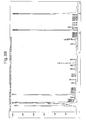
Fig. 1 is a graph showing the amount of KODA produced for 62 strains of Lemna paucicostata. - [
Fig. 2A ]
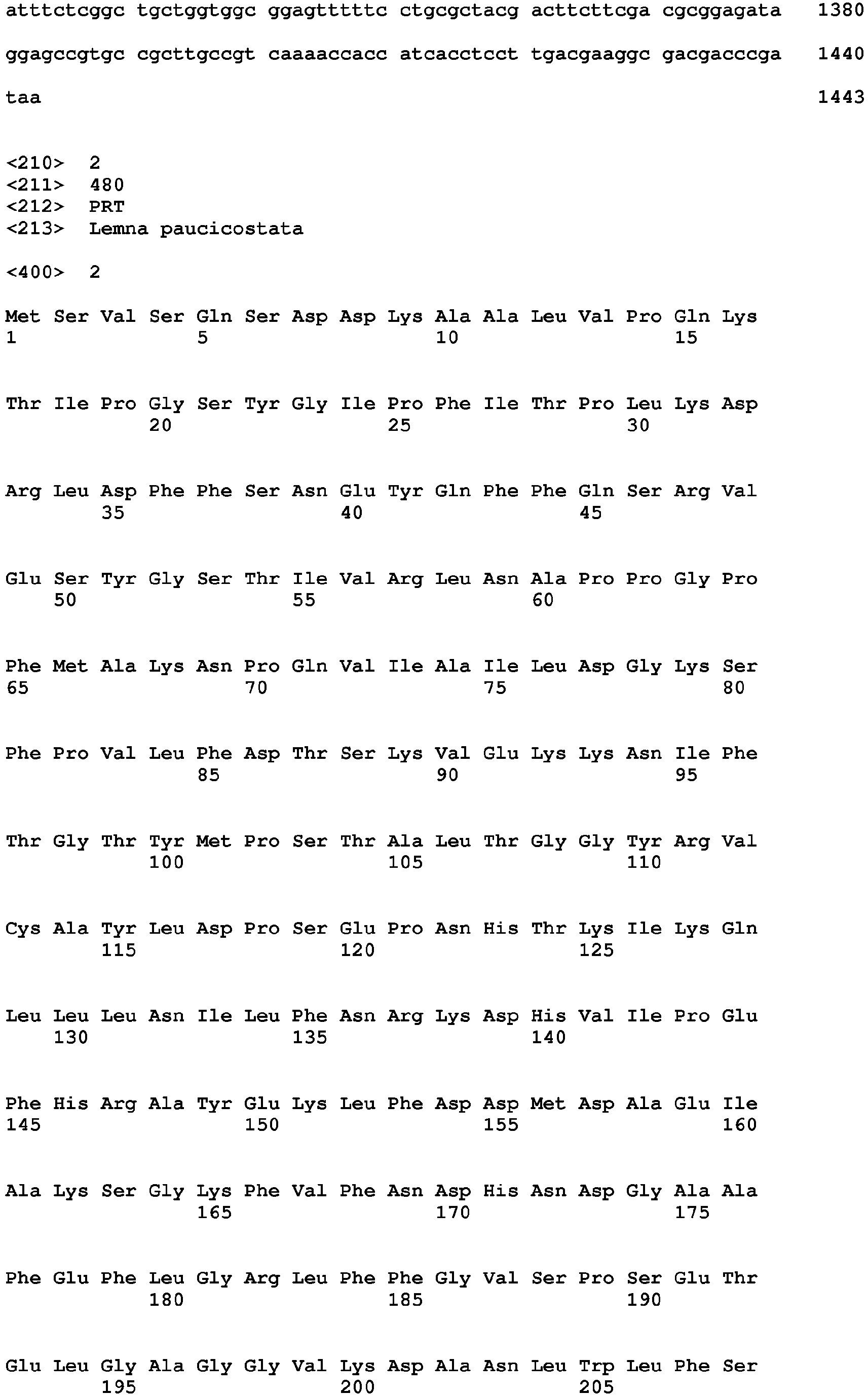
Fig. 2A shows the nucleic acid sequence and amino acid sequence of the allene oxide synthase gene of Lemna paucicostata SH strain. - [
Fig. 2B ]
Fig. 2B shows the continuation of the sequence ofFig. 2A . - [
Fig. 2c ]
Fig. 2C shows the continuation of the sequence ofFig. 2B . - [
Fig. 3A ]
Fig. 3A shows the HPLC chromatogram of KODA formation using Arabidopsis thaliana AOS. - [
Fig. 3B ]
Fig. 3B shows the HPLC chromatogram of KODA formation using SHLpAOS. - [
Fig. 4 ]
Fig. 4 shows the comparison of the activity of the allene oxide synthase (SHLpAOS) of Lemna paucicostata SH strain and the allene oxide synthase (AtAOS) of Arabidopsis thaliana used as the control, which are expressed in Escherichia coli. - The embodiments of the present invention are explained below. The present invention relates to a novel allene oxide synthase gene derived from Lemna paucicostata SH strain and a protein encoded by said gene. Specifically, the present invention relates to a gene consisting of a DNA having a base sequence of SEQ ID NO: 1 and a DNA substantially identical with said DNA. Furthermore, the present invention relates to a gene consisting of a DNA that encodes a protein consisting of an amino acid sequence of SEQ ID NO: 2, and a gene consisting of a DNA that encodes a protein consisting of an amino acid sequence substantially identical to said amino acid sequence. Furthermore, the present invention also relates to a fragment of the above DNA that encodes a protein having an allene oxide synthase activity.
- As used herein the term "substantially identical DNA" refers to a DNA that has a 70% identity in the base sequence with the reference DNA. The identity may preferably be at least 80%, at least 90%, at least 95%, at least 97%, at least 98%, at least 99%, at least 99.5%, or at least 99.9%. Furthermore, "substantially identical DNA" also refers to a DNA that can hybridize under a high stringent condition to a DNA comprising a base sequence complementary to the reference DNA. The "substantially identical DNA", when transcribed and translated, has the same enzyme activity as that of a protein encoded by the reference DNA, i.e., the allene oxide synthase activity.
- Hybridization can be carried out by a known method or a method based on said method, such as a method described in J. Sambrook et al., Molecular Cloning, 2nd., Cold Spring Harbor Laboratory Press, 1989. In this connection, a high stringent hybridization condition refers to, for example, a NaCl concentration of about 10-40 mM, preferably about 20 mM, and a temperature of about 50-70°C, preferably about 60-65°C.
- The present invention also relates to a protein consisting of an amino acid sequence of SEQ ID NO: 2 and a protein consisting of an amino acid sequence substantially identical to said amino acid sequence. Furthermore, the present invention relates to a protein that is encoded by a DNA having a base sequence of SEQ ID NO: 1 or a DNA substantially identical to said DNA, and that has an allene oxide synthase activity. Furthermore, the present invention also relates to a fragment of said protein, having an allene oxide synthase activity.
- As used herein "a protein comprising a substantially identical amino acid sequence" refers to a protein that comprises an amino acid sequence in which one or a few amino acids have been deleted, substituted or added in the amino acid sequence of the reference protein, and that has the activity of the reference protein, or an allene oxide synthase activity. Furthermore, "a protein comprising a substantially identical amino acid sequence" refers to a protein that comprises a sequence having an identity of at least 70% with the reference amino acid sequence and that has an allene oxide synthase activity. The identity may preferably be at least 80%, at least 90%, at least 95%, at least 97%, at least 98%, at least 99%, at least 99.5%, or at least 99.9%.
- As used herein SEQ ID NO: 1 represents the base sequence of the allene oxide synthase gene derived from Lemna paucicostata SH strain, and SEQ ID NO: 2 represents the amino acid sequence of said allene oxide synthase. Specific sequences thereof are shown in
Figs. 2A to C . - The allene oxide synthase activity means an enzyme activity of converting a hydroperoxidated fatty acid to an allene oxide.
- As used herein allene oxide synthase or a protein having an allene oxide synthase activity refers to one that is recognized to have an allene oxide synthase activity by, for example, an activity determination method described below. For example, compared to the activity of allene oxide synthase having an amino acid sequence represented by SEQ ID NO: 2, those having an activity of at least 10%, at least 50%, at least 70%, at least 80%, at least 90%, more preferably at least 95%, and furthermore 100% or more, for example 110% or more, 110% or more, 120% or more, 150% or more, 200% or more are encompassed.
- The gene (cDNA) of the present invention can be obtained by, for example, the following procedure. Primers are designed from an amino acid sequence common to a plant-derived allene oxide synthase, and RT-PCR is carried out to obtain a cDNA fragment. This fragment is labelled, as needed, with 32P or digoxgenine, and using this in 5'-RACE or 3'-RACE, or using a cDNA library constructed in a standard method, screening can be carried out to obtain the full-length of the allene oxide synthase gene (cDNA). The determination of the base sequence can be conducted by a common method such as the Sanger method and the Maxam Gilbert method.
- In an alternative method, Lemna paucicostata-derived allene oxide synthase is purified using ammonium sulfate fractionation or various chromatographic methods, separated by SDS polyacrylamide gel electrophoresis, electrically transferred to a PVDF membrane etc., and a band detected with a dye such as Coomassie brilliant blue is excised. Then, the N-terminal amino acid sequence is determined with a protein sequencer. Based on this sequence, primers are designed, and PCR is carried out according to the method mentioned above to obtain the full-length of the allene oxide synthase gene (cDNA).
- The isolated gene (cDNA) can be inserted into a plasmid, virus etc., by a known method to prepare an expression vector, which is then introduced into the host cells such as a microorganism, the cultured cells of animal cells, plant cells, insect cells and is expressed, and thus the protein can be produced in large quantities. Furthermore, as the protein-expression system, a cell-free protein expression system, the cultured cells of a system using a wheat germ extract, may be used.
- As a vector, an Escherichia coli-derived plasmid such as pBR322, pBR325, pUC18 and pUC119, a Bacillus subtilis-derived plasmid such as pUB110, pTP5 and pC194, a yeast-derived plasmid such as pSH19 and pSH15, a bacteriophage such as λ phage, an animal virus such as retrovirus, vaccinia virus and baculovirus, and pAl-11, pXT1, pRC/CMV, pRC/RSV, pcDNAI/Neo etc., can be used but not limited to them. As used herein a commercially available vector pET41a (Novagen) can be used in the the present invention.
- The expression vector comprising the gene of the present invention can be produced by ligating the gene of the present invention downstream to a promoter of a suitable vector via a suitable restriction site by a known method. The promoter to be used in the present invention may not be specifically limited as long as it is a suitable promoter corresponding to the host to be used for the expression of the gene. For example, when an animal cell is used as the host, SRα promoter, SV40 promoter, LTR promoter, CMV promoter, HSV-TK promoter, β-actin promoter etc., can be mentioned. When the host is a bacteria of the genus Escherichia such as Escherichia coli, trp promoter, lac promoter, recA promoter, λPL promoter, lpp promoter, T7 promoter etc., may preferably be used, when the host is a bacteria of the genus bacillus, SPO1 promoter, SP02 promoter, pen promoter may preferably be used, and when the host is a yeast, PHO5 promoter, PGK promoter, GAP promoter, ADH promoter etc., may preferably be used. When the host is an insect, polyhedron promoter, P10 promoter etc., may be preferred. As desired, the expression vector may further contain an enhancer, a splicing signal, a polyA addition signal, a selection marker, SV40 replication origin, etc.
- The host cell may be, but not limited to, a procaryotic cell or an eucaryotic cell that is conventionally used as the host for producing recombinant protein, and may include a mammal cell, an insect cell, a plant cell or a fungal cell, and preferably microorganisms such as bacteria or fungi. The term "fungus" is intended to encompass filamentous microorganisms and yeasts. Examples of suitable bacteria include Gram positive bacteria including genus Escherichia such as Escherichia coli, genus Bacillus such as Bacillus subtilis, and genus Streptomyces such as S. lividans, and Gram negative bacteria including genus Pseudomonas such as P. cepacia. The cells may be of fungi, i.e. yeast or filamentous cells. Yeast may be cells of genus Saccharomyces such as S. cereviceae. Filamentous host orgamisms may be, for example, Aspergillus strains such as A. niger. As insect cells, Sf cells, MG1 cells, BmN cells etc., may be mentioned. As animal cells, for example, monkey cell COS-7 cells, Vero cells, Chinese hamster cells CHO etc., may be mentioned. As used herein, Escherichia coli cells may specifically be preferred.
- For the transformation of host cells, a known method such as the calcium chloride method, the calcium phosphate coprecipitation method, the DEAE dextran method, the lipofectin method, the protoplast polyethylene fusion method, the electroporation method etc., can be used, and may be selected as appropriate depending on the host cell to be used.
- The protein of interest can be recovered by culturing the recombinant host cells obtained in a suitable culture medium, separating the cells from the culture liquid by a common procedure including, but not limited to, centrifugation or filtration, disrupting the cells as needed, precipitating the proteinaceous components of the supernatant or the filtrate by a salt such as ammonium sulfate, and then performing various chromatographic procedures such as ion exchange chromatography and an affinity chromatography. In order to attain the recovery of the protein of interest, a vector containing a tag sequence can be used. As the tag, His tag, GST tag, c-Myc tag, HA tag etc., can be mentioned.
- By ligating a suitable signal sequence for secretion in microorganisms or animals upstream to DNA encoding the protein of the present invention, said protein can be secreted and expressed in the culture medium. Such a DNA modified to a secretary type is useful since it facilitates the purification of the protein secreted into the culture medium. As examples of such a signal sequence, there can be mentioned the pel B signal (S.P. Lei et al., J. Bacteriology, 169: 4379-4383, 1987) in the case of Escherichia coli, α factor signal (A.J. Brake, Yeast Genetic Engineering, p269 Butterworth, 1989) in the case of yeast, the signal SG-1 of immunoglobulin (H. Maeda et al., Hum. Antibod. Hybridomas, 2: 124-134, 1991), C25 signal (
WO94/20632 - The allene oxide synthase activity can be determined by allowing a 9-product specific lipoxygenase to act on α-linolenic acid, and then adding a given amount of allene oxide synthase to the enzymatic reaction product 9-hydroperoxylinolenic acid (9-HPOT) to produce KODA, and the KODA produced is quantitatively analyzed by HPLC.
- The protein of the present invention may be useful as a reagent for use in the synthesis of various linoleic acid and linolenic acid derivatives. Specifically, the protein of the present invention is useful as an enzyme to be used when an α-ketol unsaturated fatty acid, specifically KODA, useful as a plant growth regulating agent, is enzymatically synthesized from linoleic acid or linolenic acid. Also, it may be estimated that by introducing the gene of the present invention into a plant, the metabolism of linoleic acid or linolenic acid present in the plant by allene oxide synthase can be controlled.
- The present invention will now be explained more specifically with reference to examples below. However, these examples do not limit the technical scope of the present invention in any way.
- 62 types of Lemna paucicostata harvested from different places were prepared and were passaged in the 1/2-diluted Hutner's medium under continuous illumination from a 24-25°C daylight fluorescent light. The 1/2-diluted Hutner's medium had the following ingredients:
Sucrose 10 g/l K2HPO4 200 mg/l NH4NO3 100 mg/l EDTA free acid 250 mg/l Ca(NO3) · 4H2O 176 mg/l MgSO4 · 7H2O 250 mg/l FeSO4 · 7H2O 12.4 mg/l MnCl2 · 4H2O 8.92 mg/l ZnSO4 · 7H2O 32.8 mg/l Na2MoO4 · 2H2O 12.6 mg/l H3BO3 7.1 mg/l Co(NO3) · 6H2O 0.1 mg/l CuSO4 · 5H2O 1.97 mg/l - The grown Lemna paucicostata was unfolded on a filter paper, and after allowing to stand for 2 hours, it was immersed in water for 1 hour. For the water, the concentration of KODA was analyzed using high performance liquid chromatography (HPLC; column: TYPE UG120 5 µm, SIZE: 4.6 mm I.D.×250 mm; guard filter: INERTSTL 4.6mm×50 mm; eluent: 50% acetonitrile+0.1% trifluoroacetic acid; condition:
absorption wavelength 210 λ(nm), flow rate: 1 ml/min, column temperature: 40°C). The mean of the amount produced of KODA in all Lemna paucicostata strains was 4.97 µM. Among them, Lemna paucicostata SH strain produced 60.2 µM of KODA, which is about 12-times as much as the mean amount of KODA produced, giving a very high production amount (Fig. 1 ). - From Lemna paucicostata SH strain, total RNA was extracted using RNeasy Plant Mini Kit (QIAGEN), and then cDNA was synthesized using
LongRange 2 Step RT-PCR Kit (QIAGEN) from 1.8 µg of total RNA as the template. Then, using the primers derived from Arabidopsis thaliana, and setting the annealing temperature for PCR at a low temperature of 45°C, a partial sequence information of allene oxide synthase derived from the SH strain (SHLpAOS) was obtained by using the synthesized cDNA as the template. - AOS-Forward: 5'-GGAACTAACCGGAGGCTACCG-3' (SEQ ID NO: 3)
- AOS-Reverse: 5'-CCGTCTCCGGTCCATTCGACCACAA-3' (SEQ ID NO: 4)
- Based on this sequence information, the full-length sequence was determined by the 3' or 5' RACE (Rapid Amplification of cDNA end) method.
- SH-3'-TP: 5'-TCTGGGCAGACTCTTCTTTGGAG-3' (SEQ ID NO: 5)
- SH-5'-TP: 5'-CCGGCTTGCGCTATATATCTGAGAATT-3' (SEQ ID NO: 6)
- By using 2 µg of total RNA of the SH strain obtained in the above experiment as the template, cDNA was synthesized using CapFishing™ target full-length cDNA cloning Kit (Seegene). PCR was carried out by using an addapter primer (3'-RACE primer) in the kit and SH-3'-TP, and this cDNA as the template solution.
- By using 2 µg of total RNA of the SH strain obtained in the above experiment as the template, cDNA was synthesized using CapFishing™ target full-length cDNA cloning Kit (Seegene). PCR was carried out by using an addapter primer (5'-RACE primer) in the kit and SH-5'-TP, and this cDNA as the template solution.
- After the sequence of the PCR product was determined, PCR was performed by using the primers shown below and the above cDNA, and the entire sequence of cDNA was subcloned into pTAC-2 vector (BioDynamics). In order to insert into an expression vector, a NcoI site was added at the 5'-end and a XhoI site was added at the 3'-end.
- SHAOS-F: 5'-CCGCGCCATGGAGAAGAGAATGTCTGTCTCGC-3' (SEQ ID NO: 7)
- SHAOS-R: 5'-CCGCGCTCGAGGTTGAATAAGCACGAGTGT-3' (SEQ ID NO: 8)
- After the SHLpAOS sequence integrated into the pTAC-2 vector by the above method was cleaved with NcoI and XhoI, it was introduced into a commercially available vector pET41a (Novagen) for protein expression to obtain a plasmid pET41a/SHLpAOS for expression of Lemna paucicostata allene oxide synthase. This plasmid was transformed into Escherichia coli strain BL21(DE3) (Novagen). Then, it was inoculated in 3 ml of the LB medium containing 30 mg/l kanamycin, and cultured under shaking overnight at 37°C and 250 rpm. 100 µl of this culture liquid was added to 10 ml of the LB medium containing the same concentration of kanamycin and 1% glucose and cultured under shaking at 37°C and 250 rpm for 3-4 hours. From 25 ml of this culture liquid, bacterial body were recovered by centrifugation, transferred to 50 ml of the TB medium containing 0.1 mM isopropyl-β-D-thiogalacto-pyranoside (Wako Pure Chemical Industries, Ltd.) and 30 mg/l of kanamycin, and cultured overnight under shaking at 25°C and 250 rpm to induce allene oxide synthase. After culturing was over, centrifugation was carried out, and 5 ml of BugBuster™ (Novagen) was added to 1 g of the wet bacterial body mass to dissolve the bacteria. Then, centrifugation was carried out (9,000 rpm, 5 minutes, 4°C), and the supernatant was recovered to prepare an enzyme solution. Using this enzyme solution, the activity testing in KODA production was carried out.
- In the activity testing in KODA production, 5 mM linolenic acid solution (dissolved in 0.1
% Tween 80 solution) was prepared, and reacted with lipoxygenase extracted from rice germ at pH 7 at room temperature for 10 minutes to synthesize 9-hydroperoxylinolenic acid (9-HPOT) solution. To 20 µl of this 9-HPOT reaction solution, 0.32 ng of the SHLpAOS protein or A. thaliana-derived AOS (AtAOS) protein was added and reacted at room temperature for 10 minutes. After the reaction was over, the reaction was terminated by a heat treatment at 50°C for 3 minutes. 10 µl of this solution was analyzed by HPLC. HPLC analysis was carried out with a column: Capsule pack C-18 UG120 (4.6×250 mm, Shiseido), column temperature: 40°C, mobile phase: 50% acetonitrile solution (0.02% TFA), flow rate: 1 ml/min, detection wavelength: 210 nm. The result of the HPLC is shown inFig. 3 (A, B). As can be seen from the HPLC chart, the peak of KODA was confirmed indicating that allene oxide synthase derived from Lemna paucicostata SH strain can be used in KODA production. Also, the SHLpAOS protein had an activity nearly 7-fold higher than the AtAOS protein (Fig. 4 ). - SHLpAOS obtained from Lemna paucicostata SH strain was subjected to kinetic analysis. Using a reaction mixture comprising 40 mM phosphate buffer (pH 7.5) and 1% EtOH, the reaction was carried out at a temperature of 25°C. The substrate 9-HPOT was tested at the substrate concentration of 5-53 µM. The substrate 9-HOPT was added as an EtOH solution, and the final concentration of EtOH was adjusted to 1%. 100 µl of the reaction mixture was added into a cuvette, and a decrease in absorbance at 234 nm was scanned over time for 1 minute at an interval of 2 seconds using the SmartSpec Plus Spectrophotometer (Bio-Rad). From the A234 determined, the amount of the reaction product was calculated (e=25,000). Kinetic parameters were determined using the Hanes-Woolf plot ([S]/v versus [S] plot). The result indicates that in SHLpAOS the Km value is significantly lower than AtAOS and had an about 5-fold higher affinity for 9-HPOT. The Vmax was about 2.8-fold higher than AtAOS. The Kcat value was also about 2.8-fold higher in SHLpAOS than in AtAOS, indicating that reaction turnover is occurring very efficiently. The Kcat/Km value was about 14-fold higher in SHLpAOS than in AtAOS. It is believed that compared to AtAOS, SHLpAOS is a very useful AOS in the practical production of KODA. The above revealed that SHLpAOS cloned from Lemna paucicostata SH strain is an AOS having a very high activity that has not been reported before.
[Table 1] Kinetic parameters of SHLpLOX and AtAOS Km (µM) Vmax (µmol sec-1) Kcat (sec-1) Kcat/Km (×106M-1sec-1) LpLOX-SH 7.1±1.9 4.7±0.3 709.2±44.3 99.0±23.7 AtAOS 36.3±1.3 1.7±0.03 255.5±4.8 7.0±3.8 


Claims (5)
- A gene consisting of DNA selected from the group consisting of the following (a) to (e):(a) a DNA comprising a base sequence of SEQ ID NO: 1;(b) a DNA that encodes a protein consisting of an amino acid sequence of SEQ ID NO: 2;(c) a DNA encoding a protein that comprises an amino acid sequence in which one or a few amino acids have been deleted, substituted or added to an amino acid sequence of SEQ ID NO: 2, and that has an allene oxide synthase activity;(d) a DNA that is at least 90% identical to DNA consisting of a base sequence of SEQ ID NO: 1 and that encodes a protein having an allene oxide synthase activity; and(e) a DNA that hybridizes under a high stringent condition to a DNA consisting of a base sequence complementary to a DNA consisting of a base sequence of SEQ ID NO: 1 and that encodes a protein having an allene oxide synthase activity.
- An expression vector comprising the DNA according to claim 1 and a vector fragment bound to each other therein.
- A transformant wherein the expression vector according to claim 2 has been introduced into a host microorganism, animal cell or plant cell.
- A method of producing allene oxide synthase which comprises culturing the transformant according to claim 3.
- A protein selected from the group consisting of the following (a) to (d):(a) a protein consisting of an amino acid sequence of SEQ ID NO: 2;(b) a protein that consists of an amino acid sequence in which one or a few amino acids have been deleted, substituted or added to an amino acid sequence of SEQ ID NO: 2, and that has an allene oxide synthase activity;(c) a protein that is encoded by a DNA that is at least 90% identical to a DNA consisting of a base sequence of SEQ ID NO: 1 and that has an allene oxide synthase activity; and(d) a protein that is encoded by a DNA capable of hybridizing under a high stringent condition to a DNA consisting of a base sequence complementary to a base sequence of SEQ ID NO: 1 and that has an allene oxide synthase activity.
Applications Claiming Priority (2)
| Application Number | Priority Date | Filing Date | Title |
|---|---|---|---|
| JP2010082354 | 2010-03-31 | ||
| PCT/JP2011/058108 WO2011125785A1 (en) | 2010-03-31 | 2011-03-30 | Novel allene oxide synthase derived from lemna paucicostata |
Publications (2)
| Publication Number | Publication Date |
|---|---|
| EP2554671A1 true EP2554671A1 (en) | 2013-02-06 |
| EP2554671A4 EP2554671A4 (en) | 2013-10-02 |
Family
ID=44762725
Family Applications (1)
| Application Number | Title | Priority Date | Filing Date |
|---|---|---|---|
| EP11765685.0A Withdrawn EP2554671A4 (en) | 2010-03-31 | 2011-03-30 | Novel allene oxide synthase derived from lemna paucicostata |
Country Status (5)
| Country | Link |
|---|---|
| US (1) | US20130034894A1 (en) |
| EP (1) | EP2554671A4 (en) |
| JP (1) | JP5726172B2 (en) |
| CN (1) | CN102822337A (en) |
| WO (1) | WO2011125785A1 (en) |
Families Citing this family (2)
| Publication number | Priority date | Publication date | Assignee | Title |
|---|---|---|---|---|
| JP6592306B2 (en) * | 2015-08-21 | 2019-10-16 | 学校法人 中央大学 | Porous membrane for phosphorus adsorption and method for producing the same |
| CN110305884B (en) * | 2019-08-05 | 2022-11-04 | 云南省烟草农业科学研究院 | Gene NtAIS 1 for improving jasmonic acid content of tobacco leaves and cloning method and application thereof |
Family Cites Families (7)
| Publication number | Priority date | Publication date | Assignee | Title |
|---|---|---|---|---|
| DE69433422T2 (en) | 1993-03-11 | 2004-09-16 | Juridical Foundation The Chemo-Sero-Therapeutic Research Institute | MONOCLONAL ANTI-HIV ANTIBODY |
| JP3569100B2 (en) | 1996-03-04 | 2004-09-22 | 株式会社資生堂 | Flower bud formation inducer and flower bud formation induction kit |
| JP3689543B2 (en) | 1997-03-04 | 2005-08-31 | 株式会社資生堂 | Flower bud formation inducer and flower bud formation induction kit |
| JP3571626B2 (en) | 1999-08-23 | 2004-09-29 | 株式会社資生堂 | Plant activator |
| ATE317006T1 (en) * | 2001-07-12 | 2006-02-15 | ALLEN OXIDE SYNTHASE AND DIVINYL ETHER SYNTHASE FROM THE CYP74 ENZYM FAMILY ISOLATED FROM PHYSCOMITRELLA PATENS AS WELL AS THE NUCLEOTIDE SEQUENCES ENCODING THEM AND METHOD FOR PRODUCING PATHOGEN-RESISTANT PLANTS | |
| JP4980160B2 (en) | 2007-07-12 | 2012-07-18 | 株式会社 資生堂 | Mushroom cultivation method |
| JP5726166B2 (en) * | 2010-03-11 | 2015-05-27 | 株式会社 資生堂 | Method for producing KODA using duckweed |
-
2011
- 2011-03-30 US US13/637,120 patent/US20130034894A1/en not_active Abandoned
- 2011-03-30 CN CN2011800167697A patent/CN102822337A/en active Pending
- 2011-03-30 WO PCT/JP2011/058108 patent/WO2011125785A1/en not_active Ceased
- 2011-03-30 EP EP11765685.0A patent/EP2554671A4/en not_active Withdrawn
- 2011-03-30 JP JP2012509541A patent/JP5726172B2/en active Active
Also Published As
| Publication number | Publication date |
|---|---|
| WO2011125785A1 (en) | 2011-10-13 |
| JP5726172B2 (en) | 2015-05-27 |
| CN102822337A (en) | 2012-12-12 |
| JPWO2011125785A1 (en) | 2013-07-08 |
| EP2554671A4 (en) | 2013-10-02 |
| US20130034894A1 (en) | 2013-02-07 |
Similar Documents
| Publication | Publication Date | Title |
|---|---|---|
| CZ20012792A3 (en) | Polypeptide, polynucleotide encoding polypeptide, expression vector, transformant and preparation process | |
| US10392673B2 (en) | Method of producing (-)-rotundone | |
| WO2012017008A1 (en) | A novel glucose oxidase | |
| JP2003520580A (en) | Enzymes and genes for producing vanillin | |
| EP4481051A1 (en) | Modified d-allulose-3-epimerase | |
| Matsui et al. | Structure and expression of 12-oxophytodienoate reductase (subgroup I) genes in pea, and characterization of the oxidoreductase activities of their recombinant products | |
| JP5516664B2 (en) | N-acetyl- (R, S) -β-amino acid acylase gene | |
| Ow | Phytochelatin-mediated cadmium tolerance in Schizosaccharomyces pombe | |
| CA2226518A1 (en) | (s)-hydroxynitrillyase from hevea brasiliensis | |
| US20130034894A1 (en) | Novel allene oxide synthase derived from lemna paucicostata | |
| US20130029391A1 (en) | Method of preparing koda using lemna paucicostata | |
| JP5726165B2 (en) | A novel lipoxygenase from duckweed | |
| JP4516712B2 (en) | Biological production method of L-pipecolic acid | |
| JP5119783B2 (en) | N-acetyl- (R, S) -β-amino acid acylase gene | |
| JP2000175698A (en) | Pyranose oxidase-containing reagent for measuring pyranose | |
| US6429003B1 (en) | Genes encoding denitrification enzymes | |
| JP2009089649A (en) | Clostridium cruberi diaphorase gene and its use | |
| JP3355368B2 (en) | Plasmid vector containing cDNA encoding plant-derived epoxide hydrolase and transformant | |
| US12630855B2 (en) | Polypeptide having esterification activity for L-menthol and/or hydrolyzing activity for L-menthol ester | |
| JP2011093909A (en) | Use of ketol-acid reductoisomerase inhibitor for treatment of fungal disease affecting crop | |
| EA011257B1 (en) | Improved enzymes | |
| KR101166026B1 (en) | A microorganism of Enterobacteriacae genus haboring genes associated with L-carintine biosynthesis and method of producing L-carnitine using the microorganism | |
| KR20070006965A (en) | Microorganisms of the genus Enterobacteria containing neurospora Krasa-derived L-carnitine biosynthesis related genes and a method for producing L-carnitine using the same | |
| JP4652915B2 (en) | DNA involved in hydrolysis of norbornane derivatives | |
| CN112359037A (en) | Glutamic acid decarboxylase GADZ11 for high yield of gamma-aminobutyric acid and gene and application thereof |
Legal Events
| Date | Code | Title | Description |
|---|---|---|---|
| PUAI | Public reference made under article 153(3) epc to a published international application that has entered the european phase |
Free format text: ORIGINAL CODE: 0009012 |
|
| 17P | Request for examination filed |
Effective date: 20120928 |
|
| AK | Designated contracting states |
Kind code of ref document: A1 Designated state(s): AL AT BE BG CH CY CZ DE DK EE ES FI FR GB GR HR HU IE IS IT LI LT LU LV MC MK MT NL NO PL PT RO RS SE SI SK SM TR |
|
| DAX | Request for extension of the european patent (deleted) | ||
| A4 | Supplementary search report drawn up and despatched |
Effective date: 20130904 |
|
| RIC1 | Information provided on ipc code assigned before grant |
Ipc: C12N 5/10 20060101ALI20130829BHEP Ipc: C12N 9/88 20060101ALI20130829BHEP Ipc: C12N 1/15 20060101ALI20130829BHEP Ipc: C12N 1/21 20060101ALI20130829BHEP Ipc: C12N 1/19 20060101ALI20130829BHEP Ipc: C12N 15/09 20060101AFI20130829BHEP |
|
| STAA | Information on the status of an ep patent application or granted ep patent |
Free format text: STATUS: THE APPLICATION IS DEEMED TO BE WITHDRAWN |
|
| 18D | Application deemed to be withdrawn |
Effective date: 20140401 |