EP2545068B1 - Immunogenic composition or vaccine against gram-negative bacterial, for example neiserial, infection or disease - Google Patents
Immunogenic composition or vaccine against gram-negative bacterial, for example neiserial, infection or disease Download PDFInfo
- Publication number
- EP2545068B1 EP2545068B1 EP11708450.9A EP11708450A EP2545068B1 EP 2545068 B1 EP2545068 B1 EP 2545068B1 EP 11708450 A EP11708450 A EP 11708450A EP 2545068 B1 EP2545068 B1 EP 2545068B1
- Authority
- EP
- European Patent Office
- Prior art keywords
- misc
- xaa
- feature
- zinc
- amino acid
- Prior art date
- Legal status (The legal status is an assumption and is not a legal conclusion. Google has not performed a legal analysis and makes no representation as to the accuracy of the status listed.)
- Active
Links
Images















Classifications
-
- C—CHEMISTRY; METALLURGY
- C07—ORGANIC CHEMISTRY
- C07K—PEPTIDES
- C07K14/00—Peptides having more than 20 amino acids; Gastrins; Somatostatins; Melanotropins; Derivatives thereof
- C07K14/195—Peptides having more than 20 amino acids; Gastrins; Somatostatins; Melanotropins; Derivatives thereof from bacteria
- C07K14/22—Peptides having more than 20 amino acids; Gastrins; Somatostatins; Melanotropins; Derivatives thereof from bacteria from Neisseriaceae (F)
-
- A—HUMAN NECESSITIES
- A61—MEDICAL OR VETERINARY SCIENCE; HYGIENE
- A61K—PREPARATIONS FOR MEDICAL, DENTAL OR TOILETRY PURPOSES
- A61K39/00—Medicinal preparations containing antigens or antibodies
- A61K39/02—Bacterial antigens
- A61K39/095—Neisseria
-
- A—HUMAN NECESSITIES
- A61—MEDICAL OR VETERINARY SCIENCE; HYGIENE
- A61P—SPECIFIC THERAPEUTIC ACTIVITY OF CHEMICAL COMPOUNDS OR MEDICINAL PREPARATIONS
- A61P29/00—Non-central analgesic, antipyretic or antiinflammatory agents, e.g. antirheumatic agents; Non-steroidal antiinflammatory drugs [NSAID]
-
- A—HUMAN NECESSITIES
- A61—MEDICAL OR VETERINARY SCIENCE; HYGIENE
- A61P—SPECIFIC THERAPEUTIC ACTIVITY OF CHEMICAL COMPOUNDS OR MEDICINAL PREPARATIONS
- A61P31/00—Antiinfectives, i.e. antibiotics, antiseptics, chemotherapeutics
-
- A—HUMAN NECESSITIES
- A61—MEDICAL OR VETERINARY SCIENCE; HYGIENE
- A61P—SPECIFIC THERAPEUTIC ACTIVITY OF CHEMICAL COMPOUNDS OR MEDICINAL PREPARATIONS
- A61P31/00—Antiinfectives, i.e. antibiotics, antiseptics, chemotherapeutics
- A61P31/04—Antibacterial agents
-
- C—CHEMISTRY; METALLURGY
- C07—ORGANIC CHEMISTRY
- C07K—PEPTIDES
- C07K14/00—Peptides having more than 20 amino acids; Gastrins; Somatostatins; Melanotropins; Derivatives thereof
- C07K14/195—Peptides having more than 20 amino acids; Gastrins; Somatostatins; Melanotropins; Derivatives thereof from bacteria
-
- C—CHEMISTRY; METALLURGY
- C07—ORGANIC CHEMISTRY
- C07K—PEPTIDES
- C07K16/00—Immunoglobulins [IG], e.g. monoclonal or polyclonal antibodies
- C07K16/12—Immunoglobulins [IG], e.g. monoclonal or polyclonal antibodies against material from bacteria
- C07K16/1203—Gram-negative bacteria
- C07K16/1217—Neisseriaceae (F)
-
- A—HUMAN NECESSITIES
- A61—MEDICAL OR VETERINARY SCIENCE; HYGIENE
- A61K—PREPARATIONS FOR MEDICAL, DENTAL OR TOILETRY PURPOSES
- A61K39/00—Medicinal preparations containing antigens or antibodies
-
- Y—GENERAL TAGGING OF NEW TECHNOLOGICAL DEVELOPMENTS; GENERAL TAGGING OF CROSS-SECTIONAL TECHNOLOGIES SPANNING OVER SEVERAL SECTIONS OF THE IPC; TECHNICAL SUBJECTS COVERED BY FORMER USPC CROSS-REFERENCE ART COLLECTIONS [XRACs] AND DIGESTS
- Y02—TECHNOLOGIES OR APPLICATIONS FOR MITIGATION OR ADAPTATION AGAINST CLIMATE CHANGE
- Y02A—TECHNOLOGIES FOR ADAPTATION TO CLIMATE CHANGE
- Y02A50/00—TECHNOLOGIES FOR ADAPTATION TO CLIMATE CHANGE in human health protection, e.g. against extreme weather
- Y02A50/30—Against vector-borne diseases, e.g. mosquito-borne, fly-borne, tick-borne or waterborne diseases whose impact is exacerbated by climate change
Definitions
- the present invention relates to the field of Gram-negative bacterial immunogenic compositions and vaccines, and the use of such compositions in medicine. More particularly, it relates to immunogenic compositions comprising outer membrane proteins of Gram-negative bacteria which are involved in uptake of extracellular zinc. Such proteins are promising antigens as they show high conservation between strains belonging to many different Gram-negative bacterial species.
- Gram negative bacteria are the causative agents for a number of human pathologies and there is a need for effective vaccines to be developed against many of these bacteria. There is accordingly a need to identify further antigens, such as outer membrane proteins, which are well conserved within, and possibly between, Gram-negative species in order that such antigens may be useful as vaccine components.
- N. meningitidis has recently been found to express an outer membrane protein, "TdfI” or “ZnuD” (BASB082 of WO 00/55327 ; locus tag NMB0964 in the sequenced genome of N. meningitidis serogroup B; herein SEQ ID NO. 1) involved in the uptake of extracellular zinc.
- TdfI outer membrane protein
- ZnuD ZnuD protein
- WO00/71725 discloses combination Neisserial compositions comprising two biological molecules form Neisseria bacteria.
- WO01/85772 discloses a series of virulence genes from Neisseria meningitidis. These genes, or their encoded products, can be used in the manufacture of vaccines.
- WO00/55327 discloses polypeptides of Neisseria meningitidis, which are useful for the prevention and treatment of microbial disease.
- TdfI homologues of TdfI in many strains from numerous Gram-negative bacterial species.
- the conservation of the amino acid sequence between these species may reflect the importance of TdfI in the active uptake of zinc in environments having low levels of free zinc.
- TdfI and its identified homologues, as well as homologues yet to be identified represent a promising source of antigens for the development of vaccines against Gram-negative infection. Due to the amino acid sequence conservation of secondary structure amongst TdfI and its identified homologues, such vaccines may confer protection not only to individual serotypes, sub-species and strains, but across all members of a bacterial species, or other taxonomic level. Indeed, as shown in the Examples, TdfI can induce cross-bactericidal antibodies against almost all Neisserial strains tested regardless of serogroup, supporting the potential of this outer membrane protein to be used as a universal N. meningitidis antigen.
- TdfH N. meningitidis outer membrane protein involved in uptake of extracellular zinc
- BASB024 of WO 00/11182 herein SEQ ID NO. 50.
- Tdfl is believed to be involved in the acquisition of free zinc from the extracellular environment, it appears that TdfH binds to non-free, complexed zinc, such as zinc bound to calprotectin as shown in the Examples.
- Homologues of TdfH have been identified in several strains from different Gram-negative bacterial species, and a high degree of amino acid sequence conservation is observed.
- analogous to TdfI, TdfH and homologues thereof are expected to be useful as a source of antigens for vaccination against Gram-negative infection and disease.
- N. meningitidis and many other Gram-negative species, have active mechanisms for uptake of zinc across the outer membrane.
- Such mechanisms which involve at least TdfI and TdfH, may be necessary due to the low levels of free zinc in the host (for example in the human body), especially in certain compartments such as the respiratory tract.
- the viability of cells lacking TdfI or H is impaired in conditions of low free zinc, or where the zinc is complexed to e.g. calprotectin, respectively.
- Vaccination with the aim of targeting the host immune system to Gram-negative bacteria expressing TdfI or TdfH promises to provide effective prevention or treatment against infection by such bacteria, and such vaccines may have significant cross-protectivity within, and possibly between, Gram-negative species as a result of the conserved nature of the proteins.
- the protection conferred by a vaccine comprising a antigens based on each of these proteins could result from a bactericidal immune response towards the bacterium in question, or simply from a prevention of the zinc uptake activity the protein. It is envisaged that a vaccine comprising both TdfI- and TdfH-derived antigens, thereby targeting both identified zinc uptake mechanisms, may be particularly effective.
- the present invention accordingly provides a vaccine for use in the treatment or prevention of Gram-negative bacterial infection or disease comprising:
- the present invention is based on the discovery that N. meningitidis expresses outer membrane proteins involved in zinc uptake, at least one of which (TdfI) is found in most tested N. meningitidis strains as well as in numerous other Gram-negative bacterial species. Tdfl from N. meningitidis serogroup B has been found to induce cross-bactericidal antibodies to N. meningitidis strains of all serogroups, and hence these proteins and their homologues in other Gram-negative species represent promising antigens for protecting against Gram- negative infection.
- TdfI outer membrane proteins involved in zinc uptake
- TdfI protein and “TdfH protein” are used to refer to the respective proteins as identified in N. meningitidis as well as to homologues thereof.
- the invention provides a vaccine for use in the treatment or prevention of Gram-negative bacterial infection or disease comprising:
- immunogenic composition or “vaccine” is meant a composition comprising at least one antigen which is capable of generating an immune response when administered to a host.
- Immunogenic response means a B-cell antibody response.
- an “antigen”, according to the context of the present invention, is a substance which stimulates an immune response in the body. More specifically, the antigen is a polypeptide derived from the outer membrane protein of the first Gram-negative strain that is recognised by the immune response raised by said antigen. By “derived” in this sense is meant that the antigen is generated using said outer membrane protein as a starting point physically (e.g. by target mutation, truncation etc.) or intellectually (e.g. using the known sequence of said protein to design a synthesised polypeptide). As used herein, “polypeptide” means any chain of two or more amino acid residues linked by peptide bonds.
- the vaccine of the invention comprises at least two antigens, but may comprise, in addition to said two antigens, one or more additional antigens.
- carrier protein any protein to which the antigen is coupled or attached or conjugated, typically for the purpose of enhancing or facilitating detection of the antigen by the immune system.
- the term is intended to cover both small peptides and large polypeptides (>10 kDa).
- the carrier may be any peptide or protein. It may comprise one or more T-helper epitopes.
- the carrier protein may be, for example, tetanus toxoid (TT), tetanus toxoid fragment C, non-toxic mutants of tetanus toxin, diphtheria toxoid (DT), CRM197, Pneumolysin (Ply), protein D, PhtD or PhtDE.
- the immune response raised by the antigen may recognise an outer membrane protein of a first (i.e. of a single) bacterial strain, or it may recognise an outer membrane protein present on two or more strains, in which case said proteins need not be identical between the strains but must share similar epitopes such that each of the respective proteins is recognised by the immune response raised by the antigen.
- an immune response which recognises multiple, or all, strains of a given Gram- negative species, wherein said strains differ by at least one of serogroup, serotype, serosubtype or the precise amino acid sequence of the outer membrane protein from which the antigen is derived.
- Cross-protection may also extend beyond individual species.
- outer membrane protein means a polypeptide or protein integral to or attached to or expressed on the outer membrane of Gram-negative bacteria.
- the protein may be an integral membrane protein, i.e. "embedded” within the membrane, optionally having portions exposed periplasmically and/or extracellularly.
- the protein may be attached to the extracellular surface of the outer membrane, either directly to the lipid bilayer or to an integral protein.
- the outer membrane protein is between 600-1000 amino acids in length.
- Involvement of the protein in zinc uptake means that the protein binds free or complexed extracellular zinc, and optionally transports the bound zinc across the outer membrane. Whether or not a Gram-negative outer membrane protein is involved in zinc binding, and optionally transport, would be readily ascertainable to one skilled in the art, and the Examples provide several ways in which this may be accomplished, including modelling of protein structure, a zinc sequestration competition assay and an assay of the regulation of expression of the protein in response to external zinc concentration.
- the involvement of said outer membrane protein in zinc uptake is such that zinc binding is reduced for outer membrane vesicles lacking said protein and accumulation of zinc is reduced in cells lacking said protein, and/or is such that cells lacking said protein have a reduced ability to grow in the presence of calprotectin as sole zinc source.
- the outer membrane protein recognised by said immune response may, optionally, not consist of the amino acid sequence of an NMB0964 polypeptide according to PCT/EP2009/052689 or a fragment thereof as disclosed therein, SEQ ID NO. 2 of WO 00/55327 or a fragment thereof as disclosed therein, SEQ ID NO. 606 of WO 99/57280 or a fragment thereof as disclosed therein, or SEQ ID Nos. 2, 4 and 6 of WO 00/11182 or a fragment thereof as disclosed therein.
- said first Gram-negative bacterial strain which expresses said outer membrane protein is optionally not a Neisserial strain.
- the expression of said outer membrane protein may be upregulated in response to low zinc availability.
- Said upregulation of expression relative to the level of expression of the protein during growth on a complex, zinc-containing medium such as tryptic soy broth (TSB) may be 1.5, 2, 2.5, 3, 3.5, 4, 4.5, 5, 5.5, 6, 6.5, 7, 7.5, 8, 8.5, 9, 9.5, 10- fold or greater.
- TPEN N,N,N',N'-Tetrakis(2-pyridylmethyl)ethylenediamine
- Said first Gram-negative bacterial strain which expresses the outer membrane protein recognised by said immune response may be a strain which infects body compartments of humans and/or animals having low levels of free zinc.
- Such compartments include, for example, the respiratory tract and the blood as well as the urinary tract and intestine.
- said first Gram-negative bacterial strain belongs to a species which infects the respiratory tract such as Brucella sp., Coxiella sp., Pseudomonas sp., Acinetobacter sp., Moraxella sp., Chlamydia psittaci, Chlamydia trachomatis, Haemophilus influenzae, Haemophilus parasuis, Haemophilus somnus, Legionella pneumophila, Actinobacillus pleuropneumoniae, Bordetella pertussis, Bordetella parapertussis, Bordetella bronchoseptica, Mannheimia haemolytica, Pasteurella dagmatis and Pasteurella multocida. Said low level of free zinc is a result of binding of zinc to molecules such as calprotectin.
- a low level of free zinc is meant under 5, 4, 3, 2, 1, 0.9, 0.8, 0.7, 0.6, 0.5, 0.4, 0.3, 0.2, 0.1, 0.05 or 0.01 ⁇ M free zinc, such as is present in Roswell Park Memorial Institute medium 1640 (RPMI) which has around 1.69 ⁇ M zinc by inductively coupled plasma mass spectroscopy.
- RPMI Roswell Park Memorial Institute medium 1640
- zinc refers to Zn2+.
- said first Gram-negative strain belongs to a species or genus selected from the group consisting of Acidovorax; Acinetobacter; Acinetobacter baumannii; Acinetobacter baumannii; Acinetobacter calcoaceticus; Acinetobacter johnsonii; Acinetobacter junii; Acinetobacter Iwoffii; Acinetobacter radioresistens; Actinobacillus; Actinobacillus minor; Actinobacillus pleuropneumoniae; Aggregatibacter; Aggregatibacter actinomycetemcomitans; Aggregatibacter aphrophilus; Alcanivorax; Alcanivorax borkumensis; Azoarcus; Azotobacter; Azotobacter vinelandii; Bordetella; Bordetella bronchiseptica; Bordetella parapertussis; Bordetella pertussis; Bordetella petrii; Campylobacter;
- the present invention provides a vaccine comprising:
- the polypeptide of which the antigen is (at least in part) comprised is capable of raising an immune response which recognises at least the amino acid sequence with which said polypeptide shares a degree of amino acid sequence identity.
- the degree of identity may be 30, 31, 32, 33, 34, 35, 36, 37, 38, 39, 40, 41, 42, 43, 44, 45, 46, 47, 48, 49, 50, 51, 52, 53, 54, 55, 56, 57, 58, 59, 60, 61, 62, 63, 64, 65, 66, 67, 68, 69, 70, 71, 72, 73, 74, 75, 76, 77, 78, 79, 80, 81, 82, 83, 84, 85, 86, 87, 88, 89, 90, 91, 92, 93, 94, 95, 96, 97, 98, 99 or 100%.
- the polypeptide may have the same or substantially the same immunogenic activity as the amino acid sequence with which
- Identity is a relationship between two or more polypeptide sequences or two or more polynucleotide sequences, as the case may be, as determined by comparing the sequences.
- identity also means the degree of sequence relatedness between polypeptide or polynucleotide sequences, as the case may be, as determined by the match between strings of such sequences.
- Methods to determine identity are designed to give the largest match between the sequences tested. Moreover, methods to determine identity are codified in publicly available computer programs. Computer program methods to determine identity between two sequences include, but are not limited to, the GAP program in the GCG program package ( Devereux, J., et al., Nucleic Acids Research 12(1): 387 (1984 )), BLASTP, BLASTN ( Altschul, S.F. et al., J Mol. Biol.
- the BLAST family of programs is publicly available from NCBI and other sources ( BLAST Manual, Altschul, S., et al., NCBI NLM NIH Bethesda, MD 20894 ; Altschul, S., et al., J Mol. Biol. 215: 403-410 (1990 ).
- the well known Smith Waterman algorithm may also be used to determine identity.
- Parameters for polypeptide sequence comparison can include the following:
- Parameters for pairwise alignment using the ClustalW program can include: Gap Open Penalty :10.00 Gap Extension Penalty :0.10 Protein weight matrix :Gonnet series DNA weight matrix :IUB
- Parameters for multiple alignment using the ClustalW program can include: Gap Opening Penalty :10.00 Gap Extension Penalty :0.20 Delay divergent sequences :30 % DNA Transitions Weight :0.50 Protein weight matrix :Gonnet series DNA weight matrix :IUB Use negative matrix :OFF
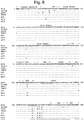
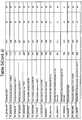
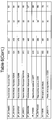
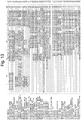
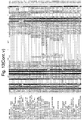
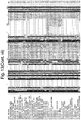
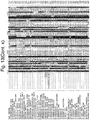
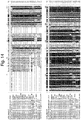
- identity is expressed over the entire length of the reference, rather than the test, sequence. Multiple alignments of SEQ ID Nos. 1 and 50 with their respective identified homologues are shown Figures 10 and 11 , and the identity values are shown in Tables 5 and 6.
- Said first antigen or polypeptide may optionally not have the amino acid sequence of an NMB0964 polypeptide according to PCT/EP2009/052689 or a fragment thereof as disclosed therein, SEQ ID NO. 2 of WO 00/55327 or a fragment thereof as disclosed therein, SEQ ID NO. 606 of WO 99/57280 or a fragment thereof as disclosed therein, or SEQ ID Nos. 2, 4 and 6 of WO 00/11182 or a fragment thereof as disclosed therein.
- an "immunogenic fragment” as used herein is a polypeptide having an amino acid sequence that is entirely the same over its length as part, but not all, of an amino acid sequence of the invention (i.e. of one or both of SEQ ID Nos. 1 and 50), and which is capable of raising an immune response which recognises at least the amino acid sequence of which it is a fragment.
- An immunogenic fragment may have the same or substantially the same immunogenic activity as the amino acid sequence of which said fragment is a fragment.
- said immunogenic fragment is, at least in part, from an extracellular portion of the amino acid sequence of which it is a fragment.
- Said fragments may otherwise be, for example, truncated derivatives of the amino acids sequences of the invention, such as a continuous series of residues that includes an amino- or carboxyl-terminal amino acid sequence. Degradation forms of the amino acids sequences of the invention may also be used.
- said antigen or polypeptide or immunogenic fragment may not have the amino acid sequence of an NMB0964 polypeptide according to PCT/EP2009/052689 or a fragment thereof as disclosed therein, SEQ ID NO. 2 of WO 00/55327 or a fragment thereof as disclosed therein, SEQ ID NO. 606 of WO 99/57280 or a fragment thereof as disclosed therein, or SEQ ID Nos. 2, 4 and 6 of WO 00/11182 or a fragment thereof as disclosed therein.
- the first antigen or corresponding polypeptide or corresponding immunogenic fragment is be derived from a Tdfl protein, and the amino acid sequence with which said polypeptide has amino acid sequence identity, or of which said immunogenic fragment is a fragment, is SEQ ID No. 1.
- Said first polypeptide or immunogenic fragment of the vaccine of the invention may comprise at least one of the following amino acid motifs:
- the number preceding each motif indicates the position in the sequence of SEQ ID No. 1 of the first amino acid of the sequence of SEQ ID No. 1 that corresponds to that motif when SEQ ID No. 1 and said polypeptide comprising said motif are aligned.
- said first polypeptide or immunogenic fragment may comprise 1, 2, 3, 4, 5, 10, 15, 20, 25, 30, 35, 40, 45, 50, 60, 70, 80, 90, 100 or more further amino acids at the N- and/or C-terminus of said motif from the sequence contiguous to said motif beginning at the position of said first amino acid of SEQ ID No. 1 or at the equivalent positions of SEQ ID No. 2 to 49.
- the motifs are depicted using the standard single-letter amino acid code, expressed in N- to C-terminal direction from left to right. For example, "- G -" at a particular position relative to the other amino acids of the motif indicates a requirement for a glycine residue at that position, whilst for example "- S/A/V - " specifies that a serine or an alanine or a valine residue (in no order of preference) must occupy that position.
- An unspecified position i.e. which may be any amino acid residue, is represented by "X", and multiple contiguous such residues are indicted by, for example, 3(X) meaning " - X - X - X -".
- said first antigen, polypeptide or immunogenic fragment is derived from a TdfI protein.
- Said second antigen, polypeptide or immunogenic fragment is derived from a TdfH protein, and the amino acid sequences with which said second polypeptide has amino acid sequence identity, or of which said immunogenic fragment is a fragment, are selected from the group consisting of SEQ ID No. 50; SEQ ID No. 51; SEQ ID No. 52; SEQ ID No. 53; SEQ ID No. 54; SEQ ID No. 55; SEQ ID No. 56; SEQ ID No. 57; SEQ ID No. 58; SEQ ID No. 59; SEQ ID No. 60; SEQ ID No. 61; SEQ ID No.
- Said second polypeptide or immunogenic fragment of the vaccine of the invention may comprise at least one of the following amino acid motifs:
- each motif indicates the position in the sequence of SEQ ID No. 50 of the first amino acid of the sequence of SEQ ID No. 50 that corresponds to that motif when SEQ ID No. 50 and said polypeptide comprising said motif are aligned.
- said second polypeptide or immunogenic fragment may comprise 1, 2, 3, 4, 5, 10, 15, 20, 25, 30, 35, 40, 45, 50, 60, 70, 80, 90, 100 or more further amino acids at the N- and/or C-terminus of said motif from the sequence contiguous to said motif beginning at the position of said first amino acid of SEQ ID No. 50 or at the equivalent positions of SEQ ID No. 51 to 71.
- the motifs are depicted as described above in connection with Tdfl motifs.
- the vaccine of the invention may comprise one or more antigens additional to those defined supra.
- Such additional antigens may include any antigen, which antigen may or may not raise an immune response to the same Gram-negative strain or species as the "first" or “second”antigens, or even to a Gram-negative bacterium or taxonomic group thereof.
- said at least one additional antigen is a fHbp polypeptide or a Hsf polypeptide or a Hap polypeptide or a NadA polypeptide or a lipo28 polypeptide, for instance from N. meningitidis.
- fHbp can mean the GNA1870 protein from Neisseria, Hsf the NMB0992 ( WO99/31132 ; SEQ ID NO: 2 and 4 [BASB029] in WO99/58683 ) protein from Neisseria, Hap the NMB1985 ( WO99/55873 - BASB006) protein from Neisseria, NadA the NMB1994 protein from Neisseria, lipo28 the GNA2132 or NMB2132 protein from Neisseria.
- GNA and NMB numbers referred to herein refer to polypeptides encoded by Neisseria meningitidis group A and B, respectively, genome sequences available from www.neisseria.org .
- a protein is specifically mentioned herein, it is suitably a reference to a native, full-length protein, and to its natural variants, but it may also encompass antigenic fragments thereof. These are fragments (often specifically described herein) containing or comprising at least 15 amino acids, suitably at least 20 amino acids, at least 30 amino acids, at least 40 amino acids or at least 50 amino acids, taken contiguously from the amino acid sequence of the protein. Antigenic fragments may also be immunogenic fragments.
- reference to proteins and protein sequences herein includes a polypeptide comprising an immunogenic fragment of 7, 10, 12, 15, 20, 30, 40 or 50 (or more) contiguous amino acids from said protein sequence or from the amino acid sequence of said protein (optionally wherein said immunogenic fragment is capable of eliciting - if necessary when coupled to a protein carrier - an immune response which can recognise said protein or said protein sequence).
- Hsf has a structure that is common to autotransporter proteins.
- Hsf from N. meningitidis strain H44/76 consists of a signal sequence made up of amino acids 1- 51, a head region at the amino terminus of the mature protein (amino acids 52-479) that is surface exposed and contains variable regions (amino acids 52- 106,121-124, 191-210 and 230-234), a neck region (amino acids 480-509), a hydrophobic alpha- helix region (amino acids 518-529) and an anchoring domain in which four transmembrane strands span the outer membrane (amino acids 539-591).
- Hsf full length Hsf may be used in immunogenic compositions of the disclosure, various Hsf truncates and deletions may also be used depending on the type of vaccine.
- Hsf is used in a subunit composition or vaccine
- a portion of the soluble passenger domain may be used; for instance the complete domain of amino acids 52 to 479, most suitably a conserved portion thereof, for instance the sequence of amino acids 134 to 479.
- Suitable forms of Hsf may be truncated so as to delete variable regions of the protein disclosed in WO01/55182 .
- Suitable variants would include the deletion of one, two, three, four, or five variable regions as defined in WO01/55182 .
- the above sequences and those described below, can be extended or truncated by up to 1,3, 5,7, 10 or 15 amino acids at either or both N or C termini.
- Suitable fragments of Hsf therefore include the entire head region of Hsf, suitably containing amino acids 52-473. Additional suitable fragments of Hsf include surface exposed regions of the head including one or more of the following amino acid sequences; 52-62, 76-93, 116-134,147-157, 157-175,199-211, 230-252, 252-270, 284- 306, 328-338, 362-391, 408-418, 430-440 and 469-479.
- Hsf is present in an outer membrane vesicle preparation, it may be expressed as the full-length protein or as a variant made up of a fusion of amino acids 1-51 and 134-591 (yielding a mature outer membrane protein of amino acid sequence 134 to the C-terminus). Suitable forms of Hsf may be truncated so as to delete variable regions of the protein disclosed in WO01/55182 . Suitable variants would include the deletion of one, two, three, four, or five variable regions as defined in WO01/55182 . For example, the first and second variable regions may be deleted.
- Suitable variants would delete residues from between amino acid sequence 52 through to 237 or 54 through to 237, more suitably deleting residues between amino acid 52 through to 133 or 55 through to 133.
- the mature protein would lack the signal peptide.
- Hap Computer analysis of the Hap-like protein from Neisseria meningitidis reveals at least three structural domains. Considering the Hap-like sequence from strain H44/76 as a reference, Domain 1, comprising amino-acid 1 to 42, encodes a sec-dependant signal peptide characteristic of the auto-transporter family, Domain 2, comprising amino- acids 43 to 950, encode the passenger domain likely to be surface exposed and accessible to the immune system, Domain 3, comprising residues 951 to the C- terminus (1457), is predicted to encode beta-strands likely to assemble into a barrel- like structure and to be anchored into the outer-membrane.
- domains 2 and 3 are likely to be surface-exposed, well conserved (more than 80% in all strains tested) and could be produced as subunit antigens in E. coli, it represents an interesting vaccine candidate (see also Pizza et al. (2000), Science 287: 1816-1820 ).
- Immunogenic compositions of the disclosure may comprise the full-length Hap protein, suitably incorporated into an OMV preparation. Immunogenic compositions of the disclosure may also comprise the passenger domain of Hap which in strain H44/76 is composed of amino acid residues 43-950. This fragment of Hap would be particularly advantageously used in a subunit composition of the disclosure.
- the above sequence for the passenger domain of Hap can be extended or truncated by up to 1, 3, 5, 7, 10, 15, 20, 25, or 30 amino acids at either or both N or C termini.
- the vaccine of the invention comprises a bacterial outer membrane vesicle preparation, which preparation comprises the said first antigen of the vaccine composition.
- a vaccine may be produced by a method comprising culturing at least a first gram-negative bacterial strain which produces said first antigen, wherein said antigen is produced at a level sufficient to provide for production of outer membrane vesicles that, when administered to a subject, raise a protective response against infection by at least said first gram-negative bacterial strain; preparing outer membrane vesicles from the cultured strain; and combining said outer membrane vesicles with a pharmaceutically acceptable carrier or excipient to produce an immunogenic composition suitable for administration to a subject.
- a level sufficient to provide for production of outer membrane vesicles that, when administered to a subject, raise a protective response against infection by at least said first gram-negative bacterial strain is meant that sufficient antigen is produced such that upon administration of outer membrane vesicles comprising said antigen an immune response is induced that prevents, retards the development of, or reduces the severity of a disease that is caused by said first Gram-negative strain, or diminishes or completely eliminates the symptoms of the disease.
- the expression of TdfI is regulated in response to the free zinc concentration, such that decreasing levels of free zinc correlate with an upregulation of Tdfl expression.
- the expression of TdfH is believed also to be influenced by free zinc levels, although to a lesser extent.
- the culturing of said bacterial strain may be in a medium comprising a zinc chelator, suitably at a concentration of 0.01-100, 0.1-10, 0.3-5, or 0.5-1 ⁇ M, in order to upregulate expression of said antigen.
- Said zinc chelator may, for example, be TPEN.
- said culturing according to the method may take place in Catlin medium.
- the said first antigen may be expressed in said first gram-negative bacterial strain from an expression vector comprising a polynucleotide encoding said antigen.
- said antigen is produced by expression from a heterologous and/or strong promoter, i.e. such a promoter is engineered into the chromosome of said bacterial strain such that it is operably linked with the polynucleotide sequence encoding said antigen.
- a heterologous and/or strong promoter i.e. such a promoter is engineered into the chromosome of said bacterial strain such that it is operably linked with the polynucleotide sequence encoding said antigen.
- heterologous refers to two biological components that are not found together in nature. The components may be host cells, genes, or regulatory regions, such as promoters.
- heterologous components are not found together in nature, they can function together, as when a promoter heterologous to a gene is operably linked to the gene.
- a "strong" promoter is a promoter which drives expression of a polynucleotide sequence operably linked thereto at a high level. What constitutes a high level, in the context of a bacterial strain belonging to a particular species, would be well known to one skilled in the art, as would be the identity of strong promoters in such a strain.
- the step of preparing the outer membrane vesicles from the cultured strain may be performed using detergent extraction, or may be achieved by alternative means.
- said extraction may involve the use of 0-0.5%, 0.02- 0.4%, 0.04-0.3%, 0.06-0.2%, 0.08-0.15% or 0.1% detergent.
- the detergent may be deoxycholate.
- the expression of said first antigen is optionally upregulated in the outer membrane vesicles produced from said first gram-negative bacterial strain, for example as a result of culturing in conditions of low free zinc.
- the expression of said antigen may be upregulated in outer membrane vesicle preparations in vaccines of the invention which comprise such preparations.
- Such upregulation may be relative to the expression of said antigen in an outer membrane vesicle preparation from a wild-type bacterium of the same strain.
- expression of said antigen may be upregulated 1.5, 2, 2.5, 3, 3.5, 4, 4.5, 5, 5.5, 6, 6.5, 7, 7.5, 8, 8.5, 9, 9.5, 10-fold or greater.
- a host cell from which said outer membrane vesicle preparation is derived may be genetically modified in production of said antigen.
- Such modification may involve disruption of functional expression of an endogenous protein, which protein in a non-genetically-modified host cell represses expression of said antigen.
- the endogenous repressor protein may be the Neisserial or Gram-negative bacterial Zur repressor.
- the host cell may be modified by the introduction of a heterologous and/or strong promoter operably linked to the polynucleotide encoding the antigen.
- a heterologous and/or strong promoter operably linked to the polynucleotide encoding the antigen.
- Said introduced promoter may be inducible, i.e. the promoter may be "switched on” or upregulated in response to a chemical or environmental stimulus, such as for example IPTG or heat, respectively.
- the vaccine of the invention may comprise outer membrane vesicle preparations isolated from two or more Gram-negative bacterial strains.
- at least a first Gram-negative bacterial strain belongs to a bacterial species or genus selected from the group consisting of Acidovorax; Acinetobacter; Acinetobacter baumannii; Acinetobacter calcoaceticus; Acinetobacter johnsonii; Acinetobacter junii; Acinetobacter Iwoffii; Acinetobacter radioresistens; Actinobacillus; Actinobacillus minor; Actinobacillus pleuropneumoniae; Aggregatibacter; Aggregatibacter actinomycetemcomitans; Aggregatibacter aphrophilus; Alcanivorax; Alcanivorax borkumensis; Azoarcus; Azotobacter; Azotobacter vinelandii; Bordetella; Bordetella bronchiseptica; Bordetella para
- the vaccine of the invention may comprise one or more of a pharmaceutically acceptable excipient, an adjuvant and a zinc salt.
- the vaccine defined supra is capable of generating a protective response against infection by a Gram-negative bacterial strain.
- a "protective response” as used herein is meant an immune response that prevents, retards the development of, or reduces the severity of a disease that is caused by a Gram-negative bacterial strain, or diminishes or altogether eliminates the symptoms of the disease.
- Said vaccine may be capable of generating a protective response against infection by two or more different bacterial strains.
- one or more of said different Gram-negative bacterial strains may belong to a bacterial genus or species selected from the group consisting of Borrelia; Borrelia burgdorferi; Brucella; Brucella melitensis; Brucella ovis; Chlamydia; Chlamydia psittaci; Chlamydia trachomatis; Escherichia; Escherichia coli; Legionella; Legionella pneumophila; Yersinia; Yersinia enterocolitica; Shigella; Shigella flexneri; Shigella dysenteriae; Shigella boydii; Coxiella; Coxiella burnetii; Acidovorax; Acinetobacter; Acinetobacter baumannii; Acinetobacter calcoaceticus; Acinetobacter johnsonii; Acinetobacter junii; Acinetobacter Iwoffii; Acinetobacter radioresistens; Act
- the vaccine of the invention is provided for use in the treatment or prevention of Gram-negative bacterial disease or infection.
- disease means infection by a bacteria or any disease caused by or related to infection by a bacteria including, for example, upper respiratory tract infection and invasive bacterial diseases such as bacteraemia and meningitis.
- Gram-negative bacterial disease may be infection, or disease caused, by any Gram-negative bacterial strain
- said strain belongs to a bacterial genus or species selected from the group consisting of Borrelia; Borrelia burgdorferi; Brucella; Brucella melitensis; Brucella ovis; Chlamydia; Chlamydia psittaci; Chlamydia trachomatis; Escherichia; Escherichia coli; Legionella; Legionella pneumophila; Yersinia; Yersinia enterocolitica; Shigella; Shigella flexneri; Shigella dysenteriae; Shigella boydii; Coxiella; Coxiella burnetii; Acidovorax; Acinetobacter; Acinetobacter baumannii; Acinetobacter calcoaceticus; Acinetobacter johnsonii; Acinetobacter junii; Acinetobacter Iwoffii
- the vaccines of the invention can be administered orally, nasally, nasopharyngeally, parenterally, enterically, gastrically, topically, transdermally, subcutaneously, intramuscularly, in tablet, solid, powdered, liquid, aerosol form, locally or systemically, with or without added excipients.
- parenterally administrable compositions will be known or apparent to those skilled in the art and are described in more detail in such publications as Remingtons Pharmaceutical Science, 15th ed., Mack Publishing Company, Easton, Pennsylvania (1980 ).
- oral administration can require protection of the compositions from digestion. This is typically accomplished either by association of the composition with an agent that renders it resistant to acidic and enzymatic hydrolysis or by packaging the composition in an appropriately resistant carrier. Means of protecting from digestion are well known in the art.
- compositions are administered to an animal that is at risk from acquiring a Gram- negative disease to prevent or at least partially arrest the development of disease and its complications.
- An amount adequate to accomplish this is defined as a "therapeutically effective dose”. Amounts effective for therapeutic use will depend on, for example, the vaccine, the manner of administration, the weight and general state of health of the patient, and the judgment of the prescribing physician. Single or multiple doses of the immunogenic compositions or vaccines may be administered depending on the dosage and frequency required and tolerated by the patient, and route of administration.
- the vaccines may be administered in an amount effective to elicit an immune response, particularly a humoral immune response, in the host.
- Amounts for the immunization generally range from about 0.001 mg to about 1.0 mg per 70 kilogram patient, more commonly from about 0.001 mg to about 0.2 mg per 70 kilogram patient.
- Dosages from 0.001 up to about 10 mg per patient per day may be used, particularly when the antigen is administered to a secluded site and not into the blood stream, such as into a body cavity or into a lumen of an organ. Substantially higher dosages (e.g. 10 to 100 mg or more) are possible in oral, nasal, or topical administration.
- the initial administration can be followed by booster immunization of the same of different composition, with at least one booster, more usually two boosters, being preferred.
- the vaccines are typically administered to a mammal that is immunologically naive with respect to a given Gram-negative strain or species.
- the mammal may be a human child about five years or younger, and ideally about two years old or younger, and the antigen compositions may be administered at any one or more of the following times: two weeks, one month, 2, 3, 4, 5, 6, 7, 8, 9, 10, or 11 months, or one year or 15, 18, or 21 months after birth, or at 2, 3, 4, or 5 years of age.
- administration to any mammal is usually initiated prior to the first sign of disease symptoms, or at the first sign of possible or actual exposure to a given Gram-negative strain or species.
- An immune globulin (for instance for use in prevention or treatment of Gram-negative bacterial disease), may be prepared by the steps of immunising a recipient with a vaccine of the invention and isolating immune globulin from the recipient.
- An immune globulin preparation so obtained may optionally be in the form of a pharmaceutical preparation additionally comprising a pharmaceutically acceptable excipient.
- Inocula for polyclonal antibody production are typically prepared by dispersing the immunogenic composition or vaccine in a physiologically tolerable diluent such as saline or other adjuvants suitable for human use to form an aqueous composition.
- An immunostimulatory amount of inoculum is administered to a mammal and the inoculated mammal is then maintained for a time sufficient for the immunogenic composition or vaccine to induce protective antibodies.
- the antibodies can be isolated to the extent desired by well-known techniques such as affinity chromatography.
- Antibodies can include antiserum preparations from a variety of commonly used animals e.g. goats, primates, donkeys, swine, horses, guinea pigs, rats or man. The animals are bled and serum recovered.
- An immune globulin can include whole antibodies, antibody fragments or subfragments.
- Antibodies can be whole immunoglobulins of any class e.g. IgG, IgM, IgA, IgD or IgE, chimeric antibodies, or hybrid antibodies, for example having dual specificity to a Tdfl protein and a TdfH protein. They may also be fragments e.g. F(ab')2, Fab', Fab, Fv and the like including hybrid fragments.
- An immune globulin also includes natural, synthetic or genetically engineered proteins that act like an antibody by binding to specific antigens to form a complex.
- a vaccine of the present invention can be administered to a recipient who then acts as a source of immune globulin, produced in response to challenge from the specific vaccine.
- a subject thus treated would donate plasma from which hyperimmune globulin would be obtained via conventional plasma fractionation methodology.
- the hyperimmune globulin would be administered to another subject in order to impart resistance against or treat infection by a given Gram-negative bacterial species or strain.
- Hyperimmune globulins of the invention are particularly useful for treatment or prevention of Gram-negative bacterial disease in infants, immune compromised individuals or where treatment is required and there is no time for the individual to produce antibodies in response to vaccination.
- antibodies having dual specificity to a TdfI protein and a TdfH protein may also be fragments e.g.
- monoclonal antibodies can include the fusion of splenocytes with myeloma cells ( Kohler and Milstein, 1975, Nature 256; 495 ; Antibodies - a laboratory manual Harlow and Lane 1988 ).
- monoclonal Fv fragments can be obtained by screening a suitable phage display library ( Vaughan TJ et a1,1998, Nature Biotechnology 16; 535 ).
- Monoclonal antibodies may also be humanised or part-humanised using techniques that are well-known in the art.
- the present specification extends to a method for treatment or prevention of Gram-negative bacterial disease comprising a step of administering to a patient an effective amount of such a pharmaceutical preparation comprising immune globulin or monoclonal antibodies, and to such preparations for use in the treatment or prevention of such a disease.
- Tdfl is a gene which is thought to be expressed when N. meningitidis is within the blood. It is therefore not normally expressed when strains are grown in conventional culture media, but wild- type strain H44/76, for example, can be made to express the protein in special culture conditions (RPMI culture media supplemented with hemin).
- RPMI culture media supplemented with hemin RPMI culture media supplemented with hemin.
- mice were immunized three times with OMV by the intramuscular route on day 0, 21 and 28. Each inoculation was made up of 5 ⁇ g (protein content) of OMVs formulated on AlPO4 with MPL.
- the OMVs were derived from Neisseria meningitidis strain H44/76, engineered so that capsular polysaccharides and PorA were down regulated and LOS immunotype was galE type.
- blood samples were taken for analysis by serum bactericidal assay using either the homologous strain H44/76 (B:15:P1.7,16) expressing or not Tdfl (after addition or not of IPTG in the culture media).
- N. meningitidis strains were cultivated overnight on GC-agar with 10 ⁇ g/ml chloramphenicol Petri Dishes at 37°C + 5% CO2. They were sub-cultured for 3 hours in a liquid TSB medium supplemented or not with IPTG 1000 ⁇ M. Individual sera were inactivated for 30 min at 56°C. Serum samples were diluted in HBSS-BSA 0.5% and then twofold diluted (8 dilutions) in a volume of 25 ⁇ l in flat bottom microplates. Bacteria were diluted in HBSS-BSA 0.5% to yield 8.103 CFU/ml and 12.5 ⁇ l of this dilution was added to the serum dilution.
- TdfI is not expressed on target cells which are not killed by sera from mice immunized with up-regulated TdfI OMVs.
- TdfI is specifically induced by IPTG the target cells express TdfI and are killed by anti-TdfI-OMVs mice sera.
- Example 2 A novel zinc-regulated outer membrane protein in Neisseria meningitidis with vaccine potential
- TonB-dependent outer membrane receptors are implicated in iron acquisition.
- transport across the bacterial outer membrane of other metals that are also scarce in the human host is far less clear.
- TonB-dependent receptor in Neisseria meningitidis.
- the bacteria produce this protein under zinc limitation and that it is involved in zinc uptake.
- the protein since the protein is highly conserved among isolates and is capable of inducing bactericidal antibodies, it constitutes a novel candidate for the development of a vaccine against N. meningitidis for which no effective universal vaccine is available so far.
- Homologues of the protein, designated Tfdl are found in many other pathogens residing in the respiratory tract, suggesting that receptor-mediated zinc uptake is particularly important for survival in this niche.
- the cell envelope of Gram-negative bacteria consists of two membranes, the inner and the outer membrane, which are separated by the periplasm containing the peptidoglycan layer.
- the outer membrane forms a barrier for harmful compounds from the environment. Most nutrients can pass the outer membrane by passive diffusion via abundant channel-forming outer membrane proteins, collectively called porins. However, diffusion is not an option when the extracellular concentration of a nutrient is low. This is the case, for example, for iron.
- Pathogens are confronted with low concentrations of free iron within the human host, where iron is bound by iron-transport and -storage proteins, such as lactoferrin and transferrin. Hence, efficient iron acquisition mechanisms constitute important virulence factors and have been studied extensively in many pathogens (1, 2).
- Gram-negative bacteria When grown under iron-limiting conditions, Gram-negative bacteria induce the synthesis of outer membrane proteins that function as receptors for the iron-binding proteins of the host, for heme, or for siderophores, which are small iron-chelating compounds produced and secreted by the bacteria under iron limitation.
- the resolved crystal structures of such receptors revealed 22-stranded ⁇ -barrels, which do not form open channels but are closed by an N-terminal plug domain (3).
- the subsequent uptake After binding of the ligand to the receptor, the subsequent uptake is an active process that requires the energy of the proton gradient across the inner membrane, which is coupled to the receptors in the outer membrane via a complex of three proteins, the TonB complex (4, 5).
- Neisseria meningitidis is an obligate human pathogen that can colonize the nasopharyngeal mucosa asymptomatically. Occasionally the bacterium enters the bloodstream and can cause meningitis and sepsis with a high mortality rate (8).
- vaccines are available for most pathogenic serogroups of N. meningitidis based on the capsular polysaccharides, a vaccine against serogroup B meningococci is lacking.
- the polysaccharide capsule of the serogroup B strains is poorly immunogenic due to its resemblance to human glycoproteins (9).
- subcapsular antigens are being studied as alternative vaccine components; however, these studies are frustrated by the high antigenic variability of the major outer membrane proteins. Therefore, attention has shifted to minor antigens, including the TonB-dependent receptors.
- TonB-dependent receptors for lactoferrin (10), transferrin (11), hemoglobin (12, 13) and enterobactin (14), all involved in the uptake of iron.
- Turner et al (15) identified seven additional genes for putative TonB-dependent family (Tdf) members in the available genome sequences of three Neisserial strains.
- Tdf TonB-dependent family
- TdfI is not a heme receptor
- TdfI locus tags NMA1161 and NMB0964 in the sequenced genomes of N. meningitidis serogroup A strain Z2491 and serogroup B strain MC58, respectively
- TonB-dependent receptors present in the Neisserial genomes (15) and was found to be up-regulated in the presence of naive human serum (18). Since almost all TonB-dependent receptors studied to date are involved in iron acquisition we assumed that Tdfl transports an iron complex.
- TdfI deletion mutant of a non-encapsulated derivative of serogroup B strain H44/76 called HB-1.
- HB-1 non-encapsulated derivative of serogroup B strain H44/76
- E. coli heme auxotroph data not shown. Therefore, we hypothesized that Tdfl, although homologous to heme receptors, does not function as a heme receptor.
- Tdfl is not a heme receptor and is not found to be regulated by iron
- TdfI was detectable in bacterial lysates ( Fig. 1A , lane 2).
- the specificity of the signal detected was demonstrated by its absence in the tdfI knockout strain grown in RPMI ( Fig. 1A , lane 3).
- TPEN N,N,N',N'-Tetrakis-(2-pyridylmethyl)-Ethylenediamine
- tdfI The zinc regulation of tdfI was confirmed by real-time quantitative PCR (RT-qPCR) using total RNA obtained from cultures grown in RPMI supplemented or not with 500 nM zinc or 0.5 ⁇ M TPEN.
- RT-qPCR real-time quantitative PCR
- the data showed a 13.8-fold repression in the presence of zinc and a 3.8-fold up regulation in the presence of TPEN.
- the fold difference between added TPEN and zinc was 52.6-fold.
- the z inc u ptake r egulator (Zur) has been shown to regulate the expression of the znuACB genes, which encode the periplasmic binding protein, the ATPase and the integral inner membrane component required for zinc transport from the periplasm to the cytoplasm (23).
- Zur binds a Zur-binding element (consensus GAAATGTTATANTATAACATTTC) in the promoter of the znuACB operon and thereby blocks transcription.
- Tdfl facilitates zinc acquisition
- TdfI acts as a receptor for zinc or a zinc-containing complex.
- TdfI acts as a receptor for zinc or a zinc-containing complex.
- cysteines form a disulfide bond (supported by our analysis of the membrane fraction of bacteria by SDS-PAGE with and without DTT where incubation of the sample with the reducing agent resulted in a shift in electrophoretic mobility, presumably due to the disruption of the disulfide bond), they bring two stretches of amino acid residues, both rich in histidine and aspartic acid residues, in close proximity ( Fig. 3 ), which could be of functional importance, since also in the periplasmic ZnuA protein of E. coli, a stretch of His and Asp residues is involved in binding zinc (25). Thus, we considered the possibility that TdfI binds free zinc and transports it to the periplasm.
- TdfI could bind zinc.
- outer membrane vesicles with and without TdfI for their ability to compete with 4-(2-pyridylazo)resorcinol (PAR) for zinc.
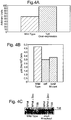
- the outer membrane vesicles containing TdfI showed ⁇ 40% increased binding of zinc compared to the vesicles without TdfI ( Fig. 4A ).
- To test transport of zinc we compared the tdfI knockout, a tonB knockout and their parent strain for the accumulation of intracellular zinc using ICP-MS. HB-1 accumulated ⁇ 33% more zinc than the tdfI mutant or the tonB mutant, indicating that Tdfl transports free zinc and that this transport needs the TonB system ( Fig. 4B ).
- TdfI is involved in the uptake of free zinc, than one would expect derepression of znu gene expression to occur at higher external zinc concentrations in the tdfI mutant as compared with the wild-type strain.
- the tdfI mutant still contains the first 437 nucleotides of the tdfI gene that were used for the detection of gene expression.
- TdfI is a vaccine candidate for a universal N. meningitidis vaccine.
- One of the criteria is that the antigen has to be conserved.
- TdfI homology of TdfI to other pathogenic bacteria.
- TdfI induces bactericidal antibodies
- the bactericidal titers of the sera were ⁇ 1:100 when IPTG was absent, but 1:1042 when IPTG was present during growth of the bacteria. Titers in pre-immune sera were also ⁇ 1:100. These data clearly show that TdfI is able to elicit bactericidal antibodies.
- the high-affinity ZnuABC uptake system for zinc has previously been identified in N. gonorrhoeae (30). Homologues can be found in the meningococcal genome, as described above, and in the genomes of many other bacteria. In Salmonella enterica this ABC transporter has been associated with virulence (31). In no case, an outer membrane receptor involved in zinc acquisition has been identified and it is thought that zinc diffuses through the porins.
- TdfI outer membrane receptor
- the function of TdfI is to bind and transport of unbound (free) zinc.
- We predict that the zinc is bound initially by the His/Asp stretch in the external loop and then internalized via two histidines that are on top of the plug domain ( Fig 3b ).
- TonB system in zinc uptake is that it pulls the plug out of the barrel and with this movement the zinc bound to the two His residues is transported into the periplasm where it is picked up by the periplasmic binding protein ZnuA.
- Microarrays performed with the gonococcal perR mutant showed upregulation also of the ribosomal proteins L31 and L36.
- the Neisserial genomes contain two copies for each of the genes encoding these proteins with one form of each protein containing a zinc ribbon motif. Zinc availability was found to be the key factor controlling the type of L31/L36 protein expressed in B subtilis (34). In the gonococcal perR mutant, expression specifically of L31 and L36 paralogs lacking the zinc ribbons is induced, highly indicative of a disturbed zinc regulation in a perR mutant.
- tdfI expression was reported to be induced in the presence of active complement (18).
- TdfI was found 23-fold de-repressed in the presence of the untreated serum.
- the relationship between zinc and complement regulation may not be obvious at first sight.
- a possible explanation for finding similar regulatory circuits may be that the bacteria in the array study were pre-grown in RMPI with BSA.
- Albumin is known to chelate zinc, and therefore, pre-growth conditions may have been severely zinc-limited. Heat-treatment of human serum will release zinc from albumin, thereby repressing tdfI expression. This explanation is strengthened by the fact that TdfI expression is induced when BSA is added to TSB medium during bacterial growth (data not shown).
- TdfI The conservation of TdfI is striking; with an identity of 98.6% among the sequenced N . meningitidis strains and a 99.2% similarity at the amino acid level of the mature protein.
- the TdfI protein was found in all meningococci tested and all strains showed zinc-regulated expression of tdfI.
- the differences between the sequences of TdfI are scattered throughout the protein and do not cluster in a specific loop. We find an average 41% amino acid identity of TdfI with homologs in other bacteria and in all cases the His/Asp stretch is conserved.
- Tdfl homologs were particularly found in bacterial species residing in the respiratory tract of humans and animals. Possibly in the mucosal layers of the respiratory tract the unbound zinc concentration is too low to allow sufficient passive diffusion through the porins and therefore TdfI becomes essential for bacterial growth and survival. While TdfI is not essential for intracellular survival (35) it could be essential in the bodily fluids like serum and liquor where the free zinc concentration could also be very low. Also, we cannot rule out that TdfI additionally recognizes a complexed form of zinc which may available in the respiratory tract, serum and or cerebral fluid.
- TdfI can induce bactericidal antibodies in mice and that these antibodies are specifically directed at TdfI. Also when we used bacteria expressing TdfI from the chromosomal locus we could detect bactericidal activity, showing that during infection the antigen concentration is high enough to allow clearing of N. meningitidis.
- TdfI-specific bactericidal antibodies make Tdfl an excellent vaccine candidate.
- IPTG isopropyl ⁇ -D-1-thiogalactopyranoside
- PAR 4-(2-pyridylazo)resorcinol
- RPMI Roswell Park Memorial Institute medium 1640
- Tdf TonB-dependent family
- TPEN N,N,N',N'-Tetrakis(2-pyridylmethyl)ethylenediamine
- TSB tryptic soy broth
- ICP-MS Inductively coupled plasma mass spectrometry.
- Neisserial strains, listed in Fig. 5 are from the laboratory collection. Except when indicated otherwise, experiments were performed with strain HB-1 and mutants thereof.
- HB-1 is a non-encapsulated derivative of serogroup B strain H44/76 (Bos & Tommassen, 2005).
- N meningitidis was grown on GC agar (Oxoid) plates containing Vitox (Oxoid) and antibiotics when appropriate (kanamycin, 100 ⁇ g/ml; chloramphenicol, 10 ⁇ g/ml) in candle jars at 37°C.
- Liquid cultures were grown in TSB (Difco) or in RPMI (Sigma) in plastic flasks at 37°C with shaking.
- IPTG, zinc, and TPEN were added in the concentrations indicated s.
- Metals were added as a cocktail (340 nM ZnSO 4 , 160 nM Na 2 MoO 4 , 800 nM MnCl 2 , 80 nM CoCl 2 and 80 nM CuSO 4 final concentrations) or as single compounds in the same concentrations as in the cocktail unless indicated otherwise.
- Ferric chloride was added as a final concentration of 8 ⁇ M.
- E. coli strains DH5 ⁇ and TOP10F' were used for routine cloning and BL21(DE3) (Invitrogen) for expression.
- An E. coli hemA mutant was used to assess the heme transport of TdfI ((22).
- coli was propagated on Luria-Bertani medium supplemented when appropriate with 100 ⁇ g/ml ampicillin, 50 ⁇ g/ml kanamycin, or25 ⁇ g/ml chloramphenicol.
- the medium was supplemented with 5-aminolevulinic acid.
- the tdfI gene without the signal sequence-encoding part was amplified from chromosomal DNA of strain H44/76 by PCR using the primers 0964-F-GAT CATATG CATGAAACTGAGCAATCGGTG- and 0964-R - GAT GGATCC TTAAATCTTCACGTTCACGCCGCC- that carry the restriction sites Ndel and BamHI, respectively (bold).
- the resulting product was cloned into pCRII-TOPO according to the manufacturer's recommendation (Invitrogen), yielding pCRII- tdfI , and subcloned into pET11a (Novagen) using NdeI/BamHI restriction, resulting in plasmid pET11a- tdfI .
- a kanamycin-resistance gene cassette (36) was amplified by PCR with the primers Kan-R -TG ACGCGT CTCGACGCTGAGGTCTGC- and Kan-F - TG TGTACA GTCGACTTCAGACGGCCACG- and cloned after MluI and BsrGI digestion into pCRII- tdfI digested with the same enzymes.
- pCRII- tdfI :kan
- the kanamycin-resistance cassette substitutes for the region between bp 437 and 1344 of tdfI.
- pCRII- tdfI ::kan was used in a PCR with the 0964-R and 0964-F primers and the resulting product was used to transform HB-1 (37). Kanamycin-resistant colonies were tested for correct gene replacement by PCR.
- the entire tdfI gene from H44/76 was amplified with primers TdfI-F - GCAT CATATG GCACAAACTACACTCAAACCC- and TdfI-R - AT GACGTC TTAAAACTTCACGTTCACGCCGCC- that contain recognition sites for NdeI and AatII (bold), respectively.
- the resulting PCR product was cloned into pCRII-TOPO and subcloned into pEN11-pldA (36) using NdeI and AatII restriction sites.
- the resulting plasmid, pEN11- tdfI constitutes a Neisserial replicative plasmid, containing a lacl Q gene and a tandem lac / tac promoter for controlled expression of tdfI.
- the construct to generate a tonB knockout was made by amplifying DNA fragments upstream and downstream of the tonB gene using primers tonB-1 (GTACGATGATTGTGCCGACC), tonB-2 (ACTTTAAACTCC GTCGAC GCAA GTCGAC TGCGGGGGTTAA) with Accl restriction sites (bold) for one fragment, and, tonB-3 (TTAACCCCCGCA GTCGAC TTGC GTCGAC GGAGTTTAAAGT) with restriction site Accl (bold) and tonB-4 (GCCATACTGTTGCGGATTTGA) for the other fragment.
- primers tonB-1 GTACGATGATTGTGCCGACC
- tonB-2 ACTTTAAACTCC GTCGAC GCAA GTCGAC TGCGGGGGTTAA
- Accl restriction sites bold
- tonB-3 TTAACCCCCGCA GTCGAC TTGC GTCGAC GGAGTTTAAAGT
- tonB-4 GCCATACTGTTGCGGATTTGA
- the two fragments were each cloned into pCRII-TOPO and then ligated to each other using the introduced restriction site Accl and the Spel site in the pCRII-TOPO vector.
- the Accl site was subsequently used to clone the chloramphenicol transacetylase gene from pKD3 (38) previously cloned into pCRII-TOPO by PCR amplification with primers containing an Accl site.
- the resulting construct was amplified by PCR using primers tonB-1 and tonB-4 and this linear fragment was used to transform N. meningitidis HB-1.
- the zur gene was knocked out following the same strategy. Upstream and downstream fragments were amplified in this case with primers: Kir-1 (TTCGCCGATGGCGGAATACA), Kir-2 (CTTTCAGCGCAAA GTCGAC TCC GTCGAC GCGTGCCTGTTC) with the restriction site Accl in bold, Kir-3 (GAACAGGCACGC GTCGAC GGA GTCGAC TTTGCGCTGAAAG) with the restriction site Accl in bold andzzy-4 (TCCTATTGCGCAATACCCCC)
- a porA derivative of N. meningiditis strain H44/76, called CE2001 (39) was transformed with pMF121, resulting in deletion of the entire capsule locus and production of lipopolysaccharide with a truncated outer core (36).
- a pLAFR-derived plasmid containing the tonB, exbB and exbD genes of N. meningitidis ((13) was described previously.
- Cell lysates were prepared from bacteria grown for 6 hours. The cells were diluted to OD 600nm 1, pelleted, and boiled in 100 ⁇ l SDS-PAGE sample buffer containing 2% SDS and 5% 2-mercaptoethanol. Proteins were separated by standard SDS-PAGE. Gels were either stained with Coomassie brilliant blue or the proteins were transferred to nitrocellulose membranes (Protran) using a wet transfer system (Biorad) in 25 mM Tris-HCI, 192 mM glycine, 20% methanol. Membranes were blocked for 1 h in PBS containing 0.1% Tween 20 and 0.5% Protifar (Nutricia). Blots were incubated with antibodies in blocking buffer. Antibody binding was detected by using goat anti-rabbit IgG peroxidase-conjugated secondary antibodies (Biosource) and enhanced chemiluminescence detection (Pierce).
- BL21(DE3) cells containing pET11a- tdfI were grown in LB to an OD A 600 of 0.6 after which 1 mM IPTG was added and growth was continued for 2 h.
- the TdfI protein accumulated in inclusion bodies, which were isolated as described (40), and the purified protein was used to immunize rabbits at Eurogentec.
- the resulting antiserum, SN1042 was used in a 1/5000 dilution.
- RT-qPCR was performed using an Applied Biosystems 7900HT Fast Real-Time PCR System and SYBR green master mix (Applied Biosystems) according to the manufacturer's recommendations.
- Total RNA was isolated by resuspending approximately 4x10 9 Neisseria cells in 3 ml Trizol (Invitrogen). After the addition of 600 ⁇ l chloroform and centrifugation, the upper phase was mixed 1:1 with 75% ethanol. This was loaded on a nucleospin RNA II column (Macherey-Nagel), which was subsequently washed with buffer R3 from the nucleospin RNA II kit and eluted with 100 ⁇ l water. The RNA was then treated with Turbo DNA Free (Ambion) to yield DNA-free RNA.
- PCRs were performed in triplicate in a 25- ⁇ l volume in a 96-well plate (Applied Biosystems) with the following cycle parameters: 95°C for 10 min for enzyme activation followed by 40 cycles of 95°C for 15 s and 60°C for 1 min.
- a melting plot was performed to ensure that the signal originated from the specific amplicon.
- Data analysis was performed using the comparative cycle threshold method (Applied Biosystems) to determine relative expression levels. The rmpM transcript was used to normalize all data.
- the PAR competition assay is a colorimetric reaction where the orange color of the PAR-zinc complex changes towards yellow in the presence of a protein or chemical that is able to release zinc from PAR.
- the assay was performed as described (42) with the following modifications: Instead of 50 ⁇ M we added 30 ⁇ M zinc and we first measured the PAR-zinc solution and then added the outer membrane vesicles to the cuvette and re-measured the solution. In this way we avoided the potential color change induced in time by UV. The data was then first normalized to the PAR-zinc measurement and then to the PAR alone sample to obtain the binding values for the outer membrane vesicles. The results shown are the normalized data of the absorption at 500 nm.
- Serum bactericidal assay Serum bactericidal assay.
- Wild-type H44/76 was transformed with pEN11- tdfI and inoculated from overnight grown plates in TSB with 125 ⁇ M FeCl 3 with or without 1 mM IPTG in shaking flasks for 3 h at 37°C until an OD A 550 of 0.5 was reached.
- Serum to be tested was diluted 1:100 in Hank's balanced salt solution (HBSS) (GIBCO), 0.3% BSA and then serially diluted (two-fold dilution steps, eight dilutions) in a 50- ⁇ l volume in sterile U-bottom 96-well microtiter plates (NUNC).
- HBSS Hank's balanced salt solution
- NUNC sterile U-bottom 96-well microtiter plates
- Bacteria were diluted in HBSS, 0.3% BSA to yield ⁇ 13,000 CFU per ml and 37.5 ⁇ l samples of the suspension were added to the serum dilutions.
- the microtiter plates were incubated at 37°C for 15 min while shaking. Subsequently, 12.5 ⁇ l of baby-rabbit complement (Pelfreez) or, as control for toxicity of the sera, heat-inactivated (56°C for 45 min) complement was added to the wells. After 1 h incubation at 37°C while shaking, the microtiter plates were placed on ice to stop the killing. Of each well, 20 ⁇ l was spotted on GC plates while plates were tilted to allow the drop to "run" down the plate. After overnight incubation, colonies were counted and the percentage of killing was calculated. The bactericidal titer was defined as the highest serum dilution yielding >50% killing.
- Example 3 ZnuD: a potential vaccine candidate for a simple and universal Neisseria meningitidis vaccine
- Neisseria meningitidis serogroup B is a major cause of bacterial sepsis and meningitis in younger populations.
- Available vaccines are based on outer membrane vesicles obtained from wild type strains. However, in toddlers and infants, they confer protection only against strains expressing homologous PorA, a major and variable outer membrane protein.
- ZnuD TdfI
- meningitidis serogroup B strains tested when growing under Zinc limitation induces cross-bactericidal antibodies against most of the strains tested, whatever the serogroup, and is also expressed during infection and most probably during carriage.
- anti-ZnuD antibodies are able to mediate the complement killing of strains not killed by anti-human factor H binding protein (fHbp).
- Neisseria meningitidis is a gram negative, encapsulated bacterium. It is an obligate human pathogen that asymptomatically colonizes the upper respiratory tract of around 10% of the adult population. Occasionally, it translocates to the bloodstream resulting in bacteremia with possible progression to meningitis and death. N. meningitidis is one of the most feared bacterial infections due to its rapid progression and tendency to cause epidemics. This bacterium is classified into 13 serogroups on the basis of the chemical composition of the capsular polysaccharides. However, only serogroups A, B, C, Y, and W-135, and to a minor extent X, have been associated with disease.
- Conjugate polysaccharide vaccines that provide effective immunity in humans are becoming available for serogroups A, C, Y and W135.
- the conjugate approach cannot be easily applied to serogroup B (MenB) because its capsular polysaccharide shares structural similarity with polysialylated host glycoproteins, such as the neural cell adhesion molecule.
- OMVs outer membrane vesicles
- LOS lipooligosaccharide
- PorA is one of the most abundant outer membrane proteins (OMPs) and an immunodominant component in these OMVs.
- OMVs outer membrane proteins
- PorA displays high antigenic variability limiting the efficacy of OMV-based vaccines, especially below 2-4 years of age; an age group which totalized around 50% of MenB cases in Europe with an incidence of around 16/100,000 babies below 1 year old. To overcome this limitation, the use of conserved minor OMPs has been explored
- ZnuD zinc uptake component D
- ZnuD zinc uptake component D
- ZnuD is immunogenic and expressed in humans.
- ZnuD is not expressed by N. meningitidis growing on classical agar culture media except after addition of zinc chelator such as TPEN, questioning its expression in the host.
- An indirect way to demonstrate that ZnuD is expressed in human is to evaluate the presence of anti-ZnuD antibodies in sera from convalescent patients and/or healthy carriers. For this purpose, a peptide array approach was used covering 77% of the non-mature protein.
- anti-ZnuD antibodies are able to mediate the complement killing of its homologous strain genetically modified to over-express ZnuD.
- the evaluation of the cross-bactericidal potential of ZnuD antibodies by using a large panel of strains does not allow to modify genetically all these strains.
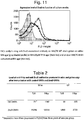
- the expression of ZnuD is regulated by Zur, we have defined the amount of zinc chelator needed to achieve the same level of ZnuD expression by a wild type strain than a delta Kir strain. This was achieved by using 20 ⁇ M of TPEN in MH agar plates ( Figure 11 ).
- ZnuD is a very well conserved antigen and expressed by all Neisseria meningitidis strains except some German serogroup Y strains from ST23 clonal complex.
- ZnuD is expressed by all strains but one on a panel of 132 strains from serogroups A, B, C, W-135 and Y. This was extended and confirmed for 43 additional strains, including 2 strains of each serogroup A, C, W-135 and Y and 30 serogroup B strains isolated since 2005 from convalescent subjects located in United Kingdom, Spain and Germany. Globally, of the 175 strains tested, only one did not express ZnuD. This strain is a serogroup Y from ST-23 clonal complex isolated in a German patient.
- Znu D induces cross-bactericidal antibodies against serogroups A, B, C, W-135 and Y
- OMVs were produced from two strains over-expressing ZnuD or not. These two strains have a similar background since both are derived from H44/76 strain which express an fHbp family B.
- galE and porA deletion mutations were performed in both strains.
- the level of anti-fHbp antibodies in sera from guinea-pig immunized with either control or ZnuD OMVs are clearly lower (335 and 2733 EU/ml, respectively) compared to mice sera (1342 and 59314 EU/ml, respectively).
- the different level of anti-fHbp antibodies between anti-control OMV and anti-ZnuD OMV sera is in line with the different amount of fHbp in control and ZnuD OMVs.
- the bactericidal activity of anti-fHbp antibodies is related to the level of expression of fHbp by the bacteria and is family specific. Using classical culture conditions, only 5 strains, expressing medium (+/-) to high level (++) of the fHbp B, were killed by anti-fHbp B sera (cut-off of positivity fixed at 128), while none of strains expressing either fHbp A or low level of fHbp B were killed. In presence of TPEN, the same 5 strains plus two (NZ124 and DE10690-06 ) are killed by anti-fHbp B antibodies.
- mice and guinea-pigs were immunized with OMVs purified from a H44/76 strain over-expressing an irrelevant antigen.
- results are similar to the results observed with the control sera (data not shown).
- bactericidal assay were also performed on one strain of each serogroup, A, C, W-135 and Y, confirming the cross-bactericidal activity of anti-ZnuD antibodies against these four serogroups (data not shown).
- the delta fHbp strain was not killed by sera from control animals while similar titers were measured for both the delta znuD strain and the WT H44/76 strain. As expected, when using anti-ZnuD OMVs sera, the bactericidal titers were lower for the delta znuD strain compared to H44/76.
- ZnuD is not expressed on classical culture media such as Mueller Hinton medium or Tryptic Soy Broth medium. These media were developed for the culture of fastidious microorganisms and so are rich in oligo-elements.
- MH agar the total amount of zinc ranges from 200 ⁇ g to 450 ⁇ g/L depending on the manufacturer. In such media, free Zinc is probably available in such concentration that N. meningitidis does not require to specifically express an outer membrane receptor dedicated in zinc acquisition because passive diffusion of zinc via nonspecific porins is probably sufficient to allow the growth of the bacterium.
- the amount of free zinc is estimated to approximately 0.01 ⁇ g/L (0.15nM) corresponding to around 0.0008% of the total amount of zinc in the serum (800 ⁇ g/L).
- the total zinc concentration is estimated around 750 ⁇ g/L and, by extrapolation, free zinc should be also around 0.01 ⁇ g/L.
- the total concentration of zinc is around 111 ⁇ g/L.
- the expression of ZnuD in human was indirectly demonstrated by the detection of antibodies in sera from convalescent patients.
- the peptide array results also suggest an expression in carriers. Based on the intensity of the signal measured in the peptide array, it should be wrong to conclude that ZnuD expression in the upper respiratory tract is lower than that in the blood.
- OMVs are integral OMP. These OMVs were extracted from a ⁇ galE and ⁇ porA H44/76 strain by 0.5% DOC to reduce the LOS content. In such conditions, we have previously demonstrated that this kind of OMVs did not induce the production of bactericidal antibodies directed against the LOS. Mice and guinea-pigs immunized with control OMVs have induced a limited bactericidal response against few strains. This protective response is most probably related to the production of some anti-fHbp antibodies as demonstrated by their presence in ELISA and by the use of ⁇ fHbp strain in bactericidal assay.
- fHbp is a highly immunogenic protein, especially in mice, when presented in its natural conformation in OMVs even if present in low amount in these OMVs due to the use of detergent for the extraction of the vesicles.
- Both mice and guinea-pigs immunized with ZnuD OMVs have elicited the production of anti-ZnuD antibodies.
- the immunogenicity of ZnuD in the two species appears to be quite similar by contrast to fHbp.
- the anti-ZnuD OMVs sera were able to mediate the complement killing of all the strains tested whatever the serogroup but only in culture condition allowing the expression of ZnuD.
- ZnuD is a protein very well conserved, expressed by all serogroup B strains and able to mediate a cross-bactericidal response against most of the serogroup B strains tested and also against serogroup A, C, W and Y strains.
- An advantage of ZnuD is that ZnuD is very well conserved and up to now only one family is described. A more comprehensive vaccine could combine both fHbp and ZnuD.
- Calprotectin is produced by neutrophils, macrophages and squamous epithelia. It is used as a diagnostic tool in faeces for Inflammatory bowel disease. Furthermore it is upregulated upon contact with LPS and it can be found in cerebrospinal fluid when the patient has meningitis. Calprotectin is a heterotetramer of human proteins S100A8 and S100A9 and can bind two zinc or manganese atoms. When calprotectin is spotted on a plate where Neisseria is plated in a confluent layer there is an initial inhibition of growth, due to the sequestering of zinc and/or manganese.
- Neisseria can take the zinc and/or manganese from only one of the binding sites (the low affinity site).
- the initial clearing comes from the sequestering of zinc and/or manganese to the high affinity site, causing growth inhibition.
- the low affinity site becomes loaded with zinc and/or manganese
- Neisseria can use these metals by taking up though TdfH. Therefore, after the initial clearing, growth is observed in the clearing zone.
- the uptake process needs energy from the proton motive force in the inner membrane that is shuttled to the outer membrane by TonB, as shown by the lack of growth of the TonB mutant in the clearing zone.
- a pEN11 derivative that expressed TdfH in high amounts was used to test whether TdfH can bind to calprotectin.
- B2540 with pEN11-TdfH-terminator was grown in TSB medium with and without 1mM IPTG. 1 OD 550nm of bacteria were taken after 6 hours of growth and washed once in HBSS. The bacteria were resuspended in 1ml HBSS and 4 ug of calprotectin was added. Calprotectin was allowed to bind for 1 hour after which the cells were washed twice in HBSS. The pellet was then resuspended in sample buffer and boiled for 10 minutes. The lysates where then analyzed by SDS-PAGE and western blots with anti-calprotectin ( Figure 15 .)
Landscapes
- Health & Medical Sciences (AREA)
- Chemical & Material Sciences (AREA)
- Organic Chemistry (AREA)
- Life Sciences & Earth Sciences (AREA)
- General Health & Medical Sciences (AREA)
- Medicinal Chemistry (AREA)
- Genetics & Genomics (AREA)
- Molecular Biology (AREA)
- Proteomics, Peptides & Aminoacids (AREA)
- Biophysics (AREA)
- Biochemistry (AREA)
- Pharmacology & Pharmacy (AREA)
- Animal Behavior & Ethology (AREA)
- Public Health (AREA)
- Veterinary Medicine (AREA)
- Immunology (AREA)
- Gastroenterology & Hepatology (AREA)
- Nuclear Medicine, Radiotherapy & Molecular Imaging (AREA)
- Chemical Kinetics & Catalysis (AREA)
- General Chemical & Material Sciences (AREA)
- Oncology (AREA)
- Communicable Diseases (AREA)
- Mycology (AREA)
- Epidemiology (AREA)
- Microbiology (AREA)
- Pain & Pain Management (AREA)
- Rheumatology (AREA)
- Medicines Containing Antibodies Or Antigens For Use As Internal Diagnostic Agents (AREA)
- Peptides Or Proteins (AREA)
- Medicinal Preparation (AREA)
- Preparation Of Compounds By Using Micro-Organisms (AREA)
Description
- The present invention relates to the field of Gram-negative bacterial immunogenic compositions and vaccines, and the use of such compositions in medicine. More particularly, it relates to immunogenic compositions comprising outer membrane proteins of Gram-negative bacteria which are involved in uptake of extracellular zinc. Such proteins are promising antigens as they show high conservation between strains belonging to many different Gram-negative bacterial species.
- Gram negative bacteria are the causative agents for a number of human pathologies and there is a need for effective vaccines to be developed against many of these bacteria. There is accordingly a need to identify further antigens, such as outer membrane proteins, which are well conserved within, and possibly between, Gram-negative species in order that such antigens may be useful as vaccine components.
- In the case of serogroup B of N. meningitidis, the development of a vaccine has been impeded due to the fact that the polysaccharide capsule is poorly immunogenic owing to its immunologic similarity to human polysialylated glycoproteins such as neural cell adhesion molecule. Strategies for vaccine production have therefore concentrated on the surface exposed structures of the meningococcal outer membrane such as PorA, but have been hampered by the high antigenic variability of the major outer membrane proteins among strains.
- However, N. meningitidis has recently been found to express an outer membrane protein, "TdfI" or "ZnuD" (BASB082 of
WO 00/55327 -
WO00/71725 -
WO01/85772 -
WO00/55327 - The present inventors have identified homologues of TdfI in many strains from numerous Gram-negative bacterial species. The conservation of the amino acid sequence between these species may reflect the importance of TdfI in the active uptake of zinc in environments having low levels of free zinc. TdfI and its identified homologues, as well as homologues yet to be identified, represent a promising source of antigens for the development of vaccines against Gram-negative infection. Due to the amino acid sequence conservation of secondary structure
amongst TdfI and its identified homologues, such vaccines may confer protection not only to individual serotypes, sub-species and strains, but across all members of a bacterial species, or other taxonomic level. Indeed, as shown in the Examples, TdfI can induce cross-bactericidal antibodies against almost all Neisserial strains tested regardless of serogroup, supporting the potential of this outer membrane protein to be used as a universal N. meningitidis antigen. - A further surprising discovery on which the present invention is predicated is the identification of another N. meningitidis outer membrane protein involved in uptake of extracellular zinc, "TdfH" (BASB024 of
WO 00/11182 - Following the work underpinning this present invention, it is now believed that N. meningitidis, and many other Gram-negative species, have active mechanisms for uptake of zinc across the outer membrane. Such mechanisms, which involve at least TdfI and TdfH, may be necessary due to the low levels of free zinc in the host (for example in the human body), especially in certain compartments such as the respiratory tract. As shown in the Examples, the viability of cells lacking TdfI or H is impaired in conditions of low free zinc, or where the zinc is complexed to e.g. calprotectin, respectively. Vaccination with the aim of targeting the host immune system to Gram-negative bacteria expressing TdfI or TdfH promises to provide effective prevention or treatment against infection by such bacteria, and such vaccines may have significant cross-protectivity within, and possibly between, Gram-negative species as a result of the conserved nature of the proteins. The protection conferred by a vaccine comprising a antigens based on each of these proteins could result from a bactericidal immune response towards the bacterium in question, or simply from a prevention of the zinc uptake activity the protein. It is envisaged that a vaccine comprising both TdfI- and TdfH-derived antigens, thereby targeting both identified zinc uptake mechanisms, may be particularly effective.
- The present invention accordingly provides a vaccine for use in the treatment or prevention of Gram-negative bacterial infection or disease comprising:
- (I) a first antigen which is capable of raising an immune response, if necessary when coupled to a carrier protein, which immune response recognises an outer membrane protein of at least a first Gram-negative bacterial strain, wherein said outer membrane protein is involved in uptake of extracellular zinc, wherein said first antigen comprises: a) a polypeptide having at least 30%, at least 40%, at least 50%, at least 60%, at least 70%, at least 80%, at least 90%, at least 95%, at least 99% or at least 100% identity to the amino acid sequence of SEQ ID No. 1, or b) a polypeptide comprising an immunogenic fragment of the sequence of SEQ ID No. 1, wherein said immunogenic fragment consists of an amino acid sequence having 7, 8, 9, 10, 11, 12, 13, 14, 15, 20, 30, 40, 50 or more contiguous amino acids of SEQ ID No. 1, and
- (II) a second antigen, wherein said second antigen comprises: a) a polypeptide having at least 30%, at least 40%, at least 50%, at least 60%, at least 70%, at least 80%, at least 90%, at least 95%, at least 99% or at least 100% identity to the amino acid sequence of SEQ ID No. 50; optionally wherein said second antigen is capable of raising an immune response, if necessary when coupled to a carrier protein, which immune response recognizes the amino acid sequence of SEQ ID NO. 50, or b) a polypeptide comprising an immunogenic fragment of the sequence of SEQ ID No. 50, wherein said immunogenic fragment consists of an amino acid sequence having 7, 8, 9, 10, 11, 12, 13, 14, 15, 20, 30, 40, 50 or more contiguous amino acids of the sequence of SEQ ID No. 50, and wherein said immunogenic fragment is capable of raising an immune response, if necessary when coupled to a carrier protein, which immune response recognizes the amino acid sequence of SEQ ID No. 50, wherein said vaccine comprises a bacterial outer membrane vesicle preparation comprising said first antigen, optionally wherein expression of said first antigen is up-regulated in said outer membrane vesicle preparation.
-
-
Figure 1 . Detection of Tdfl on Western blot. (A) HB-1 grown in TSB (lane 1), RPMI (lane 2) and the tdfI knockout strain grown in RPMI (lane 3). (B) HB-1 grown in RPMI with increasing amounts of TSB added. (C) HB-1 grown in RPMI (lane 1), supplemented with 0.5 µM zinc (lane 2) or 1 µM zinc (lane 4). (D) HB-1 grown in RPMI (lane 1), with increasing concentrations of TPEN (0.1, 0.5 and 1 µM in lanes 2-4, respectively) -
Figure 2 . TdfI expression in wild type and zur mutant strains. The presence of TdfI in cell lysates of HB-1 and the zur mutant grown in RPMI, RPMI with 600 nM zinc or TSB was assessed by Western blot analysis. -
Figure 3 . Topology model of TdfI. The plug domain is colored dark grey, the beta strands light gray and the extracellular loops white. The histidine/aspartic acid stretches are boxed. -
Figure 4 . Zinc binding and transport by Tdfl. (A) Zinc binding to outer membrane vesicles either containing or not TdfI was measured by a PAR competition assay (B) Intracellular zinc concentrations as measured by ICP-MS of the wild-type strain, the tdfI mutant and the tonB mutant. -
Figure 5 . Zinc regulation of TdfI is highly conserved in meningococci. Western blot of cell lysates of the indicated strains grown in RPMI with or without added zinc. a Clonal group designations taken from (36); - indicates that the strain was typed by Multi-Locus Enzyme Electrophoresis but could not be assigned to a specific clone. -
Figure 6 . Protein profile of the TdfI vaccine. Outer membrane vesicles used to immunize mice for antiserum production were separated by SDS-PAGE and stained with Coomassie brilliant blue. -
Figure 7 . Impact of IPTG on expression of Tdfl on cells used in SBA. See Example 1. -
Figure 8 . Amino acid sequence alignment of TdfI of N. meningitidis strains MC58 with those of 053422, FAM18 and Z2491, the carrier strains α14, α 153 and α275 The TonB box (Tb), the plug domain, the loops and the transmembrane domains (Tm) are marked above the sequence and the His- and Asp-rich stretches are underlined. -
Figure 9 . Amino acid sequence alignment of the TdfI homologues. The histidine aspartic acid rich stretches are highlighted in grey. -
Figure 10 . ZnuD peptide array: Individual response of human sera obtained for convalescent patients or healthy carriers. See Example 3. This Figure corresponds toFigure 8 inUS 61/312959Figure 10 correspond to the samples listed from top-left to bottom-right (reading by rows) in the legends toFigure 8 inUS 61/312959 -
Figure 11 . Expression level of ZnuD in function of culture media. See Example 3. -
Figure 12 : OMVs used for immunization. See Example 3. -
Figure 13 : multiple alignment of TdfI homologues. -
Figure 14 : multiple alignment of TdfH homologues. -
Figure 15 : calprotectin binding to TdfH -
Figure 16 : calprotectin binding to TdfH in presence of Zn or Mn. - The present invention is based on the discovery that N. meningitidis expresses outer membrane proteins involved in zinc uptake, at least one of which (TdfI) is found in most tested N. meningitidis strains as well as in numerous other Gram-negative bacterial species. Tdfl from N. meningitidis serogroup B has been found to induce cross-bactericidal antibodies to N. meningitidis strains of all serogroups, and hence these proteins and their homologues in other Gram-negative species represent promising antigens for protecting against Gram- negative infection.
- As used herein, the terms "TdfI protein" and "TdfH protein" are used to refer to the respective proteins as identified in N. meningitidis as well as to homologues thereof.
- Hence, in one aspect the invention provides a vaccine for use in the treatment or prevention of Gram-negative bacterial infection or disease comprising:
- (I) a first antigen which is capable of raising an immune response, if necessary when coupled to a carrier protein, which immune response recognises an outer membrane protein of at least a first Gram-negative bacterial strain, wherein said outer membrane protein is involved in uptake of extracellular zinc, wherein said first antigen comprises: a) a polypeptide having at least 30%, at least 40%, at least 50%, at least 60%, at least 70%, at least 80%, at least 90%, at least 95%, at least 99% or at least 100% identity to the amino acid sequence of SEQ ID No. 1, or b) a polypeptide comprising an immunogenic fragment of the sequence of SEQ ID No. 1, wherein said immunogenic fragment consists of an amino acid sequence having 7, 8, 9, 10, 11, 12, 13, 14, 15, 20, 30, 40, 50 or more contiguous amino acids of SEQ ID No. 1, and
- (II) a second antigen, wherein said second antigen comprises: a) a polypeptide having at least 30%, at least 40%, at least 50%, at least 60%, at least 70%, at least 80%, at least 90%, at least 95%, at least 99% or at least 100% identity to the amino acid sequence of SEQ ID No. 50; optionally wherein said second antigen is capable of raising an immune response, if necessary when coupled to a carrier protein, which immune response recognizes the amino acid sequence of SEQ ID NO. 50, or b) a polypeptide comprising an immunogenic fragment of the sequence of SEQ ID No. 50, wherein said immunogenic fragment consists of an amino acid sequence having 7, 8, 9, 10, 11, 12, 13, 14, 15, 20, 30, 40, 50 or more contiguous amino acids of the sequence of SEQ ID No. 50, and wherein said immunogenic fragment is capable of raising an immune response, if necessary when coupled to a carrier protein, which immune response recognizes the amino acid sequence of SEQ ID No. 50, wherein said vaccine comprises a bacterial outer membrane vesicle preparation comprising said first antigen, optionally wherein expression of said first antigen is up-regulated in said outer membrane vesicle preparation.
- As used herein, by "immunogenic composition" or "vaccine" is meant a composition comprising at least one antigen which is capable of generating an immune response when administered to a host. "Immune response" as used herein means a B-cell antibody response.
- An "antigen", according to the context of the present invention, is a substance which stimulates an immune response in the body. More specifically, the antigen is a polypeptide derived from the outer membrane protein of the first Gram-negative strain that is recognised by the immune response raised by said antigen. By "derived" in this sense is meant that the antigen is generated using said outer membrane protein as a starting point physically (e.g. by target mutation, truncation etc.) or intellectually (e.g. using the known sequence of said protein to design a synthesised polypeptide). As used herein, "polypeptide" means any chain of two or more amino acid residues linked by peptide bonds. The vaccine of the invention comprises at least two antigens, but may comprise, in addition to said two antigens, one or more additional antigens.
- By "carrier protein" is meant any protein to which the antigen is coupled or attached or conjugated, typically for the purpose of enhancing or facilitating detection of the antigen by the immune system. The term is intended to cover both small peptides and large polypeptides (>10 kDa). The carrier may be any peptide or protein. It may comprise one or more T-helper epitopes. The carrier protein may be, for example, tetanus toxoid (TT), tetanus toxoid fragment C, non-toxic mutants of tetanus toxin, diphtheria toxoid (DT), CRM197, Pneumolysin (Ply), protein D, PhtD or PhtDE.
- The immune response raised by the antigen may recognise an outer membrane protein of a first (i.e. of a single) bacterial strain, or it may recognise an outer membrane protein present on two or more strains, in which case said proteins need not be identical between the strains but must share similar epitopes such that each of the respective proteins is recognised by the immune response raised by the antigen. Of particular interest is the raising of an immune response which recognises multiple, or all, strains of a given Gram- negative species, wherein said strains differ by at least one of serogroup, serotype, serosubtype or the precise amino acid sequence of the outer membrane protein from which the antigen is derived. Cross-protection may also extend beyond individual species.
- The term "outer membrane protein" as used herein means a polypeptide or protein integral to or attached to or expressed on the outer membrane of Gram-negative bacteria. The protein may be an integral membrane protein, i.e. "embedded" within the membrane, optionally having portions exposed periplasmically and/or extracellularly. Alternatively, the protein may be attached to the extracellular surface of the outer membrane, either directly to the lipid bilayer or to an integral protein. Suitably, the outer membrane protein is between 600-1000 amino acids in length.
- Involvement of the protein in zinc uptake means that the protein binds free or complexed extracellular zinc, and optionally transports the bound zinc across the outer membrane. Whether or not a Gram-negative outer membrane protein is involved in zinc binding, and optionally transport, would be readily ascertainable to one skilled in the art, and the Examples provide several ways in which this may be accomplished, including modelling of protein
structure, a zinc sequestration competition assay and an assay of the regulation of expression of the protein in response to external zinc concentration. More particularly, the involvement of said outer membrane protein in zinc uptake is such that zinc binding is reduced for outer membrane vesicles lacking said protein and accumulation of zinc is reduced in cells lacking said protein, and/or is such that cells lacking said protein have a reduced ability to grow in the presence of calprotectin as sole zinc source. - It is to be noted that the outer membrane protein recognised by said immune response may, optionally, not consist of the amino acid sequence of an NMB0964 polypeptide according to
PCT/EP2009/052689 WO 00/55327 WO 99/57280 WO 00/11182 - The expression of said outer membrane protein may be upregulated in response to low zinc availability. Said upregulation of expression relative to the level of expression of the protein during growth on a complex, zinc-containing medium such as tryptic soy broth (TSB) may be 1.5, 2, 2.5, 3, 3.5, 4, 4.5, 5, 5.5, 6, 6.5, 7, 7.5, 8, 8.5, 9, 9.5, 10- fold or greater. Such upregulation of expression may be achieved using a zinc chelator, suitably TPEN (N,N,N',N'-Tetrakis(2-pyridylmethyl)ethylenediamine)at for example 1-25µm, or a chemically-defined medium low in zinc such as Catlin medium.
- Said first Gram-negative bacterial strain which expresses the outer membrane protein recognised by said immune response may be a strain which infects body compartments of humans and/or animals having low levels of free zinc. Such compartments include, for example, the respiratory tract and the blood as well as the urinary tract and intestine. Suitably, said first Gram-negative bacterial strain belongs to a species which infects the respiratory tract such as Brucella sp., Coxiella sp., Pseudomonas sp., Acinetobacter sp., Moraxella sp., Chlamydia psittaci, Chlamydia trachomatis, Haemophilus influenzae, Haemophilus parasuis, Haemophilus somnus, Legionella pneumophila, Actinobacillus pleuropneumoniae, Bordetella pertussis, Bordetella parapertussis, Bordetella bronchoseptica, Mannheimia haemolytica, Pasteurella dagmatis and Pasteurella multocida. Said low level of free zinc is a result of binding of zinc to molecules such as calprotectin.
- By a low level of free zinc is meant under 5, 4, 3, 2, 1, 0.9, 0.8, 0.7, 0.6, 0.5, 0.4, 0.3, 0.2, 0.1, 0.05 or 0.01 µM free zinc, such as is present in Roswell Park Memorial Institute medium 1640 (RPMI) which has around 1.69 µM zinc by inductively coupled plasma mass spectroscopy. As used herein, "zinc" refers to Zn2+.
- In one embodiment, said first Gram-negative strain belongs to a species or genus selected from the group consisting of Acidovorax; Acinetobacter; Acinetobacter baumannii; Acinetobacter baumannii; Acinetobacter calcoaceticus; Acinetobacter johnsonii; Acinetobacter junii; Acinetobacter Iwoffii; Acinetobacter radioresistens; Actinobacillus; Actinobacillus minor; Actinobacillus pleuropneumoniae; Aggregatibacter; Aggregatibacter actinomycetemcomitans; Aggregatibacter aphrophilus; Alcanivorax; Alcanivorax borkumensis; Azoarcus; Azotobacter; Azotobacter vinelandii; Bordetella; Bordetella bronchiseptica; Bordetella parapertussis; Bordetella pertussis; Bordetella petrii; Campylobacter; Campylobacter coli; Campylobacter upsaliensis; Comamonas; Comamonas testosteroni; Delftia; Delftia acidovorans; Diaphorobacter; Haemophilus; Haemophilus influenzae; Haemophilus parasuis; Haemophilus somnus; Mannheimia; Mannheimia haemolytica; Moraxella; Moraxella catarrhalis; Neisseria; Neisseria gonorrhoeae; Neisseria meningitidis; Pasteurella; Pasteurella dagmatis; Pasteurella multocida; Proteus; Proteus mirabilis; Pseudomonas; Pseudomonas stutzeri; and Sphingomonas.
- The present invention provides a vaccine comprising:
- (I) a first antigen that comprises: a) a polypeptide having at least 30%, at least 40%, at least 50%, at least 60%, at least 70%, at least 80%, at least 90%, at least 95%, at least 99% or at least 100% identity to the amino acid sequence of SEQ ID No. 1, or b) a polypeptide comprising an immunogenic fragment of the sequence of SEQ ID No. 1, wherein said immunogenic fragment consists of an amino acid sequence having 7, 8, 9, 10, 11, 12, 13, 14, 15, 20, 30, 40, 50 or more contiguous amino acids of SEQ ID No. 1, and
- (II) a second antigen that comprises: a) a polypeptide having at least 30%, at least 40%, at least 50%, at least 60%, at least 70%, at least 80%, at least 90%, at least 95%, at least 99% or at least 100% identity to the amino acid sequence of SEQ ID No. 50; optionally wherein said second antigen is capable of raising an immune response, if necessary when coupled to a carrier protein, which immune response recognizes the amino acid sequence of SEQ ID NO. 50, or b) a polypeptide comprising an immunogenic fragment of the sequence of SEQ ID No. 50, wherein said immunogenic fragment consists of an amino acid sequence having 7, 8, 9, 10, 11, 12, 13, 14, 15, 20, 30, 40, 50 or more contiguous amino acids of the sequence of SEQ ID No. 50, and wherein said immunogenic fragment is capable of raising an immune response, if necessary when coupled to a carrier protein, which immune response recognizes the amino acid sequence of SEQ ID No. 50. SEQ ID No. 1 is TdfI from N. meningitidis strain MC58 and SEQ ID Nos. 2 to 49 are homologues thereof and
- In this aspect, the polypeptide of which the antigen is (at least in part) comprised is capable of raising an immune response which recognises at least the amino acid sequence with which said polypeptide shares a degree of amino acid sequence identity. The degree of identity may be 30, 31, 32, 33, 34, 35, 36, 37, 38, 39, 40, 41, 42, 43, 44, 45, 46, 47, 48, 49, 50, 51, 52, 53, 54, 55, 56, 57, 58, 59, 60, 61, 62, 63, 64, 65, 66, 67, 68, 69, 70, 71, 72, 73, 74, 75, 76, 77, 78, 79, 80, 81, 82, 83, 84, 85, 86, 87, 88, 89, 90, 91, 92, 93, 94, 95, 96, 97, 98, 99 or 100%. The polypeptide may have the same or substantially the same immunogenic activity as the amino acid sequence with which said polypeptide shares such amino acid sequence identity.
- "Identity," as known in the art, is a relationship between two or more polypeptide sequences or two or more polynucleotide sequences, as the case may be, as determined by comparing the sequences. In the art, "identity" also means the degree of sequence relatedness between polypeptide or polynucleotide sequences, as the case may be, as determined by the match between strings of such sequences. "Identity" can be readily calculated by known methods, including but not limited to those described in (Computational Molecular Biology, Lesk, A.M., ed., Oxford University Press, New York, 1988; Biocomputing: Informatics and Genome Projects, Smith, D.W., ed., Academic Press, New York, 1993; Computer Analysis of Sequence Data, Part I, Griffin, A.M., and Griffin, H.G., eds., Humana Press, New Jersey, 1994; Sequence Analysis in Molecular Biology, von Heine, G., Academic Press, 1987; and Sequence Analysis Primer, Gribskov, M. and Devereux, J., eds., M Stockton Press, New York, 1991; and Carillo, H., and Lipman, D., SIAM J Applied Math., 48: 1073 (1988). Methods to determine identity are designed to give the largest match between the sequences tested. Moreover, methods to determine identity are codified in publicly available computer programs. Computer program methods to determine identity between two sequences include, but are not limited to, the GAP program in the GCG program package (Devereux, J., et al., Nucleic Acids Research 12(1): 387 (1984)), BLASTP, BLASTN (Altschul, S.F. et al., J Mol. Biol. 215: 403-410 (1990), and FASTA(Pearson and Lipman Proc. Nati. Acad. Sci. USA 85; 2444-2448 (1988). The BLAST family of programs is publicly available from NCBI and other sources ( BLAST Manual, Altschul, S., et al., NCBI NLM NIH Bethesda, MD 20894; Altschul, S., et al., J Mol. Biol. 215: 403-410 (1990). The well known Smith Waterman algorithm may also be used to determine identity.
- Parameters for polypeptide sequence comparison can include the following:
- Algorithm: Needleman and Wunsch, J. Mol Biol. 48: 443-453 (1970)
- Comparison matrix: BLOSSUM62 from Henikoff and Henikoff,
- Proc. Natl. Acad. Sci. USA. 89:10915-10919 (1992)
- Gap Penalty: 8
- Gap Length Penalty: 2
- A program useful with these parameters is publicly available as the "gap" program from Genetics Computer Group, Madison WI. The aforementioned parameters are the default parameters for peptide comparisons (along with no penalty for end gaps).
- Parameters for pairwise alignment using the ClustalW program can include:
Gap Open Penalty :10.00 Gap Extension Penalty :0.10 Protein weight matrix :Gonnet series DNA weight matrix :IUB - Parameters for multiple alignment using the ClustalW program can include:
Gap Opening Penalty :10.00 Gap Extension Penalty :0.20 Delay divergent sequences :30 % DNA Transitions Weight :0.50 Protein weight matrix :Gonnet series DNA weight matrix :IUB Use negative matrix :OFF - Unless otherwise stated, herein "identity" is expressed over the entire length of the reference, rather than the test, sequence. Multiple alignments of SEQ ID Nos. 1 and 50 with their respective identified homologues are shown
Figures 10 and11 , and the identity values are shown in Tables 5 and 6. - Said first antigen or polypeptide may optionally not have the amino acid sequence of an NMB0964 polypeptide according to
PCT/EP2009/052689 WO 00/55327 WO 99/57280 WO 00/11182 - An "immunogenic fragment" as used herein is a polypeptide having an amino acid sequence that is entirely the same over its length as part, but not all, of an amino acid sequence of the invention (i.e. of one or both of SEQ ID Nos. 1 and 50), and which is capable of raising an immune response which recognises at least the amino acid sequence of which it is a fragment. An immunogenic fragment may have the same or substantially the same immunogenic activity as the amino acid sequence of which said fragment is a fragment. Suitably said immunogenic fragment is, at least in part, from an extracellular portion of the amino acid sequence of which it is a fragment. Said fragments may otherwise be, for example, truncated derivatives of the amino acids sequences of the invention, such as a continuous series of residues that includes an amino- or carboxyl-terminal amino acid sequence. Degradation forms of the amino acids sequences of the invention may also be used.
- Optionally, said antigen or polypeptide or immunogenic fragment may not have the amino acid sequence of an NMB0964 polypeptide according to
PCT/EP2009/052689 WO 00/55327 WO 99/57280 WO 00/11182 - The first antigen or corresponding polypeptide or corresponding immunogenic fragment is be derived from a Tdfl protein, and the amino acid sequence with which said polypeptide has amino acid sequence identity, or of which said immunogenic fragment is a fragment, is SEQ ID No. 1.
- Said first polypeptide or immunogenic fragment of the vaccine of the invention may comprise at least one of the following amino acid motifs:
- 91 - G - S/A/V - S/A/V/G - X - P - V/I/M - V/I - R - G - Q/M/L - X - G/S/A - X - R;
- 116 - D - V/A/M - S/A - 2(X) - S/G - P/A - D - H - T/A/N -V/I;
- 154 - G - L/V/A/I - V/I - N/D - V/I/L - X - D - X - K/R - I/L/V - P;
- 250 - G - X - G/S/A - Y/F/W/V - G/S/T/N - X - Q/R/L - 3(X) - Y - G - L/I/V - L/I/P - G/A - H/D;
- 334 - R - X - D/E - X - R/K/Q/D - G/T/S/A - E/Q/S/D - 3(X) - P - 3(X) - I/F/V/L - 3(X) - R/A/K/Q - 5(X) - D/N/R/G - Y - X - H - X - E;
- 510 - R - X - P - X - A/P/V/T - Q/E/M - E - L/M - Y/F - A/S/Y/T - X- G- X- H- X- A- T/L/S - X - T/S/A - F/Y/I/V - E/Q - (1-9)X - G - D/N/Q - X - X - L;
- 595 - Y - X - Q/G - 2(X) - A - X- - F/L/Y/I - X - G - X - E/D - G/A/V - 3(X) - Y/F/H/Q - 8(X) - G/S/A/T - X - F/S - G - D - X - V/I - R/K/N - A/G; and
- 657 - P/A - R - X - P/S/A - A/P/G - X - R - L/V/A - S/G.
- The number preceding each motif indicates the position in the sequence of SEQ ID No. 1 of the first amino acid of the sequence of SEQ ID No. 1 that corresponds to that motif when SEQ ID No. 1 and said polypeptide comprising said motif are aligned. For example, said first polypeptide or immunogenic fragment may comprise 1, 2, 3, 4, 5, 10, 15, 20, 25, 30, 35, 40, 45, 50, 60, 70, 80, 90, 100 or more further amino acids at the N- and/or C-terminus of said motif from the sequence contiguous to said motif beginning at the position of said first amino acid of SEQ ID No. 1 or at the equivalent positions of SEQ ID No. 2 to 49.
- The motifs are depicted using the standard single-letter amino acid code, expressed in N- to C-terminal direction from left to right. For example, "- G -" at a particular position relative to the other amino acids of the motif indicates a requirement for a glycine residue at that position, whilst for example "- S/A/V - " specifies that a serine or an alanine or a valine residue (in no order of preference) must occupy that position. An unspecified position, i.e. which may be any amino acid residue, is represented by "X", and multiple contiguous such residues are indicted by, for example, 3(X) meaning " - X - X - X -".
- As mentioned above, said first antigen, polypeptide or immunogenic fragment is derived from a TdfI protein. Said second antigen, polypeptide or immunogenic fragment is derived from a TdfH protein, and the amino acid sequences with which said second polypeptide has amino acid sequence identity, or of which said immunogenic fragment is a fragment, are selected from the group consisting of SEQ ID No. 50; SEQ ID No. 51; SEQ ID No. 52; SEQ ID No. 53; SEQ ID No. 54; SEQ ID No. 55; SEQ ID No. 56; SEQ ID No. 57; SEQ ID No. 58; SEQ ID No. 59; SEQ ID No. 60; SEQ ID No. 61; SEQ ID No. 62; SEQ ID No. 63; SEQ ID No. 64; SEQ ID No. 65; SEQ ID No. 66; SEQ ID No. 67; SEQ ID No. 68; SEQ ID No. 69; SEQ ID No. 70; and SEQ ID No. 71.
- Said second polypeptide or immunogenic fragment of the vaccine of the invention may comprise at least one of the following amino acid motifs:
- 81 - R - S/T - V/I - P - G - A - F/Y - T - Q/N - Q/V/L/I - D - K/Q - G/A/S - S/Q - G - X - V/L - S - V/L - N - V/I - R - G - X - S/N/T - G - F/L - G - R - V/A - N - S/T - M/Q - V/I - D - G - V/I - S/T - Q - T - F;
- 156 - F - S/N/D/E - G - S/T/A/K - A/G/S/N - G - I/L/V/A - N - S/T/A - L - X - G - S - A - N - L/F - R/K - T - L/I - G/ N/S - V/A - D/N - D; 226 - S - X - R/K/Q - X - V/I/S/L - S/A - Q - N/D - Y/F - R/K - V/I - G - G - G;
- 333 - L - F/A/L/V - K - L/I/F/V - E/R - Y - X - G/N/D/S - V/D/K/H - 4(X) - T/G/N/I - A/L - Q/N/S - F/L/I/Y - R - X - L/M/Y - X - T/N - X -I/L/V - G/A/S - S/T/G - R - K/R/N/S - I/L - X - N - R/D/K/N - N/T - Y - Q;
- 491 - P - X - G - S/K/E - Q - X - F/I - N/H/K/I - T/S - F/I/V/L - Y - F/L/I - D;
- 574 - N - H/Y - S - V/A/L/M - S/T/I/M - I/L/F - S - A - X - F/Y/L/I - G/D/S/H - D/T/P - Y/G/L - F - M/N/S/T - P - F - X - S/T/G - Y/F - S/A - R/H/K - T/S - H - R - M/I/V/A - P - N - I/V - Q/K/R - E - M/Y/V - Y/F - F - S/T; and
- 846 - E/D - V/I - K/Q - N - L/A/V - F/L - D - R/K - R/L/K/N - Y - I/V/M - D/N - P/A - L - D/Y.
- The number preceding each motif indicates the position in the sequence of SEQ ID No. 50 of the first amino acid of the sequence of SEQ ID No. 50 that corresponds to that motif when SEQ ID No. 50 and said polypeptide comprising said motif are aligned. For example, said second polypeptide or immunogenic fragment may comprise 1, 2, 3, 4, 5, 10, 15, 20, 25, 30, 35, 40, 45, 50, 60, 70, 80, 90, 100 or more further amino acids at the N- and/or C-terminus of said motif from the sequence contiguous to said motif beginning at the position of said first amino acid of SEQ ID No. 50 or at the equivalent positions of SEQ ID No. 51 to 71. The motifs are depicted as described above in connection with Tdfl motifs.
- As mentioned above, the vaccine of the invention may comprise one or more antigens additional to those defined supra.
- Such additional antigens may include any antigen, which antigen may or may not raise an immune response to the same Gram-negative strain or species as the "first" or "second"antigens, or even to a Gram-negative bacterium or taxonomic group thereof. Suitably, said at least one additional antigen is a fHbp polypeptide or a Hsf polypeptide or a Hap polypeptide or a NadA polypeptide or a lipo28 polypeptide, for instance from N. meningitidis.
- fHbp can mean the GNA1870 protein from Neisseria, Hsf the NMB0992 (
WO99/31132 WO99/58683 WO99/55873 - Additionally, where a protein is specifically mentioned herein, it is suitably a reference to a native, full-length protein, and to its natural variants, but it may also encompass antigenic fragments thereof. These are fragments (often specifically described herein) containing or comprising at least 15 amino acids, suitably at least 20 amino acids, at least 30 amino acids, at least 40 amino acids or at least 50 amino acids, taken contiguously from the amino acid sequence of the protein. Antigenic fragments may also be immunogenic fragments. It is further envisaged that reference to proteins and protein sequences herein includes a polypeptide comprising an immunogenic fragment of 7, 10, 12, 15, 20, 30, 40 or 50 (or more) contiguous amino acids from said protein sequence or from the amino acid sequence of said protein (optionally wherein said immunogenic fragment is capable of eliciting - if necessary when coupled to a protein carrier - an immune response which can recognise said protein or said protein sequence).
- Hsf: Hsf has a structure that is common to autotransporter proteins. For example, Hsf from N. meningitidis strain H44/76 consists of a signal sequence made up of amino acids 1- 51, a head region at the amino terminus of the mature protein (amino acids 52-479)
that is surface exposed and contains variable regions (amino acids 52- 106,121-124, 191-210 and 230-234), a neck region (amino acids 480-509), a hydrophobic alpha- helix region (amino acids 518-529) and an anchoring domain in which four transmembrane strands span the outer membrane (amino acids 539-591). - Although full length Hsf may be used in immunogenic compositions of the disclosure, various Hsf truncates and deletions may also be used depending on the type of vaccine.
- Where Hsf is used in a subunit composition or vaccine, a portion of the soluble passenger domain may be used; for instance the complete domain of
amino acids 52 to 479, most suitably a conserved portion thereof, for instance the sequence of amino acids 134 to 479. Suitable forms of Hsf may be truncated so as to delete variable regions of the protein disclosed inWO01/55182 - Suitable variants would include the deletion of one, two, three, four, or five variable regions as defined in
WO01/55182 - Suitable fragments of Hsf therefore include the entire head region of Hsf, suitably containing amino acids 52-473. Additional suitable fragments of Hsf include surface exposed regions of the head including one or more of the following amino acid sequences; 52-62, 76-93, 116-134,147-157, 157-175,199-211, 230-252, 252-270, 284- 306, 328-338, 362-391, 408-418, 430-440 and 469-479.
- Where Hsf is present in an outer membrane vesicle preparation, it may be expressed as the full-length protein or as a variant made up of a fusion of amino acids 1-51 and 134-591 (yielding a mature outer membrane protein of amino acid sequence 134 to the C-terminus). Suitable forms of Hsf may be truncated so as to delete variable regions of the protein disclosed in
WO01/55182 WO01/55182 - Suitable variants would delete residues from between
amino acid sequence 52 through to 237 or 54 through to 237, more suitably deleting residues betweenamino acid 52 through to 133 or 55 through to 133. The mature protein would lack the signal peptide. - Hap: Computer analysis of the Hap-like protein from Neisseria meningitidis reveals at least three structural domains. Considering the Hap-like sequence from strain H44/76 as a reference,
Domain 1, comprising amino-acid 1 to 42, encodes a sec-dependant signal peptide characteristic of the auto-transporter family,Domain 2, comprising amino-acids 43 to 950, encode the passenger domain likely to be surface exposed and accessible to the immune system,Domain 3, comprising residues 951 to the C- terminus (1457), is predicted to encode beta-strands likely to assemble into a barrel- like structure and to be anchored into the outer-membrane. Sincedomains - Immunogenic compositions of the disclosure may comprise the full-length Hap protein, suitably incorporated into an OMV preparation. Immunogenic compositions of the disclosure may also comprise the passenger domain of Hap which in strain H44/76 is composed of amino acid residues 43-950. This fragment of Hap would be particularly advantageously used in a subunit composition of the disclosure. The above sequence for the passenger domain of Hap can be extended or truncated by up to 1, 3, 5, 7, 10, 15, 20, 25, or 30 amino acids at either or both N or C termini.
- The vaccine of the invention comprises a bacterial outer membrane vesicle preparation, which preparation comprises the said first antigen of the vaccine composition. Such a vaccine may be produced by a method comprising culturing at least a first gram-negative bacterial strain which produces said first antigen, wherein said antigen is produced at a level sufficient to provide for production of outer membrane vesicles that, when administered to a subject, raise a protective response against infection by at least said first gram-negative bacterial strain; preparing outer membrane vesicles from the cultured strain; and combining said outer membrane vesicles with a pharmaceutically acceptable carrier or excipient to produce an immunogenic composition suitable for administration to a subject.
- By "a level sufficient to provide for production of outer membrane vesicles that, when administered to a subject, raise a protective response against infection by at least said first gram-negative bacterial strain" is meant that sufficient antigen is produced such that upon administration of outer membrane vesicles comprising said antigen an immune response is induced that prevents, retards the development of, or reduces the severity of a disease that is
caused by said first Gram-negative strain, or diminishes or completely eliminates the symptoms of the disease. - As is shown in the Examples, the expression of TdfI is regulated in response to the free zinc concentration, such that decreasing levels of free zinc correlate with an upregulation of Tdfl expression. (The expression of TdfH is believed also to be influenced by free zinc levels, although to a lesser extent.) Hence, in said method, the culturing of said bacterial strain may be in a medium comprising a zinc chelator, suitably at a concentration of 0.01-100, 0.1-10, 0.3-5, or 0.5-1 µM, in order to upregulate expression of said antigen. Said zinc chelator may, for example, be TPEN. As an alternative to the use of a zinc chelator, said culturing according to the method may take place in Catlin medium.
- In the said method, the said first antigen may be expressed in said first gram-negative bacterial strain from an expression vector comprising a polynucleotide encoding said antigen. Additionally or alternatively, said antigen is produced by expression from a heterologous and/or strong promoter, i.e. such a promoter is engineered into the chromosome of said bacterial strain such that it is operably linked with the polynucleotide sequence encoding said antigen. As is well known to one skilled in the art, the term "heterologous" refers to two biological components that are not found together in nature. The components may be host cells, genes, or regulatory regions, such as promoters. Although the heterologous components are not found together in nature, they can function together, as when a promoter heterologous to a gene is operably linked to the gene. A "strong" promoter is a promoter which drives expression of a polynucleotide sequence operably linked thereto at a high level. What constitutes a high level, in the context of a bacterial strain belonging to a particular species, would be well known to one skilled in the art, as would be the identity of strong promoters in such a strain.
- Further as regards said method, the step of preparing the outer membrane vesicles from the cultured strain may be performed using detergent extraction, or may be achieved by alternative means. In the former case, said extraction may involve the use of 0-0.5%, 0.02- 0.4%, 0.04-0.3%, 0.06-0.2%, 0.08-0.15% or 0.1% detergent. The detergent may be deoxycholate.
- As mentioned above, the expression of said first antigen is optionally upregulated in the outer membrane vesicles produced from said first gram-negative bacterial strain, for example as a result of culturing in conditions of low free zinc. Hence, the expression of said antigen may be upregulated in outer membrane vesicle preparations in vaccines of the invention which comprise such preparations. Such upregulation may be relative to the expression of said antigen in an outer membrane vesicle preparation from a wild-type bacterium of the same strain. In particular, expression of said antigen may be upregulated 1.5, 2, 2.5, 3, 3.5, 4, 4.5, 5, 5.5, 6, 6.5, 7, 7.5, 8, 8.5, 9, 9.5, 10-fold or greater.
- Alternatively or additionally to culturing in conditions of low free zinc, in order to achieve such upregulation of expression of said antigen a host cell from which said outer membrane vesicle preparation is derived may be genetically modified in production of said antigen. Such modification may involve disruption of functional expression of an endogenous protein, which protein in a non-genetically-modified host cell represses expression of said antigen. Hence, following such targeted disruption of the endogenous repressor protein the expression of said antigen is no longer repressed, i.e. is upregulated relatively. For example, the endogenous repressor protein may be the Neisserial or Gram-negative bacterial Zur repressor. Alternatively or additionally to disruption of repressor protein expression, the host cell may be modified by the introduction of a heterologous and/or strong promoter operably linked to the polynucleotide encoding the antigen. Such promoters are discussed supra. Said introduced promoter may be inducible, i.e. the promoter may be "switched on" or upregulated in response to a chemical or environmental stimulus, such as for example IPTG or heat, respectively.
- The vaccine of the invention may comprise outer membrane vesicle preparations isolated from two or more Gram-negative bacterial strains. In one embodiment, at least a first Gram-negative bacterial strain belongs to a bacterial species or genus selected from the group consisting of Acidovorax; Acinetobacter; Acinetobacter baumannii; Acinetobacter calcoaceticus; Acinetobacter johnsonii; Acinetobacter junii; Acinetobacter Iwoffii; Acinetobacter radioresistens; Actinobacillus; Actinobacillus minor; Actinobacillus pleuropneumoniae; Aggregatibacter; Aggregatibacter actinomycetemcomitans; Aggregatibacter aphrophilus; Alcanivorax; Alcanivorax borkumensis; Azoarcus; Azotobacter; Azotobacter vinelandii; Bordetella; Bordetella bronchiseptica; Bordetella parapertussis; Bordetella pertussis; Bordetella pertussis; Bordetella petrii; Campylobacter; Campylobacter coli; Campylobacter upsaliensis; Comamonas; Comamonas testosteroni; Delftia; Delftia acidovorans;
Diaphorobacter; Haemophilus; Haemophilus influenzae; Haemophilus parasuis; Haemophilus somnus; Mannheimia; Mannheimia haemolytica; Moraxella; Moraxella catarrhalis; Neisseria; Neisseria gonorrhoeae; Neisseria meningitidis; Pasteurella; Pasteurella dagmatis; Pasteurella multocida; Proteus; Proteus mirabilis; Pseudomonas; Pseudomonas aeruginosa; Pseudomonas stutzeri; and Sphingomonas. - In addition to said first and second antigens, and optionally one or more further antigens, the vaccine of the invention may comprise one or more of a pharmaceutically acceptable excipient, an adjuvant and a zinc salt.
- The vaccine defined supra is capable of generating a protective response against infection by a Gram-negative bacterial strain. By a "protective response" as used herein is meant an immune response that prevents, retards the development of, or reduces the severity of a disease that is caused by a Gram-negative bacterial strain, or diminishes or altogether eliminates the symptoms of the disease. Said vaccine may be capable of generating a protective response against infection by two or more different bacterial strains. Suitably, one or more of said different Gram-negative bacterial strains may belong to a bacterial genus or species selected from the group consisting of Borrelia; Borrelia burgdorferi; Brucella; Brucella melitensis; Brucella ovis; Chlamydia; Chlamydia psittaci; Chlamydia trachomatis; Escherichia; Escherichia coli; Legionella; Legionella pneumophila; Yersinia; Yersinia enterocolitica; Shigella; Shigella flexneri; Shigella dysenteriae; Shigella boydii; Coxiella; Coxiella burnetii; Acidovorax; Acinetobacter; Acinetobacter baumannii; Acinetobacter calcoaceticus; Acinetobacter johnsonii; Acinetobacter junii; Acinetobacter Iwoffii; Acinetobacter radioresistens; Actinobacillus; Actinobacillus minor; Actinobacillus pleuropneumoniae; Aggregatibacter; Aggregatibacter actinomycetemcomitans; Aggregatibacter aphrophilus; Alcanivorax; Alcanivorax borkumensis; Azoarcus; Azotobacter; Azotobacter vinelandii; Bordetella; Bordetella bronchiseptica; Bordetella parapertussis; Bordetella pertussis; Bordetella pertussis; Bordetella petrii; Campylobacter; Campylobacter coli; Campylobacter upsaliensis; Comamonas; Comamonas testosteroni; Delftia; Delftia acidovorans; Diaphorobacter; Haemophilus; Haemophilus influenzae; Haemophilus parasuis; Haemophilus somnus; Mannheimia; Mannheimia haemolytica; Moraxella; Moraxella catarrhalis; Neisseria; Neisseria gonorrhoeae; Neisseria meningitidis; Pasteurella; Pasteurella dagmatis; Pasteurella multocida; Proteus; Proteus mirabilis; Pseudomonas; Pseudomonas aeruginosa; Pseudomonas stutzeri; and Sphingomonas.
- The vaccine of the invention, as defined supra, is provided for use in the treatment or prevention of Gram-negative bacterial disease or infection.
- By "disease" as used herein means infection by a bacteria or any disease caused by or related to infection by a bacteria including, for example, upper respiratory tract infection and invasive bacterial diseases such as bacteraemia and meningitis.
- Whilst said Gram-negative bacterial disease may be infection, or disease caused, by any Gram-negative bacterial strain, suitably said strain belongs to a bacterial genus or species selected from the group consisting of Borrelia; Borrelia burgdorferi; Brucella; Brucella melitensis; Brucella ovis; Chlamydia; Chlamydia psittaci; Chlamydia trachomatis; Escherichia; Escherichia coli; Legionella; Legionella pneumophila; Yersinia; Yersinia enterocolitica; Shigella; Shigella flexneri; Shigella dysenteriae; Shigella boydii; Coxiella; Coxiella burnetii; Acidovorax; Acinetobacter; Acinetobacter baumannii; Acinetobacter calcoaceticus; Acinetobacter johnsonii; Acinetobacter junii; Acinetobacter Iwoffii; Acinetobacter radioresistens; Actinobacillus; Actinobacillus minor; Actinobacillus pleuropneumoniae; Aggregatibacter; Aggregatibacter actinomycetemcomitans; Aggregatibacter aphrophilus; Alcanivorax; Alcanivorax borkumensis; Azoarcus; Azotobacter; Azotobacter vinelandii; Bordetella; Bordetella bronchiseptica; Bordetella parapertussis; Bordetella pertussis; Bordetella pertussis; Bordetella petrii; Campylobacter; Campylobacter coli; Campylobacter upsaliensis; Comamonas; Comamonas testosteroni; Delftia; Delftia acidovorans; Diaphorobacter; Haemophilus; Haemophilus influenzae; Haemophilus parasuis; Haemophilus somnus; Mannheimia; Mannheimia haemolytica; Moraxella; Moraxella catarrhalis; Neisseria; Neisseria gonorrhoeae; Neisseria meningitidis; Pasteurella; Pasteurella dagmatis; Pasteurella multocida; Proteus; Proteus mirabilis; Pseudomonas; Pseudomonas aeruginosa; Pseudomonas stutzeri; and Sphingomonas. Optionally, said strain is not a Neisserial strain.
- The vaccines of the invention can be administered orally, nasally, nasopharyngeally, parenterally, enterically, gastrically, topically, transdermally, subcutaneously, intramuscularly, in tablet, solid, powdered, liquid, aerosol form, locally or systemically, with or without added excipients. Actual methods for preparing parenterally administrable compositions will be known or apparent to those skilled in the art and are described in more detail in such publications as Remingtons Pharmaceutical Science, 15th ed., Mack Publishing Company, Easton, Pennsylvania (1980).
- It is recognized that oral administration can require protection of the compositions from digestion. This is typically accomplished either by association of the composition with an agent
that renders it resistant to acidic and enzymatic hydrolysis or by packaging the composition in an appropriately resistant carrier. Means of protecting from digestion are well known in the art. - The compositions are administered to an animal that is at risk from acquiring a Gram- negative disease to prevent or at least partially arrest the development of disease and its complications. An amount adequate to accomplish this is defined as a "therapeutically effective dose". Amounts effective for therapeutic use will depend on, for example, the vaccine, the manner of administration, the weight and general state of health of the patient, and the judgment of the prescribing physician. Single or multiple doses of the immunogenic compositions or vaccines may be administered depending on the dosage and frequency required and tolerated by the patient, and route of administration.
- The vaccines may be administered in an amount effective to elicit an immune response, particularly a humoral immune response, in the host. Amounts for the immunization generally range from about 0.001 mg to about 1.0 mg per 70 kilogram patient, more commonly from about 0.001 mg to about 0.2 mg per 70 kilogram patient. Dosages from 0.001 up to about 10 mg per patient per day may be used, particularly when the antigen is administered to a secluded site and not into the blood stream, such as into a body cavity or into a lumen of an organ. Substantially higher dosages (e.g. 10 to 100 mg or more) are possible in oral, nasal, or topical administration. The initial administration can be followed by booster immunization of the same of different composition, with at least one booster, more usually two boosters, being preferred. The vaccines are typically administered to a mammal that is immunologically naive with respect to a given Gram-negative strain or species.
- For example, the mammal may be a human child about five years or younger, and ideally about two years old or younger, and the antigen compositions may be administered at any one or more of the following times: two weeks, one month, 2, 3, 4, 5, 6, 7, 8, 9, 10, or 11 months, or one year or 15, 18, or 21 months after birth, or at 2, 3, 4, or 5 years of age. In general, administration to any mammal is usually initiated prior to the first sign of disease symptoms, or at the first sign of possible or actual exposure to a given Gram-negative strain or species.
- An immune globulin (for instance for use in prevention or treatment of Gram-negative bacterial disease), may be prepared by the steps of immunising a recipient with a vaccine of the invention and isolating immune globulin from the recipient. An immune globulin preparation so
obtained, may optionally be in the form of a pharmaceutical preparation additionally comprising a pharmaceutically acceptable excipient. - Inocula for polyclonal antibody production are typically prepared by dispersing the immunogenic composition or vaccine in a physiologically tolerable diluent such as saline or other adjuvants suitable for human use to form an aqueous composition. An immunostimulatory amount of inoculum is administered to a mammal and the inoculated mammal is then maintained for a time sufficient for the immunogenic composition or vaccine to induce protective antibodies. The antibodies can be isolated to the extent desired by well-known techniques such as affinity chromatography. Antibodies can include antiserum preparations from a variety of commonly used animals e.g. goats, primates, donkeys, swine, horses, guinea pigs, rats or man. The animals are bled and serum recovered.
- An immune globulin can include whole antibodies, antibody fragments or subfragments. Antibodies can be whole immunoglobulins of any class e.g. IgG, IgM, IgA, IgD or IgE, chimeric antibodies, or hybrid antibodies, for example having dual specificity to a Tdfl protein and a TdfH protein. They may also be fragments e.g. F(ab')2, Fab', Fab, Fv and the like including hybrid fragments. An immune globulin also includes natural, synthetic or genetically engineered proteins that act like an antibody by binding to specific antigens to form a complex.
- A vaccine of the present invention can be administered to a recipient who then acts as a source of immune globulin, produced in response to challenge from the specific vaccine. A subject thus treated would donate plasma from which hyperimmune globulin would be obtained via conventional plasma fractionation methodology. The hyperimmune globulin would be administered to another subject in order to impart resistance against or treat infection by a given Gram-negative bacterial species or strain. Hyperimmune globulins of the invention are particularly useful for treatment or prevention of Gram-negative bacterial disease in infants, immune compromised individuals or where treatment is required and there is no time for the individual to produce antibodies in response to vaccination.
antibodies having dual specificity to a TdfI protein and a TdfH protein. They may also be fragments e.g. F(ab')2, Fab', Fab, Fv and the like including hybrid fragments. Methods of making monoclonal antibodies are well known in the art and can include the fusion of splenocytes with myeloma cells (Kohler and Milstein, 1975, ; Antibodies - a laboratory manual Harlow and Lane 1988). Alternatively, monoclonal Fv fragments can be obtained by screening a suitable phage display library (Vaughan TJ et a1,1998, ). Monoclonal antibodies may also be humanised or part-humanised using techniques that are well-known in the art. - The present specification extends to a method for treatment or prevention of Gram-negative bacterial disease comprising a step of administering to a patient an effective amount of such a pharmaceutical preparation comprising immune globulin or monoclonal antibodies, and to such preparations for use in the treatment or prevention of such a disease.
- Tdfl is a gene which is thought to be expressed when N. meningitidis is within the blood. It is therefore not normally expressed when strains are grown in conventional culture media, but wild- type strain H44/76, for example, can be made to express the protein in special culture conditions (RPMI culture media supplemented with hemin). The following experiment details the use of an H44/76 strain where Tdfl expression has been recombinantly made inducible (through the use of IPTG). This allows the overexpression of Tdfl on the surface of OMV vaccines made from the strain, and provides an easy way of culturing a strain expressing the antigen to establish whether antibodies generated against TdfI are capable of killing such a modified strain which expresses TdfI under normal culture conditions (+IPTG). The impact of IPTG on expression of Tdfl on cells used in the SBA is shown in
Figure 7 . - Groups of 10 mice were immunized three times with OMV by the intramuscular route on
day day 42, blood samples were taken for analysis by serum bactericidal assay using either the homologous strain H44/76 (B:15:P1.7,16) expressing or not Tdfl (after addition or not of IPTG in the culture media). - N. meningitidis strains were cultivated overnight on GC-agar with 10 µg/ml chloramphenicol Petri Dishes at 37°C + 5% CO2. They were sub-cultured for 3 hours in a liquid TSB medium supplemented or not with
IPTG 1000 µM. Individual sera were inactivated for 30 min at 56°C. Serum samples were diluted in HBSS-BSA 0.5% and then twofold diluted (8 dilutions) in a volume of 25 µl in flat bottom microplates. Bacteria were diluted in HBSS-BSA 0.5% to yield 8.103 CFU/ml and 12.5µl of this dilution was added to the serum dilution. Rabbit complement (12.5µl) was also added to each well. After 75 min of incubation at 37°C under shaking, 15 µl of the mixture was spread onto pre-warmed GC-agar plates incubated overnight at 37°C +CO2. The CFU's were counted and the percentage of killing was calculated. The SBA titer is the dilution giving 50% of killing.SBA titers: impact of expression of TdfI by target cells SBA titers H44/76 without IPTG < 50 H44/76 with IPTG 400; 400; 800 - Without IPTG, TdfI is not expressed on target cells which are not killed by sera from mice immunized with up-regulated TdfI OMVs. When the expression of TdfI is specifically induced by IPTG the target cells express TdfI and are killed by anti-TdfI-OMVs mice sera.
- Since the concentration of free iron in the human host is low, efficient iron-acquisition mechanisms constitute important virulence factors for pathogenic bacteria. In the Gram-negative bacteria, TonB-dependent outer membrane receptors are implicated in iron acquisition. However, transport across the bacterial outer membrane of other metals that are also scarce in the human host is far less clear. In this study we characterized a novel TonB-dependent receptor in Neisseria meningitidis. We show that the bacteria produce this protein under zinc limitation and that it is involved in zinc uptake. Furthermore, since the protein is highly conserved among isolates and is capable of inducing bactericidal antibodies, it constitutes a novel candidate for the development of a vaccine against N. meningitidis for which no effective universal vaccine is available so far. Homologues of the protein, designated Tfdl, are found in many other pathogens residing in the respiratory tract, suggesting that receptor-mediated zinc uptake is particularly important for survival in this niche.
- The cell envelope of Gram-negative bacteria consists of two membranes, the inner and the outer membrane, which are separated by the periplasm containing the peptidoglycan layer. The outer membrane forms a barrier for harmful compounds from the environment. Most nutrients can pass the outer membrane by passive diffusion via abundant channel-forming outer membrane proteins, collectively called porins. However, diffusion is not an option when the extracellular concentration of a nutrient is low. This is the case, for example, for iron. Pathogens are confronted with low concentrations of free iron within the human host, where iron is bound by iron-transport and -storage proteins, such as lactoferrin and transferrin. Hence, efficient iron acquisition mechanisms constitute important virulence factors and have been studied extensively in many pathogens (1, 2).
- When grown under iron-limiting conditions, Gram-negative bacteria induce the synthesis of outer membrane proteins that function as receptors for the iron-binding proteins of the host, for heme, or for siderophores, which are small iron-chelating compounds produced and secreted by the bacteria under iron limitation. The resolved crystal structures of such receptors revealed 22-stranded β-barrels, which do not form open channels but are closed by an N-terminal plug domain (3). After binding of the ligand to the receptor, the subsequent uptake is an active process that requires the energy of the proton gradient across the inner membrane, which is coupled to the receptors in the outer membrane via a complex of three proteins, the TonB complex (4, 5).
- While iron-acquisition mechanisms have been studied extensively in many Gram-negative bacteria, little is known yet about the transport of other essential heavy metals, such as zinc and manganese, across the bacterial outer membrane. The concentration of these trace elements also is low in the human host, which, for example, responds to infections by the production of metallothioneins and calprotectin thereby reducing the availability of metals to the invading pathogens (6, 7). Therefore, Gram-negative pathogens likely possess effective acquisition mechanisms for these metals, which may or may not resemble the iron-acquisition systems.
- Neisseria meningitidis is an obligate human pathogen that can colonize the nasopharyngeal mucosa asymptomatically. Occasionally the bacterium enters the bloodstream and can cause meningitis and sepsis with a high mortality rate (8). While vaccines are available for most pathogenic serogroups of N. meningitidis based on the capsular polysaccharides, a vaccine against serogroup B meningococci is lacking. The polysaccharide capsule of the serogroup B strains is poorly immunogenic due to its resemblance to human glycoproteins (9). Thus, subcapsular antigens are being studied as alternative vaccine components; however, these studies are frustrated by the high antigenic variability of the major outer membrane proteins. Therefore, attention has shifted to minor antigens, including the TonB-dependent receptors.
- When grown under iron limitation, N. meningitidis produces TonB-dependent receptors for lactoferrin (10), transferrin (11), hemoglobin (12, 13) and enterobactin (14), all involved in the uptake of iron. Based on homology searches, Turner et al (15) identified seven additional genes for putative TonB-dependent family (Tdf) members in the available genome sequences of three Neisserial strains. Interestingly, the expression of some of these tdf genes appeared unaffected by iron availability in various microarray studies (16, 17), indicating that their products might be implicated in the transport of metals other than iron. Here we studied the regulation of the synthesis, the function and the vaccine potential of one of these receptors and show that this receptor is involved in the uptake of zinc.
- TdfI (locus tags NMA1161 and NMB0964 in the sequenced genomes of N. meningitidis serogroup A strain Z2491 and serogroup B strain MC58, respectively) was previously identified as one of seven novel putative TonB-dependent receptors present in the Neisserial genomes (15) and was found to be up-regulated in the presence of naive human serum (18). Since almost all TonB-dependent receptors studied to date are involved in iron acquisition we assumed that Tdfl transports an iron complex. This idea was strengthened by the fact that blast searches (19) with the amino-acid sequence of NMA1161 revealed high sequence similarity to outer membrane receptors for the uptake of heme, such as HumA of Moraxella catarrhalis (20) with 41% identity and 58% similarity.
- To assess the function of TdfI, we constructed a tdfI deletion mutant of a non-encapsulated derivative of serogroup B strain H44/76 called HB-1. We found similar binding of heme to HB-1 and the tdfI mutant as assessed by dot blot analysis and the tdfI mutant strain could still grow on plates with heme as the sole iron source. We could also not find increased heme binding by Escherichia coli cells expressing TdfI. Also we were unable to complement an E. coli heme auxotroph (data not shown). Therefore, we hypothesized that Tdfl, although homologous to heme receptors, does not function as a heme receptor.
- Since Tdfl is not a heme receptor and is not found to be regulated by iron, we sought conditions where we could detect tdfI is expression in the capsule deficient H44/76 Neisseia meningitidis HB-1. We could never detect TdfI on Western blots when the bacteria were grown in tryptic soy broth (TSB), a complex rich medium (
Fig. 1A , lane 1). However, when the bacteria were grown in the chemically defined RPMI medium, TdfI was detectable in bacterial lysates (Fig. 1A , lane 2). The specificity of the signal detected was demonstrated by its absence in the tdfI knockout strain grown in RPMI (Fig. 1A , lane 3). We noted that the presence of even small amounts of TSB added to RPMI negatively affected TdfI synthesis (Fig. 1 B) ; apparently TSB contains a compound that represses the transcription of tdfI. Since we noticed that RPMI does not contain a source of trace metals, we decided to test whether addition of a cocktail of trace metals, containing cobalt, molybdenum, manganese, copper and zinc, would repress tdfI expression, which indeed appeared to be the case. We then tested all these metals separately and found that specifically zinc, even at sub-µM concentrations, caused repression of tdfI expression (Fig. 1 C) . Since standard RPMI is not supplemented with a specific zinc source, the available zinc required for bacterial growth presumably comes from the water and/or traces in the salts used to make the medium. We measured the zinc concentration in RPMI medium by inductively coupled plasma mass spectrometry (ICP-MS) and found it to be ~110 parts per billion (∼1.69 µM). - The zinc regulation of tdfI became even more evident when we supplemented the RPMI medium with the specific zinc chelator N,N,N',N'-Tetrakis-(2-pyridylmethyl)-Ethylenediamine (TPEN). Addition of TPEN to the medium resulted in a dose-dependent increase in Tdfl synthesis (
Fig. 1 D) . However, concentrations above 1 µM TPEN totally inhibited cell growth presumably due to total zinc depletion from the medium. Growth could be restored by the addition of zinc (data not shown). The zinc regulation of tdfI was confirmed by real-time quantitative PCR (RT-qPCR) using total RNA obtained from cultures grown in RPMI supplemented or not with 500 nM zinc or 0.5 µM TPEN. The data showed a 13.8-fold repression in the presence of zinc and a 3.8-fold up regulation in the presence of TPEN. The fold difference between added TPEN and zinc was 52.6-fold. - In E. coli, the zinc uptake regulator (Zur) has been shown to regulate the expression of the znuACB genes, which encode the periplasmic binding protein, the ATPase and the integral inner membrane component required for zinc transport from the periplasm to the cytoplasm (23). In the presence of zinc, Zur binds a Zur-binding element (consensus GAAATGTTATANTATAACATTTC) in the promoter of the znuACB operon and thereby blocks transcription.
- In the genome sequence of N. meningitidis strain MC58, we identified homologues of the E. coli zur gene, i.e. NMB1266, and of znuCBA, i.e.NMB0588, NMB0587, and NMB0586. In addition, we found sequences resembling the E. coli Zur binding consensus in the regions upstream of the neisserial tdfl (GtAATGTTATATaATAACAaact) and znuC (cAAAcGTTATACagTAtCATaTC) (identical nucleotides to the E. coli consensus are in capital case). To confirm the involvement of Zur in the regulation of tdfI expression, we generated a zur mutant of strain HB-1, which, indeed, produced Tdfl constitutively (
Fig. 2 ). Also, RT-qPCR demonstrated the involvement of Zur in the expression of znuA and tdfl as znuA and tdfl expression levels increased 5- and 34-fold, respectively, in the zur mutant compared to its parent strain both grown in the presence of zinc. - Since the expression of tdfI is regulated by the availability of zinc, it is likely that TdfI acts as a receptor for zinc or a zinc-containing complex. We first analyzed the amino acid sequence and constructed a topology model of TdfI using the PROFtmb program at www.rostlab.org, (
Fig. 3 ). Tdfl contains two cysteine residues in the putative extracellular loop L3. If these cysteines form a disulfide bond (supported by our analysis of the membrane fraction of bacteria by SDS-PAGE with and without DTT where incubation of the sample with the reducing agent resulted in a shift in electrophoretic mobility, presumably due to the disruption of the disulfide bond), they bring two stretches of amino acid residues, both rich in histidine and aspartic acid residues, in close proximity (Fig. 3 ), which could be of functional importance, since also in the periplasmic ZnuA protein of E. coli, a stretch of His and Asp residues is involved in binding zinc (25). Thus, we considered the possibility that TdfI binds free zinc and transports it to the periplasm. To test this hypothesis we first determined whether TdfI could bind zinc. We compared outer membrane vesicles with and without TdfI for their ability to compete with 4-(2-pyridylazo)resorcinol (PAR) for zinc. The outer membrane vesicles containing TdfI showed ∼40% increased binding of zinc compared to the vesicles without TdfI (Fig. 4A ). To test transport of zinc we compared the tdfI knockout, a tonB knockout and their parent strain for the accumulation of intracellular zinc using ICP-MS. HB-1 accumulated ∼33% more zinc than the tdfI mutant or the tonB mutant, indicating that Tdfl transports free zinc and that this transport needs the TonB system (Fig. 4B ). - If indeed TdfI is involved in the uptake of free zinc, than one would expect derepression of znu gene expression to occur at higher external zinc concentrations in the tdfI mutant as compared with the wild-type strain. To test this idea, we grew the tdfI mutant and the parent strain in RPMI medium with 500 nM additional zinc, which largely, but not completely represses tdfI expression in the wild-type strain (
Fig. 1 C) . We subsequently measured the relative levels of tdfI and znuA mRNA by RT-qPCR. The tdfI mutant still contains the first 437 nucleotides of the tdfI gene that were used for the detection of gene expression. In the tdfI mutant, there was 18.6-fold more tdfI and 7.4-fold more znuA expressed, showing that indeed the intracellular zinc concentration in the tdfI mutant is lower than that in the parent strain under the applied growth conditions. Also a znuA knockout strain expressed high levels of TdfI in the presence of zinc, confirming that ZnuA is required to sustain sufficient zinc levels in the cell (Fig. 4C ). Thus, both TdfI and ZnuA are involved in the transport of zinc. - Besides the function of TdfI we also want to investigate whether TdfI is a vaccine candidate for a universal N. meningitidis vaccine. One of the criteria is that the antigen has to be conserved. We first looked at the available N. meningitidis genomes and found that TdfI has a striking 97-99% amino acid identity of the mature protein (
Figure 8 ). The sequence differences are scattered throughout the protein and are not clustered in predicted extracellular loop regions, which are often antigenically variable in Neisseria outer membrane proteins (Figure 8 ). We subsequently analyzed the presence of TdfI in a panel of 32 different N. meningitidis isolates from different serogroups and different clonal lineages. Each strain was grown in RPMI medium supplemented or not with 500 nM zinc and analyzed by Western blotting with the antiserum raised against Tdfl of H44/76. All strains showed a repression of TdfI in the presence of zinc (Fig. 5 ). - We then wanted to know the homology of TdfI to other pathogenic bacteria. We first compared TdfI with N. gonorrhea and found a 96% identity and a 97% similarity between these two Neisseria strains. Next, we used the blast program at NCBI with a cutoff of 40% identity at the amino acid level to search for homologs of TdfI in other pathogenic bacteria. We identified homologs in other pathogenic bacteria, including M. catarrhalis, Haemophilus parasuis, Mannheimia haemolytica, Acinetobacter baumannii, Pasteurella multocida, Bordetella pertussis and Actinobacillus pleuropneumoniae, averaging a 41% identity and 59% similarity at the amino acid level and all TdfI homologs have the His/Asp region (
Figure 9 ). Interestingly, in B. pertussis the tdfI homologue is located adjacent to homologues of the znuABC and zur genes, again indicating a functional relationship between these genes. Furthermore, all these TdfI homologs contain His- and Asp-rich stretches (Figure 9 ). - To investigate the vaccine potential of TdfI, we immunized mice with Neisserial outer membrane vesicles containing overexpression levels of this protein (
Fig. 6A ) and tested the resultant sera for the presence of bactericidal antibodies. Routinely, we perform serum bactericidal assays on bacteria grown in TSB medium; however, under these conditions tdfI is not expressed. Therefore, we tested the sera for bactericidal activity on a strain that expressed TdfI from an isopropyl β-D-1-thiogalactopyranoside (IPTG)-inducible promoter and compared cultures grown with and without IPTG. The bactericidal titers of the sera were <1:100 when IPTG was absent, but 1:1042 when IPTG was present during growth of the bacteria. Titers in pre-immune sera were also <1:100. These data clearly show that TdfI is able to elicit bactericidal antibodies. We also wanted to investigate whether normal chromosome-encoded tdfI expression levels are sufficient to mediate complement-mediated killing. For this we employed the zur knockout strain that produces Tdfl constitutively in the TSB medium and grows comparable to the wild-type strain in this medium. - The high-affinity ZnuABC uptake system for zinc has previously been identified in N. gonorrhoeae (30). Homologues can be found in the meningococcal genome, as described above, and in the genomes of many other bacteria. In Salmonella enterica this ABC transporter has been associated with virulence (31). In no case, an outer membrane receptor involved in zinc acquisition has been identified and it is thought that zinc diffuses through the porins.
- In the human host, however, the free zinc levels are most likely too low to sustain bacterial growth by passive diffusion. The total amount of zinc in human serum is approximately 19 µM, but the vast majority is bound by serum proteins such as albumin (32). Here we have identified an outer membrane receptor, TdfI that is regulated by zinc. The addition of 700 nM zinc to the growth medium completely repressed TdfI expression. The function of TdfI is to bind and transport of unbound (free) zinc. We predict that the zinc is bound initially by the His/Asp stretch in the external loop and then internalized via two histidines that are on top of the plug domain (
Fig 3b ). A possible role for the TonB system in zinc uptake is that it pulls the plug out of the barrel and with this movement the zinc bound to the two His residues is transported into the periplasm where it is picked up by the periplasmic binding protein ZnuA. - Interestingly, similar regulation of tdfI and znuA expression was reported in a microarray study using N. gonorrhoeae (33). The tdfI homolog NGO1205 and the znuA homolog NGO0168 were upregulated in a mutant lacking the NGO0542 gene. This gene was annotated in that study as perR because of its homology to a manganese-dependent peroxide-responsive regulator found in gram-positive organisms (34). However, this is the same gene we have annotated as zur. The zur annotation is clearly more accurate, because we show an identical regulation by the absence of zur or the absence of zinc. More evidence for the annotation zur rather than perR comes from the same study in N. gonorrhoeae. Microarrays performed with the gonococcal perR mutant showed upregulation also of the ribosomal proteins L31 and L36. The Neisserial genomes contain two copies for each of the genes encoding these proteins with one form of each protein containing a zinc ribbon motif. Zinc availability was found to be the key factor controlling the type of L31/L36 protein expressed in B subtilis (34). In the gonococcal perR mutant, expression specifically of L31 and L36 paralogs lacking the zinc ribbons is induced, highly indicative of a disturbed zinc regulation in a perR mutant. Moreover in another study (17) a microarray was performed to identify the response to oxidative stress and neither perR nor any of the genes identified in the PerR study (33) were de-repressed and we do not see any regulatory effect of manganese on the expression of tdfI and znuA.
- Previously, tdfI expression was reported to be induced in the presence of active complement (18). In this microarray study expression profiles were compared of N. meningitidis grown in the presence of serum and heat-inactivated serum, and TdfI was found 23-fold de-repressed in the presence of the untreated serum. The relationship between zinc and complement regulation may not be obvious at first sight. A possible explanation for finding similar regulatory circuits may be that the bacteria in the array study were pre-grown in RMPI with BSA. Albumin is known to chelate zinc, and therefore, pre-growth conditions may have been severely zinc-limited. Heat-treatment of human serum will release zinc from albumin, thereby repressing tdfI expression. This explanation is strengthened by the fact that TdfI expression is induced when BSA is added to TSB medium during bacterial growth (data not shown).
- A study by Hagen and Cornelissen (35) investigated whether any of the Tdf proteins is essential for intracellular survival of N. gonorrhoeae in human epithelial cells. The authors also tested a TdfI homologue knockout (NG1205), but this mutant was not affected in the intracellular survival.
- The conservation of TdfI is striking; with an identity of 98.6% among the sequenced N. meningitidis strains and a 99.2% similarity at the amino acid level of the mature protein. The TdfI protein was found in all meningococci tested and all strains showed zinc-regulated expression of tdfI. Between the TdfI proteins of the sequenced meningococcal and gonococcal strains there is 96.1% identity and 97.3% similarity at the amino acid level. The differences between the sequences of TdfI are scattered throughout the protein and do not cluster in a specific loop. We find an average 41% amino acid identity of TdfI with homologs in other bacteria and in all cases the His/Asp stretch is conserved. Intriguingly, Tdfl homologs were particularly found in bacterial species residing in the respiratory tract of humans and animals. Possibly in the mucosal layers of the respiratory tract the unbound zinc concentration is too low to allow sufficient passive diffusion through the porins and therefore TdfI becomes essential for bacterial growth and survival. While TdfI is not essential for intracellular survival (35) it could be essential in the bodily fluids like serum and liquor where the free zinc concentration could also be very low. Also, we cannot rule out that TdfI additionally recognizes a complexed form of zinc which may available in the respiratory tract, serum and or cerebral fluid.
- We have further shown that TdfI can induce bactericidal antibodies in mice and that these antibodies are specifically directed at TdfI. Also when we used bacteria expressing TdfI from the chromosomal locus we could detect bactericidal activity, showing that during infection the antigen concentration is high enough to allow clearing of N. meningitidis.
- The high level of conservation and the possibility to raise TdfI-specific bactericidal antibodies make Tdfl an excellent vaccine candidate.
- Abbreviations used: IPTG, isopropyl β-D-1-thiogalactopyranoside; PAR, 4-(2-pyridylazo)resorcinol; RPMI, Roswell Park Memorial Institute medium 1640; Tdf, TonB-dependent family; TPEN, N,N,N',N'-Tetrakis(2-pyridylmethyl)ethylenediamine; TSB, tryptic soy broth; ICP-MS, Inductively coupled plasma mass spectrometry.
- Neisserial strains, listed in
Fig. 5 are from the laboratory collection. Except when indicated otherwise, experiments were performed with strain HB-1 and mutants thereof. HB-1 is a non-encapsulated derivative of serogroup B strain H44/76 (Bos & Tommassen, 2005). N. meningitidis was grown on GC agar (Oxoid) plates containing Vitox (Oxoid) and antibiotics when appropriate (kanamycin, 100 µg/ml; chloramphenicol, 10 µg/ml) in candle jars at 37°C. Liquid cultures were grown in TSB (Difco) or in RPMI (Sigma) in plastic flasks at 37°C with shaking. IPTG, zinc, and TPEN were added in the concentrations indicated s. Metals were added as a cocktail (340 nM ZnSO4, 160 nM Na2MoO4, 800 nM MnCl2, 80 nM CoCl2 and 80 nM CuSO4 final concentrations) or as single compounds in the same concentrations as in the cocktail unless indicated otherwise. Ferric chloride was added as a final concentration of 8 µM. E. coli strains DH5α and TOP10F' (Invitrogen) were used for routine cloning and BL21(DE3) (Invitrogen) for expression. An E. coli hemA mutant was used to assess the heme transport of TdfI ((22). E. coli was propagated on Luria-Bertani medium supplemented when appropriate with 100 µg/ml ampicillin, 50 µg/ml kanamycin, or25 µg/ml chloramphenicol. For the E. coli heme-auxotroph C600 hemA::kan (22) the medium was supplemented with 5-aminolevulinic acid. - All primers were designed on the MC58 genome sequence, using NMB0964 (tdfI), NMB1730 (tonB), NMN0586 (znuA), NMB1266 (zur).
- For high-level protein production in E. coli the tdfI gene without the signal sequence-encoding part was amplified from chromosomal DNA of strain H44/76 by PCR using the primers 0964-F-GATCATATGCATGAAACTGAGCAATCGGTG- and 0964-R - GATGGATCCTTAAATCTTCACGTTCACGCCGCC- that carry the restriction sites Ndel and BamHI, respectively (bold). The resulting product was cloned into pCRII-TOPO according to the manufacturer's recommendation (Invitrogen), yielding pCRII-tdfI, and subcloned into pET11a (Novagen) using NdeI/BamHI restriction, resulting in plasmid pET11a-tdfI.
- To obtain a tdfI deletion construct, a kanamycin-resistance gene cassette (36) was amplified by PCR with the primers Kan-R -TGACGCGTCTCGACGCTGAGGTCTGC- and Kan-F - TGTGTACAGTCGACTTCAGACGGCCACG- and cloned after MluI and BsrGI digestion into pCRII-tdfI digested with the same enzymes. In the resulting construct, pCRII-tdfI::kan, the kanamycin-resistance cassette substitutes for the region between bp 437 and 1344 of tdfI. pCRII-tdfI::kan was used in a PCR with the 0964-R and 0964-F primers and the resulting product was used to transform HB-1 (37). Kanamycin-resistant colonies were tested for correct gene replacement by PCR.
- The entire tdfI gene from H44/76 was amplified with primers TdfI-F - GCATCATATGGCACAAACTACACTCAAACCC- and TdfI-R - ATGACGTCTTAAAACTTCACGTTCACGCCGCC- that contain recognition sites for NdeI and AatII (bold), respectively. The resulting PCR product was cloned into pCRII-TOPO and subcloned into pEN11-pldA (36) using NdeI and AatII restriction sites. The resulting plasmid, pEN11-tdfI, constitutes a Neisserial replicative plasmid, containing a laclQ gene and a tandem lac/tac promoter for controlled expression of tdfI.
- The construct to generate a tonB knockout was made by amplifying DNA fragments upstream and downstream of the tonB gene using primers tonB-1 (GTACGATGATTGTGCCGACC), tonB-2 (ACTTTAAACTCCGTCGACGCAAGTCGACTGCGGGGGTTAA) with Accl restriction sites (bold) for one fragment, and, tonB-3 (TTAACCCCCGCAGTCGACTTGCGTCGACGGAGTTTAAAGT) with restriction site Accl (bold) and tonB-4 (GCCATACTGTTGCGGATTTGA) for the other fragment. The two fragments were each cloned into pCRII-TOPO and then ligated to each other using the introduced restriction site Accl and the Spel site in the pCRII-TOPO vector. The Accl site was subsequently used to clone the chloramphenicol transacetylase gene from pKD3 (38) previously cloned into pCRII-TOPO by PCR amplification with primers containing an Accl site. The resulting construct was amplified by PCR using primers tonB-1 and tonB-4 and this linear fragment was used to transform N. meningitidis HB-1.
- The zur gene was knocked out following the same strategy. Upstream and downstream fragments were amplified in this case with primers: zur-1 (TTCGCCGATGGCGGAATACA), zur-2 (CTTTCAGCGCAAAGTCGACTCCGTCGACGCGTGCCTGTTC) with the restriction site Accl in bold, zur-3 (GAACAGGCACGCGTCGACGGAGTCGACTTTGCGCTGAAAG) with the restriction site Accl in bold and zur-4 (TCCTATTGCGCAATACCCCC)
- A porA derivative of N. meningiditis strain H44/76, called CE2001 (39) was transformed with pMF121, resulting in deletion of the entire capsule locus and production of lipopolysaccharide with a truncated outer core (36). A pLAFR-derived plasmid containing the tonB, exbB and exbD genes of N. meningitidis ((13) was described previously.
- Cell lysates were prepared from bacteria grown for 6 hours. The cells were diluted to
OD 600nm 1, pelleted, and boiled in 100 µl SDS-PAGE sample buffer containing 2% SDS and 5% 2-mercaptoethanol. Proteins were separated by standard SDS-PAGE. Gels were either stained with Coomassie brilliant blue or the proteins were transferred to nitrocellulose membranes (Protran) using a wet transfer system (Biorad) in 25 mM Tris-HCI, 192 mM glycine, 20% methanol. Membranes were blocked for 1 h in PBS containing 0.1% Tween 20 and 0.5% Protifar (Nutricia). Blots were incubated with antibodies in blocking buffer. Antibody binding was detected by using goat anti-rabbit IgG peroxidase-conjugated secondary antibodies (Biosource) and enhanced chemiluminescence detection (Pierce). - BL21(DE3) cells containing pET11a-tdfI were grown in LB to an OD A600 of 0.6 after which 1 mM IPTG was added and growth was continued for 2 h. The TdfI protein accumulated in inclusion bodies, which were isolated as described (40), and the purified protein was used to immunize rabbits at Eurogentec. The resulting antiserum, SN1042, was used in a 1/5000 dilution.
- Outer membrane vesicles of strain CE1523 /pEN11-tdfI grown in the presence or absence of 1 mM IPTG, were prepared by deoxycholate extraction (41) and used to immunize mice as described (32). Sera from ten mice per group were collected after 42 days and pooled. The experiments complied with the relevant national guidelines of Belgium and institutional policies of GlaxoSmithKline Biologicals.
- RT-qPCR was performed using an Applied Biosystems 7900HT Fast Real-Time PCR System and SYBR green master mix (Applied Biosystems) according to the manufacturer's recommendations. Total RNA was isolated by resuspending approximately 4x10⁹ Neisseria cells in 3 ml Trizol (Invitrogen). After the addition of 600 µl chloroform and centrifugation, the upper phase was mixed 1:1 with 75% ethanol. This was loaded on a nucleospin RNA II column (Macherey-Nagel), which was subsequently washed with buffer R3 from the nucleospin RNA II kit and eluted with 100 µl water. The RNA was then treated with Turbo DNA Free (Ambion) to yield DNA-free RNA. To generate the cDNA, 1 µg of total RNA was reverse transcribed from random hexamers using transcriptor High fidelity cDNA synthesis kit (Roche) according to the manufacturer's recommendations. As a control, parallel samples were prepared in which the reverse transcriptase was omitted from the reaction mixture. PCRs were performed in triplicate in a 25-µl volume in a 96-well plate (Applied Biosystems) with the following cycle parameters: 95°C for 10 min for enzyme activation followed by 40 cycles of 95°C for 15 s and 60°C for 1 min. A melting plot was performed to ensure that the signal originated from the specific amplicon. Data analysis was performed using the comparative cycle threshold method (Applied Biosystems) to determine relative expression levels. The rmpM transcript was used to normalize all data.
- Total zinc concentrations were measured by ICP-MS at the integrated laboratory of the department of Geochemistry at the Utrecht University. N. meningitidis strains were grown in RPMI medium from a 0.1 starting OD A550 for 6 h; at this time point a sample was taken and the remaining culture was grown for an additional hour in the presence of 1 µM zinc. After this hour, a second sample was taken. Both samples (7 ml) were washed in phosphate-buffered saline and resuspended in water, killed for 1 h at 56ºC and frozen at -80ºC. The samples were then thawed, sonicated and filtered through 0.22-µm filters (Millipore).
- The PAR competition assay is a colorimetric reaction where the orange color of the PAR-zinc complex changes towards yellow in the presence of a protein or chemical that is able to release zinc from PAR. The assay was performed as described (42) with the following modifications: Instead of 50 µM we added 30 µM zinc and we first measured the PAR-zinc solution and then added the outer membrane vesicles to the cuvette and re-measured the solution. In this way we avoided the potential color change induced in time by UV. The data was then first normalized to the PAR-zinc measurement and then to the PAR alone sample to obtain the binding values for the outer membrane vesicles. The results shown are the normalized data of the absorption at 500 nm.
- Wild-type H44/76 was transformed with pEN11-tdfI and inoculated from overnight grown plates in TSB with 125 µM FeCl3 with or without 1 mM IPTG in shaking flasks for 3 h at 37°C until an OD A550 of 0.5 was reached. Serum to be tested was diluted 1:100 in Hank's balanced salt solution (HBSS) (GIBCO), 0.3% BSA and then serially diluted (two-fold dilution steps, eight dilutions) in a 50-µl volume in sterile U-bottom 96-well microtiter plates (NUNC). Bacteria were diluted in HBSS, 0.3% BSA to yield ∼13,000 CFU per ml and 37.5 µl samples of the suspension were added to the serum dilutions. The microtiter plates were incubated at 37°C for 15 min while shaking. Subsequently, 12.5 µl of baby-rabbit complement (Pelfreez) or, as control for toxicity of the sera, heat-inactivated (56°C for 45 min) complement was added to the wells. After 1 h incubation at 37°C while shaking, the microtiter plates were placed on ice to stop the killing. Of each well, 20 µl was spotted on GC plates while plates were tilted to allow the drop to "run" down the plate. After overnight incubation, colonies were counted and the percentage of killing was calculated. The bactericidal titer was defined as the highest serum dilution yielding >50% killing.
-
- 1. Ratledge, C. 2007. Iron metabolism and infection. Food. Nutr. Bull. 28:S515-523.
- 2. Wandersman, C., and P. Delepelaire. 2004. Bacterial iron sources: from siderophores to hemophores. Annu. Rev. Microbiol. 58:611-647.
- 3. Wiener, M.C. 2005. TonB-dependent outer membrane transport: going for Baroque? Curr. Opin. Struct. Biol. 15:394-400.
- 4. Postle, K. 1993. TonB protein and energy transduction between membranes. J. Bioenerg. Biomembr. 25:591-601.
- 5. Braun, V. 2006. Energy transfer between biological membranes. ACS Chem. Biol. 1:352-354.
- 6. De, S.K., M.T. McMaster, and G.K. Andrews. 1990. Endotoxin induction of murine metallothionein gene expression. J. Biol. Chem. 265:15267-15274.
- 7. Corbin, B.D., E.H. Seeley, A. Raab, J. Feldmann, M.R. Miller, V.J. Torres, K.L. Anderson, B.M. Dattilo, P.M. Dunman, R. Gerads, R.M. Caprioli, W. Nacken, W.J. Chazin, and E.P. Skaar. 2008. Metal chelation and inhibition of bacterial growth in tissue abscesses. Science. 319:962-965.
- 8. Stephens, D.S., and S.M. Zimmer. 2002. Pathogenesis, therapy, and prevention of meningococcal sepsis. Curr. Infect. Dis. Rep. 4:377-386.
- 9. Finne, J., M. Leinonen, and P.H. Mäkelä. 1983. Antigenic similarities between brain components and bacteria causing meningitis. Implications for vaccine development and pathogenesis. Lancet. 2:355-357.
- 10. Pettersson, A., A. Maas, and J. Tommassen. 1994. Identification of the iroA gene product of Neisseria meningitidis as a lactoferrin receptor. J. Bacteriol. 176:1764-1766.
- 11. Legrain, M., V. Mazarin, S.W. Irwin, B. Bouchon, M.J. Quentin-Millet, E. Jacobs, and A.B. Schryvers. 1993. Cloning and characterization of Neisseria meningitidis genes encoding the transferrin-binding proteins Tbp1 and Tbp2. Gene. 130:73-80.
- 12. Lewis, L.A., E. Gray, Y.P. Wang, B.A. Roe, and D.W. Dyer. 1997. Molecular characterization of hpuAB, the haemoglobin-haptoglobin-utilization operon of Neisseria meningitidis. Mol. Microbiol. 23:737-749.
- 13. Stojiljkovic, I., V. Hwa, L. de Saint Martin, P. O'Gaora, X. Nassif, F. Heffron, and M. So. 1995. The Neisseria meningitidis haemoglobin receptor: its role in iron utilization and virulence. Mol. Microbiol. 15:531-541.
- 14. Carson, S.D., P.E. Klebba, S.M. Newton, and P.F. Sparling. 1999. Ferric enterobactin binding and utilization by Neisseria gonorrhoeae. J. Bacteriol. 181:2895-2901.
- 15. Turner, P.C., C.E. Thomas, I. Stojiljkovic, C. Elkins, G. Kizel, D.A. Ala'Aldeen, and P.F. Sparling. 2001. Neisserial TonB-dependent outer-membrane proteins: detection, regulation and distribution of three putative candidates identified from the genome sequences. Microbiology. 147:1277-1290.
- 16. Ducey, T.F., M.B. Carson, J. Orvis, A.P. Stintzi, and D.W. Dyer. 2005. Identification of the iron-responsive genes of Neisseria gonorrhoeae by microarray analysis in defined medium. J. Bacteriol. 187:4865-4874.
- 17. Grifantini, R., E. Frigimelica, I. Delany, E. Bartolini, S. Giovinazzi, S. Balloni, S. Agarwal, G. Galli, C. Genco, and G. Grandi. 2004. Characterization of a novel Neisseria meningitidis Fur and iron-regulated operon required for protection from oxidative stress: utility of DNA microarray in the assignment of the biological role of hypothetical genes. Mol. Microbiol. 54:962-979.
- 18. Dove, J.E., K. Yasukawa, C.R. Tinsley, and X. Nassif. 2003. Production of the signalling molecule, autoinducer-2, by Neisseria meningitidis: lack of evidence for a concerted transcriptional response. Microbiology. 149:1859-1869.
- 19. Altschul, S.F., T.L. Madden, A.A. Schaffer, J. Zhang, Z. Zhang, W. Miller, and D.J. Lipman. 1997. Gapped BLAST and PSI-BLAST: a new generation of protein database search programs. Nucleic Acids Res. 25:3389-3402.
- 20. Furano, K., and A.A. Campagnari. 2004. Identification of a hemin utilization protein of Moraxella catarrhalis (HumA). Infect. Immun. 72:6426-6432.
- 21. Mazoy, R., and M.L. Lemos. 1996. Identification of heme-binding proteins in the cell membranes of Vibrio anguillarum. FEMS Microbiol. Lett. 135:265-270.
- 22. Ghigo, J.M., S. Létoffé, and C. Wandersman. 1997. A new type of hemophore-dependent heme acquisition system of Serratia marcescens reconstituted in Escherichia coli. J. Bacteriol. 179:3572-3579.
- 23. Patzer, S.I., and K. Hantke. 1998. The ZnuABC high-affinity zinc uptake system and its regulator Zur in Escherichia coli. Mol. Microbiol. 28:1199-1210.
- 24. Ferguson, A.D., E. Hofmann, J.W. Coulton, K. Diederichs, and W. Welte. 1998. Siderophore-mediated iron transport: crystal structure of FhuA with bound lipopolysaccharide. Science. 282:2215-2220.
- 25. Yatsunyk, L.A., J.A. Easton, L.R. Kim, S.A. Sugarbaker, B. Bennett, R.M. Breece, Vorontsov, II, D.L. Tierney, M.W. Crowder, and A.C. Rosenzweig. 2008. Structure and metal binding properties of ZnuA, a periplasmic zinc transporter from Escherichia coli. J. Biol. Inorg. Chem. 13:271-288.
- 26. Bentley, S.D., G.S. Vernikos, L.A. Snyder, C. Churcher, C. Arrowsmith, T. Chillingworth, A. Cronin, P.H. Davis, N.E. Holroyd, K. Jagels, M. Maddison, S. Moule, E. Rabbinowitsch, S. Sharp, L. Unwin, S. Whitehead, M.A. Quail, M. Achtman, B. Barrell, N.J. Saunders, and J. Parkhill. 2007. Meningococcal genetic variation mechanisms viewed through comparative analysis of serogroup C strain FAM18. PLoS Genet. 3:e23.
- 27. Dempsey, J.A., W. Litaker, A. Madhure, T.L. Snodgrass, and J.G. Cannon. 1991. Physical map of the chromosome of Neisseria gonorrhoeae FA1090 with locations of genetic markers, including opa and pil genes. J. Bacteriol. 173:5476-5486.
- 28. Parkhill, J., M. Achtman, K.D. James, S.D. Bentley, C. Churcher, S.R. Klee, G. Morelli, D. Basham, D. Brown, T. Chillingworth, R.M. Davies, P. Davis, K. Devlin, T. Feltwell, N. Hamlin, S. Holroyd, K. Jagels, S. Leather, S. Moule, K. Mungall, M.A. Quail, M.A. Rajandream, K.M. Rutherford, M. Simmonds, J. Skelton, S. Whitehead, B.G. Spratt, and B.G. Barrell. 2000. Complete DNA sequence of a serogroup A strain of Neisseria meningitidis Z2491. Nature. 404:502-506.
- 29. Tettelin, H., N.J. Saunders, J. Heidelberg, A.C. Jeffries, K.E. Nelson, J.A. Eisen, K.A. Ketchum, D.W. Hood, J.F. Peden, R.J. Dodson, W.C. Nelson, M.L. Gwinn, R. DeBoy, J.D. Peterson, E.K. Hickey, D.H. Haft, S.L. Salzberg, O. White, R.D. Fleischmann, B.A. Dougherty, T. Mason, A. Ciecko, D.S. Parksey, E. Blair, H. Cittone, E.B. Clark, M.D. Cotton, T.R. Utterback, H. Khouri, H. Qin, J. Vamathevan, J. Gill, V. Scarlato, V. Masignani, M. Pizza, G. Grandi, L. Sun, H.O. Smith, C.M. Fraser, E.R. Moxon, R. Rappuoli, and J.C. Venter. 2000. Complete genome sequence of Neisseria meningitidis serogroup B strain MC58. Science. 287:1809-1815.
- 30. Chen, C.Y., and S.A. Morse. 2001. Identification and characterization of a high-affinity zinc uptake system in Neisseria gonorrhoeae. FEMS Microbiol. Lett. 202:67-71.
- 31. Ammendola, S., P. Pasquali, C. Pistoia, P. Petrucci, P. Petrarca, G. Rotilio, and A. Battistoni. 2007. The high affinity Zn2+ uptake system ZnuABC is required for bacterial zinc homeostasis in intracellular environments and contributes to virulence of Salmonella enterica. Infect. Immun. 75:5867-5876.
- 32. Stewart, A.J., C.A. Blindauer, S. Berezenko, D. Sleep, and P.J. Sadler. 2003. Interdomain zinc site on human albumin. Proc. Natl. Acad. Sci. USA. 100:3701-3706.
- 33. Wu, H.J., K.L. Seib, Y.N. Srikhanta, S.P. Kidd, J.L. Edwards, T.L. Maguire, S.M. Grimmond, M.A. Apicella, A.G. McEwan, and M.P. Jennings. 2006. PerR controls Mn-dependent resistance to oxidative stress in Neisseria gonorrhoeae. Mol. Microbiol. 60:401-416.
- 34. Nanamiya, H., G. Akanuma, Y. Natori, R. Murayama, S. Kosono, T. Kudo, K. Kobayashi, N. Ogasawara, S.M. Park, K. Ochi, and F. Kawamura. 2004. Zinc is a key factor in controlling alternation of two types of L31 protein in the Bacillus subtilis ribosome. Mol. Microbiol. 52:273-283.
- 35. Hagen, T.A., and C.N. Cornelissen. 2006. Neisseria gonorrhoeae requires expression of TonB and the putative transporter TdfF to replicate within cervical epithelial cells. Mol. Microbiol. 62:1144-1157.
- 36. Bos, M.P., B. Tefsen, P. Voet, V. Weynants, J.P.M. van Putten, and J. Tommassen. 2005. Function of neisserial outer membrane phospholipase A in autolysis and assessment of its vaccine potential. Infect. Immun. 73:2222-2231.
- 37. Voulhoux, R., M.P. Bos, J. Geurtsen, M. Mols, and J. Tommassen. 2003. Role of a highly conserved bacterial protein in outer membrane protein assembly. Science. 299:262-265.
- 38. Datsenko, K.A., and B.L. Wanner. 2000. One-step inactivation of chromosomal genes in Escherichia coli K-12 using PCR products. Proc. Natl. Acad. Sci. USA. 97:6640-6645.
- 39. Tommassen, J., P. Vermeij, M. Struyvé, R. Benz, and J.T. Poolman. 1990. Isolation of Neisseria meningitidis mutants deficient in class 1 (PorA) and class 3 (PorB) outer membrane proteins. Infect. Immun. 58:1355-1359.
- 40. Dekker, N., K. Merck, J. Tommassen, and H.M. Verheij. 1995. In vitro folding of Escherichia coli outer-membrane phospholipase A. Eur. J. Biochem. 232:214-219.
- 41. Weynants, V.E., C.M. Feron, K.K. Goraj, M.P. Bos, P.A. Denoel, V.G. Verlant, J. Tommassen, I.R. Peak, R.C. Judd, M.P. Jennings, and J.T. Poolman. 2007. Additive and synergistic bactericidal activity of antibodies directed against minor outer membrane proteins of Neisseria meningitidis. Infect. Immun. 75:5434-5442.
- 42. Lim, K.H., C.E. Jones, R.N. vanden Hoven, J.L. Edwards, M.L. Falsetta, M.A. Apicella, M.P. Jennings, and A.G. McEwan. 2008. Metal binding specificity of the MntABC permease of Neisseria gonorrhoeae and its influence on bacterial growth and interaction with cervical epithelial cells. Infect. Immun. 76:3569-3576.
- Neisseria meningitidis serogroup B is a major cause of bacterial sepsis and meningitis in younger populations. Available vaccines are based on outer membrane vesicles obtained from wild type strains. However, in toddlers and infants, they confer protection only against strains expressing homologous PorA, a major and variable outer membrane protein. In the quest to identify vaccine antigens allowing the development of vaccines able to prevent meningococcal infection in the younger populations, ZnuD (TdfI) has been identified as a potential candidate. Here, we have extended the analysis of the potential value of ZnuD showing that it is a very well conserved antigen expressed by all the N. meningitidis serogroup B strains tested when growing under Zinc limitation, induces cross-bactericidal antibodies against most of the strains tested, whatever the serogroup, and is also expressed during infection and most probably during carriage. In addition, anti-ZnuD antibodies are able to mediate the complement killing of strains not killed by anti-human factor H binding protein (fHbp).
- Neisseria meningitidis is a gram negative, encapsulated bacterium. It is an obligate human pathogen that asymptomatically colonizes the upper respiratory tract of around 10% of the adult population. Occasionally, it translocates to the bloodstream resulting in bacteremia with possible progression to meningitis and death. N. meningitidis is one of the most feared bacterial infections due to its rapid progression and tendency to cause epidemics. This bacterium is classified into 13 serogroups on the basis of the chemical composition of the capsular polysaccharides. However, only serogroups A, B, C, Y, and W-135, and to a minor extent X, have been associated with disease. Conjugate polysaccharide vaccines that provide effective immunity in humans are becoming available for serogroups A, C, Y and W135. Unfortunately, the conjugate approach cannot be easily applied to serogroup B (MenB) because its capsular polysaccharide shares structural similarity with polysialylated host glycoproteins, such as the neural cell adhesion molecule.
- First generation of MenB vaccines were based on outer membrane vesicles (OMVs) purified after detergent extraction to reduce the lipooligosaccharide (LOS) content. PorA is one of the most abundant outer membrane proteins (OMPs) and an immunodominant component in these OMVs. However, PorA displays high antigenic variability limiting the efficacy of OMV-based vaccines, especially below 2-4 years of age; an age group which totalized around 50% of MenB cases in Europe with an incidence of around 16/100,000 babies below 1 year old. To overcome this limitation, the use of conserved minor OMPs has been explored
- Recently, the potential of an integral OMPs has vaccine candidate was recognised. This protein, named ZnuD for zinc uptake component D, is expressed under zinc limitation and is involved in zinc uptake. Based on the potential of this protein as vaccine candidates, we have extended its study, looking for the presence of anti-ZnuD antibodies in human, its potential to induce cross-bactericidal antibodies and confirming that this protein is very well conserved and expressed all the N. meningitidis strains tested, whatever the serogroup, with the exception of few serogroup Y strains from ST-23 clonal complex.
- ZnuD is not expressed by N. meningitidis growing on classical agar culture media except after addition of zinc chelator such as TPEN, questioning its expression in the host. An indirect way to demonstrate that ZnuD is expressed in human is to evaluate the presence of anti-ZnuD antibodies in sera from convalescent patients and/or healthy carriers. For this purpose, a peptide array approach was used covering 77% of the non-mature protein.
- Sera from 12 convalescent subjects and from 11 carriers were tested 3 to 5 times in this peptide array. The
Figure 10 shows the intensity of the individual responses between the two groups of subjects. Both the intensity of the response against the peptides and the number of peptides recognized by the sera were greater in the convalescent group than in the carrier group. All the convalescent sera reacted at least against the same 5 non-consecutive peptides indicating that ZnuD is clearly expressed during infection. Presence of antibodies in carrier sera reacting against some peptides also suggests that ZnuD is expressed during colonization of the upper-respiratory tract. - As has previously been demonstrated, anti-ZnuD antibodies are able to mediate the complement killing of its homologous strain genetically modified to over-express ZnuD. The evaluation of the cross-bactericidal potential of ZnuD antibodies by using a large panel of strains does not allow to modify genetically all these strains. Because, the expression of ZnuD is regulated by Zur, we have defined the amount of zinc chelator needed to achieve the same level of ZnuD expression by a wild type strain than a delta zur strain. This was achieved by using 20µM of TPEN in MH agar plates (
Figure 11 ). - It has already been demonstrated that ZnuD is expressed by all strains but one on a panel of 132 strains from serogroups A, B, C, W-135 and Y. This was extended and confirmed for 43 additional strains, including 2 strains of each serogroup A, C, W-135 and Y and 30 serogroup B strains isolated since 2005 from convalescent subjects located in United Kingdom, Spain and Germany. Globally, of the 175 strains tested, only one did not express ZnuD. This strain is a serogroup Y from ST-23 clonal complex isolated in a German patient.
- Particular attention was paid to serogroup Y strains from this ST-23 clonal complex. Seven strains, isolated in Germany were tested and all did not express ZnuD. Sequence analysis has revealed for 4 strains a stop mutation due to single nucleotide deletion. Three of them had the deletion at the same position.
- The demonstration of the expression and immunogenicity of ZnuD in humans prompted us to more deeply evaluate the potential of ZnuD as a universal N. meningitidis vaccine antigen. For this purpose, OMVs were produced from two strains over-expressing ZnuD or not. These two strains have a similar background since both are derived from H44/76 strain which express an fHbp family B. To avoid the presence of residual capsular polysaccharide in OMV preparations and the induction of anti-LOS and PorA-specific bactericidal antibodies, galE and porA deletion mutations were performed in both strains.
- SDS-PAGE analysis suggested that ZnuD represents around 15% of the protein content of OMVs produced from the over-expressing strains while ZnuD is not observed in the control OMVs preparations (
Figure 12a ). Because fHbp was described to be very immunogenic when presented in OMVs, its content was checked by ELISA. It was estimated that the amount of fHbp in ZnuD OMVs was 4 fold higher than in the control OMVs (Figure 12b ). Mice and guinea-pigs were immunized three times with OMVs adsorbed on AlPO4. Serum samples were obtained 2 weeks after the third immunization and they were pooled in order to get 3 pools of sera per groups. - ELISA was used to assess the response against both ZnuD and fHbp (Table 3). Immunisation with control OMVs induced few or no anti-ZnuD antibodies in both mice and guinea-pigs (GMT = 73 and 10 EU/ml, respectively). As expected, high level of anti-ZnuD antibodies were measured in the sera from animals immunized with ZnuD OMVs (GMT = 15096 and 5893 EU/ml, respectively). Surprisingly, the immunogenicity of fHbp appears to be different between mice and guinea-pigs. The level of anti-fHbp antibodies in sera from guinea-pig immunized with either control or ZnuD OMVs are clearly lower (335 and 2733 EU/ml, respectively) compared to mice sera (1342 and 59314 EU/ml, respectively). The different level of anti-fHbp antibodies between anti-control OMV and anti-ZnuD OMV sera is in line with the different amount of fHbp in control and ZnuD OMVs.
- Pooled sera were tested in SBA against a panel of 14 serogroup B N. meningitidis strains cultivated with or without TPEN. Six of these strains are regularly used by the HPA for the evaluation of MenB vaccine. This panel include two epidemic strains (H44/76 and NZ98/254) as well as 4 strains of the 4 most prevalent United Kingdom serosubtypes which were accountable for 59.3% of the MenB disease in 2000 and 2001 (M01-240013, M01-240101, M01-240149 and M01-240355). The expression of ZnuD, in presence of TPEN, was confirmed by Western-blot analysis for all these 14 strains. In addition, and due to the presence of anti-fHbp antibodies in sera from animals immunized with OMVs, a pool of sera from mice immunized with a recombinant fHbp B was also tested in bactericidal assay (Table 3).
- The bactericidal activity of anti-fHbp antibodies is related to the level of expression of fHbp by the bacteria and is family specific. Using classical culture conditions, only 5 strains, expressing medium (+/-) to high level (++) of the fHbp B, were killed by anti-fHbp B sera (cut-off of positivity fixed at 128), while none of strains expressing either fHbp A or low level of fHbp B were killed. In presence of TPEN, the same 5 strains plus two (NZ124 and
DE10690-06 ) are killed by anti-fHbp B antibodies. SBA titers, obtained in presence or absence of TPEN, are globally similar with a trend to measure slightly higher titers in presence of TPEN. This suggests that the sensitivity of strains to the complement killing mediated by antibodies is not dramatically increased in presence of the chelator. - Sera from mice immunized with control OMVs were not able to mediate the complement killing of strains when cultivated in absence of TPEN. In presence of the chelator, only three strains displayed SBA titers just above the cut-off. As these 3 strains were killed by anti-fHbp B antibodies, the killing observed with anti-control OMVs sera is most probably due to the presence of anti-fHbp antibodies and a slightly increased sensitivity of the strains to complement killing when cultivated with TPEN. The role of these anti-fHbp antibodies was clearly demonstrated for one of these 3 strains by performing bactericidal assay with a ΔfHbp H44/76 strain (Table 4). Absence of killing by sera from guinea-pig immunized with control OMVs is expected and attributed to the lower immunogenicity of fHbp in this species as suggested by the ELISA results.
- In absence of zinc chelator, sera from mice immunized with ZnuD OMVs did not mediate the complement killing of the tested strains except four. These four strains are also killed by anti-fHbp antibodies. The role of these anti-fHbp antibodies was clearly demonstrated for the strain H44/76 by performing bactericidal assay with a ΔfHbp H44/76 strain (Table 4). The same anti-ZnuD OMVs sera tested in a bactericidal assay allowing the expression of ZnuD allow to mediate the killing of 12 of the 14 strains tested. Similar results were observed with sera from guinea-pigs. In absence of TPEN in the culture media, strains were not killed in presence of active complement except three. Again, for one of these three strains, H44/76, the role of anti-fHbp antibodies was demonstrated by using a ΔfHbp strain. In presence of TPEN, all the strains except two were killed with SBA titers clearly above the cut-off. The two strains that were not killed are the same strains not killed by the mouse sera. The expression of ZnuD by these two strains (760676 and M05-024072) was demonstrated by Western-blot analysis.
- A third group of mice and guinea-pigs were immunized with OMVs purified from a H44/76 strain over-expressing an irrelevant antigen. In absence or presence of TPEN in the serum bactericidal assay, the results are similar to the results observed with the control sera (data not shown). In addition, bactericidal assay were also performed on one strain of each serogroup, A, C, W-135 and Y, confirming the cross-bactericidal activity of anti-ZnuD antibodies against these four serogroups (data not shown).
- To confirm that ZnuD is a major target of bactericidal antibodies and because there was a trend to observe higher bactericidal titers in presence of TPEN, a delta znuD H44/76 strain was used in bactericidal assays with or without of TPEN (Table 4).
- In absence of TPEN, the SBA titers were similar between the H44/76 WT and the delta znuD strains, whatever the origin of the sera (animal species and OMVs used for immunization). In this bactericidal condition, no killing was observed with the delta fHbp strain. These results demonstrate that fHbp is a major target of bactericidal antibodies in absence of ZnuD expression.
- In presence of TPEN, the delta fHbp strain was not killed by sera from control animals while similar titers were measured for both the delta znuD strain and the WT H44/76 strain. As expected, when using anti-ZnuD OMVs sera, the bactericidal titers were lower for the delta znuD strain compared to H44/76.
- These results demonstrate that ZnuD OMVs have induced both anti-fHbp and anti-ZnuD bactericidal antibodies, while the control OMVs have only elicited the production of anti-fHbp antibodies. The results also demonstrate that the co-expression of fHbp and ZnuD is not required to induce the complement killing mediated by bactericidal antibodies.
- ZnuD is not expressed on classical culture media such as Mueller Hinton medium or Tryptic Soy Broth medium. These media were developed for the culture of fastidious microorganisms and so are rich in oligo-elements. In MH agar, the total amount of zinc ranges from 200µg to 450µg/L depending on the manufacturer. In such media, free Zinc is probably available in such concentration that N. meningitidis does not require to specifically express an outer membrane receptor dedicated in zinc acquisition because passive diffusion of zinc via nonspecific porins is probably sufficient to allow the growth of the bacterium. In bovine serum, the amount of free zinc is estimated to approximately 0.01µg/L (0.15nM) corresponding to around 0.0008% of the total amount of zinc in the serum (800µg/L). In children, the total zinc concentration is estimated around 750µg/L and, by extrapolation, free zinc should be also around 0.01µg/L. In cerebrospinal fluids, the total concentration of zinc is around 111µg/L. The expression of ZnuD in human was indirectly demonstrated by the detection of antibodies in sera from convalescent patients. The peptide array results, also suggest an expression in carriers. Based on the intensity of the signal measured in the peptide array, it should be wrong to conclude that ZnuD expression in the upper respiratory tract is lower than that in the blood. Indeed, the experiment was designed to detect serum IgG which poorly reflects a mucosal immune response induced by micro-organism colonisation. Ongoing experiments aim to demonstrate the in-vivo expression of ZnuD by performing staining of N. meningitidis directly in the cerebrospinal fluids of acute patients.
- To allow the expression of ZnuD on classical media, the use of zinc chelator is required. This does not set a precedent because the use of metal chelator was already described to demonstrate the potential of iron binding proteins such as TbpA/B. However, the impact of the concentration of TPEN on the level of ZnuD expression was investigated (data not shown) with the aim to select a concentration that should correspond to the in-vivo ZnuD expression level. For this purpose, the expression of ZnuD in a delta zur strain was used as benchmark. From dose-range experiments, the concentration of 20µM of TPEN was selected. It is to be noted that in the attempt to avoid the use of chelator, other media are under evaluation. Promising results were obtained with the Catlin medium which is a chemically defined medium developed previously for the growth of Neisseria. Flow cytometry analysis suggests that ZnuD expression in this medium is similar to the expression of ZnuD by a delta zur strain growing on MH agar (data not shown).
- Using the culture condition selected to potentially mimic the in-vivo expression of ZnuD (MH agar + 20µM TPEN), a panel of 43 strains was assessed for the expression of this OMP. ZnuD was detected in all these strains. Globally, 182 N. meningitidis strains have been analysed for their expression of ZnuD. ZnuD expression was demonstrated in all strains except 7 serogroup Y strains all recently isolated in Germany and from the ST-23 clonal complex. For 4 of them, absence of expression was linked to a stop mutation, for the remaining 3 strains, there is no explanation based on nucleotide sequence analysis. A more careful attention will be put to assess the expression of ZnuD in serogroup Y strains, because its expression was demonstrated in older MenY strains.
- Because ZnuD is an integral OMP, we have selected OMVs for its presentation to the immune system. These OMVs were extracted from a ΔgalE and ΔporA H44/76 strain by 0.5% DOC to reduce the LOS content. In such conditions, we have previously demonstrated that this kind of OMVs did not induce the production of bactericidal antibodies directed against the LOS. Mice and guinea-pigs immunized with control OMVs have induced a limited bactericidal response against few strains. This protective response is most probably related to the production of some anti-fHbp antibodies as demonstrated by their presence in ELISA and by the use of ΔfHbp strain in bactericidal assay. The results also suggested that fHbp is a highly immunogenic protein, especially in mice, when presented in its natural conformation in OMVs even if present in low amount in these OMVs due to the use of detergent for the extraction of the vesicles. Both mice and guinea-pigs immunized with ZnuD OMVs have elicited the production of anti-ZnuD antibodies. Based on the ELISA data, the immunogenicity of ZnuD in the two species appears to be quite similar by contrast to fHbp. The anti-ZnuD OMVs sera were able to mediate the complement killing of all the strains tested whatever the serogroup but only in culture condition allowing the expression of ZnuD. The exception is two serogroup B strains for which absence of killing is not due to absence of ZnuD expression. Further investigations are ongoing to explain this absence of killing. Among the strains killed two are of interest because they have been used recently in an infant clinical trial assessing the cross-protection induced by a multivalent vaccine based on 5 proteins and OMVs derived from the NZ98/254 strain. Sera from subjects immunized with this complex vaccine failed to mediate the killing of the strain M01-240355 and only 50% of the infants have shown a cross-protection against the strain M01-240101 at the age of 1 year. These two strains were isolated in United Kingdom and are from ST-213 and ST-269 clonal complexes, respectively. These two clonal complexes represent 39% of MenB strains isolated from UK cases in 2008. In the present preclinical experiments, both mice and guinea-pigs immunized with ZnuD OMVs have elicited a high bactericidal response against these two strains (rabbit SBA titers > 1700). For the strain M01-240355, this killing is not due to the co-presence of anti-ZnuD and anti-fHbp B antibodies because this strain expresses fHbp A. In addition, we have confirmed that the strain M01-240101 is also killed by anti-ZnuD antibodies in presence of human complement (data not shown).
- In conclusion, ZnuD is a protein very well conserved, expressed by all serogroup B strains and able to mediate a cross-bactericidal response against most of the serogroup B strains tested and also against serogroup A, C, W and Y strains. An advantage of ZnuD is that ZnuD is very well conserved and up to now only one family is described. A more comprehensive vaccine could combine both fHbp and ZnuD.
- Calprotectin is produced by neutrophils, macrophages and squamous epithelia. It is used as a diagnostic tool in faeces for Inflammatory bowel disease. Furthermore it is upregulated upon contact with LPS and it can be found in cerebrospinal fluid when the patient has meningitis. Calprotectin is a heterotetramer of human proteins S100A8 and S100A9 and can bind two zinc or manganese atoms. When calprotectin is spotted on a plate where Neisseria is plated in a confluent layer there is an initial inhibition of growth, due to the sequestering of zinc and/or manganese. We believe that Neisseria can take the zinc and/or manganese from only one of the binding sites (the low affinity site). The initial clearing comes from the sequestering of zinc and/or manganese to the high affinity site, causing growth inhibition. When also the low affinity site becomes loaded with zinc and/or manganese Neisseria can use these metals by taking up though TdfH. Therefore, after the initial clearing, growth is observed in the clearing zone. Furthermore, the uptake process needs energy from the proton motive force in the inner membrane that is shuttled to the outer membrane by TonB, as shown by the lack of growth of the TonB mutant in the clearing zone.
Strain Growth in clearing zone H44/76 cps- Yes TdfH K.O. No Tdfl K.O. Yes TdfH/Tdfl K.O. No TonB K.O. No - A pEN11 derivative that expressed TdfH in high amounts was used to test whether TdfH can bind to calprotectin. B2540 with pEN11-TdfH-terminator was grown in TSB medium with and without 1mM IPTG. 1 OD550nm of bacteria were taken after 6 hours of growth and washed once in HBSS. The bacteria were resuspended in 1ml HBSS and 4 ug of calprotectin was added. Calprotectin was allowed to bind for 1 hour after which the cells were washed twice in HBSS. The pellet was then resuspended in sample buffer and boiled for 10 minutes. The lysates where then analyzed by SDS-PAGE and western blots with anti-calprotectin (
Figure 15 .) - As shown in
Figure 15 , a signal was detectable but was weaker than expected for the amount of TdfH present in the samples. It was then investigated if the binding is better when zinc or manganese is added to the binding step (Figure 16 ). Significantly more calprotectin was bound to TdfH when zinc or manganese was present. -
- <110> GlaxoSmithKline Biologicals s.a.
- <120> Zinc-acquisition OMPs from Gram-negative bacteria
- <130> VB64166
- <150>
US 61/312959
<151> 2010-03-11 - <160> 119
- <170> PatentIn version 3.5
- <210> 1
<211> 758
<212> PRT
<213> Neisseria meningitidis MC58 - <400> 1


- <210> 2
<211> 695
<212> PRT
<213> Acidovorax sp JS42 - <400> 2


- <210> 3
<211> 803
<212> PRT
<213> Acinetobacter baumannii - <400> 3


- <210> 4
<211> 803
<212> PRT
<213> Acinetobacter baumannii - <400> 4


- <210> 5
<211> 803
<212> PRT
<213> Acinetobacter baumannii - <400> 5


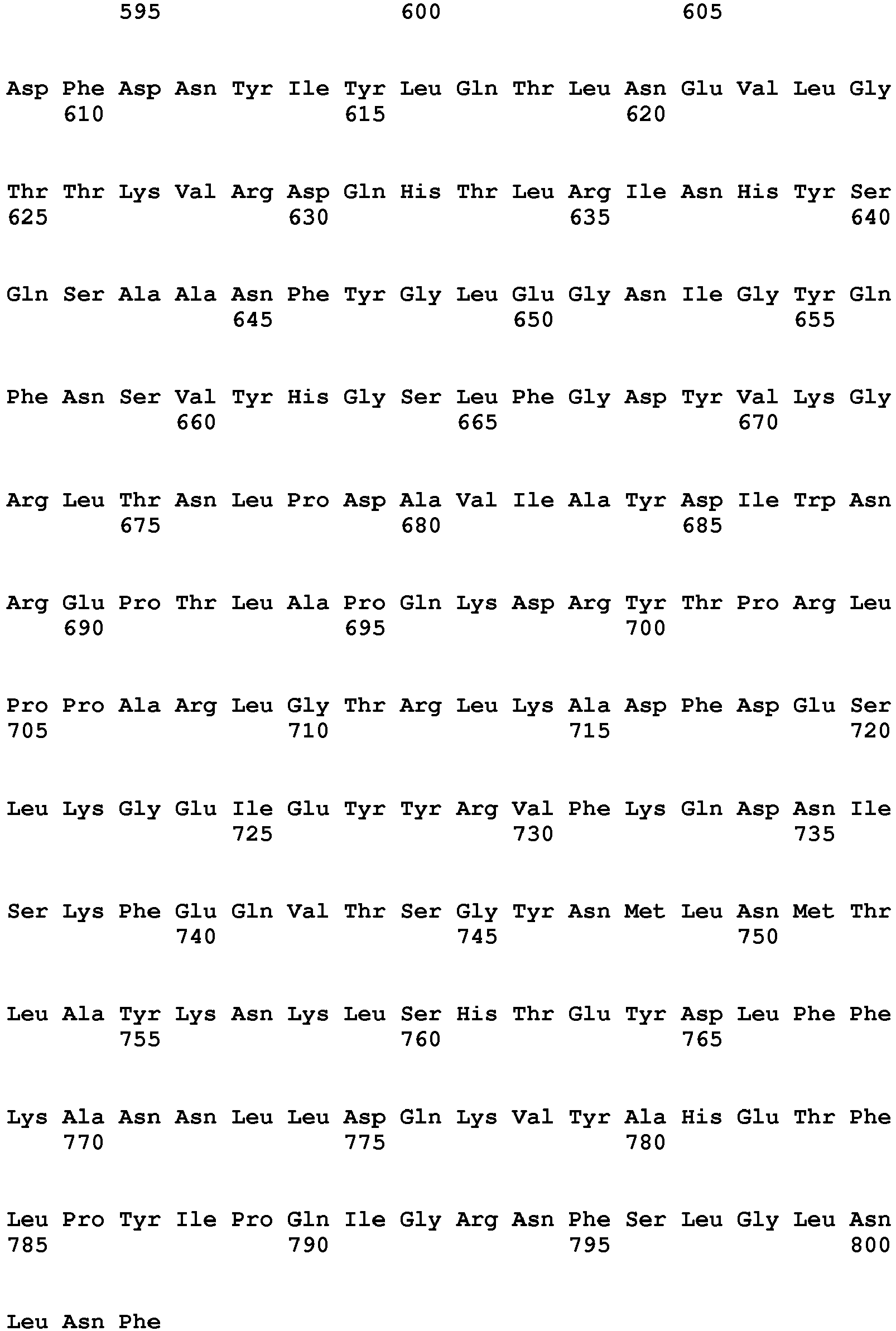
- <210> 6
<211> 685
<212> PRT
<213> Acinetobacter baumannii AB900 - <400> 6


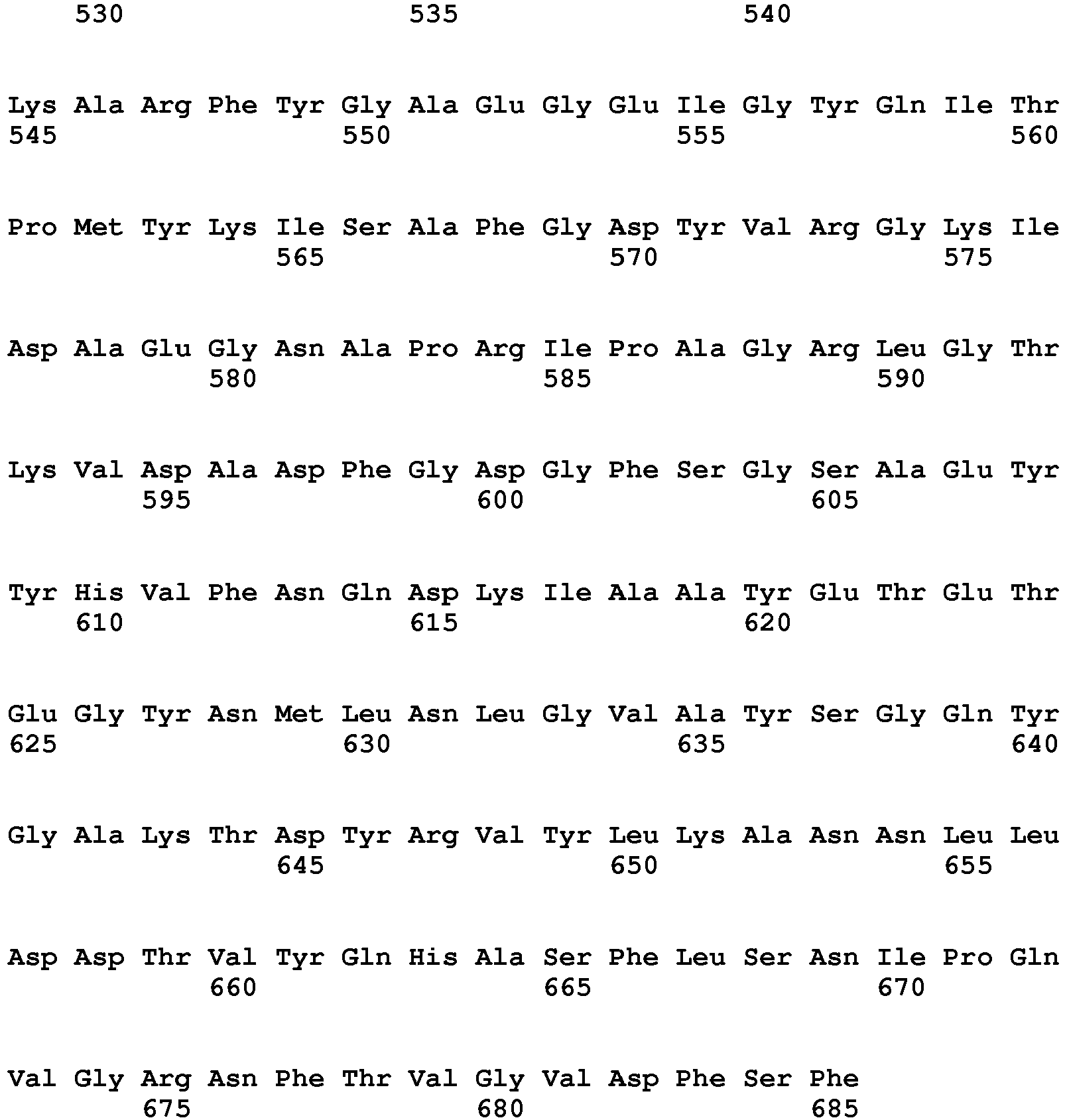
- <210> 7
<211> 685
<212> PRT
<213> Acinetobacter baumannii ACICU - <400> 7


- <210> 8
<211> 803
<212> PRT
<213> Acinetobacter baumanniiATCC 17978 - <400> 8


- <210> 9
<211> 685
<212> PRT
<213> Acinetobacter baumannii SDF - <400> 9


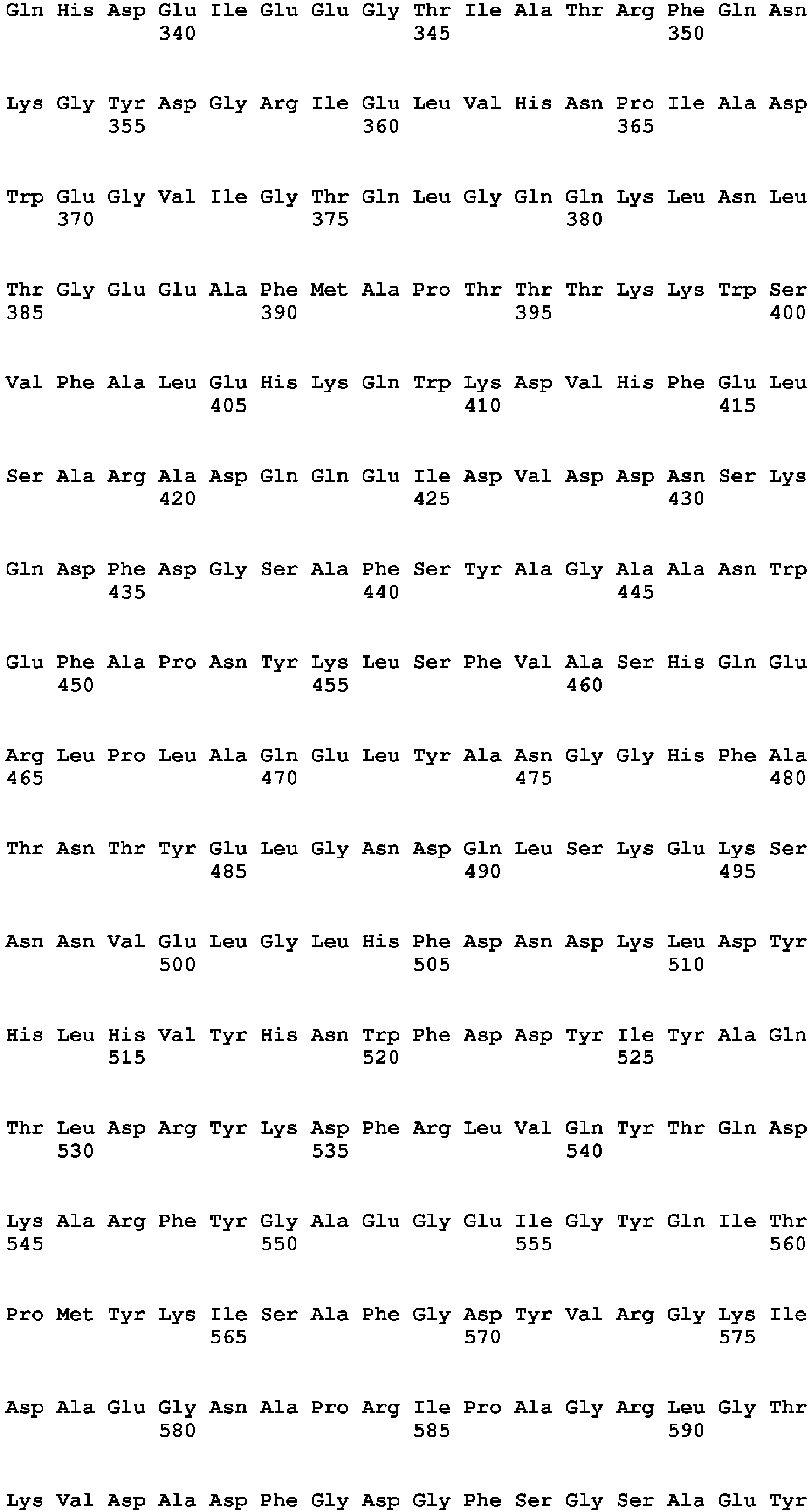

- <210> 10
<211> 691
<212> PRT
<213> Acinetobacter calcoaceticus RUH2202 - <400> 10


- <210> 11
<211> 680
<212> PRT
<213> Acinetobacter johnsonii SH046 - <400> 11


- <210> 12
<211> 685
<212> PRT
<213> Acinetobacter junii SH205 - <400> 12


- <210> 13
<211> 684
<212> PRT
<213> Acinetobacter lwoffii SH145 - <400> 13


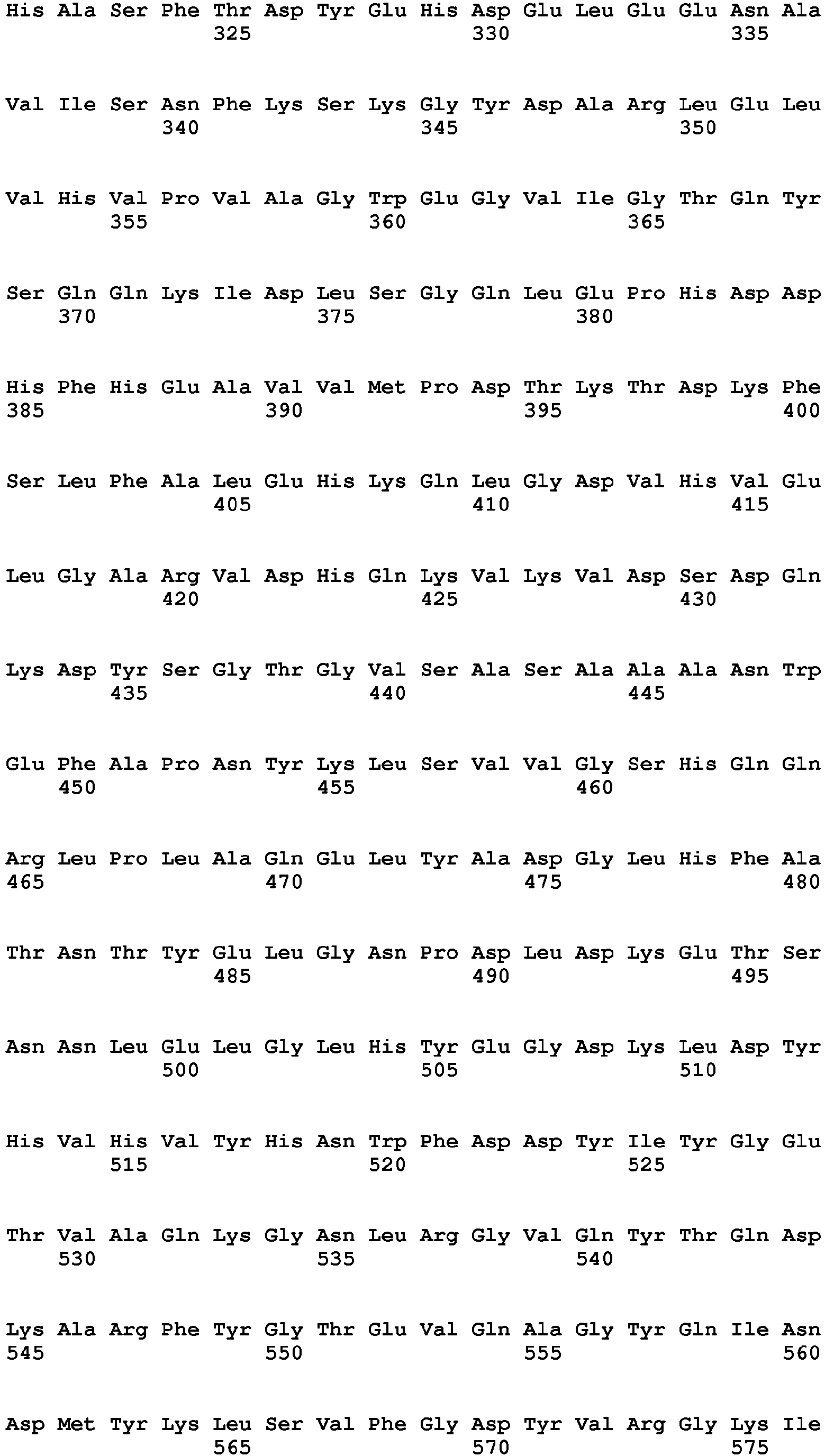

- <210> 14
<211> 699
<212> PRT
<213> Acinetobacter radioresistens SK82 - <400> 14
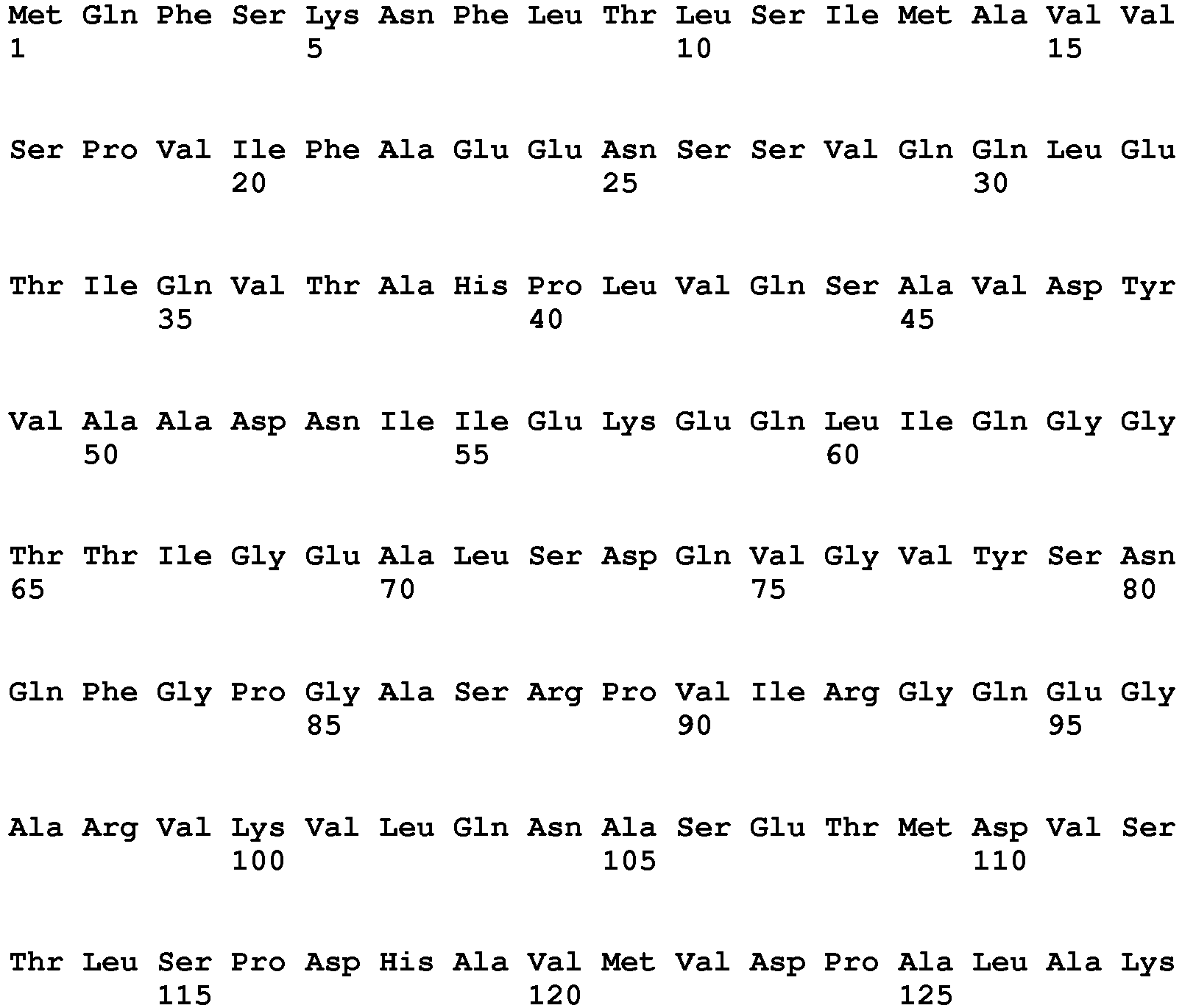


- <210> 15
<211> 693
<212> PRT
<213> Acinetobacter sp. ADP1 - <400> 15


- <210> 16
<211> 696
<212> PRT
<213> Acinetobacter sp.ATCC 27244 - <400> 16


- <210> 17
<211> 670
<212> PRT
<213> Acinetobacter sp. RUH2624 - <400> 17



- <210> 18
<211> 823
<212> PRT
<213>Actinobacillus minor 202 - <400> 18


- <210> 19
<211> 823
<212> PRT
<213> Actinobacillus minor NM305 - <400> 19


- <210> 20
<211> 782
<212> PRT
<213> Actinobacillus pleuropneumoniae L20 - <400> 20


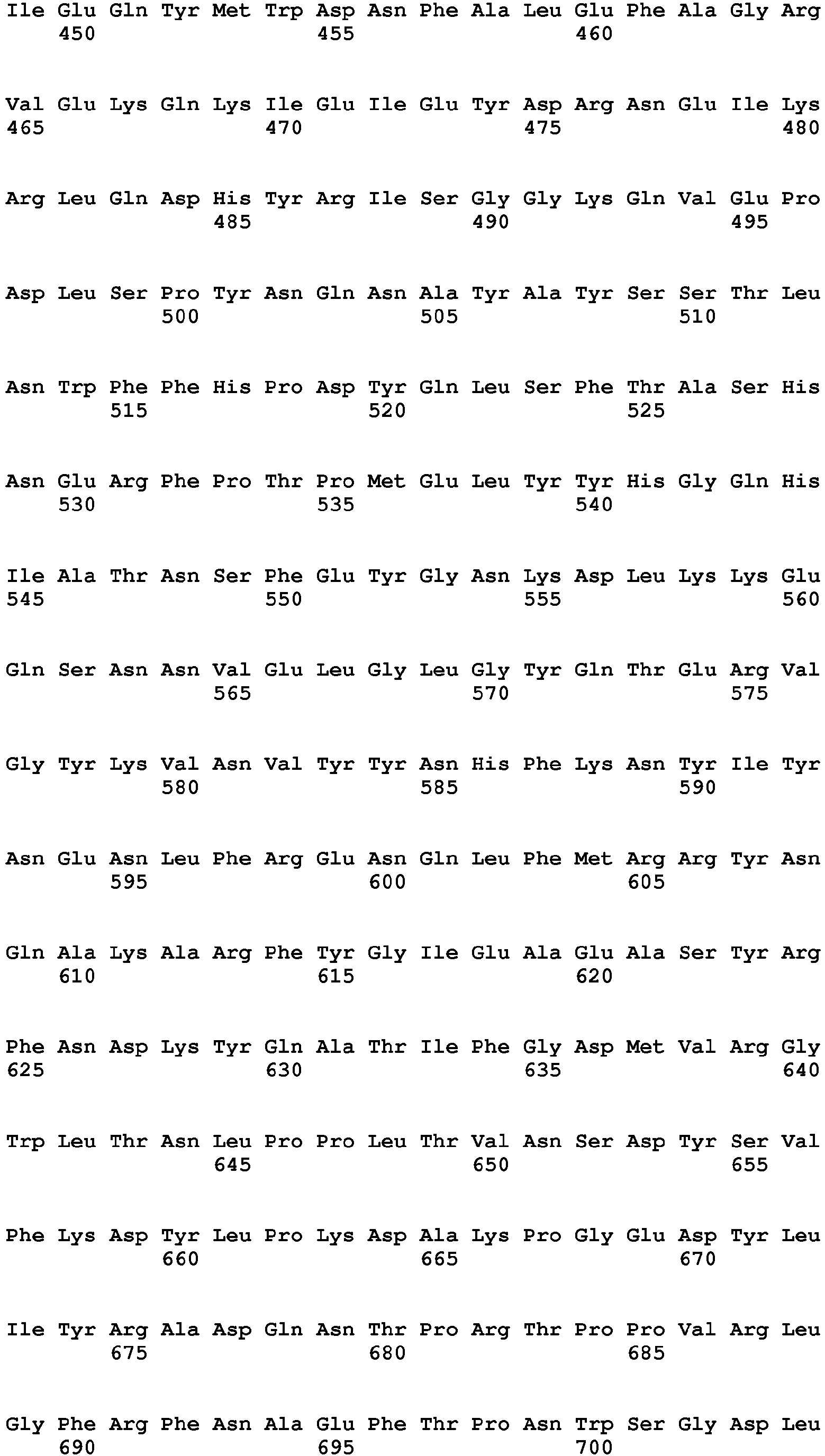

- <210> 21
<211> 782
<212> PRT
<213> Actinobacillus pleuropneumoniae serovar 1 str. 4074 - <400> 21


- <210> 22
<211> 790
<212> PRT
<213> Actinobacillus pleuropneumoniae serovar 3 str. JL03 - <400> 22

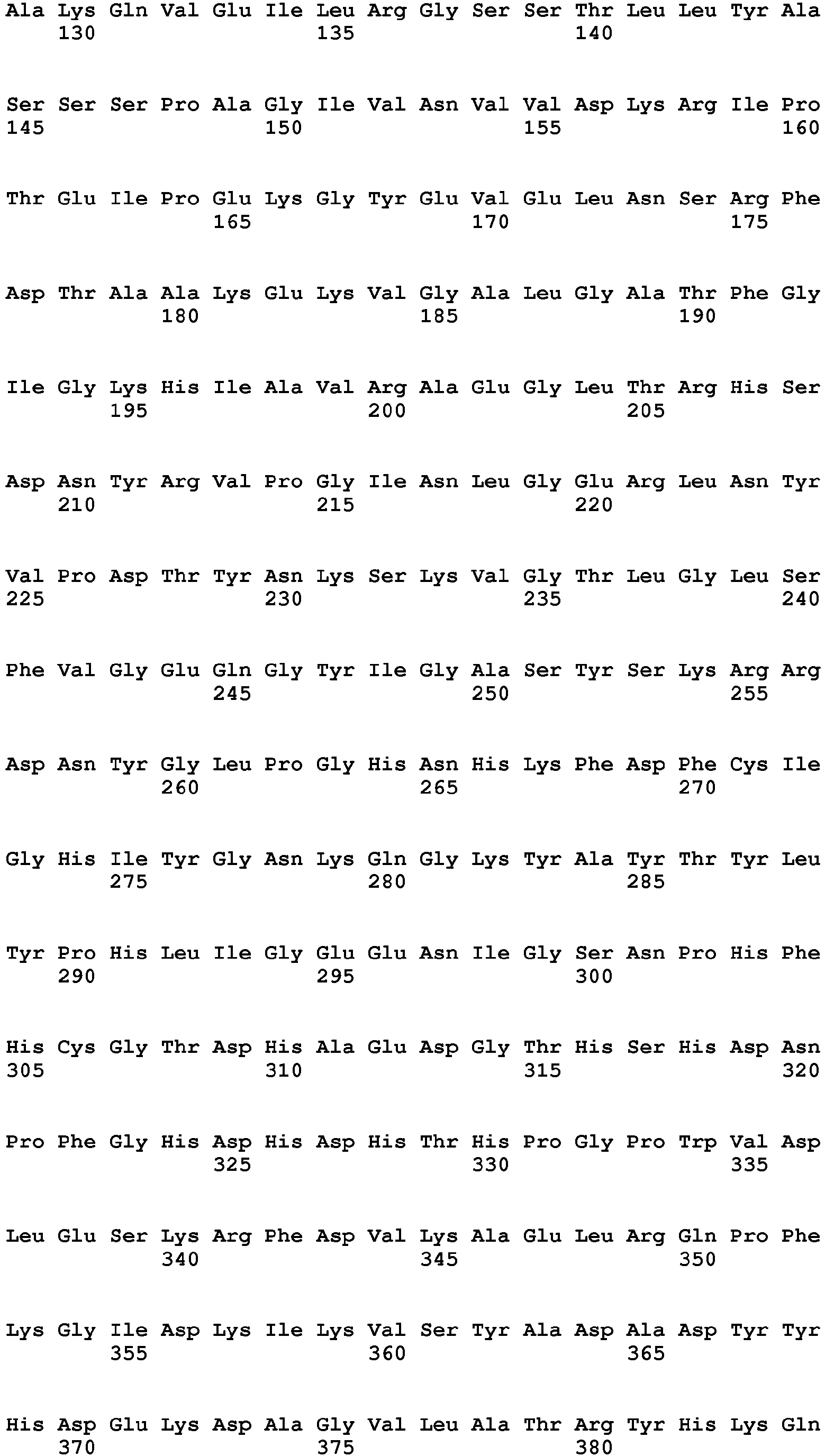


- <210> 23
<211> 689
<212> PRT
<213> Alcanivorax borkumensis SK2 - <400> 23


- <210> 24
<211> 691
<212> PRT
<213> Azoarcus sp. BH72 - <400> 24


- <210> 25
<211> 682
<212> PRT
<213> Azotobacter vinelandii DJ - <400> 25


- <210> 26
<211> 713
<212> PRT
<213> Bordetella bronchiseptica RB50 - <400> 26


- <210> 27
<211> 711
<212> PRT
<213> Bordetella parapertussis - <400> 27


- <210> 28
<211> 713
<212> PRT
<213> Bordetella pertussis Tohama I - <400> 28


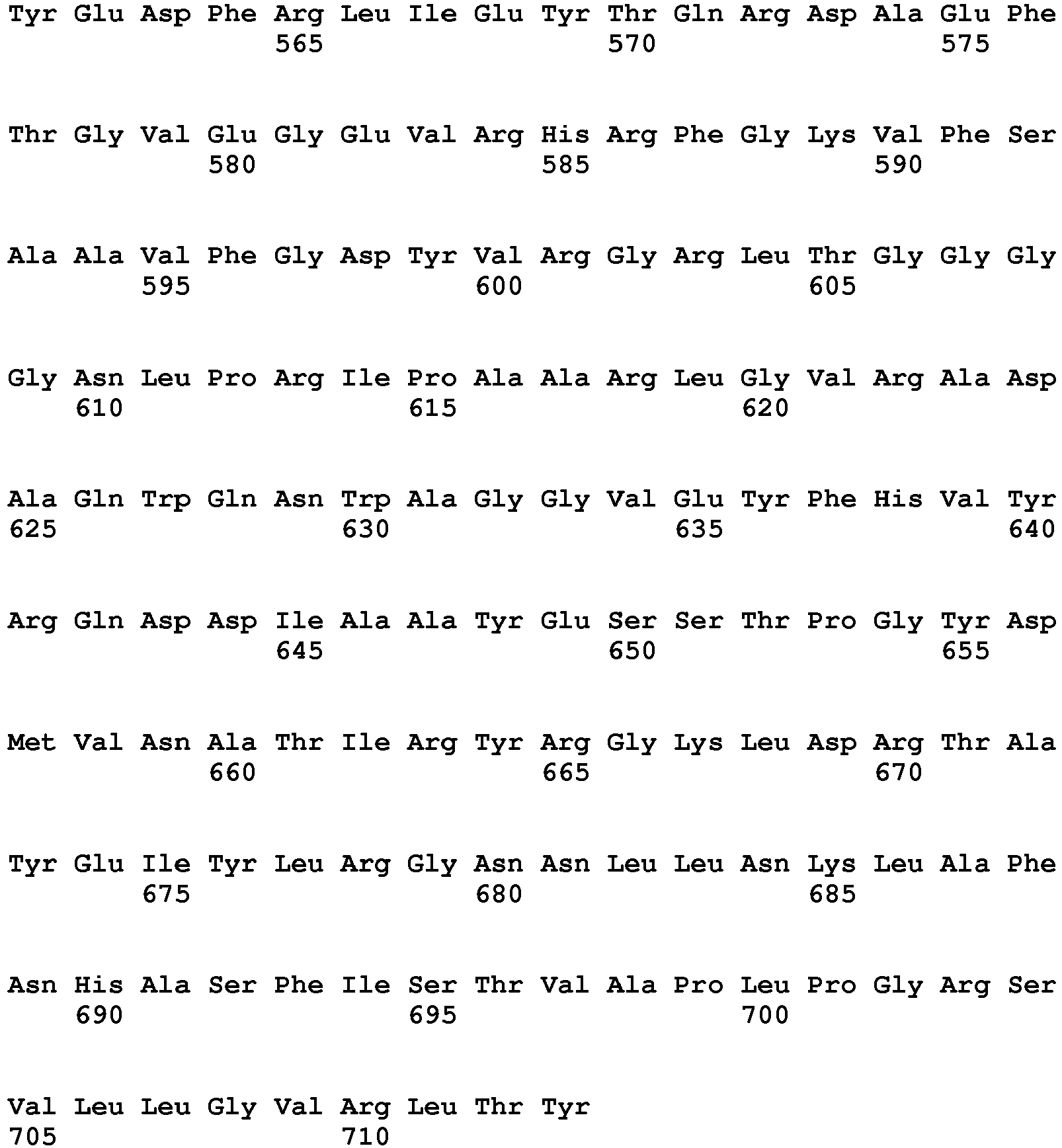
- <210> 29
<211> 684
<212> PRT
<213> Bordetella petrii - <400> 29


- <210> 30
<211> 711
<212> PRT
<213> Comamonas testosteroni CNB-2 - <400> 30


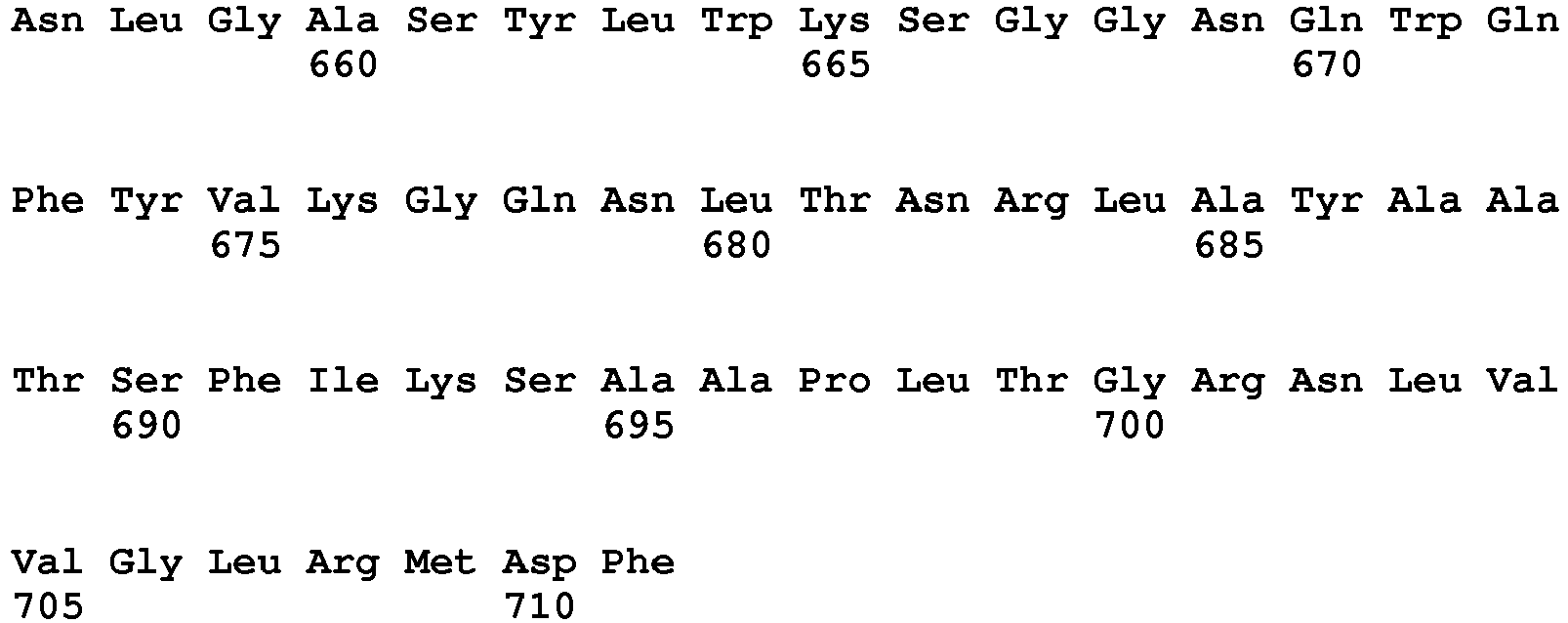
- <210> 31
<211> 711
<212> PRT
<213> Comamonas testosteroni KF-1 - <400> 31



- <210> 32
<211> 730
<212> PRT
<213> Delftia acidovorans SPH-1 - <400> 32
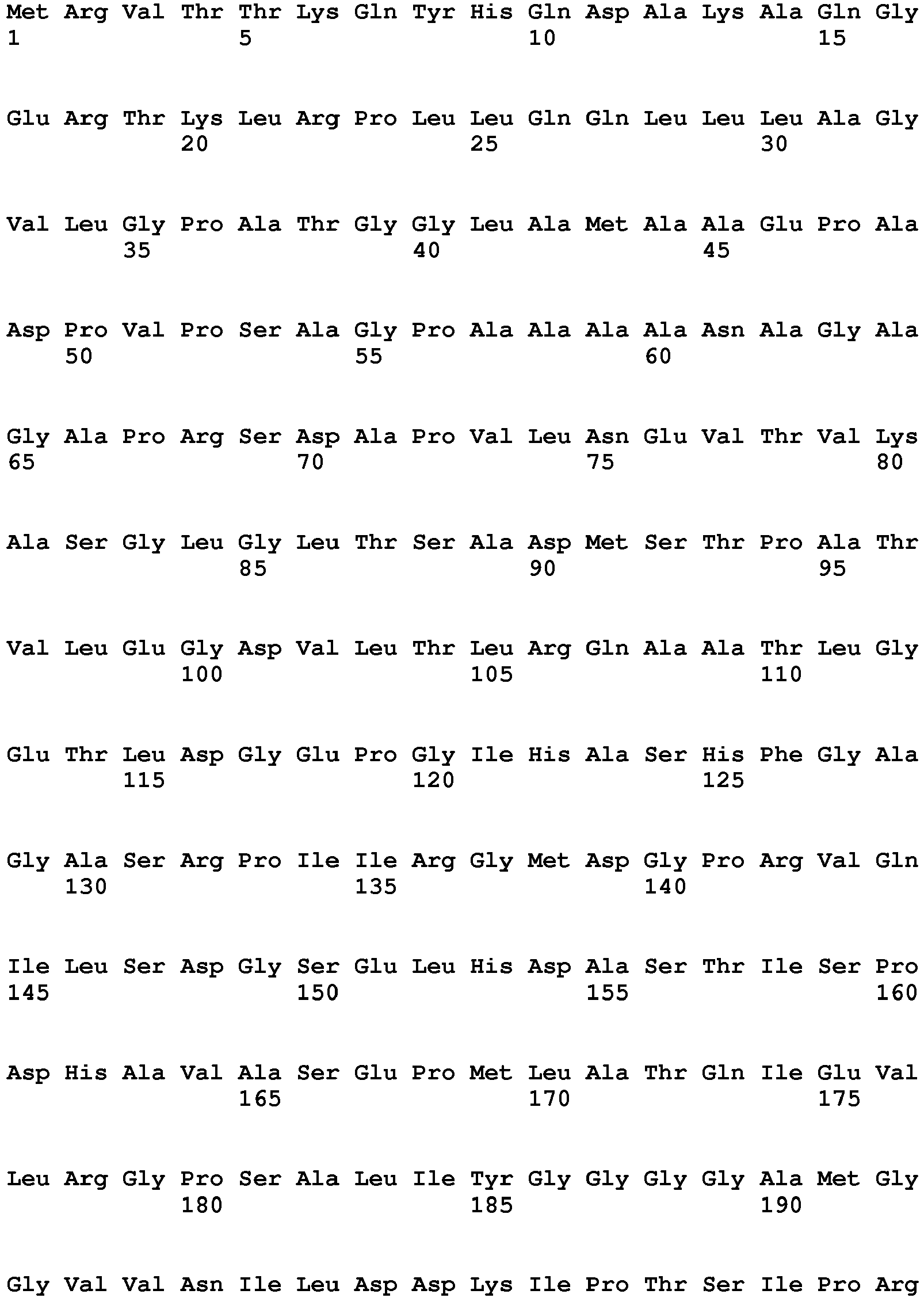



- <210> 33
<211> 693
<212> PRT
<213> Diaphorobacter sp. TPSY - <400> 33


- <210> 34
<211> 809
<212> PRT
<213> Haemophilus parasuis 29755 - <400> 34


- <210> 35
<211> 797
<212> PRT
<213> Haemophilus parasuis SH0165 - <400> 35


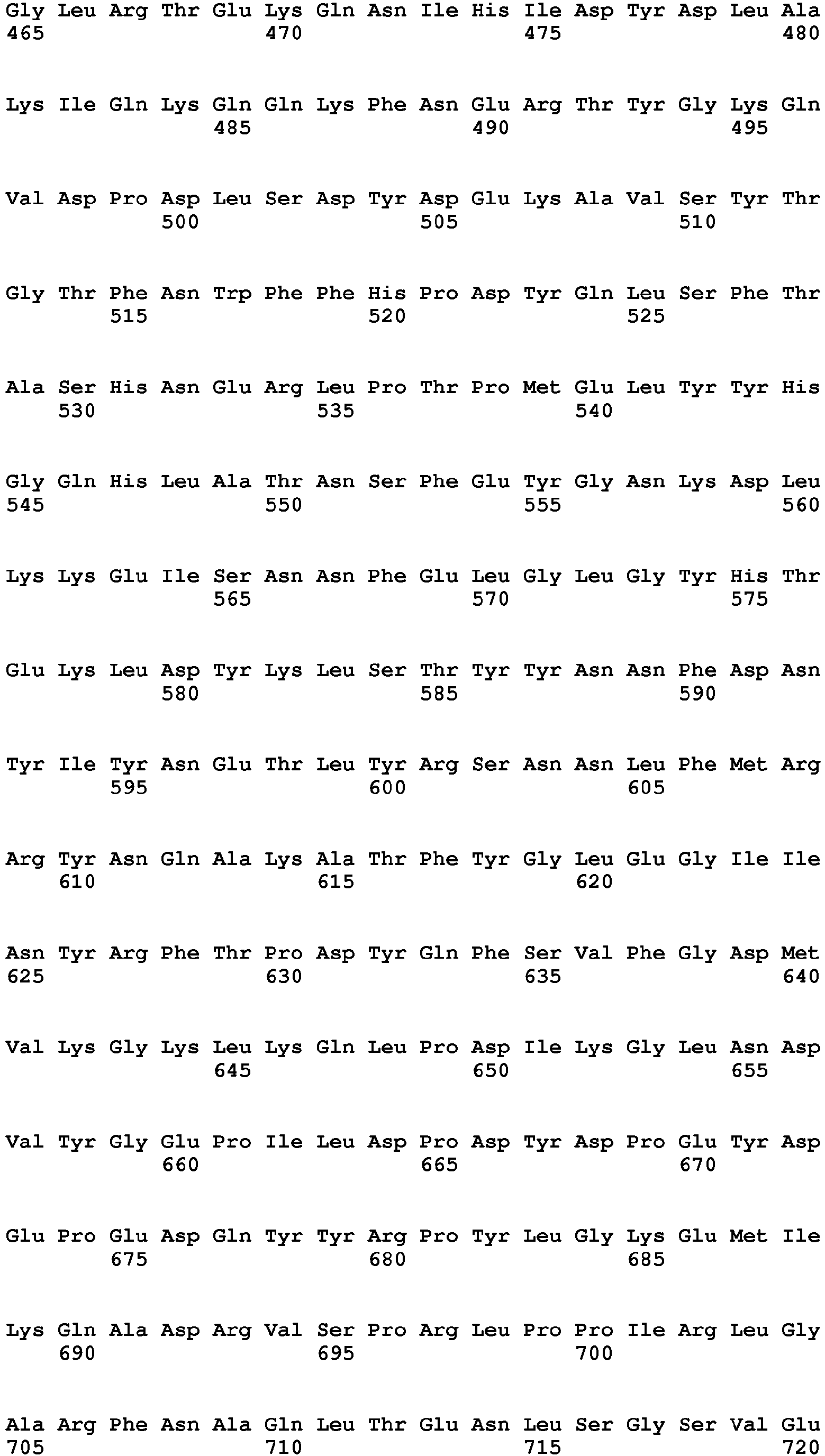

- <210> 36
<211> 868
<212> PRT
<213> Haemophilus somnus 129PT - <400> 36


- <210> 37
<211> 868
<212> PRT
<213> Haemophilus somnus 2336 - <400> 37


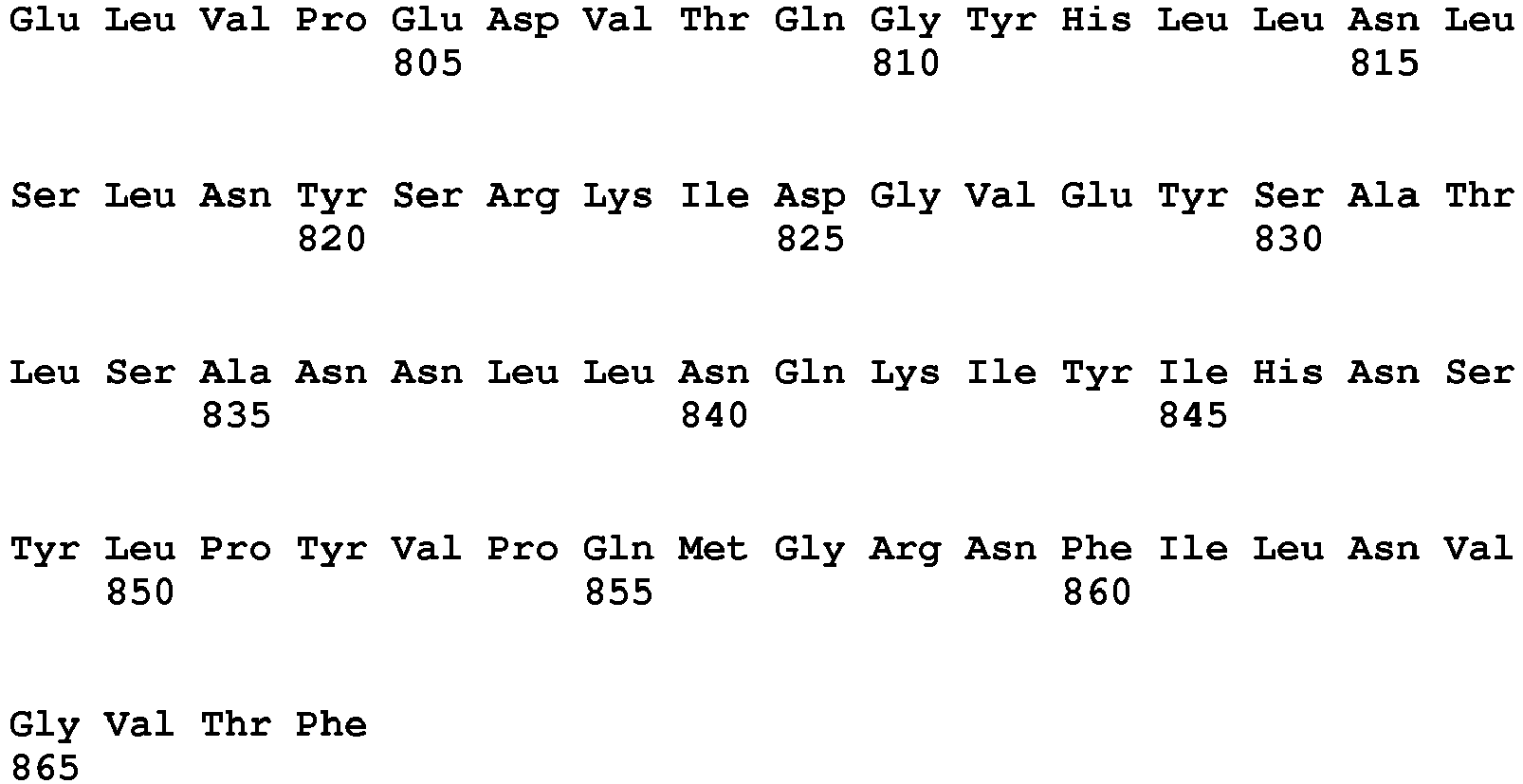
- <210> 38
<211> 766
<212> PRT
<213> Mannheimia haemolytica - <400> 38
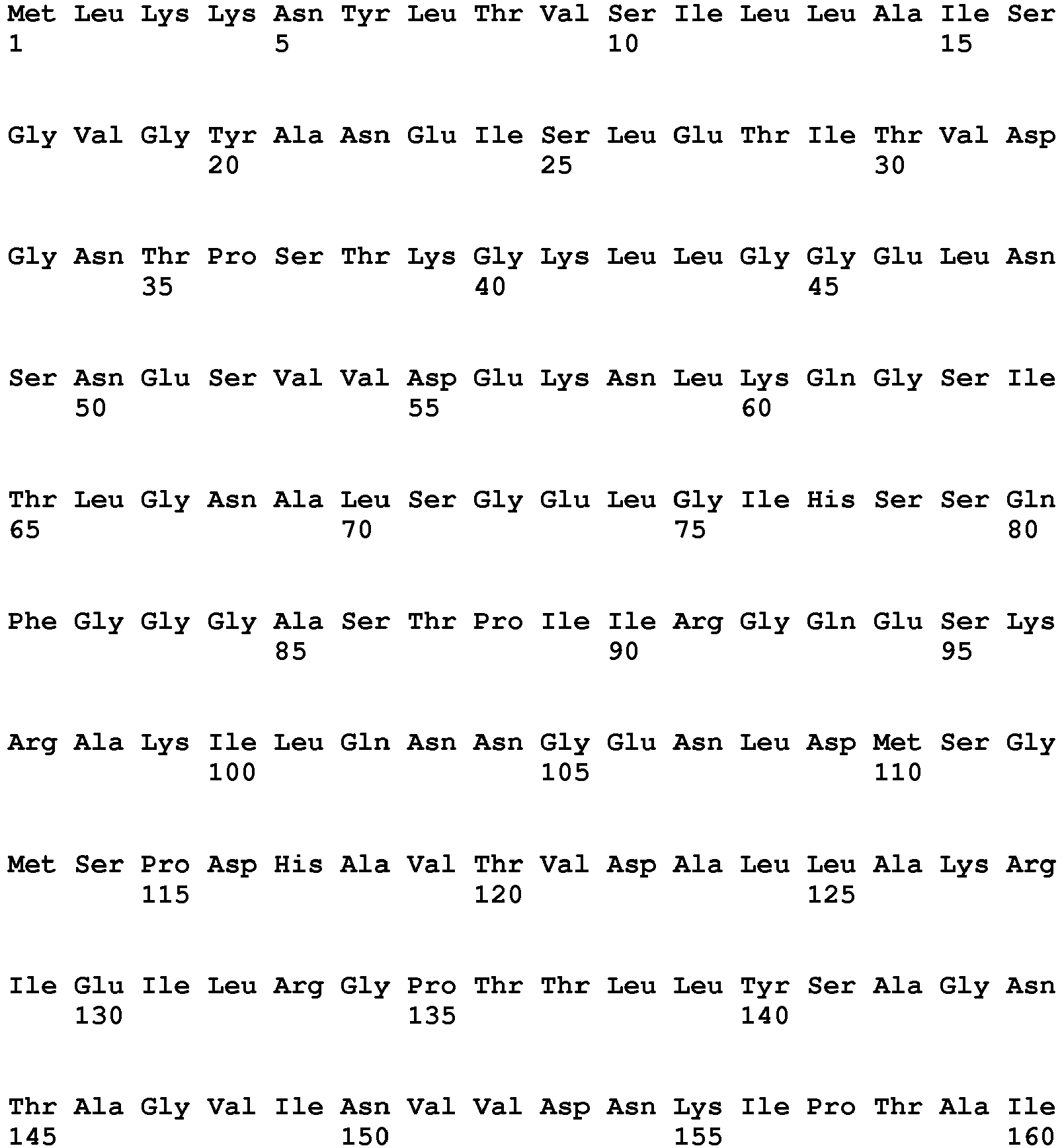


- <210> 39
<211> 790
<212> PRT
<213> Mannheimia haemolytica PHL213 - <400> 39


- <210> 40
<211> 654
<212> PRT
<213> Mannheimia haemolytica serotype A2 str. BOVINE - <400> 40

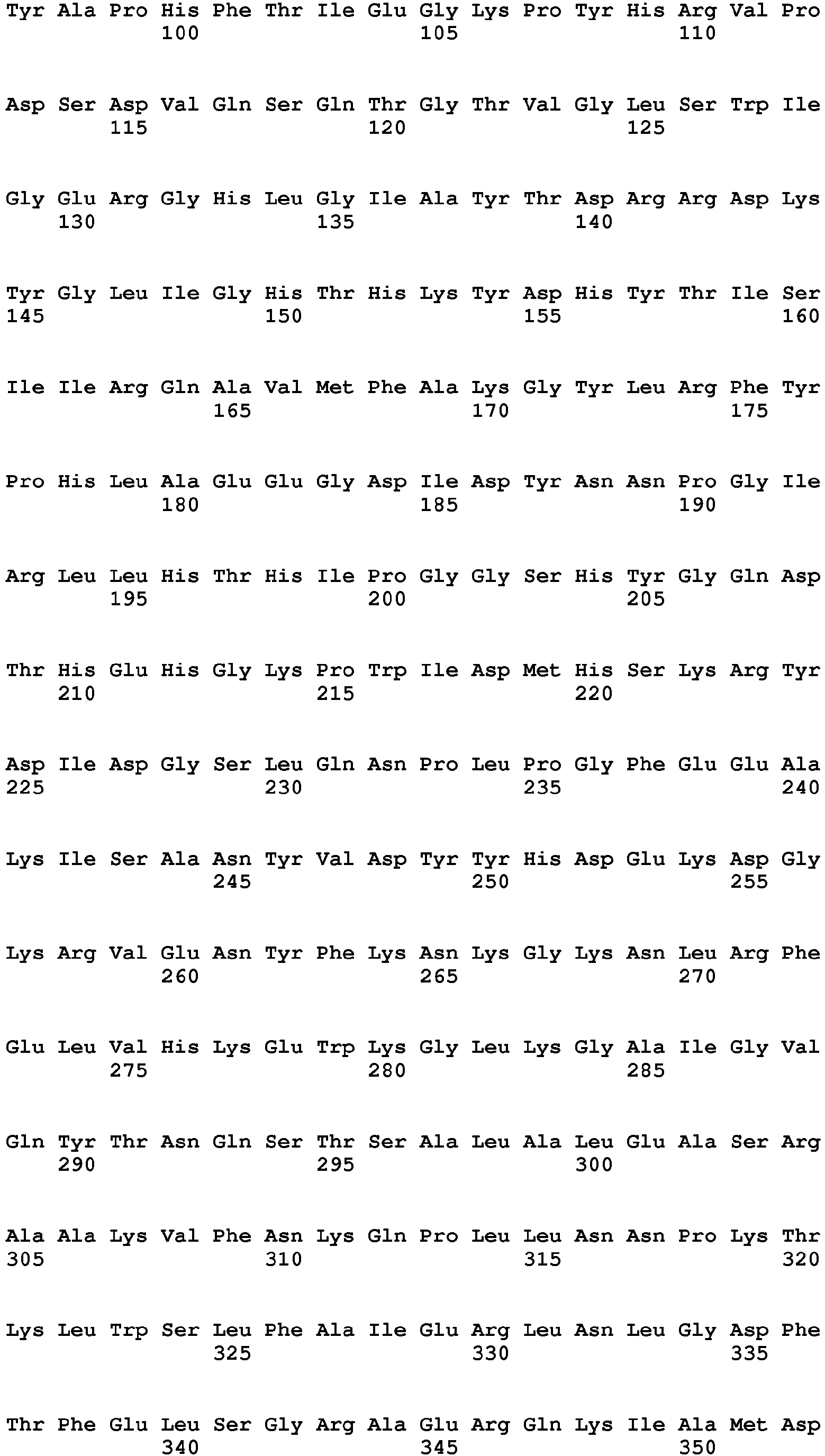


- <210> 41
<211> 793
<212> PRT
<213> Mannheimia haemolytica serotype A2 str. BOVINE - <400> 41


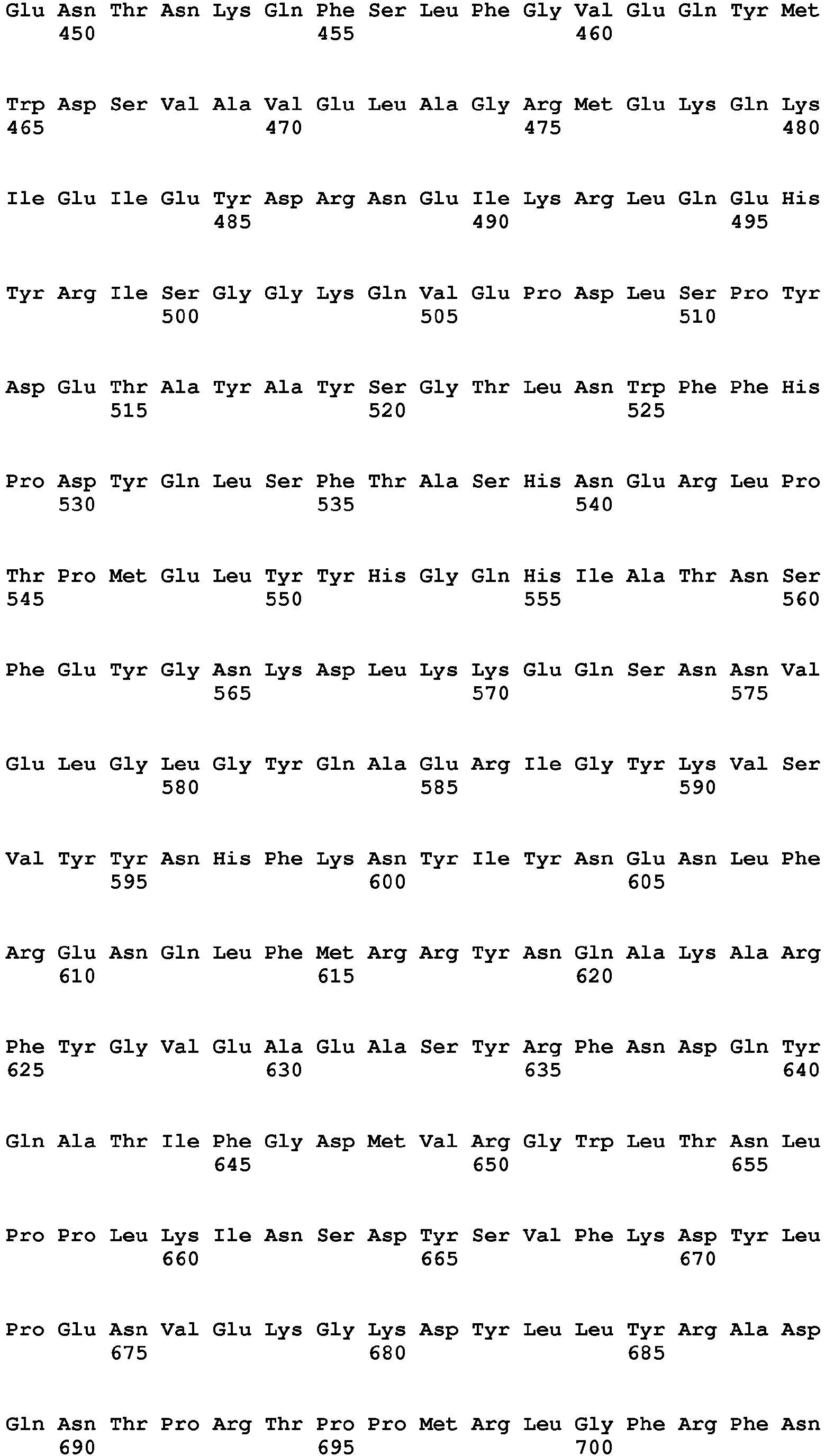

- <210> 42
<211> 818
<212> PRT
<213> Moraxella catarrhalis - <400> 42


- <210> 43
<211> 796
<212> PRT
<213>Pasteurella dagmatis ATCC 43325 - <400> 43


- <210> 44
<211> 809
<212> PRT
<213> Pasteurella multocida subsp. multocida str. Pm70 - <400> 44


- <210> 45
<211> 805
<212> PRT
<213> Pasteurella multocida subsp. multocida str. Pm70 - <400> 45


- <210> 46
<211> 925
<212> PRT
<213> Pasteurella multocida subsp. multocida str. Pm70 - <400> 46


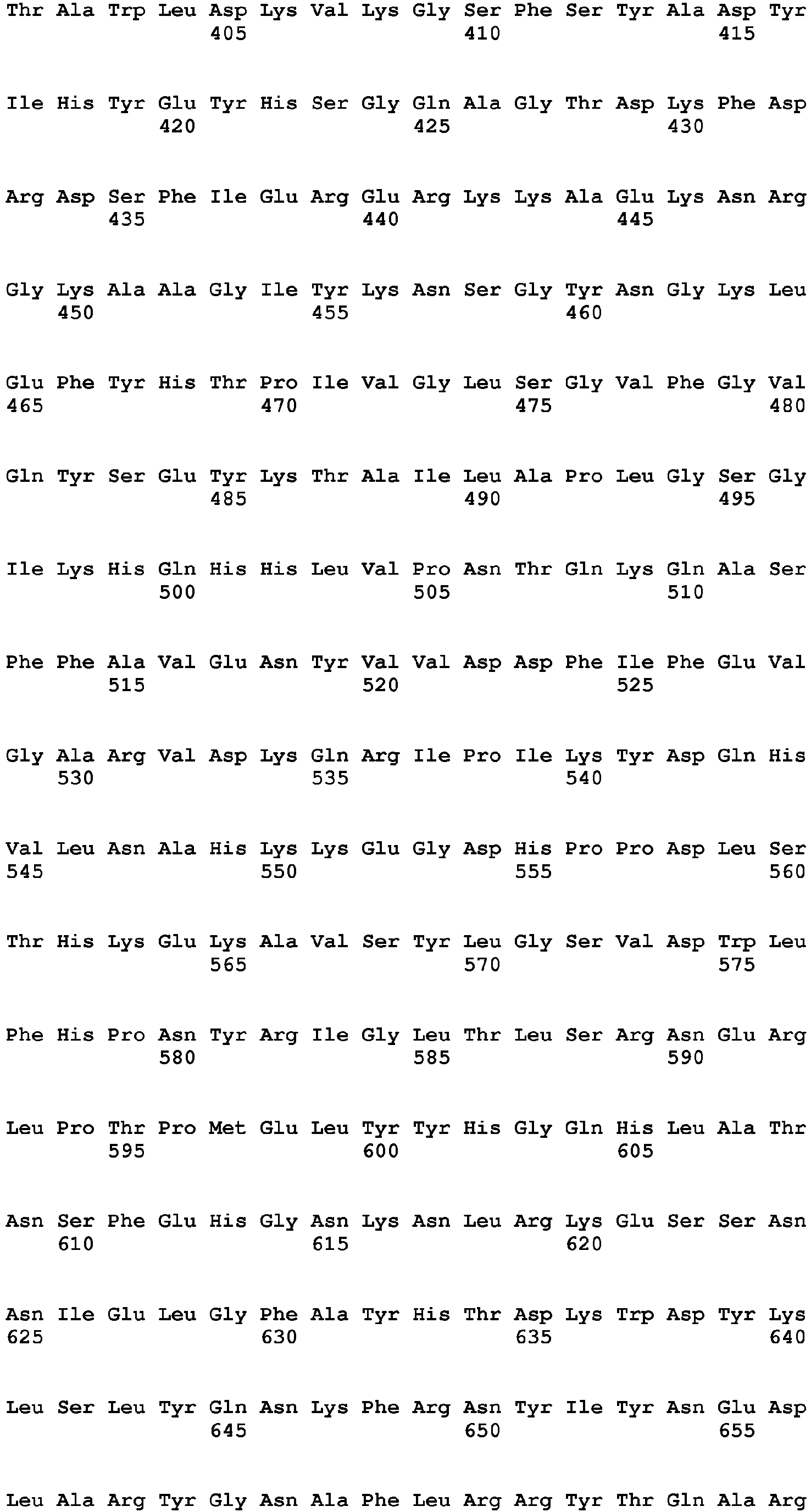

- <210> 47
<211> 697
<212> PRT
<213> Proteus mirabilis ATCC 29906 - <400> 47

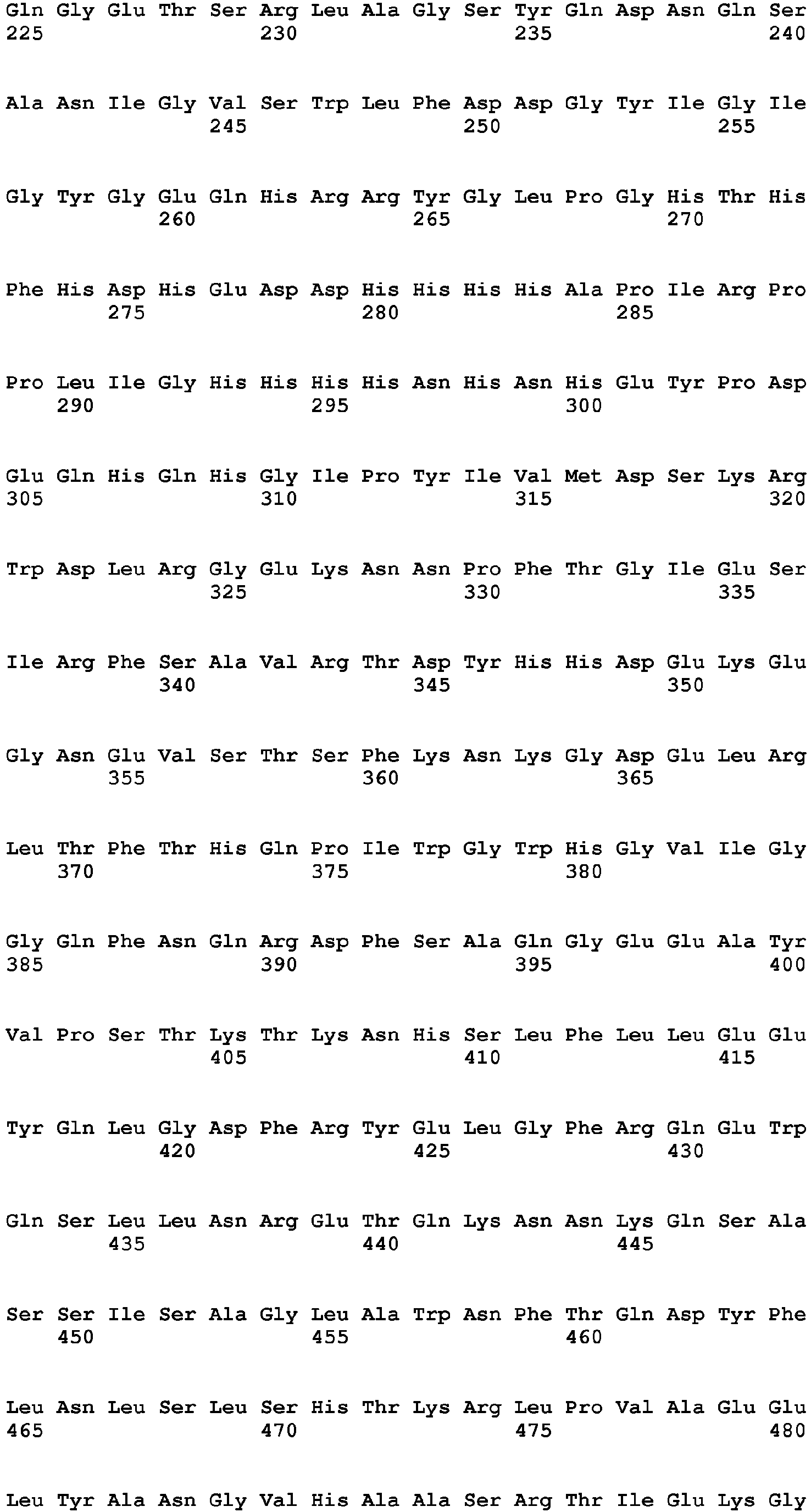

- <210> 48
<211> 672
<212> PRT
<213> Pseudomonas stutzeri A1501 - <400> 48


- <210> 49
<211> 686
<212> PRT
<213> Sphingomonas sp. SKA58 - <400> 49


- <210> 50
<211> 921
<212> PRT
<213> Neisseria meningitidis MC58 - <400> 50


- <210> 51
<211> 530
<212> PRT
<213> Aggregatibacter actinomycetemcomitans - <400> 51
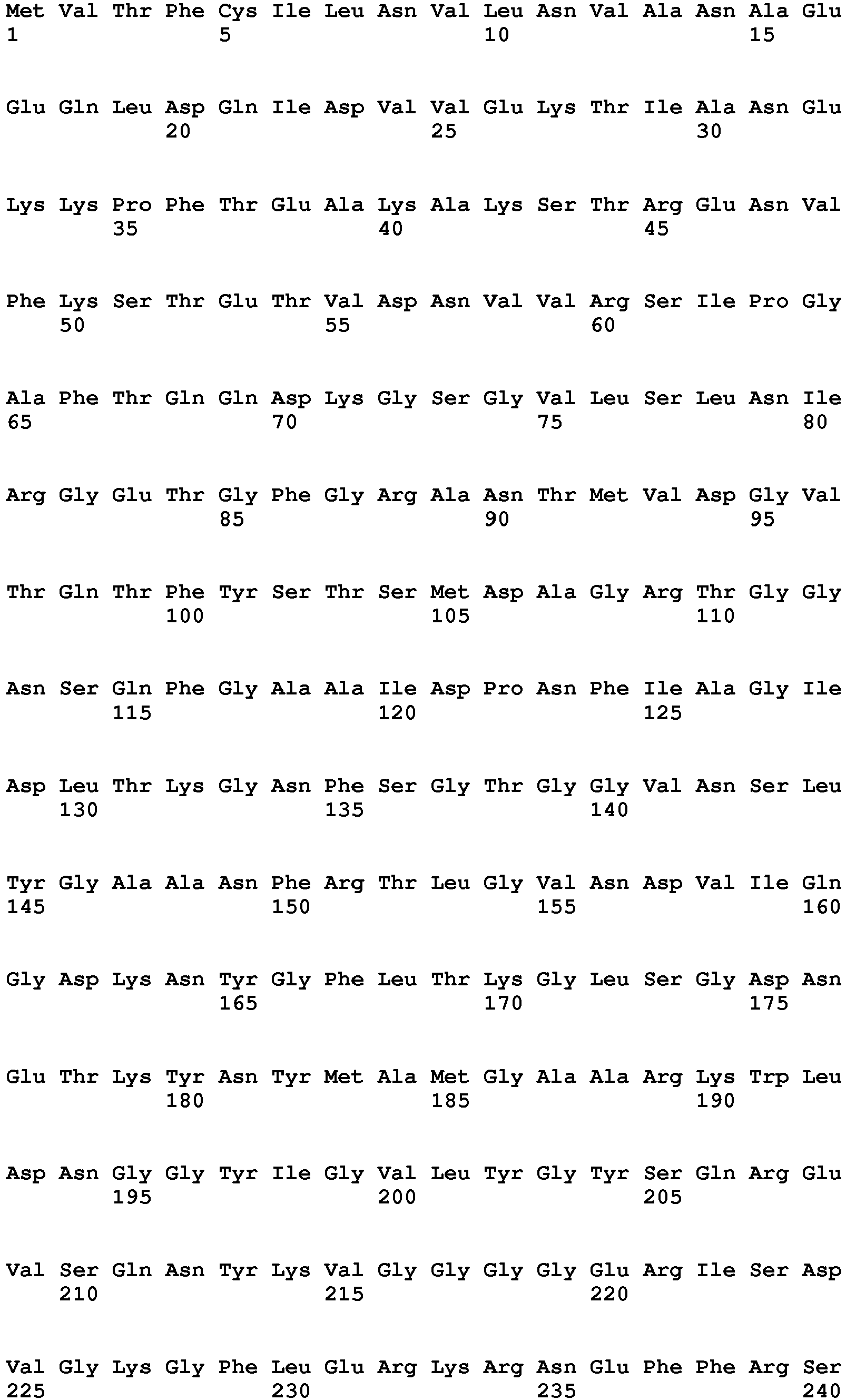


- <210> 52
<211> 365
<212> PRT
<213> Aggregatibacter actinomycetemcomitans D11S-1 - <400> 52


- <210> 53
<211> 924
<212> PRT
<213> Aggregatibacter aphrophilus NJ8700 - <400> 53


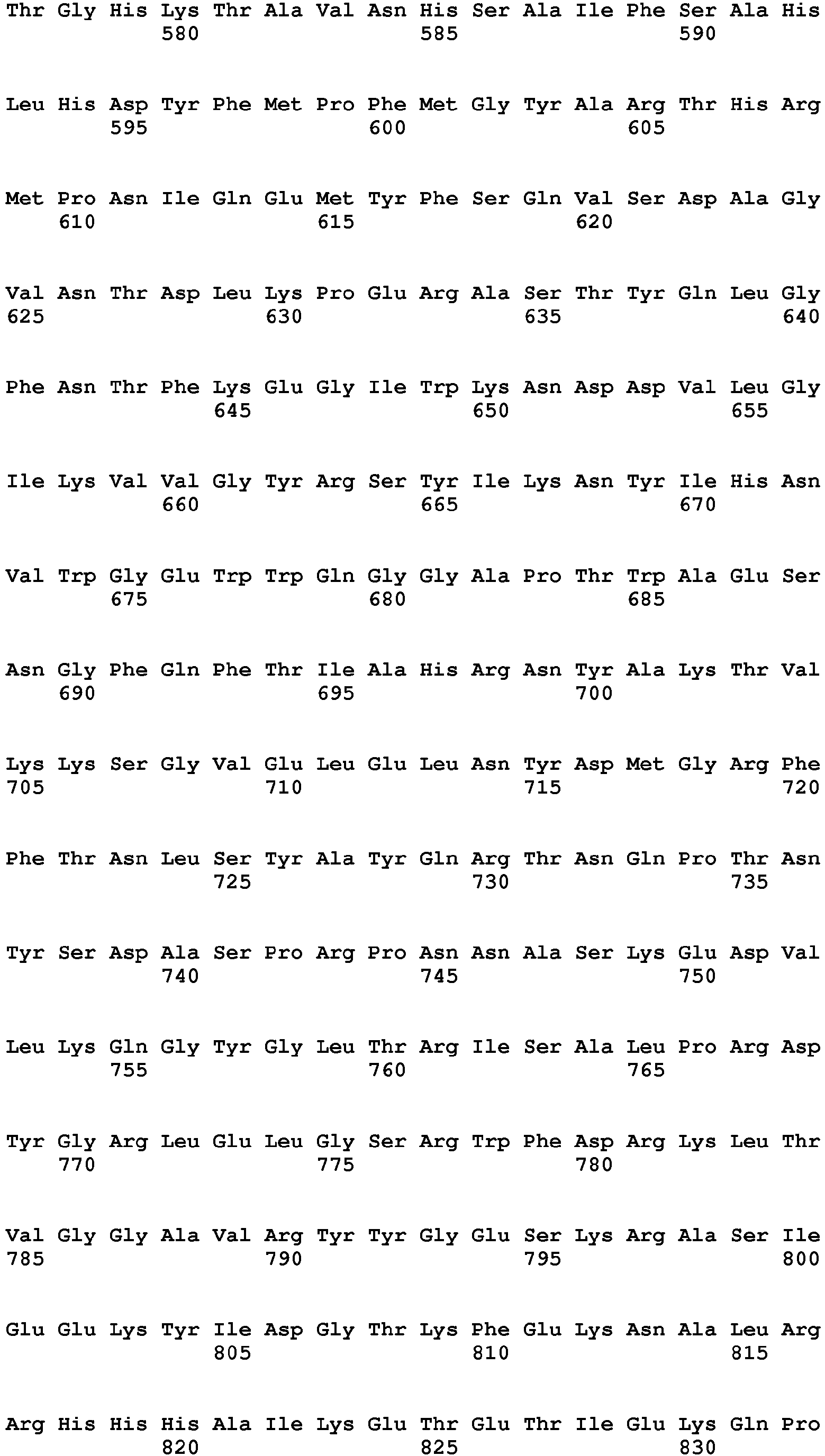

- <210> 54
<211> 758
<212> PRT
<213> Campylobacter coli RM2228 - <400> 54


- <210> 55
<211> 758
<212> PRT
<213> Campylobacter upsaliensis RM3195 - <400> 55


- <210> 56
<211> 921
<212> PRT
<213> Haemophilus influenzae 3655 - <400> 56


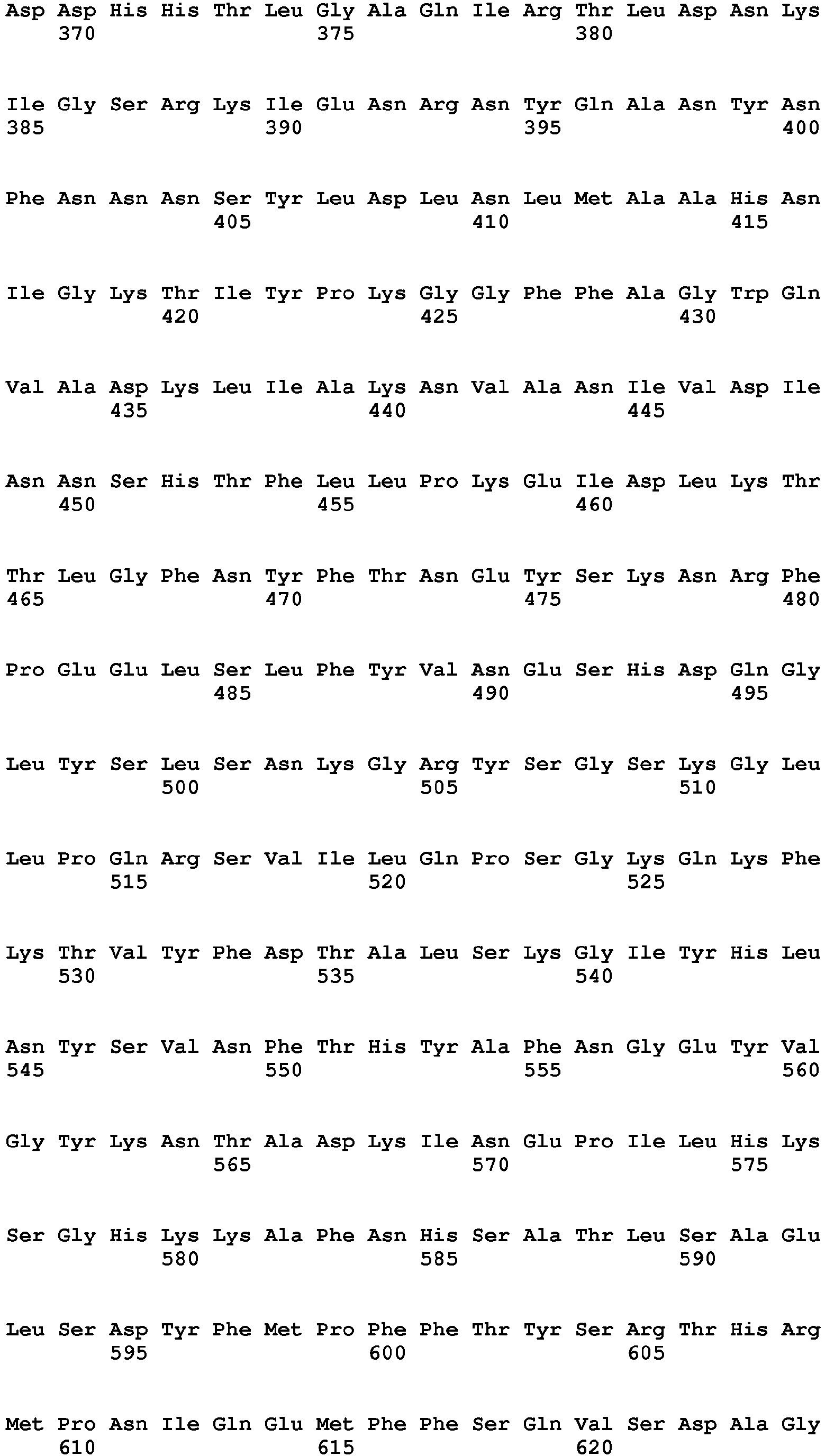


- <210> 57
<211> 950
<212> PRT
<213> Haemophilus influenzae 6P18H1 - <400> 57


- <210> 58
<211> 915
<212> PRT
<213> Haemophilus influenzae 7P49H1 - <400> 58

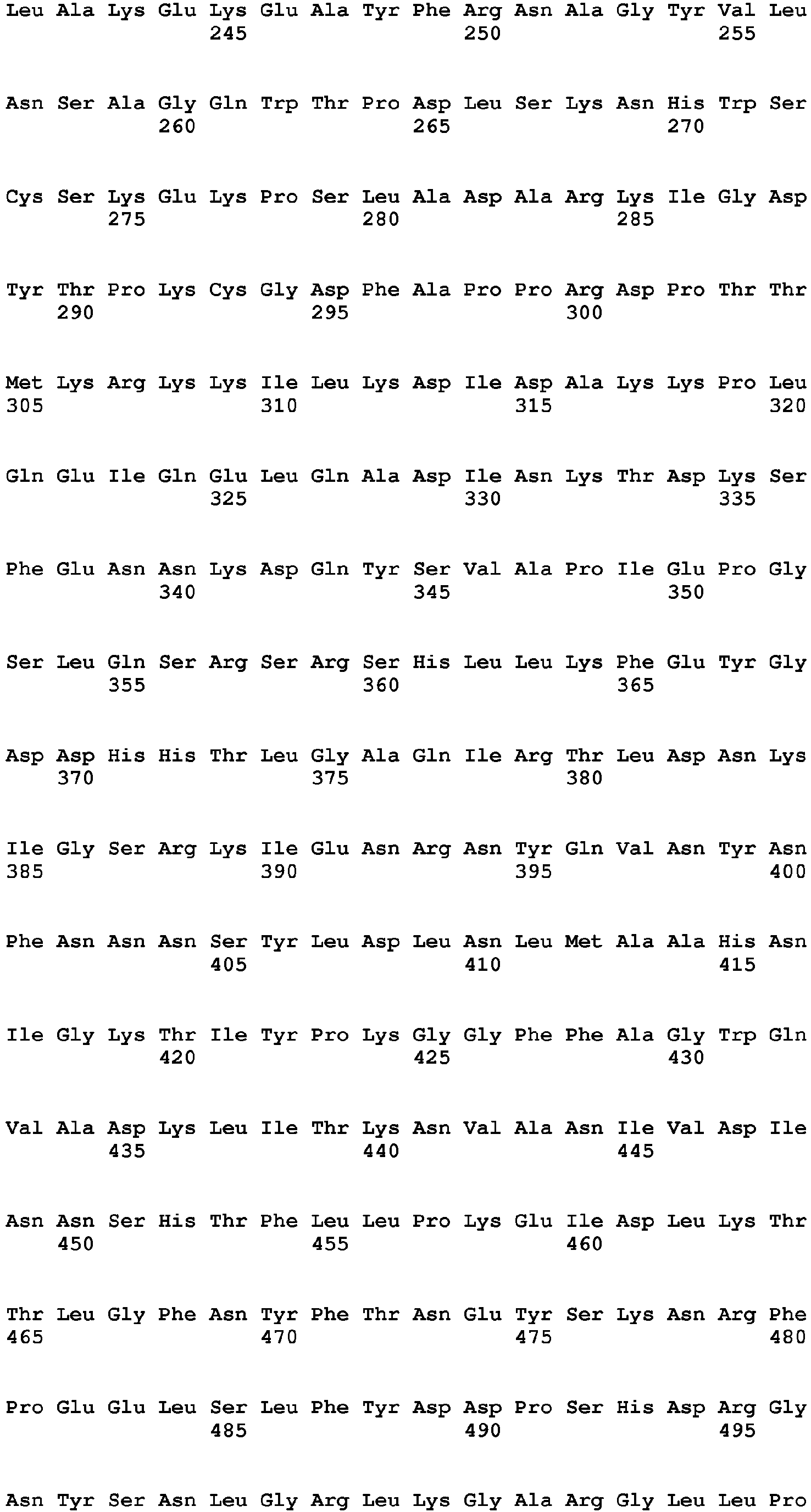


- <210> 59
<211> 915
<212> PRT
<213> Haemophilus influenzae 86-028NP - <400> 59


- <210> 60
<211> 910
<212> PRT
<213> Haemophilus influenzae NT127 - <400> 60


- <210> 61
<211> 921
<212> PRT
<213> Haemophilus influenzae PittAA - <400> 61

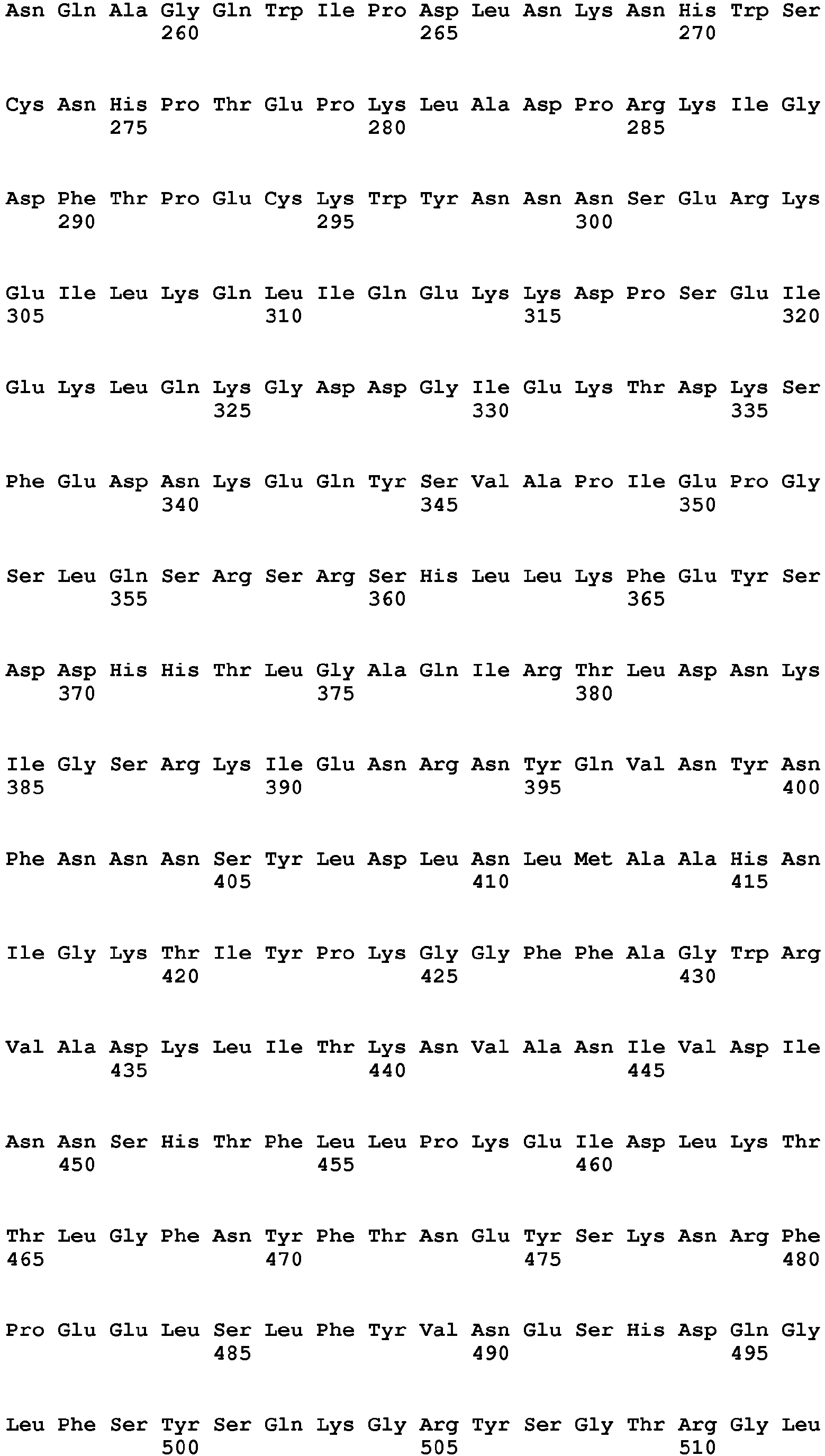


- <210> 62
<211> 915
<212> PRT
<213> Haemophilus influenzae PittHH - <400> 62


- <210> 63
<211> 915
<212> PRT
<213> Haemophilus influenzae PittII - <400> 63


- <210> 64
<211> 934
<212> PRT
<213> Haemophilus influenzae R2846 - <400> 64


- <210> 65
<211> 929
<212> PRT
<213> Haemophilus influenzae R2866 - <400> 65


- <210> 66
<211> 913
<212> PRT
<213> Haemophilus influenzae Rd KW20 - <400> 66


- <210> 67
<211> 913
<212> PRT
<213> Haemophilus influenzae RdAW - <400> 67


- <210> 68
<211> 915
<212> PRT
<213> Haemophilus somnus 129PT - <400> 68


- <210> 69
<211> 917
<212> PRT
<213> Haemophilus somnus 2336 - <400> 69


- <210> 70
<211> 902
<212> PRT
<213> Moraxella catarrhalis - <400> 70


- <210> 71
<211> 860
<212> PRT
<213>Pasteurella dagmatis ATCC 43325 - <400> 71

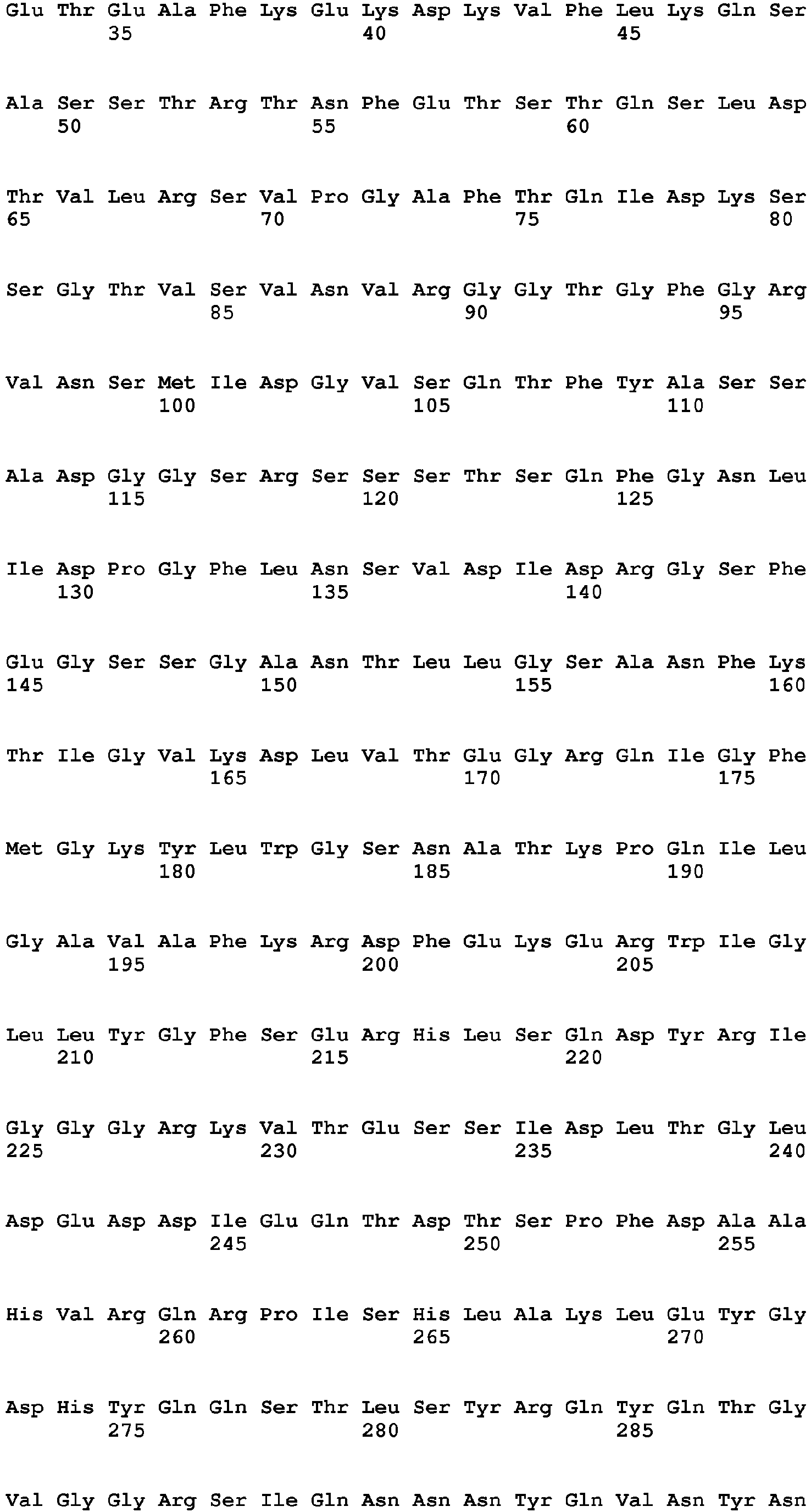


- <210> 72
<211> 23
<212> DNA
<213> Escherichia coli - <220>
<221> misc_feature
<222> (12)..(12)
<223> n is a, c, g, or t - <400> 72
gaaatgttat antataacatttc 23 - <210> 73
<211> 23
<212> DNA
<213> Neisseria meningitidis - <400> 73
gtaatgttat ataataacaaact 23 - <210> 74
<211> 23
<212> DNA
<213> Neisseria meningitidis - <400> 74
caaacgttat acagtatcatatc 23 - <210> 75
<211> 30
<212> DNA
<213> Artificial Sequence - <220>
<223> primer sequence - <400> 75
gatcatatgc atgaaactga gcaatcggtg 30 - <210> 76
<211> 33
<212> DNA
<213> Artificial Sequence - <220>
<223> primer sequence - <400> 76
gatggatcct taaatcttca cgttcacgccgcc 33 - <210> 77
<211> 26
<212> DNA
<213> Artificial Sequence - <220>
<223> primer sequence - <400> 77
tgacgcgtct cgacgctgag gtctgc 26 - <210> 78
<211> 28
<212> DNA
<213> Artificial Sequence - <220>
<223> primer sequence - <400> 78
tgtgtacagt cgacttcaga cggccacg 28 - <210> 79
<211> 31
<212> DNA
<213> Artificial Sequence - <220>
<223> primer sequence - <400> 79
gcatcatatg gcacaaacta cactcaaaccc 31 - <210> 80
<211> 32
<212> DNA
<213> Artificial Sequence - <220>
<223> primer sequence - <400> 80
atgacgtctt aaaacttcac gttcacgccgcc 32 - <210> 81
<211> 20
<212> DNA
<213> Artificial Sequence - <220>
<223> primer sequence - <400> 81
gtacgatgat tgtgccgacc 20 - <210> 82
<211> 40
<212> DNA
<213> Artificial Sequence - <220>
<223> primer sequence - <400> 82
actttaaact ccgtcgacgc aagtcgactg cgggggttaa 40 - <210> 83
<211> 40
<212> DNA
<213> Artificial Sequence - <220>
<223> primer sequence - <400> 83
ttaacccccg cagtcgactt gcgtcgacgg agtttaaagt 40 - <210> 84
<211> 21
<212> DNA
<213> Artificial Sequence - <220>
<223> primer sequence - <400> 84
gccatactgt tgcggatttg a 21 - <210> 85
<211> 20
<212> DNA
<213> Artificial Sequence - <220>
<223> primer sequence - <400> 85
ttcgccgatg gcggaataca 20 - <210> 86
<211> 40
<212> DNA
<213> Artificial Sequence - <220>
<223> primer sequence - <400> 86
ctttcagcgc aaagtcgact ccgtcgacgc gtgcctgttc 40 - <210> 87
<211> 40
<212> DNA
<213> Artificial Sequence - <220>
<223> primer sequence - <400> 87
gaacaggcac gcgtcgacgg agtcgacttt gcgctgaaag 40 - <210> 88
<211> 20
<212> DNA
<213> Artificial Sequence - <220>
<223> primer sequence - <400> 88
tcctattgcg caataccccc 20 - <210> 89
<211> 67
<212> PRT
<213> Neisseria meningitidis - <400> 89

- <210> 90
<211> 758
<212> PRT
<213> Neisseria meningitidis MC58 - <400> 90


- <210> 91
<211> 758
<212> PRT
<213> Neisseria meningitidis O53322 - <400> 91


- <210> 92
<211> 758
<212> PRT
<213> Neisseria meningitidis Z2491 - <400> 92


- <210> 93
<211> 758
<212> PRT
<213> Neisseria meningitidis FAM18 - <400> 93


- <210> 94
<211> 758
<212> PRT
<213> Neisseria meningitidis alpha14 - <400> 94


- <210> 95
<211> 758
<212> PRT
<213> Neisseria meningitidis alpha153 - <400> 95
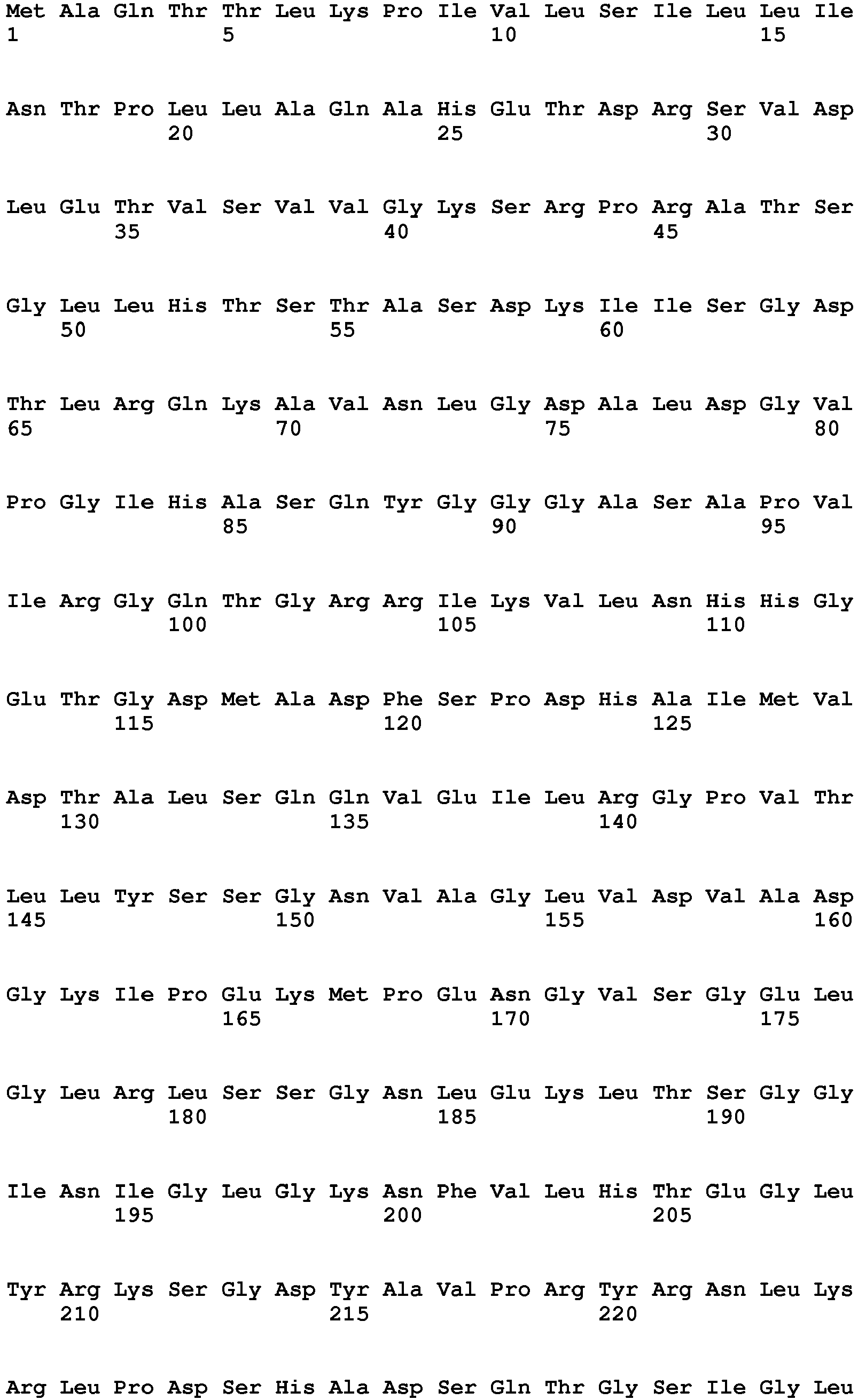


- <210> 96
<211> 728
<212> PRT
<213> Neisseria meningitidis alpha 275 - <400> 96


- <210> 97
<211> 803
<212> PRT
<213> Acinetobacter baumannii - <400> 97


- <210> 98
<211> 790
<212> PRT
<213> Actinobacillus pleuropneumoniae - <400> 98


- <210> 99
<211> 809
<212> PRT
<213> Haemophilus parasuis - <400> 99


- <210> 100
<211> 693
<212> PRT
<213> Bordetella pertussis - <400> 100


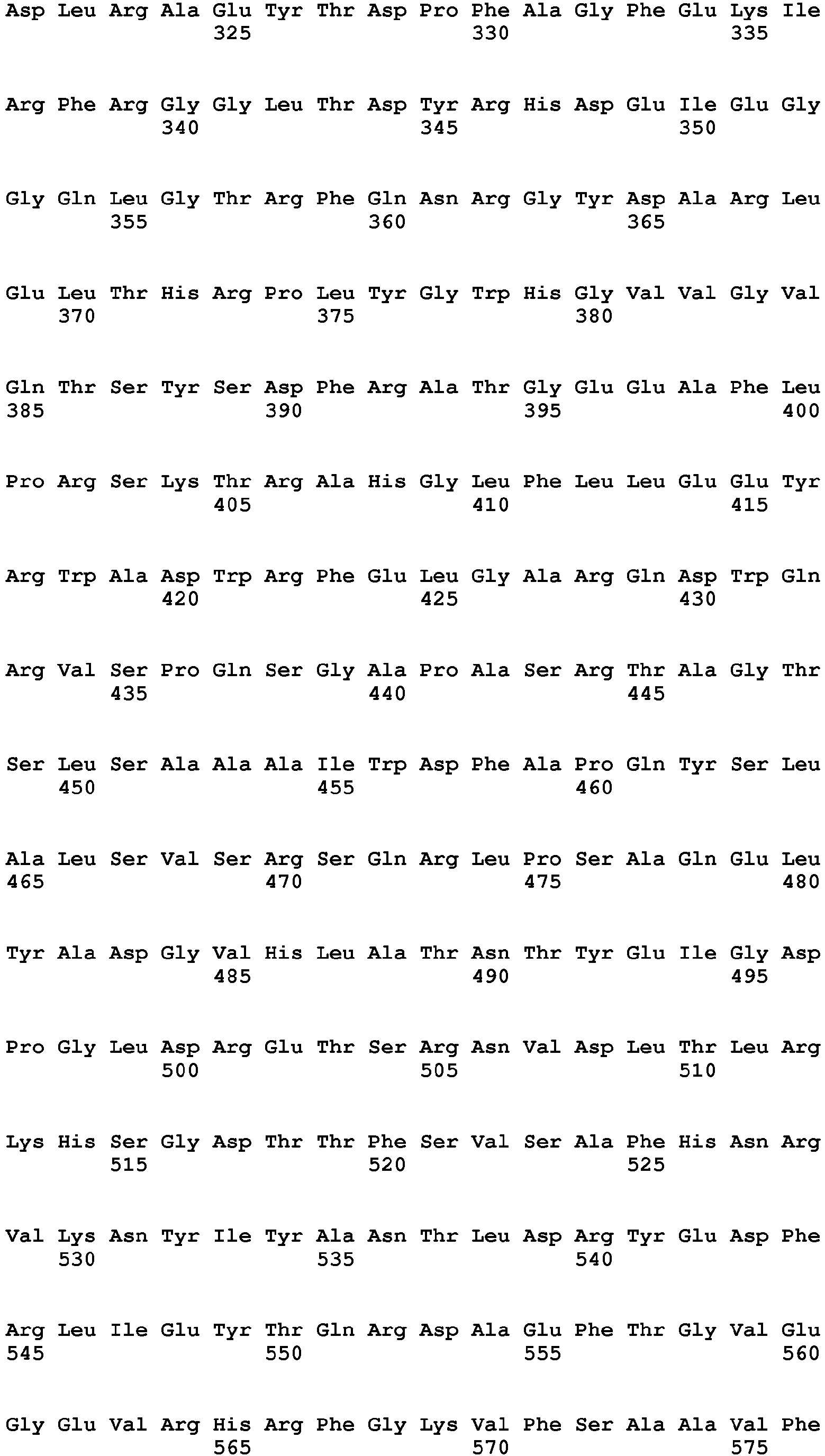

- <210> 101
<211> 818
<212> PRT
<213> Moraxella catarrhalis - <400> 101

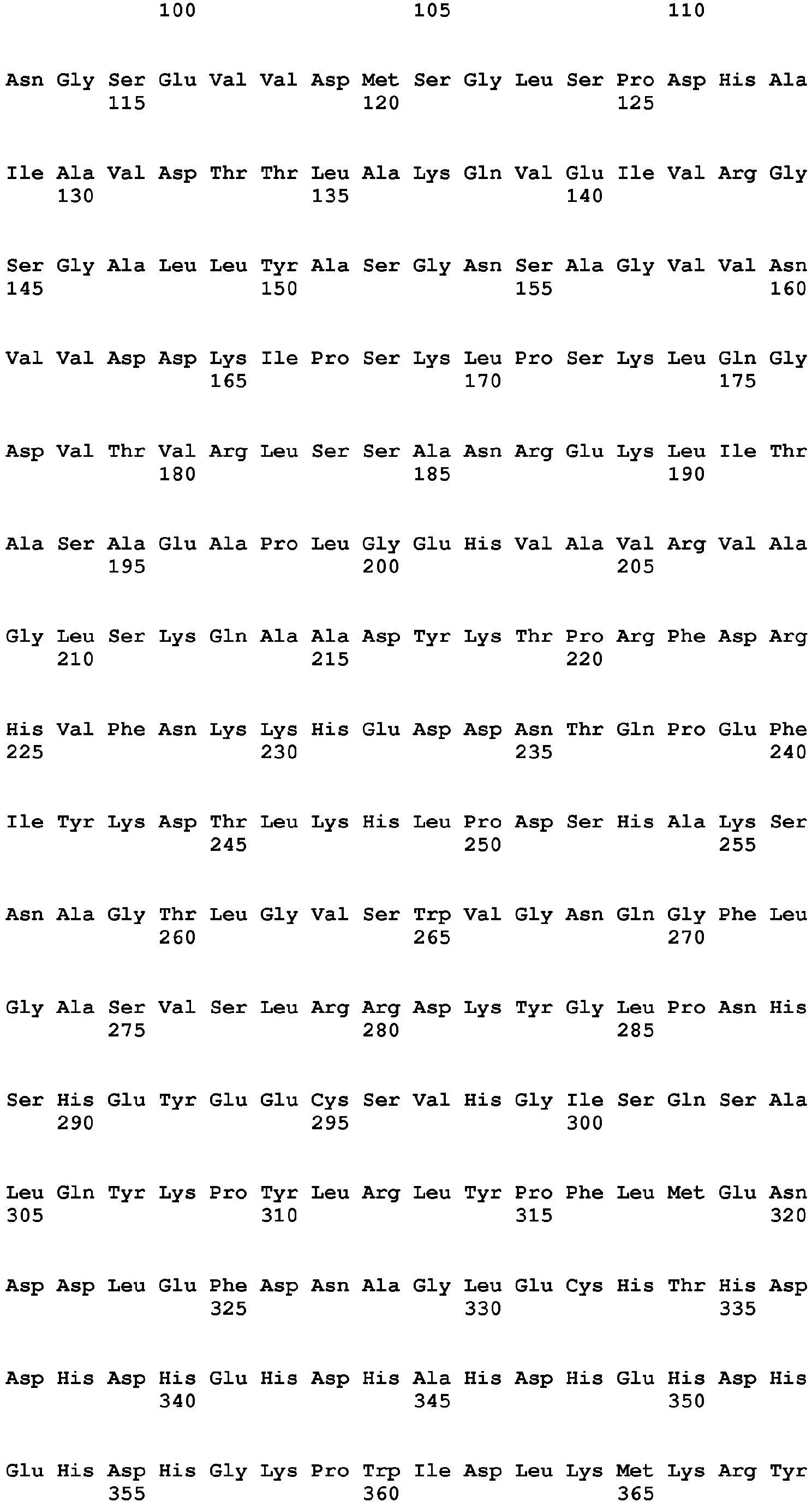


- <210> 102
<211> 766
<212> PRT
<213> Mannheimia haemolytica - <400> 102


- <210> 103
<211> 797
<212> PRT
<213> Pasteurella multocida - <400> 103


- <210> 104
<211> 758
<212> PRT
<213> Neisseria meningitidis - <400> 104


- <210> 105
<211> 14
<212> PRT
<213> Artificial Sequence - <220>
<223> conserved motif - <220>
<221> MISC_FEATURE
<222> (2)..(2)
<223> Xaa = Ser or Ala or Val - <220>
<221> MISC_FEATURE
<222> (3)..(3)
<223> Xaa = Ser or Ala or Val or Gly - <220>
<221> MISC_FEATURE
<222> (4)..(4)
<223> Xaa = any amino acid - <220>
<221> MISC_FEATURE
<222> (6)..(6)
<223> Xaa = Val or Ile or Met - <220>
<221> MISC_FEATURE
<222> (7)..(7)
<223> Xaa = Val or Ile - <220>
<221> MISC_FEATURE
<222> (10)..(10)
<223> Xaa = Gln or Met or Leu - <220>
<221> MISC_FEATURE
<222> (11)..(11)
<223> Xaa = any amino acid - <220>
<221> MISC_FEATURE
<222> (12)..(12)
<223> Xaa = Gly or Ser or Ala - <220>
<221> MISC_FEATURE
<222> (13)..(13)
<223> Xaa = any amino acid - <400> 105


- <210> 106
<211> 11
<212> PRT
<213> Artificial Sequence - <220>
<223> conserved motif - <220>
<221> MISC_FEATURE
<222> (2)..(2)
<223> Xaa = Val or Ala or Met - <220>
<221> MISC_FEATURE
<222> (3)..(3)
<223> Xaa = Ser or Ala - <220>
<221> MISC_FEATURE
<222> (4)..(5)
<223> Xaa = any amino acid - <220>
<221> MISC_FEATURE
<222> (6)..(6)
<223> Xaa = Ser or Gly - <220>
<221> MISC_FEATURE
<222> (7)..(7)
<223> Xaa = Pro or Ala - <220>
<221> MISC_FEATURE
<222> (10)..(10)
<223> Xaa = Thr or Ala or Asn - <220>
<221> MISC_FEATURE
<222> (11)..(11)
<223> Xaa = Val or Ile - <400> 106

- <210> 107
<211> 11
<212> PRT
<213> Artificial Sequence - <220>
<223> conserved motif - <220>
<221> MISC_FEATURE
<222> (2)..(2)
<223> Xaa = Leu or Val or Ala or Ile - <220>
<221> MISC_FEATURE
<222> (3)..(3)
<223> Xaa = Val or Ile - <220>
<221> MISC_FEATURE
<222> (4)..(4)
<223> Xaa = Asn or Asp - <220>
<221> MISC_FEATURE
<222> (5)..(5)
<223> Xaa = Val or Ile or Leu - <220>
<221> MISC_FEATURE
<222> (6)..(6)
<223> Xaa = any amino acid - <220>
<221> MISC_FEATURE
<222> (8)..(8)
<223> Xaa = any amino acid - <220>
<221> MISC_FEATURE
<222> (9)..(9)
<223> Xaa = Lys or Arg - <220>
<221> MISC_FEATURE
<222> (10)..(10)
<223> Xaa = Ile or Leu or Val - <400> 107

- <210> 108
<211> 16
<212> PRT
<213> Artificial Sequence - <220>
<223> conserved motif - <220>
<221> MISC_FEATURE
<222> (2)..(2)
<223> Xaa = any amino acid - <220>
<221> MISC_FEATURE
<222> (3)..(3)
<223> Xaa = Gly or Ser or Ala - <220>
<221> MISC_FEATURE
<222> (4)..(4)
<223> Xaa = Tyr or Phe or Trp or Val - <220>
<221> MISC_FEATURE
<222> (5)..(5)
<223> Xaa = Gly or Ser or Thr or Asn - <220>
<221> MISC_FEATURE
<222> (6)..(6)
<223> Xaa = any amino acid - <220>
<221> MISC_FEATURE
<222> (7)..(7)
<223> Xaa = Gln or Arg or Leu - <220>
<221> MISC_FEATURE
<222> (8)..(10)
<223> Xaa = any amino acid - <220>
<221> MISC_FEATURE
<222> (13)..(13)
<223> Xaa = Leu or Ile or Val - <220>
<221> MISC_FEATURE
<222> (14)..(14)
<223> Xaa = Leu or Ile or Pro - <220>
<221> MISC_FEATURE
<222> (15)..(15)
<223> Xaa = Gly or Ala - <220>
<221> MISC_FEATURE
<222> (16)..(16)
<223> Xaa = His or Asp - <400> 108

- <210> 109
<211> 30
<212> PRT
<213> Artificial Sequence - <220>
<223> conserved motif - <220>
<221> MISC_FEATURE
<222> (2)..(2)
<223> Xaa = any amino acid - <220>
<221> MISC_FEATURE
<222> (3)..(3)
<223> Xaa = Asp or Glu - <220>
<221> MISC_FEATURE
<222> (4)..(4)
<223> Xaa = any amino acid - <220>
<221> MISC_FEATURE
<222> (5)..(5)
<223> Xaa = Arg or Lys or Gln or Asp - <220>
<221> MISC_FEATURE
<222> (6)..(6)
<223> Xaa = Gly or Thr or Ser or Ala - <220>
<221> MISC_FEATURE
<222> (7)..(7)
<223> Xaa = Glu or Gln or Ser or Asp - <220>
<221> MISC_FEATURE
<222> (8)..(10)
<223> Xaa = any amino acid - <220>
<221> MISC_FEATURE
<222> (12)..(14)
<223> Xaa = any amino acid - <220>
<221> MISC_FEATURE
<222> (15)..(15)
<223> Xaa = Ile or Phe or Val or Leu - <220>
<221> MISC_FEATURE
<222> (16)..(18)
<223> Xaa = any amino acid - <220>
<221> MISC_FEATURE
<222> (19)..(19)
<223> Xaa = Arg or Ala or Lys or Gln - <220>
<221> MISC_FEATURE
<222> (20)..(24)
<223> Xaa = any amino acid - <220>
<221> MISC_FEATURE
<222> (25)..(25)
<223> Xaa = Asp or Asn or Arg or Gly - <220>
<221> MISC_FEATURE
<222> (27)..(27)
<223> Xaa = any amino acid - <220>
<221> MISC_FEATURE
<222> (29)..(29)
<223> Xaa = any amino acid - <400> 109

- <210> 110
<211> 35
<212> PRT
<213> Artificial Sequence - <220>
<223> conserved motif - <220>
<221> MISC_FEATURE
<222> (2)..(2)
<223> Xaa = any amino acid - <220>
<221> MISC_FEATURE
<222> (4)..(4)
<223> Xaa = any amino acid - <220>
<221> MISC_FEATURE
<222> (5)..(5)
<223> Xaa = Ala or Pro or Val or Thr - <220>
<221> MISC_FEATURE
<222> (6)..(6)
<223> Xaa = Gln or Glu or Met - <220>
<221> MISC_FEATURE
<222> (8)..(8)
<223> Xaa = Leu or Met - <220>
<221> MISC_FEATURE
<222> (9)..(9)
<223> Xaa = Tyr or Phe - <220>
<221> MISC_FEATURE
<222> (10)..(10)
<223> Xaa = Ala or Ser or Tyr or Thr - <220>
<221> MISC_FEATURE
<222> (11)..(11)
<223> Xaa = any amino acid - <220>
<221> MISC_FEATURE
<222> (13)..(13)
<223> Xaa = any amino acid - <220>
<221> MISC_FEATURE
<222> (15)..(15)
<223> Xaa = any amino acid - <220>
<221> MISC_FEATURE
<222> (17)..(17)
<223> Xaa = Thr or Leu or Ser - <220>
<221> MISC_FEATURE
<222> (18)..(18)
<223> Xaa = any amino acid - <220>
<221> MISC_FEATURE
<222> (19)..(19)
<223> Xaa = Thr or Ser or Ala - <220>
<221> MISC_FEATURE
<222> (20)..(20)
<223> Xaa = Phe or Tyr or Ile or Val - <220>
<221> MISC_FEATURE
<222> (21)..(21)
<223> Xaa = Glu or Gln - <220>
<221> MISC_FEATURE
<222> (22)..(22)
<223> Xaa = any amino acid - <220>
<221> MISC_FEATURE
<222> (23)..(23)
<223> (optional) Xaa = any amino acid - <220>
<221> MISC_FEATURE
<222> (24)..(24)
<223> (optional) Xaa = any amino acid - <220>
<221> MISC_FEATURE
<222> (25)..(25)
<223> (optional) Xaa = any amino acid - <220>
<221> MISC_FEATURE
<222> (26)..(26)
<223> (optional) Xaa = any amino acid - <220>
<221> MISC_FEATURE
<222> (27)..(27)
<223> (optional) Xaa = any amino acid - <220>
<221> MISC_FEATURE
<222> (28)..(28)
<223> (optional) Xaa = any amino acid - <220>
<221> MISC_FEATURE
<222> (29)..(29)
<223> (optional) Xaa = any amino acid - <220>
<221> MISC_FEATURE
<222> (30)..(30)
<223> (optional) Xaa = any amino acid - <220>
<221> MISC_FEATURE
<222> (32)..(32)
<223> Xaa = Asp or Asn or Gln - <220>
<221> MISC_FEATURE
<222> (33)..(34)
<223> Xaa = any amino acid - <400> 110

- <210> 111
<211> 34
<212> PRT
<213> Artificial Sequence - <220>
<223> conserved motif - <220>
<221> MISC_FEATURE
<222> (2)..(2)
<223> Xaa = any amino acid - <220>
<221> MISC_FEATURE
<222> (3)..(3)
<223> Xaa = Gln or Gly - <220>
<221> MISC_FEATURE
<222> (4)..(5)
<223> Xaa = any amino acid - <220>
<221> MISC_FEATURE
<222> (7)..(7)
<223> Xaa = any amino acid - <220>
<221> MISC_FEATURE
<222> (8)..(8)
<223> Xaa = Phe or Tyr or Leu or Ile - <220>
<221> MISC_FEATURE
<222> (9)..(9)
<223> Xaa = any amino acid - <220>
<221> MISC_FEATURE
<222> (11)..(11)
<223> Xaa = any amino acid - <220>
<221> MISC_FEATURE
<222> (12)..(12)
<223> Xaa = Glu or Asp - <220>
<221> MISC_FEATURE
<222> (13)..(13)
<223> Xaa = Gly or Ala or Val - <220>
<221> MISC_FEATURE
<222> (14)..(16)
<223> Xaa = any amino acid - <220>
<221> MISC_FEATURE
<222> (17)..(17)
<223> Xaa = Tyr or Phe or His or Gln - <220>
<221> MISC_FEATURE
<222> (18)..(25)
<223> Xaa = any amino acid - <220>
<221> MISC_FEATURE
<222> (26)..(26)
<223> Xaa = Gly or Ser or Ala or Thr - <220>
<221> MISC_FEATURE
<222> (27)..(27)
<223> Xaa = any amino acid - <220>
<221> MISC_FEATURE
<222> (28)..(28)
<223> Xaa = Phe or Ser - <220>
<221> MISC_FEATURE
<222> (31)..(31)
<223> Xaa = any amino acid - <220>
<221> MISC_FEATURE
<222> (32)..(32)
<223> Xaa = Val or Ile - <220>
<221> MISC_FEATURE
<222> (33)..(33)
<223> Xaa = Arg or Lys or Asn - <220>
<221> MISC_FEATURE
<222> (34)..(34)
<223> Xaa = Ala or Gly - <400> 111

- <210> 112
<211> 9
<212> PRT
<213> Artificial Sequence - <220>
<223> conserved motif - <220>
<221> MISC_FEATURE
<222> (1)..(1)
<223> Xaa = Pro or Ala - <220>
<221> MISC_FEATURE
<222> (3)..(3)
<223> Xaa = any amino acid - <220>
<221> MISC_FEATURE
<222> (4)..(4)
<223> Xaa = Pro or Ser or Ala - <220>
<221> MISC_FEATURE
<222> (5)..(5)
<223> Xaa = Ala or Pro or Gly - <220>
<221> MISC_FEATURE
<222> (6)..(6)
<223> Xaa = any amino acid - <220>
<221> MISC_FEATURE
<222> (8)..(8)
<223> Xaa = Leu or Val or Ala - <220>
<221> MISC_FEATURE
<222> (9)..(9)
<223> Xaa = Ser or Gly - <400> 112

- <210> 113
<211> 41
<212> PRT
<213> Artificial Sequence - <220>
<223> conserved motif - <220>
<221> MISC_FEATURE
<222> (2)..(2)
<223> Xaa = Ser or Thr - <220>
<221> MISC_FEATURE
<222> (3)..(3)
<223> Xaa = Val or Ile - <220>
<221> MISC_FEATURE
<222> (7)..(7)
<223> Xaa = Phe or Tyr - <220>
<221> MISC_FEATURE
<222> (9)..(9)
<223> Xaa = Gln or Asn - <220>
<221> MISC_FEATURE
<222> (10)..(10)
<223> Xaa = Gln or Val or Leu or Ile - <220>
<221> MISC_FEATURE
<222> (12)..(12)
<223> Xaa = Lys or Gln - <220>
<221> MISC_FEATURE
<222> (13)..(13)
<223> Xaa = Gly or Ala or Ser - <220>
<221> MISC_FEATURE
<222> (14)..(14)
<223> Xaa = Ser or Gln - <220>
<221> MISC_FEATURE
<222> (16)..(16)
<223> Xaa = any amino acid - <220>
<221> MISC_FEATURE
<222> (17)..(17)
<223> Xaa = Val or Leu - <220>
<221> MISC_FEATURE
<222> (19)..(19)
<223> Xaa = Val or Leu - <220>
<221> MISC_FEATURE
<222> (21)..(21)
<223> Xaa = Val or Ile - <220>
<221> MISC_FEATURE
<222> (24)..(24)
<223> Xaa = any amino acid - <220>
<221> MISC_FEATURE
<222> (25)..(25)
<223> Xaa = Ser or Asn or Thr - <220>
<221> MISC_FEATURE
<222> (27)..(27)
<223> Xaa = Phe or Leu - <220>
<221> MISC_FEATURE
<222> (30)..(30)
<223> Xaa = Val or Ala - <220>
<221> MISC_FEATURE
<222> (32)..(32)
<223> Xaa = Ser or Thr - <220>
<221> MISC_FEATURE
<222> (33)..(33)
<223> Xaa = Met or Gln - <220>
<221> MISC_FEATURE
<222> (34)..(34)
<223> Xaa = Val or Ile - <220>
<221> MISC_FEATURE
<222> (37)..(37)
<223> Xaa = Val or Ile - <220>
<221> MISC_FEATURE
<222> (38)..(38)
<223> Xaa = Ser or Thr - <400> 113


- <210> 114
<211> 23
<212> PRT
<213> Artificial Sequence - <220>
<223> conserved motif - <220>
<221> MISC_FEATURE
<222> (2)..(2)
<223> Xaa = Ser or Asn or Asp or Glu - <220>
<221> MISC_FEATURE
<222> (4)..(4)
<223> Xaa = Ser or Thr or Ala or Lys - <220>
<221> MISC_FEATURE
<222> (5)..(5)
<223> Xaa = Ala or Gly or Ser or Asn - <220>
<221> MISC_FEATURE
<222> (7)..(7)
<223> Xaa = Ile or Leu or Val or Ala - <220>
<221> MISC_FEATURE
<222> (9)..(9)
<223> Xaa = Ser or Thr or Ala - <220>
<221> MISC_FEATURE
<222> (11)..(11)
<223> Xaa = any amino acid - <220>
<221> MISC_FEATURE
<222> (16)..(16)
<223> Xaa = Leu or Phe - <220>
<221> MISC_FEATURE
<222> (17)..(17)
<223> Xaa = Arg or Lys - <220>
<221> MISC_FEATURE
<222> (19)..(19)
<223> Xaa = Leu or Ile - <220>
<221> MISC_FEATURE
<222> (20)..(20)
<223> Xaa = Gly or Asn or Ser - <220>
<221> MISC_FEATURE
<222> (21)..(21)
<223> Xaa = Val or Ala - <220>
<221> MISC_FEATURE
<222> (22)..(22)
<223> Xaa = Asp or Asn - <400> 114

- <210> 115
<211> 14
<212> PRT
<213> Artificial Sequence - <220>
<223> conserved motif - <220>
<221> MISC_FEATURE
<222> (2)..(2)
<223> Xaa = any amino acid - <220>
<221> MISC_FEATURE
<222> (3)..(3)
<223> Xaa = Arg or Lys or Gln - <220>
<221> MISC_FEATURE
<222> (4)..(4)
<223> Xaa = any amino acid - <220>
<221> MISC_FEATURE
<222> (5)..(5)
<223> Xaa = Val or Ile or Ser or Leu - <220>
<221> MISC_FEATURE
<222> (6)..(6)
<223> Xaa = Ser or Ala - <220>
<221> MISC_FEATURE
<222> (8)..(8)
<223> Xaa = Asn or Asp - <220>
<221> MISC_FEATURE
<222> (9)..(9)
<223> Xaa = Tyr or Phe - <220>
<221> MISC_FEATURE
<222> (10)..(10)
<223> Xaa = Arg or Lys - <220>
<221> MISC_FEATURE
<222> (11)..(11)
<223> Xaa = Val or Ile - <400> 115

- <210> 116
<211> 35
<212> PRT
<213> Artificial Sequence - <220>
<223> conserved motif - <220>
<221> MISC_FEATURE
<222> (2)..(2)
<223> Xaa = Phe or Ala or Leu or Val - <220>
<221> MISC_FEATURE
<222> (4)..(4)
<223> Xaa = Leu or Ile or Phe or Val - <220>
<221> MISC_FEATURE
<222> (5)..(5)
<223> Xaa = Glu or Arg - <220>
<221> MISC_FEATURE
<222> (7)..(7)
<223> Xaa = any amino acid - <220>
<221> MISC_FEATURE
<222> (8)..(8)
<223> Xaa = Gly or Asn or Asp or Ser - <220>
<221> MISC_FEATURE
<222> (9)..(9)
<223> Xaa = Val or Asp or Lys or His - <220>
<221> MISC_FEATURE
<222> (10)..(13)
<223> Xaa = any amino acid - <220>
<221> MISC_FEATURE
<222> (14)..(14)
<223> Xaa = Thr or Gly or Asn or Ile - <220>
<221> MISC_FEATURE
<222> (15)..(15)
<223> Xaa = Ala or Leu - <220>
<221> MISC_FEATURE
<222> (16)..(16)
<223> Xaa = Gln or Asn or Ser - <220>
<221> MISC_FEATURE
<222> (17)..(17)
<223> Xaa = Phe or Leu or Ile or Tyr - <220>
<221> MISC_FEATURE
<222> (19)..(19)
<223> Xaa = any amino acid - <220>
<221> MISC_FEATURE
<222> (20)..(20)
<223> Xaa = Leu or Met or Tyr - <220>
<221> MISC_FEATURE
<222> (21)..(21)
<223> Xaa = any amino acid - <220>
<221> MISC_FEATURE
<222> (22)..(22)
<223> Xaa = Thr or Asn - <220>
<221> MISC_FEATURE
<222> (23)..(23)
<223> Xaa = any amino acid - <220>
<221> MISC_FEATURE
<222> (24)..(24)
<223> Xaa = Ile or Leu or Val - <220>
<221> MISC_FEATURE
<222> (25)..(25)
<223> Xaa = Gly or Ala or Ser - <220>
<221> MISC_FEATURE
<222> (26)..(26)
<223> Xaa = Ser or Thr or Gly - <220>
<221> MISC_FEATURE
<222> (28)..(28)
<223> Xaa = Lys or Arg or Asn or Ser - <220>
<221> MISC_FEATURE
<222> (29)..(29)
<223> Xaa = Ile or Leu - <220>
<221> MISC_FEATURE
<222> (30)..(30)
<223> Xaa = any amino acid - <220>
<221> MISC_FEATURE
<222> (32)..(32)
<223> Xaa = Arg or Asp or Lys or Asn - <220>
<221> MISC_FEATURE
<222> (33)..(33)
<223> Xaa = Asn or Thr - <400> 116

- <210> 117
<211> 13
<212> PRT
<213> Artificial Sequence - <220>
<223> conserved motif - <220>
<221> MISC_FEATURE
<222> (2)..(2)
<223> Xaa = any amino acid - <220>
<221> MISC_FEATURE
<222> (4)..(4)
<223> Xaa = Ser or Lys or Glu - <220>
<221> MISC_FEATURE
<222> (6)..(6)
<223> Xaa = any amino acid - <220>
<221> MISC_FEATURE
<222> (7)..(7)
<223> Xaa = Phe or Ile - <220>
<221> MISC_FEATURE
<222> (8)..(8)
<223> Xaa = Asn or His or Lys or Ile - <220>
<221> MISC_FEATURE
<222> (9)..(9)
<223> Xaa = Thr or Ser - <220>
<221> MISC_FEATURE
<222> (10)..(10)
<223> Xaa = Phe or Ile or Val or Leu - <220>
<221> MISC_FEATURE
<222> (12)..(12)
<223> Xaa = Phe or Leu or Ile - <400> 117

- <210> 118
<211> 35
<212> PRT
<213> Artificial Sequence - <220>
<223> conserved motif - <220>
<221> MISC_FEATURE
<222> (2)..(2)
<223> Xaa = His or Tyr - <220>
<221> MISC_FEATURE
<222> (4)..(4)
<223> Xaa = Val or Ala or Leu or Met - <220>
<221> MISC_FEATURE
<222> (5)..(5)
<223> Xaa = Ser or Thr or Ile or Met - <220>
<221> MISC_FEATURE
<222> (6)..(6)
<223> Xaa = Ile or Leu or Phe - <220>
<221> MISC_FEATURE
<222> (9)..(9)
<223> Xaa = any amino acid - <220>
<221> MISC_FEATURE
<222> (10)..(10)
<223> Xaa = Phe or Tyr or Leu or Ile - <220>
<221> MISC_FEATURE
<222> (11)..(11)
<223> Xaa = Gly or Asp or Ser or His - <220>
<221> MISC_FEATURE
<222> (12)..(12)
<223> Xaa = Asp or Thr or Pro - <220>
<221> MISC_FEATURE
<222> (13)..(13)
<223> Xaa = Tyr or Gly or Leu - <220>
<221> MISC_FEATURE
<222> (15)..(15)
<223> Xaa = Met or Asn or Ser or Thr - <220>
<221> MISC_FEATURE
<222> (18)..(18)
<223> Xaa = any amino acid - <220>
<221> MISC_FEATURE
<222> (19)..(19)
<223> Xaa = Ser or Thr or Gly - <220>
<221> MISC_FEATURE
<222> (20)..(20)
<223> Xaa = Tyr or Phe - <220>
<221> MISC_FEATURE
<222> (21)..(21)
<223> Xaa = Ser or Ala - <220>
<221> MISC_FEATURE
<222> (22)..(22)
<223> Xaa = Arg or His or Lys - <220>
<221> MISC_FEATURE
<222> (23)..(23)
<223> Xaa = Thr or Ser - <220>
<221> MISC_FEATURE
<222> (26)..(26)
<223> Xaa = Met or Ile or Val or Ala - <220>
<221> MISC_FEATURE
<222> (29)..(29)
<223> Xaa = Ile or Val - <220>
<221> MISC_FEATURE
<222> (30)..(30)
<223> Xaa = Gln or Lys or Arg - <220>
<221> MISC_FEATURE
<222> (32)..(32)
<223> Xaa = Met or Tyr or Val - <220>
<221> MISC_FEATURE
<222> (33)..(33)
<223> Xaa = Tyr or Phe - <220>
<221> MISC_FEATURE
<222> (35)..(35)
<223> Xaa = Ser or Thr - <400> 118

- <210> 119
<211> 15
<212> PRT
<213> Artificial Sequence - <220>
<223> conserved motif - <220>
<221> MISC_FEATURE
<222> (1)..(1)
<223> Xaa = Glu or Asp - <220>
<221> MISC_FEATURE
<222> (2)..(2)
<223> Xaa = Val or Ile - <220>
<221> MISC_FEATURE
<222> (3)..(3)
<223> Xaa = Lys or Gln - <220>
<221> MISC_FEATURE
<222> (5)..(5)
<223> Xaa = Leu or Ala or Val - <220>
<221> MISC_FEATURE
<222> (6)..(6)
<223> Xaa = Phe or Leu - <220>
<221> MISC_FEATURE
<222> (8)..(8)
<223> Xaa = Arg or Lys - <220>
<221> MISC_FEATURE
<222> (9)..(9)
<223> Xaa = Arg or Leu or Lys or Asn - <220>
<221> MISC_FEATURE
<222> (11)..(11)
<223> Xaa = Ile or Val or Met - <220>
<221> MISC_FEATURE
<222> (12)..(12)
<223> Xaa = Asp or Asn - <220>
<221> MISC_FEATURE
<222> (13)..(13)
<223> Xaa = Pro or Ala - <220>
<221> MISC_FEATURE
<222> (15)..(15)
<223> Xaa = Asp or Tyr - <400> 119


Claims (5)
- A vaccine for use in the treatment or prevention of Gram-negative bacterial infection or disease comprising:(I) a first antigen which is capable of raising an immune response, if necessary when coupled to a carrier protein, which immune response recognises an outer membrane protein of at least a first Gram-negative bacterial strain, wherein said outer membrane protein is involved in uptake of extracellular zinc, wherein said first antigen comprises:a. a polypeptide having at least 30%, at least 40%, at least 50%, at least 60%, at least 70%, at least 80%, at least 90%, at least 95%, at least 99% or at least 100% identity to the amino acid sequence of SEQ ID No. 1, orb. a polypeptide comprising an immunogenic fragment of the sequence of SEQ ID No. 1, wherein said immunogenic fragment consists of an amino acid sequence having 7, 8, 9, 10, 11, 12, 13, 14, 15, 20, 30, 40, 50 or more contiguous amino acids of SEQ ID No. 1, and(II) a second antigen, wherein said second antigen comprises:a. a polypeptide having at least 30%, at least 40%, at least 50%, at least 60%, at least 70%, at least 80%, at least 90%, at least 95%, at least 99% or at least 100% identity to the amino acid sequence of SEQ ID No. 50; optionally wherein said second antigen is capable of raising an immune response, if necessary when coupled to a carrier protein, which immune response recognizes the amino acid sequence of SEQ ID NO. 50, orb. a polypeptide comprising an immunogenic fragment of the sequence of SEQ ID No. 50, wherein said immunogenic fragment consists of an amino acid sequence having 7, 8, 9, 10, 11, 12, 13, 14, 15, 20, 30, 40, 50 or more contiguous amino acids of the sequence of SEQ ID No. 50, and wherein said immunogenic fragment is capable of raising an immune response, if necessary when coupled to a carrier protein, which immune response recognizes the amino acid sequence of SEQ ID No. 50,wherein said vaccine comprises a bacterial outer membrane vesicle preparation comprising said first antigen, optionally wherein expression of said first antigen is up-regulated in said outer membrane vesicle preparation.
- The vaccine for use according to claim 1, wherein the expression of said outer membrane protein is up-regulated in response to a low extracellular zinc concentration, for instance in the presence of a zinc chelator.
- The vaccine for use according to claim 1 or 2, said first Gram-negative bacterial strain belongs to a bacterial genus or species selected from the group consisting of Acidovorax; Acinetobacter; Acinetobacter baumannii; Acinetobacter calcoaceticus; Acinetobacter johnsonii; Acinetobacter junii; Acinetobacter Iwoffii; Acinetobacter radioresistens; Actinobacillus; Actinobacillus minor; Actinobacillus pleuropneumoniae; Aggregatibacter; Aggregatibacter actinomycetemcomitans; Aggregatibacter aphrophilus; Alcanivorax; Alcanivorax borkumensis; Azoarcus; Azotobacter; Azotobacter vinelandii; Bordetella; Bordetella bronchiseptica; Bordetella parapertussis; Bordetella pertussis; Bordetella petrii; Campylobacter; Campylobacter coli; Campylobacter upsaliensis; Comamonas; Comamonas testosteroni; Delftia; Delftia acidovorans; Diaphorobacter; Haemophilus; Haemophilus influenzae; Haemophilus parasuis; Haemophilus somnus; Mannheimia; Mannheimia haemolytica; Moraxella; Moraxella catarrhalis; Neisseria; Neisseria gonorrhoeae; Neisseria meningitidis; Pasteurella; Pasteurella dagmatis; Pasteurella multocida; Proteus; Proteus mirabilis; Pseudomonas; Pseudomonas stutzeri; and Sphingomonas.
- The vaccine for use according to any one of claims 1-3, comprising at least one additional antigen selected from the group consisting of fHbp polypeptide, a Hsf polypeptide, a Hap polypeptide a NadA polypeptide and a lipo28 polypeptide, or an immunogenic fragment thereof.
- The vaccine for use according to any one of claims 1-4, comprising a zinc salt.
Priority Applications (1)
| Application Number | Priority Date | Filing Date | Title |
|---|---|---|---|
| EP18152692.2A EP3366696A1 (en) | 2010-03-11 | 2011-03-11 | Vaccine |
Applications Claiming Priority (2)
| Application Number | Priority Date | Filing Date | Title |
|---|---|---|---|
| US31295910P | 2010-03-11 | 2010-03-11 | |
| PCT/EP2011/053665 WO2011110655A2 (en) | 2010-03-11 | 2011-03-11 | Vaccine |
Related Child Applications (2)
| Application Number | Title | Priority Date | Filing Date |
|---|---|---|---|
| EP18152692.2A Division-Into EP3366696A1 (en) | 2010-03-11 | 2011-03-11 | Vaccine |
| EP18152692.2A Division EP3366696A1 (en) | 2010-03-11 | 2011-03-11 | Vaccine |
Publications (3)
| Publication Number | Publication Date |
|---|---|
| EP2545068A2 EP2545068A2 (en) | 2013-01-16 |
| EP2545068B1 true EP2545068B1 (en) | 2018-01-24 |
| EP2545068B8 EP2545068B8 (en) | 2018-03-21 |
Family
ID=44063688
Family Applications (2)
| Application Number | Title | Priority Date | Filing Date |
|---|---|---|---|
| EP11708450.9A Active EP2545068B8 (en) | 2010-03-11 | 2011-03-11 | Immunogenic composition or vaccine against gram-negative bacterial, for example neiserial, infection or disease |
| EP18152692.2A Withdrawn EP3366696A1 (en) | 2010-03-11 | 2011-03-11 | Vaccine |
Family Applications After (1)
| Application Number | Title | Priority Date | Filing Date |
|---|---|---|---|
| EP18152692.2A Withdrawn EP3366696A1 (en) | 2010-03-11 | 2011-03-11 | Vaccine |
Country Status (8)
| Country | Link |
|---|---|
| US (3) | US9365624B2 (en) |
| EP (2) | EP2545068B8 (en) |
| JP (2) | JP2013522177A (en) |
| CN (1) | CN103124737A (en) |
| BR (1) | BR112012022800A2 (en) |
| CA (1) | CA2792691A1 (en) |
| ES (1) | ES2663872T3 (en) |
| WO (1) | WO2011110655A2 (en) |
Families Citing this family (28)
| Publication number | Priority date | Publication date | Assignee | Title |
|---|---|---|---|---|
| LT2351578T (en) * | 2005-06-27 | 2017-04-10 | Glaxosmithkline Biologicals S.A. | METHOD OF RECEIVING VACCINES |
| BR112012022800A2 (en) * | 2010-03-11 | 2018-05-15 | Glaxosmithkline Biologicals Sa | immunogenic composition or vaccine, genetically engineered gram-negative bacterial strain, methods for treating or preventing infection or disease, for producing an immunogenic composition or vaccine, and for preparing an immunoglobulin, immunoglobulin preparation, and pharmaceutical preparation |
| CA2811699C (en) * | 2010-09-28 | 2019-07-02 | Abera Bioscience Ab | Fusion protein for secretory protein expression |
| US9950282B2 (en) | 2012-03-15 | 2018-04-24 | Flodesign Sonics, Inc. | Electronic configuration and control for acoustic standing wave generation |
| US10967298B2 (en) | 2012-03-15 | 2021-04-06 | Flodesign Sonics, Inc. | Driver and control for variable impedence load |
| US10704021B2 (en) | 2012-03-15 | 2020-07-07 | Flodesign Sonics, Inc. | Acoustic perfusion devices |
| US9458450B2 (en) | 2012-03-15 | 2016-10-04 | Flodesign Sonics, Inc. | Acoustophoretic separation technology using multi-dimensional standing waves |
| EP2892553A1 (en) | 2012-09-06 | 2015-07-15 | Novartis AG | Combination vaccines with serogroup b meningococcus and d/t/p |
| WO2014074927A1 (en) * | 2012-11-09 | 2014-05-15 | Samuel Bogoch | Methods of identifying, preventing, and treating virulent aleutian mink disease virus using replikin sequences |
| PL404229A1 (en) * | 2013-06-06 | 2014-12-08 | Wrocławskie Centrum Badań Eit + Spółka Z Ograniczoną Odpowiedzialnością | Isolated immunogenic bacterial antigen and its use in the prevention and treatment of infections caused by Gram-negative bacteria |
| US20160235837A1 (en) * | 2013-10-16 | 2016-08-18 | Samuel Bogoch | THERAPIES, VACCINES, AND PREDICTIVE METHODS FOR MIDDLE EAST RESPIRATORY SYNDROME VIRUS (MERS CoV) |
| CA2935960C (en) | 2014-01-08 | 2023-01-10 | Bart Lipkens | Acoustophoresis device with dual acoustophoretic chamber |
| US11021699B2 (en) | 2015-04-29 | 2021-06-01 | FioDesign Sonics, Inc. | Separation using angled acoustic waves |
| US11708572B2 (en) | 2015-04-29 | 2023-07-25 | Flodesign Sonics, Inc. | Acoustic cell separation techniques and processes |
| US11377651B2 (en) | 2016-10-19 | 2022-07-05 | Flodesign Sonics, Inc. | Cell therapy processes utilizing acoustophoresis |
| US11459540B2 (en) | 2015-07-28 | 2022-10-04 | Flodesign Sonics, Inc. | Expanded bed affinity selection |
| US11474085B2 (en) | 2015-07-28 | 2022-10-18 | Flodesign Sonics, Inc. | Expanded bed affinity selection |
| CN105420161B (en) * | 2015-12-21 | 2018-07-31 | 江苏省农业科学院 | A kind of preparation method and its vaccine of actinobacillus pleuropneumoniae outer membrane vesicles |
| US11085035B2 (en) | 2016-05-03 | 2021-08-10 | Flodesign Sonics, Inc. | Therapeutic cell washing, concentration, and separation utilizing acoustophoresis |
| US11214789B2 (en) | 2016-05-03 | 2022-01-04 | Flodesign Sonics, Inc. | Concentration and washing of particles with acoustics |
| CN110494543A (en) | 2016-10-19 | 2019-11-22 | 弗洛设计声能学公司 | Pass through the affine cell extraction of acoustics |
| ES2945137T3 (en) * | 2017-02-10 | 2023-06-28 | Epitopix Llc | Proteins and Immune Compositions Containing Pasteurella Proteins and Methods of Use |
| JP7311103B2 (en) * | 2017-11-06 | 2023-07-19 | オーゼットキュー ピーティーワイ リミテッド | vaccination |
| SG11202003907WA (en) | 2017-12-14 | 2020-05-28 | Flodesign Sonics Inc | Acoustic transducer drive and controller |
| CN112043824A (en) * | 2020-09-17 | 2020-12-08 | 北京市农林科学院 | Vaccine for reducing field planting of campylobacter jejuni in chicken intestinal tract and preparation method thereof |
| CN113827622B (en) * | 2021-08-31 | 2023-11-07 | 南方医科大学 | Application of Proteus mirabilis adventitia vesicles in preparation of medicines for preventing or treating osteolytic diseases |
| CN117180412B (en) * | 2023-11-06 | 2024-02-02 | 四川大学华西医院 | A kind of Acinetobacter baumannii capsular polysaccharide vaccine and preparation method thereof |
| CN118879557A (en) * | 2024-08-12 | 2024-11-01 | 金宇保灵生物药品有限公司 | Outer membrane vesicles of Haemophilus parasuis type 5 strain GD1022 and preparation method and application thereof |
Family Cites Families (18)
| Publication number | Priority date | Publication date | Assignee | Title |
|---|---|---|---|---|
| DE1069006B (en) | ||||
| GB9726398D0 (en) | 1997-12-12 | 1998-02-11 | Isis Innovation | Polypeptide and coding sequences |
| GB9808866D0 (en) | 1998-04-24 | 1998-06-24 | Smithkline Beecham Biolog | Novel compounds |
| EP2261347A3 (en) * | 1998-05-01 | 2012-01-11 | Novartis Vaccines and Diagnostics, Inc. | Neisseria meningitidis antigens and compositions |
| GB9810276D0 (en) | 1998-05-13 | 1998-07-15 | Smithkline Beecham Biolog | Novel compounds |
| GB9818004D0 (en) | 1998-08-18 | 1998-10-14 | Smithkline Beecham Biolog | Novel compounds |
| US7666988B1 (en) | 1999-03-12 | 2010-02-23 | Glaxosmithkline Biologicals S.A. | BASB082 Polypeptides |
| AU783894B2 (en) * | 1999-05-19 | 2005-12-22 | Novartis Vaccines And Diagnostics S.R.L. | Combination neisserial compositions |
| EP1226253A2 (en) * | 1999-10-29 | 2002-07-31 | Chiron S.P.A. | Neisserial antigenic peptides |
| GB9928196D0 (en) * | 1999-11-29 | 2000-01-26 | Chiron Spa | Combinations of B, C and other antigens |
| MXPA02007184A (en) | 2000-01-25 | 2004-02-26 | Univ Queensland | PROTEINS COMPRISING CONSERVED REGIONS OF NEISSERIA MENINGITIDIS SURFACE ANTIGEN NhhA. |
| GB0011108D0 (en) * | 2000-05-08 | 2000-06-28 | Microscience Ltd | Virulence gene and protein and their use |
| CA2493124C (en) * | 2002-08-02 | 2014-04-29 | Glaxosmithkline Biologicals S.A. | Vaccine |
| JP5173194B2 (en) | 2003-12-23 | 2013-03-27 | グラクソスミスクライン バイオロジカルズ ソシエテ アノニム | vaccine |
| WO2007042326A2 (en) * | 2005-10-14 | 2007-04-19 | Intercell Ag | Neisseria meningitidis antigens |
| ITRM20060328A1 (en) | 2006-06-21 | 2007-12-22 | Ist Superiore Sanita | STRAINS OF SALMONELLA ENTERICA WITH REDUCED PATHOGENICITY METHOD OF PREPARATION AND RELATED USES |
| GB0816447D0 (en) * | 2008-09-08 | 2008-10-15 | Glaxosmithkline Biolog Sa | Vaccine |
| BR112012022800A2 (en) * | 2010-03-11 | 2018-05-15 | Glaxosmithkline Biologicals Sa | immunogenic composition or vaccine, genetically engineered gram-negative bacterial strain, methods for treating or preventing infection or disease, for producing an immunogenic composition or vaccine, and for preparing an immunoglobulin, immunoglobulin preparation, and pharmaceutical preparation |
-
2011
- 2011-03-11 BR BR112012022800A patent/BR112012022800A2/en not_active IP Right Cessation
- 2011-03-11 CA CA2792691A patent/CA2792691A1/en not_active Abandoned
- 2011-03-11 CN CN2011800228351A patent/CN103124737A/en active Pending
- 2011-03-11 US US13/583,419 patent/US9365624B2/en active Active
- 2011-03-11 WO PCT/EP2011/053665 patent/WO2011110655A2/en not_active Ceased
- 2011-03-11 EP EP11708450.9A patent/EP2545068B8/en active Active
- 2011-03-11 ES ES11708450T patent/ES2663872T3/en active Active
- 2011-03-11 JP JP2012556531A patent/JP2013522177A/en active Pending
- 2011-03-11 EP EP18152692.2A patent/EP3366696A1/en not_active Withdrawn
-
2016
- 2016-04-28 US US15/140,879 patent/US20170080075A1/en not_active Abandoned
- 2016-06-23 JP JP2016124050A patent/JP2016183185A/en active Pending
-
2018
- 2018-06-18 US US16/011,222 patent/US20190008943A1/en not_active Abandoned
Non-Patent Citations (1)
| Title |
|---|
| ANONYMOUS: "Vaccines and related biological products advisory committee FDA Briefing Document: Use of Serum Bactericidal Antibody as an Immunological Correlate forDemonstrating Effectiveness of Meningococcal Conjugate Vaccines (SerogroupsA, C, Y, W-135) Administered to Children Less Than 2 Years of Age", FDA BRIEFING DOCUMENT, 6 April 2011 (2011-04-06), pages 1 - 9 * |
Also Published As
| Publication number | Publication date |
|---|---|
| JP2013522177A (en) | 2013-06-13 |
| US20190008943A1 (en) | 2019-01-10 |
| US9365624B2 (en) | 2016-06-14 |
| US20170080075A1 (en) | 2017-03-23 |
| WO2011110655A3 (en) | 2011-11-03 |
| EP2545068B8 (en) | 2018-03-21 |
| CN103124737A (en) | 2013-05-29 |
| ES2663872T3 (en) | 2018-04-17 |
| US20130004510A1 (en) | 2013-01-03 |
| BR112012022800A2 (en) | 2018-05-15 |
| CA2792691A1 (en) | 2011-09-15 |
| JP2016183185A (en) | 2016-10-20 |
| WO2011110655A2 (en) | 2011-09-15 |
| EP3366696A1 (en) | 2018-08-29 |
| EP2545068A2 (en) | 2013-01-16 |
Similar Documents
| Publication | Publication Date | Title |
|---|---|---|
| US9365624B2 (en) | Vaccine | |
| JP4374190B2 (en) | Hyperblebbing bacterial strain and its use for vaccine production | |
| US20160243211A1 (en) | Vaccine comprising protein nmb0964 from neisseria meningitidis | |
| Kortekaas et al. | Shielding of immunogenic domains in Neisseria meningitidis FrpB (FetA) by the major variable region | |
| EP1572729B1 (en) | Mutant frpb protein and refolding method | |
| CA2647465A1 (en) | Pharmaceutical composition containing the nmb0606 protein | |
| CA2649321A1 (en) | Pharmaceutical composition containing the nmb0938 protein | |
| US9475864B2 (en) | Methods, compositions and vaccines relating to Neisseria meningitidis antibodies | |
| Poolman et al. | Outer Membrane Vesicle‐based Meningococcal Vaccines | |
| AU2004294377A1 (en) | Protein NMB0928 and use thereof in pharmaceutical formulations | |
| US20090208521A1 (en) | Pharmaceutical compositions containing protein nma0939 | |
| Granoff et al. | Protective Activity of Monoclonal Antibodies | |
| Morgenthau | The Role of Lactoferrin Binding Protein B in Gram-Negative Pathogens | |
| Tzeng et al. | NHBA antibodies elicited by 4CMenB vaccination are key for serum bactericidal |
Legal Events
| Date | Code | Title | Description |
|---|---|---|---|
| PUAI | Public reference made under article 153(3) epc to a published international application that has entered the european phase |
Free format text: ORIGINAL CODE: 0009012 |
|
| 17P | Request for examination filed |
Effective date: 20121002 |
|
| AK | Designated contracting states |
Kind code of ref document: A2 Designated state(s): AL AT BE BG CH CY CZ DE DK EE ES FI FR GB GR HR HU IE IS IT LI LT LU LV MC MK MT NL NO PL PT RO RS SE SI SK SM TR |
|
| DAX | Request for extension of the european patent (deleted) | ||
| 17Q | First examination report despatched |
Effective date: 20141010 |
|
| GRAP | Despatch of communication of intention to grant a patent |
Free format text: ORIGINAL CODE: EPIDOSNIGR1 |
|
| INTG | Intention to grant announced |
Effective date: 20170821 |
|
| GRAS | Grant fee paid |
Free format text: ORIGINAL CODE: EPIDOSNIGR3 |
|
| GRAA | (expected) grant |
Free format text: ORIGINAL CODE: 0009210 |
|
| AK | Designated contracting states |
Kind code of ref document: B1 Designated state(s): AL AT BE BG CH CY CZ DE DK EE ES FI FR GB GR HR HU IE IS IT LI LT LU LV MC MK MT NL NO PL PT RO RS SE SI SK SM TR |
|
| REG | Reference to a national code |
Ref country code: GB Ref legal event code: FG4D |
|
| REG | Reference to a national code |
Ref country code: CH Ref legal event code: EP |
|
| REG | Reference to a national code |
Ref country code: AT Ref legal event code: REF Ref document number: 965698 Country of ref document: AT Kind code of ref document: T Effective date: 20180215 |
|
| REG | Reference to a national code |
Ref country code: IE Ref legal event code: FG4D |
|
| REG | Reference to a national code |
Ref country code: FR Ref legal event code: PLFP Year of fee payment: 8 |
|
| RAP2 | Party data changed (patent owner data changed or rights of a patent transferred) |
Owner name: GLAXOSMITHKLINE BIOLOGICALS S.A. |
|
| REG | Reference to a national code |
Ref country code: DE Ref legal event code: R096 Ref document number: 602011045265 Country of ref document: DE |
|
| REG | Reference to a national code |
Ref country code: DE Ref legal event code: R081 Ref document number: 602011045265 Country of ref document: DE Owner name: GLAXOSMITHKLINE BIOLOGICALS S.A., BE Free format text: FORMER OWNERS: GLAXOSMITHKLINE BIOLOGICALS S.A., RIXENSART, BRUSSELS, BE; UTRECHT UNIVERSITY, UTRECHT, NL |
|
| REG | Reference to a national code |
Ref country code: NL Ref legal event code: FP Ref country code: BE Ref legal event code: PD Owner name: GLAXOSMITHKLINE BIOLOGICALS S.A.; BE Free format text: DETAILS ASSIGNMENT: CHANGE OF OWNER(S), CESSION; FORMER OWNER NAME: UTRECHT UNIVERSITY Effective date: 20180301 |
|
| REG | Reference to a national code |
Ref country code: ES Ref legal event code: FG2A Ref document number: 2663872 Country of ref document: ES Kind code of ref document: T3 Effective date: 20180417 |
|
| REG | Reference to a national code |
Ref country code: LT Ref legal event code: MG4D |
|
| REG | Reference to a national code |
Ref country code: AT Ref legal event code: MK05 Ref document number: 965698 Country of ref document: AT Kind code of ref document: T Effective date: 20180124 |
|
| PG25 | Lapsed in a contracting state [announced via postgrant information from national office to epo] |
Ref country code: HR Free format text: LAPSE BECAUSE OF FAILURE TO SUBMIT A TRANSLATION OF THE DESCRIPTION OR TO PAY THE FEE WITHIN THE PRESCRIBED TIME-LIMIT Effective date: 20180124 Ref country code: CY Free format text: LAPSE BECAUSE OF FAILURE TO SUBMIT A TRANSLATION OF THE DESCRIPTION OR TO PAY THE FEE WITHIN THE PRESCRIBED TIME-LIMIT Effective date: 20180124 Ref country code: NO Free format text: LAPSE BECAUSE OF FAILURE TO SUBMIT A TRANSLATION OF THE DESCRIPTION OR TO PAY THE FEE WITHIN THE PRESCRIBED TIME-LIMIT Effective date: 20180424 Ref country code: LT Free format text: LAPSE BECAUSE OF FAILURE TO SUBMIT A TRANSLATION OF THE DESCRIPTION OR TO PAY THE FEE WITHIN THE PRESCRIBED TIME-LIMIT Effective date: 20180124 Ref country code: FI Free format text: LAPSE BECAUSE OF FAILURE TO SUBMIT A TRANSLATION OF THE DESCRIPTION OR TO PAY THE FEE WITHIN THE PRESCRIBED TIME-LIMIT Effective date: 20180124 |
|
| PG25 | Lapsed in a contracting state [announced via postgrant information from national office to epo] |
Ref country code: LV Free format text: LAPSE BECAUSE OF FAILURE TO SUBMIT A TRANSLATION OF THE DESCRIPTION OR TO PAY THE FEE WITHIN THE PRESCRIBED TIME-LIMIT Effective date: 20180124 Ref country code: AT Free format text: LAPSE BECAUSE OF FAILURE TO SUBMIT A TRANSLATION OF THE DESCRIPTION OR TO PAY THE FEE WITHIN THE PRESCRIBED TIME-LIMIT Effective date: 20180124 Ref country code: SE Free format text: LAPSE BECAUSE OF FAILURE TO SUBMIT A TRANSLATION OF THE DESCRIPTION OR TO PAY THE FEE WITHIN THE PRESCRIBED TIME-LIMIT Effective date: 20180124 Ref country code: PL Free format text: LAPSE BECAUSE OF FAILURE TO SUBMIT A TRANSLATION OF THE DESCRIPTION OR TO PAY THE FEE WITHIN THE PRESCRIBED TIME-LIMIT Effective date: 20180124 Ref country code: GR Free format text: LAPSE BECAUSE OF FAILURE TO SUBMIT A TRANSLATION OF THE DESCRIPTION OR TO PAY THE FEE WITHIN THE PRESCRIBED TIME-LIMIT Effective date: 20180425 Ref country code: IS Free format text: LAPSE BECAUSE OF FAILURE TO SUBMIT A TRANSLATION OF THE DESCRIPTION OR TO PAY THE FEE WITHIN THE PRESCRIBED TIME-LIMIT Effective date: 20180524 Ref country code: RS Free format text: LAPSE BECAUSE OF FAILURE TO SUBMIT A TRANSLATION OF THE DESCRIPTION OR TO PAY THE FEE WITHIN THE PRESCRIBED TIME-LIMIT Effective date: 20180124 Ref country code: BG Free format text: LAPSE BECAUSE OF FAILURE TO SUBMIT A TRANSLATION OF THE DESCRIPTION OR TO PAY THE FEE WITHIN THE PRESCRIBED TIME-LIMIT Effective date: 20180424 |
|
| REG | Reference to a national code |
Ref country code: DE Ref legal event code: R097 Ref document number: 602011045265 Country of ref document: DE |
|
| PG25 | Lapsed in a contracting state [announced via postgrant information from national office to epo] |
Ref country code: AL Free format text: LAPSE BECAUSE OF FAILURE TO SUBMIT A TRANSLATION OF THE DESCRIPTION OR TO PAY THE FEE WITHIN THE PRESCRIBED TIME-LIMIT Effective date: 20180124 Ref country code: EE Free format text: LAPSE BECAUSE OF FAILURE TO SUBMIT A TRANSLATION OF THE DESCRIPTION OR TO PAY THE FEE WITHIN THE PRESCRIBED TIME-LIMIT Effective date: 20180124 Ref country code: RO Free format text: LAPSE BECAUSE OF FAILURE TO SUBMIT A TRANSLATION OF THE DESCRIPTION OR TO PAY THE FEE WITHIN THE PRESCRIBED TIME-LIMIT Effective date: 20180124 |
|
| REG | Reference to a national code |
Ref country code: CH Ref legal event code: PL |
|
| PG25 | Lapsed in a contracting state [announced via postgrant information from national office to epo] |
Ref country code: SM Free format text: LAPSE BECAUSE OF FAILURE TO SUBMIT A TRANSLATION OF THE DESCRIPTION OR TO PAY THE FEE WITHIN THE PRESCRIBED TIME-LIMIT Effective date: 20180124 Ref country code: CZ Free format text: LAPSE BECAUSE OF FAILURE TO SUBMIT A TRANSLATION OF THE DESCRIPTION OR TO PAY THE FEE WITHIN THE PRESCRIBED TIME-LIMIT Effective date: 20180124 Ref country code: MC Free format text: LAPSE BECAUSE OF FAILURE TO SUBMIT A TRANSLATION OF THE DESCRIPTION OR TO PAY THE FEE WITHIN THE PRESCRIBED TIME-LIMIT Effective date: 20180124 Ref country code: DK Free format text: LAPSE BECAUSE OF FAILURE TO SUBMIT A TRANSLATION OF THE DESCRIPTION OR TO PAY THE FEE WITHIN THE PRESCRIBED TIME-LIMIT Effective date: 20180124 Ref country code: SK Free format text: LAPSE BECAUSE OF FAILURE TO SUBMIT A TRANSLATION OF THE DESCRIPTION OR TO PAY THE FEE WITHIN THE PRESCRIBED TIME-LIMIT Effective date: 20180124 |
|
| PLBE | No opposition filed within time limit |
Free format text: ORIGINAL CODE: 0009261 |
|
| STAA | Information on the status of an ep patent application or granted ep patent |
Free format text: STATUS: NO OPPOSITION FILED WITHIN TIME LIMIT |
|
| PG25 | Lapsed in a contracting state [announced via postgrant information from national office to epo] |
Ref country code: LU Free format text: LAPSE BECAUSE OF NON-PAYMENT OF DUE FEES Effective date: 20180311 |
|
| 26N | No opposition filed |
Effective date: 20181025 |
|
| PG25 | Lapsed in a contracting state [announced via postgrant information from national office to epo] |
Ref country code: LI Free format text: LAPSE BECAUSE OF NON-PAYMENT OF DUE FEES Effective date: 20180331 Ref country code: CH Free format text: LAPSE BECAUSE OF NON-PAYMENT OF DUE FEES Effective date: 20180331 Ref country code: SI Free format text: LAPSE BECAUSE OF FAILURE TO SUBMIT A TRANSLATION OF THE DESCRIPTION OR TO PAY THE FEE WITHIN THE PRESCRIBED TIME-LIMIT Effective date: 20180124 |
|
| PG25 | Lapsed in a contracting state [announced via postgrant information from national office to epo] |
Ref country code: MT Free format text: LAPSE BECAUSE OF NON-PAYMENT OF DUE FEES Effective date: 20180311 |
|
| PG25 | Lapsed in a contracting state [announced via postgrant information from national office to epo] |
Ref country code: HU Free format text: LAPSE BECAUSE OF FAILURE TO SUBMIT A TRANSLATION OF THE DESCRIPTION OR TO PAY THE FEE WITHIN THE PRESCRIBED TIME-LIMIT; INVALID AB INITIO Effective date: 20110311 Ref country code: PT Free format text: LAPSE BECAUSE OF FAILURE TO SUBMIT A TRANSLATION OF THE DESCRIPTION OR TO PAY THE FEE WITHIN THE PRESCRIBED TIME-LIMIT Effective date: 20180124 |
|
| PG25 | Lapsed in a contracting state [announced via postgrant information from national office to epo] |
Ref country code: MK Free format text: LAPSE BECAUSE OF NON-PAYMENT OF DUE FEES Effective date: 20180124 |
|
| PGFP | Annual fee paid to national office [announced via postgrant information from national office to epo] |
Ref country code: ES Payment date: 20250401 Year of fee payment: 15 |
|
| PGFP | Annual fee paid to national office [announced via postgrant information from national office to epo] |
Ref country code: NL Payment date: 20260219 Year of fee payment: 16 |
|
| PGFP | Annual fee paid to national office [announced via postgrant information from national office to epo] |
Ref country code: GB Payment date: 20260220 Year of fee payment: 16 |
|
| PGFP | Annual fee paid to national office [announced via postgrant information from national office to epo] |
Ref country code: DE Payment date: 20260219 Year of fee payment: 16 Ref country code: IE Payment date: 20260223 Year of fee payment: 16 |
|
| PGFP | Annual fee paid to national office [announced via postgrant information from national office to epo] |
Ref country code: BE Payment date: 20260219 Year of fee payment: 16 Ref country code: IT Payment date: 20260219 Year of fee payment: 16 |
|
| PGFP | Annual fee paid to national office [announced via postgrant information from national office to epo] |
Ref country code: FR Payment date: 20260219 Year of fee payment: 16 |
|
| PGFP | Annual fee paid to national office [announced via postgrant information from national office to epo] |
Ref country code: TR Payment date: 20260225 Year of fee payment: 16 |