EP2539343B1 - Thienopyrimidines containing a substituted alkyl group for pharmaceutical compositions - Google Patents
Thienopyrimidines containing a substituted alkyl group for pharmaceutical compositions Download PDFInfo
- Publication number
- EP2539343B1 EP2539343B1 EP11705567.3A EP11705567A EP2539343B1 EP 2539343 B1 EP2539343 B1 EP 2539343B1 EP 11705567 A EP11705567 A EP 11705567A EP 2539343 B1 EP2539343 B1 EP 2539343B1
- Authority
- EP
- European Patent Office
- Prior art keywords
- methyl
- pyrimidine
- thieno
- yloxy
- compound
- Prior art date
- Legal status (The legal status is an assumption and is not a legal conclusion. Google has not performed a legal analysis and makes no representation as to the accuracy of the status listed.)
- Active
Links
- SDRPELISWZLLNE-UHFFFAOYSA-N CC(C(NCCCN)=O)Oc(cc(cc1)F)c1Nc1ncnc2c1c(C)c(C(NCCO)=O)[s]2 Chemical compound CC(C(NCCCN)=O)Oc(cc(cc1)F)c1Nc1ncnc2c1c(C)c(C(NCCO)=O)[s]2 SDRPELISWZLLNE-UHFFFAOYSA-N 0.000 description 1
- ZLPINSTYRVCBQD-UHFFFAOYSA-N CC(C(NCCN)=O)Oc(cc(cc1)F)c1Nc1c(c(C)c(C(OC)=O)[s]2)c2ncn1 Chemical compound CC(C(NCCN)=O)Oc(cc(cc1)F)c1Nc1c(c(C)c(C(OC)=O)[s]2)c2ncn1 ZLPINSTYRVCBQD-UHFFFAOYSA-N 0.000 description 1
- CXPRXCIOLWMFAY-UHFFFAOYSA-N CC(C(NCCNC(OC(C)(C)C)=O)=O)Oc(cc(cc1)F)c1Nc1c(c(C)c(C(OC)=O)[s]2)c2ncn1 Chemical compound CC(C(NCCNC(OC(C)(C)C)=O)=O)Oc(cc(cc1)F)c1Nc1c(c(C)c(C(OC)=O)[s]2)c2ncn1 CXPRXCIOLWMFAY-UHFFFAOYSA-N 0.000 description 1
- HRPHSWQZXLOXIW-UHFFFAOYSA-N CC(C(O)=O)Oc(cc(cc1)F)c1Nc1c(c(C)c(C(OC)=O)[s]2)c2ncn1 Chemical compound CC(C(O)=O)Oc(cc(cc1)F)c1Nc1c(c(C)c(C(OC)=O)[s]2)c2ncn1 HRPHSWQZXLOXIW-UHFFFAOYSA-N 0.000 description 1
- NZZCCWNDKUDYGP-UHFFFAOYSA-N CC(C)C(NCC(C)Oc(cc(cc1)F)c1Nc1ncnc2c1c(C)c(C(OC)=O)[s]2)=O Chemical compound CC(C)C(NCC(C)Oc(cc(cc1)F)c1Nc1ncnc2c1c(C)c(C(OC)=O)[s]2)=O NZZCCWNDKUDYGP-UHFFFAOYSA-N 0.000 description 1
- XTZKYNQFRWMXDP-UHFFFAOYSA-N CC(CC(C)(C)O)Oc(cc(cc1)F)c1N Chemical compound CC(CC(C)(C)O)Oc(cc(cc1)F)c1N XTZKYNQFRWMXDP-UHFFFAOYSA-N 0.000 description 1
- LHOIAZYXSGLUCJ-UHFFFAOYSA-N CC(CC(C)(C)O)Oc(cc(cc1)F)c1Nc1c(c(C)c(C(O)=O)[s]2)c2ncn1 Chemical compound CC(CC(C)(C)O)Oc(cc(cc1)F)c1Nc1c(c(C)c(C(O)=O)[s]2)c2ncn1 LHOIAZYXSGLUCJ-UHFFFAOYSA-N 0.000 description 1
- JHUWMDSHGXQCBC-UHFFFAOYSA-N CC(CC(C)(C)O)Oc(cc(cc1)F)c1Nc1c(c(C)c(C(OC)=O)[s]2)c2ncn1 Chemical compound CC(CC(C)(C)O)Oc(cc(cc1)F)c1Nc1c(c(C)c(C(OC)=O)[s]2)c2ncn1 JHUWMDSHGXQCBC-UHFFFAOYSA-N 0.000 description 1
- CTRCKYCJYFKWNW-UHFFFAOYSA-N CC(CCNS(C)(=O)=O)Oc(nccc1)c1Nc1c(c(C)c(C(OC)=O)[s]2)c2ncn1 Chemical compound CC(CCNS(C)(=O)=O)Oc(nccc1)c1Nc1c(c(C)c(C(OC)=O)[s]2)c2ncn1 CTRCKYCJYFKWNW-UHFFFAOYSA-N 0.000 description 1
- GRRNIUGAMFBMOF-UHFFFAOYSA-N CC(CN(C)C)Oc(cc(cc1)F)c1Nc1c(c(C)c(C(OC)=O)[s]2)c2ncn1 Chemical compound CC(CN(C)C)Oc(cc(cc1)F)c1Nc1c(c(C)c(C(OC)=O)[s]2)c2ncn1 GRRNIUGAMFBMOF-UHFFFAOYSA-N 0.000 description 1
- WKSGGMPUUDWLLN-UHFFFAOYSA-N CC(CN)Oc(cc(cc1)F)c1Nc1c(c(C)c(C(NCCO)=O)[s]2)c2ncn1 Chemical compound CC(CN)Oc(cc(cc1)F)c1Nc1c(c(C)c(C(NCCO)=O)[s]2)c2ncn1 WKSGGMPUUDWLLN-UHFFFAOYSA-N 0.000 description 1
- WOZJHVRYLWDLPU-UHFFFAOYSA-N CC(CNCCC(F)(F)F)Oc(cc(cc1)F)c1Nc1c(c(C)c(C(N)=O)[s]2)c2ncn1 Chemical compound CC(CNCCC(F)(F)F)Oc(cc(cc1)F)c1Nc1c(c(C)c(C(N)=O)[s]2)c2ncn1 WOZJHVRYLWDLPU-UHFFFAOYSA-N 0.000 description 1
- NFWRIOUOGNWMEB-WCIBSUBMSA-N Cc1c(C(OC)=O)[s]c(N)c1/C=N\C Chemical compound Cc1c(C(OC)=O)[s]c(N)c1/C=N\C NFWRIOUOGNWMEB-WCIBSUBMSA-N 0.000 description 1
- VUGBTCMMYCBOAB-UHFFFAOYSA-N Cc1c(C(OC)=O)[s]c2ncnc(Nc3cccnc3OCC(F)F)c12 Chemical compound Cc1c(C(OC)=O)[s]c2ncnc(Nc3cccnc3OCC(F)F)c12 VUGBTCMMYCBOAB-UHFFFAOYSA-N 0.000 description 1
- DTQVDTLACAAQTR-UHFFFAOYSA-N OC(C(F)(F)F)=O Chemical compound OC(C(F)(F)F)=O DTQVDTLACAAQTR-UHFFFAOYSA-N 0.000 description 1
Classifications
-
- C—CHEMISTRY; METALLURGY
- C07—ORGANIC CHEMISTRY
- C07D—HETEROCYCLIC COMPOUNDS
- C07D495/00—Heterocyclic compounds containing in the condensed system at least one hetero ring having sulfur atoms as the only ring hetero atoms
- C07D495/02—Heterocyclic compounds containing in the condensed system at least one hetero ring having sulfur atoms as the only ring hetero atoms in which the condensed system contains two hetero rings
- C07D495/04—Ortho-condensed systems
-
- A—HUMAN NECESSITIES
- A61—MEDICAL OR VETERINARY SCIENCE; HYGIENE
- A61K—PREPARATIONS FOR MEDICAL, DENTAL OR TOILETRY PURPOSES
- A61K31/00—Medicinal preparations containing organic active ingredients
- A61K31/33—Heterocyclic compounds
- A61K31/395—Heterocyclic compounds having nitrogen as a ring hetero atom, e.g. guanethidine or rifamycins
- A61K31/495—Heterocyclic compounds having nitrogen as a ring hetero atom, e.g. guanethidine or rifamycins having six-membered rings with two or more nitrogen atoms as the only ring heteroatoms, e.g. piperazine or tetrazines
- A61K31/505—Pyrimidines; Hydrogenated pyrimidines, e.g. trimethoprim
- A61K31/519—Pyrimidines; Hydrogenated pyrimidines, e.g. trimethoprim ortho- or peri-condensed with heterocyclic rings
-
- A—HUMAN NECESSITIES
- A61—MEDICAL OR VETERINARY SCIENCE; HYGIENE
- A61P—SPECIFIC THERAPEUTIC ACTIVITY OF CHEMICAL COMPOUNDS OR MEDICINAL PREPARATIONS
- A61P11/00—Drugs for disorders of the respiratory system
- A61P11/06—Antiasthmatics
-
- A—HUMAN NECESSITIES
- A61—MEDICAL OR VETERINARY SCIENCE; HYGIENE
- A61P—SPECIFIC THERAPEUTIC ACTIVITY OF CHEMICAL COMPOUNDS OR MEDICINAL PREPARATIONS
- A61P13/00—Drugs for disorders of the urinary system
- A61P13/12—Drugs for disorders of the urinary system of the kidneys
-
- A—HUMAN NECESSITIES
- A61—MEDICAL OR VETERINARY SCIENCE; HYGIENE
- A61P—SPECIFIC THERAPEUTIC ACTIVITY OF CHEMICAL COMPOUNDS OR MEDICINAL PREPARATIONS
- A61P25/00—Drugs for disorders of the nervous system
-
- A—HUMAN NECESSITIES
- A61—MEDICAL OR VETERINARY SCIENCE; HYGIENE
- A61P—SPECIFIC THERAPEUTIC ACTIVITY OF CHEMICAL COMPOUNDS OR MEDICINAL PREPARATIONS
- A61P25/00—Drugs for disorders of the nervous system
- A61P25/28—Drugs for disorders of the nervous system for treating neurodegenerative disorders of the central nervous system, e.g. nootropic agents, cognition enhancers, drugs for treating Alzheimer's disease or other forms of dementia
-
- A—HUMAN NECESSITIES
- A61—MEDICAL OR VETERINARY SCIENCE; HYGIENE
- A61P—SPECIFIC THERAPEUTIC ACTIVITY OF CHEMICAL COMPOUNDS OR MEDICINAL PREPARATIONS
- A61P29/00—Non-central analgesic, antipyretic or antiinflammatory agents, e.g. antirheumatic agents; Non-steroidal antiinflammatory drugs [NSAID]
-
- A—HUMAN NECESSITIES
- A61—MEDICAL OR VETERINARY SCIENCE; HYGIENE
- A61P—SPECIFIC THERAPEUTIC ACTIVITY OF CHEMICAL COMPOUNDS OR MEDICINAL PREPARATIONS
- A61P3/00—Drugs for disorders of the metabolism
-
- A—HUMAN NECESSITIES
- A61—MEDICAL OR VETERINARY SCIENCE; HYGIENE
- A61P—SPECIFIC THERAPEUTIC ACTIVITY OF CHEMICAL COMPOUNDS OR MEDICINAL PREPARATIONS
- A61P3/00—Drugs for disorders of the metabolism
- A61P3/04—Anorexiants; Antiobesity agents
-
- A—HUMAN NECESSITIES
- A61—MEDICAL OR VETERINARY SCIENCE; HYGIENE
- A61P—SPECIFIC THERAPEUTIC ACTIVITY OF CHEMICAL COMPOUNDS OR MEDICINAL PREPARATIONS
- A61P3/00—Drugs for disorders of the metabolism
- A61P3/06—Antihyperlipidemics
-
- A—HUMAN NECESSITIES
- A61—MEDICAL OR VETERINARY SCIENCE; HYGIENE
- A61P—SPECIFIC THERAPEUTIC ACTIVITY OF CHEMICAL COMPOUNDS OR MEDICINAL PREPARATIONS
- A61P3/00—Drugs for disorders of the metabolism
- A61P3/08—Drugs for disorders of the metabolism for glucose homeostasis
-
- A—HUMAN NECESSITIES
- A61—MEDICAL OR VETERINARY SCIENCE; HYGIENE
- A61P—SPECIFIC THERAPEUTIC ACTIVITY OF CHEMICAL COMPOUNDS OR MEDICINAL PREPARATIONS
- A61P3/00—Drugs for disorders of the metabolism
- A61P3/08—Drugs for disorders of the metabolism for glucose homeostasis
- A61P3/10—Drugs for disorders of the metabolism for glucose homeostasis for hyperglycaemia, e.g. antidiabetics
-
- A—HUMAN NECESSITIES
- A61—MEDICAL OR VETERINARY SCIENCE; HYGIENE
- A61P—SPECIFIC THERAPEUTIC ACTIVITY OF CHEMICAL COMPOUNDS OR MEDICINAL PREPARATIONS
- A61P31/00—Antiinfectives, i.e. antibiotics, antiseptics, chemotherapeutics
-
- A—HUMAN NECESSITIES
- A61—MEDICAL OR VETERINARY SCIENCE; HYGIENE
- A61P—SPECIFIC THERAPEUTIC ACTIVITY OF CHEMICAL COMPOUNDS OR MEDICINAL PREPARATIONS
- A61P35/00—Antineoplastic agents
-
- A—HUMAN NECESSITIES
- A61—MEDICAL OR VETERINARY SCIENCE; HYGIENE
- A61P—SPECIFIC THERAPEUTIC ACTIVITY OF CHEMICAL COMPOUNDS OR MEDICINAL PREPARATIONS
- A61P35/00—Antineoplastic agents
- A61P35/02—Antineoplastic agents specific for leukemia
-
- A—HUMAN NECESSITIES
- A61—MEDICAL OR VETERINARY SCIENCE; HYGIENE
- A61P—SPECIFIC THERAPEUTIC ACTIVITY OF CHEMICAL COMPOUNDS OR MEDICINAL PREPARATIONS
- A61P37/00—Drugs for immunological or allergic disorders
-
- A—HUMAN NECESSITIES
- A61—MEDICAL OR VETERINARY SCIENCE; HYGIENE
- A61P—SPECIFIC THERAPEUTIC ACTIVITY OF CHEMICAL COMPOUNDS OR MEDICINAL PREPARATIONS
- A61P43/00—Drugs for specific purposes, not provided for in groups A61P1/00-A61P41/00
-
- A—HUMAN NECESSITIES
- A61—MEDICAL OR VETERINARY SCIENCE; HYGIENE
- A61P—SPECIFIC THERAPEUTIC ACTIVITY OF CHEMICAL COMPOUNDS OR MEDICINAL PREPARATIONS
- A61P7/00—Drugs for disorders of the blood or the extracellular fluid
-
- A—HUMAN NECESSITIES
- A61—MEDICAL OR VETERINARY SCIENCE; HYGIENE
- A61P—SPECIFIC THERAPEUTIC ACTIVITY OF CHEMICAL COMPOUNDS OR MEDICINAL PREPARATIONS
- A61P9/00—Drugs for disorders of the cardiovascular system
-
- A—HUMAN NECESSITIES
- A61—MEDICAL OR VETERINARY SCIENCE; HYGIENE
- A61P—SPECIFIC THERAPEUTIC ACTIVITY OF CHEMICAL COMPOUNDS OR MEDICINAL PREPARATIONS
- A61P9/00—Drugs for disorders of the cardiovascular system
- A61P9/12—Antihypertensives
Definitions
- the present invention relates to thienopyrimidine compounds and to novel pharmaceutical compositions comprising thienopyrimidine compounds.
- the present invention relates to the use of the thienopyrimidine compounds of the invention for the production of pharmaceutical compositions for the prophylaxis and/or treatment of diseases which can be influenced by the inhibition of the kinase activity of Mnk1 (Mnk1a or MnK1b) and/or Mnk2 (Mnk2a or Mnk2b) or further variants thereof.
- the present invention relates to the use of the thienopyrimidine compounds of the invention for the production of pharmaceutical compositions for the prophylaxis and/or therapy of metabolic diseases, such as diabetes, hyperlipidemia and obesity, hematopoietic disorders, neurodegenerative diseases, kidney damage, inflammatory disorders, and cancer and their consecutive complications and disorders associated therewith.
- metabolic diseases such as diabetes, hyperlipidemia and obesity, hematopoietic disorders, neurodegenerative diseases, kidney damage, inflammatory disorders, and cancer and their consecutive complications and disorders associated therewith.
- Metabolic diseases are diseases caused by an abnormal metabolic process and may either be congenital due to an inherited enzyme abnormality or acquired due to a disease of an endocrine organ or failure of a metabolically important organ such as the liver or the pancreas.
- the present invention is more particularly directed to the treatment and/or prophylaxis of in particular metabolic diseases of the lipid and carbohydrate metabolism and the consecutive complications and disorders associated therewith.
- Lipid disorders cover a group of conditions which cause abnormalities in the level and metabolism of plasma lipids and lipoproteins.
- hyperlipidemias are of particular clinical relevance since they constitute an important risk factor for the development of atherosclerosis and subsequent vascular diseases such as coronary heart disease.
- Diabetes mellitus is defined as a chronic hyperglycemia associated with resulting damages to organs and dysfunctions of metabolic processes. Depending on its etiology, one differentiates between several forms of diabetes, which are either due to an absolute (lacking or decreased insulin secretion) or to a relative lack of insulin. Diabetes mellitus Type I (IDDM, insulin-dependent diabetes mellitus) generally occurs in adolescents under 20 years of age. It is assumed to be of auto-immune etiology, leading to an insulitis with the subsequent destruction of the beta cells of the islets of Langerhans which are responsible for the insulin synthesis. In addition, in latent autoimmune diabetes in adults ( LADA; Diabetes Care.
- IDDM insulin-dependent diabetes mellitus
- beta cells are being destroyed due to autoimmune attack.
- the amount of insulin produced by the remaining pancreatic islet cells is too low, resulting in elevated blood glucose levels (hyperglycemia).
- Diabetes mellitus Type II generally occurs at an older age. It is above all associated with a resistance to insulin in the liver and the skeletal muscles, but also with a defect of the islets of Langerhans. High blood glucose levels (and also high blood lipid levels) in turn lead to an impairment of beta cell function and to an increase in beta cell apoptosis.
- Diabetes is a very disabling disease, because today's common anti-diabetic drugs do not control blood sugar levels well enough to completely prevent the occurrence of high and low blood sugar levels. Out of range blood sugar levels are toxic and cause long-term complications for example retinopathy, renopathy, neuropathy and peripheral vascular disease. There is also a host of related conditions, such as obesity, hypertension, heart disease and hyperlipidemia, for which persons with diabetes are substantially at risk.
- Obesity is associated with an increased risk of follow-up diseases such as cardiovascular diseases, hypertension, diabetes, hyperlipidemia and an increased mortality.
- Diabetes (insulin resistance) and obesity are part of the "metabolic syndrome” which is defined as the linkage between several diseases (also referred to as syndrome X, insulin-resistance syndrome, or deadly quartet). These often occur in the same patients and are major risk factors for development of diabetes type II and cardiovascular disease. It has been suggested that the control of lipid levels and glucose levels is required to treat diabetes type II, heart disease, and other occurrences of metabolic syndrome (see e.g., Diabetes 48: 1836-1841, 1999 ; JAMA 288: 2209-2716, 2002 ).
- the compounds and compositions of the present invention are useful for the treatment and/or prophylaxis of metabolic diseases of the carbohydrate metabolism and their consecutive complications and disorders such as impaired glucose tolerance, diabetes (preferably diabetes type II), diabetic complications such as diabetic gangrene, diabetic arthropathy, diabetic osteopenia, diabetic glomerosclerosis, diabetic nephropathy, diabetic dermopathy, diabetic neuropathy, diabetic cataract and diabetic retinopathy, diabetic maculopathy, diabetic feet syndrome, diabetic coma with or without ketoacidosis, diabetic hyperosmolar coma, hypoglycemic coma, hyperglycemic coma, diabetic acidosis, diabetic ketoacidosis, intracapillary glomerulonephrosis, Kimmelstiel-Wilson syndrome, diabetic amyotrophy, diabetic autonomic neuropathy, diabetic mononeuropathy, diabetic polyneuropathy, diabetic angiopathies, diabetic peripheral ang
- the compounds and compositions of the present invention are useful for the treatment and/or prophylaxis of metabolic diseases of the lipid metabolism (i.e. lipid disorders) and their consecutive complications and disorders such as hypercholesterolemia, familial hypercholesterolemia, Fredrickson's hyperlipoproteinemia, hyperbetalipoproteinemia, hyperlipidemia, low-density-lipoprotein-type [LDL] hyperlipoproteinemia, pure hyperglyceridemia, endogenous hyperglyceridemia, isolated hypercholesterolemia, isolated hypertroglyceridemia, cardiovascular diseases such as hypertension, ischemia, varicose veins, retinal vein occlusion, atherosclerosis, angina pectoris, myocardial infarction, stenocardia, pulmonary hypertension, congestive heart failure, glomerulopaty, tubulointestitial disorders, renal failure, angiostenosis, or cerebrovascular disorders, such as cerebral apoplexy.
- metabolic diseases of the lipid metabolism i.e
- the compounds and compositions of the present invention are useful for the treatment and/or prophylaxis of hematopoetic disorders and their consecutive complications and disorders such as acute myeloid leukemia (AML), Morbus Hodgkin, Non-Hodgkin's lymphoma; hematopoetic disease, acute non-lymphocytic leukemia (ANLL), myeloproliferative disease acute promyelocytic leukemia (APL), acute myelomonocytic leukemia (AMMoL), multiple myeloma, polycythemia vera, lymphoma, acute lymphocytic leukemia (ALL), chronic lymphocytic leukemia (CCL), Wilm's tumor, or Ewing's Sarcoma.
- AML acute myeloid leukemia
- ANLL acute non-lymphocytic leukemia
- APL myeloproliferative disease acute promyelocytic leukemia
- ALMoL acute myelo
- the compounds and compositions of the present invention are useful for the treatment and/or prophylaxis of cancer and consecutive complications and disorders such as cancer of the upper gastrointestinal tract, pancreatic carcinoma, breast cancer, colon cancer, ovarian carcinoma, cervix carcinoma, endometrial cancer, brain tumor, testicular cancer, laryngeal carcinoma, osteocarcinoma, prostatic cancer, retinoblastoma, liver carcinoma, lung cancer, neuroblastoma, renal carcinoma, thyroid carcinoma, esophageal cancer, soft tissue sarcoma, skin cancer, osteosarcoma, rhabdomyosarcoma, bladder cancer, metastatic cancer, cachexia, or pain.
- cancer of the upper gastrointestinal tract pancreatic carcinoma, breast cancer, colon cancer, ovarian carcinoma, cervix carcinoma, endometrial cancer, brain tumor, testicular cancer, laryngeal carcinoma, osteocarcinoma, prostatic cancer, retinoblastoma, liver carcinoma, lung cancer, neuroblastoma, renal carcinoma,
- Certain anti-cancer drugs such as cisplatin are linked to serious side effects such as nephrotoxicity or ototoxicity, which can be dose limiting. Activation of Mnks has been linked to these side effects.
- the compounds and compositions of the present invention are useful for the treatment and/or prophylaxis of ear or kidney damage, in particular for the prevention or treatment of ear and kidney drug induced damage
- the present invention relates to the use of thienopyrimidine compounds for the production of pharmaceutical compositions for the prophylaxis and/or therapy of cytokine related diseases.
- Such diseases are i.a. inflammatory diseases, autoimmune diseases, destructive bone disorders, proliferative disorders, infectious diseases, neurodegenerative diseases, allergies, or other conditions associated with proinflammatory cytokines.
- Allergic and inflammatory diseases such as acute or chronic inflammation, chronic inflammatory arthritis, rheumatoid arthritis, psoriasis, COPD, inflammatory bowel disease, asthma and septic shock and their consecutive complications and disorders associated therewith.
- Inflammatory diseases like rheumatoid arthritis, inflammatory lung diseases like COPD, inflammatory bowel disease and psoriasis afflict one in three people in the course of their lives. Not only do those diseases impose immense health care costs, but also they are often crippling and debilitating.
- inflammation is the unifying pathogenic process of these inflammatory diseases below, the current treatment approach is complex and is generally specific for any one disease. Many of the current therapies available today only treat the symptoms of the disease and not the underlying cause of inflammation.
- compositions of the present invention are useful for the treatment and/or prophylaxis of inflammatory diseases and consecutive complications and disorders.
- chronic or acute inflammation inflammation of the joints such as chronic inflammatory arthritis, rheumatoid arthritis, psoriatic arthritis, osteoarthritis, juvenile rheumatoid arthritis, Reiter's syndrome, rheumatoid traumatic arthritis, rubella arthritis, acute synovitis and gouty arthritis
- inflammatory skin diseases such as sunburn, psoriasis, erythrodermic psoriasis, pustular psoriasis, eczema, dermatitis, acute or chronic graft formation, atopic dermatitis, contact dermatitis, urticaria and scleroderma
- inflammation of the gastrointestinal tract such as inflammatory bowel disease, Crohn's disease and related conditions, ulcerative colitis, colitis, and diverticulitis; nephritis, urethritis,
- oesophagitis gastritis, peritonitis, hepatitis, cholelithiasis, cholecystitis, glomerulonephritis, goodpasture's disease, crescentic glomerulonephritis, pancreatitis, endomyometritis, myometritis, metritis, cervicitis, endocervicitis, exocervicitis, parametritis, tuberculosis, vaginitis, vulvitis, silicosis, sarcoidosis, pneumoconiosis, pyresis, inflammatory polyarthropathies, psoriatric arthropathies, intestinal fibrosis, bronchiectasis and enteropathic arthropathies.
- cytokines are also believed to be implicated in the production and development of various cardiovascular and cerebrovascular disorders such as congestive heart disease, myocardial infarction, the formation of atherosclerotic plaques, hypertension, platelet aggregation, angina, stroke, Alzheimer's disease, reperfusion injury, vascular injury including restenosis and peripheral vascular disease, and, for example, various disorders of bone metabolism such as osteoporosis (including senile and postmenopausal osteoporosis), Paget's disease, bone metastases, hypercalcaemia, hyperparathyroidism, osteosclerosis, osteoporosis and periodontitis, and the abnormal changes in bone metabolism which may accompany rheumatoid arthritis and osteoarthritis.
- various cardiovascular and cerebrovascular disorders such as congestive heart disease, myocardial infarction, the formation of atherosclerotic plaques, hypertension, platelet aggregation, angina, stroke, Alzheimer's disease, reperfusion injury, vascular injury
- cytokine production has also been implicated in mediating certain complications of bacterial, fungal and/or viral infections such as endotoxic shock, septic shock and toxic shock syndrome and in mediating certain complications of CNS surgery or injury such as neurotrauma and ischaemic stroke.
- cytokine production has, moreover, been implicated in mediating or exacerbating the development of diseases involving cartilage or muscle resorption, pulmonary fibrosis, cirrhosis, renal fibrosis, the cachexia found in certain chronic diseases such as malignant disease and acquired immune deficiency syndrome (AIDS), tumour invasiveness and tumour metastasis and multiple sclerosis.
- AIDS malignant disease and acquired immune deficiency syndrome
- tumour invasiveness and tumour metastasis and multiple sclerosis.
- multiple sclerosis multiple sclerosis.
- the treatment and/or prophylaxis of these diseases are also contemplated by the present invention
- inventive compositions may be used to treat inflammation associated with autoimmune diseases including, but not limited to, systemic lupus erythematosis, Addison's disease, autoimmune polyglandular disease (also known as autoimmune polyglandular syndrome), glomerulonephritis, rheumatoid arthritis scleroderma, chronic thyroiditis, Graves' disease, autoimmune gastritis, diabetes, autoimmune hemolytic anemia, glomerulonephritis, rheumatoid arthritis autoimmune neutropenia, thrombocytopenia, atopic dermatitis, chronic active hepatitis, myasthenia gravis, multiple sclerosis, inflammatory bowel disease, ulcerative colitis, Crohn's disease, psoriasis, and graft vs. host disease.
- autoimmune diseases including, but not limited to, systemic lupus erythematosis, Addison's disease, autoimmune polyglandular disease (also known as
- compositions of the present invention may be used for the treatment and prevention of infectious diseases such as sepsis, septic shock, Shigellosis, and Helicobacter pylori and viral diseases including herpes simplex type 1 (HSV-1), herpes simplex type 2 (HSV-2), cytomegalovirus, Epstein-Barr, human immunodeficiency virus (HIV), acute hepatitis infection (including hepatitis A, hepatits B, and hepatitis C), HIV infection and CMV retinitis, AIDS or malignancy, malaria, mycobacterial infection and meningitis.
- infectious diseases such as sepsis, septic shock, Shigellosis, and Helicobacter pylori and viral diseases including herpes simplex type 1 (HSV-1), herpes simplex type 2 (HSV-2), cytomegalovirus, Epstein-Barr, human immunodeficiency virus (HIV), acute hepatitis infection (including hepatitis A,
- viruses include viral infections, by influenza virus, varicella-zoster virus (VZV), Epstein-Barr virus, human herpesvirus-6 (HHV-6), human herpesvirus-7 (HHV-7), human herpesvirus-8 (HHV-8), Poxvirus, Vacciniavirus, Monkeypoxvirus, pseudorabies and rhinotracheitis.
- VZV varicella-zoster virus
- Epstein-Barr virus human herpesvirus-6
- HHV-7 human herpesvirus-7
- HHV-8 human herpesvirus-8
- Poxvirus Vacciniavirus
- Monkeypoxvirus monkeykeypoxvirus
- pseudorabies pseudorabies and rhinotracheitis
- compositions of the present invention may also be used topically in the treatment or prophylaxis of topical disease states mediated by or exacerbated by excessive cytokine production, such as inflamed joints, eczema, psoriasis and other inflammatory skin conditions such as sunburn; inflammatory eye conditions including conjunctivitis; pyresis, pain and other conditions associated with inflammation.
- cytokine production such as inflamed joints, eczema, psoriasis and other inflammatory skin conditions such as sunburn; inflammatory eye conditions including conjunctivitis; pyresis, pain and other conditions associated with inflammation.
- Periodontal disease has also been implemented in cytokine production, both topically and systemically.
- use of compositions of the present invention to control the inflammation associated with cytokine production in such peroral diseases such as gingivitis and periodontitis is another aspect of the present invention.
- compositions of the present invention may also be used to treat or prevent neurodegenerative disease selected from Alzheimer's disease, Parkinson's disease, amyotrophic lateral sclerosis, Huntington's disease, frontotemporal lobar dementia, spinocerebellar ataxia, dementia with Lewy bodies, cerebral ischemia or neurodegenerative disease caused by traumatic injury, glutamate neurotoxicity or hypoxia.
- neurodegenerative disease selected from Alzheimer's disease, Parkinson's disease, amyotrophic lateral sclerosis, Huntington's disease, frontotemporal lobar dementia, spinocerebellar ataxia, dementia with Lewy bodies, cerebral ischemia or neurodegenerative disease caused by traumatic injury, glutamate neurotoxicity or hypoxia.
- compositions of the present invention may be used to treat or prevent a disease selected from chronic or acute inflammation, chronic inflammatory arthritis, rheumatoid arthritis, psoriasis, COPD, inflammatory bowel disease, septic shock, Crohn's disease, ulcerative colitis, multiple sclerosis and asthma.
- a disease selected from chronic or acute inflammation, chronic inflammatory arthritis, rheumatoid arthritis, psoriasis, COPD, inflammatory bowel disease, septic shock, Crohn's disease, ulcerative colitis, multiple sclerosis and asthma.
- Protein kinases are important enzymes involved in the regulation of many cellular functions.
- the LK6-serine/threonine-kinase gene of Drosophila melanogaster was described as a short-lived kinase which can associate with microtubules ( J. Cell Sci. 1997, 110(2): 209-219 ).
- Genetic analysis in the development of the compound eye of Drosophila suggested a role in the modulation of the RAS signal pathway ( Genetics 2000 156(3): 1219-1230 ).
- the closest human homologues of Drosophila LK6-kinase are the MAP-kinase interacting kinase 2 (Mnk2, e.g.
- Mnk2a and Mnk2b MAP-kinase interacting kinase 1
- Mnk1 MAP-kinase interacting kinase 1
- Mnk1 MAP-kinase interacting kinase 1
- Mnk1 MAP-kinase interacting kinase 1
- kinases are mostly localized in the cytoplasm.
- Mnks are phosphorylated by the p42 MAP kinases Erk1 and Erk2 and the p38-MAP kinases. This phosphorylation is triggered in a response to growth factors, phorbol esters and oncogenes such as Ras and Mos, and by stress signaling molecules and cytokines.
- the phosphorylation of Mnk proteins stimulates their kinase activity towards eukaryotic initiation factor 4E (elF4E) ( EMBO J.
- elF4E eukaryotic initiation factor 4E
- Mnk proteins There are different hypotheses describing the mode of the stimulation of the protein translation by Mnk proteins. Most publications describe a positive stimulatory effect on the cap-dependent protein translation upon activation of MAP kinase-interacting kinases. Thus, the activation of Mnk proteins can lead to an indirect stimulation or regulation of the protein translation, e.g. by the effect on the cytosolic phospholipase 2 alpha ( BBA 1488:124-138, 2000 ).
- WO 03/037362 discloses a link between human Mnk genes, particularly the variants of the human Mnk2 genes, and diseases which are associated with the regulation of body weight or thermogenesis. It is postulated that human Mnk genes, particularly the Mnk2 variants are involved in diseases such as e.g. metabolic diseases including obesity, eating disorders, cachexia, diabetes mellitus, hypertension, coronary heart disease, hypercholesterolemia, dyslipidemia, osteoarthritis, biliary stones, cancer of the genitals and sleep apnea, and in diseases connected with the ROS defense, such as e.g. diabetes mellitus and cancer.
- diseases such as e.g. metabolic diseases including obesity, eating disorders, cachexia, diabetes mellitus, hypertension, coronary heart disease, hypercholesterolemia, dyslipidemia, osteoarthritis, biliary stones, cancer of the genitals and sleep apnea, and in diseases connected with the ROS defense, such as e.g.
- WO 03/03762 moreover discloses the use of nucleic acid sequences of the MAP kinase-interacting kinase (Mnk) gene family and amino acid sequences encoding these and the use of these sequences or of effectors of Mnk nucleic acids or polypeptides, particularly Mnk inhibitors and activators in the diagnosis, prophylaxis or therapy of diseases associated with the regulation of body weight or thermogenesis.
- Mnk MAP kinase-interacting kinase
- WO 02/103361 describes the use of kinases 2a and 2b (Mnk2a and Mnk2b) interacting with the human MAP kinase in assays for the identification of pharmacologically active ingredients, particularly useful for the treatment of diabetes mellitus type 2. Moreover, WO 02/103361 discloses also the prophylaxis and/or therapy of diseases associated with insulin resistance, by modulation of the expression or the activity of Mnk2a or Mnk2b.
- amino acids amino acid analogues
- polynucleotides polynucleotide analogues
- nucleotides and nucleotide analogues 4-hydroxybenzoic acid methyl ester are described as a substance which binds the human Mnk2 protein.
- LPS lipopolysaccharide
- Mnk1 has been shown to be involved in regulating the production of proinflammatory cytokines. Mnk1 enhances expression of the chemokine RANTES ( Nikolcheva et al., J Clin Invest 110, 119-126, 2002 ).
- RANTES is a potent chemotractant of monocytes, eosinophils, basophiles and, natural killer cells. It activates and induces proliferation of T lymphocytes, mediates degranulation of basophils and induces the respiratory burst in eosinophils ( Conti and DiGioacchino, Allergy Asthma Proc 22(3):133-7, 2001 )
- the proposed mechanism is mediated by a regulatory AU-rich element (ARE) in the TNF ⁇ mRNA.
- ARE regulatory AU-rich element
- Buxade et al. demonstrate proteins binding and controlling ARE function to be phosphorylated by Mnk1 and Mnk2. Specifically Mnk-mediated phosphorylation of the ARE-binding protein hnRNP A1 has been suggested to enhance translation of the TNF ⁇ mRNA.
- TNF ⁇ is not the only cytokine regulated by an ARE.
- Functional AREs are also found in the transcripts of several interleukins, interferones and chemokines ( Khabar, J Interf Cytokine Res 25: 1-10, 2005 ).
- the Mnk-mediated phosphorylation of ARE-binding proteins has thus the potential to control biosynthesis of cytokines in addition to that of TNF ⁇ .
- Mnks as down stream targets of inflammatory signalling as well as mediators of the inflammatory response. Their involvement in the production of TNF ⁇ , RANTES, and potentially additional cytokines suggests inhibition of Mnks as strategy for anti-inflammatory therapeutic intervention.
- Mnk1 and Mnk2 (including all splice forms) phosphorylate the translation factor elF4E on Serine 209.
- Mnk1/2 double knockout mice completely lack phosphorylation on Serine 209, indicating that Mnk kinase are the only kinases able to phosphorylate this site in vivo ( Ueda et al., Mol Cell Biol. 2004; 24(15):6539-49 ).
- elF4E is overexpressed in a wide range of human malignancies, and high elF4E expression is frequently associated with more aggressive disease and poor prognosis.
- elF4E can act as an oncogene when assayed in standard assays for oncogenic activity (e.g. Ruggero et al., Nat Med. 2004 May;10(5):484-6 ). elF4E excerts its oncogenic activity by stimulating the translation of oncogenes such as c-myc and cyclinD1 ( Culjkovic et al., J Cell Biol. 2006; 175(3):415-26 ), by increasing the expression of pro-survival factors such as MCP-1 ( Wendel et al., Genes Dev.
- CGP57380 and CGP052088 Inhibitors of Mnk have been described (cf. Mol. Cell. Biol. 21, 5500, 2001 ; Mol Cell Biol Res Comm 3, 205, 2000 ; Genomics 69, 63, 2000 ).
- CGP052088 is a staurosporine derivative having an IC 50 of 70 nM for inhibition of in vitro kinase activity of Mnk1.
- CGP57380 is a low molecular weight selective, non-cytotoxic inhibitor of Mnk2 (Mnk2a or Mnk2b) or of Mnk1:
- Mnk2a or Mnk2b low molecular weight selective, non-cytotoxic inhibitor of Mnk2
- Mnk1 Mnk1
- the addition of CGP57380 to cell culture cells, transfected with Mnk2 (Mnk2a or Mnk2b) or Mnk1 showed a strong reduction of phosphorylated elF4E.
- the problem underlying the present invention is to provide potent and selective Mnk1 and/or Mnk2 inhibitors which may effectively and safely be used for the treatment of metabolic diseases, inflammatory diseases, cancer, neurodegenerative diseases and their consecutive complication and disorders.
- certain thienopyrimidine compounds are potent inhibitors of the kinase enzymes Mnk1 and/or Mnk2 and/or variants thereof and as such may be useful in the prophylaxis and/or therapy of diseases which can be influenced by the inhibition of the kinase activity of Mnk1 and/or Mnk2 (Mnk2a or Mnk2b) and/or variants thereof.
- the thienopyrimidine compounds of the present invention provide several advantages, namely, enhanced solubility, the possibility to form stable salts, improved metabolic stability, improved pharmacokinetic properties, enhanced or retained activity in biochemical or cellular Mnk activity assays and enhanced or retained selectivity against other kinases.
- thienopyrimidine compounds disclosed in WO 06/136402 and WO 07/115822 exhibit high activity in Mnk enzyme assays and extremely high selectivity, however they show a very low solubility and are in most cases metabolic unstable resulting in undesired pharmacokinetic properties.
- compounds described in this application also show improved solubility, have strong inhibitory potency in biochemical and cellular assays and are highly selective, resulting in overall greatly improved pharmacological properties.
- any alkyl moiety mentioned in this application may be straight-chained or branched.
- Thienopyrimidine compounds of the present invention are compounds of the general formula (I): wherein X is CH or N, R 1 is a hydrogen or halogen atom or CN or an C 1-3 alkyl or CONH 2 group, R 2 is a straight-chained or branched C 1-6 alkyl group which is independently substituted with one or two fluorine atoms, or one or two trifluoromethyl, tetrahydropyranyl, cyclopropyl, H 2 N-CO-, R 5 NHCO- or (R 5 ) 2 N-CO- groups,
- Preferred compounds of formula (I) are those, wherein X, R 1 , R 2 and R 4 are as defined above and R 3 is methyl, or a tautomer or pharmaceutically acceptable salt thereof.
- a preferred subgroup concerns those compound of formula (I), wherein R 2 to R 4 are as defined as above, X is CH and R 1 is a fluorine atom, or a tautomer or pharmaceutically acceptable salt thereof.
- Another preferred subgroup concerns those compounds of formula (I), wherein R 2 to R 4 are as defined above, X is N and R 1 is a hydrogen atom, or a tautomer or pharmaceutically acceptable salt thereof.
- a third preferred subgroup concerns those compounds of formula (I), wherein X, R 1 , R 3 and R 4 are as defined above and R 2 is selected from:
- a fourth preferred subgroup concerns those compounds of formula (I), wherein X, R 1 to R 3 are as defined above and R 4 is selected from: carboxy, C 1-3 alkoxy-carbonyl, aminocarbonyl, N-(C 1-3 alkyl)-aminocarbonyl or N,N-[di-(C 1-3 alkyl)]-aminocarbonyl group,
- the potent inhibitory effect of the compounds of the invention may be determined by in vitro enzyme assays as described in the Examples in more detail.
- the compounds of the present invention can be synthesized according to the following synthesis schemes:
- Compounds of the general formula C can be synthesized by reaction of a compound A with the deprotonated alcohol B in appropriate solvents such as THF or DMF at a temperature between 0 °C and 150 °C.
- the deprotonated form of B can be obtained by deprotonation with a base such as sodium hydride or lithium hexamethyldisilazane at a preferred temperature of 0 °C.
- Hydrogenation of compound C in order to obtain a compound of the general formula D can be achieved by reacting C in the presence of hydrogen and a catalyst such as palladium or Raney nickel.
- the hydrogen can be introduced as a gas or stem from a hydrogen source such as ammonium formate.
- Compounds of the general formula C can be also obtained by Mitsunobu reaction of a compound with the general formula E with an alcohol B in the presence of triphenylphosphine and an dialkylazodicarboxylate such as diethylazodicarboxylate, diisopropylazodicarboxylate or di-tert.butylazodiacarboxylate in a solvent such as THF at temperatures between -10 °C and 80 °C, preferrably between 0 °C and 30 °C.
- a solvent such as THF
- a compound of the formula G can be synthesized by reaction of compound D with F preferably in the presence of an acid such as p-toluene sulfonic acid or hydrochloric acid in solvents such as dioxan at temperatures between 10 °C and 150 °C.
- Synthesis of a compound with the general formula H can be achieved by reaction of compound G with a base such as sodium hydroxide or lithium hydroxide in solvents such as methanol, ethanol, THF and water or mixtures thereof, preferably in ethanol/THF or THF/water at temperatures between 10 °C and 100 °C.
- a compound of the general formula J can be obtained by reaction of compound H with amines of the general formula I using amide coupling procedures employing reagents such as TBTU, HATU or EDC/ N-Hydroxysuccinimide in the presence or absence of bases such as diisopropylethylamine in solvents such as DMF or THF at temperatures between 0 °C and 120 °C preferably between 0 °C and 30 °C.
- reagents such as TBTU, HATU or EDC/ N-Hydroxysuccinimide
- bases such as diisopropylethylamine in solvents such as DMF or THF
- Pharmaceutically acceptable salts of the compounds of the invention of formula (1) can be formed with numerous organic and inorganic acids and bases.
- Exemplary acid addition salts including acetate, adipate, alginate, ascorbate, aspartate, benzoate, benzenesulfonate, bisulfate, borate, butyrate, citrate, camphorate, camphersulfonate, cyclopentanepropionate, digluconate, dodecyl sulfate, ethane sulfonate, fumarate, glucoheptanoate, glycerophosphate, hemisulfate, heptanoate, hexanoate, hydrochloride, hydrobromide, hydroiodide, 2-hydroxyethane sulfonate, lactate, maleate, methane sulfonate, 2-naphthalene sulfonate, nicotinate, nitrate, oxalate, pa
- Basic nitrogen-containing moieties can be quaternized with such agents as lower alkyl halides, such as methyl, ethyl, propyl, and butyl chloride, bromide and iodide; dialkyl sulfates like dimethyl, diethyl, dibutyl, and diamyl sulfates, long-chain alkyl halides such as decyl, lauryl, myristyl and stearyl chloride, bromide and iodide, or aralkyl halides like benzyl and phenethyl bromides, or others. Water soluble or dispersible products are thereby obtained.
- lower alkyl halides such as methyl, ethyl, propyl, and butyl chloride, bromide and iodide
- dialkyl sulfates like dimethyl, diethyl, dibutyl, and diamyl sulfates
- Pharmaceutically acceptable basic addition salts include but are not limited to cations based on the alkaline and alkaline earth metals such as sodium, lithium, potassium, calcium, magnesium, aluminum salts and the like, as well as non toxic ammonium quarternary ammonium, and amine cations, including but not limited to ammonium, tetramethylammonium, tetraethylammonium, methylamine, dimethylamine, trimethylamine, triethylamine, ethylamine and the like.
- amines useful for the formation of base addition salts include benzazethine, dicyclohexyl amine, hydrabine, N-methyl-D-glucamine, N-methyl-D-glucamide, t-butyl amine, diethylamine, ethylendiamine, ethanolamine, diethanolamine, piperazine and the like and salts with amino acids such as arginine, lysine, or the like.
- a given chemical formula or name shall encompass tautomers and all stereo, optical and geometrical isomers (e.g. enantiomers, diastereomers, E/Z isomers etc%) and racemates thereof as well as mixtures in different proportions of the separate enantiomers, mixtures of diastereomers, or mixtures of any of the foregoing forms where such isomers and enantiomers exist, as well as salts, including pharmaceutically acceptable salts thereof and solvates thereof such as for instance hydrates including solvates of the free compounds or solvates of a salt of the compound.
- metabolism refers to (i) a product of metabolism, including intermediate and products, (ii) any substance involved in metabolism (either as a product of metabolism or as necessary for metabolism), or (iii) any substance produced or used during metabolism. In particular it refers to the end product that remains after metabolism.
- prodrug refers to (i) an inactive form of a drug that exerts its effects after metabolic processes within the body convert it to a usable or active form, or (ii) a substance that gives rise to a pharmacologically active metabolite, although not itself active (i.e. an inactive precursor).
- prodrug or “prodrug derivative” mean a covalently-bonded derivative or carrier of the parent compound or active drug substance which undergoes at least some biotransformation prior to exhibiting its pharmacological effect(s).
- prodrugs have metabolically cleavable groups and are rapidly transformed in vivo to yield the parent compound, for example, by hydrolysis in blood, and generally include esters and amide analogs of the parent compounds.
- the prodrug is formulated with the objectives of improved chemical stability, improved patient acceptance and compliance, improved bioavailability, prolonged duration of action, improved organ selectivity, improved formulation (e.g., increased hydrosolubility), and/or decreased side effects (e.g., toxicity).
- prodrugs themselves have weak or no biological activity and are stable under ordinary conditions.
- Prodrugs can be readily prepared from the parent compounds using methods known in the art, such as those described in A Textbook of Drug Design and Development, Krogsgaard-Larsen and H. Bundgaard (eds.), Gordon & Breach, 1991 , particularly Chapter 5: "Design and Applications of Prodrugs”; Design of Prodrugs, H. Bundgaard (ed.), Elsevier, 1985 ; Prodrugs: Topical and Ocular Drug Delivery, K.B. Sloan (ed.), Marcel Dekker, 1998 ; Methods in Enzymology, K. Widder et al. (eds.), Vol.
- pharmaceutically acceptable prodrug means a prodrug of a compound of the invention which is, within the scope of sound medical judgment, suitable for use in contact with the tissues of humans and lower animals without undue toxicity, irritation, allergic response, and the like, commensurate with a reasonable benefit/risk ratio, and effective for their intended use, as well as the zwitterionic forms, where possible.
- C 3-10 cycloalkyl or “C 3-8 cycloalkyl” refers to mono- or polycyclic carbocyclic alkyl substituent or group having 3 to 10 or 3 to 8 ring atoms respectively, such as cyclopropyl, cyclobutyl, cyclopentyl, cyclohexyl, cycloheptyl, cyclobutenyl, cyclopentenyl, cyclopentadienyl, cyclohexenyl, cyclohexadienyl, cycloheptenyl, cycloheptadienyl, cycloheptatrienyl perhydrated naphthalene or indene, adamantyl or norbonanyl and the like.
- C 1-8 alkyl refers to a C 1-8 , preferably C 1-4 straight or branched alkyl/alkoxy group such as methyl, ethyl, propyl (iso-, n-), butyl (iso-, n-, sec-, tert-), pentyl, hexyl, methoxy, ethoxy, propoxy (iso-, n-), butoxy (iso-, n-, sec-, tert-), pentoxy, hexoxy; moreover, the term "C 1-8 alkyl” also includes an alkyl group which may contain oxygen in the chain and may be substituted with halogen to form an ether or halogenated ether group.
- Any hydrogen atom, particularly in an alkyl, alkoxy or alkenyl group may be replaced by a fluorine atom.
- C 2-8 alkenyl by itself or as part of another group refers to a straight or branched alkenyl group of 2 to 8 carbons, preferably 2 to 6 carbons, in the normal chain, which include one or more double bonds in the normal chain, such as vinyl, 2-propenyl, 3-butenyl, 2-butenyl, 4-pentenyl, 3-pentenyl, 2-hexenyl, 3-hexenyl, 2-heptenyl, 3-heptenyl, 4-heptenyl, 3-octenyl.
- heterocyclyl refers to monocyclic saturated or unsaturated heterocyclyl groups with 1 to 4 hetero atoms selected from N, S and O, with the remainder of the ring atoms being carbon atoms and having preferably a total number of ring atoms of 3 to 10, such as morpholino, piperazinyl, piperidinyl, pyridyl, pyrimidinyl, thiazolyl, indolyl, imidazolyl, oxadiazolyl, tetrazolyl, pyrazinyl, triazolyl, thiophenyl or furanyl.
- heteroaryl refers to a mono- or bicyclic aromatic group with 1 to 4 hetero atoms selected from N, S and O, with the remainder of the ring atoms being carbon atoms and having preferably a total number of ring atoms of 5 to 10.
- heteroaryl groups are such as benzofuranyl, furyl, thienyl, benzothienyl, thiazolyl, imidazolyl, oxazolyl, oxadiazolyl, thiadiazolyl, benzothiazolyl, triazolyl, tetrazolyl, isoxazolyl, isothiazolyl, pyrrolyl, pyranyl, tetrahydropyranyl, pyrazolyl, pyridyl, quinolinyl, isoquinolinyl, purinyl, carbazolyl, benzoxazolyl, benzamidazolyl, indolyl, isoindolyl, pyrazinyl, diazinyl, pyrazine, triazinyltriazine, tetrazinyl, tetrazolyl, benzothiophenyl, benzopyridyl and benzimidazoly
- the present invention provides pharmaceutical compositions comprising a thienopyrimidine compound of the present invention and optionally a pharmaceutically acceptable carrier.
- compositions according to the present invention may further comprise an additional therapeutic agent.
- additional therapeutic agent is selected from antidiabetics like insulin, long and short acting insulin analogues, sulfonylureas, biguanides, DPP-IV inhibitors, SGLT2 inhibitors, 11ß-HSD inhibitors, glucokinase activators, AMPK activators, Glp-1 receptor agonists, GIP receptor agonists, DGAT inhibitors, PPARgamma agonists, PPARdelta agonists, and other antidiabetics derived from thiazolidinediones, lipid lowering agents such as statines, fibrates, ion exchange resins nicotinic acid derivatives, or HMG-CoA reductase inhibitors, cardiovascular therapeutics such as nitrates, antihypertensiva such as ⁇ -biockers, ACE inhibitors, Ca-channel blockers, angiotensin II receptor antagonists,
- compositions wherein the additional therapeutic agent is selected from a histamine antagonist, a bradikinin antagonist, serotonin antagonist, leukotriene, an antiasthmatic, an NSAID, an antipyretic, a corticosteroid, an antibiotic, an analgetic, a uricosuric agent, chemotherapeutic agent, an anti gout agent, a bronchodilator, a cyclooxygenase-2 inhibitor, a steroid, a 5-lipoxygenase inhibitor, an immunosuppressive agent, a leukotriene antagonist, a cytostatic agent, an antineoplastic agent, a mTor inhibitor, a Tyrosine kinase inhibitor, antibodies or fragments thereof against cytokines and soluble parts (fragments) of cytokine receptors.
- the additional therapeutic agent is selected from a histamine antagonist, a bradikinin antagonist, serotonin antagonist, leukotriene, an antiasthmatic, an
- clemastine diphenhydramine, dimenhydrinate, promethazine, cetirizine, astemizole, levocabastine, loratidine, terfenadine, acetylsalicylic acid, sodoum salicylate, salsalate, diflunisal, salicylsalicylic acid, mesalazine, sulfasalazine, osalazine, acetaminophen, indomethacin, sulindac, etodolac, tolmetin, ketorolac, bethamethason, budesonide, chromoglycinic acid, dimeticone, simeticone, domperidone, metoclopramid, acemetacine, oxaceprol, ibuprofen, naproxen, ketoprofen, flubriprofen, fenoprofen, oxaprozin, mefenamic
- the compounds of the invention and the additional therapeutic agent may be formulated in one single dosage form, or may be present in separate dosage forms and may be either administered concomitantly (i.e. at the same time) or sequentially.
- compositions of the present invention may be in any form suitable for the intended method of administration.
- the compounds of the present invention may be administered orally, parenterally, such as bronchopulmonary, subcutaneously, intravenously, intramuscularly, intraperitoneally, intrathecally, transdermally, transmucosally, subdurally, locally or topically via iontopheresis, sublingually, by inhalation spray, aerosol or rectally and the like in dosage unit formulations optionally comprising conventional pharmaceutically acceptable excipients.
- parenterally such as bronchopulmonary, subcutaneously, intravenously, intramuscularly, intraperitoneally, intrathecally, transdermally, transmucosally, subdurally, locally or topically via iontopheresis, sublingually, by inhalation spray, aerosol or rectally and the like in dosage unit formulations optionally comprising conventional pharmaceutically acceptable excipients.
- Excipients that may be used in the formulation of the pharmaceutical compositions of the present invention comprise carriers, vehicles, diluents, solvents such as monohydric alcohols such as ethanol, isopropanol and polyhydric alcohols such as glycols and edible oils such as soybean oil, coconut oil, olive oil, safflower oil cottonseed oil, oily esters such as ethyl oleate, isopropyl myristate; binders, adjuvants, solubilizers, thickening agents, stabilizers, disintergrants, glidants, lubricating agents, buffering agents, emulsifiers, wetting agents, suspending agents, sweetening agents, colorants, flavors, coating agents, preservatives, antioxidants, processing agents, drug delivery modifiers and enhancers such as calcium phosphate, magnesium state, talc, monosaccharides, disaccharides, starch, gelatine, cellulose, methylcellulose, sodium carboxymethyl cellulose, dex
- Dosage forms for oral administration include tablets, capsules, lozenges, pills, wafers, granules, oral liquids such as syrups, suspensions, solutions, emulsions, powder for reconstitution.
- Dosage forms for parenteral administration include aqueous or olageous solutions or emulsions for infusion, aqueous or olageous solutions, suspensions or emulsions for injection pre-filled syringes, and/or powders for reconstitution.
- Dosage forms for local/topical administration comprise insufflations, aerosols, metered aerosols, transdermal therapeutic systems, medicated patches, rectal suppositories, and/or ovula.
- the amount of the compound of the present invention that may be combined with the excipients to formulate a single dosage form will vary upon the host treated and the particular mode of administration.
- compositions of the invention can be produced in a manner known per se to the skilled person as described, for example, in Remington's Pharmaceutical Sciences, 15th Ed., Mack Publishing Co., New Jersey (1991 ).
- a thienopyrimidine compound of the present invention for the production of a pharmaceutical composition for inhibiting the activity of the kinase activity of Mnk1 or Mnk2 (Mnk2a, Mnk2b) or further variants thereof is provided, in particular for the prophylaxis or therapy of metabolic diseases, hematopoietic disorders, cancer and their consecutive complications and disorders. Whereby the prophylaxis and therapy of metabolic diseases of the carbohydrate and/or lipid metabolism is preferred.
- Diseases of the invention that are influenced by the inhibition of the kinase activity of Mnk1 and/or Mnk2 (Mnk2a or Mnk2b) and/or further variants thereof include diseases related to the regulation of metabolic diseases, such as obesity, eating disorders, cachexia, diabetes mellitus, metabolic syndrome, hypertension, coronary heart diseases, hypercholesterolemia, dyslipidemia, osteoarthritis, biliary stones and/or sleep apnea and diseases related to reactive oxygen compounds (ROS defense) such as diabetes mellitus, neurodegenerative diseases and cancer.
- metabolic diseases such as obesity, eating disorders, cachexia, diabetes mellitus, metabolic syndrome, hypertension, coronary heart diseases, hypercholesterolemia, dyslipidemia, osteoarthritis, biliary stones and/or sleep apnea
- ROS defense reactive oxygen compounds
- compositions of the invention are particularly useful for prophylaxis and treatment of obesity, diabetes mellitus and other metabolic diseases of the carbohydrate and lipid metabolism as stated above, in particular diabetes mellitus and obesity.
- a thienopyrimidine compound for the production of a pharmaceutical composition for the prophylaxis or therapy of metabolic diseases is provided.
- a thienopyrimidine compound of the invention for the production of a pharmaceutical composition for treating or preventing a cytokine mediated disorder such as an inflammatory disease is provided.
- compositions of the invention are thus useful for the prophylaxis or therapy of inflammatory diseases, in particular chronic or acute inflammation, chronic inflammatory arthritis, rheumatoid arthritis, psoriatic arthritis, osteoarthritis, juvenile rheumatoid arthritis, gouty arthritis; psoriasis, erythrodermic psoriasis, pustular psoriasis, inflammatory bowel disease, Crohn's disease and related conditions, ulcerative colitis, colitis, diverticulitis, nephritis, urethritis, salpingitis, oophoritis, endomyometritis, spondylitis, systemic lupus erythematosus and related disorders, multiple sclerosis, asthma, meningitis, myelitis, encephalomyelitis, encephalitis, phlebitis, thrombophlebitis, chronic obstructive disease (COPD), inflammatory lung disease, allergic
- compositions of the present invention are particularly useful for treating or preventing a disease selected from chronic or acute inflammation, chronic inflammatory arthritis, rheumatoid arthritis, psoriasis, COPD, inflammatory bowel disease, septic shock, Crohn's disease, ulcerative colitis, multiple sclerosis and asthma.
- a thienopyrimidine compound for the production of a pharmaceutical composition for the prophylaxis or therapy of inflammatory diseases selected from chronic or acute inflammation, chronic inflammatory arthritis, rheumatoid arthritis, psoriasis, COPD, inflammatory bowel disease, septic shock Crohn's disease, ulcerative colitis, multiple sclerosis and asthma is provided.
- a thienopyrimidine compound of the invention for the production of a pharmaceutical composition for treating or preventing cancer, viral diseases or neurodegenerative diseases is provided.
- a therapeutically effective dosage will generally be from about 1 to 2000 mg/day, preferably from about 10 to about 1000 mg/day, and most preferably from about 10 to about 500 mg/day, which may be administered in one or multiple doses.
- 1,3-Difluoro-propan-2-ol (4.2 g) was dissolved under argon in THF (250 ml) and cooled to 0°C. LiHMDS (28 ml) was added to the mixture and stirred at rt for 1 hour. Then the mixture was cooled to 0°C and 3-fluoro-4-nitrobenzonitrile (1.95 ml) was added in portions and stirred for 2 hours. The mixture was poured in water and extracted with DCM. The organic layer was washed with water, dried and concentrated. Yield: 4.9 g
- Table 2 Structure Name Yield Mass Retention time HPLC method 2.2 4-(2-(1-Amino-propan-2-yloxy)-4-fluorophenylamino)-N-(3-(diemthyl-amino)propyl)-5-methylthieno[2,3-d]pyrim idine-6-carboxamide bis(trifloroacetate) 35 mg 461 1.03 A_9 2.3 4-(2-(1-Amino-propan-2-yloxy)-4-fluorophenylamino)-N-(2-hydroxy-ethyl)-5-methyl-thieno[2,3-d]-pyrimidine-6-carboxamide 13 mg 420 1.16 A_9 2.4 4-(2-(1-Amino-propan-2-yloxy)-4-fluorophenylamino)-N,5-dimethyl-thieno[2,3-
- Table 5 Structure Name Yield Mass Retention time HPLC metho d Chlorides 19. 2 Methyl 4-(2-(1-amino-3-(methyl-sulfonamido)pr opan-2-yloxy)-4-fluoro-phenylamino)-5-methylthieno[2, 3-d]pyrimidine-6-carboxylate trifluoroacetate 50 mg 484 1.22 A_10 19.
- Step 2
- step 1 The intermediate esters (step 1) were dissolved in a mixture of methanol (10 ml)/ THF (5 ml) and NaOH (1 M; 5ml) was added. The reaction was stirred at room temperature for three days. The solvent was concentrated in vacuo and the residue was neutralized with HCl (1 M; 5ml) and the precipitate was collected by filtration.
- Assay principle Inhibitory potency of compounds against Mnk1, Mnk2a and other kinases was assessed with assays based on a format known to those skilled in the art as the indirect (competitive) fluorescence polarization.
- the assay detection system comprises a small fluorophore-labeled phospho-peptide (termed ligand) bound to a phospho-specific antibody.
- the product generated by the kinase reaction competes with the ligand for antibody binding. Based on the larger molecular volume of the bound ligand, which results in a lower rotation rate in solution, its emitted light has a higher degree of polarization than the one from the free ligand.
- Example 2a Mnk1 and Mnk2a in vitro kinase assay
- human Mnk1 and human Mnk2a were expressed as GST fusion proteins in E. coli , purified to >80% homogeneity by glutathione affinity chromatography and activated in vitro with pre-activated ERK2.
- the open reading frames of human Mnk1 and Mnk2a were amplified from cDNA using the forward/reverse primer pairs
- the lysate was applied to a GSTPrep FF 16/10 column (Amersham, Sweden, cat. no. 17-5234-01) equilibrated with lysis buffer. Removal of unbound material was with 3 column volumes (CV) lysis buffer. Elution was with 2 CV of elution buffer (50 mM Tris/HCl pH 7.5, 300 mM NaCl, 5% (w/v) glycerol, 20 mM glutathione (Sigma, Germany, cat. no. G4251)).
- Peak fractions were pooled and the protein transferred into storage buffer (50 mM Tris/HCl pH 7.5, 200 mM NaCl, 0.1 mM ethylene glycol-bis(2-aminoethylether)-N,N,N',N'-tetraacetic acid (EGTA, Aldrich, Germany, cat. no. 23,453-2), 1 mM DTT, 10% (w/v) glycerol, 0.5 M sucrose (Sigma, Germany, cat. no. S0389) by gel filtration on a PD10 desalting column (Amersham, Sweden, cat. no. 17-0851-01). Aliquots were shock frozen in liquid nitrogen and stored at -80°C.
- storage buffer 50 mM Tris/HCl pH 7.5, 200 mM NaCl, 0.1 mM ethylene glycol-bis(2-aminoethylether)-N,N,N',N'-tetraacetic acid (EGTA, Aldrich, Germany,
- Activation of Mnk1 and Mnk2a was at a concentration of 2.5 ⁇ M of either purified GST-Mnk1 or GST-Mnk2a by incubation with 150 nM pre-activated NHis-ERK2 (see ERK2 assay for preparation) and 50 ⁇ M adenosine triphosphate (ATP, Sigma, cat. no. A2699) in a buffer comprising 20 mM N-(2-hydroxyethyl) piperazine-N'-(2-ethanesulfonic acid) (HEPES, Fluka, Germany, cat. no 54459)/potassium hydroxide (KOH, Roth, Germany, cat.
- SUBSTRATE A carboxy-terminal amidated 12mer peptide with the sequence SEQ ID NO: 5 TATKSG S TTKNR, derived from the amino acid sequence around serine 209 of the eukaryotic translation initiation factor 4E (elF4E) has been synthesized and purified by high performance liquid chromatography (HPLC) to >95% (Thermo, Germany). The serine residue phosphorylated by Mnk kinases is underlined.
- HPLC high performance liquid chromatography
- LIGAND The peptide TATKSG-pS-TTKNR, containing an amidated carboxy-terminus and conjugated at the amino-terminus with the oxazine derived fluorophore depicted below was synthesized and used as ligand.
- ANTIBODY SPF New Zealand White Rabbits have been immunized according to standard protocols with the peptide NH2-CTATKSG-pS-TTKNR-CONH2, coupled to keyhole limpet hemocyanin (KLH).
- the immune globulin G (IgG) fraction was purified from serum of boosted animals by techniques known in the art. In brief, serum was subjected to protein A affinity chromatography. Eluted material was precipitated at 50% cold saturated ammonium sulfate, pellets dissolved and desalted. The resulting material was appropriate for use in below described assay without further antigen-specific purification.
- ASSAY SETUP Inhibition of kinase activity of Mnk1 and Mnk2a was assessed with the same assay system, using pre-activated GST-Mnk1 or GST-Mnk2a, respectively.
- the kinase reaction contains 30 ⁇ M substrate peptide, 20 ⁇ M ATP, 60 nM ligand and one of either 25 nM pre-activated Mnk1 or 2.5 nM pre-activated Mnk2a.
- the reaction buffer conditions are 16 mM HEPES/KOH pH 7.4, 8 mM MgCl 2 , 0.4 mM DTT, 0.08 % (w/v) bovine serum albumin (BSA, Sigma, Germany, cat. no.
- Mnk proteins can be assayed also by other in vitro kinase assay formats.
- suitable kinase assays have been described in the literature in Knauf et al., Mol Cell Biol. 2001 Aug;21(16):5500-11 or in Scheper et al., Mol Cell Biol. 2001 Feb;21(3):743-54 .
- Mnk kinase assays can be performed such that a Mnk substrate such as a protein or a peptide, which may or may not include modifications as further described below, or others are phosphorylated by Mnk proteins having enzymatic activity in vitro.
- the activity of a candidate agent can then be determined via its ability to decrease the enzymatic activity of the Mnk protein.
- the kinase activity may be detected by change of the chemical, physical or immunological properties of the substrate due to phosphorylation.
- the kinase substrate may have features, designed or endogenous, to facilitate its binding or detection in order to generate a signal that is suitable for the analysis of the substrates phosphorylation status. These features may be, but are not limited to, a biotin molecule or derivative thereof, a glutathione-S-transferase moiety, a moiety of six or more consecutive histidine residues, an amino acid sequence or hapten to function as an epitope tag, a fluorochrome, an enzyme or enzyme fragment.
- the kinase substrate may be linked to these or other features with a molecular spacer arm to avoid steric hindrance.
- the kinase substrate may be labelled with a fluorophore.
- the binding of the reagent to the labelled substrate in solution may be followed by the technique of fluorescence polarization as it is described in the literature.
- a fluorescent tracer molecule may compete with the substrate for the analyte to detect kinase activity by a technique which is know to those skilled in the art as indirect fluorescence polarization.
- radioactive gamma-ATP is used in the kinase reaction, and the effect of the test agent on the incorporation of radioactive phosphate in the test substrate is determined relative to control conditions.
- Example MNK2 IC 50 [nM] Example MNK2 IC 50 [nM] 1-2 52 20-2 25 1-3 342 20-3 59 1-4 294 21-2 15 1-5 459 21-3 11 2-1 70 21-4 54 2-2 41 21-5 42 2-3 50 21-6 12 2-4 23 21-7 24 3-1 41 21-8 20 3-2 204 22-3 296 3-3 18 23-1 78 3-4 261 23-2 6 3-5 443 23-3 4 4 3144 23-4 8 5 230 23-5 13 6-1 164 23-6 10 6-2 90 23-7 17 7 14 23-8 8 8-1 - 23-9 7 8-2 64 23-10 7 9-2 577 24 7 10-2 229 25 12 11-2 418 26-3 790 12 52 27-2 33 13 90 27-3 58 13-2 471 27-4 73 13-3 677 28-3 26 13-4 898 28-4 78 14 1017 28-5 93 15-2 174 29-3 86 16-2 8 29-4 288 16-3 74 30-2 20 16-4 44 30-3 18 17 - 30-4 48 18-2 691 30-5 57
- Diode array detection is at the wavelength range of 210-500 nm.
Landscapes
- Health & Medical Sciences (AREA)
- Chemical & Material Sciences (AREA)
- Organic Chemistry (AREA)
- Life Sciences & Earth Sciences (AREA)
- Medicinal Chemistry (AREA)
- Pharmacology & Pharmacy (AREA)
- Animal Behavior & Ethology (AREA)
- General Health & Medical Sciences (AREA)
- Public Health (AREA)
- Veterinary Medicine (AREA)
- Nuclear Medicine, Radiotherapy & Molecular Imaging (AREA)
- General Chemical & Material Sciences (AREA)
- Chemical Kinetics & Catalysis (AREA)
- Engineering & Computer Science (AREA)
- Bioinformatics & Cheminformatics (AREA)
- Diabetes (AREA)
- Hematology (AREA)
- Obesity (AREA)
- Neurosurgery (AREA)
- Neurology (AREA)
- Biomedical Technology (AREA)
- Oncology (AREA)
- Endocrinology (AREA)
- Pulmonology (AREA)
- Emergency Medicine (AREA)
- Cardiology (AREA)
- Heart & Thoracic Surgery (AREA)
- Hospice & Palliative Care (AREA)
- Child & Adolescent Psychology (AREA)
- Psychiatry (AREA)
- Pain & Pain Management (AREA)
- Rheumatology (AREA)
- Communicable Diseases (AREA)
- Urology & Nephrology (AREA)
- Immunology (AREA)
- Epidemiology (AREA)
- Heterocyclic Carbon Compounds Containing A Hetero Ring Having Oxygen Or Sulfur (AREA)
- Pharmaceuticals Containing Other Organic And Inorganic Compounds (AREA)
- Medicines That Contain Protein Lipid Enzymes And Other Medicines (AREA)
- Plural Heterocyclic Compounds (AREA)
Description
- The present invention relates to thienopyrimidine compounds and to novel pharmaceutical compositions comprising thienopyrimidine compounds.
- Moreover, the present invention relates to the use of the thienopyrimidine compounds of the invention for the production of pharmaceutical compositions for the prophylaxis and/or treatment of diseases which can be influenced by the inhibition of the kinase activity of Mnk1 (Mnk1a or MnK1b) and/or Mnk2 (Mnk2a or Mnk2b) or further variants thereof. Particularly, the present invention relates to the use of the thienopyrimidine compounds of the invention for the production of pharmaceutical compositions for the prophylaxis and/or therapy of metabolic diseases, such as diabetes, hyperlipidemia and obesity, hematopoietic disorders, neurodegenerative diseases, kidney damage, inflammatory disorders, and cancer and their consecutive complications and disorders associated therewith.
- Metabolic diseases are diseases caused by an abnormal metabolic process and may either be congenital due to an inherited enzyme abnormality or acquired due to a disease of an endocrine organ or failure of a metabolically important organ such as the liver or the pancreas.
- The present invention is more particularly directed to the treatment and/or prophylaxis of in particular metabolic diseases of the lipid and carbohydrate metabolism and the consecutive complications and disorders associated therewith.
- Lipid disorders cover a group of conditions which cause abnormalities in the level and metabolism of plasma lipids and lipoproteins. Thus, hyperlipidemias are of particular clinical relevance since they constitute an important risk factor for the development of atherosclerosis and subsequent vascular diseases such as coronary heart disease.
- Diabetes mellitus is defined as a chronic hyperglycemia associated with resulting damages to organs and dysfunctions of metabolic processes. Depending on its etiology, one differentiates between several forms of diabetes, which are either due to an absolute (lacking or decreased insulin secretion) or to a relative lack of insulin. Diabetes mellitus Type I (IDDM, insulin-dependent diabetes mellitus) generally occurs in adolescents under 20 years of age. It is assumed to be of auto-immune etiology, leading to an insulitis with the subsequent destruction of the beta cells of the islets of Langerhans which are responsible for the insulin synthesis. In addition, in latent autoimmune diabetes in adults (LADA; Diabetes Care. 8: 1460-1467, 2001) beta cells are being destroyed due to autoimmune attack. The amount of insulin produced by the remaining pancreatic islet cells is too low, resulting in elevated blood glucose levels (hyperglycemia). Diabetes mellitus Type II generally occurs at an older age. It is above all associated with a resistance to insulin in the liver and the skeletal muscles, but also with a defect of the islets of Langerhans. High blood glucose levels (and also high blood lipid levels) in turn lead to an impairment of beta cell function and to an increase in beta cell apoptosis.
- Diabetes is a very disabling disease, because today's common anti-diabetic drugs do not control blood sugar levels well enough to completely prevent the occurrence of high and low blood sugar levels. Out of range blood sugar levels are toxic and cause long-term complications for example retinopathy, renopathy, neuropathy and peripheral vascular disease. There is also a host of related conditions, such as obesity, hypertension, heart disease and hyperlipidemia, for which persons with diabetes are substantially at risk.
- Obesity is associated with an increased risk of follow-up diseases such as cardiovascular diseases, hypertension, diabetes, hyperlipidemia and an increased mortality. Diabetes (insulin resistance) and obesity are part of the "metabolic syndrome" which is defined as the linkage between several diseases (also referred to as syndrome X, insulin-resistance syndrome, or deadly quartet). These often occur in the same patients and are major risk factors for development of diabetes type II and cardiovascular disease. It has been suggested that the control of lipid levels and glucose levels is required to treat diabetes type II, heart disease, and other occurrences of metabolic syndrome (see e.g., Diabetes 48: 1836-1841, 1999; JAMA 288: 2209-2716, 2002).
- In one embodiment of the present invention the compounds and compositions of the present invention are useful for the treatment and/or prophylaxis of metabolic diseases of the carbohydrate metabolism and their consecutive complications and disorders such as impaired glucose tolerance, diabetes (preferably diabetes type II), diabetic complications such as diabetic gangrene, diabetic arthropathy, diabetic osteopenia, diabetic glomerosclerosis, diabetic nephropathy, diabetic dermopathy, diabetic neuropathy, diabetic cataract and diabetic retinopathy, diabetic maculopathy, diabetic feet syndrome, diabetic coma with or without ketoacidosis, diabetic hyperosmolar coma, hypoglycemic coma, hyperglycemic coma, diabetic acidosis, diabetic ketoacidosis, intracapillary glomerulonephrosis, Kimmelstiel-Wilson syndrome, diabetic amyotrophy, diabetic autonomic neuropathy, diabetic mononeuropathy, diabetic polyneuropathy, diabetic angiopathies, diabetic peripheral angiopathy, diabetic ulcer, diabetic arthropathy, or obesity in diabetes.
- In a further embodiment the compounds and compositions of the present invention are useful for the treatment and/or prophylaxis of metabolic diseases of the lipid metabolism (i.e. lipid disorders) and their consecutive complications and disorders such as hypercholesterolemia, familial hypercholesterolemia, Fredrickson's hyperlipoproteinemia, hyperbetalipoproteinemia, hyperlipidemia, low-density-lipoprotein-type [LDL] hyperlipoproteinemia, pure hyperglyceridemia, endogenous hyperglyceridemia, isolated hypercholesterolemia, isolated hypertroglyceridemia, cardiovascular diseases such as hypertension, ischemia, varicose veins, retinal vein occlusion, atherosclerosis, angina pectoris, myocardial infarction, stenocardia, pulmonary hypertension, congestive heart failure, glomerulopaty, tubulointestitial disorders, renal failure, angiostenosis, or cerebrovascular disorders, such as cerebral apoplexy.
- In a further embodiment of the present invention the compounds and compositions of the present invention are useful for the treatment and/or prophylaxis of hematopoetic disorders and their consecutive complications and disorders such as acute myeloid leukemia (AML), Morbus Hodgkin, Non-Hodgkin's lymphoma; hematopoetic disease, acute non-lymphocytic leukemia (ANLL), myeloproliferative disease acute promyelocytic leukemia (APL), acute myelomonocytic leukemia (AMMoL), multiple myeloma, polycythemia vera, lymphoma, acute lymphocytic leukemia (ALL), chronic lymphocytic leukemia (CCL), Wilm's tumor, or Ewing's Sarcoma.
- In a further embodiment of the present invention the compounds and compositions of the present invention are useful for the treatment and/or prophylaxis of cancer and consecutive complications and disorders such as cancer of the upper gastrointestinal tract, pancreatic carcinoma, breast cancer, colon cancer, ovarian carcinoma, cervix carcinoma, endometrial cancer, brain tumor, testicular cancer, laryngeal carcinoma, osteocarcinoma, prostatic cancer, retinoblastoma, liver carcinoma, lung cancer, neuroblastoma, renal carcinoma, thyroid carcinoma, esophageal cancer, soft tissue sarcoma, skin cancer, osteosarcoma, rhabdomyosarcoma, bladder cancer, metastatic cancer, cachexia, or pain.
- Certain anti-cancer drugs such as cisplatin are linked to serious side effects such as nephrotoxicity or ototoxicity, which can be dose limiting. Activation of Mnks has been linked to these side effects. In a further embodiment of the present invention, the compounds and compositions of the present invention are useful for the treatment and/or prophylaxis of ear or kidney damage, in particular for the prevention or treatment of ear and kidney drug induced damage
- Furthermore, the present invention relates to the use of thienopyrimidine compounds for the production of pharmaceutical compositions for the prophylaxis and/or therapy of cytokine related diseases.
- Such diseases are i.a. inflammatory diseases, autoimmune diseases, destructive bone disorders, proliferative disorders, infectious diseases, neurodegenerative diseases, allergies, or other conditions associated with proinflammatory cytokines.
- Allergic and inflammatory diseases such as acute or chronic inflammation, chronic inflammatory arthritis, rheumatoid arthritis, psoriasis, COPD, inflammatory bowel disease, asthma and septic shock and their consecutive complications and disorders associated therewith.
- Inflammatory diseases like rheumatoid arthritis, inflammatory lung diseases like COPD, inflammatory bowel disease and psoriasis afflict one in three people in the course of their lives. Not only do those diseases impose immense health care costs, but also they are often crippling and debilitating.
- Although inflammation is the unifying pathogenic process of these inflammatory diseases below, the current treatment approach is complex and is generally specific for any one disease. Many of the current therapies available today only treat the symptoms of the disease and not the underlying cause of inflammation.
- The compositions of the present invention are useful for the treatment and/or prophylaxis of inflammatory diseases and consecutive complications and disorders. such as chronic or acute inflammation, inflammation of the joints such as chronic inflammatory arthritis, rheumatoid arthritis, psoriatic arthritis, osteoarthritis, juvenile rheumatoid arthritis, Reiter's syndrome, rheumatoid traumatic arthritis, rubella arthritis, acute synovitis and gouty arthritis; inflammatory skin diseases such as sunburn, psoriasis, erythrodermic psoriasis, pustular psoriasis, eczema, dermatitis, acute or chronic graft formation, atopic dermatitis, contact dermatitis, urticaria and scleroderma; inflammation of the gastrointestinal tract such as inflammatory bowel disease, Crohn's disease and related conditions, ulcerative colitis, colitis, and diverticulitis; nephritis, urethritis, salpingitis, oophoritis, endomyometritis, spondylitis, systemic lupus erythematosus and related disorders, multiple sclerosis, asthma, meningitis, myelitis, encephalomyelitis, encephalitis, phlebitis, thrombophlebitis, respiratory diseases such as asthma, bronchitis, chronic obstructive pulmonary disease (COPD), inflammatory lung disease and adult respiratory distress syndrome, and allergic rhinitis; endocarditis, osteomyelitis, rheumatic fever, rheumatic pericarditis, rheumatic endocarditis, rheumatic myocarditis, rheumatic mitral valve disease, rheumatic aortic valve disease, prostatitis, prostatocystitis, spondoarthropathies ankylosing spondylitis, synovitis, tenosynovotis, myositis, pharyngitis, polymyalgia rheumatica, shoulder tendonitis or bursitis, gout, pseudo gout, vasculitides, inflammatory diseases of the thyroid selected from granulomatous thyroiditis, lymphocytic thyroiditis, invasive fibrous thyroiditis, acute thyroiditis; Hashimoto's thyroiditis, Kawasaki's disease, Raynaud's phenomenon, Sjogren's syndrome, neuroinflammatory disease, sepsis, conjunctivitis, keratitis, iridocyclitis, optic neuritis, otitis, lymphoadenitis, nasopaharingitis, sinusitis, pharyngitis, tonsillitis, laryngitis, epiglottitis, bronchitis, pneumonitis, stomatitis, gingivitis. oesophagitis, gastritis, peritonitis, hepatitis, cholelithiasis, cholecystitis, glomerulonephritis, goodpasture's disease, crescentic glomerulonephritis, pancreatitis, endomyometritis, myometritis, metritis, cervicitis, endocervicitis, exocervicitis, parametritis, tuberculosis, vaginitis, vulvitis, silicosis, sarcoidosis, pneumoconiosis, pyresis, inflammatory polyarthropathies, psoriatric arthropathies, intestinal fibrosis, bronchiectasis and enteropathic arthropathies.
- Moreover, cytokines are also believed to be implicated in the production and development of various cardiovascular and cerebrovascular disorders such as congestive heart disease, myocardial infarction, the formation of atherosclerotic plaques, hypertension, platelet aggregation, angina, stroke, Alzheimer's disease, reperfusion injury, vascular injury including restenosis and peripheral vascular disease, and, for example, various disorders of bone metabolism such as osteoporosis (including senile and postmenopausal osteoporosis), Paget's disease, bone metastases, hypercalcaemia, hyperparathyroidism, osteosclerosis, osteoporosis and periodontitis, and the abnormal changes in bone metabolism which may accompany rheumatoid arthritis and osteoarthritis.
- Excessive cytokine production has also been implicated in mediating certain complications of bacterial, fungal and/or viral infections such as endotoxic shock, septic shock and toxic shock syndrome and in mediating certain complications of CNS surgery or injury such as neurotrauma and ischaemic stroke.
- Excessive cytokine production has, moreover, been implicated in mediating or exacerbating the development of diseases involving cartilage or muscle resorption, pulmonary fibrosis, cirrhosis, renal fibrosis, the cachexia found in certain chronic diseases such as malignant disease and acquired immune deficiency syndrome (AIDS), tumour invasiveness and tumour metastasis and multiple sclerosis. The treatment and/or prophylaxis of these diseases are also contemplated by the present invention
- Additionally, the inventive compositions may be used to treat inflammation associated with autoimmune diseases including, but not limited to, systemic lupus erythematosis, Addison's disease, autoimmune polyglandular disease (also known as autoimmune polyglandular syndrome), glomerulonephritis, rheumatoid arthritis scleroderma, chronic thyroiditis, Graves' disease, autoimmune gastritis, diabetes, autoimmune hemolytic anemia, glomerulonephritis, rheumatoid arthritis autoimmune neutropenia, thrombocytopenia, atopic dermatitis, chronic active hepatitis, myasthenia gravis, multiple sclerosis, inflammatory bowel disease, ulcerative colitis, Crohn's disease, psoriasis, and graft vs. host disease.
- In a further embodiment the compositions of the present invention may be used for the treatment and prevention of infectious diseases such as sepsis, septic shock, Shigellosis, and Helicobacter pylori and viral diseases including herpes simplex type 1 (HSV-1), herpes simplex type 2 (HSV-2), cytomegalovirus, Epstein-Barr, human immunodeficiency virus (HIV), acute hepatitis infection (including hepatitis A, hepatits B, and hepatitis C), HIV infection and CMV retinitis, AIDS or malignancy, malaria, mycobacterial infection and meningitis. These also include viral infections, by influenza virus, varicella-zoster virus (VZV), Epstein-Barr virus, human herpesvirus-6 (HHV-6), human herpesvirus-7 (HHV-7), human herpesvirus-8 (HHV-8), Poxvirus, Vacciniavirus, Monkeypoxvirus, pseudorabies and rhinotracheitis.
- The compositions of the present invention may also be used topically in the treatment or prophylaxis of topical disease states mediated by or exacerbated by excessive cytokine production, such as inflamed joints, eczema, psoriasis and other inflammatory skin conditions such as sunburn; inflammatory eye conditions including conjunctivitis; pyresis, pain and other conditions associated with inflammation.
- Periodontal disease has also been implemented in cytokine production, both topically and systemically. Hence, use of compositions of the present invention to control the inflammation associated with cytokine production in such peroral diseases such as gingivitis and periodontitis is another aspect of the present invention.
- Finally, the compositions of the present invention may also be used to treat or prevent neurodegenerative disease selected from Alzheimer's disease, Parkinson's disease, amyotrophic lateral sclerosis, Huntington's disease, frontotemporal lobar dementia, spinocerebellar ataxia, dementia with Lewy bodies, cerebral ischemia or neurodegenerative disease caused by traumatic injury, glutamate neurotoxicity or hypoxia.
- In a preferred embodiment the compositions of the present invention may be used to treat or prevent a disease selected from chronic or acute inflammation, chronic inflammatory arthritis, rheumatoid arthritis, psoriasis, COPD, inflammatory bowel disease, septic shock, Crohn's disease, ulcerative colitis, multiple sclerosis and asthma.
- Protein kinases are important enzymes involved in the regulation of many cellular functions. The LK6-serine/threonine-kinase gene of Drosophila melanogaster was described as a short-lived kinase which can associate with microtubules (J. Cell Sci. 1997, 110(2): 209-219). Genetic analysis in the development of the compound eye of Drosophila suggested a role in the modulation of the RAS signal pathway (Genetics 2000 156(3): 1219-1230). The closest human homologues of Drosophila LK6-kinase are the MAP-kinase interacting kinase 2 (Mnk2, e.g. the variants Mnk2a and Mnk2b) and MAP-kinase interacting kinase 1 (Mnk1) and variants thereof. These kinases are mostly localized in the cytoplasm. Mnks are phosphorylated by the p42 MAP kinases Erk1 and Erk2 and the p38-MAP kinases. This phosphorylation is triggered in a response to growth factors, phorbol esters and oncogenes such as Ras and Mos, and by stress signaling molecules and cytokines. The phosphorylation of Mnk proteins stimulates their kinase activity towards eukaryotic initiation factor 4E (elF4E) (EMBO J. 16: 1909-1920, 1997; Mol Cell Biol 19, 1871-1880, 1990; Mol Cell Biol 21, 743-754, 2001). Simultaneous disruption of both, the Mnk1 and Mnk2 gene in mice diminishes basal and stimulated elF4E phosphorylation (Mol Cell Biol 24, 6539-6549, 2004). Phosphorylation of elF4E results in a regulation of the protein translation (Mol Cell Biol 22: 5500-5511, 2001).
- There are different hypotheses describing the mode of the stimulation of the protein translation by Mnk proteins. Most publications describe a positive stimulatory effect on the cap-dependent protein translation upon activation of MAP kinase-interacting kinases. Thus, the activation of Mnk proteins can lead to an indirect stimulation or regulation of the protein translation, e.g. by the effect on the cytosolic phospholipase 2 alpha (BBA 1488:124-138, 2000).
-
WO 03/037362 WO 03/03762 -
WO 02/103361 WO 02/103361 - First evidence for a role of Mnks in inflammation was provided by studies demonstrating activation of Mnk1 by proinflammatory stimuli. The cytokines TNFa and IL-1β trigger the activation of Mnk1 in vitro (Fukunaga and Hunter, EMBO J 16(8): 1921-1933, 1997) and induce the phosphorylation of the Mnk-specific substrate elF4E in vivo (Ueda et al., Mol Cell Biol 24(15): 6539-6549, 2004). In addition, administration of lipopolysaccharide (LPS), a potent stimulant of the inflammatory response, induces activation of Mnk1 and Mnk2 in mice, concomitant with a phosphorylation of their substrate elF4E (Ueda et al., Mol Cell Biol 24(15): 6539-6549, 2004).
- Furthermore, Mnk1 has been shown to be involved in regulating the production of proinflammatory cytokines. Mnk1 enhances expression of the chemokine RANTES (Nikolcheva et al., J Clin Invest 110, 119-126, 2002). RANTES is a potent chemotractant of monocytes, eosinophils, basophiles and, natural killer cells. It activates and induces proliferation of T lymphocytes, mediates degranulation of basophils and induces the respiratory burst in eosinophils (Conti and DiGioacchino, Allergy Asthma Proc 22(3):133-7, 2001)
-
WO 2005/00385 - TNFα is not the only cytokine regulated by an ARE. Functional AREs are also found in the transcripts of several interleukins, interferones and chemokines (Khabar, J Interf Cytokine Res 25: 1-10, 2005). The Mnk-mediated phosphorylation of ARE-binding proteins has thus the potential to control biosynthesis of cytokines in addition to that of TNFα.
- Current evidence demonstrates Mnks as down stream targets of inflammatory signalling as well as mediators of the inflammatory response. Their involvement in the production of TNFα, RANTES, and potentially additional cytokines suggests inhibition of Mnks as strategy for anti-inflammatory therapeutic intervention.
- Mnk1 and Mnk2 (including all splice forms) phosphorylate the translation factor elF4E on Serine 209. Mnk1/2 double knockout mice completely lack phosphorylation on Serine 209, indicating that Mnk kinase are the only kinases able to phosphorylate this site in vivo (Ueda et al., Mol Cell Biol. 2004; 24(15):6539-49). elF4E is overexpressed in a wide range of human malignancies, and high elF4E expression is frequently associated with more aggressive disease and poor prognosis. Furthermore, elF4E can act as an oncogene when assayed in standard assays for oncogenic activity (e.g. Ruggero et al., Nat Med. 2004 May;10(5):484-6). elF4E excerts its oncogenic activity by stimulating the translation of oncogenes such as c-myc and cyclinD1 (Culjkovic et al., J Cell Biol. 2006; 175(3):415-26), by increasing the expression of pro-survival factors such as MCP-1 (Wendel et al., Genes Dev. 2007; 21(24):3232-7) and by positively regulating pathways of drug resistance (Wendel et al., Nature 2004; 428(6980):332-7; Graff et el., Cancer Res. 2008; 68(3):631-4; De Benedetti and Graff, Oncogene 2004; 23(18):3189-99; Barnhart and Simon, J Clin Invest. 2007; 117(9):2385-8). Suppression of elF4E expression by antisense oligonucleotides has shown promise in preclinical experiments with human tumor cells (Graff et al., J Clin Invest. 2007; 117(9):2638-48). It has been shown that phosphorylation on Ser209 is strictly required for the oncogenic activity of elF4E in vitro and in vivo (Topisirovic et al., Cancer Res. 2004; 64(23):8639-42; Wendel et al., Genes Dev. 2007; 21(24):3232-7). Thus, inhibition of Mnk1 and Mnk2 is expected to have beneficial effects in human malignancies.
- Inhibitors of Mnk (referred to as CGP57380 and CGP052088) have been described (cf. Mol. Cell. Biol. 21, 5500, 2001; Mol Cell Biol Res Comm 3, 205, 2000; Genomics 69, 63, 2000). CGP052088 is a staurosporine derivative having an IC50 of 70 nM for inhibition of in vitro kinase activity of Mnk1. CGP57380 is a low molecular weight selective, non-cytotoxic inhibitor of Mnk2 (Mnk2a or Mnk2b) or of Mnk1: The addition of CGP57380 to cell culture cells, transfected with Mnk2 (Mnk2a or Mnk2b) or Mnk1 showed a strong reduction of phosphorylated elF4E.
- Further inhibitors of Mnk have been described. See for example Applicants patent applications
WO 06/066937 WO 06/136402 WO 07/115822 WO 08/006547 - The problem underlying the present invention is to provide potent and selective Mnk1 and/or Mnk2 inhibitors which may effectively and safely be used for the treatment of metabolic diseases, inflammatory diseases, cancer, neurodegenerative diseases and their consecutive complication and disorders.
- It has now been surprisingly found that certain thienopyrimidine compounds are potent inhibitors of the kinase enzymes Mnk1 and/or Mnk2 and/or variants thereof and as such may be useful in the prophylaxis and/or therapy of diseases which can be influenced by the inhibition of the kinase activity of Mnk1 and/or Mnk2 (Mnk2a or Mnk2b) and/or variants thereof.
- In contrast to the thienopyrimidine compounds known in the art, for example, the compoonds disclosed in the Applicants patent applications
WO 06/136402 WO 2007/115822 , the thienopyrimidine compounds of the present invention provide several advantages, namely, enhanced solubility, the possibility to form stable salts, improved metabolic stability, improved pharmacokinetic properties, enhanced or retained activity in biochemical or cellular Mnk activity assays and enhanced or retained selectivity against other kinases. - The thienopyrimidine compounds disclosed in
WO 06/136402 WO 07/115822 - It has been surprisingly found that by the introduction of a polar group at the R4-position in the compounds of general formula (I) below leads to surprising substantial metabolic stabilization, rendering the thienopyrimidines of the present invention useful for in vivo pharmacological applications.
- Moreover, compounds described in this application also show improved solubility, have strong inhibitory potency in biochemical and cellular assays and are highly selective, resulting in overall greatly improved pharmacological properties.
- If not specified otherwise, any alkyl moiety mentioned in this application may be straight-chained or branched.
- Thienopyrimidine compounds of the present invention are compounds of the general formula (I):

X is CH or N,
R1 is a hydrogen or halogen atom or CN or an C1-3 alkyl or CONH2 group,
R2 is a straight-chained or branched C1-6 alkyl group which is independently substituted with one or two fluorine atoms, or one or two trifluoromethyl, tetrahydropyranyl, cyclopropyl, H2N-CO-, R5NHCO- or (R5)2N-CO- groups, - wherein the above-mentioned cyclopropyl group may be substituted with one or two F or -CH2-CN,
- and wherein the two R5 groups together with the N atom to which they are attached may form a 4- to 8-membered ring, in which a carbon atom may be replaced by a O, S, SO, SO2 and/or which may be substituted with OH, NH2, N(C1-3-alkyl)2, NH(C1-3 alkyl), CF3 or C1-3-alkyl,
- wherein R5 is a C1-5 alkyl group, preferably a C1-4 alkyl group, more preferably Me, i-Pr or t-Bu, each optionally substituted with one CF3, NH2, NH(C1-3 alkyl), N(C1-3-alkyl)2 or MeO- group,
- and wherein the hydrogen atoms of any of the above-mentioned NH moiety may be replaced by methyl,
- wherein L is a -(CH2)n-, -CH2-C≡C-CH2-, or

- R6 is OH, -NH2, -NHR7, -N(R7)2, -NH-CO2R7 or a 3- to 6-membered cyclic amine such as pyrrolidine or piperidine,
- n is 2 or 3 and
- R7 is C1-4 alkyl, preferably methyl,
- Preferred compounds of formula (I) are those, wherein
X, R1, R2 and R4 are as defined above and
R3 is methyl,
or a tautomer or pharmaceutically acceptable salt thereof. - A preferred subgroup concerns those compound of formula (I), wherein
R2 to R4 are as defined as above,
X is CH and
R1 is a fluorine atom,
or a tautomer or pharmaceutically acceptable salt thereof. - Another preferred subgroup concerns those compounds of formula (I), wherein
R2 to R4 are as defined above,
X is N and
R1 is a hydrogen atom,
or a tautomer or pharmaceutically acceptable salt thereof. - A third preferred subgroup concerns those compounds of formula (I), wherein X, R1, R3 and R4 are as defined above and
R2 is selected from: - (dimethylamino)-carbonylmethyl,
- 2-amino-ethyl, 1-(trifluoromethyl)-ethyl;
- isopropyl substituted in position 2 with ethoxycarbonyl, amino or tert-butyloxycarbonylamino;
- 2,2'-diamino-isopropyl, 2,2'-difluoro-isopropyl, 2,2'-di-(ethoxy)-isopropyl, 2,2'-bis-(tert-butyloxycarbonylamino)-isopropyl, 2-[2'-(trifluoromethyl)-ethylamino]-isopropyl,
- 3-amino-1-methyl-propyl, 3-(dimethylamino)-1-methyl-propyl,
- 3-hydroxy-1,3-dimethyl-butyl, or
- a fluor-containing residue such as 1,3-difluoropropan-2-yl, 1,1,1-trifluoropropan-2-yl or 1,1-difluoroethyl-,
- A fourth preferred subgroup concerns those compounds of formula (I), wherein X, R1 to R3 are as defined above and R4 is selected from:
carboxy, C1-3 alkoxy-carbonyl, aminocarbonyl, N-(C1-3 alkyl)-aminocarbonyl or N,N-[di-(C1-3 alkyl)]-aminocarbonyl group, - wherein the alkyl moiety of the above-mentioned N-(C1-3 alkyl)-aminocarbonyl and N,N-[di-(C1-3 alkyl)]-aminocarbonyl groups may optionally be terminally substituted with a hydroxy, amino, N-(C1-3 alkyl)-amino or N,N-[di-(C1-3 alkyl)]-amino group,
- Particularly preferred Compounds of formula (I) are:
- a) Methyl 4-(2-(1-aminopropan-2-yloxy)-4-fluorophenylamino)-5-methyl-thieno[2,3-d]pyrimidine-6-carboxylate,
- b) 4-(2-(1-Aminopropan-2-yloxy)-4-fluorophenylamino)-N-5-methylthieno[2,3-d]pyrimidine-6-carboxamide,
- c) Methyl 4-(4-fluoro-(2-(1-methylsulfonamido)propan-2-yloxy)phenylamino)-5-methyl-thieno[2,3-d]pyrimidine-6-carboxylate,
- d) 4-(2-(1-Aminopropan-2-yloxy)-4-fluorophenylamino)-5-methylthieno[2,3-d]pyrimidine-6-carboxamide,
- e) 4-(2-(1-Aminopropan-2-yloxy)-4-fluorophenylamino)-5-methy-Ithieno[2,3-d]pyrimidine-6-carboxylic acid,
- f) Methyl 4-(2-(4-aminobutan-2yloxy)-4-fluorophenylamino)-5-methyl-thieno[2,3-d]pyrimidine-6-carboxylate,
- g) Methyl 4-(4-fluoro-2-(4-(methylsulfonamido)butan-2yloxy)phenylamino)-5-methyl-thieno[2,3-d]pyrimidine-6-carboxylate,
- h) 4-(2-(4-Aminobutan-2yloxy)pyridin-3ylamino)-5-methylthieno[2,3-d]pyrimidine-6-carboxylic acid,
- i) N-(3-(Dimethylamino)propyl)-4-(4-fluoro-2-(4-hydroxy-4-methylpentan-2-yloxy)phenylamino)-5-methylthieno[2,3-d]pyrimidine-6-carboxamide,
- j) 5-Methyl-4-(2-(1,1,1-trifluoropropan-2yloxy)pyridin-3-ylamino)thieno[2,3-d]pyrimidine-6-carboxylic acid,
- k) 5-Methyl-4-(2-(1,1,1-trifluoropropan-2yloxy)pyridin-3-ylamino)thieno[2,3-d]pyrimidine-6-carboxamide,
- l) N-Methyl- 5-methyl-4-(2-(1,1,1-trifluoropropan-2-yloxy)pyridin-3-ylamino)thieno[2,3-d]pyrimidine-6-N-methylcarboxamide,
- m) 4-(2-(1,3-Difluoropropan-2-yloxy)-4-fluorophenylamino)-5-methyl-thieno[2,3-d]pyrimidine-6-carboxamide,
- n) N-Methyl-4-(2-(1,3-difluoropropan-2-yloxy)-4-fluorophenylamino)-5-methyl-thieno[2,3d]pyrimidine-6-carboxamide,
- o) 4-(2-(1,3-Difluoropropan-2-yloxy)-4-fluorophenylamino)-N-(3-(dimethylamino)propyl)-5-methyl-thieno[2,3-d]pyrimidine-6-carboxamide,
- p) 4-(2-(1,3-Difluoropropan-2-yloxy)-4-fluorophenylamino)-N-(2-(dimethylamino)ethyl)-5-methylthieno[2,3-d]pyrimidine-6-carboxamide,
- q) 4-(2-(1,3-Difluoropropan-2-yloxy)-4-fluorophenylamino)-N-(2-(hydroxyethyl)-5-methylthieno[2,3-d]pyrimidine-6-carboxamide,
- r) 4-(2-(1,3-Difluoropropan-2-yloxy)-4-fluorophenylamino)-5-methyl-N-(3-(pyrrolidin-1-yl)propyl)thieno[2,3-d]pyrimidine-6-carboxamide,
- s) N-((trans)-2-Aminocyclopropyl)-4-(2-(1,3-difluoropropan-2-yloxy)-4-fluorophenylamino)-5-methylthieno[2,3-d]pyrimidine-6-carboxamide,
- t) 4-(2-(2-Fluoropropoxy)pyridin-3-ylamino)-N-(2-hydroxyethyl)-5-methylthieno[2,3-d]pyrimidine-6-carboxamide,
- u) 4-(2-(2,2-Difluoroethoxy)pyridin-3-ylamino)-5-methylthieno[2,3-d]pyrimidine-6-carboxylic acid,
- v) 4-(2-(2,2-Difluoroethoxy)pyridin-3-ylamino)-5-methyl-thieno[2,3-d]pyrimidine-6-carboxamide,
- w) 4-(2-(2,2-Difluoroethoxy)pyridin-3-ylamino)-N-(3-(dimethylamino)propyl)-5-methylthieno[2,3-d]pyrimidine-6-carboxamide,
- x) 4-(2-(1-(Ethylamino)-1-oxopropan-2-yloxy)-4-fluorophenylamino)-N,5-dimethylthieno[2,3-d]pyrimidine-6-carboxamide and
- y) 4-(2-(1-(Ethylamino)-1-oxopropan-2-yloxy)-4-fluorophenylamino)-N,5-dimethylthieno[2,3-d]pyrimidine-6-carboxamide,
- Typical methods of preparing the compounds of the invention are described below in the experimental section.
- The potent inhibitory effect of the compounds of the invention may be determined by in vitro enzyme assays as described in the Examples in more detail.
- The compounds of the present invention can be synthesized according to the following synthesis schemes:

- Compounds of the general formula C can be synthesized by reaction of a compound A with the deprotonated alcohol B in appropriate solvents such as THF or DMF at a temperature between 0 °C and 150 °C. The deprotonated form of B can be obtained by deprotonation with a base such as sodium hydride or lithium hexamethyldisilazane at a preferred temperature of 0 °C. Hydrogenation of compound C in order to obtain a compound of the general formula D can be achieved by reacting C in the presence of hydrogen and a catalyst such as palladium or Raney nickel. The hydrogen can be introduced as a gas or stem from a hydrogen source such as ammonium formate.
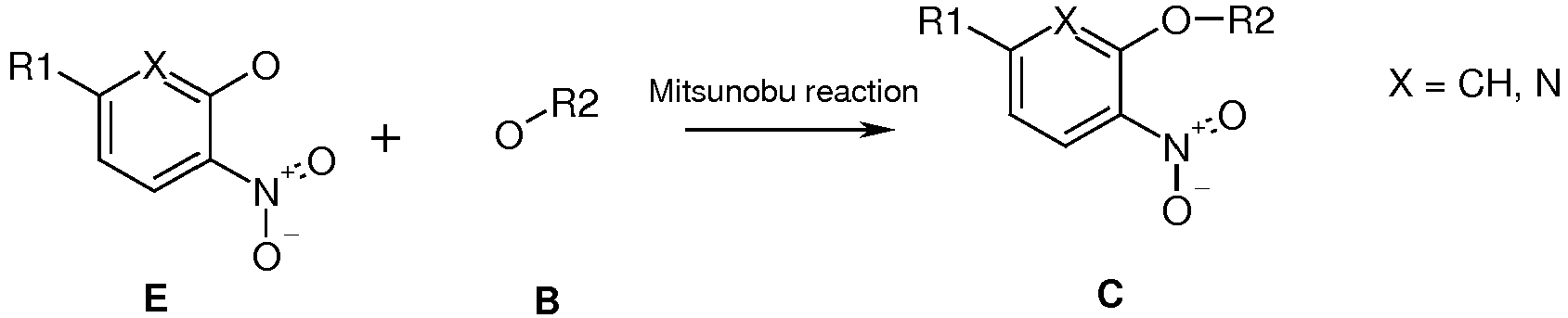
- Compounds of the general formula C can be also obtained by Mitsunobu reaction of a compound with the general formula E with an alcohol B in the presence of triphenylphosphine and an dialkylazodicarboxylate such as diethylazodicarboxylate, diisopropylazodicarboxylate or di-tert.butylazodiacarboxylate in a solvent such as THF at temperatures between -10 °C and 80 °C, preferrably between 0 °C and 30 °C.

- A compound of the formula G can be synthesized by reaction of compound D with F preferably in the presence of an acid such as p-toluene sulfonic acid or hydrochloric acid in solvents such as dioxan at temperatures between 10 °C and 150 °C. Synthesis of a compound with the general formula H can be achieved by reaction of compound G with a base such as sodium hydroxide or lithium hydroxide in solvents such as methanol, ethanol, THF and water or mixtures thereof, preferably in ethanol/THF or THF/water at temperatures between 10 °C and 100 °C. A compound of the general formula J can be obtained by reaction of compound H with amines of the general formula I using amide coupling procedures employing reagents such as TBTU, HATU or EDC/ N-Hydroxysuccinimide in the presence or absence of bases such as diisopropylethylamine in solvents such as DMF or THF at temperatures between 0 °C and 120 °C preferably between 0 °C and 30 °C.
- Pharmaceutically acceptable salts of the compounds of the invention of formula (1) can be formed with numerous organic and inorganic acids and bases. Exemplary acid addition salts including acetate, adipate, alginate, ascorbate, aspartate, benzoate, benzenesulfonate, bisulfate, borate, butyrate, citrate, camphorate, camphersulfonate, cyclopentanepropionate, digluconate, dodecyl sulfate, ethane sulfonate, fumarate, glucoheptanoate, glycerophosphate, hemisulfate, heptanoate, hexanoate, hydrochloride, hydrobromide, hydroiodide, 2-hydroxyethane sulfonate, lactate, maleate, methane sulfonate, 2-naphthalene sulfonate, nicotinate, nitrate, oxalate, pamoate, pectinate, persulfate, 3-phenyl sulfonate, 3-phenylpropionate, phosphate, picrate, pivalate, propionate, salicylate, succinate, sulfate, sulfonate, tartrate, thiocyanate, toluene sulfonate such as tosylate, undecanoate, or the like.
- Basic nitrogen-containing moieties can be quaternized with such agents as lower alkyl halides, such as methyl, ethyl, propyl, and butyl chloride, bromide and iodide; dialkyl sulfates like dimethyl, diethyl, dibutyl, and diamyl sulfates, long-chain alkyl halides such as decyl, lauryl, myristyl and stearyl chloride, bromide and iodide, or aralkyl halides like benzyl and phenethyl bromides, or others. Water soluble or dispersible products are thereby obtained.
- Pharmaceutically acceptable basic addition salts include but are not limited to cations based on the alkaline and alkaline earth metals such as sodium, lithium, potassium, calcium, magnesium, aluminum salts and the like, as well as non toxic ammonium quarternary ammonium, and amine cations, including but not limited to ammonium, tetramethylammonium, tetraethylammonium, methylamine, dimethylamine, trimethylamine, triethylamine, ethylamine and the like. Other representative amines useful for the formation of base addition salts include benzazethine, dicyclohexyl amine, hydrabine, N-methyl-D-glucamine, N-methyl-D-glucamide, t-butyl amine, diethylamine, ethylendiamine, ethanolamine, diethanolamine, piperazine and the like and salts with amino acids such as arginine, lysine, or the like.
- Unless specifically indicated, throughout the specification and the appended claims, a given chemical formula or name shall encompass tautomers and all stereo, optical and geometrical isomers (e.g. enantiomers, diastereomers, E/Z isomers etc...) and racemates thereof as well as mixtures in different proportions of the separate enantiomers, mixtures of diastereomers, or mixtures of any of the foregoing forms where such isomers and enantiomers exist, as well as salts, including pharmaceutically acceptable salts thereof and solvates thereof such as for instance hydrates including solvates of the free compounds or solvates of a salt of the compound.
- As used herein the term "metabolite" refers to (i) a product of metabolism, including intermediate and products, (ii) any substance involved in metabolism (either as a product of metabolism or as necessary for metabolism), or (iii) any substance produced or used during metabolism. In particular it refers to the end product that remains after metabolism.
- As used herein the term "prodrug" refers to (i) an inactive form of a drug that exerts its effects after metabolic processes within the body convert it to a usable or active form, or (ii) a substance that gives rise to a pharmacologically active metabolite, although not itself active (i.e. an inactive precursor).
- The terms "prodrug" or "prodrug derivative" mean a covalently-bonded derivative or carrier of the parent compound or active drug substance which undergoes at least some biotransformation prior to exhibiting its pharmacological effect(s). In general, such prodrugs have metabolically cleavable groups and are rapidly transformed in vivo to yield the parent compound, for example, by hydrolysis in blood, and generally include esters and amide analogs of the parent compounds. The prodrug is formulated with the objectives of improved chemical stability, improved patient acceptance and compliance, improved bioavailability, prolonged duration of action, improved organ selectivity, improved formulation (e.g., increased hydrosolubility), and/or decreased side effects (e.g., toxicity). In general, prodrugs themselves have weak or no biological activity and are stable under ordinary conditions. Prodrugs can be readily prepared from the parent compounds using methods known in the art, such as those described in A Textbook of Drug Design and Development, Krogsgaard-Larsen and H. Bundgaard (eds.), Gordon & Breach, 1991, particularly Chapter 5: "Design and Applications of Prodrugs"; Design of Prodrugs, H. Bundgaard (ed.), Elsevier, 1985; Prodrugs: Topical and Ocular Drug Delivery, K.B. Sloan (ed.), Marcel Dekker, 1998; Methods in Enzymology, K. Widder et al. (eds.), Vol. 42, Academic Press, 1985, particularly pp. 309-396; Burger's Medicinal Chemistry and Drug Discovery, 5th Ed., M. Wolff (ed.), John Wiley & Sons, 1995, particularly Vol. 1 and pp. 172-178 and pp. 949-982; Pro-Drugs as Novel Delivery Systems, T. Higuchi and V. Stella (eds.), Am. Chem. Soc., 1975; Bioreversible Carriers in Drug Design, E.B. Roche (ed.), Elsevier, 1987, each of which is incorporated herein by reference in their entireties.
- The term "pharmaceutically acceptable prodrug" as used herein means a prodrug of a compound of the invention which is, within the scope of sound medical judgment, suitable for use in contact with the tissues of humans and lower animals without undue toxicity, irritation, allergic response, and the like, commensurate with a reasonable benefit/risk ratio, and effective for their intended use, as well as the zwitterionic forms, where possible.
- As used herein the term "C3-10 cycloalkyl" or "C3-8 cycloalkyl" refers to mono- or polycyclic carbocyclic alkyl substituent or group having 3 to 10 or 3 to 8 ring atoms respectively, such as cyclopropyl, cyclobutyl, cyclopentyl, cyclohexyl, cycloheptyl, cyclobutenyl, cyclopentenyl, cyclopentadienyl, cyclohexenyl, cyclohexadienyl, cycloheptenyl, cycloheptadienyl, cycloheptatrienyl perhydrated naphthalene or indene, adamantyl or norbonanyl and the like.
- The term "C1-8 alkyl" as used herein alone or in combination with other terms such as in alkoxy refers to a C1-8, preferably C1-4 straight or branched alkyl/alkoxy group such as methyl, ethyl, propyl (iso-, n-), butyl (iso-, n-, sec-, tert-), pentyl, hexyl, methoxy, ethoxy, propoxy (iso-, n-), butoxy (iso-, n-, sec-, tert-), pentoxy, hexoxy; moreover, the term "C1-8 alkyl" also includes an alkyl group which may contain oxygen in the chain and may be substituted with halogen to form an ether or halogenated ether group.
- Any hydrogen atom, particularly in an alkyl, alkoxy or alkenyl group may be replaced by a fluorine atom.
- The term "C2-8 alkenyl" by itself or as part of another group refers to a straight or branched alkenyl group of 2 to 8 carbons, preferably 2 to 6 carbons, in the normal chain, which include one or more double bonds in the normal chain, such as vinyl, 2-propenyl, 3-butenyl, 2-butenyl, 4-pentenyl, 3-pentenyl, 2-hexenyl, 3-hexenyl, 2-heptenyl, 3-heptenyl, 4-heptenyl, 3-octenyl.
- The term "heterocyclyl" refers to monocyclic saturated or unsaturated heterocyclyl groups with 1 to 4 hetero atoms selected from N, S and O, with the remainder of the ring atoms being carbon atoms and having preferably a total number of ring atoms of 3 to 10, such as morpholino, piperazinyl, piperidinyl, pyridyl, pyrimidinyl, thiazolyl, indolyl, imidazolyl, oxadiazolyl, tetrazolyl, pyrazinyl, triazolyl, thiophenyl or furanyl.
- The term "heteroaryl" refers to a mono- or bicyclic aromatic group with 1 to 4 hetero atoms selected from N, S and O, with the remainder of the ring atoms being carbon atoms and having preferably a total number of ring atoms of 5 to 10. Examples without limitation of heteroaryl groups are such as benzofuranyl, furyl, thienyl, benzothienyl, thiazolyl, imidazolyl, oxazolyl, oxadiazolyl, thiadiazolyl, benzothiazolyl, triazolyl, tetrazolyl, isoxazolyl, isothiazolyl, pyrrolyl, pyranyl, tetrahydropyranyl, pyrazolyl, pyridyl, quinolinyl, isoquinolinyl, purinyl, carbazolyl, benzoxazolyl, benzamidazolyl, indolyl, isoindolyl, pyrazinyl, diazinyl, pyrazine, triazinyltriazine, tetrazinyl, tetrazolyl, benzothiophenyl, benzopyridyl and benzimidazolyl.
- In a further aspect the present invention provides pharmaceutical compositions comprising a thienopyrimidine compound of the present invention and optionally a pharmaceutically acceptable carrier.
- The pharmaceutical composition according to the present invention may further comprise an additional therapeutic agent. Particularly preferred are compositions, wherein the additional therapeutic agent is selected from antidiabetics like insulin, long and short acting insulin analogues, sulfonylureas, biguanides, DPP-IV inhibitors, SGLT2 inhibitors, 11ß-HSD inhibitors, glucokinase activators, AMPK activators, Glp-1 receptor agonists, GIP receptor agonists, DGAT inhibitors, PPARgamma agonists, PPARdelta agonists, and other antidiabetics derived from thiazolidinediones, lipid lowering agents such as statines, fibrates, ion exchange resins nicotinic acid derivatives, or HMG-CoA reductase inhibitors, cardiovascular therapeutics such as nitrates, antihypertensiva such as β-biockers, ACE inhibitors, Ca-channel blockers, angiotensin II receptor antagonists, diuretics, thrombocyte aggregation inhibitors, or antineoplastic agents such as alkaloids, alkylating agents, antibiotics, or antimetabolites, or anti-obesity agents. Further preferred compositions are compositions wherein the additional therapeutic agent is selected from a histamine antagonist, a bradikinin antagonist, serotonin antagonist, leukotriene, an antiasthmatic, an NSAID, an antipyretic, a corticosteroid, an antibiotic, an analgetic, a uricosuric agent, chemotherapeutic agent, an anti gout agent, a bronchodilator, a cyclooxygenase-2 inhibitor, a steroid, a 5-lipoxygenase inhibitor, an immunosuppressive agent, a leukotriene antagonist, a cytostatic agent, an antineoplastic agent, a mTor inhibitor, a Tyrosine kinase inhibitor, antibodies or fragments thereof against cytokines and soluble parts (fragments) of cytokine receptors.
- More particularly preferred are compounds such as human NPH insulin, human lente or ultralente insulin, insulin Lispro, insulin Aspart, insulin Glulisine, insulin detemir or insulin Glargine, metformin, phenformin, acarbose, miglitol, voglibose, pioglitazone, rosiglizatone, rivoglitazone, aleglitazar, alogliptin, saxagliptin, sitagliptin, vildagliptin, exenatide, liraglutide, albiglutide, pramlintide, carbutamide, chlorpropamide, glibenclamide (glyburide), gliclazide, glimepiride, glipizide, gliquidone, tolazamide, tolbutamide, atenolol, bisoprolol, metoprolol, esmolol, celiprolol, talinolol, oxprenolol, pindolol, propanolol, bupropanolol, penbutolol, mepindolol, sotalol, certeolol, nadolol, carvedilol, nifedipin, nitrendipin, amlodipin, nicardipin, nisoldipin, diltiazem, enalapril, verapamil, gallopamil, quinapril, captopril, lisinopril, benazepril, ramipril, peridopril, fosinopril, trandolapril, irbesatan, losartan, valsartan, telmisartan, eprosartan, olmesartan, hydrochlorothiazide, piretanid, chlorotalidone, mefruside, furosemide, bendroflumethiazid, triamterene, dehydralazine, acetylsalicylic acid, tirofiban-HCl, dipyramidol, triclopidin, iloprost-trometanol, eptifibatide, clopidogrel, piratecam, abciximab, trapidil, simvastatine, bezafibrate, fenofibrate, gemfibrozil, etofyllin, clofibrate, etofibrate, fluvastatine, lovastatine, pravastatin, colestyramide, colestipol-HCl, xantinol nicotinat, inositol nicotinat, acipimox, nebivolol, glycerolnitrate, isosorbide mononitrate, isosorbide dinitrate, pentaerythrityl tetranitrate, indapamide, cilazepril, urapidil, eprosartan, nilvadipin, metoprolol, doxazosin, molsidormin, moxaverin, acebutolol, prazosine, trapidil, clonidine, vinca alkaloids and analogues such as vinblastin, vincristin, vindesin, vinorelbin, podophyllotoxine derivatives, etoposid, teniposid, alkylating agents, nitroso ureas, N-lost analogues, cycloplonphamid, estamustin, melphalan, ifosfamid, mitoxantron, idarubicin, doxorubicin, bleomycin, mitomycin, dactinomycin, daptomycin, docetaxel, paclitaxel, carboplatin, cisplatin, oxaliplatin, BBR3464, satraplatin, busulfan, treosulfan, procarbazine, dacarbazine, temozolomide, chlorambucil, chlormethine, cyclophosphamide, ifosfamide, melphalan, bendamustine, uramustine, ThioTEPA, camptothecin, topotecan, irinotecan, rubitecan, etoposide, teniposide, cetuximab, panitumumab, trastuzumab, rituximab, tositumomab, alemtuzumab, bevacizumab, gemtuzumab, aminolevulinic acid, methyl aminolevulinate, porfimer sodium, verteporfin, axitinib, bosutinib, cediranib, dasatinib, erlotinib, gefitinib, imatinib, lapatinib, lestaurtinib, nilotinib, semaxanib, sorafenib, sunitinib, vandetanib, retinoids (alitretinoin, tretinoin), altretamine, amsacrine, anagrelide, arsenic trioxide, asparaginase (pegaspargase), bexarotene, bortezomib, denileukin diftitox, estramustine, ixabepilone, masoprocol, mitotane, testolactone, tipifarnib, abetimus, deforolimus, everolimus, gusperimus, pimecrolimus, sirolimus, tacrolimus, temsirolimus, antimetabolites such as cytarabin, fluorouracil, fluoroarabin, gemcitabin, tioguanin, capecitabin, combinations such as adriamycin/daunorubicin, cytosine arabinosid/cytarabine, 4-HC, or other phosphamides.
- Other particularly preferred compounds are compounds such as clemastine, diphenhydramine, dimenhydrinate, promethazine, cetirizine, astemizole, levocabastine, loratidine, terfenadine, acetylsalicylic acid, sodoum salicylate, salsalate, diflunisal, salicylsalicylic acid, mesalazine, sulfasalazine, osalazine, acetaminophen, indomethacin, sulindac, etodolac, tolmetin, ketorolac, bethamethason, budesonide, chromoglycinic acid, dimeticone, simeticone, domperidone, metoclopramid, acemetacine, oxaceprol, ibuprofen, naproxen, ketoprofen, flubriprofen, fenoprofen, oxaprozin, mefenamic acid, meclofenamic acid, pheylbutazone, oxyphenbutazone, azapropazone, nimesulide, metamizole, leflunamide, eforicoxib, lonazolac, misoprostol, paracetamol, aceclofenac, valdecoxib, parecoxib, celecoxib, propyphenazon, codein, oxapozin, dapson, prednisone, prednisolon, triamcinolone, dexibuprofen, dexamethasone, flunisolide, albuterol, salmeterol, terbutalin, theophylline, caffeine, naproxen, glucosamine sulfate, etanercept, ketoprofen, adalimumab, hyaluronic acid, indometacine, proglumetacine dimaleate, hydroxychloroquine, chloroquine, infliximab, etofenamate, auranofin, gold, [224Ra]radium chloride, tiaprofenic acid, dexketoprofen(trometamol), cloprednol, sodium aurothiomalate aurothioglucose, colchicine, allopurinol, probenecid, sulfinpyrazone, benzbromarone, carbamazepine, lornoxicam, fluorcortolon, diclofenac, efalizumab, idarubicin, doxorubicin, bleomycin, mitomycin, dactinomycin, daptomycin, cytarabin, fluorouracil, fluoroarabin, gemcitabin, tioguanin, capecitabin, adriamydin/daunorubicin, cytosine arabinosid/cytarabine, 4-HC, or other phosphamides, penicillamine, a hyaluronic acid preparation, arteparon, glucosamine, MTX, soluble fragments of the TNF-receptor (such as etanercept (Enbrel)) and antibodies against TNF (such as infliximab (Remicade), natalizumab (Tysabri) and adalimumab (Humira)).
- It will be appreciated by the person of ordinary skill in the art that the compounds of the invention and the additional therapeutic agent may be formulated in one single dosage form, or may be present in separate dosage forms and may be either administered concomitantly (i.e. at the same time) or sequentially.
- The pharmaceutical compositions of the present invention may be in any form suitable for the intended method of administration.
- The compounds of the present invention may be administered orally, parenterally, such as bronchopulmonary, subcutaneously, intravenously, intramuscularly, intraperitoneally, intrathecally, transdermally, transmucosally, subdurally, locally or topically via iontopheresis, sublingually, by inhalation spray, aerosol or rectally and the like in dosage unit formulations optionally comprising conventional pharmaceutically acceptable excipients.
- Excipients that may be used in the formulation of the pharmaceutical compositions of the present invention comprise carriers, vehicles, diluents, solvents such as monohydric alcohols such as ethanol, isopropanol and polyhydric alcohols such as glycols and edible oils such as soybean oil, coconut oil, olive oil, safflower oil cottonseed oil, oily esters such as ethyl oleate, isopropyl myristate; binders, adjuvants, solubilizers, thickening agents, stabilizers, disintergrants, glidants, lubricating agents, buffering agents, emulsifiers, wetting agents, suspending agents, sweetening agents, colorants, flavors, coating agents, preservatives, antioxidants, processing agents, drug delivery modifiers and enhancers such as calcium phosphate, magnesium state, talc, monosaccharides, disaccharides, starch, gelatine, cellulose, methylcellulose, sodium carboxymethyl cellulose, dextrose, hydroxypropyl-ß-cyclodextrin, polyvinylpyrrolidone, low melting waxes, ion exchange resins.
- Other suitable pharmaceutically acceptable excipients are described in Remington's Pharmaceutical Sciences, 15th Ed., Mack Publishing Co., New Jersey (1991).
- Dosage forms for oral administration include tablets, capsules, lozenges, pills, wafers, granules, oral liquids such as syrups, suspensions, solutions, emulsions, powder for reconstitution.
- Dosage forms for parenteral administration include aqueous or olageous solutions or emulsions for infusion, aqueous or olageous solutions, suspensions or emulsions for injection pre-filled syringes, and/or powders for reconstitution.
- Dosage forms for local/topical administration comprise insufflations, aerosols, metered aerosols, transdermal therapeutic systems, medicated patches, rectal suppositories, and/or ovula.
- The amount of the compound of the present invention that may be combined with the excipients to formulate a single dosage form will vary upon the host treated and the particular mode of administration.
- The pharmaceutical compositions of the invention can be produced in a manner known per se to the skilled person as described, for example, in Remington's Pharmaceutical Sciences, 15th Ed., Mack Publishing Co., New Jersey (1991).
- In a further aspect of the invention the use of a thienopyrimidine compound of the present invention for the production of a pharmaceutical composition for inhibiting the activity of the kinase activity of Mnk1 or Mnk2 (Mnk2a, Mnk2b) or further variants thereof is provided, in particular for the prophylaxis or therapy of metabolic diseases, hematopoietic disorders, cancer and their consecutive complications and disorders. Whereby the prophylaxis and therapy of metabolic diseases of the carbohydrate and/or lipid metabolism is preferred.
- Diseases of the invention that are influenced by the inhibition of the kinase activity of Mnk1 and/or Mnk2 (Mnk2a or Mnk2b) and/or further variants thereof include diseases related to the regulation of metabolic diseases, such as obesity, eating disorders, cachexia, diabetes mellitus, metabolic syndrome, hypertension, coronary heart diseases, hypercholesterolemia, dyslipidemia, osteoarthritis, biliary stones and/or sleep apnea and diseases related to reactive oxygen compounds (ROS defense) such as diabetes mellitus, neurodegenerative diseases and cancer.
- The pharmaceutical compositions of the invention are particularly useful for prophylaxis and treatment of obesity, diabetes mellitus and other metabolic diseases of the carbohydrate and lipid metabolism as stated above, in particular diabetes mellitus and obesity.
- Thus in a more preferred embodiment of this invention the use of a thienopyrimidine compound for the production of a pharmaceutical composition for the prophylaxis or therapy of metabolic diseases is provided.
- In yet a further aspect of the invention the use of a thienopyrimidine compound of the invention for the production of a pharmaceutical composition for treating or preventing a cytokine mediated disorder such as an inflammatory disease is provided.
- The pharmaceutical compositions of the invention are thus useful for the prophylaxis or therapy of inflammatory diseases, in particular chronic or acute inflammation, chronic inflammatory arthritis, rheumatoid arthritis, psoriatic arthritis, osteoarthritis, juvenile rheumatoid arthritis, gouty arthritis; psoriasis, erythrodermic psoriasis, pustular psoriasis, inflammatory bowel disease, Crohn's disease and related conditions, ulcerative colitis, colitis, diverticulitis, nephritis, urethritis, salpingitis, oophoritis, endomyometritis, spondylitis, systemic lupus erythematosus and related disorders, multiple sclerosis, asthma, meningitis, myelitis, encephalomyelitis, encephalitis, phlebitis, thrombophlebitis, chronic obstructive disease (COPD), inflammatory lung disease, allergic rhinitis, endocarditis, osteomyelitis, rheumatic fever, rheumatic pericarditis, rheumatic endocarditis, rheumatic myocarditis, rheumatic mitral valve disease, rheumatic aortic valve disease, prostatitis, prostatocystitis, spondoarthropathies ankylosing spondylitis, synovitis, tenosynovotis, myositis, pharyngitis, polymyalgia rheumatica, shoulder tendonitis or bursitis, gout, pseudo gout, vasculitides, inflammatory diseases of the thyroid selected from granulomatous thyroiditis, lymphocytic thyroiditis, invasive fibrous thyroiditis, acute thyroiditis; Hashimoto's thyroiditis, Kawasaki's disease, Raynaud's phenomenon, Sjogren's syndrome, neuroinflammatory disease, sepsis, conjubctivitis, keratitis, iridocyclitis, optic neuritis, otitis, lymphoadenitis, nasopaharingitis, sinusitis, pharyngitis, tonsillitis, laryngitis, epiglottitis, bronchitis, pneumonitis, stomatitis, gingivitis, oesophagitis, gastritis, peritonitis, hepatitis, cholelithiasis, cholecystitis, glomerulonephritis, goodpasture's disease, crescentic glomerulonephritis, pancreatitis, dermatitis, endomyometritis, myometritis, metritis, cervicitis, endocervicitis, exocervicitis, parametritis, tuberculosis, vaginitis, vulvitis, silicosis, sarcoidosis, pneumoconiosis, inflammatory polyarthropathies, psoriatric arthropathies, intestinal fibrosis, bronchiectasis and enteropathic arthropathies.
- As already stated above, the compositions of the present invention are particularly useful for treating or preventing a disease selected from chronic or acute inflammation, chronic inflammatory arthritis, rheumatoid arthritis, psoriasis, COPD, inflammatory bowel disease, septic shock, Crohn's disease, ulcerative colitis, multiple sclerosis and asthma.
- Thus, in a more preferred embodiment of this invention the use of a thienopyrimidine compound for the production of a pharmaceutical composition for the prophylaxis or therapy of inflammatory diseases selected from chronic or acute inflammation, chronic inflammatory arthritis, rheumatoid arthritis, psoriasis, COPD, inflammatory bowel disease, septic shock Crohn's disease, ulcerative colitis, multiple sclerosis and asthma is provided.
- In yet a further aspect of the invention the use of a thienopyrimidine compound of the invention for the production of a pharmaceutical composition for treating or preventing cancer, viral diseases or neurodegenerative diseases is provided.
- For the purpose of the present invention, a therapeutically effective dosage will generally be from about 1 to 2000 mg/day, preferably from about 10 to about 1000 mg/day, and most preferably from about 10 to about 500 mg/day, which may be administered in one or multiple doses.
- It will be appreciated, however, that specific dose level of the compounds of the invention for any particular patient will depend on a variety of factors such as age, sex, body weight, general health condition, diet, individual response of the patient to be treated time of administration, severity of the disease to be treated, the activity of particular compound applied, dosage form, mode of application and concomitant medication. The therapeutically effective amount for a given situation will readily be determined by routine experimentation and is within the skills and judgment of the ordinary clinician or physician.
-
- CDI:
- carbonyldiimidazole
- TEA:
- triethylamine
- HATU:
- (2-(7-aza-1H-benzotriazole-1-yl)-1,1,3,3-tetramethyluronium hexaflurophosphate)
- TBTU:
- 2-(1H-Benzotriazol-1-yl)-1,1,3,3-tetramethyluroniumtetrafluorborat
- THF:
- tetrahydrofuran
- EE:
- ethylacetate
- ACN:
- acetonitrile
- EtOH:
- ethanol
- MeOH:
- methanol
- DCM:
- methylene chloride
- DMF:
- N,N-dimethylformamide
- EtOAc:
- ethyl acetate
- HCl:
- hydrochloric acid
- t-BuOH:
- tert.butanol
- DTAD:
- Di-ter-butyl azodicarboxylate
- DEAD:
- diethyl azodicarboxylate
- DIAD:
- diisopropyl azodicarboxylate
- LiHMDS:
- lithium hexymethyldisilazane
- DIPEA:
- diisopropylethyl amine
- EDC:
- 1-ethyl-3-(3-dimethylaminopropyl)carbodiimid
- TFA:
- trifluoro acetic acid
- brine:
- saturated sodium chloride solution in water
- rt:
- room temperature
- min:
- minute
-

- 2-Nitro-5-fluorophenol (3.0 g) and tert-butyl-N-(2-hydroxypropyl)carbamate were dissolved in THF (20 ml) and triphenylphosphine (7.5 g) and di-tert-butyl-azodicarboxylate were added. The exothermic reaction was cooled in an ice bath. Then the reaction mixture was stirred at room temperature for 2h. The mixture was concentrated in vacuo and the residue was purified by chromatography (silica gel/ dichloromethane: petroleum ether 1:2). The fractions were combined and concentrated in vacuo. The residue was dissolved in dichloromethane and washed with 1 M NaOH. The organic layer was separated, dried, filtered and concentrated in vacuo.
Yield: 3.12 g ESI mass spectrum: m/z = 315 (M+H)+ -

- To a solution of tert-butyl 2-(5-fluoro-2-nitrophenoxy)propylcarbamate (3.1 g) in MeOH (5 ml) was added 10% palladium on carbon (300 mg) and the reaction mixture was hydrogenated at room temperature at 50psi. The catalyst was filtered off and the filtrate was concentrated in vacuo.
Yield: 2.5 g ESI mass spectrum: m/z = 285 (M+H)+ -

- 1-Amino-2-butanol (1.0 g) was dissolved in dichloromethane (50.0 ml) and di-(tert-butyl) dicarbonate (2.6 g) was added. The reaction mixture was stirred at room temperature for 4h then washed with 1 M NaOH. The organic layer was separated and concentrated in vacuo.
Yield: 1.8 g -

- 4-Chloro-5-methyl-thieno[2,3-d]pyrimidine-6-carboxylic acid methyl ester (0.5 g), 2-amino-5-fluorophenol (265.0 mg), p-toluenesulfonic acid monohydrate (75.0 mg) and dioxane (5.0 ml) were combined in a microwave tube. The mixture was heated at 140°C for 15min under microwave irradiation. Then the mixture was allowed to cool to room temperature and a precipitate formed. The precipitate was collected by filtration, washed with dioxane, methanol and Et2O to yield the title compound.
Yield: 605.0 mg ESI mass spectrum: m/z = 334 (M+H)+ -

- Prepared analogously to example III using 4-chloro-5-methyl-thieno[2,3-d]pyrimidine-6-carboxylic acid methyl ester and 3-amino-2-hydroxypyridine
Yield: 258.0 mg ESI mass spectrum: m/z = 317 (M+H)+ -

- Prepared analogously to example I-1 using BOC-4-amino-2-butanol and 2-nitro-5-fluorophenol.
Yield: 2.20 g ESI mass spectrum: m/z = 329 (M+H)+ -

- Prepared analogously to example I-2 using tert-butyl 3-(5-fluoro-2-nitrophenoxy)butylcarbamate
Yield: 1.8 g -

- Ethyl 3-Hydroxybutyrate (6.5 ml) was dissolved in THF (350.0 ml) at 0°C and NaH (4.8 g) was added. The reaction was stirred at room temperature for 30 min. Then 5,5 g 2,4- difluoronitrobenzene was added and the mixture was heated at reflux overnight. The reaction was concentrated in vacuo and the residue was dissolved in water and dichloromethane. The organic layer was separated, dried and concentrated in vacuo. The residue was purified by chromatography (silica/ dichloromethane) to yield the title compound.
Yield: 1.36 g ESI mass spectrum: m/z = 272 (M+H)+ -

- To a solution of Ethyl 3-(5-fluoro-2-nitrophenoxylbutanoate (1.3 g) in THF (50 ml) was added Raney nickel (150 mg) and the reaction mixture was hydrogenated. The catalyst was filtered off and the filtrate was concentrated in vacuo.
Yield: 2.5 g ESI mass spectrum: m/z = 285 (M+H)+ -

- Di-tert-butyl dicarbonate (41.5g) was dissolved in dichloromethane (40.0 ml), a solution of 1,3- diamino-propan-2-ol (8.0g) and triethylamine (1.5 ml) in dichloromethane/methanol (1:5; 100 ml) was added and the reaction mixture was stirred at room temperature overnight. The solution was concentrated in vacuo and the residue was dissolved in dichlormethane. The organic layer was washed with water, separated, dried and concentrated in vacuo. The residue was purfied by chromatography (silica / dichloromethane: methanol 25:1).
Yield: 17 g ESI mass spectrum: m/z = 291 (M+H)+ -

- 2-Nitro-5-fluorophenol (8.4 g) and (3-tert-butoxycarbonylamino-2-hydroxy-propyl)-carbamic acid tert-butyl ester (17.0 g) were dissolved in THF (60 ml) and triphenylphosphine (21 g) and di-tert-butyl-azodicarboxylate (18.4 g) were added. The exothermic reaction was cooled in an ice bath. Then the mixture was stirred at room temperature overnight. It was concentrated in vacuo and the residue was dissolved in dichloromethane, washed with water and 1 M NaOH. The organic layer was dried and concentrated in vacuo. The residue was purified by chromatography (silica / dichloromethane:methanol 25:1).

-

- Prepared analogously to example I-2 using [3-tert-butoxycarbonylamino-2-(5-fluoro-2-nitro-phenoxy)-propyl]-carbamic acid tert-butyl ester
Yield: 12.7 g ESI mass spectrum: m/z = 400 (M+H)+ -

- 2-Methylpentane-2,4-diol (2.8 ml) was dissolved in THF (20.0 ml) and NaH (60% in mineral oil; 1 g) was added. At room temperature 2,4-difluoronitrobenzene was added and the reaction mixture was stirred overnight. Then the reaction was quenched with water and concentrated in vacuo. The residue was dissolved in dichloromethane, washed with water and concentrated in vacuo.
Yield: 2.4 g ESI mass spectrum: m/z = 258 (M+H)+ -

- Prepared analogously to example I-2 using 4-(5-fluoro-2-nitrophenoxy)-2-methylpentan-2-ol
Yield: 2.12 g ESI mass spectrum: m/z = 228 (M+H)+ -

- 1,1,1- Trifluoro-2-propanol (3.2 g) was dissolved in THF (4.0 ml) and cooled to 0°C. Then LiHMDS (1 M in THF; 28.3 ml) was added dropwise. The reaction mixture was stirred at 0°C for 20 minutes. A solution of 2-fluoro-3-nitro-pyridine (4.0 g) in THF (1 ml) was added and the mixture was stirred overnight. It was quenched by addition of saturated NH4Cl solution and extracted with dichloromethane. The organic layer was dried and concentrated in vacuo.
Yield: 6.24 g ESI mass spectrum: m/z = 237 (M+H)+ -

- 3-Nitro-2-(1,1,1-trifluoropropan-2-yloxy)pyridine (6.2 g) was dissolved in methanol (500 ml) and Raney nickel (1.0 g) was added. The reaction mixture was hydrogenated at room temperature and 5 bar. The catalyst was filtered off and the filtrate was concentrated in vacuo.

-

- Prepared analogously to example IX.1 using 2,4-difluoronitrobenzene.
Yield: 11. 96g -

- Prepared analogously to example IX. 2
Yield: 4.42 g ESI mass spectrum: m/z = 206 (M+H)+ -

- 2-Fluoropropan-1-ol (93.6 mg) was dissolved in THF (10 ml). LiHMDS in THF(1M; 1.2 ml) was added and the reaction was stirred for 15 min. Then a solution of 2-fluoro-3-nitro-pyridine (142 mg) in THF was added and the reaction stirred at room temperature overnight.
- An aqueous solution of K2CO3 (2M; 750 µl) was added to the reaction mixture and filtered over Alox B. The filtrat was concentrated in vacuo.
Yield: 200 mg Retention time HPLC: 2.05 min HPLC method: 003_CC_ZQ6 -

- 2-(2-fluoropropoxy)-3-nitropyridine (199.97 mg) was dissolved in a mixture of THF (10 ml) and methanol (5 ml). Pd/C (20 mg) was added and the mixture was hydrogenated at room temperature for 4h and 3 bar.The mixture was concentrated in vacuo.
Yield: 153 mg Retention time HPLC: 1.50 min HPLC method: 002_CC_ZQ4 -
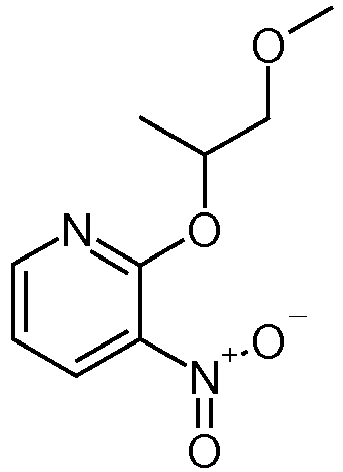
- Prepared analogously to example XI.1 using 2-fluoro-3-nitropyridine (142 mg) and 1-methoxypropan-2-ol (108 mg).
Yield: 212 mg Retention time HPLC: 2.04 min HPLC method: 003_CC_ZQ6 -

- Prepared analogously to example XI.2 using 2-(1-methoxypropan-2-yloxy)-3-nitropyridine (212 mg).
Yield: 165 mg Retention time HPLC: 1.52 min HPLC method: 002_CC_ZQ4 -

- Ethylene glycole (88.8 mg) was dissolved in THF (10 ml). LiHMDS in THF(1 M; 1.2 ml) was added and the reaction was stirred for 15 min. Then a solution of 2-fluoro-3-nitro-pyridine (142 mg) in THF was added and the reaction was stirred at room temperature overnight.
- The reaction mixture was concentrated in vacuo and the residue was purified by RP-chromatography (H2O+ 0,1% TFA/ MeOH= 40%-->99%).
Yield: 176 mg Retention time HPLC: 1.68 min HPLC method: 003_CC_ZQ6 -

- Prepared analogously to example XII.2 using 2-(3-nitropyridin-2-yloxy)ethanol (115 mg).
Yield: 175 mg Retention time HPLC: 1.43 min HPLC method: 003_CC_ZQ7 -

- Prepared analogously to example XII.1 using 2-fluoro-3-nitropyridine (142 mg) and 2,2-difluoroethanol (98 mg).
Yield: 204 mg Retention time HPLC: 1.99 min HPLC method: 003_CC_ZQ6 -

- Prepared analogously to example XII.2 using 2-(2,2-difluoroethoxy)-3-nitropyridine (204 mg).
Yield: 171 mg Retention time HPLC: 1.58 min HPLC method: 002_CC_ZQ4 -

- Prepared analogously to example XII.1 using 2-fluoro-3-nitropyridine (142 mg) and 2-(hydroxymethyl)-1,3-propanediol (148 mg)
Yield: 130 mg Retention time HPLC: 1.65 min HPLC method: 003_CC_ZQ6 -
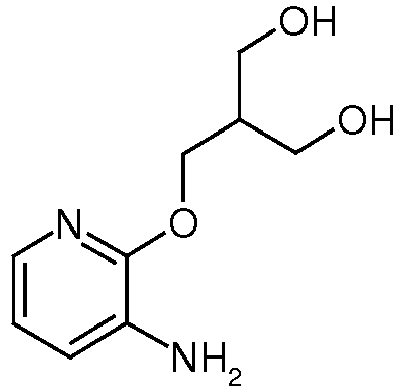
- Prepared analogously to example XII.2 using 2-((3-nitropyridin-2-yloxy)methyl)propane-1,3-diol (130 mg).
Yield: 99 mg -

- Prepared analogously to example XI.1 using [1-(hydroxymethyl)cyclopropyl] acetonitrile (267 mg)
Yield: 488 mg Retention time HPLC: 1.82 min HPLC method: 004_CC_ZQ6 -

- 2-(1-((3-Nitropyridin-2-yloxy)methyl)cyclopropyl)acetonitrile (466 mg) was dissolved in a mixture of glacial acetic acid (4 ml) and ethanol (8 ml). Ferrum (1.1 g) was added and the reaction mixture was heated to 100°C for 2h. The mixture was concentrated in vacuo and the residue was dissolved in dichloromethane, extracted with an aqueous solution of K2CO3 (2M) and concentrated in vacuo
Yield: 264 mg Retention time HPLC: 2.07 min HPLC method: 003_CC_ZQ7 -

- Prepared analogously to example XII.1 using (2,2-difluorocyclopropyl)methanol and 2-fluoro-3-nitro-pyridine
Yield: 469 mg Retention time HPLC: 2.00 min HPLC method: 004_CC_ZQ6 -

- Prepared analogously to example XII.2 using 2-((2,2-difluorocyclopropyl)methoxy)-3-nitropyridine
Yield: 391 mg Retention time HPLC: 1.45 min HPLC method: 004_CC_ZQ6 -

-

- 4-Chloro-5-methyl-thieno[2,3-d]pyrimidine-6-carboxylic acid methyl ester (15.0 g), 4-fluoro-2-methoxyaniline (9.5 g), 4M hydrochloric acid in dioxane (4.5 ml) and dioxane (100.0 ml) were stirred at 100°C overnight. Then the mixture was filtrated and the solid was dried in vacuo.
Yield: 24.0 g ESI mass spectrum: m/z = 348 (M+H)+ -

- The resulting product from XVIII.1 (24.0 g) was dissolved in DCM (500 ml) and was cooled with a dry ice bath.To the mixture was dropped slowly boron tribromide (35 ml) and stirred for 30 min. The mixture was allowed to cool to room temperature overnight. Then the mixture was cooled with an dry ice bath, dropped 100 ml methanol to the mixture, stirred for 30 min and concentrated.
- The residue was suspended in methonol and stirred at reflux for 1 hour.
- The mixture was filtrated and dried in vacuo.
Yield: 18.6 g ESI mass spectrum: m/z = 334 (M+H)+ Retention time HPLC: 2.16 min HPLC method: 007_CC_ZQ5 -

- To the resulting product from XVIII.2 (2.0 g) was added 2-bromopropionic acid tert-butyl ester (1.4 g), cesium carbonate (4.8 g) and ACN (50 ml). The mixture was stirred at 60°C for 2 hours. Then water was added and the mixture was filtrated.
Yield: 2.1 g ESI mass spectrum: m/z = 462 (M+H)+ -

- To the resulting product from XVIII.3 (2.1 g) was added trifluoroacetic acid 50% in DCM (20 ml) and stirred at rt overnight. The mixture was concentrated and triturated with diethylether.
Yield: 1.9 g ESI mass spectrum: m/z = 406 (M+H)+ Retention time HPLC: 1.96 min HPLC method: Method A_9 -

- To the resulting product from XVIII.4 (0.5 g) in ACN (10 ml) was added TBTU (0.4 g) and TEA (0.43 ml). The mixture was stirred at rt for 20 min. To the mixture was added ethylamine (2 mol/l (1.5 ml)) and stirred at rt overnight. Then the mixture was concentrated and triturated with diethylether. The mixture was diluted with methanol and purified by chromatography.
Yield: 0.36 g ESI mass spectrum: m/z = 433 (M+H)+ Retention time HPLC: 1.89 min HPLC method: Method A_9 -

-

- 1,3-Difluoro-propan-2-ol (4.2 g) was dissolved under argon in THF (250 ml) and cooled to 0°C. LiHMDS (28 ml) was added to the mixture and stirred at rt for 1 hour. Then the mixture was cooled to 0°C and 3-fluoro-4-nitrobenzonitrile (1.95 ml) was added in portions and stirred for 2 hours. The mixture was poured in water and extracted with DCM. The organic layer was washed with water, dried and concentrated.
Yield: 4.9 g -

- 3-(2-Fluoro-1-fluoromethyl-ethoxy)-4-nitro-benzonitrile (1.45 g), tin(II) chloride dihydrate (4.00 g) and ethanol (60 ml) were stirred at 100°C for 2 hours. The mixture was poured in water and extracted with DCM. The organic layer was washed with water, dried and concentrated.
Yield: 1.04 g -
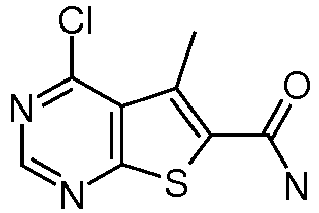
-

- To a mixture of methylacetoacetate (80.9 ml), malononitrile (49.5 g), sulfur (24 g) in methanol (750 ml) was added morpholin (139.4 ml). The mixture was stirred at rt for 10 min. Then the mixture was stirred at reflux for 3.5 hours. After that time the mixture was cooled with an ice bath and filtrated.The solid was washed with methanol and oven dried at 60°C.
Yield: 88.2 g ESI mass spectrum: m/z = 197 (M+H)+ -

- To the product from XXIV.1 (70 g) was added formic acid (875 ml) and the mixture was stirred at reflux overnight. The mixture was cooled down, poured in ice water and filtrated. The solid was washed with water and a small portion of methanol. Then the residue was triturated with diethylether.
Yield: 72.98 g ESI mass spectrum: m/z = 225 (M+H)+ -
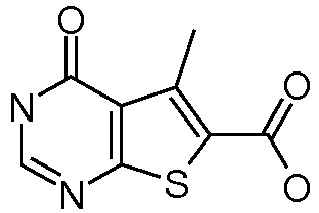
- The product from XXIV.2 (1 g), sodium hydroxide 4M (5 ml) and methanol were stirred at reflux for 1 hour. At rt 5 ml hydrochloric acid 4M were added and the mixture was filtrated. The solid was washed with water and dried at 60°C in an oven overnight.
Yield: 950 mg ESI mass spectrum: m/z = 211 (M+H)+ -

- DMF (0.2 ml) was added to a mixture of the product from XXIV.3 (1 g) and thionylchloride (10 ml). The mixture was stirred at reflux for 1 hour. Then the mixture was concentrated.
Yield: 1.2 g -

- The product from XXIV.4 (1 g) was dissolved warm in ACN (10 ml). This mixture was added dropwise to an ice cooled solution of concentrated ammonia (20 ml) and stirred for 15 min. The mixture was filtrated. The solid was washed with water and oven dried at 50°C.
Yield: 677 mg ESI mass spectrum: m/z = 226 (M+H)+ Retention time HPLC: 0.766 min HPLC method: M2-SB-C18 -
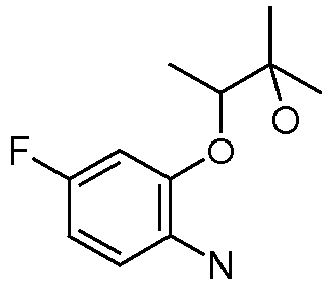
-

- 3-Hydroxy-3-methyl-2-butanon (5 ml) was dissolved in ethanol (20 ml). PtO2 (100 mg) was added and the mixture was hydrogenated at room temperature for 4h and 3 bar.The mixture was concentrated in vacuo.
Yield: 3.87 g -

- Prepared analogously to example XX.2 using the product from XXVI.1 (0.9 ml).
- Yield:
- 1.7 g
- ESI mass spectrum:
- m/z = 261 (M+H)+
- Retention time HPLC:
- 1.185 min
- HPLC method:
- M2-SB-C18
-

- Prepared analogously to example XI.2 using the product from XXVI.2 (1.7 g).
Yield: 1.45 g ESI mass spectrum: m/z = 214 (M+H)+ Retention time HPLC: 0.681 min HPLC method: M2-SB-C18 -

- 4-Chloro-5-methyl-thieno[2,3-d]pyrimidine-6-carboxylic acid methyl ester (2.0 g), tert-butyl 2-(2-amino-5-fluorophenoxy)propylcarbamate (2.3 g) and Hünig's base (4.2 ml) were dissolved in dioxane (70 ml). The reaction mixture was heated at 100°C for three days. Then the reaction was cooled and the precipitate was filtered, washed with dioxane, water and diethylether.

-

- Methyl 4-(2-(1-tert-butoxycarbonylamino)propan-2-yloxy)-4-fluorophenylamino)-5-methylthieno[2,3-d]pyrimidine-6-carboxylate (700 mg) and NaOH (1 M; 3.6 ml) was dissolved in a mixture of methanol and THF (1:1; 20 ml). The reaction was stirred at room temperature overnight. Aqueous HCl (1 M; 3.6 ml) was added and the organic solvent was evaporated. The residue was triturated with water and filtered. The residue was washed with water, methanol and Et2O and dried at 60°C.
Yield: 0.63 g ESI mass spectrum: m/z = 477 (M+H)+ Retention time HPLC: 1.96 min HPLC method: A_9 -

- To a solution of 4-(2-(1-(tert-Butoxycarbonylamino)propan-2-yloxy)-4-fluorophenylamino)-5-methylthieno[2,3-d]pyrimidine-6-carboxylic acid (80 mg) in DMF (1 ml), TBTU (54 mg) and triethylamine (60 µl) were added.The mixture was stirred at room temperature for 5 min then methylamine in THF (2M; 420 µl) was added and the reaction stirred at room temperature overnight. The mixture was diluted with methanol and purified directly by RP-chromatography (water with 0.2% trifluoroacetic acid/ methanol 72-100%) to give the title compound.
Yield: 38 mg ESI mass spectrum: m/z = 490 (M+H)+ Retention time HPLC: 1.86 min HPLC method: A_9 - The compounds listed in table 1 were synthesized analogously to example 1.3 using 4-(2-(1-(tert-butoxycarbonylamino)propan-2-yloxy)-4-fluorophenylamino)-5-methylthieno[2,3-d]pyrimidine-6-carboxylic acid and the corresponding amine.
Table 1: Structure Name Yield Mass Retention time HPLC method 1.4 
tert-Butyl 2-(2-(6-(3-(dimethymino)propylcarbamoyl)-5-methyl-thieno[2,3-d]pyrimidin-4-ylamino)-5-fluorophenoxy)propyl-carbamate 35 mg 561 1.41 A_9 1.5 
tert-Butyl 2-(5-fluoro-2-(6-(2-hydroxyethylcarbamoyl)-5-methylthieno[2,3-d]pyrimidin-4-yl-amino)phenoxy)propylcarbamate 35 mg 520 1.74 A_9 -

- Methyl 4-(2-(1-tert-butoxycarbonylamino)propan-2-yloxy)-4-fluorophenylamino)-5-methyl-thieno[2,3-d]pyrimidine-6-carboxylate (500 mg) was dissolved in a solution of 25% trifluoracetic acid in dichloromethane (10 ml). The reaction mixture was stirred at room temperature for 2h and then concentrated in vacuo.
Yield: 460 mg ESI mass spectrum: m/z = 391 (M+H)+ Retention time HPLC: 1.31 min HPLC method: A_9 - The compounds listed in table 2 were synthesized analogously to example 2.1 using the corresponding BOC protected derivatives shown in Table 1.
Table 2: Structure Name Yield Mass Retention time HPLC method 2.2 
4-(2-(1-Amino-propan-2-yloxy)-4-fluorophenylamino)-N-(3-(diemthyl-amino)propyl)-5-methylthieno[2,3-d]pyrim idine-6-carboxamide bis(trifloroacetate) 35 mg 461 1.03 A_9 2.3 
4-(2-(1-Amino-propan-2-yloxy)-4-fluorophenylamino)-N-(2-hydroxy-ethyl)-5-methyl-thieno[2,3-d]-pyrimidine-6-carboxamide 13 mg 420 1.16 A_9 2.4 
4-(2-(1-Amino-propan-2-yloxy)-4-fluorophenylamino)-N,5-dimethyl-thieno[2,3-d]-pyrimidine-6-carboxamide trifluoroacetate 24 mg 390 1.16 A_9 -

- To a solution of Methyl 4-(2-(1-aminopropan-2-yloxy)-4-fluorophenylamino)-5-methyl-thieno[2,3-d]pyrimidine 6-carboxylate trifluoroacetate (80 mg) and triethylamine (55 µl) in dichloromethane (1.5 ml), methansulfonyl chloride (16 µl) was added. The reaction mixture was stirred at room temperature overnight. Then the reaction was quenched with water and methanol. The organic layer was separated and concentrated in vacuo.
Yield: 68 mg ESI mass spectrum: m/z = 469 (M+H)+ Retention time HPLC: 1.99 min HPLC method: A_9 - The compounds listed in table 3 were synthesized analogously to example 3.1 using the appropriate amine and the corresponding chloride.
Table 3: Structure Name Yield Mass Retention time HPLC method Chloride 3.2 
Methyl 4-(4-fluoro-2-(1-(1-methylethylsulfon-amido)propan-2yloxy)-phenylamino)-5-methyl-thieno[2,3-d]pyrim idine-6-carboxylate 28 mg 497 1.99 A_9 
3.3 
N-(3-(Dimethylamino)propy l)-4-(4-fluoro-2-(1-methyl-sulfonamido)propan-2-yloxy)phenylamino)-5-methylthieno[2,3-d]pyrim idine-6-carbox-amide 5.1 mg 539 1.28 A_9 
3.4 
Methyl 4-(2-(1-acet-amidopropan-2-yloxy)-4-fluorophenylamino)-5-methylthieno[2,3-d]pyrimidine-6-carboxylate 64 mg 433 1.82 A_AL CMS2 _9 
3.5 
Methyl 4-(4-fluoro2-(1-isobutyramidopropan-2-yloxy)phenylamino)-5-methylthieno[2,3-d]-pyrimidine-6-carboxylate 58 mg 461 1.99 A_AL CMS2 _9 
-

- Methyl 4-(2-(1-aminopropan-2-yloxy)-4-fluorophenylamino)-5-methyl-thieno[2,3-d]pyrimidine-6-carboxylate trifluoroacetate (100 mg) was dissolved in THF (2.5 ml), NaOH (4M; 55 µl) and formaldehyde 37% in water (55 µl) was added. The reaction mixture was stirred a few minutes. Then sodium triacetoxyborohydride (220 mg) was added.and the reaction was stirred at room temperature for 4h. Then the mixture was concentrated in vacuo. The residue was dissolved in dichloromethane and washed with aqueous NaOH (1 M). The organic layer was separated and concentrated in vacuo. The product was purified by RP-chromatography (water with 0.2% trifluoroacetic acid/ methanol 72-100%) to afford the title compound.
Yield: 83mg ESI mass spectrum: m/z = 419 (M+H)+ Retention time HPLC: 1.32 min HPLC method: A_9 -

- 4-(2-(1-(tert-Butoxycarbonylamino)propan-2-yloxy)-4-fluorophenylamino)-5-methyl-thieno[2,3-d]pyrimidine-6-carboxylic acid (250mg) and TBTU (170 mg) was dissolved in DMF (3 ml) and triethylamine (190 µl) was added. The mixture was stirred at room temperature for 10 min, then 0.5 ml conc. ammonia was added. The reaction was stirred for 2h. Then the reaction mixture was concentrated in vacuo and purified by RP-chromatography (water with 0.2% trifluoroacetic acid/ methanol 72-100%) to give the title compound.
Yield: 55 mg ESI mass spectrum: m/z = 476 (M+H)+ Retention time HPLC: 1.80 min HPLC method: A_9 -

- The racemate of example 5 was separated by means of HPLC to afford the two enantiomers. The configuration was assigned arbitrarily.
Enantiomer A: Yield: 10 mg ESI mass spectrum: m/z = 476 (M+H)+ Retention time HPLC: 1.80 min HPLC method: A_9 Enantiomer B: Yield: 14.2 mg ESI mass spectrum: m/z = 476 (M+H)+ Retention time HPLC: 1.80 min HPLC method: A_9 -

- Prepared analogously to example 2.1 from (S)- tert-butyl 2-(2-(6-carbamoyl-5-methylthieno[2,3-d]pyrimidin-4-ylamino)-5-fluorophenoxy)propylcarbamate and the enantiomer, respectively.
- The configuration was assigned arbitrarily.
Enatiomer A Yield: 7 mg ESI mass spectrum: m/z = 376 (M+H)+ Retention time HPLC: 1.16 min HPLC method: A_9 Enantiomer B Yield: 11 mg ESI mass spectrum: m/z = 376 (M+H)+ Retention time HPLC: 1.16 min HPLC method: A_9 -

- Synthesized analogously to example 2-1 from 4-(2-(1-(tert-butoxycarbonyl-amino)propan-2-yloxy)-4-fluorophenylamino)-5-methyl-thieno[2,3-d]pyrimidine-6-carboxylic acid
Yield: 89 mg ESI mass spectrum: m/z = 377 (M+H)+ Retention time HPLC: 1.26 min HPLC method: A_9 -

- tert-Butyl 2-(2-(6-carbamoyl-5-methylthieno[2,3-d]pyrimidin-4-ylamino)-5-fluorophenoxy)propylcarbamate (740mg) was dissolved in dichloromethane (20 ml) and trifluoroacetic acid (4 ml) was added and the reaction was stirred at room temperature overnight. The reaction was concentrated in vacuo to give the title compound.
Yield: 667 mg ESI mass spectrum: m/z = 376 (M+H)+ -

- 4-(2-(1-Aminopropan-2-yloxy)-4-fluorophenylamino)-5-methyl-thieno[2,3-d]pyrimidine-6-carboxamide 2,2,2-trifluoroacetate (200 mg) was dissolved in THF (20 ml) and buffer pH 5 (2 ml), 3,3,3,-trifluoropropanal (50.4 mg) and sodium cyanoborohydride (30.8 mg) were added.
- The reaction was stirred at room temperature for 4 days.The residue was diluted with 10 ml water, then the organic solvent was evaporated. The residual aqueous fraction was extracted with ethylacetate. The organic layer was separated, dried and concentrated in vacuo.
Yield: 190 mg ESI mass spectrum: m/z = 472 (M+H)+ Retention time HPLC: 1.38 min HPLC method: A_10 -

- Methyl 4-(4-fluoro-2-hydroxyphenylamino)-5-methyl-thieno[2,3-d]pyrimidine-6-carboxylate (80.0 mg), Boc-amino-ethanol (50.0 mg) and polymer-bound triphenylphosphine (240.0 mg) was suspended in THF (3.0 ml). The mixture was stirred at room temperature for 5 min. Then di-tert-butyl azodicarboxylate (165.0 mg) was added and the mixture stirred at room temperature overnight. To this reaction celite was added, the resulting mixture was filtered through celite and the filtrate was concentrated in vacuo. The residue was purified by RP-chromatography (water with 0.2% trifluoroacetic acid/ methanol 59-100%)
Yield: 25.0 mg ESI mass spectrum: m/z = 477 (M+H)+ Retention time HPLC: 2.12 min HPLC method: A_9 -

- Methyl 4-(2-(2-(tert-butoxycarbonylamino)ethoxy)4-fluorophenylamino)-5-methyl-thieno[2,3-d]pyrimidine-6-carboxylate (20 mg) was dissolved in 25% solution of trifluoroacetic acid in dichlormethane (2 ml). The reaction was stirred at room temperature for 2h. The solvent was concentrated in vacuo and the residue was dissolved in methanol and triturated with HCl in methanol.
Yield: 15 mg ESI mass spectrum: m/z = 377 (M+H)+ Retention time HPLC: 1.28 min HPLC method: A_9 -

- Synthesized analogously to example 9.1 using methyl 4-(4-fluoro-2-hydroxyphenylamino)-5-methylthieno[2,3-d]pyrimidine-6-carboxylate and tert-butyl 2-hydroxybutylcarbamate.
Yield: 36 mg ESI mass spectrum: m/z = 505 (M+H)+ Retention time HPLC: 2.24 min HPLC method: A_9 -
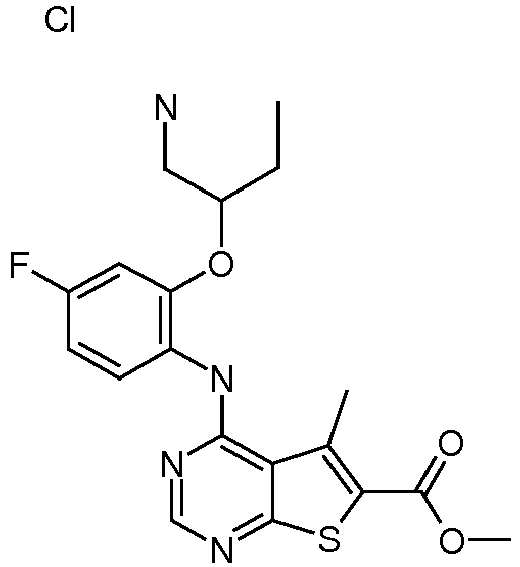
- Synthesized analogously to example 9.2 using methyl 4-(2-(1-(tert-butoxycarbonylamino)butan-2-yloxy)-4-fluorophenylamino)-5-methylthieno[2,3-d]pyrimidine-6-carboxylate
Yield: 21 mg ESI mass spectrum: m/z = 405 (M+H)+ Retention time HPLC: 1.38 min HPLC method: A_9 -

- Prepared analogously to example 9.1 using methyl 4-(2-hydroxypyridin-3-ylamino)-5-methylthieno[2,3-d]pyrimidine-6-carboxylate and tert-butyl N-(2-hydroxypropyl)-carbamate.
Yield: 65 mg ESI mass spectrum: m/z = 474 (M+H)+ Retention time HPLC: 1.97 min HPLC method: A_9 -

- Prepared analogously to example 9.2 using methyl 4-(2-(1-(tert-butoxycarbonyl-amino)-propan-2-yloxy)pyridin-3-ylamino)-5-methylthieno[2,3-d]pyrimidine-6-carboxylate
Yield: 14 mg ESI mass spectrum: m/z = 374 (M+H)+ Retention time HPLC: 1.29 min HPLC method: A_9 -

- 4-Chloro-5-methyl-thieno[2,3-d]pyrimidine-6-carboxylic acid methyl ester (1.25 g), tert-butyl 3-(2-amino-5-fluorophenoxy)butylcarbamate (1.7 g) and p-toloulsulfonic acid (175 mg) was dissolved in dioxane (30ml) and the solution was heated under reflux overnight. Then the reaction mixture was concentrated in vacuo. The residue was treated with trifluoracetic acid 25% in dichloromethane and stirred at room temperature for 1 h. The solution was concentrated in vacuo and the residue was dissolved in dichloromethane and washed with sodium bicarbonate. The organic phase was separated, dried and concentrated in vacuo. The residue was triturated with Et2O and the precipitate was filtered.
Yield: 2.14 g ESI mass spectrum: m/z = 405 (M+H)+ Retention time HPLC: 1.36 min HPLC method: A_9 -

- Methyl 4-(2-(4-aminobutan-2yloxy)-4-fluorophenylamino)-5-methyl-thieno[2,3-d]pyrimidine-6-carboxylate hydrochloride (80 mg) and triethylamine (65 µl) were dissolved in dichloromethane (1.5 ml) and methansulfonyl chloride (18 µl) was added. The reaction mixture was stirred at room temperature overnight. Then the mixture was diluted with water and some methanol. The organic layer was separated and concentrated in vacuo. The residue was purified by RP-chromatography (water with 0.2% trifluoroacetic acid/ methanol 59-100%)
Yield: 33 mg ESI mass spectrum: m/z = 483 (M+H)+ Retention time HPLC: 1.94 min HPLC method: A_9 - The compounds listed in table 4 were synthesized analogously to example 13 using the appropriate amine and the corresponding chlorides or isocyanate.
Structure Name Yield Mass Retention time HPLC method Chloride/ Isocyanats 13.2 
Methyl 4-(2-(4-acetamidobutan -2-yloxy)-4-fluorophenylami no)-5-methyl-thieno[2,3-d]pyrim idine-6-carboxylate 11 mg 447 1.86 A_9 
13.3 
Methyl 4-(4-fluoro-2-(4-isobutyramidob utan-2-yloxy)-phenylamino)-5-methylthieno[2, 3-d]pyrim idine-6-carboxylate 26 mg 475 2.0 A_9 
13.4 
Methyl 4-(2-(4-(3-butylureido)-butan-2-yloxy)-4-fluorophenyl-amino)-5-methylthieno[2, 3-d]pyrim idine-6-carboxylate 57 mg 504 2.05 A_9 
-

- Prepared analogously to example 4.1 using methyl 4-(2-(4-aminobutan-2yloxy)-4-fluorophenylamino)-5-methyl-thieno[2,3-d]pyrimidine-6-carboxylate hydrochloride
Yield: 53 mg ESI mass spectrum: m/z = 433 (M+H)+ Retention time HPLC: 1.38 min HPLC method: A_9 -
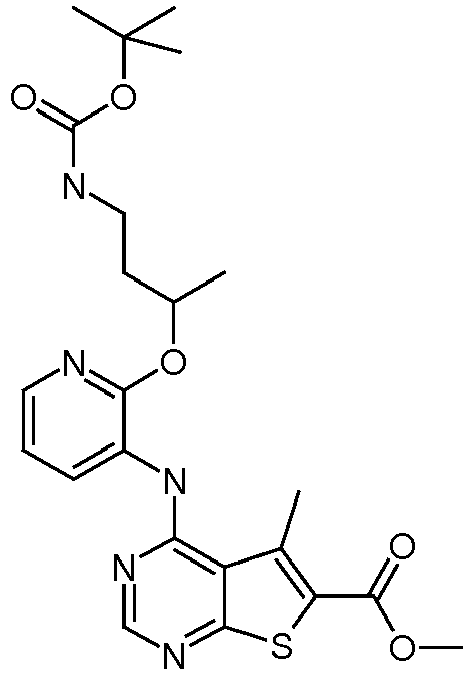
- Prepared analogously to example 1.1 using 4-Chloro-5-methyl-thieno[2,3-d]pyrimidine-6-carboxylic acid methyl ester and tert-butyl 3-(3-aminopyridin-2yloxy)butylcarbamate
Yield: 1 g ESI mass spectrum: m/z = 488 (M+H)+ -

- Prepared analogously to example 1.2 from methyl 4-(2-((4aminobutan-2yloxy)pyridin-3ylamino)-5-methylthieno[2,3-d]pyrimidine-6-carboxylate trifluoroacetate
Yield: 100 mg ESI mass spectrum: m/z = 388 (M+H)+ Retention time HPLC: 1.26 min HPLC method: A_10 -

- Methyl 4-(2-(4-(tert-butoxycarbonylamino)butan-2yloxy)pyridin-3ylamino)-5-methyl-thieno[2,3-d]pyrimidine-6-carboxylate (600 mg) was dissolved in methanol (10 ml) and NaOH (1 M; 2.5 ml) was added. The reaction mixture was heated at reflux for 15 minutes. Then it was cooled to room temperature and HCl (1 M; 2.5 ml) was added. Methanol was evaporated and the residue was dissolved in dichloromethane. The mixture was washed with water, the organic layer was dried and concentrated in vacuo. The residue was triturated with Et2O.
Yield: 390 mg ESI mass spectrum: m/z = 474 (M+H)+ -
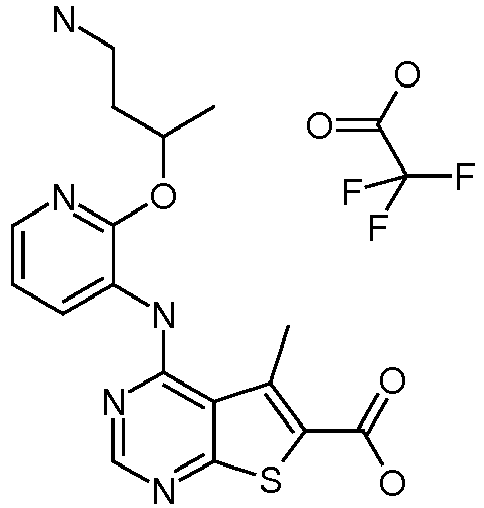
-
Yield: 100 mg ESI mass spectrum: m/z = 374 (M+H)+ Retention time HPLC: 1.12 min HPLC method: A_10 -

- 4-(2-(4-(t-Butoxycarbonylamino)butan-2yloxy)pyridin-3ylamino)-5-methylthieno[2,3-d]pyrimidine-6-carboxylic acid (200mg) and Hünig's base (160 µl) was dissolved in THF (10 ml) and TBTU (148 mg) was added. To this mixture N,N-dimethyl-propandiamine (58 µl) was added and the mixture was stirred at room temperature for three days. The reaction mixture was concentrated in vacuo and the residue was dissolved in dichloromethane. The organic layer was washed with water, dried and 3 ml conc. TFA was added. The mixture was stirred at room temperature for 1 h. The mixture was concentrated in vacuo and the product was purified by RP-chromatography (Method amslpolar 1).
Yield: 190 mg ESI mass spectrum: m/z = 458 (M+H)+ Retention time HPLC: 0.86 min HPLC method: A_10 - Prepared analogously to example 16.3 using 4-(2-(4-(tert-butoxycarbonylamino) butan-2yloxy)pyridin-3ylamino)-5-methylthieno[2,3-d]pyrimidine-6-carboxylic acid and ammonia.
Structure Name Yield Mass Retention time HPLC method 
4-(2-(4-Amino-butan-2-yloxy)pyridin-3-ylamino)-5-methylthieno-[2,3-d]pyrimi-dine-6-carbox-amide 2,2,2-trifluoroacetate 130m g 373 1.2 A_10 -

- 2-(2-Amino-5-methylphenoxy)-N,N-dimethylacetamide (300 mg) and ethyl 4-chloro-5-methyl-thieno[2,3-d]pyrimidine-6-carboxylate (447 mg) were dissolved in dioxane (5 ml) and p-toluenesulfonic acid monohydrate (44 mg) was added. The mixture was heated at 100°C for 1.5h. The reaction was allowed to cool to room temperature, the residue was dissolved in dichloromethane and extracted with water. The organic layer was dried and concentrated in vacuo. The residue was purified by chromatography (silica / dichloromethane: methanol 100-95:5).
Yield: 114 mg ESI mass spectrum: m/z = 377 (M+H)+ -

- Ethyl 4-(2-(2-dimethylamino)-2-oxoethoxy)-4-methylphenylamino)-5-methyl-thieno[2,3-d]pyrimidine-6-carboxylate (114 mg) was dissolved in methanol (5 ml) and aqueous NaOH (2M; 0.66 ml) was added. The reaction was stirred at room temperature for 4h. Then the reaction mixture was concentrated in vacuo and neutralisied with aqueous HCl (2M; 5 ml). The precipitate was filtered and the residue was dissolved in DMF and purified by RP-chromatography (water with 0.2% trifluoroacetic acid/ methanol 72-100%)
Yield: 26 mg ESI mass spectrum: m/z = 401 (M+H)+ Retention time HPLC: 1.69 min HPLC method: A_10 -

- 4-Chloro-5-methyl-thieno[2,3-d]pyrimidine-6-carboxylic acid methyl ester (2 g) and [2-(2-Amino-5-fluoro-phenoxy)-3-tert-butoxycarbonylamiino-propyl]-carbamic acid t-butyl (3.3 g) were dissolved in 20 ml isopropanol and 4.3 ml Hünig's base was added. The reaction was heated to 140°C under microwave irradiation for 45 min. The reaction mixture was allowed to stand over the weekend and the resulting precipitate was filtered. The filter cake was purified by chromatography (silica / dichloromethane: methanol 50:1).
Yield: 2g ESI mass spectrum: m/z = 606 (M+H)+ Retention time HPLC: 2.34 min HPLC method: A_10 -

- Prepared analogously to example 2.1 using 4-{2-[2-tert-Butoxycarbonylamino-1-(tert-butoxycarbonylamino-methyl)-ethoxy]-4-fluoro-phenylamino}-5-methyl-thieno[2,3-d]pyrimidine-6-carboxylic acid methyl ester
Yield: 2g ESI mass spectrum: m/z = 406 (M+H)+ Retention time HPLC: 0.87 min HPLC method: A_10 -

- Methyl 4-(2-(1,3-diaminopropan-2-yloxy)-4-fluorophenylamino)-5-methylthieno[2,3-d]pyrimidine-6-carboxylate bis (trifluoroacetate) (150 mg) and triethylamine (0.1 ml) were dissolved in dichloromethane, acetylchloride (15µl) was added. The reaction mixture was stirred at room temperature overnight. The reaction was diluted with dichloromethane and methanol and then extracted with aqueous HCl (1 M). The organic layer was dried and concentrated in vacuo. The residue was purified by chromatography. The fractions were collected, concentrated in vacuo and triturated with Et2O.
Yield: 22 mg ESI mass spectrum: m/z = 448 (M+H)+ Retention time HPLC: 1.35 min HPLC method: A_10 - The compounds listed in table 5 were synthesized analogously to example 19.1 using the appropriate amines and the corresponding chlorides.
Table 5: Structure Name Yield Mass Retention time HPLC metho d Chlorides 19. 2 
Methyl 4-(2-(1-amino-3-(methyl-sulfonamido)pr opan-2-yloxy)-4-fluoro-phenylamino)-5-methylthieno[2, 3-d]pyrimidine-6-carboxylate trifluoroacetate 50 mg 484 1.22 A_10 
19. 3 
Methyl 4-(2-(1,3-diacetamidopro pan-2-yloxy)4-fluoro-phenylamino)-5-methylthieno[2, 3-d]pyrimidine-6-carboxylate 11 mg 490 1.51 A_10 
-

- 4-Chloro-5-methyl-thieno[2,3-d]pyrimidine-6-carboxylic acid methyl ester (540 mg) and 4-(2-amino-5-fluorophenoxy)-2-methylpentan-2-ol (500 mg) were dissolved in dioxane (20 ml) and p-toluenesulfonic acid monohydrate (70 mg) was added. The reaction was heated under reflux for 2h. Then the reaction mixture was allowed to cool to room temperature and concentrated in vacuo. The residue was dissolved in dichloromethane and washed with water. The organic layer was separated, dried, filtered and evaporated. The residue triturated with methanol and the precipitate was filtered to give the intended product.
Yield: 710 mg ESI mass spectrum: m/z = 434 (M+H)+ Retention time HPLC: 2.02 min HPLC method: A_9 -

- Methyl 4-(4-fluoro-2-(4-hydroxy-4-methylpentan-2-yloxy)phenylamino)-5-methyl-thieno[2,3-d]pyrimidine-6-carboxylate (710 mg) was dissolved in methanol (50 ml) and aqueous NaOH (4M; 5ml) was added. The reaction was stirred at room temperature overnight and then heated at 60°C for 2h. Finally the solution was neutralised and concentrated in vacuo. The residue was triturated with water. The resultant precipitate was filtered and dried.
Yield: 600 mg ESI mass spectrum: m/z = 420 (M+H)+ Retention time HPLC: 1.75 min HPLC method: A_9 -

- 4-(4-Fluoro-2-(4-hydroxy-4-methylpentan-2-yloxy)phenylamino)-5-methyl-thieno[2,3-d]pyrimidine-6-carboxylic acid (100 mg) was dissolved in DMF (5 ml) and triethylamine (75 µl) was added. Then TBTU (80 mg) was added and the reaction was stirred for 5 minutes. Followed by N,N-dimethyl-1,3-propanediamine (35 µl) the reaction mixture was stirred at room temperature for 2h. An further aliquot of N,N-dimethyl-1,3-propanediamine and TBTU (40 mg) was added. The mixture was heated at 60°C and stirred for 2h. Then the reaction was concentrated in vacuo. The residue was dissolved in dichloromethane and washed with soda solution. The organic phase was purified by RP-chromatography (water with 0.2% trifluoroacetic acid/ methanol 72-100%) .
Yield: 132 mg ESI mass spectrum: m/z = 504 (M+H)+ Retention time HPLC: 1.18 min HPLC method: A_9 -

- Prepared analogously to example 1.1 by heating under microwave irradiation at 110°C using 2-(1,1,1-trifluoropropan-2-yloxy)pyridin-3-amine and 4-Chloro-5-methyl-thieno[2,3-d]pyrimidine-6-carboxylic acid methyl ester
Yield: 270 mg ESI mass spectrum: m/z = 413 (M+H)+ Retention time HPLC: 3.37 min HPLC method: AC 1 -

- Prepared analogously to example 1.2 using Methyl 5-methyl-4-(2-(1,1,1-trifluoropropan-2yloxy)pyridin-3-ylamino)thieno[2,3-d]pyrimidine-6-carboxylate
Yield: 278 mg ESI mass spectrum: m/z = 399 (M+H)+ Retention time HPLC: 3.25 min HPLC method: AC 1 -
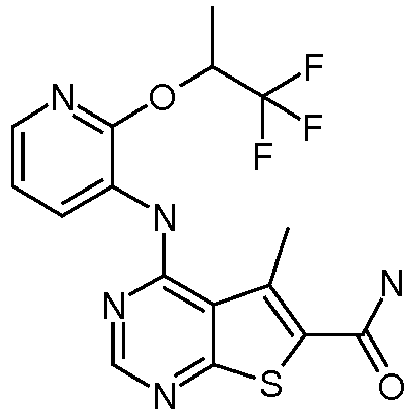
- 5-Methyl-4-(2-(1,1,1-trifluoropropan-2yloxy)pyridin-3-ylamino)thieno[2,3-d]pyrimidine-6-carboxylic acid (278 mg), HATU (320 mg) and Hünig's Base (144 µl) were dissolved in DMF (6.5 ml) at 0°C. The reaction was stirred for 30 minutes after this time NH3 in dioxane (0.5 M; 5.3 ml) was added. The reaction was allowed to warm to room temperature overnight. The reaction mixture was concentrated in vacuo. The residue was extracted with dichloromethane and water. The organic layer was separated, dried and evaporated. The crude product was purified by chromatography (silica / dichloromethane: methanol: NH3 90:10:1).
Yield: 124 mg ESI mass spectrum: m/z = 398 (M+H)+ Retention time HPLC: 3.93 min HPLC method: AC 1 - Prepared analogously to example 21.3 using 5-methyl-4-(2-(1,1,1-trifluoropropan 2yloxy)pyridin-3-ylamino)thieno[2,3-d]pyrimidine-6-carboxylic acid and the corresponding amine
Structure Name Yield Mass Retention time HPLC method Amine 21. 4 
5-methyl-N-(1-methylpiperidin-4-yl)-4-(2-(1,1,1-trifluoropropan-2-yloxy)pyridin-3-ylamino)thieno[2,3-d]pyrrimidine-6-carboxamide 134 mg 495 2.23 A_1 
21. 5 
N-(3-(dimethyl-amino)propyl)-5-methyl-4-(2-(1,1,1-trifluoro-propan-2-yloxy)-pyridin-3-yl-amino)thieno[2,3-d]pyrimidine-6-carboxamide 100 mg 483 2.25 A_1 
21. 6 
N-Methyl-5-methyl-4-(2-(1,1,1-trifluoro-propan-2-yloxy)-pyridin-3-yl-amino)thieno[2,3-d]pyrimidine-6-N-methylcarbox-amide 150 mg 412 3.05 A_1 
21. 7 
5-Methyl-4-[2-(2,2,2-trifluoro-1-metyhl-ethoxy)-pyridin-3-ylamino]-thieno[2,3-d]pyrimidine-6-carboxylic acid (4-dimethylamino-but-2-ynyl)-amide 207 mg 493 2.25 AC 1 
21. 8 
5-Methyl-4-[2-(2,2,2-trifluoro-1-metyhl-ethoxy)-pyridin-3-ylamino]-thieno[2,3-d]pyrimidine-6-carboxylic acid (4-hydroxy-ethyl)-amide 150 mg 442 2.78 AC 1 
-

- Prepared analogously to example 18.1 using 4-Chloro-5-methyl-thieno[2,3-d]pyrimidine-6-carboxylic acid methyl ester and 2-(1,3-diethoxypropan-2-yloxy)-4-fluoroaniline.
- The solvent dioxane was used instead of isopropanol and p-toluonesulfonic acid monohydrate was added.
Yield: 590 mg ESI mass spectrum: m/z = 464 (M+H)+ Retention time HPLC: 3.75 min HPLC method: A_10 -

- Prepared analogously to example 1.2 using methyl 4-(2-(1,3-diethoxypropan-2-yloxy)-4-fluorophenylamino)-5-methylthieno[2,3-d]pyrimidine-6-carboxylic acid. The reaction was performed at 80°C.
Yield: 390 mg ESI mass spectrum: m/z = 450 (M+H)+ Retention time HPLC: 1.91 min HPLC method: A_10 -

- 4-(2-(1,3-Diethoxypropan-2-yloxy)-4-fluorophenylamino)-5-methyl-thieno[2,3-d]pyrimidine-6-carboxylic acid (150 mg), TBTU (107, 2 mg) and Hünig's base (122 µl) were dissolved in THF (10 ml), ammonia (0,5M; 700µl) was added and the mixture was stirred at room temperature overnight. Then it was evaporated and the residue dissolved in dichloromethane. The mixture was extracted with water and aqueous NaOH (0.5M). The organic layer was dried and concentrated in vacuo. The residue was triturated with Et2O and a few drops of ethanol.
Yield: 105 mg ESI mass spectrum: m/z = 449 (M+H)+ Retention time HPLC: 2.02 min HPLC method: A_10 -

- Prepared analogously to example 21.1 using 2-(1,3-difluoropropan-2-yloxy)-4-fluoroaniline and 4-Chloro-5-methyl-thieno[2,3-d]pyrimidine-6-carboxylic acid methyl ester.
Yield: 3.7 g ESI mass spectrum: m/z = 412 (M+H)+ Retention time HPLC: 3.37 min HPLC method: AC 1 -

- Prepared analogously to example 1.2 using methyl 4-(2-(1,3-difluoropropan-2-yloxy)-4-fluorophenylamino)-5-methyl-thieno[2,3-d]pyrimidine-6-carboxylate
Yield: 1.93 g ESI mass spectrum: m/z = 398 (M+H)+ Retention time HPLC: 2.93 min HPLC method: AC 1 -

- Prepared analogously to example 21.3 using 4-(2-(1,3-Difluoropropan-2-yloxy)-4-fluorophenylamino)-5-methyl-thieno[2,3-d]pyrimidine-6-carboxylic acid
Yield: 180 mg ESI mass spectrum: m/z = 397 (M+H)+ Retention time HPLC: 2.70 min HPLC method: AC 1 - The compounds listed in Table 6 were synthesized analogously to example 23.3 using 4-(2-(1,3-Difluoropropan-2-yloxy)-4-fluorophenylamino)-5-methylthieno[2,3-d]pyrimidine-6-carboxylic acid and the corresponding amine.
Table 6: Structure Name yield Mass Retention time HPLC method 23.4 
4-(2-(1,3-difluoro-propan-2-yloxy)-4-fluorophenylamino)-N,5-dimethylthieno [2,3d]pyrimidine-6-carboxamide 50 mg 411 2.77 AC1 23.5 
Tert-butyl (1R,2R)-2-(4-2(1,3-difluoro-propan-[2,3-d] pyrimidine-6-carboxamido) cyclopropyl carbamate 134 mg 522 3.05 AC1 23.6 
4-(2-(1,3-difluoro-propan-2-yloxy)-4-fluorophenylamino)-N-(3-(dimethylamino)-propyl)-5-methyl-thieno[2,3-d]-pyrimidine-6-carboxamide 78 mg 482 2.10 AC1 23.7 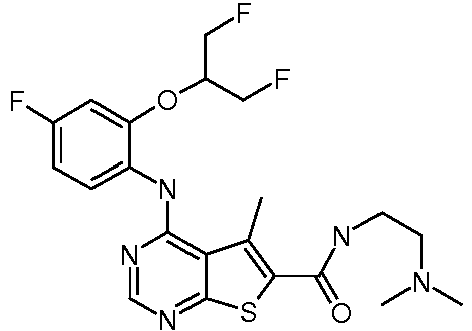
4-(2-(1,3-difluoro-propan-2-yloxy)-4-fluorophenylamino)-N-(2-(dimethylamino)-ethyl)-5-methylthieno-[2,3-d]pyrimidine-6-carboxamide 102 mg 468 2.14 AC1 23.8 
4-(2-(1,3-difluoro-propan-2-yloxy)-4-fluorophenylamino)-N-(2-(hydroxyethyl)-5-methylthieno[2,3-d]-pyrimidine-6-carboxamide 75 mg 441 2.60 AC1 23.9 
4-(2-(1,3-difluoro-propan-2-yloxy)-4-fluorophenylamino)-N-(4-(dimethylamino)-but-2ynyl)-5-methyl-thieno[2,3-d]pyrimidine-6-carboxamide 56 mg 492 2.16 AC1 23.1 0 
4-(2-(1,3-difluoro-propan-2-yloxy)-4-fluorophenylamino)-5-methyl-N-(3-(pyrrolidin-1-yl)propyl)thieno[2,3-d]pyrimidine-6-carboxamide 92 mg 508 2.17 AC1 -

- 4-(2-(1,3-Difluoropropan-2-yloxy)-4-fluorophenylamino)-5-methylthieno[2,3-d]pyrimidine-6-carboxylic acid (197 mg), 4-dimethylaminopyridine (76 mg) and 1-ethyl-3-(3-dimethylaminopropyl)carbodiimide hydrochloride (125 mg) was dissolved in dichloromethane (20 ml). Methanesulfonamide (59.5 mg) was added and the reaction was stirred at room temperature for about 24h. The mixture was washed with a KHSO4 solution. The organic layer was separated, dried and concentrated in vacuo. The residue was purified by chromatography (dichloromethane: methanol: NH3 80:20:1). The fractions were collected and triturated with diisopropyl ether.
Yield: 57 mg ESI mass spectrum: m/z = 475 (M+H)+ Retention time HPLC: 3.11 min HPLC method: AC 1 -

- tert-Butyl (trans)-2-(4-(2-(1,3-difluoropropan[2,3-d]pyrimidine-6-carboxamido)cyclo propyl carbamate (130 mg) was dissolved in dioxane (8 ml) and a solution of HCl in dioxane (4M; 1.34 ml) was added. The reaction was stirred at room temperature overnight. Diethyl ether was added and the precipitate was filtered and washed with Et2O to give the title compound.
Yield: 97 mg ESI mass spectrum: m/z = 452 (M+H)+ Retention time HPLC: 2.10 min HPLC method: AC 1 -

- Methyl 4-(4-fluoro-2-hydroxyphenylamino)-5-methyl-thieno[2,3-d]pyrimidine-6-carboxylate (100 mg) was dissolved in DMF (2 ml), 4-bromomethyltetrahydropyran (107 mg) and potassium carbonate (83 mg) were added. The reaction was stirred at 60°C overnight. Then the reaction mixture was diluted with EtOAc and washed with water and brine. The solvent was removed in vacuo and the residue triturated with
Et2O. Yield: 130 mg ESI mass spectrum: m/z = 432 (M+H)+ -

- Methyl-4-(4-fluoro-2-((tetrahydro-2-H-pyran-4-yl)methoxy)phenylamino)-5-methylthieno[2,3-d]pyrimidine-6-carboxylate (82 mg) and NaOH (2M; 0.5 ml) was dissolved in ethanol (2 ml). The reaction was stirred at room temperature overnight. Then the reaction mixture was diluted with dichloromethane and HCl (2M). The suspension was filtered, washed with brine and ether. The residue was dried in vacuo over P2O5.
Yield: 41 mg -
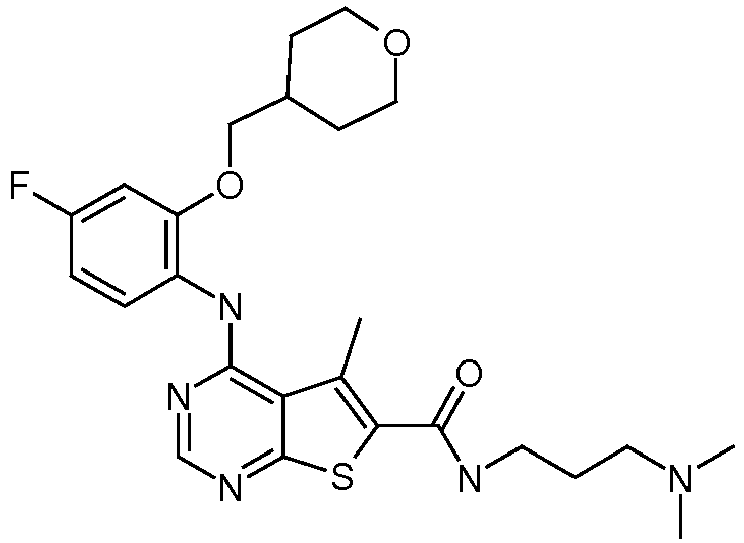
- HATU (36 mg) was added to a solution of 4-(4-fluoro-2-((tetrahydro-2-H-pyran-4-yl)methoxy)phenylamino)-5-methylthieno[2,3-d]pyrimidine-6-carboxylic acid (36mg) and DIPEA (17 µl) in DMF (1 ml). The reaction mixture was stirred for 40min at room temperature. Then 3-(dimethylamino)propylamine (49 µl) was added. The reaction mixture was stirred at room temparture overnight. It was diluted with EtOAc and washed with water and brine. The organic phase was concentrated in vacuo. The residue was suspended in Et2O and filtered and dried.
Yield: 40 mg ESI mass spectrum: m/z = 502 (M+H)+ -

- 2-(2-Fluoropropoxy)pyridin-3-amine (153 mg) was dissolved in dioxane (30 ml), 4-Chloro-5-methyl-thieno[2,3-d]pyrimidine-6-carboxylic acid methyl ester (174.54 mg) and HCl in dioxane (4M; 25 µl) was added. The reactin was stirred at 60°C for three days. The reaction was concentrated in vacuo.
Yield: 333 mg Retention time HPLC: 2.37 min HPLC method: 002_CC_ZQ4 -

- To a solution of methyl-4-(2-(2-fluoropropoxy)pyridin-3-ylamino)-5-methyl-thieno[2,3-d]pyrimidine-6-carboxylate (333 mg) in THF (10 ml) was added lithium hydroxide (1 M; 8 ml) and the reaction stirred at room temperature overnight. The mixture was neutralized with HCl (1 M; 8 ml) and concentrated in vacuo. The crude product was purified by chromatography.
Yield: 196 mg ESI mass spectrum: m/z = 363 (M+H)+ Retention time HPLC: 1.91 min HPLC method: 003_CC_ZQ7 -

- 4-(2-(2-Fluoropropoxy)pyridin-3-ylamino)-5-methylthieno[2,3-d]pyrimidine-6-carboxylic acid (36.2 mg), HATU (42 mg) and Hünig's base (34 µl) were dissolved in DMF (2 ml) and ethanolamine (9 µl) was added. The reaction was stirred at room temperature for 2h. The reaction mixture was purified directly by chromatography.
Yield: 31 mg ESI mass spectrum: m/z = 406 (M+H)+ Retention time HPLC: 2.09 min HPLC method: 004_CC_ZQ6 - Prepared analogously to example 27.3 using 4-(2-(2-Fluoropropoxy)pyridin-3-ylamino)-5-methyl-thieno[2,3-d]pyrimidine-6-carboxylic acid and the corresponding amine.
Structure Name Yield Mass Retention time HPLC method amine 
N-(3-(dimethylamino)-propyl)-4-(2-(2-fluoro-propoxy)pyridin-3-ylamino)-5-methyl-thieno[2,3-d]pyrimidine-6-carboxamide hydrochloride 26 mg 447 1.75 004_C C_ZQ6 
-

- Prepared analogously to example 27.1
Yield: 344 mg Retention time HPLC: 2.40 min HPLC method: 002_CC_ZQ4 -

- Prepared analogously to example 27.2 using methyl-4-(2-(1-methoxypropan-2-yloxy)pyridin-3-ylamino)-5-methylthieno[2,3-d]pyrimidine-6-carboxylate
Yield: 119 mg ESI mass spectrum: m/z = 375 (M+H)+ Retention time HPLC: 1.90 min HPLC method: 003_CC_ZQ7 -

- Prepared analogously to example 27.3 using 4-(2-(1-methoxypropan-2-yloxy)pyridin-3-ylamino)-5-methyl-thieno[2,3-d]pyrimidine-6-carboxylic acid (37 mg) and ammonia in dioxane (0.5M; 2 ml)
Yield: 23 mg ESI mass spectrum: m/z = 374 (M+H)+ Retention time HPLC: 2.13 min HPLC method: 004_CC_ZQ6 - Prepared analogously to example 29.3 using 4-(2-(1-methoxypropan-2-yloxy)pyridin-3-ylamino)-5-methylthieno[2,3-d]pyrimidine-6-carboxylic acid and the corresponding amine
Structure Name Yield Mass Retention time HPLC method Amine 28. 4 
N-(2-hydroxy-ethyl)-4-(2-(1-methoxy-propan-2-yloxy)pyridin-3-ylamino)-5-methylthieno-[2,3-d]-pyrimidine-6-carbox-amide 16 mg 418 2.11 004_C C_ZQ6 
28. 5 
N-(3-(di-methylamino) propyl)-4-(2-(1-methoxy-propan-2-yloxy)pyridin-3-ylamino)-5-methlthieno[2, 3-d]pyrimi-dine-6-carboxamide hydrochloride 30 mg 459 1.75 004_C C_ZQ6 
-
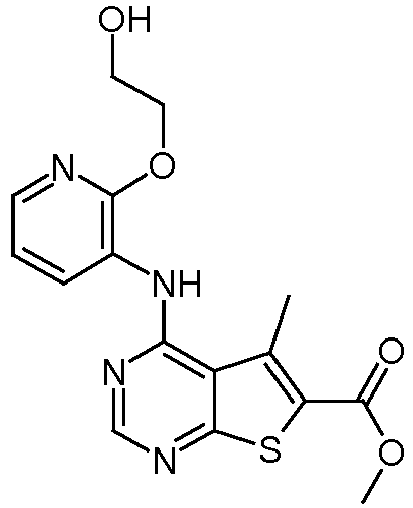
- Prepared analogously to example 28.1 from 2-(3-aminopyridin-2-yloxy)ethanol (175 mg) and chloro-5-methyl-thieno[2,3-d]pyrimidine-6-carboxylic acid methyl ester (121 mg)
Yield: 475 mg Retention time HPLC: 2.18 min HPLC method: 002_CC_ZQ4 -

- Prepared analogously to example 28.1 from methyl-4-(2-(2-hydroxyethoxy)pyridin-3-ylamino)-5-methyl-thieno[2,3-d]pyrimidine-6-carboxylate
Yield: 61 mg Retention time HPLC: 2.14 min HPLC method: 003_CC_ZQ7 -

- Prepared analogously to example 28.3 using 4-(2-(2-hydroxyethoxy)pyridin-3-ylamino)-5-methylthieno[2,3-d]pyrimidine-6-carboxylic acid (30.5mg) and ammonia in dioxane (0.5M; 1.6 ml)
Yield: 13 mg ESI mass spectrum: m/z = 346 (M+H)+ Retention time HPLC: 1.87 min HPLC method: 004_CC_ZQ6 - Prepared analogously to example 29.3 using 4-(2-(2-hydroxyethoxy)pyridin-3-ylamino)-5-methylthieno[2,3-d]pyrimidine-6-carboxylic acid and the corresponding amine
Structure Name Yield Mass Retention time HPLC method amin 
N-(3-(dimethyl-amino)propyl)-4-(2-(2-hydroxy-ethoxy)pyridin-3-ylamino)-5-methylthieno[2,3-d]pyrimidine-6-carboxamide hydrochloride 26 mg 431 1.54 004_CC_ ZQ6 
-

- Prepared analogously to example 28.1 from 2-(2,2-Difluoroethoxy)pyridin-3-amine (171 mg) and Chloro-5-methyl-thieno[2,3-d]pyrimidine-6-carboxylic acid methyl ester (190 mg)
Yield: 376 mg Retention time HPLC: 2.35min HPLC method: 002_CC_ZQ4 -

- Prepared analogously to example 28.2 using methyl-4-(2-(2,2-difluoroethoxy)pyridin-3-ylamino)-5-methylthieno[2,3-d]pyrimidine-6-carboxylate (376 mg).
Yield: 220 mg ESI mass spectrum: m/z = 367 (M+H)+ Retention time HPLC: 1.91 min HPLC method: 007_CC_ZQ7 -

- Prepared analogously to example 28.3 from 4-(2-(2,2-difluoroethoxy)pyridin-3-ylamino)-5-methyl-thieno[2,3-d]pyrimidine-6-carboxylic acid (36.6mg) and ammonia in dioxane (0.5M; 2 ml).
Yield: 18mg ESI mass spectrum: m/z = 366 (M+H)+ Retention time HPLC: 2.09min HPLC method: 004_CC_ZQ6 - Prepared analogously to example 30.3 from 4-(2-(2,2-Difluoroethoxy)pyridin-3-ylamino)-5-methylthieno[2,3-d]pyrimidine-6-carboxylic acid and the corresponding amine
Structure Name Yield Mass Retention time HPLC method amine 30.4 
4-(2-(2,2-difluoroethox y)pyridin-3-ylamino)-N-(2-hydroxy-ethyl)-5-methylthieno [2,3-d]pyrimi-dine-6-carboxamide 29 mg 410 2.06 004_C C_ZQ6 
30.5 
4-(2-(2,2-difluoroethox y)pyridin-3-ylamino)-N-(3-(dimethyl-amino)propyl )-5-methyl-thieno[2,3-d]pyrimidine-6-carbox-amide hydrochloride 12 mg 451 1.71 004_C C_ZQ6 
-

- Methyl 4-(4-fluoro-2-hydroxyphenylamino)-5-methyl-thieno[2,3-d]pyrimidine-6-carboxylate (100 mg) and Caesium carbonate (240 mg) was dissolved in acetonitrile (2 ml) and 2-bromopropionic acid tert-butylester (70 mg) was added. The reaction mixture was stirred at 60°C for 2h. Then the reaction was quenched with water and the precipitate was collected by filtration. The residue cake was washed with water and a few drops of methanol.
Yield: 103 mg ESI mass spectrum: m/z = 462 (M+H)+ -

- Prepared analogously to example 8.1 using methyl-4-(2-(1-tert-butoxy-1-oxopropan-2-yloxy)-4-fluorophenylamino)-5-methyl-thieno[2,3-d]pyrimidine-6-carboxylate (2.1 g) and 50% trifluoroacetic acid in dichloromethane (20 ml).
Yield: 1.9 g ESI mass spectrum: m/z = 406 (M+H)+ Retention time HPLC: 1.96 min HPLC method: A_9 -

- To a solution of 2-(5-fluoro-2-(6-(methoxycarbonyl)-5-methyl-thieno[2,3-d]pyrimidin-4-ylamino)phenoxy)propanoic acid (500 mg) and TBTU (400mg) in acetonitrile (10 ml) was added triethylamine (430 µl). The mixture was stirred for 20 min. Then ethylamine (2M; 1.5 ml) was added and the mixture was stirred at room temperature overnight. Then the reaction mixture was diluted with methanol and purified by chromatography.
Yield: 360 mg ESI mass spectrum: m/z = 433 (M+H)+ Retention time HPLC: 1.89 min HPLC method: A_9 -

- Prepared analogously to example 1.2 from methyl 4-(2-(1-(ethylamino)-1-oxopropan-2-yloxy)-4-fluorophenylamino)-5-methyl-thieno[2,3-d]pyrimidine-6-carboxylate (360 mg).
- The reaction stirred at 50°C overnight.
Yield: 299 mg ESI mass spectrum: m/z = 419 (M+H)+ Retention time HPLC: 2.65 min HPLC method: A_4 -

- Prepared analogously to example 1.3 using 4-(2-(1-(ethylamino)-1-oxopropan-2-yloxy)-4-fluorophenylamino)-5-methylthieno[2,3-d]pyrimidine-6-carboxylic acid (60 mg) and ammonia in THF (0.5 M; 600µl).
Yield: 25 mg ESI mass spectrum: m/z = 418 (M+H)+ Retention time HPLC: 1.41 min HPLC method: A_9 - Prepared analogously to example 32.5 from the corresponding amine and 4-(2-(1-(ethylamino)-1-oxopropan-2-yloxy)-4-fluorophenylamino)-5-methylthieno[2,3-d]pyrimidine-6-carboxylic acid
Structure Name Yield Mass Reten tion time HPLC method amine 31.6 
4-(2-(1-(ethylamino)-1-oxo-propan-2-yloxy)-4-fluorophenyla mino)-N,5-dimethylthieno[2,3-d]pyrimidine-6-carboxamide 30 mg 432 1.65 A_9 
31.7 
N-(3-(dimethylamino) propyl)-4-(2-(1-(ethylamino)-1-oxo-propan-2-yloxy)-4-fluorophenyla mino)-5-methylthieno[ 2,3-d]pyrimidine-6-carboxamide hydrochloride 32 mg 503 1.97 A_9 
-

- Prepared analogously to example 32.3 from 2-(5-fluoro-2-(6-(methoxycarbonyl)-5-methylthieno[2,3-d]pyrimidin-4-ylamino)phenoxy)propanoic acid (200 mg) and 2-dimethylaminoethylamine (70 µl)
Yield: 136 mg ESI mass spectrum: m/z = 476 (M+H)+ Retention time HPLC: 2.17 min HPLC method: A_4 - Methyl 4-(4-fluoro-2-hydroxyphenylamino)-5-methylthieno[2,3-d]pyrimidine-6-carboxylate (667 mg) and the corresponding alcohol (e.g ethylen glycol 3eq = 372 mg) were dissolved in THF (30 ml). Under a nitrogen atmosphere triphenylphosphine (1.1 g) and diisopropyl azodicarboxylate (844 µl) were added and the reaction was stirred at room temperature for three days. An additional aliqout of the alcohol, diisopropyl azodicarboxylate and triphenylphosphine was added and the reaction was stirred overnight. Then the reaction mixture was filtered and washed with dichloromethane: methanol 9:1. The filtrate was concentrated in vacuo and the residue was purified by chromatography to give the intermediate esters

- The intermediate esters (step 1) were dissolved in a mixture of methanol (10 ml)/ THF (5 ml) and NaOH (1 M; 5ml) was added. The reaction was stirred at room temperature for three days. The solvent was concentrated in vacuo and the residue was neutralized with HCl (1 M; 5ml) and the precipitate was collected by filtration. The residue cake was dried, suspended in acetonitrile, acidified with HCl and concentrated in vacuo to give the intermediate acids (a-I)

Final compound Intermediate product R1 Retention time HPLC method 32.2 a 
2.69 004_CC_ZQ7 32.3 b 
2.42 004_CC_ZQ6 32.4 c 
2.76 004_CC_ZQ7 32.5 d 
2.47 004_CC_ZQ7 32.6 e 
2.8 004_CC_ZQ7 32.7 f 
2.82 004_CC_ZQ7 32.8 g 
2.55 004_CC_ZQ7 32.9 h 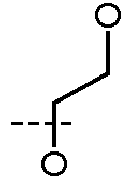
2.62 004_CC_ZQ7 32.10 i 
2.86 004_CC_ZQ7 32.11 j 
2.79 004_CC_ZQ7 32.12 k 
2.82 004_CC_ZQ7 32.13 l 
2.68 003_CC_ZQ7 - The acid a and Hünig's base (25µl) was dissolved in DMF (3 ml). After a few minutes HATU (42 mg) was added. To this mixture N,N- dimethyl-1,3-propanediamine (19 µl) was added. The reaction mixture was stirred at room temperature overnight. The mixture was purified by chromatography to yield compound 35.

- The following compounds were synthesized in an analogue manner:
Final compound Inter mediate product NR2R3 Mass Retention time HPLC method 32.14 a 
456 1.98 002_CC_ZQ4 32.15 a 
497 1.76 002_CC_ZQ4 32.16 b 
486 1.78 002_CC_ZQ4 32.17 c 
383 2.01 002_CC_ZQ4 32.18 c 
427 2.00 002_CC_ZQ4 32.19 c 
468 1.77 002_CC_ZQ4 32.20 d 
453 2.07 002_CC_ZQ4 32.21 d 
409 2.07 002_CC_ZQ4 32.22 d 
494 1.82 002_CC_ZQ4 32.23 e 
453 2.02 002_CC_ZQ4 32.24 e 
494 1.79 002_CC_ZQ4 32.25 e 
408 2.04 002_CC_ZQ4 32.26 f 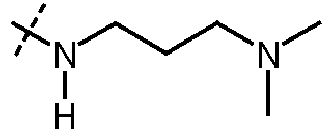
464 1.80 002_CC_ZQ4 32.27 f 
422 2.03 002_CC_ZQ4 32.28 f 
378 2.05 002_CC_ZQ4 32.29 g 
451 1.87 002_CC_ZQ4 32.30 g 
407 1.89 002_CC_ZQ4 32.31 g 
492 1.67 002_CC_ZQ4 32.32 h 
363 1.97 002_CC_ZQ4 32.33 h 
407 1.96 002_CC_ZQ4 32.34 h 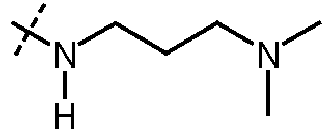
448 1.73 002_CC_ZQ4 32.35 i 
476 1.81 002_CC_ZQ4 32.36 i 
435 2.06 002_CC_ZQ4 32.37 i 
391 2.08 002_CC_ZQ4 32.38 j 
500 1.80 002_CC_ZQ4 32.39 k 
464 1.8 002_CC_ZQ4 32.40 l 
514 2.71 003_CC_ZQ7 32.41 l 
526 2.68 003_CC_ZQ7 32.42 l 
540 2.81 003_CC_ZQ7 - The acid f and Hünig's base (15µl) was dissolved in DMF (2 ml). After a few minutes TBTU (21.2 mg) was added. To this mixture was added the amin (0.07 mmol). The reaction mixture was stirred at room temperature overnight. The mixture was purified by chromatography.
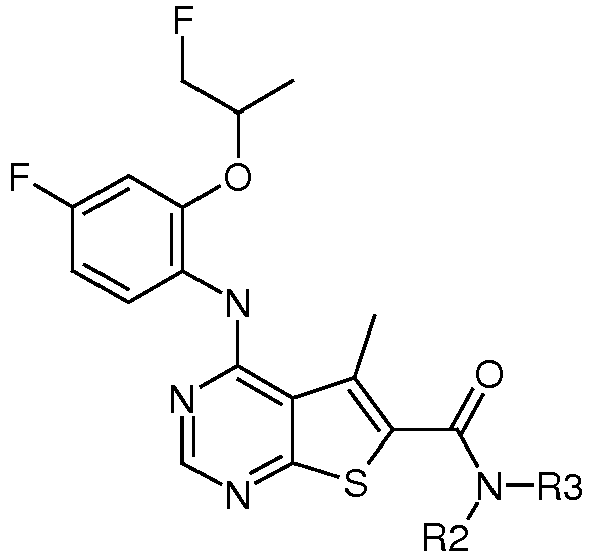
- The following compounds were synthesized in an analogue manner:
Final compound Intermediate product NR2R3 Mass Retention time HPLC method 32.43 f 
490 32.44 f 
490 32.45 f 
490 -
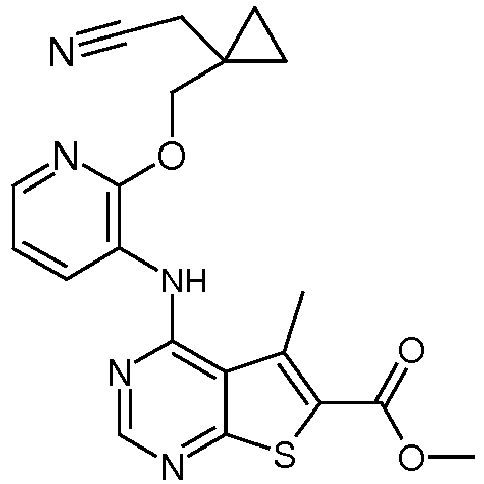
- Prepared analogously to example 32.1 using 2-(1-((3-aminopyridin-2-yloxy)methyl)cyclopropyl)acetonitrile (264 mg) and chloro-5-methyl-thieno[2,3-d]pyrimidine-6-carboxylic acid methyl ester (152 mg).
Retention time HPLC: 2.13 min HPLC method: 007_CC_ZQ5 -

- Prepared analogously to example 32 Step 2 using methyl 4-(2-((1-(cyanomethyl) cyclopropyl)methoxy)pyridin-3-ylamino)-5-methylthieno[2,3-d]pyrimidine-6-carboxylate
Yield: 85mg Retention time HPLC: 2.23 min HPLC method: 003_CC_ZQ6 -

- Prepared analogously to example 32.3 using 4-(2-((1-(cyanomethyl)cyclopropyl) methoxy)pyridin-3-ylamino)-5-methyl-thieno[2,3-d]pyrimidine-6-carboxylic acid (42,5 mg) and N,N-dimethyl-1,3-propanediamine (17 mg).
Yield: 42.7 mg ESI mass spectrum: m/z = 480 (M+H)+ Retention time HPLC: 1.69 min HPLC method: 004_CC_ZQ6 - Prepared analogously to example 32.3 using 4-(2-((1-(cyanomethyl)cyclopropyl)-methoxy)pyridin-3-ylamino)-5-methylthieno[2,3-d]pyrimidine-6-carboxylic acid and ammonia.
Structure Name Yield Mass Retention time HPLC method 
4-(2-((1-(cyano-methyl)cyclopropyl)methoxy) pyridin-3-ylamino)-5-methylthieno[2,3 -d]pyrim idine-6-carboxamide 18.5 mg 395 2.00 004_CC_Z Q6 -

- Prepared analogously to example 32.1 using 2-((2,2-Difluorocyclopropyl)methoxy)pyridin-3-amine (200 mg) and chloro-5-methyl-thieno[2,3-d]pyrimidine-6-carboxylic acid methyl ester (194 mg).
Yield: 57 mg Retention time HPLC: 2.49 min HPLC method: 004_CC_ZQ6 -

- Prepared analogously to example 32 Step 2 using methyl 4-(2-((2,2-difluorocyclopropyl)methoxy)pyridin-3-ylamino)-5-methylthieno[2,3-d]pyrimidine-6-carboxylate (56 mg)
Yield: 110mg Retention time HPLC: 2.37 min HPLC method: 004_CC_ZQ6 -

- Prepared analogously to example 32.3 from 4-(2-(2,2)difluorocyclopropyl)-methoxy)pyridin-3-ylamino)-5-methylthieno[2,3-d]pyrimidine-6-carboxylic acid (27 mg) and N,N-dimethyl-1,3-propanediamine (11 mg).
Yield: 8.6 mg ESI mass spectrum: m/z = 477 (M+H)+ Retention time HPLC: 1.83min HPLC method: 004_CC_ZQ6 - Prepared analogously to example 32.3 using 4-(2-((2,2-difluorocyclopropyl)methoxy)pyridin-3-ylamino)-5-methylthieno[2,3-d]pyrimidine-6-carboxylic acid
Structure Name Yield Mass Retention time HPLC method 
4-(2-((2,2-difluorocyclopro pyl)methoxy)-pyridin-3-ylamino)-5-methylthieno[2,3 -d]pyrim idine-6-carboxamide 4mg 392 2.19 004_CC_Z Q6 -

- To the intermediate XVIII (0.36 g) in THF:methanol 1:1 (20 ml) was added sodium hydroxide 1 M (2.00 ml) and stirred at 50°C overnight. Then the mixture was acidified by addition of hydrochloric acid and concentrated. The residue was diluted with water, filtrated and the solid was washed with diethylether.
Yield: 0.30 g ESI mass spectrum: m/z = 419 (M+H)+ Retention time HPLC: 2.65 min HPLC method: A_4 -

- Prepared analogously to example 5 using 4-[2-(1-ethylcarbamoyl-ethoxy)-4-fluoro-phenylamino]-5-methyl-thieno[2,3-d]pyrimidine-6-carboxylic acid (60 mg) and N,N-dimethyl-1,3-propanediamine (24µl).
Yield: 0.32 g ESI mass spectrum: m/z = 503 (M+H)+ Retention time HPLC: 1.97 min HPLC method: A_4 - The compound listed in the following table was synthesized analogously to example 40 using 4-[2-(1-ethylcarbamoyl-ethoxy)-4-fluoro-phenylamino]-5-methyl-thieno [2,3-d]pyrimidine-6-carboxylic acid (compound 39) and ethanolamine.
Structure Name Yield Mass Retention time HPLC method 
4-[2-(1-Ethylcarbamoyl-ethoxy)-4-fluoro-phenylamino]-5-methyl-d]pyrim idine-6-carboxylic acid(2-hydroxy-ethyl)-amide 25 mg 462 2.33 A_4 -

-

- To the product from 16.1 (0.20 g) in DMF (5 ml) was added CDI (75 mg) and stirred for 2 hours at 70°C. Then 2-amino-ethanol (28,8 µl) was added and stirred at rt overnight. The reaction mixture was concentrated. Purification was achieved by chromatography.
Yield: 0.16 g ESI mass spectrum: m/z = 417 (M+H)+ Retention time HPLC: 2.18 min HPLC method: A_10 -

- Methanesulfonyl chloride (19 µl) was added to a mixture of the product from example 42 (0.11 g), DCM (5 ml) and DBU (75 µl). The mixture was stirred at rt overnight. The reaction mixture was concentrated and then purified by chromatography.
Yield: 9.8 mg ESI mass spectrum: m/z = 495 (M+H)+ Retention time HPLC: 2.38 min HPLC method: AC 1 -

-

- Prepared analogously to example 43 using the product from 15.2.
Yield: 330.0 mg ESI mass spectrum: m/z = 466 (M+H)+ -

- Sodium hydroxid 1 M (3 ml) was added to a mixture of the product from example 44.1 (0.27 g) and MeOH (5 ml). The mixture was stirred at 50°C for 1 hour. Then the reaction mixture was neutralized with hydrochloric acid 1 M (3 ml) and concentrated. The residue was diluted with water and extracted with DCM. The organic layer was washed with a sodium chloride solution, dried and concentrated.
Yield: 210.0 mg ESI mass spectrum: m/z = 452 (M+H)+ Retention time HPLC: 1.62 min HPLC method: A_10 -

- A reaction mixture of the product from example 44.2 (50 mg), TBTU (36 mg), DIPEA (39 µl), ammonia 0.5M in THF (222 µl), THF (3 ml) was stirred at rt for 1 hour. Then the mixture was concentrated and then purified by chromatography.
Yield: 18.0 mg ESI mass spectrum: m/z = 451 (M+H)+ Retention time HPLC: 1.46 min HPLC method: A_10 -

- Prepared analogously to example 45 using the product from 44.2.
Yield: 62.0 mg ESI mass spectrum: m/z = 536 (M+H)+ Retention time HPLC: 1.14 min HPLC method: A_10 -

- 4-Chloro-5-methyl-thieno[2,3-d]pyrimidine-6-carboxylic acid methyl ester (0.2 g), _4-amino-3-(2-fluoro-1-fluoromethyl-ethoxy)-benzonitrile (0.17 g), p-toluenesulfonic acid monohydrate (0.16 g) and isopropanol (3.0 ml) were stirred at 90°C for 2 hours. Then the mixture was poured in water and filtrated.The solid was washed with water and dried in an oven at 70°C.
Yield: 160.0 mg ESI mass spectrum: m/z = 419 (M+H)+ Retention time HPLC: 2.05 min HPLC method: AC 1 -

-

- The product from example 47 (1.4 g) was dissolved in THF (200 ml). 10 ml water and LiOH (0.48 g) were added. The mixture was stirred at rt for 4 days. Then the mixture was acidified with 10 % citric acid and concentrated. The residue was dried in an oven at 70°C.
Yield: 950.0 mg -

- 4-[4-Cyano-2-(2-fluoro-1-fluoromethyl-ethoxy)-phenylamino]-5-methyl-thieno[2,3-d] pyrimidine-6-carboxylic acid (100 mg), HATU (114 mg) and TEA (52 µl) were dissolved in DMF (4 ml). N,N-dimethyl-1,3-propanediamine (31 µl) was added. The mixture was stirred for 1 hour at rt. Then the mixture was poured in water and filtrated.The solid was washed with water and dried in an oven at 70°C.
Yield: 75.0 mg ESI mass spectrum: m/z = 515 (M+H)+ Retention time HPLC: 1.95 min HPLC method: AC 1 - The following compounds were prepared analogously to example 48.2 using 4-[4-cyano-2-(2-fluoro-1-fluoromethyl-ethoxy)-phenylamino]-5-methyl-thieno[2,3-d] pyrimidine-6-carboxylic acid and the corresponding amine.
Structure Name Yield Mass Retention time HPLC method Amine 49 
4-(4-Cyano-2-(2-fluoro-1-fluoromethyl-ethoxy)-phenylamino]-5-methyl-thieno[2,3-d]pyrimidine-6-carboxylic acid (3-dimethylaminopropyl)-amide 30 mg 489 1.9 AC 1 
50 
4-(4-Cyano-2-(2-fluoro-1-fluoromethyl-ethoxy)-phenylamino]-5-methyl-thieno[2,3-d]pyrimidine-6-carboxylic acid (1-methyl-piperidin-4-yl)-amide 40 mg 501 1.95 AC 1 
51 
4-(4-Cyano-2-(2-fluoro-1-fluoromethyl-ethoxy)-phenylamino]-5-methyl-thieno[2,3-d]pyrimidine-6-carboxylic acid (2-hydroxy-ethyl)-amide 60 mg 448 2.21 AC 1 
52 
4-(4-Cyano-2-(2-fluoro-1-fluoromethyl-ethoxy)-phenylamino]-5-methyl-thieno[2,3-d]pyrimidine-6-carboxylic acid (4-dimethylamino-but-2-ynyl)-amide 50 mg 499 1.87 AC 1 
53 
4-(4-Cyano-2-(2-fluoro-1-fluoromethyl-ethoxy)-phenylamino]-5-methyl-thieno[2,3-d]pyrimidine-6-carboxylic acid cyanomethyl-amide 35 mg 443 1.99 AC 1 
-

-

- Methyl 4-(4-fluoro-2-hydroxyphenylamino)-5-methyl-thieno[2,3-d]pyrimidine-6-carboxylate (Intermediate III) (1.0 g), sodium hydroxide 1 M (10 ml), methanol (20 ml) and THF (20 ml) were stirred at rt overnight. The mixture was concentrated and diluted with EE and water. The aqueous layer was acidified with hydrochloric acid and filtrated.
Yield: 800 mg ESI mass spectrum: m/z = 320 (M+H)+ Retention time HPLC: 2.22 min HPLC method: 004_CC_ZQ6 -

- Prepared analogously to example 21.3 using the product from 66.1
Yield: 30 mg ESI mass spectrum: m/z = 319 (M+H)+ Retention time HPLC: 1.9 min HPLC method: 004_CC_ZQ6 -

- The product from 54.2 (30 mg), 2-bromopropionitrile (13 mg), cesium carbonate (40 mg) inDMF (1 ml) were stirred at rt overnight. The mixture was filtrated and the solid was washed with DMF. Water was added to the filtrate. The solid was isolated by filtration. The combined solids were freeze-dried.
Yield: 14 mg ESI mass spectrum: m/z = 372 (M+H)+ Retention time HPLC: 1.92 min HPLC method: 004_CC_ZQ6 -

-

- 2-Bromopropionic acid tert-butyl-ester (1.4 g) was added to methyl 4-(4-fluoro-2-hydroxyphenylamino)-5-methyl-thieno[2,3-d]pyrimidine-6-carboxylate (Intermediate III) (2.00 g) and cesium carbonate (4.8 g) in ACN (50 ml) and stirred at 60°C for 2 hours. The mixture was diluted with water, filtrated and washed with water.
Yield: 2.1 g ESI mass spectrum: m/z = 462 (M+H)+ Retention time HPLC: 2.12 min HPLC method: A_9 -

- A mixture of the product from 55.1 (2.1 g) and 50% trifluoroacetic acid in DCM was stirred at rt overnight. Then the mixture was concentrated and the residue was triturated with diethylether.
Yield: 1.9 g ESI mass spectrum: m/z = 406 (M+H)+ Retention time HPLC: 1.96 min HPLC method: A_9 -
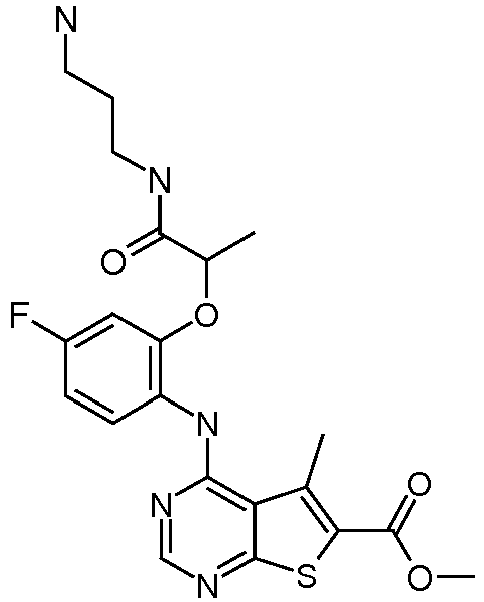
-

- The product from 55 (170 mg) and TBTU (150 mg) was dissolved in ACN (5 ml). TEA (150 µl) was added to the mixture. The mixture was stirred for 15 min. at rt. Then tert-butyl N-(3-Aminopropyl)carbamate (200 mg) was added. The mixture was stirred at 50°C for 2 days. Afterwards the mixture was diluted with water and filtrated. The solid was washed with water and dried in an oven
Yield: 176 mg ESI mass spectrum: m/z = 562 (M+H)+ Retention time HPLC: 2.21 min HPLC method: A_9 -

- A mixture of the product from 56.1 (30 mg) and 25% trifluoroacetic acid in DCM (2 ml) was stirred at rt for 4 hours. The mixture was concentrated.
Yield: 25 mg ESI mass spectrum: m/z = 462 (M+H)+ Retention time HPLC: 1.96 min HPLC method: A_9 -

-

- To the product from 55 (130 mg) in THF:MeOH=1:1 (5 ml) was added sodium hydroxide solution 1 M (580 µl) and stirred at 40°C overnight. The mixture was cooled down to rt and added Hydrochloric acid 1 M (580 ml). Then the methanol was concentrated and the residue with DCM diluted. The organic layer was seperated by a cartridge and concentrated. The residue was triturated with diethylether.
Yield: 113 mg -

- The product from 57.1 (115 mg) and TBTU (70 mg) were dissolved in DMF (1.5 ml). TEA (75 µl) was added and the mixture was stirred for 5 min. at rt. Ethanolamine (20 µl) was added and the mixture was stirred at rt overnight. Afterwards the mixture was diluted with methanol. Purification was achieved by chromatography. The combined fractions were concentrated. A mixture of DCM:TFA=50:50 was added to the residue and the mixture was stirred at rt for 1 hour. Then the mixture was concentrated. A solution of hydrochloric acid in methanol was added and the mixture was concentrated.
Yield: 70 mg ESI mass spectrum: m/z = 491 (M+H)+ Retention time HPLC: 1.92 min HPLC method: A_9 -

-

- Prepared analogously to example 56.1 using the product from 55 (170 mg) and tert-butyl N-(2-aminoethyl)carbamate (90 µl).
Yield: 135 mg ESI mass spectrum: m/z = 548 (M+H)+ -

- Prepared analogously to example 56.2 using the product from 57.3 (170 mg).
Yield: 28 mg ESI mass spectrum: m/z = 448 (M+H)+ Retention time HPLC: 1.83 min HPLC method: A_9 -

-

- Prepared analogously to example 57.1 using the product from 58 (90 mg) .
Yield: 73 mg ESI mass spectrum: m/z = 534 (M+H)+ -

- The product from 59.1 (73 mg) and TBTU (48 mg) were dissolved in DMF (1 ml). TEA (48 µl) was added and the mixture was stirred for 5 min. at rt before ethanolamine (11 µl) was added. The mixture was stirred at rt overnight. The mixture was then diluted with methanol. Purification was achieved by chromatography.
Yield: 40 mg ESI mass spectrum: m/z = 577 (M+H)+ Retention time HPLC: 1.56 min HPLC method: A_9 -

- A mixture of the product from 59.2 (40 mg) and 25% trifluoroacetic acid in DCM (5 ml) was stirred at rt for 4 hours. Methanol and a solution of hydrochloric acid in methanol were added. Then the mixture was concentrated.
Yield: 7 mg ESI mass spectrum: m/z = 462 (M+H)+ Retention time HPLC: 1.96 min HPLC method: A_9 -

- 4-Chloro-5-methyl-thieno[2,3-d]pyrimidine-6-carboxylic acid amide (intermediate XXIV) (100 mg), intermediate XXVI (120 mg) and p-toluenesulfonic acid (5 mg) in dioxane (2 ml) were stirred at 100°C for 6 hours. Then the mixture was filtrated. The solid was washed with methanol.
Yield: 145 mg ESI mass spectrum: m/z = 405 (M+H)+ Retention time HPLC: 1.245 min HPLC method: M2-SB-C18 -

- The product from 55 (500 mg) and TBTU (400 mg) were dissolved in ACN (10 ml). TEA (430 µl) was added and the mixture was stirred for 20 min. at rt before Ethylamine (1.5 ml) was added. The mixture was stirred at rt overnight. Then the mixture was diluted with methanol. Purification was achieved by chromatography.
Yield: 360 mg ESI mass spectrum: m/z = 433 (M+H)+ Retention time HPLC: 1.89 min HPLC method: A_9 - The following compound was prepared analogously to example 61 using the product from 55 and the corresponding amine.
Structure Name Yield Mass Retention time HPLC method Amine 62 
4-{2-[1-(2-Dimethylamino-ethylcabamoyl)-ethoxy]-4-fluoro-phenylamino}-5-methyl-thieno[2,3-d]pyrimidine-6-carboxylic acid methyl ester 136 mg 476 2.17 A-4 
-

-

- Intermediate III (333 mg), sodium hydroxide solution 1 M (5 ml) in 10 ml methanol and 10 ml THF were stirred at rt overnight. Then the mixture was acidified with hydrochloric acid and filtrated.
Yield: 256 mg ESI mass spectrum: m/z = 320 (M+H)+ Retention time HPLC: 2.22 min HPLC method: 004_CC_ZQ6 -

- Prepared analogously to example 21.1 using the product from 63.1 (150 mg) and N,N-dimethyl-1,3-propanediamine (90 µl).
Yield: 157 mg ESI mass spectrum: m/z = 404 (M+H)+ Retention time HPLC: 1.62 min HPLC method: 004_CC_ZQ6 -

- To the product from 63.2 (157 mg) in DMF (4 ml) was added cesium carbonate (165 mg). After 5 min. 2-Bromopropionitrile (37 µl) was added and the mixture was stirred at rt overnight. Then the mixture was concentrated and diluted with DCM and water. The organic layer was seperated, dried and concentrated.
Yield: 130 mg ESI mass spectrum: m/z = 457 (M+H)+ - Assay principle: Inhibitory potency of compounds against Mnk1, Mnk2a and other kinases was assessed with assays based on a format known to those skilled in the art as the indirect (competitive) fluorescence polarization. The assay detection system comprises a small fluorophore-labeled phospho-peptide (termed ligand) bound to a phospho-specific antibody. The product generated by the kinase reaction competes with the ligand for antibody binding. Based on the larger molecular volume of the bound ligand, which results in a lower rotation rate in solution, its emitted light has a higher degree of polarization than the one from the free ligand.
- As a source of enzyme, human Mnk1 and human Mnk2a were expressed as GST fusion proteins in E. coli, purified to >80% homogeneity by glutathione affinity chromatography and activated in vitro with pre-activated ERK2. In brief, the open reading frames of human Mnk1 and Mnk2a were amplified from cDNA using the forward/reverse primer pairs
- SEQ ID NO: 1 5'TTTAGGATCCGTATCTTCTCAAAAGTTGG /
- SEQ ID NO: 2 5' CTGGGTCGACTCAGAGTGCTGTGGGCGG and
- SEQ ID NO: 3 5'ACAGGGATCCGTGCAGAAGAAACCAGCC /
- SEQ ID NO: 4 5'GATGGTCGACTCAGGCGTGGTCTCCCACC
- The lysate was applied to a GSTPrep FF 16/10 column (Amersham, Sweden, cat. no. 17-5234-01) equilibrated with lysis buffer. Removal of unbound material was with 3 column volumes (CV) lysis buffer. Elution was with 2 CV of elution buffer (50 mM Tris/HCl pH 7.5, 300 mM NaCl, 5% (w/v) glycerol, 20 mM glutathione (Sigma, Germany, cat. no. G4251)). Peak fractions were pooled and the protein transferred into storage buffer (50 mM Tris/HCl pH 7.5, 200 mM NaCl, 0.1 mM ethylene glycol-bis(2-aminoethylether)-N,N,N',N'-tetraacetic acid (EGTA, Aldrich, Germany, cat. no. 23,453-2), 1 mM DTT, 10% (w/v) glycerol, 0.5 M sucrose (Sigma, Germany, cat. no. S0389) by gel filtration on a PD10 desalting column (Amersham, Sweden, cat. no. 17-0851-01). Aliquots were shock frozen in liquid nitrogen and stored at -80°C.
- Activation of Mnk1 and Mnk2a was at a concentration of 2.5 µM of either purified GST-Mnk1 or GST-Mnk2a by incubation with 150 nM pre-activated NHis-ERK2 (see ERK2 assay for preparation) and 50 µM adenosine triphosphate (ATP, Sigma, cat. no. A2699) in a buffer comprising 20 mM N-(2-hydroxyethyl) piperazine-N'-(2-ethanesulfonic acid) (HEPES, Fluka, Germany, cat. no 54459)/potassium hydroxide (KOH, Roth, Germany, cat. no 6751.1) pH 7.4, 10 mM magnesium chloride (MgCl2, Sigma, Germany, cat. no. M2670), 0.25 mM DTT, 0.05% (w/v) polyoxyethylene 20 stearylether (Brij 78, Sigma, Germany, cat. no. P4019) (HMDB buffer) for 45 min at 30°C. After the incubation, the preparation was aliquoted into single-use samples, shock frozen in liquid nitrogen, stored at -80°C and utilized for Mnk1 or Mnk2a kinase assays as detailed below. The presence of activating kinase has been tested to not interfere with the Mnk activity assay.
- SUBSTRATE: A carboxy-terminal amidated 12mer peptide with the sequence
SEQ ID NO: 5 TATKSGSTTKNR,
derived from the amino acid sequence around serine 209 of the eukaryotic translation initiation factor 4E (elF4E) has been synthesized and purified by high performance liquid chromatography (HPLC) to >95% (Thermo, Germany). The serine residue phosphorylated by Mnk kinases is underlined. - LIGAND: The peptide TATKSG-pS-TTKNR, containing an amidated carboxy-terminus and conjugated at the amino-terminus with the oxazine derived fluorophore depicted below was synthesized and used as ligand.

- ANTIBODY: SPF New Zealand White Rabbits have been immunized according to standard protocols with the peptide NH2-CTATKSG-pS-TTKNR-CONH2, coupled to keyhole limpet hemocyanin (KLH). The immune globulin G (IgG) fraction was purified from serum of boosted animals by techniques known in the art. In brief, serum was subjected to protein A affinity chromatography. Eluted material was precipitated at 50% cold saturated ammonium sulfate, pellets dissolved and desalted. The resulting material was appropriate for use in below described assay without further antigen-specific purification.
- ASSAY SETUP: Inhibition of kinase activity of Mnk1 and Mnk2a was assessed with the same assay system, using pre-activated GST-Mnk1 or GST-Mnk2a, respectively. The kinase reaction contains 30 µM substrate peptide, 20 µM ATP, 60 nM ligand and one of either 25 nM pre-activated Mnk1 or 2.5 nM pre-activated Mnk2a. The reaction buffer conditions are 16 mM HEPES/KOH pH 7.4, 8 mM MgCl2, 0.4 mM DTT, 0.08 % (w/v) bovine serum albumin (BSA, Sigma, Germany, cat. no. A3059), 0.008% (w/v) Pluronic F127 (Sigma, Germany, cat. no. P2443), 3% (v/v) DMSO (Applichem, Germany, cat. no. A3006). The kinase reaction is at 30°C for 40 min. The kinase reaction is terminated by addition of 0.67 reaction volumes of 1 µM antibody in 20 mM HEPES/KOH pH 7.4, 50 mM ethylenediaminetetraacetic acid, disodium salt (EDTA, Sigma, Germany, cat. no. E5134), 0.5 mM DTT, 0.05% (w/v) polyoxyethylene-sorbitan monolaureate (Tween 20, Sigma, Germany, cat. no. P7949). After 1 h equilibration time at room temperature, samples are subjected to fluorescence polarization measurement. The fluorescence polarization readout was generated on an Analyst AD multimode reader (Molecular Devices, Sunnyvale, CA, USA) equipped with a DLRP650 dichroic mirror (Omega Opticals, Brattleboro, VT, USA, cat. no. XF2035), a 630AF50 band pass filter (Omega Opticals, Brattleboro, VT, USA, cat. no. XF1069) on the excitation and a 695AF55 band pass filter on the emission side (Omega Opticals, Brattleboro, VT, USA, cat. no. XF3076).
- The activity of Mnk proteins can be assayed also by other in vitro kinase assay formats. For example, suitable kinase assays have been described in the literature in Knauf et al., Mol Cell Biol. 2001 Aug;21(16):5500-11 or in Scheper et al., Mol Cell Biol. 2001 Feb;21(3):743-54. In general, Mnk kinase assays can be performed such that a Mnk substrate such as a protein or a peptide, which may or may not include modifications as further described below, or others are phosphorylated by Mnk proteins having enzymatic activity in vitro. The activity of a candidate agent can then be determined via its ability to decrease the enzymatic activity of the Mnk protein. The kinase activity may be detected by change of the chemical, physical or immunological properties of the substrate due to phosphorylation.
- In one example, the kinase substrate may have features, designed or endogenous, to facilitate its binding or detection in order to generate a signal that is suitable for the analysis of the substrates phosphorylation status. These features may be, but are not limited to, a biotin molecule or derivative thereof, a glutathione-S-transferase moiety, a moiety of six or more consecutive histidine residues, an amino acid sequence or hapten to function as an epitope tag, a fluorochrome, an enzyme or enzyme fragment. The kinase substrate may be linked to these or other features with a molecular spacer arm to avoid steric hindrance.
- In another example the kinase substrate may be labelled with a fluorophore. The binding of the reagent to the labelled substrate in solution may be followed by the technique of fluorescence polarization as it is described in the literature. In a variation of this example, a fluorescent tracer molecule may compete with the substrate for the analyte to detect kinase activity by a technique which is know to those skilled in the art as indirect fluorescence polarization.
- In yet another example, radioactive gamma-ATP is used in the kinase reaction, and the effect of the test agent on the incorporation of radioactive phosphate in the test substrate is determined relative to control conditions.
- It has been shown that the compounds of the invention exhibit low IC50 values in in vitro biological screening assays as described in example 2a for inhibition of Mnk 1 and/or Mnk 2 kinase activity. The following table contains the test results for exemplary compounds.
Example MNK2 IC50 [nM] Example MNK2 IC50 [nM] 1-2 52 20-2 25 1-3 342 20-3 59 1-4 294 21-2 15 1-5 459 21-3 11 2-1 70 21-4 54 2-2 41 21-5 42 2-3 50 21-6 12 2-4 23 21-7 24 3-1 41 21-8 20 3-2 204 22-3 296 3-3 18 23-1 78 3-4 261 23-2 6 3-5 443 23-3 4 4 3144 23-4 8 5 230 23-5 13 6-1 164 23-6 10 6-2 90 23-7 17 7 14 23-8 8 8-1 - 23-9 7 8-2 64 23-10 7 9-2 577 24 7 10-2 229 25 12 11-2 418 26-3 790 12 52 27-2 33 13 90 27-3 58 13-2 471 27-4 73 13-3 677 28-3 26 13-4 898 28-4 78 14 1017 28-5 93 15-2 174 29-3 86 16-2 8 29-4 288 16-3 74 30-2 20 16-4 44 30-3 18 17 - 30-4 48 18-2 691 30-5 57 19-1 1526 31-3 77 19-2 1166 31-4 19 20-1 142 31-5 11 31-6 13 33 47 31-7 20 33-4 16 32-1 267 34 54 32-2 19 34-4 15 32-3 - 39 19 32-4 13 40 20 32-5 8 41 31 32-6 23 42 70 32.7 5 43 62 32-8 - 44 24 32-9 13 45 20 32-10 18 46 84 32-11 14 47 125 32-12 12 48 12 32-13 - 49 8 32-14 65 50 13 32-15 78 51 10 32-16 66 52 25 32-17 16 53 7 32-18 30 54 11 32-19 23 55 5403 32-20 19 56 314 32-21 8 57 110 32-22 36 58 119 32-23 26 59 29 32-24 25 60 37 32-25 13 61 77 32-26 7 62 267 32-27 7 63 17 32-28 3 32-29 170 32-30 56 32-31 146 32-32 27 32-33 65 32-34 69 32-35 35 32-36 25 32-37 8 32-38 26 32-39 35 32-40 13 32-41 25 32-42 12 32-43 12 32-44 6 32-45 11 - Waters ZQ 2000; Waters 1515 Pumpe; Waters PDA 996 Detektor; Waters 2747 Injektor
DAD 200-420 nm
mobile phases: - A: water with 0.10% formic acid
- B: acetonitrile with 0.10% formic acid
- Waters ZQ 2000; Waters 1515 Pumpe; Waters PDA 996 Detektor; Waters 2747 Injektor
DAD 210-420 nm
mobile phases: - A: water with 0.10% formic acid
- B: acetonitrile with 0.10% formic acid
- Waters ZQ 2000; Waters 1515 Pumpe; Waters PDA 996 Detektor; Waters 2747 Injektor
DAD 200-420 nm
mobile phases: - A: water with 0.10% formic acid
- B: acetonitrile with 0.10% formic acid
- RP-HPLC MS analyses have been performed on a Waters ZQ2000 mass spectrometer,
HP1100 HPLC + DAD (Wavelength range ( nm ): 210 to 500) and Gilson 215 Autosampler.
Mobile Phases: - A: Water with 0.1 % TFA
- B: MeOH
- Diode array detection is at the wavelength range of 210-500 nm.
- Waters ZQ 2000; Waters 1515 Pumpe; Waters PDA 996 Detektor; Waters 2747 Injektor
DAD 200-420 nm
mobile phases: - A: water with 0.10% formic acid
- B: acetonitrile with 0.10% formic acid
- ZQ 2000MS; Waters 2996 PDA (210-600 nm); Waters 2525 pump; Waters 515 make up pump; Waters 2767 injector/ fraction collector, Waters columns and fluidics organizer (CFO)
mobile phases: - A: water with 0.20% trifluoroacetic acid
- B: Methanol
- ZQ 2000MS; Waters 2996 PDA (210-600 nm); Waters 2525 pump; Waters 515 make up pump; Waters 2767 injector/ fraction collector, Waters columns and fluidics organizer (CFO)
mobile phases: - A: water with 0.20% trifluoroacetic acid
- B: Methanol
- RP-HPLC MS analyses have been performed on a Waters ZQ2000 mass spectrometer,
HP1100 HPLC + DAD (Wavelength range ( nm ): 210 to 500) and Gilson 215 Autosampler.
Mobile Phases: - A: Water with 0.1 % TFA
- B: MeOH
- RP-HPLC MS analyses have been performed on a Waters ZQ2000 mass spectrometer, ,Alliance 2695, PDA2996
HP1100 HPLC + DAD (Wavelength range ( nm ): 210 to 500) and As 2700
Mobile Phases: - A: Water with 0.1 % TFA
- B: MeOH
- RP-HPLC MS analyses have been performed on a Waters ZQ2000 mass spectrometer,Alliance 2695, PDA2996
DAD (Wavelength range ( nm ): 210 to 500) and 2700 AS
Mobile Phases: - A: Water with 0.1 % TFA
- B: MeOH
- RP-HPLC MS analyses have been performed on a Waters ZQ2000 mass spectrometer,
DAD (Wavelength range ( nm ): 210 to 500) and 2700 AS
Mobile Phases: - A: Water with 0.15% TFA
- B: MeOH
- RP-HPLC MS analyses have been performed on a Waters ZQ2000 mass spectrometer,
DAD (Wavelength range ( nm ): 210 to 500) and 2700 AS
Mobile Phases: - A: Water with 0.032% NH4OH
- B: MeOH
- RP-HPLC MS analyses have been performed on a Waters ZQ2000 mass spectrometer, Alliance 2790 DAD (Wavelength range ( nm ): 210 to 500) and 2700 AS
Mobile Phases: - A: Water with 0.1 % TFA
- B: MeOH
- RP-HPLC MS analyses have been performed on a Waters ZQ2000 mass spectrometer, Alliance 2790
DAD (Wavelength range ( nm ): 210 to 500) and 2700 AS
Mobile Phases: - A: Water with 0.1 % TFA
- B: MeOH
- RP-HPLC MS analyses have been performed on a Agilent 1200, MS G6140A, binäre Pumpe, DAD
190-400 nm
Mobile Phases: - A: Water with 0.1 % TFA
- B: MeOH
-
- <110> Boehringer Ingelheim International GmbH
- <120> Thienopyrimidines containing a substituted alkyl group for pharmaceutical compositions
- <130>
P01-2600/EP - <160> 7
- <170> PatentIn version 3.5
- <210> 1
<211> 29
<212> DNA
<213> Homo sapiens - <400> 1
tttaggatcc gtatcttctc aaaagttgg 29 - <210> 2
<211> 28
<212> DNA
<213> Homo sapiens - <400> 2
ctgggtcgac tcagagtgct gtgggcgg 28 - <210> 3
<211> 28
<212> DNA
<213> Homo sapiens - <400> 3
acagggatcc gtgcagaaga aaccagcc 28 - <210> 4
<211> 29
<212> DNA
<213> Homo sapiens - <400> 4
gatggtcgac tcaggcgtgg tctcccacc 29 - <210> 5
<211> 12
<212> PRT
<213> Artificial - <220>
<221> source
<223> /note="Description of artificial sequence: peptide" - <400> 5

- <210> 6
<211> 12
<212> PRT
<213> Artificial - <220>
<221> source
<223> /note="Description of artificial sequence: peptide" - <220>
<221> MISC_FEATURE
<222> (7).. (7)
<223> Ser is phosphorylated - <400> 6

- <210> 7
<211> 13
<212> PRT
<213> Artificial - <220>
<221> source
<223> /note="Description of artificial sequence: peptide" - <220>
<221> MISC_FEATURE
<222> (8)..(8)
<223> Ser is phosphorylated - <400> 7

R4 is a carboxy, C1-3 alkoxy-carbonyl, -CONH2, -CONHR7, -CONH-OR7, -CONH-SO2R7 or -CO-NH-L-R6 group,
particularly those compounds of formula (I), wherein
X, R1, R3 and R4 are as defined above and R2 is selected from:
isopropyl and isobutyl optionally substituted in position 2 or 3 with ethoxycarbonyl, amino, tert-butyloxycarbonylamino or methylsulfonylamino
or a tautomer or pharmaceutically acceptable salt thereof.
particularly those compounds of formula (I), wherein
X, R1 to R3 are as defined above and R4 is selected from:
aminocarbonyl, N-methyl-aminocarbonyl;
N-ethyl-aminocarbonyl terminally substituted in the ethyl moiety with hydroxy or N,N-dimethylamino;
N-(n-propyl)-aminocarbonyl terminally substituted in the n-propyl moiety with N,N-dimethylamino;
carboxy or methoxycarbonyl,
or a tautomer or pharmaceutically acceptable salt thereof.
| time in min | %A | %B | flow rate in ml/min |
| 0.00 | 95 | 5 | 1.50 |
| 2.00 | 0 | 100 | 1.50 |
| 2.50 | 0 | 100 | 1.50 |
| 2.60 | 95 | 5 | 1.50 |
| time in min | %A | %B | flow rate in ml/min |
| 0.00 | 95 | 5 | 1.00 |
| 0.10 | 95 | 5 | 1.00 |
| 3.10 | 2 | 98 | 1.00 |
| 4.50 | 2 | 98 | 1.00 |
| 5.00 | 95 | 5 | 1.00 |
| time in min | %A | %B | flow rate in ml/min |
| 0.00 | 95 | 5 | 1.50 |
| 2.00 | 0 | 100 | 1.50 |
| 2.50 | 0 | 100 | 1.50 |
| 2.60 | 95 | 5 | 1.50 |
| Time in min | %A | %B | Flowrate in ml/min |
| 0.00 | 80 | 20 | 2.00 |
| 1.7 | 0 | 100 | 2.00 |
| 2.50 | 0 | 100 | 2.00 |
| 2.60 | 80 | 20 | 2.00 |
Column temp: 60°C.
| time in min | %A | %B | flow rate in ml/min |
| 0.00 | 95 | 5 | 1.00 |
| 0.10 | 95 | 5 | 1.00 |
| 3.10 | 2 | 98 | 1.00 |
| 4.50 | 2 | 95 | 1.00 |
| 5.00 | 95 | 5 | 1.00 |
| time in min | %A | %B | flow rate in ml/min |
| 0.00 | 72 | 18 | 55.00 |
| 2.00 | 72 | 18 | 55.00 |
| 2.50 | 62 | 38 | 55.00 |
| 9.50 | 18 | 72 | 55.00 |
| 10.00 | 0 | 100 | 55.00 |
| 12.00 | 0 | 100 | 55.00 |
| 12.50 | 0 | 100 | 0 |
Temperature 25°C
| time in min | %A | %B | flow rate in ml/min |
| 0.00 | 59 | 41 | 55.00 |
| 2.00 | 59 | 41 | 55.00 |
| 2.50 | 49 | 51 | 55.00 |
| 9.50 | 5 | 95 | 55.00 |
| 10.00 | 0 | 100 | 55.00 |
| 12.00 | 0 | 100 | 55.00 |
| 12.50 | 0 | 100 | 0 |
Temperature 25°C
| Time in min | %A | %B | Flowrate in ml/min |
| 0.00 | 95 | 5 | 1.50 |
| 1.3 | 0 | 100 | 1.50 |
| 2.50 | 0 | 100 | 1.50 |
| 2.60 | 95 | 5 | 1.50 |
Column temp: constant at 40°C.
Diode array detection is at the wavelength range of 210-500 nm.
| Time in min | %A | %B | Flowrate in ml/min |
| 0.00 | 95 | 5 | 1.50 |
| 1.3 | 0 | 100 | 1.50 |
| 3.00 | 0 | 100 | 1.50 |
| 3.40 | 95 | 5 | 1.50 |
Column temp: constant at 40°C.
Diode array detection is at the wavelength range of 210-500 nm.
| Time in min | %A | %B | Flowrate in ml/min |
| 0.00 | 80 | 20 | 2 |
| 1.7 | 0 | 100 | 2 |
| 2.5 | 0 | 100 | 2 |
| 2.6 | 80 | 20 | 2 |
Column temp: 60°C.
Diode array detection is at the wavelength range of 210-500 nm.
| Time in min | %A | %B | Flowrate in ml/min |
| 0.00 | 95 | 5 | 1.5 |
| 1.5 | 95 | 5 | 1.5 |
| 2.0 | 0 | 100 | 1.5 |
Column temp: 40°C.
Diode array detection is at the wavelength range of 210-500 nm.
| Time in min | %A | %B | Flowrate in ml/min |
| 0.00 | 95 | 5 | 1.5 |
| 1.5 | 95 | 5 | 1.5 |
| 2.0 | 0 | 100 | 1.5 |
Column temp: 40°C.
Diode array detection is at the wavelength range of 210-500 nm.
| Time in min | %A | %B | Flowrate in ml/min |
| 0.00 | 80 | 20 | 2 |
| 1.7 | 0 | 100 | 2 |
| 2.5 | 0 | 100 | 2 |
| 2.6 | 80 | 20 | 2 |
Column temp: 60°C.
Diode array detection is at the wavelength range of 210-500 nm.
| Time in min | %A | %B | Flowrate in ml/min |
| 0.00 | 80 | 20 | 2 |
| 1.7 | 0 | 100 | 2 |
| 2.5 | 0 | 100 | 2 |
| 2.6 | 80 | 20 | 2 |
Column temp: 60°C.
Diode array detection is at the wavelength range of 210-500 nm.
| Time in min | %A | %B | Flowrate in ml/min |
| 0.00 | 90 | 10 | 3 |
| 1.8 | 0 | 100 | 3 |
| 2.0 | 0 | 100 | 3 |
| 2.15 | 90 | 10 | 3 |
| 2.35 | 90 | 10 | 3 |
Diode array detection is at the wavelength range of 190-400 nm.
| column: | XBridge C18, 4.6 x 30 mm, 2.5 µm | |||
| Supplier | Waters | |||
| time [min] | %Sol [H2O,0.1%TFA] | %Sol [Methanol,0.1%TFA] | Flow [ml/min] | Temp [°C] |
| 0.0 | 95 | 5 | 4 | 60 |
| 0.05 | 95 | 5 | 3 | 60 |
| 2.05 | 0 | 100 | 3 | 60 |
| 2.10 | 0 | 100 | 4 | 60 |
| 2.35 | 0 | 100 | 4 | 60 |
Claims (21)
- A compound of general formula

X is CH or N,
R1 is a hydrogen or halogen atom or CN or an C1-3 alkyl or CONH2 group,
R2 is a straight-chained or branched C1-6 alkyl group which is independently substituted with one or two fluorine atoms, or one or two trifluoromethyl, tetrahydropyranyl, cyclopropyl, H2N-CO-, R5NHCO- or (R5)2N-CO- groups,wherein the above-mentioned cyclopropyl group may be substituted with one or two F or -CH2-CN,and wherein the two R5 groups together with the N atom to which they are attached may form a 4- to 8-membered ring, in which a carbon atom may be replaced by a O, S, SO, SO2 and/or which may be substituted with OH, NH2, N(C1-3- alkyl)2, NH(C1-3alkyl), CF3 or C1-3-alkyl,or a straight-chained or branched C2-6 alkyl group which is independently substituted in position 2 to 6 with one or two hydroxy, C1-3 alkoxy, amino, CN, R5NH-, (R5)2N-, R5OCONH-, R5CONH-, R5SO2NH-, R5NHCONH- groups,wherein R5 is a C1-5 alkyl group, preferably a C1-4 alkyl group, more preferably Me, i-Pr or t-Bu, each optionally substituted with one CF3, NH2, NH(C1-3 alkyl), N(C1-3-alkyl)2 or MeO- group,an wherein the hydrogen atoms of any of the above-mentioned NH moiety may be replaced by methyl,R3 is a C1-2 alkyl group and
R4 is a carboxy, C1-3 alkoxy-carbonyl, -CONH2, -CONHR7, -CONH-OR7, -CONH-SO2R7 or -CO-NH-L-R6 group,wherein L is a -(CH2)n-, -CH2-C≡C-CH2-, or R6 is OH, -NH2, -NHR7, -N(R7)2, -NH-CO2R7 or a 3- to 6-membered cyclic amine such as pyrrolidine or piperidine,n is 2 or 3 andR7 is C1-4 alkyl, preferably methyl,or a pharmaceutically acceptable salt thereof.
 - A compound of formula (I) according to claim 1, wherein
X, R1, R2 and R4 are defined as in claim 1 and
R3 is methyl,
or a pharmaceutically acceptable salt thereof. - A compound of formula (I) according to claim 1 or 2, wherein
R2 to R4 are defined as in claim 1 and
X is CH and
R1 is a fluorine atom,
or a pharmaceutically acceptable salt thereof. - A compound of formula (I) according to claim 1 or 2, wherein
R2 to R4 are defined as in claim 1 and
X is N and
R1 is a hydrogen atom,
or a pharmaceutically acceptable salt thereof. - A compound of formula (I) according to any one of claims 1 to 4, wherein
X, R1, R3 and R4 are defined as in any one of claims 1 to 4 and
R2 is selected from:(dimethylamino)-carbonylmethyl,2-amino-ethyl, 1-(trifluoromethyl)-ethyl;isopropyl substituted in position 2 with ethoxycarbonyl, amino or tert-butyloxycarbonylamino;2,2'-diamino-isopropyl, 2,2'-difluoro-isopropyl, 2,2'-di-(ethoxy)-isopropyl, 2,2'-bis-(tert-butyloxycarbonylamino)-isopropyl, 2-[2'-(trifluoromethyl)-ethylamino]-isopropyl, 3-amino-1-methyl-propyl, 3-(dimethylamino)-1-methyl-propyl, 3-hydroxy-1,3-dimethyl-butyl, ora fluor-containing residue such as 1,3-difluoropropan-2-yl, 1,1,1-trifluoropropan-2-yl or 1,1-difluoroethyl,or pharmaceutically acceptable salt thereof. - A compound of formula (I) according to any one of claims 1 to 4, wherein
X, R1, R3 and R4 are defined as in any one of claims 1 to 4 and
R2 is selected from:isopropyl and isobutyl optionally substituted in position 2 or 3 with ethoxycarbonyl, amino, tert-butyloxycarbonylamino or methylsulfonylamino or a pharmaceutically acceptable salt thereof. - A compound of formula (I) according to any one of claims 1 to 6, wherein
X, R1 to R3 are defined as in any one of claims 1 to 6 and
R4 is selected from:carboxy, C1-3 alkoxy-carbonyl, aminocarbonyl, N-(C1-3 alkyl)-aminocarbonyl or N,N-[di-(C1-3 alkyl)]-aminocarbonyl group,or a pharmaceutically acceptable salt thereof.wherein the alkyl moiety of the above-mentioned N-(C1-3 alkyl)-aminocarbonyl and N,N-[di-(C1-3 alkyl)]-aminocarbonyl groups may optionally be terminally substituted with a hydroxy, amino, N-(C1-3 alkyl)-amino or N,N-[di-(C1-3 alkyl)]-amino group, - A compound of formula (I) according to any one of claims 1 to 6, wherein
X, R1 to R3 are defined as in any one of claims 1 to 6 and
R4 is selected from:aminocarbonyl, N-methyl-aminocarbonyl;N-ethyl-aminocarbonyl terminally substituted in the ethyl moiety with hydroxy or N,N-dimethylamino;N-(n-propyl)-aminocarbonyl terminally substituted in the n-propyl moiety with N,N-dimethylamino;carboxy or methoxycarbonyl,or a pharmaceutically acceptable salt thereof. - Compound of formula (I) according to claim 1 selected from:a) Methyl 4-(2-(1-aminopropan-2-yloxy)-4-fluorophenylamino)-5-methyl-thieno[2,3-d]pyrimidine-6-carboxylate,b) 4-(2-(1-Aminopropan-2-yloxy)-4-fluorophenylamino)-N-5-methylthieno[2,3-d]pyrimidine-6-carboxamide,c) Methyl 4-(4-fluoro-(2-(1-methylsulfonamido)propan-2-yloxy)phenylamino)-5-methyl-thieno[2,3-d]pyrimidine-6-carboxylate,d) 4-(2-(1-Aminopropan-2-yloxy)-4-fluorophenylamino)-5-methylthieno[2,3-d]pyrimidine-6-carboxamide,e) 4-(2-(1-Aminopropan-2-yloxy)-4-fluorophenylamino)-5-methy-lthieno[2,3-d]pyrimidine-6-carboxylic acid,f) Methyl 4-(2-(4-aminobutan-2yloxy)-4-fluorophenylamino)-5-methyl-thieno[2,3-d]pyrimidine-6-carboxylate,g) Methyl 4-(4-fluoro-2-(4-(methylsulfonamido)butan-2yloxy)phenylamino)-5-methyl-thieno[2,3-d]pyrimidine-6-carboxylate ,h) 4-(2-(4-Aminobutan-2yloxy)pyridin-3ylamino)-5-methylthieno[2,3-d]pyrimidine-6-carboxylic acid,i) N-(3-(Dimethylamino)propyl)-4-(4-fluoro-2-(4-hydroxy-4-methylpentan-2-yloxy)phenylamino)-5-methylthieno[2,3-d]pyrimidine-6-carboxamide,j) 5-Methyl-4-(2-(1,1,1-trifluoropropan-2yloxy)pyridin-3-ylamino)thieno[2,3-d]pyrimidine-6-carboxylic acid,k) 5-Methyl-4-(2-(1,1,1-trifluoropropan-2yloxy)pyridin-3-ylamino)thieno[2,3-d]pyrimidine-6-carboxamide,l) N-Methyl- 5-methyl-4-(2-(1,1,1-trifluoropropan-2-yloxy)pyridin-3-ylamino)thieno[2,3-d]pyrimidine-6-N-methylcarboxamide,m) 4-(2-(1,3-Difluoropropan-2-yloxy)-4-fluorophenylamino)-5-methyl-thieno[2,3-d]pyrimidine-6-carboxamide,n) N-Methyl-4-(2-(1,3-difluoropropan-2-yloxy)-4-fluorophenylamino)-5-methyl-thieno[2,3d]pyrimidine-6-carboxamide,o) 4-(2-(1,3-Difluoropropan-2-yloxy)-4-fluorophenylamino)-N-(3-(dimethylamino)propyl)-5-methyl-thieno[2,3-d]pyrimidine-6-carboxamide,p) 4-(2-(1,3-Difluoropropan-2-yloxy)-4-fluorophenylamino)-N-(2-(dimethylamino)ethyl)-5-methylthieno[2,3-d]pyrimidine-6-carboxamide,q) 4-(2-(1,3-Difluoropropan-2-yloxy)-4-fluorophenylamino)-N-(2-(hydroxyethyl)-5-methylthieno[2,3-d]pyrimidine-6-carboxamide,r) 4-(2-(1,3-Difluoropropan-2-yloxy)-4-fluorophenylamino)-5-methyl-N-(3-(pyrrolidin-1-yl)propyl)thieno[2,3-d]pyrimidine-6-carboxamide,s) N-((trans)-2-Aminocyclopropyl)-4-(2-(1,3-difluoropropan-2-yloxy)-4-fluorophenylamino)-5-methylthieno[2,3-d]pyrimidine-6-carboxamide,t) 4-(2-(2-Fluoropropoxy)pyridin-3-ylamino)-N-(2-hydroxyethyl)-5-methylthieno[2,3-d]pyrimidine-6-carboxamide,u) 4-(2-(2,2-Difluoroethoxy)pyridin-3-ylamino)-5-methylthieno[2,3-d]pyrimidine-6-carboxylic acid,v) 4-(2-(2,2-Difluoroethoxy)pyridin-3-ylamino)-5-methyl-thieno[2,3-d]pyrimidine-6-carboxamide,w) 4-(2-(2,2-Difluoroethoxy)pyridin-3-ylamino)-N-(3-(dimethylamino)propyl)-5-methylthieno[2,3-d]pyrimidine-6-carboxamide,x) 4-(2-(1-(Ethylamino)-1-oxopropan-2-yloxy)-4-fluorophenylamino)-N,5-dimethylthieno[2,3-d]pyrimidine-6-carboxamide andy) 4-(2-(1-(Ethylamino)-1-oxopropan-2-yloxy)-4-fluorophenylamino)-N,5-dimethylthieno[2,3-d]pyrimidine-6-carboxamide,or a pharmaceutically acceptable salt thereof.
- A pharmaceutically acceptable salt of a compound according to any one of claims 1 to 9.
- Pharmaceutical composition comprising a compound according to any one of claims 1 to 9 or a pharmaceutically acceptable salt according to claim 10 and optionally a pharmaceutically acceptable carrier.
- Pharmaceutical composition according to claim 11 further comprising an additional therapeutic agent.
- Pharmaceutical composition according to claim 12 wherein the additional therapeutic agent is selected from an antidiabetic agent, a lipid lowering agent, a cardiovascular agent, an antihypertensive agent, a diuretic agent, a thrombocyte aggregation inhibitor, an antineoplastic agent or an anti-obesity agent.
- Compound as defined in any one of claims 1 to 9 or a pharmaceutically acceptable salt according to claim 10 for use in inhibiting the activity of the kinase activity of Mnk1 or Mnk2 (Mnk2a, Mnk2b) or variants thereof.
- Compound as defined in any one of claims 1 to 9 or a pharmaceutically acceptable salt according to claim 10 for use in the prophylaxis or therapy of metabolic diseases, hematopoietic disorders, neurodegenerative diseases, kidney damage, inflammatory disorders and cancer and their consecutive complications and diseases.
- Compound according to any one of claims 1 to 9 or a pharmaceutically acceptable salt according to claim 10 for use in the prophylaxis or therapy of metabolic diseases of the carbohydrate and/or lipid metabolism and their consecutive complications and disorders.
- Compound according to claim any one of claims 1 to 9 or a pharmaceutically acceptable salt according to claim 10 for use in the prophylaxis or therapy of diabetes.
- Compound according to any one of claims 14 to 17 for concomitant or sequential administration to a patient in combination with an additional therapeutic agent.
- Compound as defined in any of claims 1 to 9 or a pharmaceutically acceptable salt according to claim 10 for use in treating or preventing cytokine related disorders.
- Compound according to claim 19 for concomitant or sequential administration to a patient in combination with an additional therapeutic agent.
- Compound according to claim 20, wherein the additional therapeutic agent is selected from a histamine antagonist, a bradikinin antagonist, serotonin antagonist, leukotriene, an anti-asthmatic, an NSAID, an antipyretic, a corticosteroid, an antibiotic, an analgetic, a uricosuric agent, chemotherapeutic agent, an anti gout agent, a bronchodilator, a cyclooxygenase-2 inhibitor, a steroid, a 5-lipoxygenase inhibitor, an immunosuppressive agent, a leukotriene antagonist, a cytostatic agent, an antineoplastic agent, a mTor inhibitor, a Tyrosine kinase inhibitor, antibodies or fragments thereof against cytokines and soluble parts (fragments) of cytokine receptors.
Priority Applications (1)
| Application Number | Priority Date | Filing Date | Title |
|---|---|---|---|
| EP11705567.3A EP2539343B1 (en) | 2010-02-26 | 2011-02-25 | Thienopyrimidines containing a substituted alkyl group for pharmaceutical compositions |
Applications Claiming Priority (3)
| Application Number | Priority Date | Filing Date | Title |
|---|---|---|---|
| EP10154930 | 2010-02-26 | ||
| PCT/EP2011/052813 WO2011104340A1 (en) | 2010-02-26 | 2011-02-25 | Thienopyrimidines containing a substituted alkyl group for pharmaceutical compositions |
| EP11705567.3A EP2539343B1 (en) | 2010-02-26 | 2011-02-25 | Thienopyrimidines containing a substituted alkyl group for pharmaceutical compositions |
Publications (2)
| Publication Number | Publication Date |
|---|---|
| EP2539343A1 EP2539343A1 (en) | 2013-01-02 |
| EP2539343B1 true EP2539343B1 (en) | 2015-12-30 |
Family
ID=43970925
Family Applications (1)
| Application Number | Title | Priority Date | Filing Date |
|---|---|---|---|
| EP11705567.3A Active EP2539343B1 (en) | 2010-02-26 | 2011-02-25 | Thienopyrimidines containing a substituted alkyl group for pharmaceutical compositions |
Country Status (18)
| Country | Link |
|---|---|
| US (1) | US8853193B2 (en) |
| EP (1) | EP2539343B1 (en) |
| JP (1) | JP5575275B2 (en) |
| KR (1) | KR20120131171A (en) |
| CN (1) | CN102858783A (en) |
| AR (1) | AR080328A1 (en) |
| AU (1) | AU2011219764A1 (en) |
| BR (1) | BR112012021453A2 (en) |
| CA (1) | CA2791114A1 (en) |
| CL (1) | CL2012002319A1 (en) |
| EA (1) | EA201201192A1 (en) |
| ES (1) | ES2562959T3 (en) |
| IL (1) | IL221164A0 (en) |
| MX (1) | MX2012009851A (en) |
| PH (1) | PH12012501692A1 (en) |
| TW (1) | TW201141483A (en) |
| UY (1) | UY33245A (en) |
| WO (1) | WO2011104340A1 (en) |
Families Citing this family (29)
| Publication number | Priority date | Publication date | Assignee | Title |
|---|---|---|---|---|
| JP5302883B2 (en) | 2006-04-07 | 2013-10-02 | ベーリンガー インゲルハイム インターナショナル ゲゼルシャフト ミット ベシュレンクテル ハフツング | Thienopyrimidine having MNK1 / MNK2 inhibitory activity for pharmaceutical composition |
| EP1889847A1 (en) | 2006-07-10 | 2008-02-20 | DeveloGen Aktiengesellschaft | Pyrrolopyrimidines for pharmaceutical compositions |
| KR20110045019A (en) | 2008-08-26 | 2011-05-03 | 베링거 인겔하임 인터내셔날 게엠베하 | Thienopyrimidine for Pharmaceutical Compositions |
| MX2012009869A (en) | 2010-02-26 | 2012-09-12 | Japan Tobacco Inc | DERIVED FROM 1, 3,4, 8-TETRAHIDRO-2H-PIRIDO [1, 2-A] PIRAZINA AND ITS USE AS AN INHIBITOR OF THE INTEGRESS OF HIV. |
| EA201201191A1 (en) | 2010-02-26 | 2013-04-30 | Бёрингер Ингельхайм Интернациональ Гмбх | 4- [CYCLOALKYLOXY (HETERO) ARYLAMINO] THIENO [2,3-D] PYRIMIDINES THAT HAVE INHIBITING ACTIVITY WITH RESPECT TO MNKL / MNK2 INTENDED FOR PHARMACEUTICAL COMPOSITIONS |
| UY33241A (en) * | 2010-02-26 | 2011-09-30 | Boehringer Ingelheim Int | ? Tienopyrimidines containing heterocycloalkyl for pharmaceutical compositions ?. |
| AR080328A1 (en) | 2010-02-26 | 2012-03-28 | Boehringer Ingelheim Int | TIENOPIRIMIDINES CONTAINING A SUBSTITUTED RENTING GROUP, INHIBITORS OF MNK1 AND / OR MNK2 QUINASES, PHARMACEUTICAL COMPOSITIONS CONTAINING THEM AND USE OF THE SAME FOR THE TREATMENT OF METABOLIC DISORDERS SUCH AS DIABETES AND OTHERS |
| EP2852596B1 (en) | 2012-05-21 | 2016-06-22 | Bayer Pharma Aktiengesellschaft | Thienopyrimidines |
| CA2873967A1 (en) | 2012-05-21 | 2013-11-28 | Bayer Pharma Aktiengesellschaft | Substituted benzothienopyrimidines |
| SG10201610869TA (en) | 2012-06-26 | 2017-02-27 | Del Mar Pharmaceuticals | Methods for treating tyrosine-kinase-inhibitor-resistant malignancies in patients with genetic polymorphisms or ahi1 dysregulations or mutations employing dianhydrogalactitol, diacetyldianhydrogalacti |
| TW201412740A (en) | 2012-09-20 | 2014-04-01 | Bayer Pharma AG | Substituted pyrrolopyrimidinylamino-benzothiazolones |
| EP2917185B1 (en) | 2012-11-09 | 2017-05-10 | Evotec International GmbH | Sulfoximine substituted quinazolines for pharmaceutical compositions |
| CA2899665A1 (en) | 2013-02-01 | 2014-08-07 | Bayer Pharma Aktiengesellschaft | Substituted thienopyrimidines and pharmaceutical use thereof |
| EP2951175B1 (en) | 2013-02-01 | 2017-10-04 | Bayer Pharma Aktiengesellschaft | Substituted pyrazolopyrimidinylamino-indazoles |
| WO2014135480A1 (en) | 2013-03-06 | 2014-09-12 | Bayer Pharma Aktiengesellschaft | Substituted thiazolopyrimidines |
| EP2983674A4 (en) | 2013-04-08 | 2017-05-10 | Dennis M. Brown | Therapeutic benefit of suboptimally administered chemical compounds |
| DK3013805T3 (en) | 2013-06-28 | 2018-04-23 | Evotec Int Gmbh | Sulfoximine-substituted quinazolines and their use as MNK1 and / or MNK2 kinase inhibitors |
| PE20160125A1 (en) * | 2013-07-08 | 2016-03-17 | Bayer Pharma AG | SUBSTITUTE PIRAZOLPYRIDINES |
| US9512084B2 (en) * | 2013-11-29 | 2016-12-06 | Novartis Ag | Amino pyrimidine derivatives |
| AU2014359456B2 (en) | 2013-12-04 | 2019-01-24 | Evotec International Gmbh | Sulfoximine substituted quinazolines for pharmaceutical compositions |
| WO2015091156A1 (en) | 2013-12-17 | 2015-06-25 | Boehringer Ingelheim International Gmbh | Sulfoximine substituted pyrrolotriazines for pharmaceutical compositions |
| AU2015257917C1 (en) * | 2014-05-07 | 2019-03-14 | Evotec International Gmbh | Sulfoximine substituted quinazolines for pharmaceutical compositions |
| GB201520500D0 (en) * | 2015-11-20 | 2016-01-06 | Medical Res Council Technology | Compounds |
| GB201520499D0 (en) | 2015-11-20 | 2016-01-06 | Medical Res Council Technology | Compounds |
| AU2017239932A1 (en) * | 2016-03-31 | 2018-10-25 | Ocean University Of China | Method of inhibiting high fat diet-related conditions |
| WO2019023651A2 (en) * | 2017-07-28 | 2019-01-31 | Massachusetts Institute Of Technology | Small molecule modulators of the androgen receptor |
| WO2020139701A1 (en) * | 2018-12-28 | 2020-07-02 | Kronos Bio, Inc. | Compounds, compositions, and methods for modulating androgen receptor activity |
| WO2021241725A1 (en) * | 2020-05-29 | 2021-12-02 | 富士フイルム富山化学株式会社 | High-purity n-(5-methoxy-2-phenoxyphenyl)methanesulfonamide and method for producing same |
| KR102766048B1 (en) | 2021-11-17 | 2025-02-13 | 중앙대학교 산학협력단 | Composition for inhibiting LRRK2 comprising thienopyrimidine derivatives |
Family Cites Families (55)
| Publication number | Priority date | Publication date | Assignee | Title |
|---|---|---|---|---|
| CH408945A (en) | 1956-02-10 | 1966-03-15 | Ciba Geigy | Process for the preparation of heterocyclic compounds |
| DE3036390A1 (en) | 1980-09-26 | 1982-05-13 | Troponwerke GmbH & Co KG, 5000 Köln | Antiinflammatory intermediate 7H-pyrrolo-(2,3-D)-pyrimidine derivs. - prepd. by dealkylation of 7-phenyl:ethyl derivs. by reaction with hydrochloric, phosphoric or poly:phosphoric acid |
| DD248593A1 (en) | 1985-01-11 | 1987-08-12 | Univ Halle Wittenberg | PROCESS FOR PREPARING 4-BASED SUBSTITUTED THIENO / 2,3-D / PYRIMIDIN-6-YLCARBOXYANESEESTERS |
| DE4008726A1 (en) | 1990-03-19 | 1991-09-26 | Basf Ag | Thieno-(2,3-D)pyrimidine derivs. - are plant growth regulators, herbicides and pesticides, esp. insecticides |
| EP0452002A3 (en) | 1990-03-30 | 1992-02-26 | Dowelanco | Thienopyrimidine derivatives |
| TW444018B (en) | 1992-12-17 | 2001-07-01 | Pfizer | Pyrazolopyrimidines |
| IL112249A (en) | 1994-01-25 | 2001-11-25 | Warner Lambert Co | Pharmaceutical compositions containing di and tricyclic pyrimidine derivatives for inhibiting tyrosine kinases of the epidermal growth factor receptor family and some new such compounds |
| DE59500788D1 (en) | 1994-05-03 | 1997-11-20 | Ciba Geigy Ag | Pyrrolopyrimidine derivatives with antiproliferative activity |
| EP0729758A3 (en) | 1995-03-02 | 1997-10-29 | Pfizer | Pyrazolopyrimidines and pyrrolopyrimidines to treat neuronal disorders and other diseases |
| US6395733B1 (en) | 1995-06-07 | 2002-05-28 | Pfizer Inc | Heterocyclic ring-fused pyrimidine derivatives |
| AR004010A1 (en) | 1995-10-11 | 1998-09-30 | Glaxo Group Ltd | HETERO CYCLIC COMPOUNDS |
| WO1999024440A1 (en) | 1997-11-11 | 1999-05-20 | Pfizer Products Inc. | Thienopyrimidine and thienopyridine derivatives useful as anticancer agents |
| US20030162795A1 (en) | 1998-10-22 | 2003-08-28 | Pfizer Inc. | Thienopyrimidine and thienopyridine derivatives useful as anticancer agents |
| GB9906566D0 (en) | 1999-03-23 | 1999-05-19 | Zeneca Ltd | Chemical compounds |
| HK1045306A1 (en) | 1999-06-03 | 2002-11-22 | Abbott Laboratories | Cell adhesion-inhibiting antiinflammatory compounds |
| US6643277B2 (en) | 2000-06-29 | 2003-11-04 | Harris Broadband Wireless Access, Inc. | Frequency re-use for point to multipoint applications |
| JP2002020386A (en) * | 2000-07-07 | 2002-01-23 | Ono Pharmaceut Co Ltd | Pyrazolopyridine derivative |
| CN101100472A (en) | 2001-04-30 | 2008-01-09 | 美国拜尔公司 | 4-amino-5,6-substituted thiopheno [2,3-D] pyrimidines compound and its uses |
| SE0102147D0 (en) | 2001-06-18 | 2001-06-18 | Pharmacia Ab | New methods |
| US20050080026A1 (en) | 2001-10-29 | 2005-04-14 | Arnd Steuernagel | Mnk kinase homologous proteins involved in the regulation of energy homeostasis and organelle metabolism |
| WO2004037159A2 (en) | 2002-10-23 | 2004-05-06 | Obetherapy Biotechnology | Compounds, compositions and methods for modulating fat metabolism |
| US20050012622A1 (en) | 2003-05-19 | 2005-01-20 | Sutton William R. | Monitoring and control of sleep cycles |
| CA2527496C (en) | 2003-05-28 | 2012-08-14 | Francesco Bondavalli | 4-substituted derivatives of pyrazolo [3,4-d] pyrimidine and pyrrolo [2,3-d] pyrimidine and uses thereof |
| EP1641804A1 (en) | 2003-06-20 | 2006-04-05 | Celltech R & D Limited | Thienopyridone derivatives as kinase inhibitors |
| CA2530281C (en) | 2003-07-24 | 2013-02-12 | Bayer Pharmaceuticals Corporation | Substituted tetrahydrobenzothienopyrimidinamine compounds useful for treating hyper-proliferative disorders |
| US7419978B2 (en) | 2003-10-22 | 2008-09-02 | Bristol-Myers Squibb Company | Phenyl-aniline substituted bicyclic compounds useful as kinase inhibitors |
| DE10351436A1 (en) * | 2003-11-04 | 2005-06-09 | Merck Patent Gmbh | Use of thienopyrimidines |
| AU2005204358B2 (en) | 2004-01-05 | 2008-09-04 | Merz Pharma Gmbh & Co. Kgaa | Memantine for the treatment of mild and mild-to-moderate Alzheimer's disease |
| WO2005080377A1 (en) | 2004-02-20 | 2005-09-01 | Kirin Beer Kabushiki Kaisha | COMPOUND HAVING TGF-β INHIBITORY ACTIVITY AND PHARMACEUTICAL COMPOSITION CONTAINING SAME |
| US20080269238A1 (en) * | 2004-04-01 | 2008-10-30 | Takeda Pharmaceutical Company Limited | Thiazolopyrimidine Derivative |
| GB0412467D0 (en) | 2004-06-04 | 2004-07-07 | Astrazeneca Ab | Chemical compounds |
| WO2006014325A2 (en) | 2004-07-02 | 2006-02-09 | Exelixis, Inc. | C-met modulators and method of use |
| EP1746099A1 (en) | 2004-12-23 | 2007-01-24 | DeveloGen Aktiengesellschaft | Mnk1 or Mnk2 inhibitors |
| US7943357B2 (en) | 2005-03-08 | 2011-05-17 | MAX-PLANCK-Gesellschaft zur Förderung der Wissenschaften e.V. | Crystallographic structure of Mnk-1 and Mnk-2 proteins |
| WO2006124874A2 (en) | 2005-05-12 | 2006-11-23 | Kalypsys, Inc. | Inhibitors of b-raf kinase |
| JP5148499B2 (en) | 2005-05-20 | 2013-02-20 | メチルジーン インコーポレイテッド | Inhibitors of VEGF receptor and HGF receptor signaling |
| EP1899353A1 (en) | 2005-06-22 | 2008-03-19 | DeveloGen Aktiengesellschaft | Thienopyrimidines for pharmaceutical compositions |
| US20070099877A1 (en) | 2005-11-02 | 2007-05-03 | Cytovia, Inc. | N-aryl-thienopyrimidin-4-amines and analogs as activators of caspases and inducers of apoptosis and the use thereof |
| WO2007056214A2 (en) | 2005-11-02 | 2007-05-18 | Cytovia, Inc | N-alkyl-n-aryl-thienopyrimidin-r-amines and uses thereof |
| WO2007059905A2 (en) | 2005-11-25 | 2007-05-31 | Develogen Aktiengesellschaft | Thienopyrimidines treating inflammatory diseases |
| US7915411B2 (en) | 2005-12-21 | 2011-03-29 | Abbott Laboratories | Anti-viral compounds |
| US20080108611A1 (en) * | 2006-01-19 | 2008-05-08 | Battista Kathleen A | Substituted thienopyrimidine kinase inhibitors |
| JP5302883B2 (en) * | 2006-04-07 | 2013-10-02 | ベーリンガー インゲルハイム インターナショナル ゲゼルシャフト ミット ベシュレンクテル ハフツング | Thienopyrimidine having MNK1 / MNK2 inhibitory activity for pharmaceutical composition |
| US20080039450A1 (en) | 2006-06-22 | 2008-02-14 | Jensen Annika J | Compounds |
| EP1889847A1 (en) * | 2006-07-10 | 2008-02-20 | DeveloGen Aktiengesellschaft | Pyrrolopyrimidines for pharmaceutical compositions |
| US20100247517A1 (en) | 2007-11-22 | 2010-09-30 | Boehringer Ingelheim Internationational GmbH | Use of mnk inhibitors for the treatment of alzheimer's disease |
| ES2734288T3 (en) * | 2007-11-28 | 2019-12-05 | Dana Farber Cancer Inst Inc | Bcr-abl small molecule myristate inhibitors and methods of use |
| WO2009093662A1 (en) | 2008-01-25 | 2009-07-30 | Sharp Kabushiki Kaisha | Mobile station device and program |
| US20100015708A1 (en) | 2008-06-18 | 2010-01-21 | Mdrna, Inc. | Ribonucleic acids with non-standard bases and uses thereof |
| KR20110045019A (en) * | 2008-08-26 | 2011-05-03 | 베링거 인겔하임 인터내셔날 게엠베하 | Thienopyrimidine for Pharmaceutical Compositions |
| EA201201191A1 (en) | 2010-02-26 | 2013-04-30 | Бёрингер Ингельхайм Интернациональ Гмбх | 4- [CYCLOALKYLOXY (HETERO) ARYLAMINO] THIENO [2,3-D] PYRIMIDINES THAT HAVE INHIBITING ACTIVITY WITH RESPECT TO MNKL / MNK2 INTENDED FOR PHARMACEUTICAL COMPOSITIONS |
| AR080328A1 (en) | 2010-02-26 | 2012-03-28 | Boehringer Ingelheim Int | TIENOPIRIMIDINES CONTAINING A SUBSTITUTED RENTING GROUP, INHIBITORS OF MNK1 AND / OR MNK2 QUINASES, PHARMACEUTICAL COMPOSITIONS CONTAINING THEM AND USE OF THE SAME FOR THE TREATMENT OF METABOLIC DISORDERS SUCH AS DIABETES AND OTHERS |
| US20130065914A1 (en) * | 2010-02-26 | 2013-03-14 | Boehringer Ingelheim International Gmbh | Halogen or cyano substituted thieno [2,3-d]pyrimidines having mnk1/mnk2 inhibiting activity for pharmaceutical compositions |
| UY33241A (en) * | 2010-02-26 | 2011-09-30 | Boehringer Ingelheim Int | ? Tienopyrimidines containing heterocycloalkyl for pharmaceutical compositions ?. |
| DK2567807T3 (en) | 2011-09-07 | 2016-08-22 | Nordex Energy Gmbh | A process for producing a rotor blade-construction part for a wind power plant and of a previously prepared headband |
-
2011
- 2011-02-25 AR ARP110100602A patent/AR080328A1/en unknown
- 2011-02-25 KR KR1020127022314A patent/KR20120131171A/en not_active Withdrawn
- 2011-02-25 UY UY0001033245A patent/UY33245A/en not_active Application Discontinuation
- 2011-02-25 CA CA2791114A patent/CA2791114A1/en not_active Abandoned
- 2011-02-25 WO PCT/EP2011/052813 patent/WO2011104340A1/en not_active Ceased
- 2011-02-25 EP EP11705567.3A patent/EP2539343B1/en active Active
- 2011-02-25 PH PH1/2012/501692A patent/PH12012501692A1/en unknown
- 2011-02-25 EA EA201201192A patent/EA201201192A1/en unknown
- 2011-02-25 TW TW100106541A patent/TW201141483A/en unknown
- 2011-02-25 BR BR112012021453A patent/BR112012021453A2/en not_active IP Right Cessation
- 2011-02-25 JP JP2012554350A patent/JP5575275B2/en not_active Expired - Fee Related
- 2011-02-25 US US13/035,023 patent/US8853193B2/en active Active
- 2011-02-25 ES ES11705567.3T patent/ES2562959T3/en active Active
- 2011-02-25 AU AU2011219764A patent/AU2011219764A1/en not_active Abandoned
- 2011-02-25 MX MX2012009851A patent/MX2012009851A/en not_active Application Discontinuation
- 2011-02-25 CN CN2011800209897A patent/CN102858783A/en active Pending
-
2012
- 2012-07-29 IL IL221164A patent/IL221164A0/en unknown
- 2012-08-21 CL CL2012002319A patent/CL2012002319A1/en unknown
Also Published As
| Publication number | Publication date |
|---|---|
| ES2562959T3 (en) | 2016-03-09 |
| JP5575275B2 (en) | 2014-08-20 |
| BR112012021453A2 (en) | 2017-02-21 |
| CL2012002319A1 (en) | 2012-10-12 |
| WO2011104340A1 (en) | 2011-09-01 |
| AR080328A1 (en) | 2012-03-28 |
| UY33245A (en) | 2011-09-30 |
| CN102858783A (en) | 2013-01-02 |
| EA201201192A1 (en) | 2013-04-30 |
| US20110212103A1 (en) | 2011-09-01 |
| PH12012501692A1 (en) | 2012-11-05 |
| AU2011219764A1 (en) | 2012-08-16 |
| IL221164A0 (en) | 2012-09-24 |
| JP2013520474A (en) | 2013-06-06 |
| US8853193B2 (en) | 2014-10-07 |
| EP2539343A1 (en) | 2013-01-02 |
| TW201141483A (en) | 2011-12-01 |
| CA2791114A1 (en) | 2011-09-01 |
| KR20120131171A (en) | 2012-12-04 |
| MX2012009851A (en) | 2012-09-12 |
Similar Documents
| Publication | Publication Date | Title |
|---|---|---|
| US8853193B2 (en) | Thienopyrimidines containing a substituted alkyl group for pharmaceutical compositions | |
| EP2539346B1 (en) | 4-[heterocycloalkyloxy(hetero)arylamino] thieno[2,3-d]pyrimidines having mnk1/ mnk2 inhibiting activity for pharmaceutical compositions | |
| US8486953B2 (en) | Thienopyrimidines for pharmaceutical compositions | |
| EP2539344B1 (en) | Halogen or cyano substituted thieno[2,3-d]pyrimidines having mnk1/ mnk2 inhibiting activity for pharmaceutical compositions | |
| US8754079B2 (en) | Cycloalkyl containing thienopyrimidines for pharmaceutical compositions | |
| EP3013805B1 (en) | Sulfoximine substituted quinazolines and their use as mnk1 and/or mnk2 kinase inhibitors | |
| EP2917185B1 (en) | Sulfoximine substituted quinazolines for pharmaceutical compositions | |
| EP3140300B1 (en) | Sulfoximine substituted quinazolines for pharmaceutical compositions |
Legal Events
| Date | Code | Title | Description |
|---|---|---|---|
| PUAI | Public reference made under article 153(3) epc to a published international application that has entered the european phase |
Free format text: ORIGINAL CODE: 0009012 |
|
| 17P | Request for examination filed |
Effective date: 20120926 |
|
| AK | Designated contracting states |
Kind code of ref document: A1 Designated state(s): AL AT BE BG CH CY CZ DE DK EE ES FI FR GB GR HR HU IE IS IT LI LT LU LV MC MK MT NL NO PL PT RO RS SE SI SK SM TR |
|
| DAX | Request for extension of the european patent (deleted) | ||
| 17Q | First examination report despatched |
Effective date: 20140331 |
|
| RIN1 | Information on inventor provided before grant (corrected) |
Inventor name: WIEDENMAYER, DIETER Inventor name: REDEMANN, NORBERT Inventor name: SAUER, ACHIM Inventor name: HECKEL, ARMIN Inventor name: AUSTEN, MATTHIAS Inventor name: LINNEY, IAN Inventor name: BLACK, PHILLIP Inventor name: SCHNEIDER, MARTIN Inventor name: LEHMANN-LINTZ, THORSTEN Inventor name: SCHREITER, KAY Inventor name: KLEY, JOERG Inventor name: THOMAS, LEO Inventor name: HIMMELSBACH, FRANK Inventor name: BLACKABY, WESLEY Inventor name: DANILEWICZ, JOHN |
|
| GRAP | Despatch of communication of intention to grant a patent |
Free format text: ORIGINAL CODE: EPIDOSNIGR1 |
|
| GRAJ | Information related to disapproval of communication of intention to grant by the applicant or resumption of examination proceedings by the epo deleted |
Free format text: ORIGINAL CODE: EPIDOSDIGR1 |
|
| GRAP | Despatch of communication of intention to grant a patent |
Free format text: ORIGINAL CODE: EPIDOSNIGR1 |
|
| INTG | Intention to grant announced |
Effective date: 20150605 |
|
| INTG | Intention to grant announced |
Effective date: 20150619 |
|
| GRAS | Grant fee paid |
Free format text: ORIGINAL CODE: EPIDOSNIGR3 |
|
| RIN1 | Information on inventor provided before grant (corrected) |
Inventor name: BLACK, PHILLIP Inventor name: HECKEL, ARMIN Inventor name: SCHREITER, KAY Inventor name: SCHNEIDER, MARTIN Inventor name: DANILEWICZ, JOHN Inventor name: LINNEY, IAN Inventor name: HIMMELSBACH, FRANK Inventor name: WIEDENMAYER, DIETER Inventor name: BLACKABY, WESLEY Inventor name: LEHMANN-LINTZ, THORSTEN Inventor name: AUSTEN, MATTHIAS Inventor name: THOMAS, LEO Inventor name: KLEY, JOERG Inventor name: REDEMANN, NORBERT Inventor name: SAUER, ACHIM |
|
| RAP1 | Party data changed (applicant data changed or rights of an application transferred) |
Owner name: EVOTEC INTERNATIONAL GMBH |
|
| GRAA | (expected) grant |
Free format text: ORIGINAL CODE: 0009210 |
|
| AK | Designated contracting states |
Kind code of ref document: B1 Designated state(s): AL AT BE BG CH CY CZ DE DK EE ES FI FR GB GR HR HU IE IS IT LI LT LU LV MC MK MT NL NO PL PT RO RS SE SI SK SM TR |
|
| REG | Reference to a national code |
Ref country code: GB Ref legal event code: FG4D |
|
| REG | Reference to a national code |
Ref country code: CH Ref legal event code: EP |
|
| REG | Reference to a national code |
Ref country code: AT Ref legal event code: REF Ref document number: 767436 Country of ref document: AT Kind code of ref document: T Effective date: 20160115 |
|
| REG | Reference to a national code |
Ref country code: IE Ref legal event code: FG4D |
|
| REG | Reference to a national code |
Ref country code: DE Ref legal event code: R096 Ref document number: 602011022232 Country of ref document: DE |
|
| REG | Reference to a national code |
Ref country code: FR Ref legal event code: PLFP Year of fee payment: 6 |
|
| REG | Reference to a national code |
Ref country code: ES Ref legal event code: FG2A Ref document number: 2562959 Country of ref document: ES Kind code of ref document: T3 Effective date: 20160309 |
|
| REG | Reference to a national code |
Ref country code: CH Ref legal event code: NV Representative=s name: SCHMAUDER AND PARTNER AG PATENT- UND MARKENANW, CH |
|
| REG | Reference to a national code |
Ref country code: LT Ref legal event code: MG4D |
|
| PG25 | Lapsed in a contracting state [announced via postgrant information from national office to epo] |
Ref country code: LT Free format text: LAPSE BECAUSE OF FAILURE TO SUBMIT A TRANSLATION OF THE DESCRIPTION OR TO PAY THE FEE WITHIN THE PRESCRIBED TIME-LIMIT Effective date: 20151230 Ref country code: HR Free format text: LAPSE BECAUSE OF FAILURE TO SUBMIT A TRANSLATION OF THE DESCRIPTION OR TO PAY THE FEE WITHIN THE PRESCRIBED TIME-LIMIT Effective date: 20151230 Ref country code: NO Free format text: LAPSE BECAUSE OF FAILURE TO SUBMIT A TRANSLATION OF THE DESCRIPTION OR TO PAY THE FEE WITHIN THE PRESCRIBED TIME-LIMIT Effective date: 20160330 |
|
| REG | Reference to a national code |
Ref country code: NL Ref legal event code: MP Effective date: 20151230 |
|
| REG | Reference to a national code |
Ref country code: AT Ref legal event code: MK05 Ref document number: 767436 Country of ref document: AT Kind code of ref document: T Effective date: 20151230 |
|
| PG25 | Lapsed in a contracting state [announced via postgrant information from national office to epo] |
Ref country code: GR Free format text: LAPSE BECAUSE OF FAILURE TO SUBMIT A TRANSLATION OF THE DESCRIPTION OR TO PAY THE FEE WITHIN THE PRESCRIBED TIME-LIMIT Effective date: 20160331 Ref country code: RS Free format text: LAPSE BECAUSE OF FAILURE TO SUBMIT A TRANSLATION OF THE DESCRIPTION OR TO PAY THE FEE WITHIN THE PRESCRIBED TIME-LIMIT Effective date: 20151230 Ref country code: SE Free format text: LAPSE BECAUSE OF FAILURE TO SUBMIT A TRANSLATION OF THE DESCRIPTION OR TO PAY THE FEE WITHIN THE PRESCRIBED TIME-LIMIT Effective date: 20151230 Ref country code: LV Free format text: LAPSE BECAUSE OF FAILURE TO SUBMIT A TRANSLATION OF THE DESCRIPTION OR TO PAY THE FEE WITHIN THE PRESCRIBED TIME-LIMIT Effective date: 20151230 Ref country code: FI Free format text: LAPSE BECAUSE OF FAILURE TO SUBMIT A TRANSLATION OF THE DESCRIPTION OR TO PAY THE FEE WITHIN THE PRESCRIBED TIME-LIMIT Effective date: 20151230 |
|
| PG25 | Lapsed in a contracting state [announced via postgrant information from national office to epo] |
Ref country code: NL Free format text: LAPSE BECAUSE OF FAILURE TO SUBMIT A TRANSLATION OF THE DESCRIPTION OR TO PAY THE FEE WITHIN THE PRESCRIBED TIME-LIMIT Effective date: 20151230 |
|
| PG25 | Lapsed in a contracting state [announced via postgrant information from national office to epo] |
Ref country code: CZ Free format text: LAPSE BECAUSE OF FAILURE TO SUBMIT A TRANSLATION OF THE DESCRIPTION OR TO PAY THE FEE WITHIN THE PRESCRIBED TIME-LIMIT Effective date: 20151230 |
|
| PG25 | Lapsed in a contracting state [announced via postgrant information from national office to epo] |
Ref country code: SK Free format text: LAPSE BECAUSE OF FAILURE TO SUBMIT A TRANSLATION OF THE DESCRIPTION OR TO PAY THE FEE WITHIN THE PRESCRIBED TIME-LIMIT Effective date: 20151230 Ref country code: AT Free format text: LAPSE BECAUSE OF FAILURE TO SUBMIT A TRANSLATION OF THE DESCRIPTION OR TO PAY THE FEE WITHIN THE PRESCRIBED TIME-LIMIT Effective date: 20151230 Ref country code: SM Free format text: LAPSE BECAUSE OF FAILURE TO SUBMIT A TRANSLATION OF THE DESCRIPTION OR TO PAY THE FEE WITHIN THE PRESCRIBED TIME-LIMIT Effective date: 20151230 Ref country code: IS Free format text: LAPSE BECAUSE OF FAILURE TO SUBMIT A TRANSLATION OF THE DESCRIPTION OR TO PAY THE FEE WITHIN THE PRESCRIBED TIME-LIMIT Effective date: 20160430 Ref country code: PT Free format text: LAPSE BECAUSE OF FAILURE TO SUBMIT A TRANSLATION OF THE DESCRIPTION OR TO PAY THE FEE WITHIN THE PRESCRIBED TIME-LIMIT Effective date: 20160502 Ref country code: RO Free format text: LAPSE BECAUSE OF FAILURE TO SUBMIT A TRANSLATION OF THE DESCRIPTION OR TO PAY THE FEE WITHIN THE PRESCRIBED TIME-LIMIT Effective date: 20151230 Ref country code: EE Free format text: LAPSE BECAUSE OF FAILURE TO SUBMIT A TRANSLATION OF THE DESCRIPTION OR TO PAY THE FEE WITHIN THE PRESCRIBED TIME-LIMIT Effective date: 20151230 Ref country code: PL Free format text: LAPSE BECAUSE OF FAILURE TO SUBMIT A TRANSLATION OF THE DESCRIPTION OR TO PAY THE FEE WITHIN THE PRESCRIBED TIME-LIMIT Effective date: 20151230 |
|
| PG25 | Lapsed in a contracting state [announced via postgrant information from national office to epo] |
Ref country code: MC Free format text: LAPSE BECAUSE OF FAILURE TO SUBMIT A TRANSLATION OF THE DESCRIPTION OR TO PAY THE FEE WITHIN THE PRESCRIBED TIME-LIMIT Effective date: 20151230 Ref country code: LU Free format text: LAPSE BECAUSE OF FAILURE TO SUBMIT A TRANSLATION OF THE DESCRIPTION OR TO PAY THE FEE WITHIN THE PRESCRIBED TIME-LIMIT Effective date: 20160225 |
|
| REG | Reference to a national code |
Ref country code: DE Ref legal event code: R097 Ref document number: 602011022232 Country of ref document: DE |
|
| PG25 | Lapsed in a contracting state [announced via postgrant information from national office to epo] |
Ref country code: DK Free format text: LAPSE BECAUSE OF FAILURE TO SUBMIT A TRANSLATION OF THE DESCRIPTION OR TO PAY THE FEE WITHIN THE PRESCRIBED TIME-LIMIT Effective date: 20151230 |
|
| PLBE | No opposition filed within time limit |
Free format text: ORIGINAL CODE: 0009261 |
|
| STAA | Information on the status of an ep patent application or granted ep patent |
Free format text: STATUS: NO OPPOSITION FILED WITHIN TIME LIMIT |
|
| REG | Reference to a national code |
Ref country code: IE Ref legal event code: MM4A |
|
| 26N | No opposition filed |
Effective date: 20161003 |
|
| PG25 | Lapsed in a contracting state [announced via postgrant information from national office to epo] |
Ref country code: IE Free format text: LAPSE BECAUSE OF NON-PAYMENT OF DUE FEES Effective date: 20160225 |
|
| REG | Reference to a national code |
Ref country code: FR Ref legal event code: PLFP Year of fee payment: 7 |
|
| PG25 | Lapsed in a contracting state [announced via postgrant information from national office to epo] |
Ref country code: SI Free format text: LAPSE BECAUSE OF FAILURE TO SUBMIT A TRANSLATION OF THE DESCRIPTION OR TO PAY THE FEE WITHIN THE PRESCRIBED TIME-LIMIT Effective date: 20151230 |
|
| PG25 | Lapsed in a contracting state [announced via postgrant information from national office to epo] |
Ref country code: MT Free format text: LAPSE BECAUSE OF FAILURE TO SUBMIT A TRANSLATION OF THE DESCRIPTION OR TO PAY THE FEE WITHIN THE PRESCRIBED TIME-LIMIT Effective date: 20151230 |
|
| REG | Reference to a national code |
Ref country code: FR Ref legal event code: PLFP Year of fee payment: 8 |
|
| PG25 | Lapsed in a contracting state [announced via postgrant information from national office to epo] |
Ref country code: HU Free format text: LAPSE BECAUSE OF FAILURE TO SUBMIT A TRANSLATION OF THE DESCRIPTION OR TO PAY THE FEE WITHIN THE PRESCRIBED TIME-LIMIT; INVALID AB INITIO Effective date: 20110225 Ref country code: CY Free format text: LAPSE BECAUSE OF FAILURE TO SUBMIT A TRANSLATION OF THE DESCRIPTION OR TO PAY THE FEE WITHIN THE PRESCRIBED TIME-LIMIT Effective date: 20151230 |
|
| PG25 | Lapsed in a contracting state [announced via postgrant information from national office to epo] |
Ref country code: MT Free format text: LAPSE BECAUSE OF FAILURE TO SUBMIT A TRANSLATION OF THE DESCRIPTION OR TO PAY THE FEE WITHIN THE PRESCRIBED TIME-LIMIT Effective date: 20160229 Ref country code: MK Free format text: LAPSE BECAUSE OF FAILURE TO SUBMIT A TRANSLATION OF THE DESCRIPTION OR TO PAY THE FEE WITHIN THE PRESCRIBED TIME-LIMIT Effective date: 20151230 Ref country code: TR Free format text: LAPSE BECAUSE OF FAILURE TO SUBMIT A TRANSLATION OF THE DESCRIPTION OR TO PAY THE FEE WITHIN THE PRESCRIBED TIME-LIMIT Effective date: 20151230 |
|
| PG25 | Lapsed in a contracting state [announced via postgrant information from national office to epo] |
Ref country code: BG Free format text: LAPSE BECAUSE OF FAILURE TO SUBMIT A TRANSLATION OF THE DESCRIPTION OR TO PAY THE FEE WITHIN THE PRESCRIBED TIME-LIMIT Effective date: 20151230 |
|
| PG25 | Lapsed in a contracting state [announced via postgrant information from national office to epo] |
Ref country code: AL Free format text: LAPSE BECAUSE OF FAILURE TO SUBMIT A TRANSLATION OF THE DESCRIPTION OR TO PAY THE FEE WITHIN THE PRESCRIBED TIME-LIMIT Effective date: 20151230 |
|
| P01 | Opt-out of the competence of the unified patent court (upc) registered |
Effective date: 20230512 |
|
| PGFP | Annual fee paid to national office [announced via postgrant information from national office to epo] |
Ref country code: ES Payment date: 20240319 Year of fee payment: 14 |
|
| PGFP | Annual fee paid to national office [announced via postgrant information from national office to epo] |
Ref country code: DE Payment date: 20240223 Year of fee payment: 14 Ref country code: GB Payment date: 20240222 Year of fee payment: 14 Ref country code: CH Payment date: 20240301 Year of fee payment: 14 |
|
| PGFP | Annual fee paid to national office [announced via postgrant information from national office to epo] |
Ref country code: IT Payment date: 20240229 Year of fee payment: 14 Ref country code: FR Payment date: 20240221 Year of fee payment: 14 Ref country code: BE Payment date: 20240219 Year of fee payment: 14 |
|
| REG | Reference to a national code |
Ref country code: DE Ref legal event code: R119 Ref document number: 602011022232 Country of ref document: DE |
|
| REG | Reference to a national code |
Ref country code: CH Ref legal event code: PL |
|
| PG25 | Lapsed in a contracting state [announced via postgrant information from national office to epo] |
Ref country code: CH Free format text: LAPSE BECAUSE OF NON-PAYMENT OF DUE FEES Effective date: 20250228 |
|
| GBPC | Gb: european patent ceased through non-payment of renewal fee |
Effective date: 20250225 |
|
| REG | Reference to a national code |
Ref country code: BE Ref legal event code: MM Effective date: 20250228 |
|
| PG25 | Lapsed in a contracting state [announced via postgrant information from national office to epo] |
Ref country code: DE Free format text: LAPSE BECAUSE OF NON-PAYMENT OF DUE FEES Effective date: 20250902 |
|
| PG25 | Lapsed in a contracting state [announced via postgrant information from national office to epo] |
Ref country code: GB Free format text: LAPSE BECAUSE OF NON-PAYMENT OF DUE FEES Effective date: 20250225 |
|
| PG25 | Lapsed in a contracting state [announced via postgrant information from national office to epo] |
Ref country code: FR Free format text: LAPSE BECAUSE OF NON-PAYMENT OF DUE FEES Effective date: 20250228 Ref country code: IT Free format text: LAPSE BECAUSE OF NON-PAYMENT OF DUE FEES Effective date: 20250225 |
|
| PG25 | Lapsed in a contracting state [announced via postgrant information from national office to epo] |
Ref country code: BE Free format text: LAPSE BECAUSE OF NON-PAYMENT OF DUE FEES Effective date: 20250228 |
|
| REG | Reference to a national code |
Ref country code: ES Ref legal event code: FD2A Effective date: 20260401 |
|
| PG25 | Lapsed in a contracting state [announced via postgrant information from national office to epo] |
Ref country code: ES Free format text: LAPSE BECAUSE OF NON-PAYMENT OF DUE FEES Effective date: 20250226 |