EP2534200B1 - Cross-linked oxidated hyaluronic acid for use as a vitreous substitute - Google Patents
Cross-linked oxidated hyaluronic acid for use as a vitreous substitute Download PDFInfo
- Publication number
- EP2534200B1 EP2534200B1 EP11704388.5A EP11704388A EP2534200B1 EP 2534200 B1 EP2534200 B1 EP 2534200B1 EP 11704388 A EP11704388 A EP 11704388A EP 2534200 B1 EP2534200 B1 EP 2534200B1
- Authority
- EP
- European Patent Office
- Prior art keywords
- dihydrazide
- oxi
- composition
- acid
- hydrogel
- Prior art date
- Legal status (The legal status is an assumption and is not a legal conclusion. Google has not performed a legal analysis and makes no representation as to the accuracy of the status listed.)
- Active
Links
- 0 CCCCCC(C)(*[C@](C(C(O)=C)OC(C*C)OC(C(**C(C)=O)C(C(C)(C)CCCC)O[C@@]1O)C1O)C=NC)NC(C)=O Chemical compound CCCCCC(C)(*[C@](C(C(O)=C)OC(C*C)OC(C(**C(C)=O)C(C(C)(C)CCCC)O[C@@]1O)C1O)C=NC)NC(C)=O 0.000 description 1
Images



Classifications
-
- C—CHEMISTRY; METALLURGY
- C08—ORGANIC MACROMOLECULAR COMPOUNDS; THEIR PREPARATION OR CHEMICAL WORKING-UP; COMPOSITIONS BASED THEREON
- C08L—COMPOSITIONS OF MACROMOLECULAR COMPOUNDS
- C08L5/00—Compositions of polysaccharides or of their derivatives not provided for in groups C08L1/00 or C08L3/00
- C08L5/08—Chitin; Chondroitin sulfate; Hyaluronic acid; Derivatives thereof
-
- A—HUMAN NECESSITIES
- A61—MEDICAL OR VETERINARY SCIENCE; HYGIENE
- A61K—PREPARATIONS FOR MEDICAL, DENTAL OR TOILETRY PURPOSES
- A61K47/00—Medicinal preparations characterised by the non-active ingredients used, e.g. carriers or inert additives; Targeting or modifying agents chemically bound to the active ingredient
- A61K47/30—Macromolecular organic or inorganic compounds, e.g. inorganic polyphosphates
- A61K47/36—Polysaccharides; Derivatives thereof, e.g. gums, starch, alginate, dextrin, hyaluronic acid, chitosan, inulin, agar or pectin
-
- A—HUMAN NECESSITIES
- A61—MEDICAL OR VETERINARY SCIENCE; HYGIENE
- A61K—PREPARATIONS FOR MEDICAL, DENTAL OR TOILETRY PURPOSES
- A61K9/00—Medicinal preparations characterised by special physical form
-
- A—HUMAN NECESSITIES
- A61—MEDICAL OR VETERINARY SCIENCE; HYGIENE
- A61K—PREPARATIONS FOR MEDICAL, DENTAL OR TOILETRY PURPOSES
- A61K9/00—Medicinal preparations characterised by special physical form
- A61K9/0012—Galenical forms characterised by the site of application
- A61K9/0048—Eye, e.g. artificial tears
- A61K9/0051—Ocular inserts or implants
-
- A—HUMAN NECESSITIES
- A61—MEDICAL OR VETERINARY SCIENCE; HYGIENE
- A61L—METHODS OR APPARATUS FOR STERILISING MATERIALS OR OBJECTS IN GENERAL; DISINFECTION, STERILISATION OR DEODORISATION OF AIR; CHEMICAL ASPECTS OF BANDAGES, DRESSINGS, ABSORBENT PADS OR SURGICAL ARTICLES; MATERIALS FOR BANDAGES, DRESSINGS, ABSORBENT PADS OR SURGICAL ARTICLES
- A61L27/00—Materials for grafts or prostheses or for coating grafts or prostheses
- A61L27/14—Macromolecular materials
- A61L27/20—Polysaccharides
-
- A—HUMAN NECESSITIES
- A61—MEDICAL OR VETERINARY SCIENCE; HYGIENE
- A61L—METHODS OR APPARATUS FOR STERILISING MATERIALS OR OBJECTS IN GENERAL; DISINFECTION, STERILISATION OR DEODORISATION OF AIR; CHEMICAL ASPECTS OF BANDAGES, DRESSINGS, ABSORBENT PADS OR SURGICAL ARTICLES; MATERIALS FOR BANDAGES, DRESSINGS, ABSORBENT PADS OR SURGICAL ARTICLES
- A61L27/00—Materials for grafts or prostheses or for coating grafts or prostheses
- A61L27/50—Materials characterised by their function or physical properties, e.g. injectable or lubricating compositions, shape-memory materials, surface modified materials
-
- A—HUMAN NECESSITIES
- A61—MEDICAL OR VETERINARY SCIENCE; HYGIENE
- A61P—SPECIFIC THERAPEUTIC ACTIVITY OF CHEMICAL COMPOUNDS OR MEDICINAL PREPARATIONS
- A61P43/00—Drugs for specific purposes, not provided for in groups A61P1/00-A61P41/00
-
- C—CHEMISTRY; METALLURGY
- C08—ORGANIC MACROMOLECULAR COMPOUNDS; THEIR PREPARATION OR CHEMICAL WORKING-UP; COMPOSITIONS BASED THEREON
- C08B—POLYSACCHARIDES; DERIVATIVES THEREOF
- C08B37/00—Preparation of polysaccharides not provided for in groups C08B1/00 - C08B35/00; Derivatives thereof
- C08B37/0006—Homoglycans, i.e. polysaccharides having a main chain consisting of one single sugar, e.g. colominic acid
- C08B37/0024—Homoglycans, i.e. polysaccharides having a main chain consisting of one single sugar, e.g. colominic acid beta-D-Glucans; (beta-1,3)-D-Glucans, e.g. paramylon, coriolan, sclerotan, pachyman, callose, scleroglucan, schizophyllan, laminaran, lentinan or curdlan; (beta-1,6)-D-Glucans, e.g. pustulan; (beta-1,4)-D-Glucans; (beta-1,3)(beta-1,4)-D-Glucans, e.g. lichenan; Derivatives thereof
- C08B37/0027—2-Acetamido-2-deoxy-beta-glucans; Derivatives thereof
- C08B37/003—Chitin, i.e. 2-acetamido-2-deoxy-(beta-1,4)-D-glucan or N-acetyl-beta-1,4-D-glucosamine; Chitosan, i.e. deacetylated product of chitin or (beta-1,4)-D-glucosamine; Derivatives thereof
-
- C—CHEMISTRY; METALLURGY
- C08—ORGANIC MACROMOLECULAR COMPOUNDS; THEIR PREPARATION OR CHEMICAL WORKING-UP; COMPOSITIONS BASED THEREON
- C08K—Use of inorganic or non-macromolecular organic substances as compounding ingredients
- C08K5/00—Use of organic ingredients
- C08K5/16—Nitrogen-containing compounds
- C08K5/22—Compounds containing nitrogen bound to another nitrogen atom
- C08K5/24—Derivatives of hydrazine
- C08K5/25—Carboxylic acid hydrazides
-
- A—HUMAN NECESSITIES
- A61—MEDICAL OR VETERINARY SCIENCE; HYGIENE
- A61L—METHODS OR APPARATUS FOR STERILISING MATERIALS OR OBJECTS IN GENERAL; DISINFECTION, STERILISATION OR DEODORISATION OF AIR; CHEMICAL ASPECTS OF BANDAGES, DRESSINGS, ABSORBENT PADS OR SURGICAL ARTICLES; MATERIALS FOR BANDAGES, DRESSINGS, ABSORBENT PADS OR SURGICAL ARTICLES
- A61L2430/00—Materials or treatment for tissue regeneration
- A61L2430/16—Materials or treatment for tissue regeneration for reconstruction of eye parts, e.g. intraocular lens, cornea
Definitions
- the present invention relates generally to vitreous replacements, and more specifically to vitreous humor substitutes, method of making and using the same.
- the vitreous body is a clear, transparent gelatinous substance in the vitreous cavity of the eye that is posterior to the lens and anterior to the retina. It occupies two thirds of the ocular volume and has a weight of approximately 4 g and a volume of about 4 ml.
- the main components of vitreous body include water (98%), collagen fibrils, glycosaminoglycans, hyaluronic acid (HA) and other rest solutes.
- HA hyaluronic acid
- Specific diseases, age-related degeneration or trauma can lead to pathological changes in the vitreous body, including HA degeneration and collagen precipitation, which result in liquefaction of the matrix.
- a degenerated or liquefied vitreous body will lead to floater formation and eventually result in posterior vitreous detachment and possible retinal detachment.
- pars plana vitrectomy is one of the most important surgeries for treating a number of ocular-related diseases, including diabetic retinopathy, complex retinal detachment (for example, due to trauma) and macular hole.
- a vitreous substitute such as gas (air, perfluropropane or sulfur hexafluoride) or silicone oil.
- Vitreous substitutes are used to fill vitreous cavity and help reattach the retina after vitrectomy surgery.
- a vitreous substitute can keep the retina in position while the adhesion between the retina and the retinal pigment epithelium (RPE) cells forms.
- RPE retinal pigment epithelium
- Silicone oil is sometimes used instead of gases to keep retina attached postoperatively since 1960s for complicated retinal detachments, or in patients unable to position postoperatively (e.g., children), but long-term complications can occur if the silicone oil is not removed later.
- silicone oil also may be cytotoxic to ocular tissues, such as corneal endothelial cells.
- vitreous substitute materials using natural, semi-synthetic or synthetic polymer
- Criteria for the ideal vitreous substitute include clarity, transparency, refractive index, sufficient rigidity to act as a tamponade substitute, ability to allow metabolite transfer, non-absorbable characteristics, hydrophilic composition and the ability to be injected through a small-gauge needle. These criteria suggest that finding a proper material for a vitreous substitute is not an easy task.
- US Patent No. 5874417 discloses a composition of matter comprising a hyaluronate functionalized with a hydrazide at glucuronic acid sites of said hyaluronate.
- WO 2006/130455A2 discloses bioresorbable polymer matrices and methods of making and using the same.
- EP1129683A1 discloses hyaluronic acid gel, process for the preparation thereof and medical materials containing the same.
- the invention relates to a composition for use as a vitreous substitute for replacing the vitreous humor of an eye, comprising a hydrogel polymer comprising: a) oxidated hyaluronic acid; and b) a dihydrazide cross-linking the oxidated hyaluronic acid; wherein the hydrogel polymer exhibits the following properties: a) transparent and colorless; and b) transforming from a liquid state into a gel-matrix at 37° C.
- the invention in another aspect, relates to a method of preparing a composition for use as aforementioned, comprising admixing a first solution comprising oxidated hyaluronic acid with a second solution comprising a dihydrazide to form the composition for use.
- the invention relates to a kit for use in preparing a composition for use as aforementioned, comprising: a) oxidated hyaluronic acid; b) a dihydrazide; c) buffer; and d) a package insert with instructions on preparation of the composition for use.
- the invention relates to a composition for use as aforementioned, comprising a hydrogel polymer of formula (I): wherein m, n are integers, m ⁇ 5, 100 ⁇ n ⁇ 2500; and wherein the polymer is a hydrogel exhibiting the following properties: a) transparent and colorless; and b) transforming from a liquid state into a gel-matrix.
- a hydrogel polymer of formula (I) wherein m, n are integers, m ⁇ 5, 100 ⁇ n ⁇ 2500; and wherein the polymer is a hydrogel exhibiting the following properties: a) transparent and colorless; and b) transforming from a liquid state into a gel-matrix.
- hydrogel refers to a cross-linked network of hydrophilic polymer.
- Dihydrazides are represented by the active group: where R can be any polyvalent organic radical preferably derived from a carboxylic acid. Carboxylic acid esters are reacted with hydrazine hydrate in an alcohol solution using a catalyst and a water extraction step.
- the most common dihydrazides include adipic acid dihydrazide (ADH), derived from adipic acid, sebacic acid dihydrazide (SDH), valine dihydrazide (VDH), derived from the amino acid valine, and isophthalic dihydrazide (IDH).
- ADH adipic acid dihydrazide
- SDH sebacic acid dihydrazide
- VDH valine dihydrazide
- IDH isophthalic dihydrazide
- the aliphatic R group can be of any length.
- the invention relates to an injectable, in-situ-formed hydrogel that is composed of oxidated HA (oxi-HA) and adipic acid dihydrazide (ADH) as a vitreous substitute.
- HA oxidated HA
- ADH adipic acid dihydrazide
- HA hyaluronic acid
- oxi-HA oxidated HA
- ADH adipic acid dihydrazide
- HA solutions have been shown not useful as long-term vitreous substitute because of their relatively rapid elimination from the eye.
- sodium periodate (NaIO 4 ) was used to oxidate HA to create aldehyde functional groups.
- oxi-HA was cross-linked by ADH to form a clear, colorless and transparent oxi-HA/ADH hydrogel.
- the aldehyde functional groups of oxi-HA were characterized by Fourier-Transformed Infrared (FT-IR) analysis and the degree of oxidation of oxi-HA was determined by trinitrobenzene sulfonic acid (TNBS) assay. Because a refractive index (RI) is an essential characteristic of vitreous substitutes, the RI of oxi-HA/ADH hydrogels with various compositions were measured by a refractometer. The gelation properties of oxi-HA/ADH hydrogels were evaluated by rheological analysis at 4°C and 37°C. The elastic (G') and viscous (G”) moduli were recorded to determine the gelation time. In addition, in vitro degradation time, swelling properties and cytotoxicity of oxi-HA/ADH were also investigated.
- FT-IR Fourier-Transformed Infrared
- TNBS trinitrobenzene sulfonic acid
- the invention relates to a composition
- a composition comprising a hydrogel polymer comprising: a) oxidated hyaluronic acid; and b) a dihydrazide, cross-linking the oxidated hyaluronic acid; wherein the hydrogel polymer exhibits the following properties: a) transparent and colorless; and b) transforming from a liquid state into a gel-matrix at 37° C.
- the hydrogel transforms from a liquid state into a gel within 5 minutes at 37° C.
- the dihydrazide is selected from the group consisting of adipic acid dihydrazide, oxalyldihydrazide, succinic dihydrazide, malonic dihydrazide, ethylmalonic acid dihydrazide, sebasic acid dihydrazide, isophthalic acid dihydrazide, Ajicure LDH, Ajicure VDH, maleic acid dihydrazide and pimelic acid dihydrazide.
- the hydrogel polymer may comprise oxidated hyaluronic acid cross-linked by adipic acid dihydrazide.
- the cross-linked, oxidated hyaluronic acid of the hydrogel polymer comprises glucuronic acids with C2 or C3 or both thereof being aldehyde groups.
- the dihydrazide cross-links two chains of oxidated hyaluronic acid via C2 and C3 of glucuronic acids of the oxidated hyaluronic acid.
- the cross-linked, oxidated hyaluronic acid in the hydrogel polymer comprises glucuronic acids with C2 or C3 or both thereof being oxidated.
- the weight ratio between the oxidated hyaluronic acid and the hydrazide ranges from 12:1 to 3:1.
- an example of the weight ratio between the oxidated hyaluronic acid and adipic acid dihydrazide is 3:1.
- the composition has a refractive index ranging from 1.341 to 1.345.
- the composition has a refractive index ranging from 1.3420 to 1.3442.
- the invention in another aspect, relates to a method of preparing a composition as aforementioned, comprising admixing a first solution comprising oxidated hyaluronic acid with a second solution comprising a dihydrazide to form a composition comprising a hydrogel polymer comprising: a) the oxidated hyaluronic acid; and b) the dihydrazide, cross-linking the oxidated hyaluronic acid; wherein the hydrogel polymer exhibits the following properties: a) transparent and colorless; and b) transforming from a liquid state into a gel-matrix at 37° C.
- the concentration of oxidated hyaluronic acid in the first solution is greater than 4% but less than (w/v) 8%, and wherein the concentration of dihydrazide in the second solution ranges from 2 to 8%.
- the weight or concentration ratio of oxidated hyaluronic acid and dihydrazide in the composition is 3:1.
- the weight or concentration ratio of oxidated hyaluronic acid and adipic acid dihydrazide in the composition is from 3:1 to 12:1.
- the admixing step is performed at a temperature that forms a hydrogel polymer having a gelation time of no less than 5 minutes.
- the admixing step may be performed at 4° C to form a hydrogel that maintains a solution state for at least 5 minutes.
- the invention relates to a kit comprising: a) oxidated hyaluronic acid; b) a dihydrazide; c) buffer; and d) a package insert with instructions on preparing a composition as aforementioned.
- the dihydrazide in the aforementioned kit is adipic acid dihydrazide.
- the invention relates to a method of replacing the vitreous of an eye comprising: a) removing the vitreous from a vitreous cavity of the eye; b) replacing the vitreous with air; and c) injecting an amount of a composition as aforementioned into the vitreous cavity of the eye, the amount of the composition being sufficient to replace the air.
- the invention relates to a composition
- a composition comprising a hydrogel polymer of formula (I): wherein m, n are integer, m ⁇ 5, 100 ⁇ n ⁇ 2500; and wherein the hydrogel polymer exhibits the following properties:
- n 4.
- n is ⁇ 2400, ⁇ 2300, ⁇ 2200, ⁇ 2100, ⁇ 2000, ⁇ 1900, ⁇ 1800, ⁇ 1700, ⁇ 1600, ⁇ 1500, ⁇ 1400, ⁇ 1300, ⁇ 1200, ⁇ 1100, or ⁇ 1000.
- n ⁇ 200, ⁇ 300, ⁇ 400, ⁇ 500, ⁇ 600, ⁇ 700, ⁇ 800, or ⁇ 900.
- the oxidated HA in the polymer of the composition has a theoretical degree of oxidation at least 40%, 45%, 50%, 55%, 60%, 65%, 70%, 75%, 80%, 85%, 90%, 95%, or 100%.
- the oxidated HA in the composition has an experimental degree of oxidation at least 20%, 25%, 30%, 35%, 40%, 45%, 50%, 55%, 60%, 65%, 70%, 75%, 80%, 85%, 90%, 95%, or 100%.
- the oxidated HA has a theoretical degree of oxidation of 100% and/or an experimental degree of oxidation ranging from 20% to 80%..
- the oxidated HA in the polymer of the composition has a degree of oxidation at least 40%, 45%, or 50%.
- Hyaluronic acid (average molecular weight of 3.2 ⁇ 10 5 Da) was purchased from Q.P. Corporation (Tokyo, Japan).
- Sodium tetraborate decahydrate (borax), tert-butyl carbazae and adipic acid dihydrazide were purchased from Sigma-Aldrich (St. Louis, MO, USA).
- Diethyleneglycol, potassium bromide (kBr), and sodium periodate (NaIO 4 ) were purchased from RDH Chemical Co (Spring valley, CA, USA).
- Trichloroacetic acid was purchased from JTB Corporation (Tokyo, Japan).
- Dialysis tube (MWCO 6,000-8,000) was from Membrane Filtration Products Inc (Texas, USA).
- RPE cells Human retina pigmented epithelium cells
- BCRC 60383 Human retina pigmented epithelium cells
- Cell-culture medium DMDM/F-12, trypsin-EDTA, fetal bovine serum, and penicillin-streptomycin were purchased from Gibco (Grand Island, NY, USA).
- Quick Cell Proliferation Assay Kit II was from BioVision Inc. (CA, USA).
- CYTOTOX 96 ® Non-Radioactive Cytotoxicity Assay was from Promega Corporation (WI, USA).
- the Live/Dead Viability/Cytotoxicity kit for mammalian cells was from Molecular Probes (Eugene, OR, USA).
- Hyaluronic acid was oxidized by sodium periodate (NaIO 4 ) in an aqueous solution at room temperature for 24 hr.
- NaIO 4 sodium periodate
- hyaluronic acid (2.00 g) was dissolved in double-distilled water (200 ml), and then various concentrations of sodium periodate solution were added gradually while stirring.
- the molar ratio of NaIO 4 to HA was 1:2, 1:1 and 1:0.5 to achieve various oxidation degrees (low, middle and high oxi-HA).
- the reaction was stopped by addition of ethylene glycol with further stirring for a half hour.
- the resulting solution was dialyzed by a dialysis tube with a MWCO 6,000-8,000 (CelluSep T2 Tubings, Uptima) for 3 days with double-distilled water. The water was changed at least three times during the dialysis process. Finally, the dialyzed solution was lyophilized by a freeze dryer (FDU-1100, EYELA Corp., Tokyo, Japan) for 3 days to yield a white fluffy product, oxidated hyaluronic acid (oxi-HA). The obtained oxi-HA was manually pressed into small pellets for FT-IR analysis (JASCO FTIR-4200 with ATR PRO450-S).
- the degree of oxidation of oxi-HA was quantified by measuring the number of aldehyde functional groups in oxi-HA using t-butyl carbazate (t-BC).
- t-BC t-butyl carbazate
- Carbazates are well known to react with aldehydes to form stable carbazones in a similar manner to hydrazone formation.
- the degree of oxidation of oxi-HA was determined by measuring the residual t-BC after excess t-BC (25 ⁇ l, 30.0 mM in 1% aqueous trichloroacetic acid) had reacted with the aldehyde functional groups of oxi-HA (25 ⁇ l, 0.6 w/v%) for 24 hr.
- Residual t-BC was determined by adding excess aqueous trinitrobenzene sulfonic acid (TNBS) solutions (500 ⁇ l, 6.0 mM) and measuring the absorbance of the complex (trinitrophenyl derivative) at 340 nm.
- TNBS trinitrobenzene sulfonic acid
- concentrations of aqueous t-BC solutions were used as standards to obtain a calibration curve to identify un-reacted carbazates in the experimental samples.
- Oxi-HA samples with various degrees of oxidation were separately dissolved in phosphate buffer solution (pH 7.4) to a final concentration of 6 w/v% at room temperature overnight.
- the 2, 4 and 8 w/v% of adipic acid dihydrazide (ADH) solutions were prepared in phosphate buffer solution.
- Oxi-HA solution (400 ⁇ l) was mixed with 2, 4, and 8 w/v% of ADH solutions (100 ⁇ l) in an eppendorf which was plunged into a bath containing water and ice (close to 0°C) to form hydrogels, oxi-HA/ADH2, oxi-HA/ADH4 and oxi-HA/ADH8 hydrogels, respectively.
- a refractometer (DR-A1 ATAGO, Japan) was used to measure the refractive index (RI) of oxi-HA/ADH2, oxi-HA/ADH4 and oxi-HA/ADH8 hydrogels.
- RI refractive index
- a rheometer (HAAKE Rheostress 600, Thermo Fisher Scientific Inc.) with cone and plate geometry (1-C35/2 Ti) was used to evaluate the rheological properties of oxi-HA/ADH hydrogels at the preservation temperature 4°C and body temperature 37°C.
- the temperature 4°C was used to evaluate the operation time for surgeon to mixed oxi-HA/ADH solution and 37°C was used to evaluate the gelation time of oxi-HA/ADH hydrogel.
- the oscillation time sweep mode was operated at 0.1 Hz, 10 Pa and terminated after 15 min to determine the gelation time of oxi-HA/ADH hydrogels.
- the elastic modulus G' and the viscous modulus G" were recorded and analyzed by RheoWin 3 software.
- oxi-HA/ADH2, oxi-HA/ADH4 and oxi-HA/ADH8 hydrogels were evaluated by immersing the preformed hydrogel in PBS containing 10000 unit/ml lysozyme. Lysozyme was selected for use in the degradation model system due to it is an ocular enzyme known to attack the polysaccharide moieties. Briefly, oxi-HA and ADH in solution were mixed in an eppendorf, and 300 ⁇ l of the mixture (oxi-HA/ADH solution) were immediately moved into a cylinder mold and allowed to gel for 10 min and form a cylinder hydrogel with a diameter of 0.7-mm and a height of 0.8-mm.
- the cylinder-shaped oxi-HA/ADH hydrogel was placed in a 24-well culture plate and 3 ml PBS containing lysozyme was added to each well.
- the initial hydrogel dry weight (W id ) was determined immediately after the hydrogel was formed. At regular intervals, the hydrogels were removed and lyophilized by a freeze drier for 72 hr.
- the dry weight (W d ) of oxi-HA/ADH hydrogels at different time points were weighed and the degradation percentage was calculated by [(W id - W d )/W id ].
- the swelling index of oxi-HA/ADH2, oxi-HA/ADH4 and oxi-HA/ADH8 hydrogels were evaluated under the same condition as in vitro degradation experiments.
- the initial hydrogel weight (W i ) was determined immediately after the hydrogel formed and then placed into a 24-well culture plate. At regular intervals, hydrogels were removed from the PBS containing lysozyme, blotted with filter paper to remove surface water, weighed (W t ) and returned to the same container (the buffer solution was replaced at each measurement).
- the swelling index was calculated from the ratio between W t and W i .
- Cytotoxicty evaluation of oxi-HA/ADH hydrogel was carried out by testing the extraction medium with a monolayer of human retina pigmented epithelium cells (RPE cells, BCRC 60383, National Centre for Cell Sciences, Taiwan) according to ISO standards.
- the extraction medium was prepared by incubating oxi-HA/ADH2, oxi-HA/ADH4, and oxi-HA/ADH8 hydrogels with standard culture medium (DMEM/F-12) at a 0.75 cm 2 /ml extraction ratio for 72 hr at 37°C. Two hundred microliters of the extraction medium were tested on a monolayer of RPE cells.
- CYTOTOX ® 96 Non-Radioactive Cytotoxicity Assay kit was used to evaluate cytotoxicity.
- IOP Intraocular pressure
- DGH Technology, Inc Ultrasonic Pachymetry
- Hyaluronic acid was oxidated by different concentrations of sodium periodate at room temperature.
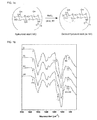
- FIG. 1A shows the chemical reaction of HA oxidated by NaIO 4 to create two aldehyde functional groups.
- the FT-IR spectra of HA powder (i) and various degrees of oxidation of oxidated HA (oxi-HA) (low, middle and high degrees of oxidation of oxi-HA; (ii), (iii) and (iv), respectively) were shown in FIG. 1B .
- the degree of oxidation of oxi-HA was further measured by t-BC titration (TNBS assay) as described previously.
- Table 1 summarized the theoretical degrees of oxidation calculated from the molar ratio of NaIO 4 and HA, and the obtained degree of oxidation measured by TNBS assay.
- the degree of oxidation of oxi-HA increased from 27.3 ⁇ 2.3% to 60.4 ⁇ 2.66% as the amount of NaIO 4 increased.
- the oxi-HA with a medium degree of oxidation (44.3 ⁇ 4.25%) was cross-linked by various concentration of ADH (2, 4 and 8 w/v%) in the following experiments.
- FIG. 2A shows the cross-linking reaction occurred spontaneously without the addition of any other chemical reagent to initiate the reaction.
- Aldehyde functional groups of oxi-HA reacted with the NH 2 functional group of ADH rapidly to form colorless, transparent oxi-HA/ADH hydrogel ( FIG. 2B , left and right panels).
- the refractive index of the oxi-HA/ADH hydrogels ranged from 1.3420 to 1.3442 as the concentration of ADH was increased from 2% to 8% ( FIG. 2C ), which was close to that of human vitreous humor (1.3345 ⁇ 1.3348).
- FIG. 3 shows the elastic modulus (G') and viscous modulus (G") of oxi-HA/ADH2, oxi-HA/ADH4 and oxi-HA/ADH8 hydrogel at 4°C and 37°C.
- the crossover point of G' and G" was defined as gel point which indicated the gel formation.
- the time required for the gel point to occur is sometimes referred to as the gelation time for the samples.
- FIG. 3A shows the rheological results of oxi-HA/ADH hydrogels (oxi-HA/ADH2, oxi-HA/ADH4 and oxi-HA/ADH8) at 4°C. These results indicate that all type of oxi-HA/ADH hydrogels can maintain in a liquid state at 4°C for 3 to 8 min depending on the concentration of ADH in the hydrogel.
- FIG. 3B shows the rheological results of oxi-HA/ADH hydrogels at 37°C. The gel point of all hydrogels appears from 143 to 175 sec, which indicated that the oxi-HA/ADH hydrogels began to transform into a gel matrix within 3 min at 37°C.
- FIG. 4A shows the remaining mass of oxi-HA/ADH hydrogel in percentage as a function of time.
- the oxi-HA/ADH2 ( ⁇ ) and oxi-HA/ADH4 ( ⁇ ) hydrogel were dissolved completely at Day 3 and Day 14, respectively.
- the remaining mass percentage of oxi-HA/ADH8 hydrogel ( ⁇ ) was 86.6713.54%, which gradually decreased to 61.02 ⁇ 3.13% at Day 35.
- FIG. 4B shows the swelling index of oxi-HA cross-linked with different concentrations of ADH.
- the swelling index of oxi-HA/ADH2 hydrogel increased over time until the hydrogel was completely dissolved (within 3 days).
- the swelling index of oxi-HA/ADH4 and oxi-HA/ADH8 slightly decreased during the first 3 days and then maintained a constant value until the hydrogel began to degrade.
- the extraction medium of oxi-HA/ADH8 caused a small reduction in cell viability compared to the control group ( p ⁇ 0.001).
- the cytotoxicity was further examined by LDH assay ( FIG. 5B ) and showed that the cytotoxicity percentage of oxi-HA/ADH2, oxi-HA/ADH4 and oxi-HA/ADH8 were 6.1640 ⁇ 0.5805%, 6.0720 ⁇ 0.3872%, and 5.3166 ⁇ 0.9590%, respectively.
- the results showed that there was no significant difference among the oxi-HA/ADH extraction medium groups compared to the control group (6.9811 ⁇ 0.6663%, p >0.5).
- FIG. 6 shows fluorescent photomicrographs of the RPE cells cultured in the extraction medium of oxi-HA/ADH2, oxi-HA/ADH4 and oxi-HA/ADH8 hydrogels, respectively.
- the polyanionic dye calcein-AM can be retained within live cells and produces intense uniform green fluorescence in live cells.
- EthD-1 can enter cells with damaged membranes and produce bright red fluorescence in dead cells. The results of live/dead cell staining demonstrated that most of the cells cultured in different extraction media were viable.
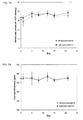
- FIG. 7A showed changes in intraocular pressure (IOP) after operation.
- the IOP in operated eyes slightly decreased on postoperative day 1.
- IOP reached a plateau level.
- FIG. 7B showed cornea thickness of operated eyes and control eyes, and there were no significant difference in the cornea thickness between the groups.
- FIG. 8A showed photographs of slit lamp examinations of eyes on day 21 after the injection of oxi-HA/ADH8.
- the cornea and lens of operated eye presented no defect.
- FIG. 8B showed retina sections of operated and control eyes 21 days after the surgery.
- the retinal layers were easily detected. There was no inflammatory reaction or infiltration, or any difference from the control eyes.
- vitreous substitutes When a patient undergoes vitrectomy surgery, much of vitreous humor is removed from the vitreous cavity. Because the natural vitreous is unable to regenerate, the vitreous cavity must be filled with a vitreous substitute to keep the retina in position and prevent it from detaching again. In past decades, development of vitreous substitutes has been a challenge for researchers. Many biopolymers and synthetic compounds have been examined in laboratories. However, ideal material for a permanent vitreous substitute has not been developed at present.
- the discovery relates to a colorless and transparent oxi-HA/ADH hydrogel that can be injected into the vitreous cavity through a 27-gauge needle and subsequently transforms into a gel-like substance.
- the aldehyde functional groups on oxi-HA were created by NaIO 4 , which cleaved the C2-C3 hydroxyl groups of glucurnonic acid to form dialdehyde, as characterized by FT-IR (peaks at 1725 cm -1 and 836 cm -1 ; FIG. 1B ).
- the dialdehyde of oxi-HA could react with the hydrazide group of ADH to form intermolecular networks in oxi-HA/ADH hydrogel.
- Refractive index is one of important optical characters for application of vitreous substitutes.
- An inappropriate refractive index of a vitreous substitute will influence the eyesight of a patient after vitrectomy surgery. Gases tamponade induce optical changes that are severe enough to limit temporally both the funduscopic examination and patient's eyesight.
- the refractive index of oxi-HA/ADH8 is about 1.3342, which is quite similar to that of human vitreous body.
- the use of oxi-HA/ADH8 hydrogel as a vitreous substitute can avoid undesired refractive changes after vitrectomy.
- injection through a small-gauge needle is a common procedure for delivery of a vitreous substitute.
- the oxi-HA/ADH8 hydrogel could be easily injected through a 27-gauge needle, as shown in FIG. 2B (left panel).
- the injectability is an important factor to ocular surgeons and patients.
- the operation time should be sufficient for an ocular surgeon to inject a liquid-state hydrogel into the vitreous cavity, and the time of solution-gel transformation should be as short as possible to prevent extrusion of hydrogel.
- the rheological evaluation showed that a mixture of oxi-HA solution and ADH solution could maintain in a solution form for about 8 minutes.
- ocular surgeons have sufficient time (8 min) to mix oxi-HA and ADH solution at 4°C and then transfer the mixed oxi-HA/ADH solution into a syringe for injection.
- the liquid form can be injected and thus overcomes difficulties in introducing a substitute in a gel form and thus provides a minimally invasive delivery system for a vitreous substitute to the eye.
- a low cross-linked hydrogel e.g., oxi-HA/ADH2
- the swelling index increased immediately and dissolved completely within 3 days. During this time, the hydrogel undergoes hydrolysis and the hydrazone bonds were degraded almost linearly with time.
- high cross-linked hydrogels e.g., oxi-HA/ADH4 and oxi-HA/ADH8
- the swelling index decreased during the first 3 days followed by a constant value and then increased until the networks were completely dissolved.
- the increase in the swelling index with time was a consequence of the hydrolysis of the hydrazone bonds in the hydrogel network. When hydrazone bonds in the hydrogel are hydrolyzed, the network swells and contains more water, and then dissolves completely.
- the oxi-HA/ADH4 hydrogel showed a progressive swelling on 8-12 days, which meant that hydrazone bonds were hydrolyzed at this time, and then followed by a dissolution phase on 14 days. This resulted in a decrease in hydrogel mass and finally a complete dissolution of hydrogel.
- the in vitro degradation experiments showed that only 30-40% of oxi-HA/ADH8 hydrogel was degraded in the presence of enzymes (PBS containing 10,000 unit/ml of lysozyme) and the hydrogel was stable for 5 weeks.
- silicone oil and gases are the common vitreous substitutes in retina reattachment surgery to reestablish the intraocular volume and manipulate retina detachments. They prevent passage of fluid through retina breaks, maintain normal retina-retina pigment epithelium (RPE) apposition and maintain retinal reattachment.
- RPE retina-retina pigment epithelium
- the longevity of gases is usually within a few days to 2 weeks, depending on the gas type, bubble volume, initial concentration and intraocular pressure.
- oxi-HA/ADH8 hydrogel can maintain gel matrix at least for 5 weeks in in vitro degradation test.
- the longevity of oxi-HA/ADH8 hydrogel should be beneficial for retina attachment.
- the hydrogel overcomes the inconvenience of face-down position when patients undergo the vitrectomy with gases tamponade.
- Retina pigmented epithelium (REP) cells were selected as target cell for cytotoxicity evaluations because it is often exposed directly to the vitreous substitute filling the globe after retina detachment or local retinectomy. RPE cells were also found to be associated with failed retinal reattachment and proliferative vitreoretinopathy (PVR).
- the cell viability assays (WST-8) and cytotoxicity (LDH assay) indicate that oxi-HA/ADH hydrogel was biocompatible and non-toxic with RPE cells in in vitro evaluations. Degradation products of hydrogel are another concern for clinical application. According to the results of degradation evaluations, oxi-HA/ADH2 hydrogel was degraded within 3 days in aqueous environments.
- the invention relates to synthesis and characterization of a novel injectable hyaluronic acid-based hydrogels, oxi-HA/ADH.
- the hydrogel displays several beneficial properties for use as a vitreous substitute, such as appropriate refractive index, injectable and in-situ gelling properties and showing no cytotoxicity to REP cells.
- the oxi-HA/ADH8 hydrogel was not degraded in vitro by ocular enzyme (lysozyme) over 5 weeks. In the preliminary animal study, the oxi-HA/ADH hydrogel induced no serious complication during the observation period.
Landscapes
- Health & Medical Sciences (AREA)
- Chemical & Material Sciences (AREA)
- Medicinal Chemistry (AREA)
- Life Sciences & Earth Sciences (AREA)
- General Health & Medical Sciences (AREA)
- Animal Behavior & Ethology (AREA)
- Public Health (AREA)
- Veterinary Medicine (AREA)
- Epidemiology (AREA)
- Chemical Kinetics & Catalysis (AREA)
- Organic Chemistry (AREA)
- Polymers & Plastics (AREA)
- Pharmacology & Pharmacy (AREA)
- Transplantation (AREA)
- Oral & Maxillofacial Surgery (AREA)
- Dermatology (AREA)
- Engineering & Computer Science (AREA)
- Ophthalmology & Optometry (AREA)
- General Chemical & Material Sciences (AREA)
- Nuclear Medicine, Radiotherapy & Molecular Imaging (AREA)
- Bioinformatics & Cheminformatics (AREA)
- Molecular Biology (AREA)
- Biochemistry (AREA)
- Materials Engineering (AREA)
- Inorganic Chemistry (AREA)
- Materials For Medical Uses (AREA)
- Medicinal Preparation (AREA)
- Pharmaceuticals Containing Other Organic And Inorganic Compounds (AREA)
- Processes Of Treating Macromolecular Substances (AREA)
- Compositions Of Macromolecular Compounds (AREA)
- Polysaccharides And Polysaccharide Derivatives (AREA)
Description
- The present invention relates generally to vitreous replacements, and more specifically to vitreous humor substitutes, method of making and using the same.
- The vitreous body is a clear, transparent gelatinous substance in the vitreous cavity of the eye that is posterior to the lens and anterior to the retina. It occupies two thirds of the ocular volume and has a weight of approximately 4 g and a volume of about 4 ml. The main components of vitreous body include water (98%), collagen fibrils, glycosaminoglycans, hyaluronic acid (HA) and other rest solutes. Specific diseases, age-related degeneration or trauma can lead to pathological changes in the vitreous body, including HA degeneration and collagen precipitation, which result in liquefaction of the matrix. A degenerated or liquefied vitreous body will lead to floater formation and eventually result in posterior vitreous detachment and possible retinal detachment.
- Among clinical treatments, pars plana vitrectomy (PPV) is one of the most important surgeries for treating a number of ocular-related diseases, including diabetic retinopathy, complex retinal detachment (for example, due to trauma) and macular hole. During PPV, the vitreous body is cut and aspirated, and then is typically replaced with a vitreous substitute, such as gas (air, perfluropropane or sulfur hexafluoride) or silicone oil. Vitreous substitutes are used to fill vitreous cavity and help reattach the retina after vitrectomy surgery. Postoperatively, a vitreous substitute can keep the retina in position while the adhesion between the retina and the retinal pigment epithelium (RPE) cells forms. Gases, which are lighter than water, are useful for flattening a detached retina and keeping it attached while healing occurs. However, it is frequently necessary to maintain a face-down position following surgery for a week or more when gas is used. Silicone oil is sometimes used instead of gases to keep retina attached postoperatively since 1960s for complicated retinal detachments, or in patients unable to position postoperatively (e.g., children), but long-term complications can occur if the silicone oil is not removed later. Besides, silicone oil also may be cytotoxic to ocular tissues, such as corneal endothelial cells.
- Recently, numerous vitreous substitute materials using natural, semi-synthetic or synthetic polymer have been investigated, including poly(vinyl alcohol), poly(1-vinyl-2-pyrrolidone), poly(acrylamide), poly(glyceryl methacrylate), poly(methyl-2-acrylamido-2-methoxyacetate) and poly(2-hydroxyethylacrylate). Criteria for the ideal vitreous substitute include clarity, transparency, refractive index, sufficient rigidity to act as a tamponade substitute, ability to allow metabolite transfer, non-absorbable characteristics, hydrophilic composition and the ability to be injected through a small-gauge needle. These criteria suggest that finding a proper material for a vitreous substitute is not an easy task.
- Therefore, a heretofore unaddressed need exists in the art to address the aforementioned deficiencies and inadequacies, especially in connection with vitreous substitutes.
-
US Patent No. 5874417 discloses a composition of matter comprising a hyaluronate functionalized with a hydrazide at glucuronic acid sites of said hyaluronate. -
WO 2006/130455A2 discloses bioresorbable polymer matrices and methods of making and using the same. -
EP1129683A1 discloses hyaluronic acid gel, process for the preparation thereof and medical materials containing the same. - In one aspect, the invention relates to a composition for use as a vitreous substitute for replacing the vitreous humor of an eye, comprising a hydrogel polymer comprising: a) oxidated hyaluronic acid; and b) a dihydrazide cross-linking the oxidated hyaluronic acid; wherein the hydrogel polymer exhibits the following properties: a) transparent and colorless; and b) transforming from a liquid state into a gel-matrix at 37° C.
- In another aspect, the invention relates to a method of preparing a composition for use as aforementioned, comprising admixing a first solution comprising oxidated hyaluronic acid with a second solution comprising a dihydrazide to form the composition for use.
- Further in another aspect, the invention relates to a kit for use in preparing a composition for use as aforementioned, comprising: a) oxidated hyaluronic acid; b) a dihydrazide; c) buffer; and d) a package insert with instructions on preparation of the composition for use.
- Yet in another aspect, the invention relates to a composition for use as aforementioned, comprising a hydrogel polymer of formula (I):

- These and other aspects will become apparent from the following description of the preferred embodiment taken in conjunction with the following drawings, although variations and modifications therein may be affected without departing from the spirit and scope of the novel concepts of the disclosure.
- The accompanying drawings illustrate one or more embodiments of the invention and, together with the written description, serve to explain the principles of the invention. Wherever possible, the same reference numbers are used throughout the drawings to refer to the same or like elements of an embodiment.
-
-
FIG. 1A shows hyaluronic acid (HA) is oxidized by sodium periodate (NaIO4). -
FIG. 1B is FTIR spectra of oxidated hyaluronic acid (oxi-HA) with different degrees of oxidation (DO): (i) HA power (DO: 0%), (ii) low oxi-HA (DO: 27.3 %), (iii) middle oxi-HA (DO: 44.3%) and (iv) high oxi-HA (DO: 60.4%). The arrow indicates the aldehyde functional groups of oxi-HA at 1725 cm-1 and 836 cm-1, and the shifting peaks of C-O-C and C-H band at 1147 cm-1 and 895 cm-1. -
FIG. 2A is a schematic drawing showing oxi-HA covalently crosslinked with adipic acid dihydrazide (ADH). -
FIG. 2B shows oxi-HA/ADH solution could be injected through a 27-gauge needle (left panel) and form a colorless and transparent hydrogel (right panel). -
FIG. 2C shows refractive index of 6 w/v% oxi-HA (degree of oxidation: 44.3%) cross-linked with various concentrations of ADH (2 w/v% to 8 w/v%). -
FIG. 3A is a graph showing the elastic (G', ○) and viscous (G", ●) moduli of oxi-HA/ADH hydrogel as a function of time at 4° C. The oxi-HA/ADH hydrogel was prepared by reacting 6% (wt/v) oxi-HA (DO 44.3%) with the cross-linker ADH 2 % (i), 4% (ii) and 8 %(wt/v) (iii), respectively. Elastic modulus (G', ○) and viscous modulus (G", ●) of oxi-HA/ADH hydrogel were measured at a constant frequency of 0.1 Hz as a function of time. The gel point is defined as the crossover point of G' and G". The time required for the gel point to occur is referred to as the gelation time. -
FIG. 3B is a graph showing the elastic (G', ○) and viscous (G", ●) moduli of oxi-HA/ADH hydrogel as a function of time at 37° C. The oxi-HA/ADH hydrogel was prepared by reacting oxi-HA with the cross-linker ADH as described inFIG. 3A . -
FIG. 4A is a graph showing the remaining mass of hydrogel after lysozme digestion as a function of time. The oxi-HA/ADH hydrogel was prepared by reacting 6% (wt/v) of oxi-HA (DO 44.3%) with the cross-linker ADH 2 % (◊), 4% (Δ) and 8 %(wt/v) (□), respectively. The cylinder hydrogels (300 µl) were immersed in 3 ml of PBS containing 10,000 unit/ml of lysozyme. -
FIG. 4B is a graph showing the swelling index of hydrogel after lysozme digestion as a function of time. The oxi-HA/ADH hydrogel was prepared by reacting 6% (wt/v) oxi-HA (DO 44.3%) with the cross-linker ADH 2 % (◊), 4% (Δ) and 8 %(wt/v) (□), respectively. -
FIG. 5A is a graph showing oxi-HA/ADH hydrogels had no effect on cell proliferation. Optical density readings obtained in the WST-8 assay related to the cell proliferation (n=6). -
FIG. 5B is a graph showing oxi-HA/ADH hydrogels had no cytotoxic effect. The cells were cultured in the extraction medium of oxi-HA/ADH2, oxi-HA/ADH4 and oxi-HA/ADH8 hydrogel (n=6). -
FIG. 6 is a collection of photomicrographs of cells stained with dyes for simultaneous detection of viable and dead cells in cell cultures with a fluorescent microscope. Magnification: 40X, scale bars 200 µm. -
FIG. 7A shows no significant elevation of the intraocular pressure was observed during the observation period, and no significant differences were observed between the operated eyes and the control eyes. -
FIG. 7B shows no significant changes in the cornea thickness were observed throughout the observation period, and no significant differences between the operated eyes and the control eyes were observed. (n=3) -
FIG. 8A shows a slit-lamp photograph of the oxi-HA/ADH8 injected eye (left) 3 weeks postoperatively and control eye (right). -
FIG. 8B shows a light microscope observation of retina histological section on day 21 after surgery (HE stain, 200x). Left: the operated eye; right: the control eye (right). - The present invention is more particularly described in the following examples that are intended as illustrative only since numerous modifications and variations therein will be apparent to those skilled in the art. Various embodiments of the invention are now described in detail. As used in the description herein and throughout the claims that follow, the meaning of "a", "an", and "the" includes plural reference unless the context clearly dictates otherwise. Also, as used in the description herein and throughout the claims that follow, the meaning of "in" includes "in" and "on" unless the context clearly dictates otherwise. Moreover, titles or subtitles may be used in the specification for the convenience of a reader, which shall have no influence on the scope of the present invention. Additionally, some terms used in this specification are more specifically defined below.
- The terms used in this specification generally have their ordinary meanings in the art, within the context of the invention, and in the specific context where each term is used. Certain terms that are used to describe the invention are discussed below, or elsewhere in the specification, to provide additional guidance to the practitioner regarding the description of the invention. For convenience, certain terms may be highlighted, for example using italics and/or quotation marks. The use of highlighting has no influence on the scope and meaning of a term; the scope and meaning of a term is the same, in the same context, whether or not it is highlighted. It will be appreciated that same thing can be said in more than one way. Consequently, alternative language and synonyms may be used for any one or more of the terms discussed herein, nor is any special significance to be placed upon whether or not a term is elaborated or discussed herein. Synonyms for certain terms are provided. A recital of one or more synonyms does not exclude the use of other synonyms. The use of examples anywhere in this specification including examples of any terms discussed herein is illustrative only, and in no way limits the scope and meaning of the invention or of any exemplified term. Likewise, the invention is not limited to various embodiments given in this specification.
- Unless otherwise defined, all technical and scientific terms used herein have the same meaning as commonly understood by one of ordinary skill in the art to which this invention pertains. In the case of conflict, the present document, including definitions will control.
- As used herein, "around", "about" or "approximately" shall generally mean within 20 percent, preferably within 10 percent, and more preferably within 5 percent of a given value or range. Numerical quantities given herein are approximate, meaning that the term "around", "about" or "approximately" can be inferred if not expressly stated.
- As used herein, when a number or a range is recited, ordinary skill in the art understand it intends to encompass an appropriate, reasonable range for the particular field related to the invention.
- The term "hydrogel," as used herein, refers to a cross-linked network of hydrophilic polymer. Dihydrazides are represented by the active group:

- The invention relates to an injectable, in-situ-formed hydrogel that is composed of oxidated HA (oxi-HA) and adipic acid dihydrazide (ADH) as a vitreous substitute. As described previously, hyaluronic acid (HA) is one of the major components of the vitreous humor. It has been used broadly in the area of biomaterials, tissue engineering and other related fields. These glucose-based polymers contain a high density of hydroxyl groups that make the polymers highly hydrophilic and further chemically functionalized. Hyaluronic acid was first used as vitreous substitute in 1960s. However, hyaluronic acid does not provide appropriate tamponading effect on the retina during surgery or afterwards, partly because of its low surface tension and its specific gravity. Besides, HA solutions have been shown not useful as long-term vitreous substitute because of their relatively rapid elimination from the eye. To improve the retention time of HA-based vitreous substitutes, sodium periodate (NaIO4) was used to oxidate HA to create aldehyde functional groups. Then, oxi-HA was cross-linked by ADH to form a clear, colorless and transparent oxi-HA/ADH hydrogel.
- The aldehyde functional groups of oxi-HA were characterized by Fourier-Transformed Infrared (FT-IR) analysis and the degree of oxidation of oxi-HA was determined by trinitrobenzene sulfonic acid (TNBS) assay. Because a refractive index (RI) is an essential characteristic of vitreous substitutes, the RI of oxi-HA/ADH hydrogels with various compositions were measured by a refractometer. The gelation properties of oxi-HA/ADH hydrogels were evaluated by rheological analysis at 4°C and 37°C. The elastic (G') and viscous (G") moduli were recorded to determine the gelation time. In addition, in vitro degradation time, swelling properties and cytotoxicity of oxi-HA/ADH were also investigated.
- In one aspect, the invention relates to a composition comprising a hydrogel polymer comprising: a) oxidated hyaluronic acid; and b) a dihydrazide, cross-linking the oxidated hyaluronic acid; wherein the hydrogel polymer exhibits the following properties: a) transparent and colorless; and b) transforming from a liquid state into a gel-matrix at 37° C.
- In one embodiment of the invention, the hydrogel transforms from a liquid state into a gel within 5 minutes at 37° C.
- In one embodiment of the invention, the dihydrazide is selected from the group consisting of adipic acid dihydrazide, oxalyldihydrazide, succinic dihydrazide, malonic dihydrazide, ethylmalonic acid dihydrazide, sebasic acid dihydrazide, isophthalic acid dihydrazide, Ajicure LDH, Ajicure VDH, maleic acid dihydrazide and pimelic acid dihydrazide. For example, the hydrogel polymer may comprise oxidated hyaluronic acid cross-linked by adipic acid dihydrazide.
- In another embodiment of the invention; the cross-linked, oxidated hyaluronic acid of the hydrogel polymer comprises glucuronic acids with C2 or C3 or both thereof being aldehyde groups.
- In another embodiment of the invention, the dihydrazide cross-links two chains of oxidated hyaluronic acid via C2 and C3 of glucuronic acids of the oxidated hyaluronic acid.
- In another embodiment of the invention, the cross-linked, oxidated hyaluronic acid in the hydrogel polymer comprises glucuronic acids with C2 or C3 or both thereof being oxidated.
- In another embodiment of the invention, the weight ratio between the oxidated hyaluronic acid and the hydrazide ranges from 12:1 to 3:1. Without intent to limit the scope of the invention, an example of the weight ratio between the oxidated hyaluronic acid and adipic acid dihydrazide is 3:1.
- In another embodiment of the invention, the composition has a refractive index ranging from 1.341 to 1.345.
- In another embodiment of the invention, the composition has a refractive index ranging from 1.3420 to 1.3442.
- In another aspect, the invention relates to a method of preparing a composition as aforementioned, comprising admixing a first solution comprising oxidated hyaluronic acid with a second solution comprising a dihydrazide to form a composition comprising a hydrogel polymer comprising: a) the oxidated hyaluronic acid; and b) the dihydrazide, cross-linking the oxidated hyaluronic acid; wherein the hydrogel polymer exhibits the following properties: a) transparent and colorless; and b) transforming from a liquid state into a gel-matrix at 37° C.
- In one embodiment of the invention, the concentration of oxidated hyaluronic acid in the first solution is greater than 4% but less than (w/v) 8%, and wherein the concentration of dihydrazide in the second solution ranges from 2 to 8%.
- In another embodiment of the invention, the weight or concentration ratio of oxidated hyaluronic acid and dihydrazide in the composition is 3:1.
- In another embodiment of the invention, the weight or concentration ratio of oxidated hyaluronic acid and adipic acid dihydrazide in the composition is from 3:1 to 12:1.
- In another embodiment of the invention, the admixing step is performed at a temperature that forms a hydrogel polymer having a gelation time of no less than 5 minutes. The admixing step may be performed at 4° C to form a hydrogel that maintains a solution state for at least 5 minutes.
- Further in another aspect, the invention relates to a kit comprising: a) oxidated hyaluronic acid; b) a dihydrazide; c) buffer; and d) a package insert with instructions on preparing a composition as aforementioned.
- In one embodiment of the invention, the dihydrazide in the aforementioned kit is adipic acid dihydrazide.
- Further in another aspect, the invention relates to a method of replacing the vitreous of an eye comprising: a) removing the vitreous from a vitreous cavity of the eye; b) replacing the vitreous with air; and c) injecting an amount of a composition as aforementioned into the vitreous cavity of the eye, the amount of the composition being sufficient to replace the air.
- Yet in another aspect, the invention relates to a composition comprising a hydrogel polymer of formula (I):

and wherein the hydrogel polymer exhibits the following properties: - transparent and colorless; and
- transforming from a liquid state into a gel-matrix at 37° C.
- In one embodiment of the invention, m=4.
- In another embodiment of the invention, n is ≤2400, ≤2300, ≤2200, ≤2100, ≤2000, ≤1900, ≤1800, ≤1700, ≤1600, ≤1500, ≤1400, ≤1300, ≤1200, ≤1100, or ≤1000.
- In another embodiment of the invention, n ≥200, ≥300, ≥400, ≥500, ≥600, ≥700, ≥800, or ≥900.
- In another embodiment of the invention, the oxidated HA in the polymer of the composition has a theoretical degree of oxidation at least 40%, 45%, 50%, 55%, 60%, 65%, 70%, 75%, 80%, 85%, 90%, 95%, or 100%.
- In another embodiment of the invention, the oxidated HA in the composition has an experimental degree of oxidation at least 20%, 25%, 30%, 35%, 40%, 45%, 50%, 55%, 60%, 65%, 70%, 75%, 80%, 85%, 90%, 95%, or 100%.
- In another embodiment of the invention, the oxidated HA has a theoretical degree of oxidation of 100% and/or an experimental degree of oxidation ranging from 20% to 80%..
- In another embodiment of the invention, the oxidated HA in the polymer of the composition has a degree of oxidation at least 40%, 45%, or 50%.
- Without intent to limit the scope of the invention, exemplary instruments, apparatus, methods and their related results according to the embodiments of the present invention are given below. Note that titles or subtitles may be used in the examples for convenience of a reader, which in no way should limit the scope of the invention. Moreover, certain theories are proposed and disclosed herein; however, in no way they, whether they are right or wrong, should limit the scope of the invention so long as the invention is practiced according to the invention without regard for any particular theory or scheme of action.
- Hyaluronic acid (average molecular weight of 3.2×10⁵ Da) was purchased from Q.P. Corporation (Tokyo, Japan). Sodium tetraborate decahydrate (borax), tert-butyl carbazae and adipic acid dihydrazide were purchased from Sigma-Aldrich (St. Louis, MO, USA). Diethyleneglycol, potassium bromide (kBr), and sodium periodate (NaIO4) were purchased from RDH Chemical Co (Spring valley, CA, USA). Trichloroacetic acid was purchased from JTB Corporation (Tokyo, Japan). Dialysis tube (MWCO 6,000-8,000) was from Membrane Filtration Products Inc (Texas, USA). Human retina pigmented epithelium cells (RPE cells, BCRC 60383) were supplied from National Centre for Cell Sciences, Taiwan. Cell-culture medium DMDM/F-12, trypsin-EDTA, fetal bovine serum, and penicillin-streptomycin were purchased from Gibco (Grand Island, NY, USA). Quick Cell Proliferation Assay Kit II was from BioVision Inc. (CA, USA). CYTOTOX 96® Non-Radioactive Cytotoxicity Assay was from Promega Corporation (WI, USA). The Live/Dead Viability/Cytotoxicity kit for mammalian cells was from Molecular Probes (Eugene, OR, USA).
- Hyaluronic acid (HA) was oxidized by sodium periodate (NaIO4) in an aqueous solution at room temperature for 24 hr. In a 300 ml beaker wrapped with aluminum foil, hyaluronic acid (2.00 g) was dissolved in double-distilled water (200 ml), and then various concentrations of sodium periodate solution were added gradually while stirring. The molar ratio of NaIO4 to HA was 1:2, 1:1 and 1:0.5 to achieve various oxidation degrees (low, middle and high oxi-HA). After 24 hr of stirring, the reaction was stopped by addition of ethylene glycol with further stirring for a half hour. The resulting solution was dialyzed by a dialysis tube with a MWCO 6,000-8,000 (CelluSep T2 Tubings, Uptima) for 3 days with double-distilled water. The water was changed at least three times during the dialysis process. Finally, the dialyzed solution was lyophilized by a freeze dryer (FDU-1100, EYELA Corp., Tokyo, Japan) for 3 days to yield a white fluffy product, oxidated hyaluronic acid (oxi-HA). The obtained oxi-HA was manually pressed into small pellets for FT-IR analysis (JASCO FTIR-4200 with ATR PRO450-S).
- The degree of oxidation of oxi-HA was quantified by measuring the number of aldehyde functional groups in oxi-HA using t-butyl carbazate (t-BC). Carbazates are well known to react with aldehydes to form stable carbazones in a similar manner to hydrazone formation. Thus, the degree of oxidation of oxi-HA was determined by measuring the residual t-BC after excess t-BC (25 µl, 30.0 mM in 1% aqueous trichloroacetic acid) had reacted with the aldehyde functional groups of oxi-HA (25 µl, 0.6 w/v%) for 24 hr. Residual t-BC was determined by adding excess aqueous trinitrobenzene sulfonic acid (TNBS) solutions (500 µl, 6.0 mM) and measuring the absorbance of the complex (trinitrophenyl derivative) at 340 nm. Various concentrations of aqueous t-BC solutions were used as standards to obtain a calibration curve to identify un-reacted carbazates in the experimental samples.
- Oxi-HA samples with various degrees of oxidation were separately dissolved in phosphate buffer solution (pH 7.4) to a final concentration of 6 w/v% at room temperature overnight. The 2, 4 and 8 w/v% of adipic acid dihydrazide (ADH) solutions were prepared in phosphate buffer solution. Oxi-HA solution (400 µl) was mixed with 2, 4, and 8 w/v% of ADH solutions (100 µl) in an eppendorf which was plunged into a bath containing water and ice (close to 0°C) to form hydrogels, oxi-HA/ADH2, oxi-HA/ADH4 and oxi-HA/ADH8 hydrogels, respectively.
- A refractometer (DR-A1 ATAGO, Japan) was used to measure the refractive index (RI) of oxi-HA/ADH2, oxi-HA/ADH4 and oxi-HA/ADH8 hydrogels. In brief, an aliquot volume of liquid-state oxi-HA/ADH solution was moved to the refractometer prism with a pipette tip. The refractometer prism was incubated at 37°C by an isothermal circuiting water bath. After waiting for 10 minutes for gelation, the refractive index (RI) of hydrogel was read from the digital screen.
- A rheometer (
HAAKE Rheostress 600, Thermo Fisher Scientific Inc.) with cone and plate geometry (1-C35/2 Ti) was used to evaluate the rheological properties of oxi-HA/ADH hydrogels at thepreservation temperature 4°C and body temperature 37°C. Thetemperature 4°C was used to evaluate the operation time for surgeon to mixed oxi-HA/ADH solution and 37°C was used to evaluate the gelation time of oxi-HA/ADH hydrogel. The oscillation time sweep mode was operated at 0.1 Hz, 10 Pa and terminated after 15 min to determine the gelation time of oxi-HA/ADH hydrogels. The elastic modulus G' and the viscous modulus G" were recorded and analyzed byRheoWin 3 software. - The degradation properties of oxi-HA/ADH2, oxi-HA/ADH4 and oxi-HA/ADH8 hydrogels were evaluated by immersing the preformed hydrogel in PBS containing 10000 unit/ml lysozyme. Lysozyme was selected for use in the degradation model system due to it is an ocular enzyme known to attack the polysaccharide moieties. Briefly, oxi-HA and ADH in solution were mixed in an eppendorf, and 300 µl of the mixture (oxi-HA/ADH solution) were immediately moved into a cylinder mold and allowed to gel for 10 min and form a cylinder hydrogel with a diameter of 0.7-mm and a height of 0.8-mm. The cylinder-shaped oxi-HA/ADH hydrogel was placed in a 24-well culture plate and 3 ml PBS containing lysozyme was added to each well. The initial hydrogel dry weight (Wid) was determined immediately after the hydrogel was formed. At regular intervals, the hydrogels were removed and lyophilized by a freeze drier for 72 hr. The dry weight (Wd) of oxi-HA/ADH hydrogels at different time points were weighed and the degradation percentage was calculated by [(Wid - Wd)/Wid].
- The swelling index of oxi-HA/ADH2, oxi-HA/ADH4 and oxi-HA/ADH8 hydrogels were evaluated under the same condition as in vitro degradation experiments. The initial hydrogel weight (Wi) was determined immediately after the hydrogel formed and then placed into a 24-well culture plate. At regular intervals, hydrogels were removed from the PBS containing lysozyme, blotted with filter paper to remove surface water, weighed (Wt) and returned to the same container (the buffer solution was replaced at each measurement). The swelling index was calculated from the ratio between Wt and Wi.
- Cytotoxicty evaluation of oxi-HA/ADH hydrogel was carried out by testing the extraction medium with a monolayer of human retina pigmented epithelium cells (RPE cells, BCRC 60383, National Centre for Cell Sciences, Taiwan) according to ISO standards. The extraction medium was prepared by incubating oxi-HA/ADH2, oxi-HA/ADH4, and oxi-HA/ADH8 hydrogels with standard culture medium (DMEM/F-12) at a 0.75 cm2/ml extraction ratio for 72 hr at 37°C. Two hundred microliters of the extraction medium were tested on a monolayer of RPE cells. RPE cells were seeded onto 96 well culture plates at a cell density of 5×10³ cells/well and fed with standard culture medium at 37°C overnight. The standard culture medium was then replaced with the extraction medium. Groups in the experiment including control (standard culture medium), negative control (Al2O3 extraction medium), positive control (0.1% Triton X-100-containing medium), and experimental groups (oxi-HA/ADH2, oxi-HA/ADH4, and oxi-HA/ADH8 extraction medium) were tested in hexaplicate (n=6). After incubation at 37°C for 1 and 3 days, cell viability and cytotoxicity evaluations were quantitatively assessed using the Quick Cell Proliferation Assay Kit II (BioVision Inc.) and CYTOTOX 96® Non-Radioactive Cytotoxicity Assay (Promega Corporation), separately. RPE Cells treated with the extraction medium were also stained with LIVE/DEAD staining kit (Molecular Probes # L3224).
- Quick Cell Proliferation Assay Kit II was used to evaluate cell viability. Cells were cultured for 1 and 3 days and culture medium was then discarded and replaced with 0.2 ml of water-soluble tetrazolium-8 (WST-8) working solution in each well. WST-8 can be reduced by dehydrogenase in living cells to produce a yellow colored product (formazan). After 2 hr of incubation, 100 µl of working solution was quantitatively assessed by spectrophotometer readout at 450 nm. The reference wavelength was 650 nm.
- CYTOTOX® 96 Non-Radioactive Cytotoxicity Assay kit was used to evaluate cytotoxicity. The assay kit quantitatively measures lactate dehydrogenase (LDH), which is a stable cytosolic enzyme released upon cell lysis. After 1 and 3 days of cultivation, both culture medium and cell total lysis were measured for absorbance at 490 nm according to the assay manual. Extraction medium (without incubation with RPE cells) was also evaluated to serve as background. The cytotoxicity was calculated by the following equation:

- Six eyes of three New Zealand white rabbits (2.8-3.2 kg) were used. The surgeries were performed under general anesthesia with intramuscular injection of ketalar /Chanazine 2%. Under an operating microscope, a sclerotomy was created approximately 3 mm in left eyes with a surgical blade. The vitreous body was aspirated by 18-gague needles as much as possible and replaced with air. Then oxi-HA/ADH solution was injected into the vitreous cavity. After surgery, the eyes were treated with gentamicin (genticin, Roche) as antibiotic eyedrops and tetracyclin hydrochloride
ophthalmic ointment 3 times a day for 1 week. The right eye was used as a control without any surgery. An ophthalmic table slit lamp (Topcon Medical Systems, Inc.) was used to observe and record the anterior segment and ocular media. Intraocular pressure (IOP) was measured by schiotz tonometer at 1, 5, 8, 12, 15 and 3 weeks postoperatively. Ultrasonic Pachymetry (DGH Technology, Inc) was used to measure the central cornea thinkness. Three weeks after operation, three rabbits were sacrificed. Both the right (control) and left (operated) eyes were harvested from these animals. The eyes were fixated with 10% formaldehyde solution and they were embedded in paraffin and stained with hematoxylin and eosin (HE stain) for a light microscope observation. - All data are expressed as mean ± standard deviation. Statistical differences between groups were tested using one-way analysis of variance (ANOVA). Statistical significance was set in advance to a probability level of 0.05.
- Hyaluronic acid (HA) was oxidated by different concentrations of sodium periodate at room temperature.
FIG. 1A shows the chemical reaction of HA oxidated by NaIO4 to create two aldehyde functional groups. The FT-IR spectra of HA powder (i) and various degrees of oxidation of oxidated HA (oxi-HA) (low, middle and high degrees of oxidation of oxi-HA; (ii), (iii) and (iv), respectively) were shown inFIG. 1B . Significant peaks of aldehyde functional groups could be observed in the FT-IR spectra (ii, iii and iv) at 1725 cm-1 and 836 cm-1, the intensity of which increased as the degrees of oxidation increased (from ii to iv). The peaks at 1147 cm-1 and 895 cm-1 in the spectrum (i) of the HA powder were related to C-O-C (ether bond) and C-H. These two peaks were shifted to 1112 cm-1 and 875 cm-1, respectively, in the spectra (ii), (iii) and (iv) because of the formation of aldehyde functional groups. - The degree of oxidation of oxi-HA was further measured by t-BC titration (TNBS assay) as described previously. Table 1 summarized the theoretical degrees of oxidation calculated from the molar ratio of NaIO4 and HA, and the obtained degree of oxidation measured by TNBS assay. As expected, the degree of oxidation of oxi-HA increased from 27.3±2.3% to 60.4±2.66% as the amount of NaIO4 increased. The oxi-HA with a medium degree of oxidation (44.3±4.25%) was cross-linked by various concentration of ADH (2, 4 and 8 w/v%) in the following experiments.
Table 1 Low oxi-HA Middle oxi-HA High oxi-HA Molar ratio of HA and NaIO4 1: 0.5 1: 1 1: 2 Theoretical oxidation degree 50% 100% 100% Oxidation degree (%) 27.30 ± 2.36 44.33 ± 4.25 60.40 ± 2.66 Yield percentage (%) 87.62 ± 2.94 84.04 ± 5.75 87.53 ± 4.42 * oxidation degree was measured by TNBS assay - It was discovered that oxi-HA could be cross-linked with ADH, a bi-functional cross-linker, to form hydrogels without use of any chemical initiator.
FIG. 2A shows the cross-linking reaction occurred spontaneously without the addition of any other chemical reagent to initiate the reaction. Aldehyde functional groups of oxi-HA reacted with the NH2 functional group of ADH rapidly to form colorless, transparent oxi-HA/ADH hydrogel (FIG. 2B , left and right panels). The refractive index of the oxi-HA/ADH hydrogels ranged from 1.3420 to 1.3442 as the concentration of ADH was increased from 2% to 8% (FIG. 2C ), which was close to that of human vitreous humor (1.3345∼1.3348). - Oscillatory time sweeps were performed to evaluate the gelation behavior of oxi-HA/ADH hydrogel.
FIG. 3 shows the elastic modulus (G') and viscous modulus (G") of oxi-HA/ADH2, oxi-HA/ADH4 and oxi-HA/ADH8 hydrogel at 4°C and 37°C. The crossover point of G' and G" was defined as gel point which indicated the gel formation. The time required for the gel point to occur is sometimes referred to as the gelation time for the samples. -
FIG. 3A shows the rheological results of oxi-HA/ADH hydrogels (oxi-HA/ADH2, oxi-HA/ADH4 and oxi-HA/ADH8) at 4°C. These results indicate that all type of oxi-HA/ADH hydrogels can maintain in a liquid state at 4°C for 3 to 8 min depending on the concentration of ADH in the hydrogel.FIG. 3B shows the rheological results of oxi-HA/ADH hydrogels at 37°C. The gel point of all hydrogels appears from 143 to 175 sec, which indicated that the oxi-HA/ADH hydrogels began to transform into a gel matrix within 3 min at 37°C. The results of rheological evaluation of oxi-HA/ADH hydrogels are summarized in Table 2.Table 2 Hydrogels Refractive index (nD) Gel point a (sec) In- vitro degradation time 4°C 37°C Oxi-HA/ADH2 1.3420 ± 0.0000 180.3 175.4 2 days Oxi-HA/ADH4 1.3427 ± 0.0001 202.2 158.7 14 days Oxi-HA/ADH8 1.3442 ± 0.0001 491.7 143.4 Over 35 days a the gel point was defined as the crossover point of G' and G" of rheological measurement (G'=G"); the time required for gel point to occur is referred to as gelation time. -
FIG. 4A shows the remaining mass of oxi-HA/ADH hydrogel in percentage as a function of time. The oxi-HA/ADH2 (◊) and oxi-HA/ADH4 (Δ) hydrogel were dissolved completely atDay 3 andDay 14, respectively. OnDay 3, the remaining mass percentage of oxi-HA/ADH8 hydrogel (□) was 86.6713.54%, which gradually decreased to 61.02±3.13% at Day 35.FIG. 4B shows the swelling index of oxi-HA cross-linked with different concentrations of ADH. The swelling index of oxi-HA/ADH2 hydrogel increased over time until the hydrogel was completely dissolved (within 3 days). The swelling index of oxi-HA/ADH4 and oxi-HA/ADH8 slightly decreased during the first 3 days and then maintained a constant value until the hydrogel began to degrade. - Cell viability was evaluated by WST-8 assay (
FIG. 5A ). There was no significant difference among the experimental groups (oxi-HA/ADH2, oxi-HA/ADH4 and oxi-HA/ADH8) on the first day (p>4.5). After culturing for 3 days, the WST-8 OD450 values of the control, oxi-HA/ADH2, oxi-HA/ADH4 and oxi-HA/ADH8 groups were 1.27±0.03, 1.20±0.05, 1.14±0.04 and 0.99±0.06, respectively. The extraction medium of oxi-HA/ADH2 and oxi-HA/ADH4 (p>0.5) did not significantly influence the cell viability of RPE cell compared to the control and negative control group. However, the extraction medium of oxi-HA/ADH8 caused a small reduction in cell viability compared to the control group (p<0.001). The cytotoxicity was further examined by LDH assay (FIG. 5B ) and showed that the cytotoxicity percentage of oxi-HA/ADH2, oxi-HA/ADH4 and oxi-HA/ADH8 were 6.1640±0.5805%, 6.0720± 0.3872%, and 5.3166± 0.9590%, respectively. The results showed that there was no significant difference among the oxi-HA/ADH extraction medium groups compared to the control group (6.9811±0.6663%, p>0.5). -
FIG. 6 shows fluorescent photomicrographs of the RPE cells cultured in the extraction medium of oxi-HA/ADH2, oxi-HA/ADH4 and oxi-HA/ADH8 hydrogels, respectively. The polyanionic dye calcein-AM can be retained within live cells and produces intense uniform green fluorescence in live cells. On the other hand, EthD-1 can enter cells with damaged membranes and produce bright red fluorescence in dead cells. The results of live/dead cell staining demonstrated that most of the cells cultured in different extraction media were viable. -
FIG. 7A showed changes in intraocular pressure (IOP) after operation. The IOP in operated eyes slightly decreased onpostoperative day 1. There was an upward trend in IOP onday 5 andday 8 after the injection of oxi-HA/ADH hydrogel. Onpostoperative days FIG. 7B showed cornea thickness of operated eyes and control eyes, and there were no significant difference in the cornea thickness between the groups.FIG. 8A showed photographs of slit lamp examinations of eyes on day 21 after the injection of oxi-HA/ADH8. The cornea and lens of operated eye presented no defect. The results revealed no significant inflammation or other disease in anterior segment of the eyes examined 3 weeks after the surgery.FIG. 8B showed retina sections of operated and control eyes 21 days after the surgery. The retinal layers were easily detected. There was no inflammatory reaction or infiltration, or any difference from the control eyes. - When a patient undergoes vitrectomy surgery, much of vitreous humor is removed from the vitreous cavity. Because the natural vitreous is unable to regenerate, the vitreous cavity must be filled with a vitreous substitute to keep the retina in position and prevent it from detaching again. In past decades, development of vitreous substitutes has been a challenge for researchers. Many biopolymers and synthetic compounds have been examined in laboratories. However, ideal material for a permanent vitreous substitute has not been developed at present.
- The discovery relates to a colorless and transparent oxi-HA/ADH hydrogel that can be injected into the vitreous cavity through a 27-gauge needle and subsequently transforms into a gel-like substance. The aldehyde functional groups on oxi-HA were created by NaIO4, which cleaved the C2-C3 hydroxyl groups of glucurnonic acid to form dialdehyde, as characterized by FT-IR (peaks at 1725 cm-1 and 836 cm-1;
FIG. 1B ). The dialdehyde of oxi-HA could react with the hydrazide group of ADH to form intermolecular networks in oxi-HA/ADH hydrogel. - Refractive index is one of important optical characters for application of vitreous substitutes. An inappropriate refractive index of a vitreous substitute will influence the eyesight of a patient after vitrectomy surgery. Gases tamponade induce optical changes that are severe enough to limit temporally both the funduscopic examination and patient's eyesight. The refractive indices of current vitreous substitutes (e.g. silicone oil, nD=1.40516; heavy silicone oil, nD=1.3008) differ from that of the natural vitreous body (nD=1.336), induced refractive shifts in tamponade eyes are thus expected. The refractive index of oxi-HA/ADH8 is about 1.3342, which is quite similar to that of human vitreous body. The use of oxi-HA/ADH8 hydrogel as a vitreous substitute can avoid undesired refractive changes after vitrectomy.
- Clinically, injection through a small-gauge needle is a common procedure for delivery of a vitreous substitute. The oxi-HA/ADH8 hydrogel could be easily injected through a 27-gauge needle, as shown in
FIG. 2B (left panel). The injectability is an important factor to ocular surgeons and patients. The operation time should be sufficient for an ocular surgeon to inject a liquid-state hydrogel into the vitreous cavity, and the time of solution-gel transformation should be as short as possible to prevent extrusion of hydrogel. The rheological evaluation showed that a mixture of oxi-HA solution and ADH solution could maintain in a solution form for about 8 minutes. Accordingly, ocular surgeons have sufficient time (8 min) to mix oxi-HA and ADH solution at 4°C and then transfer the mixed oxi-HA/ADH solution into a syringe for injection. The liquid form can be injected and thus overcomes difficulties in introducing a substitute in a gel form and thus provides a minimally invasive delivery system for a vitreous substitute to the eye. - For a low cross-linked hydrogel (e.g., oxi-HA/ADH2), the swelling index increased immediately and dissolved completely within 3 days. During this time, the hydrogel undergoes hydrolysis and the hydrazone bonds were degraded almost linearly with time. For high cross-linked hydrogels (e.g., oxi-HA/ADH4 and oxi-HA/ADH8), the swelling index decreased during the first 3 days followed by a constant value and then increased until the networks were completely dissolved. The increase in the swelling index with time was a consequence of the hydrolysis of the hydrazone bonds in the hydrogel network. When hydrazone bonds in the hydrogel are hydrolyzed, the network swells and contains more water, and then dissolves completely. According to the mass loss studies, the degradation behavior found in oxi-HA/ADH4 and oxi-HA/ADH8 hydrogels was different from the one observed in oxi-HA/ADH2 hydrogels. Hydrogel with higher ADH content and therefore with higher number of hydrazone bonds, tend to hydrolyze slower than that with lower ADH content. In the high cross-linked hydrogels, there was an initial decrease in the mass loss (5-15%) for the first 3 days, likely due to the hydrolysis of the hydrogel regions with low cross-linking density or uncrosslinked hyaluronic acid. This phase was followed by a slight decrease in the mass during the next few days or weeks, likely due to the degradation of high cross-linked regions. Finally, the hydrazone bonds in the hydrogel were hydrolyzed, which resulted in a dissolution phase.
- The oxi-HA/ADH4 hydrogel showed a progressive swelling on 8-12 days, which meant that hydrazone bonds were hydrolyzed at this time, and then followed by a dissolution phase on 14 days. This resulted in a decrease in hydrogel mass and finally a complete dissolution of hydrogel. On the other hand, due to a high degree of cross-linking oxi-HA/ADH8 reached a constant swelling index for 3 days, and hydrogel showed a progressive swelling for 30-35 days. The in vitro degradation experiments showed that only 30-40% of oxi-HA/ADH8 hydrogel was degraded in the presence of enzymes (PBS containing 10,000 unit/ml of lysozyme) and the hydrogel was stable for 5 weeks. Clinically, silicone oil and gases are the common vitreous substitutes in retina reattachment surgery to reestablish the intraocular volume and manipulate retina detachments. They prevent passage of fluid through retina breaks, maintain normal retina-retina pigment epithelium (RPE) apposition and maintain retinal reattachment. The longevity of gases is usually within a few days to 2 weeks, depending on the gas type, bubble volume, initial concentration and intraocular pressure. In contrast to intraocular gases, which reabsorb within few weeks, oxi-HA/ADH8 hydrogel can maintain gel matrix at least for 5 weeks in in vitro degradation test. For clinical consideration, the longevity of oxi-HA/ADH8 hydrogel should be beneficial for retina attachment. Furthermore, the hydrogel overcomes the inconvenience of face-down position when patients undergo the vitrectomy with gases tamponade.
- Retina pigmented epithelium (REP) cells were selected as target cell for cytotoxicity evaluations because it is often exposed directly to the vitreous substitute filling the globe after retina detachment or local retinectomy. RPE cells were also found to be associated with failed retinal reattachment and proliferative vitreoretinopathy (PVR). The cell viability assays (WST-8) and cytotoxicity (LDH assay) indicate that oxi-HA/ADH hydrogel was biocompatible and non-toxic with RPE cells in in vitro evaluations. Degradation products of hydrogel are another concern for clinical application. According to the results of degradation evaluations, oxi-HA/ADH2 hydrogel was degraded within 3 days in aqueous environments. This indicates that oxi-HA/ADH2 hydrogel totally degraded in the extraction medium during extraction process (37°C, 72 hr) and the degraded products were cultured with RPE cell in cytotoxicity evaluation. According to the cytotoxicity assay data (
FIGs. 5A-5B ), there was no significant cytotoxicity in this group. These results indicated that the degradation products from oxi-HA/ADH hydrogel were non-cytotoxic to RPE cells based on WST-8 and cytotoxicity assay. In addition, live/dead staining also demonstrates that most of the cultured cells from different extraction medium were viable. - Slit-lamp examination of oxi-HA/ADH8-injected eyes revealed no findings of inflammation or opacity in the anterior ocular segment during the observation period. An increase in IOP often occurs after vitrectomy surgery. However, IOP of operated eyes remained at a normal level during the observation period. That might be due to a slightly decrease in swelling index of oxi-HA/ADH hydrogel. Histological examination of the retina tissue also showed no structural changes or degradation, and also no significant difference from the control eyes.
- Currently, ideal vitreous substitutes have not been developed yet for clinical applications. Many researches made efforts toward developing appropriate biomaterials for vitreous substitutes. The invention relates to synthesis and characterization of a novel injectable hyaluronic acid-based hydrogels, oxi-HA/ADH. The hydrogel displays several beneficial properties for use as a vitreous substitute, such as appropriate refractive index, injectable and in-situ gelling properties and showing no cytotoxicity to REP cells. Additionally, the oxi-HA/ADH8 hydrogel was not degraded in vitro by ocular enzyme (lysozyme) over 5 weeks. In the preliminary animal study, the oxi-HA/ADH hydrogel induced no serious complication during the observation period.
Claims (15)
- A composition for use as a vitreous substitute for replacing the vitreous humor of an eye, comprising a hydrogel polymer comprising:(a) oxidated hyaluronic acid; and(b) a dihydrazide, the dihydrazide cross-linking the oxidated hyaluronic acid;
wherein the hydrogel polymer exhibits the following properties:(i) transparent and colorless; and(ii) transforming from a liquid state into a gel-matrix at 37° C. - The composition for use of claim 1, wherein the dihydrazide is at least one chose from adipic acid dihydrazide, oxalyldihydrazide, succinic dihydrazide, malonic dihydrazide, ethylmalonic acid dihydrazide, sebasic acid dihydrazide, isophthalic acid dihydrazide, Ajicure LDH, Ajicure VDH, maleic acid dihydrazide and pimelic acid dihydrazide.
- The composition for use of claim 1 or 2, wherein the dihydrazide is adipic acid dihydrazide.
- The composition for use of claim 1 or 2, wherein the hydrogel polymer comprises cross-linked, oxidated hyaluronic acid, the cross-linked, oxidated hyaluronic acid having glucuronic acids with C2 or C3, or both thereof being aldehyde groups.
- The composition for use of claim 1 or 2, wherein the dihydrazide cross-links two chains of oxidated hyaluronic acid via C2 and C3 of glucuronic acids of the oxidated hyaluronic acid.
- The composition for use of claim 1 or 2, wherein the weight ratio between the oxidated hyaluronic acid and hydrazide in the hydrogel polymer ranges from 12:1 to 3:1.
- The composition for use of claim 1 or 2, wherein the composition has a refractive index ranging from 1.341 to 1.345.
- A method of preparing a composition for use as claimed in claim 1, comprising admixing a first solution comprising oxidated hyaluronic acid with a second solution comprising a dihydrazide to form the composition for use.
- A kit for use in preparing a composition for use as claimed in claim 1, comprising:(a) oxidated hyaluronic acid;(b) a dihydrazide;(c) buffer; and(d) a package insert with instructions on preparation of the composition for use.
- The kit for use of claim 9, wherein the dihydrazide is at least one chosen from adipic acid dihydrazide, oxalyldihydrazide, succinic dihydrazide, malonic dihydrazide, ethylmalonic acid, dihydrazide, sebasic acid dihydrazide, isophthalic acid dihydrazide, Ajicure LDH, Ajicure VDH, maleic acid dihydrazide and pimelic acid dihydrazide.
- The kit for use of claim 9, wherein the dihydrazide is adipic acid dihydrazide.
- A composition for use as claimed in claim 1 or 2, wherein the hydrogel polymer exhibits a property of transforming from a liquid state into a gel-matrix within 5 minutes at 37° C.
- A composition for use as claimed in claim 7, wherein the hydrogel polymer exhibits a property of maintaining a solution state for at least 5 minutes at 4° C.
- The composition for use of claim 1, comprising a hydrogel polymer of formula (I):

- The composition for use of claim 14, wherein the hydrogel polymer has a refractive index ranging from 1.341 to 1.345, and m=4.
Applications Claiming Priority (3)
| Application Number | Priority Date | Filing Date | Title |
|---|---|---|---|
| US30367310P | 2010-02-12 | 2010-02-12 | |
| US12/871,923 US8197849B2 (en) | 2010-02-12 | 2010-08-31 | Cross-linked oxidated hyaluronic acid for use as a vitreous substitute |
| PCT/US2011/024398 WO2011100469A1 (en) | 2010-02-12 | 2011-02-10 | Cross-linked oxidated hyaluronic acid for use as a vitreous substitute |
Publications (2)
| Publication Number | Publication Date |
|---|---|
| EP2534200A1 EP2534200A1 (en) | 2012-12-19 |
| EP2534200B1 true EP2534200B1 (en) | 2015-04-08 |
Family
ID=43896771
Family Applications (1)
| Application Number | Title | Priority Date | Filing Date |
|---|---|---|---|
| EP11704388.5A Active EP2534200B1 (en) | 2010-02-12 | 2011-02-10 | Cross-linked oxidated hyaluronic acid for use as a vitreous substitute |
Country Status (10)
| Country | Link |
|---|---|
| US (1) | US8197849B2 (en) |
| EP (1) | EP2534200B1 (en) |
| JP (1) | JP5885349B2 (en) |
| KR (1) | KR101428898B1 (en) |
| CN (1) | CN102762647B (en) |
| AU (1) | AU2011215775B2 (en) |
| CA (1) | CA2786911C (en) |
| ES (1) | ES2535115T3 (en) |
| TW (1) | TWI389713B (en) |
| WO (1) | WO2011100469A1 (en) |
Families Citing this family (36)
| Publication number | Priority date | Publication date | Assignee | Title |
|---|---|---|---|---|
| CZ302504B6 (en) | 2009-12-11 | 2011-06-22 | Contipro C A.S. | Hyaluronic acid derivative oxidized selectively in position 6 of polysaccharide glucosamine portion to aldehyde and modification process thereof |
| CZ302503B6 (en) | 2009-12-11 | 2011-06-22 | Contipro C A.S. | Process for preparing hyaluronic acid derivative oxidized in position 6 of polysaccharide glucosamine portion to aldehyde and modification process thereof |
| CZ2012136A3 (en) | 2012-02-28 | 2013-06-05 | Contipro Biotech S.R.O. | Derivatives based on hyaluronic acid capable of forming hydrogels, process of their preparation, hydrogels based on these derivatives, process of their preparation and use |
| CZ304512B6 (en) | 2012-08-08 | 2014-06-11 | Contipro Biotech S.R.O. | Hyaluronic acid derivative, process for its preparation, modification process and use thereof |
| CZ2012842A3 (en) | 2012-11-27 | 2014-08-20 | Contipro Biotech S.R.O. | C6-C18-acylated hyaluronate-based nanomicellar composition, process for preparing C6-C18-acylated hyaluronate, process for preparing nanomicellar composition and stabilized nanomicellar composition as well as use thereof |
| CZ304266B6 (en) * | 2012-11-27 | 2014-02-05 | Contipro Biotech S.R.O. | Endless fibers based on hyaluronate selectively oxidized in position 6 N-acetyl-D-glucosamine portion, their preparation, use, threads, yarns, fabrics and process for preparing thereof |
| CN103897206B (en) * | 2013-03-01 | 2016-08-17 | 四川大学 | N, O-Carboxymethyl chitosan-many aldehyde radicals hyaluronic acid derivatives and application thereof |
| EP2774953B1 (en) * | 2013-03-08 | 2018-06-27 | Fluoron Gmbh | Gelatable compositions |
| CN103554527B (en) * | 2013-10-30 | 2015-06-17 | 无锡灵锡医疗器械科技有限公司 | Collagen hydrogel capable of being reversed through hydrolysis and preparation method thereof |
| US9895394B2 (en) * | 2014-03-10 | 2018-02-20 | Kai-shun Christopher LEUNG | Induction of chronic elevation of intraocular pressure with vinysulfonated hyaluronic acid (HA-VS) and thiolated hyaluronic acid (HA-SH)hydrogel |
| CZ2014150A3 (en) | 2014-03-11 | 2015-05-20 | Contipro Biotech S.R.O. | Conjugates of hyaluronic acid oligomer or salts thereof, process of their preparation and use |
| CN103833871A (en) * | 2014-03-18 | 2014-06-04 | 中国药科大学 | Hyaluronic acid-adipodihydrazide-thymoquinone grafted polymer as well as synthesis method and application of hyaluronic acid-adipodihydrazide-thymoquinone grafted polymer |
| CZ2014451A3 (en) | 2014-06-30 | 2016-01-13 | Contipro Pharma A.S. | Antitumor composition based on hyaluronic acid and inorganic nanoparticles, process of its preparation and use |
| CZ309295B6 (en) | 2015-03-09 | 2022-08-10 | Contipro A.S. | Self-supporting, biodegradable film based on hydrophobized hyaluronic acid, method of its preparation and use |
| CZ306479B6 (en) | 2015-06-15 | 2017-02-08 | Contipro A.S. | A method of crosslinking polysaccharides by using photolabile protecting groups |
| CZ306662B6 (en) | 2015-06-26 | 2017-04-26 | Contipro A.S. | Sulphated polysaccharides derivatives, the method of their preparation, the method of their modification and the use |
| EP3156044A1 (en) | 2015-10-16 | 2017-04-19 | Merz Pharma GmbH & Co. KGaA | In situ cross-linkable polysaccharide compositions and uses thereof |
| DK4279537T3 (en) * | 2015-12-29 | 2026-04-20 | Galderma Holding SA | CARBOHYDRATE CROSSLINKER |
| CZ308106B6 (en) | 2016-06-27 | 2020-01-08 | Contipro A.S. | Unsaturated derivatives of polysaccharides, their preparation and their use |
| CN106432810B (en) * | 2016-09-09 | 2019-11-15 | 湖北科技学院 | A high surface tension hydrogel vitreous substitute and its radiation preparation method |
| CA3046668A1 (en) * | 2017-01-03 | 2018-07-12 | Vitrean, Inc. | Methods and devices for treating a retinal detachment |
| CN109568657B (en) * | 2017-09-29 | 2021-06-18 | 天津大学 | Application of injectable hydrogels in the preparation of vitreous substitutes |
| EP3476384A1 (en) * | 2017-10-25 | 2019-05-01 | F. Hoffmann-La Roche AG | Artificial vitreous humor for the investigation of drugs and drug formulations |
| EP3898703A1 (en) | 2018-12-19 | 2021-10-27 | Merz Pharma GmbH & Co. KGaA | Aldehyde-modified hyaluronic acid, method for preparing same and applications thereof |
| KR20210139250A (en) * | 2019-02-08 | 2021-11-22 | 오하이오 스테이트 이노베이션 파운데이션 | Antioxidant-releasing vitreous substitutes and uses thereof |
| CN111249532A (en) * | 2020-01-16 | 2020-06-09 | 广东省人民医院(广东省医学科学院) | A kind of injectable hyaluronic acid hydrogel for cartilage repair and preparation method thereof |
| CN111617313B (en) * | 2020-04-29 | 2022-09-06 | 天津医科大学眼科医院 | Application of an ophthalmic linear gel as a drug for clinical rhegmatogenous retinal detachment |
| CN113057574A (en) * | 2020-11-26 | 2021-07-02 | 泰州国安医疗用品有限公司 | Turbidity level identification system and method applying gray level detection |
| WO2022222907A1 (en) | 2021-04-20 | 2022-10-27 | 中国海洋大学 | Thiolated polysaccharide derivative hydrogel, preparation method therefor, and application thereof |
| CN113185716B (en) * | 2021-04-20 | 2022-04-22 | 中国海洋大学 | Sulfhydrylation hyaluronic acid polysaccharide hydrogel and preparation method and application thereof |
| CN113827779B (en) * | 2021-08-14 | 2022-07-26 | 中国海洋大学 | Biological polysaccharide hydrogel and preparation method and application thereof |
| KR102630678B1 (en) * | 2022-03-21 | 2024-01-30 | 연세대학교 산학협력단 | Amine-terminated phenol derivative-conjugated aldehyde-modified hyaluronic acid and use thereof |
| KR102600511B1 (en) * | 2022-03-22 | 2023-11-09 | 연세대학교 산학협력단 | Gallol-conjugated aldehyde-modified hyaluronic acid and use thereof |
| WO2023182761A1 (en) * | 2022-03-22 | 2023-09-28 | 연세대학교 산학협력단 | Aldehyde-substituted hyaluronic acid derivative modified with gallol group, and use thereof |
| CN115141385B (en) * | 2022-07-27 | 2025-08-26 | 南京林业大学 | A high-strength anti-swelling polyurea supramolecular hydrogel and its preparation method |
| KR102922003B1 (en) * | 2023-07-11 | 2026-02-04 | 한양대학교 산학협력단 | Polysaccharide-based multi-functional hydrogel |
Family Cites Families (16)
| Publication number | Priority date | Publication date | Assignee | Title |
|---|---|---|---|---|
| SE442820B (en) * | 1984-06-08 | 1986-02-03 | Pharmacia Ab | GEL OF THE CROSS-BOND HYALURONIC ACID FOR USE AS A GLASS BODY SUBSTITUTE |
| US5258412A (en) * | 1992-03-09 | 1993-11-02 | Peyman Gholam A | Vitreous replacement |
| US5616568A (en) * | 1993-11-30 | 1997-04-01 | The Research Foundation Of State University Of New York | Functionalized derivatives of hyaluronic acid |
| JPH0959303A (en) * | 1995-08-22 | 1997-03-04 | Shiseido Co Ltd | Biocompatible hyaluronic acid gel and its application |
| ES2317657T3 (en) * | 1996-09-19 | 2009-04-16 | The Regents Of The University Of Michigan | POLYMERS CONTAINING POLYSACARIDS SUCH AS ALGINATES OR MODIFIED ALGINATES. |
| US6635267B1 (en) | 1998-11-10 | 2003-10-21 | Denki Kagaku Kogyo Kabushiki Kaisha | Hyaluronic acid gel, process for the preparation thereof and medical materials containing the same |
| AU2002239697A1 (en) * | 2000-10-24 | 2002-06-03 | Clear Solutions Biotech, Inc. | Sodium hyaluronate microspheres |
| US7071256B2 (en) * | 2001-06-29 | 2006-07-04 | Ciba Specialty Chemicals Water Treatments Ltd | Polymer composition |
| CN1259363C (en) * | 2003-09-05 | 2006-06-14 | 上海盟雷医疗器械科技有限公司 | Transparent acid gel and its preparation method |
| RU2346996C2 (en) | 2004-06-29 | 2009-02-20 | ЮРОПИЭН НИКЕЛЬ ПиЭлСи | Improved leaching of base metals |
| EP1773943B1 (en) * | 2004-07-09 | 2016-03-09 | The Cleveland Clinic Foundation | Hydroxyphenyl cross-linked macromolecular network and applications thereof |
| EP1796746B1 (en) * | 2004-10-07 | 2011-05-04 | E.I. Du Pont De Nemours And Company | Polysaccharide-based polymer tissue adhesive for medical use |
| KR101536897B1 (en) | 2005-05-27 | 2015-07-15 | 로이어 바이오메디칼 인코포레이티드 | Bioresorbable polymer matrices and methods of making and using the same |
| CA2645227C (en) * | 2006-03-07 | 2015-06-23 | Prochon Biotech Ltd. | Hydrazido derivatives of hyaluronic acid |
| CN100508950C (en) * | 2006-06-02 | 2009-07-08 | 凌沛学 | Method for preparation of cross-linking hyaluronic acid sodium jelly glue implanted in eyes |
| JP5165281B2 (en) * | 2007-06-01 | 2013-03-21 | 株式会社バイオベルデ | Two-reactor type water-containing medical gel-forming agent and hyaluronic acid gel obtained therefrom |
-
2010
- 2010-08-31 US US12/871,923 patent/US8197849B2/en active Active
- 2010-10-14 TW TW099135084A patent/TWI389713B/en active
-
2011
- 2011-02-10 CA CA2786911A patent/CA2786911C/en active Active
- 2011-02-10 CN CN201180005494.7A patent/CN102762647B/en active Active
- 2011-02-10 EP EP11704388.5A patent/EP2534200B1/en active Active
- 2011-02-10 KR KR1020127021040A patent/KR101428898B1/en active Active
- 2011-02-10 ES ES11704388.5T patent/ES2535115T3/en active Active
- 2011-02-10 WO PCT/US2011/024398 patent/WO2011100469A1/en not_active Ceased
- 2011-02-10 JP JP2012553006A patent/JP5885349B2/en active Active
- 2011-02-10 AU AU2011215775A patent/AU2011215775B2/en active Active
Also Published As
| Publication number | Publication date |
|---|---|
| JP5885349B2 (en) | 2016-03-15 |
| CN102762647A (en) | 2012-10-31 |
| WO2011100469A1 (en) | 2011-08-18 |
| KR101428898B1 (en) | 2014-08-08 |
| AU2011215775A1 (en) | 2012-08-16 |
| ES2535115T3 (en) | 2015-05-05 |
| TW201127425A (en) | 2011-08-16 |
| KR20120105050A (en) | 2012-09-24 |
| US8197849B2 (en) | 2012-06-12 |
| CA2786911A1 (en) | 2011-08-18 |
| TWI389713B (en) | 2013-03-21 |
| AU2011215775B2 (en) | 2014-04-17 |
| JP2013519445A (en) | 2013-05-30 |
| EP2534200A1 (en) | 2012-12-19 |
| CA2786911C (en) | 2015-10-06 |
| US20110200676A1 (en) | 2011-08-18 |
| CN102762647B (en) | 2014-12-24 |
| HK1178188A1 (en) | 2013-10-04 |
Similar Documents
| Publication | Publication Date | Title |
|---|---|---|
| US8197849B2 (en) | Cross-linked oxidated hyaluronic acid for use as a vitreous substitute | |
| Su et al. | An injectable oxidated hyaluronic acid/adipic acid dihydrazide hydrogel as a vitreous substitute | |
| US11027043B1 (en) | Crosslinked gels comprising polyalkyleneimines, and their uses as medical devices | |
| JP5661722B2 (en) | Ophthalmic device and manufacturing method thereof | |
| Santhanam et al. | Biomimetic hydrogel with tunable mechanical properties for vitreous substitutes | |
| Tao et al. | Evaluation of an in situ chemically crosslinked hydrogel as a long-term vitreous substitute material | |
| US20250281668A1 (en) | Biological polysaccharide hydrogel, preparation method therefor and application thereof | |
| Swindle-Reilly et al. | Rabbit study of an in situ forming hydrogel vitreous substitute | |
| Oelker et al. | Synthesis and characterization of dendron cross-linked PEG hydrogels as corneal adhesives | |
| CN111741776A (en) | Methods, polymer-containing formulations and polymer compositions for treating retinal detachment and other ocular disorders | |
| WO2023198126A1 (en) | Medical tissue adhesive used for sealing pancreas, preparation method therefor, and use thereof | |
| Xu et al. | A novel injectable thermo/photo dual-crosslinking hydrogel based on modified chitosan for fast sealing open globe injury | |
| Naik et al. | In vivo evaluation of a Nano-enabled therapeutic vitreous substitute for the precise delivery of triamcinolone to the posterior segment of the eye | |
| Lee et al. | User‐demand fast‐curable ocular glues enforced by multilength tunable networks | |
| Yadav et al. | Meropenem loaded 4-arm-polyethylene-succinimidyl-carboxymethyl ester and hyaluronic acid based bacterial resistant hydrogel | |
| TWI413535B (en) | Thremosensitivity hydrogel for tissue engineering and use thereof | |
| JP2004530452A (en) | Non-attractable transition viscoelastic materials for use in surgery | |
| JP7863314B2 (en) | Composition and adhesive | |
| Nie et al. | A natural corneal extracellular matrix-inspired dual-crosslinked hydrogel bioadhesive for emergency corneal trauma repair | |
| Hui et al. | Fibroblast-loaded carboxymethyl chitosan—aldehyde hyaluronic acid injectable hydrogel for scleral remodelling to prevent development of myopia | |
| HK1178188B (en) | Cross-linked oxidated hyaluronic acid for use as a vitreous substitute | |
| WO2010050215A1 (en) | Ophthalmic composition capable of forming gel | |
| Arabpour et al. | Evaluation of the Potential of a Fast-Curing Polymer Bioadhesive Hydrogel for Corneal Defect Repair | |
| CN115702948A (en) | Preparation and application of performance customized ophthalmic gel bandage based on symmetrical/asymmetrical combined crosslinking | |
| WO2025215027A1 (en) | Hydrogels for use as vitreous body substitute |
Legal Events
| Date | Code | Title | Description |
|---|---|---|---|
| PUAI | Public reference made under article 153(3) epc to a published international application that has entered the european phase |
Free format text: ORIGINAL CODE: 0009012 |
|
| 17P | Request for examination filed |
Effective date: 20120726 |
|
| AK | Designated contracting states |
Kind code of ref document: A1 Designated state(s): AL AT BE BG CH CY CZ DE DK EE ES FI FR GB GR HR HU IE IS IT LI LT LU LV MC MK MT NL NO PL PT RO RS SE SI SK SM TR |
|
| DAX | Request for extension of the european patent (deleted) | ||
| 17Q | First examination report despatched |
Effective date: 20130611 |
|
| GRAP | Despatch of communication of intention to grant a patent |
Free format text: ORIGINAL CODE: EPIDOSNIGR1 |
|
| INTG | Intention to grant announced |
Effective date: 20141124 |
|
| RIN1 | Information on inventor provided before grant (corrected) |
Inventor name: CHEN, KO-HUA Inventor name: SU, WEN-YU Inventor name: LIN, FENG-HUEI Inventor name: CHEN, YU-CHUN |
|
| RAP1 | Party data changed (applicant data changed or rights of an application transferred) |
Owner name: NATIONAL HEALTH RESEARCH INSTITUTES |
|
| GRAS | Grant fee paid |
Free format text: ORIGINAL CODE: EPIDOSNIGR3 |
|
| GRAA | (expected) grant |
Free format text: ORIGINAL CODE: 0009210 |
|
| AK | Designated contracting states |
Kind code of ref document: B1 Designated state(s): AL AT BE BG CH CY CZ DE DK EE ES FI FR GB GR HR HU IE IS IT LI LT LU LV MC MK MT NL NO PL PT RO RS SE SI SK SM TR |
|
| REG | Reference to a national code |
Ref country code: GB Ref legal event code: FG4D |
|
| REG | Reference to a national code |
Ref country code: CH Ref legal event code: EP |
|
| REG | Reference to a national code |
Ref country code: ES Ref legal event code: FG2A Ref document number: 2535115 Country of ref document: ES Kind code of ref document: T3 Effective date: 20150505 |
|
| REG | Reference to a national code |
Ref country code: IE Ref legal event code: FG4D |
|
| REG | Reference to a national code |
Ref country code: AT Ref legal event code: REF Ref document number: 720550 Country of ref document: AT Kind code of ref document: T Effective date: 20150515 |
|
| REG | Reference to a national code |
Ref country code: DE Ref legal event code: R096 Ref document number: 602011015425 Country of ref document: DE Effective date: 20150521 |
|
| REG | Reference to a national code |
Ref country code: AT Ref legal event code: MK05 Ref document number: 720550 Country of ref document: AT Kind code of ref document: T Effective date: 20150408 |
|
| REG | Reference to a national code |
Ref country code: NL Ref legal event code: VDEP Effective date: 20150408 |
|
| REG | Reference to a national code |
Ref country code: LT Ref legal event code: MG4D |
|
| PG25 | Lapsed in a contracting state [announced via postgrant information from national office to epo] |
Ref country code: NL Free format text: LAPSE BECAUSE OF FAILURE TO SUBMIT A TRANSLATION OF THE DESCRIPTION OR TO PAY THE FEE WITHIN THE PRESCRIBED TIME-LIMIT Effective date: 20150408 |
|
| PG25 | Lapsed in a contracting state [announced via postgrant information from national office to epo] |
Ref country code: LT Free format text: LAPSE BECAUSE OF FAILURE TO SUBMIT A TRANSLATION OF THE DESCRIPTION OR TO PAY THE FEE WITHIN THE PRESCRIBED TIME-LIMIT Effective date: 20150408 Ref country code: PT Free format text: LAPSE BECAUSE OF FAILURE TO SUBMIT A TRANSLATION OF THE DESCRIPTION OR TO PAY THE FEE WITHIN THE PRESCRIBED TIME-LIMIT Effective date: 20150810 Ref country code: FI Free format text: LAPSE BECAUSE OF FAILURE TO SUBMIT A TRANSLATION OF THE DESCRIPTION OR TO PAY THE FEE WITHIN THE PRESCRIBED TIME-LIMIT Effective date: 20150408 Ref country code: HR Free format text: LAPSE BECAUSE OF FAILURE TO SUBMIT A TRANSLATION OF THE DESCRIPTION OR TO PAY THE FEE WITHIN THE PRESCRIBED TIME-LIMIT Effective date: 20150408 Ref country code: NO Free format text: LAPSE BECAUSE OF FAILURE TO SUBMIT A TRANSLATION OF THE DESCRIPTION OR TO PAY THE FEE WITHIN THE PRESCRIBED TIME-LIMIT Effective date: 20150708 |
|
| PG25 | Lapsed in a contracting state [announced via postgrant information from national office to epo] |
Ref country code: IS Free format text: LAPSE BECAUSE OF FAILURE TO SUBMIT A TRANSLATION OF THE DESCRIPTION OR TO PAY THE FEE WITHIN THE PRESCRIBED TIME-LIMIT Effective date: 20150808 Ref country code: AT Free format text: LAPSE BECAUSE OF FAILURE TO SUBMIT A TRANSLATION OF THE DESCRIPTION OR TO PAY THE FEE WITHIN THE PRESCRIBED TIME-LIMIT Effective date: 20150408 Ref country code: LV Free format text: LAPSE BECAUSE OF FAILURE TO SUBMIT A TRANSLATION OF THE DESCRIPTION OR TO PAY THE FEE WITHIN THE PRESCRIBED TIME-LIMIT Effective date: 20150408 Ref country code: GR Free format text: LAPSE BECAUSE OF FAILURE TO SUBMIT A TRANSLATION OF THE DESCRIPTION OR TO PAY THE FEE WITHIN THE PRESCRIBED TIME-LIMIT Effective date: 20150709 Ref country code: RS Free format text: LAPSE BECAUSE OF FAILURE TO SUBMIT A TRANSLATION OF THE DESCRIPTION OR TO PAY THE FEE WITHIN THE PRESCRIBED TIME-LIMIT Effective date: 20150408 |
|
| REG | Reference to a national code |
Ref country code: DE Ref legal event code: R097 Ref document number: 602011015425 Country of ref document: DE |
|
| PG25 | Lapsed in a contracting state [announced via postgrant information from national office to epo] |
Ref country code: EE Free format text: LAPSE BECAUSE OF FAILURE TO SUBMIT A TRANSLATION OF THE DESCRIPTION OR TO PAY THE FEE WITHIN THE PRESCRIBED TIME-LIMIT Effective date: 20150408 Ref country code: DK Free format text: LAPSE BECAUSE OF FAILURE TO SUBMIT A TRANSLATION OF THE DESCRIPTION OR TO PAY THE FEE WITHIN THE PRESCRIBED TIME-LIMIT Effective date: 20150408 |
|
| PLBE | No opposition filed within time limit |
Free format text: ORIGINAL CODE: 0009261 |
|
| STAA | Information on the status of an ep patent application or granted ep patent |
Free format text: STATUS: NO OPPOSITION FILED WITHIN TIME LIMIT |
|
| REG | Reference to a national code |
Ref country code: FR Ref legal event code: PLFP Year of fee payment: 6 |
|
| PG25 | Lapsed in a contracting state [announced via postgrant information from national office to epo] |
Ref country code: PL Free format text: LAPSE BECAUSE OF FAILURE TO SUBMIT A TRANSLATION OF THE DESCRIPTION OR TO PAY THE FEE WITHIN THE PRESCRIBED TIME-LIMIT Effective date: 20150408 Ref country code: SK Free format text: LAPSE BECAUSE OF FAILURE TO SUBMIT A TRANSLATION OF THE DESCRIPTION OR TO PAY THE FEE WITHIN THE PRESCRIBED TIME-LIMIT Effective date: 20150408 Ref country code: RO Free format text: LAPSE BECAUSE OF NON-PAYMENT OF DUE FEES Effective date: 20150408 Ref country code: CZ Free format text: LAPSE BECAUSE OF FAILURE TO SUBMIT A TRANSLATION OF THE DESCRIPTION OR TO PAY THE FEE WITHIN THE PRESCRIBED TIME-LIMIT Effective date: 20150408 |
|
| 26N | No opposition filed |
Effective date: 20160111 |
|
| PG25 | Lapsed in a contracting state [announced via postgrant information from national office to epo] |
Ref country code: SI Free format text: LAPSE BECAUSE OF FAILURE TO SUBMIT A TRANSLATION OF THE DESCRIPTION OR TO PAY THE FEE WITHIN THE PRESCRIBED TIME-LIMIT Effective date: 20150408 Ref country code: BE Free format text: LAPSE BECAUSE OF NON-PAYMENT OF DUE FEES Effective date: 20160229 |
|
| PG25 | Lapsed in a contracting state [announced via postgrant information from national office to epo] |
Ref country code: BE Free format text: LAPSE BECAUSE OF FAILURE TO SUBMIT A TRANSLATION OF THE DESCRIPTION OR TO PAY THE FEE WITHIN THE PRESCRIBED TIME-LIMIT Effective date: 20150408 |
|
| PG25 | Lapsed in a contracting state [announced via postgrant information from national office to epo] |
Ref country code: MC Free format text: LAPSE BECAUSE OF FAILURE TO SUBMIT A TRANSLATION OF THE DESCRIPTION OR TO PAY THE FEE WITHIN THE PRESCRIBED TIME-LIMIT Effective date: 20150408 Ref country code: LU Free format text: LAPSE BECAUSE OF FAILURE TO SUBMIT A TRANSLATION OF THE DESCRIPTION OR TO PAY THE FEE WITHIN THE PRESCRIBED TIME-LIMIT Effective date: 20160210 |
|
| REG | Reference to a national code |
Ref country code: IE Ref legal event code: MM4A |
|
| PG25 | Lapsed in a contracting state [announced via postgrant information from national office to epo] |
Ref country code: IE Free format text: LAPSE BECAUSE OF NON-PAYMENT OF DUE FEES Effective date: 20160210 |
|
| REG | Reference to a national code |
Ref country code: FR Ref legal event code: PLFP Year of fee payment: 7 |
|
| PG25 | Lapsed in a contracting state [announced via postgrant information from national office to epo] |
Ref country code: SE Free format text: LAPSE BECAUSE OF FAILURE TO SUBMIT A TRANSLATION OF THE DESCRIPTION OR TO PAY THE FEE WITHIN THE PRESCRIBED TIME-LIMIT Effective date: 20150408 |
|
| PG25 | Lapsed in a contracting state [announced via postgrant information from national office to epo] |
Ref country code: MT Free format text: LAPSE BECAUSE OF FAILURE TO SUBMIT A TRANSLATION OF THE DESCRIPTION OR TO PAY THE FEE WITHIN THE PRESCRIBED TIME-LIMIT Effective date: 20150408 |
|
| REG | Reference to a national code |
Ref country code: FR Ref legal event code: PLFP Year of fee payment: 8 |
|
| PG25 | Lapsed in a contracting state [announced via postgrant information from national office to epo] |
Ref country code: SM Free format text: LAPSE BECAUSE OF FAILURE TO SUBMIT A TRANSLATION OF THE DESCRIPTION OR TO PAY THE FEE WITHIN THE PRESCRIBED TIME-LIMIT Effective date: 20150408 Ref country code: HU Free format text: LAPSE BECAUSE OF FAILURE TO SUBMIT A TRANSLATION OF THE DESCRIPTION OR TO PAY THE FEE WITHIN THE PRESCRIBED TIME-LIMIT; INVALID AB INITIO Effective date: 20110210 Ref country code: CY Free format text: LAPSE BECAUSE OF FAILURE TO SUBMIT A TRANSLATION OF THE DESCRIPTION OR TO PAY THE FEE WITHIN THE PRESCRIBED TIME-LIMIT Effective date: 20150408 |
|
| PG25 | Lapsed in a contracting state [announced via postgrant information from national office to epo] |
Ref country code: TR Free format text: LAPSE BECAUSE OF FAILURE TO SUBMIT A TRANSLATION OF THE DESCRIPTION OR TO PAY THE FEE WITHIN THE PRESCRIBED TIME-LIMIT Effective date: 20150408 Ref country code: MT Free format text: LAPSE BECAUSE OF FAILURE TO SUBMIT A TRANSLATION OF THE DESCRIPTION OR TO PAY THE FEE WITHIN THE PRESCRIBED TIME-LIMIT Effective date: 20160229 Ref country code: MK Free format text: LAPSE BECAUSE OF FAILURE TO SUBMIT A TRANSLATION OF THE DESCRIPTION OR TO PAY THE FEE WITHIN THE PRESCRIBED TIME-LIMIT Effective date: 20150408 |
|
| PG25 | Lapsed in a contracting state [announced via postgrant information from national office to epo] |
Ref country code: BG Free format text: LAPSE BECAUSE OF FAILURE TO SUBMIT A TRANSLATION OF THE DESCRIPTION OR TO PAY THE FEE WITHIN THE PRESCRIBED TIME-LIMIT Effective date: 20150408 |
|
| PG25 | Lapsed in a contracting state [announced via postgrant information from national office to epo] |
Ref country code: AL Free format text: LAPSE BECAUSE OF FAILURE TO SUBMIT A TRANSLATION OF THE DESCRIPTION OR TO PAY THE FEE WITHIN THE PRESCRIBED TIME-LIMIT Effective date: 20150408 |
|
| REG | Reference to a national code |
Ref country code: DE Ref legal event code: R082 Ref document number: 602011015425 Country of ref document: DE Representative=s name: VENNER SHIPLEY GERMANY LLP, DE Ref country code: DE Ref legal event code: R082 Ref document number: 602011015425 Country of ref document: DE Representative=s name: VENNER SHIPLEY LLP, DE |
|
| REG | Reference to a national code |
Ref country code: CH Ref legal event code: U11 Free format text: ST27 STATUS EVENT CODE: U-0-0-U10-U11 (AS PROVIDED BY THE NATIONAL OFFICE) Effective date: 20260301 |
|
| PGFP | Annual fee paid to national office [announced via postgrant information from national office to epo] |
Ref country code: GB Payment date: 20260227 Year of fee payment: 16 |
|
| PGFP | Annual fee paid to national office [announced via postgrant information from national office to epo] |
Ref country code: ES Payment date: 20260302 Year of fee payment: 16 |
|
| PGFP | Annual fee paid to national office [announced via postgrant information from national office to epo] |
Ref country code: DE Payment date: 20260227 Year of fee payment: 16 |
|
| PGFP | Annual fee paid to national office [announced via postgrant information from national office to epo] |
Ref country code: IT Payment date: 20260219 Year of fee payment: 16 |
|
| PGFP | Annual fee paid to national office [announced via postgrant information from national office to epo] |
Ref country code: FR Payment date: 20260225 Year of fee payment: 16 |
|
| PGFP | Annual fee paid to national office [announced via postgrant information from national office to epo] |
Ref country code: CH Payment date: 20260301 Year of fee payment: 16 |