EP2508085A2 - Preparation method of tea water, and tea water obtained thereby - Google Patents
Preparation method of tea water, and tea water obtained thereby Download PDFInfo
- Publication number
- EP2508085A2 EP2508085A2 EP10833611A EP10833611A EP2508085A2 EP 2508085 A2 EP2508085 A2 EP 2508085A2 EP 10833611 A EP10833611 A EP 10833611A EP 10833611 A EP10833611 A EP 10833611A EP 2508085 A2 EP2508085 A2 EP 2508085A2
- Authority
- EP
- European Patent Office
- Prior art keywords
- tea
- water
- tea water
- juice
- tea leaves
- Prior art date
- Legal status (The legal status is an assumption and is not a legal conclusion. Google has not performed a legal analysis and makes no representation as to the accuracy of the status listed.)
- Granted
Links
Images


Classifications
-
- A—HUMAN NECESSITIES
- A61—MEDICAL OR VETERINARY SCIENCE; HYGIENE
- A61K—PREPARATIONS FOR MEDICAL, DENTAL OR TOILETRY PURPOSES
- A61K36/00—Medicinal preparations of undetermined constitution containing material from algae, lichens, fungi or plants, or derivatives thereof, e.g. traditional herbal medicines
- A61K36/18—Magnoliophyta (angiosperms)
- A61K36/185—Magnoliopsida (dicotyledons)
- A61K36/82—Theaceae (Tea family), e.g. camellia
-
- A—HUMAN NECESSITIES
- A23—FOODS OR FOODSTUFFS; TREATMENT THEREOF, NOT COVERED BY OTHER CLASSES
- A23F—COFFEE; TEA; THEIR SUBSTITUTES; MANUFACTURE, PREPARATION, OR INFUSION THEREOF
- A23F3/00—Tea; Tea substitutes; Preparations thereof
- A23F3/16—Tea extraction; Tea extracts; Treating tea extract; Making instant tea
- A23F3/18—Extraction of water soluble tea constituents
-
- A—HUMAN NECESSITIES
- A23—FOODS OR FOODSTUFFS; TREATMENT THEREOF, NOT COVERED BY OTHER CLASSES
- A23F—COFFEE; TEA; THEIR SUBSTITUTES; MANUFACTURE, PREPARATION, OR INFUSION THEREOF
- A23F3/00—Tea; Tea substitutes; Preparations thereof
- A23F3/16—Tea extraction; Tea extracts; Treating tea extract; Making instant tea
- A23F3/20—Removing unwanted substances
-
- A—HUMAN NECESSITIES
- A61—MEDICAL OR VETERINARY SCIENCE; HYGIENE
- A61K—PREPARATIONS FOR MEDICAL, DENTAL OR TOILETRY PURPOSES
- A61K8/00—Cosmetics or similar toiletry preparations
- A61K8/18—Cosmetics or similar toiletry preparations characterised by the composition
- A61K8/96—Cosmetics or similar toiletry preparations characterised by the composition containing materials, or derivatives thereof of undetermined constitution
- A61K8/97—Cosmetics or similar toiletry preparations characterised by the composition containing materials, or derivatives thereof of undetermined constitution from algae, fungi, lichens or plants; from derivatives thereof
- A61K8/9783—Angiosperms [Magnoliophyta]
- A61K8/9789—Magnoliopsida [dicotyledons]
-
- A—HUMAN NECESSITIES
- A61—MEDICAL OR VETERINARY SCIENCE; HYGIENE
- A61P—SPECIFIC THERAPEUTIC ACTIVITY OF CHEMICAL COMPOUNDS OR MEDICINAL PREPARATIONS
- A61P17/00—Drugs for dermatological disorders
-
- A—HUMAN NECESSITIES
- A61—MEDICAL OR VETERINARY SCIENCE; HYGIENE
- A61Q—SPECIFIC USE OF COSMETICS OR SIMILAR TOILETRY PREPARATIONS
- A61Q19/00—Preparations for care of the skin
-
- A—HUMAN NECESSITIES
- A23—FOODS OR FOODSTUFFS; TREATMENT THEREOF, NOT COVERED BY OTHER CLASSES
- A23V—INDEXING SCHEME RELATING TO FOODS, FOODSTUFFS OR NON-ALCOHOLIC BEVERAGES AND LACTIC OR PROPIONIC ACID BACTERIA USED IN FOODSTUFFS OR FOOD PREPARATION
- A23V2002/00—Food compositions, function of food ingredients or processes for food or foodstuffs
Definitions
- the present disclosure relates to a method for preparing tea water and tea water obtained thereby.
- Tea for drinking is one obtained by deactivating oxygenase present in shoots or leaves of theaceous Camellia sinensis and removing water therefrom. Tea has been enjoyed as favorite food from old times before the birth of Christ.
- active ingredients such as catechins, amino acids, vitamin C, beta-carotene and dietary fibers
- active ingredients such as catechins, amino acids, vitamin C, beta-carotene and dietary fibers
- active ingredients such as catechins, amino acids, vitamin C, beta-carotene and dietary fibers
- active ingredients such as catechins, amino acids, vitamin C, beta-carotene and dietary fibers
- various effects including an anti-oxidative effect, anti-aging effect, anti-cancer effect, effect of reducing cholesterol in blood, effect of detoxifying heavy metals, effect of preventing a tooth decay and an effect of removing bad breath, provided by the ingredients contained in tea have been demonstrated, and thus tea has received great attention.
- the present disclosure is directed to providing a method for preparing tea water causing little skin irritation in an eco-friendly, cost-efficient and energy-efficient manner, the method including deactivating enzymes of raw tea leaves and extracting juice therefrom to obtain tea juice, and removing ions from the tea juice to obtain tea water.
- the present disclosure is also directed to providing tea water obtained by removing ions from tea juice of raw tea leaves in which enzymes are deactivated, the tea water having a reduced amount of such ingredients as hexanol, z-3-hexenol or linalool to reduce skin irritation.
- a method for preparing tea water including deactivating enzymes of raw tea leaves and extracting juice therefrom to obtain tea juice, and removing ions from the tea juice to obtain tea water.
- tea water obtained by removing ions from tea juice of raw tea leaves in which enzymes are deactivated.
- a cosmetic composition in still another general aspect, there are provided a cosmetic composition, food composition and a pharmaceutical composition including the tea water.
- the method for preparing tea water disclosed herein uses raw tea leaves, energy consumption is low and byproducts to be discarded are minimized, thereby reducing production cost and contributing to environmental protection.
- the method requires no processing of tea leaves, and thus provides tea water in a more rapid and efficient manner.
- the tea water disclosed herein has a low amount of skin irritating ingredients, and thus causes little skin irritation. Therefore, a cosmetic composition and pharmaceutical composition including the tea water cause little skin irritation.
- Raw tea leaves include 80-85% of water, 10-15% of fibrin, 2-5% of polyphenol and 1-5% of other ingredients.
- ion-purified water having a few types of or a low amount of ions dissolved in water is used. This is because a large amount of ions contained in water may interrupt effects of a cosmetic composition containing a surfactant, emulsifier or the like, and may affect stability of the cosmetic composition. Particularly, such a large amount of ions reduce the viscosity of a viscous composition with time.
- liquid obtained by infusing processed tea leaves contains F-, CI-, NO 3 - , PO 4 - and SO 4 - at a concentration of 100-3000, 500-2500, 0-200, 200-5000 and 50-3000 ⁇ g per 100g of water, respectively. Therefore, considering such ions contained in liquid obtained by infusing processed tea leaves, it is required to infuse tea leaves in water within the possible shortest time (regardless of concentration desired for drinking) so that a very low concentration is obtained. However, in this case, the liquid obtained by infusing tea leaves may not contain valuable ingredients contained originally in tea leaves.
- the method for preparing tea water disclosed herein includes deactivating enzymes of raw tea leaves, extracting juice therefrom and removing such ions.
- deactivating enzymes of raw tea leaves extracting juice therefrom and removing such ions.
- Processing of tea leaves means removing water contained in tea leaves at a constant rate. In such processing of tea leaves, a considerable amount of energy is required to remove water contained in tea leaves. Since tea water according to the related art uses processed tea, additional energy and processes are required to infuse tea leaves, which already have consumed a great amount of energy during thermal processing. This requires high production cost and causes excessive energy consumption, and thus is not favorable in terms of environmental protection. In addition, solids remaining after infusing the processed tea leaves should be discarded, resulting in formation of additional discharge.
- the method disclosed herein uses raw, non-processed tea leaves, and thus energy consumption caused by heat treatment is low to minimize energy consumption. Further, the method disclosed herein may contribute to environmental protection.
- tea solids remaining after preparing tea water according to the present disclosure may be introduced to a process for producing general tea drink products, or may be suitable as raw materials for green tea when an additional drying process is used. Therefore, it can be said that the method disclosed herein, which reduces energy consumption and minimizes byproducts to be discarded, is an eco-friendly method.
- the method for preparing tea water disclosed herein is characterized by including deactivating enzymes of raw tea leaves, extracting juice therefrom, removing ions to obtain tea water, and aging the tea water.
- tea water means all types of liquids derived from tea leaves, in a broad sense.
- tea water includes water obtained after infusing non-processed or processed tea leaves, tea leave extract, liquid obtained by condensing vapor generated by heating tea leaves, liquid obtained by steaming tea leaves, adding cold water or ion water thereto and performing extraction, or the like.
- the tea water contains ingredients helpful to humans as well as water contained in tea leaves.
- a method for preparing tea water comprising:
- the method further comprises aging the tea water, after the tea water is obtained.
- the term 'tea leaves' means shoots or leaves of Camellia sinensis regardless of the quality or type thereof. Particularly, tea harvested in all seasons of spring, summer and autumn, and gyokuro tea having an increased amount of chlorophyll by using a sunscreen may be used, but the tea leaves that may be used herein are not limited thereto. According to a particular embodiment, the term 'raw tea leaves' refers to non-processed tea leaves.
- raw tea leaves may be subjected to pretreatment before the tea juice is obtained.
- pretreatment generally includes collecting leaves from a tea tree, washing the leaves with purified water to remove foreign materials, and removing water droplets attached to the surfaces of tea leaves by using a dewatering system.
- the tea leaves may be stored at a low temperature (4-10°C) to compensate for heat generated from the tea leaves.
- raw tea leaves are subjected to steaming, heating or pressurization to deactivate enzymes of the raw tea leaves.
- raw tea leaves are subjected to steaming to deactivate enzymes of the raw tea leaves.
- steaming may be carried out at a temperature of 100-150°C, particularly 102-121 °C, and more particularly 105-112°C. Enzymes of raw tea leaves are deactivated by such steaming treatment.
- such steaming treatment makes plant cell tissues soft, thereby increasing yield of tea juice.
- the juice extraction may be carried out by at least one method selected from the group consisting of gear-based juice extraction, press-based juice extraction, crushing-based juice extraction and enzymatic decomposition-based juice extraction.
- the tea juice after the tea juice is obtained, it may be further passed through a net. By doing so, solids remaining in the tea juice are removed.
- the net may have a size of 10-400 mesh.
- the net may have a size of 30-200 mesh.
- the net may have a size of 80-120 mesh.
- ions are removed from the tea juice by a vaporization and liquefaction process or an osmotic filtering process.
- a vaporization and liquefaction process or an osmotic filtering process.
- the tea juice is heated to perform vaporization, wherein heating may be performed at a temperature of about 100-121°C under pressure. In a variant, heating may be carried out at a temperature of about 80-100°C under ambient pressure. In another variant, heating may be carried out at a temperature of about 40-80°C under reduced pressure.
- the tea water may be further subjected to centrifugal separation, membrane separation or distillation separation to remove and separate undesired ingredients.
- the tea water, from which undesired ingredients are removed and separated may be mixed with a predetermined amount of organic solvent and then the solvent may be removed selectively via distillation, so that ingredients having low preference or undesired ingredients may be separated and removed selectively.
- the organic solvent may be ethyl alcohol. Ethyl alcohol may be used in an amount of 5-40 wt% based on the total weight of tea water.
- the tea water after the tea water is obtained, it may be further subjected to aging. Through such aging, it is possible to remove skin irritating ingredients, such as hexanol, z-3-hexenol or linalool.
- aging may be performed at 0-120°C for 12-24 hours.
- aging may be performed at 80-120°C for 12-24 hours under pressure in such a condition that water is not evaporated from the tea water.
- aging may be performed under ambient pressure at 40-80°C for 12-24 hours.
- aging may be performed under reduced pressure at 4-40°C for 12-24 hours.
- the resultant tea water may satisfy at least one of the following conditions: a concentration of linalool of 5 ⁇ g/mL or less, a concentration of hexanol of 0.2 ⁇ g/mL or less, and a concentration of z-3-hexenol of 0.2 ⁇ g/mL or less.
- the resultant tea water may satisfy at least one of the following conditions: a concentration of linalool of 1 ⁇ g/mL or less, a concentration of hexanol of 0.1 ⁇ g/mL or less, and a concentration of z-3-hexenol of 0.1 ⁇ g/mL or less.
- the resultant tea water may satisfy at least one of the following conditions: a concentration of linalool of 0.5 ⁇ g/mL or less, a concentration of hexanol of 0.02 ⁇ g/mL or less, and a concentration of z-3-hexenol of 0.02 ⁇ g/mL or less.
- the tea water disclosed herein contains a very low amount of skin irritating ingredients, including hexanol, z-3-hexenol or linalool, and thus causes little skin irritation.
- tea water obtained by removing ions from tea juice of raw tea leaves in which enzymes are deactivated.
- the tea water may satisfy at least one of the following conditions: a concentration of linalool of 5 ⁇ g/mL or less, a concentration of hexanol of 0.2 ⁇ g/mL or less, and a concentration of z-3-hexenol of 0.2 ⁇ g/mL or less.
- the tea water may satisfy at least one of the following conditions: a concentration of linalool of 1 ⁇ g/mL or less, a concentration of hexanol of 0.1 ⁇ g/mL or less, and a concentration of z-3-hexenol of 0.1 ⁇ g/mL or less.
- the tea water may satisfy at least one of the following conditions: a concentration of linalool of 0.5 ⁇ g/mL or less, a concentration of hexanol of 0.02 ⁇ g/mL or less, and a concentration of z-3-hexenol of 0.02 ⁇ g/mL or less.
- a concentration of linalool of 0.5 ⁇ g/mL or less a concentration of hexanol of 0.02 ⁇ g/mL or less
- a concentration of z-3-hexenol of 0.02 ⁇ g/mL or less a concentration of linalool of 0.5 ⁇ g/mL or less
- a concentration of hexanol of 0.02 ⁇ g/mL or less a concentration of z-3-hexenol of 0.02 ⁇ g/mL or less.
- the tea water disclosed herein contains a significantly reduced amount of skin irritating ingredients.
- the tea water meets the standards applicable to a cosmetic composition.
- a cosmetic composition including tea water obtained by removing ions from tea juice of raw tea leaves in which enzymes are deactivated.
- tea water disclosed herein may be used as a base for a cosmetic composition.
- the cosmetic composition includes a cosmetically or dermatologically acceptable medium or base.
- the cosmetic composition includes any forms suitable for topical application, and particular examples thereof include solution, gel, solid, anhydrous slurry products, oil in water emulsion, water in oil emulsion, multiemulsion, suspension, microemulsion, microcapsules, microgranules or ionic (liposome) and non-ionic follicular dispersion, or cream, skin, lotion, powder, ointment, spray, cleanser or conceal stick.
- the composition disclosed herein may be used in the form of foam or an aerosol composition further including a pressurized propellant. Such compositions may be obtained by a conventional method.
- the cosmetic composition may further include other adjuvants that may not adversely affect a main desired effect or may provide a synergic effect to the main effect.
- other ingredients may be selected and added with ease by those skilled in the art depending on the particular form or purpose of a cosmetic composition.
- the cosmetic composition may further include a skin absorption-enhancing material to improve its effect.
- the cosmetic composition disclosed herein may include a material selected from the group consisting of water soluble vitamins, oil-soluble vitamins, polymer peptides, polysaccharides, spingolipids and seaweed extract.
- the cosmetic composition disclosed herein may include other ingredients currently used in the field of cosmetics in addition to the active ingredients, and particular examples thereof include oil and fat ingredients, moisturizing agents, emollients, surfactants, organic and inorganic pigments, organic powder, UV absorbing agents, preservatives, disinfecting agents, antioxidants, plant extract, pH modifiers, alcohols, dyes, aromatic, blood circulation stimulating agents, cooling agents, antiperspirants, purified water, or the like.
- Ingredients that may be added to the cosmetic composition disclosed herein are not limited to the above-listed materials, and are used in such a manner that they may not adversely affect the purpose and effect of the present disclosure.
- the cosmetic composition may be provided as one or more formulations selected from the group consisting of skin softeners (skin lotion and milk lotion), nourishing lotion, essence, nourishing cream, massage cream, powder, lipstick, makeup base, foundation, patches, spray, pack, gel, essence, eye cream, eye essence, cleansing cream, cleansing foam, cleansing water, cleanser, body lotion, body cream, body oil and body essence, but is not limited thereto.
- the tea water may be used in an amount of 0.01-100 wt% based on the total weight of the cosmetic composition.
- a food composition including tea water obtained by removing ions from tea juice of raw tea leaves in which enzymes are deactivated.
- the food composition may be provided as a solid or drink.
- the tea water may be used in an amount of 0.01-100 wt% based on the total weight of the food composition.
- a pharmaceutical composition including tea water obtained by removing ions from tea juice of raw tea leaves in which enzymes are deactivated.
- tea water may be used as a base for a pharmaceutical composition.
- a conventional inorganic or organic carrier is added to the composition, so that the composition may be formulated into a solid, semi-solid or liquid form for oral or parenteral administration.
- the composition may be formulated with ease by a currently used method.
- surfactants, vehicles, colorants, spices, stabilizers, preservatives, antibacterial agents, hydrating agent, emulsification accelerators, suspending agents, salts and/or buffers for controlling osmotic pressure, and other conventional adjuvants may be used in a suitable manner.
- Such formulations may further include diluents (for example, lactose, dextrose, sucrose, mannitol, sorbitol, cellulose or glycine), lubricants (for example, silica, talc, stearic acid and magnesium or calcium salts thereof or polyethylene glycol), or a binder (for example, magnesium aluminum silicate, starch paste, gelatin, tragacanth, methyl cellulose, sodium carboxymethyl cellulose or polyvinyl pyrrolidine), in addition to the active ingredients.
- diluents for example, lactose, dextrose, sucrose, mannitol, sorbitol, cellulose or glycine
- lubricants for example, silica, talc, stearic acid and magnesium or calcium salts thereof or polyethylene glycol
- a binder for example, magnesium aluminum silicate, starch paste, gelatin, tragacanth, methyl cellulose, sodium carboxymethyl cellulose or
- such formulations may further include other pharmaceutical additives, for example, a disintegrating agent, such as starch, agar, alginic acid or a sodium salt thereof, adsorbing agent, coloring agent, flavor or sweetener. Tablets may be obtained by conventional mixing, granulation or coating processes.
- formulations for parenteral administration include skin application formulations, or injection formulation, drops, lotion, ointment, gel, cream, suspension, emulsion, suppositories, patches or spray formulations, but are not limited thereto.
- composition disclosed herein may be administered via oral, parenteral, rectal, local, transdermal, intravenous, intramuscular, intraperitoneal, subcutaneous routes, or the like.
- the dose of active ingredients may be varied with the age, sex and body weight of a subject to be treated, particular disease or pathological condition to be treated, severity of disease or pathological condition, administration route and the judgment of a prescriber. Determination of the effective dose may be made by those skilled in the art based on the above-mentioned factors.
- the tea water may be used in an amount of 0.01-100 wt% based on the total weight of the pharmaceutical composition.
- the tea water obtained from Example 1 is introduced to a depressurized concentration system and aged for 24 hours under the conditions of 28°C, 40 mmHg and 10 rpm.
- the aged tea water is packed under sterilization with a 0.2 ⁇ m sterilization filter in an aseptic clean bench to provide Example 2.
- Tea leaves harvested at a time similar to the harvest time of the raw tea leaves used in Example 1 are treated preliminarily through steaming - rubbing and drying (joyu) - rubbing (yunyum) - rubbing under hot air (jeungyu)- trimming and drying (jungyu) - drying processes. Then, 20 g of the preliminarily treated tea leaves are dipped into purified water at 70°C for 2 minutes and filtered through a 200-mesh net to provide Comparative Example 2.
- the preliminarily treated tea leaves are further treated through heating - sieving -cutting - stem selection - mixing processes, and then 20 g of the further treated tea leaves are dipped into purified water at 70°C for 2 minutes and filtered through a 200-mesh net to provide Comparative Example 3.
- the steamed tea leaves provide the highest yield, while the tea leaves obtained by nitrogen freezing and crushing provide the lowest yield. It is thought that such results are derived from the fact that extracting juice after softening plant tissues by steaming enables separation of a larger amount of water.
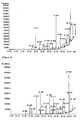
- Examples 1 and 2 and Comparative Examples 2 and 3 are subjected to gas chromatography analysis by solid phase microextraction (SPME). After carrying out quantitative analysis, the gas chromatograms of Examples 1 and 2 are shown in Figure 2 and Figure 3 , respectively. Particularly, the results of Example 1 are also shown in the following Table 2. [Table 2] No.
- Example 2 includes a lower amount of linalool as compared to Example 1.
- Table 3 shows the results of gas chromatography analysis of Examples 1 and 2 mainly about the three ingredients having a low sensory threshold.
- Table 3 Compound Retention Time (min) Peak area Concentration ( ⁇ g/mL)
- Example 1 Example 2
- Example 3 Example 1
- Example 2 Example 3
- Example 1 Example 2
- Example 3 Hexanol 2.958 6.22 2.31 4.11 0.04 0.01 0.02 z-3-hexenol 7.879-8.119 44.14 3.67 40.52 0.14 0.01 0.13 Linalool 12.085 156.02 60.51 140.18 1.21 0.48 1.05
- Example 2 The concentration of each of the three ingredients is significantly reduced in Example 2 as compared to Example 1. Particularly, the concentration of linalool, which causes skin allergy, is reduced by about 56%. Therefore, it can be seen that aged tea water shows a lower degree of skin allergy as compared to non-aged tea water.
- hexanol with a low molecular weight is reduced slightly by treatment with ethyl alcohol but the other two ingredients are not reduced significantly due to the lack of aging time.
- Example 1 Example 2
- Example 3 pH 5.82 5.98 5.75 Refractive index 1.333 1.341 1.320 Specific gravity 1.002 0.993 1.001 Pb 0.0760mg/kg 0.0770mg/kg 0.0761 mg/kg As 0.0674mg/kg 0.0676mg/kg 0.0670mg/kg Bacterial count 12/mL 10/mL 5/mL Fungal count Not detected Not detected Not detected
- Examples 1 to 3 satisfy the standards applicable to a cosmetic composition.
- Example 1 Forty male and female adult subjects (39 women and 1 man) having an average age of 41.3 (21-59) are tested for skin irritation after using Example 1 and Example 2.
- subjects suffering from psoriasis, acne, eczema or other skin diseases, pregnant or lactating women, or subjects taking an antihistamine agent or the like are excluded from the test.
- a covering patch to which a dressing containing a test substance at a concentration of 100% is applied at a dose of 20 ⁇ L/chamber (IQ chamber) is attached to the back portion of each subject for 24 hours, and the test portion is observed up to 48 hours.
- a degree of expression of skin irritation is evaluated as a score, wherein a score less than 1 is taken as grade I (no skin irritation), a score less than 3 is taken as grade II (light skin irritation), a score less than 5 is taken as grade III (moderate skin irritation), and a score of 5 or higher is taken as grade IV (severe skin irritation).
- Example 2 shows lower skin irritation as compared to Example 1.
- aged tea water causes lower skin irritation as compared to non-aged tea water. It is though that such results are derived from the fact that aged tea water has a lower amount of skin irritating ingredients, such as hexanol, z-3-hexenol and linalool.
Landscapes
- Health & Medical Sciences (AREA)
- Life Sciences & Earth Sciences (AREA)
- Natural Medicines & Medicinal Plants (AREA)
- Engineering & Computer Science (AREA)
- Veterinary Medicine (AREA)
- Public Health (AREA)
- General Health & Medical Sciences (AREA)
- Animal Behavior & Ethology (AREA)
- Chemical & Material Sciences (AREA)
- Epidemiology (AREA)
- Microbiology (AREA)
- Mycology (AREA)
- Biotechnology (AREA)
- Botany (AREA)
- Polymers & Plastics (AREA)
- Food Science & Technology (AREA)
- Medicinal Chemistry (AREA)
- Pharmacology & Pharmacy (AREA)
- Birds (AREA)
- Dermatology (AREA)
- Alternative & Traditional Medicine (AREA)
- Medical Informatics (AREA)
- Chemical Kinetics & Catalysis (AREA)
- General Chemical & Material Sciences (AREA)
- Bioinformatics & Cheminformatics (AREA)
- Nuclear Medicine, Radiotherapy & Molecular Imaging (AREA)
- Organic Chemistry (AREA)
- Medicines Containing Plant Substances (AREA)
- Cosmetics (AREA)
- Tea And Coffee (AREA)
Abstract
Description
- The present disclosure relates to a method for preparing tea water and tea water obtained thereby.
- Tea for drinking is one obtained by deactivating oxygenase present in shoots or leaves of theaceous Camellia sinensis and removing water therefrom. Tea has been enjoyed as favorite food from old times before the birth of Christ. In addition, it has been shown that active ingredients, such as catechins, amino acids, vitamin C, beta-carotene and dietary fibers, contained in tea have valuable pharmacological mechanisms. Particularly, various effects, including an anti-oxidative effect, anti-aging effect, anti-cancer effect, effect of reducing cholesterol in blood, effect of detoxifying heavy metals, effect of preventing a tooth decay and an effect of removing bad breath, provided by the ingredients contained in tea have been demonstrated, and thus tea has received great attention.
- The present disclosure is directed to providing a method for preparing tea water causing little skin irritation in an eco-friendly, cost-efficient and energy-efficient manner, the method including deactivating enzymes of raw tea leaves and extracting juice therefrom to obtain tea juice, and removing ions from the tea juice to obtain tea water.
- The present disclosure is also directed to providing tea water obtained by removing ions from tea juice of raw tea leaves in which enzymes are deactivated, the tea water having a reduced amount of such ingredients as hexanol, z-3-hexenol or linalool to reduce skin irritation.
- In one general aspect, there is provided a method for preparing tea water, including deactivating enzymes of raw tea leaves and extracting juice therefrom to obtain tea juice, and removing ions from the tea juice to obtain tea water.
- In another general aspect, there is provided tea water obtained by removing ions from tea juice of raw tea leaves in which enzymes are deactivated.
- In still another general aspect, there are provided a cosmetic composition, food composition and a pharmaceutical composition including the tea water.
- Since the method for preparing tea water disclosed herein uses raw tea leaves, energy consumption is low and byproducts to be discarded are minimized, thereby reducing production cost and contributing to environmental protection. In addition, the method requires no processing of tea leaves, and thus provides tea water in a more rapid and efficient manner.
- Further, the tea water disclosed herein has a low amount of skin irritating ingredients, and thus causes little skin irritation. Therefore, a cosmetic composition and pharmaceutical composition including the tea water cause little skin irritation.
-
-
Figure 1 is a schematic view illustrating a method for preparing tea water. -
Figure 2 is a graph showing the results of quantitative analysis of Example 1 using gas chromatography. -
Figure 3 is a graph showing the results of quantitative analysis of Example 2 using gas chromatography. -
Figure 4 is a graph showing the results of qualitative analysis of Comparative Example 2 using gas chromatography. -
Figure 5 is a graph showing the results of qualitative analysis of Comparative Example 3 using gas chromatography. -
Figure 6 is a graph showing the results of qualitative analysis of Example 1 using gas chromatography. - Raw tea leaves include 80-85% of water, 10-15% of fibrin, 2-5% of polyphenol and 1-5% of other ingredients. In general, in the case of water to be combined with a cosmetic composition, ion-purified water having a few types of or a low amount of ions dissolved in water is used. This is because a large amount of ions contained in water may interrupt effects of a cosmetic composition containing a surfactant, emulsifier or the like, and may affect stability of the cosmetic composition. Particularly, such a large amount of ions reduce the viscosity of a viscous composition with time. In general, liquid obtained by infusing processed tea leaves contains F-, CI-, NO3 -, PO4 - and SO4 - at a concentration of 100-3000, 500-2500, 0-200, 200-5000 and 50-3000 µg per 100g of water, respectively. Therefore, considering such ions contained in liquid obtained by infusing processed tea leaves, it is required to infuse tea leaves in water within the possible shortest time (regardless of concentration desired for drinking) so that a very low concentration is obtained. However, in this case, the liquid obtained by infusing tea leaves may not contain valuable ingredients contained originally in tea leaves.
- Unlike methods for preparing tea water according to the related art, the method for preparing tea water disclosed herein includes deactivating enzymes of raw tea leaves, extracting juice therefrom and removing such ions. Thus, it is possible to obtain tea water still including water and valuable ingredients contained in raw tea leaves.
- Processing of tea leaves, as expressed most simply, means removing water contained in tea leaves at a constant rate. In such processing of tea leaves, a considerable amount of energy is required to remove water contained in tea leaves. Since tea water according to the related art uses processed tea, additional energy and processes are required to infuse tea leaves, which already have consumed a great amount of energy during thermal processing. This requires high production cost and causes excessive energy consumption, and thus is not favorable in terms of environmental protection. In addition, solids remaining after infusing the processed tea leaves should be discarded, resulting in formation of additional discharge.
- On the contrary, the method disclosed herein uses raw, non-processed tea leaves, and thus energy consumption caused by heat treatment is low to minimize energy consumption. Further, the method disclosed herein may contribute to environmental protection. In addition, tea solids remaining after preparing tea water according to the present disclosure may be introduced to a process for producing general tea drink products, or may be suitable as raw materials for green tea when an additional drying process is used. Therefore, it can be said that the method disclosed herein, which reduces energy consumption and minimizes byproducts to be discarded, is an eco-friendly method.
- In addition, unlike methods for preparing tea water from tea leaves by using additional dissolution water according to the related art, the method for preparing tea water disclosed herein is characterized by including deactivating enzymes of raw tea leaves, extracting juice therefrom, removing ions to obtain tea water, and aging the tea water.
- As used herein, the term 'tea water' means all types of liquids derived from tea leaves, in a broad sense. Particularly, tea water includes water obtained after infusing non-processed or processed tea leaves, tea leave extract, liquid obtained by condensing vapor generated by heating tea leaves, liquid obtained by steaming tea leaves, adding cold water or ion water thereto and performing extraction, or the like. The tea water contains ingredients helpful to humans as well as water contained in tea leaves.
- Hereinafter, the method will be described in more detail.
- In one aspect, there is provided a method for preparing tea water, comprising:
- deactivating enzymes of raw tea leaves and extracting juice therefrom to obtain tea juice; and
- removing ions from the tea juice to obtain tea water.
- According to an embodiment, the method further comprises aging the tea water, after the tea water is obtained.
- According to another embodiment, the term 'tea leaves' means shoots or leaves of Camellia sinensis regardless of the quality or type thereof. Particularly, tea harvested in all seasons of spring, summer and autumn, and gyokuro tea having an increased amount of chlorophyll by using a sunscreen may be used, but the tea leaves that may be used herein are not limited thereto. According to a particular embodiment, the term 'raw tea leaves' refers to non-processed tea leaves.
- According to still another embodiment, raw tea leaves may be subjected to pretreatment before the tea juice is obtained. Such pretreatment generally includes collecting leaves from a tea tree, washing the leaves with purified water to remove foreign materials, and removing water droplets attached to the surfaces of tea leaves by using a dewatering system. The tea leaves may be stored at a low temperature (4-10°C) to compensate for heat generated from the tea leaves.
- According to an embodiment, to obtain the tea juice in the method, raw tea leaves are subjected to steaming, heating or pressurization to deactivate enzymes of the raw tea leaves. According to another embodiment, to obtain the tea juice in the method, raw tea leaves are subjected to steaming to deactivate enzymes of the raw tea leaves. When steaming the raw tea leaves, steaming may be carried out at a temperature of 100-150°C, particularly 102-121 °C, and more particularly 105-112°C. Enzymes of raw tea leaves are deactivated by such steaming treatment. In addition, such steaming treatment makes plant cell tissues soft, thereby increasing yield of tea juice.
- According to an embodiment, when the raw tea leaves in which enzymes are deactivated are subjected to juice extraction to obtain tea juice, the juice extraction may be carried out by at least one method selected from the group consisting of gear-based juice extraction, press-based juice extraction, crushing-based juice extraction and enzymatic decomposition-based juice extraction.
- According to another embodiment, after the tea juice is obtained, it may be further passed through a net. By doing so, solids remaining in the tea juice are removed. According to an embodiment, the net may have a size of 10-400 mesh. According to another embodiment, the net may have a size of 30-200 mesh. According to still another embodiment, the net may have a size of 80-120 mesh.
- According to an embodiment, when the tea water is obtained, ions are removed from the tea juice by a vaporization and liquefaction process or an osmotic filtering process. By doing so, it is possible to remove ions, which may interrupt desired effects of a cosmetic composition or may affect stability the composition, from the tea juice. Hereinafter, the vaporization and liquefaction process will be explained in more detail. The tea juice is heated to perform vaporization, wherein heating may be performed at a temperature of about 100-121°C under pressure. In a variant, heating may be carried out at a temperature of about 80-100°C under ambient pressure. In another variant, heating may be carried out at a temperature of about 40-80°C under reduced pressure.
- According to an embodiment, after ions are removed from the tea juice to obtain tea water, the tea water may be further subjected to centrifugal separation, membrane separation or distillation separation to remove and separate undesired ingredients. According to another embodiment, the tea water, from which undesired ingredients are removed and separated, may be mixed with a predetermined amount of organic solvent and then the solvent may be removed selectively via distillation, so that ingredients having low preference or undesired ingredients may be separated and removed selectively. According to an embodiment, the organic solvent may be ethyl alcohol. Ethyl alcohol may be used in an amount of 5-40 wt% based on the total weight of tea water.
- According to an embodiment, after the tea water is obtained, it may be further subjected to aging. Through such aging, it is possible to remove skin irritating ingredients, such as hexanol, z-3-hexenol or linalool. When aging the tea water, aging may be performed at 0-120°C for 12-24 hours. According to another embodiment, aging may be performed at 80-120°C for 12-24 hours under pressure in such a condition that water is not evaporated from the tea water. According to still another embodiment, aging may be performed under ambient pressure at 40-80°C for 12-24 hours. According to yet another embodiment, aging may be performed under reduced pressure at 4-40°C for 12-24 hours.
- In the method for preparing tea water according to an embodiment, the resultant tea water may satisfy at least one of the following conditions: a concentration of linalool of 5 µg/mL or less, a concentration of hexanol of 0.2 µg/mL or less, and a concentration of z-3-hexenol of 0.2 µg/mL or less. In the method for preparing tea water according to another embodiment, the resultant tea water may satisfy at least one of the following conditions: a concentration of linalool of 1 µg/mL or less, a concentration of hexanol of 0.1 µg/mL or less, and a concentration of z-3-hexenol of 0.1 µg/mL or less. In the method for preparing tea water according to still another embodiment, the resultant tea water may satisfy at least one of the following conditions: a concentration of linalool of 0.5 µg/mL or less, a concentration of hexanol of 0.02 µg/mL or less, and a concentration of z-3-hexenol of 0.02 µg/mL or less. As such, the tea water disclosed herein contains a very low amount of skin irritating ingredients, including hexanol, z-3-hexenol or linalool, and thus causes little skin irritation.
- In another aspect, there is provided tea water obtained by removing ions from tea juice of raw tea leaves in which enzymes are deactivated.
- According to an embodiment, the tea water may satisfy at least one of the following conditions: a concentration of linalool of 5 µg/mL or less, a concentration of hexanol of 0.2 µg/mL or less, and a concentration of z-3-hexenol of 0.2 µg/mL or less. According to another embodiment, the tea water may satisfy at least one of the following conditions: a concentration of linalool of 1 µg/mL or less, a concentration of hexanol of 0.1 µg/mL or less, and a concentration of z-3-hexenol of 0.1 µg/mL or less. According to still another embodiment, the tea water may satisfy at least one of the following conditions: a concentration of linalool of 0.5 µg/mL or less, a concentration of hexanol of 0.02 µg/mL or less, and a concentration of z-3-hexenol of 0.02 µg/mL or less. As such, the tea water disclosed herein contains a significantly reduced amount of skin irritating ingredients. In addition, the tea water meets the standards applicable to a cosmetic composition.
- In still another aspect, there is provided a cosmetic composition including tea water obtained by removing ions from tea juice of raw tea leaves in which enzymes are deactivated. Particularly, the tea water disclosed herein may be used as a base for a cosmetic composition.
- The cosmetic composition includes a cosmetically or dermatologically acceptable medium or base. The cosmetic composition includes any forms suitable for topical application, and particular examples thereof include solution, gel, solid, anhydrous slurry products, oil in water emulsion, water in oil emulsion, multiemulsion, suspension, microemulsion, microcapsules, microgranules or ionic (liposome) and non-ionic follicular dispersion, or cream, skin, lotion, powder, ointment, spray, cleanser or conceal stick. The composition disclosed herein may be used in the form of foam or an aerosol composition further including a pressurized propellant. Such compositions may be obtained by a conventional method.
- The cosmetic composition may further include other adjuvants that may not adversely affect a main desired effect or may provide a synergic effect to the main effect. In addition to the active ingredients, other ingredients may be selected and added with ease by those skilled in the art depending on the particular form or purpose of a cosmetic composition.
- For example, the cosmetic composition may further include a skin absorption-enhancing material to improve its effect. In addition, the cosmetic composition disclosed herein may include a material selected from the group consisting of water soluble vitamins, oil-soluble vitamins, polymer peptides, polysaccharides, spingolipids and seaweed extract. Further, the cosmetic composition disclosed herein may include other ingredients currently used in the field of cosmetics in addition to the active ingredients, and particular examples thereof include oil and fat ingredients, moisturizing agents, emollients, surfactants, organic and inorganic pigments, organic powder, UV absorbing agents, preservatives, disinfecting agents, antioxidants, plant extract, pH modifiers, alcohols, dyes, aromatic, blood circulation stimulating agents, cooling agents, antiperspirants, purified water, or the like. Ingredients that may be added to the cosmetic composition disclosed herein are not limited to the above-listed materials, and are used in such a manner that they may not adversely affect the purpose and effect of the present disclosure.
- There is no particular limitation in formulation of the cosmetic composition and any formulation may be selected as desired. For example, the cosmetic composition may be provided as one or more formulations selected from the group consisting of skin softeners (skin lotion and milk lotion), nourishing lotion, essence, nourishing cream, massage cream, powder, lipstick, makeup base, foundation, patches, spray, pack, gel, essence, eye cream, eye essence, cleansing cream, cleansing foam, cleansing water, cleanser, body lotion, body cream, body oil and body essence, but is not limited thereto.
- The tea water may be used in an amount of 0.01-100 wt% based on the total weight of the cosmetic composition.
- In still another aspect, there is provided a food composition including tea water obtained by removing ions from tea juice of raw tea leaves in which enzymes are deactivated. There is no particular limitation in the form of the food composition. The food composition may be provided as a solid or drink. The tea water may be used in an amount of 0.01-100 wt% based on the total weight of the food composition.
- In yet another aspect, there is provided a pharmaceutical composition including tea water obtained by removing ions from tea juice of raw tea leaves in which enzymes are deactivated. Particularly, the tea water may be used as a base for a pharmaceutical composition.
- When applying the composition disclosed herein to pharmaceuticals, a conventional inorganic or organic carrier is added to the composition, so that the composition may be formulated into a solid, semi-solid or liquid form for oral or parenteral administration. The composition may be formulated with ease by a currently used method. In addition, surfactants, vehicles, colorants, spices, stabilizers, preservatives, antibacterial agents, hydrating agent, emulsification accelerators, suspending agents, salts and/or buffers for controlling osmotic pressure, and other conventional adjuvants may be used in a suitable manner.
- For oral administration, tablets, pills, granules, soft and hard capsules, dusts, fine particles, powder, liquid, emulsion, syrup, pellets or the like may be used. Such formulations may further include diluents (for example, lactose, dextrose, sucrose, mannitol, sorbitol, cellulose or glycine), lubricants (for example, silica, talc, stearic acid and magnesium or calcium salts thereof or polyethylene glycol), or a binder (for example, magnesium aluminum silicate, starch paste, gelatin, tragacanth, methyl cellulose, sodium carboxymethyl cellulose or polyvinyl pyrrolidine), in addition to the active ingredients. If necessary, such formulations may further include other pharmaceutical additives, for example, a disintegrating agent, such as starch, agar, alginic acid or a sodium salt thereof, adsorbing agent, coloring agent, flavor or sweetener. Tablets may be obtained by conventional mixing, granulation or coating processes.
- Meanwhile, formulations for parenteral administration include skin application formulations, or injection formulation, drops, lotion, ointment, gel, cream, suspension, emulsion, suppositories, patches or spray formulations, but are not limited thereto.
- The pharmaceutical composition disclosed herein may be administered via oral, parenteral, rectal, local, transdermal, intravenous, intramuscular, intraperitoneal, subcutaneous routes, or the like.
- In addition, the dose of active ingredients may be varied with the age, sex and body weight of a subject to be treated, particular disease or pathological condition to be treated, severity of disease or pathological condition, administration route and the judgment of a prescriber. Determination of the effective dose may be made by those skilled in the art based on the above-mentioned factors.
- The tea water may be used in an amount of 0.01-100 wt% based on the total weight of the pharmaceutical composition.
- The examples, comparative examples and test examples will now be described. The following examples, comparative examples and test examples are for illustrative purposes only and not intended to limit the scope of this disclosure.
- First, 2 kg of raw tea leaves within several hours after harvest are allowed to be in contact with steam generated at 100°C for 2-3 minutes to deactivate enzymes, and then introduced to two screw gear type juicers to separate tea juice from solids. The tea juice is passed through an 80-mesh net to remove the remaining solids. The tea juice is introduced to a depressurized concentration system and subjected to distillation at 40-80°C, and thus the generated vapor is condensed to obtain tea water. The resultant tea water is packed under sterilization with a 0.2 µm sterilization filter in an aseptic clean bench to provide Example 1.
- The tea water obtained from Example 1 is introduced to a depressurized concentration system and aged for 24 hours under the conditions of 28°C, 40 mmHg and 10 rpm. The aged tea water is packed under sterilization with a 0.2 µm sterilization filter in an aseptic clean bench to provide Example 2.
- First, 2 kg of raw tea leaves within several hours after harvest are allowed to be in contact with steam generated at 100°C for 2-3 minutes to deactivate enzymes, and then introduced to two screw gear type juicers to separate tea juice from solids. The tea juice is passed through an 80-mesh net to remove the remaining solids. The tea juice is introduced to a depressurized concentration system and subjected to distillation at 40-80°C, and thus the generated vapor is condensed to obtain tea water. To the resultant tea water, 97% alcohol is added in an amount of 5 wt% based on the total weight of the tea water, followed by mixing for 3 minutes. Then, ethyl alcohol is separated via distillation using a depressurized distillation system at 30-50°C. The tea water from which alcohol is removed is packed under sterilization with a 0.2 µm sterilization filter in an aseptic clean bench to provide Example 3.
- First, 20 g of raw tea leaves within several hours after harvest are dipped in a mortar containing liquid nitrogen to freeze instantaneously, and ground finely to crush cells totally. Then, the treated tea leaves are passed through a 200-mesh net, and extracted by using a screw gear type juicer to provide Comparative Example 1.
- Tea leaves harvested at a time similar to the harvest time of the raw tea leaves used in Example 1 are treated preliminarily through steaming - rubbing and drying (joyu) - rubbing (yunyum) - rubbing under hot air (jeungyu)- trimming and drying (jungyu) - drying processes. Then, 20 g of the preliminarily treated tea leaves are dipped into purified water at 70°C for 2 minutes and filtered through a 200-mesh net to provide Comparative Example 2. The preliminarily treated tea leaves are further treated through heating - sieving -cutting - stem selection - mixing processes, and then 20 g of the further treated tea leaves are dipped into purified water at 70°C for 2 minutes and filtered through a 200-mesh net to provide Comparative Example 3.
- First, 2 kg of raw tea leaves are not steamed but directly subjected to juice extraction using a juicer, followed by centrifugal separation, to obtain a supernatant as a product. In addition, the tea juice, obtained by extracting juice from the tea leaves subjected to steaming according to Example 1, is subjected to centrifugal separation to obtain a supernatant as a product. The two supernatant products and the product obtained by extracting juice according to Comparative Example 1 are evaluated for yields on the basis of tea leaves. The results are shown in the following Table 1. Each yield is calculated according to the following Mathematical Formula 1.

[Table 1] Raw tea leaves Steamed tea leaves Tea leaves obtained by nitrogen freezing and crushing Yield 25% 35% 11% - The steamed tea leaves provide the highest yield, while the tea leaves obtained by nitrogen freezing and crushing provide the lowest yield. It is thought that such results are derived from the fact that extracting juice after softening plant tissues by steaming enables separation of a larger amount of water.
- Examples 1 and 2 and Comparative Examples 2 and 3 are subjected to gas chromatography analysis by solid phase microextraction (SPME). After carrying out quantitative analysis, the gas chromatograms of Examples 1 and 2 are shown in
Figure 2 and Figure 3 , respectively. Particularly, the results of Example 1 are also shown in the following Table 2.[Table 2] No. Retention Time (min) Compound 1 2.958 Hexanol 2 3.09 2- propanone 3 3.749 3- butane 4 3.957 2-ethoxy-2-methylpropane 5 4.359 3- methylbutanal 6 4.486 2-methylbutanal 7 4.735 1-penten-3- ol 8 4.835 Tetrahydro-2,2,5,5-tetramethylfuran 9 5.514 3- butyronitrile 10 6.192 1- pentanol 11 7.879-8.119 z-3- hexenol 12 9.273 4-hydroxy-4-methyl-2- pentanone 13 9.412 4-methyl-2- heptanone 14 12.085 Linalool - Among the main ingredients of tea, those having a low sensory threshold and thus allowing humans to distinguish them immediately include the following three ingredients: hexanol, z-3-hexenol and linalool. Particularly, it is known that linalool causes allergy upon direct contact with skin. As can be seen from the above results, Example 2 includes a lower amount of linalool as compared to Example 1.
- The following Table 3 shows the results of gas chromatography analysis of Examples 1 and 2 mainly about the three ingredients having a low sensory threshold.
[Table 3] Compound Retention Time (min) Peak area Concentration (µg/mL) Example 1 Example 2 Example 3 Example 1 Example 2 Example 3 Hexanol 2.958 6.22 2.31 4.11 0.04 0.01 0.02 z-3-hexenol 7.879-8.119 44.14 3.67 40.52 0.14 0.01 0.13 Linalool 12.085 156.02 60.51 140.18 1.21 0.48 1.05 - The concentration of each of the three ingredients is significantly reduced in Example 2 as compared to Example 1. Particularly, the concentration of linalool, which causes skin allergy, is reduced by about 56%. Therefore, it can be seen that aged tea water shows a lower degree of skin allergy as compared to non-aged tea water. In the case of Example 3, hexanol with a low molecular weight is reduced slightly by treatment with ethyl alcohol but the other two ingredients are not reduced significantly due to the lack of aging time.
- Meanwhile, the gas chromatograms obtained after the qualitative analysis of Comparative Examples 2 and 3 are shown in
Figure 4 andFigure 5 , respectively. In addition, the gas chromatograms obtained after qualitatively analyzing Comparative Examples 2 and 3 in comparison with Example 1 are shown inFigure 6 . The ingredients corresponding to the peaks ofFigure 6 are shown in the following Table 4. Referring toFigure 4 andFigure 5 , some peaks that are not present inFigure 6 appear. It is thought that the peaks are derived from pyrazine-like aromatic ingredients having a good taste and modified from the unique ingredients of raw tea leaves. Such ingredients may cause skin irritation, and thus are not suitable for a cosmetic composition and pharmaceutical composition.[Table 4] Retention Time (min) Compound 14.482 z-3-hexen-1-ol 15.769 Trans-linalool 16.425 Linalool oxide A 17.907 1,6-octadiene-3-ol 19.098 Carbitol 20.713 Linalool oxide D 21.013 2H-pyran-3-ol 21.992 Linalool 22.895 1,4-butanediol 22.997 Benzylnitrile 23.111 Jasmone 24.668 Butylated hydroxytoluene 25.954 Mulool 27.942 Indole 28.224 Benzophenone - Basic analysis of Example 1 is carried out to determine pH, refractive index, specific gravity, heavy metal content, count of bacteria or fungi, or the like. The results are shown in the following Table 5.
[Table 5] Example 1 Example 2 Example 3 pH 5.82 5.98 5.75 Refractive index 1.333 1.341 1.320 Specific gravity 1.002 0.993 1.001 Pb 0.0760mg/kg 0.0770mg/kg 0.0761 mg/kg As 0.0674mg/kg 0.0676mg/kg 0.0670mg/kg Bacterial count 12/ mL 10/mL 5/mL Fungal count Not detected Not detected Not detected - As can be seen from the foregoing, Examples 1 to 3 satisfy the standards applicable to a cosmetic composition.
- Forty male and female adult subjects (39 women and 1 man) having an average age of 41.3 (21-59) are tested for skin irritation after using Example 1 and Example 2. Herein, subjects suffering from psoriasis, acne, eczema or other skin diseases, pregnant or lactating women, or subjects taking an antihistamine agent or the like are excluded from the test.
- A covering patch to which a dressing containing a test substance at a concentration of 100% is applied at a dose of 20 µL/chamber (IQ chamber) is attached to the back portion of each subject for 24 hours, and the test portion is observed up to 48 hours. A degree of expression of skin irritation is evaluated as a score, wherein a score less than 1 is taken as grade I (no skin irritation), a score less than 3 is taken as grade II (light skin irritation), a score less than 5 is taken as grade III (moderate skin irritation), and a score of 5 or higher is taken as grade IV (severe skin irritation). Each grade is based on a modification of the test standards defined by CTFA GUIDELINE (1981) and Frosch & Kligman (1979), and the criteria are shown in the following Table 6. The test results are shown in the following Table 7.
[Table 6] Patch test criteria about inflammation degrees Grade Characteristics 0 No reaction I Slight erythema, spots or rash II Moderate uniform erythema III Strong erythema with edema IV Strong erythema with edema and blister [Table 7] Test substance 24 hr 48 hr Average score Evaluation (grade) +1 +2 +3 +4 +1 +2 +3 +4 Example1 100% 6 - - - 2 - - - 2.50 II Example 2 100% - - - - - - - - 0.00 I - As can be seen from Table 7, Example 2 shows lower skin irritation as compared to Example 1. In other words, aged tea water causes lower skin irritation as compared to non-aged tea water. It is though that such results are derived from the fact that aged tea water has a lower amount of skin irritating ingredients, such as hexanol, z-3-hexenol and linalool.
Claims (10)
- A method for preparing tea water, comprising:deactivating enzymes of raw tea leaves and extracting juice therefrom to obtain tea juice; andremoving ions from the tea juice to obtain tea water.
- The method according to claim 1, wherein the enzymes of the raw tea leaves are deactivated by subjecting the raw tea leaves to steaming, heating or pressurization, when the tea juice is obtained.
- The method according to claim 1, wherein the ions are removed from the tea juice by subjecting the tea juice to a vaporization and liquefaction process or an osmotic filtering process, when the tea water is obtained.
- The method according to claim 1, wherein the method further comprises aging the tea water, after the tea water is obtained.
- The method according to any one of claims 1 to 4, wherein the tea water satisfies at least one of the following: a concentration of linalool of 5 µg/mL or less, a concentration of hexanol of 0.2 µg/mL or less, and a concentration of z-3-hexenol of 0.2 µg/mL or less.
- Tea water obtained by removing ions from tea juice of raw tea leaves in which enzymes are deactivated.
- The tea water according to claim 6, wherein the tea water satisfies at least one of the following: a concentration of linalool of 5 µg/mL or less, a concentration of hexanol of 0.2 µg/mL or less, and a concentration of z-3-hexenol of 0.2 µg/mL or less.
- A cosmetic composition comprising the tea water as defined in claim 6 or 7.
- A food composition comprising the tea water as defined in claim 6 or 7.
- A pharmaceutical composition comprising the tea water as defined in claim 6 or 7.
Applications Claiming Priority (2)
| Application Number | Priority Date | Filing Date | Title |
|---|---|---|---|
| KR20090116703 | 2009-11-30 | ||
| PCT/KR2010/008517 WO2011065799A2 (en) | 2009-11-30 | 2010-11-30 | Preparation method of tea water, and tea water obtained thereby |
Publications (3)
| Publication Number | Publication Date |
|---|---|
| EP2508085A2 true EP2508085A2 (en) | 2012-10-10 |
| EP2508085A4 EP2508085A4 (en) | 2013-06-26 |
| EP2508085B1 EP2508085B1 (en) | 2019-10-16 |
Family
ID=44067141
Family Applications (1)
| Application Number | Title | Priority Date | Filing Date |
|---|---|---|---|
| EP10833611.6A Active EP2508085B1 (en) | 2009-11-30 | 2010-11-30 | Preparation method of tea water, and tea water obtained thereby |
Country Status (6)
| Country | Link |
|---|---|
| US (2) | US20120251635A1 (en) |
| EP (1) | EP2508085B1 (en) |
| JP (1) | JP5976544B2 (en) |
| KR (1) | KR101253433B1 (en) |
| CN (1) | CN102711527B (en) |
| WO (1) | WO2011065799A2 (en) |
Families Citing this family (6)
| Publication number | Priority date | Publication date | Assignee | Title |
|---|---|---|---|---|
| KR101908346B1 (en) * | 2012-06-29 | 2018-10-17 | (주)아모레퍼시픽 | Composition for prevention of skin aging comprising tea water |
| KR20150102326A (en) | 2014-02-28 | 2015-09-07 | (주)아모레퍼시픽 | Catechin-free tea water and composition comprising the same |
| CN106857909B (en) * | 2017-04-12 | 2019-12-27 | 谢裕大茶叶股份有限公司 | Method for processing Huangshan Maofeng tea with quickly sinking bud and leaf |
| CN109566802B (en) * | 2018-12-03 | 2022-05-17 | 陕西汇源健康食品有限公司 | Production process and production line of beverage capable of improving cardiovascular disease |
| JP7054928B2 (en) * | 2019-01-25 | 2022-04-15 | ハラダ製茶株式会社 | Tea extract manufacturing method |
| BR112022006709A2 (en) * | 2019-11-21 | 2022-07-12 | Unilever Ip Holdings B V | BLACK TEA LEAVES PRODUCT, TEA PRODUCT AND TEA MIXTURE |
Family Cites Families (25)
| Publication number | Priority date | Publication date | Assignee | Title |
|---|---|---|---|---|
| US4639375A (en) * | 1983-08-12 | 1987-01-27 | The Procter & Gamble Company | Enzymatic treatment of black tea leaf |
| US5198259A (en) * | 1986-11-14 | 1993-03-30 | Thomas J. Lipton, Inc. | Concentrated tea extract |
| EP0547370B1 (en) * | 1991-12-19 | 1996-08-07 | Societe Des Produits Nestle S.A. | Preparation of antioxidants |
| JP3256883B2 (en) * | 1992-10-06 | 2002-02-18 | 日研フード株式会社 | Method for producing low-caffeine tea catechins |
| CN1038299C (en) * | 1993-01-20 | 1998-05-13 | 南昌洪婺名茶开发公司 | Production technology for distilled tea |
| JPH0881325A (en) * | 1994-09-09 | 1996-03-26 | Kose Corp | Cosmetic |
| JP3579496B2 (en) * | 1995-05-10 | 2004-10-20 | 三井農林株式会社 | Tea extract or tea beverage with reduced astringency and method for producing the same |
| JPH1118678A (en) * | 1997-07-07 | 1999-01-26 | Yamanashi Yagen Kk | Production of tea leaf liquid |
| KR100398023B1 (en) * | 2000-11-23 | 2003-09-19 | 주식회사 태평양 | A composition for skin external application containing green tea-leaf water |
| KR100384308B1 (en) * | 2001-02-12 | 2003-05-14 | 노일섭 | Instant powdered ginseng green tea |
| KR100395464B1 (en) * | 2001-02-12 | 2003-08-25 | 노일섭 | Novel extraction method of Catechin and Catechin containing drinks using this method |
| JP2003252720A (en) * | 2001-12-26 | 2003-09-10 | Akira Konagaya | Cosmetic, food, or bathing agent containing green tea- containing material as active ingredient and method for producing the same and extraction method |
| JP3803709B2 (en) * | 2004-03-31 | 2006-08-02 | 島根県 | Tea production method |
| US7767215B2 (en) * | 2004-06-29 | 2010-08-03 | Mcka Llc | Topical compositions for anti-aging and methods of using same |
| JP2006061125A (en) * | 2004-08-30 | 2006-03-09 | T Hasegawa Co Ltd | Containerized green tea beverage |
| GB0425305D0 (en) * | 2004-11-17 | 2004-12-15 | Givaudan Sa | Bactericidal formulations |
| JP4828135B2 (en) * | 2005-03-01 | 2011-11-30 | 小川香料株式会社 | Inhibitor of cholesterol uptake into lipid micelles |
| JP4560596B2 (en) * | 2005-09-25 | 2010-10-13 | 英幸 小畑 | Tea and tea production method |
| ATE524073T1 (en) * | 2006-03-27 | 2011-09-15 | Nestec Sa | WHEY PROTEIN MICELLES |
| JP5704292B2 (en) * | 2006-05-09 | 2015-04-22 | 独立行政法人農業・食品産業技術総合研究機構 | Tea leaf extract composition |
| JP5111096B2 (en) * | 2007-12-27 | 2012-12-26 | 花王株式会社 | Production method of tea extract |
| EA201070566A1 (en) * | 2007-11-05 | 2010-10-29 | Унилевер Н.В. | METHOD OF CLEANING TEA CONNECTIONS |
| KR100950780B1 (en) * | 2007-11-30 | 2010-04-02 | 한국식품연구원 | How to extract high quality extracts from the green leaves of tea |
| JP2009249318A (en) * | 2008-04-03 | 2009-10-29 | Toyo Shinyaku Co Ltd | Penetration-promoting material and skin care preparation for external use comprising the same |
| CN101366425B (en) * | 2008-09-16 | 2011-02-09 | 无锡太阳绿宝科技有限公司 | Preparation technique for selenium-rich instant green tea powder |
-
2010
- 2010-11-30 EP EP10833611.6A patent/EP2508085B1/en active Active
- 2010-11-30 JP JP2012541028A patent/JP5976544B2/en active Active
- 2010-11-30 CN CN201080062698.XA patent/CN102711527B/en active Active
- 2010-11-30 US US13/512,538 patent/US20120251635A1/en not_active Abandoned
- 2010-11-30 KR KR1020100120498A patent/KR101253433B1/en active Active
- 2010-11-30 WO PCT/KR2010/008517 patent/WO2011065799A2/en not_active Ceased
-
2014
- 2014-09-29 US US14/499,506 patent/US10111922B2/en active Active
Non-Patent Citations (15)
| Title |
|---|
| "Brhat Nighantu Ratnakara", vol. 4, 1997, pages: 908 |
| DATABASE TKDL [online] "Arq Gul-e-Neeb Deegar", XP003032275, Database accession no. AH5/2299A |
| DATABASE TKDL [online] "Cahagunah", XP003032272, Database accession no. RS/6160A |
| DATABASE TKDL [online] "Chai", XP003030409, Database accession no. AN2/324 |
| DATABASE TKDL [online] "Chayam Guna", XP003029251, Database accession no. VJ/631 |
| DATABASE TKDL [online] "Nuskha Barae munghish-e-arvaah", XP003032273, Database accession no. AN2/324F |
| DATABASE TKDL [online] "Qahwah Barai Muqawwi-e-Meda", XP003032274, Database accession no. AH5/2671 |
| DATABASE TKDL [online] "Tabeekh Darchini", XP003027495, Database accession no. BA3/1179 |
| DATABASE TKDL [online] "Zimaad-e-chai Barai Warm-e-muzmin", XP003030557, Database accession no. AN2/324A |
| MOHAMMAD AKMAL KHAN: "Qaraabaadeen Azam wa Akmal", 1909, pages: 202 |
| MOHAMMAD AKMAL KHAN: "Qaraabaadeen Azam wa Akmal", 1909, pages: 558 |
| MOHAMMAD AKMAL KHAN: "Qaraabaadeen Azam wa Akmal", 1909, pages: 589 |
| MOHAMMAD NAJMUL GHAN1 KHAN: "Khazaain-al-Advia", vol. II, 1911, pages: 342 |
| MOHAMMAD NAJMUL GHANI KHAN: "Khazaain-al-Advia", vol. II, 1911, pages: 342 - 343 |
| PRIYAVRATA SHARMA: "Priyanighantu", vol. 1, 2004, pages: 224 |
Also Published As
| Publication number | Publication date |
|---|---|
| CN102711527B (en) | 2015-03-11 |
| US10111922B2 (en) | 2018-10-30 |
| US20150044307A1 (en) | 2015-02-12 |
| US20120251635A1 (en) | 2012-10-04 |
| CN102711527A (en) | 2012-10-03 |
| WO2011065799A2 (en) | 2011-06-03 |
| KR101253433B1 (en) | 2013-04-11 |
| EP2508085A4 (en) | 2013-06-26 |
| KR20110060857A (en) | 2011-06-08 |
| JP5976544B2 (en) | 2016-08-23 |
| WO2011065799A3 (en) | 2011-11-03 |
| EP2508085B1 (en) | 2019-10-16 |
| JP2013512237A (en) | 2013-04-11 |
Similar Documents
| Publication | Publication Date | Title |
|---|---|---|
| US10111922B2 (en) | Preparation method of tea water, and tea water obtained thereby | |
| US7442391B2 (en) | Bioactive botanical cosmetic compositions and processes for their production | |
| KR100311439B1 (en) | Hair growth stimulant | |
| CN103998441B (en) | The purification process of oligomeric proanthocyanidins, the inflation method of the polymerization degree and Hyaluronidase inhibitor and collagenase inhibitors | |
| JP7357360B2 (en) | anti aging agent | |
| KR102113193B1 (en) | Composition for improving skin conditions comprising artemisiae annuae herba, centella asiatica and green tea extract or fraction thereof and method for improving skin conditions using the same | |
| JPWO1996000561A1 (en) | hair growth agent | |
| CN117243868B (en) | Camellia extract with soothing effect and preparation method and application thereof | |
| EP2295031A2 (en) | Use of pterocarpans as anti-cellulite agents | |
| KR102394666B1 (en) | Method for manufacturing fermented green tea extract, and fermented green tea extract therefrom | |
| KR20120029116A (en) | Composition for atopy skin using a fermentive product of leaves of chamaecyparis obtusa | |
| KR102137136B1 (en) | Composition comprising pumpkin hydrolysis extract, amorphophallus paeoniifolius hydrolysis extract, curcuma extract and cacao nibs extract | |
| KR101961595B1 (en) | Composition for preventing hair loss | |
| JP7488831B2 (en) | Composition containing theaflavin for promoting differentiation of adipocytes | |
| KR102746020B1 (en) | Composition for prevention and treatment of muscular disorder or improvement of muscular functions comprising Artemisia argyi extract | |
| KR102070854B1 (en) | Composition for preventing, improving or treating muscular damage comprising Vigna angularis extract | |
| KR20170117929A (en) | Composition for wound-healing comprising extracellular vesicles from ginseng | |
| KR101852441B1 (en) | Method for preparing tea extract which has favored taste, flavor and solubility | |
| KR102895328B1 (en) | Method for Producing Exosomes from houttuynia cordata for promoting and preventing alopecia and Exosomes Produced Thereof | |
| KR102758758B1 (en) | Method for manufacturing a composition for improving sleep disorders containing Valeriana officinalis root extract as an active ingredient | |
| WO2003063803A1 (en) | Bioactive botanical cosmetic ingredients and processes for their production | |
| KR20180001398A (en) | Composition containing lithospermum erythrorhizon extracts | |
| KR20250153371A (en) | Composition for improving sensitive skin containing Zanthoxylum piperitum extract and method for producing the same | |
| KR20250057486A (en) | Dendropanax morbifera Extract and method for preparing the same | |
| KR20260000381A (en) | Method for producing vegetable extract water using room temperature vacuum drying method |
Legal Events
| Date | Code | Title | Description |
|---|---|---|---|
| PUAI | Public reference made under article 153(3) epc to a published international application that has entered the european phase |
Free format text: ORIGINAL CODE: 0009012 |
|
| 17P | Request for examination filed |
Effective date: 20120613 |
|
| AK | Designated contracting states |
Kind code of ref document: A2 Designated state(s): AL AT BE BG CH CY CZ DE DK EE ES FI FR GB GR HR HU IE IS IT LI LT LU LV MC MK MT NL NO PL PT RO RS SE SI SK SM TR |
|
| TPAC | Observations filed by third parties |
Free format text: ORIGINAL CODE: EPIDOSNTIPA |
|
| DAX | Request for extension of the european patent (deleted) | ||
| A4 | Supplementary search report drawn up and despatched |
Effective date: 20130529 |
|
| RIC1 | Information provided on ipc code assigned before grant |
Ipc: A61K 8/97 20060101ALI20130523BHEP Ipc: A23L 2/38 20060101AFI20130523BHEP Ipc: A61K 36/82 20060101ALI20130523BHEP |
|
| STAA | Information on the status of an ep patent application or granted ep patent |
Free format text: STATUS: EXAMINATION IS IN PROGRESS |
|
| 17Q | First examination report despatched |
Effective date: 20161213 |
|
| REG | Reference to a national code |
Ref country code: DE Ref legal event code: R079 Ref document number: 602010061568 Country of ref document: DE Free format text: PREVIOUS MAIN CLASS: A23L0002380000 Ipc: A61K0036820000 |
|
| GRAP | Despatch of communication of intention to grant a patent |
Free format text: ORIGINAL CODE: EPIDOSNIGR1 |
|
| STAA | Information on the status of an ep patent application or granted ep patent |
Free format text: STATUS: GRANT OF PATENT IS INTENDED |
|
| RIC1 | Information provided on ipc code assigned before grant |
Ipc: A23F 3/20 20060101ALI20190412BHEP Ipc: A61K 36/82 20060101AFI20190412BHEP Ipc: A23F 3/18 20060101ALI20190412BHEP Ipc: A61K 8/97 20170101ALI20190412BHEP Ipc: A61Q 19/00 20060101ALI20190412BHEP |
|
| INTG | Intention to grant announced |
Effective date: 20190520 |
|
| GRAS | Grant fee paid |
Free format text: ORIGINAL CODE: EPIDOSNIGR3 |
|
| GRAA | (expected) grant |
Free format text: ORIGINAL CODE: 0009210 |
|
| STAA | Information on the status of an ep patent application or granted ep patent |
Free format text: STATUS: THE PATENT HAS BEEN GRANTED |
|
| AK | Designated contracting states |
Kind code of ref document: B1 Designated state(s): AL AT BE BG CH CY CZ DE DK EE ES FI FR GB GR HR HU IE IS IT LI LT LU LV MC MK MT NL NO PL PT RO RS SE SI SK SM TR |
|
| REG | Reference to a national code |
Ref country code: GB Ref legal event code: FG4D |
|
| REG | Reference to a national code |
Ref country code: CH Ref legal event code: EP |
|
| REG | Reference to a national code |
Ref country code: DE Ref legal event code: R096 Ref document number: 602010061568 Country of ref document: DE |
|
| REG | Reference to a national code |
Ref country code: IE Ref legal event code: FG4D |
|
| REG | Reference to a national code |
Ref country code: AT Ref legal event code: REF Ref document number: 1190635 Country of ref document: AT Kind code of ref document: T Effective date: 20191115 |
|
| REG | Reference to a national code |
Ref country code: NL Ref legal event code: MP Effective date: 20191016 |
|
| REG | Reference to a national code |
Ref country code: LT Ref legal event code: MG4D |
|
| REG | Reference to a national code |
Ref country code: AT Ref legal event code: MK05 Ref document number: 1190635 Country of ref document: AT Kind code of ref document: T Effective date: 20191016 |
|
| PG25 | Lapsed in a contracting state [announced via postgrant information from national office to epo] |
Ref country code: FI Free format text: LAPSE BECAUSE OF FAILURE TO SUBMIT A TRANSLATION OF THE DESCRIPTION OR TO PAY THE FEE WITHIN THE PRESCRIBED TIME-LIMIT Effective date: 20191016 Ref country code: PT Free format text: LAPSE BECAUSE OF FAILURE TO SUBMIT A TRANSLATION OF THE DESCRIPTION OR TO PAY THE FEE WITHIN THE PRESCRIBED TIME-LIMIT Effective date: 20200217 Ref country code: GR Free format text: LAPSE BECAUSE OF FAILURE TO SUBMIT A TRANSLATION OF THE DESCRIPTION OR TO PAY THE FEE WITHIN THE PRESCRIBED TIME-LIMIT Effective date: 20200117 Ref country code: LT Free format text: LAPSE BECAUSE OF FAILURE TO SUBMIT A TRANSLATION OF THE DESCRIPTION OR TO PAY THE FEE WITHIN THE PRESCRIBED TIME-LIMIT Effective date: 20191016 Ref country code: NL Free format text: LAPSE BECAUSE OF FAILURE TO SUBMIT A TRANSLATION OF THE DESCRIPTION OR TO PAY THE FEE WITHIN THE PRESCRIBED TIME-LIMIT Effective date: 20191016 Ref country code: LV Free format text: LAPSE BECAUSE OF FAILURE TO SUBMIT A TRANSLATION OF THE DESCRIPTION OR TO PAY THE FEE WITHIN THE PRESCRIBED TIME-LIMIT Effective date: 20191016 Ref country code: ES Free format text: LAPSE BECAUSE OF FAILURE TO SUBMIT A TRANSLATION OF THE DESCRIPTION OR TO PAY THE FEE WITHIN THE PRESCRIBED TIME-LIMIT Effective date: 20191016 Ref country code: AT Free format text: LAPSE BECAUSE OF FAILURE TO SUBMIT A TRANSLATION OF THE DESCRIPTION OR TO PAY THE FEE WITHIN THE PRESCRIBED TIME-LIMIT Effective date: 20191016 Ref country code: PL Free format text: LAPSE BECAUSE OF FAILURE TO SUBMIT A TRANSLATION OF THE DESCRIPTION OR TO PAY THE FEE WITHIN THE PRESCRIBED TIME-LIMIT Effective date: 20191016 Ref country code: NO Free format text: LAPSE BECAUSE OF FAILURE TO SUBMIT A TRANSLATION OF THE DESCRIPTION OR TO PAY THE FEE WITHIN THE PRESCRIBED TIME-LIMIT Effective date: 20200116 Ref country code: BG Free format text: LAPSE BECAUSE OF FAILURE TO SUBMIT A TRANSLATION OF THE DESCRIPTION OR TO PAY THE FEE WITHIN THE PRESCRIBED TIME-LIMIT Effective date: 20200116 Ref country code: SE Free format text: LAPSE BECAUSE OF FAILURE TO SUBMIT A TRANSLATION OF THE DESCRIPTION OR TO PAY THE FEE WITHIN THE PRESCRIBED TIME-LIMIT Effective date: 20191016 |
|
| PG25 | Lapsed in a contracting state [announced via postgrant information from national office to epo] |
Ref country code: RS Free format text: LAPSE BECAUSE OF FAILURE TO SUBMIT A TRANSLATION OF THE DESCRIPTION OR TO PAY THE FEE WITHIN THE PRESCRIBED TIME-LIMIT Effective date: 20191016 Ref country code: HR Free format text: LAPSE BECAUSE OF FAILURE TO SUBMIT A TRANSLATION OF THE DESCRIPTION OR TO PAY THE FEE WITHIN THE PRESCRIBED TIME-LIMIT Effective date: 20191016 Ref country code: IS Free format text: LAPSE BECAUSE OF FAILURE TO SUBMIT A TRANSLATION OF THE DESCRIPTION OR TO PAY THE FEE WITHIN THE PRESCRIBED TIME-LIMIT Effective date: 20200224 |
|
| PG25 | Lapsed in a contracting state [announced via postgrant information from national office to epo] |
Ref country code: AL Free format text: LAPSE BECAUSE OF FAILURE TO SUBMIT A TRANSLATION OF THE DESCRIPTION OR TO PAY THE FEE WITHIN THE PRESCRIBED TIME-LIMIT Effective date: 20191016 |
|
| REG | Reference to a national code |
Ref country code: CH Ref legal event code: PL |
|
| REG | Reference to a national code |
Ref country code: DE Ref legal event code: R097 Ref document number: 602010061568 Country of ref document: DE |
|
| PG2D | Information on lapse in contracting state deleted |
Ref country code: IS |
|
| PG25 | Lapsed in a contracting state [announced via postgrant information from national office to epo] |
Ref country code: LU Free format text: LAPSE BECAUSE OF NON-PAYMENT OF DUE FEES Effective date: 20191130 Ref country code: DK Free format text: LAPSE BECAUSE OF FAILURE TO SUBMIT A TRANSLATION OF THE DESCRIPTION OR TO PAY THE FEE WITHIN THE PRESCRIBED TIME-LIMIT Effective date: 20191016 Ref country code: MC Free format text: LAPSE BECAUSE OF FAILURE TO SUBMIT A TRANSLATION OF THE DESCRIPTION OR TO PAY THE FEE WITHIN THE PRESCRIBED TIME-LIMIT Effective date: 20191016 Ref country code: CZ Free format text: LAPSE BECAUSE OF FAILURE TO SUBMIT A TRANSLATION OF THE DESCRIPTION OR TO PAY THE FEE WITHIN THE PRESCRIBED TIME-LIMIT Effective date: 20191016 Ref country code: RO Free format text: LAPSE BECAUSE OF FAILURE TO SUBMIT A TRANSLATION OF THE DESCRIPTION OR TO PAY THE FEE WITHIN THE PRESCRIBED TIME-LIMIT Effective date: 20191016 Ref country code: EE Free format text: LAPSE BECAUSE OF FAILURE TO SUBMIT A TRANSLATION OF THE DESCRIPTION OR TO PAY THE FEE WITHIN THE PRESCRIBED TIME-LIMIT Effective date: 20191016 Ref country code: CH Free format text: LAPSE BECAUSE OF NON-PAYMENT OF DUE FEES Effective date: 20191130 Ref country code: LI Free format text: LAPSE BECAUSE OF NON-PAYMENT OF DUE FEES Effective date: 20191130 Ref country code: IS Free format text: LAPSE BECAUSE OF FAILURE TO SUBMIT A TRANSLATION OF THE DESCRIPTION OR TO PAY THE FEE WITHIN THE PRESCRIBED TIME-LIMIT Effective date: 20200216 |
|
| PLBE | No opposition filed within time limit |
Free format text: ORIGINAL CODE: 0009261 |
|
| REG | Reference to a national code |
Ref country code: BE Ref legal event code: MM Effective date: 20191130 |
|
| STAA | Information on the status of an ep patent application or granted ep patent |
Free format text: STATUS: NO OPPOSITION FILED WITHIN TIME LIMIT |
|
| PG25 | Lapsed in a contracting state [announced via postgrant information from national office to epo] |
Ref country code: SK Free format text: LAPSE BECAUSE OF FAILURE TO SUBMIT A TRANSLATION OF THE DESCRIPTION OR TO PAY THE FEE WITHIN THE PRESCRIBED TIME-LIMIT Effective date: 20191016 Ref country code: IT Free format text: LAPSE BECAUSE OF FAILURE TO SUBMIT A TRANSLATION OF THE DESCRIPTION OR TO PAY THE FEE WITHIN THE PRESCRIBED TIME-LIMIT Effective date: 20191016 Ref country code: SM Free format text: LAPSE BECAUSE OF FAILURE TO SUBMIT A TRANSLATION OF THE DESCRIPTION OR TO PAY THE FEE WITHIN THE PRESCRIBED TIME-LIMIT Effective date: 20191016 |
|
| 26N | No opposition filed |
Effective date: 20200717 |
|
| GBPC | Gb: european patent ceased through non-payment of renewal fee |
Effective date: 20200116 |
|
| PG25 | Lapsed in a contracting state [announced via postgrant information from national office to epo] |
Ref country code: FR Free format text: LAPSE BECAUSE OF NON-PAYMENT OF DUE FEES Effective date: 20191216 Ref country code: IE Free format text: LAPSE BECAUSE OF NON-PAYMENT OF DUE FEES Effective date: 20191130 Ref country code: GB Free format text: LAPSE BECAUSE OF NON-PAYMENT OF DUE FEES Effective date: 20200116 |
|
| PG25 | Lapsed in a contracting state [announced via postgrant information from national office to epo] |
Ref country code: BE Free format text: LAPSE BECAUSE OF NON-PAYMENT OF DUE FEES Effective date: 20191130 Ref country code: SI Free format text: LAPSE BECAUSE OF FAILURE TO SUBMIT A TRANSLATION OF THE DESCRIPTION OR TO PAY THE FEE WITHIN THE PRESCRIBED TIME-LIMIT Effective date: 20191016 |
|
| PG25 | Lapsed in a contracting state [announced via postgrant information from national office to epo] |
Ref country code: CY Free format text: LAPSE BECAUSE OF FAILURE TO SUBMIT A TRANSLATION OF THE DESCRIPTION OR TO PAY THE FEE WITHIN THE PRESCRIBED TIME-LIMIT Effective date: 20191016 |
|
| PG25 | Lapsed in a contracting state [announced via postgrant information from national office to epo] |
Ref country code: HU Free format text: LAPSE BECAUSE OF FAILURE TO SUBMIT A TRANSLATION OF THE DESCRIPTION OR TO PAY THE FEE WITHIN THE PRESCRIBED TIME-LIMIT; INVALID AB INITIO Effective date: 20101130 Ref country code: MT Free format text: LAPSE BECAUSE OF FAILURE TO SUBMIT A TRANSLATION OF THE DESCRIPTION OR TO PAY THE FEE WITHIN THE PRESCRIBED TIME-LIMIT Effective date: 20191016 |
|
| PG25 | Lapsed in a contracting state [announced via postgrant information from national office to epo] |
Ref country code: TR Free format text: LAPSE BECAUSE OF FAILURE TO SUBMIT A TRANSLATION OF THE DESCRIPTION OR TO PAY THE FEE WITHIN THE PRESCRIBED TIME-LIMIT Effective date: 20191016 |
|
| PG25 | Lapsed in a contracting state [announced via postgrant information from national office to epo] |
Ref country code: MK Free format text: LAPSE BECAUSE OF FAILURE TO SUBMIT A TRANSLATION OF THE DESCRIPTION OR TO PAY THE FEE WITHIN THE PRESCRIBED TIME-LIMIT Effective date: 20191016 |
|
| PGFP | Annual fee paid to national office [announced via postgrant information from national office to epo] |
Ref country code: DE Payment date: 20250922 Year of fee payment: 16 |