EP2495329A1 - Process for economically manufacturing xylose from hydrolysate using electrodialysis and direct recovery method - Google Patents
Process for economically manufacturing xylose from hydrolysate using electrodialysis and direct recovery method Download PDFInfo
- Publication number
- EP2495329A1 EP2495329A1 EP09850895A EP09850895A EP2495329A1 EP 2495329 A1 EP2495329 A1 EP 2495329A1 EP 09850895 A EP09850895 A EP 09850895A EP 09850895 A EP09850895 A EP 09850895A EP 2495329 A1 EP2495329 A1 EP 2495329A1
- Authority
- EP
- European Patent Office
- Prior art keywords
- sulfuric acid
- xylose
- extract
- filtrate
- electrodialysis
- Prior art date
- Legal status (The legal status is an assumption and is not a legal conclusion. Google has not performed a legal analysis and makes no representation as to the accuracy of the status listed.)
- Granted
Links
Images

Classifications
-
- C—CHEMISTRY; METALLURGY
- C07—ORGANIC CHEMISTRY
- C07H—SUGARS; DERIVATIVES THEREOF; NUCLEOSIDES; NUCLEOTIDES; NUCLEIC ACIDS
- C07H3/00—Compounds containing only hydrogen atoms and saccharide radicals having only carbon, hydrogen, and oxygen atoms
- C07H3/02—Monosaccharides
-
- B—PERFORMING OPERATIONS; TRANSPORTING
- B01—PHYSICAL OR CHEMICAL PROCESSES OR APPARATUS IN GENERAL
- B01D—SEPARATION
- B01D61/00—Processes of separation using semi-permeable membranes, e.g. dialysis, osmosis or ultrafiltration; Apparatus, accessories or auxiliary operations specially adapted therefor
- B01D61/42—Electrodialysis; Electro-osmosis ; Electro-ultrafiltration; Membrane capacitive deionization
- B01D61/422—Electrodialysis
-
- C—CHEMISTRY; METALLURGY
- C13—SUGAR INDUSTRY
- C13B—PRODUCTION OF SUCROSE; APPARATUS SPECIALLY ADAPTED THEREFOR
- C13B20/00—Purification of sugar juices
- C13B20/16—Purification of sugar juices by physical means, e.g. osmosis or filtration
- C13B20/165—Purification of sugar juices by physical means, e.g. osmosis or filtration using membranes, e.g. osmosis, ultrafiltration
-
- C—CHEMISTRY; METALLURGY
- C13—SUGAR INDUSTRY
- C13K—SACCHARIDES OBTAINED FROM NATURAL SOURCES OR BY HYDROLYSIS OF NATURALLY OCCURRING DISACCHARIDES, OLIGOSACCHARIDES OR POLYSACCHARIDES
- C13K13/00—Sugars not otherwise provided for in this class
- C13K13/002—Xylose
Definitions
- the present invention relates to an economic process for producing xylose which is not only environmentally friendly by eliminating the processes that generate large amounts of wastewater such as neutralization and ion purification processes, but also cost-saving by simplifying the processes
- Korean Patent Laid-Open Publication No. 2008-0074687 discloses a method of producing xylose from tropical fruit biomass via hydrolysis, neutralization, precipitation, filtration, electrodialysis and ion-exchange steps.
- the bottleneck of electrodialysis process is that the ion-exchange membrane is easily contaminated by organic compounds. It is well known that this contamination reduces the efficiency of the device and shortens the life cycle of the membrane.
- the present inventors have conducted extensive studies to solve the above mentioned problems occurring in the prior art. As a result, they have found that a decrease in productivity caused by the contamination of an ion exchange membrane can be prevented by providing the range of pH that can avoid scaling which causes the contamination of the ion exchange membrane, whereby the limitation of industrial application of electrodialysis can be overcome by eliminating expenses such as enormous initial investment and operational cost.
- the present inventors have found that an ion-exchange process can be eliminated by a direct recovery process that maximizes the purity of extraction. Therefore, a burden of wastewater treatment containing a high concentration of salts can be eliminated, thereby completing a simple process for producing xylose.
- main purpose of the present invention is to provide a process in which xylose is extracted as much as possible from tropical fruit biomass via countercurrent extraction, while sulfuric acid ions are selectively separated, recovered and recycled to the extraction process that gives targeted organic material can be recovered directly as crystals.
- an electrodialysis device can be operated for a long period of time without chemical cleaning by preventing the contamination of the ion exchange membrane.
- the present invention provides a process for producing xylose, comprising the steps of: a) countercurrently extracting tropical fruit biomass by hydrolysis with sulfuric acid to obtain a high-concentration xylose extract; b) adjusting the extract to a pH of 1.5-2.5 and decoloring and filtering the pH-adjusted extract; c) desalting the filtrate in an electrodialysis device; and d) recycling a waste sulfuric acid solution recovered from step c), to step a), and then concentrating the desalted filtrate and directly recovering the organic material to obtain xylose crystals.
- the present invention can provide a low-pollution process for producing xylose, which can reduce raw material costs and contribute to the prevention of environmental pollution.
- the present invention provides a process for producing xylose, comprising the steps of: a) countercurrently extracting tropical fruit biomass by hydrolysis with sulfuric acid to obtain a high-concentration xylose extract; b) adjusting the extract to a pH of 1.5-2.5 and decoloring and filtering the pH-adjusted extract; c) desalting the filtrate in an electrodialysis device; and d) recycling a waste sulfuric acid solution recovered from step c), to step a), and concentrating the desalted filtrate and directly recovering the organic material without additional ion purification and decoloration, to obtaining xylose crystals.
- a tropical fruit biomass (9) can be a dried coconut shell, a palm shell or an oil palm empty fruit bunch (OPEFB).
- OPEFB oil palm empty fruit bunch
- the hydrolysis in the process of the present invention can be carried out by adding 2,000-50,000 ppm of a sulfuric acid solution (10) to the tropical fruit biomass (9) and allowing the mixture to react at a temperature of 100-200°C, reaction pressure of 0-10 kgf/cm 2 for 0.5-10 hours.
- Extraction of the tropical fruit biomass is carried out under the above hydrolysis conditions, and countercurrent extraction can be performed using an extractor (1) shown in FIG. 2 .
- the sugar contents ratio of an extract (11) obtained by the countercurrent extraction is 60-90%, and preferably 80-90%, based on the weight of the separated mixed hydrolysates.
- the extract (11) is decolorized using activated carbon and is filtered through a filter press or ultrafiltration device (2) to remove suspended materials.
- the filter press or the ultrafiltration device comprises a filter cloth having a pore size of 0.5 ⁇ m.
- a filtrate (12) from which the suspended material has been removed is adjusted to a pH of 1.5-2.5. This pH adjustment is carried out in order to prevent a scale formed in the hydrolysate containing proteins, pigments and humic substances which are contaminate the electrodialysis membrane.
- a waste sulfuric acid solution recovered from step c) (13) can be recycled to extraction step a) so that it can be continuously reused in the next extraction process.
- the recovered sulfuric acid solution can be reused after adding sulfuric acid up to a concentration of 2,000-4,000ppm.
- the final concentration of sulfuric acid is to be 25,000ppm.
- step b) the filtrate (12) which is pH-adjusted and decolorized is introduced into the dilution tank of an electrodialysis device (3), and then desalted until the conductivity of an organic material (14) reaches 1,500uS/cm or less, and preferably 1,000uS/cm or less.
- the desalted organic material (14) is sent to a concentrator (4) and it is concentrated to a sugar concentration of 50-70 Bx. Then, the resulting concentrate (15) is vacuum-crystallized or cold-crystallized by a direct recovery process, thereby producing xylose.
- the direct recovery process may be carried out in three stages (5, 6 and 7).
- Coconut shell, palm shell or an oil palm empty fruit bunch was ground to be a mean area or 0.5-5.0cm 2 or a mean length of 0.1-5.0cm, and then dried at a temperature of 40-80°C for 12-24 hours.
- Example 2 Production of high-concentration xylose by countercurrent extraction
- the simplest extraction method is a repeated extraction with a pure solvent.
- countercurrent extraction was carried out in order to maximize soluble components from a raw material while obtaining a high-concentration extract.
- FIG. 3 shows a flowchart of the countercurrent extraction process.
- the extractor consists of a stage-1 and a stage-2 extraction reactor.
- the continuous countercurrent extraction process comprises the steps of: transferring a low-concentration first extract from the stage-1 (b) having a xylose concentration of 3-7 Brix, to the stage-2 reactor; and passing the first extract (b) through the stage-2 extraction reactor to obtain a high-concentration and high-purity extract (c) having a xylose concentration of 10-20 Brix.
- the decolorized and filtered reaction solution had a sugar concentration of 10-15 Brix and a pH of 1.5-2.5.
- the solution was maintained at a constant voltage of 40-70V using a DC power supply (120V, 30A) and at a constant temperature of about 40 ⁇ 70°C using a heat exchange coil.
- the solution was desalted at a flow rate of 6-8 L/min for 100-150 minutes until the conductivity reached 1,500uS/cm or less.
- the electrodialysis device has three compartments and the ion membrane was comprised of a strong acid cation exchange membrane and a strong basic anion exchange membrane and had a total effective membrane area of 0.6 m 2 .
- the results of the desalting electrodialysis are shown in Table 3 below. [Table 3] Results of desalting electrodialysis Desalting time (min) Conductivity (uS/cm) Sugar concentration (Brix) Current efficiency (%) Energy consumption (kWh/kg sugar) Diluent tank Concentration tank Diluent tank Concentration tank 0 50,000 200 15.0 0 - - 120 1,000 48,000 14.5 0.5 95 0.2
- the desalting rate of sulfuric acid can be calculated from the conductivity value of the diluent tank, and the loss rate of the organic material can be determined from a change in the Brix value of the diluent tank.
- Desalting rate of sulfuric acid 100 - final conductivity value / initial conductivity value * 100
- Loss rate of organic material 100 - ⁇ ( final Brix value / initial Brix value ) * 100
- the recovered organic material was concentrated such that the sugar concentration was increased from 10-15 Brix to 50-70 Brix.
- Xylose was recovered from the concentrated organic material by a 3-step direct recovery process while the recovery rate of xylose was measured.
Landscapes
- Chemical & Material Sciences (AREA)
- Engineering & Computer Science (AREA)
- Organic Chemistry (AREA)
- Life Sciences & Earth Sciences (AREA)
- Water Supply & Treatment (AREA)
- Biochemistry (AREA)
- Health & Medical Sciences (AREA)
- Chemical Kinetics & Catalysis (AREA)
- Biotechnology (AREA)
- General Health & Medical Sciences (AREA)
- Genetics & Genomics (AREA)
- Molecular Biology (AREA)
- Urology & Nephrology (AREA)
- Separation Using Semi-Permeable Membranes (AREA)
Abstract
Description
- The present invention relates to an economic process for producing xylose which is not only environmentally friendly by eliminating the processes that generate large amounts of wastewater such as neutralization and ion purification processes, but also cost-saving by simplifying the processes
- To purify useful sugar components containing xylose from sulfuric acid hydrolysates, precipitation and processes of ion exchanges have been most frequently used. Among them, the ion-exchange method has been frequently used commercially, because it has low equipment costs and has been conventionally used. However, a large amount of wastewater containing a high concentration of salts is generated during regeneration of ion exchange resin, thus increasing wastewater treatment costs. For this reason, alternative technology capable of reducing the chemical substances usage and the amount of wastewater is required.
- Recently, new separation technology such as electrodialysis has been reported as a desalting method of molasses and fermentation broth to use resources effectively. Korean Patent Laid-Open Publication No.
2008-0074687 - In order to solve this problem, pretreatment with a water softener or an anion exchange resin was attempted (Japanese Patent Laid-Open Publication No.
Sho 54-67093 2001-0107331 - The present inventors have conducted extensive studies to solve the above mentioned problems occurring in the prior art. As a result, they have found that a decrease in productivity caused by the contamination of an ion exchange membrane can be prevented by providing the range of pH that can avoid scaling which causes the contamination of the ion exchange membrane, whereby the limitation of industrial application of electrodialysis can be overcome by eliminating expenses such as enormous initial investment and operational cost. In addition, the present inventors have found that an ion-exchange process can be eliminated by a direct recovery process that maximizes the purity of extraction. Therefore, a burden of wastewater treatment containing a high concentration of salts can be eliminated, thereby completing a simple process for producing xylose.
- Accordingly, main purpose of the present invention is to provide a process in which xylose is extracted as much as possible from tropical fruit biomass via countercurrent extraction, while sulfuric acid ions are selectively separated, recovered and recycled to the extraction process that gives targeted organic material can be recovered directly as crystals.
- Also, an electrodialysis device can be operated for a long period of time without chemical cleaning by preventing the contamination of the ion exchange membrane.
- In order to accomplish the above object, the present invention provides a process for producing xylose, comprising the steps of: a) countercurrently extracting tropical fruit biomass by hydrolysis with sulfuric acid to obtain a high-concentration xylose extract; b) adjusting the extract to a pH of 1.5-2.5 and decoloring and filtering the pH-adjusted extract; c) desalting the filtrate in an electrodialysis device; and d) recycling a waste sulfuric acid solution recovered from step c), to step a), and then concentrating the desalted filtrate and directly recovering the organic material to obtain xylose crystals.
- When xylose is produced using an electrodialysis device and a direct recovery process method of the present invention, a burden for wastewater treatment can be reduced and the production cost also can be reduced by simplification of process. Thus, the present invention can provide a low-pollution process for producing xylose, which can reduce raw material costs and contribute to the prevention of environmental pollution.
-
-
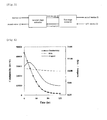
FIG. 1 shows a comparison between a flow diagram of a process of producing xylose using neutralization, ion exchange and electrodialysis according to the prior ar t and a flow diagram of a simplified process of producing xylose using electroldialysis and di rect recovery process according to the present invention. -
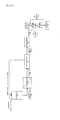
FIG. 2 shows a detailed diagram of the inventive process of producing xylose by separating an organic material and sulfuric acid by an electrodialysis process and recycling the recovered sulfuric acid while directly crystallizing the organic material. -
FIG. 3 shows a detailed flowchart of a multistage countercurrent extraction which is used in the present invention. -
FIG. 4 shows the change in electrical conductivity over time in an electrolysis device which is used in the present invention. - The present invention provides a process for producing xylose, comprising the steps of: a) countercurrently extracting tropical fruit biomass by hydrolysis with sulfuric acid to obtain a high-concentration xylose extract; b) adjusting the extract to a pH of 1.5-2.5 and decoloring and filtering the pH-adjusted extract; c) desalting the filtrate in an electrodialysis device; and d) recycling a waste sulfuric acid solution recovered from step c), to step a), and concentrating the desalted filtrate and directly recovering the organic material without additional ion purification and decoloration, to obtaining xylose crystals.
- The process for producing xylose of the present invention is shown in
FIG. 2 and will now be described in detail with reference to the accompanying drawings. - Referring to
FIG. 2 , a tropical fruit biomass (9) can be a dried coconut shell, a palm shell or an oil palm empty fruit bunch (OPEFB). - The hydrolysis in the process of the present invention can be carried out by adding 2,000-50,000 ppm of a sulfuric acid solution (10) to the tropical fruit biomass (9) and allowing the mixture to react at a temperature of 100-200°C, reaction pressure of 0-10 kgf/cm2 for 0.5-10 hours.
- Extraction of the tropical fruit biomass is carried out under the above hydrolysis conditions, and countercurrent extraction can be performed using an extractor (1) shown in
FIG. 2 . - The sugar contents ratio of an extract (11) obtained by the countercurrent extraction is 60-90%, and preferably 80-90%, based on the weight of the separated mixed hydrolysates.
- The extract (11) is decolorized using activated carbon and is filtered through a filter press or ultrafiltration device (2) to remove suspended materials. In one embodiment of the present invention, the filter press or the ultrafiltration device comprises a filter cloth having a pore size of 0.5µm.
- A filtrate (12) from which the suspended material has been removed is adjusted to a pH of 1.5-2.5. This pH adjustment is carried out in order to prevent a scale formed in the hydrolysate containing proteins, pigments and humic substances which are contaminate the electrodialysis membrane.
- A waste sulfuric acid solution recovered from step c) (13) can be recycled to extraction step a) so that it can be continuously reused in the next extraction process. The recovered sulfuric acid solution can be reused after adding sulfuric acid up to a concentration of 2,000-4,000ppm. Preferably, the final concentration of sulfuric acid is to be 25,000ppm.
- In step b), the filtrate (12) which is pH-adjusted and decolorized is introduced into the dilution tank of an electrodialysis device (3), and then desalted until the conductivity of an organic material (14) reaches 1,500uS/cm or less, and preferably 1,000uS/cm or less.
- The desalted organic material (14) is sent to a concentrator (4) and it is concentrated to a sugar concentration of 50-70 Bx. Then, the resulting concentrate (15) is vacuum-crystallized or cold-crystallized by a direct recovery process, thereby producing xylose. The direct recovery process may be carried out in three stages (5, 6 and 7).
- Hereinafter, the present invention will be described in further detail with reference to examples, but the scope of the present invention is not limited to these examples.
- Coconut shell, palm shell or an oil palm empty fruit bunch (OPEFB) was ground to be a mean area or 0.5-5.0cm2 or a mean length of 0.1-5.0cm, and then dried at a temperature of 40-80°C for 12-24 hours.
- 2,000-50,000ppm of sulfuric acid is added to 100g of dried coconut shell, palm shell or oil palm empty fruit bunch (PPEFB), acid hydrolysis was performed at a reaction temperature of 100-200°C, reaction pressure of 0-10kgf/cm2 for 0.5-10 hours, wherein the mixture ratio of acid hydrolysis solvent and biomass is 1:1-1:20.
[Table 1] Measurement results of sugar concentration of xylose and conductivity in the hydrolysates Coconut shell Palm shell OPEFB Sugar contents ratio of Xylose (%) 95.2 94.8 96.1 Conductivity (uS/cm) 45,000 48,000 43,000 - The simplest extraction method is a repeated extraction with a pure solvent. However, in the present invention, countercurrent extraction was carried out in order to maximize soluble components from a raw material while obtaining a high-concentration extract.
- When tropical fruit biomass and a sulfuric acid solution are allowed to react in an extractor for a predetermined time, they are separated into upper layer solution and lower layer slurry, which gradually move in opposite directions. In other words, a first extract (b) and a second extract (c), which consist of the solvent and the solute, moves in order through each column in a direction opposite to the solid phase, and during movement through each column, the solute is dissolved and extracted.
FIG. 3 shows a flowchart of the countercurrent extraction process. - Specifically, the extractor consists of a stage-1 and a stage-2 extraction reactor. the continuous countercurrent extraction process comprises the steps of: transferring a low-concentration first extract from the stage-1 (b) having a xylose concentration of 3-7 Brix, to the stage-2 reactor; and passing the first extract (b) through the stage-2 extraction reactor to obtain a high-concentration and high-purity extract (c) having a xylose concentration of 10-20 Brix.
- Under the conditions described in Example 1, the extraction yields of simple batch extraction (that is a repeated extraction with a pure solvent) and multistage countercurrent extraction were compared with each other. The multistage countercurrent extraction showed a high extraction yield of 90-80 %.
[Table 2] Comparison in extraction yield between simple batch extraction and multistage countercurrent extraction Extraction yield (%) Biomass hemicelluloses content (%) Batch extraction 60-70 15-30 Multistage countercurrent extraction 90-80 - The acid hydrolysate (c) having a pH of 0.8-1.2, obtained by the countercurrent extraction, was adjusted to a pH of 1.5-2.5 with sodium hydroxide and then decolorized with activated carbon and passed through a filter press having a pore size of 0.5µm so as to remove suspended material.
- Current efficiency and energy consumption of the acid hydrolysate produced by the countercurrent extraction process were examined in order to determine the possibility of separation between an organic material (sugar) and sulfuric acid conducted by desalting electrodialysis process of the present invention by means of the desalting rate of sulfuric acid and the loss rate of the organic material.
- The decolorized and filtered reaction solution had a sugar concentration of 10-15 Brix and a pH of 1.5-2.5. The solution was maintained at a constant voltage of 40-70V using a DC power supply (120V, 30A) and at a constant temperature of about 40~70°C using a heat exchange coil. The solution was desalted at a flow rate of 6-8 L/min for 100-150 minutes until the conductivity reached 1,500uS/cm or less.
- Herein, the electrodialysis device has three compartments and the ion membrane was comprised of a strong acid cation exchange membrane and a strong basic anion exchange membrane and had a total effective membrane area of 0.6 m2. The results of the desalting electrodialysis are shown in Table 3 below.
[Table 3] Results of desalting electrodialysis Desalting time (min) Conductivity (uS/cm) Sugar concentration (Brix) Current efficiency (%) Energy consumption (kWh/kg sugar) Diluent tank Concentration tank Diluent tank Concentration tank 0 50,000 200 15.0 0 - - 120 1,000 48,000 14.5 0.5 95 0.2 - The desalting rate of sulfuric acid can be calculated from the conductivity value of the diluent tank, and the loss rate of the organic material can be determined from a change in the Brix value of the diluent tank.


- As a result, the desalting rate of sulfuric acid was 98%, and the loss rate of the organic material (sugar) was 3.4%.
- Under the conditions described in Example 3, the ion exchange capacity and performance of the membrane were measured as a function of the pH of the acid hydrolysate. As a result, at a pH of 1.5-2.5, decline in the ion exchange capacity and performance of the membrane was significantly low, indicating that the membrane was not substantially contaminated. The results of the measurement are shown in Table 4 below.
[Table 4] Contamination index of membrane Ion exchange capacity (L) of membrane Ion exchange performance (L/m2-hr) of membrane pH of 0.8-1.2 (raw extract) 60 8 pH of 1.5-2.5 300 or more 30 - In order to examine the possibility and economic efficiency of recycling of sulfuric acid recovered from the electrodialysis process, the extraction yield of xylose was measured when the recovered sulfuric acid was reused in the extraction process.
- As a result, as can be seen in Table 5 below, the extraction yield obtained when using only the recovered sulfuric acid was 10.61%, and the extraction yield obtained when using a mixture of sulfuric acid and the recovered sulfuric acid was 12.80% similar to that of the control. Table 5 below shows the extraction yield obtained when adding a minimum amount of sulfuric acid to the recovered sulfuric acid and reusing the mixture. The average yield of a total of six extraction experiments in which the recovered sulfuric acid was repeatedly reused was 12.57% as shown in Table 6 below. This suggests that the recovered sulfuric acid can be repeatedly used.
[Table 5] Effect of addition of recovered sulfuric acid and sulfuric acid on extraction yield Sulfuric acid concentration Extraction yield (%) Recovery rate of sulfuric acid Recovered sulfuric acid (ppm) Sulfuric acid (ppm) Control 0 25,000 12.04 0 Example 1 22,000 0 10.61 88 Example 2 22,000 3,000 12.80 88 [Table 6] Results of repeated use of recovered sulfuric acid in hydrolysis Sulfuric acid concentration Extraction yield (%) Recovery rate of sulfuric acid (%) Recovered sulfuric acid (ppm) Sulfuric acid (ppm) Reuse 122,000 3,000 12.80 88 Reuse 221,750 3,250 12.80 87 Reuse 321,750 3,250 12.71 87 Reuse 422,250 2,750 12.32 89 Reuse 521,500 3,500 12.79 86 Reuse 6 21,750 3,250 12.04 87 - In order to examine the rate of direct recovery of the desalted organic material from the electrodialysis process, the recovered organic material was concentrated such that the sugar concentration was increased from 10-15 Brix to 50-70 Brix. Xylose was recovered from the concentrated organic material by a 3-step direct recovery process while the recovery rate of xylose was measured.
- As a result, as shown in Table 7 below, the recovery rate of xylose (5, 6 and 7 in
FIG. 2 ) was 33.5%, and the total recovery rate of xylose obtained when recovering and recrystallizing the second and third crystal solutions (16 and 17 inFIG. 2 ) was 87% similar to the xylose recovery rate of the prior art process comprising an ion purification process.[Table 7] Direct recovery process Recovery rate of xylose (%) Purity of xylose (%) Sugar composition of separated mixed hydrolysates Xylose Glucose Glactose Arabinose DR_1 Step 87 95 70 7 6 17 DR_2 Step 70 98 92 - - 8 DR_3 Step 55 99 99 - - -
Claims (4)
- A process for producing xylose by hydrolyzing tropical fruit biomass with sulfuric acid, the process comprising the steps of:a) countercurrently extracting tropical fruit biomass by hydrolysis with sulfuric acid to obtain an extract;b) adjusting the extract to a pH of 1.5-2.5 and decolorizing and filtering the pH-adjusted extract to obtain a filtrate;c) desalting the filtrate in an electrodialysis device; andd) recycling a waste sulfuric acid solution recovered from step c), to step a), and concentrating and directly recovering the desalted organic material to obtain xylose crystals.
- The process of claim 1, wherein 2,000-4,000ppm of sulfuric acid is added to the waste sulfuric acid solution recovered from step c) before the recovered waste sulfuric acid solution is recycled to step a).
- The process of claim 1, wherein the xylose concentration of the filtrate in step b) is 80% or more.
- The process of claim 1, wherein the filtrate in step c) is desalted until the filtrate reaches a conductivity of 1,000uS/cm or less.
Applications Claiming Priority (1)
| Application Number | Priority Date | Filing Date | Title |
|---|---|---|---|
| PCT/KR2009/006359 WO2011052824A1 (en) | 2009-10-30 | 2009-10-30 | Process for economically manufacturing xylose from hydrolysate using electrodialysis and direct recovery method |
Publications (3)
| Publication Number | Publication Date |
|---|---|
| EP2495329A1 true EP2495329A1 (en) | 2012-09-05 |
| EP2495329A4 EP2495329A4 (en) | 2013-12-25 |
| EP2495329B1 EP2495329B1 (en) | 2014-12-24 |
Family
ID=43922242
Family Applications (1)
| Application Number | Title | Priority Date | Filing Date |
|---|---|---|---|
| EP09850895.5A Active EP2495329B1 (en) | 2009-10-30 | 2009-10-30 | Process for economically manufacturing xylose from hydrolysate using electrodialysis and direct recovery method |
Country Status (8)
| Country | Link |
|---|---|
| US (1) | US9133229B2 (en) |
| EP (1) | EP2495329B1 (en) |
| JP (1) | JP2013507953A (en) |
| CN (1) | CN102597253B (en) |
| BR (1) | BR112012010194B1 (en) |
| MY (1) | MY159105A (en) |
| PH (1) | PH12012500864A1 (en) |
| WO (1) | WO2011052824A1 (en) |
Cited By (1)
| Publication number | Priority date | Publication date | Assignee | Title |
|---|---|---|---|---|
| US20210071273A1 (en) * | 2017-12-11 | 2021-03-11 | University Of Louisville Research Foundation, Inc. | Processes for isolation and recovery of c5 sugars |
Families Citing this family (19)
| Publication number | Priority date | Publication date | Assignee | Title |
|---|---|---|---|---|
| CN102492782B (en) * | 2011-12-16 | 2013-04-17 | 长春大成新资源集团有限公司 | Desalting method for syrup and production method for glucose syrup |
| JP6053514B2 (en) * | 2012-12-28 | 2016-12-27 | 株式会社クラレ | Method for desalting organic matter |
| NZ743055A (en) | 2013-03-08 | 2020-03-27 | Xyleco Inc | Equipment protecting enclosures |
| CN103555865B (en) * | 2013-11-20 | 2015-08-19 | 山东福田药业有限公司 | A kind of preparation method of wood sugar |
| ITMI20132069A1 (en) * | 2013-12-11 | 2015-06-12 | Versalis Spa | PROCEDURE FOR THE PRODUCTION OF BIOMASS SUGARS |
| WO2016047979A1 (en) * | 2014-09-24 | 2016-03-31 | 한국과학기술연구원 | Method for separating sugar from hydrolysate containing acid solution and using same for fermentation |
| FR3027821B1 (en) | 2014-10-31 | 2018-11-16 | Centralesupelec | PROCESS FOR PURIFYING OSES |
| EP3141608A1 (en) | 2015-09-11 | 2017-03-15 | Clariant International Ltd | Self-sufficient process for the production of biomass hydrolysate with reduced salt content |
| CN105725030A (en) * | 2016-01-27 | 2016-07-06 | 南京林业大学 | Method for effectively improving production performance in dehydrating and drying residual fruit processing solid matter |
| CN107286206A (en) * | 2017-07-03 | 2017-10-24 | 江苏德玛膜科技有限公司 | A kind of method that utilization wood pulp filtrate produces xylose |
| WO2019071220A1 (en) | 2017-10-06 | 2019-04-11 | Cargill, Incorporated | Sensory modifier compounds |
| CN109234468A (en) * | 2018-09-29 | 2019-01-18 | 山东太阳纸业股份有限公司 | Produce the method that the hydrolyzate generated during dissolving pulp extracts xylose and lignin |
| BR112021019944A2 (en) | 2019-04-06 | 2021-12-07 | Cargill Inc | Methods for manufacturing a caffeoylquinic composition, for isolating a caffeoylquinic composition from herb biomass, and for isolating a steviol glycoside composition and a caffeoylquinic composition from stevia biomass, composition, ingestible composition, and, beverage or food product |
| CN113727614B (en) | 2019-04-06 | 2024-06-04 | 嘉吉公司 | Sensory modifier |
| CN115198038B (en) * | 2021-04-08 | 2023-09-19 | 四川雅华生物有限公司 | Process for recycling semi-fiber xylose-making electrodialysis sugar-containing wastewater |
| CN114028874A (en) * | 2021-11-23 | 2022-02-11 | 青岛科技大学 | Method for regulating and controlling particle size of colloid in aqueous solution, colloid obtained by method and application of colloid |
| NL2031203B1 (en) * | 2022-03-09 | 2023-09-18 | Univ Qilu Technology | Method for preparing reducing sugar by hydrolyzing coconut shell |
| CN116656883A (en) * | 2023-05-29 | 2023-08-29 | 四川雅华生物有限公司 | Purification process of xylose solution prepared from waste alkali liquor containing hemicellulose |
| CN222662871U (en) * | 2024-03-13 | 2025-03-25 | 林勇 | Lightweight panel, lightweight bottom plate and lightweight composite bottom plate |
Family Cites Families (41)
| Publication number | Priority date | Publication date | Assignee | Title |
|---|---|---|---|---|
| US3718560A (en) | 1972-05-30 | 1973-02-27 | Taito Co | Process for electrodialysis of sugar solutions |
| JPS5423137A (en) * | 1977-07-25 | 1979-02-21 | Nissin Sugar Mfg | Production of edible liquid sugar from molasses |
| JPS5467093A (en) * | 1977-11-07 | 1979-05-30 | Ajinomoto Co Inc | Purification of amino acid |
| CA1173380A (en) | 1980-02-19 | 1984-08-28 | Michael I. Sherman | Acid hydrolysis of biomass for ethanol production |
| JPS5747497A (en) * | 1980-09-02 | 1982-03-18 | Asahi Glass Co Ltd | Purification of sugar solution |
| JPS59179099A (en) * | 1983-03-31 | 1984-10-11 | 伊藤忠製糖株式会社 | Desalting of sugar liquid |
| US4668340A (en) * | 1984-03-20 | 1987-05-26 | Kamyr, Inc. | Method of countercurrent acid hydrolysis of comminuted cellulosic fibrous material |
| US4608245A (en) * | 1985-10-17 | 1986-08-26 | Gaddy James L | Method of separation of sugars and concentrated sulfuric acid |
| DE3622643A1 (en) | 1986-07-05 | 1988-01-14 | Basf Ag | IMPROVED METHOD FOR EPIMERIZING SUGAR, ESPECIALLY FROM D-ARABINOSE TO D-RIBOSE |
| US5340403A (en) | 1986-10-20 | 1994-08-23 | Zeneca Limited | Process for the production of xylose |
| US5084104A (en) * | 1989-12-05 | 1992-01-28 | Cultor, Ltd. | Method for recovering xylose |
| US7109005B2 (en) | 1990-01-15 | 2006-09-19 | Danisco Sweeteners Oy | Process for the simultaneous production of xylitol and ethanol |
| JPH04197192A (en) * | 1990-11-29 | 1992-07-16 | Kirin Brewery Co Ltd | Production of xylose and reduced xylose |
| US6663780B2 (en) | 1993-01-26 | 2003-12-16 | Danisco Finland Oy | Method for the fractionation of molasses |
| CN1058996C (en) | 1996-05-14 | 2000-11-29 | 安徽省科苑应用技术开发(集团)股份有限公司 | Improved technology for extracting xylose from corncob |
| JP4223579B2 (en) * | 1996-11-18 | 2009-02-12 | 三菱商事フードテック株式会社 | Method for producing xylose and xylitol |
| JP3834152B2 (en) | 1998-05-01 | 2006-10-18 | 三和興産株式会社 | Method for producing L-arabinose by acid hydrolysis method |
| KR100288001B1 (en) | 1998-12-07 | 2001-05-02 | 김효근 | Recovery method of organic acid |
| IL138106A0 (en) | 1998-12-28 | 2001-10-31 | Hercules Inc | Process for producing fractionated pectin products |
| KR100285236B1 (en) | 1999-01-18 | 2001-03-15 | 김효근 | Separation and Purification Methods for Phenylalanine by Electrodialysis |
| KR20000055003A (en) | 1999-02-02 | 2000-09-05 | 김신규 | Yellow ocher charcoal and manufaturing process |
| EP1155104A2 (en) * | 1999-02-10 | 2001-11-21 | Eastman Chemical Company | Corn fiber for the production of advanced chemicals and materials |
| DE19952961A1 (en) | 1999-11-03 | 2001-05-10 | Basf Ag | Process for the purification of amino acid solutions by electrodialysis |
| JP2001226111A (en) | 1999-12-07 | 2001-08-21 | Showa Denko Kk | Activated carbon and its manufacturing method |
| KR100365069B1 (en) | 1999-12-30 | 2003-01-24 | 주식회사 카본텍 | The method of making charcoal using calm charcoal powder |
| KR20010107331A (en) | 2000-05-26 | 2001-12-07 | 오석중 | Recovery Method of Lactic Acid by Electrodialysis Process |
| EP1366198B1 (en) | 2000-12-28 | 2012-02-08 | Danisco A/S | Separation process |
| FI111960B (en) | 2000-12-28 | 2003-10-15 | Danisco Sweeteners Oy | separation Process |
| KR20020095809A (en) | 2001-06-15 | 2002-12-28 | 동양에스비에너지 주식회사 | Coconut charcoal and manufacturing process of it |
| BR0301678A (en) * | 2003-06-10 | 2005-03-22 | Getec Guanabara Quimica Ind S | Process for the production of crystalline xylose from sugarcane bagasse, high purity crystalline xylose produced by said process, process for the production of crystalline xylitol from the high purity crystalline xylose and thus obtained |
| KR20050003585A (en) | 2003-06-27 | 2005-01-12 | 정종연 | Charcoal and manufacturing method thereof |
| KR20050025059A (en) | 2003-07-25 | 2005-03-11 | 씨제이 주식회사 | Novel candida tropicalis cj-fid(kctc 10457bp) and manufacturing method of xylitol thereby |
| KR20050031310A (en) | 2003-09-29 | 2005-04-06 | 김남열 | Ignition coal using palm charcoal dust and manufacturing method thereof |
| JP2005229821A (en) * | 2004-02-17 | 2005-09-02 | Jgc Corp | Method for producing monosaccharide from biomass and apparatus for producing monosaccharide |
| JP2006087390A (en) * | 2004-09-27 | 2006-04-06 | Sanwa Denpun Kogyo Kk | Method for separating acidic oligosaccharides |
| JP2006238728A (en) | 2005-03-01 | 2006-09-14 | Nippon Paper Chemicals Co Ltd | Method for producing sugar from papermaking wastewater |
| KR100688075B1 (en) | 2005-06-08 | 2007-03-02 | 주식회사 신동방씨피 | Process for preparing water-soluble soy oligosaccharide powder |
| CN1861520A (en) | 2006-05-26 | 2006-11-15 | 肖忠渊 | Active carbon produced by discarded plant straw carbonizing activating |
| CN101089007B (en) * | 2006-06-16 | 2011-02-09 | 黄广民 | Process of preparing D-xylose and xyloligose with coconut shell |
| US7670813B2 (en) * | 2006-10-25 | 2010-03-02 | Iogen Energy Corporation | Inorganic salt recovery during processing of lignocellulosic feedstocks |
| KR101108789B1 (en) | 2007-02-09 | 2012-03-13 | 씨제이제일제당 (주) | A method for xylitol production using the hydrolysate containing xylose and arabinose prepared from byproduct of tropical fruit biomass |
-
2009
- 2009-10-30 CN CN200980162211.2A patent/CN102597253B/en active Active
- 2009-10-30 WO PCT/KR2009/006359 patent/WO2011052824A1/en not_active Ceased
- 2009-10-30 US US13/503,221 patent/US9133229B2/en active Active
- 2009-10-30 PH PH1/2012/500864A patent/PH12012500864A1/en unknown
- 2009-10-30 JP JP2012535100A patent/JP2013507953A/en active Pending
- 2009-10-30 EP EP09850895.5A patent/EP2495329B1/en active Active
- 2009-10-30 MY MYPI2012001929A patent/MY159105A/en unknown
- 2009-10-30 BR BR112012010194-3A patent/BR112012010194B1/en active IP Right Grant
Cited By (2)
| Publication number | Priority date | Publication date | Assignee | Title |
|---|---|---|---|---|
| US20210071273A1 (en) * | 2017-12-11 | 2021-03-11 | University Of Louisville Research Foundation, Inc. | Processes for isolation and recovery of c5 sugars |
| US12012639B2 (en) * | 2017-12-11 | 2024-06-18 | University Of Louisville Research Foundation, Inc. | Processes for isolation and recovery of C5 sugars |
Also Published As
| Publication number | Publication date |
|---|---|
| EP2495329A4 (en) | 2013-12-25 |
| MY159105A (en) | 2016-12-15 |
| BR112012010194B1 (en) | 2019-02-12 |
| JP2013507953A (en) | 2013-03-07 |
| US20120211366A1 (en) | 2012-08-23 |
| WO2011052824A1 (en) | 2011-05-05 |
| EP2495329B1 (en) | 2014-12-24 |
| BR112012010194A2 (en) | 2015-09-22 |
| CN102597253B (en) | 2015-04-08 |
| PH12012500864A1 (en) | 2012-11-26 |
| US9133229B2 (en) | 2015-09-15 |
| CN102597253A (en) | 2012-07-18 |
Similar Documents
| Publication | Publication Date | Title |
|---|---|---|
| EP2495329B1 (en) | Process for economically manufacturing xylose from hydrolysate using electrodialysis and direct recovery method | |
| EP2118294B1 (en) | Method of producing xylitol using hydrolysate containing xylose and arabinose prepared from byproduct of tropical fruit biomass | |
| US20020189950A1 (en) | Electrodialysis of multivalent metal salts | |
| US20130245320A1 (en) | Method for obtaining lactic acid with a high degree of purity from fermentative liquor | |
| CN102452898B (en) | Method for producing crystalline xylitol by using membrane technology and indirect electroreduction method | |
| CN101407454B (en) | Process for preparing citrate salt from mother liquor for citric acid production | |
| CN109097408A (en) | A kind of preparation method of 56 salt of nylon | |
| CN109231623A (en) | A kind of new process of high salt high rigidity waste water reclaiming recycling soda acid | |
| WO2005089513A2 (en) | Production line and treatment for organic product | |
| CN101298422A (en) | Extraction method of L-isoleucine | |
| CN110564898B (en) | Electrodialysis and chromatography combined process for preparing xylose | |
| CN101100437A (en) | Method for preparing high-purity beta-alanine | |
| CN103420826A (en) | Method for extracting succinic acid from fermentation broth | |
| CN104291501A (en) | Method of treating ammonium nitrate wastewater by adoption of integrated membrane technology | |
| CN101298423A (en) | Extraction method of valine | |
| CN101664612B (en) | Method for purifying and separating ionic liquid from water | |
| KR101073726B1 (en) | Economical manufacturing process of xylose from biomass hydrolysate using electrodialysis and direct recovery method | |
| CN203866227U (en) | System capable of separating and purifying amino acid continuously | |
| CN101607889A (en) | A kind of chromatography separating method of citric acid | |
| US10279282B2 (en) | Process for purification of an organic acid including an electrodialysis treatment step | |
| CN109369731B (en) | Method for removing glucose in xylose production process | |
| EP2598468A1 (en) | Method for recovering an auxiliary used in a fermentation procedure for producing a product | |
| JP6084198B2 (en) | Economic process for the production of xylose from saccharified liquid using electrodialysis and direct recovery methods | |
| CN103539688A (en) | Method for separating and extracting L-serine from corynebacterium glutamicum fermentation liquor | |
| CN219972321U (en) | D-psicose apparatus for producing |
Legal Events
| Date | Code | Title | Description |
|---|---|---|---|
| PUAI | Public reference made under article 153(3) epc to a published international application that has entered the european phase |
Free format text: ORIGINAL CODE: 0009012 |
|
| 17P | Request for examination filed |
Effective date: 20120430 |
|
| AK | Designated contracting states |
Kind code of ref document: A1 Designated state(s): AT BE BG CH CY CZ DE DK EE ES FI FR GB GR HR HU IE IS IT LI LT LU LV MC MK MT NL NO PL PT RO SE SI SK SM TR |
|
| RIN1 | Information on inventor provided before grant (corrected) |
Inventor name: LEE, DONG-HOON Inventor name: SON, DAE-HO Inventor name: KIM, SEONG-BO Inventor name: LEE, WOON-HWA Inventor name: PARK, SEUNG-WON Inventor name: KIM, TAEK-BEOM Inventor name: LEE, KANG-PYO Inventor name: LEE, JOO-HANG Inventor name: JI, SEUNG-BAE Inventor name: AN, JUN-GAP |
|
| DAX | Request for extension of the european patent (deleted) | ||
| A4 | Supplementary search report drawn up and despatched |
Effective date: 20131127 |
|
| RIC1 | Information provided on ipc code assigned before grant |
Ipc: C12P 7/18 20060101AFI20131121BHEP Ipc: C12P 19/02 20060101ALI20131121BHEP |
|
| GRAP | Despatch of communication of intention to grant a patent |
Free format text: ORIGINAL CODE: EPIDOSNIGR1 |
|
| INTG | Intention to grant announced |
Effective date: 20140806 |
|
| RIN1 | Information on inventor provided before grant (corrected) |
Inventor name: LEE, JOO-HANG Inventor name: LEE, KANG-PYO Inventor name: PARK, SEUNG-WON Inventor name: JI, SEUNG-BAE Inventor name: AN, JUN-GAP Inventor name: KIM, SEONG-BO Inventor name: LEE, WOON-HWA Inventor name: SON, DAE-HO Inventor name: KIM, TAEK-BEOM Inventor name: LEE, DONG-HOON |
|
| GRAS | Grant fee paid |
Free format text: ORIGINAL CODE: EPIDOSNIGR3 |
|
| GRAA | (expected) grant |
Free format text: ORIGINAL CODE: 0009210 |
|
| AK | Designated contracting states |
Kind code of ref document: B1 Designated state(s): AT BE BG CH CY CZ DE DK EE ES FI FR GB GR HR HU IE IS IT LI LT LU LV MC MK MT NL NO PL PT RO SE SI SK SM TR |
|
| REG | Reference to a national code |
Ref country code: GB Ref legal event code: FG4D |
|
| REG | Reference to a national code |
Ref country code: CH Ref legal event code: EP |
|
| REG | Reference to a national code |
Ref country code: IE Ref legal event code: FG4D |
|
| REG | Reference to a national code |
Ref country code: AT Ref legal event code: REF Ref document number: 703162 Country of ref document: AT Kind code of ref document: T Effective date: 20150115 |
|
| REG | Reference to a national code |
Ref country code: DE Ref legal event code: R096 Ref document number: 602009028618 Country of ref document: DE Effective date: 20150219 |
|
| REG | Reference to a national code |
Ref country code: NL Ref legal event code: VDEP Effective date: 20141224 |
|
| PG25 | Lapsed in a contracting state [announced via postgrant information from national office to epo] |
Ref country code: LT Free format text: LAPSE BECAUSE OF FAILURE TO SUBMIT A TRANSLATION OF THE DESCRIPTION OR TO PAY THE FEE WITHIN THE PRESCRIBED TIME-LIMIT Effective date: 20141224 Ref country code: FI Free format text: LAPSE BECAUSE OF FAILURE TO SUBMIT A TRANSLATION OF THE DESCRIPTION OR TO PAY THE FEE WITHIN THE PRESCRIBED TIME-LIMIT Effective date: 20141224 Ref country code: NO Free format text: LAPSE BECAUSE OF FAILURE TO SUBMIT A TRANSLATION OF THE DESCRIPTION OR TO PAY THE FEE WITHIN THE PRESCRIBED TIME-LIMIT Effective date: 20150324 |
|
| REG | Reference to a national code |
Ref country code: LT Ref legal event code: MG4D |
|
| PG25 | Lapsed in a contracting state [announced via postgrant information from national office to epo] |
Ref country code: SE Free format text: LAPSE BECAUSE OF FAILURE TO SUBMIT A TRANSLATION OF THE DESCRIPTION OR TO PAY THE FEE WITHIN THE PRESCRIBED TIME-LIMIT Effective date: 20141224 Ref country code: HR Free format text: LAPSE BECAUSE OF FAILURE TO SUBMIT A TRANSLATION OF THE DESCRIPTION OR TO PAY THE FEE WITHIN THE PRESCRIBED TIME-LIMIT Effective date: 20141224 Ref country code: GR Free format text: LAPSE BECAUSE OF FAILURE TO SUBMIT A TRANSLATION OF THE DESCRIPTION OR TO PAY THE FEE WITHIN THE PRESCRIBED TIME-LIMIT Effective date: 20150325 Ref country code: LV Free format text: LAPSE BECAUSE OF FAILURE TO SUBMIT A TRANSLATION OF THE DESCRIPTION OR TO PAY THE FEE WITHIN THE PRESCRIBED TIME-LIMIT Effective date: 20141224 |
|
| REG | Reference to a national code |
Ref country code: AT Ref legal event code: MK05 Ref document number: 703162 Country of ref document: AT Kind code of ref document: T Effective date: 20141224 |
|
| PG25 | Lapsed in a contracting state [announced via postgrant information from national office to epo] |
Ref country code: NL Free format text: LAPSE BECAUSE OF FAILURE TO SUBMIT A TRANSLATION OF THE DESCRIPTION OR TO PAY THE FEE WITHIN THE PRESCRIBED TIME-LIMIT Effective date: 20141224 |
|
| PG25 | Lapsed in a contracting state [announced via postgrant information from national office to epo] |
Ref country code: RO Free format text: LAPSE BECAUSE OF FAILURE TO SUBMIT A TRANSLATION OF THE DESCRIPTION OR TO PAY THE FEE WITHIN THE PRESCRIBED TIME-LIMIT Effective date: 20141224 Ref country code: EE Free format text: LAPSE BECAUSE OF FAILURE TO SUBMIT A TRANSLATION OF THE DESCRIPTION OR TO PAY THE FEE WITHIN THE PRESCRIBED TIME-LIMIT Effective date: 20141224 Ref country code: SK Free format text: LAPSE BECAUSE OF FAILURE TO SUBMIT A TRANSLATION OF THE DESCRIPTION OR TO PAY THE FEE WITHIN THE PRESCRIBED TIME-LIMIT Effective date: 20141224 Ref country code: ES Free format text: LAPSE BECAUSE OF FAILURE TO SUBMIT A TRANSLATION OF THE DESCRIPTION OR TO PAY THE FEE WITHIN THE PRESCRIBED TIME-LIMIT Effective date: 20141224 Ref country code: CZ Free format text: LAPSE BECAUSE OF FAILURE TO SUBMIT A TRANSLATION OF THE DESCRIPTION OR TO PAY THE FEE WITHIN THE PRESCRIBED TIME-LIMIT Effective date: 20141224 |
|
| PG25 | Lapsed in a contracting state [announced via postgrant information from national office to epo] |
Ref country code: IS Free format text: LAPSE BECAUSE OF FAILURE TO SUBMIT A TRANSLATION OF THE DESCRIPTION OR TO PAY THE FEE WITHIN THE PRESCRIBED TIME-LIMIT Effective date: 20150424 Ref country code: AT Free format text: LAPSE BECAUSE OF FAILURE TO SUBMIT A TRANSLATION OF THE DESCRIPTION OR TO PAY THE FEE WITHIN THE PRESCRIBED TIME-LIMIT Effective date: 20141224 Ref country code: PL Free format text: LAPSE BECAUSE OF FAILURE TO SUBMIT A TRANSLATION OF THE DESCRIPTION OR TO PAY THE FEE WITHIN THE PRESCRIBED TIME-LIMIT Effective date: 20141224 |
|
| REG | Reference to a national code |
Ref country code: DE Ref legal event code: R097 Ref document number: 602009028618 Country of ref document: DE |
|
| PG25 | Lapsed in a contracting state [announced via postgrant information from national office to epo] |
Ref country code: DK Free format text: LAPSE BECAUSE OF FAILURE TO SUBMIT A TRANSLATION OF THE DESCRIPTION OR TO PAY THE FEE WITHIN THE PRESCRIBED TIME-LIMIT Effective date: 20141224 |
|
| PLBE | No opposition filed within time limit |
Free format text: ORIGINAL CODE: 0009261 |
|
| STAA | Information on the status of an ep patent application or granted ep patent |
Free format text: STATUS: NO OPPOSITION FILED WITHIN TIME LIMIT |
|
| 26N | No opposition filed |
Effective date: 20150925 |
|
| PG25 | Lapsed in a contracting state [announced via postgrant information from national office to epo] |
Ref country code: IT Free format text: LAPSE BECAUSE OF FAILURE TO SUBMIT A TRANSLATION OF THE DESCRIPTION OR TO PAY THE FEE WITHIN THE PRESCRIBED TIME-LIMIT Effective date: 20141224 |
|
| PG25 | Lapsed in a contracting state [announced via postgrant information from national office to epo] |
Ref country code: SI Free format text: LAPSE BECAUSE OF FAILURE TO SUBMIT A TRANSLATION OF THE DESCRIPTION OR TO PAY THE FEE WITHIN THE PRESCRIBED TIME-LIMIT Effective date: 20141224 |
|
| PG25 | Lapsed in a contracting state [announced via postgrant information from national office to epo] |
Ref country code: LU Free format text: LAPSE BECAUSE OF FAILURE TO SUBMIT A TRANSLATION OF THE DESCRIPTION OR TO PAY THE FEE WITHIN THE PRESCRIBED TIME-LIMIT Effective date: 20151030 Ref country code: BE Free format text: LAPSE BECAUSE OF FAILURE TO SUBMIT A TRANSLATION OF THE DESCRIPTION OR TO PAY THE FEE WITHIN THE PRESCRIBED TIME-LIMIT Effective date: 20141224 |
|
| REG | Reference to a national code |
Ref country code: CH Ref legal event code: PL |
|
| GBPC | Gb: european patent ceased through non-payment of renewal fee |
Effective date: 20151030 |
|
| PG25 | Lapsed in a contracting state [announced via postgrant information from national office to epo] |
Ref country code: MC Free format text: LAPSE BECAUSE OF FAILURE TO SUBMIT A TRANSLATION OF THE DESCRIPTION OR TO PAY THE FEE WITHIN THE PRESCRIBED TIME-LIMIT Effective date: 20141224 |
|
| REG | Reference to a national code |
Ref country code: IE Ref legal event code: MM4A |
|
| PG25 | Lapsed in a contracting state [announced via postgrant information from national office to epo] |
Ref country code: LI Free format text: LAPSE BECAUSE OF NON-PAYMENT OF DUE FEES Effective date: 20151031 Ref country code: GB Free format text: LAPSE BECAUSE OF NON-PAYMENT OF DUE FEES Effective date: 20151030 Ref country code: CH Free format text: LAPSE BECAUSE OF NON-PAYMENT OF DUE FEES Effective date: 20151031 |
|
| REG | Reference to a national code |
Ref country code: FR Ref legal event code: PLFP Year of fee payment: 8 |
|
| PG25 | Lapsed in a contracting state [announced via postgrant information from national office to epo] |
Ref country code: IE Free format text: LAPSE BECAUSE OF NON-PAYMENT OF DUE FEES Effective date: 20151030 |
|
| PG25 | Lapsed in a contracting state [announced via postgrant information from national office to epo] |
Ref country code: BG Free format text: LAPSE BECAUSE OF FAILURE TO SUBMIT A TRANSLATION OF THE DESCRIPTION OR TO PAY THE FEE WITHIN THE PRESCRIBED TIME-LIMIT Effective date: 20141224 Ref country code: HU Free format text: LAPSE BECAUSE OF FAILURE TO SUBMIT A TRANSLATION OF THE DESCRIPTION OR TO PAY THE FEE WITHIN THE PRESCRIBED TIME-LIMIT; INVALID AB INITIO Effective date: 20091030 Ref country code: SM Free format text: LAPSE BECAUSE OF FAILURE TO SUBMIT A TRANSLATION OF THE DESCRIPTION OR TO PAY THE FEE WITHIN THE PRESCRIBED TIME-LIMIT Effective date: 20141224 |
|
| PG25 | Lapsed in a contracting state [announced via postgrant information from national office to epo] |
Ref country code: CY Free format text: LAPSE BECAUSE OF FAILURE TO SUBMIT A TRANSLATION OF THE DESCRIPTION OR TO PAY THE FEE WITHIN THE PRESCRIBED TIME-LIMIT Effective date: 20141224 |
|
| PG25 | Lapsed in a contracting state [announced via postgrant information from national office to epo] |
Ref country code: TR Free format text: LAPSE BECAUSE OF FAILURE TO SUBMIT A TRANSLATION OF THE DESCRIPTION OR TO PAY THE FEE WITHIN THE PRESCRIBED TIME-LIMIT Effective date: 20141224 Ref country code: MT Free format text: LAPSE BECAUSE OF FAILURE TO SUBMIT A TRANSLATION OF THE DESCRIPTION OR TO PAY THE FEE WITHIN THE PRESCRIBED TIME-LIMIT Effective date: 20141224 |
|
| REG | Reference to a national code |
Ref country code: FR Ref legal event code: PLFP Year of fee payment: 9 |
|
| PG25 | Lapsed in a contracting state [announced via postgrant information from national office to epo] |
Ref country code: MK Free format text: LAPSE BECAUSE OF FAILURE TO SUBMIT A TRANSLATION OF THE DESCRIPTION OR TO PAY THE FEE WITHIN THE PRESCRIBED TIME-LIMIT Effective date: 20141224 |
|
| PG25 | Lapsed in a contracting state [announced via postgrant information from national office to epo] |
Ref country code: PT Free format text: LAPSE BECAUSE OF FAILURE TO SUBMIT A TRANSLATION OF THE DESCRIPTION OR TO PAY THE FEE WITHIN THE PRESCRIBED TIME-LIMIT Effective date: 20141224 |
|
| REG | Reference to a national code |
Ref country code: FR Ref legal event code: PLFP Year of fee payment: 10 |
|
| REG | Reference to a national code |
Ref country code: DE Ref legal event code: R082 Ref document number: 602009028618 Country of ref document: DE |
|
| P01 | Opt-out of the competence of the unified patent court (upc) registered |
Effective date: 20230606 |
|
| PGFP | Annual fee paid to national office [announced via postgrant information from national office to epo] |
Ref country code: FR Payment date: 20250821 Year of fee payment: 17 |
|
| PGFP | Annual fee paid to national office [announced via postgrant information from national office to epo] |
Ref country code: DE Payment date: 20250820 Year of fee payment: 17 |