EP2484354A1 - Antioxidant composition - Google Patents
Antioxidant composition Download PDFInfo
- Publication number
- EP2484354A1 EP2484354A1 EP10820191A EP10820191A EP2484354A1 EP 2484354 A1 EP2484354 A1 EP 2484354A1 EP 10820191 A EP10820191 A EP 10820191A EP 10820191 A EP10820191 A EP 10820191A EP 2484354 A1 EP2484354 A1 EP 2484354A1
- Authority
- EP
- European Patent Office
- Prior art keywords
- aspartic acid
- skin
- composition
- antioxidant
- acid
- Prior art date
- Legal status (The legal status is an assumption and is not a legal conclusion. Google has not performed a legal analysis and makes no representation as to the accuracy of the status listed.)
- Granted
Links
Images


Classifications
-
- A—HUMAN NECESSITIES
- A23—FOODS OR FOODSTUFFS; TREATMENT THEREOF, NOT COVERED BY OTHER CLASSES
- A23L—FOODS, FOODSTUFFS OR NON-ALCOHOLIC BEVERAGES, NOT OTHERWISE PROVIDED FOR; PREPARATION OR TREATMENT THEREOF
- A23L33/00—Modifying nutritive qualities of foods; Dietetic products; Preparation or treatment thereof
- A23L33/10—Modifying nutritive qualities of foods; Dietetic products; Preparation or treatment thereof using additives
- A23L33/17—Amino acids, peptides or proteins
- A23L33/175—Amino acids
-
- A—HUMAN NECESSITIES
- A61—MEDICAL OR VETERINARY SCIENCE; HYGIENE
- A61K—PREPARATIONS FOR MEDICAL, DENTAL OR TOILETRY PURPOSES
- A61K31/00—Medicinal preparations containing organic active ingredients
- A61K31/185—Acids; Anhydrides, halides or salts thereof, e.g. sulfur acids, imidic, hydrazonic or hydroximic acids
- A61K31/19—Carboxylic acids, e.g. valproic acid
- A61K31/195—Carboxylic acids, e.g. valproic acid having an amino group
- A61K31/197—Carboxylic acids, e.g. valproic acid having an amino group the amino and the carboxyl groups being attached to the same acyclic carbon chain, e.g. gamma-aminobutyric acid [GABA], beta-alanine, epsilon-aminocaproic acid or pantothenic acid
- A61K31/198—Alpha-amino acids, e.g. alanine or edetic acid [EDTA]
-
- A—HUMAN NECESSITIES
- A61—MEDICAL OR VETERINARY SCIENCE; HYGIENE
- A61K—PREPARATIONS FOR MEDICAL, DENTAL OR TOILETRY PURPOSES
- A61K45/00—Medicinal preparations containing active ingredients not provided for in groups A61K31/00 - A61K41/00
- A61K45/06—Mixtures of active ingredients without chemical characterisation, e.g. antiphlogistics and cardiaca
-
- A—HUMAN NECESSITIES
- A61—MEDICAL OR VETERINARY SCIENCE; HYGIENE
- A61K—PREPARATIONS FOR MEDICAL, DENTAL OR TOILETRY PURPOSES
- A61K8/00—Cosmetics or similar toiletry preparations
- A61K8/18—Cosmetics or similar toiletry preparations characterised by the composition
- A61K8/30—Cosmetics or similar toiletry preparations characterised by the composition containing organic compounds
- A61K8/40—Cosmetics or similar toiletry preparations characterised by the composition containing organic compounds containing nitrogen
- A61K8/44—Aminocarboxylic acids or derivatives thereof, e.g. aminocarboxylic acids containing sulfur; Salts; Esters or N-acylated derivatives thereof
-
- A—HUMAN NECESSITIES
- A61—MEDICAL OR VETERINARY SCIENCE; HYGIENE
- A61P—SPECIFIC THERAPEUTIC ACTIVITY OF CHEMICAL COMPOUNDS OR MEDICINAL PREPARATIONS
- A61P17/00—Drugs for dermatological disorders
-
- A—HUMAN NECESSITIES
- A61—MEDICAL OR VETERINARY SCIENCE; HYGIENE
- A61P—SPECIFIC THERAPEUTIC ACTIVITY OF CHEMICAL COMPOUNDS OR MEDICINAL PREPARATIONS
- A61P17/00—Drugs for dermatological disorders
- A61P17/16—Emollients or protectives, e.g. against radiation
-
- A—HUMAN NECESSITIES
- A61—MEDICAL OR VETERINARY SCIENCE; HYGIENE
- A61P—SPECIFIC THERAPEUTIC ACTIVITY OF CHEMICAL COMPOUNDS OR MEDICINAL PREPARATIONS
- A61P17/00—Drugs for dermatological disorders
- A61P17/18—Antioxidants, e.g. antiradicals
-
- A—HUMAN NECESSITIES
- A61—MEDICAL OR VETERINARY SCIENCE; HYGIENE
- A61P—SPECIFIC THERAPEUTIC ACTIVITY OF CHEMICAL COMPOUNDS OR MEDICINAL PREPARATIONS
- A61P27/00—Drugs for disorders of the senses
- A61P27/02—Ophthalmic agents
- A61P27/12—Ophthalmic agents for cataracts
-
- A—HUMAN NECESSITIES
- A61—MEDICAL OR VETERINARY SCIENCE; HYGIENE
- A61P—SPECIFIC THERAPEUTIC ACTIVITY OF CHEMICAL COMPOUNDS OR MEDICINAL PREPARATIONS
- A61P29/00—Non-central analgesic, antipyretic or antiinflammatory agents, e.g. antirheumatic agents; Non-steroidal antiinflammatory drugs [NSAID]
-
- A—HUMAN NECESSITIES
- A61—MEDICAL OR VETERINARY SCIENCE; HYGIENE
- A61P—SPECIFIC THERAPEUTIC ACTIVITY OF CHEMICAL COMPOUNDS OR MEDICINAL PREPARATIONS
- A61P35/00—Antineoplastic agents
-
- A—HUMAN NECESSITIES
- A61—MEDICAL OR VETERINARY SCIENCE; HYGIENE
- A61P—SPECIFIC THERAPEUTIC ACTIVITY OF CHEMICAL COMPOUNDS OR MEDICINAL PREPARATIONS
- A61P37/00—Drugs for immunological or allergic disorders
- A61P37/08—Antiallergic agents
-
- A—HUMAN NECESSITIES
- A61—MEDICAL OR VETERINARY SCIENCE; HYGIENE
- A61Q—SPECIFIC USE OF COSMETICS OR SIMILAR TOILETRY PREPARATIONS
- A61Q19/00—Preparations for care of the skin
- A61Q19/007—Preparations for dry skin
-
- A—HUMAN NECESSITIES
- A61—MEDICAL OR VETERINARY SCIENCE; HYGIENE
- A61Q—SPECIFIC USE OF COSMETICS OR SIMILAR TOILETRY PREPARATIONS
- A61Q19/00—Preparations for care of the skin
- A61Q19/08—Anti-ageing preparations
-
- A—HUMAN NECESSITIES
- A23—FOODS OR FOODSTUFFS; TREATMENT THEREOF, NOT COVERED BY OTHER CLASSES
- A23V—INDEXING SCHEME RELATING TO FOODS, FOODSTUFFS OR NON-ALCOHOLIC BEVERAGES AND LACTIC OR PROPIONIC ACID BACTERIA USED IN FOODSTUFFS OR FOOD PREPARATION
- A23V2002/00—Food compositions, function of food ingredients or processes for food or foodstuffs
-
- A—HUMAN NECESSITIES
- A61—MEDICAL OR VETERINARY SCIENCE; HYGIENE
- A61K—PREPARATIONS FOR MEDICAL, DENTAL OR TOILETRY PURPOSES
- A61K2800/00—Properties of cosmetic compositions or active ingredients thereof or formulation aids used therein and process related aspects
- A61K2800/40—Chemical, physico-chemical or functional or structural properties of particular ingredients
- A61K2800/52—Stabilizers
- A61K2800/522—Antioxidants; Radical scavengers
Definitions
- the ratio of viable cells for the control group for evaluating toxicity of an antioxidant without addition of an oxidant was 93% when L-aspartic acid had not been added.
- concentration of L-aspartic acid was 0.1 ⁇ M (micro-molar)
- concentration of L-aspartic acid was 88%.
- concentration of L-aspartic acid was 10 ⁇ M (micro-molar)
- the ratio of viable cells in the case of 1 mM hydrogen peroxide was 61% when L-aspartic acid had not been added.
- the concentration of L-aspartic acid was 0.1 ⁇ M (micro-molar)
- concentration of L-aspartic acid was 10 ⁇ M (micro-molar)
- composition Content (mg/capsule) Edible soybean oil 530 Eucomnia ulmoides extract 50 Ginseng extract 50 Aspartic acid 100 Royal jelly 50 Maca 30 GABA 30 Beeswax 60 Gelatin 375 Glycerin 120 Glycerin fatty acid ester 105 1500
- Lukewarm water is combined with 1 g of sugar and dry yeast, which is then allowed to undergo a pre-fermentation.
- Hard flour, weak flour, sodium chloride, 5 g of sugar and aspartic acid are placed in a bowl, into which the pre-fermented yeast is placed.
- a primary fermentation is conducted at 30°C (degrees Celsius).
- the dough is kneaded again and allowed to stand, and then shaped into suitable forms, which are subjected to a final fermentation using an electronic fermentation machine.
- composition Content
- g Commercially available soy sauce 995.8 Aspartic acid 4.2 1000
- composition Content (%) Dimethylpolysiloxane 2 Behenyl alcohol 1 Batyl alcohol 0.5 Glycerin 5 1, 3-Butylene glycol 7 Erythritol 2 Hydrogenated oil 3 Squalane 6 Pentaerythritol tetra (2-ethylhexanoate) 2 Polyoxyethylene glyceryl isostearate 1 Polyoxyethylene glyceryl monostearate 1 Aspartic acid 0.3 Potassium hydroxide Proper quantity Sodium hexametaphosphate 0.05 Phenoxyethanol Proper quantity Carboxylvinyl polymer 0.1 Purified water Remainder 100.00
Landscapes
- Health & Medical Sciences (AREA)
- Life Sciences & Earth Sciences (AREA)
- Veterinary Medicine (AREA)
- Public Health (AREA)
- General Health & Medical Sciences (AREA)
- Animal Behavior & Ethology (AREA)
- Chemical & Material Sciences (AREA)
- Medicinal Chemistry (AREA)
- Pharmacology & Pharmacy (AREA)
- Dermatology (AREA)
- Nuclear Medicine, Radiotherapy & Molecular Imaging (AREA)
- Organic Chemistry (AREA)
- Chemical Kinetics & Catalysis (AREA)
- General Chemical & Material Sciences (AREA)
- Engineering & Computer Science (AREA)
- Epidemiology (AREA)
- Bioinformatics & Cheminformatics (AREA)
- Gerontology & Geriatric Medicine (AREA)
- Birds (AREA)
- Proteomics, Peptides & Aminoacids (AREA)
- Mycology (AREA)
- Ophthalmology & Optometry (AREA)
- Polymers & Plastics (AREA)
- Food Science & Technology (AREA)
- Nutrition Science (AREA)
- Rheumatology (AREA)
- Immunology (AREA)
- Pulmonology (AREA)
- Pain & Pain Management (AREA)
- Toxicology (AREA)
- Biochemistry (AREA)
- Cosmetics (AREA)
- Acyclic And Carbocyclic Compounds In Medicinal Compositions (AREA)
- Coloring Foods And Improving Nutritive Qualities (AREA)
- Pharmaceuticals Containing Other Organic And Inorganic Compounds (AREA)
Abstract
Description
- The present invention relates to an antioxidant composition which comprises one or more compounds selected from the group consisting of D-aspartic acid, derivatives and/or sal ts thereof, a method of improving a skin condition comprising a step of administering the compound, and a method of treating and/or preventing cataract comprising a step of administering the compound.
- Reactive oxygen species (ROS) oxidize non-selectively bioactive biological substances like nucleic acids, proteins, and lipids to cause damages in function of a living body or structure of an organ and a tissue. ROS are known to be a cause of skin disorders like a skin cancer, a skin allergy, an inflammation of the skin, and a photosensitive dermatosis (Non-Patent Document 1). It is also known that, with an effect on the epidermis, they cause skin conditions like fine wrinkles, a rough skin, a dry skin and the like.
-
- Non-Patent Document 1: Bickers, D. R. and Athar, M., J., Invest. Dermatolog., 126:2565 (2006)
- As an antioxidant composition, ascorbic acid (vitamin C), α(alpha)-tocopherol (vitamin E) or the like has been conventionally used for a cosmetic product and a pharmaceutical product. However, the stability is not sufficient. And therefore, there is a need to develop a stable and safe antioxidant composition that can be used routinely.
- In this regard, the present invention provides an antioxidant composition comprising one or more compounds selected from the group consisting of D- and/or L-aspartic acid, derivatives and/or salts thereof.
- The antioxidant composition of the present invention may be used for suppressing and/or improving a skin condition.
- Regarding the antioxidant composition of the present invention, the skin condition comprises, but not limited thereto, fine wrinkles, a rough skin, a dry skin, a skin cancer, a skin allergy, an inflammation of the skin, and a photosensitive dermatosis.
- The antioxidant composition of the present invention may be used for an external preparation for the skin.
- The antioxidant composition of the present invention may be used for a food.
- The antioxidant composition of the present invention may be used for a pharmaceutical product for cataract.
- Regarding the antioxidant composition of the present invention, the pharmaceutical product for cataract may be a therapeutic agent for cataract or a prophylactic agent for cataract.
- The antioxidant composition of the present invention may be used for an eye drop for cataract.
- The cataract may be senile cataract.
- The present invention provides a method of improving a skin condition comprising a step of administering an antioxidant composition comprised of one or more compounds selected from the group consisting of D- and/or L-aspartic acid, derivatives and/or salts thereof.
- The skin condition that is suppressed and/or improved by the method of the present invention comprises, but not limited thereto, fine wrinkles, a rough skin, a dry skin, a skin cancer, a skin allergy, an inflammation of the skin, and a photosensitive dermatosis.
- Regarding the method of the present invention, the antioxidant composition of the present invention may be used for an external preparation for the skin.
- Regarding the method of the present invention, the antioxidant composition of the present invention may be used for a food composition.
- The present invention also provides a method of treating and/or preventing cataract comprising a step of administering a composition comprised of one or more compounds selected from the group consisting of D- and/or L-aspartic acid, derivatives and/or salts thereof.
- Regarding the method of treating and/or preventing cataract of the present invention, the pharmaceutical product for cataract may be an eye drop.
- Regarding the method of treating and/or preventing cataract of the present invention, the cataract may be senile cataract.
- As used in the present description, the term "salt" of aspartic acid indicates any salt comprising a metal salt and an amine salt and the like, provided that the antioxidant effect of aspartic acid is not impaired. The metal salt may comprise an alkaline metal salt, an alkaline earth metal salt and the like. The amine salt may comprise a triethylamine salt, a benzylamine salt and the like.
- As used in the present description, the term "derivatives" of aspartic acid indicates an aspartic acid molecule that is covalently bound to any atomic group via its amino group, carboxyl group, or side chain, provided that the antioxidant effect of aspartic acid is not impaired. The atomic group comprises, but is not limited to, a protective group, such as N-phenylacetyl group, and 4,4'-dimethoxytrityl (DMT) group, a biopolymer, such as a protein, a peptide, a saccharide, a lipid, and a nucleic acid; a synthetic polymer, such as a polystyrene, a polyethylene, a polyvinyl, and a polyester; and a functional group such as an ester group. The ester group may comprise, for example, an aliphatic ester, such as methyl ester, and ethyl ester, and an aromatic ester.
- An amino acid has optical isomers which are the L-form and D-form. A natural protein has L-amino acids bound by peptide bonds and only L-amino acids are employed excluding some exceptions such as a bacterial cell wall. Therefore, it has been considered that in a mammal including a human only L-amino acids are present and only L-amino acids are utilized (Kinouchi, T. et al., TANPAKUSHITSU KAKUSAN KOSO (PROTEIN, NUCLEIC ACID AND ENZYME), 50:453-460 (2005), Lehninger Principles of Biochemistry[Vol.1] 2nd ed., pp132-147(1993), Japanese-language translation, Hirokawa Shoten Ltd., Harper's Biochemistry, Original version, 22nd ed., pp21-30 (1991), Japanese-language translation Maruzen Co., Ltd.). Accordingly, only L-amino acids have been mostly employed as amino acids academically and industrially for a long time.
- Exceptional cases where a D-amino acid is employed are, for example, a case of using as a raw material for an antibiotics produced by a microorganism, and, a case of a food additive employing a D-amino acid in a DL-amino acid mixture for the purpose of reducing cost of fractionating only an L-amino acid from a mixture of the L- and D-amino acids, which are obtained in equimolar amounts by synthesizing the amino acids. Nevertheless, there has been no case of using only D-amino acid industrially as a bioactive substance.
- D-aspartic acid is found to be localized in the testis or the pineal body, and it is known to be involved in the control of hormone secretion (Japanese Patent Unexamined Publication No.
2005-3558 - As shown in the following Examples, it has not been known that L- and D-aspartic acids can suppress oxidative damages so far. Thus, the antioxidant composition comprising L- and/or D-aspartic acid according to the present invention is a novel invention.
- Recently, it was reported that ddY mice were allowed to ingest freely a 10 mM aqueous solution of a D-amino acid for two weeks and then examined for the D-amino acid concentration in each organ, which was 3 to 1000 pmol per gland in the pineal body and 2 to 500 nmol per wet gram in the brain tissue (Morikawa, A. et al., Amino Acids, 32:13-20 (2007)). Based on this, the lower limit for daily intake amount of L- and D-aspartic acids that are contained in the composition of the present invention is calculated as described below.
- The aspartic acid of the present invention has an effect on suppressing oxidative damages in cultured human fibroblast cells at the concentrations of 0.1 µM (micro-molar) to 10 µM (micro-molar), as shown in the following examples. Thus, the amount of the aspartic acid that is contained in the agent for improving skin conditions, an external preparation for skin, and a food composition of the present invention may be any content, provided that the aspartic acid in the above concentration range is distributed to fibroblast cells in a skin tissue of a living organism. When the composition of the present invention is an external preparation, the content of the aspartic acid may be 0.000015% by weight to 50% by weight, or up to the maximum weight concentration that can be formulated, in the total composition of the present invention. Specifically, when the composition is an external preparation, the content of the aspartic acid is preferably 0.00003% by weight to 30% by weight, and the most preferably 0.0003% by weight to 3% by weight. When the composition of the present invention is an internal agent, the content of the aspartic acid may be 0.00001% by weight to 100% by weight. When the composition of the present invention is an internal agent, the content of the aspartic acid is preferably 0.00002% by weight to 80% by weight and the most preferably 0.0002% by weight to 60% by weight. Further, the lower limit of a daily intake amount of D-aspartic acid that is contained in the composition of the present invention may be 0.01 ng, preferably 0.1 ng, and more preferably 1 ng per 1 kg of body weight. The lower limit of a daily intake amount of L-aspartic acid that is contained in the composition of the present invention is an amount that is less than the general dose of commercially available medicines (20 mg per 1 kg of body weight), e.g., 0.01 mg, preferably 0.1 mg, and more preferably 1 mg per 1 kg of body weight.
- The composition of the present invention may further comprise, in addition to the single body of aspartic acid, a salt of aspartic acid and/or a derivative capable of releasing aspartic acid by a drug metabolizing enzyme and the like in vivo, one or more pharmaceutically acceptable additives, provided that the antioxidative effect of aspartic acid on oxidative damages is not impaired. Such an additive comprises, but is not limited to, a diluent and an extender, a binder and an adhesive, a lubricant, a glidant, a plasticizer, a disintegrant, a carrier solvent, a buffering agent, a colorant, a flavoring agent, a sweetener, a preservative and a stabilizer, an adsorbent, as well as other pharmaceutical additives known to those skilled in the art.
- The composition of the present invention may be prepared by only using, as an active ingredient, aspartic acid, salts of aspartic acid and/or derivatives capable of releasing aspartic acid by a drug metabolizing enzyme and the like in vivo. However, within the range that the effect on oxidative damages of the present invention is not impaired, it may be appropriately formulated with other components that are used for an external preparation for the skin like cosmetics including quasi drugs and pharmaceutical products, if necessary. Examples of other ingredients (i.e., optionally formulated ingredients) comprise an oil, a surface active agent, a powder, a colorant, water, alcohols, a thickening agent, a chelating agent, silicones, an antioxidant, an UV absorbing agent, a moisturizing agent, a flavoring agent, various pharmaceutically active ingredients, a preservative, a pH adjusting agent, and a neutralizing agent.
- A dosage form of an antioxidant composition of the present invention that is used for suppressing and/or improving skin conditions (herein below, referred to as an "agent for improving skin conditions") may be any one that is commonly used for a quasi drug composition and a pharmaceutical composition comprising an external preparation for skin like an ointment, a cream, an emulsion, a lotion, a pack, gel, and a patch; and an oral preparation like a powder, granules, a soft capsule, and a tablet; a nasal preparation like a nasal spray; and an injection solution.
- A dosage form of the external preparation for the skin according to the present invention is not specifically limited, provided that it is conventionally used for an external preparation for the skin, and it comprises an ointment, a cream, an emulsion, a lotion, a pack, a gel, and a patch.
- The food composition of the present invention may further comprise, in addition to aspartic acid, salts of aspartic acid and/or derivatives capable of releasing aspartic acid by a drug metabolizing enzyme and the like in vivo, a flavoring agent, a colorant, a preservative, and other components that can be used for a food product, provided that the effect of aspartic acid on oxidative damages is not impaired.
- The food composition of the present invention may be any one employed conventionally as a food composition comprising, but not limited to, a candy, a cookie, bean paste, a French dressing, a mayonnaise, a French bread, a soy sauce, yogurt, dried seasoning powder for rice, seasoning sauce/sauce for natto (Japanese fermented soybean), natto, unrefined black vinegar.
- ROS are known to cause not only skin disorders but also cataract. They are believed not only to disturb lipid constitution by producing lipid peroxides to polyunsaturated fatty acids inside crystalline lens via reduction of hydrogen peroxide and free radical chain reactions, but also to impair the membrane function by denaturing proteins eventually causing opacity of the lens. ("SUISHOTAI SONO SEIKAGAKUTEKI KIKO (BIOCHEMICAL MECHANISM OF CRYSTALLINE LENS", pp 318-323, by Maesato Takami and Iwata Shuzo, edited by Iwata Shuzo, published by Medical-Aoi Publications, Inc., Tokyo (1986)). According to the findings above and the Examples described below, D- and/or L-aspartic acid having an antioxidant activity is effective for prophylaxis or treatment of cataract.
-
-
FIG. 1 is a graph showing the effect of carnosine on oxidative damages induced by hydrogen peroxide in normal human skin fibroblast cells. -
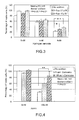
FIG. 2 is a graph showing the effect of L-aspartic acid on oxidative damages induced by hydrogen peroxide in normal human skin fibroblast cells. -
FIG. 3 is a graph showing the effect of D-aspartic acid on oxidative damages induced by hydrogen peroxide in normal human skin fibroblast cells. -
FIG. 4 is a graph showing the effect of carnosine on oxidative damages by AAPH in normal human skin fibroblast cells. -
FIG. 5 is a graph showing the effect of L- and D-aspartic acids on oxidative damages induced by AAPH in normal human skin fibroblast cells. - Examples of the present invention described below are intended only to exemplify the present invention rather than to limit the technical scope thereof. The technical scope of the present invention is limited only by the description in claims.
- ROS include reactive oxygen species in the narrow sense comprising superoxide anion, hydroxyl radical, hydroperoxide and singlet oxygen, and reactive oxygen species in the broad sense comprising an alkoxy radical, hydroperoxyl radical, a peroxyl radical, hydroperoxide, and a transition metal-oxygen complex and the like. Among the ROS, hydroxyl radical has the most potent oxidizing activity, but has very short lifetime. As such, it oxidizes non-selectively body components like nucleic acids, proteins, and lipids that are present in the vicinity of their generation site. However, peroxyl radical has a weak oxidizing activity but is relatively stable. As such, it can diffuse and cause a cell membrane damage via free radical chain reactions of polyunsaturated fatty acids. Meanwhile, hydroxyl radical generates a peroxyl radical but no hydroxyl radical is generated from a peroxyl radical. Since the working mechanism is different between a hydroxyl radical and a peroxyl radical, an effective antioxidant may be also different for each of them. For such reasons, in the present examples, an antioxidant effect was evaluated for both hydrogen peroxide and 2,2'-azobis(2-amidinopropane) dihydrochloride salt (herein below, referred to as "AAPH"), that are the representative examples of a compound which can generate hydroxyl radical and a peroxyl radical, respectively. As a positive control, carnosine having a known antioxidant activity was used.
- For the evaluation of an antioxidant effect on hydrogen peroxide, human neonatal skin fibroblast cells (trade name: Cryo NHDF-Neo, manufactured by Sankyo Junyaku Co., Ltd.) were inoculated to a 24-well plate to have 1 x 10⁵ cells per well. The cells were then cultured for four hours in a medium for cell culture (trade name: D-MEM (1 g/L glucose), manufactured by Wako Pure Chemical Industries) supplemented with 10% bovine fetal serum (herein below, referred to as a "standard medium") in a 5% CO2 and saturated water vapor atmosphere at 37°C (degrees Celsius). For the evaluation of an antioxidant effect on AAPH, antibiotics (penicillin, streptomycin, and fungizone) were supplemented to the standard medium and the cells were cultured for one day.
- Subsequently, the culture medium was switched to a medium for cell culture (trade name: D-MEM (1 g/L glucose), manufactured by Wako Pure Chemicals Industries) supplemented with 0.5% bovine fetal serum (herein below, referred to as "low-serum medium") to which 0.01% or 0.05% carnosine, or 0.1 µM (micro-molar) or 10 µM (micro-molar) D- or L-aspartic acid had been added, and the cells were cultured for two days under atmosphere of 5% CO2 and saturated moisture at 37°C (degrees Celsius). For the experiment for the evaluation of oxidative damages on AAPH, the culture medium was switched to the medium for cell culture to which 5 ppm or 100 ppm carnosine, or 10 µM (micro-molar) D- or L-aspartic acid had been further added, and the cells were cultured for two days. The low-serum medium described above to which neither carnosine nor aspartic acid had been added was employed as a negative control.
- After culturing for two days, 1 mM or 4 mM hydrogen peroxide, or 50 mM or 100 mM AAPH was added to the medium for evaluating an antioxidant effect, and the antioxidant effect was evaluated for carnosine or aspartic acid. The low-serum medium described above to which neither hydrogen peroxide nor AAPH had been added was employed as a control for evaluation of toxicity of an antioxidant when no oxidant was added.
- Two hours after the addition of hydrogen peroxide or AAPH, AlarmarBlue (trade name: Biosource, manufactured by Biosource International Inc.) was added to have final concentration of 10%. Two to three hours later, according to the methods by Ahmed S. A. et al. (J. Immunol. Method., 170, 211-224 (1994)) and the instructions provided by the manufacturer, the fluorescent intensity of the supernatant was measured with an excitation wavelength of 544 nm, and an emission wavelength of 590 nm.
-
Figure 1 shows the results of the experiment obtained by examining the antioxidant effect of carnosine on hydrogen peroxide in Cryo NHDF-Neo cells. The error bars for each experimental condition indicate the standard deviations of the experimentally measured values obtained by repeating the experiment three times under the identical condition. The asterisk (*) indicates that t is less than 5% by Bonferroni/Dunn test. - The ratio of viable cells for the control group for evaluating toxicity of the antioxidant without addition of an oxidant was 102% when carnosine had not been added. When the concentration of carnosine was 0.01%, it was 100%. When the concentration of carnosine was 0.05%, it was 97%. The ratio of viable cells in the case of addition of 1 mM hydrogen peroxide was 45% when carnosine had not been added. When the concentration of carnosine was 0.01%, it was 51%. When the concentration of carnosine was 0.05%, it was 53%. The ratio of viable cells in the case of 4 mM hydrogen peroxide was 14% when carnosine had not been added. When the concentration of carnosine was 0.01%, it was 21%. When the concentration of carnosine was 0.05%, it was 45%. Thus, when the concentration of hydrogen peroxide was 4 mM, a significant difference in the ratio of viable cells was observed for the case in which 0.05% carnosine had been added compared to the ratio without addition of carnosine. Based on the results above, the antioxidant effect of carnosine on hydrogen peroxide was confirmed in the experiment system of the present example.
-
Figure 2 shows the results of the experiment obtained by examining the antioxidant effect of L-aspartic acid on hydrogen peroxide in Cryo NHDF-Neo cells. The error bars for each experimental condition indicate the standard deviations of experimentally measured values obtained by repeating the experiment three times under the identical condition. - The ratio of viable cells for the control group for evaluating toxicity of an antioxidant without addition of an oxidant was 93% when L-aspartic acid had not been added. When the concentration of L-aspartic acid was 0.1 µM (micro-molar), it was 88%. When the concentration of L-aspartic acid was 10 µM (micro-molar), it was 97%. The ratio of viable cells in the case of 1 mM hydrogen peroxide was 61% when L-aspartic acid had not been added. When the concentration of L-aspartic acid was 0.1 µM (micro-molar), it was 62%. When the concentration of L-aspartic acid was 10 µM (micro-molar), it was 62%. The ratio of viable cells in the case of 4 mM hydrogen peroxide was 36% when L-aspartic acid had not been added. When the concentration of L-aspartic acid was 0.1 µM (micro-molar), it was 33%. When the concentration of L-aspartic acid was 10 µM (micro-molar), it was 32%. Based on the results above, a statistically significant antioxidant effect of L-aspartic acid on hydrogen peroxide was not observed.
-
Figure 3 shows the results of the experiment obtained by examining the antioxidant effect of D-aspartic acid on oxidative damages induced by hydrogen peroxide in Cryo NHDF-Neo cells. The error bars for each experimental condition indicate the standard deviations of experimentally measured values obtained by repeating the experiment three times under the identical condition. The asterisk (*) indicates that p is less than 5% by Bonferroni/Dunn test. The double asterisk (**) indicates that p is less than 1% by Bonferroni/Dunn test. - The ratio of viable cells for the control group for evaluating toxicity of an antioxidant without addition of an oxidant was 97% when D-aspartic acid had not been added. When the concentration of D-aspartic acid was 0.1 µM (micro-molar), it was 86%. When the concentration of D-aspartic acid was 10 µM (micro-molar), it was 97%. In the case of 1 mM hydrogen peroxide, the ratio of viable cells was 55% when D-aspartic acid had not been added. When the concentration of D-aspartic acid was 0.1 µM (micro-molar), it was 62%. When the concentration of D-aspartic acid was 10 µM (micro-molar), it was 63%. In the case of 4 mM hydrogen peroxide, the ratio of viable cells was 22% when D-aspartic acid had not been added. When the concentration of D-aspartic acid was 0.1 µM (micro-molar), it was 29%. When the concentration of D-aspartic acid was 10 µM (micro-molar), it was 34%. Thus, when the concentration of hydrogen peroxide was 4 mM, a significant difference in the ratio of viable cells was observed for the case in which 0.1 µM (micro-molar) or 10 µM (micro-molar) D-aspartic acid had been added compared to the ratio without addition of D-aspartic acid. Based on the results above, the concentration-dependent antioxidant effect of D-aspartic acid on hydrogen peroxide was observed.
-
Figure 4 shows the experiment obtained by examining the antioxidant effect of carnosine in the experiment for evaluating oxidative damages induced by AAPH in Cryo NHDF-Neo cells. The error bars for each experimental condition indicate the standard deviations of experimentally measured values obtained by repeating the experiment three times under the identical condition. The double asterisk (**) indicates that p is less than 1% by Bonferroni/Dunn test. - The ratio of viable cells for the control group for evaluating toxicity of an antioxidant without addition of an oxidant was 100% when carnosine had not been added. When the concentration of carnosine was 5 ppm, it was 93%. When the concentration of carnosine was 100 ppm, it was 103%. The ratio of viable cells in the case of 100 mM AAPH was 31% when carnosine had not been added. When the concentration of carnosine was 5 ppm, it was 60%. When the concentration of carnosine was 100 ppm, it was 85%. When AAPH had concentration of 100 mM, a significant difference was observed for the ratio of viable cells for the case in which carnosine had been added at the concentration of 100 ppm compared to the ratio without addition of carnosine. Based on the results above, the antioxidant effect of carnosine on AAPH was confirmed by the experiment system of the present example.
-
Figure 5 shows the experiment obtained by examining the antioxidant effect of L- and D-aspartic acids in the experiment for evaluating oxidative damages induced by AAPH in Cryo NHDF-Neo cells. The error bars for each experimental condition indicate the standard deviations of the experimentally measured values obtained by repeating the test three times under the identical condition. The asterisk (*) indicates that p is less than 5% by Bonferroni/Dunn test. The triple asterisk (***) indicates that p is less than 0.1% by Bonferroni/Dunn test. - The ratio of viable cells for the control group for evaluating toxicity of an antioxidant without addition of the oxidant was 95% when L- and D-aspartic acids had not been added. When the concentration of D-aspartic acid was 10 µM (micro-molar), it was 102%. When the concentration of L-aspartic acid was 10 µM (micro-molar), it was 80%. In the case of 100 mM AAPH, the ratio of viable cells was 51% when L- and D-aspartic acids had not been added. When the concentration of D-aspartic acid was 10 µM (micro-molar), it was 96%. When the concentration of L-aspartic acid was 10 µM (micro-molar), it was 69%. When AAPH had concentration of 100 mM, a significant difference was observed for the ratio of viable cells for the case in which L- and D-aspartic acids had been added at concentration of 10 µM (micro-molar) compared to the ratio without addition of L- and D-aspartic acids. Based on the results above, it was indicated that D-aspartic acid had more potent antioxidant effect on AAPH compared to L-aspartic acid.
- Based on the experimental results of the Examples above, D-aspartic acid was found to have an antioxidant effect on both hydrogen peroxide and AAPH. However, L-aspartic acid was found to have an antioxidant effect on AAPH only. Thus, it was indicated that D-aspartic acid is effective against both hydroxyl radical and a peroxyl radical, but L-aspartic acid is effective only against a peroxyl radical.
- Formulation examples of a composition comprising aspartic acid according to the present invention, i.e., an emulsion preparation, a patch, a tablet, a soft capsule, a granule, a beverage, a candy, a cookie, bean paste, a French dressing, a mayonnaise, a French bread, a soy sauce, yogurt, dried seasoning powder for rice, seasoning/sauce for natto, natto, unrefined black vinegar, cream, body cream, gel, a peel-off mask, a wet pack, an emulsion, a skin lotion, and an aerosol preparation, are given below. The aspartic acid in the formulation examples is either D-form and/or L-form.
These formulation examples are all illustrative and not intended to limit the technical scope of the present invention. -
(Composition) Content (% by weighs) Aspartic acid 0.42 Behenyl alcohol 0.2 Cetanol 0.5 Glycerin monofatty acid ester 1.8 Hydrogenated castor oil POE (60) 1.0 White petolatum 2.0 Liquid paraffin 10.0 Isopropyl myristate 3.0 Methyl polysioxane (6cs) 1.5 Concentrated glycerin 13.0 Dipropylene glycol 2.0 Carboxyvinyl polymer 0.25 Sodium hyaluronate 0.005 Potassium hydroxide Proper quantity Lactic acid Proper quantity Edetate sodium Proper quantity Ethylparaben Proper quantity Purified water Remainder 100.000 -
(Composition) Content (% by weight) Aspartic acid 0.3 Polyacrylic acid 3.0 Sodium polyacrylate 2.5 Gelatin 0.5 Sodium carboxymethyl cellulose 4.0 Polyvinyl alcohol 0.3 Concentrated glycerin 14.0 1, 3-Butylene glycol 12.0 Aluminum hydroxide 0.1 Edetate sodium 0.03 Methylparaben 0.1 Purified water Remainder 100.00 -
(Composition) Content (mg/tablet) Aspartic acid 360.5 Lactose 102.4 Calcium carboxymethyl cellulose 29.9 Hydroxypropyl cellulose 6.8 Magnesium stearate 5.2 Crystalline cellulose 10.2 515.0 -
(Composition) Content (mg/tablet) Sucrose ester 70 Crystalline cellulose 74 Methyl cellulose 36 Glycerin 25 Aspartic acid 475 N-Acetylglucosamine 200 Hyaluronic acid 150 Vitamin E 30 Vitamin B6 20 Vitamin B2 10 α (alpha )- Lipoic acid 20 Coenzyme Q10 40 Ceramide (Konjac extract) 50 L-Proline 300 1500 -
(Composition) Content (mg/capsule) Edible soybean oil 530 Eucomnia ulmoides extract 50 Ginseng extract 50 Aspartic acid 100 Royal jelly 50 Maca 30 GABA 30 Beeswax 60 Gelatin 375 Glycerin 120 Glycerin fatty acid ester 105 1500 -
(Composition) Content (mg/capsule) Brown rice germ oil 659 Aspartic acid 500 Resveratrol 1 Lotus germ extract 100 Elastin 180 DNA 30 Folic acid 30 1500 -
(Composition) Content (mg/pack) Aspartic acid 400 Vitamin C 100 Soybean isoflavone 250 Reduced lactose 300 Soybean oligosaccharide 36 Erythritol 36 Dextrin 30 Flavoring agent 24 Citric acid 24 1200 -
(Composition) Content (g/60 mL) Eucommia ulmoides extract 1.6 Ginseng extract 1.6 Aspartic acid 0.25 Reduced maltose syrup 28 Erythritol 8 Citric acid 2 Flavoring agent 1.3 N-Acetylglucosamine 1 Sodium hyaluronate 0.5 Vitamin E 0.3 Vitamin B6 0.2 Vitamin B2 0.1 α (alpha)-Lipoic acid 0.2 Coenzyme Q10 1.2 Ceramide (Konjac extract) 0.4 L- Proline 2 Purified water Remainder 60 -
(Composition) Content (% by weight) Sugar 50 Syrup 48 Aspartic acid 1 Flavoring agent 1 100 -
(Composition) Content (% by weight) Weak flour 45.0 Butter 17.5 Granulated sugar 20.0 Aspartic acid 4.0 Egg 12.5 Flavoring agent 1.0 100.0 - Granulated sugar was added in portions to butter while stirring, to which an egg, aspartic acid and a flavoring agent were added and stirred. After mixing thoroughly, uniformly sieved weak flour was added and stirred at a low speed, and allowed to stand as a bulk in a refrigerator. Thereafter, it was molded and baked for 15 minutes at 170°C (degrees Celsius) to obtain a cookie.
-
(Composition) Content (g) Soybean 1000 Malted rice 1000 Salt 420 Aspartic acid 16.8 Water Remainder 4000 - Malted rice is mixed thoroughly with a salt. Washed soybeans are soaked overnight in three times its volumes of waster, which are then drained off, and new water is added while boiling, and poured into a colander to collect the broth (tanemizu fluid), to which aspartic acid is dissolved at 10% w/v. The boiled beans are minced immediately, combined with malted rice mixed with salt, to which the tanemizu fluid containing aspartic acid dissolved therein is added and kneaded evenly to obtain a clay-like hardiness. Dumplings are made and stuffed in a container compactly without forming any voids, and the surface of the content is smoothened and sealed with a plastic film. After three months, the content is transferred to a new container and the surface is smoothened and sealed with a plastic film. Instead of adding aspartic acid to the tanemizu fluid, a malted rice producing a large amount of aspartic acid may be employed. Such malted rice can be selected by quantifying aspartic acid by the method described in Japanese Patent Unexamined Publication No.
2008-185558 -
(Composition) Content (g) Salad oil 27.4 Vinegar 30.4 Sodium chloride 0.9 Aspartic acid 0.30 Pepper 1.0 50.0 - Vinegar is combined with sodium chloride and aspartic acid, and then stirred thoroughly to be dissolved. Salad oil is added to the mixture and the mixture is stirred thoroughly and then pepper is added.
-
(Composition) Content (g) Salad oil 134.0 Vinegar 5.5 Sodium chloride 0.9 Aspartic acid 0.5 Egg yolk 18 Sugar 0.2 Pepper 0.9 160.0 - An egg yolk (room temperature) is combined with vinegar, sodium chloride, aspartic acid and pepper, and stirred thoroughly using a whipping apparatus. Stirring is continued while adding salad oil in portions to form an emulsion. Finally, sugar is added and the mixture is stirred.
-
(Composition) Content (g) Hard flour 140 Weak flour 60 Sodium chloride 3 Sugar 6 Aspartic acid 2 Dry yeast 4 Lukewarm water 128 343 - Lukewarm water is combined with 1 g of sugar and dry yeast, which is then allowed to undergo a pre-fermentation. Hard flour, weak flour, sodium chloride, 5 g of sugar and aspartic acid are placed in a bowl, into which the pre-fermented yeast is placed. After kneading thoroughly into a ball-like dough, a primary fermentation is conducted at 30°C (degrees Celsius). The dough is kneaded again and allowed to stand, and then shaped into suitable forms, which are subjected to a final fermentation using an electronic fermentation machine. After forming coupes, baking is conducted for 30 minutes in an oven at 220°C (degrees Celsius).
-
(Composition) Content (g) Commercially available soy sauce 995.8 Aspartic acid 4.2 1000 - Commercially available soy sauce is supplemented with aspartic acid, and stirred thoroughly. Instead of adding aspartic acid or a salt thereof, malted rice producing a large amount of aspartic acid may be employed for fermenting soy sauce. Such malted rice can be selected by quantifying aspartic acid by the method described in Japanese Patent Unexamined Publication No.
2008-185558 -
(Composition) Content (g) Milk 880 L. bulgaricus 50 S. thermophilus 50 Aspartic acid 20 1000 - Fermentation is conducted at 40 to 45°C (degrees Celsius). Other commercially available fermentation seed organisms may be employed and commercially available yogurt may be supplemented with aspartic acid. Instead of adding aspartic acid or a salt thereof, a seed organism producing a large amount of aspartic acid may be employed. Such an organism can be selected by quantifying aspartic acid by the method described in Japanese Patent Unexamined Publication No.
2008-185558 -
(Composition) Content (g) Aspartic acid 50 Laver 15 Sodium L-glutamate 10 Sodium chloride 2 Roasted sesame 10 Dried mackerel shavings 10 Sugar 1 Soy sauce 2 100 -
(Composition) Content (g) Commercially available sauce for natto 9.96 Aspartic acid 0.04 10 -
(Composition) Content (g) Commercially available natto 19.9 Aspartic acid 0.1 20 - Instead of adding aspartic acid or a salt thereof, an organism producing a large amount of aspartic acid may be employed for producing natto. Such an organism can be selected by quantifying aspartic acid by the method described in Japanese Patent Unexamined Publication No.
2008-185558 -
(Composition) Content (g) Commercially available unrefined black vinegar 995.8 Aspartic acid 4.2 1000 - Instead of adding aspartic acid or a salt thereof, an organism producing a large amount of aspartic acid may be employed for producing vinegar, black vinegar or unrefined vinegar. Such an organism can be selected by quantifying aspartic acid by the method described in Japanese Patent Unexamined Publication No.
2008-185558 -
(Composition) Content (%) Liquid paraffin 3 White petrolatum 1 Dimethyl polysiloxane 1 Stearyl alcohol 1.8 Behenyl alcohol 1.6 Glycerin 8 Dipropylene glycol 5 Macadamia nut oil 2 Hydrogenated oil 3 Squalane 6 Stearic acid 2 Cholesteryl hydroxystearate 0.5 Cetyl 2-ethylhexanoate 4 Polyoxyethylene hydrogenated castor oil 0.5 Self-emulsifying glyceryl monostearate 3 Potassium hydroxide 0.15 Sodium hexametaphosphate 0.05 Trimethyl glycine 2 Potassium ascorbyl tocopheryl phosphate 1 Tocopheryl acetate 0.1 Aspartic acid 0.42 Paraben Proper quantity Edetate trisodium 0.05 4-t-Butyl-4'-methoxy dibenzoylmethane 0.05 Glyceryl ethylhexanoate dimethoxycinnamate 0.05 Colorant Proper quantity Carboxyvinyl polymer 0.05 Purified water Remainder 100.00 -
(Composition) Content (%) Dimethyl polysiloxane 3 Decamethyl cyclopentasiloxane 13 Dodecamethyl cyclohexasiloxane 12 Polyoxyethylene methylpolysiloxane copolymer 1 Ethanol 2 Isopropanol 1 Glycerin 3 Dipropylene glycol 5 Polyethylene glycol 6000 5 Sodium hexametaphosphate 0.05 Tocopherol acetate 0.1 Aspartic acid 0.3 Foeniculum vulgare (Fennel) extract 0.1 Hamamelis virginiana (Witch Hazel) extract 0.1 Ginseng extract 0.1 L-Menthol Proper quantity Paraoxybenzoic acid ester (Paraben) Proper quantity Edetate trisodium 0.05 Dimorpholinopyridazinone 0.01 Isopentyl trimethoxycinnamate trisiloxane 0.1 Iron oxide yellow Proper quantity Cobalt titanium oxide Proper quantity Dimethyl distearyl ammonium hectorite 1.5 Polyvinyl alcohol 0.1 Hydroxyethylcellulose 0.1 Trimethylsiloxysilicate 2 Flavoring agent Proper quantity Purified water Remainder 100.00 -
(composition) Content (%) Dimethyl polysiloxane 5 Glycerin 2 1,3- Butylene glycol 5 Polyethylene glycol 1500 3 Polyethylene glycol 20000 3 Cetyl ethylhexanoate 3 Citric acid 0.01 Sodium citrate 0.1 Sodium hexametaphosphate 0.1 Dipotassium glycyrrhizate 0.1 Aspartic acid 0.4 Tocopheryl acetate 0.1 Scutellaria Baicalensis root extract 0.1 Saxifraga sarmentos extract 0.1 Edetate trisodium 0.1 Xanthan gum 0.3 Acrylates/C10-30 alkyl acrylate crosspolymer (Pemulen TR-2) 0.05 Agar powder 1.5 Phenoxyethanol Proper quantity Dibutylhydroxytoluene Proper quantity Purified water Remainder 100.00 -
(Composition) Content (%) Ethanol 10 1, 3-Butylene glycol 6 Polyethylene glycol 4000 2 Olive oil 1 Macadamia nut oil 1 Phytosteryl hydroxystearic acid 0.05 Lactic acid 0.05 Sodium lactate 0.1 Disodium ascorbyl sulfate 0.1 Potassium ascorbyl tocopheryl phosphate 0.1 Aspartic acid 0.3 Fish collagen 0.1 Sodium chondroitin sulfate 0.1 Sodium carboxymethyl cellulose 0.2 Polyvinyl alcohol 12 Paraoxybenzoic acid ester (Paraben) Proper quantity Flavoring agent Proper quantity Purified water Remainder 100.00 -
(Composition) Content (%) Glycerin 1 1, 3- Butylene glycol 8 Xylit 2 Polyethylene glycol 1500 2 Rosemary oil 0.01 Sage oil 0.1 Citric acid 0.02 Sodium citrate 0.08 Sodium hexametaphosphate 0.01 Hydroxypropyl-β(beta)-cyclodextrin 0.1 Aspartic acid 0.2 Birch extract 0.1 Lavender oil 0.01 Xanthane gum 0.05 Carboxyvinyl polymer 0.15 Paraoxybenzoic acid ester (Paraben) Proper quantity Purified water Remainder 100.00 -
(Composition) Content (%) Liquid paraffin 7 White petrolatum 3 Decamethyl cyclopentasiloxane 2 Behenyl alcohol 1.5 Glycerin 5 Dipropylene glycol 7 Polyethylene glycol 1500 2 Jojoba oil 1 Isostearic acid 0.5 Stearic acid 0.5 Behenic acid 0.5 Pentaerythritol tetra (2-ethylhexanoate) 3 Cetyl 2-ethylhexanoate 3 Glycerin monostearate 1 Polyoxyethylene-glycerin 1 monostearate Potassium hydroxide 0.1 Sodium hexametaphosphate 0.05 Stearyl glycyrrhetinate 0.05 Aspartic acid 0.3 Royal jelly extract 0.1 Yeast extract 0.1 Tocopherol acetate 0.1 Acetylated sodium hyaluronate 0.1 Edetate trisodium 0.05 4-t-Butyl-4'-methoxydibenzoyl methane 0.1 2-Ethylhexyl paramethoxycinnamate 0.1 Carboxylvinyl polymer 0.15 Paraben Proper quantity Flavoring agent Proper quantity Purified water Remainder 100.00 -
(Composition) Content (%) Dimethylpolysiloxane 2 Behenyl alcohol 1 Batyl alcohol 0.5 Glycerin 5 1, 3-Butylene glycol 7 Erythritol 2 Hydrogenated oil 3 Squalane 6 Pentaerythritol tetra (2-ethylhexanoate) 2 Polyoxyethylene glyceryl isostearate 1 Polyoxyethylene glyceryl monostearate 1 Aspartic acid 0.3 Potassium hydroxide Proper quantity Sodium hexametaphosphate 0.05 Phenoxyethanol Proper quantity Carboxylvinyl polymer 0.1 Purified water Remainder 100.00 -
(Composition) Content (%) Ethyl alcohol 5 Glycerin 1 1,3-Butylene glycol 5 Polyoxyethylene-polyoxypropylene decyltetradecyl ether 0.2 Sodium hexametaphosphate 0.03 Trimethyl glycine 1 Sodium polyasparaginate 0.1 Potassium ascorbyl tocopheryl phosphate 0.1 Thiotaurine 0.1 Aspartic acid 0.2 Edetate trisodium 0.1 Carboxyvinyl polymer 0.05 Potassium hydroxide 0.02 Phenoxyethanol Proper quantity Flavoring agent Proper quantity Purified water Remainder 100.00 -
(Composition) Content (%) Ethanol 10 Dipropylene glycol 1 Polyethylene glycol 1000 1 Polyoxyethylene methyl glucoside 1 Jojoba oil 0.01 Glyceryl tri (2-ethylhexanoate) 0.1 Polyoxyethylene hydrogenated castor oil 0.2 Polyglyceryl diisostearate 0.15 Sodium N-stearoyl-L-glutamate 0.1 Citric acid 0.05 Sodium citrate 0. 2 Potassium hydroxide 0.4 Dipotassium glycyrrhizate 0.1 Arginine hydrochloride 0.1 L-Ascorbic acid 2- glucoside 2 Aspartic acid 0.2 Edetate trisodium 0.05 Octyl 4-methoxycinnamate 0.01 Dibutylhydroxytoluene Proper quantity Paraben Proper quantity Deep sea water 3 Flavoring agent Proper quantity Purified water Remainder 100.00 -
(Composition) Content (% by weight) Ethanol 15.0 Polyoxyethylene hydrogenated castor oil 50 1.5 Diphenhydramine 1.0 Dibucaine 2.0 Tocopheryl acetate 0.5 Aspartic acid 0.1 Isostearic acid 0.1 1, 3-Butylene glycol 3.0 Polyethylene glycol 400 3.0 Camphor 0.05 Urea 20.0 Purified water Remainder 1 00 . 00 -
(Composition) Content (% by weight) Stock solution of aerosol urea preparation for external use 65.0 Dimethyl ether 35.0 100.00 - Stock solution of an aerosol urea external preparation and dimethyl ether are filled in a pressure resistant aerosol aluminum can of which internal surface is coated with Teflon (registered trade mark) to prepare an aerosol preparation.
Claims (8)
- An antioxidant composition comprising one or more compounds selected from the group consisting of D-aspartic acid, derivatives thereof and/or salts thereof.
- The antioxidant composition according to claim 1, wherein the said composition is used for suppressing and/or improving a skin condition.
- The antioxidant composition according to claim 2, wherein the skin condition is selected from the group consisting of fine wrinkles, a rough skin, a dry skin, a skin cancer, a skin allergy, an inflammation of the skin, and a photosensitive dermatosis.
- The antioxidant composition according to any one of claims 1 to 3, wherein the said composition is used for an external preparation for the skin.
- The antioxidant composition according to any one of claims 1 to 3, wherein the said composition is used for a food.
- The antioxidant composition according to claim 1, wherein the said composition is used for a pharmaceutical product for cataract.
- The antioxidant composition according to claim 6, wherein the pharmaceutical product for cataract is a therapeutic agent for cataract or a prophylactic agent for cataract.
- The antioxidant composition according to claim 6 or 7, wherein the said composition is applied as an eye drop.
Applications Claiming Priority (2)
| Application Number | Priority Date | Filing Date | Title |
|---|---|---|---|
| JP2009224742 | 2009-09-29 | ||
| PCT/JP2010/055842 WO2011040071A1 (en) | 2009-09-29 | 2010-03-31 | Antioxidant composition |
Publications (3)
| Publication Number | Publication Date |
|---|---|
| EP2484354A1 true EP2484354A1 (en) | 2012-08-08 |
| EP2484354A4 EP2484354A4 (en) | 2013-05-29 |
| EP2484354B1 EP2484354B1 (en) | 2019-05-29 |
Family
ID=43825908
Family Applications (1)
| Application Number | Title | Priority Date | Filing Date |
|---|---|---|---|
| EP10820191.4A Active EP2484354B1 (en) | 2009-09-29 | 2010-03-31 | Antioxidant composition |
Country Status (11)
| Country | Link |
|---|---|
| US (1) | US8962684B2 (en) |
| EP (1) | EP2484354B1 (en) |
| JP (1) | JP6018752B2 (en) |
| KR (1) | KR101740353B1 (en) |
| CN (1) | CN102665706A (en) |
| AU (1) | AU2010302025A1 (en) |
| BR (1) | BR112012006979A2 (en) |
| ES (1) | ES2735991T3 (en) |
| RU (1) | RU2535099C2 (en) |
| TW (1) | TWI550063B (en) |
| WO (1) | WO2011040071A1 (en) |
Families Citing this family (7)
| Publication number | Priority date | Publication date | Assignee | Title |
|---|---|---|---|---|
| JP6045164B2 (en) * | 2012-03-27 | 2016-12-14 | 小林製薬株式会社 | Composition comprising long-life herb polyphenols and vitamin E and / or vitamin C |
| JP2016501931A (en) | 2012-11-21 | 2016-01-21 | ユニバーシティー オブ ルイヴィル リサーチ ファウンデーション,インコーポレーテッドUniversity Of Louisville Research Foundation,Inc. | Compositions and methods for reducing oxidative damage |
| EP3256136A4 (en) | 2015-02-09 | 2018-11-21 | University Of Louisville Research Foundation, Inc. | Ophthalmic compositions and methods for reducing oxidative damage to an eye lens |
| JP6388860B2 (en) * | 2015-11-19 | 2018-09-12 | 日本甜菜製糖株式会社 | Method for activating activated dry yeast for breadmaking |
| FR3056381B1 (en) * | 2016-09-26 | 2019-11-15 | Futur Optimal | COMPOSITION COMPRISING CARNOSINE |
| JPWO2019026993A1 (en) * | 2017-08-02 | 2020-08-27 | 国立大学法人京都大学 | Life extension agent, anti-aging agent, cosmetics and food and drink composition |
| FR3147293A1 (en) * | 2023-03-31 | 2024-10-04 | L'oreal | Method for prognosis and/or diagnosis of the quality of the skin barrier function |
Family Cites Families (17)
| Publication number | Priority date | Publication date | Assignee | Title |
|---|---|---|---|---|
| FR2646348A1 (en) * | 1989-04-28 | 1990-11-02 | Inst Nat Sante Rech Med | D-ASPARTIC ACID-HYDROXAMATE AS A MEDICINAL PRODUCT |
| US5631038A (en) * | 1990-06-01 | 1997-05-20 | Bioresearch, Inc. | Specific eatable taste modifiers |
| CA2117284A1 (en) * | 1991-11-27 | 1993-06-10 | Bioresearch, Inc. | Specific eatable taste modifiers |
| US5397786A (en) * | 1993-01-08 | 1995-03-14 | Simone; Charles B. | Rehydration drink |
| US5691377A (en) * | 1993-07-30 | 1997-11-25 | University Of Maryland Eastern Shore And University Of Maryland College Park | Use of N-methyl-aspartic acid for enhancing growth and altering body composition |
| EP1521735A2 (en) | 2001-05-25 | 2005-04-13 | Ceremedix, Inc | Single amino acid based compounds for counteracting effects of reactive oxygen species and free radicals |
| US20080063677A1 (en) * | 2004-03-10 | 2008-03-13 | New Life Resources, Llc | Therapeutic, nutraceutical and cosmetic applications for eggshell membrane and processed eggshell membrane preparations |
| JP4291628B2 (en) | 2003-06-12 | 2009-07-08 | 株式会社資生堂 | Liquid chromatograph apparatus and method for analyzing optical isomers contained in sample |
| DE10357451A1 (en) | 2003-12-03 | 2005-07-07 | Beiersdorf Ag | Active substance combinations of 2,3-dibenzylbutyrolactones and licochalcone A or an aqueous extract of Radix Glycyrrhizae inflatae, containing licochalcone A. |
| RU2006128735A (en) | 2004-01-08 | 2008-02-20 | Канека Корпорейшн (Jp) | AGING COMPOSITION |
| CA2565545A1 (en) * | 2004-05-06 | 2005-12-08 | Molichem Medicines, Inc. | Treatment of ocular diseases and disorders using lantibiotic compositions |
| EP1765773A2 (en) * | 2004-07-09 | 2007-03-28 | DSMIP Assets B.V. | Amino, amino acid or peptide conjugates of retinoic acid |
| BRPI0620811A2 (en) * | 2005-12-30 | 2011-11-22 | Revance Therapeutics Inc | arginine heteromers for topical administration |
| KR101341834B1 (en) * | 2007-01-31 | 2013-12-17 | (주)아모레퍼시픽 | Composition for skin whitening containing D-aspartate |
| JP4980740B2 (en) | 2007-01-31 | 2012-07-18 | 株式会社 資生堂 | Two-dimensional liquid chromatography analysis method and sorting flow path switching unit |
| JP2008214250A (en) * | 2007-03-02 | 2008-09-18 | Hokkaido Mitsui Chemicals Inc | Maillard reaction inhibitor |
| ES2733537T3 (en) * | 2009-09-29 | 2019-11-29 | Shiseido Co Ltd | Composition to accelerate the production of collagen |
-
2010
- 2010-03-31 TW TW099110036A patent/TWI550063B/en not_active IP Right Cessation
- 2010-03-31 KR KR1020127007174A patent/KR101740353B1/en not_active Expired - Fee Related
- 2010-03-31 RU RU2012112066/15A patent/RU2535099C2/en not_active IP Right Cessation
- 2010-03-31 JP JP2011534101A patent/JP6018752B2/en active Active
- 2010-03-31 US US13/261,240 patent/US8962684B2/en active Active
- 2010-03-31 ES ES10820191T patent/ES2735991T3/en active Active
- 2010-03-31 CN CN2010800436881A patent/CN102665706A/en active Pending
- 2010-03-31 BR BR112012006979A patent/BR112012006979A2/en active Search and Examination
- 2010-03-31 EP EP10820191.4A patent/EP2484354B1/en active Active
- 2010-03-31 WO PCT/JP2010/055842 patent/WO2011040071A1/en not_active Ceased
- 2010-03-31 AU AU2010302025A patent/AU2010302025A1/en not_active Abandoned
Also Published As
| Publication number | Publication date |
|---|---|
| JPWO2011040071A1 (en) | 2013-02-21 |
| RU2535099C2 (en) | 2014-12-10 |
| TWI550063B (en) | 2016-09-21 |
| KR101740353B1 (en) | 2017-05-26 |
| WO2011040071A1 (en) | 2011-04-07 |
| JP6018752B2 (en) | 2016-11-02 |
| AU2010302025A1 (en) | 2012-04-19 |
| ES2735991T3 (en) | 2019-12-23 |
| CN102665706A (en) | 2012-09-12 |
| BR112012006979A2 (en) | 2016-04-05 |
| US8962684B2 (en) | 2015-02-24 |
| RU2012112066A (en) | 2013-11-10 |
| KR20120084287A (en) | 2012-07-27 |
| TW201111479A (en) | 2011-04-01 |
| EP2484354A4 (en) | 2013-05-29 |
| EP2484354B1 (en) | 2019-05-29 |
| US20120184620A1 (en) | 2012-07-19 |
Similar Documents
| Publication | Publication Date | Title |
|---|---|---|
| EP2484340B1 (en) | Collagen production accelerating composition | |
| EP2415468B1 (en) | D-glutamic acid for alleviating ultraviolet radiation-induced damage | |
| EP2484355B1 (en) | Laminin-332 production stimulating composition | |
| EP2478899B1 (en) | Composition for alleviating ultraviolet irradiation-induced damage | |
| EP2484354B1 (en) | Antioxidant composition | |
| JP2014031323A (en) | Composition for facilitating ceramide production | |
| EP2415453A1 (en) | Skin-whitening agent and cosmetic method for whitening skin |
Legal Events
| Date | Code | Title | Description |
|---|---|---|---|
| PUAI | Public reference made under article 153(3) epc to a published international application that has entered the european phase |
Free format text: ORIGINAL CODE: 0009012 |
|
| 17P | Request for examination filed |
Effective date: 20120319 |
|
| AK | Designated contracting states |
Kind code of ref document: A1 Designated state(s): AT BE BG CH CY CZ DE DK EE ES FI FR GB GR HR HU IE IS IT LI LT LU LV MC MK MT NL NO PL PT RO SE SI SK SM TR |
|
| DAX | Request for extension of the european patent (deleted) | ||
| A4 | Supplementary search report drawn up and despatched |
Effective date: 20130502 |
|
| RIC1 | Information provided on ipc code assigned before grant |
Ipc: A61Q 19/08 20060101ALI20130424BHEP Ipc: A61Q 19/00 20060101ALI20130424BHEP Ipc: A61P 17/00 20060101ALI20130424BHEP Ipc: A23L 1/30 20060101ALI20130424BHEP Ipc: A61K 31/198 20060101AFI20130424BHEP Ipc: A61P 17/16 20060101ALI20130424BHEP Ipc: A61P 37/08 20060101ALI20130424BHEP Ipc: A61P 35/00 20060101ALI20130424BHEP Ipc: A23L 1/305 20060101ALI20130424BHEP Ipc: A61K 8/44 20060101ALI20130424BHEP Ipc: A61P 27/12 20060101ALI20130424BHEP Ipc: A61P 17/18 20060101ALI20130424BHEP |
|
| STAA | Information on the status of an ep patent application or granted ep patent |
Free format text: STATUS: EXAMINATION IS IN PROGRESS |
|
| 17Q | First examination report despatched |
Effective date: 20170221 |
|
| REG | Reference to a national code |
Ref country code: DE Ref legal event code: R079 Ref document number: 602010059188 Country of ref document: DE Free format text: PREVIOUS MAIN CLASS: A61K0031198000 Ipc: A23L0033175000 |
|
| GRAP | Despatch of communication of intention to grant a patent |
Free format text: ORIGINAL CODE: EPIDOSNIGR1 |
|
| STAA | Information on the status of an ep patent application or granted ep patent |
Free format text: STATUS: GRANT OF PATENT IS INTENDED |
|
| RIC1 | Information provided on ipc code assigned before grant |
Ipc: A23L 33/175 20160101AFI20180613BHEP Ipc: A61K 31/198 20060101ALI20180613BHEP Ipc: A61P 37/08 20060101ALI20180613BHEP Ipc: A61P 17/16 20060101ALI20180613BHEP Ipc: A61Q 19/00 20060101ALI20180613BHEP Ipc: A61P 17/18 20060101ALI20180613BHEP Ipc: A61P 27/12 20060101ALI20180613BHEP Ipc: A61K 8/44 20060101ALI20180613BHEP Ipc: A61P 17/00 20060101ALI20180613BHEP Ipc: A61P 35/00 20060101ALI20180613BHEP Ipc: A61K 45/06 20060101ALI20180613BHEP Ipc: A61Q 19/08 20060101ALI20180613BHEP |
|
| INTG | Intention to grant announced |
Effective date: 20180706 |
|
| GRAJ | Information related to disapproval of communication of intention to grant by the applicant or resumption of examination proceedings by the epo deleted |
Free format text: ORIGINAL CODE: EPIDOSDIGR1 |
|
| STAA | Information on the status of an ep patent application or granted ep patent |
Free format text: STATUS: EXAMINATION IS IN PROGRESS |
|
| GRAP | Despatch of communication of intention to grant a patent |
Free format text: ORIGINAL CODE: EPIDOSNIGR1 |
|
| STAA | Information on the status of an ep patent application or granted ep patent |
Free format text: STATUS: GRANT OF PATENT IS INTENDED |
|
| INTC | Intention to grant announced (deleted) | ||
| INTG | Intention to grant announced |
Effective date: 20181207 |
|
| RIC1 | Information provided on ipc code assigned before grant |
Ipc: A61K 8/44 20060101ALI20180613BHEP Ipc: A61P 17/18 20060101ALI20180613BHEP Ipc: A61P 35/00 20060101ALI20180613BHEP Ipc: A61P 37/08 20060101ALI20180613BHEP Ipc: A61P 17/16 20060101ALI20180613BHEP Ipc: A61K 31/198 20060101ALI20180613BHEP Ipc: A61P 17/00 20060101ALI20180613BHEP Ipc: A61Q 19/00 20060101ALI20180613BHEP Ipc: A61P 27/12 20060101ALI20180613BHEP Ipc: A23L 33/175 20160101AFI20180613BHEP Ipc: A61Q 19/08 20060101ALI20180613BHEP Ipc: A61K 45/06 20060101ALI20180613BHEP |
|
| GRAS | Grant fee paid |
Free format text: ORIGINAL CODE: EPIDOSNIGR3 |
|
| GRAA | (expected) grant |
Free format text: ORIGINAL CODE: 0009210 |
|
| STAA | Information on the status of an ep patent application or granted ep patent |
Free format text: STATUS: THE PATENT HAS BEEN GRANTED |
|
| AK | Designated contracting states |
Kind code of ref document: B1 Designated state(s): AT BE BG CH CY CZ DE DK EE ES FI FR GB GR HR HU IE IS IT LI LT LU LV MC MK MT NL NO PL PT RO SE SI SK SM TR |
|
| REG | Reference to a national code |
Ref country code: GB Ref legal event code: FG4D |
|
| REG | Reference to a national code |
Ref country code: CH Ref legal event code: EP |
|
| REG | Reference to a national code |
Ref country code: AT Ref legal event code: REF Ref document number: 1137718 Country of ref document: AT Kind code of ref document: T Effective date: 20190615 |
|
| REG | Reference to a national code |
Ref country code: DE Ref legal event code: R096 Ref document number: 602010059188 Country of ref document: DE |
|
| REG | Reference to a national code |
Ref country code: IE Ref legal event code: FG4D |
|
| REG | Reference to a national code |
Ref country code: NL Ref legal event code: MP Effective date: 20190529 |
|
| REG | Reference to a national code |
Ref country code: LT Ref legal event code: MG4D |
|
| PG25 | Lapsed in a contracting state [announced via postgrant information from national office to epo] |
Ref country code: LT Free format text: LAPSE BECAUSE OF FAILURE TO SUBMIT A TRANSLATION OF THE DESCRIPTION OR TO PAY THE FEE WITHIN THE PRESCRIBED TIME-LIMIT Effective date: 20190529 Ref country code: HR Free format text: LAPSE BECAUSE OF FAILURE TO SUBMIT A TRANSLATION OF THE DESCRIPTION OR TO PAY THE FEE WITHIN THE PRESCRIBED TIME-LIMIT Effective date: 20190529 Ref country code: PT Free format text: LAPSE BECAUSE OF FAILURE TO SUBMIT A TRANSLATION OF THE DESCRIPTION OR TO PAY THE FEE WITHIN THE PRESCRIBED TIME-LIMIT Effective date: 20190930 Ref country code: FI Free format text: LAPSE BECAUSE OF FAILURE TO SUBMIT A TRANSLATION OF THE DESCRIPTION OR TO PAY THE FEE WITHIN THE PRESCRIBED TIME-LIMIT Effective date: 20190529 Ref country code: NO Free format text: LAPSE BECAUSE OF FAILURE TO SUBMIT A TRANSLATION OF THE DESCRIPTION OR TO PAY THE FEE WITHIN THE PRESCRIBED TIME-LIMIT Effective date: 20190829 Ref country code: SE Free format text: LAPSE BECAUSE OF FAILURE TO SUBMIT A TRANSLATION OF THE DESCRIPTION OR TO PAY THE FEE WITHIN THE PRESCRIBED TIME-LIMIT Effective date: 20190529 |
|
| PG25 | Lapsed in a contracting state [announced via postgrant information from national office to epo] |
Ref country code: BG Free format text: LAPSE BECAUSE OF FAILURE TO SUBMIT A TRANSLATION OF THE DESCRIPTION OR TO PAY THE FEE WITHIN THE PRESCRIBED TIME-LIMIT Effective date: 20190829 Ref country code: LV Free format text: LAPSE BECAUSE OF FAILURE TO SUBMIT A TRANSLATION OF THE DESCRIPTION OR TO PAY THE FEE WITHIN THE PRESCRIBED TIME-LIMIT Effective date: 20190529 Ref country code: GR Free format text: LAPSE BECAUSE OF FAILURE TO SUBMIT A TRANSLATION OF THE DESCRIPTION OR TO PAY THE FEE WITHIN THE PRESCRIBED TIME-LIMIT Effective date: 20190830 |
|
| REG | Reference to a national code |
Ref country code: AT Ref legal event code: MK05 Ref document number: 1137718 Country of ref document: AT Kind code of ref document: T Effective date: 20190529 |
|
| REG | Reference to a national code |
Ref country code: ES Ref legal event code: FG2A Ref document number: 2735991 Country of ref document: ES Kind code of ref document: T3 Effective date: 20191223 |
|
| PG25 | Lapsed in a contracting state [announced via postgrant information from national office to epo] |
Ref country code: EE Free format text: LAPSE BECAUSE OF FAILURE TO SUBMIT A TRANSLATION OF THE DESCRIPTION OR TO PAY THE FEE WITHIN THE PRESCRIBED TIME-LIMIT Effective date: 20190529 Ref country code: NL Free format text: LAPSE BECAUSE OF FAILURE TO SUBMIT A TRANSLATION OF THE DESCRIPTION OR TO PAY THE FEE WITHIN THE PRESCRIBED TIME-LIMIT Effective date: 20190529 Ref country code: SK Free format text: LAPSE BECAUSE OF FAILURE TO SUBMIT A TRANSLATION OF THE DESCRIPTION OR TO PAY THE FEE WITHIN THE PRESCRIBED TIME-LIMIT Effective date: 20190529 Ref country code: CZ Free format text: LAPSE BECAUSE OF FAILURE TO SUBMIT A TRANSLATION OF THE DESCRIPTION OR TO PAY THE FEE WITHIN THE PRESCRIBED TIME-LIMIT Effective date: 20190529 Ref country code: RO Free format text: LAPSE BECAUSE OF FAILURE TO SUBMIT A TRANSLATION OF THE DESCRIPTION OR TO PAY THE FEE WITHIN THE PRESCRIBED TIME-LIMIT Effective date: 20190529 Ref country code: AT Free format text: LAPSE BECAUSE OF FAILURE TO SUBMIT A TRANSLATION OF THE DESCRIPTION OR TO PAY THE FEE WITHIN THE PRESCRIBED TIME-LIMIT Effective date: 20190529 Ref country code: DK Free format text: LAPSE BECAUSE OF FAILURE TO SUBMIT A TRANSLATION OF THE DESCRIPTION OR TO PAY THE FEE WITHIN THE PRESCRIBED TIME-LIMIT Effective date: 20190529 |
|
| PG25 | Lapsed in a contracting state [announced via postgrant information from national office to epo] |
Ref country code: SM Free format text: LAPSE BECAUSE OF FAILURE TO SUBMIT A TRANSLATION OF THE DESCRIPTION OR TO PAY THE FEE WITHIN THE PRESCRIBED TIME-LIMIT Effective date: 20190529 |
|
| REG | Reference to a national code |
Ref country code: DE Ref legal event code: R097 Ref document number: 602010059188 Country of ref document: DE |
|
| PG25 | Lapsed in a contracting state [announced via postgrant information from national office to epo] |
Ref country code: TR Free format text: LAPSE BECAUSE OF FAILURE TO SUBMIT A TRANSLATION OF THE DESCRIPTION OR TO PAY THE FEE WITHIN THE PRESCRIBED TIME-LIMIT Effective date: 20190529 |
|
| PLBE | No opposition filed within time limit |
Free format text: ORIGINAL CODE: 0009261 |
|
| STAA | Information on the status of an ep patent application or granted ep patent |
Free format text: STATUS: NO OPPOSITION FILED WITHIN TIME LIMIT |
|
| PG25 | Lapsed in a contracting state [announced via postgrant information from national office to epo] |
Ref country code: PL Free format text: LAPSE BECAUSE OF FAILURE TO SUBMIT A TRANSLATION OF THE DESCRIPTION OR TO PAY THE FEE WITHIN THE PRESCRIBED TIME-LIMIT Effective date: 20190529 |
|
| PGFP | Annual fee paid to national office [announced via postgrant information from national office to epo] |
Ref country code: DE Payment date: 20200217 Year of fee payment: 11 Ref country code: IT Payment date: 20200310 Year of fee payment: 11 |
|
| 26N | No opposition filed |
Effective date: 20200303 |
|
| PG25 | Lapsed in a contracting state [announced via postgrant information from national office to epo] |
Ref country code: SI Free format text: LAPSE BECAUSE OF FAILURE TO SUBMIT A TRANSLATION OF THE DESCRIPTION OR TO PAY THE FEE WITHIN THE PRESCRIBED TIME-LIMIT Effective date: 20190529 |
|
| PGFP | Annual fee paid to national office [announced via postgrant information from national office to epo] |
Ref country code: ES Payment date: 20200407 Year of fee payment: 11 |
|
| PG25 | Lapsed in a contracting state [announced via postgrant information from national office to epo] |
Ref country code: MC Free format text: LAPSE BECAUSE OF FAILURE TO SUBMIT A TRANSLATION OF THE DESCRIPTION OR TO PAY THE FEE WITHIN THE PRESCRIBED TIME-LIMIT Effective date: 20190529 |
|
| REG | Reference to a national code |
Ref country code: CH Ref legal event code: PL |
|
| REG | Reference to a national code |
Ref country code: BE Ref legal event code: MM Effective date: 20200331 |
|
| PG25 | Lapsed in a contracting state [announced via postgrant information from national office to epo] |
Ref country code: LU Free format text: LAPSE BECAUSE OF NON-PAYMENT OF DUE FEES Effective date: 20200331 |
|
| PG25 | Lapsed in a contracting state [announced via postgrant information from national office to epo] |
Ref country code: LI Free format text: LAPSE BECAUSE OF NON-PAYMENT OF DUE FEES Effective date: 20200331 Ref country code: CH Free format text: LAPSE BECAUSE OF NON-PAYMENT OF DUE FEES Effective date: 20200331 Ref country code: IE Free format text: LAPSE BECAUSE OF NON-PAYMENT OF DUE FEES Effective date: 20200331 |
|
| PG25 | Lapsed in a contracting state [announced via postgrant information from national office to epo] |
Ref country code: BE Free format text: LAPSE BECAUSE OF NON-PAYMENT OF DUE FEES Effective date: 20200331 |
|
| GBPC | Gb: european patent ceased through non-payment of renewal fee |
Effective date: 20200331 |
|
| PG25 | Lapsed in a contracting state [announced via postgrant information from national office to epo] |
Ref country code: GB Free format text: LAPSE BECAUSE OF NON-PAYMENT OF DUE FEES Effective date: 20200331 |
|
| REG | Reference to a national code |
Ref country code: DE Ref legal event code: R119 Ref document number: 602010059188 Country of ref document: DE |
|
| PG25 | Lapsed in a contracting state [announced via postgrant information from national office to epo] |
Ref country code: DE Free format text: LAPSE BECAUSE OF NON-PAYMENT OF DUE FEES Effective date: 20211001 |
|
| PG25 | Lapsed in a contracting state [announced via postgrant information from national office to epo] |
Ref country code: IT Free format text: LAPSE BECAUSE OF NON-PAYMENT OF DUE FEES Effective date: 20210331 |
|
| REG | Reference to a national code |
Ref country code: ES Ref legal event code: FD2A Effective date: 20220524 |
|
| PG25 | Lapsed in a contracting state [announced via postgrant information from national office to epo] |
Ref country code: MT Free format text: LAPSE BECAUSE OF FAILURE TO SUBMIT A TRANSLATION OF THE DESCRIPTION OR TO PAY THE FEE WITHIN THE PRESCRIBED TIME-LIMIT Effective date: 20190529 Ref country code: CY Free format text: LAPSE BECAUSE OF FAILURE TO SUBMIT A TRANSLATION OF THE DESCRIPTION OR TO PAY THE FEE WITHIN THE PRESCRIBED TIME-LIMIT Effective date: 20190529 |
|
| PG25 | Lapsed in a contracting state [announced via postgrant information from national office to epo] |
Ref country code: MK Free format text: LAPSE BECAUSE OF FAILURE TO SUBMIT A TRANSLATION OF THE DESCRIPTION OR TO PAY THE FEE WITHIN THE PRESCRIBED TIME-LIMIT Effective date: 20190529 Ref country code: IS Free format text: LAPSE BECAUSE OF FAILURE TO SUBMIT A TRANSLATION OF THE DESCRIPTION OR TO PAY THE FEE WITHIN THE PRESCRIBED TIME-LIMIT Effective date: 20190929 |
|
| PG25 | Lapsed in a contracting state [announced via postgrant information from national office to epo] |
Ref country code: ES Free format text: LAPSE BECAUSE OF NON-PAYMENT OF DUE FEES Effective date: 20210401 |
|
| P01 | Opt-out of the competence of the unified patent court (upc) registered |
Effective date: 20230609 |
|
| PGFP | Annual fee paid to national office [announced via postgrant information from national office to epo] |
Ref country code: FR Payment date: 20260219 Year of fee payment: 17 |