EP2465487A2 - Propylene glycol/glycerin-based deodorant - Google Patents
Propylene glycol/glycerin-based deodorant Download PDFInfo
- Publication number
- EP2465487A2 EP2465487A2 EP12159608A EP12159608A EP2465487A2 EP 2465487 A2 EP2465487 A2 EP 2465487A2 EP 12159608 A EP12159608 A EP 12159608A EP 12159608 A EP12159608 A EP 12159608A EP 2465487 A2 EP2465487 A2 EP 2465487A2
- Authority
- EP
- European Patent Office
- Prior art keywords
- weight
- glycerin
- propylene glycol
- water
- composition
- Prior art date
- Legal status (The legal status is an assumption and is not a legal conclusion. Google has not performed a legal analysis and makes no representation as to the accuracy of the status listed.)
- Ceased
Links
Images



Classifications
-
- A—HUMAN NECESSITIES
- A61—MEDICAL OR VETERINARY SCIENCE; HYGIENE
- A61Q—SPECIFIC USE OF COSMETICS OR SIMILAR TOILETRY PREPARATIONS
- A61Q15/00—Anti-perspirants or body deodorants
-
- A—HUMAN NECESSITIES
- A61—MEDICAL OR VETERINARY SCIENCE; HYGIENE
- A61K—PREPARATIONS FOR MEDICAL, DENTAL OR TOILETRY PURPOSES
- A61K8/00—Cosmetics or similar toiletry preparations
- A61K8/02—Cosmetics or similar toiletry preparations characterised by special physical form
- A61K8/0216—Solid or semisolid forms
- A61K8/0229—Sticks
-
- A—HUMAN NECESSITIES
- A61—MEDICAL OR VETERINARY SCIENCE; HYGIENE
- A61K—PREPARATIONS FOR MEDICAL, DENTAL OR TOILETRY PURPOSES
- A61K8/00—Cosmetics or similar toiletry preparations
- A61K8/18—Cosmetics or similar toiletry preparations characterised by the composition
- A61K8/19—Cosmetics or similar toiletry preparations characterised by the composition containing inorganic ingredients
- A61K8/28—Zirconium; Compounds thereof
-
- A—HUMAN NECESSITIES
- A61—MEDICAL OR VETERINARY SCIENCE; HYGIENE
- A61K—PREPARATIONS FOR MEDICAL, DENTAL OR TOILETRY PURPOSES
- A61K8/00—Cosmetics or similar toiletry preparations
- A61K8/18—Cosmetics or similar toiletry preparations characterised by the composition
- A61K8/30—Cosmetics or similar toiletry preparations characterised by the composition containing organic compounds
- A61K8/33—Cosmetics or similar toiletry preparations characterised by the composition containing organic compounds containing oxygen
- A61K8/34—Alcohols
- A61K8/345—Alcohols containing more than one hydroxy group
Definitions
- Deodorants are traditionally used to reduce or eliminate body odor caused by the breakdown and fermentation of secretions from apocrine sweat glands.
- Gram positive bacteria such as Corynebacterium xerosis , and Staphylococcus epidermis are primary examples of odor causing bacteria that inhabit human skin.
- Many commercially available deodorants help to eliminate body odor by acting as a bactericide or bacteriostat. Bactericides kill bacteria while bacteriostats inhibit the growth of bacteria.
- underarm deodorants are available in several formats for application to the underarm area. Among these formats are aerosol, pump spray, roll-on, deodorant pads and stick applicators. Stick applicators are the most popular format followed by aerosols and pump sprays.
- Stick applicators are essentially made of a solid or semi-solid material (i.e., a base composition that is firm to the touch) impregnated with ingredients that function to kill bacteria or limit their growth, fragrances, stabilizers, moisturizers, etc.
- the user swipes the stick applicator in the armpit one or more times thereby coating the underarm with a thin layer of the deodorant material.
- a solid or semi-solid material i.e., a base composition that is firm to the touch
- ingredients that function to kill bacteria or limit their growth, fragrances, stabilizers, moisturizers, etc.
- the base composition materials of deodorant sticks contain gelling agents, which are soluble in vehicle carriers.
- the vehicle (solvent) is heated in order to dissolve the gelling agent in the vehicle and gelling occurs upon cooling of the composition.
- a gelling agent or agents may be selected from high melting point waxes (including beeswax, montan, ozokerite, ceresin, paraffin, synthetic waxes, hydrogenated castor oil); low melting point waxes (including fatty alcohols containing from about 8 - 20 carbons), and silicone waxes.
- a more particular group of gelling agents includes stearyl alcohol and hydrogenated castor oil.
- gelling agents or thickening agents For an overall discussion of gelling agents or thickening agents, attention is directed to the solidifying agents described in U.S. Pat. No. 4,919,934 to Deckner, et al ., the contents of which have been incorporated herein by reference in their entirety.
- thickening agents include crystalline waxes, cetyl stearate, stearyl stearate, cetyl myristate, cetyl palmitate, stearoxydimethicone, and microcrystalline waxes.
- the present invention provides, in one aspect, underarm stick-type deodorants (deodorant compositions) that comprise one or more all-natural compounds to form a deodorant base composition.
- deodorant base compositions of the present invention are used as base compositions for cosmetic compositions such as lipstick and other facial and body cosmetics.
- the compounds used to form a deodorant base composition function to distribute, protect and augment the effectiveness of the active and inactive ingredients of the deodorant composition which are impregnated in the deodorant base.
- a deodorant composition is made of a deodorant base composition that has been impregnated with the active and inactive ingredients of the deodorant product.
- the deodorant base compositions of the present invention feel essentially firm yet somewhat pliable. This type of formulation permits the application of the deodorant composition to the underarm area of the user by drawing the deodorant stick across the underarm area thereby transferring the product to the underarm area.
- the deodorant base composition of the present invention provides the user with a satisfactory skin feel, good glide properties, good payout and minimal residue.
- the deodorant base ingredients of the deodorant composition of the present invention have been selected to appeal to users by decreasing irritation occasionally associated with all-natural carrier compositions, improving effectiveness of the deodorant product and increasing user acceptance by improving the feel of the product on the skin.
- the deodorant base composition of the present invention comprises a formulation of propylene glycol, glycerin and water.
- the deodorant base composition comprises about 20 to about 70 weight % propylene glycol, about 5 to about 60 weight % glycerin and about 10 to about 35 weight % water. In another embodiment of the present invention, the deodorant base composition comprises about 30 to about 60 weight % propylene glycol, about 10 to about 40 weight % glycerin and about 15 to about 30 weight % water. In another embodiment of the present invention, the deodorant base composition comprises about 35 to about 50 weight % propylene glycol, about 10 to about 30 weight % glycerin and about 17 to about 29 weight % water. In another embodiment, the deodorant base composition comprises about 47 to about 54 weight % propylene glycol, about 11 to about 22 weight % glycerin, and about 23 to about 28 weight % water.
- ranges are used as a shorthand for describing each and every value that is within the range. Any value within the range can be selected as the terminus of the range.
- all references cited herein are hereby incorporated by reference in their entireties. In the event of a conflict in a definition in the present disclosure and that of a cited reference, the present disclosure controls.
- the present invention relates to all-natural stick-type deodorants and cosmetic compositions (especially underarm deodorants) wherein the deodorant base composition comprises a mixture of propylene glycol, glycerin and water in such ratios as to be effective for use as a stick-type deodorant and reduce or eliminate problems associated with all-natural deodorant stick base compositions.
- the deodorant base also may comprise sodium stearate and other thickening agents or agents useful to improve skin feel, reduce irritation and/or inflammation or prevent excessive weeping or shrinkage of the final product.
- glide refers to the amount of friction that is generated upon application of the product.
- the term "payout,” as used herein, refers to the amount of material that is deposited on the user's body or test apparatus from the cosmetic or deodorant stick during the dispensing operation.
- the deodorant base composition and deodorant composition give a satisfactory payout during the dispensing operation with normally exerted user pressure.
- deodorant base composition(s) and “deodorant composition(s),” as used herein, refer to compositions used to apply deodorant to a user's body, especially in the area of the underarm. The terms do not limit the product to delivering only deodorant materials and may also include, for example, antiperspirant materials in some embodiments.
- a “deodorant base composition” is a composition without deodorancy agents added.
- a “deodorant composition” is a deodorant base composition with deodorancy agents and, in certain embodiments, other agents added to achieve the desired user experience with the product.
- Penetration is a measure of hardness. Penetration is determined, for example, by inserting a cone probe into the sample and measuring the amount of force used (e.g., in grams) with, for example, a Texture Technologies TA-XT2TM texture analyzer (Scarsdale, NY).
- the deodorant base composition comprises about 20 to about 70 weight % propylene glycol, about 5 to about 60 weight % glycerin and about 10 to about 35 weight % water. In another embodiment of the present invention, the deodorant base composition comprises about 30 to about 60 weight % propylene glycol, about 10 to about 40 weight % glycerin and about 15 to about 30 weight % water. In another embodiment of the present invention, the deodorant base composition comprises about 35 to about 50 weight % propylene glycol, about 10 to about 30 weight % glycerin and about 17 to about 29 weight % water.
- the weight ratio of propylene glycol:water:glycerin is about 2:1:1.
- the present invention also relates to a stick-type deodorant made from the deodorant base of the present invention wherein the deodorant additionally comprises one or more of deodorancy agent(s), soothing agent(s), antioxidant(s) and fragrance(s).
- the deodorant products of the present invention made from the deodorant base compositions of the present invention may also comprise one or more deodorancy ingredients.
- the deodorancy ingredients have anti-microbial activity.
- the deodorant compositions of the present invention are not limited to any specific deodorancy ingredient or ingredients.
- the deodorancy ingredient or ingredients are natural or all-natural.
- the deodorant of the present invention also comprises one or more of hops extract, lemongrass oil or zinc ricinoleate, which are known in the art to reduce or inhibit the production of body odor.
- the hops extract of the deodorant of the present invention is a CO 2 extract of, for example, the plant Humulus lupulus, more commonly known as the hop plant, or related strains and species of the plant known in the art.
- the hops extract of the deodorant of the present invention is a CO 2 extract of, for example, the plant Humulus lupulus, more commonly known as the hop plant, or related strains and species of the plant known in the art.
- the deodorant products of the present invention may also comprise other ingredients.
- the deodorant of the present invention may comprise one or more ingredients for achieving and maintaining a desired consistency, one or more ingredients for giving the product a soothing skin feel, one or more antioxidants, one or more fragrances and one or more ingredients for fragrance duration or retention.
- Non-limiting examples of ingredients suitable for use in achieving and maintaining desired consistency are, for example, caprylic capric triglyceride, glycerin, glyceryl laurate, water and sodium stearate.
- ingredients suitable for use as soothing agents are, for example, aloe vera leaf juice and other herbal extracts and witch hazel water.
- ingredients suitable for use as antioxidants are, for example, one or more of tocopherol and its derivatives, butyl hydroxyanisole (BHA), butyl hydroxytoluene (BHT), erythorbic acid, propyl gallate, sodium erythorbate, tertiary butyl hydroquinone (TBHQ), rosemary extract and, more preferably, ascorbic acid and salts thereof.
- BHA butyl hydroxyanisole
- BHT butyl hydroxytoluene
- erythorbic acid propyl gallate
- sodium erythorbate propyl gallate
- TBHQ tertiary butyl hydroquinone
- rosemary extract preferably, ascorbic acid and salts thereof.
- Non-limiting examples of ingredients suitable for use as fragrance are, for example, lemongrass oil, apricot fragrance, fir needle oil, lavandin oil and lavender oil.
- Non-limiting examples of ingredients suitable for use for fragrance duration or longevity are silica shells.
- the deodorant of the present invention may comprise a "stick" formulation, a roll-on formulation or a spray formulation (e.g ., as a pump spray), all of which the production is known in the art.
- one of the antimicrobial agents of the deodorant of the present invention is a CO 2 extract of, for example, the plant Humulus lupulus, more commonly known as the hop plant, or related strains and species of the plant known in the art.
- the present invention contemplates a deodorant product comprising a CO 2 -extract of hops having anti-microbial, bacteriostatic and/or bactericidal properties.
- the deodorant or body care product of the present invention comprises a CO 2 extract of hops at a concentration of about 0.001 % to about 5 % by weight.
- the deodorant or body care product of the present invention comprises a CO 2 extract of hops at a concentration of about 0.05 % to about 1 % by weight.
- the deodorant or body care product of the present invention comprises a CO 2 extract of hops at a concentration of about 0.1 % to about 0.5 % by weight.
- the body care and deodorant products of the present invention comprises an antioxidant compound.
- the antioxidant compound is selected for one or more of tocopherol and its derivatives of about 0.001 to about 0.5 weight %, butyl hydroxyanisole (BHA) of about 0.0075 to about 0.1 weight %, butyl hydroxytoluene (BHT) of about 0.005 to about 0.02 weight %, erythorbic acid of about 0.05 to about 1 weight %, propyl gallate of about 0.01 to about 1 weight %, sodium erythorbate of about 0.05 to about 1 weight %, tertiary butyl hydroquinone (TBHQ) of about 0.005 to about 0.1 weight %, rosemary extract of about 0.02 to about 0.4 weight % and ascorbic acid and salts thereof of about 0.01 to about 0.1 weight %.
- BHA butyl hydroxyanisole
- BHT butyl hydroxytoluene
- erythorbic acid of about 0.05 to about
- the body care and deodorant products of the present invention comprises additional deodorizing compounds.
- the compounds are selected from a group comprising various metal salts of an unsaturated carboxylic acid.
- the additional deodorizing compound is zinc ricinoleate,
- the additional deodorizing compounds are also selected from glyceryl laurate and caprylic capric triglyceride both of about 0.1 to about 4 weight %, and lemongrass oil of about 0.01 to about 0.1 weight %.
- the body care and deodorant products of the present invention additionally comprises ingredients to improve the skin feel of the products of the present invention.
- the present invention may comprise one or more of about 5 - 40 weight %, sodium stearate of about 0.5 to about 10 weight %, aloe extract or juice of about 0.5 to about 10 weight %, witch hazel (also known as witch hazel water) of about 1 to about 10 weight % and chamomile aqueous extract of about 1 to about 20 weight %.
- the body care and deodorant products are made up of one or more of the following: about 35 % to about 70 % by weight of a polyhydric alcohol; about 1.3 % to about 6.5 % by weight of a polyamine clarifier; about 1.3 % to about 8 % by weight of a C 14-22 fatty acid salt; about 0.5 % to 4 weight % of an ester of glycerin and a C 8-18 fatty acid; and, optionally one or more ingredients selected from an herbal extract with antiinflammatory or soothing properties; silicone copolyol; zinc pyridinethiol oxide; fragrance and color.
- the herbal extract of the present invention may be selected from one or more extracts of the following plants: Aloe barbadensis and other Aloe species, Boswellia serrata, Calendula officinalis , Camellia sinensis , Curcuma longa , Curcuma xanthorrhiza, Glycyrrhiza glabra, Glycyrrhiza uralensis, Hamamelis virginiana, Mangifera indica, Matricaria recutita, Melissa officinalis, Rosmarinus officinalis, Scutellaria lateriflora, Scutellaria baicalensis, Thymus vulgaris, Thymus zygis, Uncaria tomentosa , Zingiber officinalis .
- the polyhydric alcohol of the present invention is selected from the group consisting of organic compounds which contain about 2 to about 6 carbon atoms and about 2 to about 6 hydroxy groups.
- the polyhydric alcohol is selected from the group consisting of ethylene glycol, propylene glycol, 1,3-propanediol, trimethylene glycol, butylene glycol, diethylene glycol, dipropylene glycol, glycerin, sorbitol, xylitol and mixtures thereof.
- the polyhydric alcohol is propylene glycol or dipropylene glycol or a mixture thereof.
- the concentration of the polyhydric alcohol in the compositions of the present invention range from about 35 % to about 70 % by weight.
- the polyamine is a homopolymer of units of structural formula (1), where R 1 is hydrogen or a C 1-3 alkyl group and n is an integer from 2 - 6, and the number of repeating units of structural formula (1) is, on average about 1450 to about 1550.
- R 1 is hydrogen or a C 1-3 alkyl group
- n is an integer from 2 - 6
- the number of repeating units of structural formula (1) is, on average about 1450 to about 1550.
- the body care and deodorant products of the present invention comprise a clarifier-surfactant selected from the group consisting of pentadoxynol-200, tetra(hydroxypropyl)diamine, 2-amino-2-methylpropanol, 2-amino-2-hydroxymethyl-1,3-propanediol, poly(C 2-4 alkylene) glycol ethers of C 12-22 fatty alcohols in which the polyalkylene glycol portion contains from about 10 to about 100 alkyleneoxide repeating units.
- the clarifier-surfactant is selected from the group consisting of laureth-10, laureth-20, laureth-30.
- the clarifier-surfactant is polyoxyethylene 3-pentadecyl phenyl ether.
- concentration of the clarifier-surfactant in the compositions of the present invention is about 2 % to about 3.5 % by weight.
- the body care and deodorant products of the present invention comprise a fatty acid salt selected from alkali metal, alkaline earth metal, aluminum, and amine salts of C 14-22 fatty acids.
- the C 14-22 fatty acid salt is selected from salts of myristic, palmitic, stearic, behenic, oleic, linoleic, and linolenic acids and mixtures thereof.
- the C 14-22 fatty acid salt is selected from sodium stearate, potassium stearate, magnesium stearate, aluminum monostearate, sodium oleate, sodium palmitate, sodium behenate, diethylamine stearate, triethylamine stearate, and triethylemine oleate, and mixtures thereof.
- the concentration of the C 14-22 fatty acid salt is about 2.2 % to about 7 % by weight.
- One purpose of the above agents is to thicken the deodorant so that it functions as a "stick-type" deodorant and are therefore referred to herein as thickening agents, gelling agents or structurants.
- the body care and deodorant products of the present invention comprise an ester of glycerin and a fatty acid selected from C 8-18 fatty acids.
- the C 8-18 fatty acid is selected from caprylic, capric, lauric, myristic, palmitic, stearic, oleic, linoleic, and linolenic acids and mixtures thereof.
- the concentration of the C 8-18 fatty acid ester in the compositions of the present invention is about 0.5 % to about 4 % by weight.
- the deodorant base composition(s) and deodorant composition(s) of the present invention have an appearance consistent with the product appearing clear, essentially clear or non-visible when applied to the user's body.
- the deodorant base composition(s) of the present invention may appear opaque or colored when formed into a shape consistent with a final deodorant product (e.g ., shapes know in the art as used for stick-type deodorants) as long as the product is clear, essentially clear or non-visible when applied to the user's body in amounts consistent with typical use.
- color compounds may be added.
- the deodorant or deodorant base composition according to the present invention can be packaged in conventional containers, using conventional techniques.
- the composition when the composition is a stick composition, the composition, while still in liquid form, can be introduced into a dispensing package as conventionally done in the art, and cooled therein so as to thicken in the package.
- a softer product such as a gel or soft-solid composition
- the composition can be introduced into a dispensing package (for example, a package having a top surface with pores) as conventionally done in the art. Thereafter, the product can be dispensed from the dispensing package as conventionally done in the art, to deposit the active material, for example, on the skin. This provides good deposition of the active material on the skin.
- compositions of the present invention may be applied to the skin (especially underarm skin) using conventional techniques and stick applicators and in a manner that would result in typical loading as used for underarm products.
- deodorant and/or antiperspirant is, in certain embodiments, in an amount of about 0.5 to about 10 mg/cm 2 , or about 2 to about 6 mg/cm 2 , or about 4 mg/cm 2 .
- the deodorant compositions were made from stock formulations of the ingredients.
- the stock two formulations named Sodium Sterate/PG (propylene glycol)/glycerin pre-mix and PG/glycerin pre-mix were the only stock formulations that were varied between the different deodorant formulations. These formulations were the only ones to affect differences in the deodorant base composition.
- the stock formulations for Sodium Laureth 13-Carboxlyate (SURFINE WLLTM-70 % solution), EDTA 2 % solution, Methenamine/Sodium Acetate pre-mix, DI-Water and Fragrance remained the same throughout the deodorant base compositions.
- the five final formulations each contained: 7 weight % Sodium Sterate; 0.3 weight % EDTA; 6.7 weight % Sodium Laureth 13-Carboxlyate (SURFINE WLLTM); 14.2 weight % DI-Water; 0.3 weight % Sodium Acetate; 0.2 weight % Methenamine and 1.2 weight % Fragrance.
- each of the five formulations contained differing concentrations of PG and glycerin as follows: 69.7 weight % PG : 0 weight % Glycerin; 52.3 weight % PG : 17.4 weight % Glycerin; 31.4 weight % PG : 38.3 weight % Glycerin; 10.5 weight % PG : 59.2 weight % Glycerin and 0 weight % PG : 69.7 weight % Glycerin.
- the pH was determined for the three deodorant base composition formulations with the highest PG concentrations at day 30 of the 7observations. Testing was performed as follows. pH was measured in a 5 % solution of the stick formulations and was back calculated to the 100 % stick. The formulation containing 69.7 weight % PG : 0 weight % Glycerin had a pH of 12.8. The formulation containing 52.3 weight % PG : 17.4 weight % Glycerin had a pH of 9.9. The formulation containing 31.4 weight % PG : 38.3 weight % Glycerin had a pH of 8.1. Thus, higher percentages of glycerin in the deodorant base compositions correlated with lower pH measurements.
- the samples were prepared as solutions without the gellant (sodium stearate). Five samples plus one positive control were prepared for testing. PG and glycerin were at the ratios given above. The control consisted of a pH 7.4 buffer. To all samples was added 1 ml of bacterial inoculum of Corynebacterium minutissimum at a concentration of 10 6 /ml, which was then incubated at 37 °C for 2 hours. The samples were then serially diluted in D/E (Dey/Engley) neutralizing broth (-3 to -5 dilutions) and pour plated in triplicate. The plates were incubated for 48 hours and then viewed for bacterial reductions.
- D/E Dey/Engley
- the control samples contained approximately 1.74 x 10 6 CFU (colony forming units)/ml (7.24 Log) bacteria.
- the sample containing nearly equal amounts of PG and Glycerin, as well as the samples containing higher concentrations of PG completely inhibited the growth of bacteria indicating a >7 Log reduction over 2 hr contact time.
- MSS Mennen Speed Stick
- Ultimate Mennen Speed Stick deodorant stick containing triclosan as a control
- PG-free deodorant stick containing glycerin were tested with a Zone Of Inhibition test using 2 cm Webril ® (Fiberweb, Gray Court, SC) cotton disks on inoculated plates. Also, as controls: water, neat (undiluted) PG and neat glycerin were tested.
- Zone of Inhibition Test method To the disks was added 0.2 g of the stick products or approximately 0.6 g (enough to just saturate the disk) of the neat controls. The disks were then inverted and placed face down on an inoculated agar plate. The agar plates were streaked beforehand (30 minutes) such that a bacterial lawn of Corynebacterium minutissimum at a concentration of 10 6 /ml was created covering the entire plate surface. The plates were then incubated at 37 °C for 48 hrs.
- the triclosan positive control shows increased antibacterial activity as expected, and the PG-free product produces no inhibition as expected.
- the deodorant stick containing 45 weight % PG and 55 weight % glycerin produced results similar to the MSS regular deodorant stick demonstrating that reducing the PG level by about half does not reduce efficacy in this test.
- compositions according to the invention provide a zone of inhibition of at least 1 mm according to the Zone of Inhibition Test.
- penetration is a measure of product hardness.
- a cone probe is used on a Texture Technologies TA-XT2 texture analyzer. The force required to move the probe 5 mm into the sample is recorded, using grams as a unit of measure.
- a 45-degree stainless steel cone is attached to the load cell arm. The arm is lowered by the instrument at a fixed rate - the force required to move the probe the desired distance into the product is recorded.
- the compositions of the present invention can have a penetration value in an amount of about 700 to about 1100 grams.
- Payout is an estimated measure of how much product will be applied in use.
- the stick is rubbed across a standard substrate using a standard downward force and a specified distance.
- the amount of product applied to the substrate after 5 cycles (1 cycle being a forward and a backward stroke) is recorded.
- Glide is a measure of friction on application. During the payout measurement, the amount of force required to move the stick across the substrate is recorded.
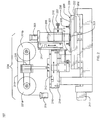
- the measurement of payout, friction and glide were tested on a machine specifically designed by the Colgate-Palmolive Corporation for such testing.
- the machine is the subject of co-pending U.S. Patent Application No. 60/976,527, filed Oct. 1, 2007 , which was then filed as U.S. Patent Application no. 11/971,978, filed January 10, 2008 , both of which are herein incorporated by reference in their entirety, and herein referred to as the Test Machine.
- the compositions of the present invention can achieve a payout of greater than about 0.35g, 0.4g, 0.5g, 0.6g, 0.7g, 0.8g, 0.9g, or 1g when tested using the Test Machine.
- the additional formula (#3) had a ratio of PG/Glycerin/Water that was further improved by the addition of an 80/20 blend of steareth-100 (1.16 weight %) and steareth-2 (0.3 weight %) emulsifier.
- the protocol was based on ET-50 data. That is, the time at which 50 % of the skin cells were estimated to remain viable after exposure to the test material. Results were categorized as follows based on ET-50 as given in Table 4. Table 4 ET-50 (hours) Expected in vivo irritancy ⁇ 0.5 Strong/severe, possibly corrosive 0.5 - 4 Moderate 4 - 12 Moderate to mild 12 - 24 Very mild 24 Non-irritating
- Test article ET-50 Determined in vivo irritancy Deo stick (45% PG, 18% glycerin, 29% water) > 18.0 Very mild Deo stick (45% PG, 18% glycerin, 29% water) > 18.0 Very mild Deo. stick (47% PG, 22 % glycerin, 18 % water) > 18.0 * Very Mild Deo stick (66% PG, no glycerin, 26% water) 8.9 Moderate to mild * Results predicted based on investigator feedback.
Landscapes
- Health & Medical Sciences (AREA)
- Life Sciences & Earth Sciences (AREA)
- General Health & Medical Sciences (AREA)
- Veterinary Medicine (AREA)
- Public Health (AREA)
- Animal Behavior & Ethology (AREA)
- Birds (AREA)
- Epidemiology (AREA)
- Emergency Medicine (AREA)
- Chemical & Material Sciences (AREA)
- Inorganic Chemistry (AREA)
- Cosmetics (AREA)
- Disinfection, Sterilisation Or Deodorisation Of Air (AREA)
- Medicinal Preparation (AREA)
- Acyclic And Carbocyclic Compounds In Medicinal Compositions (AREA)
Abstract
Description
- This application claims priority to
U.S. Application Serial No. 60/997,119, filed on 1 October 2007 - Deodorants are traditionally used to reduce or eliminate body odor caused by the breakdown and fermentation of secretions from apocrine sweat glands. Gram positive bacteria such as Corynebacterium xerosis, and Staphylococcus epidermis are primary examples of odor causing bacteria that inhabit human skin. Many commercially available deodorants help to eliminate body odor by acting as a bactericide or bacteriostat. Bactericides kill bacteria while bacteriostats inhibit the growth of bacteria.
- Commercially available underarm deodorants are available in several formats for application to the underarm area. Among these formats are aerosol, pump spray, roll-on, deodorant pads and stick applicators. Stick applicators are the most popular format followed by aerosols and pump sprays.
- Stick applicators are essentially made of a solid or semi-solid material (i.e., a base composition that is firm to the touch) impregnated with ingredients that function to kill bacteria or limit their growth, fragrances, stabilizers, moisturizers, etc. To use the stick applicator, the user swipes the stick applicator in the armpit one or more times thereby coating the underarm with a thin layer of the deodorant material. As would be expected, there are characteristics that make some carrier materials superior to others. For example, product hardness, moisture content, stickiness, oiliness, wetness, easy by which the deodorant material goes on to the underarm (payout) and ease of application (e.g., how much pressure does the user have to use to deposit the required amount of deodorant material to the underarm referred to herein as "glide"), the ability of the deodorant material to stay on the underarm skin and hair and resist coming off (retention), visibility of deodorant residue on skin and clothing (visible residue), staining of clothing, irritation and inflammation of the skin, flow resistant to body heat (i.e., the deodorant composition material does not "drip" or "run" appreciably after application), etc.
- Often, the base composition materials of deodorant sticks contain gelling agents, which are soluble in vehicle carriers. For example, the vehicle (solvent) is heated in order to dissolve the gelling agent in the vehicle and gelling occurs upon cooling of the composition. In particular, a gelling agent or agents may be selected from high melting point waxes (including beeswax, montan, ozokerite, ceresin, paraffin, synthetic waxes, hydrogenated castor oil); low melting point waxes (including fatty alcohols containing from about 8 - 20 carbons), and silicone waxes. A more particular group of gelling agents includes stearyl alcohol and hydrogenated castor oil.
- For an overall discussion of gelling agents or thickening agents, attention is directed to the solidifying agents described in
U.S. Pat. No. 4,919,934 to Deckner, et al ., the contents of which have been incorporated herein by reference in their entirety. Examples of such thickening agents include crystalline waxes, cetyl stearate, stearyl stearate, cetyl myristate, cetyl palmitate, stearoxydimethicone, and microcrystalline waxes. - The present invention provides, in one aspect, underarm stick-type deodorants (deodorant compositions) that comprise one or more all-natural compounds to form a deodorant base composition. In another aspect, it is contemplated that the deodorant base compositions of the present invention are used as base compositions for cosmetic compositions such as lipstick and other facial and body cosmetics.
- The compounds used to form a deodorant base composition function to distribute, protect and augment the effectiveness of the active and inactive ingredients of the deodorant composition which are impregnated in the deodorant base. In other words, a deodorant composition is made of a deodorant base composition that has been impregnated with the active and inactive ingredients of the deodorant product. The deodorant base compositions of the present invention feel essentially firm yet somewhat pliable. This type of formulation permits the application of the deodorant composition to the underarm area of the user by drawing the deodorant stick across the underarm area thereby transferring the product to the underarm area. In other words, the deodorant base composition of the present invention provides the user with a satisfactory skin feel, good glide properties, good payout and minimal residue. The deodorant base ingredients of the deodorant composition of the present invention have been selected to appeal to users by decreasing irritation occasionally associated with all-natural carrier compositions, improving effectiveness of the deodorant product and increasing user acceptance by improving the feel of the product on the skin.
- In one embodiment, the deodorant base composition of the present invention comprises a formulation of propylene glycol, glycerin and water.
- In one embodiment of the present invention, the deodorant base composition comprises about 20 to about 70 weight % propylene glycol, about 5 to about 60 weight % glycerin and about 10 to about 35 weight % water. In another embodiment of the present invention, the deodorant base composition comprises about 30 to about 60 weight % propylene glycol, about 10 to about 40 weight % glycerin and about 15 to about 30 weight % water. In another embodiment of the present invention, the deodorant base composition comprises about 35 to about 50 weight % propylene glycol, about 10 to about 30 weight % glycerin and about 17 to about 29 weight % water. In another embodiment, the deodorant base composition comprises about 47 to about 54 weight % propylene glycol, about 11 to about 22 weight % glycerin, and about 23 to about 28 weight % water.
- As used throughout, ranges are used as a shorthand for describing each and every value that is within the range. Any value within the range can be selected as the terminus of the range. In addition, all references cited herein are hereby incorporated by reference in their entireties. In the event of a conflict in a definition in the present disclosure and that of a cited reference, the present disclosure controls.
- The present invention relates to all-natural stick-type deodorants and cosmetic compositions (especially underarm deodorants) wherein the deodorant base composition comprises a mixture of propylene glycol, glycerin and water in such ratios as to be effective for use as a stick-type deodorant and reduce or eliminate problems associated with all-natural deodorant stick base compositions. In another embodiment, the deodorant base also may comprise sodium stearate and other thickening agents or agents useful to improve skin feel, reduce irritation and/or inflammation or prevent excessive weeping or shrinkage of the final product.
- The term "glide," as it applies to stick cosmetics and especially stick-type deodorants and as used herein, refers to the amount of friction that is generated upon application of the product.
- The term "payout," as used herein, refers to the amount of material that is deposited on the user's body or test apparatus from the cosmetic or deodorant stick during the dispensing operation. In one embodiment, the deodorant base composition and deodorant composition give a satisfactory payout during the dispensing operation with normally exerted user pressure.
- The terms "deodorant base composition(s)" and "deodorant composition(s)," as used herein, refer to compositions used to apply deodorant to a user's body, especially in the area of the underarm. The terms do not limit the product to delivering only deodorant materials and may also include, for example, antiperspirant materials in some embodiments. A "deodorant base composition" is a composition without deodorancy agents added. A "deodorant composition" is a deodorant base composition with deodorancy agents and, in certain embodiments, other agents added to achieve the desired user experience with the product.
- The term "penetration," as used herein, is a measure of hardness. Penetration is determined, for example, by inserting a cone probe into the sample and measuring the amount of force used (e.g., in grams) with, for example, a Texture Technologies TA-XT2™ texture analyzer (Scarsdale, NY).
- In one embodiment of the present invention, the deodorant base composition comprises about 20 to about 70 weight % propylene glycol, about 5 to about 60 weight % glycerin and about 10 to about 35 weight % water. In another embodiment of the present invention, the deodorant base composition comprises about 30 to about 60 weight % propylene glycol, about 10 to about 40 weight % glycerin and about 15 to about 30 weight % water. In another embodiment of the present invention, the deodorant base composition comprises about 35 to about 50 weight % propylene glycol, about 10 to about 30 weight % glycerin and about 17 to about 29 weight % water.
- In one embodiment, the weight ratio of propylene glycol:water:glycerin is about 2:1:1.
- The present invention also relates to a stick-type deodorant made from the deodorant base of the present invention wherein the deodorant additionally comprises one or more of deodorancy agent(s), soothing agent(s), antioxidant(s) and fragrance(s).
- The deodorant products of the present invention made from the deodorant base compositions of the present invention may also comprise one or more deodorancy ingredients. In an embodiment, the deodorancy ingredients have anti-microbial activity. The deodorant compositions of the present invention are not limited to any specific deodorancy ingredient or ingredients. In one embodiment, the deodorancy ingredient or ingredients are natural or all-natural. For example, in one embodiment, it is contemplated that the deodorant of the present invention also comprises one or more of hops extract, lemongrass oil or zinc ricinoleate, which are known in the art to reduce or inhibit the production of body odor. In another embodiment, the hops extract of the deodorant of the present invention is a CO2 extract of, for example, the plant Humulus lupulus, more commonly known as the hop plant, or related strains and species of the plant known in the art. (See, e.g., co-pending U.S. Patent Application to
S. Gafner, et al., U.S. Provisional Patent No. 60/997,118 - The deodorant products of the present invention may also comprise other ingredients. For example, the deodorant of the present invention may comprise one or more ingredients for achieving and maintaining a desired consistency, one or more ingredients for giving the product a soothing skin feel, one or more antioxidants, one or more fragrances and one or more ingredients for fragrance duration or retention.
- Non-limiting examples of ingredients suitable for use in achieving and maintaining desired consistency are, for example, caprylic capric triglyceride, glycerin, glyceryl laurate, water and sodium stearate.
- Non-limiting examples of ingredients suitable for use as soothing agents are, for example, aloe vera leaf juice and other herbal extracts and witch hazel water.
- Non-limiting examples of ingredients suitable for use as antioxidants are, for example, one or more of tocopherol and its derivatives, butyl hydroxyanisole (BHA), butyl hydroxytoluene (BHT), erythorbic acid, propyl gallate, sodium erythorbate, tertiary butyl hydroquinone (TBHQ), rosemary extract and, more preferably, ascorbic acid and salts thereof.
- Non-limiting examples of ingredients suitable for use as fragrance are, for example, lemongrass oil, apricot fragrance, fir needle oil, lavandin oil and lavender oil.
- Non-limiting examples of ingredients suitable for use for fragrance duration or longevity are silica shells.
- In another embodiment, the deodorant of the present invention may comprise a "stick" formulation, a roll-on formulation or a spray formulation (e.g., as a pump spray), all of which the production is known in the art.
- In one embodiment, one of the antimicrobial agents of the deodorant of the present invention is a CO2 extract of, for example, the plant Humulus lupulus, more commonly known as the hop plant, or related strains and species of the plant known in the art.
- In one embodiment, the present invention contemplates a deodorant product comprising a CO2-extract of hops having anti-microbial, bacteriostatic and/or bactericidal properties. In this embodiment, the deodorant or body care product of the present invention comprises a CO2 extract of hops at a concentration of about 0.001 % to about 5 % by weight. In another embodiment, the deodorant or body care product of the present invention comprises a CO2 extract of hops at a concentration of about 0.05 % to about 1 % by weight. In another embodiment, the deodorant or body care product of the present invention comprises a CO2 extract of hops at a concentration of about 0.1 % to about 0.5 % by weight.
- In another embodiment, the body care and deodorant products of the present invention comprises an antioxidant compound. In one embodiment, the antioxidant compound is selected for one or more of tocopherol and its derivatives of about 0.001 to about 0.5 weight %, butyl hydroxyanisole (BHA) of about 0.0075 to about 0.1 weight %, butyl hydroxytoluene (BHT) of about 0.005 to about 0.02 weight %, erythorbic acid of about 0.05 to about 1 weight %, propyl gallate of about 0.01 to about 1 weight %, sodium erythorbate of about 0.05 to about 1 weight %, tertiary butyl hydroquinone (TBHQ) of about 0.005 to about 0.1 weight %, rosemary extract of about 0.02 to about 0.4 weight % and ascorbic acid and salts thereof of about 0.01 to about 0.1 weight %.
- In another embodiment, the body care and deodorant products of the present invention comprises additional deodorizing compounds. In one embodiment, the compounds are selected from a group comprising various metal salts of an unsaturated carboxylic acid. In another embodiment the additional deodorizing compound is zinc ricinoleate, In another embodiment, the additional deodorizing compounds are also selected from glyceryl laurate and caprylic capric triglyceride both of about 0.1 to about 4 weight %, and lemongrass oil of about 0.01 to about 0.1 weight %.
- In another embodiment, the body care and deodorant products of the present invention additionally comprises ingredients to improve the skin feel of the products of the present invention. For example, the present invention may comprise one or more of about 5 - 40 weight %, sodium stearate of about 0.5 to about 10 weight %, aloe extract or juice of about 0.5 to about 10 weight %, witch hazel (also known as witch hazel water) of about 1 to about 10 weight % and chamomile aqueous extract of about 1 to about 20 weight %.
- In another embodiment, the body care and deodorant products are made up of one or more of the following: about 35 % to about 70 % by weight of a polyhydric alcohol; about 1.3 % to about 6.5 % by weight of a polyamine clarifier; about 1.3 % to about 8 % by weight of a C14-22 fatty acid salt; about 0.5 % to 4 weight % of an ester of glycerin and a C8-18 fatty acid; and, optionally one or more ingredients selected from an herbal extract with antiinflammatory or soothing properties; silicone copolyol; zinc pyridinethiol oxide; fragrance and color.
- In another embodiment, the herbal extract of the present invention may be selected from one or more extracts of the following plants: Aloe barbadensis and other Aloe species, Boswellia serrata, Calendula officinalis, Camellia sinensis, Curcuma longa, Curcuma xanthorrhiza, Glycyrrhiza glabra, Glycyrrhiza uralensis, Hamamelis virginiana, Mangifera indica, Matricaria recutita, Melissa officinalis, Rosmarinus officinalis, Scutellaria lateriflora, Scutellaria baicalensis, Thymus vulgaris, Thymus zygis, Uncaria tomentosa, Zingiber officinalis.
- In one embodiment, the polyhydric alcohol of the present invention is selected from the group consisting of organic compounds which contain about 2 to about 6 carbon atoms and about 2 to about 6 hydroxy groups. In another embodiment, the polyhydric alcohol is selected from the group consisting of ethylene glycol, propylene glycol, 1,3-propanediol, trimethylene glycol, butylene glycol, diethylene glycol, dipropylene glycol, glycerin, sorbitol, xylitol and mixtures thereof. In another embodiment, the polyhydric alcohol is propylene glycol or dipropylene glycol or a mixture thereof. The concentration of the polyhydric alcohol in the compositions of the present invention range from about 35 % to about 70 % by weight.
- In another embodiment, the body care and deodorant products of the present invention, the polyamine is a homopolymer of units of structural formula (1),

US Patent No. 5,714,447 issued to Jones, et al., on Feb. 3, 1998 andUS Patent No. 6,001,342 issued to Forestier, et al., on Dec. 14, 1999 , both of which are incorporated herein by reference in their entirety. - In another embodiment, the body care and deodorant products of the present invention comprise a clarifier-surfactant selected from the group consisting of pentadoxynol-200, tetra(hydroxypropyl)diamine, 2-amino-2-methylpropanol, 2-amino-2-hydroxymethyl-1,3-propanediol, poly(C2-4 alkylene) glycol ethers of C12-22 fatty alcohols in which the polyalkylene glycol portion contains from about 10 to about 100 alkyleneoxide repeating units. In another embodiment, the clarifier-surfactant is selected from the group consisting of laureth-10, laureth-20, laureth-30. laureth-40, PEG-10 Myristyl Ether, steareth-10, steareth-20, steareth-40, steareth-100, PEG-50 Stearyl Ether, steareth-100 and beheneth-20 and mixtures thereof. In another embodiment, the clarifier-surfactant is polyoxyethylene 3-pentadecyl phenyl ether. The concentration of the clarifier-surfactant in the compositions of the present invention is about 2 % to about 3.5 % by weight.
- In another embodiment, the body care and deodorant products of the present invention comprise a fatty acid salt selected from alkali metal, alkaline earth metal, aluminum, and amine salts of C14-22 fatty acids. In another embodiment, the C14-22 fatty acid salt is selected from salts of myristic, palmitic, stearic, behenic, oleic, linoleic, and linolenic acids and mixtures thereof. In another embodiment, the C14-22 fatty acid salt is selected from sodium stearate, potassium stearate, magnesium stearate, aluminum monostearate, sodium oleate, sodium palmitate, sodium behenate, diethylamine stearate, triethylamine stearate, and triethylemine oleate, and mixtures thereof. In one embodiment, the concentration of the C14-22 fatty acid salt is about 2.2 % to about 7 % by weight. One purpose of the above agents is to thicken the deodorant so that it functions as a "stick-type" deodorant and are therefore referred to herein as thickening agents, gelling agents or structurants.
- In another embodiment, the body care and deodorant products of the present invention comprise an ester of glycerin and a fatty acid selected from C8-18 fatty acids. In another embodiment, the C8-18 fatty acid is selected from caprylic, capric, lauric, myristic, palmitic, stearic, oleic, linoleic, and linolenic acids and mixtures thereof. In one embodiment, the concentration of the C8-18 fatty acid ester in the compositions of the present invention is about 0.5 % to about 4 % by weight.
- In one embodiment of the present invention, the deodorant base composition(s) and deodorant composition(s) of the present invention have an appearance consistent with the product appearing clear, essentially clear or non-visible when applied to the user's body. In this regard, the deodorant base composition(s) of the present invention may appear opaque or colored when formed into a shape consistent with a final deodorant product (e.g., shapes know in the art as used for stick-type deodorants) as long as the product is clear, essentially clear or non-visible when applied to the user's body in amounts consistent with typical use. In regards to other cosmetic compositions that are based on the deodorant base compositions of the present invention, it is contemplated that color compounds may be added.
- The deodorant or deodorant base composition according to the present invention can be packaged in conventional containers, using conventional techniques. For example, where the composition is a stick composition, the composition, while still in liquid form, can be introduced into a dispensing package as conventionally done in the art, and cooled therein so as to thicken in the package. Where a softer product such as a gel or soft-solid composition is produced, the composition can be introduced into a dispensing package (for example, a package having a top surface with pores) as conventionally done in the art. Thereafter, the product can be dispensed from the dispensing package as conventionally done in the art, to deposit the active material, for example, on the skin. This provides good deposition of the active material on the skin. Other methods of producing a final deodorant product may include those taught in
U.S. Patent No. 7,128,901 to Jonas, et al ., wherein the product the formed into a stick-like shape without the heating/melting step typical of these processes, or reasonable variations thereof. - The compositions of the present invention may be applied to the skin (especially underarm skin) using conventional techniques and stick applicators and in a manner that would result in typical loading as used for underarm products. For example, for use as deodorant and/or antiperspirant is, in certain embodiments, in an amount of about 0.5 to about 10 mg/cm2, or about 2 to about 6 mg/cm2, or about 4 mg/cm2.
- The invention will now be described below in the context of specific non-limiting examples. One skilled in the art will realize that variations of the present invention that differ somewhat from the examples given may be practiced without deviating from the teachings of the present invention.
- EXAMPLE 1
- Comparison of Various PG/Glycerin Deodorant Bases
- In this experiment five different formulations of deodorant base were made with the concentration of propylene glycol (PG) ranging from 0 - 70 % by weight and the concentration of glycerin ranging from 0 - 70 %. The ratios of PG to glycerin were 100:0, 75:25, 45:55, 15:85 and 0:100 with the PG:glycerin mixtures making up 70 % by weight of the final deodorant base compositions. The final deodorant compositions were examined for clarity, weeping (i.e., formation of water droplets on the surface of the product after prolonged storage) and shrinkage of product. Additionally, pH of the product was determined as well as effectiveness at eliminating or reducing bacterial growth. pH is measured by making a 5% solution from the composition and then measuring the pH of the solution.
- The deodorant compositions were made from stock formulations of the ingredients. The stock two formulations named Sodium Sterate/PG (propylene glycol)/glycerin pre-mix and PG/glycerin pre-mix were the only stock formulations that were varied between the different deodorant formulations. These formulations were the only ones to affect differences in the deodorant base composition. The stock formulations for Sodium Laureth 13-Carboxlyate (SURFINE WLL™-70 % solution), EDTA 2 % solution, Methenamine/Sodium Acetate pre-mix, DI-Water and Fragrance remained the same throughout the deodorant base compositions. By mixing the five different Sodium Sterate/PG/Glycerin with the five different PG/Glycerin stock formulations at the same ratio for each test product formulations, the final concentrations of PG and Glycerin were easily changed without altering the final concentrations of the other ingredients in the deodorant base formulations.
- The five final formulations each contained: 7 weight % Sodium Sterate; 0.3 weight % EDTA; 6.7 weight % Sodium Laureth 13-Carboxlyate (SURFINE WLL™); 14.2 weight % DI-Water; 0.3 weight % Sodium Acetate; 0.2 weight % Methenamine and 1.2 weight % Fragrance. In addition, each of the five formulations contained differing concentrations of PG and glycerin as follows: 69.7 weight % PG : 0 weight % Glycerin; 52.3 weight % PG : 17.4 weight % Glycerin; 31.4 weight % PG : 38.3 weight % Glycerin; 10.5 weight % PG : 59.2 weight % Glycerin and 0 weight % PG : 69.7 weight % Glycerin.
- Each of the formulations was tested for Compression, Loss of Weight and Visual Observations over a thirty (30) day period. Aging was performed at about 41 °C (105 °F).
- The data are presented in Table 1, below.
Table 1. PG:Glycerin Sample # Aging @ 40.6°C (105°F) (Days) Compression Loss Weight (cumm. g) Observations F (g) D (mm) 100:0 1 1 5211.3 6.824 0 Clear 2 14 4980.6 7.522 1.98 OK 3 14 5111.2 6.984 1.85 OK 4 30 4823.1 5.542 3.05 OK 5 30 5006.2 6.974 2.89 OK 75 to 25 1 1 4766.7 4.278 0 Hazy 2 14 4511.2 4.544 2.12 OK 3 14 4372.6 4.802 2.06 OK 4 30 4504.3 4.397 3.46 OK 5 30 4702.1 4.194 3.21 OK 45 to 55 1 1 4251.3 5.244 0 Hazy 2 14 4377.4 4.948 2.04 OK 3 14 4506.1 5.422 1.92 OK 4 30 4237.8 5.164 3.14 OK 5 30 4458.6 4.885 3.3 OK 15 to 85 1 1 3351.2 7.856 0 Not clear 2 14 2841.5 9.243 2.56 Water droplets 3 14 3755.9 7.127 2.74 Water droplets 4 30 2566.2 9.344 4.28 Shrinkage 5 30 3884.1 6.985 4.62 Shrinkage 0 to 100 1 1 3542.1 7.645 0 Not clear 2 14 2747.5 9.205 2.41 Water droplets 3 14 2633.4 8.744 2.57 Water droplets 4 30 2458.8 9.642 4.44 Shrinkage 5 30 2354.4 9.842 4.65 Shrinkage - Additionally, the pH was determined for the three deodorant base composition formulations with the highest PG concentrations at day 30 of the 7observations. Testing was performed as follows. pH was measured in a 5 % solution of the stick formulations and was back calculated to the 100 % stick. The formulation containing 69.7 weight % PG : 0 weight % Glycerin had a pH of 12.8. The formulation containing 52.3 weight % PG : 17.4 weight % Glycerin had a pH of 9.9. The formulation containing 31.4 weight % PG : 38.3 weight % Glycerin had a pH of 8.1. Thus, higher percentages of glycerin in the deodorant base compositions correlated with lower pH measurements.
- The formulations were also evaluated after 6 months at room temperature. Formulations made without PG showed syneresis (weeping) after only a few days. Mixtures with PG were better in that the stick formulations were reasonably clear and firm. Some evidence of fragrance instability after 6 months was observed especially for stick formulations with higher levels of glycerin.
- Deodorancy effectiveness was also tested. The samples were prepared as solutions without the gellant (sodium stearate). Five samples plus one positive control were prepared for testing. PG and glycerin were at the ratios given above. The control consisted of a pH 7.4 buffer. To all samples was added 1 ml of bacterial inoculum of Corynebacterium minutissimum at a concentration of 106/ml, which was then incubated at 37 °C for 2 hours. The samples were then serially diluted in D/E (Dey/Engley) neutralizing broth (-3 to -5 dilutions) and pour plated in triplicate. The plates were incubated for 48 hours and then viewed for bacterial reductions.
- The control samples contained approximately 1.74 x 10⁶ CFU (colony forming units)/ml (7.24 Log) bacteria. The two samples containing higher glycerin concentrations (69.7 % and 59.2 %) were not significantly different than the control (t-test, alpha = 0.05, p = 0.14). The sample containing nearly equal amounts of PG and Glycerin, as well as the samples containing higher concentrations of PG completely inhibited the growth of bacteria indicating a >7 Log reduction over 2 hr contact time. The sample with nearly equal amounts of PG and Glycerin along with the high PG samples were significantly better that the control (t-test, alpha = 0.05, p = 0.015). These samples did not contain any other antibacterial agents or odor control agents.
- Anti-microbial Tests on Deodorants made from the Deodorant Stick Base Compositions of the Present Invention
- A commercially available regular Mennen Speed Stick (MSS) deodorant stick, an Ultimate Mennen Speed Stick deodorant stick (containing triclosan as a control) and the PG-free deodorant stick containing glycerin were tested with a Zone Of Inhibition test using 2 cm Webril ® (Fiberweb, Gray Court, SC) cotton disks on inoculated plates. Also, as controls: water, neat (undiluted) PG and neat glycerin were tested.
- Zone of Inhibition Test method: To the disks was added 0.2 g of the stick products or approximately 0.6 g (enough to just saturate the disk) of the neat controls. The disks were then inverted and placed face down on an inoculated agar plate. The agar plates were streaked beforehand (30 minutes) such that a bacterial lawn of Corynebacterium minutissimum at a concentration of 106/ml was created covering the entire plate surface. The plates were then incubated at 37 °C for 48 hrs.
- Zones of inhibition were measured in millimeters (mm) from the edge of the disk. A greater zone equals increased bacterial growth inhibition. The results are shown in the Table 2 below.
Table 2 Material Zone of Inhibition (mm) MSS Ultimate Deodorant 2.5 MSS regular Deodorant 1 PG free deodorant 0.0 55:45 glycerin/PG deodorant 1 Water (control) 0.0 PG neat 2.5 Glycerin neat 1 - The triclosan positive control shows increased antibacterial activity as expected, and the PG-free product produces no inhibition as expected. The deodorant stick containing 45 weight % PG and 55 weight % glycerin produced results similar to the MSS regular deodorant stick demonstrating that reducing the PG level by about half does not reduce efficacy in this test. The glycerin produced a small zone, which is believed may have been due to the occluded surface under and at the fringe of the disk. Glycerin may have occluded air flow to the agar surface resulting in decreased cell viability. This was not seen with the water because it most likely evaporated permitting air exchange.
- In one embodiment, compositions according to the invention provide a zone of inhibition of at least 1 mm according to the Zone of Inhibition Test.
- EXAMPLE 2
- Comparison of Various PG/Glycerin/Water Deodorant Base Compositions for Criteria Associate with User Appeal
- Various test samples of deodorants made from various deodorant base compositions of the present invention were tested for hardness (via a penetration test), amount of product applied during use (payout), friction on application (glide), fragrance, base odor, clarity and syneresis (weeping or the contraction of a substance accompanied by the exudation of liquid.).
- For the purposes of this experiment, penetration is a measure of product hardness. A cone probe is used on a Texture Technologies TA-XT2 texture analyzer. The force required to move the probe 5 mm into the sample is recorded, using grams as a unit of measure. A 45-degree stainless steel cone is attached to the load cell arm. The arm is lowered by the instrument at a fixed rate - the force required to move the probe the desired distance into the product is recorded. The compositions of the present invention can have a penetration value in an amount of about 700 to about 1100 grams.
- Payout is an estimated measure of how much product will be applied in use. The stick is rubbed across a standard substrate using a standard downward force and a specified distance. The amount of product applied to the substrate after 5 cycles (1 cycle being a forward and a backward stroke) is recorded.
- Glide is a measure of friction on application. During the payout measurement, the amount of force required to move the stick across the substrate is recorded.
- The measurement of payout, friction and glide were tested on a machine specifically designed by the Colgate-Palmolive Corporation for such testing. The machine is the subject of co-pending
U.S. Patent Application No. 60/976,527, filed Oct. 1, 2007 U.S. Patent Application no. 11/971,978, filed January 10, 2008 - Fragrance, base odor, clarity and syneresis were evaluated by an experienced chemist, ranked on a scale of 1 - 5. Syneresis is judged by an experienced chemist on a scale of 1 (Dry surfaces) to 5 (very wet surfaces with liquid seeping out of the package). Color is judged in comparison to a commercial product, with 1 being much lighter, 2 somewhat lighter, 3 equal, 4 somewhat darker and 5 much darker. Clarity is judged on scale of 1 = opaque to 5 = completely transparent. Fragrance and base odor are evaluated by trained odor evaluators in comparison to a standard (commercially available) product. The standard is arbitrarily set to the middle of the scale (at 3) and intensity is judged in the same way as color (1 being much weaker, 2 somewhat weaker, 3 about the same, 4 somewhat stronger, and 5 much stronger)
- The combined data is presented blow in Table 3. Formulas were generated using ranges as follows: PG: 10-60 %, Glycerin 10-60 %, water 10-40 %, Sodium Stearate 3-7 %.
- Sample #12 from the set gave the most desired results (payout >= 0.4 grams, syneresis <2, clarity >3). Additional formulas were then prepared. The formulas were: #1, 22% water, 59% PG and 10% glycerin; #2, 28% water, 54% PG and 11 % glycerin; and #3, 17.6% water, 30% PG and 45% glycerin. The additional formula (#3) had a ratio of PG/Glycerin/Water that was further improved by the addition of an 80/20 blend of steareth-100 (1.16 weight %) and steareth-2 (0.3 weight %) emulsifier.

- EXAMPLE 3 - Comparison of Irritability Between Propylene Glycol-Based Deodorant Compositions and PG/Glycerin/Water-Based Deodorant Compositions
- Experiments were performed on EpiDerm™ (MatTek Corporation, Ashland, MA) reconstructed human skin model products designed specifically for assessing irritability from substances applied to human skin. Protocols used were those recommended by the manufacturer and reviewed in: Kandarova, et al., "Assessment of the Skin Irritation Potential of Chemicals by Using the SkinEthic Reconstructed Human Epidermal Model and the Common Skin Irritation Protocol Evaluated in the ECVAM Skin Irritation Validity Study," Altern. Lab. Animals (ATLA), 34(4):393-406,2006.
- The protocol was based on ET-50 data. That is, the time at which 50 % of the skin cells were estimated to remain viable after exposure to the test material. Results were categorized as follows based on ET-50 as given in Table 4.
Table 4 ET-50 (hours) Expected in vivo irritancy < 0.5 Strong/severe, possibly corrosive 0.5 - 4 Moderate 4 - 12 Moderate to mild 12 - 24 Very mild 24 Non-irritating - The results showed that the deodorant composition based on the deodorant base compositions of the present invention were characterized as "very mild" whereas the deodorant composition based on the deodorant base composition of a 66 % propylene glycol prior art formulation was characterized as moderate to mild. These results clearly show a reduced level of irritability with the deodorant base compositions of the present invention as compared to a commonly used prior art formulation. The data is presented in Table 5. Percents indicated % w/w of the total deodorant composition and do not add up to 100 %. The remainder of the formulation includes 7 % w/w sodium stearate as a gellant as well as small percentages of deodorancy agents, fragrance and other minor ingredients.
Table 5 Test article ET-50 Determined in vivo irritancy Deo stick (45% PG, 18% glycerin, 29% water) > 18.0 Very mild Deo stick (45% PG, 18% glycerin, 29% water) > 18.0 Very mild Deo. stick (47% PG, 22 % glycerin, 18 % water) > 18.0 * Very Mild Deo stick (66% PG, no glycerin, 26% water) 8.9 Moderate to mild * Results predicted based on investigator feedback. 




Claims (18)
- A stick-type deodorant base composition comprising propylene glycol, glycerin and water and a thickening agent in an amount so that the composition forms a deodorant stick wherein said propylene glycol is present in the amount of 20 to 70 weight %, said glycerin is present in the amount of 10 to 40 weight % and said water is present in the amount of 10 to 35 weight %.
- The composition of Claim 1, wherein said deodorant base composition comprises propylene glycol present in the amount of 30 to 60 weight %, preferably in the amount of 35 to 50 weight %.
- The composition of Claim 1, wherein said deodorant base composition comprises glycerin present in the amount of 10 to 30 weight %.
- The composition of Claim 1, wherein said deodorant base composition comprises water present in the amount of 15 to 30 weight %, preferably in the amount of 17 to 29 weight %.
- The composition of Claim 1, wherein said deodorant base composition comprises propylene glycol present in the amount of 30 to 60 weight %, glycerin present in the amount of 10 to 40 weight % and water present in the amount of 15 to 30 weight %.
- The composition of Claim 1, wherein said deodorant base composition comprises propylene glycol present in the amount of 35 to 50 weight %, glycerin present in the amount of 10 to 30 weight % and water present in the amount of 17 to 29 percent weight %.
- The composition of Claim 1, wherein said deodorant base composition comprises propylene glycol present in the amount of 47 to 54 percent weight %, said glycerin is present in the amount of 11 to 22 percent weight % and said water is present in the amount of 23 to 28 percent weight %.
- The composition of claim 1, wherein said deodorant base also comprises one or more soothing agents, one or more deodorancy agents, one or more antioxidants and, optionally, one or more fragrances.
- The composition of Claim 8, wherein said one or more deodorancy agents comprise one or more bactericides and/or a bacteriostats.
- The composition of any preceding claim, wherein the thickening agent is at least one material chosen from an alkali metal fatty acid salt, an alkaline earth metal fatty acid salt, an aluminum fatty acid salt, and an amine fatty acid salt, wherein the fatty acid is a C14-C22 fatty acid.
- The composition of Claim 1, wherein said thickening agent of said deodorant base composition comprises sodium stearate.
- The composition of Claim 11, wherein said sodium stearate is at a concentration of 3 to 8 weight %.
- The composition of any preceding claim, wherein the composition has a payout of greater than about 0.35g as measured on a payout test machine.
- A stick-type deodorant base composition according to claim 1 comprising propylene glycol and glycerin and a thickening agent in an amount so that the composition forms a deodorant stick wherein said propylene glycol is present in the amount of about 31 weight %, said glycerin is present in the amount of about 38 weight % and said water is present in the amount of about 14 weight %.
- The stick-type deodorant base composition of claim 1, wherein the weight ratio of propylene glycol:water:glycerin is about 2:1:1.
- The composition of Claim 1, wherein the deodorant base comprises one of the following:a) 46.9 weight % propylene glycol, 16.4 weight % water, 30.1 weight % glycerin and 4 weight % sodium stearate;b) 60 weight % propylene glycol, 16.6 weight % water, 14.3 weight % glycerin and 7 weight % sodium stearate;c) 46.9 weight % propylene glycol, 22.5 weight % water, 22.5 weight % glycerin and 6 weight % sodium stearate;d) 60 weight % propylene glycol, 24.1 weight % water, 10.8 weight % glycerin,and 6 weight % sodium stearate;e) 46.9 weight % propylene glycol, 24.5 weight % water, 22.5 weight % glycerin and 4 weight % sodium stearate;f) 39 weight % propylene glycol, 32.5 weight % water, 22.5 weight % glycerin and 4 weight % sodium stearate;g) 60 weight % propylene glycol, 20.1 weight % water, 10.8 weight % glycerin and 7 weight % sodium stearate;h) 21.9 weight % propylene glycol, 32.5 weight % water, 37.5 weight % glycerin and 6 weight % sodium stearate;i) 33.8 weight % propylene glycol, 24.9 weight % water, 34.2 weight % glycerin and 5 weight % sodium stearate;j) 21.9 weight % propylene glycol, 32.5 weight % water, 40 weight % glycerin and 4 weight % sodium stearate;k) 37 weight % propylene glycol, 32.5 weight % water, 24.5 weight % glycerin and 6 weight % sodium stearate;l) 46.9 weight % propylene glycol, 20.8 weight % water, 24.2 weight % glycerin and 6 weight % sodium stearate;m) 59 weight % propylene glycol, 22 weight % water, 10 weight % glycerin and 3-7 weight % sodium stearate; andn) 54 weight % propylene glycol, 28 weight % water, 11 weight % glycerin and 3 - 7 weight % sodium stearate.
- The stick-type deodorant base composition of any preceding claim, wherein the composition provides a zone of inhibition of at least 1 mm according to the Zone of Inhibition Test.
- A method of inhibiting bacterial growth on skin comprising applying the composition of any of Claims 1 -17 to skin.
Applications Claiming Priority (2)
| Application Number | Priority Date | Filing Date | Title |
|---|---|---|---|
| US99711907P | 2007-10-01 | 2007-10-01 | |
| EP08835434A EP2170257B1 (en) | 2007-10-01 | 2008-09-30 | Propylene glycol/glycerin-based deodorant |
Related Parent Applications (1)
| Application Number | Title | Priority Date | Filing Date |
|---|---|---|---|
| EP08835434.5 Division | 2008-09-30 |
Publications (2)
| Publication Number | Publication Date |
|---|---|
| EP2465487A2 true EP2465487A2 (en) | 2012-06-20 |
| EP2465487A3 EP2465487A3 (en) | 2013-04-17 |
Family
ID=40526928
Family Applications (2)
| Application Number | Title | Priority Date | Filing Date |
|---|---|---|---|
| EP12159608.4A Ceased EP2465487A3 (en) | 2007-10-01 | 2008-09-30 | Propylene glycol/glycerin-based deodorant |
| EP08835434A Not-in-force EP2170257B1 (en) | 2007-10-01 | 2008-09-30 | Propylene glycol/glycerin-based deodorant |
Family Applications After (1)
| Application Number | Title | Priority Date | Filing Date |
|---|---|---|---|
| EP08835434A Not-in-force EP2170257B1 (en) | 2007-10-01 | 2008-09-30 | Propylene glycol/glycerin-based deodorant |
Country Status (15)
| Country | Link |
|---|---|
| US (1) | US9795810B2 (en) |
| EP (2) | EP2465487A3 (en) |
| AR (1) | AR068600A1 (en) |
| AU (2) | AU2008308824C1 (en) |
| BR (1) | BRPI0816212A2 (en) |
| CA (1) | CA2693491C (en) |
| CL (1) | CL2008002910A1 (en) |
| CO (1) | CO6270297A2 (en) |
| ES (1) | ES2398999T3 (en) |
| GT (1) | GT200900329A (en) |
| MX (1) | MX2010000728A (en) |
| PL (1) | PL2170257T3 (en) |
| RU (1) | RU2436563C1 (en) |
| WO (1) | WO2009046008A2 (en) |
| ZA (2) | ZA201000489B (en) |
Cited By (14)
| Publication number | Priority date | Publication date | Assignee | Title |
|---|---|---|---|---|
| WO2017182358A1 (en) * | 2016-04-19 | 2017-10-26 | Unilever Plc | Deodorant composition |
| WO2021207436A1 (en) | 2020-04-10 | 2021-10-14 | The Procter & Gamble Company | Rheological solid composition for use in shaving |
| WO2021207438A1 (en) | 2020-04-10 | 2021-10-14 | The Procter & Gamble Company | Oral care product comprising a rheological solid composition |
| WO2021207441A1 (en) | 2020-04-10 | 2021-10-14 | The Procter & Gamble Company | Cleaning article with preferential rheological solid composition |
| WO2021207440A1 (en) | 2020-04-10 | 2021-10-14 | The Procter & Gamble Company | Rheological solid composition |
| WO2021207437A1 (en) | 2020-04-10 | 2021-10-14 | The Procter & Gamble Company | Structured rheological solid compositions |
| WO2021207451A1 (en) | 2020-04-10 | 2021-10-14 | The Procter & Gamble Company | Structured rheological solid personal care compositions |
| WO2021207439A1 (en) | 2020-04-10 | 2021-10-14 | The Procter & Gamble Company | Rheological solid composition |
| WO2021216288A1 (en) | 2020-04-10 | 2021-10-28 | The Procter & Gamble Company | Cleaning implement with a rheological solid composition |
| US11833237B2 (en) | 2021-03-09 | 2023-12-05 | The Procter & Gamble Company | Method for enhancing scalp active deposition |
| WO2024155754A1 (en) | 2023-01-18 | 2024-07-25 | The Procter & Gamble Company | Structured rheological solid compositions |
| US12122979B2 (en) | 2020-04-10 | 2024-10-22 | The Procter & Gamble Company | Cleaning article with preferential rheological solid composition |
| US12403094B2 (en) | 2020-04-10 | 2025-09-02 | The Procter & Gamble Company | Rheological solid oral composition |
| US12414906B2 (en) | 2020-04-10 | 2025-09-16 | The Procter & Gamble Company | Compositions and methods for treating hot flashes |
Families Citing this family (15)
| Publication number | Priority date | Publication date | Assignee | Title |
|---|---|---|---|---|
| CA2693491C (en) | 2007-10-01 | 2014-10-28 | Colgate-Palmolive Company | Propylene glycol/glycerin-based deodorant |
| EP2353579B1 (en) | 2010-02-09 | 2018-12-05 | Colgate-Palmolive Europe SARL | Deodorant composition |
| JP5784829B2 (en) * | 2011-06-30 | 2015-09-24 | ザ プロクター アンド ギャンブルカンパニー | Absorbent structure containing oil scavenger component |
| KR101666196B1 (en) * | 2015-12-09 | 2016-10-14 | (주)아인스코퍼레이션 | Clean gel composite for antibacterial and antiviral and deodorization and the process of manufacture |
| BR112019011696B1 (en) | 2016-12-14 | 2022-09-06 | Colgate-Palmolive Company | ANTIPERSPIRANT/DEODORANT COMPOSITION, METHOD FOR REDUCTION OF APPARENT PERSPIRATION AND USE OF A COMBINATION OF AN ANTIPERSPIRANT ACTIVITY AND A FATTY ACID SALT |
| CN109288720A (en) * | 2017-07-24 | 2019-02-01 | 刘崇庆 | Deodorant composition and process for producing the same |
| MX2021010606A (en) | 2019-03-08 | 2021-09-28 | Colgate Palmolive Co | Personal care compositions. |
| US11331253B2 (en) | 2019-11-14 | 2022-05-17 | Colgate-Palmolive Company | Personal care compositions for treating odor causing bacteria and methods for the same |
| WO2022103775A1 (en) | 2020-11-12 | 2022-05-19 | Singletto Inc. | Microbial disinfection for personal protection equipment |
| AU2022340628B2 (en) | 2021-09-01 | 2025-03-06 | Colgate-Palmolive Company | Personal care compositions containing post-biotic blends for rebalancing skin microbiome |
| MX2024002455A (en) | 2021-09-03 | 2024-03-08 | Colgate Palmolive Co | Personal care compositions. |
| WO2023194216A1 (en) * | 2022-04-04 | 2023-10-12 | Unilever Ip Holdings B.V. | Deodorant stick products |
| US12359369B2 (en) | 2022-08-11 | 2025-07-15 | Singletto Inc. | Skin protection against microbial particles |
| EP4761695A1 (en) * | 2023-08-14 | 2026-06-24 | Unilever IP Holdings B.V. | Deodorant compositions |
| US20250375362A1 (en) * | 2024-06-07 | 2025-12-11 | The Procter & Gamble Company | Deodorant compositions |
Citations (4)
| Publication number | Priority date | Publication date | Assignee | Title |
|---|---|---|---|---|
| US4919934A (en) | 1989-03-02 | 1990-04-24 | Richardson-Vicks Inc. | Cosmetic sticks |
| US5714447A (en) | 1996-01-24 | 1998-02-03 | Church & Dwight Co., Inc. | Deodorant soap or detergent composition containing a zinc compound and a polyamine |
| US6001342A (en) | 1997-02-14 | 1999-12-14 | L'oreal | Deodorant composition and use thereof |
| US7128901B2 (en) | 2003-06-04 | 2006-10-31 | Colgate-Palmolive Company | Extruded stick product and method for making same |
Family Cites Families (25)
| Publication number | Priority date | Publication date | Assignee | Title |
|---|---|---|---|---|
| US3943242A (en) * | 1974-04-10 | 1976-03-09 | American Cyanamid Company | Deodorant composition containing a quaternary ammonium saccharinate salt |
| US3996346A (en) | 1975-03-18 | 1976-12-07 | Dominic Thomas Staffier | Composition for reducing bodily odor and perspiration |
| US4759924A (en) * | 1982-09-29 | 1988-07-26 | The Procter & Gamble Company | Cosmetic sticks |
| GB9005522D0 (en) * | 1990-03-12 | 1990-05-09 | Unilever Plc | Cosmetic composition |
| US5256405A (en) * | 1991-12-30 | 1993-10-26 | Tom's Of Maine | Herbal deodorant |
| US5260053A (en) | 1991-12-30 | 1993-11-09 | Tom's Of Maine | Herbal deodorant |
| US5688495A (en) | 1993-03-30 | 1997-11-18 | Rosen; Steven E. | Topical deodorant compositions |
| US5650142A (en) * | 1995-09-27 | 1997-07-22 | Church & Dwight Co., Inc. | Bicarbonate-containing deodorant cosmetic stick compositions |
| US5650143A (en) | 1996-05-30 | 1997-07-22 | Church & Dwight Co., Inc. | Deodorant cosmetic stick composition |
| GB9724802D0 (en) * | 1997-11-24 | 1998-01-21 | Unilever Plc | Antiperspirant or deodorant compoistions |
| US6531119B1 (en) * | 1998-03-05 | 2003-03-11 | Colgate-Palmolive Company | Compositions with low irritancy |
| PT1058536E (en) * | 1998-03-05 | 2002-11-29 | Colgate Palmolive Co | FAILLY IRRITATING COMPOSITIONS |
| FR2776187B1 (en) * | 1998-03-23 | 2000-05-05 | Oreal | SOLID DEODORANT COMPOSITION |
| GB9814650D0 (en) * | 1998-07-07 | 1998-09-02 | Quest Int | Perfume compositions |
| HUP0204294A3 (en) * | 2000-01-18 | 2010-01-28 | Unilever Nv | Anti-microbial antiperspirant products |
| GB0031264D0 (en) * | 2000-12-21 | 2001-01-31 | Unilever Plc | Antiperspirant products |
| US7033579B1 (en) | 2001-03-05 | 2006-04-25 | The Procter & Gamble Company | Anhydrous antiperspirant and deodorant compositions containing solid vitamin B3 particulates and glycerin |
| US6383476B1 (en) | 2001-03-05 | 2002-05-07 | The Procter & Gamble Company | Anhydrous antiperspirant and deodorant compositions containing a solid, water-soluble, skin active agent |
| WO2003053897A1 (en) * | 2001-12-20 | 2003-07-03 | Warner-Lambert Company Llc | Non-halogenated hydroxyalkyl-substituted phenol compounds, antimicrobial compositions containing the same, and methods of using the same |
| US20030235545A1 (en) | 2002-06-24 | 2003-12-25 | Eric Guenin | Cool and dry soft solid antiperspirant |
| US6649153B1 (en) | 2002-09-16 | 2003-11-18 | Reheis Inc. | Skin friendly antiperspirant composition and method of making |
| DE10332928A1 (en) | 2003-07-19 | 2005-02-03 | Beiersdorf Ag | Antitranspirantgel |
| US20050089488A1 (en) | 2003-10-27 | 2005-04-28 | Kim Joo W. | Deodorant composition with monocyclic, unsaturated sequiterpene alcohols and glyceryl monoalkyl ethers as synergistic active deodorant agents |
| US20060165623A1 (en) | 2005-01-24 | 2006-07-27 | Terra Firma Natuals, Inc. | Natural deodorant composition |
| CA2693491C (en) | 2007-10-01 | 2014-10-28 | Colgate-Palmolive Company | Propylene glycol/glycerin-based deodorant |
-
2008
- 2008-09-30 CA CA2693491A patent/CA2693491C/en active Active
- 2008-09-30 MX MX2010000728A patent/MX2010000728A/en active IP Right Grant
- 2008-09-30 PL PL08835434T patent/PL2170257T3/en unknown
- 2008-09-30 BR BRPI0816212-3A2A patent/BRPI0816212A2/en not_active Application Discontinuation
- 2008-09-30 AR ARP080104278A patent/AR068600A1/en unknown
- 2008-09-30 WO PCT/US2008/078272 patent/WO2009046008A2/en not_active Ceased
- 2008-09-30 RU RU2010117168/15A patent/RU2436563C1/en not_active IP Right Cessation
- 2008-09-30 EP EP12159608.4A patent/EP2465487A3/en not_active Ceased
- 2008-09-30 EP EP08835434A patent/EP2170257B1/en not_active Not-in-force
- 2008-09-30 AU AU2008308824A patent/AU2008308824C1/en not_active Ceased
- 2008-09-30 CL CL2008002910A patent/CL2008002910A1/en unknown
- 2008-09-30 ES ES08835434T patent/ES2398999T3/en active Active
- 2008-09-30 US US12/681,308 patent/US9795810B2/en active Active
-
2009
- 2009-12-22 GT GT200900329A patent/GT200900329A/en unknown
- 2009-12-30 CO CO09149374A patent/CO6270297A2/en not_active Application Discontinuation
-
2010
- 2010-01-21 ZA ZA2010/00489A patent/ZA201000489B/en unknown
-
2011
- 2011-05-17 AU AU2011202284A patent/AU2011202284B2/en not_active Ceased
-
2013
- 2013-04-19 ZA ZA2013/02877A patent/ZA201302877B/en unknown
Patent Citations (4)
| Publication number | Priority date | Publication date | Assignee | Title |
|---|---|---|---|---|
| US4919934A (en) | 1989-03-02 | 1990-04-24 | Richardson-Vicks Inc. | Cosmetic sticks |
| US5714447A (en) | 1996-01-24 | 1998-02-03 | Church & Dwight Co., Inc. | Deodorant soap or detergent composition containing a zinc compound and a polyamine |
| US6001342A (en) | 1997-02-14 | 1999-12-14 | L'oreal | Deodorant composition and use thereof |
| US7128901B2 (en) | 2003-06-04 | 2006-10-31 | Colgate-Palmolive Company | Extruded stick product and method for making same |
Cited By (23)
| Publication number | Priority date | Publication date | Assignee | Title |
|---|---|---|---|---|
| WO2017182358A1 (en) * | 2016-04-19 | 2017-10-26 | Unilever Plc | Deodorant composition |
| CN109069379A (en) * | 2016-04-19 | 2018-12-21 | 荷兰联合利华有限公司 | Deodorant compositions |
| EA035704B1 (en) * | 2016-04-19 | 2020-07-28 | Юнилевер Н.В. | Deodorant composition in the form of a solid stick and personal care product based thereon |
| US11071699B2 (en) | 2016-04-19 | 2021-07-27 | Conopco, lnc | Deodorant composition |
| WO2021207439A1 (en) | 2020-04-10 | 2021-10-14 | The Procter & Gamble Company | Rheological solid composition |
| US12138333B2 (en) | 2020-04-10 | 2024-11-12 | The Procter & Gamble Company | Rheological solid composition for use in personal care compositions |
| WO2021207441A1 (en) | 2020-04-10 | 2021-10-14 | The Procter & Gamble Company | Cleaning article with preferential rheological solid composition |
| WO2021207440A1 (en) | 2020-04-10 | 2021-10-14 | The Procter & Gamble Company | Rheological solid composition |
| WO2021207437A1 (en) | 2020-04-10 | 2021-10-14 | The Procter & Gamble Company | Structured rheological solid compositions |
| WO2021207451A1 (en) | 2020-04-10 | 2021-10-14 | The Procter & Gamble Company | Structured rheological solid personal care compositions |
| WO2021207436A1 (en) | 2020-04-10 | 2021-10-14 | The Procter & Gamble Company | Rheological solid composition for use in shaving |
| WO2021216288A1 (en) | 2020-04-10 | 2021-10-28 | The Procter & Gamble Company | Cleaning implement with a rheological solid composition |
| US11812909B2 (en) | 2020-04-10 | 2023-11-14 | The Procter & Gamble Company | Cleaning implement with a rheological solid composition |
| US12691045B2 (en) | 2020-04-10 | 2026-07-28 | The Procter & Gamble Company | Rheological solid composition for use in shaving |
| US12582583B2 (en) | 2020-04-10 | 2026-03-24 | The Procter & Gamble Company | Oral care product comprising an oral care rheological solid composition |
| US12122979B2 (en) | 2020-04-10 | 2024-10-22 | The Procter & Gamble Company | Cleaning article with preferential rheological solid composition |
| US12138328B2 (en) | 2020-04-10 | 2024-11-12 | The Procter & Gamble Company | Rheological solid composition |
| WO2021207438A1 (en) | 2020-04-10 | 2021-10-14 | The Procter & Gamble Company | Oral care product comprising a rheological solid composition |
| US12232673B2 (en) | 2020-04-10 | 2025-02-25 | The Procter & Gamble Company | Cleaning implement with a rheological solid composition |
| US12403094B2 (en) | 2020-04-10 | 2025-09-02 | The Procter & Gamble Company | Rheological solid oral composition |
| US12414906B2 (en) | 2020-04-10 | 2025-09-16 | The Procter & Gamble Company | Compositions and methods for treating hot flashes |
| US11833237B2 (en) | 2021-03-09 | 2023-12-05 | The Procter & Gamble Company | Method for enhancing scalp active deposition |
| WO2024155754A1 (en) | 2023-01-18 | 2024-07-25 | The Procter & Gamble Company | Structured rheological solid compositions |
Also Published As
| Publication number | Publication date |
|---|---|
| EP2465487A3 (en) | 2013-04-17 |
| WO2009046008A2 (en) | 2009-04-09 |
| AU2011202284A1 (en) | 2011-06-16 |
| AU2008308824C1 (en) | 2012-07-12 |
| CO6270297A2 (en) | 2011-04-20 |
| RU2436563C1 (en) | 2011-12-20 |
| WO2009046008A3 (en) | 2009-06-18 |
| MX2010000728A (en) | 2010-03-30 |
| BRPI0816212A2 (en) | 2014-10-07 |
| EP2170257A2 (en) | 2010-04-07 |
| ES2398999T3 (en) | 2013-03-25 |
| AU2011202284B2 (en) | 2012-07-26 |
| EP2170257B1 (en) | 2012-11-07 |
| AU2008308824B2 (en) | 2011-02-24 |
| ES2398999T8 (en) | 2013-04-15 |
| CA2693491C (en) | 2014-10-28 |
| ZA201000489B (en) | 2013-06-26 |
| US9795810B2 (en) | 2017-10-24 |
| US20100254926A1 (en) | 2010-10-07 |
| ZA201302877B (en) | 2015-01-28 |
| AR068600A1 (en) | 2009-11-18 |
| AU2008308824A1 (en) | 2009-04-09 |
| GT200900329A (en) | 2010-09-14 |
| CA2693491A1 (en) | 2009-04-09 |
| PL2170257T3 (en) | 2013-08-30 |
| CL2008002910A1 (en) | 2009-10-02 |
Similar Documents
| Publication | Publication Date | Title |
|---|---|---|
| EP2170257B1 (en) | Propylene glycol/glycerin-based deodorant | |
| RU2736828C1 (en) | Antiperspirant/deodorant composition which do not contain aluminum | |
| EP3538059B1 (en) | Aluminum-free antiperspirant/deodorant compositions | |
| US6579516B1 (en) | Methods of delivering materials into the skin, and compositions used therein | |
| JP2011126862A (en) | Cosmetic | |
| CA2229787A1 (en) | Cosmetic gel composition having reduced skin irritation | |
| US5260053A (en) | Herbal deodorant | |
| PL189774B1 (en) | Cosmetic composition containing antiperspirant or deodorising agent and moistening cream | |
| DE102006056814B4 (en) | Anti-attrition preventing boron nitride containing compositions | |
| RU2736826C1 (en) | Antiperspirant/deodorant composition which do not contain aluminum | |
| KR20120019409A (en) | Solid-type cosmetic composition for moisturizing | |
| US20100158841A1 (en) | Deodorant compositions | |
| KR102484476B1 (en) | O/W Stick-Type Clay Mask Cosmetic Composition Containing Water | |
| CN107550761A (en) | A kind of make-up remover containing chitosan and preparation method thereof | |
| JP5389573B2 (en) | Two-layer cosmetic | |
| JP3479048B2 (en) | Cosmetics and non-woven fabric impregnated cosmetics | |
| JP2004026657A (en) | Cosmetic for bleaching | |
| JPS62161711A (en) | Weakly acidic gel cosmetic | |
| WO2017222429A1 (en) | Hand sanitizing composition | |
| KR20220014619A (en) | Aromatic composition comprising agar and gel-type fragrance using the same |
Legal Events
| Date | Code | Title | Description |
|---|---|---|---|
| PUAI | Public reference made under article 153(3) epc to a published international application that has entered the european phase |
Free format text: ORIGINAL CODE: 0009012 |
|
| AC | Divisional application: reference to earlier application |
Ref document number: 2170257 Country of ref document: EP Kind code of ref document: P |
|
| AK | Designated contracting states |
Kind code of ref document: A2 Designated state(s): AT BE BG CH CY CZ DE DK EE ES FI FR GB GR HR HU IE IS IT LI LT LU LV MC MT NL NO PL PT RO SE SI SK TR |
|
| PUAL | Search report despatched |
Free format text: ORIGINAL CODE: 0009013 |
|
| AK | Designated contracting states |
Kind code of ref document: A3 Designated state(s): AT BE BG CH CY CZ DE DK EE ES FI FR GB GR HR HU IE IS IT LI LT LU LV MC MT NL NO PL PT RO SE SI SK TR |
|
| RIC1 | Information provided on ipc code assigned before grant |
Ipc: A61K 8/34 20060101AFI20130308BHEP Ipc: A61K 8/28 20060101ALI20130308BHEP Ipc: A61K 8/02 20060101ALI20130308BHEP Ipc: A61Q 15/00 20060101ALI20130308BHEP |
|
| 17P | Request for examination filed |
Effective date: 20131015 |
|
| RBV | Designated contracting states (corrected) |
Designated state(s): AT BE BG CH CY CZ DE DK EE ES FI FR GB GR HR HU IE IS IT LI LT LU LV MC MT NL NO PL PT RO SE SI SK TR |
|
| 17Q | First examination report despatched |
Effective date: 20131211 |
|
| STAA | Information on the status of an ep patent application or granted ep patent |
Free format text: STATUS: THE APPLICATION HAS BEEN REFUSED |
|
| 18R | Application refused |
Effective date: 20170210 |