EP2458836A2 - Verfahren, System und Vorrichtung zur Implementierung eines Multimedia-Farbrückruftondienstes - Google Patents
Verfahren, System und Vorrichtung zur Implementierung eines Multimedia-Farbrückruftondienstes Download PDFInfo
- Publication number
- EP2458836A2 EP2458836A2 EP11193893A EP11193893A EP2458836A2 EP 2458836 A2 EP2458836 A2 EP 2458836A2 EP 11193893 A EP11193893 A EP 11193893A EP 11193893 A EP11193893 A EP 11193893A EP 2458836 A2 EP2458836 A2 EP 2458836A2
- Authority
- EP
- European Patent Office
- Prior art keywords
- tone
- callee
- caller
- policy
- call request
- Prior art date
- Legal status (The legal status is an assumption and is not a legal conclusion. Google has not performed a legal analysis and makes no representation as to the accuracy of the status listed.)
- Granted
Links
Images





Classifications
-
- H—ELECTRICITY
- H04—ELECTRIC COMMUNICATION TECHNIQUE
- H04M—TELEPHONIC COMMUNICATION
- H04M7/00—Arrangements for interconnection between switching centres
- H04M7/12—Arrangements for interconnection between switching centres for working between exchanges having different types of switching equipment, e.g. power-driven and step by step or decimal and non-decimal
- H04M7/1205—Arrangements for interconnection between switching centres for working between exchanges having different types of switching equipment, e.g. power-driven and step by step or decimal and non-decimal where the types of switching equipement comprises PSTN/ISDN equipment and switching equipment of networks other than PSTN/ISDN, e.g. Internet Protocol networks
- H04M7/129—Details of providing call progress tones or announcements
-
- H—ELECTRICITY
- H04—ELECTRIC COMMUNICATION TECHNIQUE
- H04M—TELEPHONIC COMMUNICATION
- H04M3/00—Automatic or semi-automatic exchanges
- H04M3/42—Systems providing special services or facilities to subscribers
- H04M3/42017—Customized ring-back tones
-
- H—ELECTRICITY
- H04—ELECTRIC COMMUNICATION TECHNIQUE
- H04M—TELEPHONIC COMMUNICATION
- H04M2201/00—Electronic components, circuits, software, systems or apparatus used in telephone systems
- H04M2201/16—Sequence circuits
-
- H—ELECTRICITY
- H04—ELECTRIC COMMUNICATION TECHNIQUE
- H04M—TELEPHONIC COMMUNICATION
- H04M3/00—Automatic or semi-automatic exchanges
- H04M3/42—Systems providing special services or facilities to subscribers
- H04M3/42025—Calling or Called party identification service
- H04M3/42034—Calling party identification service
- H04M3/42059—Making use of the calling party identifier
-
- H—ELECTRICITY
- H04—ELECTRIC COMMUNICATION TECHNIQUE
- H04M—TELEPHONIC COMMUNICATION
- H04M3/00—Automatic or semi-automatic exchanges
- H04M3/42—Systems providing special services or facilities to subscribers
- H04M3/42025—Calling or Called party identification service
- H04M3/42085—Called party identification service
- H04M3/42102—Making use of the called party identifier
Definitions
- the present invention relates to communications, and in particular, to a method, system and apparatus for implementing a Multimedia Ring Back Tone (MRBT) service.
- MRBT Multimedia Ring Back Tone
- the IP Multimedia Subsystem defined in Release 5 standards of the 3rd Generation Partnership Project, is a subsystem that supports IP multimedia services.
- the IMS uses the Session Initiation Protocol (SIP) call control mechanism to create, manage, and terminate various types of multimedia services.
- SIP Session Initiation Protocol
- the IMS provides a basis for service convergence. Based on IP technologies, the IMS supports voice, data and multimedia services as well as new applications.
- the IMS MRBT service is a service which is effective when its subscriber is called.
- the callee is an MRBT service subscriber and has ordered a tone
- the ordered tone such as an audio, video or other multimedia file, will be played to the caller instead of an ordinary ring back tone when the caller waits for the callee to answer the call.
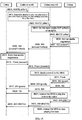
- FIG. 1 shows a flowchart of call termination by an IMS MRBT service subscriber.
- Step 101 A caller originates an IMS call request.
- Step 102 The called Call Session Control Function server (CSCF) receives the IMS call and determines whether the callee has subscribed to the MRBT service according to the service profile of the callee stored in the Home Subscriber Server (HSS) of the callee.
- CSCF Call Session Control Function server
- Step 103 If the callee has not subscribed to the MRBT service, the called CSCF sends an IMS call signaling message to the callee.
- Step 104 If the callee has subscribed to the MRBT service, the called CSCF sends the call signaling message to the callee tone Application Server (AS).
- AS Callee tone Application Server
- Step 105 The callee tone AS starts media negotiation between the caller and the called Media Resource Server (MRS) and sends a call signaling message to the callee via the CSCF.
- MRS Media Resource Server
- Step 106 The callee tone AS instructs the called MRS to play a tone to the caller when the callee is alerted.
- an IMS MRBT can be played to a caller but the played MRBT is ordered by the callee.
- the solution provides personalized services for the callee.
- the inventor has not found any ring back tone service ordered by a caller to reflect the personal liking of the caller or any solution that determines whether to play the ring back tone ordered by the caller (referred to as "caller tone”) or the ring back tone ordered by the callee (referred to as "callee tone”) to the caller when the caller and the caller are both MRBT service subscribers.
- the purpose of the present invention is to provide a solution for determining whether to play a caller tone or a callee tone to a caller according to user settings when both the caller and the callee are MRBT service subscribers.
- a method for implementing the caller tone service includes:
- a system for implementing the MRBT service includes:
- a tone application server comprising:
- the caller tone service can be implemented in the IMS domain.
- the tone AS determines whether to play the caller tone or the callee tone to the caller according to a tone policy.
- a system for implementing the MRBT service according to embodiment B1 of the present invention includes: a calling terminal 101, a CSCF 102, a tone AS 104, an MRS 105, a called terminal 103, a tone policy configuring unit 106, and a tone policy parsing unit 107.
- the calling terminal 101 is adapted to originate a call request; the CSCF 102 is adapted to send the call request to the tone AS 104; the tone AS 104 is adapted to perform media negotiation between the caller and the MRS 105; the tone policy configuring unit 106 is adapted to set a tone playing policy which specifies whether to play a caller tone or a caller tone; the tone policy parsing unit 107 is adapted to parse the tone playing policy; the MRS 105 is adapted to negotiate tone media with the caller according to the parsing result and to play a tone to the caller.
- the tone policy configuring unit is placed in the calling terminal 101, and the tone policy parsing unit 107 is placed in the tone AS 104.
- the tone policy configuring unit 106 may be placed in the calling terminal 101, and the tone policy parsing unit 107 may be placed in the tone AS 104 or the CSCF 102, or the calling terminal 101.
- the tone AS 104 includes a caller tone AS 1041 and a callee tone 1042
- the tone policy parsing unit 107 is placed in both the caller tone AS 1041 and the callee tone 1042.
- the CSCF 102 includes a calling CSCF 1021 and a called CSCF 1022
- the tone policy parsing unit 107 is placed in both the calling CSCF 1021 and the called CSCF 1022.
- the tone policy configuring unit 106 may be placed in an entity accessible to the caller tone AS 1041 or the callee tone AS 1042, such as a tone management system and a network address book of a user; the tone policy parsing unit 107 may be placed in the caller tone AS 1042 or the called CSCF 1022 or the caller tone AS 1041.
- a calling terminal includes a tone policy configuring unit 201, a tone flag adding unit 202, and a sending unit 203.
- the sending unit 203 is adapted to send a call request;
- the tone policy configuring unit 201 is adapted to set a tone playing policy specifying whether to play a caller tone or a callee tone;
- the tone flag adding unit 202 is adapted to add a caller tone flag or a callee tone flag to the call request according to the tone policy.
- a tone AS according to embodiment B3 of the present invention includes a tone policy parsing unit 301 and a media negotiating unit 302.
- the tone policy parsing unit 301 is adapted to parse the tone playing policy and to trigger the caller tone or the callee tone according to the policy; and the media negotiating unit 302 is adapted to perform media negotiation between the caller and the MRS determined by the policy according to the parsing result.
- a CSCF includes an authenticating unit 401 and a tone policy parsing unit 402.
- the authenticating unit 401 is adapted to determine whether the end user is an MRBT service subscriber according to the terminal ID carried in the call request and subscription relation between the terminal ID and the MRBT service stored in the HSS; and the tone policy parsing unit 402 is adapted to parse the tone playing policy carried in the call request and to route the call signaling message of an MRBT service subscriber to the caller tone AS or the callee tone AS according to the policy.
- a tone AS includes a tone policy configuring unit 501 and a media negotiating unit 502.
- the tone policy configuring unit 501 is adapted to set the tone playing policy specifying whether to play the caller tone or the callee tone; and the media negotiating unit 502 is adapted to perform media negotiation between the caller and the caller or called MRS determined by the policy according to the parsing result.
- a tone AS includes a tone policy configuring unit 601, a tone policy parsing unit 602, and a media negotiating unit 603.
- the tone policy configuring unit 601 is adapted to set the tone playing policy specifying whether to play the caller tone or the callee tone;
- the tone policy parsing unit 602 is adapted to parse the tone playing policy and to trigger the caller tone or the callee tone according to the policy;
- the media negotiating unit 603 is adapted to perform media negotiation between the caller and the caller or called MRS determined by the policy according to the parsing result.
- the tone policy configuring unit is placed in the caller tone AS and the tone policy parsing unit 602 is placed in the caller tone AS or the callee tone AS.
- a calling terminal includes a sending unit 701, a tone policy configuring unit 702 and a tone policy parsing unit 703.
- the sending unit 701 is adapted to send a call request;
- the tone policy configuring unit 702 is adapted to set the tone playing policy specifying whether to play the caller tone or the callee tone;
- the tone policy parsing unit 703 is adapted to determine to perform early media negotiation between the caller and the calling MRS or between the caller and the called MRS according to the tone playing policy.
- the calling CSCF and the called CSCF may be the same CSCF or different CSCFs; the caller tone AS and the callee tone AS may be the same AS or different ASs; the caller tone management system and callee tone management system may be the same system or different systems.
- the calling MRS and the called MRS may be the same MRS or different MRSs.
- a method for implementing the IMS MRBT service according to embodiment C0 of the present invention includes:
- the tone filtering policy may be set in a tone filtering AS.
- Embodiments C1 to C6 provide a method for implementing the MRBT service, where the tone playing policy is set in a caller tone AS.
- Embodiments C7 to C11 provide a method for implementing the MRBT service, where the tone playing policy is set in a calling terminal.
- the setting scheme may be customized.
- the policy may be so set that the caller tone takes precedence over the callee tone under all circumstances; or the policy may be so set that the caller tone is played when a certain condition is met and that the callee tone is played when another condition is met; or the policy may be so set that different caller tones are played according to applicable conditions, for example, different caller tones are played in the event of different callees and different time segments.
- the mapping between tone flags and conditions and the mapping between tone numbers and conditions may be set together in the caller tone AS or an entity accessible to the caller tone AS, such as a caller tone management system. Optionally, they may be set separately. For example, the mapping between tone flags and conditions is set in the caller tone AS and the mapping between tone numbers and conditions is set in the tone management system.
- the embodiments C1 to C6 adopt the settings in Table 1.
- the tone flag may be carried in a new SIP header field or an extended header field, or an extended SDP. Particularly, the flag may be set in a Contact header field; for example, "caller-tone” is added to Schemes of Contact.
- a signaling flow and an early media negotiation process are described for exemplary purposes.
- a flag instructing whether to trigger the caller tone or the callee tone is set in the caller tone AS and the flag is parsed by the callee tone AS.
- caller A, callee B and callee H are all MRBT service subscribers.
- a signaling flow where caller A originates an IMS call to callee B and finally the No.1 caller tone is played includes:
- the calling CSCF determines that the caller is an MRBT service subscriber according to the calling terminal ID carried in the INVITE message and the subscription relation between the calling terminal ID and the MRBT service stored in the HSS and routes the call request to the caller tone AS.
- Step 0102 The caller tone AS finds that the tone flag corresponding to callee B is "caller-tone" and the corresponding tone number is "Tone No.1" according to the user settings and terminal ID of callee B and determines to play the No.1 caller tone when caller A calls callee B.
- the caller tone AS adds "caller-tone" to the INVITE message and later will trigger step 0109.
- Step 0103 The caller tone AS forwards the INVITE message to the called CSCF via the calling CSCF; the called CSCF determines that the callee is an MRBT service subscriber according to the called terminal ID carried in the INVITE message and the subscription relation between the called terminal ID and the MRBT service stored in the HSS and sends the INVITE message carrying the calling terminal ID, called terminal ID, offer1 and caller-tone to the callee tone AS.
- Steps 0104 and 0105 The callee tone AS determines that the callee tone will not be played according to the caller-tone flag carried in the INVITE message and sends the INVITE message to the called terminal via the called CSCF.
- Steps 0106 and 0107 The called terminal performs normal media negotiation according to its capability and sends a provisional response to the callee tone AS via the called CSCF.
- the provisional response carries the normal media SDP (answer1) negotiated by the caller and the callee.
- the response may be a 183 message.
- all provisional responses are 183 messages.
- Step 0108 The callee tone AS forwards the provisional response to the caller tone AS via the called CSCF and the calling CSCF.
- Step 0109 Because it is already determined in step 0102 that the No.1 caller tone will be played, the caller tone AS gets the early media SDP (offer2) of the calling MRS for early tone media negotiation between the caller and the calling MRS.
- the caller tone AS gets the early media SDP (offer2) of the calling MRS for early tone media negotiation between the caller and the calling MRS.
- Step 0110 The caller tone AS sends the 183 message to the calling terminal via the calling CSCF.
- the message carries answer1 and offer2.
- Steps 0111 and 0112 The calling terminal performs early media negotiation according to its capability and sends a Prack message to the caller tone AS.
- the message carries the negotiated early tone media SDP (answer2).
- Step 0113 The caller tone AS forwards the negotiated early tone media SDP (answer2) to the calling MRS.
- Steps 0114 and 0115 The caller tone AS sends the Prack message to the called terminal.
- Steps 0116 to 0118 The called terminal sends a response to the calling terminal.
- Steps 0119 to 0121 The called terminal is alerted and sends an alerting signal 180 to the calling terminal.
- Step 0122 The caller tone AS receives the alerting signal 180 and instructs the calling MRS to play the No.1 caller tone to the caller.
- Steps 0123 to 0125 The callee answers and the called terminal sends an off-hook signal 200 to the calling terminal.
- Step 0126 The caller tone AS sends the 200 message and instructs the calling MRS to stop playing the tone.
- the negotiated normal media SDP (offer1) is sent to the caller via a provisional response 183; optionally, it may be sent to the caller in a 200 (INVITE) message in steps 0123 to 0125.
- the calling CSCF or the called CSCF determines that the caller or the callee is an MRBT service subscriber according to the terminal ID carried in the INVITE message and the subscription relation between the terminal ID and the MRBT service; optionally, the steps may be performed by the caller tone AS and the callee tone AS. In the following embodiments C2 to C11, authentication related steps may also be performed by the tone AS.
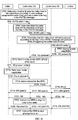
- a signaling flow where caller A originates an IMS call to callee H and finally the callee tone is played includes:
- callee H is an MRBT service subscriber; if callee H has not ordered an MRBT, two processing solutions are available.
- a signaling flow and an early media negotiation process are described for exemplary purposes.
- a flag instructing whether to trigger the caller tone or the callee tone is set in the caller tone AS and the flag is parsed by the callee tone AS.
- caller A, callee C and callee J are all MRBT service subscribers.
- a signaling flow where caller A originates an IMS call to callee D and finally the caller tone is played includes:
- a signaling flow where caller A originates an IMS call to callee I and finally the callee tone is played includes:
- a signaling flow and an early media negotiation process are described for exemplary purposes.
- a flag instructing whether to trigger the caller tone or the callee tone is set in the caller tone AS and the flag is parsed by the caller tone AS.
- caller A, callee D and callee K are all MRBT service subscribers.
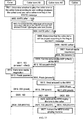
- a signaling flow where caller A originates an IMS call to callee D and finally the caller tone is played includes:
- a service ID or an appropriate media attribute mark may be set in offer2, indicating that offer2 is the SDP for the callee tone service.
- Line m may be extended to describe the media type "callee tone", for example:
- a signaling flow where caller A originates an IMS call to callee K and finally the callee tone is played includes:
- the calling terminal A may be so set that the tone meeting a preset condition is played.
- the setting scheme may be customized. Particularly, the setting may be that the caller tone is played under all circumstances, which means the caller tone takes precedence over the callee tone; optionally, the setting may be that caller tone is player when a certain condition is met and that the callee tone is player when another condition is met.
- Table 2 User settings in the calling terminal Condition Tone Flag Callee is b, c, or d caller tone Other callees callee tone
- the tone ID may be carried in a new SIP header field or an extended header field, or an extended SDP.
- the flag may be set in a Contact header field; for example, "caller-tone” is added to Schemes of Contact.
- caller A, callee b and callee e are all MRBT service subscribers; the calling terminal sets a flag instructing to play the caller tone or the callee tone in the call request and the caller tone AS and the callee tone AS parse the flag in the call request.
- a signaling flow where caller A originates an IMS call to callee b and finally the caller tone is played includes:
- the signaling flow is like the above and the differences are as follows:
- the called CSCF determines that callee b is not an MRBT service subscriber according to the called terminal ID carried in the INVITE message and the subscription relation between the called terminal ID and the MRBT service stored in the HSS, and sends the INVITE message directly to the callee; and there is no step 0705.
- the other steps are all like those in embodiment C7 of the present invention.
- the setting is as follows: The calling terminal sets a flag instructing whether to trigger the caller tone or the callee tone in the call request and the caller tone AS parses the flag in the call request.
- a signaling flow where caller A originates an IMS call to callee e and finally the callee tone is played includes:
- caller A, callee c and callee f are all MRBT service subscribers; the calling terminal sets a flag instructing whether to play the caller tone or the callee tone in the call request and the caller tone AS and the callee tone AS parse the flag in the call request.
- a signaling flow where caller A originates an IMS call to callee c and finally the caller tone is played includes:
- a signaling flow where caller A originates an IMS call to callee f and finally the callee tone is played includes:
- caller A and callee d are both MRBT service subscribers; the policy specifying whether to play the caller tone or the callee tone is set in the calling terminal and the calling terminal parses the policy and determines whether to perform early caller media negotiation or early callee media negotiation.
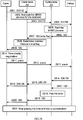
- a signaling flow where caller A originates an IMS call to callee d and finally the caller tone is played includes:
- the calling CSCF determines that the caller is an MRBT service subscriber according to the calling terminal ID carried in the INVITE message and the subscription relation between the calling terminal ID and the MRBT service stored in the HSS and routes the call request to the caller tone AS.
- Step 1102 The caller tone AS forwards the INVITE message to the called CSCF via the calling CSCF; the called CSCF determines that the callee is an MRBT service subscriber according to the called terminal ID carried in the INVITE message and the subscription relation between the called terminal ID and the MRBT service stored in the HSS and sends the INVITE message carrying the calling terminal ID, called terminal ID, and offerlto the callee tone AS.
- Step 1103 The callee tone AS forwards the INVITE message to the called terminal via the called CSCF.
- Steps 1104 and 1105 The called terminal performs normal media negotiation according to its capability and sends a provisional response to the callee tone AS via the called CSCF.
- the provisional response carries the normal media SDP (answer1) negotiated by the caller and the callee.
- the response may be a 183 message.
- Step 1106 The callee tone AS gets the early media SDP (offer3) of the called MRS for early tone media negotiation between the caller and the called MRS.
- Step 1107 The callee tone AS forwards the provisional response to the caller tone AS via the called CSCF and the calling CSCF.
- Step 1108 The caller tone AS gets the early media SDP (offer3) of the calling MRS for early tone media negotiation between the caller and the calling MRS.
- Step 1109 The caller tone AS sends the provisional response to the calling terminal via the calling CSCF.
- the provisional response carries answer1, offer2 and offer3.
- Steps 1110 and 1111 The calling terminal determines that the caller tone will be played when the callee is d according to the user setting and the terminal ID of callee d and the calling terminal performs early caller tone media negotiation (the negotiated SDP is answer3) and refuses to perform the early callee tone media negotiation.
- the calling terminal port number may be set to 0 or the media direction attribute may be modified to "sendonly".
- Step 1112 The calling terminal sends a Prack message to the caller tone AS via the calling CSCF.
- the message carries the negotiated early caller tone media SDP (answer3) and the early callee tone media SDP (answer2)
- Step 1113 The caller tone AS forwards the negotiated early caller tone media SDP (answer3) to the calling MRS.
- Step 1114 The caller tone AS sends the Prack message to the callee tone AS via the calling CSCF and the called CSCF.
- the message carries the early callee tone media SDP (answer2).
- Step 1115 The callee tone AS forwards the negotiated early callee tone media SDP (answer2) to the called MRS.
- Steps 1116 and 1127 Similar to steps 0115 to 0126.
- entities in the network include the caller tone AS, caller tone management system, calling CSCF, calling MRS, calling MRS, callee tone AS, callee tone management system, called CSCF, and called MRS.
- the figures only show a part of the entities.
- An entity on the caller side and its counterpart on the callee side may be the same entity.
- the calling CSCF and the called CSCF may be the same CSCF;
- the caller tone AS and the callee tone AS may be the same AS;
- the caller tone management system and the callee tone management system may be the same system.
- the entities on the caller side and their counterparts on the callee side are different entities. The scenarios where they are the same entities can be understood by analogy.
- the CSCF may not determine whether a user has ordered a tone but instead, the call request is sent directly to the tone AS, which will judge whether the user has ordered a tone and proceed with subsequent operations. This process is similar to but simpler than the processes in the above embodiments.
- the caller tone service can be implemented in the IMS domain.
- the tone AS determines whether to play the caller tone or the callee tone to the caller according to a tone policy.
- the caller may also set tone filtering. If both caller and callee tones are ordered, the caller may filter the caller tone and/or the callee tone by configuration. If the callee tone is filtered, the caller tone is played; if the caller tone is filtered, the callee tone is played; if both the caller tone and the callee tone are filtered (so that neither the caller tone or the callee tone is heard), the calling terminal plays a stored multimedia file directly.
- the tone filtering policy may be set in the calling terminal, or a tone filtering AS, or a caller tone AS, or an entity accessible to the caller tone AS (such as a tone management system and a network address book of the caller).
- the tone filtering policy may be set in a user setting table like Table 1 with the caller tone.
- caller A may set a policy as described in Table 3 so that tone filtering (both the caller tone and the callee tone are filtered) is performed when the callee is J or K and the callee tone is played in the case of other callees (equivalent to filtering the caller tone).
- Table 3 Condition Tone Flag Tone Number Callee is B, C, or D caller-tone Tone No.1 Callee is E, F or G Tone No.2 Callee is J or K filter-tone Other callees callee-tone
- tone filtering may still be performed based on the callee tone service.
- the user may set filtering policies with respect to specific callees or specific time segments so as to determine whether to filter the tone.
- Embodiment C12 describes a scenario where the caller tone AS and the calling MRS are unnecessary on the caller side. Instead, a tone filtering AS is placed on the caller side and the tone filtering policy is set in the tone filtering AS.
- the tone filtering AS adds a flag (tone filtering flag) to an INVITE message and the callee tone AS parses the flag to know whether a tone will be played.
- the specific signaling flow in embodiment C12 is as follows:
- the calling CSCF determines that the caller is an MRBT filtering service subscriber according to the calling terminal ID carried in the INVITE message and the subscription relation between the calling terminal ID and the tone filtering service stored in the HSS and routes the call request to the tone filtering AS.
- Step 1202 The tone filtering AS determines whether to filter the tone according to the user settings and the terminal ID of callee B; if the tone is not filtered, the existing call process is followed or else the tone filtering AS adds a "filter-tone" flag to the INVITE message.
- Step 1203 The tone filtering AS forwards the INVITE message to the called CSCF via the calling CSCF; the calling CSCF determines that the callee is an MRBT service subscriber according to the called terminal ID carried in the INVITE message and the subscription relation between the called terminal ID and the MRBT service stored in the HSS and sends the INVITE message carrying the calling terminal ID, called terminal ID, offer1 and filter-tone to the callee tone AS.
- Steps 1204 and 1205 The callee tone AS determines to filter the tone according to the filter-tone flag carried in the INVITE message and sends the INVITE message to the called terminal via the called CSCF without triggering an MRBT process.
- Steps 1206 and 1207 The called terminal performs normal media negotiation according to its capability and sends a provisional response to the callee tone AS via the called CSCF.
- the provisional response carries the normal media SDP (answer1) negotiated by the caller and the callee.
- the response may be a 183 message.
- Step 1208 The callee tone AS forwards the provisional response to the tone filtering AS via the called CSCF and the calling CSCF.
- Step 1209 The tone filtering AS sends the 183 message to the calling terminal via the calling CSCF.
- the message carries answer1.
- Step 1210 The calling terminal sends a Prack message to the tone filtering AS via the calling CSCF.
- Steps 1211 and 1212 The tone filtering AS sends the Prack message to the called terminal.
- Steps 1213 to 1215 The called terminal sends a response to the calling terminal.
- Steps 1216 to 1218 The called terminal rings and sends an alerting signal 180 to the calling terminal.
- Step 1219 The calling terminal plays a locally stored multimedia file.
- Steps 1220 to 1222 The callee answers and the called terminal sends an off-hook signal 200 to the calling terminal; upon reception of the 200 message, the calling terminal stops playing the local multimedia.
- the callee tone AS judges whether to trigger an MRBT process.
- the called CSCF may determine whether to send the call request to the callee tone AS.
- embodiment C13 is different from embodiment C12 in that the called CSCF determines upon reception of the INVITE message to filter the callee tone according to the filter-tone flag carried in the message and forwards the INVITE message to the called terminal directly without sending it to the callee tone AS.
- the tone filtering AS when the tone filtering AS determines to filter the tone, the tone filtering AS does not add a filter-tone flag to the INVITE message but instead, refuses to perform tone media negotiation or negotiates a part of media types upon reception of the early tone media offer.
- the specific signaling flow is shown in FIG. 23 , including:
- the tone filtering policy may also be set in the calling terminal.
- the terminal determines whether to filter the tone according to tone filtering policy; if it is necessary to filter the tone, the calling terminal adds a filter-tone flag to the INVITE message or else the flag is not added.
- the callee tone AS determines to filter the callee tone according to the filter-tone flag in the INVITE message and therefore proceeds without triggering an MRBT process.
- the called CSCF may determine to filter the callee tone according to the filter-tone flag in the INVITE message and therefore proceed without sending the call request to the tone AS.
- the tone filtering policy is set in the calling terminal so that processing on the network is not altered.
- the calling terminal receives an early tone media offer
- the calling terminal determines that it is necessary to filter the tone according to the tone filtering policy
- the calling terminal refuses to perform the tone media negotiation.
- the calling terminal sets the calling terminal port number in the returned answer2 to 0, or accepts the tone media negotiation but later refuses to open a media channel or refuses to play the tone.
- a server includes:
- a terminal according to an embodiment of the present invention includes:
- the user may further set as follows: if a callee tone is available, choose to receive the callee tone; otherwise receive the caller tone. Because the calling domain does not know whether the callee has ordered a tone, the caller tone AS is unable to determine whether to start an MRBT process when it receives the initial call request.
- the caller tone AS determines whether a callee tone is ordered according to the response to the call request retuned by the callee side and in particular, according to the SDP type and P-early-media header in the response.
- the callee tone AS adds a tone flag in the response to the call request after an MRBT process is started. Three exemplary embodiments will be described.
- the callee tone AS implements the MRBT service in the AS mode.
- the process includes:
- the callee tone AS implements the MRBT service in the gateway mode that supports P-early-media.
- the process includes:
- the callee tone AS adds a tone flag after starting the MRBT process to implement the MRBT service.
- the process includes:
- a tone AS is provided in an embodiment of the present invention. As shown in FIG. 29 , the tone AS includes:
- the caller tone service can be implemented in the IMS domain.
- the tone AS determines whether to play the caller tone or the callee tone to the caller according to a tone playing policy.
- the program may be stored in a computer readable storage medium, such as a Read-Only Memory (ROM), a Random Access Memory (RAM), a magnetic disk and a compact disk.
- ROM Read-Only Memory
- RAM Random Access Memory
- magnetic disk a magnetic disk and a compact disk.
Landscapes
- Engineering & Computer Science (AREA)
- Signal Processing (AREA)
- Computer Networks & Wireless Communication (AREA)
- Telephonic Communication Services (AREA)
Applications Claiming Priority (4)
| Application Number | Priority Date | Filing Date | Title |
|---|---|---|---|
| CN200710076368 | 2007-07-04 | ||
| CN200710182250 | 2007-10-13 | ||
| CN200810090251.8A CN101340629B (zh) | 2007-07-04 | 2008-03-31 | 一种实现多媒体彩铃业务的方法、系统和装置 |
| EP08773108A EP2157767B1 (de) | 2007-07-04 | 2008-07-04 | Verfahren, anordnung und gerät zur erzeugung einer färbung eines multimedia rückruftons |
Related Parent Applications (2)
| Application Number | Title | Priority Date | Filing Date |
|---|---|---|---|
| EP08773108.9 Division | 2008-07-04 | ||
| EP08773108A Division EP2157767B1 (de) | 2007-07-04 | 2008-07-04 | Verfahren, anordnung und gerät zur erzeugung einer färbung eines multimedia rückruftons |
Publications (3)
| Publication Number | Publication Date |
|---|---|
| EP2458836A2 true EP2458836A2 (de) | 2012-05-30 |
| EP2458836A3 EP2458836A3 (de) | 2012-06-06 |
| EP2458836B1 EP2458836B1 (de) | 2014-04-02 |
Family
ID=40225715
Family Applications (3)
| Application Number | Title | Priority Date | Filing Date |
|---|---|---|---|
| EP11193893.2A Active EP2458836B1 (de) | 2007-07-04 | 2008-07-04 | Verfahren, System und Vorrichtung zur Implementierung eines Multimedia-Rückruftondienstes |
| EP11193894.0A Active EP2461558B1 (de) | 2007-07-04 | 2008-07-04 | Verfahren, System und Vorrichtung zur Implementierung eines Multimedia-Rückruftondienstes |
| EP08773108A Active EP2157767B1 (de) | 2007-07-04 | 2008-07-04 | Verfahren, anordnung und gerät zur erzeugung einer färbung eines multimedia rückruftons |
Family Applications After (2)
| Application Number | Title | Priority Date | Filing Date |
|---|---|---|---|
| EP11193894.0A Active EP2461558B1 (de) | 2007-07-04 | 2008-07-04 | Verfahren, System und Vorrichtung zur Implementierung eines Multimedia-Rückruftondienstes |
| EP08773108A Active EP2157767B1 (de) | 2007-07-04 | 2008-07-04 | Verfahren, anordnung und gerät zur erzeugung einer färbung eines multimedia rückruftons |
Country Status (5)
| Country | Link |
|---|---|
| US (4) | US8351585B2 (de) |
| EP (3) | EP2458836B1 (de) |
| CN (2) | CN101340629B (de) |
| ES (2) | ES2471070T3 (de) |
| WO (1) | WO2009003422A1 (de) |
Families Citing this family (25)
| Publication number | Priority date | Publication date | Assignee | Title |
|---|---|---|---|---|
| CN101340629B (zh) * | 2007-07-04 | 2013-10-09 | 华为技术有限公司 | 一种实现多媒体彩铃业务的方法、系统和装置 |
| CN102027721B (zh) | 2008-04-02 | 2015-05-13 | 特维里奥公司 | 处理电话会话的系统和方法 |
| CN101888601A (zh) * | 2009-05-13 | 2010-11-17 | 中兴通讯股份有限公司 | 一种彩铃业务系统和彩铃业务的屏蔽方法 |
| CN101931617B (zh) * | 2009-06-22 | 2013-12-04 | 华为终端有限公司 | 实现切换多媒体铃音的方法、服务器、终端和网络系统 |
| CN101938574B (zh) * | 2009-06-30 | 2014-04-09 | 中兴通讯股份有限公司 | 包交换域中彩铃信息传输方法及系统及彩铃服务器和终端 |
| CN101997837B (zh) * | 2009-08-13 | 2015-12-16 | 中兴通讯股份有限公司 | 彩像播放方法与装置 |
| CN101702710A (zh) * | 2009-11-03 | 2010-05-05 | 中兴通讯股份有限公司 | 多媒体子系统域中多媒体彩铃业务的控制方法及系统 |
| CN102111390A (zh) * | 2009-12-24 | 2011-06-29 | 中兴通讯股份有限公司 | 一种ip多媒体子系统彩像的实现方法及系统 |
| CA2787455C (en) * | 2009-12-31 | 2019-02-12 | Bce Inc. | Method, call processing system, communication device and computer-readable media for conveying an audio element to a source device during an outgoing call |
| US8531992B2 (en) | 2009-12-31 | 2013-09-10 | Bce Inc. | Method, system, network and computer-readable media for controlling outgoing telephony calls to convey media messages to source devices |
| US10602241B2 (en) | 2009-12-31 | 2020-03-24 | Bce Inc. | Method, system network and computer-readable media for controlling outgoing telephony calls to cause initiation of call features |
| US9565217B2 (en) | 2009-12-31 | 2017-02-07 | Bce Inc. | Method, system, network and computer-readable media for controlling outgoing telephony calls |
| CN102148807B (zh) * | 2010-02-08 | 2014-06-04 | 华为技术有限公司 | 一种实现彩铃彩振业务的方法,装置和系统 |
| US8982735B2 (en) | 2010-02-25 | 2015-03-17 | Genesys Telecommunications Laboratories, Inc. | Proxy media service for digital telephony |
| CN101931910B (zh) * | 2010-08-25 | 2012-12-26 | 杭州东信北邮信息技术有限公司 | 一种主叫彩铃系统和实现方法 |
| CN103220436B (zh) * | 2012-01-19 | 2016-08-31 | 中国电信股份有限公司 | 呼叫发起方法、装置、彩铃过滤方法和多媒体彩铃服务器 |
| CN102970447B (zh) * | 2012-11-27 | 2016-05-11 | 上海市共进通信技术有限公司 | 基于VoIP网络实现主叫彩铃功能的控制方法 |
| US9191795B2 (en) * | 2012-11-29 | 2015-11-17 | At&T Intellectual Property I, L.P. | Visual IVR using call redirect |
| CN104053121A (zh) * | 2014-05-26 | 2014-09-17 | 中兴通讯股份有限公司 | 彩铃业务实现系统、装置及方法 |
| CN107018498B (zh) * | 2016-01-27 | 2019-10-29 | 中国移动通信集团河南有限公司 | 一种信令处理方法、智能协议网关、彩铃平台及彩铃系统 |
| CN111031182B (zh) * | 2018-10-09 | 2021-10-22 | 华为技术有限公司 | 状态提示多媒体播放的方法、系统及装置 |
| CN111510414B (zh) * | 2019-01-30 | 2022-01-11 | 华为技术有限公司 | 内容发送、接收方法和装置,服务器、终端设备和存储介质 |
| CN112751975B (zh) * | 2019-10-29 | 2025-02-28 | 中兴通讯股份有限公司 | 呼叫保持音的播放方法、装置、存储介质及系统 |
| CN113726958B (zh) * | 2020-05-26 | 2023-01-03 | 中国移动通信有限公司研究院 | 视频彩铃的播放方法、彩铃平台和终端 |
| CN116600050A (zh) * | 2023-06-20 | 2023-08-15 | 联通沃音乐文化有限公司 | 一种基于方向的彩铃放音控制方法及系统 |
Family Cites Families (24)
| Publication number | Priority date | Publication date | Assignee | Title |
|---|---|---|---|---|
| KR100392768B1 (ko) * | 2002-08-09 | 2003-07-28 | 에스케이 텔레콤주식회사 | 발신 교환기를 이용한 가입자 기반 링백톤 서비스 방법 |
| US20040174983A1 (en) | 2003-03-07 | 2004-09-09 | Comverse Ltd. | Configurable call progress tones |
| CN1681282B (zh) * | 2004-04-07 | 2010-06-09 | 华为技术有限公司 | 一种码分多址系统中实现彩铃业务的方法 |
| KR100725216B1 (ko) | 2003-05-15 | 2007-06-07 | 후아웨이 테크놀러지 컴퍼니 리미티드 | 통신망에서 rbt를 제공하는 시스템 및 방법 |
| CN1288935C (zh) * | 2003-08-23 | 2006-12-06 | 华为技术有限公司 | 一种实现主叫用户收听自制回铃音的方法 |
| KR100632007B1 (ko) * | 2003-11-04 | 2006-10-04 | 와이더댄 주식회사 | 멀티미디어 링백톤 대체음 제공 방법 |
| CN1697468A (zh) | 2004-05-10 | 2005-11-16 | 杨红兵 | 一种手机过滤来电的方法 |
| CN1744629A (zh) | 2004-09-02 | 2006-03-08 | 惠州Tcl移动通信有限公司 | 一种实现主叫用户收听自制回铃音的方法 |
| CN100531266C (zh) * | 2005-02-21 | 2009-08-19 | Ut斯达康通讯有限公司 | 一种用户可配置的回铃音业务实现方法和系统 |
| EP1696645A1 (de) | 2005-02-25 | 2006-08-30 | Sony Ericsson Mobile Communications AB | Übergabe von Anruferinformation |
| US8385516B2 (en) * | 2005-04-29 | 2013-02-26 | Eclips, Inc. | Ringback blocking and replacement system |
| CN100563283C (zh) * | 2005-06-30 | 2009-11-25 | 华为技术有限公司 | 一种控制回铃音的方法及系统 |
| CN100544389C (zh) * | 2005-07-20 | 2009-09-23 | 华为技术有限公司 | 一种多媒体彩铃实现方法与系统 |
| CN100536506C (zh) * | 2005-08-23 | 2009-09-02 | 华为技术有限公司 | 一种彩色回铃音业务的实现方法 |
| KR100899756B1 (ko) * | 2005-11-07 | 2009-05-27 | 삼성전자주식회사 | 통신 시스템에서 멀티미디어 포탈 컨텐츠 제공 방법 및시스템 |
| CN1972340A (zh) * | 2005-11-25 | 2007-05-30 | 北京三星通信技术研究有限公司 | 在ims域中实现视频彩铃业务的方法 |
| CN1980278A (zh) | 2005-11-30 | 2007-06-13 | 西门子通信技术(北京)有限公司 | 一种抑制个性化回铃音业务的方法 |
| US20070121657A1 (en) * | 2005-11-30 | 2007-05-31 | Boillot Marc A | Method and communication device for providing a personalized ring-back |
| CN1980287A (zh) * | 2005-12-08 | 2007-06-13 | 北京三星通信技术研究有限公司 | Ims域中彩铃限制业务的方法 |
| CN1992755B (zh) * | 2005-12-28 | 2010-12-01 | 中兴通讯股份有限公司 | 一种主叫用户拒听彩铃的系统和方法 |
| US8774385B2 (en) * | 2006-06-13 | 2014-07-08 | Ericsson Inc. | Method and apparatus for ringback tone personalization |
| CN100515104C (zh) * | 2006-12-01 | 2009-07-15 | 华为技术有限公司 | 一种主叫屏蔽被叫定制彩铃的方法 |
| CN101340629B (zh) * | 2007-07-04 | 2013-10-09 | 华为技术有限公司 | 一种实现多媒体彩铃业务的方法、系统和装置 |
| CN101409952B (zh) | 2007-10-09 | 2012-11-21 | 华为技术有限公司 | 一种实现多媒体彩振业务以及彩振过滤的方法和装置 |
-
2008
- 2008-03-31 CN CN200810090251.8A patent/CN101340629B/zh active Active
- 2008-03-31 CN CN201210039481.8A patent/CN102595350B/zh active Active
- 2008-07-04 EP EP11193893.2A patent/EP2458836B1/de active Active
- 2008-07-04 ES ES11193893.2T patent/ES2471070T3/es active Active
- 2008-07-04 EP EP11193894.0A patent/EP2461558B1/de active Active
- 2008-07-04 EP EP08773108A patent/EP2157767B1/de active Active
- 2008-07-04 ES ES08773108T patent/ES2386924T3/es active Active
- 2008-07-04 WO PCT/CN2008/071550 patent/WO2009003422A1/zh not_active Ceased
-
2009
- 2009-12-24 US US12/647,270 patent/US8351585B2/en active Active
-
2012
- 2012-09-14 US US13/619,186 patent/US8724786B2/en active Active
- 2012-09-14 US US13/619,367 patent/US8855282B2/en active Active
- 2012-09-14 US US13/619,229 patent/US8724787B2/en active Active
Non-Patent Citations (1)
| Title |
|---|
| None |
Also Published As
| Publication number | Publication date |
|---|---|
| US8855282B2 (en) | 2014-10-07 |
| EP2461558A1 (de) | 2012-06-06 |
| CN102595350B (zh) | 2014-11-05 |
| CN101340629B (zh) | 2013-10-09 |
| EP2458836B1 (de) | 2014-04-02 |
| EP2157767A4 (de) | 2010-09-22 |
| ES2386924T3 (es) | 2012-09-06 |
| EP2157767A1 (de) | 2010-02-24 |
| WO2009003422A1 (fr) | 2009-01-08 |
| EP2458836A3 (de) | 2012-06-06 |
| US8351585B2 (en) | 2013-01-08 |
| CN101340629A (zh) | 2009-01-07 |
| US8724787B2 (en) | 2014-05-13 |
| EP2461558B1 (de) | 2016-06-01 |
| US20130287199A1 (en) | 2013-10-31 |
| US20130259219A1 (en) | 2013-10-03 |
| US20100098232A1 (en) | 2010-04-22 |
| US8724786B2 (en) | 2014-05-13 |
| US20130259220A1 (en) | 2013-10-03 |
| ES2471070T3 (es) | 2014-06-25 |
| EP2157767B1 (de) | 2012-06-20 |
| CN102595350A (zh) | 2012-07-18 |
Similar Documents
| Publication | Publication Date | Title |
|---|---|---|
| EP2458836B1 (de) | Verfahren, System und Vorrichtung zur Implementierung eines Multimedia-Rückruftondienstes | |
| US8644482B2 (en) | Method and apparatus for implementing and filtering customized ringing signals | |
| EP2012516B1 (de) | Individualisierung von Wiedergabetelefondiensten | |
| CA2701960A1 (en) | A method for implementing a multimedia ring back tone service | |
| US20080273671A1 (en) | Method, system and application server for preventing crosstalk of color ring back tone | |
| US20130034222A1 (en) | Method, device and system for implementing customized ring back tone service and customized ring tone service | |
| CN101009575A (zh) | 在一次呼叫过程中实现多个早期媒体类业务的方法 | |
| EP1874016A1 (de) | Verfahren zum realisieren eines ruftons in einem kommunikationssystem | |
| US20120213346A1 (en) | Method, server and terminal device for playing multimedia ring tone during call | |
| JP5551786B2 (ja) | 会話期間中にマルチメディア呼出し音を再生する方法、サーバおよび端末デバイス | |
| US20060153353A1 (en) | Intelligent secondary call treatment for advanced calling scenarios | |
| AU2005324845B2 (en) | Facilitating early media in a communications system | |
| CN102571819B (zh) | 一种实现多媒体彩铃业务的方法和服务器 | |
| CN104053121A (zh) | 彩铃业务实现系统、装置及方法 | |
| CN101222540B (zh) | 用于ip多媒体子系统的多媒体业务实现方法 | |
| CN101631296B (zh) | 一种ip多媒体子系统铃音媒体播放方法及系统 | |
| KR100704828B1 (ko) | 발신정보표시 방식의 멀티미디어 콘텐츠 제공 방법 | |
| KR20060089795A (ko) | 링백톤 방식의 멀티미디어 콘텐츠 제공 방법 | |
| CN101867881A (zh) | 一种实现彩铃过滤的系统及方法 | |
| WO2010063179A1 (zh) | 一种终端和振铃业务的屏蔽方法 |
Legal Events
| Date | Code | Title | Description |
|---|---|---|---|
| PUAL | Search report despatched |
Free format text: ORIGINAL CODE: 0009013 |
|
| PUAI | Public reference made under article 153(3) epc to a published international application that has entered the european phase |
Free format text: ORIGINAL CODE: 0009012 |
|
| AC | Divisional application: reference to earlier application |
Ref document number: 2157767 Country of ref document: EP Kind code of ref document: P |
|
| AK | Designated contracting states |
Kind code of ref document: A2 Designated state(s): AT BE BG CH CY CZ DE DK EE ES FI FR GB GR HR HU IE IS IT LI LT LU LV MC MT NL NO PL PT RO SE SI SK TR |
|
| AK | Designated contracting states |
Kind code of ref document: A3 Designated state(s): AT BE BG CH CY CZ DE DK EE ES FI FR GB GR HR HU IE IS IT LI LT LU LV MC MT NL NO PL PT RO SE SI SK TR |
|
| RIC1 | Information provided on ipc code assigned before grant |
Ipc: H04M 3/42 20060101AFI20120503BHEP |
|
| 17P | Request for examination filed |
Effective date: 20121206 |
|
| GRAP | Despatch of communication of intention to grant a patent |
Free format text: ORIGINAL CODE: EPIDOSNIGR1 |
|
| INTG | Intention to grant announced |
Effective date: 20131017 |
|
| GRAS | Grant fee paid |
Free format text: ORIGINAL CODE: EPIDOSNIGR3 |
|
| GRAA | (expected) grant |
Free format text: ORIGINAL CODE: 0009210 |
|
| AC | Divisional application: reference to earlier application |
Ref document number: 2157767 Country of ref document: EP Kind code of ref document: P |
|
| AK | Designated contracting states |
Kind code of ref document: B1 Designated state(s): AT BE BG CH CY CZ DE DK EE ES FI FR GB GR HR HU IE IS IT LI LT LU LV MC MT NL NO PL PT RO SE SI SK TR |
|
| REG | Reference to a national code |
Ref country code: GB Ref legal event code: FG4D |
|
| REG | Reference to a national code |
Ref country code: AT Ref legal event code: REF Ref document number: 660725 Country of ref document: AT Kind code of ref document: T Effective date: 20140415 Ref country code: CH Ref legal event code: EP |
|
| REG | Reference to a national code |
Ref country code: IE Ref legal event code: FG4D |
|
| REG | Reference to a national code |
Ref country code: DE Ref legal event code: R096 Ref document number: 602008031333 Country of ref document: DE Effective date: 20140515 |
|
| REG | Reference to a national code |
Ref country code: ES Ref legal event code: FG2A Ref document number: 2471070 Country of ref document: ES Kind code of ref document: T3 Effective date: 20140625 |
|
| REG | Reference to a national code |
Ref country code: AT Ref legal event code: MK05 Ref document number: 660725 Country of ref document: AT Kind code of ref document: T Effective date: 20140402 |
|
| REG | Reference to a national code |
Ref country code: NL Ref legal event code: VDEP Effective date: 20140402 |
|
| REG | Reference to a national code |
Ref country code: LT Ref legal event code: MG4D |
|
| PG25 | Lapsed in a contracting state [announced via postgrant information from national office to epo] |
Ref country code: LT Free format text: LAPSE BECAUSE OF FAILURE TO SUBMIT A TRANSLATION OF THE DESCRIPTION OR TO PAY THE FEE WITHIN THE PRESCRIBED TIME-LIMIT Effective date: 20140402 Ref country code: NL Free format text: LAPSE BECAUSE OF FAILURE TO SUBMIT A TRANSLATION OF THE DESCRIPTION OR TO PAY THE FEE WITHIN THE PRESCRIBED TIME-LIMIT Effective date: 20140402 Ref country code: BG Free format text: LAPSE BECAUSE OF FAILURE TO SUBMIT A TRANSLATION OF THE DESCRIPTION OR TO PAY THE FEE WITHIN THE PRESCRIBED TIME-LIMIT Effective date: 20140702 Ref country code: FI Free format text: LAPSE BECAUSE OF FAILURE TO SUBMIT A TRANSLATION OF THE DESCRIPTION OR TO PAY THE FEE WITHIN THE PRESCRIBED TIME-LIMIT Effective date: 20140402 Ref country code: CY Free format text: LAPSE BECAUSE OF FAILURE TO SUBMIT A TRANSLATION OF THE DESCRIPTION OR TO PAY THE FEE WITHIN THE PRESCRIBED TIME-LIMIT Effective date: 20140402 Ref country code: GR Free format text: LAPSE BECAUSE OF FAILURE TO SUBMIT A TRANSLATION OF THE DESCRIPTION OR TO PAY THE FEE WITHIN THE PRESCRIBED TIME-LIMIT Effective date: 20140703 Ref country code: CZ Free format text: LAPSE BECAUSE OF FAILURE TO SUBMIT A TRANSLATION OF THE DESCRIPTION OR TO PAY THE FEE WITHIN THE PRESCRIBED TIME-LIMIT Effective date: 20140402 Ref country code: NO Free format text: LAPSE BECAUSE OF FAILURE TO SUBMIT A TRANSLATION OF THE DESCRIPTION OR TO PAY THE FEE WITHIN THE PRESCRIBED TIME-LIMIT Effective date: 20140702 Ref country code: IS Free format text: LAPSE BECAUSE OF FAILURE TO SUBMIT A TRANSLATION OF THE DESCRIPTION OR TO PAY THE FEE WITHIN THE PRESCRIBED TIME-LIMIT Effective date: 20140802 |
|
| PG25 | Lapsed in a contracting state [announced via postgrant information from national office to epo] |
Ref country code: PL Free format text: LAPSE BECAUSE OF FAILURE TO SUBMIT A TRANSLATION OF THE DESCRIPTION OR TO PAY THE FEE WITHIN THE PRESCRIBED TIME-LIMIT Effective date: 20140402 Ref country code: LV Free format text: LAPSE BECAUSE OF FAILURE TO SUBMIT A TRANSLATION OF THE DESCRIPTION OR TO PAY THE FEE WITHIN THE PRESCRIBED TIME-LIMIT Effective date: 20140402 Ref country code: HR Free format text: LAPSE BECAUSE OF FAILURE TO SUBMIT A TRANSLATION OF THE DESCRIPTION OR TO PAY THE FEE WITHIN THE PRESCRIBED TIME-LIMIT Effective date: 20140402 Ref country code: AT Free format text: LAPSE BECAUSE OF FAILURE TO SUBMIT A TRANSLATION OF THE DESCRIPTION OR TO PAY THE FEE WITHIN THE PRESCRIBED TIME-LIMIT Effective date: 20140402 Ref country code: SE Free format text: LAPSE BECAUSE OF FAILURE TO SUBMIT A TRANSLATION OF THE DESCRIPTION OR TO PAY THE FEE WITHIN THE PRESCRIBED TIME-LIMIT Effective date: 20140402 |
|
| PG25 | Lapsed in a contracting state [announced via postgrant information from national office to epo] |
Ref country code: PT Free format text: LAPSE BECAUSE OF FAILURE TO SUBMIT A TRANSLATION OF THE DESCRIPTION OR TO PAY THE FEE WITHIN THE PRESCRIBED TIME-LIMIT Effective date: 20140804 |
|
| REG | Reference to a national code |
Ref country code: DE Ref legal event code: R097 Ref document number: 602008031333 Country of ref document: DE |
|
| PG25 | Lapsed in a contracting state [announced via postgrant information from national office to epo] |
Ref country code: RO Free format text: LAPSE BECAUSE OF FAILURE TO SUBMIT A TRANSLATION OF THE DESCRIPTION OR TO PAY THE FEE WITHIN THE PRESCRIBED TIME-LIMIT Effective date: 20140402 Ref country code: SK Free format text: LAPSE BECAUSE OF FAILURE TO SUBMIT A TRANSLATION OF THE DESCRIPTION OR TO PAY THE FEE WITHIN THE PRESCRIBED TIME-LIMIT Effective date: 20140402 Ref country code: DK Free format text: LAPSE BECAUSE OF FAILURE TO SUBMIT A TRANSLATION OF THE DESCRIPTION OR TO PAY THE FEE WITHIN THE PRESCRIBED TIME-LIMIT Effective date: 20140402 Ref country code: BE Free format text: LAPSE BECAUSE OF FAILURE TO SUBMIT A TRANSLATION OF THE DESCRIPTION OR TO PAY THE FEE WITHIN THE PRESCRIBED TIME-LIMIT Effective date: 20140402 Ref country code: EE Free format text: LAPSE BECAUSE OF FAILURE TO SUBMIT A TRANSLATION OF THE DESCRIPTION OR TO PAY THE FEE WITHIN THE PRESCRIBED TIME-LIMIT Effective date: 20140402 |
|
| PLBE | No opposition filed within time limit |
Free format text: ORIGINAL CODE: 0009261 |
|
| STAA | Information on the status of an ep patent application or granted ep patent |
Free format text: STATUS: NO OPPOSITION FILED WITHIN TIME LIMIT |
|
| PG25 | Lapsed in a contracting state [announced via postgrant information from national office to epo] |
Ref country code: LU Free format text: LAPSE BECAUSE OF FAILURE TO SUBMIT A TRANSLATION OF THE DESCRIPTION OR TO PAY THE FEE WITHIN THE PRESCRIBED TIME-LIMIT Effective date: 20140704 |
|
| REG | Reference to a national code |
Ref country code: CH Ref legal event code: PL |
|
| 26N | No opposition filed |
Effective date: 20150106 |
|
| PG25 | Lapsed in a contracting state [announced via postgrant information from national office to epo] |
Ref country code: IT Free format text: LAPSE BECAUSE OF FAILURE TO SUBMIT A TRANSLATION OF THE DESCRIPTION OR TO PAY THE FEE WITHIN THE PRESCRIBED TIME-LIMIT Effective date: 20140402 |
|
| REG | Reference to a national code |
Ref country code: DE Ref legal event code: R097 Ref document number: 602008031333 Country of ref document: DE Effective date: 20150106 |
|
| REG | Reference to a national code |
Ref country code: IE Ref legal event code: MM4A |
|
| PG25 | Lapsed in a contracting state [announced via postgrant information from national office to epo] |
Ref country code: CH Free format text: LAPSE BECAUSE OF NON-PAYMENT OF DUE FEES Effective date: 20140731 Ref country code: LI Free format text: LAPSE BECAUSE OF NON-PAYMENT OF DUE FEES Effective date: 20140731 |
|
| PG25 | Lapsed in a contracting state [announced via postgrant information from national office to epo] |
Ref country code: SI Free format text: LAPSE BECAUSE OF FAILURE TO SUBMIT A TRANSLATION OF THE DESCRIPTION OR TO PAY THE FEE WITHIN THE PRESCRIBED TIME-LIMIT Effective date: 20140402 |
|
| PG25 | Lapsed in a contracting state [announced via postgrant information from national office to epo] |
Ref country code: IE Free format text: LAPSE BECAUSE OF NON-PAYMENT OF DUE FEES Effective date: 20140704 |
|
| PG25 | Lapsed in a contracting state [announced via postgrant information from national office to epo] |
Ref country code: MC Free format text: LAPSE BECAUSE OF FAILURE TO SUBMIT A TRANSLATION OF THE DESCRIPTION OR TO PAY THE FEE WITHIN THE PRESCRIBED TIME-LIMIT Effective date: 20140402 |
|
| REG | Reference to a national code |
Ref country code: FR Ref legal event code: PLFP Year of fee payment: 9 |
|
| PG25 | Lapsed in a contracting state [announced via postgrant information from national office to epo] |
Ref country code: MT Free format text: LAPSE BECAUSE OF FAILURE TO SUBMIT A TRANSLATION OF THE DESCRIPTION OR TO PAY THE FEE WITHIN THE PRESCRIBED TIME-LIMIT Effective date: 20140402 |
|
| PG25 | Lapsed in a contracting state [announced via postgrant information from national office to epo] |
Ref country code: TR Free format text: LAPSE BECAUSE OF FAILURE TO SUBMIT A TRANSLATION OF THE DESCRIPTION OR TO PAY THE FEE WITHIN THE PRESCRIBED TIME-LIMIT Effective date: 20140402 Ref country code: HU Free format text: LAPSE BECAUSE OF FAILURE TO SUBMIT A TRANSLATION OF THE DESCRIPTION OR TO PAY THE FEE WITHIN THE PRESCRIBED TIME-LIMIT; INVALID AB INITIO Effective date: 20080704 |
|
| REG | Reference to a national code |
Ref country code: FR Ref legal event code: PLFP Year of fee payment: 10 |
|
| REG | Reference to a national code |
Ref country code: FR Ref legal event code: PLFP Year of fee payment: 11 |
|
| P01 | Opt-out of the competence of the unified patent court (upc) registered |
Effective date: 20230524 |
|
| PGFP | Annual fee paid to national office [announced via postgrant information from national office to epo] |
Ref country code: GB Payment date: 20250529 Year of fee payment: 18 |
|
| PGFP | Annual fee paid to national office [announced via postgrant information from national office to epo] |
Ref country code: FR Payment date: 20250610 Year of fee payment: 18 |
|
| PGFP | Annual fee paid to national office [announced via postgrant information from national office to epo] |
Ref country code: ES Payment date: 20250806 Year of fee payment: 18 |
|
| PGFP | Annual fee paid to national office [announced via postgrant information from national office to epo] |
Ref country code: DE Payment date: 20250604 Year of fee payment: 18 |