EP2446786A2 - Positive and negative extraction device and extraction method - Google Patents
Positive and negative extraction device and extraction method Download PDFInfo
- Publication number
- EP2446786A2 EP2446786A2 EP10792262A EP10792262A EP2446786A2 EP 2446786 A2 EP2446786 A2 EP 2446786A2 EP 10792262 A EP10792262 A EP 10792262A EP 10792262 A EP10792262 A EP 10792262A EP 2446786 A2 EP2446786 A2 EP 2446786A2
- Authority
- EP
- European Patent Office
- Prior art keywords
- extraction
- pressure
- unit
- target substance
- cycling type
- Prior art date
- Legal status (The legal status is an assumption and is not a legal conclusion. Google has not performed a legal analysis and makes no representation as to the accuracy of the status listed.)
- Granted
Links
Images

Classifications
-
- A—HUMAN NECESSITIES
- A47—FURNITURE; DOMESTIC ARTICLES OR APPLIANCES; COFFEE MILLS; SPICE MILLS; SUCTION CLEANERS IN GENERAL
- A47J—KITCHEN EQUIPMENT; COFFEE MILLS; SPICE MILLS; APPARATUS FOR MAKING BEVERAGES
- A47J31/00—Apparatus for making beverages
- A47J31/24—Coffee-making apparatus in which hot water is passed through the filter under pressure, i.e. in which the coffee grounds are extracted under pressure
- A47J31/34—Coffee-making apparatus in which hot water is passed through the filter under pressure, i.e. in which the coffee grounds are extracted under pressure with hot water under liquid pressure
- A47J31/36—Coffee-making apparatus in which hot water is passed through the filter under pressure, i.e. in which the coffee grounds are extracted under pressure with hot water under liquid pressure with mechanical pressure-producing means
-
- B—PERFORMING OPERATIONS; TRANSPORTING
- B01—PHYSICAL OR CHEMICAL PROCESSES OR APPARATUS IN GENERAL
- B01D—SEPARATION
- B01D11/00—Solvent extraction
- B01D11/02—Solvent extraction of solids
- B01D11/0215—Solid material in other stationary receptacles
- B01D11/0253—Fluidised bed of solid materials
- B01D11/0257—Fluidised bed of solid materials using mixing mechanisms, e.g. stirrers, jets
-
- A—HUMAN NECESSITIES
- A47—FURNITURE; DOMESTIC ARTICLES OR APPLIANCES; COFFEE MILLS; SPICE MILLS; SUCTION CLEANERS IN GENERAL
- A47J—KITCHEN EQUIPMENT; COFFEE MILLS; SPICE MILLS; APPARATUS FOR MAKING BEVERAGES
- A47J31/00—Apparatus for making beverages
Definitions
- the present disclosure relates to a pressure-cycling type of extraction device and a pressure-cycling type of extraction method.
- hot water extraction of extracting using hot water is commonly employed for extraction of natural products or medicinal herbs.
- the hot water extraction process is problematic in that the extraction target substance may be degraded by heat, resulting in discoloration or bad smell or decomposition of the active ingredient.
- the present disclosure is directed to providing a pressure-cycling type of extraction device.
- the present disclosure is also directed to providing a pressure-cycling type of extraction method.
- the present disclosure is also directed to providing an extract extracted by a pressure-cycling type of extraction device and a composition containing the same.
- the present disclosure provides a pressure-cycling type of extraction device comprising: an extraction unit for accommodating and extracting an extraction target substance; a compression unit for increasing the pressure inside the extraction unit; and a decompression unit for decreasing the pressure inside the extraction unit; wherein the pressure inside the extraction unit is increased and decreased by alternately operating the compression unit and the decompression unit, and the extraction unit comprises a bubbling nozzle for supplying bubbles into the extraction target substance.
- the present disclosure provides a pressure-cycling type of extraction method, comprising carrying out a compression process and a decompression process alternately.
- the extraction device and method using pressure cycling according to the present disclosure are advantageous in that extraction is possible at relatively low temperature and extraction efficiency is very high. Also, bad smell or thermal degradation of the extraction target substance can be prevented.
- the extraction device and method can be widely applied in the fields of foods and cosmetics.
- extraction unit 110 extraction bath 111: bubbling nozzle 120: upper plate 121: spray nozzle 200: compression unit 300: decompression unit 400: temperature controller 500: circulation pump
- a pressure-cycling type of extraction device comprises: an extraction unit for accommodating and extracting an extraction target substance; a compression unit for increasing the pressure inside the extraction unit; and a decompression unit for decreasing the pressure inside the extraction unit.
- the compression unit and the decompression unit operate alternatingly to increase or decrease the pressure inside the extraction unit.
- the pressure-cycling type of extraction device may adjust the number and frequency of compression and decompression according to the properties of the extraction target substance.
- the extraction condition may be optimized by adjusting compression and decompression time according to the properties of the extraction target substance.
- the extraction unit may comprise a bubbling nozzle and/or a spray nozzle to improve extraction efficiency.
- the bubbling nozzle facilitates stirring of the extraction target substance by means of bubbles formed by the nozzle. Inside the extraction device, there may occur local differences of extraction condition such as temperature, pressure, etc. By supplying bubbles of air or inert gas by means of the bubbling nozzle, the extraction target substance may be stirred more effectively and a more uniform extract may be obtained. Also, the bubbling nozzle allows extraction at low temperature by improving the extraction efficiency. The extraction at low temperature allows the volatile components of the extraction target substance to remain and, thus, the quality of the extract can be significantly improved.
- the inert gas supplied by the bubbling nozzle is nitrogen or helium, specifically nitrogen.
- the spray nozzle sprays liquid to the extraction target substance while the extraction is carried out, thus removing foams generated during the extraction.
- the spray nozzle sprays an extraction solvent or water, more specifically low-temperature water.
- the extraction solvent sprayed by the spray nozzle is C 1 -C 5 lower alcohol. The spray nozzle makes it unnecessary to use a defoaming agent.
- the extraction unit may be in the form of, for example an integral tank, although not limited thereto.
- the extraction unit may have inlet ports for supplying the extraction target substance, the solvent, etc. and an outlet port for discharging the extract to outside.
- the extraction unit may comprise an extraction bath wherein the extraction target substance is held and an upper plate.
- the extraction bath holds the extraction target substance and a solvent, if necessary.
- the upper plate is disposed on the extraction bath and closes the extraction bath.
- the extraction bath may be engaged with the upper plate by any means that allow the extraction target substance held in the extraction bath to be isolated, without special limitation.
- the extraction bath and the upper plate may be engaged with each other by protrusions formed on the top surface of the extraction bath and protrusions formed on the bottom surface of the upper plate.
- the extraction device may further comprise a temperature controller.
- the temperature controller heats the extraction target substance held in the extraction unit. By heating the extraction target substance using the temperature controller, extraction efficiency may be improved.
- the extraction device alternately provides pressurizing and depressurizing conditions.
- a compression unit may increase pressure by injecting gas into the extraction unit.
- the gas injected by the compression unit may be air or inert gas, specifically nitrogen (N 2 ) or helium (He) gas, more specifically nitrogen gas, although not being limited thereto.
- the decompression unit may decrease pressure by applying vacuum to the extraction unit or discharging air through a vent.
- the present disclosure also provides a pressure-cycling type of extraction method, comprising carrying out a compression and a decompression alternately.
- the pressure-cycling type of extraction method may comprise: (a) a compression process increasing pressure; and (b) a decompression process decreasing pressure, alternatingly.
- the extracting method may further comprise: (c) supplying bubbles to the extraction target substance during said compression and/or decompression
- the extraction method may further comprise: (d) spraying liquid to the extraction target substance during the extraction.
- the extracting method may be a solvent extraction method of extracting the extraction target substance by immersing it in a solvent.
- the solvent used in the extracting method may be water or C 1 -C 5 lower alcohol, more specifically water, although not being limited thereto.
- the pressure during said compression may be, for example, 1-10 kgf/cm 2 , specifically 1.5-3 kgf/cm 2 , although not being limited thereto. Depending on situations, an intermediate pressure of about 5 kgf/cm 2 may be used.
- the pressure during said decompression may be 100-760 mmHg, specifically 500-700 mmHg.
- the depressurizing may be performed in vacuum. In the extraction method according to the present disclosure, the pressurizing and depressurizing may be performed alternatingly depending on the properties of the extraction target substance. If necessary, the conditions of the compression and decompression processes may be set differently.
- each of the compression and decompression processes may be performed for 10 minutes to 1 hour, specifically for 30 minutes.
- the compression and decompression processes may be repeated 1-30 times, specifically 2-10 times, more specifically 4-5 times. By repeating the compression and decompression processes 2-3 times, sufficient extraction efficiency may be achieved.
- the extraction method according to the present disclosure allows extraction at a relatively lower temperature than the hot water extraction method. Accordingly, the extraction temperature may be 0-100 °C, specifically 30-85 °C.
- the extracting method allows effective extraction even at a relatively low temperature of 50-75 °C. Depending on situations, cold extraction may also be carried out.
- the present disclosure further provides an extract extracted using the extraction device or by the extraction method according to the present disclosure. Since the extract according to the present disclosure is nearly free from discoloration, bad smell or thermal degradation, the inherent fragrance and nutritional ingredients of the extraction target substance may be maintained effectively.
- the extract may be used as an active ingredient or an additive in foods, cosmetics or pharmaceuticals.
- the present disclosure provides a food composition comprising the extract.
- the present disclosure provides a cosmetic composition comprising the extract.
- FIG. 1 schematically shows a cross-section of an extraction device according to an exemplary embodiment of the present disclosure.
- the extraction device comprises an extraction unit 100 wherein an extraction target substance is extracted, a compression unit 200 increasing the pressure inside the extraction device, and a decompression unit 300 decreasing the pressure inside the extraction device.
- the extraction unit 100 comprises an extraction bath 110 accomodating the extraction target substance, and an upper plate 120 serving as a lid of the extraction bath 110.
- a bubbling nozzle 111 is provided at the lower portion of the extraction bath 110.
- the bubbling nozzle 111 supplies air bubbles during the extraction process to facilitate stirring of the extraction target substance.
- the upper plate 120 has a spray nozzle 121 at the lower portion thereof. By spraying low-temperature water, the spray nozzle 121 removes foams generated during the extraction.
- the compression unit 200 and the decompression unit 300 are connected to the upper plate 120.
- the compression unit 200 increases the pressure inside the extraction device by supplying air or nitrogen (N 2 ) gas.
- the decompression unit 300 decreases the pressure inside the extraction device by applying vacuum or discharging air through a vent.
- the operation time and frequency of the compression unit 200 and the decompression unit 300 are controlled by a pressure controller (not shown).
- a temperature controller 400 is connected to the extraction device. An extract heated by the temperature controller 400 is circulated into the extraction bath 110 by a circulation pump 500.
- FIG. 2 shows engagement of the extraction bath and the upper plate in a pressure-cycling type of extraction device according to an embodiment of the present disclosure.
- the extraction bath 110 has two protrusions formed on its top surface, which are engaged with a protrusion formed on the bottom surface of the upper plate 120.
- Puerarin was extracted from the root of kudzu using the extraction device shown in FIG. 1 .
- the root of kudzu was immersed in 10 times the volume water and extracted for 2 hours while alternatingly pressurizing and depressurizing with 30-minute intervals.
- the pressure during compression was 2 kgf/cm 2 and the pressure during decompression was 600 ⁇ 50 mmHg, and the extraction temperature was set at 75 °C.
- Puerarin was extracted from the root of kudzu by hot water extraction. Specifically, the root of kudzu was immersed in 10 times the volume water and extracted for 2 hours at 75 °C. Compression or decompression was not carried out during the extraction.
- Puerarin was extracted from the root of kudzu in the same manner as described in Example 1 and Comparative Example 1 and extraction ratio was measured. But, the extraction time was 4 hours, compression and decompression were repeated with 1-hour intervals, and the extraction temperature was varied from 30 to 100 °C. The result is shown in FIG. 3 .
- the extraction ratio (%) is given relative to the methanol reflux extraction according to the Korean Pharmacopoeia.
- the pressure cycling extraction exhibits 20-40% higher extraction ratio than the hot water extraction.
- the extraction ratio is good at the low temperature range.
- the extraction ratio is less than 10% at 30 °C and less than 40% at 50 °C for the hot water extraction.
- the pressure cycling extraction according to the present disclosure exhibits an extraction ratio of 50% or higher at 30 °C and an extraction ratio reaching 70% at 50 °C.
- the pressure cycling extraction according to the present disclosure allows effective extraction at relatively low temperatures where extraction is hardly accomplished by the existing hot water extraction method. Accordingly, the pressure cycling extraction according to the present disclosure can be effectively utilized for extraction of thermally susceptible ingredients.
- Hot water extraction and pressure cycling extraction were performed in the same manner as described in Test Example 1. In each case, extraction time was 2 hours. The obtained extracts were filtered through a 0.45- ⁇ m filter to remove microorganisms and precipitation was observed in a refrigerator. The result is shown in Table 1.
- Extraction ratio was compared for hot water extraction, extraction by pressurizing only, extraction by depressurizing only and pressure cycling extraction. Extraction time was 8 hours and extraction ratio was measured every hour by taking samples.
- the extraction temperature was set at 75 °C since some ingredients may not be extracted at lower temperatures and thermally weak ingredients may be degraded at higher temperatures.
- the specific extraction condition is shown in Table 2, and the result is shown in FIG. 4 .
- hot water circulation extraction wherein a circulation pump was used for stirring was exhibited better extraction efficiency than hot water extraction, close to those of pressurizing only and depressurizing only.
- the extraction yield attained in 8 hours with hot water extraction was achieved only in 2 hours with pressure cycling extraction.
- bubbling was combined with pressure cycling extraction, the maximum extraction yield was attained even faster than simple pressure cycling extraction.
- the pressure cycling extraction combined with bubbling was effective in extracting thermally weak ingredients at low temperature, with remarkably higher efficiency than other methods.
- the extraction device and method according to the present disclosure allow effective extraction of natural products, medicinal herbs, etc. without discoloration, bad smell or thermal degradation of the extraction target substance.
Landscapes
- Engineering & Computer Science (AREA)
- Chemical & Material Sciences (AREA)
- Chemical Kinetics & Catalysis (AREA)
- Food Science & Technology (AREA)
- Mechanical Engineering (AREA)
- Extraction Or Liquid Replacement (AREA)
- Cosmetics (AREA)
- Coloring Foods And Improving Nutritive Qualities (AREA)
- Soy Sauces And Products Related Thereto (AREA)
- Meat, Egg Or Seafood Products (AREA)
- Apparatus For Making Beverages (AREA)
Abstract
Description
- The present disclosure relates to a pressure-cycling type of extraction device and a pressure-cycling type of extraction method.
- In general, hot water extraction of extracting using hot water is commonly employed for extraction of natural products or medicinal herbs. However, the hot water extraction process is problematic in that the extraction target substance may be degraded by heat, resulting in discoloration or bad smell or decomposition of the active ingredient.
- To solve the thermal degradation problem, low-temperature extraction is often used. Although this method can prevent the degraded of the active ingredient, it is commercially inapplicable since the extraction efficiency is decreased greatly. And, an extraction method using an organic solvent is problematic in that the solvent remaining after the extraction may be harmful to the human body.
- The present disclosure is directed to providing a pressure-cycling type of extraction device.
- The present disclosure is also directed to providing a pressure-cycling type of extraction method.
- The present disclosure is also directed to providing an extract extracted by a pressure-cycling type of extraction device and a composition containing the same.
- In one general aspect, the present disclosure provides a pressure-cycling type of extraction device comprising: an extraction unit for accommodating and extracting an extraction target substance; a compression unit for increasing the pressure inside the extraction unit; and a decompression unit for decreasing the pressure inside the extraction unit; wherein the pressure inside the extraction unit is increased and decreased by alternately operating the compression unit and the decompression unit, and the extraction unit comprises a bubbling nozzle for supplying bubbles into the extraction target substance.
- In another general aspect, the present disclosure provides a pressure-cycling type of extraction method, comprising carrying out a compression process and a decompression process alternately.
- The extraction device and method using pressure cycling according to the present disclosure are advantageous in that extraction is possible at relatively low temperature and extraction efficiency is very high. Also, bad smell or thermal degradation of the extraction target substance can be prevented. The extraction device and method can be widely applied in the fields of foods and cosmetics.
-
-
FIG. 1 schematically shows a cross-section of an extraction device according to an exemplary embodiment of the present disclosure; -
FIG. 2 is an enlarged view showing engagement of an extraction bath and an upper plate in a pressure-cycling type of extraction device; -
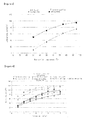
FIG. 3 shows extraction ratio of different extraction methods with temperature; and -
FIG. 4 shows extraction ratio of different extraction methods with extraction time. -
100: extraction unit 110: extraction bath 111: bubbling nozzle 120: upper plate 121: spray nozzle 200: compression unit 300: decompression unit 400: temperature controller 500: circulation pump - A pressure-cycling type of extraction device according to an embodiment of the present disclosure comprises: an extraction unit for accommodating and extracting an extraction target substance; a compression unit for increasing the pressure inside the extraction unit; and a decompression unit for decreasing the pressure inside the extraction unit. The compression unit and the decompression unit operate alternatingly to increase or decrease the pressure inside the extraction unit. The pressure-cycling type of extraction device according to the present disclosure may adjust the number and frequency of compression and decompression according to the properties of the extraction target substance. Also, the extraction condition may be optimized by adjusting compression and decompression time according to the properties of the extraction target substance.
- In an exemplary embodiment, the extraction unit may comprise a bubbling nozzle and/or a spray nozzle to improve extraction efficiency.
- The bubbling nozzle facilitates stirring of the extraction target substance by means of bubbles formed by the nozzle. Inside the extraction device, there may occur local differences of extraction condition such as temperature, pressure, etc. By supplying bubbles of air or inert gas by means of the bubbling nozzle, the extraction target substance may be stirred more effectively and a more uniform extract may be obtained. Also, the bubbling nozzle allows extraction at low temperature by improving the extraction efficiency. The extraction at low temperature allows the volatile components of the extraction target substance to remain and, thus, the quality of the extract can be significantly improved. In an exemplary embodiment, the inert gas supplied by the bubbling nozzle is nitrogen or helium, specifically nitrogen.
- The spray nozzle sprays liquid to the extraction target substance while the extraction is carried out, thus removing foams generated during the extraction. In an exemplary embodiment, the spray nozzle sprays an extraction solvent or water, more specifically low-temperature water. In an exemplary embodiment, the extraction solvent sprayed by the spray nozzle is C1-C5 lower alcohol. The spray nozzle makes it unnecessary to use a defoaming agent.
- In an exemplary embodiment, the extraction unit may be in the form of, for example an integral tank, although not limited thereto. When the extraction unit is in the form of an integral tank, it may have inlet ports for supplying the extraction target substance, the solvent, etc. and an outlet port for discharging the extract to outside.
- In another exemplary embodiment, the extraction unit may comprise an extraction bath wherein the extraction target substance is held and an upper plate. The extraction bath holds the extraction target substance and a solvent, if necessary. The upper plate is disposed on the extraction bath and closes the extraction bath. The extraction bath may be engaged with the upper plate by any means that allow the extraction target substance held in the extraction bath to be isolated, without special limitation. For example, the extraction bath and the upper plate may be engaged with each other by protrusions formed on the top surface of the extraction bath and protrusions formed on the bottom surface of the upper plate.
- The extraction device may further comprise a temperature controller. The temperature controller heats the extraction target substance held in the extraction unit. By heating the extraction target substance using the temperature controller, extraction efficiency may be improved.
- In an exemplary embodiment, the extraction device alternately provides pressurizing and depressurizing conditions. A compression unit may increase pressure by injecting gas into the extraction unit. The gas injected by the compression unit may be air or inert gas, specifically nitrogen (N2) or helium (He) gas, more specifically nitrogen gas, although not being limited thereto. The decompression unit may decrease pressure by applying vacuum to the extraction unit or discharging air through a vent.
- The present disclosure also provides a pressure-cycling type of extraction method, comprising carrying out a compression and a decompression alternately.
- In an exemplary embodiment, the pressure-cycling type of extraction method may comprise: (a) a compression process increasing pressure; and (b) a decompression process decreasing pressure, alternatingly. The extracting method may further comprise: (c) supplying bubbles to the extraction target substance during said compression and/or decompression
- In another exemplary embodiment, the extraction method may further comprise: (d) spraying liquid to the extraction target substance during the extraction.
- The extracting method may be a solvent extraction method of extracting the extraction target substance by immersing it in a solvent. The solvent used in the extracting method may be water or C1-C5 lower alcohol, more specifically water, although not being limited thereto.
- The pressure during said compression may be, for example, 1-10 kgf/cm2, specifically 1.5-3 kgf/cm2, although not being limited thereto. Depending on situations, an intermediate pressure of about 5 kgf/cm2 may be used. The pressure during said decompression may be 100-760 mmHg, specifically 500-700 mmHg. Depending on situations, the depressurizing may be performed in vacuum. In the extraction method according to the present disclosure, the pressurizing and depressurizing may be performed alternatingly depending on the properties of the extraction target substance. If necessary, the conditions of the compression and decompression processes may be set differently.
- The number and frequency of the compression and decompression processes are not specially limited and may be set differently according to the properties of the extraction target substance. In an exemplary embodiment, each of the compression and decompression processes may be performed for 10 minutes to 1 hour, specifically for 30 minutes. In another exemplary embodiment, the compression and decompression processes may be repeated 1-30 times, specifically 2-10 times, more specifically 4-5 times. By repeating the compression and decompression processes 2-3 times, sufficient extraction efficiency may be achieved.
- Since compression and decompression are performed alternatingly, the extraction method according to the present disclosure allows extraction at a relatively lower temperature than the hot water extraction method. Accordingly, the extraction temperature may be 0-100 °C, specifically 30-85 °C. The extracting method allows effective extraction even at a relatively low temperature of 50-75 °C. Depending on situations, cold extraction may also be carried out.
- The present disclosure further provides an extract extracted using the extraction device or by the extraction method according to the present disclosure. Since the extract according to the present disclosure is nearly free from discoloration, bad smell or thermal degradation, the inherent fragrance and nutritional ingredients of the extraction target substance may be maintained effectively. The extract may be used as an active ingredient or an additive in foods, cosmetics or pharmaceuticals. In an exemplary embodiment, the present disclosure provides a food composition comprising the extract. In another exemplary embodiment, the present disclosure provides a cosmetic composition comprising the extract.
- Now, extraction devices using pressure cycling according to exemplary embodiments of the present disclosure will be described in more detail with reference to the attached drawings.
-
FIG. 1 schematically shows a cross-section of an extraction device according to an exemplary embodiment of the present disclosure. The extraction device comprises anextraction unit 100 wherein an extraction target substance is extracted, a compression unit 200 increasing the pressure inside the extraction device, and adecompression unit 300 decreasing the pressure inside the extraction device. - The
extraction unit 100 comprises anextraction bath 110 accomodating the extraction target substance, and anupper plate 120 serving as a lid of theextraction bath 110. A bubblingnozzle 111 is provided at the lower portion of theextraction bath 110. The bubblingnozzle 111 supplies air bubbles during the extraction process to facilitate stirring of the extraction target substance. Theupper plate 120 has aspray nozzle 121 at the lower portion thereof. By spraying low-temperature water, thespray nozzle 121 removes foams generated during the extraction. - The compression unit 200 and the
decompression unit 300 are connected to theupper plate 120. The compression unit 200 increases the pressure inside the extraction device by supplying air or nitrogen (N2) gas. Thedecompression unit 300 decreases the pressure inside the extraction device by applying vacuum or discharging air through a vent. The operation time and frequency of the compression unit 200 and thedecompression unit 300 are controlled by a pressure controller (not shown). Atemperature controller 400 is connected to the extraction device. An extract heated by thetemperature controller 400 is circulated into theextraction bath 110 by a circulation pump 500. -
FIG. 2 shows engagement of the extraction bath and the upper plate in a pressure-cycling type of extraction device according to an embodiment of the present disclosure. Theextraction bath 110 has two protrusions formed on its top surface, which are engaged with a protrusion formed on the bottom surface of theupper plate 120. - The examples and experiments will now be described. The following examples and experiments are for illustrative purposes only and not intended to limit the scope of the present disclosure.
- Puerarin was extracted from the root of kudzu using the extraction device shown in
FIG. 1 . Specifically, the root of kudzu was immersed in 10 times the volume water and extracted for 2 hours while alternatingly pressurizing and depressurizing with 30-minute intervals. The pressure during compression was 2 kgf/cm2 and the pressure during decompression was 600±50 mmHg, and the extraction temperature was set at 75 °C. - Puerarin was extracted from the root of kudzu by hot water extraction. Specifically, the root of kudzu was immersed in 10 times the volume water and extracted for 2 hours at 75 °C. Compression or decompression was not carried out during the extraction.
- Puerarin was extracted from the root of kudzu in the same manner as described in Example 1 and Comparative Example 1 and extraction ratio was measured. But, the extraction time was 4 hours, compression and decompression were repeated with 1-hour intervals, and the extraction temperature was varied from 30 to 100 °C. The result is shown in
FIG. 3 . InFIG. 3 , the extraction ratio (%) is given relative to the methanol reflux extraction according to the Korean Pharmacopoeia. - Referring to
FIG. 3 , the pressure cycling extraction exhibits 20-40% higher extraction ratio than the hot water extraction. Especially, the extraction ratio is good at the low temperature range. For example, the extraction ratio is less than 10% at 30 °C and less than 40% at 50 °C for the hot water extraction. In contrast, the pressure cycling extraction according to the present disclosure exhibits an extraction ratio of 50% or higher at 30 °C and an extraction ratio reaching 70% at 50 °C. - It can be seen that the pressure cycling extraction according to the present disclosure allows effective extraction at relatively low temperatures where extraction is hardly accomplished by the existing hot water extraction method. Accordingly, the pressure cycling extraction according to the present disclosure can be effectively utilized for extraction of thermally susceptible ingredients.
- Change of the extracts extracted by hot water extraction and pressure cycling extraction was observed in order to investigate the efficiency of pressure cycling extraction.
- Hot water extraction and pressure cycling extraction were performed in the same manner as described in Test Example 1. In each case, extraction time was 2 hours. The obtained extracts were filtered through a 0.45-µm filter to remove microorganisms and precipitation was observed in a refrigerator. The result is shown in Table 1.
Table 1 Days 1 day 7 days 15 days 30 days Extraction temperature HWE PCE HWE PCE HWE PCE HWE PCE 30 °C - - - - - - - - 50 °C - - - - * - * - 75 °C - - - - * * * * 95 °C * - ** ** *** *** *** *** HWE: hot water extraction
PCE: pressure cycling extraction
*: slightly hazy, **: precipitation observed, ***: slight precipitation, ****: considerable precipitation, *****: severe precipitation - As seen from Table 1, significant differences in precipitation were observed depending on the extraction temperature. The temporal stability was relatively superior for pressure cycling extraction when the extraction temperature was relatively low at 50-75 °C.
- Extraction ratio was compared for hot water extraction, extraction by pressurizing only, extraction by depressurizing only and pressure cycling extraction. Extraction time was 8 hours and extraction ratio was measured every hour by taking samples. The extraction temperature was set at 75 °C since some ingredients may not be extracted at lower temperatures and thermally weak ingredients may be degraded at higher temperatures. The specific extraction condition is shown in Table 2, and the result is shown in
FIG. 4 .Table 2 Extraction method Extraction temperature Pressurizing condition Depressurizing condition Note Hot water extraction 75 °C - - Hot water circulation extraction 75 °C - - Hot water extraction with circulation pump Pressurizing only 75 ° C 2 kgf/cm2 - Depressurizing only 75 °C - 600±50 mmHg Pressure cycling extraction 75 ° C 2 kgf/ cm 2600±50 mmHg Alternatingly pressurizing and depressurizing with 30-minute intervals Pressure cycling + bubbling extraction 75 ° C 2 kgf/ cm 260±50 mmHg Releasing vacuum Injecting nitrogen by bubbling Alternatingly pressurizing and depressurizing with 30-minute intervals - Referring to
FIG. 4 , hot water circulation extraction wherein a circulation pump was used for stirring was exhibited better extraction efficiency than hot water extraction, close to those of pressurizing only and depressurizing only. The extraction yield attained in 8 hours with hot water extraction was achieved only in 2 hours with pressure cycling extraction. When bubbling was combined with pressure cycling extraction, the maximum extraction yield was attained even faster than simple pressure cycling extraction. The pressure cycling extraction combined with bubbling was effective in extracting thermally weak ingredients at low temperature, with remarkably higher efficiency than other methods. - The extraction device and method according to the present disclosure allow effective extraction of natural products, medicinal herbs, etc. without discoloration, bad smell or thermal degradation of the extraction target substance.
Claims (15)
- A pressure-cycling type of extraction device comprising:an extraction unit for accommodating and extracting an extraction target substance;a compression unit for increasing the pressure inside the extraction unit; anda decompression unit for decreasing the pressure inside the extraction unit;wherein the pressure inside the extraction unit is increased and decreased by alternately operating the compression unit and the decompression unit, andwherein the extraction unit comprises a bubbling nozzle for supplying bubbles into the extraction target substance.
- The pressure-cycling type of extraction device according to Claim 1, wherein the extraction unit comprises:a spray nozzle spraying liquid to the extraction target substance;a temperature controller controlling the extraction temperature; orthe spray nozzle and the temperature controller.
- The pressure-cycling type of extraction device according to Claim 1, wherein the extraction unit comprises:an extraction bath accommodating the extraction target substance; andan upper plate provided on the extraction bath and closing the extraction bath.
- The pressure-cycling type of extraction device according to Claim 3, wherein the extraction bath and the upper plate are engaged with each other by protrusions formed on the top surface of the extraction bath and protrusions formed on the bottom surface of the upper plate.
- The pressure-cycling type of extraction device according to Claim 1, wherein the compression unit increases the pressure inside the extraction unit by injecting gas into the extraction unit, and the decompression unit decreases the pressure inside the extraction unit by applying vacuum to the extraction unit or discharging air through a vent.
- The pressure-cycling type of extraction device according to Claim 5, wherein the gas injected into the extraction unit is air or nitrogen (N2) gas.
- A pressure-cycling type of extraction method for extracting an extraction target substance by immersing in a solvent,
comprising carrying out a compression process and a decompression process alternately,
wherein bubbles are supplied to the extraction target substance during the extraction. - The pressure-cycling type of extraction method according to Claim 7, further comprising spraying liquid to the extraction target substance during the extraction.
- The pressure-cycling type of extraction method according to Claim 7, wherein the solvent is water or C1-C5 lower alcohol.
- The pressure-cycling type of extraction method according to Claim 7, wherein the compression process increases pressure to 1-10 kgf/cm2 and the decompression process decreases pressure to 100-760 mmHg.
- The pressure-cycling type of extraction method according to Claim 7, wherein the compression process and the decompression process are performed for 10 minutes to 1 hour, individually, and repeated 2-10 times.
- The pressure-cycling type of extraction method according to Claim 7, wherein extraction temperature is 30-85 °C.
- An extract extracted by the extraction method according to any one of Claims 7 to 12.
- A food composition comprising the extract according to Claim 13.
- A cosmetic composition comprising the extract according to Claim 13.
Applications Claiming Priority (2)
| Application Number | Priority Date | Filing Date | Title |
|---|---|---|---|
| KR1020090057901A KR101587871B1 (en) | 2009-06-26 | 2009-06-26 | Extracting Apparatus and Method using Pressure Swing |
| PCT/KR2010/003189 WO2010150980A2 (en) | 2009-06-26 | 2010-05-20 | Positive and negative extraction device and extraction method |
Publications (3)
| Publication Number | Publication Date |
|---|---|
| EP2446786A2 true EP2446786A2 (en) | 2012-05-02 |
| EP2446786A4 EP2446786A4 (en) | 2015-01-07 |
| EP2446786B1 EP2446786B1 (en) | 2020-09-30 |
Family
ID=43386992
Family Applications (1)
| Application Number | Title | Priority Date | Filing Date |
|---|---|---|---|
| EP10792262.7A Not-in-force EP2446786B1 (en) | 2009-06-26 | 2010-05-20 | Method for extracting puerarin from kudzu by pressure-cycling extraction |
Country Status (6)
| Country | Link |
|---|---|
| US (1) | US20120095208A1 (en) |
| EP (1) | EP2446786B1 (en) |
| JP (1) | JP2012531247A (en) |
| KR (1) | KR101587871B1 (en) |
| CN (1) | CN102802474A (en) |
| WO (1) | WO2010150980A2 (en) |
Families Citing this family (22)
| Publication number | Priority date | Publication date | Assignee | Title |
|---|---|---|---|---|
| US10720075B2 (en) * | 2010-09-23 | 2020-07-21 | Pamela Saha | Cellophane cut out kits for optical art |
| KR101308902B1 (en) * | 2011-05-06 | 2013-09-16 | 권용덕 | Apparatus for fabricating food and beverage at low temperature and low pressure |
| WO2015005554A1 (en) | 2013-07-11 | 2015-01-15 | (주)아모레퍼시픽 | Composition for promoting hair sprouting and hair growth |
| CN107149407B (en) * | 2016-03-04 | 2019-10-11 | 威斯达电器(中山)制造有限公司 | Coffee machine and control method thereof |
| RU169873U1 (en) * | 2016-06-20 | 2017-04-04 | федеральное государственное бюджетное образовательное учреждение высшего образования "Казанский национальный исследовательский технологический университет" (ФГБОУ ВО "КНИТУ") | EXTRACTOR |
| JP6998035B2 (en) * | 2017-08-07 | 2022-01-18 | 株式会社Tree Field | Extractor |
| ES2948757T3 (en) * | 2017-08-07 | 2023-09-18 | Daito Giken Inc | Extraction method and extraction device |
| KR102076636B1 (en) | 2017-08-25 | 2020-02-12 | (주)아모레퍼시픽 | Composition containing trimethyl cyclohexen compound for promoting hair sprouting or hair growth |
| KR102119465B1 (en) | 2017-09-20 | 2020-06-08 | (주)아모레퍼시픽 | Trimethoxy phenyl compound and composition containing the same for promoting hair sprouting or hair growth |
| KR20190036971A (en) | 2017-09-28 | 2019-04-05 | (주)아모레퍼시픽 | Composition containing trimethyl cyclohexen compound for promoting adiponectin production |
| KR102040900B1 (en) | 2017-09-29 | 2019-11-06 | (주)아모레퍼시픽 | A composition containing trimethoxy phenyl compound for promoting adipocyte differentiation or adiponectin production |
| JP6982819B2 (en) * | 2017-12-22 | 2021-12-17 | パナソニックIpマネジメント株式会社 | Beverage extractor |
| JP7201215B2 (en) * | 2018-11-13 | 2023-01-10 | 株式会社大都技研 | Extraction method and extraction apparatus |
| US11119011B2 (en) | 2019-02-12 | 2021-09-14 | National Tsing Hua University | Method for extracting and detecting volatile organic compounds |
| CN112169367A (en) * | 2019-07-03 | 2021-01-05 | 上海谷励智能设备有限公司 | Pressure oscillation extraction instrument |
| CN113322177A (en) * | 2021-04-19 | 2021-08-31 | 杭州氢态生物科技有限公司 | Enzyme reaction extraction device and extraction process based on normal temperature condition |
| CN113388453A (en) * | 2021-07-08 | 2021-09-14 | 中香香料(深圳)有限公司 | Essential oil extraction equipment and process method |
| CN115721167B (en) * | 2021-08-25 | 2025-07-22 | 广东美的生活电器制造有限公司 | Control method, control device, food processor, and readable storage medium |
| CN114210092A (en) * | 2021-11-30 | 2022-03-22 | 中科优术(黑龙江)科技产业有限公司 | Low-temperature negative-pressure type extraction integrated device and extraction method |
| CN115300933B (en) * | 2022-07-28 | 2023-11-24 | 黄淮学院 | A kind of separation and purification equipment for natural products |
| CN115738367A (en) * | 2022-12-01 | 2023-03-07 | 何翔 | Pulsation type vacuum rapid extraction system and method |
| WO2025046703A1 (en) * | 2023-08-28 | 2025-03-06 | sPods株式会社 | Beverage production device |
Family Cites Families (18)
| Publication number | Priority date | Publication date | Assignee | Title |
|---|---|---|---|---|
| BE878150A (en) * | 1978-08-09 | 1980-02-08 | Atomic Energy Authority Uk | IMPROVEMENTS IN A PROCESS FOR EXTRACTING MATERIAL BY LEACHING |
| JPH01159004A (en) * | 1987-12-16 | 1989-06-22 | Niigata Eng Co Ltd | Solid extracting |
| US4984511A (en) * | 1988-11-25 | 1991-01-15 | Sanden Corporation | Beverage brewing apparatus for vending machines |
| JPH0687740B2 (en) * | 1990-03-08 | 1994-11-09 | 株式会社ニチレイ | Extracted beverage liquid manufacturing method and apparatus |
| JP3484612B2 (en) * | 1993-07-12 | 2004-01-06 | 株式会社ニッセー | Extraction method and apparatus for tea etc. |
| US5558006A (en) * | 1994-08-04 | 1996-09-24 | Kuboyama; Nobuyoshi | Health beverage plant extraction apparatus |
| CN1156566A (en) * | 1996-10-09 | 1997-08-13 | 桂林朗臣饮料有限公司 | Production method of kudzuvine root tea |
| UA35292C2 (en) * | 1999-09-17 | 2001-10-15 | Інститут Технічної Теплофізики Національної Академії Наук України | Extraction device |
| JP4526155B2 (en) * | 2000-04-24 | 2010-08-18 | 株式会社ニッセー | Multi-function extractor |
| KR100411746B1 (en) * | 2000-12-13 | 2003-12-18 | 주식회사 한국닛소 | Extraction Apparatus For Essential Terpene-oil |
| JP3693664B2 (en) * | 2003-07-23 | 2005-09-07 | 株式会社イズミフードマシナリ | Beverage and seasoning extraction apparatus and extraction method |
| CN1236836C (en) * | 2003-12-08 | 2006-01-18 | 曹培生 | A process for extraction and apparatus thereof |
| JP4427666B2 (en) * | 2004-11-22 | 2010-03-10 | 国立大学法人徳島大学 | Removal method of dissolved oxygen in liquid by low pressure gas pressurization method |
| CN1788822A (en) * | 2004-12-15 | 2006-06-21 | 刘乡乡 | Low-temperature differential pressure type extractive technique |
| CN2912753Y (en) * | 2005-11-10 | 2007-06-20 | 上海大学 | Spray extraction equipment |
| CN101360935A (en) * | 2006-01-31 | 2009-02-04 | 住重机器系统株式会社 | Sealing construction of pressure vessel |
| JP2008001658A (en) * | 2006-06-23 | 2008-01-10 | Nitta Gelatin Inc | Cosmetic composition |
| AU2007324208B2 (en) * | 2006-11-22 | 2010-06-10 | Hu Nan Qiangsheng Medicine Co., Ltd. | A procedure and equipment thereof for comprehensive utilization of Radix pueraria |
-
2009
- 2009-06-26 KR KR1020090057901A patent/KR101587871B1/en active Active
-
2010
- 2010-05-20 EP EP10792262.7A patent/EP2446786B1/en not_active Not-in-force
- 2010-05-20 WO PCT/KR2010/003189 patent/WO2010150980A2/en not_active Ceased
- 2010-05-20 JP JP2012517367A patent/JP2012531247A/en active Pending
- 2010-05-20 CN CN2010800285449A patent/CN102802474A/en active Pending
- 2010-05-20 US US13/379,890 patent/US20120095208A1/en not_active Abandoned
Also Published As
| Publication number | Publication date |
|---|---|
| WO2010150980A3 (en) | 2011-03-10 |
| KR20110000433A (en) | 2011-01-03 |
| KR101587871B1 (en) | 2016-01-25 |
| WO2010150980A2 (en) | 2010-12-29 |
| EP2446786A4 (en) | 2015-01-07 |
| US20120095208A1 (en) | 2012-04-19 |
| CN102802474A (en) | 2012-11-28 |
| EP2446786B1 (en) | 2020-09-30 |
| JP2012531247A (en) | 2012-12-10 |
Similar Documents
| Publication | Publication Date | Title |
|---|---|---|
| US20120095208A1 (en) | Positive and negative extraction device and extraction method | |
| KR20120125333A (en) | Methods of producing extracts from materials and apparatus for implementing the methods | |
| US20160016984A1 (en) | Positive and negative extraction device and extraction method | |
| KR102562237B1 (en) | Manufacturing method of enzyme-treated stevia tomato applied with micro ultrasonic bubble process | |
| KR101810738B1 (en) | a funtional aged red ginseng manufacturing method and the red ginseng using thereof and the aged red ginseng manufacturing system | |
| KR101359078B1 (en) | Method of processing roots of wild ginseng | |
| CN114534983A (en) | Method and device for spraying aged effective floras of citrus grandis | |
| HK1173057A (en) | Positive and negative extraction device and extraction method | |
| CN116035094B (en) | Coffee extract, preparation method thereof, and beverage | |
| CN114210092A (en) | Low-temperature negative-pressure type extraction integrated device and extraction method | |
| AU2018433724B2 (en) | Device and method for deactivating pathogens in blood plasma, blood product and biological product | |
| CN115024465A (en) | Method for improving content of gamma-aminobutyric acid | |
| EP2601844B1 (en) | Method of producing an extract enriched with trigonelline (TRIG) and/or chlorogenic acids (CQA) | |
| KR102903742B1 (en) | Method for manufacturing red ginseng extract to increased ginsenoside content | |
| KR20160057989A (en) | a funtional aged red ginseng manufacturing method and the red ginseng using thereof and the aged red ginseng manufacturing system | |
| KR101401788B1 (en) | Production method of purple wild ginseng cultured muscle | |
| CN106860502A (en) | The preparation method of bitter melon seed flavones | |
| KR20180022390A (en) | Method for preparing coffee using green coffee bean and subcritical water | |
| KR20160124638A (en) | juice, after-treatment method of juice using hydrogen and device thereof | |
| Hu et al. | Diffusion study in interface of iridium/rhenium composite prepared by CVD. | |
| CN107460057B (en) | Wormwood essence and preparation method thereof | |
| CN101926482A (en) | Isatis root fruit flavored beverage/desmodium fruit flavored beverage | |
| CN120900254A (en) | Low-temperature plasma activated medicinal material extraction method | |
| JP7306452B2 (en) | Method for decomposing flavonoid glycosides and method for producing flavonoids | |
| KR20140058465A (en) | Production method of purple wild ginseng cultured muscle |
Legal Events
| Date | Code | Title | Description |
|---|---|---|---|
| PUAI | Public reference made under article 153(3) epc to a published international application that has entered the european phase |
Free format text: ORIGINAL CODE: 0009012 |
|
| 17P | Request for examination filed |
Effective date: 20111216 |
|
| AK | Designated contracting states |
Kind code of ref document: A2 Designated state(s): AL AT BE BG CH CY CZ DE DK EE ES FI FR GB GR HR HU IE IS IT LI LT LU LV MC MK MT NL NO PL PT RO SE SI SK SM TR |
|
| DAX | Request for extension of the european patent (deleted) | ||
| A4 | Supplementary search report drawn up and despatched |
Effective date: 20141209 |
|
| RIC1 | Information provided on ipc code assigned before grant |
Ipc: A47J 31/36 20060101ALI20141203BHEP Ipc: A47J 31/00 20060101AFI20141203BHEP Ipc: B01D 11/02 20060101ALI20141203BHEP |
|
| STAA | Information on the status of an ep patent application or granted ep patent |
Free format text: STATUS: EXAMINATION IS IN PROGRESS |
|
| 17Q | First examination report despatched |
Effective date: 20180308 |
|
| GRAP | Despatch of communication of intention to grant a patent |
Free format text: ORIGINAL CODE: EPIDOSNIGR1 |
|
| STAA | Information on the status of an ep patent application or granted ep patent |
Free format text: STATUS: GRANT OF PATENT IS INTENDED |
|
| INTG | Intention to grant announced |
Effective date: 20200617 |
|
| GRAS | Grant fee paid |
Free format text: ORIGINAL CODE: EPIDOSNIGR3 |
|
| GRAA | (expected) grant |
Free format text: ORIGINAL CODE: 0009210 |
|
| STAA | Information on the status of an ep patent application or granted ep patent |
Free format text: STATUS: THE PATENT HAS BEEN GRANTED |
|
| AK | Designated contracting states |
Kind code of ref document: B1 Designated state(s): AL AT BE BG CH CY CZ DE DK EE ES FI FR GB GR HR HU IE IS IT LI LT LU LV MC MK MT NL NO PL PT RO SE SI SK SM TR |
|
| REG | Reference to a national code |
Ref country code: CH Ref legal event code: EP Ref country code: GB Ref legal event code: FG4D |
|
| REG | Reference to a national code |
Ref country code: DE Ref legal event code: R096 Ref document number: 602010065568 Country of ref document: DE Ref country code: AT Ref legal event code: REF Ref document number: 1317881 Country of ref document: AT Kind code of ref document: T Effective date: 20201015 |
|
| REG | Reference to a national code |
Ref country code: IE Ref legal event code: FG4D |
|
| PG25 | Lapsed in a contracting state [announced via postgrant information from national office to epo] |
Ref country code: HR Free format text: LAPSE BECAUSE OF FAILURE TO SUBMIT A TRANSLATION OF THE DESCRIPTION OR TO PAY THE FEE WITHIN THE PRESCRIBED TIME-LIMIT Effective date: 20200930 Ref country code: SE Free format text: LAPSE BECAUSE OF FAILURE TO SUBMIT A TRANSLATION OF THE DESCRIPTION OR TO PAY THE FEE WITHIN THE PRESCRIBED TIME-LIMIT Effective date: 20200930 Ref country code: BG Free format text: LAPSE BECAUSE OF FAILURE TO SUBMIT A TRANSLATION OF THE DESCRIPTION OR TO PAY THE FEE WITHIN THE PRESCRIBED TIME-LIMIT Effective date: 20201230 Ref country code: NO Free format text: LAPSE BECAUSE OF FAILURE TO SUBMIT A TRANSLATION OF THE DESCRIPTION OR TO PAY THE FEE WITHIN THE PRESCRIBED TIME-LIMIT Effective date: 20201230 Ref country code: GR Free format text: LAPSE BECAUSE OF FAILURE TO SUBMIT A TRANSLATION OF THE DESCRIPTION OR TO PAY THE FEE WITHIN THE PRESCRIBED TIME-LIMIT Effective date: 20201231 Ref country code: FI Free format text: LAPSE BECAUSE OF FAILURE TO SUBMIT A TRANSLATION OF THE DESCRIPTION OR TO PAY THE FEE WITHIN THE PRESCRIBED TIME-LIMIT Effective date: 20200930 |
|
| REG | Reference to a national code |
Ref country code: AT Ref legal event code: MK05 Ref document number: 1317881 Country of ref document: AT Kind code of ref document: T Effective date: 20200930 |
|
| PG25 | Lapsed in a contracting state [announced via postgrant information from national office to epo] |
Ref country code: LV Free format text: LAPSE BECAUSE OF FAILURE TO SUBMIT A TRANSLATION OF THE DESCRIPTION OR TO PAY THE FEE WITHIN THE PRESCRIBED TIME-LIMIT Effective date: 20200930 |
|
| REG | Reference to a national code |
Ref country code: NL Ref legal event code: MP Effective date: 20200930 |
|
| REG | Reference to a national code |
Ref country code: LT Ref legal event code: MG4D |
|
| PG25 | Lapsed in a contracting state [announced via postgrant information from national office to epo] |
Ref country code: EE Free format text: LAPSE BECAUSE OF FAILURE TO SUBMIT A TRANSLATION OF THE DESCRIPTION OR TO PAY THE FEE WITHIN THE PRESCRIBED TIME-LIMIT Effective date: 20200930 Ref country code: CZ Free format text: LAPSE BECAUSE OF FAILURE TO SUBMIT A TRANSLATION OF THE DESCRIPTION OR TO PAY THE FEE WITHIN THE PRESCRIBED TIME-LIMIT Effective date: 20200930 Ref country code: RO Free format text: LAPSE BECAUSE OF FAILURE TO SUBMIT A TRANSLATION OF THE DESCRIPTION OR TO PAY THE FEE WITHIN THE PRESCRIBED TIME-LIMIT Effective date: 20200930 Ref country code: SM Free format text: LAPSE BECAUSE OF FAILURE TO SUBMIT A TRANSLATION OF THE DESCRIPTION OR TO PAY THE FEE WITHIN THE PRESCRIBED TIME-LIMIT Effective date: 20200930 Ref country code: NL Free format text: LAPSE BECAUSE OF FAILURE TO SUBMIT A TRANSLATION OF THE DESCRIPTION OR TO PAY THE FEE WITHIN THE PRESCRIBED TIME-LIMIT Effective date: 20200930 Ref country code: PT Free format text: LAPSE BECAUSE OF FAILURE TO SUBMIT A TRANSLATION OF THE DESCRIPTION OR TO PAY THE FEE WITHIN THE PRESCRIBED TIME-LIMIT Effective date: 20210201 Ref country code: LT Free format text: LAPSE BECAUSE OF FAILURE TO SUBMIT A TRANSLATION OF THE DESCRIPTION OR TO PAY THE FEE WITHIN THE PRESCRIBED TIME-LIMIT Effective date: 20200930 |
|
| PG25 | Lapsed in a contracting state [announced via postgrant information from national office to epo] |
Ref country code: AL Free format text: LAPSE BECAUSE OF FAILURE TO SUBMIT A TRANSLATION OF THE DESCRIPTION OR TO PAY THE FEE WITHIN THE PRESCRIBED TIME-LIMIT Effective date: 20200930 Ref country code: AT Free format text: LAPSE BECAUSE OF FAILURE TO SUBMIT A TRANSLATION OF THE DESCRIPTION OR TO PAY THE FEE WITHIN THE PRESCRIBED TIME-LIMIT Effective date: 20200930 Ref country code: ES Free format text: LAPSE BECAUSE OF FAILURE TO SUBMIT A TRANSLATION OF THE DESCRIPTION OR TO PAY THE FEE WITHIN THE PRESCRIBED TIME-LIMIT Effective date: 20200930 Ref country code: IS Free format text: LAPSE BECAUSE OF FAILURE TO SUBMIT A TRANSLATION OF THE DESCRIPTION OR TO PAY THE FEE WITHIN THE PRESCRIBED TIME-LIMIT Effective date: 20210130 Ref country code: PL Free format text: LAPSE BECAUSE OF FAILURE TO SUBMIT A TRANSLATION OF THE DESCRIPTION OR TO PAY THE FEE WITHIN THE PRESCRIBED TIME-LIMIT Effective date: 20200930 |
|
| PG25 | Lapsed in a contracting state [announced via postgrant information from national office to epo] |
Ref country code: SK Free format text: LAPSE BECAUSE OF FAILURE TO SUBMIT A TRANSLATION OF THE DESCRIPTION OR TO PAY THE FEE WITHIN THE PRESCRIBED TIME-LIMIT Effective date: 20200930 |
|
| REG | Reference to a national code |
Ref country code: DE Ref legal event code: R097 Ref document number: 602010065568 Country of ref document: DE |
|
| PLBE | No opposition filed within time limit |
Free format text: ORIGINAL CODE: 0009261 |
|
| STAA | Information on the status of an ep patent application or granted ep patent |
Free format text: STATUS: NO OPPOSITION FILED WITHIN TIME LIMIT |
|
| PG25 | Lapsed in a contracting state [announced via postgrant information from national office to epo] |
Ref country code: DK Free format text: LAPSE BECAUSE OF FAILURE TO SUBMIT A TRANSLATION OF THE DESCRIPTION OR TO PAY THE FEE WITHIN THE PRESCRIBED TIME-LIMIT Effective date: 20200930 |
|
| 26N | No opposition filed |
Effective date: 20210701 |
|
| PG25 | Lapsed in a contracting state [announced via postgrant information from national office to epo] |
Ref country code: IT Free format text: LAPSE BECAUSE OF FAILURE TO SUBMIT A TRANSLATION OF THE DESCRIPTION OR TO PAY THE FEE WITHIN THE PRESCRIBED TIME-LIMIT Effective date: 20200930 |
|
| PG25 | Lapsed in a contracting state [announced via postgrant information from national office to epo] |
Ref country code: SI Free format text: LAPSE BECAUSE OF FAILURE TO SUBMIT A TRANSLATION OF THE DESCRIPTION OR TO PAY THE FEE WITHIN THE PRESCRIBED TIME-LIMIT Effective date: 20200930 |
|
| REG | Reference to a national code |
Ref country code: DE Ref legal event code: R119 Ref document number: 602010065568 Country of ref document: DE |
|
| REG | Reference to a national code |
Ref country code: CH Ref legal event code: PL |
|
| GBPC | Gb: european patent ceased through non-payment of renewal fee |
Effective date: 20210520 |
|
| PG25 | Lapsed in a contracting state [announced via postgrant information from national office to epo] |
Ref country code: CH Free format text: LAPSE BECAUSE OF NON-PAYMENT OF DUE FEES Effective date: 20210531 Ref country code: MC Free format text: LAPSE BECAUSE OF FAILURE TO SUBMIT A TRANSLATION OF THE DESCRIPTION OR TO PAY THE FEE WITHIN THE PRESCRIBED TIME-LIMIT Effective date: 20200930 Ref country code: LI Free format text: LAPSE BECAUSE OF NON-PAYMENT OF DUE FEES Effective date: 20210531 Ref country code: LU Free format text: LAPSE BECAUSE OF NON-PAYMENT OF DUE FEES Effective date: 20210520 |
|
| REG | Reference to a national code |
Ref country code: BE Ref legal event code: MM Effective date: 20210531 |
|
| PG25 | Lapsed in a contracting state [announced via postgrant information from national office to epo] |
Ref country code: IE Free format text: LAPSE BECAUSE OF NON-PAYMENT OF DUE FEES Effective date: 20210520 Ref country code: GB Free format text: LAPSE BECAUSE OF NON-PAYMENT OF DUE FEES Effective date: 20210520 Ref country code: DE Free format text: LAPSE BECAUSE OF NON-PAYMENT OF DUE FEES Effective date: 20211201 |
|
| PG25 | Lapsed in a contracting state [announced via postgrant information from national office to epo] |
Ref country code: IS Free format text: LAPSE BECAUSE OF FAILURE TO SUBMIT A TRANSLATION OF THE DESCRIPTION OR TO PAY THE FEE WITHIN THE PRESCRIBED TIME-LIMIT Effective date: 20210130 |
|
| PG25 | Lapsed in a contracting state [announced via postgrant information from national office to epo] |
Ref country code: BE Free format text: LAPSE BECAUSE OF NON-PAYMENT OF DUE FEES Effective date: 20210531 |
|
| PG25 | Lapsed in a contracting state [announced via postgrant information from national office to epo] |
Ref country code: HU Free format text: LAPSE BECAUSE OF FAILURE TO SUBMIT A TRANSLATION OF THE DESCRIPTION OR TO PAY THE FEE WITHIN THE PRESCRIBED TIME-LIMIT; INVALID AB INITIO Effective date: 20100520 Ref country code: CY Free format text: LAPSE BECAUSE OF FAILURE TO SUBMIT A TRANSLATION OF THE DESCRIPTION OR TO PAY THE FEE WITHIN THE PRESCRIBED TIME-LIMIT Effective date: 20200930 |
|
| PG25 | Lapsed in a contracting state [announced via postgrant information from national office to epo] |
Ref country code: MK Free format text: LAPSE BECAUSE OF FAILURE TO SUBMIT A TRANSLATION OF THE DESCRIPTION OR TO PAY THE FEE WITHIN THE PRESCRIBED TIME-LIMIT Effective date: 20200930 |
|
| PGFP | Annual fee paid to national office [announced via postgrant information from national office to epo] |
Ref country code: FR Payment date: 20240322 Year of fee payment: 15 |
|
| PG25 | Lapsed in a contracting state [announced via postgrant information from national office to epo] |
Ref country code: TR Free format text: LAPSE BECAUSE OF FAILURE TO SUBMIT A TRANSLATION OF THE DESCRIPTION OR TO PAY THE FEE WITHIN THE PRESCRIBED TIME-LIMIT Effective date: 20200930 |
|
| PG25 | Lapsed in a contracting state [announced via postgrant information from national office to epo] |
Ref country code: MT Free format text: LAPSE BECAUSE OF FAILURE TO SUBMIT A TRANSLATION OF THE DESCRIPTION OR TO PAY THE FEE WITHIN THE PRESCRIBED TIME-LIMIT Effective date: 20200930 |
|
| PG25 | Lapsed in a contracting state [announced via postgrant information from national office to epo] |
Ref country code: FR Free format text: LAPSE BECAUSE OF NON-PAYMENT OF DUE FEES Effective date: 20250531 |