EP2432465B1 - Use of dynamin ring stabilizers - Google Patents
Use of dynamin ring stabilizers Download PDFInfo
- Publication number
- EP2432465B1 EP2432465B1 EP10777248.5A EP10777248A EP2432465B1 EP 2432465 B1 EP2432465 B1 EP 2432465B1 EP 10777248 A EP10777248 A EP 10777248A EP 2432465 B1 EP2432465 B1 EP 2432465B1
- Authority
- EP
- European Patent Office
- Prior art keywords
- dynamin
- ring stabilizer
- actin
- ring
- rings
- Prior art date
- Legal status (The legal status is an assumption and is not a legal conclusion. Google has not performed a legal analysis and makes no representation as to the accuracy of the status listed.)
- Not-in-force
Links
- 0 *c1c(*)c(*)c(C=O)c(*)c1* Chemical compound *c1c(*)c(*)c(C=O)c(*)c1* 0.000 description 3
- NKEWQXUSKCGFTE-UHFFFAOYSA-N N=C(C(C(NCCCNC(C1=Cc2cccc(O)c2OC1=N)=O)=O)=Cc1ccc2)Oc1c2O Chemical compound N=C(C(C(NCCCNC(C1=Cc2cccc(O)c2OC1=N)=O)=O)=Cc1ccc2)Oc1c2O NKEWQXUSKCGFTE-UHFFFAOYSA-N 0.000 description 1
- FDNAQCWUERCJBK-UHFFFAOYSA-N NNC(c(cc(cccc1)c1c1)c1O)=O Chemical compound NNC(c(cc(cccc1)c1c1)c1O)=O FDNAQCWUERCJBK-UHFFFAOYSA-N 0.000 description 1
Images



Classifications
-
- A—HUMAN NECESSITIES
- A61—MEDICAL OR VETERINARY SCIENCE; HYGIENE
- A61K—PREPARATIONS FOR MEDICAL, DENTAL OR TOILETRY PURPOSES
- A61K31/00—Medicinal preparations containing organic active ingredients
- A61K31/275—Nitriles; Isonitriles
-
- A—HUMAN NECESSITIES
- A61—MEDICAL OR VETERINARY SCIENCE; HYGIENE
- A61K—PREPARATIONS FOR MEDICAL, DENTAL OR TOILETRY PURPOSES
- A61K31/00—Medicinal preparations containing organic active ingredients
- A61K31/33—Heterocyclic compounds
- A61K31/395—Heterocyclic compounds having nitrogen as a ring hetero atom, e.g. guanethidine or rifamycins
- A61K31/40—Heterocyclic compounds having nitrogen as a ring hetero atom, e.g. guanethidine or rifamycins having five-membered rings with one nitrogen as the only ring hetero atom, e.g. sulpiride, succinimide, tolmetin, buflomedil
- A61K31/403—Heterocyclic compounds having nitrogen as a ring hetero atom, e.g. guanethidine or rifamycins having five-membered rings with one nitrogen as the only ring hetero atom, e.g. sulpiride, succinimide, tolmetin, buflomedil condensed with carbocyclic rings, e.g. carbazole
- A61K31/404—Indoles, e.g. pindolol
-
- A—HUMAN NECESSITIES
- A61—MEDICAL OR VETERINARY SCIENCE; HYGIENE
- A61P—SPECIFIC THERAPEUTIC ACTIVITY OF CHEMICAL COMPOUNDS OR MEDICINAL PREPARATIONS
- A61P13/00—Drugs for disorders of the urinary system
- A61P13/02—Drugs for disorders of the urinary system of urine or of the urinary tract, e.g. urine acidifiers
-
- A—HUMAN NECESSITIES
- A61—MEDICAL OR VETERINARY SCIENCE; HYGIENE
- A61P—SPECIFIC THERAPEUTIC ACTIVITY OF CHEMICAL COMPOUNDS OR MEDICINAL PREPARATIONS
- A61P13/00—Drugs for disorders of the urinary system
- A61P13/12—Drugs for disorders of the urinary system of the kidneys
-
- A—HUMAN NECESSITIES
- A61—MEDICAL OR VETERINARY SCIENCE; HYGIENE
- A61P—SPECIFIC THERAPEUTIC ACTIVITY OF CHEMICAL COMPOUNDS OR MEDICINAL PREPARATIONS
- A61P29/00—Non-central analgesic, antipyretic or antiinflammatory agents, e.g. antirheumatic agents; Non-steroidal antiinflammatory drugs [NSAID]
-
- A—HUMAN NECESSITIES
- A61—MEDICAL OR VETERINARY SCIENCE; HYGIENE
- A61P—SPECIFIC THERAPEUTIC ACTIVITY OF CHEMICAL COMPOUNDS OR MEDICINAL PREPARATIONS
- A61P37/00—Drugs for immunological or allergic disorders
- A61P37/02—Immunomodulators
- A61P37/06—Immunosuppressants, e.g. drugs for graft rejection
-
- A—HUMAN NECESSITIES
- A61—MEDICAL OR VETERINARY SCIENCE; HYGIENE
- A61P—SPECIFIC THERAPEUTIC ACTIVITY OF CHEMICAL COMPOUNDS OR MEDICINAL PREPARATIONS
- A61P43/00—Drugs for specific purposes, not provided for in groups A61P1/00-A61P41/00
-
- A—HUMAN NECESSITIES
- A61—MEDICAL OR VETERINARY SCIENCE; HYGIENE
- A61P—SPECIFIC THERAPEUTIC ACTIVITY OF CHEMICAL COMPOUNDS OR MEDICINAL PREPARATIONS
- A61P9/00—Drugs for disorders of the cardiovascular system
- A61P9/12—Antihypertensives
Definitions
- the present invention relates to the use of a class of agents referred to herein as "dynamin ring stabilizers" to promote formation of, and/or maintain, stable dynamin rings in cells.
- the invention has particular application in the prophylaxis or treatment of kidney diseases or conditions characterized by proteinuria.
- kidney disease The global epidemic of chronic kidney disease (CKD) is progressing at an alarming rate. Up to 11% of the general population is affected in the US, Australia, Japan and Europe. There is a simultaneous steady increase of type II diabetes, and its associated kidney complications, particularly in India, China and South-East Asia, and kidney-related diseases are eluding present treatment options and resources. Histological and genetic data strongly implicate podocyte dysfunction in glomerular disease (Susztak and Bottinger 2006;Tryggvason et al. 2006).
- Renal filtration occurs in the glomerulus, a specialized structure that ensures selectivity of the kidney filter so that water, electrolytes and waste products are passed into the urinary space, while essential plasma proteins are retained in the blood.
- a sign of glomerular dysfunction is the loss of protein in the urine termed proteinuria or nephrotic syndrome (defined as protein loss exceeding 3.5 grams/day). Proteinuria often leads to progressive renal failure, eventually requiring dialysis or kidney transplantation.
- podocytes form a key component of the kidney permeability barrier. Podocyte function depends on a complex cellular structure, which consists of a cell body, as well as major processes and foot processes (FP) as described above.
- the FPs of one podocyte are inter-digitated with those of its neighbors, and the intercellular space between adjacent foot processes is bridged by a slit diaphragm composed of the protein nephrin, which also represents the final barrier to protein loss.
- a slit diaphragm composed of the protein nephrin, which also represents the final barrier to protein loss.
- Podocyte FPs contain an elaborate and dynamic actin-based cytoskeleton that is essential for their membrane morphogenesis and for establishing and maintaining the filtration barrier in the kidney (Faul et al. 2007).
- FPs contain a microfilament-based contractile apparatus composed of actin, myosin II, ⁇ -actinin, talin, and vinculin, which is linked to the GBM at focal contacts by an integrin ⁇ 3 ⁇ 1 complex (Faul et al. 2007).
- the FP actin is organized in two principle forms: a podosome-like, cortical network of short branched actin filaments, and stress fibers composed of an actin:myosin core occupying the center of the FP (Ichimura et al. 2003).
- FP structure appears to be optimized for constant actin-driven morphological rearrangements, which are essential for glomerular filtration (Moeller and Holzman 2006).
- Cultured podocytes contain all three major categories of actin structures required for cell migration: lamellipodia, filopodia and contractile actin stress fibers. Cultured podocytes also express all known differentiation markers characteristic of podocytes including: nephrin, podocin, CD2AP, synaptopodin, as well as known components of the slit diaphragm such as ZO-1, P-cadherin, ⁇ -, ⁇ -, and ⁇ -catenin (Mundel et al. 1997;Saleem et al. 2002).
- podocytes have been extensively used to study known actin binding and bundling proteins (e.g., ⁇ -actinin 4 and synaptopodin (Asanuma et al. 2005;Asanuma et al. 2006).
- the cortical actin web that underlies formation of lamellipodia and filopodia in cultured podocytes appears to be equivalent to the short-branched actin web in the vicinity of the plasma membrane observed by EM in podocytes in vivo (Ichimura et al. 2003).
- actin-myosin stress fibers observed in cultured podocytes are likely to be equivalent to non-branched stress fibers occupying the center of FP in vivo (Ichimura et al. 2003).
- RhoA Cytoskeletal dynamics are often controlled by the Rho family of small GTPases.
- Rac1 and Cdc42 promote cell motility through the formation of cortical actin, which in turn promotes motility through the formation of lamellipodia and filopodia, respectively.
- RhoA promotes the formation of contractile actin-myosin-containing stress fibers in the cell body.
- RhoA signaling plays an important role in regulating the actin cytoskeleton in podocytes.
- synaptopodin an actin-binding protein expressed in podocytes (Mundel et al. 1997) induces stress-fiber formation by extending the lifetime of active RhoA (Asanuma et al. 2006).
- the exact roles of Rac1 and Cdc42 signaling for podocyte structure and function are less well understood.
- Dynamin is a large GTPase enzyme that severs membrane-bound clathrin-coated vesicles.
- the clathrin-mediated endocytic pathway is of special interest to biomedical researchers because it is involved in internalizing activated receptors, sequestering growth factors, antigen presentation, cytokinesis, synaptic transmission and as an entry route for a variety of pathogens.
- Dynamin comprises three major isoforms: dynamin I (neurons); dynamin II (ubiquitous) and dynamin III (neurons and testes) (Cousin and Robinson 2001). Common to all are five domains, a GTPase domain (required for vesicle fission), a middle domain (MD, of unknown function), pleckstrin homology domain (PH, targeting domain and potentially a GTPase inhibitory module), a GTPase effector domain (GED, which controls dynamin self-assembly into rings), and a proline-rich domain (PRD, which interacts with proteins containing an SH3 domain and is the main site for dynamin I and III phosphorylation in vivo ).
- GTPase domain quired for vesicle fission
- MD of unknown function
- PH pleckstrin homology domain
- PH targeting domain and potentially a GTPase inhibitory module
- GED GTPase effect
- Dynamin is best known for its roles in clathrin-mediated endocytosis at the plasma membrane and synaptic vesicle endocytosis in neurons (Sever et al. 2000b).
- a number of studies indicate that dynamin has additional roles, including regulation of the actin cytoskeleton through molecular mechanisms that are poorly understood (Schafer 2004).
- Dynamin's role in regulation of the actin cytoskeleton has been attributed to its interactions with known actin binding and regulatory proteins such as profilin, Nck and cortactin (Orth and McNiven 2003;Schafer 2004).
- a previous study has also indicated that dynamin is essential for formation of functional FPs in podocytes (Sever et al. 2007).
- dynamin inhibitors were long chain ammonium salts such as myristyl trimethyl ammonium bromide (MiTMAB), octadecyltrimethyl ammonium bromide (OcTMAB) (Hill et al. 2004) and dimeric tyrphostins such as Bis-T (Hill et al. 2005). Later a series of room temperature ionic liquids (RTILs) (Zhang et al. 2008) and dynasore (Macia et al. 2006) were reported. Finally, indole-based inhibitors termed “dynoles” (Hill et al.
- WO2005/049009 discloses use of inhibitors of dynamin GTPase in the prophylaxis or treatment of diseases or conditions mediated by endocytosis.
- the invention stems from two discoveries. Firstly, it has been found that a subgroup of dynamin modulators can promote the accumulation of dynamin in its oligomerised ring state and retard dynamin ring disassembly. The compounds in this subgroup are termed "dynamin ring stabilizers". One consequence of prolonging dynamin ring lifetime is that this stimulates basal dynamin GTPase activity, another is that this facilitates the formation of filamentous actin (F-actin). Secondly, it has been found that dynamin directly binds actin via the dynamin middle domain (MD), promoting its oligomerization into rings which have a direct role in de novo formation of focal adhesions and actin filaments in podocytes.
- MD dynamin middle domain
- Stimulation of dynamin rings is a new cellular function for dynamin that is seperate from its known endocytic role. Prolonging dynamin ring formation and/or lifetime has particular application in the prophylaxis or treatment of foot process effacement in podocytes and proteinuric kidney diseases.
- a dynamin ring stabilizer or a pharmaceutically acceptable salt thereof for use in the prophylaxis or treatment of podocyte foot process effacement, or for inducing formation of cell focal adhesions and/or maintaining, and/or inducing, actin cytoskeleton in the prophylaxis or treatment of a kidney disease or condition characterized by proteinuria
- the dynamin ring stabilizer or pharmaceutically acceptable salt may be for use in a method for maintaining or inducing actin cytoskeleton formation in a cell, comprising treating the cell with an effective amount of at least one dynamin ring stabilizer, or a prodrug or pharmaceutically acceptable salt of the dyamin ring stabilizer.
- a test agent for use as a dynamin ring stabilizer comprising:
- the evaluation of whether the test agent promotes the accumulation of dynamin rings or inhibits disassembly of dynamin rings can involve assaying for an increase in basal dynamin GTPase activity, and/or release of dynamin that is indicative of dynamin ring disassembly.
- the dynamin ring stabilizer used in an embodiment of the invention can be any such compound that promotes assembly, or inhibits disassembly, of dynamin rings.
- the inhibition can be retardation or prevention of dynamin ring disassembly.
- dynamin ring as used herein is meant a ring of oligomerised dynamin units.
- the ring can be a closed ring or a single turn of a dynamin helix (helical dynamin).
- dynamin ring stabilizer an agent that interacts with dynamin and stimulates basal dynamin GTPase activity in the absence of an assembly template (e.g., microtubules, phospholipid vesicles and/or nanotubes) around which dynamin helices form.
- a dynamin ring stabilizer promotes dynamin ring assembly and/or inhibits dynamin ring disassembly, both of which may result in dynamin ring accumulation and/or an increase in basal dynamin GTPase activity.
- dynamin ring stabilizer an agent that promotes dynamin ring assembly and/or inhibits dynamin ring disassembly is encompassed by the term "dynamin ring stabilizer" in the context of the present invention.
- the dynamin ring stabilizer will be an agent that inhibits dynamin ring disassembly.
- the stimulation of basal dynamin GTPase activity by the dynamin ring stabilizer is to a level less than that associated with maximally active helical dynamin whereby maximal activity is achieved in the presence of an assembly template.
- the interaction of the dynamin ring stabilizer with dynamin can be binding of the dynamin ring stabilizer to dynamin, or by direct or indirect association of the dynamin ring stabilizer with dynamin.
- the dynamin ring stabilizer may increase the GTPase activity of individual dynamin rings within that helix, but to a level lower than that achieved by co-operative interaction between dynamin rings.
- the dynamin ring stabilizer is an inhibitor of the GTPase activity of maximally stimulated helical dynamin.
- the test agent screened for use as a dynamin ring stabilizer can be an inhibitor of the GTPase activity of helical dynamin.
- the dynamin ring stabilizer need not be an inhibitor of dynamin ring disassembly and indeed, need not be an inhibitor of helical dynamin GTPase activity.
- the dynamin with which the dynamin ring stabilizer interacts and/or the dynamin from which the dynamin ring or rings are formed can be selected from the group consisting of dynamin I (dynI), dynamin II (dynII), dynamin III (dynIII), and dynamin isoforms, and mixtures of the foregoing.
- a subgroup of dual-specificity dynamin modulators has been found to exist among the broader group of dynamin inhibitors.
- the compounds in this subgroup are "dynamin ring stabilizers" as they inhibit dynamin ring disassembly thereby prolonging dynamin ring lifetime and promoting dynamin ring accumulation. This is consistent with the fact that GTP hydrolysis is known to drive dynamin disassembly (Sever et al. 2006). However, while these compounds reduce the massive GTPase activity of helical dynamin, they can simultaneously increase the basal GTPase activity of individual dynamin rings.
- a dynamin ring is a single turn of oligomerized dynamin or in the case of helical dynamin (a dynamin helix), a single turn of the helix.
- Dynamin rings were first observed in vitro (Hinshaw and Schmid. 1995). They typically have an outer diameter of approximately 50 nm and an inner diameter of about 30 nm, and the rings can be open or closed.
- Helical dynamin is also known as a dynamin helix, nano-spring, spiral or "stack of rings" (Stowell et al. 1999).
- a dynamin ring stabilizer useful in the invention may for instance be selected from the group consisting of helical dynamin GTPase inhibitors, monomeric tyrphostins, dimeric tyrphostins and particularly dimeric benzylidenemalonitrile tyrphostins, iminochromenes, 3-substituted naphthalene-2-carboxylic acid (benzylidene) hydrazides, polypeptides and peptides as further described below.
- Suitable dimeric benzylidenemalonitrile tyrphostins (Bis-T) and related compounds that may find application as dynamin ring stabilizers in accordance with embodiments of the invention are described in International Patent Application No. PCT/AU2004/001624 ( WO 2005/049009 ) and Hill et al. 2005, the contents of which are incorporated herein in their entirety.
- Bis-tyrphostin-22 (Bis-T-22) is one such dimeric typhostin and is a potent in vitro inhibitor of dynamin when dynamin is activated by phosphatidylserine (PS) liposomes to assemble into a flexible helix. In the absence of PS liposomes, dynamin can only assemble into single rings. Surprisingly, while Bis-T-22 inhibits the activity of helical dynamin it also uniquely, simultaneously stimulates basal dynamin GTPase activity by preventing disassembly of dynamin rings. The structure of Bis-T-22 is shown below. Bis-T has the same structure as Bis-T-22 but has an additional hydroxyl substituent on the C5 carbon atom of each terminal phenyl group.
- Particularly suitable dimeric tyrphostins useful as dynamin ring stabilizers include those Bis-T compounds in which two of the C3-C5 carbon atoms of at least one terminal phenyl ring have hydroxyl (OH) substituents, preferably in a catechol arrangement (e.g., as in Bis-T-22), or all three of the carbon atoms are substituted with hydroxyl (e.g., as in Bis-T-23).
- Examples include 2-cyano-N- ⁇ 3-[2-cyano-3-(3,4-dihydroxyphenyl)-acryloylamino]-ethyl ⁇ -3-(3,4-dihydroxyphenyl)-acrylamide, 2-cyano-N- ⁇ 3-[2-cyano-3-(3,4,5-trihydroxyphenyl)-acryloylamino]-ethyl ⁇ -3-(3,4,5-trihydroxyphenyl)-acrylamide, 2-cyano-N- ⁇ 3-[2-cyano-3-(3,4-dihydroxy-4-methoxyphenyl)-acryloylamino]-ethyl ⁇ -3-(3,4-dihydroxy-5-methoxyphenyl)-acrylamide, 2-cyano-N- ⁇ 3-[2-cyano-3-(3,4-dihydroxyphenyl)-acryloylamino]-propyl ⁇ -3-(3,4-dihydroxyphenyl)-acrylamide (Bis-T-22), 2-cyano-N- ⁇ 3-[2-
- Further dynamin ring stabilizers include those in which a substituent on the C2 carbon atom of at least one terminal phenyl ring of a Bis-T compound and the position occupied by an adjacent cyanyl group (CN) are cylised as described in WO 2005/049009 .
- the substituent when the substituent is hydroxy, the hydroxy group can react with the cyanyl group to form an iminochromene as follows: where for example, R 1 is OH, R 2 is OH and R 3 is H; R 1 is H, R 2 is OH and R 3 is OH; or R 1 , R 2 and R 3 are OH; and n is usually 0, 1, 2 or 3, and most usually 1.
- iminochromenes useful in embodiments of the invention are described below (see Table 2).
- Analogs of Bis-T or iminochromene compounds as described above in which at least one of the ring oxygen atoms and/or at least one of the NH groups and/or backbone oxygen atoms of the compound are subjected to bioisostere replacement may also be used (e.g., see Lima and Barreiro. 2005, the contents of which is incorporated herein in its entirety by cross-reference).
- asymmetric analogues of the above dimeric compounds may be utilized. Examples include the asymmetric azido and diazarinyl analogs of dimeric tyrphostins described by Odell et al. 2009. Moreover, monomeric tyrphostin analogs of the dimeric tyrphostins exemplified above can be utilized. However, in the case of these tyrphostins, they are not GTPase inhibitors (e.g., see Hill et al. 2005).
- dynamin ring stabilizers include 3-hydroxynaphthalene-2-carboxylic acid (3,4-dihydroxybenzylidene) hydrazide (dynasore) and analogs thereof.
- the structure for dynasore is as follows.
- Dynasore was discovered in a library screen using recombinant dynamin I activated by the SH3 domain containing protein grb2 (Macia et al. 2006).
- the structure of dynasore is superficially similar to that of Bis-T-22 where the position and number of the hydroxyls around the terminal phenyl ring of Bis-T-22 was found to contribute significantly to the dynamin inhibitory potency of the compound.
- Examples of further 3-substituted naphthalene-2-carboxylic acid (benzylidene) hydrazide analogs of dynasore named d dyngo compounds herein found to exhibit improved dynamin inhibitory potency compared to dynasore are shown in Table 1.
- Each of the dyngo compounds was synthesized by a simple one-step condensation reaction coupling 3-hydroxy-2-naphthoic acid hydrazide with a variety of hydroxyl substituted benzaldehydes affording a focussed library as illustrated by Scheme 1 below (e.g., by mixing the reagents in ethanol (e.g., 10 ml) in a round bottomed flask, refluxing the mixture for 2 hours, allowing it to cool and removing the solvent in vacuuo prior to recrystallizing the product from ethanol although other synthesis methods available).
- ethanol e.g. 10 ml
- Table 1 shows the structure of each dyngo compound, its molecular weight (MW) and IC 50 for inhibition of native brain dynamin I GTPase activity stimulated by PS liposomes in the presence or absence of Tween 80.
- Table 1 Dyngo compounds Compound Structure MW (g/mol) IC 50 ( ⁇ m) Full-length Dyn I (7 nM, 2 ⁇ g/ml PS) With tween 80 IC 50 ( ⁇ M) Full-length Dyn I (7 nM, 2 ⁇ g/ml PS) Without tween 80 Dynasore (Dyngo-7a) Dyngo-4a 338.32 2.7 ⁇ 0.7 0.31 ⁇ 0.05 Dyngo-6a 322.31 19.8 22.1 Dyngo-1a 322.31 200 7.3 Dyngo-5a 338.32 ⁇ 468 4.4 Dyngo-2a 352.35 1170 3.6 Dyngo-3a 338.32 Not Active 3.1 Dyngo-8a 322.31 Not Active 39.8
- a dynamin ring stabilizer which stimulates the basal activity of dynamin or inhibits disassembly of dynamin rings as described herein will typically have a terminal phenyl group with hydroxyl substituents on at least two of three consecutive carbon atoms of the phenyl ring, as in Bis-T-22 and Bis-T-23.
- terminal phenyl groups of the above exemplified dimeric tyrphostin, iminochromene and dyngo analogs are substituted with hydroxyl groups
- persons of ordinary skill in the art will appreciate one or more of those hydroxyls may be subjected to bioisosteric replacement (such as but not limited to, an -NH 2 group or a halo atom such as F, Cl, Br or I, and the like).
- naphthalene group of the dyngo compounds exemplified above is particularly amenable to such modifications and/or bioisoteric replacement, and a large number of modified such compounds useful in methods embodied by the invention are possible.
- modifications and bioisosteric replacements as described above are well within the scope of a person of ordinary skill in the art (e.g., see Lima and Barreiro. 2005) and all are expressly encompassed by the present invention.
- any suitable physiologically acceptable dynamin ring stabilizer can be employed.
- Further suitable such compounds for use in herein may be identified by screening chemical compound and combinatorial libraries, such screening being well within the scope of the addressee.
- iminochromenes (termed “iminodyns” herein) and related compounds that may find application as dynamin ring stabilizers are described in Hill et al. 2010.
- Iminodyn-22 is one such iminochromene and is a potent in vitro inhibitor of dynamin when dynamin is activated by phosphatidylserine (PS) liposomes to assemble into a flexible helix. While iminodyn-22 inhibits the activity of helical dynamin it also simultaneously stimulates basal dynamin GTPase activity by preventing disassembly of dynamin rings. The structure of iminodyn-22 is shown below. The pathway for synthesis of the iminodyns is shown below in Scheme 2.
- iminochromene is distinct from that of Bis-T-22 but the position and number of the hydroxyls around the terminal phenyl rings of contribute significantly to the dynamin inhibitory potency of the compound.
- Examples of further analogs of iminochromene are shown in Table 2.
- the table shows the structure of each compound, its IC 50 for inhibition of native brain dynamin I (at 20 nM) GTPase activity stimulated by PS liposomes.
- the table also shows the stimulation of basal dynamin I (at 200 nM) GTPase activity in the absence of liposomes.
- Table 2 Inhibition of dynamin I in vitro GTPase activity, and ring stabilizer activity of iminodyns 17, and 20 - 23 Iminodyn compound Iminodyn structure PS-stimulated Dyn I GTPase activity Ring stabilizer: Dyn I (no PS) IC 50 ( ⁇ M) EC 50 ( ⁇ M) 17 0.33 ⁇ 0.07 31 20 36.6 ⁇ 7.2 Not Active 21 17.3 ⁇ 1.0 40 22 0.45 ⁇ 0.05 1 23 0.26 ⁇ 0.08 4
- the dynamin ring stabilizer may be a peptide, polypeptide or an active fragment or modified form thereof which has dynamin ring stabilizing activity.
- a dynamin ring stabilizer as described herein is other than a wild-type or modified form of dynamin or a fragment thereof.
- polypeptides or peptides that may be used include actin (particularly F-actin), isoforms and/or fragments thereof that provide an actin binding domain for one or more of the dynamin isoforms or for dynamin rings, that promote/stimulate the formation of dynamin rings and thereby act as a dynamin ring stabilizer in the context of the invention.
- modified forms may be provided in which one or more amino acids are added, substituted or deleted compared to the wild type actin, isoforms and fragments thereof substantially without adversely impacting on its/their capacity to interact with dynamin and promote the accumulation of dynamin rings as described herein, and the use of all such modified forms is also expressly encompassed.
- phage display library protocols provide an efficient way of screening a large number of potential agents.
- the library utilised can be a peptide display library expressing randomised peptide sequences fused to a coat protein of the relevant phage utilised, or a library displaying variable domains of antibodies (e.g., Fv fragments).
- Phages which bind to dynamin can be recovered and amplified by infection of host bacteria. Each clone isolated in this way expresses a specific peptide or antigen-binding particle.
- the genes encoding the peptide or antigen-binding particle are unique to each phage and can be identified by recovering the DNA of the selected phage clone, sequencing the DNA and comparing the sequence obtained with the known sequence of the phage coat protein expressing the peptide or antigen-binding molecule. The identified DNA can then be used for expression of the encoded proteinaceous agent or modified to provide other such agents utilising recombinant techniques well known in the art.
- a compound (whether a dynamin inhibitor or not) can be identified as a dynamin ring stabilizer by assaying for its capacity to promote accumulation of dynamin rings and/or to inhibit disassembly of dynamin rings. This can primarily be determined by incubating the test agent with full length dynamin under conditions in which dynamin rings do not form of their own accord, and assaying for an increase in basal dynamin GTPase activity to a level indicative of the formation or accumulation of dynamin rings relative to control(s). GTPase activity of dynamin or dynamin rings can be determined by any conventionally known method (e.g., see Quan and Robinson. 2005).
- Such conditions include: (a) the absence of a helix assembly template such as liposomes, microtubules or lipid nanotubes, and (b) higher concentrations of dynamin than normally required for detecting template stimulated activity, typically 50-500 nM dynamin instead of 1-20 nM.
- ring stabilizer activity can be identified by the ability to stimulate the GTPase activity of full length dynamin in the absence of other stimulatory factors (such as PS liposomes, microtubules or nanotubes). Additional defining characteristics are available but are not essential if the first condition has been met.
- One such additional characteristic of ring stabilizer activity is that the stimulated activity occurs after a lag phase of a few minutes, rather than being an immediate activation in vitro.
- a ring stabilizer cannot stimulate the activity of a dynamin construct that is not capable of self-assembly, such as a mutant dynamin or a construct containing the GTPase domain and only a fragment of the GED domain (e.g., GG2 or GG5; Chappie et al 2009).
- a ring stabilizer activity is the ability of the compound to promote the formation of dynamin rings as detected by electron microscopy at such concentrations of dynamin whereby it does not form rings of its own accord. Such conditions typically mean utilising 50-200 nM dynamin in the absence of a template as distinct from higher concentrations where self-assembly is known to occur without the addition of a dynamin ring stabilizer.
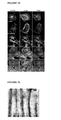
- An in-cell indicator of ring stabilizer activity is the induction of actin stress fibres and focal adhesions after application of the compound to cultured podocytes or NIH3T3 cells.
- the induction of podocyte foot processes can also be assessed as an indicator of the accumulation of dynamin rings and/or inhibition of dynamn ring disassembly.
- a peptide or polypeptide dynamin ring stabilizer may include D-amino acid(s) and/or be C-terminal and/or N-terminal protected against proteolytic digestion (e.g., "pegylated” with polyethyleneglycol (PEG)).
- peptide or polypeptide dynamin ring stabilizers can be coupled to a "facilitator moiety" for facilitating passage or translocation of the peptide/polypeptide stabilizer across the outer cell/plasma membrane into the cytoplasm of cells, such as a carrier peptide which has the capacity to deliver cargo molecules across cell membranes in an energy-independent manner.
- Carrier peptides that are known in the art include penetratin and variants or fragments thereof, human immunodeficiency virus Tat derived peptide, transportan derived peptide, signal peptides and fragments thereof which retain the ability to pass across the outer cellular membrane to effect delivery of the attached peptide or other agent into the cell.
- the facilitator moiety can be a lipid moiety or other non-peptide moiety which enhances cell membrane solubility of the dynamin ring stabilizer, such that passage of the peptide/polypeptide across the cell membrane is effected.
- the lipid moiety can for instance be selected from triglycerides, including mixed triglycerides.
- a peptide or polypeptide dynamin ring stabilizer can be linked to the facilitator moiety in any conventionally known manner.
- the peptide or polypeptide can be linked directly to a carrier peptide through an amino acid linker sequence by a peptide bond or non-peptide covalent bond using a cross-linking reagent.
- chemical ligation methods may be used to create a covalent bond between the carboxy terminal amino acid of the carrier peptide or linker sequence and the peptide or polypeptide dynamin ring stabilizer.
- the induction of focal adhesions in cells as described herein may render the cells less able to migrate due to the resulting increase in cell to cell interactions with neighbouring cells.
- the induction of focal adhesions in podocytes or other cells may also have application in the prophylaxis or treatment of cancer (by inhibiting cancer cell metastasis), and other diseases or conditions responsive to the induction of cell focal adhesions.
- Any suitable cell can be treated with a dynamin ring stabilizer, which may include a prodrug or pharmaceutically acceptable salt thereof, to promote the formation of and/or for maintenance of dynamin rings in the cell as described herein.
- a dynamin ring stabilizer which may include a prodrug or pharmaceutically acceptable salt thereof, to promote the formation of and/or for maintenance of dynamin rings in the cell as described herein.
- This may include selecting the dynamin ring stabilizer (or prodrug or pharmaceutically acceptable salt thereof) to effect the formation of the dynamin rings and/or maintenance of the dynamin rings in the cell.
- the promotion and/or maintenance of dynamin rings in, for example, podocytes has particular application in the prophylaxis or treatment of kidney diseases or conditions characterized by proteinuria.
- the kidney disease or condition characterized by proteinuria for which the dynamin ring stabilizer is administered in accordance with an embodiment of the invention can be selected from, but is not limited to, the group consisting of nephrotic syndrome, chronic kidney disease, glomerular disease, glomerular dysfunction, glomerulonephritis including post-infectious glomerulonephritis and mesangioproliferative glomerulonephritis, nephropathy including diabetic nephropathy and HIV-associated nephropathy, podocyte dysfunction including podocyte damage and podocyte injury, podocytopathies, podocyte foot process effacement, diffuse mesengial sclerosis, congenital nephrotic syndrome (e.g., of the Finnish type (CNSF)), Alpor's syndrome and variants (Alport +), minimal change disease, focal segmental glomerulosclerosis (FSGS), collapsing glomerulonephropathy, immune and inflammatory glomerulonephropathies, hypertensive he
- the individual treated can, for instance, be a member of the bovine, porcine, ovine or equine families, a laboratory test animal such as a mouse, rat, rabbit, guinea pig, cat or dog, or a primate or human being.
- a laboratory test animal such as a mouse, rat, rabbit, guinea pig, cat or dog, or a primate or human being.
- the mammal will be a human being.
- Suitable pharmaceutically acceptable salts include acid and amino acid addition salts, base addition salts, esters and amides that are within a reasonable benefit/risk ratio, pharmacologically effective and appropriate for contact with animal tissues without undue toxicity, irritation or allergic response.
- Representative acid addition salts include hydrochloride, sulfate, bisulfate, maleate, fumarate, succinate, tartrate, tosylate, citrate, lactate, phosphate, oxalate and borate salts.
- Representative base addition salts include those derived from ammonium, potassium, sodium and quaternary ammonium hydroxides.
- the salts may include alkali metal and alkali earth cations such a sodium, calcium, magnesium and potassium, as well as ammonium and amine cations.
- alkali metal and alkali earth cations such as sodium, calcium, magnesium and potassium, as well as ammonium and amine cations.
- Suitable pharmaceutical salts are for example exemplified in S. M Berge et al, J. Pharmaceutical Sciences (1997), 66:1-19 , the contents of which is incorporated herein in its entirety by cross-reference.
- Prodrugs of dynamin ring stabilizers include those in which groups selected from carbonates, carbamates, amides and alkyl esters have been covalently linked to free amino, amido, hydroxy or carboxylic groups of the compounds. Suitable prodrugs also include phosphate derivatives such as acids, salts of acids, or esters, joined through a phosphorus-oxygen bond to a free hydroxl or other appropriate group.
- a prodrug can for example be inactive when administered but undergo in vivo modification into dynamin ring stabilizer as a result of cleavage or hydrolysis of bonds or other form of bond modification post administration.
- the prodrug form of the active compound can have greater cell membrane permeability than the active compound thereby enhancing potency of the active compound.
- a prodrug can also be designed to minimise premature in vivo hydrolysis of the prodrug external of the cell such that the cell membrane permeability characteristics of the prodrug are maintained for optimum availability to cells and for systemic use of the compound.
- Esterified prodrugs may for instance be provided by stirring a compound embodied by the invention with an appropriate anhydride or acid chloride (in molar excess) in a pyridine/N,N-dimethylformamide (DMF) solution in the presence of a suitable catalyst such as dimethylaminopyridine (DMAP).
- DMF dimethylaminopyridine
- the solution may need to be refluxed to drive the reaction to completion.
- the esterified product is purified by either recrystallization or by chromatography.
- Representative esters include C 1 -C 7 alkyl, phenyl and phenyl(C 1 - 6 ) alkyl esters.
- Preferred esters include methyl esters. Examples of suitable prodrug groups are shown in Table 3.
- prodrugs of Bis-T-22 and analogues thereof were developed to increase cell membrane permeability characteristics and thereby increase potency in cells.
- a suitable reaction for providing prodrugs of dimeric tyrphostin compounds is illustrated in Scheme 3.
- Bis-T-22 is exemplified as the starting reagent.
- the dimeric tyrphostin compound is stirred with appropriate anhydride or acid chloride (in molar excess) in a pyridine/N,N-dimethylformamide (DMF) solution in the presence of an appropriate catalyst such as dimethylaminopyridine (DMAP).
- DMF pyridine/N,N-dimethylformamide
- DMAP dimethylaminopyridine
- the solution may need to be refluxed to drive the reaction to completion.
- the dynamin ring stabilizer can be administered alone or be co-administered with one or more other therapeutic compounds or drugs conventionally used for treating or alleviating symptoms associated with proteinuric kidney disease.
- co-administered is meant simultaneous administration of the drugs in the same formulation or in two different formulations by the same or different routes, or sequential administration by the same or different routes, where the drugs act in overlapping therapeutic windows.
- the dynamin ring stabilizer will generally be formulated into a pharmaceutical composition comprising the stabilizer and a pharmaceutically acceptable carrier. Injectable solutions will typically be prepared by incorporating the stabilizer in the selected carrier prior to sterilising the solution by filtration.
- the dynamin ring stabilizer can be formulated into any orally acceptable carrier deemed suitable.
- the dynamin ring stabilizer can be formulated with an inert diluent, an assimilable edible carrier or it may be enclosed in a hard or soft shell gelatin capsule.
- the dynamin ring stabilizer can be provided in the form of ingestible tablets, buccal tablets, troches, capsules, elixirs, suspensions or syrups.
- a pharmaceutical composition as described herein can also incorporate one or more preservatives such as parabens, chlorobutanol, phenol, and sorbic acid.
- preservatives such as parabens, chlorobutanol, phenol, and sorbic acid.
- prolonged absorption of the composition may be brought about by the inclusion of agents for delaying absorption such as aluminium monosterate.
- Tablets, troches, pills, capsules and like can also contain one or more of the following: a binder such as gum tragacanth, acacia, corn starch or gelatine, a disintegrating agent such as corn starch, potato starch or alginic acid, a lubricant, a sweetening agent such as sucrose, lactose or saccharin, a flavouring agent, and be provided with an enteric coating to facilitate passage through the acid environment of the stomach into the small intestine.
- a binder such as gum tragacanth, acacia, corn starch or gelatine
- a disintegrating agent such as corn starch, potato starch or alginic acid
- a lubricant such as corn starch, potato starch or alginic acid
- a lubricant such as corn starch, potato starch or alginic acid
- a lubricant such as corn starch, potato starch or alginic acid
- a lubricant such
- Pharmaceutically acceptable carriers include any suitable conventionally known physiologically acceptable solvents, dispersion media, isotonic preparations and solutions including for instance, physiological saline. Use of such ingredients and media for pharmaceutically active substances is well known. Except insofar as any conventional media or agent is incompatible with the mimetic, use thereof is expressly encompassed. It is particularly preferred to formulate compositions in dosage unit form for ease of administration and uniformity of dosage.
- a dosage unit form as used herein is to be taken to mean physically discrete units, each containing a predetermined quantity of the dynamin ring stabilizer calculated to produce a therapeutic or prophylactic effect. When the dosage unit form is a capsule, it can contain the active in a liquid carrier.
- Various other ingredients may be present as coatings or to otherwise modify the physical form of the dosage unit.
- compositions will generally contain at least about 0.1% by weight of the dynamin ring stabilizer up to about 80% w/w of the composition.
- the amount of the dynamin ring stabilizer in the composition will be such that a suitable effective dosage will be delivered to the individual taking into account the proposed mode of administration.
- Preferred oral compositions will contain between about 0.1 ⁇ g and 4000 mg of the stabilizer.
- the dosage of the dynamin ring stabilizer will depend on a number of factors including whether it is to be administered for prophylactic or therapeutic use, the disease or condition for which the active is intended to be administered, the severity of the condition, the age of the individual, and related factors including weight and general health of the individual as may be determined in accordance with accepted medical principles. For instance, a low dosage may initially be given which is subsequently increased at each administration following evaluation of the individual's response. Similarly, frequency of administration can be determined in the same way that is, by continuously monitoring the individual's response between each dosage and if necessary, increasing the frequency of administration or alternatively, reducing the frequency of administration.
- a dynamin ring stabilizer will be administered at a dosage up to about 50 mg/kg body weight and preferably, in a range of from about 1 mg/kg to about 30 mg/kg body weight.
- Routes of administration include but are not limited to intravenously, intraperitonealy, by infusion, orally, rectally, and by implant.
- Suitable pharmaceutically acceptable carriers and formulations useful in compositions of the present invention may for instance be found in handbooks and texts well known to the skilled addressee, such as " Remington: The Science and Practice of Pharmacy (Mack Publishing Co., 1995 )", the contents of which is incorporated herein in its entirety by reference.
- the dynamin self-assembly assay was performed with native dynamin (40 nM) using the same Hepes column buffer (HCB - 20 mM Hepes, 2 mM EGTA, 1 mM MgCl 2 1 mM PMSF, 1 mM DTT, 20 ⁇ g/ml leupeptin, pH 7.4) as described previously (Warnock et al. 1996).
- HAB Hepes column buffer
- DMSO was the vehicle used for the test dynamin inhibitors.
- NaCl concentrations were varied from a stock in 200 mM NaCl.
- Dynamin was centrifuged at 100,000 g for 20 min, and the supernatants (S) and pellets (P) were collected, precipitated with trichloracetic acid, solubilised in SDS sample buffer and separated on SDS gels and dynamin I was detected by Western blotting using an in house sheep polyclonal ⁇ -dynamin I antibody.
- This dynamin self-assembly assay was performed with native dynamin (5.2 ⁇ M) using the Hepes column buffer described above in Example 1.1, (with the addition of 1% DMSO as described above). Bis-T effects were measured by pre-incubating the dynamin with the indicated Bis-T concentrations for 10 min at room temperature (22°C). NaCl concentrations were varied from a stock in 200 mM NaCl.
- the tubes were transferred to a TLA120.2 rotor (Beckman) and centrifuged in a tabletop ultracentrifuge (Optima TLX, Beckman) at 100,000 g for 20 min, and the supernatants (S) and pellets (P) were collected, precipitated with trichloracetic acid, solubilised in SDS sample buffer and separated on SDS gels.
- dynamin inhibitors are subsets of dynamin ring stabilizers.
- Bis-T dimeric benzylidenemalonitrile tyrphostins potently inhibit helical dynamin GTPase activity and can stimulate the basal activity via promotion of ring formation in the absence of a template for dynamin helical assembly.
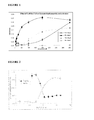
- Fig. 1 shows the in vitro GTPase activity of purified sheep brain dynamin (mostly this is dynamin I) at increasing dynamin concentrations, below those required for ring assembly.
- the filled symbols show that dynamin is stimulated by liposomes at all dynamin concentrations tested (forming a helix).
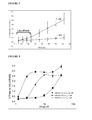
- the IC 50 for inhibition of PS-stimulated helical dynamin in this experiment is study 500 nM ( Fig. 2 ).
- the concentration of Bis-T-23 causing 50% activation of basal dynamin activity (EC 50 ) was strikingly about the same value. This suggests the mechanism of ring stabilization and of inhibition may be related for this series of compounds.
- Iminodyns-17, 22 and 23 had stimulation values (EC 50 ) from 1-20 ⁇ M, indicative of ring stabilizer activity.
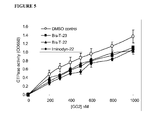
- GG-2 a recombinant form of dynamin, called GG-2, which is dimeric yet is unable to self-associate into higher order oligomers. Ring stabilizers are unable to stimulate the basal activity of such constructs ( Fig. 5 ).
- the dynamin concentration-dependence of the activation effect of Bis-T-23 suggested it may be altering the in vitro formation of dynamin rings.
- a block in ring disassembly should be manifested as an accumulation of rings in vitro .
- Dynamin self-assembles into rings in the absence of any cofactors when the buffer ionic strength is decreased (Song et al. 2004).
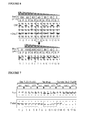
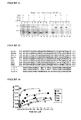
- To determine whether Bis-T compounds regulate dynamin-dynamin interactions a well-established method of high speed centrifugation in decreasing amounts of NaCl to collect rings in the pellet (Warnock et al. 1996) was used. Higher concentrations of dynamin (520 nM) and dynamin was visualized by Coomassie staining on SDS gels ( Fig. 6 ).
- dynamin is in the supernatant at ⁇ 40 mM NaCl, but self-assembled at ⁇ 20 mM NaCl and is found in the pellet.
- Bis-T-22 at 100 ⁇ M increased ring assembly at the intermediate salt concentrations (40, 60 nM) prior to its spontaneous assembly at lower salt.
- Bis-T-22 promoted all dynamin to form rings at 300 ⁇ M concentrations. Therefore, under these conditions Bis-T-22 stabilized/promoted dynamin I self-assembly.
- dynamin I was preassembled as a helix in the presence of PS liposomes for 30 min, after which the dynamin ring stabilizer Bis-T-23 or non-dynamin ring stabilizer dynole 34-2 (see Example 4) were added. The samples were then centrigued in a microfuge for 10 min to collect supernatans (Sup) or pellets. In this assay, helical dynamin is found primarily in the pellet.
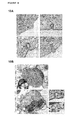
- helical dynamin A characteristic of helical dynamin is that the helix is a highly flexible structure. Upon GTP hydrolysis it is able to rapidly reduce its diameter ( constriction ) while also expanding in length ( helical expansion ) (Stowell et al. 1999;Chen et al. 2004;Roux et al. 2006). This is thought to be a potential mechanism utilized for the fission of the necks of newly budded endocytic vesicles in cells (Roux et al. 2006). The highly flexible nature of helical dynamin was confirmed by EM analysis of dynamin bound to phosphatidylserine liposomes in the absence of GTP or GDP ( Fig. 8 ).
- Dynamin mixed with PS liposomes formed a helix with specific characteristics ( FIG. 8A and C ): the individual loops of the helix were highly varied in diameter, formed at different angles relative to the underlying lipid, and the spacing between loops was highly variable. In contrast, 5 ⁇ M Bis-T-23 drastically altered the helical shape ( Fig. 8B and D ). Notably the individual loops of the helix were highly uniform in diameter, formed at constant angles relative to the underlying lipid, and the spacing between loops was highly constant. Bis-T-23 bound dynamin appeared similar to previous reports of GTP ⁇ S-bound dynamin on lipid nanotubes (Stowell et al. 1999).
- Bis-T-23 can lock dynamin loops into an inflexible and uniform diameter, akin to the GTP-bound state, by preventing ring disassembly.
- the effect is particularly noticeable at the ends of each helical tube, which are "tapered” in the absence of Bis-T-23, yet “blunt” in its presence ( Fig. 8C-D ), demonstrating the inflexibility of Bis-T-23 affected loops.
- a dynamin ring stabilizer is able to promote dynamin ring formation in cells and prevent or retard their disassembly.
- vesicles When vesicles are endocytosed via the clathrin-dependent pathway, they are well known to be internalised as omega shaped figures close to the plasma membrane with partially constricted and short necks. These can be detected by transmission electron microscopy (EM) at a low frequency.
- EM transmission electron microscopy
- Treatment of cells for 10-30 minutes with a classical dynamin inhibitor such as dynasore causes a massive accumulation of clathrin coated pits at the plasma membrane of cells without promotion of dynamin rings (Macia et al, 2006).
- dynamin inhibitors like MiTMAB (Quan et al, 2007) or dynole 34-2 do not induce any accumulation of coated pits, presumably because they at least partly act at the lipid surface to prevent their initial formation and are inhibitors without ring stabilizer characteristics.
- a dynamin ring stabilizer causes accumulation of clathrin coated pits in cells with two distinctive features: the vesicle necks are highly elongated and are encircled by electron dense rings. Human lymphoblasts (which express dynamin II) were treated with dynasore, MiTMAB (not shown) or Bis-T-22 for 30 min and prepared for EM analysis.
- ring stabilizers have the ability to promote and stabilise rings at sites of trapped endocytosis in distinct cellular types. This characteristic is not found with dynamin inhibitors that are not dynamin ring stabilizers, supporting that dynamin ring stabilization is a novel action of ring stabilizer compounds which can occur in the context of live cells and is not restricted to in vitro conditions with the purified protein.
- dynamin GTPase inhibitors based on the structure of dynasore (Macia et al. 2006) was designed. These compounds were called dyngo's.
- the most active dyngo analogue is dyngo-4a, with an IC 50 for PS-stimulated dynamin of 300 nM, in comparison with dynasore (dyngo-7a) IC 50 of 14 ⁇ M.
- the structure of the dyngos resembles a monomeric form of the Bis-T and also monomeric tyrphostins.
- dynole 34-2 (2-cyano-3-(1-(2-(dimethylamino)-ethyl)-1H-indol-3-yl)-N-octylacrylamide) with an IC 50 for PS-stimulated dynamin of 1 ⁇ M.
- Dynole 34-2 failed to stimulate the basal activity of dynamin ( Fig. 11A ). Hence, it is not a dynamin ring disassembly inhibitor (i.e., not a dynamin ring stabilizer).
- dynamin inhibitors in the MiTMAB series which target the PH domain, Quan et al 2007
- dynole series which target an allosteric site in the GTPase domain, Hill et al. 2009
- failed to stimulate basal dynamin GTPase activity Fig. 11B
- dynamin inhibitors with distinct mechanisms of action on dynamin do not all increase the basal dynamin GTPase activity (i.e., they are not all dynamin ring stabilizers). This indicates that ring stabilizers represent a distinct class of dynamin modulator, not specifically connected to their ability or not to inhibit template-stimulated dynamin GTPase activity in vitro .
- dynamin ring stabilizers from a number of distinct chemical classes were identified herein by their ability to stimulate the basal activity of full length dynamin. The mechanism of stimulation was explained since these compounds specifically stabilize dynamin self-assembly into single rings (thereby stimulating the basal rate of GTP hydrolysis), most likely by inhibiting dynamin disassembly. Not all the dynamin ring stabilizers were potent inhibitors of helical dynamin GTPase activity. Importantly, dynamin self-assembly into rings has a specific and selective effect on the actin cytoskeleton (see below), and these compounds are able to stabilize or prolong the function of dynamin rings in the actin cytoskeleton.
- EXAMPLE 6 Actin stimulates dynamin ring assembly in vitro
- Dynamin mutants defective in actin-binding in vitro have impaired oligomerization in cells and reduce actin stress fiber assembly, and altered cortical actin cytoskeletal behavior in cultured podocytes.
- a dynamin mutant with increased actin affinity has an increased propensity to oligomerize in the cytoplasm and stimulates stress fiber assembly in the perinuclear region of the cell.
- dynamin binding to F-actin was observed in the presence of GTP ⁇ S ( Fig. 12 , lane 6), indicating dynamin oligomerization was not inhibitory for binding.
- the Kd of dynamin for actin was approximately 0.4 ⁇ M, which is similar to the affinities of other actin binding proteins such as ⁇ -actinin 4 for actin (Weins et al. 2005).
- EXAMPLE 8 The actin binding domain of dynamin is in the dynamin middle domain
- the actin binding site was mapped to a region between amino acids 399 and 444 amino acids of dynamin II (dyn2) ( Fig. 13 ).
- this region contains several positively charged amino acids conserved in all dynamin gene products from yeast to mammals. It is also alternatively spliced within different mammalian dynamin isoforms (called variant a and b in dynamins I and II) (see Fig. 13 , SEQ ID No. 1-4).
- Site-directed mutagenesis was performed on conserved, charged residues within this actin binding domain to generate the putative 'loss of function' mutants, dynK/E (SEQ ID No.
- DynR725A and dynE/K are predicted to live longer in dynamin ring formation (Sever et al. 2007).
- DynR725A was previously reported to rescue proteinuria in an LPS model by oligomerizing into the rings and thus avoiding cleavage by the protease cathepsin L (CatL) (Sever et al. 2007).
- the expression of dynR725A is sufficient to reduce proteinuria in a mouse model of nephrotic syndrome (Sever et al. 2007).
- EXAMPLE 13 Bis-T-23 stimulates focal adhesions and stress fibers in cultured podocytes
- mice expressing a 'gain of function' mutation in the ACTN4 gene encoding for ⁇ -actinin 4 has been fully characterized (Kaplan et al. 2000; Henderson et al. 2008; Yao et al. 2004). These animals develop FP effacement and proteinuria due to "hyper bundling" activity of ⁇ -actinin 4 mutant that induces aggregation of stress fibers. Proteinuria develops at 4-6 weeks of age. The animals used in the present study were obtained from Dr. Martin Pollak, Brigham and Women's Hospital, Boston, MA, USA.
- Proteinuric phenotype was confirmed by determination of urinary albumin and creatinine using mouse Albumin-specific ELISA and Creatinine Companion assay kits (Exocell and Bethyl Laboratories) following the manufacturer's protocols.
- the control animal was a litermate.
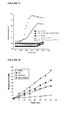
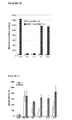
- Bis-T-23 was dissolved in 100% DMSO to make a 10 ⁇ g/ ⁇ l stock solution, of which 5 ⁇ l was diluted in 200 ⁇ l of 1xPBS, and this was injected intraperitoneally (IP) into the test animal (166 ⁇ g/100 g body weight) at time 0 hr. Protein levels in the urine were measured every 2 hours post injection. The results are shown in Fig. 20 . As can be seen, a decrease in proteinuria to wild-type levels was obtained up to 6 hours after administration of the Bis-T-23.
- a second model of acute proteinuria was then employed to test the ability of a dynamin ring stabilizer to ameliorate proteinuria in a reversible model of proteinuric kidney disease.
- LPS-induced proteinuria was utilized as previously described (Sever et al., 2007). Briefly, four week old female BALB/c mice were injected twice intraperitoneally (IP) with 200 ⁇ g of ultrapure LPS diluted in phosphate-buffered saline at a concentration of 1 mg/ml. Proteinuria developed within 48 h ( Fig. 20 , 2xLPS).
- Bis-T-23 was dissolved in DMSO to the appropriate concentrations and 300 ⁇ g per 100g body weight was delivered by IP injection, and DMSO was used as a vehicle control.
- the level of protein in the urine was determined by using mouse Albumin-specific ELISA kit according to manufacturer's protocol (Bethyl Laboratories).
- Administration of the Bis-T-23 partially rescued proteinuria from 2-6 h after injection ( Fig. 21 ). Its ability to rescue proteinuria was reduced 8 h after injection.
Landscapes
- Health & Medical Sciences (AREA)
- Pharmacology & Pharmacy (AREA)
- Veterinary Medicine (AREA)
- Chemical & Material Sciences (AREA)
- Public Health (AREA)
- General Health & Medical Sciences (AREA)
- Medicinal Chemistry (AREA)
- Animal Behavior & Ethology (AREA)
- Life Sciences & Earth Sciences (AREA)
- Nuclear Medicine, Radiotherapy & Molecular Imaging (AREA)
- Engineering & Computer Science (AREA)
- General Chemical & Material Sciences (AREA)
- Chemical Kinetics & Catalysis (AREA)
- Bioinformatics & Cheminformatics (AREA)
- Organic Chemistry (AREA)
- Epidemiology (AREA)
- Immunology (AREA)
- Urology & Nephrology (AREA)
- Transplantation (AREA)
- Pain & Pain Management (AREA)
- Rheumatology (AREA)
- Heart & Thoracic Surgery (AREA)
- Cardiology (AREA)
- Pharmaceuticals Containing Other Organic And Inorganic Compounds (AREA)
- Medicines That Contain Protein Lipid Enzymes And Other Medicines (AREA)
- Measuring Or Testing Involving Enzymes Or Micro-Organisms (AREA)
- Acyclic And Carbocyclic Compounds In Medicinal Compositions (AREA)
- Investigating Or Analysing Biological Materials (AREA)
Applications Claiming Priority (2)
| Application Number | Priority Date | Filing Date | Title |
|---|---|---|---|
| US18026109P | 2009-05-21 | 2009-05-21 | |
| PCT/AU2010/000677 WO2010132959A1 (en) | 2009-05-21 | 2010-05-21 | Use of dynamin ring stabilizers |
Publications (3)
| Publication Number | Publication Date |
|---|---|
| EP2432465A1 EP2432465A1 (en) | 2012-03-28 |
| EP2432465A4 EP2432465A4 (en) | 2013-01-02 |
| EP2432465B1 true EP2432465B1 (en) | 2015-07-22 |
Family
ID=43125677
Family Applications (1)
| Application Number | Title | Priority Date | Filing Date |
|---|---|---|---|
| EP10777248.5A Not-in-force EP2432465B1 (en) | 2009-05-21 | 2010-05-21 | Use of dynamin ring stabilizers |
Country Status (8)
| Country | Link |
|---|---|
| US (1) | US8809386B2 (enExample) |
| EP (1) | EP2432465B1 (enExample) |
| JP (1) | JP2012527407A (enExample) |
| CN (1) | CN102481280A (enExample) |
| AU (1) | AU2010251703B2 (enExample) |
| BR (1) | BRPI1010941B1 (enExample) |
| CA (1) | CA2762600C (enExample) |
| WO (1) | WO2010132959A1 (enExample) |
Families Citing this family (6)
| Publication number | Priority date | Publication date | Assignee | Title |
|---|---|---|---|---|
| EP2782643A1 (en) * | 2011-11-23 | 2014-10-01 | The Provost, Fellows, Foundation Scholars, & the other members of Board, of the College of the Holy & Undiv. Trinity of Queen Elizabeth near Dublin | Androgen receptor ligands |
| WO2014063205A1 (en) * | 2012-10-26 | 2014-05-01 | The University Of Queensland | Use of endocytosis inhibitors and antibodies for cancer therapy |
| JP2017518312A (ja) * | 2014-06-05 | 2017-07-06 | ユニバーシティ・オブ・カンザス | マルメリン類似体および癌治療における使用方法 |
| CN105510592A (zh) * | 2014-09-26 | 2016-04-20 | 中国医学科学院基础医学研究所 | 梗阻性肾病的蛋白标志物 |
| US11028138B2 (en) * | 2016-07-02 | 2021-06-08 | Virongy L.L.C. | Compositions and methods for using actin-based peptides to modulate cellular bioactivity and cellular susceptibility to intracellular pathogens |
| CN113801872A (zh) * | 2021-10-11 | 2021-12-17 | 杭州师范大学 | 一种精准调控组装制备稳定酶蛋白环的方法 |
Family Cites Families (7)
| Publication number | Priority date | Publication date | Assignee | Title |
|---|---|---|---|---|
| IL107736A (en) | 1993-11-24 | 2001-01-11 | Yissum Res Dev Co | Pharmaceutical composition for the prevention of septic shock and for the treatment of chronic inflammatory diseases |
| WO2001064880A2 (en) | 2000-02-28 | 2001-09-07 | Millennium Pharmaceuticals, Inc. | Human dynamin 40322 |
| CN1938013A (zh) * | 2003-11-21 | 2007-03-28 | 纽卡斯尔大学研究协会有限公司 | 抑制发动蛋白依赖性的细胞内摄作用的方法和药剂 |
| WO2005049009A1 (en) | 2003-11-21 | 2005-06-02 | The University Of Newcastle Research Associates Limited | Methods and agents for inhibiting dynamin-dependent endocytosis |
| WO2007056435A2 (en) | 2005-11-08 | 2007-05-18 | The General Hospital Corporation | Dynamin mediated diseases and associated methods and products |
| US9144594B2 (en) | 2005-11-08 | 2015-09-29 | University Of Miami | Cathepsin L mediated diseases and associated methods and products |
| WO2009034464A2 (en) | 2007-09-12 | 2009-03-19 | Newcastle Innovation Limited | Indole related compounds with physiological activity |
-
2010
- 2010-05-21 JP JP2012511102A patent/JP2012527407A/ja active Pending
- 2010-05-21 CN CN2010800333207A patent/CN102481280A/zh active Pending
- 2010-05-21 EP EP10777248.5A patent/EP2432465B1/en not_active Not-in-force
- 2010-05-21 BR BRPI1010941-2A patent/BRPI1010941B1/pt not_active IP Right Cessation
- 2010-05-21 AU AU2010251703A patent/AU2010251703B2/en not_active Ceased
- 2010-05-21 WO PCT/AU2010/000677 patent/WO2010132959A1/en not_active Ceased
- 2010-05-21 US US13/321,415 patent/US8809386B2/en active Active
- 2010-05-21 CA CA2762600A patent/CA2762600C/en active Active
Also Published As
| Publication number | Publication date |
|---|---|
| EP2432465A1 (en) | 2012-03-28 |
| BRPI1010941B1 (pt) | 2021-06-22 |
| US20120122968A1 (en) | 2012-05-17 |
| AU2010251703A1 (en) | 2011-12-08 |
| CA2762600C (en) | 2018-05-15 |
| US8809386B2 (en) | 2014-08-19 |
| EP2432465A4 (en) | 2013-01-02 |
| CA2762600A1 (en) | 2010-11-25 |
| AU2010251703B2 (en) | 2015-12-24 |
| WO2010132959A1 (en) | 2010-11-25 |
| JP2012527407A (ja) | 2012-11-08 |
| CN102481280A (zh) | 2012-05-30 |
| BRPI1010941A2 (pt) | 2019-04-09 |
Similar Documents
| Publication | Publication Date | Title |
|---|---|---|
| US8809386B2 (en) | Use of dynamin ring stabilizers | |
| JP7411967B2 (ja) | 肺血管疾患を治療するための組成物および方法 | |
| Lin et al. | TFEB agonist clomiphene citrate activates the autophagy-lysosomal pathway and ameliorates Alzheimer's disease symptoms in mice | |
| Wiśniewski et al. | Discovery of potent, selective, and short-acting peptidic V2 receptor agonists | |
| IL294212A (en) | Combination of a proteasome inhibitor and a hdac inhibitor and its use for the treatment of genetic diseases linked to a protein conformational disorder | |
| AU2014357521B2 (en) | Identification of a new polypeptide hormone for maintenance of optimal body weight and blood glucose | |
| US12180251B2 (en) | Nucleic acids encoding peptides that block binding of a2d-1 to glutamate receptors for treating diseases and disorders | |
| EP3373947B1 (en) | Compounds and methods for treating pain | |
| US20230374070A1 (en) | AMYLOID-beta AGGREGATION INHIBITOR, PHARMACEUTICAL COMPOSITION FORAMYLOID-beta AGGREGATION DISEASE, AND USE APPLICATION OF SAME | |
| Morello et al. | Osteogenesis imperfecta | |
| JP2020172477A (ja) | Stat3非活性化促進化合物及びそのスクリーニング方法 | |
| KR100833728B1 (ko) | 칼시뉴린의 항상적 활성화 저해제 | |
| US20240301386A1 (en) | Soluble Guanylyl Cyclase (GC1) Mimetic Polypeptides and Methods of Use Thereof | |
| US20250074951A1 (en) | Compositions and methods for altering amyloid precursor protein (app) processing | |
| US6878521B1 (en) | Fibril-blocking peptide, a method for preventing fibril formation | |
| Davis | The dynamics and function of the endolysosomal/lysosomal system | |
| Trofimenko | Novel insights into direct translocation and endocytosis of cell-penetrating peptides | |
| Cooley | Dysregulated Membrane Trafficking and the Development of Pancreatitis | |
| Chamberland | NECAP2-driven fast recycling controls cell migration and cancer cell invasion | |
| Lara | The Herp and HRD1-dependent degradation of TRPP2 | |
| Bedi | Characterization of Microtubule Depolymerization by the HIV Protein Rev | |
| Kullak-Ublick et al. | Dietrich Keppler". Jörg König', Yunhai Cui", Anne T. Nies' | |
| Abouelazm | Modulation of protein folding in the endoplasmic reticulum as a mechanism-based Therapy for glomerular disease | |
| Cox | Amyloidosis: diseases of misfolded proteins | |
| Ching | Molecular domains in the peripheral myelinated nerve |
Legal Events
| Date | Code | Title | Description |
|---|---|---|---|
| PUAI | Public reference made under article 153(3) epc to a published international application that has entered the european phase |
Free format text: ORIGINAL CODE: 0009012 |
|
| 17P | Request for examination filed |
Effective date: 20111221 |
|
| AK | Designated contracting states |
Kind code of ref document: A1 Designated state(s): AL AT BE BG CH CY CZ DE DK EE ES FI FR GB GR HR HU IE IS IT LI LT LU LV MC MK MT NL NO PL PT RO SE SI SK SM TR |
|
| DAX | Request for extension of the european patent (deleted) | ||
| A4 | Supplementary search report drawn up and despatched |
Effective date: 20121203 |
|
| RIC1 | Information provided on ipc code assigned before grant |
Ipc: A61K 31/275 20060101AFI20121127BHEP Ipc: A61K 31/352 20060101ALI20121127BHEP Ipc: A61P 13/12 20060101ALI20121127BHEP Ipc: A61K 31/404 20060101ALI20121127BHEP |
|
| 17Q | First examination report despatched |
Effective date: 20130725 |
|
| GRAP | Despatch of communication of intention to grant a patent |
Free format text: ORIGINAL CODE: EPIDOSNIGR1 |
|
| INTG | Intention to grant announced |
Effective date: 20150108 |
|
| GRAS | Grant fee paid |
Free format text: ORIGINAL CODE: EPIDOSNIGR3 |
|
| GRAA | (expected) grant |
Free format text: ORIGINAL CODE: 0009210 |
|
| RAP1 | Party data changed (applicant data changed or rights of an application transferred) |
Owner name: CHILDREN'S MEDICAL RESEARCH INSTITUTE |
|
| AK | Designated contracting states |
Kind code of ref document: B1 Designated state(s): AL AT BE BG CH CY CZ DE DK EE ES FI FR GB GR HR HU IE IS IT LI LT LU LV MC MK MT NL NO PL PT RO SE SI SK SM TR |
|
| REG | Reference to a national code |
Ref country code: GB Ref legal event code: FG4D |
|
| REG | Reference to a national code |
Ref country code: CH Ref legal event code: EP |
|
| REG | Reference to a national code |
Ref country code: IE Ref legal event code: FG4D |
|
| REG | Reference to a national code |
Ref country code: AT Ref legal event code: REF Ref document number: 737481 Country of ref document: AT Kind code of ref document: T Effective date: 20150815 |
|
| REG | Reference to a national code |
Ref country code: DE Ref legal event code: R096 Ref document number: 602010026086 Country of ref document: DE |
|
| REG | Reference to a national code |
Ref country code: CH Ref legal event code: NV Representative=s name: TROESCH SCHEIDEGGER WERNER AG, CH |
|
| REG | Reference to a national code |
Ref country code: NL Ref legal event code: FP |
|
| REG | Reference to a national code |
Ref country code: AT Ref legal event code: MK05 Ref document number: 737481 Country of ref document: AT Kind code of ref document: T Effective date: 20150722 |
|
| REG | Reference to a national code |
Ref country code: LT Ref legal event code: MG4D |
|
| PG25 | Lapsed in a contracting state [announced via postgrant information from national office to epo] |
Ref country code: LT Free format text: LAPSE BECAUSE OF FAILURE TO SUBMIT A TRANSLATION OF THE DESCRIPTION OR TO PAY THE FEE WITHIN THE PRESCRIBED TIME-LIMIT Effective date: 20150722 Ref country code: FI Free format text: LAPSE BECAUSE OF FAILURE TO SUBMIT A TRANSLATION OF THE DESCRIPTION OR TO PAY THE FEE WITHIN THE PRESCRIBED TIME-LIMIT Effective date: 20150722 Ref country code: NO Free format text: LAPSE BECAUSE OF FAILURE TO SUBMIT A TRANSLATION OF THE DESCRIPTION OR TO PAY THE FEE WITHIN THE PRESCRIBED TIME-LIMIT Effective date: 20151022 Ref country code: GR Free format text: LAPSE BECAUSE OF FAILURE TO SUBMIT A TRANSLATION OF THE DESCRIPTION OR TO PAY THE FEE WITHIN THE PRESCRIBED TIME-LIMIT Effective date: 20151023 Ref country code: LV Free format text: LAPSE BECAUSE OF FAILURE TO SUBMIT A TRANSLATION OF THE DESCRIPTION OR TO PAY THE FEE WITHIN THE PRESCRIBED TIME-LIMIT Effective date: 20150722 |
|
| PG25 | Lapsed in a contracting state [announced via postgrant information from national office to epo] |
Ref country code: SE Free format text: LAPSE BECAUSE OF FAILURE TO SUBMIT A TRANSLATION OF THE DESCRIPTION OR TO PAY THE FEE WITHIN THE PRESCRIBED TIME-LIMIT Effective date: 20150722 Ref country code: AT Free format text: LAPSE BECAUSE OF FAILURE TO SUBMIT A TRANSLATION OF THE DESCRIPTION OR TO PAY THE FEE WITHIN THE PRESCRIBED TIME-LIMIT Effective date: 20150722 Ref country code: PT Free format text: LAPSE BECAUSE OF FAILURE TO SUBMIT A TRANSLATION OF THE DESCRIPTION OR TO PAY THE FEE WITHIN THE PRESCRIBED TIME-LIMIT Effective date: 20151123 Ref country code: ES Free format text: LAPSE BECAUSE OF FAILURE TO SUBMIT A TRANSLATION OF THE DESCRIPTION OR TO PAY THE FEE WITHIN THE PRESCRIBED TIME-LIMIT Effective date: 20150722 Ref country code: PL Free format text: LAPSE BECAUSE OF FAILURE TO SUBMIT A TRANSLATION OF THE DESCRIPTION OR TO PAY THE FEE WITHIN THE PRESCRIBED TIME-LIMIT Effective date: 20150722 Ref country code: IS Free format text: LAPSE BECAUSE OF FAILURE TO SUBMIT A TRANSLATION OF THE DESCRIPTION OR TO PAY THE FEE WITHIN THE PRESCRIBED TIME-LIMIT Effective date: 20151122 Ref country code: HR Free format text: LAPSE BECAUSE OF FAILURE TO SUBMIT A TRANSLATION OF THE DESCRIPTION OR TO PAY THE FEE WITHIN THE PRESCRIBED TIME-LIMIT Effective date: 20150722 |
|
| REG | Reference to a national code |
Ref country code: DE Ref legal event code: R097 Ref document number: 602010026086 Country of ref document: DE |
|
| PG25 | Lapsed in a contracting state [announced via postgrant information from national office to epo] |
Ref country code: EE Free format text: LAPSE BECAUSE OF FAILURE TO SUBMIT A TRANSLATION OF THE DESCRIPTION OR TO PAY THE FEE WITHIN THE PRESCRIBED TIME-LIMIT Effective date: 20150722 Ref country code: CZ Free format text: LAPSE BECAUSE OF FAILURE TO SUBMIT A TRANSLATION OF THE DESCRIPTION OR TO PAY THE FEE WITHIN THE PRESCRIBED TIME-LIMIT Effective date: 20150722 Ref country code: IT Free format text: LAPSE BECAUSE OF FAILURE TO SUBMIT A TRANSLATION OF THE DESCRIPTION OR TO PAY THE FEE WITHIN THE PRESCRIBED TIME-LIMIT Effective date: 20150722 Ref country code: SK Free format text: LAPSE BECAUSE OF FAILURE TO SUBMIT A TRANSLATION OF THE DESCRIPTION OR TO PAY THE FEE WITHIN THE PRESCRIBED TIME-LIMIT Effective date: 20150722 Ref country code: DK Free format text: LAPSE BECAUSE OF FAILURE TO SUBMIT A TRANSLATION OF THE DESCRIPTION OR TO PAY THE FEE WITHIN THE PRESCRIBED TIME-LIMIT Effective date: 20150722 |
|
| REG | Reference to a national code |
Ref country code: FR Ref legal event code: PLFP Year of fee payment: 7 |
|
| PLBE | No opposition filed within time limit |
Free format text: ORIGINAL CODE: 0009261 |
|
| STAA | Information on the status of an ep patent application or granted ep patent |
Free format text: STATUS: NO OPPOSITION FILED WITHIN TIME LIMIT |
|
| PG25 | Lapsed in a contracting state [announced via postgrant information from national office to epo] |
Ref country code: RO Free format text: LAPSE BECAUSE OF FAILURE TO SUBMIT A TRANSLATION OF THE DESCRIPTION OR TO PAY THE FEE WITHIN THE PRESCRIBED TIME-LIMIT Effective date: 20150722 |
|
| 26N | No opposition filed |
Effective date: 20160425 |
|
| PG25 | Lapsed in a contracting state [announced via postgrant information from national office to epo] |
Ref country code: SI Free format text: LAPSE BECAUSE OF FAILURE TO SUBMIT A TRANSLATION OF THE DESCRIPTION OR TO PAY THE FEE WITHIN THE PRESCRIBED TIME-LIMIT Effective date: 20150722 Ref country code: BE Free format text: LAPSE BECAUSE OF NON-PAYMENT OF DUE FEES Effective date: 20160531 |
|
| PG25 | Lapsed in a contracting state [announced via postgrant information from national office to epo] |
Ref country code: BE Free format text: LAPSE BECAUSE OF FAILURE TO SUBMIT A TRANSLATION OF THE DESCRIPTION OR TO PAY THE FEE WITHIN THE PRESCRIBED TIME-LIMIT Effective date: 20150722 Ref country code: LU Free format text: LAPSE BECAUSE OF FAILURE TO SUBMIT A TRANSLATION OF THE DESCRIPTION OR TO PAY THE FEE WITHIN THE PRESCRIBED TIME-LIMIT Effective date: 20160521 |
|
| REG | Reference to a national code |
Ref country code: FR Ref legal event code: PLFP Year of fee payment: 8 |
|
| PG25 | Lapsed in a contracting state [announced via postgrant information from national office to epo] |
Ref country code: HU Free format text: LAPSE BECAUSE OF FAILURE TO SUBMIT A TRANSLATION OF THE DESCRIPTION OR TO PAY THE FEE WITHIN THE PRESCRIBED TIME-LIMIT; INVALID AB INITIO Effective date: 20100521 Ref country code: CY Free format text: LAPSE BECAUSE OF FAILURE TO SUBMIT A TRANSLATION OF THE DESCRIPTION OR TO PAY THE FEE WITHIN THE PRESCRIBED TIME-LIMIT Effective date: 20150722 Ref country code: SM Free format text: LAPSE BECAUSE OF FAILURE TO SUBMIT A TRANSLATION OF THE DESCRIPTION OR TO PAY THE FEE WITHIN THE PRESCRIBED TIME-LIMIT Effective date: 20150722 |
|
| REG | Reference to a national code |
Ref country code: FR Ref legal event code: PLFP Year of fee payment: 9 |
|
| PG25 | Lapsed in a contracting state [announced via postgrant information from national office to epo] |
Ref country code: MK Free format text: LAPSE BECAUSE OF FAILURE TO SUBMIT A TRANSLATION OF THE DESCRIPTION OR TO PAY THE FEE WITHIN THE PRESCRIBED TIME-LIMIT Effective date: 20150722 Ref country code: MC Free format text: LAPSE BECAUSE OF FAILURE TO SUBMIT A TRANSLATION OF THE DESCRIPTION OR TO PAY THE FEE WITHIN THE PRESCRIBED TIME-LIMIT Effective date: 20150722 Ref country code: MT Free format text: LAPSE BECAUSE OF NON-PAYMENT OF DUE FEES Effective date: 20160531 Ref country code: TR Free format text: LAPSE BECAUSE OF FAILURE TO SUBMIT A TRANSLATION OF THE DESCRIPTION OR TO PAY THE FEE WITHIN THE PRESCRIBED TIME-LIMIT Effective date: 20150722 |
|
| PG25 | Lapsed in a contracting state [announced via postgrant information from national office to epo] |
Ref country code: BG Free format text: LAPSE BECAUSE OF FAILURE TO SUBMIT A TRANSLATION OF THE DESCRIPTION OR TO PAY THE FEE WITHIN THE PRESCRIBED TIME-LIMIT Effective date: 20150722 |
|
| PG25 | Lapsed in a contracting state [announced via postgrant information from national office to epo] |
Ref country code: AL Free format text: LAPSE BECAUSE OF FAILURE TO SUBMIT A TRANSLATION OF THE DESCRIPTION OR TO PAY THE FEE WITHIN THE PRESCRIBED TIME-LIMIT Effective date: 20150722 |
|
| PGFP | Annual fee paid to national office [announced via postgrant information from national office to epo] |
Ref country code: IE Payment date: 20220321 Year of fee payment: 13 Ref country code: GB Payment date: 20220303 Year of fee payment: 13 |
|
| PGFP | Annual fee paid to national office [announced via postgrant information from national office to epo] |
Ref country code: NL Payment date: 20220519 Year of fee payment: 13 |
|
| PGFP | Annual fee paid to national office [announced via postgrant information from national office to epo] |
Ref country code: FR Payment date: 20220531 Year of fee payment: 13 Ref country code: DE Payment date: 20220628 Year of fee payment: 13 |
|
| PGFP | Annual fee paid to national office [announced via postgrant information from national office to epo] |
Ref country code: CH Payment date: 20220422 Year of fee payment: 13 |
|
| REG | Reference to a national code |
Ref country code: DE Ref legal event code: R119 Ref document number: 602010026086 Country of ref document: DE |
|
| REG | Reference to a national code |
Ref country code: CH Ref legal event code: PL |
|
| REG | Reference to a national code |
Ref country code: NL Ref legal event code: MM Effective date: 20230601 |
|
| GBPC | Gb: european patent ceased through non-payment of renewal fee |
Effective date: 20230521 |
|
| PG25 | Lapsed in a contracting state [announced via postgrant information from national office to epo] |
Ref country code: LI Free format text: LAPSE BECAUSE OF NON-PAYMENT OF DUE FEES Effective date: 20230531 Ref country code: CH Free format text: LAPSE BECAUSE OF NON-PAYMENT OF DUE FEES Effective date: 20230531 |
|
| REG | Reference to a national code |
Ref country code: IE Ref legal event code: MM4A |
|
| PG25 | Lapsed in a contracting state [announced via postgrant information from national office to epo] |
Ref country code: NL Free format text: LAPSE BECAUSE OF NON-PAYMENT OF DUE FEES Effective date: 20230601 |
|
| PG25 | Lapsed in a contracting state [announced via postgrant information from national office to epo] |
Ref country code: IE Free format text: LAPSE BECAUSE OF NON-PAYMENT OF DUE FEES Effective date: 20230521 |
|
| PG25 | Lapsed in a contracting state [announced via postgrant information from national office to epo] |
Ref country code: IE Free format text: LAPSE BECAUSE OF NON-PAYMENT OF DUE FEES Effective date: 20230521 Ref country code: DE Free format text: LAPSE BECAUSE OF NON-PAYMENT OF DUE FEES Effective date: 20231201 Ref country code: GB Free format text: LAPSE BECAUSE OF NON-PAYMENT OF DUE FEES Effective date: 20230521 |
|
| PG25 | Lapsed in a contracting state [announced via postgrant information from national office to epo] |
Ref country code: FR Free format text: LAPSE BECAUSE OF NON-PAYMENT OF DUE FEES Effective date: 20230531 |