EP2411164B1 - Method for sorting potato products and sorting apparatus for potato products - Google Patents
Method for sorting potato products and sorting apparatus for potato products Download PDFInfo
- Publication number
- EP2411164B1 EP2411164B1 EP20100734633 EP10734633A EP2411164B1 EP 2411164 B1 EP2411164 B1 EP 2411164B1 EP 20100734633 EP20100734633 EP 20100734633 EP 10734633 A EP10734633 A EP 10734633A EP 2411164 B1 EP2411164 B1 EP 2411164B1
- Authority
- EP
- European Patent Office
- Prior art keywords
- product
- light
- products
- wave length
- fluorescence peak
- Prior art date
- Legal status (The legal status is an assumption and is not a legal conclusion. Google has not performed a legal analysis and makes no representation as to the accuracy of the status listed.)
- Active
Links
Images


Classifications
-
- B—PERFORMING OPERATIONS; TRANSPORTING
- B07—SEPARATING SOLIDS FROM SOLIDS; SORTING
- B07C—POSTAL SORTING; SORTING INDIVIDUAL ARTICLES, OR BULK MATERIAL FIT TO BE SORTED PIECE-MEAL, e.g. BY PICKING
- B07C5/00—Sorting according to a characteristic or feature of the articles or material being sorted, e.g. by control effected by devices which detect or measure such characteristic or feature; Sorting by manually actuated devices, e.g. switches
- B07C5/36—Sorting apparatus characterised by the means used for distribution
- B07C5/363—Sorting apparatus characterised by the means used for distribution by means of air
- B07C5/367—Sorting apparatus characterised by the means used for distribution by means of air using a plurality of separation means
- B07C5/368—Sorting apparatus characterised by the means used for distribution by means of air using a plurality of separation means actuated independently
-
- B—PERFORMING OPERATIONS; TRANSPORTING
- B07—SEPARATING SOLIDS FROM SOLIDS; SORTING
- B07C—POSTAL SORTING; SORTING INDIVIDUAL ARTICLES, OR BULK MATERIAL FIT TO BE SORTED PIECE-MEAL, e.g. BY PICKING
- B07C5/00—Sorting according to a characteristic or feature of the articles or material being sorted, e.g. by control effected by devices which detect or measure such characteristic or feature; Sorting by manually actuated devices, e.g. switches
- B07C5/34—Sorting according to other particular properties
- B07C5/342—Sorting according to other particular properties according to optical properties, e.g. colour
-
- B—PERFORMING OPERATIONS; TRANSPORTING
- B07—SEPARATING SOLIDS FROM SOLIDS; SORTING
- B07C—POSTAL SORTING; SORTING INDIVIDUAL ARTICLES, OR BULK MATERIAL FIT TO BE SORTED PIECE-MEAL, e.g. BY PICKING
- B07C5/00—Sorting according to a characteristic or feature of the articles or material being sorted, e.g. by control effected by devices which detect or measure such characteristic or feature; Sorting by manually actuated devices, e.g. switches
- B07C5/34—Sorting according to other particular properties
- B07C5/342—Sorting according to other particular properties according to optical properties, e.g. colour
- B07C5/3425—Sorting according to other particular properties according to optical properties, e.g. colour of granular material, e.g. ore particles, grain
- B07C5/3427—Sorting according to other particular properties according to optical properties, e.g. colour of granular material, e.g. ore particles, grain by changing or intensifying the optical properties prior to scanning, e.g. by inducing fluorescence under UV or x-radiation, subjecting the material to a chemical reaction
-
- G—PHYSICS
- G01—MEASURING; TESTING
- G01N—INVESTIGATING OR ANALYSING MATERIALS BY DETERMINING THEIR CHEMICAL OR PHYSICAL PROPERTIES
- G01N33/00—Investigating or analysing materials by specific methods not covered by groups G01N1/00 - G01N31/00
- G01N33/02—Food
Definitions
- the invention concerns a method for sorting potato products which are being moved through a detection zone in a product flow, whereby unwanted products are detected in this product flow and are separated from the product flow.
- potato products are sorted by illuminating the potato products with one or several laser beams and by subsequently detecting the light which is scattered by the products or reflected directly. On the basis of this directly reflected or scattered light, the presence of any flaws in the products or of strange products is established.
- sorting systems are described for example in documents US 4723659 and US 4634881 .
- the known sorting machines usually comprise several laser sources with different wave lengths, whereby for every wave length must be provided a corresponding detection system with detectors and accompanying diaphragms for directly reflected and scattered reflected light.
- the use of several laser sources makes it necessary for the laser beams that are generated by the latter to be almost perfectly aligned.
- the invention aims to remedy these disadvantages by providing a method and a sorting machine which make it possible to detect the presence of flaws in the potato products or of strange objects in the product flow with a very small margin of error with a single beam of light.
- Said flaws may be for example the presence of eyes, offshoots or buds, rot, bruises, inner sugars, a brown coloured vascular bundle ring, etc.
- the invention makes it possible to detect the presence of solanine in the potato products.
- a beam of light with a wave length between 350 and 450 nm is directed to said products, and the intensity of the light which is emitted by the products is detected in a detection band of 460 to 600 nm.
- a product is thereby qualified as an undesirable product and separated from the product flow when said intensity is lower than a preset value.
- said detection band is situated between 480 and 580 nm, and the presence of a fluorescence peak is detected in this detection band, whereby a product will be qualified as an undesirable product and will be separated from the product flow if said fluorescence peak is not present.
- a sorting method/machine using similar warelengths for food products such as nuts or Figs is know from WO-A-01/00333 .
- said detection band is advantageously situated between 540 and 570 nm, and the presence of a fluorescence peak is detected in this detection band, in particular a fluorescence peak having a wave length of some 560 nm. If this fluorescence peak is not present, a product will be qualified as an undesirable product and will preferably be separated from the product flow.
- potato products baked in vegetable oil are sorted by detecting the presence of a fluorescence peak in a detection band situated between 480 and 580 nm.
- a fluorescence peak having a wave length of some 520 nm is detected. If this fluorescence peak is not present, a product will be qualified as an undesirable product and it will be separated from the product flow.
- the presence of glycoalkaloid, in particular of solanine, in said potato products is detected by detecting fluorescence, resulting from the incidence of said beam of light on the products in a red light spectrum.
- the intensity of the light which is emitted by the products is detected in a band of 600 nm to 700 or 750 nm.
- a product will thus be qualified as a product containing glycoalkaloid and it will be removed from the product flow if said intensity exceeds a preset value.
- Said fluorescence peak for detecting the presence of solanine is hereby preferably detected by a wave length of some 680 nm.
- said products are moved in the detection zone in front of a background element, whereby this background element extends over the entire width of the product flow, such that the beam of light will strike this background element whenever there is no product in the beam of light.
- the background element will hereby emit light having a wave length which corresponds to said detection band when said beam of light strikes the latter.
- the background element will fluoresce in the wave length band wherever a good product has a fluorescence peak, whereas this background element will not fluoresce in the wave length band wherever the fluorescence peak for detecting the presence of solanine is situated.
- the invention also concerns a sorting machine to apply the method according to the invention, whereby a light source is provided which generates a beam of light having a wave length situated in a band of 350 to 450 nm which strikes said products in the detection zone, whereby the sorting machine comprises a detector that is sensitive to green light having a wave length of 460 to 600 nm and which generates a detection signal as a function of the observed light intensity.
- This detector co-operates with a control system to control a removal device for the removal of unwanted products from the product flow when the light intensity observed by the detector is lower than a preset value.
- potato products are sorted on the basis of fluorescence. It was found that when UV light with a wave length of 350 to 450 nm strikes the potato products, potato products without any flaws will emit light as a result of the fluorescence having a wave length which is mainly situated in the wave length band of 460 nm to 600 nm. Flaws which are present in the potato products or strange products in the product flow do not have said fluorescence. The flaws can usually be visually observed and consist for example of the presence of eyes, offshoots or buds, rot, bruises, inner sugars, a brown coloured vascular bundle ring, etc.
- a product flow of potato products is moved through a detection zone where the products are illuminated with UV light.
- the intensity of the light which is emitted by the products as a result of the fluorescence is detected in a detection band of 460 nm to 600 nm.
- the observed intensity in the detection zone is lower than a specific preset value for a product, it is assumed that there is no fluorescence peak, and the product concerned will be qualified as an undesirable product and if necessary it will be removed from the product flow.
- an undesirable product is understood a strange component or a potato product with a flaw.
- the fluorescence peak occurring as a result of the excitation by the light with a wave length between 350 and 450 nm is usually observed in a detection band of 480 to 580 nm, irrespective of the wave length of the exciting light beam.
- a detection band of 540 to 570 nm is preferably used.
- a fluorescence peak of some 560 nm will occur for raw peeled potato products when said beam of light is generated for example by a laser source with a wave length of 405 nm.
- the presence of a fluorescence peak of some 560 nm is preferably detected.
- the potato peel has a fluorescence peak around practically the same wave length, such that the method according to the invention can also be used to detect for example flaws on the surfaces of unpeeled potato products.
- the fluorescence spectrum of potato peels is represented in figure 2 .
- the method according to the invention is particularly interesting for sorting potato products baked in vegetable oil.
- Such products may for example consist of thin, baked potato slices, in particular chips, or of baked potato slivers such as fries.
- the vegetable oil in which the potato products are baked may for example be peanut oil, sunflower oil with a high olein content (HOSO), maize germ oil, frying oil, coleseed oil or sunflower oil.
- This vegetable oil preferably has a fluorescence peak of some 500 to 540 nm when being excited by UV light, in particular light having a wave length situated between 350 and 450 nm.
- Figure 3 shows the fluorescence spectrum for peanut oil.
- a first fluorescence peak is present with a maximum between 510 nm and 525 nm, whereas a second fluorescence peak is observed around a wave length of 670 nm.
- this fluorescence peak around 520 nm has a relatively large intensity, as a result of which it can be easily detected. It is assumed that there is a certain interaction between the oil and the potato products, which has for a result that, by baking the potato products in the vegetable oil, the fluorescence peaks of the oil itself and of the raw potato reinforce one another.
- unwanted products in a product flow of potato products baked in peanut oil are detected by detecting the absence of said fluorescence peak in a band between 480 and 580 nm, and when such a fluorescence peak is not present, by qualifying the product concerned as an undesirable product. During the sorting of the potato products, these unwanted products are thus removed from the product flow.
- Figure 7 shows the fluorescence spectrum of sunflower oil having a high olein content (HOSO), whereas figure 8 represents the fluorescence spectrum of thin potato slices baked in said oil, in particular chips, showing no flaws.
- HOSO high olein content
- Flaws in the baked potato slices, which are baked in said sunflower oil with a high olein content, have no fluorescence peak in the band between 480 nm and 580 nm, such that in the absence of any fluorescence in this wave length band, a product will be qualified as an undesirable product and will preferably be removed from the product flow.
- Figures 7 to 10 show the fluorescence spectra of maize germ oil, frying oil, coleseed oil and sunflower oil respectively, whereby the frying oil is composed of sunflower oil, rapeseed oil and palm olein.
- glycoalkaloid in particular of solanine
- the presence of glycoalkaloid, in particular of solanine, in the potato products is preferably detected as well. This is done by detecting fluorescence in a red light spectrum.
- solanine sometimes becomes evident from a green discoloration of the potato product, but solanine may also be present without this green discoloration occurring.
- the method according to the invention makes it possible to detect solanine irrespective of said discoloration.
- the intensity of the light emitted by the potato products is detected in a band from 600 to 750 nm, in particular in a band from 600 to 700 nm, whereby a product will be qualified as a product containing solanine when a light intensity is detected in this band, resulting from the excitation by UV light, which exceeds a preset value.
- a product is then preferably removed from the product flow.
- a fluorescence peak having a wave length situated between 670 and 690 nm, in particular a wave length in the order of 680 nm is thus detected. If such a fluorescence peak is present, a product will be qualified as a product containing glycoalkaloid, in particular solanine, and it will be removed from the product flow.
- FIG. 1 A possible embodiment of a sorting machine for applying the method according to the invention is represented in figure 1 .
- This sorting machine is provided with a vibrating table 1 onto which the potato products 2 to be sorted are supplied. As a result of the vibrations of this vibrating table 1, the products 2 are led to a drop plate 3. Next, through the action of the gravitational force, the products 2 move over the surface of the drop plate 3 in a wide product flow with a thickness of about one product over practically its entire width, whereby they leave the drop plate 3 at its bottom edge. Subsequently, the products 2 move in free fall in a product flow through a detection zone 4 where they are scanned by a beam of light 5 moving crosswise over the product flow.
- the product flow with the potato products is moved over a background element 6 extending over the entire width of the product flow.
- the background element 6 has further been positioned in such a way that said light beam 5 scanning the product flow will strike said background element 6 when there is no product 2 in the path of the light beam 5.
- the removal device 7 is formed of a row of compressed air valves 8 extending parallel to the product flow and crosswise to the moving device 9 of the latter.
- a compressed air valve 8 When a product is thus qualified as an undesirable product, a compressed air valve 8 will be opened in a position which corresponds to that of the undesirable product, such that the latter, under the influence of the thus generated compressed air jet, will be blown out of the product flow.
- a product flow 10 which contains practically no unwanted products, as well as a flow separated from the latter containing practically only unwanted products 11.
- the sorting machine comprises a detection device 12 which makes it possible to generate said beam of light 5 and to detect the light emitted by the products 2 in said detection zone 4.
- said detection device comprises a light source 13 to generate the beam of light 5 with a wave length of 350 to 450 nm.
- This light source 13 is preferably formed of a laser source and thus generates a laser beam.
- the laser beam has for example a wave length of 378 nm or of 405 nm.
- the beam of light 5 is reflected as of the light source 13 via a mirror 14 to a polygon mirror 15 rotating around a central axis thereof.
- This polygon mirror 15 has successive mirror faces 17 on its perimeter.
- the beam of light 5 strikes the polygon mirror 15 and is directed, via one of its mirror faces 17, to the product flow and to said background element 6.
- the beam of light 5 moves over the entire width of the product flow as indicated by arrow 18 and thus scans the products 2 to be sorted.
- a first detector 21 of these detectors is sensitive to green light having a wave length of for example 460 to 600 nm and generates a detection signal as a function of the observed light intensity which is emitted by a product 2 situated in the path of the light beam 5.
- This detector 21 co-operates with a control system to control the aforesaid removal device 7 when the light intensity observed by the detector 21 is lower than a preset value to thus remove the product concerned from the product flow.
- a control system to control the aforesaid removal device 7 when the light intensity observed by the detector 21 is lower than a preset value to thus remove the product concerned from the product flow.
- no fluorescence peak will be observed in the detection band of 460 to 600 nm, and a product will consequently be qualified as an undesirable product.
- a second detector 22 is sensitive to red light, in particular to light having a wave length of for example 600 to 700 nm, and preferably detects light having a wave length in the order of 680 nm.
- a detection signal is generated by this detector 22 in order to control said removal device 7.
- a product will be removed from the product flow by means of the removal device 7 when said intensity of the red light detected by the detector 22 exceeds a preset value. For, in this case, fluorescence is detected indicating the presence of solanine in the product situated in the path of the light beam.
- the background element 6 will emit light having a wave length which corresponds practically to said detection band when said beam of light strikes the background element 6.
- the compressed air valves 8 of the removal device 7 are only activated when an undesirable product is situated in the path of the light beam 5, and they will not be activated when there is no product 2 in the path of the light beam 5.
- the background element 6 will fluoresce when said beam of light strikes it, and it will preferably emit light having a wave length of 500 to 560 nm.
- the background element 6 will be selected such that it will further not emit any light in a band of 600nm to 700 nm, and preferably up to 750 nm, in particular in a band situated around 680 nm when it is hit by said beam of light 5.
- the vibrating table 1 and/or the drop plate 3 can be replaced by a conveyor belt for moving the products to be sorted to the detection zone.
- the wave length of the fluorescence peak for detecting flaws or strange components in the product flow may shift somewhat as a function of the wave length of the light beam which hits the products and excites them.
- the fluorescence peak for detecting the presence of solanine may shift as well as a function of the wave length of the exciting light beam.
Landscapes
- Engineering & Computer Science (AREA)
- Food Science & Technology (AREA)
- Health & Medical Sciences (AREA)
- Life Sciences & Earth Sciences (AREA)
- Chemical & Material Sciences (AREA)
- Biochemistry (AREA)
- Physics & Mathematics (AREA)
- Analytical Chemistry (AREA)
- Medicinal Chemistry (AREA)
- General Health & Medical Sciences (AREA)
- General Physics & Mathematics (AREA)
- Immunology (AREA)
- Pathology (AREA)
- Investigating, Analyzing Materials By Fluorescence Or Luminescence (AREA)
- Sorting Of Articles (AREA)
- Apparatuses For Bulk Treatment Of Fruits And Vegetables And Apparatuses For Preparing Feeds (AREA)
- Preparation Of Fruits And Vegetables (AREA)
- Investigating Materials By The Use Of Optical Means Adapted For Particular Applications (AREA)
Description
- The invention concerns a method for sorting potato products which are being moved through a detection zone in a product flow, whereby unwanted products are detected in this product flow and are separated from the product flow.
- According to the present state of the art, potato products are sorted by illuminating the potato products with one or several laser beams and by subsequently detecting the light which is scattered by the products or reflected directly. On the basis of this directly reflected or scattered light, the presence of any flaws in the products or of strange products is established. Such sorting systems are described for example in documents
US 4723659 andUS 4634881 . - These known sorting systems for potato products are disadvantageous, however, in that laser beams with different wave lengths must be provided for the different flaws one wishes to find in the products or for the strange products one wishes to detect. Thus, the known sorting machines usually comprise several laser sources with different wave lengths, whereby for every wave length must be provided a corresponding detection system with detectors and accompanying diaphragms for directly reflected and scattered reflected light. Moreover, the use of several laser sources makes it necessary for the laser beams that are generated by the latter to be almost perfectly aligned.
- Since, when sorting the potato products, the signals of all the detectors must be processed, the control unit of said sorting systems must process a huge amount of data.
- Moreover, it was found that certain flaws in potato products cannot be detected, such as for example the presence of solanine in the products.
- The invention aims to remedy these disadvantages by providing a method and a sorting machine which make it possible to detect the presence of flaws in the potato products or of strange objects in the product flow with a very small margin of error with a single beam of light. Said flaws may be for example the presence of eyes, offshoots or buds, rot, bruises, inner sugars, a brown coloured vascular bundle ring, etc. Moreover, the invention makes it possible to detect the presence of solanine in the potato products.
- To this aim, in said detection zone, a beam of light with a wave length between 350 and 450 nm is directed to said products, and the intensity of the light which is emitted by the products is detected in a detection band of 460 to 600 nm. A product is thereby qualified as an undesirable product and separated from the product flow when said intensity is lower than a preset value.
- Practically, said detection band is situated between 480 and 580 nm, and the presence of a fluorescence peak is detected in this detection band, whereby a product will be qualified as an undesirable product and will be separated from the product flow if said fluorescence peak is not present.
- A sorting method/machine using similar warelengths for food products such as nuts or Figs is know from
WO-A-01/00333 - For the sorting of raw potato products, said detection band is advantageously situated between 540 and 570 nm, and the presence of a fluorescence peak is detected in this detection band, in particular a fluorescence peak having a wave length of some 560 nm. If this fluorescence peak is not present, a product will be qualified as an undesirable product and will preferably be separated from the product flow.
- According to an interesting embodiment of the method according to the invention, potato products baked in vegetable oil are sorted by detecting the presence of a fluorescence peak in a detection band situated between 480 and 580 nm. In particular, the presence of a fluorescence peak having a wave length of some 520 nm is detected. If this fluorescence peak is not present, a product will be qualified as an undesirable product and it will be separated from the product flow.
- Further, according to a special embodiment of the method according to the invention, the presence of glycoalkaloid, in particular of solanine, in said potato products is detected by detecting fluorescence, resulting from the incidence of said beam of light on the products in a red light spectrum. In particular, the intensity of the light which is emitted by the products is detected in a band of 600 nm to 700 or 750 nm. A product will thus be qualified as a product containing glycoalkaloid and it will be removed from the product flow if said intensity exceeds a preset value. Said fluorescence peak for detecting the presence of solanine is hereby preferably detected by a wave length of some 680 nm.
- According to a preferred embodiment of the method according to the invention, said products are moved in the detection zone in front of a background element, whereby this background element extends over the entire width of the product flow, such that the beam of light will strike this background element whenever there is no product in the beam of light. The background element will hereby emit light having a wave length which corresponds to said detection band when said beam of light strikes the latter. Preferably, the background element will fluoresce in the wave length band wherever a good product has a fluorescence peak, whereas this background element will not fluoresce in the wave length band wherever the fluorescence peak for detecting the presence of solanine is situated.
- The invention also concerns a sorting machine to apply the method according to the invention, whereby a light source is provided which generates a beam of light having a wave length situated in a band of 350 to 450 nm which strikes said products in the detection zone, whereby the sorting machine comprises a detector that is sensitive to green light having a wave length of 460 to 600 nm and which generates a detection signal as a function of the observed light intensity. This detector co-operates with a control system to control a removal device for the removal of unwanted products from the product flow when the light intensity observed by the detector is lower than a preset value.
- Other particularities and advantages of the invention will become clear from the following description of some specific embodiments of the method and the sorting machine according to the invention. This description is given as a mere example and does not limit the scope of the claimed protection in any way; the figures of reference used hereafter refer to the accompanying drawings.
-
Figure 1 represents the fluorescence spectrum of the flesh of a potato when excited by a laser with a wave length of 405 nm. -
Figure 2 represents the fluorescence spectrum of a potato peel when excited by a laser with a wave length of 405 nm. -
Figure 3 represents the fluorescence spectrum of peanut oil when excited by a laser with a wave length of 405 nm. -
Figure 4 represents the fluorescence spectrum of potato slices baked in peanut oil, in particular chips, when excited by a laser with a wave length of 405 nm. -
Figure 5 represents the fluorescence spectrum of sunflower oil with a high olein content (HOSO) when excited by a laser with a wave length of 405 nm. -
Figure 6 represents the fluorescence spectrum of potato slices, in particular chips, baked in the oil offigure 5 , when excited by a laser with a wave length of 405 nm. -
Figure 7 represents the fluorescence spectrum of maize germ oil when excited by a laser with a wave length of 405 nm. -
Figure 8 represents the fluorescence spectrum of frying oil composed of a mixture of sunflower oil, rapeseed oil and palm olein when excited by a laser with a wave length of 405 nm. -
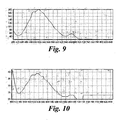
Figure 9 represents the fluorescence spectrum of coleseed oil when excited by a laser with a wave length of 405 nm. -
Figure 10 represents the fluorescence spectrum of sunflower oil when excited by a laser with a wave length of 405 nm. -
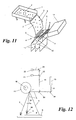
Figure 11 is a schematic representation of a sorting machine, seen in perspective. -
Figure 12 is a schematic representation of a detection device for a sorting machine according to the invention. - In the different drawings, the same reference figures refer to the same or analogous elements.
- In the method according to the invention, potato products are sorted on the basis of fluorescence. It was found that when UV light with a wave length of 350 to 450 nm strikes the potato products, potato products without any flaws will emit light as a result of the fluorescence having a wave length which is mainly situated in the wave length band of 460 nm to 600 nm. Flaws which are present in the potato products or strange products in the product flow do not have said fluorescence. The flaws can usually be visually observed and consist for example of the presence of eyes, offshoots or buds, rot, bruises, inner sugars, a brown coloured vascular bundle ring, etc.
- According to the invention, a product flow of potato products is moved through a detection zone where the products are illuminated with UV light. The intensity of the light which is emitted by the products as a result of the fluorescence is detected in a detection band of 460 nm to 600 nm. When the observed intensity in the detection zone is lower than a specific preset value for a product, it is assumed that there is no fluorescence peak, and the product concerned will be qualified as an undesirable product and if necessary it will be removed from the product flow. By an undesirable product is understood a strange component or a potato product with a flaw.
- The fluorescence peak occurring as a result of the excitation by the light with a wave length between 350 and 450 nm is usually observed in a detection band of 480 to 580 nm, irrespective of the wave length of the exciting light beam.
- For raw potato products, a detection band of 540 to 570 nm is preferably used. As is clear from
figure 1 , a fluorescence peak of some 560 nm will occur for raw peeled potato products when said beam of light is generated for example by a laser source with a wave length of 405 nm. In order to thus sort a product flow with said potato products, the presence of a fluorescence peak of some 560 nm is preferably detected. - Further, it was found that the potato peel has a fluorescence peak around practically the same wave length, such that the method according to the invention can also be used to detect for example flaws on the surfaces of unpeeled potato products. The fluorescence spectrum of potato peels is represented in
figure 2 . - However, the method according to the invention is particularly interesting for sorting potato products baked in vegetable oil. Such products may for example consist of thin, baked potato slices, in particular chips, or of baked potato slivers such as fries.
- The vegetable oil in which the potato products are baked may for example be peanut oil, sunflower oil with a high olein content (HOSO), maize germ oil, frying oil, coleseed oil or sunflower oil. This vegetable oil preferably has a fluorescence peak of some 500 to 540 nm when being excited by UV light, in particular light having a wave length situated between 350 and 450 nm.
-
Figure 3 shows the fluorescence spectrum for peanut oil. One can observe that a first fluorescence peak is present with a maximum between 510 nm and 525 nm, whereas a second fluorescence peak is observed around a wave length of 670 nm. - When the fluorescence spectrum of thin potato slices without any flaws, baked in the peanut oil of
figure 3 , in particular of chips, is determined, it is found that there is a fluorescence peak around a wave length of 520 nm, whereas the fluorescence around the wave length of some 670 nm has become negligible, as is shown infigure 4 . - Moreover, it turns out that this fluorescence peak around 520 nm has a relatively large intensity, as a result of which it can be easily detected. It is assumed that there is a certain interaction between the oil and the potato products, which has for a result that, by baking the potato products in the vegetable oil, the fluorescence peaks of the oil itself and of the raw potato reinforce one another.
- In the case of flaws in the products baked in peanut oil, said fluorescence peak around a wave length of 520 nm is not present, nor as with strange components which might be present in the product flow.
- Thus, unwanted products in a product flow of potato products baked in peanut oil are detected by detecting the absence of said fluorescence peak in a band between 480 and 580 nm, and when such a fluorescence peak is not present, by qualifying the product concerned as an undesirable product. During the sorting of the potato products, these unwanted products are thus removed from the product flow.
-
Figure 7 shows the fluorescence spectrum of sunflower oil having a high olein content (HOSO), whereasfigure 8 represents the fluorescence spectrum of thin potato slices baked in said oil, in particular chips, showing no flaws. - These spectra indicate that the sunflower oil with a high olein content has a fluorescence peak at about 515 nm and around 670 nm. The latter fluorescence peak cannot be observed in the baked potato products, whereas a fluorescence peak with a very high intensity is observed for these baked products around 520 nm.
- Flaws in the baked potato slices, which are baked in said sunflower oil with a high olein content, have no fluorescence peak in the band between 480 nm and 580 nm, such that in the absence of any fluorescence in this wave length band, a product will be qualified as an undesirable product and will preferably be removed from the product flow.
- Thus, it is found that the fluorescence in a wave length band of 480 nm to 580 nm of potato products baked in sunflower oil with a high olein content is almost completely analogous to that of the potato products baked in peanut oil.
-
Figures 7 to 10 show the fluorescence spectra of maize germ oil, frying oil, coleseed oil and sunflower oil respectively, whereby the frying oil is composed of sunflower oil, rapeseed oil and palm olein. - All these fluorescence spectra have peaks in the wave length band of 480 to 580 nm. Consequently, potato products which have been baked in one of these vegetable oils are also sorted by detecting the presence of fluorescence in the detection band of 480 to 580 nm. When no fluorescence whatsoever is observed in this detection band, the product concerned will be qualified as an undesirable product and will be preferably removed from the product flow.
- Further, the presence of glycoalkaloid, in particular of solanine, in the potato products is preferably detected as well. This is done by detecting fluorescence in a red light spectrum.
- The presence of solanine sometimes becomes evident from a green discoloration of the potato product, but solanine may also be present without this green discoloration occurring. The method according to the invention makes it possible to detect solanine irrespective of said discoloration.
- In particular, the intensity of the light emitted by the potato products is detected in a band from 600 to 750 nm, in particular in a band from 600 to 700 nm, whereby a product will be qualified as a product containing solanine when a light intensity is detected in this band, resulting from the excitation by UV light, which exceeds a preset value. Such a product is then preferably removed from the product flow.
- In an advantageous manner, the presence of a fluorescence peak having a wave length situated between 670 and 690 nm, in particular a wave length in the order of 680 nm, is thus detected. If such a fluorescence peak is present, a product will be qualified as a product containing glycoalkaloid, in particular solanine, and it will be removed from the product flow.
- A possible embodiment of a sorting machine for applying the method according to the invention is represented in
figure 1 . This sorting machine is provided with a vibrating table 1 onto which thepotato products 2 to be sorted are supplied. As a result of the vibrations of this vibrating table 1, theproducts 2 are led to adrop plate 3. Next, through the action of the gravitational force, theproducts 2 move over the surface of thedrop plate 3 in a wide product flow with a thickness of about one product over practically its entire width, whereby they leave thedrop plate 3 at its bottom edge. Subsequently, theproducts 2 move in free fall in a product flow through adetection zone 4 where they are scanned by a beam oflight 5 moving crosswise over the product flow. - In the detection zone, the product flow with the potato products is moved over a
background element 6 extending over the entire width of the product flow. Thebackground element 6 has further been positioned in such a way that saidlight beam 5 scanning the product flow will strike saidbackground element 6 when there is noproduct 2 in the path of thelight beam 5. - Downstream the
detection zone 4, theproducts 2 from the product flow move along aremoval device 7 which makes it possible to remove unwanted products from the product flow. Theremoval device 7 is formed of a row ofcompressed air valves 8 extending parallel to the product flow and crosswise to the movingdevice 9 of the latter. When a product is thus qualified as an undesirable product, acompressed air valve 8 will be opened in a position which corresponds to that of the undesirable product, such that the latter, under the influence of the thus generated compressed air jet, will be blown out of the product flow. Thus is generated aproduct flow 10 which contains practically no unwanted products, as well as a flow separated from the latter containing practically onlyunwanted products 11. - Further, the sorting machine comprises a
detection device 12 which makes it possible to generate said beam oflight 5 and to detect the light emitted by theproducts 2 in saiddetection zone 4. - As is schematically represented in
figure 4 , said detection device comprises alight source 13 to generate the beam oflight 5 with a wave length of 350 to 450 nm. Thislight source 13 is preferably formed of a laser source and thus generates a laser beam. The laser beam has for example a wave length of 378 nm or of 405 nm. - The beam of
light 5 is reflected as of thelight source 13 via amirror 14 to apolygon mirror 15 rotating around a central axis thereof. Thispolygon mirror 15 has successive mirror faces 17 on its perimeter. The beam oflight 5 strikes thepolygon mirror 15 and is directed, via one of its mirror faces 17, to the product flow and to saidbackground element 6. As a result of the rotation of the polygon mirror, the beam oflight 5 moves over the entire width of the product flow as indicated byarrow 18 and thus scans theproducts 2 to be sorted. - When the beam of
light 5 strikes aproduct 2 to be sorted, this product will be excited by the beam oflight 5 and it will fluoresce. The light 19 which is emitted as a result of this fluorescence is sent, via thepolygon mirror 15 and abeam separator 20, todetectors semi-transparent mirrors - A
first detector 21 of these detectors is sensitive to green light having a wave length of for example 460 to 600 nm and generates a detection signal as a function of the observed light intensity which is emitted by aproduct 2 situated in the path of thelight beam 5. Thisdetector 21 co-operates with a control system to control theaforesaid removal device 7 when the light intensity observed by thedetector 21 is lower than a preset value to thus remove the product concerned from the product flow. When said light intensity is lower than the preset value, no fluorescence peak will be observed in the detection band of 460 to 600 nm, and a product will consequently be qualified as an undesirable product. - A
second detector 22 is sensitive to red light, in particular to light having a wave length of for example 600 to 700 nm, and preferably detects light having a wave length in the order of 680 nm. As a function of the observed light intensity, a detection signal is generated by thisdetector 22 in order to control saidremoval device 7. In particular, a product will be removed from the product flow by means of theremoval device 7 when said intensity of the red light detected by thedetector 22 exceeds a preset value. For, in this case, fluorescence is detected indicating the presence of solanine in the product situated in the path of the light beam. - Further, the
background element 6 will emit light having a wave length which corresponds practically to said detection band when said beam of light strikes thebackground element 6. Thus is made sure that thecompressed air valves 8 of theremoval device 7 are only activated when an undesirable product is situated in the path of thelight beam 5, and they will not be activated when there is noproduct 2 in the path of thelight beam 5. In particular, thebackground element 6 will fluoresce when said beam of light strikes it, and it will preferably emit light having a wave length of 500 to 560 nm. - If the presence of solanine in the potato products is being detected as well according to the method of the invention, the
background element 6 will be selected such that it will further not emit any light in a band of 600nm to 700 nm, and preferably up to 750 nm, in particular in a band situated around 680 nm when it is hit by said beam oflight 5. - Naturally, the invention is not restricted to the above-described embodiments of the method and the sorting machine for sorting potato products.
- Thus, for example in the sorting machine, the vibrating table 1 and/or the
drop plate 3 can be replaced by a conveyor belt for moving the products to be sorted to the detection zone. - Further, the wave length of the fluorescence peak for detecting flaws or strange components in the product flow may shift somewhat as a function of the wave length of the light beam which hits the products and excites them. Thus, the fluorescence peak for detecting the presence of solanine may shift as well as a function of the wave length of the exciting light beam.
- Apart from that, it is clear that the detection of flaws or strange components in the product flow can be carried out completely independent from the detection of the presence of solanine.
Claims (15)
- Method for sorting potato products which are being moved in a product flow through a detection zone, whereby unwanted products in this product flow are detected and separated from the product flow, whereby in said detection zone, a beam of light having a wave length between 350 and 450 nm is directed to said products, and whereby the intensity of the light which is emitted by the products is detected in a detection band of 460 to 600 nm, whereby a product will be qualified as an undesirable product and will be separated from the product flow if said intensity is lower than a preset value, whereby in said detection band, the presence of a fluorescence peak is detected, whereby a product will be qualified as an undesirable product and will be separated from the product flow if said fluorescence peak is not present.
- Method according to claim 1, whereby said detection band is situated between 480 and 580 nm and the presence of a fluorescence peak is detected in this detection band, whereby a product will be qualified as an undesirable product and will be separated from the product flow if said fluorescence peak is not present.
- Method according to claim 1 or 2, whereby for the sorting of raw potato products, said detection band is situated between 540 and 570 nm and the presence of a fluorescence peak is detected in this detection band, in particular a fluorescence peak having a wave length of some 560 nm, and whereby a product will be qualified as an undesirable product and will be separated from the product flow if said fluorescence peak is not present.
- Method according to any one of claims 1 to 3, whereby for sorting potato products baked in vegetable oil, said detection band is situated between 480 and 580 nm and the presence of a fluorescence peak is detected in this detection band, in particular a fluorescence peak having a wave length of some 520 nm, and whereby a product will be qualified as an undesirable product and will be separated from the product flow when said fluorescence peak is not present.
- Method according to any one of claims 1 to 4, whereby the presence of glycoalkaloid, in particular of solanine, in said potato products is detected by detecting fluorescence in a red light spectrum, in particular by detecting the intensity of the light emitted by the products in a band between 600 and 750 nm, and preferably in a band between 600 and 700 nm, whereby a product will be qualified as a product containing glycoalkaloid and will be removed from the product flow if said intensity is higher than a preset value.
- Method according to claim 5, whereby the presence of a fluorescence peak having a wave length situated between 670 and 690 nm, in particular a wave length in the order of 680 nm, is detected and whereby a product will be qualified as a product containing glycoalkaloid, in particular solanine, and will be removed from the product flow if such a fluorescence peak is present.
- Method according to any one of claims 1 to 6, whereby said products are being moved through said detection zone in a wide product flow with a thickness of about one product, and whereby said beam of light is formed of a laser beam which is moved crosswise over the width of said product flow.
- Method according to claim 7, whereby said laser beam has a wave length of some 365 nm.
- Method according to claim 7, whereby said laser beam has a wave length of some 378 nm.
- Method according to claim 7, whereby said laser beam has a wave length of some 405 nm.
- Method according to any one of claims 1 to 10, whereby said products are moved in the detection zone in front of a background element, whereby this background element extends over the entire width of the product flow, such that said beam of light will strike this background element when there is no product situated in the beam of light, whereby the background element will emit light having a wave length which corresponds to said detection band when it is hit by said beam of light.
- Method according to any one of claims 1 to 11, whereby said products are moved in front of a background element in the detection zone, whereby this background element extends over the entire width of the product flow, so that said beam of light will strike the background element when there is no product situated in the beam of light, whereby this background element emits practically no light in a band of 600nm to 700 nm, in particular up to 750 nm, in particular in a band situated around 680 nm.
- Method according to claim 11 or 12, whereby said background element will fluoresce when the beam of light strikes it, and will emit light having a wave length of 500 to 560 nm.
- Sorting machine for sorting potato products having a detection zone through which said potato products are moved in a product flow, whereby a light source has been provided which generates a beam of light with a wave length situated in a band of 350 to 450 nm which strikes said products in the detection zone, whereby the sorting machine comprises a detector which is sensitive to green light having a wave length of 460 to 600 nm, in particular a wave length of 480 to 580 nm, and which generates a detection signal as a function of the observed light intensity, whereby this detector co-operates with a control system which makes it possible to detect a fluorescence peak in order to control a removal device for the removal of unwanted products from the product flow when said fluorescence peak is not present and the light intensity observed by the detector is lower than a preset value.
- Sorting machine according to claim 14, whereby said detector is sensitive to light having a wave length of 480 to 580 nm.
Priority Applications (5)
| Application Number | Priority Date | Filing Date | Title |
|---|---|---|---|
| DK15158102.2T DK2910314T3 (en) | 2009-03-26 | 2010-03-26 | PROCEDURE FOR SORTING FOR POTATO PRODUCTS AND SORTING APPLIANCE FOR POTATO PRODUCTS |
| NO15158102A NO2910314T3 (en) | 2009-03-26 | 2010-03-26 | |
| EP15158102.2A EP2910314B1 (en) | 2009-03-26 | 2010-03-26 | Method for sorting potato products and sorting apparatus for potato products |
| PL10734633T PL2411164T3 (en) | 2009-03-26 | 2010-03-26 | Method for sorting potato products and sorting apparatus for potato products |
| PL15158102T PL2910314T3 (en) | 2009-03-26 | 2010-03-26 | Method for sorting potato products and sorting apparatus for potato products |
Applications Claiming Priority (2)
| Application Number | Priority Date | Filing Date | Title |
|---|---|---|---|
| BE2009/0192A BE1018705A3 (en) | 2009-03-26 | 2009-03-26 | METHOD FOR SORTING POTATO PRODUCTS AND SORTING DEVICE FOR POTATO PRODUCTS |
| PCT/BE2010/000025 WO2010108241A2 (en) | 2009-03-26 | 2010-03-26 | Method for sorting potato products and sorting apparatus for potato products |
Related Child Applications (2)
| Application Number | Title | Priority Date | Filing Date |
|---|---|---|---|
| EP15158102.2A Division EP2910314B1 (en) | 2009-03-26 | 2010-03-26 | Method for sorting potato products and sorting apparatus for potato products |
| EP15158102.2A Division-Into EP2910314B1 (en) | 2009-03-26 | 2010-03-26 | Method for sorting potato products and sorting apparatus for potato products |
Publications (2)
| Publication Number | Publication Date |
|---|---|
| EP2411164A2 EP2411164A2 (en) | 2012-02-01 |
| EP2411164B1 true EP2411164B1 (en) | 2015-04-22 |
Family
ID=41120008
Family Applications (2)
| Application Number | Title | Priority Date | Filing Date |
|---|---|---|---|
| EP20100734633 Active EP2411164B1 (en) | 2009-03-26 | 2010-03-26 | Method for sorting potato products and sorting apparatus for potato products |
| EP15158102.2A Active EP2910314B1 (en) | 2009-03-26 | 2010-03-26 | Method for sorting potato products and sorting apparatus for potato products |
Family Applications After (1)
| Application Number | Title | Priority Date | Filing Date |
|---|---|---|---|
| EP15158102.2A Active EP2910314B1 (en) | 2009-03-26 | 2010-03-26 | Method for sorting potato products and sorting apparatus for potato products |
Country Status (18)
| Country | Link |
|---|---|
| US (1) | US9114436B2 (en) |
| EP (2) | EP2411164B1 (en) |
| JP (1) | JP5724067B2 (en) |
| CN (1) | CN102421540B (en) |
| AU (2) | AU2010228136B2 (en) |
| BE (1) | BE1018705A3 (en) |
| BR (1) | BRPI1013701B1 (en) |
| CA (1) | CA2756054C (en) |
| CL (1) | CL2011002353A1 (en) |
| DK (2) | DK2910314T3 (en) |
| ES (2) | ES2662823T3 (en) |
| HU (1) | HUE026954T2 (en) |
| MX (1) | MX2011010083A (en) |
| NO (1) | NO2910314T3 (en) |
| PL (2) | PL2411164T3 (en) |
| PT (1) | PT2910314T (en) |
| RU (1) | RU2524000C2 (en) |
| WO (1) | WO2010108241A2 (en) |
Cited By (1)
| Publication number | Priority date | Publication date | Assignee | Title |
|---|---|---|---|---|
| WO2021037417A1 (en) | 2019-08-30 | 2021-03-04 | Ets Dubrulle | Sorting device for agricultural products and corresponding method |
Families Citing this family (11)
| Publication number | Priority date | Publication date | Assignee | Title |
|---|---|---|---|---|
| GB2466621A (en) * | 2008-12-23 | 2010-06-30 | Buhler Sortex Ltd | Sorting matter in a flow by comparing reflectance intensities at different wavelengths |
| BE1018793A3 (en) * | 2009-06-17 | 2011-09-06 | Best 2 N V | METHOD FOR DISTINCTING AND SORTING PRODUCTS DETERMINING THE CONCENTRATION OF A COMPONENT OF THESE PRODUCTS |
| US8841570B2 (en) * | 2010-10-13 | 2014-09-23 | Paramount Farms International Llc | System and method for aflatoxin detection |
| ITBO20110215A1 (en) * | 2011-04-21 | 2012-10-22 | Asm Advanced Sorting Machines S R L | LOW POWER SELECTOR DEVICE |
| US20130102983A1 (en) * | 2011-10-12 | 2013-04-25 | Karen Wynne Gilmartin | Systems and methods for a fluid-absorbing member |
| CN104941922B (en) * | 2015-06-25 | 2017-04-26 | 浙江大学 | Potato grading control device based on machine vision technology |
| CN105344621A (en) * | 2015-10-22 | 2016-02-24 | 合肥泰禾光电科技股份有限公司 | Method and equipment for separating out moldy food |
| EP3196634A1 (en) * | 2016-01-22 | 2017-07-26 | Buhler Sortex Ltd. | Inspection apparatus |
| WO2018044327A1 (en) * | 2016-09-02 | 2018-03-08 | Empire Technology Development Llc | Food inspection systems and methods |
| CN107862689A (en) * | 2017-11-21 | 2018-03-30 | 广东工业大学 | Leather surface substantially damaged automatic identifying method and computer-readable recording medium |
| GB2562602B (en) * | 2018-03-27 | 2019-05-29 | Frito Lay Trading Co Gmbh | Tuber peeling apparatus and method |
Family Cites Families (15)
| Publication number | Priority date | Publication date | Assignee | Title |
|---|---|---|---|---|
| US4634881A (en) | 1982-11-09 | 1987-01-06 | Supernova Systems, Inc. | Apparatus for detecting impurities in translucent bodies |
| US4535248A (en) * | 1984-08-24 | 1985-08-13 | The United States Of America As Represented By The Secretary Of Agriculture | Method for detecting aflatoxin in almonds |
| US4723659A (en) | 1985-06-28 | 1988-02-09 | Supernova Systems, Inc. | Apparatus for detecting impurities in translucent bodies |
| DE4127903C2 (en) * | 1991-08-22 | 1995-08-03 | Weimar Werk Maschinenbau Gmbh | Arrangement and procedure for sorting the quality and size of products and articles |
| ZA955745B (en) * | 1994-08-19 | 1996-02-20 | De Beers Ind Diamond | Classification of particles according to their Raman response |
| JPH11326210A (en) * | 1998-05-14 | 1999-11-26 | Nec Corp | Chlorophyll fluorescence measuring instrument |
| BE1013056A3 (en) * | 1999-06-28 | 2001-08-07 | Barco Elbicon Nv | Method and device for sorting products. |
| US6512577B1 (en) * | 2000-03-13 | 2003-01-28 | Richard M. Ozanich | Apparatus and method for measuring and correlating characteristics of fruit with visible/near infra-red spectrum |
| JP3579628B2 (en) * | 2000-03-15 | 2004-10-20 | 財団法人電力中央研究所 | Method for estimating chlorophyll content of leaf and estimating apparatus using the same |
| JP4459390B2 (en) * | 2000-06-08 | 2010-04-28 | 浜松ホトニクス株式会社 | Fluorescence measurement method, fluorescence measurement apparatus, and sample evaluation apparatus using the same |
| JP2005028302A (en) * | 2003-07-07 | 2005-02-03 | Satake Corp | Color sorter for wheat |
| JP2005066434A (en) * | 2003-08-22 | 2005-03-17 | Anzai Sogo Kenkyusho:Kk | Apparatus for sorting foreign matter in tea leaf |
| JP2005180958A (en) * | 2003-12-16 | 2005-07-07 | Kubota Corp | Sorting device |
| US7564943B2 (en) * | 2004-03-01 | 2009-07-21 | Spectramet, Llc | Method and apparatus for sorting materials according to relative composition |
| US8158175B2 (en) * | 2008-08-28 | 2012-04-17 | Frito-Lay North America, Inc. | Method for real time measurement of acrylamide in a food product |
-
2009
- 2009-03-26 BE BE2009/0192A patent/BE1018705A3/en not_active IP Right Cessation
-
2010
- 2010-03-26 DK DK15158102.2T patent/DK2910314T3/en active
- 2010-03-26 BR BRPI1013701-7A patent/BRPI1013701B1/en active IP Right Grant
- 2010-03-26 US US13/258,276 patent/US9114436B2/en active Active
- 2010-03-26 PL PL10734633T patent/PL2411164T3/en unknown
- 2010-03-26 EP EP20100734633 patent/EP2411164B1/en active Active
- 2010-03-26 CA CA2756054A patent/CA2756054C/en active Active
- 2010-03-26 WO PCT/BE2010/000025 patent/WO2010108241A2/en not_active Ceased
- 2010-03-26 DK DK10734633.0T patent/DK2411164T3/en active
- 2010-03-26 JP JP2012501086A patent/JP5724067B2/en not_active Expired - Fee Related
- 2010-03-26 MX MX2011010083A patent/MX2011010083A/en active IP Right Grant
- 2010-03-26 CN CN201080019892XA patent/CN102421540B/en active Active
- 2010-03-26 ES ES15158102.2T patent/ES2662823T3/en active Active
- 2010-03-26 NO NO15158102A patent/NO2910314T3/no unknown
- 2010-03-26 AU AU2010228136A patent/AU2010228136B2/en not_active Ceased
- 2010-03-26 HU HUE10734633A patent/HUE026954T2/en unknown
- 2010-03-26 PL PL15158102T patent/PL2910314T3/en unknown
- 2010-03-26 EP EP15158102.2A patent/EP2910314B1/en active Active
- 2010-03-26 PT PT151581022T patent/PT2910314T/en unknown
- 2010-03-26 RU RU2011143153/12A patent/RU2524000C2/en active
- 2010-03-26 ES ES10734633.0T patent/ES2542872T3/en active Active
-
2011
- 2011-09-23 CL CL2011002353A patent/CL2011002353A1/en unknown
-
2015
- 2015-10-09 AU AU2015238922A patent/AU2015238922B2/en not_active Ceased
Cited By (4)
| Publication number | Priority date | Publication date | Assignee | Title |
|---|---|---|---|---|
| WO2021037417A1 (en) | 2019-08-30 | 2021-03-04 | Ets Dubrulle | Sorting device for agricultural products and corresponding method |
| FR3100140A1 (en) | 2019-08-30 | 2021-03-05 | Ets Dubrulle | Sorting device for agricultural products, and corresponding method |
| US12059712B2 (en) | 2019-08-30 | 2024-08-13 | Ets Dubrulle | Sorting device for agricultural products and corresponding method |
| AU2020335104B2 (en) * | 2019-08-30 | 2025-12-18 | Bilberry Sas | Sorting device for agricultural products and corresponding method |
Also Published As
Similar Documents
| Publication | Publication Date | Title |
|---|---|---|
| US9114436B2 (en) | Method for sorting potato products and sorting apparatus for potato products | |
| EP1189709B1 (en) | Method and device for sorting products | |
| CA2765722C (en) | Method for discerning and sorting products whereby the concentration of a component of these products is determined | |
| CN1890032A (en) | Method and apparatus for detecting damage in plant products | |
| US10160134B2 (en) | Method of cutting and cutting apparatus using high pressure liquid | |
| CN1138503A (en) | Sorting machine using sandwich detectors | |
| US12222296B2 (en) | Inspection system for quality analysis of a product to be inspected | |
| EP3609628A1 (en) | Object detection method | |
| US7608794B2 (en) | Process and system for sorting and pitting fruit | |
| Bee et al. | Optical sorting systems |
Legal Events
| Date | Code | Title | Description |
|---|---|---|---|
| PUAI | Public reference made under article 153(3) epc to a published international application that has entered the european phase |
Free format text: ORIGINAL CODE: 0009012 |
|
| 17P | Request for examination filed |
Effective date: 20111003 |
|
| AK | Designated contracting states |
Kind code of ref document: A2 Designated state(s): AT BE BG CH CY CZ DE DK EE ES FI FR GB GR HR HU IE IS IT LI LT LU LV MC MK MT NL NO PL PT RO SE SI SK SM TR |
|
| DAX | Request for extension of the european patent (deleted) | ||
| 17Q | First examination report despatched |
Effective date: 20130719 |
|
| GRAP | Despatch of communication of intention to grant a patent |
Free format text: ORIGINAL CODE: EPIDOSNIGR1 |
|
| INTG | Intention to grant announced |
Effective date: 20140910 |
|
| GRAS | Grant fee paid |
Free format text: ORIGINAL CODE: EPIDOSNIGR3 |
|
| RIN1 | Information on inventor provided before grant (corrected) |
Inventor name: BERGHMANS, PAUL Inventor name: SPEYBROUCK, JOHAN Inventor name: FIVEZ, CHRISTIAAN |
|
| RAP1 | Party data changed (applicant data changed or rights of an application transferred) |
Owner name: TOMRA SORTING NV |
|
| GRAA | (expected) grant |
Free format text: ORIGINAL CODE: 0009210 |
|
| AK | Designated contracting states |
Kind code of ref document: B1 Designated state(s): AT BE BG CH CY CZ DE DK EE ES FI FR GB GR HR HU IE IS IT LI LT LU LV MC MK MT NL NO PL PT RO SE SI SK SM TR |
|
| REG | Reference to a national code |
Ref country code: GB Ref legal event code: FG4D |
|
| REG | Reference to a national code |
Ref country code: CH Ref legal event code: EP |
|
| REG | Reference to a national code |
Ref country code: AT Ref legal event code: REF Ref document number: 722893 Country of ref document: AT Kind code of ref document: T Effective date: 20150515 |
|
| REG | Reference to a national code |
Ref country code: IE Ref legal event code: FG4D |
|
| REG | Reference to a national code |
Ref country code: DE Ref legal event code: R096 Ref document number: 602010024132 Country of ref document: DE Effective date: 20150603 |
|
| REG | Reference to a national code |
Ref country code: DK Ref legal event code: T3 Effective date: 20150717 |
|
| REG | Reference to a national code |
Ref country code: NL Ref legal event code: T3 |
|
| REG | Reference to a national code |
Ref country code: SE Ref legal event code: TRGR |
|
| REG | Reference to a national code |
Ref country code: ES Ref legal event code: FG2A Ref document number: 2542872 Country of ref document: ES Kind code of ref document: T3 Effective date: 20150812 |
|
| REG | Reference to a national code |
Ref country code: NO Ref legal event code: T2 Effective date: 20150422 |
|
| REG | Reference to a national code |
Ref country code: LT Ref legal event code: MG4D |
|
| PG25 | Lapsed in a contracting state [announced via postgrant information from national office to epo] |
Ref country code: HR Free format text: LAPSE BECAUSE OF FAILURE TO SUBMIT A TRANSLATION OF THE DESCRIPTION OR TO PAY THE FEE WITHIN THE PRESCRIBED TIME-LIMIT Effective date: 20150422 Ref country code: PT Free format text: LAPSE BECAUSE OF FAILURE TO SUBMIT A TRANSLATION OF THE DESCRIPTION OR TO PAY THE FEE WITHIN THE PRESCRIBED TIME-LIMIT Effective date: 20150824 Ref country code: LT Free format text: LAPSE BECAUSE OF FAILURE TO SUBMIT A TRANSLATION OF THE DESCRIPTION OR TO PAY THE FEE WITHIN THE PRESCRIBED TIME-LIMIT Effective date: 20150422 Ref country code: FI Free format text: LAPSE BECAUSE OF FAILURE TO SUBMIT A TRANSLATION OF THE DESCRIPTION OR TO PAY THE FEE WITHIN THE PRESCRIBED TIME-LIMIT Effective date: 20150422 |
|
| REG | Reference to a national code |
Ref country code: SK Ref legal event code: T3 Ref document number: E 18982 Country of ref document: SK |
|
| REG | Reference to a national code |
Ref country code: GR Ref legal event code: EP Ref document number: 20150401499 Country of ref document: GR Effective date: 20150901 |
|
| PG25 | Lapsed in a contracting state [announced via postgrant information from national office to epo] |
Ref country code: IS Free format text: LAPSE BECAUSE OF FAILURE TO SUBMIT A TRANSLATION OF THE DESCRIPTION OR TO PAY THE FEE WITHIN THE PRESCRIBED TIME-LIMIT Effective date: 20150822 Ref country code: LV Free format text: LAPSE BECAUSE OF FAILURE TO SUBMIT A TRANSLATION OF THE DESCRIPTION OR TO PAY THE FEE WITHIN THE PRESCRIBED TIME-LIMIT Effective date: 20150422 |
|
| REG | Reference to a national code |
Ref country code: PL Ref legal event code: T3 Ref country code: PL Ref legal event code: T4 |
|
| REG | Reference to a national code |
Ref country code: SK Ref legal event code: T4 Ref document number: E 18982 Country of ref document: SK |
|
| REG | Reference to a national code |
Ref country code: DE Ref legal event code: R097 Ref document number: 602010024132 Country of ref document: DE |
|
| PG25 | Lapsed in a contracting state [announced via postgrant information from national office to epo] |
Ref country code: EE Free format text: LAPSE BECAUSE OF FAILURE TO SUBMIT A TRANSLATION OF THE DESCRIPTION OR TO PAY THE FEE WITHIN THE PRESCRIBED TIME-LIMIT Effective date: 20150422 |
|
| PLBE | No opposition filed within time limit |
Free format text: ORIGINAL CODE: 0009261 |
|
| STAA | Information on the status of an ep patent application or granted ep patent |
Free format text: STATUS: NO OPPOSITION FILED WITHIN TIME LIMIT |
|
| PG25 | Lapsed in a contracting state [announced via postgrant information from national office to epo] |
Ref country code: RO Free format text: LAPSE BECAUSE OF NON-PAYMENT OF DUE FEES Effective date: 20150422 Ref country code: CZ Free format text: LAPSE BECAUSE OF FAILURE TO SUBMIT A TRANSLATION OF THE DESCRIPTION OR TO PAY THE FEE WITHIN THE PRESCRIBED TIME-LIMIT Effective date: 20150422 |
|
| 26N | No opposition filed |
Effective date: 20160125 |
|
| REG | Reference to a national code |
Ref country code: FR Ref legal event code: PLFP Year of fee payment: 7 |
|
| PG25 | Lapsed in a contracting state [announced via postgrant information from national office to epo] |
Ref country code: SI Free format text: LAPSE BECAUSE OF FAILURE TO SUBMIT A TRANSLATION OF THE DESCRIPTION OR TO PAY THE FEE WITHIN THE PRESCRIBED TIME-LIMIT Effective date: 20150422 |
|
| REG | Reference to a national code |
Ref country code: HU Ref legal event code: AG4A Ref document number: E026954 Country of ref document: HU |
|
| PG25 | Lapsed in a contracting state [announced via postgrant information from national office to epo] |
Ref country code: LU Free format text: LAPSE BECAUSE OF FAILURE TO SUBMIT A TRANSLATION OF THE DESCRIPTION OR TO PAY THE FEE WITHIN THE PRESCRIBED TIME-LIMIT Effective date: 20160326 Ref country code: MC Free format text: LAPSE BECAUSE OF FAILURE TO SUBMIT A TRANSLATION OF THE DESCRIPTION OR TO PAY THE FEE WITHIN THE PRESCRIBED TIME-LIMIT Effective date: 20150422 |
|
| REG | Reference to a national code |
Ref country code: CH Ref legal event code: PL |
|
| REG | Reference to a national code |
Ref country code: AT Ref legal event code: UEP Ref document number: 722893 Country of ref document: AT Kind code of ref document: T Effective date: 20150422 |
|
| PG25 | Lapsed in a contracting state [announced via postgrant information from national office to epo] |
Ref country code: LI Free format text: LAPSE BECAUSE OF NON-PAYMENT OF DUE FEES Effective date: 20160331 Ref country code: CH Free format text: LAPSE BECAUSE OF NON-PAYMENT OF DUE FEES Effective date: 20160331 |
|
| REG | Reference to a national code |
Ref country code: FR Ref legal event code: PLFP Year of fee payment: 8 |
|
| PG25 | Lapsed in a contracting state [announced via postgrant information from national office to epo] |
Ref country code: MT Free format text: LAPSE BECAUSE OF FAILURE TO SUBMIT A TRANSLATION OF THE DESCRIPTION OR TO PAY THE FEE WITHIN THE PRESCRIBED TIME-LIMIT Effective date: 20150422 |
|
| REG | Reference to a national code |
Ref country code: FR Ref legal event code: PLFP Year of fee payment: 9 |
|
| PG25 | Lapsed in a contracting state [announced via postgrant information from national office to epo] |
Ref country code: CY Free format text: LAPSE BECAUSE OF FAILURE TO SUBMIT A TRANSLATION OF THE DESCRIPTION OR TO PAY THE FEE WITHIN THE PRESCRIBED TIME-LIMIT Effective date: 20150422 Ref country code: SM Free format text: LAPSE BECAUSE OF FAILURE TO SUBMIT A TRANSLATION OF THE DESCRIPTION OR TO PAY THE FEE WITHIN THE PRESCRIBED TIME-LIMIT Effective date: 20150422 |
|
| PG25 | Lapsed in a contracting state [announced via postgrant information from national office to epo] |
Ref country code: MT Free format text: LAPSE BECAUSE OF FAILURE TO SUBMIT A TRANSLATION OF THE DESCRIPTION OR TO PAY THE FEE WITHIN THE PRESCRIBED TIME-LIMIT Effective date: 20160331 Ref country code: MK Free format text: LAPSE BECAUSE OF FAILURE TO SUBMIT A TRANSLATION OF THE DESCRIPTION OR TO PAY THE FEE WITHIN THE PRESCRIBED TIME-LIMIT Effective date: 20150422 |
|
| PG25 | Lapsed in a contracting state [announced via postgrant information from national office to epo] |
Ref country code: BG Free format text: LAPSE BECAUSE OF FAILURE TO SUBMIT A TRANSLATION OF THE DESCRIPTION OR TO PAY THE FEE WITHIN THE PRESCRIBED TIME-LIMIT Effective date: 20150422 |
|
| PG25 | Lapsed in a contracting state [announced via postgrant information from national office to epo] |
Ref country code: FR Free format text: LAPSE BECAUSE OF NON-PAYMENT OF DUE FEES Effective date: 20200331 |
|
| PG25 | Lapsed in a contracting state [announced via postgrant information from national office to epo] |
Ref country code: FR Free format text: LAPSE BECAUSE OF NON-PAYMENT OF DUE FEES Effective date: 20200331 |
|
| PGRI | Patent reinstated in contracting state [announced from national office to epo] |
Ref country code: FR Effective date: 20210825 |
|
| P01 | Opt-out of the competence of the unified patent court (upc) registered |
Effective date: 20230515 |
|
| PGFP | Annual fee paid to national office [announced via postgrant information from national office to epo] |
Ref country code: GR Payment date: 20240213 Year of fee payment: 15 |
|
| PGFP | Annual fee paid to national office [announced via postgrant information from national office to epo] |
Ref country code: IE Payment date: 20240209 Year of fee payment: 15 |
|
| PGFP | Annual fee paid to national office [announced via postgrant information from national office to epo] |
Ref country code: HU Payment date: 20240220 Year of fee payment: 15 Ref country code: DE Payment date: 20240206 Year of fee payment: 15 Ref country code: SK Payment date: 20240213 Year of fee payment: 15 |
|
| PGFP | Annual fee paid to national office [announced via postgrant information from national office to epo] |
Ref country code: TR Payment date: 20240227 Year of fee payment: 15 Ref country code: SE Payment date: 20240212 Year of fee payment: 15 Ref country code: PL Payment date: 20240214 Year of fee payment: 15 Ref country code: NO Payment date: 20240222 Year of fee payment: 15 Ref country code: IT Payment date: 20240212 Year of fee payment: 15 Ref country code: FR Payment date: 20240223 Year of fee payment: 15 Ref country code: DK Payment date: 20240314 Year of fee payment: 15 |
|
| PGFP | Annual fee paid to national office [announced via postgrant information from national office to epo] |
Ref country code: ES Payment date: 20240408 Year of fee payment: 15 |
|
| REG | Reference to a national code |
Ref country code: DE Ref legal event code: R119 Ref document number: 602010024132 Country of ref document: DE |
|
| REG | Reference to a national code |
Ref country code: DK Ref legal event code: EBP Effective date: 20250331 |
|
| REG | Reference to a national code |
Ref country code: SE Ref legal event code: EUG |
|
| REG | Reference to a national code |
Ref country code: SK Ref legal event code: MM4A Ref document number: E 18982 Country of ref document: SK Effective date: 20250326 |
|
| PG25 | Lapsed in a contracting state [announced via postgrant information from national office to epo] |
Ref country code: HU Free format text: LAPSE BECAUSE OF NON-PAYMENT OF DUE FEES Effective date: 20250327 |
|
| PG25 | Lapsed in a contracting state [announced via postgrant information from national office to epo] |
Ref country code: DE Free format text: LAPSE BECAUSE OF NON-PAYMENT OF DUE FEES Effective date: 20251001 |
|
| PG25 | Lapsed in a contracting state [announced via postgrant information from national office to epo] |
Ref country code: NO Free format text: LAPSE BECAUSE OF NON-PAYMENT OF DUE FEES Effective date: 20250331 |
|
| PG25 | Lapsed in a contracting state [announced via postgrant information from national office to epo] |
Ref country code: FR Free format text: LAPSE BECAUSE OF NON-PAYMENT OF DUE FEES Effective date: 20250331 Ref country code: IT Free format text: LAPSE BECAUSE OF NON-PAYMENT OF DUE FEES Effective date: 20250326 |
|
| PG25 | Lapsed in a contracting state [announced via postgrant information from national office to epo] |
Ref country code: GR Free format text: LAPSE BECAUSE OF NON-PAYMENT OF DUE FEES Effective date: 20251003 |
|
| PG25 | Lapsed in a contracting state [announced via postgrant information from national office to epo] |
Ref country code: SE Free format text: LAPSE BECAUSE OF NON-PAYMENT OF DUE FEES Effective date: 20250327 Ref country code: IE Free format text: LAPSE BECAUSE OF NON-PAYMENT OF DUE FEES Effective date: 20250326 |
|
| PG25 | Lapsed in a contracting state [announced via postgrant information from national office to epo] |
Ref country code: SK Free format text: LAPSE BECAUSE OF NON-PAYMENT OF DUE FEES Effective date: 20250326 |
|
| PGFP | Annual fee paid to national office [announced via postgrant information from national office to epo] |
Ref country code: NL Payment date: 20260213 Year of fee payment: 17 |
|
| PGFP | Annual fee paid to national office [announced via postgrant information from national office to epo] |
Ref country code: GB Payment date: 20260209 Year of fee payment: 17 |
|
| PG25 | Lapsed in a contracting state [announced via postgrant information from national office to epo] |
Ref country code: DK Free format text: LAPSE BECAUSE OF NON-PAYMENT OF DUE FEES Effective date: 20250331 |
|
| PGFP | Annual fee paid to national office [announced via postgrant information from national office to epo] |
Ref country code: AT Payment date: 20260225 Year of fee payment: 17 |
|
| PGFP | Annual fee paid to national office [announced via postgrant information from national office to epo] |
Ref country code: BE Payment date: 20260216 Year of fee payment: 17 |
|
| REG | Reference to a national code |
Ref country code: ES Ref legal event code: FD2A Effective date: 20260504 |