EP2404922A1 - Quinoxaline compounds - Google Patents
Quinoxaline compounds Download PDFInfo
- Publication number
- EP2404922A1 EP2404922A1 EP10748823A EP10748823A EP2404922A1 EP 2404922 A1 EP2404922 A1 EP 2404922A1 EP 10748823 A EP10748823 A EP 10748823A EP 10748823 A EP10748823 A EP 10748823A EP 2404922 A1 EP2404922 A1 EP 2404922A1
- Authority
- EP
- European Patent Office
- Prior art keywords
- dihydro
- lower alkyl
- substituted
- quinoxalin
- methyl
- Prior art date
- Legal status (The legal status is an assumption and is not a legal conclusion. Google has not performed a legal analysis and makes no representation as to the accuracy of the status listed.)
- Granted
Links
- 0 CCc(c(*)c1N(C(*)=C)C2=*)c(C(O*)=O)c(*)c1NC2=O Chemical compound CCc(c(*)c1N(C(*)=C)C2=*)c(C(O*)=O)c(*)c1NC2=O 0.000 description 45
- ATWQXBCCYGIOPC-UHFFFAOYSA-N C(C1)COCC1c1ncc[nH]1 Chemical compound C(C1)COCC1c1ncc[nH]1 ATWQXBCCYGIOPC-UHFFFAOYSA-N 0.000 description 1
- KXOLEZQVWDTTJA-VHMSSVCNSA-N C/C(/[N+]([O-])=O)=C(\C=C(/CC(OC)=O)\C=C)/[n]1c(C2CCOCC2)ncc1 Chemical compound C/C(/[N+]([O-])=O)=C(\C=C(/CC(OC)=O)\C=C)/[n]1c(C2CCOCC2)ncc1 KXOLEZQVWDTTJA-VHMSSVCNSA-N 0.000 description 1
- BAOZQZPGQWXJOW-UHFFFAOYSA-N C1C2C=CCC12 Chemical compound C1C2C=CCC12 BAOZQZPGQWXJOW-UHFFFAOYSA-N 0.000 description 1
- VSWICNJIUPRZIK-UHFFFAOYSA-N C1CNC=CC1 Chemical compound C1CNC=CC1 VSWICNJIUPRZIK-UHFFFAOYSA-N 0.000 description 1
- ILEKJJMVCFKXDG-UHFFFAOYSA-O CC(C(C=C1NC2=O)C(N3Cc4cc([N+](O)=O)ccc4CC3)=O)C=C1[n]1c2cnc1C1CCOCC1 Chemical compound CC(C(C=C1NC2=O)C(N3Cc4cc([N+](O)=O)ccc4CC3)=O)C=C1[n]1c2cnc1C1CCOCC1 ILEKJJMVCFKXDG-UHFFFAOYSA-O 0.000 description 1
- YEIHNEGTQGPPLO-UHFFFAOYSA-N CC(CC=C1C(CC2)CCC2(F)F)=C(C(Nc2c3)=O)N1c2cc(C)c3C(N(CC1)c(cc2)c1cc2F)=O Chemical compound CC(CC=C1C(CC2)CCC2(F)F)=C(C(Nc2c3)=O)N1c2cc(C)c3C(N(CC1)c(cc2)c1cc2F)=O YEIHNEGTQGPPLO-UHFFFAOYSA-N 0.000 description 1
- VOHMAYYWLLGJKE-UHFFFAOYSA-N CCCC1=[N]=C(C(Nc2c3)=O)N1c2ccc3C(N(C1)Cc2c1cccc2)=O Chemical compound CCCC1=[N]=C(C(Nc2c3)=O)N1c2ccc3C(N(C1)Cc2c1cccc2)=O VOHMAYYWLLGJKE-UHFFFAOYSA-N 0.000 description 1
- VZZWNMJLUNRTTO-UHFFFAOYSA-N CCCC1=[N]=C(C(Nc2c3)=O)N1c2ccc3C(N(CC1)CCC1OC)=O Chemical compound CCCC1=[N]=C(C(Nc2c3)=O)N1c2ccc3C(N(CC1)CCC1OC)=O VZZWNMJLUNRTTO-UHFFFAOYSA-N 0.000 description 1
- ZXGRZCOLOZIQGR-UHFFFAOYSA-N CCCC1=[N]=C(C(Nc2c3)=O)N1c2ccc3C(N(CC1)CCN1c(cc1)cc(Cl)c1Cl)=O Chemical compound CCCC1=[N]=C(C(Nc2c3)=O)N1c2ccc3C(N(CC1)CCN1c(cc1)cc(Cl)c1Cl)=O ZXGRZCOLOZIQGR-UHFFFAOYSA-N 0.000 description 1
- QXDRJWPVFRVOGL-UHFFFAOYSA-N CCCC1=[N]=C(C(Nc2c3)=O)N1c2ccc3C(N(Cc1ccccc1)Cc1ccccc1)=O Chemical compound CCCC1=[N]=C(C(Nc2c3)=O)N1c2ccc3C(N(Cc1ccccc1)Cc1ccccc1)=O QXDRJWPVFRVOGL-UHFFFAOYSA-N 0.000 description 1
- VYEBGBSVWIYMDD-RXMQYKEDSA-N CCC[C@](C)(O)ON Chemical compound CCC[C@](C)(O)ON VYEBGBSVWIYMDD-RXMQYKEDSA-N 0.000 description 1
- SBLSIPFYZDTUMZ-UHFFFAOYSA-N CCCc1nc2cc(C(OC)=O)c(C)cc2[n]2c1nnc2CC1CC1 Chemical compound CCCc1nc2cc(C(OC)=O)c(C)cc2[n]2c1nnc2CC1CC1 SBLSIPFYZDTUMZ-UHFFFAOYSA-N 0.000 description 1
- QJTUJTZHAFYMLS-UHFFFAOYSA-N CCCc1nnc(C(Nc2c3)=O)[n]1-c2ccc3C(N(CCO)Cc1ccccc1)=O Chemical compound CCCc1nnc(C(Nc2c3)=O)[n]1-c2ccc3C(N(CCO)Cc1ccccc1)=O QJTUJTZHAFYMLS-UHFFFAOYSA-N 0.000 description 1
- JFUQHYJSHIXGJO-UHFFFAOYSA-N CN(C)CCOc(cc(cc1)F)c1C(OC)=O Chemical compound CN(C)CCOc(cc(cc1)F)c1C(OC)=O JFUQHYJSHIXGJO-UHFFFAOYSA-N 0.000 description 1
- FVNUATULXCHRSM-UHFFFAOYSA-N COCc(cc(c(NC1=O)c2)NC1=O)c2C(OC)=O Chemical compound COCc(cc(c(NC1=O)c2)NC1=O)c2C(OC)=O FVNUATULXCHRSM-UHFFFAOYSA-N 0.000 description 1
- OJBXJZGGMDVKJD-UHFFFAOYSA-N C[O]1C=CCCC1 Chemical compound C[O]1C=CCCC1 OJBXJZGGMDVKJD-UHFFFAOYSA-N 0.000 description 1
- HHNFMBNRUXMGHD-UHFFFAOYSA-N Cc(cc(c(N(C(C1CCOCC1)=N)C1=N)c2)NC1=O)c2C(N(C1)Cc2c1cccc2O)=O Chemical compound Cc(cc(c(N(C(C1CCOCC1)=N)C1=N)c2)NC1=O)c2C(N(C1)Cc2c1cccc2O)=O HHNFMBNRUXMGHD-UHFFFAOYSA-N 0.000 description 1
- VDCOSZPYVWEECA-UHFFFAOYSA-N Cc(cc(c([N+]([O-])=O)c1)-[n]2c(C3COCCC3)ncc2)c1C(OC)=O Chemical compound Cc(cc(c([N+]([O-])=O)c1)-[n]2c(C3COCCC3)ncc2)c1C(OC)=O VDCOSZPYVWEECA-UHFFFAOYSA-N 0.000 description 1
- GLBFMDCQKKMYDR-UHFFFAOYSA-N O=C(C(CC1NC2=O)=CC=C1[n]1c2nnc1C1=CCOCC1)N1Cc2cccc(Cl)c2CC1 Chemical compound O=C(C(CC1NC2=O)=CC=C1[n]1c2nnc1C1=CCOCC1)N1Cc2cccc(Cl)c2CC1 GLBFMDCQKKMYDR-UHFFFAOYSA-N 0.000 description 1
Classifications
-
- C—CHEMISTRY; METALLURGY
- C07—ORGANIC CHEMISTRY
- C07D—HETEROCYCLIC COMPOUNDS
- C07D498/00—Heterocyclic compounds containing in the condensed system at least one hetero ring having nitrogen and oxygen atoms as the only ring hetero atoms
- C07D498/02—Heterocyclic compounds containing in the condensed system at least one hetero ring having nitrogen and oxygen atoms as the only ring hetero atoms in which the condensed system contains two hetero rings
- C07D498/04—Ortho-condensed systems
-
- A—HUMAN NECESSITIES
- A61—MEDICAL OR VETERINARY SCIENCE; HYGIENE
- A61K—PREPARATIONS FOR MEDICAL, DENTAL OR TOILETRY PURPOSES
- A61K31/00—Medicinal preparations containing organic active ingredients
- A61K31/33—Heterocyclic compounds
- A61K31/395—Heterocyclic compounds having nitrogen as a ring hetero atom, e.g. guanethidine or rifamycins
- A61K31/495—Heterocyclic compounds having nitrogen as a ring hetero atom, e.g. guanethidine or rifamycins having six-membered rings with two or more nitrogen atoms as the only ring heteroatoms, e.g. piperazine or tetrazines
- A61K31/4985—Pyrazines or piperazines ortho- or peri-condensed with heterocyclic ring systems
-
- A—HUMAN NECESSITIES
- A61—MEDICAL OR VETERINARY SCIENCE; HYGIENE
- A61P—SPECIFIC THERAPEUTIC ACTIVITY OF CHEMICAL COMPOUNDS OR MEDICINAL PREPARATIONS
- A61P13/00—Drugs for disorders of the urinary system
-
- A—HUMAN NECESSITIES
- A61—MEDICAL OR VETERINARY SCIENCE; HYGIENE
- A61P—SPECIFIC THERAPEUTIC ACTIVITY OF CHEMICAL COMPOUNDS OR MEDICINAL PREPARATIONS
- A61P13/00—Drugs for disorders of the urinary system
- A61P13/02—Drugs for disorders of the urinary system of urine or of the urinary tract, e.g. urine acidifiers
-
- A—HUMAN NECESSITIES
- A61—MEDICAL OR VETERINARY SCIENCE; HYGIENE
- A61P—SPECIFIC THERAPEUTIC ACTIVITY OF CHEMICAL COMPOUNDS OR MEDICINAL PREPARATIONS
- A61P13/00—Drugs for disorders of the urinary system
- A61P13/04—Drugs for disorders of the urinary system for urolithiasis
-
- A—HUMAN NECESSITIES
- A61—MEDICAL OR VETERINARY SCIENCE; HYGIENE
- A61P—SPECIFIC THERAPEUTIC ACTIVITY OF CHEMICAL COMPOUNDS OR MEDICINAL PREPARATIONS
- A61P13/00—Drugs for disorders of the urinary system
- A61P13/08—Drugs for disorders of the urinary system of the prostate
-
- A—HUMAN NECESSITIES
- A61—MEDICAL OR VETERINARY SCIENCE; HYGIENE
- A61P—SPECIFIC THERAPEUTIC ACTIVITY OF CHEMICAL COMPOUNDS OR MEDICINAL PREPARATIONS
- A61P13/00—Drugs for disorders of the urinary system
- A61P13/10—Drugs for disorders of the urinary system of the bladder
-
- A—HUMAN NECESSITIES
- A61—MEDICAL OR VETERINARY SCIENCE; HYGIENE
- A61P—SPECIFIC THERAPEUTIC ACTIVITY OF CHEMICAL COMPOUNDS OR MEDICINAL PREPARATIONS
- A61P43/00—Drugs for specific purposes, not provided for in groups A61P1/00-A61P41/00
-
- C—CHEMISTRY; METALLURGY
- C07—ORGANIC CHEMISTRY
- C07D—HETEROCYCLIC COMPOUNDS
- C07D405/00—Heterocyclic compounds containing both one or more hetero rings having oxygen atoms as the only ring hetero atoms, and one or more rings having nitrogen as the only ring hetero atom
- C07D405/02—Heterocyclic compounds containing both one or more hetero rings having oxygen atoms as the only ring hetero atoms, and one or more rings having nitrogen as the only ring hetero atom containing two hetero rings
- C07D405/04—Heterocyclic compounds containing both one or more hetero rings having oxygen atoms as the only ring hetero atoms, and one or more rings having nitrogen as the only ring hetero atom containing two hetero rings directly linked by a ring-member-to-ring-member bond
-
- C—CHEMISTRY; METALLURGY
- C07—ORGANIC CHEMISTRY
- C07D—HETEROCYCLIC COMPOUNDS
- C07D487/00—Heterocyclic compounds containing nitrogen atoms as the only ring hetero atoms in the condensed system, not provided for by groups C07D451/00 - C07D477/00
- C07D487/02—Heterocyclic compounds containing nitrogen atoms as the only ring hetero atoms in the condensed system, not provided for by groups C07D451/00 - C07D477/00 in which the condensed system contains two hetero rings
- C07D487/04—Ortho-condensed systems
-
- C—CHEMISTRY; METALLURGY
- C07—ORGANIC CHEMISTRY
- C07D—HETEROCYCLIC COMPOUNDS
- C07D491/00—Heterocyclic compounds containing in the condensed ring system both one or more rings having oxygen atoms as the only ring hetero atoms and one or more rings having nitrogen atoms as the only ring hetero atoms, not provided for by groups C07D451/00 - C07D459/00, C07D463/00, C07D477/00 or C07D489/00
- C07D491/02—Heterocyclic compounds containing in the condensed ring system both one or more rings having oxygen atoms as the only ring hetero atoms and one or more rings having nitrogen atoms as the only ring hetero atoms, not provided for by groups C07D451/00 - C07D459/00, C07D463/00, C07D477/00 or C07D489/00 in which the condensed system contains two hetero rings
- C07D491/10—Spiro-condensed systems
- C07D491/107—Spiro-condensed systems with only one oxygen atom as ring hetero atom in the oxygen-containing ring
-
- C—CHEMISTRY; METALLURGY
- C07—ORGANIC CHEMISTRY
- C07D—HETEROCYCLIC COMPOUNDS
- C07D519/00—Heterocyclic compounds containing more than one system of two or more relevant hetero rings condensed among themselves or condensed with a common carbocyclic ring system not provided for in groups C07D453/00 or C07D455/00
Definitions
- the present invention relates to a quinoxaline compound which is useful as an active ingredient for a pharmaceutical composition, in particular, a pharmaceutical composition for treating storage dysfunction, voiding dysfunction, and bladder/urethral diseases, and the like.
- voiding function The most important roles of voiding function are urine storage and voiding, which are regulated by a coordinated action of the bladder and the urethra. That is, during urine storage, the bladder smooth muscle is relaxed and the urethra sphincter is contracted, whereby a state in which urethral resistance is high is maintained, and urinary continence is also maintained. On the other hand, during voiding, the bladder smooth muscle is contracted, and the urethra smooth muscle is relaxed, and contraction of the external urethral sphincter is also inhibited.
- voiding dysfunction examples include a storage dysfunction such as overactive bladder and the like in which urine cannot be retained during urine storage and voiding in which urine cannot be drained sufficiently due to increase in the urethral resistance and decrease in the bladder contractile force. These two disorders may be expressed simultaneously.
- anticholinergic agents In treatment of a storage dysfunction such as overactive bladder and the like, anticholinergic agents have been used frequently. However, these agents cannot provide a sufficient therapeutic effect, and further, side effects based on the anticholinergic action (dry mouth, gastrointestinal symptoms, eye symptoms, as arrhythmias, or the like) appear, and accordingly, administration of the agents should be often interrupted. Further, the anticholinergic agents reduce the bladder contractile force, and are therefore contraindicated for urinary frequency/incontinence accompanying urethral obstruction such as benign prostatic hyperplasia and the like.
- Voiding dysfunction is caused by an increase in urethral resistance during voiding or a decrease in the bladder contractile force.
- voiding dysfunction accompanying benign prostatic hyperplasia is well known, which is characterized by urethral obstruction due to nodular hypertrophy of the prostate tissues.
- An ⁇ 1 receptor antagonist has now been used for the purpose of treating voiding dysfunction accompanying benign prostatic hyperplasia (see, for example, Non-Patent Document 1).
- urethral resistance causes of the increase in urethral resistance include functional obstructions such as urethra relaxation failure during voiding or detrusor-external urethral sphincter dyssynergia and the like due to neurological disorders such as diabetes, aging, bone-marrow damage, pelvic surgery, and the like,. With patients with these diseases, there exist many cases in which the ⁇ 1 receptor antagonist is ineffective. On the other hand, a decrease in the bladder contractile force during voiding, referred to as underactive bladder, acontractile bladder, neurogenic bladder, or the like, also causes voiding dysfunction.
- underactive bladder acontractile bladder, neurogenic bladder, or the like
- Known factors for decreasing the bladder contractile force include aging, neurological diseases such as diabetes, Parkinson's disease, multiple sclerosis, and the like, bone marrow damage, and neurological disorders due to pelvic surgery.
- Examples of an agent for treating a decrease in the bladder contractile force during voiding include bethanechol chloride which is a muscarinic receptor agonist and distigmine bromide which is a cholinesterase inhibitor. Both of these drugs have side effects, and thus, their satisfactoriness is low (see, for example, Non-Patent Documents 2 and 3).
- voiding dysfunction caused by an increase in the urethral resistance or a decrease in the bladder contractile force as described above, residual urine after voiding is observed.
- Increased residual urine may cause a decrease in effective bladder capacity, and thus, cause overactive bladder symptoms such as urinary frequency and the like, or severe symptoms, called hydronephrosis, in some cases, and in this regard, there is a demand for a therapeutic agent which is more effective than a current therapeutic agent.
- Non-Patent Documents 4 and 5 It is known that a relaxation system due to nitric oxide (NO) is present in the smooth muscle, and NO produced in the nerve terminals or locally activates soluble guanylate cyclase present in the smooth muscle cells.
- the activated guanylate cyclase increases cyclic guanosine monophosphate (cGMP) in the cells.
- cGMP cyclic guanosine monophosphate
- PDE phosphodiesterase
- An increase in the intracellular cGMP concentration is considered to contribute significantly to the smooth muscle relaxation. Therefore, the decrease of the NO-cGMP system causes relaxation failure of the smooth muscle. For example, in patients showing urethral obstruction in benign prostatic hyperplasia or in the elderly as described above, it is reported that NO production is significantly decreased (Non-Patent Documents 4 and 5).
- PDE5 As a subtype of PDE which specifically degrades cGMP, PDE5, PDE6, and PDE9 are known, and among these, PDE9 has a higher substrate affinity than PDE5 and PDE6 (Non-Patent Document 6). Further, from the viewpoint that in the distribution of expression in various tissues, PDE9 is observed at its highest expression in the human prostate (Non-Patent Document 7), it plays an important role in smooth muscle relaxation in lower urethra smooth muscle and a PDE9 inhibitor enhances the relaxation of the urethra via cGMP in the tissue. Therefore, it is considered that the PDE9 inhibitor exhibits an effect against voiding dysfunction due to an increase in the urethral resistance.
- the PDE9 inhibitor decreases the urethral resistance, an effect against voiding dysfunction in which the bladder contractile forces are decreased can be expected.
- the decrease in residual urine due to improvement of the voiding dysfunction will lead to improvement of overactive bladder symptoms such as urinary frequency or avoidance of renal disorders. Therefore, it is considered that the PDE9 inhibitor is useful as an agent for preventing and/or treating storage dysfunction, voiding dysfunction, and bladder/urethral diseases.
- Patent Documents 1 and 2 there are disclosed compounds represented by the following formulae (A) and (B), respectively, but there is no specific disclosure of the compounds of the present invention.
- Patent Documents 3 and 4 there are disclosed a thienopyrimidine derivative and a quinazoline derivative as compounds having a PDE5-and/or PDE9-inhibiting action(s), respectively.
- Patent Documents 5 to 10 there are disclosed compounds represented by the following formulae (C) to (H), but there is no specific disclosure of the compounds of the present invention. In addition, there is no description that the compound has a PDE9-inhibiting action. (For the symbols in the formulae, refer to each of the corresponding patent publications)
- the present inventors have conducted investigations in order to provide a compound which has a PDE9-inhibiting action and is useful as an active ingredient for an agent for treating and/or preventing storage dysfunction, voiding dysfunction, and bladder/urethral diseases, and the like.
- the present inventors have extensively investigated a compound which has a PDE9-inhibiting action, and as a result, they have found that a compound of the formula (I) is useful as a compound having a PDE9-inhibiting action, thereby completing the present invention.
- the present invention relates to a compound of the formula (1) or a salt thereof: [wherein one of A 1 and A 2 is N and the other is CR 6 or N, one of R 1 and R 2 is hydrogen, halogen, or lower alkyl, -O-lower alkyl, or cycloalkyl, each of which may be substituted, and the other is a group of the formula (II), R 3 is lower alkyl, cycloalkyl, cycloalkenyl, aryl, heteroaryl, or a saturated hetero ring, each of which may be substituted, R 4 and R 5 are the same or different, and each is hydrogen or lower alkyl, R 6 is hydrogen or lower alkyl, R a and R b are the same or different, and each is hydrogen, or lower alkyl, cycloalkyl, aryl, or a hetero ring, each of which may be substituted, or R a and R b are combined with the adjacent nitrogen atom to form a monocyclic
- the present invention relates to a pharmaceutical composition for treating storage dysfunction, voiding dysfunction, and bladder/urethral diseases, and the like, which includes a compound of the formula (I) or a salt thereof, that is, an agent for treating storage dysfunction, voiding dysfunction, and bladder/urethral diseases, and the like, which includes a compound of the formula (I) or a salt thereof.
- the present invention further relates to use of the compound of the formula (I) or a salt thereof for preparation of a pharmaceutical composition for treating storage dysfunction, voiding dysfunction, and bladder/urethral diseases, and the like, and a method for treating storage dysfunction, voiding dysfunction, and bladder/urethral diseases, and the like, which includes administering to a patient an effective amount of the compound of the formula (I) or a salt thereof.
- the compound of the formula (I) or a salt thereof has a PDE9-inhibiting action, and can be used as a prophylactic and/or therapeutic agent, such as a pharmaceutical composition for treating diseases related to degradation of cGMP by PDE9, for example, underactive bladder, hypotonic bladder, acontractile bladder, neurogenic bladder, detrusor underactivity, overactive bladder, urinary frequency, nocturia, incontinence, benign prostatic hyperplasia, lower urinary tract symptoms, voiding dysfunction accompanying urethra relaxation failure or detrusor-external urethral sphincter dyssynergia, interstitial cystitis, chronic prostatitis, or urethra calculus.
- diseases related to degradation of cGMP by PDE9 for example, underactive bladder, hypotonic bladder, acontractile bladder, neurogenic bladder, detrusor underactivity, overactive bladder, urinary frequency, nocturia, incontinence, benign prostatic hyperplasia
- the "lower alkyl” is straight or branched chain alkyl having 1 to 6 carbon atoms (hereinafter simply referred to as C 1-6 ), for example, methyl, ethyl, n-propyl, isopropyl, n-butyl, isobutyl, sec-butyl, tert-butyl, n-pentyl, n-hexyl, or the like, and in another embodiment, C 1-4 alkyl, in a further embodiment, methyl, ethyl, n-propyl, isopropyl, n-butyl, sec-butyl, or tern-butyl
- the "lower alkylene” is to straight or branched C 1-6 alkylene, for example, methylene, ethylene, trimethylene, tetramethylene, pentamethylene, hexamethylene, propylene, methylmethylene, ethylethylene, 1,2-dimethylethylene, 1,1,2,2-tetramethylethylene, or the like.
- halogen means F, Cl, Br, or I.
- halogeno-lower alkyl is C 1-6 alkyl substituted with one or more halogen atoms, in another embodiment, lower alkyl substituted with 1 to 5 halogen atoms, and in a further embodiment, trifluoromethyl.
- cycloalkyl is a C 3-10 saturated hydrocarbon ring group, which may have a bridge. It is, for example, cyclopropyl, cyclobutyl, cyclopentyl, cyclohexyl, cycloheptyl, cyclooctyl, adamantyl, or the like, in another embodiment, C 3-8 cycloalkyl, in a further embodiment, C 3-6 cycloalkyl, in a further embodiment, cyclobutyl, cyclopentyl, or cyclohexyl, and in a further embodiment, cyclopropyl.
- cycloalkenyl is a C 3-10 unsaturated hydrocarbon ring group, have a bridge. It is, for example, cyclohexenyl or the like.
- the "aryl” is a C 6-14 monocyclic to tricyclic aromatic hydrocarbon ring group, and examples thereof include C 5-8 cycloalkene and a ring group condensed at a site of a double bond thereof. It is, for example, phenyl, naphthyl, 5-tetrahydronaphthyl, 1-tetrahydronaphthyl, 4-indenyl, 1-fluorenyl, or the like, and in another embodiment, phenyl or 1-tetrahydronaphthyl.
- the "hetero ring” means a ring group containing i) a monocyclic 3- to 8-membered, and in another embodiment, 5- to 7-membered hetero ring, containing 1 to 4 hetero atoms selected from oxygen, sulfur, and nitrogen, and ii) a bi- to tricyclic hetero ring containing 1 to 5 hetero atoms selected from oxygen, sulfur, and nitrogen, formed by condensation with one or two rings in which the monocyclic hetero ring is selected from the group consisting of a monocyclic hetero ring, a benzene ring, C 5-8 cycloalkane, and C 5-8 cycloalkene, and it includes a spiro ring group.
- the ring atom, sulfur or nitrogen may be oxidized to form an oxide or a dioxide. Examples of the "hetero ring” include the following embodiments:
- the "hetero ring” is pyridyl, thiazolyl, pyrrolidinyl, piperidyl, or morpholinyl.
- the "saturated hetero ring” means a group described in (1) Monocyclic saturated hetero ring and (3) Condensed polycyclic saturated hetero ring of the "hetero ring” above.
- the ring atom, sulfur or nitrogen, may be oxidized to form an oxide or a dioxide.
- the saturated hetero ring is a monocyclic saturated hetero ring, and in another embodiment, oxetanyl, tetrahydrofuranyl, tetrahydropyranyl, or tetrahydrothiopyranyl.
- the "monocyclic nitrogen-containing hetero ring” means a monocyclic saturated hetero ring or monocyclic unsaturated hetero ring which contains at least one nitrogen atom and may further contain a heteroatom selected from oxygen and sulfur, as the group described in (1) (a), (1) (b), (2) (a), (2) (b), or the like of the "hetero ring” above, which is a group having a binding arm to a nitrogen atom.
- the ring atom, sulfur or nitrogen may be oxidized to form an oxide or a dioxide.
- the monocyclic nitrogen-containing hetero ring is azetidinyl, pyrrolidinyl, piperidyl, piperazinyl, morpholinyl, thiomorpholinyl, azepanyl, or diazepanyl, in a further embodiment, pyrrolidinyl, and in a further embodiment, morpholinyl.
- the "polycyclic nitrogen-containing hetero ring” means a bi- to tricyclic condensed polycyclic saturated hetero ring or a bi- to tricyclic condensed polycyclic unsaturated hetero ring, which contains at least one nitrogen atom and may further contain a heteroatom selected from oxygen and sulfur, as the group described in (3) (a), (3) (b), (4) (a), (4) (b), or the like of the "hetero ring” above, which is a group having a binding arm to a nitrogen atom.
- the polycyclic nitrogen-containing hetero ring includes the groups having at least one nitrogen atom among the (5) spiro rings of the "hetero ring" above.
- the ring atom, sulfur or nitrogen may be oxidized to form an oxide or a dioxide.
- the polycyclic nitrogen-containing hetero ring is indolinyl, isoindolinyl, dihydropyrrolopyridyl, dihydropyrrolopyrimidinyl, tetrahydroquinolyl, tetrahydroisoquinolyl, dihydrobenzoxazinyl, dihydropyridoxazinyl, tetrahydronaphthyridinyl, tetrahydropyridopyrimidinyl, tetrahydrothienopyridyl, tetrahydroxazolopyridyl, tetrahydropyrazolopyridyl, tetrahydropyrrolopyrazinyl, tetrahydroimidazopyrazinyl, tetrahydrothiazolopyridyl, tetrahydrobenzoazepinyl,
- the "monocyclic sulfur-containing saturated hetero ring” means a monocyclic saturated hetero ring group which contains at least one sulfur atom and may further contain an oxygen atom, as the group described in (1) (c) and (1) (d) of the "hetero ring” above.
- the ring atom, sulfur or nitrogen, may be oxidized to form an oxide or a dioxide.
- the monocyclic sulfur-containing saturated hetero ring is thienyl, thiepinyl, dihydrodithiopyranyl, dihydrodithionyl, dihydroxathiopyranyl, or tetrahydrothiopyranyl.
- heteroaryl means one having an aromatic property, among the groups described in (2), (4), and (5) (b) of the "hetero ring" above.
- the heteroaryl is monocyclic heteroaryl, in another embodiment, thienyl, furyl, thiazolyl, oxazolyl, pyrazolyl, or pyridyl, and in a further embodiment, thienyl.
- the "protected carboxy” group may include the following groups.
- the expression "which may be substituted” represents “which is not substituted” or "which is substituted with 1 to 5 substituents”. Further, if it has a plurality of substituents, the substituents may be the same as or different from each other.
- Examples of the substituent for "lower alkyl, -O-lower alkyl, or cycloalkyl, each of which may be substituted" in R 1 and R 2 include -OH, -O-lower alkyl, -NH 2 , -NH-lower alkyl, -N(lower alkyl) 2 , and a monocyclic nitrogen-containing hetero ring which may be substituted with lower alkyl.
- the substituent for the "lower alkyl which may be substituted” is, in another embodiment, -O-lower alkyl.
- the substituent for the "-O-lower alkyl which may be substituted” is, in another embodiment, -OH, -N(lower alkyl) 2 , or pyrrolidinyl which may be substituted with lower alkyl.
- substituents for the "aryl which may be substituted” include halogen, lower alkyl, -O-lower alkyl, and -OH.
- substituent for the "heteroaryl which may be substituted” include, in another embodiment, lower alkyl.
- Examples of the substituent for the "lower alkyl, cycloalkyl, aryl, or a hetero ring, each of which may be substituted" in R a and R b include halogen; -OH; -O-lower alkyl; halogeno-lower alkyl; -NH 2 ; -NH-lower alkyl; -N(lower alkyl) 2 ; aryl which may be substituted with a group selected from a group G 1 ; a hetero ring which may be substituted with a group selected from a group G 2 ; -O-(aryl which may be substituted with a group selected from a group G 1) ; -O-(a hetero ring which may be substituted with a group selected from a group G 2 ); lower alkylene-(aryl which may be substituted with a group selected from a group G 1 ); lower alkylene-(a hetero ring which may be substituted with a group selected from a group G
- Examples of the substituent for the "lower alkyl which may be substituted” include, in another embodiment, -OH; -O-lower alkyl; -NH 2 ; -NH-lower alkyl; -N(lower alkyl) 2 ; aryl which may be substituted with a group selected from a group G 1 ; a hetero ring which may be substituted with a group selected from a group G 2 ; -O-aryl; and -O-hetero ring, and in a further embodiment, -OH; -O-lower alkyl; -N(lower alkyl) 2 ; aryl which may be substituted with a group selected from a group G 1 ; a hetero ring which may be substituted with a group selected from a group G 2 ; and -O-aryl.
- substituents for the "cycloalkyl which may be substituted” include, in another embodiment, lower alkyl.
- substituent for the "aryl which may be substituted” include, in another embodiment, halogen; -O-lower alkyl; aryl which may be substituted with a group selected from a group G 1 ; a hetero ring which may be substituted with a group selected from a group G 2 ; -O-lower alkylene-aryl; and -O-lower alkylene-hetero ring, and in a further embodiment, halogen; -O-lower alkyl; and -O-lower alkylene-aryl.
- Examples of the substituent for the "a hetero ring which may be substituted" include, in another embodiment, lower alkyl; aryl which may be substituted with a group selected from a group G 1 ; a hetero ring which may be substituted with a group selected from a group G 2 ; lower alkylene-aryl; and lower alkylene-hetero ring, and in a further embodiment, lower alkyl and lower alkylene-aryl.
- R ? and R 8 are the same or different, and each is hydrogen or lower alkyl, and R 9 is lower alkyl, or aryl which may be substituted with lower alkyl.
- the group G 1 is halogen, lower alkyl, halogeno-lower alkyl, -OH, -O-lower alkyl, -O-lower alkylene-aryl, -O-lower alkylene-hetero ring, -O-halogeno-lower alkyl, aryl, or a hetero ring, in another embodiment, halogen, lower alkyl, halogeno-lower alkyl, -OH, -O-lower alkylene-aryl, -O-lower alkylene-hetero ring, or -O-halogeno-lower alkyl, and in a further embodiment, halogen, aryl, -O-lower alkyl, or -O-lower alkylene-hetero ring.
- the group G 2 is halogen, lower alkyl, halogeno-lower alkyl, -OH, -O-lower alkyl, -O-lower alkylene-aryl, -O-lower alkylene-hetero ring, -O-halogeno-lower alkyl, aryl, or hetero ring, and in another embodiment, lower alkyl.
- Examples of the specific compounds included in the present invention include:
- the compound of the formula (1) may exist in the form of tautomers or geometrical isomers depending on the kind of substituents.
- the compound of the formula (1) shall be described in only one form of isomer, yet the present invention includes such an isomer, isolated forms of the isomers, or a mixture thereof.
- the compound of the formula (I) may have asymmetric carbon atoms or axial asymmetry in some cases, and correspondingly, it may exist in the form of optical isomers.
- the present invention includes both an isolated form of the optical isomers of the compound of the formula (I) or a mixture thereof.
- the present invention also includes a pharmaceutically acceptable prodrug of the compound represented by the formula (I).
- the pharmaceutically acceptable prodrug is a compound having a group that can be converted into an amino group, a hydroxyl group, a carboxyl group, or the like through solvolysis or under physiological conditions. Examples of the group forming the prodrug include the groups described in Prog. Med., 5, 2157-2161 (1985 ) and Pharmaceutical Research and Development, Drug Design, Hirokawa Publishing Company (1990), Vol. 7, 163-198 .
- the salt of the compound of the formula (I) is a pharmaceutically acceptable salt of the compound of the formula (I) and may form an acid addition salt or a salt with a base depending on the kind of substituents.
- Specific examples thereof include acid addition salts with inorganic acids such as hydrochloric acid, hydrobromic acid, hydroiodic acid, sulfuric acid, nitric acid, phosphoric acid, and the like, and with organic acids such as formic acid, acetic acid, propionic acid, oxalic acid, malonic acid, succinic acid, fumaric acid, maleic acid, lactic acid, malic acid, mandelic acid, tartaric acid, dibenzoyltartaric acid, ditolyltartaric acid, citric acid, methanesulfonic acid, ethanesulfonic acid, benzenesulfonic acid, p-toluenesulfonic acid, aspartic acid, glutamic acid, and the like, and salts with inorganic
- the present invention also includes various hydrates or solvates, and polymorphic crystal substances of the compound of the formula (1) and a salt thereof.
- the present invention also includes compounds labeled with various radioactive or non-radioactive isotopes.
- the compound of the formula (I) and a salt thereof can be prepared using the characteristics based on the basic structure or the type of substituent thereof and by applying various known, synthesis methods.
- protecting the relevant functional group with a suitable protective group or replacing the relevant functional group with a group that can be easily converted into the functional group at the stage from starting material to an intermediate may be effective depending on the type of the functional group in production technology in some cases.
- the protective group for such a functional group may include, for example, the protective groups described in "Greene's Protective Groups in Organic Synthesis (4 th Ed, 2006)" written by P. G. M. Wuts and T. W. Greene, and one of these should only be selected and used as necessary depending on reaction conditions.
- a desired compound can be obtained by introducing the protective group, by carrying out a reaction and by eliminating the protective group as necessary.
- the prodrug of the compound of the formula (I) can be produced by introducing a specific group or by carrying out the reaction using the obtained compound of the formula (I) at the stage from a starting material to an intermediate, just as in the case of the above-mentioned protective group.
- the reaction can be carried out using methods known to those skilled in the art, such as ordinary esterification, amidation, dehydration, and the like.
- the representative preparation methods for the compound of the formula (I) will be described. Each of the production processes may also be carried out with reference to the References appended in the present description. Further, the preparation methods of the present invention are not limited to the examples as shown below.
- the compound (I-1) of the present invention can be obtained by the reaction of a compound (1a) with a compound (1b).
- the compound (1a) and the compound (1b) in equivalent amounts, or with either thereof in an excess amount are used, and a mixture thereof is stirred under any temperature condition from cooling to heating, preferably at -20°C to 120°C, usually for 0.1 hours to 5 days, in a solvent which is inert to the reaction, in the presence of a condensing agent.
- the solvent as used herein is not particularly limited, but examples thereof include aromatic hydrocarbons such as benzene, toluene, xylene, and the like, halogenated hydrocarbons such as dichloromethane, 1,2-dichlaroethane, chloroform, and the like, ethers such as diethyl ether, tetrahydrofuran, dioxane, dimethoxyethane, and the like, N,N-dimethylformamide, dimethylsulfoxide, ethyl acetate, acetonitrile, or water and a mixture thereof.
- aromatic hydrocarbons such as benzene, toluene, xylene, and the like
- halogenated hydrocarbons such as dichloromethane, 1,2-dichlaroethane, chloroform, and the like
- ethers such as diethyl ether, tetrahydrofuran, dioxane, dimethoxyethane,
- condensing agent examples include 1-(3-dimethylaminopropyl)-3-ethylcarbodiimide, 1,3-dicyclohexylcarbodiimide, O-(7-azabenzotriazol-1-yl)-N,N,N',N'-tetramethyluronium hexafluorophosphate, O-(benzotriazol-1-yl)-N,N,N',N'-tetramethyluronium tetrafluoroborate (TBTU), bromo(tripyrrolidin-1-yl)phosphonium hexafluorophosphate, 1,1'-carbonyldiimidazole, diphenylphosphoryl azide, and phosphorous oxychloride, but are not limited to these, and a condensing agent-carrying polystyrene resin, for example, PS-Carbodiimide (Biotage AB, Sweden) can also be used.
- an additive for example, 1-hydroxybenzotriazole. It may be advantageous in some cases for the smooth progress of the reaction to carry out the reaction in the presence of an organic base such as triethylamine, N,N-diisopropylethylamine, N-methylmorpholine, and the like, or an inorganic base such as potassium carbonate, sodium carbonate, potassium hydroxide, sodium hydroxide, and the like. Further, use of a microwave reactor (Biotage AB) may allow the smooth progress of the reaction in some cases.
- an organic base such as triethylamine, N,N-diisopropylethylamine, N-methylmorpholine, and the like
- an inorganic base such as potassium carbonate, sodium carbonate, potassium hydroxide, sodium hydroxide, and the like.
- an isocyanate-carrying polystyrene resin for example, PS-Isocyanate (Biotage AB, Sweden) and the like can also be used in order to remove an excess amount of amine after completion of the reaction
- a quaternary ammonium salt-carrying polystyrene resin for example, MP-Carbonate (Biotage AB, Sweden) and the like can also be used in order to remove an excess amount of the additives after completion of the reaction.
- a method in which a carboxylic acid (1a) is converted to its a reactive derivative and then reacted with amine (1b) can also be used.
- examples of the reactive derivative of the carboxylic acid include acid halides that can be obtained by the reaction of a halogenating agent such as phosphorus oxychloride, thionyl chloride, and the like, mixed acid anhydrides that can be obtained by the reaction of isobutyl chloroformate or the like, active esters obtained by the condensation with I -hydroxybenzotriazole or the like, etc.
- the reaction of the reactive derivative and the compound (1b) can be carried out under any temperature condition from cooling to heating, preferably at -20°C to 60°C, in a solvent which is inert to the reaction, such as halogenated hydrocarbons, aromatic hydrocarbons, ethers, and the like.
- an aluminum amide reagent obtained by reacting an ester (1c) with trimethylaluminum and amine (1b) is allowed to undergo a reaction.
- an aluminum amide reagent obtained by reacting an ester (1c) with trimethylaluminum and amine (1b) is allowed to undergo a reaction.
- some of the compounds represented by the formula (I) can also be produced from the compound according to the present invention produced as described above by appropriately combining processes usually used by those skilled in the art, such as known alkylation, acylation, substitution, oxidation, reduction, hydrolysis, deprotection, halogenation, and the like (see, for example, " Courses in Experimental Chemistry” (5th Edition), edited by The Chemical Society of Japan, (2005) (Maruzen )). Furthermore, a process which can be usually used by those skilled in the art can also be used for intermediates for preparation
- the step represented by Step 1-1 is a reaction for obtaining a compound (2b) by a hydrogenation reaction of a compound (2a).
- the compound (2a) is stirred in the presence of a metal catalyst, usually for 1 hour to 5 days, in a solvent inert to the reaction, under a hydrogen atmosphere.
- This reaction is usually carried out in a range of normal pressure to 90 bar and under any temperature condition from cooling to heating, preferably at normal pressure and room temperature.
- Examples of the solvent used herein are not particularly limited, but include alcohols such as methanol, ethanol, 2-propanol, and the like, ethers such as diethyl ether, tetrahydrofuran, dioxane, dimethoxyethane, and the like, water, ethyl acetate, N,-N-dimethylformamide, dimethylsulfoxide, and a mixture thereof.
- alcohols such as methanol, ethanol, 2-propanol, and the like
- ethers such as diethyl ether, tetrahydrofuran, dioxane, dimethoxyethane, and the like
- water ethyl acetate, N,-N-dimethylformamide, dimethylsulfoxide, and a mixture thereof.
- palladium catalysts such as palladium carbon, palladium black, palladium hydroxide, and the like
- platinum catalysts such as a platinum plate, platinum oxide, and the like
- nickel catalysts such as reduced nickel, Raney nickel, and the like
- rhodium catalysts such as tetrakistriphenylphosphine chlororhodium, and the like
- iron catalysts such as reduced iron and the like
- hydrogen gas formic acid or ammonium formate in equivalent amounts, or with either thereof in an excess amount can be used as a hydrogen source, relative to the compound (2a).
- This step further includes a reaction for obtaining a compound (2b) by a reduction reaction of a compound (2a).
- the compound (2a) is stirred in the presence of an iron catalyst such as reduced iron, activated iron carbonate (III), and the like, usually for 0.5 hours to 5 days, in a solvent inert to the reaction.
- an iron catalyst such as reduced iron, activated iron carbonate (III), and the like
- This reaction is usually carried out under any temperature condition from cooling to heating, preferably at 0°C to 100°C.
- the step represented by Step 1-13 is a reaction for obtaining a compound (2d) by the reaction of compound (2c) and tert-butylamine.
- the compound (2c) and tert-butylamine in equivalent amounts, or with either thereof in an excess amount are used, and a mixture thereof is stirred under any temperature condition from cooling to heating and refluxing, preferably at 0°C to 80°C, usually for 0.1 hours to 5 days, in a solvent which is inert to the reaction.
- the solvent as used herein is not particularly limited, but examples thereof include aromatic hydrocarbons such as benzene, toluene, xylene, and the like, ethers such as diethyl ether, tetrahydrofuran, dioxane, dimethoxyethane, and the like, halogenated hydrocarbons such as dichloromethane, 1,2-dichloroethane, chloroform, and the like, N,N-dimethylformamide, N,N-dimethylacetamide, dimethylsulfoxide, ethyl acetate, acetonitrile, N-ethylpiperidone, and a mixture thereof.
- aromatic hydrocarbons such as benzene, toluene, xylene, and the like
- ethers such as diethyl ether, tetrahydrofuran, dioxane, dimethoxyethane, and the like
- halogenated hydrocarbons such as dichlorome
- an organic base such as triethylamine, N,N-diisopropylethylamine, pyridine, N-methylmorpholine, and the like
- an inorganic base such as sodium hydroxide, potassium carbonate, sodium carbonate, potassium hydroxide, and the like.
- the step represented by Step 1-14 is a reaction for obtaining a compound (2e) by a dealkylation reaction of the compound (2d).
- the dealkylation reaction can be carried out with reference to the method described in " Greene's Protective Groups in Organic Synthesis (4tn edition, 2006 )".
- the step represented by Step 1-15 is a reaction for obtaining a compound (2b) by a hydrogenation reaction or reduction reaction of the compound (2e), for which the method used in Step 1-1 can be incorporated.
- the step represented by Step 1-2 is a reaction for obtaining a compound (2f) by a cyclization reaction of the compound (2b) with diethyl oxalate ((COOEt) 2 ) or oxalic acid.
- the step represented by Step 1-3 is a reaction for obtaining a compound (2g) by chlorination of the compound (2f).
- a chlorinating agent is used in equivalent amounts, or with either thereof in an excess amount, relative to the compound (2f), and a mixture thereof is stirred under any temperature condition from cooling to heating and refluxing, preferably at room temperature to under heating and refluxing, usually for 0.1 hours to 5 days, in a solvent which is inert to the reaction or without a solvent.
- the solvent as used herein is not particularly limited, but examples thereof include aromatic hydrocarbons such as benzene, toluene, xylene, and the like, ethers such as tetrahydrofuran, dioxane, dimethoxyethane, and the like, halogenated hydrocarbons such as 1,2-dichloroethane, chloroform, and the like, acetonitrile, and a mixture thereof. It may be advantageous in some cases for the smooth progress of the reaction to carry out the reaction in the presence of N,N-dimethylformamide or N,N-diethylaniline, and the like.
- the step represented by Step 1-4 is a reaction for obtaining a compound (2h) by the reaction of the compound (2g) with hydrazine monohydrate, for which the method used in Step 1-13 can be incorporated.
- Each of the steps represented by Step 1-5 and Step 1-10 is a reaction for obtaining a compound (2k) or a compound (2o) by a cyclization reaction, or a cyclization reaction and hydrolysis of the compound (2h) or the compound (2j).
- the compound (2j) is used in an equivalent amount or an excess amount, relative to the compound (2h), and a mixture thereof is stirred under any temperature condition from cooling to heating and refluxing, preferably at room temperature to under heating and refluxing, usually for 0.1 hours to 5 days, in a solvent which is inert to the reaction or without a solvent.
- a solvent which is inert to the reaction or without a solvent.
- the step represented by Step 1-6 is a reaction for obtaining a compound (2m) by the reaction of the compound (2h) with the compound (21), for which the method used in (Production Process 1) can be incorporated.
- the step represented by Step 1-7 is a reaction for obtaining a compound (2k) by the reaction of the compound (2m) with thionyl chloride, for which the method used in (Step 1-3) can be incorporated.
- Each of the steps represented by Step 1-8 and Step 1-11 is a reaction for obtaining a compound (2n) by a hydrolysis reaction of the compound (2k) or the compound (2o).
- the hydrolysis reaction can be carried out with reference to the method described in " Greene's Protective Groups in Organic Synthesis (4th edition, 2006 )".
- Each of the steps represented by Step 1-9 and Step 1-12 is a reaction for obtaining a compound (2k) or a compound (2o) by the reaction of the compound (2h) with the compound (2i).
- the compound (2h) and the compound (2i) in equivalent amounts, or with either thereof in an excess amount are used, and a mixture thereof is stirred under any temperature condition from room temperature to heating and refluxing, usually for 1 to 5 days, in a solvent which is inert to the reaction or without a solvent, in the presence of an oxidant.
- the solvent as used herein is not particularly limited, but examples thereof include aromatic hydrocarbons such as benzene, toluene, xylene, and the like, halogenated hydrocarbons such as dichloromethane, 1,2-dichloroethane, chloroform, and the like, ethers such as t diethyl ether, tetrahydrofuran, dioxane, dimethoxyethane, and the like, N,N-dimethylformamide, dimethylsulfoxide, acetic acid, ethylene glycol, ethyl acetate, acetonitrile, water, hydrochloric acid, and a mixture thereof.
- aromatic hydrocarbons such as benzene, toluene, xylene, and the like
- halogenated hydrocarbons such as dichloromethane, 1,2-dichloroethane, chloroform, and the like
- ethers such as t diethyl ether, tetrahydr
- oxidant examples include copper acetate, copper chloride, bromine, chloranil, 2,3-dichloro-5,6-dicyano-p-benzoquinone, and the like.
- each of imine formation by dehydration, cyclization using an oxidant, and hydrolysis can be carried out stepwise.
- the step represented by Step 2-1 is a reaction for obtaining a compound (3b) by the reaction of a compound (3a) with alkoxide.
- the compound (3a) and sodium methoxide in equivalent amounts, or with either thereof in an excess amount are used, and a mixture thereof is stirred under any temperature condition from cooling to heating and refluxing, usually for 0.1 hours to 5 days, in a solvent which is inert to the reaction or without a solvent.
- a copper catalyst such as copper (I) halide and the like, a phase transfer catalyst, or a crown ether.
- the chlorinating agent examples include phosphoryl chloride, phosphorous pentachloride, and thionyl chloride.
- the step represented by Step 2-2 is a reaction for obtaining a compound (3c) by the reaction of the compound (3b) with hydrazine monohydrate, for which the method used in Step 1-4 of (Starting Material Synthesis 1) can be incorporated.
- the step represented by Step 2-3 is a reaction for obtaining a compound (3d) by the reaction of the compound (3c) with the compound (21), for which the method used in (Production Process 1) can be incorporated.
- the step represented by Step 2-4 is a reaction for obtaining a compound (3e) by the reaction of the compound (3d) with thionyl chloride, for which the method used in Step 1-3 of (Starting Material Synthesis 1) can be incorporated.
- each step of a cyclization reaction and a dealkylation reaction using thionyl chloride can be carried out stepwise.
- the dealkylation can be carried out with reference to the method described in " Greene's Protective Groups in Organic Synthesis (4th edition, 2006 )".
- the step represented by Step 2-5 is a reaction for obtaining a compound (3f) by a hydrolysis reaction of the compound (3e), for which the method used in Step 1-11 of (Starting Material Synthesis 1) can be incorporated.
- Step 3-1 is a step for obtaining a compound (4b) by a nitration reaction of the compound (4a), and examples of the nitrating agent include nitric acid, a mixture (mixed acid) of nitric acid and sulfuric acid, a mixture of a metal nitrate such as lithium nitrate, sodium nitrate, potassium nitrate, and the like and sulfuric acid, nitronium salts such as nitronium tetrafluoroborate and the like, acetyl nitrate, and the like.
- the nitrating agent include nitric acid, a mixture (mixed acid) of nitric acid and sulfuric acid, a mixture of a metal nitrate such as lithium nitrate, sodium nitrate, potassium nitrate, and the like and sulfuric acid, nitronium salts such as nitronium tetrafluoroborate and the like, acetyl nitrate, and
- Step 3-2 is a step for obtaining a compound (4d) by the reaction of the compound (4b) and the compound (4c), for which the method used in Step 1-4 of (Starting Material Synthesis 2) can be incorporated.
- the leaving group include halogen, a methanesulfonyloxy group, a p-toluenesulfonyloxy group, and the like.
- Step 3-3 is a step for obtaining a compound (4c) by a cyclization reaction of the compound (2i), which can be carried out in the presence of glyoxal, or dichloroacetaldehyde and aqueous ammonia.
- Step 3-4 is a step for obtaining a compound (4e) by the hydrogenation reaction or the reduction reaction of the compound (4d), for which the method used in Step 1-1 of (Starting Material Synthesis 1) can be incorporated.
- Step 3-5 is a step for obtaining a compound (4f) by a cyclization reaction of the compound (4e) with 1,1'-carbonyldiimidazole or triphosgene.
- Step 3-6 is a step for obtaining a compound (4g) by the hydrolysis reaction of the compound (4f), for which the method used in Step 1-11 of (Starting Material Synthesis 1) can be incorporated.
- the step represented by Step 4-1 is a step for obtaining a compound (5b) by the reaction of the compound (2g) with the compound (5a), for which the method used in Step 1-4 of (Starting Material Synthesis 1) can be incorporated.
- the step represented by Step 4-2 is a step for obtaining a compound (5c) by an oxidation reaction of the compound (5b). In this reaction, an oxidant is used in an equivalent amount or in an excess amount, relative to the compound (5b), and a mixture thereof is stirred under any temperature condition from cooling to heating and refluxing, preferably from cooling to room temperature usually for 0.1 hours to 5 days, in a solvent which is inert to the reaction.
- the step represented by Step 4-3 is a step for obtaining a compound (5d) by a cyclization reaction of the compound (5c).
- Step 4-1 a mixture of trifluoroacetic acid anhydride and trifluoroacetic acid is used in an equivalent amount or in an excess amount, relative to the compound (5c), and a mixture thereof is stirred under any temperature condition from cooling to heating and refluxing, preferably from cooling to room temperature usually for 0.1 hours to 5 days, in a solvent which is inert to the reaction.
- Step 4-4 a step for obtaining a compound (5e) by a hydrolysis reaction of the compound (5d), for which the method used in Step 1-8 of (Starting Material Synthesis 1) can be incorporated.
- the compounds of the formula (1) can be isolated and purified as their free compounds, salts, hydrates, solvates, or polymorphic crystal substances thereof.
- the salts of the compound of the formula (I) can be prepared by carrying out the treatment of a conventional salt forming reaction. Isolation and purification are carried out by employing ordinary chemical operations such as extraction, fractional crystallization, various types of fractional chromatography, and the like.
- Various isomers can be prepared by selecting an appropriate starting compound or separated by using the difference in the physicochemical properties between the isomers.
- the optical isomers can be obtained by means of a general method for designing optical resolution of racemic products (for example, fractional crystallization for inducing diastereomer salts with optically active bases or acids, chromatography using a chiral column or the like, and others), and further, the isomers can also be prepared from an appropriate optically active starting material.
- a general method for designing optical resolution of racemic products for example, fractional crystallization for inducing diastereomer salts with optically active bases or acids, chromatography using a chiral column or the like, and others
- the isomers can also be prepared from an appropriate optically active starting material.
- the PDE9 used in the present experiment was expressed/purified by the method as in, for example, Guipponi et al., and Fisher et., al. ( Fisher, D.A., et al., J. Biol, Chem., 273: pp. 15559-15564 (1998 ); Guipponi, M., et al., Hum. Genet., 103: pp. 386-392 (1998 )).
- the PDE9-inhibiting activity was measured by the following method. That is, to a buffer solution containing tris(hydroxymethyl)aminomethane-hydrochloric acid (40 mM, pH 8.0), magnesium chloride (5 mM), and 2-mercaptoethanol (4 mM) were added cGMP (1 ⁇ M) and 3 H-cGMP (0.33 ⁇ Ci/ml) to give a substrate buffer solution. A test substance solution and an enzyme solution which had been adjusted to an optimal concentration were added thereto to perform a reaction at 30°C.
- the enzyme reaction was stopped by the addition of Scintillation Proximity Assay (SPA) Beads (GE Healthcare, UK) containing 5 mM 3-isobutyl-1-methylxanthine (IBMX).
- SPA Scintillation Proximity Assay
- IBMX 3-isobutyl-1-methylxanthine
- the inhibitory rate was calculated by taking the radioactivity of the control containing no test substance as (A), taking the radioactivity of the blank containing no enzyme as (B), and taking the radioactivity of the test substance as (C), and using the following equation.
- IC 50 value was calculated as a compound concentration which inhibits the results obtained by 50% by a Logistic regression method.
- the PDE1 a recombinant enzyme was purchased (BPS Bioscience Inc., USA).
- the PDE2 was expressed/purified by a method of Yang et., al. ( Yang, Q., et al., Biochem. Biophys. Res. Commun., 205: pp. 1850-1858 (1994 )), and the PDE4 was expressed/purified by a method of Nemoz et., al. ( Nemoz, G., et al., FEBS Lett., 384: pp. 97-102 (1996 )).
- the PDE3, PDE5, and PDE6 were isolated from rabbit myocardium, rabbit prostate, and rat retina.
- desired tissues were selected from each of the animals, and chipped in a buffer solution containing bis(2-hydroxyethyl)iminotris(hydroxymethyl)aminomethane (20 mM), dithioerythritol (5 mM), glycol ether diamine teteraacetic acid (2 mM), and sodium acetate (50 mM). Then, the cells were crushed using an ultrasonic cell crusher. Each cell-crushed solution was ultracentrifuged (100,000 g, 4°C, 60 minutes), and then, the supernatant was added to a Q Sepharose column.
- Example 3 6.7
- Example 4 (19), Example 5 (2.3), Example 11 (3.1), Example 13 (22), Example 27 (18), Example 35 (12), Example 68 (3.5), Example 71 (9.2), Example 76 (2.5), Example 77 (1.0), Example 80 (2.6), Example 91 (20), Example 93 (15), Example 103 (11), Example 134 (950), Example 220 (18), Example 248 (5.8), Example 263 (0.9), Example 277 (16), Example 279 (10), Example 281 (1.6), Example 289 (3.9), Example 290 (1.0), Example 291 (2.8), Example 300 (0.8), Example 306 (4.2), Example 309 (4.1), Example 312 (20), Example 318 (5.9), Example 320 (1.0), Example 322 (29), Example 324 (1.7), Example 326 (1.2), Example 330 (1.2), Example 333 (
- the selective PDE9-inhibiting activity refers to a further potent inhibiting activity than the inhibiting activity, particularly on PDE1, PDE3, and PDE6, it is, for example, a case where the IC 50 value (nM) is 1/10 or less, as compared with any of PDE1, PDE3, and PDE6, preferably a case where the IC 50 value (nM) is 1/50 or less, as compared with 1, 2, or all of PDE1, PDE3, and PDE6, and more preferably a case where the IC 50 value (nM) is 1/100 or less, as compared with 1, 2, or all of PDE1, PDE3, and PDE6.
- a CRE-luc gene in which a luciferase (luc) gene was linked to the PDE9 gene and the cyclic AMP response element (CRE) gene in the HEK293 cell was transiently introduced to prepare a PDE9 and CRE-luc co-expressing cell.
- a 0.5 mM IBMX and a test substance solution were added to the cells and cultured at 37°C for 6 hours, and then the culture supernatant was removed.
- 0.2% Triton X-100-containing phosphate buffer solution was added thereto to crush the cells.
- the PDE9-inhibiting activity in the cell was evaluated by adding the cell solution obtained by crushing the cells and measuring the luciferase activity in a fluorescence/illuminant plate reader.
- Test Example 3 Action in Simultaneous Measurement Model for Rat Bladder Contraction/Urethra Relaxation Responses
- a double lumen cannula (a cannula having a dual structure by PE190 and PE50) from the bladder apex was inserted into the bladder, and the bladder apex and the cannula were fixed by sutures at a point where the tip reached the proximal urethra. While infusing physiological saline into the urethra through the outer cannula, the urethral inner pressure was measured by a pressure transducer through the inner cannula with a saline solution infused into the urethra through the outer cannula. On the other hand, a single cannula (PE50) was inserted into the bladder from the bladder apex and placed therein.
- PE50 single cannula
- the inner pressure of the bladder was measured through this cannula. After a postoperative stabilization period had passed, physiological saline was infused into the bladder through the cannula of the bladder apex to cause a bladder contraction reaction response, and thus cause an action accompanying the bladder contraction reflex.
- the test substance was administered intravenously or intraduodenally.
- a male SD rat (Charles River Laboratories Japan, Inc.) was aroused in a Ballman cage under anesthesia with diethyl ether after placing a cannula in the bladder and the jugular vein. After a postoperative stabilization period had passed, physiological saline was infused into the bladder to cause voiding. The injection speed of physiological saline was adjusted such that the urinationvoiding reflex occurred once every 20 to 40 minutes. Infusion of the physiological saline and was stopped immediately after voiding, and the amount of the drained urine was measured using a pan balance placed under a Ballman cage. After completion of voiding, the residual urine was collected by gravity through a cannula placed in the bladder, and the weight was measured.
- Voiding dysfunction was caused by intravenous administration of one or a combination of an anticholinergic agent, an ⁇ 1 receptor agonist, and an NO production inhibitor, and the voiding dynamics were observed from 5 minutes after the drug administration.
- the test substance was administered intravenously or orally before administration of a voiding dysfunction-inducing drug administration.
- the compound of the formula (I) has a PDE9-inhibiting action and it was also confirmed that there are effective compounds in the animal models. Accordingly, the compound can be used for treatment, for example, as a pharmaceutical composition or the like for treating diseases related to degradation of cGMP by PDE9, for example, underactive bladder, hypotonic bladder, acontractile bladder, neurogenic bladder, detrusor underactivity, overactive bladder, urinary frequency, nocturia, incontinence, benign prostatic hyperplasia, lower urinary tract symptoms, voiding dysfunction accompanying urethra relaxation failure or detrusor-external urethral sphincter dyssynergia, interstitial cystitis, chronic prostatitis, and urethra calculus.
- diseases related to degradation of cGMP by PDE9 for example, underactive bladder, hypotonic bladder, acontractile bladder, neurogenic bladder, detrusor underactivity, overactive bladder, urinary frequency, nocturia, incontine
- some compounds wherein A 1 is N, R 1 is a group of the formula (II), R 4 to R 6 are hydrogen, and R a and R b are combined with the adjacent nitrogen atom to form a polycyclic nitrogen-containing hetero ring which may be substituted has a selective PDE9-inhibiting activity, and as a result, the side effects derived from the action of other PDE subtypes can be avoided, whereby the compounds can be excellent therapeutic agents having higher safety.
- cardiovascular risk derived from the PDE3 inhibitory action or the risk of blindness derived from the PDE6 inhibitory action can be avoided ( A. M. Laties Drug Safety 2009; 32, 1-18 / J. B. Shipley et al., Am. J. Med. Sci., 1996; 311, 286-291 / T. M. Vinogradova et al., Circ. Res., 2008; 102, 761-769 ).
- a pharmaceutical composition containing one or two or more kinds of the compound of the formula (I) or a salt thereof as an active ingredient can be prepared using excipients that are usually used in the art, that is, excipients for pharmaceutical preparation, carriers for pharmaceutical preparation, and the like according to the methods usually used.
- Administration can be accomplished either by oral administration via tablets, pills, capsules, granules, powders, solutions, and the like, or parenteral administration injections, such as intraarticular, intravenous, or intramuscular injections, and the like, suppositories, ophthalmic solutions, eye ointments, transdermal liquid preparations, ointments, transdermal patches, transmucosal liquid preparations, transmucosal patches, inhalers, and the like.
- parenteral administration injections such as intraarticular, intravenous, or intramuscular injections, and the like, suppositories, ophthalmic solutions, eye ointments, transdermal liquid preparations, ointments, transdermal patches, transmucosal liquid preparations, transmucosal patches, inhalers, and the like.
- the solid composition for use in the oral administration according to the present invention is used in the form of tablets, powders, granules, or the like.
- one or more active ingredient(s) are mixed with at least one inactive excipient, such as lactose, mannitol, glucose, hydroxypropyl cellulose, microcrystalline cellulose, starch, polyvinyl pyrrolidone, and/or magnesium aluminometasilicate.
- the composition may contain inactive additives, such as a lubricant such as magnesium stearate, a disintegrating agent such as sodium carboxymethyl starch and the like, a stabilizer, or a solubilization assisting agent.
- tablets or pills may be coated with sugar or a film of a gastric or enteric coating substance.
- the liquid composition for oral administration contains pharmaceutically acceptable emulsions, solutions, suspensions, syrups, elixirs, or the like, and also contains generally used inert diluents, for example, purified water or ethanol.
- the liquid composition may also contain auxiliary agents, such as a solubilization assisting agent, a moistening agent, and a suspending agent, sweeteners, flavors, aromatics, and antiseptics.
- the injections for parenteral administration include sterile aqueous or non-aqueous solution preparations, suspensions and emulsions.
- the aqueous solvent includes, for example, distilled water for injection and physiological saline.
- the non-aqueous solvent include propylene glycol, polyethylene glycol, plant oils such as olive oil, alcohols such as ethanol, polysorbate 80 (Japanese Pharmacopeia), and the like.
- Such a composition may further contain a tonicity agent, an antiseptic, a moistening agent, an emulsifying agent, a dispersing agent, a stabilizing agent, or a solubilizing aid.
- These are sterilized, for example, by filtration through a bacteria retaining filter, blending of a bactericide, or irradiation.
- these can also be used by preparing a sterile solid composition, and dissolving or suspending it in sterile water or a sterile solvent for injection prior to its use.
- the agent for external use includes ointments, plasters, creams, jellies, patches, sprays, lotions, eye drops, eye ointments, and the like.
- the agents contain generally used ointment bases, lotion bases, aqueous or non-aqueous liquid preparations, suspensions, emulsions, and the like.
- the ointment bases or the lotion bases include polyethylene glycol, propylene glycol, white vaseline, bleached bee wax, polyoxyethylene hydrogenated castor oil, glyceryl monostearate, stearyl alcohol, cetyl alcohol, lauromacrogol, sorbitan sesquioleate, and the like.
- transmucosal agents such as an inhaler, a transnasal agent, and the like, those in the form of a solid, liquid, or semi-solid state are used, and can be prepared in accordance with a conventionally known method.
- a known excipient and also a pH adjusting agent, an antiseptic, a surfactant, a lubricant, a stabilizing agent, a thickening agent, or the like may be appropriately added thereto.
- an appropriate device for inhalation or blowing can be used.
- a compound may be administered alone or as a powder of formulated mixture, or as a solution or suspension in combination with a pharmaceutically acceptable carrier, using a conventionally known device or sprayer, such as a measured administration inhalation device, and the like.
- a dry powder inhaler or the like may be for single or multiple administration use, and a dry powder or a powder-containing capsule may be used.
- this may be in a form such as a pressurized aerosol spray which uses an appropriate ejection agent, for example, a suitable gas such as chlorofluoroalkane, hydrofluoroalkane, carbon dioxide, and the like, or other forms.
- the daily dose is generally from about 0.001 to 100 mg/kg, preferably from 0.1 to 30 mg/kg, and more preferably 0.1 to 10 mg/kg, per body weight, administered in one portion or in 2 to 4 divided portions.
- the daily dose is suitably administered from about 0.0001 to 10 mg/kg per body weight, once a day or two or more times a day.
- a transmucosal agent is administered at a dose from about 0.001 to 100 mg/kg per body weight, once a day or two or more times a day.
- the dose is appropriately decided in response to the individual case by taking the symptoms, the age, and the gender, and the like into consideration.
- the compound of the formula (I) can be used in combination with various therapeutic or prophylactic agents for the diseases for which the compound of the formula (I) is considered to be effective.
- the combined preparation may be administered simultaneously, or separately and continuously, or at a desired time interval.
- the preparations to be co-administered may be a blend, or may be prepared individually.
- the preparation methods for the compound of the formula (I) will be described in more detail with reference to Examples. Further, the present invention is not limited to the compounds described in the Examples as described below. Furthermore, the production processes for the starting compounds will be described in Preparation Examples. Further, the preparation methods for the compound of the formula (I) are not limited to the preparation methods of the specific Examples as below, but the compound of the formula (I) can be prepared by any combination of the preparation methods or the methods that are apparent to a person skilled in the art.
- HCl in the structure represents hydrochloride (the numeral prefixed to HCl denotes a molar ratio)
- Rac represents racemic mixture
- (+)- and (-)- represents (+) and (-) configurations of the enantiomers, respectively.
- the obtained crude product was purified by silica gel column chromatography (normal hexane/ethyl acetate) to obtain 3.73 g of cis-2-benzyloxy-1-cyclopentanecarboxylic acid as a pale yellow solid.
- the organic layer was washed with water, 1 M hydrochloric acid, a saturated aqueous sodium hydrogen carbonate solution, and saturated brine in this order, and dried over anhydrous sodium sulfate, and then the solvent was evaporated to obtain 1.60 g of benzyl trans-4-formylcyclohexanecarboxylate.
- To 1.60 g of the obtained benzyl trans-4-formylcyclohexanecarboxylate was added 20 mL of methanol at -15°C. 0.55 g of glyoxal dihydrate was added thereto at -15°C, and 65 mL of a saturated aqueous ammonia solution in ethanol was further added dropwise thereto at -15°C.
- the mixture was stirred at -15°C for 3 hours and then warmed to at room temperature, followed by stirring for 1 hour.
- the reaction liquid was cooled to - 20°C, ethyl acetate and water were added thereto, and the aqueous layer was separated.
- the organic layer was washed with saturated brine and dried over anhydrous sodium sulfate, and then the solvent was evaporated.
- the residue was triturated with a mixture of normal pentane and ethyl acetate (1:1) to give a powder, followed by collecting by filtration and washing with normal pentane to obtain 1.1 g of benzyl trans-4-(1H-imidazol-2-yl)cyclohexane carboxylate as a white solid.
- the obtained residue was purified by silica gel column chromatography (dichloromethane/methanol), and to the obtained 1.86 g of 1-benzyl-3-[2-oxo-2-(pyridin-4-yl)ethyl]piperidine-4-one were added 20 mL of acetic acid and 605 mg of ammonium acetate, followed by heating and refluxing for 1 hour.
- the reaction mixture was cooled to room temperature and the pH was adjusted to about 9 with a 10% aqueous sodium hydroxide solution, followed by extraction with ethyl acetate.
- the organic layer was dried over anhydrous magnesium sulfate, and then the solvent was evaporated under reduced pressure.
- the aqueous layer was separated and then the organic layer was washed with a saturated aqueous sodium sulfite solution and a saturated aqueous sodium chloride solution, and dried over anhydrous magnesium sulfate, and then the solvent was evaporated under reduced pressure.
- the obtained residue was purified by silica gel column chromatography (normal hexane/ethyl acetate) to obtain 480 mg of 5-chloro-3,3-dimethylindoline as a colorless oily substance.
- the obtained solid was heated and washed with 3 mL of ethyl acetate and 15 mL of normal hexane to obtain 183 mg of 1-cyclopentyl-7-(2,3-dihydro-1H-indol-1-ylcarbonyl)-8-methylimidazo[1,5-a]quinoxalin-4(5H)-one as a white solid.
- the obtained solid was heated and washed with a mixed solvent of 3 mL of methanol and 1 mL of water to obtain 18 mg of 7-[(5-chloro-3,4-dihydroisoquinolin-2(1H)-yl)carbonyl]-1-(4-hydroxyphenyl)[1,2,4]triazolo[4,3-a]quinoxalin-4(5H)-one as a white solid.
- the reaction mixture was cooled to 0°C, and the precipitated solid was collected by filtration, washed with water, and then dried under reduced pressure.
- An amount of 0.5 mL was taken from a mixture of the obtained solid and 6 mL ofN,N-dimethylformamide, and a mixture of 12.6 mg of 1-pyridin-4-yl-1,2,3,4-tetrahydroisoquinoline, 14 ⁇ L of triethylamine, 6.8 mg of 1-hydroxybenzotriazole, and 0.5 mL of N,N-dimethylformamide was added thereto.
- the precipitated solid was collected by filtration to obtain 95.0 mg of a mixture of 8-cyclopropyl-4-oxo-1-(tetrahydro-2H-pyran-4-yl)-4,5-dihydro[1,2,4]triazolo[4,3-a]quinoxaline-7-carboxylic acid and 8-bromo-4-oxo-1-(tetrahydro-2H-pyran-4-yl)-4,5-dihydro[1,2,4]triazolo[4,3-a]quinoxaline-7-carboxylic acid as a yellow solid.
- the obtained solid was washed with a mixed solution of hot diethyl ether and normal hexane to obtain 108 mg of 1-(4,4-difluorocyclohexyl)-7-[(5-fluoro-2,3-dihydro-1H-indol-1-yl)carbonyl]-8-methyl[1,2,4]triazolo[4,3-a]quinoxalin-4(5H)-one.
- the obtained powder was suspended in a mixed liquid of 0.6 mL of methanol and 0.4 mL of tetrahydrofuran, and 0.3 mL of a 4 M hydrogen chloride/ethyl acetate solution was added thereto, followed by stirring for 30 minutes.
- the obtained powder was collected by filtration, washed with methanol and then dried under reduced pressure to obtain 44 mg of 7-[(5-fluoro-2,3-dihydro-1H-indol-1-yl)carbonyl]-8-(2-hydroxyethoxy)-1-(tetrahydro-2H-pyran-4-yl)imidazo[1,5-a]quinoxalin-4(5H)-one hydrochloride as a white solid.
- the compound of the formula (I) or a salt thereof has a PDE9-inhibiting action, and can be used as a prophylactic and/or therapeutic agent, such as a pharmaceutical composition for treating diseases related to degradation of cGMP by PDE9, for example, underactive bladder, hypotonic bladder, acontractile bladder, neurogenic bladder, detrusor underactivity, overactive bladder, urinary frequency, nocturia, incontinence, benign prostatic hyperplasia, lower urinary tract symptoms, voiding dysfunction accompanying urethra relaxation failure or detrusor-external urethral sphincter dyssynergia, interstitial cystitis, chronic prostatitis, or urethra calculus.
- diseases related to degradation of cGMP by PDE9 for example, underactive bladder, hypotonic bladder, acontractile bladder, neurogenic bladder, detrusor underactivity, overactive bladder, urinary frequency, nocturia, incontinence, benign prostatic hyperplasia
Landscapes
- Chemical & Material Sciences (AREA)
- Organic Chemistry (AREA)
- Health & Medical Sciences (AREA)
- Life Sciences & Earth Sciences (AREA)
- Veterinary Medicine (AREA)
- Public Health (AREA)
- General Health & Medical Sciences (AREA)
- Medicinal Chemistry (AREA)
- Animal Behavior & Ethology (AREA)
- Pharmacology & Pharmacy (AREA)
- General Chemical & Material Sciences (AREA)
- Nuclear Medicine, Radiotherapy & Molecular Imaging (AREA)
- Engineering & Computer Science (AREA)
- Chemical Kinetics & Catalysis (AREA)
- Bioinformatics & Cheminformatics (AREA)
- Urology & Nephrology (AREA)
- Epidemiology (AREA)
- Pharmaceuticals Containing Other Organic And Inorganic Compounds (AREA)
- Nitrogen Condensed Heterocyclic Rings (AREA)
- Nitrogen And Oxygen Or Sulfur-Condensed Heterocyclic Ring Systems (AREA)
Abstract
Description
- The present invention relates to a quinoxaline compound which is useful as an active ingredient for a pharmaceutical composition, in particular, a pharmaceutical composition for treating storage dysfunction, voiding dysfunction, and bladder/urethral diseases, and the like.
- The most important roles of voiding function are urine storage and voiding, which are regulated by a coordinated action of the bladder and the urethra. That is, during urine storage, the bladder smooth muscle is relaxed and the urethra sphincter is contracted, whereby a state in which urethral resistance is high is maintained, and urinary continence is also maintained. On the other hand, during voiding, the bladder smooth muscle is contracted, and the urethra smooth muscle is relaxed, and contraction of the external urethral sphincter is also inhibited. Examples of voiding dysfunction include a storage dysfunction such as overactive bladder and the like in which urine cannot be retained during urine storage and voiding in which urine cannot be drained sufficiently due to increase in the urethral resistance and decrease in the bladder contractile force. These two disorders may be expressed simultaneously.
- In treatment of a storage dysfunction such as overactive bladder and the like, anticholinergic agents have been used frequently. However, these agents cannot provide a sufficient therapeutic effect, and further, side effects based on the anticholinergic action (dry mouth, gastrointestinal symptoms, eye symptoms, as arrhythmias, or the like) appear, and accordingly, administration of the agents should be often interrupted. Further, the anticholinergic agents reduce the bladder contractile force, and are therefore contraindicated for urinary frequency/incontinence accompanying urethral obstruction such as benign prostatic hyperplasia and the like.
- Voiding dysfunction is caused by an increase in urethral resistance during voiding or a decrease in the bladder contractile force. As a disease causing an increase in urethral resistance, voiding dysfunction accompanying benign prostatic hyperplasia is well known, which is characterized by urethral obstruction due to nodular hypertrophy of the prostate tissues. An α1 receptor antagonist has now been used for the purpose of treating voiding dysfunction accompanying benign prostatic hyperplasia (see, for example, Non-Patent Document 1). Other causes of the increase in urethral resistance include functional obstructions such as urethra relaxation failure during voiding or detrusor-external urethral sphincter dyssynergia and the like due to neurological disorders such as diabetes, aging, bone-marrow damage, pelvic surgery, and the like,. With patients with these diseases, there exist many cases in which the α1 receptor antagonist is ineffective. On the other hand, a decrease in the bladder contractile force during voiding, referred to as underactive bladder, acontractile bladder, neurogenic bladder, or the like, also causes voiding dysfunction. Known factors for decreasing the bladder contractile force include aging, neurological diseases such as diabetes, Parkinson's disease, multiple sclerosis, and the like, bone marrow damage, and neurological disorders due to pelvic surgery. Examples of an agent for treating a decrease in the bladder contractile force during voiding include bethanechol chloride which is a muscarinic receptor agonist and distigmine bromide which is a cholinesterase inhibitor. Both of these drugs have side effects, and thus, their satisfactoriness is low (see, for example, Non-Patent Documents 2 and 3). In voiding dysfunction caused by an increase in the urethral resistance or a decrease in the bladder contractile force as described above, residual urine after voiding is observed. Increased residual urine may cause a decrease in effective bladder capacity, and thus, cause overactive bladder symptoms such as urinary frequency and the like, or severe symptoms, called hydronephrosis, in some cases, and in this regard, there is a demand for a therapeutic agent which is more effective than a current therapeutic agent.
- It is known that a relaxation system due to nitric oxide (NO) is present in the smooth muscle, and NO produced in the nerve terminals or locally activates soluble guanylate cyclase present in the smooth muscle cells. The activated guanylate cyclase increases cyclic guanosine monophosphate (cGMP) in the cells. On the other hand, the cGMP is degraded into 5'-GMP by phosphodiesterase (PDE) which is an enzyme degrading the cGMP. An increase in the intracellular cGMP concentration is considered to contribute significantly to the smooth muscle relaxation. Therefore, the decrease of the NO-cGMP system causes relaxation failure of the smooth muscle. For example, in patients showing urethral obstruction in benign prostatic hyperplasia or in the elderly as described above, it is reported that NO production is significantly decreased (Non-Patent Documents 4 and 5).
- As a subtype of PDE which specifically degrades cGMP, PDE5, PDE6, and PDE9 are known, and among these, PDE9 has a higher substrate affinity than PDE5 and PDE6 (Non-Patent Document 6). Further, from the viewpoint that in the distribution of expression in various tissues, PDE9 is observed at its highest expression in the human prostate (Non-Patent Document 7), it plays an important role in smooth muscle relaxation in lower urethra smooth muscle and a PDE9 inhibitor enhances the relaxation of the urethra via cGMP in the tissue. Therefore, it is considered that the PDE9 inhibitor exhibits an effect against voiding dysfunction due to an increase in the urethral resistance. Since the PDE9 inhibitor decreases the urethral resistance, an effect against voiding dysfunction in which the bladder contractile forces are decreased can be expected. In addition, the decrease in residual urine due to improvement of the voiding dysfunction will lead to improvement of overactive bladder symptoms such as urinary frequency or avoidance of renal disorders. Therefore, it is considered that the PDE9 inhibitor is useful as an agent for preventing and/or treating storage dysfunction, voiding dysfunction, and bladder/urethral diseases.
- For example, as a compound having a PDE5- and/or PDE9-inhibiting action(s), in Patent Documents 1 and 2, there are disclosed compounds represented by the following formulae (A) and (B), respectively, but there is no specific disclosure of the compounds of the present invention. In addition, in Patent Documents 3 and 4, there are disclosed a thienopyrimidine derivative and a quinazoline derivative as compounds having a PDE5-and/or PDE9-inhibiting action(s), respectively.
- Furthermore, in Patent Documents 5 to 10, there are disclosed compounds represented by the following formulae (C) to (H), but there is no specific disclosure of the compounds of the present invention. In addition, there is no description that the compound has a PDE9-inhibiting action.


-
- Patent Document 1: Pamphlet of International Publication
WO 2008/072779 - Patent Document 2: Pamphlet of International Publication
WO 2008/072778 - Patent Document 3: Pamphlet of International Publication
WO 2006/135080 - Patent Document 4: Pamphlet of International Publication
WO 2008/018306 - Patent Document 5: Pamphlet of International Publication
WO 94/21639 - Patent Document 6: Pamphlet of International Publication
WO 99/09845 - Patent Document 7: Pamphlet of International Publication
WO 96/08492 - Patent Document 8: Pamphlet of International Publication
WO 96/08493 - Patent Document 9: Pamphlet of International Publication
WO 93/17025 - Patent Document 10: Pamphlet of International Publication
WO 93/12113 -
- Non-Patent Document 1: Thiyagarajan, M., Pharmacology, 65: pp. 119-128 (2002)
- Non-Patent Document 2: Shah, P. J. R., et al., Br. J. Urol., 55: pp. 229-232 (1983)
- Non-Patent Document 3: Finkbeiner, A. E., J. Urol., 134: pp. 443-449 (1985)
- Non-Patent Document 4: Bloch, W., et al., Prostate, 33: pp, 1-8 (1997)
- Non-Patent Document 5: Toprakqi, M., et al., Int. J Clin. Lab. Res., 30: pp. 83-85 (2000)
- Non-Patent Document 6: Fisher, D. A., et al., J. Biol. Chem., 273: pp. 15559-15564 (1998)
- Non-Patent Document 7: Rentero, C., et al., Biochem. Biophys. Res. Commun., 301: pp. 686-692 (2003)
- The present inventors have conducted investigations in order to provide a compound which has a PDE9-inhibiting action and is useful as an active ingredient for an agent for treating and/or preventing storage dysfunction, voiding dysfunction, and bladder/urethral diseases, and the like.
- The present inventors have extensively investigated a compound which has a PDE9-inhibiting action, and as a result, they have found that a compound of the formula (I) is useful as a compound having a PDE9-inhibiting action, thereby completing the present invention.
That is, the present invention relates to a compound of the formula (1) or a salt thereof:
one of A1 and A2 is N and the other is CR6 or N,
one of R1 and R2 is hydrogen, halogen, or lower alkyl, -O-lower alkyl, or cycloalkyl, each of which may be substituted, and the other is a group of the formula (II),
R4 and R5 are the same or different, and each is hydrogen or lower alkyl,
R6 is hydrogen or lower alkyl,
Ra and Rb are the same or different, and each is hydrogen, or lower alkyl, cycloalkyl, aryl, or a hetero ring, each of which may be substituted, or
Ra and Rb are combined with the adjacent nitrogen atom to form a monocyclic nitrogen-containing hetero ring or a polycyclic nitrogen-containing hetero ring, each of which may be substituted.
(provided that
1-cyclohexyl-8-methoxy-N,N-dimethyl-4-oxo-4,5-dihydro[1,2,4]triazolo[4,3-a]quinoxaline-8-carboxamide,
1-cyclohexyl-8-ethoxy-N,N-dimethyl-4-oxo-4,5-dihydro[1,2,4]triazolo[4,3-a]quinoxaline-8-carboxamide,
8-chloro-1-cyclohexyl-N,N-dimethyl-4-oxo-4,5-dihydro[1,2,4]triazolo[4,3-a]quinoxaline-8-carboxamide,
8-chloro-1-cyclohexyl-N-(2-methoxyethyl)-N-methyl-4-oxo-4,5-dihydro[1,2,4]triazolo[4,3-a]quinoxaline-8-carboxamide,
1-cyclohexyl-N-methyl-4-oxo-4,5-dihydro[1,2,4]triazolo[4,3-a]quinoxaline-8-carboxamide,
1-cyclohexyl-N,N-dimethyl-4-oxo-4,5-dihydro[1,2,4]triazolo[4,3-a]quinoxaline-8-carboxamide,
1-cyclohexyl-N-ethyl-N-methyl-4-oxo-4,5-dihydro[1,2,4]triazolo[4,3-a]quinoxaline-8-carboxamide,
1-cyclohexyl-N-(2-methoxyethyl)-4-oxo-4,5-dihydro[1,2,4]triazolo[4,3-a]quinoxaline-8-carboxamide,
1-cyclohexyl-N-(2-methoxyethyl)-N-methyl-4-oxo-4,5-dihydro[1,2,4]triazolo[4,3-a]quinoxaline-8-carboxamide,
1-(1-cyclohexyl-4-oxo-4,5-dihydro[1,2,4]triazolo[4,3-a]quinoxaline-8-yl)carbonyl-4-methylpiperazine,
1-(1-cyclohexyl-4-oxo-4,5-dihydro[1,2,4]triazolo[4,3-a]quinoxaline-8-yl)carbonyl-4-(2-hydroxyethyl)piperidine, and
7-carbamoyl-(2-carboxyethyl)-8-trifluoromethyl[1,2,4]triazolo[4,3-a]quinoxalin-4(5H)-one are excluded; and
when A1 is N and A2 is CH, in the group of the formula (II), which is one of R1 and R2, Ra and Rb are combined with the adjacent nitrogen atom to form a monocyclic nitrogen-containing hetero ring or a polycyclic nitrogen-containing hetero ring, in which the monocyclic nitrogen-containing hetero ring has at least one substituent selected from aryl which may be substituted, a hetero ring which may be substituted, lower alkylene-(aryl which may be substituted), lower alkylene-(a hetero ring which may be substituted), -O-(aryl which may be substituted), -CO-(aryl which may be substituted), and cycloalkyl, and may further have another substituent, and the polycyclic nitrogen-containing hetero ring may have a substituent)].
Furthermore, unless specifically described otherwise, in the case where the symbols in any of the formulas in the present specification are also used in other formulas, the same symbols denote the same meanings. - Furthermore, the present invention relates to a pharmaceutical composition for treating storage dysfunction, voiding dysfunction, and bladder/urethral diseases, and the like, which includes a compound of the formula (I) or a salt thereof, that is, an agent for treating storage dysfunction, voiding dysfunction, and bladder/urethral diseases, and the like, which includes a compound of the formula (I) or a salt thereof.
The present invention further relates to use of the compound of the formula (I) or a salt thereof for preparation of a pharmaceutical composition for treating storage dysfunction, voiding dysfunction, and bladder/urethral diseases, and the like, and a method for treating storage dysfunction, voiding dysfunction, and bladder/urethral diseases, and the like, which includes administering to a patient an effective amount of the compound of the formula (I) or a salt thereof. - The compound of the formula (I) or a salt thereof has a PDE9-inhibiting action, and can be used as a prophylactic and/or therapeutic agent, such as a pharmaceutical composition for treating diseases related to degradation of cGMP by PDE9, for example, underactive bladder, hypotonic bladder, acontractile bladder, neurogenic bladder, detrusor underactivity, overactive bladder, urinary frequency, nocturia, incontinence, benign prostatic hyperplasia, lower urinary tract symptoms, voiding dysfunction accompanying urethra relaxation failure or detrusor-external urethral sphincter dyssynergia, interstitial cystitis, chronic prostatitis, or urethra calculus.
- The "lower alkyl" is straight or branched chain alkyl having 1 to 6 carbon atoms (hereinafter simply referred to as C1-6), for example, methyl, ethyl, n-propyl, isopropyl, n-butyl, isobutyl, sec-butyl, tert-butyl, n-pentyl, n-hexyl, or the like, and in another embodiment, C1-4 alkyl, in a further embodiment, methyl, ethyl, n-propyl, isopropyl, n-butyl, sec-butyl, or tern-butyl
- The "lower alkylene" is to straight or branched C1-6 alkylene, for example, methylene, ethylene, trimethylene, tetramethylene, pentamethylene, hexamethylene, propylene, methylmethylene, ethylethylene, 1,2-dimethylethylene, 1,1,2,2-tetramethylethylene, or the like.
- The "halogen" means F, Cl, Br, or I.
- The "halogeno-lower alkyl" is C1-6 alkyl substituted with one or more halogen atoms, in another embodiment, lower alkyl substituted with 1 to 5 halogen atoms, and in a further embodiment, trifluoromethyl.
- The "cycloalkyl" is a C3-10 saturated hydrocarbon ring group, which may have a bridge. It is, for example, cyclopropyl, cyclobutyl, cyclopentyl, cyclohexyl, cycloheptyl, cyclooctyl, adamantyl, or the like, in another embodiment, C3-8 cycloalkyl, in a further embodiment, C3-6 cycloalkyl, in a further embodiment, cyclobutyl, cyclopentyl, or cyclohexyl, and in a further embodiment, cyclopropyl.
- The "cycloalkenyl" is a C3-10 unsaturated hydrocarbon ring group, have a bridge. It is, for example, cyclohexenyl or the like.
- The "aryl" is a C6-14 monocyclic to tricyclic aromatic hydrocarbon ring group, and examples thereof include C5-8 cycloalkene and a ring group condensed at a site of a double bond thereof. It is, for example, phenyl, naphthyl, 5-tetrahydronaphthyl, 1-tetrahydronaphthyl, 4-indenyl, 1-fluorenyl, or the like, and in another embodiment, phenyl or 1-tetrahydronaphthyl.
- The "hetero ring" means a ring group containing i) a monocyclic 3- to 8-membered, and in another embodiment, 5- to 7-membered hetero ring, containing 1 to 4 hetero atoms selected from oxygen, sulfur, and nitrogen, and ii) a bi- to tricyclic hetero ring containing 1 to 5 hetero atoms selected from oxygen, sulfur, and nitrogen, formed by condensation with one or two rings in which the monocyclic hetero ring is selected from the group consisting of a monocyclic hetero ring, a benzene ring, C5-8 cycloalkane, and C5-8 cycloalkene, and it includes a spiro ring group. The ring atom, sulfur or nitrogen, may be oxidized to form an oxide or a dioxide.
Examples of the "hetero ring" include the following embodiments: - (1) Monocyclic saturated hetero ring
- (a) those containing 1 to 4 nitrogen atoms, for example, azepanyl, diazepanyl, aziridinyl, azetidinyl, pyrrolidinyl, imidazolidinyl, piperidyl, pyrazolidinyl, piperazinyl, azocanyl, and the like;
- (b) those containing 1 to 3 nitrogen atoms and 1 to 2 sulfur atoms and/or 1 to 2 oxygen atoms, for example, thiomorpholinyl, thiazolidinyl, isothiazolidinyl, oxazolidinyl, morpholinyl, and the like;
- (c) those containing 1 to 2 sulfur atoms, for example, tetrahydrothiopyranyl and the like;
- (d) those containing I to 2 sulfur atoms and I to 2 oxygen atoms, for example, oxathiolanyl and the like; and
- (e) those containing 1 to 2 oxygen atoms, for example, oxiranyl, oxetanyl, dioxolanyl, tetrahydrofuranyl, tetrahydropyranyl, 1,4-dioxanyl, and the like;
-
- (2) Monocyclic unsaturated hetero ring group
- (a) those containing 1 to 4 nitrogen atoms, for example, pyrrolyl, imidazolyl, pyrazolyl, pyridyl, dihydropyridyl, tetrahydropyridinyl, pyrimidinyl, pyrazinyl, pyridazinyl, triazolyl, tetrazolyl, triazinyl, dihydrotriazinyl, azepinyl, and the like;
- (b) those containing 1 to 3 nitrogen atoms and 1 to 2 sulfur atoms and/or 1 to 2 oxygen atoms, for example, thiazolyl, isothiazolyl, thiadiazolyl, dihydrothiazinyl, oxazolyl, isoxazolyl, oxadiazolyl, oxazinyl, and the like;
- (c) those containing 1 to 2 sulfur atoms, for example, thienyl, thiepinyl, dihydrodithiopyranyl, dihydrodithionyl, and the like;
- (d) those containing 1 to 2 sulfur atoms and 1 to 2 oxygen atoms, for example, dihydroxathiopyranyl and the like; and
- (e) those containing 1 to 2 oxygen atoms, for example, furyl, pyranyl, oxepinyl dioxolyl, and the like;
-
- (3) Condensed polycyclic saturated hetero ring group
- (a) those containing 1 to 5 nitrogen atoms, for example, quinuclidinyl, azabicyclo[2.2.1]heptyl, diazabicyclo[2.2.1]heptyl, azabicyclo[3.2.1]octyl, diazabicyclo[3.2.1]octyl, diazabicyclo[3.3.1]nonyl, and the like;
- (b) those containing 1 to 4 nitrogen atoms and 1 to 3 sulfur atoms and/or 1 to 3 oxygen atoms, for example, trithiadiazaindenyl, dioxoloimidazolidinyl, 2-oxa-5-azabicyclo[2.2.1]heptyl, and the like; and
- (c) those containing 1 to 3 sulfur atoms and/or 1 to 3 oxygen atoms, for example, 2,6-dioxabicyclo[3.2.2]octo-7-yl and the like;
-
- (4) Condensed polycyclic unsaturated hetero ring group
- (a) those containing 1 to 5 nitrogen atoms, for example, indolyl, isoindolyl, indolinyl (2,3-dihydroindolyl), isoindolinyl (1,3-dihydroisoindolyl), indolidinyl, benzoimidazolyl, dihydrobenzoimidazolyl, tetrahydrobenzoimidazolyl, dihydropyrrolopyridyl, dihydropyrrolopyrimidinyl, quinolyl, tetrahydroquinolyl, isoquinolyl, tetrahydroisoquinolyl, indazolyl, imidazopyridyl, benzotriazolyl, tetrazolopyridazinyl, carbazolyl, acridinyl, quinoxalinyl, dihydroquinoxalinyl, tetrahydroquinoxalinyl, phthalazinyl, dihydroindazolyl, benzopyrimidinyl, naphthyridinyl, quinazolinyl, cinnolinyl, tetrahydronaphthyridinyl, tetrahydropyridopyrimidinyl, tetrahydropyrazolopyridyl, tetrahydropyrrolopyrazinyl, tetrahydroimidazopyrazinyl, tetrahydrobenzoazepinyl, tetrahydropyridonaphthyridinyl, tetrahydropyridoindolyl, hexahydropyridoindolyl, tetrahydropyrrolopyridyl, tetrahydroimidazopyridyl, tetrahydrocarbolinyl, tetrahydrotriazolopyrazinyl, and the like;
- (b) those containing 1 to 4 nitrogen atoms and 1 to 3 sulfur atoms and/or 1 to 3 oxygen atoms, for example, benzothiazolyl, dihydrobenzothiazolyl, benzothiadiazolyl, imidazothiazolyl, imidazothiadiazolyl, benzoxazolyl, dihydrobenzoxazolyl, dihydrobenzoxazinyl, dihydropyridoxazinyl, benzoxadiazolyl, benzoisothiazolyl, benzoisoxazolyl, tetrahydrothienopyridyl, tetrahydroxazolopyridyl, tetrahydrothiazolopyridyl, tetrahydroisoquixazolopyridyl, and the like;
- (c) those containing 1 to 3 sulfur atoms, for example, benzothienyl, benzodithiopyranyl, dibenzothienyl, and the like;
- (d) those containing 1 to 3 sulfur atoms and 1 to 3 oxygen atoms, for example, benzoxathiopyranyl, phenoxazinyl, and the like;
- (e) those containing 1 to 3 oxygen atoms, for example, benzodioxolyl, benzofuranyl, dihydrobenzofuranyl, isobenzofuranyl, chromanyl, chromenyl, dibenzofuranyl, methylenedioxyphenyl, ethylenedioxyphenyl, and the like; and
-
- (5) Spiro ring group
- (a) those containing only a saturated bond, for example, azaspiro[4,4]nonyl, azaspiro[4,5]decyl, diazaspiro[4,5]decyl, triazaspiro[4,5]decyl, azaspiro[5,5]undecyl, diazaspiro[5,5]undecyl, and the like; and
- (b) those containing an unsaturated bond, for example, 3H-spiro[2-benzofuran-1,4'-piperidyl], spiro[1-benzofuran-3,4'-piperidyl], 2,3-dihydrospiro[indene-1,4'-piperidyl], 3,4-dihydro-2H-spiro[naphthalene-1,3'-piperidyl], 1,2-dihydrospiro[indole-3,4'-piperidyl], and the like.
- In another embodiment, the "hetero ring" is pyridyl, thiazolyl, pyrrolidinyl, piperidyl, or morpholinyl.
- The "saturated hetero ring" means a group described in (1) Monocyclic saturated hetero ring and (3) Condensed polycyclic saturated hetero ring of the "hetero ring" above. The ring atom, sulfur or nitrogen, may be oxidized to form an oxide or a dioxide. In another embodiment, the saturated hetero ring is a monocyclic saturated hetero ring, and in another embodiment, oxetanyl, tetrahydrofuranyl, tetrahydropyranyl, or tetrahydrothiopyranyl.
- The "monocyclic nitrogen-containing hetero ring" means a monocyclic saturated hetero ring or monocyclic unsaturated hetero ring which contains at least one nitrogen atom and may further contain a heteroatom selected from oxygen and sulfur, as the group described in (1) (a), (1) (b), (2) (a), (2) (b), or the like of the "hetero ring" above, which is a group having a binding arm to a nitrogen atom. The ring atom, sulfur or nitrogen, may be oxidized to form an oxide or a dioxide. In another embodiment, the monocyclic nitrogen-containing hetero ring is azetidinyl, pyrrolidinyl, piperidyl, piperazinyl, morpholinyl, thiomorpholinyl, azepanyl, or diazepanyl, in a further embodiment, pyrrolidinyl, and in a further embodiment, morpholinyl.
- The "polycyclic nitrogen-containing hetero ring" means a bi- to tricyclic condensed polycyclic saturated hetero ring or a bi- to tricyclic condensed polycyclic unsaturated hetero ring, which contains at least one nitrogen atom and may further contain a heteroatom selected from oxygen and sulfur, as the group described in (3) (a), (3) (b), (4) (a), (4) (b), or the like of the "hetero ring" above, which is a group having a binding arm to a nitrogen atom. Further, the polycyclic nitrogen-containing hetero ring includes the groups having at least one nitrogen atom among the (5) spiro rings of the "hetero ring" above. The ring atom, sulfur or nitrogen, may be oxidized to form an oxide or a dioxide. In another embodiment, the polycyclic nitrogen-containing hetero ring is indolinyl, isoindolinyl, dihydropyrrolopyridyl, dihydropyrrolopyrimidinyl, tetrahydroquinolyl, tetrahydroisoquinolyl, dihydrobenzoxazinyl, dihydropyridoxazinyl, tetrahydronaphthyridinyl, tetrahydropyridopyrimidinyl, tetrahydrothienopyridyl, tetrahydroxazolopyridyl, tetrahydropyrazolopyridyl, tetrahydropyrrolopyrazinyl, tetrahydroimidazopyrazinyl, tetrahydrothiazolopyridyl, tetrahydrobenzoazepinyl, tetrahydropyridonaphthyridinyl, hexahydropyridoindolyl, tetrahydroisoquixazolopyridyl, tetrahydropyrrolopyridyl, tetrahydroimidazopyridyl, tetrahydropyridoindolyl, tetrahydrotriazolopyrazinyl, diazabicyclo[2.2.1]heptyl, diazabicyclo[3.2.1]octyl, 3H-spiro[2-benzofuran-1,4'-piperidyl], 2,3-dihydrospiro[indene-1,4'-piperidyl], in a further embodiment, indolinyl, isoindolinyl, dihydropyrrolopyridyl, tetrahydroisoquinolyl, tetrahydronaphthyridinyl, tetrahydrothienopyridyl, or tetrahydrobenzoazepinyl.
- The "monocyclic sulfur-containing saturated hetero ring" means a monocyclic saturated hetero ring group which contains at least one sulfur atom and may further contain an oxygen atom, as the group described in (1) (c) and (1) (d) of the "hetero ring" above. The ring atom, sulfur or nitrogen, may be oxidized to form an oxide or a dioxide. In another embodiment, the monocyclic sulfur-containing saturated hetero ring is thienyl, thiepinyl, dihydrodithiopyranyl, dihydrodithionyl, dihydroxathiopyranyl, or tetrahydrothiopyranyl.
- The "heteroaryl" means one having an aromatic property, among the groups described in (2), (4), and (5) (b) of the "hetero ring" above. In another embodiment, the heteroaryl is monocyclic heteroaryl, in another embodiment, thienyl, furyl, thiazolyl, oxazolyl, pyrazolyl, or pyridyl, and in a further embodiment, thienyl.
- The "protected carboxy" group may include the following groups.
- (1) Esterified carboxy group. Specific examples thereof include -CO-O-lower alkyl, -CO-O-lower alkenyl, -CO-O-lower alkynyl, -CO-O-lower alkylene-O-lower alkyl, -CO-O-lower alkylene-aryl, -CO-O-lower alkylene-O-aryl, and the like, and in another embodiment, -CO-O-lower alkyl, and -CO-O-benzyl.
- (2) Amidated carboxy group. Specific examples thereof include -CO-NH2, -CO-NH-lower alkyl, -CO-N(lower alkyl)2, -CO-N(lower alkyl)-aryl, -CO-N(lower alkyl)-(lower alkylene-aryl), -CO-NH-lower alkylene-OH, -CO-NH-lower alkylene-CO2H and the like, and in another embodiment, -CO-NH2, -CO-NH-lower alkyl, and -CO-N(lower alkyl)2.
- In the present specification, the expression "which may be substituted" represents "which is not substituted" or "which is substituted with 1 to 5 substituents". Further, if it has a plurality of substituents, the substituents may be the same as or different from each other.
- Examples of the substituent for "lower alkyl, -O-lower alkyl, or cycloalkyl, each of which may be substituted" in R1 and R2 include -OH, -O-lower alkyl, -NH2, -NH-lower alkyl, -N(lower alkyl)2, and a monocyclic nitrogen-containing hetero ring which may be substituted with lower alkyl. The substituent for the "lower alkyl which may be substituted" is, in another embodiment, -O-lower alkyl. The substituent for the "-O-lower alkyl which may be substituted" is, in another embodiment, -OH, -N(lower alkyl)2, or pyrrolidinyl which may be substituted with lower alkyl.
- Examples of the substituent for the "lower alkyl, cycloalkyl, cycloalkenyl, aryl, heteroaryl, or a saturated hetero ring, each of which may be substituted" in R3 include halogen, lower alkyl, cycloalkyl, -OH, oxo (=O), -O-lower alkyl, -COOH, protected carboxy, and a monocyclic sulfur-containing saturated hetero ring.
Examples of the substituent for the "lower alkyl which may be substituted" include, in another embodiment, any of a combination of cycloalkyl and a combination of halogen, -OH and oxo (=O), and in a further embodiment, a monocyclic sulfur-containing saturated hetero ring. Examples of the substituent for the "cycloalkyl which may be substituted" include, in another embodiment, halogen, lower alkyl, -OH, oxo (=O), -O-lower alkyl, -COOH, and protected carboxy, in a further embodiment, halogen, -OH, and oxo (=O), and in a further embodiment, -OH, oxo (=O), -COOH, and -CO-NH2. Examples of the substituent for the "cycloalkenyl which may be substituted" include, in another embodiment, oxo (=O), -COOH, and protected carboxy. Examples of the substituent for the "aryl which may be substituted" include halogen, lower alkyl, -O-lower alkyl, and -OH. Examples of the substituent for the "heteroaryl which may be substituted" include, in another embodiment, lower alkyl. Examples of the substituent for the "saturated hetero ring which may be substituted" include, in another embodiment, halogen, lower alkyl, -OH, oxo (=O), -O-lower alkyl, -COOH, protected carboxy, and in a further embodiment, lower alkyl. - Examples of the substituent for the "lower alkyl, cycloalkyl, aryl, or a hetero ring, each of which may be substituted" in Ra and Rb include halogen; -OH; -O-lower alkyl; halogeno-lower alkyl; -NH2; -NH-lower alkyl; -N(lower alkyl)2; aryl which may be substituted with a group selected from a group G1; a hetero ring which may be substituted with a group selected from a group G2; -O-(aryl which may be substituted with a group selected from a group G1); -O-(a hetero ring which may be substituted with a group selected from a group G2); lower alkylene-(aryl which may be substituted with a group selected from a group G1); lower alkylene-(a hetero ring which may be substituted with a group selected from a group G2); -O-lower alkylene-(aryl which may be substituted with a group selected from a group G1); and -O-lower alkylene-(a hetero ring which may be substituted with a group selected from a group G2).
Examples of the substituent for the "lower alkyl which may be substituted" include, in another embodiment, -OH; -O-lower alkyl; -NH2; -NH-lower alkyl; -N(lower alkyl)2; aryl which may be substituted with a group selected from a group G1; a hetero ring which may be substituted with a group selected from a group G2; -O-aryl; and -O-hetero ring, and in a further embodiment, -OH; -O-lower alkyl; -N(lower alkyl)2; aryl which may be substituted with a group selected from a group G1; a hetero ring which may be substituted with a group selected from a group G2; and -O-aryl. Examples of the substituent for the "cycloalkyl which may be substituted" include, in another embodiment, lower alkyl. Examples of the substituent for the "aryl which may be substituted" include, in another embodiment, halogen; -O-lower alkyl; aryl which may be substituted with a group selected from a group G1; a hetero ring which may be substituted with a group selected from a group G2; -O-lower alkylene-aryl; and -O-lower alkylene-hetero ring, and in a further embodiment, halogen; -O-lower alkyl; and -O-lower alkylene-aryl. Examples of the substituent for the "a hetero ring which may be substituted" include, in another embodiment, lower alkyl; aryl which may be substituted with a group selected from a group G1; a hetero ring which may be substituted with a group selected from a group G2; lower alkylene-aryl; and lower alkylene-hetero ring, and in a further embodiment, lower alkyl and lower alkylene-aryl. - Examples of the substituent for the "monocyclic nitrogen-containing hetero ring or polycyclic nitrogen-containing hetero ring, each of which may be substituted", formed by Ra and Rb which are each combined with the adjacent nitrogen atom, include halogen; - OH; oxo (=O); -O-lower alkyl; cyano; nitro; halogeno-lower alkyl; cycloalkyl; aryl which may be substituted with a group selected from a group G1; a hetero ring which may be substituted with a group selected from a group G2; lower alkylene-SO2-NR7R8; lower alkylene-(aryl which may be substituted with a group selected from a group G1); lower alkylene-(a hetero ring which may be substituted with a group selected from a group G2); lower alkyl which may be substituted with -OH, -O-lower alkyl, or cyano; -COOH; protected carboxy; -NH-SO2-R9; -SO2-NR7R8; cycloalkyl; -O-(aryl which may be substituted with a group selected from a group G1); and -CO-(aryl which may be substituted with a group selected from a group G1).
Here, R? and R8 are the same or different, and each is hydrogen or lower alkyl, and R9 is lower alkyl, or aryl which may be substituted with lower alkyl.
Examples of the substituent for the "Monocyclic nitrogen-containing hetero ring which may be substituted" include, in another embodiment, -OH; oxo (=O); -O-lower alkyl; aryl which may be substituted with a group selected from a group G1; a hetero ring which may be substituted with a group selected from a group G2; lower alkylene-(aryl which may be substituted with a group selected from a group G1); lower alkylene-hetero ring; lower alkyl which may be substituted with -OH, -O-lower alkyl, or cyano; cycloalkyl; -O-aryl; and -CO-aryl, and in a further embodiment, -OH; oxo (=O); lower alkyl; aryl which may be substituted with a group selected from a group G1; hetero ring; lower alkylene-(aryl which may be substituted with a group selected from a group G1); lower alkylene-hetero ring; -O-aryl; and -CO-aryl. Examples of the substituent for the "polycyclic nitrogen-containing hetero ring which may be substituted" include, in another embodiment, halogen; -OH; oxo (=O); -O-lower alkyl; cyano; nitro; halogeno-lower alkyl; cycloalkyl; aryl which may be substituted with a group selected from a group G1; a hetero ring which may be substituted with a group selected from a group G2; lower alkylene-(aryl which may be substituted with a group selected from a group G1); lower alkylene-SO2-NR7R8; lower alkylene-hetero ring; lower alkyl which may be substituted with -OH, -O-lower alkyl, cyano, or cycloalkyl; -COOH; protected carboxy; -NH-SO2-R9; -SO2-NR7R8; and a monocyclic nitrogen-containing hetero ring, in a further embodiment, halogen; -OH; oxo (=O); -O-lower alkyl; cyano; nitro; halogeno-lower alkyl; cycloalkyl; aryl which may be substituted with a group selected from a group G1; hetero ring; lower alkylene-hetero ring; lower alkyl which may be substituted with -OH, -O-lower alkyl, or cyano; -COOH; protected carboxy; -NH-SO2-R9; -SO2-NR7R8; and a monocyclic nitrogen-containing hetero ring, in a further embodiment, halogen, lower alkyl which may be substituted with -OH, -O-lower alkyl, cycloalkyl, cyano, halogeno-lower alkyl, or a monocyclic nitrogen-containing hetero ring, and in a further embodiment, halogen, lower alkyl which may be substituted with -OH, -O-lower alkyl, or cyano. - The group G1 is halogen, lower alkyl, halogeno-lower alkyl, -OH, -O-lower alkyl, -O-lower alkylene-aryl, -O-lower alkylene-hetero ring, -O-halogeno-lower alkyl, aryl, or a hetero ring, in another embodiment, halogen, lower alkyl, halogeno-lower alkyl, -OH, -O-lower alkylene-aryl, -O-lower alkylene-hetero ring, or -O-halogeno-lower alkyl, and in a further embodiment, halogen, aryl, -O-lower alkyl, or -O-lower alkylene-hetero ring.
The group G2 is halogen, lower alkyl, halogeno-lower alkyl, -OH, -O-lower alkyl, -O-lower alkylene-aryl, -O-lower alkylene-hetero ring, -O-halogeno-lower alkyl, aryl, or hetero ring, and in another embodiment, lower alkyl. - Certain embodiments of the present invention are presented below.
- (1) The compound, wherein A1 and A2 are both N, in another embodiment, one is N and the other is CR6, and in a further embodiment, A1 is N and A2 is CR6.
- (2) The compound, wherein (2-i) R1 is hydrogen or lower alkyl and R2 is a group of the formula (II), or (2-ii) R1 is a group of the formula (II) and R2 is hydrogen, halogen, or lower alkyl, -O-lower alkyl, or cycloalkyl, each of which may be substituted.
- (3) The compound, wherein
- (4-i) R1 is lower alkyl and R2 is a group of the formula (II), or
- (4-ii) R1 is a group of the formula (II) and R2 is (a) halogen, (b) cycloalkyl, or (c) lower alkyl or -O-lower alkyl, which may be substituted with a substituent selected from -OH, -O-lower alkyl, -NH2, -NH-lower alkyl, -N(lower alkyl)2, and a monocyclic nitrogen-containing hetero ring which may be substituted with lower alkyl.
- (4) The compound, wherein R1 is a group of the formula (II) and R2 is (a) halogen, (b) cycloalkyl, or (c) lower alkyl or -O-lower alkyl, which may be substituted with a substituent selected from -OH, -O-lower alkyl, -NH2, -NH-lower alkyl, -N(lower alkyl)2, and a monocyclic nitrogen-containing hetero ring which may be substituted with lower alkyl.
- (5) The compound, wherein R1 is a group of the formula (II) and R2 is halogen, cyclopropyl, or lower alkyl which may be substituted with -O-lower alkyl.
- (6) The compound, wherein R1 is a group of the formula (II) and R2 is (10-i) halogen, (10-ii) cyclopropyl, (10-iii) lower alkyl which may be substituted with -O-lower alkyl, or (10-iv) -O-lower alkyl which may be substituted with -OH, -N(lower alkyl)2, or pyrrolidinyl which may be substituted with, lower alkyl,.
- (7) The compound, wherein R3 is lower alkyl which may be substituted, in another embodiment, cycloalkyl which may be substituted, in a further embodiment, cycloalkenyl which may be substituted, in a further embodiment, aryl which may be substituted, in a further embodiment, heteroaryl which may be substituted, and in a further embodiment, a saturated hetero ring which may be substituted.
- (8) The compound, wherein R3 is (5-i) lower alkyl which is substituted with cycloalkyl and which may be substituted with 1 to 3 substituents selected from -OH, oxo (=O), and halogen, (5-ii) lower alkyl which may be substituted with a monocyclic sulfur-containing saturated hetero ring, or (5-iii) cycloalkyl or a monocyclic saturated hetero ring which may be substituted with 1 or 2 substituents selected from halogen, lower alkyl, -OH, oxo (=O), -O-lower alkyl, -COOH and protected carboxy.
- (9) The compound, wherein R3 is (7-i) lower alkyl which is substituted with cyclopropyl and which may be substituted with 1 to 3 substituents selected from -OH, oxo (=O), and halogen, (7-ii) cycloalkyl which may be substituted with 1 or 2 substituents selected from -OH and halogen, (7-iii) tetrahydrofuranyl, or (7-iv) tetrahydropyranyl which may be substituted with lower alkyl.
- (10) The compound, wherein R3 is (a) cyclopentyl or cyclohexyl which may be substituted with -OH, -COOH, or -CO-NH2, or (b) tetrahydrofuranyl or tetrahydropyranyl.
- (11) The compound, wherein R4 is hydrogen, and in another embodiment, lower alkyl.
- (12) The compound, wherein R5 is hydrogen, and in another embodiment, lower alkyl.
- (13) The compound, wherein R6 is hydrogen, and in another embodiment, lower alkyl.
- (14) The compound, wherein Ra is hydrogen, lower alkyl which may be substituted, or cycloalkyl which may be substituted, in another embodiment, aryl which may be substituted, and in a further embodiment, a hetero ring which may be substituted.
- (15) The compound, wherein Rb is hydrogen, lower alkyl which may be substituted, or cycloalkyl which may be substituted, in another embodiment, aryl which may be substituted, and in a further embodiment, a hetero ring which may be substituted.
- (16) The compound, wherein Ra and Rb are combined with the adjacent nitrogen atom to form a monocyclic nitrogen-containing hetero ring which may be substituted.
- (17) The compound, wherein Ra and Rb are combined with the adjacent nitrogen atom to form a monocyclic nitrogen-containing hetero ring, in which the monocyclic nitrogen-containing hetero ring has at least one group selected from aryl which may be substituted, a hetero ring which may be substituted, lower alkylene-(aryl which may be substituted), lower alkylene-(a hetero ring which may be substituted), -O-(aryl which may be substituted), -CO-(aryl which may be substituted), and cycloalkyl, and may have other substituent(s).
- (18) The compound, wherein Ra and Rb are combined with the adjacent nitrogen atom to form a polycyclic nitrogen-containing hetero ring which may be substituted.
- (19) The compound, wherein Ra and Rb are combined with the adjacent nitrogen atom to form, a bicyclic nitrogen-containing hetero ring which may be substituted, and in another embodiment, a bicyclic nitrogen-containing hetero ring having a spiro bond.
- (20) The compound, wherein Ra and Rb are combined with the adjacent nitrogen atom to form a tricyclic nitrogen-containing hetero ring which may be substituted, and in another embodiment, a tricyclic nitrogen-containing hetero ring having a spiro bond.
- (21) The compound, wherein Ra and Rb are combined with the adjacent nitrogen atom to form a polycyclic nitrogen-containing hetero ring, which may be substituted with 1 to 3 substituents selected from halogen, lower alkyl which may be substituted with -OH, - O-lower alkyl, cycloalkyl, cyano, halogeno-lower alkyl, and a monocyclic nitrogen-containing hetero ring.
- (22) The compound, wherein Ra and Rb are combined with the adjacent nitrogen atom to form indolinyl, isoindolinyl, dihydropyrrolopyridyl, tetrahydroisoquinolyl, or tetrahydronaphthyridinyl, which may be substituted with I to 3 substituents selected from 1 to 3 substituents selected from halogen, lower alkyl which may be substituted with -OH, -O-lower alkyl, and cyano.
-
- (23) The compound, which is a combination of two or more groups of the groups described in (1) to (22) above.
Specific examples of the (23) include the following combinations. - (24) The compound, wherein A1 is N, and (2-i) R1 is hydrogen or lower alkyl and R2 is a group of the formula (II), or (2-ii) R1 is a group of the formula (II) and R2 is hydrogen, halogen, or lower alkyl, -O-lower alkyl, or cycloalkyl, each of which may be substituted.
- (25) The compound, wherein A1 is N, and (3-i) A2 is N, and Ra and Rb are combined with the adjacent nitrogen atom to form a monocyclic nitrogen-containing hetero ring or a polycyclic nitrogen-containing hetero ring, each of which may be substituted, or (3-ii) A2 is CR6, and Ra and Rb are combined with the adjacent nitrogen atom to form a polycyclic nitrogen-containing hetero ring which may be substituted.
- (26) The compound as in (25), wherein (4-i) R1 is lower alkyl and R2 is a group of the formula (II), or (4-ii) R1 is a group of the formula (II), and R2 is (a) halogen, (b) cycloalkyl, or (c) lower alkyl or -O-lower alkyl, which may be substituted with a substituent selected from -OH, -O-lower alkyl, -NH2, -NH-lower alkyl, -N(lower alkyl)2, and a monocyclic nitrogen-containing hetero ring which may be substituted with lower alkyl, R4, R5 and R6 are hydrogen, and Ra and Rb are combined with the adjacent nitrogen atom to form a polycyclic nitrogen-containing hetero ring which may be substituted.
- (27) The compound as in (26), wherein R1 is a group of the formula (II), R2 is (a) halogen, (b) cycloalkyl, or (c) lower alkyl or -O-lower alkyl, which may be substituted with a substituent selected from -OH, -O-lower alkyl, -NH2, -NH-lower alkyl, -N(lower alkyl)2, and a monocyclic nitrogen-containing hetero ring which may be substituted with lower alkyl, and R3 is (5-i) lower alkyl which is substituted with cycloalkyl and which may be substituted with 1 to 3 substituents selected from -OH, oxo (=O), and halogen, (5-ii) lower alkyl which may be substituted with a monocyclic sulfur-containing saturated hetero ring, or (5-iii) cycloalkyl or a monocyclic saturated hetero ring which may be substituted with 1 or 2 substituents selected from halogen, lower alkyl, -OH, oxo (=O), -O-lower alkyl, -COOH, and protected carboxy,
Ra and Rb are combined with the adjacent nitrogen atom to form a polycyclic nitrogen-containing hetero ring, which may be substituted with 1 to 3 substituents selected from halogen, lower alkyl which may be substituted with -OH, -O-lower alkyl, cycloalkyl, cyano, halogeno-lower alkyl, and a monocyclic nitrogen-containing hetero ring. - (28) The compound as in (27), wherein A2 is N.
- (29) The compound as in (27), wherein A2 is CR6.
- (30) The compound as in (28), wherein R2 is halogen, cyclopropyl, or lower alkyl which may be substituted with -O-lower alkyl, R3 is (7-i) lower alkyl which is substituted with cyclopropyl and which may be substituted with 1 to 3 substituents selected from -OH, oxo (=O), and halogen, (7-ii) cycloalkyl which may be substituted with 1 or 2 substituents selected from -OH and halogen, (7-iii) tetrahydrofuranyl, or (7-iv) tetrahydropyranyl which may be substituted with lower alkyl, and the polycyclic nitrogen-containing hetero ring which may be substituted, formed when Ra and Rb are combined with the adjacent nitrogen atom, is indolinyl, isoindolinyl, dihydropyrrolopyridyl, tetrahydroisoquinolyl, or tetrahydronaphthyridinyl, which may be substituted with 1 to 3 substituents selected from halogen, lower alkyl which may be substituted with -OH, -O-lower alkyl, and cyano.
- (31) The compound as in (29), wherein R2 is (10-i) halogen, (10-ii) cyclopropyl, (10-iii) lower alkyl which may be substituted with -O-lower alkyl, or (10-iv) -OH, -N(lower alkyl)2, or pyrrolidinyl which may be substituted with lower alkyl, and -O-lower alkyl which may be substituted, and R3 is (a) cyclopentyl or cyclohexyl which may be substituted with -OH, -COOH or -CO-NH2, or (b) tetrahydrofuranyl or tetrahydropyranyl, and the polycyclic nitrogen-containing hetero ring which may be substituted, formed when Ra and Rb are combined with the adjacent nitrogen atom, is indolinyl, isoindolinyl, dihydropyrrolopyridyl, tetrahydroisoquinolyl, or tetrahydronaphthyridinyl, which may be substituted with 1 to 3 substituents selected from halogen, lower alkyl which may be substituted with -OH, -O-lower alkyl, and cyano.
-
- (32) The compound, wherein A1 is N, A2 is CH, and R1 is a group of the formula (II), R2 is hydrogen, lower alkyl, -O-lower alkyl, halogen, or cycloalkyl, R4 and R5 is hydrogen, and Ra and Rb are combined with the adjacent nitrogen atom to form a bicyclic nitrogen-containing hetero ring which may be substituted or a tricyclic nitrogen-containing hetero ring which may be substituted.
- (33) The compound, wherein A1 is N, A2 is N, R1 is a group of the formula (II), R2 is hydrogen, lower alkyl, -O-lower alkyl, halogen, or cycloalkyl, R4 and R5 are hydrogen, and Ra and Rb are combined with the adjacent nitrogen atom to form a bicyclic nitrogen-containing hetero ring which may be substituted or a tricyclic nitrogen-containing hetero ring which may be substituted.
- Examples of the specific compounds included in the present invention include:
- 1-(3-chloro-4-hydroxyphenyl)-8-methyl-7-[(1-pyridin-4-yl-3,4-dihydroisoquinolin-2(1H)-yl)carbonyl][1,2,4]triazolo[4,3-a]quinoxalin-4(5H)-one,
- methyl 2-{[8-methyl-4-oxo-1-(tetrahydro-2H-pyrarl-4-yl)-4,5-dihydroimidazo[1,5-a]quinoxaline-7-yl]carbonyl}-1,2,3,4-tetrahydroisoquinoline-8-carboxylate,
- N,N-dimethyl-1-{[8-methyl-4-oxo-1-(tetrahydro-2H-pyran-4-yl)-4,5-dihydroimidazo[1,5-a]quinoxaline-7-yl]carbonyl}indoline-5-sulfonamide,
- 1-cyclopentyl-7-(2,3-dihydro-1H-indol-1-ylcarbonyl)-8-methylimidazo[1,5-a]quinoxalin-4(5H)-one,
- 7-(8,9-dihydropyrido[2,3-b]-1,6-naphthyridin-7(6H)-ylcarbonyl)-8-methyl-1-(tetrahydro-2H-pyran-4-yl)imidazo[1,5-a]quinaxalin-4(5H)-one,
- 7-(6,7-dihydrothieno[3,2-c]pyridine-5(4H)-ylcarbonyl)-8-methyl-1-(tetrahydro-2H-pyran-4-yl)imidazo[1,5-a]quinoxalin-4(5H)-one,
- 7-(1,3-dihydro-2H-isoindol-2-ylcarbonyl)-8-methyl-1-(tetrahydro-2H-pyran-4-yl)[1,2,4]triazolo[4,3-a]quinoxalin-4(5H)-one,
- 7-(1,3-dihydro-2H-isoindol-2-ylcarbonyl)-8-methyl-1-(tetrahydro-2H-pyran-4-yl)imidazo[1,5-a]quinaxalin-4(5H)-one,
- 7-[(5-chloro-3,4-dihydroisoquinolin-2(1H)-yl)carbonyl]-1-(4-hydroxyphenyl)[1,2,4]triazolo[4,3-a]quinaxalia-4(5H)-one, and
- N-(3-chlorobenzyl)-N-methyl-4-oxo-1-propyl-4,5-dihydro[1,2,4]triazolo[4,3-a]quinoxaline-7-carboxamide.
- Other embodiments as examples of the specific compounds included in the present invention include:
- 7-(1,3-dihydro-2H-isoindol-2-ylcarbonyl)-8-methyl-1-(tetrahydro-2H-pyran-4-yl)[1,2,4]triazalo[4,3-a]quinoxalin-4(5H)-one,
- 7-[(5-chloro-3,4-dihydroisoquinolin-2(1H)-yl)carbonyl]-1-cyclopentyl-8-methyl[1,2,4]triazolo[4,3-a]quinoxalin-4(5H)-one,
- 7-[(5-bromo-2,3-dihydro-1H-pyrrolo[2,3-b]pyridin-1-yl)carbonyl]-8-methyl-1-(tetrahydrofuran-3-yl)1,2,4]triazolo[4,3-a]quinoxalin-4(5H)-one,
- 7-[(6-chloro-5-fluoro-2,3-dihydro-1H-indol-1-yl)carbonyl]-1-cyclopentyl-8-methyl[1,2,4]triazalo[4,3-a]quinoxalin-4(5H)-one,
- 1-(4,4-difluorocyclohexyl)-7-[(5-fluoro-2,3-dihydro-1H-indol-1-yl)carbonyl]-8-methyl[1,2,4]triazolo[4,3-a]quinoxalin-4(5H)-one,
- 7-[(5-chloro-2,3-dihydro-1H-indol-1-yl)carbonyl]-8-methyl-1-(tetrahydro-2H-pyran-3-yl)[1,2,4]triazolo[4,3-a]quinoxalin-4(5H)-one,
- 1-cyclopentyl-7-[(5,6-difluoro-2,3-dihydro-1H-indol-1-yl)carbonyl)-8-methyl [1,2,4]triazolo[4,3-a]quinoxalin-4(5H)-one,
- 7-[(5-chloro-6-fluoro-2,3-dihydro-1H-indol-1-yl)carbonyl]-8-methyl-1-(tetrahydro-2H-pyran-4-yl)[1,2,4]triazolo[4,3-a]quinoxalin-4(5H)-one,
- 7-[(5-bromo-2,3-dihydro-1H-pyrrolo[2,3-b]pyridin-l-yl)carbonyl]-8-methyl-1-(tetrahydro-2H-pyran-4-yl)[1,2,4]triazolo[4,3-a]quinoxalin-4(5H)-one,
- 7-[(5-fluoro-2,3-dihydro-1H-indol-1-yl)carbonyl]-8-methyl-1-(4-methyltetrahydro-2H-pyran-4-yl)[1,2,4]triazola[4,3-a]quinoxalin-4(5H)-one,
- 7-[(5-chloro-6-fluoro-2,3-dihydro-1H-indal-1-yl)carbonyl]-1-cyclapentyl-8-methyl[1,2,4]triazolo[4,3-a]quinoxalin-4(5H)-one,
- 7-(1,3-dihydro-2H-isoindol-2-ylcarbonyl)-8-methoxy-1-(tetrahydro-2H-pyran-4-yl)[1,2,4]triazolo[4,3-a]quinoxalin-4(5H)-one,
- 7-[(5-bromo-2,3-dihydro-1H-pyrrolo[2,3-b]pyridin-1-yl)carbonyl]-1-(3,3-difluorocyclabutyl)-8-methyl[1,2,4]triazolo[4,3-a]quinoxalin-4(5H)-one,
- 7-[(5-chloro-2,3-dihydro-1H-indol-1-yl)carbonyl]-8-(methoxymethyl)-1-(tetrahydro-2H-pyran-4-yl)[1,2,4]triazolo[4,3-a]quinoxalin-4(5H)-one,
- 7-[(5-fluoro-2,3-dihydro-1H-pyrrolo[2,3-b]pyridin-1-yl)carbonyl]-8-methyl-1-(tetrahydro-2H-pyran-4-yl)[1,2,4]triazolo[4,3-a]quinoxalin-4(5H)-one,
- 7-[(5-chloro-2,3-dihydro-1H-indol-1-yl)carbonyl]-1-(cis-4-hydroxycyclohexyl)-8-methyl[1,2,4]triazolo(4,3-a]quinoxalin-4(5H)-one,
- 7-[(5-chloro-2,3-dihydro-1H-indol-1-yl)carbonyl]-1-[cyclopropyl(hydroxy)methyl]-8-methyl[1,2,4]triazolo[4,3-a]quinoxalin-4(5H)-one,
- 7-[(5-chloro-2,3-dihydro-1H-indol-1-yl)carbonyl]-1-[cyclopropyl(fluoro)methyl]-8-methyl[1,2,4]triazolo[4,3-a]quinoxalin-4(5H)-one,
- 7-[(5-chloro-3,3-dimethyl-2,3-dihydro-1H-mdol-1-yl)carbonyl]-8-methyl-1-(tetrahydro-2H-pyran-4-yl)[1,2,4]triazolo[4,3-a]quinoxalin-4(5H)-one,
- 7-[(5,6-difluoro-2,3-dihydro-1H-indol-1-yl)carbonyl]-8-(methoxymethyl)-1-(tetrahydro-2H-pyran-4-yl)[1,2,4]triazolo[4,3-a]quinoxalin-4(5H)-one,
- 7-[(5-chloro-2,3-dihydro-1H-indol-1-yl)carbonyl]-1-(cyclopropylmethyl)-8-(methoxymethyl)[1,2,4]triazolo[4,3-a]quinoxalin-4(5H)-one,
or salts thereof. - Other embodiments as examples of the specific compounds included in the present invention include:
- 7-(1,3-dihydro-2H-isoindol-2-ylcarbonyl)-8-methyl-1-(tetrahydro-2H-pyran-4-yl)imidazo[1,5-a]quinoxalin-4(5H)-one,
- 7-[(5-chloro-1,3-dihydro-2H-isoindol-2-yl)carbonyl]-8-methyl-1-(tetrahydro-2H-pyran-4-yl)imidazo[1,5-a]quinoxalin-4(5H)-one,
- 7-[(5-chlnro-2,3-dihydra-1H-indol-1-yl)carbonyl]-8-methyl-1-(tetrahydro-2H-pyran-4-yl)imidazo[1,5-a]quinoxalin-4(5H)-one,
- 7-[(5-fluoro-2,3-dihydro-1H-indol-1-yl)carbonyl]-8-methyl-1-(tetrahydro-2H-pyran-4-yl)imidazo[1,5-a]quinoxalin-4(5H)-one,
- 1-cyclohexyl-7-{[3-(hydroxymethyl)-3,4-dihydroisoquinolin-2(1H)-ylJcarbonyl}-8-methoxyimidazo[1,5-a]quinoxalin-4(5H)-one,
- 7-[(5-fluoro-2,3-dihydro-1H-indol-1-yl)carbonyl]-8-methyl-1-(tetrahydro-2H-pyran-3-yl)imidazo[1,5-a]quinoxalin-4(5H)-one,
- 7-[(5-chloro-2,3-dihydro-1H-indol-1-yl)carbonyl]-8-cyclopropyl-1-(tetrahydro-2H-pyran-4-yl)imidazo[1,5-a]quinoxalin-4(5H)-one,
- 8-methoxy-7-[(5-methoxy-2,3-dihydro-1H-pyrrolo[2,3-c]pyridin-1-yl)carbonyl]-1-(tetrahydro-2H-pyran-4-yl)imidazo[1,5-a]quinoxalin-4(5H)-one,
- 8-chloro-7-(2,3-dihydro-1H-pyrrolo[2,3-blpyridin-1-ylcarbonyl)-1-(tetrahydro-2H-pyran-4-yl)imidazo[1,5-a]quinoxalin-4(5H)-one,
- 7-[(5-chloro-6-fluoro-2,3 -dihydro- I H-indol-1 -yl)carbonyl]-8-methyl-1-(tetrahydro-2H-pyran-4-yl)imidazo[1,5-a]quinoxalin-4(5H)-one,
- 7-[(5-chloro-2,3-dihydro-1H-indol-1-yl)carbonyl]-8-(methoxymethyl)-1-(tetrahydro-2H-pyran-4-yl)imidazo[1,5-a]quinoxalin-4(5H)-one,
- 8-[2-(dimethylamino)ethoxy]-7-[(5-fluoro-2,3-dihydro-1H-indol-1-yl)carbonyl]-1-(tetrahydro-2H-pyran-4-yl)imidazo[1,5-a]quinoxalin-4(5H)-one,
- 7-[(5-bromo-2,3-dihydro-1H-pyrrolo[2,3-b]pyridin-1-yl)carbonyl]-8-(methoxymethyl)-1-(tetrahydro-2H-pyran-4-yl)imidaza[1,5-a]quinoxalin-4(5H)-one,
- 7-[(5-chloro-2,3-dihydro-1H-indol-1-yl)carbonyl]-8-(2-hydroxyethoxy)-1-(tetrahydro-2H-pyran-4-yl)imidazo[1,5-a]quinoxalin-4(5H)-one,
- 7-[(5-chloro-2,3-dihydro-1H-indol-1-yl)carbonyl]-1-(cis-4-hydroxycydohexyl)-8-methylimidazo[1,5-a]quinoxalin-4(5H)-one,
- 7-[(5-methoxy-2,3-dihydro-1H-pyrrolo[2,3-c]pyridin-1-yl)carbonyl]-8-(methoxymethyl)-1-(tetrahydro-2H-pyran-4-yl)imidazo[1,5-a]quinoxalin-4(5H)-one,
- 7-[(5-chloro-2,3-dihydro-1H-indol-l-yl)carbonyl]-1-[cis-2-hydroxycyclopentyl]-8-methylimidazo[1,5-a]quinoxalin-4(5H)-one,
- 7-[(5-fluoro-2,3-dihydro-1H-pyrrola[2,3-b]pyridin-1-yl)carbonyl]-8-methyl-1-(tetrahydro-2H-pyran-4-yl)imidazo[1,5-a]quinoxalin-4(5H)-one,
- 7-(7,8-dihydro-1,6-naphthyridin-6(5H)-ylcarbonyl)-8-(methoxymethyl)-1-(tetrahydro-2H-pyran-4-yl)imidazo[1,5-a]quinoxalin-4(5H)-one,
- 7-[(5-chloro-3,3-dimethyl-2,3-dihydro-1H-indol-1-yl)carbonyl]-8-methyl-1-(tetrahydro-2H-pyran-4-yl)imidazo[1,5-a]quinoxalin-4(5H)-one,
- trans-4-{7-[(5-chloro-2,3-dihydro-1H-indol-1-yl)carbonyl]-8-methyl-4-oxo-4,5-dihydroimidazo[1,5-a]quinoxalin-1-yl}cyclohexanecarboxamide,
or salts thereof. - The compound of the formula (1) may exist in the form of tautomers or geometrical isomers depending on the kind of substituents. In the present specification, the compound of the formula (1) shall be described in only one form of isomer, yet the present invention includes such an isomer, isolated forms of the isomers, or a mixture thereof.
In addition, the compound of the formula (I) may have asymmetric carbon atoms or axial asymmetry in some cases, and correspondingly, it may exist in the form of optical isomers. The present invention includes both an isolated form of the optical isomers of the compound of the formula (I) or a mixture thereof. - Furthermore, the present invention also includes a pharmaceutically acceptable prodrug of the compound represented by the formula (I). The pharmaceutically acceptable prodrug is a compound having a group that can be converted into an amino group, a hydroxyl group, a carboxyl group, or the like through solvolysis or under physiological conditions. Examples of the group forming the prodrug include the groups described in Prog. Med., 5, 2157-2161 (1985) and Pharmaceutical Research and Development, Drug Design, Hirokawa Publishing Company (1990), Vol. 7, 163-198.
- Moreover, the salt of the compound of the formula (I) is a pharmaceutically acceptable salt of the compound of the formula (I) and may form an acid addition salt or a salt with a base depending on the kind of substituents. Specific examples thereof include acid addition salts with inorganic acids such as hydrochloric acid, hydrobromic acid, hydroiodic acid, sulfuric acid, nitric acid, phosphoric acid, and the like, and with organic acids such as formic acid, acetic acid, propionic acid, oxalic acid, malonic acid, succinic acid, fumaric acid, maleic acid, lactic acid, malic acid, mandelic acid, tartaric acid, dibenzoyltartaric acid, ditolyltartaric acid, citric acid, methanesulfonic acid, ethanesulfonic acid, benzenesulfonic acid, p-toluenesulfonic acid, aspartic acid, glutamic acid, and the like, and salts with inorganic bases such as sodium, potassium, magnesium, calcium, aluminum, and the like or organic bases such as methylamine, ethylamine, ethanolamine, lysine, ornithine, and the like, salts with various amino acids or amino acid derivatives such as acetylleucine and the like, ammonium salts, etc.
- In addition, the present invention also includes various hydrates or solvates, and polymorphic crystal substances of the compound of the formula (1) and a salt thereof. In addition, the present invention also includes compounds labeled with various radioactive or non-radioactive isotopes.
- The compound of the formula (I) and a salt thereof can be prepared using the characteristics based on the basic structure or the type of substituent thereof and by applying various known, synthesis methods. During the preparation, protecting the relevant functional group with a suitable protective group or replacing the relevant functional group with a group that can be easily converted into the functional group at the stage from starting material to an intermediate may be effective depending on the type of the functional group in production technology in some cases. The protective group for such a functional group may include, for example, the protective groups described in "Greene's Protective Groups in Organic Synthesis (4th Ed, 2006)" written by P. G. M. Wuts and T. W. Greene, and one of these should only be selected and used as necessary depending on reaction conditions. In this kind of method, a desired compound can be obtained by introducing the protective group, by carrying out a reaction and by eliminating the protective group as necessary.
In addition, the prodrug of the compound of the formula (I) can be produced by introducing a specific group or by carrying out the reaction using the obtained compound of the formula (I) at the stage from a starting material to an intermediate, just as in the case of the above-mentioned protective group. The reaction can be carried out using methods known to those skilled in the art, such as ordinary esterification, amidation, dehydration, and the like.
Hereinbelow, the representative preparation methods for the compound of the formula (I) will be described. Each of the production processes may also be carried out with reference to the References appended in the present description. Further, the preparation methods of the present invention are not limited to the examples as shown below. -

The compound (I-1) of the present invention can be obtained by the reaction of a compound (1a) with a compound (1b).
In this reaction, the compound (1a) and the compound (1b) in equivalent amounts, or with either thereof in an excess amount are used, and a mixture thereof is stirred under any temperature condition from cooling to heating, preferably at -20°C to 120°C, usually for 0.1 hours to 5 days, in a solvent which is inert to the reaction, in the presence of a condensing agent. The solvent as used herein is not particularly limited, but examples thereof include aromatic hydrocarbons such as benzene, toluene, xylene, and the like, halogenated hydrocarbons such as dichloromethane, 1,2-dichlaroethane, chloroform, and the like, ethers such as diethyl ether, tetrahydrofuran, dioxane, dimethoxyethane, and the like, N,N-dimethylformamide, dimethylsulfoxide, ethyl acetate, acetonitrile, or water and a mixture thereof. Examples of the condensing agent include 1-(3-dimethylaminopropyl)-3-ethylcarbodiimide, 1,3-dicyclohexylcarbodiimide, O-(7-azabenzotriazol-1-yl)-N,N,N',N'-tetramethyluronium hexafluorophosphate, O-(benzotriazol-1-yl)-N,N,N',N'-tetramethyluronium tetrafluoroborate (TBTU), bromo(tripyrrolidin-1-yl)phosphonium hexafluorophosphate, 1,1'-carbonyldiimidazole, diphenylphosphoryl azide, and phosphorous oxychloride, but are not limited to these, and a condensing agent-carrying polystyrene resin, for example, PS-Carbodiimide (Biotage AB, Sweden) can also be used. It may be preferable for the reaction in some cases to use an additive (for example, 1-hydroxybenzotriazole). It may be advantageous in some cases for the smooth progress of the reaction to carry out the reaction in the presence of an organic base such as triethylamine, N,N-diisopropylethylamine, N-methylmorpholine, and the like, or an inorganic base such as potassium carbonate, sodium carbonate, potassium hydroxide, sodium hydroxide, and the like. Further, use of a microwave reactor (Biotage AB) may allow the smooth progress of the reaction in some cases. Depending on the case, an isocyanate-carrying polystyrene resin, for example, PS-Isocyanate (Biotage AB, Sweden) and the like can also be used in order to remove an excess amount of amine after completion of the reaction, and also, a quaternary ammonium salt-carrying polystyrene resin, for example, MP-Carbonate (Biotage AB, Sweden) and the like can also be used in order to remove an excess amount of the additives after completion of the reaction.
Moreover, a method in which a carboxylic acid (1a) is converted to its a reactive derivative and then reacted with amine (1b) can also be used. Here, examples of the reactive derivative of the carboxylic acid include acid halides that can be obtained by the reaction of a halogenating agent such as phosphorus oxychloride, thionyl chloride, and the like, mixed acid anhydrides that can be obtained by the reaction of isobutyl chloroformate or the like, active esters obtained by the condensation with I -hydroxybenzotriazole or the like, etc. The reaction of the reactive derivative and the compound (1b) can be carried out under any temperature condition from cooling to heating, preferably at -20°C to 60°C, in a solvent which is inert to the reaction, such as halogenated hydrocarbons, aromatic hydrocarbons, ethers, and the like.
In addition, a method may be used in which an aluminum amide reagent obtained by reacting an ester (1c) with trimethylaluminum and amine (1b) is allowed to undergo a reaction. For this operation, reference may be made to the methods described in "Organic Functional Group Preparations", written by S. R. Sandler and W. Karo, 2nd edition, Vol. 1, Academic Press Inc., 1991, and "Courses in Experimental Chemistry (5th edition)", edited by The Chemical Society of Japan, Vol. 16 (2005) (Maruzen). - In addition, some of the compounds represented by the formula (I) can also be produced from the compound according to the present invention produced as described above by appropriately combining processes usually used by those skilled in the art, such as known alkylation, acylation, substitution, oxidation, reduction, hydrolysis, deprotection, halogenation, and the like (see, for example, "Courses in Experimental Chemistry" (5th Edition), edited by The Chemical Society of Japan, (2005) (Maruzen)). Furthermore, a process which can be usually used by those skilled in the art can also be used for intermediates for preparation
-

The step represented by Step 1-1 is a reaction for obtaining a compound (2b) by a hydrogenation reaction of a compound (2a). In this reaction, the compound (2a) is stirred in the presence of a metal catalyst, usually for 1 hour to 5 days, in a solvent inert to the reaction, under a hydrogen atmosphere. This reaction is usually carried out in a range of normal pressure to 90 bar and under any temperature condition from cooling to heating, preferably at normal pressure and room temperature. Examples of the solvent used herein are not particularly limited, but include alcohols such as methanol, ethanol, 2-propanol, and the like, ethers such as diethyl ether, tetrahydrofuran, dioxane, dimethoxyethane, and the like, water, ethyl acetate, N,-N-dimethylformamide, dimethylsulfoxide, and a mixture thereof. As the metal catalyst, palladium catalysts such as palladium carbon, palladium black, palladium hydroxide, and the like, platinum catalysts such as a platinum plate, platinum oxide, and the like, nickel catalysts such as reduced nickel, Raney nickel, and the like, rhodium catalysts such as tetrakistriphenylphosphine chlororhodium, and the like, or iron catalysts such as reduced iron and the like are preferably used. Instead of hydrogen gas, formic acid or ammonium formate in equivalent amounts, or with either thereof in an excess amount can be used as a hydrogen source, relative to the compound (2a). This step further includes a reaction for obtaining a compound (2b) by a reduction reaction of a compound (2a). In this reaction, the compound (2a) is stirred in the presence of an iron catalyst such as reduced iron, activated iron carbonate (III), and the like, usually for 0.5 hours to 5 days, in a solvent inert to the reaction. This reaction is usually carried out under any temperature condition from cooling to heating, preferably at 0°C to 100°C. For this step, reference may be made to the methods described in "Reductions in Organic Chemistry, 2nd Ed. (ACS Monograph: 188)" written by M. Hudlicky, ACS, 1996, "Courses in Experimental Chemistry" (4th Edition), edited by The Chemical Society of Japan, Vol. 26 (1992) (Maruzen), and the like.
The step represented by Step 1-13 is a reaction for obtaining a compound (2d) by the reaction of compound (2c) and tert-butylamine. In this reaction, the compound (2c) and tert-butylamine in equivalent amounts, or with either thereof in an excess amount are used, and a mixture thereof is stirred under any temperature condition from cooling to heating and refluxing, preferably at 0°C to 80°C, usually for 0.1 hours to 5 days, in a solvent which is inert to the reaction. The solvent as used herein is not particularly limited, but examples thereof include aromatic hydrocarbons such as benzene, toluene, xylene, and the like, ethers such as diethyl ether, tetrahydrofuran, dioxane, dimethoxyethane, and the like, halogenated hydrocarbons such as dichloromethane, 1,2-dichloroethane, chloroform, and the like, N,N-dimethylformamide, N,N-dimethylacetamide, dimethylsulfoxide, ethyl acetate, acetonitrile, N-ethylpiperidone, and a mixture thereof. It may be advantageous in some cases for the smooth progress of the reaction to carry out the reaction in the presence of an organic base such as triethylamine, N,N-diisopropylethylamine, pyridine, N-methylmorpholine, and the like, or an inorganic base such as sodium hydroxide, potassium carbonate, sodium carbonate, potassium hydroxide, and the like. For this step, reference may be made to the methods described in "Organic Functional Group Preparations", written by S. R. Sandler and W. Karo, 2nd edition, Vol. 1, Academic Press Inc., 1991, "Courses in Experimental Chemistry (5th edition)", edited by The Chemical Society of Japan, Vol. 14 (2005) (Maruzen), and the like.
The step represented by Step 1-14 is a reaction for obtaining a compound (2e) by a dealkylation reaction of the compound (2d). Here, the dealkylation reaction can be carried out with reference to the method described in "Greene's Protective Groups in Organic Synthesis (4tn edition, 2006)".
The step represented by Step 1-15 is a reaction for obtaining a compound (2b) by a hydrogenation reaction or reduction reaction of the compound (2e), for which the method used in Step 1-1 can be incorporated.
The step represented by Step 1-2 is a reaction for obtaining a compound (2f) by a cyclization reaction of the compound (2b) with diethyl oxalate ((COOEt)2) or oxalic acid. For this step, reference may be made to the methods described in J. Med. Chem., 38 (19): pp. 3720-3740 (1995), the specification ofUS Patent Application Publication No. 2004/192698 , and the like.
The step represented by Step 1-3 is a reaction for obtaining a compound (2g) by chlorination of the compound (2f). In this reaction, a chlorinating agent is used in equivalent amounts, or with either thereof in an excess amount, relative to the compound (2f), and a mixture thereof is stirred under any temperature condition from cooling to heating and refluxing, preferably at room temperature to under heating and refluxing, usually for 0.1 hours to 5 days, in a solvent which is inert to the reaction or without a solvent. The solvent as used herein is not particularly limited, but examples thereof include aromatic hydrocarbons such as benzene, toluene, xylene, and the like, ethers such as tetrahydrofuran, dioxane, dimethoxyethane, and the like, halogenated hydrocarbons such as 1,2-dichloroethane, chloroform, and the like, acetonitrile, and a mixture thereof.
It may be advantageous in some cases for the smooth progress of the reaction to carry out the reaction in the presence of N,N-dimethylformamide or N,N-diethylaniline, and the like. Examples of the chlorinating agent include phosphoryl chloride, phosphorous pentachloride, and thionyl chloride.
The step represented by Step 1-4 is a reaction for obtaining a compound (2h) by the reaction of the compound (2g) with hydrazine monohydrate, for which the method used in Step 1-13 can be incorporated.
Each of the steps represented by Step 1-5 and Step 1-10 is a reaction for obtaining a compound (2k) or a compound (2o) by a cyclization reaction, or a cyclization reaction and hydrolysis of the compound (2h) or the compound (2j). In this reaction, the compound (2j) is used in an equivalent amount or an excess amount, relative to the compound (2h), and a mixture thereof is stirred under any temperature condition from cooling to heating and refluxing, preferably at room temperature to under heating and refluxing, usually for 0.1 hours to 5 days, in a solvent which is inert to the reaction or without a solvent. For this step, reference may be made to the method described in J. Med. Chem., 33 (8): pp. 2240-2254 (1990).
The step represented by Step 1-6 is a reaction for obtaining a compound (2m) by the reaction of the compound (2h) with the compound (21), for which the method used in (Production Process 1) can be incorporated.
The step represented by Step 1-7 is a reaction for obtaining a compound (2k) by the reaction of the compound (2m) with thionyl chloride, for which the method used in (Step 1-3) can be incorporated.
Each of the steps represented by Step 1-8 and Step 1-11 is a reaction for obtaining a compound (2n) by a hydrolysis reaction of the compound (2k) or the compound (2o). Here, the hydrolysis reaction can be carried out with reference to the method described in "Greene's Protective Groups in Organic Synthesis (4th edition, 2006)".
Each of the steps represented by Step 1-9 and Step 1-12 is a reaction for obtaining a compound (2k) or a compound (2o) by the reaction of the compound (2h) with the compound (2i). In this reaction, the compound (2h) and the compound (2i) in equivalent amounts, or with either thereof in an excess amount are used, and a mixture thereof is stirred under any temperature condition from room temperature to heating and refluxing, usually for 1 to 5 days, in a solvent which is inert to the reaction or without a solvent, in the presence of an oxidant. The solvent as used herein is not particularly limited, but examples thereof include aromatic hydrocarbons such as benzene, toluene, xylene, and the like, halogenated hydrocarbons such as dichloromethane, 1,2-dichloroethane, chloroform, and the like, ethers such as t diethyl ether, tetrahydrofuran, dioxane, dimethoxyethane, and the like, N,N-dimethylformamide, dimethylsulfoxide, acetic acid, ethylene glycol, ethyl acetate, acetonitrile, water, hydrochloric acid, and a mixture thereof. Examples of the oxidant include copper acetate, copper chloride, bromine, chloranil, 2,3-dichloro-5,6-dicyano-p-benzoquinone, and the like. In this reaction, each of imine formation by dehydration, cyclization using an oxidant, and hydrolysis can be carried out stepwise. For this step, reference may be made to the method described in Indian J. Chem., 38B: pp. 45-51, 1371-1373(1999). -

The step represented by Step 2-1 is a reaction for obtaining a compound (3b) by the reaction of a compound (3a) with alkoxide. In this reaction, the compound (3a) and sodium methoxide in equivalent amounts, or with either thereof in an excess amount are used, and a mixture thereof is stirred under any temperature condition from cooling to heating and refluxing, usually for 0.1 hours to 5 days, in a solvent which is inert to the reaction or without a solvent. It may be advantageous in some cases for the smooth progress of the reaction to carry out the reaction in the presence of a copper catalyst such as copper (I) halide and the like, a phase transfer catalyst, or a crown ether. Examples of the chlorinating agent include phosphoryl chloride, phosphorous pentachloride, and thionyl chloride. For this step, reference may be made to the method described in "Courses in Experimental Chemistry (5th edition)", edited by The Chemical Society of Japan, Vol. 14 (2005) (Maruzen), and the like.
The step represented by Step 2-2 is a reaction for obtaining a compound (3c) by the reaction of the compound (3b) with hydrazine monohydrate, for which the method used in Step 1-4 of (Starting Material Synthesis 1) can be incorporated.
The step represented by Step 2-3 is a reaction for obtaining a compound (3d) by the reaction of the compound (3c) with the compound (21), for which the method used in (Production Process 1) can be incorporated.
The step represented by Step 2-4 is a reaction for obtaining a compound (3e) by the reaction of the compound (3d) with thionyl chloride, for which the method used in Step 1-3 of (Starting Material Synthesis 1) can be incorporated. In this reaction, each step of a cyclization reaction and a dealkylation reaction using thionyl chloride can be carried out stepwise. Here, the dealkylation can be carried out with reference to the method described in "Greene's Protective Groups in Organic Synthesis (4th edition, 2006)".
The step represented by Step 2-5 is a reaction for obtaining a compound (3f) by a hydrolysis reaction of the compound (3e), for which the method used in Step 1-11 of (Starting Material Synthesis 1) can be incorporated. -

Step 3-1 is a step for obtaining a compound (4b) by a nitration reaction of the compound (4a), and examples of the nitrating agent include nitric acid, a mixture (mixed acid) of nitric acid and sulfuric acid, a mixture of a metal nitrate such as lithium nitrate, sodium nitrate, potassium nitrate, and the like and sulfuric acid, nitronium salts such as nitronium tetrafluoroborate and the like, acetyl nitrate, and the like. For this step, reference may be made to the method described in "Courses in Experimental Chemistry (5th edition)", edited by The Chemical Society of Japan, Vol. 14 (2005) (Maruzen), and the like.
Step 3-2 is a step for obtaining a compound (4d) by the reaction of the compound (4b) and the compound (4c), for which the method used in Step 1-4 of (Starting Material Synthesis 2) can be incorporated. Here, examples of the leaving group include halogen, a methanesulfonyloxy group, a p-toluenesulfonyloxy group, and the like.
Step 3-3 is a step for obtaining a compound (4c) by a cyclization reaction of the compound (2i), which can be carried out in the presence of glyoxal, or dichloroacetaldehyde and aqueous ammonia. For this step, reference may be made to the method described in Angew. Chem. Int. Ed. Engl., 22 (7): pp. 560-561 (1983).
Step 3-4 is a step for obtaining a compound (4e) by the hydrogenation reaction or the reduction reaction of the compound (4d), for which the method used in Step 1-1 of (Starting Material Synthesis 1) can be incorporated.
Step 3-5 is a step for obtaining a compound (4f) by a cyclization reaction of the compound (4e) with 1,1'-carbonyldiimidazole or triphosgene. For this step, reference may be made to the method described in J. Med. Chem., 34 (9): pp. 2671-2677 (1991).
Step 3-6 is a step for obtaining a compound (4g) by the hydrolysis reaction of the compound (4f), for which the method used in Step 1-11 of (Starting Material Synthesis 1) can be incorporated. -

The step represented by Step 4-2 is a step for obtaining a compound (5c) by an oxidation reaction of the compound (5b). In this reaction, an oxidant is used in an equivalent amount or in an excess amount, relative to the compound (5b), and a mixture thereof is stirred under any temperature condition from cooling to heating and refluxing, preferably from cooling to room temperature usually for 0.1 hours to 5 days, in a solvent which is inert to the reaction. Examples of the oxidant include dimethylsulfoxide and the like, activated with Dess-Martin periodinane, oxalyl chloride, or the like. For this step, reference may be made to the method described in "Courses in Experimental Chemistry (5th edition)", edited by The Chemical Society of Japan, Vol. 15 (2005) (Maruzen), and the like.
The step represented by Step 4-3 is a step for obtaining a compound (5d) by a cyclization reaction of the compound (5c). In this reaction, a mixture of trifluoroacetic acid anhydride and trifluoroacetic acid is used in an equivalent amount or in an excess amount, relative to the compound (5c), and a mixture thereof is stirred under any temperature condition from cooling to heating and refluxing, preferably from cooling to room temperature usually for 0.1 hours to 5 days, in a solvent which is inert to the reaction.
For the steps of Step 4-1, Step 4-2, and Step 4-3, reference may be made to the method described in J. Med. Chem., 40 (13): pp. 2053-2063 (1997).
The step represented by Step 4-4 is a step for obtaining a compound (5e) by a hydrolysis reaction of the compound (5d), for which the method used in Step 1-8 of (Starting Material Synthesis 1) can be incorporated. - The compounds of the formula (1) can be isolated and purified as their free compounds, salts, hydrates, solvates, or polymorphic crystal substances thereof. The salts of the compound of the formula (I) can be prepared by carrying out the treatment of a conventional salt forming reaction.
Isolation and purification are carried out by employing ordinary chemical operations such as extraction, fractional crystallization, various types of fractional chromatography, and the like.
Various isomers can be prepared by selecting an appropriate starting compound or separated by using the difference in the physicochemical properties between the isomers. For example, the optical isomers can be obtained by means of a general method for designing optical resolution of racemic products (for example, fractional crystallization for inducing diastereomer salts with optically active bases or acids, chromatography using a chiral column or the like, and others), and further, the isomers can also be prepared from an appropriate optically active starting material. - The pharmacological activity of the compound of the formula (I) was confirmed by the tests shown below.
- The PDE9 used in the present experiment was expressed/purified by the method as in, for example, Guipponi et al., and Fisher et., al. (Fisher, D.A., et al., J. Biol, Chem., 273: pp. 15559-15564 (1998); Guipponi, M., et al., Hum. Genet., 103: pp. 386-392 (1998)).
- The PDE9-inhibiting activity was measured by the following method. That is, to a buffer solution containing tris(hydroxymethyl)aminomethane-hydrochloric acid (40 mM, pH 8.0), magnesium chloride (5 mM), and 2-mercaptoethanol (4 mM) were added cGMP (1 µM) and 3H-cGMP (0.33 µCi/ml) to give a substrate buffer solution. A test substance solution and an enzyme solution which had been adjusted to an optimal concentration were added thereto to perform a reaction at 30°C. The enzyme reaction was stopped by the addition of Scintillation Proximity Assay (SPA) Beads (GE Healthcare, UK) containing 5 mM 3-isobutyl-1-methylxanthine (IBMX). For the enzyme activity, the amount of 5'-GMP, which is a reaction degradation product bound to SPA beads, was measured with a TopCount microplate reader (Hewlett Packard, USA).
The inhibitory rate was calculated by taking the radioactivity of the control containing no test substance as (A), taking the radioactivity of the blank containing no enzyme as (B), and taking the radioactivity of the test substance as (C), and using the following equation.
In addition, the IC50 value was calculated as a compound concentration which inhibits the results obtained by 50% by a Logistic regression method. - For the PDE1, a recombinant enzyme was purchased (BPS Bioscience Inc., USA). The PDE2 was expressed/purified by a method of Yang et., al. (Yang, Q., et al., Biochem. Biophys. Res. Commun., 205: pp. 1850-1858 (1994)), and the PDE4 was expressed/purified by a method of Nemoz et., al. (Nemoz, G., et al., FEBS Lett., 384: pp. 97-102 (1996)). The PDE3, PDE5, and PDE6 were isolated from rabbit myocardium, rabbit prostate, and rat retina. That is, desired tissues were selected from each of the animals, and chipped in a buffer solution containing bis(2-hydroxyethyl)iminotris(hydroxymethyl)aminomethane (20 mM), dithioerythritol (5 mM), glycol ether diamine teteraacetic acid (2 mM), and sodium acetate (50 mM). Then, the cells were crushed using an ultrasonic cell crusher. Each cell-crushed solution was ultracentrifuged (100,000 g, 4°C, 60 minutes), and then, the supernatant was added to a Q Sepharose column. By the concentration gradient of a buffer solution containing 0.05 to 1.2 M sodium acetate, sodium chloride (140 mM), potassium chloride (5 mM), glucose (5 mM), and 2-[4-(2-hydroxyethyl)-1-piperazinyl]ethane sulfonic acid (10 mM), elution was performed by ion exchange to obtain a fraction as a source of enzymes. For each of the eluate fractions, PDE subtypes were identified by enzymatic properties and selective inhibitor susceptibility.
For the PDE enzyme activity, the degradability for cAMP or cGMP was measured by the amount of 5'-AMP or 5'-GMP, which is a reaction degradation product bound to SPA beads, by the method as in PDE9 above. - For the compound of the formula (I), the PDE9-inhibiting activity action was confirmed by the test method above. For example, the following Example compounds exhibited the following PDE9-inhibiting activity actions (IC50 values: nM).
Example 3 (6.7), Example 4 (19), Example 5 (2.3), Example 11 (3.1), Example 13 (22), Example 27 (18), Example 35 (12), Example 68 (3.5), Example 71 (9.2), Example 76 (2.5), Example 77 (1.0), Example 80 (2.6), Example 91 (20), Example 93 (15), Example 103 (11), Example 134 (950), Example 220 (18), Example 248 (5.8), Example 263 (0.9), Example 277 (16), Example 279 (10), Example 281 (1.6), Example 289 (3.9), Example 290 (1.0), Example 291 (2.8), Example 300 (0.8), Example 306 (4.2), Example 309 (4.1), Example 312 (20), Example 318 (5.9), Example 320 (1.0), Example 322 (29), Example 324 (1.7), Example 326 (1.2), Example 330 (1.2), Example 333 (2.9), Example 338 (28), Example 343 (13), Example 344 (7.7), Example 346 (27), Example 347 (3.3), Example 350 (9.2), Example 352 (12), Example 356 (1.5), Example 359 (5.4), Example 516 (0.8), Example 517 (0.9), Example 519 (6.8), Example 522 (3.6), Example 528 (0.9). - Furthermore, among the compounds of the formula (I), some of the compounds, wherein A1 is N, R1 is a group of the formula (II), R4 to R6 are hydrogen, and Ra and Rb are combined with the adjacent nitrogen atom to form a polycyclic nitrogen-containing hetero ring which may be substituted, in particular, lots of the Example compounds included in the afore-mentioned embodiments (27) to (31) of the present invention were confirmed to have a selective PDE9-inhibiting activity. The selective PDE9-inhibiting activity refers to a further potent inhibiting activity than the inhibiting activity, particularly on PDE1, PDE3, and PDE6, it is, for example, a case where the IC50 value (nM) is 1/10 or less, as compared with any of PDE1, PDE3, and PDE6, preferably a case where the IC50 value (nM) is 1/50 or less, as compared with 1, 2, or all of PDE1, PDE3, and PDE6, and more preferably a case where the IC50 value (nM) is 1/100 or less, as compared with 1, 2, or all of PDE1, PDE3, and PDE6.
- A CRE-luc gene in which a luciferase (luc) gene was linked to the PDE9 gene and the cyclic AMP response element (CRE) gene in the HEK293 cell was transiently introduced to prepare a PDE9 and CRE-luc co-expressing cell. The next day, a 0.5 mM IBMX and a test substance solution were added to the cells and cultured at 37°C for 6 hours, and then the culture supernatant was removed. 0.2% Triton X-100-containing phosphate buffer solution was added thereto to crush the cells. The PDE9-inhibiting activity in the cell was evaluated by adding the cell solution obtained by crushing the cells and measuring the luciferase activity in a fluorescence/illuminant plate reader.
- As a result, it was confirmed that there are some compounds exhibiting the effective activity among the compounds of the present invention.
- Simultaneous measurement of the bladder contraction and urethra relaxation responses using a rat was carried out with a partial modification of a method in Wibberley et al., (Wibberley, A., et al., Br. J. Pharmacol., 136: pp. 399-414 (2002)). That is, a female Sprague-Dawley (SD) rat (Charles River Laboratories Japan, Inc.) was anesthetized with urethane, and the bladder was exposed by a midline incision in the lower abdomen. A double lumen cannula (a cannula having a dual structure by PE190 and PE50) from the bladder apex was inserted into the bladder, and the bladder apex and the cannula were fixed by sutures at a point where the tip reached the proximal urethra. While infusing physiological saline into the urethra through the outer cannula, the urethral inner pressure was measured by a pressure transducer through the inner cannula with a saline solution infused into the urethra through the outer cannula. On the other hand, a single cannula (PE50) was inserted into the bladder from the bladder apex and placed therein. The inner pressure of the bladder was measured through this cannula. After a postoperative stabilization period had passed, physiological saline was infused into the bladder through the cannula of the bladder apex to cause a bladder contraction reaction response, and thus cause an action accompanying the bladder contraction reflex. The test substance was administered intravenously or intraduodenally.
- As a result, it was confirmed that there are some compounds exhibiting the effective activity among the compounds of the present invention.
- A male SD rat (Charles River Laboratories Japan, Inc.) was aroused in a Ballman cage under anesthesia with diethyl ether after placing a cannula in the bladder and the jugular vein. After a postoperative stabilization period had passed, physiological saline was infused into the bladder to cause voiding. The injection speed of physiological saline was adjusted such that the urinationvoiding reflex occurred once every 20 to 40 minutes. Infusion of the physiological saline and was stopped immediately after voiding, and the amount of the drained urine was measured using a pan balance placed under a Ballman cage. After completion of voiding, the residual urine was collected by gravity through a cannula placed in the bladder, and the weight was measured. Further, the inner pressure of the bladder was measured by a pressure transducer through the bladder cannula. Voiding dysfunction was caused by intravenous administration of one or a combination of an anticholinergic agent, an α1 receptor agonist, and an NO production inhibitor, and the voiding dynamics were observed from 5 minutes after the drug administration. The test substance was administered intravenously or orally before administration of a voiding dysfunction-inducing drug administration.
- As a result, it was confirmed that there are some compounds exhibiting the effective activity among the compounds of the present invention.
- As a result of the test above, it was confirmed that the compound of the formula (I) has a PDE9-inhibiting action and it was also confirmed that there are effective compounds in the animal models. Accordingly, the compound can be used for treatment, for example, as a pharmaceutical composition or the like for treating diseases related to degradation of cGMP by PDE9, for example, underactive bladder, hypotonic bladder, acontractile bladder, neurogenic bladder, detrusor underactivity, overactive bladder, urinary frequency, nocturia, incontinence, benign prostatic hyperplasia, lower urinary tract symptoms, voiding dysfunction accompanying urethra relaxation failure or detrusor-external urethral sphincter dyssynergia, interstitial cystitis, chronic prostatitis, and urethra calculus.
In addition, among the compounds of the formula (I), some compounds, wherein A1 is N, R1 is a group of the formula (II), R4 to R6 are hydrogen, and Ra and Rb are combined with the adjacent nitrogen atom to form a polycyclic nitrogen-containing hetero ring which may be substituted has a selective PDE9-inhibiting activity, and as a result, the side effects derived from the action of other PDE subtypes can be avoided, whereby the compounds can be excellent therapeutic agents having higher safety. For example, cardiovascular risk derived from the PDE3 inhibitory action or the risk of blindness derived from the PDE6 inhibitory action can be avoided (A. M. Laties Drug Safety 2009; 32, 1-18/J. B. Shipley et al., Am. J. Med. Sci., 1996; 311, 286-291/T. M. Vinogradova et al., Circ. Res., 2008; 102, 761-769). - A pharmaceutical composition containing one or two or more kinds of the compound of the formula (I) or a salt thereof as an active ingredient can be prepared using excipients that are usually used in the art, that is, excipients for pharmaceutical preparation, carriers for pharmaceutical preparation, and the like according to the methods usually used.
Administration can be accomplished either by oral administration via tablets, pills, capsules, granules, powders, solutions, and the like, or parenteral administration injections, such as intraarticular, intravenous, or intramuscular injections, and the like, suppositories, ophthalmic solutions, eye ointments, transdermal liquid preparations, ointments, transdermal patches, transmucosal liquid preparations, transmucosal patches, inhalers, and the like. - The solid composition for use in the oral administration according to the present invention is used in the form of tablets, powders, granules, or the like. In such a solid composition, one or more active ingredient(s) are mixed with at least one inactive excipient, such as lactose, mannitol, glucose, hydroxypropyl cellulose, microcrystalline cellulose, starch, polyvinyl pyrrolidone, and/or magnesium aluminometasilicate. In a conventional method, the composition may contain inactive additives, such as a lubricant such as magnesium stearate, a disintegrating agent such as sodium carboxymethyl starch and the like, a stabilizer, or a solubilization assisting agent. If necessary, tablets or pills may be coated with sugar or a film of a gastric or enteric coating substance.
The liquid composition for oral administration contains pharmaceutically acceptable emulsions, solutions, suspensions, syrups, elixirs, or the like, and also contains generally used inert diluents, for example, purified water or ethanol. In addition to the inert diluent, the liquid composition may also contain auxiliary agents, such as a solubilization assisting agent, a moistening agent, and a suspending agent, sweeteners, flavors, aromatics, and antiseptics. - The injections for parenteral administration include sterile aqueous or non-aqueous solution preparations, suspensions and emulsions. The aqueous solvent includes, for example, distilled water for injection and physiological saline. Examples of the non-aqueous solvent include propylene glycol, polyethylene glycol, plant oils such as olive oil, alcohols such as ethanol, polysorbate 80 (Japanese Pharmacopeia), and the like. Such a composition may further contain a tonicity agent, an antiseptic, a moistening agent, an emulsifying agent, a dispersing agent, a stabilizing agent, or a solubilizing aid. These are sterilized, for example, by filtration through a bacteria retaining filter, blending of a bactericide, or irradiation. In addition, these can also be used by preparing a sterile solid composition, and dissolving or suspending it in sterile water or a sterile solvent for injection prior to its use.
- The agent for external use includes ointments, plasters, creams, jellies, patches, sprays, lotions, eye drops, eye ointments, and the like. The agents contain generally used ointment bases, lotion bases, aqueous or non-aqueous liquid preparations, suspensions, emulsions, and the like. Examples of the ointment bases or the lotion bases include polyethylene glycol, propylene glycol, white vaseline, bleached bee wax, polyoxyethylene hydrogenated castor oil, glyceryl monostearate, stearyl alcohol, cetyl alcohol, lauromacrogol, sorbitan sesquioleate, and the like.
- As the transmucosal agents such as an inhaler, a transnasal agent, and the like, those in the form of a solid, liquid, or semi-solid state are used, and can be prepared in accordance with a conventionally known method. For example, a known excipient, and also a pH adjusting agent, an antiseptic, a surfactant, a lubricant, a stabilizing agent, a thickening agent, or the like may be appropriately added thereto. For their administration, an appropriate device for inhalation or blowing can be used. For example, a compound may be administered alone or as a powder of formulated mixture, or as a solution or suspension in combination with a pharmaceutically acceptable carrier, using a conventionally known device or sprayer, such as a measured administration inhalation device, and the like. A dry powder inhaler or the like may be for single or multiple administration use, and a dry powder or a powder-containing capsule may be used. Alternatively, this may be in a form such as a pressurized aerosol spray which uses an appropriate ejection agent, for example, a suitable gas such as chlorofluoroalkane, hydrofluoroalkane, carbon dioxide, and the like, or other forms.
- In oral administration, the daily dose is generally from about 0.001 to 100 mg/kg, preferably from 0.1 to 30 mg/kg, and more preferably 0.1 to 10 mg/kg, per body weight, administered in one portion or in 2 to 4 divided portions. In the case of intravenous administration, the daily dose is suitably administered from about 0.0001 to 10 mg/kg per body weight, once a day or two or more times a day. In addition, a transmucosal agent is administered at a dose from about 0.001 to 100 mg/kg per body weight, once a day or two or more times a day. The dose is appropriately decided in response to the individual case by taking the symptoms, the age, and the gender, and the like into consideration.
- The compound of the formula (I) can be used in combination with various therapeutic or prophylactic agents for the diseases for which the compound of the formula (I) is considered to be effective. The combined preparation may be administered simultaneously, or separately and continuously, or at a desired time interval. The preparations to be co-administered may be a blend, or may be prepared individually.
- Hereinbelow, the preparation methods for the compound of the formula (I) will be described in more detail with reference to Examples. Further, the present invention is not limited to the compounds described in the Examples as described below. Furthermore, the production processes for the starting compounds will be described in Preparation Examples. Further, the preparation methods for the compound of the formula (I) are not limited to the preparation methods of the specific Examples as below, but the compound of the formula (I) can be prepared by any combination of the preparation methods or the methods that are apparent to a person skilled in the art.
- The following abbreviations may be used in some cases in the Examples, Preparation Examples, and Tables below. tert-: Tertiary, Pr: Preparation Example No., Ex: Example No., No: Compound No., Structure: Structural formula, Syn: Preparation method (the numeral shows that the Example compound was prepared in the same manner as a compound having its number as the Example No. "Pr-3" or the like shows that the Example compound was prepared in the same manner as a compound of Preparation Example 3 or the like), Data: Physicochemical data, ESI+: m/z values in mass spectroscopy (Ionization ESI, representing (M+H)+ unless otherwise specified), ESI-: m/z values in mass spectroscopy (Ionization ESI, representing (M-H)- unless otherwise specified), EI+: m/z values in mass spectroscopy (Ionization EI, representing (M)+ unless otherwise specified), FAB+: m/z values in mass spectroscopy (Ionization FAB, representing (M+H)+ unless otherwise specified), FAB-: m/z values in mass spectroscopy (Ionization FAB, representing (M-H)- unless otherwise specified), APCI+: m/z values in mass spectroscopy (Ionization APCI, representing (M+H)+ unless otherwise specified), APCI/ESI+: m/z values in mass spectroscopy (Ionization APCI and ESI simultaneously performed, representing (M+H)+ unless otherwise specified), APCI/ESI-: m/z values in mass spectroscopy (Ionization APCI and ESI simultaneously performed, representing (M-H)- unless otherwise specified), mp: Melting point, dec.: decomposition, NMR: δ (ppm) of peak in 1H NMR, s: singlet (spectrum), d: doublet (spectrum), t: triplet (spectrum), q: quartet (spectrum), sex: sextet (spectrum), br: broad line (spectrum) (example: br and s). Further, HCl in the structure represents hydrochloride (the numeral prefixed to HCl denotes a molar ratio), Rac represents racemic mixture, and (+)- and (-)- represents (+) and (-) configurations of the enantiomers, respectively.
- 700 mg of methyl 3-chloro-2-hydrazinoquinoxaline-6-carboxylate was suspended in 3.7 mL of trimethyl orthobutyrate, followed by heating and refluxing for 2 hours. The suspension was ice-cooled, and the solid was collected by filtration and washed with cold ethyl acetate. The obtained solid was washed with hot ethyl acetate to obtain 612 mg of methyl 4-chloro-1-propyl[1,2,4]triazolo[4,3-a]quinoxaline-7-carboxylate.
- To 2.97 g of methyl 4-chloro-1-propyl[1,2,4]triazolo[4,3-a]quinoxaline-7-carboxylate was added 70 mL of 6 M hydrochloric acid, followed by heating and refluxing for 5 hours. After air-cooling, the precipitated solid was collected by filtration, and washed with water and ethyl acetate. The obtained solid was washed with hot acetonitrile to obtain 2.05 g of 4-oxo-1-propyl-4,5-dihydro[1,2,4]triazolo[4,3-a]quinoxaline-7-carboxylic acid as a pale yellow solid.
- To a mixed liquid of 1.70 g of methyl 4-chloro-8-methyl-1-(tetrahydro-2H-thiopyran-4-ylmethyl)[1,2,4]triazolo[4,3-a]quinoxaline-7-carboxylate, 18.0 mL of tetrahydrofuran, and 18.0 mL of methanol was added 9.20 mL of a 3 M aqueous sodium hydroxide solution, followed by stirring at 60°C overnight. 3 M hydrochloric acid was added thereto to adjust the pH to about 3, and the precipitated solid was collected by filtration and dried under reduced pressure to obtain 1.20 g of 8-methyl-4-oxo-1-(tetrahydro-2H-thiopyran-4-ylmethyl)-4,5-dihydro[1,2,4]triazolo[4,3-a]quinoxaline-7-carboxylic acid as a yellow solid.
- To a mixture of 100 mg of methyl 3-chloro-2-hydrazinoquinoxaline-6-carboxylate, 57 mg of tetrahydro-2H-pyran-4-carboxylic acid, 0.16 mL of diisopropylethylamine, and 1.0 mL of N,N-dimethylformamide was added 203 mg of bromo(tripyrrolidm-1-yl)phosphonium hexafluorophosphate, followed by stirring at room temperature overnight. To the reaction mixture was added water, followed by extraction with ethyl acetate. The organic layer was washed with saturated brine and dried over anhydrous magnesium sulfate, and then the solvent was evaporated under reduced pressure. The obtained residue was purified by silica gel column chromatography (chloroform/methanol) to obtain 144 mg of methyl 3-chloro-2-[2-(tetrahydro-2H-pyran-4-ylcarbonyl)hydrazino]quinoxaline-6-carboxylate.
- To a mixture of 1.20 g of methyl 3-chloro-2-[2-(tetrahydro-2H-pyran-4-ylcarbonyl)hydrazino]quinoxaline-6-carboxylate and 36 mL of acetonitrile was added 0.5 mL of thionyl chloride, followed by stirring at 90°C for 4.5 hours. The solvent was evaporated under reduced pressure, to the obtained residue was added water, and the solid was collected by filtration and dried under reduced pressure to obtain 1.13 g of methyl 4-chloro-1-(tetrahydro-2H-pyran-4-yl)[1,2,4]triazolo[4,3-a]quinoxaline-7-carboxylate.
- A mixture of 6.00 g of methyl 3-chloro-2-hydrazinoquinoxaline-6-carboxylate, 2.9 mL of 4-methoxybenzaldehyde, and 150 mL of acetic acid was stirred at room temperature for 3 hours. To the reaction mixture was added 4.74 g of copper(II) acetate, followed by stirring at 100°C for 3 hours. Water was added thereto at room temperature, and the precipitated solid was collected by filtration and dried under reduced pressure. The obtained mixture was purified by silica gel column chromatography (chloroform/methanol) to obtain 5.27 g of methyl 1-(4-methoxyphenyl)-4-oxo-4,5-dihydro[1,2,4]triazolo[4,3-a]quinoxaline-7-carboxylate.
- A mixture of 5.3 g of methyl 2-methyl-4,5-dinitrobenzoate, 1.06 g of 10% palladium on carbon (50% wet), 53 mL of ethanol, and 53 mL of dioxane was thoroughly stirred at room temperature under a hydrogen atmosphere. The insoluble materials were filtered and washed sufficiently with methanol. The filtrate and the washing liquid were concentrated together, and then dried under reduced pressure to obtain 3.98 g of methyl 4,5-diamino-2-methylbenzoate.
- A mixture of 3.98 g of methyl 4,5-diamino-2-methylbenzoate and 40 mL of diethyl oxalate was stirred at 145°C for 3 hours. After cooling to room temperature, the solid was collected by filtration, washed with diethyl ether, and dried under reduced pressure to obtain 4.75 g of methyl 7-methyl-2,3-dioxo-1,2,3,4-tetrahydroquinoxaline-6-carboxylate.
- A mixture of 4.75 g of methyl 7-methyl-2,3-dioxo-1,2,3,4-tetrahydroquinoxaline-6-carboxylate and 38 mL of phosphoryl chloride was heated and refluxed for 35 hours. The reaction mixture was cooled to room temperature, then concentrated, and azeotroped with toluene. To the obtained residue was added diethyl ether, followed by stirring at room temperature for 0.5 hours. The precipitate was collected by filtration and washed with diethyl ether to obtain 3.23 g of a powder. The filtrate was concentrated and the residue was treated with diethyl ether in the same manner to obtain 2.22 g of a solid. 3.23 g of the powder and 2.22 g of the solid were washed together with diethyl ether to obtain 3.57 g of methyl 2,3-dichloro-7-methylquinoxaline-6-carboxylate.
- To a suspension of 3.57 g of methyl 2,3-dichloro-7-methylquinoxaline-6-carboxylate in 214 mL of methanol were added 7.0 mL of pyridine and 2.34 mL of hydrazine monohydrate at 0°C, and then the mixture was stirred at room temperature overnight. The mixture was concentrated until its total amount reached about 100 mL, and water was added thereto, followed by stirring at room temperature for 1 hour. The precipitate was collected by filtration, washed with water and ethanol, and dried under reduced pressure to obtain 2.94 g of methyl 3-chloro-2-hydrazino-7-methylquinoxaline-6-carboxylate.
- To a mixture of 9.45 g of methyl 4-fluoro-2-methylbenzoate and 54 mL of concentrated sulfuric acid was added 6.14 g of potassium nitrate under cooling at -10°C over 10 minutes. After stirring at the same temperature for 4 hours, the reaction mixture was added to 300 mL of ice-cooled water, followed by stirring. The solid was collected by filtration, washed with water, and then dried under reduced pressure to obtain 10.9 g of a mixture of methyl 4-fluoro-2-methyl-5-nitrobenzoate and methyl 4-fluoro-2-methyl-3-nitrobenzoate.
- To 2.74 g of a mixture of methyl 4-fluoro-2-methyl-5-nitrobenzoate and methyl 4-fluoro-2-methyl-3-nitrobenzoate, 1.75 g of 2-cyclopentyl-1H-imidazole, and 17.5 mL of acetonitrile, was added 4.9 mL of triethylamine, followed by stirring at 70°C for 7 hours. To the reaction mixture were added water and ethyl acetate, followed by extraction with ethyl acetate. The organic layer was washed with saturated brine and then dried over anhydrous magnesium sulfate, and then solvent was evaporated under reduced pressure. The obtained residue was purified by silica gel column chromatography (normal hexane/ethyl acetate) to obtain 2.12 g of methyl 4-(2-cyclopentyl-1H-imidazol-1-yl)-2-methyl-5-nitrobenzoate.
- A mixture of 1.79 g of methyl 5-amino-4-(2-cyclopentyl-1H-imidazol-1-yl)-2-methylbenzoate, 1.04 g of 1,1'-carbonyldiimidazole, and 18 mL of 1,2-dichlorobenzene was stirred at 190°C for 3 hours. After air-cooling, the reaction mixture was purified by silica gel column chromatography (chloroform/methanol) to obtain 0.91 g of methyl 1-cyclopentyl-8-methyl-4-oxo-4,5-dihydroimidazo[1,5-a]quinoxaline-7-carboxylate.
- To a solution of 2.5 mL of tetrahydrofuran-3-carboxyaldehyde (50% aqueous solution) in 40 mL of ethanol were added dropwise 2.6 mL of a 40% aqueous glyoxal solution and 14 mL of 28% aqueous ammonia in this order under ice-cooling, followed by stirring for 3.5 hours while slowly warming to room temperature. Ethanol was evaporated under reduced pressure, and the aqueous solution of the residue was saturated by the addition of sodium chloride, followed by extraction with chloroform. The organic layer was dried over anhydrous magnesium sulfate and concentrated under reduced pressure. The obtained residue was heated and dissolved in ethyl acetate and then left to stand, and the precipitated solid was collected by filtration to obtain 1.58 g of 2-(tetrahydrofuran-3-yl)-1H-imidazole as a white solid.
- 2.94 g of methyl 3-chloro-2-hydrazino-7-methylquinoxaline-6-carboxylate was suspended in 14 mL of trimethyl orthobutyrate, followed by heating and refluxing for 2 hours. After ice-cooling, the insoluble materials were filtered and washed with cold ethyl acetate. The filtrate was concentrated, and to the residue were added ethyl acetate, water and a saturated aqueous sodium hydrogen carbonate solution, followed by extraction with chloroform. The organic layer was dried over anhydrous magnesium sulfate, and then the solvent was evaporated under reduced pressure. A mixture of the obtained residue, 1.8 g of sodium acetate, and 29 mL of acetic acid was heated and refluxed for 2 hours. To the mixture was added water under ice-cooling, followed by stirring for 1 hour. The precipitate was collected by filtration, washed with water, and then washed with hot methanol to obtain 2.33 g of methyl 8-methyl-4-oxo-1-propyl-4,5-dihydro[1,2,4]triazolo[4,3-a]quinoxaline-7-carboxylate.
- To a mixed liquid of 1.40 g of methyl 3-chloro-2-hydrazino-7-methylquinoxaline-6-carboxylate and 28.0 mL of acetic acid was added 820 mg of tetrahydro-2H-thiopyran-4-ylacetaldehyde, followed by stirring at room temperature for 2 hours. The solvent was evaporated under reduced pressure, and to the residue was added 28.0 mL of N,N-dimethylformamide, followed by replacement with argon. Then, a mixed liquid of 706 mg of copper(II) chloride and 28.0 mL of N,N-dimethylformamide was added thereto, followed by stirring at 50°C for 20 minutes and at 100°C for 1 hour. To the reaction liquid were added water and chloroform, followed by extraction with chloroform, the organic layer was washed with 1 M hydrochloric acid, water, a saturated aqueous sodium hydrogen carbonate solution, and saturated brine and, dried over anhydrous magnesium sulfate, and then the solvent was evaporated under reduced pressure. The residue was purified by silica gel column chromatography (chloroform/methanol) to obtain 600 mg of methyl 4-chloro-8-methyl-1-(tetrahydro-2H-thiopyran-4-ylmethyl)[1,2,4]triazolo[4,3-a]quinoxaline-7-carboxylate as a brown solid.
- To a mixed liquid of 5.50 g of methyl 4-fluoro-2-(methoxymethyl)-5-nitrobenzoate and 55.0 mL of pyridine was added 7.20 mL oftert-butylamine, followed by stirring at room temperature overnight. The solvent was evaporated under reduced pressure, and to the residue was added water. Then, 1 M hydrochloric acid was added thereto to adjust the pH to about 4, and the precipitated solid was collected by filtration and dried under reduced pressure to obtain 6.82 g of methyl 4-(tert-butylamino)-2-(methoxymethyl)-5-nitrobenzoate as a yellow solid.
- To a mixed liquid of 6.80 g of methyl 4-(tert-butylamino)-2-(methoxymethyl)-5-nitrobenzoate and 68.0 mL of methanol was added 37.0 mL of 6 M hydrochloric acid, followed by stirring overnight under the heating and refluxing condition. The solvent was evaporated under reduced pressure, and then 111 mL of methanol and 1.00 mL of concentrated sulfuric acid were added thereto, followed by stirring overnight under the heating and refluxing condition. Ethyl acetate and a saturated aqueous sodium hydrogen carbonate solution were added thereto, followed by extraction with ethyl acetate, the organic layer was washed with saturated brine and then dried over anhydrous magnesium sulfate, and the solvent was evaporated under reduced pressure to obtain 4.73 g of methyl 4-amino-2-(methoxymethyl)-5-nitrobenzoate as a yellow solid.
- To a mixed liquid of 4.70 g of methyl 4-amino-2-(methoxymethyl)-5-nitrobenzoate, 750 mg of ammonium chloride, 47.0 mL of tetrahydrofuran, 94.0 mL of methanol, and 14.0 mL of water was added 7.65 g of reduced iron, followed by stirring at 80°C overnight. After cooling to room temperature, the insoluble materials were filtered through celite and the filtrate was evaporated under reduced pressure to obtain 4.33 g of methyl 4,5-diamino-2-(methoxymethyl)benzoate as a brown solid.
- Under cooling in an ice-acetone bath, to a mixed liquid of 10.0 g of methyl 2,3-dichloro-7-methylquinoxaline-6-carboxylate in methanol was added dropwise a mixed liquid of 8.54 g of a 28% sodium methoxide solution in methanol and 80.0 mL of methanol over 6 hours. After stirring at the same temperature for 1 hour, the mixture was warmed to room temperature, followed by stirring for 1 hour. To the reaction mixture were added chloroform and water, followed by extraction with chloroform, and the organic layer was washed with saturated brine and then dried over anhydrous magnesium sulfate. The solvent was evaporated under reduced pressure to obtain 10.1 g of methyl 3-chloro-2-methoxy-7-methylquinoxaline-6-carboxylate as a pale yellow solid.
- To a mixed liquid of 4.83 g of methyl 2-methoxy-7-methyl-3-[2-(tetrahydro-2H-pyran-4-ylcarbonyl)hydrazino]quinoxaline-6-carboxylate and 96.6 mL of tetrahydrofuran were added 2 drops af N,N-dimethylformamide and 1.90 mL of thionyl chloride at room temperature, followed by stirring at 70°C overnight. The reaction liquid was diluted with chloroform and added to ice-water portionwise, followed by stirring for 10 minutes. The obtained solid was collected by filtration and washed with diethyl ether to obtain 1.94 g of methyl 7-methyl-4-oxo-1-(tetrahydro-2H-pyran-4-yl)-4,5-dihydro[1,2,4]triazolo[4,3-a]quinoxaline-8-carboxylate as a pale yellow solid.
- To a mixture of 1.00 g of ethyl cis-2-hydroxy-1-cyclopentane carboxylate, 8.00 mL of chloroform, 16.0 mL of normal hexane, and 1.77 mL of 3,4-dichlorobenzyl-2,2,2-trichloroacetimidate was added 0.335 mL of trifluoromethane sulfonic acid at room temperature under a nitrogen atmosphere, followed by stirring for 3 hours. The insoluble materials were removed by filtration, and to the filtrate was added a saturated aqueous sodium hydrogen carbonate solution under ice-cooling to adjust the pH to about 7, followed by extraction with chloroform. The organic layer was dried over anhydrous magnesium sulfate, and then the solvent was evaporated. The obtained residue was purified by silica gel column chromatography (normal hexane/ethyl acetate) to obtain 1.27 g of ethyl cis-2-benzyloxy-1-cyclopentane carboxylate as a colorless oily substance.
- To a mixture of 5.18 g of ethyl cis-2-benzyloxy-1-cyclopentane carboxylate and 120 mL of tetrahydrofuran was added 63.0 mL of a 1 M aqueous lithium hydroxide solution, followed by stirring at room temperature for 2 days. The reaction liquid was concentrated under reduced pressure, and then to the residue were added water and 1 M hydrochloric acid to adjust the pH to about 2, followed by stirring at room temperature for 1 hour. The precipitated solid was collected by filtration and dried under reduced pressure. The obtained crude product was purified by silica gel column chromatography (normal hexane/ethyl acetate) to obtain 3.73 g of cis-2-benzyloxy-1-cyclopentanecarboxylic acid as a pale yellow solid.
- 900 mg of benzyl cyclopropyl(hydroxy)acetate, 9.0 ml of pyridine, and 820 µL of anhydrous acetic acid were added, followed by stirring at room temperature overnight. To the reaction mixture were added water and ethyl acetate, followed by extraction with ethyl acetate. The organic layer was washed with a saturated aqueous sodium hydrogen carbonate solution and saturated brine, and then dried over anhydrous magnesium sulfate, and the solvent was evaporated under reduced pressure to obtain 1.45 g of benzyl acetoxy(cyclopropyl)acetate.
- 1.40 g of benzyl acetoxy(cyclopropyl)acetate was added to 280 mL of methanol, followed by filtration. The filtrate was subjected to reduction using a continuous hydrogenation reactor (H-Cube (registered trademark); manufactured by ThalesNano) under the condition of CatCart (registered trademark), 10% palladium on carbon (manufactured by ThalesNano), a flow rate of 1.0 ml/min, and a pressure of 4 bar (Full H2 mode). The solvent was evaporated under reduced pressure to obtain 1.16 g of acetoxy(cyclopropyl)acetic acid.
- 3.38 g of methyl 3-chloro-2-hydrazine-7-methylquinoxaline-6-carboxylate was dissolved in 30.0 mL of dichloromethane, and 7.09 g of bromo(tripyrrolidin-1-yl)phosphonium hexafluorophosphate and 5.30 mL of triethylamine were added thereto under ice-cooling, followed by stirring at room temperature overnight. A saturated aqueous sodium hydrogen carbonate solution was added thereto, followed by stirring at room temperature for 1 hour. The precipitated solid was collected by filtration and dried under reduced pressure to obtain methyl 3-chloro-7-methyl-2-(2-phenylhydrazino)quinoxaline-6-carboxylate. The obtained methyl 3-chloro-7-methyl-2-(2-phenylhydrazino)quinoxaline-6-carboxylate was suspended in 50.0 mL of tetrahydrofuran, and 1.85 mL of thionyl chloride was added thereto at room temperature, followed by heating and refluxing overnight. The reaction liquid was left to stand at room temperature and concentrated under reduced pressure, and the obtained residue was purified by silica gel column chromatography (chloroform/methanol) to obtain 2.06 g of methyl 4-cmoro-8-methyl-1-phenyl[1,2,4]triazolo[4,3-a]quinoxaline-7-carboxylate as a brown solid
- 270 mg of methyl 1-(1,4-dioxaspiro[4,5]decan-8-yl)-8-methyl-4-oxo-4,5-dihydroimidazo[1,5-a]quinoxaline-7-carboxylate was added to 10 mL of tetrahydrofuran, and 2 mL of 1 M hydrochloric acid was added thereto under ice-cooling, followed by stirring at room temperature for 3 days. To the reaction mixture were added a saturated aqueous sodium hydrogen carbonate solution to adjust the pH to about 7, followed by extraction with chloroform. The organic layer was washed with saturated brine and then dried over anhydrous magnesium sulfate, and the solvent was evaporated under reduced pressure to obtain 301 mg of methyl 8-methyl-4-oxo-1-(4-oxocyclohexyl)-4,5-dihydroimidazo[1,5-a]quinoxaline-7-carboxylate as a yellow solid.
- To a mixture of 3.09 g of 2-(4-{[tert-butyl(dimethyl)silyl]oxy}cyclohexyl)-1H-imidazole and 10.7 mL of acetonitrile was added 2.8 mL of triethylamine, followed by stirring at 70°C for 4 hours. To the reaction mixture were added water and ethyl acetate, and the organic layer was extracted with ethyl acetate. The organic layer was washed with saturated brine and then dried over anhydrous magnesium sulfate, and the solvent was evaporated under reduced pressure. The obtained residue was purified by silica gel column chromatography (normal hexane/ethyl acetate). Thus, as a low-polarity compound, 1.05 g of a yellow solid having methyl 4-[2-(cis-4-{[tert-butyl(dimethyl)silyl]oxy}cyclohexyl)-1H-imidazol-1-yl]-2-methyl-5-nitrobenzoate as a main product was obtained, while as a high-polarity compound, 0.59 g of a yellow solid having methyl 4-[2-(trans-4-{[tert-butyl(dimethyl)silyl]oxy}cyclohexyl)-1H-imidazol-1-yl]-2-methyl-5-nitrobenzoate as a main product was obtained.
To a solution of 1.05 g of the yellow solid having methyl 4-[2-(cis-4-{[tert-butyl(dimethyl)silyl]oxy}cyclohexyl)-1H-imidazol-1-yl]-2-methyl-5-nitrobenzoate obtained as a low-polarity compound in 15 mL of methanol was added 0.40 g of 10% palladium on carbon (50% wet), followed by stirring overnight under a hydrogen atmosphere. The reaction mixture was filtered through celite and the filtrate was concentrated under reduced pressure. The obtained residue was purified by silica gel column chromatography (normal hexane/ethyl acetate) to obtain 0.62 g of methyl 5-amino-4-[2-(cis-4-{[tert-butyl(dimethyl)silyl]oxy}cyclohexyl)-1H-imidazol-1-y1]-2-methylbenzoate as a yellow oily substance.
The same reaction was carried out using 0.59 g of a yellow solid having methyl 4-[2-(trans-4-{[tert-butyl(dimethyl)silyl]oxy}cyclohexyl)-1H-imidazol-1-yl]-2-methyl-5-nitrobenzoate as a main product to obtain 0.61 g of methyl 5-amino-4-[2-(trans-4-{[tert-butyl(dimethyl)silyl]oxy}cyclohexyl)-1H-imidazol-1-yl]-2-methylbenzoate as yellow oily substance.
A mixture of 0.62 g of methyl 5-amino-4-[2-(cis-4-{[tert-butyl(dimethyl}silyl]oxy}cyclohexyl)-1H-imidazal-1-yl]-2-methylbenzoate as obtained above, 0.46 g of 1,1'-carbonyldiimidazole, and 1.3 mL of 1,2-dichlorobenzene was stirred at 32°C for 2 hours. After air-cooling, to the reaction mixture were added water and chloroform, followed by extraction with chloroform. The organic layer was washed with saturated brine and then dried over anhydrous magnesium sulfate, and the solvent was evaporated under reduced pressure. The obtained residue was purified by silica gel column chromatography (normal hexane/ethyl acetate) to obtain 0.56 g of methyl 1-(cis-4-{[tert-butyl(dimethyl)silyl]oxy}cyclohexyl)-8-methyl-4-oxo-4,5-dihydroimidazo[1,5-a]quinoxaline-7-carboxylate as a brown solid.
The same reaction was carried out using 0.61 g of methyl 5-amino-4-[2-(trans-4-{[tert-butyl(dimethyl)silyl]oxy}cyclohexyl)-1H-imidazol-1-yl]-2-methylbenzoate to obtained 365 mg of methyl 1-(trans-4-{[tert-butyl(dimethyl)silyl]oxy}cyclohexyl}-8-methyl-4-oxo-4,5-dihydroimidazo[1,5-a]quinoxaline-7-carboxylate as a yellow solid. - To a mixture of 3 g of methyl 4-fluoro-2-methoxy-5-nitrobenzoate, 1.99 g of 2-(tetrahydro-2H-pyran-4-yl)-1H-imidazole, and 15 mL of N-ethylpiperidone was added 3.6 g of potassium carbonate, followed by stirring at 100°C for 3 hours. To the reaction mixture were added water and ethyl acetate, followed by extraction with ethyl acetate, the organic layer was washed with saturated brine and then dried over anhydrous magnesium sulfate, and the solvent was evaporated under reduced pressure. The obtained residue was purified by silica gel column chromatography (chloroform/methanol) to obtain 4.12 g of methyl 4-[2-tetrahydro-2H-pyran-4-yl)-1H-imidazol-1-yl]-2-methoxy-5-nitrobenzoate.
- Under a nitrogen atmosphere, to a mixed liquid of 2.58 g of methyl 2-bromo-4-fluoro-5-nitrobenzoate in 50 mL of toluene and 1 mL of water were added 956 mg of cyclopropylboric acid, 360 mg of tricyclohexyl phosphine, 3.95 g of tripotassium phosphate, and 140 mg of palladium acetate, followed by stirring at 110°C for 1.5 hours. The mixture was poured into a mixed liquid of water and ethyl acetate, and the insoluble materials were removed by filtration. The aqueous layer was separated, the organic layer was washed with saturated brine and then dried over anhydrous magnesium sulfate, and the solvent was evaporated under reduced pressure. The obtained residue was purified by silica gel column chromatography (normal hexane/ethyl acetate) to obtain 1.38 g of methyl 2-cyclopropyl-4-fluoro-5-nitrobenzoate.
- To a solution of 3.45 g of 1-bromo-4-fluoro-2-(methoxymethyl)benzene in 20 mL of dimethylsulfoxide were added 353 mg of palladium acetate, 650 mg of 1,3-bis(diphenylphosphino)propane, 4.4 mL of triethylamine, and 10 mL of methanol in this order, and the atmosphere in the reaction container were replaced with carbon monoxide, followed by stirring at 70°C for 6 hours. The reaction mixture was poured into a mixed liquid of water and ethyl acetate. The aqueous layer was separated, the organic layer was washed with saturated brine and then dried over anhydrous magnesium sulfate, and the solvent was evaporated under reduced pressure. The obtained residue was purified by silica gel column chromatography (normal hexane/ethyl acetate) to obtain 1.75 g of methyl 4-fluoro-2-(methoxymethyl)benzoate.
- To a solution of 2 g of methyl 4-fluoro-2-hydroxybenzoate in 60 mL of tetrahydrofuran were added 1.83 g of hydroxyethyl 2-acetate and 3.56 g of tributylphosphine, and then 5.93 g of 1,1'-(azodicarbonyl)dipiperidine was slowly added thereto under ice-cooling, followed by stirring for 20 minutes. The mixture was warmed to room temperature and stirred for 6 hours. The reaction mixture was poured into a mixed liquid of water and ethyl acetate. The aqueous layer was separated, the organic layer was washed with saturated brine and then dried over anhydrous magnesium sulfate, and the solvent was evaporated under reduced pressure. The obtained residue was purified by silica gel column chromatography (normal hexane/ethyl acetate) to obtain 2.4 g of methyl 2-(2-acetoxyethoxy)-4-fluorobenzoate.
- To a solution of 2.4 g of methyl 2-(2-acetoxymethoxy)-4-fluorobenzoate in 48 mL of acetonitrile was added 1.36 g of nitronium tetrafluoroborate, followed by stirring at room temperature for 16 hours. The reaction liquid was ice-cooled, and 20 mL of a 5% aqueous sodium thiosulfate solution was added thereto, followed by stirring for approximately 10 minutes. A mixture of 150 mL of water and 300 mL of ethyl acetate was poured into the mixed liquid and the aqueous layer was separated. The organic layer was washed with saturated brine and then dried over anhydrous magnesium sulfate, and the solvent was evaporated under reduced pressure to obtain 1 g of methyl 2-(2-acetoxyethoxy)-4-fluoto-5 nitrobenzoate.
- To a mixed liquid of 1.70 g of 2-(tetrahydro-2H-pyran-4-yl)-1H-imidazole and 20.0 mL of N,N-dimethylformamide was added slowly 450 mg of 60% sodium hydride portionwise under ice-cooling, followed by stirring at the same temperature for 10 minutes and then stirring at room temperature for 30 minutes. After ice-cooling again, a mixed liquid of 2.00 g of methyl 4-fluoro-2-methyl-3-nitrobenzoate in 10.0 mL ofN,N-dimethylformamide was added thereto, followed by stirring at the same temperature for 10 minutes and then stirring at room temperature overnight. To the reaction liquid were added ethyl acetate and water, followed by extraction with ethyl acetate, the organic layer was washed with water, a saturated aqueous sodium hydrogen carbonate solution, and saturated brine, and dried over anhydrous magnesium sulfate, and then the solvent was evaporated under reduced pressure. The residue was purified by silica gel column chromatography (chloroform/methanol) to obtain 3.13 g of methyl 2-methyl-3-nitro-4-[2-(tetrahydro-2H-pyran-4-yl)-1H-imidazol-1-yl]benzoate as a pale yellow solid.
- To a mixed liquid of 1.69 g of methyl 2,3-dichloro-7-methylquinoxaline-6-carboxylate, 2.25 g of2-amino-1-cyclopentylethanolparatoluenesulfonate, and 33.8 mL of 1,4-dioxane was added 4.27 mL of diisopropylethylamine, followed by stirring at 100°C overnight. The solvent was evaporated under reduced pressure and the residue was purified by silica gel column chromatography (normal hexane/ethyl acetate) to obtain 2.07 g of methyl 3-chloro-2-[(2-cyclopentyl-2-hydroxyethyl)amino]-7-methylquinoxaline-6-carboxylate as a pale yellow solid.
- To a mixed liquid of 520 mg of methyl 3-chloro-2-[(2-cyclopentyl-2-oxoethyl)amino]-7-methylquinoxaline-6-carboxylate and 11.3 mL of chloroform were added 4.00 mL of trifluoroacetic anhydride and 0.11 mL of trifluoroacetic acid, followed by heating and refluxing for 6 hours. Ethyl acetate and a saturated aqueous sodium hydrogen carbonate solution were added thereto, followed by extraction with ethyl acetate, the organic layer was washed with saturated brine and dried over anhydrous magnesium sulfate, and then the solvent was evaporated under reduced pressure. The residue was purified by silica gel column chromatography (chloroform/methanol) to obtain 388 mg of methyl 4-chloro-1-cyclopentyl-8-methylimidazo[1,2-a]quinoxaline-7-carboxylate as a pale yellow solid.
- Under a nitrogen atmosphere, to a mixture of ethyl cis-2-{[tert-butyl(dimethyl)silyl]oxy}cyclopentane carboxylate and 50.0 mL of diethyl ether was added dropwise a 1.04 M diisobutylaluminum hydride solution in normal hexane at -78°C, followed by stirring at the same temperature for 2 hours. To the reaction liquid was added methanol to decompose the excess diisobutylaluminum hydride, followed by warming to room temperature. To the reaction liquid was added an aqueous (+)-potassium sodium tartrate solution, followed by extraction with diethyl ether, the organic layer was washed with saturated brine and dried over anhydrous magnesium sulfate, and then the solvent was evaporated. The obtained residue was purified by silica gel column chromatography (normal hexane/ethyl acetate) to obtain 7.20 g of cis-2-{[tert-butyl(dimethyl)silyl]oxy}cyclopentanecarboxyaldehyde as a colorless oily substance.
- 500 mg of 5-fluoro-1H-pyrrolo[2,3-b]pyridine was added to 100 mL of methanol, followed by filtration. The filtrate was subjected to a reaction using a continuous hydrogenation reactor (H-Cube (registered trademark); manufactured by ThalesNano) under the condition of CatCart (registered trademark), Raney nickel (manufactured by ThalesNano), a flow rate of 0.5 ml/min, and a pressure of 50 bar (Full H2 mode), and the solvent was evaporated under reduced pressure. The obtained residue was purified by silica gel column chromatography (normal hexane/ethyl acetate) to obtain 247 mg of 5-fluoro-2,3-dihydro-1H-pyrrolo[2,3-b]pyridine as a white solid.
- To 500 mg of tert-butyl 5-methoxy-2,3-dihydro-1H-pyrrolo[2,3-c]pyridine-1-carboxylate was added 1.5 mL of trifluoroacetic acid, followed by stirring at room temperature for 0.5 hours. The reaction liquid was poured into ice water, and neutralized with a 1 M aqueous sodium hydroxide solution, then chloroform was added thereto, and the aqueous layer was separated. The organic layer was washed with water and saturated brine and dried over anhydrous magnesium sulfate, and then the solvent was evaporated to obtain 262 mg of 5-methoxy-2,3-dihydro-1H-pyrrolo[2,3-c]pyridine as a pale yellow solid.
- To a mixture of 1.0 g of trans-4-(hydroxymethyl)cyclohexanecarboxylic acid, 20 mL of N,N-dimethylformamide, 1.32 g of potassium carbonate, and 0.24 g of tetrabutylammonium iodide was added dropwise 0.83 mL of benzyl bromide at room temperature, followed by stirring overnight. The reaction liquid was filtered and then the filtrate was concentrated. To the residue were added ethyl acetate and water, and the aqueous layer was separated. The organic layer was washed with water, a saturated aqueous ammonium chloride solution, a saturated aqueous sodium hydrogen carbonate solution, and saturated brine in this order, and dried over anhydrous sodium sulfate, and then the solvent was evaporated to obtain 1.70 g of benzyl trans-4-(hydroxymethyl)cyclohexane carboxylate.
Under nitrogen air flow, to a solution of 0.73 mL of oxalyl chloride in 13 mL of dichloromethane was added dropwise a mixed liquid of 1.23 mL of dimethylsulfoxide and 14 mL of dichloromethane at -78°C. First, a solution of 1.70 g of the obtained benzyl trans-4-(hydroxymethyl)cyclohexane carboxylate in 20 mL of dichloromethane was added dropwise to the reaction mixture at -78°C. After stirring at -78°C for 0.5 hours, triethylamine was added thereto at -78°C, followed by stirring at -65°C for 2 hours. The reaction liquid was warmed to room temperature, dichloromethane and water were added thereto, and the aqueous layer was separated. The organic layer was washed with water, 1 M hydrochloric acid, a saturated aqueous sodium hydrogen carbonate solution, and saturated brine in this order, and dried over anhydrous sodium sulfate, and then the solvent was evaporated to obtain 1.60 g of benzyl trans-4-formylcyclohexanecarboxylate.
To 1.60 g of the obtained benzyl trans-4-formylcyclohexanecarboxylate was added 20 mL of methanol at -15°C. 0.55 g of glyoxal dihydrate was added thereto at -15°C, and 65 mL of a saturated aqueous ammonia solution in ethanol was further added dropwise thereto at -15°C. The mixture was stirred at -15°C for 3 hours and then warmed to at room temperature, followed by stirring for 1 hour. The reaction liquid was cooled to - 20°C, ethyl acetate and water were added thereto, and the aqueous layer was separated. The organic layer was washed with saturated brine and dried over anhydrous sodium sulfate, and then the solvent was evaporated. The residue was triturated with a mixture of normal pentane and ethyl acetate (1:1) to give a powder, followed by collecting by filtration and washing with normal pentane to obtain 1.1 g of benzyl trans-4-(1H-imidazol-2-yl)cyclohexane carboxylate as a white solid. - To 70 mL of a solution of 1-benzyl-4-(pyrrolidin-1-yl)-1,2,3,6-tetrahydropyridine in benzene was added dropwise a solution 13 g of 4-bromoacetyl pyridine bromohydride in 150 mL of benzene at 0°C over 1 hour, followed by stirring at 0°C for 1 hour and then at room temperature for 15 hours. To the reaction mixture was added water, followed by extraction with ethyl acetate. The organic layer was dried over anhydrous magnesium sulfate, and then the solvent was evaporated under reduced pressure. The obtained residue was purified by silica gel column chromatography (dichloromethane/methanol), and to the obtained 1.86 g of 1-benzyl-3-[2-oxo-2-(pyridin-4-yl)ethyl]piperidine-4-one were added 20 mL of acetic acid and 605 mg of ammonium acetate, followed by heating and refluxing for 1 hour. The reaction mixture was cooled to room temperature and the pH was adjusted to about 9 with a 10% aqueous sodium hydroxide solution, followed by extraction with ethyl acetate. The organic layer was dried over anhydrous magnesium sulfate, and then the solvent was evaporated under reduced pressure. The obtained residue was purified by silica gel column chromatography (dichloromethane/methanol) to obtain 1.26 g of 5-benzyl-2-(pyridin-4-yl)-4,5,6,7-tetrahydro-1H-pyrrolo[3,2-c]pyridine.
- To a solution of 630 mg of 5-chloro-3,3-dimethyl-1,3-dihydro-2H-indole-2-one in 6.30 mL of tetrahydrofuran was added 609 mg of sodium borohydride, followed by stirring for 10 minutes. Then, a solution of 1.63 g of iodine in 3.78 mL of tetrahydrofuran was added dropwise thereto at -10°C or lower under cooling in an ice -acetone bath, followed by stirring at the same temperature for 30 minutes, then warming to room temperature, and stirring overnight. After diluting with chloroform, a saturated aqueous ammonium chloride solution was added dropwise thereto. The aqueous layer was separated and then the organic layer was washed with a saturated aqueous sodium sulfite solution and a saturated aqueous sodium chloride solution, and dried over anhydrous magnesium sulfate, and then the solvent was evaporated under reduced pressure. The obtained residue was purified by silica gel column chromatography (normal hexane/ethyl acetate) to obtain 480 mg of 5-chloro-3,3-dimethylindoline as a colorless oily substance.
- To a mixed liquid of 360 mg of 8-bromo-4-oxo-1-(tetrahydro-2H-pyran-4-yl)-4,5-dihydro[1,2,4]triazolo[4,3-a]quinoxaline-7-carboxylic acid and 10 mL of methanol was added 2 mL of concentrated sulfuric acid, followed by stirring overnight under a refluxing condition. After cooling to room temperature, the pH was adjusted to about 8 by the addition of a saturated aqueous sodium hydrogen carbonate solution, followed by extraction with a mixed liquid of chloroform and isopropanol. The organic layer was washed with saturated brine and dried over anhydrous magnesium sulfate. The solvent was evaporated under reduced pressure to obtain 320 mg of methyl 8-bromo-4-oxo-1-(tetrahydro-2H-pyran-4-yl)-4,5-dihydro[1,2,4]triazolo[4,3-a]quinoxaline-7-carboxylate as an orange solid.
- In the same manner as the method of Preparation Example 2, the compounds of Preparation Examples 2-1 to 2-1 were prepared, in the same manner as the method of Preparation Example 3, the compounds of Preparation Examples 3-1 to 3-32 were prepared, in the same manner as the method of Preparation Example 4, the compounds of Preparation Examples 4-1 to 4-20 were prepared, in the same manner as the method of Preparation Example 5, the compounds of Preparation Examples 5-1 to 5-19 were prepared, in the same manner as the method of Preparation Example 6, the compound of Preparation Example 6-1 was prepared, in the same manner as the method of Preparation Example 7, the compounds of Preparation Examples 7-1 to 7-13 were prepared, in the same manner as the method of Preparation Example 8, the compounds of Preparation Examples 8-1 to 8-3 were prepared, in the same manner as the method of Preparation Example 9, the compounds of Preparation Examples 9-1 to 9-3 were prepared, in the same manner as the method of Preparation Example 10, the compounds of Preparation Examples 10-1 to 10-4 were prepared, in the same manner as the method of Preparation Example 11, the compound of Preparation Example 11-1 was prepared, in the same manner as the method of Preparation Example 12, the compounds of Preparation Examples 12-1 to 12-13 were prepared, in the same manner as the method of Preparation Example 13, the compounds of Preparation Examples 13-1 to 13-14 were prepared, in the same manner as the method of Preparation Example 14, the compounds of Preparation Examples 14-1 to 14-5 were prepared, in the same manner as the method of Preparation Example 19, the compounds of Preparation Examples 19-1 to 19-4 were prepared, in the same manner as the method of Preparation Example 26, the compound of Preparation Example 26-1 was prepared, in the same manner as the method of Preparation Example 30, the compounds of Preparation Examples 30-1 to 30-2 were prepared, in the same manner as the method of Preparation Example 32, the compounds of Preparation Examples 32-1 to 32-2 were prepared, in the same manner as the method of Preparation Example 33, the compounds of Preparation Examples 33-1 to 33-2 were prepared, in the same manner as the method of Preparation Example 39, the compounds of Preparation Examples 39-1 to 39-2 were prepared, in the same manner as the method of Example 1, the compounds of Preparation Examples 44-1 to 44-2 were prepared, in the same manner as the method of Example 2, the compound of Preparation Example 45 was prepared, in the same manner as the method of Example 10, the compounds of Preparation Examples 46-1 to 46-2 were prepared, in the same manner as the method of Example 12, the compounds of Preparation Example 47 was prepared, in the same manner as the method of Example 13, and the compounds of Preparation Example 48 was prepared, each of which was prepared using the corresponding starting material. The structures and the physiological data of Preparation Example compounds are shown in Tables below.
- To a mixture of 150 mg of 4-oxo-1-propyl-4,5-dihydro[1,2,4]triazolo[4,3-a]quinoxaline-7-carboxylic acid, 165 mg of 1-methyl-2-phenyl piperazine dihydrochloride, 0.24 mL of triethylamine, 112 mg of 1-hydxoxybenzotriazole, and 2.25 mL of N,N-dimethylformamide was added 158 mg of 1-(3-dimethylaminopropyl)-3-ethylcarbodiimide hydrochloride, followed by stirring at room temperature for 1 day. To the reaction liquid were added a saturated aqueous sodium hydrogen carbonate solution and saturated brine, followed by extraction with chloroform. The organic layer was dried over anhydrous magnesium sulfate and then the solvent was evaporated. The residue was purified by silica gel column chromatography (chloroform/methanol=95/5 to 90/10). The obtained solid was triturated with a mixture of ethanol and diisopropyl ether to give a powder. The precipitate was collected by filtration, washed with diisopropyl ether, and dried under reduced pressure to obtain 197 mg of 7-[(4-methyl-3-phenyl piperazin-1-yl)carbonyl]-1-prapyl[1,2,4]triazolo[4,3-a]quinoxalin-4(5H)-one as a white powder.
- To a mixture of 125 mg of 4-oxo-1-propyl-4,5-dihydro[1,2,4]triazolo[4,3-a]quinoxaline-7-carboxylic acid, 73 mg of 1,2,3,4-tetrahydroisoquinoline, 0.26 mL of diisopropylethylamine, and 3 mL of N,N-dimethylformamide was added 262 mg of O-(7-azabenzotriazol-1-yl)-N,N,N',N'-tetramethyluronium hexafluorophosphate, followed by stirring at room temperature overnight. To the reaction liquid was added water, followed by extraction with ethyl acetate. The organic layer was washed with saturated brine and dried over anhydrous magnesium sulfate, and then the solvent was evaporated. The obtained residue was purified by silica gel column chromatography (chloroform/methanol=99/1 to 95/5). The obtained solid was washed with 2 mL of hot methanol to obtain 159 mg of 7-(3,4-dihydroisoquinolin-2(1H)-ylcarbonyl)-1-propyl[1,2,4]triazolo[4,3-a]quinoxalin-4(5H)-one as a white solid.
- To a mixture of 90 mg of 1-cyclopentyl-8-methyl-4-oxo-4,5-dihydroimidazo[1,5-a]quinoxaline-7-carboxylic acid, 0.18 mL of diisopropylethylamine, and 5.4 mL of dichloromethane was added 162 mg of bromo(tripyrrolidin-1-yl)phosphonium hexafluorophosphate, followed by stirring at room temperature overnight. To the reaction liquid was added water, followed by extraction with chloroform. The organic layer was washed with saturated brine, and dried over anhydrous magnesium sulfate, and then the solvent was evaporated. The obtained residue was purified by silica gel column chromatography (chloroform/methanol=100/0 to 97/3). The obtained solid was heated and washed with 3 mL of ethyl acetate and 15 mL of normal hexane to obtain 183 mg of 1-cyclopentyl-7-(2,3-dihydro-1H-indol-1-ylcarbonyl)-8-methylimidazo[1,5-a]quinoxalin-4(5H)-one as a white solid.
- To a mixture of 403 mg of 7-[(5-chloro-3,4-dihydroisoquinolin-2(1H)-yl)carbonyl]-1-(4-methoxyphenyl)[1,2,4]triazolo[4,3-a]quinoxalin-4(5H)-one and 10 mL of dichloromethane was added 2.9 mL of a 1 M boron tribromide solution in dichloromethane, followed by stirring at the same temperature for 16 hours. The reaction liquid was poured into ice-water, followed by stirring for 5 minutes and extracting with chloroform. The organic layer was washed with saturated brine and dried over anhydrous sodium sulfate, and then the solvent was evaporated. The obtained residue was purified by silica gel column chromatography (chloroform/methanol=100/0 to 97/3) and then further purified by preparative HPLC (acetonitrile/0.01% aqueous formic acid solution). The obtained solid was heated and washed with a mixed solvent of 3 mL of methanol and 1 mL of water to obtain 18 mg of 7-[(5-chloro-3,4-dihydroisoquinolin-2(1H)-yl)carbonyl]-1-(4-hydroxyphenyl)[1,2,4]triazolo[4,3-a]quinoxalin-4(5H)-one as a white solid.
- A mixture of 160 mg of methyl 3-chloro-2-hydrazino-7-methylquinoxaline-6-carboxylate, 103 mg of 3-chloro-4-hydroxybenzaldehyde, and 4 mL of acetic acid was stirred at room temperature for 2 hours, and then to the reaction mixture was added 120 mg of copper(II) acetate, followed by stirring at 100°C for 3 hours. The reaction mixture was added to 20 mL of water at room temperature, and the precipitated solid was collected by filtration and dried under reduced pressure. To the obtained solid were added 2 mL of water and 2 mL of concentrated hydrochloric acid, followed by stirring at 110°C for 3.5 hours. The reaction mixture was cooled to 0°C, and the precipitated solid was collected by filtration, washed with water, and then dried under reduced pressure. An amount of 0.5 mL was taken from a mixture of the obtained solid and 6 mL ofN,N-dimethylformamide, and a mixture of 12.6 mg of 1-pyridin-4-yl-1,2,3,4-tetrahydroisoquinoline, 14 µL of triethylamine, 6.8 mg of 1-hydroxybenzotriazole, and 0.5 mL of N,N-dimethylformamide was added thereto. Further, 14 mg of 1-(3-dimethylaminopropyl)-3-ethylcarbodiimide, hydrochloride was added thereto, followed by stirring at room temperature overnight. To the reaction liquid was added water, followed by extraction with chloroform. The solvent of the organic layer was evaporated, and the obtained residue was purified by preparative HPLC (methanol/0.1% aqueous formic acid solution) to obtain 5.2 mg of 1-(3-chloro-4-hydroxyphenyl)-8-methyl-7-[(1-pyridin-4-yl-3,4-dihydroisoquinolin-2(1H)-yl)carbonyl][1,2,4]triazolo[4,3-a]quinoxalin-4(5H)-one.
- To a mixture of 8.2 mg of 4-oxo-1-propyl-4,5-dihydro[1,2,4]triazolo[4,3-a]quinoxaline-7-carboxylic acid, 1.6 mg of 3-chloroaniline, 4.1 mg of 1-hydroxybenzotriazole, 8.4 µL of triethylamine, and 1 mL of N,N-dimethylformamide was added 100 mg of PS-Carbodiimide (Biotage AB), followed by stirring at 60°C overnight. To the reaction mixture were added 50 mg of MP-Carbonate (Biotage AB) and 50 mg of PS-Isocyanate (Biotage AB) at room temperature, followed by stirring for 4 hours. The reaction mixture was filtered and the filtrate was concentrated under reduced pressure. The obtained residue was purified by preparative HPLC (methanol/0.1% aqueous formic acid solution) to obtain 0.87 mg of N-(3-chlorophenyl)-4-oxo-1-prapyl-4,5-dihydro[1,2,4]triazolo[4,3-a]quinoxaline-7-carboxamide.
- Under an argon atmosphere, to a mixture of 320 mg of methyl 8-bromo-4-axa-1-(tetrahydro-2H-pyran-4-yl)-4,5-dihydro[1,2,4]triazolo[4,3-a]quinoxaline-7-carboxylate, 11.8 mg of palladium acetate, 30.4 mg of tricyclohexyl phosphine, 333 mg of tripotassium phosphate, 6.40 mL of toluene, and 100 µL of water was added 81.0 mg of cyclopropylboric acid, followed by stirring at 110°C for 2 days. The solvent was evaporated under reduced pressure. To the obtained residue were added water and 1 M hydrochloric acid to adjust the pH to about 3, and then the solvent was evaporated under reduced pressure.
To the residue were added 5.00 mL of methanol, 5.00 mL of tetrahydrofuran, and 5.00 mL of a 1 M aqueous sodium hydroxide solution, followed by stirring at room temperature for 4 hours. The solvent was evaporated under reduced pressure and then 1 M hydrochloric acid was added thereto to adjust the pH to about 3. The precipitated solid was collected by filtration to obtain 95.0 mg of a mixture of 8-cyclopropyl-4-oxo-1-(tetrahydro-2H-pyran-4-yl)-4,5-dihydro[1,2,4]triazolo[4,3-a]quinoxaline-7-carboxylic acid and 8-bromo-4-oxo-1-(tetrahydro-2H-pyran-4-yl)-4,5-dihydro[1,2,4]triazolo[4,3-a]quinoxaline-7-carboxylic acid as a yellow solid.
To a mixed liquid of 95.0 mg of a mixture of 8-cycloptopyl-4-oxo-1-(tetrahydro-2H-pyran-4-yl)-4,5-dihydro[1,2,4]triazolo[4,3-a]quinoxaline-7-carboxylic acid and 8-brorno-4-oxo-1-(tetrahydro-2H-pyran-4-yl)-4,5-dihydro[1,2,4]triazolo[4,3-a]quinoxaline-7-carboxylic acid, 39.0 mg of isoindoline, 190 µL of diisopropylethylamine, and 1.50 mL of N,N-dimethylformamide was added 156 mg of O-(7-azabenzotriazol-1-yl)-N,N,N',N'-tetramethyluronium hexafluorophosphate, followed by stirring at room temperature overnight. To the reaction liquid was added a saturated aqueous sodium hydrogen carbonate solution, followed by extraction with chloroform. The organic layer was washed with saturated brine and then dried over anhydrous magnesium sulfate. The solvent was evaporated under reduced pressure, and the residue was purified by preparative LC-MS (methano1/0.1% aqueous formic acid solution) to obtain 24.8 mg of 8-cyclopropyl-7-(1,3-dihydro-2H-isoindol-2-ylcarbonyl)-1-(tetrahydro-2H-pyran-4-yl)[1,2,4]triazolo[4,3-a]quinoxalin-4(5H)-one as a pale brown solid. - To a mixed liquid of 150 mg of 7-(1,3-dihydro-2H-isoindol-2-ylcarbonyl)-8-methyl- 1-(tetrahydro-2H-thiopyran-4-ylmethyl)[1,2,4]triazolo[4,3-a]quinoxalin-4(5H)-one and 10.0 mL of dichloromethane was added a mixed liquid of 115 mg of 75% methachloroperbenzoic acid and 5.00 mL of dichloromethane under ice-cooling, followed by stirring for 1 hour, warming to room temperature, and then stirring for 2 hours. A saturated aqueous sodium hydrogen carbonate solution was added thereto, followed by extraction with chloroform. The organic layer was washed with saturated brine and dried over anhydrous magnesium sulfate. The solvent was evaporated under reduced pressure and the residue was purified by silica gel column chromatography (chloroform/methanol=100/0 to 90/10). To the obtained solid were added 2.00 mL of methanol and 2.00 mL of a 4 M hydrogen chloride/ethyl acetate solution, followed by stirring for 0.5 hours, and the precipitated solid was collected by filtration and dried under reduced pressure to obtain 75.3 mg of 7-(1,3-dihydro-2H-isoindol-2-ylcarbonyl)-1-[(1,1-dioxidetetrahydro-2H-thiopyran-4-yl)methyl]-8-methyl[1,2,4]triazolo[4,3-a]quinoxalin-4(5H)-one hydrochloride as a colorless solid.
- To a mixed liquid of 170 mg of 7-(1,3-dihydro-2H-isoindol-2-ylcarbonyl)-8-methyl-1-(tetrahydro-2H-thiopyran-4-ylmethyl)[1,2,4]triazolo[4,3-a]quinoxalin-4(5H)-one and 11.3 mL of dichloromethane was added a mixed liquid of 85.0 mg of 75% meta-chlorobenzoic acid and 5.70 mL of dichloromethane under ice-cooling, followed by stirring for 1 hour, warming to room temperature, and stirring for 2 hours. A saturated aqueous sodium hydrogen carbonate solution was added thereto, followed by extraction with chloroform. The organic layer was washed with saturated brine and dried over anhydrous magnesium sulfate. The solvent was evaporated under reduced pressure and the residue was purified by silica gel column chromatography (chloroform/methanol=100/0 to 90/10) to obtain 26.4 mg of 7-(1,3-dihydro-2H-isoindol-2-ylcarbonyl)-8-methyl-1-[(1-oxidetetrahydro-2H-thiopyran-4-yl)methyl][1,2,4]triazolo[4,3-a]quinoxalin-4(5H)-one as a pale yellow solid.
- To a mixture of 0.355 g of 1-[cis-2-(benzyloxy)cyclopentyl]-7-(1,3-dihydro-2H-isoindol-2-ylcarbonyl)-8-methyl[1,2,4]triazolo[4,3-a]quinoxalin-4(5H)-one and 50.0 mL of ethanol was added 142 mg of 10% palladium on carbon (50% wet), followed by stirring overnight under a hydrogen atmosphere. The reaction mixture was filtered through celite and the filtrate was concentrated under reduced pressure. The obtained residue was purified by silica gel column chromatography (chloroform/methanol=97/3 to 90/10) to give a powder from 2-propanol, thereby obtaining 114 mg of 7-(1,3-dihydro-2H-isoindol-2-ylcarbonyl)-1-[cis-2-hydroxycyclopentyl]-8-methyl[1,2,4]triazolo[4,3-a]quinoxalin-4(5H)-one as a colorless solid.
- A mixed solution of 60 mg of 7-[(5-chloro-2,3-dihydro-1H-indol-1-yl)carbonyl]-1-[cyclopropyl(hydroxy)methyl]-8-methyl[1,2,4]triazolo[4,3-a]quinoxalin-4(5H)-one and 3 mL of dichloromethane was cooled to -70°C, and 100 µL of N,N-diethylaminosul fur trifluoride was added thereto, followed by slowly warming to -20°C over 4 hours. The reaction liquid was returned to room temperature and stirred overnight. To the mixed liquid were added a saturated aqueous sodium hydrogen carbonate solution and chloroform, followed by extraction with chloroform, the organic layer was washed with saturated brine and dried over anhydrous sodium sulfate, and then the solvent was evaporated under reduced pressure. The obtained residue was purified by silica gel column chromatography (chloroform/methanol=100/0 to 97/3). To the obtained solid was added 4 mL of methanol, followed by warming and washing. The precipitate was collected by filtration and dried under reduced pressure to obtain 31 mg of 7-[(5-chloro-2,3-dihydro-1H-indol-1-yl)carbonyl]-1-[cyclopropyl(fluoro)methyl]-8-methyl[1,2,4]triazolo[4,3-a]quinoxalin-4(5H)-one as a white solid.
- To a mixed solution of 100 mg of 7-[(5-chloro-2,3-dihydro-1H-indol-1-yl)carbonyl]-1-[cyclopropyl(hydroxy)methyl]-8-methyl[t,2,4]triazolo[4,3-a]quinoxalin-4(5H)-one and 5 mL of dichloromethane was added 113 mg of Dess-Martin periodinane under ice-cooling. The mixed reaction liquid was returned to room temperature, followed by stirring for 4 hours. To the mixed reaction liquid were added a saturated aqueous sodium thiosulfate solution and chloroform, followed by stirring for a while, and then extracting with chloroform, and the organic layer was washed with saturated brine and dried over anhydrous sodium sulfate. Then, the solvent was evaporated under reduced pressure. The obtained residue was purified by silica gel column chromatography (chloroform/methanol=100/0 to 97/3). To the obtained solid was added 4 mL of methanol to give a mixed solvent, followed by warming and washing. The precipitate was collected by filtration and dried under reduced pressure to obtain 36 mg of 7-[(5-chloro-2,3-dihydro-1H-indol-1-yl)carbonyl]-1-(cyclopropylearbonyl)-8-methyl[1,2,4]triazolo[4,3-a]quinoxalin-4(5H)-one as a skin-colored solid.
- To a mixture of 150 mg of 1-(4,4-difluorocyclohexyl)-8-methyl-4-oxo-4,5-dihydro[1,2,4]tnazolo[4,3-a]quinoxaline-7-carboxylic acid, 62.5 mg of 5-fluoroindoline, 0.25 mL of diisopropylethylamine, and 3 mL of N,N-dimethylformamide was added 146 mg of TBTU, followed by stirring at room temperature overnight. To the reaction liquid were added water and a saturated aqueous sodium hydrogen carbonate solution, followed by extraction with chloroform. The organic layer was washed with saturated brine and dried over anhydrous magnesium sulfate, and then the solvent was evaporated. The obtained residue was purified by silica gel column chromatography (chloroform/methanol=100/0 to 95/5). The obtained solid was washed with a mixed solution of hot diethyl ether and normal hexane to obtain 108 mg of 1-(4,4-difluorocyclohexyl)-7-[(5-fluoro-2,3-dihydro-1H-indol-1-yl)carbonyl]-8-methyl[1,2,4]triazolo[4,3-a]quinoxalin-4(5H)-one.
To a mixture of 106 mg of 1-(4,4-difluorocyclohexyl)-7-[(5-fluoro-2,3-dihydro-1H-indol-1-yl)carbonyl]-8-methyl[1,2,4]triazolo[4,3-a]quinoxalin-4(5H)-one, 1 mL of methanol, and 1 mL of tetrahydrofuran was added 55 µL of 4 M hydrogen chloride/ethyl acetate, followed by stirring at room temperature for 1 hour. The reaction solution was concentrated under reduced pressure. The obtained residue was triturated with a mixture of ethyl acetate, diethyl ether, and normal hexane to give a powder, and the suspension was stirred for 30 minutes. The solid was collected by filtration and dried under reduced pressure to obtain 97 mg of 1-(4,4-difluorocydohexyl)-7-[(5-fluoro-2,3-dihydro-1H-indol-1-yl)carbonyl]-8-methyl[1,2,4]triazolo[4,3-a]quinoxalin-4(5H)-one hydrochloride as a pale yellow solid. - 100 mg of 7-(1,3-dihydro-2H-isoindol-2-ylcarbonyl)-8-methyl-1-(tetrahydro-2H-pyran-3-yl)imidazo[1,5-a]quinoxalin-4(5H)-one was purified by preparative HPLC (acetonitrile/water=35/65) using CHIRALCEL (registered trademark) OJ-RH semi-preparative column, particle diameter 5 µm, inner diameter 20 mm, and column length 150 mm (Daicel Chemical Industries, Ltd.). As a high-polarity compound, 34 mg of (-)-7-(1,3-dihydro-2H-isoindol-2-ylcarbonyl)-8-methyl-1-(tetrahydro-2H-pyran-3-yl)imidazo[1,5-a]quinoxalin-4(5H)-one was obtained and as a low-polarity compound, 37 mg of (+)-7-(1,3-dihydro-2H-isoindol-2-ylcarbonyl)-8-methyl-1-(tetrahydro-2H-pyran-3-yl)imidazo[1,5-a]quinoxalin-4(5H)-one was obtained.
To a mixture of 34 mg of (-)-7-(1,3-dihydro-2H-isoindol-2-ylcarbonyl)-8-methyl-1-(tetrahydro-2H-pyran-3-yl)imidazo[1,5-a]quinoxalin-4(5H)-one, I mL of methanol, and 2 mL of tetrahydrofuran was added 30 µL of 4 M hydrogen chloride/ethyl acetate, followed by stirring at room temperature for 1 hour. The reaction solution was concentrated under reduced pressure. The obtained residue was triturated with 1 mL of ethyl acetate to give a powder, and the suspension was stirred for 30 minutes. The solid was collected by filtration, washed with ethyl acetate, and then dried under reduced pressure to obtain 34 mg (>99%ee) of (-)-7-(1,3-dihydro-2H-isoindol-2-ylcarbonyl)-8-methyl-1-(tetrahydro-2H-pyran-3-yl)imidazo[1,5-a]quinoxalin-4(5H)-one hydrochloride as a white solid.
To a mixture of 37 mg of (+)-7-(1,3-dihydro-2H-isoindol-2-ylcarbonyl)-8-inethyl-1-(tetrahydro-2H-pyran-3-yl)imidazo[1,5-a]quinoxalin-4(5H)-one in 1 mL of methanol and 2 mL of tetrahydrofuran was added 32 µL of 4 M hydrogen chloride/ethyl acetate, followed by stirring at room temperature for 1 hour. The precipitated solid was collected by filtration, washed with ethyl acetate, and then dried under reduced pressure to obtain 24 mg (>99%ee) of (+)-7-(1,3-dihydro-2H-isoindol-2-ylcarbonyl)-8-methyl-1-(tetrahydro-2H-pyran-3-yl)imidazo[1,5-a]quinoxalin-4(5H)-one hydrochloride as a white solid. - To a mixture of 560 mg of 1-[cis-2-{[tert-butyl(dimethyl)silyl]oxy}cyclopentyl]-7-(1,3-dihydro-2H-isoindol-2-ylcarbonyl)-8-methylimidazo[1,5-a]quinoxalin-4(5H)-one and 20.0 mL of methanol was added 0.2 mL of concentrated hydrochloric acid, followed by stirring at room temperature overnight. The reaction liquid was concentrated under reduced pressure, and then, the residue was dissolved in water. A saturated aqueous sodium hydrogen carbonate solution was added thereto to adjust the pH to about 5, followed by extraction with a mixed solvent of chloroform/methanol=4/1, the organic layer was dried over anhydrous magnesium sulfate, and then the solvent was evaporated. The obtained residue was purified by silica gel column chromatography (chloroform/methanol=97/3-90/10) to give a powder from 2-propanol, thereby obtaining 333 mg of 7-(1,3-dihydro-2H-isoindol-2-ylcarbonyl)-1-[cis-2-hydroxycyclopentyl]-8-methylimidazo[1,5-a]quinoxalin-4(5H)-one as a colorless solid.
- A mixed solution of 87 mg of 7-[(5-chloro-2,3-dihydro-1H-indol-1-yl)carbonyl]-1-(trans-4-hydroxycydohexyl)-8-methylimidazo[1,5-a]quinoxalin-4(5H)-one and 2.8 mL of dichloromethane was cooled to -70°C, and 48 µL of N,N-diethylaminosulfur trifluoride was added thereto, followed by stirring at the same temperature for 2 hours. To the mixed reaction liquid were added a saturated aqueous sodium hydrogen carbonate solution and chloroform, followed by extraction with chloroform, and the organic layer was washed with saturated brine and dried over anhydrous sodium sulfate. Then, the solvent was evaporated and the obtained residue was purified by silica gel column chromatography (chloroform/methanol=100/0 to 97/3). To the obtained solid was added 1.5 mL of methanol to give a mixed solvent, and then warmed and washed. The precipitate was collected by filtration and dried under reduced pressure to obtain 7 mg of 7-[(5-chloro-2,3-dihydro-1H-indol-1-yl)carbonyl]-1-(cyclohex-3-en-1-yl)-8-methylimidazo[1,5-a]quinoxalin-4(5H)-one as a white solid.
- Under a nitrogen atmosphere, to a solution of 132 mg of 5-fluoroindoline in 1 mL of dichloromethane was added 0.68 mL of a 1.8 M trimethylaluminum solution in toluene at 0°C, followed by stirring at room temperature for 2 hours (solution A).
Under a nitrogen air flow, to a solution of 132 mg of methyl 8-(2-acetoxyethoxy)-4-oxo-1-(tetrahydro-2H-pyran-4-yl)-4,5-dihydroimidazo[1,5-a]quinoxaline-7-carboxylate in 3.3 mL of toluene was added the solution A above, followed by stirring at 70°C for 8 hours. To the reaction mixture was added 0.5 M hydrochloric acid, and a mixture of 10 mL of water and 20 mL of ethyl acetate was poured into the mixed liquid. The pH was adjusted to about 10 with 28% aqueous ammonia, and the insoluble materials were removed by filtration. The aqueous layer was separated, the organic layer was washed with saturated brine and then dried over anhydrous magnesium sulfate, and the solvent was evaporated under reduced pressure. The obtained residue was purified by silica gel column chromatography (chloroform/methanol=100/0 to 90/10). The obtained powder was suspended in a mixed liquid of 0.6 mL of methanol and 0.4 mL of tetrahydrofuran, and 0.3 mL of a 4 M hydrogen chloride/ethyl acetate solution was added thereto, followed by stirring for 30 minutes. The obtained powder was collected by filtration, washed with methanol and then dried under reduced pressure to obtain 44 mg of 7-[(5-fluoro-2,3-dihydro-1H-indol-1-yl)carbonyl]-8-(2-hydroxyethoxy)-1-(tetrahydro-2H-pyran-4-yl)imidazo[1,5-a]quinoxalin-4(5H)-one hydrochloride as a white solid. - To 676 mg of benzyl trans-4-{7-[(5-chloro-2,3-dihydro-1H-indol-1-yl)carbonyl]-8-methyl-4-oxo-4,5-dihydroimidazo[1,5-a]quinoxalin-1-yl}cyclohexane carboxylate were added 6.7 mL of methanol and 1.5 mL of a 3 M aqueous sodium hydroxide solution, followed by stirring at room temperature for 16 hours. 1 M hydrochloric acid was added thereto, and the precipitate was collected by filtration and washed with water. The obtained solid was air-dried, suspended in chloroform, collected by filtration, and dried under reduced pressure to obtain 485 mg of trans-4-{7-[(5-chloro-2,3-dihydro-1H-indol-1-yl)carbonyl]-8-methyl-4-oxo-4,5-dihydroimidazo[1,5-a]quinoxalin-1-yl}cyclohexanecarboxylic acid as a white solid.
- In the same manner as in the methods of Examples 1 to 18, the compounds of Examples 19 to 531 were prepared. The structures, the physicochemical data, and the preparation methods of the Example compounds are shown in Tables below with No. Examples 1 to 18.
-
[Table 1] Pr Structure Data 1 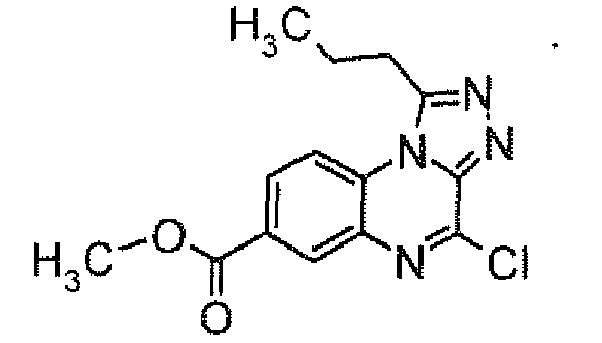
APCI+: 305, 307 2 
ESI+: 273 2-1 
ESI-: 313 2-2 
ESI+: 287 2-3 
ESI+: 313 2-4 
ESI-: 327 -
[Table 2] Pr Structure Data 2-5 
ESI-: 335 2-6 
ESI+: 341 2-7 
ESl+: 312 2-8 
ESI-: 326 2-9 
APCI/ESI+: 314 2-10 
ESI+: 341 -
[Table 3] Pr Structure Data 2-11 
ESI+: 342 3 
ESI+: 359 3-1 
ESI+: 329 3-2 
ESI+: 343 3-3 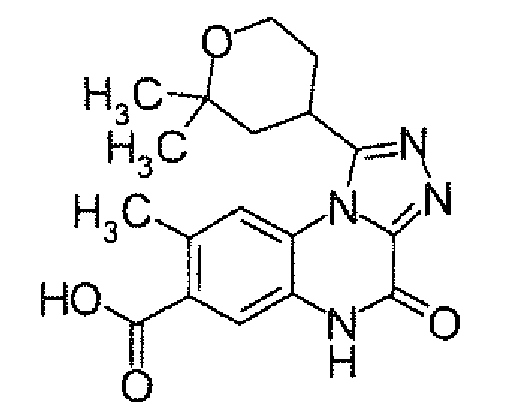
ESI+: 357 3-4 
ESI+: 348, 350 -
[Table 4] Pr Structure Data 3-5 
ESI+: 299 3-6 
ESI+: 354 3-7 
ESI+: 363 3-8 
ESI-: 313 3-9 
ESI+: 329 -
[Table 5] Pr Structure Data 3-10 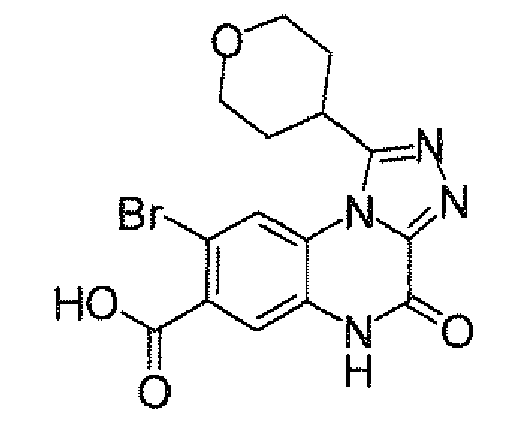
ESI+: 393,395 3-11 
ESI+: 342 3-12 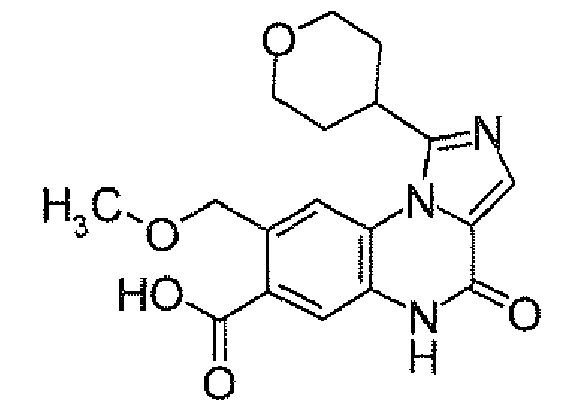
ESI+: 358 3-13 
ESI+: 328 3-14 
ESI-: 338 -
[Table 6] Pr Structure Data 3-15 
ESI+: 401 3-16 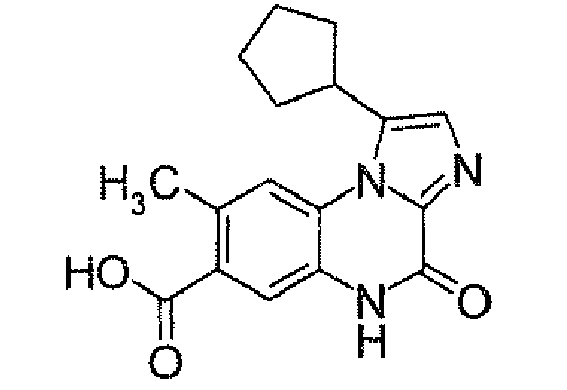
ESI+: 312 3-17 
ESI+: 442 3-18 
ESI-: 454 3-19 
ESI+: 345 -
[Table 7] Pr Structure Data 3-20 
ESI+: 343 3-21 
ESI+: 335 3-22 
ESI+: 359 3-23 
ESI+: 321 3-24 
ESI-: 341 -
[Table 8] Pr Structure Data 3-25 
ESI+: 299 3-26 
ESI+: 419 3-27 
ESI+: 315 3-28 
ESI+: 373 3-29 
ESI+: 427 3-30 
ESI+: 328 -
[Table 9] Pr Structure Data 3-31 
ESI+: 344 3-32 
ESI+: 329 4 
APCI/ESI+: 365, 367 4-1 
ESI+: 363, 365 4-2 
ESI+: 379, 381 -
[Table 10] Pr Structure Data 4-3 
ESI+: 391, 393 4-4 
ESI+, 365, 367 4-5 
ESt+: 407, 409 4-6 
ESI+: 393, 395 4-7 
ESI+: 349, 351 4-8 
ESI+: 493, 415 -
[Table 11] Pr Structure Data 4-9 
ESI+: 379, 381 4-10 
ESI+: 443, 445 4-11 
ESI+: 385, 387 4-12 
ESI+: 395, 397 4-13 
ESI+: 409, 411 4-14 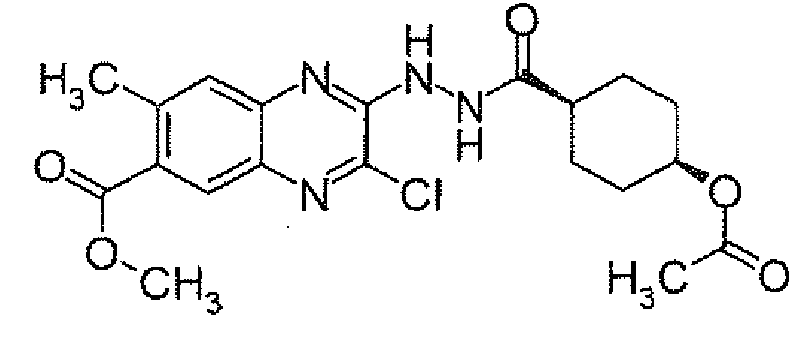
ESI+: 435, 437 4-15 
ESI-: 433, 435 -
[Table 12] Pr Structure Data 4-16 
ESI+: 349, 351 4-17 
ESI-: 405, 407 4-18 
ESf+: 375 4-19 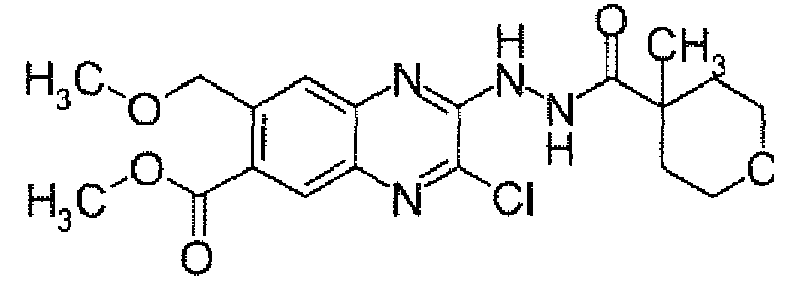
ESI+: 423, 425 4-20 
ESI+: 379, 381 5 
ESI+: 347, 349 -
[Table 13] Pr Structure Data 5-1 
ESI+: 345, 347 5-2 
ESI+: 361, 363 5-3 
ESI+: 373, 375 5-4 
ESI+: 347, 349 5-5 
ESI+: 389, 391 -
[Table 14] Pr Structure Data 5-6 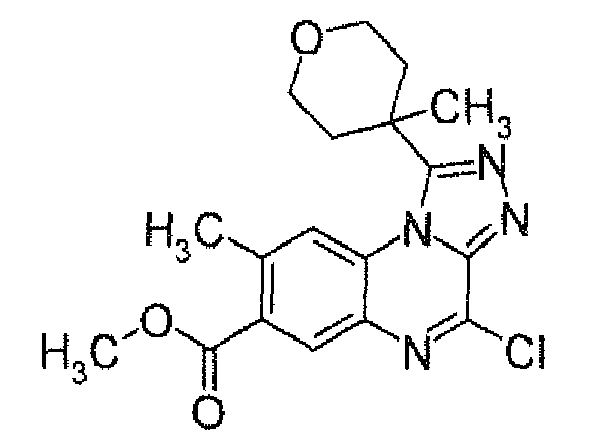
ESI+: 375, 377 5-7 
ESI+: 395, 397 5-8 
ESI+: 369, 363 5-9 
ESI+: 377, 379 5-10 
ESI+: 367, 369 -
[Table 15] Pr Structure Data 5-11 
ESI+: 391, 393 5-12 
ESI+: 417, 419 5-13 
ESI+: 417, 419 5-14 
ESI+: 331, 333 5-15 
ESI+: 389, 391 -
[Table 16] Pr Structure Data 5-16 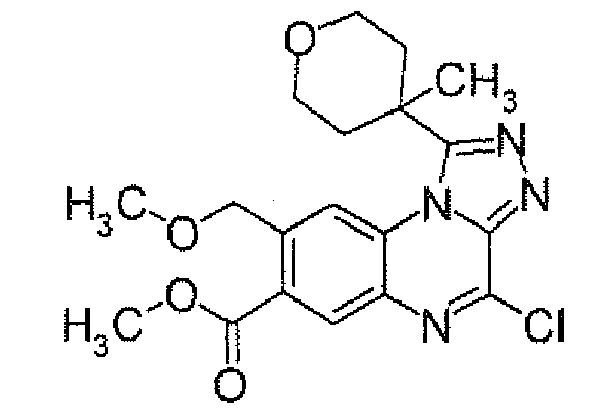
ESI+: 405, 407 5-17 
ESI+: 361, 363 5-18 
ESI+: 425, 427 5-19 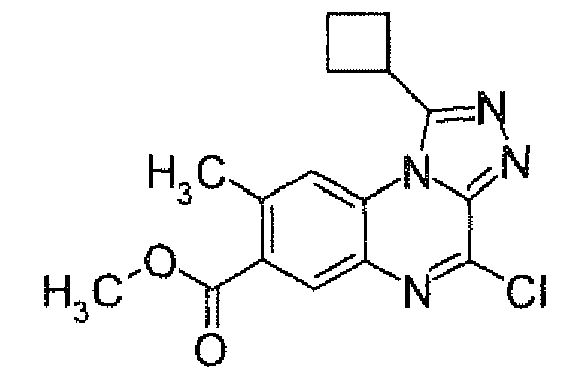
ESI+: 331, 333 6 
ESI+: 351 6-1 
APCI/ESI-: 353 -
[Table 17] Pr Structure Data 7 
ESI+: 181 7-1 
ESI+: 300 7-2 
ESI+: 316 7-3 
APCI/ESI+: 302 7-4 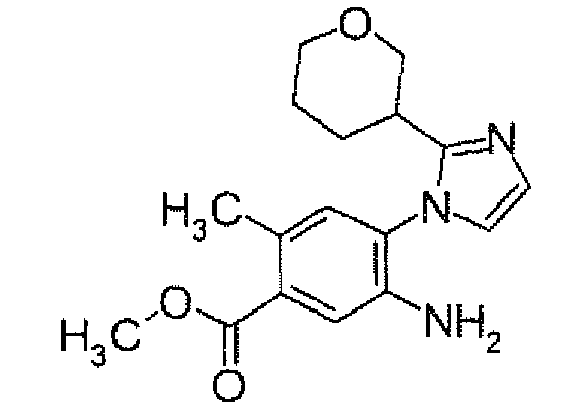
ESI+: 316 7-5 
APCI+: 330 -
[Table 18] Pr Structure Data 7-6 
ESI+: 404 7-7 
ESI+: 430 7-8 
ESI+: 415 7-9 
ESI+: 346 7-10 
ESI+: 332 -
[Table 19] Pr Structure Data 7-11 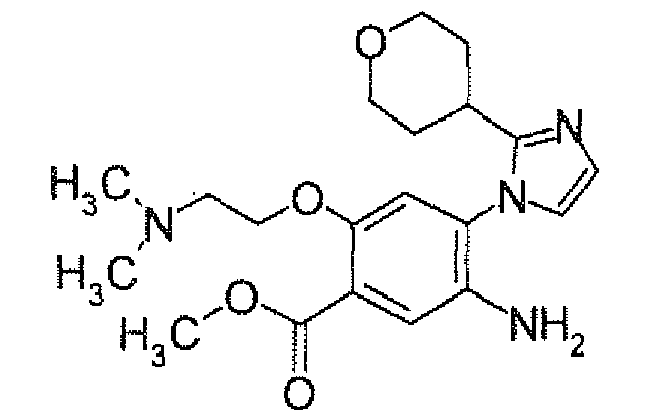
APCI/ESI+: 389 7-12 
ESI+: 316 7-13 
ESI+: 372 8 
FAB+: 235 8-1 
NMR-DMSO-d6: 3.32-3.44 (3H, m), 3.82 (3H, s), 4.71 (2H, s), 7.37 (1H, s), 7.70 (1H, s), 11.98(1H, s), 12.09 (1H, s) 8-2 
NMR-DMSO-d6: 3.84 (3H, s), 7.38 (1H, s), 7.61 (1H, s), 12.03 (1H, s), 12.10 (1H, s) 8-3 
NMR-DMSO-d6: 3.74-3.80 (6H, m), 6.81 (1H, s), 7.54 (1H, s), 11.84 (1H, s), 12.01 (1H, s) -
[Table 20] Pr Structure Data 9 
El+: 270, 272 9-1 
EI+: 334, 336, 338, 340 9-2 
ESI+: 287, 289 9-3 
ESI+: 301, 303 10 
ESI+: 267, 269 10-1 
ESI+: 331, 333,335 10-2 
ESI+: 233, 285 10-3 
ESI+: 297, 299 10-4 
ESI+: 263 -
[Table 21] Pr Structure Data 11 
ESI-: 212 11-1 
ESI+: 266 (M+Na)+ 12 
ESI+: 330 12-1 
ESI+: 346 12-2 
APCI/ESI+: 332 12-3 
ESI+: 346 -
[Table 22] Pr Structure Data 12-4 
ESI+: 366, 368 12-5 
ESI+: 372 12-6 
APCI+: 360 12-7 
ESI+: 376 12-8 
APCI/ESI+: 419 -
[Table 23] Pr Structure Data 12-9 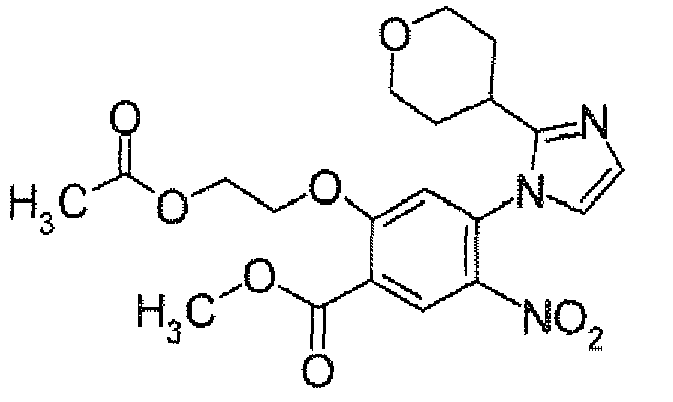
ESI+: 434 12-10 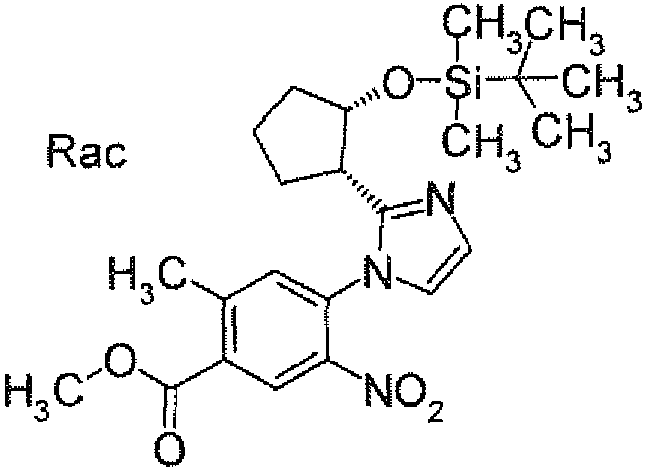
ESI+: 460 12-11 
ESI+: 402 12-12 
ESI+: 445 12-13 
ESI+: 599, 601 -
[Table 24] Pr Structure Data 13 
ESI+: 326 13-1 
ESI+: 342 13-2 
APCI/ESI+: 328 13-3 
ESI+: 342 13-4 
ESI+: 358 -
[Table 25] Pr Structure Data 13-5 
ESI+: 362, 364 13-6 
ESI+: 368 13-7 
ESI+: 356 13-8 
ESI+: 398 13-9 
NMR-DMSO-d6: 1.85-2.10 (4H, m), 3.47 (3H, s), 3.50-3.70 (8H, m), 3.86 (3H, s), 4.00-4.10 (2H, m), 4.80 (2H, s), 7.82 (1H, s), 7.89 (1H, s), 8.20 (1H, s), 11.49 (1H, s) -
[Table 26] Pr Structure Data 13-10 
ESI+: 342 13-11 
ESI+: 415 13-12 
ESI+: 430 13-13 
ESI+: 456 13-14 
ESI+: 441 14 
ESI+: 139 -
[Table 27] Pr Structure Data 14-1 
APCI+: 209 14-2 
APCI+: 281 14-3 
ESI+: 267 14-4 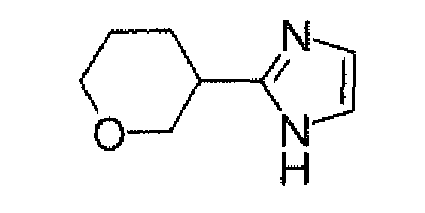
ESI+: 153 14-5 
ESI+: 167 15 
ESI+: 301 16 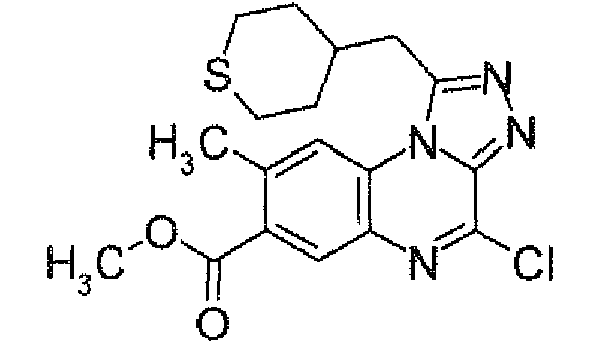
NMR-DMSO-d6: 1.46-1.62 (2H, m), 2.04-2.21 (3H, m), 2.56-2.66 (4H, m), 2.77 (3H, s), 3.41-3.51 (2H, m), 3.92 (3H, s), 8.10 (1H, s), 8.38 (1H, s) 17 
ESI+: 297 -
[Table 28] Pr Structure Data 18 
ESI+: 241 19 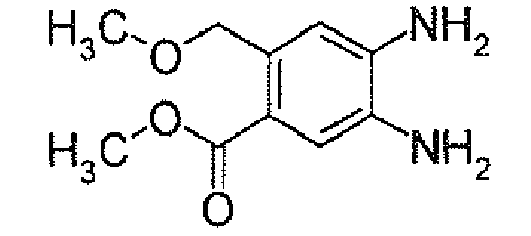
ESI+: 211 19-1 
ESI+: 336, 338 19-2 
ESI+: 342 19-3 
ESI+: 245, 247 19-4 
ESI+: 569, 571 20 
ESI+: 267, 269 -
[Table 29] Pr Structure Data 21 
ESI+: 343 22 
EI: 248 23 
ESI+: 221 24 
ESI+: 271 (M+Na)+ 25 
ESI-: 157 26 
ESI+: 353, 355 26-1 
ESI+: 451, 453 -
[Table 30] Pr Structure Data 27 
ESI-: 352 28(a) 
ESI+: 470 28(b) 
ESI+: 470 29 
ESI+: 362 30 
ESI+: 239 M+ 30-1 
ESI+: 260 -
[Table 31] Pr Structure Data 30-2 
ESI+: 261 31 
NMR-CDCl3: 3.49 (3H, s), 3.88 (3H, s), 4.85 (2H, s), 6.9-7.05 (1H, m), 7.41 (1H, dd, J = 10, 3 Hz), 8.0 (1H, dd, J = 9, 6 Hz) 32 
ESI+: 279 (M+Na)+ 32-1 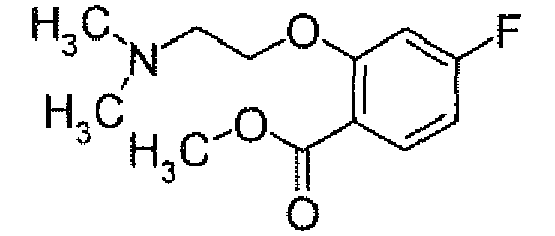
ESI+: 242 32-2 
ESI+: 268 33 
APCl/ESI+: 287 33-1 
ESI+: 324 (M+Na)+ 33-2 
ESI+: 313 -
[Table 32] Pr Structure Data 34 
ESI+: 346 35 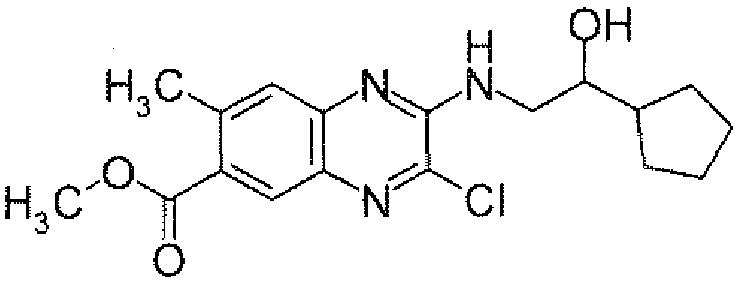
ESI+: 364, 366 36 
ESI+: 344., 346 37 
EI: 229 38 
ESI+: 139 39 
ESI+: 151 39-1 
ESI+: 160 -
[Table 33] Pr Structure Data 39-2 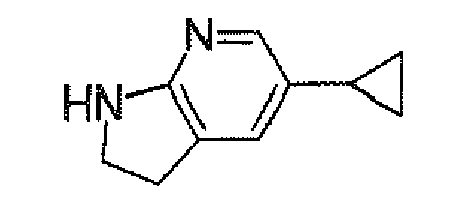
APCI+: 161 40 
ESI+: 285 41 
NMR-CDCl3: 2.77 (2H, d, J = 4.8 Hz), 2.81 (2H, d, J = 4.8 Hz), 3.51 (2H, s), 3.73 (2H, s), 6.45 (1H, d, J = 2.5 Hz), 7.23-7.26 (3H, m), 7.28-7.41 (4H, m), 8.40 (1H, br s), 8.47 (2H, dd, J = 1.6 Hz, 4.6 Hz) 42 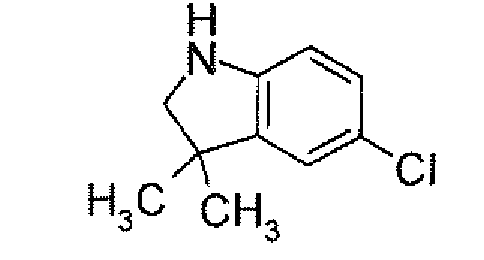
ESI+: 182, 184 43 
NMR-DMSO-d6: 1.85-2.12 (4H, m), 3.58-3.71 (2H, m), 3.84-4.06 (6H, m), 7.81 (1H, s), 8.12 (1H, s), 12.20 (1H, br s) 44-1 
ESI+: 486, 488 -
[Table 34] Pr Structure Data 44-2 
ESI+: 495 45 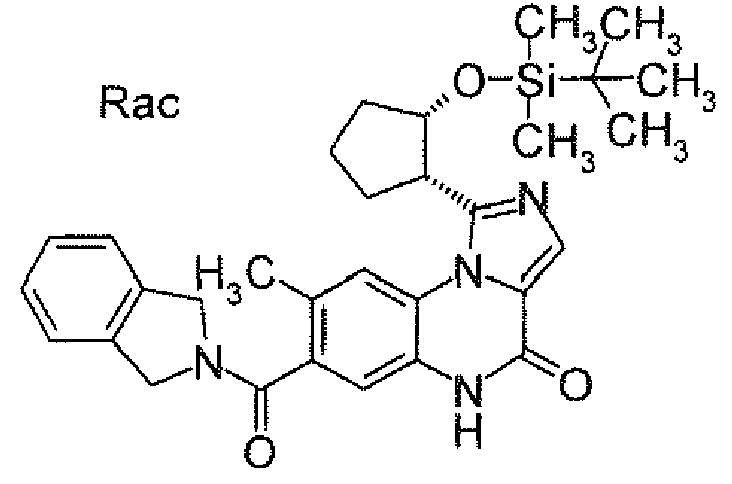
ESI+: 543 46-1 
ESI+: 200 46-2 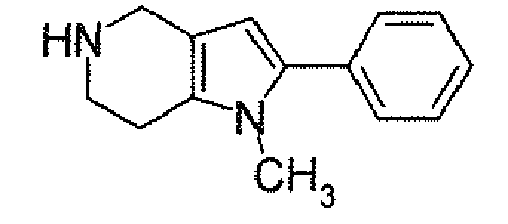
ESI+: 213 47 
ESI+: 362, 364 48 
ESI+: 335, 337 -
[Table 35] Ex Structure 1 
2 
3 
4 
5 
-
[Table 36] Ex Structure 6 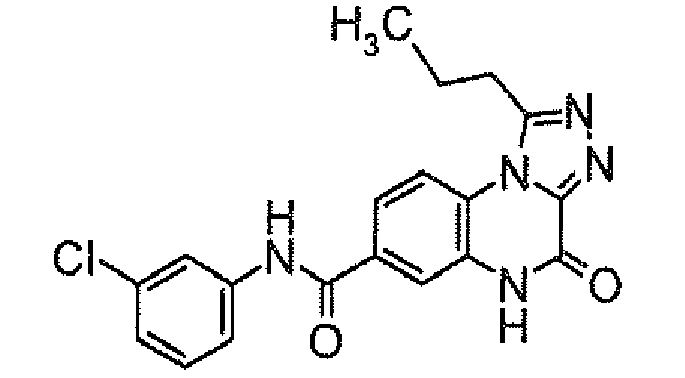
7 
8 
9 
10 
11 
-
[Table 37] Ex Structure 12 
13 
14 (a) 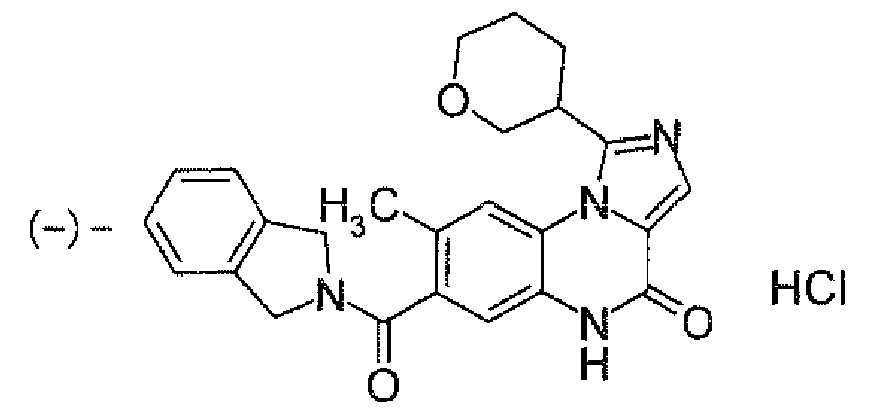
14 (b) 
15 
-
[Table 38] Ex Structure 16 
17 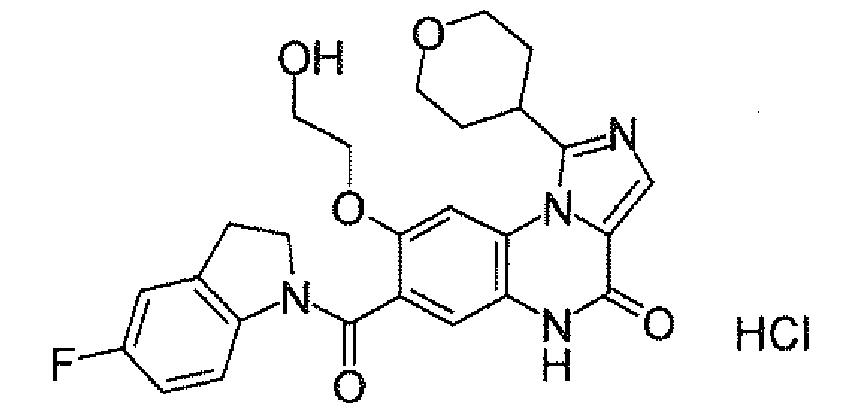
18 
19 
20 
21 
-
[Table 39] Ex Structure 22 
23 
24 
25 
26 
27 
-
[Table 40] Ex Structure 28 
29 
30 
31 
32 
33 
-
[Table 41] Ex Structure 34 
35 
36 
37 
38 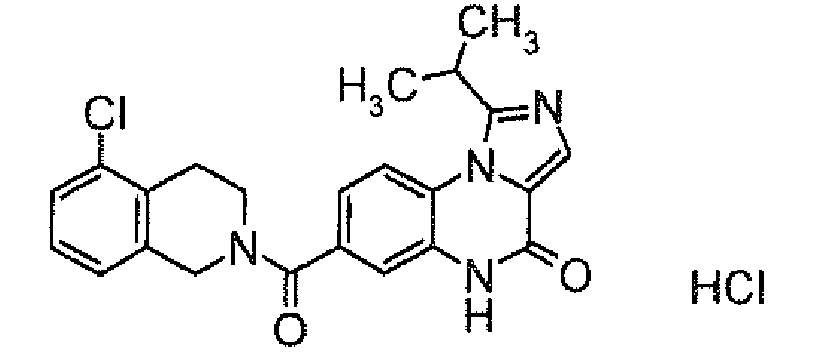
39 
-
[Table 42] Ex Structure 40 
41 
42 
43 
44 
-
[Table 43] Ex Structure 45 
46 
47 
48 
49 
-
[Table 44] Ex Structure 50 
51 
52 
53 
54 
-
[Table 45] Ex Structure 55 
56 
57 
58 
59 
60 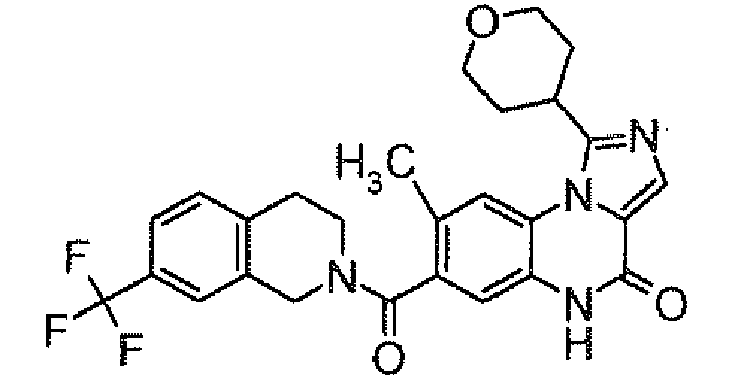
-
[Table 46] Ex Structure 61 
62 
63 
64 
65 
-
[Table 47] Ex Structure 66 
87 
68 
69 
70 
-
[Table 48] Ex Structure 71 
72 
73 
74 
75 
76 
-
[Table 49] Ex Structure 77 
78 
79 
80 
81 
-
[Table 50] Ex Structure 82 
83 
84 
85 
86 
-
[Table 51] Ex Structure 87 
88 
89 
90 
91 
92 
-
[Table 52] Ex Structure 93 
94 
95 
96 
97 
98 
-
[Table 53] Ex Structure 99 
100 
101 
102 
103 
104 
-
[Table 54] Ex Structure 105 
106 
107 
108 
109 
110 
-
[Table 55] Ex Structure 111 
112 
113 
114 
115 
-
[Table 56] Ex Structure 116 
117 
118 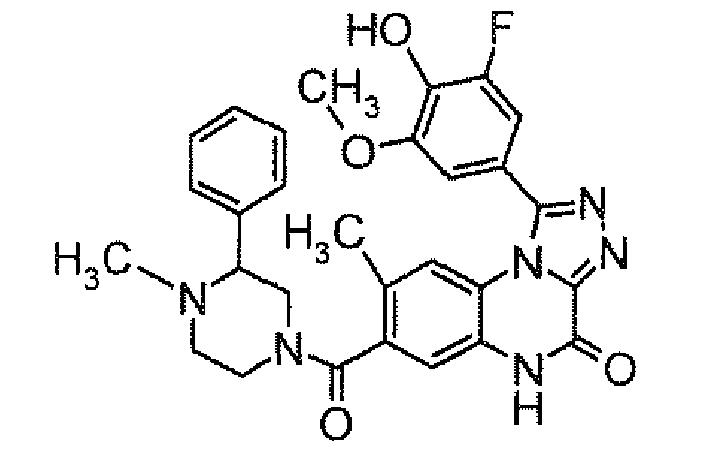
119 
120 
-
[Table 57] Ex Structure 121 
122 
123 
124 
125 
-
[Table 58] Ex Structure 126 
127 
128 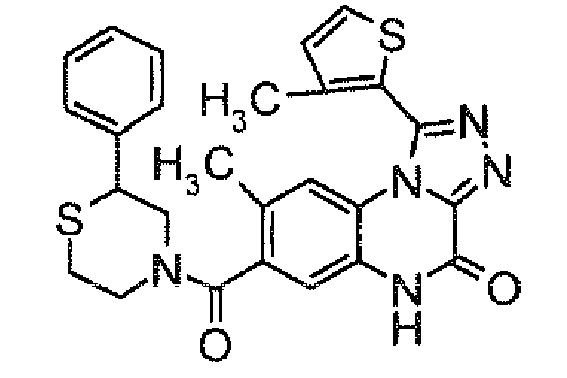
129 
130 
131 
-
[Table 59] Ex Structure 132 
133 
134 
135 
136 
137 
-
[Table 60] Ex Structure 138 
139 
140 
141 
142 
143 
-
[Table 61] Ex Structure 144 
145 
146 
147 
148 
149 
-
[Table 62] Ex Structure 150 
151 
152 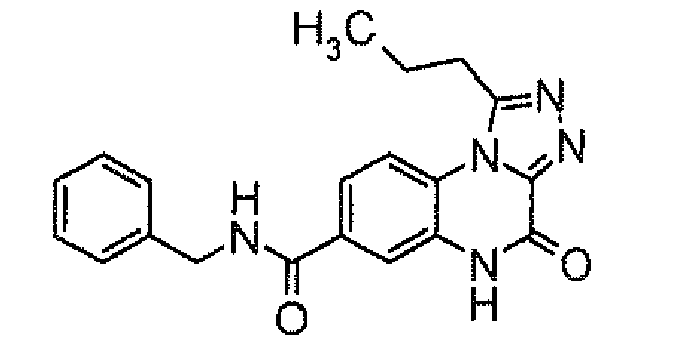
153 
154 
155 
-
[Table 63] Ex Structure 156 
157 
158 
159 
160 
161 
-
[Table 64] Ex Structure 162 
163 
164 
165 
166 
167 
-
[Table 65] Ex Structure 168 
169 
170 
171 
172 
173 
-
[Table 66] Ex Structure 174 
175 
176 
177 
178 
179 
-
[Table 67] Ex Structure 180 
181 
182 
183 
184 
185 
-
[Table 68] Ex Structure 186 
187 
188 
189 
190 
191 
-
[Table 69] Ex Structure 192 
193 
194 
195 
196 
197 
-
[Table 70] Ex Structure 198 
199 
200 
201 
202 
203 
204 
-
[Table 71] Ex Structure 205 
206 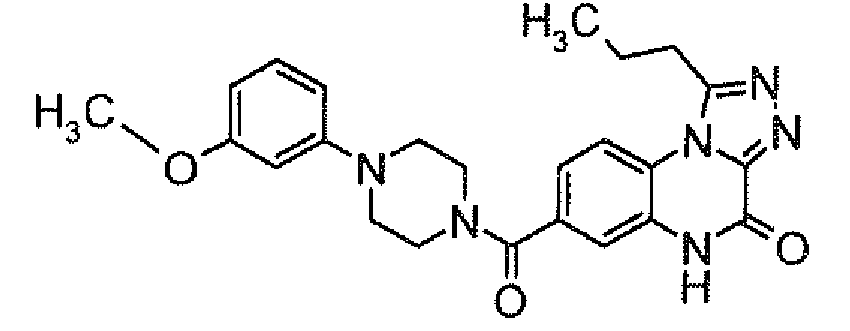
207 
208 
209 
210 
-
[Table 72] Ex Structure 211 
212 
213 
214 
215 
216 
-
[Table 73] Ex Structure 217 
218 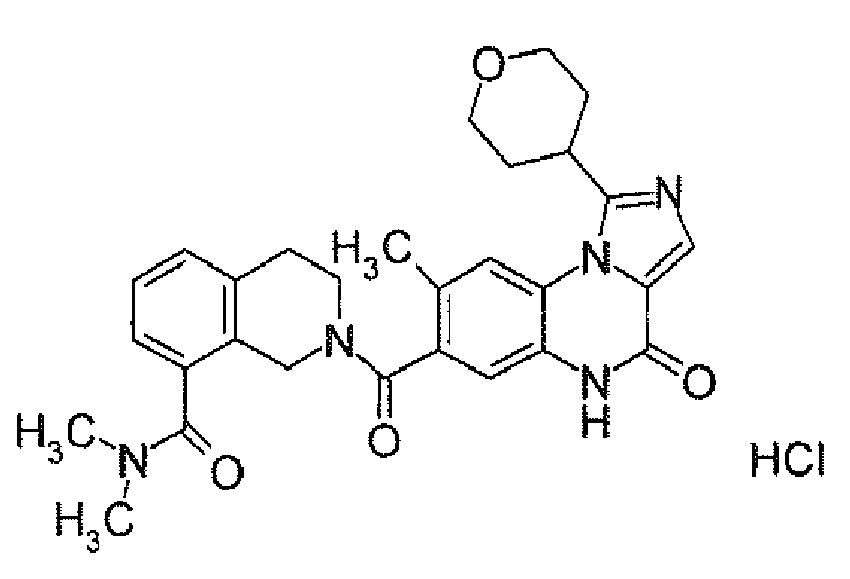
219 
220 
-
[Table 74] Ex Structure 221 
222 
223 
224 
225 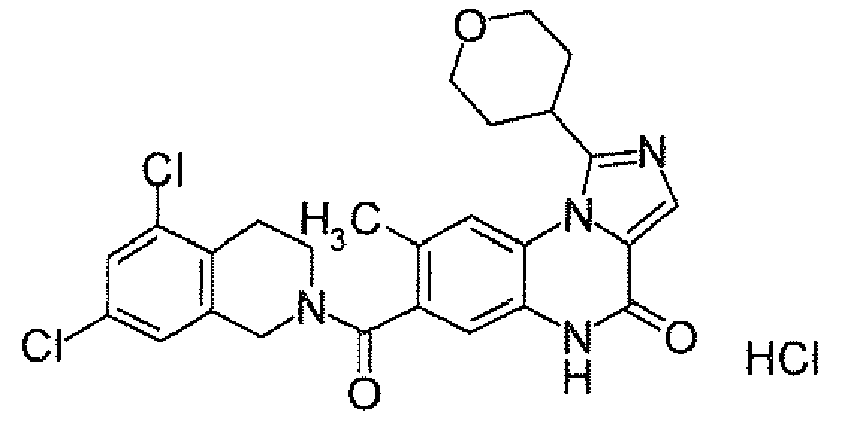
-
[Table 75] Ex Structure 226 
227 
228 
229 
230 
-
[Table 76] Ex Structure 231 
232 
233 
234 
235 
-
[Table 77] Ex Structure 236 
237 
238 
239 
240 
-
[Table 78] Ex Structure 241 
242 
243 
244 
245 
-
[Table 79] Ex Structure 246 
247 
248 
249 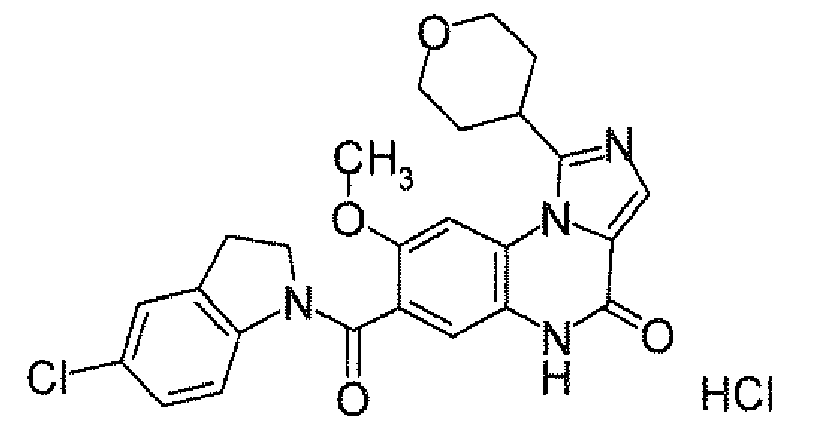
250 
-
[Table 80] Ex Structure 251 
252 
253 
254 
255 
-
[Table 81] Ex Structure 256 
257 (a) 
257 (b) 
258 (a) 
258 (b) 
259 (a) 
-
[Table 82] Ex Structure 259 (b) 
260 
261 
262 
263 
-
[Table 83] Ex Structure 264 
265 
266 
267 
268 
-
[Table 84] Ex Structure 269 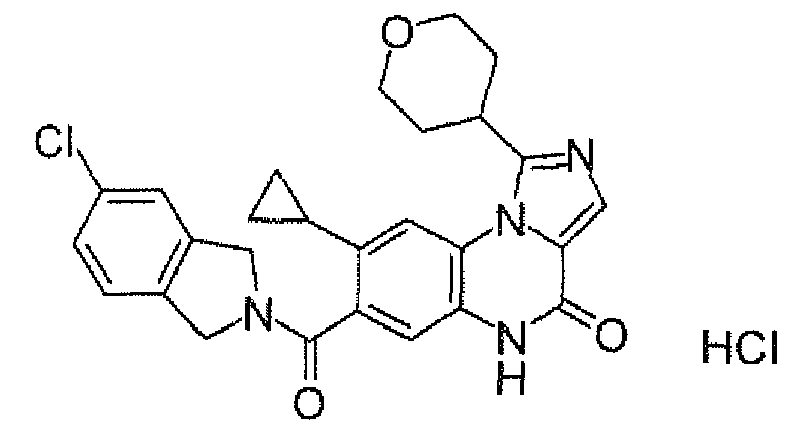
270 
271 
272 
273 
-
[Table 85] Ex Structure 274 
275 
276 
277 
278 
-
[Table 86] Ex Structure 279 
280 
281 
282 
283 
-
[Table 87] Ex Structure 284 
285 
286 
287 
288 
-
[Table 88] Ex Structure 289 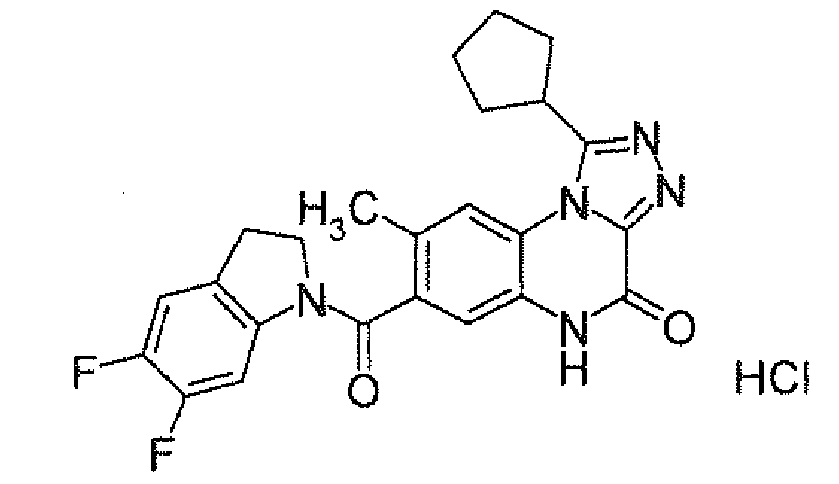
290 
291 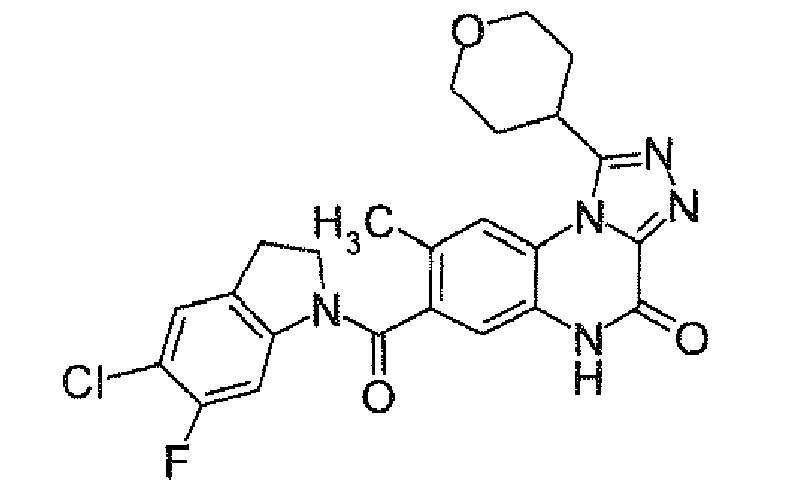
292 
293 
-
[Table 89] Ex Structure 294 
295 
296 
297 
298 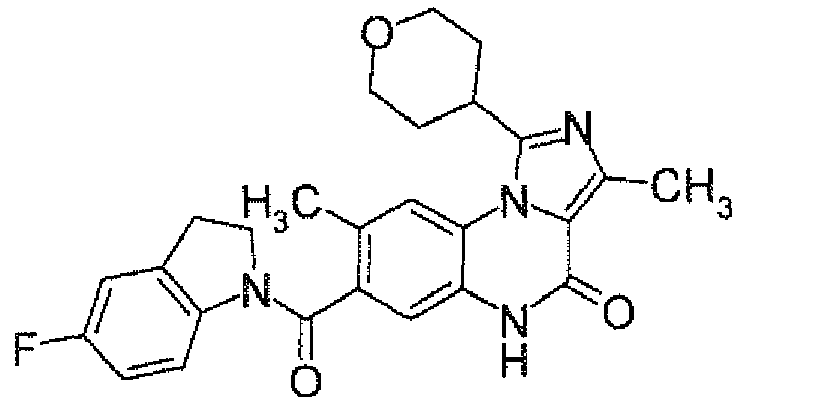
-
[Table 90] Ex Structure 299 
300 
301 
302 
303 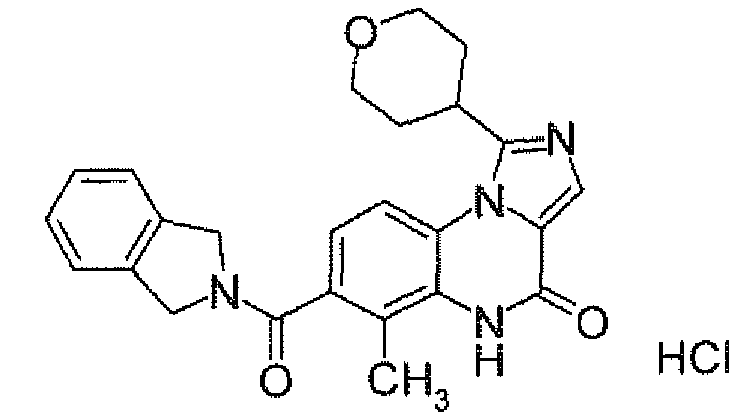
-
[Table 91] Ex Structure 304 
305 
306 
307 
308 
-
[Table 92] Ex Structure 309 
310 
311 
312 
313 
-
[Table 93] Ex Structure 314 
315 
316 
317 
318 
319 
-
[Table 94] Ex Structure 320 
321 
322 
323 
324 
-
[Table 95] Ex Structure 325 
326 
327 
328 
329 
-
[Table 96] Ex Structure 330 
331 
332 
333 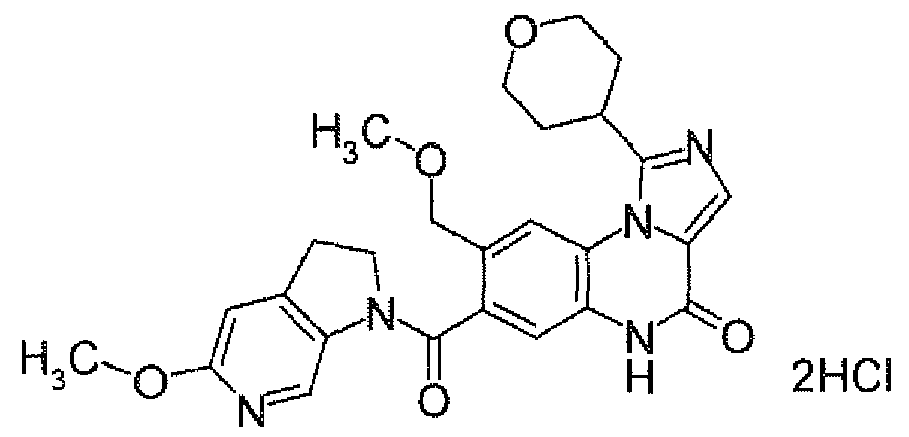
334 
-
[Table 97] Ex Structure 335 
336 
337 
338 
339 
-
[Table 98] Ex Structure 340 
341 
342 
343 
344 
-
[Table 99] Ex Structure 345 
346 
347 
348 
349 
-
[Table 100] Ex Structure 350 
351 
352 
353 
354 
-
[Table 101] Ex Structure 355 
356 
357 
358 
359 
-
[Table 102] Ex Structure 360 
361 
362 
363 
364 
-
[Table 103] Ex Structure 365 
366 
367 
368 
369 
-
[Table 104] Ex Structure 370 
371 
372 
373 
374 
-
[Table 105] Ex Structure 375 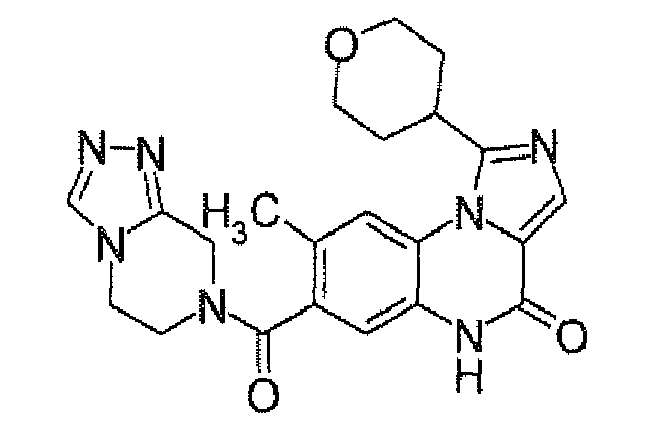
376 
377 
378 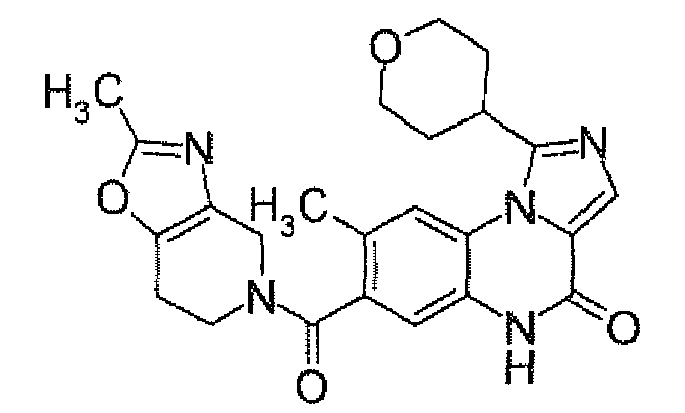
379 
-
[Table 106] Ex Structure 380 
381 
382 
383 
384 
-
[Table 107] Ex Structure 385 
386 
387 
388 
389 
-
[Table 108] Ex Structure 390 
391 
392 
393 
-
[Table 109] Ex Structure 394 
395 
396 
397 
-
[Table 110] Ex Structure 398 
399 
400 
401 
-
[Table 111] Ex Structure 402 
403 
404 
405 
406 
-
[Table 112] Ex Structure 407 
408 
409 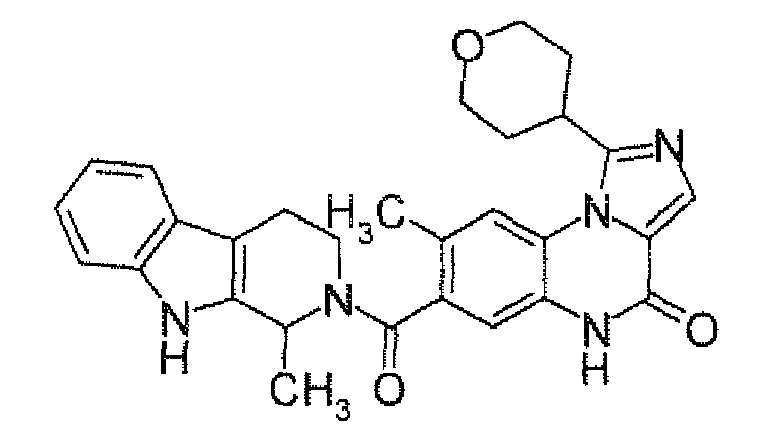
410 
411 
-
[Table 113] Ex Structure 412 
413 
414 
415 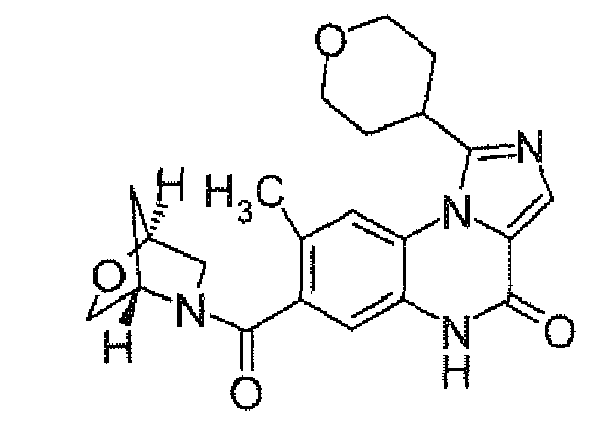
416 
-
[Table 114] Ex Structure 417 
418 
419 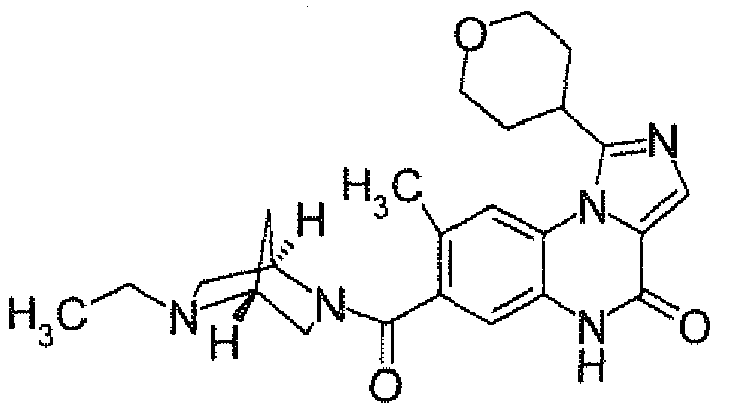
420 
421 
-
[Table 115] Ex Structure 422 
423 
424 
425 
426 
-
[Table 116] Ex Structure 427 
428 
429 
430 
431 
-
[Table 117] Ex Structure 432 
433 
434 
435 
436 
-
[Table 118] Ex Structure 437 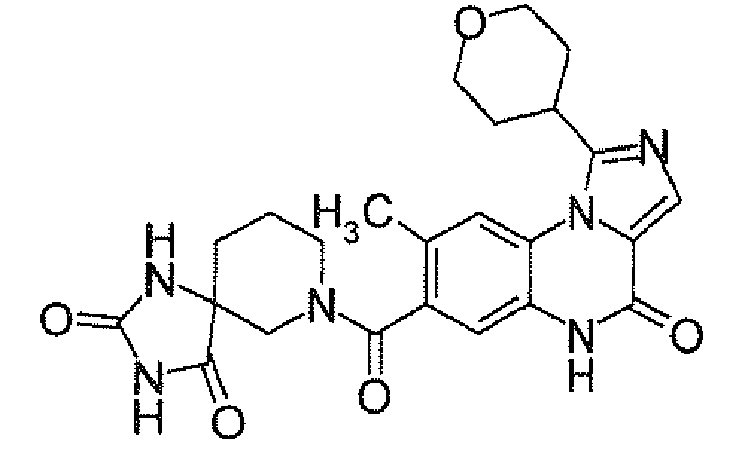
438 
439 
440 
441 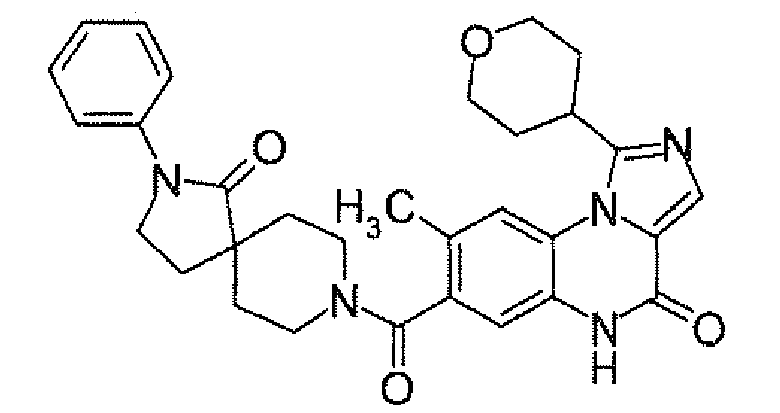
-
[Table 119] Ex Structure 442 
443 
444 
445 
446 
-
[Table 120] Ex Structure 447 
448 
449 
450 
451 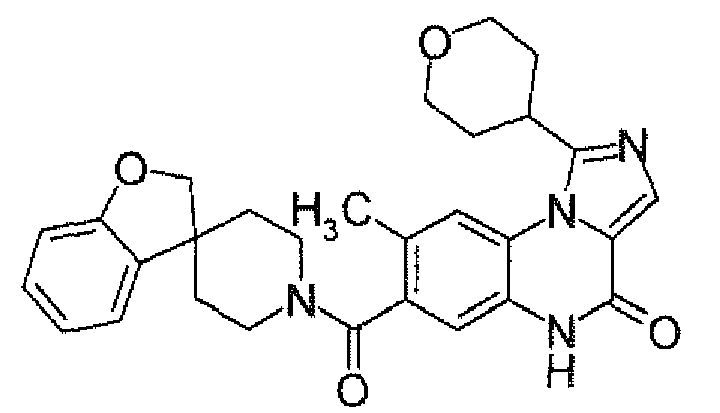
-
[Table 121] Ex Structure 452 
453 
454 
455 
456 
-
[Table 122] Ex Structure 457 
458 
459 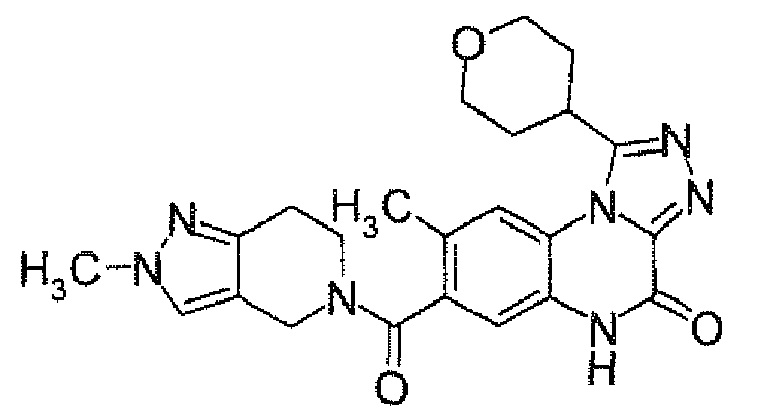
460 
461 
-
[Table 123] Ex Structure 462 
463 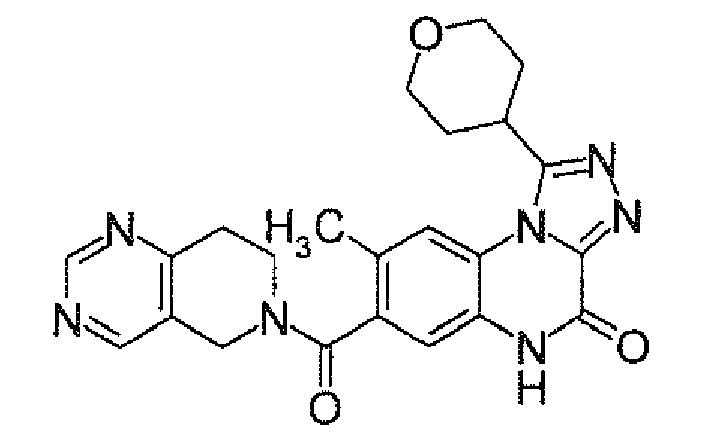
464 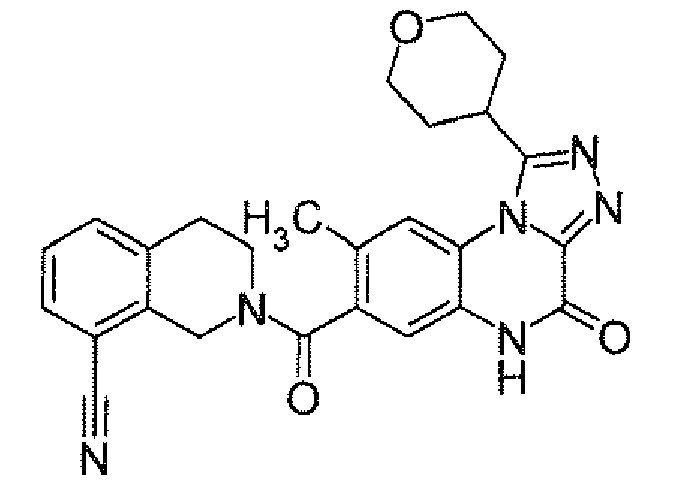
465 
466 
-
[Table 124] Ex Structure 467 
468 
469 
470 
471 
-
[Table 125] Ex Structure 472 
473 
474 
475 
476 
477 
-
[Table 126] Ex Structure 478 
479 
480 
481 
482 
483 
-
[Table 127] Ex Structure 484 
485 
486 
487 
488 
-
[Table 128] Ex Structure 489 
490 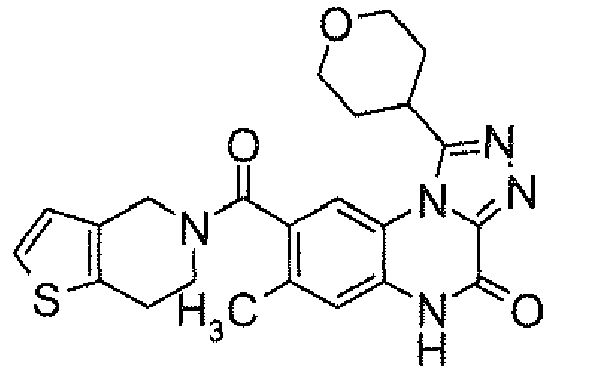
491 
492 
493 
-
[Table 129] Ex Structure 494 
495 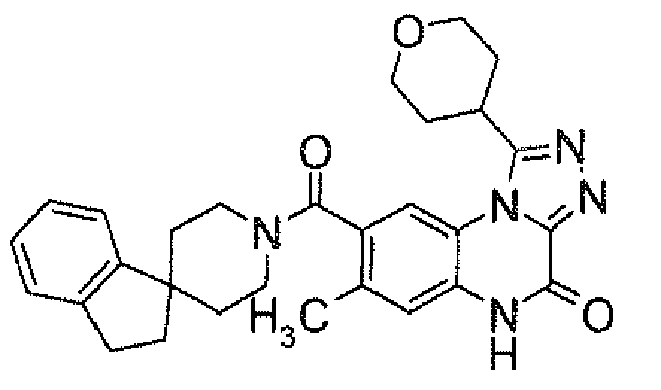
496 
497 
498 
-
[Table 130] Ex Structure 499 
500 
501 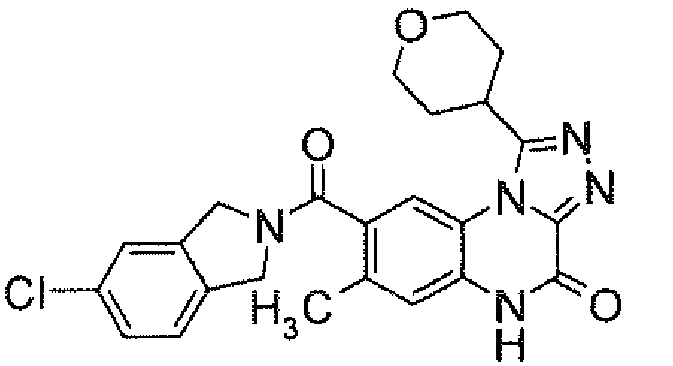
502 
503 
504 
-
[Table 131] Ex Structure 505 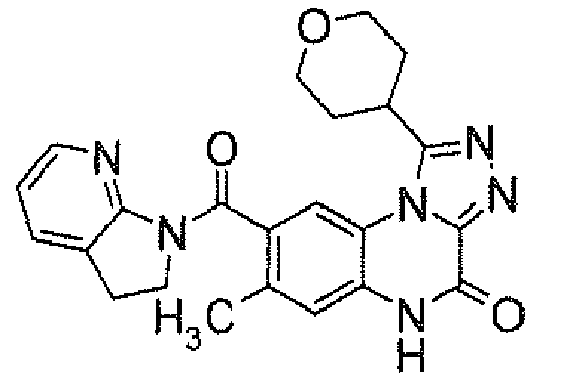
506 
507 
508 
509 
510 
-
[Table 132] Ex Structure 511 
512 
513 
514 
515 
-
[Table 133] Ex Structure 516 
517 
518 
519 
520 
-
[Table 134] Ex Structure 521 
522 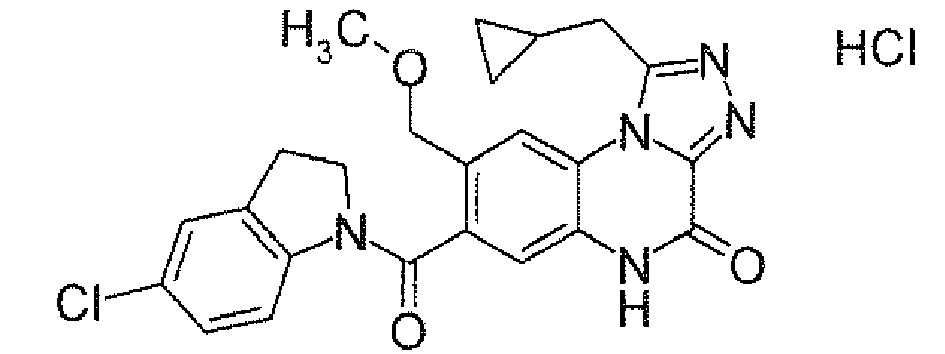
523 
524 
525 
-
[Table 135] Ex Structure 526 
527 
528 
529 
530 
-
[Table 136] Ex Structure 531 
-
[Table 137] Ex Data Syn 1 ESI+: 431
NMR-DMSO-d6: 1.00-1.50 (3H, m), 1.80-2.30 (6H, m), 2.70-4.50 (8H, m), 7.20-7.50 (7H, m), 7.95-8.15 (1H, m), 12.09 (1H, br s)1 2 ESI+: 388
NMR-DMSO-d6: 1.09 (3H, t, J = 8.0 Hz), 1.95 (2H, sex, J = 8.0 Hz), 2.89-4.78 (6H, m), 3.35 (2H, t, J = 8.0 Hz), 7.00-7.27 (4H, m), 7.40-7.46 (2H, m), 8.09 (1H, d, J = 8.0 Hz), 12.08 (1H, s)2 3 ESI+: 413
NMR-DMSO-d6: 1.69-1.81 (4H, m), 2.04-2.38 (7H, m), 3.09-3.13 (2H, m), 3.75-4.19 (3H, m), 5.74 (0.2H, br), 6.88-7.30 (4H, m), 7.77-7.86 (1H, m), 7.97-8.01 (1H, m), 8.16-8.18 (0.8H, m), 11.38 (1H, s) mp: 291°C (dec.)3 4 ESI+: 472, 474
NMR-DMSO-d6: 2.82-2.85 (2H, m), 3.58-3.82 (2H, m), 4.56-4.74 (2H, m), 6.98-7.52 (10H, m), 10.15 (1H, br), 12.13 (1H, br) mp:373°C (dec.)4 5 ESI+: 563, 565 5 6 ESI+: 382, 384 6 7 ESI+: 456
NMR-DMSO-d6: 0.71-0.83 (2H, m), 0.95-1.08 (2H, m), 1.87-2.16 (5H, m), 3.54-3.67 (2H, m), 3.80-3.95 (1H, m), 3.98-4.11 (2H, m), 4.56 (2H, s), 4.91 (2H, s), 7.21-7.38 (5H, m), 7.39-7.47 (1H, m), 12.01 (1H, brs)7 8 ESI+: 492
NMR-DMSO-d6: 1.83-2.03 (2H, m), 2.17-2.31 (2H, m), 2.33-2.63 (4H, m), 3.03-3.15 (2H, m), 3.15-3.31 (2H, m), 3.38-3.51 (2H, m), 4.30-4.71 (2H, m), 4.89 (2H, s), 7.20-7.38 (4H, m), 7.42 (1H, d, J = 8.0 Hz), 7.92 (1H, s), 12.10 (1H, s)
mp: 253°C(dec.)8 -
[Table 138] Ex Data Syn 9 ESI+: 476
NMR-DMSO-d6: 1.79-1.93 (2H, m), 2.00-2.16 (2H, m), 2.27-2.44 (4H, m), 2.62-2.78 (2H, m), 2.83-2.96 (2H, m), 3.38 (2H, d, J = 4.0 Hz), 4.50 (2H, s), 4.89 (2H, s), 7.20-7.38 (4H, m), 7.42 (1H, d, J = 8.0 Hz), 7.92 (1H, s), 12.05 (1H, s) mp: 248°C(dec.)9 10 ESI+: 430
NMR-DMS4-d6: 1.65-2.00(4H, m), 2.21-2.38 (5H, m), 3.80-3.90 (1H, m), 4.51 (2H, s), 4.50-4.61 (1H, m), 4.89 (2H, s), 5.24 (1H, d, J=4.4Hz), 7.25-7.41 (3H, m), 7.42 (1H, d, J=7.6Hz), 8.24 (1H, s), 12.08 (1H. s) mp: 316°C (dec.)10 11 ESI+: 452, 454
NMR-DMSO-d6: 0.54-0.60 (1H, m), 0.78-0.92 (3H, m), 2.05-2.14 (1H, m), 2.23-2.38 (3H, m), 3.09-3.14 (2H, m), 3.73-3.77 (1.6H, m), 4.22 (0.4H, br), 5.62-5.84 (1.2H, m), 6.83 (0.2H, br), 7.30-7.38 (2.8H, m), 7.93 (1H, s), 8.15-8.17 (0.8H, m), 12.23 (1H, s) mp: 309-311°C11 12 E51+: 448, 450
NMR-DMSO-d6: 1.29-1.35 (4H, m), 2.17 (0.6H, br s), 2.32 (2.4H, s), 3.10-3.14 (2H, m), 3.36-3.42 (1H. m), 3.73-3.77 (1.6H, m), 4.22 (0.4H, br), 5.61 (0.2H, br), 6.83 (0.2H, br), 7.30-7.38 (2.8H, m), 8.14-8.17 (0.8H. m), 8.52 (1H, s), 12.40 (1H, s)
mp: 288-290°C12 13 ESI+: 482
NMR-DMSO-d6: 1.91-2.02 (2H, m), 2.18-2.42 (9H, m), 3.10-3.14 (2H, m), 3.74-3.78 (1.6H, m), 3.88-4.06 (1H, m), 4.23 (0.4H, br), 5.64 (0,2H, br), 6.62 (0.2H, br), 7.06-7.33 (2.8H, m), 7.91 (1H. s), 8.15-8.19 (0.8H, m), 12.11 (1H, s)
mp: 220°C (dec.)13 -
[Table 139] Ex Data Syn 14 (a) ESI+: 429
NMR-DMSO-d6: 1.70-1.94 (3H, m), 2.24-2.32 (1H, m), 2.37 (3H, s), 3.40-3.55 (1H, m), 3.69-3.82 (2H, m), 3.94-3.98 (1H, m), 4.17-4.21 (1H, m), 4.51 (2H, s), 4.89 (2H, s), 7.23-7.34 (4H, m), 7.42 (1H, d, J = 7.6 Hz), 7.84 (1H, s), 7.86 (1H, s), 11.46(1H, s)14 14 (b) ESI+: 429
NMR-DMSO-d6: 1.70-1.94 (3H, m), 2.24-2.32 (1H, m), 2.37 (3H, s), 3.40-3.55 (1H, m), 3.69-3.82 (2H, m), 3.94-3.98 (1H, m), 4.17-4.21 (1H, m), 4.51 (2H, s), 4.89 (2H, s), 7.23-7.34 (4H, m), 7.42 (1H, d, J = 7.6 Hz), 7.84 (1H, s), 7.86 (1H, s), 11.46(1H, s)14 15 ESI+: 429
NMR-DMSO-d6: 1.67-1.69 (2H, m), 1.80-2.20 (3H, m), 2.36 (3H, s), 3.95-4.10 (1H, m), 4.51 (2H, s), 4.55-4.69 (1H, m), 4.85-4.88 (3H, m), 7.22-7.32 (4H, m), 7.42 (1H, d, J=7.6 Hz), 7.80 (1H, s), 8.02 (1H, s), 11.38 (1H, s) mp: 301-302°C (dec.)15 16 ESI+: 459, 461
NMR-DMSO-d6: 1.69-1.83 (1H, m), 2.17-2.72 (8H, m), 3.10-3.14 (2H, m), 3.72-3.78 (2.6H, m), 4.21 (0.4H, br), 5.76 (0.2H, br), 5.79-5.85 (2H, m), 6.90 (0.2H, br), 7.25-7.37 (2.8H, m), 7.79 (1H, s), 7.84 (1H, s), 8.14-8.17 (0.8H, m), 11.46(1H, s)16 17 ESI+: 493
NMR-DMSO-d6: 1.9-2.15 (4H, m), 3.0-3.1 (2H, m), 7.05 (1H, t, J = 8.8 Hz), 7.16 (1H, t, J = 8.8 Hz), 7.28 (1H, s), 7.66 (1H, s), 7.87 (1H, s), 8.1-8.2 (1H, m), 11.45 (1H, s)17 18 ESI+: 505, 507
NMR-DMSO-d6: 1.62-1.79 (4H, m), 2.01-2.09 (2H, m), 2.13-2.20 (2H, m), 2.24 (0.6H, s), 2.30-2.43 (3.4H, m), 3.07-3.17 (2H, m), 3.50-3.59 (1H, m), 3.72-3.82 (1.6H, m), 4.15-4.27 (0.4H, m), 5.62-5.72 (0.2H, m), 6.86-6.96 (0.2H, m), 7.24 (1H, s), 7.27-7.33 (0.8H, m), 7.36 (1H, s), 7.79 (1H, s), 7.84 (1H, s), 8.12-8.18 (0.8H, m), 11.4 (1H, s), 12.0-12.1 (1H, s)18 -
[Table 140] Ex Data Syn 19 ESI+: 436, 438
NMR-DMSO-d6: 1.00-1.15 (3H, m), 1.85-2.00 (2H, m), 2.15-5.00 (11H, m), 6.99-7.35 (4H, m), 7.69-7.73 (1H, m) mp: 198-202°C1 20 ESI+: 465, 467
NMR-DMSO-d6: 1.04-1.12 (3H, m), 1.91-2.00 (2H, m), 2.37 (3H, s), 2.93-3.86 (10H, m), 7.06-7.45 (5H, m), 7.84 (1H, s) mp: 186-188°C1 21 ESI+: 432
NMR-DMSO-d6: 1.05-1.11 (3H, m), 1.90-2.00 (2H, m), 2.20-4.20 (10H, m), 4.40-4.65 (2H, m), 7.26-7.87 (7H, m), 12.00 (1H, brs)1 22 ESI+: 505
NMR-DMSO-d6: 1.00-1.15 (3H, m), 1.90-2.00 (2H, m), 2.45 (3H, s), 1.85-2.00 (2H, m), 3.25-3.39 (6H, m), 3.55-3.60 (4H, m), 4.13-4.16 (2H, m), 4.45 (2H, d, J = 5.9 Hz), 6.93-7.28 (4H, m), 7.42 (1H, s), 7.82 (1H, s), 8.64-8.80 (1H, m), 11.99 (1H, brs)1 23 ESI+: 460°C
mp: 275-278°C2 24 ESI+: 477, 479
NMR-DMSO-d6: 1.88-2.03 (4H, m), 2.19-2.34 (3H, m), 2.75-2.91 (2H, m), 3.48-3.97 (7H, m), 4.41-4.85 (2H, m), 6.99-7.37 (4H, m), 7.81-7.85 (2H, m), 11.34 (1H, br s) mp:267°C (dec.)2 25 ESI+: 473
NMR-DMSO-d6: 1.92-2.03 (4H, m), 2.29-4.14 (13H, m), 4.42-4.55 (2H, m), 7.16-7.47 (6H, m), 7.79-7.83 (2H, m), 11.39(1H, s)2 26 ESI+: 486
NMR-DMSO-d6: 1.86-2.52 (12H, m), 2.81-3.17 (4H, m), 3.59-4.00 (5H, m), 4.35-4.57 (1H, m), 7.20-7.44 (6H, m), 7.73-7.83 (2H, m), 11.40 (1H, s)
mp: 189-192°C2 -
[Table 141] Ex Data Syn 27 ESI+: 429
NMR-DMSO-d6: 1.86-2.08 (4H, m), 2.38 (3H, s), 3.60-3.73 (2H, m), 3.81-3.92 (1H, m), 3.92-4.03 (2H, m), 4.51 (2H, s), 4.88 (2H, s), 7.19-7.37 (4H, m), 7.42 (1H, d, J = 7.4 Hz), 7.82 (1H, s), 7.86 (1H, s), 11.42 (1H, s)
mp:312°C (dec.)2 28 ESI+: 447
NMR-DMSO-d6: 1.89-2.06 (4H, m), 2.38 (3H, s), 3.63-3.70 (2H, m), 3.83-3.91 (1H, m), 3.95-4.00 (2H, m), 4.56 (2H, br s), 4.93 (2H, br s), 7.09-7.42 (4H, m), 7.83-7.86 (2H, m), 11.39-11.42 (1H, m)
mp: 201-203°C2 29 ESI+: 444
NMR-DMSO-d6: 1.90-2.07 (4H, m), 2.25-2.37 (3H, s), 3.10-3.27 (2H, m), 3.60-5.03 (9H, m), 7.16-7.24 (1H, m), 7.72-7.89 (3H, m), 8.09-8.43 (1H, m), 8.68-8.72 (1H, m), 11.48-11.51 (1H, m)
mp: 236-239°C2 30 ESI+: 464, 466
NMR-DMSO-d6: 1.93-2.09 (4H, m), 2.89-4.78 (11H, m), 7.00-7.48 (5H, m), 8.11 (1H, d, J= 9.1 Hz), 12.11 (1H, s),
mp: 318°C (dec.)2 31 ESI+: 422, 424
NMR-DMSO-d6: 1.09 (3H, t, J = 8.0 Hz), 1.95 (2H, sex, J = 8.0 Hz), 2.89-4.80 (6H, m), 3.35 (2H, t, J = 8.0 Hz), 7.00-7.47 (5H, m), 8.10 (1H, d, J = 8.0 Hz), 12.08 (1H. s)
mp: 293-295°C2 32 ESI+: 451, 453
NMR-DMSO-d6: 1.09 (3H, t, J = 7.4 Hz), 1.94 (2H, sex, J = 7.4 Hz), 3.02 (4H, br s), 3.35 (2H, t, J = 7.4 Hz), 3.57-3.80 (4H, m), 7.08 (1H, dt, J = 1.8, 8.0 Hz), 7.18 (1H, dd, J = 1.6, 8.0 Hz), 7.30-7.34 (1H, m), 7.41 (1H, dd, J = 1.6, 8.0 Hz), 7.44. (1H, dd, J = 1.6, 8.0 Hz), 7.47 (1H, d, J = 1.6 Hz), 8.08 (1H, d, J = 8.0 Hz), 12.08 (1H, s)
mp: 278-281 °C2 -
[Table 142] Ex Data Syn 33 ESI+: 392
NMR-DMSO-d6: 1.10 (3H, t, J = 8.0 Hz), 1.95 (2H, sex, J = 8.0 Hz), 3.36 (2H, t, J = 8.0 Hz), 4.78-4.80 (2H, m), 4.86-4.90 (2H, m), 7.10-7.18 (1.5H, m), 7.27-7.33 (1H, m), 7.43-7.46 (0.5H, m), 7.58-7.60 (2H, m), 8.08-8.11 (1H, m), 12.10(1H, s)
mp: 293°C (dec.)2 34 ESI+: 447
NMR-DMSO-d6: 1.90-2.04 (4H, m), 2.38 (3H, s), 3.65-3.70 (2H, m), 3.87-3.99 (3H, m), 4.47-4.50 (2H, m), 4.84-4.88 (2H, m), 7.09-7.18 (1.5H, m), 7.26-7.29 (2H, m), 7.43-7.46 (0.5H, m), 7.87 (1H, s), 7.91 (1H, s), 11.49 (1H, s)
mp: 200-203°C2 35 ESI+: 449
NMR-DMSO-d6: 1.89-2.03 (4H, m), 2.23 (1.2H, s), 2.35 (1.8H, s), 2.78 (1.2H, br s), 2.91-2.94 (0.8H, m), 3.44-4.92 (9H, m), 6.74 (0.4H, d, J = 5.0 Hz), 6.99 (0.6H, d, J = 5.0 Hz), 7.12 (0.4H, s), 7.16 (6.6H, s), 7.31 (0.4H, d, J = 5.0 Hz), 7.41 (0.6H, d, J = 5.0 Hz), 7.82-7.86 (2H, m), 11.39 (1H, s)
mp: 283-285°C2 36 ESI+: 457
NMR-DMSO-d6: 1.61-1.81 (2H, m), 1.76 (1.4H, s), 1.87-2.95 (4H, m), 2.21 (1.6H, s), 2.99 (2H, br s), 3.49-4.87 (9H, m), 6.16-6.18 (0.46H, m), 6.87-6.91 (0.46H, m), 6.98 (0.54H, s), 6.99 (0.46H, s), 7.13-7.23 (2.54H, m), 7.34-7.36 (0.54H, m), 7.77 (0.46H, s), 7.84 (0.54H, s), 7.86 (0.54H, s), 7.90 (0.46H, s), 11.25 (0.54H, s), 11.37 (0.46H, s)
mp: 170-172°C2 37 ESI+: 417
NMR-DMSO-d6: 1.43 (6H, d, J = 8.0 Hz), 2.93-3.97 (6H, m), 4.40-4.56 (2H, m), 7.32-7.45 (7H, m), 7.94 (1H, s). 8.12 (1H, d.J=8.0Hz). 11.59(1H, s)
mp: 268-271°C2 -
[Table 143] Ex Data Syn 38 ESI+: 421, 423
NMR-DMSO-d6: 1.44 (6H, d, J = 8.0 Hz), 2.89-4.78 (7H, m), 7.00-7.43 (5H, m), 7.92 (1H, s), 8.14 (1H, d, J = 8.0 Hz), 11.55(1H, s)
mp: 3.28-329°C2 39 ESI+: 443
NMR-DMSO-d6: 1.28-1.39 (1H, m), 1.49-1.58 (2H, m), 1.68-1.78 (3H, m), 1.87-1.90 (2H, m), 2.18-2.21 (2H, m), 3.56-3.62 (1H, m), 3.97 (3H, s), 4.58 (2H, s), 4.84 (2H, s), 7.23-7.33 (4H, m), 7.40-7.41 (1H, m), 7.57 (1H, s), 7.90 (1H, s), 11.44(1H, s)
mp: 299-303 °C2 40 ESI+: 487
NMR-DMSO-d6: 1.28-1.37 (1H, m), 1.48-1.89 (7H, m), 2.14-2.20 (2H, m), 2.86-3.32 (3H, m), 3.57-3.70 (2H, m), 3.89-4.11 (1H, m), 4.42-4.52 (2H, m), 7.18-7.46 (7H, m), 7.52 (1H, s), 7.92-7.93 (1H, m), 11.45-11.47 (1H, m)
mp: 182-186°C2 41 ESI+: 443 2 42 ESI+: 473 2 43 ESI+: 473 2 44 ESI+: 501 2 45 ESI+: 542 2 46 ESI+: 482 2 47 ESI+: 547 2 48 ESI+: 561 2 49 ESI+: 517 2 50 ESI+: 525 2 51 ESI+: 585 2 52 ESI+: 520 2 53 ESI+: 580 2 54 ESI+: 534 2 -
[Table 144] Ex Data Syn 55 ESI+: 461 2 56 ESI+: 461 2 57 ESI+: 479 2 58 ESI+: 477, 479 2 59 ESI+: 511 2 60 ESI+: 511 2 61 ESI+: 511 2 62 ESI+: 468 2 63 ESI+: 488 2 64 ESI+: 488 2 65 ESI+: 473 2 66 ESI+: 503 2 67 ESI+: 536 2 68 ESI+: 501
NMR-DMSO-d6: 1.88-2.05 (4H, m), 2.19 (1.2H, s), 2.35 (1.8H, s), 2.87 (1.2H, br s), 3.01-3.04 (0.8H, m), 3.45-5.24 (12H, m), 7.13-7.21 (1H, m), 7.35-7.52 (2H, m), 7.75-7.87 (2H, m), 8.01 (1H, s), 11.54-11.56 (1H, m)
mp: 192-194°C2 69 ESI+: 501 2 70 ESI+: 489 2 71 ESI+: 495 2 72 ESI+: 495 2 73 ESI+: 443 2 74 ESI+: 459 2 -
[Table 145] Ex Data Syn 75 ESI+: 443
NMR-DMSO-d6: 1.93-2.04 (4H, m), 2.15-2.39 (6H, m), 3.07-3.17 (2H, m), 3.64-4.19 (7H, m), 5.60 (0.3H, br), 6.63 (0.3H, br), 7.05-7.25 (2.7H, m), 7.88-7.89 (2H, m), 8.03-8.06 (0.7H, m), 11.48 (1H, s)
mp: 282-284°C2 76 ESI+: 447
NMR-DMSO-d6: 1.82-2.09 (4H, m), 2.18-2.46 (3H, m), 3.06-3.21 (2H, m), 3.39-4.04 (6.6H, m), 4.23 (0.4H, br), 5.67 (0.2H, br), 6.68 (0.2H, br), 7.01-7.31 (2.8H, m), 7.82-7.94 (2H, m), 8.10-8.22 (0.8H, m), 11.49 (1H, s)
mp: 297-298°C2 77 ESI+: 463, 465
NMR-DMSO-d6: 1.88-2.08 (4H, m), 2.18-2.48 (3H, m), 3.06-3.20 (2H, m), 3.62-3.71 (2H, m), 3.71-3.83 (1.6H, m), 3.83-3.93 (1H, m), 3.93-4.04 (2H, m), 4.22 (0.4H, br), 5.67 (0.2H, br), 6.90 (0.2H, br), 7.16-7.32 (1.8H, m), 7.37 (1H, s), 7.83 (1H, s), 7.88 (1H, s), 8.10-8.22 (0.8H, m), 11.45 (1H, s)
mp: 265-266°C2 78 ESI+: 474
NMR-DMSO-d6: 1.89-2.05 (4H, m), 2.33-2.40 (3H, m), 3.23-3.27 (2H, m), 3.49-4.25 (7H, m), 6.33 (0.1H, br), 7.31 (1H, s), 7.55-7.57 (1H, m), 7.88-8.02 (3H, m), 8.93 (0.9H, br s), 11.51 (1H, s)
mp: 301-304°C2 79 ESI+: 497
NMR-DMSO-d6: 1.90-2.05 (4H, m), 2.32-2.40 (3H, m), 3.19-3.22 (2H, m), 3.64-4.21 (7H, m), 5.71 (0.2H, br),7.30 (1H, br s), 7.45-7.53 (2H, m), 7.90 (2H, br s), 8.46 (0.8H, br s), 11.52 (1H, s)
mp: 278-277°C2 80 ESI+: 536
NMR-DMSO-d6: 1.90-2.04 (4H, m), 2.33-2.38 (3H, m), 2.61-2.67 (6H, m), 3.16-3.23 (2H, m), 3.34-4.15 (7H, m), 5.87 (0.3H, br), 7.28 (1H, br s), 7.45-7.65 (2H, m), 7.88-7.89 (2H, m), 8.36 (0.7H, br), 11.50 (1H, s)
mp: 209-212°C2 -
[Table 146] Ex Data Syn 81 ESI+: 498 2 82 ESI+: 443 2 83 ESI+: 457 2 84 ESI+: 473 2 85 ESI+: 472 2 86 ESI+: 445 2 87 ESI+: 446 2 88 ESI+: 442
NMR-DMSO-d6: 0.98 (3H, d, J = 6.5 Hz), 1.26-1.36 (2H, m), 1.48-1.56 (1H, m), 1.71-1.86 (4H, m), 2.17-2.20 (2H, m), 2.39 (3H, s), 3.51-3.57 (1H, m), 4.51 (2H, s), 4.89 (2H, s), 7.23-7.34 (4H, m), 7.42 (1H, d, J = 8.0 Hz), 7.81 (1H, s), 12.02(1H, brs)
mp: 318-321°C2 89 ESI+: 415
NMR-DMSO-d6: 2.38 (3H, s), 2.40-2.50 (2H, m), 3.91 (2H, t, J= 6.8 Hz), 4.16-4.23 (2H, m), 4.42-4.49 (1H, m), 4.52 (2H, s), 4.89 (2H, s), 7.23-7.34 (4H, m), 7.41 (1H, d, J= 8.0Hz), 7.92 (1H, s), 7.96 (1H, s), 11.84 (1H, s)
mp: 270°C (dec.)3 90 ESI+: 414
NMR-DMSO-d6: 9.72-1.83 (4H, m), 2.13-2.27 (4H, m), 2.39 (3H, s), 4.05-4.12 (1H, m), 4.51 (2H, s), 4.89 (2H, s), 7.24-7.34 (4H, m), 7.41-7.43 (1H, m), 7.99 (1H, s), 12.01 (1H, s)
mp: 318°C (dec.)3 91 ESI+: 462, 464
NMR-DMSO-d6: 1.70-1.82 (4H, m), 2.11-2.36 (7H, m), 2.76-2.92 (2H, m), 3.49-3.52 (1H, m), 3.92-4.12 (2H, m), 4.40-4.95 (2H, m), 6.98-7.38 (4H, m), 7.94-7.98 (1H, m), 11,95 (1H, s)
mp: 236-237°C3 -
[Table 147] Ex Data Syn 92 ESI+: 478, 480
NMR-DMSO-d6: 1.93-2.10 (4H, m), 2.22 (1.2H, s), 2.37 (1.8H, s), 2.75-2.92 (2H, m), 3.49-3.51 (1H, m), 3.67-3.74 (2H, m), 3.95-4.00 (4H, m), 4.40-4.96 (2H, m), 6.97-7.38 (4H, m), 7.82-7.86 (1H, m), 11.99 (1H, s)
mp: 269°C (dec.)3 93 Eel+: 430
NMR-DMSO-d6: 1.93-2.12 (4H, m), 2.39 (3H, s), 3.68-3.73 (2H, m), 3.94-4.02 (3H, m), 4.50 (2H, s), 4.89 (2H, s), 7.23-7.35 (4H, m), 7.41-7.43 (1H, m), 7.87 (1H, s), 12.05 (1H, s)
mp: 305°C (dec.)3 94 ESI+: 444
NMR-DMSO-d6: 1.93-2.12 (5.5H, m), 2.30 (1.5H, s), 2.39-2.41 (3H, m), 3.68-3.73 (2H, m), 3.94-4.00 (3H, m), 4.46-4.50 (2H, m), 4.84-4.90 (2H, m), 7.03-7.25 (3H, m), 7.31 (1H, br s), 7.87 (1H, s), 12.04 (1H, s)
mp: 262-263°C3 95 ESI+: 464, 466
NMR-DMSO-d6: 1.97-2.11 (4H, m), 2.40-2.41 (3H, m), 3.68-3.73 (2H, m), 3.96-4.00 (3H, m), 4.51-4.59 (2H, m), 4.89-4.97 (2H, m), 7.21-7.24 (0.5H, m), 7.32-7.40 (3.5H, m), 7.87 (1H, s), 12.03-12.07 (1H, m) mp:329°C (dec.)3 96 ESI+: 457
NMR-DMSO-d6: 1.73-1.75 (4H, m), 2.04-2.41 (6H, m), 2.49-2.51 (3H, m), 2.91-3.21 (1H, m), 3.53-3.73 (1H, m), 3.90-4.15 (2H, m), 4.42-4.55 (2H, m), 7.08-7.47 (6H, m), 7.93-7.97 (1H, m), 7.74-7.76 (1H, m), 11.34 (1H, s)
mp: 304-305°C3 97 ESI+: 470
NMR-DMSO-d6: 1.64-1.84 (4H, m), 1.90-3.52 (16H, m), 3.86-4.09 (1H, m), 4.30-4.63 (1H, m), 6.89-7.67 (6H, m), 7.67-822 (2H, m), 11.15-11.83 (1H, m)
mp: 246-248°C3 -
[Table 148] Ex Data Syn 98 ESI+: 461, 463
NMR-DMSO-d6: 1.70-1.79 (4H, m), 2.06-2.34 (7H, s), 2.76-2.92 (2H, m), 3.50-3.53 (1H, m), 3.94-4.04 (2H, m), 4.41-4.87 (2H, m), 7.01-7.37 (4H, m), 7.76 (1H, s), 7.94-7.98 (1H, m), 11.31(1H, s)
mp: 297-299°C3 99 ESI+: 413
NMR-DMSO-d6: 1.70-1.80 (4H, m), 2.05-2.22 (4H, m), 2.37 (3H, s), 3.96-4.04 (1H, m), 4.51 (2H, s), 4.88 (2H, s), 7.23-7.43 (5H, m), 7.77 (1H, s), 7.99 (1H, s), 11.36 (1H, s) mp: 304°C (dec.)3 100 ESI+: 431
NMR-DMSO-d6: 1.73-1.79 (4H, m), 2.05-2.21 (4H, m), 2.37 (3H, s), 3.96-4.03 (1H, m), 4.47-4.50 (2H, m), 4.84-4.87 (2H, m), 7.09-7.29 (3.5H, m), 7.42-7.46 (0.5H, m), 7.77-7.99 (2H, m), 11.36 (1H, s)
mp: 228-231 °C3 101 FAB-: 414
NMR-DMSO-d6: 1.94-2.11 (4H, m), 3.66-3.72 (2H, m), 3.87-4.02 (3H, m), 4.82 (2H, s), 4.91 (2H, s), 7.28-7.43 (4H, m), 7.59-7.62 (2H, m), 8.10-8.12 (1H, m), 12.11 (1H, s)
mp:303°C (dec.)3 102 ESI+: 429
NMR-DMSO-d6: 1.95-2.11 (4H, m), 2.31-2.57 (3H, m), 3.16-4.25 (9H, m), 5.80 (0.2H, br), 6.90-7.37 (4H, m), 7.93-7.95 (2H, m), 8.23-8.25 (0.8H, m), 11.52 (1H, s)
mp: 216-219°C3 103 ESI+: 463, 465 NMR-DMSO-d6: 1.90-2.06 (4H, m), 2.37 (3H, s), 3.64-4.00 (5H, m), 4.48-4.50 (2H, m), 4.85-4.87 (2H, m), 7.26-7.52 (4H, m), 7.87-7.89 (2H, m), 11.47-11.48 (1H, m)
mp: 210-214°C3 -
[Table 149] Ex Data Syn 104 ESI+: 443
NMR-DMSO-d6: 1.89-2.06 (4H, m), 2.28 (1.5H, s), 2.32 (1.5H, s), 2.37 (3H, s), 3.64-3.70 (2H, m), 3.84-4.00 (3H, m), 4.44-4.47 (2H, m), 4.83-4.84 (2H, m), 7.04-7.14 (2H, m), 7.23-7.30 (2H, m), 7.85-7.86 (2H, m), 11.42-11.43 (1H, m)
mp: 203-205°C3 105 ESI+: 430
NMR-DMSO-d6: 1.91-2.05 (4H, m), 2.27 (3H, s), 3.15-3.20 (2H, m), 3.64-4.20 (7H, m), 6.96-6.99 (1H, m), 7.22 (1H, s), 7.72-7.76 (2H, m), 7.82 (1H, s), 8.01 (1H, s), 11.53 (1H, s)
mp: 341°C (dec.)3 106 ESI+: 443
NMR-DMSO-d6: 1.93-2.09 (5.5H, m), 2.30 (1.5H, s), 2.38-2.39 (3H, m), 3.65-3.71 (2H, m), 3.91-4.18 (3H, m), 4.47-4.51 (2H, m), 4.84-4.90 (2H, m), 7.03-7.24 (3H, m), 7.30 (1H, s), 7.89 (1H, s), 8.00-8.01 (1H, m), 11.59 (1H, s) mp: 206-208°C3 107 ESI+: 463, 465
NMR-DMSO-d6: 1.91-2.05 (4H, m), 2.39-3.40 (3H, m), 3.65-3.71 (2H, m), 3.88-4.00 (3H, m), 4.52-4.59 (2H, m), 4.87-4.97 (2H, m), 7.22-7.42 (4H, m), 7.88 (1H, s), 7.93-7.95 (1H, m), 11.51-11.52 (1H, m) mp: 198-200°C3 108 ESI+: 490, 492
NMR-DMSO-d6: 1.89-2.09 (6H, m), 2.73-2.90 (2H, m), 3.44-3.47 (1.3H, m), 3.94 (0.7H, br s), 4.36-4.80 (2H, m), 6.81-6.83 (1H, m), 6.95-7.37 (5H, m), 7.96-7.99 (1H, m), 12.08 (1H, s) mp: 310-312°C3 109 ESI+: 442
NMR-DMSO-d6: 2.06 (3H, s), 2.10 (3H, s), 4.63 (2H, s), 5.40 (2H, s), 6.83 (1H, s), 7.09-7.64 (6H, m), 7.97-7.99 (1H, m), 12.15(1H,brs)3 110 ESI+: 481
mp:286°C (dec.)4 111 ESI+: 472, 474 5 112 ESI+: 577, 579 5 -
[Table 150] Ex Data Syn 113 ESI+: 529, 531 5 114 ESI+: 486 5 115 ESI+: 530 5 118 ESI+: 577 5 117 ESI+: 591 5 118 ESI+: 543 5 119 ESI+: 528 5 120 ESI+: 530 5 121 ESI+: 564, 566 5 122 ESI+: 486 5 123 ESI+: 533 5 124 ESI+: 547 5 125 ESI+: 561 5 126 ESI+: 499 5 127 ESI+: 484 5 128 ESI+: 502 5 129 ESI+: 486 5 130 ESI+: 520, 522 5 131 ESI+: 520, 522 5 132 ESI+: 396, 398 6 133 ESI+: 396, 398 6 134 ESI+: 410, 412 6 135 ESI+: 363 6 136 ESI+: 410,412 6 137 ESI+: 390 6 138 ESI+: 392 6 139 ESI+: 404 6 -
[Table 151] Ex Data Syn 140 ESI+: 445 6 141 ESI+: 328 6 142 ESI+: 340 6 143 ESI+: 356 6 144 ESI+: 370 6 145 ESI+: 390 6 146 ESI+: 423 6 147 ESI+: 417 6 148 ESI+: 383 6 149 ESI+: 372 6 150 ESI+: 454 6 151 ESI+: 388 6 152 ESI+: 352 6 153 ESI+: 395, 398 6 154 ESI+: 396, 398 6 155 ESI+: 491 6 156 ESI+: 452 6 157 ESI+: 402 6 158 ESI+: 376 6 159 ESI+: 390 6 160 ESI+: 406 6 161 ESI+: 420 6 162 ESI+: 420 6 163 ESI+: 433 6 164 ESI+: 452 6 165 ESI+: 374 6 166 ESI+: 406 6 -
[Table 152] Ex Data Syn 167 ESI+: 406 6 168 ESI+: 422, 424 6 169 ESI+: 456 6 170 ESI+: 456 6 171 ESI+: 456 6 172 ESI+: 418 6 173 ESI+: 448 6 174 ESI+: 462 6 175 ESI+: 492 6 176 ESI+: 418 6 177 ESI+: 418 6 178 ESI+: 464 6 179 ESI+: 465 6 180 ESI+: 479 6 181 ESI+: 416 6 182 ESI+: 430 6 183 ESI+: 412 6 184 ESI+: 432 6 185 ESI+: 432 6 186 ESI+: 445 6 187 ESI+: 444 6 188 ESI+: 445 6 189 ESI+: 465, 467 6 190 ESI+: 445 6 191 ESI+: 418 6 192 ESI+: 416 6 193 ESI+: 418 6 -
[Table 153] Ex Data Syn 194 ESI+: 431 6 195 ESI+: 432 6 196 ESI+: 431 6 197 ESI+: 418 6 198 ESI+: 431 6 199 ESI+: 465, 467 6 200 ESI+: 418 6 201 ESI+: 424 6 202 ESI+: 435 6 203 ESI+: 435 6 204 ESI+: 435 6 205 ESI+: 447 6 206 ESI+: 447 6 207 ESI+: 451, 453 6 208 ESI+: 485, 487 6 209 ESI+: 493 6 210 ESI+: 402 6 211 ESI+: 402 6 212 ESI+: 445 6 213 ESI+: 465
NMR-DMSO-d6: 1.89-2.05 (4H, m), 2.39 (3H, s), 3.41-3.70 (2H, m), 3.85-3.99 (3H, m), 4.60 (2H, s), 4.96 (2H, s), 7.17-7.27 (3H, m), 7.86-7.87 (2H, m), 11.44 (1H, s) mp: 199-201°C (dec.)2 -
[Table 154] Ex Data Syn 214 ESI+: 454
NMR-DMSO-d6: 1.92-2.06 (4H, m), 2.39-2.41 (3H, m), 3.65-3.71 (2H, m), 3.88-3.99 (3H, m), 4.50-4.71 (2H, m), 4.97-5.05 (2H, m), 7.30 (1H, d, J = 3.2 Hz), 7.48-7.61 (1.6H, m), 7.76-7.82 (1.4H, m), 7.88 (1H, br s), 7.93-7.96 (1H, m), 11.54 (1H, s) mp: 328°C (dec.)2 215 ESI+: 459
NMR-DMSO-d6: 1.91-2.05 (4H, m), 2.38 (3H, s), 3.64-3.71 (2.8H, m), 3.85-4.00 (5.2H, m), 4.39-4.50 (2H, m), 4.77-4.88 (2H, m), 6.81-7.01 (2H, m), 7.26-7.34 (2H, m), 7.87 (1H, s), 7.92-7.94 (1H, m), 11.48-11.90 (1H, m) mp: 209°C (dec.)2 216 ESI+: 487
NMR-DMSO-d6: 1.89-2.04 (4H, m), 2.17 (1.3H, s), 2.35 (1.7H, s), 2.82-2.88 (1H, m), 3.00-3.03 (1H, m), 3.43-4.06 (7H, m), 4.76-5.29 (2H, m), 7.10-7.18 (1H, m), 7.31-7.48 (2H, m), 7.72-7.86 (2H, m), 7.91 (1H, s), 11.43-11.45 (1H, m) mp: 212-213°CPr-3 217 ESI+: 443
NMR-DMSO-d6: 1.90-2.05 (4H, m), 2.21 (3H, s), 2.99 (2H, t, J = 7.3 Hz), 3.65-3.71 (2H, m), 3.80-4.00 (8H, m), 7.06-7.18 (3H, m), 7.39 (1H, s), 7.88 (1H, s), 7.90 (1H, s), 11.4 (1H, s)2 218 ESI+: 514
NMR-DMSO-d6: 1.89-2.04 (4H, m), 2.21 (1H, s), 2.33 (2H, s), 2.56-4.74 (17H, m), 7.03-7.30 (4H, m), 7.85 (1H, s), 7.91 (1H, s), 11.44-11.45 (1H, m)2 219 ESI+: 469
NMR-DMSO-d6: 0.59-0.63 (1H, m), 0.68-0.72 (1H, m), 0.78-0.83 (1H, m), 0.95-0.99 (1H, m), 1.57-1.64 (0.5H, m), 1.87-2.05 (4.5H, m), 2.39-2.40 (3H, m), 3.57-4.01 (5.0H, m), 4.51 (1H, s), 4.60 (1H, s), 4.89 (1H, s), 4.96 (1H, s), 6.79 (0.5H, d, J = 8.4 Hz), 6.87 (0.5H, d, J = 8.4 Hz), 7.02 (0.5H, d, J = 8.4 Hz), 7.17-7.29 (2.5H, m), 7.87-7.90 (2H, m), 11.46-11.48 (1H, m) mp: 286°C (dec.)2 -
[Table 155] Ex Data Syn 220 ESI+: 487
NMR-DMSO-d6: 1.29-1.38 (1H, m), 1.48-1.58 (2H, m), 1.69-1.78 (3H, m), 1.86-1.90 (2H, m), 2.18-2.21 (2H, m), 2.70-5.30 (11H, m), 6.94-7.55 (6H, m), 7.96 (1H, s), 11.39-11.51 (1H, m) mp: 215°C (dec.)2 221 ESI+: 514
NMR-DMSO-d6: 1.90-2.05 (4H, m), 2.37-2.39 (3H, m), 2.81-2.84 (1.2H, m), 2.98-3.00 (2.8H, m), 3.55-4.00 (9H, m), 4.48-4.51 (2H, m), 4.86 (2H, s), 6.88-6.96 (1.7H, m), 7.09-7.10 (0.3H, m), 7.23-7.34 (2H, m), 7.87-7.88 (1H, m), 7.92-7.93 (1H, m), 111.46-11.48 (1H, m) map: 225°C (dec.)2 222 ESI+: 555
NMR-DMSO-d6: 1.90-2.05 (4H, m), 2.38 (1.5H, s), 2.40 (1.5H, s), 3.65-3.73 (2H, m), 3.87-3.87 (3H, m), 4.40 (1H, s), 4.65 (1H, s), 4.74 (1H, s), 5.02 (1H, s), 7.07 (0.5H, dd, J = 8.0, 8.0 Hz), 7.13 (0.5H, dd, J = 8.0, 8.0 Hz), 7.25-7.31 (1.5H, m), 7.45 (0.5H, d, J = 8.0 Hz), 7.68 (0.5H, d, J = 8.0 Hz), 7.71 (0.5H, d, J = 8.0 Hz), 7.87 (0.5H, s), 7.88 (0.5H, s), 7.91 (0.5H, s), 7.93 (0.5H, s), 11.49-11.50 (1H, m) mp: 313°C (dec.)2 223 ESI+: 463, 465
NMR-DMSO-d6: 1.89-2.04 (4H, m), 2.29-2.40 (3H, m), 3.08-3.12 (2H, m), 3.65-3.71 (2H, m), 3.77-4.00 (5H, m), 5.58 (0.2H, br), 6.99-7.32 (3H, m), 7.89-7.94 (2H, m), 8.19 (0.8H, brs), 11.57 (1H, s) mp: 188-189°C2 224 ESI+: 460
NMR-DMSO-d6: 1.91-2.05 (4H, m), 2.29 (0.6H, s), 2.40 (2.4H, s), 3.12-3.17 (2H, m), 3.65-3.72 (2.6H, m), 3.75-3.79 (1.6H, m), 3.86 (2.4H, s), 3.97-4.00 (3H, m), 4.16-4.23 (0.4H, m), 6.36 (0.2H, br), 6.80-6.85 (1H, m), 7.27-7.32 (1H, m), 7.90-7.94 (1H, m), 8.02-8.05 (1H, m), 8.82 (0.8H, m), 11.65 (1H, s) mp: 232-233°C2 -
[Table 156] Ex Data Syn 225 ESI+: 511, 513
NMR-DMSO-d6: 1.89-2.04 (4H, m), 2.21 (1.2H, s), 2.35 (1.8H, s), 2.72-2.75 (1H, m), 2.85-2.88 (1H, m), 3.17-3.99 (7H, m), 4.42 (1H, s), 4.80 (1H, br), 7.10 (0.4H.S), 7.19-7.20 (1H, m), 7.49-7.54 (1.6H, m), 7.83-7.86 (1H, m), 7.90-7.92 (1H, m), 11.45 (1H, s) mp: 188-190°C (dec.)2 226 ESI+: 447
NMR-DMSO-d6: 1.90-2.05 (4H, m), 2.24-2.35 (3H, m), 2.45-2.67 (2H, m), 3.38-4.99 (12H, m), 7.12 (0.3H, s), 7.17 (0.7H, s), 7.27 (1H, s), 7.84 (0.3H, s), 7.86 (0.7H, s), 7.94-7.96 (1H, m), 11.50-11.51 (1H, m) mp: 192-194°C (dec.)2 227 ESI+: 463, 465
NMR-DMSO-d6: 1.88-2.05 (4H, m), 2.26-2.39 (3H, m), 3.11-3.15 (2H, m), 3.64-3.70 (2H, m), 3.80-4.22 (5H, m), 5.64 (0.3H, br), 6.92-8.13 (5.7H, m), 11.49 (1H, s) mp: 272-273°C2 228 ESI+: 507,509
NMR-DMSO-d6: 1.89-2.05 (4H, m), 2.24-2.39 (3H, m), 3.10-3.17 (2H, m), 3.64-3.99 (6.6H, m), 4.20 (0.4H, br), 5.61 (0.2H, br), 7.02 (0.2H, br), 7.22-7.27 (1H, m), 7.43-7.50 (1.8H, m), 7.88-7.91 (2.0H, m), 8.10-8.12 (0.8H, m), 11.53 (1H, s) mp: 219-220°C (dec.)2 229 ESI+: 481, 483
NMR-DMSO-d6: 1.90-2.05 (4H, m), 2.40 (3H, br s), 3.11-3.15 (2H, m), 3.65-3.71 (2H, m), 3.78-4.05 (5H, m), 7.29 (1H, br s), 7.41 (0.5H, s), 7.43 (0.5H, s), 7.89 (1H, brs), 7.95 (1H, s), 8.27-8.28 (1H, m), 11.58 (1H, s) mp: 315°C(dec.)2 -
[Table 157] Ex Data Syn 230 ESI+: 463, 465
NMR-DMSO-d6: 1.71-1.93 (3H, m), 2.24-2.39 (4H, m), 3.11-3.17 (2H, m), 3.44-3.51 (1H, m), 3.70-3.84 (3.6H, m), 3.85-4.23 (2.4H, m), 5.68 (0.2H, br), 6.90 (0.2H, br), 7.23-7.37 (2.8H, m), 7.87 (1H, s), 7.88 (1H, s), 8.14-8.17 (0.8H, m), 11.54 (1H, s) mp: 206-208°C2 231 ESI+: 463, 465
mp: 200-203°C2 232 ESI+: 443
NMR-DMSO-d6: 1.72-1.96 (3H, m), 2.09-2.39 (7H, m), 3.45-3.50 (1H, m), 3.57-3.79 (2H, m), 3.94-3.97 (1H, m), 4.17-4.21 (1H, m), 4.47-4.52 (2H, m), 4.84-4.90 (2H, m), 7.04-7.27 (4H, m), 7.86-7.87 (2H, m), 11.49 (1H, s) mp: 283°C(dec.)2 233 ESI+: 443
NMR-DMSO-d6: 1.71-1.93 (3H, m), 2.16-2.38 (7H, m), 3.05-3.12 (2H, m), 3.44-4.22 (7H, m), 5.61-5.62 (0.2H, m), 6.62-6.64 (0.2H, m), 7.05-7.26 (2.8H, m), 7.87 (1H, s), 7.88 (1H, s), 8.04-8.06 (0.8H, m), 11.51 (1H, br s) mp:204-206°C2 234 ESI+: 429
NMR-DMSO-d6: 2.15-2.48 (8H, m), 3.05-3.09 (2H, m), 3.70-3.75 (1.4H, m), 3.88-4.23 (4.6H, m), 4.41-4.4.9 (1H, m), 5.59-5.61 (0.3H, m), 6.62-6.64 (0.3H, m), 7.05-7.111 (1.7H, m), 7.2D-7.25 (1H, m), 7.87 (1H, s), 7.96 (1H, s), 8.04-8.06 (0.7H, m), 11.5 (1H, s) mp: 186-188°C (dec.)3 235 ESI+: 449, 451
NMR-DMSO-d6: 2.37-2.48 (5H, m), 3.91 (2H, t, J = 7.2 Hz), 4.15-4.23 (2H, m), 4.41-4.74 (3H, m), 4.86-4.88 (2H, m), 7.26-7.28 (1.5H, m), 7.33-7.41 (1.5H, m), 7.44-7.46 (0.5H, m), 7.49-7.52 (0.5H, m), 7.88-7.89 (1H, m), 7.96 (1H, br s), 11.5-11.5 (1H, m) mp: 185-187°C2 -
[Table 158] Ex Data Syn 236 ESI+: 429
NMR-DMSO-d6: 2.09 (1.5H, s), 2.29 (1.5H, s), 2.38-2.51 (5H, m), 3.89-3.93 (2H, m), 4.15-4.24 (2H, m), 4.40-4.47 (2H, m), 4.52 (1H, br s), 4.84 (1H, br s), 4.89 (1H, br s), 7.04-7.12 (1.5H, m), 7.17-7.24 (1.5H, m), 7.26 (1H, br s), 7.86-7.87 (1H, m), 7.95 (1H, brs), 11.49-11.50 (1H, m) mp: 270-272°C (dec.)2 237 ESI+: 433
NMR-DMSO-d6: 2.23-2.55 (5H, m), 3.10-3.17 (2H, m), 3.75-3.80 (1.6H, m), 3.88-3.92 (2H, m), 4.15-4.23 (2.4H, m), 4.39-4.46 (1H, m), 5.65 (0.2H, br), 6.68 (0.2H, br), 7.05-7.27 (2.8H, m), 7.84 (1.0H, s), 7.96 (1.0H, s), 8.15-8.18 (0.8H, m), 11.49 (1H, s) mp: 186-188°C3 238 ESI+: 444
NMR-DMSO-d6: 1.91-2.05 (4H, m), 2.17 (3H, s), 2.27 (3H, s), 3.14 (2H,t,J= 8.0 Hz), 3.64-4.17 (7H, m), 7.21 (1H, s), 7.60 (2H, br s), 7.82 (1H, s), 7.99 (1H, s), 11.5 (1H, s) mp: 313-315°C2 239 ESI+: 508, 510
NMR-DMSO-d6: 1.90-2.04 (4H, m), 2.24 (3H, s), 3.15-3.19 (2H, m), 3.64-4.00 (5H, m), 4.20 (2H, t, J = 8.0 Hz), 7.17 (1H, s), 7.79-7.80 (2H, m), 7.89-7.90 (1H, m), 7.94 (1H, s), 11.45 (1H, s)13 240 ESI+: 448, 450
NMR-DMSO-d6: 1.73-1.82 (4H, m), 2.15-2.25 (7H, m), 3.10-3.17 (2H, m), 3.74-3.79 (1.8H, m), 4.06-4.22 (1.4H, m), 5.61 (0.2H, br), 6.84 (0.2H, br), 7.30-7.37 (2.8H, m), 8.01 (1.0H, s), 8.14-8.17 (0.8H, m), 12.10 (1.0H, s) mp: 218-220°C13 241 ESI+: 430
NMR-DMSO-d6: 2.08 (1.5H, s), 2.30 (1.5H, s), 2.39-2.40 (3H, m), 2.46-2.52 (2H, m), 3.93 (2H, t, J = 7.2 Hz), 4.23-4.25 (2H, m), 4.47-4.52 (3H, m), 4.84 (1H, s), 4.90 (1H, s), 7.04-7.24 (3H, m), 7.31-7.32 (1H, m), 7.94 (1H, s), 12.08-12.09 (1H, m) mp: 311°C (dec.)2 -
[Table 159] Ex Data Syn 242 ESI+: 450, 452
NMR-DMSO-d6: 2.24-2.40 (3H, m), 2.45-2.55 (2H, m), 3.11-3.17 (2H, m), 3.73-3.78 (1.6H, m), 3.92 (2H, t, J = 6.8 Hz), 4.22-4.24 (2.4H, m), 4.46-4.53 (1H, m), 5.61 (0.2H, br), 6.83 (0.2H, br), 7.31-7.38 (2.8H, m), 7.96 (1H, s), 8.15-8.17 (0.8H, m), 12.10(1H, s)2 243 ESI+: 430
NMR-DMSO-d6: 2.15-2.61 (8H, m), 3.05-3.10 (2H, m), 3.69-3.74 (1.4H, m), 3.90-3.94 (2H, m), 4.19-4.33 (2.6H, m), 4.46-4.53 (1H, m), 5.56-5.58 (0.3H, m), 6.58-6.60 (0.3H, m), 7.05-7.11 (1.7H, m), 7.25-7.30 (1H, m), 7.95 (1H, s), 8.04-8.06 (0.7H, m), 12.06-12.09 (1H, m) mp: 203-305°C2 244 ESI+: 531, 533
NMR-DMSO-d6: 2.31-2.38 (3H, m), 2.45-2.56 (2H, m), 2.82-2.99 (3H, m), 3.87-3.94 (2H, m), 4.12-4.24 (2H, m), 4.40-5.21 (4H, m), 7.18-7.28 (1H, m), 7.48-7.54 (1H, m), 7.63-7.73 (2H, m), 7.79-7.95 (2H, m), 12.00-12.02 (1H, m) mp: 219-221°C2 245 ESI+: 515
NMR-DMSO-d6: 2.23-2.54 (5H, m), 2.82-2.98 (2H, m), 3.55-3.58 (2H, m), 3.89-3.94 (2H, m), 4.17-4.24 (2H, m), 4.42-5.17 (3H, m), 7.18-7.55 (3.6H, m), 7.82-7.94 (2.4H, m), 11.96 (1H, s) mp: 282 - 284°C (dec.)2 246 ESI+: 415
NMR-DMSO-d6: 1.72-1.82 (4H, m), 2.10-2.26 (7H, m), 3.17 (2H, t, J = 8.0 Hz), 4.06-4.33 (3H, m), 6.95-6.98 (1H, m), 7.25 (1H, s), 7.71-7.74 (2H, m), 7.92 (1H, s), 12.00 (1H, s) mp: 207 - 209°C2 247 ESI+: 408, 470
NMR-DMSO-d6: 2.40 (3H, s), 2.46-2.54 (2H, m), 3.13 (2H, t, J = 8.0 Hz), 3.77-3.81 (2H, m), 3.90-3.94 (2H, m), 4.22-4.24 (2H, m), 4.46-4.53 (1H, m), 7.33 (1H, s), 7.41-7.43 (1H, m), 7.96 (1H, s), 8.27-8.29 (1H, m), 12.11 (1H, s)2 -
[Table 160] Ex Data Syn 248 ESI+: 466
NMR-DMSO-d6: 1.72-1.82 (4H, m), 2.10-2.27 (4H, m), 2.40 (3H, s), 3.13 (2H, t, J = 8.0 Hz), 3.73-4.23 (3H, m), 5.61 (0.2H, br), 7.33 (1H, m), 7.41-7.43 (1H, m), 8.01 (1H, s), 8.27-8.29 (0.8H, m), 12.09 (1H, s) mp: 276 - 278°C13 249 ESI+: 479
NMR-DMSO-d6: 1.88-2.14 (4H, m), 3.05-3.16 (2H, m), 3.55-4.05 (8H, m), 3.96 (3H, s), 7.27 (1H, s), 7.29 (1H, d, J = 8.2 Hz), 7.35 (1H, s), 7.56 (1H, s), 7.81 (1H, s), 8.11 (1H, d, J = 8.2 Hz) mp:328-330 °C (dec.)13 250 ESI+: 447
NMR-DMSO-d6: 1.71-1.95 (3H, m), 2.27-2.33 (1H, m), 2.38 (3H, s), 3.44-3.50 (1H, m), 3.69-3.85 (2H, m), 3.94-3.97 (1H, m), 4.17-4.20 (1H, m), 4.56 (2H, s), 4.93 (2H, s), 7.09-7.18 (1.5H, m), 7.27-7.29 (1.5H, m), 7.33-7.43 (1H, m), 7.86-7.87 (2H, m), 11.48-11.50 (1H, m)13 251 ESI+: 433
NMR-DMSO-d6: 2.39-2.53 (5H, m), 3.89-3.92 (2H, m), 4.15-4.23 (2H, m), 4.40-4.47 (1H, m), 4.56 (2H, s), 493 (2H, s), 7.10-7.18 (1.5H, m), 7.27-7.43 (2.5H, m), 7.87-7.88 (1H, m), 7.95-7.96 (1H, m), 11.49-11.51 (1H, m) mp: 203 - 205°C13 252 ESI+: 444
NMR-DMSO-d6: 1.74 (3H, s), 1.84-2.00 (2H, m), 2.38 (3H, s), 2.56-2.66 (2H, m), 3.57-3.82 (4H, m), 4.53 (2H, s), 3.89 (2H, s), 7.20-7.38 (4H, m), 7.42 (1H, d, J = 7.2 Hz), 8.06 (1H, s), 12.13 (1H, s) mp: 232°C(dec.)2 253 ESI+: 458
NMR-DMSO-d6: 1.20 (3H, s), 1.42-1.63 (4H, m), 1.96-2.20 (3H, m), 2.37 (3H, s), 3.77-3.93 (2H, m), 3.99-4.15 (1H, m), 4.43-4.61 (2H, m), 4.89 (2H, s), 7.18-7.37 (4H, m), 7.42 (1H, d, J = 7.6 Hz), 7.83 (1H, s), 12.07 (1H, s) map: 287°C(dec.)2 -
[Table 161] Ex Data Syn 254 ESI+: 483, 485
NMR-DMSO-d6: 1.84-2.07 (4H, m), 3.08-3.22 (2H, m), 3.58-3.69 (2H, m), 3.79-3.93 (3H, m), 3.93-4.04 (1.66H, m), 4.13-4.45 (0.34H, m), 5.76-5.86 (0.17H, m), 6.86-6.96 (0.17H, m), 7.27-7.35 (0.83H, m), 7.35-7.45 (2H, m), 7.92 (1H, s), 8.02 (1H, s), 8.08-8.18 (0.83H, m), 11.66-11.82 (1H, m)
mp: 352°C(dec.)2 255 ESI+: 445
NMR-DMSO-d6: 1.74-1.82 (4H, m), 2.12-2.40 (7H, m), 3.03-3.17 (2H, m), 3.66 (0.6H, br), 3.74-3.78 (1.6H, m), 3.87 (2.4H, br), 4.06-4.20 (1.4H, m), 6.37 (0.2H, m), 6.80-6.85 (1H, m), 7.29-7.35 (1H, m), 8.01-8.04 (1H, m), 8.82 (0.8H, m), 12.08-12.11 (1H, m)
mp: 263-265°C2 256 ESI+: 455
NMR-DMSO-d6: 0.60-0.64 (2H, m), 0.87-0.92 (2H, m), 1.72-1.86 (5H, m), 2.13-2.34 (7H, m), 3.12 (2H, t, J = 8.4 Hz), 4.06-4.17 (3H, m), 6.98 (0.1H, br), 7.24 (1H, s), 7.39 (0.9H, br), 7.59-7.74 (1H, m), 7.92 (1H, s), 12.01 (1H, s)
mp:208-209°C2 257 (a) ESI+: 447
NMR-DMSO-d6: 1.71-1.92 (3H, m), 2.18-2.39 (4H, m), 3.10-3.15 (2H, m), 3.44-3.50 (1H, m), 3.70-3.82 (3.6H, m), 3.94-3.97 (1H, m), 4.17-4.23 (1.4H, m), 5.68 (0.2H, br), 6.67-7.27 (3H, m), 7.86 (1H, s), 7.87 (1H, br s), 8.14-8.18 (0.8H, m), 11.51 (1H, s)
mp: 185-188°C
[α]D 25 -50.9 (0.48 g/dL, methanol )14 257 (b) ESI+: 447
NMR-DMSO-d6: 1.71-1.92 (3H, m), 2.18-2.39 (4H, m), 3.10-3.15 (2H, m), 3.44-3.50 (1H, m), 3.70-3.82 (3.6H, m), 3.94-3.97 (1H, m), 4.17-4.23 (1.4H, m), 5.68 (0.2H, br), 6.67-7.27 (3H, m), 7.86 (1H, s), 7.87 (1H, br s), 8.14-8.18 (0.8H, m), 11.51 (1H, s)
mp: 180-182°C
[α]D 25 +52.3 (0.33 g/dL, methanol )14 -
[Table 162] Ex Data Syn 258 (a) ESI+: 415
NMR-DMSO-d6: 2.38 (3H, s), 2.39-2.51 (2H, m), 3.90 (2H, t, J = 6.8 Hz), 4.15-4.23 (2H, m), 4.39-4.46 (1H, m), 4.51 (2H, s), 4.88 (2H, s), 7.23-7.34 (4H, m), 7.42 (1H, d, J = 7.6 Hz), 7.85 (1H, s), 7.95 (1H, s), 11.48 (1H, s)
mp: 180-182°C14 258 (b) ESI+: 415
NMR-DMSO-d6: 2.38 (3H, s), 2.39-2.51 (2H, m), 3.90 (2H, t, J= 6.8 Hz), 4.15-4.23 (2H, m), 4.39-4.46 (1H, m), 4.51 (2H, s), 4.88 (2H, s), 7.23-7.34 (4H, m), 7.42 (1H, d, J = 7.6 Hz), 7.85 (1H, s), 7.95 (1H, s), 11.48 (1H, s)
mp:183°C (dec.)14 259 (a) ESI+: 449, 451
NMR-DMSO-d6: 2.24-2.50 (5H, m), 3.10-3.15 (2H, m), 3.75-3.79 (1.6H, m), 3.86-3.94 (2H, m), 4.15-4.23 (2.4H, m), 4.39-4.46 (1H, m), 5.66 (0.2H, br), 6.87-7.37 (3H, m), 7.84 (1H, s), 7.96 (1H, s), 8.14-8.16 (0.8H, m), 11.49 (1H, s)
mp: 184-186°C14 259 (b) ESI+: 449, 451 NMR-DMSO-d6: 2.24-2.50 (5H, m), 3.10-3.15 (2H, m), 3.75-3.79 (1.6H, m), 3.86-3.94 (2H, m), 4.15-4.23 (2.4H, m), 4.39-4.46 (1H, m), 5.66 (0.2H, br), 6.87-7.37 (3H, m), 7.84 (1H, s), 7.96 (1H, s), 8.14-8.16 (0.8H, m), 11.49(1H, s) mp: 183-185°C 14 260 ESI+: 464, 466
NMR-DMSO-d6: 1.85-2.15 (4H, m), 2.20-2.45 (3H, m), 3.04-3.22 (2H, m), 3.63-3.84 (3.6H, m), 3.91-4.10 (3H, m), 4.13-4.33 (0.4H, m), 5.51-5.72 (0.2H, m), 6.72-6.94 (0.2H, m), 7.18-7.49 (2.8H, m), 7.89 (1H, s), 8.06-8.23 (0.8H, m), 12.09 (1H, s)
mp: 335-336°C13 261 ESI+: 482, 484
NMR-DMSO-d6: 1.83-2.20 (4H, m), 2.21-2.46 (3H, m), 3.02-3.23 (2H, m), 3.56-4.37 (7H, m), 5.47-5.72 (0.2H, m), 7.34 (1H, s), 7.38-7.56 (1H, m), 7.89 (1H, s), 8.18-8.36 (0.8H, m), 12.13 (1H, s)
mp: 316-319°C1 -
[Table 163] Ex Data Syn 262 ESI+: 431
NMR-DMSO-d6: 1.89-2.16 (4H, m), 2.27 (3H, s), 3.17 (2H, t, J = 8.4 Hz), 3.57-3.82 (2H, m), 3.92-4.05 (3H, m), 4.18 (2H, t, J = 8,4 Hz), 6.88-7.01 (1H, m), 7.25 (1H, s), 7.63-7.76 (2H, m), 7.81 (1H, s), 12.03 (1H, s)
mp: 370°C(dec.)1 263 ESI+:489
NMR-DMSO-d6: 0.70-0.85 (2H, m), 0.95-1.07 (2H, m), 1.85-2.05 (4H, m), 3.08-3.19 (3H, m), 3.52-3.90 (7H, m), 7.15-7.50 (4H, m), 7.86 (1H, s), 8.17 (1H, d, J = 8.7 Hz), 11.52 (1H, s)
mp: 339-342 °C (dec.)13 264 ESI+: 473
NMR-DMSO-d6: 0.71-0.85 (2H, m), 1.00-1.07 (2H, m), 1.85-2.05 (5H, m), 3.05-3.19 (3H, m), 3.52-3.65 (2H, m), 3.72-3.89 (2H, m), 4.00-4.07 (2H, m), 7.05-7.25 (3H, m), 7.39 (1H, s), 7.89 (1H, s), 8.15-8.25 (1H, m), 11.55 (1H, s)
mp: 318-321 °C (dec.)13 265 ESI+: 400
NMR-DMSO-d6: 1.92-2.08 (1H, m), 2.08-2.27 (1H, m), 2.39 (3H, s), 2.54-2.69 (4H, m), 4.26-4.58 (3H, m), 4.89 (2H, s), 7.20-7.36 (4H, m), 7.42 (1H, d, J = 7.6 Hz), 7.72 (1H, s), 12.07 (1H, s)
mp: 236°C(dec.)1 266 ESI+: 463
NMR-DMSO-d6: 1.90-2.14 (4H, m), 3.06-3.18 (2H, m), 3.55-4.05 (7H, m), 3.97 (3H, s), 7.06 (1H, dt, J = 2.5, 8.8 Hz), 7.16 (1H, dd, J = 2.5, 8.8 Hz), 7.29 (1H, s), 7.56 (1H, s), 7.90 (1H, s), 8.12 (1H, dd, J = 4.6, 8.9 Hz), 11.49 (1H, s)
mp: 321-324°C (dec.)13 267 ESI+: 445
NMR-DMSO-d6: 1.92-2.15 (4H, m), 3.57-3.67 (2H, m), 3.87-4.04 (3H, m), 3.96 (3H, s), 4.57 (2H, s), 4.84 (2H, s), 7.20-7.42 (5H, m), 7.57 (1H, s), 7.91 (1H, s), 11.47 (1H, s)
mp: 199-201°C (dec.)13 -
[Table 164] Ex Data Syn 268 ESI+: 455
NMR-DMSO-d6: 0.73-0.85 (2H, m), 0.97-1.03 (2H, m), 1.90-2.05 (5H, m), 3.53-3.65 (2H, m), 3.73-3.85 (1H, m), 4.00-4.08 (2H, m), 4.56 (2H, s), 4.90 (2H, s), 7.21-7.45 (6H, m), 7.88 (1H, s), 11.51 (1H, s)
mp: 185-189°C (dec.)13 269 ESI+: 489
NMR-DMSO-d6: 0.73-0.79 (2H, m), 0.96-1.04 (2H, m), 1.91-2.04 (2H, m), 3.52-3.65 (2H, m), 3.71-4.07 (3H, m), 4.54 (2H, d, J = 8.2 Hz), 4.88 (2H, d, J = 8.2 Hz), 7.22 (1H, s), 7.25-7.46 (3H, m), 7.52 (1H, s), 7.86 (1H, s), 11.50 (1H, s)
mp: 199-203°C (dec.)13 270 ESI+: 465
NMR-DMSO-d6: 1.70-1.93 (3H, m), 2,23-2.33 (1H, m), 2.39 (3H, s), 3.43-3.80 (3H, m), 3.94-3.98 (1H, m), 4.18-4.21 (1H, m), 4.60 (2H, s), 4.96 (2H, s), 7.18-7.28 (3H, m), 7.82 (1H, s), 7.85 (1H, s), 11.44 (1H, s)
mp: 223-225°C13 271 ESI+: 429
NMR-DMSO-d6: 1.74-1.81 (4H, m), 2.12-2.37 (7H, m), 2.54-5.09 (7H, m), 7.19-7.27 (1H, m), 7.55-7.67 (1H, m), 7.88-7.99 (1.4H, m), 8.19-8.21 (0.6H, m), 8.60-8.63 (1H, m), 12.04 (1H, s)2 272 ESI+: 464
NMR-DMSO-d6: 1.94-2.04 (2H, m), 2.18-2.33 (6H, m), 2.41 (3H, s), 3.90-3.96 (1H, m), 4.50 (2H, s), 4.89 (2H, s), 7.24-7.34 (4H, m), 7.42 (1H, d, J = 7.4 Hz), 7.90 (1H, s), 12.07 (1H, s)
mp: 322°C (dec.)13 273 ESI+: 479, 481
NMR-DMSO-d6: 1.92-2.13 (4H, m), 3.57-3.67 (2H, m), 3.86-4.04 (3H, m), 3.96 (3H, s), 4.52-4.59 (2H, m), 4.80-4.86 (2H, m), 7.25-7.59 (4H, m), 7.56 (1H, s), 7.89 (1H, s), 11.46 (1H, s)
mp: 210-213°C (dec.)13 -
[Table 165] Ex Data Syn 274 ESI+: 498, 500
mp: 230-233°C13 275 ESI+: 465
mp: 310°C (dec.)13 276 ESI+: 486
NMR-DMSO-d6: 0.52-0.55 (0.2H, m), 0.77-0.81 (1.8H, m), 0.93-1.07 (2H, m), 1.83-2.07 (4H, m), 3.12-3.18 (2H, m), 3.55-3.61 (2H, m), 3.66 (0.6H, br), 3.76-3.85 (5.4H, m), 4.02-4.05 (2H, m), 4.15-4.38 (1H, m), 6.38 (0.2H, br), 6.79-6.83 (1H, m), 7.19-7.26 (1H, m), 7.40-7.51 (1H, m), 7.90-7.92 (1H, m), 8.84 (0.8H, br), 11.54-11.57 (1H, m)
mp: 241°C (dec.)13 277 ESI+: 476
NMR-DMSO-d6: 1.88-2.11 (4H, m), 3.12 (2H, t, J = 8.0 Hz), 3.59-3.67 (2.5H, m), 3.82-4.51 (10.5H, m), 6.57 (0.2H, br), 6.78-6.82 (1H, m), 7.06-7.31 (1H, m), 7.57-7.62 (1H, m), 7.91-7.99 (1H, m), 8.79 (0.8H, br), 11.48-11.50 (1H, m)
mp: 237°C (dec.)13 278 ESI+: 450
NMR-DMSO-d6: 1.72-1.82 (4H, m), 2.11-2.26 (4H, m), 2.40 (3H, s), 4.05-4.12 (1H, m), 4.59 (2H, s), 4.97 (2H, s), 7.18-7.28 (2H, m), 7.31 (1H, s), 7.99 (1H, s), 12.03 (1H, s)13 279 ESI+: 450, 452
NMR-DMSO-d6: 1.80-2.10 (4H, m), 3.18 (2H, t, J = 8.4 Hz), 3.55-3.70 (2H, m), 3.83-4.04 (3H, m), 4.19 (2H, t, J = 8.4 Hz), 6.88-7.02 (1H, m), 7.34 (1H, s), 7.60-7.79 (2H, m), 7.91-8.00 (2H, m), 11.71 (1H, s)
mp: 275°C(dec.)2 280 ESI+: 449, 451
NMR-DMSO-d6: 1.87-2.08 (4H, m), 3.55-3.92 (3H, m), 3.93-4.06 (2H, m), 4.57 (2H, s), 4.88 (2H, s), 7.21-7.36 (3H, m), 7.38 (1H, s), 7.42 (1H, d, J = 7.2 Hz), 7.91 (1H, s), 8.02 (1H, s), 11.72 (1H, s)
mp: 332°C(dec.)2 -
[Table 166] Ex Data Syn 281 ESI+: 464, 466
NMR-DMSO-d6: 1.68-2.02 (3H, m), 2.18-2.46 (4H, m), 3.03-3.24 (2H, m), 3.41-3.58 (1H, m), 3.67-4.02 (4.6H, m), 4.15-4.30 (1.4H, m), 5.52-5.73 (0.2H, m), 6.71-6.94 (0.2H, m), 7.17-7.47 (2.8H, m), 7.88 (1H, s), 8.16 (0.8H, 8.8), 12.13 (1H, s)
mp:298-301°C13 282 ESI+: 448
NMR-DMSO-d6: 1.64-2.05 (3H, m), 2.18-2.46 (4H, m), 3.00-3.26 (2H, m), 3.42-3.60 (1H, m), 3.65-4.03 (4.6H, m), 4.13-4.71 (1.4H, m), 5.48-5.76 (0.2H, m), 6.48-6.72 (0.2H, m), 6.98-7.44 (2.8H, m), 7.88 (1H, s), 8.08-8.29 (0.8H, m), 12.13 (1H, s)
mp:235-237°C13 283 ESI+: 443
NMR-DMSO-d6: 1.87-2.02 (4H, m), 2.35 (3H, s), 2.56 (3H, s), 3.62-3.68 (2H, m), 3.77-3.85 (1H, m), 3.95-3.99 (2H, m), 4.51 (2H, s), 4.88 (2H, s), 7.19 (1H, s), 7.24-7.34 (3H, m), 7.41 (1H, d, J = 7.4 Hz), 7.78 (1H, s), 11.23 (1H, s)
mp: 335°C (dec.)13 284 ESI+: 477, 479
NMR-DMSO-d6: 1.89-2.02 (4H, m), 2.22-2.37 (3H, m), 2.58 (3H, s), 3.10-3.17 (2H, m), 3.63-3.69 (2H, m), 3.74-3.79 (1.6H, m), 3.82-3.91 (1H, m), 3.96-3.99 (2H, m), 4.21 (0.4H, br), 5.67 (0.2H, br), 6.90 (0.2H, br), 7.17-7.32 (1.8H, m), 7.37 (1H, s), 7.81 (1H, s), 8.14-8.16 (0.8H, m), 11.36 (1H, br s)
mp: 198°C (dec.)13 285 ESI+: 486
NMR-DMSO-d6: 0.61-0.62 (2H, m), 0.88-0.92 (2H, m), 1.83-2.10 (5H, m), 3.07-3.11 (2H, m), 3.58-4.14 (10H, m), 7.24 (1H, s), 7.33 (1H, br s), 7.48 (1H, s), 7.59 (1H, br s), 7.90 (1H, s), 11.41 (1H, s)
mp: 297°C (dec.)13 -
[Table 167] Ex Data Syn 286 ESI+: 496
NMR-DMSO-d6: 0.63-0.91 (8H, m), 1.83-2.03 (6H, m), 3.13 (2H, t, J = 8.0 Hz), 3.55-3.61 (2H, m), 3.78-3.85 (1H, m), 4.01-4.43 (4H, m), 7.20-7.60 (4H, m), 7.96 (1H, s), 11.54 (1H, s)
mp: 310°C (dec.)13 287 ESI+: 416
NMR-DMSO-d6: 2.39 (3H, s), 2.44-2.54 (2H, m), 3.92 (2H, t, J = 6.8 Hz), 4.23-4.24 (2H, m), 4.46-4.52 (3H, m), 4.89 (2H, s), 7.24-7.35 (4H, m), 7.41-7.43 (1H, m), 7.95 (1H, s), 12.09 (1H, s)
mp: 223-224°C13 288 ESI+: 465
NMR-DMSO-d6: 1.89-2.05 (4H, m), 2.39 (3H, s), 3.08-3.12 (2H, m), 3.64-3.71 (2H, m), 3.78-4.27 (5H, m), 5.54 (0.1H, br), 7.28 (1H, s), 7.40-7.45 (1H, m), 7.89-7.93 (2H, m), 8.09-8.14 (0.9H, m), 11.55 (1H, s)
mp: 287-288°C13 289 ESI+: 450
NMR-DMSO-d6: 1.72-1.82 (4H, m), 2.12-2.40 (7H, m), 3.08-3.17 (2H, m), 3.77-3.81 (1.8H, m), 4.06-4.45 (1.2H, m), 5.54 (0.1H, br), 7.33 (1H, s), 7.40-7.45 (1H, m), 8.01 (1H, s), 8.09-8.14 (0.9H, m), 12.09 (1H, s)
mp: 210-212°C (dec.)13 290 ESI+: 481, 483
NMR-DMSO-d6: 1.90-2.04 (4H, m), 2.30-2.39 (3H, m), 3.11 (2H, t, J = 8.4 Hz), 3.64-3.70 (2H, m), 3.79-4.27 (5H, m), 5.54 (0.1H, br), 7.28 (1H, s), 7.51-7.53 (1H, m), 7.85-7.91 (2H, m), 8.07-8.09 (0.9H, m), 11.48-11.53 (1H, m)
mp: 292-294°C2 291 ESI+: 482, 484
NMR-DMSO-d6: 1.92-2.09 (4H, m), 2.33-2.40 (3H, m), 3.10 (2H, t, J = 8.0 Hz), 3.68-3.81 (3.6H, m), 3.97-4.24 (3.4H, m), 5.52 (0.2H, br), 7.33 (1H, s), 7.51-7.53 (1H, m), 7.89 (1H, m), 8.07-8.09 (0.8H, m), 12.09 (1H, s)
mp: 309-311°C2 -
[Table 168] Ex Data Syn 292 ESI+: 473
NMR-DMSO-d6: 0.75-0.80 (2H, m), 0.99-1.03 (2H, m), 1.90-2.05 (5H, m), 3.54-3.80 (3H, m), 4.02-4.06 (2H, m), 4.62 (2H, s), 4.95 (2H, s), 7.10-7.18 (1.6H, m), 7.23 (1H, s), 7.27-7.29 (0.4H, m), 7.33-7.43 (2H, m), 7.85-7.86 (1H, m), 11.49-11.50 (1H, m)
mp: 205-207°C13 293 ESI+: 483
NMR-DMSO-d6: 1.93-2.11 (4H, m), 3.59-3.65 (2H, m), 3.83-4.03 (6H, m), 4.63 (2H, s), 4.89 (2H, s), 7.08-7.18 (1.5H, m), 7.25-7.27 (1.5H, m), 7.33-7.42 (1H, m), 7.58 (1H, s), 7.86-7.87 (1H, m), 11.43-11.44 (1H, m)
mp: 195-197°C13 294 ESI+: 431
NMR-DMSO-d6: 1.68-2.02 (3H, m), 2.22-2.40 (4H, m), 3.18 (2H, t, J = 8.4 Hz), 3.45-3.57 (1H, m), 3.71-3.83 (1H, m), 3.83-4.03 (2H, m), 4.17 (2H, t, J = 8.4 Hz), 4.21-4.28 (1H, m), 7.01 (1H, m), 7.29 (1H, s), 7.69-7.84 (3H, m), 12.08 (1H, s)
mp: 314°C(dec.)13 295 ESI+: 430
NMR-DMSO-d6: 1.68-2.03 (3H, m), 2.26-2.43 (4H, m), 3.43-3.60 (1H, m), 3.72-4.10 (3H, m), 4.19-4.29 (1H, m), 4.51 (2H, s), 4.89 (2H, s), 7.21-7.37 (4H, m), 7.42 (1H, d, J = 7.2 Hz), 7.87 (1H, s), 12.10 (1H, s)
mp: 303°C(dec.)13 296 ESI+: 494, 496
NMR-DMSO-d6: 1.90-2.13 (4H, m), 3.60-3.74 (2H, m), 3.89-4.07 (3H, m), 4.54 (2H, s), 4.88 (2H, s), 7.22-7.37 (3H, m), 7.40 (1H, s), 7.43 (1H, d, J= 7.2 Hz), 8.14 (1H, s), 12.28 (1H, s)
mp: 350°C(dec.)13 -
[Table 169] Ex Data Syn 297 ESI+: 458
NMR-DMSO-d6: 1.88-2.15 (4H, m), 2.26 (3H, s), 2.67-2.90 (2H, m), 2.94-3.10 (2H, m), 3.25-3.45 (2H, m), 3.54-3.80 (3H, m), 3.84-4.10 (4H, m), 7.00-7.28 (5H, m), 7.83 (1H, s), 12.04 (1H, s)
mp: 212-215°C1 298 ESI+: 461
NMR-DMSO-d6: 1.87-2.00 (4H, m), 2.22-2.36 (3H, m), 2.55 (3H, s), 3.10-3.17 (2H, m), 3.62-3.68 (2H, m), 3.75-3.83 (2.6H, m), 3.95-3.98 (2H, m), 4.21 (0.4H, br), 5.66 (0.2H, br), 6.69 (0.2H, br), 7.05-7.18 (2.8H, m), 7.79 (1H, s), 8.14-8.17 (0.8H, m), 11.23 (1H, s)
mp: 177-180°C13 299 ESI+: 444
NMR-DMSO-d6: 1.97-2.04 (4H, m), 2.26 (3H, s), 2.66 (3H, s), 3.18 (2H, t, J = 8.4 Hz), 3.63-4.07 (5H, m), 4.17 (2H, t, J = 8.4 Hz), 6.97-7.00 (1H, m), 7.20 (1H, s), 7.72-7.75 (2H, m), 7.78 (1H, s), 11.55 (1H, s)
mp: 192°C (dec.)2 300 ESI+: 493, 495
NMR-DMSO-d6: 1.91-2.05 (4H, m), 3.05-3.15 (2H, m), 3.31 (2H, s), 3.55-3.85 (4H, m), 3.95-4.09 (4H, m), 4.53 (2H, s), 7.22-7.39 (3H, m), 7.90 (1H, s), 8.06-8.18 (2H, m), 11.57 (1H, s)
mp: 298-301°C (dec.)13 301 ESI+: 477
NMR-DMSO-d6: 1.85-2.07 (4H, m), 3.05-3.15 (2H, m), 3.32 (2H, s), 3.55-3.65 (2H, m), 3.75-3.85 (2H, m), 3.90-4.15 (5H, m), 4.54 (2H, s), 7.00-7.36 (3H, m), 7.91 (1H, s), 8.08 (1H, s), 8.13 (1H, s), 11.59 (1H, s)
mp: 301-304°C (dec.)13 302 ESI+: 459
NMR-DMSO-d6: 1.85-2.07 (4H, m), 3.32 (3H, s), 3.55-3.65 (2H, m), 3.95-4.20 (3H, m), 4.53 (2H, s), 4.54 (2H, s), 4.87 (2H, s), 7.22-7.45 (5H, m), 7.88 (1H, s), 8.08 (1H, s), 11.53 (1H, s)
mp: 261-264°C (dec.)13 -
[Table 170] Ex Data Syn 303 ESI+: 429
NMR-DMSO-d6: 1.83-2.12 (4H, m), 2.37 (3H, s), 3.55-3.75 (2H, m), 3.79-4.07 (3H, m), 4.48 (2H, s), 4.59-5.05 (2H, m), 7.17-7.38 (4H, m), 7.42 (1H, d, J = 7.6 Hz), 7.96-8.08 (2H, m), 10.68 (1H, s)
mp: 183-186°C13 304 ESI+: 450
NMR-DMSO-d6: 1.87-2.14 (4H, m), 2.24 (1.26H, s), 2.37 (1.74H, s), 2.72-2.87 (1H, m), 2.87-3.00 (1H, m), 3.44-3.55 (1H, m), 3.62-3.77 (2H, m), 3.88-5.10 (6H, m), 6.73 (0.42H, d, J = 5.2 Hz), 6.99 (0.58H, d, J = 5.2 Hz), 7.18 (0.42H, s), 7.24 (0.58H, s), 7.32 (0.42H, d, J = 5.2 Hz), 7.41 (0.58H, d, J = 5.2 Hz), 7.82 (0.42H, s), 7.86 (0.58H, s), 12.04 (1H, s)
mp: 216-219°C2 305 ESI+: 523
NMR-DMSO-d6: 1.82-2.17 (4H, m), 2.22-2.43 (3H, m), 2.56-2.88 (2H, m), 3.42-4.94 (12H, m), 5.81-6.11 (1H, m), 7.11-7.48 (6H, m), 7.77-7.94 (1H, m), 11.99 (1H, m)
mp: 223-225°C2 306 ESI+: 509, 511
NMR-DMSO-d6: 1.86-2.12 (4H, m), 2.24 (3H, s), 3.11-3.21 (2H, m), 3.64-3.74 (2H, m), 3.92-4.04 (3H, m), 4.12-4.51 (2H, m), 7.22 (1H, s), 7.73-7.80 (1H, m), 7.80 (1H, s), 7.87-7.90 (1H, m), 12.00 (1H, s)
mp: 222-223°C13 307 ESI+: 471
NMR-DMSO-d6: 0.59-0.63 (2H, m), 0.87-0.91 (2H, m), 1.81-2.11 (5H, m), 2.27 (3H, s), 3.10-3.14 (2H, m), 3.67-3.74 (2H, m), 3.95-4.24 (5H, m), 7.24 (1H, s), 7.37 (1H, brs), 7.56 (1H, brs), 7.80 (1H, s), 12.04 (1H, s)
mp: 214-212°C2 308 ESI+: 536, 538
NMR-DMSO-d6: 1.90-2.12 (4H, m), 2.72 (6H, s), 3.13 (2H, t, J = 8.4 Hz), 3.45-3.75 (4H, m), 3.84-4.17 (6H, m), 4.55-4.65 (1H, m), 7.25-7.40 (3H, m), 7.58 (1H, s), 7.87 (1H, s), 8.09 (1H, d, J = 8.8 Hz), 11.51 (1H, s)
mp: 219-221°C (dec.)13 -
[Table 171] Ex Data Syn 309 ESI+: 520
NMR-DMSO-d6: 1.9-2.25 (4H, m), 2.71 (6H, s), 3.1-3.2 (2H, m), 3.5-3.7 (4H, m), 3.8-4.2 (5H, m), 4.61 (2H, s), 7.06 (1H, t, J = 8.5 Hz), 7.18 (1H, d, J = 8.5 Hz), 7.33 (1H, s), 7.58 (1H, s), 7.88 (1H, s), 8.10 (1H, dd, J = 5.0, 9.0 Hz), 11.52 (1H, s)
mp: 216-219°C (dec.)13 310 ESI+: 464, 466
NMR-DMSO-d6: 1.89-2.05 (4H, m), 2.24 (3H, s), 3.15-3.19 (2H, m), 3.63-3.99 (5H, m), 4.20-4.24 (2H, m), 7.16 (1H, s), 7.73-7.74 (1H, m), 7.79-7.80 (2H, m), 7.89 (1H, s), 11.41 (1H, br s)
mp: 297°C (dec.)13 311 ESI+: 543, 545
NMR-DMSO-d6: 1.94-2.07 (2H, m), 2.18-2.30 (9H, m), 3.15-3.19 (2H, m), 3.92-3.97 (1H, m), 4.19-4.23 (2H, m), 7.23 (1H, s), 7.76-7.77 (1H, m), 7.82 (1H, s), 7.90-7.91 (1H, m), 12.03 (1H, s)
mp: 343°C (dec.)13 312 ESI+: 495, 497
NMR-DMSO-d6: 2.26 (3H, s), 2.49-2.53 (2H, m), 3.16-3.21 (2H, m), 3.92-3.95 (2H, m), 4.20-4.25 (4H, m), 4.47-4.54 (1H, m), 7.23 (1H, s), 7.79-7.80 (1H, m), 7.87 (1H, s), 7.91-7.92 (1H, m), 12.01 (1H, s)
mp: 242-243°C13 313 ESI+: 509, 511
NMR-DMSO-d6: 1.73-2.00 (4H, m), 2.26 (3H, s), 3.15-3.20 (4H, m), 3.48-3.54 (1H, m), 3.75-4.25 (4H, m), 7.23 (1H, s), 7.78-7.79 (2H, m), 7.90-7.91 (1H, m), 12.01 (1H, s)
mp: 218-220°C(dec.)13 314 ESI+: 471
NMR-DMSO-d6: 0.60-0.64 (2H, m), 0.87-0.92 (2H, m), 1.74-1.99 (4H, m), 2.27-2.34 (4H, m), 3.10-3.14 (2H, m), 3.48-3.54 (1H, m), 3.75-3.80 (1H, m), 3.85-3.97 (2H, m), 4.13-4.58 (3H, m), 7.25 (1H, s), 7.38 (1H, br s), 7.58 (1H, br s), 7.80 (1H, s), 12.04 (1H, s)
mp: 204-206°C13 -
[Table 172] Ex Data Syn 315 ESI+: 434, 436
NMR-DMSO-d6: 1.94-2.08 (1H, m), 2.08-2.46 (4H, m), 2.47-2.72 (4H, m), 3.02-3.22 (2H, m), 3.65-3.89 (1.7H, m), 4.08-4.30 (0.3H, m), 4.30-4.48 (1H, m), 5.49-5.71 (0.15H, m), 6.71-7.47 (3H, m), 7.73 (1H, s), 8.15 (0.85H, d, J = 8.5 Hz), 12.13 (1H, s)
mp: 225-228°C13 316 ESI+: 418
NMR-DMSO-d6: 1.93-2.07 (1H, m), 2.09-2.46 (4H, m), 2.46-2.72 (4H, m), 3.03-3.23 (2H, m), 3.63-3.87 (1.7H, m), 4.12-4.45 (1.3H, m), 5.19-6.09 (0.15H, m), 6.50-6.70 (0.15H, m), 6.99-7.13 (0.85H, m), 7.13-7.23 (1H, m), 7.21-7.38 (1H, m), 7.72 (1H, s), 8.07-8.27 (0.85H, m), 12.09 (1H, s)
mp: 223-228°C13 317 ESI+: 460
NMR-DMSO-d6: 1.43-1.63 (2H, m), 2.04-2.21 (3H, m), 2.38 (3H, s), 2.56-2.72 (4H, m), 3.34 (2H, d, J = 4.0 Hz), 4.50 (2H, s), 4.89 (2H, s), 7.20-7.36 (4H, m), 7.42 (1H, d), 7.85 (1H, s), 12.07 (1H, s)13 318 ESI+: 447 NMR-DMSO-d6: 1.71-1.92 (3H, m), 2.18-2.39 (4H, m), 3.10-3.15 (2H, m), 3.44-3.50 (1H, m), 3.70-3.82 (3.6H, m), 3.94-3.97 (1H, m), 4.17-4.23 (1.4H, m), 5.68 (0.2H, br), 6.67-7.27 (3H, m), 7.86 (1H, s), 7.87 (1H, br s), 8.14-8.18 (0.8H, m), 11.51 (1H, s) 2 319 ESI+: 417
NMR-DMSO-d6: 2.25 (3H, s), 3.16 (2H, t, J = 8.4 Hz), 3.83-3.93 (4H, m), 4.17-4.24 (4H, m), 4.47-4.53 (1H, m), 6.93 (1H, dd, J = 3.8, 4.8 Hz), 7.23 (3H, s), 7.67-7.71 (2H, m), 7.86 (1H, s), 12.00 (1H, s)
mp: 21 0-211°C (dec.)13 -
[Table 173] Ex Data Syn 320 ESI+: 538, 540
NMR-DMSO-d6: 1.87-2.10 (4H, m), 3.10-3.21 (2H, m), 3.23 (3H, s), 3.55-3.65 (2H, m), 3.72-3.82 (1H, m), 3.97-4.05 (2H, m), 4.18 (2H, t, J = 8.0 Hz), 4.40 (2H, s), 7.21 (1H, s), 7.79-7.83 (1H, m), 7.84 (1H, s), 7.87-7.90 (1H, m), 8.00 (1H, s), 11.43 (1H, s)
mp: 310°C (dec.)13 321 ESI+: 478, 480
NMR-DMSO-d6: 1.74 (3H, s), 1.81-1.98 (2H, m), 2.18-2.44 (3H, m), 2.53-2.66 (2H, m), 3.02-3.22 (2H, m), 3.39-4.00 (5.6H, m), 4.04-4.37 (0.4H, m), 5.55-5.78 (0.2H, m), 6.72-6.94 (0.2H, m), 7.21-7.47 (2.8H, m), 8.06 (1H, s), 8.15 (0.8H, d, J = 8.4 Hz), 12.19 (1H, s)
mp: 229-232°C13 322 ESI+: 462
NMR-DMSO-d6: 1.74 (3H, s), 1.83-1.97 (2H, m), 2.18-2.44 (3H, m), 2.54-2.69 (2H, m), 3.04-3.22 (2H, m), 3.52-4.30 (6H, m), 5.55-5.80 (0.2H, m), 6.51-6.74 (0.2H, m), 6.98-7.14 (0.8H, m), 7.14-7.24 (1H, m), 7.24-7.43 (1H, m), 8.07 (1H, s), 8.11-8.25 (0.8H, m), 12.17 (1H, s)
mp: 243-245°C13 323 ESI+: 460
NMR-DMSO-d6: 1.91-2.08 (4H, m), 2.12 (3H, s), 3.06-3.10 (2H, m), 3.56-3.62 (2H, m), 3.65 (3H, s), 3.82-3.92 (1H, m), 3.94-4.01 (2H, m), 4.07-4.14 (2H, m), 4.97 (0.1H, br), 7.19 (1H, s), 7.46-7.57 (2H, m), 7.53 (1H, s), 7.80 (0.9H, s), 11.31 (1H, br s )
mp: 288°C (dec.)2 324 ESI+: 466, 468
NMR-DMSO-d6: 1.72-1.82 (4H, m), 2.12-2.26 (4H, m), 2.33-2.40 (3H, m), 3.11 (2H, t, J = 8.0 Hz), 3.76-3.84 (1.6H, m), 4.06-4.13 (1H, m), 4.25 (0.4H, br), 5.49 (0.2H, br), 7.32 (1H, s), 7.51-7.53 (1H, m), 8.01 (1H, s), 8.07-8.10 (0.8H, m), 12.06 (1H, s)13 -
[Table 174] Ex Data Syn 325 ESI+: 440
NMR-DMSO-d6: 1.72-1.82 (4H, m), 2.10-2.26 (7H, m), 3.17-3.21 (2H, m), 4.06-4.13 (1H, m), 4.24 (2H, t, J = 8.4 Hz), 7.23 (1H, s), 7.92 (1H, s), 8.07-8.08 (1H, m), 8.16-8.17 (1H, m), 11.97 (1H, br s)13 326 ESI+: 509, 511
NMR-DMSO-d6: 1.9-2.15 (4H, m), 3.05-3.15 (2H, m), 3.55-3.65 (2H, m), 3.7-4.05 (7H, m), 4.2-4.3 (2H, m), 7.25-7.3 (2H, m), 7.35 (1H, s), 7.65 (1H, s), 7.88 (1H, s), 8.13 (1H, d, J = 8.6 Hz), 11.46 (1H, s)
mp: 303-306°C (dec.)17 327 ESI+: 413
NMR-DMSO-d6: 1.67-1.89 (6H, m), 2.14-2.32 (2H, m), 2.40 (3H, s), 3.91-4.09 (1H, m), 4.23-4.71 (2H, m), 4.90 (2H, s), 7.21-7.36 (3H, m), 7.38 (1H, s), 7.40-7.45 (1H, m), 7.75 (1H, s), 8.10 (1H, s), 12.30 (1H, s)13 328 ESI+: 441 13 329 ESI+: 477, 479
NMR-DMSO-d6: 1.44-1.53 (2H, m), 1.67-1.76 (2H, m), 1.95-1.99 (2H, m), 2.08-2.12 (2H, m), 2.23-2.38 (3H, m), 3.09-3.13 (2H, m), 3.48-3.55 (2H, m), 3.74-3.78 (1.6H, m), 4.28 (0.4H, br ), 5.66 (0.2H, br), 6.89 (0.2H, br), 7.26-7.36 (2.8H, m), 7.82 (1H, s), 7.92 (1H, s), 8.13-8.15 (0.8H, m), 11.55 (1H, s) mp: 207-209°C15 330 ESI+: 477, 479
NMR-DMSO-d6: 1.70-1.85 (6H, m), 2.06-2.37 (5H, m), 3.10-3.14 (2H, m), 3.55-4.22 (4H, m), 5.67 (0.2H, br), 6.90 (0.2H, br), 7.25-7.37 (2.8H, m), 7.85-7.88 (2H, m), 8.14-8.16 (0.8H, m), 11.48 (1H, s) mp: 204-206°C15 -
[Table 175] Ex Data Syn 331 ESI+: 447, 449
NMR-DMSO-d6: 1.67-1.97 (6H, m), 2.11-2.46 (5H, m), 3.02-3.24 (2H, m), 3.60-4.53 (3H, m), 5.49-5.74 (0.2H, m), 6.70-6.97 (0.2H, m), 7.20-7.49 (2.8H, m), 7.66 (1H, s), 8.09 (1H, s), 8.16 (0.8H, d, J = 7.2 Hz), 12.05-12.33 (1H, m)
mp: 279°C(dec.)13 332 ESI+: 494, 496
NMR-DMSO-d6: 1.42-1.62 (2H, m), 2.02-2.72 (10H, m), 2.98-3.23 (2H, m), 3.24-3.45 (2H, m), 3.64-3.90 (1.6H, m), 4.09-4.33 (0.4H, m), 5.51-5.70 (0.2H, m), 6.71-6.85 (0.2H, m), 7.18-7.47 (2.8H, m), 7.86 (1H, s), 8.16 (0.8H, d, J = 8.0 Hz), 12.10 (1H, s)
mp: 215-218°C13 333 ESI+: 490
NMR-DMSO-d6: 1.92-2.05 (4H, m), 3.10-3.14 (2H, m), 3.27-3.33 (3H, m), 3.57-3.65 (2.6H, m), 3.77-3.86 (5H, m), 4.00-4.26 (2.4H, m), 4.46-4.54 (2H, m), 6.41 (0.2H, br), 6,78-6.83 (1H, m), 7.27-7.35 (1H, m), 7.93 (1H, s), 8.08-8.12 (1H, m), 8.80 (0.8H, s), 11.57-11.61 (1H, m)
mp: 208°C (dec.)13 334 ESI+: 477
NMR-DMSO-d6: 1.90-2.05 (4H, m), 3.33 (3H, s), 3.57-3.63 (2H, m), 3.72-3.82 (1H, m), 4.00-4.04 (2H, m), 4.54 (2H, s), 4.60 (2H, s), 4.93 (2H, s), 7.10-7.43 (4H, m), 7.87 (1H, s), 8.08 (1H, s), 11.45-11.53 (1H, m)
mp: 277°C (dec.)13 335 ESI+: 461
NMR-DMSO-d6: 1.44-1.54 (2H, m), 1.67-1.77 (2H, m), 1.97-2.00 (2H, m), 2.09-2.13 (2H, m), 2.24 (0.6H, br s), 2.39 (2.4H, s), 3.10-3.20 (2H, m), 3.47-3.57 (2H, m), 3.76-4.22 (2H, m), 5.68 (0.2H, br), 6.68 (0.2H, br), 7.06-7.26 (2.8H, m), 7.83 (1H, s), 7.89 (1H, s), 8.15-8.18 (0.8H, m), 11.52 (1H, s)
mp: 199-201 °C15 -
[Table 176] Ex Data Syn 336 ESI+: 461
NMR-DMSO-d6: 1.70-1.85 (6H, m), 2.07-2.15 (2H, m), 2.24-2.38 (3H, m), 3.10-3.15 (2H, m), 3.58-4.22 (4H, m), 5.66 (0.2H, br), 6.68 (0.2H, br), 7.06-7.10 (0.8H, m), 7.17-7.26 (2H, m), 7.86 (1H, s), 7.94 (1H, s), 8.15-8.18 (0.8H, m), 11.54 (1H, s)
mp: 200-202°C15 337 ESI+: 461
NMR-DMSO-d6: 1.71-1.85 (6H, m), 2.06-2.16 (2H, m), 2.37-2.38 (3H, m), 3.56-3.93 (2H, m), 4.56 (2H, s), 4.93 (2H, s), 7.09-7.18 (1.5H, m), 7.26-7.44 (2.5H, m), 7.84 (1H, s), 7.91-7.92 (1H, m), 11.48-11.49 (1H, m)15 338 ESI+: 446
NMR-DMSO-d6: 1.93-2..09 (2H, m), 2.10-2.24 (2H, m), 3.58-3.72 (2H, m), 3.92-4.09 (6H, m), 4.56 (2H, s), 4.85 (2H, s), 7.29-7.37 (4H, m), 7.41 (1H, d, J = 8.0 Hz), 7.53 (1H, s), 12.09 (1H, s)
mp:228°C(dec.)13 339 ESI+: 480, 482
NMR-DMSO-d6: 2.90-2.24 (4H, m), 3.01-3.19 (2H, m), 3.59-3.73 (2H, m), 3.73-4.28 (8H, m), 5.75-5.89 (0.1H, m), 6.76-6.92 (0.1H, m), 7.22-7.42 (2.9H, m), 7.53 (1H, s), 8.12 (0.9H, d, J = 8.8 Hz), 12.09 (1H, s)
mp: 284°C(dec.)13 340 ESI+: 495 NMR-DMSO-d6: 1.90-2.06 (4H, m), 3.33 (3H, s), 3.57-3.63 (2H, m), 3.74-3.82 (1H, m), 4.00-4.04 (2H, m), 4.54 (2H, s), 4.63 (2H, s), 4.96 (2H, s), 7.18-7.28 (2H, m), 7.34 (1H, s), 7.89 (1H, s), 8.08 (1H, s), 11.53 (1H, s)
mp: 172-174°C341 ESI+: 522, 524
NMR-DMSO-d6: 1.70-1.85 (6H, m), 2.06-2.16 (2H, m), 2.23-2.33 (3H, m), 3.14-3.19 (2H, m), 3.58-3.94 (2H, m), 4.18-4.22 (2H, m), 7.16 (1H, s), 7.77 (1H, s), 7.80-7.81 (1H, m), 7.89-7.90 (2H, m), 11.40 (1H, s)
mp: 305-307°C15 -
[Table 177] Ex Data Syn 342 ESI+: 454
NMR-DMSO-d6: 2.25 (0.6H, br s), 2.41 (2.4H, s), 3.23-3.42 (6H, m), 3.74-3.78 (1.6H, m), 4.08-4.38 (1.4H, m), 5.59 (0.2H, br ), 6.60 (0.2H, br), 7.06-7.30 (2.8H, m), 7.72 (1H, m), 8.15-8.18 (0.8H, m), 12.11 (1H, br)
mp: 234-235°C13 343 ESI+: 463, 465
NMR-DMSO-d6: 1.65-1.70 (2H, m), 1.85-2.20 (3H, m), 2.25-2.40 (3H, m), 3.11-3.15 (2H, m), 3.75-4.84 (5H, m), 5.63 (0.2H, br), 6.85 (0.2H, br), 7.20-7.37 (2.8H, m), 7.80 (1H, s), 8.03 (1H, s), 8.15-8.20 (0.8H, m), 11.40 (1H, s)
mp: 238-240°C15 344 ESI+: 448
NMR-DMSO-d6: 1.90-2.04 (4H, m), 2.24 (3H, s), 3.18 (2H, t, J = 8.4 Hz), 3.64-3.70 (2H, m), 3.87-3.99 (3H, m), 4.23 (2H, t, J = 8.4 Hz), 7.17 (1H, s), 7.65-7.69 (2H, m), 7.80 (1H, s), 7.92 (1H, s), 11.43 (1H, s)
mp: 340°C (dec.)13 345 ESI+: 470, 472
NMR-DMSO-d6: 2.25-2.40 (3H, m), 3.10-3.41 (6H, m), 3.73-3.77 (1.6H, m), 4.21 (0.4H, br), 4.32-4.40 (1H, m), 5.60 (0.2H, br), 6.82 (0.2H, br), 7.30-7.38 (2.8H, s), 7.72 (1H, s), 8.14-8.16 (0.8H, m), 12.12 (1H, m)
mp:243 245°C13 346 ESI+: 515, 517
NMR-DMSO-d6: 2.27 (3H, s), 3.18 (2H, t, J = 8.4 Hz), 3.25-3.42 (4H, m), 4.22 (2H, t, J = 8.4 Hz), 4.32-4.42 (1H, m), 7.23 (1H, s), 7.64 (1H, s), 7.78-7.79 (1H, m), 7.91-7.92 (1H, m), 12.05(1H, s)13 347 ESI+: 494, 496
NMR-DMSO-d6: 1.85-2.19 (4H, m), 2.99-3.44 (5H, m), 3.53-3.72 (2H, m), 3.72-3.96 (2.8H, m), 3.96-4.11 (2H, m), 4.37-4.68 (2.2H, m), 5.49-5.81 (0.2H, m), 6.61-7.00 (0.2H, m), 7.16-7.51 (2.8H, m), 7.94-8.25 (1.8H, m), 12.15 (1H, s)
mp:198-201°C13 -
[Table 178] Ex Data Syn 348 ESI+: 422
NMR-DMSO-d6: 1.97 (3H, s), 4.45 (2H, s), 4.84 (2H, s), 6.88 (1H, s), 7.23-7.39 (5H, m), 7.70-7.68 (5H, m), 12.18 (1H, s)
mp: 316°C (dec.)2 349 ESI+: 456, 458
NMR-DMSO-d6: 1.80-1.95 (3H, m), 3.07-3.11 (2H, m), 3.65-3.78 (2H, m), 4.18 (0.2H, br), 4.60 (0.2H, br), 6.89 (1H, s), 7.28-7.35 (2.8H, m), 7.67-7.77 (5H, m), 8.15-8.20 (0.8H, m), 12.40 (1H, s)
mp: 248-249°C2 350 ESI+: 474
NMR-DMSO-d6: 1.91-2.05 (4H, m), 2.98-4.99 (16H, m), 7.22-7.36 (1H, m), 7.70-8.51 (4H, m), 8.67-8.76 (1H, m), 11.54-11.58 (1H, m)
mp: 172-175°C2 351 ESI+: 478, 480
NMR-DMSO-d6: 1.48-1.58 (2H, m), 1.71-1.80 (2H, m), 1.98-2.00 (2H, m), 2.14-2.18 (2H, m), 2.25 (0.6H, br), 2.40 (2.4H, s), 3.10-3.14 (2H, m), 3.53-3.76 (3.6H, m), 4.21 (0.4H, br), 5.62 (0.2H, br), 6.84 (0.2H, br), 7.30-7.38 (2.8H, m), 7.84 (1H, s), 8.15-8.17 (0.8H, m), 12.08 (1H, s)
mp: 235 - 237°C13 352 ESI+: 449
NMR-DMSO-d6: 1.91-2.10 (4H, m), 2.26 (3H, s), 3.18 (2H, t, J = 8.4 Hz), 3.67-3.73 (2H, m), 3.96-4.03 (3H, m), 4.21-4.33 (2H, m), 7.23 (1H, s), 7.66-7.69 (2H, m), 7.80 (1H, s), 12.03 (1H, s)13 353 ESI+: 461
NMR-DMSO-d6: 1.86-2.10 (4H, m), 2.29 (0.6H, s), 2.41 (2.4H, s), 3.12-3.18 (2H, m), 3.65-3.78 (4.2H, m), 3.86 (2.4H, s), 3.97-4.04 (3H, m), 4.20 (0.4H, br), 6.37 (0.2H, s), 6.79 (0.2H, s), 6.86 (0.8H, s), 7.30 (0.2H, s), 7.36 (0.8H, s), 7.89-7.92 (1H, m), 8.82 (0.8H, s), 12.11-12.15 (1H, s)
mp: 271°C (dec.)13 -
[Table 179] Ex Data Syn 354 ESI+: 454
NMR-DMSO-d6: 2.40 (3H, s), 3.23-3.41 (4H, m), 4.31-4.40 (1H, m), 4.54 (2H, s), 4.94 (2H, s), 7.10-7.19 (1.5H, m), 7.27-7.43 (2.5H, m), 7.71 (1H, s), 12.08-12.11 (1H, m)13 355 ESI+: 457
NMR-DMSO-d6: 1.95-2.25 (4H, m), 2.29 (3H, s), 2.37 (3H, s), 2.63 (3H, s), 3.0-3.2 (2H, m), 3.6-3.8 (5H, m), 3.9-4.1 (2H, m), 7.05 (1H, d, J = 8.3 Hz), 7.10 (1H, s), 7.24 (1H, s), 7.83 (1H, s), 8.04 (1H, d, J = 8.3 Hz), 11.54 (1H, s)
mp: 264-266°C (dec.)13 356 ESI+: 478, 480
NMR-DMSO-d6: 1.73-1.90 (6H, m), 2.00-2.38 (5H, m), 3.10-3.14 (2H, m), 3.42-3.92 (3.6H, m), 4.21 (0.4H, br), 5.62 (0.2H, br), 6.84 (0.2H, br), 7.31-7.38 (2.8H, m), 7.86 (1H, s), 8.14-8.16 (0.8H, m), 12.07 (1H, s)
mp: 277 - 279°C13 357 ESI+: 463, 465
NMR-DMSO-d6: 1.84-2.03 (4H, m), 2.21 (0.6H, s), 2.34 (2.4H, s), 3.05-3.18 (2H, m), 3.57-3.66 (2H, m), 3.69-3.81 (2.6H, m), 3.92-3.99 (2H, m), 4.17-4.24 (0.4H, m), 5.57-5.64 (0.2H, m), 6.83-6.92 (0.4H, m), 7.04 (0.8H, d, J = 8.9 Hz), 7.30 (0.8H, d, J = 8.9 Hz), 7.39 (1H, s), 7.52-7.58 (0.2H, m), 7.58 (1H, s), 7.88 (0.8H, d, J = 8.9 Hz), 8.18 (0.8H, d, J = 8.9 Hz), 10.51 (1H, s)
mp: 290°C (dec.)13 358 ESI+: 430
NMR-DMSO-d6: 1.87-2.03 (4H, m), 2.24 (3H, s), 3.12-3.17 (2H, m), 3.58-3.64 (2H, m), 3.75-3.83 (1H, m), 3.90-3.98 (2H, m), 4.16-4.23 (2H, m), 6.88 (1H, dd, J = 5.0, 7.5Hz), 7.14 (1H, d, J = 8.8 Hz), 7.63 (1H, m), 7.67 (1H, d, J = 5.0 Hz), 7.87 (1H, s), 7.91 (1H, d, J = 8.8 Hz), 10.5 (1H, s)
mp: 320°C (dec.)13 -
[Table 180] Ex Data Syn 359 ESI+: 450, 452
NMR-DMSO-d6: 0.28-0.40 (1H, m), 0.54-0.85 (3H, m), 1.73-1.87 (1H, m), 2.22 (0.6H, br s), 2.36 (2.4H, s), 3.06-3.24 (2H, m), 3.69-3.88 (1.6H, m), 4.22 (0.4H, br s), 4.51-4.63 (1H, m), 5.64 (0.2H, br s), 6.28 (0.8H, s), 6.86 (0.2H, br s), 7.21-7.47 (2H, m), 8.09-8.23 (0.8H, m), 8.32 (1H, s), 12.13 (1H, s)
mp: 260-262°C (dec.)13 360 ESI+: 434, 436
NMR-DMSO-d6: 0.32-0.36 (2H, m), 0.58-0.63 (2H, m), 1.33-1.42 (1H, m), 2.23-2.38 (3H, m), 3.10-3.14 (2H, m), 3.35-3.41 (2H, m), 3.73-3.77 (1.6H, m), 4.21 (0.4H, br), 5.61 (0.2H, br), 6.82 (0.2H, br), 7.24-7.37 (2.8H, m), 7.96 (1H, s), 8.14-8.16 (0.8H, m), 12.06 (1H, s)
mp: 303-305°C13 361 APCI/ESI+: 562 13 362 ESI+: 546 13 363 ESI+: 595, 597
NMR-CDCI3: 1.66-1.78 (2H, m), 1.82-2.00 (2H, m), 2.25-2.36 (4H, m), 2.53-2.63 (1H, m), 3.11-3.23 (2H, m), 3.26-3.35 (1H, m), 3.86-3.78 (1.6H, m), 4.42-4.31 (0.4H, m), 5.66-5.73 (0.2H, m), 6.75-6.81 (0.2H, m), 7.22 (1H, s), 7.28 (1H, s), 7.32-7.40 (5.8H, m), 7.73 (1H, s), 8.03 (1H, s), 8.29 (1H, d, J = 8.8 Hz), 10.43-10.55 (1H, s)Pr-13 364 ESI+: 429 NMR-DMSO-d6: 1.70-1.94 (3H, m), 2.24-2.32 (1H, m), 2.37 (3H, s), 3.40-3.55 (1H, m), 3.69-3.82 (2H, m), 3.94-3.98 (1H, m), 4.17-4.21 (1H, m), 4.51 (2H, s), 4.89 (2H, s), 7.23-7.34 (4H, m), 7.42 (1H, d, J = 7.6 Hz), 7.84 (1H, s), 7.86 (1H, s), 11.46 (1H, s) 13 365 ESI+: 520 2 366 ESI+: 430 6 367 ESI+: 430 6 368 ESI+: 431 6 369 ESI+: 463 6 -
[Table 181] Ex Data Syn 370 ESI+: 489 6 371 ESI+: 464 6 372 ESI+: 433 6 373 ESI+: 433 6 374 ESI+: 450 6 375 ESI+: 434 6 376 ESI+: 446 6 377 ESI+: 447 6 378 ESI+: 448 6 379 ESI+: 445 6 380 ESI+: 459 6 381 ESI+: 482 6 382 ESI+: 544, 546 6 383 ESI+: 543, 545 6 384 ESI+: 508 6 385 ESI+: 522 6 386 ESI+: 521, 523 6 387 ESI+: 432 6 388 ESI+: 460 6 389 ESI+: 508 6 390 ESI+: 542, 544 6 391 ESI+: 552 6 392 ESI+: 433 6 393 ESI+: 501 6 394 ESI+: 509 6 395 ESI+: 527 6 396 ESI+: 477 6 -
[Table 182] Ex Data Syn 397 ESI+: 525 6 398 ESI+: 531 6 399 ESI+: 559, 561 6 400 ESI+: 555 6 401 ESI+: 527 6 402 ESI+: 527 6 403 ESI+: 528 6 404 ESI+: 540 6 405 ESI+: 526 6 406 ESI+: 509 6 407 ESI+: 496 6 408 ESI+: 496 6 409 ESI+: 496 6 410 ESI+: 444 6 411 ESI+: 444 6 412 ESI+: 477, 479 6 413 ESI+: 407 6 414 ESI+: 407 6 415 ESI+: 409 6 416 ESI+: 423 6 417 ESI+: 435 6 418 ESI+: 436 6 419 ESI+: 436 6 420 ESI+: 462 6 421 ESI+: 464 6 422 ESI+: 463 6 423 ESI+: 494 6 -
[Table 183] Ex Data Syn 424 ESI+: 498 6 425 ESI+: 502 6 426 ESI+: 502 6 427 ESI+: 518, 520 6 428 ESI+: 498 6 429 ESI+: 544 6 430 ESI+: 530 6 431 ESI+: 530 6 432 ESI+: 542 6 433 ESI+: 435 6 434 ESI+: 449 6 435 ESI+: 464 6 436 ESI+: 478 6 437 ESI+: 479 6 438 ESI+: 541 6 439 ESI+: 541 6 440 ESI+: 520 6 441 ESI+: 540 6 442 ESI+: 554 6 443 ESI+: 479 6 444 ESI+: 463 6 445 ESI+: 478 6 446 ESI+: 478 6 447 ESI+: 554 6 448 ESI+: 499 6 449 ESI+: 513 6 450 ESI+: 497 6 -
[Table 184] Ex Data Syn 451 ESI+: 499 6 452 ESI+: 511 6 453 ESI+: 584 6 454 ESI+: 431 6 455 ESI+: 431 6 456 ESI+: 449 6 457 ESI+: 448 6 458 ESI+: 465 6 459 ESI+: 448 6 460 ESI+: 445 6 461 ESI+: 445 6 462 ESI+: 434 6 463 ESI+: 446 6 464 ESI+: 469 6 465 ESI+: 521 6 466 ESI+: 535 6 467 ESI+: 474 6 468 ESI+: 474 6 469 ESI+: 510 6 470 ESI+: 447 6 471 ESI+: 430 6 472 ESI+: 448 6 473 ESI+: 430 6 474 ESI+: 448 6 475 ESI+: 508, 510 6 476 ESI+: 464, 466 6 477 ESI+: 444 6 -
[Table 185] Ex Data Syn 478 ESI+: 464, 466 6 479 ESI+: 464, 466 6 480 ESI+: 498 6 481 ESI+: 496 6 482 ESI+: 469 6 483 ESI+: 478, 480 6 484 ESI+: 478, 480 6 485 ESI+: 445 6 486 ESI+: 521 6 487 ESI+: 535 6 488 ESI+: 474 6 489 ESI+: 474 6 490 ESI+: 450 6 491 ESI+: 545, 547 6 492 ESI+: 497 6 493 ESI+: 448 6 494 ESI+: 478, 480 6 495 ESI+: 498 6 496 ESI+: 458 6 497 ESI+: 466 6 498 ESI+: 515 6 499 ESI+: 444 6 500 ESI+: 460 6 501 ESI+: 464, 466 6 502 ESI+: 482, 484 6 503 ESI+: 466 6 504 ESI+: 482, 484 6 -
[Table 186] Ex Data Syn 505 ESI+: 431 6 506 ESI+: 449 6 507 ESI+: 509, 511 6 508 ESI+: 471 6 509 ESI+: 461 6 510 ESI+: 445 6 511 ESI+: 527 6 512 ESI+: 447 6 513 ESI+: 545 6 514 ESI+: 539, 541 13 515 ESI+: 553, 555 13 516 ESI+: 491, 493
NMR-DMSO-d6: 1.13-1.51 (6H, m), 1.83-2.13 (4H, m), 2.17-2.62 (3H, m), 3.40-3.78 (3.6H, m), 3.84-4.10 (3.4H, m), 5.59-5.79 (0.2H, m), 6.79-7.03 (0.2H, m), 7.18-7.48 (2.8H, m), 7.90 (1H, s), 8.00 (1H, s), 8.05-8.22 (0.8H, m), 11.60 (1H, s)
mp:340°C(dec.)13 517 ESI+: 492, 494
NMR-DMSO-d6: 1.13-1.46 (6H, m), 1.81-2.16 (4H, m), 2.19-2.62 (3H, m), 3.41-3.61 (1.6H, m), 3.63-3.79 (2H, m), 3.84-4.08 (3.4H, m), 5.50-5.76 (0.2H, m), 6.71-6.96 (0.2H, m), 7.23-7.46 (2.8H, m), 7,89 (1H, s), 8.06-8.21 (0.8H, m), 12.10 (1H, s)
mp:227-230°C13 518 ESI+: 448
NMR-DMSO-d6: 1.84-2.15 (4H, m), 2.18-2.47 (3H, m), 3.03-3.23 (2H, m), 3.63-3.83 (3.6H, m), 3.89-4.08 (3H, m), 4.13-4.31 (0.4H, m), 5.45-6.24 (0.2H, m), 6.48-6.71 (0.2H, m), 6.97-7.42 (2.8H, m), 7.89 (1H, s), 8.06-8.27 (0.8H, m), 12.14 (1H, s)
mp:221-223°C13 -
[Table 187] Ex Data Syn 519 ESI+: 496
NMR-DMSO-d6: 1.87-2.18 (4H, m), 2.99-3.19 (2H, m), 3.43 (3H, s), 3.58-3.75 (2H, m), 3.75-4.46 (5H, m), 4.55 (2H, s), 5.40-5.82 (0.2H, m), 7.26-7.55 (2H, m), 7.88-8.24 (1.8H, m), 12.19 (1H, s)
mp: 266-269°C13 520 ESI+: 508, 510
NMR-DMSO-d6: 1.72 (3H, s), 1.84-2.04 (2H, m), 2.45-2.64 (2H, m), 3.02-3.19 (2H, m), 3.33 (3H, s), 3.50-3.68 (2H, m), 3.68-3.95 (3.6H, m), 3.98-4.39 (0.4H, m), 4.54 (2H, s), 4.83-5.99 (0.2H, m), 6.69-7.01 (0.2H, m), 7.17-7.55 (2.8H, m), 7.99-8.22 (0.8H, m), 8.29 (1H, s), 12.24 (1H, s)
mp: 198-201°C13 521 ESI+: 510
NMR-DMSO-d6: 1.72 (3H, s), 1.86-2.03 (2H, m), 2.41-2.65 (2H, m), 3.00-3.16 (2H, m), 3.33 (3H, s), 3.51-3.69 (2H, m), 3.69-3.96 (4H, m), 4.54 (2H, s), 5.26-5.78 (0.2H, m), 7.35-7.52 (2H, m), 7.98-8.17 (0.8H, m), 8.29 (1H, s), 12.27 (1H, s)
mp: 195-198°C13 522 ESI+: 464, 466
NMR-DMSO-d6: 0.20-0.44 (2H, m), 0.46-0.68 (2H, m), 1.24-1.46 (1H, m), 2.98-3.51 (7H, m), 3.65-3.94 (1.6H, m), 3.96-4.32 (0.4H, m), 4.34-4.68 (2H, m), 5.04-5.97 (0.2H, m), 6.63-6.95 (0.2H, m), 7.12-7.51 (2.8H, m), 7.91-8.37 (1.8H, m), 12.20 (1H, s)
mp: 257°C(dec.)13 523 ESI+: 470, 472 11 524 ESI+: 468, 470 13 525 ESI+: 495, 497 13 526 ESI+: 476, 478 12 527 ESI+: 479, 481 13 -
[Table 188] Ex Data Syn 528 ESI+: 504, 506
NMR-DMSO-d6: 1.62-1.76 (4H, m), 1.87-1.96 (2H, m), 2.12-2.89 (3.6H, m), 2.39 (2.4H, s), 3.08-3.17 (2H, m), 3.47-3.55 (1H, m), 3.73-3.82 (1.6H, m), 4.15-4.27 (0.4H, m), 5.62-5.72 (0.2H, m), 6.72 (1H, s), 6.86-6.92 (0.2H, m), 7.24 (1H, s), 7.27 (1H, s), 7.31 (0.8H, d, J = 8.1 Hz), 7.37 (1H, s), 7.80 (1H, s), 7.83 (1H, s), 8.16 (0.8H, d, J = 8.1 Hz), 11.42 (1H, s)
mp: 234-237°C1 529 ESI+: 457 2 530 ESI+: 448 2 531 ESI+: 449, 451
NMR-DMSO-d6: 2.24-2.50 (5H, m), 3.10-3.15 (2H, m), 3.75-3.79 (1.6H, m), 3.86-3.94 (2H, m), 4.15-4.23 (2.4H, m), 4.39-4.46 (1H, m), 5.66 (0.2H, br), 6.87-7.37 (3H, m), 7.84 (1H, s), 7.96 (1H, s), 8.14-8.16 (0.8H, m), 11.49 (1H, s)2 - The compound of the formula (I) or a salt thereof has a PDE9-inhibiting action, and can be used as a prophylactic and/or therapeutic agent, such as a pharmaceutical composition for treating diseases related to degradation of cGMP by PDE9, for example, underactive bladder, hypotonic bladder, acontractile bladder, neurogenic bladder, detrusor underactivity, overactive bladder, urinary frequency, nocturia, incontinence, benign prostatic hyperplasia, lower urinary tract symptoms, voiding dysfunction accompanying urethra relaxation failure or detrusor-external urethral sphincter dyssynergia, interstitial cystitis, chronic prostatitis, or urethra calculus.
Claims (16)
- A compound of the formula (I) or a salt thereof:

one of A1 and A2 is N and the other is CR6 or N,
one of R1 and R2 is hydrogen, halogen, or lower alkyl, -O-lower alkyl, or cycloalkyl, each of which may be substituted, and the other is a group of the formula (II),
R4 and R5 are the same or different, and each is hydrogen or lower alkyl,
R6 is hydrogen or lower alkyl,
Ra and Rb are the same or different, and each is hydrogen, or lower alkyl, cycloalkyl, aryl, or a hetero ring, each of which may be substituted, or
Ra and Rb are combined with the adjacent nitrogen atom to form a monocyclic nitrogen-containing hetero ring or a polycyclic nitrogen-containing hetero ring, each of which may be substituted.
(provided that 1-cyclohexyl-8-methoxy-N,N-dimethyl-4-oxo-4,5-dihydro[1,2,4]triazolo[4,3-a]quinoxaline-8-carboxamide,
1-cyclohexyl-8-ethoxy-N,N-dimethyl-4-oxo-4,5-dihydro[1,2,4]triazolo[4,3-a]quinoxaline-8-carboxamide,
8-chloro-1-cyclohexyl-N,N-dimethyl-4-oxo-4,5-dihydro[ 1,2,4]triazolo[4,3-a]quinoxaline-8-carboxamide,
8-chloro-1-cyclohexyl-N-(2-methoxyethyl)-N-methyl-4-oxo-4,5-dihydro[1,2,4]triazolo[4,3-a]quinoxaline-8-carboxamide,
1-cyclohexyl-N-methyl-4-oxo-4,5-dihydro[1,2,4]triazolo[4,3-a]quinoxaline-8-carboxamide,
1-cyclohexyl-N,N-dimethyl-4-oxo-4,5-dihydro[1,2,4]triazolo[4,3 -a]quinoxaline-8-carboxamide,
1-cyclohexyl-N-ethyl-N-methyl-4-oxo-4,5-dihydro[1,2,4]triazolo 4,3-a]quinoxaline-8-carboxamide,
1-cyclohexyl-N-(2-methoxyethyl)-4-oxo-4,5-dihydro[1,2,4]triazolo[4,3-a]quinoxaline-8-carboxamide,
1-cyclohexyl-N-(2-methoxyethyl)-N-methyl-4-oxo-4,5-dihydro [1,2,4]triazolo[4,3-a]quinoxaline-8-carboxamide,
1-(1-cyclohexyl-4-oxo-4,5-dihydro[1,2,4]triazolo[4,3-a]quinoxaline-8-yl)carbonyl-4-methylpiperazine,
1-(1-cyclohexyl-4-oxo-4,5-dihydro[1,2,4]triazolo[4,3-quinoxaline-8-yl)carbonyl-4-(2-hydroxyethyl)piperidine, and
7-carbamoyl-(2-carboxyethyl)-8-trifluoromethyl[1,2,4]triazolo[4,3-a]quinoxalin-4(5H)-one are excluded; and
when A1 is N and A2 is CH, in the group of the formula (II), which is one of R1 and R2, Ra and Rb are combined with the adjacent nitrogen atom to form a Monocyclic nitrogen-containing hetero ring or a polycyclic nitrogen-containing hetero ring, in which the monocyclic nitrogen-containing hetero ring has at least one substituent selected from aryl which may be substituted, a hetero ring which may be substituted, lower alkylene-(aryl which may be substituted), lower alkylene-(a hetero ring which may be substituted), - O-(aryl which may be substituted), -CO-(aryl which may be substituted), and cycloalkyl, and may further have another substituent, and the polycyclic nitrogen-containing hetero ring may have a substituent)]. - The compound or a salt thereof as set forth in claim 1, wherein
A1 is N,
(2-i) R1 is hydrogen or lower alkyl and R2 is a group of the formula (II), or (2-ii) R1 is a group of the formula (II) and R2 is hydrogen, halogen, or lower alkyl, -O-lower alkyl, or cycloalkyl, each of which may be substituted. - The compound or a salt thereof as set forth in claim 1, wherein
A1 is N,
(3-i) A2 is N, and Ra and Rb are combined with the adjacent nitrogen atom to form a monocyclic nitrogen-containing hetero ring or a polycyclic nitrogen-containing hetero ring, each of which may be substituted, or (3-ii) A2 is CR6, and Ra and Rb are combined with the adjacent nitrogen atom to form a polycyclic nitrogen-containing hetero ring which may be substituted. - The compound or a salt thereof as set forth in claim 3, wherein
(4-i) R1 is lower alkyl and R2 is a group of the formula (II),
(4-ii) R1 is a group of the formula (II), R2 is (a) halogen, (b) cycloalkyl, or (c) lower alkyl or -O-lower alkyl, which may be substituted with a substituent selected from -OH, -O-lower alkyl, -NH2, -NH-lower alkyl, -N(lower alkyl)2, and a monocyclic nitrogen-containing hetero ring which may be substituted with lower alkyl,
R4, R5, and R6 are hydrogen atoms, and
Ra and Rb are combined with the adjacent nitrogen atom to form a polycyclic nitrogen-containing hetero ring which may be substituted. - The compound or a salt thereof as set forth in claim 4, wherein
R1 is a group of the formula (II),
R2 is (a) halogen or cycloalkyl, or (b) lower alkyl or -O-lower alkyl, which may be substituted with a substituent selected from -OH, -O-lower alkyl, -NH2, -NH-lower alkyl, -N(lower alkyl)2, and a monocyclic nitrogen-containing hetero ring which may be substituted with lower alkyl,
R3 is (5-i) lower alkyl which is substituted with cycloalkyl and which may be substituted with 1 to 3 substituents selected from -OH, oxo (=O), and halogen, (5-ii) lower alkyl which may be substituted with a monocyclic sulfur-containing saturated hetero ring, or (5-iii) cycloalkyl or a monocyclic saturated hetero ring which may be substituted with 1 or 2 substituents selected from halogen, lower alkyl, -OH, oxo (=O), -O-lower alkyl, -COOH, and protected carboxy, and
Ra and Rb are combined with the adjacent nitrogen atom to form a polycyclic nitrogen-containing hetero ring, which may be substituted with 1 to 3 substituents selected from halogen, lower alkyl which may be substituted with -OH, -O-lower alkyl, cycloalkyl, cyano, halogeno-lower alkyl, and a monocyclic nitrogen-containing hetero ring. - The compound or a salt thereof as set forth in claim 5, wherein
A2 is N. - The compound or a salt thereof as set forth in claim 6, wherein
R2 is halogen, cyclopropyl, or lower alkyl which may be substituted with -O-lower alkyl,
R3 is (7-i) lower alkyl which is substituted with cyclopropyl and which may be substituted with 1 to 3 substituents selected from -OH, oxo (=O), and halogen, (7-ii) cycloalkyl which may be substituted with 1 or 2 substituents selected from -OH and halogen, (7-iii) tetrahydrofuranyl, or (7-iv) tetrahydropyranyl which may be substituted with lower alkyl, and
the polycyclic nitrogen-containing hetero ring which may be substituted, formed when Ra and Rb are combined with the adjacent nitrogen atom, is indolinyl, isoindolinyl, dihydropyrrolopyridyl, tetrahydroisoquinolyl, or tetrahydronaphthyridinyl, which may be substituted with 1 to 3 substituents selected from halogen, lower alkyl which may be substituted with -OH, -O-lower alkyl, and cyano. - The compound or a salt thereof as set forth in claim 7, selected from
7-(1,3-dihydro-2H-4-isoindol-2-ylcarbonyl)-8-methyl-1-(tetrahydro-2H-pyran-4-yl)[1,2,4]triazolo[4,3-a]quinoxalin-4(5H)-one,
7-[(5-chloro-3,4-dihydroisoquinolin-2(1H)-yl)carbonyl]-1-cyclopentyl-8-methyl[1,2,4]triazolo[4,3-a]quinoxalin-4(5H)-one,
7-[(5-bromo-2,3-dihydro-1H-pyrrolo[2,3-b]pyridin-1-yl)carbonyl]-8-methyl-1-(tetrahydrofuran-3-yl)[1,2,4]triazolo[4,3-a]quinoxalin-4(5H)-one,
7-[(6-chloro-5-fluoro-2,3-dihydro-1H-indol-1-yl)carbonyl]-1-cyclopentyl-8-methyl[1,2,4]triazolo[4,3-a]quinoxalin-4(5H)-one,
1-(4,4-difluorocyclohexyl)-7-[(5-fluoro-2,3-dihydro-1H-indol-1-yl)carbonyl]-8-methyl [1,2,4]triazolo[4,3-a]quinoxalin-4(5H)-one,
7-[(5-chloro-2,3-dihydro-1H-indol-1-yl)carbonyl]-8-methyl-1-(tetrahydro-2H-pyran-3-yl)[1,2,4]triazolo[4,3-a]quinoxalin-4(5H)-one,
1-cyclopentyl-7-[(5,6-difluoro-2,3-dihydro-1H-indol-1-yl)carbonyl)-8-methyl[1,2,4]triazolo[4,3-a]quinoxalin-4(5H)-one,
7-[(5-chloro-6-fluoro-2,3-dihydro-1H-indol-1-yl)carbonyl]-8-methyl-1-(tetrahydro-2H-pyran-4-yl)[1,2,4]triazolo[4,3-a]quinoxalin-4(5H)-one,
7-[(5-bromo-2,3-dihydro-1H-pyrrolo[2,3-b]pyridin-1-yl)carbonyl]-8-methyl-1-(tetrahydro-2H-pyran-4-yl)[1,2,4]triazolo[4,3-a]quinoxalin-4(5H)-one,
7-[(5-fluoro-2,3-dihydro-1H-indol-1-yl)carbonyl]-8-methyl-1-(4-methyltetrahydro-2H-pyran-4-yl)[1,2,4]triazolo[4,3-a]quinoxalin-4(5H)-one,
7-[(5-chloro-6-fluoro-2,3-dihydro-1H-indol-l-yl)carbonyl]-1-cyclopentyl-8-methyl[1,2,4]triazolo[4,3-a]quinoxalin-4(5H)-one,
7-(1,3-dihydro-2H-isoindol-2-ylcarbonyl)-8-methoxy-1-(tetrahydro-2H-pyran-4-yl)[1,2,4]triazolo[4,3-a]quinoxalin-4(5H)-one,
7-[(5-bromo-2,3-dihydro-1H-pyrrolo[2,3-b]pyridin-1-yl)carbonyl]-1-(3,3-difluorocyclobutyl)-8-methyl[1,2,4]triazolo[4,3-a]quinoxalin-4(5H)-one,
7-[(5-chloro-2,3-dihydro-1H-indol-1-yl)carbonyl]-8-(methoxymethyl)-1-(tetrahydro-2H-pyran-4-yl)[1,2,4]triazolo[4,3-a]quinoxalin-4(5H)-one,
7-[(5-fluoro-2,3-dihydro-1H-pyrrolo[2,3-b]pyridin-1-yl)carbonyl]-8-methyl-1-(tetrahydro-2H-pyran-4-yl)[1,2,4]triazolo[4,3-a]quinoxalin-4(5H)-one,
7-[(5-chloro-2,3-dihydro-1H-indol-1-yl)carbonyl]-1-(cis-4-hydroxycyclohexyl)-8-methyl[1,2,4]triazolo[4,3-a]quinoxalin-4(5H)-one,
7-[(5-chloro-2,3-dihydro-1H-indol-1-yl)carbonyl]-1-[cyclopropyl(hydroxy)methyl]-8-methyl[1,2,4]triazolo[4,3-a]quinoxalin-4(5H)-one,
7-[(5-chloro-2,3-dihydro-1H-indol-1-yl)carbonyl]-1-[cyclopropyl(fluoro)methyl]-8-methyl[1,2,4]triazolo[4,3-a]quinoxalin-4(5H)-one,
7-[(5-chloro-3,3-dimethyl-2,3-dihydro-1H-indol-1-yl)carbonyl]-8-methyl-1-(tetrahydro-2H-pyran-4-yl)[1,2,4]triazolo[4,3-a]quinoxalin-4(5H)-one,
7-[(5,6-difluoro-2,3-dihydro-1H-indol-1-yl)carbonyl]-8-(methoxymethyl)-1-(tetrahydro-2H-pyran-4-yl)[1,2,4]triazolo[4,3-a]quinoxalin-4(5H)-one,
7-[(5-chloro-2,3-dihydro-1H-indol-1-yl)carbonyl]-1-(cyclopropylmethyl)-8-(methoxymethyl)[1,2,4]triazolo[4,3-a]quinoxalin-4(5H)-one,
or salts thereof. - The compound or a salt thereof as set forth in claim 5, wherein A2 is CR6.
- The compound or a salt thereof as set forth in claim 9, wherein
R2 is (10-i) halogen, (10-ii) cyclopropyl, (10-iii) lower alkyl which may be substituted with -O-lower alkyl, or (10-iv) -O-lower alkyl which may be substituted with-OH, -N(lower alkyl)2, or pyrrolidinyl which may be substituted with lower alkyl,
R3 is (a) cyclopentyl or cyclohexyl which may be substituted with -OH, -COOH or -CO-NH2, or (b) tetrahydrofuranyl or tetrahydropyranyl, and
the polycyclic nitrogen-containing hetero ring which may be substituted, formed when Ra and Rb are combined with the adjacent nitrogen atom, is indolinyl, isoindolinyl, dihydropyrrolopyridyl, tetrahydroisoquinolyl, or tetrahydronaphthyridinyl, which may be substituted with 1 to 3 substituents selected from halogen, lower alkyl which may be substituted with -OH, -O-lower alkyl, and cyano. - The compound or a salt thereof as set forth in claim 10, selected from:7-(1,3-dihydro-2H-isoindol-2-ylcarbonyl)-8-methyl-1-(tetrahydro-2H-pyran-4-yl)imidazo[1,5-a]quinoxalin-4(5H)-one,7-[(5-chloro-1,3-dihydro-2H-isoindol-2-yl)carbonyl]-8-methyl-1-(tetrahydro-2H-pyran-4-yl)imidazo[1,5-a]quinoxalin-4(5H)-one,7-[(5-chloro-2,3-dihydro-1H-indol-1-yl)carbonyl]-8-metbyl-1-(tetrahydro-2H-pyran-4-yl)imidazo[1,5-a]quinoxalin-4(5H)-one,7-[(5-fluoro-2,3-dihydro-1H-indol-1-yl)carbonyl]-8-methyl-1-(tetrahydro-2H-pyran-4-yl)imidazo[1,5-a]quinoxalin-4(5H)-one,1-cyclohexyl-7-{[3-(hydroxymethyl)-3,4-dihydroisoquinolin-2(1H)-yl)carbonyl}-8-methoxyimidazo[1,5-a]quinoxalin-4(5H)-one,7-[(5-fluoro-2,3-dihydro-1H-indol-1-yl)carbonyl]-8-methyl-1-(tetrahydro-2H-pyran-3-yl)imidazo[1,5-a]quinoxalin-4(5H)-one,7-[(5-chloro-2,3-dihydro-1H-indol-1-yl)carbonyl]-8-cyclopropyl-1-(tetrahydro-2H-pyran-4-yl)imidazo[1,5-a]quinoxalin-4(5H)-one,8-methoxy-7-[(5-methoxy-2,3-dihydro-1H-pyrrolo[2,3-c]pyridin-1-yl)carbonyl]-1-(tetrahydro-2H-pyran-4-yl)imidazo[1,5-a]quinoxalin-4(5H)-one,8-chloro-7-(2,3-dihydro-1H-pyrrolo[2,3-b]pyridin-1-ylcarbonyl)-1-(tetrahydro-2H-pyran-4-yl)imidazo[1,5-a]qumoxalin-4(5H)-one,7-[(5-chloro-6-fluoro-2,3-dihydro-1H-indol-1-yl)carbonyl]-8-methyl-1-(tetrahydro-2H-pyran-4-yl)imidazo[1,5-a]quinoxalin-4(5H)-one,7-[(5-chloro-2,3-dihydro-1H-indol-1-yl)carbonyl]-8-(methoxymethyl)-1-(tetrahydro-2H-pyran-4-yl)imidazo[1,5-a]quinoxalin-4(5H)-one,8-[2-(dimethylainino)ethoxy]-7-[(5-fluoro-2,3-dihydro-1H-indal-1-yl)carbanyl]-1-(tetrahydro-2H-pyran-4-yl)imidazo[1,5-a]quinoxalin-4(5H)-one,7-[(5-bromo-2,3-dihydro-1H-pyrrolo[2,3-b]pyridin-1-yl)carbonyl]-8-(methoxymethyl)-1-(tetrahydro-2H-pyran-4-yl)imidazo[1,5-a]quinoxalin-4(5H)-one,7-[(5-chloro-2,3-dihydro-1H-indol-1-yl)carbonyl]-8-(2-hydroxyethoxy)-1-(tetrahydro-2H-pyran-4-yl)imidazo[1,5-a]quinoxalin-4(5H)-one,7-[(5-chloro-2,3-dihydro-1H-indol-1-yl)carbonyl]-1-(cis-4-hydroxycyclohexyl)-8-methylimidazo[1,5-a]quinoxalin-4(5H)-one,7-[(5-methoxy-2,3-dihydro-1H-pyrrolo[2,3-c]pyridm-1-yl)carbonyl]-8-(methoxymethyl)-1-(tetrahydro-2H-pyran-4-yl)imid-azo[1,5-a]quinoxalin-4(5H)-one,7-[(5-chloro-2,3-dihydro-1H-indol-1-yl)carbonyl]-1-[cis-2-hydroxycyclopentyl]-8-methylimidazo[1,5-a]quinoxalin-4(5H)-one,7-[(5-fluoro-2,3-dihydro-1H-pyrrolo[2,3-b]pyridin-1-yl)carbonyl]-8-methyl-1-(tetrahydro-2H-pyran-4-yl)imidazo[1,5-a]quinoxalin-4(5H)-one,7-(7,8-dihydro-1,6-naphthyridin-6(5H)-ylcarbonyl)-8-(methoxymethyl)-1-(tetrahydro-2H-pyran-4-yl)imidazo[1,5-a]quinoxalin-4(5H)-one,7-[(5-chloro-3,3-dimethyl-2,3-dihydro-1H-indal-1-yl)carhonyl]-8-methyl-1-(tetrahydro-2H-pyran-4-yl)imidazo[1,5-a]quinoxalin-4(5H)-one,trans-4-{7-[(5-chloro-2,3-dihydro-1H-indol-1-yl)carbonyl]-8-methyl-4-oxo-4,5-dihydroimidazo[1,5-a]quinoxalin-1-yl} cyclohexanecarboxamide,
or salts thereof. - A pharmaceutical composition comprising the compound or a salt thereof as set forth in claim 1, and a pharmaceutically acceptable excipient.
- A pharmaceutical composition for preventing or treating storage dysfunction, voiding dysfunction, and bladder/urethral diseases, comprising the compound or a salt thereof as set forth in claim 1.
- Use of the compound or a salt thereof as set forth in claim 1 for the manufacture of the pharmaceutical composition for preventing or treating storage dysfunction, voiding dysfunction, and bladder/urethral diseases.
- Use of the compound or a salt thereof as set forth in claim 1 for prevention or treatment of storage dysfunction, voiding dysfunction, and bladder/urethral diseases.
- A method for preventing or treating storage dysfunction, voiding dysfunction, and bladder/urethral diseases, comprising administering to a patient an effective amount of the compound or a salt thereof as set forth in claim 1.
Applications Claiming Priority (2)
| Application Number | Priority Date | Filing Date | Title |
|---|---|---|---|
| JP2009052577 | 2009-03-05 | ||
| PCT/JP2010/053586 WO2010101230A1 (en) | 2009-03-05 | 2010-03-04 | Quinoxaline compounds |
Publications (3)
| Publication Number | Publication Date |
|---|---|
| EP2404922A1 true EP2404922A1 (en) | 2012-01-11 |
| EP2404922A4 EP2404922A4 (en) | 2013-07-03 |
| EP2404922B1 EP2404922B1 (en) | 2016-11-09 |
Family
ID=42709784
Family Applications (1)
| Application Number | Title | Priority Date | Filing Date |
|---|---|---|---|
| EP10748823.1A Active EP2404922B1 (en) | 2009-03-05 | 2010-03-04 | Quinoxaline compounds |
Country Status (16)
| Country | Link |
|---|---|
| US (2) | US8357688B2 (en) |
| EP (1) | EP2404922B1 (en) |
| JP (1) | JP5609861B2 (en) |
| KR (1) | KR20110132559A (en) |
| CN (1) | CN102341399A (en) |
| AU (1) | AU2010219598A1 (en) |
| BR (1) | BRPI1009287A2 (en) |
| CA (1) | CA2754457A1 (en) |
| ES (1) | ES2612954T3 (en) |
| IL (1) | IL214918A0 (en) |
| MX (1) | MX2011009314A (en) |
| PL (1) | PL2404922T3 (en) |
| PT (1) | PT2404922T (en) |
| RU (1) | RU2011140333A (en) |
| TW (1) | TW201043632A (en) |
| WO (1) | WO2010101230A1 (en) |
Cited By (2)
| Publication number | Priority date | Publication date | Assignee | Title |
|---|---|---|---|---|
| EP2615096A4 (en) * | 2010-09-07 | 2014-03-05 | Astellas Pharma Inc | QUINOXALINE COMPOUND |
| RU2655172C2 (en) * | 2013-04-05 | 2018-05-24 | Эйсай Ар Энд Ди Менеджмент Ко., Лтд. | Pyridinylpyrazoloquinoline compounds |
Families Citing this family (15)
| Publication number | Priority date | Publication date | Assignee | Title |
|---|---|---|---|---|
| AU2010219598A1 (en) * | 2009-03-05 | 2011-09-22 | Astellas Pharma Inc. | Quinoxaline compounds |
| DK2473504T3 (en) | 2009-09-03 | 2015-03-16 | Bioenergenix | Heterocyclic Compounds for Inhibition of Passover |
| KR101567610B1 (en) | 2010-11-04 | 2015-11-09 | 주식회사 엘지화학 | New nitrogen-containing heterocyclic compounds and organic electronic device using the same |
| WO2012119046A2 (en) * | 2011-03-02 | 2012-09-07 | Bioenergenix | Heterocyclic compounds for the inhibition of pask |
| JP6115962B2 (en) * | 2011-06-27 | 2017-04-19 | ヤンセン ファーマシューティカ エヌ.ベー. | 1-aryl-4-methyl- [1,2,4] triazolo [4,3-a] quinoxaline derivatives |
| CN103930423B (en) | 2011-10-07 | 2015-09-16 | 卫材Rd管理有限公司 | Pyrazoloquinoline Derivatives |
| CN104364257B (en) | 2012-03-23 | 2017-03-01 | 纪念斯隆-凯特琳癌症中心 | 5 acyl group 6,7 dihydro-thiophene simultaneously [3,2 c] therapeutical effect to pancreas and associated cancer for the pyridine compounds and their |
| WO2014001314A1 (en) | 2012-06-26 | 2014-01-03 | Janssen Pharmaceutica Nv | Combinations comprising pde 2 inhibitors such as 1-aryl-4-methyl- [1,2,4] triazolo [4,3-a] quinoxaline compounds and pde 10 inhibitors for use in the treatment of neurological or metabolic disorders |
| JP5666755B1 (en) * | 2013-04-05 | 2015-02-12 | エーザイ・アール・アンド・ディー・マネジメント株式会社 | Salts and crystals of pyrazoloquinoline derivatives |
| KR20200010220A (en) | 2017-06-01 | 2020-01-30 | 에자이 알앤드디 매니지먼트 가부시키가이샤 | Treatment for Lewy Body Disease Containing Pyrazoloquinoline Derivatives |
| CN116585316A (en) | 2017-06-01 | 2023-08-15 | 卫材R&D管理有限公司 | Pharmaceutical composition comprising PDE9 inhibitors |
| BR112019023569A2 (en) | 2017-06-01 | 2020-06-02 | Eisai R&D Management Co., Ltd. | THERAPEUTIC AGENT OF DEMENTIA COMBINING PIRAZOLOQUINOLINE AND DONEPEZILA DERIVATIVES |
| JP7177772B2 (en) | 2017-06-01 | 2022-11-24 | エーザイ・アール・アンド・ディー・マネジメント株式会社 | Dementia therapeutic agent by combined use of pyrazoloquinoline derivative and memantine |
| CN114560862A (en) * | 2022-03-08 | 2022-05-31 | 山东龙辰药业有限公司 | Synthesis method of pyrrolo [1,2-A ] quinoxaline-4 (5H) -ketone and derivative thereof |
| AU2023378452A1 (en) * | 2022-11-10 | 2025-06-19 | Haihe Biopharma Co., Ltd. | Fused tricyclic parp1 inhibitor, preparation method therefor, and use thereof |
Family Cites Families (14)
| Publication number | Priority date | Publication date | Assignee | Title |
|---|---|---|---|---|
| WO1993012113A1 (en) | 1991-12-17 | 1993-06-24 | The Upjohn Company | 3-SUBSTITUTED IMIDAZO (1,5-a) AND IMIDAZO (1,5-a)-TRIAZOLO (1,5-c) QUINOXALINES AND QUINAZOLINES WITH CNS ACTIVITY |
| JPH07503970A (en) | 1992-02-19 | 1995-04-27 | ジ・アップジョン・カンパニー | 3-substituted imidazo(1,5-a)-quinoxalines and quinazolines with CNS activity |
| DK31093D0 (en) | 1993-03-19 | 1993-03-19 | Novo Nordisk As | |
| WO1996008493A1 (en) | 1994-09-16 | 1996-03-21 | Novo Nordisk A/S | [1,2,4]TRIAZOLO[4,3-a]QUINOXALINONE DERIVATIVES, THEIR PREPARATION AND USE |
| EP0783504B1 (en) | 1994-09-16 | 2000-03-15 | Novo Nordisk A/S | [1,2,4]TRIAZOLO[4,3-a]QUINOXALINONE DERIVATIVES, THEIR PREPARATION AND USE AS ANTAGONISTS OF AMPA-RECEPTORS |
| US6235740B1 (en) | 1997-08-25 | 2001-05-22 | Bristol-Myers Squibb Co. | Imidazoquinoxaline protein tyrosine kinase inhibitors |
| HN2002000317A (en) * | 2001-11-02 | 2003-05-21 | Pfizer | PDE9 INHIBITORS FOR TREATMENT OF CARDIOVASCULAR DISORDERS |
| US20030195205A1 (en) * | 2001-11-02 | 2003-10-16 | Pfizer Inc. | PDE9 inhibitors for treating cardiovascular disorders |
| EP1613629A1 (en) | 2003-03-27 | 2006-01-11 | Pfizer Products Inc. | Substituted 4-amino 1,2,4 triazolo 4,3-a quinoxalines |
| CN101198614B (en) * | 2005-06-14 | 2011-07-06 | Aska制药株式会社 | Thienopyrimidine derivative |
| KR101419075B1 (en) | 2006-08-08 | 2014-07-11 | 아스카 세이야쿠 가부시키가이샤 | Quinazoline derivative |
| AU2007332439A1 (en) | 2006-12-13 | 2008-06-19 | Aska Pharmaceutical Co., Ltd. | Therapeutic agent for urinary tract disease |
| WO2008072779A1 (en) | 2006-12-13 | 2008-06-19 | Aska Pharmaceutical Co., Ltd. | Quinoxaline derivative |
| AU2010219598A1 (en) * | 2009-03-05 | 2011-09-22 | Astellas Pharma Inc. | Quinoxaline compounds |
-
2010
- 2010-03-04 AU AU2010219598A patent/AU2010219598A1/en not_active Abandoned
- 2010-03-04 WO PCT/JP2010/053586 patent/WO2010101230A1/en not_active Ceased
- 2010-03-04 BR BRPI1009287A patent/BRPI1009287A2/en not_active IP Right Cessation
- 2010-03-04 JP JP2011502811A patent/JP5609861B2/en not_active Expired - Fee Related
- 2010-03-04 EP EP10748823.1A patent/EP2404922B1/en active Active
- 2010-03-04 PT PT107488231T patent/PT2404922T/en unknown
- 2010-03-04 RU RU2011140333/04A patent/RU2011140333A/en not_active Application Discontinuation
- 2010-03-04 ES ES10748823.1T patent/ES2612954T3/en active Active
- 2010-03-04 PL PL10748823T patent/PL2404922T3/en unknown
- 2010-03-04 CN CN2010800107121A patent/CN102341399A/en active Pending
- 2010-03-04 KR KR1020117020668A patent/KR20110132559A/en not_active Withdrawn
- 2010-03-04 CA CA2754457A patent/CA2754457A1/en not_active Abandoned
- 2010-03-04 MX MX2011009314A patent/MX2011009314A/en not_active Application Discontinuation
- 2010-03-04 US US13/254,368 patent/US8357688B2/en not_active Expired - Fee Related
- 2010-03-05 TW TW099106457A patent/TW201043632A/en unknown
-
2011
- 2011-09-01 IL IL214918A patent/IL214918A0/en unknown
-
2012
- 2012-11-27 US US13/686,581 patent/US8674096B2/en not_active Expired - Fee Related
Non-Patent Citations (2)
| Title |
|---|
| No further relevant documents disclosed * |
| See also references of WO2010101230A1 * |
Cited By (3)
| Publication number | Priority date | Publication date | Assignee | Title |
|---|---|---|---|---|
| EP2615096A4 (en) * | 2010-09-07 | 2014-03-05 | Astellas Pharma Inc | QUINOXALINE COMPOUND |
| US8901126B2 (en) | 2010-09-07 | 2014-12-02 | Astellas Pharma Inc. | Substituted imidazo[1,5-A]quinoxalin-4-ones are useful for preventing or treating storage dysfunction, voiding dysfunction and bladder/urethral diseases |
| RU2655172C2 (en) * | 2013-04-05 | 2018-05-24 | Эйсай Ар Энд Ди Менеджмент Ко., Лтд. | Pyridinylpyrazoloquinoline compounds |
Also Published As
| Publication number | Publication date |
|---|---|
| BRPI1009287A2 (en) | 2019-09-24 |
| PT2404922T (en) | 2016-12-22 |
| RU2011140333A (en) | 2013-04-10 |
| TW201043632A (en) | 2010-12-16 |
| JP5609861B2 (en) | 2014-10-22 |
| EP2404922A4 (en) | 2013-07-03 |
| US8674096B2 (en) | 2014-03-18 |
| EP2404922B1 (en) | 2016-11-09 |
| ES2612954T3 (en) | 2017-05-19 |
| CA2754457A1 (en) | 2010-09-10 |
| US20130085134A1 (en) | 2013-04-04 |
| WO2010101230A1 (en) | 2010-09-10 |
| US20110319385A1 (en) | 2011-12-29 |
| JPWO2010101230A1 (en) | 2012-09-10 |
| US8357688B2 (en) | 2013-01-22 |
| IL214918A0 (en) | 2011-11-30 |
| CN102341399A (en) | 2012-02-01 |
| PL2404922T3 (en) | 2017-03-31 |
| AU2010219598A1 (en) | 2011-09-22 |
| MX2011009314A (en) | 2011-10-11 |
| KR20110132559A (en) | 2011-12-08 |
Similar Documents
| Publication | Publication Date | Title |
|---|---|---|
| EP2404922B1 (en) | Quinoxaline compounds | |
| EP2615089B1 (en) | Pyrazoloquinoline compounds | |
| ES2780699T3 (en) | Fused piperidine amides useful as ion channel modulators | |
| US8114871B2 (en) | 3-amido-pyrrolo[3,4-C]pyrazole-5(1H,4H,6H) carbaldehyde derivatives | |
| US8399449B2 (en) | Fused heterocyclic derivative and use thereof | |
| EP2118112B1 (en) | 3-amino-pyrrolo[3,4-c] pyrazole- 5 (1h, 4h, 6h) carbaldehyde derivatives as pkc inhibitors | |
| US20110306607A1 (en) | Heterocyclic chromene-spirocyclic piperidine amides as modulators of ion channels | |
| EA019785B1 (en) | Benzofuropyrimidinones as protein kinase inhibitors, pharmaceutical compositions containing them and use thereof | |
| TW201339165A (en) | Triazolopyrazine derivatives | |
| US8901126B2 (en) | Substituted imidazo[1,5-A]quinoxalin-4-ones are useful for preventing or treating storage dysfunction, voiding dysfunction and bladder/urethral diseases | |
| US9598434B2 (en) | Benzazepine compound | |
| CN119866329A (en) | Heterocyclic compounds for the treatment of huntington's disease | |
| ES2988563T3 (en) | RHO kinase inhibitors and compositions and methods of use thereof | |
| NZ716609B2 (en) | Fused piperidine amides as modulators of ion channels |
Legal Events
| Date | Code | Title | Description |
|---|---|---|---|
| PUAI | Public reference made under article 153(3) epc to a published international application that has entered the european phase |
Free format text: ORIGINAL CODE: 0009012 |
|
| 17P | Request for examination filed |
Effective date: 20110902 |
|
| AK | Designated contracting states |
Kind code of ref document: A1 Designated state(s): AT BE BG CH CY CZ DE DK EE ES FI FR GB GR HR HU IE IS IT LI LT LU LV MC MK MT NL NO PL PT RO SE SI SK SM TR |
|
| AX | Request for extension of the european patent |
Extension state: RS |
|
| RAX | Requested extension states of the european patent have changed |
Extension state: RS Payment date: 20110902 |
|
| A4 | Supplementary search report drawn up and despatched |
Effective date: 20130605 |
|
| RIC1 | Information provided on ipc code assigned before grant |
Ipc: A61K 31/538 20060101ALI20130529BHEP Ipc: A61K 31/551 20060101ALI20130529BHEP Ipc: C07D 491/107 20060101ALI20130529BHEP Ipc: A61P 13/04 20060101ALI20130529BHEP Ipc: A61P 13/02 20060101ALI20130529BHEP Ipc: A61K 31/5377 20060101ALI20130529BHEP Ipc: C07D 519/00 20060101ALI20130529BHEP Ipc: C07D 487/04 20060101AFI20130529BHEP Ipc: A61K 31/541 20060101ALI20130529BHEP Ipc: A61P 13/08 20060101ALI20130529BHEP Ipc: A61K 31/55 20060101ALI20130529BHEP Ipc: A61P 13/10 20060101ALI20130529BHEP Ipc: A61K 31/5383 20060101ALI20130529BHEP Ipc: A61K 31/4985 20060101ALI20130529BHEP Ipc: C07D 498/04 20060101ALI20130529BHEP |
|
| 17Q | First examination report despatched |
Effective date: 20140311 |
|
| GRAP | Despatch of communication of intention to grant a patent |
Free format text: ORIGINAL CODE: EPIDOSNIGR1 |
|
| INTG | Intention to grant announced |
Effective date: 20151105 |
|
| INTG | Intention to grant announced |
Effective date: 20160129 |
|
| GRAP | Despatch of communication of intention to grant a patent |
Free format text: ORIGINAL CODE: EPIDOSNIGR1 |
|
| INTG | Intention to grant announced |
Effective date: 20160602 |
|
| GRAS | Grant fee paid |
Free format text: ORIGINAL CODE: EPIDOSNIGR3 |
|
| GRAA | (expected) grant |
Free format text: ORIGINAL CODE: 0009210 |
|
| AK | Designated contracting states |
Kind code of ref document: B1 Designated state(s): AT BE BG CH CY CZ DE DK EE ES FI FR GB GR HR HU IE IS IT LI LT LU LV MC MK MT NL NO PL PT RO SE SI SK SM TR |
|
| AX | Request for extension of the european patent |
Extension state: RS |
|
| REG | Reference to a national code |
Ref country code: GB Ref legal event code: FG4D |
|
| REG | Reference to a national code |
Ref country code: AT Ref legal event code: REF Ref document number: 843803 Country of ref document: AT Kind code of ref document: T Effective date: 20161115 Ref country code: CH Ref legal event code: EP |
|
| REG | Reference to a national code |
Ref country code: IE Ref legal event code: FG4D |
|
| REG | Reference to a national code |
Ref country code: NL Ref legal event code: FP |
|
| REG | Reference to a national code |
Ref country code: DE Ref legal event code: R096 Ref document number: 602010037848 Country of ref document: DE Ref country code: PT Ref legal event code: SC4A Ref document number: 2404922 Country of ref document: PT Date of ref document: 20161222 Kind code of ref document: T Free format text: AVAILABILITY OF NATIONAL TRANSLATION Effective date: 20161213 |
|
| REG | Reference to a national code |
Ref country code: SE Ref legal event code: TRGR |
|
| PG25 | Lapsed in a contracting state [announced via postgrant information from national office to epo] |
Ref country code: LV Free format text: LAPSE BECAUSE OF FAILURE TO SUBMIT A TRANSLATION OF THE DESCRIPTION OR TO PAY THE FEE WITHIN THE PRESCRIBED TIME-LIMIT Effective date: 20161109 |
|
| REG | Reference to a national code |
Ref country code: LT Ref legal event code: MG4D |
|
| REG | Reference to a national code |
Ref country code: FR Ref legal event code: PLFP Year of fee payment: 8 |
|
| PG25 | Lapsed in a contracting state [announced via postgrant information from national office to epo] |
Ref country code: LT Free format text: LAPSE BECAUSE OF FAILURE TO SUBMIT A TRANSLATION OF THE DESCRIPTION OR TO PAY THE FEE WITHIN THE PRESCRIBED TIME-LIMIT Effective date: 20161109 Ref country code: NO Free format text: LAPSE BECAUSE OF FAILURE TO SUBMIT A TRANSLATION OF THE DESCRIPTION OR TO PAY THE FEE WITHIN THE PRESCRIBED TIME-LIMIT Effective date: 20170209 |
|
| REG | Reference to a national code |
Ref country code: ES Ref legal event code: FG2A Ref document number: 2612954 Country of ref document: ES Kind code of ref document: T3 Effective date: 20170519 |
|
| PG25 | Lapsed in a contracting state [announced via postgrant information from national office to epo] |
Ref country code: FI Free format text: LAPSE BECAUSE OF FAILURE TO SUBMIT A TRANSLATION OF THE DESCRIPTION OR TO PAY THE FEE WITHIN THE PRESCRIBED TIME-LIMIT Effective date: 20161109 Ref country code: HR Free format text: LAPSE BECAUSE OF FAILURE TO SUBMIT A TRANSLATION OF THE DESCRIPTION OR TO PAY THE FEE WITHIN THE PRESCRIBED TIME-LIMIT Effective date: 20161109 Ref country code: IS Free format text: LAPSE BECAUSE OF FAILURE TO SUBMIT A TRANSLATION OF THE DESCRIPTION OR TO PAY THE FEE WITHIN THE PRESCRIBED TIME-LIMIT Effective date: 20170309 |
|
| REG | Reference to a national code |
Ref country code: GR Ref legal event code: EP Ref document number: 20160403120 Country of ref document: GR Effective date: 20170410 |
|
| PG25 | Lapsed in a contracting state [announced via postgrant information from national office to epo] |
Ref country code: DK Free format text: LAPSE BECAUSE OF FAILURE TO SUBMIT A TRANSLATION OF THE DESCRIPTION OR TO PAY THE FEE WITHIN THE PRESCRIBED TIME-LIMIT Effective date: 20161109 Ref country code: EE Free format text: LAPSE BECAUSE OF FAILURE TO SUBMIT A TRANSLATION OF THE DESCRIPTION OR TO PAY THE FEE WITHIN THE PRESCRIBED TIME-LIMIT Effective date: 20161109 Ref country code: CZ Free format text: LAPSE BECAUSE OF FAILURE TO SUBMIT A TRANSLATION OF THE DESCRIPTION OR TO PAY THE FEE WITHIN THE PRESCRIBED TIME-LIMIT Effective date: 20161109 Ref country code: RO Free format text: LAPSE BECAUSE OF FAILURE TO SUBMIT A TRANSLATION OF THE DESCRIPTION OR TO PAY THE FEE WITHIN THE PRESCRIBED TIME-LIMIT Effective date: 20161109 Ref country code: SK Free format text: LAPSE BECAUSE OF FAILURE TO SUBMIT A TRANSLATION OF THE DESCRIPTION OR TO PAY THE FEE WITHIN THE PRESCRIBED TIME-LIMIT Effective date: 20161109 |
|
| REG | Reference to a national code |
Ref country code: DE Ref legal event code: R097 Ref document number: 602010037848 Country of ref document: DE |
|
| PG25 | Lapsed in a contracting state [announced via postgrant information from national office to epo] |
Ref country code: SM Free format text: LAPSE BECAUSE OF FAILURE TO SUBMIT A TRANSLATION OF THE DESCRIPTION OR TO PAY THE FEE WITHIN THE PRESCRIBED TIME-LIMIT Effective date: 20161109 Ref country code: BG Free format text: LAPSE BECAUSE OF FAILURE TO SUBMIT A TRANSLATION OF THE DESCRIPTION OR TO PAY THE FEE WITHIN THE PRESCRIBED TIME-LIMIT Effective date: 20170209 |
|
| PLBE | No opposition filed within time limit |
Free format text: ORIGINAL CODE: 0009261 |
|
| STAA | Information on the status of an ep patent application or granted ep patent |
Free format text: STATUS: NO OPPOSITION FILED WITHIN TIME LIMIT |
|
| 26N | No opposition filed |
Effective date: 20170810 |
|
| PG25 | Lapsed in a contracting state [announced via postgrant information from national office to epo] |
Ref country code: SI Free format text: LAPSE BECAUSE OF FAILURE TO SUBMIT A TRANSLATION OF THE DESCRIPTION OR TO PAY THE FEE WITHIN THE PRESCRIBED TIME-LIMIT Effective date: 20161109 Ref country code: MC Free format text: LAPSE BECAUSE OF FAILURE TO SUBMIT A TRANSLATION OF THE DESCRIPTION OR TO PAY THE FEE WITHIN THE PRESCRIBED TIME-LIMIT Effective date: 20161109 |
|
| PG25 | Lapsed in a contracting state [announced via postgrant information from national office to epo] |
Ref country code: LU Free format text: LAPSE BECAUSE OF NON-PAYMENT OF DUE FEES Effective date: 20170304 |
|
| REG | Reference to a national code |
Ref country code: FR Ref legal event code: PLFP Year of fee payment: 9 |
|
| PG25 | Lapsed in a contracting state [announced via postgrant information from national office to epo] |
Ref country code: MT Free format text: LAPSE BECAUSE OF NON-PAYMENT OF DUE FEES Effective date: 20170304 |
|
| REG | Reference to a national code |
Ref country code: AT Ref legal event code: UEP Ref document number: 843803 Country of ref document: AT Kind code of ref document: T Effective date: 20161109 |
|
| PG25 | Lapsed in a contracting state [announced via postgrant information from national office to epo] |
Ref country code: HU Free format text: LAPSE BECAUSE OF FAILURE TO SUBMIT A TRANSLATION OF THE DESCRIPTION OR TO PAY THE FEE WITHIN THE PRESCRIBED TIME-LIMIT; INVALID AB INITIO Effective date: 20100304 |
|
| PG25 | Lapsed in a contracting state [announced via postgrant information from national office to epo] |
Ref country code: CY Free format text: LAPSE BECAUSE OF NON-PAYMENT OF DUE FEES Effective date: 20161109 |
|
| PG25 | Lapsed in a contracting state [announced via postgrant information from national office to epo] |
Ref country code: MK Free format text: LAPSE BECAUSE OF FAILURE TO SUBMIT A TRANSLATION OF THE DESCRIPTION OR TO PAY THE FEE WITHIN THE PRESCRIBED TIME-LIMIT Effective date: 20161109 |
|
| PGFP | Annual fee paid to national office [announced via postgrant information from national office to epo] |
Ref country code: IE Payment date: 20230327 Year of fee payment: 14 Ref country code: FR Payment date: 20230328 Year of fee payment: 14 Ref country code: AT Payment date: 20230221 Year of fee payment: 14 |
|
| PGFP | Annual fee paid to national office [announced via postgrant information from national office to epo] |
Ref country code: TR Payment date: 20230222 Year of fee payment: 14 Ref country code: SE Payment date: 20230315 Year of fee payment: 14 Ref country code: PT Payment date: 20230220 Year of fee payment: 14 Ref country code: PL Payment date: 20230221 Year of fee payment: 14 Ref country code: IT Payment date: 20230321 Year of fee payment: 14 Ref country code: GR Payment date: 20230331 Year of fee payment: 14 Ref country code: GB Payment date: 20230327 Year of fee payment: 14 Ref country code: DE Payment date: 20230329 Year of fee payment: 14 Ref country code: BE Payment date: 20230327 Year of fee payment: 14 |
|
| PGFP | Annual fee paid to national office [announced via postgrant information from national office to epo] |
Ref country code: NL Payment date: 20230326 Year of fee payment: 14 |
|
| PGFP | Annual fee paid to national office [announced via postgrant information from national office to epo] |
Ref country code: ES Payment date: 20230403 Year of fee payment: 14 Ref country code: CH Payment date: 20230402 Year of fee payment: 14 |
|
| REG | Reference to a national code |
Ref country code: DE Ref legal event code: R119 Ref document number: 602010037848 Country of ref document: DE |
|
| PG25 | Lapsed in a contracting state [announced via postgrant information from national office to epo] |
Ref country code: PT Free format text: LAPSE BECAUSE OF NON-PAYMENT OF DUE FEES Effective date: 20240904 |
|
| REG | Reference to a national code |
Ref country code: SE Ref legal event code: EUG |
|
| PG25 | Lapsed in a contracting state [announced via postgrant information from national office to epo] |
Ref country code: PT Free format text: LAPSE BECAUSE OF NON-PAYMENT OF DUE FEES Effective date: 20240904 |
|
| REG | Reference to a national code |
Ref country code: CH Ref legal event code: PL |
|
| REG | Reference to a national code |
Ref country code: NL Ref legal event code: MM Effective date: 20240401 |
|
| REG | Reference to a national code |
Ref country code: AT Ref legal event code: MM01 Ref document number: 843803 Country of ref document: AT Kind code of ref document: T Effective date: 20240304 |
|
| GBPC | Gb: european patent ceased through non-payment of renewal fee |
Effective date: 20240304 |
|
| PG25 | Lapsed in a contracting state [announced via postgrant information from national office to epo] |
Ref country code: NL Free format text: LAPSE BECAUSE OF NON-PAYMENT OF DUE FEES Effective date: 20240401 |
|
| REG | Reference to a national code |
Ref country code: BE Ref legal event code: MM Effective date: 20240331 |
|
| PG25 | Lapsed in a contracting state [announced via postgrant information from national office to epo] |
Ref country code: NL Free format text: LAPSE BECAUSE OF NON-PAYMENT OF DUE FEES Effective date: 20240401 |
|
| PG25 | Lapsed in a contracting state [announced via postgrant information from national office to epo] |
Ref country code: DE Free format text: LAPSE BECAUSE OF NON-PAYMENT OF DUE FEES Effective date: 20241001 |
|
| PG25 | Lapsed in a contracting state [announced via postgrant information from national office to epo] |
Ref country code: GR Free format text: LAPSE BECAUSE OF NON-PAYMENT OF DUE FEES Effective date: 20241004 Ref country code: BE Free format text: LAPSE BECAUSE OF NON-PAYMENT OF DUE FEES Effective date: 20240331 |
|
| PG25 | Lapsed in a contracting state [announced via postgrant information from national office to epo] |
Ref country code: GB Free format text: LAPSE BECAUSE OF NON-PAYMENT OF DUE FEES Effective date: 20240304 |
|
| PG25 | Lapsed in a contracting state [announced via postgrant information from national office to epo] |
Ref country code: FR Free format text: LAPSE BECAUSE OF NON-PAYMENT OF DUE FEES Effective date: 20240331 |
|
| PG25 | Lapsed in a contracting state [announced via postgrant information from national office to epo] |
Ref country code: AT Free format text: LAPSE BECAUSE OF NON-PAYMENT OF DUE FEES Effective date: 20240304 |
|
| PG25 | Lapsed in a contracting state [announced via postgrant information from national office to epo] |
Ref country code: IE Free format text: LAPSE BECAUSE OF NON-PAYMENT OF DUE FEES Effective date: 20240304 |
|
| PG25 | Lapsed in a contracting state [announced via postgrant information from national office to epo] |
Ref country code: IE Free format text: LAPSE BECAUSE OF NON-PAYMENT OF DUE FEES Effective date: 20240304 Ref country code: GR Free format text: LAPSE BECAUSE OF NON-PAYMENT OF DUE FEES Effective date: 20241004 Ref country code: GB Free format text: LAPSE BECAUSE OF NON-PAYMENT OF DUE FEES Effective date: 20240304 Ref country code: FR Free format text: LAPSE BECAUSE OF NON-PAYMENT OF DUE FEES Effective date: 20240331 Ref country code: DE Free format text: LAPSE BECAUSE OF NON-PAYMENT OF DUE FEES Effective date: 20241001 Ref country code: BE Free format text: LAPSE BECAUSE OF NON-PAYMENT OF DUE FEES Effective date: 20240331 Ref country code: AT Free format text: LAPSE BECAUSE OF NON-PAYMENT OF DUE FEES Effective date: 20240304 Ref country code: CH Free format text: LAPSE BECAUSE OF NON-PAYMENT OF DUE FEES Effective date: 20240331 |
|
| REG | Reference to a national code |
Ref country code: ES Ref legal event code: FD2A Effective date: 20250425 |
|
| PG25 | Lapsed in a contracting state [announced via postgrant information from national office to epo] |
Ref country code: IT Free format text: LAPSE BECAUSE OF NON-PAYMENT OF DUE FEES Effective date: 20240304 |
|
| PG25 | Lapsed in a contracting state [announced via postgrant information from national office to epo] |
Ref country code: PL Free format text: LAPSE BECAUSE OF NON-PAYMENT OF DUE FEES Effective date: 20240304 |
|
| PG25 | Lapsed in a contracting state [announced via postgrant information from national office to epo] |
Ref country code: ES Free format text: LAPSE BECAUSE OF NON-PAYMENT OF DUE FEES Effective date: 20240305 |
|
| PG25 | Lapsed in a contracting state [announced via postgrant information from national office to epo] |
Ref country code: SE Free format text: LAPSE BECAUSE OF NON-PAYMENT OF DUE FEES Effective date: 20240305 |
|
| PG25 | Lapsed in a contracting state [announced via postgrant information from national office to epo] |
Ref country code: TR Free format text: LAPSE BECAUSE OF NON-PAYMENT OF DUE FEES Effective date: 20240304 |