EP2367849B1 - Method for the treatment of neurodegenerative diseases - Google Patents
Method for the treatment of neurodegenerative diseases Download PDFInfo
- Publication number
- EP2367849B1 EP2367849B1 EP09768576.2A EP09768576A EP2367849B1 EP 2367849 B1 EP2367849 B1 EP 2367849B1 EP 09768576 A EP09768576 A EP 09768576A EP 2367849 B1 EP2367849 B1 EP 2367849B1
- Authority
- EP
- European Patent Office
- Prior art keywords
- days
- cd40l
- animals
- body weight
- mouse
- Prior art date
- Legal status (The legal status is an assumption and is not a legal conclusion. Google has not performed a legal analysis and makes no representation as to the accuracy of the status listed.)
- Active
Links
Images








Classifications
-
- C—CHEMISTRY; METALLURGY
- C07—ORGANIC CHEMISTRY
- C07K—PEPTIDES
- C07K16/00—Immunoglobulins [IG], e.g. monoclonal or polyclonal antibodies
- C07K16/18—Immunoglobulins [IG], e.g. monoclonal or polyclonal antibodies against material from animals or humans
- C07K16/28—Immunoglobulins [IG], e.g. monoclonal or polyclonal antibodies against material from animals or humans against receptors, cell surface antigens or cell surface determinants
- C07K16/2878—Immunoglobulins [IG], e.g. monoclonal or polyclonal antibodies against material from animals or humans against receptors, cell surface antigens or cell surface determinants against the NGF-receptor/TNF-receptor superfamily, e.g. CD27, CD30, CD40, CD95
-
- A—HUMAN NECESSITIES
- A61—MEDICAL OR VETERINARY SCIENCE; HYGIENE
- A61P—SPECIFIC THERAPEUTIC ACTIVITY OF CHEMICAL COMPOUNDS OR MEDICINAL PREPARATIONS
- A61P21/00—Drugs for disorders of the muscular or neuromuscular system
-
- A—HUMAN NECESSITIES
- A61—MEDICAL OR VETERINARY SCIENCE; HYGIENE
- A61P—SPECIFIC THERAPEUTIC ACTIVITY OF CHEMICAL COMPOUNDS OR MEDICINAL PREPARATIONS
- A61P21/00—Drugs for disorders of the muscular or neuromuscular system
- A61P21/02—Muscle relaxants, e.g. for tetanus or cramps
-
- A—HUMAN NECESSITIES
- A61—MEDICAL OR VETERINARY SCIENCE; HYGIENE
- A61P—SPECIFIC THERAPEUTIC ACTIVITY OF CHEMICAL COMPOUNDS OR MEDICINAL PREPARATIONS
- A61P21/00—Drugs for disorders of the muscular or neuromuscular system
- A61P21/04—Drugs for disorders of the muscular or neuromuscular system for myasthenia gravis
-
- A—HUMAN NECESSITIES
- A61—MEDICAL OR VETERINARY SCIENCE; HYGIENE
- A61P—SPECIFIC THERAPEUTIC ACTIVITY OF CHEMICAL COMPOUNDS OR MEDICINAL PREPARATIONS
- A61P25/00—Drugs for disorders of the nervous system
-
- A—HUMAN NECESSITIES
- A61—MEDICAL OR VETERINARY SCIENCE; HYGIENE
- A61P—SPECIFIC THERAPEUTIC ACTIVITY OF CHEMICAL COMPOUNDS OR MEDICINAL PREPARATIONS
- A61P25/00—Drugs for disorders of the nervous system
- A61P25/02—Drugs for disorders of the nervous system for peripheral neuropathies
-
- A—HUMAN NECESSITIES
- A61—MEDICAL OR VETERINARY SCIENCE; HYGIENE
- A61P—SPECIFIC THERAPEUTIC ACTIVITY OF CHEMICAL COMPOUNDS OR MEDICINAL PREPARATIONS
- A61P25/00—Drugs for disorders of the nervous system
- A61P25/14—Drugs for disorders of the nervous system for treating abnormal movements, e.g. chorea, dyskinesia
- A61P25/16—Anti-Parkinson drugs
-
- A—HUMAN NECESSITIES
- A61—MEDICAL OR VETERINARY SCIENCE; HYGIENE
- A61P—SPECIFIC THERAPEUTIC ACTIVITY OF CHEMICAL COMPOUNDS OR MEDICINAL PREPARATIONS
- A61P25/00—Drugs for disorders of the nervous system
- A61P25/28—Drugs for disorders of the nervous system for treating neurodegenerative disorders of the central nervous system, e.g. nootropic agents, cognition enhancers, drugs for treating Alzheimer's disease or other forms of dementia
-
- A—HUMAN NECESSITIES
- A61—MEDICAL OR VETERINARY SCIENCE; HYGIENE
- A61P—SPECIFIC THERAPEUTIC ACTIVITY OF CHEMICAL COMPOUNDS OR MEDICINAL PREPARATIONS
- A61P43/00—Drugs for specific purposes, not provided for in groups A61P1/00-A61P41/00
-
- A—HUMAN NECESSITIES
- A61—MEDICAL OR VETERINARY SCIENCE; HYGIENE
- A61K—PREPARATIONS FOR MEDICAL, DENTAL OR TOILETRY PURPOSES
- A61K39/00—Medicinal preparations containing antigens or antibodies
- A61K2039/505—Medicinal preparations containing antigens or antibodies comprising antibodies
Definitions
- the present invention relates to a compound for use in treating Amyotrophic Lateral Sclerosis.
- ALS Amyotrophic lateral sclerosis
- SOD1 superoxide dismutase 1
- G93A mouse A transgenic mouse strain carrying 23 copies of the human SOD1 G93A transgene (the "G93A mouse”) is the most widely used murine model of ALS and is accepted as a standard model for ALS therapeutic studies (the "G93A mouse”) ( see Tu PH et. al.(1996) Proc Natl Acad Sci U S A 93:3155-3160 and Gurney ME (1997) J Neuro Sci 152 Suppl 1: S67-S73 )
- ALS is characterized by loss of motor neurons in the spinal cord resulting in muscle atrophy, the disease also manifests itself with changes in axon transport, protein aggregation, excitotoxicity, astrocytosis, mitochondrial dysfunction, microglial activation, and synaptic remodeling. Microglial activation, astrocytosis and the presence of infiltrating inflammatory cells from the periphery has been well described. There is accumulation of IgG immunoreactive deposits in the spinal cord of ALS patients, infiltration of lymphocytes, dendritic cells, monocytes, and macrophages into the spinal cord in ALS. Although the role of infiltrating immune cells is poorly understood, recent work would suggest that infiltrating T cell populations are neuroprotective and not cytotoxic.
- ALS has an immune component mediated by activation of microglia and astrocytes it is not considered to be an autoimmune disorder. Unlike diseases such as rheumatoid arthritis or systemic lupus erythematosus in which involvement of specific immune modulatory pathways (e.g., the costimulatory pathway) has been described, involvement of such pathways has not been described for ALS.
- specific immune modulatory pathways e.g., the costimulatory pathway
- WO2006/138316 disclosed a method of treating a neurological disorder by administration of an immunomodulatory agent and injection of a therapeutic molecule into an innervated tissue of a subject wherein the neurological disorder is ALS and the immunomodulatory agent is the CD40L monoclonal antibody MR1.
- a compound that blocks the interactions of CD40 and CD40L for use in treating a patient with Amyotrophic Lateral Sclerosis wherein the compound is an anti-CD40L antibody, said compound being administered alone.
- the present disclosure describes a compound that blocks the interaction of CD40 and CD40L for use in treating a patient with Amyotrophic Lateral Sclerosis, wherein the compound is an anti-CD40L antibody, said compound being administered alone.
- amyotrophic lateral sclerosis ALS
- super oxide dismutases-1 SOD1
- T cell receptor T cell receptor
- MHC major histocompatibility complex
- APC antigen presenting cell
- PBS Phosphate buffered saline
- CDR complementarity determining regions
- MR1 is a hamster monoclonal antibody that binds to mouse CD40 ligand.
- Wild type as used herein means a non-transgenic mouse.
- small molecule means a compound having a molecular weight of less than 2000 Daltons.
- Treatment or “treating” as used herein includes prophylactic and therapeutic treatment.
- therapeutically effective amount means an amount of a compound, or a pharmaceutically acceptable salt thereof, sufficient to inhibit, or allow an improvement in the disorder or condition being treated with administered alone or treatment in a particular subject or subject population.
- ALS-TDI is an abbreviation for ALS Therapy Development Institute.
- the mouse disease reliably affects the cervical and lumbar regions first.
- motor neuron numbers have declined significantly by the time of visible symptom onset, at approximately day 85, and reach upwards of 50% loss at death.
- Abnormalities in the cytoskeleton, neurofilaments, axonal transport, golgi, endoplasmic reticulum, mitochondria, apoptotic machinery, proteasome, and cytosolic protein handling are observed in neurons during the course of the disease.
- the human disease may begin in any motor region, the mouse disease reliably affects the lumbar and sacral regions first.
- genes identified as differentially expressed between the two groups were analyzed and the resulting data were used to focus the selection of drugs to be screened.
- genes that were differentially expressed include genes involved in the immune response and cell adhesion including CD86, CD44, ICAM, ITGAM, ITGA ITGAX, ITGB2, H2-K1 (MHC II), H2-AB1(MHC II), H2-D1 (MHCII), and H2-Eb1 (MHC II).
- the co-stimulatory pathway involves, along with other interactions, the binding of CD40 on B cells to CD40L (also known as CD154, gp39, T-BAM, 5c8 antigen, CD40CR and TRAP) on T cells.
- CD40L also known as CD154, gp39, T-BAM, 5c8 antigen, CD40CR and TRAP
- Human CD40 is expressed on mature B cells, as well as macrophages, dendritic cells, fibroblasts and activated endothelial cells. It is thought that blockade of the CD40:CD40L binding promotes the development of Type I T-helper cell responses.
- Blocking antibodies to CD40L or genetic deletion of CD40L in mice has demonstrated that CD40L ameliorates disease progression, survival, and surrogate markers of disease in preclinical models of experimental allergic encephalomyelitis (EAE) a model of multiple sclerosis, collagen induced arthritis, and systemic lupus.
- EAE experimental allergic encephalomyelitis
- Blockade of CD40:CD40L binding appears to reduce the ability of macrophages to produce nitric oxide, which mediates many of the macrophages' pro-inflammatory activities.
- Immunohistochemical data (Example 2) was shown to correlate well with the gene expression data and these data identify macrophages as an antigen presenting cell infiltrating skeletal muscle during disease progression in the G93A mouse.
- MR1 binds to CD40L thus blocking its interaction of CD40 which participates in the co-stimulatory pathway involved in an immune response. It has been reported in the literature that MR1 is efficacious for the treatment of rheumatoid arthritis and graft versus host disease both of which have a strong immunologic component. Rheumatoid arthritis is an autoimmune disease and graft versus host disease arises when the host's body mounts a vigorous immune response against the graft tissue.
- ALS has an immune component mediated by activation of microglia and astrocytes it is not considered to be an autoimmune disorder.
- Several anti-inflammatory drugs failed to show efficacy in preclinical or clinical testing including TNF ⁇ -inhibitors, Celebrex®, minocycline, and thalidomide. It was thus unexpected to find that MR1, showed efficacy in the G93A ALS model.
- a compound that blocks the interaction of CD40 and CD40L for use in treating a patient with Amyotrophic Lateral Sclerosis wherein the compound is an anti-CD40L antibody, said compound being administered alone.
- Therapeutic compounds used in the invention include any compound that blocks the interaction of CD40 with CD40L wherein the compound is an anti-CD40L antibody.
- the compound is an anti-CD40L antibody.
- a number of animal studies describe agents capable of interrupting CD40:CD40L binding (see for example US2005158314 and US7173046 ).
- numerous anti-CD40L antibodies have been produced and characterized. (see, e.g., U.S. Pat. No. 5,876,950 ) to Bristol-Myers Squibb).
- Anti-CD40L antibodies useful in the methods of the present disclosure include, but are not limited to, MR1, a hamster monoclonal antibody available from Taconic (Hudson, NY) and BD Biosciences (San Jose, CA); 5c8, a humanized antibody described in U.S. Pat. No.
- IDEC 131/E6040 is a humanized monoclonal antibody comprising human gamma-1 heavy chains and human kappa-light chains with CDRs of murine monoclonal antibody clone 24-31, commercially available from Ancell (catalog X 353-020, Bayport, Minn.); ABI 793;, Sgn-40; ImxM90 (Immunex); ImxM91 (Immunex); ImxM92 (Immunex); and an anti-CD40L mAb commercially available from Genzyme (Cambridge, Mass., catalog No. 80-3703-01).
- Embodiments according to the disclosure include a compound that blocks the interaction of CD40 and CD40L for use in treating a patient with Amytrophic Lateral Sclerosis, wherein the compound is an anti-CD40L antibody, said compound being administered alone.
- One embodiment is a compound that blocks the interaction of CD40 and CD40L for use in treating a patient with Amytrophic Lateral Sclerosis, wherein the compound is an anti-CD40L antibody, said compound being administered alone, wherein the anti-CD40L antibody is selected from MR1, 5c8, IDEC 131/E6040, clone 24-31, ABI 793, ImxM90, ImxM91, ImxM92, or Sgn-40.
- the antibody is 5c8.
- the antibody is MR1.
- the anti-CD40L compounds are Fab fragments, F(ab') 2 , F(ab'), single chain antibodies, polypeptides, fusion constructs of polypeptides and the like.
- compositions for use in accordance with the present disclosure may be formulated in a conventional manner using one or more physiologically acceptable carriers.
- Pharmaceutically acceptable carriers are determined in part by the particular composition being administered, as well as by the particular method used to administer the composition. Accordingly, there are a wide variety of suitable formulations of the compounds useful in the present disclosure (see, e.g., Remington: The Science and Practice of Pharmacy, 20th ed., Gennaro et al. Eds., Lippincott Williams and Wilkins, 2000 ).
- Formulations suitable for oral administration include, for example, solid, semi-solid and liquid systems such as tablets; soft or hard capsules containing multi- or nano-particulates, liquids, or powders; lozenges (including liquid-filled); chews; gels; fast dispersing dosage forms; films; ovules; sprays; and buccal/mucoadhesive patches.
- Formulations suitable for parenteral administration include aqueous and non-aqueous, isotonic sterile injection solutions, which can contain antioxidants, buffers, bacteriostats, and solutes that render the formulation isotonic with the blood of the intended recipient, and aqueous and nonaqueous sterile suspensions that can include suspending agents, solubilizers, thickening agents, stabilizers, and preservatives.
- the compounds can be administered by any suitable means, which can vary, depending on the type of disorder being treated and on the nature of the compound itself.
- the compounds may be administered orally, parenterally or topically.
- administration routes preferably include parenteral, e.g., intramuscular, intravenous, intraarterial, intraperitoneal, or subcutaneous.
- parenteral dosing is given by injection, most preferably intravenous, intramuscular or subcutaneous injection.
- the amount to be administered will depend on a variety of factors such as the clinical symptoms, weight of the individual, and whether other drugs are administered. It should be appreciated that determination of proper dosage forms, dosage amounts, and routes of administration is within the level of ordinary skill in the pharmaceutical and medical arts, and is described below.
- the longitudinal study design collected calf muscle (gastrocnemius muscle) and spinal cord from G93A animals and wild type litter mates at days 30, 50, 60, 80, 90, 100, 110, and 120 (day 0 is date of birth). For each time point, tissues were collected from 5 wild type and 5 G93A animals and processed independently for a total of 160 tissues.
- Genes that were found to be differentially expressed between the wild type and G93A animals include genes that are involved in the immune response and cell adhesion including CD86, CD44, ICAM, ITGAM, ITGA ITGAX, ITGB2, H2-K1 (MHC II), H2-AB1(MHC II), H2-D1 (MHCII), and H2-Eb1 (MHC II).
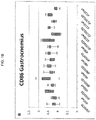
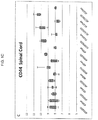
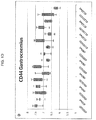
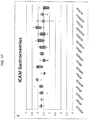
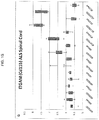
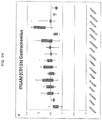
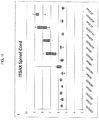
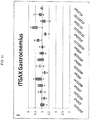
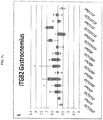
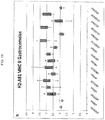
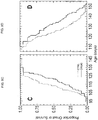
- the log2 normalized expression profiles of these genes from wild type and G93A mice spinal cord and gastrocnemius at 30, 50, 60, 80, 90, 100, 110 and 120 days are shown in Figure 1 .
- Figures 1A and 1B show the differential expression of CD89 in spinal cord and gastrocnemius respectively.
- Figures 1C and 1D show the differential expression of CD44 in spinal cord and gastrocnemius respectively.
- Figures 1E and 1F show the differential expression of ICAM in spinal cord and gastrocnemius respectively.
- Figures 1G and 1H show the differential expression of ITGAM (CD11b) in spinal cord and gastrocnemius respectively.
- Figures 1I and 1J show the differential expression of ITGAX in spinal cord and gastrocnemius respectively.
- Figures 1K and 1L show the differential expression of ITGB2 in spinal cord and gastrocnemius respectively.
- Figure 1M shows the differential expression of H2-K1 (MHC II) in spinal cord.
- Figure 1N shows the differential expression of H2-AB1 (MHCII) in gastrocnemius.
- Figure 1O shows the differential expression of H2-D1(MHC II) in spinal cord.
- Figure 1P shows the differential expression of H2-Eb1 (MHC II) in gastrocnemius.
- inflammatory signatures increase during disease progression.
- gene expression changes reflect the activation of antigen presenting cells such as dendritic cells, macrophages, and B cells. Blocking the interaction may ameliorate immune responses that exacerbate disease progression in ALS.
- the co-stimulatory pathway can be inhibited by blocking CD-28/CD80 or CD-28/CD86 or CD40/CD40L interactions.
- the immunohistochemical data correlates very well with the gene expression data and identify macrophages as the antigen presenting cell infiltrating skeletal muscle during disease progression in the G93A mouse model.
- An unexpected finding is that the macrophage infiltration appears to be specifically targeted to the axons innervating the skeletal muscle as localized by labeling with antibodies to myelin and macrophages.
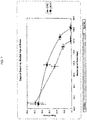
- Tissue levels of MR1 directed against murine CD40L were determined using a matrix matched, non-competitive enzyme linked immunoabsorbent assay (ELISA) in the sandwich format. Seven point standard curves were included on each plate. Standards were prepared using purified MR1 spiked into PBS diluent solution. PBS diluent solution was matrix matched with the normal mouse tissue at the equivalent dilution of the unknown samples to correct for any non-specific effects resulting from tissue lysates.
- ELISA enzyme linked immunoabsorbent assay
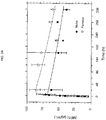
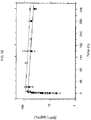
- the elimination half-life was similar in females (23 d) and males (22 d) and similar to the half-life for a typical mouse IgG2-based antibody in the mouse. No signs of anti-hamster antibody response were seen.
- FIG. 3A shows MR1 concentration over time using a linear concentration (Y) axis.
- Figure 3B shows MR1 concentration over time using a log concentration (Y) axis.
- MR1 delays disease onset, slows disease progression and prolongs survival in the G93A mouse model of ALS.
- a single injection of 56 ⁇ g of MR1 was administered intraperitoneally (IP) on day 50. Subsequent to the bolus injection a weekly maintenance injection of 18 ⁇ g of MR1 was administered by IP injection. Doses were prepared in vehicle (phosphate buffered saline (PBS, pH 7.3)), to a total volume 200 ⁇ l. Control animals where administered 200 ⁇ l PBS. Beginning at day 54, animals were monitored daily throughout the course of the study and daily body weight measurements as well as neurological score were measured.
- PBS phosphate buffered saline
- Neurological scores for both hind legs were assessed daily for each mouse from 50 days of age.
- the neurological score employed a scale of 0 to 4. ( Scott et al., ALS Journal Jan 2008 ). Briefly animals assigned a score of 0 had full extension of hind legs away from lateral midline when mouse is suspended by its tail, and mouse can hold this for 2 seconds, suspended 2-3 times. Animals score a 1 when they display collapse or partial collapse of leg extension towards lateral midline (weakness) or trembling of hind legs during tail suspension. Animals score a 2 when the toes curl under at least twice during walking of 12 inches, or any part of foot is dragging along cage bottom/table.
- Standard procedure is to remove non ALS related deaths in both treatment and control groups prior to statistical analysis. In this case all animal deaths in either the control or treatment groups were attributed to ALS. Thus, no animals were censored due to non ALS related deaths.
- Mutant SOD1 transgenic animals display normal body weight (BW) characteristics as neonates and gain weight normally compared to non-transgenic animals into adulthood. Depending on the nature of the genetic mutation in the transgene and the number of copies of mutant transgene weight loss becomes apparent in adult animals and continues until death. Analysis of weight loss in treatment and control groups can provide insight into putative treatment effects on disease onset and rate of progression. In order to assess the impact of MR1 treatment on body weight, two summary parameters are examined (1) Changes in BW from initiation of study to the attainment of peak body weight which may reflect an impact on disease onset (2) The changes in BW from peak body weight until death which may reflect an impact on disease progression.
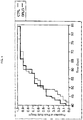
- Comparative MR1-treated and control group time-to-event curves for the time from day 40 to the attainment of peak body weight are shown in Figure 4 .
- the median time to peak body weight for the control group was 50 days compared to the MR1 treated group which was 51 days. This difference was not significant when analyzed by Kaplan Meier using the log rank and Wilcoxon statistical models, Cox proportional hazard, or parametric statistical tests.
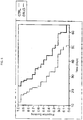
- Comparative MR1-treated and control group time-to-event curves for the time from peak body weight to death are shown in Figure 5 .
- Time from peak body weight to death was statistically significantly later by 15 days in MRI treated animals.
- Control animals have a 2.4 to 4.7-fold greater risk of dying sooner after attaining peak body weight than did MR1-treated animals.
- the median time from peak body weight to death in the control group was 26 days whereas in the MR1 treated group it was 41 days. Significance for each of the analyses in this example was calculated in several ways in order to better evaluate significance. The delay is statistically significant when analyzed using several approaches.
- the timing of disease onset was also characterized by analyzing the daily neurological scores of the saline treated and MR1 treated groups. At the start of the study (day 50), all animals have a neurological score of 0 with no observable symptoms or paralysis. Disease onset can be characterized by examining the progression in neurological score from a neurological score of 0 to a neurological score of 2 when animals are clearly dragging a hind limb.
- the time-to-event plot for the age at which MR1 and control group animals progressed to a neurological score of 2 and the number of days at a neurological score of 2 is shown in Figure 6 .
- the median time at a neurological score of 2 for each group is plotted in Figure 7 .
- the time to attain a score of 2 in the control group is 115 days and for the MR1 treated group is 122 days.
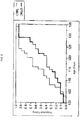
- Treated animals survival time was later by 13 days than control animals. Comparative MR1-treated and control group time-to-event curves for the time from peak body weight to death are shown in Figure 8 .
- the median survival time for the control group was128 days and the median survival for the MR1 treated group was 141 days. Control animals had a 2.8 to 3.2-fold greater risk of dying sooner than did MR1 treated animals.
- mice 60 female and 36 male G93A mice were litter matched and randomly assigned to treatment or control groups. 30 of the female and 18 of the male mice were treated with MR1 starting at day 50. Study days are based on birth.
- a single bolus injection of 5.22 mg/kg or 6.75 mg/kg of MR1 was administered intraperitoneally at day 50 in females or males respectively. Subsequent to the bolus injection, females received weekly injections of 1 mg/kg of MR1 and males received weekly injections of 1.34 mg/kg of MR1 via IP injection. Doses were prepared in vehicle (phosphate buffered saline (PBS, pH 7.3)), to a total volume of 200 ⁇ l. Control animals where administered 200 ⁇ l PBS. Animals were monitored for body weight, neurological score, non-related ALS deaths, and criteria for euthanization as previously described.
- PBS phosphate buffered saline
- Comparative MR1-treated and control group time-to-event curves for the time from day 40 to the attainment of peak body weight are shown in Figure 9A .
- the median time to peak body weight for the control group was 49 days compared to the MR1 treated group which was 53 days. This difference was not significant when analyzed by Kaplan Meier using the log rank and Wilcoxon statistical models, Cox proportional hazard, or parametric statistical tests.
- Comparative MR1-treated and control group time-to-event curves for the time from peak body weight to death are shown in Figure 9B .
- Time from peak body weight to death was statistically significantly later by 6 days in MRI treated animals.
- the median time from peak body weight to death in the control group was 29 days whereas in the MR1 treated group it was 35 days.
- the time-to-event plots for the age at which MR1 and control group animals progressed to a neurological score of 2 and the number of days at a neurological score of 2 is shown in Figure 9C .
- the time to attain a score of 2 in the control group was 113 days and for the MR1 treated group is 121 days.
- Treated animals survival time was later by 9 days than control animals.
- the median survival time for the control group was124 days and the median survival for the MR1 treated group was 133 days, as shown in figure 9D .
Landscapes
- Health & Medical Sciences (AREA)
- Chemical & Material Sciences (AREA)
- Organic Chemistry (AREA)
- Life Sciences & Earth Sciences (AREA)
- Bioinformatics & Cheminformatics (AREA)
- Engineering & Computer Science (AREA)
- Medicinal Chemistry (AREA)
- General Health & Medical Sciences (AREA)
- Neurology (AREA)
- General Chemical & Material Sciences (AREA)
- Pharmacology & Pharmacy (AREA)
- Animal Behavior & Ethology (AREA)
- Nuclear Medicine, Radiotherapy & Molecular Imaging (AREA)
- Public Health (AREA)
- Veterinary Medicine (AREA)
- Chemical Kinetics & Catalysis (AREA)
- Biomedical Technology (AREA)
- Neurosurgery (AREA)
- Immunology (AREA)
- Orthopedic Medicine & Surgery (AREA)
- Physical Education & Sports Medicine (AREA)
- Biochemistry (AREA)
- Biophysics (AREA)
- Genetics & Genomics (AREA)
- Molecular Biology (AREA)
- Proteomics, Peptides & Aminoacids (AREA)
- Psychology (AREA)
- Psychiatry (AREA)
- Hospice & Palliative Care (AREA)
- Pain & Pain Management (AREA)
- Pharmaceuticals Containing Other Organic And Inorganic Compounds (AREA)
- Medicines That Contain Protein Lipid Enzymes And Other Medicines (AREA)
- Medicines Containing Antibodies Or Antigens For Use As Internal Diagnostic Agents (AREA)
Applications Claiming Priority (2)
| Application Number | Priority Date | Filing Date | Title |
|---|---|---|---|
| US12012108P | 2008-12-05 | 2008-12-05 | |
| PCT/US2009/066715 WO2010065819A1 (en) | 2008-12-05 | 2009-12-04 | Method for the treatment of neurodegenerative diseases |
Publications (2)
| Publication Number | Publication Date |
|---|---|
| EP2367849A1 EP2367849A1 (en) | 2011-09-28 |
| EP2367849B1 true EP2367849B1 (en) | 2017-11-01 |
Family
ID=41824732
Family Applications (1)
| Application Number | Title | Priority Date | Filing Date |
|---|---|---|---|
| EP09768576.2A Active EP2367849B1 (en) | 2008-12-05 | 2009-12-04 | Method for the treatment of neurodegenerative diseases |
Country Status (6)
| Country | Link |
|---|---|
| US (1) | US8435514B2 (enExample) |
| EP (1) | EP2367849B1 (enExample) |
| JP (2) | JP2012511014A (enExample) |
| DK (1) | DK2367849T3 (enExample) |
| ES (1) | ES2650267T3 (enExample) |
| WO (1) | WO2010065819A1 (enExample) |
Families Citing this family (15)
| Publication number | Priority date | Publication date | Assignee | Title |
|---|---|---|---|---|
| US9044459B2 (en) * | 2008-12-05 | 2015-06-02 | Als Therapy Development Institute | Method for the treatment of neurodegenerative diseases |
| PT3556774T (pt) | 2011-03-11 | 2024-02-29 | Beth Israel Deaconess Medical Ct Inc | Anticorpos anti-cd40 e suas utilizações |
| JP6125489B2 (ja) | 2011-04-29 | 2017-05-10 | アペクシジェン, インコーポレイテッド | 抗cd40抗体および使用方法 |
| CN109265552A (zh) | 2012-10-30 | 2019-01-25 | 埃派斯进有限公司 | 抗-cd40抗体及其使用方法 |
| GB201501613D0 (en) | 2015-01-30 | 2015-03-18 | Ucb Biopharma Sprl | Treatment of autoimmune disorders with CD154 antibodies |
| MA41459A (fr) | 2015-02-03 | 2017-12-12 | Als Therapy Development Inst | Anticorps anti-cd40l et méthodes pour traiter des maladies ou des troubles liés aux cd40l |
| AU2016315873B2 (en) | 2015-09-04 | 2022-08-18 | Primatope Therapeutics Inc. | Humanized anti-CD40 antibodies and uses thereof |
| EP3359688B1 (en) | 2015-10-05 | 2021-06-16 | UCB Biopharma SRL | Molecular signatures for use in diagnosis and response to treatment analysis of autoimmune diseases |
| GB2578037A (en) | 2017-05-24 | 2020-04-15 | Als Therapy Development Inst | Therapeutic anti-CD40 ligand antibodies |
| KR20230169147A (ko) * | 2021-03-11 | 2023-12-15 | 더 메서디스트 하스피틀 | 질환 치료를 위한 방법 및 조성물 |
| EP4402480A4 (en) * | 2021-09-16 | 2025-07-09 | Methodist Hospital | IMMUNE SERUM-BASED BIOMARKERS FOR USE IN ALS THERAPY |
| US12234294B2 (en) | 2021-11-05 | 2025-02-25 | Kiniksa Pharmaceuticals, Gmbh | Pharmaceutical composition of a humanized anti-CD40 antibody |
| AU2024388148A1 (en) | 2023-11-28 | 2026-05-21 | Eledon Pharmaceuticals, Inc. | Methods and compositions for prevention of transplant rejection |
| WO2025235683A1 (en) | 2024-05-07 | 2025-11-13 | Eledon Pharmaceuticals, Inc. | Methods and compositions for prevention of transplant rejection |
| WO2025235670A1 (en) | 2024-05-07 | 2025-11-13 | Eledon Pharmaceuticals, Inc. | Use of anti-cd40 ligand antibodies for immunosuppression in islet cell transplantation |
Citations (1)
| Publication number | Priority date | Publication date | Assignee | Title |
|---|---|---|---|---|
| US20070190053A1 (en) * | 1997-01-10 | 2007-08-16 | Kalled Susan L | Treament of lupus nephritis with anti-CD40L compounds |
Family Cites Families (13)
| Publication number | Priority date | Publication date | Assignee | Title |
|---|---|---|---|---|
| US5474771A (en) | 1991-11-15 | 1995-12-12 | The Trustees Of Columbia University In The City Of New York | Murine monoclonal antibody (5c8) recognizes a human glycoprotein on the surface of T-lymphocytes, compositions containing same |
| US5876950A (en) | 1995-01-26 | 1999-03-02 | Bristol-Myers Squibb Company | Monoclonal antibodies specific for different epitopes of human GP39 and methods for their use in diagnosis and therapy |
| US6001358A (en) | 1995-11-07 | 1999-12-14 | Idec Pharmaceuticals Corporation | Humanized antibodies to human gp39, compositions containing thereof |
| CN1248921A (zh) | 1997-01-10 | 2000-03-29 | 拜奥根有限公司 | 抗cd40l化合物的治疗性施用方法 |
| GB0006398D0 (en) | 2000-03-16 | 2000-05-03 | Novartis Ag | Organic compounds |
| AU2001259215A1 (en) * | 2000-04-28 | 2001-11-12 | La Jolla Institute For Allergy And Immunology | Human anti-cd40 antibodies and methods of making and using same |
| NZ524980A (en) | 2000-09-01 | 2005-10-28 | Biogen Idec Inc | Novel CD40:CD154 binding interruptor compounds and use thereof to treat immunological complications |
| DE10228103A1 (de) | 2002-06-24 | 2004-01-15 | Bayer Cropscience Ag | Fungizide Wirkstoffkombinationen |
| US20040146949A1 (en) * | 2002-10-25 | 2004-07-29 | Jun Tan | Methods and compounds for disruption of CD40R/CD40L signaling in the treatment of alzheimer's disease |
| CA2536408A1 (en) | 2003-08-22 | 2005-03-03 | Biogen Idec Ma Inc. | Improved antibodies having altered effector function and methods for making the same |
| RU2346996C2 (ru) | 2004-06-29 | 2009-02-20 | ЮРОПИЭН НИКЕЛЬ ПиЭлСи | Усовершенствованное выщелачивание основных металлов |
| US7563443B2 (en) * | 2004-09-17 | 2009-07-21 | Domantis Limited | Monovalent anti-CD40L antibody polypeptides and compositions thereof |
| WO2006138316A2 (en) * | 2005-06-14 | 2006-12-28 | Biogen Idec Ma Inc. | Methods for delivering molecules to the central nervous system |
-
2009
- 2009-12-04 ES ES09768576.2T patent/ES2650267T3/es active Active
- 2009-12-04 US US13/132,670 patent/US8435514B2/en active Active
- 2009-12-04 DK DK09768576.2T patent/DK2367849T3/en active
- 2009-12-04 JP JP2011539720A patent/JP2012511014A/ja active Pending
- 2009-12-04 WO PCT/US2009/066715 patent/WO2010065819A1/en not_active Ceased
- 2009-12-04 EP EP09768576.2A patent/EP2367849B1/en active Active
-
2015
- 2015-05-07 JP JP2015095123A patent/JP6027646B2/ja active Active
Patent Citations (1)
| Publication number | Priority date | Publication date | Assignee | Title |
|---|---|---|---|---|
| US20070190053A1 (en) * | 1997-01-10 | 2007-08-16 | Kalled Susan L | Treament of lupus nephritis with anti-CD40L compounds |
Non-Patent Citations (3)
| Title |
|---|
| DUMONT FRANCIS J: "IDEC-131. IDEC/Eisai.", CURRENT OPINION IN INVESTIGATIONAL DRUGS (LONDON, ENGLAND : 2000) MAY 2002, vol. 3, no. 5, May 2002 (2002-05-01), pages 725 - 734, ISSN: 1472-4472 * |
| KNOSALLA C ET AL: "Initial experience with the human anti-human CD154 monoclonal antibody, ABI793, in pig-to-baboon xenotransplantation", XENOTRANSPLANTATION, vol. 11, no. 4, July 2004 (2004-07-01), pages 353 - 360, ISSN: 0908-665X * |
| TAI Y-T ET AL: "Mechanisms by which SGN-40, a humanized anti-CD40 antibody, induces cytotoxicity in human multiple myeloma cells: Clinical implications", CANCER RESEARCH, AMERICAN ASSOCIATION FOR CANCER RESEARCH, US, vol. 64, no. 8, 15 April 2004 (2004-04-15), pages 2846 - 2852, XP002327506, ISSN: 0008-5472, DOI: 10.1158/0008-5472.CAN-03-3630 * |
Also Published As
| Publication number | Publication date |
|---|---|
| ES2650267T3 (es) | 2018-01-17 |
| JP2015157852A (ja) | 2015-09-03 |
| WO2010065819A1 (en) | 2010-06-10 |
| EP2367849A1 (en) | 2011-09-28 |
| JP2012511014A (ja) | 2012-05-17 |
| DK2367849T3 (en) | 2018-01-22 |
| JP6027646B2 (ja) | 2016-11-16 |
| US20110293612A1 (en) | 2011-12-01 |
| US8435514B2 (en) | 2013-05-07 |
Similar Documents
| Publication | Publication Date | Title |
|---|---|---|
| US8435514B2 (en) | Method for the treatment of neurodegenerative diseases | |
| US9775899B2 (en) | Treating neurological disorders | |
| US9044459B2 (en) | Method for the treatment of neurodegenerative diseases | |
| US20030171253A1 (en) | Methods and compositions relating to modulation of A20 | |
| US20040001831A1 (en) | Methods and compositions for the diagnosis and treatment of demyelinating inflammatory disorders | |
| US20250334594A1 (en) | Methods for the treatment of amyotrophic lateral sclerosis | |
| Pakala et al. | Prevention of diabetes in NOD mice at a late stage by targeting OX40/OX40 ligand interactions | |
| KR20210102294A (ko) | 근위축성 측삭 경화증에서 치료요법적 중재를 안내하기 위한 신경필라멘트 단백질 | |
| Amo-Aparicio et al. | Extracellular and nuclear roles of IL-37 after spinal cord injury | |
| WO1999000143A1 (en) | Cd154 blockade therapy for autoimmune diseases | |
| Pinheiro et al. | Contribution of CD4+ T cells to the early mechanisms of ischemia-reperfusion injury in a mouse model of acute renal failure | |
| HK1158660A (en) | Method for the treatment of neurodegenerative diseases | |
| HK1158660B (en) | Method for the treatment of neurodegenerative diseases | |
| Watanabe et al. | Resetting proteostasis with ISRIB prevents pulmonary fibrosis | |
| WO2020078865A1 (en) | Use of akt inhibitors in ophthalmology | |
| US20250382347A1 (en) | Methods For Reducing Or Preventing Cerebral Edema After Stroke | |
| AU2011239311B2 (en) | Treating Neurological Disorders | |
| US20090317357A1 (en) | Methods for treating or preventing autoimmune disease using histamine h1 receptor-blocking agents | |
| Frydman | Autoimmune-Mediated Beta-Cell Death & Dysfunction: Potential Role of Signaling through the Fas Receptor | |
| PLATE | mouse Dpl (Mo et al., 2001) | |
| Vosters et al. | Developing a gene therapy for Sjogren's syndrome | |
| Ashbaugh | Interleukin-7 receptor alpha, nuclear factor-kappa b, and tumor necrosis factor contribute to inflammatory responses in experimental autoimmune encephalomyelitis, a model of Multiple Sclerosis | |
| Morimoto et al. | Resetting proteostasis with ISRIB prevents pulmonary fibrosis |
Legal Events
| Date | Code | Title | Description |
|---|---|---|---|
| PUAI | Public reference made under article 153(3) epc to a published international application that has entered the european phase |
Free format text: ORIGINAL CODE: 0009012 |
|
| 17P | Request for examination filed |
Effective date: 20110620 |
|
| AK | Designated contracting states |
Kind code of ref document: A1 Designated state(s): AT BE BG CH CY CZ DE DK EE ES FI FR GB GR HR HU IE IS IT LI LT LU LV MC MK MT NL NO PL PT RO SE SI SK SM TR |
|
| DAX | Request for extension of the european patent (deleted) | ||
| REG | Reference to a national code |
Ref country code: HK Ref legal event code: DE Ref document number: 1158660 Country of ref document: HK |
|
| 17Q | First examination report despatched |
Effective date: 20140403 |
|
| STAA | Information on the status of an ep patent application or granted ep patent |
Free format text: STATUS: EXAMINATION IS IN PROGRESS |
|
| GRAP | Despatch of communication of intention to grant a patent |
Free format text: ORIGINAL CODE: EPIDOSNIGR1 |
|
| STAA | Information on the status of an ep patent application or granted ep patent |
Free format text: STATUS: GRANT OF PATENT IS INTENDED |
|
| INTG | Intention to grant announced |
Effective date: 20170519 |
|
| GRAS | Grant fee paid |
Free format text: ORIGINAL CODE: EPIDOSNIGR3 |
|
| GRAA | (expected) grant |
Free format text: ORIGINAL CODE: 0009210 |
|
| STAA | Information on the status of an ep patent application or granted ep patent |
Free format text: STATUS: THE PATENT HAS BEEN GRANTED |
|
| AK | Designated contracting states |
Kind code of ref document: B1 Designated state(s): AT BE BG CH CY CZ DE DK EE ES FI FR GB GR HR HU IE IS IT LI LT LU LV MC MK MT NL NO PL PT RO SE SI SK SM TR |
|
| REG | Reference to a national code |
Ref country code: GB Ref legal event code: FG4D |
|
| REG | Reference to a national code |
Ref country code: FR Ref legal event code: PLFP Year of fee payment: 9 |
|
| REG | Reference to a national code |
Ref country code: CH Ref legal event code: EP Ref country code: AT Ref legal event code: REF Ref document number: 941932 Country of ref document: AT Kind code of ref document: T Effective date: 20171115 |
|
| REG | Reference to a national code |
Ref country code: IE Ref legal event code: FG4D |
|
| REG | Reference to a national code |
Ref country code: DE Ref legal event code: R096 Ref document number: 602009049143 Country of ref document: DE |
|
| RAP2 | Party data changed (patent owner data changed or rights of a patent transferred) |
Owner name: ALS THERAPY DEVELOPMENT INSTITUTE |
|
| REG | Reference to a national code |
Ref country code: ES Ref legal event code: FG2A Ref document number: 2650267 Country of ref document: ES Kind code of ref document: T3 Effective date: 20180117 |
|
| REG | Reference to a national code |
Ref country code: DK Ref legal event code: T3 Effective date: 20180117 |
|
| REG | Reference to a national code |
Ref country code: NL Ref legal event code: FP |
|
| REG | Reference to a national code |
Ref country code: SE Ref legal event code: TRGR |
|
| REG | Reference to a national code |
Ref country code: LT Ref legal event code: MG4D |
|
| REG | Reference to a national code |
Ref country code: AT Ref legal event code: MK05 Ref document number: 941932 Country of ref document: AT Kind code of ref document: T Effective date: 20171101 |
|
| PG25 | Lapsed in a contracting state [announced via postgrant information from national office to epo] |
Ref country code: NO Free format text: LAPSE BECAUSE OF FAILURE TO SUBMIT A TRANSLATION OF THE DESCRIPTION OR TO PAY THE FEE WITHIN THE PRESCRIBED TIME-LIMIT Effective date: 20180201 Ref country code: LT Free format text: LAPSE BECAUSE OF FAILURE TO SUBMIT A TRANSLATION OF THE DESCRIPTION OR TO PAY THE FEE WITHIN THE PRESCRIBED TIME-LIMIT Effective date: 20171101 |
|
| PG25 | Lapsed in a contracting state [announced via postgrant information from national office to epo] |
Ref country code: HR Free format text: LAPSE BECAUSE OF FAILURE TO SUBMIT A TRANSLATION OF THE DESCRIPTION OR TO PAY THE FEE WITHIN THE PRESCRIBED TIME-LIMIT Effective date: 20171101 Ref country code: LV Free format text: LAPSE BECAUSE OF FAILURE TO SUBMIT A TRANSLATION OF THE DESCRIPTION OR TO PAY THE FEE WITHIN THE PRESCRIBED TIME-LIMIT Effective date: 20171101 Ref country code: GR Free format text: LAPSE BECAUSE OF FAILURE TO SUBMIT A TRANSLATION OF THE DESCRIPTION OR TO PAY THE FEE WITHIN THE PRESCRIBED TIME-LIMIT Effective date: 20180202 Ref country code: AT Free format text: LAPSE BECAUSE OF FAILURE TO SUBMIT A TRANSLATION OF THE DESCRIPTION OR TO PAY THE FEE WITHIN THE PRESCRIBED TIME-LIMIT Effective date: 20171101 Ref country code: BG Free format text: LAPSE BECAUSE OF FAILURE TO SUBMIT A TRANSLATION OF THE DESCRIPTION OR TO PAY THE FEE WITHIN THE PRESCRIBED TIME-LIMIT Effective date: 20180201 Ref country code: IS Free format text: LAPSE BECAUSE OF FAILURE TO SUBMIT A TRANSLATION OF THE DESCRIPTION OR TO PAY THE FEE WITHIN THE PRESCRIBED TIME-LIMIT Effective date: 20180301 |
|
| PG25 | Lapsed in a contracting state [announced via postgrant information from national office to epo] |
Ref country code: CZ Free format text: LAPSE BECAUSE OF FAILURE TO SUBMIT A TRANSLATION OF THE DESCRIPTION OR TO PAY THE FEE WITHIN THE PRESCRIBED TIME-LIMIT Effective date: 20171101 Ref country code: EE Free format text: LAPSE BECAUSE OF FAILURE TO SUBMIT A TRANSLATION OF THE DESCRIPTION OR TO PAY THE FEE WITHIN THE PRESCRIBED TIME-LIMIT Effective date: 20171101 Ref country code: CY Free format text: LAPSE BECAUSE OF FAILURE TO SUBMIT A TRANSLATION OF THE DESCRIPTION OR TO PAY THE FEE WITHIN THE PRESCRIBED TIME-LIMIT Effective date: 20171101 Ref country code: SK Free format text: LAPSE BECAUSE OF FAILURE TO SUBMIT A TRANSLATION OF THE DESCRIPTION OR TO PAY THE FEE WITHIN THE PRESCRIBED TIME-LIMIT Effective date: 20171101 |
|
| REG | Reference to a national code |
Ref country code: DE Ref legal event code: R097 Ref document number: 602009049143 Country of ref document: DE |
|
| REG | Reference to a national code |
Ref country code: HK Ref legal event code: GR Ref document number: 1158660 Country of ref document: HK |
|
| PG25 | Lapsed in a contracting state [announced via postgrant information from national office to epo] |
Ref country code: SM Free format text: LAPSE BECAUSE OF FAILURE TO SUBMIT A TRANSLATION OF THE DESCRIPTION OR TO PAY THE FEE WITHIN THE PRESCRIBED TIME-LIMIT Effective date: 20171101 Ref country code: PL Free format text: LAPSE BECAUSE OF FAILURE TO SUBMIT A TRANSLATION OF THE DESCRIPTION OR TO PAY THE FEE WITHIN THE PRESCRIBED TIME-LIMIT Effective date: 20171101 Ref country code: RO Free format text: LAPSE BECAUSE OF FAILURE TO SUBMIT A TRANSLATION OF THE DESCRIPTION OR TO PAY THE FEE WITHIN THE PRESCRIBED TIME-LIMIT Effective date: 20171101 |
|
| PLBE | No opposition filed within time limit |
Free format text: ORIGINAL CODE: 0009261 |
|
| STAA | Information on the status of an ep patent application or granted ep patent |
Free format text: STATUS: NO OPPOSITION FILED WITHIN TIME LIMIT |
|
| PG25 | Lapsed in a contracting state [announced via postgrant information from national office to epo] |
Ref country code: MT Free format text: LAPSE BECAUSE OF NON-PAYMENT OF DUE FEES Effective date: 20171204 Ref country code: LU Free format text: LAPSE BECAUSE OF NON-PAYMENT OF DUE FEES Effective date: 20171204 |
|
| 26N | No opposition filed |
Effective date: 20180802 |
|
| REG | Reference to a national code |
Ref country code: FR Ref legal event code: PLFP Year of fee payment: 10 |
|
| PG25 | Lapsed in a contracting state [announced via postgrant information from national office to epo] |
Ref country code: SI Free format text: LAPSE BECAUSE OF FAILURE TO SUBMIT A TRANSLATION OF THE DESCRIPTION OR TO PAY THE FEE WITHIN THE PRESCRIBED TIME-LIMIT Effective date: 20171101 |
|
| PG25 | Lapsed in a contracting state [announced via postgrant information from national office to epo] |
Ref country code: MC Free format text: LAPSE BECAUSE OF FAILURE TO SUBMIT A TRANSLATION OF THE DESCRIPTION OR TO PAY THE FEE WITHIN THE PRESCRIBED TIME-LIMIT Effective date: 20171101 Ref country code: HU Free format text: LAPSE BECAUSE OF FAILURE TO SUBMIT A TRANSLATION OF THE DESCRIPTION OR TO PAY THE FEE WITHIN THE PRESCRIBED TIME-LIMIT; INVALID AB INITIO Effective date: 20091204 |
|
| PG25 | Lapsed in a contracting state [announced via postgrant information from national office to epo] |
Ref country code: MK Free format text: LAPSE BECAUSE OF FAILURE TO SUBMIT A TRANSLATION OF THE DESCRIPTION OR TO PAY THE FEE WITHIN THE PRESCRIBED TIME-LIMIT Effective date: 20171101 |
|
| PG25 | Lapsed in a contracting state [announced via postgrant information from national office to epo] |
Ref country code: TR Free format text: LAPSE BECAUSE OF FAILURE TO SUBMIT A TRANSLATION OF THE DESCRIPTION OR TO PAY THE FEE WITHIN THE PRESCRIBED TIME-LIMIT Effective date: 20171101 |
|
| PG25 | Lapsed in a contracting state [announced via postgrant information from national office to epo] |
Ref country code: PT Free format text: LAPSE BECAUSE OF FAILURE TO SUBMIT A TRANSLATION OF THE DESCRIPTION OR TO PAY THE FEE WITHIN THE PRESCRIBED TIME-LIMIT Effective date: 20171101 |
|
| P01 | Opt-out of the competence of the unified patent court (upc) registered |
Effective date: 20230522 |
|
| REG | Reference to a national code |
Ref country code: CH Ref legal event code: U11 Free format text: ST27 STATUS EVENT CODE: U-0-0-U10-U11 (AS PROVIDED BY THE NATIONAL OFFICE) Effective date: 20260101 |
|
| PGFP | Annual fee paid to national office [announced via postgrant information from national office to epo] |
Ref country code: DE Payment date: 20251212 Year of fee payment: 17 |
|
| PGFP | Annual fee paid to national office [announced via postgrant information from national office to epo] |
Ref country code: GB Payment date: 20251211 Year of fee payment: 17 |
|
| PGFP | Annual fee paid to national office [announced via postgrant information from national office to epo] |
Ref country code: IT Payment date: 20251212 Year of fee payment: 17 Ref country code: FI Payment date: 20251212 Year of fee payment: 17 Ref country code: DK Payment date: 20251211 Year of fee payment: 17 |
|
| PGFP | Annual fee paid to national office [announced via postgrant information from national office to epo] |
Ref country code: NL Payment date: 20251217 Year of fee payment: 17 Ref country code: FR Payment date: 20251212 Year of fee payment: 17 |
|
| PGFP | Annual fee paid to national office [announced via postgrant information from national office to epo] |
Ref country code: BE Payment date: 20251211 Year of fee payment: 17 |
|
| PGFP | Annual fee paid to national office [announced via postgrant information from national office to epo] |
Ref country code: SE Payment date: 20251211 Year of fee payment: 17 |
|
| PGFP | Annual fee paid to national office [announced via postgrant information from national office to epo] |
Ref country code: IE Payment date: 20251212 Year of fee payment: 17 |
|
| PGFP | Annual fee paid to national office [announced via postgrant information from national office to epo] |
Ref country code: ES Payment date: 20260105 Year of fee payment: 17 |
|
| PGFP | Annual fee paid to national office [announced via postgrant information from national office to epo] |
Ref country code: CH Payment date: 20260101 Year of fee payment: 17 |