EP2366398A1 - Cancer therapy with a parvovirus combined with an HDAC inhibitor - Google Patents
Cancer therapy with a parvovirus combined with an HDAC inhibitor Download PDFInfo
- Publication number
- EP2366398A1 EP2366398A1 EP10002829A EP10002829A EP2366398A1 EP 2366398 A1 EP2366398 A1 EP 2366398A1 EP 10002829 A EP10002829 A EP 10002829A EP 10002829 A EP10002829 A EP 10002829A EP 2366398 A1 EP2366398 A1 EP 2366398A1
- Authority
- EP
- European Patent Office
- Prior art keywords
- parvovirus
- pharmaceutical composition
- hdaci
- cells
- cancer
- Prior art date
- Legal status (The legal status is an assumption and is not a legal conclusion. Google has not performed a legal analysis and makes no representation as to the accuracy of the status listed.)
- Withdrawn
Links
Images


Classifications
-
- A—HUMAN NECESSITIES
- A61—MEDICAL OR VETERINARY SCIENCE; HYGIENE
- A61K—PREPARATIONS FOR MEDICAL, DENTAL OR TOILETRY PURPOSES
- A61K35/00—Medicinal preparations containing materials or reaction products thereof with undetermined constitution
- A61K35/66—Microorganisms or materials therefrom
- A61K35/76—Viruses; Subviral particles; Bacteriophages
-
- A—HUMAN NECESSITIES
- A61—MEDICAL OR VETERINARY SCIENCE; HYGIENE
- A61K—PREPARATIONS FOR MEDICAL, DENTAL OR TOILETRY PURPOSES
- A61K31/00—Medicinal preparations containing organic active ingredients
- A61K31/16—Amides, e.g. hydroxamic acids
- A61K31/165—Amides, e.g. hydroxamic acids having aromatic rings, e.g. colchicine, atenolol, progabide
-
- A—HUMAN NECESSITIES
- A61—MEDICAL OR VETERINARY SCIENCE; HYGIENE
- A61K—PREPARATIONS FOR MEDICAL, DENTAL OR TOILETRY PURPOSES
- A61K31/00—Medicinal preparations containing organic active ingredients
- A61K31/185—Acids; Anhydrides, halides or salts thereof, e.g. sulfur acids, imidic, hydrazonic or hydroximic acids
- A61K31/19—Carboxylic acids, e.g. valproic acid
-
- A—HUMAN NECESSITIES
- A61—MEDICAL OR VETERINARY SCIENCE; HYGIENE
- A61K—PREPARATIONS FOR MEDICAL, DENTAL OR TOILETRY PURPOSES
- A61K35/00—Medicinal preparations containing materials or reaction products thereof with undetermined constitution
- A61K35/66—Microorganisms or materials therefrom
- A61K35/76—Viruses; Subviral particles; Bacteriophages
- A61K35/768—Oncolytic viruses not provided for in groups A61K35/761 - A61K35/766
-
- A—HUMAN NECESSITIES
- A61—MEDICAL OR VETERINARY SCIENCE; HYGIENE
- A61K—PREPARATIONS FOR MEDICAL, DENTAL OR TOILETRY PURPOSES
- A61K45/00—Medicinal preparations containing active ingredients not provided for in groups A61K31/00 - A61K41/00
- A61K45/06—Mixtures of active ingredients without chemical characterisation, e.g. antiphlogistics and cardiaca
-
- A—HUMAN NECESSITIES
- A61—MEDICAL OR VETERINARY SCIENCE; HYGIENE
- A61P—SPECIFIC THERAPEUTIC ACTIVITY OF CHEMICAL COMPOUNDS OR MEDICINAL PREPARATIONS
- A61P35/00—Antineoplastic agents
-
- A—HUMAN NECESSITIES
- A61—MEDICAL OR VETERINARY SCIENCE; HYGIENE
- A61P—SPECIFIC THERAPEUTIC ACTIVITY OF CHEMICAL COMPOUNDS OR MEDICINAL PREPARATIONS
- A61P43/00—Drugs for specific purposes, not provided for in groups A61P1/00-A61P41/00
-
- C—CHEMISTRY; METALLURGY
- C12—BIOCHEMISTRY; BEER; SPIRITS; WINE; VINEGAR; MICROBIOLOGY; ENZYMOLOGY; MUTATION OR GENETIC ENGINEERING
- C12N—MICROORGANISMS OR ENZYMES; COMPOSITIONS THEREOF; PROPAGATING, PRESERVING, OR MAINTAINING MICROORGANISMS; MUTATION OR GENETIC ENGINEERING; CULTURE MEDIA
- C12N2750/00—MICROORGANISMS OR ENZYMES; COMPOSITIONS THEREOF; PROPAGATING, PRESERVING, OR MAINTAINING MICROORGANISMS; MUTATION OR GENETIC ENGINEERING; CULTURE MEDIA ssDNA viruses
- C12N2750/00011—Details
- C12N2750/14011—Parvoviridae
- C12N2750/14311—Parvovirus, e.g. minute virus of mice
- C12N2750/14332—Use of virus as therapeutic agent, other than vaccine, e.g. as cytolytic agent
Definitions
- the present invention relates to a pharmaceutical composition
- a pharmaceutical composition comprising (a) a parvovirus and (b) a histone deacetylase inhibitor (HDACI) and the use of said composition for treatment of cancer, e.g., a brain tumor, cervical carcinoma, or pancreatic carcinoma.
- HDACI histone deacetylase inhibitor
- Cervical carcinoma is the second most frequent malignancy of women worldwide and is responsible of more than 270,000 deaths and 500,000 new cases every year.
- Certain types of human papillomaviruses (HPVs), so-called high risk types (e.g. types 16 and 18) are the causative agents of cervical carcinogenesis.
- Two viral oncogenes from the high risk HPVs, E6 and E7, are responsible for the malignant conversion of the cell and their continuous expression is associated with inactivation of cellular death pathways that are normally activated by genotoxic agents or soluble death ligands.
- Conventional treatment by radiotherapy, chemotherapy and surgery remains largely ineffective against HPV-associated carcinomas, and new therapeutic strategies are urgently needed.
- the recent launch of prophylactic vaccines, while giving hopes of achieving an efficient prevention of infection through vaccination, will require several decades before translating into a decrease of cervical cancer incidence.
- Pancreatic ductal adenocarcinoma is one of the most lethal gastrointestinal malignancies. PDAC is the fourth most frequent cause of cancer-related deaths in North America, the sixth in Europe, and the fifth in the UK. The disease is highly resistant to currently available treatments. Surgical resection provides the best possibility for long-term survival, but is feasible in a minority of patients only and is not without risk. In advanced disease where surgery is not an option, chemotherapy comes into play, using in particular gemcitabine or 5-FU (5-fluorouracil), although the effects are still modest and always accompanied by high general toxicity. Gemcitabine has been approved by the FDA as a first line therapy for patients with locally advanced or metastatic pancreatic cancer.
- This drug is a cell-cycle dependent deoxycytidine analogue of the antimetabolite class, that is transported into cells through human equilibrative nucleoside transporters (hENT), and is phosphorylated to its active triphosphate form by deoxycitidine kinase (dCK).
- hENT human equilibrative nucleoside transporters
- dCK deoxycitidine kinase
- An important concern of gemcitabine therapy lies in the development of resistance towards this chemotherapeutic. This resistance can be due to reduced import/phosphorylation of the drug, and/or enhanced export from the cell by means of the ABC transporters family members MDR and MRP1/2, resulting in the depletion of the intracellular pool of activated gemcitabine. Combinations of gemcitabine with other therapeutic regimens are explored to either improve the anticancer effect by eradicating resistant variants or to allow for reduction of the doses of chemotherapy and its ensuing toxicity.
- rat parvovirus H-1PV and its mouse homolog minute virus of mice (MVM) have attracted high attention for their anticancer potential. Indeed, these viruses are nonpathogenic for humans and possess intrinsic oncolytic and oncosuppressive properties. Additionally, the fact that the human population has not been pre-exposed to H-1PV infection indicates that the problem of preexisting anti-viral immunity, a common reason for the low efficacy of virus based treatments, does not exist in the case of H-1PV. Therefore, the virus is not immediately cleared by the immune system of the patient after administration, increasing the effective time for the treatment.
- the parvovirus genome consists of a single strand DNA of approximately 5100 bases containing two promoters, P4 and P38 which regulate the expression of the non structural (NS1 and NS2) and capsid (VP1 and VP2) proteins, respectively.
- Rodent parvoviruses have been shown to activate several death pathways. In particular, depending on cell type and growth conditions, H-1PV is able to induce apoptosis, necrosis or cathepsin B-dependent cell death.
- Parvovirus replication and oncolysis are stimulated by cellular changes associated with neoplastic transformation. It could be shown that H-1PV naturally displays antineoplastic activity against cell lines derived from human cervical carcinomas in both cell culture and animal models. These results underline the therapeutic potential of H-1PV against carcinomas.
- parvoviruses fail, in certain cases, to completely eradicate the tumour or to stop its growth. Often resistant cells develop, leading to the possibility of tumor relapse.
- the virus preferentially replicates in tumor cells, it is also able to enter normal cells, reducing the amount of virus suitable for the treatment. Therefore, it would be of great advantage to reinforce their oncolytic activity and to find other agents that could act in concerto with parvovirus in killing cancer cells.
- tumour cells escape the viral treatment increasing the risk of tumor relapse.
- parvoviruses have been isolated from growing tumours indicate that alone these viruses are also not always potent enough to arrest the growth or cause the complete regression of neoplastic lesions. Therefore, it is highly desirable to find drugs that could act with the virus in efficiently killing cancer cells without additional harmful side effects.
- agents could improve the outcome of the treatment by (i) killing by other means parvovirus-resistant cells, (ii) making cancer cells more susceptible to parvovirus cytotoxity, therebay allowing reduction of the viral dose needed to achieve efficacy, and/or (iii) enabling the drugs to be used in lower concentrations, thereby improving safety.
- HDACIs are a structurally heterogeneous group of molecules.
- HDACIs namely sodium butyrate (NaB), trichostatin A (TSA), Valproic Acid (VPA) and suberoylanilide hydroxamic acid (SAHA) potentiate the antioneoplastic activity of parvoviruses in a synergistic manner in cervical carcinoma derived HeLa (positive for HPV-18), CaSki and SiHa (positive for HPV-16) and primary cervical carcinoma cells.
- HDACIs reactivate the transcription of multiple genes which are silenced in cancer and by this means they are able to induce growth inhibition, differentiation and apoptosis of cancer cells.
- HDACI-treated cervical carcinoma cells undergo apoptosis through an E2F-mediated process that correlates with the strong induction of the pro-apoptotic isoforms of the E2F-target gene p73, but does not rely on reactivation of p53.
- parvoviruses have tremendous therapeutic potential to treat cancers like a brain tumor, cervical carcinoma, or pancreatic carcinoma in combination with an HDCA inhibitor, preferably in a two step protocol.
- parvovirus H-1PV and HDAC inhibitors act synergistically in killing cervical carcinoma derived cell lines (HeLa, CaSki, SiHa) and primary tumour cells.
- the cooperation between the two agents takes place using sub-lethal doses of HDAC inhibitors, which reduces the risk of unwanted side-effects for normal tissues.
- the combined therapy could allow the use of H-1PV (and other oncolytic parvoviruses) at lower concentrations without affecting its efficacy.
- the present invention provides a pharmaceutical composition containing (a) a parvovirus and (b) a HDCA inhibitor, preferably as separate entities, e.g. in separate containers.
- a pharmaceutical composition containing (a) a parvovirus and (b) a HDCA inhibitor, preferably as separate entities, e.g. in separate containers.
- the parvovirus and the HDCA inhibitor are present in an effective dose and combined with a pharmaceutically acceptable carrier.
- “Pharmaceutically acceptable” is meant to encompass any carrier, which does not interfere with the effectiveness of the biological activity of the active ingredients and that is not toxic to the patient to whom it is administered.
- suitable pharmaceutical carriers are well known in the art and include phosphate buffered saline solutions, water, emulsions, such as oil/water emulsions, various types of wetting agents, sterile solutions etc..
- Such carriers can be formulated by conventional methods and can be administered to the subject at an effective dose.
- parvovirus as used herein comprises wild-type or modified replication-competent derivatives thereof, as well as related viruses or vectors based on such viruses or derivatives. Suitable parvoviruses, derivatives, etc. as well as cells which can be used for actively producing said parvoviruses and which are useful for therapy, are readily determinable within the skill of the art based on the disclosure herein, without undue empirical effort.
- an “effective dose” refers to amounts of the active ingredients that are sufficient to affect the course and the severity of the disease, leading to the reduction or remission of such pathology.
- An “effective dose” useful for treating and/or preventing these diseases or disorders may be determined using methods known to one skilled in the art (see for example, Fingl et al., The Pharmocological Basis of Therapeutics, Goodman and Gilman, eds. Macmillan Publishing Co., New York, pp. 1-46 ((1975 )).
- Additional pharmaceutically compatible carriers can include gels, bioasorbable matrix materials, implantation elements containing the therapeutic agent, or any other suitable vehicle, delivery or dispensing means or material(s).
- Administration of the compounds may be effected by different ways, e.g. by intravenous, intraperetoneal, subcutaneous, intramuscular, topical or intradermal administration.
- the route of administration depends on the kind of therapy and the kind of compounds contained in the pharmaceutical composition.
- a preferred route of administration is intravenous administration.
- the dosage regimen of the parvovirus and the HDACI is readily determinable within the skill of the art, by the attending physician based an patient data, observations and other clinical factors, including for example the patient's size, body surface area, age, sex, the particular parvovirus, HDACI etc. to be administered, the time and route of administration, the tumor type and characteristics, general health of the patient, and other drug thereapies to which the patient is being subjected.
- the parvovirus in the combination of HDACIs according to the invention comprises infectious virus particles with the ability to penetrate through the blood-brain barrier
- treatment can be performed or at least initiated by intravenous injection of the virus, e.g., H1 virus.
- a preferred route of administration is intratumoral administration.
- intravenous viral administration can be adopted after an initial regimen intravenous viral administration, or such different administration techniques, e.g., intracranial or intratumoral virus administration, can be alternatively used throughout the entire course of parvoviral treatment.
- the parvovirus (virus, vector and/or cell agent) can be administered to the patient from a source implanted in the patient.
- a catheter e.g., of silicone or other biocompatible material
- a small subcutaneous reservoir Rostham reservoir
- the parvovirus or derived vectors can also be injected into the tumor by stereotactic surgical techniques or by neuronavigation targeting techniques.
- Administration of the parvovirus can also be performed by continuous infusion of viral particles or fluids containing viral particles through implanted catheters at low flow rates using suitable pump systems, e.g., peristaltic infusion pumps or convection enhanced delivery (CED) pumps.
- suitable pump systems e.g., peristaltic infusion pumps or convection enhanced delivery (CED) pumps.
- a yet another method of administration of the parvovirus composition is from an implanted article constructed and arranged to dispense the parvovirus to the desired cancer tissue.
- wafers can be employed that have been impregnated with the parvovirus, e.g., parvovirus H1, wherein the wafer is attached to the edges of the resection cavity at the conclusion of surgical tumor removal. Multiple wafers can be employed in such therapeutic intervention.
- Cells that actively produce the parvovirus, e.g., parvovirus H1, or H1 vectors can be injected into the tumor or into the tumoral cavity after tumor removal.
- the combined therapy according to the invention is useful for the therapeutic treatment of cancer, in particular brain tumor, cervical carcinoma, or pancreatic carcinoma and can significantly improve the prognosis of said diseases.
- Parvovirus H1 infection effects killing of tumor cells but does not harm normal cells and such infection can, for example, be carried out by intracerebral use of a suitable parvovirus, e.g., parvovirus H1, or a related virus or vectors based on such viruses, to effect tumor-specific therapy without adverse neurological or other side effects.
- the present invention also relates to the use of (a) a parvovirus and (b) an HDACI for the preparation of (a) pharmaceutical composition(s) for the treatment of cancer wherein, preferably, (a) and (b) are sequentially (or separately) administered.
- the combination of agents is utilized in the treatment of brain tumors such as glioma, medulloblastoma and meningioma, cervical carcinoma, or pancreatic carcinoma.
- Preferred gliomas are malignant human glioblastomas.
- the parvovirus of the composition includes parvovirus H1 (H-1PV) or a related parvovirus such as LuIII, Mouse minute virus (MMV), Mouse parvovirus (MPV), Rat minute virus (RMV), Rat parvovirus (RPV) or Rat virus (RV).
- H-1PV parvovirus H1
- MMV Mouse minute virus
- MPV Mouse parvovirus
- RMV Rat minute virus
- RV Rat parvovirus
- RV Rat virus
- Patients treatable by the combination of agents according to the invention include humans as well as non-human animals. Examples of the latter include, without limitation, animals such as cows, sheep, pigs, horses, dogs, and cats.
- HDACIs useful for the purposes of the present invention include all HDACIs that are effective in inhibiting tumor growth.
- the administration of an HDACI can be accomplished in a variety of ways (see above) including systemically by the parenteral and enteral routes.
- the parvovirus and the HDACI are administered as separate compounds.
- the preferred period of time between administration of the HDACI and the parvovirus is from -30 (administration of HDACI before the treatment with parvovirus) to 60 days after the treatment with parvovirus. Concomitant treatment with the two agents is also possible.
- HDCAIs suitable for the combined therapy include sodium butyrate (NaB), trichostatin A (TSA) or suberoylanilide hydroxamic acid (SAHA).
- NaB sodium butyrate
- TSA trichostatin A
- SAHA suberoylanilide hydroxamic acid
- Sodium butyrate (NaB) and trichostatin A (TSA) were purchased from SIGMA-Aldrich (Munich, Germany), suberoylanilide hydroxamic acid (SAHA) and VPA from Alexis Biochemicals (Enzo Life Science, Lörrach, Germany).
- Parvovirus cytotoxicity was measured by evaluating the release of lactate dehydrogenase in the medium using the CytoTox 96 kit from Promega (Mannheim, Germany). The day before infection, 2000 cells were seeded per well in 96-well plate in 50 ⁇ l of culture medium. After 24 hours, cells were infected with 50 ⁇ l of serum-free medium containing H-1PV or treated with HDAC inhibitors in 7 replicates per condition. The day of measurement, 3 out of 7 wells were incubated for 30 minutes with lysis buffer to estimate the maximum LDH release under conditions of 100% lysis. Afterwards, the plate was centrifuged and 50 ⁇ l of supernatant were mixed with the substrate mix. The LDH enzyme catalyzes a colorimetric reaction that is indicative of the amount of enzyme released in the medium. After 30 minutes, the reaction was stopped and analyzed using the Elisa reader MultiScan at 492 nm.
- Virus infected or drug-treated cells were harvested from culture dishes with 0.05% Trypsin-EDTA solution, collected in a Falcon tube and then washed twice with PBS. Cells were then resuspended in 260 ⁇ l of PBS, fixed with 700 ⁇ l of cold 100% ethanol added drop wise under vortexing, and stored at 4°C overnight. After two washes in PBS, the cell pellet was resuspended in a PBS solution containing 20 ⁇ g/ml of RNase and 10 ⁇ g/ml of propidium iodide (Sigma). Cell suspension was filtered and analyzed by FACSort flow cytometer (Becton-Dickinson). A minimum of 20,000 events were acquired and then analyzed with the CellQuest software (Becton-Dickinson) (San Jose, California).
- FACSort flow cytometer Becton-Dickinson
- Example 2 Parvovirus H-1PV and HDAC inhibitors act synergistically in killing cervical carcinoma derived cell lines (HeLa, CaSki, SiHa) and primary tumor cells.
- HDACIs namely sodium butyrate (NaB), trichostatin A (TSA) and suberoylanilide hydroxamic acid (SAHA) increase PV cytotoxicity in a synergistic manner in cervical carcinoma derived HeLa (positive for HPV-18), CaSki and SiHa (positive for HPV-16) and primary cervical carcinoma cells.
- NaB sodium butyrate
- TSA trichostatin A
- SAHA suberoylanilide hydroxamic acid
- FIG. 4 shows the results obtained in primary cervical cancer cells.
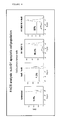
- H-1PV and HDAC inhibitors act synergistically in killing CxCa cells as demonstrated by the increase of apoptosis (from 26 to 37%).
- the conditions, in which H-1PV/HDACIs combinations give the highest synergistic effect in killing cervical carcinoma derived cells are summarized in Table 1.
- H-1PV and HDACIs combinations show the highest synergistic effect in killing cervical cancer cells
Landscapes
- Health & Medical Sciences (AREA)
- Life Sciences & Earth Sciences (AREA)
- Public Health (AREA)
- Animal Behavior & Ethology (AREA)
- General Health & Medical Sciences (AREA)
- Veterinary Medicine (AREA)
- Chemical & Material Sciences (AREA)
- Medicinal Chemistry (AREA)
- Pharmacology & Pharmacy (AREA)
- Epidemiology (AREA)
- Virology (AREA)
- Mycology (AREA)
- Microbiology (AREA)
- Oncology (AREA)
- Organic Chemistry (AREA)
- General Chemical & Material Sciences (AREA)
- Chemical Kinetics & Catalysis (AREA)
- Nuclear Medicine, Radiotherapy & Molecular Imaging (AREA)
- Engineering & Computer Science (AREA)
- Bioinformatics & Cheminformatics (AREA)
- Medicines That Contain Protein Lipid Enzymes And Other Medicines (AREA)
- Pharmaceuticals Containing Other Organic And Inorganic Compounds (AREA)
- Medicines Containing Material From Animals Or Micro-Organisms (AREA)
- Acyclic And Carbocyclic Compounds In Medicinal Compositions (AREA)
- Micro-Organisms Or Cultivation Processes Thereof (AREA)
Abstract
Described is a pharmaceutical composition comprising (a) a parvovirus and (b) a histone deacetylase inhibitor (HDACI) and the use of said composition for treatment of cancer, e.g., brain tumor, cervical carcinoma, or pancreatic carcinoma.
Description
- The present invention relates to a pharmaceutical composition comprising (a) a parvovirus and (b) a histone deacetylase inhibitor (HDACI) and the use of said composition for treatment of cancer, e.g., a brain tumor, cervical carcinoma, or pancreatic carcinoma.
- Cervical carcinoma is the second most frequent malignancy of women worldwide and is responsible of more than 270,000 deaths and 500,000 new cases every year. Certain types of human papillomaviruses (HPVs), so-called high risk types (
e.g. types 16 and 18) are the causative agents of cervical carcinogenesis. Two viral oncogenes from the high risk HPVs, E6 and E7, are responsible for the malignant conversion of the cell and their continuous expression is associated with inactivation of cellular death pathways that are normally activated by genotoxic agents or soluble death ligands. Conventional treatment by radiotherapy, chemotherapy and surgery remains largely ineffective against HPV-associated carcinomas, and new therapeutic strategies are urgently needed. The recent launch of prophylactic vaccines, while giving hopes of achieving an efficient prevention of infection through vaccination, will require several decades before translating into a decrease of cervical cancer incidence. - Pancreatic ductal adenocarcinoma (PDAC) is one of the most lethal gastrointestinal malignancies. PDAC is the fourth most frequent cause of cancer-related deaths in North America, the sixth in Europe, and the fifth in the UK. The disease is highly resistant to currently available treatments. Surgical resection provides the best possibility for long-term survival, but is feasible in a minority of patients only and is not without risk. In advanced disease where surgery is not an option, chemotherapy comes into play, using in particular gemcitabine or 5-FU (5-fluorouracil), although the effects are still modest and always accompanied by high general toxicity. Gemcitabine has been approved by the FDA as a first line therapy for patients with locally advanced or metastatic pancreatic cancer. This drug is a cell-cycle dependent deoxycytidine analogue of the antimetabolite class, that is transported into cells through human equilibrative nucleoside transporters (hENT), and is phosphorylated to its active triphosphate form by deoxycitidine kinase (dCK). An important concern of gemcitabine therapy lies in the development of resistance towards this chemotherapeutic. This resistance can be due to reduced import/phosphorylation of the drug, and/or enhanced export from the cell by means of the ABC transporters family members MDR and MRP1/2, resulting in the depletion of the intracellular pool of activated gemcitabine. Combinations of gemcitabine with other therapeutic regimens are explored to either improve the anticancer effect by eradicating resistant variants or to allow for reduction of the doses of chemotherapy and its ensuing toxicity.
- Several members of the rodent parvovirus group, including the rat parvovirus H-1PV and its mouse homolog minute virus of mice (MVM) have attracted high attention for their anticancer potential. Indeed, these viruses are nonpathogenic for humans and possess intrinsic oncolytic and oncosuppressive properties. Additionally, the fact that the human population has not been pre-exposed to H-1PV infection indicates that the problem of preexisting anti-viral immunity, a common reason for the low efficacy of virus based treatments, does not exist in the case of H-1PV. Therefore, the virus is not immediately cleared by the immune system of the patient after administration, increasing the effective time for the treatment.
- The parvovirus genome consists of a single strand DNA of approximately 5100 bases containing two promoters, P4 and P38 which regulate the expression of the non structural (NS1 and NS2) and capsid (VP1 and VP2) proteins, respectively. Rodent parvoviruses have been shown to activate several death pathways. In particular, depending on cell type and growth conditions, H-1PV is able to induce apoptosis, necrosis or cathepsin B-dependent cell death.
- Parvovirus replication and oncolysis are stimulated by cellular changes associated with neoplastic transformation. It could be shown that H-1PV naturally displays antineoplastic activity against cell lines derived from human cervical carcinomas in both cell culture and animal models. These results underline the therapeutic potential of H-1PV against carcinomas. However, it should also be stated that parvoviruses fail, in certain cases, to completely eradicate the tumour or to stop its growth. Often resistant cells develop, leading to the possibility of tumor relapse. Moreover, although the virus preferentially replicates in tumor cells, it is also able to enter normal cells, reducing the amount of virus suitable for the treatment. Therefore, it would be of great advantage to reinforce their oncolytic activity and to find other agents that could act in concerto with parvovirus in killing cancer cells.
- In summary, unfortunately, oncolytic viruses tested in humans when used in monotherapy protocols have shown a limited success in inducing on their own a complete and permanent eradication of the tumour. A fraction of tumour cells escape the viral treatment increasing the risk of tumor relapse. The fact that parvoviruses have been isolated from growing tumours indicate that alone these viruses are also not always potent enough to arrest the growth or cause the complete regression of neoplastic lesions. Therefore, it is highly desirable to find drugs that could act with the virus in efficiently killing cancer cells without additional harmful side effects. These agents could improve the outcome of the treatment by (i) killing by other means parvovirus-resistant cells, (ii) making cancer cells more susceptible to parvovirus cytotoxity, therebay allowing reduction of the viral dose needed to achieve efficacy, and/or (iii) enabling the drugs to be used in lower concentrations, thereby improving safety.
- Therefore, it is the object of the present invention to provide means for an improved parvovirus-based therapy.
- According to the invention this is achieved by the subject matters defined in the claims. The present invention is based on the applicant's findings that by the combined treatment with a parvovirus and a histone deacetylase inhibitor (HDACI) the therapeutic efficiency could be synergistically improved. HDACIs are a structurally heterogeneous group of molecules. It was found that sub-lethal doses of HDACIs, namely sodium butyrate (NaB), trichostatin A (TSA), Valproic Acid (VPA) and suberoylanilide hydroxamic acid (SAHA) potentiate the antioneoplastic activity of parvoviruses in a synergistic manner in cervical carcinoma derived HeLa (positive for HPV-18), CaSki and SiHa (positive for HPV-16) and primary cervical carcinoma cells. HDACIs reactivate the transcription of multiple genes which are silenced in cancer and by this means they are able to induce growth inhibition, differentiation and apoptosis of cancer cells. HDACI-treated cervical carcinoma cells undergo apoptosis through an E2F-mediated process that correlates with the strong induction of the pro-apoptotic isoforms of the E2F-target gene p73, but does not rely on reactivation of p53. Thus, parvoviruses have tremendous therapeutic potential to treat cancers like a brain tumor, cervical carcinoma, or pancreatic carcinoma in combination with an HDCA inhibitor, preferably in a two step protocol.
- In summary, it could be demonstrated that parvovirus H-1PV and HDAC inhibitors act synergistically in killing cervical carcinoma derived cell lines (HeLa, CaSki, SiHa) and primary tumour cells. The cooperation between the two agents takes place using sub-lethal doses of HDAC inhibitors, which reduces the risk of unwanted side-effects for normal tissues. The combined therapy could allow the use of H-1PV (and other oncolytic parvoviruses) at lower concentrations without affecting its efficacy.
-
-
Figure 1 : H-1PV and HDAC inhibitors kill cervical carcinomas derived cell lines in a synergistic manner
HeLa (HPV 18 positive cell line) and SiHa (HPV 16 positive) were infected with H-1PV at the indicated MOIs and subsequently grown in the presence (black bar) or absence (grey bar) of HDACIs. The HDACIs tested were NaB (1 mM), TSA (50 nM) and SAHA (50 nM) for HeLa and NaB (2 mM), TSA (100 nM) and SAHA (500 nM) for SiHa cells. After incubation cell lysis was evaluated by measuring the release of lactate dehydrogenase (LDH). The values above bars (expressed in %) indicate synergistic effects obtained. Results from one representative experiment are shown. -
Figure 2 : H-1PV and HDAC inhibitors kill cervical carcinoma derived cells in a synergistic manner
Primary cervical cancer cells were infected with H-1PV at the indicated MOIs and subsequently grown in the presence (black bar) or absence (grey bar) of HDACIs. The HDACIs tested were NaB (1 mM), TSA (100 nM) and SAHA (200 nM). After incubation, cell lysis was evaluated by measuring the release of lactate dehydrogenase (LDH). The values (%) indicate synergistic effects obtained. Results from one representative experiment are shown. -
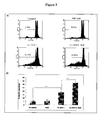
Figure 3 : HDAC inhibitors enhance H-1 PV cytotoxicity- (A) Either mock treated or H-1PV (MOI: 1 pfu/cell) infected HeLa cells were grown in the presence or absence of NaB (1 mM). After 48 h, cells were collected for the analysis of sub-G1 cell population by flow cytometry. The co-treatment with NaB increases the sub-GI cell population induced by H-1PV, indicating that the compound acts synergistically with the virus in killing cancer cells.
- (B) A summary of three independent experiments each performed in triplicate is presented. Bars represent mean values +/relative standard deviations. P < 0.05, paired Student's t tests are indicated (***).
-
Figure 4 : H-1PV/HDAC inhibitors co-treatment increases the fraction of cells undergoing apoptosis
The increase of the sub-G1 cell population, labeled as a blue line and indicated by numbers, indicates that HDAC inhibitors enhance H-1PV cytotoxic properties. - The present invention provides a pharmaceutical composition containing (a) a parvovirus and (b) a HDCA inhibitor, preferably as separate entities, e.g. in separate containers. Preferably, in said pharmaceutical composition the parvovirus and the HDCA inhibitor are present in an effective dose and combined with a pharmaceutically acceptable carrier. "Pharmaceutically acceptable" is meant to encompass any carrier, which does not interfere with the effectiveness of the biological activity of the active ingredients and that is not toxic to the patient to whom it is administered. Examples of suitable pharmaceutical carriers are well known in the art and include phosphate buffered saline solutions, water, emulsions, such as oil/water emulsions, various types of wetting agents, sterile solutions etc.. Such carriers can be formulated by conventional methods and can be administered to the subject at an effective dose.
- The term "parvovirus" as used herein comprises wild-type or modified replication-competent derivatives thereof, as well as related viruses or vectors based on such viruses or derivatives. Suitable parvoviruses, derivatives, etc. as well as cells which can be used for actively producing said parvoviruses and which are useful for therapy, are readily determinable within the skill of the art based on the disclosure herein, without undue empirical effort.
- An "effective dose" refers to amounts of the active ingredients that are sufficient to affect the course and the severity of the disease, leading to the reduction or remission of such pathology. An "effective dose" useful for treating and/or preventing these diseases or disorders may be determined using methods known to one skilled in the art (see for example, Fingl et al., The Pharmocological Basis of Therapeutics, Goodman and Gilman, eds. Macmillan Publishing Co., New York, pp. 1-46 ((1975)).
- Additional pharmaceutically compatible carriers can include gels, bioasorbable matrix materials, implantation elements containing the therapeutic agent, or any other suitable vehicle, delivery or dispensing means or material(s).
- Administration of the compounds may be effected by different ways, e.g. by intravenous, intraperetoneal, subcutaneous, intramuscular, topical or intradermal administration. The route of administration, of course, depends on the kind of therapy and the kind of compounds contained in the pharmaceutical composition. A preferred route of administration is intravenous administration. The dosage regimen of the parvovirus and the HDACI is readily determinable within the skill of the art, by the attending physician based an patient data, observations and other clinical factors, including for example the patient's size, body surface area, age, sex, the particular parvovirus, HDACI etc. to be administered, the time and route of administration, the tumor type and characteristics, general health of the patient, and other drug thereapies to which the patient is being subjected.
- If the parvovirus in the combination of HDACIs according to the invention comprises infectious virus particles with the ability to penetrate through the blood-brain barrier, treatment can be performed or at least initiated by intravenous injection of the virus, e.g., H1 virus. A preferred route of administration is intratumoral administration.
- Since long-term intravenous treatment is susceptible to becoming inefficient as a result of the formation of neutralizing antibodies to the virus, different modes of administration can be adopted after an initial regimen intravenous viral administration, or such different administration techniques, e.g., intracranial or intratumoral virus administration, can be alternatively used throughout the entire course of parvoviral treatment.
- As another specific administration technique, the parvovirus (virus, vector and/or cell agent) can be administered to the patient from a source implanted in the patient. For example, a catheter, e.g., of silicone or other biocompatible material, can be connected to a small subcutaneous reservoir (Rickham reservoir) installed in the patient during tumor removal or by a separate procedure, to permit the parvovirus composition to be injected locally at various times without further surgical intervention. The parvovirus or derived vectors can also be injected into the tumor by stereotactic surgical techniques or by neuronavigation targeting techniques.
- Administration of the parvovirus can also be performed by continuous infusion of viral particles or fluids containing viral particles through implanted catheters at low flow rates using suitable pump systems, e.g., peristaltic infusion pumps or convection enhanced delivery (CED) pumps.
- A yet another method of administration of the parvovirus composition is from an implanted article constructed and arranged to dispense the parvovirus to the desired cancer tissue. For example, wafers can be employed that have been impregnated with the parvovirus, e.g., parvovirus H1, wherein the wafer is attached to the edges of the resection cavity at the conclusion of surgical tumor removal. Multiple wafers can be employed in such therapeutic intervention. Cells that actively produce the parvovirus, e.g., parvovirus H1, or H1 vectors, can be injected into the tumor or into the tumoral cavity after tumor removal.
- The combined therapy according to the invention is useful for the therapeutic treatment of cancer, in particular brain tumor, cervical carcinoma, or pancreatic carcinoma and can significantly improve the prognosis of said diseases. Parvovirus H1 infection effects killing of tumor cells but does not harm normal cells and such infection can, for example, be carried out by intracerebral use of a suitable parvovirus, e.g., parvovirus H1, or a related virus or vectors based on such viruses, to effect tumor-specific therapy without adverse neurological or other side effects.
- The present invention also relates to the use of (a) a parvovirus and (b) an HDACI for the preparation of (a) pharmaceutical composition(s) for the treatment of cancer wherein, preferably, (a) and (b) are sequentially (or separately) administered.
- In one preferred embodiment of the present invention, the combination of agents is utilized in the treatment of brain tumors such as glioma, medulloblastoma and meningioma, cervical carcinoma, or pancreatic carcinoma. Preferred gliomas are malignant human glioblastomas.
- In another preferred embodiment of the present invention, the parvovirus of the composition includes parvovirus H1 (H-1PV) or a related parvovirus such as LuIII, Mouse minute virus (MMV), Mouse parvovirus (MPV), Rat minute virus (RMV), Rat parvovirus (RPV) or Rat virus (RV).
- Patients treatable by the combination of agents according to the invention include humans as well as non-human animals. Examples of the latter include, without limitation, animals such as cows, sheep, pigs, horses, dogs, and cats.
- HDACIs useful for the purposes of the present invention include all HDACIs that are effective in inhibiting tumor growth. The administration of an HDACI can be accomplished in a variety of ways (see above) including systemically by the parenteral and enteral routes. Preferably, the parvovirus and the HDACI are administered as separate compounds. The preferred period of time between administration of the HDACI and the parvovirus is from -30 (administration of HDACI before the treatment with parvovirus) to 60 days after the treatment with parvovirus. Concomitant treatment with the two agents is also possible.
- Particular examples of HDCAIs suitable for the combined therapy include sodium butyrate (NaB), trichostatin A (TSA) or suberoylanilide hydroxamic acid (SAHA).
- The below examples explain the invention in more detail.
- Sodium butyrate (NaB) and trichostatin A (TSA) were purchased from SIGMA-Aldrich (Munich, Germany), suberoylanilide hydroxamic acid (SAHA) and VPA from Alexis Biochemicals (Enzo Life Science, Lörrach, Germany).
- Parvovirus cytotoxicity was measured by evaluating the release of lactate dehydrogenase in the medium using the CytoTox 96 kit from Promega (Mannheim, Germany). The day before infection, 2000 cells were seeded per well in 96-well plate in 50 µl of culture medium. After 24 hours, cells were infected with 50 µl of serum-free medium containing H-1PV or treated with HDAC inhibitors in 7 replicates per condition. The day of measurement, 3 out of 7 wells were incubated for 30 minutes with lysis buffer to estimate the maximum LDH release under conditions of 100% lysis. Afterwards, the plate was centrifuged and 50 µl of supernatant were mixed with the substrate mix. The LDH enzyme catalyzes a colorimetric reaction that is indicative of the amount of enzyme released in the medium. After 30 minutes, the reaction was stopped and analyzed using the Elisa reader MultiScan at 492 nm.
- Virus infected or drug-treated cells were harvested from culture dishes with 0.05% Trypsin-EDTA solution, collected in a Falcon tube and then washed twice with PBS. Cells were then resuspended in 260 µl of PBS, fixed with 700 µl of cold 100% ethanol added drop wise under vortexing, and stored at 4°C overnight. After two washes in PBS, the cell pellet was resuspended in a PBS solution containing 20 µg/ml of RNase and 10 µg/ml of propidium iodide (Sigma). Cell suspension was filtered and analyzed by FACSort flow cytometer (Becton-Dickinson). A minimum of 20,000 events were acquired and then analyzed with the CellQuest software (Becton-Dickinson) (San Jose, California).
- It was found that sub-lethal doses of HDACIs, namely sodium butyrate (NaB), trichostatin A (TSA) and suberoylanilide hydroxamic acid (SAHA) increase PV cytotoxicity in a synergistic manner in cervical carcinoma derived HeLa (positive for HPV-18), CaSki and SiHa (positive for HPV-16) and primary cervical carcinoma cells.
-
Figure 1 shows the results obtained from LDH assays in HeLa and SiHa cells using various H-1PV multiplicities of infection (MOI= pfu/cell) in combination with the three HDACIs tested. Similar results were also obtained in CaSki cells (data not shown) and primary cervical cancer cells (CxCa) (Figure 2 ) where a synergistic effect of up to 94%, resulting in approximately 80% cell death was achieved by combining SAHA (200 nM) with H-1PV (MOI=100 pfu/cell). Synergistic effects in killing the cancer cells above mentioned, were also observed using parvovirus in combination with another HDACI, namely VPA (data not shown). - The synergistic effect in killing cancer cells between H-1PV and HDACIs was confirmed by flow cytometry in HeLa and CxCa, analyzing the fraction of cells containing less than 2N DNA content (sub-G1 cell population), as a marker of DNA fragmentation, a common feature of cells undergoing apoptosis.
Figure 3 shows the results obtained in HeLa cells. H-1PV infection is associated with an increase of the apoptotic sub-G1 cell population that is further enhanced by the addition of NaB (from 18% to 32%). -
Figure 4 shows the results obtained in primary cervical cancer cells. H-1PV and HDAC inhibitors act synergistically in killing CxCa cells as demonstrated by the increase of apoptosis (from 26 to 37%). The conditions, in which H-1PV/HDACIs combinations give the highest synergistic effect in killing cervical carcinoma derived cells are summarized in Table 1. 13Table 1 Conditions under which H-1PV and HDACIs combinations show the highest synergistic effect in killing cervical cancer cells Cell line H-1 PV + [NaB] H-1 PV + [TSA] H-1PV + [SAHA] MOI mM % synergy, (% killed cells) MOI nM % synergy, (% killed cells) MOI nM % synergy, (% killed cells) HeLa 5 1 71 (97) 10 20 50 (80) 10 100 26 (60) SiHa 25 2 68 (80) 50 20 75 (83) 10 100 38 (57) Primary cervical cancer cells 100 1 87 (85) 50 100 47 (52) 100 200 94 (72)
Claims (14)
- Pharmaceutical composition containing (a) a parvovirus and (b) a histone deacetylase inhibitor (HDACI).
- The pharmaceutical composition of claim 1 containing (a) a parvovirus and (b) an HDCAI as separate entities.
- The pharmaceutical composition according to claim 1 or 2, wherein said parvovirus is H-1 (H-1PV) or a related rodent parvovirus.
- The pharmaceutical composition according to claim 3, wherein said related rodent parvovirus is LuIII, Mouse minute virus (MMV), Mouse parvovirus (MPV), Rat minute virus (RMV), Rat parvovirus (RPV) or Rat virus (RV).
- The pharmaceutical composition according to any one of claims 1 to 4, wherein said HDACI is sodium butyrate (NaB), trichostatin A (TSA), Valproic acid (VPA) or suberoylanilide hydroxamic acid (SAHA).
- Use of a parvovirus and an HDACI as defined in any one of claims 1 to 5 for the preparation of (a) pharmaceutical composition(s) for the treatment of cancer.
- The use of claim 6, wherein (a) the parvovirus and (b) the HDACI are sequentially administered.
- The use according to claim 7, wherein the parvovirus (a) is administered prior to the HDACI (b).
- The use according to any one of claim 6 to 8, wherein said cancer is a brain tumor, cervical carcinoma, or pancreatic carcinoma.
- The use according to claim 9, wherein said brain tumor is a glioma, medulloblastoma or meningioma.
- The use according to claim 10, wherein said glioma is a malignant human glioblastoma.
- The use according to any one of claims 6 to 11, wherein said parvovirus is administered by intratumoral administration.
- The pharmaceutical composition of any one of claims 1 to 5 for use in a method for the treatment of cancer.
- The pharmaceutical composition according to claim 13, wherein said cancer is a brain tumor, cervical carcinoma, or pancreatic carcinoma.
Priority Applications (10)
| Application Number | Priority Date | Filing Date | Title |
|---|---|---|---|
| EP10002829A EP2366398A1 (en) | 2010-03-17 | 2010-03-17 | Cancer therapy with a parvovirus combined with an HDAC inhibitor |
| JP2012557446A JP5718377B2 (en) | 2010-03-17 | 2011-03-17 | Cancer treatment using parvovirus in combination with HDAC inhibitors |
| DK11714685.2T DK2547349T3 (en) | 2010-03-17 | 2011-03-17 | Cancer therapy with a parvovirus combined with an HDAC inhibitor |
| PCT/EP2011/001328 WO2011113600A1 (en) | 2010-03-17 | 2011-03-17 | Cancer therapy with a parvovirus combined with an hdac inhibitor |
| US13/635,162 US20130058899A1 (en) | 2010-03-17 | 2011-03-17 | Cancer Therapy with a Parvovirus Combined with an HDAC Inhibitor |
| AU2011229490A AU2011229490B2 (en) | 2010-03-17 | 2011-03-17 | Cancer therapy with a parvovirus combined with an HDAC inhibitor |
| ES11714685.2T ES2518116T3 (en) | 2010-03-17 | 2011-03-17 | Cancer therapy with a parvovirus combined with an HDAC inhibitor |
| CA2793023A CA2793023C (en) | 2010-03-17 | 2011-03-17 | Cancer therapy with a parvovirus combined with an hdac inhibitor |
| EP11714685.2A EP2547349B1 (en) | 2010-03-17 | 2011-03-17 | Cancer therapy with a parvovirus combined with an HDAC inhibitor |
| US14/507,160 US9592260B2 (en) | 2010-03-17 | 2014-10-06 | Cancer therapy with a parvovirus combined with an HDAC inhibitor |
Applications Claiming Priority (1)
| Application Number | Priority Date | Filing Date | Title |
|---|---|---|---|
| EP10002829A EP2366398A1 (en) | 2010-03-17 | 2010-03-17 | Cancer therapy with a parvovirus combined with an HDAC inhibitor |
Publications (1)
| Publication Number | Publication Date |
|---|---|
| EP2366398A1 true EP2366398A1 (en) | 2011-09-21 |
Family
ID=42226687
Family Applications (2)
| Application Number | Title | Priority Date | Filing Date |
|---|---|---|---|
| EP10002829A Withdrawn EP2366398A1 (en) | 2010-03-17 | 2010-03-17 | Cancer therapy with a parvovirus combined with an HDAC inhibitor |
| EP11714685.2A Active EP2547349B1 (en) | 2010-03-17 | 2011-03-17 | Cancer therapy with a parvovirus combined with an HDAC inhibitor |
Family Applications After (1)
| Application Number | Title | Priority Date | Filing Date |
|---|---|---|---|
| EP11714685.2A Active EP2547349B1 (en) | 2010-03-17 | 2011-03-17 | Cancer therapy with a parvovirus combined with an HDAC inhibitor |
Country Status (8)
| Country | Link |
|---|---|
| US (2) | US20130058899A1 (en) |
| EP (2) | EP2366398A1 (en) |
| JP (1) | JP5718377B2 (en) |
| AU (1) | AU2011229490B2 (en) |
| CA (1) | CA2793023C (en) |
| DK (1) | DK2547349T3 (en) |
| ES (1) | ES2518116T3 (en) |
| WO (1) | WO2011113600A1 (en) |
Cited By (3)
| Publication number | Priority date | Publication date | Assignee | Title |
|---|---|---|---|---|
| EP3069724A1 (en) * | 2015-03-19 | 2016-09-21 | Deutsches Krebsforschungszentrum | Lung cancer therapy with a rodent parvovirus |
| CN106893786A (en) * | 2017-03-22 | 2017-06-27 | 中国农业科学院上海兽医研究所 | Differentiate primer pair, probe, kit and the method for detection rat piconavirus and rat parvovirus |
| WO2017157451A1 (en) * | 2016-03-17 | 2017-09-21 | Deutsches Krebsforschungszentrum | Lung cancer therapy with a parvovirus |
Families Citing this family (12)
| Publication number | Priority date | Publication date | Assignee | Title |
|---|---|---|---|---|
| EP2266587A1 (en) * | 2009-06-04 | 2010-12-29 | Deutsches Krebsforschungszentrum, Stiftung des öffentlichen Rechts | Oncolytic virotherapy for prevention of tumor recurrence |
| US20130129678A1 (en) * | 2011-11-17 | 2013-05-23 | Zahari Raykov | Co-administration of a parvovirus and a cytokine for therapy of pancreatic cancer |
| EP2829284A1 (en) * | 2013-07-22 | 2015-01-28 | Deutsches Krebsforschungszentrum | Cancer therapy with a parvovirus combined with a Bcl-2 inhibitor |
| EP3056216B1 (en) | 2015-02-11 | 2017-02-01 | Deutsches Krebsforschungszentrum | Cancer therapy with a parvovirus combined with bevacizumab |
| EP3108892A1 (en) | 2015-06-23 | 2016-12-28 | Deutsches Krebsforschungszentrum | Parvovirus formulation for treating tumors |
| US10603137B2 (en) * | 2015-08-31 | 2020-03-31 | Ormco Corporation | Orthodontic aligners and devices, methods, systems, and computer programs utilizing same |
| EP3225253A1 (en) * | 2016-04-01 | 2017-10-04 | Deutsches Krebsforschungszentrum Stiftung des Öffentlichen Rechts | Cancer therapy with an oncolytic virus combined with a checkpoint inhibitor |
| EP3657172A1 (en) | 2018-11-22 | 2020-05-27 | Deutsches Krebsforschungszentrum, Stiftung des öffentlichen Rechts | Method for predicting the clinical response of oncolytic parvovirus h1 (h-1pv) treatment in a patient suspected of suffering from cancer by measuring the expression levels of laminins and/or galectins as biomarkers in a patient´s sample |
| US20240041833A1 (en) | 2020-12-21 | 2024-02-08 | Deutsches Krebsforschungszentrum Stiftung des öffentlichen Rechts | Pharmaceutical combination product comprising a protoparvovirus and an antiviral benzimidazole and uses thereof for treating cancer |
| KR102617487B1 (en) * | 2021-04-14 | 2023-12-29 | 부산대학교 산학협력단 | Recombiant kilham rat virus and the use thereof |
| CN117045630A (en) * | 2022-05-06 | 2023-11-14 | 复旦大学 | Application of small molecule metabolite in preparation of drug for reversing cervical tissue canceration |
| WO2024254195A1 (en) * | 2023-06-06 | 2024-12-12 | Baylor University | Methods for treating pancreatic cancer with a combination of des-methyl pateamine a and a class 1 hdac inhibitor |
Citations (6)
| Publication number | Priority date | Publication date | Assignee | Title |
|---|---|---|---|---|
| US20040220124A1 (en) * | 2003-04-30 | 2004-11-04 | Jean Rommelaere | Use of parvovirus for brain tumor therapy |
| WO2006066133A2 (en) * | 2004-12-16 | 2006-06-22 | Takeda San Diego, Inc. | Histone deacetylase inhibitors |
| WO2006075165A1 (en) * | 2005-01-13 | 2006-07-20 | Btg International Limited | Combination of oncolytic viruses with angiogenesis inhibitors |
| WO2008047138A2 (en) * | 2006-10-19 | 2008-04-24 | Queen Mary And Westfield College | Histone deacetylase inhibitors |
| US20090035292A1 (en) * | 2007-08-03 | 2009-02-05 | Kovach John S | Use of phosphatases to treat neuroblastomas and medulloblastomas |
| WO2009083232A1 (en) * | 2007-12-28 | 2009-07-09 | Deutsches Krebsforschungszentrum | Parvovirus cancer therapy and combination with chemotherapy |
Family Cites Families (5)
| Publication number | Priority date | Publication date | Assignee | Title |
|---|---|---|---|---|
| JP2004043390A (en) * | 2002-07-12 | 2004-02-12 | Nagoya Industrial Science Research Inst | Antineoplastic agent |
| WO2004064727A2 (en) * | 2003-01-16 | 2004-08-05 | Georgetown University | Method of cancer treatment using hdac inhibitors |
| US7951780B2 (en) * | 2004-02-25 | 2011-05-31 | Astellas Pharma Inc. | Antitumor agent |
| GB0518720D0 (en) * | 2005-09-14 | 2005-10-19 | Hamlet Pharma Ab | Therapeutic combination |
| WO2009108755A2 (en) * | 2008-02-27 | 2009-09-03 | Wyeth | Pharmaceutical combinations for the treatment of cancer |
-
2010
- 2010-03-17 EP EP10002829A patent/EP2366398A1/en not_active Withdrawn
-
2011
- 2011-03-17 WO PCT/EP2011/001328 patent/WO2011113600A1/en not_active Ceased
- 2011-03-17 US US13/635,162 patent/US20130058899A1/en not_active Abandoned
- 2011-03-17 DK DK11714685.2T patent/DK2547349T3/en active
- 2011-03-17 JP JP2012557446A patent/JP5718377B2/en active Active
- 2011-03-17 AU AU2011229490A patent/AU2011229490B2/en active Active
- 2011-03-17 ES ES11714685.2T patent/ES2518116T3/en active Active
- 2011-03-17 CA CA2793023A patent/CA2793023C/en active Active
- 2011-03-17 EP EP11714685.2A patent/EP2547349B1/en active Active
-
2014
- 2014-10-06 US US14/507,160 patent/US9592260B2/en active Active
Patent Citations (6)
| Publication number | Priority date | Publication date | Assignee | Title |
|---|---|---|---|---|
| US20040220124A1 (en) * | 2003-04-30 | 2004-11-04 | Jean Rommelaere | Use of parvovirus for brain tumor therapy |
| WO2006066133A2 (en) * | 2004-12-16 | 2006-06-22 | Takeda San Diego, Inc. | Histone deacetylase inhibitors |
| WO2006075165A1 (en) * | 2005-01-13 | 2006-07-20 | Btg International Limited | Combination of oncolytic viruses with angiogenesis inhibitors |
| WO2008047138A2 (en) * | 2006-10-19 | 2008-04-24 | Queen Mary And Westfield College | Histone deacetylase inhibitors |
| US20090035292A1 (en) * | 2007-08-03 | 2009-02-05 | Kovach John S | Use of phosphatases to treat neuroblastomas and medulloblastomas |
| WO2009083232A1 (en) * | 2007-12-28 | 2009-07-09 | Deutsches Krebsforschungszentrum | Parvovirus cancer therapy and combination with chemotherapy |
Non-Patent Citations (2)
| Title |
|---|
| FINGL ET AL.: "The Pharmocological Basis of Therapeutics", 1975, MACMILLAN PUBLISHING CO., pages: 1 - 46 |
| OTTOLINO-PERRY K ET AL: "Intelligent design: Combination therapy with oncolytic viruses", MOLECULAR THERAPY 2010 NATURE PUBLISHING GROUP GBR LNKD- DOI:10.1038/MT.2009.283, vol. 18, no. 2, February 2010 (2010-02-01), pages 251 - 263, XP009134617 * |
Cited By (3)
| Publication number | Priority date | Publication date | Assignee | Title |
|---|---|---|---|---|
| EP3069724A1 (en) * | 2015-03-19 | 2016-09-21 | Deutsches Krebsforschungszentrum | Lung cancer therapy with a rodent parvovirus |
| WO2017157451A1 (en) * | 2016-03-17 | 2017-09-21 | Deutsches Krebsforschungszentrum | Lung cancer therapy with a parvovirus |
| CN106893786A (en) * | 2017-03-22 | 2017-06-27 | 中国农业科学院上海兽医研究所 | Differentiate primer pair, probe, kit and the method for detection rat piconavirus and rat parvovirus |
Also Published As
| Publication number | Publication date |
|---|---|
| US20130058899A1 (en) | 2013-03-07 |
| WO2011113600A1 (en) | 2011-09-22 |
| CA2793023A1 (en) | 2011-09-22 |
| AU2011229490A1 (en) | 2012-09-20 |
| JP2013522251A (en) | 2013-06-13 |
| AU2011229490B2 (en) | 2014-04-24 |
| EP2547349B1 (en) | 2014-07-30 |
| US9592260B2 (en) | 2017-03-14 |
| ES2518116T3 (en) | 2014-11-04 |
| DK2547349T3 (en) | 2014-10-27 |
| CA2793023C (en) | 2015-05-19 |
| JP5718377B2 (en) | 2015-05-13 |
| EP2547349A1 (en) | 2013-01-23 |
| US20150030567A1 (en) | 2015-01-29 |
Similar Documents
| Publication | Publication Date | Title |
|---|---|---|
| US9592260B2 (en) | Cancer therapy with a parvovirus combined with an HDAC inhibitor | |
| EP2227240B1 (en) | Parvovirus cancer therapy and combination with chemotherapy | |
| US10406185B2 (en) | Cancer therapy with a parvovirus combined with a BCL-2 inhibitor | |
| JP2019203027A (en) | Cancer therapy with parvovirus combined with bevacizumab | |
| US11324788B2 (en) | Parvovirus formulation for treating tumors | |
| HK1254253A1 (en) | Parvovirus formulation for treating tumors |
Legal Events
| Date | Code | Title | Description |
|---|---|---|---|
| PUAI | Public reference made under article 153(3) epc to a published international application that has entered the european phase |
Free format text: ORIGINAL CODE: 0009012 |
|
| AK | Designated contracting states |
Kind code of ref document: A1 Designated state(s): AT BE BG CH CY CZ DE DK EE ES FI FR GB GR HR HU IE IS IT LI LT LU LV MC MK MT NL NO PL PT RO SE SI SK SM TR |
|
| AX | Request for extension of the european patent |
Extension state: AL BA ME RS |
|
| STAA | Information on the status of an ep patent application or granted ep patent |
Free format text: STATUS: THE APPLICATION IS DEEMED TO BE WITHDRAWN |
|
| 18D | Application deemed to be withdrawn |
Effective date: 20120322 |