EP2366293A1 - Taste and flavour modulation by biotransformation in milk products - Google Patents
Taste and flavour modulation by biotransformation in milk products Download PDFInfo
- Publication number
- EP2366293A1 EP2366293A1 EP11159520A EP11159520A EP2366293A1 EP 2366293 A1 EP2366293 A1 EP 2366293A1 EP 11159520 A EP11159520 A EP 11159520A EP 11159520 A EP11159520 A EP 11159520A EP 2366293 A1 EP2366293 A1 EP 2366293A1
- Authority
- EP
- European Patent Office
- Prior art keywords
- milk
- flavour
- micro
- organism
- product
- Prior art date
- Legal status (The legal status is an assumption and is not a legal conclusion. Google has not performed a legal analysis and makes no representation as to the accuracy of the status listed.)
- Granted
Links
- 0 CCOC(*)CCC(C1IC1)C(N=O)=O Chemical compound CCOC(*)CCC(C1IC1)C(N=O)=O 0.000 description 1
- DBENWMKCDBWOEM-WHFBIAKZSA-N CC[C@@H]([C@@H]1N)[O](C)=C1O Chemical compound CC[C@@H]([C@@H]1N)[O](C)=C1O DBENWMKCDBWOEM-WHFBIAKZSA-N 0.000 description 1
Images



Classifications
-
- A—HUMAN NECESSITIES
- A23—FOODS OR FOODSTUFFS; TREATMENT THEREOF, NOT COVERED BY OTHER CLASSES
- A23C—DAIRY PRODUCTS, e.g. MILK, BUTTER OR CHEESE; MILK OR CHEESE SUBSTITUTES; PREPARATION THEREOF
- A23C9/00—Milk preparations; Milk powder or milk powder preparations
- A23C9/12—Fermented milk preparations; Treatment using microorganisms or enzymes
- A23C9/13—Fermented milk preparations; Treatment using microorganisms or enzymes using additives
- A23C9/1322—Inorganic compounds; Minerals, including organic salts thereof, oligo-elements; Amino-acids, peptides, protein-hydrolysates or derivatives; Nucleic acids or derivatives; Yeast extract or autolysate; Vitamins; Antibiotics; Bacteriocins
-
- A—HUMAN NECESSITIES
- A23—FOODS OR FOODSTUFFS; TREATMENT THEREOF, NOT COVERED BY OTHER CLASSES
- A23C—DAIRY PRODUCTS, e.g. MILK, BUTTER OR CHEESE; MILK OR CHEESE SUBSTITUTES; PREPARATION THEREOF
- A23C9/00—Milk preparations; Milk powder or milk powder preparations
- A23C9/12—Fermented milk preparations; Treatment using microorganisms or enzymes
- A23C9/1203—Addition of, or treatment with, enzymes or microorganisms other than lactobacteriaceae
-
- A—HUMAN NECESSITIES
- A23—FOODS OR FOODSTUFFS; TREATMENT THEREOF, NOT COVERED BY OTHER CLASSES
- A23C—DAIRY PRODUCTS, e.g. MILK, BUTTER OR CHEESE; MILK OR CHEESE SUBSTITUTES; PREPARATION THEREOF
- A23C9/00—Milk preparations; Milk powder or milk powder preparations
- A23C9/12—Fermented milk preparations; Treatment using microorganisms or enzymes
- A23C9/1203—Addition of, or treatment with, enzymes or microorganisms other than lactobacteriaceae
- A23C9/1206—Lactose hydrolysing enzymes, e.g. lactase, beta-galactosidase
-
- A—HUMAN NECESSITIES
- A23—FOODS OR FOODSTUFFS; TREATMENT THEREOF, NOT COVERED BY OTHER CLASSES
- A23C—DAIRY PRODUCTS, e.g. MILK, BUTTER OR CHEESE; MILK OR CHEESE SUBSTITUTES; PREPARATION THEREOF
- A23C9/00—Milk preparations; Milk powder or milk powder preparations
- A23C9/12—Fermented milk preparations; Treatment using microorganisms or enzymes
- A23C9/1203—Addition of, or treatment with, enzymes or microorganisms other than lactobacteriaceae
- A23C9/1209—Proteolytic or milk coagulating enzymes, e.g. trypsine
-
- A—HUMAN NECESSITIES
- A23—FOODS OR FOODSTUFFS; TREATMENT THEREOF, NOT COVERED BY OTHER CLASSES
- A23C—DAIRY PRODUCTS, e.g. MILK, BUTTER OR CHEESE; MILK OR CHEESE SUBSTITUTES; PREPARATION THEREOF
- A23C9/00—Milk preparations; Milk powder or milk powder preparations
- A23C9/12—Fermented milk preparations; Treatment using microorganisms or enzymes
- A23C9/1203—Addition of, or treatment with, enzymes or microorganisms other than lactobacteriaceae
- A23C9/1216—Other enzymes
-
- A—HUMAN NECESSITIES
- A23—FOODS OR FOODSTUFFS; TREATMENT THEREOF, NOT COVERED BY OTHER CLASSES
- A23C—DAIRY PRODUCTS, e.g. MILK, BUTTER OR CHEESE; MILK OR CHEESE SUBSTITUTES; PREPARATION THEREOF
- A23C9/00—Milk preparations; Milk powder or milk powder preparations
- A23C9/12—Fermented milk preparations; Treatment using microorganisms or enzymes
- A23C9/123—Fermented milk preparations; Treatment using microorganisms or enzymes using only microorganisms of the genus lactobacteriaceae; Yoghurt
- A23C9/1236—Fermented milk preparations; Treatment using microorganisms or enzymes using only microorganisms of the genus lactobacteriaceae; Yoghurt using Leuconostoc, Pediococcus or Streptococcus sp. other than Streptococcus Thermophilus; Artificial sour buttermilk in general
-
- A—HUMAN NECESSITIES
- A23—FOODS OR FOODSTUFFS; TREATMENT THEREOF, NOT COVERED BY OTHER CLASSES
- A23G—COCOA; COCOA PRODUCTS, e.g. CHOCOLATE; SUBSTITUTES FOR COCOA OR COCOA PRODUCTS; CONFECTIONERY; CHEWING GUM; ICE-CREAM; PREPARATION THEREOF
- A23G9/00—Frozen sweets, e.g. ice confectionery, ice-cream; Mixtures therefor
- A23G9/32—Frozen sweets, e.g. ice confectionery, ice-cream; Mixtures therefor characterised by the composition containing organic or inorganic compounds
- A23G9/40—Frozen sweets, e.g. ice confectionery, ice-cream; Mixtures therefor characterised by the composition containing organic or inorganic compounds characterised by the dairy products used
-
- A—HUMAN NECESSITIES
- A23—FOODS OR FOODSTUFFS; TREATMENT THEREOF, NOT COVERED BY OTHER CLASSES
- A23L—FOODS, FOODSTUFFS OR NON-ALCOHOLIC BEVERAGES, NOT OTHERWISE PROVIDED FOR; PREPARATION OR TREATMENT THEREOF
- A23L27/00—Spices; Flavouring agents or condiments; Artificial sweetening agents; Table salts; Dietetic salt substitutes; Preparation or treatment thereof
- A23L27/20—Synthetic spices, flavouring agents or condiments
- A23L27/24—Synthetic spices, flavouring agents or condiments prepared by fermentation
- A23L27/25—Dairy flavours
-
- A—HUMAN NECESSITIES
- A23—FOODS OR FOODSTUFFS; TREATMENT THEREOF, NOT COVERED BY OTHER CLASSES
- A23P—SHAPING OR WORKING OF FOODSTUFFS, NOT FULLY COVERED BY A SINGLE OTHER SUBCLASS
- A23P10/00—Shaping or working of foodstuffs characterised by the products
- A23P10/40—Shaping or working of foodstuffs characterised by the products free-flowing powder or instant powder, i.e. powder which is reconstituted rapidly when liquid is added
Definitions
- the present invention relates to a method for promoting natural tastes and flavours in milk-based products, to a method for manufacturing said milk products and to the products thus obtainable.
- flavouring agents which can be added to milk products for taste improvement. These flavouring agents are traditionally obtained by treating a milk source with enzymes, micro-organisms etc.
- a number of publications describe fermentation of a milk source with micro-organisms and enzymes such as lipases, proteases etc. to produce aromas which can be isolated and used in the manufacture of flavoured milk products such as cheese, milk, fermented milk etc.
- WO 02/00845 describes a way to obtain chocolate-flavoured fermented products by fermenting a milk source with a mixed micro-organism culture. This method is however of limited scope in terms of the flavours obtained and in terms of the applications.
- artificial synthetic flavourings are normally added to the milk products.
- the use of artificial flavourings is quite often linked with a negative impression by the consumers.
- flavours in a natural way which can be used in a wide range of foods, and which thus avoids the use of artificial flavourings.
- the present invention proposes in a first aspect a method to promote a non-savoury flavour in a food product, comprising the steps of:
- the invention provides a method for flavouring milk powder comprising the steps of:
- a method for flavouring a frozen dessert comprising the steps of:
- An alternative method for flavouring a food product comprising the steps of:
- a frozen or chilled dessert obtainable by a method according to any of claims 1 or 7 to 23 and a milk powder obtainable by a method according to any of claims 2,3 or 6 to 23 is provided.
- a liquid flavour concentrate obtainable by
- a milk powder-like product comprising per kg of product 1-20000mg, preferably 10-500mg butanoic acid, 10-10000mg, preferably 100-3000mg hexanoic acid, 10-6000mg, preferably 100-3000mg octanoic acid, 2-13000mg, preferably 50-1000mg decanoic acid also forms part of the present invention.
- the invention relates to the use of a milk powder-like product according to claims 28 to 33 in the manufacture of ice cream, milk powder, chocolate-based product, dairy product, creamer, cocoa beverage, culinary product, infant formula or health care product.
- the present invention is concerned with the production of natural flavours which can be used in a number of food applications.
- the invention relates, in a first aspect, to a method to promote a non-savoury flavour in a food product.
- non-savoury a flavour which is not savoury, i.e. not salty, spicy, sharp etc.
- a typical savoury flavour would be a cheesy, meaty, salty flavour.
- the invention does not relate to such flavours but to "non-savoury” flavours.
- the flavours of the present invention thus include “sweet", creamy etc. flavours. Additionally, the flavours of the invention preferably do not include yogurt flavours.
- the flavour is selected from honey, caramel, cocoa, malt, cream-caramel, sweet-honey cream, cocoa-cream, coffee, cream, butter, vanilla, nutty, chocolate and any combination or sub-combination thereof.
- Such method for promoting said non-savoury flavour in a food product involves, in a first step, the addition of at least one amino acid to a milk source.
- the addition of a protease and/or peptidase to a milk source in order to obtain at least one amino acid from a milk protein is possible.
- the enzymes may be provided as such, in the form of enzyme preparations, in the form of immobilised enzymes and may even be provided by appropriate micro-organisms.
- amino acid is selected from phenylalanine, leucine, isoleucine, valine and mixtures thereof.
- the amino acid may be added to the milk source in an amount of 0.01 to 5 wt%, preferably 0.01-2 wt%, more preferably in an amount of 0.03-1.0 wt%, most preferably 0.05-0.3 wt% on dry matter.
- a source of alpha-keto acid such as alpha-ketoglutarate, alpha-ketoisocaproate, alpha-ketoisovalerate, similar amino acceptors or mixtures thereof may also be added to the milk source.
- alpha-ketoglutarate is used.
- cofactors for improving fermentation efficiency such as manganese or magnesium salts may also be added to the milk source.
- the milk source may be UHT-treated, pasteurised or non-pasteurised. It may be selected from milk (full fat, skimmed or semi-skimmed), fresh milk, recombined milk, cream, buttermilk, whey, milk containing vegetable fat etc. and any mixtures thereof. Any type of milk can be used, such as cow, sheep, goat or buffalo milk or any mixtures thereof.
- the milk source and amino acid mixture may be pasteurised or ultra-high temperature treated or sterilised under typical conditions in the range of 70°C to 150°C over 2s to 20 min, e.g. 125°C for 20 s.
- the milk source may be heat-treated first prior to amino acid addition, or prior to treatment with a protease and/or peptidase.
- L-rhamnose may be added to the milk source.
- At least one micro-organism wherein the micro-organism is selected for producing at least one enzyme capable of modifying the amino acid.
- the micro-organism is selected in particular for its ability to produce an enzyme, the action of which, depending on the substrates, produces direct or indirect conversion products which are responsible for a particular flavour.
- Such enzymes are typically transamidase, decarboxylase, dehydrogenase enzymes.
- Other enzymes such as aldolase may also be produced.
- additives such as protease and/or peptidase may be added together with the micro-organisms.
- the micro-organisms used in the present method may be selected from the group consisting of Betacoccus, Lactobacillus, Propionibacteria, Streptococcus, Bifidobacterium, Penicillium , Brevibacterium, Arthrobacter, Corynebacterium, Saccharomyces, Debaromyces, Lactococcus and any mixtures thereof and/or mixtures of different strains of the same micro-organism.
- it is a Lactococcus lactis and more preferably it is a Lactococcus lactis including subspecies.
- Lactococcus lactis which are commercially available and which are suitable for use in the present invention are for example Lactococcus lactis ATCC 29146, Lactococcus lactis subsp. lactis DSM 4366, or still mesophilic aromatic culture (mix), type LD, F-DVS XT-313-eXact, Chr. Hansen.
- the micro-organism produces at least some enzymes capable of converting the amino acid into further components.
- Said micro-organisms are capable of producing enzymes such as transamidase and/or decarboxylase and/or dehydrogenase enzymes, which will act on the amino acid(s) present in the fermentation broth.
- Aldolase may also be produced by the micro-organism.
- the micro-organism may be replaced or supplemented with enzymes or enzyme mixes which act on the amino acid to produce the desired flavour character.
- cell lysates can also additionally be used to modify the amino acid.
- Additional enzymes such as lipase, lactase etc. may also be added to the fermentation broth at the start of the fermentation or at a later stage. These may be added in the form of enzyme preparations or micro-organisms which produce said enzymes. Thus, a lipase and/or lactase may be added prior to and/or during and/or after fermentation. This is advantageous for further modulation of the flavour obtained.
- the mix is then fermented.
- the released enzymes will react with the amino acid(s) present in the fermentation mixture to provide direct or indirect conversion products which are responsible for particular aromas.
- These are, for instance, from the group of 3-methyl-butanal, 2-methyl-butanal, 2-methyl-1-propanal, 2-phenylacetaldehyde, 2,3-butandione (diacetyl), 3-hydroxy-2-butaneone (acetoin), 2-phenyl-2-butenal and other phenyl-aldehydes (C10-16), benzaldehyde, 5-methyl-2-phenyl-cis-2-hexenal (cocal), 2,3,5,6-tetramethyl pyrazine, 2,4,5-trimethyl oxazole, delta-octalactone (5-octanolide), delta-decalactone (5-decanolide), delta-dodecalactone (5-dodecanolide), butanoic acid, hexanoic acid
- figures 3 , 4 and 5 depict reaction pathways which may lead to some compounds responsible for honey flavour, for cocoa and malt flavour, or for cocoa/coffee flavour respectively. It is clear to the skilled person that figures 3 to 5 are not illustrative of the full process nor of all the reactions occurring when carrying out the methods of the invention. It is also clear that other reactions may occur during fermentation and that other compounds may be produced which provide further modulation of the flavours.
- the amino acid used may be chosen accordingly.
- the amino acid selected is phenylalanine
- the direct or indirect conversion products when subjected to a transamidase and/or decarboxylase and/or dehydrogenase enzyme are responsible for a honey-like flavour.
- the amino acid is selected from L-leucine, L-isoleucine, L-valine or mixtures thereof, the particular flavours obtained are those of malt and cocoa.
- the resulting aroma is that of caramel.
- flavours such as honey, caramel, cocoa, malt, cream-caramel, sweet-honey cream, cocoa-cream, coffee, cream, butter, vanilla, nutty, chocolate etc. and any combination or sub-combination thereof may also be obtained by the method of the invention.
- tastes obtained by the method of the invention may be creamy, mouth-coating, long-lasting tastes.
- the fermentation is allowed to take place for about between 2 and 24 hours, preferably between 3 and 12 hours, more preferably about 6 hours at a temperature between 8 and 50°C.
- the fermentation is carried out for about 6 hours at about 30°C.
- the fermentation broth may be cooled to produce a liquid flavour concentrate.
- a liquid flavour concentrate obtainable by the steps described above is part of the present invention. Alternatively, it may be dried, preferably spray-dried, in order to produce a milk powder-like product having a modulated flavour profile.
- the fermentation broth may optionally be neutralised and/or inactivated and/or homogenised by methods known in the art.
- the milk source may be heated.
- This heating step differs from the pasteurisation step and the inactivation step in that it is typically carried out for about 90 minutes at about 90°C, in order to develop a caramel-like flavour in the mixture.
- sugar sources in the milk basis lactose, rhamnose etc.
- undergo a number of reactions Meltose, rhamnose etc.
- This heating step may be carried out before or after fermentation.
- the fermented mixture may be enzymatically treated with a lipase, lactase etc. This may be carried out in order to facilitate the drying step and/or to further modulate the taste and flavour of the final product.
- further enzymatic treatment may provide a vanilla-like, cream-like flavour which imparts a creamy, mouth-coating, long-lasting taste to the final product.
- the enzymatic treatment may further improve drying properties of the fermented mixture.
- the fermentation broth may be blended with further ingredients. This may be done prior to drying or prior to cool storage for liquid applications, in order to provide, upon drying or not, a finished product.
- a milk source treated in a parallel stream may be added to the fermented broth.
- the fermented mixture may then be cooled and the liquid product may be stored at low temperature for further use. Such temperatures are typically between 0 and 10°C.
- the fermented product may then be used as a liquid flavour concentrate in the manufacture of food products.
- the fermented mixture is then dried, preferably by spray-drying, to give a milk powder-like product.
- milk powder-like products are meant products which have the same appearance as and consistency of milk powder, are based on milk, but are produced in a different way.
- the present invention also concerns milk powder-like products.
- a milk powder-like product comprising per kg of product 1-20000mg, preferably 10-500mg butanoic acid, 10-10000mg, preferably 100-3000mg hexanoic acid, 10-6000mg, preferably 100-3000mg octanoic acid, 2-13000mg, preferably 50-1000mg decanoic acid is provided.
- the milk powder-like product further comprises per kg of product 0.1-10mg, preferably 0.1-3mg, more preferably 0.3-1mg of 3-methyl-butanal, 0.1-100mg, preferably 0.1-5mg, more preferably 0.5-2.5mg of 2-phenylacetaldehyde, 0.1-1000mg, preferably 0.1-10 mg, more preferably 1-5mg of diacetyl, 0.5-1000mg, preferably 0.5-20mg, more preferably 1-10mg of acetoin, 1-300mg, preferably 1-100mg, more preferably 10-70mg of 2,3,5,6-tetramethyl pyrazine, 0.01-50mg, preferably 0.01-20mg, more preferably 0.01-15mg of 2,4,5-trimethyl oxazole, 0.05-50mg, preferably 0.05-10mg, more preferably 0.1-8mg of 2-phenyl-2-butenal and other phenyl aldehydes (C10-C16),
- the powder comprises 100-400mg of butanoic acid, 500-2000mg of hexanoic acid, 500-1500mg of octanoic acid, 100-700 mg of decanoic acid per kg of product.
- Such milk powder-like product has a particular honey-cream flavour.
- the milk powder-like product further comprises per kg of product 0.1-1000mg, preferably 0.1-50mg, more preferably 1-3mg of diacetyl, 0.5-1000mg, preferably 0.5-50mg, more preferably 1-20mg of acetoin, 1-300mg, preferably 1-100mg, more preferably 15-80mg of 2,3,5,6-tetramethyl pyrazine, 0.01-50mg, preferably 0.01-20mg, more preferably 0.01-15mg of 2,4,5-trimethyl oxazole, 0.1-10mg, preferably 0.5-8mg of benzaldehyde.
- the powder comprises 50-300mg of butanoic acid, 500-2000mg of hexanoic acid, 400-2500mg of octanoic acid and 100-700mg of decanoic acid per kg of product.
- Such milk powder-like product has a particular cream-butter flavour.
- the milk powder-like product further comprises per kg of product 0.1-100mg, preferably 0.1-10mg, more preferably 0.5-5mg of 3-methyl-butanal, 0.05-100mg, preferably 0.05-10mg, more preferably 0.1-5mg of 2-methyl-butanal, 0.05-20mg, preferably 0.1-2mg, more preferably 0.1-1mg of 2-methyl-propanal, 0.1-500mg, preferably 0.1-10mg, more preferably 1-8mg of diacetyl, 0.5-500mg, preferably 0.5-20mg, more preferably 1-10mg acetoin, 1-500mg, preferably 1.5-300mg of 2,3,5,6-tetramethyl pyrazine, 0.01-20mg, preferably 0.01-15mg of 2,4,5-trimethyl oxazole, 0.05-10mg, preferably 0.1-8.5mg of 2-phenyl-2-butenal and other phenyl-aldehydes (C
- the powder comprises 50-350mg of butanoic acid, 400-2000mg of hexanoic acid, 400-2000mg of octanoic acid and 100-800mg of decanoic acid per kg of product.
- Such milk powder-like product has a particular cocoa-cream and malt-cream flavour.
- the milk powder-like product further comprises per kg of product 0.1-20mg, preferably 0.1-10mg, more preferably 0.5-8mg of 4-hydroxy-2,5-dimethyl-3(2H)-furanone.
- the powder comprises 20-400mg of butanoic acid, 300-2000mg of hexanoic acid, 300-2000mg of octanoic acid and 100-800mg of decanoic acid per kg of product.
- Such milk powder-like product has a particular cream-caramel flavour.
- flavour compounds can be determined by head space adsorption to solid phase microextraction fibres, separation by gas chromatography and detection and identification by mass spectrometry.
- the response of flavour compounds are related to the known amounts of the internal standards ethylvalerate (neutral compounds) and 4-methyloctanoic acid (acidic compounds). It is therefore clear to the skilled person that these values are not absolute values and can slightly vary depending on the type of measurements used.
- the milk powder-like products of the invention typically comprise 1-40g, preferably 1-20g diglycerides and 0.2-30g, preferably 0.2-20g monoglycerides per 100g of product.
- the milk powder-like products obtainable by the present method may be used as such, for example to provide flavoured milk drinks.
- the fermented milk source may thus be in the form of a liquid concentrate or a powder.
- milk powder-like products or the liquid fermentation product may be used, according to the present invention, in the manufacture of food products.
- the fermented milk source is added to a food product.
- the fermented milk source is added to the food product in an amount of 0.05-10% by weight on a dry matter basis.
- the food product is preferably selected from ice cream, milk powder, chocolate-based product, dairy product, creamer, cocoa beverage, culinary product, infant formula or health care product.
- the taste and flavour modulated milk powder-like products are added in relatively small amounts to food products, for example 0.05 - 10 wt% for liquid, solid or powder products.
- the fermented milk source is added to a milk powder or a milk powder precursor.
- the fermented milk source may be in liquid concentrate or powder form.
- the fermented milk source may be added in the powder form to a milk powder and thus provide a flavoured milk powder.
- the resulting product may have a strong flavour or a more subtle flavour.
- the milk powder-like product produced by the present invention is added to a milk powder in an amount of about 0.05-10% by weight, most preferably 1-8% by weight of said milk powder.
- the fermented milk source may be added to a milk powder precursor and further spray-dried to yield the flavoured milk powder.
- milk powder precursor is to be understood a standard liquid milk composition prior to spray-drying.
- the resulting products may thus be provided with a subtle, subliminal, distinct flavour perception.
- the fermented milk source is added to a frozen dessert mix.
- the fermented milk source may again be in the form of a liquid concentrate or a powder. It may be added to the frozen dessert mix at any stage of manufacture of the frozen dessert. This results in a frozen dessert, preferably an ice cream, having a subtle natural flavour.
- the present methods offer the advantage that it allows a lot of variation as to the components present in the fermented milk source which can further be used for addition in a wide variety of food products. It combines aspects of the food ripening methods known in the art, and adapts it to a new field, notably that of natural flavour powders or natural flavour liquid concentrate.
- the powders or liquid concentrates thus obtainable may be used in any food application, such as milk drinks, ice cream, chocolate, soups, dairy product, culinary product, infant formulae, health care products etc.
- the method further allows to "tailor" the flavours obtained upon fermentation, such that a modulation in the taste of the milk powder-like product, the liquid concentrate or the final food product is possible.
- the present invention provides many options for the variation and modulation of milk powder-like product, whereby variation can be obtained by any combination of amino acid and/or processing conditions as described above.
- variation can be obtained by any combination of amino acid and/or processing conditions as described above.
- variety of flavours obtainable by the method of the present invention lends itself thus to a wider range of applications.
- flavours in such cases sweet honey, sweet honey and cream butter, malt and chocolate, and milk, chocolate and honey flavours may be obtained.
- the parameters which may be altered in each case may be the amino acids, the micro-organism(s) and/or the amount thereof, for instance more than one source, the order of processing etc.
- the milk powders or other food products obtainable by methods of the present invention present the advantage that they are free of additives and the resulting products are thus "clean label" products. This is in contrast to traditional milk-based powders which require the addition of artificial flavouring in order to modulate their aroma.
- flavours are derived from biological processes, e.g. enzymatic, microbial, and are therefore naturally generated flavour compounds, or "bioflavours". It is also within the present invention to modify certain components, or mixtures of components when carrying out the processes of the invention in order to obtain perceptible organoleptic differences in the final powders or liquid concentrates. Any combination of taste and flavour modulated milk powder or liquid concentrates by blending or process combinations are included in this application.
- a chocolate, malt and honey flavour may be obtained.
- a source of rhamnose and phenylalanine to the milk source, and heating the mixture before or after fermentation prior to drying would yield a honey-caramel flavour.
- flavour compounds can be principally added as complementing additives to the fermented milk source.
- this is not necessary since the present invention provides a wide range of flavourings which are completely natural.
- a method for flavouring a food product is also provided, which method is similar to that described above, except that it does not require a fermentation step.
- the present method comprises the first step of adding at least one amino acid to a milk source or adding a protease and/or peptidase to the milk source in order to obtain at least one amino acid from a milk protein.
- This step and all embodiments are the same as described above.
- L-rhamnose may be added to the milk source.
- a lipase and/or lactase are then added, in a second step, a lipase and/or lactase. These enzymes may be as described above.
- the milk source is then heat treated. After heat treatment, the milk source may optionally be dried. These are standard procedures known to a skilled person.
- the dried milk source or the liquid milk source may be added to the food product in order to flavour it.
- the range of food products, the quantities, are as described above.
- the fermentation step as described above may be omitted and flavour formation may be focused on enzymatic and heat treatment steps.
- Example 1 sweet honey-cream flavoured milk powder-like product
- 100kg full cream milk powder is recombined with water to a final concentration of 35% dry matter.
- 0.1kg of L-phenylalanine is added, the pH value adjusted to 6.7 with potassium hydroxide solution and the mix preheated at 80°C and UHT treated at 125°C for 20s.
- 3kg of Lactococcus lactis starter and 0.07kg commercial lipase enzyme preparation is added to start the fermentation.
- the pH is adjusted to 6.7 with potassium hydroxide solution and 0.9kg commercial lactase enzyme preparation is added and incubated for 3 hours.
- the mixture is heat treated at 80°C for 80s, homogenized and spray dried.
- 100kg full cream milk powder is recombined with water to a final concentration of 35% dry matter.
- 0.1kg of L-phenylalanine, 0.1kg alpha-ketoglutaric acid, 0.1kg L-leucine, 0.1kg L-isoleucine, 0.1kg L-valine is added, the pH value adjusted to 6.7 with potassium hydroxide solution and the mix preheated at 80°C and UHT treated at 125°C for 20s.
- 3kg of a mixture of strains of Lactococcus lactis starter and 0.03kg commercial lipase enzyme preparation is added to start the fermentation.
- the pH is adjusted to 6.7 with potassium hydroxide solution.
- the mixture is heat treated at 80°C for 80s, homogenized and spray dried.
- the fibre assembly (SPME Fibre Assemply, 2cm, 50/30 ⁇ m DVB/CAR/PDMS StableFlex mounted in holder, both manufactured by SUPELCO Bellefonte, USA) is inserted by piercing the septa (depth gauge at 20mm) and by exposure the fibre completely to the headspace above the sample solution.
- the fibre is retracted and removed into the fibre assembly and out of the vial.
- the fibre assembly is immediate injected into the GC injector (depth gauge at 30mm) and the separation is started by exposure of the fibre at the same time. After 5min the fibre is retracted and removed from the injector.
- flavour compounds are separated by gas chromatography on a FFAP capillary column (50m, 0.2mm inner diameter, 0.3 ⁇ m coating, Agilent Technologies USA) using helium as carrier gas and a temperature gradient from 40°C to 250°C.
- the separated compounds are detected and identified by mass spectrometry.
- Relative quantification is done by calculation of the response of flavour compounds in relation to the known amounts of the internal standards ethylvalerate (neutral compounds) and 4-methyloctanoic acid (acidic compounds).
- ice cream mix To 98kg of ice cream mix, 3kg of liquid fermented mix or 1kg of fermented milk powder is added. The final ice cream mix is then pasteurized at 80°C for 80s, followed by homogenisation, cooling to 3°C, ice cream aging, freezing and packaging.
Landscapes
- Life Sciences & Earth Sciences (AREA)
- Chemical & Material Sciences (AREA)
- Engineering & Computer Science (AREA)
- Food Science & Technology (AREA)
- Polymers & Plastics (AREA)
- Microbiology (AREA)
- Health & Medical Sciences (AREA)
- Nutrition Science (AREA)
- Molecular Biology (AREA)
- Biochemistry (AREA)
- Proteomics, Peptides & Aminoacids (AREA)
- Inorganic Chemistry (AREA)
- Biotechnology (AREA)
- Dairy Products (AREA)
- Confectionery (AREA)
- Seasonings (AREA)
Abstract
Description
- The present invention relates to a method for promoting natural tastes and flavours in milk-based products, to a method for manufacturing said milk products and to the products thus obtainable.
- Traditionally, in the production of milk products such as cheese, butter etc., the characterising flavours are developed during fermentation of the milk source with bacteria.
- In recent years, novel flavouring agents which can be added to milk products for taste improvement have been developed. These flavouring agents are traditionally obtained by treating a milk source with enzymes, micro-organisms etc. For instance, a number of publications describe fermentation of a milk source with micro-organisms and enzymes such as lipases, proteases etc. to produce aromas which can be isolated and used in the manufacture of flavoured milk products such as cheese, milk, fermented milk etc. Amongst these publications are
CA 1220075 ,EP 137536 JP 2003-250482 JP 3127962 JP 5049385 JP 2002-142713 JP 5091851 JP 58043755 JP 6125733 JP 64002549 EP 1053689 ,EP 1186244 ,US 3858492 ,JP 74015785 JP 2004-267126 JP 6319448 US 6635303 B1 ,JP 80043742 JP 2005-151895 JP 30120942 JP 74015784 JP 3175978 JP 2004-236638 JP 4169166 JP 9037735 US 3975544 ,WO 0147366 - However, there are limited reports on using a process similar to that described above in order to provide flavours distinct from "dairy" flavours such as, for example, chocolate, fruity flavours etc.
-
WO 02/00845 - In order to achieve a variety of different, distinct flavours, artificial synthetic flavourings are normally added to the milk products. The use of artificial flavourings is quite often linked with a negative impression by the consumers.
- There is thus a need to provide a wide variety of flavours in a natural way which can be used in a wide range of foods, and which thus avoids the use of artificial flavourings.
- Accordingly, the present object is achieved by means of the features of the independent claims. The dependent claims develop further the central idea of the invention.
- The present invention proposes in a first aspect a method to promote a non-savoury flavour in a food product, comprising the steps of:
- a) adding at least one amino acid to a milk source or adding a protease and/or peptidase to the milk source in order to obtain at least one amino acid from a milk protein,
- b) adding at least one micro-organism to the milk source, wherein the micro-organism is selected for producing at least one enzyme capable of converting the amino acid,
- c) fermenting the milk source
- d) adding a lipase and/or lactase prior to and/or during and/or after fermentation
- e) optionally drying the fermented milk source and
- f) adding said fermented milk source to the food product.
- In a second aspect, the invention provides a method for flavouring milk powder comprising the steps of:
- a) adding at least one amino acid to a milk source or adding a protease and/or peptidase to the milk source in order to obtain at least one amino acid from a milk protein,
- b) adding at least one micro-organism to the milk source, wherein the micro-organism is selected for producing at least one enzyme capable of converting the amino acid,
- c) fermenting the milk source
- d) optionally drying the fermented milk source and
- e) adding said fermented milk source to the milk powder or milk powder precursor.
- A method for flavouring a frozen dessert comprising the steps of:
- a. adding at least one amino acid to a milk source or adding a protease and/or peptidase to the milk source in order to obtain at least one amino acid from a milk protein,
- b. adding at least one micro-organism to the milk source, wherein the micro-organism is selected for producing at least one enzyme capable of converting the amino acid,
- c. fermenting the milk source
- d. optionally drying the fermented milk source and
- e. adding said fermented milk source to the frozen dessert mix
- An alternative method for flavouring a food product comprising the steps of:
- a) adding at least one amino acid to a milk source or adding a protease and/or peptidase to the milk source in order to obtain at least one amino acid from a milk protein
- b) optionally adding L-rhamnose to the milk source
- c) adding a lipase and/or lactase prior to and/or during and/or after enzymatic treatment
- d) heat treatment the milk source
- e) optionally drying the treated milk source and
- f) adding said treated milk source to the food product
- Further, a frozen or chilled dessert obtainable by a method according to any of
claims 1 or 7 to 23 and a milk powder obtainable by a method according to any ofclaims
A liquid flavour concentrate obtainable by - a) adding at least one amino acid to a milk source or adding a protease and/or peptidase to the milk source in order to obtain at least one amino acid from a milk protein,
- b) adding at least one micro-organism to the milk source, wherein the micro-organism is selected for producing at least one enzyme capable of converting the amino acid and
- c) fermenting the milk source
- A milk powder-like product comprising per kg of product 1-20000mg, preferably 10-500mg butanoic acid, 10-10000mg, preferably 100-3000mg hexanoic acid, 10-6000mg, preferably 100-3000mg octanoic acid, 2-13000mg, preferably 50-1000mg decanoic acid also forms part of the present invention.
- The invention relates to the use of a milk powder-like product according to claims 28 to 33 in the manufacture of ice cream, milk powder, chocolate-based product, dairy product, creamer, cocoa beverage, culinary product, infant formula or health care product.
- Finally, a method for flavouring a food product comprising the steps of:
- a) adding at least one amino acid to a milk source or adding a protease and/or peptidase to the milk source in order to obtain at least one amino acid from a milk protein
- b) optionally adding L-rhamnose to the milk source
- c) adding a lipase and/or lactase prior to and/or during and/or after enzymatic treatment
- d) heat treatment the milk source
- e) optionally drying the treated milk source and
- f) adding said treated milk source to the food product
- The present invention is further described hereinafter with reference to some of its embodiments shown in the accompanying drawings in which:
-
Fig. 1 is a flow-chart showing method steps in the production of a sweet honey or sweet honey and cream butter flavoured milk powder -
Fig. 2 is a flow-chart showing method steps in the production of a malt and chocolate or a malt, chocolate and honey flavoured milk powder -
Fig. 3 depicts a series of chemical reactions which may lead to compounds responsible for the honey flavour. -
Fig. 4 depicts a series of chemical reactions which may lead to compounds responsible for a cocoa and malt flavour. -
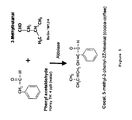
Fig. 5 depicts a chemical reaction which may lead to compounds responsible for a cocoa/coffee flavour. -
Fig. 6 is a flow-chart showing method steps in the production of a liquid flavouring product. - The present invention is concerned with the production of natural flavours which can be used in a number of food applications.
- Thus, the invention relates, in a first aspect, to a method to promote a non-savoury flavour in a food product. By "non-savoury" flavour is meant a flavour which is not savoury, i.e. not salty, spicy, sharp etc. A typical savoury flavour would be a cheesy, meaty, salty flavour. However, the invention does not relate to such flavours but to "non-savoury" flavours. The flavours of the present invention thus include "sweet", creamy etc. flavours. Additionally, the flavours of the invention preferably do not include yogurt flavours.
- In a preferred embodiment, the flavour is selected from honey, caramel, cocoa, malt, cream-caramel, sweet-honey cream, cocoa-cream, coffee, cream, butter, vanilla, nutty, chocolate and any combination or sub-combination thereof.
- Such method for promoting said non-savoury flavour in a food product involves, in a first step, the addition of at least one amino acid to a milk source. Alternatively, the addition of a protease and/or peptidase to a milk source in order to obtain at least one amino acid from a milk protein is possible.
- In the present invention, the enzymes may be provided as such, in the form of enzyme preparations, in the form of immobilised enzymes and may even be provided by appropriate micro-organisms.
- Any amino acid may be used. Preferably, the amino acid is selected from phenylalanine, leucine, isoleucine, valine and mixtures thereof.
- The amino acid may be added to the milk source in an amount of 0.01 to 5 wt%, preferably 0.01-2 wt%, more preferably in an amount of 0.03-1.0 wt%, most preferably 0.05-0.3 wt% on dry matter.
- In a preferred embodiment, a source of alpha-keto acid, such as alpha-ketoglutarate, alpha-ketoisocaproate, alpha-ketoisovalerate, similar amino acceptors or mixtures thereof may also be added to the milk source. Preferably, alpha-ketoglutarate is used. These naturally occurring compounds help contribute to the enzymatic pathway of the amino acid, as occurs in the subsequent steps of the present method.
- Optionally, cofactors for improving fermentation efficiency such as manganese or magnesium salts may also be added to the milk source.
- The milk source may be UHT-treated, pasteurised or non-pasteurised. It may be selected from milk (full fat, skimmed or semi-skimmed), fresh milk, recombined milk, cream, buttermilk, whey, milk containing vegetable fat etc. and any mixtures thereof. Any type of milk can be used, such as cow, sheep, goat or buffalo milk or any mixtures thereof.
- If the milk source is non-pasteurised, the milk source and amino acid mixture may be pasteurised or ultra-high temperature treated or sterilised under typical conditions in the range of 70°C to 150°C over 2s to 20 min, e.g. 125°C for 20 s. Alternatively, the milk source may be heat-treated first prior to amino acid addition, or prior to treatment with a protease and/or peptidase.
- Optionally, L-rhamnose may be added to the milk source.
- To the milk source is then added, in a second step, at least one micro-organism, wherein the micro-organism is selected for producing at least one enzyme capable of modifying the amino acid.
- In the present method, the micro-organism is selected in particular for its ability to produce an enzyme, the action of which, depending on the substrates, produces direct or indirect conversion products which are responsible for a particular flavour.
- Such enzymes are typically transamidase, decarboxylase, dehydrogenase enzymes. Other enzymes such as aldolase may also be produced. Optionally, additives such as protease and/or peptidase may be added together with the micro-organisms.
- The micro-organisms used in the present method may be selected from the group consisting of Betacoccus, Lactobacillus, Propionibacteria, Streptococcus, Bifidobacterium, Penicillium, Brevibacterium, Arthrobacter, Corynebacterium, Saccharomyces, Debaromyces, Lactococcus and any mixtures thereof and/or mixtures of different strains of the same micro-organism. Preferably, it is a Lactococcus lactis and more preferably it is a Lactococcus lactis including subspecies. Most preferably, it is a Lactococcus lactis subsp. lactis and/or Lactococcus lactis subsp. lactis biovar. diacetylactis. It may be added in the form of a living microbial starter culture or in the form of a microbial culture after cell lysis or a mixture of both.
- Strains of Lactococcus lactis which are commercially available and which are suitable for use in the present invention are for example Lactococcus lactis ATCC 29146, Lactococcus lactis subsp. lactis DSM 4366, or still mesophilic aromatic culture (mix), type LD, F-DVS XT-313-eXact, Chr. Hansen.
- Under fermentation conditions, the micro-organism produces at least some enzymes capable of converting the amino acid into further components. Said micro-organisms are capable of producing enzymes such as transamidase and/or decarboxylase and/or dehydrogenase enzymes, which will act on the amino acid(s) present in the fermentation broth. Aldolase may also be produced by the micro-organism.
- Thus, in an alternative embodiment, the micro-organism may be replaced or supplemented with enzymes or enzyme mixes which act on the amino acid to produce the desired flavour character. Furthermore, cell lysates can also additionally be used to modify the amino acid.
- Additional enzymes, such as lipase, lactase etc. may also be added to the fermentation broth at the start of the fermentation or at a later stage. These may be added in the form of enzyme preparations or micro-organisms which produce said enzymes. Thus, a lipase and/or lactase may be added prior to and/or during and/or after fermentation. This is advantageous for further modulation of the flavour obtained.
- The mix is then fermented. Under fermentation conditions, the released enzymes will react with the amino acid(s) present in the fermentation mixture to provide direct or indirect conversion products which are responsible for particular aromas. These are, for instance, from the group of 3-methyl-butanal, 2-methyl-butanal, 2-methyl-1-propanal, 2-phenylacetaldehyde, 2,3-butandione (diacetyl), 3-hydroxy-2-butaneone (acetoin), 2-phenyl-2-butenal and other phenyl-aldehydes (C10-16), benzaldehyde, 5-methyl-2-phenyl-cis-2-hexenal (cocal), 2,3,5,6-tetramethyl pyrazine, 2,4,5-trimethyl oxazole, delta-octalactone (5-octanolide), delta-decalactone (5-decanolide), delta-dodecalactone (5-dodecanolide), butanoic acid, hexanoic acid, octanoic acid, decanoic acid, dodecanoic acid, 4-hydroxy-2,5-dimethyl-3(2H)-furanone (furaneol). By phenyl-aldehydes (C10-16) is meant phenyl-aldehydes having a carbon chain of 10 to 16 carbon atoms.
- In this context,
figures 3 ,4 and5 depict reaction pathways which may lead to some compounds responsible for honey flavour, for cocoa and malt flavour, or for cocoa/coffee flavour respectively. It is clear to the skilled person thatfigures 3 to 5 are not illustrative of the full process nor of all the reactions occurring when carrying out the methods of the invention. It is also clear that other reactions may occur during fermentation and that other compounds may be produced which provide further modulation of the flavours. - In order to modulate the flavour of the fermentation broth, the amino acid used may be chosen accordingly.
- For instance, it has been found that when the amino acid selected is phenylalanine, the direct or indirect conversion products when subjected to a transamidase and/or decarboxylase and/or dehydrogenase enzyme are responsible for a honey-like flavour.
- When the amino acid is selected from L-leucine, L-isoleucine, L-valine or mixtures thereof, the particular flavours obtained are those of malt and cocoa.
- When rhamnose is optionally used in the starting milk basis, and the mixture before or after fermentation is heated for about 90 minutes at about 90°C, the resulting aroma is that of caramel.
- Thus flavours such as honey, caramel, cocoa, malt, cream-caramel, sweet-honey cream, cocoa-cream, coffee, cream, butter, vanilla, nutty, chocolate etc. and any combination or sub-combination thereof may also be obtained by the method of the invention. Furthermore, the tastes obtained by the method of the invention may be creamy, mouth-coating, long-lasting tastes.
- Typically, the fermentation is allowed to take place for about between 2 and 24 hours, preferably between 3 and 12 hours, more preferably about 6 hours at a temperature between 8 and 50°C. Preferably, the fermentation is carried out for about 6 hours at about 30°C.
- After a period of time sufficient to produce the desired compounds, the fermentation broth may be cooled to produce a liquid flavour concentrate. A liquid flavour concentrate obtainable by the steps described above is part of the present invention. Alternatively, it may be dried, preferably spray-dried, in order to produce a milk powder-like product having a modulated flavour profile.
- After fermentation, the fermentation broth may optionally be neutralised and/or inactivated and/or homogenised by methods known in the art.
- Optionally, if the milk source contains L-rhamnose, it may be heated. This heating step differs from the pasteurisation step and the inactivation step in that it is typically carried out for about 90 minutes at about 90°C, in order to develop a caramel-like flavour in the mixture. Without wishing to be bound by theory, it is thought that the sugar sources in the milk basis (lactose, rhamnose etc.) undergo a number of reactions (Maillard reaction pathway) which are responsible for the caramel-like flavour. This heating step may be carried out before or after fermentation.
- Optionally, the fermented mixture may be enzymatically treated with a lipase, lactase etc. This may be carried out in order to facilitate the drying step and/or to further modulate the taste and flavour of the final product.
- For instance, further enzymatic treatment may provide a vanilla-like, cream-like flavour which imparts a creamy, mouth-coating, long-lasting taste to the final product. Furthermore, the enzymatic treatment may further improve drying properties of the fermented mixture.
- Alternatively also, the fermentation broth may be blended with further ingredients. This may be done prior to drying or prior to cool storage for liquid applications, in order to provide, upon drying or not, a finished product.
- As another alternative, a milk source treated in a parallel stream may be added to the fermented broth.
- The fermented mixture may then be cooled and the liquid product may be stored at low temperature for further use. Such temperatures are typically between 0 and 10°C. The fermented product may then be used as a liquid flavour concentrate in the manufacture of food products.
- Alternatively, the fermented mixture is then dried, preferably by spray-drying, to give a milk powder-like product. By milk powder-like products is meant products which have the same appearance as and consistency of milk powder, are based on milk, but are produced in a different way. Thus, the present invention also concerns milk powder-like products.
- According to the invention, a milk powder-like product comprising per kg of product 1-20000mg, preferably 10-500mg butanoic acid, 10-10000mg, preferably 100-3000mg hexanoic acid, 10-6000mg, preferably 100-3000mg octanoic acid, 2-13000mg, preferably 50-1000mg decanoic acid is provided.
- In an embodiment, the milk powder-like product further comprises per kg of product 0.1-10mg, preferably 0.1-3mg, more preferably 0.3-1mg of 3-methyl-butanal, 0.1-100mg, preferably 0.1-5mg, more preferably 0.5-2.5mg of 2-phenylacetaldehyde, 0.1-1000mg, preferably 0.1-10 mg, more preferably 1-5mg of diacetyl, 0.5-1000mg, preferably 0.5-20mg, more preferably 1-10mg of acetoin, 1-300mg, preferably 1-100mg, more preferably 10-70mg of 2,3,5,6-tetramethyl pyrazine, 0.01-50mg, preferably 0.01-20mg, more preferably 0.01-15mg of 2,4,5-trimethyl oxazole, 0.05-50mg, preferably 0.05-10mg, more preferably 0.1-8mg of 2-phenyl-2-butenal and other phenyl aldehydes (C10-C16), 0.1-50mg, preferably 0.1-10mg, more preferably 0.5-8mg of benzaldehyde. Preferably, the powder comprises 100-400mg of butanoic acid, 500-2000mg of hexanoic acid, 500-1500mg of octanoic acid, 100-700 mg of decanoic acid per kg of product. Such milk powder-like product has a particular honey-cream flavour.
- According to another embodiment, the milk powder-like product further comprises per kg of product 0.1-1000mg, preferably 0.1-50mg, more preferably 1-3mg of diacetyl, 0.5-1000mg, preferably 0.5-50mg, more preferably 1-20mg of acetoin, 1-300mg, preferably 1-100mg, more preferably 15-80mg of 2,3,5,6-tetramethyl pyrazine, 0.01-50mg, preferably 0.01-20mg, more preferably 0.01-15mg of 2,4,5-trimethyl oxazole, 0.1-10mg, preferably 0.5-8mg of benzaldehyde. Preferably, the powder comprises 50-300mg of butanoic acid, 500-2000mg of hexanoic acid, 400-2500mg of octanoic acid and 100-700mg of decanoic acid per kg of product. Such milk powder-like product has a particular cream-butter flavour.
- According to another embodiment, the milk powder-like product further comprises per kg of product 0.1-100mg, preferably 0.1-10mg, more preferably 0.5-5mg of 3-methyl-butanal, 0.05-100mg, preferably 0.05-10mg, more preferably 0.1-5mg of 2-methyl-butanal, 0.05-20mg, preferably 0.1-2mg, more preferably 0.1-1mg of 2-methyl-propanal, 0.1-500mg, preferably 0.1-10mg, more preferably 1-8mg of diacetyl, 0.5-500mg, preferably 0.5-20mg, more preferably 1-10mg acetoin, 1-500mg, preferably 1.5-300mg of 2,3,5,6-tetramethyl pyrazine, 0.01-20mg, preferably 0.01-15mg of 2,4,5-trimethyl oxazole, 0.05-10mg, preferably 0.1-8.5mg of 2-phenyl-2-butenal and other phenyl-aldehydes (C10-16), 0.1-10mg, preferably 0.5-8.5mg of benzaldehyde. Preferably, the powder comprises 50-350mg of butanoic acid, 400-2000mg of hexanoic acid, 400-2000mg of octanoic acid and 100-800mg of decanoic acid per kg of product. Such milk powder-like product has a particular cocoa-cream and malt-cream flavour.
- According to another embodiment, the milk powder-like product further comprises per kg of product 0.1-20mg, preferably 0.1-10mg, more preferably 0.5-8mg of 4-hydroxy-2,5-dimethyl-3(2H)-furanone. Preferably, the powder comprises 20-400mg of butanoic acid, 300-2000mg of hexanoic acid, 300-2000mg of octanoic acid and 100-800mg of decanoic acid per kg of product. Such milk powder-like product has a particular cream-caramel flavour.
- The concentrations of flavour compounds can be determined by head space adsorption to solid phase microextraction fibres, separation by gas chromatography and detection and identification by mass spectrometry. For relative quantification, the response of flavour compounds are related to the known amounts of the internal standards ethylvalerate (neutral compounds) and 4-methyloctanoic acid (acidic compounds). It is therefore clear to the skilled person that these values are not absolute values and can slightly vary depending on the type of measurements used.
- The milk powder-like products of the invention typically comprise 1-40g, preferably 1-20g diglycerides and 0.2-30g, preferably 0.2-20g monoglycerides per 100g of product.
- The milk powder-like products obtainable by the present method may be used as such, for example to provide flavoured milk drinks.
- The fermented milk source may thus be in the form of a liquid concentrate or a powder.
- These milk powder-like products or the liquid fermentation product may be used, according to the present invention, in the manufacture of food products.
- Thus, in a final step, the fermented milk source, either as a liquid or a powder, is added to a food product. Typically, the fermented milk source is added to the food product in an amount of 0.05-10% by weight on a dry matter basis. The food product is preferably selected from ice cream, milk powder, chocolate-based product, dairy product, creamer, cocoa beverage, culinary product, infant formula or health care product.
- In a preferred embodiment, the taste and flavour modulated milk powder-like products are added in relatively small amounts to food products, for example 0.05 - 10 wt% for liquid, solid or powder products.
- In a particular embodiment of the present invention, the fermented milk source is added to a milk powder or a milk powder precursor. The fermented milk source may be in liquid concentrate or powder form. Thus, the fermented milk source may be added in the powder form to a milk powder and thus provide a flavoured milk powder. Depending on the amount added, the resulting product may have a strong flavour or a more subtle flavour.
- In an even more preferred embodiment, the milk powder-like product produced by the present invention is added to a milk powder in an amount of about 0.05-10% by weight, most preferably 1-8% by weight of said milk powder.
- Alternatively, the fermented milk source may be added to a milk powder precursor and further spray-dried to yield the flavoured milk powder. By "milk powder precursor" is to be understood a standard liquid milk composition prior to spray-drying.
- The resulting products may thus be provided with a subtle, subliminal, distinct flavour perception.
- In another embodiment of the present invention, the fermented milk source is added to a frozen dessert mix. The fermented milk source may again be in the form of a liquid concentrate or a powder. It may be added to the frozen dessert mix at any stage of manufacture of the frozen dessert. This results in a frozen dessert, preferably an ice cream, having a subtle natural flavour.
- The present methods offer the advantage that it allows a lot of variation as to the components present in the fermented milk source which can further be used for addition in a wide variety of food products. It combines aspects of the food ripening methods known in the art, and adapts it to a new field, notably that of natural flavour powders or natural flavour liquid concentrate. The powders or liquid concentrates thus obtainable may be used in any food application, such as milk drinks, ice cream, chocolate, soups, dairy product, culinary product, infant formulae, health care products etc.
- The method further allows to "tailor" the flavours obtained upon fermentation, such that a modulation in the taste of the milk powder-like product, the liquid concentrate or the final food product is possible.
- Thus, the present invention provides many options for the variation and modulation of milk powder-like product, whereby variation can be obtained by any combination of amino acid and/or processing conditions as described above. The variety of flavours obtainable by the method of the present invention lends itself thus to a wider range of applications.
- Referring to
Figures 1, 2 and5 which represent some embodiments of the methods of the present invention, it can be seen that various flavours, in such cases sweet honey, sweet honey and cream butter, malt and chocolate, and milk, chocolate and honey flavours may be obtained. The parameters which may be altered in each case may be the amino acids, the micro-organism(s) and/or the amount thereof, for instance more than one source, the order of processing etc. - The milk powders or other food products obtainable by methods of the present invention, present the advantage that they are free of additives and the resulting products are thus "clean label" products. This is in contrast to traditional milk-based powders which require the addition of artificial flavouring in order to modulate their aroma.
- Furthermore, the flavours are derived from biological processes, e.g. enzymatic, microbial, and are therefore naturally generated flavour compounds, or "bioflavours". It is also within the present invention to modify certain components, or mixtures of components when carrying out the processes of the invention in order to obtain perceptible organoleptic differences in the final powders or liquid concentrates. Any combination of taste and flavour modulated milk powder or liquid concentrates by blending or process combinations are included in this application.
- For instance, using a mixture of the amino acids phenylalanine, leucine, isoleucine and valine, a chocolate, malt and honey flavour may be obtained. Also, it is conceivable that by adding a source of rhamnose and phenylalanine to the milk source, and heating the mixture before or after fermentation prior to drying would yield a honey-caramel flavour.
- Optionally, flavour compounds can be principally added as complementing additives to the fermented milk source. However, this is not necessary since the present invention provides a wide range of flavourings which are completely natural.
- According to a further embodiment of the present invention a method for flavouring a food product is also provided, which method is similar to that described above, except that it does not require a fermentation step.
- Thus, in an alternative embodiment, the present method comprises the first step of adding at least one amino acid to a milk source or adding a protease and/or peptidase to the milk source in order to obtain at least one amino acid from a milk protein. This step and all embodiments are the same as described above. Optionally, L-rhamnose may be added to the milk source.
- To the milk source is then added, in a second step, a lipase and/or lactase. These enzymes may be as described above.
- The milk source is then heat treated. After heat treatment, the milk source may optionally be dried. These are standard procedures known to a skilled person.
- Finally, the dried milk source or the liquid milk source may be added to the food product in order to flavour it. The range of food products, the quantities, are as described above.
- Thus, optionally, the fermentation step as described above may be omitted and flavour formation may be focused on enzymatic and heat treatment steps.
- Thus, endless variations are possible and are within the grasp of a skilled person.
- The present invention is further illustrated hereinafter by means of non-limiting examples.
- 100kg full cream milk powder is recombined with water to a final concentration of 35% dry matter. 0.1kg of L-phenylalanine is added, the pH value adjusted to 6.7 with potassium hydroxide solution and the mix preheated at 80°C and UHT treated at 125°C for 20s. After cooling to 30°C, 3kg of Lactococcus lactis starter and 0.07kg commercial lipase enzyme preparation is added to start the fermentation. After 10 hours at 30°C, the pH is adjusted to 6.7 with potassium hydroxide solution and 0.9kg commercial lactase enzyme preparation is added and incubated for 3 hours. After cooling to 15°C for intermediate storage, the mixture is heat treated at 80°C for 80s, homogenized and spray dried.
- 100kg full cream milk powder is recombined with water to a final concentration of 35% dry matter. 0.1kg of L-phenylalanine, 0.1kg alpha-ketoglutaric acid, 0.1kg L-leucine, 0.1kg L-isoleucine, 0.1kg L-valine is added, the pH value adjusted to 6.7 with potassium hydroxide solution and the mix preheated at 80°C and UHT treated at 125°C for 20s. After cooling to 30°C, 3kg of a mixture of strains of Lactococcus lactis starter and 0.03kg commercial lipase enzyme preparation is added to start the fermentation. After 12 hours at 30°C, the pH is adjusted to 6.7 with potassium hydroxide solution. After cooling to 15°C for intermediate storage, the mixture is heat treated at 80°C for 80s, homogenized and spray dried.
- 1.80g NaCl is weighted into a 20ml crimp top vial and a magnetic stirring bar is added. 5.50 g of sample solution containing 12% dry matter is added. 50 µl of internal standard ethylvalerate solution (45µl ethylvalerate in 100ml water) and 50 µl of internal standard 4-methyloctanoic acid solution (75µl of methyloctanoic acid in 250ml water) is added, followed by closing of the vial. The vial is then placed into a water bath at 65°C using a magnetic hot plate stirrer with contact thermometer at a speed range of about 870 rpm. After an equilibration time of 30min the fibre assembly (SPME Fibre Assemply, 2cm, 50/30µm DVB/CAR/PDMS StableFlex mounted in holder, both manufactured by SUPELCO Bellefonte, USA) is inserted by piercing the septa (depth gauge at 20mm) and by exposure the fibre completely to the headspace above the sample solution. After a sorption time of 30min the fibre is retracted and removed into the fibre assembly and out of the vial.
The fibre assembly is immediate injected into the GC injector (depth gauge at 30mm) and the separation is started by exposure of the fibre at the same time. After 5min the fibre is retracted and removed from the injector. - The flavour compounds are separated by gas chromatography on a FFAP capillary column (50m, 0.2mm inner diameter, 0.3 µm coating, Agilent Technologies USA) using helium as carrier gas and a temperature gradient from 40°C to 250°C. The separated compounds are detected and identified by mass spectrometry. Relative quantification is done by calculation of the response of flavour compounds in relation to the known amounts of the internal standards ethylvalerate (neutral compounds) and 4-methyloctanoic acid (acidic compounds).
- To 98kg of ice cream mix, 3kg of liquid fermented mix or 1kg of fermented milk powder is added. The final ice cream mix is then pasteurized at 80°C for 80s, followed by homogenisation, cooling to 3°C, ice cream aging, freezing and packaging.
Claims (15)
- Non-savoury flavour obtainable bya. adding at least one amino acid to a milk source or adding a protease and/or peptidase to the milk source in order to obtain at least one amino acid from a milk protein,b. adding at least one micro-organism to the milk source, wherein the micro-organism is selected for producing at least one enzyme capable of converting the amino acid to direct or indirect conversion products which are responsible for a non-savoury flavour,c. fermenting the milk source,d. adding a lipase and/or lactase in the form of enzyme preparations prior to and/or during and/or after fermentation,wherein the amino acid is selected from phenylalanine, leucine, isoleucine, valine and mixtures thereof.
- Flavour according to claim 1, wherein between 0.05 and 2 weight % of the amino acid is added to the milk source.
- Flavour according to any of the preceding claims, wherein the milk source is selected from full fat milk, skimmed milk, semi-skimmed milk, fresh milk, recombined milk, cream, buttermilk, whey, milk containing vegetable fat and any mixtures thereof.
- Flavour according to any of the preceding claims, wherein an alpha-keto acid selected from alpha-ketoglutarate, alpha-ketoisocaproate, alpha-ketoisovalerate, similar amino acceptors or mixtures thereof is added to the milk source.
- Flavour according to any of the preceding claims, wherein a pasteurisation step is carried out prior to addition of the micro-organism.
- Flavour according to any of the preceding claims, wherein the micro-organism is selected to produce at least the enzymes transamidase and/or decarboxylase and/or dehydrogenase.
- Flavour according to claim 6, wherein the micro-organism produces the enzyme aldolase.
- Flavour according to any of the preceding claims, wherein the micro-organism is selected from Betacoccus, Lactobacillus, Propionibacteria, Streptococcus, Bifidobacterium, Penicillium, Brevibacterium, Arthrobacter, Corynebacterium, Saccharomyces, Debaromyces, Lactococcus and any mixtures thereof and/or mixtures of different strains of the same micro-organism.
- Flavour according to claim 8, wherein the micro-organism is a Lactococcus lactis.
- Flavour according to any of the preceding claims, wherein L-rhamnose is added to the milk source.
- Flavour according to claim 10, wherein a heating step is carried out before or after fermentation.
- Flavour according to any of the preceding claims, which is honey, caramel, cocoa, malt, cream-caramel, sweet-honey cream, cocoa-cream, coffee, cream, butter, vanilla, nutty, chocolate and any combination or sub-combination thereof.
- Flavour according to any of the preceding claims, which is in the form of a liquid concentrate or a powder.
- Use of a non-savoury flavour according to any of the preceding claims in a food product, preferably in an amount of 0.05-10% by weight on a dry matter basis.
- Use according to claim 14, wherein the food product is ice cream, chocolate-based product, dairy product, creamer, cocoa beverage, culinary product, infant formula or health care product.
Priority Applications (1)
| Application Number | Priority Date | Filing Date | Title |
|---|---|---|---|
| EP11159520.3A EP2366293B1 (en) | 2006-10-23 | 2007-10-23 | Taste and flavour modulation by biotransformation in milk products |
Applications Claiming Priority (3)
| Application Number | Priority Date | Filing Date | Title |
|---|---|---|---|
| EP06022153.8A EP1915913B1 (en) | 2006-10-23 | 2006-10-23 | Taste and flavour modulation by biotransformation in milk products |
| EP11159520.3A EP2366293B1 (en) | 2006-10-23 | 2007-10-23 | Taste and flavour modulation by biotransformation in milk products |
| EP07819246.5A EP2083639B1 (en) | 2006-10-23 | 2007-10-23 | Taste and flavour modulation by biotransformation in milk products |
Related Parent Applications (3)
| Application Number | Title | Priority Date | Filing Date |
|---|---|---|---|
| EP07819246.5A Division EP2083639B1 (en) | 2006-10-23 | 2007-10-23 | Taste and flavour modulation by biotransformation in milk products |
| EP07819246.5A Division-Into EP2083639B1 (en) | 2006-10-23 | 2007-10-23 | Taste and flavour modulation by biotransformation in milk products |
| EP07819246.5 Division | 2007-10-23 |
Publications (2)
| Publication Number | Publication Date |
|---|---|
| EP2366293A1 true EP2366293A1 (en) | 2011-09-21 |
| EP2366293B1 EP2366293B1 (en) | 2016-01-20 |
Family
ID=37761029
Family Applications (3)
| Application Number | Title | Priority Date | Filing Date |
|---|---|---|---|
| EP06022153.8A Not-in-force EP1915913B1 (en) | 2006-10-23 | 2006-10-23 | Taste and flavour modulation by biotransformation in milk products |
| EP11159520.3A Not-in-force EP2366293B1 (en) | 2006-10-23 | 2007-10-23 | Taste and flavour modulation by biotransformation in milk products |
| EP07819246.5A Not-in-force EP2083639B1 (en) | 2006-10-23 | 2007-10-23 | Taste and flavour modulation by biotransformation in milk products |
Family Applications Before (1)
| Application Number | Title | Priority Date | Filing Date |
|---|---|---|---|
| EP06022153.8A Not-in-force EP1915913B1 (en) | 2006-10-23 | 2006-10-23 | Taste and flavour modulation by biotransformation in milk products |
Family Applications After (1)
| Application Number | Title | Priority Date | Filing Date |
|---|---|---|---|
| EP07819246.5A Not-in-force EP2083639B1 (en) | 2006-10-23 | 2007-10-23 | Taste and flavour modulation by biotransformation in milk products |
Country Status (14)
| Country | Link |
|---|---|
| US (1) | US10517311B2 (en) |
| EP (3) | EP1915913B1 (en) |
| CN (1) | CN101528061B (en) |
| AR (1) | AR063526A1 (en) |
| AU (1) | AU2007308407B2 (en) |
| BR (1) | BRPI0717349A2 (en) |
| CL (1) | CL2007003047A1 (en) |
| ES (3) | ES2557160T3 (en) |
| MX (2) | MX2009004305A (en) |
| MY (2) | MY166658A (en) |
| PL (3) | PL1915913T3 (en) |
| PT (2) | PT1915913E (en) |
| TW (1) | TW200826847A (en) |
| WO (1) | WO2008049581A1 (en) |
Cited By (1)
| Publication number | Priority date | Publication date | Assignee | Title |
|---|---|---|---|---|
| CN102907552A (en) * | 2012-10-08 | 2013-02-06 | 云南冷云食品饮料有限责任公司 | Low-fat ice cream with lipolytic enzyme and manufacturing technology of low-fat ice cream |
Families Citing this family (26)
| Publication number | Priority date | Publication date | Assignee | Title |
|---|---|---|---|---|
| EP2299836B1 (en) * | 2008-06-23 | 2016-05-18 | Amano Enzyme USA., Ltd. | Enzymatic methods of flavor modification |
| WO2010091834A1 (en) | 2009-02-10 | 2010-08-19 | Cargill, Incorporated | Emulsion-like compositions |
| US10576110B2 (en) | 2009-05-11 | 2020-03-03 | Societe Des Produits Nestle S.A. | Lactobacillus johnsonii La1 NCC533 (CNCM I-1225) and immune disorders |
| US20110293781A1 (en) * | 2010-05-31 | 2011-12-01 | Cargill, Incorporated | Crumb, e.g., chocolate crumb, having enhanced caramel flavor |
| CN102018036A (en) * | 2010-12-08 | 2011-04-20 | 内蒙古伊利实业集团股份有限公司 | Naturally flavor-enhancing liquid dairy product and preparation method thereof |
| RU2603096C2 (en) | 2010-12-20 | 2016-11-20 | Нестек С.А. | Flavour and aroma modulation by fermenting milk source for producing multiple flavours and aromas with cocktail of bacteria strains |
| ES2621469T3 (en) * | 2010-12-20 | 2017-07-04 | Nestec S.A. | Flavor modulation by biological treatment using bacterial strains that generate flavor |
| HRP20170116T1 (en) | 2010-12-20 | 2017-03-24 | Nestec S.A. | MODIFYING FLAVOR BY BIOBRAD BY USING BACTERIAL SOYES WHICH MAKES FRAGRANCE |
| CN102273609B (en) * | 2011-08-26 | 2012-11-14 | 广东汇香源生物科技股份有限公司 | Method for preparing composite strain fermented milk flavor essence |
| EP2849718B1 (en) | 2012-05-16 | 2017-02-01 | Symrise AG | Mixtures having improved cooling effect |
| CA2884592C (en) * | 2012-09-19 | 2021-08-31 | Grespo Ab | Compositions for improvement of brain function |
| EP2842428B1 (en) | 2013-08-27 | 2018-08-08 | Symrise AG | Oral composition |
| CN105166062A (en) * | 2015-08-07 | 2015-12-23 | 浙江巨邦高新技术有限公司 | Concentrated natural cream flavoring agent preparation method |
| WO2017108861A1 (en) * | 2015-12-22 | 2017-06-29 | Nestec S.A. | Flavoured milk product |
| RU2730030C2 (en) * | 2015-12-24 | 2020-08-14 | Компани Жерве Данон | Using lactase to enhance the quality of preparing an expressed fermented milk product |
| CN105838751A (en) * | 2016-03-17 | 2016-08-10 | 齐鲁工业大学 | Method for improving output of tetramethylpyrazine produced through fermentation by Bacillus |
| ES2867753T3 (en) * | 2016-04-07 | 2021-10-20 | Dsm Ip Assets Bv | Diacetyl fermented milk product produced with the help of lactase |
| CN108064937A (en) * | 2016-11-15 | 2018-05-25 | 内蒙古伊利实业集团股份有限公司 | Type fermented dairy product and preparation method thereof is drunk using proline inscribe enzyme modification |
| CN109105490B (en) * | 2018-08-01 | 2020-03-06 | 江南大学 | A kind of preparation method of yak yogurt |
| EP3607834A1 (en) * | 2018-08-10 | 2020-02-12 | Arla Foods amba | Liquid flavouring ingredient produced by fermentation |
| CN113993500B (en) | 2019-06-13 | 2025-08-12 | 德国德之馨香精香料公司 | Cooling preparation |
| CN113519622B (en) * | 2020-04-16 | 2023-06-23 | 内蒙古蒙牛乳业(集团)股份有限公司 | Stabilizer composition, normal-temperature brown yoghourt and preparation method thereof |
| US12011011B2 (en) * | 2020-07-27 | 2024-06-18 | Sargento Cheese Inc. | Natural cheese and method for making natural cheese with specific texture attributes |
| CN114950545B (en) * | 2022-03-28 | 2024-06-07 | 浙江恒逸石化研究院有限公司 | Oxazolium catalyst for acetaldehyde acyloin condensation reaction, and preparation method and application thereof |
| CN114885983B (en) * | 2022-07-11 | 2022-10-18 | 广州喜乐食品企业有限公司 | Lactobacillus fermentation process for producing flavor components |
| JP2024123440A (en) * | 2023-03-01 | 2024-09-12 | 長谷川香料株式会社 | Method for producing flavor improver for food and beverages |
Citations (35)
| Publication number | Priority date | Publication date | Assignee | Title |
|---|---|---|---|---|
| DE148419C (en) * | 1901-03-09 | |||
| JPS4915785A (en) | 1972-05-24 | 1974-02-12 | ||
| JPS4915784A (en) | 1972-05-31 | 1974-02-12 | ||
| DE2362998A1 (en) * | 1972-12-18 | 1974-06-20 | Givaudan & Cie Sa | PROCESS FOR THE PRODUCTION OF NEW FLAVORING SUBSTANCES |
| US3858492A (en) | 1967-03-14 | 1975-01-07 | Kyowa Hakko Kogyo Kk | Flavor enhancement of milk foodstuffs |
| US3975544A (en) | 1974-05-10 | 1976-08-17 | Cornell University | Flavor development by enzyme preparation in natural and processed cheddar cheese |
| JPS5543742A (en) | 1978-09-21 | 1980-03-27 | Fuji Electric Co Ltd | Mechanical holding type electromagnetic contactor |
| JPS5843755B2 (en) | 1982-12-15 | 1983-09-28 | 安雄 犬甘 | Hoop baton manufacturing method |
| EP0137536A1 (en) | 1983-08-29 | 1985-04-17 | Borden, Inc. | Cheese-flavored substance |
| CA1220075A (en) | 1983-10-31 | 1987-04-07 | Donald P. Boudreaux | Cheese-flavored substance |
| JPS642549A (en) | 1987-06-24 | 1989-01-06 | T Hasegawa Co Ltd | Preparation of lasting dairy product flavor |
| US5041296A (en) * | 1989-06-26 | 1991-08-20 | International Flavors & Fragrances Inc. | Process for microwave chocolate flavor formulation, product produced thereby and uses thereof in augmenting or enhancing the flavor of foodstuffs, beverages and chewing gums |
| JPH0591851A (en) | 1991-10-02 | 1993-04-16 | T Hasegawa Co Ltd | Production of sustained release dairy product flavor |
| JPH05120942A (en) | 1991-10-25 | 1993-05-18 | Hideki Sanai | Contact-cleaning structure for electric switch |
| JPH0549385B2 (en) | 1984-06-07 | 1993-07-26 | Ishikawajima Harima Heavy Ind | |
| JPH06125733A (en) | 1992-03-06 | 1994-05-10 | T Hasegawa Co Ltd | Manufacturing method of dairy flavor |
| JPH06319448A (en) | 1993-05-07 | 1994-11-22 | Kanegafuchi Chem Ind Co Ltd | Method for improving milk flavor of powdered dairy products |
| US5385743A (en) * | 1989-09-15 | 1995-01-31 | Pfw (Nederland) B.V. | Yoghurt flavor and process for the manufacturing of a yoghurt flavor |
| JPH0937735A (en) | 1995-08-01 | 1997-02-10 | T Hasegawa Co Ltd | Beverage improver for food and drink |
| EP1053689A2 (en) | 1999-05-19 | 2000-11-22 | Kraft Foods, Inc. | Enzyme-modified cheese flavorings |
| JP3127962B2 (en) | 1990-12-27 | 2001-01-29 | チノン株式会社 | Monitoring device |
| WO2001032905A1 (en) * | 1999-11-01 | 2001-05-10 | Valio Ltd | Process for producing a product containing antihypertensive tripeptides |
| JP3175978B2 (en) | 1992-08-31 | 2001-06-11 | パイオニア株式会社 | Tracking error signal generator |
| WO2001047366A1 (en) | 1999-12-23 | 2001-07-05 | Rhodia Texel Limited | Cheese ripening process |
| WO2002000845A1 (en) | 2000-06-30 | 2002-01-03 | Nizo Food Research | Enhanced flavour production in or relating to food by cultivation of various food-grade micro-organisms |
| EP1186244A2 (en) | 2000-09-12 | 2002-03-13 | Kraft Foods Holdings, Inc. | Natural biogenerated cheese flavoring system |
| JP2002142713A (en) | 2000-11-07 | 2002-05-21 | T Hasegawa Co Ltd | Dairy flavor |
| WO2002085131A1 (en) * | 2001-04-19 | 2002-10-31 | New Zealand Dairy Board | Method of preparing savoury-flavoured products by fermentation of proteins |
| JP2003250482A (en) | 2002-02-26 | 2003-09-09 | T Hasegawa Co Ltd | Milk drink or fermented milk flavor improver |
| US6635303B1 (en) | 2000-06-30 | 2003-10-21 | Hawley & Hoops, Inc. | Powdered milk solids for providing a developed milk flavor to chocolate, the method of preparation and chocolate prepared with the same |
| JP2004236638A (en) | 2003-02-10 | 2004-08-26 | Taiyo Corp | Method for producing fermented milk whey fermented solution |
| JP2004267126A (en) | 2003-03-10 | 2004-09-30 | Shiono Koryo Kk | Method for producing enzyme-treated whey, natural taste flavor for dairy product, and dairy product flavored with the flavor |
| US6902749B1 (en) * | 1999-10-28 | 2005-06-07 | Dsm Ip Assets B.V. | Kluyveromyces lactis as attenuated starter |
| JP2005151895A (en) | 2003-11-27 | 2005-06-16 | Yakult Honsha Co Ltd | Fermented milk with good flavor and quality stability |
| JP4169166B2 (en) | 1997-01-28 | 2008-10-22 | ワーセン・インダストリーズ・インコーポレーテッド | Film adhesive for bottom mounting |
Family Cites Families (19)
| Publication number | Priority date | Publication date | Assignee | Title |
|---|---|---|---|---|
| GB823556A (en) * | 1955-06-13 | 1959-11-11 | Instant Milk Company | Improvements in or relating to the manufacture of chocolate-flavoured milk powders |
| GB1070400A (en) * | 1965-09-30 | 1967-06-01 | Ajinomoto Kk | A method of preparing an improved milk product |
| US3852496A (en) * | 1973-09-04 | 1974-12-03 | Corning Glass Works | Treatment of whey with immobilized lactase and glucose isomerase |
| US4007283A (en) * | 1975-10-28 | 1977-02-08 | The Regents Of The University Of California | Production and utilization of lactase |
| JPS5843755A (en) | 1981-09-08 | 1983-03-14 | T Hasegawa Co Ltd | Milky flavor imparting agent and modifier |
| DE69033600T2 (en) * | 1989-03-09 | 2001-04-05 | American Cyanamid Co., Madison | Process for the isolation of Haemopnilus influenzae Protein-E |
| US5145697A (en) * | 1989-04-26 | 1992-09-08 | Mpy Foods, Inc. | Instant yogurt composition and process |
| JPH0740923B2 (en) | 1989-09-12 | 1995-05-10 | 雪印乳業株式会社 | Novel lactic acid bacterium by cell conjugation, fermented milk using the same, and method for producing the same |
| JP2875825B2 (en) | 1989-10-13 | 1999-03-31 | 明治乳業株式会社 | Method for producing fermented milk flavor having milky flavor and body taste |
| WO1992002143A1 (en) * | 1990-07-30 | 1992-02-20 | The Nutrasweet Company | Reduced calorie dairy mix |
| JP2756183B2 (en) | 1990-10-31 | 1998-05-25 | 森永乳業株式会社 | Production method of fermented flavor |
| JPH0549385A (en) | 1991-08-14 | 1993-03-02 | Meiji Milk Prod Co Ltd | Bread flavor improver and method for producing bread |
| ES2243965T3 (en) * | 1996-07-09 | 2005-12-01 | Societe Des Produits Nestle S.A. | DRYING PROCEDURE THROUGH SPRAYING. |
| FR2799633B1 (en) * | 1999-10-14 | 2002-03-22 | Sometec | METHOD AND DEVICE FOR IMPROVING THE PRECISION OF MEASUREMENT OF A SPEED OF A FLUID |
| JP3744776B2 (en) * | 2000-07-28 | 2006-02-15 | 日本製乳株式会社 | Method for producing food material powder with caramel flavor |
| JP2002306062A (en) * | 2001-02-08 | 2002-10-22 | Sakuma Seika Kk | Method for producing caramel-containing milk powder and food produced by using caramel-containing milk powder |
| CN1506108A (en) * | 2002-12-09 | 2004-06-23 | 戚海燕 | Composite milk powder capable of being eaten and made into beautifying face mask |
| FR2861549B1 (en) * | 2003-10-31 | 2006-07-07 | Rhodia Chimie Sa | AROMATING A DAIRY PRODUCT FROM AT LEAST ONE BACTERIUM PRODUCING A BACTERIOCIN AND BELONGING TO THE GENUS PEDIOCOCCUS |
| US7754264B2 (en) * | 2005-01-31 | 2010-07-13 | Nestec S.A. | Process for preparing nutritional products |
-
2006
- 2006-10-23 ES ES06022153.8T patent/ES2557160T3/en active Active
- 2006-10-23 EP EP06022153.8A patent/EP1915913B1/en not_active Not-in-force
- 2006-10-23 PL PL06022153T patent/PL1915913T3/en unknown
- 2006-10-23 PT PT60221538T patent/PT1915913E/en unknown
-
2007
- 2007-10-23 PL PL07819246.5T patent/PL2083639T3/en unknown
- 2007-10-23 CN CN200780039542.8A patent/CN101528061B/en not_active Expired - Fee Related
- 2007-10-23 MY MYPI20091172A patent/MY166658A/en unknown
- 2007-10-23 AU AU2007308407A patent/AU2007308407B2/en not_active Ceased
- 2007-10-23 WO PCT/EP2007/009185 patent/WO2008049581A1/en not_active Ceased
- 2007-10-23 AR ARP070104686A patent/AR063526A1/en active IP Right Grant
- 2007-10-23 MY MYPI2013001306A patent/MY181747A/en unknown
- 2007-10-23 PL PL11159520T patent/PL2366293T4/en unknown
- 2007-10-23 EP EP11159520.3A patent/EP2366293B1/en not_active Not-in-force
- 2007-10-23 EP EP07819246.5A patent/EP2083639B1/en not_active Not-in-force
- 2007-10-23 MX MX2009004305A patent/MX2009004305A/en active IP Right Grant
- 2007-10-23 BR BRPI0717349-0A2A patent/BRPI0717349A2/en not_active IP Right Cessation
- 2007-10-23 CL CL200703047A patent/CL2007003047A1/en unknown
- 2007-10-23 US US12/446,571 patent/US10517311B2/en not_active Expired - Fee Related
- 2007-10-23 TW TW096139735A patent/TW200826847A/en unknown
- 2007-10-23 ES ES07819246T patent/ES2571931T3/en active Active
- 2007-10-23 ES ES11159520.3T patent/ES2562923T3/en active Active
- 2007-10-23 PT PT111595203T patent/PT2366293E/en unknown
-
2009
- 2009-04-23 MX MX2012000516A patent/MX336471B/en unknown
Patent Citations (36)
| Publication number | Priority date | Publication date | Assignee | Title |
|---|---|---|---|---|
| DE148419C (en) * | 1901-03-09 | |||
| US3858492A (en) | 1967-03-14 | 1975-01-07 | Kyowa Hakko Kogyo Kk | Flavor enhancement of milk foodstuffs |
| JPS4915785A (en) | 1972-05-24 | 1974-02-12 | ||
| JPS4915784A (en) | 1972-05-31 | 1974-02-12 | ||
| DE2362998A1 (en) * | 1972-12-18 | 1974-06-20 | Givaudan & Cie Sa | PROCESS FOR THE PRODUCTION OF NEW FLAVORING SUBSTANCES |
| US3975544A (en) | 1974-05-10 | 1976-08-17 | Cornell University | Flavor development by enzyme preparation in natural and processed cheddar cheese |
| JPS5543742A (en) | 1978-09-21 | 1980-03-27 | Fuji Electric Co Ltd | Mechanical holding type electromagnetic contactor |
| JPS5843755B2 (en) | 1982-12-15 | 1983-09-28 | 安雄 犬甘 | Hoop baton manufacturing method |
| EP0137536A1 (en) | 1983-08-29 | 1985-04-17 | Borden, Inc. | Cheese-flavored substance |
| CA1220075A (en) | 1983-10-31 | 1987-04-07 | Donald P. Boudreaux | Cheese-flavored substance |
| US4675193A (en) * | 1983-10-31 | 1987-06-23 | Borden, Inc. | Cheese-flavored substance and method of producing same |
| JPH0549385B2 (en) | 1984-06-07 | 1993-07-26 | Ishikawajima Harima Heavy Ind | |
| JPS642549A (en) | 1987-06-24 | 1989-01-06 | T Hasegawa Co Ltd | Preparation of lasting dairy product flavor |
| US5041296A (en) * | 1989-06-26 | 1991-08-20 | International Flavors & Fragrances Inc. | Process for microwave chocolate flavor formulation, product produced thereby and uses thereof in augmenting or enhancing the flavor of foodstuffs, beverages and chewing gums |
| US5385743A (en) * | 1989-09-15 | 1995-01-31 | Pfw (Nederland) B.V. | Yoghurt flavor and process for the manufacturing of a yoghurt flavor |
| JP3127962B2 (en) | 1990-12-27 | 2001-01-29 | チノン株式会社 | Monitoring device |
| JPH0591851A (en) | 1991-10-02 | 1993-04-16 | T Hasegawa Co Ltd | Production of sustained release dairy product flavor |
| JPH05120942A (en) | 1991-10-25 | 1993-05-18 | Hideki Sanai | Contact-cleaning structure for electric switch |
| JPH06125733A (en) | 1992-03-06 | 1994-05-10 | T Hasegawa Co Ltd | Manufacturing method of dairy flavor |
| JP3175978B2 (en) | 1992-08-31 | 2001-06-11 | パイオニア株式会社 | Tracking error signal generator |
| JPH06319448A (en) | 1993-05-07 | 1994-11-22 | Kanegafuchi Chem Ind Co Ltd | Method for improving milk flavor of powdered dairy products |
| JPH0937735A (en) | 1995-08-01 | 1997-02-10 | T Hasegawa Co Ltd | Beverage improver for food and drink |
| JP4169166B2 (en) | 1997-01-28 | 2008-10-22 | ワーセン・インダストリーズ・インコーポレーテッド | Film adhesive for bottom mounting |
| EP1053689A2 (en) | 1999-05-19 | 2000-11-22 | Kraft Foods, Inc. | Enzyme-modified cheese flavorings |
| US6902749B1 (en) * | 1999-10-28 | 2005-06-07 | Dsm Ip Assets B.V. | Kluyveromyces lactis as attenuated starter |
| WO2001032905A1 (en) * | 1999-11-01 | 2001-05-10 | Valio Ltd | Process for producing a product containing antihypertensive tripeptides |
| WO2001047366A1 (en) | 1999-12-23 | 2001-07-05 | Rhodia Texel Limited | Cheese ripening process |
| WO2002000845A1 (en) | 2000-06-30 | 2002-01-03 | Nizo Food Research | Enhanced flavour production in or relating to food by cultivation of various food-grade micro-organisms |
| US6635303B1 (en) | 2000-06-30 | 2003-10-21 | Hawley & Hoops, Inc. | Powdered milk solids for providing a developed milk flavor to chocolate, the method of preparation and chocolate prepared with the same |
| EP1186244A2 (en) | 2000-09-12 | 2002-03-13 | Kraft Foods Holdings, Inc. | Natural biogenerated cheese flavoring system |
| JP2002142713A (en) | 2000-11-07 | 2002-05-21 | T Hasegawa Co Ltd | Dairy flavor |
| WO2002085131A1 (en) * | 2001-04-19 | 2002-10-31 | New Zealand Dairy Board | Method of preparing savoury-flavoured products by fermentation of proteins |
| JP2003250482A (en) | 2002-02-26 | 2003-09-09 | T Hasegawa Co Ltd | Milk drink or fermented milk flavor improver |
| JP2004236638A (en) | 2003-02-10 | 2004-08-26 | Taiyo Corp | Method for producing fermented milk whey fermented solution |
| JP2004267126A (en) | 2003-03-10 | 2004-09-30 | Shiono Koryo Kk | Method for producing enzyme-treated whey, natural taste flavor for dairy product, and dairy product flavored with the flavor |
| JP2005151895A (en) | 2003-11-27 | 2005-06-16 | Yakult Honsha Co Ltd | Fermented milk with good flavor and quality stability |
Non-Patent Citations (3)
| Title |
|---|
| GUMMALLA S ET AL: "Tryptophan Catabolism by Lactobacillus casei and Lactobacillus helveticus Cheese Flavor Adjuncts", JOURNAL OF DAIRY SCIENCE, AMERICAN DAIRY SCIENCE ASSOCIATION, US, vol. 82, no. 10, 1 October 1999 (1999-10-01), pages 2070 - 2077, XP026993283, ISSN: 0022-0302, [retrieved on 19991001] * |
| KILPI ET AL: "Angiotensin I-converting enzyme inhibitory activity in milk fermented by wild-type and peptidase-deletion derivatives of Lactobacillus helveticus CNRZ32", INTERNATIONAL DAIRY JOURNAL, ELSEVIER APPLIED SCIENCE, BARKING, GB, vol. 17, no. 8, 13 April 2007 (2007-04-13), pages 976 - 984, XP022030697, ISSN: 0958-6946, DOI: 10.1016/J.IDAIRYJ.2006.12.001 * |
| RAVULA R R ET AL: "EFFECT OF ACID CASEIN HYDROLYSATE AND CYSTEINE ON THE VIABILITY OF OF YOGURT AND PROBIOTIC BACTERIA IN FERMENTED FROZEN DIARY DESSERTS", AUSTRALIAN JOURNAL OF DAIRY TECHNOLOGY, DAIRY INDUSTRY ASSOCIATION OF AUSTRALIA, MELBOURNE, AU, vol. 53, no. 3, 1 October 1998 (1998-10-01), pages 175 - 179, XP000784444, ISSN: 0004-9433 * |
Cited By (1)
| Publication number | Priority date | Publication date | Assignee | Title |
|---|---|---|---|---|
| CN102907552A (en) * | 2012-10-08 | 2013-02-06 | 云南冷云食品饮料有限责任公司 | Low-fat ice cream with lipolytic enzyme and manufacturing technology of low-fat ice cream |
Also Published As
| Publication number | Publication date |
|---|---|
| EP2366293B1 (en) | 2016-01-20 |
| PL2366293T3 (en) | 2016-08-31 |
| PT2366293E (en) | 2016-03-18 |
| EP2083639A1 (en) | 2009-08-05 |
| MX336471B (en) | 2016-01-18 |
| AU2007308407B2 (en) | 2013-08-01 |
| PL2366293T4 (en) | 2017-03-31 |
| EP2083639B1 (en) | 2016-04-06 |
| AR063526A1 (en) | 2009-01-28 |
| AU2007308407A1 (en) | 2008-05-02 |
| ES2557160T3 (en) | 2016-01-22 |
| BRPI0717349A2 (en) | 2013-10-15 |
| MX2009004305A (en) | 2009-05-05 |
| CL2007003047A1 (en) | 2008-04-18 |
| EP1915913B1 (en) | 2015-11-18 |
| US20110014322A1 (en) | 2011-01-20 |
| PL2083639T3 (en) | 2016-10-31 |
| ES2571931T3 (en) | 2016-05-27 |
| CN101528061B (en) | 2016-11-09 |
| TW200826847A (en) | 2008-07-01 |
| ES2562923T3 (en) | 2016-03-09 |
| CN101528061A (en) | 2009-09-09 |
| MY166658A (en) | 2018-07-18 |
| US10517311B2 (en) | 2019-12-31 |
| MY181747A (en) | 2021-01-06 |
| PL1915913T3 (en) | 2016-06-30 |
| WO2008049581A1 (en) | 2008-05-02 |
| PT1915913E (en) | 2016-02-16 |
| EP1915913A1 (en) | 2008-04-30 |
Similar Documents
| Publication | Publication Date | Title |
|---|---|---|
| EP2366293B1 (en) | Taste and flavour modulation by biotransformation in milk products | |
| DK1769687T3 (en) | Fresh Cheese PRODUCTS CONTAINING BIOGENEREREDE AROMA COMPONENTS AND METHODS OF MAKING | |
| JP5292604B2 (en) | Flavor imparting product of food and drink, its production method and flavor imparting food containing food and drink | |
| EP2655596B1 (en) | Flavour modulation by fermenting a milk source for multi-flavour formation with a cocktail of bacteria strains | |
| CA2821366C (en) | Flavour modulation by bio-processing using cream-flavour forming bacteria strains | |
| JP3706345B2 (en) | Flavor improver for milk drinks or fermented milk | |
| US20110293781A1 (en) | Crumb, e.g., chocolate crumb, having enhanced caramel flavor | |
| NZ549493A (en) | Heat-stable flavoring components and cheese flavoring systems incorporating them | |
| US20190021351A1 (en) | Flavoured milk product | |
| HK1156193A (en) | Taste and flavour modulation by biotransformation in milk products | |
| Baranowska | Intensification of the synthesis of flavour compounds in yogurt by milk enrichment with their precursors | |
| HK1119378A (en) | Taste and flavour modulation by biotransformation in milk products | |
| JP4464401B2 (en) | Fermented food products containing soy protein | |
| Schutte | Development and application of dairy flavors |
Legal Events
| Date | Code | Title | Description |
|---|---|---|---|
| PUAI | Public reference made under article 153(3) epc to a published international application that has entered the european phase |
Free format text: ORIGINAL CODE: 0009012 |
|
| AC | Divisional application: reference to earlier application |
Ref document number: 2083639 Country of ref document: EP Kind code of ref document: P |
|
| AK | Designated contracting states |
Kind code of ref document: A1 Designated state(s): AT BE BG CH CY CZ DE DK EE ES FI FR GB GR HU IE IS IT LI LT LU LV MC MT NL PL PT RO SE SI SK TR |
|
| 17P | Request for examination filed |
Effective date: 20120306 |
|
| REG | Reference to a national code |
Ref country code: HK Ref legal event code: DE Ref document number: 1156193 Country of ref document: HK |
|
| 17Q | First examination report despatched |
Effective date: 20130314 |
|
| REG | Reference to a national code |
Ref country code: DE Ref legal event code: R079 Ref document number: 602007044609 Country of ref document: DE Free format text: PREVIOUS MAIN CLASS: A23L0001230000 Ipc: A23G0009400000 |
|
| RIC1 | Information provided on ipc code assigned before grant |
Ipc: A23L 1/00 20060101ALI20150722BHEP Ipc: A23G 9/40 20060101AFI20150722BHEP |
|
| GRAP | Despatch of communication of intention to grant a patent |
Free format text: ORIGINAL CODE: EPIDOSNIGR1 |
|
| INTG | Intention to grant announced |
Effective date: 20150915 |
|
| GRAS | Grant fee paid |
Free format text: ORIGINAL CODE: EPIDOSNIGR3 |
|
| GRAA | (expected) grant |
Free format text: ORIGINAL CODE: 0009210 |
|
| AC | Divisional application: reference to earlier application |
Ref document number: 2083639 Country of ref document: EP Kind code of ref document: P |
|
| AK | Designated contracting states |
Kind code of ref document: B1 Designated state(s): AT BE BG CH CY CZ DE DK EE ES FI FR GB GR HU IE IS IT LI LT LU LV MC MT NL PL PT RO SE SI SK TR |
|
| REG | Reference to a national code |
Ref country code: GB Ref legal event code: FG4D |
|
| REG | Reference to a national code |
Ref country code: CH Ref legal event code: EP |
|
| REG | Reference to a national code |
Ref country code: IE Ref legal event code: FG4D |
|
| REG | Reference to a national code |
Ref country code: AT Ref legal event code: REF Ref document number: 771282 Country of ref document: AT Kind code of ref document: T Effective date: 20160215 |
|
| REG | Reference to a national code |
Ref country code: DE Ref legal event code: R096 Ref document number: 602007044609 Country of ref document: DE |
|
| REG | Reference to a national code |
Ref country code: ES Ref legal event code: FG2A Ref document number: 2562923 Country of ref document: ES Kind code of ref document: T3 Effective date: 20160309 |
|
| REG | Reference to a national code |
Ref country code: PT Ref legal event code: SC4A Free format text: AVAILABILITY OF NATIONAL TRANSLATION Effective date: 20160208 |
|
| REG | Reference to a national code |
Ref country code: SE Ref legal event code: TRGR |
|
| REG | Reference to a national code |
Ref country code: NL Ref legal event code: FP |
|
| REG | Reference to a national code |
Ref country code: LT Ref legal event code: MG4D |
|
| REG | Reference to a national code |
Ref country code: AT Ref legal event code: MK05 Ref document number: 771282 Country of ref document: AT Kind code of ref document: T Effective date: 20160120 |
|
| PG25 | Lapsed in a contracting state [announced via postgrant information from national office to epo] |
Ref country code: AT Free format text: LAPSE BECAUSE OF FAILURE TO SUBMIT A TRANSLATION OF THE DESCRIPTION OR TO PAY THE FEE WITHIN THE PRESCRIBED TIME-LIMIT Effective date: 20160120 Ref country code: LV Free format text: LAPSE BECAUSE OF FAILURE TO SUBMIT A TRANSLATION OF THE DESCRIPTION OR TO PAY THE FEE WITHIN THE PRESCRIBED TIME-LIMIT Effective date: 20160120 Ref country code: IS Free format text: LAPSE BECAUSE OF FAILURE TO SUBMIT A TRANSLATION OF THE DESCRIPTION OR TO PAY THE FEE WITHIN THE PRESCRIBED TIME-LIMIT Effective date: 20160520 Ref country code: LT Free format text: LAPSE BECAUSE OF FAILURE TO SUBMIT A TRANSLATION OF THE DESCRIPTION OR TO PAY THE FEE WITHIN THE PRESCRIBED TIME-LIMIT Effective date: 20160120 |
|
| REG | Reference to a national code |
Ref country code: FR Ref legal event code: PLFP Year of fee payment: 10 |
|
| REG | Reference to a national code |
Ref country code: GR Ref legal event code: EP Ref document number: 20160400735 Country of ref document: GR Effective date: 20160601 |
|
| REG | Reference to a national code |
Ref country code: DE Ref legal event code: R097 Ref document number: 602007044609 Country of ref document: DE |
|
| PG25 | Lapsed in a contracting state [announced via postgrant information from national office to epo] |
Ref country code: DK Free format text: LAPSE BECAUSE OF FAILURE TO SUBMIT A TRANSLATION OF THE DESCRIPTION OR TO PAY THE FEE WITHIN THE PRESCRIBED TIME-LIMIT Effective date: 20160120 Ref country code: EE Free format text: LAPSE BECAUSE OF FAILURE TO SUBMIT A TRANSLATION OF THE DESCRIPTION OR TO PAY THE FEE WITHIN THE PRESCRIBED TIME-LIMIT Effective date: 20160120 |
|
| PLBE | No opposition filed within time limit |
Free format text: ORIGINAL CODE: 0009261 |
|
| STAA | Information on the status of an ep patent application or granted ep patent |
Free format text: STATUS: NO OPPOSITION FILED WITHIN TIME LIMIT |
|
| PG25 | Lapsed in a contracting state [announced via postgrant information from national office to epo] |
Ref country code: RO Free format text: LAPSE BECAUSE OF FAILURE TO SUBMIT A TRANSLATION OF THE DESCRIPTION OR TO PAY THE FEE WITHIN THE PRESCRIBED TIME-LIMIT Effective date: 20160120 Ref country code: CZ Free format text: LAPSE BECAUSE OF FAILURE TO SUBMIT A TRANSLATION OF THE DESCRIPTION OR TO PAY THE FEE WITHIN THE PRESCRIBED TIME-LIMIT Effective date: 20160120 Ref country code: SK Free format text: LAPSE BECAUSE OF FAILURE TO SUBMIT A TRANSLATION OF THE DESCRIPTION OR TO PAY THE FEE WITHIN THE PRESCRIBED TIME-LIMIT Effective date: 20160120 |
|
| 26N | No opposition filed |
Effective date: 20161021 |
|
| PG25 | Lapsed in a contracting state [announced via postgrant information from national office to epo] |
Ref country code: BE Free format text: LAPSE BECAUSE OF NON-PAYMENT OF DUE FEES Effective date: 20161031 Ref country code: BG Free format text: LAPSE BECAUSE OF FAILURE TO SUBMIT A TRANSLATION OF THE DESCRIPTION OR TO PAY THE FEE WITHIN THE PRESCRIBED TIME-LIMIT Effective date: 20160420 Ref country code: SI Free format text: LAPSE BECAUSE OF FAILURE TO SUBMIT A TRANSLATION OF THE DESCRIPTION OR TO PAY THE FEE WITHIN THE PRESCRIBED TIME-LIMIT Effective date: 20160120 |
|
| REG | Reference to a national code |
Ref country code: IE Ref legal event code: MM4A |
|
| PG25 | Lapsed in a contracting state [announced via postgrant information from national office to epo] |
Ref country code: GR Free format text: LAPSE BECAUSE OF NON-PAYMENT OF DUE FEES Effective date: 20170504 Ref country code: FI Free format text: LAPSE BECAUSE OF NON-PAYMENT OF DUE FEES Effective date: 20161023 |
|
| PG25 | Lapsed in a contracting state [announced via postgrant information from national office to epo] |
Ref country code: LU Free format text: LAPSE BECAUSE OF NON-PAYMENT OF DUE FEES Effective date: 20161023 |
|
| REG | Reference to a national code |
Ref country code: FR Ref legal event code: PLFP Year of fee payment: 11 |
|
| PG25 | Lapsed in a contracting state [announced via postgrant information from national office to epo] |
Ref country code: IT Free format text: LAPSE BECAUSE OF NON-PAYMENT OF DUE FEES Effective date: 20161023 |
|
| PG25 | Lapsed in a contracting state [announced via postgrant information from national office to epo] |
Ref country code: PT Free format text: LAPSE BECAUSE OF NON-PAYMENT OF DUE FEES Effective date: 20170724 Ref country code: IE Free format text: LAPSE BECAUSE OF NON-PAYMENT OF DUE FEES Effective date: 20161023 |
|
| REG | Reference to a national code |
Ref country code: BE Ref legal event code: FP Effective date: 20160406 Ref country code: BE Ref legal event code: MM Effective date: 20161031 |
|
| REG | Reference to a national code |
Ref country code: HK Ref legal event code: WD Ref document number: 1156193 Country of ref document: HK |
|
| PG25 | Lapsed in a contracting state [announced via postgrant information from national office to epo] |
Ref country code: HU Free format text: LAPSE BECAUSE OF FAILURE TO SUBMIT A TRANSLATION OF THE DESCRIPTION OR TO PAY THE FEE WITHIN THE PRESCRIBED TIME-LIMIT; INVALID AB INITIO Effective date: 20071023 Ref country code: CY Free format text: LAPSE BECAUSE OF FAILURE TO SUBMIT A TRANSLATION OF THE DESCRIPTION OR TO PAY THE FEE WITHIN THE PRESCRIBED TIME-LIMIT Effective date: 20160120 |
|
| PG25 | Lapsed in a contracting state [announced via postgrant information from national office to epo] |
Ref country code: MT Free format text: LAPSE BECAUSE OF NON-PAYMENT OF DUE FEES Effective date: 20161031 Ref country code: MC Free format text: LAPSE BECAUSE OF FAILURE TO SUBMIT A TRANSLATION OF THE DESCRIPTION OR TO PAY THE FEE WITHIN THE PRESCRIBED TIME-LIMIT Effective date: 20160120 |
|
| REG | Reference to a national code |
Ref country code: FR Ref legal event code: PLFP Year of fee payment: 12 |
|
| REG | Reference to a national code |
Ref country code: NL Ref legal event code: PD Owner name: SOCIETE DES PRODUITS NESTLE S.A.; CH Free format text: DETAILS ASSIGNMENT: CHANGE OF OWNER(S), MERGE; FORMER OWNER NAME: NESTEC S.A. Effective date: 20190620 |
|
| REG | Reference to a national code |
Ref country code: CH Ref legal event code: PFUS Owner name: SOCIETE DES PRODUITS NESTLE S.A., CH Free format text: FORMER OWNER: NESTEC S.A., CH |
|
| REG | Reference to a national code |
Ref country code: GB Ref legal event code: 732E Free format text: REGISTERED BETWEEN 20190801 AND 20190807 |
|
| PGFP | Annual fee paid to national office [announced via postgrant information from national office to epo] |
Ref country code: FR Payment date: 20190913 Year of fee payment: 13 |
|
| REG | Reference to a national code |
Ref country code: ES Ref legal event code: PC2A Owner name: SOCIETE DES PRODUITS NESTLE S.A. Effective date: 20191205 |
|
| PGFP | Annual fee paid to national office [announced via postgrant information from national office to epo] |
Ref country code: DE Payment date: 20191008 Year of fee payment: 13 Ref country code: SE Payment date: 20191010 Year of fee payment: 13 Ref country code: NL Payment date: 20191014 Year of fee payment: 13 |
|
| REG | Reference to a national code |
Ref country code: DE Ref legal event code: R082 Ref document number: 602007044609 Country of ref document: DE Representative=s name: MITSCHERLICH, PATENT- UND RECHTSANWAELTE PARTM, DE Ref country code: DE Ref legal event code: R081 Ref document number: 602007044609 Country of ref document: DE Owner name: SOCIETE DES PRODUITS NESTLE S.A., CH Free format text: FORMER OWNER: NESTEC S.A., VEVEY, CH |
|
| PGFP | Annual fee paid to national office [announced via postgrant information from national office to epo] |
Ref country code: ES Payment date: 20191104 Year of fee payment: 13 |
|
| PGFP | Annual fee paid to national office [announced via postgrant information from national office to epo] |
Ref country code: CH Payment date: 20191015 Year of fee payment: 13 |
|
| PGFP | Annual fee paid to national office [announced via postgrant information from national office to epo] |
Ref country code: GB Payment date: 20191024 Year of fee payment: 13 |
|
| REG | Reference to a national code |
Ref country code: DE Ref legal event code: R119 Ref document number: 602007044609 Country of ref document: DE |
|
| REG | Reference to a national code |
Ref country code: CH Ref legal event code: PL |
|
| REG | Reference to a national code |
Ref country code: SE Ref legal event code: EUG |
|
| REG | Reference to a national code |
Ref country code: NL Ref legal event code: MM Effective date: 20201101 |
|
| GBPC | Gb: european patent ceased through non-payment of renewal fee |
Effective date: 20201023 |
|
| PG25 | Lapsed in a contracting state [announced via postgrant information from national office to epo] |
Ref country code: NL Free format text: LAPSE BECAUSE OF NON-PAYMENT OF DUE FEES Effective date: 20201101 Ref country code: DE Free format text: LAPSE BECAUSE OF NON-PAYMENT OF DUE FEES Effective date: 20210501 Ref country code: FR Free format text: LAPSE BECAUSE OF NON-PAYMENT OF DUE FEES Effective date: 20201031 |
|
| PG25 | Lapsed in a contracting state [announced via postgrant information from national office to epo] |
Ref country code: LI Free format text: LAPSE BECAUSE OF NON-PAYMENT OF DUE FEES Effective date: 20201031 Ref country code: GB Free format text: LAPSE BECAUSE OF NON-PAYMENT OF DUE FEES Effective date: 20201023 Ref country code: SE Free format text: LAPSE BECAUSE OF NON-PAYMENT OF DUE FEES Effective date: 20201024 Ref country code: CH Free format text: LAPSE BECAUSE OF NON-PAYMENT OF DUE FEES Effective date: 20201031 |
|
| REG | Reference to a national code |
Ref country code: ES Ref legal event code: FD2A Effective date: 20220131 |
|
| PG25 | Lapsed in a contracting state [announced via postgrant information from national office to epo] |
Ref country code: ES Free format text: LAPSE BECAUSE OF NON-PAYMENT OF DUE FEES Effective date: 20201024 |
|
| PGFP | Annual fee paid to national office [announced via postgrant information from national office to epo] |
Ref country code: PL Payment date: 20190916 Year of fee payment: 13 |
|
| PG25 | Lapsed in a contracting state [announced via postgrant information from national office to epo] |
Ref country code: PL Free format text: LAPSE BECAUSE OF NON-PAYMENT OF DUE FEES Effective date: 20201023 |
|
| PG25 | Lapsed in a contracting state [announced via postgrant information from national office to epo] |
Ref country code: TR Free format text: LAPSE BECAUSE OF NON-PAYMENT OF DUE FEES Effective date: 20161023 |