EP2350646B1 - Methods and kits for the rapid determination of patients at high risk of death during severe sepsis and septic shock - Google Patents
Methods and kits for the rapid determination of patients at high risk of death during severe sepsis and septic shock Download PDFInfo
- Publication number
- EP2350646B1 EP2350646B1 EP09760590.1A EP09760590A EP2350646B1 EP 2350646 B1 EP2350646 B1 EP 2350646B1 EP 09760590 A EP09760590 A EP 09760590A EP 2350646 B1 EP2350646 B1 EP 2350646B1
- Authority
- EP
- European Patent Office
- Prior art keywords
- level
- complex
- patients
- septic shock
- plasma
- Prior art date
- Legal status (The legal status is an assumption and is not a legal conclusion. Google has not performed a legal analysis and makes no representation as to the accuracy of the status listed.)
- Not-in-force
Links
- 238000000034 method Methods 0.000 title claims description 51
- 206010040070 Septic Shock Diseases 0.000 title claims description 45
- 230000036303 septic shock Effects 0.000 title claims description 45
- 206010040047 Sepsis Diseases 0.000 title claims description 44
- 230000034994 death Effects 0.000 title description 7
- 108010052500 Calgranulin A Proteins 0.000 claims description 116
- 206010053159 Organ failure Diseases 0.000 claims description 62
- 238000011282 treatment Methods 0.000 claims description 28
- 238000012360 testing method Methods 0.000 claims description 27
- 230000036470 plasma concentration Effects 0.000 claims description 23
- 238000004393 prognosis Methods 0.000 claims description 23
- 239000000523 sample Substances 0.000 claims description 16
- 102000018803 Calgranulin A Human genes 0.000 claims description 15
- 239000012472 biological sample Substances 0.000 claims description 11
- 108010048233 Procalcitonin Proteins 0.000 claims description 10
- CWCXERYKLSEGEZ-KDKHKZEGSA-N procalcitonin Chemical compound C([C@@H](C(=O)N1CCC[C@H]1C(=O)N[C@@H](CCC(N)=O)C(=O)N[C@H](C(=O)N[C@@H](C)C(=O)N[C@@H]([C@@H](C)CC)C(=O)NCC(=O)N[C@@H](C(C)C)C(=O)NCC(=O)N[C@@H](C)C(=O)N1[C@@H](CCC1)C(=O)NCC(O)=O)[C@@H](C)O)NC(=O)[C@@H](NC(=O)[C@H](CC=1NC=NC=1)NC(=O)[C@H](CC=1C=CC=CC=1)NC(=O)[C@H](CCCCN)NC(=O)[C@H](CC(N)=O)NC(=O)[C@H](CC=1C=CC=CC=1)NC(=O)[C@H](CC(O)=O)NC(=O)[C@H](CCC(N)=O)NC(=O)[C@@H](NC(=O)[C@H](CC=1C=CC(O)=CC=1)NC(=O)[C@@H](NC(=O)CNC(=O)[C@H](CC(C)C)NC(=O)[C@H](CCSC)NC(=O)[C@H]1NC(=O)[C@H]([C@@H](C)O)NC(=O)[C@H](CO)NC(=O)[C@H](CC(C)C)NC(=O)[C@H](CC(N)=O)NC(=O)CNC(=O)[C@@H](N)CSSC1)[C@@H](C)O)[C@@H](C)O)[C@@H](C)O)C1=CC=CC=C1 CWCXERYKLSEGEZ-KDKHKZEGSA-N 0.000 claims description 9
- 238000003018 immunoassay Methods 0.000 claims description 8
- 208000011580 syndromic disease Diseases 0.000 claims description 7
- 230000007423 decrease Effects 0.000 claims description 6
- 108090001005 Interleukin-6 Proteins 0.000 claims description 5
- 108010066451 Triggering Receptor Expressed on Myeloid Cells-1 Proteins 0.000 claims description 5
- 102100029599 Advanced glycosylation end product-specific receptor Human genes 0.000 claims description 4
- 101800000407 Brain natriuretic peptide 32 Proteins 0.000 claims description 4
- 102400000667 Brain natriuretic peptide 32 Human genes 0.000 claims description 4
- 101800002247 Brain natriuretic peptide 45 Proteins 0.000 claims description 4
- 101001061840 Homo sapiens Advanced glycosylation end product-specific receptor Proteins 0.000 claims description 4
- 101800001904 NT-proBNP Proteins 0.000 claims description 3
- 102400001263 NT-proBNP Human genes 0.000 claims description 3
- 230000009286 beneficial effect Effects 0.000 claims description 3
- 238000000338 in vitro Methods 0.000 claims description 3
- HPNRHPKXQZSDFX-OAQDCNSJSA-N nesiritide Chemical compound C([C@H]1C(=O)NCC(=O)N[C@@H](CCCNC(N)=N)C(=O)N[C@@H](CCCCN)C(=O)N[C@@H](CCSC)C(=O)N[C@@H](CC(O)=O)C(=O)N[C@@H](CCCNC(N)=N)C(=O)N[C@H](C(N[C@@H](CO)C(=O)N[C@@H](CO)C(=O)N[C@@H](CO)C(=O)N[C@@H](CO)C(=O)NCC(=O)N[C@@H](CC(C)C)C(=O)NCC(=O)N[C@@H](CSSC[C@@H](C(=O)N1)NC(=O)CNC(=O)[C@H](CO)NC(=O)CNC(=O)[C@H](CCC(N)=O)NC(=O)[C@@H](NC(=O)[C@H](CCSC)NC(=O)[C@H](CCCCN)NC(=O)[C@H]1N(CCC1)C(=O)[C@@H](N)CO)C(C)C)C(=O)N[C@@H](CCCCN)C(=O)N[C@@H](C(C)C)C(=O)N[C@@H](CC(C)C)C(=O)N[C@@H](CCCNC(N)=N)C(=O)N[C@@H](CCCNC(N)=N)C(=O)N[C@@H](CC=1N=CNC=1)C(O)=O)=O)[C@@H](C)CC)C1=CC=CC=C1 HPNRHPKXQZSDFX-OAQDCNSJSA-N 0.000 claims description 3
- 238000012286 ELISA Assay Methods 0.000 claims description 2
- 102000018368 Triggering Receptor Expressed on Myeloid Cells-1 Human genes 0.000 claims 1
- 102100032442 Protein S100-A8 Human genes 0.000 description 108
- 230000014509 gene expression Effects 0.000 description 33
- 238000012549 training Methods 0.000 description 18
- 102100032420 Protein S100-A9 Human genes 0.000 description 13
- 230000035945 sensitivity Effects 0.000 description 13
- JYGXADMDTFJGBT-VWUMJDOOSA-N hydrocortisone Chemical compound O=C1CC[C@]2(C)[C@H]3[C@@H](O)C[C@](C)([C@@](CC4)(O)C(=O)CO)[C@@H]4[C@@H]3CCC2=C1 JYGXADMDTFJGBT-VWUMJDOOSA-N 0.000 description 11
- 102000006354 HLA-DR Antigens Human genes 0.000 description 10
- 108010058597 HLA-DR Antigens Proteins 0.000 description 10
- 208000015181 infectious disease Diseases 0.000 description 10
- 239000003550 marker Substances 0.000 description 10
- 101150060340 S100a8 gene Proteins 0.000 description 9
- 210000004027 cell Anatomy 0.000 description 9
- 108090000623 proteins and genes Proteins 0.000 description 9
- 210000004369 blood Anatomy 0.000 description 7
- 239000008280 blood Substances 0.000 description 7
- 230000035939 shock Effects 0.000 description 7
- 206010061218 Inflammation Diseases 0.000 description 6
- 102000014158 Interleukin-12 Subunit p40 Human genes 0.000 description 6
- 108010011429 Interleukin-12 Subunit p40 Proteins 0.000 description 6
- 101800004937 Protein C Proteins 0.000 description 6
- 102000017975 Protein C Human genes 0.000 description 6
- 101150012953 S100a9 gene Proteins 0.000 description 6
- 101800001700 Saposin-D Proteins 0.000 description 6
- 210000000038 chest Anatomy 0.000 description 6
- 230000004054 inflammatory process Effects 0.000 description 6
- 210000001616 monocyte Anatomy 0.000 description 6
- 229960000856 protein c Drugs 0.000 description 6
- 239000002158 endotoxin Substances 0.000 description 5
- 229960000890 hydrocortisone Drugs 0.000 description 5
- 239000000243 solution Substances 0.000 description 5
- 241000894007 species Species 0.000 description 5
- 206010009192 Circulatory collapse Diseases 0.000 description 4
- 241000282414 Homo sapiens Species 0.000 description 4
- 102000013674 S-100 Human genes 0.000 description 4
- 108700021018 S100 Proteins 0.000 description 4
- 102100029681 Triggering receptor expressed on myeloid cells 1 Human genes 0.000 description 4
- 238000001793 Wilcoxon signed-rank test Methods 0.000 description 4
- 210000001015 abdomen Anatomy 0.000 description 4
- 230000003247 decreasing effect Effects 0.000 description 4
- VYFYYTLLBUKUHU-UHFFFAOYSA-N dopamine Chemical compound NCCC1=CC=C(O)C(O)=C1 VYFYYTLLBUKUHU-UHFFFAOYSA-N 0.000 description 4
- 229920006008 lipopolysaccharide Polymers 0.000 description 4
- 244000005700 microbiome Species 0.000 description 4
- 230000002093 peripheral effect Effects 0.000 description 4
- 238000003757 reverse transcription PCR Methods 0.000 description 4
- 230000001225 therapeutic effect Effects 0.000 description 4
- 238000002560 therapeutic procedure Methods 0.000 description 4
- SFLSHLFXELFNJZ-QMMMGPOBSA-N (-)-norepinephrine Chemical compound NC[C@H](O)C1=CC=C(O)C(O)=C1 SFLSHLFXELFNJZ-QMMMGPOBSA-N 0.000 description 3
- 108091032973 (ribonucleotides)n+m Proteins 0.000 description 3
- 101150030240 A9 gene Proteins 0.000 description 3
- 108091023037 Aptamer Proteins 0.000 description 3
- 102000004506 Blood Proteins Human genes 0.000 description 3
- 108010017384 Blood Proteins Proteins 0.000 description 3
- 102000018755 Calgranulin B Human genes 0.000 description 3
- 108010052495 Calgranulin B Proteins 0.000 description 3
- 102000004127 Cytokines Human genes 0.000 description 3
- 108090000695 Cytokines Proteins 0.000 description 3
- JRWZLRBJNMZMFE-UHFFFAOYSA-N Dobutamine Chemical compound C=1C=C(O)C(O)=CC=1CCNC(C)CCC1=CC=C(O)C=C1 JRWZLRBJNMZMFE-UHFFFAOYSA-N 0.000 description 3
- 238000001135 Friedman test Methods 0.000 description 3
- 241000699670 Mus sp. Species 0.000 description 3
- 108010004729 Phycoerythrin Proteins 0.000 description 3
- 102100029812 Protein S100-A12 Human genes 0.000 description 3
- 241000700605 Viruses Species 0.000 description 3
- 230000004913 activation Effects 0.000 description 3
- 238000003556 assay Methods 0.000 description 3
- 150000003943 catecholamines Chemical class 0.000 description 3
- 210000003169 central nervous system Anatomy 0.000 description 3
- 239000003246 corticosteroid Substances 0.000 description 3
- 229960001334 corticosteroids Drugs 0.000 description 3
- 229960001089 dobutamine Drugs 0.000 description 3
- 238000011156 evaluation Methods 0.000 description 3
- 210000003714 granulocyte Anatomy 0.000 description 3
- 230000002757 inflammatory effect Effects 0.000 description 3
- 230000003834 intracellular effect Effects 0.000 description 3
- 210000002540 macrophage Anatomy 0.000 description 3
- 108020004999 messenger RNA Proteins 0.000 description 3
- 229960002748 norepinephrine Drugs 0.000 description 3
- SFLSHLFXELFNJZ-UHFFFAOYSA-N norepinephrine Natural products NCC(O)C1=CC=C(O)C(O)=C1 SFLSHLFXELFNJZ-UHFFFAOYSA-N 0.000 description 3
- 210000000056 organ Anatomy 0.000 description 3
- 230000004768 organ dysfunction Effects 0.000 description 3
- 210000003819 peripheral blood mononuclear cell Anatomy 0.000 description 3
- 230000002980 postoperative effect Effects 0.000 description 3
- 102000004169 proteins and genes Human genes 0.000 description 3
- 230000004044 response Effects 0.000 description 3
- 230000009885 systemic effect Effects 0.000 description 3
- UCTWMZQNUQWSLP-VIFPVBQESA-N (R)-adrenaline Chemical compound CNC[C@H](O)C1=CC=C(O)C(O)=C1 UCTWMZQNUQWSLP-VIFPVBQESA-N 0.000 description 2
- 229930182837 (R)-adrenaline Natural products 0.000 description 2
- 108020004463 18S ribosomal RNA Proteins 0.000 description 2
- 241000304886 Bacilli Species 0.000 description 2
- 241000894006 Bacteria Species 0.000 description 2
- 208000001953 Hypotension Diseases 0.000 description 2
- 102000008394 Immunoglobulin Fragments Human genes 0.000 description 2
- 108010021625 Immunoglobulin Fragments Proteins 0.000 description 2
- 102000006940 Interleukin-1 Receptor-Associated Kinases Human genes 0.000 description 2
- 108010072621 Interleukin-1 Receptor-Associated Kinases Proteins 0.000 description 2
- 101710110949 Protein S100-A12 Proteins 0.000 description 2
- 108010045108 Receptor for Advanced Glycation End Products Proteins 0.000 description 2
- 102000005622 Receptor for Advanced Glycation End Products Human genes 0.000 description 2
- 102000002689 Toll-like receptor Human genes 0.000 description 2
- 108020000411 Toll-like receptor Proteins 0.000 description 2
- 108060008682 Tumor Necrosis Factor Proteins 0.000 description 2
- 102000000852 Tumor Necrosis Factor-alpha Human genes 0.000 description 2
- 230000002159 abnormal effect Effects 0.000 description 2
- 238000004458 analytical method Methods 0.000 description 2
- 239000011230 binding agent Substances 0.000 description 2
- 239000000090 biomarker Substances 0.000 description 2
- 230000015572 biosynthetic process Effects 0.000 description 2
- 230000010001 cellular homeostasis Effects 0.000 description 2
- 230000001276 controlling effect Effects 0.000 description 2
- 229940124446 critical care medicine Drugs 0.000 description 2
- 229960003638 dopamine Drugs 0.000 description 2
- 229940079593 drug Drugs 0.000 description 2
- 239000003814 drug Substances 0.000 description 2
- 230000002526 effect on cardiovascular system Effects 0.000 description 2
- 230000000694 effects Effects 0.000 description 2
- 238000005516 engineering process Methods 0.000 description 2
- 229960005139 epinephrine Drugs 0.000 description 2
- 238000002474 experimental method Methods 0.000 description 2
- 238000000684 flow cytometry Methods 0.000 description 2
- 210000002865 immune cell Anatomy 0.000 description 2
- 230000002401 inhibitory effect Effects 0.000 description 2
- 210000003734 kidney Anatomy 0.000 description 2
- 239000003446 ligand Substances 0.000 description 2
- 239000000463 material Substances 0.000 description 2
- 238000005259 measurement Methods 0.000 description 2
- 230000005012 migration Effects 0.000 description 2
- 238000013508 migration Methods 0.000 description 2
- 238000012544 monitoring process Methods 0.000 description 2
- 210000005087 mononuclear cell Anatomy 0.000 description 2
- 239000002547 new drug Substances 0.000 description 2
- 244000045947 parasite Species 0.000 description 2
- 244000052769 pathogen Species 0.000 description 2
- 230000007170 pathology Effects 0.000 description 2
- 210000001539 phagocyte Anatomy 0.000 description 2
- 238000011084 recovery Methods 0.000 description 2
- 238000003786 synthesis reaction Methods 0.000 description 2
- 210000001635 urinary tract Anatomy 0.000 description 2
- 238000005406 washing Methods 0.000 description 2
- MZOFCQQQCNRIBI-VMXHOPILSA-N (3s)-4-[[(2s)-1-[[(2s)-1-[[(1s)-1-carboxy-2-hydroxyethyl]amino]-4-methyl-1-oxopentan-2-yl]amino]-5-(diaminomethylideneamino)-1-oxopentan-2-yl]amino]-3-[[2-[[(2s)-2,6-diaminohexanoyl]amino]acetyl]amino]-4-oxobutanoic acid Chemical compound OC[C@@H](C(O)=O)NC(=O)[C@H](CC(C)C)NC(=O)[C@H](CCCN=C(N)N)NC(=O)[C@H](CC(O)=O)NC(=O)CNC(=O)[C@@H](N)CCCCN MZOFCQQQCNRIBI-VMXHOPILSA-N 0.000 description 1
- 241000004176 Alphacoronavirus Species 0.000 description 1
- 241000193830 Bacillus <bacterium> Species 0.000 description 1
- 208000035143 Bacterial infection Diseases 0.000 description 1
- 241000606125 Bacteroides Species 0.000 description 1
- 102100025470 Carcinoembryonic antigen-related cell adhesion molecule 8 Human genes 0.000 description 1
- 241000193403 Clostridium Species 0.000 description 1
- 241000186216 Corynebacterium Species 0.000 description 1
- 241000701022 Cytomegalovirus Species 0.000 description 1
- 238000002965 ELISA Methods 0.000 description 1
- 241000305071 Enterobacterales Species 0.000 description 1
- 108090000790 Enzymes Proteins 0.000 description 1
- 102000004190 Enzymes Human genes 0.000 description 1
- 241000588722 Escherichia Species 0.000 description 1
- 241000588724 Escherichia coli Species 0.000 description 1
- 229920001917 Ficoll Polymers 0.000 description 1
- 102100031153 Growth arrest and DNA damage-inducible protein GADD45 beta Human genes 0.000 description 1
- 241000606790 Haemophilus Species 0.000 description 1
- 206010019663 Hepatic failure Diseases 0.000 description 1
- 208000009889 Herpes Simplex Diseases 0.000 description 1
- 241000700586 Herpesviridae Species 0.000 description 1
- 101000914320 Homo sapiens Carcinoembryonic antigen-related cell adhesion molecule 8 Proteins 0.000 description 1
- 101001066164 Homo sapiens Growth arrest and DNA damage-inducible protein GADD45 beta Proteins 0.000 description 1
- 101000869690 Homo sapiens Protein S100-A8 Proteins 0.000 description 1
- 101000669447 Homo sapiens Toll-like receptor 4 Proteins 0.000 description 1
- 206010021143 Hypoxia Diseases 0.000 description 1
- 241000588748 Klebsiella Species 0.000 description 1
- 241000589248 Legionella Species 0.000 description 1
- 208000007764 Legionnaires' Disease Diseases 0.000 description 1
- 102000001109 Leukocyte L1 Antigen Complex Human genes 0.000 description 1
- 108010069316 Leukocyte L1 Antigen Complex Proteins 0.000 description 1
- 241000186781 Listeria Species 0.000 description 1
- 206010027476 Metastases Diseases 0.000 description 1
- 208000034486 Multi-organ failure Diseases 0.000 description 1
- 208000010718 Multiple Organ Failure Diseases 0.000 description 1
- 241000588653 Neisseria Species 0.000 description 1
- 206010028980 Neoplasm Diseases 0.000 description 1
- 241000224016 Plasmodium Species 0.000 description 1
- 241000139306 Platt Species 0.000 description 1
- 241000588769 Proteus <enterobacteria> Species 0.000 description 1
- 241000588768 Providencia Species 0.000 description 1
- 241000589516 Pseudomonas Species 0.000 description 1
- 239000013614 RNA sample Substances 0.000 description 1
- 238000011529 RT qPCR Methods 0.000 description 1
- 208000004756 Respiratory Insufficiency Diseases 0.000 description 1
- 241000725643 Respiratory syncytial virus Species 0.000 description 1
- 241000606701 Rickettsia Species 0.000 description 1
- 108700016890 S100A12 Proteins 0.000 description 1
- 241000607142 Salmonella Species 0.000 description 1
- 206010053879 Sepsis syndrome Diseases 0.000 description 1
- 241000607720 Serratia Species 0.000 description 1
- 241000607768 Shigella Species 0.000 description 1
- 241000191940 Staphylococcus Species 0.000 description 1
- 241000194017 Streptococcus Species 0.000 description 1
- 206010051379 Systemic Inflammatory Response Syndrome Diseases 0.000 description 1
- 102100039360 Toll-like receptor 4 Human genes 0.000 description 1
- 241000223996 Toxoplasma Species 0.000 description 1
- 241000607734 Yersinia <bacteria> Species 0.000 description 1
- 208000026816 acute arthritis Diseases 0.000 description 1
- 230000001154 acute effect Effects 0.000 description 1
- 230000004721 adaptive immunity Effects 0.000 description 1
- 230000003321 amplification Effects 0.000 description 1
- 230000002924 anti-infective effect Effects 0.000 description 1
- 230000000890 antigenic effect Effects 0.000 description 1
- 206010003246 arthritis Diseases 0.000 description 1
- 230000003305 autocrine Effects 0.000 description 1
- 208000022362 bacterial infectious disease Diseases 0.000 description 1
- 201000005008 bacterial sepsis Diseases 0.000 description 1
- 230000008901 benefit Effects 0.000 description 1
- 238000004166 bioassay Methods 0.000 description 1
- 229960002685 biotin Drugs 0.000 description 1
- 239000011616 biotin Substances 0.000 description 1
- 230000000903 blocking effect Effects 0.000 description 1
- 210000000988 bone and bone Anatomy 0.000 description 1
- 239000000872 buffer Substances 0.000 description 1
- 201000011510 cancer Diseases 0.000 description 1
- 210000004413 cardiac myocyte Anatomy 0.000 description 1
- 230000005779 cell damage Effects 0.000 description 1
- 208000037887 cell injury Diseases 0.000 description 1
- 230000001413 cellular effect Effects 0.000 description 1
- 238000005119 centrifugation Methods 0.000 description 1
- 238000006243 chemical reaction Methods 0.000 description 1
- 239000003153 chemical reaction reagent Substances 0.000 description 1
- 239000003795 chemical substances by application Substances 0.000 description 1
- 208000019425 cirrhosis of liver Diseases 0.000 description 1
- 238000004737 colorimetric analysis Methods 0.000 description 1
- 230000002596 correlated effect Effects 0.000 description 1
- 239000013078 crystal Substances 0.000 description 1
- 238000004163 cytometry Methods 0.000 description 1
- 230000006378 damage Effects 0.000 description 1
- 230000003111 delayed effect Effects 0.000 description 1
- 230000001419 dependent effect Effects 0.000 description 1
- 238000001514 detection method Methods 0.000 description 1
- 238000011161 development Methods 0.000 description 1
- 238000003745 diagnosis Methods 0.000 description 1
- 230000004069 differentiation Effects 0.000 description 1
- 239000003085 diluting agent Substances 0.000 description 1
- BFMYDTVEBKDAKJ-UHFFFAOYSA-L disodium;(2',7'-dibromo-3',6'-dioxido-3-oxospiro[2-benzofuran-1,9'-xanthene]-4'-yl)mercury;hydrate Chemical compound O.[Na+].[Na+].O1C(=O)C2=CC=CC=C2C21C1=CC(Br)=C([O-])C([Hg])=C1OC1=C2C=C(Br)C([O-])=C1 BFMYDTVEBKDAKJ-UHFFFAOYSA-L 0.000 description 1
- 230000003828 downregulation Effects 0.000 description 1
- 230000004064 dysfunction Effects 0.000 description 1
- 238000013399 early diagnosis Methods 0.000 description 1
- 230000008030 elimination Effects 0.000 description 1
- 238000003379 elimination reaction Methods 0.000 description 1
- 239000006274 endogenous ligand Substances 0.000 description 1
- 229940088598 enzyme Drugs 0.000 description 1
- 210000001723 extracellular space Anatomy 0.000 description 1
- MHMNJMPURVTYEJ-UHFFFAOYSA-N fluorescein-5-isothiocyanate Chemical compound O1C(=O)C2=CC(N=C=S)=CC=C2C21C1=CC=C(O)C=C1OC1=CC(O)=CC=C21 MHMNJMPURVTYEJ-UHFFFAOYSA-N 0.000 description 1
- 230000004907 flux Effects 0.000 description 1
- 230000006870 function Effects 0.000 description 1
- 238000003633 gene expression assay Methods 0.000 description 1
- 230000002641 glycemic effect Effects 0.000 description 1
- 102000051258 human S100A8 Human genes 0.000 description 1
- 230000036543 hypotension Effects 0.000 description 1
- 230000036044 hypoxaemia Effects 0.000 description 1
- 230000002519 immonomodulatory effect Effects 0.000 description 1
- 230000005934 immune activation Effects 0.000 description 1
- 230000036737 immune function Effects 0.000 description 1
- 230000008105 immune reaction Effects 0.000 description 1
- 239000003018 immunosuppressive agent Substances 0.000 description 1
- 229940124589 immunosuppressive drug Drugs 0.000 description 1
- 230000006872 improvement Effects 0.000 description 1
- 230000028709 inflammatory response Effects 0.000 description 1
- 238000002347 injection Methods 0.000 description 1
- 239000007924 injection Substances 0.000 description 1
- 230000015788 innate immune response Effects 0.000 description 1
- 210000003093 intracellular space Anatomy 0.000 description 1
- 238000011835 investigation Methods 0.000 description 1
- 208000028867 ischemia Diseases 0.000 description 1
- 238000002372 labelling Methods 0.000 description 1
- 231100000518 lethal Toxicity 0.000 description 1
- 230000001665 lethal effect Effects 0.000 description 1
- 210000000265 leukocyte Anatomy 0.000 description 1
- 210000004185 liver Anatomy 0.000 description 1
- 208000007903 liver failure Diseases 0.000 description 1
- 231100000835 liver failure Toxicity 0.000 description 1
- 230000007774 longterm Effects 0.000 description 1
- 210000004072 lung Anatomy 0.000 description 1
- 238000012423 maintenance Methods 0.000 description 1
- 230000003211 malignant effect Effects 0.000 description 1
- 238000004949 mass spectrometry Methods 0.000 description 1
- 210000003622 mature neutrocyte Anatomy 0.000 description 1
- 230000009401 metastasis Effects 0.000 description 1
- 238000010208 microarray analysis Methods 0.000 description 1
- 230000000877 morphologic effect Effects 0.000 description 1
- 208000029744 multiple organ dysfunction syndrome Diseases 0.000 description 1
- 238000003199 nucleic acid amplification method Methods 0.000 description 1
- 108020004707 nucleic acids Proteins 0.000 description 1
- 102000039446 nucleic acids Human genes 0.000 description 1
- 150000007523 nucleic acids Chemical class 0.000 description 1
- 230000002018 overexpression Effects 0.000 description 1
- 230000000242 pagocytic effect Effects 0.000 description 1
- 230000003076 paracrine Effects 0.000 description 1
- 230000001717 pathogenic effect Effects 0.000 description 1
- 230000007310 pathophysiology Effects 0.000 description 1
- 230000037361 pathway Effects 0.000 description 1
- 238000003909 pattern recognition Methods 0.000 description 1
- 230000002085 persistent effect Effects 0.000 description 1
- 229920000515 polycarbonate Polymers 0.000 description 1
- 239000004417 polycarbonate Substances 0.000 description 1
- 238000011176 pooling Methods 0.000 description 1
- 238000010837 poor prognosis Methods 0.000 description 1
- 230000000770 proinflammatory effect Effects 0.000 description 1
- 238000003908 quality control method Methods 0.000 description 1
- 238000003753 real-time PCR Methods 0.000 description 1
- 230000009467 reduction Effects 0.000 description 1
- 210000005084 renal tissue Anatomy 0.000 description 1
- 230000010410 reperfusion Effects 0.000 description 1
- 201000004193 respiratory failure Diseases 0.000 description 1
- 238000012552 review Methods 0.000 description 1
- 238000004904 shortening Methods 0.000 description 1
- 238000007619 statistical method Methods 0.000 description 1
- 238000001356 surgical procedure Methods 0.000 description 1
- 208000024891 symptom Diseases 0.000 description 1
- 230000009897 systematic effect Effects 0.000 description 1
- 230000004873 systolic arterial blood pressure Effects 0.000 description 1
- 230000035488 systolic blood pressure Effects 0.000 description 1
- 230000008685 targeting Effects 0.000 description 1
- 231100000419 toxicity Toxicity 0.000 description 1
- 230000001988 toxicity Effects 0.000 description 1
- 230000005945 translocation Effects 0.000 description 1
- 238000002054 transplantation Methods 0.000 description 1
- 241001529453 unidentified herpesvirus Species 0.000 description 1
- 230000001018 virulence Effects 0.000 description 1
Images
Classifications
-
- G—PHYSICS
- G01—MEASURING; TESTING
- G01N—INVESTIGATING OR ANALYSING MATERIALS BY DETERMINING THEIR CHEMICAL OR PHYSICAL PROPERTIES
- G01N33/00—Investigating or analysing materials by specific methods not covered by groups G01N1/00 - G01N31/00
- G01N33/48—Biological material, e.g. blood, urine; Haemocytometers
- G01N33/50—Chemical analysis of biological material, e.g. blood, urine; Testing involving biospecific ligand binding methods; Immunological testing
- G01N33/5005—Chemical analysis of biological material, e.g. blood, urine; Testing involving biospecific ligand binding methods; Immunological testing involving human or animal cells
- G01N33/5091—Chemical analysis of biological material, e.g. blood, urine; Testing involving biospecific ligand binding methods; Immunological testing involving human or animal cells for testing the pathological state of an organism
-
- G—PHYSICS
- G01—MEASURING; TESTING
- G01N—INVESTIGATING OR ANALYSING MATERIALS BY DETERMINING THEIR CHEMICAL OR PHYSICAL PROPERTIES
- G01N33/00—Investigating or analysing materials by specific methods not covered by groups G01N1/00 - G01N31/00
- G01N33/48—Biological material, e.g. blood, urine; Haemocytometers
- G01N33/50—Chemical analysis of biological material, e.g. blood, urine; Testing involving biospecific ligand binding methods; Immunological testing
- G01N33/68—Chemical analysis of biological material, e.g. blood, urine; Testing involving biospecific ligand binding methods; Immunological testing involving proteins, peptides or amino acids
- G01N33/6893—Chemical analysis of biological material, e.g. blood, urine; Testing involving biospecific ligand binding methods; Immunological testing involving proteins, peptides or amino acids related to diseases not provided for elsewhere
-
- G—PHYSICS
- G01—MEASURING; TESTING
- G01N—INVESTIGATING OR ANALYSING MATERIALS BY DETERMINING THEIR CHEMICAL OR PHYSICAL PROPERTIES
- G01N2800/00—Detection or diagnosis of diseases
- G01N2800/26—Infectious diseases, e.g. generalised sepsis
Definitions
- the present invention relates to the field of treatment of serious medical syndromes such as severe sepsis or septic shock.
- the present invention provides methods and kits to obtain an early evaluation of mortality risk and help therapeutic decisions for patients in severe sepsis with two organ failures, for example for patients in septic shock.
- Septic shock is the most severe clinical presentation of sepsis, with a poor prognosis despite intensive therapeutic support and anti-infectious strategy to eradicate the infection foci.
- the sepsis syndrome is defined as symptoms related to the host response to abnormal presence of micro-organisms (bacteria, viruses or parasites) or their antigenic fractions.
- the local infection might spread out for different reasons to the whole body, with a particular activation of blood immune cells controlling the innate immunity during the early phase and activation of the adaptive immunity in a second time.
- Such an intense immune activation in blood may in turn target organs that were not initially concerned by the initial infection, leading to immune toxicity and dysfunction of these organs.
- the high mortality rate of septic shock results from a combination of organ failures, comorbidities and virulence of micro-organisms. Death may occur at different times of evolution, most often during the first week despite intensive resuscitation.
- pattern recognition involves the multi-ligand receptor for advanced glycation end products (RAGE) and Toll-like receptors (TLRs) in sensing not only pathogen-associated molecular patterns (PAMPs) but also endogenous DAMPs, including the S100 proteins (Brunn and Platt, 2006; Foell et al., 2007).
- RAGE advanced glycation end products
- TLRs Toll-like receptors
- S100A8 and S100A9 proteins are found in both intracellular and extracellular spaces, they could potentially act both within the cell and in an autocrine or paracrine manner.
- mice with septic shock there were high levels of both gene expression and the proteins (Vogl et al., 2007). Few studies have examined cellular or extracellular levels of these proteins in human septic shock.
- WO 2008/104321 describes the use of the peptide procalcitonin, as a biomarker for early diagnosis, monitoring of treatment and monitoring of the progression of systemic and local infections, in particular bacterial infections and sepsis.
- S100A proteins are mentioned in a group of potential additional markers which can be used in combination with procalcitonin.
- EP 1 950 310 , US 2006/0234295 and US 2006/0035221 also list S100A proteins in a large group of markers likely to be relevant, in combination with other markers, in the diagnosis or prognosis of inflammations and infections, including sespsis.
- the experimental part below reports the results of a further investigation in patients with septic shock examining gene expression of S100 A8 and A9 and plasma levels of the S100A8/A9 complex at day 0 after occurrence of the second organ failure.
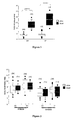
- the inventors found a large difference in the plasma S100A8/A9 complex level between eventual survivors and non-survivors, with a specificity and sensitivity of 100%.
- the threshold for risk of death was determined as 8.1 ⁇ g/ml.
- micro-organisms which can provoke sepsis are: 1- Bacteria: gram positive bacilli: Corynebacterium Clostridium Listeria Bacillus gram negative cocci: Neisseria gram negative bacilli: enterobacteria: E .
- Herpes viruses Herpes viridae : Herpes simplex, cytomegalovirus, varicella, zona... Influenzae virus Paramyxovirus Coronavirus Parainfluenzae virus Respiratory syncytial virus Arbovirus 3- Parasites: Plasmodium Toxoplasma
- a first aspect of the present invention is a method for in vitro establishing a prognosis for a subject in severe sepsis with at least two organ failures, or for a subject in septic shock with at least two organ failures, comprising the following steps:
- the threshold will be predetermined for the same.
- the level of S100A8/A9 complex is measured, either specifically or in combination with free S100A8.
- the level of total S100A9 (free and in the S100A8/A9 complex), is measured.
- S100A8/A9 will be used to designate a species selected in the group of S100A8, S100A9, the S100A8/A9 complex or a combination thereof.
- the biological sample used in step (i) has been collected at day 0, day 1 or day 2 after the onset of the second organ failure, so that an early prognosis can be established.
- the biological sample has been collected at day 0.
- the inventors have demonstrated that S100A8/A9 remains a reliable prognostic at any date during the four weeks following the onset of the second organ failure (Example 2).
- the present method can also be performed with a sample collected at any date between day 2 and day 28 after the onset of the second organ failure.
- the biological sample is plasma.
- the threshold to be considered when performing the above method is predetermined by measuring the level of S100A8/A9 in a representative cohort of individuals having undergone a severe sepsis or septic shock with at least two organ failures, and for whom the outcome is known.
- the threshold is calculated to obtain the best predictability (sensitivity and specificity) for the risk of death.
- a predetermined threshold of 7 to 9 ⁇ g/ml, preferably from 7.8 to 8.3 ⁇ g/ml and for example 8.1 ⁇ g/ml, can be considered.
- the skilled artisan can also refine the threshold for particular subpopulations, depending on the type of sepsis (number and type of organ failures, sepsis source (lung, abdomen, %), causative pathogens, %), or any other parameter regarding the patients or their pathologies (age of patient, associated treatment, particularly immunosuppressive drugs, type of comorbities, ). Indeed, data obtained in a small cohort of patients in severe sepsis without shock (see Example 4 below) suggest that an appropriate threshold for performing the method according to the invention for this type of patients may be slightly superior to 8.1 ⁇ g/l, for example between 8.4 and 9, 9.5 or 10 ⁇ g/l.
- the measure performed in step (i) is done by an immunoassay, for example with an antibody which specifically binds to the S100A8/A9 complex.
- an antibody which specifically binds to the S100A8/A9 complex also referred to as MRP8/14 complex
- Ikemoto et al. Ikemoto et al.
- Roth et al. Roth et al.
- any other molecule specifically binding to said complex such as, for example, antibody fragments or specifically designed aptamers.
- Aptamers are single stranded nucleic acid molecules (DNA or RNA) that are selected in vitro for their ability to bind to a target molecule; this selection can be performed, for example, by the SELEX method (Systematic Evolution of Ligands by Exponential Enrichment) described in US 5,270,163 .
- the crystal structure of the human S100A8/A9 complex can be used by the skilled artisan for obtaining molecules specifically binding to said complex (Korndorfer et al., 2007).
- Antibodies or other binding molecules recognizing free S100A8 or free S100A9 in addition to the S100A8/A9 complex, or specifically recognizing the free form of S100A8 or S100A9 can also be used in the context of the present invention, provided they also enable the determination of a threshold for discriminating the patients according to their outcome.
- a particular immunoassay which can be used to perform a method according to the present invention is an ELISA assay such as described in the experimental part below.
- fluorescently labeled antibodies can be used, for example for performing flux cytometry.
- the skilled artisan can choose any other immunoassay for performing a method according to the present invention.
- PCT procalcitonin
- BNP N-terminal pro-brain natriuretic peptide
- sTREM soluble triggering receptor expressed on myeloid cells-1
- IL-6 IL-6
- SAPS II score etc.
- the present invention hence also pertains to a method as described above, further comprising a step of measuring the level of at least one other species in a plasma sample from said patient (the same biological sample as that in which S100A8/A9 concentration is measured, or another biological sample if appropriate), and a step of comparing said level to a predetermined threshold.
- species is herein understood any component, molecule or complex, which can be used as a marker.
- said other species is/are measured in the same biological sample as S100A8/A9, and is/are selected amongst procalcitonin (PCT), N-terminal pro-brain natriuretic peptide (BNP), soluble triggering receptor expressed on myeloid cells-1 (sTREM), IL-6 and sRAGE.
- PCT procalcitonin
- BNP N-terminal pro-brain natriuretic peptide
- sTREM soluble triggering receptor expressed on myeloid cells-1
- IL-6 sRAGE.
- a patient had a level of S100A8/A9 at D0 above the predetermined threshold defined above, and if said level remains above the threshold, this indicates that the patient has a great probability of death.
- This method is illustrated by the publication of D. Payen et al ., (Payen et al., 2008).
- the expression level of S100A8 and/or S100A9 will preferably be measured by quantitative amplification, for example by quantitative RT-PCR as described in Payen et al., supra.
- the measures are performed on biological samples obtained from said patient at several time points after admission, for example each day during the first week and then, depending on the clinical context, at the same frequency or at a lower frequency.
- this prognosis marker can be used to better select the individuals to be enrolled in clinical trials for testing new treatments aiming at improving either the duration of intensive support before the patient leaves the intensive care unit or the outcome of these pathologies.
- the patients who will be enrolled are those with a good prognosis, in order to avoid noise related to "desperate" patients.
- the invention hence also pertains to a method for determining if a subject in a very severe condition with at least two organ failures is to be enrolled in a clinical trial for evaluating the efficiency of a pharmaceutical treatment for shortening the need of intensive support for such patient, wherein said method comprises a step of establishing a prognosis for said subject by a method as described above, and wherein said patient is enrolled if the measured level of S100A8/A9 is below the predetermined threshold.
- the present invention also relates to a method for determining if a subject in severe sepsis with at least two organ failures or in septic shock with at least two organ failures is to be enrolled in a clinical trial for evaluating the efficiency of a pharmaceutical treatment for improving outcome for such a patient, comprising a step of establishing a prognosis for said subject by a method as above-described, wherein said subject is enrolled if the measured level of S100A8/A9 is above the predetermined threshold.
- the invention also pertains to a method for testing the efficiency of a pharmaceutical treatment for improving outcome of severe syndromes with at least two organ failures, comprising the following steps:
- step (i) is performed at day 0 after the onset of the second organ failure, and the selected patient preferably has a S100A8/A9 level above a predetermined threshold as defined above.
- a new innovative treatment will be considered as beneficial to the patient and most likely to improve outcome of severe syndromes with at least two organ failures if the S100A8/A9 complex level decreases below said threshold.
- S100A9 expression level is more appropriate than S100A8 expression level to this purpose.
- kits for performing any of the above-described methods based on the measure of the S100A8/A9 comprising a molecule specifically binding to the S100A8/A9 complex and/or specifically binding to S100A8 or S100A9 (either specifically in their free form or in both their free form and in the S100A8/A9 complex), and a notice of use explaining the predictive value of the plasma level of S100A8/A9 on the outcome of severe sepsis and septic shock (especially with two organ failures).
- said molecule binds to the S100A8/A9 complex.
- the notice also provides a protocol description for measuring the S100A8/A9 level in a plasma sample as well as an indication of the threshold above which the level will be indicative of a bad prognosis for a patient.
- information concerning the sensitivity and specificity of the test which can be carried out with the kit will also be indicated in the notice, in relation with the threshold.
- kit according to the invention can also comprise other components selected amongst reagents for performing an immunoassay (buffers, enzymes, labeling molecules, etc. ), quality controls, one or more calibrator(s), etc..
- Example 1 Multicentre evaluation of plasma S100A8 / A9 complex as an early prognostic marker in septic shock
- the training cohort enrolled patients fulfilling the inclusion criteria from whom blood samples were taken for gene expression and for plasma levels of the S100A8/A9 complex. The population was sized to fit the calculated statistical power. A second sample was taken on D1 to test the stability of the marker.
- Samples from the testing cohort after permission of ethical committee were obtained from patients fulfilling the same inclusion criteria who were enrolled into a multicentre study on severe sepsis (Programme Hospitalier debericht Clinique n° AOR 02006) during the same period (February 2004 to November 2005). This cohort was used to validate the predictive ability of the plasma complex S100A8/A9 level taken at day 0 from the training cohort.
- Plasma IL-10 (optEIATM set; PharMingen, San Diego, CA, USA), IL-12p40 and MIF (R&D Systems, Abingdon, Oxon, UK) concentrations were determined by an immunoenzymatic method (ELISA) according to the manufacturer's instructions. Standard samples ranged from 7.8 to 500 pg/ml for IL-10, and from 31.2 to 2000 pg/ml for IL-12p40 and MIF. Detection thresholds were 2.7 ⁇ 3.1 pg/ml for IL-10, 25.8 ⁇ 33.3 pg/ml for IL-12p40, and 25.7 ⁇ 34.6 pg/ml for MIF.
- ELISA immunoenzymatic method
- the technique was adapted from a previous publication (Ikemoto et al., 2003) using blood taken from 34 healthy subjects, paired by age and sex. Levels averaged 0.26 ⁇ g/ml with a range of 0.052-0.468 ⁇ g/ml. Briefly, 100 ⁇ l of diluent solution were added to each well of a 96-well polycarbonate plate coated with the first antibody (Mo2B9; 0.166 mg/L). Plasma samples, previously diluted with a working Block-AceTM (Dainippon Pharmacology Co Ltd) solution or the MRP8/14 complex calibrator solution, were then added and mixed for 15 seconds. The plate was then incubated for 1 hr to allow the immunological reaction to proceed.
- a working Block-AceTM Dainippon Pharmacology Co Ltd
- RNA samples were obtained at D0 and D1 after elimination of mature PMNs by Ficoll gradient centrifugation.
- Cell analysis included morphological characteristics by light scatter and CD66b expression (FACScalibur) for evaluating the proportion of immature cells (granulocyte lineage) (Payen et al., 2008).
- PBMC peripheral blood mononuclear cells
- Total RNA was extracted using the Rneasy kit (Qiagen) and samples were treated with Rnase-free DNAse I. Quality and quantity were estimated on an Agilent bioanalyzer and quantities of total RNA were confirmed on a Nanodrop spectrophotometer.
- qRT-PCR was performed for S100A8 (Hs00374264_gl) and S100A9 (Hs00610058_ml) according to the manufacturer's specifications (Applied Biosystems, Foster City, CA, USA, Table 1) and compared to an endogenous control eukaryotic 18S rRNA (Hs99999901_s1). Results are expressed in Delta Ct (concentration threshold): CtS100Ax-Ct18S. Table 1: Characteristics of Gene expression Assays for Real-Time PCR.
- Quantitative results are expressed as the median and 25 th -75 th percentiles. Comparison of quantitative variables was performed using a Mann-Whitney test, and qualitative variables by chi-squared testing. Correlation studies were performed by the Spearman correlation test. A p value ⁇ 0 ⁇ 05 was considered statistically significant.
- the inventors Based on data previously published in human septic shock (Payen et al., 2008), the inventors assumed a mortality of 40% in septic shock patients (Annane et al., 2007; Sprung et al., 2008) and a difference in S100A8/A9 complex between survivors and non-survivors of 2 ⁇ g /ml, with a standard error of 2 ⁇ 35 (Payen et al., 2008). Accordingly, a sample size of 47 patients needed to be recruited for the training cohort, controlling for a type I error probability of 0.05 and a power of 0.80.
- the prognostic performance of the plasma level of S100A8/A9 complex was assessed through computation of an area under the ROC curve (AUC). Because of the observed sensitivity and specificity values in the training cohort, and to account for the relatively small sample size, the inventors provided estimates of sensitivity and specificity based on the Laplace method (Agresti and Coull, 1998). To validate these results, a second independent cohort (testing cohort) of patients was studied using the same entry criteria. The main characteristics of the two cohorts were compared, and prognostic analyses of the S100A8/A9 complex performed, including estimation of the AUC as well as sensitivity and specificity values based on the training S100A8/A9 threshold.
- AUC area under the ROC curve
- Plasma inflammatory mediator results are summarized in Table 3. There was no difference at D0 between survivors and non-survivors for either plasma levels of IL-12p40, or HLA-DR monocyte expression. Plasma IL-10 and MIF levels were significantly higher in patients who eventually died (p ⁇ 0.05 and p ⁇ 0.01, respectively), however there was a large overlap in values between the two groups. Table 3: Plasma cytokine and MIF levels, and monocyte expression of HLA-DR at D0 in the training cohort. MIF: macrophage migration inhibiting factor.
- NS IL-10 (pg/ml) 150 (66-478) 128 (40-269) 326 (133-653) 0.0156 IL-12p40 (pg/ml) 15(0-43) 20 (0-50) 12 (0-34)
- NS MIF (pg/ml) 2118 (955-9163) 1460 (713-3746) 9049 (2795-20284) 0.0055
- the AUC value was 0.99 and the 8.1 ⁇ g/ml threshold plasma value obtained from the training cohort distinguished survivors from non-survivors with a sensitivity and specificity of 94.3% and 100% (Laplace estimate: 96.55%), respectively. Only two patients were misclassified; their values of plasma S100A8/A9 suggested a good prognosis yet they died after three weeks with decompensated hepatic failure on the background of liver cirrhosis. As in the training cohort, neither the number of organ failures nor treatment with aPC or hydrocortisone influenced the prognostication provided by the plasma S100A8/A9 level (data not shown).
- NS IL-10 (pg/ml) 85 (16-292) 42(14-110) 136 (22-558) 0.05 IL-12p40 (pg/ml) 0(0-8) 0(0-5) 0 (0-39) NS MIF (pg/ml) 2020(1075-5360) 2287(1099-6104) 1941 (1006-3945) NS Table 6: Comparison of the main characteristics of patients from the training and the testing cohorts.
- the plasma level of the S100A8/A9 complex was an excellent predictor of outcome in patients with septic shock, even when taken as early as the first day of occurrence of the 2 nd organ failure. This was independent of the number of organ failures at D0 or the subsequent use of activated Protein C or corticosteroids. It remained stable, at least for the first 2 days, with a predictive threshold for death of 8.1 ⁇ g/ml. The validity of this threshold obtained in a training cohort of 49 patients was subsequently confirmed in a testing cohort of 62 patients. The plasma protein level difference did not correlate with S100A8 and A9 gene expression on peripheral white blood cells suggesting, at least in this early phase, origins for this complex other than circulating immune cells.
- IL-6 a marker of the severity of systemic inflammation in septic shock (Abraham et al., 2001), HLA-DR expression on circulating monocytes (Monneret et al., 2006), and brain natriuretic peptides measured during the first 3 days of severe sepsis or septic shock (Varpula et al., 2007).
- Plasma levels of soluble TREM-1 in septic patients had a relatively low sensitivity for outcome prediction, thus precluding its use as a prognostic marker.
- Plasma sRAGE was also found to be higher in septic non-survivors, with a specificity of 75% and a sensitivity of 84.6% (Bopp et al., 2008).
- S100A8 and S100A9 are specifically linked to innate immune functions.
- S100A8 and S100A9 are found in granulocytes, monocytes and the early differentiation stages of macrophages (Foell et al., 2007).
- S100A12 EN-RAGE, extracellular newly identified RAGE binding protein appears more restricted to granulocytes (Vogl et al., 1999).
- mice lacking the S100A8-A9 complex were protected from both Escherichia coli- and endotoxin-induced lethal shock (Vogl et al., 2007).
- the S100A8/A9 complex amplified phagocyte responses including intracellular translocation of myeloid differentiation primary response protein (MyD)-88 and activation of interleukin-1 receptor-associated kinase (IRAK)-1 and nuclear factor (NF)-kB, resulting in an elevated expression of tumor necrosis factor- ⁇ (TNF- ⁇ ).
- MyD myeloid differentiation primary response protein
- IRAK interleukin-1 receptor-associated kinase
- NF-kB nuclear factor-kB
- phagocyte-specific S100 proteins are actively secreted via an alternative pathway bypassing the classical Golgi-route (Rammes et al., 1997). This is typical for DAMP-related factors that have a role in cell homeostasis as intracellular molecules, but turn into proinflammatory danger signals after release to the extracellular compartment due to cell damage, infection or inflammation. This may explain why plasma levels are markedly higher in patients who will not survive, suggesting a more severe loss of cell homeostasis.
- S100A8 and S100A9 are independent from de novo synthesis and has been associated with down-regulation of mRNA expression of both genes (Foell et al., 2007).
- the absence of correlation at D0 between the plasma level of the complex S100A8/A9 and white cell S100A8 and A9 gene expression confirms the absence of early de novo synthesis.
- the discriminative role of the S100A8/A9 complex based on differences detected between survivors and non-survivors in a training cohort, and subsequently validated by a larger testing cohort with a higher mortality rate, strongly supports the utility of this outcome predictor early in the presentation of patients with septic shock with at least two organ failures.
- large-scale testing is required to assess generalisability and the impact of co-morbidities. However, if confirmed, this may open a new era, both in terms of patient management and in targeting a new system for therapeutic modulation.
- Example 2 Trend over time of plasma S100A8/A9 complex level in septic shock patients
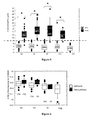
- S100A8/A9 values were 4.7 ⁇ g/ml at D0, 4.0 ⁇ g/ml at D1, 4.5 ⁇ g/ml at D7, 20.1 ⁇ g/ml at D14, although his evolution was uneventful and his final good outcome (discharge before D28).
- the S100A8/A9 level at D 14 was however not controlled, and this surprising result may be a measure artefact.
- Example 3 Trend over time of S100A8 and S100A9 gene expression levels in septic shock patients
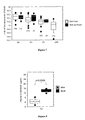
- Figure 6 and Figure 7 show the S100A8 and S100A9 gene expressions in 32 patients. These data have been extracted from microarray analysis performed on Affymetrix HG-U133 Plus 2.0 array, using the same methodology as described in EP 2085486 A1.
- S100A8 gene expression decreased slightly in survivors between day 0 and day 7, even this was not significant over 28 days. This trend was not observed in non survivors..
- S100A9 gene expression decreased over time in survivors and did not vary in non-survivors.
- Example 4 Evaluation of plasma S100A8 / A9 complex level as an early prognostic marker in severe sepsis without shock
- Plasma S100A8/A9 level was measured in 16 patients without shock at D0. These patients were in severe sepsis with two organ failures (same criteria of organ dysfunction as in previous cohort).
Landscapes
- Health & Medical Sciences (AREA)
- Life Sciences & Earth Sciences (AREA)
- Engineering & Computer Science (AREA)
- Immunology (AREA)
- Molecular Biology (AREA)
- Chemical & Material Sciences (AREA)
- Biomedical Technology (AREA)
- Urology & Nephrology (AREA)
- Hematology (AREA)
- Cell Biology (AREA)
- Analytical Chemistry (AREA)
- Biotechnology (AREA)
- Pathology (AREA)
- Food Science & Technology (AREA)
- Medicinal Chemistry (AREA)
- Physics & Mathematics (AREA)
- Microbiology (AREA)
- Biochemistry (AREA)
- General Health & Medical Sciences (AREA)
- General Physics & Mathematics (AREA)
- Proteomics, Peptides & Aminoacids (AREA)
- Physiology (AREA)
- Tropical Medicine & Parasitology (AREA)
- Measuring Or Testing Involving Enzymes Or Micro-Organisms (AREA)
- Investigating Or Analysing Biological Materials (AREA)
Description
- The present invention relates to the field of treatment of serious medical syndromes such as severe sepsis or septic shock. In particular, the present invention provides methods and kits to obtain an early evaluation of mortality risk and help therapeutic decisions for patients in severe sepsis with two organ failures, for example for patients in septic shock.
- Septic shock is the most severe clinical presentation of sepsis, with a poor prognosis despite intensive therapeutic support and anti-infectious strategy to eradicate the infection foci. The sepsis syndrome is defined as symptoms related to the host response to abnormal presence of micro-organisms (bacteria, viruses or parasites) or their antigenic fractions. The local infection might spread out for different reasons to the whole body, with a particular activation of blood immune cells controlling the innate immunity during the early phase and activation of the adaptive immunity in a second time. Such an intense immune activation in blood may in turn target organs that were not initially concerned by the initial infection, leading to immune toxicity and dysfunction of these organs. The high mortality rate of septic shock (around 50%) results from a combination of organ failures, comorbidities and virulence of micro-organisms. Death may occur at different times of evolution, most often during the first week despite intensive resuscitation.
- A number of studies examining therapeutic interventions have generated important but controversial results, such as the use of corticosteroids (Annane et al., 2002; Sprung et al., 2008), activated protein C (Bernard et al., 2001), and tight glycaemic control (van den Berghe et al., 2001). The absence of an early, specific and sensitive marker for determining prognosis thus creates difficulties not only for clinicians with regard to prescription of expensive drugs and futile maintenance of life support, but also for trial investigators with regard to the selection of patients for study inclusion. Some promising markers have been tested, such as procalcitonin (Clec'h et al., 2004), HLA-DR (Monneret et al., 2006), IL-6 (Abraham et al., 2001), and soluble triggering receptor expressed on myeloid cells-1 (sTREM) (Gibot et al., 2005); but results are conflicting.
- Recently, a novel group of molecules - known variously as "endokines", "alarmins" or "damage-associated molecular pattern proteins (DAMPs)" - that are released by activated or damaged cells under conditions of cell stress has been investigated (Oppenheim et al., 2007). Among these, phagocytic S100 proteins, members of the calgranulin family that mediate inflammatory responses (Vogl et al., 2007) and organ function (Boyd et al., 2008) appear to be of importance in sepsis. An emerging concept of pattern recognition involves the multi-ligand receptor for advanced glycation end products (RAGE) and Toll-like receptors (TLRs) in sensing not only pathogen-associated molecular patterns (PAMPs) but also endogenous DAMPs, including the S100 proteins (Brunn and Platt, 2006; Foell et al., 2007).
- Overexpression of the genes of S100A8 and A9 has been shown in mice submitted to lipopolysaccharide (LPS) or caecal ligation and puncture (CLP) challenge (Vogl et al., 2007), in cardiomyocytes incubated with LPS (Boyd et al., 2008), in kidney tissue after ischaemia/reperfusion (Grigoryev et al., 2008), in healthy volunteer leucocytes after LPS injection (Talwar et al., 2006) and in septic shock patients (Payen et al., 2008). Since S100A8 and S100A9 proteins are found in both intracellular and extracellular spaces, they could potentially act both within the cell and in an autocrine or paracrine manner. In mice with septic shock, there were high levels of both gene expression and the proteins (Vogl et al., 2007). Few studies have examined cellular or extracellular levels of these proteins in human septic shock.
-
WO 2008/104321 describes the use of the peptide procalcitonin, as a biomarker for early diagnosis, monitoring of treatment and monitoring of the progression of systemic and local infections, in particular bacterial infections and sepsis. S100A proteins are mentioned in a group of potential additional markers which can be used in combination with procalcitonin.EP 1 950 310 ,US 2006/0234295 andUS 2006/0035221 also list S100A proteins in a large group of markers likely to be relevant, in combination with other markers, in the diagnosis or prognosis of inflammations and infections, including sespsis. - Recently, the inventors found a close correlation between the evolution of S100A8 and A9 gene expression and the plasma level of the S100A8/A9 complex during the recovery phase of human septic shock (Payen et al., 2008).
- The experimental part below reports the results of a further investigation in patients with septic shock examining gene expression of S100 A8 and A9 and plasma levels of the S100A8/A9 complex at
day 0 after occurrence of the second organ failure. In this multicentre study, the inventors found a large difference in the plasma S100A8/A9 complex level between eventual survivors and non-survivors, with a specificity and sensitivity of 100%. The threshold for risk of death was determined as 8.1 µg/ml. -
-
Figure 1 : Box and whisper plot of the plasma level of the S100 A8/A9 complex in survivors (white box) and non-survivors (black box) of septic shock ondays -
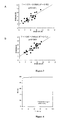
Figure 2 : Box and whisper plot of S100 A8 (left) and A9 (right) gene expression measured by RT-PCR in circulating white cells in survivors (white box) and non-survivors (black box). Statistics were performed using the Mann Whitney non-parametric test. -
Figure 3 : Correlation between S100A8 and S100A9 gene expression measured by RT-PCR. Statistics were performed using the Spearman test. -
Figure 4 : Receiver operator characteristic (ROC) curve for 28-day mortality prediction in global population (n = 111). Area under the curve: 0.99. -
Figure 5 : Trend over time of S100A8/A9 complex, according to outcome, in plasma. Results expressed in µg/ml. Effectives in brackets. * : p ≤ 0.0001 with the Mann Whitney test. -
Figure 6 : Trend over time of S100A8 gene expression, according to outcome, in circulating mononuclear cells. Results expressed in units of fluorescence. Probe set ID on Affymetrix HG-U133 Plus 2.0 array: 202917_s_at. Effectives in brackets. -
Figure 7 : Trend over time of S100A9 gene expression, according to outcome, in circulating mononuclear cells. Results expressed in units of fluorescence. Probe set ID on Affymetrix HG-U133 Plus 2.0 array: 203535_at. Effectives in brackets. -
Figure 8 : S100A8/A9 in patients without shock at D0.- N=8 survivors
- N=8 non survivors
- In the present text, the terms "sepsis", "severe sepsis" and "septic shock" are to be understood according to the definitions established in 1991 by the American College of Chest Physicians (ACCP) and the Society of Critical Care Medicine (SCCM) and confirmed in 2001 (Levy et al., 2003). These and other definitions used herein are summarized below:
- A "sepsis" is a systemic inflammation in response to infection.
- A "severe sepsis" is defined as a sepsis with at least one organ dysfunction.
- Among severe sepsis syndromes, the most severe cases exhibit two organ failures or even more. Although not very common, some severe sepsis cases with two organ dysfunctions distinct from acute circulatory failure are observed: this kind of cases are defined as "severe sepsis with at least two organ failures", and are distinct from septic shocks.
- A "septic shock" is defined as a sepsis with acute circulatory failure.
- An "acute circulatory failure" is a persistent arterial hypotension (systolic arterial pressure<90 mm Hg, a MAP<60 mmHg or a reduction in systolic blood pressure of >40 mm Hg from baseline) despite adequate volume resuscitation, in the absence of other causes for hypotension.
- A "septic shock with at least two organ failures" is a septic shock with at least one organ failure (e.g., kidney, liver, ...) in addition to the acute circulatory failure.
- In the present text, patients who are considered are those, either in severe sepsis or in septic shock, but in both cases with at least two organ failures. For these patients, "
day 0" designates the 24-hours period after the onset of the second organ failure. - As recalled above, sepsis is the consequence of an abnormal presence of micro-organisms. Non-limitative examples of micro-organisms which can provoke sepsis are:
1- Bacteria: gram positive bacilli: Corynebacterium Clostridium Listeria Bacillus gram negative cocci: Neisseria gram negative bacilli: enterobacteria: E. coli, Shigella, Klebsiella, Salmonella, Serratia, Proteus, Pseudomonas, Yersinia Rickettsia Haemophilus Legionella Providencia Bacteroides gram positive cocci: Streptococcus Staphylococcus 2- Viruses: Herpes viruses (Herpes viridae) : Herpes simplex, cytomegalovirus, varicella, zona... Influenzae virus Paramyxovirus Coronavirus Parainfluenzae virus Respiratory syncytial virus Arbovirus 3- Parasites: Plasmodium Toxoplasma - Other definitions will be specified below, when necessary.
- A first aspect of the present invention is a method for in vitro establishing a prognosis for a subject in severe sepsis with at least two organ failures, or for a subject in septic shock with at least two organ failures, comprising the following steps:
- (i) from a plasma sample from said subject, measuring the level of S100A8 and/or S100A9 and/or the S100A8/A9 complex,
- (ii) comparing said level to a predetermined threshold,
- Of course, depending on the species which is measured (S100A8 and/or S100A9 and/or the S100A8/A9 complex), the threshold will be predetermined for the same. In a preferred embodiment, the level of S100A8/A9 complex is measured, either specifically or in combination with free S100A8. Alternatively, the level of total S100A9 (free and in the S100A8/A9 complex), is measured. In what follows, "S100A8/A9" will be used to designate a species selected in the group of S100A8, S100A9, the S100A8/A9 complex or a combination thereof.
- According to a particular embodiment of this method, the biological sample used in step (i) has been collected at
day 0,day 1 orday 2 after the onset of the second organ failure, so that an early prognosis can be established. In a preferred embodiment for establishing an early prognosis, the biological sample has been collected atday 0. However, the inventors have demonstrated that S100A8/A9 remains a reliable prognostic at any date during the four weeks following the onset of the second organ failure (Example 2). Hence, the present method can also be performed with a sample collected at any date betweenday 2 andday 28 after the onset of the second organ failure. - The biological sample is plasma.
- The threshold to be considered when performing the above method is predetermined by measuring the level of S100A8/A9 in a representative cohort of individuals having undergone a severe sepsis or septic shock with at least two organ failures, and for whom the outcome is known. The threshold is calculated to obtain the best predictability (sensitivity and specificity) for the risk of death. For example, when the level of S100A8/A9 is measured in the plasma with a technology similar to that described in the experimental part, a predetermined threshold of 7 to 9 µg/ml, preferably from 7.8 to 8.3 µg/ml and for example 8.1 µg/ml, can be considered. On the first cohort used in the present study, the level of S100A8/A9 complex led to a sensitivity and a specificity of prognosis (risk of death) at D0 and D1 of 100%, considering this threshold (Example 1). The relevancy of this threshold was then confirmed for establishing a prognosis later after the onset of the second organ failure (Example 2). Of course, the skilled artisan is free to re-evaluate this threshold on a larger cohort of patients, and by using any kind of technology for measuring S100A8/A9 level. The skilled artisan can also refine the threshold for particular subpopulations, depending on the type of sepsis (number and type of organ failures, sepsis source (lung, abdomen, ...), causative pathogens, ...), or any other parameter regarding the patients or their pathologies (age of patient, associated treatment, particularly immunosuppressive drugs, type of comorbities, ...). Indeed, data obtained in a small cohort of patients in severe sepsis without shock (see Example 4 below) suggest that an appropriate threshold for performing the method according to the invention for this type of patients may be slightly superior to 8.1 µg/l, for example between 8.4 and 9, 9.5 or 10µg/l.
- In a particular embodiment, the measure performed in step (i) is done by an immunoassay, for example with an antibody which specifically binds to the S100A8/A9 complex. Several examples of antibodies specifically binding to S100A8/A9 complex (also referred to as MRP8/14 complex) have already been described in the literature, for example by Ikemoto et al. (Ikemoto et al., 2003). Of course, alternative techniques can be used to quantify the S100A8/A9 complex in said biological sample, such as, for example, the technique described by Roth et al. (Roth et al., 1993). The skilled artisan can also use, instead of antibodies specific for the S100A8/A9 complex, any other molecule specifically binding to said complex, such as, for example, antibody fragments or specifically designed aptamers. Aptamers are single stranded nucleic acid molecules (DNA or RNA) that are selected in vitro for their ability to bind to a target molecule; this selection can be performed, for example, by the SELEX method (Systematic Evolution of Ligands by Exponential Enrichment) described in
US 5,270,163 . Besides, the crystal structure of the human S100A8/A9 complex can be used by the skilled artisan for obtaining molecules specifically binding to said complex (Korndorfer et al., 2007). Antibodies or other binding molecules recognizing free S100A8 or free S100A9 in addition to the S100A8/A9 complex, or specifically recognizing the free form of S100A8 or S100A9 can also be used in the context of the present invention, provided they also enable the determination of a threshold for discriminating the patients according to their outcome. - A particular immunoassay which can be used to perform a method according to the present invention is an ELISA assay such as described in the experimental part below. Alternatively, fluorescently labeled antibodies can be used, for example for performing flux cytometry. Of course, the skilled artisan can choose any other immunoassay for performing a method according to the present invention.
- Alternatively, techniques different from immunoassays can be used to perform the methods according to the invention. In particular, mass spectrometry can advantageously be used to that purpose.
- If necessary, the skilled artisan can combine several markers for establishing a prognosis in cases of sepsis or septic shock with at least two organ failures. Amongst the markers which can be used in combination with S100A8/A9 concentration, procalcitonin (PCT), N-terminal pro-brain natriuretic peptide (BNP), soluble triggering receptor expressed on myeloid cells-1 (sTREM), IL-6 and sRAGE can be cited, as well as SAPS II score, etc. The present invention hence also pertains to a method as described above, further comprising a step of measuring the level of at least one other species in a plasma sample from said patient (the same biological sample as that in which S100A8/A9 concentration is measured, or another biological sample if appropriate), and a step of comparing said level to a predetermined threshold. By "species" is herein understood any component, molecule or complex, which can be used as a marker. In a particular embodiment, said other species is/are measured in the same biological sample as S100A8/A9, and is/are selected amongst procalcitonin (PCT), N-terminal pro-brain natriuretic peptide (BNP), soluble triggering receptor expressed on myeloid cells-1 (sTREM), IL-6 and sRAGE.
- Also disclosed is a method for performing a follow-up of a patient in severe sepsis with at least two organ failures or in septic shock with at least two organ failures, by measuring the evolution of the plasma level of S100A8/A9 in said patient, wherein a decrease in said level indicates that said patient is recovering. According to this method, if a patient had a level of S100A8/A9 at D0 above the predetermined threshold defined above, and if said level remains above the threshold, this indicates that the patient has a great probability of death.
- Also disclosed is a method for performing a follow-up of a patient in severe sepsis or in septic shock with at least two organ failures, by measuring the evolution of the expression level of S100A8 and/or S100A9 in said patient, wherein a decrease in said level indicates that said patient is recovering. This method is illustrated by the publication of D. Payen et al., (Payen et al., 2008). When performing this method, the expression level of S100A8 and/or S100A9 will preferably be measured by quantitative amplification, for example by quantitative RT-PCR as described in Payen et al., supra.
- In the above-described follow-up methods, the measures (of the S100A8/A9 complex or of the expression of S100A8 or S100A9) are performed on biological samples obtained from said patient at several time points after admission, for example each day during the first week and then, depending on the clinical context, at the same frequency or at a lower frequency.
- Also disclosed is a method for helping decision for treatment withdrawal for a patient in severe sepsis with at least two organ failures or in septic shock with at least two organ failures, comprising the following steps:
- (i) establishing a prognosis for said patient, by a method according to claim 1 (as soon as possible after the onset of the second organ failure);
- (ii) measuring the level of S100A8/A9 in a biological sample from said patient, obtained after several days (e.g., 2 weeks) of treatment;
- Since the present invention provides a reliable prognosis marker for patients in very severe conditions (i.e., in severe sepsis with at least two organ failures or in septic shock with at least two organ failures), this prognosis marker can be used to better select the individuals to be enrolled in clinical trials for testing new treatments aiming at improving either the duration of intensive support before the patient leaves the intensive care unit or the outcome of these pathologies.
- In the first case, the patients who will be enrolled are those with a good prognosis, in order to avoid noise related to "desperate" patients. The invention hence also pertains to a method for determining if a subject in a very severe condition with at least two organ failures is to be enrolled in a clinical trial for evaluating the efficiency of a pharmaceutical treatment for shortening the need of intensive support for such patient, wherein said method comprises a step of establishing a prognosis for said subject by a method as described above, and wherein said patient is enrolled if the measured level of S100A8/A9 is below the predetermined threshold.
- To the contrary, patients with a bad prognosis will be enrolled in trials for evaluating new treatments for improving outcome of very severe conditions with at least two organ failures, so that a drug with potential severe side-effects will not be given to patients supposed to recover by "classical" resuscitation, and so that the results be free of noise related to patients who would have recovered without this new drug or treatment. Hence, the present invention also relates to a method for determining if a subject in severe sepsis with at least two organ failures or in septic shock with at least two organ failures is to be enrolled in a clinical trial for evaluating the efficiency of a pharmaceutical treatment for improving outcome for such a patient, comprising a step of establishing a prognosis for said subject by a method as above-described, wherein said subject is enrolled if the measured level of S100A8/A9 is above the predetermined threshold.
- As a corollary of the above method, the invention also pertains to a method for testing the efficiency of a pharmaceutical treatment for improving outcome of severe syndromes with at least two organ failures, comprising the following steps:
- (i) selecting a patient in severe sepsis with at least two organ failures or in septic shock with at least two organ failures, and determining the level of S100A8/A9 in a plasma sample from said patient obtained before the beginning of said pharmaceutical treatment;
- (ii) from at least another sample from said patient, obtained after the beginning of said pharmaceutical treatment, determining the level of S100A8/A9;
- (iii) comparing said obtained values;
- In a preferred embodiment of the above-method, step (i) is performed at
day 0 after the onset of the second organ failure, and the selected patient preferably has a S100A8/A9 level above a predetermined threshold as defined above. In this latter case, a new innovative treatment will be considered as beneficial to the patient and most likely to improve outcome of severe syndromes with at least two organ failures if the S100A8/A9 complex level decreases below said threshold. - The skilled artisan can adapt this method for performing it with a follow-up of the patient based on the measure of S100A8 and/or S100A9 expression level instead of (or in addition to) the level of S100A8/A9 complex. As described in Example 3 below, S100A9 expression level is more appropriate than S100A8 expression level to this purpose.
- Another aspect of the present invention is a kit for performing any of the above-described methods based on the measure of the S100A8/A9, comprising a molecule specifically binding to the S100A8/A9 complex and/or specifically binding to S100A8 or S100A9 (either specifically in their free form or in both their free form and in the S100A8/A9 complex), and a notice of use explaining the predictive value of the plasma level of S100A8/A9 on the outcome of severe sepsis and septic shock (especially with two organ failures). In a preferred embodiment of the kit, said molecule binds to the S100A8/A9 complex. The skilled artisan can choose any kind of specific binder, such as an antibody, and antibody fragment, an aptamer, a sugar etc., to put into such a kit, provided this binder can be used to measure the level of S100A8/A9 in an appropriate biological sample from a patient. In a preferred embodiment, the notice also provides a protocol description for measuring the S100A8/A9 level in a plasma sample as well as an indication of the threshold above which the level will be indicative of a bad prognosis for a patient. In an even more preferred embodiment, information concerning the sensitivity and specificity of the test which can be carried out with the kit will also be indicated in the notice, in relation with the threshold.
- Of course, the kit according to the invention can also comprise other components selected amongst reagents for performing an immunoassay (buffers, enzymes, labeling molecules, etc.), quality controls, one or more calibrator(s), etc..
- Other characteristics of the invention will also become apparent in the course of the description which follows of the biological assays which have been performed in the framework of the invention and which provide it with the required experimental support, without limiting its scope.
- All the experiments reported below have been carried out with the following materials and methods.
- This multi-centre study was approved by the Cochin Hospital Ethics Committee (# CCPPRB 2061) and involved patients from four Intensive Care Units (two medical, two surgical). Only patients fulfilling the criteria of septic shock defined according to the ACCP/SCCM consensus conference (Bone et al., 1992) were screened. Inclusion criteria required patients in septic shock to have at least two organ failures as defined by the SOFA (Sequential Organ Failure Assessment) score (Vincent et al., 1998). The first blood sample was taken on day 0 (DO), defined as occurring within 24 hours of development of the second organ failure.
- The training cohort enrolled patients fulfilling the inclusion criteria from whom blood samples were taken for gene expression and for plasma levels of the S100A8/A9 complex. The population was sized to fit the calculated statistical power. A second sample was taken on D1 to test the stability of the marker.
- Samples from the testing cohort after permission of ethical committee were obtained from patients fulfilling the same inclusion criteria who were enrolled into a multicentre study on severe sepsis (Programme Hospitalier de Recherche Clinique n° AOR 02006) during the same period (February 2004 to November 2005). This cohort was used to validate the predictive ability of the plasma complex S100A8/A9 level taken at
day 0 from the training cohort. - Whole blood was incubated with appropriate antibodies conjugated with fluorochrome (Fluorescein isothiocyanate (FiTC) or Phycoerythrin (PE)): anti CD14-FiTC (clone RMO52, Beckman Coulter, Marseille, France) and PE conjugated irrelevant isotype control antibodies (Simultest control, BD Biosciences, San Jose, CA, USA) or anti HLA-DR-PE (clone L243, BD Biosciences). Conversion of mean fluorescence intensities into the number of Antibody Bound per Cell (AB/C) was performed using QFCM (Quantitative Flow CytoMetry).
- Plasma IL-10 (optEIA™ set; PharMingen, San Diego, CA, USA), IL-12p40 and MIF (R&D Systems, Abingdon, Oxon, UK) concentrations were determined by an immunoenzymatic method (ELISA) according to the manufacturer's instructions. Standard samples ranged from 7.8 to 500 pg/ml for IL-10, and from 31.2 to 2000 pg/ml for IL-12p40 and MIF. Detection thresholds were 2.7 ± 3.1 pg/ml for IL-10, 25.8 ±33.3 pg/ml for IL-12p40, and 25.7 ± 34.6 pg/ml for MIF.
- The technique was adapted from a previous publication (Ikemoto et al., 2003) using blood taken from 34 healthy subjects, paired by age and sex. Levels averaged 0.26 µg/ml with a range of 0.052-0.468 µg/ml. Briefly, 100 µl of diluent solution were added to each well of a 96-well polycarbonate plate coated with the first antibody (Mo2B9; 0.166 mg/L). Plasma samples, previously diluted with a working Block-Ace™ (Dainippon Pharmacology Co Ltd) solution or the MRP8/14 complex calibrator solution, were then added and mixed for 15 seconds. The plate was then incubated for 1 hr to allow the immunological reaction to proceed. After five washings, 100 µl of F(ab')2-biotin conjugate (second antibody Mo3D2 in the working Block-Ace™ solution containing 0.5 g/L thimerosa) was added and the plate incubated for a further hour. After repeat washing as above, 100µl of streptavidin-HRP conjugate diluted 1500-fold with the working Block-Ace solution was added and the plate incubated for a further 30 min. HRP activity was determined by colorimetry. Within-run coefficient of variations (CVs) were 3.9-5.6%, between-day CVs were 5.9-7.6%, and mean recovery was 98% (range 85-103%). The assay was performed by an investigator blinded to the clinical outcomes.
- RNA samples were obtained at D0 and D1 after elimination of mature PMNs by Ficoll gradient centrifugation. Cell analysis included morphological characteristics by light scatter and CD66b expression (FACScalibur) for evaluating the proportion of immature cells (granulocyte lineage) (Payen et al., 2008). At D0 and D1, the proportion of peripheral blood mononuclear cells (PBMC) was approximately 50%. Total RNA was extracted using the Rneasy kit (Qiagen) and samples were treated with Rnase-free DNAse I. Quality and quantity were estimated on an Agilent bioanalyzer and quantities of total RNA were confirmed on a Nanodrop spectrophotometer. qRT-PCR was performed for S100A8 (Hs00374264_gl) and S100A9 (Hs00610058_ml) according to the manufacturer's specifications (Applied Biosystems, Foster City, CA, USA, Table 1) and compared to an endogenous control eukaryotic 18S rRNA (Hs99999901_s1). Results are expressed in Delta Ct (concentration threshold): CtS100Ax-Ct18S.
Table 1: Characteristics of Gene expression Assays for Real-Time PCR. Assays are designed and distributed by Applied Biosystems Gene Symbol Gene Name NCBI Gene ref Assay ID 18S Eukaryotic 18S rRNA X03205.1 Hs99999901_s1 S100A8, MRP8 S100 calcium binding protein A8 NM_002964.3 Hs00374264_g1 S100A9, MRP14 S100 calcium binding protein A9 NM_002965.3 Hs00610058_m1 - Quantitative results are expressed as the median and 25th-75th percentiles. Comparison of quantitative variables was performed using a Mann-Whitney test, and qualitative variables by chi-squared testing. Correlation studies were performed by the Spearman correlation test. A p value <0·05 was considered statistically significant. Based on data previously published in human septic shock (Payen et al., 2008), the inventors assumed a mortality of 40% in septic shock patients (Annane et al., 2007; Sprung et al., 2008) and a difference in S100A8/A9 complex between survivors and non-survivors of 2 µg /ml, with a standard error of 2·35 (Payen et al., 2008). Accordingly, a sample size of 47 patients needed to be recruited for the training cohort, controlling for a type I error probability of 0.05 and a power of 0.80.
- The prognostic performance of the plasma level of S100A8/A9 complex was assessed through computation of an area under the ROC curve (AUC). Because of the observed sensitivity and specificity values in the training cohort, and to account for the relatively small sample size, the inventors provided estimates of sensitivity and specificity based on the Laplace method (Agresti and Coull, 1998). To validate these results, a second independent cohort (testing cohort) of patients was studied using the same entry criteria. The main characteristics of the two cohorts were compared, and prognostic analyses of the S100A8/A9 complex performed, including estimation of the AUC as well as sensitivity and specificity values based on the training S100A8/A9 threshold.
- Statistical analyses were performed on SAS 9.1 (SAS Inc, Cary, NC) and R 2.8.0 (http://www.R-project.org) software packages.
- Forty nine patients were enrolled; their clinical characteristics are summarized in Table 2 below. Surviving Sepsis Campaign guidelines for patient management were followed (Dellinger et al., 2004). Nine patients (18%) received activated Protein C while 35 (71%) were treated with hydrocortisone. Thirty one patients had undergone a surgical procedure within the previous two days. Fifteen patients died within the 28-day study period, 12 during the first 7 days. The three patients who died after D7 (one at D24 and two at D26) did so because of non-treatable respiratory failure and severe hypoxaemia, delayed multiple organ failure, and a moribund condition mandating treatment limitation. At D0, the SAPSII clinical severity score differed between survivors and non-survivors, whereas the SOFA score was similar (Table 2).
Table 2: Clinical characteristics, type of sepsis, and cardiovascular support in the training cohort at D0 Median (25th-75th percentiles) Total n=49 survivors n=34 Non-survivors n=15 P Age (y/o) 64 (51-75) 62 (50-68) 75 (67-84) 0.0040 Sex M/ F 34/15 24/10 10/5 NS SAPSII 57 (43-63) 52 (42-60) 70 (62-81) <0.0001 SOFA D0 10(8-12) 10(8-11) 11 (9-13) NS number of organ failures 3(3-4) 3(3-4) 4 (3-5) 0.0215 Postoperative 31/18 21/13 10/5 NS Infection site: thorax 10 7 3 abdomen 24 15 9 urinary tract 7 6 1 CNS 1 0 1 peripheral 7 6 1 Therapies: Catecholamines (µg/kg/min): • Norepinephrine (n=46) 0·4 (0·2-0·6) 0·3 (0·1-0·5) 0·6 (0·4-1·3) 0·0051 0·2 (0·1-0·9) 0·4 (0·1-0·8) 0·2 (0·1-1·0) NS • Epinephrine (n=9) 10·0 (6·3-18·8) 5 (5-5) 15 (10-20) 0·0528 • Dobutamine (n=7) 10(0) 10(0) - - • Dopamine (n=1) 35 21 14 Hydrocortisone treated (n) 9 4 5 Activated protein C treated (n) - Blood inflammatory mediator results are summarized in Table 3. There was no difference at D0 between survivors and non-survivors for either plasma levels of IL-12p40, or HLA-DR monocyte expression. Plasma IL-10 and MIF levels were significantly higher in patients who eventually died (p< 0.05 and p< 0.01, respectively), however there was a large overlap in values between the two groups.
Table 3: Plasma cytokine and MIF levels, and monocyte expression of HLA-DR at D0 in the training cohort. MIF: macrophage migration inhibiting factor. Median (25th-75th percentiles) Total n=49 Survivors n=34 Non-survivors n=15 p HLA-DR (AB/C) 2797 (1441-4538) 2826 (1410-5093) 2762 (1485-4307) NS IL-10 (pg/ml) 150 (66-478) 128 (40-269) 326 (133-653) 0.0156 IL-12p40 (pg/ml) 15(0-43) 20 (0-50) 12 (0-34) NS MIF (pg/ml) 2118 (955-9163) 1460 (713-3746) 9049 (2795-20284) 0.0055 - At D0, plasma levels of the S100 A8/A9 complex differed markedly between eventual survivors and non-survivors (3.7 µg/ml (3.2-4.2) vs 13.3 µg/ml (10.1-15.6), p< 0.0001). There was no overlap between the groups. Similar results were observed on D1 (
Figure 1 ). As a consequence, specificity and sensitivity of 100% were obtained, with a threshold plasma level for mortality risk of 8.1 µg/ml. Laplace estimate of sensitivity was 94.1% (95% confidence interval: 84.7%-100%) for a specificity of 97.2% (95% confidence interval: 92.6%-100%). Importantly, this was not influenced by the number of organ failures measured on D0. Similar plasma levels were seen in those with 2 organ failures [3.5 µg/ml IQ 1.4 (n=8)] or >2 organ failures [3.7 µg/ml IQ 0.9 (n=25)]. - Of the nine patients (18%) receiving aPC after D0, five survived (D0 levels: 3.4 µg/ml; IQR 1.1) and 4 died (D0 levels: 15.7 µg/ml; IQR 3.6). Likewise, D0 levels in patients treated subsequently with corticosteroids (35 patients) were 3.7 µg /ml (IQR 1.0) in survivors vs 13.8 µg /ml (IQR 5.6) in eventual non-survivors. The dosage requirement of catecholamines (norepinephrine and dobutamine) was higher in eventual non- survivors (p<0.01) (Table 1).
- The mRNA levels for S100A8 or S100A9 genes in PBMC and immature cells did not differ between survivors and non-survivors on either D0 or D1 (
Figures 2A and B ). Gene expression for S100A8 and S100A9 correlated well (r=0.81 at D0 and r=0.87 at D1, p<0.0001Figure 3 ), however no correlation was seen with plasma S100A8/A9 complex levels on either D0 or D1 (data not shown). - Samples from 62 patients fulfilling the same entry criteria were studied. Clinical characteristics and inflammatory variables according to outcome are depicted in Tables 4 and 5. Clinical variables were comparable with the training cohort, except for mortality by day 28 (Table 6) which was significantly higher (56.5% vs. 30.6%; p= 0.01). In the testing cohort, HLA-DR expression and plasma MIF levels were similar, but the IL-10 value was lower (p<0.05). As with the first cohort, there was a clear difference in plasma levels of S100A8/A9 complex between eventual survivors [5.3 µg/ml (4.43-6.43)] and non-survivors [12.5 µg/ml (10.23-14.08) p <0.0001]. The AUC value was 0.99 and the 8.1 µg/ml threshold plasma value obtained from the training cohort distinguished survivors from non-survivors with a sensitivity and specificity of 94.3% and 100% (Laplace estimate: 96.55%), respectively. Only two patients were misclassified; their values of plasma S100A8/A9 suggested a good prognosis yet they died after three weeks with decompensated hepatic failure on the background of liver cirrhosis. As in the training cohort, neither the number of organ failures nor treatment with aPC or hydrocortisone influenced the prognostication provided by the plasma S100A8/A9 level (data not shown).
- Pooling of the two cohorts gave a population of 111 patients with an homogenous severity at D0. The calculated threshold of plasma level of S100A8/A9 to predict outcome in this global population was identical to the one calculated from the training cohort (8.1 µg/ml).
Table 4: Clinical characteristics, type of sepsis, and cardiovascular support in the Testing cohort at D0 Median (25th-75tn percentiles) Total n=62 Survivors n=27 Non-survivors n=35 P-value Age (y/o) 63 (53-77) 67 (57-78) 59 (50-69) NS Sex M/F 36/26 13/14 23/12 NS SAPSII 51 (42-64) 50 (41-59) 53 (43-67) NS SOFA D0 10(8-12) 9(8-12) 10 (9-13) NS No Organ Failures 3 (3-4) 3 (3-4) 3 (3-4) NS Postoperative 17/45 10/17 7/28 NS Infection site: • thorax 33 15 18 • abdomen 11 3 8 • riunary tract 4 2 2 • CNS 3 1 2 • peripheral 11 6 5 Therapies: Catecholamines (µg/kg/min): 0·45 (0·27-1·04) 0·7 (0·31-0·92) 0·43 (0·24-1·20) • Norepinephrine (n=52) 0·48 (0·23-1·40) 0·78 (0·20-1·60) NS 10 (5-20) 0·4 (0·32-0·57) 10 (7·5-20) NS • Epinephrine (n=19) 12(10-20) 20 (14-20) NS 42 10 (4-10·5) 23 NS • Dobutamine (n=20) 5 10(9-15) 4 19 • Dopamine (n=7) 1 Hydrocortisone (n) Activated protein C (n) Table 5: Plasma cytokine levels and monocyte expression of HLA-DR at D0 in Testing cohort. MIF: macrophage migration inhibiting factor Median (25th-75th percentiles) Total (n=62) Alive (n=27) Dead (n=35) P-value HLA-DR (AB/C) 2952 (1714-5138) 2546 (1778-4795) 3458 (1595-5684) NS IL-10 (pg/ml) 85 (16-292) 42(14-110) 136 (22-558) 0.05 IL-12p40 (pg/ml) 0(0-8) 0(0-5) 0 (0-39) NS MIF (pg/ml) 2020(1075-5360) 2287(1099-6104) 1941 (1006-3945) NS Table 6: Comparison of the main characteristics of patients from the training and the testing cohorts. Median (25th-75th percentiles) Training cohort n=49 Testing cohort n=62 P Age (y/o) 64 (51-75) 63 (53-77) NS Sex M/ F 34/15 36/26 NS SAPSII 57 (43-63) 51(42-64) NS SOFA D0 10(8-12) 10(8-12) NS No Organ Failures 3 (3-4) 3(3-4) NS Postoperative 31 (63%) 17 (27%) Infection site thorax 10 33 abdomen 24 11 urinary tract 7 4 CNS 1 3 peripheral 7 11 HLA-DR (AB/C) 2797 (1441-4538) 2952 (1714-5138) NS IL-10 (pg/ml) 150 (66-478) 85 (16-292) 0-0382 MIF (pg/ml) 2118 (955-9163) 2020 (1075-5360) NS Co-morbidities Cancer with metastasis 10 4 Malignant haemopathy 0 9 Transplantation 1 4 - We found the plasma level of the S100A8/A9 complex to be an excellent predictor of outcome in patients with septic shock, even when taken as early as the first day of occurrence of the 2nd organ failure. This was independent of the number of organ failures at D0 or the subsequent use of activated Protein C or corticosteroids. It remained stable, at least for the first 2 days, with a predictive threshold for death of 8.1µg/ml. The validity of this threshold obtained in a training cohort of 49 patients was subsequently confirmed in a testing cohort of 62 patients. The plasma protein level difference did not correlate with S100A8 and A9 gene expression on peripheral white blood cells suggesting, at least in this early phase, origins for this complex other than circulating immune cells.
- An ideal prognostic marker in septic shock has to be both specific and sensitive for outcome prediction, applicable to a broad population, stable over an adequate time duration for clinical interpretation (1-2 days), easily measured in plasma, exclusively dependent on outcome yet able to be modulated by subsequent effective treatments, and relatively inexpensive. Although limited in size, the above results are highly encouraging as both the training and testing cohorts contained both medical and surgical patients with a calibrated severity at the time of inclusion. Plasma levels in the surviving septic patients corresponded to previous results obtained in patients with acute arthritis of inflammatory aetiologies(de Seny et al., 2008; Foell et al., 2004; Sampson et al., 2002). To our knowledge, similar plasma levels to those found in non-survivors have only been reported during acute rejection of transplanted kidneys (Jung et al., 2008).
- The availability of a reliable, early, sensitive and specific prognosticator in septic shock offers several important advantages. These include better selection of patients to enrol in future clinical trials whereby the emphasis in good prognosis patients will be on increasing the speed of resolution and extent of organ failure, whereas mortality improvement (with good long-term quality of life) would constitute the primary goal in predicted non-survivors. For an individual patient, it may avoid futile prolongation of treatment to mitigate unnecessary suffering and to enable more effective utilisation of expensive and limited intensive care resources and therapies. Importantly, in our study, the subsequent use of activated protein C and/or hydrocortisone was not able to influence predicted outcome. This highlights the ongoing debate surrounding these two immunomodulatory agents regarding patient selection, optimal timing and dose of administration (Dellinger et al., 2008). Furthermore, since S100 A8/A9 proteins play a mechanistic role in the pathophysiology of septic shock (Foell et al., 2007; Vogl et al., 2007), new drugs blocking this system may be usefully developed and explored.
- The studied population was homogenous in term of severity; eventual survivors and non-survivors could not be distinguished on D0, either clinically or by using plasma markers of inflammation (other than MIF). Though we did not directly compare the prognostic capabilities of plasma S100 A8/A9 protein levels against other recognised biomarkers of sepsis/inflammation, a literature review does suggest superiority. For example, plasma procalcitonin levels were significantly higher in septic non-survivors compared to survivors, with 87.5% sensitivity yet only 45% specificity (Clec'h et al., 2004). The same applies to IL-6, a marker of the severity of systemic inflammation in septic shock (Abraham et al., 2001), HLA-DR expression on circulating monocytes (Monneret et al., 2006), and brain natriuretic peptides measured during the first 3 days of severe sepsis or septic shock (Varpula et al., 2007). Plasma levels of soluble TREM-1 in septic patients (Gibot et al., 2005) had a relatively low sensitivity for outcome prediction, thus precluding its use as a prognostic marker. Recently, Scherpereel et al. reported a large overlap in septic survivors and non-survivors of plasma levels of endocan, a circulating proteoglycan (Scherpereel et al., 2006). Plasma sRAGE was also found to be higher in septic non-survivors, with a specificity of 75% and a sensitivity of 84.6% (Bopp et al., 2008).
- To date, more than 20 members of the S100 protein family have been described (Ravasi et al., 2004). Three (S100A8, A9, and A12) are specifically linked to innate immune functions. S100A8 and S100A9 are found in granulocytes, monocytes and the early differentiation stages of macrophages (Foell et al., 2007). By contrast, S100A12 (EN-RAGE, extracellular newly identified RAGE binding protein) appears more restricted to granulocytes (Vogl et al., 1999). In a recent study, mice lacking the S100A8-A9 complex were protected from both Escherichia coli- and endotoxin-induced lethal shock (Vogl et al., 2007). The S100A8/A9 complex amplified phagocyte responses including intracellular translocation of myeloid differentiation primary response protein (MyD)-88 and activation of interleukin-1 receptor-associated kinase (IRAK)-1 and nuclear factor (NF)-kB, resulting in an elevated expression of tumor necrosis factor-α (TNF-α). As S100A8 specifically interacted with the TLR4-MD2 complex, it represents an endogenous ligand of TLR4.
- These phagocyte-specific S100 proteins are actively secreted via an alternative pathway bypassing the classical Golgi-route (Rammes et al., 1997). This is typical for DAMP-related factors that have a role in cell homeostasis as intracellular molecules, but turn into proinflammatory danger signals after release to the extracellular compartment due to cell damage, infection or inflammation. This may explain why plasma levels are markedly higher in patients who will not survive, suggesting a more severe loss of cell homeostasis.
- Release of S100A8 and S100A9 is independent from de novo synthesis and has been associated with down-regulation of mRNA expression of both genes (Foell et al., 2007). The absence of correlation at D0 between the plasma level of the complex S100A8/A9 and white cell S100A8 and A9 gene expression confirms the absence of early de novo synthesis.
- In conclusion, the discriminative role of the S100A8/A9 complex based on differences detected between survivors and non-survivors in a training cohort, and subsequently validated by a larger testing cohort with a higher mortality rate, strongly supports the utility of this outcome predictor early in the presentation of patients with septic shock with at least two organ failures. Clearly, large-scale testing is required to assess generalisability and the impact of co-morbidities. However, if confirmed, this may open a new era, both in terms of patient management and in targeting a new system for therapeutic modulation.
- The experiments performed as in Example 1, for
day - The results on 111 patients (49 of the "training cohort" and 62 of the "testing cohort" of example 1) show that plasma protein level decreased over time in survivors, but not in non-survivors (
Figures 5 ). Plasma S100A8/A9 was still elevated at D28 (median 2.65 µg/ml (IQR 2.60)) in survivors compared to controls. - Only one patient with a final good outcome showed a surprisingly high level of S100A8/A9 complex at
D 14. In this patient, S100A8/A9 values were 4.7 µg/ml at D0, 4.0 µg/ml at D1, 4.5 µg/ml at D7, 20.1 µg/ml at D14, although his evolution was uneventful and his final good outcome (discharge before D28). The S100A8/A9 level atD 14 was however not controlled, and this surprising result may be a measure artefact. - The kinetics were studied on both populations using the Friedman test: for the survivors, the S100A8/A9 plasma level decreased:
- D0-D28, p<0.0001, n=34
- D0-D14, p<0.0001, n=41
- D0-D7, p=0.0005, n=57
- D0-D14, non significant
- D0-D7, p=0.0010, n=15.
-
Figure 6 andFigure 7 show the S100A8 and S100A9 gene expressions in 32 patients. These data have been extracted from microarray analysis performed on Affymetrix HG-U133 Plus 2.0 array, using the same methodology as described in EP 2085486 A1. - S100A8 gene expression decreased slightly in survivors between
day 0 andday 7, even this was not significant over 28 days. This trend was not observed in non survivors.. The statistics for S100A8 gene expression are as follows:Friedman test in survivors, D0-D28, n=11: NS D0-D7, n=18: p=0.0421 Wilcoxon test in survivors, D0-D1, n=17: NS Wilcoxon test in non-survivors, D0-D1, n=9: NS - Mann Whitney test survivors vs. non-survivors: significant at D1 p=0.035.
- S100A9 gene expression decreased over time in survivors and did not vary in non-survivors. The statistics for S100A9 gene expression are disclosed below:
Friedman test in survivors, D0-D28, n=11: p=0.0199 D0-D7, n=18: p<0.0001 Wilcoxon test in survivors, D0-D1, n=17: p=0.0019 Wilcoxon test in non-survivors, D0-D1, n=9: NS - Mann Whitney test survivors vs. non-survivors: non significant at each time.
- Plasma S100A8/A9 level was measured in 16 patients without shock at D0. These patients were in severe sepsis with two organ failures (same criteria of organ dysfunction as in previous cohort).
- Eight died before D28. Plasma S100A8/A9 was significantly higher in non-survivors compared to survivors (
Figure 8 and Table 7).Table 7 : Descriptive statistics split by status. Mann Whitney test, p=0.0008. S100_D0, Total S100_D0, alive S100_D0, dead Mean 9,213 4,613 13,812 Std. Dev. 5,095 2,307 1,391 Std. Error 1,274 ,816 ,492 Count 16 8 8 Minimum 1,400 1,400 11,600 Maximum 15,600 8,300 15,600 # Missing 0 0 0 Median 9,950 4,550 13,950 IQR 9,400 3,050 2,200 - Only one survivor presented a level (at 8.3 µg/ml) above the proposed threshold of 8.1 µg/ml, suggesting that the threshold for severe sepsis without shock could be slightly superior to the threshold for septic shock. None of the non-survivors presented a level under the threshold of 8.1 µg/ml. A threshold between 8.4 and 9, 9.5 or 10 µg/ml may be appropriate for prognosticating the outcome of patients in severe sepsis without shock.
-
- Abraham, E., Laterre, P.F., Garbino, J., Pingleton, S., Butler, T., Dugernier, T., Margolis, B., Kudsk, K., Zimmerli, W., Anderson, P., Reynaert, M., Lew, D., Lesslauer, W., Passe, S., Cooper, P., Burdeska, A., Modi, M., Leighton, A., Salgo, M. and Van der Auwera, P. (2001) Lenercept (p55 tumor necrosis factor receptor fusion protein) in severe sepsis and early septic shock: a randomized, double-blind, placebo-controlled, multicenter phase III trial with 1,342 patients. Crit Care Med, 29, 503-510.
- Agresti, A. and Coull, B. (1998) Approximate is better than "exact" for interval estimation of binomial proportions. The American Statistician, 52, 119-126.
- Annane, D., Sebille, V., Charpentier, C., Bollaert, P.E., Francois, B., Korach, J.M., Capellier, G., Cohen, Y., Azoulay, E., Troche, G., Chaumet-Riffaud, P. and Bellissant, E. (2002) Effect of treatment with low doses of hydrocortisone and fludrocortisone on mortality in patients with septic shock. Jama, 288, 862-871.
- Annane, D., Vignon, P., Renault, A., Bollaert, P.E., Charpentier, C., Martin, C., Troche, G., Ricard, J.D., Nitenberg, G., Papazian, L., Azoulay, E. and Bellissant, E. (2007) Norepinephrine plus dobutamine versus epinephrine alone for management of septic shock: a randomised trial. Lancet, 370, 676-684.
- Bernard, G.R., Vincent, J.L., Laterre, P.F., LaRosa, S.P., Dhainaut, J.F., Lopez-Rodriguez, A., Steingrub, J.S., Garber, G.E., Helterbrand, J.D., Ely, E.W. and Fisher, C.J., Jr. (2001) Efficacy and safety of recombinant human activated protein C for severe sepsis. N Engl J Med, 344, 699-709.
- Bone, R.C., Balk, R.A., Cerra, F.B., Dellinger, R.P., Fein, A.M., Knaus, W.A., Schein, R.M. and Sibbald, W.J. (1992) Definitions for sepsis and organ failure and guidelines for the use of innovative therapies in sepsis. The ACCP/SCCM Consensus Conference Committee. American College of Chest Physicians/Society of Critical Care Medicine. Chest, 101, 1644-1655.
- Bopp, C., Hofer, S., Weitz, J., Bierhaus, A., Nawroth, P.P., Martin, E., Buchler, M.W. and Weigand, M.A. (2008) sRAGE is elevated in septic patients and associated with patients outcome. J Surg Res, 147, 79-83.
- Boyd, J.H., Kan, B., Roberts, H., Wang, Y. and Walley, K.R. (2008) S100A8 and S100A9 mediate endotoxin-induced cardiomyocyte dysfunction via the receptor for advanced glycation end products. Circ Res, 102, 1239-1246.
- Brunn, G.J. and Platt, J.L. (2006) The etiology of sepsis: turned inside out. Trends Mol Med, 12, 10-16.
- Clec'h, C., Ferriere, F., Karoubi, P., Fosse, J.P., Cupa, M., Hoang, P. and Cohen, Y. (2004) Diagnostic and prognostic value of procalcitonin in patients with septic shock. Crit Care Med, 32, 1166-1169.
- de Seny, D., Fillet, M., Ribbens, C., Maree, R., Meuwis, M.A., Lutteri, L., Chapelle, J.P., Wehenkel, L., Louis, E., Merville, M.P. and Malaise, M. (2008) Monomeric calgranulins measured by SELDI-TOF mass spectrometry and calprotectin measured by ELISA as biomarkers in arthritis. Clin Chem, 54, 1066-1075.
- Dellinger, R.P., Carlet, J.M., Masur, H., Gerlach, H., Calandra, T., Cohen, J., Gea-Banacloche, J., Keh, D., Marshall, J.C., Parker, M.M., Ramsay, G., Zimmerman, J.L., Vincent, J.L. and Levy, M.M. (2004) Surviving Sepsis Campaign guidelines for management of severe sepsis and septic shock. Crit Care Med, 32, 858-873.
- Dellinger, R.P., Levy, M.M., Carlet, J.M., Bion, J., Parker, M.M., Jaeschke, R., Reinhart, K., Angus, D.C., Brun-Buisson, C., Beale, R., Calandra, T., Dhainaut, J.F., Gerlach, H., Harvey, M., Marini, J.J., Marshall, J., Ranieri, M., Ramsay, G., Sevransky, J., Thompson, B.T., Townsend, S., Vender, J.S., Zimmerman, J.L. and Vincent, J.L. (2008) Surviving Sepsis Campaign: international guidelines for management of severe sepsis and septic shock: 2008. Intensive Care Med, 34, 17-60.
- Foell, D., Frosch, M., Sorg, C. and Roth, J. (2004) Phagocyte-specific calcium-binding S100 proteins as clinical laboratory markers of inflammation. Clin Chim Acta, 344, 37-51.
- Foell, D., Wittkowski, H., Vogl, T. and Roth, J. (2007) S100 proteins expressed in phagocytes: a novel group of damage-associated molecular pattern molecules. J Leukoc Biol, 81, 28-37 .
- Gibot, S., Cravoisy, A., Kolopp-Sarda, M.N., Bene, M.C., Faure, G., Bollaert, P.E. and Levy, B. (2005) Time-course of sTREM (soluble triggering receptor expressed on myeloid cells)-1, procalcitonin, and C-reactive protein plasma concentrations during sepsis. Crit Care Med, 33, 792-796.
- Grigoryev, D.N., Liu, M., Hassoun, H.T., Cheadle, C., Barnes, K.C. and Rabb, H. (2008) The local and systemic inflammatory transcriptome after acute kidney injury. J Am Soc Nephrol, 19, 547-558.
- Ikemoto, M., Tanaka, T., Takai, Y., Murayama, H., Tanaka, K. and Fujita, M. (2003) New ELISA system for myeloid-related protein complex (MRP8/14) and its clinical significance as a sensitive marker for inflammatory responses associated with transplant rejection. Clin Chem, 49, 594-600.
- Jung, D.Y., Park, J.B., Lee, E.N., Lee, H.A., Joh, J.W., Kwon, C.H., Ki, C.S., Lee, S.Y. and Kim, S.J. (2008) Combined use of myeloid-related .
- Korndorfer, I.P., Brueckner, F. and Skerra, A. (2007) The crystal structure of the human (S100A8/S100A9)2 heterotetramer, calprotectin, illustrates how conformational changes of interacting alpha-helices can determine specific association of two EF-hand proteins. J Mol Biol, 370, 887-898.
- Levy, M.M., Fink, M.P., Marshall, J.C., Abraham, E., Angus, D., Cook, D., Cohen, J., Opal, S.M., Vincent, J.L. and Ramsay, G. (2003) 2001 SCCM/ESICM/ACCP/ATS/SIS International Sepsis Definitions Conference. Crit Care Med, 31, 1250-1256.
- Monneret, G., Lepape, A., Voirin, N., Bohe, J., Venet, F., Debard, A.L., Thizy, H., Bienvenu, J., Gueyffier, F. and Vanhems, P. (2006) Persisting low monocyte human leukocyte antigen-DR expression predicts mortality in septic shock. Intensive Care Med, 32, 1175-1183.
- Oppenheim, J.J., Tewary, P., de la Rosa, G. and Yang, D. (2007) Alarmins initiate host defense. Adv Exp Med Biol, 601, 185-194.
- Payen, D., Lukaszewicz, A.C., Belikova, I., Faivre, V., Gelin, C., Russwurm, S., Launay, J.M. and Sevenet, N. (2008) Gene profiling in human blood leucocytes during recovery from septic shock. Intensive Care Med, 34, 1371-1376.
- Rammes, A., Roth, J., Goebeler, M., Klempt, M., Hartmann, M. and Sorg, C. (1997) Myeloid-related protein (MRP) 8 and .
- Ravasi, T., Hsu, K., Goyette, J., Schroder, K., Yang, Z., Rahimi, F., Miranda, L.P., Alewood, P.F., Hume, D.A. and Geczy, C. (2004) Probing the S100 protein family through genomic and functional analysis. Genomics, 84, 10-22.
- Roth, J., Burwinkel, F., van den Bos, C., Goebeler, M., Vollmer, E. and Sorg, C. (1993) MRP8 and MRP14, S-100-like proteins associated with myeloid differentiation, are translocated to plasma membrane and intermediate filaments in a calcium-dependent manner. Blood, 82, 1875-1883.
- Sampson, B., Fagerhol, M.K., Sunderkotter, C., Golden, B.E., Richmond, P., Klein, N., Kovar, I.Z., Beattie, J.H., Wolska-Kusnierz, B., Saito, Y. and Roth, J. (2002) Hyperzincaemia and hypercalprotectinaemia: a new disorder of zinc metabolism. Lancet, 360, 1742-1745.
- Scherpereel, A., Depontieu, F., Grigoriu, B., Cavestri, B., Tsicopoulos, A., Gentina, T., Jourdain, M., Pugin, J., Tonnel, A.B. and Lassalle, P. (2006) Endocan, a new endothelial marker in human sepsis. Crit Care Med, 34, 532-537 .
- Sprung, C.L., Annane, D., Keh, D., Moreno, R., Singer, M., Freivogel, K., Weiss, Y.G., Benbenishty, J., Kalenka, A., Forst, H., Laterre, P.F., Reinhart, K., Cuthbertson, B.H., Payen, D. and Briegel, J. (2008) Hydrocortisone therapy for patients with septic shock. N Engl J Med, 358, 111-124.
- Talwar, S., Munson, P.J., Barb, J., Fiuza, C., Cintron, A.P., Logun, C., Tropea, M., Khan, S., Reda, D., Shelhamer, J.H., Danner, R.L. and Suffredini, A.F. (2006) Gene expression profiles of peripheral blood leukocytes after endotoxin challenge in humans. Physiol Genomics, 25, 203-215.
- van den Berghe, G., Wouters, P., Weekers, F., Verwaest, C., Bruyninckx, F., Schetz, M., Vlasselaers, D., Ferdinande, P., Lauwers, P. and Bouillon, R. (2001) Intensive insulin therapy in the critically ill patients. N Engl J Med, 345, 1359-1367.
- Varpula, M., Pulkki, K., Karlsson, S., Ruokonen, E. and Pettila, V. (2007) Predictive value of N-terminal pro-brain natriuretic peptide in severe sepsis and septic shock. Crit Care Med, 35, 1277-1283.
- Vincent, J.L., de Mendonca, A., Cantraine, F., Moreno, R., Takala, J., Suter, P.M., Sprung, C.L., Colardyn, F. and Blecher, S. (1998) Use of the SOFA score to assess the incidence of organ dysfunction/failure in intensive care units: results of a multicenter, prospective study. Working group on "sepsis-related problems" of the European Society of Intensive Care Medicine. Crit Care Med, 26,1793-1800 .
- Vogl, T., Propper, C., Hartmann, M., Strey, A., Strupat, K., van den Bos, C., Sorg, C. and Roth, J. (1999) S100A12 is expressed exclusively by granulocytes and acts independently from MRP8 and MRP14. J Biol Chem, 274, 25291-25296.
- Vogl, T., Tenbrock, K., Ludwig, S., Leukert, N., Ehrhardt, C., van Zoelen, M.A., Nacken, W., Foell, D., van der Poll, T., Sorg, C. and Roth, J. (2007) Mrp8 and Mrp14 are endogenous activators of Toll-.
Claims (11)
- A method for in vitro establishing a prognosis for a subject in severe sepsis with at least two organ failures or in septic shock with at least two organ failures, comprising the following steps:(i) from a plasma sample from said subject, measuring the level of the S100A8/A9 complex,(ii) comparing said level to a predetermined threshold,wherein a level of the S100A8/A9 complex above said predetermined threshold is indicative of a bad prognosis and a level of the S100A8/A9 complex below said predetermined threshold is indicative of a good prognosis.
- The method of claim 1, wherein said biological sample has been collected at day 0, day 1 or day 2 after the onset of the second organ failure.
- The method of claim 1 or claim 2, wherein said predetermined threshold is in the range 7-9 µg/ml.
- The method of any of claims 1 to 3, wherein said predetermined threshold is in the range from 7.8 to 8.3 µg/ml.
- The method of any of claims 1 to 4, wherein said predetermined threshold is 8.1 µg/ml.
- The method of any of claims 1 to 5, wherein said measure in step (i) is done by an immunoassay.
- The method of claim 6, wherein said immunoassay is performed with an antibody which specifically binds to the S100A8/A9 complex.
- The method of claim 6 or claim 7, wherein said immunoassay is an ELISA assay.
- The method of any of claims 1 to 8, further comprising a step of measuring the level of at least one other species in said plasma sample, wherein said other species is selected from the group consisting of procalcitonin (PCT), N-terminal pro-brain natriuretic peptide (BNP), soluble triggering receptor expressed on myeloid cells-1 (sTREM), IL-6 and sRAGE, and a step of comparing said level to a predetermined threshold.
- A method for testing the efficiency of a pharmaceutical treatment for improving outcome of severe syndromes with at least two organ failures, comprising the following steps:(i) selecting a patient in severe sepsis with at least two organ failures or in septic shock with at least two organ failures, and determining the level of S100A8/A9 complex in a plasma sample from said patient obtained before the beginning of said pharmaceutical treatment;(ii) from at least another sample from said patient, obtained after the beginning of said pharmaceutical treatment, determining the level of S100A8/A9 complex;(iii) comparing said obtained values;wherein a decrease of S100A8/A9 complex level following the beginning of the pharmaceutical treatment indicates that said treatment has been beneficial to the patient and is likely to improve outcome of severe syndromes with at least two organ failures.
- Use of a kit for performing the method according to any of claims 1 to 9, comprising an antibody specific for the S100A8/A9 complex and a notice of use explaining the predictive value of the plasma level of S100A8/A9 complex on the outcome of septic shock.
Applications Claiming Priority (3)
| Application Number | Priority Date | Filing Date | Title |
|---|---|---|---|
| US12/259,596 US8283131B2 (en) | 2008-10-28 | 2008-10-28 | Methods and kits for the rapid determination of patients at high risk of death during severe sepsis and septic shock |
| US15852009P | 2009-03-09 | 2009-03-09 | |
| PCT/IB2009/007493 WO2010049818A1 (en) | 2008-10-28 | 2009-10-27 | Methods and kits for the rapid determination of patients at high risk of death during severe sepsis and septic shock |
Publications (2)
| Publication Number | Publication Date |
|---|---|
| EP2350646A1 EP2350646A1 (en) | 2011-08-03 |
| EP2350646B1 true EP2350646B1 (en) | 2016-01-13 |
Family
ID=41572522
Family Applications (1)
| Application Number | Title | Priority Date | Filing Date |
|---|---|---|---|
| EP09760590.1A Not-in-force EP2350646B1 (en) | 2008-10-28 | 2009-10-27 | Methods and kits for the rapid determination of patients at high risk of death during severe sepsis and septic shock |
Country Status (5)
| Country | Link |
|---|---|
| US (1) | US20110287433A1 (en) |
| EP (1) | EP2350646B1 (en) |
| JP (1) | JP5619016B2 (en) |
| CN (1) | CN102257387A (en) |
| WO (1) | WO2010049818A1 (en) |
Families Citing this family (14)
| Publication number | Priority date | Publication date | Assignee | Title |
|---|---|---|---|---|
| MX2011007624A (en) * | 2009-01-19 | 2011-10-12 | Hospices Civils Lyon | Methods for determining the likelihood of a patient contracting a nosocomial infection and for determining the prognosis of the course of a septic syndrome. |
| CA2826033A1 (en) * | 2011-01-21 | 2012-07-26 | (Inserm) Institut National De La Sante Et De La Recherche Medicale | Methods and kits for predicting the risk of respiratory failure, renal failure or thrombopenia in a septic patient by measuring endocan levels in blood |
| FR2970975B1 (en) * | 2011-01-27 | 2016-11-04 | Biomerieux Sa | METHOD AND KIT FOR DETERMINING IN VITRO THE IMMUNE STATUS OF AN INDIVIDUAL |
| CN102636645A (en) * | 2012-04-24 | 2012-08-15 | 广州吉赛生物科技有限公司 | sTERM-1 enzyme-linked immunodetection kit and method thereof |
| CA2931614A1 (en) * | 2013-11-25 | 2015-05-28 | Children's Hospital Medical Center | Temporal pediatric sepsis biomarker risk model |
| DK3117030T3 (en) | 2014-03-14 | 2022-06-27 | Robert E W Hancock | DIAGNOSIS OF SEPSIS |
| KR101929772B1 (en) * | 2016-11-02 | 2018-12-17 | 연세대학교 산학협력단 | Methods for providing information on diagnosis of spesis and kit using the same |
| CN108982844B (en) * | 2018-08-17 | 2021-09-24 | 北京市心肺血管疾病研究所 | Application of serum S100a8/9 complex level in diagnosis and prognosis of acute myocardial infarction |
| US20230151434A1 (en) * | 2020-04-07 | 2023-05-18 | The Wistar Institute Of Anatomy And Biology | Reawakening of dormant tumor cells by modified lipids derived from stress activated neutrophils |
| CN117280218A (en) * | 2021-04-30 | 2023-12-22 | 豪夫迈·罗氏有限公司 | STREM1 marker panel for early detection of sepsis |
| CN114606308A (en) * | 2022-01-26 | 2022-06-10 | 江门市中心医院 | Prognostic and therapeutic markers for sepsis ARDS |
| CN116298318A (en) * | 2023-03-20 | 2023-06-23 | 复旦大学附属中山医院 | A diagnostic kit for perioperative organ dysfunction in patients with sepsis |
| CN118717994A (en) * | 2024-07-26 | 2024-10-01 | 浙江大学医学院附属第一医院(浙江省第一医院) | Application of S100A8/A9 in induction of NK cells to generate IFNgamma in liver cirrhosis |
| CN119492874A (en) * | 2024-10-30 | 2025-02-21 | 首都医科大学附属北京儿童医院保定医院 | Application of S100A8/A9 in assessing the severity of infectious diseases |
Family Cites Families (12)
| Publication number | Priority date | Publication date | Assignee | Title |
|---|---|---|---|---|
| CN1297922A (en) * | 1999-11-26 | 2001-06-06 | 上海博道基因技术有限公司 | Human calcium binding S100 protein 21 as one kind of polypeptide and polynucleotides encoding this polypeptide |
| ATE309542T1 (en) * | 2001-12-04 | 2005-11-15 | Brahms Ag | USE OF GLYCINE N-ACYL TRANSFERASE (GNAT) FOR THE DIAGNOSIS OF INFLAMMATORY DISEASES AND SEPSIS |
| ATE335763T1 (en) * | 2002-11-20 | 2006-09-15 | Brahms Ag | SANDWICH IMMUNOASSAY FOR DETERMINING PROANP PARTIAL PEPTIDES |
| JP2007517769A (en) * | 2003-09-29 | 2007-07-05 | ウォーレン ファーマシューティカルズ,インコーポレーテッド | Tissue protective cytokines for the treatment and prevention of sepsis and adhesion formation |
| EP1778869B9 (en) * | 2004-07-23 | 2011-06-15 | AspenBio Pharma, Inc. | Methods and devices for diagnosis of appendicitis |
| US7659087B2 (en) * | 2004-07-23 | 2010-02-09 | Aspenbio Pharma, Inc. | Methods and devices for diagnosis of appendicitis |
| US20070092911A1 (en) * | 2005-10-03 | 2007-04-26 | Buechler Kenneth F | Methods and compositions for diagnosis and /or prognosis in systemic inflammatory response syndromes |
| CN101193622A (en) * | 2005-06-09 | 2008-06-04 | 比奥里波克斯公司 | Method and composition for treating inflammatory disorders |
| EP1950310A1 (en) * | 2007-01-23 | 2008-07-30 | Charite-Universitätsmedizin Berlin | Method for risk prediction of a postoperative sepsis in a human |
| DE102007009751A1 (en) * | 2007-02-28 | 2008-09-04 | B.R.A.H.M.S Aktiengesellschaft | Diagnostic immunoassay for procalcitonin in a biological sample from a patient comprises selectively determining full-length procalcitonin 1-116 |
| EP2085486A1 (en) * | 2008-02-01 | 2009-08-05 | Assistance Publique - Hopitaux de Paris | Methods and kits for the rapid determination of patients at high risk of death during septic shock |
| US8283131B2 (en) * | 2008-10-28 | 2012-10-09 | Assistance Publique-Hopitaux De Paris | Methods and kits for the rapid determination of patients at high risk of death during severe sepsis and septic shock |
-
2009
- 2009-10-27 WO PCT/IB2009/007493 patent/WO2010049818A1/en not_active Ceased
- 2009-10-27 EP EP09760590.1A patent/EP2350646B1/en not_active Not-in-force
- 2009-10-27 US US13/126,575 patent/US20110287433A1/en not_active Abandoned
- 2009-10-27 CN CN2009801518443A patent/CN102257387A/en active Pending
- 2009-10-27 JP JP2011533853A patent/JP5619016B2/en not_active Expired - Fee Related
Also Published As
| Publication number | Publication date |
|---|---|
| JP5619016B2 (en) | 2014-11-05 |
| EP2350646A1 (en) | 2011-08-03 |
| WO2010049818A1 (en) | 2010-05-06 |
| US20110287433A1 (en) | 2011-11-24 |
| JP2012507030A (en) | 2012-03-22 |
| CN102257387A (en) | 2011-11-23 |
Similar Documents
| Publication | Publication Date | Title |
|---|---|---|
| US20110287433A1 (en) | Methods and Kits for the Rapid Determination of Patients at High Risk of Death During Severe Sepsis and Septic Shock | |
| JP6798934B2 (en) | Biomarker protein for atypical hemolytic uremic syndrome | |
| JP2006506070A (en) | Diagnosis of sepsis or SIRS using biomarker profiles | |
| CN104160039B (en) | Biomarkers of Kawasaki Disease | |
| EP3346270B1 (en) | Composition for diagnosing infectious diseases or infectious complications by using tryptophanyl-trna synthetase and method for detecting diagnostic marker | |
| KR101771697B1 (en) | Composition and method for detecting a diagnostic marker for infectious disease or infectious complications using tryptophanyl-tRNA synthetase | |
| WO2022064049A1 (en) | Method for diagnosing brucella infection | |
| EP2848936B1 (en) | Method for detecting disseminated intravascular coagulation or infectious disseminated intravascular coagulation | |
| WO2019053175A1 (en) | Diagnostic and treatment of chronic pathologies such as lyme disease | |
| CN104246499A (en) | Process for determining the susceptibility to nosocomial infections | |
| US8283131B2 (en) | Methods and kits for the rapid determination of patients at high risk of death during severe sepsis and septic shock | |
| US20250189539A1 (en) | Sample including pro-adm as a therapy monitoring marker for critcally ill patients | |
| WO2012169887A2 (en) | Use of new markers in a diagnostic assay for determining severity of rsv infection | |
| ES2793001T3 (en) | Diagnostic immunosenescence markers and methods to determine susceptibility to nosocomial infections | |
| Tsalik et al. | Sepsis redefined: the search for surrogate markers | |
| Madruga et al. | Excess of body weight is associated with accelerated T-cell senescence in hospitalized COVID-19 patients | |
| EP3653724A1 (en) | Methods to determine risk of chronic allograft lung dysfunction | |
| KR20140113152A (en) | A Kit for Diagnosing or Prognostic Analysis of Atopic Dermatitis | |
| EP1850130B1 (en) | Gene markers and utilzation of the same | |
| Muthukumar et al. | Allograft rejection and tubulointerstitial fibrosis in human kidney allografts: interrogation by urinary cell mRNA profiling | |
| CN111094981A (en) | PCT and PRO-ADM as markers for monitoring antibiotic therapy | |
| JP2019050736A (en) | Biomarker for angiitis diagnosis | |
| CN117280218A (en) | STREM1 marker panel for early detection of sepsis | |
| WO2019113037A1 (en) | Measurement of ccl20 after gluten exposure | |
| Ahn et al. | Increased α-defensin-1 expression in Korean patients with Behcet's disease |
Legal Events
| Date | Code | Title | Description |
|---|---|---|---|
| PUAI | Public reference made under article 153(3) epc to a published international application that has entered the european phase |
Free format text: ORIGINAL CODE: 0009012 |
|
| 17P | Request for examination filed |
Effective date: 20110525 |
|
| AK | Designated contracting states |
Kind code of ref document: A1 Designated state(s): AT BE BG CH CY CZ DE DK EE ES FI FR GB GR HR HU IE IS IT LI LT LU LV MC MK MT NL NO PL PT RO SE SI SK SM TR |
|
| DAX | Request for extension of the european patent (deleted) | ||
| 17Q | First examination report despatched |
Effective date: 20140512 |
|
| GRAP | Despatch of communication of intention to grant a patent |
Free format text: ORIGINAL CODE: EPIDOSNIGR1 |
|
| INTG | Intention to grant announced |
Effective date: 20150716 |
|
| GRAS | Grant fee paid |
Free format text: ORIGINAL CODE: EPIDOSNIGR3 |
|
| GRAA | (expected) grant |
Free format text: ORIGINAL CODE: 0009210 |
|
| AK | Designated contracting states |
Kind code of ref document: B1 Designated state(s): AT BE BG CH CY CZ DE DK EE ES FI FR GB GR HR HU IE IS IT LI LT LU LV MC MK MT NL NO PL PT RO SE SI SK SM TR |
|
| REG | Reference to a national code |
Ref country code: GB Ref legal event code: FG4D |
|
| REG | Reference to a national code |
Ref country code: CH Ref legal event code: EP |
|
| REG | Reference to a national code |
Ref country code: IE Ref legal event code: FG4D |
|
| REG | Reference to a national code |
Ref country code: AT Ref legal event code: REF Ref document number: 770863 Country of ref document: AT Kind code of ref document: T Effective date: 20160215 |
|
| REG | Reference to a national code |
Ref country code: DE Ref legal event code: R096 Ref document number: 602009035849 Country of ref document: DE |
|
| REG | Reference to a national code |
Ref country code: LT Ref legal event code: MG4D |
|
| REG | Reference to a national code |
Ref country code: NL Ref legal event code: MP Effective date: 20160113 |
|
| REG | Reference to a national code |
Ref country code: AT Ref legal event code: MK05 Ref document number: 770863 Country of ref document: AT Kind code of ref document: T Effective date: 20160113 |
|
| PG25 | Lapsed in a contracting state [announced via postgrant information from national office to epo] |
Ref country code: NL Free format text: LAPSE BECAUSE OF FAILURE TO SUBMIT A TRANSLATION OF THE DESCRIPTION OR TO PAY THE FEE WITHIN THE PRESCRIBED TIME-LIMIT Effective date: 20160113 |
|
| PG25 | Lapsed in a contracting state [announced via postgrant information from national office to epo] |
Ref country code: ES Free format text: LAPSE BECAUSE OF FAILURE TO SUBMIT A TRANSLATION OF THE DESCRIPTION OR TO PAY THE FEE WITHIN THE PRESCRIBED TIME-LIMIT Effective date: 20160113 Ref country code: NO Free format text: LAPSE BECAUSE OF FAILURE TO SUBMIT A TRANSLATION OF THE DESCRIPTION OR TO PAY THE FEE WITHIN THE PRESCRIBED TIME-LIMIT Effective date: 20160413 Ref country code: IT Free format text: LAPSE BECAUSE OF FAILURE TO SUBMIT A TRANSLATION OF THE DESCRIPTION OR TO PAY THE FEE WITHIN THE PRESCRIBED TIME-LIMIT Effective date: 20160113 Ref country code: GR Free format text: LAPSE BECAUSE OF FAILURE TO SUBMIT A TRANSLATION OF THE DESCRIPTION OR TO PAY THE FEE WITHIN THE PRESCRIBED TIME-LIMIT Effective date: 20160414 Ref country code: FI Free format text: LAPSE BECAUSE OF FAILURE TO SUBMIT A TRANSLATION OF THE DESCRIPTION OR TO PAY THE FEE WITHIN THE PRESCRIBED TIME-LIMIT Effective date: 20160113 Ref country code: HR Free format text: LAPSE BECAUSE OF FAILURE TO SUBMIT A TRANSLATION OF THE DESCRIPTION OR TO PAY THE FEE WITHIN THE PRESCRIBED TIME-LIMIT Effective date: 20160113 |
|
| PG25 | Lapsed in a contracting state [announced via postgrant information from national office to epo] |
Ref country code: AT Free format text: LAPSE BECAUSE OF FAILURE TO SUBMIT A TRANSLATION OF THE DESCRIPTION OR TO PAY THE FEE WITHIN THE PRESCRIBED TIME-LIMIT Effective date: 20160113 Ref country code: SE Free format text: LAPSE BECAUSE OF FAILURE TO SUBMIT A TRANSLATION OF THE DESCRIPTION OR TO PAY THE FEE WITHIN THE PRESCRIBED TIME-LIMIT Effective date: 20160113 Ref country code: PT Free format text: LAPSE BECAUSE OF FAILURE TO SUBMIT A TRANSLATION OF THE DESCRIPTION OR TO PAY THE FEE WITHIN THE PRESCRIBED TIME-LIMIT Effective date: 20160513 Ref country code: LT Free format text: LAPSE BECAUSE OF FAILURE TO SUBMIT A TRANSLATION OF THE DESCRIPTION OR TO PAY THE FEE WITHIN THE PRESCRIBED TIME-LIMIT Effective date: 20160113 Ref country code: IS Free format text: LAPSE BECAUSE OF FAILURE TO SUBMIT A TRANSLATION OF THE DESCRIPTION OR TO PAY THE FEE WITHIN THE PRESCRIBED TIME-LIMIT Effective date: 20160513 Ref country code: LV Free format text: LAPSE BECAUSE OF FAILURE TO SUBMIT A TRANSLATION OF THE DESCRIPTION OR TO PAY THE FEE WITHIN THE PRESCRIBED TIME-LIMIT Effective date: 20160113 Ref country code: PL Free format text: LAPSE BECAUSE OF FAILURE TO SUBMIT A TRANSLATION OF THE DESCRIPTION OR TO PAY THE FEE WITHIN THE PRESCRIBED TIME-LIMIT Effective date: 20160113 |
|
| REG | Reference to a national code |
Ref country code: DE Ref legal event code: R097 Ref document number: 602009035849 Country of ref document: DE |
|
| PG25 | Lapsed in a contracting state [announced via postgrant information from national office to epo] |
Ref country code: EE Free format text: LAPSE BECAUSE OF FAILURE TO SUBMIT A TRANSLATION OF THE DESCRIPTION OR TO PAY THE FEE WITHIN THE PRESCRIBED TIME-LIMIT Effective date: 20160113 Ref country code: DK Free format text: LAPSE BECAUSE OF FAILURE TO SUBMIT A TRANSLATION OF THE DESCRIPTION OR TO PAY THE FEE WITHIN THE PRESCRIBED TIME-LIMIT Effective date: 20160113 |
|
| PLBE | No opposition filed within time limit |
Free format text: ORIGINAL CODE: 0009261 |
|
| STAA | Information on the status of an ep patent application or granted ep patent |
Free format text: STATUS: NO OPPOSITION FILED WITHIN TIME LIMIT |
|
| PG25 | Lapsed in a contracting state [announced via postgrant information from national office to epo] |
Ref country code: RO Free format text: LAPSE BECAUSE OF FAILURE TO SUBMIT A TRANSLATION OF THE DESCRIPTION OR TO PAY THE FEE WITHIN THE PRESCRIBED TIME-LIMIT Effective date: 20160113 Ref country code: SM Free format text: LAPSE BECAUSE OF FAILURE TO SUBMIT A TRANSLATION OF THE DESCRIPTION OR TO PAY THE FEE WITHIN THE PRESCRIBED TIME-LIMIT Effective date: 20160113 Ref country code: CZ Free format text: LAPSE BECAUSE OF FAILURE TO SUBMIT A TRANSLATION OF THE DESCRIPTION OR TO PAY THE FEE WITHIN THE PRESCRIBED TIME-LIMIT Effective date: 20160113 Ref country code: SK Free format text: LAPSE BECAUSE OF FAILURE TO SUBMIT A TRANSLATION OF THE DESCRIPTION OR TO PAY THE FEE WITHIN THE PRESCRIBED TIME-LIMIT Effective date: 20160113 |
|
| 26N | No opposition filed |
Effective date: 20161014 |
|
| PG25 | Lapsed in a contracting state [announced via postgrant information from national office to epo] |
Ref country code: BE Free format text: LAPSE BECAUSE OF FAILURE TO SUBMIT A TRANSLATION OF THE DESCRIPTION OR TO PAY THE FEE WITHIN THE PRESCRIBED TIME-LIMIT Effective date: 20160113 |
|
| PG25 | Lapsed in a contracting state [announced via postgrant information from national office to epo] |
Ref country code: SI Free format text: LAPSE BECAUSE OF FAILURE TO SUBMIT A TRANSLATION OF THE DESCRIPTION OR TO PAY THE FEE WITHIN THE PRESCRIBED TIME-LIMIT Effective date: 20160113 Ref country code: BG Free format text: LAPSE BECAUSE OF FAILURE TO SUBMIT A TRANSLATION OF THE DESCRIPTION OR TO PAY THE FEE WITHIN THE PRESCRIBED TIME-LIMIT Effective date: 20160413 |
|
| REG | Reference to a national code |
Ref country code: DE Ref legal event code: R119 Ref document number: 602009035849 Country of ref document: DE |
|
| REG | Reference to a national code |
Ref country code: CH Ref legal event code: PL |
|
| GBPC | Gb: european patent ceased through non-payment of renewal fee |
Effective date: 20161027 |
|
| REG | Reference to a national code |
Ref country code: IE Ref legal event code: MM4A |
|
| REG | Reference to a national code |
Ref country code: FR Ref legal event code: ST Effective date: 20170630 |
|
| PG25 | Lapsed in a contracting state [announced via postgrant information from national office to epo] |
Ref country code: FR Free format text: LAPSE BECAUSE OF NON-PAYMENT OF DUE FEES Effective date: 20161102 Ref country code: LI Free format text: LAPSE BECAUSE OF NON-PAYMENT OF DUE FEES Effective date: 20161031 Ref country code: GB Free format text: LAPSE BECAUSE OF NON-PAYMENT OF DUE FEES Effective date: 20161027 Ref country code: DE Free format text: LAPSE BECAUSE OF NON-PAYMENT OF DUE FEES Effective date: 20170503 Ref country code: CH Free format text: LAPSE BECAUSE OF NON-PAYMENT OF DUE FEES Effective date: 20161031 |
|
| PG25 | Lapsed in a contracting state [announced via postgrant information from national office to epo] |
Ref country code: LU Free format text: LAPSE BECAUSE OF NON-PAYMENT OF DUE FEES Effective date: 20161027 |
|
| PG25 | Lapsed in a contracting state [announced via postgrant information from national office to epo] |
Ref country code: IE Free format text: LAPSE BECAUSE OF NON-PAYMENT OF DUE FEES Effective date: 20161027 |
|
| PG25 | Lapsed in a contracting state [announced via postgrant information from national office to epo] |
Ref country code: CY Free format text: LAPSE BECAUSE OF FAILURE TO SUBMIT A TRANSLATION OF THE DESCRIPTION OR TO PAY THE FEE WITHIN THE PRESCRIBED TIME-LIMIT Effective date: 20160113 Ref country code: HU Free format text: LAPSE BECAUSE OF FAILURE TO SUBMIT A TRANSLATION OF THE DESCRIPTION OR TO PAY THE FEE WITHIN THE PRESCRIBED TIME-LIMIT; INVALID AB INITIO Effective date: 20091027 |
|
| PG25 | Lapsed in a contracting state [announced via postgrant information from national office to epo] |
Ref country code: MK Free format text: LAPSE BECAUSE OF FAILURE TO SUBMIT A TRANSLATION OF THE DESCRIPTION OR TO PAY THE FEE WITHIN THE PRESCRIBED TIME-LIMIT Effective date: 20160113 Ref country code: MT Free format text: LAPSE BECAUSE OF NON-PAYMENT OF DUE FEES Effective date: 20161031 Ref country code: TR Free format text: LAPSE BECAUSE OF FAILURE TO SUBMIT A TRANSLATION OF THE DESCRIPTION OR TO PAY THE FEE WITHIN THE PRESCRIBED TIME-LIMIT Effective date: 20160113 Ref country code: MC Free format text: LAPSE BECAUSE OF FAILURE TO SUBMIT A TRANSLATION OF THE DESCRIPTION OR TO PAY THE FEE WITHIN THE PRESCRIBED TIME-LIMIT Effective date: 20160113 |