EP2337311A1 - Verfahren und Vorrichtung zur Integration von Mobilfunktechnologien in Schlüssel und schlüsselähnliche Objekte - Google Patents
Verfahren und Vorrichtung zur Integration von Mobilfunktechnologien in Schlüssel und schlüsselähnliche Objekte Download PDFInfo
- Publication number
- EP2337311A1 EP2337311A1 EP09180063A EP09180063A EP2337311A1 EP 2337311 A1 EP2337311 A1 EP 2337311A1 EP 09180063 A EP09180063 A EP 09180063A EP 09180063 A EP09180063 A EP 09180063A EP 2337311 A1 EP2337311 A1 EP 2337311A1
- Authority
- EP
- European Patent Office
- Prior art keywords
- key
- sim card
- card information
- sim
- vehicle
- Prior art date
- Legal status (The legal status is an assumption and is not a legal conclusion. Google has not performed a legal analysis and makes no representation as to the accuracy of the status listed.)
- Granted
Links
Images



Classifications
-
- H—ELECTRICITY
- H04—ELECTRIC COMMUNICATION TECHNIQUE
- H04L—TRANSMISSION OF DIGITAL INFORMATION, e.g. TELEGRAPHIC COMMUNICATION
- H04L63/00—Network architectures or network communication protocols for network security
- H04L63/08—Network architectures or network communication protocols for network security for authentication of entities
- H04L63/0853—Network architectures or network communication protocols for network security for authentication of entities using an additional device, e.g. smartcard, SIM or a different communication terminal
-
- H—ELECTRICITY
- H04—ELECTRIC COMMUNICATION TECHNIQUE
- H04L—TRANSMISSION OF DIGITAL INFORMATION, e.g. TELEGRAPHIC COMMUNICATION
- H04L67/00—Network arrangements or protocols for supporting network services or applications
- H04L67/01—Protocols
- H04L67/12—Protocols specially adapted for proprietary or special-purpose networking environments, e.g. medical networks, sensor networks, networks in vehicles or remote metering networks
-
- B—PERFORMING OPERATIONS; TRANSPORTING
- B60—VEHICLES IN GENERAL
- B60R—VEHICLES, VEHICLE FITTINGS, OR VEHICLE PARTS, NOT OTHERWISE PROVIDED FOR
- B60R2325/00—Indexing scheme relating to vehicle anti-theft devices
- B60R2325/20—Communication devices for vehicle anti-theft devices
- B60R2325/205—Mobile phones
Definitions
- the invention relates to a method and a device for providing SIM card information, in particular for providing SIM card information for an object which is to be opened by a key. As such an object, a vehicle can be viewed.
- vehicle The following is spoken by a vehicle.
- the invention is not limited thereto. They can also be houses, apartments, hotel rooms, ships, airplanes, motorcycles, etc., all opened, started, or stopped with a key or similar object (such as a map).
- a key or similar object such as a map.
- vehicle is therefore used only as an exemplary example, but can be replaced by the other applications.
- Internet and online services in vehicles require a data and / or a voice connection, which is usually produced via mobile technologies (usually GSM, GPRS, EDGE or UMTS modems).
- mobile technologies usually GSM, GPRS, EDGE or UMTS modems.
- the technical prerequisites for establishing access to the Internet and online services can either be permanently installed in the vehicle or brought into the vehicle by the customer.
- the SIM card Subscriber Identity Module
- the SIM card is a smart card that is plugged into a mobile phone and used to identify the user in the network. With it, mobile service providers provide subscribers with mobile phone lines and data ports.
- the definition of the SIM card is not limited to GSM networks only.
- the SIM card does not have to be hardware but can also be software.
- the automobile manufacturer (referred to hereafter as OEM) can either act as a mobile network operator (referred to below as provider) in front of the customer or leave it to third parties.
- the OEM often acts as a provider. In doing so, the OEM acquires data quotas and calculates these according to consumption with the provider. It can be used in the rule "poolable" SIM cards, in which the consumption is not billed individually but is calculated on the sum of all SIM cards divided by the number of SIM cards, the average consumption. The risk that the agreed data quota will not be exceeded is borne by the OEM.
- a Bluetooth connection is often established between the user's terminal (i.a., a mobile phone) and a Network Access Device (Network Access Device).
- Network Access Device uses the dial-in / log-in data from the mobile phone or the SIM card for access / access to the Internet.
- the disadvantage of this solution is the large variety of possible terminals / mobile phones and the resulting potential incompatibilities.
- a standard for this approach is remote SIM access.
- the SIM Access Profile (SAP, also known as rSAP) is a Bluetooth data transmission protocol used primarily in mobile telephones.
- a mobile radio unit (car phone) installed in a motor vehicle to establish a connection with the SIM card of a Bluetooth-capable mobile telephone by means of Bluetooth.
- the mobile phone is then in the so-called standby mode, which minimally loads the battery of the mobile phone.
- the access data available on the SIM card (quasi the telephone connection) will be used by the car phone with its own GSM transmitting and receiving unit.
- Telephone calls and messages are routed via the vehicle antenna of the car telephone.
- this approach also requires Bluetooth compatibility between the phone and the car.
- the mobile phone it is also possible to use the mobile phone as a modem, ie that the Internet connection is set up directly via the user's terminal and the data transmission to the vehicle takes place via a wired or wireless (WLAN, Bluetooth etc.) connection.
- WLAN wireless
- Bluetooth etc.
- a key for purposes other than opening, closing or starting an object such as e.g. a vehicle is already practiced.
- the SIM card information is provided to the object and / or components of the object. Provision is made by transmitting the SIM card information or portions of the SIM card information needed to establish a connection.
- the authentication may be made in part or in full on the key containing the SIM card information or it may transmit a completely digital SIM card from the key to the object and / or components of the object which then connect to an information network through the object and / or components of the object.
- This information connection may be a telephone connection, a network connection or the like. It is possible, for example, to automatically configure all telephones or the Internet in a flat.
- the data of the key is read out from the door lock, eg via contacts through the lock, in order to make it available to the individual components in the house via a network.
- the devices in the environment are automatically initialized by radio over a certain period of time. In a vehicle, this is usually ensured by the insertion in the keyhole or another key picking mechanism, or in a radio arrangement after starting the vehicle. The validity remains as long as the vehicle is switched on.
- the authorization to use the SIM card information expires when the key is completed or removed after a period to be defined. On the one hand, this can be achieved by no longer providing physical contact for authentication or power supply.
- the authorization to use it may be revoked by sending an appropriate message to the terminals that use this soft SIM card.
- the radio strength may be an indication, if e.g. a SIM access profile is used. If the Bluetooth connection falls below a certain level, it is assumed that access is no longer required.
- GPS coordinates GPS Global Positioning System
- GPS Global Positioning System
- a GPS receiver Global Positioning System
- a button is provided, with which one can prevent any transmission of SIM card information. If this is pressed, the SIM card is inactive.
- the SIM card information is transferred via contacts as it is inserted into the keyhole.
- the key can be provided with a slot into which a standard SIM card is inserted or inserted.
- a standard SIM card is inserted or inserted.
- twin cards or multi-sims could be used.
- a SIM card is firmly integrated in the key, preferably in the M2M factor (industrial SIM card that will connect i.d.R firmly to a circuit board).
- the SIM card is preferably programmable in order to adapt it to the wishes of the key owner.
- a crypto processor is provided, which allows to store the SIM card as a soft SIM and thus as software in a memory on the key.
- the crypto processor can also be given an encrypted memory from which the soft SIM is available. If e.g. A soft-SIM should be transmitted to devices in the object, this can be based on certificates. All devices that have the correct certificate can retrieve and use the soft SIM information.
- the soft SIM regularly contacted the key to determine its availability in the object.
- a changing code is requested from the soft-SIM, which is necessary to unlock the soft-SIM for further operation. If this code is not provided by the key, the soft SIM stops operating.
- Other constellations for deactivating and activating the SIM cards are conceivable.
- a complete modem is integrated in the key, which acquires the data for communication in the network via a data interface.
- additional interfaces for an antenna may be present in order to increase the performance (data transfer rate) of the key by having access to an external antenna.
- vehicle key or “key” which are used to authenticate the use of an object, such as an object. of a vehicle.
- a key allows the spatial access or logical access of the user to this object.
- the SIM card is either integrated by the user in the key or introduced by a service provider.
- Such keys are not only made of Reide and beard and not only mechanically authenticate on the vehicle.
- the communication of the SIM (transmission of access / access data) with the built-in modem in the vehicle can be via electrical / electronic contacts or contactless (radio, infrared, etc.).
- contactless radio, infrared, etc.
- As part of the miniaturization of electronic components integration of a modem / telephony module and a SIM card in the car key is also conceivable. This includes the use of a soft-SIM, so a software version of today's SIM card.
- SIM card By integrating the personal SIM card, personalized billing for the use of Internet and online services in objects / vehicles can be realized because the end user / motorist can use his (private or professional) SIM card.
- the integration of the SIM card in the car key can either be done via a SIM card slot or it can be permanently installed in the key.
- the embodiment shows in Fig. 1 the possible integration of different SIM card types into one key. So it may be possible that the key has a SIM card slot into which a standard card is inserted. The SIM card contacts via contacts with the key. The key, in turn, connects to the object through a contact or radio connection. For detecting the opening of the object, a sensor can be integrated in the key. Also, a message can be transmitted from the lock that the lock has been opened. To ensure misuse, it can be provided with a signature so that the key can recognize the authenticity of the lock and its opening.
- a SIM card can be integrated in the M2M factor.
- the M2M SIM card ensures that the communication is protected against unauthorized access and that the sending unit is uniquely identifiable.
- various card variants are available.
- M2M SIM cards can either be flexibly retrofitted into the finished device or permanently installed as part of their manufacture.
- M2M SIM cards The list of requirements for M2M SIM cards is versatile: their contact surfaces must be particularly robust when used in a car, in order to withstand the constant vibrations when driving. In vending machines and gas or electricity meters, which are often outdoors or integrated into production facilities, large temperature fluctuations, for example, present a particular challenge. M2M SIM cards can withstand temperatures from minus 40 to 105 degrees Celsius without any problems. In addition, the systems must be protected against dust.
- a soft SIM can be used.
- a software SIM or soft-SIM is the simulation or reproduction of the functionality of a SIM outside the usual hardware of a SIM card.
- the object is opened by the key.
- the SIM card information to the object and / or components of the object are provided by the key.
- This information allows the object or components of the object to authenticate to a network.
- a connection to the information network is established by the object and / or components of the object with the help of the provided SIM card information.
- the authentication data in the object is deleted or, alternatively, the connection to the network is terminated.
Landscapes
- Engineering & Computer Science (AREA)
- Signal Processing (AREA)
- Computing Systems (AREA)
- Computer Networks & Wireless Communication (AREA)
- Computer Security & Cryptography (AREA)
- General Engineering & Computer Science (AREA)
- Computer Hardware Design (AREA)
- Health & Medical Sciences (AREA)
- General Health & Medical Sciences (AREA)
- Medical Informatics (AREA)
- Mobile Radio Communication Systems (AREA)
- Telephone Function (AREA)
- Telephonic Communication Services (AREA)
- Lock And Its Accessories (AREA)
Abstract
- Öffnen des Objektes durch den Schlüssel;
- Bereitstellen von SIM-Card-Informationen an das Objekt und/oder Komponenten des Objekts durch den Schlüssel, die eine Authentifizierung zu einem oder mehreren Netzwerken (Sprache und/oder Daten) ermöglichen; ggf. durch eine im Schlüssel fest integrierte oder entnehmbare Mobilfunkeinheit.
- Aufbauen einer Verbindung zu dem Informationsnetzwerk durch das Objekt und/oder Komponenten des Objekts mit Hilfe der bereitgestellten SIM-Card-Informationen.
Description
- Die Erfindung betrifft ein Verfahren und eine Vorrichtung zur Bereitstellung von SIM-Card-Informationen, insbesondere zur Bereitstellung von SIM-Card-Informationen für ein Objekt, das durch einen Schlüssel zu öffnen ist. Als ein solches Objekt kann ein Fahrzeug betrachtet werden.
- Im Folgenden wird von einem Fahrzeug gesprochen. Die Erfindung ist jedoch nicht hierauf beschränkt. Es kann sich auch um Häuser, Wohnungen, Hotelzimmer, Schiffe, Flugzeuge, Motorräder etc. handeln, die alle mit einem Schlüssel oder einem ähnlichen Gegenstand (wie eine Karte) geöffnet, gestartet oder gestoppt werden. Der Begriff Fahrzeug wird folglich nur als exemplarisches Beispiel verwendet, der jedoch durch die anderen Einsatzgebiete ersetzt werden kann.
- Internet und Onlinedienste in Fahrzeugen setzen eine Daten-und/oder eine Sprachverbindung voraus, die im Regelfall über Mobilfunktechnologien hergestellt wird (meist GSM-, GPRS-, EDGE- oder UMTS-Modems). Die technischen Voraussetzungen zur Etablierung eines Zugangs zu Internet und Onlinediensten können entweder fest im Fahrzeug verbaut oder vom Kunden ins Fahrzeug mitgebracht werden.
- Die SIM-Karte (Subscriber Identity Module) ist eine Chipkarte, die in ein Mobiltelefon eingesteckt wird und zur Identifikation des Nutzers im Netz dient. Mit ihr stellen Mobilfunkanbieter Teilnehmern mobile Telefonanschlüsse und Datenanschlüsse zur Verfügung. Die Definition der SIM-Karte ist nicht nur auf GSM-Netze beschränkt. Die SIM-Karte muss nicht Hardware, sondern kann ebenfalls Software sein.
- Der Festverbau eines Modems im Fahrzeug bietet dabei klare Komfort- und Technik-Vorteile:
- a)kann die Technik besser in die Fahrzeugbedienelemente (Touchscreen, Dreh-Drück-Steller, Lenkradtasten u.v.m.) integriert werden und
- b)ist die Signalqualität und damit die Datenübertragungsrate durch angeschlossene externe Antennen wesentlich höher.
- Beim Festverbau eines Modems mit integrierter SIM-Karte kann der Automobilhersteller (im Folgenden OEM genannt) entweder selbst als Mobile Network Operator (im Folgenden Provider genannt) vor dem Kunden auftreten oder dies Dritten überlassen. Aus Gründen der Praktikabilität tritt häufig der OEM als Provider auf. Dabei erwirbt der OEM Datenkontingente und rechnet diese je nach Verbrauch mit dem Provider ab. Es können in der Regel "poolfähige" SIM-Karten genutzt werden, bei denen der Verbrauch nicht einzeln abgerechnet wird sondern über die Summe aller SIM-Karten geteilt durch die Anzahl der SIM-Karten der durchschnittliche Verbrauch errechnet wird. Das Risiko, dass das vereinbarte Datenkontingent nicht überschritten wird trägt der OEM. Die Nutzung von Internet und Onlinediensten in Fahrzeugen wird dadurch gehemmt, dass der OEM in diesem Modell das finanzielle Risiko trägt, da er nicht wissen kann, in welchem Ausmaß Autofahrer die Dienste nutzen werden. Ein SIM-Karten-Slot im Innenraum des Fahrzeugs birgt das Risiko, dass die SIM-Karte entwendet wird.
- Eine zweite Option, die die Nutzung von Internet und Onlinediensten in Fahrzeugen ermöglicht, besteht darin, dass der Zugang zu diesen Diensten über die SIM-Karte des Nutzers realisiert wird. In der Praxis wird dazu häufig eine Bluetooth-Verbindung zwischen dem Endgerät des Nutzers (i.d.R. ein Mobiltelefon) und einem Network Access Device (Netzwerkzugangsgerät) aufgebaut. Letzteres verwendet die Einwahl-/Anmeldedaten aus dem Mobiltelefon respektive der SIM-Karte für den Zugang/Zugriff auf das Internet. Nachteilig ist an dieser Lösung die große Vielfalt an möglichen Endgeräten/Mobiltelefonen und die daraus potenziell entstehenden Inkompatibilitäten. Eine Standard für diesen Ansatz ist Remote-SIM-Access. Das SIM-Access-Profil (SAP, auch rSAP) ist ein Bluetooth-Datenübertragungsprotokoll, das vor allem in Mobiltelefonen genutzt wird. Damit ist es möglich, dass eine in einem Kraftfahrzeug eingebaute Mobilfunkeinheit (Autotelefon) mittels Bluetooth eine Verbindung mit der SIM-Karte eines Bluetooth-fähigen Mobiltelefons herstellt. Das Mobiltelefon befindet sich dann im so genannten Standby-Modus, der den Akku des Mobiltelefons nur minimal belastet. Ab diesem Zeitpunkt werden die auf der SIM-Karte vorhandenen Zugangsdaten (quasi der Telefonanschluss) vom Autotelefon mit eigener GSM-Sende- und Empfangseinheit genutzt. Telefonate und Mitteilungen werden über die Fahrzeugantenne des Autotelefons geleitet. Jedoch setzt auch dieser Ansatz eine Bluetooth-Kompatibilität zwischen Telefon und Fahrzeug voraus.
- Ebenso ist es möglich, dass Mobiltelefon als Modem zu nutzen, d.h. dass die Internetanbindung direkt über das Endgerät des Nutzers aufgebaut wird und die Datenübertragung zum Fahrzeug über eine kabelgebundene oder kabellose (WLAN, Bluetooth etc.) Verbindung stattfindet. Dies gestaltet sich jedoch in der Praxis als Nachteil, da die Realisierung einer externen Antennenanbindung schwierig zu realisieren ist. Ohne eine externe Antennenanbindung sind bei höheren Geschwindigkeiten i.d.R. nur geringe Datenraten erreichbar.
- Die Nutzung eines Schlüssels zu anderen Zwecken als zum Öffnen, Verschließen oder Starten eines Objektes wie z.B. eines Fahrzeugs wird bereits praktiziert. Dazu gehören Verfahren zur Speicherung von Daten des Fahrzeugs (u.a. Fahrgestellnummer oder Kilometerstand) in dem Fahrzeugschlüssel zum Beispiel zur Auswertung dieser Daten in einer Werkstatt ohne dass ein Zugang/Zugriff auf das Fahrzeug nötig wäre.
- Darüber hinaus existieren Verfahren und Vorrichtungen zur Einstellung benutzerabhängiger Parameterwerte - beispielsweise über Mobiltelefone oder SIM-Karten - wie in
DE 103 50 715 A1 beschrieben. Damit lassen sich nutzerbezogene Einstellung wie Sitzposition, Spiegel- oder Radioeinstellungen auf einem mobilen Gerät hinterlegen. - Es existieren bereits angemeldete Verfahren, die die Nutzung von Mobiltelefonen als Mittel zur Authentifizierung am Fahrzeug (als Fahrzeugschlüssel) beschreiben. Dazu werden softwaretechnische und/oder hardwaretechnische (bspw. RFID-Technologie) Elemente in das Mobiltelefon eingebracht, die der Funktionalität eines Fahrzeugschlüssels (öffnen, schließen, starten, Fernbedienung von Funktionen) entsprechen.
- Stand der Technik ist auch die Realisierung der Nutzung von sprachgebundenen Diensten (Telefonie) über kabelgebundene oder kabellose Technologien, mit einer Integration in Fahrzeugbestandteile wie verbaute Mikrofone, Lautsprecher, Lenkradbedienelemente und Radio/CD/Navigationsgeräte.
- Überblick über die Erfindung:
- Aufgabe der Erfindung ist die Integration/Bereitstellung von Technologien aus dem Mobilfunk, insbesondere SIM-Informationen, für ein Objekt, das durch einen Schlüssel geöffnet werden kann, und wobei das geöffnete Objekt bzw. Komponenten dieses Objektes oder der Schlüssel selbst eine Funkverbindung erlauben.
- Gelöst wird diese Aufgabe durch ein Verfahren und eine Vorrichtung nach den unabhängigen Ansprüchen.
- Es handelt sich hierbei um ein Verfahren zur Bereitstellung von SIM-Card-Informationen für ein durch ein Schlüssel betretbares Objekt, das Mittel aufweist, um sich in ein Datennetzwerk und/oder Informationsnetzwerk einzuwählen.
- Beim physikalischen Öffnen des Objektes durch den Schlüssel werden die SIM-Card-Informationen dem Objekt und/oder Komponenten des Objekts bereitgestellt. Die Bereitstellung erfolgt durch Übertragen der SIM-Card-Informationen oder Teilen der SIM-Card-Informationen, die benötigt werden, um eine Verbindung aufzubauen. In Abhängigkeit der Ausgestaltung der SIM-Card, kann die Authentifizierung zum Teil oder Vollständig auf dem Schlüssel erfolgen, der die SIM-Card-Informationen enthält oder es kann eine vollständig digitale SIM-Card vom Schlüssel an das Objekt übertragen und/oder Komponenten des Objekts übertragen werden, die dann eine Verbindung zu einem Informationsnetzwerk durch das Objekt und/oder Komponenten des Objekts aufbauen. Bei dieser Informationsverbindung kann es sich um eine Telefonverbindung, um eine Netzwerkverbindung oder ähnliches handeln. Es ist z.B. möglich, hierdurch in einer Wohnung automatisch alle Telefone oder das Internet zu konfigurieren. Hierbei wird vom Haustürschloss, nach dem erfolgreichen Öffnen, die Daten vom Schlüssel z.B. über Kontakte durch das Schloss ausgelesen, um sie dann über ein Netzwerk den einzelnen Komponenten im Haus zur Verfügung zu stellen. Es ist auch denkbar, dass innerhalb eines gewissen Zeitraums nach einem erfolgreichen Öffnen automatisch per Funk die Geräte in der Umgebung initialisiert werden. Bei einem Fahrzeug wird dies in der Regel durch das Einstecken in das Schlüsselloch oder einen anderen Schlüsselaufnahmemechanismus gewährleistet, bzw. bei einer Funkanordnung nach dem Starten des Fahrzeuges. Die Gültigkeit bleibt bestehen solange das Fahrzeug angeschaltet ist.
- Wie bereits erwähnt wurde, erlöscht beim Abschließen oder entfernen des Schlüssels die Berechtigung zur Nutzung der SIM-Card-Informationen nach einem zu definierenden Zeitraum. Dies kann einerseits dadurch erreicht werden, dass ein physikalischer Kontakt nicht mehr für die Authentisierung oder Stromversorgung gegeben ist. Bei einer Soft-SIM-Card ist ggfs. die Berechtigung zur Nutzung dieser zu Widerrufen, indem eine entsprechende Nachricht an die Endgeräte gesendet wird, die diese Soft-SIM-Card nutzen. Auch kann die Funkstärke ein Hinweis sein, wenn z.B. ein SIM-Access-Profil verwendet wird. Wenn die Bluetooth-Verbindung unter einen bestimmten Pegel fällt, so wird davon ausgegangen, dass ein Zugriff nicht mehr erfolgen soll. Auch können GPS-Koordinaten GPS (Global Positioning System) verwendet werden, anhand der Schlüssel erkennen kann ob er noch aktiv sein soll oder nicht. Hierbei ist ein GPS-Empfänger (Global Positioning System) im Schlüssel integriert, der dann überprüft, ob eine Nähe zum Haus bzw. der Wohnung gegeben ist, um dann ggfs. die Funktionalität nicht mehr bereitzustellen. Auch ist es denkbar, dass ein Knopf vorgesehen ist, mit dem man jegliche Übertragung von SIM-Card-Informationen unterbinden kann. Sollte dieser gedrückt werden, so ist die SIM-Karte inaktiv.
- In der bevorzugten Ausführungsform werden die die SIM-Card-Informationen beim Einschieben in das Schlüsselloch über Kontakte übertragen. Alternativ ist eine Funkübertragung möglich, wobei der Schlüssel hierbei vorzugsweise erkennt, dass ein Schloss erfolgreich geöffnet wurde.
- Der Schlüssel kann mit einem Slot versehen sein, in die eine Standard SIM-Karte eingeschoben oder eingelegt wird. Somit könnten Twin-Karten oder Multi-Sims zum Einsatz kommen.
- Auch ist es denkbar, dass eine SIM-Karte fest in den Schlüssel integriert ist, vorzugsweise im M2M Factor (industrielle SIM-Karte, die i.d.R. fest mit einer Platine verbinden wird). Hierbei ist die SIM-Karte vorzugsweise programmierbar, um diese den Wünschen des Schlüsselbesitzers anzupassen. Auch ist es denkbar, dass ein Cryptoprozessor vorgesehen ist, der es erlaubt, die SIM-Karte als Soft-SIM und somit als Software in einem Speicher auf dem Schlüssel abzulegen. Neben dem Cryptoprozessor kann auch ein verschlüsselter Speicher gegeben sein, aus dem die Soft-SIM abrufbar ist. Wenn z.B. eine Soft-SIM an Geräte im Objekt übertragen werden soll, so kann dies auf Zertifikaten basieren. Alle Geräte, die mit dem richtigen Zertifikat versehen sind können die Soft-SIM-Informationen abrufen und nutzen. Hierdurch wird sichergestellt, dass die Geräte nicht in unerlaubter Weise Zugang zu der Soft-SIM erhalten. Auch kann es ein Kommando geben, mit dem der Schlüssel die Nutzung widerruft. Ferner ist es denkbar, dass die Soft-SIM regelmäßig den Schlüssel kontaktiert, um dessen Verfügbarkeit im Objekt festzustellen. Hierbei kann z.B. ein sich ändernder Code von der Soft-SIM angefordert werden, der notwendig ist um die Soft-SIM für einen weiteren Betrieb frei zu schalten. Wenn dieser Code von dem Schlüssel nicht bereitgestellt wird, stellt die Soft-SIM ihren Betrieb ein. Andere Konstellationen zur Deaktivierung und zur Aktivierung der SIM-Karten sind denkbar.
- Ferner ist es ebenfalls denkbar, dass ein komplettes Modem im Schlüssel integriert ist, das über eine Datenschnittstelle die Daten für eine Kommunikation im Netzwerk erlangt. Hierbei wird die SIM-Karte vom Modem selber angesprochen. Ferner können zusätzlich noch Schnittstellen für eine Antenne vorhanden sein, um die Leistungsfähigkeit (Datentransferrate) des Schlüssels zu erhöhen, indem dieser auf eine externe Antenne Zugriff hat.
- Als "Fahrzeugschlüssel" oder "Schlüssel" werden im Folgenden hardware- oder softwaretechnische Objekte oder Geräte bezeichnet, die zur Authentisierung der Nutzung eines Objektes, wie z.B. eines Fahrzeugs eingesetzt werden. Ein solcher Schlüssel erlaubt den räumlichen Zutritt oder logischen Zugang des Benutzers zu diesem Objekt.
- Die Erfindung überwindet u.a. folgende Hemmnisse durch die Integration der SIM-Karte (oder ihres hardware- bzw. softwaretechnischen Pendants) und ggf. eines Modems im Fahrzeugschlüssel:
- Nutzung der persönlichen SIM des Nutzers, d.h. das finanzielle Risiko bezügl. der übertragenen Datenmengen liegt beim Nutzer als Vertragsnehmer beim Daten- oder Mobilfunkprovider.
- Unterschiedliche Nutzer eines Fahrzeugs können unterschiedliche Schlüssel und somit unterschiedliche Mobilfunkprovider/Mobilfunkverträge nutzen.
- Überwindung potenzieller Inkompatibilitäten, die bei der Nutzung von externen Geräten, die vom Nutzer ins Fahrzeug eingebracht werden (bspw. Mobilfunktelefone), entstehen können.
- Kosten- und Prozessoptimierungen wenn ein Modem im Fahrzeugschlüssel integriert wird, da sich die Befähigung Fahrzeuge zu einem Internet/Onlinezugang über den Austausch des traditionellen Schlüssels mit einem "Modem-Schlüssel" einfach nachrüsten lässt.
- Ggf. lassen sich durch die Integration von Mobilfunktechnologien in den Schlüssel ebenso sprachgebundene Dienste (Telefonie) realisieren.
- Die SIM-Karte wird dabei entweder vom Nutzer selbst in den Schlüssel integriert oder durch einen Dienstleister eingebracht.
- Dabei eignen sich insbesondere solche Schlüssel, die nicht nur aus Reide und Bart bestehen und sich nicht nur mechanisch am Fahrzeug authentisieren. Die Kommunikation der SIM (Übermittlung von Zugangs-/Zugriffsdaten) mit dem im Fahrzeug verbauten Modem kann über elektrische/elektronische Kontakte oder kontaktlos (Funk, Infrarot etc.) erfolgen. Im Rahmen der Miniaturisierung von elektronischen Komponenten ist eine Integration eines Modems/Telefoniemoduls und einer SIM-Karte in den Autoschlüssel ebenfalls denkbar. Darunter fällt auch die Nutzung einer Soft-SIM, also eine Softwarevariante der heutigen SIM-Karte.
- Durch die Integration der persönlichen SIM-Karte lassen sich personalisierte Abrechnungen für die Nutzung von Internet und Onlinediensten in Objekten/Fahrzeugen realisieren, da der Endkunde/Autofahrer seine (private oder berufliche) SIM-Karte nutzen kann. Die Integration der SIM-Karte in den Autoschlüssel kann entweder über einen SIM-Karten-Slot erfolgen oder er kann fest im Schlüssel verbaut sein.
- Für den Automobilhersteller bzw. andere Dienstleister existiert dadurch eine standardisierte Schnittstelle, die erhebliche Prozess- und Produktverbesserungen im Vergleich zum Stand der Technik mit sich bringt.
- Figuren Beschreibung:
-
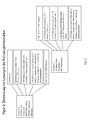
Figur 1 zeigt die unterschiedlichen Integrationsmöglichkeiten der Erfindung in einen Schlüssel. -
Figur 2 zeigt die Einbindung der Erfindung in die Fahrzeuginfrastruktur. -
Figur 3 zeigt beispielhaft den Verfahrensablauf für einen Schlüssel mit SIM und ohne Mobilfunkeinheit. -
Figur 4 zeigt beispielhaft den Verfahrensablauf für einen Schlüssel mit SIM und mit Mobilfunkeinheit. - Das Ausführungsbeispiel zeigt in
Fig. 1 die mögliche Integration von unterschiedlichen SIM-Karten-Typen in einen Schlüssel. So kann es möglich sein, dass der Schlüssel über einen SIM-Karten-Slot verfügt, in den eine Standard Karte eingeschoben wird. Die SIM-Karte tritt über Kontakte mit dem Schlüssel in Verbindung. Der Schlüssel wiederum nimmt über einen Kontakt oder eine Funkverbindung Verbindung mit dem Objekt auf. Für die Erkennung des Öffnen des Objektes, kann ein Sensor im Schlüssel integriert sein. Auch kann eine Nachricht vom Schloss übermittelt werden, dass das Schloss geöffnet wurde. Um einen Missbrauch sicherzustellen kann diese mit einer Signatur versehen sein, so dass der Schlüssel die Echtheit des Schlosses und dessen Öffnung erkennen kann. - Alternativ kann eine SIM karte im M2M Faktor integriert sein. Genau wie beim Mobiltelefonieren stellt die M2M SIM-Karte sicher, dass die Kommunikation vor unbefugtem Zugriff sicher geschützt und die sendende Einheit eindeutig identifizierbar ist. Um den hohen Beanspruchungen im täglichen Einsatz zu genügen, stehen verschiedene Kartenvarianten zur Auswahl. Je nach Anforderungen ihres Einsatzgebietes können die von M2M SIM-Karten entweder flexibel in die fertigen Geräte nachgerüstet oder schon bei deren Herstellung fest eingebaut werden.
- Die Liste der Anforderungen für M2M SIM-Karten ist vielseitig: So müssen deren Kontaktflächen beim Einsatz im Auto besonders robust sein, um den ständigen Erschütterungen im Fahrbetrieb zu trotzen. In Verkaufsautomaten und Gas- oder Stromzählern, die oft im Freien stehen oder in Produktionsanlagen integriert sind, stellen beispielsweise große Temperaturschwankungen eine besondere Herausforderung dar. M2M SIM-Karten halten Temperaturen von minus 40 bis zu 105 Grad Celsius ohne Probleme aus. Zusätzlich müssen die Systeme vor Staub geschützt sein.
- Alternativ kann eine Soft-SIM eingesetzt werden. Eine Software SIM (oder Soft-SIM) ist die Simulation oder Reproduktion der Funktionalität einer SIM außerhalb der üblichen Hardware einer SIM-Karte.
- In
Fig. 3 und4 werden die Verfahrensabläufe beschrieben. 1. Im ersten Schritt erfolgt ein Öffnen des Objektes durch den Schlüssel. Hierbei werden die von SIM-Card-Informationen an das Objekt und/oder Komponenten des Objekts durch den Schlüssel bereitgestellt. Diese Informationen erlauben, dass das Objekt oder Komponenten des Objektes, eine Authentifizierung zu einem Netzwerk ermöglichen. Danach erfolgt ein Aufbauen einer Verbindung zu dem Informationsnetzwerk durch das Objekt und/oder Komponenten des Objekts mit Hilfe der bereitgestellten SIM-Card-Informationen. Nach Entfernen des Schlüssels werden die Authentisierungsdaten im Objekt gelöscht oder alternativ die Verbindung zum Netzwerk beendet.
Claims (19)
- Verfahren zur Bereitstellung von SIM-Card-Informationen einem durch einen Schlüssel zu öffnendes Objekt, umfassend die Schritte:- Öffnen des Objektes durch den Schlüssel;- Bereitstellen von SIM-Card-Informationen an das Objekt und/oder Komponenten des Objekts durch den Schlüssel, die eine Authentifizierung zu einem Netzwerk ermöglichen;- Aufbauen einer Verbindung zu einem oder mehreren Informationsnetzwerken, die Daten und/oder Sprache übertragen, durch das Objekt und/oder Komponenten des Objekts mit Hilfe der bereitgestellten SIM-Card-Informationen.
- Das Verfahren nach dem vorhergehenden Anspruch, wobei beim Abschließen oder entfernen des Schlüssels, die Berechtigung zur Nutzung der SIM-Card-Informationen erlöscht.
- Das Verfahren nach einem oder mehreren der vorhergehenden Ansprüche, wobei der Schlüssel die SIM-Card-Informationen beim Einschieben in das Schlüsselloch über Kontakte und/oder drahtlos überträgt.
- Das Verfahren nach einem oder mehreren der vorhergehenden Ansprüche, wobei eine SIM-Karte in den Schlüssel in einen SIM-Karten-Slot eingeschoben wird.
- Das Verfahren nach einem oder mehreren der vorhergehenden Ansprüche, wobei eine SIM-Karte fest in den Schlüssel integriert ist, vorzugsweise im M2M Factor.
- Das Verfahren nach einem oder mehreren der vorhergehenden Ansprüche, wobei eine SIM-Karte als Soft-SIM als Software in einem Speicher auf dem Schlüssel abgelegt ist.
- Das Verfahren nach einem oder mehreren der vorhergehenden Ansprüche, wobei das Objekt ein Haus, eine Wohnung, ein Hotelzimmer, ein Schiff, ein Flugzeug, ein Hubschrauber und/oder ein Fahrzeug ist.
- Das Verfahren nach einem oder mehreren der vorhergehenden Ansprüche, wobei die SIM-Karten-Informationen erst dann bereitgestellt werden, wenn der Schlüssel ein erfolgreiches Öffnen des Objektes vorgenommen hat.
- Das Verfahren nach einem oder mehreren der vorhergehenden Ansprüche, wobei bei einem berührungslosen Schlüssel, der Zugriff auf die SIM-Karten-Informationen nur möglich ist, wenn sich der Benutzer innerhalb des Objektes aufhält.
- Schlüssel, wobei in den Schlüssel eine Mobilfunkeinheit zum Austausch von Sprache und/oder Daten integriert ist.
- Schlüssel nach dem vorhergehenden Anspruch, gekennzeichnet durch die Funktion zum Öffnen eines Objektes,
wobei beim Öffnen des Objektes durch den Schlüssel SIM-Card-Informationen an das Objekt und/oder Komponenten des Objekts bereitgestellt werden, die eine Authentifizierung zu einem Netzwerk ermöglichen; - Schlüssel nach dem vorhergehenden Schlüssel, wobei beim Abschließen oder Entfernen des Schlüssels, die Berechtigung zur Nutzung der SIM-Card-Informationen erlöscht.
- Schlüssel nach einem oder mehreren der vorhergehenden Schlüsselansprüche, wobei der Schlüssel die SIM-Card-Informationen beim Einschieben in das Schlüsselloch über Kontakte und/oder drahtlos überträgt.
- Schlüssel nach einem oder mehreren der vorhergehenden Schlüsselansprüche, wobei eine SIM-Karte in den Schlüssel in einen SIM-Karten-Slot einschiebar ist.
- Schlüssel nach einem oder mehreren der vorhergehenden Schlüsselansprüche, wobei eine SIM-Karte fest in den Schlüssel integriert ist, vorzugsweise im M2M Factor.
- Schlüssel nach einem oder mehreren der vorhergehenden Schlüsselansprüche, wobei eine SIM-Karte als Soft-SIM als Software in einem Speicher auf dem Schlüssel abgelegt ist.
- Schlüssel nach einem oder mehreren der vorhergehenden Schlüsselansprüche, wobei das Objekt ein Haus, eine Wohnung, ein Hotelzimmer, ein Schiff, ein Flugzeug, ein Hubschrauber und/oder ein Fahrzeug ist
- Schlüssel nach einem oder mehreren der vorhergehenden Schlüsselansprüche, wobei Mittel vorhanden sind, so dass die SIM-Karten-Informationen erst dann bereitgestellt werden, wenn der Schlüssel ein erfolgreiches Öffnen des Objektes vorgenommen hat.
- Schlüssel nach einem oder mehreren der vorhergehenden Schlüsselansprüche, wobei Mittel vorhanden sind, dass einen berührungslosen Zugang, der Zugriff auf die SIM-Karten-Informationen nur möglich ist, wenn sich der Benutzer innerhalb des Objektes aufhält.
Priority Applications (6)
| Application Number | Priority Date | Filing Date | Title |
|---|---|---|---|
| PL09180063T PL2337311T3 (pl) | 2009-12-21 | 2009-12-21 | Sposób i urządzenie do integrowania technologii telefonii komórkowej w kluczu i w obiektach podobnych do klucza |
| EP09180063.1A EP2337311B1 (de) | 2009-12-21 | 2009-12-21 | Verfahren und Vorrichtung zur Integration von Mobilfunktechnologien in einem Schlüssel und schlüsselähnlichen Objekten |
| PT91800631T PT2337311E (pt) | 2009-12-21 | 2009-12-21 | Método e dispositivo para integração de tecnologias de radiocomunicações móveis numa chave e em objectos semelhantes a uma chave |
| ES09180063.1T ES2555002T3 (es) | 2009-12-21 | 2009-12-21 | Procedimiento y dispositivo para la integración de tecnologías de radiotelefonía móvil en una llave o en objetos similares a una llave |
| HUE09180063A HUE025579T2 (en) | 2009-12-21 | 2009-12-21 | Process and equipment for integrating mobile technologies with objects such as keys and keys |
| HRP20151251TT HRP20151251T1 (hr) | 2009-12-21 | 2015-11-20 | Postupak i uređaj za integriranje mobilnih radio tehnologija u ključeve i predmete slične ključevima |
Applications Claiming Priority (1)
| Application Number | Priority Date | Filing Date | Title |
|---|---|---|---|
| EP09180063.1A EP2337311B1 (de) | 2009-12-21 | 2009-12-21 | Verfahren und Vorrichtung zur Integration von Mobilfunktechnologien in einem Schlüssel und schlüsselähnlichen Objekten |
Publications (2)
| Publication Number | Publication Date |
|---|---|
| EP2337311A1 true EP2337311A1 (de) | 2011-06-22 |
| EP2337311B1 EP2337311B1 (de) | 2015-09-02 |
Family
ID=42732655
Family Applications (1)
| Application Number | Title | Priority Date | Filing Date |
|---|---|---|---|
| EP09180063.1A Active EP2337311B1 (de) | 2009-12-21 | 2009-12-21 | Verfahren und Vorrichtung zur Integration von Mobilfunktechnologien in einem Schlüssel und schlüsselähnlichen Objekten |
Country Status (6)
| Country | Link |
|---|---|
| EP (1) | EP2337311B1 (de) |
| ES (1) | ES2555002T3 (de) |
| HR (1) | HRP20151251T1 (de) |
| HU (1) | HUE025579T2 (de) |
| PL (1) | PL2337311T3 (de) |
| PT (1) | PT2337311E (de) |
Cited By (1)
| Publication number | Priority date | Publication date | Assignee | Title |
|---|---|---|---|---|
| WO2016139301A1 (de) | 2015-03-05 | 2016-09-09 | Volkswagen Aktiengesellschaft | Intelligenter elektronischer schlüssel mit mobilfunk-fähigkeit |
Citations (9)
| Publication number | Priority date | Publication date | Assignee | Title |
|---|---|---|---|---|
| EP0913979A2 (de) * | 1997-10-30 | 1999-05-06 | Robert Bosch Gmbh | Verfahren zum Betrieb eines Mobiltelefons und Mobiltelefon |
| WO2000038119A1 (de) * | 1998-12-21 | 2000-06-29 | Siemens Aktiengesellschaft | Verfahren und vorrichtung zur lokalen personenidentifikation |
| EP1191486A1 (de) * | 2000-09-21 | 2002-03-27 | Robert Bosch Gmbh | Informationsträger |
| EP1420525A1 (de) * | 2001-08-07 | 2004-05-19 | Omron Corporation | Zellularer fernsprecher, steuersystem für eine an einem fahrzeug angebrachte steuereinrichtung, steuerverfahren für einen zellularen fernsprecher, steuerverfahren zur steuerung einer an einem fahrzeug angebrachten einrichtung, steuerprogramm für einen zellularen fernsprecher, steuerprogramm zur steuerung einer an einem fahrzeug angebrachten einrichtung |
| DE10350715A1 (de) | 2003-10-30 | 2005-06-02 | Bayerische Motoren Werke Ag | Verfahren und Vorrichtung zur Einstellung benutzerabhängiger Parameterwerte |
| DE102006015212A1 (de) * | 2006-03-30 | 2007-10-11 | Bundesdruckerei Gmbh | Verfahren zum Schutz eines beweglichen Gutes, insbesondere eines Fahrzeugs, gegen unberechtigte Nutzung |
| WO2007128319A2 (en) * | 2006-06-14 | 2007-11-15 | Scandlife Italia Aps | Locking system and remote-controlled entry system |
| DE102006052769A1 (de) * | 2006-11-09 | 2008-05-15 | Conti Temic Microelectronic Gmbh | Identifikationssystem |
| US20080150683A1 (en) * | 2006-12-21 | 2008-06-26 | Cingular Wireless Ii, Llc | Wireless Device As Programmable Vehicle Key |
-
2009
- 2009-12-21 PL PL09180063T patent/PL2337311T3/pl unknown
- 2009-12-21 ES ES09180063.1T patent/ES2555002T3/es active Active
- 2009-12-21 EP EP09180063.1A patent/EP2337311B1/de active Active
- 2009-12-21 HU HUE09180063A patent/HUE025579T2/en unknown
- 2009-12-21 PT PT91800631T patent/PT2337311E/pt unknown
-
2015
- 2015-11-20 HR HRP20151251TT patent/HRP20151251T1/hr unknown
Patent Citations (9)
| Publication number | Priority date | Publication date | Assignee | Title |
|---|---|---|---|---|
| EP0913979A2 (de) * | 1997-10-30 | 1999-05-06 | Robert Bosch Gmbh | Verfahren zum Betrieb eines Mobiltelefons und Mobiltelefon |
| WO2000038119A1 (de) * | 1998-12-21 | 2000-06-29 | Siemens Aktiengesellschaft | Verfahren und vorrichtung zur lokalen personenidentifikation |
| EP1191486A1 (de) * | 2000-09-21 | 2002-03-27 | Robert Bosch Gmbh | Informationsträger |
| EP1420525A1 (de) * | 2001-08-07 | 2004-05-19 | Omron Corporation | Zellularer fernsprecher, steuersystem für eine an einem fahrzeug angebrachte steuereinrichtung, steuerverfahren für einen zellularen fernsprecher, steuerverfahren zur steuerung einer an einem fahrzeug angebrachten einrichtung, steuerprogramm für einen zellularen fernsprecher, steuerprogramm zur steuerung einer an einem fahrzeug angebrachten einrichtung |
| DE10350715A1 (de) | 2003-10-30 | 2005-06-02 | Bayerische Motoren Werke Ag | Verfahren und Vorrichtung zur Einstellung benutzerabhängiger Parameterwerte |
| DE102006015212A1 (de) * | 2006-03-30 | 2007-10-11 | Bundesdruckerei Gmbh | Verfahren zum Schutz eines beweglichen Gutes, insbesondere eines Fahrzeugs, gegen unberechtigte Nutzung |
| WO2007128319A2 (en) * | 2006-06-14 | 2007-11-15 | Scandlife Italia Aps | Locking system and remote-controlled entry system |
| DE102006052769A1 (de) * | 2006-11-09 | 2008-05-15 | Conti Temic Microelectronic Gmbh | Identifikationssystem |
| US20080150683A1 (en) * | 2006-12-21 | 2008-06-26 | Cingular Wireless Ii, Llc | Wireless Device As Programmable Vehicle Key |
Cited By (1)
| Publication number | Priority date | Publication date | Assignee | Title |
|---|---|---|---|---|
| WO2016139301A1 (de) | 2015-03-05 | 2016-09-09 | Volkswagen Aktiengesellschaft | Intelligenter elektronischer schlüssel mit mobilfunk-fähigkeit |
Also Published As
| Publication number | Publication date |
|---|---|
| ES2555002T3 (es) | 2015-12-28 |
| PT2337311E (pt) | 2015-12-21 |
| HUE025579T2 (en) | 2016-04-28 |
| HRP20151251T1 (hr) | 2016-01-15 |
| EP2337311B1 (de) | 2015-09-02 |
| PL2337311T3 (pl) | 2016-02-29 |
Similar Documents
| Publication | Publication Date | Title |
|---|---|---|
| EP2865198B1 (de) | Verfahren zum eintragen von kennungsdaten eines fahrzeugs in eine benutzerdatenbank einer internet-servereinrichtung | |
| DE102017102388B4 (de) | Verfahren zum regeln des zugangs zu einem fahrzeug | |
| EP3615371B1 (de) | Verfahren zur zweistufigen autorisierung eines ladevorgangs an einer ladesäule | |
| EP3262859B1 (de) | System zur verwendung mobiler endgeräte als schlüssel für fahrzeuge | |
| DE102016123276B4 (de) | Verfahren zur kommunikation über eine bluetooth low energy (ble)-verbindung in einem fahrzeug | |
| EP3328691B1 (de) | Vorrichtungen, verfahren und computerprogramme zum herstellen einer funkverbindung basierend auf proximitätsinformation | |
| US9179311B2 (en) | Securing vehicle service tool data communications | |
| DE102018100153B4 (de) | Verfahren und system zur fernbetätigten änderung von informationen für eine geräteaktivierungsübertragung | |
| DE102013225416A1 (de) | Fernfunktions-Fob zum Ermöglichen einer Kommunikation zwischen einem Fahrzeug und einem Gerät sowie Verfahren für denselben | |
| DE102017113829A1 (de) | Verriegelungs- und Entriegelungssystem, tragbares Endgerät, welches mit einem Server kommunizieren kann, Verriegelungs- und Entriegelungsverfahren, welches durch das tragbare Endgerät ausgeführt wird, und Speichermedium, welches ein Programm speichert | |
| DE102015214891A1 (de) | Elektronisches Schlüsselsystem zum Verwalten eines elektronischen Fahrzeugschlüssels | |
| DE102015116445A1 (de) | Verteilen geheimer Schlüssel zum Verwalten eines Zugriffs auf ECUs | |
| CN103716160A (zh) | 用于个性化访问汽车远程信息处理服务的方法和设备 | |
| DE4301039A1 (de) | Elektronisches System zur Verwaltung gemeinschaftlich genutzter Kraftfahrzeuge | |
| DE102015211904A1 (de) | Fahrzeugsoftware-Aktualisierungsverifikation | |
| DE10103989A1 (de) | Funkdatenkommunikationssystem für Fahrzeuge | |
| DE102018113058A1 (de) | Verwaltung einer drahtlosen geräteverbindung | |
| CN104966343B (zh) | 基于互联网的门禁控制方法 | |
| DE102018101611B4 (de) | System und Verfahren zum Anzeigen von Fahrzeuginformationen | |
| US11870851B1 (en) | Smart platform for programming keyless remote devices | |
| DE102017122082A1 (de) | Ultraschallbasierte audioübertragung von drahtlos-lan-informationen | |
| DE102017115064A1 (de) | Sicheres ermitteln von zeitwerten bei angeschlossenen vorrichtungen | |
| EP3135546A1 (de) | Autoschlüssel, kommunikationssystem sowie verfahren hierzu | |
| EP2337311B1 (de) | Verfahren und Vorrichtung zur Integration von Mobilfunktechnologien in einem Schlüssel und schlüsselähnlichen Objekten | |
| DE10112699A1 (de) | Autorisierungsverfahren für die Kommunikation mit einem Datenbus |
Legal Events
| Date | Code | Title | Description |
|---|---|---|---|
| PUAI | Public reference made under article 153(3) epc to a published international application that has entered the european phase |
Free format text: ORIGINAL CODE: 0009012 |
|
| AK | Designated contracting states |
Kind code of ref document: A1 Designated state(s): AT BE BG CH CY CZ DE DK EE ES FI FR GB GR HR HU IE IS IT LI LT LU LV MC MK MT NL NO PL PT RO SE SI SK SM TR |
|
| AX | Request for extension of the european patent |
Extension state: AL BA RS |
|
| 17P | Request for examination filed |
Effective date: 20110927 |
|
| 17Q | First examination report despatched |
Effective date: 20140526 |
|
| GRAP | Despatch of communication of intention to grant a patent |
Free format text: ORIGINAL CODE: EPIDOSNIGR1 |
|
| INTG | Intention to grant announced |
Effective date: 20150331 |
|
| GRAS | Grant fee paid |
Free format text: ORIGINAL CODE: EPIDOSNIGR3 |
|
| GRAA | (expected) grant |
Free format text: ORIGINAL CODE: 0009210 |
|
| AK | Designated contracting states |
Kind code of ref document: B1 Designated state(s): AT BE BG CH CY CZ DE DK EE ES FI FR GB GR HR HU IE IS IT LI LT LU LV MC MK MT NL NO PL PT RO SE SI SK SM TR |
|
| REG | Reference to a national code |
Ref country code: GB Ref legal event code: FG4D Free format text: NOT ENGLISH |
|
| REG | Reference to a national code |
Ref country code: AT Ref legal event code: REF Ref document number: 747230 Country of ref document: AT Kind code of ref document: T Effective date: 20150915 Ref country code: CH Ref legal event code: EP |
|
| REG | Reference to a national code |
Ref country code: IE Ref legal event code: FG4D Free format text: LANGUAGE OF EP DOCUMENT: GERMAN |
|
| REG | Reference to a national code |
Ref country code: DE Ref legal event code: R096 Ref document number: 502009011502 Country of ref document: DE |
|
| REG | Reference to a national code |
Ref country code: HR Ref legal event code: TUEP Ref document number: P20151251 Country of ref document: HR |
|
| REG | Reference to a national code |
Ref country code: RO Ref legal event code: EPE |
|
| REG | Reference to a national code |
Ref country code: FR Ref legal event code: PLFP Year of fee payment: 7 |
|
| REG | Reference to a national code |
Ref country code: PT Ref legal event code: SC4A Free format text: AVAILABILITY OF NATIONAL TRANSLATION Effective date: 20151130 |
|
| REG | Reference to a national code |
Ref country code: SE Ref legal event code: TRGR |
|
| REG | Reference to a national code |
Ref country code: ES Ref legal event code: FG2A Ref document number: 2555002 Country of ref document: ES Kind code of ref document: T3 Effective date: 20151228 |
|
| REG | Reference to a national code |
Ref country code: HR Ref legal event code: T1PR Ref document number: P20151251 Country of ref document: HR |
|
| PG25 | Lapsed in a contracting state [announced via postgrant information from national office to epo] |
Ref country code: FI Free format text: LAPSE BECAUSE OF FAILURE TO SUBMIT A TRANSLATION OF THE DESCRIPTION OR TO PAY THE FEE WITHIN THE PRESCRIBED TIME-LIMIT Effective date: 20150902 Ref country code: NO Free format text: LAPSE BECAUSE OF FAILURE TO SUBMIT A TRANSLATION OF THE DESCRIPTION OR TO PAY THE FEE WITHIN THE PRESCRIBED TIME-LIMIT Effective date: 20151202 Ref country code: LV Free format text: LAPSE BECAUSE OF FAILURE TO SUBMIT A TRANSLATION OF THE DESCRIPTION OR TO PAY THE FEE WITHIN THE PRESCRIBED TIME-LIMIT Effective date: 20150902 Ref country code: LT Free format text: LAPSE BECAUSE OF FAILURE TO SUBMIT A TRANSLATION OF THE DESCRIPTION OR TO PAY THE FEE WITHIN THE PRESCRIBED TIME-LIMIT Effective date: 20150902 |
|
| REG | Reference to a national code |
Ref country code: LT Ref legal event code: MG4D Ref country code: NL Ref legal event code: FP |
|
| REG | Reference to a national code |
Ref country code: HU Ref legal event code: AG4A Ref document number: E025579 Country of ref document: HU |
|
| PG25 | Lapsed in a contracting state [announced via postgrant information from national office to epo] |
Ref country code: EE Free format text: LAPSE BECAUSE OF FAILURE TO SUBMIT A TRANSLATION OF THE DESCRIPTION OR TO PAY THE FEE WITHIN THE PRESCRIBED TIME-LIMIT Effective date: 20150902 Ref country code: IS Free format text: LAPSE BECAUSE OF FAILURE TO SUBMIT A TRANSLATION OF THE DESCRIPTION OR TO PAY THE FEE WITHIN THE PRESCRIBED TIME-LIMIT Effective date: 20160102 |
|
| REG | Reference to a national code |
Ref country code: SK Ref legal event code: T3 Ref document number: E 19861 Country of ref document: SK |
|
| REG | Reference to a national code |
Ref country code: DE Ref legal event code: R097 Ref document number: 502009011502 Country of ref document: DE |
|
| REG | Reference to a national code |
Ref country code: GR Ref legal event code: EP Ref document number: 20150402547 Country of ref document: GR Effective date: 20160201 |
|
| PLBE | No opposition filed within time limit |
Free format text: ORIGINAL CODE: 0009261 |
|
| STAA | Information on the status of an ep patent application or granted ep patent |
Free format text: STATUS: NO OPPOSITION FILED WITHIN TIME LIMIT |
|
| PG25 | Lapsed in a contracting state [announced via postgrant information from national office to epo] |
Ref country code: LU Free format text: LAPSE BECAUSE OF FAILURE TO SUBMIT A TRANSLATION OF THE DESCRIPTION OR TO PAY THE FEE WITHIN THE PRESCRIBED TIME-LIMIT Effective date: 20151221 Ref country code: MC Free format text: LAPSE BECAUSE OF FAILURE TO SUBMIT A TRANSLATION OF THE DESCRIPTION OR TO PAY THE FEE WITHIN THE PRESCRIBED TIME-LIMIT Effective date: 20150902 |
|
| 26N | No opposition filed |
Effective date: 20160603 |
|
| PG25 | Lapsed in a contracting state [announced via postgrant information from national office to epo] |
Ref country code: DK Free format text: LAPSE BECAUSE OF FAILURE TO SUBMIT A TRANSLATION OF THE DESCRIPTION OR TO PAY THE FEE WITHIN THE PRESCRIBED TIME-LIMIT Effective date: 20150902 Ref country code: SI Free format text: LAPSE BECAUSE OF FAILURE TO SUBMIT A TRANSLATION OF THE DESCRIPTION OR TO PAY THE FEE WITHIN THE PRESCRIBED TIME-LIMIT Effective date: 20150902 |
|
| REG | Reference to a national code |
Ref country code: IE Ref legal event code: MM4A |
|
| PG25 | Lapsed in a contracting state [announced via postgrant information from national office to epo] |
Ref country code: IE Free format text: LAPSE BECAUSE OF NON-PAYMENT OF DUE FEES Effective date: 20151221 |
|
| REG | Reference to a national code |
Ref country code: FR Ref legal event code: PLFP Year of fee payment: 8 |
|
| PG25 | Lapsed in a contracting state [announced via postgrant information from national office to epo] |
Ref country code: SM Free format text: LAPSE BECAUSE OF FAILURE TO SUBMIT A TRANSLATION OF THE DESCRIPTION OR TO PAY THE FEE WITHIN THE PRESCRIBED TIME-LIMIT Effective date: 20150902 |
|
| PG25 | Lapsed in a contracting state [announced via postgrant information from national office to epo] |
Ref country code: CY Free format text: LAPSE BECAUSE OF FAILURE TO SUBMIT A TRANSLATION OF THE DESCRIPTION OR TO PAY THE FEE WITHIN THE PRESCRIBED TIME-LIMIT Effective date: 20150902 |
|
| PG25 | Lapsed in a contracting state [announced via postgrant information from national office to epo] |
Ref country code: MT Free format text: LAPSE BECAUSE OF FAILURE TO SUBMIT A TRANSLATION OF THE DESCRIPTION OR TO PAY THE FEE WITHIN THE PRESCRIBED TIME-LIMIT Effective date: 20150902 |
|
| REG | Reference to a national code |
Ref country code: FR Ref legal event code: PLFP Year of fee payment: 9 |
|
| REG | Reference to a national code |
Ref country code: HR Ref legal event code: ODRP Ref document number: P20151251 Country of ref document: HR Payment date: 20181213 Year of fee payment: 10 |
|
| REG | Reference to a national code |
Ref country code: HR Ref legal event code: ODRP Ref document number: P20151251 Country of ref document: HR Payment date: 20191216 Year of fee payment: 11 |
|
| REG | Reference to a national code |
Ref country code: HR Ref legal event code: ODRP Ref document number: P20151251 Country of ref document: HR Payment date: 20201216 Year of fee payment: 12 |
|
| REG | Reference to a national code |
Ref country code: DE Ref legal event code: R079 Ref document number: 502009011502 Country of ref document: DE Free format text: PREVIOUS MAIN CLASS: H04L0029080000 Ipc: H04L0065000000 |
|
| REG | Reference to a national code |
Ref country code: HR Ref legal event code: ODRP Ref document number: P20151251 Country of ref document: HR Payment date: 20211213 Year of fee payment: 13 |
|
| REG | Reference to a national code |
Ref country code: HR Ref legal event code: ODRP Ref document number: P20151251 Country of ref document: HR Payment date: 20221216 Year of fee payment: 14 |
|
| REG | Reference to a national code |
Ref country code: HR Ref legal event code: ODRP Ref document number: P20151251 Country of ref document: HR Payment date: 20231212 Year of fee payment: 15 |
|
| REG | Reference to a national code |
Ref country code: HR Ref legal event code: ODRP Ref document number: P20151251 Country of ref document: HR Payment date: 20241211 Year of fee payment: 16 |
|
| REG | Reference to a national code |
Ref country code: CH Ref legal event code: U11 Free format text: ST27 STATUS EVENT CODE: U-0-0-U10-U11 (AS PROVIDED BY THE NATIONAL OFFICE) Effective date: 20260101 |
|
| PGFP | Annual fee paid to national office [announced via postgrant information from national office to epo] |
Ref country code: GB Payment date: 20251218 Year of fee payment: 17 |
|
| PGFP | Annual fee paid to national office [announced via postgrant information from national office to epo] |
Ref country code: AT Payment date: 20251215 Year of fee payment: 17 Ref country code: MK Payment date: 20251210 Year of fee payment: 17 Ref country code: PT Payment date: 20251222 Year of fee payment: 17 |
|
| PGFP | Annual fee paid to national office [announced via postgrant information from national office to epo] |
Ref country code: HR Payment date: 20251212 Year of fee payment: 17 Ref country code: HU Payment date: 20251215 Year of fee payment: 17 Ref country code: NL Payment date: 20251217 Year of fee payment: 17 Ref country code: FR Payment date: 20251218 Year of fee payment: 17 |
|
| PGFP | Annual fee paid to national office [announced via postgrant information from national office to epo] |
Ref country code: TR Payment date: 20251216 Year of fee payment: 17 Ref country code: BE Payment date: 20251223 Year of fee payment: 17 Ref country code: GR Payment date: 20251215 Year of fee payment: 17 |
|
| REG | Reference to a national code |
Ref country code: HR Ref legal event code: ODRP Ref document number: P20151251 Country of ref document: HR Payment date: 20251212 Year of fee payment: 17 |
|
| PGFP | Annual fee paid to national office [announced via postgrant information from national office to epo] |
Ref country code: SE Payment date: 20251217 Year of fee payment: 17 |
|
| PGFP | Annual fee paid to national office [announced via postgrant information from national office to epo] |
Ref country code: CZ Payment date: 20251209 Year of fee payment: 17 |
|
| PGFP | Annual fee paid to national office [announced via postgrant information from national office to epo] |
Ref country code: BG Payment date: 20251212 Year of fee payment: 17 Ref country code: PL Payment date: 20251205 Year of fee payment: 17 |
|
| PGFP | Annual fee paid to national office [announced via postgrant information from national office to epo] |
Ref country code: SK Payment date: 20251217 Year of fee payment: 17 Ref country code: RO Payment date: 20251218 Year of fee payment: 17 |
|
| PGFP | Annual fee paid to national office [announced via postgrant information from national office to epo] |
Ref country code: ES Payment date: 20260119 Year of fee payment: 17 |
|
| PGFP | Annual fee paid to national office [announced via postgrant information from national office to epo] |
Ref country code: DE Payment date: 20251222 Year of fee payment: 17 |
|
| PGFP | Annual fee paid to national office [announced via postgrant information from national office to epo] |
Ref country code: IT Payment date: 20251231 Year of fee payment: 17 |
|
| PGFP | Annual fee paid to national office [announced via postgrant information from national office to epo] |
Ref country code: CH Payment date: 20260101 Year of fee payment: 17 |