EP2330532A1 - Privacy protection in a server - Google Patents
Privacy protection in a server Download PDFInfo
- Publication number
- EP2330532A1 EP2330532A1 EP10184361A EP10184361A EP2330532A1 EP 2330532 A1 EP2330532 A1 EP 2330532A1 EP 10184361 A EP10184361 A EP 10184361A EP 10184361 A EP10184361 A EP 10184361A EP 2330532 A1 EP2330532 A1 EP 2330532A1
- Authority
- EP
- European Patent Office
- Prior art keywords
- communication link
- information
- user
- over
- resource controller
- Prior art date
- Legal status (The legal status is an assumption and is not a legal conclusion. Google has not performed a legal analysis and makes no representation as to the accuracy of the status listed.)
- Withdrawn
Links
Images




Classifications
-
- G—PHYSICS
- G06—COMPUTING OR CALCULATING; COUNTING
- G06F—ELECTRIC DIGITAL DATA PROCESSING
- G06F21/00—Security arrangements for protecting computers, components thereof, programs or data against unauthorised activity
- G06F21/60—Protecting data
- G06F21/62—Protecting access to data via a platform, e.g. using keys or access control rules
- G06F21/6218—Protecting access to data via a platform, e.g. using keys or access control rules to a system of files or objects, e.g. local or distributed file system or database
- G06F21/6245—Protecting personal data, e.g. for financial or medical purposes
-
- G—PHYSICS
- G06—COMPUTING OR CALCULATING; COUNTING
- G06F—ELECTRIC DIGITAL DATA PROCESSING
- G06F15/00—Digital computers in general; Data processing equipment in general
- G06F15/16—Combinations of two or more digital computers each having at least an arithmetic unit, a program unit and a register, e.g. for a simultaneous processing of several programs
-
- G—PHYSICS
- G06—COMPUTING OR CALCULATING; COUNTING
- G06F—ELECTRIC DIGITAL DATA PROCESSING
- G06F21/00—Security arrangements for protecting computers, components thereof, programs or data against unauthorised activity
- G06F21/30—Authentication, i.e. establishing the identity or authorisation of security principals
- G06F21/31—User authentication
- G06F21/42—User authentication using separate channels for security data
- G06F21/43—User authentication using separate channels for security data wireless channels
-
- H—ELECTRICITY
- H04—ELECTRIC COMMUNICATION TECHNIQUE
- H04L—TRANSMISSION OF DIGITAL INFORMATION, e.g. TELEGRAPHIC COMMUNICATION
- H04L63/00—Network architectures or network communication protocols for network security
- H04L63/08—Network architectures or network communication protocols for network security for authentication of entities
- H04L63/083—Network architectures or network communication protocols for network security for authentication of entities using passwords
-
- H—ELECTRICITY
- H04—ELECTRIC COMMUNICATION TECHNIQUE
- H04L—TRANSMISSION OF DIGITAL INFORMATION, e.g. TELEGRAPHIC COMMUNICATION
- H04L63/00—Network architectures or network communication protocols for network security
- H04L63/10—Network architectures or network communication protocols for network security for controlling access to devices or network resources
-
- H—ELECTRICITY
- H04—ELECTRIC COMMUNICATION TECHNIQUE
- H04L—TRANSMISSION OF DIGITAL INFORMATION, e.g. TELEGRAPHIC COMMUNICATION
- H04L63/00—Network architectures or network communication protocols for network security
- H04L63/10—Network architectures or network communication protocols for network security for controlling access to devices or network resources
- H04L63/102—Entity profiles
-
- H—ELECTRICITY
- H04—ELECTRIC COMMUNICATION TECHNIQUE
- H04L—TRANSMISSION OF DIGITAL INFORMATION, e.g. TELEGRAPHIC COMMUNICATION
- H04L63/00—Network architectures or network communication protocols for network security
- H04L63/18—Network architectures or network communication protocols for network security using different networks or channels, e.g. using out of band channels
Definitions
- PDAs personal digital assistants
- mobile phones digital cameras
- digital players digital players
- mobile terminal and the like
- PDAs personal digital assistants
- the trend is for mobile devices to have combined functionality such that a single mobile device may, for example, provide Internet access, maintain a personal calendar, provide mobile telephony, and take digital photographs.
- Memory size is typically limited on mobile devices and may become increasingly scarce as their functionality expands.
- One approach to managing memory constraints on mobile devices is to transfer files to another devices, such as a personal computer or dedicated storage equipment.
- a user ID and password may be used to secure files stored on the personal computer or dedicated storage equipment such that only certain users may access certain files using a mobile device.
- a problem may arise where the user has forgotten his or her user ID or password. This can be especially problematic in a family server network environment that serves a plurality of accounts for each of a number of mobile users, none of whom have full administrative access to the server. In such an environment, there has been no secure way of allowing a user who has forgotten his or her user ID or password access to secure files. Nor has there been provided a secure way of allowing such a user the ability to determine or change his or her user ID or password without providing the existing user ID and password.
- a resource controller such as a server or other computer, may store a plurality of files or other data that are at least partially accessible by one or more users in a network.
- the user may operate a mobile device, such as a cellular telephone and/or personal digital assistant, to call or otherwise contact the resource controller.
- the mobile device and/or a communications network may send identification information over a first communication link to the resource controller that identifies the mobile device and distinguishes it from other mobile devices.
- the mobile device may cause a cellular communications provider to send caller ID information to the resource controller.
- the resource controller may grant or deny access to files over a second communication link. Access may be full or partial and may vary depending upon the user and/or the particular files being requested. In addition or alternatively, the resource controller may provide the user with the appropriate user ID and/or password based on the identification information.
- the user may then enter the user ID and/or password to gain access to files stored at the resource controller. Once access is granted, the user may browse through files stored at the resource controller, delete such files, add new files, read such files, and/or modify such files.
- Fig. 1 shows an illustrative wireless communication system 100 that supports file browsing and/or transfer.
- One or more network-enabled mobile devices 101 such as a personal digital assistant (PDA), digital camera, cellular phone, mobile terminal, or combinations thereof, may be coupled to a resource controller 102.
- the resource controller 102 may act as a server for a network such as a home network 109, and may be a personal computer, a mainframe, a television set-top box, and/or the like.
- the mobile device 101 may be coupled wirelessly or by wire to the resource controller 102 via, e. g. , a wired connection such as a universal serial bus (USB) cable 103, a short-range wireless connection (e. g.
- USB universal serial bus
- the mobile device 101 may transfer files to and/or from the resource controller 102.
- the resource controller 102 may further act as a repository for storing files related to mobile device 101.
- the resource controller 102 may have, or be coupled to, a wireless interface configured to transmit and/or receive communications (such as messages, files, or other data) with a mobile network 104, such as a third-generation (3G) cellular data communications network, a Global System for Mobile communications network (GSM), or any other mobile network.
- 3G third-generation
- GSM Global System for Mobile communications network
- the mobile device 101 may also have a wireless interface configured to send and/or receive digital wireless communications within the mobile network 104.
- one or more base stations may support digital communications with the mobile device 101 while the mobile device is located within the administrative domain of the mobile network 104.
- the base station of the mobile network 104 that is in communication with the mobile device 101 may be the same or a different base station that is in communication with the resource controller 102.
- the resource controller 102 and the mobile device 101 are illustratively shown in communication with the same wireless communications network 104; however, a plurality of networks may be utilized within the communication paths between the mobile device 101 and the resource controller 102, including one or more wired networks and/or wireless networks (e. g. cellular, WLAN, BLUETOOTH).
- the mobile network 104 may itself include one or more wired and/or wireless sub-networks.
- the mobile device 101 may communicate with the resource controller 102 via the mobile network 104 and may therefore be configured to remotely store data (such as files) on the resource controller 102 and/or remotely access data already stored on the resource controller 102.
- data such as files
- Such communication may provide certain advantages. For example, allowing remote access to files may preserve memory resources of the mobile device 101.
- file transfers between the mobile device 101 and the resource controller 102 may occur via Short Message Service (SMS) messages and/or Multimedia Messaging Service (MMS) messages via a short message service center (SMSC) 105 and/or a multimedia messaging service center (MMSC) 106.
- SMSC 105 and the MMSC 106 may be part of another network or otherwise outside of network 104.
- the SMSC 105 and the MMSC 106 may be a single entity. Further, the SMSC 105 and the MMSC 106 may coordinate via signaling 107 between themselves for improving the file transfer process. For example, because the SMSC 105 and MMSC 106 may be store-and-forward systems, rather than real-time systems, a file requested via an SMS message from the mobile device 101 may still reside on the MMSC 106 based upon a previous request. As such, the SMSC 105 may copy the MMSC 106 on an SMS file request and, if applicable, the MMSC 106 may notify the user of the previously stored file. Further, the MMSC 106 may simply transfer the requested file based on its stored copy of the file. In other embodiments, the MMSC 106 may act as a repository for files, and the mobile device 101 may simply request transfer of files from the MMSC 106.
- the illustrative mobile device 101 may include a processor 201 connected to a user interface 207, a communications interface 202 (which may be wireless), memory 203 and/or other storage, a display 205, and/or a digital camera 206.
- the user interface 207 may include a keypad, touch screen, voice interface, or the like.
- Software 204 may be stored within the memory 203 and/or other storage that provides instructions to the processor 201 for enabling the mobile device 101 to perform various functions.
- the software 204 may configure the processor 201 to enable the mobile device 101 to take digital photographs via the digital camera 206, to save those photographs as image files on the resource controller 102, to retrieve and display image files from the resource controller 102, and to browse the Internet using the communications interface 202.
- the communications interface 202 may, in an illustrative embodiment, include two or more wired and/or wireless interfaces each configured to communicate over a different communication link.
- the illustrative resource controller 102 may include a processor 303 coupled to a communications interface 305 (e. g. a wireless interface such as a cellular wireless communications interface, and/or a wired interface such as through a cable modem), memory 301, and/or storage 304 (such as a hard disk drive, tape system, or the like).
- the communications interface. 305 may, in an illustrative embodiment, include two or more wired and/or wireless interfaces each configured to communicate over a different communication link.
- Software 302 may be stored within the memory 301 and/or the storage 304 that provides instructions to the processor 303 for enabling the resource controller 102 to perform various functions, such as to process file transfer requests (such as for image files) and store files in the storage 304.
- the storage 304 may be remote storage coupled to the resource controller 102, such as an external drive or another storage device in communication with the resource controller 102.
- a display 306 may further be coupled to the processor 303 for allowing a user to interface with the resource controller 102 and/or view file and/or other data utilized by the resource controller 102.
- the display 306 may be integrated with the resource controller 102 or may be separate from it.
- the resource controller 102 and/or its related storage 304 may store a variety of files, such as image files.
- the files may be organized and partitioned from other files in partitioned virtual areas, such as by the use of electronic virtual folders. Where the files are images, they may be partitioned by being organized, for example, in electronic photo albums.
- Each partitioned area, file, and/or user ID may have associated accessibility data that indicates the accessibility level of that partitioned area and/or file.
- the level of accessibility of a particular partitioned area may control which users may access the files in that partitioned area and/or what type of file and/or directory access may be provided to the user (e. g. , write access, read access, and/or access to directory listings).
- a first electronic photo album may be accessible only to a specified first user
- a second electronic photo album may be accessible only to the first user and to a specified second user, wherein the first user may modify the first and second photo albums but the second user may only view the second photo album.
- each file, partitioned area, and/or group of partitioned areas may be protected by one or more security measures, such as requiring the user requesting access to provide a correct user ID and/or password (e. g. , an alphanumeric password, a personal identification number, or the like). For example, only a user who identifies himself or herself as user ID"steven"and provides a password of "hjuuirtd”may be provided access to a particular folder. If the correct user ID and password were provided to the resource controller 102, then that user would be able to add files, remove files, modify files, and/or view files in the folder, in a manner consistent with the level of accessibility associated with that folder.
- the resource controller 102 and/or and associated device may thus maintain association data that provides an association between user IDs, passwords, files, accessibility data, and/or partitions of files.
- This association may be stored in storage 304 and/or in any other storage, and may be in the form of a table, database, or the like. An example of such a table 401 is shown in Fig. 4 . Alternatively, all files may be accessible to any user that is known by the resource controller 102, such as those listed in table 401.
- the user ID and password may be provided to the resource controller 102 via a user interface coupled to the resource controller 102, via the user's mobile device 101, and/or by any other means. For instance, the user may wish to gain access to certain files by entering the appropriate user ID and password via the user interface 207 of the mobile device 101. Data representing the entered user ID and password may be provided, via the communications interfaces 202 and 305, to the resource controller 102.
- identification information associated with the user's mobile device 101 may be used instead of the user ID and/or password.
- the identification information would thus be sent to the resource controller 102 instead of or in addition to the user ID and/or the password.
- the identification information may be any information that uniquely or. nearly uniquely identifies the particular mobile device 101 and distinguishes it from other mobile devices 101. For example, where the mobile device 101 includes a cellular phone, the identification information may be the telephone number of the cellular phone, and the telephone number may be sent by the cellular telephone network as standard caller ID information.
- the software 302 of the resource controller 102 may process or reject a request from the mobile device 101 to view, modify, transfer, or write a file.
- the resource controller 102 may associate known identification information with user IDs, passwords, files, and/or ⁇ partitions of files.
- table 401 shows a plurality of mobile device telephone numbers, each associated with respective user IDs and/or passwords. In this example, the telephone numbers are further associated with accessible folders.
- the table 401 may be a single table, database, etc. , or a plurality of separate tables, databases, etc. that may be interlinked.
- the mobile device 101 may further be used as a remote control device for manipulating files stored on resource controller 102 and/or storage 304, changing settings of the software 302, and/or for taking other such actions.
- Communication between the mobile device 101 as a remote control and the resource controller 102 may be made via SMS messaging and/or other types of messaging. Further, such communication may be accomplished via wireless communication or direct communication with resource controller 102, such as via the USB cable 103.
- a user with a mobile device such as a cellular phone may call or otherwise contact 501 a telephone number associated with a resource controller (e. g. , the resource controller 102). Calling this telephone number may cause a connection to be made between the cellular phone and the resource controller via a first communication link such as a mobile network and/or the home network of the resource controller (e. g. , the mobile network 104 and/or the home network 109).
- a mobile device e. g. , the mobile device 101
- a cellular phone may call or otherwise contact 501 a telephone number associated with a resource controller (e. g. , the resource controller 102). Calling this telephone number may cause a connection to be made between the cellular phone and the resource controller via a first communication link such as a mobile network and/or the home network of the resource controller (e. g. , the mobile network 104 and/or the home network 109).
- a first communication link such as a mobile network and/or the home network of the resource controller
- the user's mobile device may communicate with the resource controller via a short-range wireless system such as BLUETOOTH, by infrared communications, by wire (e. g. , using a USB connection), or the like.
- a short-range wireless system such as BLUETOOTH
- infrared communications by wire (e. g. , using a USB connection), or the like.
- identification information may be automatically and/or manually sent 502 across the first communication link to the resource controller.
- standard caller ID information may be sent to the resource controller, identifying the telephone number or other identifying attribute of the user's mobile device.
- the caller ID information may include"202-1234567"and/or a name of the caller such as"Steve. "However, the identification information is not limited to caller ID information and may be any type of information that identifies the particular mobile device sending the identification information.
- SMS messages include text
- the identification information and/or other information may be included in one or more SMS messages.
- the software 204 in the mobile device 101 may be programmed such that the phone number or other identification information (e. g. MAC address, user name, password, etc. ) may be included in the SMS message.
- the SMS message would be sent to the SMSC 105, and in response the SMSC 105 would send the identification information to the resource controller 102.
- the resource controller 102 may also send messages to the mobile device 101 via the SMSC 105.
- the resource computer may compare 503 the received identification information with stored association data, such as stored identification information (e. g. , stored in storage 304).
- the resource controller may be configured to, for instance, respond to file transfer requests from a predetermined group of telephone numbers, such as a family of cellular phones or other mobile devices.
- the identification information "202-123-4567"matches one of the entries in the association table 401. If there is a match 504, then the software may provide the user ID and/or password (in this example, "steven"and"hjuuirtd") to the portion of the resource controller that controls access to folders.
- the accessibility data is "F1,"meaning that this user has full access (including read and write access) to Folder 1.
- the accessibility data in table 401 is "R2,”meaning that this user has read- only access to Folder 2.
- user"lucyn has read- only access to Folders 1 and 4, and full access to Folder 3.
- the resource controller provides access 507 to the designated folder (s) and/or file (s) based on the identification information sent from the mobile device.
- the software of the resource controller may skip this step (as shown by the dashed arrow) and directly associate the identification information with the accessible folder(s) and/or file(s).
- table 401 shows the accessibility data as being in the illustrative format of, e.g.,"F1,"the accessibility data may be in any format.
- the resource controller may deny 506. file/folder access and/or send a message to the mobile device, alerting the mobile device that access is denied.
- the mobile device may alert the user (e. g. , via the display 205) that access has been denied.
- the mobile device may further prompt the user to manually enter a user ID, password, and/or other identification information. An opportunity for manual entry of such information may be useful where the user is attempting to gain file/folder access using another user's mobile device.
- files may be transferred between the mobile device 101 and the resource controller 102 over a second communication link that may be the same or different from the first communication link.
- files that are stored in storage 304 may be obtained and sent to the mobile device 101, and files may be downloaded from the mobile device 101 to the resource controller 102 and ultimately to storage 304.
- Such file transfers over the second communication link may be made via any wireless or wired connection (e. g. , via the mobile network 104, the home network 109, a BLUETOOTH wireless connection, and/or any other means).
- files may be transferred to the resource controller 102 using MMS messaging via the MMSC 106.
- the identification information may be received from the mobile device 101 via the first communication link, such as the mobile network 104. If a match between the identification information and the stored identification information is determined at step 504, the resource controller 102 may alternatively send 601 the appropriate associated user ID and/or password (and/or other information required to access the appropriate files) to the mobile device 101. The user may then enter the user ID and/or password into the mobile device 101 or another mobile device and send 602 the user ID and/or password (and/or other information) to the resource controller 102 via a second network such as the home network 109 and/or another connection such as the USB cable 103. Upon receipt of the correct user ID and/or password (and/or other information), the resource computer may grant the user and mobile device access to the appropriate files over the second communication link. Such access may be provided over the second network and/or over another connection such as the USB cable 103.
- a wireless communication system 700 that supports the various aspects of the invention disclosed above, including providing limited access to files and/or file partitions based on identification information from the mobile device 101.
- the wireless communication system 700 is generally similar to the wireless communication system 100, and includes a personal area network 705 coupled to the mobile network 104.
- SMS and MMS messaging communication paths may include communications via the Internet 707.
- the personal area network 705 may include a server/router 706 (which may act as a server or router for the personal area network 705), a terminal device 702, and/or one or more of the network-enabled mobile devices 101, which may each be coupled to one another via wireless communications, such as using BLUETOOTH, and/or via wired communications.
- a server/router 706 which may act as a server or router for the personal area network 705
- terminal device 702 may each be coupled to one another via wireless communications, such as using BLUETOOTH, and/or via wired communications.
- the terminal device 702 may correspond to the resource controller 102, and may function as a repository for files (such as in storage 703).
- the mobile device 101 and the terminal device 702 may transfer files between each other, either wirelessly or wired.
- the terminal device 702 may be, e. g. , a digital broadcast receiver in communication with a display device, such as a display 704 (e. g. , a television).
- the terminal device 702 may include software for transferring files to and from the mobile device 101 as requested in accordance with the present invention, as well as for displaying files on the display 704. As such, the user may manage, store, and/or view files using the terminal device 702.
- the mobile device 101 may browse and view files (assuming access to those files is provided) stored on the terminal device 702 via communications within the personal area network 705. As the mobile device 101 moves outside of the personal area network 705, the mobile device 101 may access files stored at the terminal device 702 and/or at the server/router 706 in accordance with the present invention described herein.
Landscapes
- Engineering & Computer Science (AREA)
- Computer Security & Cryptography (AREA)
- Computer Hardware Design (AREA)
- General Engineering & Computer Science (AREA)
- Computer Networks & Wireless Communication (AREA)
- Theoretical Computer Science (AREA)
- Signal Processing (AREA)
- Computing Systems (AREA)
- Software Systems (AREA)
- Physics & Mathematics (AREA)
- General Physics & Mathematics (AREA)
- Health & Medical Sciences (AREA)
- General Health & Medical Sciences (AREA)
- Bioethics (AREA)
- Databases & Information Systems (AREA)
- Medical Informatics (AREA)
- Telephonic Communication Services (AREA)
- Mobile Radio Communication Systems (AREA)
Abstract
A resource controller may store a plurality of files or other data that are at least partially accessible by one or more users in a network. The user may operate a mobile device, such as a cellular telephone and/or personal digital assistant, to call or otherwise contact the resource controller. The mobile device and/or a communications network may send identification information to the resource controller that identifies the mobile device and distinguishes it from other mobile devices. Based on the identification information, the resource controller may grant or deny access to files. The resource controller may further provide the user with the appropriate user ID and/or password based on the identification information. The user may then enter the user ID and/or password to gain access to files stored at the resource controller.
Description
- The present invention relates generally to servers and conditional access to files stored therein. More particularly, the invention concerns systems and methods for protecting the privacy of files in a server and providing for limited access of such files.
- A variety of mobile computing devices exist, such as personal digital assistants (PDAs), mobile phones, digital cameras, digital players, mobile terminal, and the like, which can perform various functions specific to the device. As the complexity of these mobile devices increases, it is becoming more desirable to provide communication between these devices and with other devices. The trend is for mobile devices to have combined functionality such that a single mobile device may, for example, provide Internet access, maintain a personal calendar, provide mobile telephony, and take digital photographs. Memory size, however, is typically limited on mobile devices and may become increasingly scarce as their functionality expands. One approach to managing memory constraints on mobile devices is to transfer files to another devices, such as a personal computer or dedicated storage equipment.
- A user ID and password may be used to secure files stored on the personal computer or dedicated storage equipment such that only certain users may access certain files using a mobile device. However, a problem may arise where the user has forgotten his or her user ID or password. This can be especially problematic in a family server network environment that serves a plurality of accounts for each of a number of mobile users, none of whom have full administrative access to the server. In such an environment, there has been no secure way of allowing a user who has forgotten his or her user ID or password access to secure files. Nor has there been provided a secure way of allowing such a user the ability to determine or change his or her user ID or password without providing the existing user ID and password.
- Aspects of the present invention are directed to allowing a user to remotely access secured files even though the user may not be able to provide a correct user ID and/or password. For instance, the user may have forgotten his or her password. A resource controller, such as a server or other computer, may store a plurality of files or other data that are at least partially accessible by one or more users in a network. The user may operate a mobile device, such as a cellular telephone and/or personal digital assistant, to call or otherwise contact the resource controller. The mobile device and/or a communications network may send identification information over a first communication link to the resource controller that identifies the mobile device and distinguishes it from other mobile devices. For example, the mobile device may cause a cellular communications provider to send caller ID information to the resource controller. Based on the identification information, the resource controller may grant or deny access to files over a second communication link. Access may be full or partial and may vary depending upon the user and/or the particular files being requested. In addition or alternatively, the resource controller may provide the user with the appropriate user ID and/or password based on the identification information.
- The user may then enter the user ID and/or password to gain access to files stored at the resource controller. Once access is granted, the user may browse through files stored at the resource controller, delete such files, add new files, read such files, and/or modify such files.
- These and other features of the invention will be apparent upon consideration of the following detailed description of preferred embodiments.
- The foregoing summary of the invention, as well as the following detailed description of preferred embodiments, is better understood when read in conjunction with the accompanying drawings, which are included by way of example, and not by way of limitation with regard to the claimed invention.
-
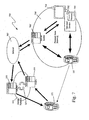
Fig. 1 is a functional block diagram of an illustrative embodiment of a mobile communications environment in accordance with at least one aspect of the present invention. -
Fig. 2 is a functional block diagram of an illustrative embodiment of a mobile device in accordance with at least one aspect of the present invention. -
Fig. 3 is a functional block diagram of an illustrative embodiment of a computer in accordance with at least one aspect of the present invention. -
Fig. 4 is another functional block diagram of the mobile communications environment ofFig. 1 . -
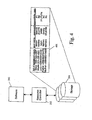
Figs. 5 and6 are flow charts showing illustrative steps of methods in accordance with at least one aspect of the present invention. -
Fig. 7 is a functional block diagram of another illustrative embodiment of a mobile communications environment in accordance with at least one aspect of the present invention. - In the following description of various illustrative embodiments, reference is made to the accompanying drawings that form a part thereof, and in which is shown by way of illustration various embodiments in which the invention may be practiced. It is to be understood that other embodiments may be utilized and structural and functional modifications may be made without departing from the scope of the present invention.
-
Fig. 1 shows an illustrativewireless communication system 100 that supports file browsing and/or transfer. One or more network-enabledmobile devices 101, such as a personal digital assistant (PDA), digital camera, cellular phone, mobile terminal, or combinations thereof, may be coupled to aresource controller 102. Theresource controller 102 may act as a server for a network such as ahome network 109, and may be a personal computer, a mainframe, a television set-top box, and/or the like. Themobile device 101 may be coupled wirelessly or by wire to theresource controller 102 via, e. g. , a wired connection such as a universal serial bus (USB)cable 103, a short-range wireless connection (e. g. BLUETOOTH), and/or other type of connection. As such, themobile device 101 may transfer files to and/or from theresource controller 102. Theresource controller 102 may further act as a repository for storing files related tomobile device 101. In addition, theresource controller 102 may have, or be coupled to, a wireless interface configured to transmit and/or receive communications (such as messages, files, or other data) with amobile network 104, such as a third-generation (3G) cellular data communications network, a Global System for Mobile communications network (GSM), or any other mobile network. - The
mobile device 101 may also have a wireless interface configured to send and/or receive digital wireless communications within themobile network 104. As part of themobile network 104, one or more base stations (not shown) may support digital communications with themobile device 101 while the mobile device is located within the administrative domain of themobile network 104. The base station of themobile network 104 that is in communication with themobile device 101 may be the same or a different base station that is in communication with theresource controller 102. For simplicity, theresource controller 102 and themobile device 101 are illustratively shown in communication with the samewireless communications network 104; however, a plurality of networks may be utilized within the communication paths between themobile device 101 and theresource controller 102, including one or more wired networks and/or wireless networks (e. g. cellular, WLAN, BLUETOOTH). Also, themobile network 104 may itself include one or more wired and/or wireless sub-networks. - The
mobile device 101 may communicate with theresource controller 102 via themobile network 104 and may therefore be configured to remotely store data (such as files) on theresource controller 102 and/or remotely access data already stored on theresource controller 102. Such communication may provide certain advantages. For example, allowing remote access to files may preserve memory resources of themobile device 101. According to an illustrative embodiment, file transfers between themobile device 101 and theresource controller 102 may occur via Short Message Service (SMS) messages and/or Multimedia Messaging Service (MMS) messages via a short message service center (SMSC) 105 and/or a multimedia messaging service center (MMSC) 106. Although shown as part ofnetwork 104, theSMSC 105 and the MMSC 106 may be part of another network or otherwise outside ofnetwork 104. - Although shown as separate logical entities, it is understood that the
SMSC 105 and the MMSC 106 may be a single entity. Further, theSMSC 105 and the MMSC 106 may coordinate via signaling 107 between themselves for improving the file transfer process. For example, because theSMSC 105 and MMSC 106 may be store-and-forward systems, rather than real-time systems, a file requested via an SMS message from themobile device 101 may still reside on the MMSC 106 based upon a previous request. As such, theSMSC 105 may copy theMMSC 106 on an SMS file request and, if applicable, theMMSC 106 may notify the user of the previously stored file. Further, the MMSC 106 may simply transfer the requested file based on its stored copy of the file. In other embodiments, the MMSC 106 may act as a repository for files, and themobile device 101 may simply request transfer of files from theMMSC 106. - As shown in
Fig. 2 , the illustrativemobile device 101 may include aprocessor 201 connected to auser interface 207, a communications interface 202 (which may be wireless),memory 203 and/or other storage, adisplay 205, and/or adigital camera 206. Theuser interface 207 may include a keypad, touch screen, voice interface, or the like.Software 204 may be stored within thememory 203 and/or other storage that provides instructions to theprocessor 201 for enabling themobile device 101 to perform various functions. For example, thesoftware 204 may configure theprocessor 201 to enable themobile device 101 to take digital photographs via thedigital camera 206, to save those photographs as image files on theresource controller 102, to retrieve and display image files from theresource controller 102, and to browse the Internet using thecommunications interface 202. Thecommunications interface 202 may, in an illustrative embodiment, include two or more wired and/or wireless interfaces each configured to communicate over a different communication link. - As shown in
Fig. 3 , theillustrative resource controller 102 may include aprocessor 303 coupled to a communications interface 305 (e. g. a wireless interface such as a cellular wireless communications interface, and/or a wired interface such as through a cable modem),memory 301, and/or storage 304 (such as a hard disk drive, tape system, or the like). The communications interface. 305 may, in an illustrative embodiment, include two or more wired and/or wireless interfaces each configured to communicate over a different communication link.Software 302 may be stored within thememory 301 and/or thestorage 304 that provides instructions to theprocessor 303 for enabling theresource controller 102 to perform various functions, such as to process file transfer requests (such as for image files) and store files in thestorage 304. Although illustratively shown as part of theresource controller 102, thestorage 304 may be remote storage coupled to theresource controller 102, such as an external drive or another storage device in communication with theresource controller 102. Adisplay 306 may further be coupled to theprocessor 303 for allowing a user to interface with theresource controller 102 and/or view file and/or other data utilized by theresource controller 102. Thedisplay 306 may be integrated with theresource controller 102 or may be separate from it. - The
resource controller 102 and/or itsrelated storage 304 may store a variety of files, such as image files. The files may be organized and partitioned from other files in partitioned virtual areas, such as by the use of electronic virtual folders. Where the files are images, they may be partitioned by being organized, for example, in electronic photo albums. Each partitioned area, file, and/or user ID may have associated accessibility data that indicates the accessibility level of that partitioned area and/or file. The level of accessibility of a particular partitioned area may control which users may access the files in that partitioned area and/or what type of file and/or directory access may be provided to the user (e. g. , write access, read access, and/or access to directory listings). For example, a first electronic photo album may be accessible only to a specified first user, and a second electronic photo album may be accessible only to the first user and to a specified second user, wherein the first user may modify the first and second photo albums but the second user may only view the second photo album. - To reduce unauthorized access, each file, partitioned area, and/or group of partitioned areas may be protected by one or more security measures, such as requiring the user requesting access to provide a correct user ID and/or password (e. g. , an alphanumeric password, a personal identification number, or the like). For example, only a user who identifies himself or herself as user ID"steven"and provides a password of "hjuuirtd"may be provided access to a particular folder. If the correct user ID and password were provided to the
resource controller 102, then that user would be able to add files, remove files, modify files, and/or view files in the folder, in a manner consistent with the level of accessibility associated with that folder. Theresource controller 102 and/or and associated device may thus maintain association data that provides an association between user IDs, passwords, files, accessibility data, and/or partitions of files. This association may be stored instorage 304 and/or in any other storage, and may be in the form of a table, database, or the like. An example of such a table 401 is shown inFig. 4 . Alternatively, all files may be accessible to any user that is known by theresource controller 102, such as those listed in table 401. - The user ID and password may be provided to the
resource controller 102 via a user interface coupled to theresource controller 102, via the user'smobile device 101, and/or by any other means. For instance, the user may wish to gain access to certain files by entering the appropriate user ID and password via theuser interface 207 of themobile device 101. Data representing the entered user ID and password may be provided, via the communications interfaces 202 and 305, to theresource controller 102. - It is likely that the user may either forget his or her user ID and/or password, or the user may simply not want the burden of remembering the user ID and/or password. In either case, identification information associated with the user's
mobile device 101 may be used instead of the user ID and/or password. The identification information would thus be sent to theresource controller 102 instead of or in addition to the user ID and/or the password. The identification information may be any information that uniquely or. nearly uniquely identifies the particularmobile device 101 and distinguishes it from othermobile devices 101. For example, where themobile device 101 includes a cellular phone, the identification information may be the telephone number of the cellular phone, and the telephone number may be sent by the cellular telephone network as standard caller ID information. Based on the identification information, thesoftware 302 of theresource controller 102 may process or reject a request from themobile device 101 to view, modify, transfer, or write a file. - To process mobile device identification information, the
resource controller 102 may associate known identification information with user IDs, passwords, files, and/or \ partitions of files. For example, table 401 shows a plurality of mobile device telephone numbers, each associated with respective user IDs and/or passwords. In this example, the telephone numbers are further associated with accessible folders. The table 401 may be a single table, database, etc. , or a plurality of separate tables, databases, etc. that may be interlinked. - The
mobile device 101 may further be used as a remote control device for manipulating files stored onresource controller 102 and/orstorage 304, changing settings of thesoftware 302, and/or for taking other such actions. Communication between themobile device 101 as a remote control and theresource controller 102 may be made via SMS messaging and/or other types of messaging. Further, such communication may be accomplished via wireless communication or direct communication withresource controller 102, such as via theUSB cable 103. - An example of how identification information may be utilized is now described with reference to
Fig. 5 . A user with a mobile device (e. g. , the mobile device 101) such as a cellular phone may call or otherwise contact 501 a telephone number associated with a resource controller (e. g. , the resource controller 102). Calling this telephone number may cause a connection to be made between the cellular phone and the resource controller via a first communication link such as a mobile network and/or the home network of the resource controller (e. g. , themobile network 104 and/or the home network 109). Alternatively, where the user's mobile device is within range of the resource controller, the user's mobile device may communicate with the resource controller via a short-range wireless system such as BLUETOOTH, by infrared communications, by wire (e. g. , using a USB connection), or the like. When the call to the resource controller's telephone number is made, identification information may be automatically and/or manually sent 502 across the first communication link to the resource controller. In the present example, standard caller ID information may be sent to the resource controller, identifying the telephone number or other identifying attribute of the user's mobile device. For example, the caller ID information may include"202-1234567"and/or a name of the caller such as"Steve. "However, the identification information is not limited to caller ID information and may be any type of information that identifies the particular mobile device sending the identification information. - In one illustrative embodiment, since SMS messages include text, the identification information and/or other information may be included in one or more SMS messages. For example, the
software 204 in themobile device 101 may be programmed such that the phone number or other identification information (e. g. MAC address, user name, password, etc. ) may be included in the SMS message. The SMS message would be sent to theSMSC 105, and in response theSMSC 105 would send the identification information to theresource controller 102. Theresource controller 102 may also send messages to themobile device 101 via theSMSC 105. - Next, the resource computer (e. g. , using software 302) may compare 503 the received identification information with stored association data, such as stored identification information (e. g. , stored in storage 304). The resource controller may be configured to, for instance, respond to file transfer requests from a predetermined group of telephone numbers, such as a family of cellular phones or other mobile devices. In the present example, the identification information"202-123-4567"matches one of the entries in the association table 401. If there is a
match 504, then the software may provide the user ID and/or password (in this example, "steven"and"hjuuirtd") to the portion of the resource controller that controls access to folders. According to this particular table 401, the accessibility data is"F1,"meaning that this user has full access (including read and write access) to Folder 1. In association with user "martinn,"the accessibility data in table 401 is"R2,"meaning that this user has read- only access to Folder 2. As can also be seen from table 401, user"lucyn"has read- only access to Folders 1 and 4, and full access to Folder 3. Thus, the resource controller providesaccess 507 to the designated folder (s) and/or file (s) based on the identification information sent from the mobile device. As an alternative to providing a user ID and/or password based on the identification information, the software of the resource controller may skip this step (as shown by the dashed arrow) and directly associate the identification information with the accessible folder(s) and/or file(s). Although table 401 shows the accessibility data as being in the illustrative format of, e.g.,"F1,"the accessibility data may be in any format. - If no match is found 504 between the received identification information and stored identification information, then the resource controller may deny 506. file/folder access and/or send a message to the mobile device, alerting the mobile device that access is denied. In response, the mobile device may alert the user (e. g. , via the display 205) that access has been denied. The mobile device may further prompt the user to manually enter a user ID, password, and/or other identification information. An opportunity for manual entry of such information may be useful where the user is attempting to gain file/folder access using another user's mobile device.
- Once access is provided, files may be transferred between the
mobile device 101 and theresource controller 102 over a second communication link that may be the same or different from the first communication link. For instance, files that are stored instorage 304 may be obtained and sent to themobile device 101, and files may be downloaded from themobile device 101 to theresource controller 102 and ultimately tostorage 304. Such file transfers over the second communication link may be made via any wireless or wired connection (e. g. , via themobile network 104, thehome network 109, a BLUETOOTH wireless connection, and/or any other means). In one illustrative embodiment, files may be transferred to theresource controller 102 using MMS messaging via theMMSC 106. - Referring to
Fig. 6 , the identification information may be received from themobile device 101 via the first communication link, such as themobile network 104. If a match between the identification information and the stored identification information is determined atstep 504, theresource controller 102 may alternatively send 601 the appropriate associated user ID and/or password (and/or other information required to access the appropriate files) to themobile device 101. The user may then enter the user ID and/or password into themobile device 101 or another mobile device and send 602 the user ID and/or password (and/or other information) to theresource controller 102 via a second network such as thehome network 109 and/or another connection such as theUSB cable 103. Upon receipt of the correct user ID and/or password (and/or other information), the resource computer may grant the user and mobile device access to the appropriate files over the second communication link. Such access may be provided over the second network and/or over another connection such as theUSB cable 103. - Referring now to
Fig. 7 , another illustrative embodiment of awireless communication system 700 is shown that supports the various aspects of the invention disclosed above, including providing limited access to files and/or file partitions based on identification information from themobile device 101. Thewireless communication system 700 is generally similar to thewireless communication system 100, and includes apersonal area network 705 coupled to themobile network 104. In this embodiment, SMS and MMS messaging communication paths may include communications via theInternet 707. Thepersonal area network 705 may include a server/router 706 (which may act as a server or router for the personal area network 705), aterminal device 702, and/or one or more of the network-enabledmobile devices 101, which may each be coupled to one another via wireless communications, such as using BLUETOOTH, and/or via wired communications. - The
terminal device 702 may correspond to theresource controller 102, and may function as a repository for files (such as in storage 703). Themobile device 101 and theterminal device 702 may transfer files between each other, either wirelessly or wired. Theterminal device 702 may be, e. g. , a digital broadcast receiver in communication with a display device, such as a display 704 (e. g. , a television). Theterminal device 702 may include software for transferring files to and from themobile device 101 as requested in accordance with the present invention, as well as for displaying files on thedisplay 704. As such, the user may manage, store, and/or view files using theterminal device 702. When themobile device 101 is located within thepersonal area network 705, themobile device 101 may browse and view files (assuming access to those files is provided) stored on theterminal device 702 via communications within thepersonal area network 705. As themobile device 101 moves outside of thepersonal area network 705, themobile device 101 may access files stored at theterminal device 702 and/or at the server/router 706 in accordance with the present invention described herein. - While exemplary systems and methods as described herein embodying various aspects of the present invention are shown by way of example, it will be understood, of course, that the invention is not limited to these embodiments. Modifications may be made by those skilled in the art, particularly in light of the foregoing teachings. For example, each of the elements of the aforementioned embodiments may be utilized alone or in combination with elements of the other embodiments. Also, the invention has been defined using the appended claims, however these claims are exemplary in that the invention is intended to include the elements and steps described herein in any combination or sub combination. It will also be appreciated and understood that modifications may be made without departing from the true spirit and scope of the invention. For example, the present invention applies to almost any type of network, computer, and mobile device, and to a variety of different communication protocols and systems.
- From the foregoing it can be seen that the invention provides:
- 1. A method comprising:
- sending first information by a device to a server over a first communication link, wherein the first information identifies the device; and
- responsive to the device receiving second information from the server over the first communication link, sending by the device the second information over a second communication link.
- 2. The method of statement 1 may also provide that the second information comprises a password.
- 3. A communication device comprising:
- a first interface configured to communicate over a first communication link;
- a second interface configured to communicate over a second communication link;
- a processor coupled to the first interface and configured to transmit first information to a server over the first communication link, and to receive second information from the server over the first communication link, the first information identifying the device; and
- a storage unit storing the second information,
- wherein the processor is further coupled to the second interface and configured to transmit the second information over the second communication link.
- 4. Apparatus comprising:
- a first interface configured to communicate with a device over a first communication link;
- a second interface configured to communicate with the device over a second communication link;
- a storage unit storing association data that associates access rights with corresponding identification information; and
- a processor coupled to the first and second interfaces and the storage unit and configured to:
- receive from the first interface information identifying the device,
- compare the received information identifying the device with the stored association data, and
- provide access to at least part of a file via the second interface.
- 5. A system comprising:
- a device configured to communicate over first and second communication links, and to send identification information over the first communication link;
- a resource controller configured to communicate with the device over the first and second communication links;
- a storage unit storing association data that associates access rights with corresponding identification information; and
- means for determining the access rights of the device based on the association data and the identification information,
- wherein the resource controller is further configured to provide the device with access over the second communication link.
- 6. A method for providing access to a storage unit, comprising:
- receiving identification information from a device over a first communication link, the identification information identifying the device; and
- determining whether the storage unit may be at least partially accessed by the device over a second communication link based on the identification information.
- 7. The method of statement 6 may further include:
- maintaining association data that associates the identification information with access rights of at least one user, the step of determining including determining based on a comparison of the association data and the identification information.
- 8. The method of statement 7 may further provide that the association data comprises user ID information, password information, caller ID information, and accessibility information.
- 9. The method of statement 6 may further provide that the identification information is caller ID information.
- 10. The method of statement 6 may further provide that the first communication link is a wireless communication link and the second communication link is a wired communication link.
- 11. The method of statement 6 may further provide that the first communication link is a wired communication link and the second communication link is a wireless communication link.
- 12. The method of statement 6 may further provide that the first communication link and the second communication link are established via a same type of communication link.
- 13. The method of statement 6 may further provide that the device is a remote device.
- 14. The method of statement 6 may further provide that the device is a mobile device.
- 15. A method for providing access to a storage unit, comprising:
- receiving information identifying a device over a first network;
- based on the information identifying the device, providing the device with access information over the first network, wherein the access information is a password;
- receiving the access information over a second network; and
- providing access to the storage unit based on the access information.
- 16. A method for providing access to a server, comprising:
- receiving information identifying a device over a first network,
- based on the information identifying the device, providing the device with access information over the first network, wherein the access information is a password;
- after the step of providing, receiving the access information over a second network; and
- providing access to the server based on the access information.
- 17. A computer readable medium storing computer executable instructions for performing a step comprising:
- responsive to receiving identification information from a device over a first communication link, wherein the identification information identifies the device, determining whether a storage unit may be at least partially accessed by the device over a second communication link based on the identification information.
- 18. A computer readable medium storing computer executable instructions for performing a step comprising:
- responsive to receiving identification information from a device over a first communication link, wherein the identification information identifies the device, determining whether a server may be at least partially accessed by the device over a second communication link based on the identification information.
- 19. A computer readable medium storing computer executable instructions for performing steps comprising:
- responsive to receiving over a first communication link information identifying a device, comparing the received information identifying the device with stored association data, wherein the association data associates access rights with corresponding identification information; and
- depending upon an outcome of the step of comparing, providing access by the device to at least part of a file via a second communication link.
- 20. A computer readable medium storing computer executable instructions for performing steps comprising:
- responsive to receiving over a first communication link information identifying a device, comparing the received information identifying the device with stored association data, wherein the association data associates access rights with corresponding identification information; and
- depending upon an outcome of the step of comparing, choosing between either providing or not providing access by the device to a server via a second communication link.
- 21. A computer readable medium storing computer executable instructions for performing steps comprising:
- sending first information to a server over a first communication link, wherein the first information identifies the communication device; and
- responsive to receiving second information from the server over the first communication link, sending the second information over a second communication link.
- 22. The computer readable medium of statement 21 may further provide that the second information comprises a password.
- It is believed that these statements provide a summary of the invention, the scope of which will be defined in the claims.
Claims (17)
- A method comprising:receiving identification information from a device over a first communication link, the identification information identifying the device; anddetermining whether a storage unit may be at least partially accessed by the device over a second communication link based on the identification information.
- A method according to claim 1, further comprising sending second information to the device over the first communication link responsive to receiving the identification information from the device over the first communication link.
- A method according to claim 2, further comprising providing access to data to the device over the second communication link responsive to receiving, from the device, the second information over the second communication link.
- A method comprising:sending first information by a device to a server over a first communication link, wherein the first information identifies the device; andresponsive to the device receiving second information from the server over the first communication link, sending by the device the second information over a second communication link.
- A method according to claim 4, further comprising the device being granted access to data by the server over the second communication link responsive to the device sending the second information to the server over the second communication link.
- A method according to any of claims 2 to 5, wherein the second information is a username and/or a password.
- A method according to any preceding claim, wherein the first communication link is a wireless or wired communication link and the second communication link is a wireless or wired communication link.
- A computer program that, when executed on a computer, performs a method according to any preceding claim.
- Apparatus comprising:means for receiving identification information from a device over a first communication link, the identification information identifying the device; andmeans for determining whether a storage unit may be at least partially accessed by the device over a second communication link based on the identification information.
- Apparatus according to claim 9, further comprising means for sending second information to the device over the first communication link responsive to receiving the identification information from the device over the first communication link.
- Apparatus according to claim 10, further comprising means for providing access to data to the device over the second communication link responsive to receiving the second information from the device over the second communication link.
- Apparatus comprising:means for sending first information to a server over a first communication link, wherein the first information identifies a device;means for receiving second information from the server over the first communication link; andmeans for sending the second information over a second communication link.
- Apparatus according to claim 12, further comprising means for being granted access to data by the server over the second communication link responsive to the device sending the second information to the server over the second communication link.
- Apparatus according to any of claims 10 to 13, wherein the second information is a username and/or a password.
- Apparatus according to any of claims 9 to 14, wherein the device is a mobile device.
- Apparatus according to any of claims 9 to 15, wherein the first communication link is a wireless or wired communication link and the second communication link is a wireless or wired communication link.
- Apparatus according to claim 12, wherein the server is a resource controller.
Applications Claiming Priority (2)
| Application Number | Priority Date | Filing Date | Title |
|---|---|---|---|
| US10/307,410 US6934535B2 (en) | 2002-12-02 | 2002-12-02 | Privacy protection in a server |
| EP03772546A EP1573585A4 (en) | 2002-12-02 | 2003-11-24 | PROTECTION OF CONFIDENTIALITY IN A SERVER |
Related Parent Applications (1)
| Application Number | Title | Priority Date | Filing Date |
|---|---|---|---|
| EP03772546.2 Division | 2003-11-24 |
Publications (1)
| Publication Number | Publication Date |
|---|---|
| EP2330532A1 true EP2330532A1 (en) | 2011-06-08 |
Family
ID=32467788
Family Applications (2)
| Application Number | Title | Priority Date | Filing Date |
|---|---|---|---|
| EP10184361A Withdrawn EP2330532A1 (en) | 2002-12-02 | 2003-11-24 | Privacy protection in a server |
| EP03772546A Ceased EP1573585A4 (en) | 2002-12-02 | 2003-11-24 | PROTECTION OF CONFIDENTIALITY IN A SERVER |
Family Applications After (1)
| Application Number | Title | Priority Date | Filing Date |
|---|---|---|---|
| EP03772546A Ceased EP1573585A4 (en) | 2002-12-02 | 2003-11-24 | PROTECTION OF CONFIDENTIALITY IN A SERVER |
Country Status (6)
| Country | Link |
|---|---|
| US (2) | US6934535B2 (en) |
| EP (2) | EP2330532A1 (en) |
| KR (1) | KR100741395B1 (en) |
| CN (1) | CN1735886A (en) |
| AU (1) | AU2003280176A1 (en) |
| WO (1) | WO2004052026A2 (en) |
Families Citing this family (38)
| Publication number | Priority date | Publication date | Assignee | Title |
|---|---|---|---|---|
| FI115284B (en) * | 2002-12-20 | 2005-03-31 | Nokia Corp | Procedure and arrangement for authentication of a terminal |
| JP4337027B2 (en) * | 2003-05-08 | 2009-09-30 | 日本電気株式会社 | Mobile phone |
| US7840892B2 (en) | 2003-08-29 | 2010-11-23 | Nokia Corporation | Organization and maintenance of images using metadata |
| US20050239445A1 (en) * | 2004-04-16 | 2005-10-27 | Jeyhan Karaoguz | Method and system for providing registration, authentication and access via broadband access gateway |
| US8630225B2 (en) | 2004-04-16 | 2014-01-14 | Broadcom Corporation | Over the air programming via a broadband access gateway |
| US8908699B2 (en) | 2004-04-16 | 2014-12-09 | Broadcom Corporation | Providing automatic format conversion via an access gateway in a home |
| US8005476B2 (en) * | 2004-04-16 | 2011-08-23 | Broadcom Corporation | Providing access dependent services via a broadband access gateway |
| US9008055B2 (en) * | 2004-04-28 | 2015-04-14 | Kdl Scan Designs Llc | Automatic remote services provided by a home relationship between a device and a server |
| US8972576B2 (en) * | 2004-04-28 | 2015-03-03 | Kdl Scan Designs Llc | Establishing a home relationship between a wireless device and a server in a wireless network |
| US20050278230A1 (en) * | 2004-06-09 | 2005-12-15 | Fuji Photo Film Co., Ltd. | Server and service method |
| US7664486B2 (en) * | 2004-06-09 | 2010-02-16 | Fujifilm Corporation | Server, mobile terminal, and service method |
| US7464110B2 (en) * | 2004-06-30 | 2008-12-09 | Nokia Corporation | Automated grouping of image and other user data |
| US7860486B2 (en) * | 2004-10-22 | 2010-12-28 | Broadcom Corporation | Key revocation in a mobile device |
| US8027665B2 (en) * | 2004-10-22 | 2011-09-27 | Broadcom Corporation | System and method for protecting data in a synchronized environment |
| US8584200B2 (en) * | 2004-10-22 | 2013-11-12 | Broadcom Corporation | Multiple time outs for applications in a mobile device |
| US20060130510A1 (en) * | 2004-11-30 | 2006-06-22 | Gary Murray | Modular recovery apparatus and method |
| KR101197365B1 (en) * | 2005-04-06 | 2012-11-05 | 삼성전자주식회사 | Multimedia message service method and apparatus |
| US8023624B2 (en) | 2005-11-07 | 2011-09-20 | Ack Ventures Holdings, Llc | Service interfacing for telephony |
| AU2012200928B2 (en) * | 2005-11-07 | 2014-04-03 | Ack Ventures Holdings, Llc | Service interfacing for telephony |
| US7840204B2 (en) * | 2005-11-22 | 2010-11-23 | Kyocera Corporation | System and method for unlocking wireless communications device |
| US8295819B1 (en) | 2005-12-19 | 2012-10-23 | Kyocera Corporation | Picture caller ID systems, methods and apparatus |
| JP2007213546A (en) * | 2006-01-13 | 2007-08-23 | Keytel:Kk | Encrypted file delivery system, electronic file encryption program, and encrypted file delivery method |
| US8438657B2 (en) * | 2006-02-07 | 2013-05-07 | Siemens Aktiengesellschaft | Method for controlling the access to a data network |
| DE102006025763A1 (en) * | 2006-05-31 | 2007-12-06 | Siemens Ag | A method for identifying a patient for later access to an electronic patient record of the patient by means of a communication device of a requesting person |
| US8325889B2 (en) * | 2006-12-22 | 2012-12-04 | Mobileaxept As | Efficient authentication of a user for conduct of a transaction initiated via mobile telephone |
| EP1976235B1 (en) * | 2007-01-31 | 2014-05-14 | Noryan Holding Corporation | Node for providing a file service to a mobile terminal |
| US7725489B2 (en) | 2007-01-31 | 2010-05-25 | Noryan Holding Corporation | Node for providing a file service to a mobile terminal |
| GB2460433A (en) * | 2008-05-29 | 2009-12-02 | Icini Technology Ltd | Providing information over a communications network |
| US7936736B2 (en) | 2008-09-08 | 2011-05-03 | Proctor Jr James Arthur | Enforcing policies in wireless communication using exchanged identities |
| US9213348B2 (en) * | 2009-01-16 | 2015-12-15 | Broadcom Corporation | Method and system for utilizing a broadband gateway for peer to peer communications |
| US8443425B1 (en) * | 2009-08-14 | 2013-05-14 | Intuit Inc. | Remotely authenticating using a mobile device |
| CN102143353A (en) * | 2010-02-02 | 2011-08-03 | 捷达世软件(深圳)有限公司 | Method for real-time collecting video |
| KR101553394B1 (en) * | 2010-11-15 | 2015-09-15 | 네이버 주식회사 | File transmission management system and file transmission mangement method for supporting file transmission in mobile messaging service |
| US9589403B2 (en) * | 2015-05-15 | 2017-03-07 | Honeywell International Inc. | Access control via a mobile device |
| GB201518910D0 (en) | 2015-10-26 | 2015-12-09 | Rieke Packaging Systems Ltd | Dispensers |
| JP6715931B2 (en) | 2015-11-19 | 2020-07-01 | エヌライト, インコーポレイテッドNlight, Inc. | Laser fault tolerance and self-calibration system |
| CN106506844B (en) * | 2016-11-23 | 2019-06-18 | 北京三体高创科技有限公司 | A WeChat remote mobile monitoring and return system and method based on an appointment short message |
| CN107944299B (en) * | 2017-12-29 | 2020-03-03 | 西安电子科技大学 | Method, device and system for processing private information |
Citations (5)
| Publication number | Priority date | Publication date | Assignee | Title |
|---|---|---|---|---|
| US5003595A (en) * | 1989-08-29 | 1991-03-26 | At&T Bell Laboratories | Secure dial access to computer systems |
| US5923843A (en) * | 1997-03-31 | 1999-07-13 | Compaq Computer Corporation | Method and apparatus for overriding access security to a PC when a password is lost |
| WO2000016190A1 (en) * | 1998-09-17 | 2000-03-23 | Index Systems, Inc. | Apparatus and methods for unlocking password protected software systems to recover master password |
| EP1075161A2 (en) * | 1999-08-05 | 2001-02-07 | Alcatel | Method and devices for controlling access of a user from a user's computer to an access computer |
| WO2002059727A2 (en) * | 2001-01-25 | 2002-08-01 | Lets Guard It Europe Ab | Security system and method for providing a user with an authorisation code for accessing a service |
Family Cites Families (35)
| Publication number | Priority date | Publication date | Assignee | Title |
|---|---|---|---|---|
| DE3247677A1 (en) | 1982-12-23 | 1984-06-28 | Letron GmbH, 8750 Aschaffenburg | METHOD FOR PRODUCING COLORED DECORATION PAPER FILMS WITH A 3-DIMENSIONAL SURFACE STRUCTURE |
| JPH0649030Y2 (en) * | 1989-04-05 | 1994-12-12 | パイオニア株式会社 | Data input device |
| CA2127765C (en) | 1993-08-24 | 2000-12-12 | James Gifford Evans | Personalized image recording system |
| US6751562B1 (en) * | 2000-11-28 | 2004-06-15 | Power Measurement Ltd. | Communications architecture for intelligent electronic devices |
| EP0756397B1 (en) * | 1995-07-28 | 2003-06-25 | Hewlett-Packard Company, A Delaware Corporation | System and method for key distribution and authentication between a host and a portable device |
| SE520696C2 (en) * | 1996-06-27 | 2003-08-12 | Ericsson Telefon Ab L M | Ways to generate text message with a calling party's phone number and name information and transfer it to a called mobile station |
| JP3383742B2 (en) * | 1996-09-19 | 2003-03-04 | 日本メンテ開発株式会社 | Concrete repair agent injection plug and connector |
| TW391092B (en) * | 1996-12-27 | 2000-05-21 | Hitachi Ltd | Cellular mobile telephone apparatus and method for transmitting a response message to an caller |
| FI117366B (en) * | 1997-06-30 | 2006-09-15 | Sonera Smarttrust Oy | Method of establishing a data-secure service connection in a data communication system |
| FI105965B (en) * | 1998-07-07 | 2000-10-31 | Nokia Networks Oy | Authentication in telecommunications networks |
| GB2341052B (en) * | 1998-08-26 | 2003-05-14 | Nokia Mobile Phones Ltd | Wireless communication terminal |
| US6437836B1 (en) * | 1998-09-21 | 2002-08-20 | Navispace, Inc. | Extended functionally remote control system and method therefore |
| JP2000115838A (en) * | 1998-09-30 | 2000-04-21 | Mitsubishi Electric Corp | Mobile communication terminal |
| SE516066C2 (en) * | 1999-01-20 | 2001-11-12 | Netcom Ab | Method, system and network node for providing services on the Internet |
| EP1024626A1 (en) * | 1999-01-27 | 2000-08-02 | International Business Machines Corporation | Method, apparatus, and communication system for exchange of information in pervasive environments |
| US6507762B1 (en) | 1999-03-31 | 2003-01-14 | International Business Machines Corporation | Method and system for remotely controlling an appliance using a personal digital assistant |
| US7457397B1 (en) * | 1999-08-24 | 2008-11-25 | Microstrategy, Inc. | Voice page directory system in a voice page creation and delivery system |
| EP1102157B1 (en) * | 1999-11-22 | 2008-01-09 | Telefonaktiebolaget LM Ericsson (publ) | Method and arrangement for secure login in a telecommunications system |
| US6671262B1 (en) * | 1999-12-30 | 2003-12-30 | At&T Corp. | Conference server for automatic x-way call port expansion feature |
| US6678265B1 (en) * | 1999-12-30 | 2004-01-13 | At&T Corp. | Local number portability database for on-net IP call |
| US6633756B1 (en) * | 1999-12-31 | 2003-10-14 | Weblink Wireless, Inc. | System and method for tracking wireless messages originating from a single user |
| KR20020084237A (en) * | 2000-03-22 | 2002-11-04 | 콸콤 인코포레이티드 | A method and system for wireless electronic commerce using a portable, wireless communication device having unique identifying information |
| GB2366888A (en) | 2000-04-14 | 2002-03-20 | Ibm | Restricting data access to data in data processing systems |
| GB2362293A (en) * | 2000-05-11 | 2001-11-14 | Nokia Mobile Phones Ltd | Display of service provider identity during download |
| GB2364457B (en) * | 2000-07-03 | 2003-08-06 | John Quentin Phillipps | Wireless communication |
| JP2002024182A (en) * | 2000-07-11 | 2002-01-25 | Mitsubishi Electric Corp | User authentication system |
| JP3707381B2 (en) | 2000-10-20 | 2005-10-19 | 日本電気株式会社 | Login control method, login control system, and information recording medium recording login control program |
| JP4868195B2 (en) * | 2000-10-24 | 2012-02-01 | ソニー株式会社 | Electronic apparatus and information processing apparatus |
| CN1351292A (en) | 2000-10-27 | 2002-05-29 | 刘劲彤 | Information stand-by and restoration method for wireless equipment |
| US6823048B2 (en) * | 2001-03-21 | 2004-11-23 | Qwest Communications International Inc. | Calling name information caching |
| WO2002085004A1 (en) | 2001-04-12 | 2002-10-24 | Digeo, Inc. | Remote control device with integrated display screen for controlling a digital video recorder |
| US20020184256A1 (en) * | 2001-06-04 | 2002-12-05 | Lainye Reich | Single-use document address method and system for online document delivery |
| GB0118436D0 (en) | 2001-07-27 | 2001-09-19 | Hewlett Packard Co | Synchronised cameras with auto-exchange |
| US7929808B2 (en) * | 2001-10-30 | 2011-04-19 | Hewlett-Packard Development Company, L.P. | Systems and methods for generating digital images having image meta-data combined with the image data |
| AU2002235742A1 (en) | 2001-11-28 | 2003-06-10 | Nokia Corporation | Instructional method and system using wireless communication |
-
2002
- 2002-12-02 US US10/307,410 patent/US6934535B2/en not_active Expired - Lifetime
-
2003
- 2003-11-24 KR KR1020057009500A patent/KR100741395B1/en not_active Expired - Lifetime
- 2003-11-24 AU AU2003280176A patent/AU2003280176A1/en not_active Abandoned
- 2003-11-24 EP EP10184361A patent/EP2330532A1/en not_active Withdrawn
- 2003-11-24 CN CNA2003801082742A patent/CN1735886A/en active Pending
- 2003-11-24 WO PCT/IB2003/005425 patent/WO2004052026A2/en not_active Ceased
- 2003-11-24 EP EP03772546A patent/EP1573585A4/en not_active Ceased
-
2005
- 2005-06-17 US US11/154,647 patent/US7616949B2/en not_active Expired - Lifetime
Patent Citations (5)
| Publication number | Priority date | Publication date | Assignee | Title |
|---|---|---|---|---|
| US5003595A (en) * | 1989-08-29 | 1991-03-26 | At&T Bell Laboratories | Secure dial access to computer systems |
| US5923843A (en) * | 1997-03-31 | 1999-07-13 | Compaq Computer Corporation | Method and apparatus for overriding access security to a PC when a password is lost |
| WO2000016190A1 (en) * | 1998-09-17 | 2000-03-23 | Index Systems, Inc. | Apparatus and methods for unlocking password protected software systems to recover master password |
| EP1075161A2 (en) * | 1999-08-05 | 2001-02-07 | Alcatel | Method and devices for controlling access of a user from a user's computer to an access computer |
| WO2002059727A2 (en) * | 2001-01-25 | 2002-08-01 | Lets Guard It Europe Ab | Security system and method for providing a user with an authorisation code for accessing a service |
Also Published As
| Publication number | Publication date |
|---|---|
| US20040192268A1 (en) | 2004-09-30 |
| CN1735886A (en) | 2006-02-15 |
| EP1573585A4 (en) | 2007-11-14 |
| AU2003280176A1 (en) | 2004-06-23 |
| KR100741395B1 (en) | 2007-07-20 |
| US7616949B2 (en) | 2009-11-10 |
| US6934535B2 (en) | 2005-08-23 |
| KR20050086862A (en) | 2005-08-30 |
| AU2003280176A8 (en) | 2004-06-23 |
| US20050241004A1 (en) | 2005-10-27 |
| WO2004052026A2 (en) | 2004-06-17 |
| EP1573585A2 (en) | 2005-09-14 |
| WO2004052026A3 (en) | 2004-10-28 |
Similar Documents
| Publication | Publication Date | Title |
|---|---|---|
| US7616949B2 (en) | Privacy protection in a server | |
| US9361478B2 (en) | Managing personal information on a network | |
| CN101611613B (en) | Limiting use of electronic equipment features based on location and corporate service level agreements | |
| US20040068502A1 (en) | Context information management in a communication device | |
| KR20060106232A (en) | Multimedia message service method and system | |
| KR100554436B1 (en) | Web Provision System | |
| JP3902574B2 (en) | Personal information management system, personal information management method and program thereof | |
| WO2021147430A1 (en) | Information processing method and device, and storage medium | |
| WO2005041538A1 (en) | Retrieving digital images with a service provider | |
| CN105074711A (en) | Method and device for transmitting a file containing a controlled-access multimedia content | |
| CN106572101A (en) | Server, terminal and data management method | |
| US20120108217A1 (en) | Communication terminal, telephone directory resistering method, and communication terminal handling method | |
| US20100173606A1 (en) | Network-Based Subscriber Calling Restrictions | |
| JP4178886B2 (en) | Mobile phone device, mobile communication system, remote access method used therefor, and program thereof | |
| KR100862748B1 (en) | Method and device for providing shared album service using mobile communication network | |
| CN111163161A (en) | Automatic backup and automatic clearing method for intelligent terminal | |
| EP1405465B1 (en) | Identifying multilingual participants in network communications | |
| WO2010002078A1 (en) | Contents transformation system and method | |
| CN108494944B (en) | Terminal device and control method | |
| KR20060056608A (en) | Couple diary providing method in mobile communication terminal | |
| JP2003122641A (en) | Access control device, access control method, and access control program | |
| JP2005018261A (en) | Shared system, shared system operation processing method, program for executing the operation processing method, and storage medium storing the program | |
| HK1062240B (en) | Identifying multilingual participants in network communications |
Legal Events
| Date | Code | Title | Description |
|---|---|---|---|
| PUAI | Public reference made under article 153(3) epc to a published international application that has entered the european phase |
Free format text: ORIGINAL CODE: 0009012 |
|
| AC | Divisional application: reference to earlier application |
Ref document number: 1573585 Country of ref document: EP Kind code of ref document: P |
|
| AK | Designated contracting states |
Kind code of ref document: A1 Designated state(s): AT BE BG CH CY CZ DE DK EE ES FI FR GB GR HU IE IT LI LU MC NL PT RO SE SI SK TR |
|
| STAA | Information on the status of an ep patent application or granted ep patent |
Free format text: STATUS: THE APPLICATION IS DEEMED TO BE WITHDRAWN |
|
| 18D | Application deemed to be withdrawn |
Effective date: 20111209 |