EP2313489B1 - Production method - Google Patents
Production method Download PDFInfo
- Publication number
- EP2313489B1 EP2313489B1 EP20090780692 EP09780692A EP2313489B1 EP 2313489 B1 EP2313489 B1 EP 2313489B1 EP 20090780692 EP20090780692 EP 20090780692 EP 09780692 A EP09780692 A EP 09780692A EP 2313489 B1 EP2313489 B1 EP 2313489B1
- Authority
- EP
- European Patent Office
- Prior art keywords
- glycerol
- propanediol
- host cell
- activity
- gene
- Prior art date
- Legal status (The legal status is an assumption and is not a legal conclusion. Google has not performed a legal analysis and makes no representation as to the accuracy of the status listed.)
- Not-in-force
Links
- 238000004519 manufacturing process Methods 0.000 title claims description 73
- PEDCQBHIVMGVHV-UHFFFAOYSA-N Glycerine Chemical compound OCC(O)CO PEDCQBHIVMGVHV-UHFFFAOYSA-N 0.000 claims description 331
- 108090000623 proteins and genes Proteins 0.000 claims description 178
- 230000000694 effects Effects 0.000 claims description 156
- AIJULSRZWUXGPQ-UHFFFAOYSA-N Methylglyoxal Chemical compound CC(=O)C=O AIJULSRZWUXGPQ-UHFFFAOYSA-N 0.000 claims description 103
- DNIAPMSPPWPWGF-UHFFFAOYSA-N monopropylene glycol Natural products CC(O)CO DNIAPMSPPWPWGF-UHFFFAOYSA-N 0.000 claims description 96
- 235000013772 propylene glycol Nutrition 0.000 claims description 91
- DNIAPMSPPWPWGF-GSVOUGTGSA-N (R)-(-)-Propylene glycol Chemical compound C[C@@H](O)CO DNIAPMSPPWPWGF-GSVOUGTGSA-N 0.000 claims description 88
- 238000000034 method Methods 0.000 claims description 79
- 241000588724 Escherichia coli Species 0.000 claims description 75
- 108091022889 lactaldehyde reductase Proteins 0.000 claims description 69
- OKTJSMMVPCPJKN-UHFFFAOYSA-N Carbon Chemical compound [C] OKTJSMMVPCPJKN-UHFFFAOYSA-N 0.000 claims description 65
- 229910052799 carbon Inorganic materials 0.000 claims description 64
- 101000892220 Geobacillus thermodenitrificans (strain NG80-2) Long-chain-alcohol dehydrogenase 1 Proteins 0.000 claims description 58
- 101150030625 fucO gene Proteins 0.000 claims description 57
- 108010015895 Glycerone kinase Proteins 0.000 claims description 55
- 101150032129 egsA gene Proteins 0.000 claims description 46
- 101150033931 gldA gene Proteins 0.000 claims description 46
- 241000178343 Butea superba Species 0.000 claims description 41
- 102100033598 Triosephosphate isomerase Human genes 0.000 claims description 38
- 108010083856 methylglyoxal synthase Proteins 0.000 claims description 38
- 101150083023 mgsA gene Proteins 0.000 claims description 31
- 101100139916 Escherichia coli (strain K12) rarA gene Proteins 0.000 claims description 30
- 230000004060 metabolic process Effects 0.000 claims description 25
- SRBFZHDQGSBBOR-UHFFFAOYSA-N beta-D-Pyranose-Lyxose Natural products OC1COC(O)C(O)C1O SRBFZHDQGSBBOR-UHFFFAOYSA-N 0.000 claims description 16
- PYMYPHUHKUWMLA-WDCZJNDASA-N arabinose Chemical compound OC[C@@H](O)[C@@H](O)[C@H](O)C=O PYMYPHUHKUWMLA-WDCZJNDASA-N 0.000 claims description 15
- PYMYPHUHKUWMLA-UHFFFAOYSA-N arabinose Natural products OCC(O)C(O)C(O)C=O PYMYPHUHKUWMLA-UHFFFAOYSA-N 0.000 claims description 15
- 102000005602 Aldo-Keto Reductases Human genes 0.000 claims description 13
- 108010084469 Aldo-Keto Reductases Proteins 0.000 claims description 13
- 230000002950 deficient Effects 0.000 claims description 13
- 108010025885 Glycerol dehydratase Proteins 0.000 claims description 9
- 150000001875 compounds Chemical class 0.000 claims description 6
- 239000001963 growth medium Substances 0.000 claims description 5
- DNIAPMSPPWPWGF-VKHMYHEASA-N (+)-propylene glycol Chemical compound C[C@H](O)CO DNIAPMSPPWPWGF-VKHMYHEASA-N 0.000 claims description 3
- YPFDHNVEDLHUCE-UHFFFAOYSA-N 1,3-propanediol Substances OCCCO YPFDHNVEDLHUCE-UHFFFAOYSA-N 0.000 claims description 3
- 241000588923 Citrobacter Species 0.000 claims description 3
- 229920000166 polytrimethylene carbonate Polymers 0.000 claims description 3
- 229940035437 1,3-propanediol Drugs 0.000 claims 1
- 210000004027 cell Anatomy 0.000 description 157
- 229960004063 propylene glycol Drugs 0.000 description 87
- 239000013612 plasmid Substances 0.000 description 52
- 244000005700 microbiome Species 0.000 description 50
- 101150101290 dhaK gene Proteins 0.000 description 42
- 239000000758 substrate Substances 0.000 description 40
- 238000002360 preparation method Methods 0.000 description 32
- 238000000855 fermentation Methods 0.000 description 30
- 230000004151 fermentation Effects 0.000 description 29
- 101150115690 gloA gene Proteins 0.000 description 28
- 108091033319 polynucleotide Proteins 0.000 description 28
- 102000040430 polynucleotide Human genes 0.000 description 28
- 239000002157 polynucleotide Substances 0.000 description 28
- 239000002609 medium Substances 0.000 description 27
- 102000004190 Enzymes Human genes 0.000 description 26
- 108090000790 Enzymes Proteins 0.000 description 26
- 230000012010 growth Effects 0.000 description 25
- 230000037361 pathway Effects 0.000 description 22
- 239000002028 Biomass Substances 0.000 description 21
- 230000000813 microbial effect Effects 0.000 description 21
- 239000013598 vector Substances 0.000 description 21
- 230000014509 gene expression Effects 0.000 description 20
- 241000660147 Escherichia coli str. K-12 substr. MG1655 Species 0.000 description 18
- 230000002779 inactivation Effects 0.000 description 15
- 230000001939 inductive effect Effects 0.000 description 15
- 239000000047 product Substances 0.000 description 13
- ULWHHBHJGPPBCO-UHFFFAOYSA-N propane-1,1-diol Chemical compound CCC(O)O ULWHHBHJGPPBCO-UHFFFAOYSA-N 0.000 description 13
- 238000002290 gas chromatography-mass spectrometry Methods 0.000 description 11
- 230000008569 process Effects 0.000 description 11
- 101150076849 rpoS gene Proteins 0.000 description 11
- WQZGKKKJIJFFOK-GASJEMHNSA-N Glucose Natural products OC[C@H]1OC(O)[C@H](O)[C@@H](O)[C@@H]1O WQZGKKKJIJFFOK-GASJEMHNSA-N 0.000 description 10
- WQZGKKKJIJFFOK-VFUOTHLCSA-N beta-D-glucose Chemical compound OC[C@H]1O[C@@H](O)[C@H](O)[C@@H](O)[C@@H]1O WQZGKKKJIJFFOK-VFUOTHLCSA-N 0.000 description 10
- 230000002829 reductive effect Effects 0.000 description 10
- 230000001105 regulatory effect Effects 0.000 description 10
- 239000012634 fragment Substances 0.000 description 9
- 239000008103 glucose Substances 0.000 description 9
- 238000003786 synthesis reaction Methods 0.000 description 9
- XLYOFNOQVPJJNP-UHFFFAOYSA-N water Substances O XLYOFNOQVPJJNP-UHFFFAOYSA-N 0.000 description 9
- 229910019142 PO4 Inorganic materials 0.000 description 8
- 230000001580 bacterial effect Effects 0.000 description 8
- 230000015572 biosynthetic process Effects 0.000 description 8
- GNGACRATGGDKBX-UHFFFAOYSA-N dihydroxyacetone phosphate Chemical compound OCC(=O)COP(O)(O)=O GNGACRATGGDKBX-UHFFFAOYSA-N 0.000 description 8
- 239000012528 membrane Substances 0.000 description 8
- NBIIXXVUZAFLBC-UHFFFAOYSA-K phosphate Chemical compound [O-]P([O-])([O-])=O NBIIXXVUZAFLBC-UHFFFAOYSA-K 0.000 description 8
- 239000010452 phosphate Substances 0.000 description 8
- 239000006228 supernatant Substances 0.000 description 8
- LFQSCWFLJHTTHZ-UHFFFAOYSA-N EtOH Substances CCO LFQSCWFLJHTTHZ-UHFFFAOYSA-N 0.000 description 7
- 238000012217 deletion Methods 0.000 description 7
- 230000037430 deletion Effects 0.000 description 7
- 101150084197 dkgA gene Proteins 0.000 description 7
- 101150019698 dkgB gene Proteins 0.000 description 7
- 239000013604 expression vector Substances 0.000 description 7
- 239000002773 nucleotide Substances 0.000 description 7
- 125000003729 nucleotide group Chemical group 0.000 description 7
- 239000002243 precursor Substances 0.000 description 7
- 102100034671 L-lactate dehydrogenase A chain Human genes 0.000 description 6
- 108010088350 Lactate Dehydrogenase 5 Proteins 0.000 description 6
- 101100398785 Streptococcus agalactiae serotype V (strain ATCC BAA-611 / 2603 V/R) ldhD gene Proteins 0.000 description 6
- 101100386830 Zymomonas mobilis subsp. mobilis (strain ATCC 31821 / ZM4 / CP4) ddh gene Proteins 0.000 description 6
- 238000013019 agitation Methods 0.000 description 6
- 239000003225 biodiesel Substances 0.000 description 6
- 230000014107 chromosome localization Effects 0.000 description 6
- 101150036810 eco gene Proteins 0.000 description 6
- 238000004520 electroporation Methods 0.000 description 6
- 230000002538 fungal effect Effects 0.000 description 6
- 101150026107 ldh1 gene Proteins 0.000 description 6
- 101150041530 ldha gene Proteins 0.000 description 6
- 230000003287 optical effect Effects 0.000 description 6
- 235000000346 sugar Nutrition 0.000 description 6
- 238000013518 transcription Methods 0.000 description 6
- 230000035897 transcription Effects 0.000 description 6
- 230000009466 transformation Effects 0.000 description 6
- 241000588919 Citrobacter freundii Species 0.000 description 5
- 108020004414 DNA Proteins 0.000 description 5
- 102000053602 DNA Human genes 0.000 description 5
- 101000717864 Escherichia coli (strain K12) Lactaldehyde dehydrogenase Proteins 0.000 description 5
- 241000620209 Escherichia coli DH5[alpha] Species 0.000 description 5
- 108091028043 Nucleic acid sequence Proteins 0.000 description 5
- 102000005924 Triose-Phosphate Isomerase Human genes 0.000 description 5
- 108700015934 Triose-phosphate isomerases Proteins 0.000 description 5
- 238000010367 cloning Methods 0.000 description 5
- 239000013601 cosmid vector Substances 0.000 description 5
- 238000004821 distillation Methods 0.000 description 5
- 238000000605 extraction Methods 0.000 description 5
- IJGRMHOSHXDMSA-UHFFFAOYSA-N Atomic nitrogen Chemical compound N#N IJGRMHOSHXDMSA-UHFFFAOYSA-N 0.000 description 4
- 101100159722 Escherichia coli (strain K12) yeaE gene Proteins 0.000 description 4
- 108020004511 Recombinant DNA Proteins 0.000 description 4
- OIRDTQYFTABQOQ-KQYNXXCUSA-N adenosine Chemical compound C1=NC=2C(N)=NC=NC=2N1[C@@H]1O[C@H](CO)[C@@H](O)[C@H]1O OIRDTQYFTABQOQ-KQYNXXCUSA-N 0.000 description 4
- 230000003321 amplification Effects 0.000 description 4
- 230000002255 enzymatic effect Effects 0.000 description 4
- 210000003527 eukaryotic cell Anatomy 0.000 description 4
- 101150056064 glpK gene Proteins 0.000 description 4
- 101150040073 glpK2 gene Proteins 0.000 description 4
- 101150100658 gpr gene Proteins 0.000 description 4
- 239000012535 impurity Substances 0.000 description 4
- 108020004999 messenger RNA Proteins 0.000 description 4
- 238000003199 nucleic acid amplification method Methods 0.000 description 4
- 239000003960 organic solvent Substances 0.000 description 4
- 238000000746 purification Methods 0.000 description 4
- 230000010076 replication Effects 0.000 description 4
- 150000008163 sugars Chemical class 0.000 description 4
- 101150080369 tpiA gene Proteins 0.000 description 4
- 108091032973 (ribonucleotides)n+m Proteins 0.000 description 3
- CIEYFQRZEULHJV-UHFFFAOYSA-N 1,1-dihydroxypropan-2-one;phosphoric acid Chemical compound OP(O)(O)=O.CC(=O)C(O)O CIEYFQRZEULHJV-UHFFFAOYSA-N 0.000 description 3
- MSXVEPNJUHWQHW-UHFFFAOYSA-N 2-methylbutan-2-ol Chemical compound CCC(C)(C)O MSXVEPNJUHWQHW-UHFFFAOYSA-N 0.000 description 3
- 108020004705 Codon Proteins 0.000 description 3
- 230000005526 G1 to G0 transition Effects 0.000 description 3
- OKKJLVBELUTLKV-UHFFFAOYSA-N Methanol Chemical compound OC OKKJLVBELUTLKV-UHFFFAOYSA-N 0.000 description 3
- 108091000080 Phosphotransferase Proteins 0.000 description 3
- 240000004808 Saccharomyces cerevisiae Species 0.000 description 3
- 241000700605 Viruses Species 0.000 description 3
- 150000001298 alcohols Chemical class 0.000 description 3
- 101150081631 aldA gene Proteins 0.000 description 3
- 210000004102 animal cell Anatomy 0.000 description 3
- QVGXLLKOCUKJST-UHFFFAOYSA-N atomic oxygen Chemical compound [O] QVGXLLKOCUKJST-UHFFFAOYSA-N 0.000 description 3
- 238000011138 biotechnological process Methods 0.000 description 3
- 230000010261 cell growth Effects 0.000 description 3
- 238000006243 chemical reaction Methods 0.000 description 3
- 238000005352 clarification Methods 0.000 description 3
- 238000007398 colorimetric assay Methods 0.000 description 3
- 238000012258 culturing Methods 0.000 description 3
- 230000007547 defect Effects 0.000 description 3
- 239000003623 enhancer Substances 0.000 description 3
- 230000007613 environmental effect Effects 0.000 description 3
- 238000001704 evaporation Methods 0.000 description 3
- 230000008020 evaporation Effects 0.000 description 3
- 238000002474 experimental method Methods 0.000 description 3
- 238000004128 high performance liquid chromatography Methods 0.000 description 3
- 238000002744 homologous recombination Methods 0.000 description 3
- 230000006801 homologous recombination Effects 0.000 description 3
- 238000011534 incubation Methods 0.000 description 3
- 230000006698 induction Effects 0.000 description 3
- 238000002955 isolation Methods 0.000 description 3
- 239000007788 liquid Substances 0.000 description 3
- 239000000463 material Substances 0.000 description 3
- 239000000178 monomer Substances 0.000 description 3
- 230000017066 negative regulation of growth Effects 0.000 description 3
- 150000007523 nucleic acids Chemical group 0.000 description 3
- 230000002018 overexpression Effects 0.000 description 3
- 239000001301 oxygen Substances 0.000 description 3
- 229910052760 oxygen Inorganic materials 0.000 description 3
- 102000020233 phosphotransferase Human genes 0.000 description 3
- 238000003752 polymerase chain reaction Methods 0.000 description 3
- 239000002244 precipitate Substances 0.000 description 3
- 238000012545 processing Methods 0.000 description 3
- 210000001236 prokaryotic cell Anatomy 0.000 description 3
- 102000004169 proteins and genes Human genes 0.000 description 3
- 238000001179 sorption measurement Methods 0.000 description 3
- 239000000126 substance Substances 0.000 description 3
- 230000001629 suppression Effects 0.000 description 3
- 230000002103 transcriptional effect Effects 0.000 description 3
- 230000003612 virological effect Effects 0.000 description 3
- KBPLFHHGFOOTCA-UHFFFAOYSA-N 1-Octanol Chemical compound CCCCCCCCO KBPLFHHGFOOTCA-UHFFFAOYSA-N 0.000 description 2
- ZPVFWPFBNIEHGJ-UHFFFAOYSA-N 2-octanone Chemical compound CCCCCCC(C)=O ZPVFWPFBNIEHGJ-UHFFFAOYSA-N 0.000 description 2
- KDCGOANMDULRCW-UHFFFAOYSA-N 7H-purine Chemical compound N1=CNC2=NC=NC2=C1 KDCGOANMDULRCW-UHFFFAOYSA-N 0.000 description 2
- 102000005369 Aldehyde Dehydrogenase Human genes 0.000 description 2
- 108020002663 Aldehyde Dehydrogenase Proteins 0.000 description 2
- 108010053481 Antifreeze Proteins Proteins 0.000 description 2
- 241000894006 Bacteria Species 0.000 description 2
- 101100280051 Brucella abortus biovar 1 (strain 9-941) eryH gene Proteins 0.000 description 2
- 239000002126 C01EB10 - Adenosine Substances 0.000 description 2
- 241000222120 Candida <Saccharomycetales> Species 0.000 description 2
- XDTMQSROBMDMFD-UHFFFAOYSA-N Cyclohexane Chemical compound C1CCCCC1 XDTMQSROBMDMFD-UHFFFAOYSA-N 0.000 description 2
- ZAQJHHRNXZUBTE-NQXXGFSBSA-N D-ribulose Chemical compound OC[C@@H](O)[C@@H](O)C(=O)CO ZAQJHHRNXZUBTE-NQXXGFSBSA-N 0.000 description 2
- ZAQJHHRNXZUBTE-UHFFFAOYSA-N D-threo-2-Pentulose Natural products OCC(O)C(O)C(=O)CO ZAQJHHRNXZUBTE-UHFFFAOYSA-N 0.000 description 2
- 241000238631 Hexapoda Species 0.000 description 2
- 241000588748 Klebsiella Species 0.000 description 2
- CSNNHWWHGAXBCP-UHFFFAOYSA-L Magnesium sulfate Chemical compound [Mg+2].[O-][S+2]([O-])([O-])[O-] CSNNHWWHGAXBCP-UHFFFAOYSA-L 0.000 description 2
- 108700005443 Microbial Genes Proteins 0.000 description 2
- 101100235161 Mycolicibacterium smegmatis (strain ATCC 700084 / mc(2)155) lerI gene Proteins 0.000 description 2
- 102000004316 Oxidoreductases Human genes 0.000 description 2
- 108090000854 Oxidoreductases Proteins 0.000 description 2
- OAICVXFJPJFONN-UHFFFAOYSA-N Phosphorus Chemical compound [P] OAICVXFJPJFONN-UHFFFAOYSA-N 0.000 description 2
- 241000235648 Pichia Species 0.000 description 2
- 102000001253 Protein Kinase Human genes 0.000 description 2
- 241000235070 Saccharomyces Species 0.000 description 2
- QAOWNCQODCNURD-UHFFFAOYSA-N Sulfuric acid Chemical compound OS(O)(=O)=O QAOWNCQODCNURD-UHFFFAOYSA-N 0.000 description 2
- 229960005305 adenosine Drugs 0.000 description 2
- 229960000723 ampicillin Drugs 0.000 description 2
- AVKUERGKIZMTKX-NJBDSQKTSA-N ampicillin Chemical compound C1([C@@H](N)C(=O)N[C@H]2[C@H]3SC([C@@H](N3C2=O)C(O)=O)(C)C)=CC=CC=C1 AVKUERGKIZMTKX-NJBDSQKTSA-N 0.000 description 2
- 238000004458 analytical method Methods 0.000 description 2
- 150000001450 anions Chemical class 0.000 description 2
- 239000003242 anti bacterial agent Substances 0.000 description 2
- 230000002528 anti-freeze Effects 0.000 description 2
- 238000003556 assay Methods 0.000 description 2
- 239000006227 byproduct Substances 0.000 description 2
- 238000005341 cation exchange Methods 0.000 description 2
- 238000005119 centrifugation Methods 0.000 description 2
- 239000007795 chemical reaction product Substances 0.000 description 2
- 239000003795 chemical substances by application Substances 0.000 description 2
- 230000004186 co-expression Effects 0.000 description 2
- 230000000295 complement effect Effects 0.000 description 2
- 238000010276 construction Methods 0.000 description 2
- 239000002826 coolant Substances 0.000 description 2
- 239000002537 cosmetic Substances 0.000 description 2
- 238000011968 cross flow microfiltration Methods 0.000 description 2
- 125000004122 cyclic group Chemical group 0.000 description 2
- 239000003599 detergent Substances 0.000 description 2
- 238000001784 detoxification Methods 0.000 description 2
- GUJOJGAPFQRJSV-UHFFFAOYSA-N dialuminum;dioxosilane;oxygen(2-);hydrate Chemical compound O.[O-2].[O-2].[O-2].[Al+3].[Al+3].O=[Si]=O.O=[Si]=O.O=[Si]=O.O=[Si]=O GUJOJGAPFQRJSV-UHFFFAOYSA-N 0.000 description 2
- 239000001177 diphosphate Substances 0.000 description 2
- XPPKVPWEQAFLFU-UHFFFAOYSA-J diphosphate(4-) Chemical compound [O-]P([O-])(=O)OP([O-])([O-])=O XPPKVPWEQAFLFU-UHFFFAOYSA-J 0.000 description 2
- 235000011180 diphosphates Nutrition 0.000 description 2
- 238000005516 engineering process Methods 0.000 description 2
- 239000012530 fluid Substances 0.000 description 2
- 238000003209 gene knockout Methods 0.000 description 2
- 238000010363 gene targeting Methods 0.000 description 2
- 239000011521 glass Substances 0.000 description 2
- 210000005260 human cell Anatomy 0.000 description 2
- 230000001771 impaired effect Effects 0.000 description 2
- 238000000338 in vitro Methods 0.000 description 2
- 238000010348 incorporation Methods 0.000 description 2
- 230000000977 initiatory effect Effects 0.000 description 2
- 238000011081 inoculation Methods 0.000 description 2
- 239000002054 inoculum Substances 0.000 description 2
- BSABBBMNWQWLLU-UHFFFAOYSA-N lactaldehyde Chemical compound CC(O)C=O BSABBBMNWQWLLU-UHFFFAOYSA-N 0.000 description 2
- 210000004962 mammalian cell Anatomy 0.000 description 2
- 239000003550 marker Substances 0.000 description 2
- 230000001404 mediated effect Effects 0.000 description 2
- 239000000203 mixture Substances 0.000 description 2
- 230000035772 mutation Effects 0.000 description 2
- 229910052757 nitrogen Inorganic materials 0.000 description 2
- 102000039446 nucleic acids Human genes 0.000 description 2
- 108020004707 nucleic acids Proteins 0.000 description 2
- 235000015097 nutrients Nutrition 0.000 description 2
- 238000004806 packaging method and process Methods 0.000 description 2
- 239000002245 particle Substances 0.000 description 2
- 239000008194 pharmaceutical composition Substances 0.000 description 2
- 238000007747 plating Methods 0.000 description 2
- 230000006798 recombination Effects 0.000 description 2
- 238000005215 recombination Methods 0.000 description 2
- 238000007670 refining Methods 0.000 description 2
- 108091008146 restriction endonucleases Proteins 0.000 description 2
- 230000001177 retroviral effect Effects 0.000 description 2
- 238000001223 reverse osmosis Methods 0.000 description 2
- FGDZQCVHDSGLHJ-UHFFFAOYSA-M rubidium chloride Chemical compound [Cl-].[Rb+] FGDZQCVHDSGLHJ-UHFFFAOYSA-M 0.000 description 2
- 239000000523 sample Substances 0.000 description 2
- 239000007787 solid Substances 0.000 description 2
- 238000006467 substitution reaction Methods 0.000 description 2
- 239000001117 sulphuric acid Substances 0.000 description 2
- 235000011149 sulphuric acid Nutrition 0.000 description 2
- 231100000331 toxic Toxicity 0.000 description 2
- 230000002588 toxic effect Effects 0.000 description 2
- 235000013619 trace mineral Nutrition 0.000 description 2
- 239000011573 trace mineral Substances 0.000 description 2
- 229920006337 unsaturated polyester resin Polymers 0.000 description 2
- VEMLQICWTSVKQH-BTVCFUMJSA-N (2r,3s,4r,5r)-2,3,4,5,6-pentahydroxyhexanal;propane-1,2,3-triol Chemical compound OCC(O)CO.OC[C@@H](O)[C@@H](O)[C@H](O)[C@@H](O)C=O VEMLQICWTSVKQH-BTVCFUMJSA-N 0.000 description 1
- BSABBBMNWQWLLU-GSVOUGTGSA-N (R)-lactaldehyde Chemical compound C[C@@H](O)C=O BSABBBMNWQWLLU-GSVOUGTGSA-N 0.000 description 1
- VGONTNSXDCQUGY-RRKCRQDMSA-N 2'-deoxyinosine Chemical group C1[C@H](O)[C@@H](CO)O[C@H]1N1C(N=CNC2=O)=C2N=C1 VGONTNSXDCQUGY-RRKCRQDMSA-N 0.000 description 1
- BXRFQSNOROATLV-UHFFFAOYSA-N 4-nitrobenzaldehyde Chemical compound [O-][N+](=O)C1=CC=C(C=O)C=C1 BXRFQSNOROATLV-UHFFFAOYSA-N 0.000 description 1
- -1 5 μg/l Chemical compound 0.000 description 1
- 108010021809 Alcohol dehydrogenase Proteins 0.000 description 1
- 102000007698 Alcohol dehydrogenase Human genes 0.000 description 1
- 102100036826 Aldehyde oxidase Human genes 0.000 description 1
- 241000203069 Archaea Species 0.000 description 1
- 241000228212 Aspergillus Species 0.000 description 1
- 241000193830 Bacillus <bacterium> Species 0.000 description 1
- 244000063299 Bacillus subtilis Species 0.000 description 1
- 235000014469 Bacillus subtilis Nutrition 0.000 description 1
- 241000701822 Bovine papillomavirus Species 0.000 description 1
- 0 CCCCCC(CC1)CC(C)*1C(C)C Chemical compound CCCCCC(CC1)CC(C)*1C(C)C 0.000 description 1
- 241000193403 Clostridium Species 0.000 description 1
- 229910021580 Cobalt(II) chloride Inorganic materials 0.000 description 1
- 108091026890 Coding region Proteins 0.000 description 1
- 108020004635 Complementary DNA Proteins 0.000 description 1
- 108091035707 Consensus sequence Proteins 0.000 description 1
- 108010001539 D-lactate dehydrogenase Proteins 0.000 description 1
- 230000003682 DNA packaging effect Effects 0.000 description 1
- 238000001712 DNA sequencing Methods 0.000 description 1
- 108090000626 DNA-directed RNA polymerases Proteins 0.000 description 1
- 102000004163 DNA-directed RNA polymerases Human genes 0.000 description 1
- 101000678187 Danio rerio Aldo-keto reductase family 1 member A1-A Proteins 0.000 description 1
- 241000235035 Debaryomyces Species 0.000 description 1
- 241000702421 Dependoparvovirus Species 0.000 description 1
- 101000836720 Dictyostelium discoideum Aldose reductase A Proteins 0.000 description 1
- 206010059866 Drug resistance Diseases 0.000 description 1
- 241000196324 Embryophyta Species 0.000 description 1
- 241000588914 Enterobacter Species 0.000 description 1
- 241000210651 Enterobacteria phage 1 Species 0.000 description 1
- BRLQWZUYTZBJKN-UHFFFAOYSA-N Epichlorohydrin Chemical compound ClCC1CO1 BRLQWZUYTZBJKN-UHFFFAOYSA-N 0.000 description 1
- 241000588722 Escherichia Species 0.000 description 1
- 241001646716 Escherichia coli K-12 Species 0.000 description 1
- 108700039887 Essential Genes Proteins 0.000 description 1
- 241000192125 Firmicutes Species 0.000 description 1
- 241000233866 Fungi Species 0.000 description 1
- 101150094690 GAL1 gene Proteins 0.000 description 1
- 102100028501 Galanin peptides Human genes 0.000 description 1
- 108700039691 Genetic Promoter Regions Proteins 0.000 description 1
- CEAZRRDELHUEMR-URQXQFDESA-N Gentamicin Chemical compound O1[C@H](C(C)NC)CC[C@@H](N)[C@H]1O[C@H]1[C@H](O)[C@@H](O[C@@H]2[C@@H]([C@@H](NC)[C@@](C)(O)CO2)O)[C@H](N)C[C@@H]1N CEAZRRDELHUEMR-URQXQFDESA-N 0.000 description 1
- 229930182566 Gentamicin Natural products 0.000 description 1
- 108700016170 Glycerol kinases Proteins 0.000 description 1
- 102000057621 Glycerol kinases Human genes 0.000 description 1
- XYZZKVRWGOWVGO-UHFFFAOYSA-N Glycerol-phosphate Chemical compound OP(O)(O)=O.OCC(O)CO XYZZKVRWGOWVGO-UHFFFAOYSA-N 0.000 description 1
- 101000928314 Homo sapiens Aldehyde oxidase Proteins 0.000 description 1
- 101100121078 Homo sapiens GAL gene Proteins 0.000 description 1
- MHAJPDPJQMAIIY-UHFFFAOYSA-N Hydrogen peroxide Chemical compound OO MHAJPDPJQMAIIY-UHFFFAOYSA-N 0.000 description 1
- 101150017040 I gene Proteins 0.000 description 1
- 101150062179 II gene Proteins 0.000 description 1
- 108091092195 Intron Proteins 0.000 description 1
- 239000007836 KH2PO4 Substances 0.000 description 1
- 241000235649 Kluyveromyces Species 0.000 description 1
- SRBFZHDQGSBBOR-HWQSCIPKSA-N L-arabinopyranose Chemical compound O[C@H]1COC(O)[C@H](O)[C@H]1O SRBFZHDQGSBBOR-HWQSCIPKSA-N 0.000 description 1
- JVTAAEKCZFNVCJ-REOHCLBHSA-N L-lactic acid Chemical compound C[C@H](O)C(O)=O JVTAAEKCZFNVCJ-REOHCLBHSA-N 0.000 description 1
- 241000186660 Lactobacillus Species 0.000 description 1
- 102000003960 Ligases Human genes 0.000 description 1
- 108090000364 Ligases Proteins 0.000 description 1
- 239000006137 Luria-Bertani broth Substances 0.000 description 1
- 241000124008 Mammalia Species 0.000 description 1
- 241000589350 Methylobacter Species 0.000 description 1
- 241000235395 Mucor Species 0.000 description 1
- 101100301239 Myxococcus xanthus recA1 gene Proteins 0.000 description 1
- 229930193140 Neomycin Natural products 0.000 description 1
- 238000010222 PCR analysis Methods 0.000 description 1
- GOOHAUXETOMSMM-UHFFFAOYSA-N Propylene oxide Chemical compound CC1CO1 GOOHAUXETOMSMM-UHFFFAOYSA-N 0.000 description 1
- 241000589516 Pseudomonas Species 0.000 description 1
- 101100084022 Pseudomonas aeruginosa (strain ATCC 15692 / DSM 22644 / CIP 104116 / JCM 14847 / LMG 12228 / 1C / PRS 101 / PAO1) lapA gene Proteins 0.000 description 1
- CZPWVGJYEJSRLH-UHFFFAOYSA-N Pyrimidine Chemical compound C1=CN=CN=C1 CZPWVGJYEJSRLH-UHFFFAOYSA-N 0.000 description 1
- 101710097492 RNA polymerase sigma factor RpoS Proteins 0.000 description 1
- 108020005091 Replication Origin Proteins 0.000 description 1
- 241000607142 Salmonella Species 0.000 description 1
- 241000293869 Salmonella enterica subsp. enterica serovar Typhimurium Species 0.000 description 1
- 241000235346 Schizosaccharomyces Species 0.000 description 1
- 241000607715 Serratia marcescens Species 0.000 description 1
- 108020004682 Single-Stranded DNA Proteins 0.000 description 1
- DWAQJAXMDSEUJJ-UHFFFAOYSA-M Sodium bisulfite Chemical compound [Na+].OS([O-])=O DWAQJAXMDSEUJJ-UHFFFAOYSA-M 0.000 description 1
- 241000187747 Streptomyces Species 0.000 description 1
- QAOWNCQODCNURD-UHFFFAOYSA-L Sulfate Chemical compound [O-]S([O-])(=O)=O QAOWNCQODCNURD-UHFFFAOYSA-L 0.000 description 1
- LSNNMFCWUKXFEE-UHFFFAOYSA-N Sulfurous acid Chemical class OS(O)=O LSNNMFCWUKXFEE-UHFFFAOYSA-N 0.000 description 1
- 108700026226 TATA Box Proteins 0.000 description 1
- 101150033985 TPI gene Proteins 0.000 description 1
- 101150032817 TPI1 gene Proteins 0.000 description 1
- 108010006785 Taq Polymerase Proteins 0.000 description 1
- 241000700618 Vaccinia virus Species 0.000 description 1
- 240000008042 Zea mays Species 0.000 description 1
- 235000016383 Zea mays subsp huehuetenangensis Nutrition 0.000 description 1
- 235000002017 Zea mays subsp mays Nutrition 0.000 description 1
- 241000235017 Zygosaccharomyces Species 0.000 description 1
- 238000010521 absorption reaction Methods 0.000 description 1
- 239000000370 acceptor Substances 0.000 description 1
- 239000003463 adsorbent Substances 0.000 description 1
- 230000004075 alteration Effects 0.000 description 1
- BFNBIHQBYMNNAN-UHFFFAOYSA-N ammonium sulfate Chemical compound N.N.OS(O)(=O)=O BFNBIHQBYMNNAN-UHFFFAOYSA-N 0.000 description 1
- 229910052921 ammonium sulfate Inorganic materials 0.000 description 1
- 238000005349 anion exchange Methods 0.000 description 1
- 229940088710 antibiotic agent Drugs 0.000 description 1
- 238000013459 approach Methods 0.000 description 1
- 239000012298 atmosphere Substances 0.000 description 1
- 230000008238 biochemical pathway Effects 0.000 description 1
- 230000003115 biocidal effect Effects 0.000 description 1
- OWMVSZAMULFTJU-UHFFFAOYSA-N bis-tris Chemical compound OCCN(CCO)C(CO)(CO)CO OWMVSZAMULFTJU-UHFFFAOYSA-N 0.000 description 1
- 239000001506 calcium phosphate Substances 0.000 description 1
- 229910000389 calcium phosphate Inorganic materials 0.000 description 1
- 235000011010 calcium phosphates Nutrition 0.000 description 1
- 229940041514 candida albicans extract Drugs 0.000 description 1
- 150000001721 carbon Chemical group 0.000 description 1
- 239000003054 catalyst Substances 0.000 description 1
- 238000006555 catalytic reaction Methods 0.000 description 1
- 150000001768 cations Chemical class 0.000 description 1
- 230000006727 cell loss Effects 0.000 description 1
- 230000001413 cellular effect Effects 0.000 description 1
- 230000008859 change Effects 0.000 description 1
- 230000002759 chromosomal effect Effects 0.000 description 1
- 210000000349 chromosome Anatomy 0.000 description 1
- 238000004737 colorimetric analysis Methods 0.000 description 1
- 238000004440 column chromatography Methods 0.000 description 1
- 239000002299 complementary DNA Substances 0.000 description 1
- 239000012141 concentrate Substances 0.000 description 1
- 239000003636 conditioned culture medium Substances 0.000 description 1
- 238000010924 continuous production Methods 0.000 description 1
- 230000001276 controlling effect Effects 0.000 description 1
- XCIXKGXIYUWCLL-UHFFFAOYSA-N cyclopentanol Chemical compound OC1CCCC1 XCIXKGXIYUWCLL-UHFFFAOYSA-N 0.000 description 1
- 210000000805 cytoplasm Anatomy 0.000 description 1
- 230000003247 decreasing effect Effects 0.000 description 1
- 101150106284 deoR gene Proteins 0.000 description 1
- 230000001419 dependent effect Effects 0.000 description 1
- 238000011033 desalting Methods 0.000 description 1
- 238000001514 detection method Methods 0.000 description 1
- 239000008121 dextrose Substances 0.000 description 1
- 230000004069 differentiation Effects 0.000 description 1
- 230000029087 digestion Effects 0.000 description 1
- 230000003292 diminished effect Effects 0.000 description 1
- 150000002009 diols Chemical class 0.000 description 1
- ZPWVASYFFYYZEW-UHFFFAOYSA-L dipotassium hydrogen phosphate Chemical compound [K+].[K+].OP([O-])([O-])=O ZPWVASYFFYYZEW-UHFFFAOYSA-L 0.000 description 1
- 229910000396 dipotassium phosphate Inorganic materials 0.000 description 1
- 238000000909 electrodialysis Methods 0.000 description 1
- 230000001747 exhibiting effect Effects 0.000 description 1
- 239000000706 filtrate Substances 0.000 description 1
- 238000001914 filtration Methods 0.000 description 1
- 108010008221 formate C-acetyltransferase Proteins 0.000 description 1
- 238000012224 gene deletion Methods 0.000 description 1
- 230000002068 genetic effect Effects 0.000 description 1
- 238000010353 genetic engineering Methods 0.000 description 1
- 101150045941 gloB gene Proteins 0.000 description 1
- 102000006602 glyceraldehyde-3-phosphate dehydrogenase Human genes 0.000 description 1
- 108020004445 glyceraldehyde-3-phosphate dehydrogenase Proteins 0.000 description 1
- 230000034659 glycolysis Effects 0.000 description 1
- 239000003102 growth factor Substances 0.000 description 1
- 230000036571 hydration Effects 0.000 description 1
- 238000006703 hydration reaction Methods 0.000 description 1
- 230000000415 inactivating effect Effects 0.000 description 1
- 239000003112 inhibitor Substances 0.000 description 1
- 230000002401 inhibitory effect Effects 0.000 description 1
- 230000005764 inhibitory process Effects 0.000 description 1
- 230000002452 interceptive effect Effects 0.000 description 1
- 230000003834 intracellular effect Effects 0.000 description 1
- 229940116871 l-lactate Drugs 0.000 description 1
- 230000037447 lactate metabolism Effects 0.000 description 1
- 229940039696 lactobacillus Drugs 0.000 description 1
- 230000000670 limiting effect Effects 0.000 description 1
- 150000002632 lipids Chemical class 0.000 description 1
- 239000002502 liposome Substances 0.000 description 1
- 239000006166 lysate Substances 0.000 description 1
- 229910052943 magnesium sulfate Inorganic materials 0.000 description 1
- 230000014759 maintenance of location Effects 0.000 description 1
- 235000009973 maize Nutrition 0.000 description 1
- 238000005259 measurement Methods 0.000 description 1
- 239000002207 metabolite Substances 0.000 description 1
- 238000012544 monitoring process Methods 0.000 description 1
- 229910000402 monopotassium phosphate Inorganic materials 0.000 description 1
- 239000013642 negative control Substances 0.000 description 1
- 229960004927 neomycin Drugs 0.000 description 1
- FEMOMIGRRWSMCU-UHFFFAOYSA-N ninhydrin Chemical compound C1=CC=C2C(=O)C(O)(O)C(=O)C2=C1 FEMOMIGRRWSMCU-UHFFFAOYSA-N 0.000 description 1
- 108091027963 non-coding RNA Proteins 0.000 description 1
- 102000042567 non-coding RNA Human genes 0.000 description 1
- 238000012858 packaging process Methods 0.000 description 1
- 230000036961 partial effect Effects 0.000 description 1
- HGBOYTHUEUWSSQ-UHFFFAOYSA-N pentanal Chemical compound CCCCC=O HGBOYTHUEUWSSQ-UHFFFAOYSA-N 0.000 description 1
- 239000003348 petrochemical agent Substances 0.000 description 1
- 101150009573 phoA gene Proteins 0.000 description 1
- 239000013600 plasmid vector Substances 0.000 description 1
- 230000008488 polyadenylation Effects 0.000 description 1
- 229920000151 polyglycol Polymers 0.000 description 1
- 239000010695 polyglycol Substances 0.000 description 1
- 229920000642 polymer Polymers 0.000 description 1
- 229920001184 polypeptide Polymers 0.000 description 1
- GNSKLFRGEWLPPA-UHFFFAOYSA-M potassium dihydrogen phosphate Chemical compound [K+].OP(O)([O-])=O GNSKLFRGEWLPPA-UHFFFAOYSA-M 0.000 description 1
- 238000001556 precipitation Methods 0.000 description 1
- 239000013630 prepared media Substances 0.000 description 1
- 230000019525 primary metabolic process Effects 0.000 description 1
- 102000004196 processed proteins & peptides Human genes 0.000 description 1
- 108090000765 processed proteins & peptides Proteins 0.000 description 1
- 230000000644 propagated effect Effects 0.000 description 1
- BDERNNFJNOPAEC-UHFFFAOYSA-N propan-1-ol Chemical compound CCCO BDERNNFJNOPAEC-UHFFFAOYSA-N 0.000 description 1
- QQONPFPTGQHPMA-UHFFFAOYSA-N propylene Natural products CC=C QQONPFPTGQHPMA-UHFFFAOYSA-N 0.000 description 1
- 125000004805 propylene group Chemical group [H]C([H])([H])C([H])([*:1])C([H])([H])[*:2] 0.000 description 1
- 238000011002 quantification Methods 0.000 description 1
- 238000004445 quantitative analysis Methods 0.000 description 1
- 239000012429 reaction media Substances 0.000 description 1
- 239000011541 reaction mixture Substances 0.000 description 1
- 238000011084 recovery Methods 0.000 description 1
- 230000009467 reduction Effects 0.000 description 1
- 230000003362 replicative effect Effects 0.000 description 1
- 108020002667 ribulokinase Proteins 0.000 description 1
- 229920002477 rna polymer Polymers 0.000 description 1
- 229940102127 rubidium chloride Drugs 0.000 description 1
- 150000003839 salts Chemical class 0.000 description 1
- 238000012216 screening Methods 0.000 description 1
- 238000010187 selection method Methods 0.000 description 1
- 238000000926 separation method Methods 0.000 description 1
- 238000002864 sequence alignment Methods 0.000 description 1
- 239000002002 slurry Substances 0.000 description 1
- 229940001607 sodium bisulfite Drugs 0.000 description 1
- 235000010267 sodium hydrogen sulphite Nutrition 0.000 description 1
- 239000002904 solvent Substances 0.000 description 1
- 241000894007 species Species 0.000 description 1
- 230000006641 stabilisation Effects 0.000 description 1
- 238000011105 stabilization Methods 0.000 description 1
- 230000003068 static effect Effects 0.000 description 1
- 239000013595 supernatant sample Substances 0.000 description 1
- 230000002459 sustained effect Effects 0.000 description 1
- 230000008685 targeting Effects 0.000 description 1
- 238000012360 testing method Methods 0.000 description 1
- 231100000167 toxic agent Toxicity 0.000 description 1
- 231100000419 toxicity Toxicity 0.000 description 1
- 230000001988 toxicity Effects 0.000 description 1
- 101150054879 tpiA1 gene Proteins 0.000 description 1
- 230000005030 transcription termination Effects 0.000 description 1
- 238000001890 transfection Methods 0.000 description 1
- 238000012546 transfer Methods 0.000 description 1
- 230000001131 transforming effect Effects 0.000 description 1
- 238000013519 translation Methods 0.000 description 1
- QORWJWZARLRLPR-UHFFFAOYSA-H tricalcium bis(phosphate) Chemical compound [Ca+2].[Ca+2].[Ca+2].[O-]P([O-])([O-])=O.[O-]P([O-])([O-])=O QORWJWZARLRLPR-UHFFFAOYSA-H 0.000 description 1
- 241001529453 unidentified herpesvirus Species 0.000 description 1
- 241001430294 unidentified retrovirus Species 0.000 description 1
- 239000003981 vehicle Substances 0.000 description 1
- 239000013603 viral vector Substances 0.000 description 1
- 239000002912 waste gas Substances 0.000 description 1
- 239000012138 yeast extract Substances 0.000 description 1
Images




Classifications
-
- C—CHEMISTRY; METALLURGY
- C12—BIOCHEMISTRY; BEER; SPIRITS; WINE; VINEGAR; MICROBIOLOGY; ENZYMOLOGY; MUTATION OR GENETIC ENGINEERING
- C12P—FERMENTATION OR ENZYME-USING PROCESSES TO SYNTHESISE A DESIRED CHEMICAL COMPOUND OR COMPOSITION OR TO SEPARATE OPTICAL ISOMERS FROM A RACEMIC MIXTURE
- C12P7/00—Preparation of oxygen-containing organic compounds
- C12P7/02—Preparation of oxygen-containing organic compounds containing a hydroxy group
- C12P7/04—Preparation of oxygen-containing organic compounds containing a hydroxy group acyclic
- C12P7/18—Preparation of oxygen-containing organic compounds containing a hydroxy group acyclic polyhydric
Definitions
- the present invention relates to a method for the production of 1,2-propanediol from glycerol in host cells as characterized in the appended claims. More specifically the present invention describes recombinant enzymatic activities which enable the synthesis of exclusively the 1,2-isomer of propanediol from pure and crude preparations of glycerol. The present invention also provides suitable combinations of overexpression and inactivation of key-activities for the production of 1,2-propanediol.
- 1,2-propanediol (propylene glycol; 1,2-PD) is a major bulk chemical that is widely used as a component of unsaturated polyester resins, pharmaceutical formulations and cosmetics, liquid detergents, coolants and anti-freeze or de-icing fluids. Since 1,2-PD is optically active, enantiomerically pure preparations of 1,2-PD might be of special interest for medical, agricultural or physiological applications.
- Altaras and Cameron, 1999 describe the production of 1,2-PD from glucose by E.coli strains expressing glycerol dehydrogenase, methyglyoxal synthase or co-expressing both enzymes.
- Altaras and Cameron 2000 describe an alternative to the method of Altaras and Cameron, 1999 by using E.coli strains that were engineered to co-express methylglyoxal synthetase, glycerol dehydrogenase and either alcohol dehydrogenase or 1,2-propanediol oxidoreductase.
- the present invention addresses this unmet need by providing solutions to the problems that had so far prevented significant improvements in this area.
- the present invention provides an improved biotechnological process for the production of 1,2 propanediol (1,2-PD) from a non-fermentable, inexpensive carbon substrate as characterized in the appended claims, whereby the carbon substrate is sustaining production of biomass and serves as a substrate for production of 1,2 propanediol (1,2-PD) at the same time.
- the present invention further provides improved microbial strains as characterized in the appended claims which are specifically adapted to the specific requirements of this procedure and are therefore specifically suited for use in the process according to the invention.
- the invention provides a host cell, particularly a microorganism or strain, which is capable of producing high levels of 1,2 propanediol (1,2-PD) when grown on glycerol as the sole carbon source, wherein said host cell, particularly said microorganism or strain, is engineered to co-express a glycerol dehydrogenase (gldA), a dihydroxyacetone kinase (dhaK) and a methylglyoxalsynthase (mgsA) activity along with the propanediol oxidoreductase (fucO) activity, particularly by co-introducing in said host cell together with the gene encoding a propanediol oxidoreductase (fucO) activity, genes encoding a glycerol dehydrogenase (gldA), a dihydroxyacetone kinase (dhaK) and a methylglyoxalsynthase
- the invention provides a host cell, particularly a microorganism or strain, which is capable of producing high levels of 1,2 propanediol (1,2-PD) when grown on glycerol as the sole carbon source, wherein said host cell, particularly said microorganism or strain, has been engineered through recombinant DNA techniques.
- the invention provides a host cell, particularly a microorganism or strain according to the invention and as described herein before, which is capable of producing high levels of 1,2 propanediol (1,2-PD) when grown on glycerol as the sole carbon source, wherein said host cell, particularly a microorganism or strain, is defective in arabinose metabolism.
- said host cell, particularly said microorganism or strain is defective in arabinose metabolism due to a reduced or missing ribulose kinase activity.
- said host cell is defective in the metabolism of methylglyoxal due to a reduced or missing enzyme activity selected from the group consisting of glyoxylase system I, glyoxylase system II, lactate dehydrogenase A, glyoxylase system III, aldehyde dehydrogenase A activity, but especially due to a reduced or missing glyoxylase system I activity.
- a reduced or missing enzyme activity selected from the group consisting of glyoxylase system I, glyoxylase system II, lactate dehydrogenase A, glyoxylase system III, aldehyde dehydrogenase A activity, but especially due to a reduced or missing glyoxylase system I activity.
- the invention provides a host cell, particularly a microorganism or strain according to the invention and as described herein before, which is capable of producing high levels of 1,2 propanediol (1,2-PD) when grown on glycerol as the sole carbon source, wherein said host cell, particularly said microorganism or strain, is defective in the metabolism of dihydroxyacetonphosphate.
- said host cell, particularly said microorganism or strain is defective in the metabolism of dihydroxyacetonphosphate due to a reduced triosephosphate isomerase activity.
- the invention provides a host cell, particularly a microorganism or strain according to the invention and as described herein before, wherein said microorganism is E. coli.
- said non-fermentable carbon substrate is a crude glycerol preparation, particularly a preparation containing glycerol with a purity of at least 70%, particularly of at least 75%, particularly of at least 80%, particularly of at least 85%, particularly of at least 90%, particularly of at least 95%, particularly of at least 99% and up to 100%.
- the invention provides a method of producing 1,2-propanediol as described herein before, wherein a host cell, particularly a microorganism or strain, according to the invention and as described herein before is used in said process, which is engineered to overexpress propanediol oxidoreductase (fucO) a glycerol dehydrogenase activity and a dihydroxyacetone kinase activity.
- fucO propanediol oxidoreductase
- the invention provides a method of producing 1,2-propanediol as described herein before, wherein a host cell, particularly a microorganism or strain, according to the invention and as described herein before is used in said process which is engineered to co-express glycerol dehydrogenase (gldA), dihydroxyacetone kinase (dhaK) and methylglyoxalsynthase (mgsA) along with the propanediol oxidoreductase (fucO) activity.
- glycerol dehydrogenase glycerol dehydrogenase
- dhaK dihydroxyacetone kinase
- mgsA methylglyoxalsynthase
- fucO propanediol oxidoreductase
- a microbial mutant or strain inactivated in arabinose metabolism is used within the process according to the invention.
- an E.coli strain is used as the host organism, particularly an E. coli strain MG1655 and DH5alpha, respectively.
- At least one of the genes encoding an enzyme activity selected from the group consisting of glycerol dehydrogenase (gldA), dihydroxyacetone kinase (dhaK) and methylglyoxalsynthase (mgsA) and propanediol oxidoreductase (fucO) is under the control of an inducible promoter, particularly an arabinose inducible promoter, particularly a paraBAD promoter.
- a synthetic operon is used to provide a host cell, particularly a microorganism or strain as characterized in the appended claims, co-expressing at least one enzyme activity selected from the group consisting of glycerol dehydrogenase (gldA), dihydroxyacetone kinase (dhaK) and methylglyoxalsynthase (mgsA) activity along with the propanediol oxidoreductase (fucO) activity.
- the genes encoding the above activities are under control of an inducible promoter, particularly an arabinose-inducible promoter, but especially a paraBAD promoter.
- a synthetic operon comprising the gene encoding propanediol oxidoreductase (fucO) and at least one additional gene encoding an enzyme protein selected from the group consisting of glycerol dehydrogenase, dihydroxyacetone kinase and methylglyoxalsynthase (mgsA), particularly a synthetic operon comprising the genes encoding propanediol oxidoreductase (fucO), glycerol dehydrogenase, dihydroxyacetone kinase and methylglyoxalsynthase (mgsA).
- fucO propanediol oxidoreductase
- mgsA methylglyoxalsynthase
- the synthetic operon is under the control of an inducible promoter, particularly an arabinose-inducible promoter.
- the genes encoding the succession of genes transcribed upon induction from said operon is as follows: mgsA, gldA, dhaK, fucO.
- polynucleotide molecules or constructs comprising the synthetic operon and host cells, particularly microbial host cells comprising said polynucleotide molecules.
- polynucleotide is understood herein to refer to polymeric molecule of high molecular weight which can be single-stranded or double-stranded, composed of monomers (nucleotides) containing a sugar, phosphate and a base which is either a purine or pyrimidine.
- polynucleotide thus primarily refers to a polymer of DNA or RNA which can be single- or double-stranded, optionally containing synthetic, non-natural or altered nucleotide bases capable of incorporation into DNA or RNA polymers. Unless otherwise indicated, a particular nucleic acid sequence also implicitly encompasses conservatively modified variants thereof (e.g.
- degenerate codon substitutions and complementary sequences and as well as the sequence explicitly indicated.
- degenerate codon substitutions may be achieved by generating sequences in which the third position of one or more selected (or all) codons is substituted with mixed-base and/or deoxyinosine residues (Batzer, et al. (1991); Ohtsuka, et al., (1985); and Rossolini, et al. (1994)).
- polynucleotide is used interchangeably with nucleic acid, nucleotide sequence and may include genes, cDNAs, and mRNAs encoded by a gene, etc.
- construct refers to a plasmid, virus, autonomously replicating sequence, phage or nucleotide sequence, linear or circular, of a single- or double-stranded DNA or RNA, derived from any source, in which a number of nucleotide sequences have been joined or recombined into a unique construction which is capable of introducing a promoter fragment and DNA sequence for a selected gene product encoding an enzyme activity according to the invention along with appropriate 3' untranslated sequence into a cell.
- expression refers to the transcription and translation to gene product from a gene coding for the sequence of the gene product.
- a DNA chain coding for the sequence of gene product is first transcribed to a complimentary RNA which is often a messenger RNA and, then, the thus transcribed messenger RNA is translated into the above-mentioned gene product if the gene product is a protein.
- Plasmid or "vector” or “cosmid” as used herein refers to an extra chromosomal element often carrying genes which are not part of the central metabolism of the cell, and usually in the form of circular double-stranded DNA molecules.
- promoter used in the present specification refers to a base sequence having a functional promoter and any related transcriptional element (e.g., enhancer, CCAAT box, TATA box, SPI moiety and the like).
- operably linked means that various regulatory elements such as a promoter, an enhancer and the like, that control the gene expression, and a gene of interest are connected in an operable state in a host cell such as to enable expression of said gene of interest. It is a well known matter to those of ordinary skill in the art that the type and kind of regulator can vary depending on the host.
- the term 'deletion' denotes the suppression of the activity of a gene, which in general consists of a suppression of activity that can be an inactivation, an inhibition, or it can be the deletion of at least a part of the gene concerned (for example deletion of all or a part of the promoter region necessary for its expression) so that it is not expressed or non-functional or so that the expression product loses its function (for example deletion in a coding part of the gene concerned).
- the deletion of a gene is essentially the suppression of that gene, which gene can be replaced by a selection marker gene that facilitates the identification, isolation and purification of the strains according to the invention.
- a gene may be inactivated by homologous recombination mediated by the recA-protein of e.g. E. coli (Cunningham, et al. (1980)).
- an inactivation protocol can be as follows: a linear fragment of DNA is introduced into the cell. This fragment is obtained in vitro , and comprises two regions flanking the gene, and a gene encoding a selectable gene product (generally an antibiotic-resistance gene) located between the two flanking regions. This fragment thus presents an inactivated gene.
- the cells that have undergone a recombination event and integrated the synthetic fragment are selected by plating on a selective growth medium. Cells that have undergone a double recombination event, in which the native gene has been replaced by the inactivated gene, are selected.
- carbon substrate means any carbon source capable of being metabolized by a microorganism wherein the substrate contains at least one carbon atom.
- 1,2-propanediol (propylene glycol; 1,2-PD) is a major bulk chemical that is widely used as a component of unsaturated polyester resins, pharmaceutical formulations and cosmetics, liquid detergents, coolants and anti-freeze or de-icing fluids. Since 1,2 propanediol (1,2-PD) is optically active, enantiomerically pure preparations of 1,2 propanediol (1,2-PD) might be of special interest for medical, agricultural or physiological applications.
- the present invention now provides an improved biotechnological process for the production of 1,2 propanediol (1,2-PD) from a non-fermentable, inexpensive carbon substrate, particularly a crude glycerol preparation, whereby the carbon substrate is sustaining production of biomass and serves as a substrate for production of 1,2 propanediol (1,2-PD) at the same time.
- the present invention further provides improved microbial strains which are specifically adapted to the specific requirements of this procedure and are therefore specifically suited for use in the process according to the invention.
- the present invention provides for bioconverting glycerol or crude glycerol preparations as a non-fermentable carbon source directly to 1,2-propanediol using a host cell, particularly a microorganism or strain, that has been engineered to contain genes that are involved in the production pathway of 1,2 propanediol (1,2-PD) from glycerol.
- the host cell particularly the microorganism or strain, according to the invention has been engineered by recombinant DNA techniques to produce a recombinant host cell, particularly a recombinant microorganism or strain, comprising genes involved in the metabolism of dihydroxyaceton phosphate and methylglyoxal, two key precursor compounds in the production pathway to 1,2 propanediol (1,2-PD).
- a host cell particularly a microorganism or strain, harbouring genes encoding enzymes exhibiting a glycerol-dehydrogenase activity, a dihydroxyaceton-kinase activity, a methylgyoxal-synthase activity and a propanedioloxidoreductase activity, which enzymes are able to convert glycerol to 1,2 propanediol (1,2-PD) with high selectivity.
- enzymes exhibiting a glycerol-dehydrogenase activity, a dihydroxyaceton-kinase activity, a methylgyoxal-synthase activity and a propanedioloxidoreductase activity, which enzymes are able to convert glycerol to 1,2 propanediol (1,2-PD) with high selectivity.
- Crude glycerol preparations particularly crude glycerol preparations from biodiesel or bioethanol production may therefore be used in the process according to the present invention for producing 1,2 propanediol (1,2-PD).
- the S-lactaldehyde appears to be the substrate for the propanediol oxidoreductase (fucO), which may convert S-lactaldehyde into S-1,2-PD ( Altaras, N.E., 1999; Applield and Environmental Microbiology (65), 1180-1185 ).
- fucO propanediol oxidoreductase
- propanediol oxidoreductase (fucO) into a host organism the flexibility of the 1,2 propanediol (1,2-PD) producing network may be expanded by accepting the S-entantiomer of lactaldehyde for conversion to 1,2 propanediol (1,2-PD). Furthermore, it was concluded that propanediol oxidoreductase (fucO) activity might be necessary for production of 1,2 propanediol (1,2-PD) from glycerol independent of the methylglyoxal pathway.
- a wild-type strain that does not produce detectable amounts of 1,2 propanediol (1,2-PD) from glycerol, irrespective of the conditions for cultivation, was supplemented with a polynucleotide comprising a nucleotide sequence encoding a propanediol oxidoreductase (fucO) activity.
- a polynucleotide comprising a nucleotide sequence encoding a propanediol oxidoreductase (fucO) activity.
- the gene encoding a propanediol oxidoreductase (fucO) activity was cloned into a host organism which does not produce detectable amounts of 1,2 propanediol (1,2-PD) from glycerol and over-expressed in said host in minimal medium containing glycerol under oxic and semi anoxic conditions.
- Overexpression of propanediol oxidoreductase (fucO) activity resulted in production of 1,2 propanediol (1,2-PD).
- a further key precursor compound in the production pathway to 1,2 propanediol (1,2-PD) is dihydroxyacetone phosphate (DHAP).
- DHAP dihydroxyacetone phosphate
- an alternative pathway to yield dihydroxyacetone phosphate as precursor for 1,2 propanediol (1,2-PD)-synthesis is engineered into a microbial strain, particularly into an E. coli strain, which pathway produces the essential precursor DHAP independent of the endogenous regulatory network acting on glycerolphosphate kinase (glpK).
- a DNA molecule comprising a nucleotide sequence encoding a glycerol dehydrogenase (gldA) and dihydroxyacetone kinase (dhaK) activity is introduced in a host organism, particularly a E. coli host.
- the gene encoding the glycerol dehydrogenase (gldA) may be isolated from an E .coli strain, particularly an E. coli K12, and cloned into a suitable plasmid.
- the gene encoding the glycerol dehydrogenase (gldA) may be cloned into a suitable plasmid along with a gene encoding dihydroxyacetone kinase (dhaK) activity.
- the gene encoding the dihydroxyacetone kinase (dhaK) activity is isolated from a Citrobacter strain, particularly a Citrobacter freundii strain.
- the glycerol dehydrogenase (gldA) gene is cloned into a suitable plasmid independent of and separate from the dihydroxyacetone kinase (dhaK).
- the introduced coding sequences encoding a glycerol dehydrogenase (gldA) and/or a dihydroxyacetone kinase (dhaK) activity are under control of an inducible promoter, particularly an arabinose inducible promoter (paraBAD).
- gldA glycerol dehydrogenase
- dhaK dihydroxyacetone kinase
- genes of this alternative pathway to yield dihydroxyacetone phosphate encoding the glycerol dehydrogenase (gldA) and the dihydroxyacetone kinase (dhaK) activity, respectively, may be introduced into a wild-type host organism together with a polynucleotide comprising the nucleotide sequence encoding the propanediol oxidoreductase (fucO) activity, either separately as individual expression cassettes, wherein the coding sequence is under control of its own promoter and termination signal, which expression cassettes may either be located on different plasmids or on a single plasmid, or in form of a synthetic operon comprising two or more of said genes under the control of common promoter and termination sequences.
- gldA glycerol dehydrogenase
- dhaK dihydroxyacetone kinase
- the genes encoding the glycerol dehydrogenase (gldA) and dihydroxyacetone kinase (dhaK) activity are cloned to a single plasmid which already comprises a gene encoding the propanediol oxidoreductase (fucO) activity to create a plasmid comprising a gene encoding a glycerol dehydrogenase (gldA) along with the propanediol oxidoreductase (fucO) activity, or a plasmid comprising a gene encoding a dihydroxyacetone kinase (dhaK) along with the propanediol oxidoreductase (fucO) activity.
- a plasmid is created, which comprises a gene encoding a glycerol dehydrogenase (gldA) and a dihydroxyacetone kinase (dhaK) along with the propanediol oxidoreductase (fucO) activity.
- gldA glycerol dehydrogenase
- dhaK dihydroxyacetone kinase
- fucO propanediol oxidoreductase
- the various gene sequences encoding the different enzyme activities may be arranged on the plasmid such as to create a synthetic operon, wherein two or more genes are arranged under the control of common regulatory sequences including promoter and polyadenylation sequences.
- the synthetic operon is under control of an inducible promoter, particularly an arabinose-inducible promoter.
- an extended synthetic operon comprising in addition to the genes involved in the dihydroxyaceton phosphate pathway an additional gene involved the production of methylglyoxal, particularly a methylgyoxal-synthase gene, particularly a methylgyoxal-synthase gene of E. coli.
- the resulting plasmid(s) is(are) then introduced in a host cell, particularly a microbial host cell or strain, which is unable of producing detectable amounts of 1,2 propanediol (1,2-PD) from glycerol, irrespective of the conditions for cultivation, particularly in an E. coli strain.
- 1,2 propanediol oxidoreductase gene results in production of 1,2 propanediol (1,2-PD) from crude glycerol preparations.
- the amounts of 1,2 propanediol (1,2-PD) can be increased by co-expression of a dihydroxyacetone kinase (dhaK) and a glycerol dehydrogenase gene (gldA) together with the propanediol oxidoreductase gene (fucO).
- dhaK dihydroxyacetone kinase
- gldA glycerol dehydrogenase gene
- dhaK dihydroxyacetone kinase
- gldA glycerol dehydrogenase gene
- mgsA methylgyoxal-synthase gene
- fucO propanediol oxidoreductase gene
- cosmid vectors have at least one copy of the cos DNA sequence which is needed for packaging and subsequent circularization of the foreign DNA.
- these vectors will also contain an origin of replication such as ColE1 and drug resistance markers such as a gene resistant to ampicillin or neomycin.
- Methods of using cosmid vectors for the transformation of suitable bacterial hosts are well described in Sambrook et al., (1989).
- foreign DNA is isolated and ligated, using the appropriate restriction endonucleases, adjacent to the cos region of the cosmid vector.
- Cosmid vectors containing the linearized foreign DNA are then reacted with a DNA packaging vehicle such as bacteriophage 1.
- the cos sites are cleaved and the foreign DNA is packaged into the head portion of the bacterial viral particle. These particles may then be used to transfect suitable host cells such as E. coli. Once injected into the cell, the foreign DNA circularizes under the influence of the cos sticky ends. In this manner large segments of foreign DNA can be introduced and expressed in recombinant host cells.
- Described herein are a variety of vectors and transformation and expression cassettes suitable for the cloning, transformation and expression of the enzymatic activities according to the invention.
- Said vector may be, for example, a phage, plasmid, viral or retroviral vector.
- Retroviral vectors may be replication competent or replication defective. In the latter case, viral propagation generally will occur only in complementing host/cells.
- the polynucleotides or genes may be joined to a vector containing selectable markers for propagation in a host.
- a plasmid vector is introduced in a precipitate such as a calcium phosphate precipitate or rubidium chloride precipitate, or in a complex with a charged lipid or in carbon-based clusters, such as fullerens.
- a virus it may be packaged in vitro using an appropriate packaging cell line prior to application to host cells.
- the polynucleotide is operatively linked to expression control sequences allowing expression in prokaryotic or eukaryotic cells or isolated fractions thereof.
- Expression of said polynucleotide comprises transcription of the polynucleotide, preferably into a translatable mRNA.
- Regulatory elements ensuring expression in eukaryotic cells such as a bacterial or fungal cells, an insect cells, an animal cells, mammalian cells or a human cells, but particularly bacterial or fungal cells, are well known to those skilled in the art. They usually comprise regulatory sequences ensuring initiation of transcription and optionally poly-A signals ensuring termination of transcription and stabilization of the transcript. Additional regulatory elements may include transcriptional as well as translational enhancers. Possible regulatory elements permitting expression in prokaryotic host cells comprise, e.g., the lac, trp or tac promoter in E.
- regulatory elements permitting expression in eukaryotic host cells are the AOX1 or GAL1 promoter in yeast.
- Beside elements which are responsible for the initiation of transcription such regulatory elements may also comprise transcription termination signals, downstream of the polynucleotide.
- Expression vectors derived from viruses such as retroviruses, vaccinia virus, adeno-associated virus, herpes viruses, or bovine papilloma virus, may be used for delivery of the polynucleotides or vector into targeted cell population. Methods which are well known to those skilled in the art can be used to construct recombinant viral vectors; see, for example, the techniques described in Sambrook, (1989) and Ausubel (1994). Alternatively, the polynucleotides and vectors can be reconstituted into liposomes for delivery to target cells.
- Suitable host cells for the recombinant production of 1,2-propanediol may be either prokaryotic or eukaryotic and will be limited only by the host cell ability to express active enzymes.
- the host cell can be any prokaryotic or eukaryotic cell, such as a bacterial or fungal cell, an insect cell, an animal cell, a mammalian cell or a human cell, but particularly a bacterial or fungal cell.
- Preferred hosts will be those typically useful for production of glycerol or 1,2-propanediol.
- Preferred fungal cells are, for example, those of the genus Aspergillus, Saccharomyces, Schizosaccharomyces, Zygosaccharomyces, Pichia, Kluyveromyces, Candida, Hansenula, Debaryomyces, Mucor and Torulopsis, in particular those of the species S. cerevisiae.
- Prokaryotic is meant to include all bacteria and archaea which can be transformed or transfected with a polynucleotide for the expression of an enzyme activity according to the present invention.
- Prokaryotic hosts may include gram negative as well as gram positive bacteria such as, for example Citrobacter, Enterobacter, Clostridium, Klebsiella, Aerobacter, Lactobacillus, Methylobacter, Escherichia, Salmonella, Bacillus, Streptomyces and Pseudomonas.
- Most preferred in the present invention are E. coli, S. typhimurium, Serratia marcescens and Bacillus subtilis, Klebsiella species and Saccharomyces species, but particularly E. coli species.
- Escherichia coli MG1655 ATCC 700926; Bachmann, B., pp. 2460-2488 in Neidhardt et al.1996
- Escherichia coli XL1-Blue MRF' Manufactured by Stratagene, Strategies, 5, 81 (1992 )]
- Escherichia coli C600 Genetics, 39, 440 (1954 )]
- Escherichia coli Y1088 [ Science, 222, 778 (1983 )]
- Escherichia coli Y1090 Science, 222, 778 (1983 )]
- Escherichia coli NM522 J. Mol.
- MgsA Methylglyoxal-synthase activity
- a phosphate-insensitive mutant of MgsA can be identified by screening variant libraries obtained by any method generating variation within coding-sequences of mgsA, e.g. error-prone PCR.
- Microbial strains particularly E.
- coli clones previously inactivated in triosephosphate isomerase (tpiA) and endogenous mgsA, are transformed with plasmid libraries of mgsA-variants and grown on non-selective solid-media.
- tpiA triosephosphate isomerase
- plasmid libraries of mgsA-variants are grown on non-selective solid-media.
- Triosephosphate isomerase mutants may be generated as described for methylglyoxalsynthase mutants.
- Tpi-mutants that are significantly impaired concerning growth kinetics are identified comparing growth kinetics on complex medium (e.g. Luria Broth, LB), glucose and glycerol.
- the mutant of interest shows slower or no growth compared to the unmodified strain with glycerol as sole source for carbon and energy, whereas growth kinetics with LB or glucose as carbon-source is unaffected.
- MG-reductases Two other major routes for the detoxification of MG exist that are productive in terms of 1,2 PD biosynthesis. They are catalysed by so called MG-reductases as initial step. Several enzymes are proposed to encode this activity that should be strengthened by the inactivation of the competing, non-productive pathways.
- microbial mutants are constructed wherein one or more of the genes encoding glyoxylase systems I and II (gloA and gloB), lactate dehydrogenase A (ldhA), glyoxylase system III (indirectly by inactivation of the master regulator rpoS), and aldehyde dehydrogenase A (aldA) have been inactivated such as to significantly reduce or completely inhibit expression of functional enzyme activities, through, for example, single gene knock-outs.
- glyoxylase systems I and II gloA and gloB
- lactate dehydrogenase A lactate dehydrogenase A
- glyoxylase system III indirectly by inactivation of the master regulator rpoS
- aldehyde dehydrogenase A aldehyde dehydrogenase A
- a microbial mutant which has one or more of the mentioned genes inactivated, particularly a mutant wherein 2, particularly 3, particularly 4, particularly 5 of the genes selected from the group consisting of the genes encoding glyoxylase system I (gloA), glyoxylase systems II (gloB), lactate dehydrogenase A (ldhA), glyoxylase system III (indirectly by inactivation of the master regulator rpoS), and aldehyde dehydrogenase A (aldA) are inactivated.
- a microbial mutant particularly an E. coli mutant, wherein the gene encoding a gloA activity has been partially or fully inactivated.
- a strain preferably but not necessarily inactivated in MG-to-lactate metabolism is transformed with plasmid-encoded genes that confer aldo-keto-reductase activity.
- the activity encoding genes are taken from a group of E. coli genes comprising dkgA, dkgB, yeaE and yghZ.
- a strain expressing glycerol dehydrogenase (gldA), dihydroxyacetone kinase, propanediol oxidoreductase (fucO) and methylglyoxal synthase e.g. by plasmid pDP_mgdf
- a plasmid encoding aldo-keto-reductase activity e.g. DkgA of E. coli
- a strain inactivated in MG-to-lactate metabolism and expressing glycerol dehydrogenase (gldA), dihydroxyacetone kinase, propanediol oxidoreductase (fucO) and methylglyoxal synthase expresses aldo-keto-reductase activity (e.g. dkgA of E. coli encoded on plasmid pCR2.1) and cultivated in a medium containing crude glycerol as carbon source.
- the invention also refers to a strain not disabled in arabinose metabolism, and / or to strains expressing relevant enzyme activities cited within this invention from the chromosome of the microorganism.
- a polynucleotide coding for an enzyme activity can be used to transform or transfect the host cell using any of the techniques commonly known to those of ordinary skill in the art.
- an electroporation protocol can be as follows: the heterologous genes of interest are cloned in an expression vector between a promoter and a terminator. This vector also possesses an antibiotic resistance gene to select cells that contain it and a functional replication origin in the host strain so it can be maintained. The protocol requires the preparation of electrocompetent host cells, which are then converted by electroporation by the vector.
- the genes introduced by electroporation are preferentially the genes according to the invention encoding an enzyme activity selected from the group consisting of glycerol dehydrogenase (gldA), dihydroxyacetone kinase (dhaK), methylglyoxalsynthase (mgsA) and propanediol oxidoreductase (fucO) activity.
- gldA glycerol dehydrogenase
- dhaK dihydroxyacetone kinase
- mgsA methylglyoxalsynthase
- fucO propanediol oxidoreductase
- prokaryotic hosts Methods for preparing fused, operably linked genes and expressing them in bacteria or animal cells are well-known in the art (Sambrook, supra).
- the genetic constructs and methods described therein can be utilized for expression of polypeptides in, e.g., prokaryotic hosts.
- expression vectors containing promoter sequences which facilitate the efficient transcription of the inserted polynucleotide are used in connection with the host.
- the expression vector typically contains an origin of replication, a promoter, and a terminator, as well as specific genes, which are capable of providing phenotypic selection of the transformed cells.
- the transformed prokaryotic hosts can be grown in fermentors and cultured according to techniques known in the art to achieve optimal cell growth.
- Preferred growth media in the present invention are defined or synthetic, e.g. minimal medium M9 containing glycerol as carbon source.
- Common commercially prepared media such as Luria Bertani (LB) broth, Sabouraud Dextrose (SD) broth or Yeast Malt Extract (YM) broth may also be used and the appropriate medium for growth of the particular microorganism will be known by a person skilled in the art of microbiology or fermentation science.
- agents known to modulate catabolite repression directly or indirectly e.g., cyclic adenosine 2':3'-monophosphate or cyclic adenosine 2':5'-monophosphate
- agents known to modulate enzymatic activities e.g., sulphites, bisulphites and alkalis
- sulphites, bisulphites and alkalis agents known to modulate enzymatic activities
- Suitable pH ranges for the fermentation are between pH 5.0 to pH 9.0, where pH 6.0 to pH 8.0 is preferred as range for the initial condition. Reactions may be performed under aerobic, microaerobic or anaerobic conditions where aerobic or microaerobic conditions are preferred.
- Batch and Continuous Fermentations The present process uses a batch method of fermentation.
- a classical batch fermentation is a closed system where the composition of the media is set at the beginning of the fermentation and not subject to artificial alterations during the fermentation. Thus, at the beginning of the fermentation the media is inoculated with the desired organism or organisms and fermentation is permitted to occur adding nothing to the system.
- a batch fermentation is "batch" with respect to the addition of the carbon source and attempts are often made at controlling factors such as pH and oxygen concentration.
- the metabolite and biomass compositions of the batch system change constantly up to the time the fermentation is stopped. Within batch cultures cells moderate through a static lag phase to a high growth log phase and finally to a stationary phase where growth rate is diminished or halted.
- a variation on the standard batch system is the Fed-Batch fermentation system which is also suitable in the present invention.
- the substrate is added in increments as the fermentation progresses.
- Fed-Batch systems are useful when catabolite repression is apt to inhibit the metabolism of the cells and where it is desirable to have limited amounts of substrate in the media. Measurement of the actual substrate concentration in Fed-Batch systems is difficult and is therefore estimated on the basis of the changes of measurable factors such as pH, dissolved oxygen and the partial pressure of waste gases such as CO2. Batch and Fed-Batch fermentations are common and well known in the art and examples may be found in Brock, supra.
- Continuous fermentation is an open system where a defined fermentation media is added continuously to a bioreactor and an equal amount of conditioned media is removed simultaneously for processing.
- Continuous fermentation generally maintains the cultures at a constant high density where cells are primarily in log phase growth.
- Continuous fermentation allows for the modulation of one factor or any number of factors that affect cell growth or end product concentration. For example, one method will maintain a limiting nutrient such as the carbon source or nitrogen level at a fixed rate and allow all other parameters to moderate. In other systems a number of factors affecting growth can be altered continuously while the cell concentration, measured by media turbidity, is kept constant.
- the 1,2 propanediol product can then be isolated from the grown medium or cellular lysates.
- the isolation and purification of the microbially or otherwise produced propanediols may be by any conventional means.
- Methods for the purification of propanediols from fermentation or cultivation media are known in the art.
- propanediols can be obtained from cell media by subjecting the reaction mixture to extraction with an organic solvent, distillation and column chromatography ( U.S. Pat. No. 5,356,812 ).
- a particularly good organic solvent for this process is cyclohexane ( U.S. Pat. No. 5,008,473 ).
- reverse osmosis membranes such as SW-30 2540 (Filmtec, Dow Chemical Co.) and the DL and SH series of reverse osmosis membranes made by Millipore (Millipore Corporation, Bedford, Mass.).
- Suitable solvent will include alcohols such as tert-amyl alcohol, cyclopentanol, octanol, propanol, methanol, and ethanol.
- Non alcohols may also be used such as octanone, cyclohexane and valeraldehyde. Within the context of the present invention, alcohols are preferred and ethanol is most preferred.
- 1,2-propanediol may be further concentrated by adsorption to various industrial adsorbents. Activated carbon and polycyclodextrin such as those produced by the American Maize Products Company are particularly suitable. Following either extraction or adsorption, partially purified 1,2-propanediol must be refined. Refining may be accomplished by electrodialysis (particularly useful for desalting) which utilizes a combination of anion and cation exchange membranes or biopolar (anion and cation) membranes (see for example, Grandison, Alistair S., (1996))
- a preferred method of refining in the present invention is distillation. Distillation may be done in batch where the operating pressure is ambient or below, e.g. about 25 in. Hg of vacuum. Monitoring of distillation indicated that materials evaporated in the order of first to last beginning with light organics, water, diols including 1,2-propanediol and finally heavy materials such as glycerol and precipitated solids.
- E. coli was cultured in a defined minimal medium that was designed to contain low levels of phosphate, since phosphate is a known inhibitor of methyglyoxal synthase. Per liter, the medium contained:
- antibiotics were added to the medium. Concentrations used were gentamycin, 5 ⁇ g/l, ampicillin, 10 ⁇ g/l.
- Levels of 1,2-PD in supernatants in culture broth were determined by three different methods, comprising a colorimetric assay, HPLC and GC-MS. Whereas HPLC using a cation-exchange column did not allow for differentiation between 1,2- and 1,3-isomers of propanediol, the colorimetric assay was specific for 1,2-PD. GC-MS analysis allowed for simultaneous quantification of both isomers separately. Detection levels where 0,5 g/l for HPLC-analysis, 50 mg/l for the colorimetric assay, and 10 mg/l for GC-MS analysis.
- 1,2-PD in supernatants was determined by a colorimetric method described by Jones and Riddick ⁇ Jones, 1957 ⁇ . Basically, sulphuric acid is added to cell-free supernatant sample, mixed and heated. Thereafter, a ninhydrin solution and sodium-bisulfite is added, mixed and incubated for one hour. Another aliquot of sulphuric acid is added and the absorption at 595 nm, which is equivalent to the concentration of 1,2-PD, is recorded.
- 1,2-PD in samples was measured by GC-MS analysis. 1,2-PD was identified by identical retention times compared to authentic material and by mass-fingerprinting.
- EXAMPLE 2 Construction of recombinant organisms
- E. coli MG1655 (F- lambda- ilvG- rfb- 50 rph-1 ) and DH5alpha (F - , ⁇ 80d lac Z ⁇ M15, ⁇ ( lacZYA-argF ) U169, deoR, recA 1, endA 1, hsdR 17( rk - , mk + ), phoA, supE 44, ⁇ - , thi -1, gyrA 96, relA 1) and derivatives thereof were used as host for the production of 1,2-PD. Furthermore, genomic DNA of MG1655 provided the source for amplification of relevant genes. Genomic DNA from Citrobacter freundii (DSM30040) was used as template for the amplification of the dhaK gene.
- gldA-expression is under control of promotor paraBAD, allowing a tightly regulated, inducible expression by L-arabinose as described by Guzman et al. (Guzman, L.M., 1995).
- the dhaK- gene was amplified from C. freundii using the primers dhaK_for1 and dhaK_rev1.
- the obtained 1659-nt sequence is shown in SEQ ID NO: 27, the corresponding protein sequence in SEQ ID NO: 30.
- the assay demonstrated that the presence of plasmid pDP_gdf or pDP_mgdf relieved inhibition of growth in a glpK-mutant of E. coli when glycerol was the sole carbon source (Tab. 5).
- ab. 5 an inducible unregulated pathway independent of the endogenous route to metabolise glycerol was established.
- the biomass finally obtained is equal or even higher compared to growth of a control strain (DH5alphadeltaaraB) or when glucose is the substrate for growth.
- TABLE 5 An araB-knockout of E. coli DH5alpha and derivatives thereof were cultivated in minimal medium containing glucose or glycerol as carbon source at 10 g/l.
- impurities present in crude-glycerol provide a source of phosphor sustaining substantial growth of host cells.
- the amount of phosphor added to the culture broth can be decreased by about 70%.
Landscapes
- Organic Chemistry (AREA)
- Chemical & Material Sciences (AREA)
- Engineering & Computer Science (AREA)
- Zoology (AREA)
- Life Sciences & Earth Sciences (AREA)
- Wood Science & Technology (AREA)
- Chemical Kinetics & Catalysis (AREA)
- Microbiology (AREA)
- General Chemical & Material Sciences (AREA)
- Biotechnology (AREA)
- Health & Medical Sciences (AREA)
- Biochemistry (AREA)
- Bioinformatics & Cheminformatics (AREA)
- General Engineering & Computer Science (AREA)
- General Health & Medical Sciences (AREA)
- Genetics & Genomics (AREA)
- Micro-Organisms Or Cultivation Processes Thereof (AREA)
- Preparation Of Compounds By Using Micro-Organisms (AREA)
Description
- The present invention relates to a method for the production of 1,2-propanediol from glycerol in host cells as characterized in the appended claims. More specifically the present invention describes recombinant enzymatic activities which enable the synthesis of exclusively the 1,2-isomer of propanediol from pure and crude preparations of glycerol. The present invention also provides suitable combinations of overexpression and inactivation of key-activities for the production of 1,2-propanediol.
- 1,2-propanediol (propylene glycol; 1,2-PD) is a major bulk chemical that is widely used as a component of unsaturated polyester resins, pharmaceutical formulations and cosmetics, liquid detergents, coolants and anti-freeze or de-icing fluids. Since 1,2-PD is optically active, enantiomerically pure preparations of 1,2-PD might be of special interest for medical, agricultural or physiological applications.
- 1,2-propanediol is currently produced from petrochemicals by chemical synthesis that involves handling of large amounts of toxic compounds like epichlorhydrin or hydroperoxid. In conventional chemical synthesis, 1,2-PD is obtained by the hydration of propylene oxide, which is produced from propylene. The chemical synthesis yields racemic 1,2-PD and demands large amounts of water in order to prevent formation of polyglycol. Conventional chemical synthesis is dependent on fossil resources and leads to the production of large amounts of by-products; thus it appears problematic in terms of environmental and economical aspects.
- It is known that 1,2 propanediol can be produced by microorganisms from sugars as substrates (Kluyver and Schellen, 1937) (Heath, E.C., 1962) (Altaras, N.E, 2001) (Tran Din, K, 198) (Cameron, D.C., 1986) (Cameron, D.C, 1998) (
Park, Y.H., 2006; US 7,049,109 B2 ). - For example, Altaras and Cameron, 1999 describe the production of 1,2-PD from glucose by E.coli strains expressing glycerol dehydrogenase, methyglyoxal synthase or co-expressing both enzymes.
- Altaras and Cameron, 2000 describe an alternative to the method of Altaras and Cameron, 1999 by using E.coli strains that were engineered to co-express methylglyoxal synthetase, glycerol dehydrogenase and either alcohol dehydrogenase or 1,2-propanediol oxidoreductase.
-
US 6087140 andUS 6303352 describe the production of 1,2-PD from sugars except 6-deoxyhexoses by recombinant organisms. - In
WO 2005/073364 ,US 2007/072279 a method is described by which microorganisms are generated and selected that show enhanced capabilities to produce 1,2-PD from unspecified carbon sources. More specifically, inactivation of a set of genes is taught to create strains harbouring single or multiple mutations that are the basis for a subsequent selection procedure by chemostat-fermentations. The focus of the application is on the inactivation of the genes encoding an aldA and gloA activity. All disclosed examples are given for E. coli MG1655 that has mutations in at least the following two genes: triosephosphat-isomerase (tpiA) and both subunits of pyruvate-formate lyase (pflAB). Furthermore, the examples specifically refer to glucose as carbon-source for fermentations. - There is therefore an unmet need in the art for improving the biotechnological processes for the production of 1,2-propanediol (1,2-PD). There is further an unmet need for improved microbial strains that can be used in such a process.
- The present invention addresses this unmet need by providing solutions to the problems that had so far prevented significant improvements in this area.
- To solve these problems, the present invention provides an improved biotechnological process for the production of 1,2 propanediol (1,2-PD) from a non-fermentable, inexpensive carbon substrate as characterized in the appended claims, whereby the carbon substrate is sustaining production of biomass and serves as a substrate for production of 1,2 propanediol (1,2-PD) at the same time. The present invention further provides improved microbial strains as characterized in the appended claims which are specifically adapted to the specific requirements of this procedure and are therefore specifically suited for use in the process according to the invention.
- In particular, the present invention provides a host cell as characterized in the appended claims, particularly a microorganism or strain, which is engineered to produce high levels of 1,2 propanediol (1,2-PD) when grown on a non-fermentable carbon substrate, whereby the carbon substrate is sustaining production of biomass and serves as a substrate for production of 1,2 propanediol (1,2-PD) at the same time, wherein glycerol is the sole carbon source.
- In one embodiment of the invention, a host cell, particularly a microorganism or strain, is provided which is engineered to produce high levels of 1,2 propanediol (1,2-PD) when grown on glycerol as the sole carbon source, wherein said glycerol has a degree of purity of at least 70%, particularly of at least 75%, particularly of at least 80%, particularly of at least 85%, particularly of at least 90%, particularly of at least 95%, particularly of at least 99% and up to 100%, with all integers falling within the above defined ranges also being comprised herewith.
- In a specific embodiment, the glycerol has a degree of purity of between 80% and 90%, particularly of about 85%.
- The invention provides a host cell, particularly a microorganism or strain, which is capable of producing high levels of 1,2 propanediol (1,2-PD) when grown on glycerol as the sole carbon source, wherein said host cell, particularly said microorganism or strain, is engineered to co-express a glycerol dehydrogenase (gldA) and a dihydroxyacetone kinase (dhaK) activity along with the propanediol oxidoreductase (fucO) activity, by co-introducing in said host cell together with the gene encoding a propanediol oxidoreductase (fucO) activity, genes encoding a glycerol dehydrogenase (gldA) and a dihydroxyacetone kinase (dhaK) activity such as to express said glycerol dehydrogenase (gldA) and dihydroxyacetone kinase (dhaK) activities along with the propanediol oxidoreductase (fucO) activity.
- In one embodiment, the invention provides a host cell, particularly a microorganism or strain, which is capable of producing high levels of 1,2 propanediol (1,2-PD) when grown on glycerol as the sole carbon source, wherein said host cell, particularly said microorganism or strain, is engineered to co-express a glycerol dehydrogenase (gldA), a dihydroxyacetone kinase (dhaK) and a methylglyoxalsynthase (mgsA) activity along with the propanediol oxidoreductase (fucO) activity, particularly by co-introducing in said host cell together with the gene encoding a propanediol oxidoreductase (fucO) activity, genes encoding a glycerol dehydrogenase (gldA), a dihydroxyacetone kinase (dhaK) and a methylglyoxalsynthase (mgsA) activity such as to express said glycerol dehydrogenase (gldA), dihydroxyacetone kinase (dhaK) and methylglyoxalsynthase (mgsA) activities along with the propanediol oxidoreductase (fucO) activity.
- In one embodiment, the invention provides a host cell, particularly a microorganism or strain, which is capable of producing high levels of 1,2 propanediol (1,2-PD) when grown on glycerol as the sole carbon source, wherein said host cell, particularly said microorganism or strain, is engineered to co-express a glycerol dehydratase activity along with the propanediol oxidoreductase (fucO) activity, the glycerol dehydrogenase activity and the dihydroxyacetone kinase activity particularly by co-introducing in said host cell together with the gene encoding a propanediol oxidoreductase (fucO) activity, a gene encoding a glycerol dehydrogenase activity, a gene encoding a dihydroxyacetone kinase activity and genes encoding a glycerol dehydratase activity such as to express said glycerol dehydratase activity along with the propanediol oxidoreductase (fucO) activity.
- In one embodiment, the invention provides a host cell, particularly a microorganism or strain, which is capable of producing high levels of 1,2 propanediol (1,2-PD) when grown on glycerol as the sole carbon source, wherein said host cell, particularly said microorganism or strain, is engineered to co-express an aldo-keto-reductase activity along with the propanediol oxidoreductase (fucO) activity, the glycerol dehydrogenase activity and the dihydroxyacetone kinase activity particularly an aldo-keto-reductase activity, which is contributed by a gene, particularly a microbial gene, selected from the group consisting of dkgA, dkgB, yeaE and yghZ, particularly by co-introducing in said host cell together with the gene encoding a propanediol oxidoreductase (fucO) activity, a gene encoding a glycerol dehydrogenase activity, a gene encoding a dihydroxyacetone kinase activity and genes encoding an aldo-keto-reductase activity, particularly a microbial gene, selected from the group consisting of dkgA, dkgB, yeaE and yghZ such as to express said aldo-keto-reductase activity along with the propanediol oxidoreductase (fucO) activity the glycerol dehydrogenase activity and the dihydroxyacetone kinase activity.
- In one embodiment, the invention provides a host cell, particularly a microorganism or strain, which is capable of producing high levels of 1,2 propanediol (1,2-PD) when grown on glycerol as the sole carbon source, wherein said host cell, particularly said microorganism or strain, has been engineered through recombinant DNA techniques.
- In one embodiment, the invention provides a host cell, particularly a microorganism or strain according to the invention and as described herein before, which is capable of producing high levels of 1,2 propanediol (1,2-PD) when grown on glycerol as the sole carbon source, wherein said host cell, particularly a microorganism or strain, is defective in arabinose metabolism. In one embodiment, said host cell, particularly said microorganism or strain, is defective in arabinose metabolism due to a reduced or missing ribulose kinase activity.
- In one embodiment, the invention provides a host cell, particularly a microorganism or strain according to the invention and as described herein before, which is capable of producing high levels of 1,2 propanediol (1,2-PD) when grown on glycerol as the sole carbon source, wherein said host cell, particularly said microorganism or strain, is defective in the metabolism of methylglyoxal. In one embodiment, said host cell, particularly said microorganism or strain, is defective in the metabolism of methylglyoxal due to a reduced or missing enzyme activity selected from the group consisting of glyoxylase system I, glyoxylase system II, lactate dehydrogenase A, glyoxylase system III, aldehyde dehydrogenase A activity, but especially due to a reduced or missing glyoxylase system I activity.
- In one embodiment, the invention provides a host cell, particularly a microorganism or strain according to the invention and as described herein before, which is capable of producing high levels of 1,2 propanediol (1,2-PD) when grown on glycerol as the sole carbon source, wherein said host cell, particularly said microorganism or strain, is defective in the metabolism of dihydroxyacetonphosphate. In one embodiment, said host cell, particularly said microorganism or strain, is defective in the metabolism of dihydroxyacetonphosphate due to a reduced triosephosphate isomerase activity.
- In one embodiment, the invention provides a host cell, particularly a microorganism or strain according to the invention and as described herein before, wherein said microorganism is E. coli.
- In one embodiment, the invention provides a method for the preparation of 1,2-propanediol whereby a host cell, particularly a microorganism strain according to the invention is grown in an appropriate growth medium containing a simple carbon source, particularly a crude glycerol preparation, after which the 1,2-propanediol produced are recovered and, if necessary, purified.
- In particular, the invention provides a method of producing 1,2-propanediol by growing a host cell, particularly a microorganism or strain according to the invention, on a non-fermentable carbon substrate, comprising:
- i) culturing said host cell, particularly said microorganism or strain, according to the invention and as described herein before, which host cell overexpresses propanediol oxidoreductase (fucO) activity, a glycerol dehydrogenase activity and a dihydroxyacetone kinase activity in a medium containing a non-fermentable carbon substrate, whereby the carbon substrate is sustaining production of biomass and serves as a substrate for production of 1,2 propanediol (1,2-PD) at the same time, and the non-fermentable carbon source is metabolized by the host cell, particularly the microorganism or strain, according to the invention into 1,2-propanediol
- ii) recovering the 1,2-propanediol produced according to step i); and, optionally,
- iii) purifying the recovered 1,2-propanediol.
- In one embodiment of the invention, said non-fermentable carbon substrate is a crude glycerol preparation, particularly a preparation containing glycerol with a purity of at least 70%, particularly of at least 75%, particularly of at least 80%, particularly of at least 85%, particularly of at least 90%, particularly of at least 95%, particularly of at least 99% and up to 100%.
- In a specific embodiment, the glycerol has a degree of purity of between 80% and 90%, particularly of about 85%.
- In one embodiment, the non-fermentable carbon substrate, particularly the crude glycerol preparation as described herein before, is selectively metabolized to 1,2-propanediol.
- In one embodiment, the invention provides a method of producing 1,2-propanediol as described herein before, wherein a host cell, particularly a microorganism or strain, according to the invention and as described herein before is used in said process, which is engineered to overexpress propanediol oxidoreductase (fucO) a glycerol dehydrogenase activity and a dihydroxyacetone kinase activity.
- In one embodiment, the invention provides a method of producing 1,2-propanediol as described herein before, wherein a host cell, particularly a microorganism or strain, according to the invention and as described herein before is used in said process which is engineered to co-express glycerol dehydrogenase (gldA), dihydroxyacetone kinase (dhaK) and methylglyoxalsynthase (mgsA) along with the propanediol oxidoreductase (fucO) activity.
- In one embodiment of the invention, a host cell, particularly a microorganism or strain, according to the invention and as described herein before is used, wherein at least one enzyme activity involved in a non-productive pathway competing with 1,2-PD production has been deactivated.
- In particular, microbial mutants, particularly mutants of E. coli, are used wherein one or more of the genes encoding glyoxylase systems I and II (gloA and gloB), lactate dehydrogenase A (ldhA), glyoxylase system III (indirectly by inactivation of the master regulator rpoS), and aldehyde dehydrogenase have been deactivated.
- In another embodiment, a microbial mutant or strain, particularly an E. coli mutant, is used wherein the gene encoding a gloA activity has been partially or fully inactivated.
- In another embodiment, a microbial mutant or strain inactivated in arabinose metabolism is used within the process according to the invention.
- In one embodiment of the invention, an E.coli strain is used as the host organism, particularly an E. coli strain MG1655 and DH5alpha, respectively.
- In one embodiment of the invention, at least one of the genes encoding an enzyme activity selected from the group consisting of glycerol dehydrogenase (gldA), dihydroxyacetone kinase (dhaK) and methylglyoxalsynthase (mgsA) and propanediol oxidoreductase (fucO) is under the control of an inducible promoter, particularly an arabinose inducible promoter, particularly a paraBAD promoter.
- In one embodiment of the invention, a synthetic operon is used to provide a host cell, particularly a microorganism or strain as characterized in the appended claims, co-expressing at least one enzyme activity selected from the group consisting of glycerol dehydrogenase (gldA), dihydroxyacetone kinase (dhaK) and methylglyoxalsynthase (mgsA) activity along with the propanediol oxidoreductase (fucO) activity. In one embodiment of the invention, the genes encoding the above activities are under control of an inducible promoter, particularly an arabinose-inducible promoter, but especially a paraBAD promoter.
- Described herein is a synthetic operon comprising the gene encoding propanediol oxidoreductase (fucO) and at least one additional gene encoding an enzyme protein selected from the group consisting of glycerol dehydrogenase, dihydroxyacetone kinase and methylglyoxalsynthase (mgsA), particularly a synthetic operon comprising the genes encoding propanediol oxidoreductase (fucO), glycerol dehydrogenase, dihydroxyacetone kinase and methylglyoxalsynthase (mgsA).
- Further described herein is that the synthetic operon is under the control of an inducible promoter, particularly an arabinose-inducible promoter.
- In one embodiment of the invention, the genes encoding the succession of genes transcribed upon induction from said operon is as follows: mgsA, gldA, dhaK, fucO.
- Further described herein are polynucleotide molecules or constructs, particularly plasmids and vector molecules, comprising the synthetic operon and host cells, particularly microbial host cells comprising said polynucleotide molecules.
-
- Figure 1
- illustrates inhibition of growth of wild type (black bars) and mutant strains (deltagloA-mutant, grey-bars; deltagloB-mutant, hatched bars) of E. coli by different amounts of methylglyoxal added to the culture broth
- Figure 2
- is a schematic drawing of pathways generating 1,2-PD when sugars or glycerol are carbon substrates
- Figures 3 & 4
- illustrate maps of plasmids described within the invention
- The term "polynucleotide" is understood herein to refer to polymeric molecule of high molecular weight which can be single-stranded or double-stranded, composed of monomers (nucleotides) containing a sugar, phosphate and a base which is either a purine or pyrimidine. The term "polynucleotide " thus primarily refers to a polymer of DNA or RNA which can be single- or double-stranded, optionally containing synthetic, non-natural or altered nucleotide bases capable of incorporation into DNA or RNA polymers. Unless otherwise indicated, a particular nucleic acid sequence also implicitly encompasses conservatively modified variants thereof (e.g. degenerate codon substitutions) and complementary sequences and as well as the sequence explicitly indicated. Specifically, degenerate codon substitutions may be achieved by generating sequences in which the third position of one or more selected (or all) codons is substituted with mixed-base and/or deoxyinosine residues (Batzer, et al. (1991); Ohtsuka, et al., (1985); and Rossolini, et al. (1994)). The term polynucleotide is used interchangeably with nucleic acid, nucleotide sequence and may include genes, cDNAs, and mRNAs encoded by a gene, etc.
- The term "construct" refers to a plasmid, virus, autonomously replicating sequence, phage or nucleotide sequence, linear or circular, of a single- or double-stranded DNA or RNA, derived from any source, in which a number of nucleotide sequences have been joined or recombined into a unique construction which is capable of introducing a promoter fragment and DNA sequence for a selected gene product encoding an enzyme activity according to the invention along with appropriate 3' untranslated sequence into a cell.
- The term "transformation" or "transfection" refers to the acquisition of new genes in a cell after the incorporation of nucleic acid.
- The term "expression" refers to the transcription and translation to gene product from a gene coding for the sequence of the gene product. In the expression, a DNA chain coding for the sequence of gene product is first transcribed to a complimentary RNA which is often a messenger RNA and, then, the thus transcribed messenger RNA is translated into the above-mentioned gene product if the gene product is a protein.
- The term "plasmid" or "vector" or "cosmid" as used herein refers to an extra chromosomal element often carrying genes which are not part of the central metabolism of the cell, and usually in the form of circular double-stranded DNA molecules.
- The term "regulator" used in the present specification refers to a base sequence having a functional promoter and any related transcriptional element (e.g., enhancer, CCAAT box, TATA box, SPI moiety and the like).
- The term "operably linked" used in the present specification means that various regulatory elements such as a promoter, an enhancer and the like, that control the gene expression, and a gene of interest are connected in an operable state in a host cell such as to enable expression of said gene of interest. It is a well known matter to those of ordinary skill in the art that the type and kind of regulator can vary depending on the host.
- The term 'deletion' denotes the suppression of the activity of a gene, which in general consists of a suppression of activity that can be an inactivation, an inhibition, or it can be the deletion of at least a part of the gene concerned (for example deletion of all or a part of the promoter region necessary for its expression) so that it is not expressed or non-functional or so that the expression product loses its function (for example deletion in a coding part of the gene concerned). Preferentially, the deletion of a gene is essentially the suppression of that gene, which gene can be replaced by a selection marker gene that facilitates the identification, isolation and purification of the strains according to the invention. For example, a gene may be inactivated by homologous recombination mediated by the recA-protein of e.g. E. coli (Cunningham, et al. (1980)).
- Briefly, an inactivation protocol can be as follows: a linear fragment of DNA is introduced into the cell. This fragment is obtained in vitro, and comprises two regions flanking the gene, and a gene encoding a selectable gene product (generally an antibiotic-resistance gene) located between the two flanking regions. This fragment thus presents an inactivated gene. The cells that have undergone a recombination event and integrated the synthetic fragment are selected by plating on a selective growth medium. Cells that have undergone a double recombination event, in which the native gene has been replaced by the inactivated gene, are selected.
- The term "carbon substrate" means any carbon source capable of being metabolized by a microorganism wherein the substrate contains at least one carbon atom.
- The term "non-fermentable carbon substrate" as used in the present invention refers to carbon substrates that do not sustain redox-processes of a given organism to generate biomass in absence of exogenous electron acceptors.
- 1,2-propanediol (propylene glycol; 1,2-PD) is a major bulk chemical that is widely used as a component of unsaturated polyester resins, pharmaceutical formulations and cosmetics, liquid detergents, coolants and anti-freeze or de-icing fluids. Since 1,2 propanediol (1,2-PD) is optically active, enantiomerically pure preparations of 1,2 propanediol (1,2-PD) might be of special interest for medical, agricultural or physiological applications.
- 1,2 propanediol (1,2-PD) can be produced by microorganisms from sugars as substrates and sole carbon source. In recent years, alternative substrates such as glycerol have attracted considerable attention for use as fermentation substrate instead of e.g. sugar carbon sources. The interest in glycerol essentially is the result of significantly increased biodiesel or bio-ethanol production. Both processes generate glycerol as major by-product that makes up e.g. 10 % (w/w) of the biodiesel produced.
- The present invention now provides an improved biotechnological process for the production of 1,2 propanediol (1,2-PD) from a non-fermentable, inexpensive carbon substrate, particularly a crude glycerol preparation, whereby the carbon substrate is sustaining production of biomass and serves as a substrate for production of 1,2 propanediol (1,2-PD) at the same time. The present invention further provides improved microbial strains which are specifically adapted to the specific requirements of this procedure and are therefore specifically suited for use in the process according to the invention.
- In a preferred embodiment, the present invention provides for bioconverting glycerol or crude glycerol preparations as a non-fermentable carbon source directly to 1,2-propanediol using a host cell, particularly a microorganism or strain, that has been engineered to contain genes that are involved in the production pathway of 1,2 propanediol (1,2-PD) from glycerol. In particular, the host cell, particularly the microorganism or strain, according to the invention has been engineered by recombinant DNA techniques to produce a recombinant host cell, particularly a recombinant microorganism or strain, comprising genes involved in the metabolism of dihydroxyaceton phosphate and methylglyoxal, two key precursor compounds in the production pathway to 1,2 propanediol (1,2-PD). In particular, a host cell, particularly a microorganism or strain, is provided harbouring genes encoding enzymes exhibiting a glycerol-dehydrogenase activity, a dihydroxyaceton-kinase activity, a methylgyoxal-synthase activity and a propanedioloxidoreductase activity, which enzymes are able to convert glycerol to 1,2 propanediol (1,2-PD) with high selectivity.
- In a preferred embodiment, an engineered E.coli strain, particularly a recombinant E. coli strain is used within the scope of the present invention.
- It was surprisingly found within the present invention that common crude-glycerol (85% purity) from biodiesel production can be used as substrate for growth of a broad variety of organisms of different origin under oxic and anoxic conditions. It could be demonstrated that most of the organisms tested were not impaired by crude glycerol compared to pure glycerol with regard to biomass production, indicating that crude glycerol can be utilised and is in general not toxic to microorganisms. Biomass production was not affected by the impurities found in crude-glycerol preparations. Crude glycerol from biodiesel-production or alternative sources can, therefore, be equally well utilised as carbon-source by microorganisms and thus can be used without further processing as a general renewable carbon source in fermentation processes for biomass production.
- Crude glycerol preparations, particularly crude glycerol preparations from biodiesel or bioethanol production may therefore be used in the process according to the present invention for producing 1,2 propanediol (1,2-PD).
- A first key precursor compound in the production pathway to 1,2 propanediol (1,2-PD) is dihydroxyaceton phosphate (DHAP). DHAP is converted to methylglyoxal, a 2nd essential precursor compound, through the activity of a methylglyoxal synthase (mgsA). The methylglyoxal becomes finally converted into S-lactaldehyde. A so far unidentified glycerol-dehydratase activity may convert glycerol into R- or S-lactaldehyde, which is further metabolised to R- or S-1,2-PD, respectively. Whereas an endogenous reductive activity of the host cell is proposed to produce R-1,2-PD from the R-lactaldehyde, the S-lactaldehyde appears to be the substrate for the propanediol oxidoreductase (fucO), which may convert S-lactaldehyde into S-1,2-PD (Altaras, N.E., 1999; Applield and Environmental Microbiology (65), 1180-1185).
- It was therefore hypothesized that by introducing propanediol oxidoreductase (fucO) into a host organism the flexibility of the 1,2 propanediol (1,2-PD) producing network may be expanded by accepting the S-entantiomer of lactaldehyde for conversion to 1,2 propanediol (1,2-PD). Furthermore, it was concluded that propanediol oxidoreductase (fucO) activity might be necessary for production of 1,2 propanediol (1,2-PD) from glycerol independent of the methylglyoxal pathway.
- Accordingly, a wild-type strain that does not produce detectable amounts of 1,2 propanediol (1,2-PD) from glycerol, irrespective of the conditions for cultivation, was supplemented with a polynucleotide comprising a nucleotide sequence encoding a propanediol oxidoreductase (fucO) activity.
- In one embodiment of the invention, the gene encoding a propanediol oxidoreductase (fucO) activity was cloned into a host organism which does not produce detectable amounts of 1,2 propanediol (1,2-PD) from glycerol and over-expressed in said host in minimal medium containing glycerol under oxic and semi anoxic conditions. Overexpression of propanediol oxidoreductase (fucO) activity resulted in production of 1,2 propanediol (1,2-PD).
- A further key precursor compound in the production pathway to 1,2 propanediol (1,2-PD) is dihydroxyacetone phosphate (DHAP). According to the invention, an alternative pathway to yield dihydroxyacetone phosphate as precursor for 1,2 propanediol (1,2-PD)-synthesis is engineered into a microbial strain, particularly into an E. coli strain, which pathway produces the essential precursor DHAP independent of the endogenous regulatory network acting on glycerolphosphate kinase (glpK).
- In particular, a DNA molecule comprising a nucleotide sequence encoding a glycerol dehydrogenase (gldA) and dihydroxyacetone kinase (dhaK) activity is introduced in a host organism, particularly a E. coli host. The gene encoding the glycerol dehydrogenase (gldA) may be isolated from an E .coli strain, particularly an E. coli K12, and cloned into a suitable plasmid.
- In one embodiment, the gene encoding the glycerol dehydrogenase (gldA) may be cloned into a suitable plasmid along with a gene encoding dihydroxyacetone kinase (dhaK) activity. The gene encoding the dihydroxyacetone kinase (dhaK) activity is isolated from a Citrobacter strain, particularly a Citrobacter freundii strain.
- In another embodiment of the invention, the glycerol dehydrogenase (gldA) gene is cloned into a suitable plasmid independent of and separate from the dihydroxyacetone kinase (dhaK).
- In one embodiment of the invention, the introduced coding sequences encoding a glycerol dehydrogenase (gldA) and/or a dihydroxyacetone kinase (dhaK) activity are under control of an inducible promoter, particularly an arabinose inducible promoter (paraBAD).
- The genes of this alternative pathway to yield dihydroxyacetone phosphate encoding the glycerol dehydrogenase (gldA) and the dihydroxyacetone kinase (dhaK) activity, respectively, may be introduced into a wild-type host organism together with a polynucleotide comprising the nucleotide sequence encoding the propanediol oxidoreductase (fucO) activity, either separately as individual expression cassettes, wherein the coding sequence is under control of its own promoter and termination signal, which expression cassettes may either be located on different plasmids or on a single plasmid, or in form of a synthetic operon comprising two or more of said genes under the control of common promoter and termination sequences.
- In one embodiment of the invention, the genes encoding the glycerol dehydrogenase (gldA) and dihydroxyacetone kinase (dhaK) activity are cloned to a single plasmid which already comprises a gene encoding the propanediol oxidoreductase (fucO) activity to create a plasmid comprising a gene encoding a glycerol dehydrogenase (gldA) along with the propanediol oxidoreductase (fucO) activity, or a plasmid comprising a gene encoding a dihydroxyacetone kinase (dhaK) along with the propanediol oxidoreductase (fucO) activity.
- In one embodiment, a plasmid is created, which comprises a gene encoding a glycerol dehydrogenase (gldA) and a dihydroxyacetone kinase (dhaK) along with the propanediol oxidoreductase (fucO) activity.
- The various gene sequences encoding the different enzyme activities may be arranged on the plasmid such as to create a synthetic operon, wherein two or more genes are arranged under the control of common regulatory sequences including promoter and polyadenylation sequences. In one embodiment, the synthetic operon is under control of an inducible promoter, particularly an arabinose-inducible promoter.
- DHAP is the initial intermediate in the pathway generating 1,2 propanediol (1,2-PD). Triosephosphateisomerase (tpi) of the glycolytic pathway competes with methylglyoxal synthase for DHAP. In order to drive 1,2 propanediol (1,2-PD) production, mgsA encoding methylglyoxal synthase may be incorporated in the synthetic operon in order to shift the balance towards 1,2 propanediol (1,2-PD) production.
- Further described is an extended synthetic operon comprising in addition to the genes involved in the dihydroxyaceton phosphate pathway an additional gene involved the production of methylglyoxal, particularly a methylgyoxal-synthase gene, particularly a methylgyoxal-synthase gene of E. coli.
- The resulting plasmid(s) is(are) then introduced in a host cell, particularly a microbial host cell or strain, which is unable of producing detectable amounts of 1,2 propanediol (1,2-PD) from glycerol, irrespective of the conditions for cultivation, particularly in an E. coli strain.
- In one embodiment of the invention, the host organism has no active arabinose metabolism or has previously been inactivated in arabinose metabolism by deleting or inactivating at least one of the essential genes involved in the arabinose metabolism such as, for example, the gene encoding ribulose-kinase activity (araB). The corresponding strains are cultivated in minimal medium containing glycerol under oxic and semi anoxic conditions, and the 1,2 propanediol (1,2-PD) is isolated from the supernatants and analysed.
- Overexpression of the propanediol oxidoreductase gene (fucO) results in production of 1,2 propanediol (1,2-PD) from crude glycerol preparations. The amounts of 1,2 propanediol (1,2-PD) can be increased by co-expression of a dihydroxyacetone kinase (dhaK) and a glycerol dehydrogenase gene (gldA) together with the propanediol oxidoreductase gene (fucO). Further improvements may be achieved by co-expression of a dihydroxyacetone kinase (dhaK) and a glycerol dehydrogenase gene (gldA) and a methylgyoxal-synthase gene (mgsA) together with the propanediol oxidoreductase gene (fucO) and by the use of host cells, particularly microbial host cells or strains, which are defective in at least one of the non-productive pathways competing for key precursor compounds in the 1.2 - propanediol production pathway.
- The arrangement of the genes involved in catalysis in the described manner as 5'-mgsA, gldA, dahK, fucO-3' is preferred, however the invention is not restricted to this specified arrangement. Any order of the described genes might be suitable for 1,2 propanediol (1,2-PD) production.
- The pathway was demonstrated to be specific for the production of the 1,2 propanediol (1,2-PD) isomer of propanediol, since no 1,3-propanediol was detected.
- Methods of obtaining desired genes from a bacterial genome are common and well known in the art of molecular biology. For example, if the sequence of the gene is known, suitable genomic libraries may be created by restriction endonuclease digestion and may be screened with probes complementary to the desired gene sequence. Once the sequence is isolated, the DNA may be amplified using standard primer directed amplification methods such as polymerase chain reaction (PCR) (
U.S. Pat. No. 4,683,202 ) to obtain amounts of DNA suitable for transformation using appropriate vectors. Alternatively, cosmid libraries may be created where large segments of genomic DNA (35-45 kb) may be packaged into vectors and used to transform appropriate hosts. Cosmid vectors are unique in being able to accommodate large quantities of DNA. Generally, cosmid vectors have at least one copy of the cos DNA sequence which is needed for packaging and subsequent circularization of the foreign DNA. In addition to the cos sequence these vectors will also contain an origin of replication such as ColE1 and drug resistance markers such as a gene resistant to ampicillin or neomycin. Methods of using cosmid vectors for the transformation of suitable bacterial hosts are well described in Sambrook et al., (1989). Typically to clone cosmids, foreign DNA is isolated and ligated, using the appropriate restriction endonucleases, adjacent to the cos region of the cosmid vector. Cosmid vectors containing the linearized foreign DNA are then reacted with a DNA packaging vehicle such asbacteriophage 1. During the packaging process the cos sites are cleaved and the foreign DNA is packaged into the head portion of the bacterial viral particle. These particles may then be used to transfect suitable host cells such as E. coli. Once injected into the cell, the foreign DNA circularizes under the influence of the cos sticky ends. In this manner large segments of foreign DNA can be introduced and expressed in recombinant host cells. - Once a gene has been isolated and its sequences put into the public domain, the references given, for example, on GenBank for these known genes can be used by those skilled in the art to determine the equivalent genes in other organisms, bacterial strains, yeasts, fungi, mammals and plants, etc. This routine work is advantageously performed using consensus sequences that can be determined using sequence alignments with genes from other micro-organisms, and by designing degenerate probes by means of which the corresponding gene can be cloned in another organism. These routine techniques of molecular biology are well known to the art and are described, for example, in Sambrook et al. (1989).
- Described herein are a variety of vectors and transformation and expression cassettes suitable for the cloning, transformation and expression of the enzymatic activities according to the invention.
- Said vector may be, for example, a phage, plasmid, viral or retroviral vector. Retroviral vectors may be replication competent or replication defective. In the latter case, viral propagation generally will occur only in complementing host/cells.
- The polynucleotides or genes may be joined to a vector containing selectable markers for propagation in a host. Generally, a plasmid vector is introduced in a precipitate such as a calcium phosphate precipitate or rubidium chloride precipitate, or in a complex with a charged lipid or in carbon-based clusters, such as fullerens. Should the vector be a virus, it may be packaged in vitro using an appropriate packaging cell line prior to application to host cells.
- Further described herein is that in the vector the polynucleotide is operatively linked to expression control sequences allowing expression in prokaryotic or eukaryotic cells or isolated fractions thereof.
- Expression of said polynucleotide comprises transcription of the polynucleotide, preferably into a translatable mRNA. Regulatory elements ensuring expression in eukaryotic cells such as a bacterial or fungal cells, an insect cells, an animal cells, mammalian cells or a human cells, but particularly bacterial or fungal cells, are well known to those skilled in the art. They usually comprise regulatory sequences ensuring initiation of transcription and optionally poly-A signals ensuring termination of transcription and stabilization of the transcript. Additional regulatory elements may include transcriptional as well as translational enhancers. Possible regulatory elements permitting expression in prokaryotic host cells comprise, e.g., the lac, trp or tac promoter in E. coli, and examples for regulatory elements permitting expression in eukaryotic host cells are the AOX1 or GAL1 promoter in yeast. Beside elements which are responsible for the initiation of transcription such regulatory elements may also comprise transcription termination signals, downstream of the polynucleotide.
- In this context, suitable expression vectors are known in the art such as Okayama-Berg cDNA expression vector pcDV1 (Pharmacia), pCDM8, pRc/CMV, pcDNA1, pcDNA3 (In-vitrogene), pSPORT1 (GIBCO BRL), pSE380 (In-vitrogene), or any pBR322 or pUC18-derived plasmids. Preferably, said vector is an expression vector and/or a gene transfer or targeting vector. Expression vectors derived from viruses such as retroviruses, vaccinia virus, adeno-associated virus, herpes viruses, or bovine papilloma virus, may be used for delivery of the polynucleotides or vector into targeted cell population. Methods which are well known to those skilled in the art can be used to construct recombinant viral vectors; see, for example, the techniques described in Sambrook, (1989) and Ausubel (1994). Alternatively, the polynucleotides and vectors can be reconstituted into liposomes for delivery to target cells.
- Suitable host cells for the recombinant production of 1,2-propanediol may be either prokaryotic or eukaryotic and will be limited only by the host cell ability to express active enzymes.
- Said host cell may be a prokaryotic or eukaryotic cell. The polynucleotide or vector which is present in the host cell may either be integrated into the genome of the host cell or it may be maintained extrachromosomally. Also described herein are recombinant DNA molecules that can be used for "gene targeting" and/or "gene replacement", for restoring a mutant gene or for creating a mutant gene via homologous recombination; see for example Mouellic, (1990); Joyner, Gene Targeting, A Practical Approach, Oxford University Press.
- The host cell can be any prokaryotic or eukaryotic cell, such as a bacterial or fungal cell, an insect cell, an animal cell, a mammalian cell or a human cell, but particularly a bacterial or fungal cell. Preferred hosts will be those typically useful for production of glycerol or 1,2-propanediol. Preferred fungal cells are, for example, those of the genus Aspergillus, Saccharomyces, Schizosaccharomyces, Zygosaccharomyces, Pichia, Kluyveromyces, Candida, Hansenula, Debaryomyces, Mucor and Torulopsis, in particular those of the species S. cerevisiae. The term "prokaryotic" is meant to include all bacteria and archaea which can be transformed or transfected with a polynucleotide for the expression of an enzyme activity according to the present invention. Prokaryotic hosts may include gram negative as well as gram positive bacteria such as, for example Citrobacter, Enterobacter, Clostridium, Klebsiella, Aerobacter, Lactobacillus, Methylobacter, Escherichia, Salmonella, Bacillus, Streptomyces and Pseudomonas. Most preferred in the present invention are E. coli, S. typhimurium, Serratia marcescens and Bacillus subtilis, Klebsiella species and Saccharomyces species, but particularly E. coli species.
- Specific examples thereof include Escherichia coli MG1655 (ATCC 700926; Bachmann, B., pp. 2460-2488 in Neidhardt et al.1996), Escherichia coli XL1-Blue MRF' [manufactured by Stratagene, Strategies, 5, 81 (1992)], Escherichia coli C600 [Genetics, 39, 440 (1954)], Escherichia coli Y1088 [Science, 222, 778 (1983)], Escherichia coli Y1090 [Science, 222, 778 (1983)], Escherichia coli NM522 [J. Mol. Biol., 166, 1 (1983)], Escherichia coli K802 [J. Mol. Biol., 16, 118 (1966)], Escherichia coli JM109 [Gene, 38, 275 (1985)], Escherichia coli DH5α [J. Mol. Biol., 166, 557 (1983)], and the like.
- Further improvements may be achieved in 1,2-PD production by the use of suitable microbial mutants, wherein some or all enzyme activities involved in non productive pathways have been reduced or eliminated. For example, the enzymatic activities encoded by mgsA and tpi compete for DHAP. Methylglyoxal-synthase activity (MgsA) was shown to be inactivated by diphosphate (Hopper, D.J. 1972). In order to improve conversion of DHAP into methylglyoxal, a phosphate-insensitive mutant of MgsA can be identified by screening variant libraries obtained by any method generating variation within coding-sequences of mgsA, e.g. error-prone PCR. Microbial strains, particularly E. coli clones, previously inactivated in triosephosphate isomerase (tpiA) and endogenous mgsA, are transformed with plasmid libraries of mgsA-variants and grown on non-selective solid-media. By replica-plating of the initial transformants (plate A) on agar-plates containing high concentrations of glycerol or DHAP (plate B) or high-concentrations of diphosphate and glycerol or DHAP (plate C), clones that can grow on plate A and B, but not on plate C will be selected. These clones encode mgsA-variants with significant activity that produce toxic levels of methylglyoxal in presence of high concentrations of phosphate.
- Triosephosphate isomerase mutants may be generated as described for methylglyoxalsynthase mutants. Tpi-mutants that are significantly impaired concerning growth kinetics are identified comparing growth kinetics on complex medium (e.g. Luria Broth, LB), glucose and glycerol. The mutant of interest shows slower or no growth compared to the unmodified strain with glycerol as sole source for carbon and energy, whereas growth kinetics with LB or glucose as carbon-source is unaffected.
- Two other major routes for the detoxification of MG exist that are productive in terms of 1,2 PD biosynthesis. They are catalysed by so called MG-reductases as initial step. Several enzymes are proposed to encode this activity that should be strengthened by the inactivation of the competing, non-productive pathways.
- In one embodiment of the invention, microbial mutants, particularly mutants of E. coli, are constructed wherein one or more of the genes encoding glyoxylase systems I and II (gloA and gloB), lactate dehydrogenase A (ldhA), glyoxylase system III (indirectly by inactivation of the master regulator rpoS), and aldehyde dehydrogenase A (aldA) have been inactivated such as to significantly reduce or completely inhibit expression of functional enzyme activities, through, for example, single gene knock-outs. This way, a microbial mutant can be obtained which has one or more of the mentioned genes inactivated, particularly a mutant wherein 2, particularly 3, particularly 4, particularly 5 of the genes selected from the group consisting of the genes encoding glyoxylase system I (gloA), glyoxylase systems II (gloB), lactate dehydrogenase A (ldhA), glyoxylase system III (indirectly by inactivation of the master regulator rpoS), and aldehyde dehydrogenase A (aldA) are inactivated.
- In one embodiment of the invention, a microbial mutant, particularly an E. coli mutant, is provided wherein the gene encoding a gloA activity has been partially or fully inactivated.
- In one embodiment of the present invention, a host cell, particularly a microorganism or strain, particularly a prokaryotic microorganism, e.g. E. coli, is inactivated in its ability to metabolise methylglyoxal (MG) into D- and/or L-lactate (MG-to-lactate metabolism). This is achieved by e.g. inactivation of glyoxylase A, preferably in combination with inactivation of one or more of the genes encoding glyoxylase B, the alternative sigma-factor rpoS and aldehyde-reductase A. In a preferred embodiment, a strain is deficient of all the above listed activities and/or genes.
- In another embodiment, a strain inactivated in arabinose metabolism and in MG-to lactate metabolism, e.g. by inactivation of glyoxylase A, is transformed with a polynucleotide comprising the genes encoding an an enzyme activity selected from the group consisting of methylglyoxalsynthase (mgsA), glycerol dehydrogenase (gldA), dihydroxyacetone kinase (dhaK) and propanediol oxidoreductase (fucO) activity, particularly with plasmid pDP_mgdf, whereas the arrangement of the genes in the synthetic operon is not limited to that shown in plasmid pDP_mgdf, but can be in any order. The invention also refers to a strain not disabled in arabinose metabolism, e.g. wild type E. coli.
- In another embodiment, a strain preferably but not necessarily inactivated in MG-to-lactate metabolism is transformed with plasmid-encoded genes that confer aldo-keto-reductase activity. The activity encoding genes are taken from a group of E. coli genes comprising dkgA, dkgB, yeaE and yghZ.
- In a preferred embodiment, a strain expressing glycerol dehydrogenase (gldA), dihydroxyacetone kinase, propanediol oxidoreductase (fucO) and methylglyoxal synthase (e.g. by plasmid pDP_mgdf) is transformed with a plasmid encoding aldo-keto-reductase activity (e.g. DkgA of E. coli) and cultivated in a medium containing crude glycerol as carbon source.
- In a specially preferred embodiment, a strain inactivated in MG-to-lactate metabolism and expressing glycerol dehydrogenase (gldA), dihydroxyacetone kinase, propanediol oxidoreductase (fucO) and methylglyoxal synthase (e.g. encoded on plasmid pDP_mgdf) expresses aldo-keto-reductase activity (e.g. dkgA of E. coli encoded on plasmid pCR2.1) and cultivated in a medium containing crude glycerol as carbon source.
- The invention also refers to a strain not disabled in arabinose metabolism, and / or to strains expressing relevant enzyme activities cited within this invention from the chromosome of the microorganism.
- A polynucleotide coding for an enzyme activity can be used to transform or transfect the host cell using any of the techniques commonly known to those of ordinary skill in the art.
- The technique preferentially used to introduce these genes into the strain is electroporation, which is well known to those skilled in the art. Briefly, an electroporation protocol can be as follows: the heterologous genes of interest are cloned in an expression vector between a promoter and a terminator. This vector also possesses an antibiotic resistance gene to select cells that contain it and a functional replication origin in the host strain so it can be maintained. The protocol requires the preparation of electrocompetent host cells, which are then converted by electroporation by the vector. According to the invention, the genes introduced by electroporation are preferentially the genes according to the invention encoding an enzyme activity selected from the group consisting of glycerol dehydrogenase (gldA), dihydroxyacetone kinase (dhaK), methylglyoxalsynthase (mgsA) and propanediol oxidoreductase (fucO) activity.
- Methods for preparing fused, operably linked genes and expressing them in bacteria or animal cells are well-known in the art (Sambrook, supra). The genetic constructs and methods described therein can be utilized for expression of polypeptides in, e.g., prokaryotic hosts. In general, expression vectors containing promoter sequences which facilitate the efficient transcription of the inserted polynucleotide are used in connection with the host. The expression vector typically contains an origin of replication, a promoter, and a terminator, as well as specific genes, which are capable of providing phenotypic selection of the transformed cells. The transformed prokaryotic hosts can be grown in fermentors and cultured according to techniques known in the art to achieve optimal cell growth.
- Typically, cells are grown at 30° C in appropriate media. Preferred growth media in the present invention are defined or synthetic, e.g. minimal medium M9 containing glycerol as carbon source. Common commercially prepared media such as Luria Bertani (LB) broth, Sabouraud Dextrose (SD) broth or Yeast Malt Extract (YM) broth may also be used and the appropriate medium for growth of the particular microorganism will be known by a person skilled in the art of microbiology or fermentation science. The use of agents known to modulate catabolite repression directly or indirectly, e.g., cyclic adenosine 2':3'-monophosphate or cyclic adenosine 2':5'-monophosphate, may also be incorporated into the reaction media. Similarly, the use of agents known to modulate enzymatic activities (e.g., sulphites, bisulphites and alkalis) that lead to enhancement of 1,2-PD production may be used in conjunction with or as an alternative to genetic manipulations.
- Suitable pH ranges for the fermentation are between pH 5.0 to pH 9.0, where pH 6.0 to pH 8.0 is preferred as range for the initial condition. Reactions may be performed under aerobic, microaerobic or anaerobic conditions where aerobic or microaerobic conditions are preferred.
- Batch and Continuous Fermentations: The present process uses a batch method of fermentation. A classical batch fermentation is a closed system where the composition of the media is set at the beginning of the fermentation and not subject to artificial alterations during the fermentation. Thus, at the beginning of the fermentation the media is inoculated with the desired organism or organisms and fermentation is permitted to occur adding nothing to the system. Typically, however, a batch fermentation is "batch" with respect to the addition of the carbon source and attempts are often made at controlling factors such as pH and oxygen concentration. The metabolite and biomass compositions of the batch system change constantly up to the time the fermentation is stopped. Within batch cultures cells moderate through a static lag phase to a high growth log phase and finally to a stationary phase where growth rate is diminished or halted. If untreated, cells in the stationary phase will eventually die. Cells in log phase generally are responsible for the bulk of production of end product or intermediate. A variation on the standard batch system is the Fed-Batch fermentation system which is also suitable in the present invention. In this variation of a typical batch system, the substrate is added in increments as the fermentation progresses. Fed-Batch systems are useful when catabolite repression is apt to inhibit the metabolism of the cells and where it is desirable to have limited amounts of substrate in the media. Measurement of the actual substrate concentration in Fed-Batch systems is difficult and is therefore estimated on the basis of the changes of measurable factors such as pH, dissolved oxygen and the partial pressure of waste gases such as CO2. Batch and Fed-Batch fermentations are common and well known in the art and examples may be found in Brock, supra. It is also contemplated that the method would be adaptable to continuous fermentation methods. Continuous fermentation is an open system where a defined fermentation media is added continuously to a bioreactor and an equal amount of conditioned media is removed simultaneously for processing. Continuous fermentation generally maintains the cultures at a constant high density where cells are primarily in log phase growth. Continuous fermentation allows for the modulation of one factor or any number of factors that affect cell growth or end product concentration. For example, one method will maintain a limiting nutrient such as the carbon source or nitrogen level at a fixed rate and allow all other parameters to moderate. In other systems a number of factors affecting growth can be altered continuously while the cell concentration, measured by media turbidity, is kept constant. Continuous systems strive to maintain steady state growth conditions and thus the cell loss due to media being drawn off must be balanced against the cell growth rate in the fermentation. Methods of modulating nutrients and growth factors for continuous fermentation processes as well as techniques for maximizing the rate of product formation are well known in the art of industrial microbiology and a variety of methods are detailed by Brock, supra. The present invention may be practiced using either batch, fed-batch or continuous processes and that any known mode of fermentation would be suitable. Additionally, it is contemplated that cells may be immobilized on a substrate as whole cell catalysts and subjected to fermentation conditions for 1,2-propanediol production.
- The 1,2 propanediol product can then be isolated from the grown medium or cellular lysates. The isolation and purification of the microbially or otherwise produced propanediols may be by any conventional means. Methods for the purification of propanediols from fermentation or cultivation media are known in the art. For example, propanediols can be obtained from cell media by subjecting the reaction mixture to extraction with an organic solvent, distillation and column chromatography (
U.S. Pat. No. 5,356,812 ). A particularly good organic solvent for this process is cyclohexane (U.S. Pat. No. 5,008,473 ). - For industrial applications, purification of 1,2-propanediol from large volumes of fermentor broth requires non-laboratory scale methods. Difficulties to be overcome include removal of cell matter form the broth (clarification), concentration of 1,2-propanediol either by extraction or water removal and separation of residual impurities from the partially purified monomer. Broth clarification will typically proceed either by filtration, centrifugation or crossflow microfiltration. Suitable filters are manufactured for example by Millipore (Millipore Corporation, 80 Ashby Road, Bedford, Mass.) or Filmtec (Dow Chemical Co.). Centrifugation effectively removes the bulk of the cells, but, depending upon the nature of the broth, does not always achieve complete cell removal. Crossflow microfiltration yields extremely clear filtrate. The concentrate is a slurry rather than a high-solids cake. The skilled person will be able to adapt the clarification method most appropriate for the fermentation apparatus and conditions being employed. Water reduction of the clarified broth is complicated by the high solubility of 1,2-propanediol in water. Extraction of 1,2-propanediol from the clarified broth may be accomplished by a variety of methods, including evaporation/distillation, membrane technology, extraction by organic solvent and adsorption. Rotary evaporators may be used to initially reduce water volume in the clarified broth. This method has enjoyed good success in Applicants' hands. Precipitation of extraneous proteins and salts do not appear to affect 1,2-propanediol recovery Membrane technology may be used either separately or in conjunction with evaporation. Suitable membranes will either (i) allow passage of 1,2-propanediol, retaining water and other feed molecules (ii) allow passage of water and other molecules, retaining 1,2-propanediol or (iii) allow passage of water and 1,2-propanediol while retaining other molecules. In the present invention method (iii) is preferred. Particularly useful, are reverse osmosis membranes such as SW-30 2540 (Filmtec, Dow Chemical Co.) and the DL and SH series of reverse osmosis membranes made by Millipore (Millipore Corporation, Bedford, Mass.). Following evaporation and membrane concentration, partially purified 1,2-propanediol may be extracted into organic solvents. Suitable solvent will include alcohols such as tert-amyl alcohol, cyclopentanol, octanol, propanol, methanol, and ethanol. Non alcohols may also be used such as octanone, cyclohexane and valeraldehyde. Within the context of the present invention, alcohols are preferred and ethanol is most preferred. Alternatively 1,2-propanediol may be further concentrated by adsorption to various industrial adsorbents. Activated carbon and polycyclodextrin such as those produced by the American Maize Products Company are particularly suitable. Following either extraction or adsorption, partially purified 1,2-propanediol must be refined. Refining may be accomplished by electrodialysis (particularly useful for desalting) which utilizes a combination of anion and cation exchange membranes or biopolar (anion and cation) membranes (see for example, Grandison, Alistair S., (1996)) A preferred method of refining in the present invention is distillation. Distillation may be done in batch where the operating pressure is ambient or below, e.g. about 25 in. Hg of vacuum. Monitoring of distillation indicated that materials evaporated in the order of first to last beginning with light organics, water, diols including 1,2-propanediol and finally heavy materials such as glycerol and precipitated solids.
- The following Examples provide illustrative embodiments.
- All manipulations and techniques necessary to construct and propagate strains described in this invention are known to those skilled in the art. Technical details are described e.g. in Ausubel et al 1995; Sambrook, J, 2001 and Miller, J.H. 1992 and in relevant publications cited within this invention.
- E. coli was cultured in a defined minimal medium that was designed to contain low levels of phosphate, since phosphate is a known inhibitor of methyglyoxal synthase. Per liter, the medium contained:
- (NH4)2SO4 - 3 g
- Yeast extract - 0,2 g
- CoCl2 - 1,9 e-6 g
- Bis-(2-hydroxyethyl)-imino-tris-(hydroxymethyl)-methane - 10 g
- KH2PO4 - 0,002 g
- K2HPO4 - 0,0085 g
- MgSO4 - 0,225 g
- Trace element solution [Pfennig, 1966] - 1 ml
- If appropriate, antibiotics were added to the medium. Concentrations used were gentamycin, 5 µg/l, ampicillin, 10 µg/l.
- Crude glycerol was obtained from biodiesel production and had a purity of 85 %.
- E. coli strains were routinely propagated in cultivation tubes (total volume 30 ml.
Inoculum 5 ml) or glass bottles sealed with rubber-stoppers (total volume 12 ml, inoculum 10 ml) for creating semi-anoxic conditions. The term "cultivation under oxic conditions" implies cultivation in non-sealed containments with agitation. Semi-anoxic in that context means cultivation of strains without agitation in medium that was prepared under oxic conditions and in closed containments, e.g. bottles sealed with rubber-stoppers upon inoculation to avoid diffusing in of external oxygen. Cultivation times varied between 2 and 5 days, for oxic and semi-anoxic conditions, respectively. In general, experiments were stopped when optical density failed to increase further. - Levels of 1,2-PD in supernatants in culture broth were determined by three different methods, comprising a colorimetric assay, HPLC and GC-MS. Whereas HPLC using a cation-exchange column did not allow for differentiation between 1,2- and 1,3-isomers of propanediol, the colorimetric assay was specific for 1,2-PD. GC-MS analysis allowed for simultaneous quantification of both isomers separately. Detection levels where 0,5 g/l for HPLC-analysis, 50 mg/l for the colorimetric assay, and 10 mg/l for GC-MS analysis.
- For routine analysis, 1,2-PD in supernatants was determined by a colorimetric method described by Jones and Riddick {Jones, 1957}. Basically, sulphuric acid is added to cell-free supernatant sample, mixed and heated. Thereafter, a ninhydrin solution and sodium-bisulfite is added, mixed and incubated for one hour. Another aliquot of sulphuric acid is added and the absorption at 595 nm, which is equivalent to the concentration of 1,2-PD, is recorded.
- For quantitative analysis, 1,2-PD in samples was measured by GC-MS analysis. 1,2-PD was identified by identical retention times compared to authentic material and by mass-fingerprinting.
- E. coli MG1655 (F- lambda- ilvG- rfb-50 rph-1) and DH5alpha (F-, ϕ80dlacZΔM15, Δ(lacZYA-argF) U169, deoR, recA1, endA1, hsdR17(rk -, mk+), phoA, supE44, λ-, thi-1, gyrA96, relA1) and derivatives thereof were used as host for the production of 1,2-PD. Furthermore, genomic DNA of MG1655 provided the source for amplification of relevant genes. Genomic DNA from Citrobacter freundii (DSM30040) was used as template for the amplification of the dhaK gene.
- As first step, the E. coli gene for glycerol dehydrogenase gldA (SEQ ID NO: 29) was introduced in plasmid pB2araJ (
Fig. 3a ) or plasmid pCR2.1 (Fig. 3b ). All primers used for amplification of genes of interest are listed in Table 1. Primers gldH_for1 and gldH_rev1 were used to amplify the 1,104-bp gldA Fragment from E. coli. The gel-purified PCR-fragment was inserted into the AatII-SwaI site of the pB2araJ vector, to give pDP_g. In this plasmid gldA-expression is under control of promotor paraBAD, allowing a tightly regulated, inducible expression by L-arabinose as described by Guzman et al. (Guzman, L.M., 1995). The dhaK-gene was amplified from C. freundii using the primers dhaK_for1 and dhaK_rev1. The obtained 1659-nt sequence is shown in SEQ ID NO: 27, the corresponding protein sequence in SEQ ID NO: 30. The gel-purified Fragment of dhaK was inserted into the SwaI-AscI site of pDP_g, resulting in pDP_gd, which cotranscribes both gldA and dhaK. The primers fucO_for1 and fucO_rev1 were used to amplify the 1152-nt gene encoding propanediol oxidoreductase (fucO) from E. coli (SEQ ID NO: 31), which was ligated into the AvrII-SmaI-site of pDP_gd, to obtain the plasmid pDP_gdf cotranscribing gldA, dhaK and fucO. The 468-bp fragment of mgsA encoding the E. coli methylglyoxalsynthase as shown in SEQ ID NO: 32 was amplified from E. coli using the primers mgsA_xhoI_for and mgsA_xhoI_rev and introduced in sense-orientation into the XhoI-site to obtain pDP_mgdf. The succession of genes transcribed upon induction from plasmid pDP_mgdf is thus as follows: mgsA, gldA, dhaK, fucO and lacZ-alpha, whereas the remaining LacZalpha-peptide was used only for transcriptional studies in a suitable host strain (e.g. DH5alpha). The nt sequence of the entire plasmid pDP_mgdf is shown in SEQ ID NO: 28. - Genes dkgA and dkgB encoding multifunctional MG-reductase (SEQ ID NO: 33) and 4-nitrobenzaldehyde reductase (SEQ ID NO: 34), respectively, were amplified from E. coli using Taq-polymerase and the primers dkgB_up and dkg_dw or dkgA_up and dkgA_dw. Purified PCR-products were introduced into vector pCR2.1 (
Fig. 3b ) by TA-cloning (Invitrogen).TABLE 1: Primers used for PCR-amplifcation of genes to be cloned in pB2araJ or pCR2.1 Primer Sequence (5' -........-3') Restriction site SEQ ID NO for cloning in pB2araJ gldH_for1 
AatII 1 gldH_rev1 
SwaI 2 dhaK_for1 
SwaI 3 dhaK_rev1 
AscI 4 fucO_for1 
AvrII 5 fucO_rev1 
SmaI 6 mgsA_xhoI_for 
XhoI 7 mgsA_xhoI_rev ATCTCGAGTTACTTCAGACGGTCCGCGA Xhol 8 mgsAKD_for CGCCGATTCCGGTAAAGCTG - 9 mgsAKO_rev GATCCTGGCGCGTTACCATC - 10 for cloning in pCR2.1 dkgB_up 
- 11 dkgA_dw TTGGCGCGCCCTTAATCCCATTCAGGAGCC - 12 dkgA_up TTGGCGCGCCGAATTTAAGGAATAAAGATAATGGC TAATCCAACCG - 13 dkgA_dw TTGGCGCGCCCTTAGCCGCCGAACTGGTCAG - 14 - Several techniques for specific gene-deletion are known to those skilled in the art. These techniques comprise, but are not limited to, gene disruption by modified group II introns (Karberg, M., 2001), phage-recombinase mediated gene inactivation using PCR-amplified DNA (Datsenko, K.A., 2000) (Ellis, E.H.,2001) (Yu, D., 2000) (Marx, and Lidstrom, 2002) and introducing linear double stranded DNA homologous to the gene of interest into host cells (Cunningham, R. P., et al. (1980)).
- The technique preferentially used to introduce these genes into the strain is electroporation, which is well known to those skilled in the art.
- In this invention, homologous recombination of PCR-amplified DNA harbouring selectable marker genes was used. Primers were specifically designed for the genes of interest. Primer sequences are listed below. Successful deletion of the gene of interest was verified by PCR-analysis and DNA-sequencing.
- Denotation of deleted genes (1-6) and primers used for generation of homologous linear DNA:
- 1) Name: subunit of aldehyde dehydrogenase A
Gene: aldA
Accession number: Ecogene: EG10035
Chromosomal localisation: 1486256 => 1487695
Primer 1:- AACAATGTATTCACCGAAAACAAACATATAAATCACAGGAGTCGCCCATG (SEQ ID NO: 15)
- GAGGAAAAAACCTCCGCCTCTTTCACTCATTAAGACTGTAAATAAACCAC (SEQ ID NO: 16)
- 2) Name: D-lactate dehydrogenase
Gene: ldhA
Accession number: Ecogene: EG13186
Chromosomal localisation: 1440867 => 1439878
Primer 1:- CTCCCCTGGAATGCAGGGGAGCGGCAAGATTAAACCAGTTCGTTCGGGCA (SEQ ID NO: 17)
- TATTTTTAGTAGCTTAAATGTGATTCAACATCACTGGAGAAAGTCTTATG (SEQ ID NO: 18)
- 3) Name: RNA polymerase, sigma S (sigma 38) factor
Gene: rpoS
Accession number: Ecogene: EG10510
Chromosomal localisation: 2865573 => 2864581
Primer 1:- TGAGACTGGCCTTTCTGACAGATGCTTACTTACTCGCGGAACAGCGCTTC (SEQ ID NO: 19)
- CTTTTGCTTGAATGTTCCGTCAAGGGATCACGGGTAGGAGCCACCTTATG (SEQ ID NO: 20)
- 4) Name: Glyoxylase I
Gene: gloA
Accession number: Ecogene: EG13421
Chromosomal localisation: 1725861 => 1726268
Primer 1:- TACTAAAACAACATTTTGAATCTGTTAGCCATTTTGAGGATAAAAAGATG (SEQ ID NO: 21)
- GGCGCGATGAGTTCACGCCCGGCAGGAGATTAGTTGCCCAGACCGCGACC (SEQ ID NO: 22)
- 5) Name: Glyoxylase II
Gene: gloB
Accession number: Ecogene: EG13330
Chromosomal localisation: 234782 => 234027
Primer 1:- CGAACGGAGCCGATGACAAGAAAGTTTTATCAGAACCTATCTTTCTTTGA (SEQ ID NO: 23)
- CTTGCCGGTTTCATCACAACCTTCCGTTTCACACTGAGAGGTAATCTATG (SEQ ID NO: 24)
- 6) Name: L-ribulokinase monomer
Gene: araB
Accession number: Ecogene: EG10053
Chromosomal localisation: 70048 => 68348
Primer 1:- AATTATCAAAAATCGTCATTATCGTGTCCTTATAGAGTCGCAACGGCCTG (SEQ ID NO: 25)
- ACTCTCTACTGTTTCTCCATACCCGTTTTTTTGGATGGAGTGAAACGATG (SEQ ID NO: 26)
- Utilisation of preparations of crude glycerol (purity about 85 %) compared to essentially pure preparations of glycerol (purity > 99%) by different microorganisms was investigated. A broad variety of microorganims representig different taxa along with E. coli MG1655 were grown at unregulated pH in minimal medium supplemented with different amounts of pure and crude glycerol under oxic conditions. Tab. 2 and Tab. 3 demonstrate that no inhibitory effect on biomass production was observed when crude preparation of glycerol instead of pure glycerol was the sole source of carbon and energy. Furthermore, the amount of phosphate in a defined minimal medium can be reduced by 70 % when crude glycerol served as source for carbon and energy (Tab. 4).
TABLE 2: Biomass-production sustained by crude-glycerol preparations. Biomass production was compared when pure (purity >99%) or crude preparations of glycerol served as carbon source (10 g/l) for growth under oxic or anoxic condtions. Strains representing different taxa isolated from environmental samples were cutlivated in microtiterplates without agitation under atmospheric conditions specified. biomass production by crude glycerol equal or higher compared to pure preparations of glycerol Total no. [%] isolates tested 374 - oxic conditions 304 91,3 anoxic condtions 369 98,7 TABLE 3: Comparison of biomass-production of E. coli MG1655 obtained by crude- or pure preparations of glycerol. Biomass production was compared when pure (purity >99%) or crude preparations of glycerol served as carbon source for growth under oxic conditions at unregulated pH. Strains were cutlivated in cultivation tubes under oxic conditions Ø, average; stdev, standard deviation Biomass production [OD580] substrate crude glycerol pure glycerol ]g/l] Ø stdv Ø stdv 0,63 0,3 0,09 0,5 0,09 1,25 0,6 0,16 0,6 0,00 2,5 1,0 0,16 1,2 0,00 10 4,7 0,10 5,0 0,33 20 5,9 0,41 6,0 0,75 40 7,1 1,84 5,7 0,82 TABLE 4: Potential of impurities present in crude glycerol (10 g/l) to substitute for macro-elements of minimal medium. Biomass-production of E. coli MG1655 was compared when pure (purity >99%) or crude preparations of glycerol served as source for carbon and macro-elements for growth under oxic condtions at unregulated pH. Ø, average; stdev, standard deviation Biomass production [OD580] cultue broth crude glycerol pure glycerol devoid of Ø stdev Ø stdev none 4,6 0,75 2,5 0,34 nitrogen 1,0 0,00 1,1 0,09 phosphate 3,2 0,75 1,2 0,16 sulfate 1,5 0,57 1,0 0,16 trace-elements 2,9 0,34 2,4 0,33 - Genes gldA from E. coli encoding glycerol dehydratase, dhaK from Citrobacter freundii encoding dihydroxyacetone kinase (dhaK) and fucO from E. coli encoding propanediol-oxidoreductase were cloned in plasmid pB2araJ to give plasmid pDP_gdf. Plasmid pDP_mgdf additionally contains methylglyoxal synthase from E. coli. According to known biochemical pathways, propanediol oxidoreductase is not relevant for this example. However, we tested plasmid pDP_gdf and its derivative, pDP_mgdf for functional complementation of a glpK-knock out, since these plasmids are relevant for recombinant 1,2-PD production.
- The assay demonstrated that the presence of plasmid pDP_gdf or pDP_mgdf relieved inhibition of growth in a glpK-mutant of E. coli when glycerol was the sole carbon source (Tab. 5). Thus, an inducible unregulated pathway independent of the endogenous route to metabolise glycerol was established. The biomass finally obtained is equal or even higher compared to growth of a control strain (DH5alphadeltaaraB) or when glucose is the substrate for growth.
TABLE 5: An araB-knockout of E. coli DH5alpha and derivatives thereof were cultivated in minimal medium containing glucose or glycerol as carbon source at 10 g/l. The different strains were cultivated at 37°C in cultivation tubes under oxic conditions for 5 days. Biomass was determined as optical density at 580 nm at the end of the expriment. Stdev, standard deviation Biomass production Carbon source Genes inacitvated Plasmid Glucose Glycerol E.coli strain pDP_ OD580 stdev OD580 stdev DH5alpha araB - - 3,7 - 2,0 0,1 DH5alpha araB glpK - 3,0 - 0,1 0,0 DH5alpha araB glpK gdf 2,7 - 4,5 0,2 DH5alpha araB glpK mgdf 5,6 0,2 5,5 0,3 - An araB mutant of E. coli DH5alpha was transformed with different plasmids containing genes of interest listed in Table 6. The wild-type (control) and recombinant strains were cultivated under oxic conditions in minimal medium containing 10 g/l crude glycerol for 3 - 5 days until the strains entered stationary phase. Supernatants were analysed by GC-MS analysis for 1,2-PD contents. Results are given in table 6.
TABLE 6: 1,2-PD contents determined in supernatants upon cultivation of E. coli strains in minimal medium containing 10 g/l of crude glycerol. 1,2-PD stdev E. coli strain genes inactivated plasmids genes expressed [mg/l] [mg/l] DH5a araB none - 0 0 DH5a araB pB2araJ - 0 0 DH5a araB pDP_g gldA 0 0 DH5a araB pDP_f fucO 39 4 DH5a araB pDP_gd gldA, dhaK 0 0 DH5a araB pup_gd gldA, dhaK, mgsA 0 0 pUC_mgsA DH5a araB pDP_gdf gldA, dhaK, fucO 40 3 DH5a araB pDP_gdf gldA, dhaK, fucO, mgsA 59 9 pUC_mgsA - E. coli MG1655 deltaaraB was transformed with or without plasmid pDP_mgdf and cultivated in minimal-medium containing 10 or 15 g/l crude glycerol as carbon source. Incubation was done under oxic conditions in cultivation tubes, or in sealed glass vials without agitation (semi-anoxic conditions). E. coli MG1655deltaaraB without plasmid was the control strain. Incubation period was 5 days, incubation temperature was 37°C.
- At the end of the experiment, growth was determined as optical density (OD580), and 1,2- or 1,3-PD levels were determined by GC-MS analysis. Assays were done in duplicate. The results (Tab. 7) demonstrate successful introduction of an engineered pathway that enables E. coli to produce 1,2-PD from crude glycerol that produces exclusively the 1,2-isomer of propanediol.
TABLE 7: araB-knock out stains of E. coli MG1655 were transformed with/without plasmid pDP_mgdf and cultivated in minimal medium containing crude glycerol as carbon source at concentrations of 10 or 15 g/l. Cultivation was done at 37°C under oxic and semi-anoxic conditions. Biomass was determined as optical density at 580 nm at the end of the experiment (5 days); 1,2-PD contents in the supernatant were determined by GC-MS analysis; 0, not detected, detection- limit 10 mg/l. Ø, average; stdev, standard deviationsubstrate propanediol production 1,2-PD [mg/l] 1,3-PD [mg/l] E. coli strain genes inactivated plasmids cultivation crude glycerol [g/l] Ø stdev Ø stdev MG1655 araB none oxic 10 0 0 0 0 MG1655 araB none oxic 15 0 0 0 0 MG1655 araB pDP_mgdf oxic 10 203 5 0 0 MG1655 araB pDP_mgdf oxic 15 435 11 0 0 - E. coli MG1655 wild-type or mutants inactivated in the genes gloA and gloB, respectively, were cultivated in minimal-medium with pure-glycerol (10g/l) as source for carbon and energy containing different amounts of methylglyoxal. Tests for methylglyoxal indicated a period of at least 72 h of chemical stability. E. coli was cultivated in microtiterplates without agitation at 37 °C under a humid atmosphere. Growth was determined at OD580 48,5h after inoculation (
Fig. 1 ; black bars, E. coli MG1655 wild-type; grey bars, E. coli MG1655 gloA-mutant; hatched bars, E. coli MG1655 gloB-mutant). Inhibition of growth of the wild-type strain was observed for extracellular concentration of methylglyoxal equal or higher than 2,5 mM. The mutant strains were significantly more sensitive, especially the glyoxylase I mutant (gloA), thus substantiating our finding, that gloA is a major drainage pathway for intracellular methylglyoxal (see 4.6). The results furher demonstrate that elevated levels of methylglyoxal inhibit growth of E. coli which is a basis for the identification of phosphate-insensitive variants of methylglyoxal-synthases. - E. coli MG1655 was inactivated (gene knockout) in the genes whose gene products are involved in methylglyoxal (MG) metabolism, e.g. detoxification of MG. The genes are listed in table 8. Wild-type and mutant strains were cultivated in cultivation tubes under oxic conditions and agitation until growth ceased. Levels of 1,2-PD in the bulk liquid were determined by GC-MS analysis and compared to levels that were found when glucose (negative control) was source for carbon and energy. When glycerol was substrate for growth, a background level of about 20 mg/
ml 1,2-PD was detected. However, significantly elevated 1,2-PD levels were observed for the gloA-mutant, solely.TABLE 8: Strains of E. coli MG1655 mutated in genes involved in methylglyoxal metabolism were cultivated in minimal medium containing glycerol or glucose (10 g/l). Cultivation was performed under oxic conditions at 37°C until growth ceased. Growth was determined as optical density (OD580); Propanediol levels were determined by GC-MS analysis. ∅, average; stdev, standard deviation E. coli 1,2-PD [mg/l] 1,3-PD [mg/l] OD 580 strain gene(s) inactivated Ø stdev Ø stdev Ø stdev MG 1655 none 20 1 0 0 2,6 0,2 MG 1655 none 0 0 0 0 2,1 0,1 MG 1655 gloB 33 1 0 0 2,6 0,2 MG 1655 gloB 0 0 0 0 2,1 0,1 MG 1655 IdhA 22 1 0 0 2,7 0,3 MG 1655 IdhA 0 0 0 0 2,2 0,3 MG 1655 rpoS 24 0 0 0 2,7 0,4 MG 1655 rpoS 0 0 0 0 1,9 0,1 MG 1655 gloA 113 5 0 0 2,6 0,2 MG 1655 gloA 3 5 0 0 1,9 0,2 MG 1655 aldA 25 1 0 0 2,7 0,1 MG 1655 aldA 0 0 0 0 2,3 0,1 MG 1655 aldA, gloA 102 6 0 0 1,6 0,0 MG 1655 aldA, gloA 0 0 0 0 1,8 0,3 MG 1655 aldA, IdhA, gloA 79 9 0 0 2,7 0,3 MG 1655 aldA, IdhA, gloA 0 0 0 0 2,5 0,3 MG 1655 aldA, rpoS, gloA 110 0 0 0 2,8 0,0 MG 1655 aldA, rpoS, gloA 0 0 0 0 2,5 0,8 - E. coli MG1655 was inactivated (gene knockout) in the genes araB, or in genes aldA and gloA. Corresponding mutants were transformed with plasmid pDP_mgdf. AraB-mutants harbouring plasmid pDP_mgdf were additionally transformed with plasmid pCR2.1 encoding genes conferring aldo-keto reductase activity, e.g. dkgA or dkgB of E. coli. Cells were cultivated in presence of crude-glycerol (15 g/l) under oxic or semi-anoxic conditions at 37°C for 2 - 5 days or until optical density failed to increase further. Supernatants were analysed for 1,2-PD content by GC-MS analysis (Tab. 9).
TABLE 9: Mutant strains of E. coli MG1655 expressing glycerol-to-1,2-PD converting genes were cultivated in minimal medium containing glycerol or glucose (15 g/l). Cultivation was performed under oxic or semi-anoxic conditions at 37°C until growth ceased. Propanediol levels in supernatants were determined by GC-MS analysis. ∅, average; stdev, standard deviation E. coli strain gene(s) inactivated plasmids present cultivation 1,2-PD [mg/l] 1,3-PD [mg/l] plasmid 1plasmid 2 ∅ stdev ∅ stdev MG 1655 aldA, gloA none none oxic 65 5 0 0 MG 1655 aldA, gloA none none semi-anoxic 30 0 0 0 MG 1655 aldA, gloA pDP_mgdf none oxic 340 60 0 0 MG 1655 aldA, gloA pDP_mgdf none semi-anoxic 370 20 0 0 MG 1655 araB pDP_mgdf pCR_dkgA oxic 440 110 0 0 MG 1655 araB pDP_mgdf pCR_dkgA semi-anoxic 260 0 0 0 MG 1655 araB pDP_mgdf pCR_dkgB oxic 275 15 0 0 MG 1655 araB pDP_mgdf pCR dkgB semi-anoxic 340 170 0 0 - As shown in table 2 and 3, crude preparations of glycerol can be utilised without further processing by a wide variety of organisms not restricted to E. coli and close relatives. Biomass production obtained by utilizing crude glycerol is equal to or higher when compared with pure glycerol as carbon substrate. Thus, crude-glycerol substitutes for pure preparations of glycerol in virtually any process that is based on the fermentation of glycerol.
- As shown in table 4, impurities present in crude-glycerol provide a source of phosphor sustaining substantial growth of host cells. Thus, the amount of phosphor added to the culture broth can be decreased by about 70%.
- As shown in table 6, propanediol oxidoreductase activity is indispensible for the synthesis of 1,2-PD from glycerol. Host cells that express glycerol-dehydrogenase do not produce 1,2-PD. Cells that express glycerol-dehydrogenase and methylglyoxal-synthase but lacking propanediol-oxidoreductase do not produce detectable amounts of 1,2-PD, whereas additional presence of propanediol-oxidoreductase activity results in significant 1,2-PD production.
- As shown in table 7, high titers of 1,2-PD are obtained from glycerol with recombinant strains coexpressing methylglyoxal-synthase, glycerol-dehydrogenase, dihydroxyacetone-kinase and propanediol-oxidoreductase under oxic conditions. The synthesis of propanediol based on the present invention results in the synthesis of exclusively the 1,2-isomer but not the 1,3-isomer of propanediol.
- As shown in table 8, inactivation of glyoxylase I activity encoded by gloA in E. coli results in significant production of 1,2-PD from glycerol. Thus, enzyme activitiy encoded by gloA is the major competing activity interfering with high-level production of 1,2-PD in host ells.
- Further described herein are the following items:
- 1. A host cell engineered to produce high levels of 1,2-propanediol when grown on glycerol as the sole carbon source.
- 2. A host cell according to the preceding item, wherein the glycerol has a degree of purity of at least 70%, particularly of at least 75%, particularly of at least 80%, particularly of at least 85%, particularly of at least 90%, particularly of at least 95%, particularly of at least 99% and up to 100%.
- 3. A host cell according to any of the preceding items, wherein the glycerol has a degree of purity of between 80% and 90%.
- 4. A host cell according to any of the preceding items, wherein the glycerol has a degree of purity of about 85%.
- 5. A host cell according to any of the preceding items, wherein the glycerol is a crude glycerol preparation from biodiesel and/or bioethanol production.
- 6. A host cell according to any of the preceding items wherein said host cell has been engineered through recombinant DNA techniques.
- 7. A host cell according to any of the preceding items, particularly to item 6, wherein said host cell has been engineered by introducing a gene encoding a propanediol oxidoreductase activity (fucO).
- 8. A host cell according to item 7, wherein said host cell has been engineered by introducing at least one additional gene encoding an enzyme activity selected from the group consisting of glycerol dehydrogenase (gldA), dihydroxyacetone kinase (dhaK) and methylglyoxalsynthase (mgsA) such as to express said activities along with the propanediol oxidoreductase activity (fucO).
- 9. A host cell according to item 7, wherein said host cell has been engineered by introducing an additional gene encoding a glycerol dehydrogenase such as to express said glycerol dehydrogenase activity along with the propanediol oxidoreductase activity.
- 10. A host cell according to item 7, wherein said host cell has been engineered by introducing an additional gene encoding a dihydroxyacetone kinase such as to express said dihydroxyacetone kinase activity along with the propanediol oxidoreductase activity.
- 11. A host cell according to item 7, wherein said host cell has been engineered by introducing an additional gene encoding a methylglyoxalsynthase (mgsA) such as to express said methylglyoxalsynthase activity along with the propanediol oxidoreductase activity.
- 12. A host cell according to item 7, wherein said host cell has been engineered by introducing additional genes encoding a glycerol dehydrogenase and a dihydroxyacetone kinase such as to express said glycerol dehydrogenase and dihydroxyacetone kinase activities along with the propanediol oxidoreductase activity.
- 13. A host cell according to item 7, wherein said host cell has been engineered by introducing additional genes encoding a glycerol dehydrogenase and a methylglyoxalsynthase such as to express said glycerol dehydrogenase and methylglyoxalsynthase activities along with the propanediol oxidoreductase activity.
- 14. A host cell according to item 7, wherein said host cell has been engineered by introducing additional genes encoding a dihydroxyacetone kinase and a methylglyoxalsynthase such as to express said dihydroxyacetone kinase and methylglyoxalsynthase activities along with the propanediol oxidoreductase activity.
- 15. A host cell according to item 7, wherein said host cell has been engineered by introducing additional genes encoding a glycerol dehydrogenase, a dihydroxyacetone kinase and a methylglyoxalsynthase such as to express said glycerol dehydrogenase, dihydroxyacetone kinase and methylglyoxalsynthase activities along with the propanediol oxidoreductase activity.
- 16. A host cell according to any of the preceding items, particularly to item 7, wherein said host cell has been engineered by introducing additional genes encoding a glycerol dehydratase such as to express said glycerol dehydratase activity along with the propanediol oxidoreductase activity.
- 17. A host cell according to any of the preceding items, particularly to item 7, wherein said host cell has been engineered by introducing additional genes encoding an aldo-keto-reductase such as to express said aldo-keto-reductase activity along with the propanediol oxidoreductase activity.
- 18. A host cell according to item 17, wherein said aldo-keto-reductase activity is contributed by a gene selected from the group consisting of dkgA, dkgB, yeaE and yghZ.
- 19. A host cell according to any of the preceding items, wherein said host cell is defective in arabinose metabolism.
- 20. A host cell according to the preceding item, wherein said defect is due to a reduced or missing ribulose kinase activity.
- 21. A host cell according to any of the preceding items, wherein said host cell is defective in the metabolism of methylglyoxal.
- 22. A host cell according to the preceding item, wherein said defect is due to a reduced or missing enzyme activity selected from the group consisting of glyoxylase system I, glyoxylase system II, lactate dehydrogenase A, glyoxylase system III, aldehyde dehydrogenase A activity, but particularly a glyoxylase system I activity.
- 23. A host cell according to any of the preceding items, wherein said host cell is defective in the metabolism of dihydroxyacetonphosphate.
- 24. A host cell according to the preceding item, wherein said defect is due to a reduced or missing triosephosphate isomerase activity.
- 25. A host cell according to any of the preceding items, which produces high levels of 1,2-propanediol when grown on glycerol as the sole carbon source, but essentially no 1,3-propanediol.
- 26. A host cell according to any of the preceding items, which is a microbial or a fungal host cell.
- 27. A microbial host cell according to item 26, which is E. coli.
- 28. A polynucleotide molecule comprising a synthetic operon under the control of an inducible promoter, which operon comprises the genes encoding glycerol dehydrogenase (gldA) and propanediol oxidoreductase (fucO).
- 29. A polynucleotide molecule comprising a synthetic operon under the control of an inducible promoter, which operon comprises the genes encoding glycerol dehydrogenase (gldA), dihydroxyacetone kinase (dhaK) and propanediol oxidoreductase (fucO).
- 30. A polynucleotide according to item 29 wherein the synthetic operon is extended to further contain a gene encoding methylglyoxal synthase (mgsA).
- 31. A polynucleotide according to item 29 and 30, wherein the genes encoding glycerol dehydrogenase (gldA); propanediol oxidoreductase (fucO) and methylglyoxal synthase (mgsA), respectively, are obtainable from E. coli and the gene encoding dihydroxyacetone kinase (dhaK) is obtainable from C freundii.
- 32. A polynucleotide according to any of the preceding items, which is a plasmids.
- 33. A polynucleotide according to any of the preceding items wherein the arrangement of the genes in the synthetic operon is 5'-mgsA-gldA-dahK-fuc0-3'.
- 34. A polynucleotide according to any of the preceding items wherein the inducible promoter is an arabinose-inducible promoter.
- 35. A microorganism according to any of the preceding items comprising a polynucleotide according to anyone of items 28 to 34.
- 36. A microorganism according to any of the preceding items comprising a phosphate-insentive mgsA gene, which is fully operable under high phosphate concentrations, particularly under phosphate concentrations higher than 0,7 mM in the cultivation medium or higher than 9,3e-05 in the cytoplasm of the cell.
- 37. A method for the production of 1,2-propanediol comprising growing a host cell according to any one of
items 1 to 27 in an appropriate growth medium containing a simple carbon source, particularly a crude glycerol preparation, after which the 1,2-propanediol produced are recovered and, optionally, purified. - 38. A method according to item 37, comprising: items
- i) culturing a host cell according to any one of
items 1 to 27, which host cell overexpresses propanediol oxidoreductase (fucO) activity, in a medium containing a non-fermentable carbon substrate, whereby the carbon substrate is sustaining production of biomass and serves as a substrate for production of 1,2 propanediol (1,2-PD) at the same time, and the non-fermentable carbon source is metabolized by the host cell into 1,2-propanediol; - ii) recovering the 1,2-propanediol produced according to step i); and, optionally,
- iii) purifying the recovered 1,2-propanediol.
- i) culturing a host cell according to any one of
- 39. A method according to any of the preceding items, wherein said non-fermentable carbon substrate is a crude glycerol preparation, particularly a preparation containing glycerol with a purity of at least 70%, particularly of at least 75%, particularly of at least 80%, particularly of at least 85%, particularly of at least 90%, particularly of at least 95%, particularly of at least 99% and up to 100%.
- 40. A method according to any of the preceding items, wherein the glycerol has a degree of purity of between 80% and 90%, particularly of about 85%.
- 41. A method according to any of the preceding items, wherein the non-fermentable carbon substrate, particularly the crude glycerol preparation is selectively metabolized to 1,2-propanediol.
- 42. A method according to any of the preceding items, wherein a host cell is used, which is engineered to overexpress propanediol oxidoreductase (fucO).
- 43. A method according to any of the preceding items, wherein a host cell is used, which is engineered to co-express at least one enzyme selected from the group consisting of glycerol dehydrogenase (gldA), dihydroxyacetone kinase (dhaK) and methylglyoxalsynthase (mgsA) along with the propanediol oxidoreductase (fucO) activity.
- 44. A method according to any of the preceding items, wherein a host cell is used, wherein at least one enzyme activity involved in a non-productive pathway competing with 1,2-PD production has been deactivated.
- 45. A method according to any of the preceding items, wherein a microbial mutant, particularly a mutant of E.coli, is used, where one or more of the genes encoding glyoxylase systems I and II (gloA and gloB), lactate dehydrogenase A (ldhA), glyoxylase system III (indirectly by inactivation of the master regulator rpoS), and aldehyde dehydrogenase have been deactivated.
- 46. A method according to any of the preceding items, wherein a microbial mutant or strain, particularly an E. coli mutant, is used where the gene encoding a gloA activity has been partially or fully inactivated:
- 47. A method according to any of the preceding items, wherein a microbial mutant or strain inactivated in arabinose metabolism is used.
- 48. A method according to any of the preceding items, wherein an E.coli strain is used as the host organism, particularly an E. coli strain MG1655 and DH5alpha, respectively.
- 49. A method according to any of the preceding items, wherein at least one of the genes encoding an enzyme activity selected from the group consisting of glycerol dehydrogenase (gldA), dihydroxyacetone kinase (dhaK) and methylglyoxalsynthase (mgsA) and propanediol oxidoreductase (fucO) is under the control of an inducible promoter, particularly an arabinose inducible promoter, particularly a paraBAD promoter.
- 50. A method according to any of the preceding items, wherein a synthetic operon is used in the method according to the invention to provide a host cell coexpressing at least one enzyme activity selected from the group consisting of glycerol dehydrogenase (gldA), dihydroxyacetone kinase (dhaK) and methylglyoxalsynthase (mgsA) activity along with the propanediol oxidoreductase (fucO) activity.
- 51. A method according to any of the preceding items, wherein the genes encoding the above activities are under control of an inducible promoter, particularly an arabinose-inducible promoter, but especially a paraBAD promoter.
- 52. A method according to any of the preceding items, wherein the succession of genes transcribed upon induction from said operon is as follows: mgsA, gldA, dhaK, fucO.
- 53. A method for the preparation of a host cell that can be used in a method according to any one items 37 to 52 for the production of 1,2-propanediol comprising transforming said host cell with a polynucleotide according to any one of items 27 to 33.
- 54. A method according to item 53, wherein said host cell is a microbial host cell, particularly E. coli.
- 55. A method according to item 53, wherein transformation is accomplished by electroporation. items
- 56. A host cell produced by a method according to any one of items 53 to 55.
-
- Altaras, N.E, 2001; Biotechnology Progress (17), 52-56
- Appleyard, R. K., Genetics, 39, 440 - 452 (1954)
- Ausubel, Current Protocols in Molecular Biology, Green Publishing Associates and Wiley Interscience, N.Y. (1994).
- Ausubel, F. M., Brent, R., Kingston, R. E., Moore, D. D., Seidman, J. G., Smith, J. A. & Struhl, K. (1995). Short Protocols in Molecular Biology. A Compendium of Methods from Current Protocols in Molecular Biology, 3 edn. New York: John Wiley & Sons, Inc.
- Batzer, et al., Nucleic Acid Res. 19:5081 (1991);
- Cameron, D.C., 1986; Bio/Technology (4), 651-654
- Cameron, D.C, 1998; Biotechnology Progress (14), 116-125
- Cunningham, R. P., DasGupta, C., Shibata, T., and Radding, C. M. (1980) Cell 20, 223-235).
- Datsenko, K.A., 2000; PNAS (97), 6640-6645
- Ellis, E.H.,2001; PNAS (98), 6742-6746
- Gough JA, Murray NE., J. Mol. Biol., 166, 1 - 19 (1983)
- Grandison, Alistair S., Sep. Processes Food Biotechnol. Ind. (1996), 155 177.
- Guzman, L.M., 1995; Journal of Bacteriology (177), 4121-4130
- Hanahan J., et al.,. Mol. Biol., 166, 557 - 580 (1983)
- Heath, E.C., 1962; The Journal of Biological Chemistry (237), 2423-2426
- Hopper, D.J. 1972; Biochemical Journal (128), 321-329
- Jones, L. R. & Riddick, J. A. (1957). Colorimetric determination of 1,2-propanediol and related compounds. Anal Chem 39, 1214-1216.
- Joyner, A. 1999, Gene Targeting, A Practical Approach, Oxford University Press. ISBN-13: 978-0-19-963792-8.
- Karberg, M., 2001; Nature Biotechnology (19), 1162-1167
- Kluyver and Schellen, 1937
- Le Mouellic, K. et al, Proc. Natl. Acad. Sci. USA, 87 (1990), 4712-4716
- Marx, C.J. and Lidstrom, M.E., (2002), BioTechniques (33)5, 1062-1067
- Miller, J. H. (1992). A Short Course in Bacteria Genetics: A Laboratory Manual and Handbook for Escherichia Coli and Reflated Bacteria, 1st edn: Cold Spring Harbor Laboratory Press.
- Neidhardt et al. 1996, Escherichia coli and Salmonella: Cellular and Molecular Biology, ASM Press
- Ohtsuka, et al., J. Biol. Chem. 260:2605-2608 (1985)
- Pfennig, N. & Lippert, K. D. (1966). Uber das Vitamin B12-Bedürfnis phototropher Schwefelbakterien. Archives of microbiology 55, 245-256.
- Reynolds, A. B. et al. Cell 38, 275-285 (1984).
- Rossolini, et al., Mol. Cell. Probes 8:91-98 (1994)
- Sambrook et al., Molecular Cloning: A Laboratory Manual, Second Edition (1989) Cold Spring Harbor Laboratory Press, Cold Spring Harbor, N.Y. (1989)
- Sambrook, J. & Russell, D. W. (2001). Molecular- Cloning: A Laboratory Manual, 3rd edn: Cold Spring Harbor Laboratory Press.
- Tran Din, K, 1985; Archives of Microbiology (142), 87-92
- Wood, W.B., J. Mol. Biol., 16, 118 - 133 (1966)
- Yu, D., 2000; PNAS (97), 5978-5983
- Jerpseth, B. et al. Strategies, 5, 81-83 (1992)
- Young, R.A. and R.W. Davis, Science, 222, 778 - 782 (1983)
-
-
- <110> Clariant International Ltd
- <120> Production Method
- <130> PA-3029/001 BS
- <160> 34
- <170> PatentIn version 3.4
- <210> 1
<211> 51
<212> DNA
<213> Artificial - <220>
<223> primer gldh-for1 - <400> 1
ggggacgtca agaaggagat atacatatgg accgcattat tcaatcaccg g 51 - <210> 2
<211> 38
<212> DNA
<213> Artificial - <220>
<223> primer gldh-rev1 - <400> 2
gggactattt aaattattcc cactcttgca ggaaacgc 38 - <210> 3
<211> 56
<212> DNA
<213> Artificial - <220>
<223> primer dhaK-for1 - <400> 3
gggactattt aaataagaag gagatataca tatgtctcaa ttctttttta accaac 56 - <210> 4
<211> 35
<212> DNA
<213> Artificial - <220>
<223> primer dhaK_rev1 - <400> 4
ggggcgcgcc ttagcccagc tcactctccg ctagc 35 - <210> 5
<211> 52
<212> DNA
<213> Artificial - <220>
<223> primer fucO-for1 - <400> 5
ggggcctagg aagaaggaga tatacatatg atggctaaca gaatgattct ga 52 - <210> 6
<211> 36
<212> DNA
<213> Artificial - <220>
<223> primer fucO_rev1 - <400> 6
actgcccggg cttaccaggc ggtatggtaa agctct 36 - <210> 7
<211> 53
<212> DNA
<213> Artificial - <220>
<223> primer mgsA_xhol_for - <400> 7
tgctcgagta ggcctaagaa ggagatatac atatgtacat tatggaactg acg 53 - <210> 8
<211> 28
<212> DNA
<213> Artificial - <220>
<223> primer mgsA_xhol_rev - <400> 8
atctcgagtt acttcagacg gtccgcga 28 - <210> 9
<211> 20
<212> DNA
<213> Artificial - <220>
<223> primer mgsAKO_for - <400> 9
cgccgattcc ggtaaagctg 20 - <210> 10
<211> 20
<212> DNA
<213> Artificial - <220>
<223> primer mgsAKO_rev - <400> 10
gatcctggcg cgttaccatc 20 - <210> 11
<211> 50
<212> DNA
<213> Artificial - <220>
<223> primer dkgB_up - <400> 11
ttggcgcgcc gaatttaagg aataaagata atggctatcc ctgcatttgg 50 - <210> 12
<211> 30
<212> DNA
<213> Artificial - <220>
<223> primer dkgB_dw - <400> 12
ttggcgcgcc cttaatccca ttcaggagcc 30 - <210> 13
<211> 46
<212> DNA
<213> Artificial - <220>
<223> primer dkgA_up - <400> 13
ttggcgcgcc gaatttaagg aataaagata atggctaatc caaccg 46 - <210> 14
<211> 31
<212> DNA
<213> Artificial - <220>
<223> primer dkgA_dw - <400> 14
ttggcgcgcc cttagccgcc gaactggtca g 31 - <210> 15
<211> 50
<212> DNA
<213> Artificial - <220>
<223> Primer 1_aldA - <400> 15
aacaatgtat tcaccgaaaa caaacatata aatcacagga gtcgcccatg 50 - <210> 16
<211> 50
<212> DNA
<213> Artificial - <220>
<223> Primer 2_aldA - <400> 16
gaggaaaaaa cctccgcctc tttcactcat taagactgta aataaaccac 50 - <210> 17
<211> 50
<212> DNA
<213> Artificial - <220>
<223> Primer 1_ldhA - <400> 17
ctcccctgga atgcagggga gcggcaagat taaaccagtt cgttcgggca 50 - <210> 18
<211> 50
<212> DNA
<213> Artificial - <220>
<223> Primer 2_ldhA - <400> 18
tatttttagt agcttaaatg tgattcaaca tcactggaga aagtcttatg 50 - <210> 19
<211> 50
<212> DNA
<213> Artificial - <220>
<223> Primer 1_rpoS - <400> 19
tgagactggc ctttctgaca gatgcttact tactcgcgga acagcgcttc 50 - <210> 20
<211> 50
<212> DNA
<213> Artificial - <220>
<223> Primer 2_rpoS - <400> 20
cttttgcttg aatgttccgt caagggatca cgggtaggag ccaccttatg 50 - <210> 21
<211> 50
<212> DNA
<213> Artificial - <220>
<223> Primer 1_gloA - <400> 21
tactaaaaca acattttgaa tctgttagcc attttgagga taaaaagatg 50 - <210> 22
<211> 50
<212> DNA
<213> Artificial - <220>
<223> Primer 2_gloA - <400> 22
ggcgcgatga gttcacgccc ggcaggagat tagttgccca gaccgcgacc 50 - <210> 23
<211> 50
<212> DNA
<213> Artificial - <220>
<223> Primer 1_gloB - <400> 23
cgaacggagc cgatgacaag aaagttttat cagaacctat ctttctttga 50 - <210> 24
<211> 50
<212> DNA
<213> Artificial - <220>
<223> Primer 2_gloB - <400> 24
cttgccggtt tcatcacaac cttccgtttc acactgagag gtaatctatg 50 - <210> 25
<211> 50
<212> DNA
<213> Artificial - <220>
<223> Primer 1_araB - <400> 25
aattatcaaa aatcgtcatt atcgtgtcct tatagagtcg caacggcctg 50 - <210> 26
<211> 50
<212> DNA
<213> Artificial - <220>
<223> Primer 2_araB - <400> 26
actctctact gtttctccat acccgttttt ttggatggag tgaaacgatg 50 - <210> 27
<211> 1659
<212> DNA
<213> Citrobacter freundii - <400> 27


- <210> 28
<211> 11172
<212> DNA
<213> Artificial - <220>
<223> DNA-Sequence of plasmid pDP_mgdf - <400> 28


- <210> 29
<211> 367
<212> PRT
<213> Escherichia coli - <400> 29


- <210> 30
<211> 552
<212> PRT
<213> Escherichia coli - <400> 30


- <210> 31
<211> 383
<212> PRT
<213> Escherichia coli - <400> 31


- <210> 32
<211> 152
<212> PRT
<213> Escherichia coli - <400> 32


- <210> 33
<211> 275
<212> PRT
<213> Escherichia coli - <400> 33


- <210> 34
<211> 267
<212> PRT
<213> Escherichia coli - <400> 34
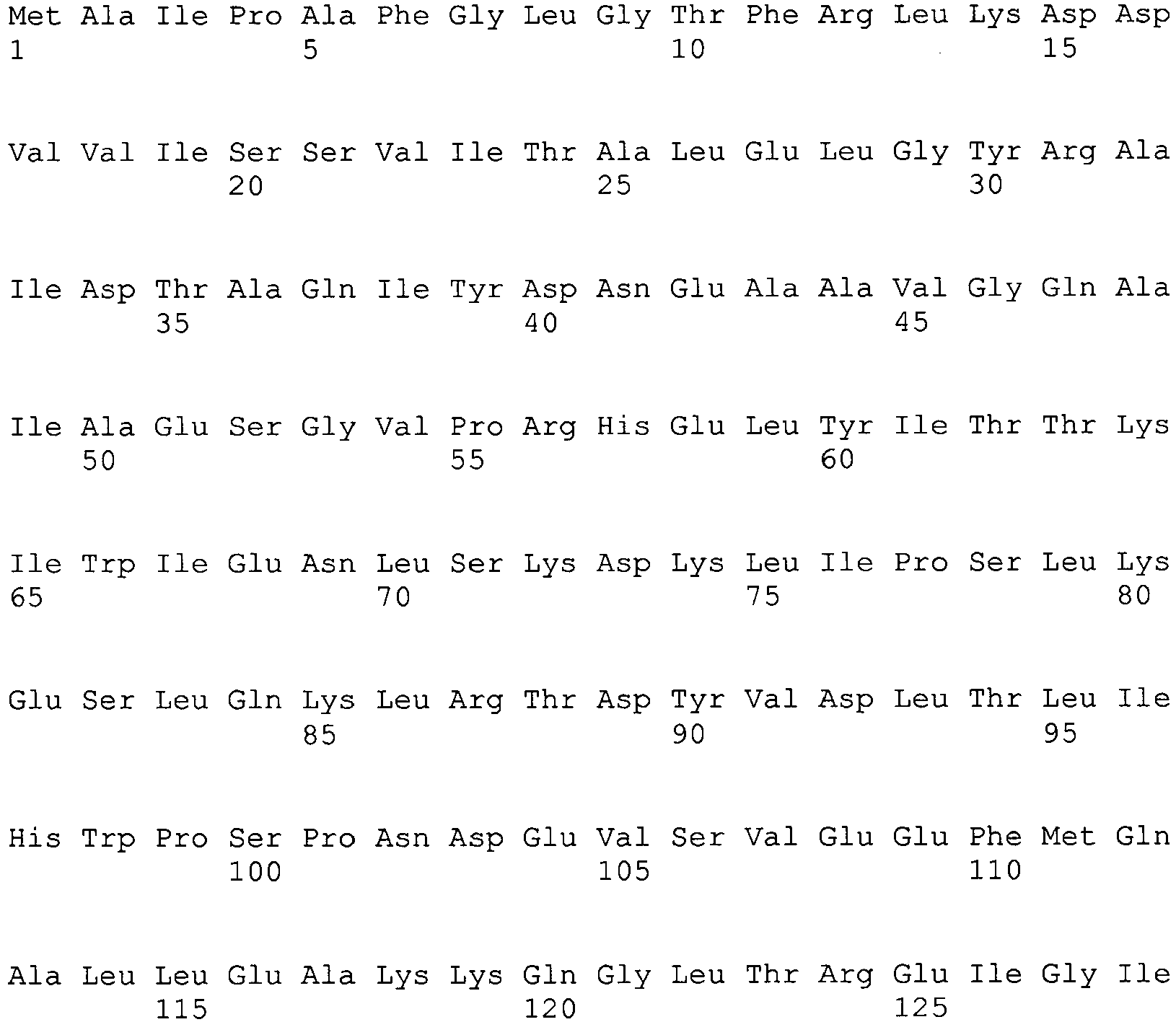

Claims (9)
- A host cell engineered to produce high levels of 1,2-propanediol when grown on glycerol as the sole carbon source, wherein said host cell has been engineered by introducing a gene encoding a propanediol oxidoreductase activity (fucO), a gene encoding a glycerol dehydrogenase (gldA) and a gene encoding dihydroxyacetone kinase (dhaK) and wherein the gene encoding the dihydroxyacetone kinase activity is isolated from a Citrobacter strain.
- A host cell according to claim 1, wherein the glycerol has a degree of purity of between 80% and 90%.
- A host cell according to claim 1, wherein said host cell has been engineered by introducing an additional gene encoding a methylglyoxalsynthase (mgsA) such as to express said activity along with the propanediol oxidoreductase activity, the glycerol dyhydrogenase activity and the dihydroxyacetone kinase activity.
- A host cell according to claim 1, wherein said host cell has been engineered by introducing additional genes encoding a glycerol dehydratase such as to express said glycerol dehydratase activity along with the propanediol oxidoreductase activity, the glycerol dyhydrogenase activity and the dihydroxyacetone kinase activity.
- A host cell according to claim 1, wherein said host cell has been engineered by introducing additional genes encoding an aldo-keto-reductase such as to express said aldo-keto-reductase activity along with the propanediol oxidoreductase activity, the glycerol dehydrogenase activity and the dihydroxyacetone kinase activity.
- A host cell according to any of the preceding claims, wherein said host cell is defective in at least the metabolism of compounds selected from the group consisting of:i) arabinoseii) methylglyoxaliii) dihydroxyacetonphosphate.
- A host cell according to any of the preceding claims, which produces high levels of 1,2-propanediol when grown on glycerol as the sole carbon source, but essentially no 1,3 -propanediol.
- A host cell according to claim 7, which is E. coli.
- A method for the production of 1,2-propanediol comprising growing a host cell according to any one of claims 1 to 8 in an appropriate growth medium containing glycerol, after which the 1,2-propanediol produced is recovered and, optionally, purified.
Priority Applications (1)
| Application Number | Priority Date | Filing Date | Title |
|---|---|---|---|
| EP20090780692 EP2313489B1 (en) | 2008-07-28 | 2009-07-16 | Production method |
Applications Claiming Priority (4)
| Application Number | Priority Date | Filing Date | Title |
|---|---|---|---|
| EP08161267 | 2008-07-28 | ||
| EP08163201 | 2008-08-28 | ||
| PCT/EP2009/059132 WO2010012604A1 (en) | 2008-07-28 | 2009-07-16 | Production method |
| EP20090780692 EP2313489B1 (en) | 2008-07-28 | 2009-07-16 | Production method |
Publications (2)
| Publication Number | Publication Date |
|---|---|
| EP2313489A1 EP2313489A1 (en) | 2011-04-27 |
| EP2313489B1 true EP2313489B1 (en) | 2015-04-29 |
Family
ID=41061289
Family Applications (1)
| Application Number | Title | Priority Date | Filing Date |
|---|---|---|---|
| EP20090780692 Not-in-force EP2313489B1 (en) | 2008-07-28 | 2009-07-16 | Production method |
Country Status (10)
| Country | Link |
|---|---|
| US (1) | US20110124069A1 (en) |
| EP (1) | EP2313489B1 (en) |
| JP (1) | JP5750370B2 (en) |
| CN (1) | CN102089421B (en) |
| AU (1) | AU2009276074A1 (en) |
| CA (1) | CA2732204A1 (en) |
| DK (1) | DK2313489T3 (en) |
| RU (1) | RU2521502C2 (en) |
| WO (1) | WO2010012604A1 (en) |
| ZA (1) | ZA201007720B (en) |
Families Citing this family (18)
| Publication number | Priority date | Publication date | Assignee | Title |
|---|---|---|---|---|
| WO2010077806A1 (en) * | 2008-12-15 | 2010-07-08 | Greenlight Biosciences, Inc. | Methods for control of flux in metabolic pathways |
| US8956833B2 (en) | 2010-05-07 | 2015-02-17 | Greenlight Biosciences, Inc. | Methods for control of flux in metabolic pathways through enzyme relocation |
| US8916358B2 (en) | 2010-08-31 | 2014-12-23 | Greenlight Biosciences, Inc. | Methods for control of flux in metabolic pathways through protease manipulation |
| US20130289276A1 (en) * | 2010-10-08 | 2013-10-31 | Cadila Healthcare Limited | Process for preparing an intermediate of sitagliptin via enzymatic conversion |
| WO2012130316A1 (en) | 2011-03-31 | 2012-10-04 | Metabolic Explorer | Method for purifying mpg (monopropylene glycol) from a fermentation broth |
| US9157102B2 (en) * | 2011-04-01 | 2015-10-13 | University Of Florida Research Foundation, Incorporated | Over-expression of NADH-dependent oxidoreductase (fucO) for increasing furfural or 5-hydroxymethylfurfural tolerance |
| EP2721167A1 (en) | 2011-06-15 | 2014-04-23 | B.R.A.I.N. Biotechnology Research And Information Network AG | New means and methods for producing propanediol |
| KR20150010932A (en) | 2011-09-09 | 2015-01-29 | 그린라이트 바이오사이언시스, 아이엔씨. | Cell-free preparation of carbapenems |
| EP2708598A1 (en) * | 2012-09-14 | 2014-03-19 | Basf Se | Serinol production in glycerol catabolism deficient escherichia coli strains |
| US20140113342A1 (en) * | 2012-10-18 | 2014-04-24 | Algenol Biofuels Inc. | Production of 1,2-Propanediol in Cyanobacteria |
| SG11201504930PA (en) | 2012-12-21 | 2015-07-30 | Greenlight Biosciences Inc | Cell-free system for converting methane into fuel, pyruvate or isobutanol |
| WO2015021058A2 (en) | 2013-08-05 | 2015-02-12 | Greenlight Biosciences, Inc. | Engineered proteins with a protease cleavage site |
| CN104560842A (en) * | 2013-10-18 | 2015-04-29 | 常州邱鸿生物技术有限公司 | Method for producing 1,2-propanediol from recombinant Escherichia coli by the aid of glycerin |
| CN104894041B (en) * | 2014-03-03 | 2018-05-22 | 逢甲大学 | Strain capable of improving glycerol metabolism and application thereof |
| BR112017020690A2 (en) | 2015-03-30 | 2018-06-26 | Greenlight Biosciences Inc | ribonucleic acid cell free production |
| SG11201808721YA (en) | 2016-04-06 | 2018-11-29 | Greenlight Biosciences Inc | Cell-free production of ribonucleic acid |
| BR112019013853A2 (en) | 2017-01-06 | 2020-01-28 | Greenlight Biosciences Inc | production of cell-free sugars |
| JP7792196B2 (en) | 2017-10-11 | 2025-12-25 | グリーンライト バイオサイエンシーズ インコーポレーテッド | Methods and compositions for the production of nucleoside triphosphates and ribonucleic acids |
Family Cites Families (9)
| Publication number | Priority date | Publication date | Assignee | Title |
|---|---|---|---|---|
| DE3632397A1 (en) * | 1986-09-24 | 1988-03-31 | Ruhrchemie Ag | METHOD FOR PURIFYING PROPANDIOL-1,3 |
| US5356812A (en) * | 1990-08-10 | 1994-10-18 | Daicel Chemical Industries, Ltd. | Processes for production of optically active 3-phenyl-1,3-propanediol by asymmetric assimilation |
| US6087140A (en) * | 1997-02-19 | 2000-07-11 | Wisconsin Alumni Research Foundation | Microbial production of 1,2-propanediol from sugar |
| KR100864672B1 (en) * | 2003-04-02 | 2008-10-23 | 씨제이제일제당 (주) | Method for producing 1,2-propanediol using Klebsiella pneumoniae |
| FR2864967B1 (en) * | 2004-01-12 | 2006-05-19 | Metabolic Explorer Sa | ADVANCED MICROORGANISM FOR THE PRODUCTION OF 1,2-PROPANEDIOL |
| CN1327001C (en) * | 2005-06-03 | 2007-07-18 | 清华大学 | Method for producing 1,3-propylene glycol through using glycerin of by-product from biologic diesel oil |
| WO2007115228A2 (en) * | 2006-03-31 | 2007-10-11 | Rice University | Anaerobic fermentation of glycerol |
| EP2041267A4 (en) * | 2006-07-06 | 2009-09-02 | Integrated Genomics Inc | Compositions and methods for enhancing glycerol utilization |
| CN101182552B (en) * | 2007-11-13 | 2010-11-10 | 华东理工大学 | A method for converting glycerol to produce 1,3-propanediol |
-
2009
- 2009-07-16 DK DK09780692.1T patent/DK2313489T3/en active
- 2009-07-16 EP EP20090780692 patent/EP2313489B1/en not_active Not-in-force
- 2009-07-16 WO PCT/EP2009/059132 patent/WO2010012604A1/en not_active Ceased
- 2009-07-16 RU RU2011107212/10A patent/RU2521502C2/en not_active IP Right Cessation
- 2009-07-16 CA CA2732204A patent/CA2732204A1/en not_active Abandoned
- 2009-07-16 JP JP2011520424A patent/JP5750370B2/en not_active Expired - Fee Related
- 2009-07-16 US US13/003,930 patent/US20110124069A1/en not_active Abandoned
- 2009-07-16 AU AU2009276074A patent/AU2009276074A1/en not_active Abandoned
- 2009-07-16 CN CN2009801220824A patent/CN102089421B/en not_active Expired - Fee Related
-
2010
- 2010-10-28 ZA ZA2010/07720A patent/ZA201007720B/en unknown
Also Published As
| Publication number | Publication date |
|---|---|
| EP2313489A1 (en) | 2011-04-27 |
| AU2009276074A1 (en) | 2010-02-04 |
| JP2011528915A (en) | 2011-12-01 |
| ZA201007720B (en) | 2011-07-27 |
| US20110124069A1 (en) | 2011-05-26 |
| CA2732204A1 (en) | 2010-02-04 |
| RU2011107212A (en) | 2012-09-10 |
| DK2313489T3 (en) | 2015-06-22 |
| CN102089421A (en) | 2011-06-08 |
| WO2010012604A1 (en) | 2010-02-04 |
| RU2521502C2 (en) | 2014-06-27 |
| CN102089421B (en) | 2013-06-19 |
| JP5750370B2 (en) | 2015-07-22 |
Similar Documents
| Publication | Publication Date | Title |
|---|---|---|
| RU2521502C2 (en) | Microbiological method of obtaining 1,2-propanediole | |
| EP2657344B1 (en) | Method for producing butanol using two-phase extractive fermentation | |
| CN100506991C (en) | Bioconversion of fermentable carbon sources to 1,3-propanediol using a single microorganism | |
| EP2126101B1 (en) | Microorganisms and methods for production of 1,2-propanediol and acetol | |
| EP2459711B1 (en) | Mutant YqhD enzyme for the production of a biochemical by fermentation | |
| US20090176285A1 (en) | Compositions and Methods for Enhancing Glycerol Utilization | |
| US12378580B2 (en) | Co-production pathway for 3-HPA and acetyl-CoA derivatives from malonate semialdehyde | |
| JP2001503636A (en) | Method for recombinant production of 1,3-propanediol | |
| JP5913099B2 (en) | Mutant methylglyoxal synthase (MGS) for biochemical production by fermentation | |
| KR20020059364A (en) | Process for the Biological Production of 1,3-Propanediol | |
| WO2001011070A2 (en) | 1,3-propanediol and polymer derivatives from a fermentable carbon source | |
| DE112015003962T5 (en) | 3-hydroxypropionic acid-producing recombinant yeast and method of producing 3-hydroxypropionic acid using the same | |
| JP5320692B2 (en) | Yeast and method for producing L-lactic acid | |
| WO2010050231A1 (en) | Scyllo-inositol-producing cell and scyllo-inositol production method using said cells | |
| EP2336295A1 (en) | Method for producing lactic acid from plant-derived raw material, and lactic-acid-producing bacterium | |
| CN110382685A (en) | For improving the biology and method of the expression plum surprise yeast xylose transport albumen of xylose absorption | |
| EP2459720B1 (en) | Mutant glycerol dehydrogenase (glydh) for the production of a biochemical by fermentation | |
| EP2546331A1 (en) | Highly productive isopropyl alcohol-producing bacterium | |
| EP4506462A1 (en) | Method for preparing glycine, acetyl coenzyme a, and acetyl coenzyme a derivative by using threonine | |
| JP2008283917A (en) | Method for producing lactic acid | |
| JP2021533764A (en) | Microorganisms with improved production of 1,3-propanediol and butyric acid | |
| JP2003093060A (en) | Method for producing organic acids and alcohols using acid-resistant microorganisms | |
| WO2015141705A1 (en) | Method for imparting acid resistance and salt resistance, and useful substance production using acid-resistant, salt-resistant yeast |
Legal Events
| Date | Code | Title | Description |
|---|---|---|---|
| PUAI | Public reference made under article 153(3) epc to a published international application that has entered the european phase |
Free format text: ORIGINAL CODE: 0009012 |
|
| 17P | Request for examination filed |
Effective date: 20110228 |
|
| AK | Designated contracting states |
Kind code of ref document: A1 Designated state(s): AT BE BG CH CY CZ DE DK EE ES FI FR GB GR HR HU IE IS IT LI LT LU LV MC MK MT NL NO PL PT RO SE SI SK SM TR |
|
| AX | Request for extension of the european patent |
Extension state: AL BA RS |
|
| DAX | Request for extension of the european patent (deleted) | ||
| 17Q | First examination report despatched |
Effective date: 20130701 |
|
| GRAP | Despatch of communication of intention to grant a patent |
Free format text: ORIGINAL CODE: EPIDOSNIGR1 |
|
| INTG | Intention to grant announced |
Effective date: 20141106 |
|
| RAP1 | Party data changed (applicant data changed or rights of an application transferred) |
Owner name: B.R.A.I.N. BIOTECHNOLOGY RESEARCH AND INFORMATION |
|
| GRAS | Grant fee paid |
Free format text: ORIGINAL CODE: EPIDOSNIGR3 |
|
| GRAA | (expected) grant |
Free format text: ORIGINAL CODE: 0009210 |
|
| AK | Designated contracting states |
Kind code of ref document: B1 Designated state(s): AT BE BG CH CY CZ DE DK EE ES FI FR GB GR HR HU IE IS IT LI LT LU LV MC MK MT NL NO PL PT RO SE SI SK SM TR |
|
| REG | Reference to a national code |
Ref country code: GB Ref legal event code: FG4D |
|
| REG | Reference to a national code |
Ref country code: CH Ref legal event code: EP |
|
| REG | Reference to a national code |
Ref country code: AT Ref legal event code: REF Ref document number: 724453 Country of ref document: AT Kind code of ref document: T Effective date: 20150515 |
|
| REG | Reference to a national code |
Ref country code: IE Ref legal event code: FG4D |
|
| REG | Reference to a national code |
Ref country code: DE Ref legal event code: R096 Ref document number: 602009030985 Country of ref document: DE Effective date: 20150611 |
|
| REG | Reference to a national code |
Ref country code: CH Ref legal event code: NV Representative=s name: VOSSIUS AND PARTNER, CH |
|
| REG | Reference to a national code |
Ref country code: NL Ref legal event code: T3 |
|
| REG | Reference to a national code |
Ref country code: DK Ref legal event code: T3 Effective date: 20150618 |
|
| REG | Reference to a national code |
Ref country code: FR Ref legal event code: PLFP Year of fee payment: 7 |
|
| REG | Reference to a national code |
Ref country code: AT Ref legal event code: MK05 Ref document number: 724453 Country of ref document: AT Kind code of ref document: T Effective date: 20150429 |
|
| REG | Reference to a national code |
Ref country code: LT Ref legal event code: MG4D |
|
| PGFP | Annual fee paid to national office [announced via postgrant information from national office to epo] |
Ref country code: NL Payment date: 20150723 Year of fee payment: 7 |
|
| PG25 | Lapsed in a contracting state [announced via postgrant information from national office to epo] |
Ref country code: ES Free format text: LAPSE BECAUSE OF FAILURE TO SUBMIT A TRANSLATION OF THE DESCRIPTION OR TO PAY THE FEE WITHIN THE PRESCRIBED TIME-LIMIT Effective date: 20150429 Ref country code: LT Free format text: LAPSE BECAUSE OF FAILURE TO SUBMIT A TRANSLATION OF THE DESCRIPTION OR TO PAY THE FEE WITHIN THE PRESCRIBED TIME-LIMIT Effective date: 20150429 Ref country code: NO Free format text: LAPSE BECAUSE OF FAILURE TO SUBMIT A TRANSLATION OF THE DESCRIPTION OR TO PAY THE FEE WITHIN THE PRESCRIBED TIME-LIMIT Effective date: 20150729 Ref country code: HR Free format text: LAPSE BECAUSE OF FAILURE TO SUBMIT A TRANSLATION OF THE DESCRIPTION OR TO PAY THE FEE WITHIN THE PRESCRIBED TIME-LIMIT Effective date: 20150429 Ref country code: FI Free format text: LAPSE BECAUSE OF FAILURE TO SUBMIT A TRANSLATION OF THE DESCRIPTION OR TO PAY THE FEE WITHIN THE PRESCRIBED TIME-LIMIT Effective date: 20150429 Ref country code: PT Free format text: LAPSE BECAUSE OF FAILURE TO SUBMIT A TRANSLATION OF THE DESCRIPTION OR TO PAY THE FEE WITHIN THE PRESCRIBED TIME-LIMIT Effective date: 20150831 |
|
| PGFP | Annual fee paid to national office [announced via postgrant information from national office to epo] |
Ref country code: DE Payment date: 20150825 Year of fee payment: 7 Ref country code: GB Payment date: 20150730 Year of fee payment: 7 Ref country code: DK Payment date: 20150723 Year of fee payment: 7 Ref country code: CH Payment date: 20150730 Year of fee payment: 7 |
|
| PG25 | Lapsed in a contracting state [announced via postgrant information from national office to epo] |
Ref country code: GR Free format text: LAPSE BECAUSE OF FAILURE TO SUBMIT A TRANSLATION OF THE DESCRIPTION OR TO PAY THE FEE WITHIN THE PRESCRIBED TIME-LIMIT Effective date: 20150730 Ref country code: AT Free format text: LAPSE BECAUSE OF FAILURE TO SUBMIT A TRANSLATION OF THE DESCRIPTION OR TO PAY THE FEE WITHIN THE PRESCRIBED TIME-LIMIT Effective date: 20150429 Ref country code: IS Free format text: LAPSE BECAUSE OF FAILURE TO SUBMIT A TRANSLATION OF THE DESCRIPTION OR TO PAY THE FEE WITHIN THE PRESCRIBED TIME-LIMIT Effective date: 20150829 Ref country code: LV Free format text: LAPSE BECAUSE OF FAILURE TO SUBMIT A TRANSLATION OF THE DESCRIPTION OR TO PAY THE FEE WITHIN THE PRESCRIBED TIME-LIMIT Effective date: 20150429 |
|
| PGFP | Annual fee paid to national office [announced via postgrant information from national office to epo] |
Ref country code: FR Payment date: 20150727 Year of fee payment: 7 |
|
| PG25 | Lapsed in a contracting state [announced via postgrant information from national office to epo] |
Ref country code: EE Free format text: LAPSE BECAUSE OF FAILURE TO SUBMIT A TRANSLATION OF THE DESCRIPTION OR TO PAY THE FEE WITHIN THE PRESCRIBED TIME-LIMIT Effective date: 20150429 |
|
| REG | Reference to a national code |
Ref country code: DE Ref legal event code: R097 Ref document number: 602009030985 Country of ref document: DE |
|
| PG25 | Lapsed in a contracting state [announced via postgrant information from national office to epo] |
Ref country code: MC Free format text: LAPSE BECAUSE OF FAILURE TO SUBMIT A TRANSLATION OF THE DESCRIPTION OR TO PAY THE FEE WITHIN THE PRESCRIBED TIME-LIMIT Effective date: 20150429 Ref country code: RO Free format text: LAPSE BECAUSE OF NON-PAYMENT OF DUE FEES Effective date: 20150429 Ref country code: CZ Free format text: LAPSE BECAUSE OF FAILURE TO SUBMIT A TRANSLATION OF THE DESCRIPTION OR TO PAY THE FEE WITHIN THE PRESCRIBED TIME-LIMIT Effective date: 20150429 Ref country code: SK Free format text: LAPSE BECAUSE OF FAILURE TO SUBMIT A TRANSLATION OF THE DESCRIPTION OR TO PAY THE FEE WITHIN THE PRESCRIBED TIME-LIMIT Effective date: 20150429 Ref country code: PL Free format text: LAPSE BECAUSE OF FAILURE TO SUBMIT A TRANSLATION OF THE DESCRIPTION OR TO PAY THE FEE WITHIN THE PRESCRIBED TIME-LIMIT Effective date: 20150429 |
|
| PLBE | No opposition filed within time limit |
Free format text: ORIGINAL CODE: 0009261 |
|
| STAA | Information on the status of an ep patent application or granted ep patent |
Free format text: STATUS: NO OPPOSITION FILED WITHIN TIME LIMIT |
|
| PG25 | Lapsed in a contracting state [announced via postgrant information from national office to epo] |
Ref country code: LU Free format text: LAPSE BECAUSE OF FAILURE TO SUBMIT A TRANSLATION OF THE DESCRIPTION OR TO PAY THE FEE WITHIN THE PRESCRIBED TIME-LIMIT Effective date: 20150716 |
|
| 26N | No opposition filed |
Effective date: 20160201 |
|
| REG | Reference to a national code |
Ref country code: IE Ref legal event code: MM4A |
|
| PG25 | Lapsed in a contracting state [announced via postgrant information from national office to epo] |
Ref country code: IT Free format text: LAPSE BECAUSE OF FAILURE TO SUBMIT A TRANSLATION OF THE DESCRIPTION OR TO PAY THE FEE WITHIN THE PRESCRIBED TIME-LIMIT Effective date: 20150429 |
|
| PG25 | Lapsed in a contracting state [announced via postgrant information from national office to epo] |
Ref country code: SI Free format text: LAPSE BECAUSE OF FAILURE TO SUBMIT A TRANSLATION OF THE DESCRIPTION OR TO PAY THE FEE WITHIN THE PRESCRIBED TIME-LIMIT Effective date: 20150429 |
|
| REG | Reference to a national code |
Ref country code: CH Ref legal event code: PFA Owner name: B.R.A.I.N. BIOTECHNOLOGY RESEARCH AND INFORMAT, DE Free format text: FORMER OWNER: B.R.A.I.N. BIOTECHNOLOGY RESEARCH AND INFORMATION NETWORK AG, DE |
|
| PG25 | Lapsed in a contracting state [announced via postgrant information from national office to epo] |
Ref country code: IE Free format text: LAPSE BECAUSE OF NON-PAYMENT OF DUE FEES Effective date: 20150716 |
|
| PG25 | Lapsed in a contracting state [announced via postgrant information from national office to epo] |
Ref country code: BE Free format text: LAPSE BECAUSE OF FAILURE TO SUBMIT A TRANSLATION OF THE DESCRIPTION OR TO PAY THE FEE WITHIN THE PRESCRIBED TIME-LIMIT Effective date: 20150429 |
|
| REG | Reference to a national code |
Ref country code: DE Ref legal event code: R119 Ref document number: 602009030985 Country of ref document: DE |
|
| REG | Reference to a national code |
Ref country code: DK Ref legal event code: EBP Effective date: 20170131 |
|
| REG | Reference to a national code |
Ref country code: CH Ref legal event code: PL |
|
| REG | Reference to a national code |
Ref country code: NL Ref legal event code: MM Effective date: 20160801 |
|
| GBPC | Gb: european patent ceased through non-payment of renewal fee |
Effective date: 20160716 |
|
| PG25 | Lapsed in a contracting state [announced via postgrant information from national office to epo] |
Ref country code: MT Free format text: LAPSE BECAUSE OF FAILURE TO SUBMIT A TRANSLATION OF THE DESCRIPTION OR TO PAY THE FEE WITHIN THE PRESCRIBED TIME-LIMIT Effective date: 20150429 |
|
| PG25 | Lapsed in a contracting state [announced via postgrant information from national office to epo] |
Ref country code: CH Free format text: LAPSE BECAUSE OF NON-PAYMENT OF DUE FEES Effective date: 20160731 Ref country code: DE Free format text: LAPSE BECAUSE OF NON-PAYMENT OF DUE FEES Effective date: 20170201 Ref country code: FR Free format text: LAPSE BECAUSE OF NON-PAYMENT OF DUE FEES Effective date: 20160801 Ref country code: NL Free format text: LAPSE BECAUSE OF NON-PAYMENT OF DUE FEES Effective date: 20160801 Ref country code: LI Free format text: LAPSE BECAUSE OF NON-PAYMENT OF DUE FEES Effective date: 20160731 |
|
| REG | Reference to a national code |
Ref country code: FR Ref legal event code: ST Effective date: 20170331 |
|
| PG25 | Lapsed in a contracting state [announced via postgrant information from national office to epo] |
Ref country code: SM Free format text: LAPSE BECAUSE OF FAILURE TO SUBMIT A TRANSLATION OF THE DESCRIPTION OR TO PAY THE FEE WITHIN THE PRESCRIBED TIME-LIMIT Effective date: 20150429 Ref country code: GB Free format text: LAPSE BECAUSE OF NON-PAYMENT OF DUE FEES Effective date: 20160716 Ref country code: HU Free format text: LAPSE BECAUSE OF FAILURE TO SUBMIT A TRANSLATION OF THE DESCRIPTION OR TO PAY THE FEE WITHIN THE PRESCRIBED TIME-LIMIT; INVALID AB INITIO Effective date: 20090716 Ref country code: BG Free format text: LAPSE BECAUSE OF FAILURE TO SUBMIT A TRANSLATION OF THE DESCRIPTION OR TO PAY THE FEE WITHIN THE PRESCRIBED TIME-LIMIT Effective date: 20150429 |
|
| PG25 | Lapsed in a contracting state [announced via postgrant information from national office to epo] |
Ref country code: CY Free format text: LAPSE BECAUSE OF FAILURE TO SUBMIT A TRANSLATION OF THE DESCRIPTION OR TO PAY THE FEE WITHIN THE PRESCRIBED TIME-LIMIT Effective date: 20150429 Ref country code: SE Free format text: LAPSE BECAUSE OF FAILURE TO SUBMIT A TRANSLATION OF THE DESCRIPTION OR TO PAY THE FEE WITHIN THE PRESCRIBED TIME-LIMIT Effective date: 20150429 |
|
| PG25 | Lapsed in a contracting state [announced via postgrant information from national office to epo] |
Ref country code: TR Free format text: LAPSE BECAUSE OF FAILURE TO SUBMIT A TRANSLATION OF THE DESCRIPTION OR TO PAY THE FEE WITHIN THE PRESCRIBED TIME-LIMIT Effective date: 20150429 |
|
| PG25 | Lapsed in a contracting state [announced via postgrant information from national office to epo] |
Ref country code: DK Free format text: LAPSE BECAUSE OF NON-PAYMENT OF DUE FEES Effective date: 20160731 |
|
| PG25 | Lapsed in a contracting state [announced via postgrant information from national office to epo] |
Ref country code: MK Free format text: LAPSE BECAUSE OF FAILURE TO SUBMIT A TRANSLATION OF THE DESCRIPTION OR TO PAY THE FEE WITHIN THE PRESCRIBED TIME-LIMIT Effective date: 20150429 |