EP2305627A1 - Tetracyclic liquid crystalline compound having lateral fluorine, liquid crystal composition and liquid crystal display element - Google Patents
Tetracyclic liquid crystalline compound having lateral fluorine, liquid crystal composition and liquid crystal display element Download PDFInfo
- Publication number
- EP2305627A1 EP2305627A1 EP09762396A EP09762396A EP2305627A1 EP 2305627 A1 EP2305627 A1 EP 2305627A1 EP 09762396 A EP09762396 A EP 09762396A EP 09762396 A EP09762396 A EP 09762396A EP 2305627 A1 EP2305627 A1 EP 2305627A1
- Authority
- EP
- European Patent Office
- Prior art keywords
- compound
- liquid crystal
- carbons
- formulas
- diyl
- Prior art date
- Legal status (The legal status is an assumption and is not a legal conclusion. Google has not performed a legal analysis and makes no representation as to the accuracy of the status listed.)
- Granted
Links
- 0 CCCC(CC1)CCC1C(CC1)CCC1c(ccc(*)c1F)c1F Chemical compound CCCC(CC1)CCC1C(CC1)CCC1c(ccc(*)c1F)c1F 0.000 description 290
- JNPQKVZTODJUBR-NSCUHMNNSA-N C/C=C/C(CC1)CCC1C(C(C1F)F)=CC=C1C(OC1C=CC(c(ccc(O)c2)c2F)=CC1)=O Chemical compound C/C=C/C(CC1)CCC1C(C(C1F)F)=CC=C1C(OC1C=CC(c(ccc(O)c2)c2F)=CC1)=O JNPQKVZTODJUBR-NSCUHMNNSA-N 0.000 description 1
- DNDVZYKKISNSLV-UHFFFAOYSA-N CC(C(C=C1)=CC=C=C1c1ccc(C(OCCCC(CC=C)c(c(N)c2N)ccc2O)=O)c(N)c1N)[IH]C Chemical compound CC(C(C=C1)=CC=C=C1c1ccc(C(OCCCC(CC=C)c(c(N)c2N)ccc2O)=O)c(N)c1N)[IH]C DNDVZYKKISNSLV-UHFFFAOYSA-N 0.000 description 1
- HNVGVTQTHIEQHN-UHFFFAOYSA-N CC(C=C1F)[O]=CCC1OCC(CC1)CCC1c(ccc(C1CCCCC1)c1F)c1F Chemical compound CC(C=C1F)[O]=CCC1OCC(CC1)CCC1c(ccc(C1CCCCC1)c1F)c1F HNVGVTQTHIEQHN-UHFFFAOYSA-N 0.000 description 1
- WORGUDHLFRTVGY-UHFFFAOYSA-N CC(CC1)C=CC1c1ccc(CCC2C=CC(C(CC=C3OC)C=C3F)=CC2)c(F)c1F Chemical compound CC(CC1)C=CC1c1ccc(CCC2C=CC(C(CC=C3OC)C=C3F)=CC2)c(F)c1F WORGUDHLFRTVGY-UHFFFAOYSA-N 0.000 description 1
- JGVGHZHVYBZZJS-UHFFFAOYSA-N CC(CC1)CC=C1c1ccc(CCc(cc2)ccc2-c(ccc(OC)c2F)c2F)c(F)c1F Chemical compound CC(CC1)CC=C1c1ccc(CCc(cc2)ccc2-c(ccc(OC)c2F)c2F)c(F)c1F JGVGHZHVYBZZJS-UHFFFAOYSA-N 0.000 description 1
- KXLVHDCLDBOXNW-KPKJPENVSA-N CC(CC1)CCC1C(CC=C1/C=C/c(cc2)ccc2-c(cc2)cc(F)c2OC)C(F)=C1F Chemical compound CC(CC1)CCC1C(CC=C1/C=C/c(cc2)ccc2-c(cc2)cc(F)c2OC)C(F)=C1F KXLVHDCLDBOXNW-KPKJPENVSA-N 0.000 description 1
- ZTQMLRQMOYHKKW-UHFFFAOYSA-N CC(CC1)CCC1c(ccc(C1C=CC(OCc(cc2)cc(F)c2OC)=CC1)c1F)c1F Chemical compound CC(CC1)CCC1c(ccc(C1C=CC(OCc(cc2)cc(F)c2OC)=CC1)c1F)c1F ZTQMLRQMOYHKKW-UHFFFAOYSA-N 0.000 description 1
- OHHVRJZZPYHORP-UHFFFAOYSA-N CC(CC=C(C1)C(CC2)CCC2OCC(C2F)=CC=C(C3CCCCC3)C2F)C1F Chemical compound CC(CC=C(C1)C(CC2)CCC2OCC(C2F)=CC=C(C3CCCCC3)C2F)C1F OHHVRJZZPYHORP-UHFFFAOYSA-N 0.000 description 1
- OSFXUPONDVNCSI-UHFFFAOYSA-N CC(CC=C1OC(C(CC2)CCC2c(ccc(C2CCCCC2)c2F)c2F)=O)C(F)=C1F Chemical compound CC(CC=C1OC(C(CC2)CCC2c(ccc(C2CCCCC2)c2F)c2F)=O)C(F)=C1F OSFXUPONDVNCSI-UHFFFAOYSA-N 0.000 description 1
- HWZRRMRNTUCUEW-UHFFFAOYSA-N CC1=CCC(c(cc2)ccc2C(OC2=CCC(c3ccccc3)C(F)=C2F)=O)C(F)=C1F Chemical compound CC1=CCC(c(cc2)ccc2C(OC2=CCC(c3ccccc3)C(F)=C2F)=O)C(F)=C1F HWZRRMRNTUCUEW-UHFFFAOYSA-N 0.000 description 1
- BKCKMGLRBLWGPM-RVKVSWRXSA-N CCC(/C=C/C(CC1)CCC1c1ccc(-c2ccccc2)c(N)c1N)/C(/N)=C(\CNCC)/N Chemical compound CCC(/C=C/C(CC1)CCC1c1ccc(-c2ccccc2)c(N)c1N)/C(/N)=C(\CNCC)/N BKCKMGLRBLWGPM-RVKVSWRXSA-N 0.000 description 1
- NDQSXXZYBSGCLO-UHFFFAOYSA-N CCC(C(CC1)CCC1c(ccc(-c(cc1)ccc1C(Oc1cc(F)c(C)cc1)=O)c1I)c1F)I Chemical compound CCC(C(CC1)CCC1c(ccc(-c(cc1)ccc1C(Oc1cc(F)c(C)cc1)=O)c1I)c1F)I NDQSXXZYBSGCLO-UHFFFAOYSA-N 0.000 description 1
- NDGHZTNABKKTHS-UHFFFAOYSA-N CCC(CC1)CC=C1c1ccc(CCC(CC2)CCC2c(ccc(OC)c2F)c2F)c(F)c1F Chemical compound CCC(CC1)CC=C1c1ccc(CCC(CC2)CCC2c(ccc(OC)c2F)c2F)c(F)c1F NDGHZTNABKKTHS-UHFFFAOYSA-N 0.000 description 1
- SBSCFYMPLDHQKF-UHFFFAOYSA-N CCC(CC1)CCC1C(CC=C1CCC(CC2)CCC2C(C(C2)F)=CC=C2OC)C(F)=C1F Chemical compound CCC(CC1)CCC1C(CC=C1CCC(CC2)CCC2C(C(C2)F)=CC=C2OC)C(F)=C1F SBSCFYMPLDHQKF-UHFFFAOYSA-N 0.000 description 1
- IAOUSZUGSHQGBZ-MDWZMJQESA-N CCC(CC1)CCC1c1ccc(/C=C/c(cc2)ccc2-c(cc2)cc(F)c2OC)c(F)c1F Chemical compound CCC(CC1)CCC1c1ccc(/C=C/c(cc2)ccc2-c(cc2)cc(F)c2OC)c(F)c1F IAOUSZUGSHQGBZ-MDWZMJQESA-N 0.000 description 1
- KEKJUSQKXWQQST-UHFFFAOYSA-N CCC(CC1)CCC1c1ccc(C2CCC(COC(CCC3OC)C=C3F)CC2)c(F)c1F Chemical compound CCC(CC1)CCC1c1ccc(C2CCC(COC(CCC3OC)C=C3F)CC2)c(F)c1F KEKJUSQKXWQQST-UHFFFAOYSA-N 0.000 description 1
- APBZVCUMICEGGD-UHFFFAOYSA-N CCC(CC1)CCC1c1ccc(CCC2C=CC(c(ccc(OC)c3)c3F)=CC2)c(F)c1F Chemical compound CCC(CC1)CCC1c1ccc(CCC2C=CC(c(ccc(OC)c3)c3F)=CC2)c(F)c1F APBZVCUMICEGGD-UHFFFAOYSA-N 0.000 description 1
- DBMLACVXPKFNDE-UHFFFAOYSA-N CCC1=CCC(C2=CCC(CCC3=CCC(c4ccc(C)cn4)C(F)=C3F)C=C2)C(F)=C1F Chemical compound CCC1=CCC(C2=CCC(CCC3=CCC(c4ccc(C)cn4)C(F)=C3F)C=C2)C(F)=C1F DBMLACVXPKFNDE-UHFFFAOYSA-N 0.000 description 1
- MNXHETWHSJQYGZ-UHFFFAOYSA-N CCC1C(F)=CC(C(CC2)CCC2C(Oc(ccc(C2CCC(C)CC2)c2F)c2F)=O)=CC1 Chemical compound CCC1C(F)=CC(C(CC2)CCC2C(Oc(ccc(C2CCC(C)CC2)c2F)c2F)=O)=CC1 MNXHETWHSJQYGZ-UHFFFAOYSA-N 0.000 description 1
- VSJUWZAOJXGEQF-UHFFFAOYSA-N CCOCC1C(C=C)=C(C)C(OC(c(cc2)ccc2-c2ccc(C(CC3)CCC3O)c(N)c2N)=O)=CC1 Chemical compound CCOCC1C(C=C)=C(C)C(OC(c(cc2)ccc2-c2ccc(C(CC3)CCC3O)c(N)c2N)=O)=CC1 VSJUWZAOJXGEQF-UHFFFAOYSA-N 0.000 description 1
- QSLIDBIEJKTIRR-UHFFFAOYSA-N CCOCC1C(F)=CC(C(CC2)CCC2C(OC(CC=C2C(CC3)CCC3C=O)C(F)=C2F)=O)=CC1 Chemical compound CCOCC1C(F)=CC(C(CC2)CCC2C(OC(CC=C2C(CC3)CCC3C=O)C(F)=C2F)=O)=CC1 QSLIDBIEJKTIRR-UHFFFAOYSA-N 0.000 description 1
- ILHOUOMGRLLCHG-UHFFFAOYSA-N CCOCC1C(F)=CC(OCC(CC2)CCC2C(CC=C(C(CC2)CCC2OC)C2F)C2F)=CC1 Chemical compound CCOCC1C(F)=CC(OCC(CC2)CCC2C(CC=C(C(CC2)CCC2OC)C2F)C2F)=CC1 ILHOUOMGRLLCHG-UHFFFAOYSA-N 0.000 description 1
- WNROLTDSSUQXHD-DMSMHJFGSA-N CCOCc(c(N)c1)ccc1C(C=C1)=CCC1C(Oc1ccc(C(CC2)CCC2O[C@@H]2[IH][C@H]2N)c(N)c1N)=O Chemical compound CCOCc(c(N)c1)ccc1C(C=C1)=CCC1C(Oc1ccc(C(CC2)CCC2O[C@@H]2[IH][C@H]2N)c(N)c1N)=O WNROLTDSSUQXHD-DMSMHJFGSA-N 0.000 description 1
- BPWPHAYWWDTVLO-UHFFFAOYSA-N CCOCc(cc1)cc(F)c1C1=CCC(CCc2ccc(C(CC3)=CCC3O)c(F)c2F)C=C1 Chemical compound CCOCc(cc1)cc(F)c1C1=CCC(CCc2ccc(C(CC3)=CCC3O)c(F)c2F)C=C1 BPWPHAYWWDTVLO-UHFFFAOYSA-N 0.000 description 1
- WXKVBNDDVSKQAO-UHFFFAOYSA-N CCOCc(ccc(C(CC1)CCC1C1=CCC(c(cc2)ccc2O)C(F)=C1F)c1F)c1F Chemical compound CCOCc(ccc(C(CC1)CCC1C1=CCC(c(cc2)ccc2O)C(F)=C1F)c1F)c1F WXKVBNDDVSKQAO-UHFFFAOYSA-N 0.000 description 1
- RMXNJDYNQKJISI-UHFFFAOYSA-N CCOCc(ccc(C(OC(CC1)CCC1c(ccc(C(CC1)CCC1O)c1F)c1F)=O)c1)c1F Chemical compound CCOCc(ccc(C(OC(CC1)CCC1c(ccc(C(CC1)CCC1O)c1F)c1F)=O)c1)c1F RMXNJDYNQKJISI-UHFFFAOYSA-N 0.000 description 1
- ACRBCWDXLNAMLV-UHFFFAOYSA-N CCOCc(ccc(C(Oc(cc1)ccc1-c(ccc(C(CC1)CCC1O)c1F)c1F)=O)c1F)c1F Chemical compound CCOCc(ccc(C(Oc(cc1)ccc1-c(ccc(C(CC1)CCC1O)c1F)c1F)=O)c1F)c1F ACRBCWDXLNAMLV-UHFFFAOYSA-N 0.000 description 1
- QJRWUGCWMQPTMU-UHFFFAOYSA-N CCOCc(ccc(CCC1=CCC(C(CC=C(C(CC2)CCC2O)C2F)C2F)C=C1)c1F)c1F Chemical compound CCOCc(ccc(CCC1=CCC(C(CC=C(C(CC2)CCC2O)C2F)C2F)C=C1)c1F)c1F QJRWUGCWMQPTMU-UHFFFAOYSA-N 0.000 description 1
- MFZHWCZTCBAGHW-UHFFFAOYSA-N CCOCc(ccc(COc(cc1)ccc1C1=CCC(C(CC2)CCC2O)C(F)=C1F)c1F)c1F Chemical compound CCOCc(ccc(COc(cc1)ccc1C1=CCC(C(CC2)CCC2O)C(F)=C1F)c1F)c1F MFZHWCZTCBAGHW-UHFFFAOYSA-N 0.000 description 1
- FVQHWLWBOVDECJ-YBKMXZLXSA-N CCOCc1ccc(-c2ccc(CCC3=CCC(C(CC4)CCC4O[C@@H]4[IH][C@H]4N)C(N)=C3N)cc2)c(N)c1 Chemical compound CCOCc1ccc(-c2ccc(CCC3=CCC(C(CC4)CCC4O[C@@H]4[IH][C@H]4N)C(N)=C3N)cc2)c(N)c1 FVQHWLWBOVDECJ-YBKMXZLXSA-N 0.000 description 1
- SNVPLHDELHUZFH-GIMKPLNSSA-N CCOCc1ccc(-c2ccc(CCC3=CCC(c(cc4)ccc4O[C@@H]4[IH][C@H]4N)C(N)=C3N)cc2)c(N)c1 Chemical compound CCOCc1ccc(-c2ccc(CCC3=CCC(c(cc4)ccc4O[C@@H]4[IH][C@H]4N)C(N)=C3N)cc2)c(N)c1 SNVPLHDELHUZFH-GIMKPLNSSA-N 0.000 description 1
- SJQWFOGQYYGCTP-JYGQUDGUSA-N CCOCc1ccc(/C=C/C(C=C2)=CCC2C2=CCC(C(C=C3)=CCC3O[C@@H]3[IH][C@H]3N)C(N)=C2N)c(N)c1 Chemical compound CCOCc1ccc(/C=C/C(C=C2)=CCC2C2=CCC(C(C=C3)=CCC3O[C@@H]3[IH][C@H]3N)C(N)=C2N)c(N)c1 SJQWFOGQYYGCTP-JYGQUDGUSA-N 0.000 description 1
- FNCSZWZGCSSSRS-WHMJIAGDSA-N CCOCc1ccc(C2CCC(CCc3ccc(C(CC4)=CCC4O[C@@H]4[IH][C@H]4N)c(N)c3N)CC2)c(N)c1N Chemical compound CCOCc1ccc(C2CCC(CCc3ccc(C(CC4)=CCC4O[C@@H]4[IH][C@H]4N)c(N)c3N)CC2)c(N)c1N FNCSZWZGCSSSRS-WHMJIAGDSA-N 0.000 description 1
- USKVIUTZAOGOTB-BDCMWXOLSA-N CCOCc1ccc(CCC(CC2)CCC2c2ccc(-c(cc3)ccc3O[C@@H]3[IH][C@H]3N)c(N)c2N)cc1N Chemical compound CCOCc1ccc(CCC(CC2)CCC2c2ccc(-c(cc3)ccc3O[C@@H]3[IH][C@H]3N)c(N)c2N)cc1N USKVIUTZAOGOTB-BDCMWXOLSA-N 0.000 description 1
- KHERJUWEBKBRCI-UHFFFAOYSA-N CCOCc1ccc(CCC(CC2)CCC2c2ccc(C(CC3)CCC3ON)c(N)c2N)cc1N Chemical compound CCOCc1ccc(CCC(CC2)CCC2c2ccc(C(CC3)CCC3ON)c(N)c2N)cc1N KHERJUWEBKBRCI-UHFFFAOYSA-N 0.000 description 1
- XGYKVDZRSFSEGZ-UHFFFAOYSA-N CCc(cc1)cc(F)c1-c1ccc(COc(ccc(-c2ccc(C)cc2)c2F)c2F)cc1 Chemical compound CCc(cc1)cc(F)c1-c1ccc(COc(ccc(-c2ccc(C)cc2)c2F)c2F)cc1 XGYKVDZRSFSEGZ-UHFFFAOYSA-N 0.000 description 1
- UDFGUJYPKNFCNW-KGENOOAVSA-N CCc(cc1)ccc1-c(ccc(C(CC1)CCC1OCC/C(/F)=C\COC)c1F)c1F Chemical compound CCc(cc1)ccc1-c(ccc(C(CC1)CCC1OCC/C(/F)=C\COC)c1F)c1F UDFGUJYPKNFCNW-KGENOOAVSA-N 0.000 description 1
- VMCQTAUKZJFKEA-UHFFFAOYSA-N CCc(cc1)ccc1-c(ccc(C(CC1)CCC1OCc(cc1)cc(F)c1OC)c1F)c1F Chemical compound CCc(cc1)ccc1-c(ccc(C(CC1)CCC1OCc(cc1)cc(F)c1OC)c1F)c1F VMCQTAUKZJFKEA-UHFFFAOYSA-N 0.000 description 1
- KRBHVTBGSQTCLG-UHFFFAOYSA-N CCc(cc1)ccc1-c(ccc(OC(C(CC1)CCC1c(ccc(OC)c1F)c1F)=O)c1F)c1F Chemical compound CCc(cc1)ccc1-c(ccc(OC(C(CC1)CCC1c(ccc(OC)c1F)c1F)=O)c1F)c1F KRBHVTBGSQTCLG-UHFFFAOYSA-N 0.000 description 1
- KLTWPIVRVFLNDN-UHFFFAOYSA-N CCc(cc1)ccc1-c1ccc(CCc(cc2)ccc2-c(ccc(OC)c2F)c2F)c(F)c1F Chemical compound CCc(cc1)ccc1-c1ccc(CCc(cc2)ccc2-c(ccc(OC)c2F)c2F)c(F)c1F KLTWPIVRVFLNDN-UHFFFAOYSA-N 0.000 description 1
- OALRZQYUWFGVPZ-UHFFFAOYSA-N CCc(cc1F)ccc1OC(C(CC1)CCC1c(ccc(-c1ccc(C)cc1)c1F)c1F)=O Chemical compound CCc(cc1F)ccc1OC(C(CC1)CCC1c(ccc(-c1ccc(C)cc1)c1F)c1F)=O OALRZQYUWFGVPZ-UHFFFAOYSA-N 0.000 description 1
- XMWSCNCHWNSXSC-UHFFFAOYSA-N CCc(ccc(-c1ccc(CCc(c(F)c2F)ccc2-c2ncc(C)cn2)cc1)c1)c1F Chemical compound CCc(ccc(-c1ccc(CCc(c(F)c2F)ccc2-c2ncc(C)cn2)cc1)c1)c1F XMWSCNCHWNSXSC-UHFFFAOYSA-N 0.000 description 1
- IERONFCXANQPJJ-UHFFFAOYSA-N CCc(ccc(C1CCC(CCc2ccc(C3CCC(C)CC3)c(F)c2F)CC1)c1)c1F Chemical compound CCc(ccc(C1CCC(CCc2ccc(C3CCC(C)CC3)c(F)c2F)CC1)c1)c1F IERONFCXANQPJJ-UHFFFAOYSA-N 0.000 description 1
- ZUWVTNSKYFEXEV-UHFFFAOYSA-N CCc(ccc(OC(C1C=CC(c(ccc(C2CCC(C)CC2)c2F)c2F)=CC1)=O)c1F)c1F Chemical compound CCc(ccc(OC(C1C=CC(c(ccc(C2CCC(C)CC2)c2F)c2F)=CC1)=O)c1F)c1F ZUWVTNSKYFEXEV-UHFFFAOYSA-N 0.000 description 1
- BUFVXAMVQAIYJP-UHFFFAOYSA-N CCc1cc(F)c(C(CC2)CCC2OCc(ccc(-c2ccc(C)cc2)c2F)c2F)cc1 Chemical compound CCc1cc(F)c(C(CC2)CCC2OCc(ccc(-c2ccc(C)cc2)c2F)c2F)cc1 BUFVXAMVQAIYJP-UHFFFAOYSA-N 0.000 description 1
- QWFFQRHBFJPNRN-UHFFFAOYSA-N COC(CC1)CCC1c(ccc(C(CC1)CCC1C(Oc(c(F)c1F)ccc1OC)=O)c1F)c1F Chemical compound COC(CC1)CCC1c(ccc(C(CC1)CCC1C(Oc(c(F)c1F)ccc1OC)=O)c1F)c1F QWFFQRHBFJPNRN-UHFFFAOYSA-N 0.000 description 1
- QWEVTLZJCDSBAI-UHFFFAOYSA-N COC(CC1)CCC1c(ccc(OC(C(CC1)CCC1c(ccc(OC)c1F)c1F)=O)c1F)c1F Chemical compound COC(CC1)CCC1c(ccc(OC(C(CC1)CCC1c(ccc(OC)c1F)c1F)=O)c1F)c1F QWEVTLZJCDSBAI-UHFFFAOYSA-N 0.000 description 1
- JQSGSOXYCYVFGJ-VMPITWQZSA-N COC(CC1)CCC1c1ccc(-c2ccc(/C=C/C(CC=C3OC)C(F)=C3F)cc2)c(F)c1F Chemical compound COC(CC1)CCC1c1ccc(-c2ccc(/C=C/C(CC=C3OC)C(F)=C3F)cc2)c(F)c1F JQSGSOXYCYVFGJ-VMPITWQZSA-N 0.000 description 1
- VGMDKHWJEJWDTQ-UHFFFAOYSA-N COC(CC1)CCC1c1ccc(CCC(CC2)CCC2C(CC=C2OC)C(F)=C2F)c(F)c1F Chemical compound COC(CC1)CCC1c1ccc(CCC(CC2)CCC2C(CC=C2OC)C(F)=C2F)c(F)c1F VGMDKHWJEJWDTQ-UHFFFAOYSA-N 0.000 description 1
- VBHLFNWWEOXEOL-VMPITWQZSA-N COC1C=CC(c2ccc(/C=C/c(cc3)ccc3-c(ccc(OC)c3F)c3F)c(F)c2F)=CC1 Chemical compound COC1C=CC(c2ccc(/C=C/c(cc3)ccc3-c(ccc(OC)c3F)c3F)c(F)c2F)=CC1 VBHLFNWWEOXEOL-VMPITWQZSA-N 0.000 description 1
- NDHNUUHKXWVRHF-UHFFFAOYSA-N COc(cc1)ccc1-c1ccc(C2CCC(CCc(ccc(OC)c3F)c3F)CC2)c(F)c1F Chemical compound COc(cc1)ccc1-c1ccc(C2CCC(CCc(ccc(OC)c3F)c3F)CC2)c(F)c1F NDHNUUHKXWVRHF-UHFFFAOYSA-N 0.000 description 1
- OQWWAXVEJPSYEE-UHFFFAOYSA-N COc(ccc(-c1ccc(CCC(C(C2F)F)=CCC2c2ncccn2)cc1)c1)c1F Chemical compound COc(ccc(-c1ccc(CCC(C(C2F)F)=CCC2c2ncccn2)cc1)c1)c1F OQWWAXVEJPSYEE-UHFFFAOYSA-N 0.000 description 1
- BHXTXCAZHXOEPB-UHFFFAOYSA-N Cc(cc1)ccc1-c(ccc(OC(c(cc1)ccc1-c(ccc(OC)c1)c1F)=O)c1F)c1F Chemical compound Cc(cc1)ccc1-c(ccc(OC(c(cc1)ccc1-c(ccc(OC)c1)c1F)=O)c1F)c1F BHXTXCAZHXOEPB-UHFFFAOYSA-N 0.000 description 1
- UROKEZPKHJLCDB-UHFFFAOYSA-N Cc(cc1)ccc1-c1ccc(CCC(CC2)CC=C2c(cc2)cc(F)c2OC)c(F)c1F Chemical compound Cc(cc1)ccc1-c1ccc(CCC(CC2)CC=C2c(cc2)cc(F)c2OC)c(F)c1F UROKEZPKHJLCDB-UHFFFAOYSA-N 0.000 description 1
- PGESUTRXWUEFQU-UHFFFAOYSA-N Cc(ccc(COC(CC1)CCC1C(CC=C1C2C=CC=CC2)C(F)=C1F)c1)c1F Chemical compound Cc(ccc(COC(CC1)CCC1C(CC=C1C2C=CC=CC2)C(F)=C1F)c1)c1F PGESUTRXWUEFQU-UHFFFAOYSA-N 0.000 description 1
- JIZNWVLBOSICHI-GXDHUFHOSA-N Cc1cc(F)c(/C=C/c2ccc(C(CC=C3c4ccccc4)C(F)=C3F)cc2)cc1 Chemical compound Cc1cc(F)c(/C=C/c2ccc(C(CC=C3c4ccccc4)C(F)=C3F)cc2)cc1 JIZNWVLBOSICHI-GXDHUFHOSA-N 0.000 description 1
- JFVWMSJGDKHZIX-UHFFFAOYSA-N Cc1cc(F)c(C(CC2)CCC2OCc(ccc(-c2ccccc2)c2F)c2F)cc1 Chemical compound Cc1cc(F)c(C(CC2)CCC2OCc(ccc(-c2ccccc2)c2F)c2F)cc1 JFVWMSJGDKHZIX-UHFFFAOYSA-N 0.000 description 1
- MINRFYQGWFIXFV-UHFFFAOYSA-N Cc1cc(F)c(CCC2=CCC(C(CC=C3C4C=CC=CC4)C(F)=C3F)C=C2)cc1 Chemical compound Cc1cc(F)c(CCC2=CCC(C(CC=C3C4C=CC=CC4)C(F)=C3F)C=C2)cc1 MINRFYQGWFIXFV-UHFFFAOYSA-N 0.000 description 1
- HCLPYKOUABVDOW-DHZHZOJOSA-N Fc1c(C(CC2)CCC2/C=C/c2ccc(-c3ccccc3)c(F)c2F)ccc(Cl)c1F Chemical compound Fc1c(C(CC2)CCC2/C=C/c2ccc(-c3ccccc3)c(F)c2F)ccc(Cl)c1F HCLPYKOUABVDOW-DHZHZOJOSA-N 0.000 description 1
Classifications
-
- C—CHEMISTRY; METALLURGY
- C09—DYES; PAINTS; POLISHES; NATURAL RESINS; ADHESIVES; COMPOSITIONS NOT OTHERWISE PROVIDED FOR; APPLICATIONS OF MATERIALS NOT OTHERWISE PROVIDED FOR
- C09K—MATERIALS FOR MISCELLANEOUS APPLICATIONS, NOT PROVIDED FOR ELSEWHERE
- C09K19/00—Liquid crystal materials
- C09K19/04—Liquid crystal materials characterised by the chemical structure of the liquid crystal components, e.g. by a specific unit
- C09K19/06—Non-steroidal liquid crystal compounds
- C09K19/08—Non-steroidal liquid crystal compounds containing at least two non-condensed rings
- C09K19/10—Non-steroidal liquid crystal compounds containing at least two non-condensed rings containing at least two benzene rings
- C09K19/12—Non-steroidal liquid crystal compounds containing at least two non-condensed rings containing at least two benzene rings at least two benzene rings directly linked, e.g. biphenyls
-
- C—CHEMISTRY; METALLURGY
- C07—ORGANIC CHEMISTRY
- C07D—HETEROCYCLIC COMPOUNDS
- C07D213/00—Heterocyclic compounds containing six-membered rings, not condensed with other rings, with one nitrogen atom as the only ring hetero atom and three or more double bonds between ring members or between ring members and non-ring members
- C07D213/02—Heterocyclic compounds containing six-membered rings, not condensed with other rings, with one nitrogen atom as the only ring hetero atom and three or more double bonds between ring members or between ring members and non-ring members having three double bonds between ring members or between ring members and non-ring members
- C07D213/04—Heterocyclic compounds containing six-membered rings, not condensed with other rings, with one nitrogen atom as the only ring hetero atom and three or more double bonds between ring members or between ring members and non-ring members having three double bonds between ring members or between ring members and non-ring members having no bond between the ring nitrogen atom and a non-ring member or having only hydrogen or carbon atoms directly attached to the ring nitrogen atom
- C07D213/24—Heterocyclic compounds containing six-membered rings, not condensed with other rings, with one nitrogen atom as the only ring hetero atom and three or more double bonds between ring members or between ring members and non-ring members having three double bonds between ring members or between ring members and non-ring members having no bond between the ring nitrogen atom and a non-ring member or having only hydrogen or carbon atoms directly attached to the ring nitrogen atom with substituted hydrocarbon radicals attached to ring carbon atoms
- C07D213/26—Radicals substituted by halogen atoms or nitro radicals
-
- C—CHEMISTRY; METALLURGY
- C07—ORGANIC CHEMISTRY
- C07D—HETEROCYCLIC COMPOUNDS
- C07D213/00—Heterocyclic compounds containing six-membered rings, not condensed with other rings, with one nitrogen atom as the only ring hetero atom and three or more double bonds between ring members or between ring members and non-ring members
- C07D213/02—Heterocyclic compounds containing six-membered rings, not condensed with other rings, with one nitrogen atom as the only ring hetero atom and three or more double bonds between ring members or between ring members and non-ring members having three double bonds between ring members or between ring members and non-ring members
- C07D213/04—Heterocyclic compounds containing six-membered rings, not condensed with other rings, with one nitrogen atom as the only ring hetero atom and three or more double bonds between ring members or between ring members and non-ring members having three double bonds between ring members or between ring members and non-ring members having no bond between the ring nitrogen atom and a non-ring member or having only hydrogen or carbon atoms directly attached to the ring nitrogen atom
- C07D213/24—Heterocyclic compounds containing six-membered rings, not condensed with other rings, with one nitrogen atom as the only ring hetero atom and three or more double bonds between ring members or between ring members and non-ring members having three double bonds between ring members or between ring members and non-ring members having no bond between the ring nitrogen atom and a non-ring member or having only hydrogen or carbon atoms directly attached to the ring nitrogen atom with substituted hydrocarbon radicals attached to ring carbon atoms
- C07D213/28—Radicals substituted by singly-bound oxygen or sulphur atoms
- C07D213/30—Oxygen atoms
-
- C—CHEMISTRY; METALLURGY
- C07—ORGANIC CHEMISTRY
- C07D—HETEROCYCLIC COMPOUNDS
- C07D239/00—Heterocyclic compounds containing 1,3-diazine or hydrogenated 1,3-diazine rings
- C07D239/02—Heterocyclic compounds containing 1,3-diazine or hydrogenated 1,3-diazine rings not condensed with other rings
- C07D239/24—Heterocyclic compounds containing 1,3-diazine or hydrogenated 1,3-diazine rings not condensed with other rings having three or more double bonds between ring members or between ring members and non-ring members
- C07D239/26—Heterocyclic compounds containing 1,3-diazine or hydrogenated 1,3-diazine rings not condensed with other rings having three or more double bonds between ring members or between ring members and non-ring members with only hydrogen atoms, hydrocarbon or substituted hydrocarbon radicals, directly attached to ring carbon atoms
-
- C—CHEMISTRY; METALLURGY
- C07—ORGANIC CHEMISTRY
- C07D—HETEROCYCLIC COMPOUNDS
- C07D239/00—Heterocyclic compounds containing 1,3-diazine or hydrogenated 1,3-diazine rings
- C07D239/02—Heterocyclic compounds containing 1,3-diazine or hydrogenated 1,3-diazine rings not condensed with other rings
- C07D239/24—Heterocyclic compounds containing 1,3-diazine or hydrogenated 1,3-diazine rings not condensed with other rings having three or more double bonds between ring members or between ring members and non-ring members
- C07D239/28—Heterocyclic compounds containing 1,3-diazine or hydrogenated 1,3-diazine rings not condensed with other rings having three or more double bonds between ring members or between ring members and non-ring members with hetero atoms or with carbon atoms having three bonds to hetero atoms with at the most one bond to halogen, directly attached to ring carbon atoms
- C07D239/32—One oxygen, sulfur or nitrogen atom
- C07D239/34—One oxygen atom
-
- C—CHEMISTRY; METALLURGY
- C07—ORGANIC CHEMISTRY
- C07D—HETEROCYCLIC COMPOUNDS
- C07D309/00—Heterocyclic compounds containing six-membered rings having one oxygen atom as the only ring hetero atom, not condensed with other rings
- C07D309/16—Heterocyclic compounds containing six-membered rings having one oxygen atom as the only ring hetero atom, not condensed with other rings having one double bond between ring members or between a ring member and a non-ring member
- C07D309/20—Heterocyclic compounds containing six-membered rings having one oxygen atom as the only ring hetero atom, not condensed with other rings having one double bond between ring members or between a ring member and a non-ring member with hydrogen atoms and substituted hydrocarbon radicals directly attached to ring carbon atoms
-
- C—CHEMISTRY; METALLURGY
- C07—ORGANIC CHEMISTRY
- C07D—HETEROCYCLIC COMPOUNDS
- C07D309/00—Heterocyclic compounds containing six-membered rings having one oxygen atom as the only ring hetero atom, not condensed with other rings
- C07D309/16—Heterocyclic compounds containing six-membered rings having one oxygen atom as the only ring hetero atom, not condensed with other rings having one double bond between ring members or between a ring member and a non-ring member
- C07D309/20—Heterocyclic compounds containing six-membered rings having one oxygen atom as the only ring hetero atom, not condensed with other rings having one double bond between ring members or between a ring member and a non-ring member with hydrogen atoms and substituted hydrocarbon radicals directly attached to ring carbon atoms
- C07D309/22—Radicals substituted by oxygen atoms
-
- C—CHEMISTRY; METALLURGY
- C07—ORGANIC CHEMISTRY
- C07D—HETEROCYCLIC COMPOUNDS
- C07D319/00—Heterocyclic compounds containing six-membered rings having two oxygen atoms as the only ring hetero atoms
- C07D319/04—1,3-Dioxanes; Hydrogenated 1,3-dioxanes
- C07D319/06—1,3-Dioxanes; Hydrogenated 1,3-dioxanes not condensed with other rings
-
- C—CHEMISTRY; METALLURGY
- C09—DYES; PAINTS; POLISHES; NATURAL RESINS; ADHESIVES; COMPOSITIONS NOT OTHERWISE PROVIDED FOR; APPLICATIONS OF MATERIALS NOT OTHERWISE PROVIDED FOR
- C09K—MATERIALS FOR MISCELLANEOUS APPLICATIONS, NOT PROVIDED FOR ELSEWHERE
- C09K19/00—Liquid crystal materials
- C09K19/04—Liquid crystal materials characterised by the chemical structure of the liquid crystal components, e.g. by a specific unit
- C09K19/06—Non-steroidal liquid crystal compounds
- C09K19/08—Non-steroidal liquid crystal compounds containing at least two non-condensed rings
- C09K19/10—Non-steroidal liquid crystal compounds containing at least two non-condensed rings containing at least two benzene rings
- C09K19/14—Non-steroidal liquid crystal compounds containing at least two non-condensed rings containing at least two benzene rings linked by a carbon chain
-
- C—CHEMISTRY; METALLURGY
- C09—DYES; PAINTS; POLISHES; NATURAL RESINS; ADHESIVES; COMPOSITIONS NOT OTHERWISE PROVIDED FOR; APPLICATIONS OF MATERIALS NOT OTHERWISE PROVIDED FOR
- C09K—MATERIALS FOR MISCELLANEOUS APPLICATIONS, NOT PROVIDED FOR ELSEWHERE
- C09K19/00—Liquid crystal materials
- C09K19/04—Liquid crystal materials characterised by the chemical structure of the liquid crystal components, e.g. by a specific unit
- C09K19/06—Non-steroidal liquid crystal compounds
- C09K19/08—Non-steroidal liquid crystal compounds containing at least two non-condensed rings
- C09K19/10—Non-steroidal liquid crystal compounds containing at least two non-condensed rings containing at least two benzene rings
- C09K19/20—Non-steroidal liquid crystal compounds containing at least two non-condensed rings containing at least two benzene rings linked by a chain containing carbon and oxygen atoms as chain links, e.g. esters or ethers
- C09K19/2007—Non-steroidal liquid crystal compounds containing at least two non-condensed rings containing at least two benzene rings linked by a chain containing carbon and oxygen atoms as chain links, e.g. esters or ethers the chain containing -COO- or -OCO- groups
-
- C—CHEMISTRY; METALLURGY
- C09—DYES; PAINTS; POLISHES; NATURAL RESINS; ADHESIVES; COMPOSITIONS NOT OTHERWISE PROVIDED FOR; APPLICATIONS OF MATERIALS NOT OTHERWISE PROVIDED FOR
- C09K—MATERIALS FOR MISCELLANEOUS APPLICATIONS, NOT PROVIDED FOR ELSEWHERE
- C09K19/00—Liquid crystal materials
- C09K19/04—Liquid crystal materials characterised by the chemical structure of the liquid crystal components, e.g. by a specific unit
- C09K19/06—Non-steroidal liquid crystal compounds
- C09K19/08—Non-steroidal liquid crystal compounds containing at least two non-condensed rings
- C09K19/30—Non-steroidal liquid crystal compounds containing at least two non-condensed rings containing saturated or unsaturated non-aromatic rings, e.g. cyclohexane rings
- C09K19/3001—Cyclohexane rings
- C09K19/3003—Compounds containing at least two rings in which the different rings are directly linked (covalent bond)
-
- C—CHEMISTRY; METALLURGY
- C09—DYES; PAINTS; POLISHES; NATURAL RESINS; ADHESIVES; COMPOSITIONS NOT OTHERWISE PROVIDED FOR; APPLICATIONS OF MATERIALS NOT OTHERWISE PROVIDED FOR
- C09K—MATERIALS FOR MISCELLANEOUS APPLICATIONS, NOT PROVIDED FOR ELSEWHERE
- C09K19/00—Liquid crystal materials
- C09K19/04—Liquid crystal materials characterised by the chemical structure of the liquid crystal components, e.g. by a specific unit
- C09K19/06—Non-steroidal liquid crystal compounds
- C09K19/08—Non-steroidal liquid crystal compounds containing at least two non-condensed rings
- C09K19/30—Non-steroidal liquid crystal compounds containing at least two non-condensed rings containing saturated or unsaturated non-aromatic rings, e.g. cyclohexane rings
- C09K19/3001—Cyclohexane rings
- C09K19/3028—Cyclohexane rings in which at least two rings are linked by a carbon chain containing carbon to carbon single bonds
-
- C—CHEMISTRY; METALLURGY
- C09—DYES; PAINTS; POLISHES; NATURAL RESINS; ADHESIVES; COMPOSITIONS NOT OTHERWISE PROVIDED FOR; APPLICATIONS OF MATERIALS NOT OTHERWISE PROVIDED FOR
- C09K—MATERIALS FOR MISCELLANEOUS APPLICATIONS, NOT PROVIDED FOR ELSEWHERE
- C09K19/00—Liquid crystal materials
- C09K19/04—Liquid crystal materials characterised by the chemical structure of the liquid crystal components, e.g. by a specific unit
- C09K19/06—Non-steroidal liquid crystal compounds
- C09K19/08—Non-steroidal liquid crystal compounds containing at least two non-condensed rings
- C09K19/30—Non-steroidal liquid crystal compounds containing at least two non-condensed rings containing saturated or unsaturated non-aromatic rings, e.g. cyclohexane rings
- C09K19/3001—Cyclohexane rings
- C09K19/3066—Cyclohexane rings in which the rings are linked by a chain containing carbon and oxygen atoms, e.g. esters or ethers
- C09K19/3068—Cyclohexane rings in which the rings are linked by a chain containing carbon and oxygen atoms, e.g. esters or ethers chain containing -COO- or -OCO- groups
-
- C—CHEMISTRY; METALLURGY
- C09—DYES; PAINTS; POLISHES; NATURAL RESINS; ADHESIVES; COMPOSITIONS NOT OTHERWISE PROVIDED FOR; APPLICATIONS OF MATERIALS NOT OTHERWISE PROVIDED FOR
- C09K—MATERIALS FOR MISCELLANEOUS APPLICATIONS, NOT PROVIDED FOR ELSEWHERE
- C09K19/00—Liquid crystal materials
- C09K19/04—Liquid crystal materials characterised by the chemical structure of the liquid crystal components, e.g. by a specific unit
- C09K19/42—Mixtures of liquid crystal compounds covered by two or more of the preceding groups C09K19/06 - C09K19/40
- C09K19/44—Mixtures of liquid crystal compounds covered by two or more of the preceding groups C09K19/06 - C09K19/40 containing compounds with benzene rings directly linked
-
- C—CHEMISTRY; METALLURGY
- C09—DYES; PAINTS; POLISHES; NATURAL RESINS; ADHESIVES; COMPOSITIONS NOT OTHERWISE PROVIDED FOR; APPLICATIONS OF MATERIALS NOT OTHERWISE PROVIDED FOR
- C09K—MATERIALS FOR MISCELLANEOUS APPLICATIONS, NOT PROVIDED FOR ELSEWHERE
- C09K19/00—Liquid crystal materials
- C09K19/04—Liquid crystal materials characterised by the chemical structure of the liquid crystal components, e.g. by a specific unit
- C09K19/0403—Liquid crystal materials characterised by the chemical structure of the liquid crystal components, e.g. by a specific unit the structure containing one or more specific, optionally substituted ring or ring systems
- C09K2019/0407—Liquid crystal materials characterised by the chemical structure of the liquid crystal components, e.g. by a specific unit the structure containing one or more specific, optionally substituted ring or ring systems containing a carbocyclic ring, e.g. dicyano-benzene, chlorofluoro-benzene or cyclohexanone
-
- C—CHEMISTRY; METALLURGY
- C09—DYES; PAINTS; POLISHES; NATURAL RESINS; ADHESIVES; COMPOSITIONS NOT OTHERWISE PROVIDED FOR; APPLICATIONS OF MATERIALS NOT OTHERWISE PROVIDED FOR
- C09K—MATERIALS FOR MISCELLANEOUS APPLICATIONS, NOT PROVIDED FOR ELSEWHERE
- C09K19/00—Liquid crystal materials
- C09K19/04—Liquid crystal materials characterised by the chemical structure of the liquid crystal components, e.g. by a specific unit
- C09K19/0403—Liquid crystal materials characterised by the chemical structure of the liquid crystal components, e.g. by a specific unit the structure containing one or more specific, optionally substituted ring or ring systems
- C09K2019/0411—Liquid crystal materials characterised by the chemical structure of the liquid crystal components, e.g. by a specific unit the structure containing one or more specific, optionally substituted ring or ring systems containing a chlorofluoro-benzene, e.g. 2-chloro-3-fluoro-phenylene-1,4-diyl
-
- C—CHEMISTRY; METALLURGY
- C09—DYES; PAINTS; POLISHES; NATURAL RESINS; ADHESIVES; COMPOSITIONS NOT OTHERWISE PROVIDED FOR; APPLICATIONS OF MATERIALS NOT OTHERWISE PROVIDED FOR
- C09K—MATERIALS FOR MISCELLANEOUS APPLICATIONS, NOT PROVIDED FOR ELSEWHERE
- C09K19/00—Liquid crystal materials
- C09K19/04—Liquid crystal materials characterised by the chemical structure of the liquid crystal components, e.g. by a specific unit
- C09K19/06—Non-steroidal liquid crystal compounds
- C09K19/08—Non-steroidal liquid crystal compounds containing at least two non-condensed rings
- C09K19/10—Non-steroidal liquid crystal compounds containing at least two non-condensed rings containing at least two benzene rings
- C09K19/12—Non-steroidal liquid crystal compounds containing at least two non-condensed rings containing at least two benzene rings at least two benzene rings directly linked, e.g. biphenyls
- C09K2019/121—Compounds containing phenylene-1,4-diyl (-Ph-)
- C09K2019/123—Ph-Ph-Ph
-
- C—CHEMISTRY; METALLURGY
- C09—DYES; PAINTS; POLISHES; NATURAL RESINS; ADHESIVES; COMPOSITIONS NOT OTHERWISE PROVIDED FOR; APPLICATIONS OF MATERIALS NOT OTHERWISE PROVIDED FOR
- C09K—MATERIALS FOR MISCELLANEOUS APPLICATIONS, NOT PROVIDED FOR ELSEWHERE
- C09K19/00—Liquid crystal materials
- C09K19/04—Liquid crystal materials characterised by the chemical structure of the liquid crystal components, e.g. by a specific unit
- C09K19/06—Non-steroidal liquid crystal compounds
- C09K19/08—Non-steroidal liquid crystal compounds containing at least two non-condensed rings
- C09K19/30—Non-steroidal liquid crystal compounds containing at least two non-condensed rings containing saturated or unsaturated non-aromatic rings, e.g. cyclohexane rings
- C09K19/3001—Cyclohexane rings
- C09K19/3003—Compounds containing at least two rings in which the different rings are directly linked (covalent bond)
- C09K2019/3006—Cy-Cy-Cy
-
- C—CHEMISTRY; METALLURGY
- C09—DYES; PAINTS; POLISHES; NATURAL RESINS; ADHESIVES; COMPOSITIONS NOT OTHERWISE PROVIDED FOR; APPLICATIONS OF MATERIALS NOT OTHERWISE PROVIDED FOR
- C09K—MATERIALS FOR MISCELLANEOUS APPLICATIONS, NOT PROVIDED FOR ELSEWHERE
- C09K2323/00—Functional layers of liquid crystal optical display excluding electroactive liquid crystal layer characterised by chemical composition
-
- C—CHEMISTRY; METALLURGY
- C09—DYES; PAINTS; POLISHES; NATURAL RESINS; ADHESIVES; COMPOSITIONS NOT OTHERWISE PROVIDED FOR; APPLICATIONS OF MATERIALS NOT OTHERWISE PROVIDED FOR
- C09K—MATERIALS FOR MISCELLANEOUS APPLICATIONS, NOT PROVIDED FOR ELSEWHERE
- C09K2323/00—Functional layers of liquid crystal optical display excluding electroactive liquid crystal layer characterised by chemical composition
- C09K2323/03—Viewing layer characterised by chemical composition
-
- G—PHYSICS
- G02—OPTICS
- G02F—OPTICAL DEVICES OR ARRANGEMENTS FOR THE CONTROL OF LIGHT BY MODIFICATION OF THE OPTICAL PROPERTIES OF THE MEDIA OF THE ELEMENTS INVOLVED THEREIN; NON-LINEAR OPTICS; FREQUENCY-CHANGING OF LIGHT; OPTICAL LOGIC ELEMENTS; OPTICAL ANALOGUE/DIGITAL CONVERTERS
- G02F1/00—Devices or arrangements for the control of the intensity, colour, phase, polarisation or direction of light arriving from an independent light source, e.g. switching, gating or modulating; Non-linear optics
- G02F1/01—Devices or arrangements for the control of the intensity, colour, phase, polarisation or direction of light arriving from an independent light source, e.g. switching, gating or modulating; Non-linear optics for the control of the intensity, phase, polarisation or colour
- G02F1/13—Devices or arrangements for the control of the intensity, colour, phase, polarisation or direction of light arriving from an independent light source, e.g. switching, gating or modulating; Non-linear optics for the control of the intensity, phase, polarisation or colour based on liquid crystals, e.g. single liquid crystal display cells
- G02F1/137—Devices or arrangements for the control of the intensity, colour, phase, polarisation or direction of light arriving from an independent light source, e.g. switching, gating or modulating; Non-linear optics for the control of the intensity, phase, polarisation or colour based on liquid crystals, e.g. single liquid crystal display cells characterised by the electro-optical or magneto-optical effect, e.g. field-induced phase transition, orientation effect, guest-host interaction or dynamic scattering
- G02F1/13712—Devices or arrangements for the control of the intensity, colour, phase, polarisation or direction of light arriving from an independent light source, e.g. switching, gating or modulating; Non-linear optics for the control of the intensity, phase, polarisation or colour based on liquid crystals, e.g. single liquid crystal display cells characterised by the electro-optical or magneto-optical effect, e.g. field-induced phase transition, orientation effect, guest-host interaction or dynamic scattering the liquid crystal having negative dielectric anisotropy
Definitions
- the invention relates to a liquid crystal compound, a liquid crystal composition and a liquid crystal display device.
- the invention relates more specifically to a fluorobenzene derivative, which is a liquid crystal compound, having fluorine at a lateral position, a liquid crystal composition with a nematic phase comprising this compound, and a liquid crystal display device containing this composition.
- a liquid crystal display device typified by a liquid crystal display panel, a liquid crystal display module and so forth utilizes optical anisotropy, dielectric anisotropy and so forth which are possessed by a liquid crystal compound (in this invention, a liquid crystal compound means a generic term for a compound having a nematic phase, a smectic phase and so forth, and a compound having no liquid crystal phases but useful as a component of a liquid crystal composition).
- the terphenyl compound (C) having fluorine at a lateral position has been studied (refer to the patent document No.3).
- this compound has a high melting point and a poor compatibility.
- the compound (D) having an ester bonding group and a lateral fluorine has been studied (refer to the patent document No. 4). However, the compound (D) does not have a large negative dielectric anisotropy.
- the compounds (E) and (F) having an ethylene bonding group and a lateral fluorine have been studied (refer to the patent documents No. 5 and 6).
- the compound (E) has a poor compatibility and the compound (F) does not have a large negative dielectric anisotropy.
- liquid crystal display devices by means of operating modes such as the IPS and VA modes are more problematic than CRTs for use of display devices, and, for example, an improvement of response speed, an improvement of contrast, and a decrease in driving voltage are required.
- the display device operated by means of the IPS mode or the VA mode described above contains a liquid crystal composition having mostly negative dielectric anisotropy. It is required for liquid crystal compounds included in this liquid crystal composition to have characteristics shown in items (1) to (8) below in order to further improve these characteristics and so forth. That is to say:
- a voltage holding ratio can be increased by use of a composition including a chemically and physically stable liquid crystal compound as described in item (1) for a display device.
- the temperature range of a nematic phase can be increased when a composition includes a liquid crystal compound having a high clearing point or a low minimum temperature of liquid crystal phases as described in items (2) and (3), and thus the display device is usable in a wide temperature range.
- the response speed can be improved when a composition including a compound having a small viscosity as described in item (4) and a compound having a large elastic constant K 33 as described in item (7) is used for a display device, and the contrast of a display device can be improved when a composition that includes a compound having a suitable dielectric anisotropy as described in item (5) is used for the display device.
- Optical anisotropy is required in a range of small to large values according to the design of a device. Recently, a method for improving the response speed by means of a smaller cell thickness has been investigated, whereby a liquid crystal composition having a large optical anisotropy has also been required.
- the threshold voltage of the liquid crystal composition including this compound can be decreased.
- the driving voltage of a display device can be decreased and electric power consumption can also be decreased when a composition including a compound having a suitable and negative dielectric anisotropy as described in item (6) is used for the display device.
- the driving voltage of a display device can be decreased and the electric power consumption can also be decreased when a composition including a compound having a small elastic constant K 33 as described in item (7) is used for the display device.
- the liquid crystal compound is generally used as a composition prepared by being mixed with many other liquid crystal compounds in order to exhibit characteristics which cannot be attained with a single compound. Accordingly, it is desirable that a liquid crystal compound used for a display device has an excellent compatibility with other liquid crystal compounds and so forth, as described in item (8). Since the display device may be used in a wide temperature range including a lower temperature than the freezing point, a compound which exhibits an excellent compatibility even in a low temperature region may be desirable.
- the first aim of the invention is to provide a liquid crystal compound having stability to heat, light and so forth, a nematic phase in a wide temperature range, a small viscosity, a large optical anisotropy and a suitable elastic constant K 33 , and further having a suitable and negative dielectric anisotropy and an excellent compatibility with other liquid crystal compounds.
- the second aim of the invention is to provide a liquid crystal composition comprising this compound and having stability to heat, light and so forth, a small viscosity, a large optical anisotropy, a suitable and negative dielectric anisotropy, a suitable elastic constant K 33 and a low threshold voltage, and further having a high maximum temperature of a nematic phase (phase-transition temperature on a nematic phase-an isotropic phase) and a low minimum temperature of the nematic phase.
- the third aim of the invention is to provide a liquid crystal display device that contains the composition described above, having a short response time, *a low electric power consumption, a low driving voltage, a large contrast and a wide temperature range in which the device can be used.
- a four-ring liquid crystal compound having fluorine at a lateral position in a specific structure having phenylene in which hydrogen on the benzene ring is replaced by fluorine, has stability to heat, light and so forth, a nematic phase in a wide temperature range, a small viscosity, a large optical anisotropy and a suitable elastic constant K 33 , and further has a suitable and negative dielectric anisotropy and an excellent compatibility with other liquid crystal compounds.
- a liquid crystal composition comprising this compound has stability to heat, light and so forth, a small viscosity, a large optical anisotropy, a suitable elastic constant K 33 , a suitable and negative dielectric anisotropy and a low threshold voltage, and further has a high maximum temperature of a nematic phase and a low minimum temperature of the nematic phase.
- a liquid crystal display device containing this composition has a short response time, a low electric power consumption, a small driving voltage, a large contrast ratio, and a wide temperature range in which the device can be used.
- the invention includes items 1 to 30 described below.
- Item 1 A liquid crystal compound represented by formula (a):
- R 1 and R 2 are each independently hydrogen, alkyl having 1 to 10 carbons, alkenyl having 2 to 10 carbons, alkoxy having 1 to 9 carbons, alkoxyalkyl having 2 to 9 carbons or alkenyloxy having 2 to 9 carbons;
- ring A 1 and ring A 2 are each independently 1,4-phenylene, trans-1,4-cyclohexylene, 1,4-cyclohexenylene, tetrahydropyran-2,5-diyl, tetrahydropyran-3,6-diyl, 1,3-dioxane-2,5-diyl, 1,3-dioxane-3,6-diyl, pyrimidine-2,5-diyl, pyrimidine-3,6-diyl, pyridine-2,5-diyl or pyrimidine-3,6-diyl;
- L 1 and L 2 are each independently hydrogen or fluorine, and at least one
- Item 2 The compound according to item 1, wherein, in formula (a), ring A 1 and ring A 2 are each independently 1,4-phenylene, trans-1,4-cyclohexylene, tetrahydropyran-2,5-diyl or tetrahydropyran-3,6-diyl.
- R 3 and R 4 are each independently alkyl having 1 to 10 carbons, alkenyl having 2 to 10 carbons, alkoxy having 1 to 9 carbons, alkoxyalkyl having 2 to 9 carbons or alkenyloxy having 2 to 9 carbons;
- ring A 3 and ring A 4 are each independently 1,4-phenylene, trans-1,4-cyclohexylene, tetrahydropyran-2,5-diyl or tetrahydropyran-3,6-diyl;
- L 3 and L 4 are each independently hydrogen or fluorine, and at least one of L 3 and L 4 is fluorine;
- Item 7 The compound according to item 4, wherein, in formulas (a-3) to (a-8), Z 5 and Z 6 are -CH 2 O-.
- Item 8 The compound according to item 4, wherein, in formulas (a-3) to (a-8), Z 5 and Z 6 are -OCH 2 -.
- Item 9 The compound according to item 4, wherein, in formulas (a-3) to (a-8), Z 5 and Z 6 are -(CH 2 ) 2 -.
- Item 10 The compound according to item 4, wherein, in formulas (a-3) to (a-8), Z 5 and Z 6 are -COO-.
- Item 11 The compound according to item 4, wherein, in formulas (a-3) to (a-8), Z 5 and Z 6 are -OCO-.
- Item 12 The compound according to item 5, wherein, in formulas (a-9) to (a-14), Z 7 and Z 8 are -CH 2 O-.
- Item 13 The compound according to item 5, wherein, in formulas (a-9) to (a-14), Z 7 and Z 8 are -OCH 2 -.
- Item 14 The compound according to item 5, wherein, in formulas (a-9) to (a-14), Z 7 and Z 8 are -(CH 2 ) 2 -.
- Item 15 The compound according to item 5, wherein, in formulas (a-9) to (a-14), Z 7 and Z 8 are -COO-.
- Item 16 The compound according to item 5, wherein, in formulas (a-9) to (a-14), Z 7 and Z 8 are -OCO-.
- Item 17 The compound according to item 6, wherein, in formulas (a-15) to (a-26), Z 9 and Z 10 are -CH 2 O-.
- Item 18 The compound according to item 6, wherein, in formulas (a-15) to (a-26), Z 9 and Z 10 are -OCH 2 -.
- Item 19 The compound according to item 6, wherein, in formulas (a-15) to (a-26), Z 9 and Z 10 are -(CH 2 ) 2 -.
- Item 20 The compound according to item 6, wherein, in formulas (a-15) to (a-26), Z 9 and Z 10 are -COO-.
- Item 21 The compound according to item 6, wherein, in formulas (a-15) to (a-26), Z 9 and Z 10 are -OCO-.
- Item 22 A liquid crystal composition which has negative dielectric anisotropy, comprising a first component which is at least one compound selected from compounds according to any one of items 1 to 21, and a second component which is at least one compound selected from the group of compounds represented by formulas (e-1) to (e-3):
- ring A 11 , ring A 12 , ring A 13 and ring A 14 are each independently trans-1,4-cyclohexylene, 1,4-phenylene, 2-fluoro-1,4-phenylene, 3-fluoro-1,4-phenylene, pyrimidine-2,5-diyl, pyrimidine-3,6-diyl, 1,3-dioxane-2,5-diyl, 1,3-dioxane-3,6-diyl, tetrahydropyran-2,5-diyl or tetrahydropyran-3
- a liquid crystal composition which has negative dielectric anisotropy comprising a first component which is at least one compound selected from the group of compounds according to items 3, and a second component which is at least one compound selected from the group of compounds represented by formulas (e-1) to (e-3) according to item 22.
- Item 24 The liquid crystal composition according to item 23, wherein the content ratio of the first component is in the range of 5% to 60% by weight and the content ratio of the second component is in the range of 40% to 95% by weight, based on the total weight of the liquid crystal composition.
- Item 25 The liquid crystal composition according to item 22 or 23, further comprising a third component which is least one compound selected from the group of compounds represented by formulas (g-1) to (g-6), in addition to the first and second components:
- ring A 21 , ring A 22 and ring A 23 are each independently trans-1,4-cyclohexylene, 1,4-phenylene, 2-fluoro-1,4-phenylene, 3-fluoro-1,4-phenylene, 2,3-difluoro-1,4-phenylene, pyrimidine-2,5-diyl, pyrimidine-3,6-diyl, 1,3-dioxane-2,5-diyl, 1,3-dioxane-3,6-diyl, tetrahydropyran-2,5-di
- Item 26 The liquid crystal composition according to item 25, further comprising a third component which is least one compound selected from the group of compounds represented by formulas (h-1) to (h-7), in addition to the first and second components:
- Ra 22 and Rb 22 are each independently straight-chain alkyl having 1 to 8 carbons, straight-chain alkenyl having 2 to 8 carbons or alkoxy having 1 to 7 carbons;
- Z 24 , Z 25 and Z 26 are each independently a single bond, -CH 2 CH 2 -, -CH 2 O- or -OCH 2 -; and
- Y 1 and Y 2 are simultaneously fluorine, or one of Y 1 and Y 2 is fluorine and the other is chlorine.
- a liquid crystal composition which has negative dielectric anisotropy comprising a first component which is at least one compound selected from the compounds according to Item 3, a second component which is at least one compound selected from the group of compounds represented by formulas (e-1) to (e-3) according to item 22, and a third component which is at least one compound selected from the group of compounds represented by formulas (h-1) to (h-7) according to item 26.
- Item 28 The liquid crystal composition according to any one of items 25 to 27, wherein the content ratio of the first component is in the range of 5% to 60% by weight, the content ratio of the second component is in the range of 20% to 75% by weight, and the content ratio of the third component is in the range of 20% to 75% by weight, based on the total weight of the liquid crystal composition.
- Item 29 A liquid crystal display device containing the liquid crystal composition according to any one of items 22 to 28.
- Item 30 The liquid crystal display device according to item 29, wherein the operating mode thereof is a VA mode, an IPS mode or a PSA mode, and the driving mode thereof is an active matrix mode.
- the liquid crystal compound of the invention has stability to heat, light and so forth, a nematic phase in a wide temperature range, a small viscosity, a large optical anisotropy and a suitable elastic constant K 33 (K 33 : bend elastic constant), and further has a suitable and negative dielectric anisotropy and an excellent compatibility with other liquid crystal compounds. Moreover, the liquid crystal compound of the invention is quite excellent in the increasing tendency of the optical anisotropy without decreasing the maximum temperature of a nematic phase or increasing the viscosity.
- the liquid crystal compound of the invention has a small viscosity, a large optical anisotropy, a suitable elastic constant K 33 , a suitable and negative dielectric anisotropy and a low threshold voltage, and further has a high maximum temperature of a nematic phase and a low minimum temperature of the nematic phase. Since the liquid crystal composition of the invention has a large optical anisotropy, it is particularly effective in a device which requires a large optical anisotropy.
- the liquid crystal display device of the invention is characterized by comprising this liquid crystal composition, and consequently has a short response time, a low electric power consumption, a small driving voltage, a large contrast ratio and a wide temperature range in which the device can be used, and can be suitably used as a liquid crystal display device with a display mode such as a PC, TN, STN, ECB, OCB, IPS, VA or PSA mode. It can be suitably used especially as a liquid crystal display device with an IPS, VA or PSA mode.
- the amount of a compound which is expressed in percentage means the weight percentage (% by weight) based on the total weight of the composition unless otherwise noted.
- the liquid crystal compound of the invention has a structure represented by formula (a).
- the compound is also referred to as “the compound (a).”
- R 1 and R 2 are each independently hydrogen, alkyl having 1 to 10 carbons, alkenyl having 2 to 10 carbons, alkoxy having 1 to 9 carbons, alkoxyalkyl having 2 to 9 carbons or alkenyloxy having 2 to 9 carbons.
- Ring A 1 and ring A 2 are each independently 1,4-phenylene, trans-1,4-cyclohexylene, 1,4-cyclohexenylene, tetrahydropyran-2,5-diyl, tetrahydropyran-3,6-diyl, 1,3-dioxane-2,5-diyl, 1,3-dioxane-3,6-diyl, pyrimidine-2,5-diyl, pyrimidine-3,6-diyl, pyridine-2,5-diyl or pyridine-3,6-diyl.
- the compound (a) has 1,4-phenylene in which hydrogen at the 2- or 3-position is replaced by fluorine, and 1,4-phenylene in which hydrogen at the 2- and 3-positions are replaced by fluorine, as described above.
- the compound (a) exhibits a small viscosity, a suitable optical anisotropy, a suitable elastic constant K 33 , a large negative dielectric anisotropy and an excellent compatibility with other liquid crystal compounds because of having such a structure.
- the compound (a) is quite excellent in view of a large negative dielectric anisotropy, without decreasing the maximum temperature of a nematic phase and without increasing the viscosity.
- R 1 and R 2 include hydrogen, alkyl, alkoxy, alkoxyalkyl, alkenyl and alkenyloxy.
- the chain of the carbon-carbon bonds in these groups is straight. If the chain of carbon-carbon bonds is straight, the temperature ranges of liquid crystal phases can be increased and viscosity can be decreased. If either R 1 or R 2 is an optically active group, the compound is useful as a chiral dopant and a reverse twisted domain which will occur in a liquid crystal display device can be prevented by adding the compound to a liquid crystal composition.
- R 1 and R 2 are preferably alkyl, alkoxy, alkoxyalkyl and alkenyl, and more preferably alkyl, alkoxy and alkenyl.
- R 1 and R 2 are alkyl, alkoxy, and alkenyl, the temperature ranges of liquid crystal phases on the liquid crystal compounds can be increased.
- the alkenyl compound possessing a desirable configuration described above has a wide temperature range of liquid crystal phases, a large elastic constant ratio K 33 /K 11 (K 33 : bend elastic constant, K 11 : spray elastic constant), and a decreased viscosity of the compound. Furthermore, if this liquid crystal compound is added to a liquid crystal composition, the maximum temperature (T NI ) of a nematic phase can be increased.
- alkyl examples include -CH 3 , -C 2 H 5 , -C 3 H 7 , -C 4 H 9 , -C 5 H 11 , -C 6 H 13 , -C 7 H 15 , -C 8 H 17 , -C 9 H 19 and -C 10 H 21 ; specific examples of the alkoxy include -OCH 3 , -OC 2 H 5 , -OC 3 H 7 , -OC 4 H 9 , -OC 5 H 11 , -OC 6 H 13 , -OC 7 H 15 , -OC 8 H 17 and -OC 9 H 19 ; specific examples of the alkoxyalkyl include -CH 2 OCH 3 , -CH 2 OC 2 H 5 , -CH 2 OC 3 H7 , -(CH 2 ) 2 OCH3, -(CH 2 ) 2 OC 2 H 5 , -(CH 2 ) 2 OC 3 H 7 , -(CH 2)3 OCH 3
- Ring A 1 and ring A 2 are 1,4-phenylene, trans-1,4-cyclohexylene, cyclohexene-1,4-diyl, trans-1,3-dioxane-2,5-diyl, trans-tetrahydropyran-2,5-diyl, pyrimidine-2,5-diyl and pyridine-2,5-diyl, and in the rings, hydrogen may be replaced by fluorine.
- Ring A 1 and ring A 2 are preferably 1,4-phenylene, trans-1,4-cyclohexylene, cyclohexene-1,4-diyl, trans-1,3-dioxane-2,5-diyl and trans-tetrahydropyran-2,5-diyl.
- viscosity can be decreased if at least one of these rings is trans-1,4-cyclohexylene, and if this liquid crystal compound is added to a liquid crystal composition, the maximum temperature (T NI ) of a nematic phase can be increased.
- L 1 and L 2 are each independently a hydrogen atom or a fluorine atom, and at least one of them is a fluorine atom.
- one of L 1 and L 2 is hydrogen and the other is fluorine in order to decrease the melting point of the compound.
- both of L 1 and L 2 are fluorine in order to increase the dielectric anisotropy of the compound negatively.
- -COO- or -OCO- is more desirable for increasing the maximum temperature (T NI ) of the nematic phase of the compound.
- -CH 2 O- or -OCH 2 - is more desirable for increasing negatively the dielectric anisotropy of the compound.
- a single bond, -(CH 2 ) 2 -, -CH 2 O- and -OCH 2 - are desirable and a single bond and - (CH 2 ) 2 - are more desirable, in consideration of the stability of the compound.
- the configuration of other groups bonded to the double bond is preferably trans.
- the temperature range of liquid crystal phases of a liquid crystal compound can be increased by the effect of such configuration, and when this liquid crystal compound is added to a liquid crystal composition, the maximum temperature (T NI ) of a nematic phase can be increased.
- the liquid crystal compound (a) may also contain isotopes such as 2 H (deuterium), 13 C and so forth in a larger amount than the amount of the natural abundance, since such isotopes do not cause a large difference in physical properties of the compound.
- this liquid crystal compound (a) it is possible to adjust physical properties such as the dielectric anisotropy, to desired physical properties by suitably selecting R 1 , R 2 , ring A 1 , ring A 2 , Z 1 and Z 2 .
- Examples of desirable compounds of the compound (a) include the compounds (a-1) to (a-26).
- the compounds (a-3) to (a-8) have a 1,4-phenylene group, they are more desirable in view of stability to heat or light, a higher maximum temperature of a nematic phase and a suitable elastic constant K33.
- the compounds (a-9) to (a-14) have two 1,4-cyclohexylene groups, they are more desirable in view of stability to heat or light, a lower minimum temperature of liquid crystal phases, a higher maximum temperature of a nematic phase, a suitable optical anisotropy, a suitable elastic constant K 33 and a smaller viscosity.
- the 1,4-cyclohexylene groups are positioned asymmetrically with respect to the entire compound, the compounds are more desirable in view of stability to heat or light, a lower minimum temperature of liquid crystal phases, a suitable elastic constant K 33 and a smaller viscosity.
- the compounds (a-3) to (a-26) have a large negative dielectric anisotropy, stability to heat or light, a nematic phase in a wide temperature range, a suitable optical anisotropy and a suitable elastic constant K 33 .
- the compounds where Z 5 to Z 10 are -COO- or -OCO- are more desirable in view of a higher maximum temperature of a nematic phase.
- the compounds where Z 5 to Z 10 are -(CH 2 ) 2 - are still more desirable in view of a lower minimum temperature of liquid crystal phases, a higher compatibility and a smaller viscosity. Further, the compounds where Z 5 to Z 10 are -CH 2 O- or -OCH 2 - are most desirable in view of a larger negative dielectric anisotropy and smaller viscosity.
- liquid crystal compounds are the compounds (a-3) to (a-26), they have a large negative dielectric anisotropy and an excellent compatibility with other liquid crystal compounds. Furthermore, they have stability to heat, light or the like, a small viscosity, a large optical anisotropy and a suitable elastic constant K 33 .
- a liquid crystal composition comprising this compound (a) is stable under conditions in which a liquid crystal display device is usually used, and this compound does not deposit its crystals (or its smectic phase) even when the composition is kept at low temperature.
- the compound (a) is suitably applied to a liquid crystal composition used for a liquid crystal display device with a display mode such as PC, TN, STN, ECB, OCB, IPS, VA and PSA, and is quite suitably applied to a liquid crystal composition used for a liquid crystal display device with a display mode such as IPS, VA or PSA.
- the liquid crystal compound (a) can be synthesized by suitably combining techniques in synthetic organic chemistry. Methods of introducing objective terminal groups, rings and bonding groups into starting materials are described, for example, in Organic Syntheses (John Wiley & Sons, Inc ), Organic Reactions (John Wiley & Sons, Inc ), Comprehensive Organic Synthesis (Pergamon Press ), New Experimental Chemistry Course (Shin Jikken Kagaku Kouza, in Japanese title) (Maruzen Co., LTD. ), and so forth.
- MSG 1 or MSG 2 is a monovalent organic group.
- a plurality of the MSG 1 (or MSG 2 ) used in the schemes may be identical or different.
- the compounds (1A) to (1H) correspond to the compound (a).
- a Grignard reagent is prepared by reacting the organohalogen compound (a1) having the monovalent organic group MSG 2 , with magnesium.
- a corresponding alcohol derivative is synthesized by reacting the Grignard reagent thus prepared or a lithium salt with the aldehyde derivative (a2). Then, the corresponding compound (1A) can be synthesized by dehydrating the alcohol derivative obtained, in the presence of an acid catalyst such as p-toluenesulfonic acid.
- the organohalogen compound (a1) is treated with butyllithium or magnesium and then reacted with a formamide such as N,N-dimethylformamide (DMF), giving the aldehyde derivative (a3).
- a formamide such as N,N-dimethylformamide (DMF)
- the compound (1A) having a corresponding double bond can be synthesized by reacting the aldehyde (a3) obtained with phosphorus ylide that is obtained by the treatment of the phosphonium salt (a4) with a base such as potassium t-butoxide.
- the cis-isomer is isomerized to a trans-isomer according to any known method as required, since in this reaction, a cis-isomer may be formed depending on reaction conditions.
- the compound (1B) can be synthesized by hydrogenating the compound (1A) in the presence of a catalyst such as palladium on carbon (Pd/C).
- a catalyst such as palladium on carbon (Pd/C).
- a Grignard reagent or a lithium salt is prepared by reacting the organohalogen compound (a1) with magnesium or butyllithium.
- the dihydroxyborane derivative (a5) is synthesized by reacting the Grignard reagent or the lithium salt thus prepared with a boric acid ester such as trimethyl borate, and then by hydrolyzing in the presence of an acid such as hydrochloric acid.
- the compound (1C) can be synthesized by reacting the dihydroxyborane derivative (a5) with the organohalogen compound (a6) in the presence of a catalyst, for example, of an aqueous carbonate solution and tetrakis(triphenylphosphine)palladium (Pd(PPh 3 ) 4 ).
- the compound (1C) can be synthesized by reacting the organohalogen compound (a6) which has a monovalent organic group MSG 1 with butyl lithium and further with zinc chloride, and then reacting the resultant compound with the compound (a1) in the presence of, for example, a bistriphenylphosphinedichloropalladium (Pd(PPh 3 ) 2 Cl 2 ) catalyst.
- the alcohol derivative (a7) is obtained by oxidizing the dihydroxyborane derivative (a5) with an oxidizing agent such as hydrogen peroxide.
- the alcohol derivative (a8) is obtained by reducing the aldehyde derivative (a3) with a reducing agent such as sodium borohydride.
- the organohalogen compound (a9) is obtained by halogenating the alcohol derivative (a8) thus obtained with hydrobromic acid or the like.
- the compound (1D) can be synthesized by reacting the alcohol derivative (a7) thus obtained with the organohalogen compound (a9) in the presence of potassium carbonate or the like.
- the compound (a6) is reacted with n-butyllithium and then with carbon dioxide, giving the carboxylic acid derivative (a10).
- the compound (1E) having -COO- can be synthesized by dehydrating the carboxylic acid derivative (a10) and the phenol derivative (a11) in the presence of DDC (1,3-dicyclohexylcarbodiimide) and DMAP (4-dimethylaminopyridine).
- DDC 1,3-dicyclohexylcarbodiimide
- DMAP 4-dimethylaminopyridine
- the compound (a12) is obtained by reacting the compound (a6) with 2-methyl-3-butyn-2-ol in the presence of a catalyst of dichloropalladium and copper halide, and then deprotecting the resulting product under a basic condition.
- the compound (IF) is synthesized by reacting the compound (a12) with the compound (a1) in the presence of a catalyst of dichloropalladium and copper halide.
- the compound (b3) is obtained by reacting ethyl 4-iodobenzoate (b1) with the dihydroxyborane derivative (b2) in the presence of a catalyst of potassium carbonate, Pd/C, or the like.
- the compound (b4) is obtained by reducing the compound (b3) with lithium aluminum hydride or the like.
- the compound (b5) is obtained by chlorinating the compound (b4) with thionyl chloride or the like.
- a lithium salt is prepared by reacting 1,2-difluorobenzene (b6) with sec-BuLi.
- the alcohol derivative (b8) is obtained by reacting this lithium salt with the carbonyl derivative (b7).
- the cyclohexene derivative (b9) is obtained by dehydrating the alcohol derivative (b8) obtained in the presence of an acid catalyst of p-toluenesulfonic acid or the like.
- the compound (b10) is obtained by hydrogenating this compound (b9) in the presence of a catalyst, such as Pd/C.
- a lithium salt is prepared by reacting the compound (b10) thus obtained with s-butyl lithium.
- the dihydroxyborane derivative (b11) is obtained by reacting this lithium salt with trimethoxyborane.
- the phenol derivative (b12) is obtained by reacting the compound (b11) with an aqueous solution of hydrogen peroxide.
- the compound (b13), which is one example of the compound (a) of the invention, can be synthesized by etherifying the compound (b5) obtained by use of the above procedure with the phenol derivative (b12) in the presence of a base such as potassium carbonate.
- the liquid crystal composition of the invention is explained as follows.
- the components of this liquid crystal composition are characterized by including at least one of the compound (a), and the components may include two or more of the compounds (a), and may be composed of the compound (a) alone.
- its components can also be selected, for example, by taking into consideration of the dielectric anisotropy of the compound (a).
- the liquid crystal composition in which the components are selected has a small viscosity, a suitable and negative dielectric anisotropy, a suitable elastic constant K 33 , a low threshold voltage, a high maximum temperature of a nematic phase (phase-transition temperature on a nematic phase-an isotropic phase), and a low minimum temperature of the nematic phase.
- liquid crystal composition of the invention a composition that further comprises at least one compound selected from the group of compounds represented by formulas (e-1) to (e-3) as a second component (hereinafter also referred to as the compounds (e-1) to (e-3), respectively) in addition to the compound (a)is desirable.
- the composition is also referred to as the liquid crystal composition (1).
- ring A 11 , ring A 12 , ring A 13 and ring A 14 are each independently 1,4-phenylene, trans-1,4-cyclohexylene, 1,4-cyclohexenylene, tetrahydropyran-2,5-diyl, tetrahydropyran-3,6-diyl, 1,3-dioxane-2,5-diyl, 1,3-dioxane-3,6-diyl, pyrimidine-2,5-diyl, pyrimidine-3,6-diyl, pyridine-2,5-diyl or pyridine-3,6-diyl.
- Viscosity of a liquid crystal composition can be decreased and the minimum temperature of a nematic phase can be decreased by adding a second component to the compound (a). Since the dielectric anisotropy of the compounds (e-1) to (e-3) are nearly 0 (zero), the dielectric anisotropy of the liquid crystal composition including the compounds can be adjusted so as to approach 0 (zero).
- the compound (e-1) or (e-2) is effective in decreasing the viscosity and increasing the voltage holding ratio in the liquid crystal composition comprising the compound.
- the compound (e-3) is effective in increasing the maximum temperature of a nematic phase and increasing the voltage holding ratio in the liquid crystal composition comprising the compound.
- the maximum temperature of a nematic phase in the liquid crystal composition comprising the compound can be increased. If two or more rings are 1,4-phenylene, the optical anisotropy of the liquid crystal composition comprising the compound can be increased.
- More desirable compounds for the second components are represented by formulas (2-1) to (2-74) (hereinafter also referred to as the compounds (2-1) to (2-74), respectively).
- Ra 11 and Rb 11 have the meanings identical to those described for the compounds (e-1) to (e-3).
- the liquid crystal composition having an excellent heat resistance and light resistance, a higher specific resistance-value and a nematic phase in a wide range can be prepared.
- the liquid crystal composition (1) wherein the first component is at least one compound selected from the group of compounds represented by formulas (a-2) to (a-11) and the second component is at least one compound selected from the group of compounds represented by formulas (e-1) to (e-3), has a quite excellent heat resistance and light resistance, a wider range of a nematic phase, a larger voltage holding ratio, a smaller viscosity and a suitable elastic constant K 33 .
- the content of the second component in the liquid crystal composition (1) of the invention is not limited particularly, it is desirable to increase the content in view of a smaller viscosity. Since the threshold voltage of the liquid crystal composition tends to increase with an increase of the content of the second component, the content of the second component is in the range of 40% to 95% by weight based on the total weight of the liquid crystal compounds included in the liquid crystal composition (1), and the content of the first component is more preferably in the range of 5% to 60% by weight based on the total weight of the liquid crystal compounds included in the liquid crystal composition (1) when the liquid crystal composition of the invention is used, for example, for a liquid crystal device with a VA mode.
- a liquid crystal composition comprising at least one compound selected from the group of the liquid crystal compounds represented by formulas (g-1) to (g-6) (hereinafter also referred to as the compounds (g-1) to (g-6), respectively) as a third component, in addition to the first component and the second component, is also desirable (hereinafter also referred to as the liquid crystal composition (2)) for the liquid crystal composition of the invention.
- rings A 21 , A 22 and A 23 are each independently trans-1,4-cyclohexylene, 1,4-phenylene, 2-fluoro-1,4-phenylene, 3-fluoro-1,4-phenylene, 2,3-difluoro-1,4-phenylene, pyrimidine-2,5-diyl, pyrimidine-3,6-diyl, 1,3-dioxane-2,5-diyl, 1,3-dioxane-3,6-diyl, tetrahydropyran-2,5-diyl or tetrahydropyran-3,6-diyl.
- q, r and s are each independently 0, 1 or 2, q+r is 1 or 2, q+r+s is 1, 2 or 3, and t is 0, 1 or 2.
- q 2
- r 2
- r 2
- r 2
- s 2
- two of rings A 23 may be identical or may be different, and two of Z 23 may also be identical or may be different.
- the liquid crystal composition (2) which further comprises the third component has a large negative dielectric anisotropy.
- liquid crystal composition having a wide temperature range of a nematic phase, a small viscosity, a large negative dielectric anisotropy and a large specific resistance-value can be obtained when the third component is comprised, and the liquid crystal composition in which these physical properties are suitably balanced is obtained.
- At least one compound selected from the group of compounds represented by formulas (h-1) to (h-7) (hereinafter also referred to as the compounds (h-1) to (h-7), respectively) is more desirable in view of a small viscosity, heat resistance and light resistance.
- Ra 22 and Rb 22 are each independently straight-chain alkyl having 1 to 8 carbons, straight-chain alkenyl having 2 to 8 carbons or alkoxy having 1 to 7 carbons, Z 24 , Z 25 and Z 26 are a single bond, -CH 2 CH 2 -, -CH 2 O-, -OCH 2 -, -COO- or -OCO-, and Y 1 and Y 2 are simultaneously fluorine, or one of them is fluorine and the other is chlorine.
- the compounds (h-1) and (h-2) can decrease viscosity, decrease the threshold voltage-value, and decrease the minimum temperature of a nematic phase in the liquid crystal composition comprising them.
- the compounds (h-2), (h-3) and (h-4) can decrease the threshold voltage-value without decreasing the maximum temperature of the nematic phase, in the liquid crystal composition comprising them.
- the compounds (h-3) and (h-6) can increase optical anisotropy and the compounds (h-4) and (h-7) can further increase optical anisotropy.
- the compounds (h-5), (h-6) and (h-7) can decrease the minimum temperature of a nematic phase in the liquid crystal composition comprising them.
- liquid crystal compositions (2) in particular, a liquid crystal composition which comprises first, second and third components has an excellent heat resistance and light resistance, a wide temperature range of a nematic phase, a small viscosity, a large voltage holding ratio, a suitable optical anisotropy, a suitable dielectric anisotropy and a suitable elastic constant K 33 , wherein the first component is at least one compound selected from the group of compounds represented by formulas (a-1) to (a-26), the second component is at least one compound selected from the group of compounds represented by formulas (e-1) to (e-3), and the third component is at least one compound selected from the group of compounds represented by formulas (h-1) to (h-7). Furthermore, the liquid crystal composition is desirable in view of these physical properties suitably balanced.
- Ra 22 and Rb 22 are each independently straight-chain alkyl having 1 to 8 carbons, straight-chain alkenyl having 2 to 8 carbons or alkoxy having 1 to 7 carbons.
- compounds having a condensed ring such as the compounds (g-3) to (g-6), are desirable in view of decreasing a threshold voltage-value, and the compounds (3-119) to (3-144) are desirable in view of heat resistance or light resistance.
- Ra 22 and Rb 22 have the meanings identical to those described for the compounds (g-3) to (g-6).
- the content of the third component in the liquid crystal composition of the invention is not limited particularly, it is desirable to increase the content in view of preventing a decrease in the absolute value of negative dielectric anisotropy.
- the content ratios of the first component, second component and third component of the liquid crystal composition (2) of the invention are not limited particularly, it is desirable that the content ratio of the liquid crystal compound (a) is in the range of 5% to 60% by weight, the content ratio of the second component is in the range of 20% to 75% by weight, and the content ratio of the third component is in the range of 20% to 75% by weight based on the total weight of the liquid crystal composition (2).
- the composition (2) When the ratios of the contents of the first, second and third components of the liquid crystal composition (2) are in these ranges, the composition (2) has an excellent heat resistance and light resistance, a wide temperature range of a nematic phase, a small viscosity, a large voltage holding ratio, a suitable optical anisotropy, a suitable dielectric anisotropy and a suitable elastic constant K 33 . Furthermore, a liquid crystal composition in which these physical properties are more suitably balanced is obtained.
- liquid crystal compounds of the first and second components may be added to liquid crystal compounds of the first and second components, and of the third component which is used as required, for the purpose of further adjusting, for example, characteristics of the liquid crystal composition.
- no other liquid crystal compounds may be added to the liquid crystal compounds of the first and second components, and of the third component which is used as required, in view of their cost.
- Additives such as an optically active compound, dye, an antifoaming agent, an ultraviolet absorber, an antioxidant, polymerizable compound and a polymerization initiator, may further be added to the liquid crystal composition of the invention.
- the optically active compound When added to the liquid crystal composition of the invention, it may induce a helical structure in liquid crystals, forming a twist angle and so forth.
- a known chiral dopant is added as a optically active compound.
- the chiral dopant is effective in inducing a helical structure in liquid crystals, adjusting a twist angle required and then preventing a reverse twist.
- Examples of the chiral dopant includes the following optically active compounds (Op-1) to (Op-13).
- the liquid crystal composition can be applied to the liquid crystal display device which has a Guest host (GH) mode.
- GH Guest host
- an antifoaming agent is added to the liquid crystal composition of the invention, it is possible to suppress the formation of foam during the transportation of the liquid crystal composition or in a process of manufacturing liquid crystal display devices using this liquid crystal composition.
- the ultraviolet absorber or the antioxidant is added to the liquid crystal composition of the invention, it is possible to prevent degradation of the liquid crystal composition and of the liquid crystal display device containing the liquid crystal composition.
- the antioxidant can suppress a decrease in specific resistance, when the liquid crystal composition is heated.
- the ultraviolet absorber includes a benzophenone-based ultraviolet absorber, a benzoate-based ultraviolet absorber and a triazole-based ultraviolet absorber.
- a specific example of the benzophenone-based ultraviolet absorber is 2-hydroxy-4-n-octoxybenzophenone.
- a specific example of the benzoate-based ultraviolet absorber is 2,4-di-t-butylphenyl-3,5-di-t-butyl-4-hydroxybenzoate.
- Specific examples of the triazole-based ultraviolet absorber are 2-(2-hydroxy-5-methylphenyl)benzotriazole, 2-[2-hydroxy-3-(3,4,5,6-tetrahydroxyphthalimido-methyl)-5-methylphenyl]benzotriazole and 2-(3-t-butyl-2-hydroxy-5-methylphenyl)-5-chlorobenzotriazole.
- the antioxidant includes a phenol-based antioxidant, an organosulfur-based antioxidant and so forth.
- An antioxidant represented by formula (I) is desirable especially in view of a large effect on antioxidation without varying the physical properties of the liquid crystal composition.
- w is an integer of 1 to 15.
- phenol-based antioxidant examples include 2,6-di-t-butyl-4-methylphenol, 2,6-di-t-butyl-4-ethylphenol, 2,6-di-t-butyl-4-propylphenol, 2,6-di-t-butyl-4-butylphenol, 2,6-di-t-butyl-4-pentylphenol, 2,6-di-t-butyl-4-hexylphenol, 2,6-di-t-butyl-4-heptylphenol, 2,6-di-t-butyl-4-octylphenol, 2,6-di-t-butyl-4-nonylphenol, 2,6-di-t-butyl-4-decylphenol, 2,6-di-t-butyl-4-undecylphenol, 2,6-di-t-butyl-4-dodecylphenol, 2,6-di-t-butyl-4-tridecyl
- organosulfur-based antioxidant examples include dilauryl-3,3'-thiopropionate, dimyristyl-3,3'-thiopropionate, distearyl-3,3'-thiopropionate, pentaerythritol tetrakis(3-laurylthiopropionate) and 2-mercaptobenzimidazole.
- Additives typified by an ultraviolet absorber, an antioxidant and so forth may be added and used in the range of amounts which do not prevent the purpose of the invention and can attain the purpose of the addition of the additives.
- the ultraviolet absorber or the antioxidant When the ultraviolet absorber or the antioxidant is added, for example, its content ratio is usually in the range of 10 ppm to 500 ppm, preferably in the range of 30 ppm to 300 ppm, and more preferably in the range of 40 ppm to 200 ppm based on the total weight of the liquid crystal composition of the invention.
- the liquid crystal composition of the invention may include impurities of starting materials, by-products, solvents used for reactions, catalysts for syntheses and so forth, which are contaminations in the process such as for synthesizing each compound constituting a liquid crystal composition and for preparing the liquid crystal composition.
- the polymerizable compound is mixed into the composition for adjusting to a device having a polymer sustained alignment (PSA) mode.
- Desirable examples of the polymerizable compound include compounds having a polymerizable group, such as acrylates, methacrylates, vinyl compounds, vinyloxy compounds, propenyl ethers and epoxy compounds (oxiranes, oxetanes).
- Especially desirable examples of the polymerizable compound are acrylate derivatives or methacrylate derivatives.
- a desirable ratio of the polymerizable compound is 0.05% by weight or more for achieving its effect and is 10% by weight or less for avoiding a poor display. A more desirable ratio is in the range of 0.1% to 2% by weight.
- the polymerizable compound is preferably polymerized on irradiation with ultraviolet light or the like in the presence of a suitable initiator such as a photopolymerization initiator.
- a suitable initiator such as a photopolymerization initiator.
- suitable conditions for polymerization, suitable types of the initiator and suitable amounts thereof are known to a person skilled in the art and are described in the literature.
- Irgacure 651 registered trademark
- Irgacure 184 registered trademark
- Darocure 1173 registered trademark
- the polymerizable compound includes the photopolymerization initiator preferably in the range of 0.1% to 5% by weight, and most preferably in the range of 1% to 3% by weight.
- the composition is prepared by mixing and shaking the compounds.
- the composition is prepared by mixing the compounds, and then shaking after the compounds have been heated and liquefied.
- the liquid crystal composition of the invention can also be prepared according to other known methods.
- the temperature range of the nematic phase is wide. Accordingly, the liquid crystal display device containing this liquid crystal composition can be used in a wide temperature range.
- the optical anisotropy can be properly adjusted in the range of 0.10 to 0.13, or in the range of 0.05 to 0.18, by suitably adjusting the composition ratio and so forth.
- the dielectric anisotropy can be normally adjusted in the range of -5.0 to -2.0, and preferably in the range of -4.5 to -2.5 in the liquid crystal composition of the invention.
- the liquid crystal composition having the dielectric anisotropy of the range of -4.5 to -2.5 can be suitably used for a liquid crystal display device which operates by means of the IPS and VA modes.
- the liquid crystal composition of the invention can be used not only for the liquid crystal display devices with operating modes such as the PC, TN, STN, OCB and PSA modes which are driven by means of the AMmode, but also for liquid crystal display devices with operating modes such as the PC, TN, STN, OCB, VA and IPS modes which are driven by means of the passive matrix (PM) mode.
- operating modes such as the PC, TN, STN, OCB and PSA modes which are driven by means of the AMmode
- PM passive matrix
- the liquid crystal display devices with the AM and PM modes can be applied to liquid crystal displays and so forth having any of a reflection type, a transmission type, and a semi-transmission type.
- the liquid crystal composition of the invention can also be used for a dynamic scattering (DS) mode-device having the liquid crystal composition to which a conducting agent is added, and a nematic curvilinear aligned phase (NCAP) device having the liquid crystal composition microencapsulated, and a polymer dispersed (PD) device having a three-dimensional network polymer formed in the liquid crystal composition, for example, a polymer network (PN) device.
- DS dynamic scattering
- NCAP nematic curvilinear aligned phase
- PD polymer dispersed
- PN polymer network
- the liquid crystal composition of the invention has the characteristics described above, it can be suitably used for the liquid crystal display device with an AM mode which is driven by means of an operating mode such as the VA, IPS or PSA mode, wherein the liquid crystal composition having negative dielectric anisotropy is used, especially for the liquid crystal display device with the AM mode which is driven by means of the VA mode.
- the direction of an electric field is perpendicular to liquid crystal layers in a liquid crystal display device which is driven by means of the TN mode, the VA mode or the like.
- the direction of an electric field is parallel to liquid crystal layers in a liquid crystal display device which is driven by means of the IPS mode or the like.
- the structure of the liquid crystal display device which is driven by means of the VA mode is reported by K. Ohmuro, S. Kataoka, T. Sasaki and Y. Koike, SLID '97 Digest of Technical Papers, 28, 845 (1997 ), and the structure of the liquid crystal display device which is driven by means of the IPS mode is reported in WO 1991/10936 A (patent family: US 5,576,867 ).
- a model DRX-500 apparatus (made by Bruker BioSpin Corporation) was used for measurement. Samples prepared in examples and so forth were dissolved in deuterated solvents such as CDCl 3 , in which the samples were soluble, and measurement was carried out under the conditions of room temperature, thirty two times of accumulation and 500 MHz.
- symbols s, d, t, q, m and br stand for singlet, doublet, triplet, quartet, multiplet and broad, respectively.
- Tetramethylsilane (TMS) was used as a zero-point standard of chemical shifts ⁇ .
- a Gas Chromatograph Model GC-14B made by Shimadzu Corporation was used for measurement.
- a capillary column CBP1-M25-025 (length 25 m, bore 0.22 mm, film thickness 0.25 ⁇ m; dimethylpolysiloxane as a stationary phase; non-polar) made by Shimadzu Corporation was used.
- Helium was used as a carrier gas, and its flow rate was adjusted to 1 ml per minute.
- the temperature of the sample injector was set at 280 °C and the temperature of the detector (FID) was set at 300 °C.
- Chloroform or hexane may also be used as a solvent for diluting the sample.
- the following capillary columns may also be used: DB-1 (length 30 m, bore 0.32 mm, film thickness 0.25 ⁇ m) made by Agilent Technologies Inc., HP-1 (length 30 m, bore 0.32 mm, film thickness 0.25 ⁇ m) made by Agilent Technologies Inc., Rtx-1 (length 30 m, bore 0.32 mm, film thickness 0.25 ⁇ m)made by Restek Corporation, BP-1 (length 30 m, bore 0.32 mm, film thickness 0.25 ⁇ m) made by SGE International Pty. Ltd, and so forth.
- the ratio of peak areas in the gas chromatogram corresponds to the ratio of component compounds.
- the percentage by weight of each component compound in an analytical sample is not completely the same with the percentage of each peak area in the analytical sample. In the invention, however, the percentage by weight of the component compound in the analytical sample corresponds substantially to the percentage of the peak area in the analytical sample, because the correction coefficient is essentially 1 (one) when the columns described above are used. This is because there is no significant difference among the correction coefficients of liquid crystal compounds as components.
- An internal standard method by use of gas chromatograms is employed in order to determine the composition ratio of the liquid crystal compounds in the liquid crystal composition more accurately by means of gas chromatograms.
- each liquid crystal compound (test-component) weighed accurately in a fixed amount and a liquid crystal compound serving as a standard (standard reference material) are analyzed simultaneously by means of gas chromatography, and the relative intensity on the ratio of the peak area of the test-component to that of the standard reference material is calculated in advance.
- the composition ratio of the liquid crystal compounds in the liquid crystal composition can be determined more accurately by means of the gas-chromatographic analysis using the correction based on the relative intensity of the peak area of each component to that of the standard reference material.
- Two kinds of samples were used for measuring the physical properties of compounds: one was a compound itself, and the other was a mixture of the compound and mother liquid crystals.
- the sample is prepared by mixing 15% by weight of the liquid crystal compound obtained and 85% by weight of the mother liquid crystals.
- extrapolated values are calculated from the measured values of the resulting sample by means of an extrapolation method based on the following formula.
- the extrapolated values are regarded as the physical property-values of the compound.
- mother liquid crystals used for the measurement and, for example, the composition ratio of the mother liquid crystals (i) is as shown below.
- a liquid crystal composition itself was used as a sample for measuring the physical properties of the liquid crystal composition.
- the symbol C stood for crystals, which were expressed by C 1 or C 2 when the kinds of crystals were distinguishable.
- SB, or SA When a smectic B phase, or a smectic A phase was distinguishable in the smectic phases, they were expressed as SB, or SA, respectively.
- Transition temperatures were expressed, for example, as "C 50.0N 100.0 I", which means that the transition temperature from crystals to a nematic phase (CN) is 50.0 °C, and the transition temperature from the nematic phase to a liquid (NI) is 100.0 °C. The same applied to other transition temperatures.
- a sample (a liquid crystal composition, or a mixture of a compound and mother liquid crystals) was placed on a hot plate of a melting point apparatus (Hot Stage Model FP-52 made by Mettler Toledo International Inc.) equipped with a polarizing microscope, and was observed with the polarizing microscope while being heated at the rate of 1 °C per minute.
- Maximum temperature meant a temperature measured when part of the sample began to change from a nematic phase to an isotropic liquid.
- the maximum temperature of a nematic phase may simply be abbreviated to the "maximum temperature”.
- Samples were prepared by mixing a compound with mother liquid crystals so that the amount of the compound became 20% by weight, 15% by weight, 10% by weight, 5% by weight, 3% by weight and 1% by weight, and placed in glass vials. After these glass vials had been kept in a freezer at -10 °C or -20 °C for a certain period, they were observed whether or not crystals or a smectic phase had been deposited.
- Viscosity (bulk viscosity; ⁇ ; 20 °C measurement; mPa ⁇ s)
- Viscosity was measured by use of an E-type viscometer.
- Measurement was carried out according to the method described in M. Imai, et al., Molecular Crystals and Liquid Crystals, Vol. 259, 37 (1995 ).
- a sample (a liquid crystal composition, or a mixture of a compound and mother liquid crystals) was put in a VA device in which a distance between two glass substrates (cell gap) was 20 ⁇ m.
- Voltage was applied to the device stepwise with an increment of 1 volt in the range of 30 to 50 volts. After 0.2 second of no voltage application, the voltage application was repeated with only one rectangular wave (rectangular pulse; 0.2 second) and no voltage application (2 seconds). The peak current and the peak time of a transient current generated by the voltage applied were measured.
- Measurement was carried out by use of an Abbe refractometer with a polarizing plate attached to the ocular, on irradiation with light at a wavelength of 589 nm.
- the surface of a main prism was rubbed in one direction, and then a sample (a liquid crystal composition, or a mixture of a compound and mother liquid crystals) was dropped onto the main prism.
- a refractive index (n ⁇ ) was measured when the direction of polarized light was parallel to that of the rubbing.
- a refractive index (n ⁇ ) was measured when the direction of polarized light was perpendicular to that of the rubbing.
- Dielectric anisotropy was measured by the following method. A solution of octadecyltriethoxysilane (0.16 mL) in ethanol (20 mL) was applied to a thoroughly cleaned glass substrate. The glass substrate was rotated with a spinner, and then heated at 150 °C for one hour. A VA device in which a distance (cell gap) was 20 ⁇ m was assembled from the two glass substrates.
- a polyimide alignment film was prepared on glass substrates in a similar manner. After a rubbing-treatment to the alignment film obtained on the glass substrates, a TN device in which a distance between the two glass substrates was 9 ⁇ m and the twist angle was 80 degrees was assembled.
- a sample (a liquid crystal composition, or a mixture of a compound and mother liquid crystals) was put in the VA device obtained, a voltage of 0.5 V (1 kHz, sine waves) was applied, and then a dielectric constant ( ⁇ ) in a major axis direction of the liquid crystal molecules was measured.
- the sample (the liquid crystal composition, or the mixture of the compound and the mother liquid crystals) was put in the TN device obtained, a voltage of 0.5 V (1 kHz, sine waves) was applied, and then the dielectric constant ( ⁇ ) in a minor axis direction of liquid crystal molecules was measured.
- VHR Voltage Holding Ratio
- a TN device used for measurement had a polyimide-alignment film and a distance between two glass substrates (cell gap) of 6 ⁇ m.
- a sample (a liquid crystal composition, or a mixture of a compound and mother liquid crystals) was put in the device, and then the device was sealed with an adhesive polymerizable under ultraviolet radiation.
- the TN device was charged by applying pulse voltage (60 microseconds at 5 V). Decaying voltage was measured for 16.7 milliseconds with a High Speed Voltmeter, and the area A between a voltage curve and a horizontal axis in a unit period was measured.
- the area B was an area without the decrease.
- the voltage holding ratio was the percentage of the area A to the area B.
- Elastic Constant Measurement System Model EC-1 made by Toyo Corporation was used for measurement. A sample was put in a homeotropic cell in which a distance between two glass substrates (cell gap) was 20 ⁇ m. An electric charge of 20 volts to 0 volts was applied to the cell, and electrostatic capacity and applied voltage were measured. The measured values of the electrostatic capacity (C) and the applied voltage (V) were fitted to equation (2.98) and equation (2.101) in page 75 of the "Liquid Crystal Device Handbook" (Nikkan Kogyo Shimbun, Ltd.) and the value of the elastic constant was obtained from equation (2.100).
- 4-Iodoethyl benzoate (1) (25.0 g), 4-ethoxy-2,3-difluorophenylboronic acid (2) (20.1 g), potassium carbonate (25.0 g), palladium on carbon (NX type of 5%Pd/C; 50% wet; made by N. E. Chemcat; hereinafter referred to as Pd/C) (0.25 g), toluene (100 ml), ethanol (100 ml) and water (100 ml) were put in a reaction vessel under a nitrogen atmosphere, and heated under reflux for 2 hours. The reaction mixture was cooled to 25 °C, and then poured into water (500 ml) and toluene (500 ml), and mixed.
- Pd/C palladium on carbon
- the mixture was then allowed to stand until it had separated into two phases of organic and aqueous phases, and extraction into an organic phase was carried out.
- the organic phase obtained was fractionated, washed with water, and then dried over anhydrous magnesium sulfate.
- the solution obtained was concentrated under reduced pressure, and the residue obtained was purified with a fractional operation by means of column chromatography using toluene as the eluent and silica gel as the stationary phase powder.
- the product was further purified by means of recrystallization from ethanol and dried, giving 18.8 g of ethyl 4-ethoxy-2,3-difluoro-4'-biphenylbenzoate (3).
- the yield based on the compound (1) was 67.9%.
- Lithium aluminum hydride (1.4 g) was suspended in THF (100 ml). The compound (3) (18.8 g) was added dropwise to the suspension in the temperature range of -20 °C to -10 °C, and the mixture was stirred in the same temperature range for 2 hours. After the termination of the reaction had been confirmed by means of GC analysis, ethyl acetate and a saturated aqueous solution of ammonia were sequentially added to the reaction mixture under ice-cooling, and deposits were removed by filtration through Celite. The filtrate was extracted in ethyl acetate. The obtained organic layer was washed sequentially with water and saturated brine, and then dried over anhydrous magnesium sulfate.
- the compound (4) (12.0 g), toluene (50 ml) and pyridine (0.12 ml) were put in a reaction vessel under a nitrogen atmosphere, and stirred at 45 °C for 1 hour. Then, thionyl chloride (3.6 ml) was added in the temperature range of 45 °C to 55 °C, and the mixture was heated under reflux for 2 hours. The reaction mixture was cooled to 25 °C, then poured into water (200 ml) and toluene (200 ml), and mixed. The mixture was then allowed to stand until it had separated into two phases of organic and aqueous phases, and extraction into an organic phase was carried out.
- the organic phase obtained was fractionated, washed sequentially with a saturated aqueous solution of sodium hydrogencarbonate twice and with water three times, and then dried over anhydrous magnesium sulfate.
- the product was further purified by means of recrystallization from Solmix A-11 and dried, giving 9.4 g of 4'-chloromethyl-4-ethoxy-2,3-difluoro-biphenyl (5).
- the yield from the compound (4) was 73.2%.
- 1,2-Difluorobenzene (6) (100.0 g) and THF (500 ml) were put in a reaction vessel under a nitrogen atmosphere, and cooled to -74 °C.
- sec-Butyllithium (1.00 M, in a n-hexane and cyclohexane solution; 876.5 ml) was added dropwise thereto in the temperature range of -74 °C to -70 °C, and the mixture was stirred for another 2 hours.
- the organic phase obtained was fractionated, washed sequentially with water, a saturated aqueous solution of sodium hydrogencarbonate and water, and then dried over anhydrous magnesium sulfate. The solvent was then distilled off under reduced pressure, giving 215.1 g of 4-pentyl(2,3-difluorophenyl)cyclohexanol (8).
- the compound (8) obtained was a yellow oil.
- the compound (8) (215.1 g), p-toluenesulfonic acid (6.5 g) and toluene (500 ml) were mixed, and the mixture was heated under reflux for 2 hours while water being distilled was removed.
- the reaction mixture was cooled to 30 °C, and then water (500 ml) and toluene (500 ml) were added thereto and mixed.
- the mixture was then allowed to stand until it had separated into two phases of organic and aqueous phases, and extraction into an organic phase was carried out.
- the organic phase obtained was fractionated, washed sequentially with a saturated aqueous solution of sodium hydrogencarbonate and water, and then dried over anhydrous magnesium sulfate.
- the product obtained was purified with a fractional operation by means of column chromatography using heptane as the eluent and silica gel as the stationary phase powder, and dried, giving 186.6 g of 4-pentyl-(2,3-difluorophenyl)-cyclohexene (9).
- the yield based on the compound (8) was 92.7%.
- the compound (9) (50.0 g) was dissolved in a mixed solvent of toluene (150 ml) and Solmix A-11 (150 ml), Pd/C (0.5 g) was added thereto, and the mixture was stirred at room temperature under a hydrogen atmosphere until hydrogen absorption had ceased. After the reaction had been completed, Pd/C was removed and then the solvent was distilled off.
- the residue obtained was purified with a fractional operation by means of column chromatography using heptane as the eluent and silica gel as the stationary phase powder, and further purified by means of recrystallization from Solmix A-11 and dried, giving 47.0 g of 4-pentyl-(2,3-difluorophenyl)cyclohexane (10).
- the yield based on the compound (9) was 94.0%.
- the compound (11) (18.7 g) and acetic acid (100 ml) were put in a reaction vessel under a nitrogen atmosphere, and hydrogen peroxide (31% aqueous solution; 14.5 ml) was added dropwise in the temperature range of 25 °C to 30 °C, and the mixture was stirred for another 2 hours at room temperature. Then, the reaction mixture was poured into a vessel containing an aqueous solution of sodium hydrogensulfite (100 ml) and ethyl acetate (300 ml), and the mixture was mixed. The mixture was then allowed to stand until it had separated into organic and aqueous phases, and extraction was carried out.
- 2,3-Difluoro-4-(4-propylcyclohexyl)phenol (12) (3.0 g) and tripotassium phosphate (K 3 PO 4 ; 7.5g) were added to DMF (100ml) under a nitrogen atmosphere, and the mixture was stirred at 70 °C.
- the compound (5) (2.0 g) was added thereto, and the mixture was stirred at 70 °C for 7 hours. After the reaction mixture obtained had been cooled to 30 °C, solids were separated by filtration, and then toluene (100 ml) and water (100 ml) were added to and mixed with the filtrate.
- the mixture was then allowed to stand until it had separated into two phases of organic and aqueous phases, and extraction into an organic phase was carried out.
- the organic phase obtained was fractionated, washed with brine, and then dried over anhydrous magnesium sulfate.
- the yield based on the compound (5) was 42.5%.
- Lithium aluminum hydride (4.2 g) was suspended in THF (300 ml). To this suspension, 4-(4-ethoxy-2,3-difluorophenyl)-cyclohexanecarboaldehyde (13) (50.0 g) was added dropwise in the temperature range of -20 °C to -10 °C, and the mixture was stirred in this temperature range for another 2 hours. After the termination of the reaction had been confirmed by means of GC analysis, ethyl acetate and a saturated aqueous solution of ammonia were sequentially added to the reaction mixture under ice-cooling, and deposits were removed by filtration through Celite. The filtrate was extracted in ethyl acetate.
- the organic phase obtained was washed sequentially with water and saturated brine, and then dried over anhydrous magnesium sulfate.
- the organic phase was purified by means of recrystallization from heptane, dried and concentrated under reduced pressure, giving 47.6 g of 4-hydroxymethyl-(4-ethoxy-2,3-difluoro)cyclohexane (14).
- the yield based on the compound (13) was 94.5%.
- the organic phase obtained was fractionated, washed sequentially with a saturated aqueous solution of sodium hydrogencarbonate twice and with water three times, and then dried over anhydrous magnesium sulfate.
- the yield based on the compound (14) was 93.6%.
- the yield based on the compound (15) was 62.2%
- the organic phase obtained was fractionated, washed with water, and then dried over anhydrous magnesium sulfate.
- the solution obtained was concentrated under reduced pressure, and the residue obtained was purified with a fractional operation by means of column chromatography using toluene as the eluent and silica gel as the stationary phase powder.
- the product was further purified by means of recrystallization from Solmix A-11 and dried, giving 44.7 g of 4'-butoxy-2,3-difluoro-1,1'-biphenyl (18).
- the yield based on the compound (16) was 78.1%.
- the obtained organic layer was fractionated, washed sequentially with water, a saturated aqueous solution of sodium bicarbonate and brine, and then dried over anhydrous magnesium sulfate. Then, the solvent was distilled off under reduced pressure, giving 21.3 g of 4'-butoxy-2,3-difluoro-1,1'-biphenyl-4-boronic acid (19). The yield based on the compound (18) was 91.3%.
- the compound (19) (10.0 g) and acetic acid (50 ml) were put in a reaction vessel under a nitrogen atmosphere, hydrogen peroxide (31% aqueous solution; 4.5 ml) was added dropwise thereto in the temperature range of 25 °C to 30 °C, and the mixture was stirred for another 2 hours at room temperature. Then, the reaction mixture was poured into a vessel containing an aqueous solution sodium hydrogensulfite (100 ml) and ethyl acetate (200 ml), and mixed. The mixture was then allowed to stand until it had separated into two phases of organic and aqueous phases, and extraction into an organic phase was carried out.
- the compound (20) (2.3 g) and tripotassium phosphate (K 3 PO 4 ; 7.4 g) were added to DMF (100 ml) under a nitrogen atmosphere, and the mixture was stirred at 70 °C.
- the compound (15) (2.0 g) was added thereto, and the mixture was stirred at 70 °C for 7 hours.
- solids were separated by filtration, and then toluene (100 ml) and water (100 ml) were added to and mixed with the filtrate. The mixture was then allowed to stand until it had separated into two phases of organic and aqueous phases, and extraction into an organic phase an extractive operation into an organic phase was carried out.
- the organic phase obtained was fractionated, washed with brine, and then dried over anhydrous magnesium sulfate. Then, the solvent was distilled off under reduced pressure, and the residue obtained was purified with a fractional operation by means of column chromatography using toluene as the eluent and silica gel as the stationary phase powder.
- 1,2-Difluorobenzene (21) (57.0 g) and THF (1000 ml) were put in a reaction vessel under a nitrogen atmosphere, and cooled to -74 °C.
- sec-Butyllithium (1.00 M, in a n-hexane and cyclohexane solution; 500.0 ml) was added dropwise thereto in the temperature range of -74 °C to -70 °C, and the mixture was stirred for another 2 hours.
- the organic phase obtained was fractionated, washed sequentially with water, a saturated aqueous solution of sodium hydrogencarbonate and water, and then dried over anhydrous magnesium sulfate. Then, the solvent was distilled off under reduced pressure, giving 130.1 g of 4-butoxy-(2,3-difluorophenyl)cyclohexanol (23).
- the obtained compound (23) was a yellow oil.
- the solution obtained was purified with a fractional operation by means of column chromatography using toluene as the eluent and silica gel as the stationary phase powder, and dried, giving 71.6 g of 4-butoxy-(2,3-difluorophenyl)cyclohexene (24).
- the compound (24) obtained was a colorless oil, having the boiling point at 131 to 132 °C/3 mmHg, and the yield based on the compound (6) was 66.5%.
- the obtained organic layer was fractionated, washed sequentially with water, a saturated aqueous solution of sodium bicarbonate and brine, and then dried over anhydrous magnesium sulfate. Then, the solvent was distilled off under reduced pressure, giving 10.7 g of 4-(4-butoxycyclohexenyl)-2,3-difluorophenylboronic acid (25). The yield based on the compound (24) was 83.6%.
- the compound (25) (8.5 g) and acetic acid (50 ml) were put in a reaction vessel under a nitrogen atmosphere, hydrogen peroxide (31% aqueous solution; 4.9 ml) was added dropwise thereto in the temperature range of 25 °C to 30 °C, and the mixture was stirred for 2 hours at room temperature. Then, the reaction mixture was poured into a vessel containing an aqueous solution of sodium hydrogensulfite (100 ml) and ethyl acetate (200 ml), and mixed. The mixture was then allowed to stand until it had separated into organic and aqueous phases, and extraction into an organic phase was carried out.
- the organic phase obtained was fractionated, washed with brine, and then dried over anhydrous magnesium sulfate. Then, the solvent was distilled off under reduced pressure, and the residue obtained was purified with a fractional operation by means of column chromatography using toluene as the eluent and silica gel as the stationary phase powder.
- the yield based on the compound (15) was 33.4%.
- 1,4-Dioxaspyro[4.5]decan-8-one (27) (6.0 g) dissolved in THF (150 ml) was slowly added dropwise thereto in the temperature range of -74 °C to -70 °C, and the stirring was continued for another 8 hours while the mixture was allowed to return to 25 °C.
- the reaction mixture obtained was poured into a vessel containing an aqueous solution of ammonium chloride (3%; 500 ml) and toluene (300 ml) which had been cooled to 0 °C, and mixed. The mixture was then allowed to stand until it had separated into organic and aqueous phases, and extraction into an organic phase was carried out.
- the organic phase obtained was fractionated, washed sequentially with water, a saturated aqueous solution of sodium hydrogencarbonate and water, and then dried over anhydrous magnesium sulfate. Then, the solvent was distilled off under reduced pressure, giving 15.9 g of 8-(4'-butoxy-2,3-difluoro-1,1'-biphenyl)-1,4-dioxaspyro[4.5]decan-8-ol (28).
- the obtained compound (28) was a yellow oil.
- the compound (28) (15.9 g), p-toluenesulfonic acid (0.49 g), ethylene glycol (0.81 g) and toluene (250 ml) were mixed, and the mixture was heated under reflux for 2 hours while water being distilled was removed.
- the reaction mixture was cooled to 30 °C, and then water (200 ml) and toluene (300 ml) were added thereto, and mixed.
- the mixture was then allowed to stand until it had separated into two phases of organic and aqueous phases, and extraction into an organic phase was carried out.
- the organic phase obtained was fractionated, washed sequentially with a saturated aqueous solution of sodium hydrogencarbonate and water, and then dried over anhydrous magnesium sulfate.
- the solution obtained was purified with a fractional operation by means of column chromatography using toluene as the eluent and silica gel as the stationary phase powder.
- the product was dissolved in a mixed solvent of toluene (150 ml) and Solmix A-11 (150 ml), Pd/C (0.15 g) was added thereto, and the mixture was stirred at room temperature under a hydrogen atmosphere until hydrogen absorption had ceased. After the reaction had been completed, Pd/C was removed and then the solvent was distilled off.
- the residue obtained was purified with a fractional operation by means of column chromatography using heptane as the eluent and silica gel as the stationary phase powder, and further purified by means of recrystallization from Solmix A-11, and dried, giving 10.6 g of 8-(4'-butoxy-2,3-difluoro-1,1'-biphenyl)-1,4-dioxaspyro[4.5]decane (29).
- the obtained compound (29) was a yellow oil.
- reaction mixture After the reaction mixture had been stirred at -10 °C for 30 minutes, it was poured into a mixture of water (200 ml) and toluene (200 ml), and mixed. The mixture was then allowed to stand until it had separated into two phases of organic and aqueous phases, and extraction into an organic phase was carried out. The organic phase obtained was fractionated, washed with water, and then dried over anhydrous magnesium sulfate. The solution obtained was concentrated under reduced pressure, and the residue obtained was purified with a fractional operation by means of column chromatography using toluene as the eluent and silica gel as the stationary phase powder.
- the compound (31) (6.6 g), formic acid (87%; 8.0 g), and toluene (100 ml) were mixed, and the mixture was heated under reflux for 2 hours.
- the reaction mixture was cooled to 30 °C, and then water (100 ml) and toluene (200 ml) were added thereto and mixed.
- the mixture was then allowed to stand until it had separated into two phases of organic and aqueous phases, and extraction into an organic phase was carried out.
- the organic phase obtained was fractionated, washed sequentially with water, a saturated aqueous solution of sodium hydrogencarbonate and water, and then dried over anhydrous magnesium sulfate.
- the solvent was distilled off under reduced pressure, giving a light yellow solid (6.3 g).
- the organic phase obtained was fractionated, washed with water, and then dried over anhydrous magnesium sulfate.
- the solvent was distilled off under reduced pressure, and the residue obtained was concentrated.
- the residue was purified with a fractional operation by means of column chromatography using toluene as the fluent and silica gel as the stationary phase powder, and dried, giving 6.3 g of 1-(4'-butoxy-2,3-difluoro-1,1'-biphenyl)-cyclohexanecarboaldehyde (32).
- the yield based on the compound (31) was 99.1%.
- Lithium aluminum hydride (0.4 g) was suspended in THF (300 ml).
- the compound (32) (6.4 g) was added dropwise to this suspension in the temperature range of -20 °C to -10 °C, and the mixture was stirred in this temperature range for another 2 hours.
- ethyl acetate and a saturated aqueous solution of ammonia were sequentially added to the reaction mixture under ice-cooling, and deposits were removed by filtration through Celite. The filtrate was extracted in ethyl acetate.
- the organic phase obtained was washed sequentially with water and saturated brine, and then dried over anhydrous magnesium sulfate.
- the organic phase obtained was fractionated, washed sequentially with a saturated aqueous solution of sodium hydrogencarbonate twice and with water three times, and then dried over anhydrous magnesium sulfate.
- the organic phase obtained was fractionated, washed with brine, and then dried over anhydrous magnesium sulfate. Then, the solvent was distilled off under reduced pressure, and the residue obtained was purified with a fractional operation by means of column chromatography using toluene as the eluent and silica gel as the stationary phase powder.
- the yield based on the compound (15) was 50.7%.
- 1,4-Dioxaspyro[4.5]decan-8-one (26) (5.9 g) dissolved in THF (150 ml) was slowly added dropwise thereto in the temperature range of -74 °C to -70 °C, and the stirring was continued for another 8 hours while the mixture was allowed to return to 25 °C.
- the reaction mixture obtained was poured into a vessel containing an aqueous solution of ammonium chloride (3%; 500 ml) and toluene (300 ml) which had been cooled to 0 °C, and mixed. The mixture was then allowed to stand until it had separated into organic and aqueous phases, and extraction was carried out.
- the organic phase obtained was fractionated, washed sequentially with water, a saturated aqueous solution of sodium hydrogencarbonate and water, and then dried over anhydrous magnesium sulfate. Then, the solvent was distilled off under reduced pressure, giving 15.7 g of 8-[4-pentyl-(2,3-difluorophenyl)cyclohexyl]-1,4-dioxaspyro[4.5]decan-8-ol (36).
- the compound obtained (36) was a yellow oil.
- the compound (36) (15.7 g), p-toluenesulfonic acid (0.47 g), ethylene glycol (0.79 g) and toluene (200 ml) were mixed, and the mixture was heated under reflux for 2 hours while water being distilled was removed.
- the reaction mixture was cooled to 30 °C, and then water (200 ml) and toluene (300 ml) were added thereto and mixed.
- the mixture was then allowed to stand until it had separated into two phases of organic and aqueous phases, and extraction into an organic phase was carried out.
- the organic phase obtained was fractionated, washed sequentially with a saturated aqueous solution of sodium hydrogencarbonate and water, and then dried over anhydrous magnesium sulfate.
- the solution obtained was purified with a fractional operation by means of column chromatography using toluene as the eluent and silica gel as the stationary phase powder.
- the product was dissolved in a mixed solvent of toluene (150 ml) and Solmix A-11 (150 ml), and Pd/C (0.16) was added thereto. The mixture was stirred at room temperature under a hydrogen atmosphere until hydrogen absorption had ceased. After the reaction had been completed, Pd/C was removed and then the solvent was distilled off.
- the residue obtained was purified with a fractional operation by means of column chromatography using heptane as the eluent and silica gel as the stationary phase powder.
- the compound (37) (13.2 g), formic acid (87%; 15 ml) and toluene (100 ml) were mixed, and the mixture was heated under reflux for 2 hours.
- the reaction mixture was cooled to 30 °C, and then water (200 ml) and toluene (300 ml) were added thereto and mixed.
- the mixture was then allowed to stand until it had separated into two phases of organic and aqueous phases, and extraction into an organic phase was carried out.
- the organic phase obtained was fractionated, washed sequentially with water, a saturated aqueous solution of sodium hydrogencarbonate and water, and then dried over anhydrous magnesium sulfate.
- reaction mixture After the reaction mixture had been stirred at -10 °C for 30 minutes, it was poured into a mixture of water (200 ml) and toluene (200 ml), and mixed. The mixture was then allowed to stand until it had separated into two phases of organic and aqueous phases, and extraction into an organic phase was carried out. The organic phase obtained was fractionated, washed with water, and then dried over anhydrous magnesium sulfate. The solution obtained was concentrated under reduced pressure, and the residue obtained was purified with a fractional operation by means of column chromatography using toluene as the eluent and silica gel as the stationary phase powder.
- the compound (39) (8.1 g), formic acid (87%; 9.5 g) and toluene (100 ml) were mixed, and the mixture was heated under reflux for 2 hours.
- the reaction mixture was cooled to 30 °C, and then water (100 ml) and toluene (200 ml) were added thereto and mixed.
- the mixture was then allowed to stand until it had separated into two phases of organic and aqueous phases, and extraction into an organic phase was carried out.
- the organic phase obtained was fractionated, washed sequentially with water, a saturated aqueous solution of sodium hydrogencarbonate and water, and then dried over anhydrous magnesium sulfate.
- the solvent was distilled off under reduced pressure, giving a white solid.
- the organic phase obtained was fractionated, washed with water, and then dried over anhydrous magnesium sulfate. Then, the solvent was distilled off under reduced pressure, and the residue obtained was concentrated, purified with a fractional operation by means of column chromatography using toluene as the eluent and silica gel as the stationary phase powder and dried, giving 7.5 g of 1-[4-pentyl-(2,3-difluorophenyl)cyclohexyl]-cyclohexanecarboaldehyde (40). The yield based on the compound (39) was 97.1%.
- Lithium aluminum hydride (0.45 g) was suspended in THF (100 ml).
- the compound (40) (7.5 g) dissolved in THF (100 ml) was added dropwise to this suspension in the temperature range of -20 °C to -10 °C, and the mixture was stirred in this temperature range for another 2 hours.
- ethyl acetate and a saturated aqueous solution of ammonia were sequentially added to the reaction mixture under ice-cooling, and deposits were removed by filtration through Celite. The filtrate was extracted in ethyl acetate.
- the organic phase obtained was washed sequentially with water and saturated brine, and then dried over anhydrous magnesium sulfate.
- the compound (41) (7.4 g), toluene (100 ml) and pyridine (0.5 ml) were put in a reaction vessel under a nitrogen atmosphere, and the mixture was stirred at 45 °C for 1 hour. Then, thionyl chloride (1.7 ml) was added in the temperature range of 45 °C to 55 °C, and the mixture was heated under reflux for 2 hours. The reaction mixture was cooled to 25 °C, and then poured into water (200 ml) and toluene (200 ml), and mixed. The mixture was then allowed to stand until it had separated into two phases of organic and aqueous phases, and extraction into an organic phase was carried out.
- the organic phase obtained was fractionated, washed sequentially with a saturated aqueous solution of sodium hydrogencarbonate twice and with water three times, and then dried over anhydrous magnesium sulfate.
- the solution obtained was concentrated under reduced pressure, and the residue obtained was purified with a fractional operation by means of column chromatography using heptane as the eluent and silica gel as the stationary phase powder, and dried, giving 7.3 g of 4-chloromethyl-[4-pentyl-(2,3-difluorophenyl)cyclohexyl]-cyclohexane (42).
- the yield based on the compound (41) was 94.1%.
- the organic phase obtained was fractionated, washed with brine, and then dried over anhydrous magnesium sulfate. Then, the solvent was distilled off under reduced pressure, and the residue obtained was purified with a fractional operation by means of column chromatography using toluene as the eluent and silica gel as the stationary phase powder.
- the yield based on the compound (42) was 65.3%.
- the compounds (3) (29.1 g), sodium hydroxide (11.4 g), Solmix A-11 (100 ml) and water (100 ml) were mixed, and the mixture was heated under reflux for 2 hours.
- the reaction mixture was cooled to 30 °C, and then aqueous 6N-hydrochloric acid solution (100 ml) and toluene (200 ml) were added hereto and mixed.
- the mixture was then allowed to stand until it had separated into two phases of organic and aqueous phases, and extraction into an organic phase was carried out.
- the organic phase obtained was fractionated, washed sequentially with water, a saturated aqueous solution of sodium hydrogencarbonate and water, and then dried over anhydrous magnesium sulfate, giving 13.0 g of 4-ethoxy-2,3-difluoro-4'-biphenylbenzoic acid (44).
- the yield based on the compound (3) was 49.2%.
- the mixture was then allowed to stand until it had separated into two phases of organic and aqueous phases, and extraction into an organic phase was carried out.
- the organic phase obtained was fractionated, washed with water, and then dried over anhydrous magnesium sulfate.
- the obtained solution was concentrated under reduced pressure, and the residue was purified with a fractional operation by means of column chromatography using toluene as the eluent and silica gel as the stationary phase powder.
- the yield based on the compound (12) was 69.0%.
- the organic phase obtained was fractionated, washed sequentially with water, an aqueous solution of sodium thiosulfate and water, and then dried over anhydrous magnesium sulfate, giving 8.8 g of 4-ethoxy-2,3-difluoro-(trans-4-cyclohexyl)-carboxylic acid (45).
- the yield based on the compound (13) was 83.1%.
- the mixture was then allowed to stand until it had separated into two phases of organic and aqueous phases, and extraction into an organic phase was carried out.
- the organic phase obtained was fractionated, washed with water, and then dried over anhydrous magnesium sulfate.
- the obtained solution was concentrated under reduced pressure, and the residue was purified with a fractional operation by means of column chromatography using toluene as the eluent and silica gel as the stationary phase powder.
- the yield based on the compound (12) was 71.5%.
- the chemical shift ⁇ (ppm) of 1 H-NMR analysis was as follows, and the obtained compound was identified as trans-(4-ethoxy-2,3-difluorophenyl)cyclohexylbenzoic acid trans-4-pentylcyclohexyl-2,3-difluorophenyl ester (No. 1663).
- the solvent for measurement was CDCl 3 .
- the organic phase obtained was fractionated, washed with brine, and then dried over anhydrous magnesium sulfate. Then, the solvent was distilled off under reduced pressure, and the residue obtained was purified with a fractional operation by means of column chromatography using toluene as the eluent and silica gel as the stationary phase powder.
- the yield based on the compound (15) was 74.8%.
- the compound (47) (18.1 g) and THF (200 ml) were put in a reaction vessel under a nitrogen atmosphere, and cooled to -74 °C.
- sec-Butyllithium (1.00 M, in a n-hexane and cyclohexane solution; 52.1 ml) was added dropwise thereto in the temperature range of -74 °C to -70 °C, and the mixture was stirred for another 2 hours.
- DMF (3.8 g) dissolved in THF (150 ml) was slowly added dropwise in the temperature range of -74 °C to -70 °C, and the stirring was continued for another 8 hours while the mixture was allowed to return to 25 °C.
- the reaction mixture obtained was poured into a vessel containing an aqueous solution of ammonium chloride (3%; 300 ml) and toluene (200 ml) which had been cooled to 0 °C, and mixed. The mixture was then allowed to stand until it had separated into organic and aqueous phases, and extraction into an organic phase was carried out. The organic phase obtained was fractionated, washed sequentially with water, a saturated aqueous solution of sodium hydrogencarbonate and water, and then dried over anhydrous magnesium sulfate.
- the compound (48) (3.0 g), 2-pentylpropane-1,3-diol (1.6 g), p-toluenesulfonic acid (0.02 g) and toluene (100 ml) were mixed, and the mixture was heated under reflux for 2 hours.
- the reaction mixture was cooled to 30 °C, and then water (100 ml) and toluene (100 ml) were added thereto and mixed.
- the mixture was then allowed to stand until it had separated into two phases of organic and aqueous phases, and extraction into an organic phase was carried out.
- the organic phase obtained was fractionated, washed sequentially with a saturated aqueous solution of sodium hydrogencarbonate and water, and then dried over anhydrous magnesium sulfate.
- the solution obtained was purified with a fractional operation by means of column chromatography using toluene as the eluent and silica gel as the stationary phase powder.
- the chemical shift ⁇ (ppm) of 1 H-NMR analysis was as follows, and the compound obtained was identified as 2-(4-((trans-4-(4-ethoxy-2,3-difluorophenyl)cyclohexyl)methoxy)-2,3-difluorophenyl)-5-pentyl-1,3-dioxane (No. 940).
- the solvent for measurement was CDCl 3 .
- the organic phase obtained was fractionated, washed sequentially with water, a saturated aqueous solution of sodium hydrogencarbonate and water, and then dried over anhydrous magnesium sulfate. Then, the solvent was distilled off under reduced pressure, giving 9.7 g of 1-(2,3-difluoro-4-(4-pentylcyclohexyl)phenyl)-4-(4-ethoxy-2,3-difluorophenyl)cyclohexanol (51).
- the compound (51) obtained was a yellow solid.
- the compound (51) (9.7 g), p-toluenesulfonic acid (0.15 g) and toluene (200 ml) were mixed, and the mixture was heated under reflux for 2 hours while water being distilled was removed.
- the reaction mixture was cooled to 30 °C, and then water (200 ml) and toluene (300 ml) were added thereto and mixed.
- the mixture was then allowed to stand until it had separated into two phases of organic and aqueous phases, and extraction into an organic phase was carried out.
- the organic phase obtained was fractionated, washed sequentially with a saturated aqueous solution of sodium hydrogencarbonate and water, and then dried over anhydrous magnesium sulfate.
- the solvent was distilled off, and the residue obtained was purified with a fractional operation by means of column chromatography using toluene as the eluent and silica gel as the stationary phase powder.
- the yield based on the compound (10) was 49.8%.
- the chemical shift ⁇ (ppm) of 1 H-NMR analysis was as follows, and the obtained compound was identified as 1-(4-(2,3-difluoro-4-(4-pentylcyclohexyl)phenyl)cyclohex-3-enyl)-4-ethoxy-2,3-difluorobenzene (No. 12).
- the solvent for measurement was CDCl 3 .
- the compound (No. 832) (3.5 g) was dissolved in a mixed solvent of toluene (150 ml) and Solmix A-11 (150 ml). Raney nickel (0.35 g) was added thereto, and the mixture was stirred at room temperature under a hydrogen atmosphere until hydrogen absorption had ceased. After the reaction had been completed, Raney nickel was removed and the solvent was distilled off.
- the chemical shift ⁇ (ppm) of 1 H-NMR analysis was as follows, and the compound obtained was identified as 1-(4-(2,3-difluoro-4-(4-pentylcyclohexyl)phenyl)cyclohexyl)-4-ethoxy-2,3-difluorobenzene (No. 13).
- the solvent for measurement was CDCl 3 .
- the compounds No. 1 to No. 4890 shown below can be synthesized by synthetic methods similar to those described in Examples 1 to 11. Attached data were measured in accordance with the methods described above. Measured values of the compound itself were used for the transition temperature, and values converted from the measured values of the sample, in which the compound was mixed with the mother liquid crystals (i), by means of the extrapolation method described above were used for the maximum temperature (T NI ), the dielectric anisotropy ( ⁇ ) and the optical anisotropy ( ⁇ n). Incidentally, the values for the compounds No. 940, No. 951, No. 1041 and No.
- 1123 were obtained by preparing liquid crystal compositions consisting of 95% by weight of the mother liquid crystals and 5% by weight of each of the compounds, and by measuring the physical properties of the compositions obtained and by extrapolating the measured values.
- the values for the compounds No. 13 and No. 3921 were obtained by preparing liquid crystal compositions consisting of 90% by weight of the mother liquid crystals and 10% by weight of each of the compounds, and by measuring the physical properties of the compositions obtained, and by extrapolating the measured values.
- the values of the compounds No. 12, No. 943, No. 1663, No. 1843 and No. 3823 were obtained by preparing liquid crystal compositions consisting of 85% by weight of the mother liquid crystals and 15% by weight of each of the compounds, and by measuring the physical properties of the compositions obtained, and by extrapolating the measured values.
- the chemical shrift ⁇ (ppm) of 1 H-NMR analysis was as follows, and the obtained compound was identified as 4-(2,3-difluoro-4-ethoxy-1,1'-biphenylethyl)-trans-4-propyl-(2-fluorophenyl)cyclohexane (F).
- the solvent for measurement was CDCl 3 .
- the transition temperature of the compound (F) was as follows. Transition temperature: C 81.5 N 209.5 I.
- mother liquid crystals (i) Five compounds referred to as the mother liquid crystals (i), which were described above, were mixed and the mother liquid crystals (i) having a nematic phase were prepared.
- the liquid crystal composition (iii) consisting of 85% by weight of the mother liquid crystals (i) and 15% by weight of 4-ethoxy-2,3-difluoro-1,1'-biphenylbenzoic acid trans-4-pentylcyclohexyl-2,3-difluorophenyl ester (No. 1843) obtained in Example 7 was prepared.
- Optical anisotropy ( ⁇ n) 0.227.
- Dielectric anisotropy ( ⁇ ) -5.82.
- the compound No. 1843 had a low melting point, a high maximum temperature (T NI ), a large optical anisotropy ( ⁇ n) and a large negative dielectric anisotropy ( ⁇ ).
- the compound No. 1843 was found to have a higher maximum temperature (T NI ), a larger optical anisotropy ( ⁇ n) and a larger negative dielectric anisotropy ( ⁇ ) as compared with those of the comparative compound (F).
- the chemical shrift ⁇ (ppm) of 1 H-NMR analysis was as follows, and that the obtained compound was identified as 4-ethoxy-2,3-difluoro-4'-(4-pentylCyClohexylphenoxymethyl)-1,1'-biphenyl (G).
- the solvent for measurement was CDCl 3 .
- the transition temperature of the compound (G) was as follows. Transition temperature: C 136.2 S A 164.4 N 219.7 I.
- the liquid crystal composition (iv) consisting of 95% by weight of the mother liquid crystals (i) and 5% by weight of 4-ethoxy-2,3-difluoro-4'-(trans-4-pentylcyclohexylphenoxymethyl)-1,1'-biphenyl (G) synthesized was prepared.
- the physical property values of the comparative compound (G) were calculated on the basis of measurement on the physical properties of the liquid crystal composition (iv) obtained and of the extrapolation of the measured values. The values were as follows.
- Optical anisotropy ( ⁇ n) 0.167.
- Dielectric anisotropy ( ⁇ ) -4.33.
- Viscosity ( ⁇ ) 139.3 mPa ⁇ s.
- the elastic constant K 33 of the liquid crystal composition (v) was 14.37 pN.
- the liquid crystal composition (v) consisting of 95% by weight of the mother liquid crystals (i) and 5% by weight of 4-ethoxy-2,3-difluoro-4'-[2,3-difluoro-4-(4-pentylcyclohexyl)phenoxymethyl]-1,1'-biphenyl (No. 1123) obtained in Example 1 was prepared.
- the physical property values of the compound No. 1123 were calculated on the basis of measurement on the physical properties of the liquid crystal composition (v) obtained and of the extrapolation of the measured values. The values were as follows.
- Optical anisotropy ( ⁇ n) 0.207.
- Dielectric anisotropy ( ⁇ ) -7.40.
- Viscosity ( ⁇ ) 91.7 mPa ⁇ s.
- the elastic constant K 33 of the liquid crystal composition (v) was 15.79 pN.
- the compound No. 1123 had a low melting point, a high maximum temperature (T NI ), a large optical anisotropy ( ⁇ n) and a large negative dielectric anisotropy ( ⁇ ).
- the compound (No. 1123) was found to have a larger optical anisotropy ( ⁇ n), a larger negative dielectric anisotropy ( ⁇ ), a lower melting point, a smaller viscosity ( ⁇ ) and a larger elastic constant K 33 , as compared with those of the comparative compound (G).
- the chemical shrift ⁇ (ppm) of 1 H-NMR analysis was as follows, and the compound obtained was identified as 4-ethoxy-2,3,2",3"-tetrafluoro-4"-(4-pentylphenylethyl)-1,1"-terphenyl (H).
- the solvent for measurement was CDCl 3 .
- the transition temperature of the compound (H) was as follows. Transition temperature: C 146.1 N 209.0 I.
- the liquid crystal composition (vi) consisting of 95% by weight of the mother liquid crystals (i) and 5% by weight of 4-ethoxy-2,3,2",3"-tetrafluoro-4"-(4-pentylphenylethyl)-1,1"-terphenyl (H) was prepared.
- the physical property values of the comparative compound (H) were calculated on the basis of measurement on the physical properties of the liquid crystal composition (vi) obtained and of the extrapolation of the measured values. The values were as follows.
- Optical anisotropy ( ⁇ n) 0.167.
- Dielectric anisotropy ( ⁇ ) -4.33.
- Viscosity ( ⁇ ) 139.3 mPa ⁇ s.
- the elastic constant K 33 of the liquid crystal composition (vi) was 14.37 pN.
- the liquid crystal composition (vii) consisting of 95% by weight of the mother liquid crystals (i) and 5% by weight of trans-4-(2,3-difluoro-4-ethoxyphenyl)-4-[2,3-difluoro-4'-butoxy-1,1'-biphenoxymethyl]cyclohexane (No. 1041) obtained in Example 3 was prepared.
- the liquid crystal compound No. 1041 had a low melting point, a high maximum temperature (T NI ) and a large negative dielectric anisotropy ( ⁇ ).
- the compound No. 1041 was found to have a higher maximum temperature (T NI ), a larger negative dielectric anisotropy ( ⁇ ), a lower melting point and a smaller viscosity ( ⁇ ), as compared with those of the comparative compound (H).
- liquid crystal compositions obtained by means of the invention will be explained in detail on the basis of examples.
- Compounds used in the examples are expressed as symbols according to the notations in the table below.
- the ratio (percentage) of each compound means a weight percentage (% by weight) based on the total weight of the liquid crystal composition, unless otherwise indicated. Characteristic values of the liquid crystal composition obtained are shown in the last part of each example.
- a number described next to the name of a compound in each example corresponds to that of the formula of the compound used for the first to third components of the invention described above.
- the symbol "-" is only given instead of the number of a formula, it means another compound which is different from that of the components.
- a sample was placed on a hot plate in a melting point apparatus equipped with a polarizing microscope and was heated at the rate of 1 °C per minute. Temperature was measured when part of the sample began to change from a nematic phase to an isotropic liquid.
- the maximum temperature of a nematic phase may be abbreviated to the "maximum temperature.”
- Samples having a nematic phase were respectively kept in freezers at 0 °C, -10 °C, -20 °C, -30 °C and -40 °C for ten days, and then liquid crystal phases were observed.
- Tc was expressed as ⁇ -20 °C.
- the minimum temperature of a nematic phase may be abbreviated to the "minimum temperature.”
- the optical anisotropy was measured by use of an Abbe refractometer with a polarizing plate attached to the ocular, using light at a wavelength of 589 nm.
- the surface of the main prism was rubbed in one direction, and then a sample was dropped onto the main prism.
- a refractive index (n ⁇ ) when the direction of polarization was parallel to that of rubbing and a refractive index (n ⁇ ) when the direction of polarization was perpendicular to that of rubbing were measured.
- Viscosity ( ⁇ ; measured at 20 °C; mPa ⁇ s)
- Viscosity was measured by use of an E-type viscometer.
- a solution of octadecyltriethoxysilane (0.16 mL) in ethanol (20 mL) was applied to a thoroughly cleaned glass substrate.
- the glass substrate was rotated with a spinner, and then heated at 150 °C for one hour.
- a VA device in which a distance (cell gap) was 20 ⁇ m was assembled from the two glass substrates.
- a polyimide alignment film was prepared on glass substrates in a similar manner. After a rubbing-treatment to the alignment film obtained on the glass substrates, a TN device in which a distance between the two glass substrates was 9 ⁇ m and the twist angle was 80 degrees was assembled.
- a sample (a liquid crystal composition, or a mixture of a compound and mother liquid crystals) was put in the VA device obtained, a voltage of 0. 5 V (1 kHz, sine waves) was applied, and then a dielectric constant ( ⁇ ) in a major axis direction of the liquid crystal molecules was measured.
- the sample (the liquid crystal composition, or the mixture of the compound and the mother liquid crystals) was put in the TN device obtained, a voltage of 0.5 V (1 kHz, sine waves) was applied, and then the dielectric constant ( ⁇ ) in a minor axis direction of liquid crystal molecules was measured.
- VHR Voltage Holding Ratio
- a sample was put in a cell having a polyimide alignment film in which the distance between two glass substrates (cell gap) was 6 ⁇ m, giving TN device.
- the TN device was charged at 25 °C by applying pulse voltage (60 microseconds at 5V).
- the waveforms of the voltage applied to the TN device were observed with a cathode ray oscilloscope and an area between a voltage curve and a horizontal axis in a unit period (16.7 milliseconds) was measured.
- An area was similarly measured based on the waveform of the applied voltage after the TN device had been removed.
- the voltage holding ratio thus obtained was referred to as "VHR-1". Then, the TN device was heated at 100 °C for 250 hours. After the TN device had been allowed to come to 25 °C, the voltage holding ratio was measured by a method similar to that described above. The voltage holding ratio obtained after the heating test was referred to as "VHR-2.”
- the heating test means an acceleration test and was used as a test corresponding to a long-term durability test for the TN device.
- the liquid crystal compound of the invention has stability to heat, light and so forth, a nematic phase in a wide temperature range, a small viscosity, a large optical anisotropy and a suitable elastic constant K 33 , and further has a suitable and negative dielectric anisotropy and an excellent compatibility with other liquid crystal compounds.
- a liquid crystal composition comprising this compound has stability to heat, light and so forth, a small viscosity, a large optical anisotropy, a suitable elastic constant K 33 , a suitable and negative dielectric anisotropy and a low threshold voltage, and further has a high maximum temperature of a nematic phase and a low minimum temperature of the nematic phase.
- a liquid crystal display device containing this composition has a short response time, a low electric power consumption, a small driving voltage, a large contrast ratio and a wide temperature range in which the device can be used, it can be used for a liquid crystal display panel, a liquid crystal display module or the like.
Landscapes
- Chemical & Material Sciences (AREA)
- Organic Chemistry (AREA)
- Crystallography & Structural Chemistry (AREA)
- Engineering & Computer Science (AREA)
- Materials Engineering (AREA)
- Liquid Crystal Substances (AREA)
- Organic Low-Molecular-Weight Compounds And Preparation Thereof (AREA)
- Pyrane Compounds (AREA)
- Heterocyclic Compounds That Contain Two Or More Ring Oxygen Atoms (AREA)
- Pyridine Compounds (AREA)
Abstract

Description
- The invention relates to a liquid crystal compound, a liquid crystal composition and a liquid crystal display device. The invention relates more specifically to a fluorobenzene derivative, which is a liquid crystal compound, having fluorine at a lateral position, a liquid crystal composition with a nematic phase comprising this compound, and a liquid crystal display device containing this composition.
- A liquid crystal display device typified by a liquid crystal display panel, a liquid crystal display module and so forth utilizes optical anisotropy, dielectric anisotropy and so forth which are possessed by a liquid crystal compound (in this invention, a liquid crystal compound means a generic term for a compound having a nematic phase, a smectic phase and so forth, and a compound having no liquid crystal phases but useful as a component of a liquid crystal composition). As operating modes of this liquid crystal display device, a variety of modes are known, such as PC (phase change), TN (twisted nematic), STN (super twisted nematic), BTN (bistable twisted nematic), ECB (electrically controlled birefringence), OCB (optically compensated bend), IPS (in-plane switching), VA (vertical alignment) and PSA (polymer sustained alignment) modes.
- It is known that, among these operating modes, the ECB, IPS and VA modes and so forth are utilizing a homeotropic property of liquid crystal molecules, and that a limited-viewing angle which is a disadvantage of conventional display modes such as the TN and STN modes can be improved especially by use of the IPS and VA modes.
- A large number of liquid crystal compounds in which hydrogen on the benzene-ring is replaced by fluorine have been studied conventionally as components for a liquid crystal composition having negative dielectric anisotropy which is useable to the liquid crystal display device with these operating modes (for example, refer to the patent documents Nos. 1 to 6.).
- For example, the compounds (A) and (B) in which hydrogen on the benzene-ring is replaced by fluorine have been studied (refer to the patent documents Nos. 1 and 2). However, such compounds do not have a large negative dielectric anisotropy.
- The terphenyl compound (C) having fluorine at a lateral position has been studied (refer to the patent document No.3). However, this compound has a high melting point and a poor compatibility.
- The compound (D) having an ester bonding group and a lateral fluorine has been studied (refer to the patent document No. 4). However, the compound (D) does not have a large negative dielectric anisotropy.
- Moreover, the compounds (E) and (F) having an ethylene bonding group and a lateral fluorine have been studied (refer to the patent documents No. 5 and 6). However, the compound (E) has a poor compatibility and the compound (F) does not have a large negative dielectric anisotropy.
-


- The patent documents cited herein are No.1:
JP H02-503441 A (1990 WO 1989/02425 A JP H11-116512 A (1999 WO 1989/06678 A WO 1998/23564 A JP 2007-002132 A - In view of the circumstances described above, even liquid crystal display devices by means of operating modes such as the IPS and VA modes are more problematic than CRTs for use of display devices, and, for example, an improvement of response speed, an improvement of contrast, and a decrease in driving voltage are required.
- The display device operated by means of the IPS mode or the VA mode described above contains a liquid crystal composition having mostly negative dielectric anisotropy. It is required for liquid crystal compounds included in this liquid crystal composition to have characteristics shown in items (1) to (8) below in order to further improve these characteristics and so forth. That is to say:
- (1) being chemically stable and physically stable,
- (2) having a high clearing point (transition temperature on a liquid crystal phase-an isotropic phase),
- (3) being low in the minimum temperature of liquid crystal phases (a nematic phase, a smectic phase and so forth), especially of the nematic phase,
- (4) being small in viscosity,
- (5) having a suitable optical anisotropy,
- (6) having a suitable and negative dielectric anisotropy,
- (7) having a suitable elastic constant K33 (K33: bend elastic constant), and
- (8) being excellent in compatibility with other liquid crystal compounds.
- A voltage holding ratio can be increased by use of a composition including a chemically and physically stable liquid crystal compound as described in item (1) for a display device. The temperature range of a nematic phase can be increased when a composition includes a liquid crystal compound having a high clearing point or a low minimum temperature of liquid crystal phases as described in items (2) and (3), and thus the display device is usable in a wide temperature range.
- Furthermore, the response speed can be improved when a composition including a compound having a small viscosity as described in item (4) and a compound having a large elastic constant K33 as described in item (7) is used for a display device, and the contrast of a display device can be improved when a composition that includes a compound having a suitable dielectric anisotropy as described in item (5) is used for the display device. Optical anisotropy is required in a range of small to large values according to the design of a device. Recently, a method for improving the response speed by means of a smaller cell thickness has been investigated, whereby a liquid crystal composition having a large optical anisotropy has also been required.
- Moreover, when a liquid crystal compound has a large negative dielectric anisotropy, the threshold voltage of the liquid crystal composition including this compound can be decreased. Hence, the driving voltage of a display device can be decreased and electric power consumption can also be decreased when a composition including a compound having a suitable and negative dielectric anisotropy as described in item (6) is used for the display device. Further, the driving voltage of a display device can be decreased and the electric power consumption can also be decreased when a composition including a compound having a small elastic constant K33 as described in item (7) is used for the display device.
- The liquid crystal compound is generally used as a composition prepared by being mixed with many other liquid crystal compounds in order to exhibit characteristics which cannot be attained with a single compound. Accordingly, it is desirable that a liquid crystal compound used for a display device has an excellent compatibility with other liquid crystal compounds and so forth, as described in item (8). Since the display device may be used in a wide temperature range including a lower temperature than the freezing point, a compound which exhibits an excellent compatibility even in a low temperature region may be desirable.
- The first aim of the invention is to provide a liquid crystal compound having stability to heat, light and so forth, a nematic phase in a wide temperature range, a small viscosity, a large optical anisotropy and a suitable elastic constant K33, and further having a suitable and negative dielectric anisotropy and an excellent compatibility with other liquid crystal compounds.
- The second aim of the invention is to provide a liquid crystal composition comprising this compound and having stability to heat, light and so forth, a small viscosity, a large optical anisotropy, a suitable and negative dielectric anisotropy, a suitable elastic constant K33 and a low threshold voltage, and further having a high maximum temperature of a nematic phase (phase-transition temperature on a nematic phase-an isotropic phase) and a low minimum temperature of the nematic phase.
- The third aim of the invention is to provide a liquid crystal display device that contains the composition described above, having a short response time, *a low electric power consumption, a low driving voltage, a large contrast and a wide temperature range in which the device can be used.
- The inventors have keenly studied these subjects and thus found that a four-ring liquid crystal compound having fluorine at a lateral position, in a specific structure having phenylene in which hydrogen on the benzene ring is replaced by fluorine, has stability to heat, light and so forth, a nematic phase in a wide temperature range, a small viscosity, a large optical anisotropy and a suitable elastic constant K33, and further has a suitable and negative dielectric anisotropy and an excellent compatibility with other liquid crystal compounds. They also found that a liquid crystal composition comprising this compound has stability to heat, light and so forth, a small viscosity, a large optical anisotropy, a suitable elastic constant K33, a suitable and negative dielectric anisotropy and a low threshold voltage, and further has a high maximum temperature of a nematic phase and a low minimum temperature of the nematic phase. They further found that a liquid crystal display device containing this composition has a short response time, a low electric power consumption, a small driving voltage, a large contrast ratio, and a wide temperature range in which the device can be used. On the basis of the above findings, the invention has been completed.
- The invention includes items 1 to 30 described below. Item 1. A liquid crystal compound represented by formula (a):

- wherein, in formula (a),
R1 and R2 are each independently hydrogen, alkyl having 1 to 10 carbons, alkenyl having 2 to 10 carbons, alkoxy having 1 to 9 carbons, alkoxyalkyl having 2 to 9 carbons or alkenyloxy having 2 to 9 carbons;
ring A1 and ring A2 are each independently 1,4-phenylene, trans-1,4-cyclohexylene, 1,4-cyclohexenylene, tetrahydropyran-2,5-diyl, tetrahydropyran-3,6-diyl, 1,3-dioxane-2,5-diyl, 1,3-dioxane-3,6-diyl, pyrimidine-2,5-diyl, pyrimidine-3,6-diyl, pyridine-2,5-diyl or pyrimidine-3,6-diyl;
L1 and L2 are each independently hydrogen or fluorine, and at least one of L1 and L2 is fluorine; and
Z1 and Z2 are each independently a single bond, -(CH2)2-, -CH=CH-, -C≡C-, -CH2O-, -OCH2-, -COO- or -OCO-. - Item 2. The compound according to item 1, wherein, in formula (a), ring A1 and ring A2 are each independently 1,4-phenylene, trans-1,4-cyclohexylene, tetrahydropyran-2,5-diyl or tetrahydropyran-3,6-diyl.
- Item 3. The compound according to item 2, which is represented by formula (a-1) or (a-2):


- wherein, in formulas (a-1) and (a-2),
R3 and R4 are each independently alkyl having 1 to 10 carbons, alkenyl having 2 to 10 carbons, alkoxy having 1 to 9 carbons, alkoxyalkyl having 2 to 9 carbons or alkenyloxy having 2 to 9 carbons;
ring A3 and ring A4 are each independently 1,4-phenylene, trans-1,4-cyclohexylene, tetrahydropyran-2,5-diyl or tetrahydropyran-3,6-diyl;
L3 and L4 are each independently hydrogen or fluorine, and at least one of L3 and L4 is fluorine;
Z3 and Z4 are each independently -(CH2)2-, -CH=CH-, -CH2O-, -OCH2-, -COO- or -OCO-. - Item 4. The compound according to item 3, which is represented by any one of formulas (a-3) to (a-8):


- wherein, in formulas (a-3) to (a-8),
R5 and R6 are each independently alkyl having 1 to 10 carbons, alkenyl having 2 to 10 carbons, alkoxy having 1 to 9 carbons, alkoxyalkyl having 2 to 9 carbons or alkenyloxy having 2 to 9 carbons; and
Z5 and Z6 are each independently -(CH2)2-, -CH=CH-, -CH2O-, -OCH2-, -COO- or -OCO-. - Item 5. The compound according to item 3, which is represented by any one of formulas (a-9) to (a-14):


- wherein, in formulas (a-9) to (a-14),
R7 and R8 are each independently alkyl having 1 to 10 carbons, alkenyl having 2 to 10 carbons, alkoxy having 1 to 9 carbons, alkoxyalkyl having 2 to 9 carbons or alkenyloxy having 2 to 9 carbons; and
Z7 and Z8 are each independently -(CH2)2-, -CH=CH-, -CH2O-, -OCH2-, -COO- or -OCO-. - Item 6. The compound according to item 3, which is represented by any one of formulas (a-15) to (a-26):


- wherein, in formulas (a-15) to (a-26),
R9 and R10 are each independently alkyl having 1 to 10 carbons, alkenyl having 2 to 10 carbons, alkoxy having 1 to 9 carbons, alkoxyalkyl having 2 to 9 carbons or alkenyloxy having 2 to 9 carbons; and
Z9 and Z10 are each independently-CH2)2-, -CH=CH-, -CH2O-, -OCH2-, -COO- or -OCO-. - Item 7. The compound according to item 4, wherein, in formulas (a-3) to (a-8), Z5 and Z6 are -CH2O-.
- Item 8. The compound according to item 4, wherein, in formulas (a-3) to (a-8), Z5 and Z6 are -OCH2-.
- Item 9. The compound according to item 4, wherein, in formulas (a-3) to (a-8), Z5 and Z6 are -(CH2)2-.
- Item 10. The compound according to item 4, wherein, in formulas (a-3) to (a-8), Z5 and Z6 are -COO-.
- Item 11. The compound according to item 4, wherein, in formulas (a-3) to (a-8), Z5 and Z6 are -OCO-.
- Item 12. The compound according to item 5, wherein, in formulas (a-9) to (a-14), Z7 and Z8 are -CH2O-.
- Item 13. The compound according to item 5, wherein, in formulas (a-9) to (a-14), Z7 and Z8 are -OCH2-.
- Item 14. The compound according to item 5, wherein, in formulas (a-9) to (a-14), Z7 and Z8 are -(CH2)2-.
- Item 15. The compound according to item 5, wherein, in formulas (a-9) to (a-14), Z7 and Z8 are -COO-.
- Item 16. The compound according to item 5, wherein, in formulas (a-9) to (a-14), Z7 and Z8 are -OCO-.
- Item 17. The compound according to item 6, wherein, in formulas (a-15) to (a-26), Z9 and Z10 are -CH2O-.
- Item 18. The compound according to item 6, wherein, in formulas (a-15) to (a-26), Z9 and Z10 are -OCH2-.
- Item 19. The compound according to item 6, wherein, in formulas (a-15) to (a-26), Z9 and Z10 are -(CH2)2-.
- Item 20. The compound according to item 6, wherein, in formulas (a-15) to (a-26), Z9 and Z10 are -COO-.
- Item 21. The compound according to item 6, wherein, in formulas (a-15) to (a-26), Z9 and Z10 are -OCO-.
- Item 22. A liquid crystal composition which has negative dielectric anisotropy, comprising a first component which is at least one compound selected from compounds according to any one of items 1 to 21, and a second component which is at least one compound selected from the group of compounds represented by formulas (e-1) to (e-3):
-


- wherein, in formulas (e-1) to (e-3),
Ra11 and Rb11 are each independently alkyl having 1 to 10 carbons, and in this alkyl, -CH2- may be nonadjacently replaced by -O-, and -(CH2)2- may be nonadjacently replaced by -CH=CH-, and hydrogen may be replaced by fluorine;
ring A11, ring A12, ring A13 and ring A14 are each independently trans-1,4-cyclohexylene, 1,4-phenylene, 2-fluoro-1,4-phenylene, 3-fluoro-1,4-phenylene, pyrimidine-2,5-diyl, pyrimidine-3,6-diyl, 1,3-dioxane-2,5-diyl, 1,3-dioxane-3,6-diyl, tetrahydropyran-2,5-diyl or tetrahydropyran-3,6-diyl; and
Z11, Z12 and Z13 are each independently a single bond, -CH2-CH2-, -CH=CH-, -C≡C-, -COO- or -CH2O-. - Item 23. A liquid crystal composition which has negative dielectric anisotropy, comprising a first component which is at least one compound selected from the group of compounds according to items 3, and a second component which is at least one compound selected from the group of compounds represented by formulas (e-1) to (e-3) according to item 22.
- Item 24. The liquid crystal composition according to item 23, wherein the content ratio of the first component is in the range of 5% to 60% by weight and the content ratio of the second component is in the range of 40% to 95% by weight, based on the total weight of the liquid crystal composition.
- Item 25. The liquid crystal composition according to item 22 or 23, further comprising a third component which is least one compound selected from the group of compounds represented by formulas (g-1) to (g-6), in addition to the first and second components:


- wherein, in formulas (g-1) to (g-6),
Ra21 and Rb21 are each independently hydrogen or alkyl having 1 to 10 carbons, and in this alkyl, -CH2- may be nonadjacently replaced by -O-, and -(CH2)2- may be nonadjacently replaced by -CH=CH-, and hydrogen may be replaced by fluorine;
ring A21, ring A22 and ring A23 are each independently trans-1,4-cyclohexylene, 1,4-phenylene, 2-fluoro-1,4-phenylene, 3-fluoro-1,4-phenylene, 2,3-difluoro-1,4-phenylene, pyrimidine-2,5-diyl, pyrimidine-3,6-diyl, 1,3-dioxane-2,5-diyl, 1,3-dioxane-3,6-diyl, tetrahydropyran-2,5-diyl or tetrahydropyran-3,6-diyl;
Z21, Z22 and Z23 are each independently a single bond, -CH2-CH2-, -CH=CH-, -C≡C-, -OCF2-, -CF2O-, -OCF2CH2CH2-, -CH2CH2CF2O-, -COO-, -OCO-, -OCH2- or -CH2O-;
Y1, Y2, Y3 and y4 are each independently fluorine or chlorine;
q, r and s are each independently 0, 1 or 2, q+r is 1 or 2, and q+r+s is 1, 2 or 3; and
t is 0, 1 or 2. - Item 26. The liquid crystal composition according to item 25, further comprising a third component which is least one compound selected from the group of compounds represented by formulas (h-1) to (h-7), in addition to the first and second components:
-


- wherein, in formulas (h-1) to (h-7),
Ra22 and Rb22 are each independently straight-chain alkyl having 1 to 8 carbons, straight-chain alkenyl having 2 to 8 carbons or alkoxy having 1 to 7 carbons;
Z24, Z25 and Z26 are each independently a single bond, -CH2CH2-, -CH2O- or -OCH2-; and
Y1 and Y2 are simultaneously fluorine, or one of Y1 and Y2 is fluorine and the other is chlorine. - Item 27. A liquid crystal composition which has negative dielectric anisotropy, comprising a first component which is at least one compound selected from the compounds according to Item 3, a second component which is at least one compound selected from the group of compounds represented by formulas (e-1) to (e-3) according to item 22, and a third component which is at least one compound selected from the group of compounds represented by formulas (h-1) to (h-7) according to item 26.
- Item 28. The liquid crystal composition according to any one of items 25 to 27, wherein the content ratio of the first component is in the range of 5% to 60% by weight, the content ratio of the second component is in the range of 20% to 75% by weight, and the content ratio of the third component is in the range of 20% to 75% by weight, based on the total weight of the liquid crystal composition.
- Item 29. A liquid crystal display device containing the liquid crystal composition according to any one of items 22 to 28.
Item 30: The liquid crystal display device according to item 29, wherein the operating mode thereof is a VA mode, an IPS mode or a PSA mode, and the driving mode thereof is an active matrix mode. - The liquid crystal compound of the invention has stability to heat, light and so forth, a nematic phase in a wide temperature range, a small viscosity, a large optical anisotropy and a suitable elastic constant K33 (K33: bend elastic constant), and further has a suitable and negative dielectric anisotropy and an excellent compatibility with other liquid crystal compounds. Moreover, the liquid crystal compound of the invention is quite excellent in the increasing tendency of the optical anisotropy without decreasing the maximum temperature of a nematic phase or increasing the viscosity.
- The liquid crystal compound of the invention has a small viscosity, a large optical anisotropy, a suitable elastic constant K33, a suitable and negative dielectric anisotropy and a low threshold voltage, and further has a high maximum temperature of a nematic phase and a low minimum temperature of the nematic phase. Since the liquid crystal composition of the invention has a large optical anisotropy, it is particularly effective in a device which requires a large optical anisotropy.
- The liquid crystal display device of the invention is characterized by comprising this liquid crystal composition, and consequently has a short response time, a low electric power consumption, a small driving voltage, a large contrast ratio and a wide temperature range in which the device can be used, and can be suitably used as a liquid crystal display device with a display mode such as a PC, TN, STN, ECB, OCB, IPS, VA or PSA mode. It can be suitably used especially as a liquid crystal display device with an IPS, VA or PSA mode.
- Hereinafter, the invention is explained in more detail. In the following description, the amount of a compound which is expressed in percentage means the weight percentage (% by weight) based on the total weight of the composition unless otherwise noted.
- The liquid crystal compound of the invention has a structure represented by formula (a). Hereinafter the compound is also referred to as "the compound (a)."
-

- In formula (a), R1 and R2 are each independently hydrogen, alkyl having 1 to 10 carbons, alkenyl having 2 to 10 carbons, alkoxy having 1 to 9 carbons, alkoxyalkyl having 2 to 9 carbons or alkenyloxy having 2 to 9 carbons.
- Ring A1 and ring A2 are each independently 1,4-phenylene, trans-1,4-cyclohexylene, 1,4-cyclohexenylene, tetrahydropyran-2,5-diyl, tetrahydropyran-3,6-diyl, 1,3-dioxane-2,5-diyl, 1,3-dioxane-3,6-diyl, pyrimidine-2,5-diyl, pyrimidine-3,6-diyl, pyridine-2,5-diyl or pyridine-3,6-diyl.
- L1 and L2 are each independently hydrogen or fluorine and at least one of them is fluorine, and Z1 and Z2 are each independently a single bond, -(CH2)2-, -CH=CH-, -C≡C-, -CH2O-, -OCH2-, -COO- or -OCO-.
- The compound (a) has 1,4-phenylene in which hydrogen at the 2- or 3-position is replaced by fluorine, and 1,4-phenylene in which hydrogen at the 2- and 3-positions are replaced by fluorine, as described above. The compound (a) exhibits a small viscosity, a suitable optical anisotropy, a suitable elastic constant K33, a large negative dielectric anisotropy and an excellent compatibility with other liquid crystal compounds because of having such a structure. In particular, the compound (a) is quite excellent in view of a large negative dielectric anisotropy, without decreasing the maximum temperature of a nematic phase and without increasing the viscosity.
- In the formula, R1 and R2 are hydrogen, alkyl having 1 to 10 carbons, alkenyl having 2 to 10 carbons, alkoxy having 1 to 9 carbons, alkoxyalkyl having 2 to 9 carbons or alkenyloxy having 2 to 9 carbons, and are, for example, CH3(CH2)3-, -CH2-, CH3(CH2)2O-, CH3-O-(CH2)2-, CH3-O-CH2-O-, H2C=CH-(CH2)2-, CH3-CH=CH-CH2- or CH3-CH=CH-O-.
- However, a group such as CH3-O-O-CH2- in which oxygen and another oxygen are adjacent and a group such as CH3-CH=CH-CH=CH- in which double bond parts are adjacent are undesirable in consideration for the stability of the compound.
- More specifically, R1 and R2 include hydrogen, alkyl, alkoxy, alkoxyalkyl, alkenyl and alkenyloxy.
- It is desirable that the chain of the carbon-carbon bonds in these groups is straight. If the chain of carbon-carbon bonds is straight, the temperature ranges of liquid crystal phases can be increased and viscosity can be decreased. If either R1 or R2 is an optically active group, the compound is useful as a chiral dopant and a reverse twisted domain which will occur in a liquid crystal display device can be prevented by adding the compound to a liquid crystal composition.
- R1 and R2 are preferably alkyl, alkoxy, alkoxyalkyl and alkenyl, and more preferably alkyl, alkoxy and alkenyl.
- If R1 and R2 are alkyl, alkoxy, and alkenyl, the temperature ranges of liquid crystal phases on the liquid crystal compounds can be increased.
A desirable configuration of -CH=CH- in the alkenyl depends on the position of a double bond. - A trans-configuration is desirable in the alkenyl having a double bond in an odd-numbered position, such as -CH=CHCH3, -CH=CHC2H5, -CH=CHC3H7, -CH=CHC4H9, -C2H4CH=CHCH3 and -C2H4CH=CHC2H5.
- On the other hand, a cis-configuration is desirable in the alkenyl having a double bond at an even-numbered position, such as -CH2CH=CHCH3, -CH2CH=CHC2H5 and -CH2CH=CHC3H7. The alkenyl compound possessing a desirable configuration described above has a wide temperature range of liquid crystal phases, a large elastic constant ratio K33/K11 (K33: bend elastic constant, K11: spray elastic constant), and a decreased viscosity of the compound. Furthermore, if this liquid crystal compound is added to a liquid crystal composition, the maximum temperature (TNI) of a nematic phase can be increased.
- Specific examples of the alkyl include -CH3, -C2H5, -C3H7, -C4H9, -C5H11, -C6H13, -C7H15, -C8H17, -C9H19 and -C10H21;
specific examples of the alkoxy include -OCH3, -OC2H5, -OC3H7, -OC4H9, -OC5H11, -OC6H13, -OC7H15, -OC8H17 and -OC9H19;
specific examples of the alkoxyalkyl include -CH2OCH3, -CH2OC2H5, -CH2OC3H7, -(CH2)2OCH3, -(CH2)2OC2H5, -(CH2)2OC3H7, -(CH2)3OCH3, -(CH2)4OCH3 and -(CH2)5OCH3;
specific examples of the alkenyl include -CH=CH2, -CH=CHCH3, -CH2CH=CH2, -CH=CHC2H5, -CH2CH=CHCH3, - (CH2)2CH=CH2, -CH=CHC3H7, -CH2CH=CHC2H5, -(CH2)2CH=CHCH3 and -(CH2)3CH=CH2; and
specific examples of the alkenyloxy include -OCH2CH=CH2, -OCH2CH=CHCH3 and -OCH2CH=CHC2H5. - Therefore, among the specific examples of R1 and R2, -CH3, -C2H5, -C3H7, -C4H9, -C5H11, -OCH3, -OC2H5, -OC3H7, -OC4H9, -OC5H11, -CH2OCH3, -(CH2)2OCH3, -(CH2)3OCH3, -CH2CH=CH2, -CH2CH=CHCH3, -(CH2)2CH=CH2, -CH2CH=CHC2H5, -(CH2)2CH=CHCH3, -(CH2)3CH=CH2, -(CH2)3CH=CHCH3, -(CH2)3CH=CHC2H5, -(CH2)3CH=CHC3H7, -OCH2CH=CH2, -OCH2CH=CHCH3 and -OCH2CH=CHC2H5 are desirable, and -CH3, -C2H5, -C3H7, -OCH3, -OC2H5, -OC3H7, -OC4H9, - (CH2)2CH=CH2, -(CH2)2CH=CHCH3 and -(CH2)2CH=CHC3H7 are more desirable.
- Ring A1 and ring A2 are 1,4-phenylene, trans-1,4-cyclohexylene, cyclohexene-1,4-diyl, trans-1,3-dioxane-2,5-diyl, trans-tetrahydropyran-2,5-diyl, pyrimidine-2,5-diyl and pyridine-2,5-diyl, and in the rings, hydrogen may be replaced by fluorine.
- Ring A1 and ring A2 are preferably 1,4-phenylene, trans-1,4-cyclohexylene, cyclohexene-1,4-diyl, trans-1,3-dioxane-2,5-diyl and trans-tetrahydropyran-2,5-diyl.
- Among these rings, 1, 4-phenylene and trans-1,4-cyclohexylene are more desirable, and trans-1,4-cyclohexylene is most desirable.
- In particular, viscosity can be decreased if at least one of these rings is trans-1,4-cyclohexylene, and if this liquid crystal compound is added to a liquid crystal composition, the maximum temperature (TNI) of a nematic phase can be increased.
- L1 and L2 are each independently a hydrogen atom or a fluorine atom, and at least one of them is a fluorine atom.
- It is desirable that one of L1 and L2 is hydrogen and the other is fluorine in order to decrease the melting point of the compound.
- It is desirable that both of L1 and L2 are fluorine in order to increase the dielectric anisotropy of the compound negatively.
- Z1 and Z2 are a single bond, -(CH2)2-, -CH=CH-, -C≡C-, -CH2O-, -OCH2-, -COO- or -OCO-.
- Z1 and Z2 are preferably a single bond, -(CH2)2- or -CH=CH- for decreasing the viscosity of the compound. Among these Z1 and Z2, -COO- or -OCO- is more desirable for increasing the maximum temperature (TNI) of the nematic phase of the compound. Furthermore, -CH2O- or -OCH2- is more desirable for increasing negatively the dielectric anisotropy of the compound.
- A single bond, -(CH2)2-, -CH2O- and -OCH2- are desirable and a single bond and - (CH2)2- are more desirable, in consideration of the stability of the compound.
- When Z1 and Z2 are -CH=CH-, the configuration of other groups bonded to the double bond is preferably trans. The temperature range of liquid crystal phases of a liquid crystal compound can be increased by the effect of such configuration, and when this liquid crystal compound is added to a liquid crystal composition, the maximum temperature (TNI) of a nematic phase can be increased.
- If Z1 and/or Z2 is -CH=CH-, the temperature range of liquid crystal phases can be increased, the elastic constant ratio K33/K11 (K33: bend elastic constant, K11: spray elastic constant) can be increased, and the viscosity of the compound can be decreased, and when this liquid crystal compound is added to a liquid crystal composition, the maximum temperature (TNI) of a nematic phase can be increased.
- Incidentally, the liquid crystal compound (a) may also contain isotopes such as 2H (deuterium), 13C and so forth in a larger amount than the amount of the natural abundance, since such isotopes do not cause a large difference in physical properties of the compound.
In this liquid crystal compound (a), it is possible to adjust physical properties such as the dielectric anisotropy, to desired physical properties by suitably selecting R1, R2, ring A1, ring A2, Z1 and Z2. - Examples of desirable compounds of the compound (a) include the compounds (a-1) to (a-26).
-


- In formulas (a-3) to (a-8), R5 and R6 are each independently alkyl having 1 to 10 carbons, alkenyl having 2 to 10 carbons, alkoxy having 1 to 9 carbons, alkoxyalkyl having 2 to 9 carbons or alkenyloxy having 2 to 9 carbons, and Z5 and Z6 are a single bond, -(CH2)2-, -CH=CH-, -C≡C-, -CH2O-, -OCH2-, -COO- or -OCO-.
- Since the compounds (a-3) to (a-8) have a 1,4-phenylene group, they are more desirable in view of stability to heat or light, a higher maximum temperature of a nematic phase and a suitable elastic constant K33.


- In formulas (a-9) to (a-14), R7 and R8 are each independently alkyl having 1 to 10 carbons, alkenyl having 2 to 10 carbons, alkoxy having 1 to 9 carbons, alkoxyalkyl having 2 to 9 carbons or alkenyloxy having 2 to 9 carbons, and Z7 and Z8 are a single bond, -(CH2)2-, -CH=CH-, -C≡C-, -CH2O-, -OCH2-, -COO- or -OCO-.
- Since the compounds (a-9) to (a-14) have two 1,4-cyclohexylene groups, they are more desirable in view of stability to heat or light, a lower minimum temperature of liquid crystal phases, a higher maximum temperature of a nematic phase, a suitable optical anisotropy, a suitable elastic constant K33 and a smaller viscosity.
-


- In formulas (a-15) to (a-26), R9 and R10 are each independently alkyl having 1 to 10 carbons, alkenyl having 2 to 10 carbons, alkoxy having 1 to 9 carbons, alkoxyalkyl having 2 to 9 carbons or alkenyloxy having 2 to 9 carbons, and Z9 and Z10 are a single bond, - (CH2)2-, -CH=CH-, -C≡C-, -CH2O-, -OCH2-, -COO- or -OCO-.
- Since the 1,4-cyclohexylene groups are positioned asymmetrically with respect to the entire compound, the compounds are more desirable in view of stability to heat or light, a lower minimum temperature of liquid crystal phases, a suitable elastic constant K33 and a smaller viscosity.
- The compounds (a-3) to (a-26) have a large negative dielectric anisotropy, stability to heat or light, a nematic phase in a wide temperature range, a suitable optical anisotropy and a suitable elastic constant K33. Among these, the compounds where Z5 to Z10 are -CH=CH- are desirable in view of a lower minimum temperature of liquid crystal phases, a scarcely decreased maximum temperature of a nematic phase and a smaller viscosity. The compounds where Z5 to Z10 are -COO- or -OCO- are more desirable in view of a higher maximum temperature of a nematic phase. Moreover, the compounds where Z5 to Z10 are -(CH2)2- are still more desirable in view of a lower minimum temperature of liquid crystal phases, a higher compatibility and a smaller viscosity. Further, the compounds where Z5 to Z10 are -CH2O- or -OCH2- are most desirable in view of a larger negative dielectric anisotropy and smaller viscosity.
- When liquid crystal compounds are the compounds (a-3) to (a-26), they have a large negative dielectric anisotropy and an excellent compatibility with other liquid crystal compounds. Furthermore, they have stability to heat, light or the like, a small viscosity, a large optical anisotropy and a suitable elastic constant K33. A liquid crystal composition comprising this compound (a) is stable under conditions in which a liquid crystal display device is usually used, and this compound does not deposit its crystals (or its smectic phase) even when the composition is kept at low temperature.
- Hence, the compound (a) is suitably applied to a liquid crystal composition used for a liquid crystal display device with a display mode such as PC, TN, STN, ECB, OCB, IPS, VA and PSA, and is quite suitably applied to a liquid crystal composition used for a liquid crystal display device with a display mode such as IPS, VA or PSA.
- The liquid crystal compound (a) can be synthesized by suitably combining techniques in synthetic organic chemistry. Methods of introducing objective terminal groups, rings and bonding groups into starting materials are described, for example, in Organic Syntheses (John Wiley & Sons, Inc), Organic Reactions (John Wiley & Sons, Inc), Comprehensive Organic Synthesis (Pergamon Press), New Experimental Chemistry Course (Shin Jikken Kagaku Kouza, in Japanese title) (Maruzen Co., LTD.), and so forth.
- One example of methods for forming the bonding group Z1 or Z2 (the same applies to Z3 to Z10) is shown. Schemes for forming the bonding groups are illustrated as follows. In the schemes, MSG1 or MSG2 is a monovalent organic group. A plurality of the MSG1 (or MSG2) used in the schemes may be identical or different. The compounds (1A) to (1H) correspond to the compound (a).
-

-
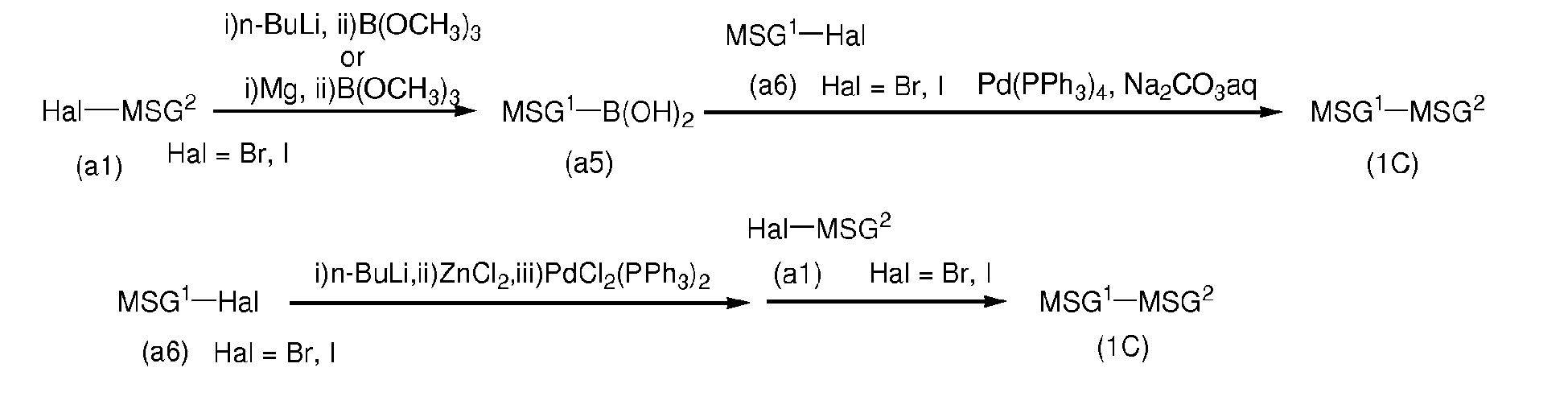
-

-

- A Grignard reagent is prepared by reacting the organohalogen compound (a1) having the monovalent organic group MSG2, with magnesium. A corresponding alcohol derivative is synthesized by reacting the Grignard reagent thus prepared or a lithium salt with the aldehyde derivative (a2). Then, the corresponding compound (1A) can be synthesized by dehydrating the alcohol derivative obtained, in the presence of an acid catalyst such as p-toluenesulfonic acid.
- The organohalogen compound (a1) is treated with butyllithium or magnesium and then reacted with a formamide such as N,N-dimethylformamide (DMF), giving the aldehyde derivative (a3). The compound (1A) having a corresponding double bond can be synthesized by reacting the aldehyde (a3) obtained with phosphorus ylide that is obtained by the treatment of the phosphonium salt (a4) with a base such as potassium t-butoxide. Incidentally, the cis-isomer is isomerized to a trans-isomer according to any known method as required, since in this reaction, a cis-isomer may be formed depending on reaction conditions.
- The compound (1B) can be synthesized by hydrogenating the compound (1A) in the presence of a catalyst such as palladium on carbon (Pd/C).
- A Grignard reagent or a lithium salt is prepared by reacting the organohalogen compound (a1) with magnesium or butyllithium. The dihydroxyborane derivative (a5) is synthesized by reacting the Grignard reagent or the lithium salt thus prepared with a boric acid ester such as trimethyl borate, and then by hydrolyzing in the presence of an acid such as hydrochloric acid. The compound (1C) can be synthesized by reacting the dihydroxyborane derivative (a5) with the organohalogen compound (a6) in the presence of a catalyst, for example, of an aqueous carbonate solution and tetrakis(triphenylphosphine)palladium (Pd(PPh3)4).
- The compound (1C) can be synthesized by reacting the organohalogen compound (a6) which has a monovalent organic group MSG1 with butyl lithium and further with zinc chloride, and then reacting the resultant compound with the compound (a1) in the presence of, for example, a bistriphenylphosphinedichloropalladium (Pd(PPh3)2Cl2) catalyst.
- The alcohol derivative (a7) is obtained by oxidizing the dihydroxyborane derivative (a5) with an oxidizing agent such as hydrogen peroxide. Separately, the alcohol derivative (a8) is obtained by reducing the aldehyde derivative (a3) with a reducing agent such as sodium borohydride. The organohalogen compound (a9) is obtained by halogenating the alcohol derivative (a8) thus obtained with hydrobromic acid or the like. The compound (1D) can be synthesized by reacting the alcohol derivative (a7) thus obtained with the organohalogen compound (a9) in the presence of potassium carbonate or the like.
- The compound (a6) is reacted with n-butyllithium and then with carbon dioxide, giving the carboxylic acid derivative (a10). The compound (1E) having -COO- can be synthesized by dehydrating the carboxylic acid derivative (a10) and the phenol derivative (a11) in the presence of DDC (1,3-dicyclohexylcarbodiimide) and DMAP (4-dimethylaminopyridine). The compounds having -OCO- can also be synthesized according to this method.
- The compound (a12) is obtained by reacting the compound (a6) with 2-methyl-3-butyn-2-ol in the presence of a catalyst of dichloropalladium and copper halide, and then deprotecting the resulting product under a basic condition. The compound (IF) is synthesized by reacting the compound (a12) with the compound (a1) in the presence of a catalyst of dichloropalladium and copper halide.
- Starting materials are commercially available or methods for their syntheses are well known with regard to rings, such as 1, 4-phenylene, trans-1,4-cyclohexylene, 1,4-cyclohexenylene, tetrahydropyran-2,5-diyl, tetrahydropyran-3,6-diyl, 1,3-dioxane-2,5-diyl, 1,3-dioxane-3,6-diyl, pyrimidine-2,5-diyl, pyrimidine-3,6-diyl, pyridine-2,5-diyl and pyridine-3,6-diyl.
- Synthetic examples for the liquid crystal compound (a), that is to say, the liquid crystal compound represented by the general formula (a), are shown as follows.
-

- The compound (b3) is obtained by reacting ethyl 4-iodobenzoate (b1) with the dihydroxyborane derivative (b2) in the presence of a catalyst of potassium carbonate, Pd/C, or the like. The compound (b4) is obtained by reducing the compound (b3) with lithium aluminum hydride or the like. Then, the compound (b5) is obtained by chlorinating the compound (b4) with thionyl chloride or the like.
Separately, a lithium salt is prepared by reacting 1,2-difluorobenzene (b6) with sec-BuLi. The alcohol derivative (b8) is obtained by reacting this lithium salt with the carbonyl derivative (b7). The cyclohexene derivative (b9) is obtained by dehydrating the alcohol derivative (b8) obtained in the presence of an acid catalyst of p-toluenesulfonic acid or the like. The compound (b10) is obtained by hydrogenating this compound (b9) in the presence of a catalyst, such as Pd/C. A lithium salt is prepared by reacting the compound (b10) thus obtained with s-butyl lithium. The dihydroxyborane derivative (b11) is obtained by reacting this lithium salt with trimethoxyborane. The phenol derivative (b12) is obtained by reacting the compound (b11) with an aqueous solution of hydrogen peroxide. The compound (b13), which is one example of the compound (a) of the invention, can be synthesized by etherifying the compound (b5) obtained by use of the above procedure with the phenol derivative (b12) in the presence of a base such as potassium carbonate. - The liquid crystal composition of the invention is explained as follows. The components of this liquid crystal composition are characterized by including at least one of the compound (a), and the components may include two or more of the compounds (a), and may be composed of the compound (a) alone. When the liquid crystal composition of the invention is prepared, its components can also be selected, for example, by taking into consideration of the dielectric anisotropy of the compound (a). The liquid crystal composition in which the components are selected has a small viscosity, a suitable and negative dielectric anisotropy, a suitable elastic constant K33, a low threshold voltage, a high maximum temperature of a nematic phase (phase-transition temperature on a nematic phase-an isotropic phase), and a low minimum temperature of the nematic phase.
- In the liquid crystal composition of the invention, a composition that further comprises at least one compound selected from the group of compounds represented by formulas (e-1) to (e-3) as a second component (hereinafter also referred to as the compounds (e-1) to (e-3), respectively) in addition to the compound (a)is desirable. Hereinafter, the composition is also referred to as the liquid crystal composition (1).
-


- In formulas (e-1) to (e-3), Ra11 and Rb11 are each independently alkyl having 1 to 10 carbons, and in the alkyl, -CH2- may be nonadjacently replaced by -O-, and -(CH2)2- may be nonadjacently replaced by -CH=CH-, and hydrogen may be replaced by fluorine.
- In formulas (e-1) to (e-3), ring A11, ring A12, ring A13 and ring A14 are each independently 1,4-phenylene, trans-1,4-cyclohexylene, 1,4-cyclohexenylene, tetrahydropyran-2,5-diyl, tetrahydropyran-3,6-diyl, 1,3-dioxane-2,5-diyl, 1,3-dioxane-3,6-diyl, pyrimidine-2,5-diyl, pyrimidine-3,6-diyl, pyridine-2,5-diyl or pyridine-3,6-diyl.
- In formulas (e-1) to (e-3), Z11, Z12 and Z13 are each independently a single bond, -CH2-CH2-, -CH=CH-, -C≡C-, -COO- or CH2O-.
- Viscosity of a liquid crystal composition can be decreased and the minimum temperature of a nematic phase can be decreased by adding a second component to the compound (a). Since the dielectric anisotropy of the compounds (e-1) to (e-3) are nearly 0 (zero), the dielectric anisotropy of the liquid crystal composition including the compounds can be adjusted so as to approach 0 (zero).
- The compound (e-1) or (e-2) is effective in decreasing the viscosity and increasing the voltage holding ratio in the liquid crystal composition comprising the compound. The compound (e-3) is effective in increasing the maximum temperature of a nematic phase and increasing the voltage holding ratio in the liquid crystal composition comprising the compound.
- If two or more rings are trans-1, 4-cyclohexylene in the ring A11, ring A12, ring A13 and ring A14, the maximum temperature of a nematic phase in the liquid crystal composition comprising the compound can be increased. If two or more rings are 1,4-phenylene, the optical anisotropy of the liquid crystal composition comprising the compound can be increased.
- More desirable compounds for the second components are represented by formulas (2-1) to (2-74) (hereinafter also referred to as the compounds (2-1) to (2-74), respectively). In these compounds, Ra11 and Rb11 have the meanings identical to those described for the compounds (e-1) to (e-3).
-

-






-



-


- If the second component is the compounds (2-1) to (2-74), the liquid crystal composition having an excellent heat resistance and light resistance, a higher specific resistance-value and a nematic phase in a wide range can be prepared.
- In particular, the liquid crystal composition (1), wherein the first component is at least one compound selected from the group of compounds represented by formulas (a-2) to (a-11) and the second component is at least one compound selected from the group of compounds represented by formulas (e-1) to (e-3), has a quite excellent heat resistance and light resistance, a wider range of a nematic phase, a larger voltage holding ratio, a smaller viscosity and a suitable elastic constant K33.
- Although the content of the second component in the liquid crystal composition (1) of the invention is not limited particularly, it is desirable to increase the content in view of a smaller viscosity. Since the threshold voltage of the liquid crystal composition tends to increase with an increase of the content of the second component, the content of the second component is in the range of 40% to 95% by weight based on the total weight of the liquid crystal compounds included in the liquid crystal composition (1), and the content of the first component is more preferably in the range of 5% to 60% by weight based on the total weight of the liquid crystal compounds included in the liquid crystal composition (1) when the liquid crystal composition of the invention is used, for example, for a liquid crystal device with a VA mode.
- A liquid crystal composition comprising at least one compound selected from the group of the liquid crystal compounds represented by formulas (g-1) to (g-6) (hereinafter also referred to as the compounds (g-1) to (g-6), respectively) as a third component, in addition to the first component and the second component, is also desirable (hereinafter also referred to as the liquid crystal composition (2)) for the liquid crystal composition of the invention.
-





- In formulas (g-1) to (g-6), Ra21 and Rb21 are each independently hydrogen or alkyl having 1 to 10 carbons, and in the alkyl, -CH2- may be nonadjacently replaced by -O-, and - (CH2)2- may be nonadjacently replaced by -CH=CH-, and hydrogen may be replaced by fluorine.
- In formulas (g-1) to (g-6), rings A21, A22 and A23 are each independently trans-1,4-cyclohexylene, 1,4-phenylene, 2-fluoro-1,4-phenylene, 3-fluoro-1,4-phenylene, 2,3-difluoro-1,4-phenylene, pyrimidine-2,5-diyl, pyrimidine-3,6-diyl, 1,3-dioxane-2,5-diyl, 1,3-dioxane-3,6-diyl, tetrahydropyran-2,5-diyl or tetrahydropyran-3,6-diyl.
- In formulas (g-1) to (g-6), Z21, Z22 and Z23 are each independently a single bond, -CH2-CH2-, -CH=CH-, -C≡C-, -OCF2-, -CF2O-, -OCF2CH2CH2-, -CH2CH2CF2O-, -COO-, -OCO-, -OCH2- or -CH2P-, and Y1, Y2, Y3 and Y4 are each independently fluorine or chlorine.
- In formulas (g-1) to (g-6), q, r and s are each independently 0, 1 or 2, q+r is 1 or 2, q+r+s is 1, 2 or 3, and t is 0, 1 or 2.
When q is 2, two of rings A21 may be identical or may be different, and two of Z21 may also be identical or may be different.
When r is 2, two of rings A22 may be identical or may be different, and two of Z22 may also be identical or may be different.
When s is 2, two of rings A23 may be identical or may be different, and two of Z23 may also be identical or may be different.
The liquid crystal composition (2) which further comprises the third component has a large negative dielectric anisotropy. - Moreover, the liquid crystal composition having a wide temperature range of a nematic phase, a small viscosity, a large negative dielectric anisotropy and a large specific resistance-value can be obtained when the third component is comprised, and the liquid crystal composition in which these physical properties are suitably balanced is obtained.
- Among the third components, at least one compound selected from the group of compounds represented by formulas (h-1) to (h-7) (hereinafter also referred to as the compounds (h-1) to (h-7), respectively) is more desirable in view of a small viscosity, heat resistance and light resistance.
-


- In formulas (h-1) to (h-7), Ra22 and Rb22 are each independently straight-chain alkyl having 1 to 8 carbons, straight-chain alkenyl having 2 to 8 carbons or alkoxy having 1 to 7 carbons, Z24, Z25 and Z26 are a single bond, -CH2CH2-, -CH2O-, -OCH2-, -COO- or -OCO-, and Y1 and Y2 are simultaneously fluorine, or one of them is fluorine and the other is chlorine.
- For example, the compounds (h-1) and (h-2) can decrease viscosity, decrease the threshold voltage-value, and decrease the minimum temperature of a nematic phase in the liquid crystal composition comprising them. The compounds (h-2), (h-3) and (h-4) can decrease the threshold voltage-value without decreasing the maximum temperature of the nematic phase, in the liquid crystal composition comprising them.
- The compounds (h-3) and (h-6) can increase optical anisotropy and the compounds (h-4) and (h-7) can further increase optical anisotropy.
- The compounds (h-5), (h-6) and (h-7) can decrease the minimum temperature of a nematic phase in the liquid crystal composition comprising them.
- Among the liquid crystal compositions (2), in particular, a liquid crystal composition which comprises first, second and third components has an excellent heat resistance and light resistance, a wide temperature range of a nematic phase, a small viscosity, a large voltage holding ratio, a suitable optical anisotropy, a suitable dielectric anisotropy and a suitable elastic constant K33, wherein the first component is at least one compound selected from the group of compounds represented by formulas (a-1) to (a-26), the second component is at least one compound selected from the group of compounds represented by formulas (e-1) to (e-3), and the third component is at least one compound selected from the group of compounds represented by formulas (h-1) to (h-7). Furthermore, the liquid crystal composition is desirable in view of these physical properties suitably balanced.
- Among the third components, that is, the group of the compounds (g-1) to (g-6), more desirable compounds are the compounds (3-1) to (3-118). In these compounds, Ra22 and Rb22 are each independently straight-chain alkyl having 1 to 8 carbons, straight-chain alkenyl having 2 to 8 carbons or alkoxy having 1 to 7 carbons.
-

-

-

-

- For example, compounds having a condensed ring, such as the compounds (g-3) to (g-6), are desirable in view of decreasing a threshold voltage-value, and the compounds (3-119) to (3-144) are desirable in view of heat resistance or light resistance. In these compounds, Ra22 and Rb22 have the meanings identical to those described for the compounds (g-3) to (g-6).
-

- Although the content of the third component in the liquid crystal composition of the invention is not limited particularly, it is desirable to increase the content in view of preventing a decrease in the absolute value of negative dielectric anisotropy.
Although the content ratios of the first component, second component and third component of the liquid crystal composition (2) of the invention are not limited particularly, it is desirable that the content ratio of the liquid crystal compound (a) is in the range of 5% to 60% by weight, the content ratio of the second component is in the range of 20% to 75% by weight, and the content ratio of the third component is in the range of 20% to 75% by weight based on the total weight of the liquid crystal composition (2). - When the ratios of the contents of the first, second and third components of the liquid crystal composition (2) are in these ranges, the composition (2) has an excellent heat resistance and light resistance, a wide temperature range of a nematic phase, a small viscosity, a large voltage holding ratio, a suitable optical anisotropy, a suitable dielectric anisotropy and a suitable elastic constant K33. Furthermore, a liquid crystal composition in which these physical properties are more suitably balanced is obtained.
- In one aspect on the liquid crystal composition of the invention, other liquid crystal compounds may be added to liquid crystal compounds of the first and second components, and of the third component which is used as required, for the purpose of further adjusting, for example, characteristics of the liquid crystal composition. In another aspect on the liquid crystal composition of the invention, no other liquid crystal compounds may be added to the liquid crystal compounds of the first and second components, and of the third component which is used as required, in view of their cost.
- Additives, such as an optically active compound, dye, an antifoaming agent, an ultraviolet absorber, an antioxidant, polymerizable compound and a polymerization initiator, may further be added to the liquid crystal composition of the invention.
When the optically active compound is added to the liquid crystal composition of the invention, it may induce a helical structure in liquid crystals, forming a twist angle and so forth. - A known chiral dopant is added as a optically active compound. The chiral dopant is effective in inducing a helical structure in liquid crystals, adjusting a twist angle required and then preventing a reverse twist. Examples of the chiral dopant includes the following optically active compounds (Op-1) to (Op-13).
-


- When a dye is added to the liquid crystal composition of the invention, the liquid crystal composition can be applied to the liquid crystal display device which has a Guest host (GH) mode.
When an antifoaming agent is added to the liquid crystal composition of the invention, it is possible to suppress the formation of foam during the transportation of the liquid crystal composition or in a process of manufacturing liquid crystal display devices using this liquid crystal composition. - When the ultraviolet absorber or the antioxidant is added to the liquid crystal composition of the invention, it is possible to prevent degradation of the liquid crystal composition and of the liquid crystal display device containing the liquid crystal composition. For example, the antioxidant can suppress a decrease in specific resistance, when the liquid crystal composition is heated.
- The ultraviolet absorber includes a benzophenone-based ultraviolet absorber, a benzoate-based ultraviolet absorber and a triazole-based ultraviolet absorber. A specific example of the benzophenone-based ultraviolet absorber is 2-hydroxy-4-n-octoxybenzophenone.
- A specific example of the benzoate-based ultraviolet absorber is 2,4-di-t-butylphenyl-3,5-di-t-butyl-4-hydroxybenzoate. Specific examples of the triazole-based ultraviolet absorber are 2-(2-hydroxy-5-methylphenyl)benzotriazole, 2-[2-hydroxy-3-(3,4,5,6-tetrahydroxyphthalimido-methyl)-5-methylphenyl]benzotriazole and 2-(3-t-butyl-2-hydroxy-5-methylphenyl)-5-chlorobenzotriazole.
- The antioxidant includes a phenol-based antioxidant, an organosulfur-based antioxidant and so forth. An antioxidant represented by formula (I) is desirable especially in view of a large effect on antioxidation without varying the physical properties of the liquid crystal composition.
-

- Specific examples of the phenol-based antioxidant are 2,6-di-t-butyl-4-methylphenol, 2,6-di-t-butyl-4-ethylphenol, 2,6-di-t-butyl-4-propylphenol, 2,6-di-t-butyl-4-butylphenol, 2,6-di-t-butyl-4-pentylphenol, 2,6-di-t-butyl-4-hexylphenol, 2,6-di-t-butyl-4-heptylphenol, 2,6-di-t-butyl-4-octylphenol, 2,6-di-t-butyl-4-nonylphenol, 2,6-di-t-butyl-4-decylphenol, 2,6-di-t-butyl-4-undecylphenol, 2,6-di-t-butyl-4-dodecylphenol, 2,6-di-t-butyl-4-tridecylphenol, 2,6-di-t-butyl-4-tetradecylphenol, 2,6-di-t-butyl-4-pentadecylphenol, 2,2'-methylenebis(6-t-butyl-4-methylphenol), 4,4'-butylidenebis(6-t-butyl-3-methylphenol), 2,6-di-t-butyl-4-(2-octadecyloxycarbonyl)ethylphenol and pentaerythritol tetrakis[3-(3,5-di-t-butyl-4-hydroxyphenyl)propionate].
- Specific examples of the organosulfur-based antioxidant are dilauryl-3,3'-thiopropionate, dimyristyl-3,3'-thiopropionate, distearyl-3,3'-thiopropionate, pentaerythritol tetrakis(3-laurylthiopropionate) and 2-mercaptobenzimidazole.
- Additives typified by an ultraviolet absorber, an antioxidant and so forth may be added and used in the range of amounts which do not prevent the purpose of the invention and can attain the purpose of the addition of the additives.
- When the ultraviolet absorber or the antioxidant is added, for example, its content ratio is usually in the range of 10 ppm to 500 ppm, preferably in the range of 30 ppm to 300 ppm, and more preferably in the range of 40 ppm to 200 ppm based on the total weight of the liquid crystal composition of the invention.
- Incidentally, in another aspect, the liquid crystal composition of the invention may include impurities of starting materials, by-products, solvents used for reactions, catalysts for syntheses and so forth, which are contaminations in the process such as for synthesizing each compound constituting a liquid crystal composition and for preparing the liquid crystal composition.
- The polymerizable compound is mixed into the composition for adjusting to a device having a polymer sustained alignment (PSA) mode. Desirable examples of the polymerizable compound include compounds having a polymerizable group, such as acrylates, methacrylates, vinyl compounds, vinyloxy compounds, propenyl ethers and epoxy compounds (oxiranes, oxetanes). Especially desirable examples of the polymerizable compound are acrylate derivatives or methacrylate derivatives. A desirable ratio of the polymerizable compound is 0.05% by weight or more for achieving its effect and is 10% by weight or less for avoiding a poor display. A more desirable ratio is in the range of 0.1% to 2% by weight. The polymerizable compound is preferably polymerized on irradiation with ultraviolet light or the like in the presence of a suitable initiator such as a photopolymerization initiator. Suitable conditions for polymerization, suitable types of the initiator and suitable amounts thereof are known to a person skilled in the art and are described in the literature. For example, Irgacure 651 (registered trademark), Irgacure 184 (registered trademark) or Darocure 1173 (registered trademark) (Ciba Geigy AG), which is photo-initiator, is suitable for radical polymerization. The polymerizable compound includes the photopolymerization initiator preferably in the range of 0.1% to 5% by weight, and most preferably in the range of 1% to 3% by weight.
- When each of the compounds of the components in the liquid crystal composition of the invention is a liquid, for example, the composition is prepared by mixing and shaking the compounds. When solids are included, the composition is prepared by mixing the compounds, and then shaking after the compounds have been heated and liquefied. Moreover, the liquid crystal composition of the invention can also be prepared according to other known methods.
- Since the maximum temperature of a nematic phase can be adjusted to 70 °C or above and the minimum temperature of the nematic phase can be adjusted to -20 °C or below in the liquid crystal composition of the invention, the temperature range of the nematic phase is wide. Accordingly, the liquid crystal display device containing this liquid crystal composition can be used in a wide temperature range.
- In the liquid crystal composition of the invention, the optical anisotropy can be properly adjusted in the range of 0.10 to 0.13, or in the range of 0.05 to 0.18, by suitably adjusting the composition ratio and so forth.
The dielectric anisotropy can be normally adjusted in the range of -5.0 to -2.0, and preferably in the range of -4.5 to -2.5 in the liquid crystal composition of the invention. The liquid crystal composition having the dielectric anisotropy of the range of -4.5 to -2.5 can be suitably used for a liquid crystal display device which operates by means of the IPS and VA modes. - The liquid crystal composition of the invention can be used not only for the liquid crystal display devices with operating modes such as the PC, TN, STN, OCB and PSA modes which are driven by means of the AMmode, but also for liquid crystal display devices with operating modes such as the PC, TN, STN, OCB, VA and IPS modes which are driven by means of the passive matrix (PM) mode.
- The liquid crystal display devices with the AM and PM modes can be applied to liquid crystal displays and so forth having any of a reflection type, a transmission type, and a semi-transmission type.
Moreover, the liquid crystal composition of the invention can also be used for a dynamic scattering (DS) mode-device having the liquid crystal composition to which a conducting agent is added, and a nematic curvilinear aligned phase (NCAP) device having the liquid crystal composition microencapsulated, and a polymer dispersed (PD) device having a three-dimensional network polymer formed in the liquid crystal composition, for example, a polymer network (PN) device. - Since the liquid crystal composition of the invention has the characteristics described above, it can be suitably used for the liquid crystal display device with an AM mode which is driven by means of an operating mode such as the VA, IPS or PSA mode, wherein the liquid crystal composition having negative dielectric anisotropy is used, especially for the liquid crystal display device with the AM mode which is driven by means of the VA mode.
- The direction of an electric field is perpendicular to liquid crystal layers in a liquid crystal display device which is driven by means of the TN mode, the VA mode or the like. On the other hand, the direction of an electric field is parallel to liquid crystal layers in a liquid crystal display device which is driven by means of the IPS mode or the like. The structure of the liquid crystal display device which is driven by means of the VA mode is reported by K. Ohmuro, S. Kataoka, T. Sasaki and Y. Koike, SLID '97 Digest of Technical Papers, 28, 845 (1997), and the structure of the liquid crystal display device which is driven by means of the IPS mode is reported in
WO 1991/10936 A US 5,576,867 ). - The invention will be explained below in more detail based on examples. However, the invention is not limited to the examples. The term "%" means "% by weight", unless otherwise specified.
- Since the compounds obtained were identified by means of nuclear magnetic resonance spectra obtained by using 1H-NMR analyses, gas chromatograms obtained by using gas chromatography (GC) analyses and so forth, methods for analyses will be explained at first.
- A model DRX-500 apparatus (made by Bruker BioSpin Corporation) was used for measurement. Samples prepared in examples and so forth were dissolved in deuterated solvents such as CDCl3, in which the samples were soluble, and measurement was carried out under the conditions of room temperature, thirty two times of accumulation and 500 MHz. In the explanation of the nuclear magnetic resonance spectra obtained, symbols s, d, t, q, m and br stand for singlet, doublet, triplet, quartet, multiplet and broad, respectively. Tetramethylsilane (TMS) was used as a zero-point standard of chemical shifts δ.
- A Gas Chromatograph Model GC-14B made by Shimadzu Corporation was used for measurement. A capillary column CBP1-M25-025 (length 25 m, bore 0.22 mm, film thickness 0.25 µm; dimethylpolysiloxane as a stationary phase; non-polar) made by Shimadzu Corporation was used. Helium was used as a carrier gas, and its flow rate was adjusted to 1 ml per minute. The temperature of the sample injector was set at 280 °C and the temperature of the detector (FID) was set at 300 °C.
- A sample was dissolved in toluene, giving a 1% by weight solution, and then 1 microliter of the solution obtained was injected into the sample injector.
Chromatopac Model C-R6A made by Shimadzu Corporation or its equivalent was used as a recorder. The resulting gas chromatogram indicated the retention time of peaks and the values of peak areas corresponding to component compounds. - Chloroform or hexane, for example, may also be used as a solvent for diluting the sample. The following capillary columns may also be used: DB-1 (length 30 m, bore 0.32 mm, film thickness 0.25 µm) made by Agilent Technologies Inc., HP-1 (length 30 m, bore 0.32 mm, film thickness 0.25 µm) made by Agilent Technologies Inc., Rtx-1 (length 30 m, bore 0.32 mm, film thickness 0.25 µm)made by Restek Corporation, BP-1 (length 30 m, bore 0.32 mm, film thickness 0.25 µm) made by SGE International Pty. Ltd, and so forth.
- The ratio of peak areas in the gas chromatogram corresponds to the ratio of component compounds. In general, the percentage by weight of each component compound in an analytical sample is not completely the same with the percentage of each peak area in the analytical sample. In the invention, however, the percentage by weight of the component compound in the analytical sample corresponds substantially to the percentage of the peak area in the analytical sample, because the correction coefficient is essentially 1 (one) when the columns described above are used. This is because there is no significant difference among the correction coefficients of liquid crystal compounds as components. An internal standard method by use of gas chromatograms is employed in order to determine the composition ratio of the liquid crystal compounds in the liquid crystal composition more accurately by means of gas chromatograms. The component of each liquid crystal compound (test-component) weighed accurately in a fixed amount and a liquid crystal compound serving as a standard (standard reference material) are analyzed simultaneously by means of gas chromatography, and the relative intensity on the ratio of the peak area of the test-component to that of the standard reference material is calculated in advance. Next, the composition ratio of the liquid crystal compounds in the liquid crystal composition can be determined more accurately by means of the gas-chromatographic analysis using the correction based on the relative intensity of the peak area of each component to that of the standard reference material.
- Two kinds of samples were used for measuring the physical properties of compounds: one was a compound itself, and the other was a mixture of the compound and mother liquid crystals.
- In the latter case using a sample in which a compound is mixed with mother liquid crystals, measurement is carried out according to the following method. First, the sample is prepared by mixing 15% by weight of the liquid crystal compound obtained and 85% by weight of the mother liquid crystals. Then, extrapolated values are calculated from the measured values of the resulting sample by means of an extrapolation method based on the following formula. The extrapolated values are regarded as the physical property-values of the compound.
-

When a smectic phase or crystals are deposited at even at this ratio of the liquid crystal compound to the mother liquid crystals at 25 °C, the ratio of the compound to the mother liquid crystals is changed in the order of 10% by weight: 90% by weight, 5% by weight: 95% by weight, and 1% by weight: 99% by weight. The physical properties of a sample are measured using a composition ratio in which the smectic phase or the crystals are not deposited at 25 °C. Extrapolated values are determined according to the above equation, and regarded as the values of the physical properties of the compound. - There are a variety of mother liquid crystals used for the measurement and, for example, the composition ratio of the mother liquid crystals (i) is as shown below.
- A liquid crystal composition itself was used as a sample for measuring the physical properties of the liquid crystal composition.
- methods. Most methods are described in the Standards of Electronic Industries Association of Japan, EIAJ·ED 2521 A or those with some modifications. No TFT was attached to a TN device or a VA device used for measurement.
- In the measured values, values obtained by use of a sample of a compound itself and values obtained by use of a sample of a liquid crystal composition itself, as they were, were reported herein as experimental data. When a sample in which a compound was mixed with mother liquid crystals was used, values calculated by means of extrapolation were reported herein as physical property values.
- Measurement was carried out according to the following methods (1) and (2).
- (1) A compound was placed on a hot plate of a melting point apparatus (Hot Stage Model FP-52 made by Mettler Toledo International Inc.) equipped with a polarizing microscope, and phase conditions and their changes were observed with the polarizing microscope, specifying the kinds of liquid crystal phases while the compound was heated at the rate of 3 °C per minute.
- (2) A sample was heated and then cooled at a rate of 3 °C per minute by use of a Perkin-Elmer differential scanning calorimeter, a DSC-7 System or a Diamond DSC System. A starting point of an endothermic peak or an exothermic peak caused by a phase change of the sample was obtained by means of the extrapolation (on set) and the phase transition temperature was determined.
- Hereinafter, the symbol C stood for crystals, which were expressed by C1 or C2 when the kinds of crystals were distinguishable. The symbols S and N stood for a smectic phase and a nematic phase, respectively. The symbol I stood for a liquid (isotropic). When a smectic B phase, or a smectic A phase was distinguishable in the smectic phases, they were expressed as SB, or SA, respectively. Transition temperatures were expressed, for example, as "C 50.0N 100.0 I", which means that the transition temperature from crystals to a nematic phase (CN) is 50.0 °C, and the transition temperature from the nematic phase to a liquid (NI) is 100.0 °C. The same applied to other transition temperatures.
- A sample (a liquid crystal composition, or a mixture of a compound and mother liquid crystals) was placed on a hot plate of a melting point apparatus (Hot Stage Model FP-52 made by Mettler Toledo International Inc.) equipped with a polarizing microscope, and was observed with the polarizing microscope while being heated at the rate of 1 °C per minute. Maximum temperature meant a temperature measured when part of the sample began to change from a nematic phase to an isotropic liquid. Hereinafter, the maximum temperature of a nematic phase may simply be abbreviated to the "maximum temperature".
- Samples were prepared by mixing a compound with mother liquid crystals so that the amount of the compound became 20% by weight, 15% by weight, 10% by weight, 5% by weight, 3% by weight and 1% by weight, and placed in glass vials. After these glass vials had been kept in a freezer at -10 °C or -20 °C for a certain period, they were observed whether or not crystals or a smectic phase had been deposited.
- Viscosity was measured by use of an E-type viscometer.
- Measurement was carried out according to the method described in M. Imai, et al., Molecular Crystals and Liquid Crystals, Vol. 259, 37 (1995). A sample (a liquid crystal composition, or a mixture of a compound and mother liquid crystals) was put in a VA device in which a distance between two glass substrates (cell gap) was 20 µm. Voltage was applied to the device stepwise with an increment of 1 volt in the range of 30 to 50 volts. After 0.2 second of no voltage application, the voltage application was repeated with only one rectangular wave (rectangular pulse; 0.2 second) and no voltage application (2 seconds). The peak current and the peak time of a transient current generated by the voltage applied were measured. The value of rotational viscosity was obtained from the measured values and the calculating equation (8) in page 40 of the paper presented by M. Imai, et al. The value of dielectric anisotropy necessary for the calculation was available from the section on dielectric anisotropy described below.
- Measurement was carried out by use of an Abbe refractometer with a polarizing plate attached to the ocular, on irradiation with light at a wavelength of 589 nm. The surface of a main prism was rubbed in one direction, and then a sample (a liquid crystal composition, or a mixture of a compound and mother liquid crystals) was dropped onto the main prism. A refractive index (n∥) was measured when the direction of polarized light was parallel to that of the rubbing. A refractive index (n┴) was measured when the direction of polarized light was perpendicular to that of the rubbing. The value of optical anisotropy was calculated from the equation: Δn = n∥- n┴.
- Dielectric anisotropy was measured by the following method. A solution of octadecyltriethoxysilane (0.16 mL) in ethanol (20 mL) was applied to a thoroughly cleaned glass substrate. The glass substrate was rotated with a spinner, and then heated at 150 °C for one hour. A VA device in which a distance (cell gap) was 20 µm was assembled from the two glass substrates.
- A polyimide alignment film was prepared on glass substrates in a similar manner. After a rubbing-treatment to the alignment film obtained on the glass substrates, a TN device in which a distance between the two glass substrates was 9 µm and the twist angle was 80 degrees was assembled.
- A sample (a liquid crystal composition, or a mixture of a compound and mother liquid crystals) was put in the VA device obtained, a voltage of 0.5 V (1 kHz, sine waves) was applied, and then a dielectric constant (ε∥) in a major axis direction of the liquid crystal molecules was measured.
- The sample (the liquid crystal composition, or the mixture of the compound and the mother liquid crystals) was put in the TN device obtained, a voltage of 0.5 V (1 kHz, sine waves) was applied, and then the dielectric constant (ε⊥) in a minor axis direction of liquid crystal molecules was measured. The value of dielectric anisotropy was calculated from the equation of Δε= ε∥ - ε⊥.
- A TN device used for measurement had a polyimide-alignment film and a distance between two glass substrates (cell gap) of 6 µm. A sample (a liquid crystal composition, or a mixture of a compound and mother liquid crystals) was put in the device, and then the device was sealed with an adhesive polymerizable under ultraviolet radiation. The TN device was charged by applying pulse voltage (60 microseconds at 5 V). Decaying voltage was measured for 16.7 milliseconds with a High Speed Voltmeter, and the area A between a voltage curve and a horizontal axis in a unit period was measured. The area B was an area without the decrease. The voltage holding ratio was the percentage of the area A to the area B.
- Elastic Constant Measurement System Model EC-1 made by Toyo Corporation was used for measurement. A sample was put in a homeotropic cell in which a distance between two glass substrates (cell gap) was 20 µm. An electric charge of 20 volts to 0 volts was applied to the cell, and electrostatic capacity and applied voltage were measured. The measured values of the electrostatic capacity (C) and the applied voltage (V) were fitted to equation (2.98) and equation (2.101) in page 75 of the "Liquid Crystal Device Handbook" (Nikkan Kogyo Shimbun, Ltd.) and the value of the elastic constant was obtained from equation (2.100).
- Synthesis of 4-ethoxy-2,3-difluoro-4'-[2,3-difluoro-4-(4-pentylcyclohexyl)phenoxymethyl]-1,1'-biphenyl (No. 1123)
-
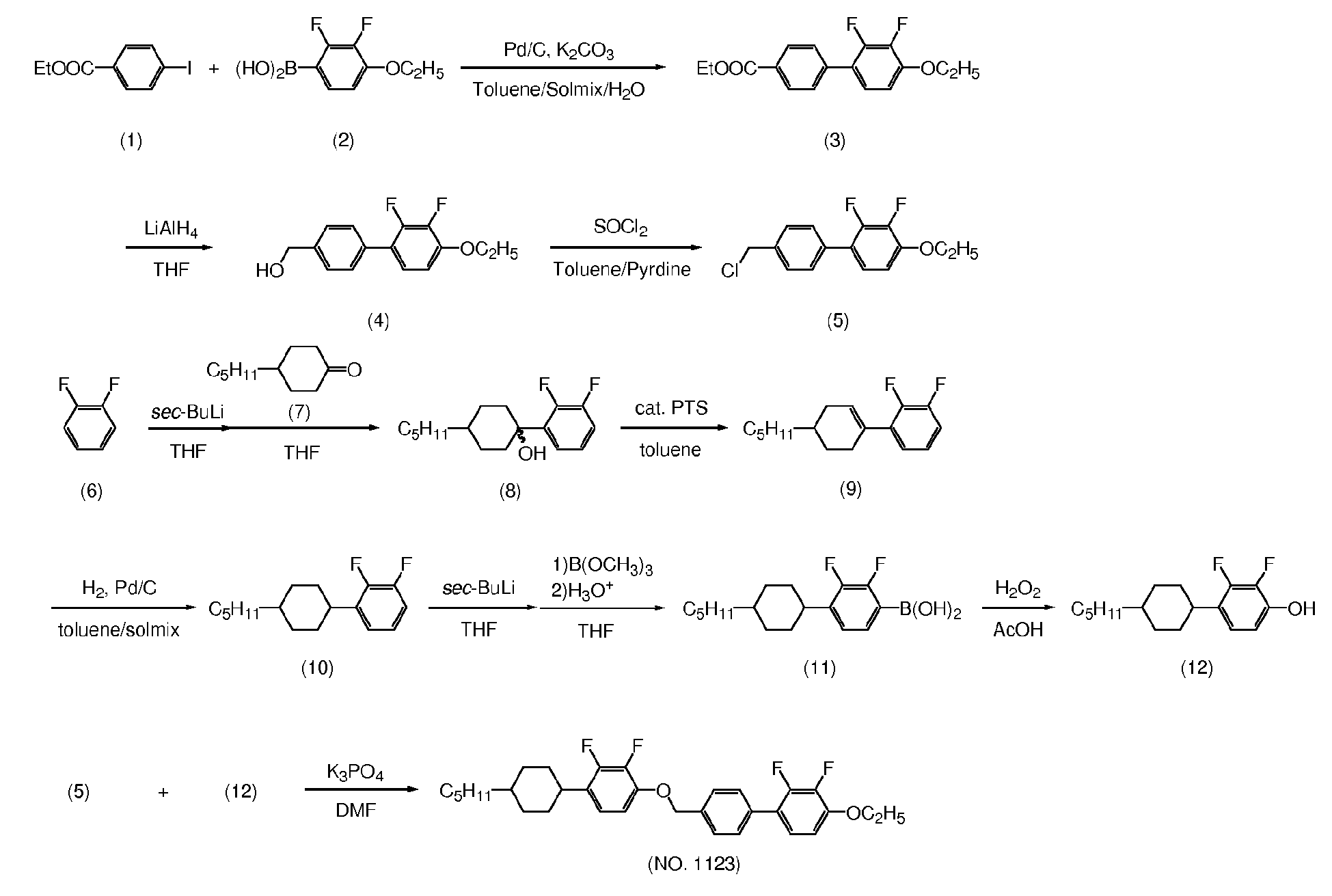
- 4-Iodoethyl benzoate (1) (25.0 g), 4-ethoxy-2,3-difluorophenylboronic acid (2) (20.1 g), potassium carbonate (25.0 g), palladium on carbon (NX type of 5%Pd/C; 50% wet; made by N. E. Chemcat; hereinafter referred to as Pd/C) (0.25 g), toluene (100 ml), ethanol (100 ml) and water (100 ml) were put in a reaction vessel under a nitrogen atmosphere, and heated under reflux for 2 hours. The reaction mixture was cooled to 25 °C, and then poured into water (500 ml) and toluene (500 ml), and mixed. The mixture was then allowed to stand until it had separated into two phases of organic and aqueous phases, and extraction into an organic phase was carried out. The organic phase obtained was fractionated, washed with water, and then dried over anhydrous magnesium sulfate. The solution obtained was concentrated under reduced pressure, and the residue obtained was purified with a fractional operation by means of column chromatography using toluene as the eluent and silica gel as the stationary phase powder. The product was further purified by means of recrystallization from ethanol and dried, giving 18.8 g of ethyl 4-ethoxy-2,3-difluoro-4'-biphenylbenzoate (3). The yield based on the compound (1) was 67.9%.
- Lithium aluminum hydride (1.4 g) was suspended in THF (100 ml). The compound (3) (18.8 g) was added dropwise to the suspension in the temperature range of -20 °C to -10 °C, and the mixture was stirred in the same temperature range for 2 hours. After the termination of the reaction had been confirmed by means of GC analysis, ethyl acetate and a saturated aqueous solution of ammonia were sequentially added to the reaction mixture under ice-cooling, and deposits were removed by filtration through Celite. The filtrate was extracted in ethyl acetate. The obtained organic layer was washed sequentially with water and saturated brine, and then dried over anhydrous magnesium sulfate. The product was purified by means of recrystallization from heptane, dried, and concentrated under reduced pressure, giving 12.0 g of (4-ethoxy-2,3-difluoro-4'-biphenyl)methanol (4). The yield based on the compound (3) was 74.0%.
- The compound (4) (12.0 g), toluene (50 ml) and pyridine (0.12 ml) were put in a reaction vessel under a nitrogen atmosphere, and stirred at 45 °C for 1 hour. Then, thionyl chloride (3.6 ml) was added in the temperature range of 45 °C to 55 °C, and the mixture was heated under reflux for 2 hours. The reaction mixture was cooled to 25 °C, then poured into water (200 ml) and toluene (200 ml), and mixed. The mixture was then allowed to stand until it had separated into two phases of organic and aqueous phases, and extraction into an organic phase was carried out. The organic phase obtained was fractionated, washed sequentially with a saturated aqueous solution of sodium hydrogencarbonate twice and with water three times, and then dried over anhydrous magnesium sulfate. The solution obtained was concentrated under reduced pressure, and the residue obtained was purified with a fractional operation by means of column chromatography using a mixed solvent of toluene and heptane (toluene: heptane= 1:1 by volume) as the eluent and silica gel as the stationary phase powder. The product was further purified by means of recrystallization from Solmix A-11 and dried, giving 9.4 g of 4'-chloromethyl-4-ethoxy-2,3-difluoro-biphenyl (5). The yield from the compound (4) was 73.2%.
- 1,2-Difluorobenzene (6) (100.0 g) and THF (500 ml) were put in a reaction vessel under a nitrogen atmosphere, and cooled to -74 °C. sec-Butyllithium (1.00 M, in a n-hexane and cyclohexane solution; 876.5 ml) was added dropwise thereto in the temperature range of -74 °C to -70 °C, and the mixture was stirred for another 2 hours. Then, 4-pentylcyclohexanone (7) (177.0 g) in a THF (200 ml) solution was added dropwise thereto in the temperature range of -75 °C to -70 °C, and the stirring was continued for another 8 hours while the mixture was allowed to return to 25 °C. The reaction mixture obtained was poured into a vessel containing an aqueous 1N-HCl solution (500 ml) and ethyl acetate (500 ml), and mixed. The mixture was then allowed to stand until it had separated into two phases of organic and aqueous phases, and extraction was carried out. The organic phase obtained was fractionated, washed sequentially with water, a saturated aqueous solution of sodium hydrogencarbonate and water, and then dried over anhydrous magnesium sulfate. The solvent was then distilled off under reduced pressure, giving 215.1 g of 4-pentyl(2,3-difluorophenyl)cyclohexanol (8). The compound (8) obtained was a yellow oil.
- The compound (8) (215.1 g), p-toluenesulfonic acid (6.5 g) and toluene (500 ml) were mixed, and the mixture was heated under reflux for 2 hours while water being distilled was removed. The reaction mixture was cooled to 30 °C, and then water (500 ml) and toluene (500 ml) were added thereto and mixed. The mixture was then allowed to stand until it had separated into two phases of organic and aqueous phases, and extraction into an organic phase was carried out. The organic phase obtained was fractionated, washed sequentially with a saturated aqueous solution of sodium hydrogencarbonate and water, and then dried over anhydrous magnesium sulfate. The product obtained was purified with a fractional operation by means of column chromatography using heptane as the eluent and silica gel as the stationary phase powder, and dried, giving 186.6 g of 4-pentyl-(2,3-difluorophenyl)-cyclohexene (9). The yield based on the compound (8) was 92.7%.
- The compound (9) (50.0 g) was dissolved in a mixed solvent of toluene (150 ml) and Solmix A-11 (150 ml), Pd/C (0.5 g) was added thereto, and the mixture was stirred at room temperature under a hydrogen atmosphere until hydrogen absorption had ceased. After the reaction had been completed, Pd/C was removed and then the solvent was distilled off. The residue obtained was purified with a fractional operation by means of column chromatography using heptane as the eluent and silica gel as the stationary phase powder, and further purified by means of recrystallization from Solmix A-11 and dried, giving 47.0 g of 4-pentyl-(2,3-difluorophenyl)cyclohexane (10). The yield based on the compound (9) was 94.0%.
- 4-Pentyl-(2,3-difluorophenyl)cyclohexane (10) (20.0 g) and THF (100 ml) were put in a reaction vessel under a nitrogen atmosphere, and cooled to -74 °C. sec-Butyllithium (1.00 M, in a n-hexane and cyclohexane solution; 82.6 ml) was added dropwise thereto in the temperature range of -74 °C to -70 °C, and the mixture was stirred for another 2 hours. Then, trimethyl borate (9.4 g) in a THF (50 ml) solution was added dropwise thereto in the temperature range of -74 °C to -65 °C, and the stirring was continued for another 8 hours while the mixture was allowed to return to 25 °C. Then, the reaction mixture was poured into a vessel containing 1N-hydrochloric acid (100 ml) and ice-water (500 ml), and mixed. Ethyl acetate (300 ml) was added thereto and the mixture was allowed to be separated into organic and aqueous phases, and extraction was carried out. The obtained organic layer was fractionated, washed sequentially with water, a saturated aqueous solution of sodium bicarbonate and brine, and then dried over anhydrous magnesium sulfate. The solvent was then distilled off under reduced pressure, giving 18.7 g of 2,3-difluoro-4-(4-propylcyclohexyl)-boronic acid (11). The yield based on the compound (10) was 80.3%.
- The compound (11) (18.7 g) and acetic acid (100 ml) were put in a reaction vessel under a nitrogen atmosphere, and hydrogen peroxide (31% aqueous solution; 14.5 ml) was added dropwise in the temperature range of 25 °C to 30 °C, and the mixture was stirred for another 2 hours at room temperature. Then, the reaction mixture was poured into a vessel containing an aqueous solution of sodium hydrogensulfite (100 ml) and ethyl acetate (300 ml), and the mixture was mixed. The mixture was then allowed to stand until it had separated into organic and aqueous phases, and extraction was carried out. The organic phase obtained was fractionated, washed sequentially with water and brine, and then dried over anhydrous magnesium sulfate. The solvent was distilled off under reduced pressure, giving 17.4 g of 2,3-difluoro-4-(4-propylcyclohexyl)phenol (12). The yield based on the compound (11) was 99.0%.
- 2,3-Difluoro-4-(4-propylcyclohexyl)phenol (12) (3.0 g) and tripotassium phosphate (K3PO4; 7.5g) were added to DMF (100ml) under a nitrogen atmosphere, and the mixture was stirred at 70 °C. The compound (5) (2.0 g) was added thereto, and the mixture was stirred at 70 °C for 7 hours. After the reaction mixture obtained had been cooled to 30 °C, solids were separated by filtration, and then toluene (100 ml) and water (100 ml) were added to and mixed with the filtrate. The mixture was then allowed to stand until it had separated into two phases of organic and aqueous phases, and extraction into an organic phase was carried out. The organic phase obtained was fractionated, washed with brine, and then dried over anhydrous magnesium sulfate. The solvent was distilled off under reduced pressure, and the product obtained was purified with a fractional operation by means of column chromatography using a mixed solvent of heptane and toluene (heptane: toluene= 1:2 by volume) as the eluent and silica gel as the stationary phase powder. The product was further purified by means of recrystallization from a mixed solvent of Solmix A-11 and heptane (Solmix A-11: heptane= 1:2 by volume) and dried, giving 2.2 g of 4-ethoxy-2,3-difluoro-4'-[2,3-difluoro-4-(4-pentylcyclohexyl)phenoxymethyl]-1,1'-biphenyl (No. 1123). The yield based on the compound (5) was 42.5%.
The chemical shift δ (ppm) of 1H-NMR analysis was as follows, and the compound obtained was identified as 4-ethoxy-2,3-difluoro-4'-[2,3-difluoro-4-(4-pentylcyclohexyl)phenoxymethyl]-1,1'-biphenyl (No. 1123). The solvent for measurement was CDCl3. - Chemical shift δ (ppm); 7. 51 (dd, 4H), 7.09(td, 1H), 6.84(td, 1H), 6.80(td, 1H), 6.73(td, 1H), 5.15(s, 2H), 4.16(q, 2H), 2.74(td, 1H), 1.88-1.80(m, 4H), 1.49(t, 3H), 1.44(td, 2H), 1.35-1.18(m, 9H), 1.11-1.01(m, 2H) and 0.89(t, 3H).
- Measured values of the compound itself were used for the transition temperature, and values converted from the measured values of the sample, in which the compound was mixed with the mother liquid crystals (i), by means of the extrapolation method described above were used for the maximum temperature (TNI), the dielectric anisotropy (Δε) and the optical anisotropy (Δn). The physical property values of the compound (No. 1123) were as follows.
Transition temperature: C 130.1 N 197.5 I.
TNI= 192.6 °C, Δε= -7.40, Δn= 0.207. - Synthesis of trans-4-(2,3-difluoro-4-ethoxyphenyl)-4-[2,3-difluoro-4-(4-pentylcyclohexyl)phenoxymethyl]cyclohexane (No. 943)
-

- Lithium aluminum hydride (4.2 g) was suspended in THF (300 ml). To this suspension, 4-(4-ethoxy-2,3-difluorophenyl)-cyclohexanecarboaldehyde (13) (50.0 g) was added dropwise in the temperature range of -20 °C to -10 °C, and the mixture was stirred in this temperature range for another 2 hours. After the termination of the reaction had been confirmed by means of GC analysis, ethyl acetate and a saturated aqueous solution of ammonia were sequentially added to the reaction mixture under ice-cooling, and deposits were removed by filtration through Celite. The filtrate was extracted in ethyl acetate. The organic phase obtained was washed sequentially with water and saturated brine, and then dried over anhydrous magnesium sulfate. The organic phase was purified by means of recrystallization from heptane, dried and concentrated under reduced pressure, giving 47.6 g of 4-hydroxymethyl-(4-ethoxy-2,3-difluoro)cyclohexane (14). The yield based on the compound (13) was 94.5%.
- The compound (14) (47.6 g), toluene (300 ml) and pyridine (0.5 ml) were put in a reaction vessel under a nitrogen atmosphere, and stirred at 45 °C for 1 hour. Then, thionyl chloride (14.0 ml) was added thereto in the temperature range of -45 °C to -55 °C, and the mixture was heated under reflux for 2 hours. The reaction mixture was cooled to 25 °C, and then poured into water (300 ml) and toluene (300 ml), and mixed. The mixture was then allowed to stand until it had separated into two phases of organic and aqueous phases, and extraction into an organic phase carried out. The organic phase obtained was fractionated, washed sequentially with a saturated aqueous solution of sodium hydrogencarbonate twice and with water three times, and then dried over anhydrous magnesium sulfate. The solution obtained was concentrated under reduced pressure, and the residue obtained was purified with a fractional operation by means of column chromatography using a mixed solvent of toluene and heptane (toluene: heptane= 1:1 by volume) as the eluent and silica gel as the stationary phase powder, and further purified by means of recrystallization from Solmix A-11 and dried, giving 47.6 g of 4-chloromethyl-(4-ethoxy-2,3-difluorophenyl)-cyclohexane (15). The yield based on the compound (14) was 93.6%.
- 4-Ethoxy-2,3-difluorophenol (12) (2.4 g) and tripotassium phosphate (K3PO4; 7.4 g) were added to DMF (100 ml) under a nitrogen atmosphere, and the mixture was stirred at 70 °C. Then, the compound (15) (2.0 g) was added thereto, and the mixture was stirred at 70 °C for 7 hours. After the reaction mixture obtained had been cooled to 30 °C, solids were separated by filtration, and then toluene (100 ml) and water (100 ml) were added to and mixed with the filtrate. The mixture was then allowed to stand until it had separated into two phases of organic and aqueous phases, and extraction into an organic phase was carried out. The organic phase obtained was fractionated, washed with brine, and then dried over anhydrous magnesium sulfate. Then, the solvent was distilled off under reduced pressure, and the residue obtained was purified with a fractional operation by means of column chromatography using a mixed solvent of heptane and toluene (heptane: toluene= 1:2 by volume) as the eluent and silica gel as the stationary phase powder. The product was further purified by means of recrystallization from a mixed solvent of Solmix A-11 and heptane (Solmix A-11: heptane= 1:2 by volume) and dried, giving 2.3 g of trans-4-(2,3-difluoro-4-ethoxyphenyl)-4-[2,3-difluoro-4-(4-pentylcyclohexyl)phenoxymethyl]cyclohexane (No. 943). The yield based on the compound (15) was 62.2%
- The chemical shift δ (ppm) of 1H-NMR analysis was as follows, and the compound obtained was identified as trans-4-(2,3-difluoro-4-ethoxyphenyl)-4-[2,3-difluoro-4-(4-pentylcyclohexyl)phenoxymethyl]cyclohexane (No. 943). The solvent for measurement was CDCl3.
- Chemical shift δ (ppm); 6.84(td, 2H), 6.67(td, 2H), 4.09(q, 2H), 3.85(d, 2H), 2.80(tt, 1H), 2.74(tt, 1H), 2.03(d, 2H), 1.96-1.81(m, 7H), 1.56-1.38(m, 7H), 1.36-1.18(m, 11H), 1.12-1.02(m, 2H), and 0.89(t, 3H).
- Measured values of the compound itself were used for the transition temperature, and values converted from the measured values of the sample, in which the compound was mixed with the mother liquid crystals (i), by means of the extrapolation method described above were used for the maximum temperature (TNI), the dielectric anisotropy (Δε) and the optical anisotropy (Δn). The physical property values of the compound (No. 943) were as follows.
Transition temperature: C 101.8 N 204.0 I.
TNI= 187.3 °C, Δε= -6.15, Δn= 0.134. - Synthesis of trans-4-(2,3-difluoro-4-ethoxyphenyl)-4-[2,3-difluoro-4'-butoxy-1,1'-biphenoxymethyl]cyclohexane (No. 1041)
-

- 4-Bromobutoxybenzene (16)(50.0 g), 2,3-difluorophenylboronic acid (17) (37.9 g), potassium carbonate (90.5 g), Pd(Ph3P)2Cl2 (4.6 g), toluene (200 ml), Solmix A-11 (200 ml) and water (200 ml) were put in a reaction vessel under a nitrogen atmosphere, and heated under reflux for 2 hours. The reaction mixture was cooled to 25 °C, and then poured into water (500 ml) and toluene (500 ml), and mixed. The mixture was then allowed to stand until it had separated into two phases of organic and aqueous phases, and extraction into an organic phase was carried out. The organic phase obtained was fractionated, washed with water, and then dried over anhydrous magnesium sulfate. The solution obtained was concentrated under reduced pressure, and the residue obtained was purified with a fractional operation by means of column chromatography using toluene as the eluent and silica gel as the stationary phase powder. The product was further purified by means of recrystallization from Solmix A-11 and dried, giving 44.7 g of 4'-butoxy-2,3-difluoro-1,1'-biphenyl (18). The yield based on the compound (16) was 78.1%.
- 4'-Butoxy-2,3-difluoro-1,1'-biphenyl (18) (20.0 g) and THF (200 ml) were put in a reaction vessel under a nitrogen atmosphere, and cooled to -74 °C. sec-Butyllithium (1.00 M, in a n-hexane and cyclohexane solution; 83.9 ml) was added dropwise thereto in the temperature range of -74 °C to -70 °C, and the mixture was stirred for another 2 hours. Then, trimethyl borate (9.5 g) in a THF (50 ml) solution was added dropwise thereto in the temperature range of -74 °C to -65 °C, and the stirring was continued for another 8 hours while the mixture was allowed to return to 25 °C. Then, the reaction mixture was poured into a vessel containing 1N-hydrochloric acid (100 ml) and ice-water (500 ml), and mixed. Ethyl acetate (300 ml) was added thereto and the mixture was allowed to be separated into organic and aqueous phases, and extraction into an organic phase was carried out. The obtained organic layer was fractionated, washed sequentially with water, a saturated aqueous solution of sodium bicarbonate and brine, and then dried over anhydrous magnesium sulfate. Then, the solvent was distilled off under reduced pressure, giving 21.3 g of 4'-butoxy-2,3-difluoro-1,1'-biphenyl-4-boronic acid (19). The yield based on the compound (18) was 91.3%.
- The compound (19) (10.0 g) and acetic acid (50 ml) were put in a reaction vessel under a nitrogen atmosphere, hydrogen peroxide (31% aqueous solution; 4.5 ml) was added dropwise thereto in the temperature range of 25 °C to 30 °C, and the mixture was stirred for another 2 hours at room temperature. Then, the reaction mixture was poured into a vessel containing an aqueous solution sodium hydrogensulfite (100 ml) and ethyl acetate (200 ml), and mixed. The mixture was then allowed to stand until it had separated into two phases of organic and aqueous phases, and extraction into an organic phase was carried out. The organic phase obtained was fractionated, washed sequentially with water and brine, and then dried over anhydrous magnesium sulfate. The solvent was distilled off under reduced pressure, giving 8.9 g of 4'-butoxy-4-hydroxy-2,3-difluoro-1,1'-biphenyl (20). The yield based on the compound (19) was 97.9%.
- The compound (20) (2.3 g) and tripotassium phosphate (K3PO4; 7.4 g) were added to DMF (100 ml) under a nitrogen atmosphere, and the mixture was stirred at 70 °C. The compound (15) (2.0 g) was added thereto, and the mixture was stirred at 70 °C for 7 hours. After the reaction mixture obtained had been cooled to 30 °C, solids were separated by filtration, and then toluene (100 ml) and water (100 ml) were added to and mixed with the filtrate. The mixture was then allowed to stand until it had separated into two phases of organic and aqueous phases, and extraction into an organic phase an extractive operation into an organic phase was carried out. The organic phase obtained was fractionated, washed with brine, and then dried over anhydrous magnesium sulfate. Then, the solvent was distilled off under reduced pressure, and the residue obtained was purified with a fractional operation by means of column chromatography using toluene as the eluent and silica gel as the stationary phase powder. The product was further purified by means of recrystallization from a mixed solvent of Solmix A-11 and ethyl acetate (Solmix A-11: ethyl acetate= 2:1 by volume) and dried, giving 2.0 g of trans-4-(2,3-difluoro-4-ethoxyphenyl)-4-[2,3-difluoro-4'-butoxy-1,1'-biphenoxymethyl]cyclohexane (No. 1041). The yield based on the compound (15) was 54.4%.
- The chemical shift δ (ppm) of 1H-NMR analysis was as follows, and the obtained compound was identified as trans-4-(2,3-difluoro-4-ethoxyphenyl)-4-[2,3-difluoro-4'-butoxy-1,1'-biphenoxymethyl]cyclohexane (No. 1041). The solvent for measurement was CDCl3.
- Chemical shift δ (ppm); 7.42(d, 2H), 7.07(td, 1H), 6.96(d, 2H), 6.86(td, 1H), 6.78(td, 1H), 6.68(td, 1H), 4.09(q, 2H), 4.00(t, 2H), 3.91(d, 2H), 2.82(tt, 1H), 2.07(m, 2H), 1.94(m, 3H), 1.79(quint, 2H), 1.55-1.48(m, 4H), 1.44(t, 3H), 1.34-1, 23(m, 2H) and 0.99(t, 3H).
- Measured values of the compound itself were used for the transition temperature, and values converted from the measured values of the sample, in which the compound was mixed with the mother liquid crystals (i), by means of the extrapolation method described above were used for the maximum temperature (TNI), the dielectric anisotropy (Δε) and the optical anisotropy (Δn). The physical property values of the compound (No. 1041) were as follows.
Transition temperature: C 124.4 N 223.8 I.
TNI= 202.6 °C, Δε= -6.44, Δn= 0.167. - Synthesis of trans-4-(2,3-difluoro-4-ethoxyphenyl)-4-[2,3-difluoro-4-(4-butoxycyclohexenyl)phenoxymethyl]cyclohexane (No. 951)
-

- 1,2-Difluorobenzene (21) (57.0 g) and THF (1000 ml) were put in a reaction vessel under a nitrogen atmosphere, and cooled to -74 °C. sec-Butyllithium (1.00 M, in a n-hexane and cyclohexane solution; 500.0 ml) was added dropwise thereto in the temperature range of -74 °C to -70 °C, and the mixture was stirred for another 2 hours. Then, 4-butoxycyclohexanone (22) (85.1 g) in a THF (200 ml) solution was added dropwise thereto in the temperature range of -75 °C to -70 °C, and the stirring was continued for another 8 hours while the mixture was allowed to return to 25 °C. The reaction mixture obtained was poured into a vessel containing an aqueous 1N-HCl solution (500 ml) and ethyl acetate (500 ml), and mixed. The mixture was then allowed to stand until it had separated into organic and aqueous phases, and extraction into an organic phase was carried out. The organic phase obtained was fractionated, washed sequentially with water, a saturated aqueous solution of sodium hydrogencarbonate and water, and then dried over anhydrous magnesium sulfate. Then, the solvent was distilled off under reduced pressure, giving 130.1 g of 4-butoxy-(2,3-difluorophenyl)cyclohexanol (23). The obtained compound (23) was a yellow oil.
- The compound (23) (130.1 g), p-toluenesulfonic acid (1.3 g) and toluene (500 ml) were mixed, and the mixture was heated under reflux for 2 hours while water being distilled was removed. The reaction mixture was cooled to 30 °C, and then water (500 ml) and toluene (500 ml) were added thereto and mixed. The mixture was then allowed to stand until it had separated into two phases of organic and aqueous phases, and extraction into an organic phase was carried out. The organic phase obtained was fractionated, washed sequentially with a saturated aqueous solution of sodium hydrogencarbonate and water, and then dried over anhydrous magnesium sulfate. The solution obtained was purified with a fractional operation by means of column chromatography using toluene as the eluent and silica gel as the stationary phase powder, and dried, giving 71.6 g of 4-butoxy-(2,3-difluorophenyl)cyclohexene (24). The compound (24) obtained was a colorless oil, having the boiling point at 131 to 132 °C/3 mmHg, and the yield based on the compound (6) was 66.5%.
- 4-Butoxy-(2,3-difluorophenyl)cyclohexene (24) (11.0 g) and THF (200 ml) were put in a reaction vessel under a nitrogen atmosphere, and cooled to -74 °C. sec-Butyllithium (1.00 M, in a n-hexane and cyclohexane solution; 50.0 ml) was added dropwise thereto in the temperature range of -74 °C to -70 °C, and the mixture was stirred for another 2 hours. Then, trimethyl borate (5.2 g) in a THF (50 ml) solution was added dropwise thereto in the temperature range of -74 °C to -65 °C, and the stirring was continued for another 8 hours while the mixture was allowed to return to 25 °C. Then, the reaction mixture was poured into a vessel containing 1N-hydrochloric acid (100 ml) and ice-water (500 ml), and mixed. Then, ethyl acetate (300 ml) was added thereto and the mixture was allowed to be separated into organic and aqueous phases, and extraction into an organic phase was carried out. The obtained organic layer was fractionated, washed sequentially with water, a saturated aqueous solution of sodium bicarbonate and brine, and then dried over anhydrous magnesium sulfate. Then, the solvent was distilled off under reduced pressure, giving 10.7 g of 4-(4-butoxycyclohexenyl)-2,3-difluorophenylboronic acid (25). The yield based on the compound (24) was 83.6%.
- The compound (25) (8.5 g) and acetic acid (50 ml) were put in a reaction vessel under a nitrogen atmosphere, hydrogen peroxide (31% aqueous solution; 4.9 ml) was added dropwise thereto in the temperature range of 25 °C to 30 °C, and the mixture was stirred for 2 hours at room temperature. Then, the reaction mixture was poured into a vessel containing an aqueous solution of sodium hydrogensulfite (100 ml) and ethyl acetate (200 ml), and mixed. The mixture was then allowed to stand until it had separated into organic and aqueous phases, and extraction into an organic phase was carried out. The organic phase obtained was fractionated, washed sequentially with water and brine, and then dried over anhydrous magnesium sulfate. Then, the solvent is distilled off under reduced pressure, giving 2.8 g of 4-(4-butoxycyclohexenyl)-2,3-difluorophenol (26). The yield based on the compound (25) was 49.1%.
- The compound (25) (2.8 g) and tripotassium phosphate (K3PO4; 7.4 g) were added to DMF (100 ml) under a nitrogen atmosphere, and the mixture was stirred at 70 °C. The compound (15) (2.6 g) was added thereto, and the mixture was stirred at 70 °C for 7 hours. After the reaction mixture obtained had been cooled to 30 °C, solids were separated by filtration, and then toluene (100 ml) and water (100 ml) were added to and mixed with the filtrate. The mixture was then allowed to stand until it had separated into two phases of organic and aqueous phases, and extraction into an organic phase was carried out. The organic phase obtained was fractionated, washed with brine, and then dried over anhydrous magnesium sulfate. Then, the solvent was distilled off under reduced pressure, and the residue obtained was purified with a fractional operation by means of column chromatography using toluene as the eluent and silica gel as the stationary phase powder. The product was further purified by means of recrystallization from a mixed solvent of Solmix A-11 and ethyl acetate (Solmix A-11: ethyl acetate= 2:1 by volume) and dried, giving 1.6 g of trans-4-(2,3-difluoro-4-ethoxyphenyl)-4-[2,3-difluoro-4-(4-butoxycyclohexenyl)phenoxymethyl]cyclohexane (No. 951). The yield based on the compound (15) was 33.4%.
- The chemical shift δ (ppm) of 1H-NMR analysis was as follows, and the compound obtained was identified as trans-4-(2,3-difluoro-4-ethoxyphenyl)-4-[2,3-difluoro-4-(4-butoxycyclohexenyl)phenoxymethyl]cyclohexane (No. 951). The solvent for measurement was CDCl3.
- Chemical shift δ (ppm); 6.89(td, 1H), 6.85(td, 1H), 6.68(td, 1H), 6.67(td, 1H), 5.82(m, 1H), 4.09(q, 2H), 3.86(d, 2H), 3.62(m, 1H), 3.51(m, 2H), 2.81(tt, 1H), 2.59-2.38(m, 3H), 2.23-2.14(m, 1H), 2.08-2.00(m, 3H), 1.96-1.84(m, 3H), 1.79-1.70(m, 1H), 1.62-1.34(m, 9H), 1.26(qd, 2H) and 0.93(t, 3H).
- Measured values of the compound itself were used for the transition temperature, and values converted from the measured values of the sample, in which the compound was mixed with the mother liquid crystals (i), by means of the extrapolation method described above were used for the maximum temperature (TNI), the dielectric anisotropy (Δε) and the optical anisotropy (Δn). The physical property values of the compound (No. 951) were as follows.
Transition temperature: C 96.0 N 158.4 I.
TNI= 147.9 °C, Δε= -6.90, Δn= 0.154. - Synthesis of 2,3-difluoro-4-ethoxy-[trans-4-(4'-butoxy-2,3-difluoro-1,1'-biphenyl)cyclohexylmethyl]benzene (No. 3921)
-

- 4'-Butoxy-2,3-difluoro-1,1'-biphenyl (18) (10.0 g) and THF (100 ml) were put in a reaction vessel under a nitrogen atmosphere, and cooled to -74 °C. sec-Butyllithium (1.00 M, in a n-hexane and cyclohexane solution; 46.0 ml) was added dropwise thereto in the temperature range of -74 °C to -70 °C, and the mixture was stirred for another 2 hours. 1,4-Dioxaspyro[4.5]decan-8-one (27) (6.0 g) dissolved in THF (150 ml) was slowly added dropwise thereto in the temperature range of -74 °C to -70 °C, and the stirring was continued for another 8 hours while the mixture was allowed to return to 25 °C. The reaction mixture obtained was poured into a vessel containing an aqueous solution of ammonium chloride (3%; 500 ml) and toluene (300 ml) which had been cooled to 0 °C, and mixed. The mixture was then allowed to stand until it had separated into organic and aqueous phases, and extraction into an organic phase was carried out. The organic phase obtained was fractionated, washed sequentially with water, a saturated aqueous solution of sodium hydrogencarbonate and water, and then dried over anhydrous magnesium sulfate. Then, the solvent was distilled off under reduced pressure, giving 15.9 g of 8-(4'-butoxy-2,3-difluoro-1,1'-biphenyl)-1,4-dioxaspyro[4.5]decan-8-ol (28). The obtained compound (28) was a yellow oil.
- The compound (28) (15.9 g), p-toluenesulfonic acid (0.49 g), ethylene glycol (0.81 g) and toluene (250 ml) were mixed, and the mixture was heated under reflux for 2 hours while water being distilled was removed. The reaction mixture was cooled to 30 °C, and then water (200 ml) and toluene (300 ml) were added thereto, and mixed. The mixture was then allowed to stand until it had separated into two phases of organic and aqueous phases, and extraction into an organic phase was carried out. The organic phase obtained was fractionated, washed sequentially with a saturated aqueous solution of sodium hydrogencarbonate and water, and then dried over anhydrous magnesium sulfate. The solution obtained was purified with a fractional operation by means of column chromatography using toluene as the eluent and silica gel as the stationary phase powder. The product was dissolved in a mixed solvent of toluene (150 ml) and Solmix A-11 (150 ml), Pd/C (0.15 g) was added thereto, and the mixture was stirred at room temperature under a hydrogen atmosphere until hydrogen absorption had ceased. After the reaction had been completed, Pd/C was removed and then the solvent was distilled off. The residue obtained was purified with a fractional operation by means of column chromatography using heptane as the eluent and silica gel as the stationary phase powder, and further purified by means of recrystallization from Solmix A-11, and dried, giving 10.6 g of 8-(4'-butoxy-2,3-difluoro-1,1'-biphenyl)-1,4-dioxaspyro[4.5]decane (29). The obtained compound (29) was a yellow oil.
- The compound (29) (10.6 g), formic acid (87%; 20 ml) and toluene (200 ml) were mixed, and the mixture was heated under reflux for 2 hours. The reaction mixture was cooled to 30 °C, and then water (200 ml) and toluene (300 ml) were added thereto and mixed. The mixture was then allowed to stand until it had separated into two phases of organic and aqueous phases, and extraction into an organic phase was carried out. The organic phase obtained was fractionated, washed sequentially with water, a saturated aqueous solution of sodium hydrogencarbonate and water, and then dried over anhydrous magnesium sulfate. The solvent was then distilled off under reduced pressure, and the residue obtained was purified with a fractional operation by means of column chromatography using toluene as the eluent and silica gel as the stationary phase powder. The product was further purified by means of recrystallization from heptane and dried, giving 6.6 g of 1-(4'-butoxy-2,3-difluoro-1,1'-biphenyl)-cyclohexan-4-one (30). The yield based on the compound (29) was 69.9%.
- Well-dried methoxymethyltriphenylphosphonium chloride (7.6 g) and THF (100 ml) were mixed under a nitrogen atmosphere, and cooled to -30 °C. Then, potassium t-butoxide (t-BuOK; 2.5 g) was put in thereto in twice in the temperature range of -30 °C to -20 °C. After the mixture had been stirred at -20 °C for 30 minutes, the compound (29) (6.6 g) dissolved in THF (100 ml) was added dropwise thereto in the temperature range of -30 °C to -20 °C. After the reaction mixture had been stirred at -10 °C for 30 minutes, it was poured into a mixture of water (200 ml) and toluene (200 ml), and mixed. The mixture was then allowed to stand until it had separated into two phases of organic and aqueous phases, and extraction into an organic phase was carried out. The organic phase obtained was fractionated, washed with water, and then dried over anhydrous magnesium sulfate. The solution obtained was concentrated under reduced pressure, and the residue obtained was purified with a fractional operation by means of column chromatography using toluene as the eluent and silica gel as the stationary phase powder. The eluent obtained was concentrated under reduced pressure, giving 6.6 g of 1-(4'-butoxy-2,3-difluoro-1,1'-biphenyl)-4-methoxymethylenecyclohexane (31). The yield based on the compound (30) was 92.7%.
- The compound (31) (6.6 g), formic acid (87%; 8.0 g), and toluene (100 ml) were mixed, and the mixture was heated under reflux for 2 hours. The reaction mixture was cooled to 30 °C, and then water (100 ml) and toluene (200 ml) were added thereto and mixed. The mixture was then allowed to stand until it had separated into two phases of organic and aqueous phases, and extraction into an organic phase was carried out. The organic phase obtained was fractionated, washed sequentially with water, a saturated aqueous solution of sodium hydrogencarbonate and water, and then dried over anhydrous magnesium sulfate. The solvent was distilled off under reduced pressure, giving a light yellow solid (6.3 g). This residue was dissolved in toluene (50 ml). The resultant solution was added to a mixture of sodium hydroxide (95%; 0.5 g) and Solmix A-11 (32 ml) which had been cooled to 7 °C, and the mixture was stirred at 10 °C for another 2 hours. Then, an aqueous 2N-sodium hydroxide solution (12.8 ml) was added thereto, and the resultant mixture was stirred at 5 °C for another 2 hours. The reaction mixture obtained was poured into a mixture of water (200 ml) and toluene (200 ml), and mixed. The mixture was then allowed to stand until it had separated into two phases of organic and aqueous phases, and extraction into an organic phase was carried out. The organic phase obtained was fractionated, washed with water, and then dried over anhydrous magnesium sulfate. The solvent was distilled off under reduced pressure, and the residue obtained was concentrated. The residue was purified with a fractional operation by means of column chromatography using toluene as the fluent and silica gel as the stationary phase powder, and dried, giving 6.3 g of 1-(4'-butoxy-2,3-difluoro-1,1'-biphenyl)-cyclohexanecarboaldehyde (32). The yield based on the compound (31) was 99.1%.
- Lithium aluminum hydride (0.4 g) was suspended in THF (300 ml). The compound (32) (6.4 g) was added dropwise to this suspension in the temperature range of -20 °C to -10 °C, and the mixture was stirred in this temperature range for another 2 hours. After the termination of the reaction had been confirmed by means of GC analysis, ethyl acetate and a saturated aqueous solution of ammonia were sequentially added to the reaction mixture under ice-cooling, and deposits were removed by filtration through Celite. The filtrate was extracted in ethyl acetate. The organic phase obtained was washed sequentially with water and saturated brine, and then dried over anhydrous magnesium sulfate. The product was purified by means of recrystallization from heptane, dried and concentrated under reduced pressure, giving 5.9 g of 4-hydroxymethyl-(4'-butoxy-2,3-difluoro-1,1'-biphenyl)cyclohexane (33). The yield based on the compound (32) was 91.8%.
- The compound (33) (5.9 g), toluene (100 ml) and pyridine (0.5 ml) were put in a reaction vessel under a nitrogen atmosphere, and the mixture was stirred at 45 °C for 1 hour. Then, thionyl chloride (1.4 ml) was added in the temperature range of 45 °C to 55 °C, and heated under reflux for 2 hours. The reaction mixture was cooled to 25 °C, and then poured into water (200 ml) and toluene (200 ml), and mixed. The mixture was then allowed to stand until it had separated into two phases of organic and aqueous phases, and extraction into an organic phase was carried out. The organic phase obtained was fractionated, washed sequentially with a saturated aqueous solution of sodium hydrogencarbonate twice and with water three times, and then dried over anhydrous magnesium sulfate. The solution obtained was concentrated under reduced pressure, and the residue obtained was purified with a fractional operation by means of column chromatography using a mixed solvent of toluene and heptane (toluene: heptane= 1:1 by volume) as the eluent and silica gel as the stationary phase powder. The product was further purified by means of recrystallization from Solmix A-11, and dried, giving 4.9 g of 4-chloromethyl-(4'-butoxy-2,3-difluoro-1,1'-biphenyl)-cyclohexane (34). The yield based on the compound (31) was 78.5%.
- 4-Ethoxy-2,3-difluorophenol (35) (0.96 g) and tripotassium phosphate (K3PO4; 7.4 g) were added to DMF (100 ml) under a nitrogen atmosphere, and the mixture was stirred at 70 °C. The compound (34) (2.0 g) was added thereto and the mixture was stirred at 70 °C for 7 hours. After the reaction mixture obtained had been cooled to 30 °C, solids were separated by filtration, and then toluene (100 ml) and water (100 ml) were added to and mixed with the filtrate. The mixture was then allowed to stand until it had separated into two phases of organic and aqueous phases, and extraction into an organic phase was carried out. The organic phase obtained was fractionated, washed with brine, and then dried over anhydrous magnesium sulfate. Then, the solvent was distilled off under reduced pressure, and the residue obtained was purified with a fractional operation by means of column chromatography using toluene as the eluent and silica gel as the stationary phase powder. The product was further purified by means of recrystallization from a mixed solvent of Solmix A-11 and ethyl acetate (Solmix A-11: ethyl acetate= 2:1 by volume) and dried, giving 1.4 g of trans-4-(4-ethoxy-2,3-difluorophenyl)-4-[4'-butoxy-2,3-difluoro-1,1'-biphenoxymethyl]cyclohexane (No. 3921). The yield based on the compound (15) was 50.7%.
- The chemical shift δ (ppm) of 1H-NMR analysis was as follows, and the compound obtained was identified as trans-4-(4-ethoxy-2,3-difluorophenyl)-4-[4'-butoxy-2,3-difluoro-1,1'-biphenoxymethyl]cyclohexane (No. 3921). The solvent for measurement was CDCl3.
- Chemical shift δ (ppm); 7.46(d, 1H), 7.11(t, 1H), 7.01(t, 1H), 6.97(d, 2H), 6.64(m, 2H), 4.06(q, 2H), 4.01(t, 2H), 3.84(d, 2H), 2.92(tt, 1H), 2.10-2.03(m, 2H), 2.03-1.87(m, 3H), 1.79(quint, 2H), 1.63-1.46(m, 5H), 1.43(t, 3H), 1.29(qd, 2H) and 0,99(t, 3H).
- Measured values of the compound itself were used for the transition temperature, and values converted from the measured values of the sample, in which the compound was mixed with the mother liquid crystals (i), by means of the extrapolation method described above were used for the maximum temperature (TNI), the dielectric anisotropy (Δε) and the optical anisotropy (Δn). The physical property values of the compound (No. 3921) were as follows.
Transition temperature: C1 85.4 C2 96.2 N 228.4 I.
TNI= 204.6 °C, Δε= -6.93, Δn= 0.217. - Synthesis of 2,3-difluoro-4-ethoxy-[trans-4-{(trans-4-pentylcyclohexyl)-2,3-difluorophenyl}cyclohexylmethyl]benzene (No. 3823)
-

- 4-Pentyl-(2,3-difluorophenyl)cyclohexane (10) (10.0 g) and THF (100 ml) were put in a reaction vessel under a nitrogen atmosphere, and cooled to -74 °C. sec-Butyllithium (1.00 M, in a n-hexane and cyclohexane solution; 45.0 ml) was added dropwise thereto in the temperature range of -74 °C to -70 °C, and the mixture was stirred for another 2 hours. 1,4-Dioxaspyro[4.5]decan-8-one (26) (5.9 g) dissolved in THF (150 ml) was slowly added dropwise thereto in the temperature range of -74 °C to -70 °C, and the stirring was continued for another 8 hours while the mixture was allowed to return to 25 °C. The reaction mixture obtained was poured into a vessel containing an aqueous solution of ammonium chloride (3%; 500 ml) and toluene (300 ml) which had been cooled to 0 °C, and mixed. The mixture was then allowed to stand until it had separated into organic and aqueous phases, and extraction was carried out. The organic phase obtained was fractionated, washed sequentially with water, a saturated aqueous solution of sodium hydrogencarbonate and water, and then dried over anhydrous magnesium sulfate. Then, the solvent was distilled off under reduced pressure, giving 15.7 g of 8-[4-pentyl-(2,3-difluorophenyl)cyclohexyl]-1,4-dioxaspyro[4.5]decan-8-ol (36). The compound obtained (36) was a yellow oil.
- The compound (36) (15.7 g), p-toluenesulfonic acid (0.47 g), ethylene glycol (0.79 g) and toluene (200 ml) were mixed, and the mixture was heated under reflux for 2 hours while water being distilled was removed. The reaction mixture was cooled to 30 °C, and then water (200 ml) and toluene (300 ml) were added thereto and mixed. The mixture was then allowed to stand until it had separated into two phases of organic and aqueous phases, and extraction into an organic phase was carried out. The organic phase obtained was fractionated, washed sequentially with a saturated aqueous solution of sodium hydrogencarbonate and water, and then dried over anhydrous magnesium sulfate. The solution obtained was purified with a fractional operation by means of column chromatography using toluene as the eluent and silica gel as the stationary phase powder. The product was dissolved in a mixed solvent of toluene (150 ml) and Solmix A-11 (150 ml), and Pd/C (0.16) was added thereto. The mixture was stirred at room temperature under a hydrogen atmosphere until hydrogen absorption had ceased. After the reaction had been completed, Pd/C was removed and then the solvent was distilled off. The residue obtained was purified with a fractional operation by means of column chromatography using heptane as the eluent and silica gel as the stationary phase powder. The product was further purified by means of recrystallization from Solmix A-11 and dried, giving 13.2 g of 8-[4-pentyl-(2,3-difluorophenyl)cyclohexyl]-1,4-dioxaspyro[4.5]decane (37). The yield based on the compound (36) was 87.8%.
- The compound (37) (13.2 g), formic acid (87%; 15 ml) and toluene (100 ml) were mixed, and the mixture was heated under reflux for 2 hours. The reaction mixture was cooled to 30 °C, and then water (200 ml) and toluene (300 ml) were added thereto and mixed. The mixture was then allowed to stand until it had separated into two phases of organic and aqueous phases, and extraction into an organic phase was carried out. The organic phase obtained was fractionated, washed sequentially with water, a saturated aqueous solution of sodium hydrogencarbonate and water, and then dried over anhydrous magnesium sulfate. The solvent was then distilled off under reduced pressure, and the residue obtained was purified with a fractional operation by means of column chromatography using toluene as the eluent and silica gel as the stationary phase powder. The product was further purified by means of recrystallization from heptane, giving 7.6 g of 1-[4-pentyl-(2,3-difluorophenyl)cyclohexyl]-cyclohexan-4-one (38). The yield based on the compound (37) was 64.6%.
- Well-dried methoxymethyltriphenylphosphonium chloride (8.6 g) and THF (100 ml) were mixed under a nitrogen atmosphere, and cooled to -30 °C. Then, potassium t-butoxide (t-BuOK; 2.8 g) was put in thereto in twice in the temperature range of -30 °C to -20 °C. After the mixture had been stirred at -20 °C for 30 minutes, the compound (38) (7.6 g) dissolved in THF (100 ml) was added dropwise thereto in the temperature range of -30 °C to -20 °C. After the reaction mixture had been stirred at -10 °C for 30 minutes, it was poured into a mixture of water (200 ml) and toluene (200 ml), and mixed. The mixture was then allowed to stand until it had separated into two phases of organic and aqueous phases, and extraction into an organic phase was carried out. The organic phase obtained was fractionated, washed with water, and then dried over anhydrous magnesium sulfate. The solution obtained was concentrated under reduced pressure, and the residue obtained was purified with a fractional operation by means of column chromatography using toluene as the eluent and silica gel as the stationary phase powder. The eluent obtained was concentrated under reduced pressure, giving 8.1 g of 1-[4-pentyl-(2,3-difluorophenyl)cyclohexyl]-4-methoxymethylenecyclohexane (39). The yield based on the compound (38) was 99.0%.
- The compound (39) (8.1 g), formic acid (87%; 9.5 g) and toluene (100 ml) were mixed, and the mixture was heated under reflux for 2 hours. The reaction mixture was cooled to 30 °C, and then water (100 ml) and toluene (200 ml) were added thereto and mixed. The mixture was then allowed to stand until it had separated into two phases of organic and aqueous phases, and extraction into an organic phase was carried out. The organic phase obtained was fractionated, washed sequentially with water, a saturated aqueous solution of sodium hydrogencarbonate and water, and then dried over anhydrous magnesium sulfate. The solvent was distilled off under reduced pressure, giving a white solid. This residue was dissolved in toluene (50 ml). The solution was added to a mixture of sodium hydroxide (95%; 0.5 g) and Solmix A-11 (32 ml) which had been cooled to 7 °C, and the solution obtained was stirred at 10 °C for 2 hours. Then, an aqueous 2N-sodium hydroxide solution (16 ml) was added thereto, and the mixture was stirred at 5 °C for 2 hours. The reaction mixture obtained was poured into a mixture of water (200 ml) and toluene (200 ml), and mixed. The mixture was then allowed to stand until it had separated into two phases of organic and aqueous phases, and extraction into an organic phase was carried out. The organic phase obtained was fractionated, washed with water, and then dried over anhydrous magnesium sulfate. Then, the solvent was distilled off under reduced pressure, and the residue obtained was concentrated, purified with a fractional operation by means of column chromatography using toluene as the eluent and silica gel as the stationary phase powder and dried, giving 7.5 g of 1-[4-pentyl-(2,3-difluorophenyl)cyclohexyl]-cyclohexanecarboaldehyde (40). The yield based on the compound (39) was 97.1%.
- Lithium aluminum hydride (0.45 g) was suspended in THF (100 ml). The compound (40) (7.5 g) dissolved in THF (100 ml) was added dropwise to this suspension in the temperature range of -20 °C to -10 °C, and the mixture was stirred in this temperature range for another 2 hours. After the termination of the reaction had been confirmed by GC analysis, ethyl acetate and a saturated aqueous solution of ammonia were sequentially added to the reaction mixture under ice-cooling, and deposits were removed by filtration through Celite. The filtrate was extracted in ethyl acetate. The organic phase obtained was washed sequentially with water and saturated brine, and then dried over anhydrous magnesium sulfate. Then, the product was purified by means of recrystallization from heptane, dried and concentrated under reduced pressure, giving 7.4 g of 4-hydroxymethyl-[4-pentyl-(2,3-difluorophenyl)cyclohexyl]-cyclohexane (41). The yield based on the compound (40) was 98.1%.
- The compound (41) (7.4 g), toluene (100 ml) and pyridine (0.5 ml) were put in a reaction vessel under a nitrogen atmosphere, and the mixture was stirred at 45 °C for 1 hour. Then, thionyl chloride (1.7 ml) was added in the temperature range of 45 °C to 55 °C, and the mixture was heated under reflux for 2 hours. The reaction mixture was cooled to 25 °C, and then poured into water (200 ml) and toluene (200 ml), and mixed. The mixture was then allowed to stand until it had separated into two phases of organic and aqueous phases, and extraction into an organic phase was carried out. The organic phase obtained was fractionated, washed sequentially with a saturated aqueous solution of sodium hydrogencarbonate twice and with water three times, and then dried over anhydrous magnesium sulfate. The solution obtained was concentrated under reduced pressure, and the residue obtained was purified with a fractional operation by means of column chromatography using heptane as the eluent and silica gel as the stationary phase powder, and dried, giving 7.3 g of 4-chloromethyl-[4-pentyl-(2,3-difluorophenyl)cyclohexyl]-cyclohexane (42). The yield based on the compound (41) was 94.1%.
- 4-Ethoxy-2,3-difluorophenol (34) (0.96 g) and tripotassium phosphate (K3PO4; 7.4 g) were added to DMF (100 ml) under a nitrogen atmosphere, and the mixture was stirred at 70 °C. Then, the compound (41) (2.0 g) was added thereto and the mixture was stirred at 70 °C for 7 hours. After the reaction mixture obtained had been cooled to 30 °C, solids were separated by filtration, and then toluene (100 ml) and water (100 ml) were added to and mixed with the filtrate. The mixture was then allowed to stand until it had separated into two phases of organic and aqueous phases, and extraction into an organic phase was carried out. The organic phase obtained was fractionated, washed with brine, and then dried over anhydrous magnesium sulfate. Then, the solvent was distilled off under reduced pressure, and the residue obtained was purified with a fractional operation by means of column chromatography using toluene as the eluent and silica gel as the stationary phase powder. The product was further purified by means of recrystallization from a mixed solvent of Solmix A-11 and ethyl acetate (Solmix A-11: ethyl acetate= 2:1 by volume) and dried, giving 1.8 g of 2,3-difluoro-4-ethoxy-[trans-4-{(trans-4-pentylcyclohexyl)-2,3-difluorophenyl}cyclohexylmethyl]benzene (No. 3823). The yield based on the compound (42) was 65.3%.
- The chemical shift δ (ppm) of 1H-NMR analysis was as follows, and the obtained compound was identified as 2,3-difluoro-4-ethoxy-[trans-4-{(trans-4-pentylcyclohexyl)-2,3-difluorophenyl}cyclohexylmethyl]benzene (No. 3823). The solvent for measurement was CDCl3.
- Chemical shift δ (ppm); 6.88(m, 2H), 6.62(m, 2H), 4.06(q, 2H), 3.83(d, 2H), 2.86(tt, 1H), 2.79(tt, 1H), 2.04(m, 2H), 1.93(m, 2H), 1.85(m, 5H), 1.59-1.38(m, 7H), 1.36-1.27(m, 11H), 1.04(m, 2H) and 0.89(t, 3H).
- Measured values of the compound itself were used for the transition temperature, and values converted from the measured values of the sample, in which the compound was mixed with the mother liquid crystals (i), by means of the extrapolation method described above were used for the maximum temperature (TNI), the dielectric anisotropy (Δε) and the optical anisotropy (Δn). The physical property values of the compound (No. 3823) were as follows.
Transition temperature: C1 -33.1 C2 91.5 N 209.3 I.
TNI= 179.3 °C, Δε= -6.10, Δn= 0.134. - Synthesis of 4-ethoxy-2,3-difluoro-1,1'-biphenylbenzoic acid trans-4-pentylcyclohexyl-2,3-difluorophenyl ester (No. 1843)

- The compounds (3) (29.1 g), sodium hydroxide (11.4 g), Solmix A-11 (100 ml) and water (100 ml) were mixed, and the mixture was heated under reflux for 2 hours. The reaction mixture was cooled to 30 °C, and then aqueous 6N-hydrochloric acid solution (100 ml) and toluene (200 ml) were added hereto and mixed. The mixture was then allowed to stand until it had separated into two phases of organic and aqueous phases, and extraction into an organic phase was carried out. The organic phase obtained was fractionated, washed sequentially with water, a saturated aqueous solution of sodium hydrogencarbonate and water, and then dried over anhydrous magnesium sulfate, giving 13.0 g of 4-ethoxy-2,3-difluoro-4'-biphenylbenzoic acid (44). The yield based on the compound (3) was 49.2%.
- The compound (44) (1.97 g), 2,3-difluoro-4-(4-propylcyclohexyl)phenol (12) (2.0 g), 1,3-dicyclohexylcarbodiimide (DCC) (1.5 g) and 4-dimethylaminopyridine (DMAP) (0.09 g) were added to toluene (100 ml) under a nitrogen atmosphere, and the mixture was stirred at 25 °C for 20 hours . After the termination of the reaction had been confirmed by GC analysis, toluene (100 ml) and water (100 ml) were added thereto and mixed. The mixture was then allowed to stand until it had separated into two phases of organic and aqueous phases, and extraction into an organic phase was carried out. The organic phase obtained was fractionated, washed with water, and then dried over anhydrous magnesium sulfate. The obtained solution was concentrated under reduced pressure, and the residue was purified with a fractional operation by means of column chromatography using toluene as the eluent and silica gel as the stationary phase powder. The product was further purified by means of recrystallization from a mixed solvent of heptane and THF (heptane: THF= 2:1 by volume) and dried, giving 2.65 g of 4-ethoxy-2,3-difluoro-1,1'-biphenylbenzoic acid trans-4-pentylcyclohexyl-2,3-difluorophenyl ester (No. 1843). The yield based on the compound (12) was 69.0%.
- The chemical shift δ (ppm) of 1H-NMR analysis was as follows, and the obtained compound was identified as 4-ethoxy-2,3-difluoro-1,1'-biphenylbenzoic acid trans-4-pentylcyclohexyl-2,3-difluorophenyl ester (No. 1843). The solvent for measurement was CDCl3.
- Chemical shift δ (ppm); 8.26(d, 2H), 7.66(d, 2H), 7.16(td, 1H), 7.03(td, 1H), 6.99(td, 1H), 6.84(td, 1H), 4.18(q, 2H), 2.85(tt, 1H), 1.89(m, 4H), 1.53-1.43(m, 5H), 1.37-1.19(m, 9H), 1.14-1.04(m, 2H) and 0.90(t, 3H).
- Measured values of the compound itself were used for the transition temperature, and values converted from the measured values of the sample, in which the compound was mixed with the mother liquid crystals (i), by means of the extrapolation method described above were used for the maximum temperature (TNI), the dielectric anisotropy (Δε) and the optical anisotropy (Δn). The physical property values of the compound (No. 1843) were as follows.
Transition temperature: C 90.9 N 304.5 I.
TNI= 247.9 °C, Δε= -5.82, Δn= 0.227. - Synthesis of trans-(4-ethoxy-2,3-difluorophenyl)cyclohexylbenzoic acid trans-4-pentylcyclohexyl-2,3-difluorophenyl ester (No. 1663)
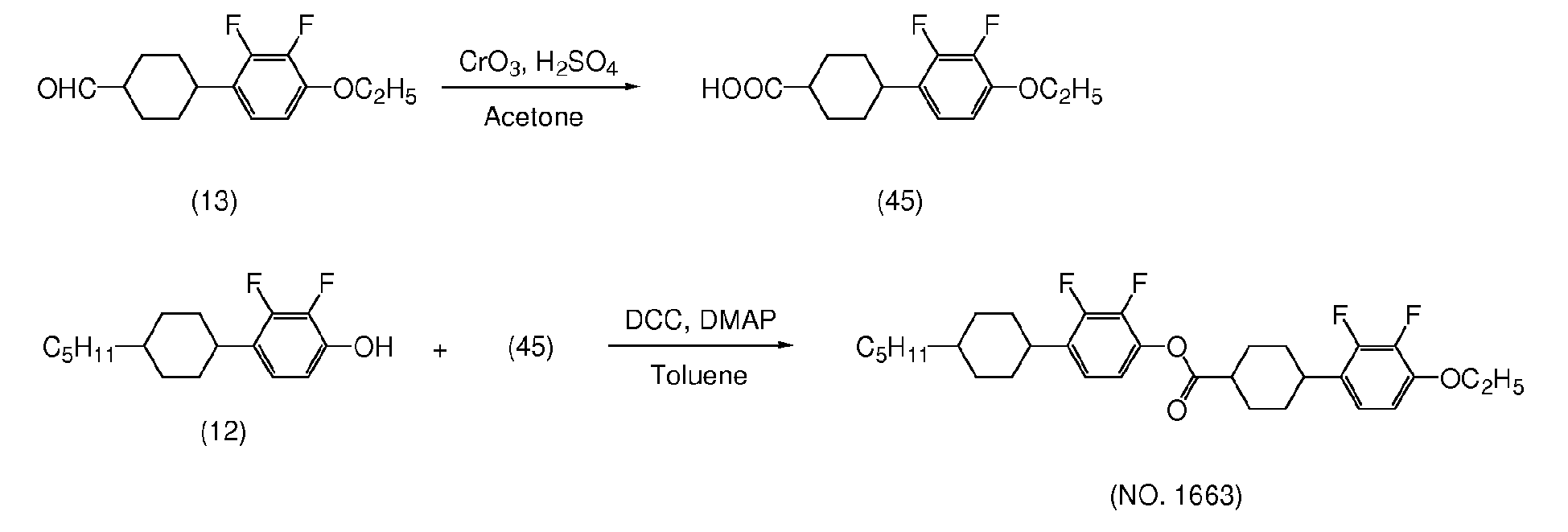
- The compound (13) (10.0 g) and acetone (50 ml) were mixed, and the mixture was stirred at 35 °C for 30 minutes. After the addition of the Jones reagent (8N; 4.7 ml) to this mixture in the temperature range of 30 °C to 40 °C, the stirring was continued at 35 °C for another 2 hours. The reaction mixture was cooled to 30 °C, and then toluene (200 ml) and water (200 ml) were added thereto and mixed. The mixture was then allowed to stand until it had separated into two phases of organic and aqueous phases, and extraction into an organic phase was carried out. The organic phase obtained was fractionated, washed sequentially with water, an aqueous solution of sodium thiosulfate and water, and then dried over anhydrous magnesium sulfate, giving 8.8 g of 4-ethoxy-2,3-difluoro-(trans-4-cyclohexyl)-carboxylic acid (45). The yield based on the compound (13) was 83.1%.
- The compound (45) (1.0 g), 2,3-difluoro-4-(4-propylcyclohexyl)phenol (12) (1.0 g), 1,3-dicyclohexylcarbodiimide (DCC) (0.75 g) and 4-dimethylaminopyridine (DMAP) (0.04 g) were added to toluene (100 ml) under a nitrogen atmosphere, and the mixture was stirred at 25 °C for 20 hours . After the termination of the reaction had been confirmed by GC analysis, toluene (100 ml) and water (100 ml) were added thereto and mixed. The mixture was then allowed to stand until it had separated into two phases of organic and aqueous phases, and extraction into an organic phase was carried out. The organic phase obtained was fractionated, washed with water, and then dried over anhydrous magnesium sulfate. The obtained solution was concentrated under reduced pressure, and the residue was purified with a fractional operation by means of column chromatography using toluene as the eluent and silica gel as the stationary phase powder. The product was futher purified by means of recrystallization from a mixed solvent of heptane and THF (heptane: THF= 2:1 by volume) and dried, giving 1.39 g of trans-(4-ethoxy-2,3-difluorophenyl)cyclohexylbenzoic acid trans-4-pentylcyclohexyl-2,3-difluorophenyl ester (No. 1663). The yield based on the compound (12) was 71.5%.
- The chemical shift δ (ppm) of 1H-NMR analysis was as follows, and the obtained compound was identified as trans-(4-ethoxy-2,3-difluorophenyl)cyclohexylbenzoic acid trans-4-pentylcyclohexyl-2,3-difluorophenyl ester (No. 1663). The solvent for measurement was CDCl3.
- Chemical shift δ (ppm); 6.88(m, 2H), 6.62(m, 2H), 4.06(q, 2H), 3.83(d, 2H), 2.86(tt, 1H), 2.79(tt, 1H), 2.04(m, 2H), 1.93(m, 2H), 1.85(m, 5H), 1.59-1.38(m, 7H), 1.36-1.27(m, 11H), 1.04(m, 2H) and 0.89(t, 3H).
- Measured values of the compound itself were used for the transition temperature, and values converted from the measured values of the sample, in which the compound was mixed with the mother liquid crystals (i), by means of the extrapolation method described above were used for the maximum temperature (TNI), the dielectric anisotropy (Δε) and the optical anisotropy (Δn). The physical property values of the compound (No. 1663) were as follows.
Transition temperature: C 92.6 N 289.4 I.
TNI= 219.9 °C, Δε= -7.37, Δn= 0.140. - Synthesis of 2-(4-(trans-4-(4-ethoxy-2,3-difluorophenyl)cyclohexyl)methoxy)-2,3-difluorophenyl)-5-pentyl-1,3-dioxane (No. 940)
-
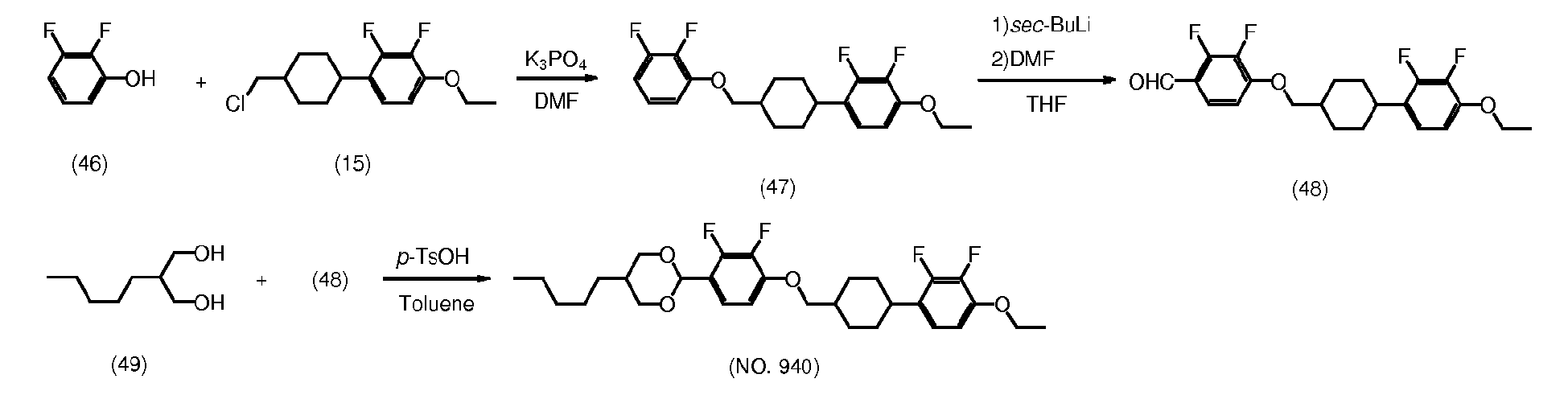
- 2,3-Difluorophenol (46) (13.8 g) and tripotassium phosphate (K3PO4; 73.4 g) were added to DMF (200 ml) under a nitrogen atmosphere, and the mixture was stirred at 70 °C. The compound (15) (20.0 g) was added thereto and the stirring was continued at 70 °C for 7 hours. After the reaction mixture obtained had been cooled to 30 °C, solids were separated by filtration, and then toluene (100 ml) and water (100 ml) were added to and mixed with the filtrate. The mixture was then allowed to stand until it had separated into two phases of organic and aqueous phases, and extraction into an organic phase was carried out. The organic phase obtained was fractionated, washed with brine, and then dried over anhydrous magnesium sulfate. Then, the solvent was distilled off under reduced pressure, and the residue obtained was purified with a fractional operation by means of column chromatography using toluene as the eluent and silica gel as the stationary phase powder. The product was further purified by means of recrystallization from a mixed solvent of Solmix A-11 and ethyl acetate (Solmix A-11: ethyl acetate= 2:1 by volume) and dried, giving 19.8 g of 2,3-difluoro-4-ethoxy-[trans-4-(2,3-difluorophenoxymethyl)cyclohexyl]benzene (47). The yield based on the compound (15) was 74.8%.
- The compound (47) (18.1 g) and THF (200 ml) were put in a reaction vessel under a nitrogen atmosphere, and cooled to -74 °C. sec-Butyllithium (1.00 M, in a n-hexane and cyclohexane solution; 52.1 ml) was added dropwise thereto in the temperature range of -74 °C to -70 °C, and the mixture was stirred for another 2 hours. Then, DMF (3.8 g) dissolved in THF (150 ml) was slowly added dropwise in the temperature range of -74 °C to -70 °C, and the stirring was continued for another 8 hours while the mixture was allowed to return to 25 °C. The reaction mixture obtained was poured into a vessel containing an aqueous solution of ammonium chloride (3%; 300 ml) and toluene (200 ml) which had been cooled to 0 °C, and mixed. The mixture was then allowed to stand until it had separated into organic and aqueous phases, and extraction into an organic phase was carried out. The organic phase obtained was fractionated, washed sequentially with water, a saturated aqueous solution of sodium hydrogencarbonate and water, and then dried over anhydrous magnesium sulfate. Then, the solvent was distilled off under reduced pressure, and the residue obtained was purified by means of recrystallization from a mixed solvent of THF and heptane (THF: heptane= 1:5 by volume) and dried, giving 16.0 g of 2,3-difluoro-4-ethoxy-[trans-4-(2,3-difluorophenoxymethyl)cyclohexyl]benzaldehyde (48). The yield based on the compound (47) was 82.4%.
- The compound (48) (3.0 g), 2-pentylpropane-1,3-diol (1.6 g), p-toluenesulfonic acid (0.02 g) and toluene (100 ml) were mixed, and the mixture was heated under reflux for 2 hours. The reaction mixture was cooled to 30 °C, and then water (100 ml) and toluene (100 ml) were added thereto and mixed. The mixture was then allowed to stand until it had separated into two phases of organic and aqueous phases, and extraction into an organic phase was carried out. The organic phase obtained was fractionated, washed sequentially with a saturated aqueous solution of sodium hydrogencarbonate and water, and then dried over anhydrous magnesium sulfate. The solution obtained was purified with a fractional operation by means of column chromatography using toluene as the eluent and silica gel as the stationary phase powder. Then, the solvent was distilled off under reduced pressure, and the residue obtained was further purified by means of recrystallization from a mixed solvent of THF and heptane (THF: heptane= 1:5 by volume) and dried, giving 1.9 g of 2-(4-((trans-4-(4-ethoxy-2,3-difluorophenyl)cyclohexyl)methoxy)-2,3-difluorophenyl)-5-pentyl-1,3-dioxane (No. 940). The yield based on the compound (48) was 48.3%.
- The chemical shift δ (ppm) of 1H-NMR analysis was as follows, and the compound obtained was identified as 2-(4-((trans-4-(4-ethoxy-2,3-difluorophenyl)cyclohexyl)methoxy)-2,3-difluorophenyl)-5-pentyl-1,3-dioxane (No. 940). The solvent for measurement was CDCl3.
- Chemical shift δ (ppm); 7.28(m, 2H), 6.84(t, 1H), 6.74(t, 1H), 6.67(t, 1H), 5.63(s, 1H), 4.21(dd, 2H), 4.12(q, 2H), 3.88(d, 2H), 3.54(t, 2H), 2.80(tt, 1H), 2.12(m, 1H), 2.02(m, 2H), 1.91(m, 3H), 1.55-1.48(m, 2H), 1.44(t, 3H), 1.36-1.20(m, 8H), 1.10(m, 2H) and 0.89(t, 3H).
- Measured values of the compound itself were used for the transition temperature, and values converted from the measured values of the sample, in which the compound was mixed with the mother liquid crystals (i), by means of the extrapolation method described above were used for the maximum temperature (TNI), the dielectric anisotropy (Δε) and the optical anisotropy (Δn). The physical property values of the compound (No. 940) were as follows.
Transition temperature: C 102.5 N 185.8 I.
TNI= 174.6 °C, Δε= -3.69, Δn= 0.137. - Synthesis of 1-(4-(2,3-difluoro-4-(4-pentylcyclohexyl)phenyl)cyclohex-3-enyl)-4-ethoxy-2,3-difluorobenzene (No. 12)

- 4-Pentyl-(2,3-difluorophenyl)cyclohexane (10) (5.0 g) and THF (100 ml) were put in a reaction vessel under a nitrogen atmosphere, and cooled to -74 °C. sec-Butyllithium (1.00 M, in a n-hexane and cyclohexane solution; 23.0 ml) was added dropwise thereto in the temperature range of -74 °C to -70 °C, and the mixture was stirred for another 2 hours. 1-(4-Ethoxy-2,3-difluorophenyl)-cyclohexan-4-one (50) (4.8 g) dissolved in THF (150 ml) was slowly added dropwise thereto in the temperature range of -74 °C to -70 °C, and the stirring was continued for another 8 hours while the mixture was allowed to return to 25 °C. The reaction mixture obtained was poured into a vessel containing an aqueous solution of ammonium chloride (3%; 500 ml) and toluene (300 ml) which had been cooled to 0 °C, and mixed. The mixture was then allowed to stand until it had separated into organic and aqueous phases, and extraction into an organic phase was carried out. The organic phase obtained was fractionated, washed sequentially with water, a saturated aqueous solution of sodium hydrogencarbonate and water, and then dried over anhydrous magnesium sulfate. Then, the solvent was distilled off under reduced pressure, giving 9.7 g of 1-(2,3-difluoro-4-(4-pentylcyclohexyl)phenyl)-4-(4-ethoxy-2,3-difluorophenyl)cyclohexanol (51). The compound (51) obtained was a yellow solid.
- The compound (51) (9.7 g), p-toluenesulfonic acid (0.15 g) and toluene (200 ml) were mixed, and the mixture was heated under reflux for 2 hours while water being distilled was removed. The reaction mixture was cooled to 30 °C, and then water (200 ml) and toluene (300 ml) were added thereto and mixed. The mixture was then allowed to stand until it had separated into two phases of organic and aqueous phases, and extraction into an organic phase was carried out. The organic phase obtained was fractionated, washed sequentially with a saturated aqueous solution of sodium hydrogencarbonate and water, and then dried over anhydrous magnesium sulfate. The solution obtained was purified with a fractional operation by means of column chromatography using a mixed solvent of heptane and toluene (heptane: toluene= 2:3 by volume) as the eluent and silica gel as the stationary phase powder. The solvent was distilled off, and the residue obtained was purified with a fractional operation by means of column chromatography using toluene as the eluent and silica gel as the stationary phase powder. The product was further purified by means of recrystallization from a mixed solvent of Solmix A-11 and ethyl acetate (Solmix A-11: ethyl acetate= 2:1 by volume) and dried, giving 4.7 g of 1-(4-(2,3-difluoro-4-(4-pentylcyclohexyl)phenyl)cyclohex-3-enyl)-4-ethoxy-2,3-difluorobenzene (No. 12). The yield based on the compound (10) was 49.8%.
- The chemical shift δ (ppm) of 1H-NMR analysis was as follows, and the obtained compound was identified as 1-(4-(2,3-difluoro-4-(4-pentylcyclohexyl)phenyl)cyclohex-3-enyl)-4-ethoxy-2,3-difluorobenzene (No. 12). The solvent for measurement was CDCl3.
- Chemical shift δ (ppm); 6.98-6.88(m, 3H), 6.70(t, 1H), 6.02(m, 1H), 4.11(q, 2H), 3.20(m, 1H), 2.82(tt, 1H), 2.65-2.40(m, 3H), 2.36-2.27(m, 1H), 2.05-2.00(m, 1H), 2.00-1.84(m, 5H), 1.55-1.42(m, 5H), 1.38-1.20(m, 9H), 1.14-1.03(m, 2H) and 0.90(t, 3H).
- Measured values of the compound itself were used for the transition temperature, and values converted from the measured values of the sample, in which the compound was mixed with the mother liquid crystals (i), by means of the extrapolation method described above were used for the maximum temperature (TNI), the dielectric anisotropy (Δε) and the optical anisotropy (Δn). The physical property values of the compound (No. 12) were as follows.
Transition temperature: C 83.1 N 218.4 I.
TNI= 184.6 °C, Δε= -6.46, Δn= 0.140. - Synthesis of 1-(4-(2,3-difluoro-4-(4-pentylcyclohexyl)phenyl)cyclohexyl)-4-ethoxy-2,3-difluorobenzene (No. 13)

- The compound (No. 832) (3.5 g) was dissolved in a mixed solvent of toluene (150 ml) and Solmix A-11 (150 ml). Raney nickel (0.35 g) was added thereto, and the mixture was stirred at room temperature under a hydrogen atmosphere until hydrogen absorption had ceased. After the reaction had been completed, Raney nickel was removed and the solvent was distilled off. The residue obtained was purified with a fractional operation by means of column chromatography using a mixed solvent of heptane and toluene (heptane: toluene= 2:3 by volume) as the eluent and silica gel as the stationary phase powder, and further purified by means of recrystallization from a mixed solvent of ethyl acetate and Solmix A-11 (ethyl acetate: Solmix A-11= 1:2 by volume) and dried, giving 3.1 g of 1-(4-(2,3-difluoro-4-(4-pentylcyclohexyl)phenyl)cyclohexyl)-4-ethoxy-2,3-difluorobenzene (No. 13). The yield based on the compound (No. 12) was 85.4%.
- The chemical shift δ (ppm) of 1H-NMR analysis was as follows, and the compound obtained was identified as 1-(4-(2,3-difluoro-4-(4-pentylcyclohexyl)phenyl)cyclohexyl)-4-ethoxy-2,3-difluorobenzene (No. 13). The solvent for measurement was CDCl3.
- Chemical shift δ (ppm); 6.96-6.86(m, 3H), 6.70(t, 1H), 4.10(q, 2H), 2.97-2.85(m, 2H), 2.80(tt, 1H), 1.98(d, 4H), 1.86(d, 4H), 1.65(m, 4H), 1.53-1.41(m, 5H), 1.36-1.18(m, 9H), 1.13-1.02(m, 2H) and 0.89(t, 3H).
- Measured values of the compound itself were used for the transition temperature, and values converted from the measured values of the sample, in which the compound was mixed with the mother liquid crystals (i), by means of the extrapolation method described above were used for the maximum temperature (TNI), the dielectric anisotropy (Δε) and the optical anisotropy (Δn). The physical property values of the compound (No. 13) were as follows.
Transition temperature: C 144.9 N 263.2 I.
TNI= 191.6 °C, Δε= -4.22, Δn = 0.137 - The compounds No. 1 to No. 4890 shown below can be synthesized by synthetic methods similar to those described in Examples 1 to 11. Attached data were measured in accordance with the methods described above. Measured values of the compound itself were used for the transition temperature, and values converted from the measured values of the sample, in which the compound was mixed with the mother liquid crystals (i), by means of the extrapolation method described above were used for the maximum temperature (TNI), the dielectric anisotropy (Δε) and the optical anisotropy (Δn). Incidentally, the values for the compounds No. 940, No. 951, No. 1041 and No. 1123 were obtained by preparing liquid crystal compositions consisting of 95% by weight of the mother liquid crystals and 5% by weight of each of the compounds, and by measuring the physical properties of the compositions obtained and by extrapolating the measured values. The values for the compounds No. 13 and No. 3921 were obtained by preparing liquid crystal compositions consisting of 90% by weight of the mother liquid crystals and 10% by weight of each of the compounds, and by measuring the physical properties of the compositions obtained, and by extrapolating the measured values. The values of the compounds No. 12, No. 943, No. 1663, No. 1843 and No. 3823 were obtained by preparing liquid crystal compositions consisting of 85% by weight of the mother liquid crystals and 15% by weight of each of the compounds, and by measuring the physical properties of the compositions obtained, and by extrapolating the measured values.
-
No. No. 1 
16 
2 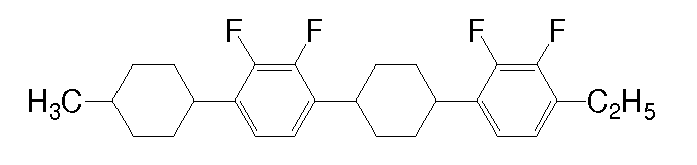
17 
3 
18 
4 
19 
5 
20 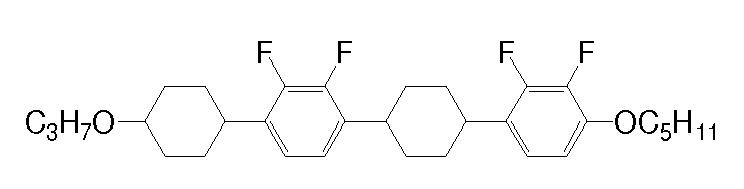
6 
21 
7 
22 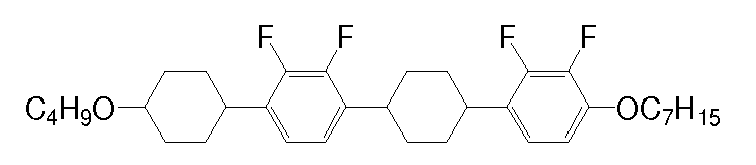
8 
23 
9 
24 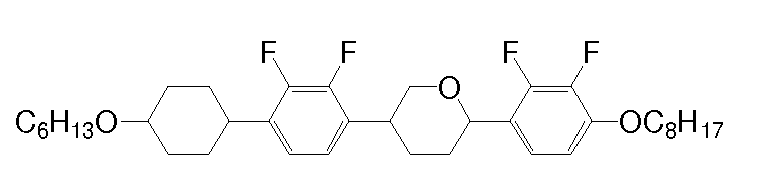
10 
25 
11 
26 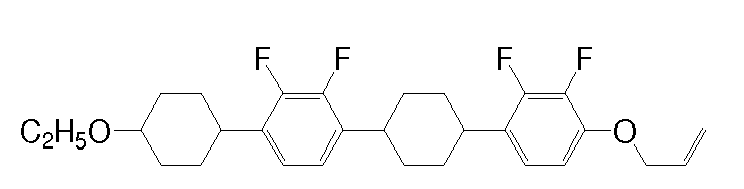
12 
27 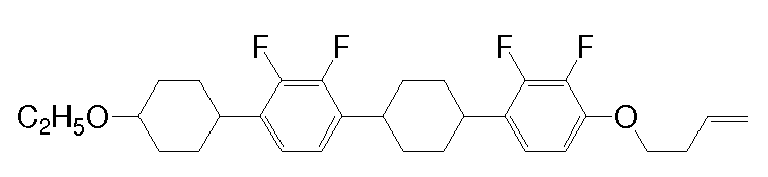
13 
28 
14 
29 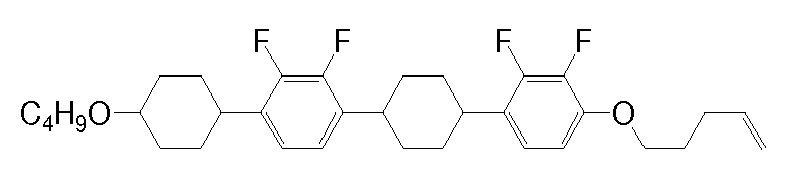
15 
30 
-
No. No. 31 
46 
32 
47 
33 
48 
34 
49 
35 
50 
36 
51 
37 
52 
38 
53 
39 
54 
40 
55 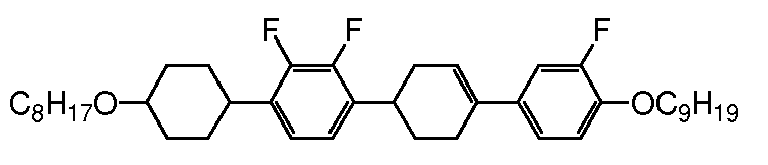
41 
56 
42 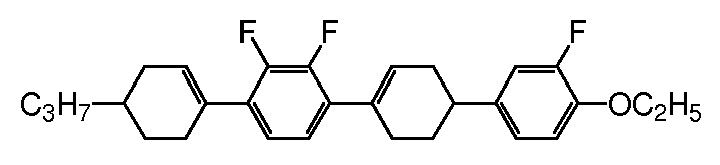
57 
43 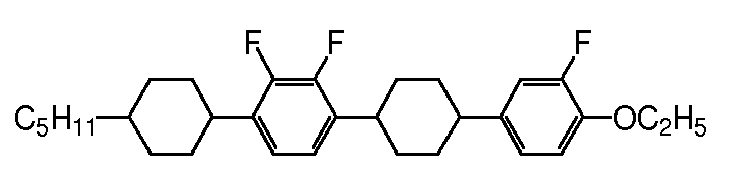
58 
44 
59 
45 
60 
-
No. No. 61 
76 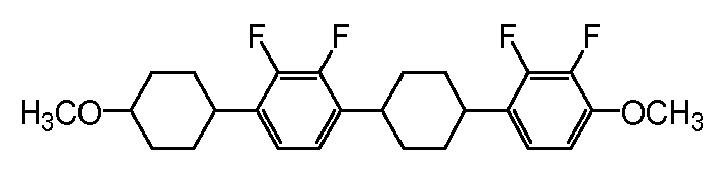
62 
77 
63 
78 
64 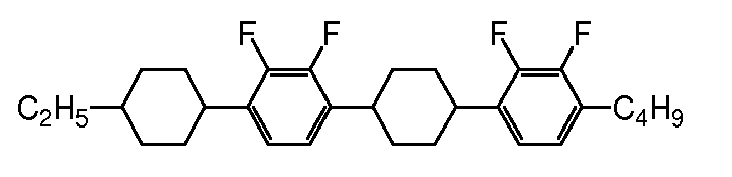
79 
65 
80 
66 
81 
67 
82 
68 
83 
69 
84 
70 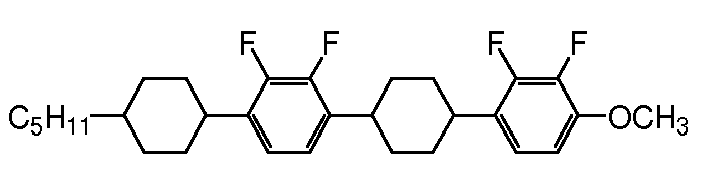
85 
71 
86 
72 
87 
73 
88 
74 
89 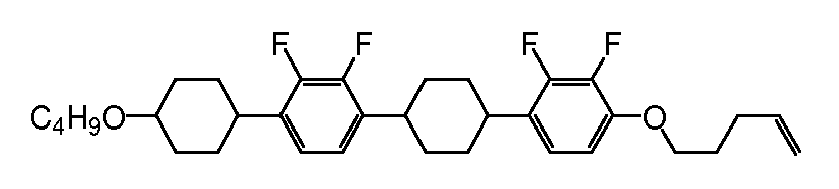
75 
90 
-
No. No. 91 
106 
92 
107 
93 
108 
94 
109 
95 
110 
96 
111 
97 
112 
98 
113 
99 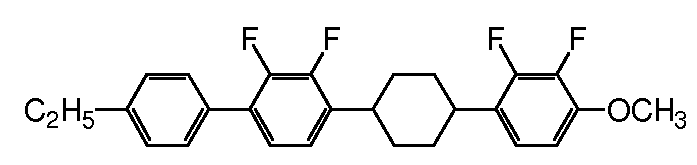
114 
100 
115 
101 
116 
102 
117 
103 
118 
104 
119 
105 
120 
-
No. No. 121 
136 
122 
137 
123 
138 
124 
139 
125 
140 
126 
141 
127 
142 
128 
143 
129 
144 
130 
145 
131 
146 
132 
147 
133 
148 
134 
149 
135 
150 
-
No. No 151 
166 
152 
167 
153 
168 
154 
169 
155 
170 
156 
171 
157 
172 
158 
173 
159 
174 
160 
175 
161 
176 
162 
177 
163 
178 
164 
179 
165 
180 
-
No. No. 181 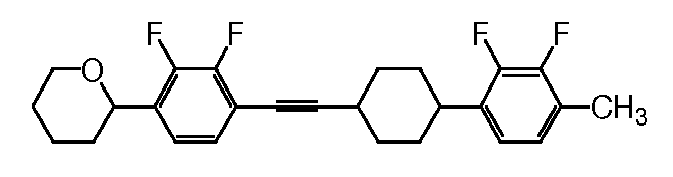
196 
182 
197 
183 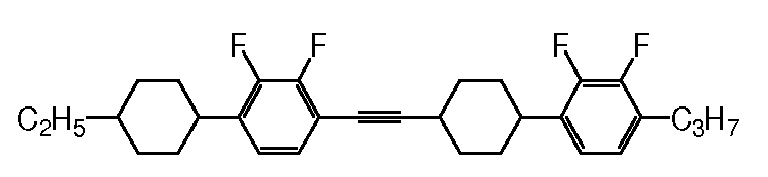
198 
184 
199 
185 
200 
186 
201 
187 
202 
188 
203 
189 
204 
190 
205 
191 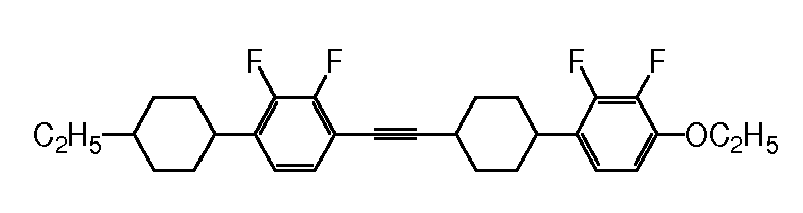
206 
192 
207 
193 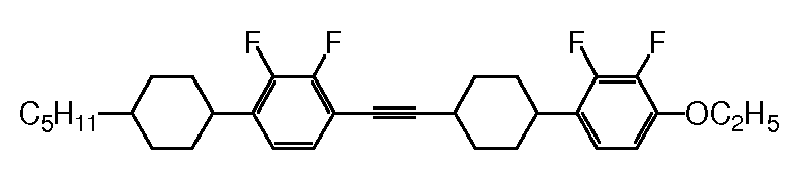
208 
194 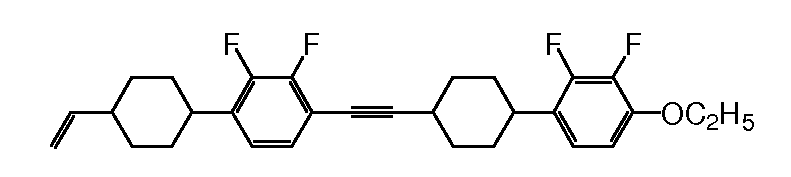
209 
195 
210 
-
No. No. 211 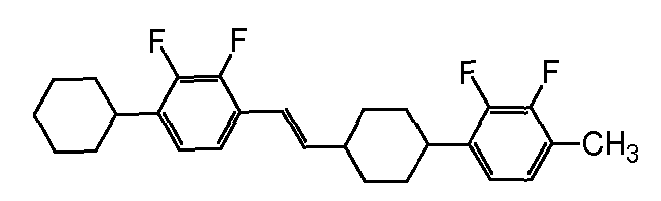
26 
212 
227 
213 
228 
214 
229 
215 
230 
216 
231 
217 
232 
218 
233 
219 
234 
220 
235 
221 
236 
222 
237 
223 
238 
224 
239 
225 
240 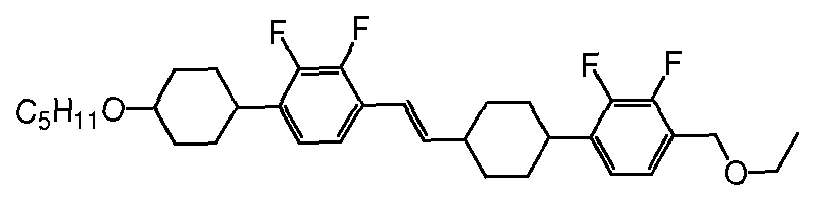
-
No. No. 241 
256 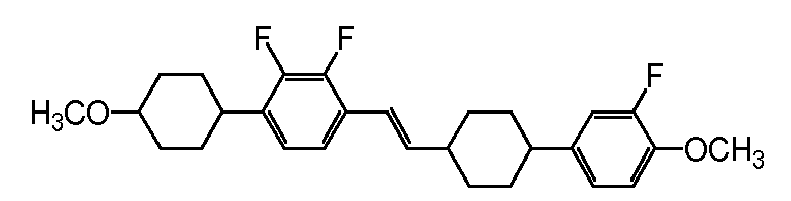
242 
257 
243 
258 
244 
259 
245 
260 
246 
261 
247 
262 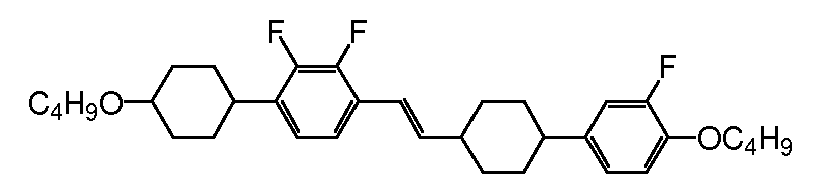
248 
263 
249 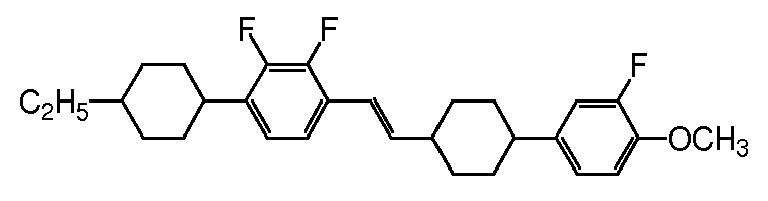
264 
250 
265 
251 
266 
252 
267 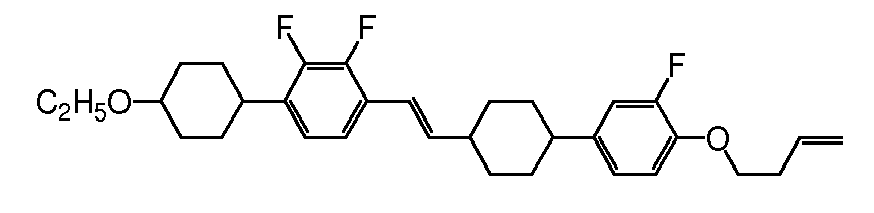
253 
268 
254 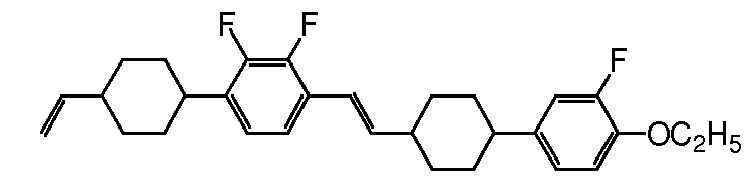
269 
255 
270 
-
No. No. 271 
286 
272 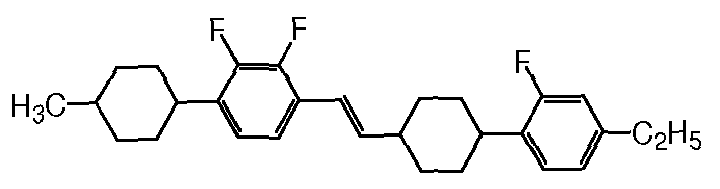
287 
273 
288 
274 
289 
275 
290 
276 
291 
277 
292 
278 
293 
279 
294 
280 
295 
281 
296 
282 
297 
283 
298 
284 
299 
285 
300 
-
No. No. 301 
316 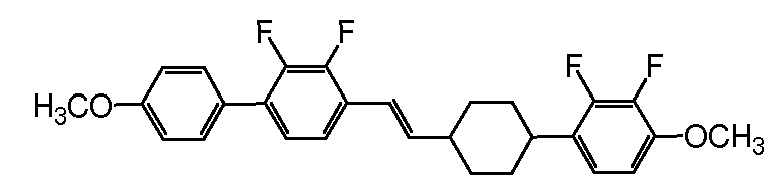
302 
317 
303 
318 
304 
319 
305 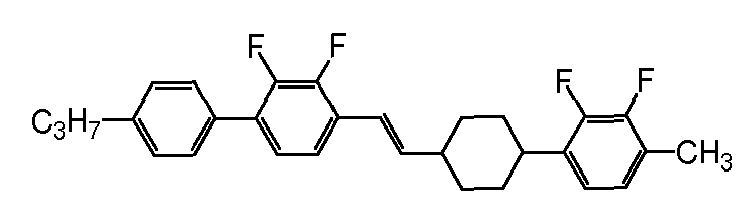
320 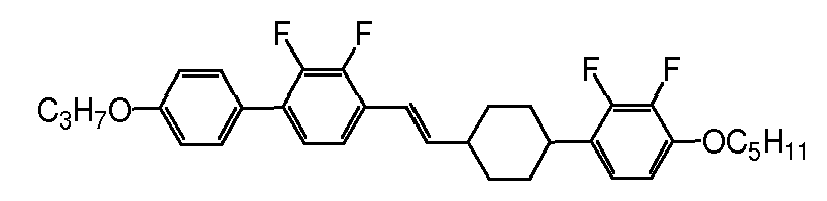
306 
321 
307 
322 
308 
323 
309 
324 
310 
325 
311 
326 
312 
327 
313 
328 
314 
329 
315 
330 
-
No. No. 331 
346 
332 
347 
333 
348 
334 
349 
335 
350 
336 
351 
337 
352 
338 
353 
339 
354 
340 
355 
341 
356 
342 
357 
343 
358 
344 
359 
345 
360 
-
No. No. 361 
376 
362 
377 
363 
378 
364 
379 
365 
380 
366 
381 
367 
382 
368 
383 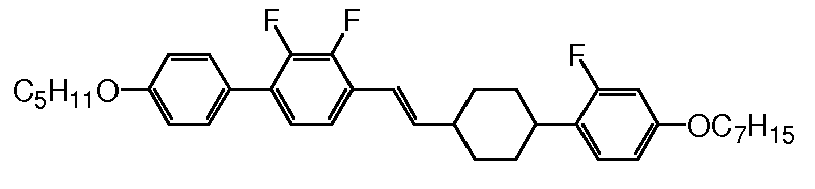
369 
384 
370 
385 
371 
386 
372 
387 
373 
388 
374 
389 
375 
390 
-
No. No. 391 
406 
392 
407 
393 
408 
394 
409 
395 
410 
396 
411 
397 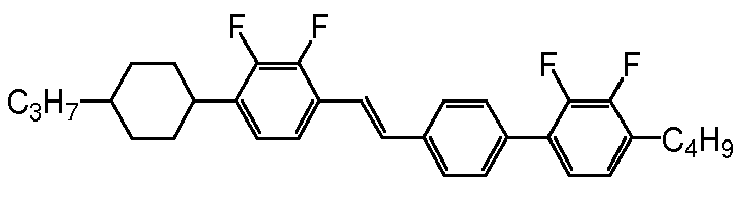
412 
398 
413 
399 
414 
400 
415 
401 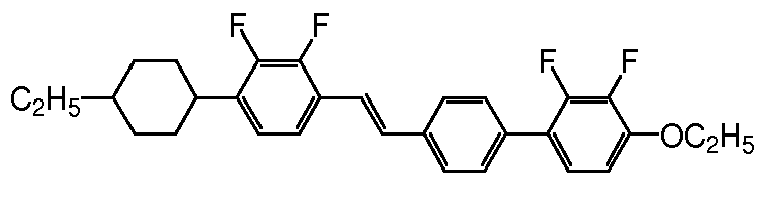
416 
402 
417 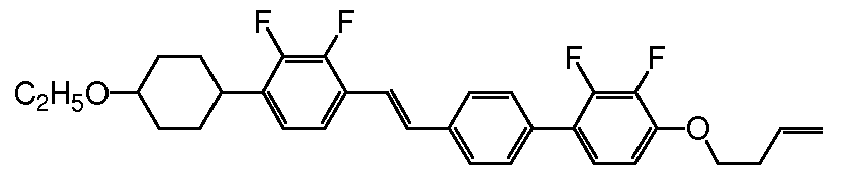
403 
418 
404 
419 
405 
420 
-
No. No. 421 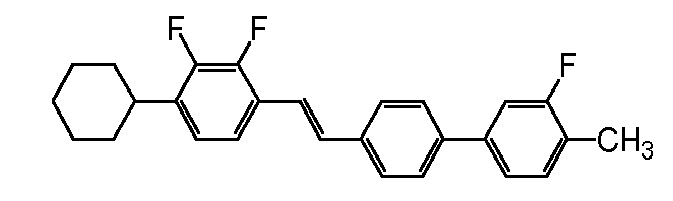
436 
422 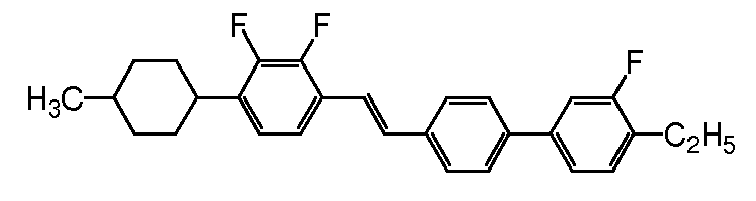
437 
423 
438 
424 
439 
425 
440 
426 
441 
427 
442 
428 
443 
429 
444 
430 
445 
431 
446 
432 
447 
433 
448 
434 
449 
435 
450 
-
No. No. 451 
466 
452 
467 
453 
468 
454 
469 
455 
470 
456 
471 
457 
472 
458 
473 
459 
474 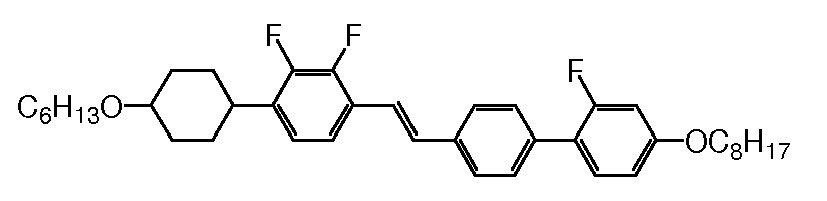
460 
475 
461 
476 
462 
477 
463 
478 
464 
479 
465 
480 
-
No. No. 481 
496 
482 483 
497 
483 
498 
484 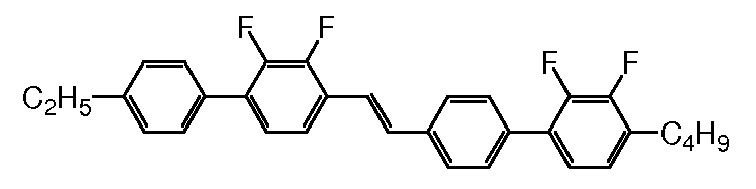
499 
485 
500 
486 
501 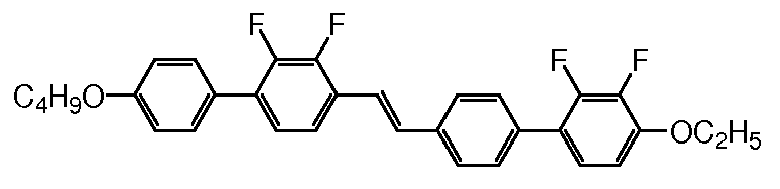
487 
502 
488 
503 
489 
504 
490 
505 
491 
506 
492 
507 
493 
508 
494 
509 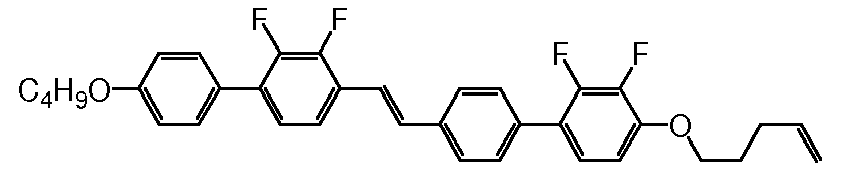
495 
510 
-
No. No 511 
526 
512 
527 
513 
528 
514 
529 
515 
530 
516 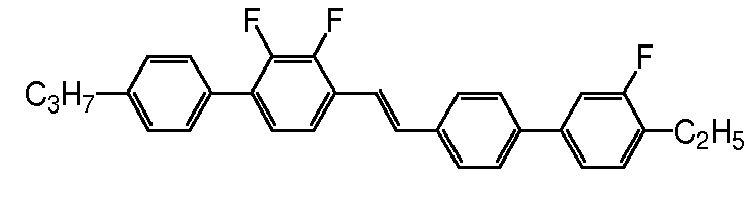
531 
517 
532 
518 
533 
519 
534 
520 
535 
521 
536 
522 
537 
523 
538 
524 
539 
525 
540 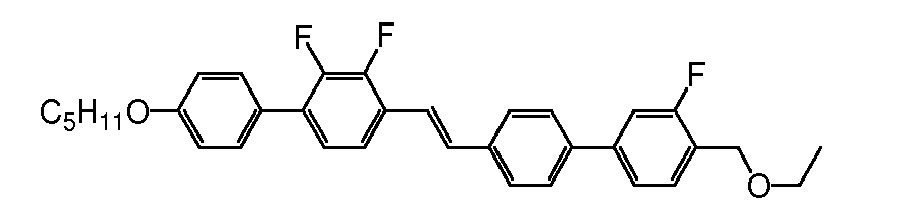
-
No. No. 541 
556 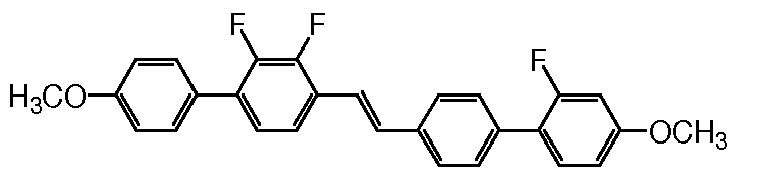
542 
557 
543 
558 
544 
559 
545 
560 
546 
561 
547 
562 
548 
563 
549 
564 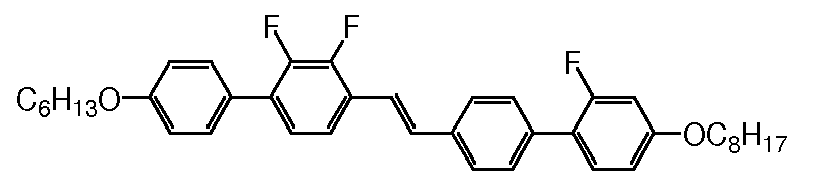
550 
565 
551 
566 
552 
567 
553 
568 
554 
569 
555 
570 
-
No. No. 571 
586 
572 
587 
573 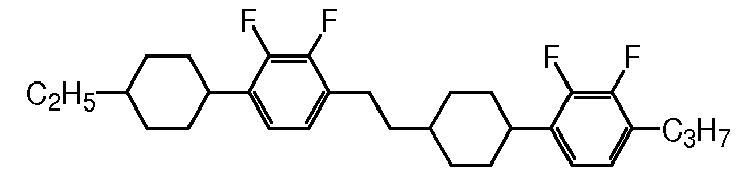
588 
574 
589 
575 
590 
576 
591 
577 
592 
578 
593 
579 
594 
580 
595 
581 
596 
582 
597 
583 
598 
584 
599 
585 
600 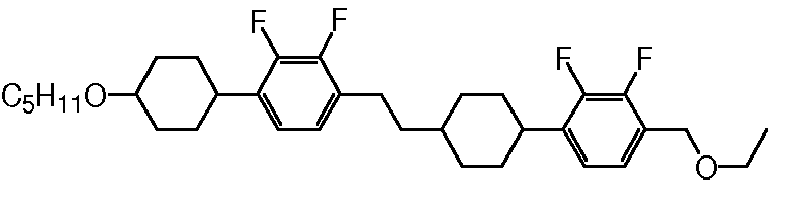
-
No. No. 601 
616 
602 
617 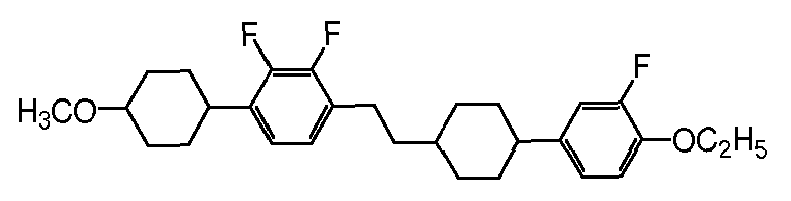
603 
618 
604 
619 
605 
620 
606 
621 
607 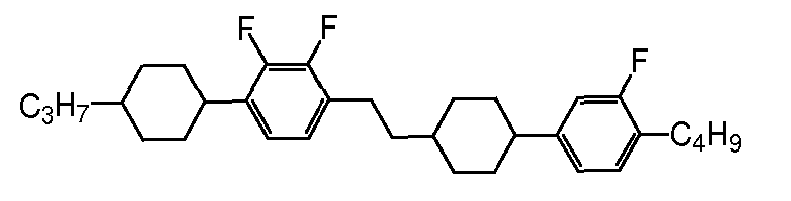
622 
608 
623 
609 
624 
610 
625 
611 
626 
612 
627 
613 
628 
614 
629 
615 
630 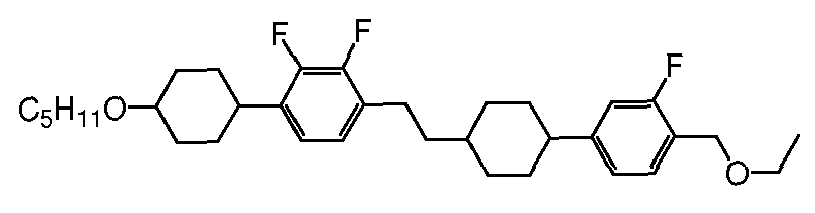
-
No. No. 631 
646 
632 
647 
633 
648 
634 
649 
635 
650 
636 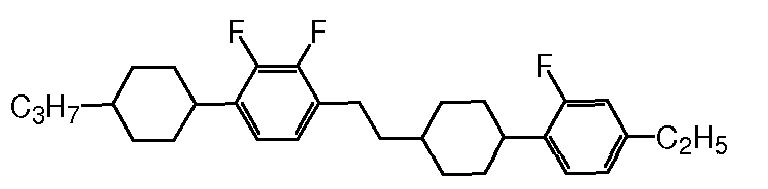
651 
637 
652 
638 
653 
639 
654 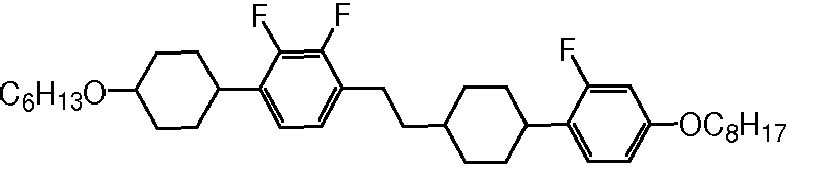
640 
655 
641 
656 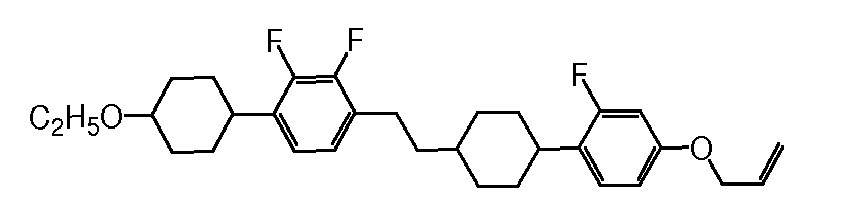
642 
657 
643 
658 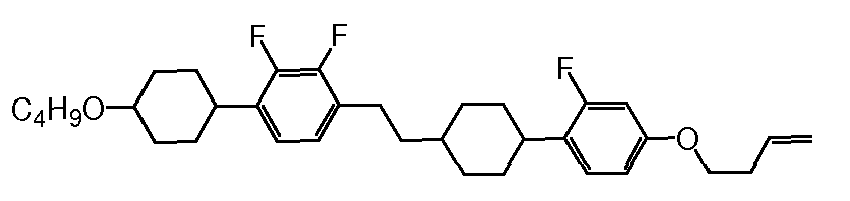
644 
659 
645 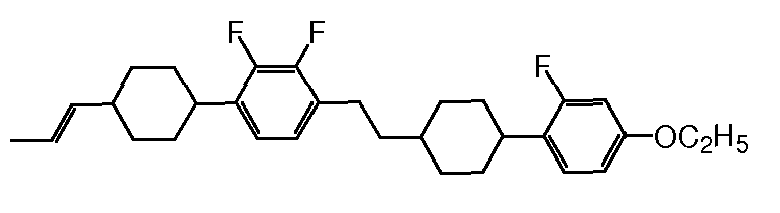
660 
-
No. No. 661 
676 
662 
677 
663 
678 
664 
679 
665 
680 
666 
681 
667 
682 
668 
683 
669 
684 
670 
685 
671 
686 
672 
687 
673 
688 
674 
689 
675 
690 
-
No. No. 691 
706 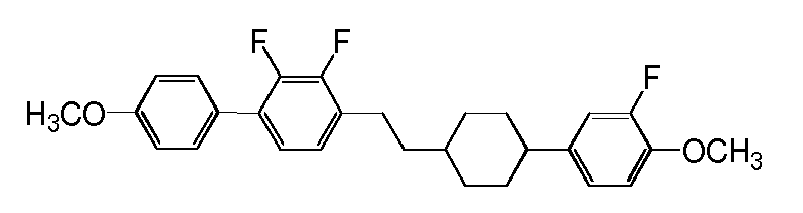
692 
707 
693 
708 
694 
709 
695 
710 
696 
711 
697 
712 
698 
713 
699 
714 
700 
715 
701 
716 
702 
717 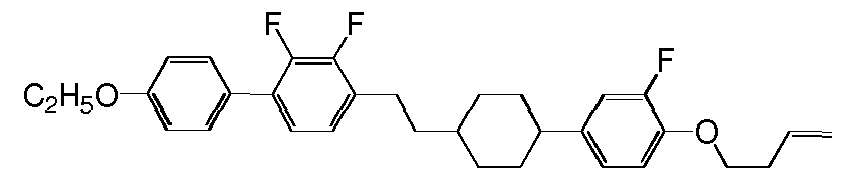
703 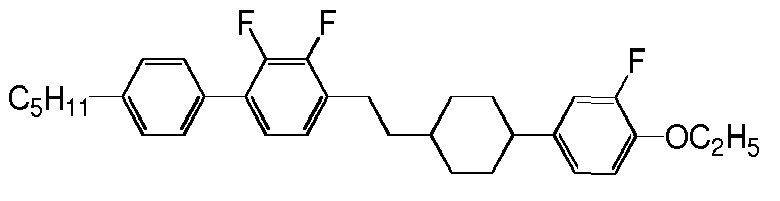
718 
704 
719 
705 
720 
-
No. No. 721 
736 
722 
737 
723 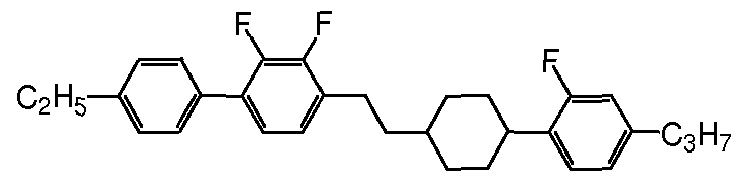
738 
724 
739 
725 
740 
726 
741 
727 
742 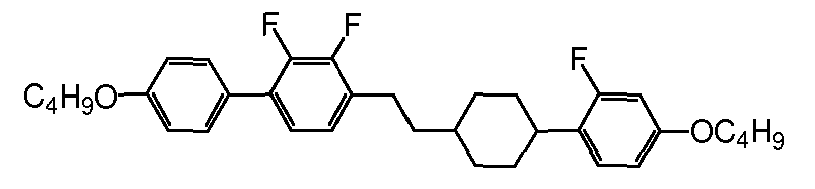
728 
743 
729 
744 
730 
745 
731 
746 
732 
747 
733 
748 
734 
749 
735 
750 
-
No. No. 751 
766 
752 
767 
753 
768 
754 
769 
755 
770 
756 
771 
757 
772 
758 
773 
759 
774 
760 
775 
761 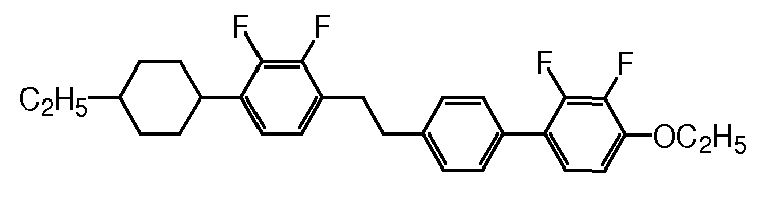
776 
762 
777 
763 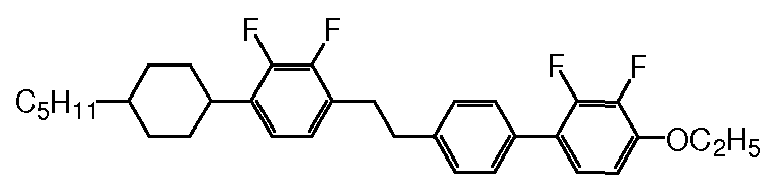
778 
764 
779 
765 
780 
-
No. No. 781 
796 
782 
797 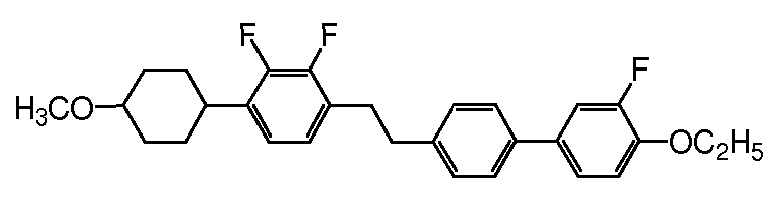
783 
798 
784 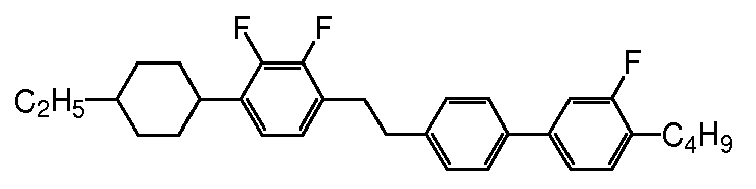
799 
785 
800 
786 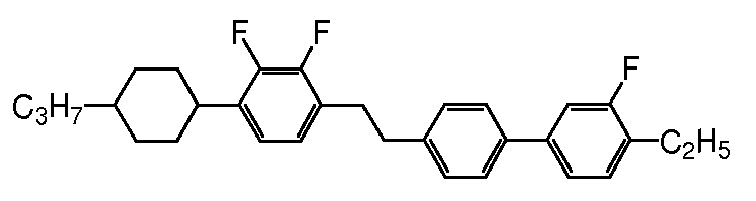
801 
787 
802 
788 
803 
789 
804 
790 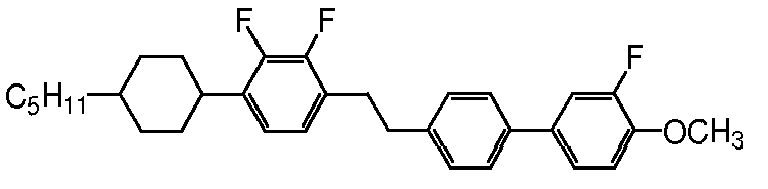
805 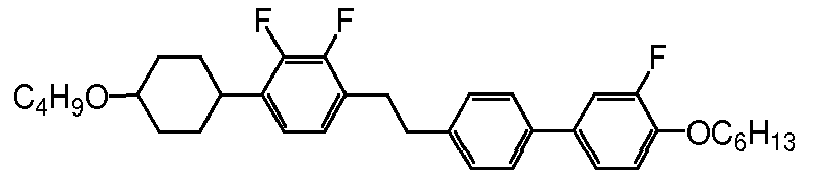
791 
806 
792 
807 
793 
808 
794 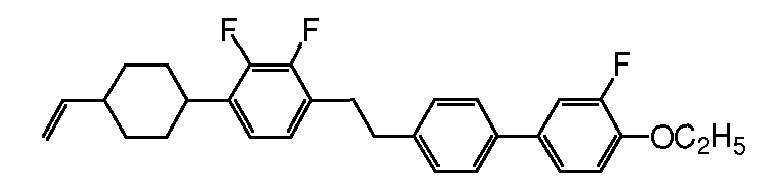
809 
795 
810 
-
No. No. 811 
826 
812 
827 
813 
828 
814 
829 
815 
830 
816 
831 
817 
832 
818 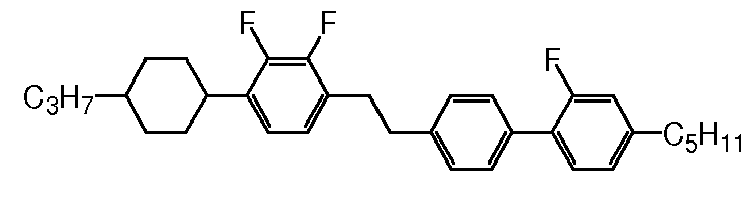
833 
819 
834 
820 
835 
821 
836 
822 
837 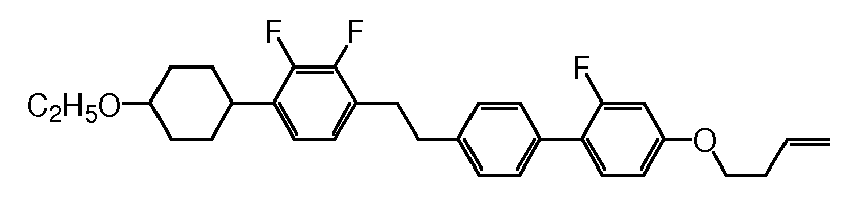
823 
838 
824 
839 
825 
840 
-
No. No. 841 
856 
842 
857 
843 
858 
844 
859 
845 
860 
846 
861 
847 
862 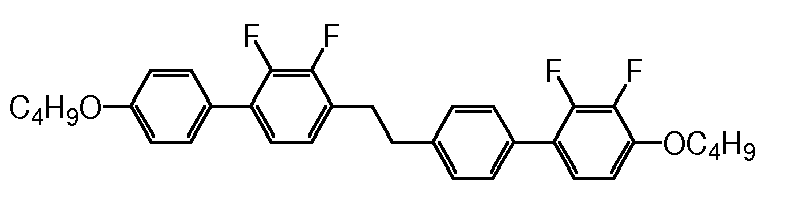
848 
863 
849 
864 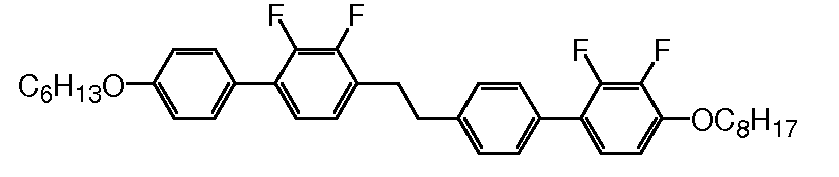
850 
865 
851 
866 
852 
867 
853 
868 
854 
869 
855 
870 
-
No. No. 871 
886 
872 
887 
873 
888 
874 
889 
875 
890 
876 
891 
877 
892 
878 
893 
879 
894 
880 
895 
881 
896 
882 
897 
883 
898 
884 
899 
885 
900 -
No. No. 901 
916 
902 
917 
903 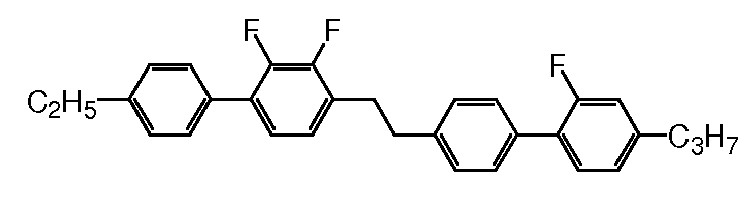
918 
904 
919 
905 
920 
906 
921 
907 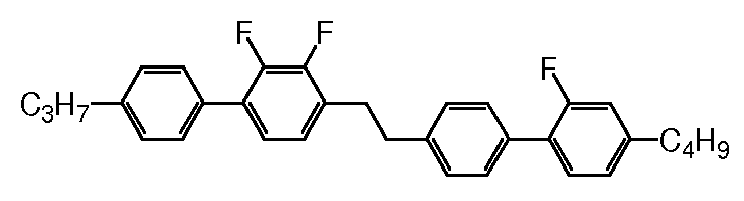
922 
908 
923 
909 
924 
910 
925 
911 
926 
912 
927 
913 
928 
914 
929 
915 
930 
-
No. No. 931 
946 
932 
947 
933 
948 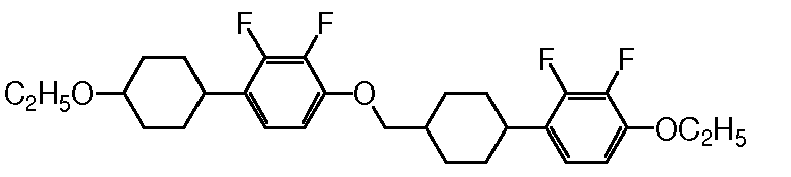
934 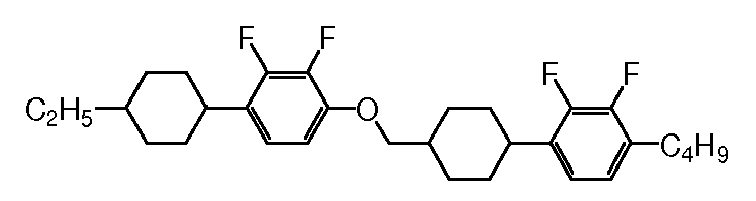
949 
935 
950 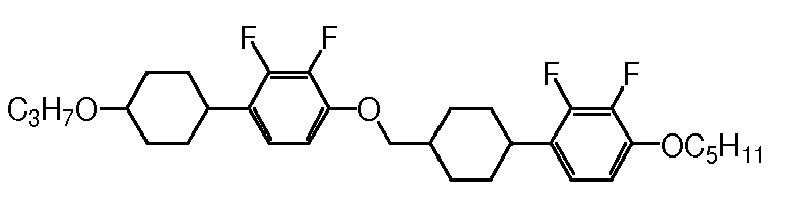
936 
951 
937 
952 
938 
953 
939 
954 
940 
955 
941 
956 
942 
957 
943 
958 
944 
959 
945 
960 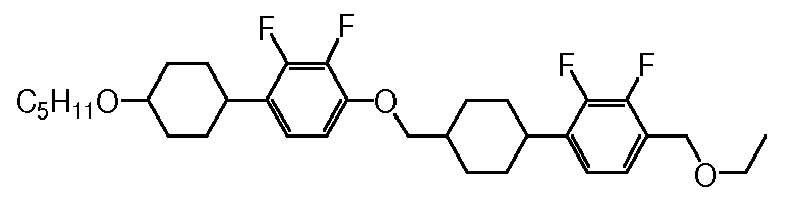
-
No. No. 961 
976 
962 
977 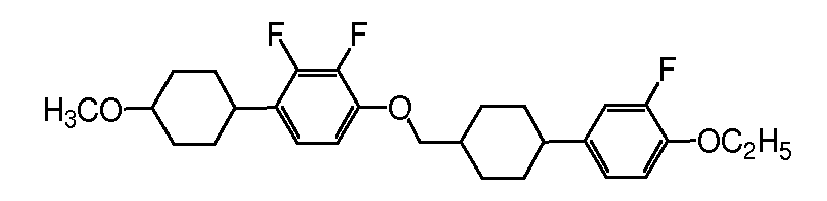
963 
978 
964 
979 
965 
980 
966 
981 
967 
982 
968 
983 
969 
984 
970 
985 
971 
986 
972 
987 
973 
988 
974 
989 
975 
990 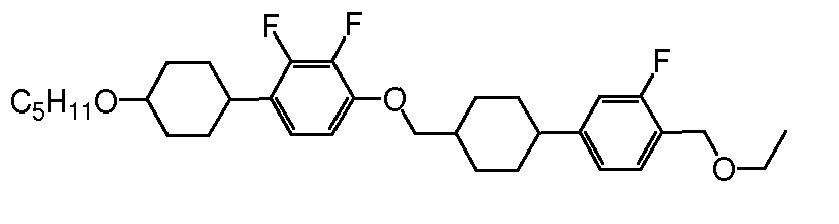
-
No. No 991 
1006 
992 
1007 
993 
1008 
994 
1009 
995 
1010 
996 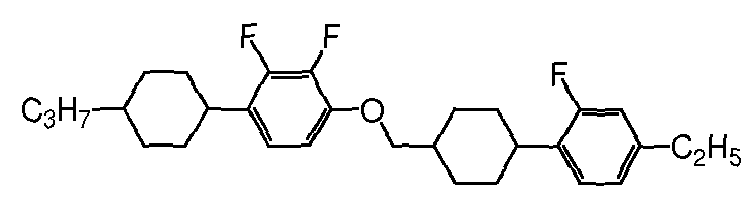
1011 
997 
1012 
998 
1013 
999 
1014 
1000 
1015 
1001 
1016 
1002 
1017 
1003 
1018 
1004 
1019 
1005 
1020 
-
No. No. 1021 
1036 
1022 
1037 
1023 
1038 
1024 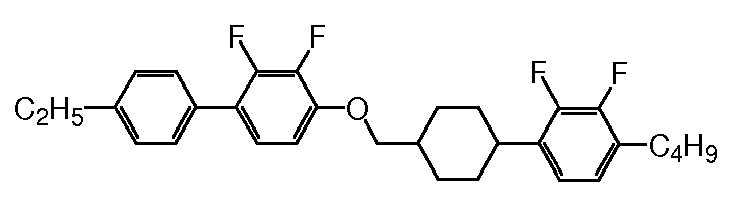
1039 
1025 
1040 
1026 
1041 
1027 
1042 
1028 
1043 
1029 
1044 
1030 
1045 
1031 
1046 
1032 
1047 
1033 
1048 
1034 
1049 
1035 
1050 
-
No. No. 1051 
1066 
1052 
1067 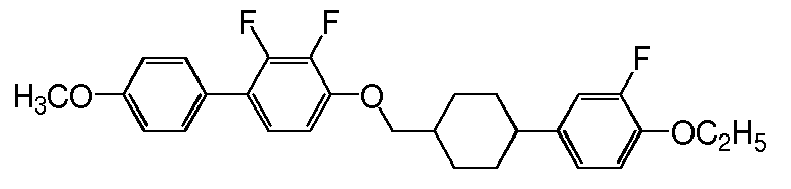
1053 
1068 
1054 
1069 
1055 
1070 
1056 
1071 
1057 
1072 
1058 
1073 
1059 
1074 
1060 
1075 
1061 
1076 
1062 
1077 
1063 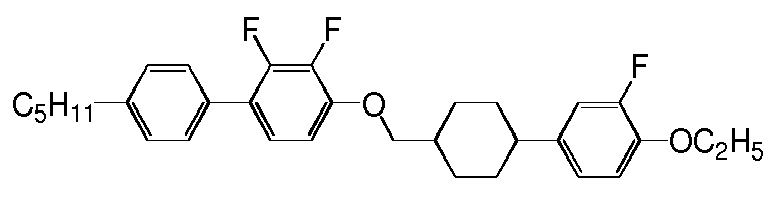
1078 
1064 
1079 
1065 
1080 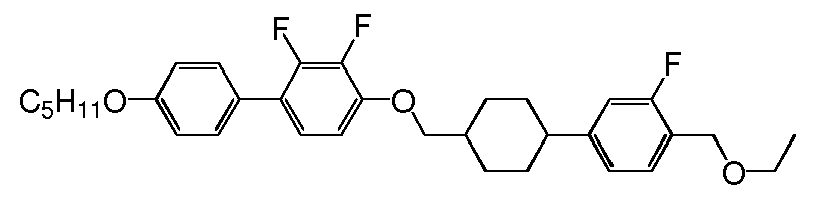
-
No. No. 1081 
1096 
1082 
1097 
1083 
1098 
1084 
1099 
1085 
1100 
1086 
1101 
1087 
1102 
1088 
1103 
1089 
1104 
1090 
1105 
1091 
1106 
1092 
1107 
1093 
1108 
1094 
1109 
1095 
1110 
-
No. No. 1111 
1126 
1112 
1127 
1113 
1128 
1114 
1129 
1115 
1130 
1116 
1131 
1117 
1132 
1118 
1133 
1119 
1134 
1120 
1135 
1121 
1136 
1122 
1137 
1123 
1138 
1124 
1139 
1125 
1140 
-
No. No. 1141 
1156 
1142 
1157 
1143 
1158 
1144 
1159 
1145 
1160 
1146 
1161 
1147 
1162 
1148 
1163 
1149 
1164 
1150 
1165 
1151 
1166 
1152 
1167 
1153 
1168 
1154 
1169 
1155 
1170 
-
No. No. 1171 
1186 
1172 
1187 
1173 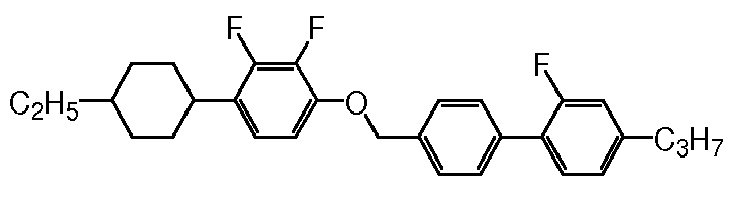
1188 
1174 
1189 
1175 
1190 
1176 
1191 
1177 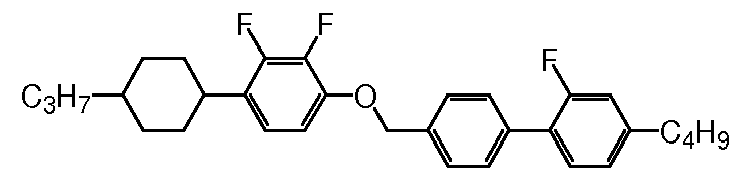
1192 
1178 
1193 
1179 
1194 
1180 
1195 
1181 
1196 
1182 
1197 
1183 
1198 
1184 
1199 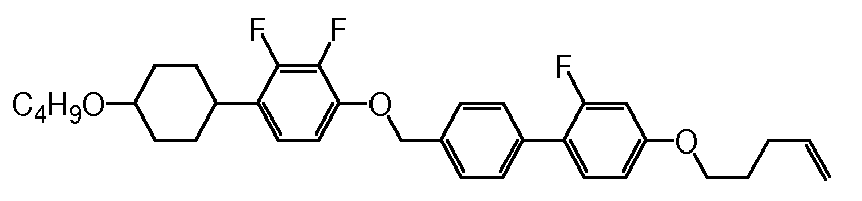
1185 
1200 
-
No. No. 1201 
1216 
1202 
1217 
1203 
1218 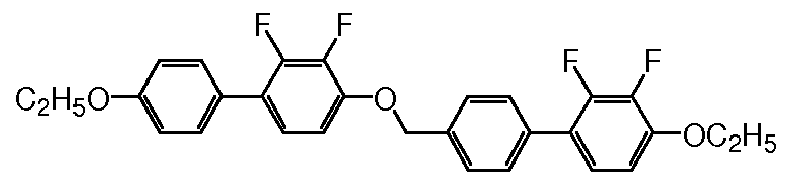
1204 
1219 
1205 
1220 
1206 
1221 
1207 
1222 
1208 
1223 
1209 
1224 
1210 
1225 
1211 
1226 
1212 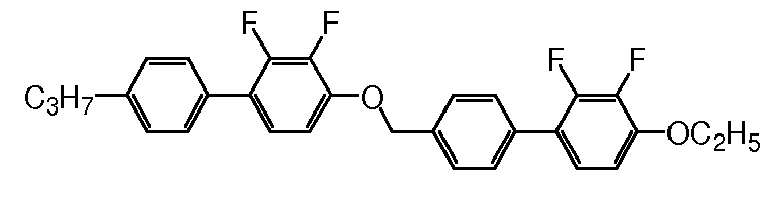
1227 
1213 
1228 
1214 
1229 
1215 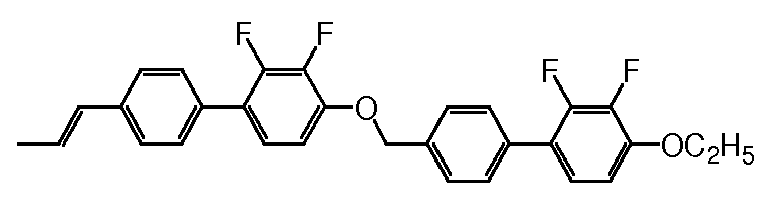
1230 
-
No. No. 1231 
1246 
1232 
1247 
1233 
1248 
1234 
1249 
1235 
1250 
1236 
1251 
1237 
1252 
1238 
1253 
1239 
1254 
1240 
1255 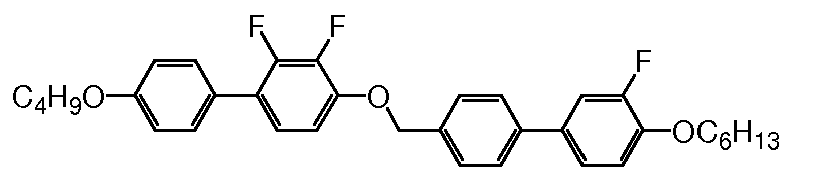
1241 
1256 
1242 
1257 
1243 
1258 
1244 
1259 
1245 
1260 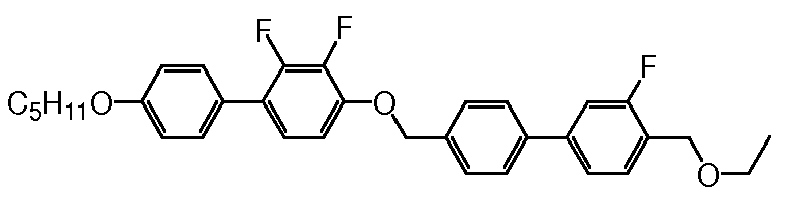
-
No. No. 1261 
1276 
1262 
1277 
1263 
1278 
1264 
1279 
1265 
1280 
1266 
1281 
1267 
1282 
1268 
1283 
1269 
1284 
1270 
1285 
1271 
1286 
1272 
1287 
1273 
1288 
1274 
1289 
1275 
1290 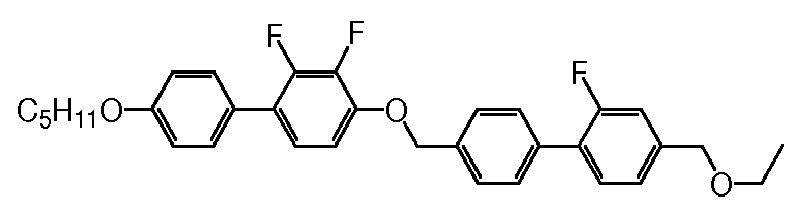
-
No. No. 1291 
1306 
1292 
1307 
1293 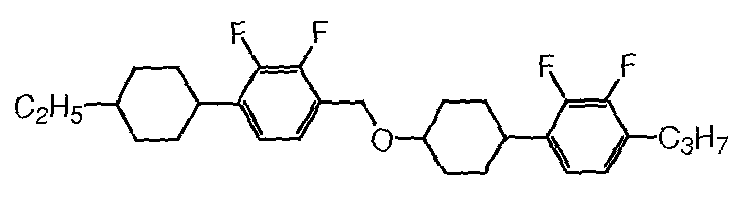
1308 
1294 
1309 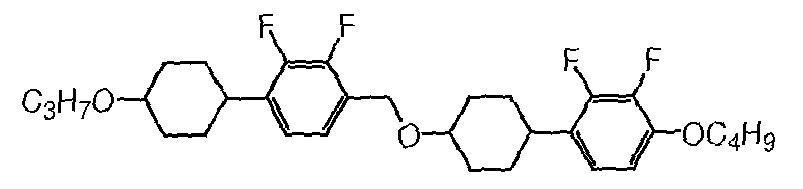
1295 
1310 
1296 
1311 
1297 
1312 
1298 
1313 
1299 
1314 
1300 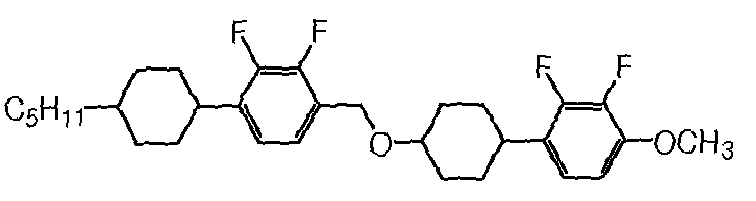
1315 
1301 
1316 
1302 
13171 
1303 
1318 
1304 
1319 
1305 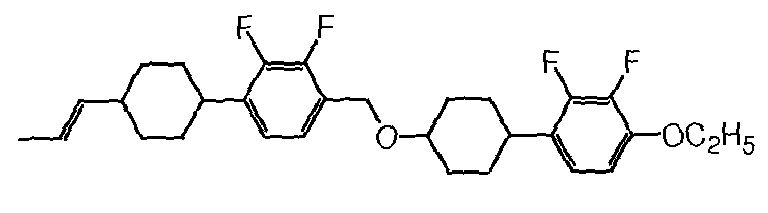
1320 
-
No. No. 1321 
1336 
1322 
1337 
1323 
1338 
1324 
1339 
1325 
1340 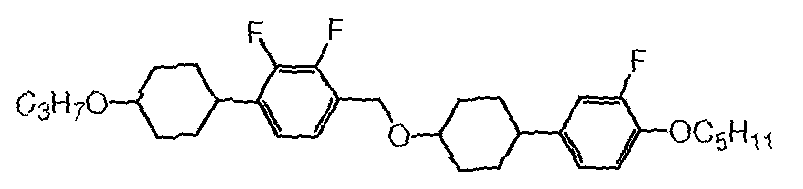
1326 
1341 
1327 
1342 
1328 
1343 
1329 
1344 
1330 
1345 
1331 
1346 
1332 
1347 
1333 
1348 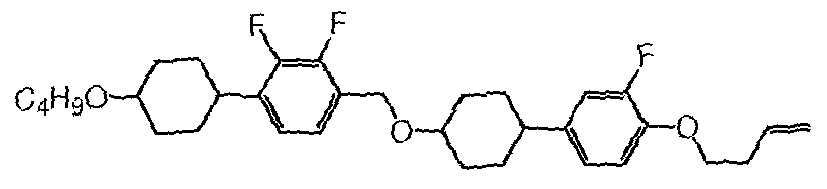
1334 
1349 
1335 
1350 
-
No. No. 1351 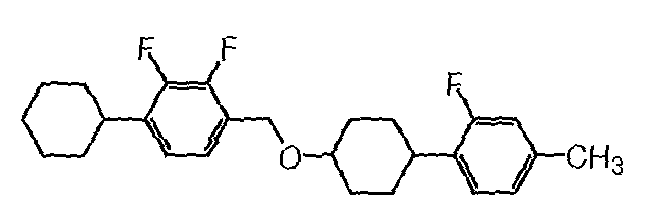
1366 
1352 
1367 
1353 
1368 
1354 
1369 
1355 
1370 
1356 
1371 
1357 
1372 
1358 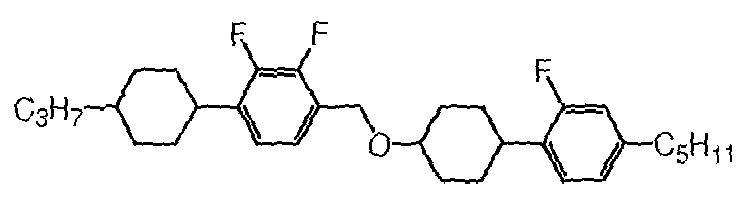
1373 
1359 
1374 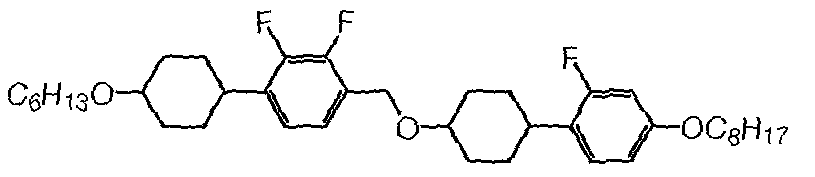
1360 
1375 
1361 
1376 
1362 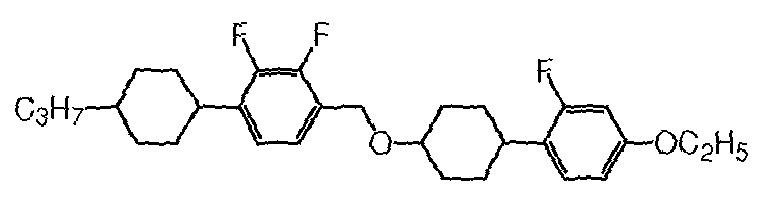
1377 
1363 
1378 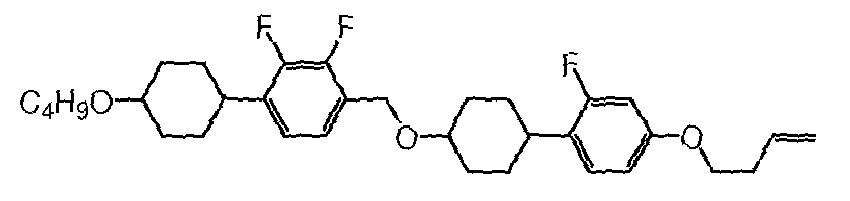
1364 
1379 
1365 
1380 
-
No. No. 1381 
1396 
1382 
1397 
1383 
1398 
1384 
1399 
1385 
1400 
1386 
1401 
1387 
1402 
1388 
1403 
1389 
1404 
1390 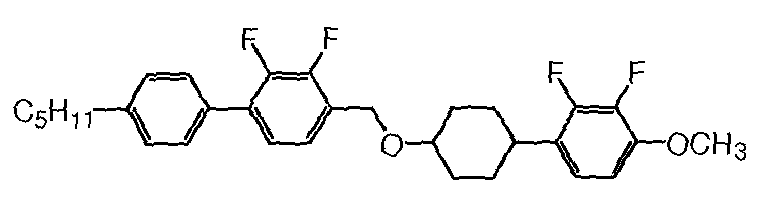
1405 
1391 
1406 
1392 
1407 
1393 
1408 
1394 
1409 
1395 
1410 
-
No. No. 1411 
1426 
1412 
1427 
1413 
1428 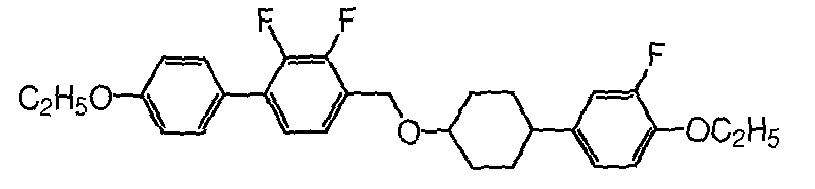
1414 
1429 
1415 
1430 
1416 
1431 
1417 
1432 
1418 
1433 
1419 
1434 
1420 
1435 
1421 
1436 
1422 
1437 
1423 
1438 
1424 
1439 
1425 
1440 
-
No. No. 1441 
1456 
1442 
1457 
1443 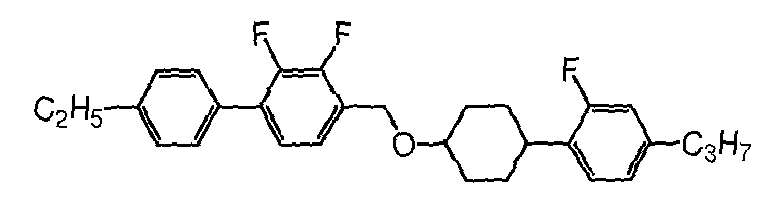
1458 
1444 
1459 
1445 
1460 
1446 
1461 
1447 
1462 
1448 
1463 
1449 
1464 
1450 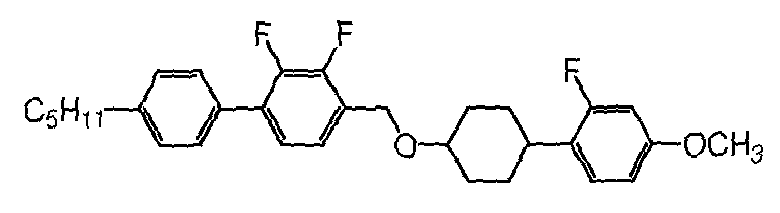
1465 
1451 
1466 
1452 
1467 
1453 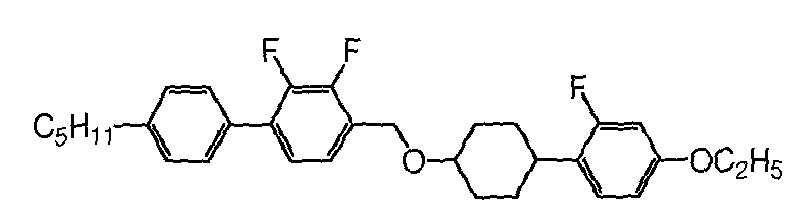
1468 
1454 
1469 
1455 
1470 
-
No. No. 1471 
1486 
1472 
1487 
1473 
1488 
1474 
1489 
1475 
1490 
1476 
1491 
1477 
1492 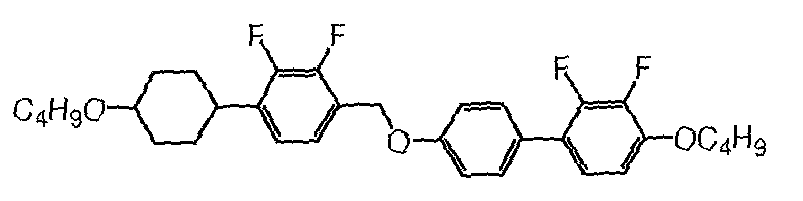
1478 
1493 
1479 
1494 
1480 
1495 
1481 
1496 
1482 
1497 
1483 
1498 
1484 
1499 
1485 
1500 
-
No. No. 1501 
1516 
1502 
1517 
1503 
1518 
1504 
1519 
1505 
1520 
1506 
1521 
1507 
1522 
1508 
1523 
1509 
1524 
1510 
1525 
1511 
1526 
1512 
1527 
1513 
1528 
1514 
1529 
1515 
1530 
-
No. No. 1531 
1546 
1532 
1547 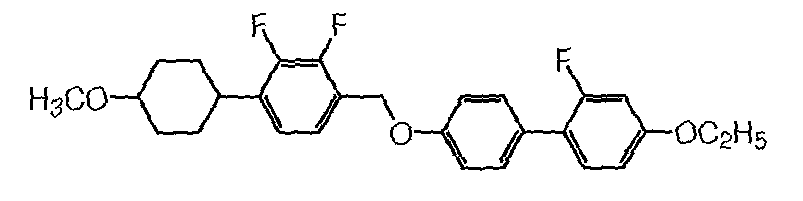
1533 
1548 
1534 
1549 
1535 
1550 
1536 
1551 
1537 
1552 
1538 
1553 
1539 
1554 
1540 
1555 
1541 
1556 
1542 
1557 
1543 
1558 
1544 
1559 
1545 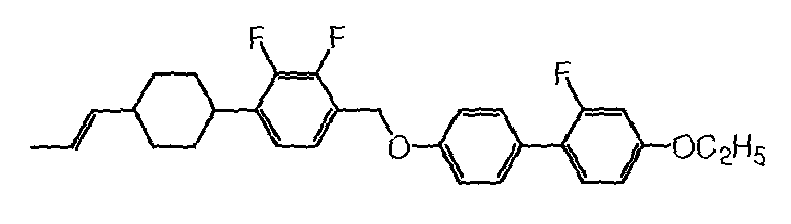
1560 
-
No. No. 1561 
1576 
1662 
1577 
1563 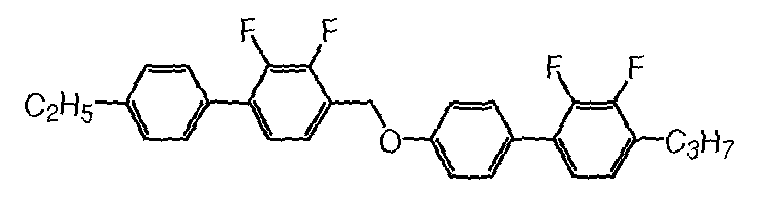
1578 
1564 
1579 
1565 
1580 
1566 
1581 
1567 
1582 
1568 
1583 
1569 
1584 
1570 
1585 
1571 
1586 
1572 
1587 
1573 
1588 
1574 
1589 
1575 
1590 
-
No. No. 1591 
1606 
1592 
1607 
1593 
1608 
1594 
1609 
1595 
1610 
1596 
1611 
1597 
1612 
1598 
1613 
1599 
1614 
1600 
1615 
1601 
1616 
1602 
1617 
1603 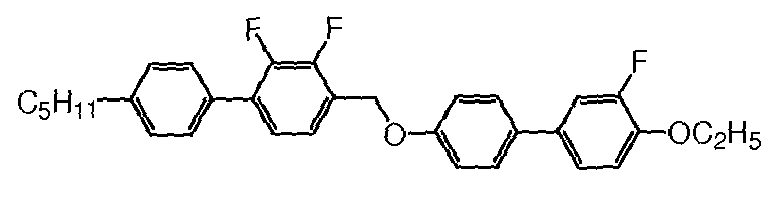
1618 
1604 
1619 
1605 
1620 
-
No. No. 1621 
1636 
1622 
1637 
1623 
1638 
1624 
1639 
1625 
1640 
1626 
1641 
1627 
1642 
1628 
1643 
1629 
1644 
1630 
1645 
1631 
1646 
1632 
1647 
1633 
1648 
1634 
1649 
1635 
1650 
-
No. No. 1651 
1666 
1652 
1667 
1653 
1668 
1654 
1669 
1655 
1670 
1656 
1671 
1657 
1672 
1658 
1673 
1659 
1674 
1660 
1675 
1661 
1676 
1662 
1677 
1663 
1678 
1664 
1679 
1665 
1680 
-
No. No. 1681 
1696 
1682 
1697 
1683 
1698 
1684 
1699 
1685 
1700 
1686 
1701 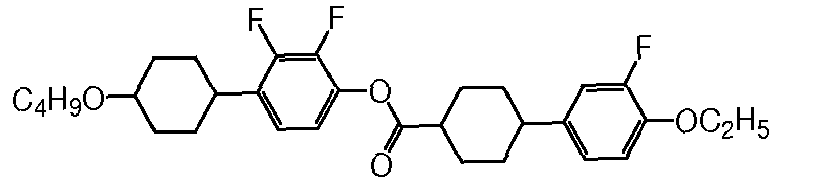
1687 
1702 
1688 
1703 
1689 
1704 
1690 
1705 
1691 
1706 
1692 
1707 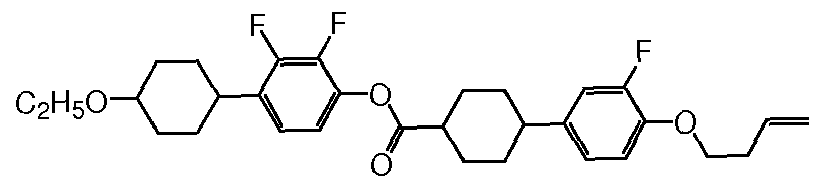
1693 
1708 
1694 
1709 
1695 
1710 
-
No. No. 1711 
1726 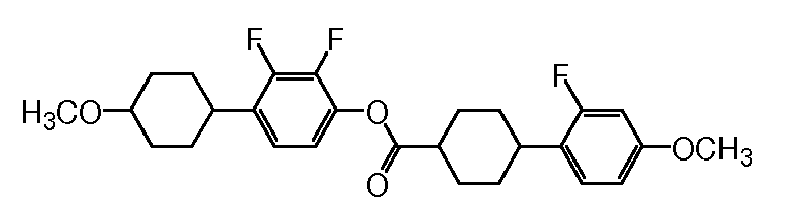
1712 
1727 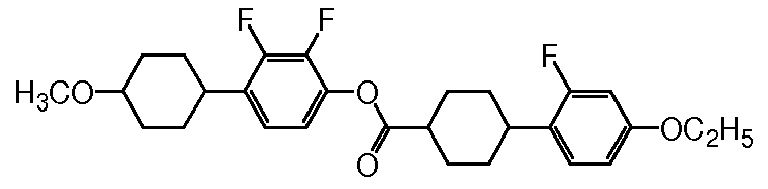
1713 
1728 
1714 
1729 
1715 
1730 
1716 
1731 
1717 
1732 
1718 
1733 
1719 
1734 
1720 
1735 
1721 
1736 
1722 
1737 
1723 
1738 
1724 
1739 
1725 
1740 
-
No. No. 1741 
1756 
1742 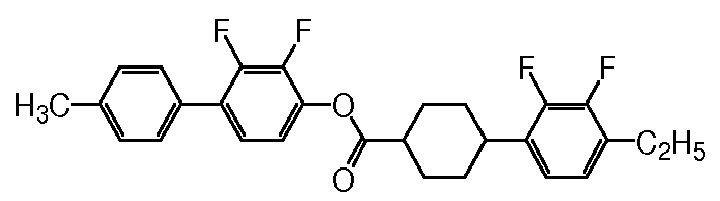
1757 
1743 
1758 
1744 
1759 
1745 
1760 
1746 
1761 
1747 
1762 
1748 
1763 
1749 
1764 
1750 
1765 
1751 
1766 
1752 
1767 
1753 
1768 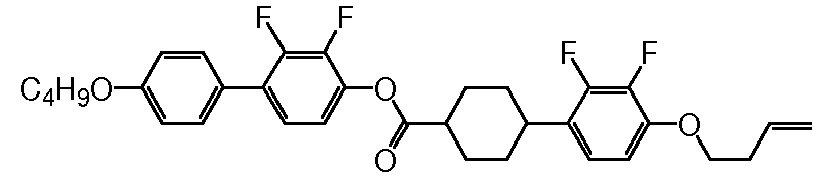
1754 
1769 
1755 
1770 
-
No. No. 1771 
1786 
1772 
1787 
1773 
1788 
1774 
1789 
1775 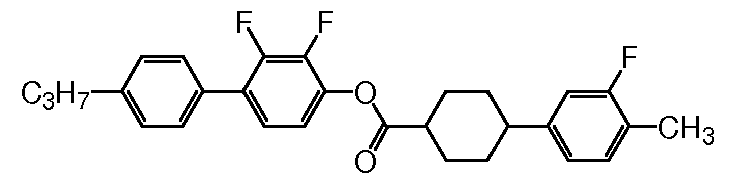
1790 
1776 
1791 
1777 
1792 
1778 
1793 
1779 
1794 
1780 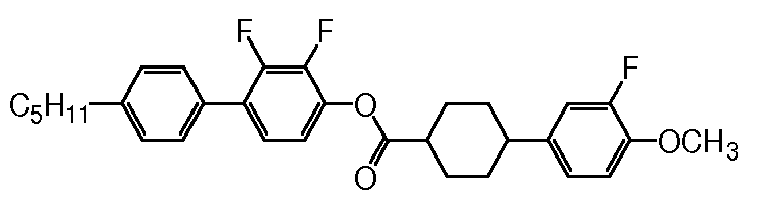
1795 
1781 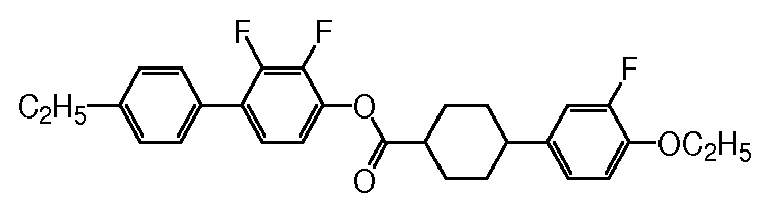
1796 
1782 
1797 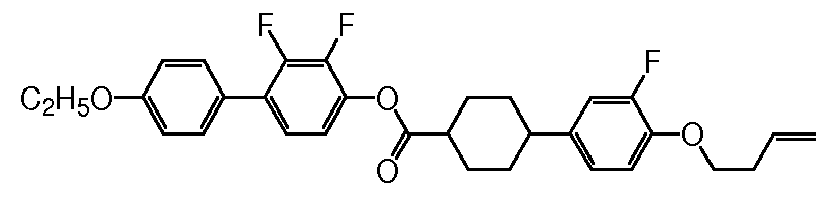
1783 
1798 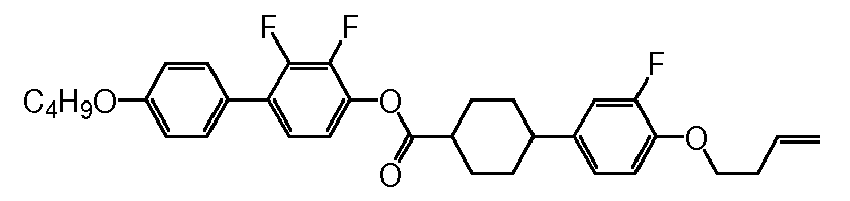
1784 
1799 
1785 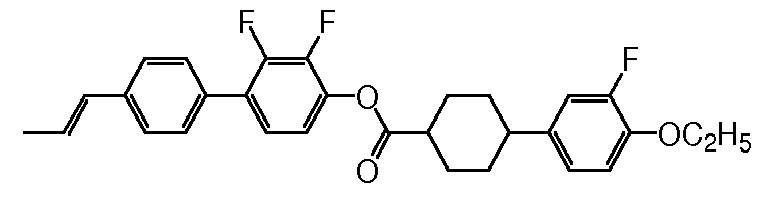
1800 
-
No. No. 1801 
1816 
1802 
1817 
1803 
1818 
1804 
1819 
1805 
1820 
1806 
1821 
1807 
1822 
1808 
1823 
1809 
1824 
1810 
1825 
1811 
1826 
1812 
1827 
1813 
1828 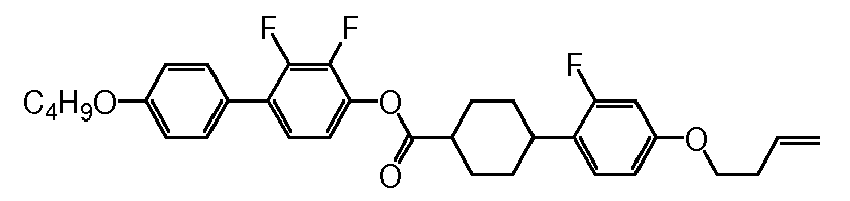
1814 
1829 
1815 
1830 
-
No. No. 1831 
1846 
1832 
1847 
1833 
1848 
1834 
1849 
1835 
1850 
1836 
1851 
1837 
1852 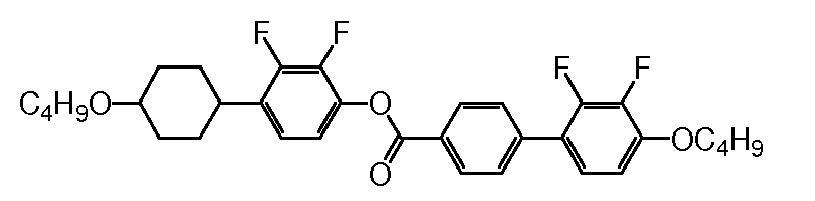
1838 
1853 
1839 
1854 
1840 
1855 
1841 
1856 
1842 
1857 
1843 
1858 
1844 
1859 
1845 
1860 
-
No. No. 1861 
1876 
1862 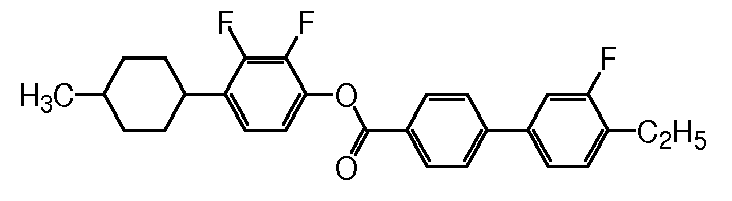
1877 
1863 
1878 
1864 
1879 
1865 
1880 
1866 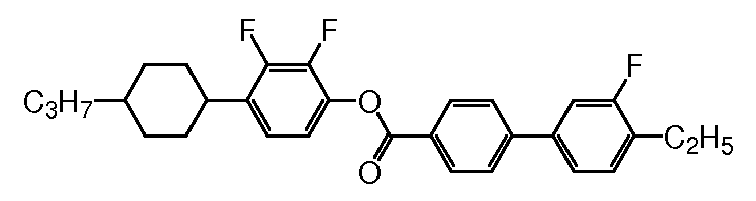
1881 
1867 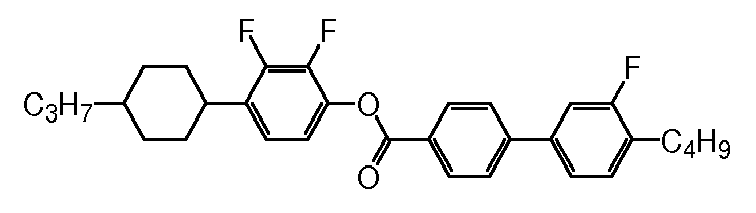
1882 
1868 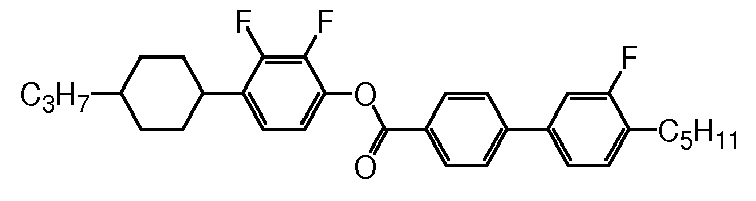
1883 
1869 
1884 
1870 
1885 
1871 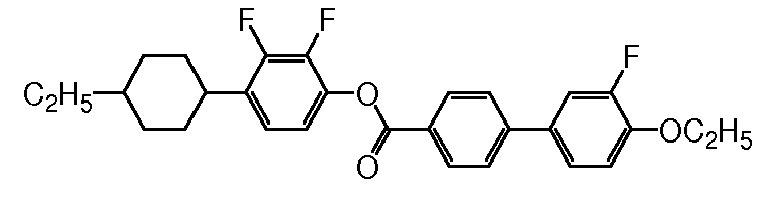
1886 
1872 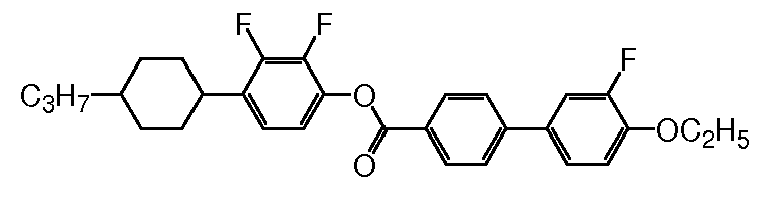
1887 
1873 
1888 
1874 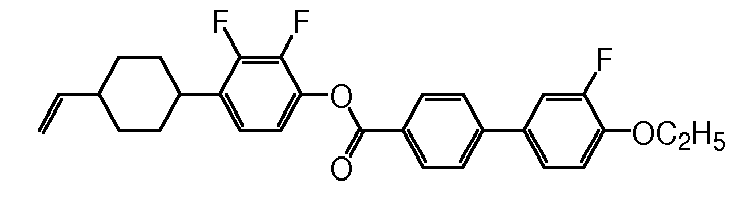
1889 
1875 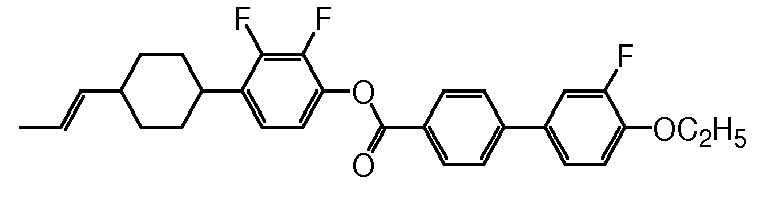
1890 
-
No. No. 1891 
1906 
1892 
1907 
1893 
1908 
1894 
1909 
1895 
1910 
1896 
1911 
1897 
1912 
1898 
1913 
1899 
1914 
1900 
1915 
1901 
1916 
1902 
1917 
1903 
1918 
1904 
1919 
1905 
1920 
-
No. No. 1921 
1936 
1922 
1937 
1923 
1938 
1924 
1939 
1925 
1940 
1926 
1941 
1927 
1942 
1928 
1943 
1929 
1944 
1930 
1945 
1931 
1946 
1932 
1947 
1933 
1948 
1934 
1949 
1935 
1950 
-
No. No. 1951 
1966 
1952 
1967 
1953 
1968 
1954 
1969 
1955 
1970 
1956 
1971 
1957 
1972 
1958 
1973 
1959 
1974 
1960 
1975 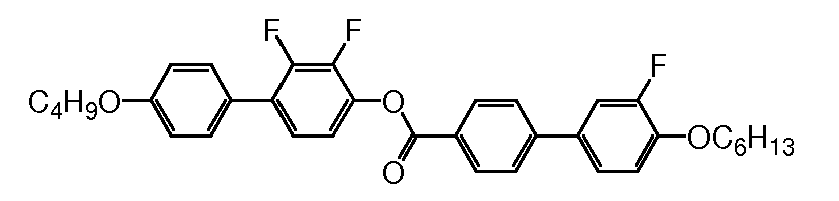
1961 
1976 
1962 
1977 
1663 
1978 
1964 
1979 
1965 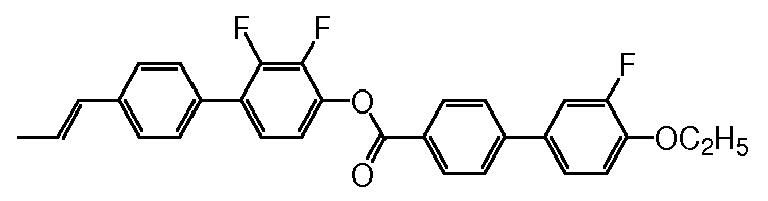
1980 
-
No. No. 1981 
1996 
1982 
1997 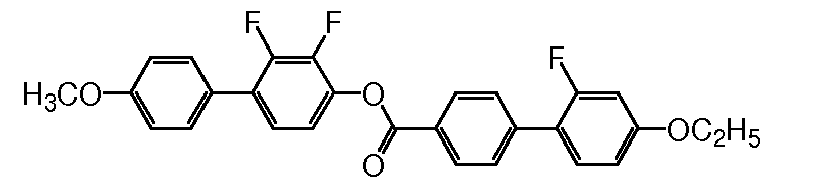
1983 
1998 
1984 
1999 
1985 
2000 
1986 
2001 
1987 
2002 
1988 
2003 
1989 
2004 
1990 
2005 
1991 
2006 
1992 
2007 
1993 
2008 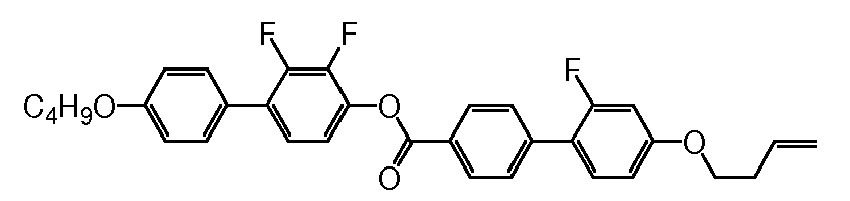
1994 
2009 
1995 
2010 
-
No. No. 2011 
2026 
2012 
2027 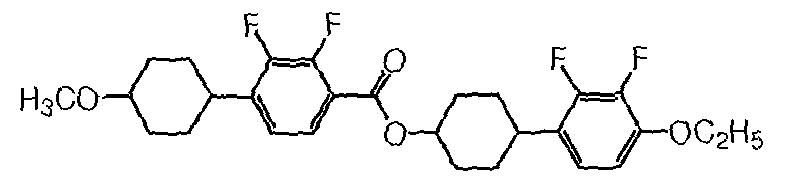
2013 
2028 
2014 
2029 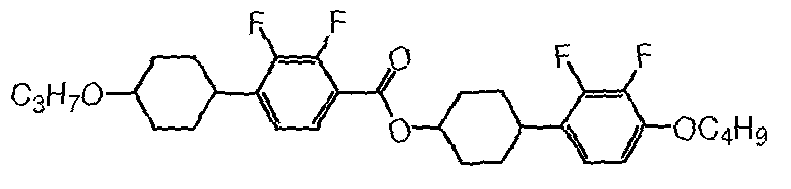
2015 
2030 
2016 
2031 
2017 
2032 
2018 
2033 
2019 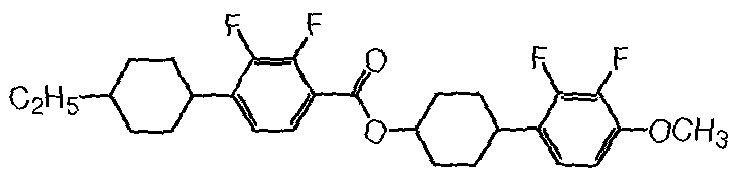
2034 
2020 
2035 
2021 
2036 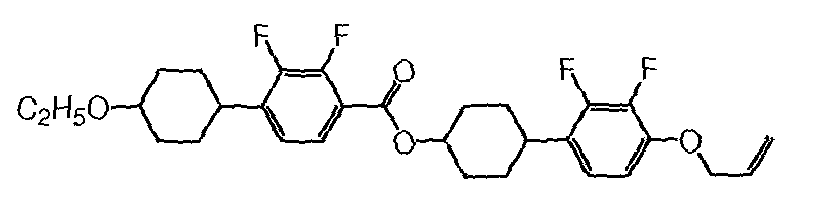
2022 
2037 
2023 
2038 
2024 
2039 
2025 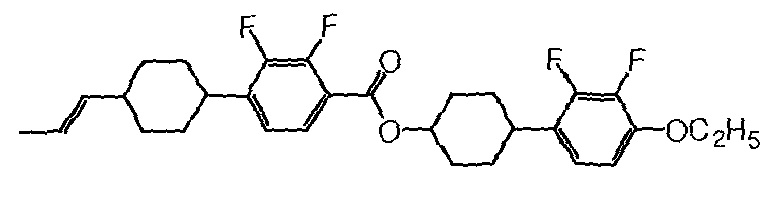
2040 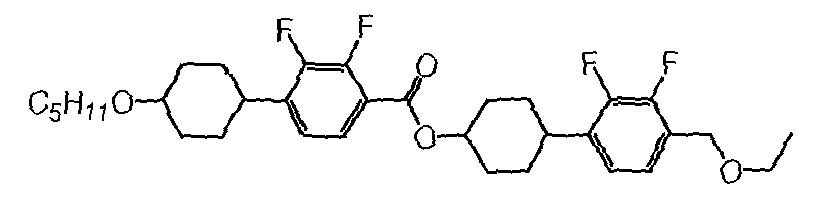
-
No. No. 2041 
2056 
2042 
2057 
2043 
2058 
2044 
2059 
2045 
2060 
2046 
2061 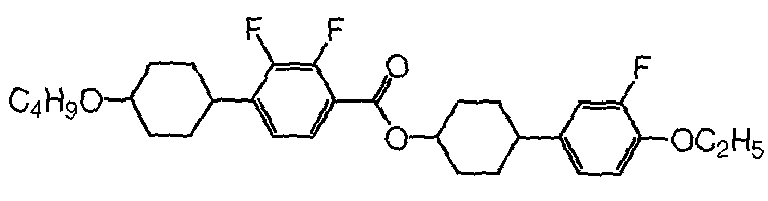
2047 
2062 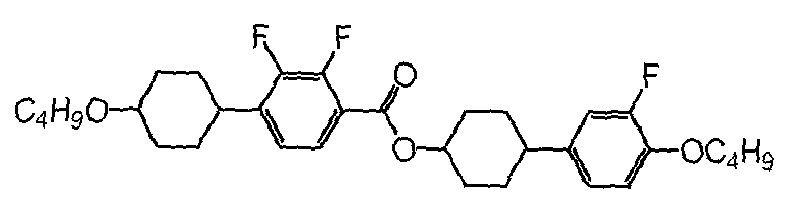
2048 
2063 
2049 
2064 
2050 
2065 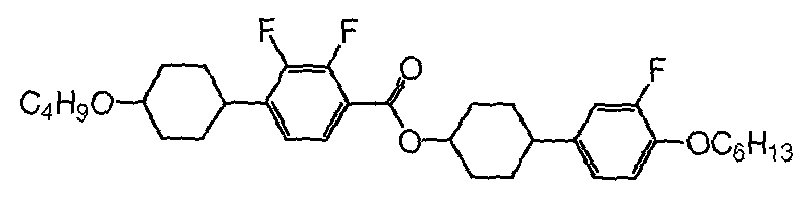
2051 
2066 
2052 
2067 
2053 
2068 
2054 
2069 
2055 
2070 
-
No. No 2071 
2086 
2072 
2087 
2073 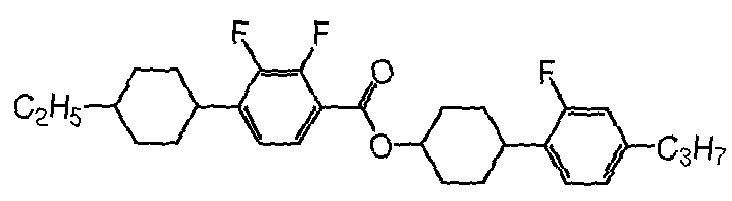
2088 
2074 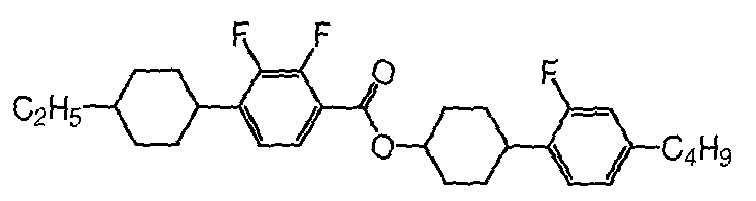
2089 
2075 
2090 
2076 
2091 
2077 
2092 
2078 
2093 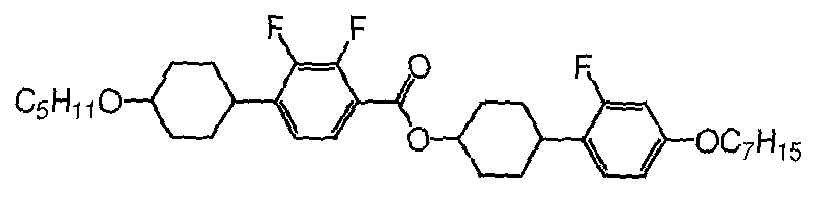
2079 
2094 
2080 
2095 
2081 
2096 
2082 
2097 
2083 
2098 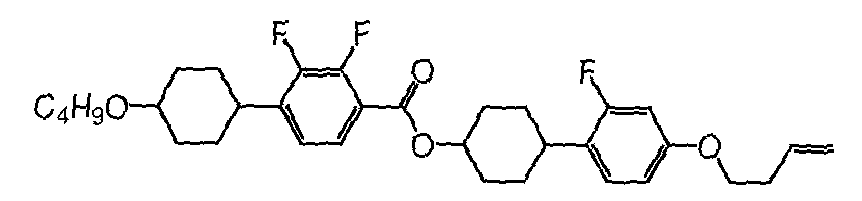
2084 
2099 
2085 
2100 
-
No. No. 2101 
2116 
2102 
2117 
2103 
2118 
2104 
2119 
2105 
2120 
2106 
2121 
2107 
2122 
2108 
2123 
2109 
2124 
2110 
2125 
2111 
2126 
2112 
2127 
2113 
2128 
2114 
2129 
2115 
2130 
-
No. No. 2131 
2146 
2132 
2147 
2133 
2148 
2134 
2149 
2135 
2150 
2136 
2151 
2137 
2152 
2138 
2153 
2139 
2154 
2140 
2155 
2141 
2156 
2142 
2157 
2143 
2158 
2144 
2159 
2145 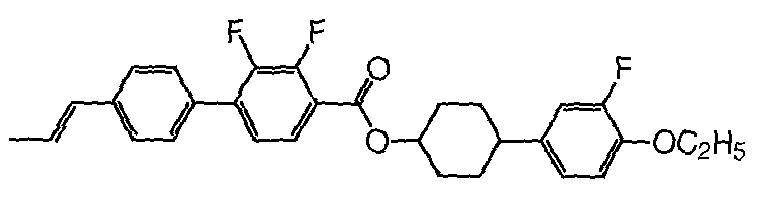
2160 
-
No. No. 2161 
2176 
2162 
2177 
2163 
2178 
2164 
2179 
2165 
2180 
2166 
2181 
2167 
2182 
2168 
2183 
2169 
2184 
2170 
2185 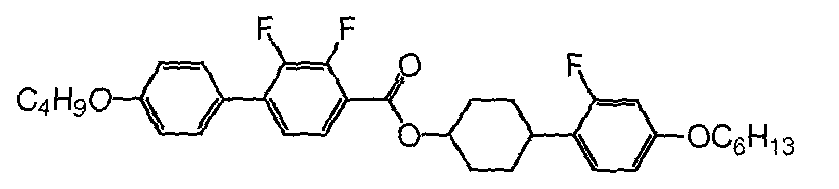
2171 
2186 
2172 
2187 
2173 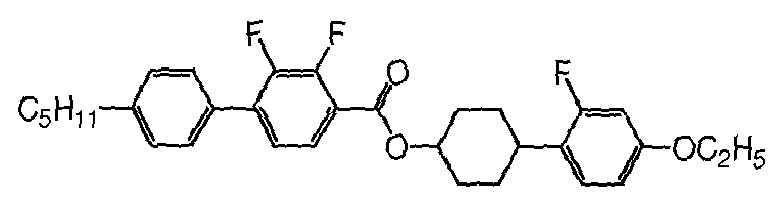
2188 
2174 
2189 
2175 
2190 
-
No. No. 2191 
2206 
2192 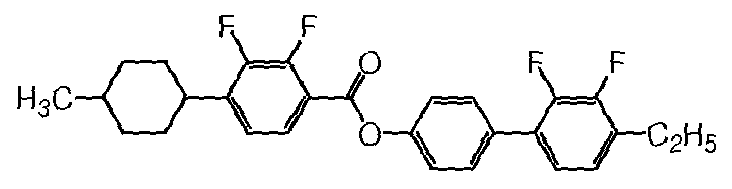
2207 
2193 
2208 
2194 
2209 
2195 
2210 
2196 
2211 
2197 
2212 
2198 
2213 
2199 
2214 
2200 
2215 
2201 
2216 
2202 
2217 
2203 
2218 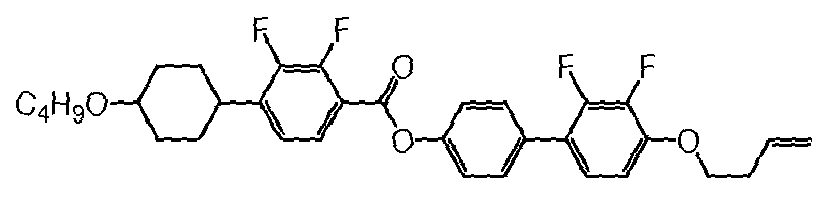
2204 
2219 
2205 
2220 
-
No. No. 2221 
2236 
2222 
2237 
2223 
2238 
2224 
2239 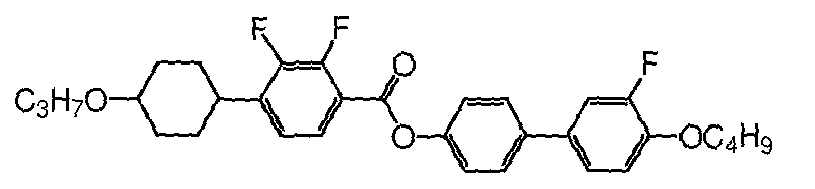
2225 
2240 
2226 
2241 
2227 
2242 
2228 
2243 
2229 
2244 
2230 
2245 
2231 
2246 
2232 
2247 
2223 
2248 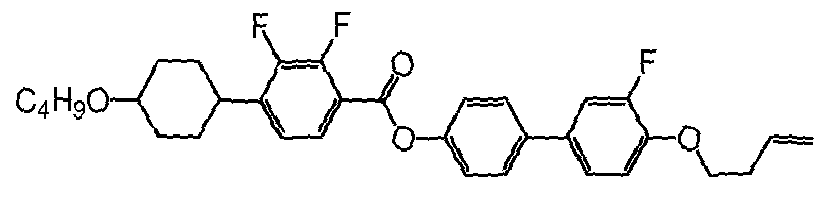
2224 
2249 
2225 
2250 
-
No. No. 2251 
2266 
2252 
2267 
2253 
2268 
2254 
2269 
2255 
2270 
2256 
2271 
2257 
2272 
2258 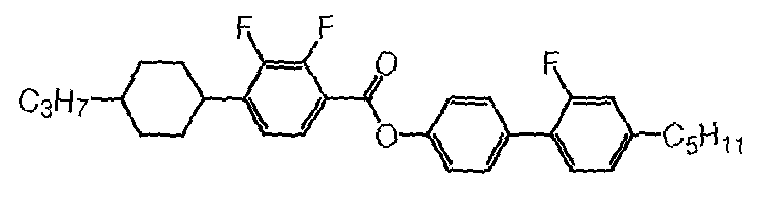
2273 
2259 
2274 
2260 
2275 
2261 
2276 
2262 
2277 
2263 
2278 
2264 
2279 
2265 
2280 
-
No No. 2281 
2296 
2282 
2297 
2283 
2298 
2284 
2299 
2285 
2300 
2286 
2301 
2287 
2302 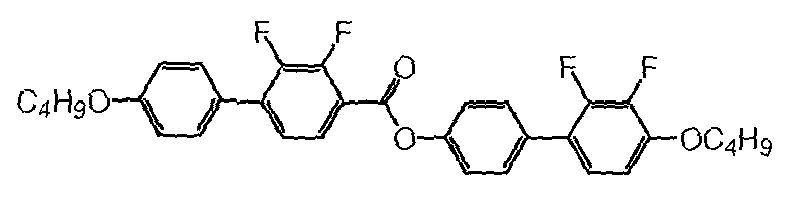
2288 
2303 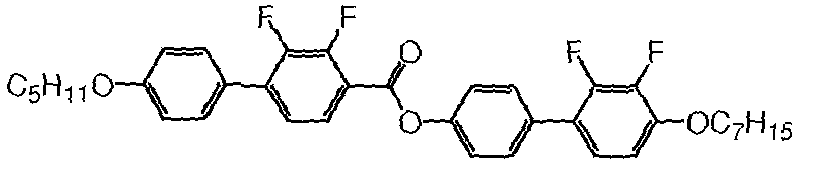
2289 
2304 
2290 
2305 
2291 
2306 
2292 
2307 
2293 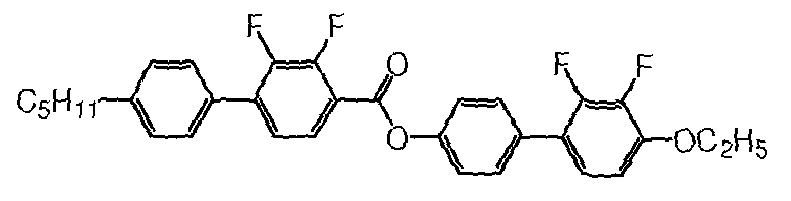
2308 
2294 
2309 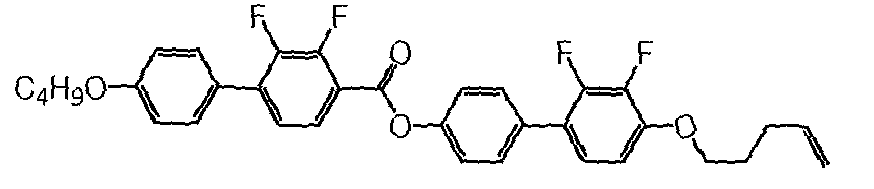
2295 
2310 
-
No. No. 2311 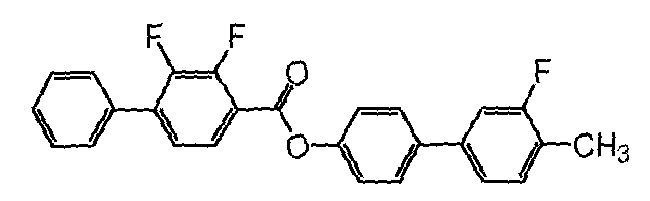
2326 
2312 
2327 
2313 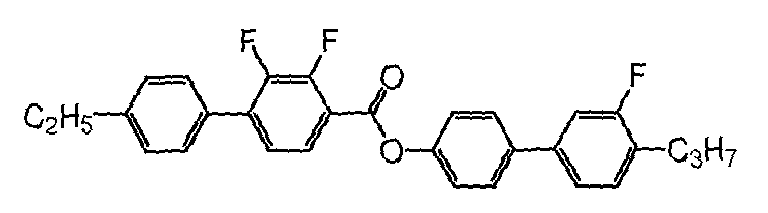
2328 
2314 
2329 
2315 
2330 
2316 
2331 
2317 
2332 
2318 
2333 
2319 
2334 
2320 
2335 
2321 
2336 
2322 
2337 
2323 
2338 
2324 
2339 
2325 
2340 
-
No. No. 2341 
2356 
2342 
2357 
2343 
2358 
2344 
2359 
2345 
2360 
2346 
2361 
2347 
2362 
2348 
2363 
2349 
2364 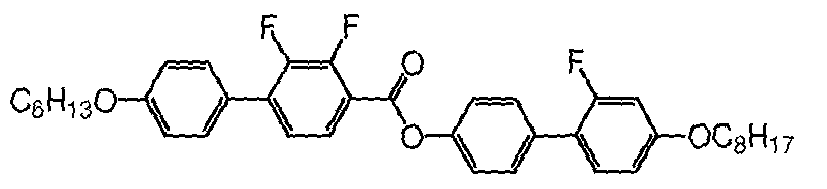
2350 
2365 
2351 
2366 
2352 
2367 
2353 
2368 
2354 
2369 
2355 
2370 
-
No. No. 2371 
2386 
2372 
2387 
2373 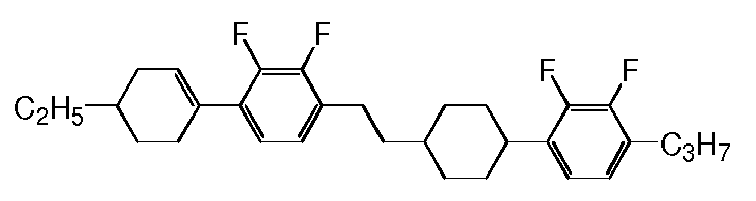
2388 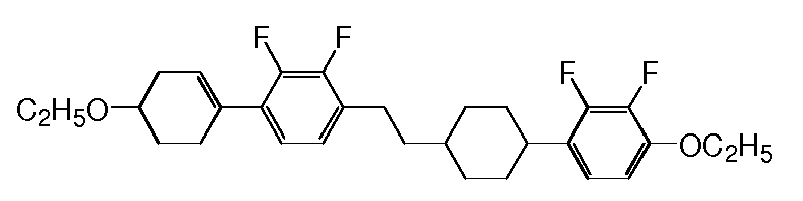
2374 
2389 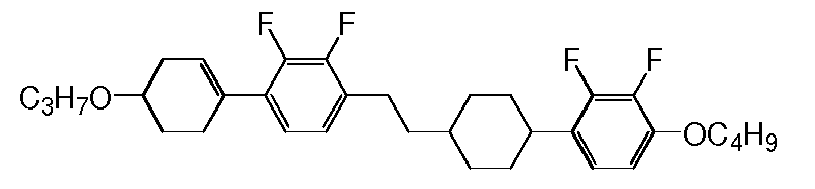
2375 
2390 
2376 
2391 
2377 
2392 
2378 
2393 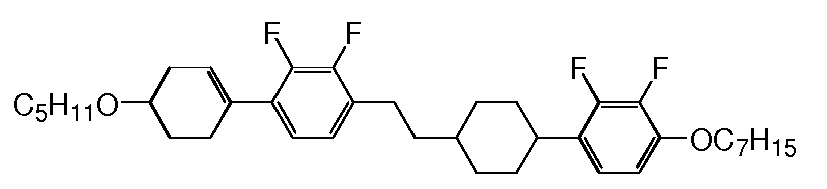
2379 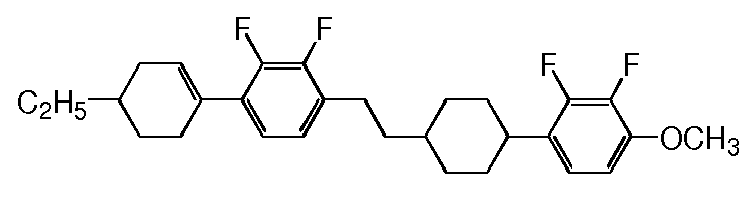
2394 
2380 
2395 
2381 
2396 
2382 
2397 
2383 
2398 
2384 
2399 
2385 
2400 
-
No. No. 2401 
2416 
2402 
2417 
2403 
2418 
2404 
2419 
2405 
2420 
2406 
2421 
2407 
2422 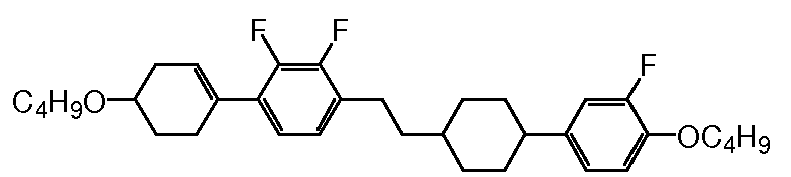
2408 
2423 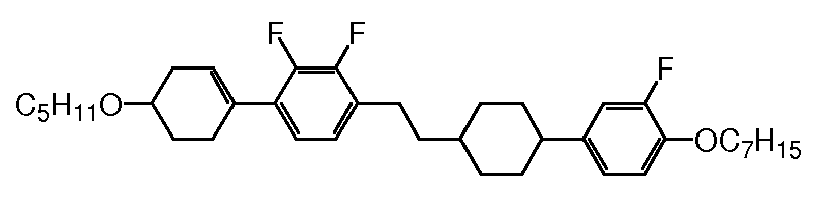
2409 
2424 
2410 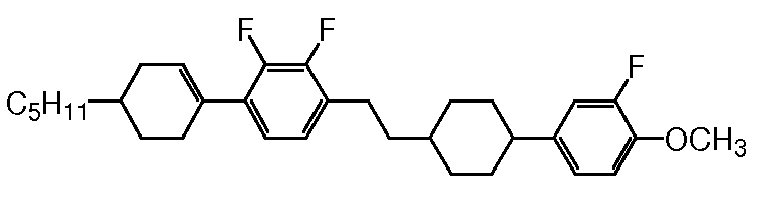
2425 
2411 
2426 
2412 
2427 
2413 
2428 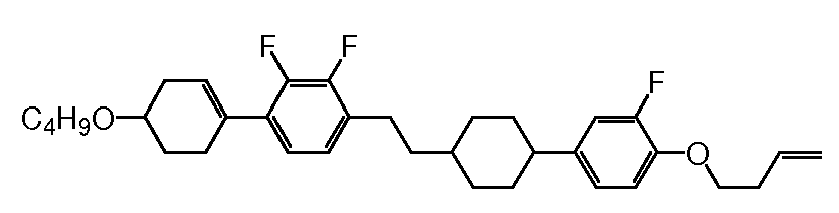
2414 
2429 
2415 
2430 
-
No. No. 2431 
2446 
2432 
2447 
2433 
2448 
2434 
2449 
2435 
2450 
2436 
2451 
2437 
2452 
2438 
2453 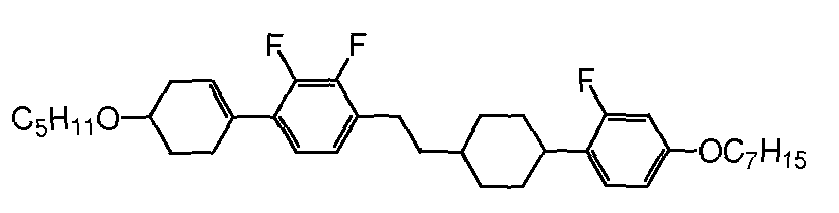
2439 
2454 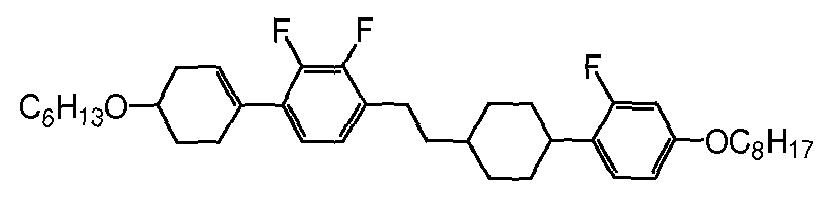
2440 
2455 
2441 
2456 
2442 
2457 
2443 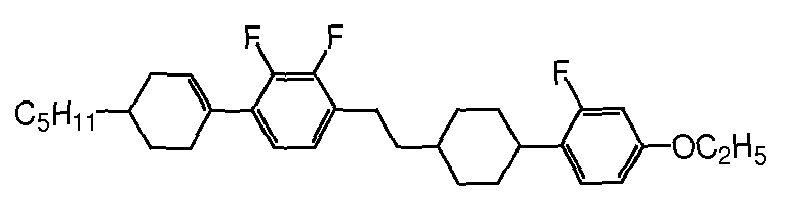
2458 
2444 
2459 
2445 
2460 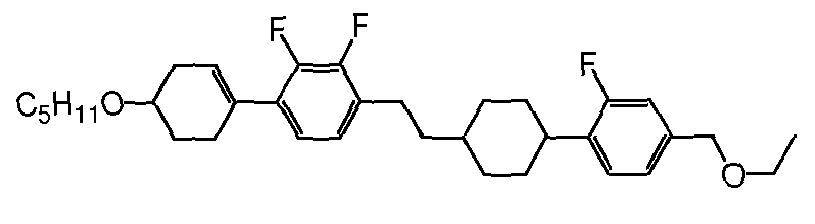
-
No. No. 2461 
2476 
2462 
2477 
2463 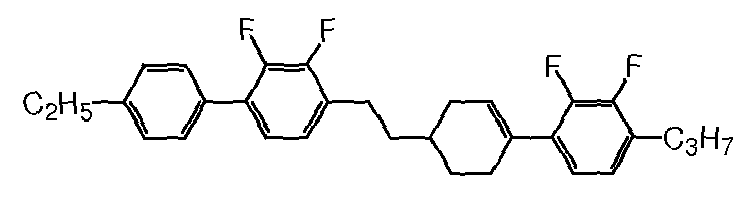
2478 
2464 
2479 
2465 
2480 
2466 
2481 
2467 
2482 
2468 
2483 
2469 
2484 
2470 
2485 
2471 
2486 
2472 
2487 
2473 
2488 
2474 
2489 
2475 
2490 
-
No. No. 2491 
2506 
2492 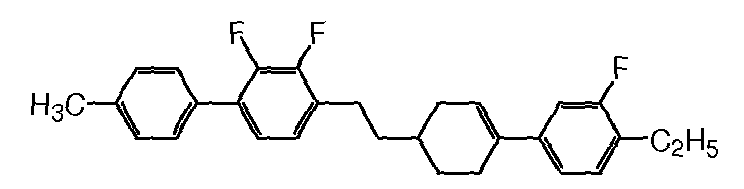
2507 
2493 
2508 
2494 
2509 
2495 
2510 
2496 
2511 
2497 
2512 
2498 
2513 
2490 
2514 
2500 
2515 
2501 
2516 
2502 
2517 
2503 
2518 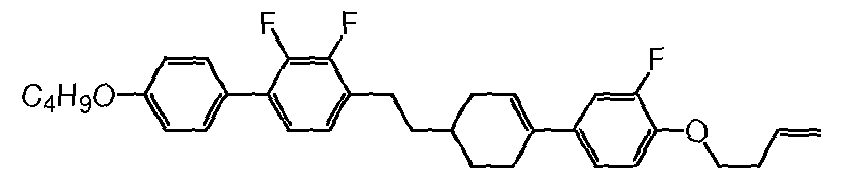
2504 
2519 
2505 
2520 
-
No. No. 2521 
2536 
2522 
2537 
2523 
2538 
2524 
2539 
2525 
2540 
2526 
2541 
2527 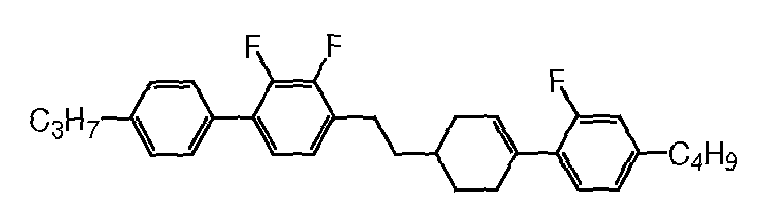
2542 
2528 
2543 
2529 
2544 
2530 
2545 
2531 
2546 
2532 
2547 
2533 
2548 
2534 
2549 
2535 
2550 
-
No. No. 2551 
2566 
2552 
2567 
2553 
2568 
2554 
2569 
2555 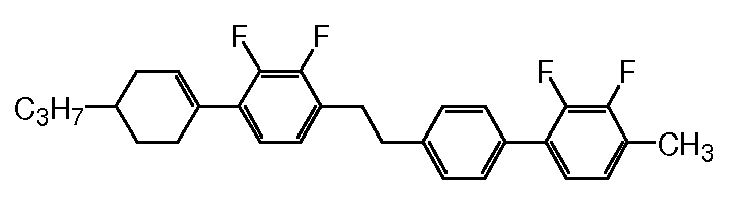
2570 
2556 
2571 
2557 
2572 
2558 
2573 
2559 
2574 
2560 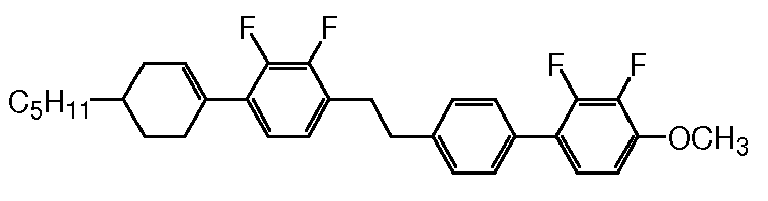
2575 
2561 
2576 
2562 
2577 
2563 
2578 
2564 
2579 
2565 
2580 
-
No. No. 2581 
2596 
2582 
2597 
2583 
2598 
2584 
2599 
2585 
2600 
2586 
2601 
2587 
2602 
2588 
2603 
2589 
2604 
2590 
2605 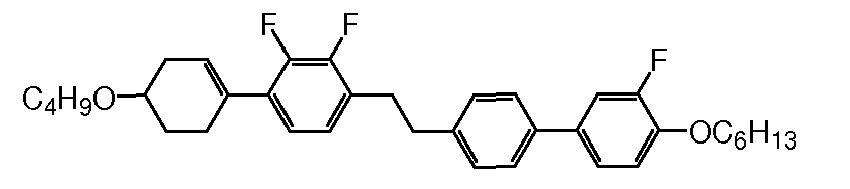
2591 
2606 
2592 
2607 
2593 
2608 
2594 
2609 
2595 
2610 
-
No. No. 2611 
2626 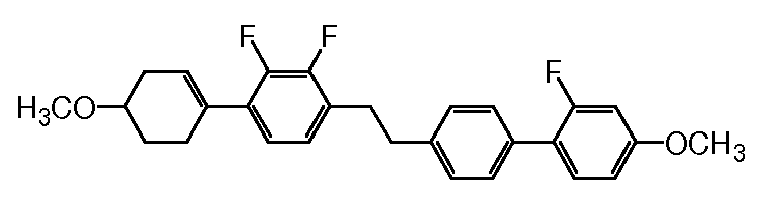
2612 
2627 
2613 
2628 
2614 
2629 
2615 
2630 
2616 
2631 
2617 
2632 
2618 
2633 
2619 
2634 
2620 
2635 
2621 
2636 
2622 
2637 
2623 
2638 
2624 
2639 
2625 
2640 
-
No. No. 2641 
2656 
2642 
2657 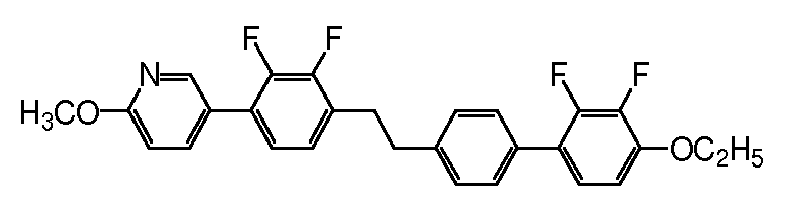
2643 
2658 
2644 
2659 
2645 
2660 
2646 
2661 
2647 
2662 
2648 
2663 
2649 
2664 
2650 
2665 
2651 
2666 
2652 
2667 
2653 
2668 
2654 
2669 
2655 
2670 
-
No. No. 2671 
2686 
2672 
2687 
2673 
2688 
2674 
2689 
2675 
2690 
2676 
2691 
2677 
2692 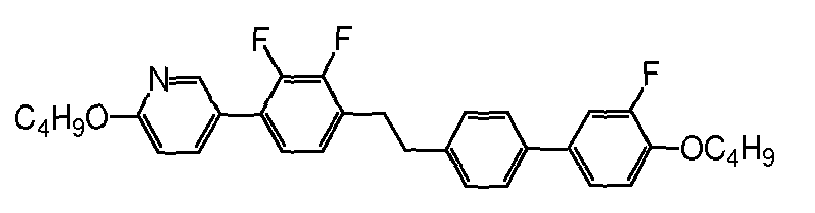
2678 
2693 
2679 
2694 
2680 
2695 
2681 
2696 
2682 
2697 
2683 
2698 
2684 
2699 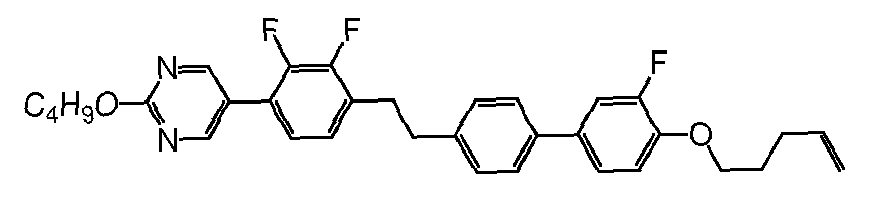
2685 
2700 
-
No. No. 2701 
2716 
2702 
2717 
2703 
2718 
2704 
2719 
2705 
2720 
2706 
2721 
2707 
2722 
2708 
2723 
2709 
2724 
2710 
2725 
2711 
2726 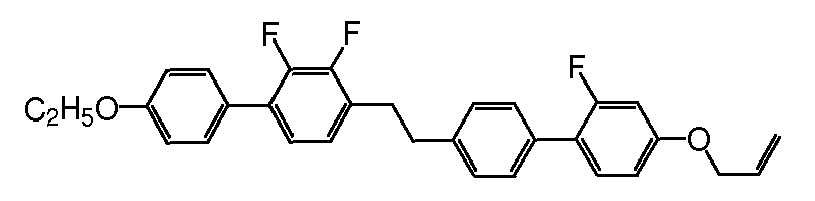
2712 
2727 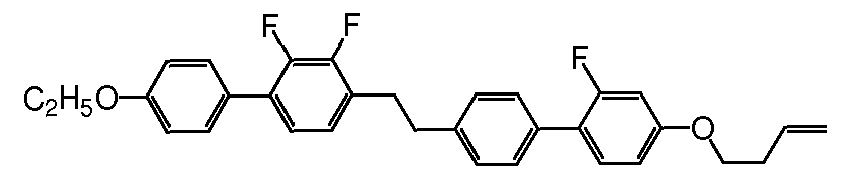
2713 
2728 
2714 
2729 
2715 
2730 
-
No. No. 2731 
2746 
2732 
2747 
2733 
2748 
2734 
2749 
2735 
2750 
2736 
2751 
2737 
2752 
2738 
2753 
2739 
2754 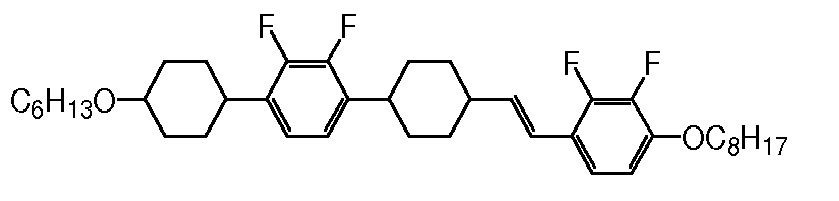
2740 
2755 
2741 
2756 
2742 
2757 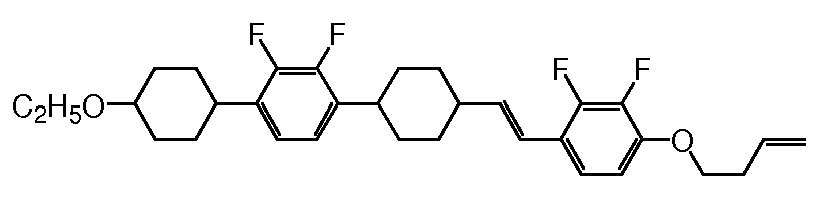
2743 
2758 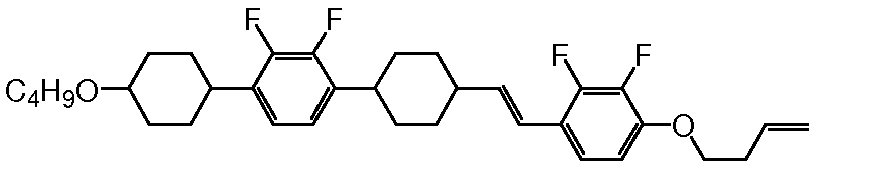
2744 
2759 
2745 
2760 
-
No. No. 2761 
2776 
2762 
2777 
2763 
2778 
2764 
2779 
2765 
2780 
2766 
2781 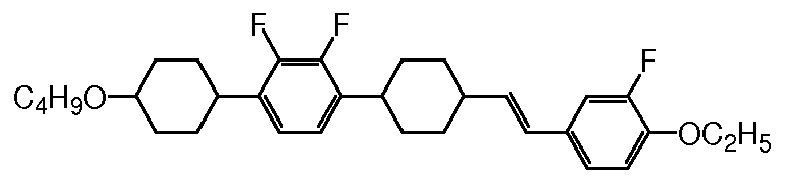
2767 
2782 
2768 
2783 
2769 
2784 
2770 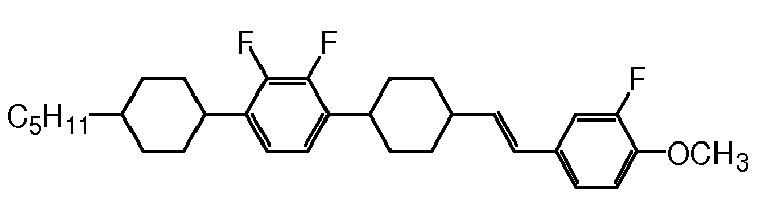
2785 
2771 
2786 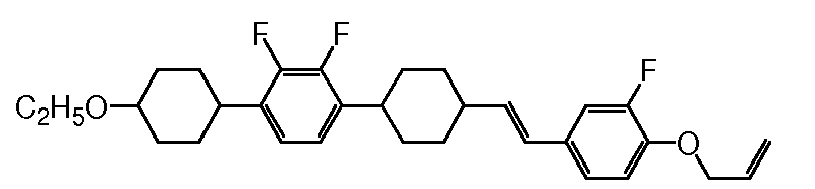
2772 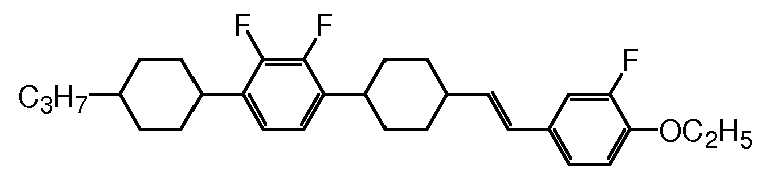
2787 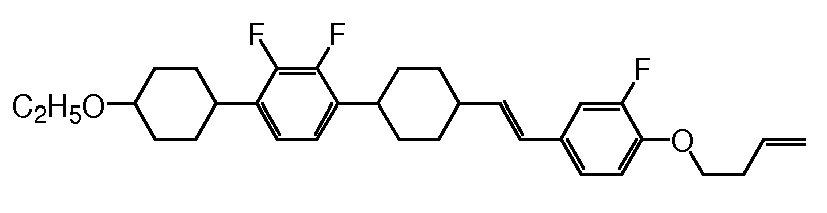
2773 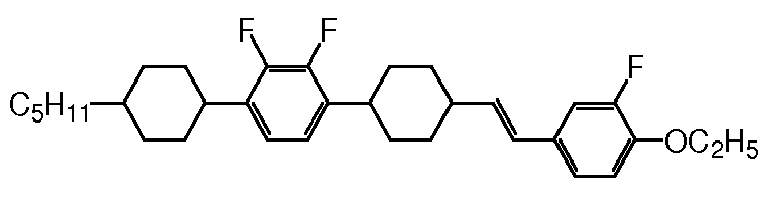
2788 
2774 
2789 
2775 
2790 
-
No. No. 2791 
2806 
2792 
2807 
2793 
2808 
2794 
2809 
2795 
2810 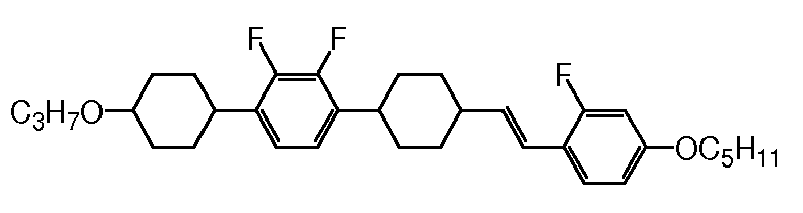
2796 
2811 
2797 
2812 
2798 
2813 
2799 
2814 
2800 
2815 
2801 
2816 
2802 
2817 
2803 
2818 
2804 
2819 
2805 
2820 
-
No. No. 2821 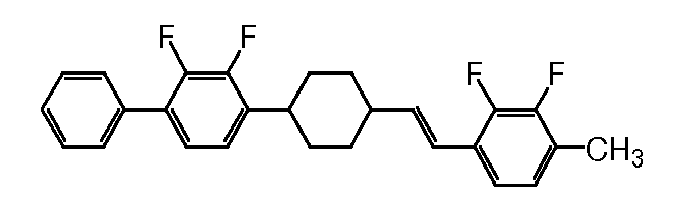
2836 
2822 
2837 
2823 
2838 
2824 
2839 
2825 
2840 
2826 
2841 
2827 
2842 
2828 
2843 
2829 
2844 
2830 
2845 
2831 
2846 
2832 
2847 
2833 
2848 
2834 
2849 
2835 
2850 
-
No. No. 2851 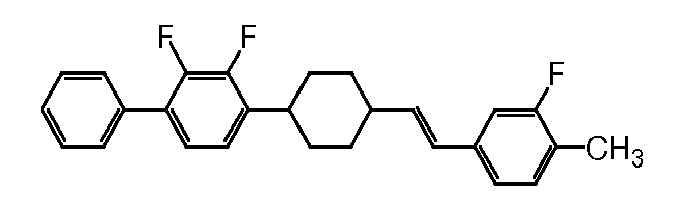
2866 
2852 
2867 
2853 
2868 
2854 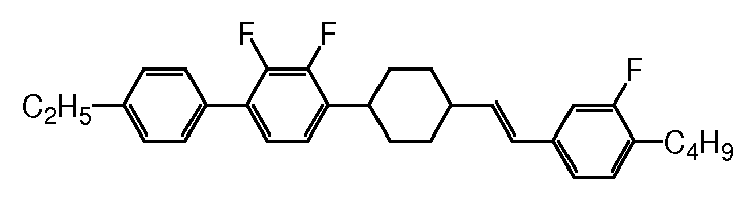
2869 
2855 
2870 
2856 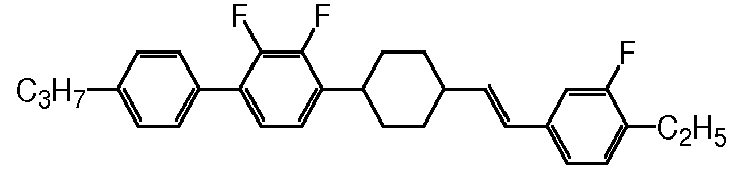
2871 
2857 
2872 
2858 
2873 
2859 
2874 
2860 
2875 
2861 
2776 
2862 
2877 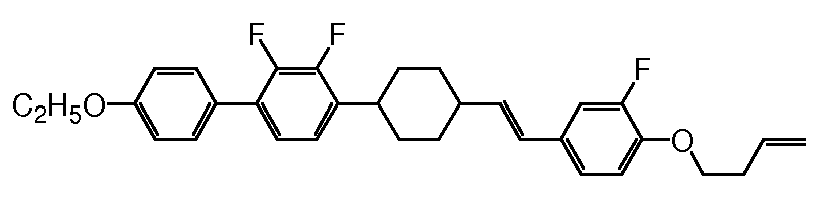
2863 
2878 
2864 
2879 
2865 
2880 
-
No. No. 2881 
2896 
2882 
2897 
2883 
2898 
2884 
2899 
2885 
2900 
2886 
2901 
2887 
2902 
2888 
2903 
2889 
2904 
2890 
2905 
2891 
2906 
2892 
2907 
2893 
2908 
2894 
2909 
2895 
2910 
-
No. No. 2911 
2926 
2912 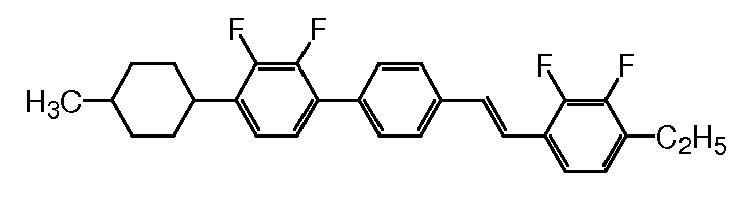
2927 
2913 
2928 
2914 
2929 
2915 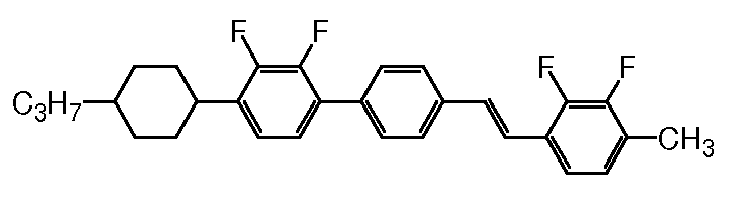
2930 
2916 
2931 
2917 
2932 
2918 
2933 
2919 
2934 
2920 
2935 
2921 
2936 
2922 
2937 
2923 
2938 
2924 
2939 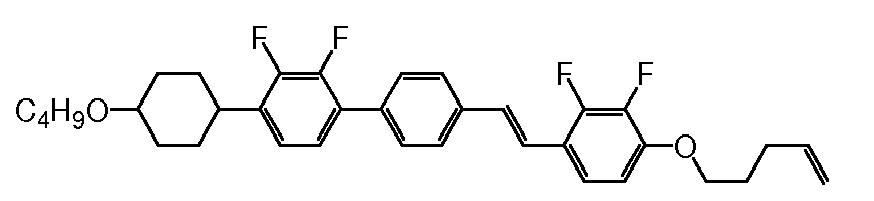
2925 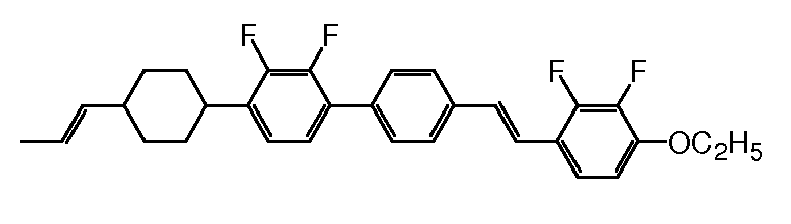
2940 
-
No. No. 2941 
2956 
2942 
2957 
2943 
2958 
2944 
2959 
2945 
2960 
2946 
2961 
2947 
2962 
2948 
2963 
2949 
2964 
2950 
2965 
2951 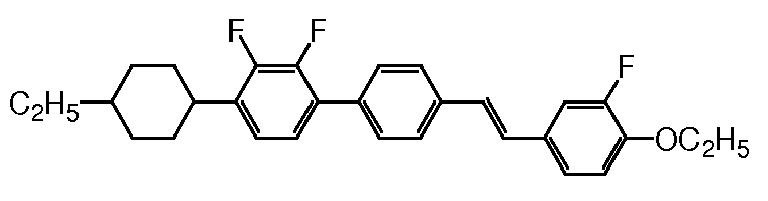
2966 
2952 
2967 
2953 
2968 
2954 
2969 
2955 
2970 
-
No. No. 2971 
2986 
2972 
2987 
2973 
2988 
2794 
2989 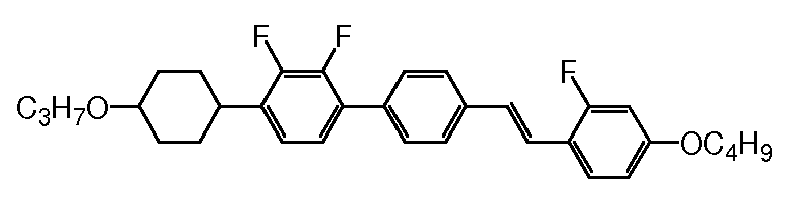
2975 
2990 
2976 
2991 
2977 
2992 
2978 
2993 
2979 
2994 
2980 
2995 
2981 
2996 
2982 
2997 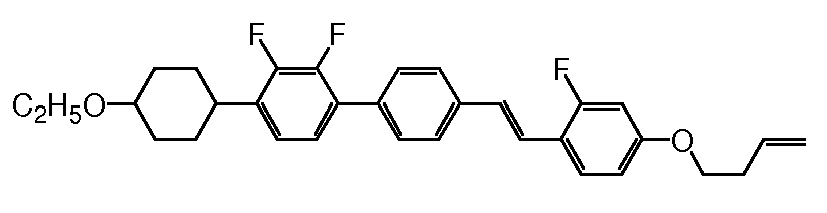
2983 
2998 
2984 
2999 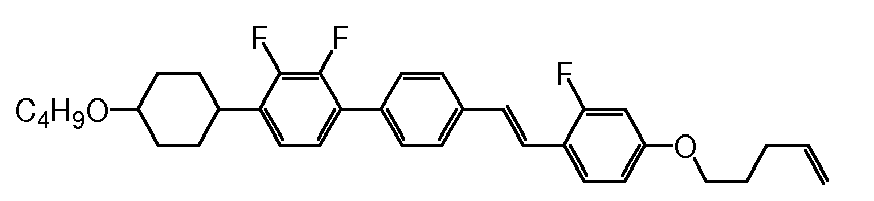
2985 
3000 
-
No. No. 3001 
3016 
3002 
3017 
3003 
3018 
3004 
3019 
3005 
3020 
3006 
3021 
3007 
3022 
3008 
3023 
3009 
3024 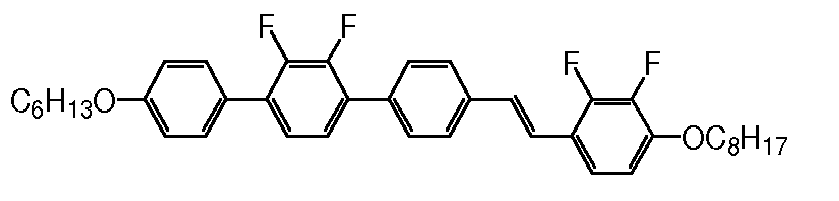
3010 
3025 
3011 
3026 
3012 
3027 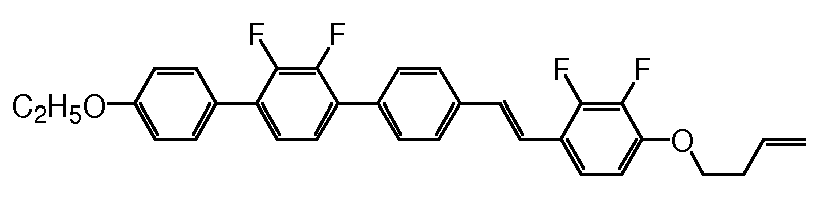
3013 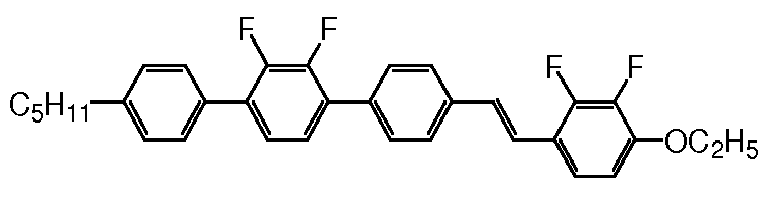
3028 
3014 
3029 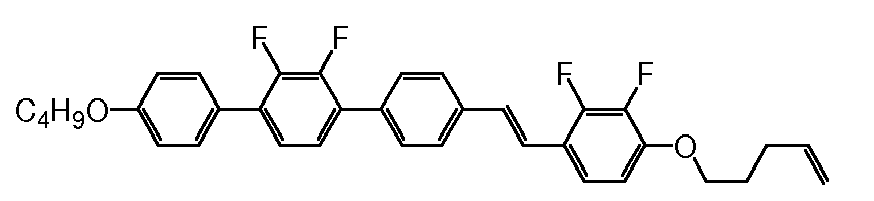
3015 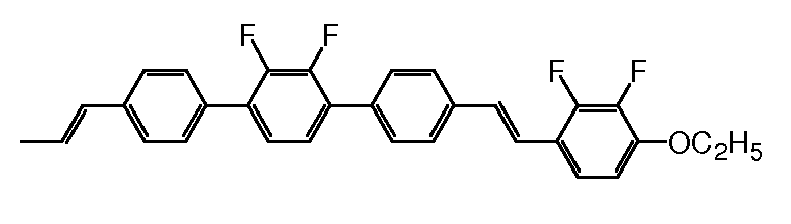
3030 
-
No. No. 3031 
3046 
3032 
3047 
3033 
3048 
3034 
3049 
3035 
3050 
3036 
3051 
3037 
3052 
3038 
3053 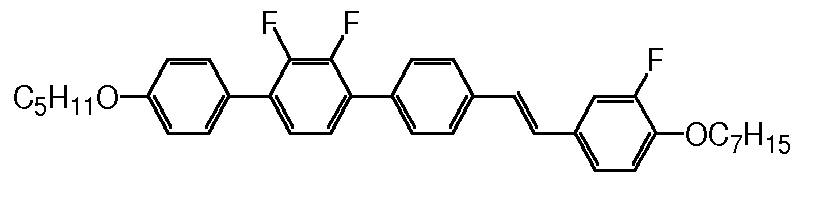
3039 
3054 
3040 
3055 
3041 
3056 
3042 
3057 
3043 
3058 
3044 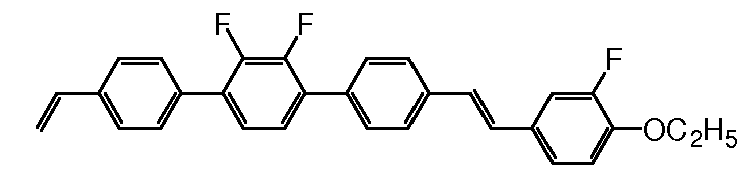
3059 
3045 
3060 
-
No. No. 3061 
3076 
3062 
3077 
3063 
3078 
3064 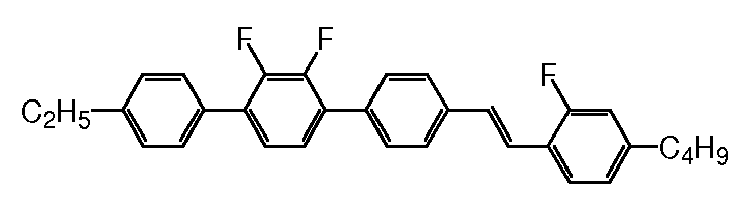
3079 
3065 
3080 
3066 
3081 
3067 
3082 
3068 
3083 
3069 
3084 
3070 
3085 
3071 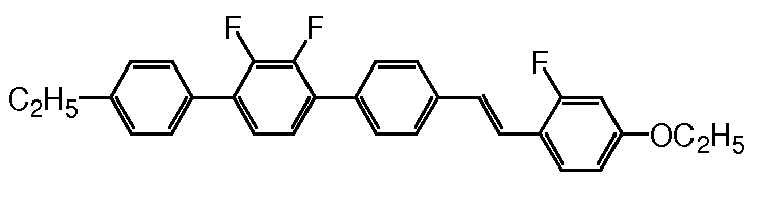
3086 
3072 
3087 
3073 
3088 
3074 
3089 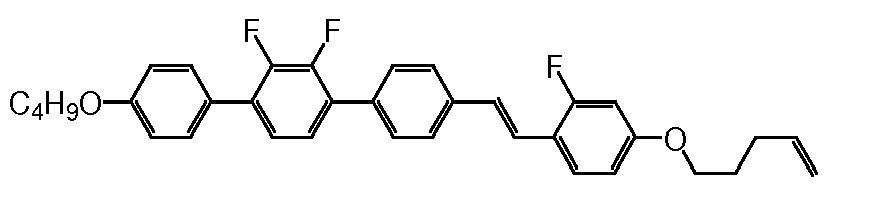
3075 
3090 
-
No. No. 3091 
3106 
3092 
3107 
3093 
3108 
3094 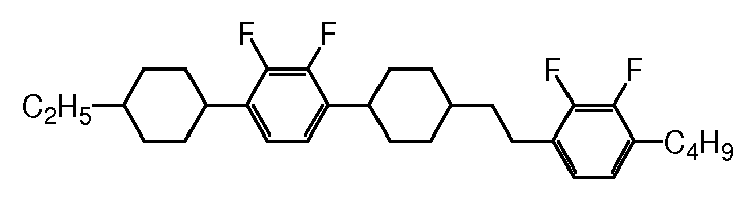
3109 
3095 
3110 
3096 
3111 
3097 
3112 
3098 
3113 
3099 
3114 
3100 
3115 
3101 
3116 
3102 
3117 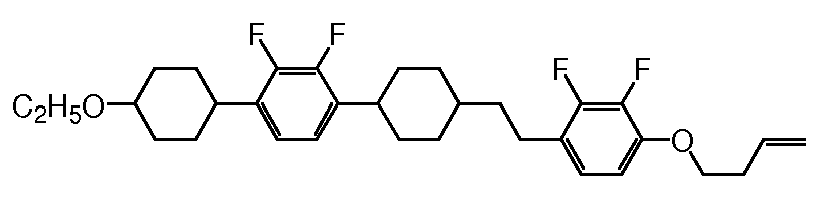
3103 
3118 
3104 
3119 
3105 
3120 
-
No. No. 3121 
3136 
3122 
3137 
3123 
3138 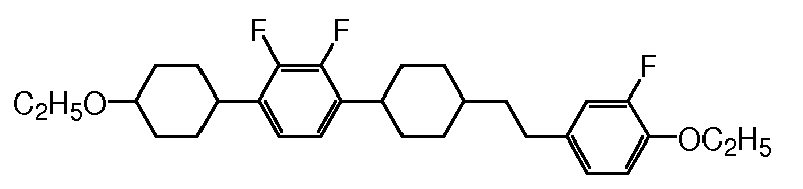
3124 
3139 
3125 
3140 
3126 
3141 
3127 
3142 
3128 
3143 
3129 
3144 
3130 
3145 
3131 
3146 
3132 
3147 
3133 
3148 
3134 
3149 
3135 
3150 
-
No. No. 3151 
3166 
3152 
3167 
3153 
3168 
3154 
3169 
3155 
3170 
3156 
3171 
3157 
3172 
3158 
3173 
3159 
3174 
3160 
3175 
3161 
3176 
3162 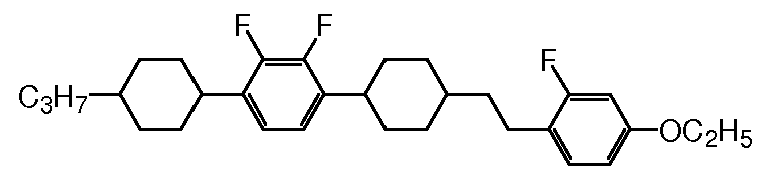
3177 
3163 
3178 
3164 
3179 
3165 
3180 
-
No. No. 3181 
3196 
3182 
3197 
3183 
3198 
3184 
3199 
3185 
3200 
3186 
3201 
3187 
3202 
3188 
3203 
3189 
3204 
3190 
3205 
3191 
3206 
3192 
3207 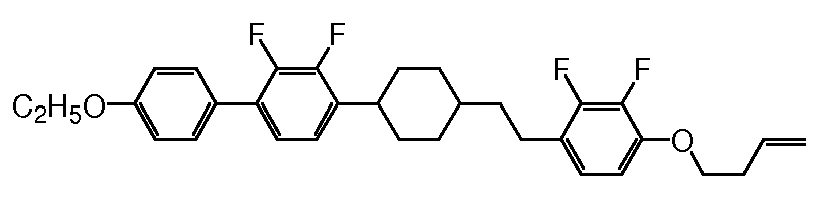
3193 
3208 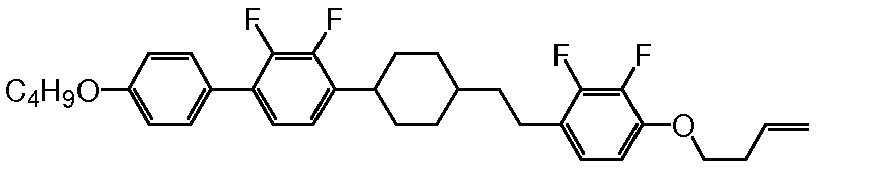
3194 
3209 
3195 
3210 
-
No. No. 3211 
3226 
3212 
3227 
3213 
3228 
3124 
3229 
3215 
3230 
3216 
3231 
3217 
1232 
3218 
3233 
3219 
3234 
3220 
3235 
3221 
3236 
3222 
3237 
3223 
3238 
3224 
3239 
3225 
3240 
-
No. No. 3241 
3256 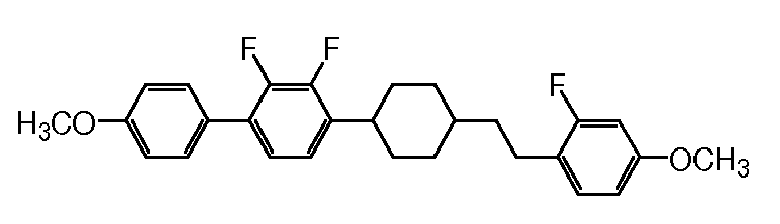
3242 
3257 
3243 
3258 
3244 
3259 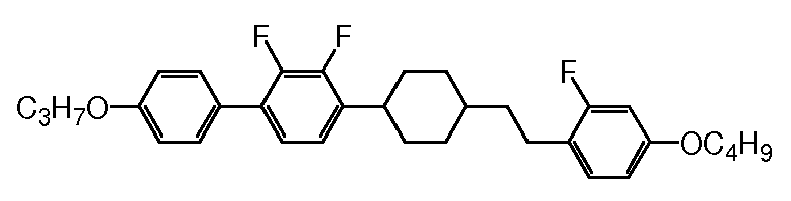
3245 
3260 
3246 
3261 
3247 
3262 
3248 
3263 
3249 
3264 
3250 
3265 
3251 
3266 
3252 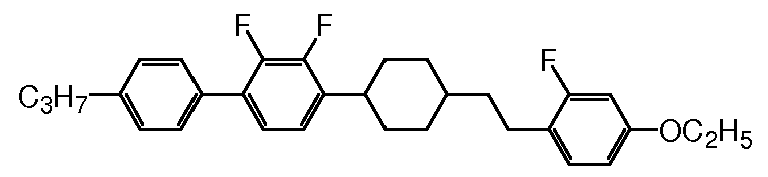
3267 
3253 
3268 
3254 
3269 
3255 
3270 
-
No. No. 3271 
3286 
3272 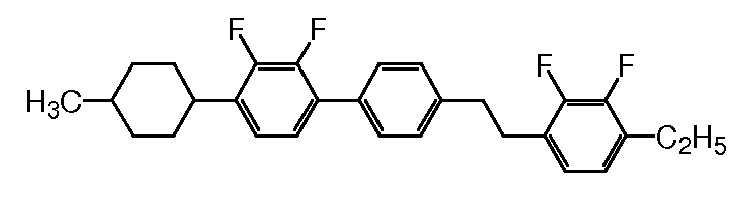
3287 
3273 
3288 
3274 
3289 
3275 
3290 
3276 
3291 
3277 
3292 
3278 
3293 
3279 
3294 
3280 
3295 
3281 
3296 
3282 
3297 
3283 
3298 
3284 
3299 
3285 
3300 
-
No. No. 3301 
3316 
3302 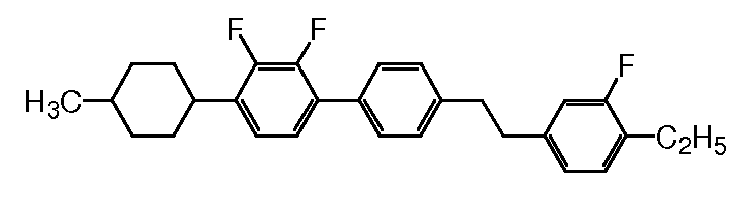
3317 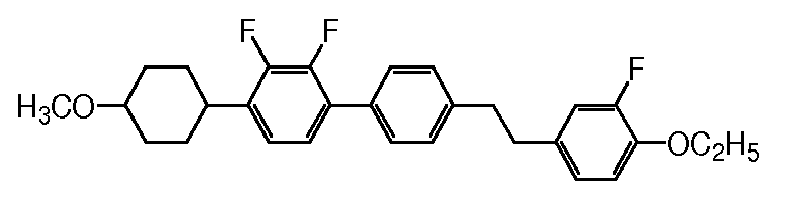
3303 
3318 
3304 
3319 
3305 
3320 
3306 
3321 
3307 
3322 
3308 
3323 
3309 
3324 
3310 
3325 
3311 
3326 
3312 
3327 
3313 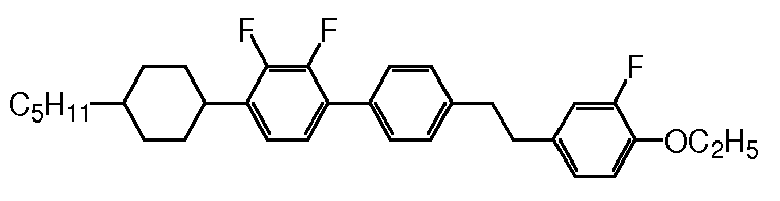
3328 
3314 
3329 
3315 
3330 
-
No. No. 3331 
3346 
3332 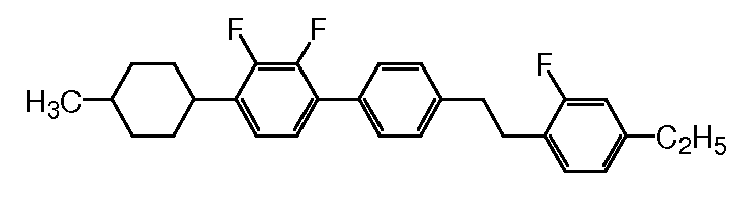
3347 
3333 
3348 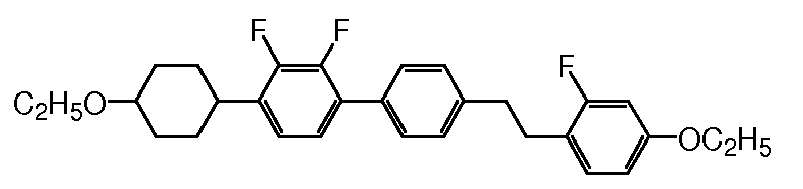
3334 
3349 
3335 
3350 
3336 
3351 
3337 
3352 
3338 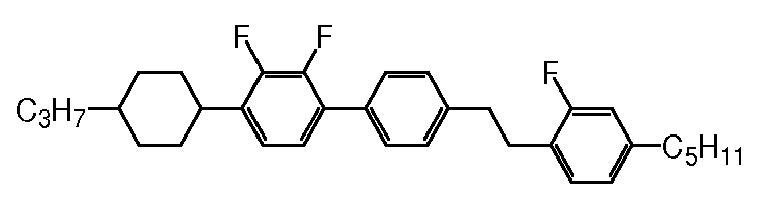
3353 
3339 
3354 
3340 
3355 
3341 
3356 
3342 
3357 
3343 
3358 
3344 
3359 
3345 
3360 
-
No. No. 3361 
3376 
3362 
3377 
3363 
3378 
3364 
3379 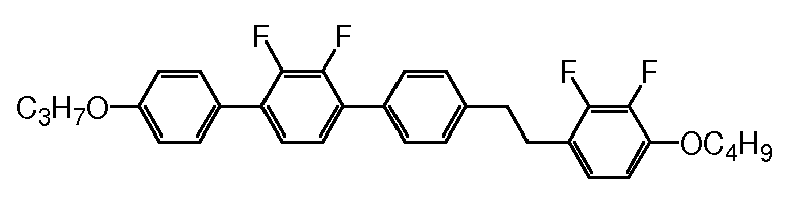
3365 
3380 
3366 
3381 
3367 
3382 
3368 
3383 
3369 
3384 
3370 
3385 
3371 
3386 
3372 
3387 
3373 
3388 
3374 
3389 
3375 
3390 
-
No. No. 3391 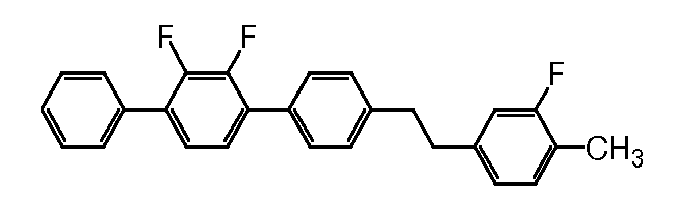
3406 
3392 
3407 
3393 
3408 
3394 
3409 
3395 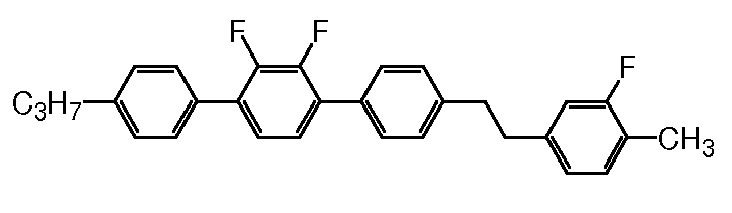
3410 
3396 
3411 
3397 
3412 
3398 
3413 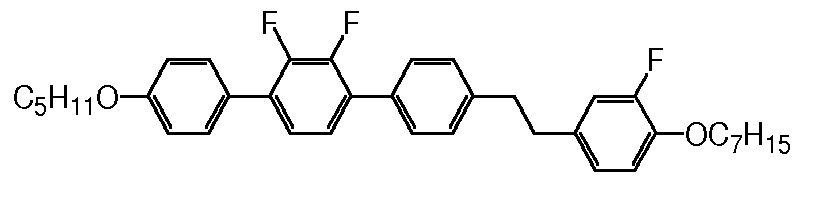
3399 
3414 
3400 
3415 
3401 
3416 
3402 
3417 
3403 
3418 
3404 
3419 
3405 
3420 
-
No. No. 3421 
3436 
3422 
3437 
3423 
3438 
3424 
3439 
3425 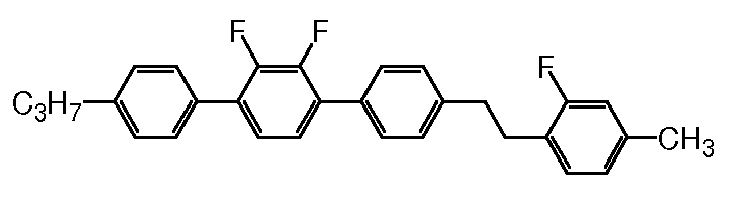
3440 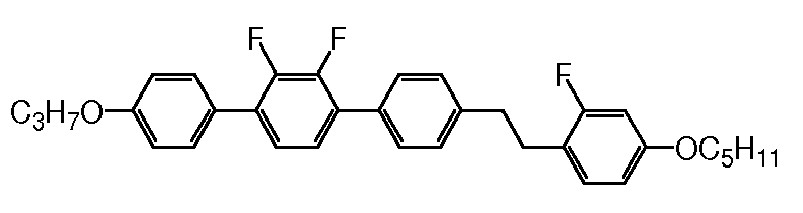
3426 
3441 
3427 
3442 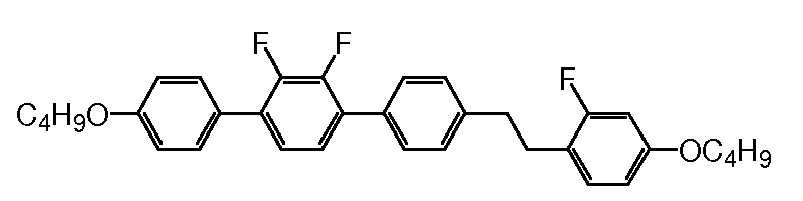
3428 
3443 
3429 
3444 
3430 
3445 
3431 
3446 
3432 
3447 
3433 
3448 
3434 
3449 
3435 
3450 
-
No. No. 3451 
3466 
3452 
3467 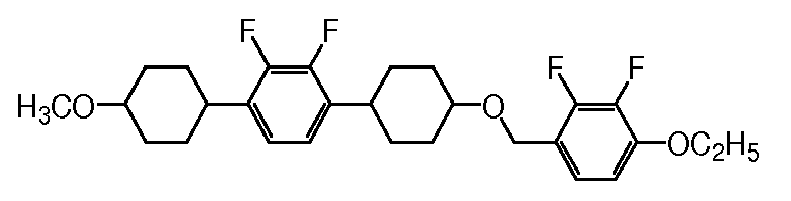
3453 
3468 
3454 
3469 
3455 
3470 
3456 
3471 
3457 
3472 
3458 
3473 
3459 
3474 
3460 
3475 
3461 
3476 
3462 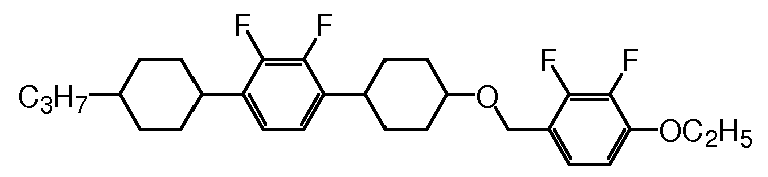
3477 
3463 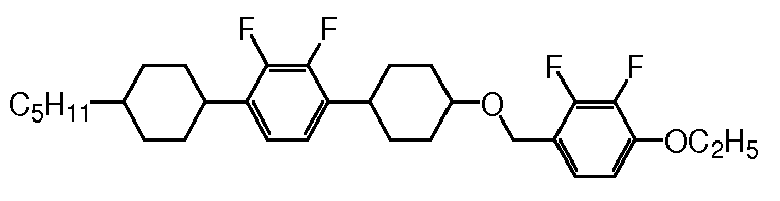
3478 
3464 
3479 
3465 
3480 
-
No. No. 3481 
3496 
3482 
3497 
3483 
3498 
3484 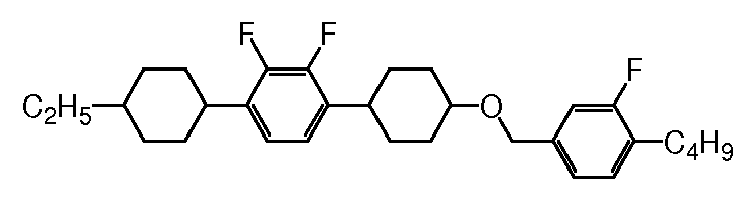
3499 
3485 
3500 
3486 
3501 
3487 
3502 
3488 
3503 
3489 
3504 
3490 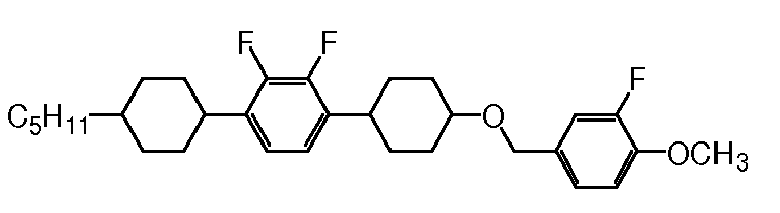
3505 
3491 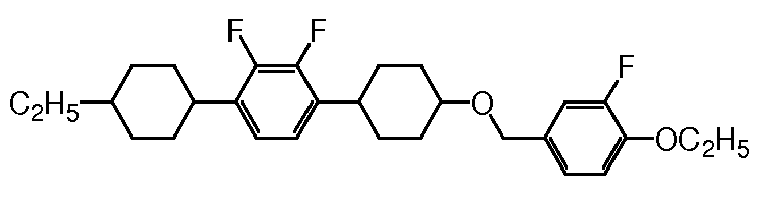
3506 
3492 
3507 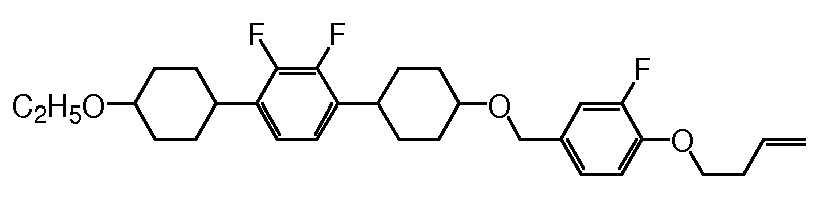
3493 
3508 
3494 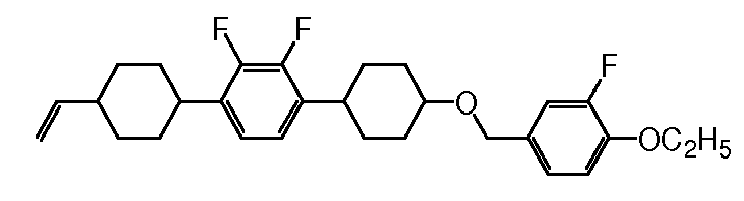
3509 
3495 
3510 
-
No. No. 3511 
3526 
3512 
3527 
3513 
3528 
3514 
3529 
3515 
3530 
3516 
3531 
3517 
3532 
3518 
3533 
3519 
3534 
3520 
3535 
3521 
3536 
3522 
3537 
3523 
3538 
3524 
3539 
3525 
3540 
-
No. No. 3541 
3556 
3542 
3557 
3543 
3558 
3544 
3559 
3545 
3560 
3546 
3561 
3547 
3562 
3548 
3563 
3549 
3564 
3550 
3565 
3551 
3566 
3552 
3567 
3553 
3568 
3554 
3569 
3555 
3570 
-
No. No. 3571 
3586 
3572 
3587 
3573 
3588 
3574 
3589 
3575 
3590 
3576 
3591 
3577 
3592 
3578 
3593 
3579 
3594 
3580 
3595 
3581 
3596 
3582 
3597 
3583 
3598 
3584 
3599 
3585 
3600 
-
No. No. 3601 
3616 
3602 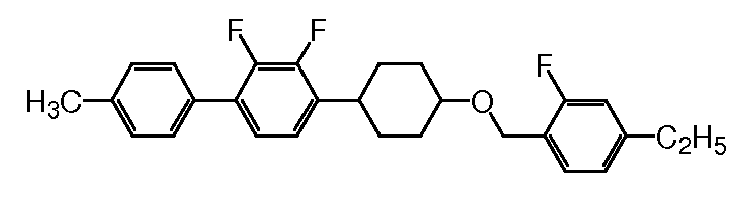
3617 
3603 
3618 
3604 
3619 
3605 
3620 
3606 
3621 
3607 
3622 
3608 
3623 
3609 
3624 
3610 
3625 
3611 
3626 
3612 
3627 
3613 
3628 
3614 
3629 
3615 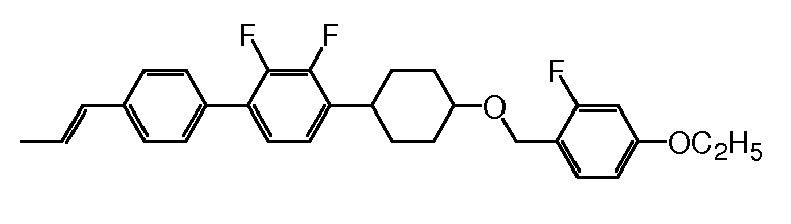
3630 
-
No. No. 3631 
3646 
3632 
3647 
3633 
3648 
3634 
3649 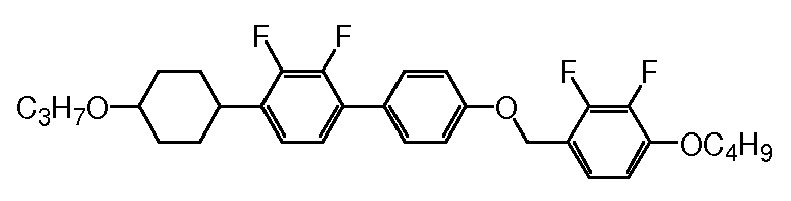
3635 
3650 
3636 
3651 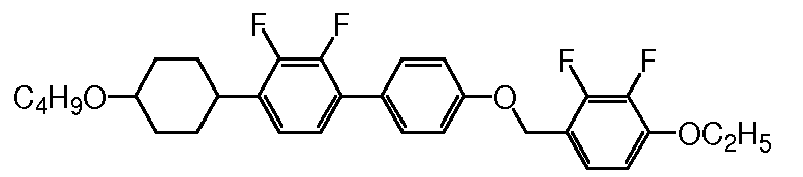
3637 
3652 
3638 
3653 
3639 
3654 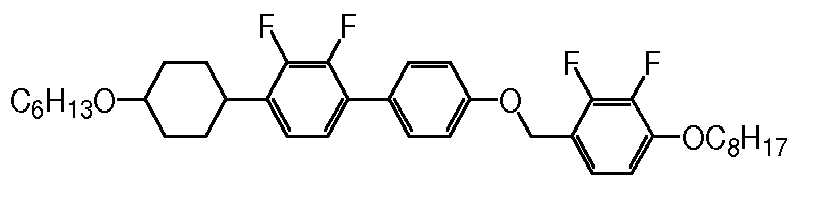
3640 
3655 
3641 
3656 
3642 
3657 
3643 
3658 
3644 
3659 
3645 
3660 
-
No. No. 3661 
3676 
3662 
3677 
3663 
3678 
3664 
3679 
3665 
3680 
3666 
3681 
3667 
3682 
3668 
3683 
3669 
3684 
3670 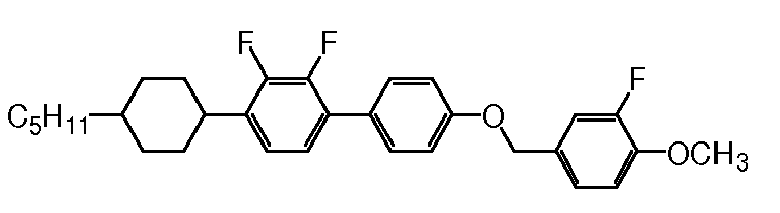
3685 
3671 
3686 
3672 
3687 
3673 
3688 
3674 
3689 
3675 
3690 
-
No. No. 3691 
3706 
3692 
3707 
3693 
3708 
3694 
3709 
3695 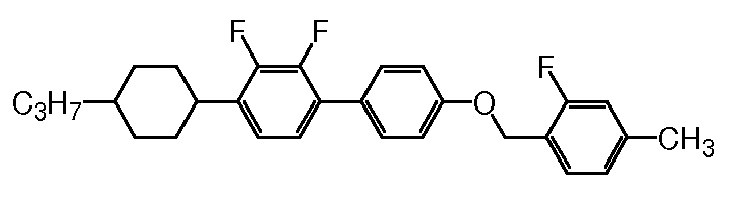
3710 
3696 
3711 
3697 
3712 
3698 
3713 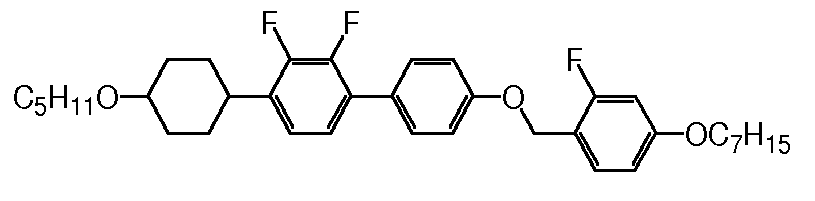
3699 
3714 
3700 
3715 
3701 
3716 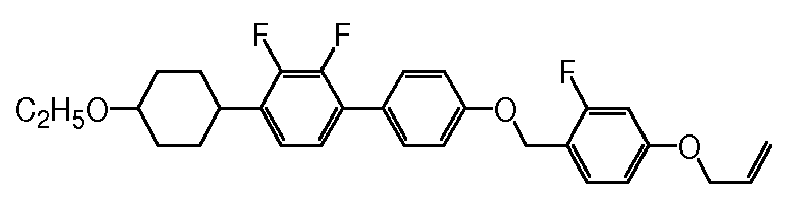
3702 
3717 
3703 
3718 
3704 
3719 
3705 
3720 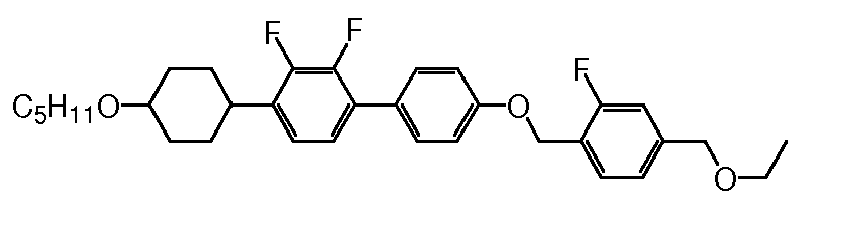
-
No. No. 3721 
3736 
3722 
3737 
3723 
3738 
3724 
3739 
3725 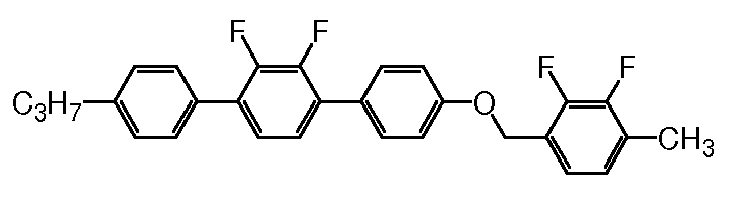
3740 
3726 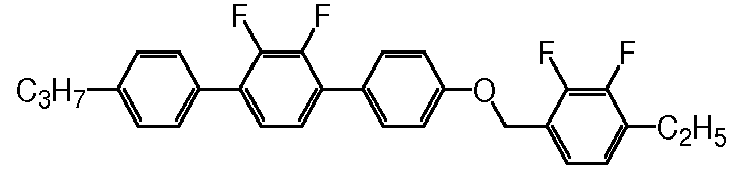
3741 
3727 
3742 
3728 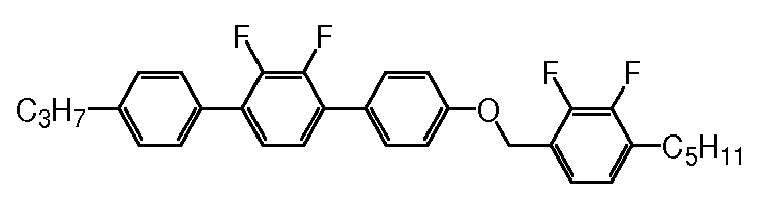
3743 
3729 
3744 
3730 
3745 
3731 
3746 
3732 
3747 
3733 
3748 
3734 
3749 
3735 
3750 
-
No. No. 3751 
3766 
3752 
3767 
3753 
3768 
3754 
3769 
3755 
3770 
3756 
3771 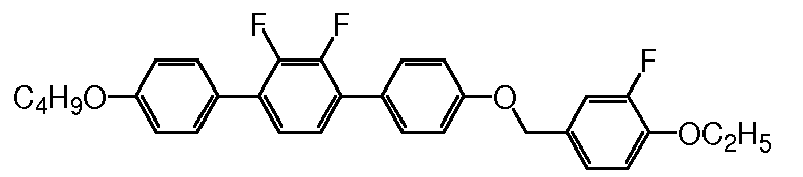
3757 
3772 
3758 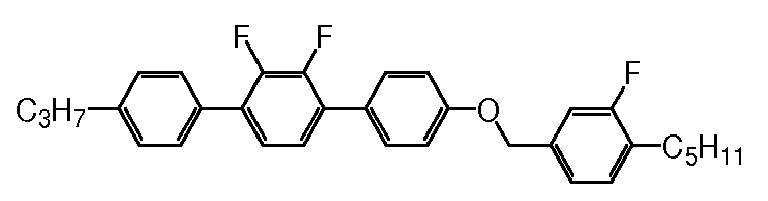
3773 
3759 
3774 
3760 
3775 
3761 
3776 
3762 
3777 
3763 
3778 
3764 
3779 
3765 
3780 
-
No. No. 3781 
3796 
3782 
3797 
3783 
3798 
3784 
3799 
3785 
3800 
3786 
3801 
3787 
3802 
3788 
3803 
3789 
3804 
3790 
3805 
3791 
3806 
3792 
3807 
3793 
3808 
3794 
3809 
3795 
3810 
-
No. No. 3811 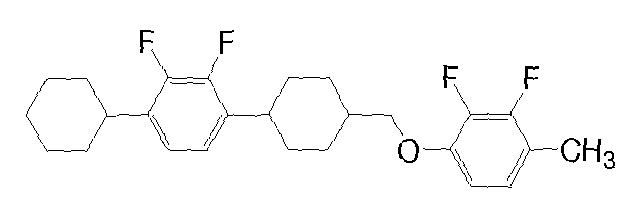
3826 
3812 
3827 
3813 
3828 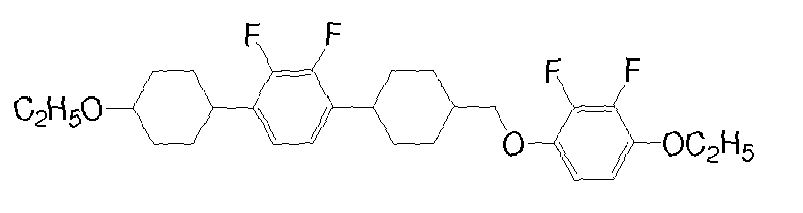
3814 
3829 
3815 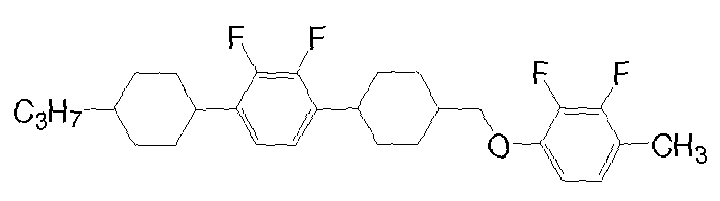
3830 
3816 
3831 
3817 
3832 
3818 
3833 
3819 
3834 
3820 
3835 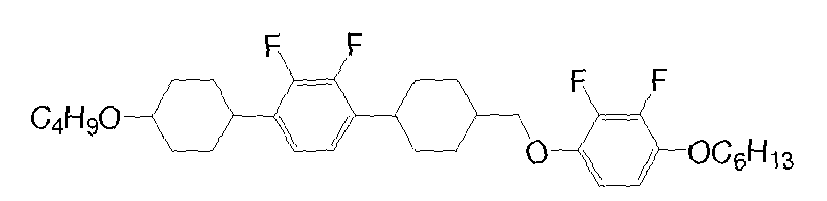
3821 
3836 
3822 
3837 
3823 
3838 
3824 
3839 
3825 
3840 
-
No. No. 3841 
3856 
3842 
3857 
3843 
3858 
3844 
3859 
3845 
3860 
3846 
3861 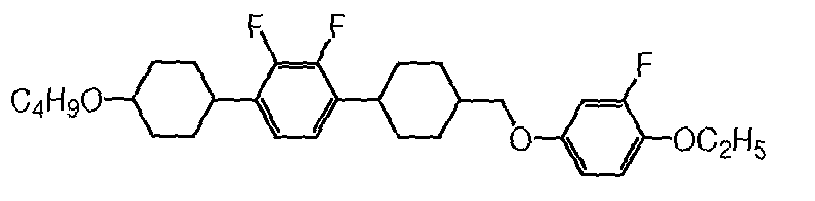
3847 
3862 
3848 
3863 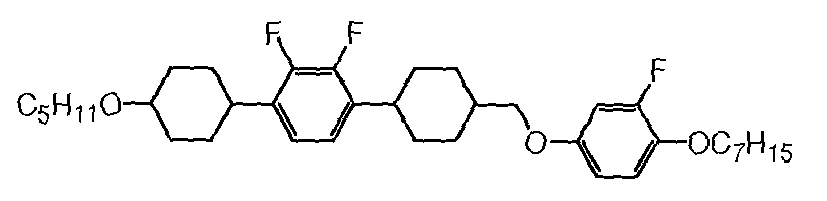
3849 
3864 
3850 
3865 
3851 
3866 
3852 
3867 
3853 
3868 
3854 
3869 
3855 
3870 
-
No. No. 3871 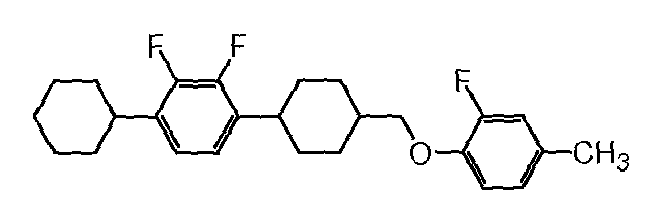
3886 
3872 
3887 
3873 
3888 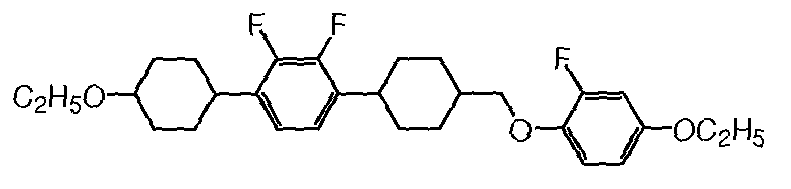
3874 
3889 
3875 
3890 
3876 
3891 
3877 
3892 
3878 
3893 
3879 
3894 
3880 
3895 
3881 
3896 
3882 
3897 
3883 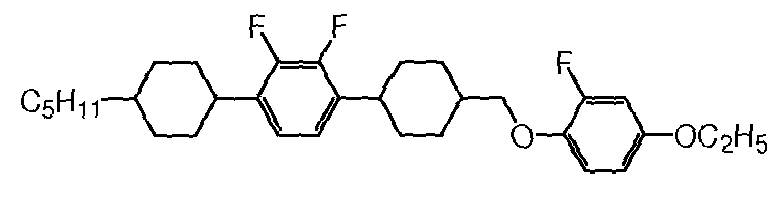
3898 
3884 
3899 
3885 
3900 
-
No. No. 3901 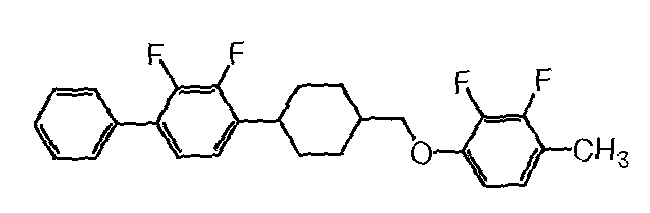
3916 
3902 
3917 
3903 
3918 
3904 
3919 
3905 
3920 
3906 
3921 
3907 
3922 
3908 
3923 
3909 
924 
3910 
3925 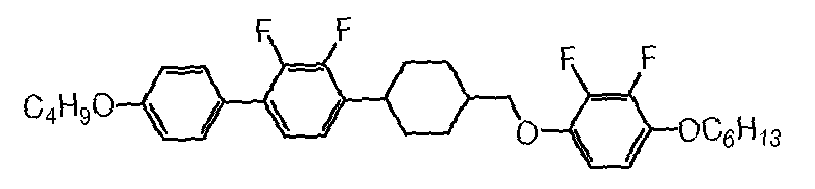
3911 
3926 
3912 
3927 
3913 
3928 
3914 
3929 
3915 
3930 
-
No. No. 3931 
3946 
3932 
3947 
3933 
3948 
3934 
3949 
3935 
3950 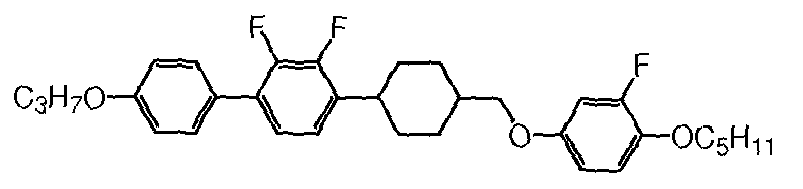
3936 
3951 
3937 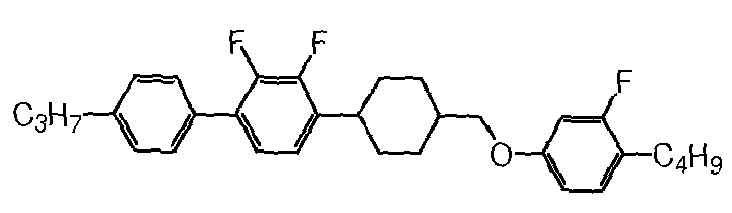
3952 
3938 
3953 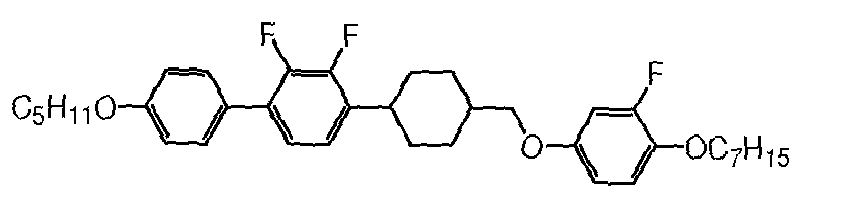
3939 
3954 
3940 
3955 
3941 
3956 
3942 
3957 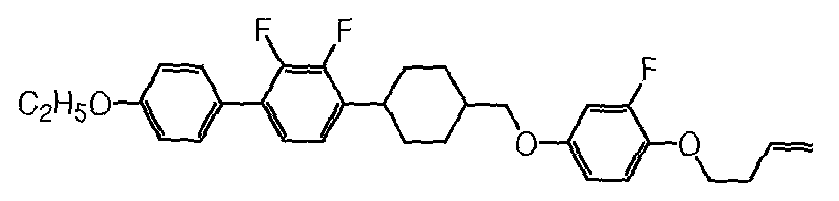
3943 
3958 
3944 
3959 
3945 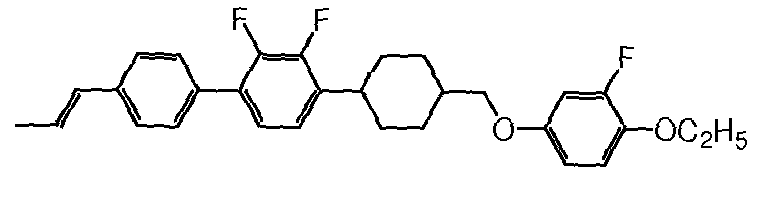
3960 
-
No. No. 3961 
3976 
3962 
3977 
3963 
3978 
3964 
3979 
3965 
3980 
3966 
3981 
3967 
3982 
3968 
3983 
3969 
3984 
3970 
3985 
3971 
3986 
3972 
3987 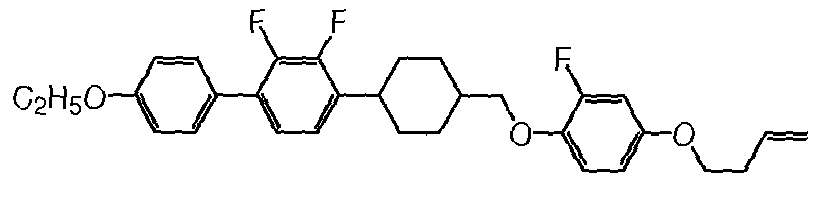
3973 
3988 
3974 
3989 
3975 
3990 
-
No. No. 3991 
4006 
3992 
4007 
3993 
4008 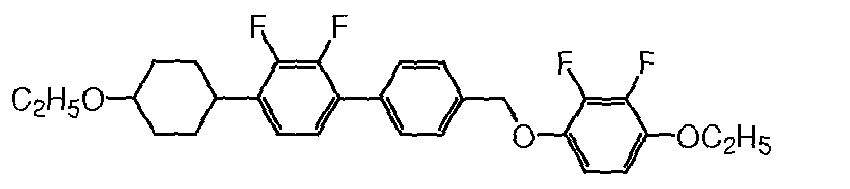
3994 
4009 
3995 
4010 
3996 
4011 
3997 
4012 
3998 
4013 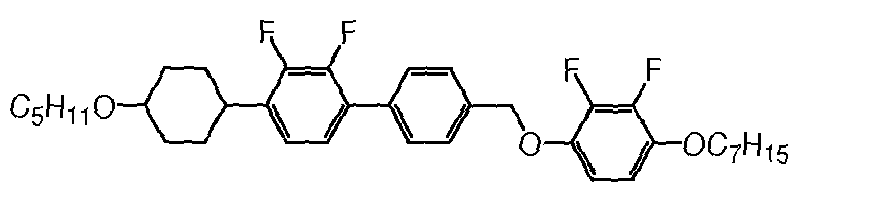
3999 
4014 
4000 
4015 
4001 
4016 
4002 
4017 
4003 
4018 
4004 
4019 
4005 
4020 
-
No. No. 4021 
4036 
4022 
4037 
4023 
4038 
4024 
4039 
4025 
4040 
4026 
4041 
4027 
4042 
4028 
4043 
4029 
4044 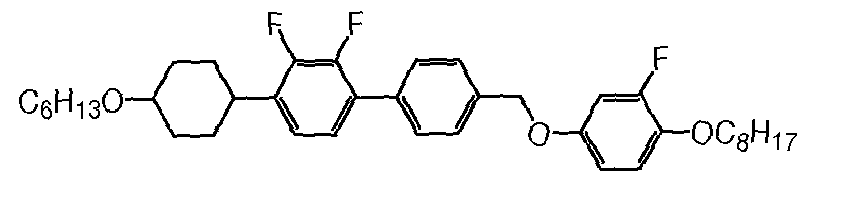
4030 
4045 
4031 
4046 
4032 
4047 
4033 
4048 
4034 
4049 
4035 
4050 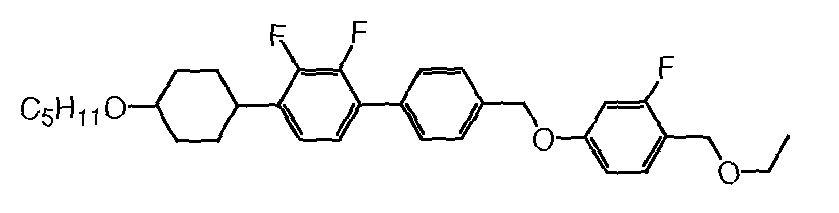
-
No. No. 4051 
4066 
4052 
4067 
4043 
4068 
4054 
4069 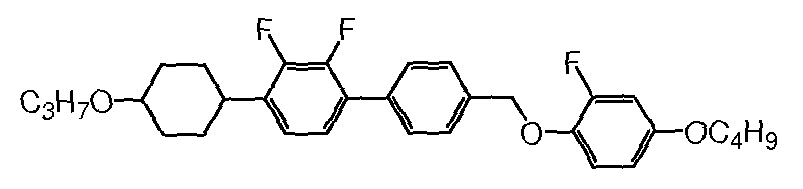
4055 
4070 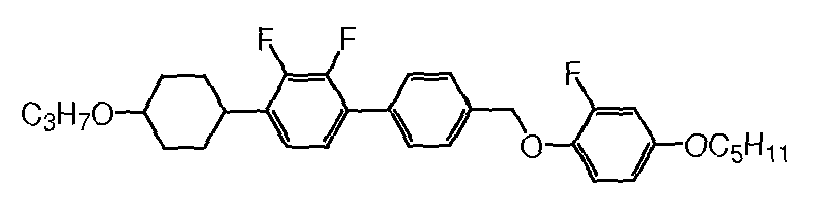
4056 
4071 
4057 
4072 
4058 
4073 
4059 
4074 
4060 
4075 
4061 
4076 
4062 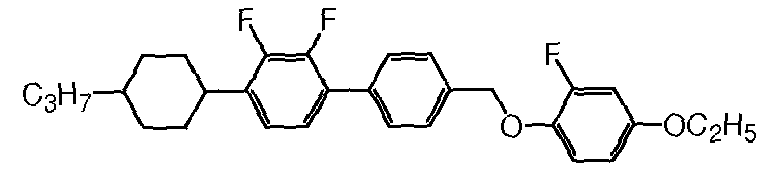
4077 
4063 
4078 
4064 
4079 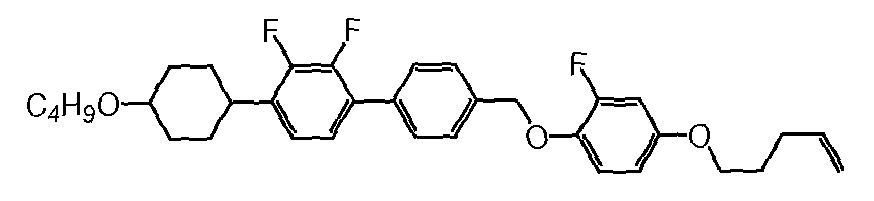
4065 
4080 
-
No. No. 4081 
4096 
4082 
4097 
4083 
4098 
4084 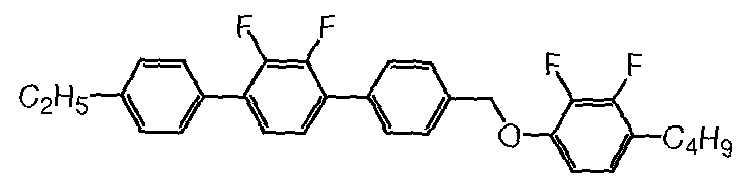
4099 
4085 
4100 
4086 
4101 
4087 
4102 
4088 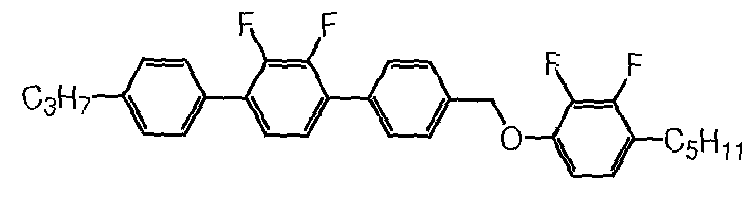
4103 
4089 
4104 
4090 
4105 
4091 
4106 
4092 
4107 
4093 
4108 
4094 
4109 
4095 
4110 
-
No. No. 4111 
4126 
4112 
4127 
4113 
4128 
4114 
4129 
4115 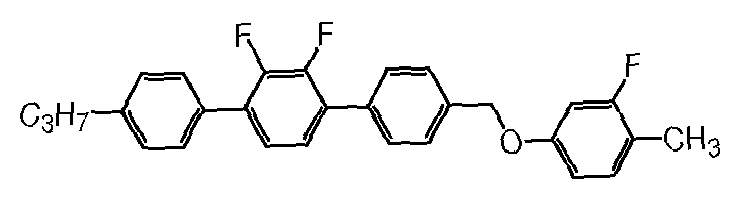
4130 
4116 
4131 
4117 
4132 
4118 
4133 
4119 
4134 
4120 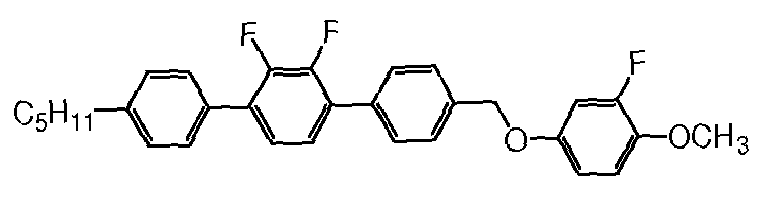
4135 
4121 
4136 
4122 
4137 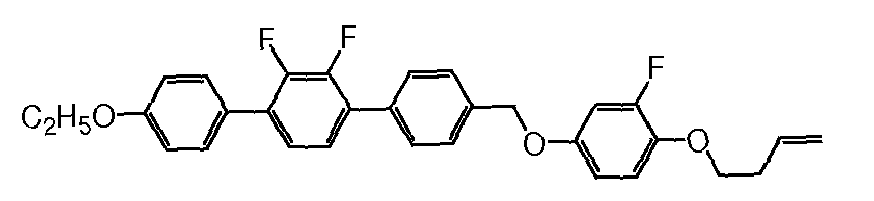
4123 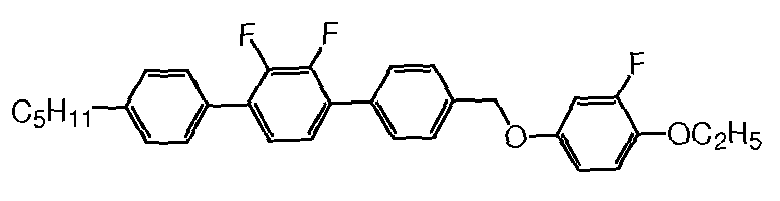
4138 
4124 
4139 
4125 
4140 
-
No. No. 4141 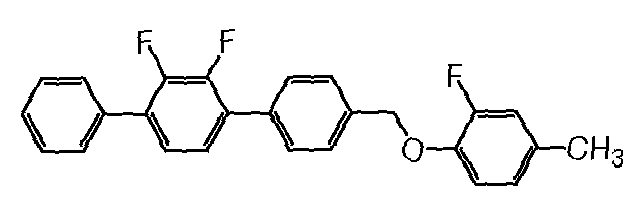
4156 
4142 
4157 
4143 
4158 
4144 
4159 
4145 
4160 
4146 
4161 
4147 
4162 
4148 
4163 
4149 
4164 
4150 
4165 
4151 
4166 
4152 
4167 
4153 
4168 
4154 
4169 
4155 
4170 
-
No. No. 4171 
4186 
4172 
4187 
4173 
4188 
4174 
4189 
4175 
4190 
4176 
4191 
4177 
4192 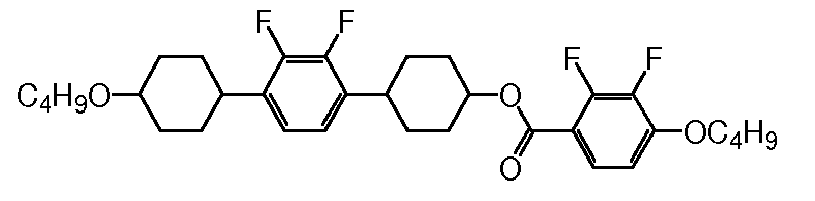
4178 
4193 
4179 
4194 
4180 
4195 
4181 
4196 
4182 
4197 
4183 
4198 
4184 
4199 
4185 
4200 
-
No. No. 4201 
4216 
4202 
4217 
4203 
4218 
4204 
4219 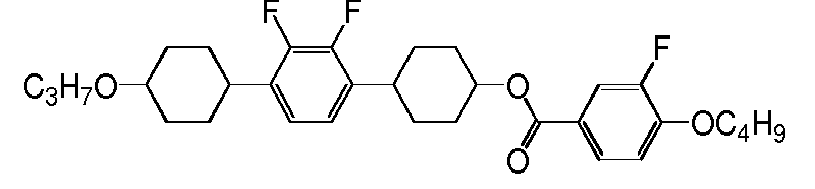
4205 
4220 
4206 
4221 
4207 
4222 
4208 
4223 
4209 
4224 
4210 
4225 
4211 
4226 
4212 
4227 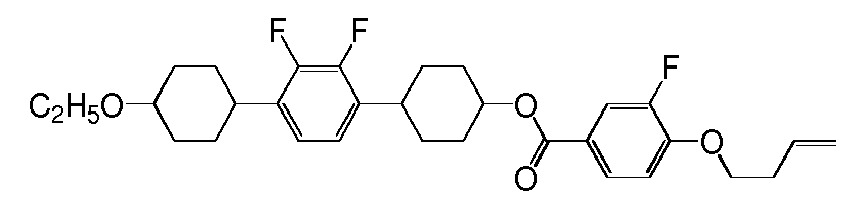
4213 
4228 
4214 
4229 
4215 
4230 
-
No. 4231 
4246 
4232 
4247 
4233 
4248 
4234 
4249 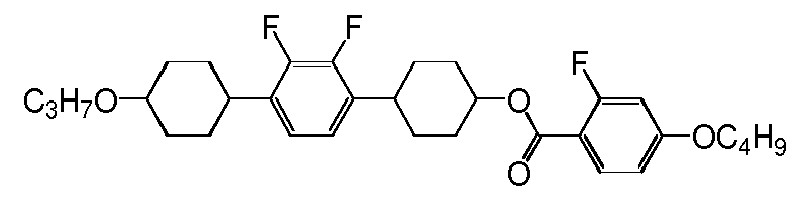
4235 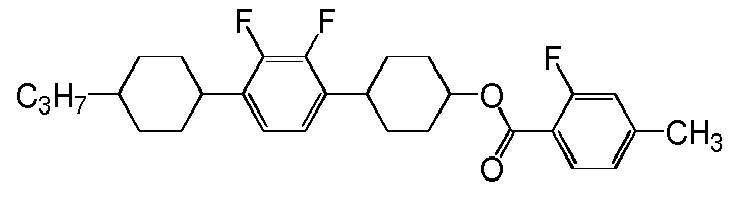
4250 
4236 
4251 
4237 
4252 
4238 
4253 
4239 
4254 
4240 
4255 
4241 
4256 
4242 
4257 
4243 
4258 
4244 
4259 
4245 
4260 
-
No. No. 4261 
4276 
4262 
4277 
4263 
4278 
4264 
4279 
4265 
4280 
4266 
4281 
4267 
4282 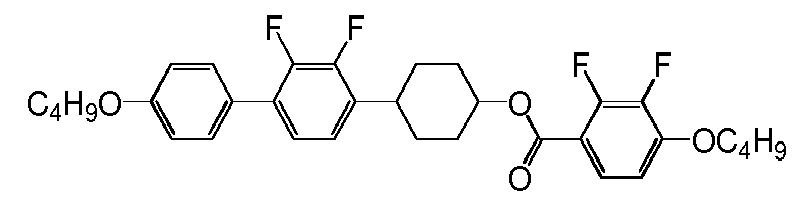
4268 
4283 
4269 
4284 
4270 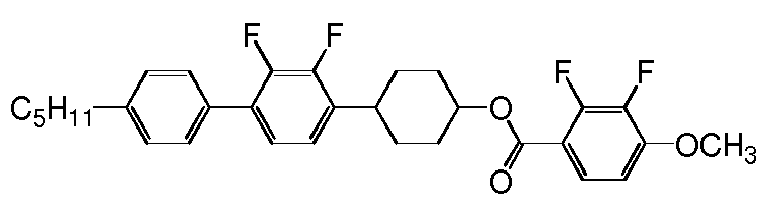
4285 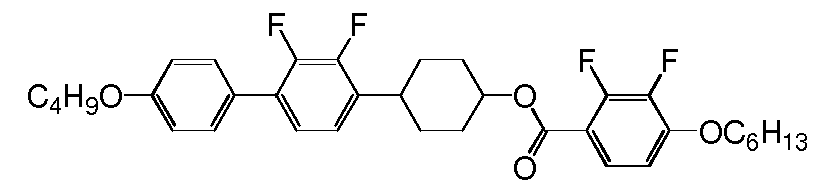
4271 
4286 
4272 
4287 
4273 
4288 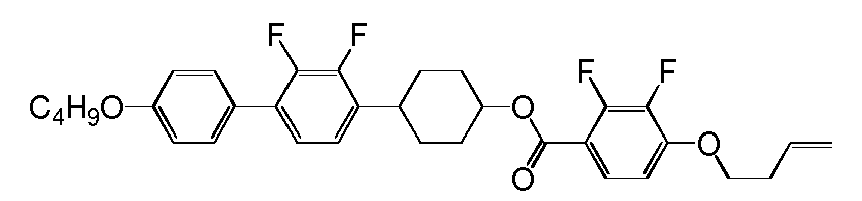
4274 
4289 
4275 
4290 
-
No. No. 4291 
4306 
4292 
4307 
4293 
4308 
4294 
4309 
4295 
4310 
4296 
4311 
4297 
4312 
4298 
4313 
4299 
4314 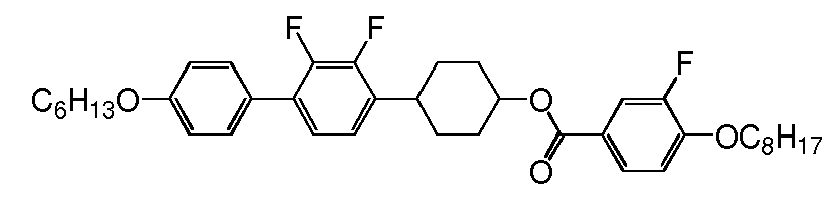
4300 
4315 
4301 
4316 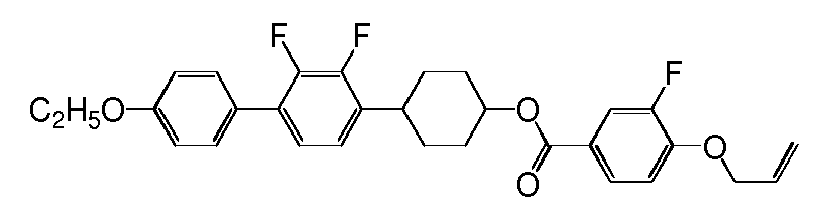
4302 
4317 
4303 
4318 
4304 
4319 
4305 
4320 
-
No. No. 4321 
4336 
4322 
4337 
4323 
4338 
4324 
4339 
4325 
4340 
4326 
4341 
4327 
4342 
4328 
4343 
4329 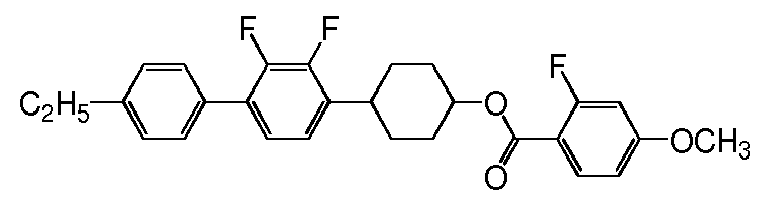
4344 
4330 
4345 
4331 
4346 
4332 
4347 
4333 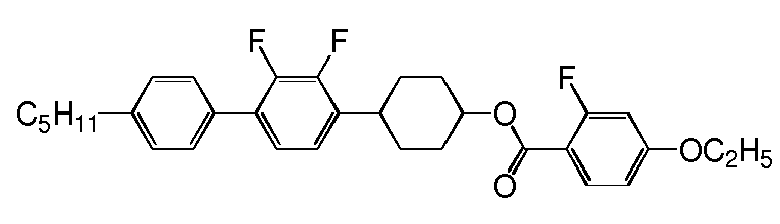
4348 
4334 
4349 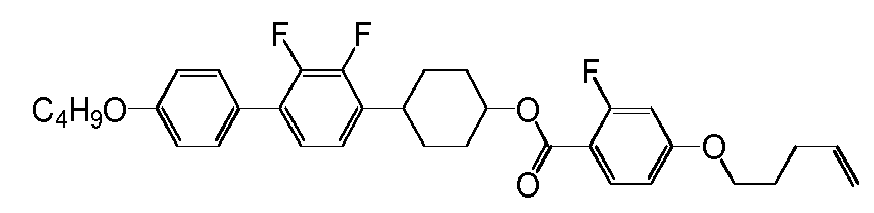
4335 
4350 
-
No. No. 4351 
4366 
4352 
4367 
4353 
4368 
4354 
4369 
4355 
4370 
4356 
4371 
4357 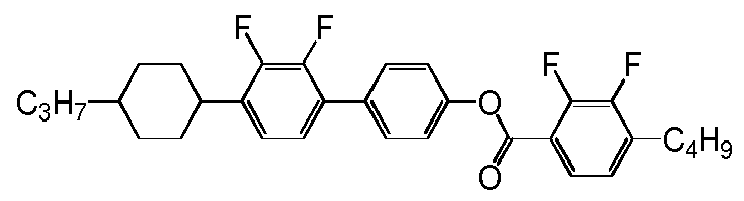
4372 
4358 
4373 
4359 
4374 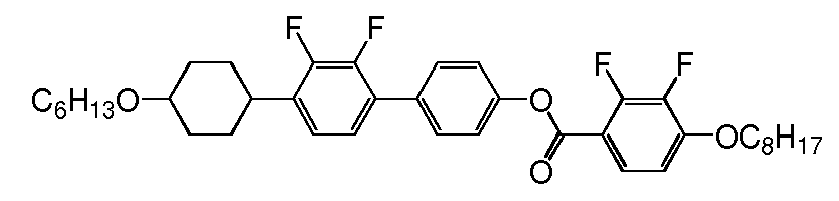
4360 
4375 
4361 
4376 
4362 
4377 
4363 
4378 
4364 
4379 
4365 
4380 
-
No. No. 4381 
4396 
4382 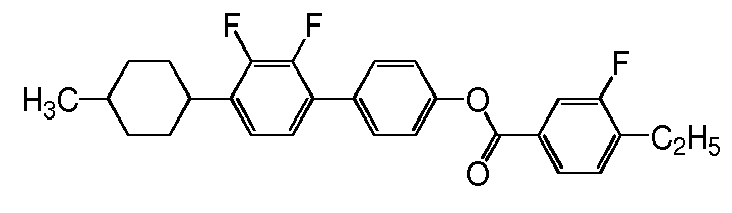
4397 
4383 
4398 
4384 
4399 
4385 
4400 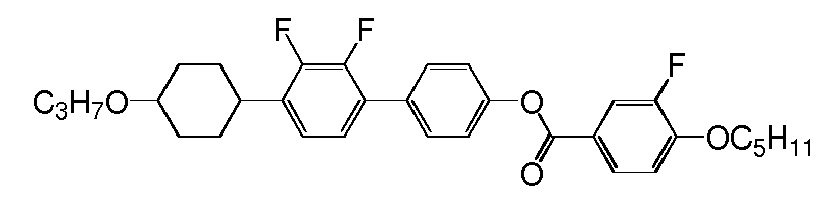
4386 
4401 
4387 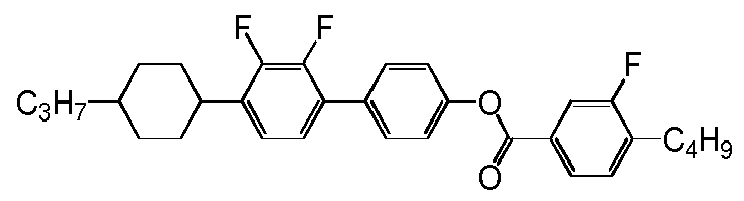
4402 
4388 
4403 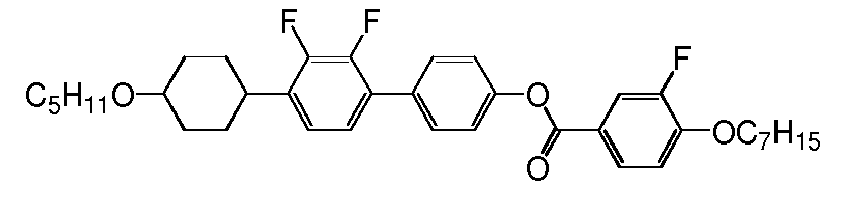
4389 
4404 
4390 
4405 
4391 
4406 
4392 
4407 
4393 
4408 
4394 
4409 
4395 
4410 
-
No. No. 4411 
4426 
4412 
4427 
4413 
4428 
4414 
4429 
4415 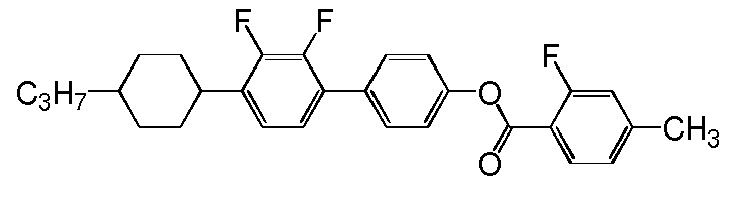
4430 
4416 
4431 
4417 
4432 
4418 
4433 
4419 
4434 
4420 
4435 
4421 
4436 
4422 
4437 
4423 
4438 
4424 
4439 
4425 
4440 
-
No. No. 4441 
4456 
4442 
4457 
4443 
4458 
4444 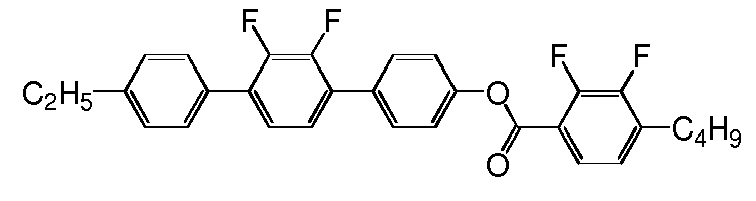
4459 
4445 
4460 
4446 
4461 
4447 
4462 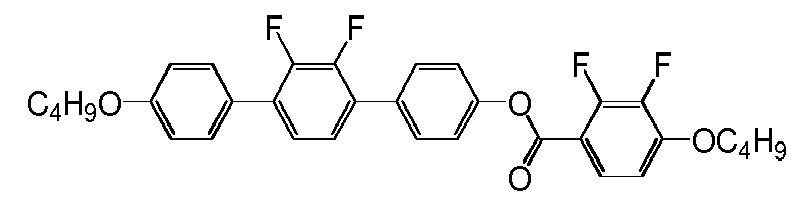
4448 
4463 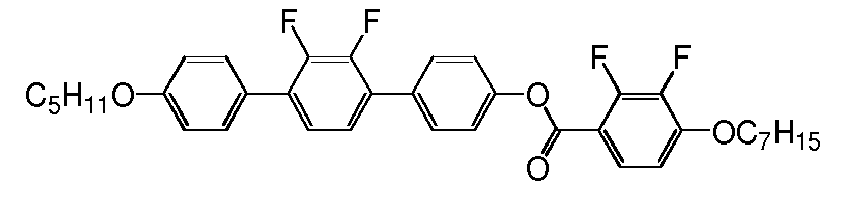
4449 
4464 
4450 
4465 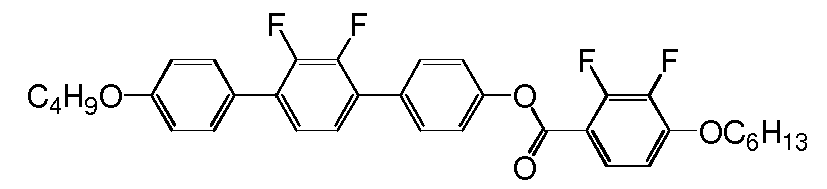
4451 
4466 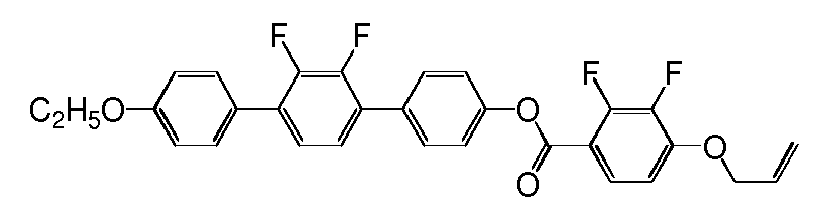
4452 
4467 
4453 
4468 
4454 
4469 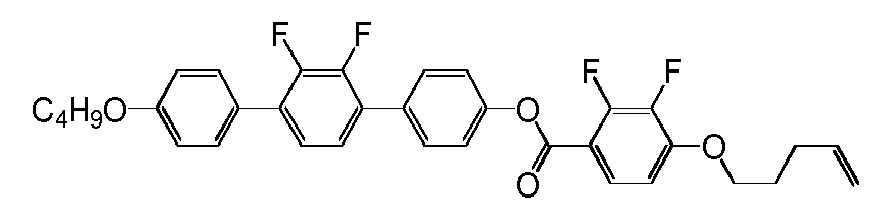
4455 
4470 
-
No. No. 4471 
4486 
4472 
4487 
4473 
4488 
4474 
4489 
4475 
4490 
4476 
4491 
4477 
4492 
4478 
4493 
4479 
4494 
4480 
4495 
4481 
4496 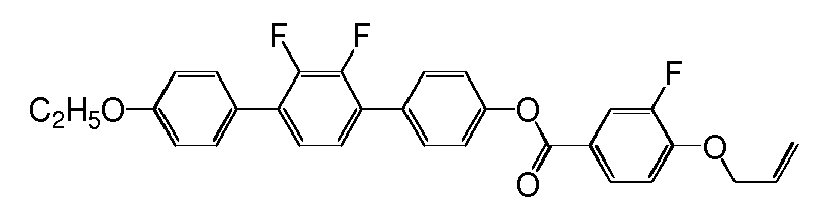
4482 
4497 
4483 
4498 
4484 
4499 
4485 
4500 
-
No. No. 4501 
4516 
4502 
4517 
4503 
4518 
4504 
4519 
4505 
4520 
4506 
4521 
4507 
4522 
4508 
4523 
4509 
4524 
4510 
4525 
4511 
4526 
4512 
4527 
4513 
4528 
4514 
4529 
4515 
4530 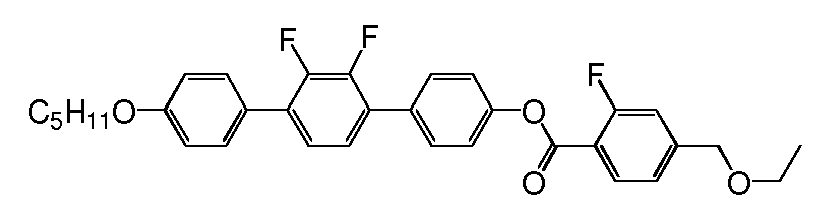
-
No. No. 4531 
4546 
4532 
4547 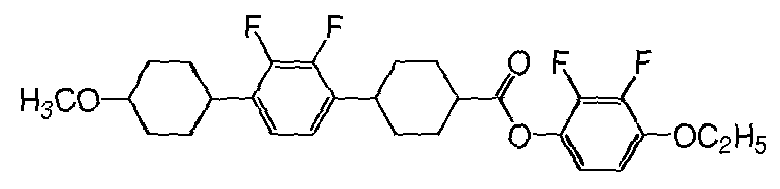
4533 
4548 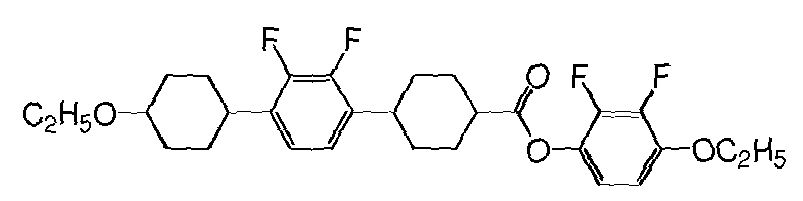
4534 
4549 
4535 
4550 
4536 
4551 
4537 
4552 
4538 
4553 
4539 
4554 
4540 
4555 
4541 
4556 
4542 
4557 
4543 
4558 
4544 
4559 
4545 
4560 
-
No. No. 4561 
4576 
4562 
4577 
4563 
4578 
4564 
4579 
4565 
4580 
4566 
4581 
4567 
4582 
4568 
4583 
4569 
4584 
4570 
4585 
4571 
4586 
4572 
4587 
4573 
4588 
4574 
4589 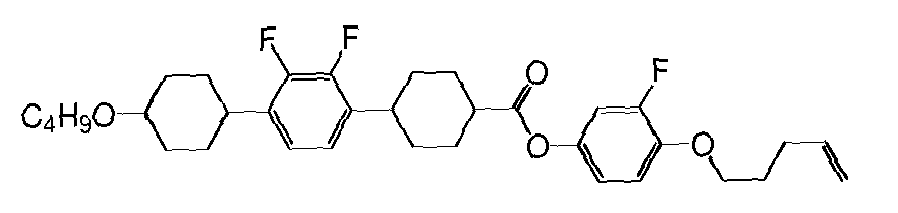
4575 
4590 
-
No. No. 4591 
4606 
4592 
4607 
4593 
4608 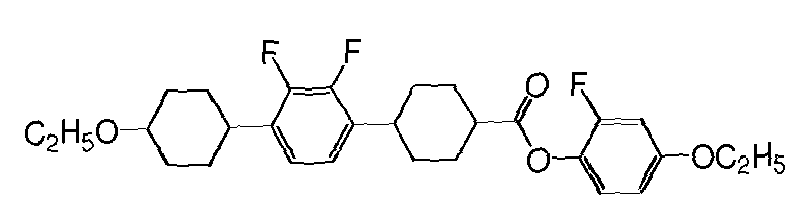
4594 
4609 
4595 
4610 
4596 
4611 
4597 
4612 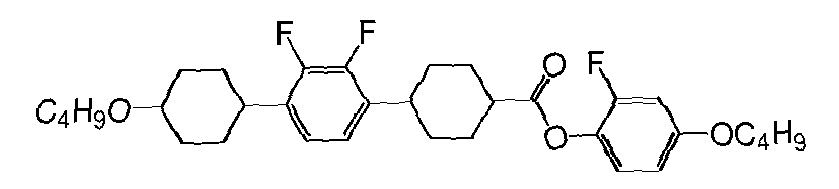
4598 
4613 
4459 
4614 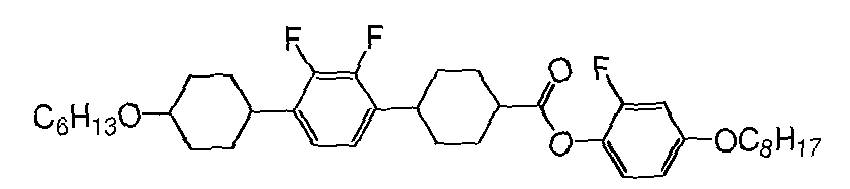
4600 
4615 
4601 
4616 
4602 
4617 
4603 
4618 
4604 
4619 
4605 
4620 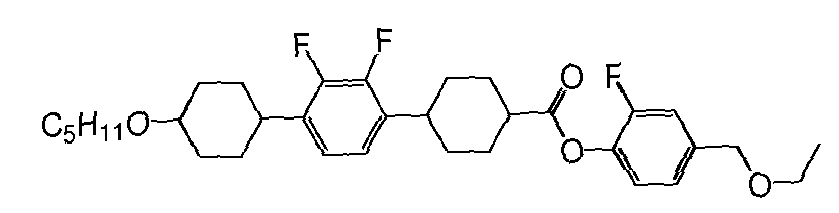
-
No. No. 4621 
4636 
4622 
4637 
4623 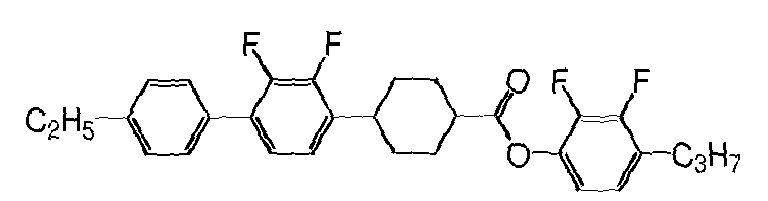
4638 
4624 
4639 
4625 
4640 
4626 
4641 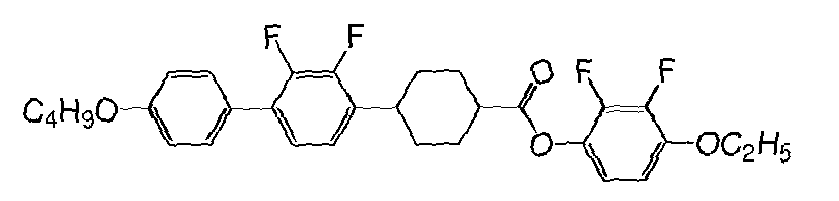
4627 
4642 
4628 
4643 
4629 
4644 
4630 
4645 
4631 
4646 
4632 
4647 
4633 
4648 
4634 
4649 
4635 
4650 
-
No. No. 4651 
4666 
4652 
4667 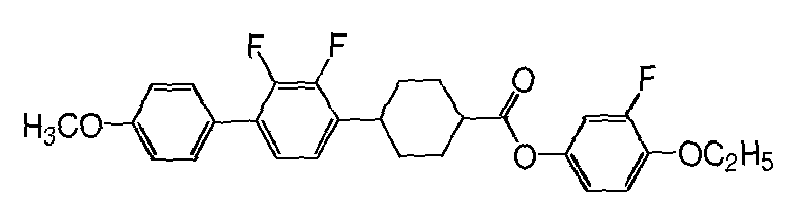
4653 
4668 
4654 
4669 
4655 
4670 
4656 
4671 
4657 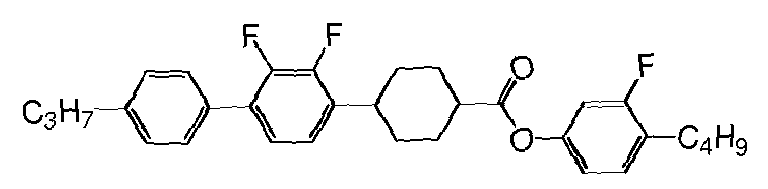
4672 
4658 
4673 
4659 
4674 
4660 
4675 
4661 
4676 
4662 
4677 
4663 
4678 
4664 
4679 
4665 
4680 
-
No. No. 4681 
4696 
4682 
4697 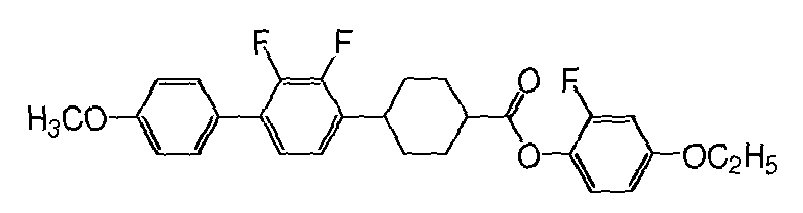
4683 
4698 
4684 
4699 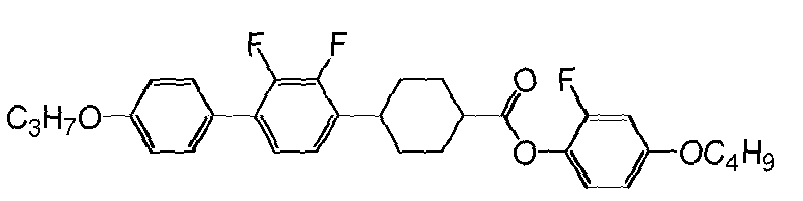
4685 
4700 
4686 
4701 
4687 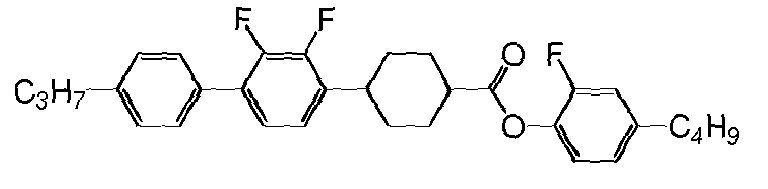
4702 
4688 
4703 
4689 
4704 
4690 
4705 
4691 
4706 
4692 
4707 
4693 
4708 
4694 
4709 
4695 
4710 
-
No. No. 4711 
4726 
4712 
4727 
4713 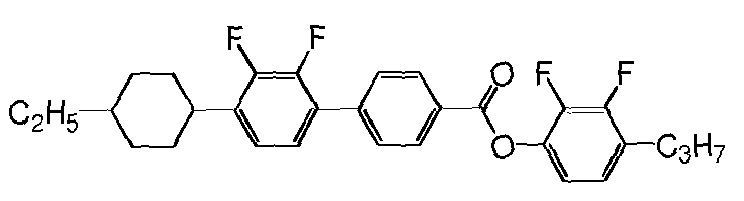
4728 
4714 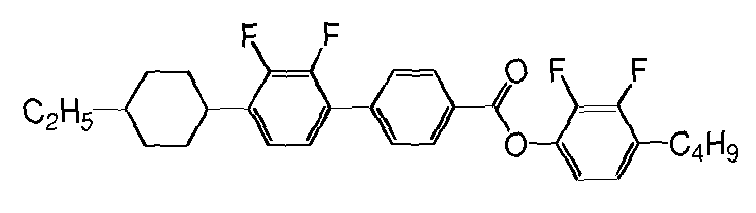
4729 
4715 
4730 
4716 
4731 
4717 
4732 
4718 
4733 
4719 
4734 
4720 
4735 
4721 
4736 
4722 
4737 
4723 
4738 
4724 
4739 
4725 
4740 
-
No. No. 4741 
4756 
4742 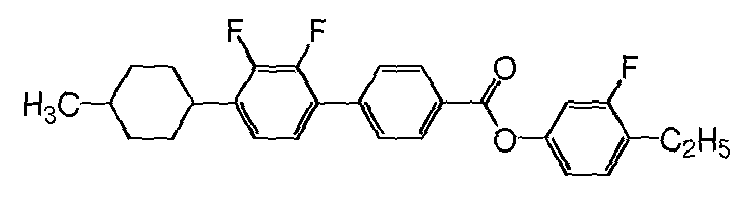
4757 
4743 
4758 
4744 
4759 
4745 
4760 
4746 
4761 
4747 
4762 
4748 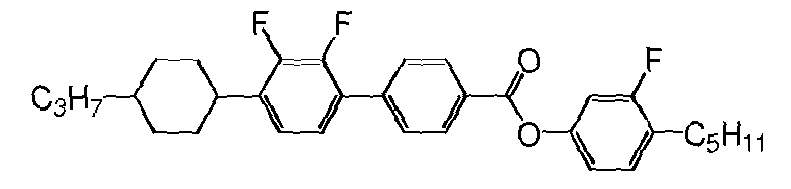
4763 
4749 
4764 
4750 
4765 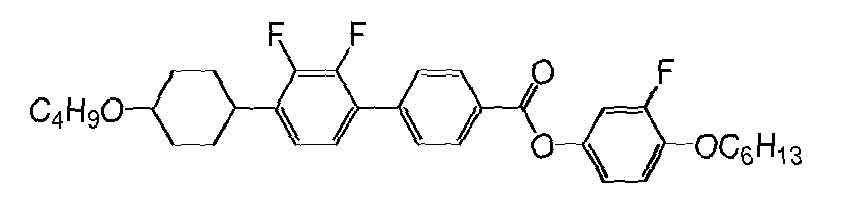
4751 
4766 
4752 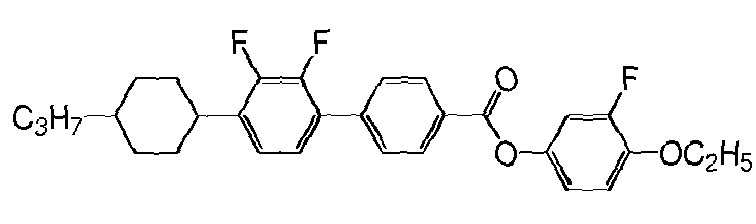
4767 
4753 
4768 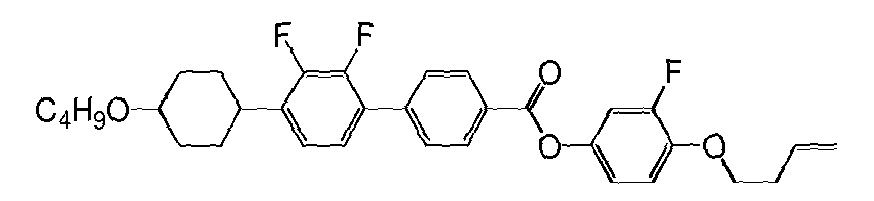
4754 
4769 
4755 
4770 
-
No. No. 4771 
4786 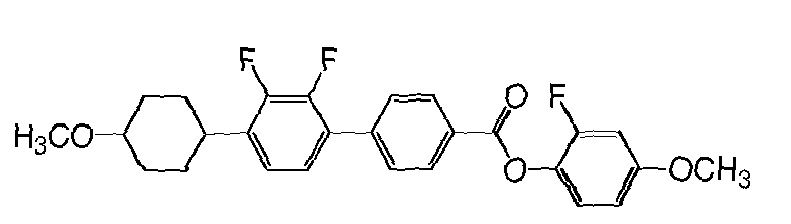
4772 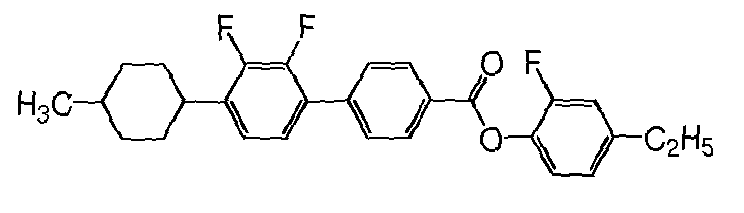
4787 
4773 
4788 
4774 
4789 
4775 
4790 
4776 
4791 
4777 
4792 
4778 
4793 
4779 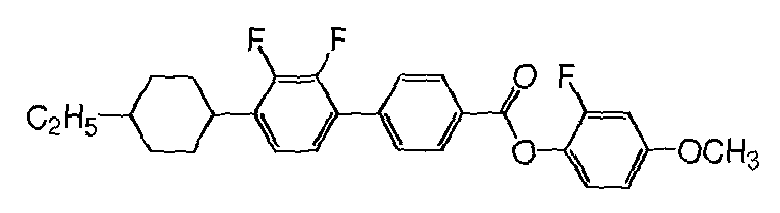
4794 
4780 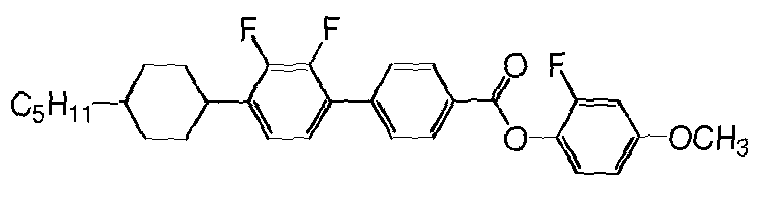
4795 
4781 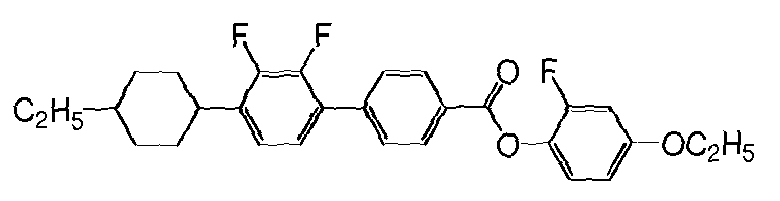
4796 
4782 
4797 
4783 
4798 
4784 
4799 
4785 
4800 
-
No. No. 4801 
4816 
4802 
4817 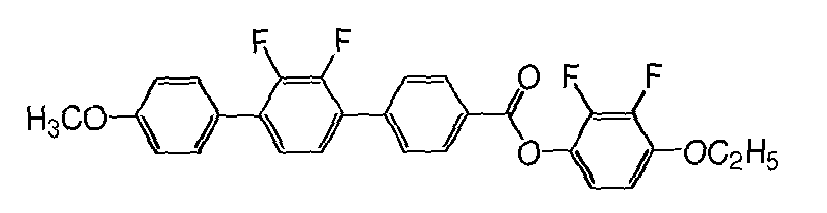
4803 
4818 
4804 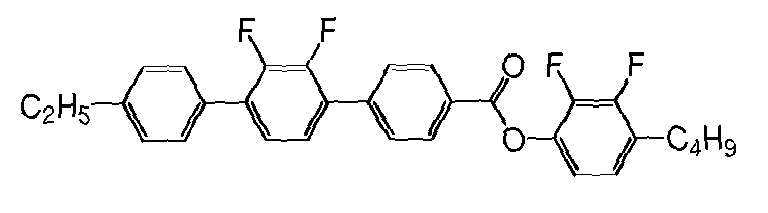
4819 
4805 
4820 
4806 
4821 
4807 
4822 
4808 
4823 
4809 
4824 
4810 
4825 
4811 
4826 
4812 
4827 
4813 
4828 
4814 
4829 
4815 
4830 
-
No. No. 4831 
4846 
4832 
4847 
4833 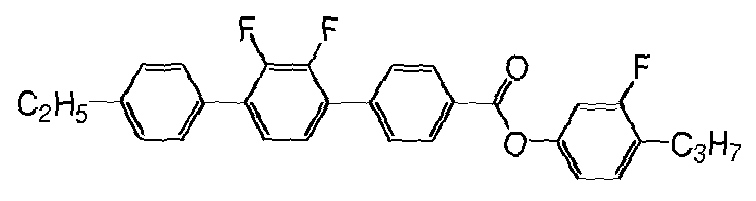
4848 
4834 
4849 
4835 
4850 
4836 
4851 
4837 
4852 
4838 
4853 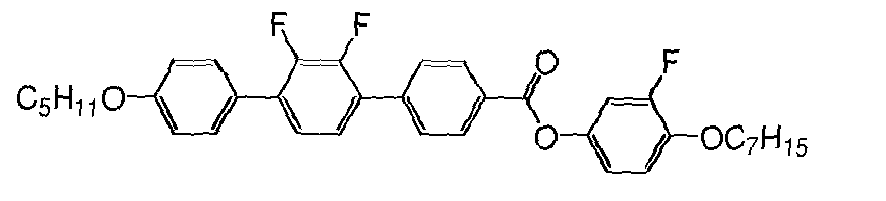
4839 
4854 
4840 
4855 
4841 
4856 
4842 
4857 
4843 
4858 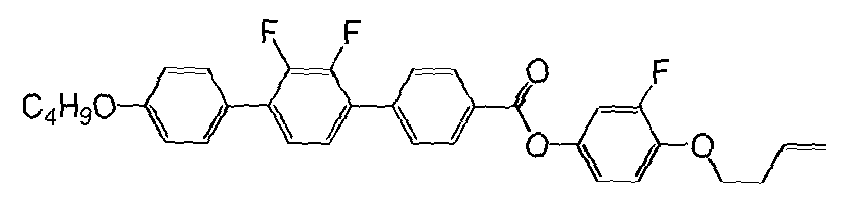
4844 
4859 
4845 
4860 
-
No. No. 4861 
4876 
4862 
4877 
4863 
4878 
4864 
4879 
4865 
4880 
4866 
4881 
4867 
4882 
4868 
4883 
4869 
4884 
4870 
4885 
4871 
4886 
4872 
4887 
4873 
4888 
4874 
4889 
4875 
4890 
- As a comparative example, 4-(2,3-difluoro-4-ethoxy-1,1'-biphenylethyl)-trans-4-propyl-(2-fluorophenyl)cyclohexane (F) was synthesized.
-

- The chemical shrift δ (ppm) of 1H-NMR analysis was as follows, and the obtained compound was identified as 4-(2,3-difluoro-4-ethoxy-1,1'-biphenylethyl)-trans-4-propyl-(2-fluorophenyl)cyclohexane (F). The solvent for measurement was CDCl3.
Chemical shrift δ (ppm); 7.43(d, 2H), 7.26(t, 3H), 7.14(t, 1H), 7.09(td, 1H), 6.93(d, 1H), 6.86(d, 1H), 6.79(t, 1H), 4.15(q, 2H), 2.93(m, 4H), 2.79(tt, 1H), 1.85(m, 4H), 1.53-1.41(m, 5H), 1.39-1.18(m, 5H), 1.12-1.02(m, 2H) and 0.90(t, 3H). - The transition temperature of the compound (F) was as follows.
Transition temperature: C 81.5 N 209.5 I. - Five compounds referred to as the mother liquid crystals (i), which were described above, were mixed and the mother liquid crystals (i) having a nematic phase were prepared. The physical properties of the mother liquid crystals (i) were as follows.
Maximum temperature (TNI)= 74.6 °C.
Viscosity (η20) = 18.9 mPa·s.
Optical anisotropy (Δn)= 0.087.
Dielectric anisotropy (Δε)= -1.3. - The liquid crystal composition (ii) consisting of 85% by weight of the mother liquid crystals (i) and 15% by weight of 4-(2,3-difluoro-4-ethoxy-1,1'-biphenylethyl)-trans-4-propyl-(2-fluorophenyl)cyclohexane (F) was prepared. Extrapolated values on the physical properties of the comparative compound (E) were calculated on the basis of measurement on the physical properties of the liquid crystal composition (ii) obtained, and of the extrapolation of the measured values. The values were as follows.
Maximum temperature (TNI)= 195.3 °C.
Optical anisotropy (Δn)= 0.207.
Dielectric anisotropy (Δε)= -4.76. - The liquid crystal composition (iii) consisting of 85% by weight of the mother liquid crystals (i) and 15% by weight of 4-ethoxy-2,3-difluoro-1,1'-biphenylbenzoic acid trans-4-pentylcyclohexyl-2,3-difluorophenyl ester (No. 1843) obtained in Example 7 was prepared. Physical property values of the compound (No. 1843) were calculated on the basis of measurement on the physical properties of the liquid crystal composition (iii) obtained and of the extrapolation of the measured values . The values were as follows.
Maximum temperature (TNI)= 247.9 °C.
Optical anisotropy (Δn)= 0.227.
Dielectric anisotropy (Δε)= -5.82. - From these results, it was found the compound No. 1843 had a low melting point, a high maximum temperature (TNI), a large optical anisotropy (Δn) and a large negative dielectric anisotropy (Δε).
- Moreover, the compound No. 1843 was found to have a higher maximum temperature (TNI), a larger optical anisotropy (Δn) and a larger negative dielectric anisotropy (Δε) as compared with those of the comparative compound (F).
- As a comparative example, 4-ethoxy-2,3-difluoro-4'-(4-pentylcyclohexylphenoxymethyl)-1,1'-biphenyl (G) was synthesized.
-

- The chemical shrift δ (ppm) of 1H-NMR analysis was as follows, and that the obtained compound was identified as 4-ethoxy-2,3-difluoro-4'-(4-pentylCyClohexylphenoxymethyl)-1,1'-biphenyl (G). The solvent for measurement was CDCl3.
Chemical shrift δ (ppm); 7.50(q, 4H), 7.14(d, 2H), 7.09(td, 1H), 6.92(d, 1H), 6.78(t, 1H), 4.17(q, 2H), 2.42(tt, 1H), 1.86(m, 4H), 1.53-1.17(m, 13H), 1.08-0.98(m, 2H), and 0.89(t, 3H). - The transition temperature of the compound (G) was as follows.
Transition temperature: C 136.2 SA 164.4 N 219.7 I. - The liquid crystal composition (iv) consisting of 95% by weight of the mother liquid crystals (i) and 5% by weight of 4-ethoxy-2,3-difluoro-4'-(trans-4-pentylcyclohexylphenoxymethyl)-1,1'-biphenyl (G) synthesized was prepared. The physical property values of the comparative compound (G) were calculated on the basis of measurement on the physical properties of the liquid crystal composition (iv) obtained and of the extrapolation of the measured values. The values were as follows.
Optical anisotropy (Δn)= 0.167.
Dielectric anisotropy (Δε)= -4.33.
Viscosity (η) = 139.3 mPa·s.
The elastic constant K33 of the liquid crystal composition (v) was 14.37 pN. - The liquid crystal composition (v) consisting of 95% by weight of the mother liquid crystals (i) and 5% by weight of 4-ethoxy-2,3-difluoro-4'-[2,3-difluoro-4-(4-pentylcyclohexyl)phenoxymethyl]-1,1'-biphenyl (No. 1123) obtained in Example 1 was prepared. The physical property values of the compound No. 1123 were calculated on the basis of measurement on the physical properties of the liquid crystal composition (v) obtained and of the extrapolation of the measured values. The values were as follows.
Optical anisotropy (Δn)= 0.207.
Dielectric anisotropy (Δε)= -7.40.
Viscosity (η)= 91.7 mPa·s.
The elastic constant K33 of the liquid crystal composition (v) was 15.79 pN. - From these results, it was found the compound No. 1123 had a low melting point, a high maximum temperature (TNI), a large optical anisotropy (Δn) and a large negative dielectric anisotropy (Δε).
- Moreover, the compound (No. 1123) was found to have a larger optical anisotropy (Δn), a larger negative dielectric anisotropy (Δε), a lower melting point, a smaller viscosity (η) and a larger elastic constant K33, as compared with those of the comparative compound (G).
- As a comparative example, 4-ethoxy-2,3,2",3"-tetrafluoro-4"-(4-pentylphenylethyl)-1,1"-terphenyl (H) similar to the compound (E) was synthesized.
-

- The chemical shrift δ (ppm) of 1H-NMR analysis was as follows, and the compound obtained was identified as 4-ethoxy-2,3,2",3"-tetrafluoro-4"-(4-pentylphenylethyl)-1,1"-terphenyl (H). The solvent for measurement was CDCl3.
Chemical shrift δ (ppm); 7.60 (dd, 4H), 7.18-7.10(m, 6H), 6.97(t, 1H), 6.82(td, 1H), 4.18(q, 2H), 3.00(m, 2H), 2.93(m, 2H), 2.58(t, 2H), 1.61(m, 2H), 1.49(t, 3H), 1.39-1.27(m, 4H) and 0.89(t, 3H). - The transition temperature of the compound (H) was as follows.
Transition temperature: C 146.1 N 209.0 I. - The liquid crystal composition (vi) consisting of 95% by weight of the mother liquid crystals (i) and 5% by weight of 4-ethoxy-2,3,2",3"-tetrafluoro-4"-(4-pentylphenylethyl)-1,1"-terphenyl (H) was prepared. The physical property values of the comparative compound (H) were calculated on the basis of measurement on the physical properties of the liquid crystal composition (vi) obtained and of the extrapolation of the measured values. The values were as follows.
Optical anisotropy (Δn)= 0.167.
Dielectric anisotropy (Δε)= -4.33.
Viscosity (η) = 139.3 mPa·s.
The elastic constant K33 of the liquid crystal composition (vi) was 14.37 pN. - The liquid crystal composition (vii) consisting of 95% by weight of the mother liquid crystals (i) and 5% by weight of trans-4-(2,3-difluoro-4-ethoxyphenyl)-4-[2,3-difluoro-4'-butoxy-1,1'-biphenoxymethyl]cyclohexane (No. 1041) obtained in Example 3 was prepared. The physical property values of the compound (No. 1041) were calculated on the basis of measurement on the physical properties of the liquid crystal composition (vii) obtained and of the extrapolation of the measured values. The values were as follows.
Maximum temperature (TNI)= 202.6 °C.;
Dielectric anisotropy (Δε)= -6.44.
Viscosity (η) = 101.7 mPa·s. - From these results, it was found that the liquid crystal compound No. 1041 had a low melting point, a high maximum temperature (TNI) and a large negative dielectric anisotropy (Δε).
- Moreover, the compound No. 1041 was found to have a higher maximum temperature (TNI), a larger negative dielectric anisotropy (Δε), a lower melting point and a smaller viscosity (η), as compared with those of the comparative compound (H).
- Hereinafter, the liquid crystal compositions obtained by means of the invention will be explained in detail on the basis of examples. Compounds used in the examples are expressed as symbols according to the notations in the table below. In the table, 1, 4-cyclohexylene has a trans-configuration. The ratio (percentage) of each compound means a weight percentage (% by weight) based on the total weight of the liquid crystal composition, unless otherwise indicated. Characteristic values of the liquid crystal composition obtained are shown in the last part of each example.
- A number described next to the name of a compound in each example corresponds to that of the formula of the compound used for the first to third components of the invention described above. When the symbol "-" is only given instead of the number of a formula, it means another compound which is different from that of the components.
- The notations using symbols for compounds are shown below.
-

- Characteristics were measured according to the following methods. Most methods are described in the Standard of Electric Industries Association of Japan, EIAJ·ED-2521 A or those with some modifications.
- A sample was placed on a hot plate in a melting point apparatus equipped with a polarizing microscope and was heated at the rate of 1 °C per minute. Temperature was measured when part of the sample began to change from a nematic phase to an isotropic liquid. Hereinafter, the maximum temperature of a nematic phase may be abbreviated to the "maximum temperature."
- Samples having a nematic phase were respectively kept in freezers at 0 °C, -10 °C, -20 °C, -30 °C and -40 °C for ten days, and then liquid crystal phases were observed. For example, when the sample still remained to be a nematic phase at -20 °C and changed to crystals or a smectic phase at -30 °C, Tc was expressed as ≤-20 °C. Hereinafter, the minimum temperature of a nematic phase may be abbreviated to the "minimum temperature."
- The optical anisotropy was measured by use of an Abbe refractometer with a polarizing plate attached to the ocular, using light at a wavelength of 589 nm. The surface of the main prism was rubbed in one direction, and then a sample was dropped onto the main prism. A refractive index (n∥) when the direction of polarization was parallel to that of rubbing and a refractive index (n⊥) when the direction of polarization was perpendicular to that of rubbing were measured. The value (Δn) of optical anisotropy was calculated from the formula of Δn= n∥- n⊥.
- Viscosity was measured by use of an E-type viscometer.
- A solution of octadecyltriethoxysilane (0.16 mL) in ethanol (20 mL) was applied to a thoroughly cleaned glass substrate. The glass substrate was rotated with a spinner, and then heated at 150 °C for one hour. A VA device in which a distance (cell gap) was 20 µm was assembled from the two glass substrates.
- A polyimide alignment film was prepared on glass substrates in a similar manner. After a rubbing-treatment to the alignment film obtained on the glass substrates, a TN device in which a distance between the two glass substrates was 9 µm and the twist angle was 80 degrees was assembled.
- A sample (a liquid crystal composition, or a mixture of a compound and mother liquid crystals) was put in the VA device obtained, a voltage of 0. 5 V (1 kHz, sine waves) was applied, and then a dielectric constant (ε∥) in a major axis direction of the liquid crystal molecules was measured.
- The sample (the liquid crystal composition, or the mixture of the compound and the mother liquid crystals) was put in the TN device obtained, a voltage of 0.5 V (1 kHz, sine waves) was applied, and then the dielectric constant (ε⊥) in a minor axis direction of liquid crystal molecules was measured. The value of dielectric anisotropy was calculated from the equation of Δ≤ = εll - ε⊥.
A composition in which this value is negative has negative dielectric anisotropy. - A sample was put in a cell having a polyimide alignment film in which the distance between two glass substrates (cell gap) was 6 µm, giving TN device. The TN device was charged at 25 °C by applying pulse voltage (60 microseconds at 5V). The waveforms of the voltage applied to the TN device were observed with a cathode ray oscilloscope and an area between a voltage curve and a horizontal axis in a unit period (16.7 milliseconds) was measured. An area was similarly measured based on the waveform of the applied voltage after the TN device had been removed. The value of the voltage holding ratio (%) was calculated from the equation: (voltage holding ratio)= (value of the area in the presence of a TN device) / (value of the area in the absence of TN device)x 100.
- The voltage holding ratio thus obtained was referred to as "VHR-1". Then, the TN device was heated at 100 °C for 250 hours. After the TN device had been allowed to come to 25 °C, the voltage holding ratio was measured by a method similar to that described above. The voltage holding ratio obtained after the heating test was referred to as "VHR-2." The heating test means an acceleration test and was used as a test corresponding to a long-term durability test for the TN device.
-
5-HB(2F,3F)O1HB(2F,3F)-O2 (No. 943) 6% 5-HB(2F,3F)O1BB(2F,3F)-O2 (No. 1123) 6% 3-HH-4 (2-1) 5% 3-HB(2F,3F)-O2 (3-1) 16% 5-HB(2F,3F)-O2 (3-1) 21% 2-HHB(2F,3F)-1 (3-29) 5% 3-HHB(2F,3F)-1 (3-29) 7% 3-HHB(2F,3F)-O2 (3-29) 14% 5-HHB(2F,3F)-O2 (3-29) 20% NI= 83.8 °C; Δn= 0.095; η= 34.4 mPa·s; Δε= -5.0. -
4O-BB(2F,3F)O1HB(2F,3F)-O2 (No. 1041) 6% 3-HB-O1 (2-4) 15% 3-HH-4 (2-1) 5% 3-HB(2F,3F)-O2 (3-1) 12% 5-HB(2F,3F)-O2 (3-1) 12% 2-HHB(2F,3F)-1 (3-29) 12% 3-HHB(2F,3F)-1 (3-29) 6% 3-HHB(2F,3F)-O2 (3-29) 13% 5-HHB(2F,3F)-O2 (3-29) 13% 3-HHB-1 (2-25) 6% NI= 91.2 °C; TC≤ -20 °C; Δn= 0.094; η= 39.8 mPa·s. -
4O-ChB(2F,3F)O1HB(2F,3F)-O2 (No. 951) 5% 3-HB-O1 (2-4) 10% 3-HH-4 (2-1) 5% 3-HB(2F,3F)-O2 (3-1) 12% 5-HB(2F,3F)-O2 (3-1) 12% 2-HHB(2F,3F)-1 (3-29) 12% 3-HHB(2F,3F)-1 (3-29) 12% 3-HHB(2F,3F)-O2 (3-29) 13% 5-HHB(2F,3F)-O2 (3-29) 13% 6-HEB(2F,3F)-O2 (3-29) 6% NI= 88.7 °C; TC≤ -20 °C; Δn= 0.091; η= 40.8 mPa·s; Δε= -4.0. -
5-HB(2F,3F)H1OB(2F,3F)-O2 (No. 3823) 9% 3-HH-4 (2-1) 8% 3-H2B(2F,3F)-O2 (3-3) 22% 5-H2B(2F,3F)-O2 (3-3) 22% 2-HHB(2F,3C1)-O2 (3-59) 2% 3-HHB(2F,3C1)-O2 (3-59) 3% 4-HHB(2F,3C1)-O2 (3-59) 2% 5-HHB(2F,3C1)-O2 (3-59) 2% 3-HBB(2F,3C1)-O2 (3-93) 9% V-HHB-1 (2-25) 6% 3-HHB-3 (2-25) 6% 3-HHEBH-3 (2-74) 3% 3-HHEBH-4 (2-74) 3% 3-HHEBH-5 (2-74) 3% NI= 94.7 °C; TC≤ -20 °C; Δn=0.098; η= 30.0 mPa·s; Δε= -4.1. -
5-HB(2F,3F)H1OB(2F,3F)-O2 (No. 3823) 3% 40-BB(2F,3F)H1OB(2F,3F)-O2 (No. 3921) 4% 3-HH-4 (2-1) 15% 3-H2B(2F,3F)-O2 (3-3) 15% 5-H2B(2F,3F)-O2 (3-3) 15% 3-HHB(2F,3C1)-O2 (3-59) 5% 2-HBB(2F,3F)-O2 (3-93) 3% 3-HBB(2F,3F)-O2 (3-93) 9% 5-HBB(2F,3F)-O2 (3-93) 9% 3-HHB-1 (2-25) 3% 3-HHB-3 (2-25) 4% 3-HHB-O1 (2-25) 3% 3-HB-02 (2-4) 12% NI= 89.3 °C; TC≤ -20 °C; Δn= 0.106; η= 25.7 mPa·s; Δε= -4.5. -
2O-B(2F,3F)BEB(2F,3F)H-5 (No. 1843) 3% 2O-B(2F,3F)HEB(2F,3F)H-5 (No. 1663) 3% 2-HH-3 (2-1) 5% 3-HH-O1 (2-1) 4% 3-HH-03 (2-1) 5% 5-HH-O1 (2-1) 4% 3-HB(2F,3F)-O2 (3-1) 12% 5-HB(2F,3F)-O2 (3-1) 11% 3-HHB(2F,3F)-O2 (3-59) 14% 5-HHB(2F,3F)-O2 (3-59) 15% 3-HHB(2F,3F)-2 (3-59) 24% -
5-HB(2F,3F)O1HB(2F,3F)-O2 (No. 943) 5% 5-HB(2F,3F)O1BB(2F,3F)-O2 (No. 1123) 5% 3-HH-5 (2-1) 5% 3-HH-4 (2-1) 5% 3-HH-O1 (2-1) 6% 3-HH-O3 (2-1) 6% 3-HB-O1 (2-4) 5% 3-HB-O2 (2-4) 5% 3-HB(2F,3F)-O2 (3-1) 10% 5-HB(2F,3F)-O2 (3-1) 10% 3-HHB(2F,3F)-O2 (3-59) 12% 5-HHB(2F,3F)-O2 (3-59) 13% 3-HHB(2F,3F)-2 (3-59) 4% 2-HHB(2F,3F)-1 (3-59) 4% 3-HHEH-3 (2-46) 5% -
5-HB(2F,3F)O1HB(2F,3F)-O2 (No. 943) 6% 5-HB(2F,3F)O1BB(2F,3F)-O2 (No. 1123) 6% 2-H2H-3 (2-2) 5% 3-H2H-V (2-2) 17% 3-HBBH-5 (2-69) 3% 1O1-HBBH-4 (2-69) 3% 5-HBB(3F)B-2 (2-73) 3% V-HB(2F,3F)-O2 (3-1) 7% 5-HB(2F,3F)-O2 (3-1) 7% 3-H2B(2F,3F)-O2 (3-3) 12% 5-H2B(2F,3F)-O2 (3-3) 12% 3-HBB(2F,3F)-O2 (3-93) 8% 5-HBB(2F,3F)-O2 (3-93) 8% 2-BB(2F,3F)B-3 (3-57) 3% -
5-GB(2F,3F)O1HB(2F,3F)-O2 (No. 940) 3% 4O-BB(2F,3F)H1OB(2F,3F)-O2 (No. 3921) 4% 3-HH-4 (2-1) 15% 3-H2B(2F,3F)-O2 (3-3) 15% 5-H2B(2F,3F)-O2 (3-3) 15% 3-HHB(2F,3C1)-O2 (3-59) 5% 2-HBB(2F,3F)-O2 (3-93) 3% 3-HBB(2F,3F)-O2 (3-93) 9% 5-HBB(2F,3F)-O2 (3-93) 9% 3-HHB-1 (2-25) 3% 3-HHB-3 (2-25) 4% 3-HHB-O1 (2-25) 3% 3-HB-O2 (2-4) 12% NI= 89.1 °C; Δn= 0.106; η= 26.6 mPa·s; Δε= -4.4. -
5-HB(2F,3F)chB(2F,3F)-O2 (No. 12) 5% 3-HB-O1 (2-4) 10% 3-HH-4 (2-1) 5% 3-HB(2F,3F)-O2 (3-1) 12% 5-HB(2F,3F)-O2 (3-1) 12% 2-HHB(2F,3F)-1 (3-59) 12% 3-HHB(2F,3F)-1 (3-59) 12% 3-HHB(2F,3F)-O2 (3-59) 13% 5-HHB(2F,3F)-O2 (3-59) 13% 6-HEB(2F,3F)-O2 (3-29) 6% NI= 90.5 °C; TC≤ -20 °C; Δn= 0.091; η= 38.6 mPa·s; Δε= -4.0. -
5-HB(2F,3F)chB(2F,3F)-O2 (No. 12) 3% 5-HB(2F,3F)HB(2F,3F)-O2 (No. 13) 4% 3-HH-4 (2-1) 15% 3-H2B(2F,3F)-O2 (3-3) 15% 5-H2B(2F,3F)-O2 (3-3) 15% 3-HHB(2F,3C1)-O2 (3-59) 5% 2-HBB(2F,3F)-O2 (3-93) 3% 3-HBB(2F,3F)-O2 (3-93) 9% 5-HBB(2F,3F)-O2 (3-93) 9% 3-HHB-1 (2-25) 3% 3-HHB-3 (2-25) 4% 3-HHB-O1 (2-25) 3% 3-HB-O2 (2-4) 12% NI= 88.9 °C; Δn = 0.103; η= 25.5 mPa·s; Δε= -4.4. -
5-HB(2F,3F)HB(2F,3F)-O2 (No. 13) 6% 3-HB-O1 (2-4) 15% 3-HH-4 (2-1) 5% 3-HB(2F,3F)-O2 (3-1) 12% 5-HB(2F,3F)-O2 (3-1) 12% 2-HHB(2F,3F)-1 (3-59) 12% 3-HHB(2F,3F)-1 (3-59) 6% 3-HHB(2F,3F)-O2 (3-59) 13% 5-HHB(2F,3F)-O2 (3-59) 13% 3-HHB-1 (2-25) 6% NI= 90.6 °C; Δn= 0.092; η= 39.4 mPa·s; Δε= -3.5. - The liquid crystal compound of the invention has stability to heat, light and so forth, a nematic phase in a wide temperature range, a small viscosity, a large optical anisotropy and a suitable elastic constant K33, and further has a suitable and negative dielectric anisotropy and an excellent compatibility with other liquid crystal compounds. A liquid crystal composition comprising this compound has stability to heat, light and so forth, a small viscosity, a large optical anisotropy, a suitable elastic constant K33, a suitable and negative dielectric anisotropy and a low threshold voltage, and further has a high maximum temperature of a nematic phase and a low minimum temperature of the nematic phase. Since a liquid crystal display device containing this composition has a short response time, a low electric power consumption, a small driving voltage, a large contrast ratio and a wide temperature range in which the device can be used, it can be used for a liquid crystal display panel, a liquid crystal display module or the like.
Claims (30)
- A liquid crystal compound represented by formula (a):

R1 and R2 are each independently hydrogen, alkyl having 1 to 10 carbons, alkenyl having 2 to 10 carbons, alkoxy having 1 to 9 carbons, alkoxyalkyl having 2 to 9 carbons or alkenyloxy having 2 to 9 carbons;
ring A1 and ring A2 are each independently 1,4-phenylene, trans-1,4-cyclohexylene, 1,4-cyclohexenylene, tetrahydropyran-2,5-diyl, tetrahydropyran-3,6-diyl, 1,3-dioxane-2,5-diyl, 1,3-dioxane-3,6-diyl, pyrimidine-2,5-diyl, pyrimidine-3,6-diyl, pyridine-2,5-diyl or pyrimidine-3,6-diyl;
L1 and L2 are each independently hydrogen or fluorine, and at least one of L1 and L2 is fluorine; and
Z1 and Z2 are each independently a single bond, -(CH2)2-, -CH=CH-, -C≡C-, -CH2O-, -OCH2-, -COO- or -OCO-. - The compound according to claim 1, wherein, in formula (a), ring A1 and ring A2 are each independently 1,4-phenylene, trans-1,4-cyclohexylene, tetrahydropyran-2,5-diyl or tetrahydropyran-3,6-diyl.
- The compound according to claim 2, wherein the compound is represented by formula (a-1) or (a-2):


R3 and R4 are each independently alkyl having 1 to 10 carbons, alkenyl having 2 to 10 carbons, alkoxy having 1 to 9 carbons, alkoxyalkyl having 2 to 9 carbons or alkenyloxy having 2 to 9 carbons;
ring A3 and ring A4 are each independently 1,4-phenylene, trans-1,4-cyclohexylene, tetrahydropyran-2,5-diyl or tetrahydropyran-3,6-diyl;
L3 and L4 are each independently hydrogen or fluorine, and at least one of L3 and L4 is fluorine; and
Z3 and Z4 are each independently -(CH2)2-, -CH=CH-, -CH2O-, -OCH2-, -COO- or -OCO-. - The compound according to claim 3, wherein the compound is represented by any one of formulas (a-3) to (a-8):


R5 and R6 are each independently alkyl having 1 to 10 carbons, alkenyl having 2 to 10 carbons, alkoxy having 1 to 9 carbons, alkoxyalkyl having 2 to 9 carbons or alkenyloxy having 2 to 9 carbons; and
Z5 and Z6 are each independently -(CH2)2-, -CH=CH-, -CH2O-, -OCH2-, -COO- or -OCO-. - The compound according to claim 3, wherein the compound is represented by any one of formulas (a-9) to (a-14):


R7 and R8 are each independently alkyl having 1 to 10 carbons, alkenyl having 2 to 10 carbons, alkoxy having 1 to 9 carbons, alkoxyalkyl having 2 to 9 carbons or alkenyloxy having 2 to 9 carbons; and
Z7 and Z8 are each independently -(CH2)2-, -CH=CH-, -CH2O-, -OCH2-, -COO- or -OCO-. - The compound according to claim 3, wherein the compound is represented by any one of formulas (a-15) to (a-26):


R9 and R10 are each independently alkyl having 1 to 10 carbons, alkenyl having 2 to 10 carbons, alkoxy having 1 to 9 carbons, alkoxyalkyl having 2 to 9 carbons or alkenyloxy having 2 to 9 carbons; and
Z9 and Z10 are each independently -(CH2)2-, -CH=CH-, -CH2O-, -OCH2-, -COO- or -OCO-. - The compound according to claim 4, wherein, in formulas (a-3) to (a-8), Z5 and Z6 are -CH2O-.
- The compound according to claim 4, wherein, in formulas (a-3) to (a-8), Z5 and Z6 are -OCH2-.
- The compound according to claim 4, wherein, in formulas (a-3) to (a-8), Z5 and Z6 are -(CH2)2-.
- The compound according to claim 4, wherein, in formulas (a-3) to (a-8), Z5 and Z6 are -COO-.
- The compound according to claim 4, wherein, in formulas (a-3) to (a-8), Z5 and Z6 are -OCO-.
- The compound according to claim 5, wherein, in formulas (a-9) to (a-14), Z7 and Z8 are -CH2O-.
- The compound according to claim 5, wherein, in formulas (a-9) to (a-14), Z7 and Z8 are -OCH2-.
- The compound according to claim 5, wherein, in formulas (a-9) to (a-14), Z7 and Z8 are -(CH2)2-.
- The compound according to claim 5, wherein, in formulas (a-9) to (a-14), Z7 and Z8 are -COO-.
- The compound according to claim 5, wherein, in formulas (a-9) to (a-14), Z7 and Z8 are -OCO-.
- The compound according to claim 6, wherein, in formulas (a-15) to (a-26), Z9 and Z10 are -CH2O-.
- The compound according to claim 6, wherein, in formulas (a-15) to (a-26), Z9 and Z10 are -OCH2-.
- The compound according to claim 6, wherein, in formulas (a-15) to (a-26), Z9 and Z10 are -(CH2)2-.
- The compound according to claim 6, wherein, in formulas (a-15) to (a-26), Z9 and Z10 are -COO-.
- The compound according to claim 6, wherein, in formulas (a-15) to (a-26), Z9 and Z10 are -OCO-.
- A liquid crystal composition which has negative dielectric anisotropy, comprising a first component which is at least one compound selected from compounds according to any one of claims 1 to 21, and a second component which is at least one compound selected from the group of compounds represented by formulas (e-1) to (e-3):


Ra11 and Rb11 are each independently alkyl having 1 to 10 carbons, and in this alkyl, -CH2- may be nonadjacently replaced by -O-, and -(CH2)2- may be nonadjacently replaced by -CH=CH-, and hydrogen may be replaced by fluorine;
ring A11, ring A12, ring A13 and ring A14 are each independently trans-1,4-cyclohexylene, 1,4-phenylene, 2-fluoro-1,4-phenylene, 3-fluoro-1,4-phenylene, pyrimidine-2,5-diyl, pyrimidine-3,6-diyl, 1,3-dioxane-2,5-diyl, 1,3-dioxane-3,6-diyl, tetrahydropyran-2,5-diyl or tetrahydropyran-3,6-diyl; and
Z11, Z12 and Z13 are each independently a single bond, -CH2-CH2-, -CH=CH-, -C=C-, -COO- or -CH2O-. - A liquid crystal composition which has negative dielectric anisotropy, comprising a first component which is at least one compound selected from the group of compounds according to claim 3, and a second component which is at least one compound selected from the group of compounds represented by formulas (e-1) to (e-3) according to claim 22.
- The liquid crystal composition according to claim 23, wherein the content ratio of the first component is in the range of 5% to 60% by weight and the content ratio of the second component is in the range of 40% to 95% by weight, based on the total weight of the liquid crystal composition.
- The liquid crystal composition according to claim 22 or 23, further comprising a third component which is at least one compound selected from the group of compounds represented by formulas (g-1) to (g-6), in addition to the first and second components:


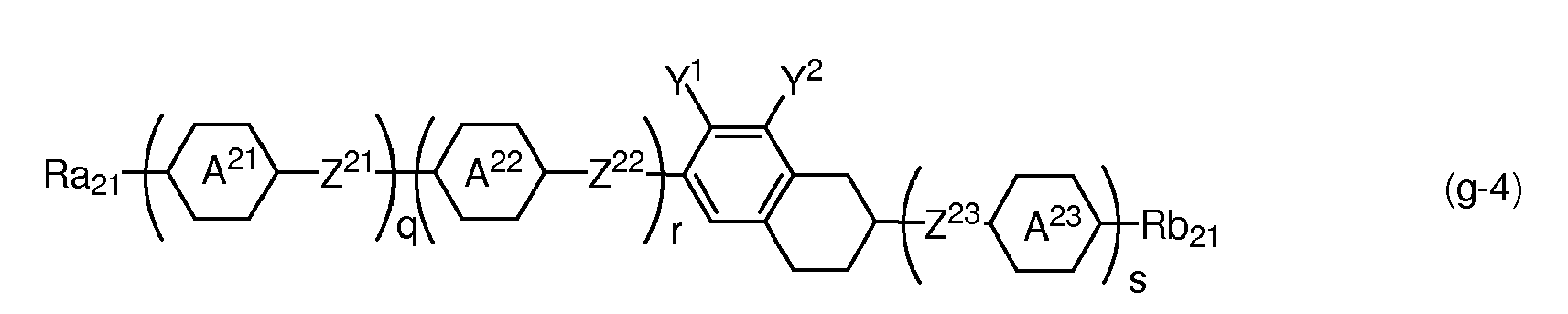


Ra21 and Rb21 are each independently hydrogen or alkyl having 1 to 10 carbons, and in the alkyl, -CH2- may be nonadjacently replaced by -O-, and -(CH2)2- may be nonadjacently replaced by -CH=CH-, and hydrogen may be replaced by fluorine;
ring A21, ring A22 and ring A23 are each independently trans-1,4-cyclohexylene, 1,4-phenylene, 2-fluoro-1,4-phenylene, 3-fluoro-1,4-phenylene, 2,3-difluoro-1,4-phenylene, pyrimidine-2,5-diyl, pyrimidine-3,6-diyl, 1,3-dioxane-2,5-diyl, 1,3-dioxane-3,6-diyl, tetrahydropyran-2,5-diyl or tetrahydropyran-3,6-diyl;
Z21, Z22 and Z23 are each independently a single bond, -CH2-CH2-,-CH=CH-, -C≡C-, -OCF2-, -CF2O-, -OCF2CH2CH2-, -CH2CH2CF2O-, -COO-, -OCO-, -OCH2- or -CH2O-;
Y1, Y2, Y3 and Y4 are each independently fluorine or chlorine;
q, r and s are each independently 0, 1 or 2, q+r is 1 or 2, and q+r+s is 1, 2 or 3; and
t is 0, 1 or 2. - The liquid crystal composition according to claim 25, further comprising a third component which is at least one compound selected from the group of compounds represented by formulas (h-1) to (h-7), in addition to the first and second components:





Ra22 and Rb22 are each independently straight-chain alkyl having 1 to 8 carbons, straight-chain alkenyl having 2 to 8 carbons or alkoxy having 1 to 7 carbons;
Z24, Z25 and Z26 are each independently a single bond, -CH2CH2-, -CH2O- or -OCH2-; and
Y1 and Y2 are simultaneously fluorine, or one of Y1 and Y2 is fluorine and the other is chlorine. - A liquid crystal composition which has negative dielectric anisotropy, comprising a first component which is at least one compound selected from the compounds according to claim 3, a second component which is at least one compound selected from the group of compounds represented by formulas (e-1) to (e-3) according to claim 22, and a third component which is at least one compound selected from the group of compounds represented by formulas (h-1) to (h-7) according to claim 26.
- The liquid crystal composition according to any one of claims 25 to 27, wherein the content ratio of the first component is in the range of 5% to 60% by weight, the content ratio of the second component is in the range of 20% to 75% by weight, and the content ratio of the third component is in the range of 20% to 75% by weight, based on the total weight of the liquid crystal composition.
- A liquid crystal display device containing the liquid crystal composition according to any one of claims 22 to 28.
- The liquid crystal display device according to claim 29, wherein the operating mode thereof is a VA mode, a PSA mode or an IPS mode, and the driving mode thereof is an active matrix mode.
Applications Claiming Priority (2)
| Application Number | Priority Date | Filing Date | Title |
|---|---|---|---|
| JP2008150972 | 2008-06-09 | ||
| PCT/JP2009/060082 WO2009150966A1 (en) | 2008-06-09 | 2009-06-02 | Tetracyclic liquid crystalline compound having lateral fluorine, liquid crystal composition and liquid crystal display element |
Publications (3)
| Publication Number | Publication Date |
|---|---|
| EP2305627A1 true EP2305627A1 (en) | 2011-04-06 |
| EP2305627A4 EP2305627A4 (en) | 2012-03-07 |
| EP2305627B1 EP2305627B1 (en) | 2014-09-17 |
Family
ID=41416675
Family Applications (1)
| Application Number | Title | Priority Date | Filing Date |
|---|---|---|---|
| EP09762396.1A Not-in-force EP2305627B1 (en) | 2008-06-09 | 2009-06-02 | Tetracyclic liquid crystalline compound having lateral fluorine, liquid crystal composition and liquid crystal display element |
Country Status (7)
| Country | Link |
|---|---|
| US (1) | US8394294B2 (en) |
| EP (1) | EP2305627B1 (en) |
| JP (1) | JP5601199B2 (en) |
| KR (1) | KR101577087B1 (en) |
| CN (1) | CN102056881B (en) |
| TW (1) | TWI475096B (en) |
| WO (1) | WO2009150966A1 (en) |
Cited By (4)
| Publication number | Priority date | Publication date | Assignee | Title |
|---|---|---|---|---|
| US9090823B2 (en) | 2008-12-22 | 2015-07-28 | Merck Patent Gmbh | Liquid crystal display |
| EP2957554A4 (en) * | 2013-02-13 | 2016-11-30 | Jnc Corp | Liquid-crystalline compound having difluoromethyleneoxy group, liquid crystal composition, and liquid crystal display element |
| EP3029126A4 (en) * | 2013-09-06 | 2017-03-29 | DIC Corporation | Nematic liquid crystal composition and liquid crystal display element using same |
| EP2484658B1 (en) * | 2009-10-01 | 2017-12-06 | JNC Corporation | Liquid crystalline compound with negative dielectric anisotropy, liquid crystal composition using same, and liquid crystal display element |
Families Citing this family (23)
| Publication number | Priority date | Publication date | Assignee | Title |
|---|---|---|---|---|
| JP5847580B2 (en) * | 2008-07-28 | 2016-01-27 | メルク パテント ゲゼルシャフト ミット ベシュレンクテル ハフツングMerck Patent Gesellschaft mit beschraenkter Haftung | Liquid crystal display |
| TWI480363B (en) * | 2009-08-19 | 2015-04-11 | Jnc Corp | Tetrahydropyran compound, liquid crystal composition and liquid crystal display device |
| CN102851033B (en) * | 2011-07-01 | 2014-04-09 | 河北迈尔斯通电子材料有限公司 | 2,3,2',3'-Tetrafluorodiphenylethane type negative liquid crystal material and preparation method thereof |
| JP5962949B2 (en) * | 2011-11-28 | 2016-08-03 | Dic株式会社 | Polymerizable liquid crystal compound |
| WO2013179966A1 (en) * | 2012-05-28 | 2013-12-05 | Dic株式会社 | Liquid crystal composition with negative dielectric anisotropy, and liquid crystal display element using liquid crystal composition |
| CN104321409B (en) * | 2012-06-15 | 2016-05-04 | Dic株式会社 | Nematic liquid-crystal composition and use its liquid crystal display cells |
| JP6085912B2 (en) * | 2012-08-01 | 2017-03-01 | Dic株式会社 | Compound, liquid crystal composition, and liquid crystal display device |
| CN102838466A (en) * | 2012-10-08 | 2012-12-26 | 莱阳市盛华科技有限公司 | Synthetic method of 4-(2,3-difluoro-4-alkoxyl)phenylcyclohexanone |
| TWI464242B (en) | 2012-10-26 | 2014-12-11 | Ind Tech Res Inst | Negative dielectric anisotropic liquid crystal compound, liquid crystal display, and optoelectronic device |
| KR20150123848A (en) | 2013-02-20 | 2015-11-04 | 제이엔씨 주식회사 | Liquid crystal compound, liquid crystal composition, and liquid crystal display element |
| TWI623609B (en) * | 2013-03-06 | 2018-05-11 | Dainippon Ink & Chemicals | Nematic liquid crystal composition and liquid crystal display element using same |
| JP6136589B2 (en) * | 2013-05-31 | 2017-05-31 | Dic株式会社 | Compound, liquid crystal composition, and display element |
| CN104774621B (en) * | 2014-01-15 | 2017-07-28 | 江苏和成显示科技股份有限公司 | Negative liquid crystal compound and the composition comprising the liquid-crystal compounds and its application |
| KR20160136118A (en) * | 2015-05-19 | 2016-11-29 | 주식회사 동진쎄미켐 | Liquid crystal compound and liquid crystal composition comprising the same |
| US10550068B2 (en) * | 2015-07-23 | 2020-02-04 | Mitsubishi Gas Chemical Company, Inc. | Compound and method for producing same |
| TWI693275B (en) | 2016-01-20 | 2020-05-11 | 日商捷恩智股份有限公司 | 4-ring liquid crystal compound having a 2-atom bonding group and 2,3-difluorophenylene, liquid crystal composition, and liquid crystal display element |
| US20170283698A1 (en) * | 2016-03-31 | 2017-10-05 | Jnc Corporation | Liquid crystal composition and liquid crystal display device |
| JP6409995B2 (en) * | 2016-09-01 | 2018-10-24 | Dic株式会社 | Liquid crystal display element |
| JP7279312B2 (en) * | 2018-07-20 | 2023-05-23 | Dic株式会社 | Liquid crystal compound, liquid crystal composition and liquid crystal display element |
| DE102019008481A1 (en) * | 2018-12-21 | 2020-06-25 | Merck Patent Gmbh | Continuous process for the functionalization of fluorinated benzene compounds in the flow tube |
| JP7297269B2 (en) * | 2021-02-03 | 2023-06-26 | 株式会社Jactaコラボレーション | Compound, liquid crystal composition containing compound, and liquid crystal display element using liquid crystal composition |
| CN115850222A (en) * | 2022-12-05 | 2023-03-28 | Tcl华星光电技术有限公司 | Organic compound, liquid crystal composition and liquid crystal display panel |
| CN116904209B (en) * | 2023-06-09 | 2025-02-18 | 重庆汉朗精工科技有限公司 | Polymerizable liquid crystal composition and display device thereof |
Family Cites Families (16)
| Publication number | Priority date | Publication date | Assignee | Title |
|---|---|---|---|---|
| JP2503441B2 (en) | 1986-09-22 | 1996-06-05 | 井関農機株式会社 | Fruit boxing equipment |
| JP2782444B2 (en) | 1987-09-09 | 1998-07-30 | メルク・パテント・ゲゼルシヤフト・ミツト・ベシユレンクテル・ハフツング | Fluorinated oligophenyl compounds and their use in liquid crystal materials |
| WO1989002425A1 (en) | 1987-09-09 | 1989-03-23 | MERCK Patent Gesellschaft mit beschränkter Haftung | Fluorinated oligophenyls and their use in liquid crystal materials |
| EP0357702B1 (en) | 1988-01-14 | 1992-08-12 | MERCK PATENT GmbH | Fluorinated oligophenyl derivatives |
| CH678334A5 (en) * | 1988-03-10 | 1991-08-30 | Merck Patent Gmbh | |
| DE3807872A1 (en) | 1988-03-10 | 1989-09-21 | Merck Patent Gmbh | DIFLUORBENZENE DERIVATIVES |
| US5576867A (en) | 1990-01-09 | 1996-11-19 | Merck Patent Gesellschaft Mit Beschrankter Haftung | Liquid crystal switching elements having a parallel electric field and βo which is not 0° or 90° |
| DE4042747B4 (en) | 1990-01-09 | 2009-10-08 | Merck Patent Gmbh | Electro-optical liquid crystal switching element |
| DE69713339T2 (en) * | 1996-04-02 | 2002-12-05 | Chisso Corp., Osaka | LIQUID CRYSTAL COMPOUNDS, PREPARATIONS CONTAINING LIQUID CRYSTALS, AND LIQUID CRYSTAL DISPLAYS MADE FROM THESE COMPOUNDS |
| JP4044618B2 (en) | 1996-11-28 | 2008-02-06 | チッソ株式会社 | Fluorine-substituted benzene derivative, liquid crystal composition, and liquid crystal display device |
| JP4320824B2 (en) * | 1998-06-02 | 2009-08-26 | チッソ株式会社 | Alkenyl compound having negative value of Δε, liquid crystal composition, and liquid crystal display device |
| JP2007002132A (en) | 2005-06-24 | 2007-01-11 | Chisso Corp | Liquid crystal composition and liquid crystal display element |
| EP1903090B1 (en) * | 2006-09-06 | 2011-07-27 | JNC Corporation | Cyclohexene derivative having alkenyl, liquid crystal composition and liquid crystal display device |
| JP5163019B2 (en) * | 2006-09-06 | 2013-03-13 | Jnc株式会社 | Cyclohexene derivative having alkenyl, liquid crystal composition, and liquid crystal display device |
| KR101540489B1 (en) * | 2007-09-06 | 2015-07-29 | 제이엔씨 석유 화학 주식회사 | Tetra-or penta-cyclic liquid crystalline compound having lateral fluorine, liquid crystal composition, and liquid crystal display element |
| CN101827805B (en) | 2007-09-10 | 2013-07-10 | Jnc株式会社 | Liquid crystalline compound, liquid crystal composition, and liquid crystal display element |
-
2009
- 2009-06-02 WO PCT/JP2009/060082 patent/WO2009150966A1/en not_active Ceased
- 2009-06-02 US US12/996,758 patent/US8394294B2/en not_active Expired - Fee Related
- 2009-06-02 CN CN200980121446.7A patent/CN102056881B/en not_active Expired - Fee Related
- 2009-06-02 EP EP09762396.1A patent/EP2305627B1/en not_active Not-in-force
- 2009-06-02 JP JP2010516818A patent/JP5601199B2/en not_active Expired - Fee Related
- 2009-06-02 KR KR1020107027477A patent/KR101577087B1/en not_active Expired - Fee Related
- 2009-06-04 TW TW098118572A patent/TWI475096B/en not_active IP Right Cessation
Cited By (5)
| Publication number | Priority date | Publication date | Assignee | Title |
|---|---|---|---|---|
| US9090823B2 (en) | 2008-12-22 | 2015-07-28 | Merck Patent Gmbh | Liquid crystal display |
| EP2484658B1 (en) * | 2009-10-01 | 2017-12-06 | JNC Corporation | Liquid crystalline compound with negative dielectric anisotropy, liquid crystal composition using same, and liquid crystal display element |
| EP2957554A4 (en) * | 2013-02-13 | 2016-11-30 | Jnc Corp | Liquid-crystalline compound having difluoromethyleneoxy group, liquid crystal composition, and liquid crystal display element |
| US9657229B2 (en) | 2013-02-13 | 2017-05-23 | Jnc Corporation | Liquid crystal compound having difluoromethyleneoxy, liquid crystal composition and liquid crystal display device |
| EP3029126A4 (en) * | 2013-09-06 | 2017-03-29 | DIC Corporation | Nematic liquid crystal composition and liquid crystal display element using same |
Also Published As
| Publication number | Publication date |
|---|---|
| JP5601199B2 (en) | 2014-10-08 |
| TW201006914A (en) | 2010-02-16 |
| EP2305627A4 (en) | 2012-03-07 |
| WO2009150966A1 (en) | 2009-12-17 |
| EP2305627B1 (en) | 2014-09-17 |
| CN102056881B (en) | 2014-03-26 |
| US20110090450A1 (en) | 2011-04-21 |
| CN102056881A (en) | 2011-05-11 |
| US8394294B2 (en) | 2013-03-12 |
| JPWO2009150966A1 (en) | 2011-11-17 |
| KR20110015429A (en) | 2011-02-15 |
| KR101577087B1 (en) | 2015-12-11 |
| TWI475096B (en) | 2015-03-01 |
Similar Documents
| Publication | Publication Date | Title |
|---|---|---|
| EP2305627B1 (en) | Tetracyclic liquid crystalline compound having lateral fluorine, liquid crystal composition and liquid crystal display element | |
| EP2266941B1 (en) | Tricyclic liquid crystalline compound having lateral fluorine, liquid crystal composition and liquid crystal display device | |
| EP2206695B1 (en) | Tetra- or penta-cyclic liquid crystalline compound having lateral fluorine, liquid crystal composition, and liquid crystal display element | |
| EP2479162B1 (en) | Liquid crystalline compound, liquid crystal composition, and liquid crystal display element | |
| EP1903090B1 (en) | Cyclohexene derivative having alkenyl, liquid crystal composition and liquid crystal display device | |
| EP2199270B1 (en) | Liquid crystalline compound, liquid crystal composition, and liquid crystal display device | |
| EP1897928B1 (en) | Chlorofluorobenzene liquid crystal compound, liquid crystal composition and liquid crystal display device | |
| JP5549599B2 (en) | Liquid crystal compound, liquid crystal composition, and liquid crystal display device | |
| EP2484658B1 (en) | Liquid crystalline compound with negative dielectric anisotropy, liquid crystal composition using same, and liquid crystal display element | |
| JP5163019B2 (en) | Cyclohexene derivative having alkenyl, liquid crystal composition, and liquid crystal display device | |
| JP5672043B2 (en) | Pentacyclic compound, liquid crystal composition, and liquid crystal display device | |
| EP2272837A1 (en) | Liquid crystalline compound with negative dielectric anisotropy, liquid crystal composition, and liquid crystal display device | |
| EP2468740B1 (en) | Tetrahydropyran compounds, liquid crystal compositions and liquid crystal display devices |
Legal Events
| Date | Code | Title | Description |
|---|---|---|---|
| PUAI | Public reference made under article 153(3) epc to a published international application that has entered the european phase |
Free format text: ORIGINAL CODE: 0009012 |
|
| 17P | Request for examination filed |
Effective date: 20110105 |
|
| AK | Designated contracting states |
Kind code of ref document: A1 Designated state(s): AT BE BG CH CY CZ DE DK EE ES FI FR GB GR HR HU IE IS IT LI LT LU LV MC MK MT NL NO PL PT RO SE SI SK TR |
|
| AX | Request for extension of the european patent |
Extension state: AL BA RS |
|
| RAP1 | Party data changed (applicant data changed or rights of an application transferred) |
Owner name: JNC CORPORATION Owner name: CHISSO PETROCHEMICAL CORPORATION |
|
| DAX | Request for extension of the european patent (deleted) | ||
| A4 | Supplementary search report drawn up and despatched |
Effective date: 20120208 |
|
| RAP1 | Party data changed (applicant data changed or rights of an application transferred) |
Owner name: JNC PETROCHEMICAL CORPORATION Owner name: JNC CORPORATION |
|
| 17Q | First examination report despatched |
Effective date: 20121112 |
|
| REG | Reference to a national code |
Ref country code: DE Ref legal event code: R079 Ref document number: 602009026736 Country of ref document: DE Free format text: PREVIOUS MAIN CLASS: C07C0043225000 Ipc: C07D0319060000 |
|
| GRAJ | Information related to disapproval of communication of intention to grant by the applicant or resumption of examination proceedings by the epo deleted |
Free format text: ORIGINAL CODE: EPIDOSDIGR1 |
|
| GRAP | Despatch of communication of intention to grant a patent |
Free format text: ORIGINAL CODE: EPIDOSNIGR1 |
|
| GRAP | Despatch of communication of intention to grant a patent |
Free format text: ORIGINAL CODE: EPIDOSNIGR1 |
|
| RIC1 | Information provided on ipc code assigned before grant |
Ipc: C09K 19/18 20060101ALI20140320BHEP Ipc: C09K 19/04 20060101ALI20140320BHEP Ipc: C07D 239/34 20060101ALI20140320BHEP Ipc: C09K 19/34 20060101ALI20140320BHEP Ipc: C09K 19/32 20060101ALI20140320BHEP Ipc: C07D 309/20 20060101ALI20140320BHEP Ipc: G02F 1/137 20060101ALI20140320BHEP Ipc: G02F 1/13 20060101ALI20140320BHEP Ipc: C07D 213/26 20060101ALI20140320BHEP Ipc: C09K 19/16 20060101ALI20140320BHEP Ipc: C07D 239/26 20060101ALI20140320BHEP Ipc: C09K 19/30 20060101ALI20140320BHEP Ipc: C09K 19/20 20060101ALI20140320BHEP Ipc: C09K 19/44 20060101ALI20140320BHEP Ipc: C07D 213/30 20060101ALI20140320BHEP Ipc: C07D 319/06 20060101AFI20140320BHEP Ipc: C09K 19/14 20060101ALI20140320BHEP Ipc: C07D 309/22 20060101ALI20140320BHEP Ipc: C09K 19/12 20060101ALI20140320BHEP |
|
| INTG | Intention to grant announced |
Effective date: 20140403 |
|
| RIN1 | Information on inventor provided before grant (corrected) |
Inventor name: KOBAYASHI, MASAHIDE |
|
| INTG | Intention to grant announced |
Effective date: 20140410 |
|
| GRAS | Grant fee paid |
Free format text: ORIGINAL CODE: EPIDOSNIGR3 |
|
| GRAA | (expected) grant |
Free format text: ORIGINAL CODE: 0009210 |
|
| AK | Designated contracting states |
Kind code of ref document: B1 Designated state(s): AT BE BG CH CY CZ DE DK EE ES FI FR GB GR HR HU IE IS IT LI LT LU LV MC MK MT NL NO PL PT RO SE SI SK TR |
|
| REG | Reference to a national code |
Ref country code: GB Ref legal event code: FG4D |
|
| REG | Reference to a national code |
Ref country code: CH Ref legal event code: EP |
|
| REG | Reference to a national code |
Ref country code: IE Ref legal event code: FG4D |
|
| REG | Reference to a national code |
Ref country code: AT Ref legal event code: REF Ref document number: 687650 Country of ref document: AT Kind code of ref document: T Effective date: 20141015 |
|
| REG | Reference to a national code |
Ref country code: DE Ref legal event code: R096 Ref document number: 602009026736 Country of ref document: DE Effective date: 20141030 |
|
| PG25 | Lapsed in a contracting state [announced via postgrant information from national office to epo] |
Ref country code: GR Free format text: LAPSE BECAUSE OF FAILURE TO SUBMIT A TRANSLATION OF THE DESCRIPTION OR TO PAY THE FEE WITHIN THE PRESCRIBED TIME-LIMIT Effective date: 20141218 Ref country code: NO Free format text: LAPSE BECAUSE OF FAILURE TO SUBMIT A TRANSLATION OF THE DESCRIPTION OR TO PAY THE FEE WITHIN THE PRESCRIBED TIME-LIMIT Effective date: 20141217 Ref country code: FI Free format text: LAPSE BECAUSE OF FAILURE TO SUBMIT A TRANSLATION OF THE DESCRIPTION OR TO PAY THE FEE WITHIN THE PRESCRIBED TIME-LIMIT Effective date: 20140917 Ref country code: LT Free format text: LAPSE BECAUSE OF FAILURE TO SUBMIT A TRANSLATION OF THE DESCRIPTION OR TO PAY THE FEE WITHIN THE PRESCRIBED TIME-LIMIT Effective date: 20140917 Ref country code: SE Free format text: LAPSE BECAUSE OF FAILURE TO SUBMIT A TRANSLATION OF THE DESCRIPTION OR TO PAY THE FEE WITHIN THE PRESCRIBED TIME-LIMIT Effective date: 20140917 |
|
| REG | Reference to a national code |
Ref country code: NL Ref legal event code: VDEP Effective date: 20140917 |
|
| REG | Reference to a national code |
Ref country code: LT Ref legal event code: MG4D |
|
| PG25 | Lapsed in a contracting state [announced via postgrant information from national office to epo] |
Ref country code: CY Free format text: LAPSE BECAUSE OF FAILURE TO SUBMIT A TRANSLATION OF THE DESCRIPTION OR TO PAY THE FEE WITHIN THE PRESCRIBED TIME-LIMIT Effective date: 20140917 Ref country code: LV Free format text: LAPSE BECAUSE OF FAILURE TO SUBMIT A TRANSLATION OF THE DESCRIPTION OR TO PAY THE FEE WITHIN THE PRESCRIBED TIME-LIMIT Effective date: 20140917 Ref country code: HR Free format text: LAPSE BECAUSE OF FAILURE TO SUBMIT A TRANSLATION OF THE DESCRIPTION OR TO PAY THE FEE WITHIN THE PRESCRIBED TIME-LIMIT Effective date: 20140917 |
|
| REG | Reference to a national code |
Ref country code: AT Ref legal event code: MK05 Ref document number: 687650 Country of ref document: AT Kind code of ref document: T Effective date: 20140917 |
|
| PG25 | Lapsed in a contracting state [announced via postgrant information from national office to epo] |
Ref country code: NL Free format text: LAPSE BECAUSE OF FAILURE TO SUBMIT A TRANSLATION OF THE DESCRIPTION OR TO PAY THE FEE WITHIN THE PRESCRIBED TIME-LIMIT Effective date: 20140917 |
|
| PG25 | Lapsed in a contracting state [announced via postgrant information from national office to epo] |
Ref country code: SK Free format text: LAPSE BECAUSE OF FAILURE TO SUBMIT A TRANSLATION OF THE DESCRIPTION OR TO PAY THE FEE WITHIN THE PRESCRIBED TIME-LIMIT Effective date: 20140917 Ref country code: ES Free format text: LAPSE BECAUSE OF FAILURE TO SUBMIT A TRANSLATION OF THE DESCRIPTION OR TO PAY THE FEE WITHIN THE PRESCRIBED TIME-LIMIT Effective date: 20140917 Ref country code: PT Free format text: LAPSE BECAUSE OF FAILURE TO SUBMIT A TRANSLATION OF THE DESCRIPTION OR TO PAY THE FEE WITHIN THE PRESCRIBED TIME-LIMIT Effective date: 20150119 Ref country code: RO Free format text: LAPSE BECAUSE OF FAILURE TO SUBMIT A TRANSLATION OF THE DESCRIPTION OR TO PAY THE FEE WITHIN THE PRESCRIBED TIME-LIMIT Effective date: 20140917 Ref country code: IS Free format text: LAPSE BECAUSE OF FAILURE TO SUBMIT A TRANSLATION OF THE DESCRIPTION OR TO PAY THE FEE WITHIN THE PRESCRIBED TIME-LIMIT Effective date: 20150117 Ref country code: EE Free format text: LAPSE BECAUSE OF FAILURE TO SUBMIT A TRANSLATION OF THE DESCRIPTION OR TO PAY THE FEE WITHIN THE PRESCRIBED TIME-LIMIT Effective date: 20140917 Ref country code: CZ Free format text: LAPSE BECAUSE OF FAILURE TO SUBMIT A TRANSLATION OF THE DESCRIPTION OR TO PAY THE FEE WITHIN THE PRESCRIBED TIME-LIMIT Effective date: 20140917 |
|
| PG25 | Lapsed in a contracting state [announced via postgrant information from national office to epo] |
Ref country code: AT Free format text: LAPSE BECAUSE OF FAILURE TO SUBMIT A TRANSLATION OF THE DESCRIPTION OR TO PAY THE FEE WITHIN THE PRESCRIBED TIME-LIMIT Effective date: 20140917 Ref country code: PL Free format text: LAPSE BECAUSE OF FAILURE TO SUBMIT A TRANSLATION OF THE DESCRIPTION OR TO PAY THE FEE WITHIN THE PRESCRIBED TIME-LIMIT Effective date: 20140917 |
|
| REG | Reference to a national code |
Ref country code: DE Ref legal event code: R097 Ref document number: 602009026736 Country of ref document: DE |
|
| PLBE | No opposition filed within time limit |
Free format text: ORIGINAL CODE: 0009261 |
|
| STAA | Information on the status of an ep patent application or granted ep patent |
Free format text: STATUS: NO OPPOSITION FILED WITHIN TIME LIMIT |
|
| PG25 | Lapsed in a contracting state [announced via postgrant information from national office to epo] |
Ref country code: DK Free format text: LAPSE BECAUSE OF FAILURE TO SUBMIT A TRANSLATION OF THE DESCRIPTION OR TO PAY THE FEE WITHIN THE PRESCRIBED TIME-LIMIT Effective date: 20140917 |
|
| 26N | No opposition filed |
Effective date: 20150618 |
|
| PG25 | Lapsed in a contracting state [announced via postgrant information from national office to epo] |
Ref country code: IT Free format text: LAPSE BECAUSE OF FAILURE TO SUBMIT A TRANSLATION OF THE DESCRIPTION OR TO PAY THE FEE WITHIN THE PRESCRIBED TIME-LIMIT Effective date: 20140917 |
|
| PG25 | Lapsed in a contracting state [announced via postgrant information from national office to epo] |
Ref country code: SI Free format text: LAPSE BECAUSE OF FAILURE TO SUBMIT A TRANSLATION OF THE DESCRIPTION OR TO PAY THE FEE WITHIN THE PRESCRIBED TIME-LIMIT Effective date: 20140917 |
|
| REG | Reference to a national code |
Ref country code: DE Ref legal event code: R119 Ref document number: 602009026736 Country of ref document: DE |
|
| PG25 | Lapsed in a contracting state [announced via postgrant information from national office to epo] |
Ref country code: MC Free format text: LAPSE BECAUSE OF FAILURE TO SUBMIT A TRANSLATION OF THE DESCRIPTION OR TO PAY THE FEE WITHIN THE PRESCRIBED TIME-LIMIT Effective date: 20140917 |
|
| REG | Reference to a national code |
Ref country code: CH Ref legal event code: PL |
|
| PG25 | Lapsed in a contracting state [announced via postgrant information from national office to epo] |
Ref country code: LU Free format text: LAPSE BECAUSE OF FAILURE TO SUBMIT A TRANSLATION OF THE DESCRIPTION OR TO PAY THE FEE WITHIN THE PRESCRIBED TIME-LIMIT Effective date: 20150602 |
|
| REG | Reference to a national code |
Ref country code: IE Ref legal event code: MM4A |
|
| REG | Reference to a national code |
Ref country code: FR Ref legal event code: ST Effective date: 20160229 |
|
| PG25 | Lapsed in a contracting state [announced via postgrant information from national office to epo] |
Ref country code: LI Free format text: LAPSE BECAUSE OF NON-PAYMENT OF DUE FEES Effective date: 20150630 Ref country code: IE Free format text: LAPSE BECAUSE OF NON-PAYMENT OF DUE FEES Effective date: 20150602 Ref country code: CH Free format text: LAPSE BECAUSE OF NON-PAYMENT OF DUE FEES Effective date: 20150630 Ref country code: DE Free format text: LAPSE BECAUSE OF NON-PAYMENT OF DUE FEES Effective date: 20160101 |
|
| PG25 | Lapsed in a contracting state [announced via postgrant information from national office to epo] |
Ref country code: FR Free format text: LAPSE BECAUSE OF NON-PAYMENT OF DUE FEES Effective date: 20150630 |
|
| PG25 | Lapsed in a contracting state [announced via postgrant information from national office to epo] |
Ref country code: MT Free format text: LAPSE BECAUSE OF FAILURE TO SUBMIT A TRANSLATION OF THE DESCRIPTION OR TO PAY THE FEE WITHIN THE PRESCRIBED TIME-LIMIT Effective date: 20140917 |
|
| PG25 | Lapsed in a contracting state [announced via postgrant information from national office to epo] |
Ref country code: HU Free format text: LAPSE BECAUSE OF FAILURE TO SUBMIT A TRANSLATION OF THE DESCRIPTION OR TO PAY THE FEE WITHIN THE PRESCRIBED TIME-LIMIT; INVALID AB INITIO Effective date: 20090602 Ref country code: BG Free format text: LAPSE BECAUSE OF FAILURE TO SUBMIT A TRANSLATION OF THE DESCRIPTION OR TO PAY THE FEE WITHIN THE PRESCRIBED TIME-LIMIT Effective date: 20140917 |
|
| PG25 | Lapsed in a contracting state [announced via postgrant information from national office to epo] |
Ref country code: TR Free format text: LAPSE BECAUSE OF FAILURE TO SUBMIT A TRANSLATION OF THE DESCRIPTION OR TO PAY THE FEE WITHIN THE PRESCRIBED TIME-LIMIT Effective date: 20140917 |
|
| PG25 | Lapsed in a contracting state [announced via postgrant information from national office to epo] |
Ref country code: BE Free format text: LAPSE BECAUSE OF FAILURE TO SUBMIT A TRANSLATION OF THE DESCRIPTION OR TO PAY THE FEE WITHIN THE PRESCRIBED TIME-LIMIT Effective date: 20140917 |
|
| PG25 | Lapsed in a contracting state [announced via postgrant information from national office to epo] |
Ref country code: MK Free format text: LAPSE BECAUSE OF FAILURE TO SUBMIT A TRANSLATION OF THE DESCRIPTION OR TO PAY THE FEE WITHIN THE PRESCRIBED TIME-LIMIT Effective date: 20140917 |
|
| PGFP | Annual fee paid to national office [announced via postgrant information from national office to epo] |
Ref country code: GB Payment date: 20210505 Year of fee payment: 13 |
|
| GBPC | Gb: european patent ceased through non-payment of renewal fee |
Effective date: 20220602 |
|
| PG25 | Lapsed in a contracting state [announced via postgrant information from national office to epo] |
Ref country code: GB Free format text: LAPSE BECAUSE OF NON-PAYMENT OF DUE FEES Effective date: 20220602 |