EP2298019B1 - Dynamische interferenzverwaltung für drahtlose netzwerke - Google Patents
Dynamische interferenzverwaltung für drahtlose netzwerke Download PDFInfo
- Publication number
- EP2298019B1 EP2298019B1 EP08755880.5A EP08755880A EP2298019B1 EP 2298019 B1 EP2298019 B1 EP 2298019B1 EP 08755880 A EP08755880 A EP 08755880A EP 2298019 B1 EP2298019 B1 EP 2298019B1
- Authority
- EP
- European Patent Office
- Prior art keywords
- node
- metric
- nodes
- parameter
- receiving
- Prior art date
- Legal status (The legal status is an assumption and is not a legal conclusion. Google has not performed a legal analysis and makes no representation as to the accuracy of the status listed.)
- Active
Links
- 230000005540 biological transmission Effects 0.000 claims description 32
- 238000000034 method Methods 0.000 claims description 20
- 238000012545 processing Methods 0.000 claims description 16
- 238000004891 communication Methods 0.000 claims description 12
- 238000004590 computer program Methods 0.000 claims description 3
- 230000006870 function Effects 0.000 description 15
- 238000010586 diagram Methods 0.000 description 8
- 230000001419 dependent effect Effects 0.000 description 2
- 238000009472 formulation Methods 0.000 description 2
- 239000000203 mixture Substances 0.000 description 2
- 230000003044 adaptive effect Effects 0.000 description 1
- 238000006243 chemical reaction Methods 0.000 description 1
- 238000013461 design Methods 0.000 description 1
- 230000000116 mitigating effect Effects 0.000 description 1
- 238000012986 modification Methods 0.000 description 1
- 230000004048 modification Effects 0.000 description 1
- 230000003287 optical effect Effects 0.000 description 1
- 239000005022 packaging material Substances 0.000 description 1
Images



Classifications
-
- H—ELECTRICITY
- H04—ELECTRIC COMMUNICATION TECHNIQUE
- H04W—WIRELESS COMMUNICATION NETWORKS
- H04W72/00—Local resource management
- H04W72/50—Allocation or scheduling criteria for wireless resources
- H04W72/54—Allocation or scheduling criteria for wireless resources based on quality criteria
- H04W72/541—Allocation or scheduling criteria for wireless resources based on quality criteria using the level of interference
-
- H—ELECTRICITY
- H04—ELECTRIC COMMUNICATION TECHNIQUE
- H04W—WIRELESS COMMUNICATION NETWORKS
- H04W74/00—Wireless channel access
- H04W74/08—Non-scheduled access, e.g. ALOHA
- H04W74/0808—Non-scheduled access, e.g. ALOHA using carrier sensing, e.g. carrier sense multiple access [CSMA]
-
- H—ELECTRICITY
- H04—ELECTRIC COMMUNICATION TECHNIQUE
- H04W—WIRELESS COMMUNICATION NETWORKS
- H04W16/00—Network planning, e.g. coverage or traffic planning tools; Network deployment, e.g. resource partitioning or cells structures
- H04W16/02—Resource partitioning among network components, e.g. reuse partitioning
-
- H—ELECTRICITY
- H04—ELECTRIC COMMUNICATION TECHNIQUE
- H04W—WIRELESS COMMUNICATION NETWORKS
- H04W84/00—Network topologies
- H04W84/02—Hierarchically pre-organised networks, e.g. paging networks, cellular networks, WLAN [Wireless Local Area Network] or WLL [Wireless Local Loop]
- H04W84/10—Small scale networks; Flat hierarchical networks
- H04W84/12—WLAN [Wireless Local Area Networks]
Definitions
- This disclosure relates generally to wireless communications and more specifically, but not exclusively, to dynamic interference management in wireless networks.
- WLAN Wireless Local Area Networks
- IEEE 802.11 IEEE 802.11
- frequency reuse will be increasingly important to ensure efficient medium utilization.
- frequency reuse is severely limited in some WLANs, especially for larger packets, because, in order to avoid packet collisions and reduce interference in these WLANs, all nodes in the vicinity of a transmitting/receiving node pair are required to cease all transmissions for the duration of a frame being sent between the transmitting/receiving pair.
- allowing full frequency reuse in such networks results in increased outage and very low throughput for some nodes in the system.
- dynamic interference management in WLANs that combines the gains of frequency reuse while mitigating impacts such as outage and low throughput.
- US 2008/008147 A1 which provides a wireless communication system that prevents radio interference between a wireless access point and a wireless device, even where the wireless access point cannot recognize the existence of the wireless device to be an interference source that causes radio interference with a radio wave from the wireless access point with which a wireless station is associated.
- the wireless communication system is formed with the wireless access point and the wireless station that is associated with the wireless access point and performs wireless communications.
- the wireless station detects a wireless device (a neighbor wireless access point) to be an interference source that causes radio interference with a radio wave from the associated wireless access point.
- the wireless station transmits a control signal for preventing radio interference to the wireless device to be an interference source.
- the wireless device to be an interference source Upon receipt of the control signal from the wireless station, the wireless device to be an interference source performs a control operation so as to prevent radio interference.
- a node may receive a request-to-send (RTS) packet that includes duration information and a basic service set identifier (BSSID).
- RTS request-to-send
- BSSID basic service set identifier
- the network node may update a network allocation vector based at least in part on a received signal strength of the RTS packet and the BSSID.
- a first node in the wireless network can transmit a packet to a second node in the wireless network, such that packet includes a header that is transmitted with a higher processing gain than the data, therefore, may be received and processed by a third node.
- This allows the third node to detect the transmission of a packet by the first node, which can cause the third node to avoid transmission of a packet during the transmission by the first node to avoid collision between the packets.
- the system and method further enables the nodes to determine whether they can transmit to another node based on estimates of interference conditions that can be experienced due to the presence of other nodes.
- IEEE 802.11 WLAN various aspects of one or more methods and apparatuses may be described in the context of IEEE 802.11 WLAN.
- any reference to a IEEE 802.11 WLAN is intended only to illustrate various aspects of a network, with the understanding that such aspects have a wide range of applications.
- FIG. 1 is a conceptual block diagram illustrating an example of a wireless communications network 100.
- the wireless network 100 may be a WLAN, such as an IEEE 802.11 network, or any other suitable network.
- the wireless network 100 is shown with several nodes 102, which may be mobile and/or fixed depending on the particular configuration of the network 100.
- a node 102 may be configured as a mobile telephone, a personal digital assistant (PDA), laptop computer, a digital audio player, a game console, a digital camera, a digital camcorder, a multimedia device, or any other suitable device capable of supporting a wireless connection in the network 100.
- PDA personal digital assistant
- nodes 102 may be referred to throughout this disclosure as access terminals, but may also be referred to by those skilled in the art as handsets, wireless communication devices, user terminals, user equipment, mobile stations, mobile units, subscriber units, subscriber stations, mobile radios, radio telephones, wireless stations, wireless devices, or some other terminology.
- access terminals may also be referred to by those skilled in the art as handsets, wireless communication devices, user terminals, user equipment, mobile stations, mobile units, subscriber units, subscriber stations, mobile radios, radio telephones, wireless stations, wireless devices, or some other terminology.
- the various concepts described throughout this disclosure are intended to apply to all access terminals regardless of their specific nomenclature.
- the wireless network 100 may also include several infrastructure nodes 104, which are shown as fixed-site transceiver stations but may be implemented as mobile nodes in other configurations. These nodes 104 may be referred to throughout this disclosure as access points, but may also be referred to by those skilled in the art as NodeBs, radio network controllers (RNCs), eNodeBs, base station controllers (BSCs), base transceiver stations (BTSs), base stations (BSs), transceiver functions (TFs), radio routers, radio transceivers, basic service sets (BSSs), extended service sets (ESSs), radio base stations (RBSs), or some other suitable terminology. As started above in connection with access terminals, the various concepts described throughout this disclosure are intended to apply to all access points regardless of their specific nomenclature.
- An access terminal 102 may connect to an access point 104, or any other access terminal 102 in the network 100, either directly or through one or more intermediate nodes.
- An intermediate node may be an access terminal 102, an access point 104, or some other network related entity.
- the wireless topology may be dynamically reconfigurable to maintain the connection as the access terminals 102 move throughout the coverage region and the loading on the access points 104 changes.
- the access points 104 may be distributed throughout a Wireless Wide Area Network (WWAN), such as might be the case in a network employing Wi-Max, Evolution-Data Optimized (EV-DO), Ultra Mobile Broadband (UMB), or some other suitable wireless standard.
- WWAN Wireless Wide Area Network
- the access points 104 may be distributed throughout a WLAN in a home, office building, airport, hotel, coffee shop, or other suitable private or public locale.
- the geographic reach of the 100 may be extended through a Wide Area Network (WAN) 106 such as the Internet or the like.
- WAN Wide Area Network
- any number of access points 104, and in some cases access terminals 102, may combine to provide a wireless backhaul to the WAN 106 for other access terminals.
- a single access point 104A may provide an access point to the WAN 106 through a wired connection as shown in FIG. 1 , or alternatively, any number of access points 104 may have a wired or wireless connection to the WAN 106.
- FIG. 2 shows a simplified version of a network, similar to the wireless network 100 of FIG. 1 , in which nodes T j , R j , and k (k 1 -k 3 ) may represent any of the wireless nodes designated as nodes 102 and 104 in FIG. 1 .
- the node designated as "T j " is the transmitting node
- the node designated as "R j " is the receiving node of the signal from the transmitting node T j .
- both the transmitting and receiving nodes may be capable of performing both transmit and receiving functions.
- a transmission by any of the nodes k may potentially interfere with the reception at the receiving node R j .
- the transmitting node T j Prior to transmitting data to the receiving node R j , the transmitting node T j reserves the medium (channel) by sending a message to the receiving node R j requesting to transmit data at certain time. If the receiving node R j is able to accept the transmission at that time, receiving node R j may respond to the transmission request with a grant message, allowing the transmitting node T j to transmit the data. When the receiving node R j transmits the grant message to transmitting node T j nearby nodes k 1 -k 3 also "hear" (detect) the grant message.
- the nearby nodes k 1 -k 3 When the nearby nodes k 1 -k 3 detect the grant message, they each may make a determination as to whether to remain silent while the transmitting node T j is sending data to the receiving node R j .
- the nodes k 1 -k 3 may make such determination based on their potential to interfere with the reception at the receiving node R j , as explained below.
- each node k may be configured to determine whether to remain silent (i.e., cease transmissions) during a transmission from the transmitting node T j to the receiving node R j based on a term q kj that represents the likelihood that the node k will not interfere with the transmission between the transmitting and receiving nodes T j , R j .
- the term q kj may be computed from (1) a metric related to one or more channel parameters between the transmitting and receiving nodes T j , R j , and (2) the path loss between the node k and the receiving node R j .
- the channel parameters may include, by way of example, the channel gain between the transmitting and receiving nodes T j , R j and the desired signal-to-noise ratio (SNR) at the receiving node R j .
- SNR signal-to-noise ratio
- the channel gain between the transmitting and receiving nodes is low T j , R j , the desired SNR at the receiving node R j is high, and the path loss between the node k and the receiving node R j is low, then the likelihood that a transmission by the node k will interfere with a transmission between the transmitting and receiving nodes T j , R j is high.
- ⁇ represents the desired SNR at the receiving node R j ;
- h jj represents the channel gain between the transmitting and receiving nodes T j , R j ;
- h kj represents the path loss between the node k and the receiving node R j .
- the signal power between the transmitting and receiving nodes T j , R j can be represented by (h jj )( ⁇ ) and the total interference at the receiving node R j can be represented by (h kj )(q kj ).
- the signal power be greater than the total interference at the receiving node R j .
- (eq. 1) ⁇ k ⁇ j h kj q kj ⁇ h jj ⁇
- q kj max min f h jj g ⁇ h kj , 1 , 0
- f is a monotonic increasing function, such as a logarithmic function
- g() is a function that may depend on the neighborhood of the receiving node R j .
- a threshold may be used to determine whether the node k should be silent.
- the node k may be silent if q kj ⁇ 0.5, and transmit if q kj > 0.5.
- the precise formulation and/or threshold used for any node k may vary depending on the specific application and the overall design constraints imposed on the overall system.
- a node k can calculate the path loss h kj between itself and the receiving node R j based on a preamble contained in a packet received from the receiving node R j .
- the node k can measure the power and compute the gain, or path loss, between the node k and receiving node R j from the measured power.
- the metric which relates to one or more channel parameters between the transmitting and receiving nodes T j , R j , may be provided to the node k by the receiving node R j .
- the one or more channel parameters can be provided to the node k by the receiving node R j .
- the channel parameters may include the channel gain h jj between the transmitting and receiving nodes T j , R j , and the desired SNR ⁇ at the receiving node R j .
- the metric, or the channel parameters may be included in the grant message sent by the receiving node R j to the transmitting node T j .
- the metric, or the channel parameters may be sent in a separate broadcast on a common channel, a transmission to the node k on a dedicated overhead channel, or by any other suitable means.
- the node k may store the metric, or channel parameter(s), in memory for future use.
- the received metric, or channel parameter(s) may be saved according to the source and destination addresses, or other identifiers of the transmitting and receiving node pair T j , R j , in the grant message or other broadcast.
- a look-up table may be constructed by the node k with the metric, or channel parameter(s), for all transmitting and receiving node pairs T j , R j in its vicinity.
- the node k only needs to receive a broadcast from a receiving node R j which indicates the time of the transmission from the transmitting node T j . If the node k is also scheduled to transmit at the same time, it can quickly access memory to retrieve the metric, or channel parameter(s), for the transmitting and receiving node pair T j ,R j and compute the term q kj . Based on the computed term, the node k can determine whether or not to transmit during its scheduled time.
- the algorithm employed to determine whether or not to transmit may be application specific and dependent upon a number of other factors.
- the node k may be configured to transmit only if the term q kj computed for each transmitting and receding node pair T j ,R j is above a threshold (e.g., 0.5), or if the term q kj computed for some majority of transmitting and receding node pairs T j ,R j is above a threshold.
- the threshold may be fixed or dynamically reconfigurable.
- the threshold may be the same for each transmitting and receding node pair T j ,R j or different.
- the node k may be configured to transmit only if the term q kj for each high priority transmitting and receding node pair T j ,R j is 1 and the term q kj for each low priority transmitting and receding node pair T j ,R j is above 0.5.
- a high priority transmitting and receding node pair T j ,R j may involve telephony whereas a low priority transmitting and receding node pair T j ,R j may involve text messaging.
- Those skilled in the art will readily be able to determine the transmission criteria for each node k in a wireless network.
- FIG. 3 is a block diagram illustrating an example of the functionality of a node.
- the following description of a node 300 is informative in nature and broadly defines the functionality of each block. Only the functionality pertinent to various concepts disclosed herein will be described. Those skilled in the art will recognize that these functional blocks can provide other functionality that is not described herein.
- the node 300 includes at least two functional blocks: a wireless interface 302 and a processing system 304.
- the wireless interface 302 may be configured as a transceiver that provides both a transmitting and receiving function.
- the transmitting function includes modulating a carrier with data.
- the receiving function includes demodulating a carrier to recover data.
- the wireless interface 302 may also provide various other functions, such as RF front-end processing, analog/digital conversion, timing and frequency estimation, channel estimation, turbo coding etc.
- the wireless interface 302 may be configured to provide the complete physical layer implementation of the node 300.
- the processing system 304 may be configured to implement all functionality above the physical layer. Alternatively, the processing system 304 may also implement all or part of the physical layer. In the most general terms, the processing system 304 is configured to use the transmitting and receiving functions of the wireless interface 302 to support communications. In addition, the processing system 304 may be configured to determine whether to cease transmissions during a period of time when one or more transmitting nodes are transmitting to one or more corresponding receiving nodes in the network.
- the node 300 may function as an access terminal, access point, relay point, or any combination thereof.
- a node 300 that functions as an access terminal may include a user interface 306.
- the user interface 306 may include a display, keypad, speaker, microphone, and/or any other suitable interface that enables a user to operate the access terminal.
- the user interface 306 is used to control the data that is transmitted and received by the processing system 304 over a wireless uplink connection maintained by the wireless interface 302.
- a node 300 that functions as an access point includes a wireless interface 302 that is capable of maintaining any suitable number of wireless downlink connections with access terminals and/or relay points, as well as maintain one or more uplink connections to support the backhaul.
- the uplink connection may be wired or wireless.
- the access point may support a wireless uplink connection to a relay point and a wired uplink connection to another network (e.g., the Internet).
- the processing system 304 may be implemented using software, hardware, or a combination of both.
- a processing system may be implemented with one or more integrated circuits (IC).
- An IC may comprise a general purpose processor, a digital signal processor (DSP), an application specific integrated circuit (ASIC), a field programmable gate array (FPGA) or other programmable logic device, discrete gate or transistor logic, discrete hardware components, electrical components, optical components, mechanical components, or any combination thereof designed to perform the functions described herein, and may execute codes or instructions that reside within the IC, outside of the IC, or both.
- a general purpose processor may be a microprocessor, but in the alternative, the general purpose processor may be any conventional processor, controller, microcontroller, or state machine.
- a processing system may also be implemented as a combination of computing devices, e.g., a combination of a DSP and a microprocessor, a plurality of microprocessors, one or more microprocessors in conjunction with a DSP core, or any other such configuration.
- the code or instructions may be embodied in one or more machine-readable media to support software applications.
- Software shall be construed broadly to mean instructions, programs, code, or any other electronic media content whether referred to as software, firmware, middleware, microcode, hardware description language, or otherwise.
- Machine-readable media may include storage integrated with a processor, such as might be the case with an ASIC.
- Machine-readable media may also include storage external to a processor, such as a Random Access Memory (RAM), a flash memory, a Read Only Memory (ROM), a Programmable Read-Only Memory (PROM), an Erasable PROM (EPROM), registers, a hard disk, a removable disk, a CD-ROM, a DVD, or any other suitable storage device.
- RAM Random Access Memory
- ROM Read Only Memory
- PROM Erasable PROM
- machine-readable media may include a transmission line or a carrier wave that encodes a data signal.
- machine-readable media may include a transmission line or a carrier wave that encodes a data signal.
- any suitable computer-program product may comprise a computer-readable medium or machine-readable medium comprising codes relating to one or more of the aspects of the disclosure.
- a computer program product may comprise packaging materials.
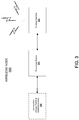
- FIG. 4 is a block diagram illustrating an example of the functionality of a processing system 304.
- the processing system 304 includes a module 402 for identifying a period of time designated for a first node to transmit to a second node, and a module 404 for determining whether to cease transmissions during the period of time based on at least one parameter related to a channel between the first and second nodes.
Landscapes
- Engineering & Computer Science (AREA)
- Computer Networks & Wireless Communication (AREA)
- Signal Processing (AREA)
- Quality & Reliability (AREA)
- Mobile Radio Communication Systems (AREA)
Claims (13)
- Ein Verfahren für Drahtloskommunikationen, das Folgendes aufweist:Bestimmen (404), an einer Vorrichtung, ob Sendungen von der Vorrichtung während einer Zeitperiode beendet werden sollen, die für einen ersten Knoten designiert ist, zum Senden an einen zweiten Knoten basierend auf wenigstens einem Parameter, der an der Vorrichtung empfangen wird und einem berechneten Pfadverlust zwischen der Vorrichtung und dem zweiten Knoten, wobei der wenigstens eine Parameter ein Kanalparameter ist, der mit einem Kanal zwischen dem ersten und zweiten Knoten in Beziehung steht und weiter wobei die Vorrichtung nicht der erste oder zweite Knoten ist; undwobei der Pfadverlust an der Vorrichtung basierend auf einer Präambel berechnet wird, die in wenigstens einem Paket enthalten ist, das durch den zweiten Knoten gesendet wird.
- Verfahren nach Anspruch 1, das weiter Empfangen, an der Vorrichtung, einer Metrik von dem zweiten Knoten aufweist, wobei die Metrik auf dem wenigstens einen Parameter basiert, und wobei die Metrik verwendet wird zum Bestimmen, ob Sendungen bzw. Übertragungen beendet werden sollen, und zwar weiter basierend auf der Metrik.
- Verfahren nach Anspruch 2, das weiter Folgendes aufweist: Speichern der Metrik und Empfangen einer Nachricht von dem zweiten Knoten, an der Vorrichtung, die die Zeitperiode anzeigt, die für den ersten Knoten designiert ist zum Senden an den zweiten Knoten, wobei die gespeicherte Metrik verwendet wird zum Bestimmen, ob Sendungen beendet werden sollen ansprechend auf die Nachricht, und wobei die Nachricht den ersten und zweiten Knoten identifiziert, und das Verfahren weiter Abrufen der gespeicherten Metrik an der Vorrichtung unter Verwendung der Identität des ersten und zweiten Knotens aufweist.
- Verfahren nach Anspruch 2, wobei der wenigstens eine Parameter eine Kanalverstärkung zwischen dem ersten und zweiten Knoten und ein erwünschtes Signal-Rauschen-Verhältnis an dem zweiten Knoten aufweist, und wobei die Metrik ein Verhältnis der Kanalverstärkung zu dem erwünschten Signal-Rauschen-Verhältnis aufweist.
- Verfahren nach Anspruch 4, das weiter Berechnen eines Ausdrucks an der Vorrichtung aufweist, und zwar basierend auf der Metrik und dem Pfadverlust zu dem zweiten Knoten, wobei der berechnete Ausdruck verwendet wird zum Bestimmen, ob Sendungen beendet werden sollen.
- Verfahren nach Anspruch 5, das Vergleichen des berechneten Ausdrucks mit einem Schwellenwert einer Vorrichtung aufweist, und wobei der Vergleich zwischen dem berechneten Ausdruck und dem Schwellenwert verwendet wird zum Bestimmen, ob Sendungen beendet werden sollen.
- Eine Vorrichtung für Drahtloskommunikationen, die Folgendes aufweist:Mittel zum Identifizieren (402) einer designierten Zeitperiode für einen ersten Knoten zum Senden an einen zweiten Knoten; undMittel zum Bestimmen (404), ob Sendungen von der Vorrichtung während der Zeitperiode beendet werden sollen basierend auf wenigstens einem Parameter, der an der Vorrichtung empfangen wird, und einem berechneten Pfadverlust zwischen der Vorrichtung und dem zweiten Knoten, wobei der wenigstens eine Parameter ein Kanalparameter ist, der mit einem Kanal zwischen dem ersten und zweiten Knoten in Beziehung steht und weiter wobei die Vorrichtung nicht der erste oder zweite Knoten ist, wobei der Pfadverlust an der Vorrichtung basierend auf einer Präambel berechnet wird, die in wenigstens einem Paket enthalten ist, das durch den zweiten Knoten gesendet wird.
- Verfahren nach Anspruch 1 oder Vorrichtung nach Anspruch 7, wobei der wenigstens eine Parameter eine Kanalverstärkung zwischen dem ersten und zweiten Knoten aufweist.
- Verfahren nach Anspruch 1 oder Vorrichtung nach Anspruch 7, wobei der wenigstens eine Parameter ein erwünschtes Signal-Rauschen-Verhältnis an dem zweiten Knoten aufweist.
- Vorrichtung nach Anspruch 7, die weiter Mittel aufweist zum Empfangen einer Metrik von dem zweiten Knoten, wobei die Metrik auf dem wenigstens einen Parameter basiert und wobei die Mittel zum Bestimmen, ob Sendungen beendet werden sollen, konfiguriert ist zum Verwenden der Metrik zum Durchführen der Bestimmung.
- Vorrichtung nach Anspruch 10, die weiter Mittel aufweist zum Speichern der Metrik und Mittel zum Empfangen einer Nachricht von dem zweiten Knoten, die die erwünschte Zeitperiode für den ersten Knoten zum Senden an den zweiten Knoten anzeigt, wobei die Mittel zum Bestimmen, ob Sendungen beendet werden sollen konfiguriert ist die gespeicherte Metrik zum Durchführen der Bestimmung zu verwenden ansprechend auf die Nachricht, und wobei die Nachricht den ersten und zweiten Knoten identifiziert; und die Vorrichtung weiter Mittel aufweist zum Abrufen der gespeicherten Metrik unter Verwendung der Identität des ersten und zweiten Knotens.
- Vorrichtung nach Anspruch 10, wobei der wenigstens eine Parameter eine Kanalverstärkung zwischen dem ersten und zweiten Knoten und ein erwünschtes Signal-Rauschen-Verhältnis an dem zweiten Knoten aufweist, und wobei die Metrik ein Verhältnis der Kanalverstärkung zu dem erwünschten Signal-Rauschen-Verhältnis aufweist;
die weiter Mittel aufweist zum Berechnen eines Ausdrucks basierend auf der Metrik und dem Pfadverlust zwischen der Vorrichtung und dem zweiten Knoten, wobei die Mittel zum Bestimmen, ob Sendungen beendet werden sollen, konfiguriert ist zum Verwenden des berechneten Ausdrucks zum Durchführen der Bestimmung; und
die weiter Mittel aufweist zum Vergleichen des berechneten Ausdrucks mit einem Schwellenwert, und wobei die Mittel zum Bestimmen, ob Sendungen beendet werden sollen, konfiguriert ist zum Verwenden des Vergleichs zwischen dem berechneten Ausdruck und dem Schwellenwert zum Durchführen der Bestimmung. - Ein Computerprogrammprodukt für Kommunikation, das Folgendes aufweist: ein maschinenlesbares Medium, das Instruktionen aufweist, die durch ein Verarbeitungssystems einer Vorrichtung ausgeführt werden können zum Durchführen des Verfahrens nach einem der Ansprüche 1-6.
Applications Claiming Priority (2)
| Application Number | Priority Date | Filing Date | Title |
|---|---|---|---|
| US12/122,480 US8498578B2 (en) | 2008-05-16 | 2008-05-16 | Dynamic interference management for wireless networks |
| PCT/US2008/064128 WO2009139781A1 (en) | 2008-05-16 | 2008-05-19 | Dynamic interference management for wireless networks |
Publications (2)
| Publication Number | Publication Date |
|---|---|
| EP2298019A1 EP2298019A1 (de) | 2011-03-23 |
| EP2298019B1 true EP2298019B1 (de) | 2020-01-08 |
Family
ID=40351657
Family Applications (1)
| Application Number | Title | Priority Date | Filing Date |
|---|---|---|---|
| EP08755880.5A Active EP2298019B1 (de) | 2008-05-16 | 2008-05-19 | Dynamische interferenzverwaltung für drahtlose netzwerke |
Country Status (7)
| Country | Link |
|---|---|
| US (1) | US8498578B2 (de) |
| EP (1) | EP2298019B1 (de) |
| JP (1) | JP5373063B2 (de) |
| KR (1) | KR101234113B1 (de) |
| CN (1) | CN102017761B (de) |
| TW (1) | TW200950411A (de) |
| WO (1) | WO2009139781A1 (de) |
Families Citing this family (9)
| Publication number | Priority date | Publication date | Assignee | Title |
|---|---|---|---|---|
| US8792459B2 (en) * | 2010-10-06 | 2014-07-29 | Qualcomm Incorporated | Methods and apparatus for joint scheduling of peer-to-peer links and wireless wide area network links in cellular networks |
| DE112011104792B4 (de) * | 2011-01-28 | 2014-06-26 | Mitsubishi Electric Corporation | Drahtloskommunikationsvorrichtung und Drahtloskommunikationssystem |
| GB2493508B (en) * | 2011-07-27 | 2014-06-18 | Samsung Electronics Co Ltd | Controlling data transmission between a user equipment and a acket data network |
| US8842692B2 (en) | 2011-09-06 | 2014-09-23 | Qualcomm Incorporated | Methods and apparatus for enabling multiple devices to share a data transmission period |
| US9544904B2 (en) | 2013-05-03 | 2017-01-10 | Qualcomm Incorporated | Systems and methods for reuse of a wireless medium for high efficiency wifi |
| US9622262B2 (en) | 2013-05-03 | 2017-04-11 | Qualcomm Incorporated | Transmit opportunity (TXOP) based channel reuse |
| US9729299B2 (en) | 2013-05-03 | 2017-08-08 | Qualcomm, Incorporated | Methods and systems for communication in dense wireless environments |
| US9537688B2 (en) | 2013-07-05 | 2017-01-03 | Qualcomm Incorporated | Methods and apparatus for clear channel assessment |
| US9860921B2 (en) * | 2014-05-30 | 2018-01-02 | Electronics And Telecommunications Research Institute | Method and apparatus for transmitting and receiving data based on aggressive spatial reuse |
Citations (3)
| Publication number | Priority date | Publication date | Assignee | Title |
|---|---|---|---|---|
| US20050147112A1 (en) * | 2003-01-09 | 2005-07-07 | Sony Corporation | Wireless communication system, wireless communication device and wireless communication method, and computer program |
| US20060072530A1 (en) * | 2004-09-29 | 2006-04-06 | Strutt Guenael T | System and method for performing low-overhead, high spatial reuse medium access control in a wireless network |
| US20080031224A1 (en) * | 2006-08-07 | 2008-02-07 | Sanjiv Nanda | Message exchange scheme for asynchronous wireless communication |
Family Cites Families (22)
| Publication number | Priority date | Publication date | Assignee | Title |
|---|---|---|---|---|
| US5732077A (en) | 1995-11-13 | 1998-03-24 | Lucent Technologies Inc. | Resource allocation system for wireless networks |
| US6295285B1 (en) | 1997-04-17 | 2001-09-25 | Lucent Technologies Inc. | Global packet dynamic resource allocation for wireless networks |
| US6967944B2 (en) | 2001-03-30 | 2005-11-22 | Koninklijke Philips Electronics N.V. | Increasing link capacity via concurrent transmissions in centralized wireless LANs |
| JP4561630B2 (ja) | 2003-02-03 | 2010-10-13 | ソニー株式会社 | 通信方法及び通信装置、並びにコンピュータプログラム |
| US20080144493A1 (en) | 2004-06-30 | 2008-06-19 | Chi-Hsiang Yeh | Method of interference management for interference/collision prevention/avoidance and spatial reuse enhancement |
| CN100477613C (zh) | 2004-11-25 | 2009-04-08 | 都科摩(北京)通信技术研究中心有限公司 | 基于网络分配矢量表的分布式无线接入方法和设备 |
| US7885287B2 (en) | 2005-03-29 | 2011-02-08 | Intel Corporation | Method and apparatus for adaptive network allocation |
| EP1941770A2 (de) | 2005-10-26 | 2008-07-09 | QUALCOMM Incorporated | Flexibles medienzugriffssteuerungsverfahren (mac) für drahtlose ad-hoc-netzwerke |
| US20070201412A1 (en) | 2006-02-28 | 2007-08-30 | Lusheng Ji | Protocol for improved utilization of a wireless network using interference estimation |
| US8005158B2 (en) * | 2006-04-14 | 2011-08-23 | Qualcomm Incorporated | Overhead signaling in a wireless communication system |
| US7756055B2 (en) | 2006-05-05 | 2010-07-13 | Roke Manor Research Limited | Method of transmission |
| JP2008017325A (ja) | 2006-07-07 | 2008-01-24 | Nec Corp | 無線端末装置、無線通信システム、無線通信制御方法及び無線通信制御プログラム |
| US20110003280A1 (en) | 2008-02-29 | 2011-01-06 | Sysmex Corporatrion | Immunoassay apparatus and immunoassay method |
| JP2010081360A (ja) | 2008-09-26 | 2010-04-08 | Toshiba Corp | 無線通信装置および無線通信方法 |
| KR101555557B1 (ko) | 2008-12-29 | 2015-09-25 | 삼성전자주식회사 | 무선 통신 시스템 및 그의 아이들 상태 동작 방법 |
| TWI387381B (zh) | 2009-08-14 | 2013-02-21 | Ind Tech Res Inst | 基於鄰近覺察之同時傳輸的媒介存取控制協定裝置與方法 |
| CN102656941B (zh) | 2009-11-13 | 2015-03-25 | 马维尔国际贸易有限公司 | 多信道无线通信 |
| KR101341192B1 (ko) | 2010-02-09 | 2013-12-12 | 엘지전자 주식회사 | 무선 랜에서 채널 접근 방법 및 장치 |
| US9025544B2 (en) | 2010-02-10 | 2015-05-05 | Lg Electronics Inc. | Channel access method and apparatus in wireless local area network system |
| WO2011100467A2 (en) | 2010-02-10 | 2011-08-18 | Marvell World Trade Ltd. | Transmission protection for wireless communications |
| US8355389B2 (en) | 2010-03-12 | 2013-01-15 | Nokia Corporation | Simultaneous transmissions during a transmission opportunity |
| US8842692B2 (en) | 2011-09-06 | 2014-09-23 | Qualcomm Incorporated | Methods and apparatus for enabling multiple devices to share a data transmission period |
-
2008
- 2008-05-16 US US12/122,480 patent/US8498578B2/en not_active Expired - Fee Related
- 2008-05-19 WO PCT/US2008/064128 patent/WO2009139781A1/en not_active Ceased
- 2008-05-19 EP EP08755880.5A patent/EP2298019B1/de active Active
- 2008-05-19 CN CN2008801290540A patent/CN102017761B/zh not_active Expired - Fee Related
- 2008-05-19 KR KR1020107028321A patent/KR101234113B1/ko not_active Expired - Fee Related
- 2008-05-19 JP JP2011509459A patent/JP5373063B2/ja not_active Expired - Fee Related
- 2008-09-19 TW TW097136158A patent/TW200950411A/zh unknown
Patent Citations (3)
| Publication number | Priority date | Publication date | Assignee | Title |
|---|---|---|---|---|
| US20050147112A1 (en) * | 2003-01-09 | 2005-07-07 | Sony Corporation | Wireless communication system, wireless communication device and wireless communication method, and computer program |
| US20060072530A1 (en) * | 2004-09-29 | 2006-04-06 | Strutt Guenael T | System and method for performing low-overhead, high spatial reuse medium access control in a wireless network |
| US20080031224A1 (en) * | 2006-08-07 | 2008-02-07 | Sanjiv Nanda | Message exchange scheme for asynchronous wireless communication |
Also Published As
| Publication number | Publication date |
|---|---|
| EP2298019A1 (de) | 2011-03-23 |
| JP5373063B2 (ja) | 2013-12-18 |
| JP2011521554A (ja) | 2011-07-21 |
| CN102017761B (zh) | 2013-11-13 |
| US20090286481A1 (en) | 2009-11-19 |
| US8498578B2 (en) | 2013-07-30 |
| WO2009139781A1 (en) | 2009-11-19 |
| KR101234113B1 (ko) | 2013-02-20 |
| KR20110020257A (ko) | 2011-03-02 |
| CN102017761A (zh) | 2011-04-13 |
| TW200950411A (en) | 2009-12-01 |
Similar Documents
| Publication | Publication Date | Title |
|---|---|---|
| US10588152B2 (en) | Access point (AP) controlled uplink RTS/CTS configuration and disablement | |
| US8498578B2 (en) | Dynamic interference management for wireless networks | |
| JP6392338B2 (ja) | ワイヤレスネットワークにおいて応答インジケーション延期を動的に設定するためのシステム、方法、及びデバイス | |
| JP4921554B2 (ja) | 無線通信ネットワークに係るハンドオーバ制御システムを提供する方法及び装置 | |
| US7864736B2 (en) | Packet communication roaming method and system | |
| US10129878B2 (en) | Systems and methods for dynamic band switching | |
| US9961628B2 (en) | Scan channel reduction to improve Wi-Fi system power | |
| US8805277B2 (en) | Method and system for Bluetooth 802.11 alternate MAC/PHY (AMP) transmit power control (TPC) | |
| US20170064619A1 (en) | Selective wlan scanning operations during sco calls | |
| US20180241450A1 (en) | Access point controlled steering of wireless stations | |
| JP2014192899A (ja) | 無線ローカルエリアネットワークにおける輻輳の軽減 | |
| EP3298850A1 (de) | Steuerung des zugriffs auf ein gemeinsam genutztes, drahtloses medium | |
| US20170171780A1 (en) | Techniques for adapting a rate of data transmission | |
| US20120258759A1 (en) | Method and system for adjusting wlan radio receiver gain in a wireless device | |
| US10757577B2 (en) | Detecting non-Wi-Fi certified devices transmitting 802.11 signals | |
| US20150063319A1 (en) | Systems, methods, and apparatus for preventing multiple re-association attempts | |
| CA2773551C (en) | Method and system for adjusting wlan radio receiver gain in a wireless device | |
| US20100246435A1 (en) | Method and apparatus for new cell discovery | |
| TW202522927A (zh) | 無線收發設備及其無線傳輸處理方法與無線通訊系統 | |
| KR20080056895A (ko) | 무선랜 시스템에서의 통신 단말기의 핸드오버 수행 방법 | |
| CN120075978A (zh) | 无线收发设备及其无线传输处理方法和无线通信系统 |
Legal Events
| Date | Code | Title | Description |
|---|---|---|---|
| PUAI | Public reference made under article 153(3) epc to a published international application that has entered the european phase |
Free format text: ORIGINAL CODE: 0009012 |
|
| 17P | Request for examination filed |
Effective date: 20101216 |
|
| AK | Designated contracting states |
Kind code of ref document: A1 Designated state(s): AT BE BG CH CY CZ DE DK EE ES FI FR GB GR HR HU IE IS IT LI LT LU LV MC MT NL NO PL PT RO SE SI SK TR |
|
| AX | Request for extension of the european patent |
Extension state: AL BA MK RS |
|
| DAX | Request for extension of the european patent (deleted) | ||
| 17Q | First examination report despatched |
Effective date: 20120403 |
|
| 17Q | First examination report despatched |
Effective date: 20120928 |
|
| STAA | Information on the status of an ep patent application or granted ep patent |
Free format text: STATUS: EXAMINATION IS IN PROGRESS |
|
| GRAP | Despatch of communication of intention to grant a patent |
Free format text: ORIGINAL CODE: EPIDOSNIGR1 |
|
| STAA | Information on the status of an ep patent application or granted ep patent |
Free format text: STATUS: GRANT OF PATENT IS INTENDED |
|
| RIC1 | Information provided on ipc code assigned before grant |
Ipc: H04W 84/12 20090101ALN20190628BHEP Ipc: H04W 72/08 20090101AFI20190628BHEP |
|
| INTG | Intention to grant announced |
Effective date: 20190806 |
|
| GRAS | Grant fee paid |
Free format text: ORIGINAL CODE: EPIDOSNIGR3 |
|
| GRAA | (expected) grant |
Free format text: ORIGINAL CODE: 0009210 |
|
| STAA | Information on the status of an ep patent application or granted ep patent |
Free format text: STATUS: THE PATENT HAS BEEN GRANTED |
|
| AK | Designated contracting states |
Kind code of ref document: B1 Designated state(s): AT BE BG CH CY CZ DE DK EE ES FI FR GB GR HR HU IE IS IT LI LT LU LV MC MT NL NO PL PT RO SE SI SK TR |
|
| REG | Reference to a national code |
Ref country code: GB Ref legal event code: FG4D |
|
| REG | Reference to a national code |
Ref country code: CH Ref legal event code: EP |
|
| REG | Reference to a national code |
Ref country code: DE Ref legal event code: R096 Ref document number: 602008061971 Country of ref document: DE |
|
| REG | Reference to a national code |
Ref country code: IE Ref legal event code: FG4D |
|
| REG | Reference to a national code |
Ref country code: AT Ref legal event code: REF Ref document number: 1224297 Country of ref document: AT Kind code of ref document: T Effective date: 20200215 |
|
| REG | Reference to a national code |
Ref country code: NL Ref legal event code: MP Effective date: 20200108 |
|
| REG | Reference to a national code |
Ref country code: LT Ref legal event code: MG4D |
|
| PG25 | Lapsed in a contracting state [announced via postgrant information from national office to epo] |
Ref country code: NO Free format text: LAPSE BECAUSE OF FAILURE TO SUBMIT A TRANSLATION OF THE DESCRIPTION OR TO PAY THE FEE WITHIN THE PRESCRIBED TIME-LIMIT Effective date: 20200408 Ref country code: FI Free format text: LAPSE BECAUSE OF FAILURE TO SUBMIT A TRANSLATION OF THE DESCRIPTION OR TO PAY THE FEE WITHIN THE PRESCRIBED TIME-LIMIT Effective date: 20200108 Ref country code: PT Free format text: LAPSE BECAUSE OF FAILURE TO SUBMIT A TRANSLATION OF THE DESCRIPTION OR TO PAY THE FEE WITHIN THE PRESCRIBED TIME-LIMIT Effective date: 20200531 Ref country code: NL Free format text: LAPSE BECAUSE OF FAILURE TO SUBMIT A TRANSLATION OF THE DESCRIPTION OR TO PAY THE FEE WITHIN THE PRESCRIBED TIME-LIMIT Effective date: 20200108 Ref country code: LT Free format text: LAPSE BECAUSE OF FAILURE TO SUBMIT A TRANSLATION OF THE DESCRIPTION OR TO PAY THE FEE WITHIN THE PRESCRIBED TIME-LIMIT Effective date: 20200108 |
|
| PG25 | Lapsed in a contracting state [announced via postgrant information from national office to epo] |
Ref country code: GR Free format text: LAPSE BECAUSE OF FAILURE TO SUBMIT A TRANSLATION OF THE DESCRIPTION OR TO PAY THE FEE WITHIN THE PRESCRIBED TIME-LIMIT Effective date: 20200409 Ref country code: BG Free format text: LAPSE BECAUSE OF FAILURE TO SUBMIT A TRANSLATION OF THE DESCRIPTION OR TO PAY THE FEE WITHIN THE PRESCRIBED TIME-LIMIT Effective date: 20200408 Ref country code: IS Free format text: LAPSE BECAUSE OF FAILURE TO SUBMIT A TRANSLATION OF THE DESCRIPTION OR TO PAY THE FEE WITHIN THE PRESCRIBED TIME-LIMIT Effective date: 20200508 Ref country code: HR Free format text: LAPSE BECAUSE OF FAILURE TO SUBMIT A TRANSLATION OF THE DESCRIPTION OR TO PAY THE FEE WITHIN THE PRESCRIBED TIME-LIMIT Effective date: 20200108 Ref country code: LV Free format text: LAPSE BECAUSE OF FAILURE TO SUBMIT A TRANSLATION OF THE DESCRIPTION OR TO PAY THE FEE WITHIN THE PRESCRIBED TIME-LIMIT Effective date: 20200108 Ref country code: SE Free format text: LAPSE BECAUSE OF FAILURE TO SUBMIT A TRANSLATION OF THE DESCRIPTION OR TO PAY THE FEE WITHIN THE PRESCRIBED TIME-LIMIT Effective date: 20200108 |
|
| REG | Reference to a national code |
Ref country code: DE Ref legal event code: R097 Ref document number: 602008061971 Country of ref document: DE |
|
| PG25 | Lapsed in a contracting state [announced via postgrant information from national office to epo] |
Ref country code: ES Free format text: LAPSE BECAUSE OF FAILURE TO SUBMIT A TRANSLATION OF THE DESCRIPTION OR TO PAY THE FEE WITHIN THE PRESCRIBED TIME-LIMIT Effective date: 20200108 Ref country code: DK Free format text: LAPSE BECAUSE OF FAILURE TO SUBMIT A TRANSLATION OF THE DESCRIPTION OR TO PAY THE FEE WITHIN THE PRESCRIBED TIME-LIMIT Effective date: 20200108 Ref country code: EE Free format text: LAPSE BECAUSE OF FAILURE TO SUBMIT A TRANSLATION OF THE DESCRIPTION OR TO PAY THE FEE WITHIN THE PRESCRIBED TIME-LIMIT Effective date: 20200108 Ref country code: CZ Free format text: LAPSE BECAUSE OF FAILURE TO SUBMIT A TRANSLATION OF THE DESCRIPTION OR TO PAY THE FEE WITHIN THE PRESCRIBED TIME-LIMIT Effective date: 20200108 Ref country code: SK Free format text: LAPSE BECAUSE OF FAILURE TO SUBMIT A TRANSLATION OF THE DESCRIPTION OR TO PAY THE FEE WITHIN THE PRESCRIBED TIME-LIMIT Effective date: 20200108 Ref country code: RO Free format text: LAPSE BECAUSE OF FAILURE TO SUBMIT A TRANSLATION OF THE DESCRIPTION OR TO PAY THE FEE WITHIN THE PRESCRIBED TIME-LIMIT Effective date: 20200108 |
|
| PLBE | No opposition filed within time limit |
Free format text: ORIGINAL CODE: 0009261 |
|
| STAA | Information on the status of an ep patent application or granted ep patent |
Free format text: STATUS: NO OPPOSITION FILED WITHIN TIME LIMIT |
|
| REG | Reference to a national code |
Ref country code: AT Ref legal event code: MK05 Ref document number: 1224297 Country of ref document: AT Kind code of ref document: T Effective date: 20200108 |
|
| 26N | No opposition filed |
Effective date: 20201009 |
|
| PG25 | Lapsed in a contracting state [announced via postgrant information from national office to epo] |
Ref country code: MC Free format text: LAPSE BECAUSE OF FAILURE TO SUBMIT A TRANSLATION OF THE DESCRIPTION OR TO PAY THE FEE WITHIN THE PRESCRIBED TIME-LIMIT Effective date: 20200108 Ref country code: CH Free format text: LAPSE BECAUSE OF NON-PAYMENT OF DUE FEES Effective date: 20200531 Ref country code: IT Free format text: LAPSE BECAUSE OF FAILURE TO SUBMIT A TRANSLATION OF THE DESCRIPTION OR TO PAY THE FEE WITHIN THE PRESCRIBED TIME-LIMIT Effective date: 20200108 Ref country code: AT Free format text: LAPSE BECAUSE OF FAILURE TO SUBMIT A TRANSLATION OF THE DESCRIPTION OR TO PAY THE FEE WITHIN THE PRESCRIBED TIME-LIMIT Effective date: 20200108 Ref country code: LI Free format text: LAPSE BECAUSE OF NON-PAYMENT OF DUE FEES Effective date: 20200531 |
|
| PG25 | Lapsed in a contracting state [announced via postgrant information from national office to epo] |
Ref country code: SI Free format text: LAPSE BECAUSE OF FAILURE TO SUBMIT A TRANSLATION OF THE DESCRIPTION OR TO PAY THE FEE WITHIN THE PRESCRIBED TIME-LIMIT Effective date: 20200108 Ref country code: PL Free format text: LAPSE BECAUSE OF FAILURE TO SUBMIT A TRANSLATION OF THE DESCRIPTION OR TO PAY THE FEE WITHIN THE PRESCRIBED TIME-LIMIT Effective date: 20200108 |
|
| REG | Reference to a national code |
Ref country code: BE Ref legal event code: MM Effective date: 20200531 |
|
| PG25 | Lapsed in a contracting state [announced via postgrant information from national office to epo] |
Ref country code: LU Free format text: LAPSE BECAUSE OF NON-PAYMENT OF DUE FEES Effective date: 20200519 |
|
| PG25 | Lapsed in a contracting state [announced via postgrant information from national office to epo] |
Ref country code: IE Free format text: LAPSE BECAUSE OF NON-PAYMENT OF DUE FEES Effective date: 20200519 |
|
| PG25 | Lapsed in a contracting state [announced via postgrant information from national office to epo] |
Ref country code: BE Free format text: LAPSE BECAUSE OF NON-PAYMENT OF DUE FEES Effective date: 20200531 |
|
| PG25 | Lapsed in a contracting state [announced via postgrant information from national office to epo] |
Ref country code: TR Free format text: LAPSE BECAUSE OF FAILURE TO SUBMIT A TRANSLATION OF THE DESCRIPTION OR TO PAY THE FEE WITHIN THE PRESCRIBED TIME-LIMIT Effective date: 20200108 Ref country code: MT Free format text: LAPSE BECAUSE OF FAILURE TO SUBMIT A TRANSLATION OF THE DESCRIPTION OR TO PAY THE FEE WITHIN THE PRESCRIBED TIME-LIMIT Effective date: 20200108 Ref country code: CY Free format text: LAPSE BECAUSE OF FAILURE TO SUBMIT A TRANSLATION OF THE DESCRIPTION OR TO PAY THE FEE WITHIN THE PRESCRIBED TIME-LIMIT Effective date: 20200108 |
|
| REG | Reference to a national code |
Ref country code: DE Ref legal event code: R079 Ref document number: 602008061971 Country of ref document: DE Free format text: PREVIOUS MAIN CLASS: H04W0072080000 Ipc: H04W0072540000 |
|
| PGFP | Annual fee paid to national office [announced via postgrant information from national office to epo] |
Ref country code: FR Payment date: 20230223 Year of fee payment: 16 |
|
| PGFP | Annual fee paid to national office [announced via postgrant information from national office to epo] |
Ref country code: DE Payment date: 20230223 Year of fee payment: 16 |
|
| PGFP | Annual fee paid to national office [announced via postgrant information from national office to epo] |
Ref country code: GB Payment date: 20230412 Year of fee payment: 16 |
|
| REG | Reference to a national code |
Ref country code: DE Ref legal event code: R119 Ref document number: 602008061971 Country of ref document: DE |
|
| GBPC | Gb: european patent ceased through non-payment of renewal fee |
Effective date: 20240519 |
|
| PG25 | Lapsed in a contracting state [announced via postgrant information from national office to epo] |
Ref country code: DE Free format text: LAPSE BECAUSE OF NON-PAYMENT OF DUE FEES Effective date: 20241203 |
|
| PG25 | Lapsed in a contracting state [announced via postgrant information from national office to epo] |
Ref country code: FR Free format text: LAPSE BECAUSE OF NON-PAYMENT OF DUE FEES Effective date: 20240531 |
|
| PG25 | Lapsed in a contracting state [announced via postgrant information from national office to epo] |
Ref country code: GB Free format text: LAPSE BECAUSE OF NON-PAYMENT OF DUE FEES Effective date: 20240519 |