EP2281884A1 - Mesothelioma-specific promoter and use thereof - Google Patents
Mesothelioma-specific promoter and use thereof Download PDFInfo
- Publication number
- EP2281884A1 EP2281884A1 EP09731254A EP09731254A EP2281884A1 EP 2281884 A1 EP2281884 A1 EP 2281884A1 EP 09731254 A EP09731254 A EP 09731254A EP 09731254 A EP09731254 A EP 09731254A EP 2281884 A1 EP2281884 A1 EP 2281884A1
- Authority
- EP
- European Patent Office
- Prior art keywords
- mesothelioma
- gene
- promoter
- cri1
- cells
- Prior art date
- Legal status (The legal status is an assumption and is not a legal conclusion. Google has not performed a legal analysis and makes no representation as to the accuracy of the status listed.)
- Withdrawn
Links
- 206010027406 Mesothelioma Diseases 0.000 title claims abstract description 107
- 239000013598 vector Substances 0.000 claims abstract description 96
- 108090000623 proteins and genes Proteins 0.000 claims abstract description 77
- 230000002103 transcriptional effect Effects 0.000 claims abstract description 45
- 241000700605 Viruses Species 0.000 claims abstract description 28
- 230000001939 inductive effect Effects 0.000 claims abstract description 27
- 230000030833 cell death Effects 0.000 claims abstract description 23
- 238000001415 gene therapy Methods 0.000 claims abstract description 14
- 230000006037 cell lysis Effects 0.000 claims abstract description 11
- 239000003814 drug Substances 0.000 claims abstract description 10
- 229940124597 therapeutic agent Drugs 0.000 claims abstract description 10
- 108050005167 EP300-interacting inhibitor of differentiation 1 Proteins 0.000 claims description 36
- 239000003550 marker Substances 0.000 claims description 25
- 102100037250 EP300-interacting inhibitor of differentiation 1 Human genes 0.000 claims description 13
- 238000007689 inspection Methods 0.000 claims description 13
- 238000000034 method Methods 0.000 claims description 12
- 241000701161 unidentified adenovirus Species 0.000 claims description 9
- 102000034287 fluorescent proteins Human genes 0.000 claims description 3
- 108091006047 fluorescent proteins Proteins 0.000 claims description 3
- 206010028980 Neoplasm Diseases 0.000 abstract description 18
- 108700019146 Transgenes Proteins 0.000 abstract description 18
- 201000011510 cancer Diseases 0.000 abstract description 8
- 238000011144 upstream manufacturing Methods 0.000 abstract description 4
- 101000881670 Homo sapiens EP300-interacting inhibitor of differentiation 1 Proteins 0.000 abstract 3
- 210000004027 cell Anatomy 0.000 description 110
- 206010058467 Lung neoplasm malignant Diseases 0.000 description 14
- 201000005202 lung cancer Diseases 0.000 description 14
- 208000020816 lung neoplasm Diseases 0.000 description 14
- 108010043121 Green Fluorescent Proteins Proteins 0.000 description 12
- 102000004144 Green Fluorescent Proteins Human genes 0.000 description 12
- 239000005090 green fluorescent protein Substances 0.000 description 12
- 230000006907 apoptotic process Effects 0.000 description 10
- 230000000694 effects Effects 0.000 description 10
- 208000006178 malignant mesothelioma Diseases 0.000 description 8
- 201000005282 malignant pleural mesothelioma Diseases 0.000 description 8
- 108060001084 Luciferase Proteins 0.000 description 7
- 239000005089 Luciferase Substances 0.000 description 7
- 208000015181 infectious disease Diseases 0.000 description 7
- 210000004224 pleura Anatomy 0.000 description 7
- 239000013605 shuttle vector Substances 0.000 description 7
- 108700039691 Genetic Promoter Regions Proteins 0.000 description 6
- 238000012790 confirmation Methods 0.000 description 6
- 238000001727 in vivo Methods 0.000 description 6
- 210000005033 mesothelial cell Anatomy 0.000 description 6
- 210000001519 tissue Anatomy 0.000 description 6
- 206010035603 Pleural mesothelioma Diseases 0.000 description 5
- 238000004519 manufacturing process Methods 0.000 description 5
- 102000004169 proteins and genes Human genes 0.000 description 5
- 230000004083 survival effect Effects 0.000 description 5
- FWMNVWWHGCHHJJ-SKKKGAJSSA-N 4-amino-1-[(2r)-6-amino-2-[[(2r)-2-[[(2r)-2-[[(2r)-2-amino-3-phenylpropanoyl]amino]-3-phenylpropanoyl]amino]-4-methylpentanoyl]amino]hexanoyl]piperidine-4-carboxylic acid Chemical compound C([C@H](C(=O)N[C@H](CC(C)C)C(=O)N[C@H](CCCCN)C(=O)N1CCC(N)(CC1)C(O)=O)NC(=O)[C@H](N)CC=1C=CC=CC=1)C1=CC=CC=C1 FWMNVWWHGCHHJJ-SKKKGAJSSA-N 0.000 description 4
- 101100297347 Caenorhabditis elegans pgl-3 gene Proteins 0.000 description 4
- 108010028326 Calbindin 2 Proteins 0.000 description 4
- 108090000331 Firefly luciferases Proteins 0.000 description 4
- 108090000015 Mesothelin Proteins 0.000 description 4
- 230000022534 cell killing Effects 0.000 description 4
- 210000000349 chromosome Anatomy 0.000 description 4
- 238000010276 construction Methods 0.000 description 4
- 238000010586 diagram Methods 0.000 description 4
- 210000003470 mitochondria Anatomy 0.000 description 4
- 102100030497 Cytochrome c Human genes 0.000 description 3
- 108010075031 Cytochromes c Proteins 0.000 description 3
- 206010063599 Exposure to chemical pollution Diseases 0.000 description 3
- 101150066002 GFP gene Proteins 0.000 description 3
- 230000000259 anti-tumor effect Effects 0.000 description 3
- 238000003745 diagnosis Methods 0.000 description 3
- 238000000338 in vitro Methods 0.000 description 3
- 238000003670 luciferase enzyme activity assay Methods 0.000 description 3
- 210000004072 lung Anatomy 0.000 description 3
- 210000000056 organ Anatomy 0.000 description 3
- 210000003516 pericardium Anatomy 0.000 description 3
- 210000004303 peritoneum Anatomy 0.000 description 3
- 108091008146 restriction endonucleases Proteins 0.000 description 3
- 238000002560 therapeutic procedure Methods 0.000 description 3
- 108010063104 Apoptosis Regulatory Proteins Proteins 0.000 description 2
- 102000010565 Apoptosis Regulatory Proteins Human genes 0.000 description 2
- 102100021569 Apoptosis regulator Bcl-2 Human genes 0.000 description 2
- 101150056981 BID gene Proteins 0.000 description 2
- 102000051485 Bcl-2 family Human genes 0.000 description 2
- 108700038897 Bcl-2 family Proteins 0.000 description 2
- 102000016843 Calbindin 2 Human genes 0.000 description 2
- 102000014861 EP300-interacting inhibitor of differentiation 1 Human genes 0.000 description 2
- 101710154606 Hemagglutinin Proteins 0.000 description 2
- 101000971171 Homo sapiens Apoptosis regulator Bcl-2 Proteins 0.000 description 2
- 102000003735 Mesothelin Human genes 0.000 description 2
- 101710093908 Outer capsid protein VP4 Proteins 0.000 description 2
- 101710135467 Outer capsid protein sigma-1 Proteins 0.000 description 2
- 101710176177 Protein A56 Proteins 0.000 description 2
- 108010090931 Proto-Oncogene Proteins c-bcl-2 Proteins 0.000 description 2
- 102000013535 Proto-Oncogene Proteins c-bcl-2 Human genes 0.000 description 2
- 108091023045 Untranslated Region Proteins 0.000 description 2
- 101150084041 WT1 gene Proteins 0.000 description 2
- 208000008383 Wilms tumor Diseases 0.000 description 2
- 230000002411 adverse Effects 0.000 description 2
- 230000002424 anti-apoptotic effect Effects 0.000 description 2
- 108700000711 bcl-X Proteins 0.000 description 2
- 102000055104 bcl-X Human genes 0.000 description 2
- 238000001574 biopsy Methods 0.000 description 2
- 238000002512 chemotherapy Methods 0.000 description 2
- 238000011161 development Methods 0.000 description 2
- 230000008034 disappearance Effects 0.000 description 2
- 201000010099 disease Diseases 0.000 description 2
- 208000037265 diseases, disorders, signs and symptoms Diseases 0.000 description 2
- 210000002950 fibroblast Anatomy 0.000 description 2
- 239000000185 hemagglutinin Substances 0.000 description 2
- 238000011081 inoculation Methods 0.000 description 2
- 210000004379 membrane Anatomy 0.000 description 2
- 239000012528 membrane Substances 0.000 description 2
- 238000010172 mouse model Methods 0.000 description 2
- VMGAPWLDMVPYIA-HIDZBRGKSA-N n'-amino-n-iminomethanimidamide Chemical compound N\N=C\N=N VMGAPWLDMVPYIA-HIDZBRGKSA-N 0.000 description 2
- 231100000252 nontoxic Toxicity 0.000 description 2
- 230000003000 nontoxic effect Effects 0.000 description 2
- 210000004910 pleural fluid Anatomy 0.000 description 2
- 230000000861 pro-apoptotic effect Effects 0.000 description 2
- 230000001737 promoting effect Effects 0.000 description 2
- 238000001959 radiotherapy Methods 0.000 description 2
- BOLDJAUMGUJJKM-LSDHHAIUSA-N renifolin D Natural products CC(=C)[C@@H]1Cc2c(O)c(O)ccc2[C@H]1CC(=O)c3ccc(O)cc3O BOLDJAUMGUJJKM-LSDHHAIUSA-N 0.000 description 2
- 230000000391 smoking effect Effects 0.000 description 2
- 230000004936 stimulating effect Effects 0.000 description 2
- 239000000126 substance Substances 0.000 description 2
- 231100000419 toxicity Toxicity 0.000 description 2
- 230000001988 toxicity Effects 0.000 description 2
- 210000004881 tumor cell Anatomy 0.000 description 2
- 108091032973 (ribonucleotides)n+m Proteins 0.000 description 1
- 238000010176 18-FDG-positron emission tomography Methods 0.000 description 1
- ZCXUVYAZINUVJD-AHXZWLDOSA-N 2-deoxy-2-((18)F)fluoro-alpha-D-glucose Chemical compound OC[C@H]1O[C@H](O)[C@H]([18F])[C@@H](O)[C@@H]1O ZCXUVYAZINUVJD-AHXZWLDOSA-N 0.000 description 1
- 241000271566 Aves Species 0.000 description 1
- 238000011729 BALB/c nude mouse Methods 0.000 description 1
- 206010006187 Breast cancer Diseases 0.000 description 1
- 208000026310 Breast neoplasm Diseases 0.000 description 1
- 208000003170 Bronchiolo-Alveolar Adenocarcinoma Diseases 0.000 description 1
- 206010058354 Bronchioloalveolar carcinoma Diseases 0.000 description 1
- 241000282465 Canis Species 0.000 description 1
- 108020004414 DNA Proteins 0.000 description 1
- HVLSXIKZNLPZJJ-TXZCQADKSA-N HA peptide Chemical compound C([C@@H](C(=O)N[C@@H](CC(O)=O)C(=O)N[C@@H](C(C)C)C(=O)N1[C@@H](CCC1)C(=O)N[C@@H](CC(O)=O)C(=O)N[C@@H](CC=1C=CC(O)=CC=1)C(=O)N[C@@H](C)C(O)=O)NC(=O)[C@H]1N(CCC1)C(=O)[C@@H](N)CC=1C=CC(O)=CC=1)C1=CC=C(O)C=C1 HVLSXIKZNLPZJJ-TXZCQADKSA-N 0.000 description 1
- 238000000719 MTS assay Methods 0.000 description 1
- 231100000070 MTS assay Toxicity 0.000 description 1
- 241001529936 Murinae Species 0.000 description 1
- 241000699666 Mus <mouse, genus> Species 0.000 description 1
- 241000282577 Pan troglodytes Species 0.000 description 1
- 208000002151 Pleural effusion Diseases 0.000 description 1
- HMNZFMSWFCAGGW-XPWSMXQVSA-N [3-[hydroxy(2-hydroxyethoxy)phosphoryl]oxy-2-[(e)-octadec-9-enoyl]oxypropyl] (e)-octadec-9-enoate Chemical compound CCCCCCCC\C=C\CCCCCCCC(=O)OCC(COP(O)(=O)OCCO)OC(=O)CCCCCCC\C=C\CCCCCCCC HMNZFMSWFCAGGW-XPWSMXQVSA-N 0.000 description 1
- 230000003187 abdominal effect Effects 0.000 description 1
- 238000009825 accumulation Methods 0.000 description 1
- 239000004480 active ingredient Substances 0.000 description 1
- 239000002246 antineoplastic agent Substances 0.000 description 1
- 239000010425 asbestos Substances 0.000 description 1
- 238000003556 assay Methods 0.000 description 1
- 230000000903 blocking effect Effects 0.000 description 1
- 230000022131 cell cycle Effects 0.000 description 1
- 238000007621 cluster analysis Methods 0.000 description 1
- 230000003247 decreasing effect Effects 0.000 description 1
- 238000001514 detection method Methods 0.000 description 1
- 230000004069 differentiation Effects 0.000 description 1
- 238000000684 flow cytometry Methods 0.000 description 1
- 239000012530 fluid Substances 0.000 description 1
- 239000001963 growth medium Substances 0.000 description 1
- 230000006801 homologous recombination Effects 0.000 description 1
- 238000002744 homologous recombination Methods 0.000 description 1
- 210000000936 intestine Anatomy 0.000 description 1
- 210000004185 liver Anatomy 0.000 description 1
- 201000007270 liver cancer Diseases 0.000 description 1
- 208000014018 liver neoplasm Diseases 0.000 description 1
- 208000016992 lung adenocarcinoma in situ Diseases 0.000 description 1
- 230000003211 malignant effect Effects 0.000 description 1
- 208000024407 malignant pericardial mesothelioma Diseases 0.000 description 1
- 238000005259 measurement Methods 0.000 description 1
- 208000024191 minimally invasive lung adenocarcinoma Diseases 0.000 description 1
- 108020004707 nucleic acids Proteins 0.000 description 1
- 102000039446 nucleic acids Human genes 0.000 description 1
- 150000007523 nucleic acids Chemical class 0.000 description 1
- 230000007170 pathology Effects 0.000 description 1
- 201000004266 pericardial mesothelioma Diseases 0.000 description 1
- 201000002513 peritoneal mesothelioma Diseases 0.000 description 1
- 210000003281 pleural cavity Anatomy 0.000 description 1
- 238000010837 poor prognosis Methods 0.000 description 1
- 238000012342 propidium iodide staining Methods 0.000 description 1
- 238000011160 research Methods 0.000 description 1
- 229910052895 riebeckite Inorganic materials 0.000 description 1
- 150000003839 salts Chemical class 0.000 description 1
- 210000002784 stomach Anatomy 0.000 description 1
- 208000024891 symptom Diseases 0.000 description 1
- 125000003831 tetrazolyl group Chemical group 0.000 description 1
- 230000001225 therapeutic effect Effects 0.000 description 1
- 210000000115 thoracic cavity Anatomy 0.000 description 1
- 238000013185 thoracic computed tomography Methods 0.000 description 1
- 239000012096 transfection reagent Substances 0.000 description 1
- 230000009261 transgenic effect Effects 0.000 description 1
Images



Classifications
-
- C—CHEMISTRY; METALLURGY
- C12—BIOCHEMISTRY; BEER; SPIRITS; WINE; VINEGAR; MICROBIOLOGY; ENZYMOLOGY; MUTATION OR GENETIC ENGINEERING
- C12N—MICROORGANISMS OR ENZYMES; COMPOSITIONS THEREOF; PROPAGATING, PRESERVING, OR MAINTAINING MICROORGANISMS; MUTATION OR GENETIC ENGINEERING; CULTURE MEDIA
- C12N15/00—Mutation or genetic engineering; DNA or RNA concerning genetic engineering, vectors, e.g. plasmids, or their isolation, preparation or purification; Use of hosts therefor
- C12N15/09—Recombinant DNA-technology
- C12N15/63—Introduction of foreign genetic material using vectors; Vectors; Use of hosts therefor; Regulation of expression
- C12N15/79—Vectors or expression systems specially adapted for eukaryotic hosts
- C12N15/85—Vectors or expression systems specially adapted for eukaryotic hosts for animal cells
-
- A—HUMAN NECESSITIES
- A61—MEDICAL OR VETERINARY SCIENCE; HYGIENE
- A61K—PREPARATIONS FOR MEDICAL, DENTAL OR TOILETRY PURPOSES
- A61K48/00—Medicinal preparations containing genetic material which is inserted into cells of the living body to treat genetic diseases; Gene therapy
- A61K48/005—Medicinal preparations containing genetic material which is inserted into cells of the living body to treat genetic diseases; Gene therapy characterised by an aspect of the 'active' part of the composition delivered, i.e. the nucleic acid delivered
- A61K48/0058—Nucleic acids adapted for tissue specific expression, e.g. having tissue specific promoters as part of a contruct
-
- A—HUMAN NECESSITIES
- A61—MEDICAL OR VETERINARY SCIENCE; HYGIENE
- A61P—SPECIFIC THERAPEUTIC ACTIVITY OF CHEMICAL COMPOUNDS OR MEDICINAL PREPARATIONS
- A61P11/00—Drugs for disorders of the respiratory system
-
- A—HUMAN NECESSITIES
- A61—MEDICAL OR VETERINARY SCIENCE; HYGIENE
- A61P—SPECIFIC THERAPEUTIC ACTIVITY OF CHEMICAL COMPOUNDS OR MEDICINAL PREPARATIONS
- A61P35/00—Antineoplastic agents
-
- C—CHEMISTRY; METALLURGY
- C07—ORGANIC CHEMISTRY
- C07K—PEPTIDES
- C07K14/00—Peptides having more than 20 amino acids; Gastrins; Somatostatins; Melanotropins; Derivatives thereof
- C07K14/82—Translation products from oncogenes
-
- A—HUMAN NECESSITIES
- A61—MEDICAL OR VETERINARY SCIENCE; HYGIENE
- A61K—PREPARATIONS FOR MEDICAL, DENTAL OR TOILETRY PURPOSES
- A61K38/00—Medicinal preparations containing peptides
-
- C—CHEMISTRY; METALLURGY
- C12—BIOCHEMISTRY; BEER; SPIRITS; WINE; VINEGAR; MICROBIOLOGY; ENZYMOLOGY; MUTATION OR GENETIC ENGINEERING
- C12N—MICROORGANISMS OR ENZYMES; COMPOSITIONS THEREOF; PROPAGATING, PRESERVING, OR MAINTAINING MICROORGANISMS; MUTATION OR GENETIC ENGINEERING; CULTURE MEDIA
- C12N2710/00—MICROORGANISMS OR ENZYMES; COMPOSITIONS THEREOF; PROPAGATING, PRESERVING, OR MAINTAINING MICROORGANISMS; MUTATION OR GENETIC ENGINEERING; CULTURE MEDIA dsDNA viruses
- C12N2710/00011—Details
- C12N2710/10011—Adenoviridae
- C12N2710/10311—Mastadenovirus, e.g. human or simian adenoviruses
- C12N2710/10341—Use of virus, viral particle or viral elements as a vector
- C12N2710/10343—Use of virus, viral particle or viral elements as a vector viral genome or elements thereof as genetic vector
-
- C—CHEMISTRY; METALLURGY
- C12—BIOCHEMISTRY; BEER; SPIRITS; WINE; VINEGAR; MICROBIOLOGY; ENZYMOLOGY; MUTATION OR GENETIC ENGINEERING
- C12N—MICROORGANISMS OR ENZYMES; COMPOSITIONS THEREOF; PROPAGATING, PRESERVING, OR MAINTAINING MICROORGANISMS; MUTATION OR GENETIC ENGINEERING; CULTURE MEDIA
- C12N2830/00—Vector systems having a special element relevant for transcription
- C12N2830/008—Vector systems having a special element relevant for transcription cell type or tissue specific enhancer/promoter combination
Definitions
- the present invention relates to a promoter showing transcriptional activity in a mesothelioma-specific manner and showing low transcriptional activity in other kinds of cancer cells and normal cells including mesothelium.
- the present invention also relates to applications of the promoter, and more specifically, to a gene therapy vector and a therapeutic agent for mesothelioma each including the promoter.
- pleura a membrane that covers the surface of such membrane.
- mesothelioma is a general term for mesothelial cell-derived tumors, and may be malignant or benign. Mesothelioma often develops in the pleura and also develops in the peritoneum, pericardium, and the like.
- pleural mesothelioma Mesotheliomas that develop in the pleura, peritoneum, and pericardium are referred to as pleural mesothelioma, peritoneal mesothelioma, and pericardial mesothelioma, respectively.
- Mesothelioma is often discussed in relation to asbestos. In this case, the mesothelioma mainly refers to malignant pleural mesothelioma.
- mesothelioma has a latency period of around 20 years at least and about 40 years on average before the development.
- mesothelioma has little association with smoking.
- WT1 Wilms' tumor susceptibility gene 1
- calretinin Non-patent Documents 4 and 5
- mesothelin Non-patent Document 5
- CREBBP/EP300 inhibitory protein 1 Non-patent Document 6
- CRI1 Carim et al.
- Carim et al. reported that CRI1 was identified as C150RF13 by EST cluster analysis (Non-patent Document 7)
- Gordon et al. reported that CRI1 was analyzed and expressed significantly in mesothelioma (Non-patent Document 6).
- the sequence of a gene encoding CRI1 has been registered with GenBank Accession No. NM_014335 and is also referred to as EP300 interacting inhibitor of differentiation 1 (EID1).
- a method for treatment of mesothelioma also varies depending on the stage such as limited pleural mesothelioma (Stage I) or advanced pleural mesothelioma (Stage II, III, or IV).
- Stage I limited pleural mesothelioma
- Stage II, III, or IV advanced pleural mesothelioma
- Stage II, III, or IV limited pleural mesothelioma
- Stage I is treated by surgical therapy involving removing part of the pleura and its surrounding tissues.
- the tumor is treated by surgical therapy involving removing the pleura and its adjacent tissues in order to reduce the symptoms, and is further treated by radiotherapy and chemotherapy as the case may be.
- a method for treatment of advanced pleural mesothelioma (Stage II, III, or IV) varies depending on the stage, and for example, thoracentesis for removing fluid from the pleural cavity, and surgical therapy, radiotherapy, and chemotherapy are performed.
- Mesothelioma rarely metastasizes to other organs.
- mesothelioma has already progressed extensively at the time of diagnosis, and hence cannot be treated by a radical operation in many cases.
- Mesothelioma is said to show extremely poor prognosis and have a one-year survival rate of 50% and a two-year survival rate of 20%.
- Ad vectors also referred to as "Ad vectors"
- Ad vectors are exemplified as one kind of vectors used for gene therapy.
- the Ad vectors used for the vectors for gene therapy are based on human Ad type 5 (or type 2) belonging to the sub-group C.
- the Ad vectors are expected to be applied to various diseases as the vectors for gene therapy because of their excellent transgenic property.
- some of the Ad vectors may leak from the tumors into the general circulation.
- the expression of a gene in a site other than an affected site of interest may cause undesired adverse effects.
- the use of a gene showing toxicity on cells expressing the gene may cause toxicity on not only tumors, i.e., mesothelioma but also tissues other than the tumors. It is conceivable that the expression of a desired gene in only cells or tissues of interest would lead to an effective gene therapy without any adverse effect.
- the inventors of the present invention have intensively studied in order to solve the above-mentioned problems.
- the inventors have focused on a mesothelioma marker, and have succeeded in finding a mesothelioma marker-related promoter, which shows transcriptional activity in a mesothelioma-specific manner and shows no transcriptional activity in other kinds of cancer cells and normal cells including mesothelium.
- the present invention has been completed.
- the present invention includes the following:
- the novel promoter of the present invention showed significant transcriptional activity in mesothelioma and showed low transcriptional activity in other kinds of cancer cells and normal cells including mesothelium.
- the utilization of a cell death-inducing or cell lysis-inducing vector carrying the promoter can effectively induce a cell death or cell lysis action in a mesothelioma-specific manner. Further, an anti-tumor effect was confirmed in vivo as well.
- results of in vitro and in vivo confirmation indicate that, when the vector is E1-deleted Ad, a gene encoding an E1 region is used as a transgene and incorporated into the vector together with the promoter of the present invention, which allows Ad to replicate in a mesothelioma-specific manner, leading to the disappearance of mesothelioma.
- a therapeutic agent effective for mesothelioma can be provided.
- CREBBP/EP300 inhibitory protein 1 (CRI1) of the present invention is one reported in each of Non-patent Documents 6 and 7 (GenBank Accession No. NM_014335).
- a CRI1 gene-derived promoter of the present invention has a sequence selected from the base sequence represented by chromosome 15 q21 (GenBank Accession No. NW_925884.1).
- the promoter forms the upstream portion of the CRI1 gene in the base sequence represented by GenBank Accession No. NW_925884.1 in Sequence Listing.
- the promoter has a sequence selected from the region of -2586 to +84 (SEQ ID NO: 1), or more specifically selected from -1849 to +84 (SEQ ID NO: 2), selected from -1674 to +84 (SEQ ID NO: 3), selected from -1587 to +84 (SEQ ID NO: 4), selected from -1083 to +84 (SEQ ID NO: 5), selected from -766 to +84 (SEQ ID NO: 6), selected from -567 to +84 (SEQ ID NO: 7), selected from -366 to +84 (SEQ ID NO: 8), or selected from -296 to +84 (SEQ ID NO: 9), and is most preferably a promoter formed of the base sequence represented by -138 to +84 (SEQ ID NO: 10).
- the promoter may be a promoter formed of the base sequence represented by -74 to +84 (SEQ ID NO: 11).
- the promoter formed of the sequence represented by SEQ ID NO: 1 in Sequence Listing can be represented by CRI1 -2586/+84
- the promoter formed of the sequence represented by SEQ ID NO: 2 in Sequence Listing can be represented by CRI1 -1849/+84
- the promoter formed of the sequence represented by SEQ ID NO: 3 in Sequence Listing can be represented by CRI1 -1674/+84
- the promoter formed of the sequence represented by SEQ ID NO: 4 in Sequence Listing can be represented by CRI1 -1587/+84
- the promoter formed of the sequence represented by SEQ ID NO: 5 in Sequence Listing can be represented by CRI1 -1083/+84
- the promoter formed of the sequence represented by SEQ ID NO: 6 in Sequence Listing can be represented by CRI1 -766/+84
- a novel promoter of the present invention shows transcriptional activity in a mesothelioma-specific manner.
- the promoter of the present invention has significant transcriptional activity in malignant pleural mesothelioma cell lines such as 211H cells and H2452 cells, while the promoter has very little transcriptional activity in lung cancer-derived cell lines such as A549 cells derived from human squamous lung cancer and H322 cells derived from human bronchioloalveolar carcinoma, or has clearly low transcriptional activity as compared to that in mesothelioma-derived cell lines.
- the promoter of the present invention has very little transcriptional activity in NHLF cells derived from normal human lung fibroblasts and normal mesothelial cells, or has clearly low transcriptional activity as compared to that in mesothelioma-derived cell lines.
- a vector carrying the novel promoter of the present invention may be appropriately selected depending on the purposes of use, and a virus vector is suitably used. Further, an adenovirus (Ad) vector is suitably used as the virus vector.
- Ad which may be used in the present invention may be any as long as the Ad can in vivo or in vitro function as a vehicle for introducing sequences of nucleic acids such as DNA and RNA into a variety of types of cells, and is not particularly limited. Representative examples of the Ad include human Ad type 2, Ad type 5, Ad type 11, and Ad type 35 to be introduced into human host cells, and simian Ad, chimpanzee Ad, murine Ad, canine Ad, ovine Ad, and avian Ad to be introduced into non-human host cells.
- the Ad may be Ad that replicates only in particular cells, for example, E1-deleted Ad or conditionally replication-competent Ad.
- the E1-deleted Ad can proliferate only in 293 cells (having E1 in the cells), and the conditionally replication-competent Ad can replicate only in, for example, particular cancer cells.
- the promoter of the present invention maybe incorporated into and carried by a vector capable of expressing the promoter together with a gene that should be expressed in a mesothelioma-specific manner.
- a base sequence represented by any one of SEQ ID NOS: 1 to 11 may be selected as the base sequence of the promoter.
- the number of the promoters to be incorporated may be any as long as the length is such that the promoters can be incorporated into the vector, is not particularly limited, and a plurality of promoters may be incorporated.
- the gene that can be carried by the vector and should be expressed in a mesothelioma-specific manner is referred to as a transgene in the present invention.
- An example of the transgene in the present invention suitably includes a gene that damages mesothelioma cells, such as a cell death-inducing gene or a cell lysis-inducing gene.
- An example of the cell death-inducing gene includes a pro-apoptosis-related gene.
- anti-apoptotic substances there are given Bcl-2 and Bcl-XL as Bcl-2 family proteins each partially blocking the release of cy-tochrome c from mitochondria to inhibit apoptosis.
- Bcl-2 and Bcl-XL as Bcl-2 family proteins each partially blocking the release of cy-tochrome c from mitochondria to inhibit apoptosis.
- Bad binds to an anti-apoptotic protein out of the family proteins to inactivate the protein, to thereby activate procaspase and promote apoptosis.
- Bax and Bak are stimulating factors for promoting the release of cytochrome c from mitochondria, and promote apoptosis. Bax and Bak are activated by pro-apoptotic Bcl-2 family members such as Bid. Accordingly, a specific example of the cell death-inducing gene includes a Bid gene.
- the cell death-inducing gene or the cell lysis-inducing gene can be incorporated into the vector together with the promoter of the present invention to induce cell death or cell lysis in a mesothelioma-specific manner, and can be effectively used for treatment of mesothelioma without any influence on normal cells.
- the vector when the vector is E1-deleted Ad, a gene encoding an E1 region can be used as the transgene and introduced into the vector together with the promoter of the present invention.
- This allows Ad to replicate in a mesothelioma-specific manner, leading to the disappearance of mesothelioma cells through the Ad infection of mesothelioma cells.
- the production of the vector of the present invention can involve, in a production step, digesting each of one or more restriction enzyme-recognizing sequences with a restriction enzyme, and introducing a transgene by in vitro ligation via a shuttle vector or not via the shuttle vector.
- the vector e.g., Ad vector of the present invention may be produced by a production method including the following steps :
- the present invention also encompasses a vector containing a promoter, and more specifically, a recombinant vector carrying the promoter and a transgene downstream of the promoter.
- a specific example of the transgene suitably includes a gene that damages mesothelioma cells, such as a cell death-inducing gene or a cell lysis-inducing gene.
- An example of the cell death-inducing gene includes a pro-apoptosis-related gene.
- Bcl-2 family proteins such as Bcl-2 and Bcl-XL partially block the release of cytochrome c from mitochondria to inhibit apoptosis.
- Bax and Bak are each a stimulating factor promoting the release of cytochrome c from mitochondria, and promote apoptosis. Bax and Bak are activated by pro-apoptotic Bcl-2 family members such as Bid. Accordingly, a specific example of the cell death-inducing gene includes a Bid gene.
- a vector carrying the above-mentioned transgene downstream of the promoter of the present invention can be utilized in a therapeutic agent for mesothelioma.
- the present invention also encompasses a therapeutic agent for mesothelioma including, as an active ingredient, a recombinant vector containing the transgene.
- the vector containing the promoter of the present invention may also be used in the inspection of mesothelioma.
- a virus vector carrying a marker gene downstream of the promoter is used. Because the promoter of the present invention has significant transcriptional activity in mesothelioma, a marker gene is expressed on the basis of the presence of mesothelioma, which allows for the inspection of mesothelioma.
- the marker gene may be any as long as the gene can express a protein capable of being used for the inspection. Examples of the marker gene include, but are not particularly limited to, a fluorescent protein, and more specifically, a Green Fluorescent Protein (GFP).
- GFP Green Fluorescent Protein
- the present invention also encompasses a virus vector for inspection of mesothelioma, which can express a marker gene on the basis of the presence of mesothelioma, and a method for inspection of mesothelioma, including observing the presence or absence of the expression of a marker by using the virus vector for inspection of mesothelioma.
- the present invention is described in more detail by way of examples. It is apparent that the present invention is not limited to these examples.
- FIG. 1 is a schematic diagram illustrating expression constructs including the respective promoters.
- a calretinin gene-derived promoter has a sequence selected from the sequence of chromosome 16 q21.1 (GenBank Accession No. NT_010498.15)
- a WT1 gene-derived promoter has a sequence selected from the sequence of chromosome 11 p3 (GenBank Accession No.
- NT_079237.17 a mesothelin gene-derived promoter has a sequence selected from the sequence of chromosome 16 (GenBank AccessionNo. NT_037887.4).
- the transcriptional start site of each of the marker genes is defined as +1
- the sequence of each of the promoter regions is represented by any one of SEQ ID NOS: 2 or 12 to 14 in Sequence Listing, and is specifically as follows:
- Expression constructs were produced by inserting the respective promoters described above into pGL3 luciferase reporter vectors (Promega) (pGL3 Luciferase Reporter Vectors, Promega, see Technical Manual No. 033) Cells derived from four kinds of malignant pleural mesothelioma cell lines (H2452, 211H, H2052, and H28) and two kinds of lung cancer cell lines (A549 and H322) were each seeded in triplicate into a 6-well plate at a cell count of about 4 ⁇ 10 6 , and the cells were each confirmed for their survival.
- transfection reagent Lipofectin registered trademark (Invitrogen) was used to transfect the cells with 2 ⁇ g each of the expression constructs. After 24 hours, luciferase light emission was measured by a luciferase assay in each of the cells to confirm the transcriptional activity of each of the promoters.
- each of the marker gene-derived promoters shows transcriptional activity in a mesothelioma cell-specific manner and shows low transcriptional activity in lung cancer cells.
- the CRI1 gene promoter: -2586/+84 had transcriptional activity in a mesothelioma cell-specific manner and had only low transcriptional activity in lung cancer cells, as compared to other promoters ( FIG. 2 ).
- the respective expression constructs were produced by inserting the respective promoter regions into pGL3 luciferase reporter vectors (Promega).
- Normal mesothelial cells, normal pleural cells (4/4RM-4 cells derived from rat pleura), and NHLF cells derived from normal human lung fibroblasts were each cultured in the same manner as in the item 2), and the cells were each confirmed for their survival. After that, the cells were each transfected with 2 ⁇ g each of the expression constructs. After 24 hours, luciferase light emission was measured by a luciferase assay in each of the cells to confirm the transcriptional activity of each of the promoters.
- the CRI1 gene promoter: -2586/+84 had low transcriptional activity in normal cells, while each of other marker-derived promoters had transcriptional activity in normal cells as well ( FIG. 3 ).
- CRI1 -2586/+84 had low transcriptional activity in normal cells and lung cancer cells and had high transcriptional activity in mesothelioma cells, and thus exerted transcriptional activity in a mesothelioma-specific manner.
- FIG. 4 is a schematic diagram illustrating expression constructs including the respective promoters.
- the respective promoters are formed of base sequences represented by the following SEQ ID NOS:
- the respective expression constructs were produced by inserting the respective promoters derived from the CRI1 gene into pGL3 luciferase reporter vectors (Promega). Two kinds of malignant pleural mesothelioma cell lines (H2452 and MSTO-211H), two kinds of lung cancer cell lines (A549 and H322), and two kinds of normal cell lines (normal mesothelial cells and NHLF) were cultured in the same manner as in Example 1, and the cells were each confirmed for their survival. After that, the cells were each transfected with 2 ⁇ g each of the expression constructs. After 24 hours, luciferase light emission was measured by a luciferase assay in each of the cells to confirm the transcriptional activity of each of the promoters.
- An Ad vector carrying a transgene and a CRI1 gene promoter (CRI1 -138/+84 ) upstream of the transgene was produced.
- a cell death-inducing gene (BID) or an Ad early gene E1 was used as the transgene.
- the cell death-inducing gene (BID) and hemagglutinin (HA) gene sequences bound to each other (A) or the Ad early gene E1 (B) was used as the transgene.
- Each of the expression constructs was produced by allowing four tandem repeats of CRI1 -138/+84 to bind to an upstream region of (A) or (B).
- Shuttle vectors including the expression constructs constructed in the item 1) were constructed in accordance with the method described in Tong-Chuan He et al., Proc. Natl. Acad. Sci. USA, 95: 2509-2514, 1998 .
- Ad-CR1 -138 4x /HA-BID and Ad-CRI1 -138 4x /E1A Ad-CR1 -138 4x /HA-BID and Ad-CRI1 -138 4x /E1A.
- Ad-CR1 -138 4x /HA-BID Ad-CRI1 -138 4x /E1A.
- the construct was allowed to bind to an HA tag.
- Ad-CRI1 -138 4x /HA-BID obtained in Example 3 on mesothelioma cells.
- Ad-CRI1 -138 4x /GFP containing a green fluorescent protein (GFP) -expressing gene produced by the same technique was used as a control.
- the Ad vectors are both E1-deleted vectors and are replication-incompetent in mesothelioma cells, but differ in that one includes a cell death-inducing gene (BID) and the other includes a non-toxic GFP gene.
- Each of the resultant Ad vectors was infected to two kinds of malignant pleural mesothelioma cell lines (H2452 and 211H), two kinds of lung cancer cell lines (H322 and A549), two kinds of normal cell lines (normal mesothelial cells and NHLF), and two kinds of cancer cell lines other than lung cancer cell lines (liver cancer cells: Hep3B and breast cancer cells: MCF7).
- the cell death in each of the cells after Ad infection was quantified by flow cytometry after propidium iodide (PI) staining.
- Ad-CRI1 -138 4x /E1A obtained in Example 3 on mesothelioma cells.
- Ad-CRI1 -138 4x /GFP was used as a control.
- the Ad vector including the Ad early gene E1 is replication-competent in mesothelioma cells
- the Ad vector including the GFP gene is replication-incompetent in mesothelioma cells.
- Each of the resultant Ad vectors was introduced into two kinds of malignant pleural mesothelioma cell lines (H2452 and MSTO-211H) and two kinds of normal cell lines (normal mesothelial cells and NHLF) to measure the number of viable cells.
- the number of the viable cells was measured by an MTS assay (assay involving measuring at 490 nm water-soluble formazan released into a culture medium on the basis of a conversion reaction of a tetrazolium salt (MTS*[3-(4,5-dimethylthiazol-2-yl)-5-(3carboxymethoxyphenyl)-2-(4-sulphophenyl)-2H-tetrazolium, inner salt]) to formazan in viable cells).
- MTS tetrazolium salt
- AD-CRI1 -138 4x /E1A clearly decreased mesothelioma cells as compared to the cases of the infection of Ad-CRI1 -138 4x /GFP and only PBS and provided no difference from the cases of the infection of Ad-CRI1 -138 4x /GFP and PBS in normal cells.
- Ad-CRI1 -138 4x /E1A also had a cell-killing effect in a mesothelioma cell-specific manner.
- Ad-CRI1 -138 4x /HA-BID or AD-CRI1 -138 4x /E1A obtained in Example 3 on mesothelioma cells.
- Ad-CRI1 -138 4x /GFP containing the GFP-expressing gene was used as a control vector.
- the Ad vector including the cell death-inducing gene (BID) or the non-toxic GFP gene is an E1-deleted vector and is replication-incompetent in mesothelioma cells.
- the Ad vector including the Ad early gene E1 is replication-competent in mesothelioma cells.
- a mouse model of mesothelioma was produced by subcutaneously inoculating 2.5 ⁇ 10 6 211H cells to 6-week-old female BALB/c nude mice.
- the infection of Ad-CRI1 -138 4x /HA-BID or Ad-CRI1 -138 4x /E1A provided an anti-tumor effect as compared to the case of the infection of Ad-CRI1 -138 4x /GFP or PBS alone as a control.
- the novel promoter of the present invention had transcriptional activity in a mesothelioma-specific manner. It was also confirmed that the introduction of a vector carrying the novel promoter, a cell death-inducing gene, and the like into cells provided an apoptosis action in a mesothelioma-specific manner and showed a cell-killing action. Further, an anti-tumor effect was confirmed in vivo as well. From those results, the vector including the novel promoter of the present invention may be utilized in the case where a certain mesothelioma-specific action is required.
- the introduction of the vector into cells together with the cell death-inducing gene or cell lysis-inducing gene as mentioned above can damage cells in a mesothelioma-specific manner.
- the vector including the novel promoter of the present invention can serve as an effective therapeutic agent for mesothelioma.
- the vector including the novel promoter and the marker gene of the present invention can also be used in the inspection of mesothelioma.
Landscapes
- Health & Medical Sciences (AREA)
- Life Sciences & Earth Sciences (AREA)
- Chemical & Material Sciences (AREA)
- Genetics & Genomics (AREA)
- Engineering & Computer Science (AREA)
- Organic Chemistry (AREA)
- General Health & Medical Sciences (AREA)
- Biochemistry (AREA)
- Medicinal Chemistry (AREA)
- Biotechnology (AREA)
- Biomedical Technology (AREA)
- Molecular Biology (AREA)
- Bioinformatics & Cheminformatics (AREA)
- Veterinary Medicine (AREA)
- General Engineering & Computer Science (AREA)
- Zoology (AREA)
- Wood Science & Technology (AREA)
- Public Health (AREA)
- Pharmacology & Pharmacy (AREA)
- Biophysics (AREA)
- Animal Behavior & Ethology (AREA)
- Oncology (AREA)
- Epidemiology (AREA)
- Plant Pathology (AREA)
- Microbiology (AREA)
- General Chemical & Material Sciences (AREA)
- Proteomics, Peptides & Aminoacids (AREA)
- Chemical Kinetics & Catalysis (AREA)
- Physics & Mathematics (AREA)
- Nuclear Medicine, Radiotherapy & Molecular Imaging (AREA)
- Gastroenterology & Hepatology (AREA)
- Pulmonology (AREA)
- Medicines Containing Material From Animals Or Micro-Organisms (AREA)
- Measuring Or Testing Involving Enzymes Or Micro-Organisms (AREA)
- Medicines That Contain Protein Lipid Enzymes And Other Medicines (AREA)
- Medicines Containing Antibodies Or Antigens For Use As Internal Diagnostic Agents (AREA)
Abstract
Description
- The present invention relates to a promoter showing transcriptional activity in a mesothelioma-specific manner and showing low transcriptional activity in other kinds of cancer cells and normal cells including mesothelium. The present invention also relates to applications of the promoter, and more specifically, to a gene therapy vector and a therapeutic agent for mesothelioma each including the promoter.
- The present application claims the priority of Japanese Patent Application No.
2008-104070 - Thoracic organs such as lungs or heart and abdominal organs such as stomach, intestines, or liver are each surrounded by a membrane called pleura, peritoneum, pericardium, or the like. It is "mesothelium" that covers the surface of such membrane. Mesothelioma is a general term for mesothelial cell-derived tumors, and may be malignant or benign. Mesothelioma often develops in the pleura and also develops in the peritoneum, pericardium, and the like. Mesotheliomas that develop in the pleura, peritoneum, and pericardium are referred to as pleural mesothelioma, peritoneal mesothelioma, and pericardial mesothelioma, respectively. Mesothelioma is often discussed in relation to asbestos. In this case, the mesothelioma mainly refers to malignant pleural mesothelioma.
- The risk of mesothelioma is increased by a higher level of asbestos exposure and a longer history of the exposure, and there is a long latency period between the asbestos exposure and the development of mesothelioma. It is said that mesothelioma has a latency period of around 20 years at least and about 40 years on average before the development. There is an indication that the incidence of lung cancer is increased several-fold to 50-fold in people with both risks of asbestos exposure and smoking. However, it is believed that mesothelioma has little association with smoking.
- As methods for diagnosis of mesothelioma, there are exemplified image findings, cytodiagnosis of pleural fluid, tissue biopsies, and detection of tumor markers. In the image findings, extrapleural sign and pleural effusion are observed with X-rays in many cases, which are generally unilateral. Similar findings can also be obtained by thoracic CT. Further, an image showing the accumulation of FDG is obtained in FDG-PET. In the cytodiagnosis of pleural fluid, tumor cells are observed in some cases. The tissue biopsies are extremely important and provide a primary basis for definitive diagnosis. It has been reported that the expression of Wilms' tumor susceptibility gene 1 (WT1) (Non-patent
Documents 1 to 3), calretinin (Non-patentDocuments 4 and 5), mesothelin (Non-patent Document 5), or CREBBP/EP300 inhibitory protein 1 (CRI1) (Non-patent Document 6) as a mesothelioma marker is observed. It should be noted that Carim et al. reported that CRI1 was identified as C150RF13 by EST cluster analysis (Non-patent Document 7) and Gordon et al. reported that CRI1 was analyzed and expressed significantly in mesothelioma (Non-patent Document 6). However, there is no report on the pathogenicty of CRI1. The sequence of a gene encoding CRI1 has been registered with GenBank Accession No. NM_014335 and is also referred to as EP300 interacting inhibitor of differentiation 1 (EID1). - A method for treatment of mesothelioma also varies depending on the stage such as limited pleural mesothelioma (Stage I) or advanced pleural mesothelioma (Stage II, III, or IV). For example, limited pleural mesothelioma (Stage I) is treated by surgical therapy involving removing part of the pleura and its surrounding tissues. When a tumor is present in a wider range of the pleura, the tumor is treated by surgical therapy involving removing the pleura and its adjacent tissues in order to reduce the symptoms, and is further treated by radiotherapy and chemotherapy as the case may be. A method for treatment of advanced pleural mesothelioma (Stage II, III, or IV) varies depending on the stage, and for example, thoracentesis for removing fluid from the pleural cavity, and surgical therapy, radiotherapy, and chemotherapy are performed. Mesothelioma rarely metastasizes to other organs. However, mesothelioma has already progressed extensively at the time of diagnosis, and hence cannot be treated by a radical operation in many cases. Mesothelioma is said to show extremely poor prognosis and have a one-year survival rate of 50% and a two-year survival rate of 20%.
- In recent years, many attempts have been made on gene therapy as one of methods for treatment of diseases. Further, there are various reports on vectors which may be used for such gene therapy, and the vectors are expected to be applied to anti-tumor agents (
Patent Documents 1 and 2). Adenovirus vectors (also referred to as "Ad vectors") are exemplified as one kind of vectors used for gene therapy. At present, the Ad vectors used for the vectors for gene therapy are based on human Ad type 5 (or type 2) belonging to the sub-group C. - The Ad vectors are expected to be applied to various diseases as the vectors for gene therapy because of their excellent transgenic property. However, when the Ad vectors are locally administered to tumors, some of the Ad vectors may leak from the tumors into the general circulation. The expression of a gene in a site other than an affected site of interest may cause undesired adverse effects. For example, the use of a gene showing toxicity on cells expressing the gene may cause toxicity on not only tumors, i.e., mesothelioma but also tissues other than the tumors. It is conceivable that the expression of a desired gene in only cells or tissues of interest would lead to an effective gene therapy without any adverse effect.
- Non-patent Document 1: Differentiation, 65: 89-96, 1999
- Non-patent Document 2: Cancer Research, 61: 921-925, 2001
- Non-patent Document 3: J. Pathol., 199: 479-487, 2003
- Non-patent Document 4: Human Pathology, 34: 994-1000, 2003
- Non-patent Document 5: Proc. Natl. Acad. Sci. USA, 93: 136-140, 1996
- Non-patent Document 6: Am. J. Pathol., 166: 1827-1840, 2005
- Non-patent Document 7: Cytogenet. Cell Genet., 88: 330-332, 2000
- Patent Document 1:
JP 2007-209328 A - Patent Document 2:
JP 2007-190022 A - An object of the present invention is to provide a promoter showing transcriptional activity in a mesothelioma-specific manner and showing low transcriptional activity in other kinds of cancer cells and normal cells including mesothelium. Another object of the present invention is to provide applications of the promoter, and more specifically, to provide a gene therapy vector and a therapeutic agent for mesothelioma each including the promoter.
- The inventors of the present invention have intensively studied in order to solve the above-mentioned problems. As a result, the inventors have focused on a mesothelioma marker, and have succeeded in finding a mesothelioma marker-related promoter, which shows transcriptional activity in a mesothelioma-specific manner and shows no transcriptional activity in other kinds of cancer cells and normal cells including mesothelium. Thus, the present invention has been completed.
- That is, the present invention includes the following:
- 1. a novel promoter, including a CREBBP/EP300 inhibitory protein 1 (CRI1) gene-derived promoter, in which the promoter shows transcriptional activity in a mesothelioma-specific manner;
- 2. a novel promoter according to the
item 1, in which the CRI1 gene-derived promoter has a sequence selected from the region of -2586 to +84 in a CRI1 gene; - 3. a novel promoter according to the
item - 4. a virus vector, including the novel promoter according to any one of the
items 1 to 3; - 5. a virus vector according to the
item 4, in which the virus vector includes an adenovirus vector; - 6. a virus vector according to the item 5, in which the adenovirus includes a conditionally replication-competent adenovirus;
- 7. a virus vector according to any one of the
items 4 to 6, further including a cell death-inducing gene and/or a cell lysis-inducing gene downstream of the promoter; - 8. a gene therapy vector for treatment of mesothelioma, including the virus vector according to any one of the
items 4 to 7; - 9. a therapeutic agent for mesothelioma, including the gene therapy vector for treatment of mesothelioma according to the item 8;
- 10. a virus vector according to any one of the
items 4 to 6, further including a marker gene downstream of the promoter; - 11. a virus vector according to the
item 10, in which the marker gene includes a fluorescent protein-expressing gene; - 12. a virus vector for inspection of mesothelioma, including the virus vector according to the
item 10 or 11; and - 13. a method for inspection of mesothelioma, including observing the presence or absence of the expression of a marker by using the virus vector for inspection of mesothelioma according to the item 12.
- The novel promoter of the present invention showed significant transcriptional activity in mesothelioma and showed low transcriptional activity in other kinds of cancer cells and normal cells including mesothelium. Thus, the utilization of a cell death-inducing or cell lysis-inducing vector carrying the promoter can effectively induce a cell death or cell lysis action in a mesothelioma-specific manner. Further, an anti-tumor effect was confirmed in vivo as well. The results of in vitro and in vivo confirmation indicate that, when the vector is E1-deleted Ad, a gene encoding an E1 region is used as a transgene and incorporated into the vector together with the promoter of the present invention, which allows Ad to replicate in a mesothelioma-specific manner, leading to the disappearance of mesothelioma. In view of the foregoing, a therapeutic agent effective for mesothelioma can be provided.
-
-
FIG. 1 is a diagram illustrating expression constructs produced by excising promoter regions from various mesothelioma marker genes, and allowing the regions to bind to firefly luciferase genes (Example 1). -
FIG. 2 is a graph showing the transcriptional activity of various mesothelioma marker gene-derived promoters in mesothelioma or lung cancer cells (Example 1). -
FIG. 3 is a graph showing the transcriptional activity of various mesothelioma marker gene-derived promoters in normal cells (Example 1). -
FIG. 4 is a diagramillustrating expression constructs produced by excising promoter regions from a CRI1 gene, and allowing the regions to bind to firefly luciferase genes (Example 2). -
FIG. 5 is a graph showing the transcriptional activity of the respective CRI1 gene-derived promoters in various cells (Example 2). -
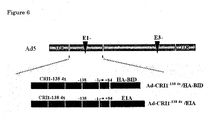
FIG. 6 is a schematic diagram illustrating Ad vectors carrying a promoter of the present invention and each transgene (Example 3). -
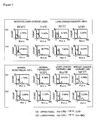
FIGS. 7 are panels showing flow cytometric patterns in the case of infecting an Ad vector of the present invention to various cells (Experimental Example 1). -
FIGS. 8 are graphs showing the measurement results of the number of viable cells in the case of infecting the Ad vector of the present invention to various cells (Experimental Example 2). -
FIG. 9 is a graph showing the volume of tumor cells in the case of administering the Ad vector of the present invention to a mouse tumor model (Experimental Example 3). - As described in the section BackgroundArt, CREBBP/EP300 inhibitory protein 1 (CRI1) of the present invention is one reported in each of Non-patent Documents 6 and 7 (GenBank Accession No. NM_014335). However, a CRI1 gene-derived promoter of the present invention has a sequence selected from the base sequence represented by chromosome 15 q21 (GenBank Accession No. NW_925884.1).
- To be specific, the promoter forms the upstream portion of the CRI1 gene in the base sequence represented by GenBank Accession No. NW_925884.1 in Sequence Listing. When the transcriptional start site of the CRI1 gene is defined as +1, the promoter has a sequence selected from the region of -2586 to +84 (SEQ ID NO: 1), or more specifically selected from -1849 to +84 (SEQ ID NO: 2), selected from -1674 to +84 (SEQ ID NO: 3), selected from -1587 to +84 (SEQ ID NO: 4), selected from -1083 to +84 (SEQ ID NO: 5), selected from -766 to +84 (SEQ ID NO: 6), selected from -567 to +84 (SEQ ID NO: 7), selected from -366 to +84 (SEQ ID NO: 8), or selected from -296 to +84 (SEQ ID NO: 9), and is most preferably a promoter formed of the base sequence represented by -138 to +84 (SEQ ID NO: 10). Further, the promoter may be a promoter formed of the base sequence represented by -74 to +84 (SEQ ID NO: 11). The promoter formed of the sequence represented by SEQ ID NO: 1 in Sequence Listing can be represented by CRI1-2586/+84, the promoter formed of the sequence represented by SEQ ID NO: 2 in Sequence Listing can be represented by CRI1-1849/+84, the promoter formed of the sequence represented by SEQ ID NO: 3 in Sequence Listing can be represented by CRI1-1674/+84, the promoter formed of the sequence represented by SEQ ID NO: 4 in Sequence Listing can be represented by CRI1-1587/+84, the promoter formed of the sequence represented by SEQ ID NO: 5 in Sequence Listing can be represented by CRI1-1083/+84 , the promoter formed of the sequence represented by SEQ ID NO: 6 in Sequence Listing can be represented by CRI1-766/+84, the promoter formed of the sequence represented by SEQ ID NO: 7 in Sequence Listing can be represented by CRI1-567/+84, the promoter formed of the sequence represented by SEQ ID NO: 8 in Sequence Listing can be represented by CRI1-366/+84, the promoter formed of the sequence represented by SEQ ID NO: 9 in Sequence Listing can be represented by CRI1-296/+84, the promoter formed of the sequence represented by SEQ ID NO: 10 in Sequence Listing can be represented by CRI1-138/+84, and the promoter formed of the sequence represented by SEQ ID NO: 11 in Sequence Listing can be represented by CRI1-74/+84.
- A novel promoter of the present invention shows transcriptional activity in a mesothelioma-specific manner. The promoter of the present invention has significant transcriptional activity in malignant pleural mesothelioma cell lines such as 211H cells and H2452 cells, while the promoter has very little transcriptional activity in lung cancer-derived cell lines such as A549 cells derived from human squamous lung cancer and H322 cells derived from human bronchioloalveolar carcinoma, or has clearly low transcriptional activity as compared to that in mesothelioma-derived cell lines. Further, the promoter of the present invention has very little transcriptional activity in NHLF cells derived from normal human lung fibroblasts and normal mesothelial cells, or has clearly low transcriptional activity as compared to that in mesothelioma-derived cell lines.
- A vector carrying the novel promoter of the present invention may be appropriately selected depending on the purposes of use, and a virus vector is suitably used. Further, an adenovirus (Ad) vector is suitably used as the virus vector. Ad which may be used in the present invention may be any as long as the Ad can in vivo or in vitro function as a vehicle for introducing sequences of nucleic acids such as DNA and RNA into a variety of types of cells, and is not particularly limited. Representative examples of the Ad include
human Ad type 2, Ad type 5, Ad type 11, and Ad type 35 to be introduced into human host cells, and simian Ad, chimpanzee Ad, murine Ad, canine Ad, ovine Ad, and avian Ad to be introduced into non-human host cells. The Ad may be Ad that replicates only in particular cells, for example, E1-deleted Ad or conditionally replication-competent Ad. The E1-deleted Ad can proliferate only in 293 cells (having E1 in the cells), and the conditionally replication-competent Ad can replicate only in, for example, particular cancer cells. - The promoter of the present inventionmaybe incorporated into and carried by a vector capable of expressing the promoter together with a gene that should be expressed in a mesothelioma-specific manner. For example, a base sequence represented by any one of SEQ ID NOS: 1 to 11 may be selected as the base sequence of the promoter. The number of the promoters to be incorporated may be any as long as the length is such that the promoters can be incorporated into the vector, is not particularly limited, and a plurality of promoters may be incorporated. Further, the gene that can be carried by the vector and should be expressed in a mesothelioma-specific manner is referred to as a transgene in the present invention.
- An example of the transgene in the present invention suitably includes a gene that damages mesothelioma cells, such as a cell death-inducing gene or a cell lysis-inducing gene. An example of the cell death-inducing gene includes a pro-apoptosis-related gene. As anti-apoptotic substances, there are given Bcl-2 and Bcl-XL as Bcl-2 family proteins each partially blocking the release of cy-tochrome c from mitochondria to inhibit apoptosis. In contrast, Bad binds to an anti-apoptotic protein out of the family proteins to inactivate the protein, to thereby activate procaspase and promote apoptosis. Further, Bax and Bak are stimulating factors for promoting the release of cytochrome c from mitochondria, and promote apoptosis. Bax and Bak are activated by pro-apoptotic Bcl-2 family members such as Bid. Accordingly, a specific example of the cell death-inducing gene includes a Bid gene. For example, the cell death-inducing gene or the cell lysis-inducing gene can be incorporated into the vector together with the promoter of the present invention to induce cell death or cell lysis in a mesothelioma-specific manner, and can be effectively used for treatment of mesothelioma without any influence on normal cells.
- Further, when the vector is E1-deleted Ad, a gene encoding an E1 region can be used as the transgene and introduced into the vector together with the promoter of the present invention. This allows Ad to replicate in a mesothelioma-specific manner, leading to the disappearance of mesothelioma cells through the Ad infection of mesothelioma cells.
- The production of the vector of the present invention can involve, in a production step, digesting each of one or more restriction enzyme-recognizing sequences with a restriction enzyme, and introducing a transgene by in vitro ligation via a shuttle vector or not via the shuttle vector.
- The vector, e.g., Ad vector of the present invention may be produced by a production method including the following steps :
- 1) constructing an expression construct including the promoter sequence of the present invention in an untranslated region of a transgene;
- 2) constructing a shuttle vector including the expression construct in the step 1);
- 3) preparing an Ad genome; and
- 4) cleaving the Ad genome with a restriction enzyme, and ligating the gene-expressing shuttle vector produced in the step 2) to the cleaved Ad genome.
- The present invention also encompasses a vector containing a promoter, and more specifically, a recombinant vector carrying the promoter and a transgene downstream of the promoter. A specific example of the transgene suitably includes a gene that damages mesothelioma cells, such as a cell death-inducing gene or a cell lysis-inducing gene. An example of the cell death-inducing gene includes a pro-apoptosis-related gene. For anti-apoptotic substances, Bcl-2 family proteins such as Bcl-2 and Bcl-XL partially block the release of cytochrome c from mitochondria to inhibit apoptosis. In contrast, Bad binds to an anti-apoptotic protein out of the family proteins to inactivate the protein, to thereby activate procaspase and promote apoptosis. Further, Bax and Bak are each a stimulating factor promoting the release of cytochrome c from mitochondria, and promote apoptosis. Bax and Bak are activated by pro-apoptotic Bcl-2 family members such as Bid. Accordingly, a specific example of the cell death-inducing gene includes a Bid gene.
- A vector carrying the above-mentioned transgene downstream of the promoter of the present invention can be utilized in a therapeutic agent for mesothelioma. The present invention also encompasses a therapeutic agent for mesothelioma including, as an active ingredient, a recombinant vector containing the transgene.
- In addition, the vector containing the promoter of the present invention may also be used in the inspection of mesothelioma. To be specific, a virus vector carrying a marker gene downstream of the promoter is used. Because the promoter of the present invention has significant transcriptional activity in mesothelioma, a marker gene is expressed on the basis of the presence of mesothelioma, which allows for the inspection of mesothelioma. The marker gene may be any as long as the gene can express a protein capable of being used for the inspection. Examples of the marker gene include, but are not particularly limited to, a fluorescent protein, and more specifically, a Green Fluorescent Protein (GFP). The present invention also encompasses a virus vector for inspection of mesothelioma, which can express a marker gene on the basis of the presence of mesothelioma, and a method for inspection of mesothelioma, including observing the presence or absence of the expression of a marker by using the virus vector for inspection of mesothelioma.
- Hereinafter, as for the promoter of the present invention and the recombinant vector containing the promoter, the present invention is described in more detail by way of examples. It is apparent that the present invention is not limited to these examples.
- As for CRI1, calretinin, Wilms' tumor susceptibility gene 1 (WT1), and mesothelin as mesothelioma markers, expression constructs were constructed by excising promoter regions from the respective marker genes, and allowing the regions to bind to firefly luciferase genes.
FIG. 1 is a schematic diagram illustrating expression constructs including the respective promoters. Here, a calretinin gene-derived promoter has a sequence selected from the sequence of chromosome 16 q21.1 (GenBank Accession No. NT_010498.15), a WT1 gene-derived promoter has a sequence selected from the sequence of chromosome 11 p3 (GenBank Accession No. NT_079237.17), and a mesothelin gene-derived promoter has a sequence selected from the sequence of chromosome 16 (GenBank AccessionNo. NT_037887.4). When the transcriptional start site of each of the marker genes is defined as +1, the sequence of each of the promoter regions is represented by any one of SEQ ID NOS: 2 or 12 to 14 in Sequence Listing, and is specifically as follows: - CRI1 gene promoter: -2586/+84 (SEQ ID NO: 2);
- Calretinin gene promoter: -2179/+70 (SEQ ID NO: 12);
- WT1 gene promoter: -1887/+39 (SEQ ID NO: 13); and
- Mesothelin gene promoter: -2310/+44 (SEQ ID NO: 14).
- Expression constructs were produced by inserting the respective promoters described above into pGL3 luciferase reporter vectors (Promega) (pGL3 Luciferase Reporter Vectors, Promega, see Technical Manual No. 033) Cells derived from four kinds of malignant pleural mesothelioma cell lines (H2452, 211H, H2052, and H28) and two kinds of lung cancer cell lines (A549 and H322) were each seeded in triplicate into a 6-well plate at a cell count of about 4×10⁶, and the cells were each confirmed for their survival. After that, a transfection reagent Lipofectin (registered trademark) (Invitrogen) was used to transfect the cells with 2 µg each of the expression constructs. After 24 hours, luciferase light emission was measured by a luciferase assay in each of the cells to confirm the transcriptional activity of each of the promoters.
- As a result, there was a tendency that each of the marker gene-derived promoters shows transcriptional activity in a mesothelioma cell-specific manner and shows low transcriptional activity in lung cancer cells. In particular, the CRI1 gene promoter: -2586/+84 had transcriptional activity in a mesothelioma cell-specific manner and had only low transcriptional activity in lung cancer cells, as compared to other promoters (
FIG. 2 ). - With the use of the same technique as that in the item 2), the respective expression constructs were produced by inserting the respective promoter regions into pGL3 luciferase reporter vectors (Promega). Normal mesothelial cells, normal pleural cells (4/4RM-4 cells derived from rat pleura), and NHLF cells derived from normal human lung fibroblasts were each cultured in the same manner as in the item 2), and the cells were each confirmed for their survival. After that, the cells were each transfected with 2 µg each of the expression constructs. After 24 hours, luciferase light emission was measured by a luciferase assay in each of the cells to confirm the transcriptional activity of each of the promoters.
- As a result, the CRI1 gene promoter: -2586/+84 (CRI1-2586/+84) had low transcriptional activity in normal cells, while each of other marker-derived promoters had transcriptional activity in normal cells as well (
FIG. 3 ). - Those results confirmed that CRI1-2586/+84 had low transcriptional activity in normal cells and lung cancer cells and had high transcriptional activity in mesothelioma cells, and thus exerted transcriptional activity in a mesothelioma-specific manner.
- As for promoter regions of a CRI1 gene, expression constructs were constructed by excising the respective regions having different lengths, and allowing the regions to bind to firefly luciferase genes.
FIG. 4 is a schematic diagram illustrating expression constructs including the respective promoters. - When the transcriptional start site of the CRI1 gene is defined as +1, the respective promoters are formed of base sequences represented by the following SEQ ID NOS:
- CRI1-2586/+84 (SEQ ID NO: 1);
- CRI1-1849/+84 (SEQ ID NO: 2);
- CRI1-1674/+84 (SEQ ID NO: 3);
- CRI1-1587/+84 (SEQ ID NO: 4);
- CRI1-1083/+84 (SEQ ID NO : 5);
- CRI1-766/+84 (SEQ ID NO: 6);
- CRI1-567/+84 (SEQ ID NO: 7);
- CRI1-366/+84 (SEQ ID NO: 8);
- CRI1-296/+84 (SEQ ID NO: 9);
- CRI1-138/+84 (SEQ ID NO: 10); and
- CRI1-74/+84 (SEQ ID NO: 11).
- With the use of the same technique as that in Example 1 above, the respective expression constructs were produced by inserting the respective promoters derived from the CRI1 gene into pGL3 luciferase reporter vectors (Promega). Two kinds of malignant pleural mesothelioma cell lines (H2452 and MSTO-211H), two kinds of lung cancer cell lines (A549 and H322), and two kinds of normal cell lines (normal mesothelial cells and NHLF) were cultured in the same manner as in Example 1, and the cells were each confirmed for their survival. After that, the cells were each transfected with 2 µg each of the expression constructs. After 24 hours, luciferase light emission was measured by a luciferase assay in each of the cells to confirm the transcriptional activity of each of the promoters.
- As a result, all of the respective CRI1 gene-derived promoters had strong transcriptional activity in malignant pleural mesothelioma cells and showed low transcriptional activity in lung cancer cells and normal cells. In particular, in the case of using each of the promoters CRI1-296/+84, CRI1-138/+84, and CRI1-74/+84, higher mesothelioma specificity was observed, and more particularly, in the case of using CRI1-138/+84, highest mesothelioma specificity was observed (
FIG. 5 ). - An Ad vector carrying a transgene and a CRI1 gene promoter (CRI1-138/+84) upstream of the transgene was produced. A cell death-inducing gene (BID) or an Ad early gene E1 was used as the transgene.
- The cell death-inducing gene (BID) and hemagglutinin (HA) gene sequences bound to each other (A) or the Ad early gene E1 (B) was used as the transgene. Each of the expression constructs was produced by allowing four tandem repeats of CRI1-138/+84 to bind to an upstream region of (A) or (B).
- Shuttle vectors including the expression constructs constructed in the item 1) were constructed in accordance with the method described in Tong-Chuan He et al., Proc. Natl. Acad. Sci. USA, 95: 2509-2514, 1998.
- An E1-deleted type 5 Ad genome was prepared, the Ad genome was cleaved with a restriction enzyme, and the gene-expressing shuttle vectors produced in the item 2) were subjected to homologous recombination in accordance with the method of He et al., to thereby afford Ads carrying various expression constructs described above (Ad-CR1-138 4x /HA-BID and Ad-CRI1-138 4x /E1A). In this example, in order to distinguish a BID expression construct from an intrinsic BID, the construct was allowed to bind to an HA tag.
- Examination was made on a cell-killing effect of Ad-CRI1-138 4x/HA-BID obtained in Example 3 on mesothelioma cells. Ad-CRI1-138 4x/GFP containing a green fluorescent protein (GFP) -expressing gene produced by the same technique was used as a control. Here, the Ad vectors are both E1-deleted vectors and are replication-incompetent in mesothelioma cells, but differ in that one includes a cell death-inducing gene (BID) and the other includes a non-toxic GFP gene.
- Each of the resultant Ad vectors was infected to two kinds of malignant pleural mesothelioma cell lines (H2452 and 211H), two kinds of lung cancer cell lines (H322 and A549), two kinds of normal cell lines (normal mesothelial cells and NHLF), and two kinds of cancer cell lines other than lung cancer cell lines (liver cancer cells: Hep3B and breast cancer cells: MCF7). The cell death in each of the cells after Ad infection was quantified by flow cytometry after propidium iodide (PI) staining.
- As a result, as illustrated in
FIGS. 7 , in the two kinds of malignant pleural mesothelioma cell lines (H2452 and 211H) infected with the Ad including the cell death-inducing gene, an increase in sub-G0/G1 population having a peak between G1 and G0 in the cell cycle was observed, and hence, the occurrence of apoptosis was confirmed. Meanwhile, in the lung cancer cells, normal cells, and other cancer cells, there was no difference in flow cytometric patterns between cases with and without the cell death-inducing gene. Those results confirmed that Ad-CRI1-138 4x/HA-BID was expressed in a mesothelioma cell-specific manner. - Examination was made on an effect of Ad-CRI1-138 4x/E1A obtained in Example 3 on mesothelioma cells. In the same manner as in Experimental Example 1, Ad-CRI1-138 4x/GFP was used as a control. Here, there is a difference in that the Ad vector including the Ad early gene E1 is replication-competent in mesothelioma cells and the Ad vector including the GFP gene is replication-incompetent in mesothelioma cells.
- Each of the resultant Ad vectors was introduced into two kinds of malignant pleural mesothelioma cell lines (H2452 and MSTO-211H) and two kinds of normal cell lines (normal mesothelial cells and NHLF) to measure the number of viable cells. The number of the viable cells was measured by an MTS assay (assay involving measuring at 490 nm water-soluble formazan released into a culture medium on the basis of a conversion reaction of a tetrazolium salt (MTS*[3-(4,5-dimethylthiazol-2-yl)-5-(3carboxymethoxyphenyl)-2-(4-sulphophenyl)-2H-tetrazolium, inner salt]) to formazan in viable cells).
- As a result, as illustrated in
FIGS. 8 , it was confirmed that the infection of AD-CRI1-138 4x/E1A clearly decreased mesothelioma cells as compared to the cases of the infection of Ad-CRI1-138 4x/GFP and only PBS and provided no difference from the cases of the infection of Ad-CRI1-138 4x/GFP and PBS in normal cells. Those results confirmed that Ad-CRI1-138 4x/E1A also had a cell-killing effect in a mesothelioma cell-specific manner. - Examination was made on an in vivo cell-killing effect of Ad-CRI1-138 4x/HA-BID or AD-CRI1-138 4x/E1A obtained in Example 3 on mesothelioma cells. In the same manner as in Experimental Examples 1 and 2, Ad-CRI1-138 4x/GFP containing the GFP-expressing gene was used as a control vector. Here, the Ad vector including the cell death-inducing gene (BID) or the non-toxic GFP gene is an E1-deleted vector and is replication-incompetent in mesothelioma cells. Further, the Ad vector including the Ad early gene E1 is replication-competent in mesothelioma cells.
- A mouse model of mesothelioma was produced by subcutaneously inoculating 2.5×10⁶ 211H cells to 6-week-old female BALB/c nude mice. To the mouse model of mesothelioma on day 8 after the inoculation of 211H cells, PBS, Ad-CRI1-138 4x /GFP, Ad-CRI1-138 4x/HA-BID, or Ad-CRI1-138 4x/E1A was locally administered at 5×10⁷ plaque forming units (pfu) for 3 consecutive days, and the size of a tumor was observed for 56 days after the inoculation (n=8 for each of the conditions).
- As a result, as illustrated in
FIG. 9 , the infection of Ad-CRI1-138 4x/HA-BID or Ad-CRI1-138 4x/E1A provided an anti-tumor effect as compared to the case of the infection of Ad-CRI1-138 4x/GFP or PBS alone as a control. - As mentioned in detail above, it was confirmed that the novel promoter of the present invention had transcriptional activity in a mesothelioma-specific manner. It was also confirmed that the introduction of a vector carrying the novel promoter, a cell death-inducing gene, and the like into cells provided an apoptosis action in a mesothelioma-specific manner and showed a cell-killing action. Further, an anti-tumor effect was confirmed in vivo as well. From those results, the vector including the novel promoter of the present invention may be utilized in the case where a certain mesothelioma-specific action is required. For example, the introduction of the vector into cells together with the cell death-inducing gene or cell lysis-inducing gene as mentioned above can damage cells in a mesothelioma-specific manner. Those results suggest that the vector including the novel promoter of the present invention can serve as an effective therapeutic agent for mesothelioma. In addition, the vector including the novel promoter and the marker gene of the present invention can also be used in the inspection of mesothelioma.




Claims (13)
- A novel promoter, comprising a CREBBP/EP300 inhibitory protein 1 (CRI1) gene-derived promoter, wherein the promoter shows transcriptional activity in a mesothelioma-specific manner.
- A novel promoter according to claim 1, wherein the CRI1 gene-derived promoter has a sequence selected from a region of -2586 to +84 in a CRI1 gene.
- A novel promoter according to claim 1 or 2, wherein the CRI1 gene-derived promoter has a sequence represented by any one of SEQ ID NOS: 1 to 11 in Sequence Listing.
- A virus vector, comprising the novel promoter according to any one of claims 1 to 3.
- A virus vector according to claim 4, wherein the virus vector comprises an adenovirus vector.
- A virus vector according to claim 5, wherein the adenovirus comprises a conditionally replication-competent adenovirus.
- A virus vector according to any one of claims 4 to 6, further comprising a cell death-inducing gene and/or a cell lysis-inducing gene downstream of the promoter.
- A gene therapy vector for treatment of mesothelioma, comprising the virus vector according to any one of claims 4 to 7.
- A therapeutic agent for mesothelioma, comprising the gene therapy vector for treatment of mesothelioma according to claim 8.
- A virus vector according to any one of claims 4 to 6, further comprising a marker gene downstream of the promoter.
- A virus vector according to claim 10, wherein the marker gene comprises a fluorescent protein-expressing gene.
- A virus vector for inspection of mesothelioma, comprising the virus vector according to claim 10 or 11.
- A method for inspection of mesothelioma, comprising observing a presence or absence of expression of a marker by using the virus vector for inspection of mesothelioma according to claim 12.
Applications Claiming Priority (2)
| Application Number | Priority Date | Filing Date | Title |
|---|---|---|---|
| JP2008104070 | 2008-04-11 | ||
| PCT/JP2009/053256 WO2009125626A1 (en) | 2008-04-11 | 2009-02-24 | Mesothelioma-specific promoter and use thereof |
Publications (2)
| Publication Number | Publication Date |
|---|---|
| EP2281884A1 true EP2281884A1 (en) | 2011-02-09 |
| EP2281884A4 EP2281884A4 (en) | 2011-08-31 |
Family
ID=41161761
Family Applications (1)
| Application Number | Title | Priority Date | Filing Date |
|---|---|---|---|
| EP09731254A Withdrawn EP2281884A4 (en) | 2008-04-11 | 2009-02-24 | MESOTHELIOMIC SPECIFIC PROMOTER AND USE THEREOF |
Country Status (4)
| Country | Link |
|---|---|
| US (1) | US20110065117A1 (en) |
| EP (1) | EP2281884A4 (en) |
| JP (1) | JP5400764B2 (en) |
| WO (1) | WO2009125626A1 (en) |
Family Cites Families (6)
| Publication number | Priority date | Publication date | Assignee | Title |
|---|---|---|---|---|
| US5834306A (en) * | 1994-12-23 | 1998-11-10 | Sri International | Tissue specific hypoxia regulated therapeutic constructs |
| JP4219957B2 (en) | 2000-02-02 | 2009-02-04 | アンジェスMg株式会社 | Viral envelope vector for gene transfer |
| US7943373B2 (en) * | 2004-09-29 | 2011-05-17 | Oncolys Biopharma, Inc. | Telomelysin/GFP-expressing recombinant virus |
| US20070161031A1 (en) * | 2005-12-16 | 2007-07-12 | The Board Of Trustees Of The Leland Stanford Junior University | Functional arrays for high throughput characterization of gene expression regulatory elements |
| JP2007209328A (en) | 2006-01-13 | 2007-08-23 | Galpharma Co Ltd | Gene therapeutic agent using galectin-9 |
| JP2008104070A (en) | 2006-10-20 | 2008-05-01 | Sky Kk | Program for mobile device with camera and mobile device with camera |
-
2009
- 2009-02-24 US US12/933,892 patent/US20110065117A1/en not_active Abandoned
- 2009-02-24 EP EP09731254A patent/EP2281884A4/en not_active Withdrawn
- 2009-02-24 JP JP2010507188A patent/JP5400764B2/en not_active Expired - Fee Related
- 2009-02-24 WO PCT/JP2009/053256 patent/WO2009125626A1/en not_active Ceased
Non-Patent Citations (6)
| Title |
|---|
| FUKAZAWA TAKUYA ET AL: "Development of a cancer-targeted tissue-specific promoter system", CANCER RESEARCH, AMERICAN ASSOCIATION FOR CANCER REREARCH, US, vol. 64, no. 1, 1 January 2004 (2004-01-01), pages 363-369, XP002406386, ISSN: 0008-5472, DOI: DOI:10.1158/0008-5472.CAN-03-2507 * |
| FUKAZAWA TAKUYA ET AL: "Pulmonary adenocarcinoma-targeted gene therapy by a cancer- and tissue-specific promoter system.", MOLECULAR CANCER THERAPEUTICS JAN 2007 LNKD- PUBMED:17237283, vol. 6, no. 1, January 2007 (2007-01), pages 244-252, XP002649683, ISSN: 1535-7163 * |
| GORDON G J ET AL: "IDENTIFICATION OF NOVEL CANDIDATE ONCOGENES AND TUMOR SUPPRESSORS IN MALIGNANT PLEURAL MESOTHELIOMA USING LARGE-SCALE TRANSCRIPTIONAL PROFILING", AMERICAN JOURNAL OF PATHOLOGY, AMERICAN SOCIETY FOR INVESTIGATIVE PATHOLOGY, US, vol. 166, no. 6, 1 January 2005 (2005-01-01), pages 1827-1840, XP008053409, ISSN: 0002-9440 * |
| MACLELLAN W R ET AL: "A novel Rb- and p300-binding protein inhibits transactivation by MyoD.", MOLECULAR AND CELLULAR BIOLOGY DEC 2000 LNKD- PUBMED:11073990, vol. 20, no. 23, December 2000 (2000-12), pages 8903-8915, XP002649685, ISSN: 0270-7306 * |
| PATAER A ET AL: "Adenovirus-mediated Bak gene transfer induces apoptosis in mesothelioma cell lines.", THE JOURNAL OF THORACIC AND CARDIOVASCULAR SURGERY JAN 2001 LNKD- PUBMED:11135160, vol. 121, no. 1, January 2001 (2001-01), pages 61-67, XP002649684, ISSN: 0022-5223 * |
| See also references of WO2009125626A1 * |
Also Published As
| Publication number | Publication date |
|---|---|
| JPWO2009125626A1 (en) | 2011-08-04 |
| US20110065117A1 (en) | 2011-03-17 |
| WO2009125626A1 (en) | 2009-10-15 |
| JP5400764B2 (en) | 2014-01-29 |
| EP2281884A4 (en) | 2011-08-31 |
Similar Documents
| Publication | Publication Date | Title |
|---|---|---|
| EP1002103B1 (en) | A human glandular kallikrein enhancer, vectors comprising the enhancer and methods of use thereof | |
| US20110256524A1 (en) | Recombinant adenovirus comprising tissue-specific promoter and tumor-targeting trans-splicing ribozyme and uses thereof | |
| JP5975352B2 (en) | Viral vectors targeting cancer stem cells | |
| CZ291372B6 (en) | Recombinant adenovirus vector and use thereof | |
| KR102167934B1 (en) | Recombinant adenovirus and mesenchymal stem cell comprising thereof | |
| JP2016505245A (en) | Recombinant adenovirus with increased safety and anticancer activity and uses thereof | |
| AU2001245944B2 (en) | Human urothelial cell specific uroplakin transcriptional regulatory sequences, vectors comprising the same, and methods of use thereof | |
| AU2018328289B2 (en) | Compositions and processes for targeted delivery, expression and modulation of coding ribonucleic acids in tissue | |
| US11246896B2 (en) | Tumor-specific adenovirus vectors and therapeutic uses | |
| CN103981155B (en) | The structure method of liver cancer targeting oncolytic adenovirus and application | |
| EP2062971A1 (en) | Chimeric adenovirus, method for producing the same and pharmaceutical using the same | |
| KR101478869B1 (en) | Cancer gene therapeutic agent through regulation using microRNA | |
| AU2001245944A1 (en) | Human urothelial cell specific uroplakin transcriptional regulatory sequences, vectors comprising the same, and methods of use thereof | |
| US9222107B2 (en) | REIC-expressing adenovirus vector | |
| KR101500804B1 (en) | Trans-splicing enzymatic nucleic acid molecule specific to splicing variant of AIMP2 gene, and pharmaceutical composition for treating lung cancer and composition for diagnosing lung cancer using the same | |
| US20110065117A1 (en) | Mesothelioma Specific Transferred Promoter And Use Thereof | |
| Han et al. | A novel oncolytic adenovirus selectively silences the expression of tumor-associated STAT3 and exhibits potent antitumoral activity | |
| CN115038455A (en) | Replication-enhanced oncolytic adenoviruses | |
| KR20210075126A (en) | Methods of Treating Disease Using Nucleic Acid Vectors Encoding Highly Compact Multi-Input Logic Gates | |
| CN113774031B (en) | Replication type human adenovirus and application thereof | |
| WO2012121071A1 (en) | ADENOVIRUS VECTOR IN WHICH VA-RNAs ARE NOT EXPRESSED | |
| CN121443731A (en) | Modified viruses targeting tumors associated with abnormalities in ETS family transcription factors | |
| CN121628894A (en) | A tumor-specific promoter and its application | |
| CN115651932A (en) | Construction method and application of targeted digestive tract tumor dual-targeted oncolytic adenovirus |
Legal Events
| Date | Code | Title | Description |
|---|---|---|---|
| PUAI | Public reference made under article 153(3) epc to a published international application that has entered the european phase |
Free format text: ORIGINAL CODE: 0009012 |
|
| 17P | Request for examination filed |
Effective date: 20101111 |
|
| AK | Designated contracting states |
Kind code of ref document: A1 Designated state(s): AT BE BG CH CY CZ DE DK EE ES FI FR GB GR HR HU IE IS IT LI LT LU LV MC MK MT NL NO PL PT RO SE SI SK TR |
|
| AX | Request for extension of the european patent |
Extension state: AL BA RS |
|
| DAX | Request for extension of the european patent (deleted) | ||
| RIC1 | Information provided on ipc code assigned before grant |
Ipc: A61P 35/00 20060101ALI20110719BHEP Ipc: A61K 48/00 20060101ALI20110719BHEP Ipc: A61K 35/76 20060101ALI20110719BHEP Ipc: C12N 15/09 20060101AFI20110719BHEP |
|
| A4 | Supplementary search report drawn up and despatched |
Effective date: 20110728 |
|
| 17Q | First examination report despatched |
Effective date: 20120502 |
|
| STAA | Information on the status of an ep patent application or granted ep patent |
Free format text: STATUS: THE APPLICATION IS DEEMED TO BE WITHDRAWN |
|
| 18D | Application deemed to be withdrawn |
Effective date: 20150206 |