EP2243908A1 - Serrure multipoints - Google Patents
Serrure multipoints Download PDFInfo
- Publication number
- EP2243908A1 EP2243908A1 EP10157779A EP10157779A EP2243908A1 EP 2243908 A1 EP2243908 A1 EP 2243908A1 EP 10157779 A EP10157779 A EP 10157779A EP 10157779 A EP10157779 A EP 10157779A EP 2243908 A1 EP2243908 A1 EP 2243908A1
- Authority
- EP
- European Patent Office
- Prior art keywords
- main
- additional
- sheath
- cable
- locking means
- Prior art date
- Legal status (The legal status is an assumption and is not a legal conclusion. Google has not performed a legal analysis and makes no representation as to the accuracy of the status listed.)
- Granted
Links
Images

Classifications
-
- E—FIXED CONSTRUCTIONS
- E05—LOCKS; KEYS; WINDOW OR DOOR FITTINGS; SAFES
- E05B—LOCKS; ACCESSORIES THEREFOR; HANDCUFFS
- E05B53/00—Operation or control of locks by mechanical transmissions, e.g. from a distance
- E05B53/003—Operation or control of locks by mechanical transmissions, e.g. from a distance flexible
- E05B53/005—Bowden
-
- E—FIXED CONSTRUCTIONS
- E05—LOCKS; KEYS; WINDOW OR DOOR FITTINGS; SAFES
- E05B—LOCKS; ACCESSORIES THEREFOR; HANDCUFFS
- E05B63/00—Locks or fastenings with special structural characteristics
- E05B63/14—Arrangement of several locks or locks with several bolts, e.g. arranged one behind the other
Definitions
- the present invention relates to a multi-point lock of the type comprising several locking points.
- a three-point lock comprising a main locking means and additional locking means up and down, installed on a leaf. These locking means each having a bolt, are installed longitudinally on the free edge of the leaf. Said main locking means is connected to the additional locking means up and down by means of rigid rods capable of being driven in translation so as to transmit movements to actuate the bolts of the additional locking means to a locking position or to unlocking.
- This type of lock is well suited to traditional doors made of a single leaf.
- it is not adaptable to doors of the type "sectional doors” comprising a plurality of horizontal panels articulated successively relative to each other in a horizontal direction.
- it is impossible to adapt the main locking means on one of the panels and the additional locking means respectively on two other adjacent panels and to connect them together with rigid rods, because when the door is driven to a opening position, the panels rotate successively relative to each other and the rigid rods interfere with this pivoting.
- a problem that arises and that the present invention aims to solve, is therefore to provide a multi-point lock that can be adapted not only to folding type doors with several horizontal panels, but also to single-leaf doors.
- the present invention provides a multi-point lock comprising a main locking means and at least one additional locking means, the main and additional locking means respectively comprising a main locking mechanism and an additional locking mechanism, main and additional locking respectively comprising at least one main bolt and one additional bolt, the multi-point lock further comprising a control member and transmission members, the control member being adapted to be driven in a locking direction for a on the one hand control the main locking means so as to actuate the main locking mechanism to a locked position of the main bolt, and on the other hand drive the transmission members in a direction of traction to control the additional locking means so as to re operating the additional locking mechanism to a locked position of the additional bolt;
- the transmission members comprise a flexible main sheath and a flexible main cable slidably mounted inside the main sheath, and the control member is able to drive the main cable in translation inside.
- the main sheath for actuating the additional locking mechanism, the main and additional locking mechanisms being controllable in different relative positions of the main and additional locking means
- a feature of the invention lies in the implementation of a flexible cable installed inside a flexible sheath together forming a flexible transmission member. Since this feature provides flexibility to the transmission member, the primary and additional locking means may be installed on different adjacent panels which are intended to be folded relative to one another. Thus, when the sectional door is driven in vertical translation, and that the panels pivot relative to each other, the transmission member flexes without being denatured or even hindering the pivoting of the panels. Also, when the door returns to its initial vertical position, the control member can again be driven in motion to actuate the additional locking mechanism via the main cable. In addition, providing latches in specific positions on a doorframe, the lock can be locked when the door is partially open. Naturally, the lock is adaptable to conventional doors.
- a particularly advantageous point is that one can adjust the distance between the main and additional locking means depending on the shape of the door, and more precisely with respect to the housing already provided for installing the locking means .
- the adjustment of the relative position of the main and additional locking means can be achieved without concern for the flexible transmission member.
- it is expected to install a length of cable and sheath substantially greater than the theoretical length necessary to adapt the multipoint lock on the standard doors. In this way, unlike rigid locks locks objects of the invention are versatile.
- the main sheath has two opposite sheath ends respectively mounted in a fixed position on the main and additional locking means respectively remote main and additional locking mechanisms, while the main cable has two ends of opposite main cable opening respectively from the main cladding ends, the main cable ends being respectively connected to the main locking mechanism and the additional locking mechanism.
- the ends of sheaths are engaged in screw retaining sleeves screwed inside a threaded support from one side and mounted in a fixed position on the locking means.
- the transmission members further comprise a secondary sheath mounted substantially parallel to the main sheath, and a flexible secondary cable slidably mounted within the secondary sheath.
- the control member is adapted to be driven in one direction unlocking device opposite to the locking direction for causing said secondary cable to be driven in translation within said secondary sheath, in said direction of traction, to actuate said additional locking mechanism to an unlocking position.
- the additional locking means comprises a return member pivotally mounted on the locking mechanism, the main cable and the secondary cable being mechanically connected to one another via the deflection member, to cause driving said main and additional cables in opposite directions to each other.
- the additional cable is pulled in traction, after the main cable has itself been pulled in order to actuate the additional locking mechanism to the locked position of the additional bolt, the main cable is then driven in the opposite direction. the other direction to return to its original position, while the return member pivots.
- the flexible secondary sheath has two other opposite ends respectively mounted in a fixed position on the main and additional locking means remote respectively the main and additional locking mechanisms, the secondary cable having two other ends opening respectively ends of the sheath, one of the ends of the secondary cable emerging from the end of the sheath fixed on the additional mechanism means being mechanically connected to the return member.
- the secondary sheath ends vis-à-vis the locking mechanisms and thus to define the amplitude of the movement secondary cables in translation inside the secondary sheath to actuate the locking mechanism.
- the lock further comprises another additional locking means adapted to be mounted opposite said additional locking means with respect to said main locking means, and other transmission members for controlling the locking device.
- additional locking means driving the control member in motion, the transmission members comprising another flexible main sheath and another flexible main cable slidably mounted within the other main sheath.
- three locking means can be installed respectively on three different panels, for example the main locking means on a central panel and the two additional locking means respectively on the two panels contiguous to the central panel. Thanks to this feature, the resistance of the lock against burglary is even more assured and reinforced.
- said other main cable is further mechanically connected to said secondary cable, for actuating said other locking mechanism to a locking position when said moving control member is driven in a locking direction.
- said one main cable is driven in translation to actuate the additional locking mechanism, while said one secondary cable is driven in translation and in the opposite direction by by means of the return member and therefore said other main cable is driven in a locking direction.
- said additional locking mechanism and said further additional locking mechanism are both driven to a locking position, as is the main locking mechanism.
- said other transmission members further comprise another flexible secondary sheath mounted substantially parallel to said other main sheath, and another flexible secondary cable slidably mounted inside said other secondary sheath, and said other locking means. further comprises another return member pivotally mounted on said other locking mechanism to connect mechanically said other main cable and said other secondary cable to each other.
- said other additional locking mechanism is driven to the locking position, thanks to the other return member, said other flexible secondary cable is driven in translation in a reverse direction to said other main cable.
- said other additional locking mechanism can be driven into an unlocked position by acting in traction on said other secondary cable.
- said other secondary cable is further connected to said control member, so as to actuate said additional locking mechanisms simultaneously to an unlocking position.
- said other secondary cable is capable of being pulled in traction by the control member so as to cause said other additional locking mechanism to the unlocking position and in parallel, thanks to said other return member, to drive said additional locking mechanism via said other main cable and said secondary cable which are mechanically connected together.
- the Figure 1 and 2 schematically show a multipoint lock 10 in two opposite positions, the figure 1 in an unlocked position and the figure 2 in a locking position.
- This multi-point lock is intended to be housed for example in the thickness of the edge of a folding door, of the "sectional garage door” type, comprising a plurality of horizontal panels, for example four panels. These panels are respectively mounted articulated relative to each other in a substantially horizontal direction.
- the lock 10 as illustrated on the figure 1 , comprises a main locking means 12, an additional high locking means 14 and a low additional locking means 16.
- the main locking means 12, for example, is installed in the lateral edge of the third panel from the lower part of the the sectional door, while the additional locking means 14, 16 are, for example, respectively installed on the second and fourth panels of the sectional door.
- the additional high locking means 14 and the low additional locking means 16 are able to be mounted opposite one another with respect to said main locking means 12 in the border of the door and on their corresponding panel.
- the main locking means 12 and the additional high 14 and lower 16 locking means respectively comprise a main locking mechanism 18 and additional high and low locking mechanisms 22. These locking mechanisms 18, 20, 22 are mounted on a main support 19 for the main locking means 12, and additional high and low supports 23 respectively for the additional high 14 and low 16 locking means.
- the main locking mechanism 18 and the upper and lower additional locking mechanisms 22 respectively comprise a main bolt 24 and additional bolts high 26 and bottom 28, illustrated in FIG. figure 2 , intended to be engaged, for example, in locks mounted on a doorframe.
- a main bolt 24 and additional bolt 26 are oriented in the same direction, while the additional bolt down is oriented in the opposite direction.
- the elements represented on the Figures 1 and 2 are schematically for a better understanding of the invention. It is obvious that the three aforementioned bolts, 24, 26, 28 are oriented in the same direction and are able to respectively protrude from the side edge of their panel.
- the main locking means 12 comprises a control member 30 which will be detailed hereinafter with reference to FIG. Figure 3 , intended to be driven either in a locking direction (V), or in an unlocking direction (D) opposite to the locking direction.
- This control member is adapted to be rotated about 180 ° and is capable of controlling both the main locking mechanism 18 and the additional locking mechanisms 20, 22.
- the multi-point lock 10 further comprises upper and lower transmission members 34 connecting the main locking mechanism 18 respectively with the upper and lower additional locking mechanisms 22 for transmitting a command made at the control member 30 to the additional locking mechanisms 20, 22.
- the upper transmission member 32 comprises a top main cable 36 and a high secondary cable 38 respectively slidably mounted inside a top main sheath 44 and a high secondary sheath 46.
- the sheaths 44, 46 and their respective cable, 36, 38, are flexible in nature which is a very advantageous feature of the invention since the panels of the door can be pivoted with respect to each other, without damaging the transmission members which then bend.
- the low transmission member 34 also comprises a low main cable 40 and a low secondary cable 42 respectively slidably mounted inside a low main sheath 48 and a low secondary sheath 50.
- the main ducts high 44, 48 and the high secondary sheaths 46, low 50 each have two opposite ends respectively mounted in a fixed position on the main locking means 12 and additional 14, 16 distance respectively of the main locking mechanisms 18 and additional 20, 22.
- each end of sheath is fixed via a fastener 53, 55, 57, 59 in an adjustable manner.
- the fasteners 53, 55, 57, 59 are constituted respectively of a transverse bar mounted in a fixed position on the main support 19 and on the additional supports high 21, bottom 23.
- Each of the bars has two threads parallel and perpendicular to the bar, and at a distance from one another in which is engaged in rotation a retaining sleeve 61 for each of the ends of ducts.
- the retaining bushes 61 have side of the sheath, a shoulder surmounted by a flange adapted to receive in abutment precisely the end of the sheath. In this way, the ends of the sheath are respectively set at a distance from the transverse bars by rotating the bushings to separate or bring their shoulder to the bar.
- These retaining sleeves coupled to the threaded bars allow to stretch the cables which extend inside the sheaths and through the bushings and the bars, by adjusting the length of cables which extends in the sheaths between a bar of the main support 19 and a bar of an additional support 21, or 23 and thus to adjust the range of travel of the cables passing through them.
- the main cables 36, 40 and the secondary cables 38, 42 also have two opposite ends opening respectively from the ends of the main sheaths 44, 48 and the ends of the secondary sheaths 46, 50.
- the ends of the main cables 36, 40 and secondary cables 38, 42 are respectively connected to the main locking mechanism 18 and the additional locking mechanisms 20, 22.
- the additional high 14 and low 16 locking means comprise a top 52 and down 54 respectively pivotally mounted on the upper and lower 20 additional locking mechanisms 22.
- the top 52 and bottom 54 return members each comprise a shaft 56, 58 fixed on the additional support 21, 23 around which the return members are respectively capable of pivoting.
- the additional high 14 and low 22 locking means respectively comprise a high main board 25 and a low main board 27 respectively connected to the top 36 and bottom 40 main cables, and a high secondary board 29 and a low secondary board 31 respectively connected to the cables. secondary high 38 and low 42.
- These plates 25, 27, 29, 31 are mounted movable in translation respectively on the additional supports high 21 and low 23.
- Each main plate 25, 27 has a pin 41, 43 which protrudes from the main plate 25, 27 and which is adapted to cooperate with the deflection member 52, 54 as will be explained below.
- Each main plate 25, 27 has two form lights oblong, a long 33, 35 and a short 37, 39 which extend parallel to each other.
- Each secondary plate 29, 31 also comprises a pin 45, 47 which protrudes from the secondary plate 29, 31 and is designed to slide in the long oblong slot 33, 35.
- Each return member furthermore has two notches 60, 62, 64, 66 respectively diametrically opposed, one of which 60, 64 is intended to receive the stud 41, 43 of the main plates 25, 27 and the other 62, 66 is intended to receive the stud 45, 47 of the secondary plate 29, 31.
- All the connections between the plates 25, 27, 29, 31 and the ends of the cables 36, 38, 40, 42 are made in an adjustment manner by means of screws adapted to grip the cables in a vice. In order to transmit the control, the cables are mounted and adjusted tightly.
- the main locking means 12 comprises a housing 2 mounted in a fixed position on the main support 19, and a slide 6 installed so as to be guided in translation by the housing 2. In this case, there is no interaction between the slider 6 and the main locking mechanism 18.
- the housing 2 comprises two guide pins 74, 76 spaced from one another and projecting from the lateral surface of the housing 2. It will also be observed that these two guide pins 74, 76 are located at the same distance from the main support 19 and in the vicinity of this main support.
- the main locking mechanism 18 is housed inside the casing 2, while the control member 30 comprises a stand that protrudes from the outside of the casing 2.
- the stand has a shaft of drive that extends through the housing 2 to cooperate with the main locking mechanism 18 of the housing and which protrudes outside the housing 2.
- the drive shaft is provided with a flat washer 78 with which it is integral in rotation.
- This flat washer 78 extended facing the outer face of the housing 2 has an arcuate light 80 extending over an angle of between 45 ° and 100 °, for example 70 °, to the opposite of the crutch. It will be observed that the drive shaft is rotatable with an amplitude of about 180 ° and that the light extends over an angle less than half of 180 °.
- the main locking means 12 further comprises a longitudinal drive plate 4 slidably mounted on the main support 19 between the outer face of the housing 2 and the flat washer 78.
- the longitudinal drive plate 4 has two opposite ends presenting each an oblong guide light 70, 72 oriented longitudinally.
- the longitudinal drive plate 4 is fitted against the outer face of the housing 2 so that the guide pins 74, 76 are respectively engaged in the oblong guide slots 70, 72.
- the guide pins 74, 76 are respectively provided with a retaining head 82, 84 whose diameter is greater than the width of the oblong guide slots 70, 72 for retaining the longitudinal drive plate 4.
- the longitudinal drive plate 4 further has a nipple 7 intended to be engaged in the arcuate light 80. As will be explained below, considering the cooperation of the arcuate light 80 and the pin 78, the radial width of said arcuate light 80 must be greater than the diameter of the pin 78.
- the slider 6 has two opposite ends, one of which is connected to the high secondary cable 40 and the other is connected to the lower main cable 38 by screwable means and adjustable vice.
- the longitudinal drive plate 4 has two opposite ends, one of which is connected to the upper main cable 36 and the other is connected to the lower secondary cable 42 by means of adjustable screwing means.
- the flat washer 78 when driving the control member in the locking direction (V), a quarter turn upwards from a horizontal position, the flat washer 78 is driven here in rotation in the direction counterclockwise and the inner edge of the upper end of the arcuate light 80 of the flat washer 78 abuts against the pin 7 of the longitudinal drive plate 4.
- the flat washer 78 continues its rotational stroke while the longitudinal drive plate 4 is driven in translation in a direction of traction (T), which causes the driving of the upper main cable 36 in translation inside the sheath main 44 in the direction of traction (T). It will be observed that, during the rotational movement of the flat washer 78, the pin 7 moves radially away from the drive shaft through the arcuate light 80. This movement is allowed, as it has been As explained above, the width of the arcuate light 80 is greater than the diameter of the stud 7.
- the upper main plate 25 is driven in the direction of traction (T) through the upper main cable 36, and, in addition to actuating the additional top locking mechanism 20, simultaneously causes the rotation drive of the high deflection member 52 in the opposite direction of the hours of a watch, thanks to the stud 41 of the upper main plate 25 engaged in one of the notches 60 of the upper deflection member 52.
- the high secondary plate 29 is driven in translation in an opposite direction (t) to the direction of traction and in the direction of translation of the upper main plate 25 thanks to the other of the notches 62 diametrically opposite of the high deflection member 52 in which is engaged the stud 45 of the high secondary plate 29.
- the upper additional locking mechanism 20, cooperating with these two plates 25, 29, actuates by the same bolt high 26 to a lock position.
- the high secondary plate 29 drives the high secondary cable 38 and the slider 6 in translation and the lower main cable 40 in the opposite direction to the traction direction T which causes the translation drive of the lower main plate 27 and therefore, the actuation of the lower additional locking mechanism 16 and the lower bolt 28 to a locking position in the same manner as the additional top locking mechanism 20.
- the stud 43 of the lower main plate 27 engaged in one of the notches 64 of the low return member 54 causes the rotation of the latter in the opposite direction of the clockwise as the main bottom plate 27 moves in translation.
- the other diametrically opposite notch 66 of the low return member 54 in which is engaged the stud 47 of the low secondary plate 31, causes an opposite translation movement of this 31.
- the low secondary plate 31 drives in translation the lower secondary cable 42 which is released to the other side by the longitudinal drive plate to which it is attached.
- control member 30 is driven in the unlocking direction, with an amplitude close to 90 ° to the initial horizontal position.
- the flat washer 78 is then rotated a quarter turn, without the longitudinal drive plate 4 is itself driven, because the stud 7 of the longitudinal drive plate 4 engaged inside the the arcuate light 80 allows the movement of the flat washer 78.
- unlocking it is performed by driving the control member 30 in the unlocking direction D.
- the flat washer 78 is then driven here in rotation in the direction of clockwise and the inner edge of the lower end of the arcuate light 80 of the flat washer 78 abuts against the nipple 7 of the longitudinal drive plate 4.
- the flat washer 78 continues its rotational stroke, while the longitudinal drive plate 4 is driven. in the direction opposite to the traction direction, which also causes the low secondary cable 42 and the low secondary plate 31 in a direction opposite to the traction direction.
- the low return member 54 is rotated in a clockwise direction, and the lower main plate 27 is driven towards the traction direction T while the lower bolt 28 is driven to an unlocking position. .
- the bottom main cable 40 is itself driven in tension by the lower main plate 27 and therefore, the slider 6, the high secondary cable 38 and the high secondary plate 29 are simultaneously driven in translation towards the traction direction T, while that the high deflection member 52 is rotated in a clockwise direction also to cause translation drive the high main plate 25 in a direction opposite to the high secondary plate 29.
- the latter then causes simultaneously actuating the top bolt 26 to a position of unlocking, while the flexible upper main cable 36 is driven in translation in a direction opposite to that of the high secondary cable 38.
- the lock 10 comprises two additional locking means 12, 14, but it can also be imagined with only one additional locking means or with more than three additional locking means.
- a lock 10 which can operate with a single main cable in cooperation with a return spring for example.
Landscapes
- Engineering & Computer Science (AREA)
- Structural Engineering (AREA)
- Flexible Shafts (AREA)
- Lock And Its Accessories (AREA)
Abstract
Description
- La présente invention se rapport à une serrure multipoints du type comportant plusieurs points de condamnation.
- Pour limiter les risques d'effraction, l'installation d'une serrure comportant plusieurs points de verrouillage sur les portes d'entrée est devenue de plus en plus courante.
- Il est connu du document
FR 2 488 318 - L'avantage de ce type de serrure est que non seulement elle permet de mieux résister aux tentatives d'effraction, mais aussi, que l'on peut actionner en un seul mouvement tous les pênes vers une position de verrouillage ou de déverrouillage par l'intermédiaire du moyen de verrouillage principal.
- Ce type de serrure est bien adapté aux portes traditionnelles constituées d'un seul battant. Cependant, il n'est pas adaptable aux portes du type « portes sectionnelles » comprenant plusieurs panneaux horizontaux articulés successivement les uns par rapport aux autres selon une direction horizontale. En effet, il est impossible d'adapter le moyen de verrouillage principal sur l'un des panneaux et les moyens de verrouillage supplémentaires respectivement sur deux autres panneaux contigus et de les relier ensemble avec des tringles rigides, car lorsque la porte est entraînée vers une position d'ouverture, les panneaux pivotent successivement l'un par rapport à l'autre et les tringles rigides gêneraient ce pivotement.
- Un problème qui se pose et que vise à résoudre la présente invention, est donc de fournir une serrure multipoint qui puisse s'adapter non seulement aux portes du type pliantes à plusieurs panneaux horizontaux, mais aussi aux portes à un seul battant.
- Dans ce but, la présente invention propose une serrure multipoints comprenant un moyen de verrouillage principal et au moins un moyen de verrouillage supplémentaire, les moyens de verrouillage principal et supplémentaire comprenant respectivement un mécanisme de verrouillage principal et un mécanisme de verrouillage supplémentaire, les mécanismes de verrouillage principal et supplémentaire comprenant respectivement au moins un pêne principal et un pêne supplémentaire, la serrure multipoints comprenant en outre un organe de commande et des organes de transmission, le organe de commande étant apte à être entraîné en mouvement dans un sens de verrouillage pour d'une part commander le moyen de verrouillage principal de manière à actionner le mécanisme de verrouillage principale vers une position verrouillée du pêne principal, et d'autre part entraîner les organes de transmission dans un sens de traction pour commander le moyen de verrouillage supplémentaire de manière à actionner le mécanisme de verrouillage supplémentaire vers une position verrouillée du pêne supplémentaire ; selon l'invention, les organes de transmission comprennent une gaine principale flexible et un câble principal flexible monté à coulissement à l'intérieur de la gaine principale, et l'organe de commande est apte à entraîner le câble principal en translation à l'intérieur de la gaine principale pour actionner le mécanisme de verrouillage supplémentaire, les mécanismes de verrouillage principal et supplémentaire pouvant être commandés dans différentes positions relatives des moyens de verrouillage principal et supplémentaire.
- Ainsi, une caractéristique de l'invention réside dans la mise en oeuvre d'un câble flexible installé à l'intérieur d'une gaine flexible formant ensemble un organe de transmission flexible. Étant donné que cette caractéristique permet d'apporter une flexibilité à l'organe de transmission, on peut installer les moyens de verrouillage principal et supplémentaire sur différents panneaux contigus qui sont destinés à être pliés l'un par rapport à l'autre. Ainsi, lorsque la porte sectionnelle est entraînée en translation verticale, et que les panneaux pivotent les uns par rapport aux autres, l'organe de transmission fléchit sans être dénaturé ni même sans gêner le pivotement des panneaux. Aussi, lorsque la porte retrouve sa position initiale verticale, l'organe de commande peut à nouveau être entraîné en mouvement pour actionner le mécanisme de verrouillage supplémentaire par l'intermédiaire du câble principal. De plus, en prévoyant des gâches dans des positions déterminées sur un chambranle, on peut verrouiller la serrure lorsque la porte est ouverte partiellement. Naturellement, la serrure est adaptable aux battants classiques. Dans ce cas-là, un point particulièrement avantageux est qu'on peut ajuster la distance entre les moyens de verrouillage principal et supplémentaire en fonction de la forme de la porte, et plus précisément par rapport aux logements déjà prévus pour installer les moyens de verrouillage. Ainsi, le réglage de la position relative des moyens de verrouillage principal et supplémentaire peut-il être réalisé sans se préoccuper de l'organe de transmission flexible. On prévoit à cet effet, d'installer une longueur de câble et de gaine sensiblement supérieure à la longueur théorique nécessaire pour adapter la serrure multipoints sur les portes standards. De la sorte, contrairement aux serrures à tringles rigides les serrures objet de l'invention sont polyvalentes.
- Selon un mode de réalisation préféré, la gaine principale présente deux extrémités de gaine opposées montées respectivement en position fixe sur les moyens de verrouillage principal et supplémentaire à distance respectivement des mécanismes de verrouillage principal et supplémentaire, tandis que, le câble principal présente deux extrémités de câble principal opposées débouchant respectivement des extrémités de gaine principale, les extrémités de câble principal étant reliées respectivement au mécanisme de verrouillage principal et au mécanisme de verrouillage supplémentaire. Ainsi, une telle caractéristique permet de régler la distance respectivement des extrémités de gaine vis-à-vis des mécanismes de verrouillage et ainsi de définir l'amplitude du mouvement des câbles en translation à l'intérieur de la gaine pour actionner le mécanisme de verrouillage. Préférentiellement, les extrémités de gaines sont engagées dans des douilles vissables de retenue vissées à l'intérieur d'un support taraudé de part en part et monté en position fixe sur les moyens de verrouillage. On expliquera ci-après plus en détail l'ajustement de ces douilles vissables permettant de tendre le câble à l'intérieur de la gaine.
- Selon un mode de mise en oeuvre de l'invention particulièrement avantageux, les organes de transmission comprennent en outre une gaine secondaire montée sensiblement parallèlement à la gaine principale, et un câble secondaire flexible monté à coulissement à l'intérieur de la gaine secondaire. Ainsi, l'organe de commande est apte à être entraîné dans un sens de déverrouillage opposé au sens de verrouillage pour provoquer l'entraînement dudit câble secondaire en translation à l'intérieur de ladite gaine secondaire, dans ledit sens de traction, pour actionner ledit mécanisme de verrouillage supplémentaire vers une position de déverrouillage. Lorsqu'on emploi un ensemble de câble et de gaine en tant qu'organe de transmission, alors que la traction du câble pour actionner le mécanisme de verrouillage supplémentaire en position de verrouillage ne soulève aucune difficulté mécanique puisqu'il est indéformable en traction, à l'inverse, il est difficilement possible d'actionner le mécanisme de verrouillage supplémentaire vers la position de déverrouillage en poussant sur le câble, car ce dernier est flexible. Et précisément, la mise en oeuvre d'un câble secondaire permet d'actionner le mécanisme de verrouillage supplémentaire vers la position de déverrouillage en entraînant le câble secondaire en traction, ce qui ne soulève aucune difficulté.
- Avantageusement le moyen de verrouillage supplémentaire comprend un organe de renvoi monté à pivotement sur le mécanisme de verrouillage, le câble principal et le câble secondaire étant reliés mécaniquement l'un à l'autre par l'intermédiaire de l'organe de renvoi, pour provoquer l'entraînement desdits câbles principal et supplémentaire dans des sens opposés l'un à l'autre. Lorsque l'on entraîne le câble supplémentaire en traction, après que le câble principal a été lui-même entraîné en traction pour actionner le mécanisme de verrouillage supplémentaire vers la position verrouillée du pêne supplémentaire, le câble principal est alors entraîné à l'inverse dans l'autre sens pour revenir à sa position initiale, tandis que l'organe de renvoi pivote.
- Préférentiellement, la gaine secondaire flexible présente deux autres extrémités opposées montées respectivement en position fixe sur les moyens de verrouillage principal et supplémentaire à distance respectivement des mécanismes de verrouillage principal et supplémentaire, le câble secondaire présentant deux autres extrémités débouchant respectivement des extrémités de la gaine, l'une des extrémités de câble secondaire débouchant de l'extrémité de gaine fixée sur le moyen de mécanisme supplémentaire étant reliée mécaniquement à l'organe de renvoi. Ainsi, une telle caractéristique permet de régler la distance respectivement des extrémités de gaine secondaire vis-à-vis des mécanismes de verrouillage et ainsi de définir l'amplitude du mouvement des câbles secondaire en translation à l'intérieur de la gaine secondaire pour actionner le mécanisme de verrouillage.
- Selon un mode de réalisation particulièrement avantageux, la serrure comprend en outre un autre moyen de verrouillage supplémentaire apte à être monté à l'opposé dudit un moyen de verrouillage supplémentaire par rapport audit moyen de verrouillage principal, et des autre organes de transmission pour commander le moyen de verrouillage supplémentaire, en entraînant en mouvement l'organe de commande, les organes de transmission comprenant une autre gaine principale flexible et un autre câble principal flexible monté à coulissement à l'intérieur de l'autre gaine principale. Ainsi, on peut installer trois moyens de verrouillage respectivement sur trois panneaux différents, par exemple le moyen de verrouillage principal sur un panneau central et les deux moyens de verrouillage supplémentaires respectivement sur les deux panneaux contigus au panneau central. Grâce à cette caractéristique, la résistance de la serrure contre l'effraction est encore plus assurée et renforcée.
- Selon un mode préféré, ledit autre câble principal est en outre relié mécaniquement audit un câble secondaire, pour actionner ledit autre mécanisme de verrouillage vers une position de verrouillage lorsqu'on entraîne ledit organe de commande en mouvement dans un sens de verrouillage. Ainsi, lorsqu'on entraîne l'organe de commande en mouvement dans un sens de verrouillage, ledit un câble principal est entraîné en translation pour actionner le mécanisme de verrouillage supplémentaire, tandis que ledit un câble secondaire est entraîné en translation et en sens inverse par l'intermédiaire de l'organe de renvoi et partant, ledit autre câble principal est lui entraîné dans un sens de verrouillage. De la sorte, ledit un mécanisme de verrouillage supplémentaire et ledit autre mécanisme de verrouillage supplémentaire sont tous les deux entraînés vers une position de verrouillage, tout comme le mécanisme de verrouillage principal.
- Préférentiellement, lesdits autre organes de transmission comprennent en outre, une autre gaine secondaire flexible montée sensiblement parallèlement à ladite autre gaine principale, et un autre câble secondaire flexible monté à coulissement à l'intérieur de ladite autre gaine secondaire, et ledit autre moyen de verrouillage supplémentaire comprend un autre organe de renvoi monté à pivotement sur ledit autre mécanisme de verrouillage pour relier mécaniquement ledit autre câble principal et ledit autre câble secondaire l'un à l'autre. Ainsi, lorsque ledit autre mécanisme de verrouillage supplémentaire est entraîné vers la position de verrouillage, grâce à l'autre organe de renvoi, ledit autre câble secondaire flexible est entraîné en translation dans un sens inverse audit autre câble principal. De la sorte, ledit autre mécanisme de verrouillage supplémentaire pourra être entraîné dans une position déverrouillée en agissant en traction sur ledit autre câble secondaire.
- Selon un mode de réalisation particulièrement avantageux, ledit autre câble secondaire est en outre relié audit organe de commande, de manière à pouvoir actionner lesdits mécanismes de verrouillage supplémentaires simultanément vers une position de déverrouillage. De la sorte, ledit autre câble secondaire est susceptible d'être entraîné en traction grâce à l'organe de commande de manière à entraîner ledit autre mécanisme de verrouillage supplémentaire vers la position de déverrouillage et parallèlement, grâce audit autre organe de renvoi, à entraîner ledit mécanisme de verrouillage supplémentaire par l'intermédiaire dudit autre câble principal et dudit câble secondaire lesquels sont reliés mécaniquement ensemble. Cette caractéristique permet de faciliter le déverrouillage de la serrure et plus précisément, d'actionner simultanément le mécanisme de déverrouillage principal et les mécanismes de verrouillage supplémentaires.
- D'autres particularités et avantages de I' invention ressortiront à la lecture de la description faite ci-après de modes de réalisation particuliers de l'invention, donnés à titre indicatif mais non limitatif, en référence aux dessins annexés sur lesquels :
- la
Figure 1 est une vue schématique de fonctionnement d'une serrure selon l'invention dans une première position ; - la
Figure 2 est une vue schématique de fonctionnement d'une serrure selon l'invention dans une seconde position ; - la
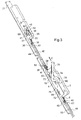
Figure 3 est une vue partielle en perspective de la serrure multipoints - Les
Figure 1 et 2 montrent schématiquement une serrure multipoints 10 dans deux positions opposées, lafigure 1 dans une position de déverrouillage et lafigure 2 dans une position de verrouillage. Cette serrure multipoints est destinée à être logée par exemple dans l'épaisseur de la tranche d'une porte pliante, du type « porte de garage sectionnelle», comportant une pluralité de panneaux horizontaux, par exemple quatre panneaux. Ces panneaux sont respectivement montés articulés les un par rapport aux autres selon une direction sensiblement horizontale. - La serrure 10, telle qu'illustrée sur la
figure 1 , comporte un moyen de verrouillage principal 12, un moyen de verrouillage supplémentaire haut 14 et un moyen de verrouillage supplémentaire bas 16. Le moyen de verrouillage principal 12, est par exemple installé dans la bordure latérale du troisième panneau en partant de la partie inférieure de la porte sectionnelle, tandis que les moyens de verrouillage supplémentaires 14, 16 sont, par exemple, respectivement installés sur les deuxième et quatrième panneaux de la porte sectionnelle. - Le moyen de verrouillage supplémentaires haut 14 et le moyen de verrouillage supplémentaire bas 16 sont aptes à être montés à l'opposé l'un de l'autre par rapport audit moyen de verrouillage principal 12 dans la bordure de la porte et sur leur panneau correspondant. Le moyen de verrouillage principal 12 et les moyens de verrouillage supplémentaires haut 14 et bas 16, comprennent respectivement un mécanisme de verrouillage principal 18 et des mécanismes de verrouillage supplémentaires haut 20 et bas 22. Ces mécanismes de verrouillage 18, 20, 22 sont montés sur un support principale 19 pour le moyen de verrouillage principal 12, et sur des supports supplémentaires haut 21 et bas 23 respectivement pour les moyens de verrouillage supplémentaires haut 14 et bas 16.
- Le mécanisme de verrouillage principal 18 et les mécanismes de verrouillage supplémentaires haut 20 et bas 22 comprennent respectivement un pêne principal 24 et des pênes supplémentaires haut 26 et bas 28, illustrés sur la
figure 2 , destinés à être engagés, par exemple, dans des gâches montées sur un chambranle. On observera, notamment sur cettefigure 2 , que le pêne principal 24 et le pêne supplémentaire 26 sont orientés dans un même sens, tandis que le pêne supplémentaire bas est lui orienté dans un sens opposé. En réalité, les éléments représentés sur lesfigures 1 et 2 , le sont de manière schématique pour une meilleure compréhension de l'invention. Il est bien évident que les trois pênes précités, 24, 26, 28 sont orientés dans un même sens et sont aptes à venir respectivement en saillie du bord latéral de leur panneau. - Le moyen de verrouillage principal 12 comprend un organe de commande 30 que l'on détaillera ci-après en se référant à la
Figure 3 , destiné à être entraîné soit dans un sens de verrouillage (V), soit dans un sens de déverrouillage (D) opposé au sens de verrouillage. Cet organe de commande est apte à être entraîné en rotation d'environ 180° et il est susceptible de commander à la fois le mécanisme de verrouillage principal 18 et les mécanismes de verrouillages supplémentaires 20, 22. - La serrure multipoints 10 comprend en outre des organes de transmission haut 32 et bas 34 reliant le mécanisme de verrouillage principal 18 respectivement avec les mécanismes de verrouillage supplémentaires haut 20 et bas 22 pour transmettre une commande effectuée au niveau de l'organe de commande 30 aux mécanismes de verrouillage supplémentaires 20, 22.
- L'organe de transmission haut 32 comprend un câble principal haut 36 et un câble secondaire haut 38 montés respectivement à coulissement à l'intérieur d'une gaine principale haut 44 et d'une gaine secondaire haut 46. Les gaines 44, 46 et leur câble respectif, 36, 38, sont par nature flexibles ce qui est une caractéristique très avantageuse de l'invention puisque les panneaux de la porte peuvent être entraînés en pivotement les uns par rapport aux autres, sans endommager les organes de transmission qui alors fléchissent. L'organe de transmission bas 34 comprend également un câble principal bas 40 et un câble secondaire bas 42 montés respectivement à coulissement à l'intérieur d'une gaine principale basse 48 et d'une gaine secondaire basse 50. Les gaines principales haute 44, basse 48 et les gaines secondaires haute 46, basse 50 présentent chacune deux extrémités opposées montées respectivement en position fixe sur les moyens de verrouillage principal 12 et supplémentaires 14, 16 à distance respectivement des mécanismes de verrouillage principal 18 et supplémentaires 20, 22. En ce cas, chaque extrémité de gaine est fixée par l'intermédiaire d'une pièce de fixation 53, 55, 57, 59 de manière ajustable. Les pièces de fixation 53, 55, 57, 59 sont respectivement constituées d'une barrette transversale montée en position fixe sur le support principal 19 et sur les supports supplémentaires haut 21, bas 23. Chacune des barrettes présente deux taraudages parallèles et perpendiculaires à la barrette, et à distance l'un de l'autre dans lequel vient s'engager en rotation une douille de retenue 61 pour chacune des extrémités de gaines. Les douilles de retenue 61 présentent du côté de la gaine, un épaulement surmonté d'un rebord apte à recevoir en butée précisément l'extrémité de gaine. De la sorte, les extrémités de gaine sont respectivement réglées à distance des barrettes transversales en entraînant en rotation les douilles pour écarter ou rapprocher leur épaulement de la barrette. Ces douilles de retenue couplées aux barrettes taraudées, permettent de tendre les câbles qui s'étendent à l'intérieur des gaines et à travers les douilles et les barrettes, en ajustant la longueur de câbles qui s'étend dans les gaines entre une barrette du support principal 19 et une barrette d'un support supplémentaire 21, ou 23 et ainsi de régler les amplitudes de course des câbles qui les traversent.
- Les câbles principaux 36, 40 et les câbles secondaires 38, 42 présentent également deux extrémités opposées débouchant respectivement des extrémités des gaines principales 44, 48 et des extrémités des gaines secondaires 46, 50. Les extrémités des câbles principaux 36, 40 et des câbles secondaires 38, 42 sont reliées respectivement au mécanisme de verrouillage principal 18 et aux mécanismes de verrouillage supplémentaires 20, 22.
- Par ailleurs, les moyens de verrouillage supplémentaires haut 14 et bas 16 comportent respectivement un organe de renvoi haut 52 et bas 54 montés à pivotement sur les mécanismes de verrouillage supplémentaires haut 20 et bas 22. Les organes de renvoi haut 52 et bas 54 comportent chacun un arbre 56, 58 fixé sur le support supplémentaire 21, 23 autour duquel les organes de renvoi sont respectivement susceptibles de pivoter.
- Les moyens de verrouillage supplémentaire haut 14 et bas 22 comprennent respectivement une platine principale haute 25 et une platine principale basse 27 reliées respectivement aux câbles principaux haut 36 et bas 40, et une platine secondaire haute 29 et une platine secondaire basse 31 reliée respectivement aux câbles secondaires haut 38 et bas 42. Ces platines 25, 27, 29, 31 sont montées mobiles en translation respectivement sur les supports supplémentaires haut 21 et bas 23. Les platines principales 25, 27 et les platines secondaires 29, 31, appariées, sont respectivement montées en translation l'une par rapport à l'autre. Chaque platine principale 25, 27 présente un téton 41, 43 qui s'étend en saillie de la platine principale 25, 27 et qui est apte à coopérer avec l'organe de renvoi 52, 54 comme on l'expliquera ci- après. Chaque platine principale 25, 27 présente en outre deux lumières de forme oblongue, une longue 33, 35 et une courte 37, 39 qui s'étendent parallèlement l'une à l'autre.
- Chaque platine secondaire 29, 31 comprennent également un téton 45, 47 qui s'étend en saillie de la platine secondaire 29, 31 et destiné à coulisser dans la lumière oblongue longue 33, 35.
- L'arbre 56, 58 de l'organe de renvoi 52, 54 sont fixé sur le support supplémentaire 21, 23 à travers la lumière oblongue courte 37, 39. Chaque organe de renvoi présente en outre deux échancrure 60, 62, 64, 66 respectivement diamétralement opposées dont l'une 60, 64 est destinée à recevoir le téton 41, 43 des platines principales 25, 27 et l'autre 62, 66 est destinée à recevoir le téton 45, 47 de la platine secondaire 29, 31.
- Tous les raccordements entre les platines 25, 27, 29, 31 et les extrémités des câbles 36, 38, 40, 42 sont réalisés de manière réglage par le moyen de vis apte à venir prendre les câbles en étau. Afin d'assurer la transmission de la commande, les câbles sont montés et réglés tendus.
- On se référera maintenant à la
figure 3 montrant en détail le moyen de verrouillage principal 12 et le moyen de verrouillage supplémentaires haut 14, représentés en perspective. Le moyen de verrouillage principal 12 comprend un boîtier 2 monté en position fixe sur le support principal 19, et un coulisseau 6 installé de manière à pouvoir être guidé en translation par le boîtier 2. En ce cas, il n'y a aucune interaction entre le coulisseau 6 et le mécanisme de verrouillage principal 18. Le boîtier 2 comprend deux ergots de guidage 74, 76 espacés l'un de l'autre et s'étendant en saillie de la surface latérale du boîtier 2. On observera par ailleurs, que ces deux ergots de guidage 74, 76 sont situés à une même distance du support principal 19 et au voisinage de ce support principal. De plus, le mécanisme de verrouillage principal 18 est logé à l'intérieur du boîtier 2, tandis que, l'organe de commande 30 comprend une béquille qui vient en saillie sur la face extérieure du boîtier 2. La béquille présente un arbre d'entraînement qui s'étend à travers le boîtier 2 pour coopérer avec le mécanisme de verrouillage principal 18 du boîtier et qui fait sailli à l'extérieur du boîtier 2. L'arbre d'entraînement est muni d'une rondelle plate 78 avec la quelle il est solidaire en rotation. Cette rondelle plate 78 étendue en regard de la face extérieure du boîtier 2, présente une lumière en arc 80 s'étendant sur un angle compris entre un 45° et 100°, par exemple 70°, à l'opposé de la béquille. On observera que l'arbre d'entraînement est mobile en rotation avec une amplitude d'environ 180° et que la lumière s'étend sur un angle inférieur à la moitié de 180°. - Le moyen de verrouillage principal 12 comprend en outre, une plaque d'entraînement longitudinale 4 montée coulissante sur le support principal 19 entre la face extérieure du boîtier 2 et la rondelle plate 78. La plaque d'entraînement longitudinale 4 présente deux extrémités opposées présentant chacune une lumière de guidage oblongue 70, 72 orientée longitudinalement. La plaque d'entraînement longitudinale 4 est ajustée contre la face extérieure du boîtier 2 de façon que les ergots de guidage 74, 76 soient respectivement engagés dans les lumières de guidage oblongues 70, 72. Les ergots de guidage 74, 76 sont respectivement munis d'une tête de retenue 82, 84 dont le diamètre est supérieur à la largeur des lumières de guidage oblongues 70, 72 pour retenir la plaque d'entraînement longitudinale 4. La plaque d'entraînement longitudinale 4 présente en outre un téton 7 destiné à être engagé dans la lumière en arc 80. Ainsi qu'on l'expliquera ci-après, en considérant la coopération de la lumière en arc 80 et du téton 78, la largeur radiale de ladite lumière en arc 80 doit être supérieure au diamètre du téton 78.
- Le coulisseau 6 présente deux extrémités opposées dont l'une est reliée au câble secondaire haut 40 et l'autre est reliée au câble principal bas 38 par des moyens vissables et réglable formant étau. Ainsi, la plaque d'entraînement longitudinale 4 présente deux extrémités opposées dont l'une est reliée au câble principal haut 36 et l'autre est reliée au câble secondaire bas 42 grâce aux moyens vissables de manière réglable.
- On décrira à présent le mode de verrouillage et de déverrouillage. Le verrouillage ou le déverrouillage s'effectuent simultanément pour les moyens de verrouillage principal et supplémentaires 12, 14, 16.
- Ainsi, lorsque l'on entraîne l'organe de commande dans le sens de verrouillage (V), d'un quart de tour vers le haut à partir d'une position horizontale, la rondelle plate 78 est entraînée ici en rotation dans le sens contraire des aiguilles d'une montre et le bord intérieur de l'extrémité supérieure de la lumière en arc 80 de la rondelle plate 78 vient en butée contre le téton 7 de la plaque d'entraînement longitudinale 4. En poursuivant l'entraînement de l'organe de commande 30 dans le sens de verrouillage (V), la rondelle plate 78 poursuit sa course en rotation tandis que le la plaque d'entraînement longitudinale 4 est entraînée elle, en translation dans un sens de traction (T), ce qui provoque l'entraînement du câble principal haut 36 en translation à l'intérieur de la gaine principale 44 dans le sens de traction (T). On observera que, durant le mouvement de rotation de la rondelle plate 78, le téton 7 s'éloigne radialement de l'arbre d'entraînement à travers la lumière en arc 80. Ce mouvement est autorisé, car ainsi qu'on l'a expliqué ci-dessus, la largeur de la lumière en arc 80 est supérieure au diamètre du téton 7.
- Ainsi, la platine principale haute 25 est entraînée dans le sens de traction (T) par l'intermédiaire du câble principal haut 36, et, outre l'actionnement du mécanisme de verrouillage supplémentaire haut 20, provoque simultanément l'entraînement en rotation de l'organe de renvoi haut 52 dans le sens inverse des aguilles d'une montre, grâce au téton 41 de la platine principale haute 25 engagé dans l'une des échancrures 60 de l'organe de renvoi haut 52. Par suite de la rotation de l'organe de renvoi haut 52, la platine secondaire haut 29 est entraînée en translation dans un sens opposé (t) au sens de traction et au sens de translation de la platine principale haute 25 grâce à l'autre des échancrures 62 diamétralement opposée de l'organe de renvoi haut 52 dans laquelle est en prise le téton 45 de la platine secondaire haute 29. Par ailleurs, le mécanisme de verrouillage supplémentaire haut 20, coopérant avec ces deux platines 25, 29, actionne par là même le pêne haut 26 vers une position de verrouillage.
- Parallèlement, la platine secondaire haute 29 entraîne le câble secondaire haut 38 et le coulisseau 6 en translation ainsi que le câble principal bas 40 dans le sens opposé au sens de traction T ce qui provoque l'entraînement en translation de la platine principale basse 27 et partant, l'actionnement du mécanisme de verrouillage supplémentaire bas 16 et le pêne bas 28 vers une position de verrouillage de la même manière que le mécanisme de verrouillage supplémentaire haut 20. De manière identique également, le téton 43 de la platine principale basse 27 engagé dans l'une des échancrures 64 de l'organe de renvoi bas 54 provoque la rotation de ce dernier dans le sens inverse des aiguilles d'une montre à mesure que la platine principale bas 27 se déplace en translation. Inversement, l'autre échancrure diamétralement opposée 66 de l'organe de renvoi bas 54, dans laquelle est engagé le téton 47 de la platine secondaire bas 31, provoque un mouvement de translation opposé de cette platine secondaire basse 31. Et de la sorte, la platine secondaire basse 31 entraîne en translation le câble secondaire bas 42 qui lui est relâché de l'autre côté par la plaque d'entraînement longitudinal auquel il est accroché.
- Une fois que le verrouillage est effectué, on entraîne l'organe de commande 30 dans le sens de déverrouillage, d'une amplitude voisine de 90° jusqu'à la position initiale horizontale. La rondelle plate 78 est alors entraînée en rotation d'un quart de tour, sans que la plaque d'entrainement longitudinale 4 ne soit elle-même entraînée, car le téton 7 de la plaque d'entraînement longitudinal 4 engagé à l'intérieur de la lumière en arc 80 autorise le mouvement de la rondelle plate 78.
- Quant au déverrouillage, il s'effectue en entraînant l'organe de commande 30 dans le sens de déverrouillage D. Lorsqu'on entraîne l'organe de commande dans le sens de déverrouillage D, d'un quart de tour vers le bas à partir de la position horizontale, la rondelle plate 78 est alors entraînée ici en rotation dans le sens des aiguilles d'une montre et le bord intérieur de l'extrémité inférieure de la lumière en arc 80 de la rondelle plate 78 vient en butée contre le téton 7 de la plaque d'entraînement longitudinale 4. En poursuivant l'entraînement de l'organe de commande 30 dans le sens de déverrouillage D, la rondelle plate 78 poursuit sa course en rotation, tandis que la plaque d'entraînement longitudinale 4 est entraînée dans le sens opposé t au sens de traction, ce qui entraîne également le câble secondaire bas 42 et la platine secondaire basse 31 dans un sens opposé t au sens de traction. Simultanément, l'organe de renvoi bas 54 est entraîné en rotation dans le sens des aiguilles d'une montre, et la platine principale basse 27 est entraînée vers le sens de traction T tandis que le pêne bas 28 est entraîné vers une position de déverrouillage.
- Le câble principal bas 40 est alors lui-même entraîné en traction par la platine principale basse 27 et partant, le coulisseau 6, le câble secondaire haut 38 et la platine secondaire haute 29 sont entraînés simultanément en translation vers le sens de traction T, tandis que le l'organe de renvoi haut 52 est entraîné en rotation dans le sens des aiguilles d'une montre également pour provoquer l'entraînement en translation la platine principale haute 25 dans un sens opposé à la platine secondaire haute 29. Cette dernière provoque alors simultanément l'actionnement du pêne haut 26 vers une position de déverrouillage, tandis que le câble principal haut flexible 36 est entraîné en translation dans un sens opposé à celui du câble secondaire haut 38.
- Dans l'exemple présenté ci-dessus, la serrure 10 comporte deux moyens de verrouillage supplémentaires 12, 14, mais on peut également l'imaginer avec un seul moyen de verrouillage supplémentaire ou bien avec plus de trois moyens de verrouillage supplémentaires.
- On prévoit également une serrure 10 qui puisse fonctionner avec un seul câble principal en coopération avec un ressort de rappel par exemple.
Claims (9)
- Serrure multipoints (10) comprenant un moyen de verrouillage principal (12) et au moins un moyen de verrouillage supplémentaire (14), lesdits moyens de verrouillage principal (12) et supplémentaire (14) comprenant respectivement un mécanisme de verrouillage principal (16) et un mécanisme de verrouillage supplémentaire (18), lesdits mécanismes de verrouillage principal (16) et supplémentaire (18) comprenant respectivement au moins un pêne principal (24) et un pêne supplémentaire (26), ladite serrure multipoints (10) comprenant en outre un organe de commande (30) et des organes de transmission (32), ledit organe de commande (30) étant apte à être entraîné en mouvement dans un sens de verrouillage pour d'une part commander ledit moyen de verrouillage principal (12) de manière à actionner ledit mécanisme de verrouillage principal (16) vers une position verrouillée du pêne principal (24), et d'autre part entraîner lesdits organes de transmission (32) dans un sens de traction pour commander ledit moyen de verrouillage supplémentaire (14) de manière à actionner ledit mécanisme de verrouillage supplémentaire (18) vers une position verrouillée dudit pêne supplémentaire (26),
caractérisée en ce que lesdits organes de transmission (32) comprennent une gaine principale flexible (44) et un câble principal flexible (36) monté à coulissement à l'intérieur de ladite gaine principale (44),
et en ce que ledit organe de commande (30) est apte à entraîner ledit câble principal (36) en translation à l'intérieur de ladite gaine principale (44) pour actionner ledit mécanisme de verrouillage supplémentaire (18), les mécanismes de verrouillage principal (16) et supplémentaire (18) pouvant être commandés dans différentes positions relatives desdits moyens de verrouillage principal (12) et supplémentaire (14). - Serrure multipoints (10) selon la revendication 1, caractérisée en ce que ladite gaine principal (44) présente deux extrémités de gaine opposées montées respectivement en position fixe sur lesdits moyens de verrouillage principal (12) et supplémentaire (14) à distance respectivement desdits mécanismes de verrouillage principal (16) et supplémentaire (18), tandis que, ledit câble principal (36) présente deux extrémité de câble principal (36) opposées débouchant respectivement desdites extrémités de ladite gaine principale (44), lesdites extrémités de câble principal (36) étant reliées respectivement audit mécanisme de verrouillage (16) principal et audit mécanisme de verrouillage supplémentaire (18).
- Serrure multipoints (10) selon la revendication 1 ou 2, caractérisée en ce que lesdits organes de transmission (32) comprennent en outre une gaine secondaire flexible (46) montée sensiblement parallèlement à ladite gaine principale (44), et un câble secondaire flexible (38) monté à coulissement à l'intérieur de ladite gaine secondaire (46), et en ce que ledit organe de commande (30) est apte à être entraîné dans un sens de déverrouillage (D) opposé audit sens de verrouillage (V) pour provoquer l'entraînement dudit câble secondaire (38) en translation à l'intérieur de ladite gaine secondaire (46), dans ledit sens de traction, de manière à actionner ledit mécanisme de verrouillage supplémentaire (18) vers une position de déverrouillage.
- Serrure multipoints (10) selon la revendication 3, caractérisée en ce que ledit moyen de verrouillage supplémentaire (14) comprend un organe de renvoi (52) monté à pivotement sur ledit mécanisme de verrouillage supplémentaire (18), ledit câble principal (36) et ledit câble secondaire (38) étant reliés mécaniquement l'un à l'autre par l'intermédiaire dudit organe de renvoi (52), pour provoquer l'entraînement desdits câbles principal (36) et supplémentaire (38) dans des sens opposés l'un à l'autre.
- Serrure multipoints (10) selon la revendication 4, caractérisée en ce que ladite gaine secondaire flexible (46) présente deux autres extrémités opposées montées respectivement en position fixe sur lesdits moyens de verrouillage principal et supplémentaire à distance respectivement desdits mécanismes de verrouillage principal (16) et supplémentaire (18), ledit câble secondaire (38) présentant deux autres extrémités débouchant respectivement desdites extrémités de ladite gaine secondaire (46), l'une desdites extrémités de câble secondaire (38) débouchant de ladite extrémité de gaine secondaire (46) fixée sur le moyen de mécanisme supplémentaire étant reliée mécaniquement audit organe de renvoi (52).
- Serrure multipoints (10) selon l'une quelconque des revendications 1 à 5, caractérisée en ce qu'elle comprend en outre un autre moyen de verrouillage supplémentaire (16) apte à être monté à l'opposé dudit un moyen de verrouillage supplémentaire (14) par rapport audit moyen de verrouillage principal, et d'autres organes de transmission (34) pour commander ledit moyen de verrouillage supplémentaire (14) , lesdits autres organes de transmission (34) comprenant une autre gaine principale flexible (48) et un autre câble principal (40) flexible monté à coulissement à l'intérieur de ladite autre gaine principale (48).
- Serrure multipoints (10) selon la revendication 6, caractérisée en ce que ledit autre câble principal (40) est en outre relié mécaniquement audit un câble secondaire (42), pour actionner ledit autre mécanisme de verrouillage supplémentaire (20) vers une position de verrouillage lorsqu'on entraîne ledit organe de commande (30) en mouvement dans un sens de verrouillage (V).
- Serrure multipoints (10) selon la revendication 6, caractérisée en ce que lesdits autre organes de transmission (34) comprennent en outre une autre gaine secondaire flexible (50) montée sensiblement parallèlement à ladite autre gaine principale (48), et un autre câble secondaire (42) flexible monté à coulissement à l'intérieur de ladite autre gaine secondaire (50), et en ce que ledit autre moyen de verrouillage supplémentaire (16) comprend un autre organe de renvoi (54) monté à pivotement sur ledit autre mécanisme de verrouillage (20) pour relier mécaniquement ledit autre câble principal (40) et ledit autre câble secondaire (42) l'un à l'autre.
- Serrure multipoints (10) selon la revendication 8, caractérisée en ce que ledit autre câble secondaire (42) est en outre relié audit organe de commande (30), de manière à pouvoir actionner lesdits mécanismes de verrouillage supplémentaires (18, 20) simultanément vers une position de déverrouillage.
Applications Claiming Priority (1)
| Application Number | Priority Date | Filing Date | Title |
|---|---|---|---|
| FR0901747A FR2944308B1 (fr) | 2009-04-08 | 2009-04-08 | Serrure multipoints |
Publications (2)
| Publication Number | Publication Date |
|---|---|
| EP2243908A1 true EP2243908A1 (fr) | 2010-10-27 |
| EP2243908B1 EP2243908B1 (fr) | 2014-06-25 |
Family
ID=41297726
Family Applications (1)
| Application Number | Title | Priority Date | Filing Date |
|---|---|---|---|
| EP20100157779 Not-in-force EP2243908B1 (fr) | 2009-04-08 | 2010-03-25 | Serrure multipoints |
Country Status (2)
| Country | Link |
|---|---|
| EP (1) | EP2243908B1 (fr) |
| FR (1) | FR2944308B1 (fr) |
Citations (4)
| Publication number | Priority date | Publication date | Assignee | Title |
|---|---|---|---|---|
| FR2273928A1 (fr) * | 1974-06-04 | 1976-01-02 | Weidtmann Wilhelm | Dispositif de fermeture pour battants de fenetres, de portes et analogues |
| FR2488318A1 (fr) | 1980-08-08 | 1982-02-12 | Chauvat Sofranq | Serrure a larder du type trois points |
| WO1995013445A1 (fr) * | 1993-11-09 | 1995-05-18 | Oskar Suomi Oy | Mecanisme de verrouillage pour porte |
| EP1340875A1 (fr) * | 2002-02-28 | 2003-09-03 | Mayer & Co. | Crémone-serrure pour battant de fenêtres, Portes ou similaires |
-
2009
- 2009-04-08 FR FR0901747A patent/FR2944308B1/fr not_active Expired - Fee Related
-
2010
- 2010-03-25 EP EP20100157779 patent/EP2243908B1/fr not_active Not-in-force
Patent Citations (4)
| Publication number | Priority date | Publication date | Assignee | Title |
|---|---|---|---|---|
| FR2273928A1 (fr) * | 1974-06-04 | 1976-01-02 | Weidtmann Wilhelm | Dispositif de fermeture pour battants de fenetres, de portes et analogues |
| FR2488318A1 (fr) | 1980-08-08 | 1982-02-12 | Chauvat Sofranq | Serrure a larder du type trois points |
| WO1995013445A1 (fr) * | 1993-11-09 | 1995-05-18 | Oskar Suomi Oy | Mecanisme de verrouillage pour porte |
| EP1340875A1 (fr) * | 2002-02-28 | 2003-09-03 | Mayer & Co. | Crémone-serrure pour battant de fenêtres, Portes ou similaires |
Also Published As
| Publication number | Publication date |
|---|---|
| EP2243908B1 (fr) | 2014-06-25 |
| FR2944308B1 (fr) | 2011-04-29 |
| FR2944308A1 (fr) | 2010-10-15 |
Similar Documents
| Publication | Publication Date | Title |
|---|---|---|
| EP0963498B2 (fr) | Dispositif de fermeture pour porte | |
| EP3325753B1 (fr) | Équipement d'enroulement d'écran à attache murale articulée | |
| WO2009024477A1 (fr) | Dispositif de verrouillage | |
| BE1020832A3 (fr) | Dispositif de commande de verrouillage pour vantail. | |
| EP1722052B1 (fr) | Serrure de portillon de porte sectionnelle, en particulier pour garages | |
| CH633605A5 (fr) | Dispositif de serrure pour porte. | |
| EP2243908B1 (fr) | Serrure multipoints | |
| EP0098257A2 (fr) | Ferrures formant articulation pour battants tels que volets, portes ou analogues | |
| FR2682713A1 (fr) | Dispositif de reglage angulaire pour bras articule de store a rouleau ou similaire. | |
| FR2861789A1 (fr) | Serrure anti-panique multipoint reversible | |
| EP2390443B1 (fr) | Panneau de porte comportant un système de serrure | |
| EP3530851B1 (fr) | Système de verrouillage pour une porte sectionnelle à déplacement latéral | |
| FR2772810A3 (fr) | Poteau technique perfectionne pour porte anti-vandalisme | |
| EP2386706B1 (fr) | Dispositif de verrouillage pour un vantail semi-fixe | |
| EP4050182B1 (fr) | Dispositif de commande d'un mécanisme de verrouillage/déverrouillage d'un ouvrant | |
| EP2586940B1 (fr) | Dispositif de verrouillage d'un ouvrant | |
| FR2866919A1 (fr) | Porte coulissante a panneaux horizontaux pivotant | |
| EP4257781B1 (fr) | Poignée pour porte de camion | |
| FR3027619A1 (fr) | Portail pivotant esthetique et fiabilise | |
| EP0987390A1 (fr) | Platine de servitude pour la commande des serrures d'un panneau ouvrant | |
| EP2246505A1 (fr) | Serrure a pêne coulant verrouillable par genouillère | |
| EP2653637B1 (fr) | Serrure à mortaiser réglable à profil étroit | |
| EP2586938B1 (fr) | Dispositif de verrouillage d'un ouvrant | |
| FR2952111A1 (fr) | Verrou entrebailleur | |
| FR2952104A1 (fr) | Fixation amelioree d'un dispositif de verrouillage |
Legal Events
| Date | Code | Title | Description |
|---|---|---|---|
| PUAI | Public reference made under article 153(3) epc to a published international application that has entered the european phase |
Free format text: ORIGINAL CODE: 0009012 |
|
| AK | Designated contracting states |
Kind code of ref document: A1 Designated state(s): AT BE BG CH CY CZ DE DK EE ES FI FR GB GR HR HU IE IS IT LI LT LU LV MC MK MT NL NO PL PT RO SE SI SK SM TR |
|
| AX | Request for extension of the european patent |
Extension state: AL BA ME RS |
|
| 17P | Request for examination filed |
Effective date: 20110427 |
|
| RIC1 | Information provided on ipc code assigned before grant |
Ipc: E05B 53/00 20060101ALI20131219BHEP Ipc: E05B 63/14 20060101ALI20131219BHEP Ipc: E05C 9/02 20060101AFI20131219BHEP Ipc: E05C 9/06 20060101ALI20131219BHEP |
|
| GRAP | Despatch of communication of intention to grant a patent |
Free format text: ORIGINAL CODE: EPIDOSNIGR1 |
|
| INTG | Intention to grant announced |
Effective date: 20140130 |
|
| GRAS | Grant fee paid |
Free format text: ORIGINAL CODE: EPIDOSNIGR3 |
|
| GRAA | (expected) grant |
Free format text: ORIGINAL CODE: 0009210 |
|
| RAP1 | Party data changed (applicant data changed or rights of an application transferred) |
Owner name: DOM-METALUX |
|
| AK | Designated contracting states |
Kind code of ref document: B1 Designated state(s): AT BE BG CH CY CZ DE DK EE ES FI FR GB GR HR HU IE IS IT LI LT LU LV MC MK MT NL NO PL PT RO SE SI SK SM TR |
|
| REG | Reference to a national code |
Ref country code: GB Ref legal event code: FG4D Free format text: NOT ENGLISH |
|
| REG | Reference to a national code |
Ref country code: CH Ref legal event code: EP |
|
| REG | Reference to a national code |
Ref country code: AT Ref legal event code: REF Ref document number: 674832 Country of ref document: AT Kind code of ref document: T Effective date: 20140715 |
|
| REG | Reference to a national code |
Ref country code: IE Ref legal event code: FG4D Free format text: LANGUAGE OF EP DOCUMENT: FRENCH |
|
| REG | Reference to a national code |
Ref country code: DE Ref legal event code: R096 Ref document number: 602010016930 Country of ref document: DE Effective date: 20140807 |
|
| PG25 | Lapsed in a contracting state [announced via postgrant information from national office to epo] |
Ref country code: NO Free format text: LAPSE BECAUSE OF FAILURE TO SUBMIT A TRANSLATION OF THE DESCRIPTION OR TO PAY THE FEE WITHIN THE PRESCRIBED TIME-LIMIT Effective date: 20140925 Ref country code: LT Free format text: LAPSE BECAUSE OF FAILURE TO SUBMIT A TRANSLATION OF THE DESCRIPTION OR TO PAY THE FEE WITHIN THE PRESCRIBED TIME-LIMIT Effective date: 20140625 Ref country code: GR Free format text: LAPSE BECAUSE OF FAILURE TO SUBMIT A TRANSLATION OF THE DESCRIPTION OR TO PAY THE FEE WITHIN THE PRESCRIBED TIME-LIMIT Effective date: 20140926 Ref country code: CY Free format text: LAPSE BECAUSE OF FAILURE TO SUBMIT A TRANSLATION OF THE DESCRIPTION OR TO PAY THE FEE WITHIN THE PRESCRIBED TIME-LIMIT Effective date: 20140625 Ref country code: FI Free format text: LAPSE BECAUSE OF FAILURE TO SUBMIT A TRANSLATION OF THE DESCRIPTION OR TO PAY THE FEE WITHIN THE PRESCRIBED TIME-LIMIT Effective date: 20140625 |
|
| REG | Reference to a national code |
Ref country code: AT Ref legal event code: MK05 Ref document number: 674832 Country of ref document: AT Kind code of ref document: T Effective date: 20140625 |
|
| REG | Reference to a national code |
Ref country code: NL Ref legal event code: VDEP Effective date: 20140625 |
|
| REG | Reference to a national code |
Ref country code: LT Ref legal event code: MG4D |
|
| PG25 | Lapsed in a contracting state [announced via postgrant information from national office to epo] |
Ref country code: HR Free format text: LAPSE BECAUSE OF FAILURE TO SUBMIT A TRANSLATION OF THE DESCRIPTION OR TO PAY THE FEE WITHIN THE PRESCRIBED TIME-LIMIT Effective date: 20140625 Ref country code: LV Free format text: LAPSE BECAUSE OF FAILURE TO SUBMIT A TRANSLATION OF THE DESCRIPTION OR TO PAY THE FEE WITHIN THE PRESCRIBED TIME-LIMIT Effective date: 20140625 Ref country code: SE Free format text: LAPSE BECAUSE OF FAILURE TO SUBMIT A TRANSLATION OF THE DESCRIPTION OR TO PAY THE FEE WITHIN THE PRESCRIBED TIME-LIMIT Effective date: 20140625 |
|
| PG25 | Lapsed in a contracting state [announced via postgrant information from national office to epo] |
Ref country code: CZ Free format text: LAPSE BECAUSE OF FAILURE TO SUBMIT A TRANSLATION OF THE DESCRIPTION OR TO PAY THE FEE WITHIN THE PRESCRIBED TIME-LIMIT Effective date: 20140625 Ref country code: PT Free format text: LAPSE BECAUSE OF FAILURE TO SUBMIT A TRANSLATION OF THE DESCRIPTION OR TO PAY THE FEE WITHIN THE PRESCRIBED TIME-LIMIT Effective date: 20141027 Ref country code: EE Free format text: LAPSE BECAUSE OF FAILURE TO SUBMIT A TRANSLATION OF THE DESCRIPTION OR TO PAY THE FEE WITHIN THE PRESCRIBED TIME-LIMIT Effective date: 20140625 Ref country code: SK Free format text: LAPSE BECAUSE OF FAILURE TO SUBMIT A TRANSLATION OF THE DESCRIPTION OR TO PAY THE FEE WITHIN THE PRESCRIBED TIME-LIMIT Effective date: 20140625 Ref country code: ES Free format text: LAPSE BECAUSE OF FAILURE TO SUBMIT A TRANSLATION OF THE DESCRIPTION OR TO PAY THE FEE WITHIN THE PRESCRIBED TIME-LIMIT Effective date: 20140625 Ref country code: RO Free format text: LAPSE BECAUSE OF FAILURE TO SUBMIT A TRANSLATION OF THE DESCRIPTION OR TO PAY THE FEE WITHIN THE PRESCRIBED TIME-LIMIT Effective date: 20140625 |
|
| PG25 | Lapsed in a contracting state [announced via postgrant information from national office to epo] |
Ref country code: AT Free format text: LAPSE BECAUSE OF FAILURE TO SUBMIT A TRANSLATION OF THE DESCRIPTION OR TO PAY THE FEE WITHIN THE PRESCRIBED TIME-LIMIT Effective date: 20140625 Ref country code: NL Free format text: LAPSE BECAUSE OF FAILURE TO SUBMIT A TRANSLATION OF THE DESCRIPTION OR TO PAY THE FEE WITHIN THE PRESCRIBED TIME-LIMIT Effective date: 20140625 Ref country code: IS Free format text: LAPSE BECAUSE OF FAILURE TO SUBMIT A TRANSLATION OF THE DESCRIPTION OR TO PAY THE FEE WITHIN THE PRESCRIBED TIME-LIMIT Effective date: 20141025 Ref country code: PL Free format text: LAPSE BECAUSE OF FAILURE TO SUBMIT A TRANSLATION OF THE DESCRIPTION OR TO PAY THE FEE WITHIN THE PRESCRIBED TIME-LIMIT Effective date: 20140625 |
|
| REG | Reference to a national code |
Ref country code: DE Ref legal event code: R097 Ref document number: 602010016930 Country of ref document: DE |
|
| PG25 | Lapsed in a contracting state [announced via postgrant information from national office to epo] |
Ref country code: DK Free format text: LAPSE BECAUSE OF FAILURE TO SUBMIT A TRANSLATION OF THE DESCRIPTION OR TO PAY THE FEE WITHIN THE PRESCRIBED TIME-LIMIT Effective date: 20140625 Ref country code: IT Free format text: LAPSE BECAUSE OF FAILURE TO SUBMIT A TRANSLATION OF THE DESCRIPTION OR TO PAY THE FEE WITHIN THE PRESCRIBED TIME-LIMIT Effective date: 20140625 |
|
| PLBE | No opposition filed within time limit |
Free format text: ORIGINAL CODE: 0009261 |
|
| STAA | Information on the status of an ep patent application or granted ep patent |
Free format text: STATUS: NO OPPOSITION FILED WITHIN TIME LIMIT |
|
| 26N | No opposition filed |
Effective date: 20150326 |
|
| REG | Reference to a national code |
Ref country code: DE Ref legal event code: R119 Ref document number: 602010016930 Country of ref document: DE |
|
| PG25 | Lapsed in a contracting state [announced via postgrant information from national office to epo] |
Ref country code: MC Free format text: LAPSE BECAUSE OF FAILURE TO SUBMIT A TRANSLATION OF THE DESCRIPTION OR TO PAY THE FEE WITHIN THE PRESCRIBED TIME-LIMIT Effective date: 20140625 Ref country code: LU Free format text: LAPSE BECAUSE OF FAILURE TO SUBMIT A TRANSLATION OF THE DESCRIPTION OR TO PAY THE FEE WITHIN THE PRESCRIBED TIME-LIMIT Effective date: 20150325 |
|
| REG | Reference to a national code |
Ref country code: CH Ref legal event code: PL |
|
| GBPC | Gb: european patent ceased through non-payment of renewal fee |
Effective date: 20150325 |
|
| PG25 | Lapsed in a contracting state [announced via postgrant information from national office to epo] |
Ref country code: SI Free format text: LAPSE BECAUSE OF FAILURE TO SUBMIT A TRANSLATION OF THE DESCRIPTION OR TO PAY THE FEE WITHIN THE PRESCRIBED TIME-LIMIT Effective date: 20140625 |
|
| REG | Reference to a national code |
Ref country code: IE Ref legal event code: MM4A |
|
| PG25 | Lapsed in a contracting state [announced via postgrant information from national office to epo] |
Ref country code: IE Free format text: LAPSE BECAUSE OF NON-PAYMENT OF DUE FEES Effective date: 20150325 Ref country code: LI Free format text: LAPSE BECAUSE OF NON-PAYMENT OF DUE FEES Effective date: 20150331 Ref country code: CH Free format text: LAPSE BECAUSE OF NON-PAYMENT OF DUE FEES Effective date: 20150331 Ref country code: DE Free format text: LAPSE BECAUSE OF NON-PAYMENT OF DUE FEES Effective date: 20151001 Ref country code: GB Free format text: LAPSE BECAUSE OF NON-PAYMENT OF DUE FEES Effective date: 20150325 |
|
| REG | Reference to a national code |
Ref country code: FR Ref legal event code: PLFP Year of fee payment: 7 |
|
| PG25 | Lapsed in a contracting state [announced via postgrant information from national office to epo] |
Ref country code: MT Free format text: LAPSE BECAUSE OF FAILURE TO SUBMIT A TRANSLATION OF THE DESCRIPTION OR TO PAY THE FEE WITHIN THE PRESCRIBED TIME-LIMIT Effective date: 20140625 |
|
| REG | Reference to a national code |
Ref country code: FR Ref legal event code: PLFP Year of fee payment: 8 |
|
| PG25 | Lapsed in a contracting state [announced via postgrant information from national office to epo] |
Ref country code: HU Free format text: LAPSE BECAUSE OF FAILURE TO SUBMIT A TRANSLATION OF THE DESCRIPTION OR TO PAY THE FEE WITHIN THE PRESCRIBED TIME-LIMIT; INVALID AB INITIO Effective date: 20100325 Ref country code: BG Free format text: LAPSE BECAUSE OF FAILURE TO SUBMIT A TRANSLATION OF THE DESCRIPTION OR TO PAY THE FEE WITHIN THE PRESCRIBED TIME-LIMIT Effective date: 20140625 Ref country code: SM Free format text: LAPSE BECAUSE OF FAILURE TO SUBMIT A TRANSLATION OF THE DESCRIPTION OR TO PAY THE FEE WITHIN THE PRESCRIBED TIME-LIMIT Effective date: 20140625 |
|
| PG25 | Lapsed in a contracting state [announced via postgrant information from national office to epo] |
Ref country code: BE Free format text: LAPSE BECAUSE OF NON-PAYMENT OF DUE FEES Effective date: 20150331 |
|
| PG25 | Lapsed in a contracting state [announced via postgrant information from national office to epo] |
Ref country code: TR Free format text: LAPSE BECAUSE OF FAILURE TO SUBMIT A TRANSLATION OF THE DESCRIPTION OR TO PAY THE FEE WITHIN THE PRESCRIBED TIME-LIMIT Effective date: 20140625 |
|
| REG | Reference to a national code |
Ref country code: FR Ref legal event code: PLFP Year of fee payment: 9 |
|
| PGFP | Annual fee paid to national office [announced via postgrant information from national office to epo] |
Ref country code: FR Payment date: 20180326 Year of fee payment: 9 |
|
| PG25 | Lapsed in a contracting state [announced via postgrant information from national office to epo] |
Ref country code: MK Free format text: LAPSE BECAUSE OF FAILURE TO SUBMIT A TRANSLATION OF THE DESCRIPTION OR TO PAY THE FEE WITHIN THE PRESCRIBED TIME-LIMIT Effective date: 20140625 |
|
| PG25 | Lapsed in a contracting state [announced via postgrant information from national office to epo] |
Ref country code: FR Free format text: LAPSE BECAUSE OF NON-PAYMENT OF DUE FEES Effective date: 20190331 |