EP2234050A2 - Prädiktive Codierung von Dokumenten in einem elektronischen Entdeckungssystem - Google Patents
Prädiktive Codierung von Dokumenten in einem elektronischen Entdeckungssystem Download PDFInfo
- Publication number
- EP2234050A2 EP2234050A2 EP10250583A EP10250583A EP2234050A2 EP 2234050 A2 EP2234050 A2 EP 2234050A2 EP 10250583 A EP10250583 A EP 10250583A EP 10250583 A EP10250583 A EP 10250583A EP 2234050 A2 EP2234050 A2 EP 2234050A2
- Authority
- EP
- European Patent Office
- Prior art keywords
- document
- documents
- data
- case
- review
- Prior art date
- Legal status (The legal status is an assumption and is not a legal conclusion. Google has not performed a legal analysis and makes no representation as to the accuracy of the status listed.)
- Ceased
Links
Images



Classifications
-
- G—PHYSICS
- G06—COMPUTING OR CALCULATING; COUNTING
- G06Q—INFORMATION AND COMMUNICATION TECHNOLOGY [ICT] SPECIALLY ADAPTED FOR ADMINISTRATIVE, COMMERCIAL, FINANCIAL, MANAGERIAL OR SUPERVISORY PURPOSES; SYSTEMS OR METHODS SPECIALLY ADAPTED FOR ADMINISTRATIVE, COMMERCIAL, FINANCIAL, MANAGERIAL OR SUPERVISORY PURPOSES, NOT OTHERWISE PROVIDED FOR
- G06Q10/00—Administration; Management
- G06Q10/10—Office automation; Time management
-
- G—PHYSICS
- G06—COMPUTING OR CALCULATING; COUNTING
- G06Q—INFORMATION AND COMMUNICATION TECHNOLOGY [ICT] SPECIALLY ADAPTED FOR ADMINISTRATIVE, COMMERCIAL, FINANCIAL, MANAGERIAL OR SUPERVISORY PURPOSES; SYSTEMS OR METHODS SPECIALLY ADAPTED FOR ADMINISTRATIVE, COMMERCIAL, FINANCIAL, MANAGERIAL OR SUPERVISORY PURPOSES, NOT OTHERWISE PROVIDED FOR
- G06Q10/00—Administration; Management
- G06Q10/06—Resources, workflows, human or project management; Enterprise or organisation planning; Enterprise or organisation modelling
Definitions
- the predictive document coding assignment application is further configured to perform probability analysis to determine the one or more second documents associated with the case are at least similar to the first document.
- the probability analysis may include, but is not limited to, clustering technique analysis, machine learning or Bayesian technique analysis.
- the predictive document coding assignment application is further configured to determine that the one or more second documents include a predetermined threshold of words, phrases and/or concepts included in the first document.
- determining further includes implementing, via the computing device processor, conceptual clustering techniques to determine the plurality of data groupings for the corpus of electronic data.
- the targeted document review assignment application is further configured to assign one or more of the plurality of document review assignments to each of the plurality of document reviewers, such that two or more document review assignments that include a portion of a same segment are assigned to a same document reviewer.
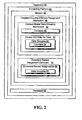
- FIG. 2 is a schematic diagram of an apparatus configured to provide targeted document review assignments, in accordance with embodiments of the present invention
- FIG. 7 is a block diagram of an electronic discovery manager server, in accordance with embodiments of the present invention.
- FIG. 11 is a flow diagram of a method for initiating a case or matter including creating search terms, creating and sending preservation notices, sending reminder notices and creating and sending surveys to custodians, in accordance with embodiments of the present invention
- the computer-readable medium could even be paper or another suitable medium upon which the program is printed, as the program can be electronically captured, via, for instance, optical scanning of the paper or other medium, then compiled, interpreted, or otherwise processed in a suitable manner, if necessary, and then stored in a computer memory.
- Computer program code for carrying out operations of embodiments of the present invention may be written in an object oriented, scripted or unscripted programming language such as Java, Perl, Smalltalk, C++, or the like.
- the computer program code for carrying out operations of embodiments of the present invention may also be written in conventional procedural programming languages, such as the "C" programming language or similar programming languages.
- These computer program instructions may also be stored in a computer-readable memory that can direct a computer or other programmable data processing apparatus to function in a particular manner, such that the instructions stored in the computer readable memory produce an article of manufacture including instruction means which implement the function/act specified in the flowchart and/or block diagram block(s).
- the computer program instructions may also be loaded onto a computer or other programmable data processing apparatus to cause a series of operational steps to be performed on the computer or other programmable apparatus to produce a computer-implemented process such that the instructions which execute on the computer or other programmable apparatus provide steps for implementing the functions/acts specified in the flowchart and/or block diagram block(s).
- computer program implemented steps or acts may be combined with operator or human implemented steps or acts in order to carry out an embodiment of the invention.
- FIG. 1 provides a high level schematic diagram of an apparatus 10 configured for providing predictive and automated coding of electronic discovery documents; in accordance with embodiments of the present invention.
- the apparatus 10 includes a computing platform 12 having at least one processor 14 and a memory 16. It should be noted that apparatus 10 may comprise more than one computing device.
- document coding application 18 may be stored and executed on one computing device and predictive document coding application 26 may be stored and executed on a second device.
- the apparatus may take the form of a collection server 130 as shown in and described in relation to FIG. 6 , computing devices executed by data reviewers and the like.
- the memory 16 of apparatus 10 stores document coding application 18, which is executable by processor 14 and configured to receive a document coding input 20 that assigns a review code 22 to a first document 24 associated with a case within an electronic discovery system.
- the review code 22 includes a mark. Examples of marks include, but are not limited to, relevant, not relevant, important, not important, privileged, hot, trash, technical issue and the like.
- the review code 22 may include a mark and a tag, wherein the tag provides a subcategory classification of the corresponding mark.
- Code assignor 30 is configured to assign the same review code 22 assigned to the first document to the one or more second documents 32 based on the determination that the second documents 32 are the same representation and/or highly similar. In specific embodiments of the invention the code assignor 30 is configured to automatically assign the same review code 22 assigned to the first document to the one or more second documents 32 based on the determination.
- the document coding application 18 may be implemented by the document reviewer during the document review process.
- the predictive coding application 26 is executed on the documents assigned to the reviewer to determine and code documents that are the same representation and/or highly similar.
- the documents that are determined to be the same representation and/or highly similar may be coded with the same review code 22 as the first document coding input 20 and removed from the assigned documents.
- the determination of identical or highly similar documents, the coding of the identical or highly similar documents with the same code as the reviewed document and/or the removal of the document from assigned documents and/or the corpus of electronic data may occur in near real-time in relation to receipt of the document coding input 20 by the document coding application 18.
- Near real-time is defined herein as the time required for data transmission and data processing to conduct the necessary functions needed to carry out the actions of determining the identical or highly similar documents and/or coding the identical or highly similar documents and/or removing the documents form the assigned documents and/or the corpus of electronic data.
- FIG. 2 another high level schematic diagram is presented of an apparatus 40 configured for targeted document review assignments in an electronic discovery system; in accordance with embodiments of the present invention.
- the apparatus 40 which may comprise more than one computing device, includes a computing platform 42 having at least one processor 44 and a memory 46.
- the apparatus may take the form of a collection server 130 as shown in and described in relation to FIG. 6 .
- the apparatus shown in FIG. 1 may be configured to include all or a portion of the functionality shown and described in FIG. 2 .
- the memory 46 of apparatus 40 stores targeted document review assignment application 48 that includes concept-based data grouping mechanism 50 and document review assignment generator 52.
- Concept-based data grouping mechanism 50 is configured to receive a plurality of predetermined concepts 54, (e.g., search terms included a final or non-final search term set) and determine a plurality of data groupings 56 for a corpus of electronic data, such that, each of the data groupings are defined by inclusion of at least one of the predetermined concepts 54.
- a corpus of electronic data is herein defined as the entire collection of electronic data associated with a case or matter or a majority portion ( i . e ., greater than fifty percent) of the entire collection of electronic data associated with a case.
- Processor 14 includes various processing subsystems 62 embodied in hardware, firmware, software, and combinations thereof, that enable the functionality of apparatus 130 and the operability of the apparatus on a network.
- processing subsystems 62 allow for initiating and maintaining communications and exchanging data with other networked devices.
- processing subsystems 62 of processor 14 may include any subsystem used in conjunction with document coding application 18, predictive coding application 26 or subcomponents or sub-modules thereof.
- Computer platform 12 additionally includes communications module 64 embodied in hardware, firmware, software, and combinations thereof, that enables communications among the various components of the apparatus 130, as well as between the other devices in the electronic discovery system.
- communications module 64 may include the requisite hardware, firmware, software and/or combinations thereof for establishing a network communication connection.
- the memory 16 of computing platform 12 stores document coding application 18, which is executable by processor 14 and configured to receive a document coding input 20 that assigns a review code 22 to a first document 24 associated with a case within an electronic discovery system.
- the review code 22 includes a mark 66, while in other embodiments of the invention the review code 22 includes a mark 66 and a tag 68, wherein the tag 68 provides a subcategory classification of the corresponding mark 66.
- the memory 16 of apparatus 130 additionally includes predictive document coding application 26, which is executable by processor 14 and includes document similarity evaluator 28, code assignor 30 and, optionally document remover 70.
- Document similarity evaluator 28 is configured to determine that one or more second documents 32 associated with the case are at least similar to the first document 24.
- the document similarity evaluator 28 is configured to include hash mark checker 72 that is configured to check the hash mark, such as an MD5 (Message-Digest-algorithm 5) of first 24 and second documents 32 to determine same representations ( i.e., identical) of documents .
- the document similarity evaluator 28 includes similarity probability analyzer 74 that is configured to determine highly similar documents by probability analysis.
- similarity probability analyzer may include clustering technique analysis 76, machine learning 77 and/or Bayesian technique analysis 78 and/or a similar probability analysis, each of which may be implemented individually or in combination.
- a predetermined threshold 80 such as a word/phrase threshold 82, a concept threshold 84 or the like may be required to be present in the second document 32 in order for it to be deemed highly similar to the first document 24.
- Code assignor 30 is configured to assign the same review code 22 assigned to the first document to the one or more second documents 32 based on the determination that the second documents 32 are the same representation and/or highly similar. In specific embodiments of the invention the code assignor 30 is configured to automatically assign the same review code 22 assigned to the first document to the one or more second documents 32 based on the determination.
- the predictive document coding application 26 may additionally include document remover 70 that is configured to remove the second documents 32 from the pending review documents 88.
- the pending review documents may be the entire corpus of documents associated with a case, or a portion of the corpus of electronic data associated with a case, such as a document review assignment currently being reviewed by a reviewer or requiring review by an assigned reviewer.
- the predictive document coding application 26 may be applied across other pending cases in the electronic discovery system in which a corpus of collected electronic data exists or will exist. This is because documents that are marked as privileged in one case or matter are consistently privileged across all cases or matters in the electronic discovery system. Thus, once a document is marked as privileged, the predictive document coding application 26 can be executed across all cases or matters in the electronic discovery system to determine identical or highly similar documents in other cases/matters, assign the "privileged" mark as the review code 22 to all of the identical or highly similar documents in all the other cases/matter and remove the documents from the pending review documents file of the related case/matter.
- a flow diagram is depicted of a method 90 for predictive coding of electronic discovery documents, in accordance with embodiments of the present invention.
- a document coding input that assigns a review code to a first document is received.
- the first document is associated with a case/matter within an electronic discovery system.
- the review code may include at least one mark or the review code may include at least one mark and a tag, wherein a tag provides for a subcategory for a respective mark.
- the document coding input may be received from an electronic discovery associate, such as a case analyst, prior to assigning document review assignments to reviewers.
- the electronic discovery associate may review and code a small subset of the overall corpus of electronic data associated with the case and subsequently identical or highly similar documents are determined and pre-coded from the overall corpus of electronic data.
- the document coding input may be received from a document reviewer during the document review process. In such embodiments, once a document coding input is received, identical or highly similar documents are determined and pre-coded from the documents assigned to the reviewer.
- the document coding input may be received by a primary document reviewer or a secondary document reviewer.
- the secondary document reviewer is employed, in addition to the primary document reviewer, to provide verification/confirmation of the initial coding of the document by the primary document reviewer.
- the determination of identical and/or highly similar documents is made after the secondary document reviewer makes the document coding input. While in other embodiments of the method, in which a secondary document reviewer is not employed, the determination of identical and/or highly similar documents is made after the primary document reviewer makes the document coding input.
- one or more second documents associated with the case are determined to be at least similar to the first document.
- the second documents are determined to be the same representation, ( e.g. , identical) as the first document. In such embodiments a comparison of hash values may be undertaken to determine the same representation.
- the second documents are determined to be highly similar by implementing probability analysis, such as clustering techniques, machine learning, Bayesian techniques or the like. In further such embodiments predetermined thresholds of words, phrases and or concepts may be required to be included in the second document in order for the second document to be deemed highly similar to the first document.
- determination of the one or more second documents may include determination of a confidence indicator, which may serve to sum the probability analysis of multiple probability analysis techniques or the like.
- the review code assigned to the first document is assigned to the one or more second documents based on the determination that the second documents are similar to the first documents.
- the assignment of the review code is automatic based on the determination.
- the assignment of the review code to the second documents occurs in near real-time to the receipt of the document coding input.
- the method may include removing the second documents from either the corpus of electronic data in which review is outstanding or the document review assignment from which includes the first document or both.
- a flow diagram is depicted of a method 91 for targeted document review assignments in an electronic discovery system.
- Event 93 a plurality of predetermined concepts associated with a case within an electronic discovery system is received.
- the predetermined concepts are a search term set associated with the case.
- a plurality of document review assignments are generated based on the determined data groupings.
- document review assignments include a finite number of documents, for example approximately 2,000 documents or the like.
- one or more document review assignments will include a portion of a data grouping ( i . e ., multiple document review assignments will include the same data grouping.
- document review assignments may include more than one data grouping.
- a document review assignment may include one or more complete data groupings and a portion of another data grouping.
- the plurality of document review assignments are assigned to a plurality of document reviewers, such that assigning of document review assignments is based on associated data groupings.
- two or more document review assignments that include a portion of the same grouping are assigned to a same document reviewer.
- FIGS. 6 - 14 are herein provide and described in detail. It should be noted that the system shown and described in relation to FIGS. 6 - 14 are by way of example only and, as such, presently described embodiments of the invention may be embodied within other electronic discovery systems or only implement select portions of the electronic discovery system herein described.
- FIG. 6 illustrates an exemplary electronic discovery system 100 in accordance with an embodiment of the invention.
- the environment of the electronic discovery system 100 is the information technology platform of an enterprise, for example a national or multi-national corporation, and includes a multitude of servers, machines, and network storage devices in communication with one another over a communication network.
- an electronic discovery management server 110 at least one database server 120, a collections server 130, enterprise personal computers 140, enterprise file servers 150, including at least one personal network storage area and at least one shared network storage area, enterprise email servers 160, a conversion services server 170, a short-term staging drive 180, and a long-term network storage network 190 are all in communication over a communication network 102.
- the communication network 102 may be a wide area network, including the Internet, a local area network or intranet, a wireless network, or the like.
- the primary user interacting with the user interface 118 is an employee or contractor of the company who serves an electronic discovery management role, and hereafter is referred to as the "e-discovery manager.”
- the e-discovery manager may utilize the user interface 118 to manage cases, custodians, collections, and collected data. It should be appreciated, however, that any individual could use the user interface 118 to perform the manual functions herein attributed to the e-discovery manager, and, indeed, that an automated process could perform those functions as well.
- the electronic discovery management server 110 is in communication with the database server 120 and the collections server 130 via the communication network 102.
- the database server 120 is configured to provide database services for the electronic discovery management server 110, including housing the Unified Directory/custodian database 122, which includes data relating to individual custodians, the case database 124, which includes data relating to particular cases, and ongoing collections database 126, which includes data relating to collections being undertaken by the collections server 130.
- Each of the foregoing databases within the database server 120 is discussed in detail below. It should be understood that multiple database servers could be employed instead of a single database server, and reference to a single database server is for illustrative and convenience purposes only.
- the Unified Directory 122 could be stored in one database server and the ongoing collections data 126 could be stored in another database server.
- custodian data in the Unified Directory 122 and case data in the case database 124 may be linked or correlated within the database server 120, for example, when custodians are assigned to particular cases, custodians may be managed separately from cases. Therefore, when a case is initialized and a custodian is assigned to the case, information for that custodian (such as data storage locations for that custodian) is accessed by the electronic discovery management server 110 in the Unified Directory 122 in the database server 120 and linked to the particular case, rather than manually input by the e-discovery manager into the case.
- data management processes relating to the collection of data from custodian storage locations during electronic discovery are also separated from case management and custodian management processes.
- the data collected from a particular custodian is stored separately from both the custodian information and any relevant case information (as discussed below, it is stored in long-term network storage network 190), but is linked to a custodian, which is in turn linked to one or more cases. This is advantageous because in the event a particular custodian is assigned to multiple cases, data collected from the custodian may be shared with the other case(s) to which the custodian is assigned.
- the various processes and components of the electronic discovery system 100 may be categorized within one of case management, custodian management, or data management. And even though cases, custodians, and collected data may all be managed separately, there are necessarily links between the various datastores to allow management of the overall electronic discovery process.
- the Unified Directory/custodian database 122 houses information relating to all potential custodians within the enterprise and the locations where those custodians store data.
- the information stored in the Unified Directory 122 may include for a particular custodian, for example, the custodian's name, position, human resources identifier (a unique number for each employee of the enterprise), employment location, domain, email addresses, network user identification, personal computer(s) name, paths of network storage devices used by the custodian, including Shared Drives and HomeSpaces, work history, related persons (such as managers, team members or subordinates), and any other information that may be relevant to the discovery process.
- the Unified Directory 122 may be organized around the human resources identifier. All of the information relating to how the Unified Directory 122 is generated is a multi-step process that utilizes multiple applications and methods of identifying relevant information.
- the electronic discovery management server 110 or the database server 120 may interface with the computer databases of the human resources computer systems of the enterprise to copy the information from the human resources databases into the Unified Directory 122.
- the electronic discovery management server 110 may also reach out to a network directory, such as Windows Active Directory, to identify network resources related to particular custodians and integrate this information into the custodian entries including the copied human resources information.
- Information for the Unified Directory 122 may also be obtained from the managers of the information technology network, i . e ., those individuals responsible for setting up email accounts for custodians and managing the various file servers of the enterprise.
- information in the Unified Directory 122 is generated through applications initialized and/or deployed by the electronic discovery management server 110.
- a profile scanning application 112 and a mapping application 114 are provided.
- the profile scanning application 112 may be deployed by the electronic discovery management server 110 and is configured to crawl the communication network 102, scan each of the enterprise personal computers 140, and transmit to the database server 120 identifying information about each computer, such as computer name and IP address, and a list of all profiles, including demographics information, (or network user identification) associated with each computer. According to different embodiments, the profile scanning application 112 may be run on the electronic discovery management server 110, the collection server 130, or another server in the communication network 102. In some embodiments, the profile scanning application 112 is further configured to identify and transmit to the database server 120 the most recent date and time at which a particular profile was logged on to the machine.
- the database server 120 uses the profile information, which may include several user identifications, to link the particular computer to the custodians in the Unified Directory 122 associated with those user identifications.
- the database server 120 may also record in each custodian's entry in the Unified Directory 122 the last time the computer was accessed by the custodian, according to the profile information transmitted by the profile scanning application 112.
- the profile scanning application 112 ultimately generates a list of personal computers used by each custodian, and this list may be presented to the e-discovery manager when a collection of a custodian's local machine(s) is initialized, as discussed in detail below.
- the mapping application 114 is configured to crawl the communication network 102 and examine the enterprise file servers 150 residing on the communication network 102 to locate and identify the path of any personal network storage area on each server.
- a personal network storage area is a network storage area associated with a single user who reads data from or writes data to it.
- Personal network storage areas may be in the form of network storage devices or folders or other resources within a network storage device and may be referred to hereafter for clarity purposes as "HomeSpaces.”
- the mapping application 114 may be run on the electronic discovery management server 110, the collection server 130, or another server in the communication network 102.
- the mapping application 114 is a Windows service that is scheduled to execute through use of Windows Scheduled Task. As the mapping application 114 crawls the communication network 102, it is configured to examine each file server and transmit to the database server 120 the path of any network storage area within the plurality of servers 134 that it positively identifies as a HomeSpace. In some embodiments, the mapping application 114 is configured to explore the enterprise file servers 150 by obtaining and reviewing the directories on each server and evaluating the paths of each network storage area therein, including folders and other storage devices and resources.
- the mapping application 114 is configured to utilize conventional naming techniques for paths in the communication network 102 to identify those paths of network storage areas within the enterprise file servers 150 that include an indicator, based on the conventional naming techniques, that the particular storage areas associated with those paths are accessed and used by only one user, and are therefore HomeSpaces.
- each user of the communication network 102 is assigned to at least one user identification and those user identifications are the indicators that the mapping application 114 attempts to locate within paths when identifying HomeSpaces. In such embodiments, it is the convention that the paths of HomeSpaces on the communication network 102 include the user's user identification.
- mapping application 114 may explore the directories of each server within the plurality of servers, evaluate each path in turn, and make a determination as to whether or not the path includes a user identification.
- the mapping application 114 is configured to positively identify the particular network storage area identified by that path as a HomeSpace and transmit to the database server 120 the particular user identification and the path of the HomeSpace. When that information is received by the database server 120, the database server 120 uses the user identification to link the particular HomeSpace to the custodian in the Unified Directory 122 associated with that user identification. In some embodiments, the mapping application 114 is also configured to recognize and transmit, and the database server 120 is configured to house, an indication of the last time the HomeSpace was accessed by the particular user, for example, the last time any data was read from and/or written to the HomeSpace.
- the mapping application 114 is configured to recognize when multiple paths map to the same network storage area.
- the collection server 130 compares paths for the same user to determine if duplicative entries exist. This advantageously enables avoidance of multiple collections of the same data.
- the profile scanning application 112 ultimately generates a list of HomeSpaces used by each custodian, and this list may be presented to the e-discovery manager when a collection of a custodian's HomeSpaces is initialized, as discussed in detail below.
- the database server 120 is also configured to store a list of any shared network storage areas used by the custodian.
- a shared network storage area is a network storage area associated with multiple users who read data from and/or write data to it.
- Shared network storage areas may also be in the form of network storage devices or folders or other resources within network storage devices and may be referred to hereafter for clarity purposes as "Shared Drives.”
- the user interface 118 is configured to receive a path of a Shared Drive input by the e-discovery manager and store the path in the Unified Directory 122 in relation to one or more custodians' human resources identifier(s). More particularly, in some embodiments, once a particular user of the communication network 102 is chosen for the collection process, the e-discovery manager may undertake to identify the particular shared network resources that that individual is using, and eventually, the paths associated with those shared network resources.
- the file browsing application 116 is configured to be utilized by the e-discovery manager through the user interface 118.
- the file browsing application 116 gives the e-discovery manager elevated authority within the communication network 102 to access, in a limited manner, the enterprise file servers 150 within the communication network 102. While the file browsing application 116 may not allow access to the actual files stored on certain file servers, it allows the e-discovery manager to browse through the directories of the file servers 150, locate files that have been accessed by the custodian, and determine the size of the files.
- the e-discovery manager may initially have a general idea of a particular file server within the enterprise file servers 150 that the custodian has used in the past. For example, the custodian may communicate to the e-discovery manager a particular folder name and/or drive name on which he/she has stored files. Additionally, in some embodiments, the e-discovery manager may have already undertaken a local collection process on the custodian's machine, wherein the local collection application 132 returned a list of the network resources that the user of that machine has used. In that event, the e-discovery manager may be aware of the particular drive referenced by the user.
- the e-discovery manager may then employ the file browsing application 116 to browse out to the particular drive mentioned, scan the folders for any folder having a name resembling that name given by the user, identify any particular files created by and/or accessed by the user, determine the size of such files, and retrieve the path of any folder (or Shared Drive) including data belonging to the user.
- the retrieved paths of the Shared Drives may then be added, either manually or automatically, to the Unified Directory 122 in the database server 120.
- the Unified Directory 122 may store in connection with one custodian (and in particular in relation to the custodian's human resources identifier) a list of the personal computers, HomeSpaces, and Shared Drives associated with that custodian. Each of these locations is a potential source of data stored by the custodian, and once an investigation or collection of a custodian is initiated, the location information stored in the Unified Directory 122 may be accessed to determine the particular storage locations that need to be addressed during the investigation/collection. This is advantageous as it allows a completely automated investigation/collection process, rather than relying on the e-discovery manager to manually input the targeted machines and file servers at the time of collection.
- the Unified Directory 122 may be regularly or continuously updated as new information is gathered using the applications described herein. More particularly, the electronic discovery management server 110 may be configured to automatically retrieve data from the human resources databases and Active Directory and any other relevant sources, such as information technology directories or lists, as well as deploy the profile scanning application 112 and the mapping application 114, at regularly scheduled intervals. Alternatively, rather than periodically retrieving data from the various data sources such as the human resources databases, the system 100 may be configured such that the database server 120 is continuously interfacing with the data sources such that the Unified Directory 122 is updated in real-time as the data within the data sources update. In either instance, each of the feeds of information into the Unified Directory 122 is regularly updated to ensure that the data in the Unified Directory 122 is current.
- the database server 120 is configured such that all historical data relating to a custodian is stored in relation to that custodian's human resources identifier in the Unified Directory 122.
- the database server 120 is configured to store in the Unified Directory 122 the new data and any relevant metadata, including, for example, the time and date of the update, as well as maintain a record of the old data so that it is still a part of the custodian's profile in the Unified Directory 122.
- the database server 120 is configured to store in the Unified Directory 122 the information for each computer, as well as indications as to when the new computer was first identified and when the old computer was no longer identified.
- the custodian profile within the Unified Database 122 may include a history of the personal computers used by the custodian. Such information may be relevant at the time of investigation or collection of the custodian.
- One feed of information into the Unified Directory 122 which is particularly relevant to electronic discovery is employment status.
- the electronic discovery management server 110 is configured to recognize the update and possibly perform particular functions in response.
- the e-discovery manager may add custodians to the matter or case.
- the electronic discovery management server 110 is configured to add numerous custodians to a single matter or case at one time.
- the e-discovery manager may use the user interface 118 to enter in identifying information about the custodians.
- the identifying information for each custodian does not have to be of the same type. For example, a name may be entered for one custodian, an email address for another, a network user identification for another, and a human resources identifier for another.
- the user interface 118 is configured to receive the identifying information in different input areas depending upon the type of identifying information being received.
- the electronic discovery management server 110 after searching the Unified Directory 122 with the input identifying information, is configured to present through the user interface 118 a list of all custodians matching the input identifying information. In the event only one match was returned for a particular set of input identifying information, the electronic discovery management server 110 is configured to automatically select the custodian to be added to the case or matter. On the other hand, in the event more than one match was located for a particular set of input identifying information, then the multiple matches may be presented together to the e-discovery manager through the user interface 118 and marked so that the e-discovery manager must review the multiple custodian profiles associated with the matches to determine the correct custodian that should be added to the case or matter.
- the e-discovery manager may consider the other information in the profiles, such as corporate title, work location, associated custodians, etc. Such information can inform the e-discovery manager as to whether the located custodian is the one intended. The e-discovery manager may then select the correct custodian for addition to the case or matter and confirm that all custodians selected may be added to the case or matter.
- "adding" a custodian to a case or matter involves linking correlating the custodian profile in the Unified Directory 122 to the case or matter in the Case database 124.
- the electronic discovery management server 110 upon adding custodians to a matter, is configured to initiate the transmission of preservation notices and surveys to the custodians.
- preservation notices and surveys relevant to the particular case or matter are stored in or linked to the case profile in the case database 124.
- Transmission of the preservation notices and surveys to custodians added to the case may be automated, for example, there may be preset instructions within the case profile that cause the electronic discovery management server 110 to transmit a particular preservation notice and survey at a particular date or time or upon a particular initiating event, such as a custodian being added to the case, or the e-discovery manager may manually cause the preservation notices and surveys to be transmitted.
- the electronic discovery management server 110 is configured to transmit the preservation notices and surveys via a standard email function.
- the surveys may be tied to the preservation notices such that they are transmitted to custodians together, and one survey may be tied to more than one preservation notice.
- the survey response is received by the electronic discovery management server 110 and stored in relation to the relevant custodian in the case profile in the case database 124.
- the electronic discovery management server 110 may be configured to store all or a portion of the data received in the survey response in the Unified Directory 122 in the custodian's profile.
- each transmission of a preservation notice and survey to a custodian, and each corresponding response is tracked in the relevant case profile in the case database 124.
- the electronic discovery management server 110 may also be configured to transmit reminder notices if responses to the surveys are not received within a predefined period of time.
- the electronic discovery management server 110 may also be configured to schedule reminder notices to be sent to custodians to periodically refresh the custodians' memory of their duty to preserve files/documents pertaining to the matter.
- the electronic discovery management server 110 may undertake to prevent any reimaging or refreshing of the custodian's personal computer(s) by transmitting an alert of the preservation notice to the enterprise's information technology management group.
- the survey responses received from custodians serve to inform the collection process. For example, one survey may inquire as to what network storage devices the custodian uses when storing data. The answer that the custodian gives to the survey may inform the addition of Shared Drives to the custodian profile in the Unified Database 122 that may be used later in collection.
- the e-discovery manager may utilize the user interface 118 to add attachments, notes, tasks, and search terms to a case or matter.
- the contacts/managers for a case may also access the case profile in the case database 124 using a web browser and may add attachments, notes, tasks, and search terms to be stored therein.
- the e-discovery manager may not be the only entry with access to the case and case management applications of the electronic discovery management server 110.
- the subject matter of the attachments, notes and tasks could be anything relevant to the case or matter.
- the tasks are tasks that particular custodians must complete and the electronic discovery management server 110 is configured to transmit a notice to the custodians that that the task needs to be completed, perhaps using standard email functions.
- the e-discovery manager, or the contact/manager of the case may upload relevant files to be attached to the case profile.
- the e-discovery manager or the case contacts or managers may add certain terms to the case profile to be applied when searching the collected data to locate data responsive or relevant to the underlying issues in the case. Storing the search terms within the case profile is advantageous as it creates a record of the searching that is to be undertaken with respect to the data and aids in organization of the data, as discussed further below.
- the e-discovery manager may use the user interface 118 to release the custodians from the matter to the underlying case. This release triggers the commencement of collection of the custodians' data.
- the electronic discovery management server 110 is configured to allow all custodians assigned to the matter to be released to the case at the same time.
- the electronic discovery management server 110 is configured to allow a group of custodians to be released from a matter to a case at the same time.
- the electronic discovery system 100 is configured to automatically collect the custodian's data using the location information stored in the Unified Directory 122. Therefore, the electronic discovery management server 110 accesses the custodian profile of the custodian to be collected in the Unified Directory 122 and determines, from the information stored therein, the different locations of data storage for the particular custodian that must be collected. There are many different locations that the system 100 can address, including personal computers, email accounts, and network storage areas, including HomeSpaces and Shared Drives.
- a custodian profile for a custodian released for collection
- the electronic discovery management server 110 may undertake to collect the files on these machines. Therefore, the electronic discovery management server 110 may retrieve the relevant machine identifying information, such as domain, name, IP address, etc., and may initialize deployment of a local collection application 132 running on collections server 130 (as shown in FIG. 9 ).
- the local collection application 132 advantageously allows the custodian to continue to use her machine without substantial interference from the local collection application 132 and even interact with the data stored on the hard drive as the snapshot of the data is being transmitted to the collections server 130.
- the local collection application 132 may also be configured to transmit to the database server 120 a catalog of the files included in the snapshot to be stored in the ongoing collections database. This catalog may be referenced by the collections server 130 in order to determine whether collection is complete and to resume interrupted collections at the point of interruption. Additionally, in accordance with some embodiments, the local collection application 132 is configured to compile and transmit to the electronic discovery management server 110 a list of network resources the user is using, including, for example, network applications and file servers that the user has used or accessed. This list of resources may be stored in the database server 120 in the custodian's profile in the Unified Directory 122. With regard to transmission of the files themselves, according to one embodiment of the invention, the local collection application 132 is configured to compress, hash, and upload the files included in the snapshot to the collections server 130.
- a custodian profile for a custodian released for collection
- the electronic discovery management server 110 may undertake to collect the files from these file servers by initializing the file server collection application 134 running on collection server 130 (as shown in FIG. 9 ).
- the file server collection application 134 is configured to access the file server located at the given path, whether the file server is a HomeSpace or a Shared Drive, copy the data residing on the file server, and compress, hash, and transmit the copied data to the collections server 130.
- the file server collection application 134 may be programmed with preset instructions that allow it to only copy files meeting certain criteria, for example, files that have certain file extensions.
- the programmed instructions may prevent the file server collection application 134 from copying files having certain file extensions or other attributes. Either of the foregoing is advantageous if the e-discovery manager is not interested in copying executable files or source code, for example.
- the file server collection application 134 is also configured to generate a size estimate of the files residing on the targeted file server. In one embodiment, the file server collection application 134 may automatically begin the collection process (copying and transmitting data) if the size estimate falls below a predetermined threshold.
- the file server collection application 134 is configured to determine whether a particular folder that it is collecting from a file server includes more than a token amount of nearline files, and, in the event that the folder does include such nearline files, choose to not collect such files so as to avoid overloading the server. Therefore, according to different embodiments, the file server collection application 134 copies all or a portion of the files residing on a file server located at the path given in the released custodian's profile and transmits them to the collections server 130.
- a custodian profile for a custodian released for collection
- the electronic discovery management server 110 may undertake to collect the files from the enterprise email server 160 by initializing the active email collection application 136 running on collections server 130 (as shown in FIG. 9 ).
- the active email collection application 136 is configured to access the particular Microsoft Exchange server within the enterprise email server 160 on which the custodian's account resides (which is known based on the information included in the Unified Directory 122), copy all email located there, including emails deleted by the custodian up to a predetermined period of time prior to the collection, (for example, seven days prior to the collection) and transmit the copied emails to the collections server 130.
- the collections server 130 is configured to store the data first (while the collection is still ongoing) in the short-term staging drive 180 until the particular collection is complete, attach a barcode to the set of data resulting from the particular collection, and then copy the data set to the long-term storage area network 190 for permanent storage. Furthermore, the collections server 130 transmits the barcode information to the electronic discovery management server 110 to be stored in the database server 120, for example, in the custodian's profile in the Unified Database 122, in relation to the stored information about the particular collection, whether it was a local collection, an active email collection, a file server collection, etc.
- the barcode can be used for reference at a later date to determine the origin of the data.
- the collections server 130 compares the hashing of the data in permanent storage to the original data in the staging drive 180 and, if the hashing is identical, purges the data from the staging drive 180.
- FIG. 10 a block diagram is provided that illustrates the electronic discovery management structure of the present invention, according to some embodiments.
- certain processes described herein may be categorized within one of case management, as represented by Block 200, custodian management, as represented by Block 220, or data management, as represented by Block 240.
- the electronic discovery system 100 is arranged such that cases, custodians and data may be managed independent of one another.
- the first process that falls within the case management category is creation of a matter or case as a framework for litigation support activities, as shown in Block 202.
- the e-discovery manager may enter into the user interface 118 certain information about a particular matter or case, such as a case name and/or number, a short description of the matter/case, a legal identifier, the particular requester ( i . e ., who asked for the case to be opened), managers or contacts for the matter ( i.e. , individuals involved in the substance of the matter rather than the process, like the e-discovery manager) etc.
- custodian information is stored separately from the case information allowing for the same custodian in multiple cases. This provides for the electronic discovery system of the present invention to have scalability, whereby evidence associated with one custodian may be used in multiple cases.
- the electronic discovery management server 110 stores this information in the case database 124 in the database server 120.
- the case database 124 houses this information such that all information relating to a particular matter or case is related within the case database 124 and a user, such as a manager or contact, can use the user interface 118 to view and edit a profile of the matter or case.
- the next process within case management is the creation of preservation notices and surveys specific to the matter, as shown in Block 204.
- the e-discovery manager may, through the user interface 118, either generate a new preservation notices or surveys relevant to the particular case or matter to be stored in the case profile in the case database 124 or, alternatively, link a preservation notice or survey already stored in the database server 120 to the case profile of the specific case or matter at issue.
- the creation of search terms pertinent to the case as represented by Block 206.
- the e-discovery manager or a contact or manager for the case may use the user interface 118 to input individual search terms or search term sets to be applied to the data harvested in the case.
- the search terms may be limited to be used with particular custodians and/or with particular harvested data types.
- the search terms will be saved in the case database 124 so that they may be readily applied to harvested data and used in connection with storing the resulting responsive data.
- the electronic discovery management server 110 utilizes a cost estimation application to determine the cost of harvesting and reviewing data, based on a number of factors including, for example, number of custodians, amount of harvested data, data types, etc.
- case management also includes a number of tasking and workflow processes that are represented by block 214.
- Block 220 While the processes involving generation of the Unified Directory 122 certainly could be categorized as custodian management, the processes shown in FIG. 10 include those processes involving management of custodians within the scope of a case or matter.
- the first process of custodian management included in FIG. 10 is the addition of custodians to a case or matter, as shown in Block 222.
- the e-discovery manager may use the user interface 118 to link a custodian's profile from the Unified Directory 122 to the particular case profile in the case database 124.
- the custodian profile and case profile are correlated.
- the electronic discovery management server 110 uses the contact information in the custodian's profile in the Unified Directory 122 to transmit the preservation notice(s) and survey(s) stored in the case profile to the custodian.
- a standard email function is used, so that the only information needed from the Unified Directory 122 is the custodian's email address.
- the custodian checks her email, the survey will appear as a message therein, and when she opens that message, the survey will be presented to her.
- the survey may be configured such that when she fills it out, the survey is automatically transmitted back to the database server 120 for storage in the case profile and the custodian's profile.
- custodian management also includes a number of tasking and workflow processes that are represented by Block 232.
- the last category is data management, represented by Block 240.
- One major set of processes within data management are the processes relating to the harvesting of data, as shown in Block 242. These processes include the collection of data from all the different storage areas of a particular custodian, including the custodian's local storage on her personal computer(s), the custodian's network storage areas, the custodian's email, and any other areas, as are described herein. All of the data in the various storage areas is copied and transmitted to the collections server 130, as described in detail for each particular collection application or process.
- Block 244 Upon reaching the collections server 130, data resulting from a particular collection is temporarily stored in the short-term staging drive 180 until the collection is complete, at which point it is stored in the long-term storage area network 190 in association with a specific identifying barcode.
- the foregoing process is represented by Block 244.
- the data may require decryption or standardization functions to be applied to it in order for it to be searchable and/or otherwise usable, so the next process that falls within data management is the copying of the data to the conversion services server 170 for analysis and conversion as necessary, as shown in Block 246. Once the data is converted, it is returned to the long-term storage area network 190 to be used in review.
- data management also includes a number of tasking and workflow processes that are represented by Block 250.
- Block 302 a case or matter is created by the e-discovery manager and stored in the case database 124.
- custodians are added to the case, as shown in Block 304, by linking the custodian profiles of the Unified Directory 122 to the case profile.
- Block 306 the e-discovery manager and/or the case contact or manager adds search terms to be applied to data harvested for the case, including instructions as to applying the search terms to particular data types or custodians.
- Block 310 represents the determination that must be made as to whether there is a matter or just a case.
- the preservation notice as shown in Block 314 is transmitted to the custodians added to the matter, perhaps using email.
- a reminder notice module may be employed.
- the reminder notice module transmits periodic reminder notices to custodians.
- the notices may be sent over email and may remind custodians about the preservation notice and/or remind custodians to fill out surveys.
- surveys in the event a survey is required or desired, according to Block 320, a survey is created.
- the survey may be saved in the case profile in the case database 124.
- the e-discovery manager may release custodians from the matter to the case, which initialized collection of the custodian's data.
- the e-discovery manager or the electronic discovery management server 122 accesses the custodian profile, determines the data types and location to be collected, and initializes the applicable collection applications to go collect the data.
- the search terms previously stored in the case profile may be assigned to the dataset based on the input instructions regarding the search terms. These search terms may be applied to the dataset and the results saved to be presented to reviewers for analysis.
- a custodian is added to a matter or case.
- the custodian's profile in the Unified Directory 122 is linked to the relevant case or matter profile.
- a custodian search module may be employed, as shown in Block 404. Therefore, the e-discovery manager may enter any identifying information about the custodian, whether it is the custodian's name, network user identification, email address, etc.
- the custodian search module will take the input information and search the Unified Directory 122 for a match.
- the user interface 118 will present all matches and allow the e-discovery manager to browse the associated profiles to determine the intended custodian. In this way, the correct custodian is identified and the profile of that custodian is linked to the appropriate case or matter.
- the collections server (130) compares the hashing of the data in permanent storage to the original data in the staging drive (180) and, if the hashing is identical, purges the data from the staging drive (180).
- barcoding is performed without the need to execute the barcoding application on an exchange server and, as such no human intervention is needed in the barcode process.
- one barcode may be assigned per custodian, per data type and per event ( i . e ., case, matter, etc .)
- the collected and barcoded active email data is copied to a processing drive for subsequent analysis. It should be noted that the nature of email data obviates the need to perform conversion and/or decryption on the data set.
- the active email data set is loaded into the analysis application and, at Event 518, the data set is exported to the requestor/reviewer for analysis.
- Data Block 520 signifies other non-exchange server based email, such as email accessed through a client-server, collaborative application, such as Lotus Notes® or the like.
- NSF files or any other file types associated with non-exchange server based email is manually harvested from an enterprise-grade email server having collaborative capabilities, such as a Lotus Domino server or the like.
- a barcoding application is implemented at a staging location, such as short-term staging drive (180) to attach a barcode to the set of non-exchange server email resulting from the particular collection.
- the barcoded data is then copied and communicated to the long-term storage area network (190) for permanent storage.
- the collections server (130) transmits the barcode information to the electronic discovery management server (110) to be stored in the database server (120), for example, in the custodian's profile in the Unified Database (122), in relation to the stored information about the particular collection. Therefore, the barcode can be used for reference at a later date to determine the origin of the data.
- the collections server (130) compares the hashing of the data in permanent storage to the original data in the staging drive (180) and, if the hashing is identical, purges the data from the staging drive (180).
- the collected non-exchange server email data may be associated with a specific search term set or sets.
- search term hit list a listing of the files and documents including those terms (the "search term hit list") are presented to the reviewer and also stored in the database server (120).
- the reviewer may provide an indication of this to the electronic discovery management server 110, which may then make a determination that other documents within the search term hit list are more likely to be responsive.
- the NSF files or any other file types associated with non-exchange server based email that may be encrypted is decrypted using a decryption application, in accordance with embodiments of the present invention.
- the encryption of NSF files occurs at the user level and, therefore only the user has the password necessary for decryption.
- the decryption application allows for decryption of the NSF file-type data without the knowledge of the user/encrypter.
- the decryption application finds ID files that exist anywhere in the enterprise system, creates a database of the ID files, associates the database with the user/encrypter and subsequently decrypts the data.
- the non-exchange server email data set is loaded into the analysis application and, at Event 532, the data set is exported to the requestor/reviewer for analysis.
- the barcoding application is implemented at a staging location, such as short-term staging drive (180) to attach a barcode to the set of journaled data resulting from the particular collection.
- the barcoded data is then copied and communicated to the long-term storage area network (190) for permanent storage.
- the collected and barcoded journaled data may be associated with a specific search term set or sets.
- source-to-processing is implemented to insure that any loose files are properly formatted in a standardized format.
- loose files are examined for relevancy and, if relevant, stored in a proper data format, such as a PST file or the like.
- the metadata associated with the non-standardized files is retained and remains with the reformatted data files.
- Source-to-processing file conversions may be required on EML formatted files, MSG formatted files and the like.
- journaled data set is loaded into the analysis application and, at Event 546, the journaled data set is exported to the requestor/reviewer for analysis.
- data block 548 signifies data from a local Personal Computer (PC), such as enterprise PC (140).
- PC personal Computer
- the local collection application (132) is implemented to collect data from designated PCs by taking a "snapshot" of the device's hard drive.
- the local collection application may be autodeployed thus, obviating the need for any manual entry by the e-discovery manager or the like.
- the local collection application (132) may be employed to collect data from network storage.
- source-to-processing is implemented to insure that any loose files are properly formatted in a standardized format.
- loose files are examined for relevancy and, if relevant, stored in a proper data format, such as a PST file or the like.
- the metadata associated with the non-standardized files is retained and remains with the reformatted data files.
- Source-to-processing file conversions may be required on EML formatted files, MSG formatted files, IPD formatted files and the like.
- the local PC files that may be encrypted are decrypted using a decryption application, in accordance with embodiments of the present invention.
- the decryption application allows for decryption of the PC files data without the knowledge of the user/encrypter.
- the decryption application finds ID files that exist anywhere in the enterprise system, creates a database of the ID files, associates the database with the user/encrypter and subsequently decrypts the data.
- the local PC data set is loaded into the analysis application and, at Event 562, the local PC data set is exported to the requestor/reviewer for analysis.
- Data block 596 signifies collaborative data, such as data residing at discovery sites, for example LiveLink® or the like.
- a discovery site collector application such as a LiveLink® collector application may be executed on the devices of interest to collect data.
- the discovery site collector preserves at least a portion of the discovery site database in the e-discovery database, including all files and all revisions of the files.
- the discovery site collector application queries against the database to define what files need to be retrieved, then copies those files based on the result of the query. Metadata pertaining to the files is retained in the case management system tables.
- the discovery site collector application collects the documents and the related metadata and uses the metadata to automatically rename the files.
- Embodiments herein disclosed provide for improvements in electronic discovery.
- Embodiments herein disclosed provide for an enterprise-wide e-discovery system that provides for data to be identified, located, retrieved, preserved, searched, reviewed and produced in an efficient and cost-effective manner across the entire enterprise system.
- an enterprise-wide e-discovery system that provides for data to be identified, located, retrieved, preserved, searched, reviewed and produced in an efficient and cost-effective manner across the entire enterprise system.
- structuring management of e-discovery based on case/matter, custodian and data and providing for linkage between the same, further efficiencies are realized in terms of identifying, locating and retrieving data and leveraging results of previous e-discoveries with current requests.
- embodiments of the invention previously disclosed provide predictive and automated coding of identical or highly similar documents for the purpose of limiting the volume of documents requiring review and thereby increasing the overall efficiency of the document review process.
- Additional embodiments provide for targeted document review assignments that determine concept-related data groupings within the overall corpus of data associated with a case and generate the targeted document review assignments based on the concept-related data groupings. As such, document reviewers are presented with assignments that have highly conceptually-related documents, which results in further efficiency in the review process.
Landscapes
- Engineering & Computer Science (AREA)
- Business, Economics & Management (AREA)
- Entrepreneurship & Innovation (AREA)
- Human Resources & Organizations (AREA)
- Strategic Management (AREA)
- Economics (AREA)
- Tourism & Hospitality (AREA)
- Theoretical Computer Science (AREA)
- Operations Research (AREA)
- Quality & Reliability (AREA)
- Marketing (AREA)
- Physics & Mathematics (AREA)
- General Business, Economics & Management (AREA)
- General Physics & Mathematics (AREA)
- Data Mining & Analysis (AREA)
- Development Economics (AREA)
- Educational Administration (AREA)
- Game Theory and Decision Science (AREA)
- Information Retrieval, Db Structures And Fs Structures Therefor (AREA)
- Compression, Expansion, Code Conversion, And Decoders (AREA)
Applications Claiming Priority (2)
| Application Number | Priority Date | Filing Date | Title |
|---|---|---|---|
| US16427609P | 2009-03-27 | 2009-03-27 | |
| US12/730,780 US8504489B2 (en) | 2009-03-27 | 2010-03-24 | Predictive coding of documents in an electronic discovery system |
Publications (2)
| Publication Number | Publication Date |
|---|---|
| EP2234050A2 true EP2234050A2 (de) | 2010-09-29 |
| EP2234050A3 EP2234050A3 (de) | 2010-11-24 |
Family
ID=42309678
Family Applications (1)
| Application Number | Title | Priority Date | Filing Date |
|---|---|---|---|
| EP10250583A Ceased EP2234050A3 (de) | 2009-03-27 | 2010-03-26 | Prädiktive Codierung von Dokumenten in einem elektronischen Entdeckungssystem |
Country Status (3)
| Country | Link |
|---|---|
| US (1) | US8504489B2 (de) |
| EP (1) | EP2234050A3 (de) |
| SG (1) | SG165276A1 (de) |
Families Citing this family (28)
| Publication number | Priority date | Publication date | Assignee | Title |
|---|---|---|---|---|
| US9330374B2 (en) | 2009-03-27 | 2016-05-03 | Bank Of America Corporation | Source-to-processing file conversion in an electronic discovery enterprise system |
| US9721227B2 (en) | 2009-03-27 | 2017-08-01 | Bank Of America Corporation | Custodian management system |
| US8527523B1 (en) | 2009-04-22 | 2013-09-03 | Equivio Ltd. | System for enhancing expert-based computerized analysis of a set of digital documents and methods useful in conjunction therewith |
| US8346685B1 (en) | 2009-04-22 | 2013-01-01 | Equivio Ltd. | Computerized system for enhancing expert-based processes and methods useful in conjunction therewith |
| US8533194B1 (en) | 2009-04-22 | 2013-09-10 | Equivio Ltd. | System for enhancing expert-based computerized analysis of a set of digital documents and methods useful in conjunction therewith |
| US7933859B1 (en) | 2010-05-25 | 2011-04-26 | Recommind, Inc. | Systems and methods for predictive coding |
| US9785634B2 (en) * | 2011-06-04 | 2017-10-10 | Recommind, Inc. | Integration and combination of random sampling and document batching |
| US9002842B2 (en) | 2012-08-08 | 2015-04-07 | Equivio Ltd. | System and method for computerized batching of huge populations of electronic documents |
| US9607272B1 (en) * | 2012-10-05 | 2017-03-28 | Veritas Technologies Llc | System and method for training data generation in predictive coding |
| US9122681B2 (en) | 2013-03-15 | 2015-09-01 | Gordon Villy Cormack | Systems and methods for classifying electronic information using advanced active learning techniques |
| US11886796B2 (en) * | 2013-07-03 | 2024-01-30 | Ofer Bleiweiss | Collaborative matter management and analysis |
| JP5669904B1 (ja) * | 2013-09-06 | 2015-02-18 | 株式会社Ubic | 事前情報を提供する文書調査システム、文書調査方法、及び文書調査プログラム |
| WO2015035351A1 (en) | 2013-09-09 | 2015-03-12 | UnitedLex Corp. | Interactive case management system |
| US20150254791A1 (en) * | 2014-03-10 | 2015-09-10 | Fmr Llc | Quality control calculator for document review |
| JP5990562B2 (ja) * | 2014-12-16 | 2016-09-14 | 株式会社Ubic | 事前情報を提供する文書調査システム、文書調査方法、及び文書調査プログラム |
| US10229117B2 (en) | 2015-06-19 | 2019-03-12 | Gordon V. Cormack | Systems and methods for conducting a highly autonomous technology-assisted review classification |
| CN105955978B (zh) * | 2016-04-15 | 2019-07-02 | 宝利九章(北京)数据技术有限公司 | 用于数据泄露防护的方法和系统 |
| US10776399B1 (en) * | 2016-06-06 | 2020-09-15 | Casepoint LLC | Document classification prediction and content analytics using artificial intelligence |
| US11275794B1 (en) | 2017-02-14 | 2022-03-15 | Casepoint LLC | CaseAssist story designer |
| US10740557B1 (en) | 2017-02-14 | 2020-08-11 | Casepoint LLC | Technology platform for data discovery |
| US11158012B1 (en) | 2017-02-14 | 2021-10-26 | Casepoint LLC | Customizing a data discovery user interface based on artificial intelligence |
| US20190205400A1 (en) * | 2017-12-28 | 2019-07-04 | Open Text Holdings, Inc. | In Context Document Review and Automated Coding |
| US10991059B2 (en) * | 2018-01-22 | 2021-04-27 | International Business Machines Corporation | Creating action plans to handle legal matters based on model legal matters |
| US10902066B2 (en) | 2018-07-23 | 2021-01-26 | Open Text Holdings, Inc. | Electronic discovery using predictive filtering |
| US11144337B2 (en) * | 2018-11-06 | 2021-10-12 | International Business Machines Corporation | Implementing interface for rapid ground truth binning |
| US10892775B1 (en) * | 2019-12-03 | 2021-01-12 | Samsung Electronics Co., Ltd | Transmitting system, apparatus and method for unifying parallel interfaces |
| US20220051357A1 (en) * | 2020-08-11 | 2022-02-17 | Rocket Lawyer Incorporated | System and method for attorney-client privileged digital evidence capture, analysis and collaboration |
| CN121058016A (zh) * | 2023-05-03 | 2025-12-02 | 阿克森西奥有限责任公司 | 主题数据评估系统和方法及其在虚拟景观中的应用 |
Family Cites Families (83)
| Publication number | Priority date | Publication date | Assignee | Title |
|---|---|---|---|---|
| US6119137A (en) * | 1997-01-30 | 2000-09-12 | Tumbleweed Communications Corp. | Distributed dynamic document conversion server |
| IL121071A0 (en) * | 1997-03-27 | 1997-11-20 | El Mar Software Ltd | Automatic conversion server |
| US7451103B1 (en) * | 1999-03-29 | 2008-11-11 | Citibank, N.A. | System and method for centralized automated reconciliation of custody accounts |
| US6658625B1 (en) * | 1999-04-14 | 2003-12-02 | International Business Machines Corporation | Apparatus and method for generic data conversion |
| US6941361B1 (en) * | 1999-08-26 | 2005-09-06 | Lucent Technologies Inc. | Method and apparatus for obtaining inventory and user information for a remote computer device |
| WO2001027765A1 (en) | 1999-10-12 | 2001-04-19 | Ecommercial.Com, Inc. | Custodial database for on-line marketing and purchasing |
| JP2001175765A (ja) | 1999-10-15 | 2001-06-29 | Crossmar Inc | ファンド・マネージャーをブローカーにマッチングさせるシステムおよび方法 |
| US6560597B1 (en) * | 2000-03-21 | 2003-05-06 | International Business Machines Corporation | Concept decomposition using clustering |
| US6882269B2 (en) | 2000-07-14 | 2005-04-19 | Darren Murrey | System and method for remotely coordinating the secure delivery of goods |
| US7660819B1 (en) * | 2000-07-31 | 2010-02-09 | Alion Science And Technology Corporation | System for similar document detection |
| US7113943B2 (en) * | 2000-12-06 | 2006-09-26 | Content Analyst Company, Llc | Method for document comparison and selection |
| US7197716B2 (en) * | 2000-12-22 | 2007-03-27 | Merchant & Gould, P.C. | Litigation management system and method |
| US20020198629A1 (en) * | 2001-04-27 | 2002-12-26 | Enerwise Global Technologies, Inc. | Computerized utility cost estimation method and system |
| US20020194097A1 (en) * | 2001-05-07 | 2002-12-19 | Reitz James T. | Method and system for two-way communication between asset managers and asset custodians |
| US7945600B1 (en) * | 2001-05-18 | 2011-05-17 | Stratify, Inc. | Techniques for organizing data to support efficient review and analysis |
| US7194492B2 (en) * | 2001-10-29 | 2007-03-20 | Emc Corporation | Method and apparatus for efficiently copying distributed data files |
| US8266124B2 (en) * | 2001-12-18 | 2012-09-11 | Caldvor Acquisitions Ltd., Llc | Integrated asset management |
| US7158961B1 (en) * | 2001-12-31 | 2007-01-02 | Google, Inc. | Methods and apparatus for estimating similarity |
| US7139756B2 (en) * | 2002-01-22 | 2006-11-21 | International Business Machines Corporation | System and method for detecting duplicate and similar documents |
| US7134020B2 (en) * | 2002-01-31 | 2006-11-07 | Peraogulne Corp. | System and method for securely duplicating digital documents |
| WO2003065256A1 (en) | 2002-02-01 | 2003-08-07 | Global Straight Through Processing Association Ltd | Post-trade, pre-settlement information matching for securities transactions |
| US7076543B1 (en) * | 2002-02-13 | 2006-07-11 | Cisco Technology, Inc. | Method and apparatus for collecting, aggregating and monitoring network management information |
| JP4142881B2 (ja) * | 2002-03-07 | 2008-09-03 | 富士通株式会社 | 文書類似度算出装置、クラスタリング装置および文書抽出装置 |
| US7475098B2 (en) | 2002-03-19 | 2009-01-06 | Network Appliance, Inc. | System and method for managing a plurality of snapshots |
| US7636754B2 (en) * | 2002-03-21 | 2009-12-22 | Cisco Technology, Inc. | Rich multi-media format for use in a collaborative computing system |
| US7421491B2 (en) * | 2002-04-23 | 2008-09-02 | Seer Insight Security K.K. | Method and system for monitoring individual devices in networked environments |
| US7450742B2 (en) * | 2002-05-08 | 2008-11-11 | Canon Kabushiki Kaisha | Information processing apparatus, information processing system, information processing method, storage medium, and program |
| US20070011450A1 (en) | 2004-09-14 | 2007-01-11 | Mccreight Shawn | System and method for concurrent discovery and survey of networked devices |
| US7370072B2 (en) * | 2002-07-08 | 2008-05-06 | Electronic Evidence Discovery, Inc. | System and method for collecting electronic evidence data |
| US7475107B2 (en) * | 2002-07-08 | 2009-01-06 | Electronic Evidence Discovery, Inc. | System and method for managing distributed computer processes |
| US8924484B2 (en) | 2002-07-16 | 2014-12-30 | Sonicwall, Inc. | Active e-mail filter with challenge-response |
| US20040059726A1 (en) * | 2002-09-09 | 2004-03-25 | Jeff Hunter | Context-sensitive wordless search |
| US7376969B1 (en) * | 2002-12-02 | 2008-05-20 | Arcsight, Inc. | Real time monitoring and analysis of events from multiple network security devices |
| AU2003300906A1 (en) * | 2003-01-02 | 2004-07-29 | Cricket Technologies Llc | Electronic archive filter and profiling apparatus, system, method, and electronically stored computer program product |
| WO2004092902A2 (en) | 2003-04-11 | 2004-10-28 | Cricket Technologies Llc | Electronic discovery apparatus, system, method, and electronically stored computer program product |
| US20040267593A1 (en) | 2003-06-11 | 2004-12-30 | Sammons Barbara N. | Systems and methods for managing litigation and other matters |
| US7496959B2 (en) * | 2003-06-23 | 2009-02-24 | Architecture Technology Corporation | Remote collection of computer forensic evidence |
| US7124249B1 (en) * | 2003-06-26 | 2006-10-17 | Emc Corporation | Method and apparatus for implementing a software cache |
| US7133916B2 (en) | 2003-07-28 | 2006-11-07 | Etelemetry, Inc. | Asset tracker for identifying user of current internet protocol addresses within an organization's communications network |
| JP2005196904A (ja) * | 2004-01-09 | 2005-07-21 | Hitachi Ltd | データ記録方法 |
| US20050177527A1 (en) * | 2004-02-11 | 2005-08-11 | Morris Glyn P. | Transaction management tool |
| JP2006135465A (ja) * | 2004-11-04 | 2006-05-25 | Fuji Xerox Co Ltd | 文書管理装置、および文書管理方法、並びにコンピュータ・プログラム |
| US20060101382A1 (en) | 2004-11-04 | 2006-05-11 | Robert Jeffries | System for and method of litigation management and support |
| US20060167877A1 (en) * | 2004-11-23 | 2006-07-27 | Bowe Bell + Howell Company | Inbound link incoming mail stream |
| US20060256739A1 (en) * | 2005-02-19 | 2006-11-16 | Kenneth Seier | Flexible multi-media data management |
| US20070027974A1 (en) * | 2005-08-01 | 2007-02-01 | Microsoft Corporation | Online service monitoring |
| CA2622625A1 (en) * | 2005-09-14 | 2007-03-22 | O-Ya!, Inc. | Networked information indexing and search apparatus and method |
| US7809686B2 (en) * | 2005-10-06 | 2010-10-05 | Guidance Software, Inc. | Electronic discovery system and method |
| US9047344B2 (en) | 2005-10-17 | 2015-06-02 | International Business Machines Corporation | Guaranteeing data and metadata referential integrity in content management archival solutions |
| GB0521556D0 (en) * | 2005-10-22 | 2005-11-30 | Ibm | A system for providing context associated with data mining results |
| US7644138B2 (en) | 2005-12-06 | 2010-01-05 | David Sun | Forensics tool for examination and recovery and computer data |
| US20070156706A1 (en) | 2005-12-27 | 2007-07-05 | Christian Hayes | Apparatus, system, and method for monitoring the usage of computers and groups of computers |
| US20070162547A1 (en) | 2006-01-11 | 2007-07-12 | Groope.Com Llc | Methods and apparatus for community organization |
| US20070208918A1 (en) | 2006-03-01 | 2007-09-06 | Kenneth Harbin | Method and apparatus for providing virtual machine backup |
| US20070220187A1 (en) | 2006-03-20 | 2007-09-20 | Lawrence Kates | Virus-resistant computer with data interface for filtering data |
| US20070271517A1 (en) * | 2006-05-19 | 2007-11-22 | Navigant Consulting, Inc. | System and method for providing a web portal for managing litigation activities |
| GB2440174A (en) | 2006-07-19 | 2008-01-23 | Chronicle Solutions | Determining similarity of electronic documents by comparing hashed alphabetically ordered phrases |
| US20080027895A1 (en) * | 2006-07-28 | 2008-01-31 | Jean-Christophe Combaz | System for searching, collecting and organizing data elements from electronic documents |
| US20080046260A1 (en) | 2006-08-07 | 2008-02-21 | Jeffrey Brian Ghielmetti | Automated litigation discovery method and system |
| US8200690B2 (en) * | 2006-08-16 | 2012-06-12 | International Business Machines Corporation | System and method for leveraging historical data to determine affected entities |
| US20110173033A1 (en) | 2006-08-16 | 2011-07-14 | Pss Systems, Inc. | Systems and methods for utilizing an enterprise map to determine affected entities |
| JP5028920B2 (ja) * | 2006-09-13 | 2012-09-19 | コニカミノルタビジネステクノロジーズ株式会社 | バーコード画像生成装置、及びバーコード画像読取装置、及びバーコード画像生成読取システム |
| EP2069905A1 (de) | 2006-09-27 | 2009-06-17 | Hewlett-Packard Development Company, L.P. | Verfahren und vorrichtung zum detektieren einer uneinheitlichkeit beim doppelseitigen drucken |
| US8892735B2 (en) * | 2006-09-28 | 2014-11-18 | Guidance Software, Inc. | Phone home servlet in a computer investigation system |
| WO2008070415A2 (en) | 2006-11-14 | 2008-06-12 | Deepdive Technologies Inc. | Networked information collection apparatus and method |
| WO2008128239A1 (en) | 2007-04-16 | 2008-10-23 | Nuance Communications, Inc. | Personal network scanning profiles |
| US20080294492A1 (en) * | 2007-05-24 | 2008-11-27 | Irina Simpson | Proactively determining potential evidence issues for custodial systems in active litigation |
| US7895229B1 (en) * | 2007-05-24 | 2011-02-22 | Pss Systems, Inc. | Conducting cross-checks on legal matters across an enterprise system |
| US20090043819A1 (en) | 2007-06-27 | 2009-02-12 | Lehman Brothers Inc. | System and method for document hold management |
| US8348160B2 (en) * | 2007-06-29 | 2013-01-08 | Frequentz, Llc | Enhancing discovery services in an EPC network |
| US20090132262A1 (en) | 2007-09-14 | 2009-05-21 | Pss Systems | Proactively determining evidence issues on legal matters involving employee status changes |
| US8126826B2 (en) * | 2007-09-21 | 2012-02-28 | Noblis, Inc. | Method and system for active learning screening process with dynamic information modeling |
| WO2009052092A1 (en) | 2007-10-15 | 2009-04-23 | Quinn Thomas F Jr | System and method for managing legal service providers |
| WO2009085239A2 (en) | 2007-12-20 | 2009-07-09 | E-Fense, Inc. | Computer forensics, e-discovery and incident response methods and systems |
| US8112406B2 (en) | 2007-12-21 | 2012-02-07 | International Business Machines Corporation | Method and apparatus for electronic data discovery |
| US7930306B2 (en) * | 2008-04-30 | 2011-04-19 | Msc Intellectual Properties B.V. | System and method for near and exact de-duplication of documents |
| US20090286219A1 (en) | 2008-05-15 | 2009-11-19 | Kisin Roman | Conducting a virtual interview in the context of a legal matter |
| US20100017239A1 (en) | 2008-06-30 | 2010-01-21 | Eric Saltzman | Forecasting Discovery Costs Using Historic Data |
| US8073729B2 (en) * | 2008-09-30 | 2011-12-06 | International Business Machines Corporation | Forecasting discovery costs based on interpolation of historic event patterns |
| JP5199003B2 (ja) | 2008-09-25 | 2013-05-15 | 株式会社日立製作所 | 管理装置及び計算機システム |
| US20100205020A1 (en) | 2009-02-09 | 2010-08-12 | Losey Ralph C | System and method for establishing, managing, and controlling the time, cost, and quality of information retrieval and production in electronic discovery |
| EP2409232A4 (de) * | 2009-03-16 | 2014-07-30 | Guidance Software Inc | System und verfahren für entropiebasierte near-match-analyse |
| US20110040600A1 (en) | 2009-08-17 | 2011-02-17 | Deidre Paknad | E-discovery decision support |
-
2010
- 2010-03-24 US US12/730,780 patent/US8504489B2/en active Active
- 2010-03-26 EP EP10250583A patent/EP2234050A3/de not_active Ceased
- 2010-03-26 SG SG201002126-9A patent/SG165276A1/en unknown
Non-Patent Citations (1)
| Title |
|---|
| None |
Also Published As
| Publication number | Publication date |
|---|---|
| SG165276A1 (en) | 2010-10-28 |
| EP2234050A3 (de) | 2010-11-24 |
| US8504489B2 (en) | 2013-08-06 |
| US20100250474A1 (en) | 2010-09-30 |
Similar Documents
| Publication | Publication Date | Title |
|---|---|---|
| US8504489B2 (en) | Predictive coding of documents in an electronic discovery system | |
| US20150178384A1 (en) | Targeted document assignments in an electronic discovery system | |
| US8224924B2 (en) | Active email collector | |
| US8364681B2 (en) | Electronic discovery system | |
| US8200635B2 (en) | Labeling electronic data in an electronic discovery enterprise system | |
| US9361304B2 (en) | Automated data purge in an electronic discovery system | |
| US9053454B2 (en) | Automated straight-through processing in an electronic discovery system | |
| EP2237207A2 (de) | Dateiabtastwerkzeug | |
| US20100250455A1 (en) | Suggesting potential custodians for cases in an enterprise-wide electronic discovery system | |
| US8806358B2 (en) | Positive identification and bulk addition of custodians to a case within an electronic discovery system | |
| EP2234052A2 (de) | Aufseherverwaltungssystem | |
| US8417716B2 (en) | Profile scanner | |
| US20100250456A1 (en) | Suggesting preservation notice and survey recipients in an electronic discovery system | |
| US20100250266A1 (en) | Cost estimations in an electronic discovery system | |
| HK1148852A (en) | Predictive coding of documents in an electronic discovery system | |
| HK1148851A (en) | Suggesting preservation notice and survey recipients in an electronic discovery system | |
| HK1148850A (en) | Labeling electronic data in an electronic discovery enterprise system | |
| HK1148847A (en) | Suggesting potential custodians for cases in an enterprise-wide electronic discovery system | |
| HK1149358A (en) | Cost estimations in an electronic discovery system | |
| HK1149354A (en) | Positive identification and bulk addition of custodians to a case within an electronic discovery system | |
| HK1149355A (en) | Profile scanner | |
| HK1149357A (en) | File scanning tool |
Legal Events
| Date | Code | Title | Description |
|---|---|---|---|
| PUAI | Public reference made under article 153(3) epc to a published international application that has entered the european phase |
Free format text: ORIGINAL CODE: 0009012 |
|
| AK | Designated contracting states |
Kind code of ref document: A2 Designated state(s): AT BE BG CH CY CZ DE DK EE ES FI FR GB GR HR HU IE IS IT LI LT LU LV MC MK MT NL NO PL PT RO SE SI SK SM TR |
|
| AX | Request for extension of the european patent |
Extension state: AL BA ME RS |
|
| PUAL | Search report despatched |
Free format text: ORIGINAL CODE: 0009013 |
|
| AK | Designated contracting states |
Kind code of ref document: A3 Designated state(s): AT BE BG CH CY CZ DE DK EE ES FI FR GB GR HR HU IE IS IT LI LT LU LV MC MK MT NL NO PL PT RO SE SI SK SM TR |
|
| AX | Request for extension of the european patent |
Extension state: AL BA ME RS |
|
| 17P | Request for examination filed |
Effective date: 20110520 |
|
| REG | Reference to a national code |
Ref country code: HK Ref legal event code: DE Ref document number: 1148852 Country of ref document: HK |
|
| 17Q | First examination report despatched |
Effective date: 20120426 |
|
| STAA | Information on the status of an ep patent application or granted ep patent |
Free format text: STATUS: THE APPLICATION HAS BEEN REFUSED |
|
| 18R | Application refused |
Effective date: 20131219 |
|
| REG | Reference to a national code |
Ref country code: HK Ref legal event code: WD Ref document number: 1148852 Country of ref document: HK |