EP2205354B1 - Method for biodiesel production - Google Patents
Method for biodiesel production Download PDFInfo
- Publication number
- EP2205354B1 EP2205354B1 EP08844882.4A EP08844882A EP2205354B1 EP 2205354 B1 EP2205354 B1 EP 2205354B1 EP 08844882 A EP08844882 A EP 08844882A EP 2205354 B1 EP2205354 B1 EP 2205354B1
- Authority
- EP
- European Patent Office
- Prior art keywords
- kiln dust
- ckd
- oil
- catalyst
- methanol
- Prior art date
- Legal status (The legal status is an assumption and is not a legal conclusion. Google has not performed a legal analysis and makes no representation as to the accuracy of the status listed.)
- Active
Links
Images




Classifications
-
- B—PERFORMING OPERATIONS; TRANSPORTING
- B01—PHYSICAL OR CHEMICAL PROCESSES OR APPARATUS IN GENERAL
- B01J—CHEMICAL OR PHYSICAL PROCESSES, e.g. CATALYSIS OR COLLOID CHEMISTRY; THEIR RELEVANT APPARATUS
- B01J31/00—Catalysts comprising hydrides, coordination complexes or organic compounds
- B01J31/02—Catalysts comprising hydrides, coordination complexes or organic compounds containing organic compounds or metal hydrides
- B01J31/0201—Oxygen-containing compounds
- B01J31/0202—Alcohols or phenols
-
- B—PERFORMING OPERATIONS; TRANSPORTING
- B01—PHYSICAL OR CHEMICAL PROCESSES OR APPARATUS IN GENERAL
- B01J—CHEMICAL OR PHYSICAL PROCESSES, e.g. CATALYSIS OR COLLOID CHEMISTRY; THEIR RELEVANT APPARATUS
- B01J23/00—Catalysts comprising metals or metal oxides or hydroxides, not provided for in group B01J21/00
- B01J23/02—Catalysts comprising metals or metal oxides or hydroxides, not provided for in group B01J21/00 of the alkali- or alkaline earth metals or beryllium
-
- C—CHEMISTRY; METALLURGY
- C04—CEMENTS; CONCRETE; ARTIFICIAL STONE; CERAMICS; REFRACTORIES
- C04B—LIME, MAGNESIA; SLAG; CEMENTS; COMPOSITIONS THEREOF, e.g. MORTARS, CONCRETE OR LIKE BUILDING MATERIALS; ARTIFICIAL STONE; CERAMICS; REFRACTORIES; TREATMENT OF NATURAL STONE
- C04B28/00—Compositions of mortars, concrete or artificial stone, containing inorganic binders or the reaction product of an inorganic and an organic binder, e.g. polycarboxylate cements
- C04B28/02—Compositions of mortars, concrete or artificial stone, containing inorganic binders or the reaction product of an inorganic and an organic binder, e.g. polycarboxylate cements containing hydraulic cements other than calcium sulfates
- C04B28/021—Ash cements, e.g. fly ash cements ; Cements based on incineration residues, e.g. alkali-activated slags from waste incineration ; Kiln dust cements
-
- C—CHEMISTRY; METALLURGY
- C04—CEMENTS; CONCRETE; ARTIFICIAL STONE; CERAMICS; REFRACTORIES
- C04B—LIME, MAGNESIA; SLAG; CEMENTS; COMPOSITIONS THEREOF, e.g. MORTARS, CONCRETE OR LIKE BUILDING MATERIALS; ARTIFICIAL STONE; CERAMICS; REFRACTORIES; TREATMENT OF NATURAL STONE
- C04B28/00—Compositions of mortars, concrete or artificial stone, containing inorganic binders or the reaction product of an inorganic and an organic binder, e.g. polycarboxylate cements
- C04B28/02—Compositions of mortars, concrete or artificial stone, containing inorganic binders or the reaction product of an inorganic and an organic binder, e.g. polycarboxylate cements containing hydraulic cements other than calcium sulfates
- C04B28/04—Portland cements
-
- C—CHEMISTRY; METALLURGY
- C07—ORGANIC CHEMISTRY
- C07C—ACYCLIC OR CARBOCYCLIC COMPOUNDS
- C07C67/00—Preparation of carboxylic acid esters
- C07C67/03—Preparation of carboxylic acid esters by reacting an ester group with a hydroxy group
-
- C—CHEMISTRY; METALLURGY
- C07—ORGANIC CHEMISTRY
- C07C—ACYCLIC OR CARBOCYCLIC COMPOUNDS
- C07C67/00—Preparation of carboxylic acid esters
- C07C67/08—Preparation of carboxylic acid esters by reacting carboxylic acids or symmetrical anhydrides with the hydroxy or O-metal group of organic compounds
-
- C—CHEMISTRY; METALLURGY
- C10—PETROLEUM, GAS OR COKE INDUSTRIES; TECHNICAL GASES CONTAINING CARBON MONOXIDE; FUELS; LUBRICANTS; PEAT
- C10L—FUELS NOT OTHERWISE PROVIDED FOR; NATURAL GAS; SYNTHETIC NATURAL GAS OBTAINED BY PROCESSES NOT COVERED BY SUBCLASSES C10G OR C10K; LIQUIFIED PETROLEUM GAS; USE OF ADDITIVES TO FUELS OR FIRES; FIRE-LIGHTERS
- C10L1/00—Liquid carbonaceous fuels
- C10L1/02—Liquid carbonaceous fuels essentially based on components consisting of carbon, hydrogen, and oxygen only
- C10L1/026—Liquid carbonaceous fuels essentially based on components consisting of carbon, hydrogen, and oxygen only for compression ignition
-
- B—PERFORMING OPERATIONS; TRANSPORTING
- B01—PHYSICAL OR CHEMICAL PROCESSES OR APPARATUS IN GENERAL
- B01J—CHEMICAL OR PHYSICAL PROCESSES, e.g. CATALYSIS OR COLLOID CHEMISTRY; THEIR RELEVANT APPARATUS
- B01J2231/00—Catalytic reactions performed with catalysts classified in B01J31/00
- B01J2231/40—Substitution reactions at carbon centres, e.g. C-C or C-X, i.e. carbon-hetero atom, cross-coupling, C-H activation or ring-opening reactions
- B01J2231/49—Esterification or transesterification
-
- B—PERFORMING OPERATIONS; TRANSPORTING
- B01—PHYSICAL OR CHEMICAL PROCESSES OR APPARATUS IN GENERAL
- B01J—CHEMICAL OR PHYSICAL PROCESSES, e.g. CATALYSIS OR COLLOID CHEMISTRY; THEIR RELEVANT APPARATUS
- B01J31/00—Catalysts comprising hydrides, coordination complexes or organic compounds
- B01J31/02—Catalysts comprising hydrides, coordination complexes or organic compounds containing organic compounds or metal hydrides
- B01J31/06—Catalysts comprising hydrides, coordination complexes or organic compounds containing organic compounds or metal hydrides containing polymers
- B01J31/069—Hybrid organic-inorganic polymers, e.g. silica derivatized with organic groups
-
- B—PERFORMING OPERATIONS; TRANSPORTING
- B01—PHYSICAL OR CHEMICAL PROCESSES OR APPARATUS IN GENERAL
- B01J—CHEMICAL OR PHYSICAL PROCESSES, e.g. CATALYSIS OR COLLOID CHEMISTRY; THEIR RELEVANT APPARATUS
- B01J31/00—Catalysts comprising hydrides, coordination complexes or organic compounds
- B01J31/02—Catalysts comprising hydrides, coordination complexes or organic compounds containing organic compounds or metal hydrides
- B01J31/06—Catalysts comprising hydrides, coordination complexes or organic compounds containing organic compounds or metal hydrides containing polymers
- B01J31/08—Ion-exchange resins
- B01J31/10—Ion-exchange resins sulfonated
-
- B—PERFORMING OPERATIONS; TRANSPORTING
- B01—PHYSICAL OR CHEMICAL PROCESSES OR APPARATUS IN GENERAL
- B01J—CHEMICAL OR PHYSICAL PROCESSES, e.g. CATALYSIS OR COLLOID CHEMISTRY; THEIR RELEVANT APPARATUS
- B01J35/00—Catalysts, in general, characterised by their form or physical properties
- B01J35/60—Catalysts, in general, characterised by their form or physical properties characterised by their surface properties or porosity
- B01J35/61—Surface area
- B01J35/612—Surface area less than 10 m2/g
-
- C—CHEMISTRY; METALLURGY
- C04—CEMENTS; CONCRETE; ARTIFICIAL STONE; CERAMICS; REFRACTORIES
- C04B—LIME, MAGNESIA; SLAG; CEMENTS; COMPOSITIONS THEREOF, e.g. MORTARS, CONCRETE OR LIKE BUILDING MATERIALS; ARTIFICIAL STONE; CERAMICS; REFRACTORIES; TREATMENT OF NATURAL STONE
- C04B2111/00—Mortars, concrete or artificial stone or mixtures to prepare them, characterised by specific function, property or use
- C04B2111/00474—Uses not provided for elsewhere in C04B2111/00
- C04B2111/0081—Uses not provided for elsewhere in C04B2111/00 as catalysts or catalyst carriers
-
- C—CHEMISTRY; METALLURGY
- C10—PETROLEUM, GAS OR COKE INDUSTRIES; TECHNICAL GASES CONTAINING CARBON MONOXIDE; FUELS; LUBRICANTS; PEAT
- C10G—CRACKING HYDROCARBON OILS; PRODUCTION OF LIQUID HYDROCARBON MIXTURES, e.g. BY DESTRUCTIVE HYDROGENATION, OLIGOMERISATION, POLYMERISATION; RECOVERY OF HYDROCARBON OILS FROM OIL-SHALE, OIL-SAND, OR GASES; REFINING MIXTURES MAINLY CONSISTING OF HYDROCARBONS; REFORMING OF NAPHTHA; MINERAL WAXES
- C10G2300/00—Aspects relating to hydrocarbon processing covered by groups C10G1/00 - C10G99/00
- C10G2300/10—Feedstock materials
- C10G2300/1011—Biomass
- C10G2300/1014—Biomass of vegetal origin
-
- C—CHEMISTRY; METALLURGY
- C10—PETROLEUM, GAS OR COKE INDUSTRIES; TECHNICAL GASES CONTAINING CARBON MONOXIDE; FUELS; LUBRICANTS; PEAT
- C10G—CRACKING HYDROCARBON OILS; PRODUCTION OF LIQUID HYDROCARBON MIXTURES, e.g. BY DESTRUCTIVE HYDROGENATION, OLIGOMERISATION, POLYMERISATION; RECOVERY OF HYDROCARBON OILS FROM OIL-SHALE, OIL-SAND, OR GASES; REFINING MIXTURES MAINLY CONSISTING OF HYDROCARBONS; REFORMING OF NAPHTHA; MINERAL WAXES
- C10G2300/00—Aspects relating to hydrocarbon processing covered by groups C10G1/00 - C10G99/00
- C10G2300/10—Feedstock materials
- C10G2300/1011—Biomass
- C10G2300/1018—Biomass of animal origin
-
- C—CHEMISTRY; METALLURGY
- C10—PETROLEUM, GAS OR COKE INDUSTRIES; TECHNICAL GASES CONTAINING CARBON MONOXIDE; FUELS; LUBRICANTS; PEAT
- C10G—CRACKING HYDROCARBON OILS; PRODUCTION OF LIQUID HYDROCARBON MIXTURES, e.g. BY DESTRUCTIVE HYDROGENATION, OLIGOMERISATION, POLYMERISATION; RECOVERY OF HYDROCARBON OILS FROM OIL-SHALE, OIL-SAND, OR GASES; REFINING MIXTURES MAINLY CONSISTING OF HYDROCARBONS; REFORMING OF NAPHTHA; MINERAL WAXES
- C10G2300/00—Aspects relating to hydrocarbon processing covered by groups C10G1/00 - C10G99/00
- C10G2300/40—Characteristics of the process deviating from typical ways of processing
- C10G2300/44—Solvents
-
- C—CHEMISTRY; METALLURGY
- C10—PETROLEUM, GAS OR COKE INDUSTRIES; TECHNICAL GASES CONTAINING CARBON MONOXIDE; FUELS; LUBRICANTS; PEAT
- C10G—CRACKING HYDROCARBON OILS; PRODUCTION OF LIQUID HYDROCARBON MIXTURES, e.g. BY DESTRUCTIVE HYDROGENATION, OLIGOMERISATION, POLYMERISATION; RECOVERY OF HYDROCARBON OILS FROM OIL-SHALE, OIL-SAND, OR GASES; REFINING MIXTURES MAINLY CONSISTING OF HYDROCARBONS; REFORMING OF NAPHTHA; MINERAL WAXES
- C10G2300/00—Aspects relating to hydrocarbon processing covered by groups C10G1/00 - C10G99/00
- C10G2300/70—Catalyst aspects
- C10G2300/703—Activation
-
- Y—GENERAL TAGGING OF NEW TECHNOLOGICAL DEVELOPMENTS; GENERAL TAGGING OF CROSS-SECTIONAL TECHNOLOGIES SPANNING OVER SEVERAL SECTIONS OF THE IPC; TECHNICAL SUBJECTS COVERED BY FORMER USPC CROSS-REFERENCE ART COLLECTIONS [XRACs] AND DIGESTS
- Y02—TECHNOLOGIES OR APPLICATIONS FOR MITIGATION OR ADAPTATION AGAINST CLIMATE CHANGE
- Y02E—REDUCTION OF GREENHOUSE GAS [GHG] EMISSIONS, RELATED TO ENERGY GENERATION, TRANSMISSION OR DISTRIBUTION
- Y02E50/00—Technologies for the production of fuel of non-fossil origin
- Y02E50/10—Biofuels, e.g. bio-diesel
-
- Y—GENERAL TAGGING OF NEW TECHNOLOGICAL DEVELOPMENTS; GENERAL TAGGING OF CROSS-SECTIONAL TECHNOLOGIES SPANNING OVER SEVERAL SECTIONS OF THE IPC; TECHNICAL SUBJECTS COVERED BY FORMER USPC CROSS-REFERENCE ART COLLECTIONS [XRACs] AND DIGESTS
- Y02—TECHNOLOGIES OR APPLICATIONS FOR MITIGATION OR ADAPTATION AGAINST CLIMATE CHANGE
- Y02P—CLIMATE CHANGE MITIGATION TECHNOLOGIES IN THE PRODUCTION OR PROCESSING OF GOODS
- Y02P20/00—Technologies relating to chemical industry
- Y02P20/50—Improvements relating to the production of bulk chemicals
- Y02P20/584—Recycling of catalysts
-
- Y—GENERAL TAGGING OF NEW TECHNOLOGICAL DEVELOPMENTS; GENERAL TAGGING OF CROSS-SECTIONAL TECHNOLOGIES SPANNING OVER SEVERAL SECTIONS OF THE IPC; TECHNICAL SUBJECTS COVERED BY FORMER USPC CROSS-REFERENCE ART COLLECTIONS [XRACs] AND DIGESTS
- Y02—TECHNOLOGIES OR APPLICATIONS FOR MITIGATION OR ADAPTATION AGAINST CLIMATE CHANGE
- Y02P—CLIMATE CHANGE MITIGATION TECHNOLOGIES IN THE PRODUCTION OR PROCESSING OF GOODS
- Y02P30/00—Technologies relating to oil refining and petrochemical industry
- Y02P30/20—Technologies relating to oil refining and petrochemical industry using bio-feedstock
-
- Y—GENERAL TAGGING OF NEW TECHNOLOGICAL DEVELOPMENTS; GENERAL TAGGING OF CROSS-SECTIONAL TECHNOLOGIES SPANNING OVER SEVERAL SECTIONS OF THE IPC; TECHNICAL SUBJECTS COVERED BY FORMER USPC CROSS-REFERENCE ART COLLECTIONS [XRACs] AND DIGESTS
- Y02—TECHNOLOGIES OR APPLICATIONS FOR MITIGATION OR ADAPTATION AGAINST CLIMATE CHANGE
- Y02W—CLIMATE CHANGE MITIGATION TECHNOLOGIES RELATED TO WASTEWATER TREATMENT OR WASTE MANAGEMENT
- Y02W30/00—Technologies for solid waste management
- Y02W30/50—Reuse, recycling or recovery technologies
- Y02W30/91—Use of waste materials as fillers for mortars or concrete
Definitions
- This invention relates to the preparation of fatty acid (C 1 -C 5 )alkyl esters using a solid catalyst system e.g. for biodiesel production.
- Biodiesel is becoming increasingly useful as a biodegradable, nontoxic diesel fuel ( Ma and Hanna, Bioresource Technology 1999, 70, 1-15 ).
- biodiesel include soy diesel (methyl soyate), rapeseed methyl ester, and various vegetable and animal fat methyl esters.
- Biodiesel fatty acid methyl esters (FAME) have been recently accepted as a viable alternative to traditional petroleum-derived solvents that are of environmental concern and are under legislative pressure to be replaced by biodegradable substitutes that result in reduced environmental impact. Although interest in biodiesel is rapidly increasing, the process by which it is synthesized has not substantially changed in recent years.
- Soy diesel is currently prepared commercially by an energy and labor intensive process wherein soybean oil is reacted with methanol at elevated temperature (often 140-150 °F), and often under elevated pressure, in the presence of sodium methoxide as a homogeneous catalyst. This process is called "transesterification”. Isolation of the desired methyl soyate from the highly caustic (toxic) catalyst and other products, such as glycerol, involves a precise neutralization process with strong acids, such as hydrochloric acid (HCl), and extensive washes with water to remove the resulting sodium chloride (NaCl) salt. Also, glycerol must be separated from the sodium chloride salt by vacuum distillation.
- HCl hydrochloric acid
- NaCl sodium chloride
- EP-A-1380637 (Masahide et al., Revo International ) is concerned with the transesterification of fats or oils characterized by a use of a catalyst comprising a composite metal oxide having a perovskite structure. Examples described the transesterification of a mixture of rapeseed oil and edible soybean oil with methanol. An example using tablet pieces of CaTiO 3 fixed into a reactor into which oil and methanol were fed generated 92.1% of methyl ester, whereas a comparative example using Cao generated 10.0% of methyl ester.
- Cement kiln dust has been found to be an efficient, inexpensive, and environmental friendly catalyst for biodiesel production.
- Lime kiln dust (LKD) can be used in place of, or in combination with CKD, to provide catalyst compositions.
- the invention provides a method for preparing a fatty acid (C 1 -C 5 )alkyl ester comprising:
- a recyclable esterification or transesterification catalyst system for use in the above method includes kiln dust and a (C 1 -C 5 )alkanol, wherein the surface area of the kiln dust is about 0.2 m 2 per gram to about 10 m 2 per gram, and wherein the kiln dust has been activated by contact with the (C 1 -C 5 )alkanol.
- the activation of the catalyst can be carried out at a suitable activation temperature, such as above about 20 °C, above about 25 °C, or above about 30 °C.
- the activation temperature can be at about the reflux temperature of that alkanol. In some embodiments, the temperature can be about 65°C, about 78 °C, about 82 °C, about 97 °C, or about 100 °C.
- the surface area of the kiln dust can vary depending on the type selected for the production process. In various embodiments, the surface area can also be about 0.2 m 2 per gram to about 10 m 2 per gram, about 0.3 m 2 per gram to about 10 m 2 per gram, about 0.5 m 2 per gram to about 5 m 2 per gram, about 1 m 2 per gram to about 4 m 2 per gram, or about 1 m 2 per gram to about 2 m 2 per gram.
- the kiln dust can include one or more of calcium oxide (CaO), calcite (CaCO 3 ), anhydrite (CaSO 4 ), sodium, potassium, magnesium, or quartz (SiO 2 ). In some embodiments, the kiln dust will contain more calcium oxide than any other single alkaline earth metal component.
- the kiln dust can contain about 10 mass% to about 65 mass% calcium atoms, about 15 mass% to about 65 mass% calcium atoms, about 20 mass% to about 60 mass% calcium atoms, or about 10 mass% to about 50 mass% calcium atoms.
- the kiln dust can also contain about 30-40 mass% calcium, or about 35% calcium by mass.
- the kiln dust can contain at least about 15 wt.%, at least about 30 wt.%, at least about 45 wt.%, at least about 50 wt.%, or at least about 55 wt.% calcium oxide, for example, either before or after a calcination, e.g., in its preparation or upon composition analysis.
- the kiln dust can contain up to about 95 wt.% calcium oxide, for example, either before or after a calcination, e.g., in its preparation or upon composition analysis.
- the kiln dust can be a cement kiln dust, a lime kiln dust or a combination thereof. Additionally, the kiln dust can be CKD-5, CKD-BP, or a combination thereof.
- the catalyst system can include a solid acid, a molecular sieve, or both.
- the acid can be an acidic mesoporous aluminum silicate mixed oxide particles.
- the molecular sieve particles absorb or adsorb water.
- the solid acids and molecular sieve particles can be used at any step of methods, depending on the conditions of the starting material and the desired process conditions.
- the (C 1 -C 5 )alkanol used in the catalyst system can be methanol or ethanol, or a straight chain or branched (C 3 -C 5 )alkanol.
- the catalyst system can include cement kiln dust, lime kiln dust, or a combination thereof.
- the catalyst system can further include a fatty acid or an ester, for example, one that is converted to a biodiesel.
- a method for preparing a fatty acid (C 1 -C 5 )alkyl ester that includes contacting an oil with an effective amount of a kiln dust and a (C 1 -C 5 )alcohol to provide a reaction mixture, under conditions so that the kiln dust catalyzes formation of a corresponding fatty acid (C 1 -C 5 )alkyl ester.
- the oil can be a glyceride-containing vegetable oil, or a glyceride-containing animal oil, wherein glycerol is produced as a by-product of the transesterification.
- the oil can be a feedstock of used cooking oil, and/or the feedstock oil can further include free fatty acids, for example, from animal fats, such as poultry fat.
- the method can be carried out in a batch reactor, or in a fixed bed flow-through reactor, for example, a column reactor.
- the method can be carried out in any reactor that can provide sufficient contact for the oil, alcohol, and catalyst. Examples include continuous stirred tank reactors, high shear pumps, mix tubes, fixed bed reactors, or tubular reactors.
- the reaction vessels can be operated in a batch or continuous process.
- alkanol can be used in the method. Depending upon the desired speed and economics of the reaction, higher or lower molar ratios of the alkanol can be employed.
- the molar ratio of the (C 1 -C 5 )alcohol to the oil can be about 600:1 to about 3:1.
- suitable ratios include ratios of about 560:1, about 100:1, about 93:1, about 50:1, about 40:1, about 37:1, about 20:1, about 10:1, about 5:1, or about 3:1.
- the kiln dust can be recovered and reused in a subsequent method for preparing a fatty acid (C 1 -C 5 )alkyl ester.
- Various types of kiln dust can be recycled and reused several times, for example, 5, 10, 15, 17, or 20 or more times.
- the fatty acid portion of the glyceride-containing vegetable or animal oil can include an optionally unsaturated C 10 -C 24 alkyl chain, and wherein the C 10 -C 24 alkyl chain optionally includes one or more (for example, 1, 2, 3, or 4) sites of unsaturation, epoxidation, hydroxylation, or a combination thereof.
- the formation of the ester can be carried out without added solvent other than the (C 1 -C 5 )alcohol.
- the formation of the (C 1 -C 5 )alkyl ester can be carried out at an elevated temperature, for example, above about 40 °C. Depending on the reaction conditions, the formation can be carried out 50 °C to about 130 °C, for example, at about 65 °C, about 78 °C, about 82 °C, about 97 °C, or about 100 °C.
- the formation of the ester can also be carried out at a pressure greater than 1 atmosphere. For example, the formation of the ester can be carried out at about 20 psi to about 150 psi, such as at about 90 psi or about 100 psi.
- the reaction mixture that includes the kiln dust and the (C 1 -C 5 )alcohol can be prepared prior to contacting the cement kiln dust and the (C 1 -C 5 )alcohol with the oil and/or fatty acid.
- the kiln dust and the (C 1 -C 5 )alcohol can be heated prior to contacting with the oil and/or fatty acid.
- the glyceride-containing animal oil can include free fatty acids and optionally water.
- the method can include, in any order, drying the animal oil by contacting the animal oil with a molecular sieve; immobilizing the free fatty acids on a solid acid; and optionally separating the molecular sieve and the immobilized free fatty acids from the glyceride-containing animal oil prior to contacting the glyceride-containing animal oil to the kiln dust.
- the invention also provides methods for preparing biodiesel from animal fats. Accordingly, the invention provides a method for preparing fatty acid (C 1 -C 5 )alkyl esters from a feedstock that comprises one or more fatty acids and optionally one or more fatty acid glycerol esters.
- the method can include combining the feedstock, a (C 1 -C 5 )alcohol, cement kiln dust or lime kiln dust; optionally an acid, and optionally molecular sieve particles, under conditions wherein the catalyst catalyzes the formation of fatty acid (C 1 -C 5 )alkyl esters, and glycerol when a fatty acid glycerol ester is present.
- the invention further provides a method for preparing fatty acid methyl esters from a feedstock that includes one or more fatty acids and optionally one or more fatty acid glycerol esters by preparing a mixture that includes kiln dust, an alkanol, for example, methanol, and optionally molecular sieve particles; heating the suspension to above about 30 °C, for example, about 40 °C, about 50 °C, about 60 °C, about 67 °C, or about 70-100 °C; contacting the kiln dust to the feedstock to provide a reaction mixture; heating the reaction mixture to provide the fatty acid alkyl esters; and separating the fatty acid alkyl esters from the reaction mixture.
- the kiln dust can be cement kiln dust or lime kiln dust.
- the invention also provides a method for preparing fatty acid alkyl esters from a feedstock that includes poultry fat.
- the method can include contacting poultry fat that includes free fatty acids with a solid acid so as to immobilize free fatty acids on the solid acid; contacting the poultry fat with molecular sieve particles to provide dried poultry fat; optionally filtering the solid acid and immobilized free fatty acids from the poultry fat, and optionally filtering the molecular sieve particles from the dried poultry fat; contacting the poultry fat with kiln dust and methanol to provide a reaction mixture; heating the reaction mixture to an elevated temperature, for example, above about 40 °C, to provide the fatty acid alkyl esters; and separating the fatty acid alkyl esters from the reaction mixture.
- the alkanol can be methanol and the elevated temperature can be the reflux temperature of the alkanol.
- Any effective amount of kiln dust can be employed.
- the wt.% of kiln dust can be about 0.1 wt.% to about 50 wt.%, about 2 wt.% to about 30 wt.%, about 3 wt.% to about 25 wt.%, about 4 wt.% to about 15 wt.%, or about 3 wt.% to about 10 wt.%, with respect to the weight of a feedstock material, such as a glyceride-containing vegetable or animal oil, or a dried poultry fat.
- a feedstock material such as a glyceride-containing vegetable or animal oil, or a dried poultry fat.
- 3 wt.% to about 5 wt.%, or about 4 wt.% of kiln dust provides a suitable amount of catalyst.
- about 0.5 wt.%, about 1 wt.%, about 3 wt.%, about 4 wt.%, about 5 wt.%, about 10 wt.%, or about 15 wt.% of kiln dust provides a suitable amount of catalyst.
- the reaction conditions can also include use of pressure greater than one atmosphere (e.g., about 50-150 psi), the use of sonication, cavitation, ultrasound, or a combination thereof.
- the biodiesel products can contain residual amounts of detectable calcium.
- the residual calcium can be detected by standard techniques well known to those of skill in the art, such as inductively coupled plasma (ICP) Optical Emission Spectroscopy or ICP-Mass Spectroscopy.
- the product can contain, for example, about 1 ppm to about 1000 ppm of calcium atoms, typically about 5 ppm to about 500 ppm, or about 50 ppm to about 500 ppm, depending on reaction conditions and the technique used to separate the products from the reaction mixture.
- the calcium can be, for example, calcium atoms, calcium ions, or calcium compounds, such as calcium oxide or calcium carbonate.
- the invention further provides a method for producing methyl soyate that includes contacting soybean oil, methanol, and kiln dust, under conditions wherein the kiln dust catalyzes the formation of glycerol and the methyl soyate.
- the conditions can include elevated temperature and/or pressure of greater than one atmosphere.
- the conditions can also include the use of sonication, cavitation, ultrasound, or a combination thereof.
- Cement kiln dust is a by-product of the manufacture of cements, such as Portland Cement.
- CKD is a fine-grained solid and is a highly alkaline waste material that is removed from cement kiln exhaust gas. This material is comprised of fine particles gathered by dust collection systems during the cement manufacturing process.
- CKD particles typically have a particle size between about 0.1 and about 100 microns, and a specific gravity typically in the range of about 2.6 to about 2.8. They consist of particulate mixtures of partially calcined and untreated raw feed, clinker dust, and fuel ash, enriched with sulfates, halides and other volatiles.
- CKD is typically disposed in land-based disposal units, i.e., landfills, waste piles, or surface impoundments.
- CKD-BP typically has about 38 wt.% calcium where more than about 80% of the calcium is in the form of calcium oxide.
- CKD-ESP typically has about 31 wt.% calcium with more than about 80% of the calcium in the form of calcium carbonate.
- CKD-5 typically has about 40 wt.% calcium where about 50% of the calcium is in the form of calcium oxide, and the remaining calcium is primarily in the form of calcium carbonate and/or calcium silicates.
- CKD by-pass CKD
- CKD-BP kiln dust that is recovered from the alkali bypass of precalciner kilns, which have been observed to be typically coarser, more calcined, and concentrated with alkali volatiles than CKD that is not recovered from alkali bypass units, such as CKD batches designated as, for example, CKD-5 or CKD-ESP.
- CKD-BP is recovered from an alkali bypass system, which is employed to reduce the amount of the volatile components in a kiln pre-heater system.
- An alkali bypass system removes kiln exhaust gases containing highly concentrated volatile components from the kiln system.
- Kiln exhaust gases at about 1100 °C, are extracted from a kiln through an extraction duct.
- the kiln exhaust gases are then passed into a cooling chamber and mixed therein with cooling air from a fan so as to reduce the temperature of the gases to about 400 °C to about 450 °C.
- Volatile components in the kiln exhaust gases are then condensed on the surface of the dust by the decreasing gas temperature.
- the temperature of the gases is then lowered to about 150 °C by spraying a mist of water in a conditioning tower.
- the dust in the gases is then collected by an electrostatic precipitator and remaining gases are exhausted into the atmosphere through a fan.
- the dust collected by the conditioning tower and the electrostatic precipitator is disposed of as waste because the dust contains volatile components on the particle surfaces.
- the term "ESP" refers to electrostatic precipitation, which is one of the methods used to the capture kiln dust, and is a term used to refer to kiln dust recovered in this manner.
- Lime kiln dust is a by product of the manufacture of lime cement.
- LKD is mixtures of dust from finely ground limestone fed into kilns and fly ash from the fuel (e.g., coal, fuel oil, natural gas) used to heat the kilns.
- fuel e.g., coal, fuel oil, natural gas
- limestone CaC0 3
- quick lime CaO
- Lime kiln dust (LKD) is physically similar to cement kiln dust but chemically quite different. LKD can vary chemically depending on whether high-calcium lime (chemical lime, hydrated lime, quicklime) or dolomitic lime is being manufactured.
- the particle size of LKD can be about 50 nanometer to about 3 mm in diameter or length (depending on shape), typically about 100 nanometer to about 2 mm for the largest dimension.
- the surface area can be about 0.05 m 2 /g to about 5 m 2 /g, typically about 0.1 m 2 /g to about 2 m 2 /g.
- the particles can be spheroid or irregularly shaped.
- flyash is defined as "the finely divided residue resulting from the combustion of ground or powdered coal, which is transported from the firebox through the boiler by flue gases.”
- Flyash is a by-product of coal-fired electric generating plants. Two classifications of flyash are produced, according to the type of coal used. Anthracite and bituminous coal produces flyash classified as Class F.
- Class C flyash is produced by burning lignite or subbituminous coal. Class C flyash is preferable for the applications presented in the Green Building Guide and is the main type offered for residential applications from ready-mix suppliers.
- flyash (% by weight) SiO 2 46.8 Al 2 O 3 23.9 Fe 2 O 3 15.8 CaO 4.7 Na 2 O 0.8 K 2 O 1.6 MgO 0.9 SO 3 1.2 LOI 2.4
- to transesterify refers to the alcoholysis of the glyceryl esters of a fat or oil with an alcohol, such as a (C 1 -C 4 )alkanol or (C 1 -C 5 )alkanol, to form newly formed esters and glycerol.
- an alcohol such as a (C 1 -C 4 )alkanol or (C 1 -C 5 )alkanol
- the alkanol of the newly formed ester is derived from the alcohol used in the transesterification reaction.
- glycerol With respect to the transesterification of a mono-, di-, or triglyceride to provide a corresponding (C 1 -C 4 )alkyl ester and glycerol, the glycerol portion of the glyceride is replaced by a (C 1 -C 4 )alcohol, thus liberating glycerol from the mono-, di-, or triglyceride.
- glycerol can be separated from biodiesel by gravitational settling, centrifugation, distillation, or combinations thereof.
- esters should be read in the context in which they are presented.
- ester will typically refer to the starting material ester, such as from a glyceride, vegetable oil, an animal oil, or other feedstock oil
- (C 1 -C 4 )alkyl ester refers to the product of a transesterification of the oil.
- fatty acid (C 1 -C 4 alkyl ester refers to a ester of a starting material fatty acid or starting material fatty acid glyceryl ester.
- Fatty acids can vary in carbon chain length and in the number of unsaturated bonds.
- Vegetable oils are typically made of a combination of fatty acids. Common vegetable oils include canola, coconut, corn, cottonseed, crambe, palm, peanut, rapeseed, soybean, and sunflower oils. These oils contain varying amounts of fatty acids, including combinations of C 10 -C 30 fatty acids, or C 16 -C 24 fatty acids, typically with 0, 1, 2, or 3 sites of unsaturation in each carbon chain. Some examples of these fatty acids include lauric, myristic, palmitic, stearic, oleic, linoleic, and linolenic acids. Animal fats and oils are typically made of combinations of fatty acids as well. Animal oils can be provided in various forms, including lard and tallow.
- feedstock refers to a quantity of one or more fatty acid glycerol esters, one or more fatty acids, optionally other substances, and combinations thereof.
- Feedstocks include vegetable oils and animal oils, such as animal fats and restaurant waste oils.
- a feedstocks can refer to a large quantity of the acids and esters, for example, about one to one hundred kilograms.
- fatty acid (C 1 -C 4 )alkyl ester refers to a fatty acid that has been esterified with a (C 1 -C 4 )alkanol.
- a (C 1 -C 4 )alkanol can be replaced with a (C 1 -C 5 )alkanol, and vice versa, depending on the context of its use.
- glycolide-containing vegetable or animal oil refers to a vegetable or animal oil that contains mono-, di-, or tri-esters of glycerol.
- C 10 -C 24 fatty acid ester refers to the ester of a C 10 -C 24 fatty acid wherein the fatty acid portion of the molecule can be saturated or can have one or more sites of unsaturation, epoxidation, hydroxylation, or a combination thereof.
- the fatty acid ester can have 1, 2, 3, 4, or more sites of unsaturation, epoxidation, hydroxylation, or a combination thereof.
- specific examples include methyl palmitate (a hexadecanoic acid methyl ester), methyl oleate (a (9Z)-octadec-9-enoic acid), methyl stearate (a octadecanoic acid methyl ester), methyl linoleate (a cis, cis -9,12-octadecadienoic acid methyl ester), methyl linolenate, various hydrogenated versions thereof, other alkyl esters thereof, and any combinations thereof.
- esters can be prepared by condensation of the acids and an alkanol, such as methanol.
- the C 10 -C 24 carbon chains can be branched or unbranched, and can be of various intermediate lengths, such as C 16 -C 24 , C 10 -C 18 , C 10 -C 20 , C 12 -C 18 , or C 12 -C 20 .
- Fatty acids of any chain length from about four carbons to about thirty carbons can be used in the context of this invention.
- glycerol refers to a glycerol molecule wherein one, two, or three hydroxyl groups of the glycerol have lost a hydrogen atom and have formed an ester linkage with an appropriate number of organic acids.
- methyl soyate refers to methyl esters of the fatty acids or fatty acid moieties in soybean oil.
- free alcohol of an/the ester refers to the alkanol moiety of an ester after the alkanol portion has been hydrolyzed, alcoholyzed, or otherwise freed from the carboxyl moiety of the ester.
- (C 1 -C 5 )alcohol and “(C 1 -C 5 )alkanol” refer to a carbon or group of carbon atoms that contains a hydroxyl group. Examples include methanol, ethanol, propanol, isopropanol, butanol, iso-butanol, sec-butanol, pentanol, sec-pentanol, and pivalylol.
- a (C 1 -C 5 )alkanol can be any one of these groups, or a combination thereof.
- a (C 1 -C 4 )alkanol is a similar category with a maximum of four carbon atoms in the molecule.
- a “solid acid catalyst” is a material that contains acidic sites that can catalyze the esterification of free fatty acid. Examples include, but are not limited to, for example, Al-MCM, zeolites, sulfonic-functionalized SBA or MCM materials, and the like.
- acidic mesoporous aluminum silicate mixed oxide refers to a particle, typically about 1 nm to about 100 nm in diameter, often about 1 nm to about 20 nm in diameter, that is a porous composite of aluminum oxides and silicon oxides, and which has acidic sites on the particle surface.
- Al-MCM can be used as a solid acid, for example, to sequester alkaline materials in a reaction mixture.
- a "molecular sieve” is a material containing small pores of a precise and uniform size that is used as an adsorbent for gases and/or liquids. Molecular sieves often function as a desiccant. A typical molecular sieve, such as molecular sieve 4A, can adsorb water up to 22% of its own weight. Often they are made of aluminosilicate minerals, clays, porous glasses, microporous charcoals, zeolites, active carbons, or synthetic compounds that have open structures through which small molecules, such as nitrogen and water can diffuse.
- Molecular sieve 3A (pore size 3 ⁇ ) adsorbs NH 3 and H 2 O, but not C 2 H 6 , and is suitable for drying polar liquids and a variety of nonpolar liquids.
- Molecular sieve 4A (pore size 4 ⁇ ) adsorbs H 2 O, CO 2 , SO 2 H 2 S, C 2 H 4 , C 2 H 6 , C 3 H 6 , and EtOH.
- Molecular sieve 4A will not adsorb C 3 H 8 and higher hydrocarbons, and is a suitable sieve for drying nonpolar liquids and gases.
- the catalyst is an esterification or transesterification catalyst that includes kiln dust that has a surface area of, for example, about 0.05 m 2 per gram to about 10 m 2 per gram about 0.1 m 2 per gram to about 5 m 2 per gram about 0.3 m 2 per gram to about 3 m 2 per gram.
- the kiln dust can be cement kiln dust or lime kiln dust.
- a recyclable esterification or transesterification catalyst system can be prepared by combining the cement kiln dust and methanol.
- the reactivity of the kiln dust can be increased by contacting it with methanol at a temperature of above room temperature, for example, about 25-80 °C, about 35-70 °C, or about 50-65 °C, or at temperature up to and/or including a reflux temperature of a (C 1 -C 4 )alcohol.
- the duration of the alcoholic activation period can be relatively short, e.g., one, five, or ten, to about 30 minutes under certain conditions, or it can be extended for several hours, for example 1-3 hours, or more.
- the ester can be a C 10 -C 24 fatty acid ester. In another embodiment, the ester can be a C 16 -C 24 fatty acid ester.
- the alkyl chain of the C 10 -C 24 fatty acid ester or C 16 -C 24 fatty acid ester can be saturated or it can have one or more sites of unsaturation or epoxidation. In another embodiment, the fatty acid ester has 1, 2, 3, or 4 sites of unsaturation, epoxidation, or a combination thereof.
- esters can be transesterified with the present catalyst.
- the catalyst works well at transesterifying glyceride esters.
- the glyceride ester can be a mono-, di-, or tri-ester of glycerol. In one specific embodiment, the ester is a triglyceride.
- the alcohol is typically a (C 1 -C 4 )alcohol.
- the (C 1 -C 4 )alcohol can be methanol or ethanol.
- the (C 1 -C 4 )alcohol can be propanol, isopropanol, butanol, iso-butanol, sec-butanol, or a combination thereof.
- One advantage of the catalyst described herein is that besides the alcohol used to esterify or transesterify a compound, no other solvent is required. Thus, the formation of the product ester (e.g., biodiesel) can be carried out without added solvent.
- an organic solvent can be added to alter the solubility, viscosity, or other properties of the starting oil.
- solvents include ethereal solvents such as ethyl ether, tetrahydrofuran, or dioxane; hydrocarbon solvents such as pentane or hexane; ketones such as acetone or t-butyl methyl ketone; or a combination thereof.
- the particles can be recovered from the reaction mixture by a variety of techniques, including decanting or filtering, such as through a sintered glass funnel.
- the catalyst can maintain catalytic activity after more than five times of using and recovering the catalyst. In certain embodiments, the can maintain catalytic activity after more than ten times, more than sixteen times, or more than twenty times of using and recovering the catalyst.
- Kiln dust acts as an efficient catalyst with not only vegetable oils, but also with oils with high free fatty acid contents, which is a significant problem with most currently known esterification and transesterification catalysts.
- High free fatty acid content oils include chicken fats and used cooking oils.
- the catalyst material is easily recycled for use in subsequent catalytic reactions.
- the material for the catalyst system is derived from waste that is generated from cement production, thus the catalyst is widely available and typically available at no cost.
- the activation process is extremely low in cost.
- the catalyst material is stable, even after repeated use as a catalyst in reactions.
- the catalyst is highly active, producing biodiesel from oils rapidly (often in less than one hour) and under mild conditions.
- Examples of the catalyst activation process include the following methods.
- One method to activate the catalyst for a batch reaction includes suspending the catalyst in an alcohol (e.g., methanol) before adding the feedstock oil. Stirring the suspension can improve the activation. The stirring can be carried out for about 20 minutes, about 30 minutes, about 1 hour, or overnight (about 8-12 hours). Typically, at least about 20 minutes of stirring provides suitable activation of the catalyst.
- Another method includes impregnating the catalyst in methanol without stirring but with some agitation, such as shaking, periodically during the activation period. This activation procedure can be carried out, for example, for at least about 20 minutes. Both methods have provided suitably activated catalyst systems. Activation for a continuous process could be carried out by flushing the catalyst with fresh alcohol for a period of time prior to contacts with a subsequent amount of feedstock, optionally with agitation and/or heating.
- a catalyst regeneration process can be carried out as follows. The recyclability test showed that the catalyst could be reused numerous times. After a certain number of cycles (e.g., greater than 15-20), the catalyst may provide less reactivity. At some point the catalyst may become substantially inactive. It was found that catalyst with reduced activity could be regenerated to full activity by calcination at suitable temperatures.
- the biodiesel that can be produced by the methods described herein is increasingly becoming a viable biodegradable alternative to petroleum-based fuels.
- the by-product of the reaction, glycerol has a variety of cosmetic and food uses, and is also under investigation as a biodegradable alternative to petroleum-based ethylene glycol and propylene glycol for various application, such as in aviation de-icing formulations.
- the kiln dust catalyst system is more easily separated from biodiesel reaction mixtures than the commonly used calcium oxide, allowing for significantly greater recycling of catalyst and more economical production costs for the biodiesel.
- CKD a waste product from cement production
- CKD can serve as a highly active heterogeneous catalyst for the esterification reactions of various fatty acids, glycerides, fats, and oils, including free fatty acids and animal fat compositions.
- the reactivity and recyclability of this heterogeneous solid catalyst system has been investigated. For example, CKD can catalyze the transesterification reaction of soybean oil to methyl soyate (biodiesel) at about 65 °C in refluxing methanol with 100% yield in about 2 hours.
- CKD can efficiently convert poultry fat to biodiesel under a mild reaction condition.
- Lime kiln dust (LKD) can provide catalytic activity similar, and sometimes superior to, that of CKD.
- the biodiesel production process can be illustrated as below in Scheme 1.
- the kiln dust catalyst system can conveniently convert even animal fats and various restaurant oils directly to biodiesel when in the presence of an alcohol simply by adding an acid, such as a solid acidic particle, for example, an acidic mesoporous aluminum silicate mixed oxide.
- an acid such as a solid acidic particle, for example, an acidic mesoporous aluminum silicate mixed oxide.
- drying agents such as molecular sieves can also help facilitate the esterification or transesterification reactions, in addition to helping to preserve the recyclability of the catalysts.
- Cement kiln dust raw materials were obtained from several commercial cement suppliers, including Lehigh Cement Company, Lafarge Corporation, Holcim Inc., and St. Mary's Cement Inc., among others. Methanol was purchased from Fisher and was used as received, unless otherwise stated. Anhydrous methanol was obtained from a solvent purification system that included an alumina column (Pure Solv MD-5). Molecular sieve 4A was purchased from Fisher and was used for dehydration of liquids. Molecular sieves were re-activated at 150 °C under vacuum for 4-5 hours after initial use. De-gummed soybean oil was obtained from West Central Co-op (Iowa).
- PF(I) West Central Co-op
- PF(II) the other donated by a farm in Iowa
- Nanopure water (18.1 MHz) was obtained by passing laboratory distilled water through a Barnstead E-pure water purification system.
- a typical procedure for the transesterification reaction was as follows. Methanol (180 mL, 4.44 mol) was added to 0.3 g of cement kiln dust catalyst, and the resulting suspension was stirred for 30-40 minutes under refluxing conditions to activate the catalyst. Soybean oil (6.9 g, 7.9 mmol) was then added to the catalyst composition mixture, and the reaction was stirred under refluxing conditions ( ⁇ 64.7 °C) for 30 minutes. The weight percentage of solid catalyst to oil was 4.3 and the volume ratio of methanol to oil was 24. Sample aliquots were withdrawn from the reaction mixture at various time intervals. The aliquots were analyzed by 1 H NMR in CDCl 3 .
- the reaction mixture was filtered through a glass frit and rinsed with a minimal amount of methanol. ICP-MS analysis showed that the crude product mixture (biodiesel, glycerin, and methanol) contained about 20-140 ppb of calcium ions. The final product of biodiesel and glycerin was isolated from the filtrate by removing any remaining methanol under reduced pressure.
- the esterification conversion percentage was determined by 1 H NMR analysis. NMR spectra were obtained in CDCl 3 . The conversion was calculated by determining the ratio of methylene hydrogens, positioned at ⁇ 2.3 ppm, to methyl protons, positioned at ⁇ 3.6 ppm. As conversion proceeds, the characteristic peaks ( ⁇ 3.7-4.2 ppm) of the triglyceride backbone disappear.
- CKD-5 and CKD-BP catalysts required only 30 minute and 15 minute reaction times, respectively (see Figure 1 ).
- CKD-ESP showed almost no reactivity under these reaction conditions.
- CKD catalysts were stirred in methanol before adding the feedstocks. Results showed that less than 10% yields were obtained when feedstocks were added simultaneously with CKD catalyst, whereas a 100% yield was obtained when the catalysts were activated by stirring in methanol at 64.7 °C for 30 minutes. This observed difference in reactivity can be attributed to the benefit of having the solid catalyst evenly suspended in methanol, potentially to provide a high area of contact.
- the surface of CKDs may also benefit from being activated by first associating with methanol.
- SBO MeOH to soybean oil
- Cement kiln dust (CKD-5) (0.3 g) was added to 180 mL of methanol, and the mixture was stirred at 65 °C to uniformly disperse the catalyst. After stirring about 30 minutes, 7.5 mL of soybean oil was introduced and the reaction mixture was stirred at 65 °C. The conversion of soybean oil to methyl esters (biodiesel) was complete in 30 minutes. The crude product mixture was filtered through a glass-fritted funnel and the product-containing filtrate was evaporated under vacuum to remove methanol. The yield of methyl esters (biodiesel) was analyzed by 1 H NMR.
- CKD catalyzes biodiesel production of soybean oil: 93 eq. MeOH.
- cement kiln dust (CKD-5) (0.4 g) was added to 40 mL of methanol, and the mixture was stirred at 65 °C. After about 40 minutes, 10 mL soybean oil was introduced and the reaction was stirred at 65 °C. The reaction reached 100 % yield in 1.25 hours.
- CKD catalyzes biodiesel production of soybean oil: 37 eq. MeOH.
- Cement kiln dust (CKD-5) (0.8 g) was stirred in 32 mL of methanol at 65 °C for about 40 minutes. Soybean oil (20 mL) was introduced and the reaction mixture was stirred at 65 °C. The transesterification reaction was found to be complete in 3 hours.
- An important advantage of using heterogeneous materials as catalysts is the ability to recycle and reuse the solid catalyst. Catalyst recycling was achieved by simple filtration of the mixture at the end of the reaction. The recovered catalyst was used again under the same reaction conditions without any purification.
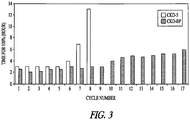
- the catalyst CKD-BP could be reused up to 17 times for soybean oil transesterification reaction ( Figure 3 ). Remarkably, there was no significant loss of activity in each successive reaction. Due to different chemical components and microstructure, CKD-5 can be reused up to 8 times for soybean oil transesterification reactions under same conditions. In comparison with the recyclability of other solid metal oxide catalysts, the CKD catalysts showed an unprecented stability and recyclbility for biodiesel synthesis.
- anhydrous methanol and dried soybean oil were used.
- the catalyst was used without any purification.
- Anhydrous methanol was obtained from a solvent purification system that included an alumina column (Pure Solv MD-5). Soybean oil was dried by contact with molecular sieve 4 ⁇ for 8-12 hours. The reaction system was purged of air by passing a stream of nitrogen gas through the system, and the system was then closed during the reaction to isolate from moisture.
- a typical procedure was as follows: 0.4 g cement kiln dust (CKD-BP) was added to 16 mL anhydrous methanol. The mixture was stirred at 64.7 °C for 40 minutes. The predried soybean oil (10 mL) was introduced to the catalyst-methanol mixture. The molar ratio of MeOH and soybean oil was equal to 37, and the volume ratio was 1.6. After stirring at 64.7 °C for 1 hour, the soybean oil was found to have been completely converted to methyl esters (biodiesel). After the reaction, the crude product mixture was filtered through a fine glass-fritted funnel (pore size 4-5.5 nm) and the product-containing filtrate was evaporated under vacuum to remove methanol. The liquid products were added to a separation funnel to separate the methyl ester and the glycerol byproduct. The yield of methyl esters was analyzed by 1 H NMR.
- the reaction could be run with significantly lower amounts of methanol.
- the reaction can be run with only 12 molar equivalents of methanol.
- CKD cement kiln dust
- the mixture was stirred at 64.7 °C for 40 minutes.
- the pre-dried soybean oil (10 mL) was introduced to the catalyst methanol mixture, where the molar ratio of MeOH and soybean oil was 12, and volume ratio was 0.5.
- the reaction required only about 1.5 hours to achieve complete conversion.
- the yield of methyl esters was analyzed and confirmed by 1 H NMR. The results are summarized in Table 1. Table 1.
- Oleic acid containing soybean oil was obtained by simply dissolving 15 g of oleic acid into 85 g soybean oil. The mixture was then dried by molecular sieve 4 ⁇ for 8-12 hours. 0.6 g cement kiln dust (CKD) and 15 mL anhydrous methanol were added to an autoclave reactor and pre-activated at 64.7 °C for 40 minutes. Dry oleic acid-containing soybean oil (15 mL) was introduced and the reaction was carried out at 130 °C in a closed system. The pressure reached about 100 psi. The reaction was found to be complete in 2.5 hours.
- CKD cement kiln dust
- anhydrous methanol 15 mL
- Chicken fat (PF(I)) was used after drying via molecular sieve 4A. Chicken fat PF(II) was filtered first to remove solid particles and then heated to 90 °C under vacuum to reduce water content. The liquid portion was further dried by molecular sieve 4 ⁇ overnight.
- CKD-BP cement kiln dust
- 15 mL anhydrous methanol were added to an autoclave reactor and pre-activated at 64.7 °C for 40 minutes. Dry chicken fat (15 mL) was introduced and the reaction was carried out at 130 °C in a closed system. The pressure reached about 100 psi during the reaction. The reaction was found to be complete in 2.5 hours.
- Used cooking oil was obtained from a local restaurant.
- the cooking oil included deep fried canola oil with about 0.2% free fatty acids (FFA) and about 5% protein impurities.
- the oil was dried by molecular sieve 4 ⁇ for 8-12 hours.
- 0.4 g cement kiln dust (CKD) and 5 mL anhydrous methanol were added to an autoclave reactor and pre-activated at 64.7 °C for 40 minutes. Dry used cooking oil (10 mL) was introduced and the reaction was carried out at 120 °C in a closed system. The pressure reached about 90 psi during the reaction. The reaction was found to be complete in 35 minutes.
- CKD can be neutralized and deactivated by the free fatty acids (FFAs) in poultry fat and other FFA-containing feedstocks by a process called saponification (soap-formation). Also, water produced by the saponification may hydrolyze the CKD catalyst.
- FFAs free fatty acids
- saponification saponification
- CKD catalyst a new approach has been developed to efficiently and economically convert poultry fat to methyl esters by using a combination of catalysts, including solid acid catalysts and CKDs.
- the use of Al-MCM is described herein as an example of the acid catalyst, however this application is not limited to Al-MCM.
- Other solid acid catalysts that can be employed include zeolites, acidic Nafion resins, sulfonic-functionalized SBA or MCM materials, and the like.
- Al-MCM aluminum mesoporous aluminum silicate mixed oxide
- the surface area of the CKD materials was determined by nitrogen adsorption-desorption surface analysis. Results show that CKD samples have low surface areas (about 2-3 m 2 ⁇ g -1 ).
- SEM Scanning electron microscopy
- CKD typically contains calcite, lime, quartz, alkali chlorides and sulfates.
- CKD-BP calcite, lime, quartz, alkali chlorides and sulfates.
- CKD-ESP CKD-5
- CKD-5 Three CKDs (denoted as CKD-BP, CKD-ESP, and CKD-5) were analyzed as follows.
- X-ray fluorescence (XRF) spectrometry was used to determine the presence and the quantity of the individual elements in the CKD samples.
- XRF X-ray fluorescence
- a standard fusion technique was applied to dissolve or decompose solid samples using a flux to yield a homogeneous glass. This process eliminated the inhomogeneity of different particle sizes and mineralogical effects.
- XRD X-ray powder diffraction
- Table 4 shows the chemical compositions of three CKD catalysts (CKD-BP, CKD-5, and CKD-ESP) that were investigated for various transesterifications of oils to biodiesel.
- Table 4. XRF analysis of CKD-BP, CKD-5 and CKD-ESP (% by weight) CKD-BP CKD-5 CKD-ESP SiO 2 12.3 11.5 8.1 Al 2 O 3 3.9 4.4 3.7 Fe 2 O 3 1.6 2.0 1.2 CaO 53.4 56.0 44.1 Na 2 O 1.0 1.0 0.2 K 2 O 7.1 5.9 0.4 MgO 1.5 1.3 1.0 SO 3 15.5 16.7 2.4 LOI 3.4 6.0 38.9
- CKD-BP Powder X-Ray Diffraction analyses of CKD samples are presented in Figure 5(a) .
- the major phases identified in CKD include calcium oxide (CaO), calcite (CaCO 3 ), anhydrite (CaSO 4 ), and quartz (SiO 2 ), which are also present in Figure 5(a) .
- CaO calcium oxide
- CaCO 3 calcite
- CaSO 4 anhydrite
- SiO 2 quartz
- CKD-BP exhibited only three major diffraction peaks around 32°, 38°, and 53° (2 ⁇ ), which are assigned to calcium oxide.
- CKD-BP has higher amount of CaO than CKD-5 and CKD-ESP.
- CKDs with favorable catalytic reactivity include those that contain larger amounts of CaO (free lime), as determined by XRD analysis.
- CaO free lime
- CKDs with greater than about 45 wt.%, or greater than about 50 wt.% provide greater and faster conversion to products in an esterification or transesterification reaction.
- CaO appears to be a significant component that is at least in part responsible for the high catalytic reactivity of CKD catalyst systems. This observation is further confirmed by the low catalytic reactivity of CKD-ESP material, which contains mostly CaCO 3 (calcite) and little or no free lime (CaO).
- CKDs cement kiln dusts
- CKDs cement kiln dusts
- the CKD catalysts can be easily recycled and reused without purification.
- CKDs are considered waste materials and the utilization of these solid catalysts for biodiesel production are believed to be orders of magnitude more economical than current state-of-the-art methods.
- Class-F fly ash (0.3 g) was suspended in 180 mL of methanol (4.44 mol) for 30 minutes at 64.7 °C. Soybean oil (6.9 g, 7.9 mmol) was then added to the above suspension, and the reaction was carried out in refluxing methanol (64.7 °C) for 3 hours. The weight percentage of solid catalyst to oil was 4.3 and the volume ratio of methanol to oil was 24. Sample aliquots were withdrawn from the reaction mixture at various time intervals to monitor the progress of the reaction. The conversion of soybean oil to FAME was analyzed by 1 H NMR in CDCl 3 . No product was detected within a three hour reaction time. Figure 6 shows that the fly ash lacks strong calcium oxide peaks as determined by XRD analysis.
- Soybean oil transesterification by LKD Soybean oil transesterification by LKD.
- a typical reaction for the transesterification of soybean oil with methanol using LKD as catalyst was carried out in an 8 liter PPI batch reactor equipped with a temperature controller and an agitator. The reactor was first charged with soybean oil (2 L) and heated to 160 degrees F (about 71°C) with stirring. Meanwhile, 80 g of lime kiln dust was activated in 0.5 L of methanol for 30 minutes at room temperature. The molar ratio of methanol to oil was 6 and the catalyst loading was 4.3 wt% with respect to the weight of oil. After the activation, the mixture of catalyst and methanol was added to the reactor and the reaction was carried out at 160 degrees F with the same stirring speed. Sample aliquots were withdrawn from the reactor at various time intervals and were analyzed by 1 H NMR in CDCl 3 . The reaction reached 98% conversion in 90 minutes.
- Soybean oil transesterification by LKD at lower temperatures was carried out at 140, 150 and 160 degrees F to evaluate the influence of reaction temperature.
- the molar ratio of methanol to oil was fixed at 6 and the weight percentage of catalyst to oil was 4.3.
- the reaction kinetics increased with temperature.
- the conversions at 140 and 150 degrees F were 96% in 2 hours and 98% in 1.5 hours, respectively.
- Soybean oil transesterification by LKD with higher catalyst loading 160 g of lime kiln dust (8.7 wt% catalyst loading to oil) was activated in 0.5 L of methanol for 30 minutes at room temperature (about 23 °C). Two liters of soybean oil was heated to 150 degrees F (about 65 °C) in the reactor during the activation of catalyst. The mixture of catalyst and methanol was then charged to the reactor and the reaction was run at about 150 degrees F with stirring. The results showed that the reaction reached 94% conversion in 1 hour and 96% in 1.5 hours.
- Soybean oil transesterification by LKD with increased molar ratio of methanol to oil was increased molar ratio of methanol to oil.
- 160 g of lime kiln dust was activated in 1 L of methanol for 30 minutes at room temperature.
- Two liters of soybean oil was heated to 160 degrees F in the reactor during the activation of catalyst.
- the molar ratio of methanol to oil was set to 12.
- the mixture of catalyst and methanol was charged to the reactor and the reaction was run at 160 degrees F with stirring. The reaction reached 95% conversion in 90 minutes.
- Soybean oil transesterification by different LKD samples that contain varying amounts of Ca Two samples, LKD-18 and LKD-65, contained about 18% Ca and 65% Ca from their chemical analysis, respectively.
- the reactions were carried out under the following condition: 80 g of catalyst (4.3 wt%) was activated in 0.5 L of methanol (molar ratio of methanol to oil was 0.25) for 30 minutes at room temperature. After activation, the mixture of catalyst and methanol was added to the reactor and the reaction was carried out at 140 degrees F (about 60 °C) for 2 hours. It was found that both reactions provided conversions greater than 96% in 2 hours.
- LKD Life cycle study of LKD for soybean oil transesterification. Catalyst recycling was achieved by simple filtration of the product mixture at the end of the reaction. The recovered catalyst was used again under the same reaction conditions without any purification. The LKD catalyst could be reused for at least 15 times without observing significant loss of reactivity ( Figure 7 ).
- the catalyst life cycle study was carried out as follows. The reactor was first charged with soybean oil (2 L) and heated to 160 degrees F with stirring. At the same time, 160 g of lime kiln dust was activated in 1 L of methanol for 30 minutes at room temperature. After the activation, the mixture of catalyst and methanol was added to the reactor and the reaction was carried out at 160 degrees F with the same stirring speed.
- sample aliquots were taken from the reactor at various time order to monitor the kinetics, sample aliquots were taken from the reactor at various time intervals and analyzed by 1 H NMR in CDCl 3 . Upon the completion of each reaction, the products were discharged from the reactor and the catalyst was isolated through filtration and reused for the next cycle without purification.
- LKD Chemical Composition of LKD. Similar to CKD particles, LKD particles can have variations in their chemical composition, depending on the sample. The chemical composition for two samples is provided in Table 6 below. Table 6. Chemical Composition of Two Lime Kiln Dust Samples. LKD-1 (wt %) LKD-2 (wt %) Free lime (free CaO) 12.1 29.8 CaCO 3 38.3 39.8 MgO 18.9 1.9 Al 2 O 3 1.2 4.4 Fe 2 O3 0.8 25 SiO 2 1.7 7.3 SO 3 2.3 2.8 LOI 22.2 18.1 LOI: loss on ignition
- Powder XRD plots of LKD samples are illustrated in Figure 8 , which compares the powder XRD plots of LKD-1, LKD-2, and LKD-3 to CaO and CaCO 3 .
- the LKD samples provided similar XRD patterns, each showing characteristic CaO and CaCO 3 peaks, indicating that the major components of LKD are CaO and CaCO 3 .
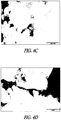
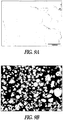
- Figure 9 illustrates scanning electron micrographs (SEM) of one LKD sample (LKD-2) under two different resolutions.
Landscapes
- Chemical & Material Sciences (AREA)
- Organic Chemistry (AREA)
- Engineering & Computer Science (AREA)
- Chemical Kinetics & Catalysis (AREA)
- Ceramic Engineering (AREA)
- Materials Engineering (AREA)
- Structural Engineering (AREA)
- Inorganic Chemistry (AREA)
- Oil, Petroleum & Natural Gas (AREA)
- Combustion & Propulsion (AREA)
- General Chemical & Material Sciences (AREA)
- Fats And Perfumes (AREA)
- Organic Low-Molecular-Weight Compounds And Preparation Thereof (AREA)
- Catalysts (AREA)
- Liquid Carbonaceous Fuels (AREA)
- Low-Molecular Organic Synthesis Reactions Using Catalysts (AREA)
Description
- This invention relates to the preparation of fatty acid (C1-C5)alkyl esters using a solid catalyst system e.g. for biodiesel production.
- Biodiesel is becoming increasingly useful as a biodegradable, nontoxic diesel fuel (Ma and Hanna, Bioresource Technology 1999, 70, 1-15). Examples of biodiesel include soy diesel (methyl soyate), rapeseed methyl ester, and various vegetable and animal fat methyl esters. Biodiesel fatty acid methyl esters (FAME) have been recently accepted as a viable alternative to traditional petroleum-derived solvents that are of environmental concern and are under legislative pressure to be replaced by biodegradable substitutes that result in reduced environmental impact. Although interest in biodiesel is rapidly increasing, the process by which it is synthesized has not substantially changed in recent years.
- Soy diesel is currently prepared commercially by an energy and labor intensive process wherein soybean oil is reacted with methanol at elevated temperature (often 140-150 °F), and often under elevated pressure, in the presence of sodium methoxide as a homogeneous catalyst. This process is called "transesterification". Isolation of the desired methyl soyate from the highly caustic (toxic) catalyst and other products, such as glycerol, involves a precise neutralization process with strong acids, such as hydrochloric acid (HCl), and extensive washes with water to remove the resulting sodium chloride (NaCl) salt. Also, glycerol must be separated from the sodium chloride salt by vacuum distillation. Because glycerol has a significantly high boiling point, the distilation becomes a costly and energy intensive operation (see Bender, M., Bioresource Technology 1999, 70, 81; Diasakou et al., Fuel 1998, 77, 1297; Ogoshi and Miyawaki, J. Am. Oil Chem. Soc. 1985, 62, 331; Suppes et al., J. Am. Oil Chem. Soc. 2001, 78, 139).
- Current biodiesel preparation processes do not allow the catalyst to be recycled, due to the high solubility of sodium methoxide in methanol. Additionally, the labor and materials required for the neutralization, separation, and removal of the catalyst creates economic and environmental concerns. To circumvent these issues, researchers worldwide have been developing solid catalysts for the transesterification of oils to biodiesel. For example, various basic metal oxides, such as magnesium methoxide, calcium oxide, calcium alkoxide, and barium hydroxide, have been demonstrated to be active catalysts for transesterification (Gryglewicz, S., Applied Catalysis, A: General 2000, 192 (1), 23-28). However, these solid base catalysts have little or no recyclability due at least in part to the solubility of the solid metal oxides and hydroxides in methanol (Gryglewicz, S., Bioresource Technology 1999, 70 (3),249-253).
-
EP-A-1380637 (Masahide et al., Revo International) is concerned with the transesterification of fats or oils characterized by a use of a catalyst comprising a composite metal oxide having a perovskite structure. Examples described the transesterification of a mixture of rapeseed oil and edible soybean oil with methanol. An example using tablet pieces of CaTiO3 fixed into a reactor into which oil and methanol were fed generated 92.1% of methyl ester, whereas a comparative example using Cao generated 10.0% of methyl ester. - Accordingly, there is a need for efficient, inexpensive, and environmentally friendly catalysts for biodiesel production that do not have the solubility, separation, and recyclability problems associated with currently known catalysts. There is also a need for new methods for efficient, inexpensive, and environmentally friendly biodiesel production that do not have the problems that are associated with the currently known methods.
- Cement kiln dust (CKD) has been found to be an efficient, inexpensive, and environmental friendly catalyst for biodiesel production. Lime kiln dust (LKD) can be used in place of, or in combination with CKD, to provide catalyst compositions.
- The invention provides a method for preparing a fatty acid (C1-C5)alkyl ester comprising:
- providing cement kiln dust of particle size 0.1-100µm and specific gravity 2.6-2.8 or lime kiln dust of 50 nm to 3mm diameter or length or largest dimension (depending upon shape) 100 nm to 2 mm, having a surface area of 0.2 - 10 m2 per gram and containing up to 65 mass percent calcium atoms, at least 15 wt. % calcium oxide and exhibiting powder X-ray diffraction peaks (2θ) at 32, 38 and 53° assigned to CaO;
- contacting the cement kiln dust or lime kiln dust with a (C1-C5)alkanol at a temperature at or above 20°C and up to the reflux temperature of the alkanol for a period of time sufficient to activate the kiln dust; and
- subsequently contacting a glyceride-containing vegetable or animal oil or poultry fat with an effective amount of the activated cement kiln dust or lime kiln dust and the (C1-C5)alkanol to provide a reaction mixture under conditions such that the activated kiln dust catalyzes formation of a corresponding vegetable oil-derived, or animal oil-derived or fat-derived, fatty acid (C1-C5)alkyl ester, and glycerol.
- It was found that the simple combination of cement kiln dust, methanol, and soybean oil did not effectively result in conversion of the soybean oil to methyl soyate. Even after heating this mixture for prolonged periods of time, the cement kiln dust did not sufficiently catalyze the desired transesterification reaction. However, it was surprisingly discovered that dispersing the kiln dust in an alcoholic solvent, such as methanol, and heating the mixture for a period of time sufficient to activate the kiln dust provided a robust and recyclable transesterification catalyst system.
- A recyclable esterification or transesterification catalyst system for use in the above method includes kiln dust and a (C1-C5)alkanol, wherein the surface area of the kiln dust is about 0.2 m2 per gram to about 10 m2 per gram, and wherein the kiln dust has been activated by contact with the (C1-C5)alkanol. The activation of the catalyst can be carried out at a suitable activation temperature, such as above about 20 °C, above about 25 °C, or above about 30 °C. Depending on the alkanol used, the activation temperature can be at about the reflux temperature of that alkanol. In some embodiments, the temperature can be about 65°C, about 78 °C, about 82 °C, about 97 °C, or about 100 °C.
- The surface area of the kiln dust can vary depending on the type selected for the production process. In various embodiments, the surface area can also be about 0.2 m2 per gram to about 10 m2 per gram, about 0.3 m2 per gram to about 10 m2 per gram, about 0.5 m2 per gram to about 5 m2 per gram, about 1 m2 per gram to about 4 m2 per gram, or about 1 m2 per gram to about 2 m2 per gram. The kiln dust can include one or more of calcium oxide (CaO), calcite (CaCO3), anhydrite (CaSO4), sodium, potassium, magnesium, or quartz (SiO2). In some embodiments, the kiln dust will contain more calcium oxide than any other single alkaline earth metal component.
- The kiln dust can contain about 10 mass% to about 65 mass% calcium atoms, about 15 mass% to about 65 mass% calcium atoms, about 20 mass% to about 60 mass% calcium atoms, or about 10 mass% to about 50 mass% calcium atoms. The kiln dust can also contain about 30-40 mass% calcium, or about 35% calcium by mass. The kiln dust can contain at least about 15 wt.%, at least about 30 wt.%, at least about 45 wt.%, at least about 50 wt.%, or at least about 55 wt.% calcium oxide, for example, either before or after a calcination, e.g., in its preparation or upon composition analysis. The kiln dust can contain up to about 95 wt.% calcium oxide, for example, either before or after a calcination, e.g., in its preparation or upon composition analysis. The kiln dust can be a cement kiln dust, a lime kiln dust or a combination thereof. Additionally, the kiln dust can be CKD-5, CKD-BP, or a combination thereof.
- The catalyst system can include a solid acid, a molecular sieve, or both. The acid can be an acidic mesoporous aluminum silicate mixed oxide particles. The molecular sieve particles absorb or adsorb water. The solid acids and molecular sieve particles can be used at any step of methods, depending on the conditions of the starting material and the desired process conditions.
- The (C1-C5)alkanol used in the catalyst system can be methanol or ethanol, or a straight chain or branched (C3-C5)alkanol. The catalyst system can include cement kiln dust, lime kiln dust, or a combination thereof. The catalyst system can further include a fatty acid or an ester, for example, one that is converted to a biodiesel.
- A method is provided for preparing a fatty acid (C1-C5)alkyl ester that includes contacting an oil with an effective amount of a kiln dust and a (C1-C5)alcohol to provide a reaction mixture, under conditions so that the kiln dust catalyzes formation of a corresponding fatty acid (C1-C5)alkyl ester. The oil can be a glyceride-containing vegetable oil, or a glyceride-containing animal oil, wherein glycerol is produced as a by-product of the transesterification. The oil can be a feedstock of used cooking oil, and/or the feedstock oil can further include free fatty acids, for example, from animal fats, such as poultry fat. The method can be carried out in a batch reactor, or in a fixed bed flow-through reactor, for example, a column reactor. The method can be carried out in any reactor that can provide sufficient contact for the oil, alcohol, and catalyst. Examples include continuous stirred tank reactors, high shear pumps, mix tubes, fixed bed reactors, or tubular reactors. The reaction vessels can be operated in a batch or continuous process.
- Various amounts of alkanol can be used in the method. Depending upon the desired speed and economics of the reaction, higher or lower molar ratios of the alkanol can be employed. The molar ratio of the (C1-C5)alcohol to the oil can be about 600:1 to about 3:1. For example, suitable ratios include ratios of about 560:1, about 100:1, about 93:1, about 50:1, about 40:1, about 37:1, about 20:1, about 10:1, about 5:1, or about 3:1.
- The kiln dust can be recovered and reused in a subsequent method for preparing a fatty acid (C1-C5)alkyl ester. Various types of kiln dust can be recycled and reused several times, for example, 5, 10, 15, 17, or 20 or more times.
- The fatty acid portion of the glyceride-containing vegetable or animal oil can include an optionally unsaturated C10-C24 alkyl chain, and wherein the C10-C24 alkyl chain optionally includes one or more (for example, 1, 2, 3, or 4) sites of unsaturation, epoxidation, hydroxylation, or a combination thereof.
- The formation of the ester can be carried out without added solvent other than the (C1-C5)alcohol. The formation of the (C1-C5)alkyl ester can be carried out at an elevated temperature, for example, above about 40 °C. Depending on the reaction conditions, the formation can be carried out 50 °C to about 130 °C, for example, at about 65 °C, about 78 °C, about 82 °C, about 97 °C, or about 100 °C. The formation of the ester can also be carried out at a pressure greater than 1 atmosphere. For example, the formation of the ester can be carried out at about 20 psi to about 150 psi, such as at about 90 psi or about 100 psi.
- The reaction mixture that includes the kiln dust and the (C1-C5)alcohol can be prepared prior to contacting the cement kiln dust and the (C1-C5)alcohol with the oil and/or fatty acid. The kiln dust and the (C1-C5)alcohol can be heated prior to contacting with the oil and/or fatty acid.
- The glyceride-containing animal oil can include free fatty acids and optionally water. In such cases, the method can include, in any order, drying the animal oil by contacting the animal oil with a molecular sieve; immobilizing the free fatty acids on a solid acid; and optionally separating the molecular sieve and the immobilized free fatty acids from the glyceride-containing animal oil prior to contacting the glyceride-containing animal oil to the kiln dust.
- The invention also provides methods for preparing biodiesel from animal fats. Accordingly, the invention provides a method for preparing fatty acid (C1-C5)alkyl esters from a feedstock that comprises one or more fatty acids and optionally one or more fatty acid glycerol esters. The method can include combining the feedstock, a (C1-C5)alcohol, cement kiln dust or lime kiln dust; optionally an acid, and optionally molecular sieve particles, under conditions wherein the catalyst catalyzes the formation of fatty acid (C1-C5)alkyl esters, and glycerol when a fatty acid glycerol ester is present.
- The invention further provides a method for preparing fatty acid methyl esters from a feedstock that includes one or more fatty acids and optionally one or more fatty acid glycerol esters by preparing a mixture that includes kiln dust, an alkanol, for example, methanol, and optionally molecular sieve particles; heating the suspension to above about 30 °C, for example, about 40 °C, about 50 °C, about 60 °C, about 67 °C, or about 70-100 °C; contacting the kiln dust to the feedstock to provide a reaction mixture; heating the reaction mixture to provide the fatty acid alkyl esters; and separating the fatty acid alkyl esters from the reaction mixture. In various embodiments of the invention, the kiln dust can be cement kiln dust or lime kiln dust.
- The invention also provides a method for preparing fatty acid alkyl esters from a feedstock that includes poultry fat. The method can include contacting poultry fat that includes free fatty acids with a solid acid so as to immobilize free fatty acids on the solid acid; contacting the poultry fat with molecular sieve particles to provide dried poultry fat; optionally filtering the solid acid and immobilized free fatty acids from the poultry fat, and optionally filtering the molecular sieve particles from the dried poultry fat; contacting the poultry fat with kiln dust and methanol to provide a reaction mixture; heating the reaction mixture to an elevated temperature, for example, above about 40 °C, to provide the fatty acid alkyl esters; and separating the fatty acid alkyl esters from the reaction mixture.
- In one embodiment, the alkanol can be methanol and the elevated temperature can be the reflux temperature of the alkanol. Any effective amount of kiln dust can be employed. The wt.% of kiln dust can be about 0.1 wt.% to about 50 wt.%, about 2 wt.% to about 30 wt.%, about 3 wt.% to about 25 wt.%, about 4 wt.% to about 15 wt.%, or about 3 wt.% to about 10 wt.%, with respect to the weight of a feedstock material, such as a glyceride-containing vegetable or animal oil, or a dried poultry fat. In certain embodiments, 3 wt.% to about 5 wt.%, or about 4 wt.% of kiln dust provides a suitable amount of catalyst. In some embodiments, about 0.5 wt.%, about 1 wt.%, about 3 wt.%, about 4 wt.%, about 5 wt.%, about 10 wt.%, or about 15 wt.% of kiln dust provides a suitable amount of catalyst. The reaction conditions can also include use of pressure greater than one atmosphere (e.g., about 50-150 psi), the use of sonication, cavitation, ultrasound, or a combination thereof.
- In some embodiments, the biodiesel products can contain residual amounts of detectable calcium. The residual calcium can be detected by standard techniques well known to those of skill in the art, such as inductively coupled plasma (ICP) Optical Emission Spectroscopy or ICP-Mass Spectroscopy. The product can contain, for example, about 1 ppm to about 1000 ppm of calcium atoms, typically about 5 ppm to about 500 ppm, or about 50 ppm to about 500 ppm, depending on reaction conditions and the technique used to separate the products from the reaction mixture. The calcium can be, for example, calcium atoms, calcium ions, or calcium compounds, such as calcium oxide or calcium carbonate.
- The invention further provides a method for producing methyl soyate that includes contacting soybean oil, methanol, and kiln dust, under conditions wherein the kiln dust catalyzes the formation of glycerol and the methyl soyate. The conditions can include elevated temperature and/or pressure of greater than one atmosphere. The conditions can also include the use of sonication, cavitation, ultrasound, or a combination thereof.
- The following drawings form part of the present specification and are included to further demonstrate certain embodiments or various aspects of the invention. In some instances, embodiments of the invention can be best understood by referring to the accompanying drawings in combination with the detailed description presented herein. The description and accompanying drawings may highlight a certain specific example, or a certain aspect of the invention, however, one skilled in the art will understand that portions of the example or aspect may be used in combination with other examples or aspects of the invention.
-
Figure 1 illustrates catalytic conversion of soybean oil to biodiesel by CKD catalysts, according on one embodiment of the invention. CKD-5 (4.3 wt.% solid catalyst with respect to weight of oil) shows a complete conversion within 30 minutes. Using 1.7 wt.% CKD-BP, the reaction was complete in 15 minutes. Reaction conditions: 7.5 mL soybean oil in 180 mL MeOH; molar ratio of MeOH to oil was 561; volume ratio of MeOH to oil was 24. -
Figure 2 illustrates the effect of various amounts of methanol on the conversion of soybean oil to biodiesel, according to one embodiment. -
Figure 3 illustrates a recyclability study of CKD-5 and CKD-BP, according to one embodiment. Reaction conditions: 1.2 g of a CKD catalyst in 48 mL MeOH and 30 mL soybean oil at 64.7 °C; molar ratio of MeOH to oil was 37; volume ratio of MeOH to oil was 1.6. -
Figure 4 shows scanning electron micrographs (SEM) of the CKD catalysts, according to one embodiment. An amorphous, disordered structure is observed with the CKD-5 sample, and more spherical morphologies with fine particles are demonstrated for the CKD-BP sample. (a) CKD-5 (5,000×); (b) CKD-BP (5,000×); (c) CKD-BP (50,000×); (d) CKD-BP after 17 cycle reactions (5,000×). -
Figure 5 shows powder XRD plots of various CKD catalysts, according to one embodiment. (a) Four calcium-containing materials (CaO, CaCO3, Ca(OH)2, and CaSO4) and three CKD materials (CKD-BP, CKD-ESP, and CKD-5) that were evaluated as catalysts for biodiesel production. (b) CKD-5 before and after eight cycles of reactions. -
Figure 6 shows powder XRD plots of CKD-ESP. CKD-BP, CKD-5, and fly ash. It can be observed that CKD-ESP and fly ash lack the strong CaO peaks that can be found in the CKD-BP and CKD-5 XRD plots. -
Figure 7 illustrates a recyclability study of LKD, according to one embodiment. Reaction conditions: 8.7 wt.% LKD catalyst in methanol; ratio of methanol volume (VMeOH) to soybean oil volume (VSBO) = 0.5; molar ratio of methanol (nMeOH) to soybean oil (nSBO) = 12; reactions were run at 160 °F (about 71 °C). Reaction yields were measured at 2 hours. -
Figure 8 shows powder XRD plots of various LKD samples from different sources, compared to CaO and CaCO3. The LKD samples provided similar XRD patterns, each showing the characteristic CaO and CaCO3 peaks. -
Figure 9 illustrates scanning electron micrographs (SEM) of one LKD sample (LKD-2) under two different resolutions: (a) size bar at lower right is equal to 500 nm, and (b) size bar at lower right is equal to 20 µm). - Cement kiln dust ("CKD") is a by-product of the manufacture of cements, such as Portland Cement. CKD is a fine-grained solid and is a highly alkaline waste material that is removed from cement kiln exhaust gas. This material is comprised of fine particles gathered by dust collection systems during the cement manufacturing process. CKD particles typically have a particle size between about 0.1 and about 100 microns, and a specific gravity typically in the range of about 2.6 to about 2.8. They consist of particulate mixtures of partially calcined and untreated raw feed, clinker dust, and fuel ash, enriched with sulfates, halides and other volatiles. CKD is typically disposed in land-based disposal units, i.e., landfills, waste piles, or surface impoundments.
- About 6 million metric tons of kiln dust is disposed each year by cement kilns. About 5.1 million tons are buried on-site and 900,000 tons are shipped off-site for use in stabilizing other wastes (such as sewage sludge) or as a soil additive on farms ("Report to Congress on Cement Kiln Dust," United States Environmental Protection Agency, Office of Solid Wastes, Dec. 1993."). The potential for air pollution near the cement kilns has triggered research activities aimed at finding new applications for CKD during the last decade (see Daugherty and Wist, Bull. Am. Ceram. Soc., 54 (1975) 189).
- The terms "CKD-BP", "CKD-ESP", "CKD-5" and refer to types of CKD batches recovered from the production of Portland Cement. Based on elemental analysis and X-ray powder diffraction analysis, CKD-BP typically has about 38 wt.% calcium where more than about 80% of the calcium is in the form of calcium oxide. CKD-ESP typically has about 31 wt.% calcium with more than about 80% of the calcium in the form of calcium carbonate. CKD-5 typically has about 40 wt.% calcium where about 50% of the calcium is in the form of calcium oxide, and the remaining calcium is primarily in the form of calcium carbonate and/or calcium silicates.
- The terms "by-pass CKD" and "CKD-BP" refers to kiln dust that is recovered from the alkali bypass of precalciner kilns, which have been observed to be typically coarser, more calcined, and concentrated with alkali volatiles than CKD that is not recovered from alkali bypass units, such as CKD batches designated as, for example, CKD-5 or CKD-ESP. CKD-BP is recovered from an alkali bypass system, which is employed to reduce the amount of the volatile components in a kiln pre-heater system.
- An alkali bypass system removes kiln exhaust gases containing highly concentrated volatile components from the kiln system. Kiln exhaust gases, at about 1100 °C, are extracted from a kiln through an extraction duct. The kiln exhaust gases are then passed into a cooling chamber and mixed therein with cooling air from a fan so as to reduce the temperature of the gases to about 400 °C to about 450 °C. Volatile components in the kiln exhaust gases are then condensed on the surface of the dust by the decreasing gas temperature. The temperature of the gases is then lowered to about 150 °C by spraying a mist of water in a conditioning tower. The dust in the gases is then collected by an electrostatic precipitator and remaining gases are exhausted into the atmosphere through a fan. The dust collected by the conditioning tower and the electrostatic precipitator is disposed of as waste because the dust contains volatile components on the particle surfaces. The term "ESP" refers to electrostatic precipitation, which is one of the methods used to the capture kiln dust, and is a term used to refer to kiln dust recovered in this manner.
- Lime kiln dust ("LKD") is a by product of the manufacture of lime cement. LKD is mixtures of dust from finely ground limestone fed into kilns and fly ash from the fuel (e.g., coal, fuel oil, natural gas) used to heat the kilns. In the kilns, limestone (CaC03) is converted to quick lime (CaO). Lime kiln dust (LKD) is physically similar to cement kiln dust but chemically quite different. LKD can vary chemically depending on whether high-calcium lime (chemical lime, hydrated lime, quicklime) or dolomitic lime is being manufactured. The particle size of LKD can be about 50 nanometer to about 3 mm in diameter or length (depending on shape), typically about 100 nanometer to about 2 mm for the largest dimension. The surface area can be about 0.05 m2/g to about 5 m2/g, typically about 0.1 m2/g to about 2 m2/g. The particles can be spheroid or irregularly shaped.
- In Cement and Concrete Terminology (ACI Committee 116), flyash is defined as "the finely divided residue resulting from the combustion of ground or powdered coal, which is transported from the firebox through the boiler by flue gases." Flyash is a by-product of coal-fired electric generating plants. Two classifications of flyash are produced, according to the type of coal used. Anthracite and bituminous coal produces flyash classified as Class F. Class C flyash is produced by burning lignite or subbituminous coal. Class C flyash is preferable for the applications presented in the Green Building Guide and is the main type offered for residential applications from ready-mix suppliers. An elemental analysis of flyash affords the following data for its composition:
Fly ash (% by weight) SiO2 46.8 Al2O3 23.9 Fe2O3 15.8 CaO 4.7 Na2O 0.8 K2O 1.6 MgO 0.9 SO3 1.2 LOI 2.4 - The terms "to transesterify", "transesterifying", and "transesterification" refer to the alcoholysis of the glyceryl esters of a fat or oil with an alcohol, such as a (C1-C4)alkanol or (C1-C5)alkanol, to form newly formed esters and glycerol. The alkanol of the newly formed ester is derived from the alcohol used in the transesterification reaction. With respect to the transesterification of a mono-, di-, or triglyceride to provide a corresponding (C1-C4)alkyl ester and glycerol, the glycerol portion of the glyceride is replaced by a (C1-C4)alcohol, thus liberating glycerol from the mono-, di-, or triglyceride. In biodiesel production, glycerol can be separated from biodiesel by gravitational settling, centrifugation, distillation, or combinations thereof.
- The terms "ester", "(C1-C4)alkyl ester" and "fatty acid (C1-C4)alkyl ester" should be read in the context in which they are presented. One skilled in the art will readily recognize that the term "ester" will typically refer to the starting material ester, such as from a glyceride, vegetable oil, an animal oil, or other feedstock oil, and the corresponding "(C1-C4)alkyl ester" refers to the product of a transesterification of the oil. Likewise, the term "fatty acid (C1-C4 alkyl ester" refers to a ester of a starting material fatty acid or starting material fatty acid glyceryl ester.
- Fatty acids can vary in carbon chain length and in the number of unsaturated bonds. Vegetable oils are typically made of a combination of fatty acids. Common vegetable oils include canola, coconut, corn, cottonseed, crambe, palm, peanut, rapeseed, soybean, and sunflower oils. These oils contain varying amounts of fatty acids, including combinations of C10-C30 fatty acids, or C16-C24 fatty acids, typically with 0, 1, 2, or 3 sites of unsaturation in each carbon chain. Some examples of these fatty acids include lauric, myristic, palmitic, stearic, oleic, linoleic, and linolenic acids. Animal fats and oils are typically made of combinations of fatty acids as well. Animal oils can be provided in various forms, including lard and tallow.
- The term "feedstock" refers to a quantity of one or more fatty acid glycerol esters, one or more fatty acids, optionally other substances, and combinations thereof. Feedstocks include vegetable oils and animal oils, such as animal fats and restaurant waste oils. A feedstocks can refer to a large quantity of the acids and esters, for example, about one to one hundred kilograms.
- The term "fatty acid (C1-C4)alkyl ester" refers to a fatty acid that has been esterified with a (C1-C4)alkanol. Throughout this description, a (C1-C4)alkanol can be replaced with a (C1-C5)alkanol, and vice versa, depending on the context of its use.
- The term "glyceride-containing vegetable or animal oil" refers to a vegetable or animal oil that contains mono-, di-, or tri-esters of glycerol.
- The term "C10-C24 fatty acid ester" refers to the ester of a C10-C24 fatty acid wherein the fatty acid portion of the molecule can be saturated or can have one or more sites of unsaturation, epoxidation, hydroxylation, or a combination thereof. For example, the fatty acid ester can have 1, 2, 3, 4, or more sites of unsaturation, epoxidation, hydroxylation, or a combination thereof. In certain embodiments, specific examples include methyl palmitate (a hexadecanoic acid methyl ester), methyl oleate (a (9Z)-octadec-9-enoic acid), methyl stearate (a octadecanoic acid methyl ester), methyl linoleate (a cis, cis-9,12-octadecadienoic acid methyl ester), methyl linolenate, various hydrogenated versions thereof, other alkyl esters thereof, and any combinations thereof. These esters can be prepared by condensation of the acids and an alkanol, such as methanol. The C10-C24 carbon chains can be branched or unbranched, and can be of various intermediate lengths, such as C16-C24, C10-C18, C10-C20, C12-C18, or C12-C20. Fatty acids of any chain length from about four carbons to about thirty carbons can be used in the context of this invention.
- The terms "mono-, di-, or tri-ester of glycerol" refer to a glycerol molecule wherein one, two, or three hydroxyl groups of the glycerol have lost a hydrogen atom and have formed an ester linkage with an appropriate number of organic acids.
- The term "methyl soyate" refers to methyl esters of the fatty acids or fatty acid moieties in soybean oil.
- The term "acid portion of an ester" refers to the carboxyl (-C(=O)-O-) moiety of the ester.
- The term "free alcohol of an/the ester" refers to the alkanol moiety of an ester after the alkanol portion has been hydrolyzed, alcoholyzed, or otherwise freed from the carboxyl moiety of the ester.
- The terms "(C1-C5)alcohol" and "(C1-C5)alkanol" refer to a carbon or group of carbon atoms that contains a hydroxyl group. Examples include methanol, ethanol, propanol, isopropanol, butanol, iso-butanol, sec-butanol, pentanol, sec-pentanol, and pivalylol. A (C1-C5)alkanol can be any one of these groups, or a combination thereof.
A (C1-C4)alkanol is a similar category with a maximum of four carbon atoms in the molecule. - A "solid acid catalyst" is a material that contains acidic sites that can catalyze the esterification of free fatty acid. Examples include, but are not limited to, for example, Al-MCM, zeolites, sulfonic-functionalized SBA or MCM materials, and the like.
- The term "acidic mesoporous aluminum silicate mixed oxide (Al-MCM)" refers to a particle, typically about 1 nm to about 100 nm in diameter, often about 1 nm to about 20 nm in diameter, that is a porous composite of aluminum oxides and silicon oxides, and which has acidic sites on the particle surface. Al-MCM can be used as a solid acid, for example, to sequester alkaline materials in a reaction mixture.
- A "molecular sieve" is a material containing small pores of a precise and uniform size that is used as an adsorbent for gases and/or liquids. Molecular sieves often function as a desiccant. A typical molecular sieve, such as molecular sieve 4A, can adsorb water up to 22% of its own weight. Often they are made of aluminosilicate minerals, clays, porous glasses, microporous charcoals, zeolites, active carbons, or synthetic compounds that have open structures through which small molecules, such as nitrogen and water can diffuse. Molecular sieve 3A (pore
size 3 Å) adsorbs NH3 and H2O, but not C2H6, and is suitable for drying polar liquids and a variety of nonpolar liquids. Molecular sieve 4A (poresize 4 Å) adsorbs H2O, CO2, SO2 H2S, C2H4, C2H6, C3H6, and EtOH. Molecular sieve 4A will not adsorb C3H8 and higher hydrocarbons, and is a suitable sieve for drying nonpolar liquids and gases. - The catalyst is an esterification or transesterification catalyst that includes kiln dust that has a surface area of, for example, about 0.05 m2 per gram to about 10 m2 per gram about 0.1 m2 per gram to about 5 m2 per gram about 0.3 m2 per gram to about 3 m2 per gram. The kiln dust can be cement kiln dust or lime kiln dust. A recyclable esterification or transesterification catalyst system can be prepared by combining the cement kiln dust and methanol. The reactivity of the kiln dust can be increased by contacting it with methanol at a temperature of above room temperature, for example, about 25-80 °C, about 35-70 °C, or about 50-65 °C, or at temperature up to and/or including a reflux temperature of a (C1-C4)alcohol. The duration of the alcoholic activation period can be relatively short, e.g., one, five, or ten, to about 30 minutes under certain conditions, or it can be extended for several hours, for example 1-3 hours, or more.
- The ester can be a C10-C24 fatty acid ester. In another embodiment, the ester can be a C16-C24 fatty acid ester. The alkyl chain of the C10-C24 fatty acid ester or C16-C24 fatty acid ester can be saturated or it can have one or more sites of unsaturation or epoxidation. In another embodiment, the fatty acid ester has 1, 2, 3, or 4 sites of unsaturation, epoxidation, or a combination thereof.
- Any variety of esters can be transesterified with the present catalyst. The catalyst works well at transesterifying glyceride esters. The glyceride ester can be a mono-, di-, or tri-ester of glycerol. In one specific embodiment, the ester is a triglyceride.
- Any variety of alcohols can be used to replace the alkanol portion of the ester that is transesterified. The alcohol is typically a (C1-C4)alcohol. The (C1-C4)alcohol can be methanol or ethanol. In other embodiments, the (C1-C4)alcohol can be propanol, isopropanol, butanol, iso-butanol, sec-butanol, or a combination thereof.
- One advantage of the catalyst described herein is that besides the alcohol used to esterify or transesterify a compound, no other solvent is required. Thus, the formation of the product ester (e.g., biodiesel) can be carried out without added solvent. In other embodiments, an organic solvent can be added to alter the solubility, viscosity, or other properties of the starting oil. Such solvents include ethereal solvents such as ethyl ether, tetrahydrofuran, or dioxane; hydrocarbon solvents such as pentane or hexane; ketones such as acetone or t-butyl methyl ketone; or a combination thereof.
- After the catalyst is prepared, the particles can be recovered from the reaction mixture by a variety of techniques, including decanting or filtering, such as through a sintered glass funnel. The catalyst can maintain catalytic activity after more than five times of using and recovering the catalyst. In certain embodiments, the can maintain catalytic activity after more than ten times, more than sixteen times, or more than twenty times of using and recovering the catalyst.
- Kiln dust acts as an efficient catalyst with not only vegetable oils, but also with oils with high free fatty acid contents, which is a significant problem with most currently known esterification and transesterification catalysts. High free fatty acid content oils include chicken fats and used cooking oils.
- Advantages of using kiln dust as a catalyst include that it is an insoluble heterogeneous catalyst that can be easily separated from a reaction mixture without washing or neutralization. The catalyst material is easily recycled for use in subsequent catalytic reactions. The material for the catalyst system is derived from waste that is generated from cement production, thus the catalyst is widely available and typically available at no cost. The activation process is extremely low in cost. The catalyst material is stable, even after repeated use as a catalyst in reactions. Finally, the catalyst is highly active, producing biodiesel from oils rapidly (often in less than one hour) and under mild conditions.
- Examples of the catalyst activation process include the following methods. One method to activate the catalyst for a batch reaction includes suspending the catalyst in an alcohol (e.g., methanol) before adding the feedstock oil. Stirring the suspension can improve the activation. The stirring can be carried out for about 20 minutes, about 30 minutes, about 1 hour, or overnight (about 8-12 hours). Typically, at least about 20 minutes of stirring provides suitable activation of the catalyst. Another method includes impregnating the catalyst in methanol without stirring but with some agitation, such as shaking, periodically during the activation period. This activation procedure can be carried out, for example, for at least about 20 minutes. Both methods have provided suitably activated catalyst systems. Activation for a continuous process could be carried out by flushing the catalyst with fresh alcohol for a period of time prior to contacts with a subsequent amount of feedstock, optionally with agitation and/or heating.
- Even after catalyst activity declines, for example, after about 15-20 reaction cycles, the catalyst can still be regenerated. A catalyst regeneration process can be carried out as follows. The recyclability test showed that the catalyst could be reused numerous times. After a certain number of cycles (e.g., greater than 15-20), the catalyst may provide less reactivity. At some point the catalyst may become substantially inactive. It was found that catalyst with reduced activity could be regenerated to full activity by calcination at suitable temperatures.
- The biodiesel that can be produced by the methods described herein is increasingly becoming a viable biodegradable alternative to petroleum-based fuels. The by-product of the reaction, glycerol, has a variety of cosmetic and food uses, and is also under investigation as a biodegradable alternative to petroleum-based ethylene glycol and propylene glycol for various application, such as in aviation de-icing formulations. Additionally, the kiln dust catalyst system is more easily separated from biodiesel reaction mixtures than the commonly used calcium oxide, allowing for significantly greater recycling of catalyst and more economical production costs for the biodiesel.
- The utilization of kiln dust as catalyst for biodiesel production not only provides a very active, reusable heterogeneous catalyst, but also provides an application for this solid that would otherwise be disposed in landfills, creating environmental issues and economical burden for the cement companies.
- It has been demonstrated that CKD, a waste product from cement production, can serve as a highly active heterogeneous catalyst for the transesterification reactions of various glycerides and oils, including soybean oil. Additionally, CKD can serve as a highly active heterogeneous catalyst for the esterification reactions of various fatty acids, glycerides, fats, and oils, including free fatty acids and animal fat compositions. The reactivity and recyclability of this heterogeneous solid catalyst system has been investigated. For example, CKD can catalyze the transesterification reaction of soybean oil to methyl soyate (biodiesel) at about 65 °C in refluxing methanol with 100% yield in about 2 hours. The catalyst can be recycled and reused more than 16 times without any purification. Also, it has been discovered that, combined with solid acid catalysts and/or molecular sieves, CKD can efficiently convert poultry fat to biodiesel under a mild reaction condition. Lime kiln dust (LKD) can provide catalytic activity similar, and sometimes superior to, that of CKD.
- The biodiesel production process can be illustrated as below in
Scheme 1. Whereas many currently known base catalysts are destroyed by free fatty acids, the kiln dust catalyst system can conveniently convert even animal fats and various restaurant oils directly to biodiesel when in the presence of an alcohol simply by adding an acid, such as a solid acidic particle, for example, an acidic mesoporous aluminum silicate mixed oxide. The use of drying agents such as molecular sieves can also help facilitate the esterification or transesterification reactions, in addition to helping to preserve the recyclability of the catalysts.
- For the transesterification of animal and vegetable oils with high free fatty acid content, schematically illustrated in
Scheme 1, the use of alkaline catalysts such as sodium hydroxide is undesirable because of the formation of relatively large amounts of soaps, leading to product loss and difficulty in the separation and purification of the biodiesel produced. The use of kiln dust avoids this problem because the kiln dust catalytic activity is not negatively affected by the free fatty acids and in fact can be used to esterify such free fatty acids prior to transesterification of the animal or vegetable oils, as described in the Examples below. - The following Examples are intended to illustrate the above invention and should not be construed as to narrow its scope. One skilled in the art will readily recognize that the Examples suggest many other ways in which the present invention could be practiced. It should be understood that many variations and modifications may be made while remaining within the scope of the invention as defined in the present claims.
- Cement kiln dust raw materials were obtained from several commercial cement suppliers, including Lehigh Cement Company, Lafarge Corporation, Holcim Inc., and St. Mary's Cement Inc., among others. Methanol was purchased from Fisher and was used as received, unless otherwise stated. Anhydrous methanol was obtained from a solvent purification system that included an alumina column (Pure Solv MD-5). Molecular sieve 4A was purchased from Fisher and was used for dehydration of liquids. Molecular sieves were re-activated at 150 °C under vacuum for 4-5 hours after initial use. De-gummed soybean oil was obtained from West Central Co-op (Iowa). Two types of chicken fat were investigated, one from West Central Co-op (Iowa), denoted as PF(I) and the other donated by a farm in Iowa, referred to as PF(II). Nanopure water (18.1 MHz) was obtained by passing laboratory distilled water through a Barnstead E-pure water purification system.
- A typical procedure for the transesterification reaction was as follows. Methanol (180 mL, 4.44 mol) was added to 0.3 g of cement kiln dust catalyst, and the resulting suspension was stirred for 30-40 minutes under refluxing conditions to activate the catalyst. Soybean oil (6.9 g, 7.9 mmol) was then added to the catalyst composition mixture, and the reaction was stirred under refluxing conditions (∼64.7 °C) for 30 minutes. The weight percentage of solid catalyst to oil was 4.3 and the volume ratio of methanol to oil was 24. Sample aliquots were withdrawn from the reaction mixture at various time intervals. The aliquots were analyzed by 1H NMR in CDCl3. After the reaction was complete, the reaction mixture was filtered through a glass frit and rinsed with a minimal amount of methanol. ICP-MS analysis showed that the crude product mixture (biodiesel, glycerin, and methanol) contained about 20-140 ppb of calcium ions. The final product of biodiesel and glycerin was isolated from the filtrate by removing any remaining methanol under reduced pressure.
- The esterification conversion percentage was determined by 1H NMR analysis. NMR spectra were obtained in CDCl3. The conversion was calculated by determining the ratio of methylene hydrogens, positioned at ∼2.3 ppm, to methyl protons, positioned at ∼3.6 ppm. As conversion proceeds, the characteristic peaks (∼3.7-4.2 ppm) of the triglyceride backbone disappear.
- To achieve essentially complete conversion of the soybean oil to biodiesel and glycerol, CKD-5 and CKD-BP catalysts required only 30 minute and 15 minute reaction times, respectively (see
Figure 1 ). However, CKD-ESP showed almost no reactivity under these reaction conditions. - CKD catalysts were stirred in methanol before adding the feedstocks. Results showed that less than 10% yields were obtained when feedstocks were added simultaneously with CKD catalyst, whereas a 100% yield was obtained when the catalysts were activated by stirring in methanol at 64.7 °C for 30 minutes. This observed difference in reactivity can be attributed to the benefit of having the solid catalyst evenly suspended in methanol, potentially to provide a high area of contact. The surface of CKDs may also benefit from being activated by first associating with methanol.
- CKD-5 was used as the catalyst in this Example.
Figure 2 illustrates the effect of the amount of methanol in the biodiesel production reaction. As shown inFigure 2 , use of higher amounts of methanol resulted in a faster reaction. The overall reaction was complete in 30 minutes when the molar ratio of MeOH to soybean oil ("SBO") was set at 561. However, 1.25 hours and 3 hours were required to obtain 100% conversion when the molar ratio MeOH : nSBO was 93 and 37, respectively. Despite a slower reaction with lower methanol ratios, the molar ratio nMeOH : nSBO = 37 was used as a standard procedure to evaluate the potential of this reaction under highly economical conditions (e.g., lower methanol loading). - Cement kiln dust (CKD-5) (0.3 g) was added to 180 mL of methanol, and the mixture was stirred at 65 °C to uniformly disperse the catalyst. After stirring about 30 minutes, 7.5 mL of soybean oil was introduced and the reaction mixture was stirred at 65 °C. The conversion of soybean oil to methyl esters (biodiesel) was complete in 30 minutes. The crude product mixture was filtered through a glass-fritted funnel and the product-containing filtrate was evaporated under vacuum to remove methanol. The yield of methyl esters (biodiesel) was analyzed by 1H NMR.
- Similar to the procedure above, cement kiln dust (CKD-5) (0.4 g) was added to 40 mL of methanol, and the mixture was stirred at 65 °C. After about 40 minutes, 10 mL soybean oil was introduced and the reaction was stirred at 65 °C. The reaction reached 100 % yield in 1.25 hours.
- Cement kiln dust (CKD-5) (0.8 g) was stirred in 32 mL of methanol at 65 °C for about 40 minutes. Soybean oil (20 mL) was introduced and the reaction mixture was stirred at 65 °C. The transesterification reaction was found to be complete in 3 hours.
- An important advantage of using heterogeneous materials as catalysts is the ability to recycle and reuse the solid catalyst. Catalyst recycling was achieved by simple filtration of the mixture at the end of the reaction. The recovered catalyst was used again under the same reaction conditions without any purification. The catalyst CKD-BP could be reused up to 17 times for soybean oil transesterification reaction (
Figure 3 ). Remarkably, there was no significant loss of activity in each successive reaction. Due to different chemical components and microstructure, CKD-5 can be reused up to 8 times for soybean oil transesterification reactions under same conditions. In comparison with the recyclability of other solid metal oxide catalysts, the CKD catalysts showed an unprecented stability and recyclbility for biodiesel synthesis. - For a typical example, 1.2 g cement kiln dust (CKD-5) was added to 48 mL methanol, and the mixture was stirred at 64.7 °C. After about 40 minutes, 30 mL soybean oil was introduced and the reaction achieved 100% yield in 2.5 hours at 64.7 °C. Liquid samples were withdrawn from the reaction mixture at different time intervals to monitor the conversion. The aliquots were analyzed by 1H NMR in CDCl3. The solid catalyst was filtered through a fine glass-fritted funnel (pore size 4-5.5 nm) and then was transferred back to the original reaction flask. Another 48 mL fresh methanol was recharged to the catalyst and the methanol/catalyst mixture was pre-activated for 40 minutes under refluxing methanol temperature before adding 30 mL soybean oil. The second cycle reaction finished in 2 hours without losing any reactivity. The same procedure was applied for each reaction cycle. After 9 cycles, the reaction slowed somewhat, which may be due to the loss of some catalyst in the filtration and transfer steps on the small scale of these reactions.
- In this experiment, anhydrous methanol and dried soybean oil were used. The catalyst was used without any purification. Anhydrous methanol was obtained from a solvent purification system that included an alumina column (Pure Solv MD-5). Soybean oil was dried by contact with molecular sieve 4Å for 8-12 hours. The reaction system was purged of air by passing a stream of nitrogen gas through the system, and the system was then closed during the reaction to isolate from moisture.
- A typical procedure was as follows: 0.4 g cement kiln dust (CKD-BP) was added to 16 mL anhydrous methanol. The mixture was stirred at 64.7 °C for 40 minutes. The predried soybean oil (10 mL) was introduced to the catalyst-methanol mixture. The molar ratio of MeOH and soybean oil was equal to 37, and the volume ratio was 1.6. After stirring at 64.7 °C for 1 hour, the soybean oil was found to have been completely converted to methyl esters (biodiesel). After the reaction, the crude product mixture was filtered through a fine glass-fritted funnel (pore size 4-5.5 nm) and the product-containing filtrate was evaporated under vacuum to remove methanol. The liquid products were added to a separation funnel to separate the methyl ester and the glycerol byproduct. The yield of methyl esters was analyzed by 1H NMR.
- Employing the dry conditions demonstrated that the reaction could be run with significantly lower amounts of methanol. For example, the reaction can be run with only 12 molar equivalents of methanol. 0.4 g cement kiln dust (CKD) was added to 5 mL anhydrous methanol. The mixture was stirred at 64.7 °C for 40 minutes. The pre-dried soybean oil (10 mL) was introduced to the catalyst methanol mixture, where the molar ratio of MeOH and soybean oil was 12, and volume ratio was 0.5. The reaction required only about 1.5 hours to achieve complete conversion. The yield of methyl esters was analyzed and confirmed by 1H NMR. The results are summarized in Table 1.
Table 1. Catalytic performance of the cement kiln dust (CKD-BP) catalyst under dry conditions with various amounts of methanol. Feedstock Catalyst % Molar ratio of methanol to oil Volume ratio of methanol to oil Reaction condition (T/P) Time for full conversion (hours) Soybean oil 4.3% 37 1.6 64.7°C/ latm 1 4.3% 12 0.5 64.7°C/latm 1.5 4.3% 6 0.25 64.7°C/latm 3 (∼95%) - High temperature/pressure reactions were carried out in a 100 mL Parr Series 4560 Mini Bench Top autoclave reactor. The reactor was magnetically stirred. The elevated pressure was a result of the vapor pressure of methanol at the reaction temperature.
- It was demonstrated that the kinetics of the reaction were significantly enhanced by increasing temperature and pressure. In a typical reaction, 0.4 g cement kiln dust (CKD) was mixed with 5 mL anhydrous methanol in an autoclave reactor at 64.7 °C for 40 minutes. Dry soybean oil (10 mL) was introduced to the catalyst/methanol mixture. The complete conversion of soybean oil to biodiesel was found to be complete in 30 minutes at 120 °C and 90 psi. After cooling the reactor, the crude product mixture was filtered through a fine glass-fritted funnel (pore size 4-5.5 nm) and the product-containing filtrate was evaporated under vacuum to remove methanol. The quantitative conversion of soybean oil to methyl esters was confirmed by 1H NMR.
- Dry methanol (30 mL, 0.74 mol) was added to the CKD-BP catalyst (0.2 g) and molecular sieve 4Å (8 g), and the resulting solution was stirred for 30 minutes at 50 °C before adding dry poultry fat PF(I) (1 mL). In this reaction, the weight percentage of solid catalyst to oil was 22 and the volume ratio of methanol to oil was 30. Molecular sieve 4Å adsorbed H2O that was produced in the reaction. The reaction mixture was filtered through a glass frit and rinsed with a minimal amount of methanol. The final product was isolated from the filtrate by evaporating methanol under vacuum. 1H-NMR measurements showed that the reaction was complete in 10 hours.
- All reactions were carried out in a 100 mL Parr Series 4560 Mini Bench Top autoclave reactor. The reactor was magnetically stirred. The pressure was a result of the vapor pressure of methanol at the reaction temperature. The feedstocks investigated were 15 wt.% oleic acid containing soybean oil (about 13 wt.% acid by titration), chicken fat (PF(I) and PF(II)), and used cooking oil.
- Oleic acid containing soybean oil was obtained by simply dissolving 15 g of oleic acid into 85 g soybean oil. The mixture was then dried by
molecular sieve 4 Å for 8-12 hours. 0.6 g cement kiln dust (CKD) and 15 mL anhydrous methanol were added to an autoclave reactor and pre-activated at 64.7 °C for 40 minutes. Dry oleic acid-containing soybean oil (15 mL) was introduced and the reaction was carried out at 130 °C in a closed system. The pressure reached about 100 psi. The reaction was found to be complete in 2.5 hours. After cooling the reactor, the crude product mixture was filtered through a fine glass-fritted funnel (pore size 4-5.5 nm) and the product-containing filtrate was evaporated under vacuum to remove methanol. The yield of methyl esters was analyzed and complete conversion was confirmed by 1H NMR. - Chicken fat (PF(I)) was used after drying via molecular sieve 4A. Chicken fat PF(II) was filtered first to remove solid particles and then heated to 90 °C under vacuum to reduce water content. The liquid portion was further dried by
molecular sieve 4 Å overnight. For a typical experiment, 0.6 g cement kiln dust (CKD-BP) and 15 mL anhydrous methanol were added to an autoclave reactor and pre-activated at 64.7 °C for 40 minutes. Dry chicken fat (15 mL) was introduced and the reaction was carried out at 130 °C in a closed system. The pressure reached about 100 psi during the reaction. The reaction was found to be complete in 2.5 hours. After cooling the reactor, the crude product mixture was filtered through a fine glass-fritted funnel (pore size 4-5.5 nm) and the product-containing filtrate was evaporated under vacuum to remove excess methanol. The yield of methyl esters was analyzed and complete conversion was confirmed by 1H NMR. - Used cooking oil was obtained from a local restaurant. The cooking oil included deep fried canola oil with about 0.2% free fatty acids (FFA) and about 5% protein impurities. The oil was dried by
molecular sieve 4 Å for 8-12 hours. 0.4 g cement kiln dust (CKD) and 5 mL anhydrous methanol were added to an autoclave reactor and pre-activated at 64.7 °C for 40 minutes. Dry used cooking oil (10 mL) was introduced and the reaction was carried out at 120 °C in a closed system. The pressure reached about 90 psi during the reaction. The reaction was found to be complete in 35 minutes. After cooling the reactor, the crude product mixture was filtered through a fine glass-fritted funnel (pore size 4-5.5 nm) and the product-containing filtrate was evaporated under vacuum to remove methanol. The yield of methyl esters was analyzed and complete conversion was confirmed by 1H NMR. The results are summarized in Table 2.Table 2. Result summary of biodiesel production from investigated feedstocks. Feedstock Catalyst % Volume ratio of methanol to oil (molar ratio) Reaction condition (T/P) Time for full conversion Soybean oil 4.3% 0.5 (12) 120 °C/90 psi 30 min 15 wt.% oleic acid in soybean oil 4.3% 1 (24) 130°C/100psi 2.5 h Chicken fat PF(I) 4.3% 1 (24) 130 °C/100 psi 2.5 h Chicken fat PF(II) 4.3% 1 (24) 130 °C/100 psi 2.5 h Used cooking oil 4.3% 0.5 (12) 120 °C/90 psi 35 min - One issue in using CKD for the conversion of poultry fat to fatty acid methyl esters (FAMEs) derives from CKD's highly basic character. CKD can be neutralized and deactivated by the free fatty acids (FFAs) in poultry fat and other FFA-containing feedstocks by a process called saponification (soap-formation). Also, water produced by the saponification may hydrolyze the CKD catalyst. To circumvent these problems, a new approach has been developed to efficiently and economically convert poultry fat to methyl esters by using a combination of catalysts, including solid acid catalysts and CKDs. The use of Al-MCM is described herein as an example of the acid catalyst, however this application is not limited to Al-MCM. Other solid acid catalysts that can be employed include zeolites, acidic Nafion resins, sulfonic-functionalized SBA or MCM materials, and the like.
- An acidic mesoporous aluminum silicate mixed oxide (Al-MCM) material was applied to poultry fat to remove FFAs. Water was removed by adding molecular sieve 4Å into the system. CKD was then added to catalyze the biodiesel production. The following is a typical experimental procedure: Al-MCM (0.1 g) and poultry fat (1 g) were added to 10 mL of methanol and reacted for 4 hours at 65 °C. Molecular sieve 4Å was then added to the filtrate overnight to remove water. The mixture was then poured into 0.1 g CKD-BP previously activated in 3 mL of methanol. The reaction was found to be complete in 1 hour at 65 °C.
- Methanol (120 mL, 2.96 mol) was added to 0.2 g of lime kiln dust, and the resulting suspension was stirred for 30 minutes at 64.7 °C to provide the activated catalyst composition. Soybean oil (4.6 g, 5.28 mmol) was then added to the catalyst composition, and the reaction mixture was stirred under refluxing conditions for 30 minutes. The weight percentage of solid catalyst to oil was 4.3 and the volume ratio of methanol to oil was 24. Analysis of the product showed 90% of conversion after only 16 minutes. The conversion of soybean oil to fatty acid methyl esters (FAME) was complete in 30 minutes.
- The surface area of the CKD materials was determined by nitrogen adsorption-desorption surface analysis. Results show that CKD samples have low surface areas (about 2-3 m2·g-1).
- Scanning electron microscopy (SEM) was performed on the CKD catalysts to determine the morphology and to analyze the porous structure of the catalysts. The SEM spectra,
Figure 4 , establish that CKD-5 and CKD-BP have different morphologies. CKD-5 has an amorphous structure with larger particle size, whereas CKD-BP samples exhibited more ordered, spherical morphologies and fine particles. - The composition and mineralogy of CKD is dependent on the raw materials used, the type of kiln used in the cement production, and individual plant practices, such as operating temperatures, fuel types, dust collection systems, and the like. CKD typically contains calcite, lime, quartz, alkali chlorides and sulfates. Three CKDs (denoted as CKD-BP, CKD-ESP, and CKD-5) were analyzed as follows.
- To analyze the chemical composition and the mineralogical composition of the CKD samples, two different spectroscopic methods were employed. X-ray fluorescence (XRF) spectrometry was used to determine the presence and the quantity of the individual elements in the CKD samples. In a typical experiment, a standard fusion technique was applied to dissolve or decompose solid samples using a flux to yield a homogeneous glass. This process eliminated the inhomogeneity of different particle sizes and mineralogical effects. Next, X-ray powder diffraction (XRD) spectra of these materials were obtained to identify their phase composition.
- The differences in the chemical composition of 63 different freshly produced CKD samples have been examined and reported in the literature (
Engineering Geology 2006, 85, 165Table 3. Chemical Compositions of Cement Kiln Dust Mean (wt %) Max (wt %) Min (wt %) SiO2 15.05 34.30 2.16 Al2O3 4.43 10.5 1.09 Fe2O3 2.23 6.00 0.24 CaO 43.99 61.28 19.40 Na2O 0.69 6.25 0.00 K2O 4.00 15.30 0.11 MgO 1.64 3.50 0.54 SO3 6.02 17.4 0.02 LOI 21.57 42.39 4.2 Free CaO 6.75 27.18 0.00 Total alkali 3.32 11.42 0.14 TRO 21.49 56.08 1.86 LOI: loss on ignition
TRO: total reactive oxide content = [CaO+MgO-LOI]-[K2O+Na2O]
Total alkali = Na2O + 0.658 K2O - Results of the chemical analysis of cements are commonly expressed in terms of oxide components. Table 4 shows the chemical compositions of three CKD catalysts (CKD-BP, CKD-5, and CKD-ESP) that were investigated for various transesterifications of oils to biodiesel.
Table 4. XRF analysis of CKD-BP, CKD-5 and CKD-ESP (% by weight) CKD-BP CKD-5 CKD-ESP SiO2 12.3 11.5 8.1 Al2O3 3.9 4.4 3.7 Fe2O3 1.6 2.0 1.2 CaO 53.4 56.0 44.1 Na2O 1.0 1.0 0.2 K2O 7.1 5.9 0.4 MgO 1.5 1.3 1.0 SO3 15.5 16.7 2.4 LOI 3.4 6.0 38.9 - Powder X-Ray Diffraction (XRD) analyses of CKD samples are presented in
Figure 5(a) . The major phases identified in CKD include calcium oxide (CaO), calcite (CaCO3), anhydrite (CaSO4), and quartz (SiO2), which are also present inFigure 5(a) . Compared to CKD-5, CKD-BP exhibited only three major diffraction peaks around 32°, 38°, and 53° (2θ), which are assigned to calcium oxide. Thus, CKD-BP has higher amount of CaO than CKD-5 and CKD-ESP. From the reactivity study, it was found that CKDs with favorable catalytic reactivity include those that contain larger amounts of CaO (free lime), as determined by XRD analysis. For example, CKDs with greater than about 45 wt.%, or greater than about 50 wt.%, provide greater and faster conversion to products in an esterification or transesterification reaction. - Based this observation, CaO appears to be a significant component that is at least in part responsible for the high catalytic reactivity of CKD catalyst systems. This observation is further confirmed by the low catalytic reactivity of CKD-ESP material, which contains mostly CaCO3 (calcite) and little or no free lime (CaO).
- As shown in
Figure 5(b) , the characteristic CaO peaks of CKDs disappeared after the transesterification reaction, which suggested that the major active species is indeed CaO. The different XRD patterns also indicated two different chemical compositions of these CKD samples obtained from different cement companies. The results show that the CKD-BP has a faster kinetic profile than CKD-5. Table 5 shows the calcined chemical composition results of various CKD.Table 5. Comparison of Calcined CKD Compositions CKD-BP CKD-5 CKD-ESP SiO2 12.3 11.5 8.1 Al2O3 3.9 4.4 3.7 Fe2O3 1.6 2.0 1.2 CaO 53.4 56.0 44.1 Na2O 1.0 1.0 0.2 K2O 7.1 5.9 0.4 MgO 1.5 1.3 1.0 SO3 15.5 16.7 2.4 LOI 3.4 6.0 38.9 - It has therefore been demonstrated that cement kiln dusts (CKDs) can serve as efficient catalysts for the conversion of organic oils to biodiesel. Combined with other acid catalysts and molecular sieves, CKDs can be used as catalysts for converting high FFA-containing oil feedstocks to the desired biodiesel methyl esters. The CKD catalysts can be easily recycled and reused without purification. Furthermore, CKDs are considered waste materials and the utilization of these solid catalysts for biodiesel production are believed to be orders of magnitude more economical than current state-of-the-art methods.
- Methanol (180 mL, 4.44 mol) was added to 0.3 g of cement kiln dust (CKD-ESP). The mixture was stirred for 30 minutes at 64.7 °C to disperse the solid CKD-ESP particles. Soybean oil (6.9 g, 7.9 mmol) was then added to the methanolic solution of CKD-ESP. The reaction mixture was stirred in refluxing methanol (64.7 °C) for 30 minutes. The weight percentage of solid catalyst to oil was 4.3 and the volume ratio of methanol to oil was 24. Sample aliquots were withdrawn from the reaction mixture at various time intervals to monitor the progress of the reaction. The conversion of soybean oil to FAME was analyzed by 1H NMR in CDCl3. Over the reaction period of 6 hours, no FAME was found in the transesterification reaction using CKD-ESP as catalyst.
Figure 6 shows that CKD-ESP lacks strong calcium oxide peaks as determined by XRD analysis. - Class-F fly ash (0.3 g) was suspended in 180 mL of methanol (4.44 mol) for 30 minutes at 64.7 °C. Soybean oil (6.9 g, 7.9 mmol) was then added to the above suspension, and the reaction was carried out in refluxing methanol (64.7 °C) for 3 hours. The weight percentage of solid catalyst to oil was 4.3 and the volume ratio of methanol to oil was 24. Sample aliquots were withdrawn from the reaction mixture at various time intervals to monitor the progress of the reaction. The conversion of soybean oil to FAME was analyzed by 1H NMR in CDCl3. No product was detected within a three hour reaction time.
Figure 6 shows that the fly ash lacks strong calcium oxide peaks as determined by XRD analysis. - Soybean oil transesterification by LKD. A typical reaction for the transesterification of soybean oil with methanol using LKD as catalyst was carried out in an 8 liter PPI batch reactor equipped with a temperature controller and an agitator. The reactor was first charged with soybean oil (2 L) and heated to 160 degrees F (about 71°C) with stirring. Meanwhile, 80 g of lime kiln dust was activated in 0.5 L of methanol for 30 minutes at room temperature. The molar ratio of methanol to oil was 6 and the catalyst loading was 4.3 wt% with respect to the weight of oil. After the activation, the mixture of catalyst and methanol was added to the reactor and the reaction was carried out at 160 degrees F with the same stirring speed. Sample aliquots were withdrawn from the reactor at various time intervals and were analyzed by 1H NMR in CDCl3. The reaction reached 98% conversion in 90 minutes.
- Soybean oil transesterification by LKD at lower temperatures. The reaction was carried out at 140, 150 and 160 degrees F to evaluate the influence of reaction temperature. In these experiments, the molar ratio of methanol to oil was fixed at 6 and the weight percentage of catalyst to oil was 4.3. As expected, the reaction kinetics increased with temperature. For example, the conversions at 140 and 150 degrees F were 96% in 2 hours and 98% in 1.5 hours, respectively.
- Soybean oil transesterification by LKD with higher catalyst loading. In this example, 160 g of lime kiln dust (8.7 wt% catalyst loading to oil) was activated in 0.5 L of methanol for 30 minutes at room temperature (about 23 °C). Two liters of soybean oil was heated to 150 degrees F (about 65 °C) in the reactor during the activation of catalyst. The mixture of catalyst and methanol was then charged to the reactor and the reaction was run at about 150 degrees F with stirring. The results showed that the reaction reached 94% conversion in 1 hour and 96% in 1.5 hours.
- Soybean oil transesterification by LKD with increased molar ratio of methanol to oil. In this example, 160 g of lime kiln dust was activated in 1 L of methanol for 30 minutes at room temperature. Two liters of soybean oil was heated to 160 degrees F in the reactor during the activation of catalyst. The molar ratio of methanol to oil was set to 12. After catalyst activation, the mixture of catalyst and methanol was charged to the reactor and the reaction was run at 160 degrees F with stirring. The reaction reached 95% conversion in 90 minutes.
- Soybean oil transesterification by different LKD samples that contain varying amounts of Ca. Two samples, LKD-18 and LKD-65, contained about 18% Ca and 65% Ca from their chemical analysis, respectively. The reactions were carried out under the following condition: 80 g of catalyst (4.3 wt%) was activated in 0.5 L of methanol (molar ratio of methanol to oil was 0.25) for 30 minutes at room temperature. After activation, the mixture of catalyst and methanol was added to the reactor and the reaction was carried out at 140 degrees F (about 60 °C) for 2 hours. It was found that both reactions provided conversions greater than 96% in 2 hours.
- Life cycle study of LKD for soybean oil transesterification. Catalyst recycling was achieved by simple filtration of the product mixture at the end of the reaction. The recovered catalyst was used again under the same reaction conditions without any purification. The LKD catalyst could be reused for at least 15 times without observing significant loss of reactivity (
Figure 7 ). The catalyst life cycle study was carried out as follows. The reactor was first charged with soybean oil (2 L) and heated to 160 degrees F with stirring. At the same time, 160 g of lime kiln dust was activated in 1 L of methanol for 30 minutes at room temperature. After the activation, the mixture of catalyst and methanol was added to the reactor and the reaction was carried out at 160 degrees F with the same stirring speed. In order to monitor the kinetics, sample aliquots were taken from the reactor at various time order to monitor the kinetics, sample aliquots were taken from the reactor at various time intervals and analyzed by 1H NMR in CDCl3. Upon the completion of each reaction, the products were discharged from the reactor and the catalyst was isolated through filtration and reused for the next cycle without purification. - Chemical Composition of LKD. Similar to CKD particles, LKD particles can have variations in their chemical composition, depending on the sample. The chemical composition for two samples is provided in Table 6 below.
Table 6. Chemical Composition of Two Lime Kiln Dust Samples. LKD-1 (wt %) LKD-2 (wt %) Free lime (free CaO) 12.1 29.8 CaCO3 38.3 39.8 MgO 18.9 1.9 Al2O3 1.2 4.4 Fe2O3 0.8 25 SiO2 1.7 7.3 SO3 2.3 2.8 LOI 22.2 18.1 LOI: loss on ignition - Powder XRD plots of LKD samples are illustrated in
Figure 8 , which compares the powder XRD plots of LKD-1, LKD-2, and LKD-3 to CaO and CaCO3. The LKD samples provided similar XRD patterns, each showing characteristic CaO and CaCO3 peaks, indicating that the major components of LKD are CaO and CaCO3.Figure 9 illustrates scanning electron micrographs (SEM) of one LKD sample (LKD-2) under two different resolutions.
Claims (14)
- A method for preparing a fatty acid (C1-C5)alkyl ester comprising:providing cement kiln dust of particle size 0.1-100µm and specific gravity 2.6-2.8 or lime kiln dust of 50 nm to 3mm diameter or length or largest dimension (depending upon shape) 100 nm to 2 mm, having a surface area of 0.2 - 10 m2 per gram and containing up to 65 mass percent calcium atoms, at least 15 wt. % calcium oxide and exhibiting powder X-ray diffraction peaks (2θ) at 32, 38 and 53° assigned to CaO;contacting the cement kiln dust or lime kiln dust with a (C1-C5)alkanol at a temperature at or above 20°C and up to the reflux temperature of the alkanol for a period of time sufficient to activate the kiln dust; andsubsequently contacting a glyceride-containing vegetable or animal oil or poultry fat with an effective amount of the activated cement kiln dust or lime kiln dust and the (C1-C5)alkanol to provide a reaction mixture under conditions such that the activated kiln dust catalyzes formation of a corresponding vegetable oil-derived, or animal oil-derived or fat-derived, fatty acid (C1-C5)alkyl ester, and glycerol.
- The method of claim 1, wherein the kiln dust is dispersed in the (C1-C5) alkanol and heated.
- The method of claim 1 or 2, wherein the kiln dust and the (C1-C5) alkanol are heated at an activation temperature of 30 - 100°C.
- The method of any preceding claim, wherein the (C1-C5) alkanol is methanol or ethanol.
- The method of claim 4, wherein the kiln dust is dispersed in the (C1-C5) alkanol and heated at reflux temperature.
- The method of any preceding claim, wherein the molar ratio of the (C1-C5) alcohol to the glyceride-containing vegetable or animal oil is about 600:1 to about 3:1.
- The method of any preceding claim, wherein the fatty acid portion of the glyceride-containing vegetable or animal oil comprises an optionally unsaturated C10-C24 alkyl chain, and wherein the C10-C24 alkyl chain optionally comprises 1, 2, 3, or 4 sites of unsaturation, epoxidation, hydroxylation, or a combination thereof.
- The method of any preceding claim, wherein the vegetable oil is canola, coconut, corn, cottonseed, crambe, palm, peanut, rapeseed, soybean, or sunflower oil.
- The method of any preceding claim, wherein the formation of the ester is carried out without added solvent other than the (C1-C5)alkanol.
- The method of any preceding claim, wherein the formation of the vegetable oil-derived, or animal oil-derived, fatty acid (C1-C5)alkyl ester is carried out at above about 40 °C, and optionally at a pressure greater than 1 atmosphere.
- The method of any preceding claim, wherein the kiln dust is present in at least about 0.5 wt.% with respect to the weight of the glyceride-containing vegetable or animal oil.
- The method of any preceding claim, wherein the glyceride-containing animal oil comprises free fatty acids and optionally water, and the method further comprises:immobilizing the free fatty acids on a solid acid;optionally drying the animal oil by contacting the animal oil with a molecular sieve; andoptionally separating the molecular sieve and the immobilized free fatty acids from the glyceride-containing animal oil prior to contacting the glyceride-containing animal oil with the kiln dust.
- The method of any preceding claim, wherein the kiln dust is recovered and reused in a subsequent method for preparing a fatty acid (C1-C5)alkyl ester.
- The method of any preceding claim, when used to make biodiesel from oil, and wherein glycerol is separated from the biodiesel by gravitational settling, centrifugation, distillation or a combination thereof.
Priority Applications (1)
| Application Number | Priority Date | Filing Date | Title |
|---|---|---|---|
| PL08844882T PL2205354T3 (en) | 2007-10-30 | 2008-10-30 | Method for biodiesel production |
Applications Claiming Priority (3)
| Application Number | Priority Date | Filing Date | Title |
|---|---|---|---|
| US98387507P | 2007-10-30 | 2007-10-30 | |
| US12/121,918 US7906665B2 (en) | 2007-10-30 | 2008-05-16 | Solid catalyst system for biodiesel production |
| PCT/US2008/012309 WO2009058324A1 (en) | 2007-10-30 | 2008-10-30 | Solid catalyst system for biodiesel production |
Publications (2)
| Publication Number | Publication Date |
|---|---|
| EP2205354A1 EP2205354A1 (en) | 2010-07-14 |
| EP2205354B1 true EP2205354B1 (en) | 2017-07-19 |
Family
ID=40583705
Family Applications (1)
| Application Number | Title | Priority Date | Filing Date |
|---|---|---|---|
| EP08844882.4A Active EP2205354B1 (en) | 2007-10-30 | 2008-10-30 | Method for biodiesel production |
Country Status (15)
| Country | Link |
|---|---|
| US (1) | US7906665B2 (en) |
| EP (1) | EP2205354B1 (en) |
| JP (1) | JP5436435B2 (en) |
| CN (1) | CN101939103B (en) |
| AR (1) | AR069105A1 (en) |
| AU (1) | AU2008319334B2 (en) |
| BR (1) | BRPI0818743B1 (en) |
| CA (1) | CA2704224C (en) |
| DK (1) | DK2205354T3 (en) |
| ES (1) | ES2638182T3 (en) |
| HU (1) | HUE036661T2 (en) |
| IL (1) | IL204989A0 (en) |
| PL (1) | PL2205354T3 (en) |
| WO (1) | WO2009058324A1 (en) |
| ZA (1) | ZA201002761B (en) |
Families Citing this family (39)
| Publication number | Priority date | Publication date | Assignee | Title |
|---|---|---|---|---|
| HUE051542T2 (en) | 2006-07-23 | 2021-03-01 | Univ Iowa State Res Found Inc | Biodiesel production using composite catalysts |
| US7906665B2 (en) | 2007-10-30 | 2011-03-15 | Iowa State University Research Foundation, Inc. | Solid catalyst system for biodiesel production |
| US20110224451A1 (en) * | 2008-06-11 | 2011-09-15 | Rajiv Kumar Chaturvedi | Process for production of biodiesel |
| MY156576A (en) * | 2008-11-26 | 2016-03-15 | Elevance Renewable Sciences | Methods of producing jet fuel from natural oil feedstocks through metathesis reactions |
| US8889932B2 (en) | 2008-11-26 | 2014-11-18 | Elevance Renewable Sciences, Inc. | Methods of producing jet fuel from natural oil feedstocks through oxygen-cleaved reactions |
| US20100139152A1 (en) * | 2008-12-08 | 2010-06-10 | Dennis Hucul | Heterogeneous catalysts for mono-alkyl ester production, method of making, and method of using same |
| US20100312008A1 (en) * | 2009-06-09 | 2010-12-09 | Kastner James R | Solid acid catalysts, methods of making, and methods of use |
| WO2011007362A1 (en) * | 2009-07-14 | 2011-01-20 | Tata Chemicals Ltd. | Catalysed production of fatty acid alkyl esters from fatty acid glycerol esters and alkanols |
| WO2011007361A1 (en) * | 2009-07-17 | 2011-01-20 | Tata Chemicals Ltd . | A process for production of biolubricant using fly ash as a catalyst |
| US20110054200A1 (en) * | 2009-09-01 | 2011-03-03 | Catilin, Inc. | Systems and Processes for Biodiesel Production |
| WO2011041076A1 (en) * | 2009-09-29 | 2011-04-07 | Conocophillips Company | Pretreatment of oils and/or fats |
| US9169447B2 (en) | 2009-10-12 | 2015-10-27 | Elevance Renewable Sciences, Inc. | Methods of refining natural oils, and methods of producing fuel compositions |
| US9000246B2 (en) | 2009-10-12 | 2015-04-07 | Elevance Renewable Sciences, Inc. | Methods of refining and producing dibasic esters and acids from natural oil feedstocks |
| PL2488474T3 (en) | 2009-10-12 | 2017-07-31 | Elevance Renewable Sciences, Inc. | Methods of refining and producing fuel from natural oil feedstocks |
| US9382502B2 (en) | 2009-10-12 | 2016-07-05 | Elevance Renewable Sciences, Inc. | Methods of refining and producing isomerized fatty acid esters and fatty acids from natural oil feedstocks |
| US9365487B2 (en) | 2009-10-12 | 2016-06-14 | Elevance Renewable Sciences, Inc. | Methods of refining and producing dibasic esters and acids from natural oil feedstocks |
| US9222056B2 (en) | 2009-10-12 | 2015-12-29 | Elevance Renewable Sciences, Inc. | Methods of refining natural oils, and methods of producing fuel compositions |
| US8735640B2 (en) | 2009-10-12 | 2014-05-27 | Elevance Renewable Sciences, Inc. | Methods of refining and producing fuel and specialty chemicals from natural oil feedstocks |
| US9051519B2 (en) | 2009-10-12 | 2015-06-09 | Elevance Renewable Sciences, Inc. | Diene-selective hydrogenation of metathesis derived olefins and unsaturated esters |
| US9175231B2 (en) | 2009-10-12 | 2015-11-03 | Elevance Renewable Sciences, Inc. | Methods of refining natural oils and methods of producing fuel compositions |
| US8404911B2 (en) * | 2010-05-27 | 2013-03-26 | Jumluck Srinakruang | Process for producing fuel from vegetable oil by using ore catalyst |
| CN102049250B (en) * | 2010-11-17 | 2012-07-18 | 天津大学 | Preparation and Application of Supported NaAlO2/MgO Solid Base Catalyst for Synthetic Biodiesel |
| WO2012177348A1 (en) | 2011-06-21 | 2012-12-27 | W. R. Grace & Co.-Conn. | Catalytic purification of fatty acid alkyl esters used in fuels |
| US9169174B2 (en) | 2011-12-22 | 2015-10-27 | Elevance Renewable Sciences, Inc. | Methods for suppressing isomerization of olefin metathesis products |
| US9139493B2 (en) | 2011-12-22 | 2015-09-22 | Elevance Renewable Sciences, Inc. | Methods for suppressing isomerization of olefin metathesis products |
| US9133416B2 (en) | 2011-12-22 | 2015-09-15 | Elevance Renewable Sciences, Inc. | Methods for suppressing isomerization of olefin metathesis products |
| CN102847612B (en) * | 2012-03-23 | 2015-02-04 | 太原理工大学 | Biodiesel for coal flotation and preparation method of biodiesel |
| CN102698800B (en) * | 2012-05-04 | 2014-05-14 | 凯瑞化工股份有限公司 | Resin catalyst for producing fatty acid methyl ester from high-acid-value oil |
| JP2014005156A (en) * | 2012-06-21 | 2014-01-16 | Sumitomo Seika Chem Co Ltd | Ammonia purification system |
| US9388098B2 (en) | 2012-10-09 | 2016-07-12 | Elevance Renewable Sciences, Inc. | Methods of making high-weight esters, acids, and derivatives thereof |
| US8624073B1 (en) * | 2013-02-05 | 2014-01-07 | Cpc Corporation, Taiwan | Homogeneous catalysts for biodiesel production |
| CN103170322A (en) * | 2013-03-04 | 2013-06-26 | 太原理工大学 | Preparation and application of biodiesel loading solid base catalyst |
| US9328054B1 (en) | 2013-09-27 | 2016-05-03 | Travis Danner | Method of alcoholisis of fatty acids and fatty acid gyicerides |
| CN110052293B (en) * | 2019-05-24 | 2021-10-15 | 山东建筑大学 | A kind of biodiesel magnetic solid base catalyst and its preparation method and application |
| US10759697B1 (en) | 2019-06-11 | 2020-09-01 | MSB Global, Inc. | Curable formulations for structural and non-structural applications |
| CN110437937B (en) * | 2019-08-30 | 2022-10-25 | 河北复亚能源科技有限公司 | Synthesis method of environment-friendly biodiesel for vehicles |
| KR102447075B1 (en) * | 2020-07-30 | 2022-09-23 | 대구대학교 산학협력단 | Method for recovering deoxygenated aromatic compounds |
| CN113893861B (en) * | 2021-11-18 | 2022-03-04 | 华北理工大学 | Sodium salt-blast furnace dust catalyst and method for preparing biodiesel by using same |
| CN116626080B (en) * | 2023-07-24 | 2023-09-26 | 四川省石棉县恒达粉体材料有限责任公司 | Marble screening method |
Family Cites Families (13)
| Publication number | Priority date | Publication date | Assignee | Title |
|---|---|---|---|---|
| US3751275A (en) * | 1971-01-26 | 1973-08-07 | A Oken | Inorganic protective coatings |
| US5134242A (en) | 1991-06-21 | 1992-07-28 | Mobil Oil Corporation | Catalytic olefin upgrading process using synthetic mesoporous crystalline material |
| NL9101655A (en) | 1991-10-01 | 1993-05-03 | Pelt & Hooykaas | FIXING AGENT FOR MIXED ORGANIC AND INORGANICALLY CONTAMINATED MATERIALS AND METHOD FOR PREPARING AND USING THE SAME |
| IT1251602B (en) | 1991-10-03 | 1995-05-17 | Interdibipack Spa | PACKAGING MACHINE WITH SINGLE-PLATE HEAT-SHRINK FILM EQUIPPED WITH AUTOMATIC OPENING OF THE FILM |
| GB9316167D0 (en) | 1992-08-07 | 1993-09-22 | British Petroleum Co Plc | Silica product and processes |
| DE19602035C2 (en) | 1996-01-20 | 1998-04-02 | Roehm Gmbh | Process for the preparation of alkoxypolyglycol (meth) acrylates |
| DE19857314A1 (en) | 1997-12-12 | 2000-02-03 | Sec Dep Of Science And Technol | Highly acidic mesoporous synergistic solid state catalyst and use thereof |
| US6528034B1 (en) | 1999-11-09 | 2003-03-04 | Board Of Trustees Of Michigan State University | Ultra-stable lamellar mesoporous silica compositions and process for the prepration thereof |
| WO2002081607A1 (en) | 2001-03-30 | 2002-10-17 | Revo International Inc. | Processes for producing alkyl ester of fatty acid |
| JP2004035873A (en) * | 2002-07-04 | 2004-02-05 | Field Technology Kenkyushitsu:Kk | Method for producing fatty acid ester and glycerin with low added energy and low environmental load |
| JP5105418B2 (en) * | 2005-06-13 | 2012-12-26 | 学校法人同志社 | Solid base catalyst for producing biodiesel oil and method for producing the same, reactor and device for producing biodiesel oil, and method for producing biodiesel oil using the device |
| HUE051542T2 (en) | 2006-07-23 | 2021-03-01 | Univ Iowa State Res Found Inc | Biodiesel production using composite catalysts |
| US7906665B2 (en) | 2007-10-30 | 2011-03-15 | Iowa State University Research Foundation, Inc. | Solid catalyst system for biodiesel production |
-
2008
- 2008-05-16 US US12/121,918 patent/US7906665B2/en active Active
- 2008-10-29 AR ARP080104734 patent/AR069105A1/en active IP Right Grant
- 2008-10-30 EP EP08844882.4A patent/EP2205354B1/en active Active
- 2008-10-30 WO PCT/US2008/012309 patent/WO2009058324A1/en not_active Ceased
- 2008-10-30 BR BRPI0818743-6A patent/BRPI0818743B1/en not_active IP Right Cessation
- 2008-10-30 ES ES08844882.4T patent/ES2638182T3/en active Active
- 2008-10-30 PL PL08844882T patent/PL2205354T3/en unknown
- 2008-10-30 AU AU2008319334A patent/AU2008319334B2/en not_active Ceased
- 2008-10-30 DK DK08844882.4T patent/DK2205354T3/en active
- 2008-10-30 CA CA2704224A patent/CA2704224C/en active Active
- 2008-10-30 HU HUE08844882A patent/HUE036661T2/en unknown
- 2008-10-30 JP JP2010531073A patent/JP5436435B2/en not_active Expired - Fee Related
- 2008-10-30 CN CN2008801142036A patent/CN101939103B/en not_active Expired - Fee Related
-
2010
- 2010-04-11 IL IL204989A patent/IL204989A0/en unknown
- 2010-04-20 ZA ZA2010/02761A patent/ZA201002761B/en unknown
Non-Patent Citations (1)
| Title |
|---|
| None * |
Also Published As
| Publication number | Publication date |
|---|---|
| CA2704224C (en) | 2016-04-05 |
| AU2008319334B2 (en) | 2012-04-26 |
| JP5436435B2 (en) | 2014-03-05 |
| BRPI0818743B1 (en) | 2018-06-05 |
| DK2205354T3 (en) | 2017-10-30 |
| AU2008319334A1 (en) | 2009-05-07 |
| ES2638182T3 (en) | 2017-10-19 |
| CA2704224A1 (en) | 2009-05-07 |
| EP2205354A1 (en) | 2010-07-14 |
| PL2205354T3 (en) | 2018-03-30 |
| WO2009058324A1 (en) | 2009-05-07 |
| CN101939103B (en) | 2013-07-17 |
| CN101939103A (en) | 2011-01-05 |
| ZA201002761B (en) | 2011-06-29 |
| AR069105A1 (en) | 2009-12-30 |
| HUE036661T2 (en) | 2018-07-30 |
| JP2011502039A (en) | 2011-01-20 |
| US20090112007A1 (en) | 2009-04-30 |
| IL204989A0 (en) | 2010-11-30 |
| US7906665B2 (en) | 2011-03-15 |
Similar Documents
| Publication | Publication Date | Title |
|---|---|---|
| US7906665B2 (en) | Solid catalyst system for biodiesel production | |
| Rabie et al. | Diatomite supported by CaO/MgO nanocomposite as heterogeneous catalyst for biodiesel production from waste cooking oil | |
| Zhao et al. | Biodiesel production by a highly effective renewable catalyst from pyrolytic rice husk | |
| Yusuff et al. | Synthesis and characterization of coal fly ash supported zinc oxide catalyst for biodiesel production using used cooking oil as feed | |
| Manique et al. | Biodiesel production using coal fly ash-derived sodalite as a heterogeneous catalyst | |
| Liu et al. | Application of red mud as a basic catalyst for biodiesel production | |
| US7790651B2 (en) | Porous silica and metal oxide composite-based catalysts for conversion of fatty acids and oils to biodiesel | |
| Xie et al. | Production of biodiesel by transesterification of soybean oil using calcium supported tin oxides as heterogeneous catalysts | |
| Roschat et al. | Biodiesel production based on heterogeneous process catalyzed by solid waste coral fragment | |
| Roschat et al. | Biodiesel production from palm oil using hydrated lime-derived CaO as a low-cost basic heterogeneous catalyst | |
| Farooq et al. | Biodiesel production from low FFA waste cooking oil using heterogeneous catalyst derived from chicken bones | |
| Yusuff et al. | Development of a zeolite supported CaO derived from chicken eggshell as active base catalyst for used cooking oil biodiesel production | |
| Buasri et al. | Utilization of scallop waste shell for biodiesel production from palm oil–optimization using Taguchi method | |
| US20110054200A1 (en) | Systems and Processes for Biodiesel Production | |
| de Oliveira et al. | Sodium and potassium silicate-based catalysts prepared using sand silica concerning biodiesel production from waste oil | |
| Ye et al. | Biodiesel production from soybean oil using heterogeneous solid base catalyst | |
| Riaz et al. | Comparative study of enhanced catalytic properties of clay-derived SiO2 catalysts for biodiesel production from waste chicken fat | |
| Boey et al. | Utilization of BA (boiler ash) as catalyst for transesterification of palm olein | |
| Moonsin et al. | Modification of Fresh-Water Clamshells (Pilsbryoconcha exilis compressa) as new raw material and its application in the biodiesel production of lard oil | |
| Rajeswary et al. | A novel template for the AlPO4-Tridymite fabrication and its high catalytic activity on biodiesel synthesis at room temperature | |
| Fereidooni et al. | Evaluation of methyl ester production using cement as a heterogeneous catalyst | |
| Utami et al. | Catalytic Synthesis of Diethanolamide Surfactant from Used Cooking Oil | |
| Dulymahakamtorn et al. | Preparation and characterization of sulfonated CaO catalyst for biodiesel production from waste cooking oil | |
| Sánchez Faba et al. | A promising nanostructured bimetallic catalyst for the production of second‐generation biodiesel: reuse and stability study | |
| Aghabarari | Biodiesel production using hybrid amino functionalized chitosan-carbon support as green catalyst |
Legal Events
| Date | Code | Title | Description |
|---|---|---|---|
| PUAI | Public reference made under article 153(3) epc to a published international application that has entered the european phase |
Free format text: ORIGINAL CODE: 0009012 |
|
| 17P | Request for examination filed |
Effective date: 20100420 |
|
| AK | Designated contracting states |
Kind code of ref document: A1 Designated state(s): AT BE BG CH CY CZ DE DK EE ES FI FR GB GR HR HU IE IS IT LI LT LU LV MC MT NL NO PL PT RO SE SI SK TR |
|
| AX | Request for extension of the european patent |
Extension state: AL BA MK RS |
|
| RIN1 | Information on inventor provided before grant (corrected) |
Inventor name: NIEWEG, JENNIFER A. Inventor name: KERN, CARLA Inventor name: CAI, YANG Inventor name: DULEBOHN, JOEL I. Inventor name: LIN, VICTOR SHANG-YI |
|
| DAX | Request for extension of the european patent (deleted) | ||
| 17Q | First examination report despatched |
Effective date: 20141009 |
|
| RAP1 | Party data changed (applicant data changed or rights of an application transferred) |
Owner name: PINNAVAIA, THOMAS Owner name: IOWA STATE UNIVERSITY RESEARCH FOUNDATION, INC. |
|
| GRAP | Despatch of communication of intention to grant a patent |
Free format text: ORIGINAL CODE: EPIDOSNIGR1 |
|
| STAA | Information on the status of an ep patent application or granted ep patent |
Free format text: STATUS: GRANT OF PATENT IS INTENDED |
|
| GRAJ | Information related to disapproval of communication of intention to grant by the applicant or resumption of examination proceedings by the epo deleted |
Free format text: ORIGINAL CODE: EPIDOSDIGR1 |
|
| STAA | Information on the status of an ep patent application or granted ep patent |
Free format text: STATUS: EXAMINATION IS IN PROGRESS |
|
| GRAJ | Information related to disapproval of communication of intention to grant by the applicant or resumption of examination proceedings by the epo deleted |
Free format text: ORIGINAL CODE: EPIDOSDIGR1 |
|
| GRAP | Despatch of communication of intention to grant a patent |
Free format text: ORIGINAL CODE: EPIDOSNIGR1 |
|
| GRAP | Despatch of communication of intention to grant a patent |
Free format text: ORIGINAL CODE: EPIDOSNIGR1 |
|
| STAA | Information on the status of an ep patent application or granted ep patent |
Free format text: STATUS: GRANT OF PATENT IS INTENDED |
|
| INTG | Intention to grant announced |
Effective date: 20170127 |
|
| INTC | Intention to grant announced (deleted) | ||
| INTG | Intention to grant announced |
Effective date: 20170217 |
|
| GRAS | Grant fee paid |
Free format text: ORIGINAL CODE: EPIDOSNIGR3 |
|
| GRAA | (expected) grant |
Free format text: ORIGINAL CODE: 0009210 |
|
| STAA | Information on the status of an ep patent application or granted ep patent |
Free format text: STATUS: THE PATENT HAS BEEN GRANTED |
|
| AK | Designated contracting states |
Kind code of ref document: B1 Designated state(s): AT BE BG CH CY CZ DE DK EE ES FI FR GB GR HR HU IE IS IT LI LT LU LV MC MT NL NO PL PT RO SE SI SK TR |
|
| REG | Reference to a national code |
Ref country code: GB Ref legal event code: FG4D |
|
| REG | Reference to a national code |
Ref country code: CH Ref legal event code: EP |
|
| REG | Reference to a national code |
Ref country code: IE Ref legal event code: FG4D |
|
| REG | Reference to a national code |
Ref country code: AT Ref legal event code: REF Ref document number: 909855 Country of ref document: AT Kind code of ref document: T Effective date: 20170815 |
|
| REG | Reference to a national code |
Ref country code: DE Ref legal event code: R096 Ref document number: 602008051229 Country of ref document: DE |
|
| RAP2 | Party data changed (patent owner data changed or rights of a patent transferred) |
Owner name: PINNAVAIA, THOMAS Owner name: IOWA STATE UNIVERSITY RESEARCH FOUNDATION, INC. |
|
| REG | Reference to a national code |
Ref country code: ES Ref legal event code: FG2A Ref document number: 2638182 Country of ref document: ES Kind code of ref document: T3 Effective date: 20171019 |
|
| REG | Reference to a national code |
Ref country code: NL Ref legal event code: FP Ref country code: FR Ref legal event code: PLFP Year of fee payment: 10 |
|
| REG | Reference to a national code |
Ref country code: DK Ref legal event code: T3 Effective date: 20171024 |
|
| REG | Reference to a national code |
Ref country code: LT Ref legal event code: MG4D |
|
| REG | Reference to a national code |
Ref country code: AT Ref legal event code: MK05 Ref document number: 909855 Country of ref document: AT Kind code of ref document: T Effective date: 20170719 |
|
| PG25 | Lapsed in a contracting state [announced via postgrant information from national office to epo] |
Ref country code: NO Free format text: LAPSE BECAUSE OF FAILURE TO SUBMIT A TRANSLATION OF THE DESCRIPTION OR TO PAY THE FEE WITHIN THE PRESCRIBED TIME-LIMIT Effective date: 20171019 Ref country code: SE Free format text: LAPSE BECAUSE OF FAILURE TO SUBMIT A TRANSLATION OF THE DESCRIPTION OR TO PAY THE FEE WITHIN THE PRESCRIBED TIME-LIMIT Effective date: 20170719 Ref country code: AT Free format text: LAPSE BECAUSE OF FAILURE TO SUBMIT A TRANSLATION OF THE DESCRIPTION OR TO PAY THE FEE WITHIN THE PRESCRIBED TIME-LIMIT Effective date: 20170719 Ref country code: HR Free format text: LAPSE BECAUSE OF FAILURE TO SUBMIT A TRANSLATION OF THE DESCRIPTION OR TO PAY THE FEE WITHIN THE PRESCRIBED TIME-LIMIT Effective date: 20170719 Ref country code: FI Free format text: LAPSE BECAUSE OF FAILURE TO SUBMIT A TRANSLATION OF THE DESCRIPTION OR TO PAY THE FEE WITHIN THE PRESCRIBED TIME-LIMIT Effective date: 20170719 Ref country code: LT Free format text: LAPSE BECAUSE OF FAILURE TO SUBMIT A TRANSLATION OF THE DESCRIPTION OR TO PAY THE FEE WITHIN THE PRESCRIBED TIME-LIMIT Effective date: 20170719 |
|
| PG25 | Lapsed in a contracting state [announced via postgrant information from national office to epo] |
Ref country code: BG Free format text: LAPSE BECAUSE OF FAILURE TO SUBMIT A TRANSLATION OF THE DESCRIPTION OR TO PAY THE FEE WITHIN THE PRESCRIBED TIME-LIMIT Effective date: 20171019 Ref country code: LV Free format text: LAPSE BECAUSE OF FAILURE TO SUBMIT A TRANSLATION OF THE DESCRIPTION OR TO PAY THE FEE WITHIN THE PRESCRIBED TIME-LIMIT Effective date: 20170719 Ref country code: IS Free format text: LAPSE BECAUSE OF FAILURE TO SUBMIT A TRANSLATION OF THE DESCRIPTION OR TO PAY THE FEE WITHIN THE PRESCRIBED TIME-LIMIT Effective date: 20171119 Ref country code: GR Free format text: LAPSE BECAUSE OF FAILURE TO SUBMIT A TRANSLATION OF THE DESCRIPTION OR TO PAY THE FEE WITHIN THE PRESCRIBED TIME-LIMIT Effective date: 20171020 |
|
| REG | Reference to a national code |
Ref country code: DE Ref legal event code: R097 Ref document number: 602008051229 Country of ref document: DE |
|
| PG25 | Lapsed in a contracting state [announced via postgrant information from national office to epo] |
Ref country code: RO Free format text: LAPSE BECAUSE OF FAILURE TO SUBMIT A TRANSLATION OF THE DESCRIPTION OR TO PAY THE FEE WITHIN THE PRESCRIBED TIME-LIMIT Effective date: 20170719 |
|
| PLBE | No opposition filed within time limit |
Free format text: ORIGINAL CODE: 0009261 |
|
| STAA | Information on the status of an ep patent application or granted ep patent |
Free format text: STATUS: NO OPPOSITION FILED WITHIN TIME LIMIT |
|
| PG25 | Lapsed in a contracting state [announced via postgrant information from national office to epo] |
Ref country code: SK Free format text: LAPSE BECAUSE OF FAILURE TO SUBMIT A TRANSLATION OF THE DESCRIPTION OR TO PAY THE FEE WITHIN THE PRESCRIBED TIME-LIMIT Effective date: 20170719 Ref country code: MC Free format text: LAPSE BECAUSE OF FAILURE TO SUBMIT A TRANSLATION OF THE DESCRIPTION OR TO PAY THE FEE WITHIN THE PRESCRIBED TIME-LIMIT Effective date: 20170719 Ref country code: EE Free format text: LAPSE BECAUSE OF FAILURE TO SUBMIT A TRANSLATION OF THE DESCRIPTION OR TO PAY THE FEE WITHIN THE PRESCRIBED TIME-LIMIT Effective date: 20170719 |
|
| REG | Reference to a national code |
Ref country code: CH Ref legal event code: PL |
|
| 26N | No opposition filed |
Effective date: 20180420 |
|
| REG | Reference to a national code |
Ref country code: IE Ref legal event code: MM4A |
|
| REG | Reference to a national code |
Ref country code: HU Ref legal event code: AG4A Ref document number: E036661 Country of ref document: HU |
|
| PG25 | Lapsed in a contracting state [announced via postgrant information from national office to epo] |
Ref country code: CH Free format text: LAPSE BECAUSE OF NON-PAYMENT OF DUE FEES Effective date: 20171031 Ref country code: LI Free format text: LAPSE BECAUSE OF NON-PAYMENT OF DUE FEES Effective date: 20171031 Ref country code: LU Free format text: LAPSE BECAUSE OF NON-PAYMENT OF DUE FEES Effective date: 20171030 |
|
| PG25 | Lapsed in a contracting state [announced via postgrant information from national office to epo] |
Ref country code: SI Free format text: LAPSE BECAUSE OF FAILURE TO SUBMIT A TRANSLATION OF THE DESCRIPTION OR TO PAY THE FEE WITHIN THE PRESCRIBED TIME-LIMIT Effective date: 20170719 |
|
| PG25 | Lapsed in a contracting state [announced via postgrant information from national office to epo] |
Ref country code: MT Free format text: LAPSE BECAUSE OF NON-PAYMENT OF DUE FEES Effective date: 20171030 |
|
| REG | Reference to a national code |
Ref country code: FR Ref legal event code: PLFP Year of fee payment: 11 |
|
| PG25 | Lapsed in a contracting state [announced via postgrant information from national office to epo] |
Ref country code: IE Free format text: LAPSE BECAUSE OF NON-PAYMENT OF DUE FEES Effective date: 20171030 |
|
| PG25 | Lapsed in a contracting state [announced via postgrant information from national office to epo] |
Ref country code: CY Free format text: LAPSE BECAUSE OF NON-PAYMENT OF DUE FEES Effective date: 20170719 |
|
| PG25 | Lapsed in a contracting state [announced via postgrant information from national office to epo] |
Ref country code: TR Free format text: LAPSE BECAUSE OF FAILURE TO SUBMIT A TRANSLATION OF THE DESCRIPTION OR TO PAY THE FEE WITHIN THE PRESCRIBED TIME-LIMIT Effective date: 20170719 |
|
| PG25 | Lapsed in a contracting state [announced via postgrant information from national office to epo] |
Ref country code: PT Free format text: LAPSE BECAUSE OF FAILURE TO SUBMIT A TRANSLATION OF THE DESCRIPTION OR TO PAY THE FEE WITHIN THE PRESCRIBED TIME-LIMIT Effective date: 20170719 |
|
| P01 | Opt-out of the competence of the unified patent court (upc) registered |
Effective date: 20230519 |
|
| PGFP | Annual fee paid to national office [announced via postgrant information from national office to epo] |
Ref country code: NL Payment date: 20231026 Year of fee payment: 16 |
|
| PGFP | Annual fee paid to national office [announced via postgrant information from national office to epo] |
Ref country code: GB Payment date: 20231027 Year of fee payment: 16 |
|
| PGFP | Annual fee paid to national office [announced via postgrant information from national office to epo] |
Ref country code: ES Payment date: 20231102 Year of fee payment: 16 |
|
| PGFP | Annual fee paid to national office [announced via postgrant information from national office to epo] |
Ref country code: IT Payment date: 20231023 Year of fee payment: 16 Ref country code: HU Payment date: 20231013 Year of fee payment: 16 Ref country code: FR Payment date: 20231025 Year of fee payment: 16 Ref country code: DK Payment date: 20231027 Year of fee payment: 16 Ref country code: DE Payment date: 20231027 Year of fee payment: 16 Ref country code: CZ Payment date: 20231005 Year of fee payment: 16 |
|
| PGFP | Annual fee paid to national office [announced via postgrant information from national office to epo] |
Ref country code: PL Payment date: 20231004 Year of fee payment: 16 Ref country code: BE Payment date: 20231027 Year of fee payment: 16 |
|
| REG | Reference to a national code |
Ref country code: DE Ref legal event code: R119 Ref document number: 602008051229 Country of ref document: DE |
|
| REG | Reference to a national code |
Ref country code: DK Ref legal event code: EBP Effective date: 20241031 |
|
| REG | Reference to a national code |
Ref country code: NL Ref legal event code: MM Effective date: 20241101 |
|
| GBPC | Gb: european patent ceased through non-payment of renewal fee |
Effective date: 20241030 |
|
| PG25 | Lapsed in a contracting state [announced via postgrant information from national office to epo] |
Ref country code: DE Free format text: LAPSE BECAUSE OF NON-PAYMENT OF DUE FEES Effective date: 20250501 |
|
| PG25 | Lapsed in a contracting state [announced via postgrant information from national office to epo] |
Ref country code: GB Free format text: LAPSE BECAUSE OF NON-PAYMENT OF DUE FEES Effective date: 20241030 |
|
| PG25 | Lapsed in a contracting state [announced via postgrant information from national office to epo] |
Ref country code: HU Free format text: LAPSE BECAUSE OF NON-PAYMENT OF DUE FEES Effective date: 20241031 |
|
| PG25 | Lapsed in a contracting state [announced via postgrant information from national office to epo] |
Ref country code: NL Free format text: LAPSE BECAUSE OF NON-PAYMENT OF DUE FEES Effective date: 20241101 Ref country code: BE Free format text: LAPSE BECAUSE OF NON-PAYMENT OF DUE FEES Effective date: 20241031 |
|
| PG25 | Lapsed in a contracting state [announced via postgrant information from national office to epo] |
Ref country code: FR Free format text: LAPSE BECAUSE OF NON-PAYMENT OF DUE FEES Effective date: 20241031 |
|
| PG25 | Lapsed in a contracting state [announced via postgrant information from national office to epo] |
Ref country code: CZ Free format text: LAPSE BECAUSE OF NON-PAYMENT OF DUE FEES Effective date: 20241030 |
|
| REG | Reference to a national code |
Ref country code: BE Ref legal event code: MM Effective date: 20241031 |
|
| PG25 | Lapsed in a contracting state [announced via postgrant information from national office to epo] |
Ref country code: DK Free format text: LAPSE BECAUSE OF NON-PAYMENT OF DUE FEES Effective date: 20241031 |
|
| PG25 | Lapsed in a contracting state [announced via postgrant information from national office to epo] |
Ref country code: IT Free format text: LAPSE BECAUSE OF NON-PAYMENT OF DUE FEES Effective date: 20241030 |
|
| REG | Reference to a national code |
Ref country code: ES Ref legal event code: FD2A Effective date: 20251204 |
|
| PG25 | Lapsed in a contracting state [announced via postgrant information from national office to epo] |
Ref country code: ES Free format text: LAPSE BECAUSE OF NON-PAYMENT OF DUE FEES Effective date: 20241031 |