EP2200624B1 - Wolfberries and skin inflammation - Google Patents
Wolfberries and skin inflammation Download PDFInfo
- Publication number
- EP2200624B1 EP2200624B1 EP08804097.7A EP08804097A EP2200624B1 EP 2200624 B1 EP2200624 B1 EP 2200624B1 EP 08804097 A EP08804097 A EP 08804097A EP 2200624 B1 EP2200624 B1 EP 2200624B1
- Authority
- EP
- European Patent Office
- Prior art keywords
- milk
- product
- composition
- accordance
- suspension
- Prior art date
- Legal status (The legal status is an assumption and is not a legal conclusion. Google has not performed a legal analysis and makes no representation as to the accuracy of the status listed.)
- Active
Links
Images




Classifications
-
- A—HUMAN NECESSITIES
- A61—MEDICAL OR VETERINARY SCIENCE; HYGIENE
- A61K—PREPARATIONS FOR MEDICAL, DENTAL OR TOILETRY PURPOSES
- A61K36/00—Medicinal preparations of undetermined constitution containing material from algae, lichens, fungi or plants, or derivatives thereof, e.g. traditional herbal medicines
- A61K36/18—Magnoliophyta (angiosperms)
- A61K36/185—Magnoliopsida (dicotyledons)
- A61K36/81—Solanaceae (Potato family), e.g. tobacco, nightshade, tomato, belladonna, capsicum or jimsonweed
- A61K36/815—Lycium (desert-thorn)
-
- A—HUMAN NECESSITIES
- A61—MEDICAL OR VETERINARY SCIENCE; HYGIENE
- A61P—SPECIFIC THERAPEUTIC ACTIVITY OF CHEMICAL COMPOUNDS OR MEDICINAL PREPARATIONS
- A61P1/00—Drugs for disorders of the alimentary tract or the digestive system
- A61P1/02—Stomatological preparations, e.g. drugs for caries, aphtae, periodontitis
-
- A—HUMAN NECESSITIES
- A61—MEDICAL OR VETERINARY SCIENCE; HYGIENE
- A61P—SPECIFIC THERAPEUTIC ACTIVITY OF CHEMICAL COMPOUNDS OR MEDICINAL PREPARATIONS
- A61P1/00—Drugs for disorders of the alimentary tract or the digestive system
- A61P1/04—Drugs for disorders of the alimentary tract or the digestive system for ulcers, gastritis or reflux esophagitis, e.g. antacids, inhibitors of acid secretion, mucosal protectants
-
- A—HUMAN NECESSITIES
- A61—MEDICAL OR VETERINARY SCIENCE; HYGIENE
- A61P—SPECIFIC THERAPEUTIC ACTIVITY OF CHEMICAL COMPOUNDS OR MEDICINAL PREPARATIONS
- A61P1/00—Drugs for disorders of the alimentary tract or the digestive system
- A61P1/16—Drugs for disorders of the alimentary tract or the digestive system for liver or gallbladder disorders, e.g. hepatoprotective agents, cholagogues, litholytics
-
- A—HUMAN NECESSITIES
- A61—MEDICAL OR VETERINARY SCIENCE; HYGIENE
- A61P—SPECIFIC THERAPEUTIC ACTIVITY OF CHEMICAL COMPOUNDS OR MEDICINAL PREPARATIONS
- A61P17/00—Drugs for dermatological disorders
-
- A—HUMAN NECESSITIES
- A61—MEDICAL OR VETERINARY SCIENCE; HYGIENE
- A61P—SPECIFIC THERAPEUTIC ACTIVITY OF CHEMICAL COMPOUNDS OR MEDICINAL PREPARATIONS
- A61P17/00—Drugs for dermatological disorders
- A61P17/02—Drugs for dermatological disorders for treating wounds, ulcers, burns, scars, keloids, or the like
-
- A—HUMAN NECESSITIES
- A61—MEDICAL OR VETERINARY SCIENCE; HYGIENE
- A61P—SPECIFIC THERAPEUTIC ACTIVITY OF CHEMICAL COMPOUNDS OR MEDICINAL PREPARATIONS
- A61P17/00—Drugs for dermatological disorders
- A61P17/06—Antipsoriatics
-
- A—HUMAN NECESSITIES
- A61—MEDICAL OR VETERINARY SCIENCE; HYGIENE
- A61P—SPECIFIC THERAPEUTIC ACTIVITY OF CHEMICAL COMPOUNDS OR MEDICINAL PREPARATIONS
- A61P17/00—Drugs for dermatological disorders
- A61P17/10—Anti-acne agents
-
- A—HUMAN NECESSITIES
- A61—MEDICAL OR VETERINARY SCIENCE; HYGIENE
- A61P—SPECIFIC THERAPEUTIC ACTIVITY OF CHEMICAL COMPOUNDS OR MEDICINAL PREPARATIONS
- A61P19/00—Drugs for skeletal disorders
- A61P19/02—Drugs for skeletal disorders for joint disorders, e.g. arthritis, arthrosis
-
- A—HUMAN NECESSITIES
- A61—MEDICAL OR VETERINARY SCIENCE; HYGIENE
- A61P—SPECIFIC THERAPEUTIC ACTIVITY OF CHEMICAL COMPOUNDS OR MEDICINAL PREPARATIONS
- A61P21/00—Drugs for disorders of the muscular or neuromuscular system
- A61P21/04—Drugs for disorders of the muscular or neuromuscular system for myasthenia gravis
-
- A—HUMAN NECESSITIES
- A61—MEDICAL OR VETERINARY SCIENCE; HYGIENE
- A61P—SPECIFIC THERAPEUTIC ACTIVITY OF CHEMICAL COMPOUNDS OR MEDICINAL PREPARATIONS
- A61P25/00—Drugs for disorders of the nervous system
-
- A—HUMAN NECESSITIES
- A61—MEDICAL OR VETERINARY SCIENCE; HYGIENE
- A61P—SPECIFIC THERAPEUTIC ACTIVITY OF CHEMICAL COMPOUNDS OR MEDICINAL PREPARATIONS
- A61P25/00—Drugs for disorders of the nervous system
- A61P25/28—Drugs for disorders of the nervous system for treating neurodegenerative disorders of the central nervous system, e.g. nootropic agents, cognition enhancers, drugs for treating Alzheimer's disease or other forms of dementia
-
- A—HUMAN NECESSITIES
- A61—MEDICAL OR VETERINARY SCIENCE; HYGIENE
- A61P—SPECIFIC THERAPEUTIC ACTIVITY OF CHEMICAL COMPOUNDS OR MEDICINAL PREPARATIONS
- A61P27/00—Drugs for disorders of the senses
- A61P27/02—Ophthalmic agents
-
- A—HUMAN NECESSITIES
- A61—MEDICAL OR VETERINARY SCIENCE; HYGIENE
- A61P—SPECIFIC THERAPEUTIC ACTIVITY OF CHEMICAL COMPOUNDS OR MEDICINAL PREPARATIONS
- A61P29/00—Non-central analgesic, antipyretic or antiinflammatory agents, e.g. antirheumatic agents; Non-steroidal antiinflammatory drugs [NSAID]
-
- A—HUMAN NECESSITIES
- A61—MEDICAL OR VETERINARY SCIENCE; HYGIENE
- A61P—SPECIFIC THERAPEUTIC ACTIVITY OF CHEMICAL COMPOUNDS OR MEDICINAL PREPARATIONS
- A61P3/00—Drugs for disorders of the metabolism
- A61P3/04—Anorexiants; Antiobesity agents
-
- A—HUMAN NECESSITIES
- A61—MEDICAL OR VETERINARY SCIENCE; HYGIENE
- A61P—SPECIFIC THERAPEUTIC ACTIVITY OF CHEMICAL COMPOUNDS OR MEDICINAL PREPARATIONS
- A61P3/00—Drugs for disorders of the metabolism
- A61P3/08—Drugs for disorders of the metabolism for glucose homeostasis
- A61P3/10—Drugs for disorders of the metabolism for glucose homeostasis for hyperglycaemia, e.g. antidiabetics
-
- A—HUMAN NECESSITIES
- A61—MEDICAL OR VETERINARY SCIENCE; HYGIENE
- A61P—SPECIFIC THERAPEUTIC ACTIVITY OF CHEMICAL COMPOUNDS OR MEDICINAL PREPARATIONS
- A61P31/00—Antiinfectives, i.e. antibiotics, antiseptics, chemotherapeutics
- A61P31/04—Antibacterial agents
-
- A—HUMAN NECESSITIES
- A61—MEDICAL OR VETERINARY SCIENCE; HYGIENE
- A61P—SPECIFIC THERAPEUTIC ACTIVITY OF CHEMICAL COMPOUNDS OR MEDICINAL PREPARATIONS
- A61P37/00—Drugs for immunological or allergic disorders
-
- A—HUMAN NECESSITIES
- A61—MEDICAL OR VETERINARY SCIENCE; HYGIENE
- A61P—SPECIFIC THERAPEUTIC ACTIVITY OF CHEMICAL COMPOUNDS OR MEDICINAL PREPARATIONS
- A61P37/00—Drugs for immunological or allergic disorders
- A61P37/02—Immunomodulators
-
- A—HUMAN NECESSITIES
- A61—MEDICAL OR VETERINARY SCIENCE; HYGIENE
- A61P—SPECIFIC THERAPEUTIC ACTIVITY OF CHEMICAL COMPOUNDS OR MEDICINAL PREPARATIONS
- A61P37/00—Drugs for immunological or allergic disorders
- A61P37/02—Immunomodulators
- A61P37/04—Immunostimulants
-
- A—HUMAN NECESSITIES
- A61—MEDICAL OR VETERINARY SCIENCE; HYGIENE
- A61P—SPECIFIC THERAPEUTIC ACTIVITY OF CHEMICAL COMPOUNDS OR MEDICINAL PREPARATIONS
- A61P37/00—Drugs for immunological or allergic disorders
- A61P37/08—Antiallergic agents
-
- A—HUMAN NECESSITIES
- A61—MEDICAL OR VETERINARY SCIENCE; HYGIENE
- A61P—SPECIFIC THERAPEUTIC ACTIVITY OF CHEMICAL COMPOUNDS OR MEDICINAL PREPARATIONS
- A61P39/00—General protective or antinoxious agents
-
- A—HUMAN NECESSITIES
- A61—MEDICAL OR VETERINARY SCIENCE; HYGIENE
- A61P—SPECIFIC THERAPEUTIC ACTIVITY OF CHEMICAL COMPOUNDS OR MEDICINAL PREPARATIONS
- A61P39/00—General protective or antinoxious agents
- A61P39/06—Free radical scavengers or antioxidants
-
- A—HUMAN NECESSITIES
- A61—MEDICAL OR VETERINARY SCIENCE; HYGIENE
- A61P—SPECIFIC THERAPEUTIC ACTIVITY OF CHEMICAL COMPOUNDS OR MEDICINAL PREPARATIONS
- A61P43/00—Drugs for specific purposes, not provided for in groups A61P1/00-A61P41/00
-
- A—HUMAN NECESSITIES
- A61—MEDICAL OR VETERINARY SCIENCE; HYGIENE
- A61P—SPECIFIC THERAPEUTIC ACTIVITY OF CHEMICAL COMPOUNDS OR MEDICINAL PREPARATIONS
- A61P5/00—Drugs for disorders of the endocrine system
- A61P5/14—Drugs for disorders of the endocrine system of the thyroid hormones, e.g. T3, T4
-
- A—HUMAN NECESSITIES
- A61—MEDICAL OR VETERINARY SCIENCE; HYGIENE
- A61P—SPECIFIC THERAPEUTIC ACTIVITY OF CHEMICAL COMPOUNDS OR MEDICINAL PREPARATIONS
- A61P9/00—Drugs for disorders of the cardiovascular system
-
- A—HUMAN NECESSITIES
- A61—MEDICAL OR VETERINARY SCIENCE; HYGIENE
- A61P—SPECIFIC THERAPEUTIC ACTIVITY OF CHEMICAL COMPOUNDS OR MEDICINAL PREPARATIONS
- A61P9/00—Drugs for disorders of the cardiovascular system
- A61P9/10—Drugs for disorders of the cardiovascular system for treating ischaemic or atherosclerotic diseases, e.g. antianginal drugs, coronary vasodilators, drugs for myocardial infarction, retinopathy, cerebrovascula insufficiency, renal arteriosclerosis
Definitions
- the present invention relates in general to the field of inflammation of the skin.
- the present invention relates to the use of natural compounds for the preparation of a dermatological composition as a food supplement, for the prevention and/or the treatment of inflammation of the skin and related disorders.
- Inflammation is the complex biological response of tissues to harmful stimuli, such as pathogens, damaged cells, or irritants. It is generally a protective attempt by the organism to remove the injurious stimuli as well as initiate the healing process for the tissue.
- harmful stimuli such as pathogens, damaged cells, or irritants.
- It is generally a protective attempt by the organism to remove the injurious stimuli as well as initiate the healing process for the tissue.
- insufficiently regulated inflammation can lead to several diseases irrespective of the age of the subject.
- Ageing is associated with a dysregulation of the immune system, such as a noted decline in cell-mediated immune response concomitant with an increased humoral immune dysfunction (e.g. lower response to vaccine). Aging is furthermore often associated with a status of low-grade inflammation. Consequently, in particular many elderly subjects are at increased risk of infectious and non-infectious diseases that contribute to morbidity and mortality.
- Wolfberry is already known for its multiple health benefits, based on is multi-nutrients (e.g. zeaxanthin, vitamins and Lycium barbarum polysaccharides) composition.
- multi-nutrients e.g. zeaxanthin, vitamins and Lycium barbarum polysaccharides
- n-3 PUFA poly unsaturated fatty acid
- n-3 PUFA poly unsaturated fatty acid
- NK activity decreased inflammatory cell functions, but also decreased cell-mediated immune response (e.g. lymphocyte proliferation and NK activity), which can lead to potential detrimental effects with regard to the host defence.
- the present inventors were surprised to find that a composition comprising wolfberry fruits and milk or a milk-protein containing carrier as a food supplement has anti-inflammatory properties of the skin. It was also found that the immune response was maintained.
- the present invention relates to the use as defined in claims 1 to 5 of a composition comprising wolfberries ( Lycium barbarum ) fruits and milk or a milk-protein containing carrier.
- the milk or milk protein can be derived from animal or plant origin, or from mixtures thereof.
- the milk is cows milk, lama milk, buffalo milk, goat milk, sheep milk, vegetable milk, in particular soy milk or a mixture thereof.
- Milk protein is to be understood as a protein fraction obtainable from one or more of the milk types listed above.
- the primary composition is a miscible composition.
- the essential active components of whole wolfberries has a close profile of the essential active components of whole wolfberries, it has a good stability, miscibility and/or dispersibility in aqueous systems.
- the composition has an enhanced nutritional value, in the form of a better bioavailability and stability. It has a pleasant taste and colour. It can be used directly or concentrated or dried into powder for several applications into daily-consumed food products or other nutritional uses.
- the primary composition is prepared by a process for preparing the primary composition to deliver the essential lipophilic and/or hydrophilic bioactive components of wolfberries comprising the steps of: i) mixing and milling wolfberry material in milk or milk protein-containing liquid medium, ii) optionally separating insoluble fibers to obtain an aqueous suspension iii) optionally pasteurising the resulting suspension iv) optionally adding synthetic or natural bioactive components during the processing v) and further optionally drying the suspension to obtain a powder.
- the composition is obtainable by a process comprising the steps of : i) mixing and milling wolfberry material in milk or milk protein-containing liquid medium, ii) separating insoluble fibers to obtain an aqueous suspension iii) optionally pasteurising the resulting suspension iv) optionally adding synthetic or natural bioactive components during the processing v) and further optionally drying the suspension to obtain a powder.
- This process has the major advantage of being natural and cost effective enabling improved delivery of multi-nutrients in the form of a combination of stabilized water- and fat-soluble compounds in their natural compositions, free of organic solvent residues.
- the text describes a method for increasing miscibility or dispersibility in an aqueous system, stability, and bioavailability of bioactive compounds of wolfberry material using a process as described above, by using milk or milk proteins, soy milk or milk-like proteins from plants for delivering the multi-nutrients of functional ingredients of wolfberries.
- a primary composition as described above can be used for delivering the multi-nutrients of functional ingredients of wolfberries with improved bioavailability, miscibility and stability.
- Wolfberries may be used, e.g., in the form of fruits and other parts of the plant.
- the composition used according to the invention comprises wolfberries (Lycium barbarum ) fruits.
- Fruits may be used in the form of fresh, concentrated or dried materials, for example, air or freeze dried material. It is however preferred to use dried ripe fruit.
- the primary composition comprises at least a part of the essential lipophilic and/or hydrophilic bioactive components of wolfberries.
- the essential lipophilic and/or hydrophilic bioactive components are preferably selected from the group consisting of lipids, alkaloids, proteins, carbohydrates, glycoproteins, carotenoids, polyphenolic compounds such as flavonoids, vitamins, minerals, or mixtures thereof.
- the carotenoids may be selected from the group consisting of carotenes and xanthophylls such as lycopene, carotene, phytofluene, phytoene, canthaxanthin, beta-cryptoxanthin, capsanthin, lutein, zeaxanthin, or those in the form of fatty acid esters, or mixtures thereof.
- glycoproteins are preferably selected from the group consisting of arabinogalactan proteins, in particular Lycium barbarum polysaccharide and macromolecules that can be detected by the beta-glucosyl Yariv reagent.
- the flavonoids are preferably selected from the group consisting of flavones such as apigenin, luteolin or diosmetin, flavonols such as quercetin, myricetin, kaempferol, flavanones, anthocyanidins such as pelargonidin, malvidin, or isoflavones such as genistein, daidzein, or mixtures thereof.
- flavones such as apigenin, luteolin or diosmetin
- flavonols such as quercetin, myricetin, kaempferol, flavanones
- anthocyanidins such as pelargonidin, malvidin
- isoflavones such as genistein, daidzein, or mixtures thereof.
- the primary composition may contain at least the essential bioactive components of wolfberries excluding insoluble fibres, in a milk or milk protein-containing carrier.
- the milk carrier may be in the form of skimmed milk or whole milk from animal or plant origin (e. g. soy milk, juice or coconut milk, etc..). In a more preferred embodiment, cow's milk or soy milk are used, depending on the primary composition which is desired.
- the milk-containing carrier may be any edible liquid containing milk proteins such as caseins or whey proteins, for example.
- Vegetable oils may optionally be added to the liquid medium.
- the wolfberry material may be mixed and milled in said milk or milk protein-containing liquid medium in a respective ratio of about 1:1 to 1:1000, preferably from 1:5 to 1:50.
- the mixing and milling step may be carried out at a temperature of from 1 to 95°C, preferably from about 20 to 80°C and more preferably from 40 to 80°C.
- insoluble fibres may be at least partially removed to obtain an aqueous suspension.
- the resulting primary composition may be further pasteurized and/or dried into a powder by techniques known in the art.
- the primary composition obtained may also be in liquid or gel form.
- the present invention thus provides a primary composition having a similar profile of the important nutrients as the whole fruit, it has a good stability, miscibility and bioavailability.
- These compositions may be highly dispersible in an aqueous system, if the powder form is chosen. In this case, the powder is dispersible in cold or hot water, for example. It can equally well be added in milk.
- the composition may additionally comprise one or more of emulsifiers, stabilizers, antioxidants and other additives.
- emulsifiers compatible in food, such as phospholipids, for example lecithin, polyoxyethylene sorbitan mono- or tristearate, monolaurate, monopalmitate, mono- or trioleate, a mono- or diglyceride.
- Use may also be made of any type of stabilizer that is known to be usable in food supplements, in cosmetics or in pharmaceuticals.
- Use may be made of any type of antioxidants that is known to be usable in food supplements, in cosmetics or in pharmaceuticals.
- Use may be further made of additives, of flavourings, of colorants known to be usable in food supplements, cosmetics or pharmaceuticals.
- the emulsifiers, stabilizers, antioxidants and additives may be added in accordance with the intended final use of the primary composition.
- composition may further contain synthetic or natural bioactive ingredients such as amino acids, fatty acids, vitamins, minerals, carotenoids, polyphenols, etc. that can be added preferably either by dry or by wet mixing to said composition before pasteurization and/or drying.
- synthetic or natural bioactive ingredients such as amino acids, fatty acids, vitamins, minerals, carotenoids, polyphenols, etc. that can be added preferably either by dry or by wet mixing to said composition before pasteurization and/or drying.
- the product described in the text may be a dietary or food supplement, a supplement to be used as or in a medicament.
- the product is used for oral administration as a food supplement.
- the product is intended for use by and/or application to humans or pets.
- the product can be administered to subjects of any age, in particular infants, children, adolescents, adults and/or elderly.
- infants in particular infants, children, adolescents, adults and/or elderly.
- benefits of wolfberries appear to be in particular well suited for adults and the elderly.
- the product prepared by the use of the present invention is intended for human consumption in or as a food supplement.
- the composition is used in a food supplement for oral administration.
- the product as a nutritional supplement for oral administration according to the invention may be present in capsules, gelatin capsules, soft capsules, tablets, sugar-coated tablets, pills, pastes or pastilles, gums, or drinkable solutions or emulsions, a syrup or a gel.
- the dose of the primary composition may be varied depending on the intended purposes by those of skill in the art but will generally be between about 0.1 to 100 weight-% of the primary composition.
- Such a supplement might also include a sweetener, a stabilizer, an antioxidant, an additive, a flavouring agent and/or a colorant.
- a supplement for a cosmetic purpose might additionally comprise a compound active with respect to the skin.
- compositions are administered in an amount sufficient to at least partially cure or arrest the symptoms of the disease and its complications.
- An amount adequate to accomplish this is defined as "a therapeutically effective dose”. Amounts effective for this purpose will depend on a number of factors known to those of skill in the art such as the severity of the disease and the weight and general state of the patient.
- compositions are administered to a patient susceptible to or otherwise at risk of a particular disease in an amount that is sufficient to at least partially reduce the risk of developing a disease. Such an amount is defined to be “a prophylactic effective dose”. Again, the precise amounts depend on a number of patient specific factors such as the patient's state of health and weight.
- the compounds if administered as a pharmaceutical composition are preferably administered with a pharmaceutically acceptable carrier, the nature of the carrier differing with the mode of administration, for example, enteral, oral and topical (including ophthalmic) routes.
- a pharmaceutically acceptable carrier for example, enteral, oral and topical (including ophthalmic) routes.
- the desired formulation can be made using a variety of excipients including, for example, pharmaceutical grades of mannitol, lactose, starch, magnesium stearate, sodium saccharin, cellulose, magnesium carbonate.
- the skilled person will, based on his own knowledge select the appropriate components and galenic form to target the active compound to the tissue of interest, e.g. the skin, colon, stomach, eyes, kidney or liver, taking into account the route of administration.
- tissue of interest e.g. the skin, colon, stomach, eyes, kidney or liver
- Administering a nutritional supplement according to the invention or pharmaceutical composition as described above results in an improved health, in particular by at least partially reducing inflammation.
- the inflammation that can be treated by applying the product prepared by the use described in the text can be selected from the group consisting of skin inflammations and related disorders such as burns,such as UV or chemical-induced skin inflammation, eczema, reactive skin, psoriasis, vitiligo, acne, atopic dermatitis and skin imperfections.
- the product prepared according to the invention is for use in treating and/or preventing skin inflammation selected from the group consisting of UV or chemical-induced skin inflammation, eczema, psoriasis, vitiligo, acne and atopic dermatitis.
- the reactivity of the skin is a response of the skin to specific compounds (synthetic or natural) or environmental factors (UV, pollution, cold%) that applied to or in contact with the skin surface induce more often skin redness, pain, of smarting, tightness and leads to important discomfort.
- irritants When irritants reach the skin, they can induce an irritating effect by themselves but they can also react with some substances present in cells of tissues and then release other substances such as cytokines. These cytokines can act in the skin to increase the inflammatory response and /or recruit other blood cells involved in the inflammatory process. At the end, this inflammatory cascade leads to a reaction of the skin, mainly skin irritation. According to the quality and the quantity of the irritating agent, subjects can have some discomforts such as skin warming, of smarting, tightness, itching and/or skin redness, oedema.
- the present inventors have investigated the molecular mechanism of the anti-inflammatory effect primary composition of the present invention. Without wishing to be bound by theory the inventors presently believe that it suppresses the LPS-mediated pro-inflammatory cytokine production by macrophages ( Figure 1 ) and TNF- ⁇ - or LPS-induced NF- ⁇ B activation ( Figure 2 ) pathway in human intestinal epithelial cells. In preclinical studies, dietary supplementation with the primary composition of the present invention demonstrated strong anti-inflammatory properties in a murine model of acute intestinal inflammation ( Figures 3 to 10 ). In addition, the primary composition of the present invention was further capable of reducing the expression of pro-inflammatory cytokines, such as TNF- ⁇ , in the liver of aged mice ( Figure 11 ).
- pro-inflammatory cytokines such as TNF- ⁇
- dietary supplementation with the primary composition of the present invention enhanced antigen-specific humoral and cell-mediated immune responses in aged mice ( Figure 12 and 13 , respectively).
- primary composition of the present invention was shown to be beneficial in reducing the inflammatory status.
- the primary composition of the present invention further is capable of supporting the immune system. Consequently, the product prepared by the use of the present invention can be used to reduce the inflammatory status and - simultaneously - to boost the immune system.
- the primary composition of the present invention has the potential to bring the impaired immune and inflammatory response back to homeostasis.
- the primary composition of the present invention is, e.g., suitable for the use in products for elderly.
- the primary composition of the present invention is beneficial in maintaining the immune function during ageing while reducing the age-related low-grade inflammatory status of the skin.
- the primary composition or dermatological product described in the text may be used treat or prevent disorders related to oxidative stress.
- the inventors have shown that the application of the primary composition and/or the product described in the text can induce a strong increase of anti-oxidant genes such as GPX-1, CAT1 and SOD2 ( Figure 9 ).
- the primary composition and/or the product described in the text may provide protection against oxidative stress, caused for example by free radicals, such as •O2-, the superoxide anion; H2O2, hydrogen peroxide; •OH, the hydroxyl radical; ROOH, organic hydroperoxide; RO•, alkoxy radicals; ROO•, peroxy radicals; HOCI, hypochlorous acid; OONO-, peroxynitrite; and/or NO•.
- free radicals such as •O2-, the superoxide anion; H2O2, hydrogen peroxide; •OH, the hydroxyl radical; ROOH, organic hydroperoxide; RO•, alkoxy radicals; ROO•, peroxy radicals; HOCI, hypochlorous acid; OONO-, peroxynitrite; and/or NO•.
- Dried wolfberry fruits (40 g) and whole milk (300 g) were introduced in a 1-liter container.
- the mixture was kept to stand for 10 minutes and treated with Polytron (Dispersing and Mixing Technology by KINEMATICA, PT3000) at 26000 rpm for 15 minutes under a nitrogen atmosphere.
- Polytron Dispersing and Mixing Technology by KINEMATICA, PT3000
- the temperature of the mixture was maintained at 80-85 °C by means of water bath and cooled to room temperature afterwards.
- the resulting mixture was then centrifuged at 2000 G for 10 minutes.
- the solid residue is discarded.
- the liquid phase (306 g of orange-yellow milk) was freeze dried.
- the dried product is finally grinded to give 54 g of orange-yellow powder, which had shown very god water-dispersible property and improved stability of zeaxanthin compared to wolfberry fruit powder,
- Lacto-Wolfberry (LWB) powder from the pilot batch N°WB03A1506H produced at the NRC (Nestlé Research Center; Lausanne) as described above and Wolfberry extract powder (batch N°WB03A1506H) were provided by J. Wang (FS, Lipids & Bioactives).
- Lipopolysaccharide (LPS) from E. coli serotype 055:B5 was purchased from Sigma (St. Louis, MO).
- Human breast milk (HM) was collected from different healthy donors at 20 days post partum following ethical committee approval.
- Keyhole Limpet Haemocyanin (KLH) was purchased from Sigma.
- the mouse monocyte/macrophage cell line RAW 264.7 (TIB-71 from ATCC, Manassas, Virginia, USA) was maintained in Dulbecco's modified Eagle medium (DMEM, Amimed, Bioconcept, Allschwill, Switzerland) supplemented with 10% heat-inactivated FCS (Amimed) and 1% Penicillin/Streptomycin (Invitrogen, Paisley, UK) at 37°C in a 5% CO 2 /air incubator. Cells were sub-cultured using trypsin/EDTA (Sigma, St-Louis, MO, USA).
- the human colonic adenocarcinoma cell line HT-29 clone 34 cells i.e.
- HT-29 cells stably transfected with a NF- ⁇ B reporter gene were maintained in high glucose (4.5 g/l) DMEM (Bioconcept, Allschwill, Switzerland) containing 1% stable L-glutamine and supplemented with 10% heat-inactivated (one hour at 56°C) FCS, 1% penicillin/streptomycin (Sigma, St Louis, MO), 500 ⁇ g/ml of G418 (Invitrogen) and 100 ⁇ g/ml of Normocin (Invivogen) at 37°C in a 5% CO 2 /air incubator. Culture medium was changed every 2 days until the cell monolayers reached ⁇ 90% confluence. Cells were sub-cultured using trypsin/EDTA (Sigma).
- RAW 264.7 cells were seeded at 10 4 cell/well in 96-flat bottom well plates (Nunc, Rosklide, Denmark) in normal culture medium at 37°C in a 5% CO 2 /air incubator. After 3 days of culture (i.e. cells reaching ⁇ 80% of confluence), cells were stimulated or not with 0.5 ⁇ g/ml E . coli LPS (055:B5, Sigma) in the absence or the presence of LWB samples (0.1 - 1% final concentration) for 24 hours in normal culture media. Cell culture supernatants were then harvested and used to quantify IL-6 production. Interleukin-6 (IL-6) levels in cell culture supernatant were determined by ELISA (Murine IL-6 Eli-pair, Diaclone, Besançon, France) according to manufactor's instructions.
- IL-6 Interleukin-6
- HT-29 clone 34 cells were seeded at 10 4 cell/well in 96-flat bottom well plates (Nunc) in culture maintenance media. After 3-4 days of culture (i.e. cells reaching ⁇ 80% confluence), cells were washed in phosphate buffer saline (PBS) (Sigma) and then stimulated or not with LPS (10 ng/ml + 5% human milk) or recombinant TNF- ⁇ (10 ng/ml; R&D systems, Oxon, England) in the absence or the presence of LWB samples for 24 hours in DMEM containing 1% penicillin/streptomycin. Cell culture supernatants were then harvested and stored at +4°C O/N until analysis of NF- ⁇ B activity.
- PBS phosphate buffer saline
- HT-29 clone 34 cells secrete alkaline phosphatase (SEAP) in the culture supernatant.
- SEAP release was measured using a fluorescence detection method (Phospha-LightTM System) following the manufacturer's instruction (Applied Biosystems, Bedford, USA). Briefly, cell culture supernatants were incubated with reaction buffer from Phospha-LightTM System for 20 min in a white 96-well flat bottom polypropylen plate (Greiner) and luminescence was measured using the Spectrafluor Plus spectrometer (Tecan 8634 Hombrechtikon, Switzerland). Results are expressed as relative luminescence units (RLU)
- the TNBS colitis model is a model of acute inflammation induced by the chemical product: trinitrobenzene sulphonic acid (TNBS) at the dose of 150 mg/kg.
- TNBS trinitrobenzene sulphonic acid
- Ten mice per group have been fed with diet containing 1% of LWB (50 mg) seven days before colitis induction and until sacrifice. From day 1 to day 4 after TNBS administration, 50 mg of LWB have been given by gavage to compensate for the lower food intake associated with acute intestinal inflammation.
- COX-2 the inducible form of cyclooxygenase, a 72kDa protein, is responsible for the inducible biosynthesis of prostaglandins under acute inflammatory conditions.
- Stat3 is a key signalling molecule for many cytokines; in particular for pro-inflammatory cytokines as IL-6.
- mice Specific pathogen-free male C57BL/6J mice (4-weeks old) were purchased from Charles River Laboratories Inc. (France). Mice were housed under conventional circumstances (12 hours light/dark cycle, temperature 22°C, humidity 56%) and received water and semi-synthetic Kliba 3434 diet ad libitum. Until the age of 5 months, mice were maintained at 5 per cage and then they were individually caged. All conditions and handling of the animals were approved by the Nestle and state ethical committees with the agreement of the Swiss Federal Veterinary Advisor. At 21-months old mice were randomised into 2 groups of 10 animals.
- AIN-93 semi-synthetic diet
- mice were immunized on day 15 of the trial by subcutaneous injection (100 ⁇ l) of an inert antigen Keyhole Limpet Haemocyanin (KLH, Sigma) at 100 ⁇ g in 1% Alum (Brenntag Biosector, Frederikssund, Denmark).
- KLH Keyhole Limpet Haemocyanin
- Alum Brenntag Biosector, Frederikssund, Denmark.
- the DTH response was used as an in vivo measure of cellular immunity. Measurements of ear thickness (ear swelling) taken prior to, and 24 hours to 8 days following, elicitation allowed for determination of the ability to generate a DTH response. Briefly, 7 days after immunisation of the mice with KLH (i.e.
- DTH responses were elicited by injecting the recall-antigen KLH (10 ⁇ l of 0.5 ⁇ g/ml) into each mouse's right ear.
- saline PBS
- both the non-elicited (left ear) and the elicited ears (right ear) were measured.
- DTH responses (KLH-PBS) were expressed as the magnitude of ear swelling, i.e.
- Blood samples were collected on days 0, 15, 29 from the tail vein and on day 44 via cardiac puncture. Mice were sacrificed on day 44 of trial. At the autopsy, the liver was removed and a piece was immediately frozen in liquid nitrogen. Samples were stored at +80°C until further analysis.
- KLH-specific IgG2a antibodies in the sera were determined by ELISA. Briefly, microtiter plates were coated with KLH (50 ⁇ l/well at 100 ng/ml) and incubated at 37°C during 3 hours. Free binding sites were blocked with ELISA buffer for 1 hour at 37°C. Samples were then added and incubated at +4°C overnight. Bound antibodies were reacted 1 hour at 37°C while shaking with a biotin-conjugated goat anti-mouse IgG2a ( ⁇ 2a chain specific) from Southern Biotechnologies (Birmingham, USA). Plates were read at 450 nm after the addition of the TMB peroxydase substrate from KPL. Anti-KLH IgG2a antibody levels were expressed as means OD 450nm values.
- RNA lysis buffer Macherey-Nagel, Düren, Germany
- Ribolyzer Habaid, Waltham, MA, USA
- RNA extraction was conducted using a commercially available kit (NucleoSpin RNA II Kit; Macherey-Nagel, Düren, Germany).
- RNA quantification was achieved using the Ribogreen RNA Quantitation Kit (Molecular Probes; Eugene, Oregon USA), and RNA quality was assayed using Agilent RNA 6000 Nano LabChip Kit (Agilent Technologies, Palo Alto, USA).
- RNA (2 ⁇ g) was reverse transcribed using Multiscribe reverse transcriptase following manufacturer's instructions (Applied biosystems, Biosystems; Rokreutz, Switzerland).
- Custom-made low density arrays (LDA) with 48 TaqMan probes (loading capacity: 8 samples per card in technical monoplicates) were purchased from Applied Biosystems (Foster City, USA) and used according to manufacturer instruction's.
- Gene expression was calculated using the relative quantification method ⁇ Ct method with SDS 2.2.2 software (Applied Biosystems).
- the resulting cycle threshold (Ct) values were exported into MS Excel (Microsoft, USA) for further analysis. Briefly, the ⁇ Ct value (i.e. Ct value of the target gene - Ct value of the GAPDH housekeeping gene) was first calculated and then the relative mRNA expression was determined using the following formula: 2 - ⁇ Ct x 10 6 .
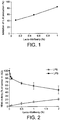
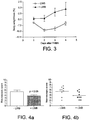
- Lacto-Wolfberry inhibited in vitro the LPS-mediated release of the pro-inflammatory cytokine IL-6 by a murine macrophage cell line ( Figure 1 ) and LPS-mediated NF- ⁇ B activation in human intestinal epithelial cells ( Figure 2 ).
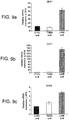
- LWB Dietary supplementation with LWB demonstrated strong anti-inflammatory properties in a murine model of acute intestinal inflammation. Oral administration of 1% LWB resulted in an improvement of body weight loss ( Figure 3 ), macroscopic and histological lesions ( Figure 4 and 5 ), significant reduction of COX-2 and pSTAT3 expression levels ( Figure 6 and 7 ). In addition, expression of pro-inflammatory genes, such as TNF ⁇ , IL-6 and IL-1 ⁇ and proteins such as KC in the colon were reduced compared to the control group ( Figure 8 ). In parallel, LWB induced a strong increase of anti-oxidant genes such as GPX-1, CAT1 and SOD2 ( Figure 9 ) in the colon and increased anti-oxidant defenses in the plasma ( Figure 10 ).
Landscapes
- Health & Medical Sciences (AREA)
- Life Sciences & Earth Sciences (AREA)
- Chemical & Material Sciences (AREA)
- Animal Behavior & Ethology (AREA)
- Medicinal Chemistry (AREA)
- Veterinary Medicine (AREA)
- Public Health (AREA)
- General Health & Medical Sciences (AREA)
- Pharmacology & Pharmacy (AREA)
- Engineering & Computer Science (AREA)
- Chemical Kinetics & Catalysis (AREA)
- Nuclear Medicine, Radiotherapy & Molecular Imaging (AREA)
- Organic Chemistry (AREA)
- General Chemical & Material Sciences (AREA)
- Bioinformatics & Cheminformatics (AREA)
- Natural Medicines & Medicinal Plants (AREA)
- Immunology (AREA)
- Diabetes (AREA)
- Dermatology (AREA)
- Neurology (AREA)
- Neurosurgery (AREA)
- Biomedical Technology (AREA)
- Alternative & Traditional Medicine (AREA)
- Epidemiology (AREA)
- Mycology (AREA)
- Microbiology (AREA)
- Medical Informatics (AREA)
- Botany (AREA)
- Biotechnology (AREA)
- Endocrinology (AREA)
- Rheumatology (AREA)
- Obesity (AREA)
- Cardiology (AREA)
- Heart & Thoracic Surgery (AREA)
- Toxicology (AREA)
- Physical Education & Sports Medicine (AREA)
- Orthopedic Medicine & Surgery (AREA)
- Hematology (AREA)
- Hospice & Palliative Care (AREA)
- Psychiatry (AREA)
Description
- The present invention relates in general to the field of inflammation of the skin. In particular the present invention relates to the use of natural compounds for the preparation of a dermatological composition as a food supplement, for the prevention and/or the treatment of inflammation of the skin and related disorders.
- Inflammation is the complex biological response of tissues to harmful stimuli, such as pathogens, damaged cells, or irritants. It is generally a protective attempt by the organism to remove the injurious stimuli as well as initiate the healing process for the tissue. However, insufficiently regulated inflammation can lead to several diseases irrespective of the age of the subject.
- Ageing is associated with a dysregulation of the immune system, such as a noted decline in cell-mediated immune response concomitant with an increased humoral immune dysfunction (e.g. lower response to vaccine). Aging is furthermore often associated with a status of low-grade inflammation. Consequently, in particular many elderly subjects are at increased risk of infectious and non-infectious diseases that contribute to morbidity and mortality.
- Wolfberry is already known for its multiple health benefits, based on is multi-nutrients (e.g. zeaxanthin, vitamins and Lycium barbarum polysaccharides) composition.
- However, there remains a need in the art to have available natural compounds that have anti-inflammatory properties.
- For example, nutritional intervention such as with n-3 PUFA (poly unsaturated fatty acid) diminished inflammatory cell functions, but also decreased cell-mediated immune response (e.g. lymphocyte proliferation and NK activity), which can lead to potential detrimental effects with regard to the host defence.
- Hence it was the object of the present invention to provide the art with an alternative natural compound that has anti-inflammatory properties and that does not have any detrimental effects with regard to the subject's immune defence.
- The present inventors were surprised to find that a composition comprising wolfberry fruits and milk or a milk-protein containing carrier as a food supplement has anti-inflammatory properties of the skin. It was also found that the immune response was maintained.
- In particular, the present invention relates to the use as defined in
claims 1 to 5 of a composition comprising wolfberries (Lycium barbarum) fruits and milk or a milk-protein containing carrier. - The milk or milk protein can be derived from animal or plant origin, or from mixtures thereof. Preferably, the milk is cows milk, lama milk, buffalo milk, goat milk, sheep milk, vegetable milk, in particular soy milk or a mixture thereof. Milk protein is to be understood as a protein fraction obtainable from one or more of the milk types listed above.
- Preferably, the primary composition is a miscible composition.
- Advantageously, it has a close profile of the essential active components of whole wolfberries, it has a good stability, miscibility and/or dispersibility in aqueous systems.
- Moreover, the composition has an enhanced nutritional value, in the form of a better bioavailability and stability. It has a pleasant taste and colour. It can be used directly or concentrated or dried into powder for several applications into daily-consumed food products or other nutritional uses.
- All these features can be achieved if the primary composition is prepared by a process for preparing the primary composition to deliver the essential lipophilic and/or hydrophilic bioactive components of wolfberries comprising the steps of: i) mixing and milling wolfberry material in milk or milk protein-containing liquid medium, ii) optionally separating insoluble fibers to obtain an aqueous suspension iii) optionally pasteurising the resulting suspension iv) optionally adding synthetic or natural bioactive components during the processing v) and further optionally drying the suspension to obtain a powder.
- Consequently, according to the present invention, the composition is obtainable by a process comprising the steps of : i) mixing and milling wolfberry material in milk or milk protein-containing liquid medium, ii) separating insoluble fibers to obtain an aqueous suspension iii) optionally pasteurising the resulting suspension iv) optionally adding synthetic or natural bioactive components during the processing v) and further optionally drying the suspension to obtain a powder. This process has the major advantage of being natural and cost effective enabling improved delivery of multi-nutrients in the form of a combination of stabilized water- and fat-soluble compounds in their natural compositions, free of organic solvent residues.
- The text describes a method for increasing miscibility or dispersibility in an aqueous system, stability, and bioavailability of bioactive compounds of wolfberry material using a process as described above, by using milk or milk proteins, soy milk or milk-like proteins from plants for delivering the multi-nutrients of functional ingredients of wolfberries.
- A primary composition as described above can be used for delivering the multi-nutrients of functional ingredients of wolfberries with improved bioavailability, miscibility and stability.
- Wolfberries may be used, e.g., in the form of fruits and other parts of the plant. The composition used according to the invention comprises wolfberries (Lycium barbarum) fruits. Fruits may be used in the form of fresh, concentrated or dried materials, for example, air or freeze dried material. It is however preferred to use dried ripe fruit.
- The primary composition comprises at least a part of the essential lipophilic and/or hydrophilic bioactive components of wolfberries.
- The essential lipophilic and/or hydrophilic bioactive components are preferably selected from the group consisting of lipids, alkaloids, proteins, carbohydrates, glycoproteins, carotenoids, polyphenolic compounds such as flavonoids, vitamins, minerals, or mixtures thereof.
- The carotenoids may be selected from the group consisting of carotenes and xanthophylls such as lycopene, carotene, phytofluene, phytoene, canthaxanthin, beta-cryptoxanthin, capsanthin, lutein, zeaxanthin, or those in the form of fatty acid esters, or mixtures thereof.
- The glycoproteins are preferably selected from the group consisting of arabinogalactan proteins, in particular Lycium barbarum polysaccharide and macromolecules that can be detected by the beta-glucosyl Yariv reagent.
- The flavonoids are preferably selected from the group consisting of flavones such as apigenin, luteolin or diosmetin, flavonols such as quercetin, myricetin, kaempferol, flavanones, anthocyanidins such as pelargonidin, malvidin, or isoflavones such as genistein, daidzein, or mixtures thereof.
- The primary composition may contain at least the essential bioactive components of wolfberries excluding insoluble fibres, in a milk or milk protein-containing carrier. The milk carrier may be in the form of skimmed milk or whole milk from animal or plant origin (e. g. soy milk, juice or coconut milk, etc..). In a more preferred embodiment, cow's milk or soy milk are used, depending on the primary composition which is desired. The milk-containing carrier may be any edible liquid containing milk proteins such as caseins or whey proteins, for example.
- Vegetable oils may optionally be added to the liquid medium.
- The wolfberry material may be mixed and milled in said milk or milk protein-containing liquid medium in a respective ratio of about 1:1 to 1:1000, preferably from 1:5 to 1:50. The mixing and milling step may be carried out at a temperature of from 1 to 95°C, preferably from about 20 to 80°C and more preferably from 40 to 80°C. Then, insoluble fibres may be at least partially removed to obtain an aqueous suspension.
- This can be done by any conventional method. The resulting primary composition may be further pasteurized and/or dried into a powder by techniques known in the art. The primary composition obtained may also be in liquid or gel form.
- The present invention thus provides a primary composition having a similar profile of the important nutrients as the whole fruit, it has a good stability, miscibility and bioavailability. These compositions may be highly dispersible in an aqueous system, if the powder form is chosen. In this case, the powder is dispersible in cold or hot water, for example. It can equally well be added in milk.
- The composition may additionally comprise one or more of emulsifiers, stabilizers, antioxidants and other additives. Use is preferably made of emulsifiers compatible in food, such as phospholipids, for example lecithin, polyoxyethylene sorbitan mono- or tristearate, monolaurate, monopalmitate, mono- or trioleate, a mono- or diglyceride.
- Use may also be made of any type of stabilizer that is known to be usable in food supplements, in cosmetics or in pharmaceuticals.
- Use may be made of any type of antioxidants that is known to be usable in food supplements, in cosmetics or in pharmaceuticals.
- Use may be further made of additives, of flavourings, of colorants known to be usable in food supplements, cosmetics or pharmaceuticals.
- The emulsifiers, stabilizers, antioxidants and additives may be added in accordance with the intended final use of the primary composition.
- The composition may further contain synthetic or natural bioactive ingredients such as amino acids, fatty acids, vitamins, minerals, carotenoids, polyphenols, etc. that can be added preferably either by dry or by wet mixing to said composition before pasteurization and/or drying.
- The product described in the text may be a dietary or food supplement, a supplement to be used as or in a medicament.
- According to the invention, the product is used for oral administration as a food supplement.
- In a preferred embodiment of the present invention the product is intended for use by and/or application to humans or pets.
- The product can be administered to subjects of any age, in particular infants, children, adolescents, adults and/or elderly. However, the benefits of wolfberries appear to be in particular well suited for adults and the elderly.
- According to a preferred embodiment of the present invention the product prepared by the use of the present invention is intended for human consumption in or as a food supplement.
- According to the invention, the composition is used in a food supplement for oral administration.
- The product as a nutritional supplement for oral administration according to the invention may be present in capsules, gelatin capsules, soft capsules, tablets, sugar-coated tablets, pills, pastes or pastilles, gums, or drinkable solutions or emulsions, a syrup or a gel. The dose of the primary composition may be varied depending on the intended purposes by those of skill in the art but will generally be between about 0.1 to 100 weight-% of the primary composition. Such a supplement might also include a sweetener, a stabilizer, an antioxidant, an additive, a flavouring agent and/or a colorant. A supplement for a cosmetic purpose might additionally comprise a compound active with respect to the skin.
- In therapeutic applications, compositions are administered in an amount sufficient to at least partially cure or arrest the symptoms of the disease and its complications. An amount adequate to accomplish this is defined as "a therapeutically effective dose". Amounts effective for this purpose will depend on a number of factors known to those of skill in the art such as the severity of the disease and the weight and general state of the patient. In prophylactic applications, compositions are administered to a patient susceptible to or otherwise at risk of a particular disease in an amount that is sufficient to at least partially reduce the risk of developing a disease. Such an amount is defined to be "a prophylactic effective dose". Again, the precise amounts depend on a number of patient specific factors such as the patient's state of health and weight.
- The compounds if administered as a pharmaceutical composition are preferably administered with a pharmaceutically acceptable carrier, the nature of the carrier differing with the mode of administration, for example, enteral, oral and topical (including ophthalmic) routes. The desired formulation can be made using a variety of excipients including, for example, pharmaceutical grades of mannitol, lactose, starch, magnesium stearate, sodium saccharin, cellulose, magnesium carbonate.
- It will be appreciated that the skilled person will, based on his own knowledge select the appropriate components and galenic form to target the active compound to the tissue of interest, e.g. the skin, colon, stomach, eyes, kidney or liver, taking into account the route of administration.
- Administering a nutritional supplement according to the invention or pharmaceutical composition as described above, results in an improved health, in particular by at least partially reducing inflammation.
- The inflammation that can be treated by applying the product prepared by the use described in the text can be selected from the group consisting of skin inflammations and related disorders such as burns,such as UV or chemical-induced skin inflammation, eczema, reactive skin, psoriasis, vitiligo, acne, atopic dermatitis and skin imperfections.
The product prepared according to the invention is for use in treating and/or preventing skin inflammation selected from the group consisting of UV or chemical-induced skin inflammation, eczema, psoriasis, vitiligo, acne and atopic dermatitis. - The reactivity of the skin is a response of the skin to specific compounds (synthetic or natural) or environmental factors (UV, pollution, cold...) that applied to or in contact with the skin surface induce more often skin redness, pain, of smarting, tightness and leads to important discomfort.
- Then following irritation, skin reacts to restaure the impaired cutaneous homeostasis and repairs the induced damages. The skin response may be infra-clinical. However, this response of skin tissue is very uncomfortable for the subject in contact with irritating agent.
- When irritants reach the skin, they can induce an irritating effect by themselves but they can also react with some substances present in cells of tissues and then release other substances such as cytokines. These cytokines can act in the skin to increase the inflammatory response and /or recruit other blood cells involved in the inflammatory process. At the end, this inflammatory cascade leads to a reaction of the skin, mainly skin irritation. According to the quality and the quantity of the irritating agent, subjects can have some discomforts such as skin warming, of smarting, tightness, itching and/or skin redness, oedema.
- The present inventors have investigated the molecular mechanism of the anti-inflammatory effect primary composition of the present invention. Without wishing to be bound by theory the inventors presently believe that it suppresses the LPS-mediated pro-inflammatory cytokine production by macrophages (
Figure 1 ) and TNF-α- or LPS-induced NF-κB activation (Figure 2 ) pathway in human intestinal epithelial cells. In preclinical studies, dietary supplementation with the primary composition of the present invention demonstrated strong anti-inflammatory properties in a murine model of acute intestinal inflammation (Figures 3 to 10 ). In addition, the primary composition of the present invention was further capable of reducing the expression of pro-inflammatory cytokines, such as TNF-α, in the liver of aged mice (Figure 11 ). Furthermore, dietary supplementation with the primary composition of the present invention enhanced antigen-specific humoral and cell-mediated immune responses in aged mice (Figure 12 and 13 , respectively). Thus, primary composition of the present invention was shown to be beneficial in reducing the inflammatory status. At the same time, the primary composition of the present invention further is capable of supporting the immune system. Consequently, the product prepared by the use of the present invention can be used to reduce the inflammatory status and - simultaneously - to boost the immune system.
Hence, the primary composition of the present invention has the potential to bring the impaired immune and inflammatory response back to homeostasis. By this dual effect, the primary composition of the present invention is, e.g., suitable for the use in products for elderly.
In particular the primary composition of the present invention is beneficial in maintaining the immune function during ageing while reducing the age-related low-grade inflammatory status of the skin. - Additionally, the primary composition or dermatological product described in the text may be used treat or prevent disorders related to oxidative stress. The inventors have shown that the application of the primary composition and/or the product described in the text can induce a strong increase of anti-oxidant genes such as GPX-1, CAT1 and SOD2 (
Figure 9 ). Consequently, the primary composition and/or the product described in the text may provide protection against oxidative stress, caused for example by free radicals, such as •O2-, the superoxide anion; H2O2, hydrogen peroxide; •OH, the hydroxyl radical; ROOH, organic hydroperoxide; RO•, alkoxy radicals; ROO•, peroxy radicals; HOCI, hypochlorous acid; OONO-, peroxynitrite; and/or NO•. - Further advantages and features of the present invention will be apparent from the following examples and figures.
-
Figure 1 shows the inhibition of LPS-mediated IL-6 production by LWB in the murine macrophage cell line (RAW cells). -
Figure 2 shows the inhibition of LPS-mediated NF-κB activation by LWB in human intestinal epithelial cell line (HT-29 stably transfected with a NF-κB reporter gene)Figure 3 shows the body weight loss after TNBS administration. Mean+/-SEM -
Figure 4 shows the macroscopic score evaluation. Right panel: Mean +/- SEM; Left panel: Individual values and median -
Figure 5 shows the histological score evaluation. Right panel: Mean +/- SEM; Left panel: Individual values and median -
Figure 6 shows the ratio of COX-2 on reference protein (actin). Right panel: Mean +/- SEM; Left panel: Individual values and median -
Figure 7 shows the pSTAT3 expression. Right panel: Mean +/- SEM; Left panel: Individual values and median -
Figure 8 shows the expression of pro-inflammatory genes, such as TNFα, IL-6 and IL-1β and proteins such as KC in a murine model of acute intestinal inflammation without and with supplementation of LWB. -
Figure 9 shows the expression of anti-oxidant genes such as GPX-1, CAT1 and SOD2 in a murine model of acute intestinal inflammation without and with supplementation of LWB. -
Figure 10 shows the anti-oxidant capacity. Right panel: Mean +/- SEM; Left panel: Individual values and median -
Figure 11 shows the expression of the gene encoding for TNF-α in the liver of aged mice supplemented with LWB compared to the levels observed in the liver of normal aged mice (H20) and adult mice (CTRL). -
Figure 12 shows the antigen (KLH)-specific antibody response in aged mice. -
Figure 13 shows the cell-mediated immune delayed-type hypersensitivity (DTH) response in aged mice. - Dried wolfberry fruits (40 g) and whole milk (300 g) were introduced in a 1-liter container. The mixture was kept to stand for 10 minutes and treated with Polytron (Dispersing and Mixing Technology by KINEMATICA, PT3000) at 26000 rpm for 15 minutes under a nitrogen atmosphere. During the Polytron-treatment the temperature of the mixture was maintained at 80-85 °C by means of water bath and cooled to room temperature afterwards. The resulting mixture was then centrifuged at 2000 G for 10 minutes. The solid residue is discarded. The liquid phase (306 g of orange-yellow milk) was freeze dried. The dried product is finally grinded to give 54 g of orange-yellow powder, which had shown very god water-dispersible property and improved stability of zeaxanthin compared to wolfberry fruit powder,
- Lacto-Wolfberry (LWB) powder from the pilot batch N°WB03A1506H produced at the NRC (Nestlé Research Center; Lausanne) as described above and Wolfberry extract powder (batch N°WB03A1506H) were provided by J. Wang (FS, Lipids & Bioactives). Lipopolysaccharide (LPS) from E. coli serotype 055:B5 was purchased from Sigma (St. Louis, MO). Human breast milk (HM) was collected from different healthy donors at 20 days post partum following ethical committee approval. Keyhole Limpet Haemocyanin (KLH) was purchased from Sigma.
- The mouse monocyte/macrophage cell line RAW 264.7 (TIB-71 from ATCC, Manassas, Virginia, USA) was maintained in Dulbecco's modified Eagle medium (DMEM, Amimed, Bioconcept, Allschwill, Switzerland) supplemented with 10% heat-inactivated FCS (Amimed) and 1% Penicillin/Streptomycin (Invitrogen, Paisley, UK) at 37°C in a 5% CO2/air incubator. Cells were sub-cultured using trypsin/EDTA (Sigma, St-Louis, MO, USA). The human colonic adenocarcinoma cell line HT-29 clone 34 cells (i.e. HT-29 cells stably transfected with a NF-□B reporter gene) were maintained in high glucose (4.5 g/l) DMEM (Bioconcept, Allschwill, Switzerland) containing 1% stable L-glutamine and supplemented with 10% heat-inactivated (one hour at 56°C) FCS, 1% penicillin/streptomycin (Sigma, St Louis, MO), 500 µg/ml of G418 (Invitrogen) and 100 µg/ml of Normocin (Invivogen) at 37°C in a 5% CO2/air incubator. Culture medium was changed every 2 days until the cell monolayers reached ∼ 90% confluence. Cells were sub-cultured using trypsin/EDTA (Sigma).
- RAW 264.7 cells were seeded at 104 cell/well in 96-flat bottom well plates (Nunc, Rosklide, Denmark) in normal culture medium at 37°C in a 5% CO2/air incubator. After 3 days of culture (i.e. cells reaching ∼ 80% of confluence), cells were stimulated or not with 0.5 µg/ml E. coli LPS (055:B5, Sigma) in the absence or the presence of LWB samples (0.1 - 1% final concentration) for 24 hours in normal culture media. Cell culture supernatants were then harvested and used to quantify IL-6 production. Interleukin-6 (IL-6) levels in cell culture supernatant were determined by ELISA (Murine IL-6 Eli-pair, Diaclone, Besançon, France) according to manufactor's instructions.
- HT-29 clone 34 cells were seeded at 104 cell/well in 96-flat bottom well plates (Nunc) in culture maintenance media. After 3-4 days of culture (i.e. cells reaching ∼ 80% confluence), cells were washed in phosphate buffer saline (PBS) (Sigma) and then stimulated or not with LPS (10 ng/ml + 5% human milk) or recombinant TNF-α (10 ng/ml; R&D systems, Oxon, England) in the absence or the presence of LWB samples for 24 hours in DMEM containing 1% penicillin/streptomycin. Cell culture supernatants were then harvested and stored at +4°C O/N until analysis of NF-κB activity. Following NF-κB activation, HT-29 clone 34 cells secrete alkaline phosphatase (SEAP) in the culture supernatant. SEAP release was measured using a fluorescence detection method (Phospha-Light™ System) following the manufacturer's instruction (Applied Biosystems, Bedford, USA). Briefly, cell culture supernatants were incubated with reaction buffer from Phospha-Light™ System for 20 min in a white 96-well flat bottom polypropylen plate (Greiner) and luminescence was measured using the Spectrafluor Plus spectrometer (Tecan 8634 Hombrechtikon, Switzerland). Results are expressed as relative luminescence units (RLU)
- The TNBS colitis model is a model of acute inflammation induced by the chemical product: trinitrobenzene sulphonic acid (TNBS) at the dose of 150 mg/kg. Ten mice per group have been fed with diet containing 1% of LWB (50 mg) seven days before colitis induction and until sacrifice. From
day 1 today 4 after TNBS administration, 50 mg of LWB have been given by gavage to compensate for the lower food intake associated with acute intestinal inflammation. For each animal body weight loss, macroscopic, histological score, COX-2, pSTAT3, pro-inflammatory and anti-oxidant genes expression and anti-oxidant power were assessed. Macroscopic and histological score were performed following the scoring criteria of Wallace (Wallace et al, 1989) and Ameho (Ameho et al, 1997). COX-2, the inducible form of cyclooxygenase, a 72kDa protein, is responsible for the inducible biosynthesis of prostaglandins under acute inflammatory conditions. Stat3 is a key signalling molecule for many cytokines; in particular for pro-inflammatory cytokines as IL-6. - Specific pathogen-free male C57BL/6J mice (4-weeks old) were purchased from Charles River Laboratories Inc. (France). Mice were housed under conventional circumstances (12 hours light/dark cycle, temperature 22°C, humidity 56%) and received water and semi-synthetic Kliba 3434 diet ad libitum. Until the age of 5 months, mice were maintained at 5 per cage and then they were individually caged. All conditions and handling of the animals were approved by the Nestle and state ethical committees with the agreement of the Swiss Federal Veterinary Advisor. At 21-months old mice were randomised into 2 groups of 10 animals. Control non-supplemented mice (H20, n=10 per age group) and LWB-supplemented mice (LWB, n=10 per age group) received a semi-synthetic diet (AIN-93). LWB was provided as a 0.5% (w/v) solution in the drinking water, which was freshly prepared and changed every other day. During the trial (44 days), all mice were allowed to drink and eat ad libitum. The same study design was performed twice and also performed with 8-months old mice (n=8 per group). To study the in vivo T cell-dependent humoral response (antigen-specific antibody production) aged mice were immunized on
day 15 of the trial by subcutaneous injection (100 µl) of an inert antigen Keyhole Limpet Haemocyanin (KLH, Sigma) at 100 µg in 1% Alum (Brenntag Biosector, Frederikssund, Denmark). The DTH response was used as an in vivo measure of cellular immunity. Measurements of ear thickness (ear swelling) taken prior to, and 24 hours to 8 days following, elicitation allowed for determination of the ability to generate a DTH response. Briefly, 7 days after immunisation of the mice with KLH (i.e. day 22 of trial), DTH responses were elicited by injecting the recall-antigen KLH (10 µl of 0.5 µg/ml) into each mouse's right ear. The left ears were injected with vehicle alone (saline = PBS) and served as internal controls for each animal. At 24 hours post-elicitation, and during the following 7 days, both the non-elicited (left ear) and the elicited ears (right ear) were measured. DTH responses (KLH-PBS) were expressed as the magnitude of ear swelling, i.e. the change in ear thickness using the following formula: Δ in ear thickness - [elicited ear (right, KLH) ear sickness - non-elicited (left, PBS) ear sickness], where Δ in ear thickness = [post-elicitation - pre-elicitation ear thickness]. Blood samples were collected ondays - Amounts of KLH-specific IgG2a antibodies in the sera were determined by ELISA. Briefly, microtiter plates were coated with KLH (50 µl/well at 100 ng/ml) and incubated at 37°C during 3 hours. Free binding sites were blocked with ELISA buffer for 1 hour at 37°C. Samples were then added and incubated at +4°C overnight. Bound antibodies were reacted 1 hour at 37°C while shaking with a biotin-conjugated goat anti-mouse IgG2a (γ2a chain specific) from Southern Biotechnologies (Birmingham, USA). Plates were read at 450 nm after the addition of the TMB peroxydase substrate from KPL. Anti-KLH IgG2a antibody levels were expressed as means OD450nm values.
- Liver samples were transferred into 1 ml of RNA lysis buffer (Macherey-Nagel, Düren, Germany) and homogenized using Ribolyzer (Hybaid, Waltham, MA, USA) with the following setting: power at 6 for 20 seconds. RNA extraction was conducted using a commercially available kit (NucleoSpin RNA II Kit; Macherey-Nagel, Düren, Germany). RNA quantification was achieved using the Ribogreen RNA Quantitation Kit (Molecular Probes; Eugene, Oregon USA), and RNA quality was assayed using Agilent RNA 6000 Nano LabChip Kit (Agilent Technologies, Palo Alto, USA). Total RNA (2 µg) was reverse transcribed using Multiscribe reverse transcriptase following manufacturer's instructions (Applied biosystems, Biosystems; Rokreutz, Switzerland). Custom-made low density arrays (LDA) with 48 TaqMan probes (loading capacity: 8 samples per card in technical monoplicates) were purchased from Applied Biosystems (Foster City, USA) and used according to manufacturer instruction's. Gene expression was calculated using the relative quantification method ΔΔCt method with SDS 2.2.2 software (Applied Biosystems). The resulting cycle threshold (Ct) values were exported into MS Excel (Microsoft, USA) for further analysis. Briefly, the ΔCt value (i.e. Ct value of the target gene - Ct value of the GAPDH housekeeping gene) was first calculated and then the relative mRNA expression was determined using the following formula: 2-ΔCt x 106.
- Data were analysed by means +/- SEM or SD, and the Student's T test (unpaired) or two-way ANOVA when appropriate. Probability values of less than 5% were considered as significant.
- Solution of Lacto-Wolfberry (LWB) inhibited in vitro the LPS-mediated release of the pro-inflammatory cytokine IL-6 by a murine macrophage cell line (
Figure 1 ) and LPS-mediated NF-κB activation in human intestinal epithelial cells (Figure 2 ). - Dietary supplementation with LWB demonstrated strong anti-inflammatory properties in a murine model of acute intestinal inflammation. Oral administration of 1% LWB resulted in an improvement of body weight loss (
Figure 3 ), macroscopic and histological lesions (Figure 4 and5 ), significant reduction of COX-2 and pSTAT3 expression levels (Figure 6 and7 ). In addition, expression of pro-inflammatory genes, such as TNFα, IL-6 and IL-1β and proteins such as KC in the colon were reduced compared to the control group (Figure 8 ). In parallel, LWB induced a strong increase of anti-oxidant genes such as GPX-1, CAT1 and SOD2 (Figure 9 ) in the colon and increased anti-oxidant defenses in the plasma (Figure 10 ). - Dietary supplementation with LWB (0.5% in drinking water) induced a reduction of expression of inflammation-related genes in the liver of aged mice to levels observed in adult mice (
Figure 11 : as an example, gene encoding for TNF-α). - Dietary supplementation with LWB (0.5% in drinking water) improved both humoral (
Figure 12 ) and celle-mediated immune response (Figure 13 ) in aged mice.
Claims (5)
- Use of a composition comprising wolfberries (Lycium barbarum) fruits and milk or a milk-protein containing carrier for the preparation of a dermatological product for oral administration as a food supplement, for use in treating and/or preventing skin inflammation selected from the group consisting of UV or chemical-induced skin inflammation, eczema, psoriasis, vitiligo, acne and atopic dermatitis wherein the composition and/or the product excludes insoluble fibers,
wherein the composition is obtainable by a process comprising the steps of: i) mixing and milling wolfberry fruits in milk or milk protein-containing liquid medium, ii) separating insoluble fibers to obtain an aqueous suspension iii) optionally pasteurising the resulting suspension iv) optionally adding synthetic or natural bioactive components during the processing v) and further optionally drying the suspension to obtain a powder. - Use in accordance with claim 1 wherein the product is used for human consumption in or as a food supplement.
- Use in accordance with one of claims 1-2 wherein the product is a tablet, a capsule, a pill, a solution, a suspension, a syrup, a powder, a gel, a dried oral supplement or a wet oral supplement.
- Use in accordance with one of claims 1-3 wherein the milk is from animal or plant origin, or mixtures thereof; preferably the milk is cows milk, lama milk, buffalo milk, goat milk, sheep milk, vegetable milk, in particular soy milk or a mixture thereof.
- Use in accordance with one of claims 1-4 wherein the product is used by infants, children, adolescents, adults and/or the elderly.
Priority Applications (1)
| Application Number | Priority Date | Filing Date | Title |
|---|---|---|---|
| EP08804097.7A EP2200624B1 (en) | 2007-09-12 | 2008-09-12 | Wolfberries and skin inflammation |
Applications Claiming Priority (3)
| Application Number | Priority Date | Filing Date | Title |
|---|---|---|---|
| EP07116190A EP2036568A1 (en) | 2007-09-12 | 2007-09-12 | Wolfberries and inflammation |
| EP08804097.7A EP2200624B1 (en) | 2007-09-12 | 2008-09-12 | Wolfberries and skin inflammation |
| PCT/EP2008/062132 WO2009034165A1 (en) | 2007-09-12 | 2008-09-12 | Wolfberries and skin inflammation |
Publications (2)
| Publication Number | Publication Date |
|---|---|
| EP2200624A1 EP2200624A1 (en) | 2010-06-30 |
| EP2200624B1 true EP2200624B1 (en) | 2018-09-05 |
Family
ID=38984201
Family Applications (3)
| Application Number | Title | Priority Date | Filing Date |
|---|---|---|---|
| EP07116190A Withdrawn EP2036568A1 (en) | 2007-09-12 | 2007-09-12 | Wolfberries and inflammation |
| EP08804087A Withdrawn EP2200623A1 (en) | 2007-09-12 | 2008-09-12 | Wolfberries and inflammation |
| EP08804097.7A Active EP2200624B1 (en) | 2007-09-12 | 2008-09-12 | Wolfberries and skin inflammation |
Family Applications Before (2)
| Application Number | Title | Priority Date | Filing Date |
|---|---|---|---|
| EP07116190A Withdrawn EP2036568A1 (en) | 2007-09-12 | 2007-09-12 | Wolfberries and inflammation |
| EP08804087A Withdrawn EP2200623A1 (en) | 2007-09-12 | 2008-09-12 | Wolfberries and inflammation |
Country Status (15)
| Country | Link |
|---|---|
| US (2) | US20100303741A1 (en) |
| EP (3) | EP2036568A1 (en) |
| JP (1) | JP2010540415A (en) |
| CN (2) | CN101795699B (en) |
| AR (1) | AR068448A1 (en) |
| AU (1) | AU2008297074A1 (en) |
| BR (1) | BRPI0816789A2 (en) |
| CA (2) | CA2699233C (en) |
| CL (1) | CL2008002692A1 (en) |
| ES (1) | ES2698199T3 (en) |
| MX (1) | MX2010002499A (en) |
| PT (1) | PT2200624T (en) |
| RU (1) | RU2499604C2 (en) |
| TW (1) | TW200930389A (en) |
| WO (2) | WO2009034162A1 (en) |
Families Citing this family (17)
| Publication number | Priority date | Publication date | Assignee | Title |
|---|---|---|---|---|
| TW201021821A (en) * | 2008-12-10 | 2010-06-16 | Fl Dauern Res Inc | Formulations and methods for maintaining normal levels of catecholamines, glucocorticoids, androsteroids and their related hormones |
| JP5771611B2 (en) * | 2009-09-02 | 2015-09-02 | アクセス ビジネス グループ インターナショナル エルエルシーAccess Business Group International Llc | Compositions and methods for skin repair |
| US20110159121A1 (en) * | 2009-12-24 | 2011-06-30 | LifeSpan Extension, LLC | Methods and compositions for identifying, producing and using plant-derived products for modulating cell function and aging |
| CA2839524C (en) | 2011-06-20 | 2016-05-17 | H.J. Heinz Company | Probiotic compositions and methods |
| CN103027879A (en) * | 2011-09-29 | 2013-04-10 | 庞来祥 | Wolfberry lipstick with moisturizing function and its preparation method |
| CN104363774A (en) | 2012-04-23 | 2015-02-18 | 奥斯陆大学 | Use of tomato extract as antihypertensive agent and method for manufacturing water-soluble sugar-free tomato extract |
| GB201223365D0 (en) | 2012-12-24 | 2013-02-06 | Provexis Natural Products Ltd | Compositions |
| CN105997774A (en) * | 2016-05-10 | 2016-10-12 | 芜湖亮晶晶生物科技有限公司 | Hemostatic and anti-inflammatory toothpaste and preparation method thereof |
| CN118217345A (en) | 2016-11-02 | 2024-06-21 | 普罗维斯天然产物有限公司 | Water-soluble tomato extract protects against adverse effects of air pollution |
| CN106667937B (en) * | 2017-01-03 | 2020-01-17 | 河北省农林科学院经济作物研究所 | Lycium ruthenicum polysaccharide chewable tablet |
| TWI727584B (en) | 2019-06-20 | 2021-05-11 | 財團法人工業技術研究院 | Composition for inhibiting skin cell proliferation and/or anti-inflammatory and use of apigenin and luteolin in manufacture of a composition for inhibiting skin cell proliferation and/or anti-inflammatory |
| CN110742883A (en) * | 2019-12-05 | 2020-02-04 | 华南农业大学 | Application of dihydromyricetin in alleviating intestinal cell damage caused by DON |
| CN112022767B (en) * | 2020-09-17 | 2023-04-07 | 云南省药物研究所 | Anti-inflammatory antibacterial immunity-enhancing acne-removing composition and application thereof |
| MX2024007249A (en) * | 2021-12-20 | 2024-07-10 | Nestle Sa | Process for preparing a berry composition. |
| CN114209810B (en) * | 2022-01-06 | 2023-02-07 | 宁夏杞肽科技有限公司 | Application of lycium barbarum glycopeptide in preparation of medicine for preventing or treating inflammatory bowel disease |
| JP7587294B2 (en) * | 2022-04-01 | 2024-11-20 | 丸善製薬株式会社 | Type I collagen production promoter in normal human gingival fibroblasts and oral preparation |
| CN118662572A (en) * | 2024-05-31 | 2024-09-20 | 北京工商大学 | Preparation and application of Chinese wolfberry fruit water extract with effects of delaying skin photoaging and inhibiting inflammation |
Family Cites Families (12)
| Publication number | Priority date | Publication date | Assignee | Title |
|---|---|---|---|---|
| CN1100949A (en) * | 1994-03-11 | 1995-04-05 | 李启才 | Cherokee rose health-care series products and preparing method thereof |
| CN1135338A (en) * | 1995-05-06 | 1996-11-13 | 孙秀英 | Health-care tea of kidney and wolfberry fruit |
| CN1296757A (en) * | 2000-07-09 | 2001-05-30 | 鄂来明 | Aloe-milk products |
| US7566698B2 (en) | 2001-12-28 | 2009-07-28 | Suntory Holdings Limited | 2-O-(β-D-glucopyranosyl) ascorbic acid, process for its production, and foods and cosmetics containing compositions comprising it |
| RU2302879C2 (en) * | 2002-04-09 | 2007-07-20 | Сычуан Институте Оф Чайниз Материа Медика | Pharmaceutical composition for treatment of rheumatism, method for its preparing and using |
| TW200515914A (en) * | 2002-11-08 | 2005-05-16 | Wackvom Ltd | Compositions containing an active fraction isolated from Lycium barbarum and methods of using the same |
| JPWO2005018656A1 (en) * | 2003-08-21 | 2006-10-19 | 株式会社カネカ | Cranial nerve cell death prevention and / or improvement agent |
| JP2007514668A (en) * | 2003-12-18 | 2007-06-07 | ユニリーバー・ナームローゼ・ベンノートシヤープ | How to reduce the effects of stress in skin diseases |
| MY142017A (en) | 2004-03-19 | 2010-08-16 | Nestec Sa | Composition comprising all essential nutrients of a fruit or a plant material with increased stability and bioavailability and process of forming the same |
| US20060024339A1 (en) * | 2004-07-29 | 2006-02-02 | Howard Murad | Methods of managing the redness associated with a dermatological condition |
| US7776915B2 (en) * | 2005-03-24 | 2010-08-17 | Tracie Martyn International, Llc | Topical formulations and methods of use |
| JP2007176814A (en) * | 2005-12-27 | 2007-07-12 | Yoshihiro Futamura | Zeaxanthin derivative having inhibiting action on production of inflammatory cytokine, and food product preparation, cosmetics, and anti-inflammatory agent comprising same |
-
2007
- 2007-09-12 EP EP07116190A patent/EP2036568A1/en not_active Withdrawn
-
2008
- 2008-09-10 CL CL2008002692A patent/CL2008002692A1/en unknown
- 2008-09-12 TW TW097135292A patent/TW200930389A/en unknown
- 2008-09-12 AU AU2008297074A patent/AU2008297074A1/en not_active Abandoned
- 2008-09-12 CN CN2008801060708A patent/CN101795699B/en not_active Expired - Fee Related
- 2008-09-12 WO PCT/EP2008/062122 patent/WO2009034162A1/en not_active Ceased
- 2008-09-12 JP JP2010524498A patent/JP2010540415A/en active Pending
- 2008-09-12 ES ES08804097T patent/ES2698199T3/en active Active
- 2008-09-12 EP EP08804087A patent/EP2200623A1/en not_active Withdrawn
- 2008-09-12 AR ARP080103994A patent/AR068448A1/en not_active Application Discontinuation
- 2008-09-12 RU RU2010114192/15A patent/RU2499604C2/en not_active IP Right Cessation
- 2008-09-12 WO PCT/EP2008/062132 patent/WO2009034165A1/en not_active Ceased
- 2008-09-12 US US12/677,978 patent/US20100303741A1/en not_active Abandoned
- 2008-09-12 BR BRPI0816789 patent/BRPI0816789A2/en not_active IP Right Cessation
- 2008-09-12 MX MX2010002499A patent/MX2010002499A/en active IP Right Grant
- 2008-09-12 CN CN2013102855067A patent/CN103417728A/en active Pending
- 2008-09-12 CA CA2699233A patent/CA2699233C/en not_active Expired - Fee Related
- 2008-09-12 EP EP08804097.7A patent/EP2200624B1/en active Active
- 2008-09-12 US US12/677,488 patent/US9072769B2/en active Active
- 2008-09-12 CA CA2698860A patent/CA2698860A1/en not_active Abandoned
- 2008-09-12 PT PT08804097T patent/PT2200624T/en unknown
Also Published As
| Publication number | Publication date |
|---|---|
| ES2698199T3 (en) | 2019-02-01 |
| CN101795699B (en) | 2013-07-10 |
| EP2036568A1 (en) | 2009-03-18 |
| CN103417728A (en) | 2013-12-04 |
| PT2200624T (en) | 2018-11-29 |
| US20100303741A1 (en) | 2010-12-02 |
| CN101795699A (en) | 2010-08-04 |
| AU2008297074A1 (en) | 2009-03-19 |
| CL2008002692A1 (en) | 2009-10-16 |
| EP2200624A1 (en) | 2010-06-30 |
| CA2699233A1 (en) | 2009-03-19 |
| BRPI0816789A2 (en) | 2015-03-17 |
| WO2009034165A1 (en) | 2009-03-19 |
| EP2200623A1 (en) | 2010-06-30 |
| AR068448A1 (en) | 2009-11-18 |
| US20100221372A1 (en) | 2010-09-02 |
| RU2499604C2 (en) | 2013-11-27 |
| CA2699233C (en) | 2019-03-19 |
| RU2010114192A (en) | 2011-10-20 |
| MX2010002499A (en) | 2010-04-27 |
| US9072769B2 (en) | 2015-07-07 |
| JP2010540415A (en) | 2010-12-24 |
| CA2698860A1 (en) | 2009-03-19 |
| WO2009034162A1 (en) | 2009-03-19 |
| TW200930389A (en) | 2009-07-16 |
| HK1146229A1 (en) | 2011-05-20 |
Similar Documents
| Publication | Publication Date | Title |
|---|---|---|
| US9072769B2 (en) | Wolfberries and skin inflammation | |
| Mahomoodally et al. | Nutritional, medicinal and functional properties of different parts of the date palm and its fruit (Phoenix dactylifera L.)–A systematic review | |
| KR101401555B1 (en) | Stable and bioavailable compositions of isomers of lycopene for skin and hair | |
| KR20130132548A (en) | Avocado flesh and/or skin extract rich in polyphenols and cosmetic, dermatological and nutraceutical compositions comprising same | |
| KR20180021674A (en) | Phyto complexes exhibiting multiple synergistic antioxidant activities useful in food, dietary supplements, cosmetic preparations and pharmaceutical preparations | |
| RU2423139C2 (en) | COMPOSITION CONTAINING Actinidia AND METHODS OF THEIR APPLICATION | |
| US20080175888A1 (en) | Combination Therapy Comprising Actinidia and Steroids and Uses Thereof | |
| US10406187B2 (en) | Method for treating neuroinflammation with a pharmaceutical composition containing Portulaca grandiflora hook. extract or fraction thereof as active ingredient | |
| KR101511699B1 (en) | Composition for improving atopic dermatitis containing mineral water | |
| KR20090111445A (en) | Pharmaceutical composition and health functional food for preventing and treating skin disease of immaculate acid and its Gagambang or immunity enhancement | |
| WO2013078659A1 (en) | Natural ingredients that improve blood vessel elasticity | |
| JP2018522923A (en) | Slimming and skin care composition and method for preparing the same | |
| HK1146229B (en) | Wolfberries and inflammation | |
| KR20200021434A (en) | Pharmaceutical composition for prevention or treatment of muscular disease comprising Codonopsis lanceolata extract as an active ingredient | |
| KR101468288B1 (en) | Pharmaceutical composition for prevention or treatment of Parkinson's disease comprising Eucommiae ulmoides extract or fraction thereof | |
| TW202606746A (en) | Composition for preventing hair loss and promoting hair growth comprising connarus conchocarpus extract | |
| JP6998044B2 (en) | Zinc transporter expression promoter | |
| JP2025033738A (en) | Composition for preventing or treating muscle loss-related diseases containing mixed plant extract powder as an active ingredient | |
| CN117835837A (en) | Composition comprising steamed ginger extract or 1-dehydro-6-gingerdione isolated therefrom as an active ingredient for preventing, improving or treating degenerative arthritis | |
| KR20230076929A (en) | Compositions for preventing hair loss or improving hair quality comprising sialyllactose | |
| EP2514429A1 (en) | Antioxidant | |
| CN101623245A (en) | Life essence for preventing dog and cat from falling | |
| KR20130033005A (en) | Itch moderating, inflammation moderating and low irritating cosmetic composition comprising herb extracts |
Legal Events
| Date | Code | Title | Description |
|---|---|---|---|
| PUAI | Public reference made under article 153(3) epc to a published international application that has entered the european phase |
Free format text: ORIGINAL CODE: 0009012 |
|
| 17P | Request for examination filed |
Effective date: 20100412 |
|
| AK | Designated contracting states |
Kind code of ref document: A1 Designated state(s): AT BE BG CH CY CZ DE DK EE ES FI FR GB GR HR HU IE IS IT LI LT LU LV MC MT NL NO PL PT RO SE SI SK TR |
|
| AX | Request for extension of the european patent |
Extension state: AL BA MK RS |
|
| DAX | Request for extension of the european patent (deleted) | ||
| TPAC | Observations filed by third parties |
Free format text: ORIGINAL CODE: EPIDOSNTIPA |
|
| 17Q | First examination report despatched |
Effective date: 20140911 |
|
| STAA | Information on the status of an ep patent application or granted ep patent |
Free format text: STATUS: EXAMINATION IS IN PROGRESS |
|
| RAP1 | Party data changed (applicant data changed or rights of an application transferred) |
Owner name: NESTEC S.A. Owner name: L'OREAL |
|
| GRAP | Despatch of communication of intention to grant a patent |
Free format text: ORIGINAL CODE: EPIDOSNIGR1 |
|
| STAA | Information on the status of an ep patent application or granted ep patent |
Free format text: STATUS: GRANT OF PATENT IS INTENDED |
|
| INTG | Intention to grant announced |
Effective date: 20180425 |
|
| RIN1 | Information on inventor provided before grant (corrected) |
Inventor name: BLUM-SPERISEN, STEPHANIE Inventor name: BALLEVRE, OLIVIER Inventor name: BUCHELI, PETER Inventor name: WANG, JUNKUAN Inventor name: VIDAL, KARINE Inventor name: PHILIPPE, DAVID |
|
| GRAS | Grant fee paid |
Free format text: ORIGINAL CODE: EPIDOSNIGR3 |
|
| GRAA | (expected) grant |
Free format text: ORIGINAL CODE: 0009210 |
|
| STAA | Information on the status of an ep patent application or granted ep patent |
Free format text: STATUS: THE PATENT HAS BEEN GRANTED |
|
| AK | Designated contracting states |
Kind code of ref document: B1 Designated state(s): AT BE BG CH CY CZ DE DK EE ES FI FR GB GR HR HU IE IS IT LI LT LU LV MC MT NL NO PL PT RO SE SI SK TR |
|
| REG | Reference to a national code |
Ref country code: GB Ref legal event code: FG4D |
|
| REG | Reference to a national code |
Ref country code: CH Ref legal event code: EP |
|
| REG | Reference to a national code |
Ref country code: AT Ref legal event code: REF Ref document number: 1037060 Country of ref document: AT Kind code of ref document: T Effective date: 20180915 |
|
| REG | Reference to a national code |
Ref country code: FR Ref legal event code: PLFP Year of fee payment: 11 |
|
| REG | Reference to a national code |
Ref country code: IE Ref legal event code: FG4D |
|
| REG | Reference to a national code |
Ref country code: DE Ref legal event code: R096 Ref document number: 602008056863 Country of ref document: DE |
|
| REG | Reference to a national code |
Ref country code: FR Ref legal event code: PLFP Year of fee payment: 12 |
|
| REG | Reference to a national code |
Ref country code: PT Ref legal event code: SC4A Ref document number: 2200624 Country of ref document: PT Date of ref document: 20181129 Kind code of ref document: T Free format text: AVAILABILITY OF NATIONAL TRANSLATION Effective date: 20181121 |
|
| REG | Reference to a national code |
Ref country code: NL Ref legal event code: MP Effective date: 20180905 |
|
| REG | Reference to a national code |
Ref country code: LT Ref legal event code: MG4D |
|
| PG25 | Lapsed in a contracting state [announced via postgrant information from national office to epo] |
Ref country code: NO Free format text: LAPSE BECAUSE OF FAILURE TO SUBMIT A TRANSLATION OF THE DESCRIPTION OR TO PAY THE FEE WITHIN THE PRESCRIBED TIME-LIMIT Effective date: 20181205 Ref country code: FI Free format text: LAPSE BECAUSE OF FAILURE TO SUBMIT A TRANSLATION OF THE DESCRIPTION OR TO PAY THE FEE WITHIN THE PRESCRIBED TIME-LIMIT Effective date: 20180905 Ref country code: GR Free format text: LAPSE BECAUSE OF FAILURE TO SUBMIT A TRANSLATION OF THE DESCRIPTION OR TO PAY THE FEE WITHIN THE PRESCRIBED TIME-LIMIT Effective date: 20181206 Ref country code: LT Free format text: LAPSE BECAUSE OF FAILURE TO SUBMIT A TRANSLATION OF THE DESCRIPTION OR TO PAY THE FEE WITHIN THE PRESCRIBED TIME-LIMIT Effective date: 20180905 Ref country code: SE Free format text: LAPSE BECAUSE OF FAILURE TO SUBMIT A TRANSLATION OF THE DESCRIPTION OR TO PAY THE FEE WITHIN THE PRESCRIBED TIME-LIMIT Effective date: 20180905 Ref country code: BG Free format text: LAPSE BECAUSE OF FAILURE TO SUBMIT A TRANSLATION OF THE DESCRIPTION OR TO PAY THE FEE WITHIN THE PRESCRIBED TIME-LIMIT Effective date: 20181205 |
|
| REG | Reference to a national code |
Ref country code: ES Ref legal event code: FG2A Ref document number: 2698199 Country of ref document: ES Kind code of ref document: T3 Effective date: 20190201 |
|
| REG | Reference to a national code |
Ref country code: AT Ref legal event code: MK05 Ref document number: 1037060 Country of ref document: AT Kind code of ref document: T Effective date: 20180905 |
|
| PG25 | Lapsed in a contracting state [announced via postgrant information from national office to epo] |
Ref country code: HR Free format text: LAPSE BECAUSE OF FAILURE TO SUBMIT A TRANSLATION OF THE DESCRIPTION OR TO PAY THE FEE WITHIN THE PRESCRIBED TIME-LIMIT Effective date: 20180905 Ref country code: LV Free format text: LAPSE BECAUSE OF FAILURE TO SUBMIT A TRANSLATION OF THE DESCRIPTION OR TO PAY THE FEE WITHIN THE PRESCRIBED TIME-LIMIT Effective date: 20180905 |
|
| PG25 | Lapsed in a contracting state [announced via postgrant information from national office to epo] |
Ref country code: NL Free format text: LAPSE BECAUSE OF FAILURE TO SUBMIT A TRANSLATION OF THE DESCRIPTION OR TO PAY THE FEE WITHIN THE PRESCRIBED TIME-LIMIT Effective date: 20180905 Ref country code: AT Free format text: LAPSE BECAUSE OF FAILURE TO SUBMIT A TRANSLATION OF THE DESCRIPTION OR TO PAY THE FEE WITHIN THE PRESCRIBED TIME-LIMIT Effective date: 20180905 Ref country code: IS Free format text: LAPSE BECAUSE OF FAILURE TO SUBMIT A TRANSLATION OF THE DESCRIPTION OR TO PAY THE FEE WITHIN THE PRESCRIBED TIME-LIMIT Effective date: 20190105 Ref country code: PL Free format text: LAPSE BECAUSE OF FAILURE TO SUBMIT A TRANSLATION OF THE DESCRIPTION OR TO PAY THE FEE WITHIN THE PRESCRIBED TIME-LIMIT Effective date: 20180905 Ref country code: CZ Free format text: LAPSE BECAUSE OF FAILURE TO SUBMIT A TRANSLATION OF THE DESCRIPTION OR TO PAY THE FEE WITHIN THE PRESCRIBED TIME-LIMIT Effective date: 20180905 Ref country code: RO Free format text: LAPSE BECAUSE OF FAILURE TO SUBMIT A TRANSLATION OF THE DESCRIPTION OR TO PAY THE FEE WITHIN THE PRESCRIBED TIME-LIMIT Effective date: 20180905 Ref country code: EE Free format text: LAPSE BECAUSE OF FAILURE TO SUBMIT A TRANSLATION OF THE DESCRIPTION OR TO PAY THE FEE WITHIN THE PRESCRIBED TIME-LIMIT Effective date: 20180905 |
|
| PG25 | Lapsed in a contracting state [announced via postgrant information from national office to epo] |
Ref country code: SK Free format text: LAPSE BECAUSE OF FAILURE TO SUBMIT A TRANSLATION OF THE DESCRIPTION OR TO PAY THE FEE WITHIN THE PRESCRIBED TIME-LIMIT Effective date: 20180905 |
|
| REG | Reference to a national code |
Ref country code: DE Ref legal event code: R097 Ref document number: 602008056863 Country of ref document: DE |
|
| REG | Reference to a national code |
Ref country code: BE Ref legal event code: MM Effective date: 20180930 |
|
| REG | Reference to a national code |
Ref country code: IE Ref legal event code: MM4A |
|
| PG25 | Lapsed in a contracting state [announced via postgrant information from national office to epo] |
Ref country code: LU Free format text: LAPSE BECAUSE OF NON-PAYMENT OF DUE FEES Effective date: 20180912 |
|
| PLBE | No opposition filed within time limit |
Free format text: ORIGINAL CODE: 0009261 |
|
| STAA | Information on the status of an ep patent application or granted ep patent |
Free format text: STATUS: NO OPPOSITION FILED WITHIN TIME LIMIT |
|
| REG | Reference to a national code |
Ref country code: CH Ref legal event code: PFUS Owner name: L'OREAL, CH Free format text: FORMER OWNER: NESTEC S.A., FR |
|
| PG25 | Lapsed in a contracting state [announced via postgrant information from national office to epo] |
Ref country code: DK Free format text: LAPSE BECAUSE OF FAILURE TO SUBMIT A TRANSLATION OF THE DESCRIPTION OR TO PAY THE FEE WITHIN THE PRESCRIBED TIME-LIMIT Effective date: 20180905 Ref country code: IE Free format text: LAPSE BECAUSE OF NON-PAYMENT OF DUE FEES Effective date: 20180912 Ref country code: MC Free format text: LAPSE BECAUSE OF FAILURE TO SUBMIT A TRANSLATION OF THE DESCRIPTION OR TO PAY THE FEE WITHIN THE PRESCRIBED TIME-LIMIT Effective date: 20180905 |
|
| 26N | No opposition filed |
Effective date: 20190606 |
|
| REG | Reference to a national code |
Ref country code: GB Ref legal event code: 732E Free format text: REGISTERED BETWEEN 20190801 AND 20190807 |
|
| PG25 | Lapsed in a contracting state [announced via postgrant information from national office to epo] |
Ref country code: SI Free format text: LAPSE BECAUSE OF FAILURE TO SUBMIT A TRANSLATION OF THE DESCRIPTION OR TO PAY THE FEE WITHIN THE PRESCRIBED TIME-LIMIT Effective date: 20180905 Ref country code: BE Free format text: LAPSE BECAUSE OF NON-PAYMENT OF DUE FEES Effective date: 20180930 |
|
| PG25 | Lapsed in a contracting state [announced via postgrant information from national office to epo] |
Ref country code: MT Free format text: LAPSE BECAUSE OF NON-PAYMENT OF DUE FEES Effective date: 20180912 |
|
| REG | Reference to a national code |
Ref country code: DE Ref legal event code: R081 Ref document number: 602008056863 Country of ref document: DE Owner name: SOCIETE DES PRODUITS NESTLE S.A., CH Free format text: FORMER OWNERS: L'OREAL, PARIS, FR; NESTEC S.A., VEVEY, CH Ref country code: DE Ref legal event code: R081 Ref document number: 602008056863 Country of ref document: DE Owner name: L'OREAL, FR Free format text: FORMER OWNERS: L'OREAL, PARIS, FR; NESTEC S.A., VEVEY, CH |
|
| REG | Reference to a national code |
Ref country code: ES Ref legal event code: PC2A Owner name: SOCIETE DES PRODUITS NESTLE S.A. Effective date: 20200130 |
|
| PG25 | Lapsed in a contracting state [announced via postgrant information from national office to epo] |
Ref country code: TR Free format text: LAPSE BECAUSE OF FAILURE TO SUBMIT A TRANSLATION OF THE DESCRIPTION OR TO PAY THE FEE WITHIN THE PRESCRIBED TIME-LIMIT Effective date: 20180905 |
|
| PG25 | Lapsed in a contracting state [announced via postgrant information from national office to epo] |
Ref country code: HU Free format text: LAPSE BECAUSE OF FAILURE TO SUBMIT A TRANSLATION OF THE DESCRIPTION OR TO PAY THE FEE WITHIN THE PRESCRIBED TIME-LIMIT; INVALID AB INITIO Effective date: 20080912 |
|
| PG25 | Lapsed in a contracting state [announced via postgrant information from national office to epo] |
Ref country code: CY Free format text: LAPSE BECAUSE OF FAILURE TO SUBMIT A TRANSLATION OF THE DESCRIPTION OR TO PAY THE FEE WITHIN THE PRESCRIBED TIME-LIMIT Effective date: 20180905 |
|
| PGFP | Annual fee paid to national office [announced via postgrant information from national office to epo] |
Ref country code: GB Payment date: 20200902 Year of fee payment: 13 Ref country code: PT Payment date: 20200925 Year of fee payment: 13 |
|
| GBPC | Gb: european patent ceased through non-payment of renewal fee |
Effective date: 20210912 |
|
| PG25 | Lapsed in a contracting state [announced via postgrant information from national office to epo] |
Ref country code: PT Free format text: LAPSE BECAUSE OF NON-PAYMENT OF DUE FEES Effective date: 20220314 |
|
| PG25 | Lapsed in a contracting state [announced via postgrant information from national office to epo] |
Ref country code: GB Free format text: LAPSE BECAUSE OF NON-PAYMENT OF DUE FEES Effective date: 20210912 |
|
| P01 | Opt-out of the competence of the unified patent court (upc) registered |
Effective date: 20230718 |
|
| REG | Reference to a national code |
Ref country code: CH Ref legal event code: U11 Free format text: ST27 STATUS EVENT CODE: U-0-0-U10-U11 (AS PROVIDED BY THE NATIONAL OFFICE) Effective date: 20251001 |
|
| PGFP | Annual fee paid to national office [announced via postgrant information from national office to epo] |
Ref country code: DE Payment date: 20250730 Year of fee payment: 18 |
|
| PGFP | Annual fee paid to national office [announced via postgrant information from national office to epo] |
Ref country code: IT Payment date: 20250825 Year of fee payment: 18 |
|
| PGFP | Annual fee paid to national office [announced via postgrant information from national office to epo] |
Ref country code: FR Payment date: 20250808 Year of fee payment: 18 |
|
| PGFP | Annual fee paid to national office [announced via postgrant information from national office to epo] |
Ref country code: CH Payment date: 20251001 Year of fee payment: 18 |
|
| PGFP | Annual fee paid to national office [announced via postgrant information from national office to epo] |
Ref country code: ES Payment date: 20251015 Year of fee payment: 18 |