EP2175026A1 - Stress resistant plants - Google Patents
Stress resistant plants Download PDFInfo
- Publication number
- EP2175026A1 EP2175026A1 EP09075509A EP09075509A EP2175026A1 EP 2175026 A1 EP2175026 A1 EP 2175026A1 EP 09075509 A EP09075509 A EP 09075509A EP 09075509 A EP09075509 A EP 09075509A EP 2175026 A1 EP2175026 A1 EP 2175026A1
- Authority
- EP
- European Patent Office
- Prior art keywords
- seq
- plant
- dna
- plants
- chimeric gene
- Prior art date
- Legal status (The legal status is an assumption and is not a legal conclusion. Google has not performed a legal analysis and makes no representation as to the accuracy of the status listed.)
- Granted
Links
- CDIHIFPTDGHNFE-UHFFFAOYSA-N C=CC1=CCC=C1 Chemical compound C=CC1=CCC=C1 CDIHIFPTDGHNFE-UHFFFAOYSA-N 0.000 description 1
Images




Classifications
-
- C—CHEMISTRY; METALLURGY
- C12—BIOCHEMISTRY; BEER; SPIRITS; WINE; VINEGAR; MICROBIOLOGY; ENZYMOLOGY; MUTATION OR GENETIC ENGINEERING
- C12N—MICROORGANISMS OR ENZYMES; COMPOSITIONS THEREOF; PROPAGATING, PRESERVING, OR MAINTAINING MICROORGANISMS; MUTATION OR GENETIC ENGINEERING; CULTURE MEDIA
- C12N15/00—Mutation or genetic engineering; DNA or RNA concerning genetic engineering, vectors, e.g. plasmids, or their isolation, preparation or purification; Use of hosts therefor
- C12N15/09—Recombinant DNA-technology
- C12N15/63—Introduction of foreign genetic material using vectors; Vectors; Use of hosts therefor; Regulation of expression
- C12N15/79—Vectors or expression systems specially adapted for eukaryotic hosts
- C12N15/82—Vectors or expression systems specially adapted for eukaryotic hosts for plant cells, e.g. plant artificial chromosomes (PACs)
- C12N15/8241—Phenotypically and genetically modified plants via recombinant DNA technology
- C12N15/8261—Phenotypically and genetically modified plants via recombinant DNA technology with agronomic (input) traits, e.g. crop yield
- C12N15/8271—Phenotypically and genetically modified plants via recombinant DNA technology with agronomic (input) traits, e.g. crop yield for stress resistance, e.g. heavy metal resistance
-
- C—CHEMISTRY; METALLURGY
- C12—BIOCHEMISTRY; BEER; SPIRITS; WINE; VINEGAR; MICROBIOLOGY; ENZYMOLOGY; MUTATION OR GENETIC ENGINEERING
- C12N—MICROORGANISMS OR ENZYMES; COMPOSITIONS THEREOF; PROPAGATING, PRESERVING, OR MAINTAINING MICROORGANISMS; MUTATION OR GENETIC ENGINEERING; CULTURE MEDIA
- C12N15/00—Mutation or genetic engineering; DNA or RNA concerning genetic engineering, vectors, e.g. plasmids, or their isolation, preparation or purification; Use of hosts therefor
- C12N15/09—Recombinant DNA-technology
- C12N15/63—Introduction of foreign genetic material using vectors; Vectors; Use of hosts therefor; Regulation of expression
- C12N15/79—Vectors or expression systems specially adapted for eukaryotic hosts
- C12N15/82—Vectors or expression systems specially adapted for eukaryotic hosts for plant cells, e.g. plant artificial chromosomes (PACs)
- C12N15/8241—Phenotypically and genetically modified plants via recombinant DNA technology
- C12N15/8261—Phenotypically and genetically modified plants via recombinant DNA technology with agronomic (input) traits, e.g. crop yield
- C12N15/8271—Phenotypically and genetically modified plants via recombinant DNA technology with agronomic (input) traits, e.g. crop yield for stress resistance, e.g. heavy metal resistance
- C12N15/8273—Phenotypically and genetically modified plants via recombinant DNA technology with agronomic (input) traits, e.g. crop yield for stress resistance, e.g. heavy metal resistance for drought, cold, salt resistance
-
- C—CHEMISTRY; METALLURGY
- C12—BIOCHEMISTRY; BEER; SPIRITS; WINE; VINEGAR; MICROBIOLOGY; ENZYMOLOGY; MUTATION OR GENETIC ENGINEERING
- C12N—MICROORGANISMS OR ENZYMES; COMPOSITIONS THEREOF; PROPAGATING, PRESERVING, OR MAINTAINING MICROORGANISMS; MUTATION OR GENETIC ENGINEERING; CULTURE MEDIA
- C12N9/00—Enzymes; Proenzymes; Compositions thereof; Processes for preparing, activating, inhibiting, separating or purifying enzymes
- C12N9/10—Transferases (2.)
- C12N9/1048—Glycosyltransferases (2.4)
- C12N9/1077—Pentosyltransferases (2.4.2)
-
- C—CHEMISTRY; METALLURGY
- C12—BIOCHEMISTRY; BEER; SPIRITS; WINE; VINEGAR; MICROBIOLOGY; ENZYMOLOGY; MUTATION OR GENETIC ENGINEERING
- C12N—MICROORGANISMS OR ENZYMES; COMPOSITIONS THEREOF; PROPAGATING, PRESERVING, OR MAINTAINING MICROORGANISMS; MUTATION OR GENETIC ENGINEERING; CULTURE MEDIA
- C12N9/00—Enzymes; Proenzymes; Compositions thereof; Processes for preparing, activating, inhibiting, separating or purifying enzymes
- C12N9/10—Transferases (2.)
- C12N9/12—Transferases (2.) transferring phosphorus containing groups, e.g. kinases (2.7)
- C12N9/1241—Nucleotidyltransferases (2.7.7)
-
- C—CHEMISTRY; METALLURGY
- C12—BIOCHEMISTRY; BEER; SPIRITS; WINE; VINEGAR; MICROBIOLOGY; ENZYMOLOGY; MUTATION OR GENETIC ENGINEERING
- C12N—MICROORGANISMS OR ENZYMES; COMPOSITIONS THEREOF; PROPAGATING, PRESERVING, OR MAINTAINING MICROORGANISMS; MUTATION OR GENETIC ENGINEERING; CULTURE MEDIA
- C12N9/00—Enzymes; Proenzymes; Compositions thereof; Processes for preparing, activating, inhibiting, separating or purifying enzymes
- C12N9/14—Hydrolases (3)
- C12N9/78—Hydrolases (3) acting on carbon to nitrogen bonds other than peptide bonds (3.5)
- C12N9/80—Hydrolases (3) acting on carbon to nitrogen bonds other than peptide bonds (3.5) acting on amide bonds in linear amides (3.5.1)
-
- C—CHEMISTRY; METALLURGY
- C12—BIOCHEMISTRY; BEER; SPIRITS; WINE; VINEGAR; MICROBIOLOGY; ENZYMOLOGY; MUTATION OR GENETIC ENGINEERING
- C12N—MICROORGANISMS OR ENZYMES; COMPOSITIONS THEREOF; PROPAGATING, PRESERVING, OR MAINTAINING MICROORGANISMS; MUTATION OR GENETIC ENGINEERING; CULTURE MEDIA
- C12N9/00—Enzymes; Proenzymes; Compositions thereof; Processes for preparing, activating, inhibiting, separating or purifying enzymes
- C12N9/93—Ligases (6)
-
- C—CHEMISTRY; METALLURGY
- C12—BIOCHEMISTRY; BEER; SPIRITS; WINE; VINEGAR; MICROBIOLOGY; ENZYMOLOGY; MUTATION OR GENETIC ENGINEERING
- C12Y—ENZYMES
- C12Y207/00—Transferases transferring phosphorus-containing groups (2.7)
- C12Y207/07—Nucleotidyltransferases (2.7.7)
- C12Y207/07018—Nicotinate-nucleotide adenylyltransferase (2.7.7.18)
-
- C—CHEMISTRY; METALLURGY
- C12—BIOCHEMISTRY; BEER; SPIRITS; WINE; VINEGAR; MICROBIOLOGY; ENZYMOLOGY; MUTATION OR GENETIC ENGINEERING
- C12Y—ENZYMES
- C12Y305/00—Hydrolases acting on carbon-nitrogen bonds, other than peptide bonds (3.5)
- C12Y305/01—Hydrolases acting on carbon-nitrogen bonds, other than peptide bonds (3.5) in linear amides (3.5.1)
- C12Y305/01019—Nicotinamidase (3.5.1.19)
Definitions
- Methods are provided for increasing the stress resistance in plants and plant cells whereby enzymes involved in the NAD salvage synthesis pathway and/or the NAD de novo synthesis pathway are expressed in plants.
- ROS harmfull reactive oxygen species
- initial attempts to improve stress resistance in plants focused on prevention of the generation of the ROS or the removal thereof.
- ROS scavenging enzymes such as catalases, peroxidases, superoxide dismutases etc. or even increasing the amount of ROS scavenging molecules such as ascorbic acid, glutathione etc.
- Stress tolerance in plant cells and plants can also be achieved by reducing the activity or the level of the endogenous poly-ADP-ribose polymerases (ParP) or poly(ADP-ribose) glycohydrolases (ParG) as described in WO00/04173 and PCT/EP2004/003995 , respectively. It is thought that in this way, fatal NAD and ATP depletion in plant cells subject to stress conditions, resulting in traumatic cell death, can be avoided or sufficiently postponed for the stressed cells to survive and acclimate to the stress conditions.
- ParP poly-ADP-ribose polymerases
- ParG poly(ADP-ribose) glycohydrolases
- NAD synthetase from yeast has been well characterized and is the last enzyme in both the NAD de novo synthesis pathway and the NAD salvage pathway (see Figure 1 ).
- quinolate is the precursor for NAD synthesis and is generated as a product of tryptophan degradation.
- nicotinamide (which is a degradation product of NAD, generated through the action of various enzymes such as PARP, NAD-dependent deacetylases or other NAD glycohydrolases) is the precursor molecule.
- nicotinamide is deamidated to nicotinic cid by a nicotinamidase.
- the nicotinic acid is transferred to 5-phosphoribosyl-1-pyrophosphate by the enzyme nicotinate phosphoribosyl transferase to yield nicotinic acid mononucleotide.
- This compound is shared between the de novo and the salvage pathway. Hence, further conversion of this compound by NAD+ pyrophosphorylase and NAD synthetase is achieved as in the de novo pathway.
- PNC1 encoding nicotinamidase
- the identified DNA sequences have the following Accession numbers: for nicotinamidase: At5g23220; At5g23230 and At3g16190; for nicotinate phosphoribosyltransferase: At4g36940, At2g23420, for nicotinic acid mononucleotide adenyltransferase: At5g55810 and for NAD synthetase: At1g55090 (all nucleotide sequences are incorporated herein by reference).
- a method for obtaining a plant with increased stress resistance comprising introducing a chimeric gene into a cells of a plant to obtain transgenic cells whereby the chimeric gene comprises the following operably linked DNA fragments:
- the invention relates to the chimeric genes as described herein, plant cells comprising these chimeric genes, and plants consisting essentially of plant cells comprising these chimeric genes, and seeds of such plants.
- These plants and plant cells may be characterized in that they have a lower level of reactive oxygen species under stress conditions than a similar plant not comprising such a chimeric gene.
- the invention relates to the use of the described chimeric genes to increase the stress resistance of a plant or to decrease the level of reactive oxygen species in a plant or a plant cell under stress conditions.
- the invention further provides the use of a DNA sequence encoding a plant functional enzyme of the nicotinamide adenine dinucleotide salvage synthesis pathway selected from nicotinamidase, nicotinate phosphoribosyltransferase, nicotinic acid mononucleotide adenyl transferase or nicotinamide adenine dinucleotide synthetase, such as a a DNA sequence encoding a protein comprising an amino acid sequence selected from the aminoacid sequence of SEQ ID No.:2, SEQ ID No.:4, SEQ ID No.:6; SEQ ID No.:8, SEQ ID No.:10, SEQ ID No.:12; SEQ ID No.:14; SEQ ID No.:16, SEQ ID No.:18, SEQ ID No.:20, SEQ ID No.: 22, SEQ ID No.:24 or a protein having about 60% sequence identity and having the enzymatic activity of
- the current invention is based on the finding that DNA sequences encoding plant-functional enzymes from the NAD salvage pathway in yeasts could be used to obtain transgenic plants which were more resistant to stress, particularly abiotic stress, than plants not comprising these DNA sequences.
- the transgenic plants also exhibited a significantly reduced level of reactive oxygen species ("ROS") and maintained a high level of NADH, when put under stress conditions, compared to control plants
- ROS reactive oxygen species
- a method is provided to obtain a plant with increased stress resistance, whereby the method comprises the steps of
- the stress resistant chimeric gene thereby comprises a plant-expressible promoter operably linked to a DNA region coding for a plant-functional enzyme of the nicotinamide adenine dinucleotide salvage synthesis pathway selected from nicotinamidase, nicotinate phosphoribosyltransferase, nicotinic acid mononucleotide adenyl transferase or nicotinamide adenine dinucleotide synthetase and a 3'end region involved in transcription termination and polyadenylation.
- a plant-expressible promoter operably linked to a DNA region coding for a plant-functional enzyme of the nicotinamide adenine dinucleotide salvage synthesis pathway selected from nicotinamidase, nicotinate phosphoribosyltransferase, nicotinic acid mononucleotide adenyl transferase or
- a plant-functional enzyme of the nicotinamide adenine dinucleotide salvage synthesis pathway is an enzyme which when introduced into plants, linked to appropriate control elements such as plant expressible promoter and terminator region, can be transcribed and translated to yield a enzyme of the NAD salvage synthesis pathway functional in plant cells. Included are the enzymes (and encoding genes) from the NAD salvage synthesis, which are obtained from a plant source, but also the enzymes obtained from yeast (Saccharomyces cereviseae) or from other yeasts or fungi. It is thought that the latter proteins may be even more suitable for the methods according to the invention, since these are less likely to be subject to the enzymatic feedback regulation etc. to which similar plant-derived enzymes may be subject.
- Enzymes involved in the NAD salvage synthesis pathway comprise the following
- the coding regions encoding the different enzymes of the NAD salvage pathway comprise a nucleotide sequence encoding proteins with the amino acid sequences as set forth in SEQ ID Nos 2, 4, 6, 8 or 10, such as the nucleotide sequences of SEQ ID Nos 1, 3, 5, 7 or 9.
- nucleotide sequences including insertions, deletions and substitutions thereof may be also be used to the same effect.
- homologues to the mentioned nucleotide sequences from species different from Saccharomyces cerevisea can be used. These include but are not limited to nucleotide sequences from plants, and nucleotide sequences encoding proteins with the same amino acid sequences, as well as variants of such nucleotide sequences. Examples of the latter are nucleotide sequences encoding a protein with an amino acid sequence as set forth in SEQ ID Nos 12, 14, 16, 18, 20, 22 or 24 such as the nucleotide sequences of SEQ ID Nos 11, 13, 15, 17, 19, 21 or 23.
- variants of the described nucleotide sequence will have a sequence identity which is preferably at least about 80%, or 85 or 90% or 95% with identified nucleotide sequences encoding enzymes from the NAD salvage pathway, such as the ones identified in the sequence listing.
- these variants will encode functional proteins with the same enzymatic activity as the enzymes from the NAD salvage pathway.
- sequence identity of two related nucleotide or amino acid sequences, expressed as a percentage, refers to the number of positions in the two optimally aligned sequences which have identical residues (x100) divided by the number of positions compared.
- a gap i.e.
- a position in an alignment where a residue is present in one sequence but not in the other is regarded as a position with non-identical residues.
- the alignment of the two sequences is performed by the Needleman and Wunsch algorithm (Needleman and Wunsch 1970).
- the computer-assisted sequence alignment above can be conveniently performed using standard software program such as GAP which is part of the Wisconsin Package Version 10.1 (Genetics Computer Group, Madision, Wisconsin, USA) using the default scoring matrix with a gap creation penalty of 50 and a gap extension penalty of 3.
- Nucleotide sequences homologous to the nucleotide sequences encoding an enzyme from the NAD salvage pathway in yeast, or encoding a homologous enzyme from an organism different than yeast may be identified by in silico analysis of genomic data, as described by Hunt et al. (vide supra).
- Homologous nucleotide sequence may also be identified and isolated by hybridization under stringent conditions using as probes identified nucleotide sequences encoding enzymes from the NAD salvage pathway, such as the ones identified in the sequence listing.
- Stringent hybridization conditions as used herein means that hybridization will generally occur if there is at least 95% and preferably at least 97% sequence identity between the probe and the target sequence. Examples of stringent hybridization conditions are overnight incubation in a solution comprising 50% formamide, 5 x SSC (150 mM NaCl, 15 mM trisodium citrate), 50 mM sodium phosphate (pH 7.6), 5x Denhardt's solution, 10% dextran sulfate, and 20 ⁇ g/ml denatured, sheared carrier DNA such as salmon sperm DNA, followed by washing the hybridization support in 0.1 x SSC at approximately 65 °C, preferably twice for about 10 minutes. Other hybridization and wash conditions are well known and are exemplified in Sambrook et al, Molecular Cloning: A Laboratory Manual, Second Edition, Cold Spring Harbor, NY (1989 ), particularly chapter 11.
- variant sequences may also be obtained by DNA amplification using oligonucleotides specific for genes encoding enzymes from the NAD salvage pathway as primers, such as but not limited to oligonucleotides comprising about 20 to about 50 consecutive nucleotides selected from the nucleotide sequences of SEQ ID Nos 1, 3, 5, 7, 9, 11, 13, 15, 17, 19, 21, 23 or their complement.
- the methods of the invention can be used to obtain plants tolerant to different kinds of stress-inducing conditions, particularly abiotic stress conditions including submergence, high light conditions, high UV radiation levels, increased hydrogen peroxide levels, drought conditions, high or low temperatures, increased salinity conditions.
- the methods of the invention can also be used to reduce the level of ROS in the cells of plants growing under adverse conditions, particularly abiotic stress conditions including submergence, high light conditions, high UV radiation levels, increased hydrogen peroxide levels, drought conditions, high or low temperatures, increased salinity conditions etc.
- the level of ROS or the level of NADH can be determined using the methods known in the art, including those described in Example 3.
- plants may be obtained wherein the level of ROS is equal to or lower than in control plants under non-stressed conditions, such as but not limited to low light.
- the level of ROS may range from 50% to 100% of the level of control plants under low light conditions, more particularly from about 60% to about 85%.
- the level of the ROS in these plants under stress conditions is about 50% to 80% of the level of ROS in control plants under stress conditions, corresponding to about 60 to 80% of the level of ROS in control plants under non-stressed conditions.
- the NADH level in these plants is equal to or higher than in control plants under non-stressed conditions, such as but not limited to low light.
- the level of NADH may range from 100% to 160% of the level of NADH in control plants under low light conditions, more particularly from about 120% to about 140%.
- the level of NADH in these plants under stress conditions is about 200 to 300% of the level of NADH in control plants under stress conditions, corresponding to about 100 to 160% of the level of ROS in control plants under non-stressed conditions.
- transgenic plants are not deemed critical for the current invention and any transformation method and regeneration suitable for a particular plant species can be used.
- Such methods are well known in the art and include Agrobacterium-mediated transformation, particle gun delivery, microinjection, electroporation of intact cells, polyethyleneglycol-mediated protoplast transformation, electroporation of protoplasts, liposome-mediated transformation, silicon-whiskers mediated transformation etc.
- the transformed cells obtained in this way may then be regenerated into mature fertile plants.
- the obtained transformed plant can be used in a conventional breeding scheme to produce more transformed plants with the same characteristics or to introduce the chimeric gene according to the invention in other varieties of the same or related plant species, or in hybrid plants.
- Seeds obtained from the transformed plants contain the chimeric genes of the invention as a stable genomic insert and are also encompassed by the invention.
- plant cells and plants which comprise at least two stress resistant chimeric genes each comprising a different coding region.
- transgenic plant cells and plant lines according to the invention may further comprise chimeric genes which will reduce the expression of endogenous PARP and/or PARG genes as described in WO 00/04173 and PCT/EP2004/003995 .
- Transgenic plant cells or plant lines may also be obtained by introducing or transforming the chimeric genes of the invention into transgenic plant cells comprising the PARP or PARG gene expression reducing chimeric genes or vice versa.
- the promoter is a plant-expressible promoter.
- plant-expressible promoter means a DNA sequence which is capable of controlling (initiating) transcription in a plant cell. This includes any promoter of plant origin, but also any promoter of non-plant origin which is capable of directing transcription in a plant cell, i.e., certain promoters of viral or bacterial origin such as the CaMV35S ( Harpster et al., 1988 Mol. Gen. Genet.
- the subterranean clover virus promoter No 4 or No 7 ( WO9606932 ), or T-DNA gene promoters but also tissue-specific or organ-specific promoters including but not limited to seed-specific promoters (e.g., WO89/03887 ), organ-primordia specific promoters ( An et al., 1996, The Plant Cell 8, 15-30 ), stem-specific promoters ( Keller et al., 1988, EMBO J.
- leaf specific promoters Hudspeth et al., 1989, Plant Mol Biol 12, 579-589
- mesophyl-specific promoters such as the light-inducible Rubisco promoters
- root-specific promoters Keller et al.,1989, Genes Devel. 3, 1639-1646
- tuber-specific promoters Keil et al., 1989, EMBO J.
- vascular tissue specific promoters Peleman et al., 1989, Gene 84, 359-369
- stamen-selective promoters WO 89/10396 , WO 92/13956
- dehiscence zone specific promoters WO 97/13865
- the chimeric genes of the inventions may also be equipped with a nuclear localization signal ("NLS”) functional in plants, operably linked to the DNA region encoding an enzyme of the NAD salvage pathway such as the SV40 NLS.
- NLS nuclear localization signal
- variant plants can be obtained by subjecting a population of plants to mutagenesis, such as, but not limited to EMS mutagenesis, followed by a screening for an increased activity of any one of the NAD salvage pathway enzymes, or a combination thereof.
- mutagenesis such as, but not limited to EMS mutagenesis
- the methods and means described herein are believed to be suitable for all plant cells and plants, both dicotyledonous and monocotyledonous plant cells and plants including but not limited to cotton, Brassica vegetables, oilseed rape, wheat, corn or maize, barley, sunflowers, rice, oats, sugarcane, soybean, vegetables (including chicory, lettuce, tomato), tobacco, potato, sugarbeet, papaya, pineapple, mango, Arabidopsis thaliana , but also plants used in horticulture, floriculture or forestry.
- nucleic acid or protein comprising a sequence of nucleotides or amino acids
- a chimeric gene comprising a DNA region which is functionally or structurally defined, may comprise additional DNA regions etc.
- Example 1 Assembly of stress resistant chimeric genes and introduction
- a chimeric gene was constructed using conventional techniques comprising the following DNA fragments in order:
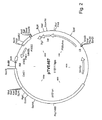
- T-DNA vector pTVE467 is schematically represented in Figure 2 .
- T-DNA vector pTVE467 comprises the following molecule features: (C) indicates complementary strand. Start (nt) End (nt) 198 222 RB: right T-DNA border 521 300 (C) 3'35S: transcription termination signal 1181 534 (C) PNC1 coding region 1250 1191(C) cab22 leader 1781 1251(C) P35S2 promoter 2293 2082 (C) 3'g7 transcription termination signal 2866 2315 (C) bar coding region 4592 2867 (C) PSSuAra promoter 4760 4784 Left T-DNA border 6352 5352 (C) Sm/Sp resistance gene 6875 10645 pVS1origin of replication 10646 11709 ColE1 origin of replication
- chimeric gene as present in pTVE467 was constructed, wherein the nicotinamidase was equipped with a conventional nuclear localization signal.
- the chimeric gene thus comprises the following operably linked DNA fragments:
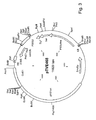
- T-DNA vector pTVE468 comprises the following molecule features: (C) indicates complementary strand. Start (nt) End (nt) 198 222 RB: right T-DNA border 521 300 (C) 3'35S: transcription termination signal 1169 534 (C) PNC1 coding region 1187 1167 (C) Nuclear localization signal 1268 1209(C) cab22 leader 1799 1269(C) P35S2 promoter 2311 2100 (C) 3'g7 transcription termination signal 2884 2333 (C) bar coding region 4610 2885 (C) PSSuAra promoter 4778 4802 Left T-DNA border 6370 5370 (C) Sm/Sp resistance gene 6893 10663 pVS1origin of replication 10664 11727 ColE1 origin of replication
- a chimeric gene was constructed using conventional techniques comprising the following DNA fragments in order:
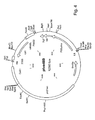
- T-DNA vector pTVE469 comprises the following molecule features: (C) indicates complementary strand. Start (nt) End (nt) 198 222 RB: right T-DNA border 521 300 (C) 3'35S: transcription termination signal 1765 534 (C) NPT1 coding region 1832 1773(C) cab22 leader 2363 1833(C) P35S2 promoter 2875 2664(C) 3'g7 transcription termination signal 3448 2897 (C) bar coding region 5175 3449 (C) PSSuAra promoter 5342 5366 Left T-DNA border 6934 5934(C) Sm/Sp resistance gene 7457 11227 pVS1origin of replication 11228 12291 ColE1 origin of replication
- chimeric gene as present in pTVE469 was constructed, wherein the nicotinate phosphoribosyltransferase from Saccharomyces cereviseae was equipped with a conventional nuclear localization signal
- the chimeric gene thus comprises the following operably linked DNA fragments:
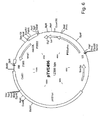
- T-DNA vector pTVE470 is schematically represented in Figure 5 .
- T-DNA vector pTVE470 comprises the following molecule features: (C) indicates complementary strand. Start (nt) End (nt) 198 222 RB: right T-DNA border 521 300 (C) 3'35S: transcription termination signal 1787 534 (C) NPT1 coding region 1775 1755 (C) Nuclear localization signal SV40 1853 1794(C) cab22 leader 2384 1854(C) P35S2 promoter 2896 2685 (C) 3'g7 transcription termination signal 3469 2918(C) bar coding region 5195 3470 (C) PSSuAra promoter 5363 5387 Left T-DNA border 6955 5955 (C) Sm/Sp resistance gene 7478 11248 pVS1origin of replication 11249 12312 ColE1 origin of replication
- a chimeric gene was constructed using conventional techniques comprising the following DNA fragments in order:
- T-DNA vector pTVE496 is schematically represented in Figure 6 .
- T-DNA vector pTVE496 comprises the following molecule features: (C) indicates complementary strand. Start (nt) End (nt) 198 222 RB: right T-DNA border 521 300 (C) 3'35S: transcription termination signal 1739 534 (C) NMA1 coding region 1805 1746(C) cab22 leader 2336 1806(C) P35S2 promoter 2848 2637(C) 3'g7 transcription termination signal 3421 2870 (C) bar coding region 5147 3422 (C) PSSuAra promoter 5315 5339 Left T-DNA border 6907 5907(C) Sm/Sp resistance gene 7430 11200 pVS1origin of replication 11201 12264 ColE1 origin of replication
- chimeric gene as present in pTVE496 was constructed, wherein the nicotinic acid mononucleotide adenyl transferase 1 from Saccharomyces cereviseae was equipped with a conventional nuclear localization signal
- the chimeric gene thus comprises the following operably linked DNA fragments:
- T-DNA vector pTVE497 comprises the following molecule features: (C) indicates complementary strand. Start (nt) End (nt) 198 222 RB: right T-DNA border 521 300 (C) 3'35S: transcription termination signal 1757 534 (C) NMA1 coding region 1748 1731 (C) Nuclear localization signal SV40 1823 1764(C) cab22 leader 2354 1824(C) P35S2 promoter 2866 2655 (C) 3'g7 transcription termination signal 3439 2888(C) bar coding region 5165 3440 (C) PSSuAra promoter 5333 5357 Left T-DNA border 6925 5925 (C) Sm/Sp resistance gene 7448 11218 pVS1origin of replication 11219 12282 ColE1 origin of replication
- a chimeric gene was constructed using conventional techniques comprising the following DNA fragments in order:
- T-DNA vector pTVE500 is schematically represented in Figure 8 .
- T-DNA vector pTVE500 comprises the following molecule features: (C) indicates complementary strand. Start (nt) End (nt) 198 222 RB: right T-DNA border 521 300 (C) 3'35S: transcription termination signal 1721 534 (C) NMA2 coding region 1787 1728(C) cab22 leader 2318 1788(C) P35S2 promoter 2830 2619(C) 3'g7 transcription termination signal 3403 2852 (C) bar coding region 5129 3404 (C) PSSuAra promoter 5297 5321 Left T-DNA border 6889 5889(C) Sm/Sp resistance gene 7412 11182 pVS1origin of replication 11183 12246 ColEl origin of replication
- chimeric gene as present in pTVE500 was constructed, wherein the nicotinic acid mononucleotide adenyl transferase 2 from Saccharomyces cereviseae was equipped with a conventional nuclear localization signal
- the chimeric gene thus comprises the following operably linked DNA fragments:
- T-DNA vector pTVE501 comprises the following molecule features: (C) indicates complementary strand. Start (nt) End (nt) 198 222 RB: right T-DNA border 521 300 (C) 3'35S: transcription termination signal 1739 534 (C) NMA2 coding region 1733 1713 (C) Nuclear localization signal SV40 1805 1746(C) cab22 leader 2336 1806(C) P35S2 promoter 2848 2637 (C) 3'g7 transcription termination signal 3421 2870(C) bar coding region 5165 3440 (C) PSSuAra promoter 5315 5339 Left T-DNA border 6907 5907 (C) Sm/Sp resistance gene 7430 11200 pVS1origin of replication 11201 12264 ColE1 origin of replication
- a chimeric gene was constructed using conventional techniques comprising the following DNA fragments in order:
- T-DNA vector pTVE502 comprises the following molecule features: (C) indicates complementary strand. Start (nt) End (nt) 198 222 RB: right T-DNA border 521 300 (C) 3'35S: transcription termination signal 2678 534 (C) QNS1 coding region 2744 2685(C) cab22 leader 3275 2745(C) P35S2 promoter 3787 3576 (C) 3'g7 transcription termination signal 4360 3809 (C) bar coding region 6086 4361 (C) PSSuAra promoter 6254 6278 Left T-DNA border 7846 6846 (C) Sm/Sp resistance gene 8369 12139 pVS1origin of replication 12140 13203 ColE1 origin of replication
- a similar chimeric gene as present in pTVE502 was constructed, wherein the NAD synthase from Saccharomyces cereviseae was equipped with a conventional nuclear localization signal
- the chimeric gene thus comprises the following operably linked DNA fragments:
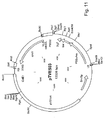
- T-DNA vector pTVE503 is schematically represented in Figure 11 .
- T-DNA vector pTVE503 comprises the following molecule features: (C) indicates complementary strand. Start (nt) End (nt) 198 222 RB: right T-DNA border 521 300 (C) 3'35S: transcription termination signal 2699 534 (C) QNS1 coding region 2690 2670(C) Nuclear localization signal SV40 2765 2706(C) cab22 leader 3296 2766(C) P35S2 promoter 3808 3597 (C) 3'g7 transcription termination signal 4381 3830 (C) bar coding region 6107 4382 (C) PSSuAra promoter 6275 6299 Left T-DNA border 7867 6867 (C) Sm/Sp resistance gene 8390 12610 pVS1origin of replication 12161 13224 ColE1 origin of replication
- the T-DNA vectors were introduced into Agrobacterium strains comprising a helper Ti-plasmid using conventional methods.
- the chimeric genes were introduced into Arabidopsis plants by Agrobacterium mediated transformation as described in the art.
- Example 2 Analysis of transgenic Arabidopsis lines comprising the chimeric genes described in Example 1.
- T1-generation transgenic Arabidopsis lines (T1-generation) expressing the yeast genes of the NAD-salvage pathway, obtained as described in Example 1 were germinated and grown on medium containing 15 mg L -1 phosphinotricin (PPT). Arabidopsis thaliana cv Col-0 was used as a control.
- PPT phosphinotricin
- Transgenic plants exhibited a higher NADH content under high light than control plants, and produced less reactive oxygen species under high light than control plants. No difference was observed between constructs wherein the encoded NAD salvage pathway enzyme was equipped with a nuclear localization signal or not.
- Transgenic plant lines were also phenotypically scored for tolerance to high light stress conditions. To this end, plants were grown in vitro at low light conditions (30 ⁇ Einstein m -2 sec -1 ) for two weeks and transferred for 3 days to high light conditions (250 ⁇ Einstein m -2 sec -1 ; 16 hrs light -8hrs dark). After the high light treatment the plants were returned to low light conditions and grown for another three days before scoring the phenotype.
- Example 3 protocols for measurement of NADH content and superoxide content.
- Seeds are put in 250ml erlenmeyer flasks containing 50ml of sterile tap water (+ 250mg/l triacillin). Shake for about 20 hours.
- Seeds from which the radicle is protruded are put in Vitro Vent containers from Duchefa containing about 125ml of sowing medium (10 seeds/vessel, not too many to reduce loss of seed by contamination). The seeds are germinated at ⁇ 24°C and 10-30 ⁇ Einstein s -1 m -2 with a daylength of 16h.
- P.S. 150 hypocotyl explants are used per condition.
- Example 4 Increased ozone tolerance of Arabidopsis thaliana plants over-expressing the yeast nicotineamidase (Pnc1) gene.
- the chimeric vector pTVE467 (Example 1) was used for transformation of A. thaliana ecotype Columbia. Primary transformants were analyzed by Southern-DNA- and Northern-RNA-blot analysis. One transgenic line was identified to carry a single copy of the Pnc1-transgene construct and to have a high steady state level of transgenic full-length Pnc1-mRNA (20 pg/5 ⁇ g total RNA).
- PI vitality performance index
- control plants homozygous transgenic populations of plants comprising the chimeric Pnc1 gene as well as a heterozygous transgenic population, were subjected to ozone fumigations and scored for visible injury and various physiological responses compared to non-fumigated plants.
- the assessment included measurement of non-modulated fluorescence, modulated fluorescence, chlorophyll measurement and fresh weight determination.
- control non-transgenic population and the heterozygous transgenic population had a cumulative score of -13
- the two homozygous transgenic populations had a score of -6 and -2 respectively. It is therefore clear that the homozygous transgenic populations performed statistically significantly better than the control plants.
Landscapes
- Health & Medical Sciences (AREA)
- Life Sciences & Earth Sciences (AREA)
- Genetics & Genomics (AREA)
- Chemical & Material Sciences (AREA)
- Engineering & Computer Science (AREA)
- Organic Chemistry (AREA)
- Zoology (AREA)
- Bioinformatics & Cheminformatics (AREA)
- Wood Science & Technology (AREA)
- General Engineering & Computer Science (AREA)
- Biotechnology (AREA)
- Biomedical Technology (AREA)
- Molecular Biology (AREA)
- General Health & Medical Sciences (AREA)
- Biochemistry (AREA)
- Microbiology (AREA)
- Medicinal Chemistry (AREA)
- Cell Biology (AREA)
- Physics & Mathematics (AREA)
- Biophysics (AREA)
- Plant Pathology (AREA)
- Breeding Of Plants And Reproduction By Means Of Culturing (AREA)
- Micro-Organisms Or Cultivation Processes Thereof (AREA)
- Preparation Of Compounds By Using Micro-Organisms (AREA)
- Agricultural Chemicals And Associated Chemicals (AREA)
Abstract
Description
- Methods are provided for increasing the stress resistance in plants and plant cells whereby enzymes involved in the NAD salvage synthesis pathway and/or the NAD de novo synthesis pathway are expressed in plants.
- Tolerance of plants to adverse growing conditions, including drought, high light intensities, high temperatures, nutrient limitations, saline growing conditions and the like, is a very desired property for crop plants, in view of the never-ending quest to ultimately increase the actual yield of these plants.
- Various ways of achieving that goal of improving what is commonly known as the stress resistance or stress tolerance of plants have been described. Since different abiotic stress conditions frequently result in the generation of harmfull reactive oxygen species ("ROS") such as superoxides or hydrogen peroxides, initial attempts to improve stress resistance in plants focused on prevention of the generation of the ROS or the removal thereof. Examples of these approaches are overexpression of ROS scavenging enzymes such as catalases, peroxidases, superoxide dismutases etc. or even increasing the amount of ROS scavenging molecules such as ascorbic acid, glutathione etc. These approaches and other attempts to engineer stress tolerant plants are reviewed e.g. in Wang et al. 2003, Planta 218:1-14.
- Stress tolerance in plant cells and plants can also be achieved by reducing the activity or the level of the endogenous poly-ADP-ribose polymerases (ParP) or poly(ADP-ribose) glycohydrolases (ParG) as described in
WO00/04173 PCT/EP2004/003995 - Uchimiya et al. (2002) et al. describe the isolation of a rice gene denoted YK1, as well as use of a chimeric YK1 gene to increase the tolerance of transgenic rice plants harboring that gene to rice blast and several abiotic stresses such as NaCl, UV-C, submergence, and hydrogen peroxide. (Uchimiya et al., 2002, Molecular breeding 9: 25-31).
- Uchimiya et al. further published a poster abstract describing that overexpression of a NAD dependent reductase gene (YK1) in rice cells also promoted the level of NAD(P)(H) through up-regulating NAD synthetase activities, and concluded that this modification in turn generated a pool of redox substances needed for ROS stress resistance (Uchimiya et al. 2003 Keystone symposium on Plant biology: Functions and control of cell death, Snowbird Utah April 10-15, 2003).
- NAD synthetase from yeast has been well characterized and is the last enzyme in both the NAD de novo synthesis pathway and the NAD salvage pathway (see
Figure 1 ). In the de novo pathway, quinolate is the precursor for NAD synthesis and is generated as a product of tryptophan degradation. In the salvage pathway, nicotinamide (which is a degradation product of NAD, generated through the action of various enzymes such as PARP, NAD-dependent deacetylases or other NAD glycohydrolases) is the precursor molecule. In a first step, nicotinamide is deamidated to nicotinic cid by a nicotinamidase. The nicotinic acid is transferred to 5-phosphoribosyl-1-pyrophosphate by the enzyme nicotinate phosphoribosyl transferase to yield nicotinic acid mononucleotide. This compound is shared between the de novo and the salvage pathway. Hence, further conversion of this compound by NAD+ pyrophosphorylase and NAD synthetase is achieved as in the de novo pathway. - In yeast, overexpression of PNC1 (encoding nicotinamidase) has been correlated with life span extension by calorie restriction and low-intensity stress (Anderson et al., 2003 Nature 423: p181-185; Gallo et al., 2004, Molecular and Cellular Biology 24: 1301-1312).
- Little is known about the respective enzymes of the NAD biosynthesis pathways in plants. Hunt et al., 2004 describe the use of the available genomic information from Arabidopsis to identify the plant homologues of these enzymes (Hunt et al. , 2004, New Phytologist163(1): 31-44). The identified DNA sequences have the following Accession numbers: for nicotinamidase: At5g23220; At5g23230 and At3g16190; for nicotinate phosphoribosyltransferase: At4g36940, At2g23420, for nicotinic acid mononucleotide adenyltransferase: At5g55810 and for NAD synthetase: At1g55090 (all nucleotide sequences are incorporated herein by reference).
- Alternative methods for increasing stress tolerance in plants are still required and the embodiments described hereinafter, including the claims, provide such methods and means.
- In one embodiment of the invention, a method is provided for obtaining a plant with increased stress resistance comprising introducing a chimeric gene into a cells of a plant to obtain transgenic cells whereby the chimeric gene comprises the following operably linked DNA fragments:
- i. A plant-expressible promoter;
- ii. A DNA region coding for a plant-functional enzyme of the nicotinamide adenine dinucleotide salvage synthesis pathway selected from nicotinamidase, nicotinate phosphoribosyltransferase, nicotinic acid mononucleotide adenyl transferase or nicotinamide adenine dinucleotide synthetase;
- iii. A 3'end region involved in transcription termination and polyadenylation,
- In another embodiment, the invention relates to the chimeric genes as described herein, plant cells comprising these chimeric genes, and plants consisting essentially of plant cells comprising these chimeric genes, and seeds of such plants. These plants and plant cells may be characterized in that they have a lower level of reactive oxygen species under stress conditions than a similar plant not comprising such a chimeric gene.
- In yet another embodiment, the invention relates to the use of the described chimeric genes to increase the stress resistance of a plant or to decrease the level of reactive oxygen species in a plant or a plant cell under stress conditions.
- The invention further provides the use of a DNA sequence encoding a plant functional enzyme of the nicotinamide adenine dinucleotide salvage synthesis pathway selected from nicotinamidase, nicotinate phosphoribosyltransferase, nicotinic acid mononucleotide adenyl transferase or nicotinamide adenine dinucleotide synthetase, such as a a DNA sequence encoding a protein comprising an amino acid sequence selected from the aminoacid sequence of SEQ ID No.:2, SEQ ID No.:4, SEQ ID No.:6; SEQ ID No.:8, SEQ ID No.:10, SEQ ID No.:12; SEQ ID No.:14; SEQ ID No.:16, SEQ ID No.:18, SEQ ID No.:20, SEQ ID No.: 22, SEQ ID No.:24 or a protein having about 60% sequence identity and having the enzymatic activity of nicotinamide adenine dinucleotide salvage synthesis pathway, including a DNA sequence comprising an nucleotide sequence selected from the nucleotide sequence of SEQ ID No.:1, SEQ ID No.:3, SEQ ID No.:5; SEQ ID No.:7, SEQ ID No.:9, SEQ ID No.:11; SEQ ID No.:13; SEQ ID No.:15, SEQ ID No.:17, SEQ ID No.:19, SEQ ID No.:21 or SEQ ID No.:23, to increase the stress resistance of a plant or to decrease the level of reactive oxygen species or maintain the level of NADH in a plant or a plant cell under stress conditions.
-
-
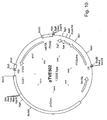
Figure 1 is a schematic representation of the NAD salvage pathway and the de novo NAD synthesis pathway as known in baker's yeast (Saccharomyces cerevisea) -
Figures 2 to 11 are schematic representations of the various T-DNA vectors comprising DNA regions encoding enzymes from the NAD salvage pathway or the NAD de novo synthesis pathway under control of plant-expressible control elements. Abbreviations used are: RB: right T-DNA border; 3'35S: transcription termination and polyadenylation signal from CaMV 35S transcript; Cab22L:untranslated leader sequence of the Cab22L transcript; P35S2: CaMV 35S promoter; 3'g7: transcription termination and polyadenylation signal from Agrobacterium tumefaciens T-DNA gene 7; bar: phosphinotricin acetyltransferase coding region; pSSUAra promoter of the Rubisco small subunit transcript from Arabidopsis; LB; left T-DNA border; Sm/Sp: Spectinomycin and streptomycin resistance gene; pVS1ori; origin of VS1 suitable for replication in Agrobacterium; ColE1: origin of replication; NLS: nuclear localization signal; PNC1: DNA region coding for nicotinamidase from Saccharomyces cereviseae; npt1: the nicotinate phosphoribosyltransferase from Saccharomyces cereviseae; nma1: nicotinic acidmononucleotide adenyl transferase 1 from Saccharomyces cereviseae; nma2: nicotinic acid mononucleotide adenyl transferase 2 from Saccharomyces cereviseae; qns1: NAD synthetase (QNS1) from Saccharomyces cerevisea. - The current invention is based on the finding that DNA sequences encoding plant-functional enzymes from the NAD salvage pathway in yeasts could be used to obtain transgenic plants which were more resistant to stress, particularly abiotic stress, than plants not comprising these DNA sequences. The transgenic plants also exhibited a significantly reduced level of reactive oxygen species ("ROS") and maintained a high level of NADH, when put under stress conditions, compared to control plants
- Thus in one embodiment of the invention, a method is provided to obtain a plant with increased stress resistance, whereby the method comprises the steps of
- introducing a stress resistant chimeric gene as herein described into cells of a plant to obtain cells comprising the stress resistant chimeric gene;
- regenerating these cells comprising the stress resistant chimeric gene to obtain a population of plants comprising the stress resistant chimeric gene; and
- selecting a plant from the population of these plants which exhibits increased stress resistance and/or decreased ROS level under stress conditions and/or maintains a high level of NADH, when compared to a similar non-transgenic plant.
- The stress resistant chimeric gene thereby comprises a plant-expressible promoter operably linked to a DNA region coding for a plant-functional enzyme of the nicotinamide adenine dinucleotide salvage synthesis pathway selected from nicotinamidase, nicotinate phosphoribosyltransferase, nicotinic acid mononucleotide adenyl transferase or nicotinamide adenine dinucleotide synthetase and a 3'end region involved in transcription termination and polyadenylation.
- As used herein, "a plant-functional enzyme of the nicotinamide adenine dinucleotide salvage synthesis pathway" is an enzyme which when introduced into plants, linked to appropriate control elements such as plant expressible promoter and terminator region, can be transcribed and translated to yield a enzyme of the NAD salvage synthesis pathway functional in plant cells. Included are the enzymes (and encoding genes) from the NAD salvage synthesis, which are obtained from a plant source, but also the enzymes obtained from yeast (Saccharomyces cereviseae) or from other yeasts or fungi. It is thought that the latter proteins may be even more suitable for the methods according to the invention, since these are less likely to be subject to the enzymatic feedback regulation etc. to which similar plant-derived enzymes may be subject.
- Enzymes involved in the NAD salvage synthesis pathway comprise the following
- - Nicotinamidase (EC 3.5.1.19) catalyzing the hydrolysis of the amide group of nicotinamide, thereby releasing nicotinate and NH3. The enzyme is also known as nicotinamide deaminase, nicotinamide amidase, YNDase or nicotinamide amidohydrolase
- - Nicotinate phophoribosyltransferase (EC 2.4.2.11) also known as niacin ribonucleotidase, nicotinic acid mononucleotide glycohydrolase; nicotinic acid mononucleotide pyrophosphorylase; nicotinic acid phosphoribosyltransferase catalyzing the following reaction
Nicotinate-D-ribonucleotide + diphosphate = nicotinate + 5-phospho-α-D-ribose 1-diphosphate - - Nicotinate-nucleotide adenylyltransferase, (EC 2.7.7.18) also known as deamido-NAD+ pyrophosphorylase; nicotinate mononucleotide adenylyltransferase; deamindonicotinamide adenine dinucleotide pyrophsophorylase; NaMT-ATase; nicotinic acid mononucleotide adenylyltransferase catalyzing the following reaction
ATP+nicotinate ribonucleotide = diphosphate + deamido-NAD+ - - NAD-synthase (EC 6.3.1.5) also known as NAD synthetase; NAD+synthase; nicotinamide adenine dinucleotide synthetase; diphosphopyridine nucleotide synthetase, catalyzing the following reaction
Deamido-NAD++ATP+NH3 = AMP+ diphosphate + NAD+ - In one embodiment of the invention, the coding regions encoding the different enzymes of the NAD salvage pathway comprise a nucleotide sequence encoding proteins with the amino acid sequences as set forth in SEQ ID Nos 2, 4, 6, 8 or 10, such as the nucleotide sequences of
SEQ ID Nos 1, 3, 5, 7 or 9. - However, it will be clear that variants of these nucleotide sequences, including insertions, deletions and substitutions thereof may be also be used to the same effect. Equally, homologues to the mentioned nucleotide sequences from species different from Saccharomyces cerevisea can be used. These include but are not limited to nucleotide sequences from plants, and nucleotide sequences encoding proteins with the same amino acid sequences, as well as variants of such nucleotide sequences. Examples of the latter are nucleotide sequences encoding a protein with an amino acid sequence as set forth in SEQ ID Nos 12, 14, 16, 18, 20, 22 or 24 such as the nucleotide sequences of SEQ ID Nos 11, 13, 15, 17, 19, 21 or 23.
- Variants of the described nucleotide sequence will have a sequence identity which is preferably at least about 80%, or 85 or 90% or 95% with identified nucleotide sequences encoding enzymes from the NAD salvage pathway, such as the ones identified in the sequence listing. Preferably, these variants will encode functional proteins with the same enzymatic activity as the enzymes from the NAD salvage pathway. For the purpose of this invention, the "sequence identity" of two related nucleotide or amino acid sequences, expressed as a percentage, refers to the number of positions in the two optimally aligned sequences which have identical residues (x100) divided by the number of positions compared. A gap, i.e. a position in an alignment where a residue is present in one sequence but not in the other, is regarded as a position with non-identical residues. The alignment of the two sequences is performed by the Needleman and Wunsch algorithm (Needleman and Wunsch 1970). The computer-assisted sequence alignment above, can be conveniently performed using standard software program such as GAP which is part of the Wisconsin Package Version 10.1 (Genetics Computer Group, Madision, Wisconsin, USA) using the default scoring matrix with a gap creation penalty of 50 and a gap extension penalty of 3.
- Nucleotide sequences homologous to the nucleotide sequences encoding an enzyme from the NAD salvage pathway in yeast, or encoding a homologous enzyme from an organism different than yeast may be identified by in silico analysis of genomic data, as described by Hunt et al. (vide supra).
- Homologous nucleotide sequence may also be identified and isolated by hybridization under stringent conditions using as probes identified nucleotide sequences encoding enzymes from the NAD salvage pathway, such as the ones identified in the sequence listing.
- "Stringent hybridization conditions" as used herein means that hybridization will generally occur if there is at least 95% and preferably at least 97% sequence identity between the probe and the target sequence. Examples of stringent hybridization conditions are overnight incubation in a solution comprising 50% formamide, 5 x SSC (150 mM NaCl, 15 mM trisodium citrate), 50 mM sodium phosphate (pH 7.6), 5x Denhardt's solution, 10% dextran sulfate, and 20 µg/ml denatured, sheared carrier DNA such as salmon sperm DNA, followed by washing the hybridization support in 0.1 x SSC at approximately 65 °C, preferably twice for about 10 minutes. Other hybridization and wash conditions are well known and are exemplified in Sambrook et al, Molecular Cloning: A Laboratory Manual, Second Edition, Cold Spring Harbor, NY (1989), particularly chapter 11.
- Such variant sequences may also be obtained by DNA amplification using oligonucleotides specific for genes encoding enzymes from the NAD salvage pathway as primers, such as but not limited to oligonucleotides comprising about 20 to about 50 consecutive nucleotides selected from the nucleotide sequences of
SEQ ID Nos 1, 3, 5, 7, 9, 11, 13, 15, 17, 19, 21, 23 or their complement. - The methods of the invention can be used to obtain plants tolerant to different kinds of stress-inducing conditions, particularly abiotic stress conditions including submergence, high light conditions, high UV radiation levels, increased hydrogen peroxide levels, drought conditions, high or low temperatures, increased salinity conditions. The methods of the invention can also be used to reduce the level of ROS in the cells of plants growing under adverse conditions, particularly abiotic stress conditions including submergence, high light conditions, high UV radiation levels, increased hydrogen peroxide levels, drought conditions, high or low temperatures, increased salinity conditions etc. The level of ROS or the level of NADH can be determined using the methods known in the art, including those described in Example 3.
- Using the methods described herein, plants may be obtained wherein the level of ROS is equal to or lower than in control plants under non-stressed conditions, such as but not limited to low light. In these plants, under non-stressed conditions, the level of ROS may range from 50% to 100% of the level of control plants under low light conditions, more particularly from about 60% to about 85%. The level of the ROS in these plants under stress conditions is about 50% to 80% of the level of ROS in control plants under stress conditions, corresponding to about 60 to 80% of the level of ROS in control plants under non-stressed conditions. Similarly, the NADH level in these plants is equal to or higher than in control plants under non-stressed conditions, such as but not limited to low light. In these plants, under non-stressed conditions, the level of NADH may range from 100% to 160% of the level of NADH in control plants under low light conditions, more particularly from about 120% to about 140%. The level of NADH in these plants under stress conditions is about 200 to 300% of the level of NADH in control plants under stress conditions, corresponding to about 100 to 160% of the level of ROS in control plants under non-stressed conditions.
- Methods to obtain transgenic plants are not deemed critical for the current invention and any transformation method and regeneration suitable for a particular plant species can be used. Such methods are well known in the art and include Agrobacterium-mediated transformation, particle gun delivery, microinjection, electroporation of intact cells, polyethyleneglycol-mediated protoplast transformation, electroporation of protoplasts, liposome-mediated transformation, silicon-whiskers mediated transformation etc. The transformed cells obtained in this way may then be regenerated into mature fertile plants.
- The obtained transformed plant can be used in a conventional breeding scheme to produce more transformed plants with the same characteristics or to introduce the chimeric gene according to the invention in other varieties of the same or related plant species, or in hybrid plants. Seeds obtained from the transformed plants contain the chimeric genes of the invention as a stable genomic insert and are also encompassed by the invention.
- It will be clear that the different stress resistant chimeric genes described herein, with DNA regions encoding different enzymes from the NAD salvage pathway can be combined within one plant cell or plant, to further enhance the stress tolerance of the plants comprising the chimeric genes. Thus, in one embodiment of the invention, plant cells and plants are provided which comprise at least two stress resistant chimeric genes each comprising a different coding region.
- The transgenic plant cells and plant lines according to the invention may further comprise chimeric genes which will reduce the expression of endogenous PARP and/or PARG genes as described in
WO 00/04173 PCT/EP2004/003995 - These further chimeric genes may be introduced e.g. by crossing the transgenic plant lines of the current invention with transgenic plants containing PARP and/or PARG gene expression reducing chimeric genes. Transgenic plant cells or plant lines may also be obtained by introducing or transforming the chimeric genes of the invention into transgenic plant cells comprising the PARP or PARG gene expression reducing chimeric genes or vice versa.
- For the purpose of the invention, the promoter is a plant-expressible promoter. As used herein, the term "plant-expressible promoter" means a DNA sequence which is capable of controlling (initiating) transcription in a plant cell. This includes any promoter of plant origin, but also any promoter of non-plant origin which is capable of directing transcription in a plant cell, i.e., certain promoters of viral or bacterial origin such as the CaMV35S (Harpster et al., 1988 Mol. Gen. Genet. 212, 182-190), the subterranean clover virus promoter No 4 or No 7 (
WO9606932 WO89/03887 WO 89/10396 WO 92/13956 WO 97/13865 - The chimeric genes of the inventions may also be equipped with a nuclear localization signal ("NLS") functional in plants, operably linked to the DNA region encoding an enzyme of the NAD salvage pathway such as the SV40 NLS.
- Having read this document, a person skilled in the art will immediately realize that similar effects with regard to increased stress resistance can be obtained whenever natural variants of plants are obtained wherein the endogenous genes coding for NAD salvage pathway enzymes are more active or expressed at a higher level. Such variant plants can be obtained by subjecting a population of plants to mutagenesis, such as, but not limited to EMS mutagenesis, followed by a screening for an increased activity of any one of the NAD salvage pathway enzymes, or a combination thereof.
- It will also be immediately clear that a population of different varieties or cultivars can be screened for increased tolerance to the above mentioned stress conditions in general or particular selected abiotic stresses, followed by a correlation of the increased tolerance to stress conditions with the presence of a particular allele of any of the endogenous genes encoding an enzyme of the NAD salvage pathway enzyme. Such alleles can than be introduced into a plant of interest by crossing, if the species are sexually compatible, or they may be identified using conventional techniques as described herein (including hybridization or PCR amplification) and introduced using recombinant DNA technology. Introduction of particularly desired alleles using breeding techniques may be followed using molecular markers specific for the alleles of interest.
- The methods and means described herein are believed to be suitable for all plant cells and plants, both dicotyledonous and monocotyledonous plant cells and plants including but not limited to cotton, Brassica vegetables, oilseed rape, wheat, corn or maize, barley, sunflowers, rice, oats, sugarcane, soybean, vegetables (including chicory, lettuce, tomato), tobacco, potato, sugarbeet, papaya, pineapple, mango, Arabidopsis thaliana, but also plants used in horticulture, floriculture or forestry.
- As used herein "comprising" is to be interpreted as specifying the presence of the stated features, integers, steps or components as referred to, but does not preclude the presence or addition of one or more features, integers, steps or components, or groups thereof. Thus, e.g., a nucleic acid or protein comprising a sequence of nucleotides or amino acids, may comprise more nucleotides or amino acids than the actually cited ones, i.e., be embedded in a larger nucleic acid or protein. A chimeric gene comprising a DNA region which is functionally or structurally defined, may comprise additional DNA regions etc.
- The following non-limiting Examples describe the construction of chimeric genes to increase stress resistance in plant cells and plants and the use of such genes.
- Unless stated otherwise in the Examples, all recombinant DNA techniques are carried out according to standard protocols as described in Sambrook et al. (1989) Molecular Cloning: A Laboratory Manual, Second Edition, Cold Spring Harbor Laboratory Press, NY and in
Volumes 1 and 2 of Ausubel et al. (1994) Current Protocols in Molecular Biology, Current Protocols, USA. Standard materials and methods for plant molecular work are described in Plant Molecular Biology Labfax (1993) by R.D.D. Croy, jointly published by BIOS Scientific Publications Ltd (UK) and Blackwell Scientific Publications, UK. Other references for standard molecular biology techniques include Sambrook and Russell (2001) Molecular Cloning: A Laboratory Manual, Third Edition, Cold Spring Harbor Laboratory Press, NY, Volumes I and II of Brown (1998) Molecular Biology LabFax, Second Edition, Academic Press (UK). Standard materials and methods for polymerase chain reactions can be found in Dieffenbach and Dveksler (1995) PCR Primer: A Laboratory Manual, Cold Spring Harbor Laboratory Press, and in McPherson at al. (2000) PCR - Basics: From Background to Bench, First Edition, Springer Verlag, Germany. - Throughout the description and Examples, reference is made to the following sequences:
- SEQ ID No. 1: nucleotide sequence of the nicotinamidase from Saccharomyces cereviseae (PNC1)
- SEQ ID No. 2: amino acid sequence of the nicotinamidase from Saccharomyces cereviseae (PNC1)
- SEQ ID No. 3: nucleotide sequence of the nicotinate phosphoribosyltransferase from Saccharomyces cereviseae (NPT1) (complement)
- SEQ ID No. 4: amino acid sequence of the nicotinate phosphoribosyltransferase from Saccharomyces cereviseae (NPT1)
- SEQ ID No. 5: nucleotide sequence of the nicotinic acid mononucleotide adenyl transferase 1 (NMA1) from Saccharomyces cereviseae
- SEQ ID No. 6: amino acid sequence of the nicotinic acid mononucleotide adenyl transferase 1 (NMA1) from Saccharomyces cereviseae
- SEQ ID No. 7: nucleotide sequence of the nicotinic acid mononucleotide adenyl transferase 2 (NMA2) from Saccharomyces cereviseae
- SEQ ID No. 8: amino acid sequence of the nicotinic acid mononucleotide adenyl transferase 2 (NMA2) from Saccharomyces cereviseae
- SEQ ID No. 9: nucleotide sequence of the NAD synthetase (QNS1) from Saccharomyces cereviseae
- SEQ ID No. 10: amino acid sequence of the NAD synthetase (QNS1) from Saccharomyces cereviseae
- SEQ ID No. 11: nucleotide sequence of the nicotinamidase from Arabidopsis thaliana (isoform 1)
- SEQ ID No. 12: amino acid sequence of the nicotinamidase from Arabidopsis thaliana (isoform 1)
- SEQ ID No. 13: nucleotide sequence of the nicotinamidase from Arabidopsis thaliana (isoform 2)
- SEQ ID No. 14: amino acid sequence of the nicotinamidase from Arabidopsis thaliana (isoform 2)
- SEQ ID No. 15: nucleotide sequence of the nicotinamidase from Arabidopsis thaliana (isoform 3)
- SEQ ID No. 16: amino acid sequence of the nicotinamidase from Arabidopsis thaliana (isoform 3)
- SEQ ID No. 17: nucleotide sequence of the nicotinate phosphoribosyltransferase from Arabidopsis thaliana (isoform 1)
- SEQ ID No. 18: amino acid sequence of the nicotinate phosphoribosyltransferase from Arabidopsis thaliana (isoform 1)
- SEQ ID No. 19: nucleotide sequence of the nicotinate phosphoribosyltransferase from Arabidopsis thaliana (isoform 2)
- SEQ ID No. 20: amino acid sequence of the nicotinate phosphoribosyltransferase from Arabidopsis thaliana (isoform 2)
- SEQ ID No. 21: nucleotide sequence of the nicotinic acid mononucleotide adenyl transferase from Arabidopsis thaliana
- SEQ ID No. 22: amino acid sequence of the nicotinic acid mononucleotide adenyl transferase from Arabidopsis thaliana
- SEQ ID No. 23: nucleotide sequence of the NAD synthetase from Arabidopsis thaliana
- SEQ ID No. 24: amino acid sequence of the NAD synthetase from Arabidopsis thaliana
- SEQ ID No. 25: nucleotide sequence of T-DNA vector pTVE 467
- SEQ ID No. 26: nucleotide sequence of T-DNA vector pTVE 468
- SEQ ID No. 27: nucleotide sequence of T-DNA vector pTVE 469
- SEQ ID No. 28: nucleotide sequence of T-DNA vector pTVE 470
- SEQ ID No. 29: nucleotide sequence of T-DNA vector pTVE 496
- SEQ ID No. 30: nucleotide sequence of T-DNA vector pTVE 497
- SEQ ID No. 31: nucleotide sequence of T-DNA vector pTVE 500
- SEQ ID No. 32: nucleotide sequence of T-DNA vector pTVE 501
- SEQ ID No. 33: nucleotide sequence of T-DNA vector pTVE 502
- SEQ ID No. 34: nucleotide sequence of T-DNA vector pTVE 503
- To increase the stress resistance in plants, a chimeric gene was constructed using conventional techniques comprising the following DNA fragments in order:
- A promoter region from Cauliflower Mosaic Virus (CaMV 35S);
- A DNA fragment of about 60 bp corresponding to the untranslated leader Cab22L;
- A DNA fragment encoding nicotinamidase from Saccharomyces cereviseae (SEQ ID NO 1);
- A fragment of the 3' untranslated end from the 35 S transcript of CaMV (3' 35S)
- This chimeric gene was introduced in a T-DNA vector, between the left and right border sequences from the T-DNA, together with a selectable marker gene providing resistance to the herbicide phosphinotricin, to yield pTVE467 (SEQ ID 25). T-DNA vector pTVE467 is schematically represented in
Figure 2 . - T-DNA vector pTVE467 comprises the following molecule features: (C) indicates complementary strand.
Start (nt) End (nt) 198 222 RB: right T-DNA border 521 300 (C) 3'35S: transcription termination signal 1181 534 (C) PNC1 coding region 1250 1191(C) cab22 leader 1781 1251(C) P35S2 promoter 2293 2082 (C) 3'g7 transcription termination signal 2866 2315 (C) bar coding region 4592 2867 (C) PSSuAra promoter 4760 4784 Left T-DNA border 6352 5352 (C) Sm/Sp resistance gene 6875 10645 pVS1origin of replication 10646 11709 ColE1 origin of replication - A similar chimeric gene as present in pTVE467 was constructed, wherein the nicotinamidase was equipped with a conventional nuclear localization signal. The chimeric gene thus comprises the following operably linked DNA fragments:
- A promoter region from Cauliflower mosaic Virus (CaMV 35S);
- A DNA fragment of about 60 nt corresponding to the untranslated leader Cab22L;
- A DNA fragment of about 20 nt encoding a peptide comprising a nuclear localization signal (NLS),
- A DNA fragment encoding nicotinamidase from Saccharomyces cereviseae (SEQ ID NO 1); whereby the NLS signal is fused in frame;
- A fragment of the 3' untranslated end from the 35 S transcript of CaMV (3' 35S)
This chimeric gene was introduced in a T-DNA vector, between the left and right border sequences from the T-DNA, together with a selectable marker gene providing resistance to the herbicide phosphinotricin, to yield pTVE468 (SEQ ID 26). T-DNA vector pTVE468 is schematically represented inFigure 3 . - T-DNA vector pTVE468 comprises the following molecule features: (C) indicates complementary strand.
Start (nt) End (nt) 198 222 RB: right T-DNA border 521 300 (C) 3'35S: transcription termination signal 1169 534 (C) PNC1 coding region 1187 1167 (C) Nuclear localization signal 1268 1209(C) cab22 leader 1799 1269(C) P35S2 promoter 2311 2100 (C) 3'g7 transcription termination signal 2884 2333 (C) bar coding region 4610 2885 (C) PSSuAra promoter 4778 4802 Left T-DNA border 6370 5370 (C) Sm/Sp resistance gene 6893 10663 pVS1origin of replication 10664 11727 ColE1 origin of replication - To increase stress resistance in plants, a chimeric gene was constructed using conventional techniques comprising the following DNA fragments in order:
- A promoter region from Cauliflower mosaic Virus (CaMV 35S);
- A DNA fragment of about 60 bp corresponding to the untranslated leader Cab22L;
- A DNA fragment encoding nicotinate phosphoribosyltransferase from Saccharomyces cereviseae (NPT1; SEQ ID NO 3);
- A fragment of the 3' untranslated end from the 35 S transcript of CaMV (3' 35S)
This chimeric gene was introduced in a T-DNA vector, between the left and right border sequences from the T-DNA, together with a selectable marker gene providing resistance to the herbicide phosphinotricin, to yield pTVE469 (SEQ ID 27). T-DNA vector pTVE469 is schematically represented inFigure 4 . - T-DNA vector pTVE469 comprises the following molecule features: (C) indicates complementary strand.
Start (nt) End (nt) 198 222 RB: right T-DNA border 521 300 (C) 3'35S: transcription termination signal 1765 534 (C) NPT1 coding region 1832 1773(C) cab22 leader 2363 1833(C) P35S2 promoter 2875 2664(C) 3'g7 transcription termination signal 3448 2897 (C) bar coding region 5175 3449 (C) PSSuAra promoter 5342 5366 Left T-DNA border 6934 5934(C) Sm/Sp resistance gene 7457 11227 pVS1origin of replication 11228 12291 ColE1 origin of replication - A similar chimeric gene as present in pTVE469 was constructed, wherein the nicotinate phosphoribosyltransferase from Saccharomyces cereviseae was equipped with a conventional nuclear localization signal The chimeric gene thus comprises the following operably linked DNA fragments:
- A promoter region from Cauliflower mosaic Virus (CaMV 35S);
- A DNA fragment of about 60 nt corresponding to the untranslated leader Cab22L;
- A DNA fragment of about 20 nt encoding a peptide comprising a nuclear localization signal (NLS),
- A DNA fragment encoding nicotinate phosphoribosyltransferase from Saccharomyces cereviseae (NPT1; SEQ ID NO 3); whereby the NLS signal is fused in frame;
- A fragment of the 3' untranslated end from the 35 S transcript of CaMV (3' 35S)
- This chimeric gene was introduced in a T-DNA vector, between the left and right border sequences from the T-DNA, together with a selectable marker gene providing resistance to the herbicide phosphinotricin, to yield pTVE470 (SEQ ID 28). T-DNA vector pTVE470 is schematically represented in
Figure 5 . - T-DNA vector pTVE470 comprises the following molecule features: (C) indicates complementary strand.
Start (nt) End (nt) 198 222 RB: right T-DNA border 521 300 (C) 3'35S: transcription termination signal 1787 534 (C) NPT1 coding region 1775 1755 (C) Nuclear localization signal SV40 1853 1794(C) cab22 leader 2384 1854(C) P35S2 promoter 2896 2685 (C) 3'g7 transcription termination signal 3469 2918(C) bar coding region 5195 3470 (C) PSSuAra promoter 5363 5387 Left T-DNA border 6955 5955 (C) Sm/Sp resistance gene 7478 11248 pVS1origin of replication 11249 12312 ColE1 origin of replication - To increase stress resistance in plants, a chimeric gene was constructed using conventional techniques comprising the following DNA fragments in order:
- A promoter region from Cauliflower mosaic Virus (CaMV 35S);
- A DNA fragment of about 60 bp corresponding to the untranslated leader Cab22L;
- A DNA fragment encoding nicotinic acid mononucleotide adenyl transferase 1 from Saccharomyces cereviseae (NMA1; SEQ ID NO 5);
- A fragment of the 3' untranslated end from the 35 S transcript of CaMV (3' 35S)
- This chimeric gene was introduced in a T-DNA vector, between the left and right border sequences from the T-DNA, together with a selectable marker gene providing resistance to the herbicide phosphinotricin, to yield pTVE496 (SEQ ID 29). T-DNA vector pTVE496 is schematically represented in
Figure 6 . - T-DNA vector pTVE496 comprises the following molecule features: (C) indicates complementary strand.
Start (nt) End (nt) 198 222 RB: right T-DNA border 521 300 (C) 3'35S: transcription termination signal 1739 534 (C) NMA1 coding region 1805 1746(C) cab22 leader 2336 1806(C) P35S2 promoter 2848 2637(C) 3'g7 transcription termination signal 3421 2870 (C) bar coding region 5147 3422 (C) PSSuAra promoter 5315 5339 Left T-DNA border 6907 5907(C) Sm/Sp resistance gene 7430 11200 pVS1origin of replication 11201 12264 ColE1 origin of replication - A similar chimeric gene as present in pTVE496 was constructed, wherein the nicotinic acid mononucleotide adenyl transferase 1 from Saccharomyces cereviseae was equipped with a conventional nuclear localization signal The chimeric gene thus comprises the following operably linked DNA fragments:
- A promoter region from Cauliflower mosaic Virus (CaMV 35S);
- A DNA fragment of about 60 nt corresponding to the untranslated leader Cab22L;
- A DNA fragment of about 20 nt encoding a peptide comprising a nuclear localization signal (NLS),
- A DNA fragment encoding nicotinic acid mononucleotide adenyl transferase 1 from Saccharomyces cereviseae (NMA1; SEQ ID NO 5); whereby the NLS signal is fused in frame;
- A fragment of the 3' untranslated end from the 35 S transcript of CaMV (3' 35S)
This chimeric gene was introduced in a T-DNA vector, between the left and right border sequences from the T-DNA, together with a selectable marker gene providing resistance to the herbicide phosphinotricin, to yield pTVE497 (SEQ ID 30). T-DNA vector pTVE497 is schematically represented inFigure 7 . - T-DNA vector pTVE497 comprises the following molecule features: (C) indicates complementary strand.
Start (nt) End (nt) 198 222 RB: right T-DNA border 521 300 (C) 3'35S: transcription termination signal 1757 534 (C) NMA1 coding region 1748 1731 (C) Nuclear localization signal SV40 1823 1764(C) cab22 leader 2354 1824(C) P35S2 promoter 2866 2655 (C) 3'g7 transcription termination signal 3439 2888(C) bar coding region 5165 3440 (C) PSSuAra promoter 5333 5357 Left T-DNA border 6925 5925 (C) Sm/Sp resistance gene 7448 11218 pVS1origin of replication 11219 12282 ColE1 origin of replication - To increase stress resistance in plants, a chimeric gene was constructed using conventional techniques comprising the following DNA fragments in order:
- A promoter region from Cauliflower mosaic Virus (CaMV 35S);
- A DNA fragment of about 60 bp corresponding to the untranslated leader Cab22L;
- A DNA fragment encoding nicotinic acid mononucleotide adenyl transferase 2 from Saccharomyces cereviseae (NMA2; SEQ ID No. 7);
- A fragment of the 3' untranslated end from the 35S transcript of CaMV (3' 35S).
- This chimeric gene was introduced in a T-DNA vector, between the left and right border sequences from the T-DNA, together with a selectable marker gene providing resistance to the herbicide phosphinotricin, to yield pTVE500 (SEQ ID 31). T-DNA vector pTVE500 is schematically represented in
Figure 8 . - T-DNA vector pTVE500 comprises the following molecule features: (C) indicates complementary strand.
Start (nt) End (nt) 198 222 RB: right T-DNA border 521 300 (C) 3'35S: transcription termination signal 1721 534 (C) NMA2 coding region 1787 1728(C) cab22 leader 2318 1788(C) P35S2 promoter 2830 2619(C) 3'g7 transcription termination signal 3403 2852 (C) bar coding region 5129 3404 (C) PSSuAra promoter 5297 5321 Left T-DNA border 6889 5889(C) Sm/Sp resistance gene 7412 11182 pVS1origin of replication 11183 12246 ColEl origin of replication - A similar chimeric gene as present in pTVE500 was constructed, wherein the nicotinic acid mononucleotide adenyl transferase 2 from Saccharomyces cereviseae was equipped with a conventional nuclear localization signal The chimeric gene thus comprises the following operably linked DNA fragments:
- A promoter region from Cauliflower mosaic Virus (CaMV 35S);
- A DNA fragment of about 60 nt corresponding to the untranslated leader Cab22L;
- A DNA fragment of about 20 nt encoding a peptide comprising a nuclear localization signal (NLS),
- A DNA fragment encoding nicotinic acid mononucleotide adenyl transferase 2 from Saccharomyces cereviseae (NMA2; SEQ ID No. 7); whereby the NLS signal is fused in frame;
- A fragment of the 3' untranslated end from the 35 S transcript of CaMV (3' 35S)
This chimeric gene was introduced in a T-DNA vector, between the left and right border sequences from the T-DNA, together with a selectable marker gene providing resistance to the herbicide phosphinotricin, to yield pTVE502 (SEQ ID 32). T-DNA vector pTVE501 is schematically represented inFigure 9 . - T-DNA vector pTVE501 comprises the following molecule features: (C) indicates complementary strand.
Start (nt) End (nt) 198 222 RB: right T-DNA border 521 300 (C) 3'35S: transcription termination signal 1739 534 (C) NMA2 coding region 1733 1713 (C) Nuclear localization signal SV40 1805 1746(C) cab22 leader 2336 1806(C) P35S2 promoter 2848 2637 (C) 3'g7 transcription termination signal 3421 2870(C) bar coding region 5165 3440 (C) PSSuAra promoter 5315 5339 Left T-DNA border 6907 5907 (C) Sm/Sp resistance gene 7430 11200 pVS1origin of replication 11201 12264 ColE1 origin of replication - To increase stress resistance in plants, a chimeric gene was constructed using conventional techniques comprising the following DNA fragments in order:
- A promoter region from Cauliflower mosaic Virus (CaMV 35S);
- A DNA fragment of about 60 bp corresponding to the untranslated leader Cab22L;
- A DNA fragment encoding NAD synthase from Saccharomyces cereviseae (QNS1; SEQ ID No. 9);
- A fragment of the 3' untranslated end from the 35S transcript of CaMV (3' 35S).
This chimeric gene was introduced in a T-DNA vector, between the left and right border sequences from the T-DNA, together with a selectable marker gene providing resistance to the herbicide phosphinotricin, to yield pTVE502 (SEQ ID 33). T-DNA vector pTVE502 is schematically represented inFigure 10 . - T-DNA vector pTVE502 comprises the following molecule features: (C) indicates complementary strand.
Start (nt) End (nt) 198 222 RB: right T-DNA border 521 300 (C) 3'35S: transcription termination signal 2678 534 (C) QNS1 coding region 2744 2685(C) cab22 leader 3275 2745(C) P35S2 promoter 3787 3576 (C) 3'g7 transcription termination signal 4360 3809 (C) bar coding region 6086 4361 (C) PSSuAra promoter 6254 6278 Left T-DNA border 7846 6846 (C) Sm/Sp resistance gene 8369 12139 pVS1origin of replication 12140 13203 ColE1 origin of replication - A similar chimeric gene as present in pTVE502 was constructed, wherein the NAD synthase from Saccharomyces cereviseae was equipped with a conventional nuclear localization signal The chimeric gene thus comprises the following operably linked DNA fragments:
- A promoter region from Cauliflower mosaic Virus (CaMV 35S);
- A DNA fragment of about 60 nt corresponding to the untranslated leader Cab22L;
- A DNA fragment of about 20 nt encoding a peptide comprising a nuclear localization signal (NLS),
- A DNA fragment encoding NAD synthase from Saccharomyces cereviseae (QNS1; SEQ ID No. ç); whereby the NLS signal is fused in frame;
- A fragment of the 3' untranslated end from the 35 S transcript of CaMV (3' 35S)
- This chimeric gene was introduced in a T-DNA vector, between the left and right border sequences from the T-DNA, together with a selectable marker gene providing resistance to the herbicide phosphinotricin, to yield pTVE503 (SEQ ID No. 34). T-DNA vector pTVE503 is schematically represented in
Figure 11 . - T-DNA vector pTVE503 comprises the following molecule features: (C) indicates complementary strand.
Start (nt) End (nt) 198 222 RB: right T-DNA border 521 300 (C) 3'35S: transcription termination signal 2699 534 (C) QNS1 coding region 2690 2670(C) Nuclear localization signal SV40 2765 2706(C) cab22 leader 3296 2766(C) P35S2 promoter 3808 3597 (C) 3'g7 transcription termination signal 4381 3830 (C) bar coding region 6107 4382 (C) PSSuAra promoter 6275 6299 Left T-DNA border 7867 6867 (C) Sm/Sp resistance gene 8390 12610 pVS1origin of replication 12161 13224 ColE1 origin of replication - The T-DNA vectors were introduced into Agrobacterium strains comprising a helper Ti-plasmid using conventional methods. The chimeric genes were introduced into Arabidopsis plants by Agrobacterium mediated transformation as described in the art.
- Seed of transgenic Arabidopsis lines (T1-generation) expressing the yeast genes of the NAD-salvage pathway, obtained as described in Example 1 were germinated and grown on medium containing 15 mg L-1 phosphinotricin (PPT). Arabidopsis thaliana cv Col-0 was used as a control.
- All plants were subjected to high light stress. Two week old plants grown at 30 µEinstein m-2 sec-1 were transferred to 250 µEinstein m-2 sec-1 (high light) for 6 hours, followed by 8 hours in the dark and again 8 hours high light.
- After this treatment, NADH content and superoxide radicals content were determined for all lines and compared to measurement of the same compounds in transgenic and control lines grown under low light conditions. The results are summarized in Table 1.
- Transgenic plants exhibited a higher NADH content under high light than control plants, and produced less reactive oxygen species under high light than control plants. No difference was observed between constructs wherein the encoded NAD salvage pathway enzyme was equipped with a nuclear localization signal or not.
- Transgenic plant lines were also phenotypically scored for tolerance to high light stress conditions. To this end, plants were grown in vitro at low light conditions (30 µEinstein m-2 sec-1) for two weeks and transferred for 3 days to high light conditions (250 µEinstein m-2 sec-1; 16 hrs light -8hrs dark). After the high light treatment the plants were returned to low light conditions and grown for another three days before scoring the phenotype.
- Whereas control plants were small, and had started flowering (stress-induced), the plants of the transgenic lines comprising the chimeric genes as described in Example 1 were larger than the control plants and only had started to bolt.
Table 1. High light tolerance of transgenic Arabidopsis lines over-expressing the chimeric yeast genes as described in Example 1. Chimeric genes Segregation for PPT tolerance % NADH versus low light control % superoxides versus low light control Low light High light Low light High light Control - 100 68 100 145 PNC1 (NLS) line 13:1 108 128 80 73 PNC1 (NLS) line 2 3:1 139 128 82 76 NPT1 line 16:1 128 147 66 70 NPT1 line 2 6:1 122 135 82 76 NPT1 (NLS) 12:1 106 150 61 80 STANDARD ERROR OF MEAN < 10% - Jun Nakamura, Shoji Asakura, Susan D. Hester, Gilbert de Murcia, Keith W. Caldecott and James A. Swenberg (2003) Quantitation of intracellular NAD(P)H can monitor an imbalance of DNA single strand break repair in base excision repair deficient cells in real time. Nucleic Acids Research 31(17), e104.
- Most plant material can be used:
- In vitro grown Arabidopsis shoots 14-18 days old but NOT flowering
- Hypocotyl explants of oilseed rape
- Sopachem n.v./Belgium 72A, Avenue du Laarbeeklaan - 1090 Brussels Belgium
- 5mL bottles containing 5mMol/L WST-8 (tetrazolium salt), 0.2mMol/L 1-Methoxy PMS, 150mMol/L NaCl
-
- 10mL 25mM K-phosphate buffer pH7.4
- 0.5mL CCK-8
- 0.1 mM 1-Methoxy-5-methylphenazinium methyl sulfate (= 1-Methoxyphenazine methosulfate): 1µL/mL of 100mM stock (MW= 336.4; 100mg in 2.973mL water)
- 1 drop Tween20/25mL
-
- Harvest plant material and put in 25mM K-phosphate buffer pH7.4 e.g.: 150 oilseed rape hypocotyl explants
1gr Arabidopsis shoots (without roots) - Replace buffer with reaction solution 15mL for 1 gr Arabidopsis shoots 15mL for 150 oilseed rape hypocotyl explants
- Incubate at 26°C in the dark for about 1/2 hour (follow reaction)
- Measure the absorbance of the reaction solution at 450nm
- Ref.: De Block, M., De Brouwer, D. (2002) A simple and robust in vitro assay to quantify the vigour of oilseed rape lines and hybrids. Plant Physiol. Biochem. 40, 845-852
- Media and reaction buffers
- Sowing medium (medium 201):
- Half concentrated Murashige and Skoog salts
- 2% sucrose
- pH 5.8
- 0.6% agar (Difco Bacto Agar)
- 250mg/l triacillin
- Callus inducing medium A2S3:
- MS medium, 0.5g/l Mes (pH 5.8), 3% sucrose, 40mg/l adenine-SO4,
- 0.5% agarose, 1mg/l 2,4-D, 0.25mg/l NAA, 1mg/l BAP, 250mg/l triacillin
-
- 25mM K-phosphate buffer pH 8
- 1mM sodium,3'-{1-[phenylamino-carbonyl]-3,4-tetrazolium}-bis(4-methoxy-6-nitro) = XTT (BioVectra, Canada) (MW 674.53)
- Dissolve XTT by careful warming solution (± 37°C) (cool down to room temperature before use)
- 1 drop Tween20 for 25ml buffer
- Sterilization of seeds - pregermination of seeds - growing of the seedlings Seeds are soaked in 70% ethanol for 2 min, then surface-sterilized for 15 min
- in a sodium hypochlorite solution (with about 6% active chlorine) containing 0.1 % Tween20. Finally, the seeds are rinsed with 1l of sterile tap water. Incubate seeds for at least one hour in sterile tap water (to allow diffusion from seeds of components that may inhibit germination).
- Seeds are put in 250ml erlenmeyer flasks containing 50ml of sterile tap water (+ 250mg/l triacillin). Shake for about 20 hours.
- Seeds from which the radicle is protruded are put in Vitro Vent containers from Duchefa containing about 125ml of sowing medium (10 seeds/vessel, not too many to reduce loss of seed by contamination). The seeds are germinated at ±24°C and 10-30µEinstein s-1m-2 with a daylength of 16h.
- P.S.: For calculating the amount of seeds that have to be sawn: 5 hypocytyl segments/seedling
- Preculture of the hypocotyl explants and induction of stress
- 12-14 days after sowing, the hypocotyls are cut in about 7-10mm segments.
- The hypocotyl explants (25 hypocotyls/Optilux Petridish, Falcon S1005, Denmark) are cultured for 5 days on medium A2S3 at 25°C (at 10-30µEinstein s-1m-2).
- P.S.: 150 hypocotyl explants are used per condition.
- - Induction of stress:
- Transfer hypocotyl explants to A2S3 medium containing respectively 0, 25 and 50mg/l acetylsalicylic acid.
- Incubate for about 24 hours at 25°C and10-30µEinstein s-1m-2 with a daylength of 16h.
- XTT-assay
- Transfer 150 hypocotyl explants to a 50ml Falcon tube.
- Wash with reaction buffer (without XTT).
- Add 20mL reaction buffer + XTT.
- Incubate in the dark at 26°C
- Follow the reaction by measuring the absorption of the reaction medium at 470nm
- Media and reaction buffers
- Plant medium:
- Half concentrated Murashige and Skoog salts
- B5 vitamins
- 1.5% sucrose
- pH 5.8
- 0.7% Difco agar
- Incubation medium:
- 1/2 concentrated MS-salts
- 1 % sucrose
- 0.5g/L MES pH 5.8
- 1 drop Tween20 for 25ml medium
- Reaction buffer:
- 25mM K-phosphate buffer pH 8
Dissolve XTT by careful warming solution (± 37°C) (cool down to room
temperature before use)- 1 drop Tween20 for 25ml buffer
-
- Arabidopsis lines: control (mother line from which tested lines were derived) lines to test
- Sterilization of Arabidopsis seeds:
- 2min. 70% ethanol
- 10 min. bleach (6% active chlorine) + 1drop Tween 20 for 20ml solution wash 5 times with sterile tap water
- P.S.: sterilization is done in 2ml eppendorf tubes
- Arabidopsis seeds sink to the bottom of the tube, allowing
- removal of the liquids by means of a 1ml pipetman
- Pregermination of seeds:
- In 9cm Optilux Petridishes (Falcon) containing 12ml sterile tap water.
- Low light overnight to 24 hours.
- Growing of Arabidopsis plants
- Seeds are sown in Intergrid Tissue Culture disks of Falcon (nr. 3025)
- containing ±125m1 of plant medium: 1 seed/grid.
- Plants are grown at 24°C
- 30µEinstein s-1m-2
- 16hours light - 8hours dark
- for about 18 days (before bolting)
- P.S.: 1g of plant material (shoots without roots)/line/condition are needed to cary out the asssay. 1g shoots corresponds wilth 40-60 plants.
-
- - Harvest Arabidopsis shoots (without roots)
- - Put 1g shoots in incubation medium (shoots have to be submerged, but do not vacuum infiltrate) containing respectively 0, 5 and 10µM paraquat Incubation medium: ±150ml in Intergrid Tissue Culture disks of Falcon (nr. 3025)
- - Incubate at 24°C in the dark for ±24 hours and 30-50µEinstein s-1m-2 with a daylength of 16h.
-
- - Transfer half of the plates to high light (250µEinstein s-1m-2) and incubate for 4 to 20 hours
-
- - Harvest shoots (without roots) from agar plates (high light stress) or from liquid incubation medium (paraquat stress) and put them in 50ml Falcon tubes containing reaction buffer (without XTT)
- - Replace reaction buffer with buffer containing XTT (15mL/gr)
- - Shoots have to be submerged, but do not vacuum infiltrate
- - Incubate in the dark at 26°C
- - Follow the reaction by measuring the absorption of the reaction medium at 470nm (about one hour)
- The chimeric vector pTVE467 (Example 1) was used for transformation of A. thaliana ecotype Columbia. Primary transformants were analyzed by Southern-DNA- and Northern-RNA-blot analysis. One transgenic line was identified to carry a single copy of the Pnc1-transgene construct and to have a high steady state level of transgenic full-length Pnc1-mRNA (20 pg/5 µg total RNA).
- 6 weeks after germination 100 individual plants each of the single copy transgenic line and of wild-type Columbia as a control, were exposed to ozone in fumigation chambers. During 2 consecutive days the plants were treated for 5h/day with ozone concentrations of 250, 350 and 500 ppb respectively. After treatment all plants were visually screened for ozone injury manifested as necrotic lesions. The results are summarized in Table 2. At 500 ppb ozone exposure nearly all plants showed necrotic lesions whereas at the 2 lower ozone concentrations a significantly lower percentage of transgenic plants were injured.
- In addition, the evolution of the vitality performance index (PI) was determined for all plants of the transgenic line and of the wild-type plants under increasing ozone concentration. PI can be calculated by the formula: PI = (ABS/CS) x (TR/CS) x (ET/CS). (ABS = flux of photons absorbed by the antenna pigments Chl*; CS = cross section; TR = energy trapped by the reaction centre and converted into redox energy; ET = electron flux further downstream leading to CO2 fixation) In the transgenic line, the vitality performance index PI significantly increased with increasing ozone concentrations whereas this index remains constant in wild-type plants treated with increasing ozone concentrations. This can be explained by a physiological compensation response within the transgenic line to counteract the ozone damage.
Table 2. Increased ozone tolerance of Arabidopsis thaliana plants over-expressing the yeast nicotineamidase (Pnc1) gene. 250 ppb O3 350 ppb O3 500 ppb O3 Wild-type 45%* 50% 100% Pnc1 20% 25% 100% * percentage of the plants exhibiting necrotic lesions - Furthermore, control plants, homozygous transgenic populations of plants comprising the chimeric Pnc1 gene as well as a heterozygous transgenic population, were subjected to ozone fumigations and scored for visible injury and various physiological responses compared to non-fumigated plants. The assessment included measurement of non-modulated fluorescence, modulated fluorescence, chlorophyll measurement and fresh weight determination.
- Based on the visible injury and physiological responses, a ranking was made for each population indicating the degree of the ozone impact. The more negative the evaluation, the more sensitive the population's response to ozone.
- Whereas the control non-transgenic population and the heterozygous transgenic population had a cumulative score of -13, the two homozygous transgenic populations had a score of -6 and -2 respectively. It is therefore clear that the homozygous transgenic populations performed statistically significantly better than the control plants.




Claims (15)
- A method for obtaining a plant with increased stress resistance comprisinga. introducing a chimeric gene into a cell of a plant to obtain transgenic cells, said chimeric gene comprising the following operably linked DNA fragments:i. A plant-expressible promoter;ii. A DNA region coding for a plant-functional enzyme of the nicotinamide adenine dinucleotide salvage synthesis pathway selected from nicotinamidase, nicotinate phosphoribosyltransferase, nicotinic acid mononucleotide adenyl transferase or nicotinamide adenine dinucleotide synthetase;iii. A 3'end region involved in transcription termination and polyadenylation;b. regenerating said transgenic cells to obtain a population of transgenic plants; andc. selecting a plant from said population of transgenic plants which exhibits increased stress resistance or selecting a plant which exhibits a reduced level of reactive oxygen species or maintains a high level of NADH under stress conditions when compared to a similar non-transgenic plant.
- The method according to claim 1, wherein said DNA region codes for an enzyme comprising an amino acid sequence selected from the amino acid sequence of SEQ ID No.:12; SEQ ID No.:14; SEQ ID No.:16, SEQ ID No.:18, SEQ ID No.:20, SEQ ID No.: 22, SEQ ID No.:24 or a protein having about 60% sequence identity and having the enzymatic activity of nicotinamide adenine dinucleotide salvage synthesis pathway.
- The method according to claim 1 or 2, wherein said DNA region comprises the nucleotide sequence of SEQ ID No.:11, SEQ ID No.:13 , SEQ ID No.: 15, SEQ ID No.: 17, SEQ ID No.: 19, SEQ ID No.: 21 or SEQ ID No.: 23.
- The method according to any one of claims 1 to 3, further comprising the step of crossing said plant with another plant.
- A chimeric gene as described in any one of claims 1 to 3.
- A plant cell comprising a chimeric gene as described in claim 5.
- A plant comprising a chimeric gene as described in claim 5.
- The plant of claim 7 which is a plant selected from cotton, Brassica vegetables, oilseed rape, wheat, corn or maize, barley, sunflower, rice, oats, sugarcane, soybean, vegetables, chicory, lettuce, tomato, tobacco, potato, sugarbeet, papaya, pineapple, mango or Arabidopsis thaliana.
- The plant according to claim 7 or 8, further characterized in that it has a lower level of reactive oxygen species under stress conditions than a similar plant not comprising such a chimeric gene.
- A seed of a plant according to claim 7 or claim 8 comprising a chimeric gene according to claim 5.
- Use of a chimeric gene according to claim 5 to increase the stress resistance of a plant.
- Use of a chimeric gene according to claim 5 to decrease the level of reactive oxygen species in a plant or a plant cell under stress conditions or to maintain the level of NAD in a plant or plant cell under stress conditions.
- Use of a DNA sequence encoding a plant functional enzyme of the nicotinamide adenine dinucleotide salvage synthesis pathway selected from nicotinamidase, nicotinate phosphoribosyltransferase, nicotinic acid mononucleotide adenyl transferase or nicotinamide adenine dinucleotide synthetase to increase the stress resistance of a plant or to maintain the level of NAD in a plant or plant cell under stress conditions.
- Use according to claim 13, wherein said DNA sequence encodes a protein comprising an amino acid sequence selected from the amino acid sequence SEQ ID No.:12; SEQ ID No.:14; SEQ ID No.:16, SEQ ID No.:18, SEQ ID No.:20, SEQ ID No.: 22, SEQ ID No.:24 or a protein having about 60% sequence identity and having the enzymatic activity of nicotinamide adenine dinucleotide salvage synthesis pathway.
- Use according to claim 13, wherein said DNA sequence comprises a nucleotide sequence selected from the nucleotide sequence SEQ ID No.:11; SEQ ID No.:13; SEQ ID No.:15, SEQ ID No.:17, SEQ ID No.:19, SEQ ID No.:21 or SEQ ID No.:23 to increase the stress resistance of a plant.
Priority Applications (1)
| Application Number | Priority Date | Filing Date | Title |
|---|---|---|---|
| EP09075509.1A EP2175026B1 (en) | 2004-09-24 | 2005-09-16 | Stress resistant plants |
Applications Claiming Priority (4)
| Application Number | Priority Date | Filing Date | Title |
|---|---|---|---|
| EP04077624 | 2004-09-24 | ||
| US62882604P | 2004-11-17 | 2004-11-17 | |
| EP05796859A EP1794306B1 (en) | 2004-09-24 | 2005-09-16 | Stress resistant plants |
| EP09075509.1A EP2175026B1 (en) | 2004-09-24 | 2005-09-16 | Stress resistant plants |
Related Parent Applications (2)
| Application Number | Title | Priority Date | Filing Date |
|---|---|---|---|
| EP05796859.6 Division | 2005-09-16 | ||
| EP05796859A Division EP1794306B1 (en) | 2004-09-24 | 2005-09-16 | Stress resistant plants |
Publications (2)
| Publication Number | Publication Date |
|---|---|
| EP2175026A1 true EP2175026A1 (en) | 2010-04-14 |
| EP2175026B1 EP2175026B1 (en) | 2014-07-30 |
Family
ID=38890191
Family Applications (2)
| Application Number | Title | Priority Date | Filing Date |
|---|---|---|---|
| EP09075509.1A Expired - Lifetime EP2175026B1 (en) | 2004-09-24 | 2005-09-16 | Stress resistant plants |
| EP05796859A Expired - Lifetime EP1794306B1 (en) | 2004-09-24 | 2005-09-16 | Stress resistant plants |
Family Applications After (1)
| Application Number | Title | Priority Date | Filing Date |
|---|---|---|---|
| EP05796859A Expired - Lifetime EP1794306B1 (en) | 2004-09-24 | 2005-09-16 | Stress resistant plants |
Country Status (18)
| Country | Link |
|---|---|
| US (3) | US7851675B2 (en) |
| EP (2) | EP2175026B1 (en) |
| KR (2) | KR20120138840A (en) |
| CN (1) | CN101040049B (en) |
| AR (1) | AR056256A1 (en) |
| AT (1) | ATE452199T1 (en) |
| AU (1) | AU2005287499B2 (en) |
| BR (1) | BRPI0517331A (en) |
| CA (1) | CA2581257C (en) |
| CY (1) | CY1109892T1 (en) |
| DE (1) | DE602005018379D1 (en) |
| DK (1) | DK1794306T3 (en) |
| ES (1) | ES2338443T3 (en) |
| PL (1) | PL1794306T3 (en) |
| PT (1) | PT1794306E (en) |
| SI (1) | SI1794306T1 (en) |
| WO (1) | WO2006032469A2 (en) |
| ZA (1) | ZA200701725B (en) |
Cited By (1)
| Publication number | Priority date | Publication date | Assignee | Title |
|---|---|---|---|---|
| US12499971B2 (en) | 2016-09-28 | 2025-12-16 | The Broad Institute, Inc. | Systematic screening and mapping of regulatory elements in non-coding genomic regions, methods, compositions, and applications thereof |
Families Citing this family (91)
| Publication number | Priority date | Publication date | Assignee | Title |
|---|---|---|---|---|
| US7977049B2 (en) | 2002-08-09 | 2011-07-12 | President And Fellows Of Harvard College | Methods and compositions for extending the life span and increasing the stress resistance of cells and organisms |
| CA2421269A1 (en) * | 2002-08-09 | 2004-02-09 | President And Fellows Of Harvard College | Methods and compositions for extending the life span and increasing the stress resistance of cells and organisms |
| AU2005298784B2 (en) | 2004-10-29 | 2011-06-09 | Bayer Cropscience Nv. | Stress tolerant cotton plants |
| EP2805719A1 (en) * | 2005-03-30 | 2014-11-26 | Glaxosmithkline LLC | Nicotinamide riboside and analogues thereof |
| ES2331022T3 (en) * | 2005-06-15 | 2009-12-18 | Bayer Bioscience N.V. | METHODS TO INCREASE THE RESISTANCE OF PLANTS TO HYPOXIC CONDITIONS. |
| KR20090007718A (en) * | 2006-03-21 | 2009-01-20 | 바이엘 바이오사이언스 엔.브이. | Stress resistant plants |
| CL2007003744A1 (en) | 2006-12-22 | 2008-07-11 | Bayer Cropscience Ag | COMPOSITION THAT INCLUDES A 2-PYRIDILMETILBENZAMIDE DERIVATIVE AND AN INSECTICIDE COMPOUND; AND METHOD TO CONTROL FITOPATOGENOS CULTURES AND INSECTS FACING OR PREVENTIVELY. |
| CL2007003743A1 (en) * | 2006-12-22 | 2008-07-11 | Bayer Cropscience Ag | COMPOSITION THAT INCLUDES FENAMIDONA AND AN INSECTICIDE COMPOUND; AND METHOD TO CONTROL FITOPATOGENOS CULTURES AND INSECTS FACING OR PREVENTIVELY. |
| EP1969930A1 (en) | 2007-03-12 | 2008-09-17 | Bayer CropScience AG | Phenoxy phenylamidines and their use as fungicides |
| EP2120558B1 (en) | 2007-03-12 | 2016-02-10 | Bayer Intellectual Property GmbH | 3,4-Disubstituted phenoxyphenylamidine derivatives and their use as fungicides |
| BRPI0808786A2 (en) | 2007-03-12 | 2014-09-16 | Bayer Cropscience Ag | DI-HALOGENOPHENOXYPHYMYLAMIDINES AND ITS USE AS FUNGICIDES |
| EP1969934A1 (en) | 2007-03-12 | 2008-09-17 | Bayer CropScience AG | 4-cycloalkyl or 4-aryl substituted phenoxy phenylamidines and their use as fungicides |
| EP1969929A1 (en) | 2007-03-12 | 2008-09-17 | Bayer CropScience AG | Substituted phenylamidines and their use as fungicides |
| EP1969931A1 (en) | 2007-03-12 | 2008-09-17 | Bayer CropScience Aktiengesellschaft | Fluoroalkyl phenylamidines and their use as fungicides |
| US8168567B2 (en) | 2007-04-19 | 2012-05-01 | Bayer Cropscience Ag | Thiadiazolyl oxyphenyl amidines and the use thereof as a fungicide |
| DE102007045956A1 (en) * | 2007-09-26 | 2009-04-09 | Bayer Cropscience Ag | Combination of active ingredients with insecticidal and acaricidal properties |
| DE102007045922A1 (en) | 2007-09-26 | 2009-04-02 | Bayer Cropscience Ag | Drug combinations with insecticidal and acaricidal properties |
| BRPI0818691A2 (en) * | 2007-10-02 | 2014-09-30 | Bayer Cropscience Ag | METHODS TO IMPROVE VEGETABLE GROWTH. |
| JP5570731B2 (en) * | 2008-02-28 | 2014-08-13 | 旭化成ファーマ株式会社 | Method for measuring pyrophosphate |
| JP2011530276A (en) | 2008-08-08 | 2011-12-22 | バイエル・バイオサイエンス・エヌ・ヴェー | Methods for characterizing and identifying plant fibers |
| DE102008041695A1 (en) | 2008-08-29 | 2010-03-04 | Bayer Cropscience Ag | Methods for improving plant growth |
| CN102333445B (en) | 2008-12-29 | 2014-09-03 | 拜尔农作物科学股份公司 | Improved method for harnessing the production potential of transgenic plants |
| CN102355820B (en) | 2009-01-19 | 2013-10-16 | 拜尔农作物科学股份公司 | Cyclic diones and their use as insecticides, acaricides and/or fungicides |
| BRPI1004930B1 (en) | 2009-01-28 | 2017-10-17 | Bayer Intellectual Property Gmbh | Compounds, fungicidal composition and method for controlling phytopathogenic fungi of crops. |
| EP2218717A1 (en) | 2009-02-17 | 2010-08-18 | Bayer CropScience AG | Fungicidal N-((HET)Arylethyl)thiocarboxamide derivatives |
| JP5728735B2 (en) | 2009-02-17 | 2015-06-03 | バイエル・インテレクチュアル・プロパティ・ゲゼルシャフト・ミット・ベシュレンクテル・ハフツングBayer Intellectual Property GmbH | Bactericidal N- (phenylcycloalkyl) carboxamide, N- (benzylcycloalkyl) carboxamide and thiocarboxamide derivatives |
| TW201031331A (en) | 2009-02-19 | 2010-09-01 | Bayer Cropscience Ag | Pesticide composition comprising a tetrazolyloxime derivative and a fungicide or an insecticide active substance |
| DE102009001469A1 (en) | 2009-03-11 | 2009-09-24 | Bayer Cropscience Ag | Improving utilization of productive potential of transgenic plant by controlling e.g. animal pest, and/or by improving plant health, comprises treating the transgenic plant with active agent composition comprising prothioconazole |
| DE102009001681A1 (en) | 2009-03-20 | 2010-09-23 | Bayer Cropscience Ag | Improving utilization of production potential of a transgenic plant by controlling animal pests, phytopathogenic fungi, microorganisms and/or improving plant health, comprises treating plant with a drug composition comprising iprovalicarb |
| DE102009001730A1 (en) | 2009-03-23 | 2010-09-30 | Bayer Cropscience Ag | Improving utilization of production potential of a transgenic plant by controlling animal pests, phytopathogenic fungi and/or microorganisms and/or the plant health, comprises treating plant with a drug composition comprising spiroxamine |
| DE102009001728A1 (en) | 2009-03-23 | 2010-09-30 | Bayer Cropscience Ag | Improving the production potential of transgenic plant, by combating e.g. animal pests and/or microorganism, and/or increasing plant health, comprises treating the plants with active agent composition comprising fluoxastrobin |
| DE102009001732A1 (en) | 2009-03-23 | 2010-09-30 | Bayer Cropscience Ag | Improving the production potential of transgenic plant, by combating e.g. animal pests and/or microorganism, and/or increasing plant health, comprises treating the plants with active agent composition comprising trifloxystrobin |
| UA104887C2 (en) | 2009-03-25 | 2014-03-25 | Баєр Кропсаєнс Аг | Synergic combinations of active ingredients |
| EP2410849A1 (en) | 2009-03-25 | 2012-02-01 | Bayer CropScience AG | Active ingredient combinations having insecticidal and acaricidal properties |
| MX2011009830A (en) | 2009-03-25 | 2011-10-06 | Bayer Cropscience Ag | Active ingredient combinations with insecticidal and acaricidal properties. |
| US8846567B2 (en) | 2009-03-25 | 2014-09-30 | Bayer Cropscience Ag | Active compound combinations having insecticidal and acaricidal properties |
| EP2239331A1 (en) | 2009-04-07 | 2010-10-13 | Bayer CropScience AG | Method for improved utilization of the production potential of transgenic plants |
| CN102458125B (en) | 2009-05-06 | 2015-04-29 | 拜尔农作物科学股份公司 | Cyclopentanedione compounds and their use as insecticides, acaricides and/or fungicides |
| AR076839A1 (en) | 2009-05-15 | 2011-07-13 | Bayer Cropscience Ag | FUNGICIDE DERIVATIVES OF PIRAZOL CARBOXAMIDAS |
| EP2251331A1 (en) | 2009-05-15 | 2010-11-17 | Bayer CropScience AG | Fungicide pyrazole carboxamides derivatives |
| WO2011015524A2 (en) | 2009-08-03 | 2011-02-10 | Bayer Cropscience Ag | Fungicide heterocycles derivatives |
| EP2292094A1 (en) | 2009-09-02 | 2011-03-09 | Bayer CropScience AG | Active compound combinations |
| EP2343280A1 (en) | 2009-12-10 | 2011-07-13 | Bayer CropScience AG | Fungicide quinoline derivatives |
| US20130012546A1 (en) | 2009-12-28 | 2013-01-10 | Christian Beier | Fungicide hydroximoyl-tetrazole derivatives |
| US9000012B2 (en) | 2009-12-28 | 2015-04-07 | Bayer Cropscience Ag | Fungicide hydroximoyl-heterocycles derivatives |
| CN102724879B (en) | 2009-12-28 | 2015-10-21 | 拜尔农科股份公司 | Fungicide hydroximoyl-tetrazole derivatives |
| NZ601341A (en) | 2010-01-22 | 2014-02-28 | Bayer Ip Gmbh | Acaricide and/or insecticide active substance combinations |
| WO2011134913A1 (en) | 2010-04-28 | 2011-11-03 | Bayer Cropscience Ag | Fungicide hydroximoyl-heterocycles derivatives |
| WO2011134912A1 (en) | 2010-04-28 | 2011-11-03 | Bayer Cropscience Ag | Fungicide hydroximoyl-heterocycles derivatives |
| WO2011134911A2 (en) | 2010-04-28 | 2011-11-03 | Bayer Cropscience Ag | Fungicide hydroximoyl-tetrazole derivatives |
| CN102283198B (en) * | 2010-06-17 | 2013-06-12 | 复旦大学 | Application of plant poly ADP ribose polymerase inhibitor in improving plant traits |
| AU2012210618B2 (en) | 2011-01-24 | 2017-02-02 | Bayer Cropscience N.V. | Use of the rd29 promoter or fragments thereof for stress-inducible expression of transgenes in cotton |
| BR112013023502A2 (en) | 2011-03-14 | 2016-08-02 | Bayer Ip Gmbh | compound (i), fungicidal composition, method for the control of crop phytopathogenic fungi, use of the compounds of formula (i) and process for producing the compositions |
| WO2012136581A1 (en) | 2011-04-08 | 2012-10-11 | Bayer Cropscience Ag | Fungicide hydroximoyl-tetrazole derivatives |
| CN103717076B (en) | 2011-08-10 | 2016-04-13 | 拜耳知识产权股份有限公司 | Active compound combinations containing specific tetramic acid derivatives |
| BR112014005262A2 (en) | 2011-09-09 | 2017-04-04 | Bayer Ip Gmbh | method for enhancing a vegetable and using a compound of formula (i) or (ii) |
| US9090600B2 (en) | 2011-09-12 | 2015-07-28 | Bayer Intellectual Property Gmbh | Fungicidal 4-substituted-3-{phenyl[(heterocyclylmethoxy)imino]methyl}-1,2,4-oxadizol-5(4H)-one derivatives |
| UA115132C2 (en) | 2011-10-04 | 2017-09-25 | Байєр Інтелекчуал Проперті Гмбх | RNAi FOR THE CONTROL OF FUNGI AND OOMYCETES BY INHIBITING SACCHAROPINE DEHYDROGENASE GENE |
| AP2014007876A0 (en) | 2012-02-27 | 2014-08-31 | Bayer Ip Gmbh | Active compound combinations containing a thiazoylisoxazoline and a fungicide |
| WO2013139949A1 (en) | 2012-03-23 | 2013-09-26 | Bayer Intellectual Property Gmbh | Compositions comprising a strigolactame compound for enhanced plant growth and yield |
| CA2871008C (en) | 2012-04-23 | 2022-11-22 | Bayer Cropscience Nv | Targeted genome engineering in plants |
| EP2662370A1 (en) | 2012-05-09 | 2013-11-13 | Bayer CropScience AG | 5-Halogenopyrazole benzofuranyl carboxamides |
| BR112014027644A2 (en) | 2012-05-09 | 2017-06-27 | Bayer Cropscience Ag | 5-halopyrazole indanyl carboxamides |
| EP2662363A1 (en) | 2012-05-09 | 2013-11-13 | Bayer CropScience AG | 5-Halogenopyrazole biphenylcarboxamides |
| EP2662364A1 (en) | 2012-05-09 | 2013-11-13 | Bayer CropScience AG | Pyrazole tetrahydronaphthyl carboxamides |
| EP2662361A1 (en) | 2012-05-09 | 2013-11-13 | Bayer CropScience AG | Pyrazol indanyl carboxamides |
| EP2662362A1 (en) | 2012-05-09 | 2013-11-13 | Bayer CropScience AG | Pyrazole indanyl carboxamides |
| US9249104B2 (en) | 2012-05-09 | 2016-02-02 | Bayer Cropscience Ag | Pyrazole indanyl carboxamides |
| EP2662360A1 (en) | 2012-05-09 | 2013-11-13 | Bayer CropScience AG | 5-Halogenopyrazole indanyl carboxamides |
| EP2735231A1 (en) | 2012-11-23 | 2014-05-28 | Bayer CropScience AG | Active compound combinations |
| WO2014083089A1 (en) | 2012-11-30 | 2014-06-05 | Bayer Cropscience Ag | Ternary fungicidal and pesticidal mixtures |
| UA117819C2 (en) | 2012-11-30 | 2018-10-10 | Байєр Кропсайєнс Акцієнгезелльшафт | Binary pesticidal and fungicidal mixtures |
| BR112015012054A2 (en) | 2012-11-30 | 2017-07-11 | Bayer Cropscience Ag | fungicide or binary pesticide mixture |
| BR122020019349B1 (en) | 2012-11-30 | 2021-05-11 | Bayer Cropscience Ag | composition, its preparation process, method for controlling one or more harmful microorganisms, seed resistant to harmful microorganisms and its method of treatment |
| UA116223C2 (en) | 2012-11-30 | 2018-02-26 | Байєр Кропсайєнс Акцієнгезелльшафт | Binary fungicidal mixtures |
| AR093996A1 (en) | 2012-12-18 | 2015-07-01 | Bayer Cropscience Ag | BACTERICIDAL COMBINATIONS AND BINARY FUNGICIDES |
| US9428459B2 (en) | 2012-12-19 | 2016-08-30 | Bayer Cropscience Ag | Difluoromethyl-nicotinic- tetrahydronaphtyl carboxamides |
| TW201446759A (en) | 2013-03-07 | 2014-12-16 | Bayer Cropscience Ag | Fungicidal 3-{phenyl[(heterocyclylmethoxy)imino]methyl}-heterocycle derivatives |
| WO2014167009A1 (en) | 2013-04-12 | 2014-10-16 | Bayer Cropscience Ag | Novel triazole derivatives |
| EP2984080B1 (en) | 2013-04-12 | 2017-08-30 | Bayer CropScience Aktiengesellschaft | Novel triazolinthione derivatives |
| CN105307492B (en) | 2013-04-19 | 2018-03-30 | 拜耳作物科学股份公司 | Binary desinsection or deinsectization mixture |
| WO2014170345A2 (en) | 2013-04-19 | 2014-10-23 | Bayer Cropscience Ag | Method for improved utilization of the production potential of transgenic plants |
| TW201507722A (en) | 2013-04-30 | 2015-03-01 | Bayer Cropscience Ag | N-(2-halogen-2-phenethyl)carboxamides as nematicides and endoparasiticides |
| WO2014177514A1 (en) | 2013-04-30 | 2014-11-06 | Bayer Cropscience Ag | Nematicidal n-substituted phenethylcarboxamides |
| HUE048666T2 (en) | 2013-09-04 | 2020-08-28 | Indigo Ag Inc | Agricultural endophyte-plant compositions, and methods of use |
| AU2016279062A1 (en) | 2015-06-18 | 2019-03-28 | Omar O. Abudayyeh | Novel CRISPR enzymes and systems |
| AU2017247937A1 (en) | 2016-04-06 | 2018-10-04 | Bayer Cropscience Aktiengesellschaft | Combination of nuclear polyhedrosis virus and diamides |
| EP3490379A1 (en) | 2016-07-29 | 2019-06-05 | Bayer CropScience Aktiengesellschaft | Active compound combinations and methods to protect the propagation material of plants |
| BR112019005668A2 (en) | 2016-09-22 | 2019-06-04 | Bayer Ag | new triazole derivatives |
| BR112019005660A2 (en) | 2016-09-22 | 2019-06-04 | Bayer Cropscience Ag | new triazole derivatives and their use as fungicides |
| CN112513033A (en) | 2018-06-04 | 2021-03-16 | 拜耳公司 | Herbicidally active bicyclic benzoylpyrazoles |
Citations (8)
| Publication number | Priority date | Publication date | Assignee | Title |
|---|---|---|---|---|
| WO1989003887A1 (en) | 1987-10-20 | 1989-05-05 | Plant Genetic Systems N.V. | A process for the production of biologically active peptide via the expression of modified storage seed protein genes in transgenic plants |
| WO1989010396A1 (en) | 1988-04-28 | 1989-11-02 | Plant Genetic Systems N.V. | Plants with modified stamen cells |
| WO1992013956A1 (en) | 1991-02-08 | 1992-08-20 | Plant Genetic Systems, N.V. | Stamen-specific promoters from rice |
| WO1996006932A1 (en) | 1994-08-30 | 1996-03-07 | Commonwealth Scientific And Industrial Research Organisation | Plant transcription regulators from circovirus |
| WO1997013865A1 (en) | 1995-10-06 | 1997-04-17 | Plant Genetic Systems, N.V. | Seed shattering |
| WO2000004173A1 (en) | 1998-07-17 | 2000-01-27 | Aventis Cropscience N.V. | Methods and means to modulate programmed cell death in eukaryotic cells |
| WO2004016726A2 (en) * | 2002-08-09 | 2004-02-26 | President And Fellows Of Harvard College | Methods and compositions for extending the life span and increasing the stress resistance of cells and organisms |
| JP2004261136A (en) * | 2003-03-04 | 2004-09-24 | Univ Tokyo | Stress-tolerant plant by activating NAD metabolism |
Family Cites Families (6)
| Publication number | Priority date | Publication date | Assignee | Title |
|---|---|---|---|---|
| US5792921A (en) * | 1992-02-14 | 1998-08-11 | Londesborough; John | Increasing the trehalose content of organisms by transforming them with combinations of the structural genes for trehalose synthase |
| JP4084502B2 (en) * | 1999-07-05 | 2008-04-30 | 独立行政法人科学技術振興機構 | Creation of iron deficiency resistant rice |
| US7314974B2 (en) * | 2002-02-21 | 2008-01-01 | Monsanto Technology, Llc | Expression of microbial proteins in plants for production of plants with improved properties |
| US7977049B2 (en) * | 2002-08-09 | 2011-07-12 | President And Fellows Of Harvard College | Methods and compositions for extending the life span and increasing the stress resistance of cells and organisms |
| AU2004227111B2 (en) | 2003-04-09 | 2009-05-28 | Bayer Cropscience Nv. | Methods and means for increasing the tolerance of plants to stress conditions |
| KR20090007718A (en) * | 2006-03-21 | 2009-01-20 | 바이엘 바이오사이언스 엔.브이. | Stress resistant plants |
-
2005
- 2005-09-16 SI SI200530927T patent/SI1794306T1/en unknown
- 2005-09-16 ES ES05796859T patent/ES2338443T3/en not_active Expired - Lifetime
- 2005-09-16 PT PT05796859T patent/PT1794306E/en unknown
- 2005-09-16 BR BRPI0517331-0A patent/BRPI0517331A/en not_active IP Right Cessation
- 2005-09-16 KR KR1020127031673A patent/KR20120138840A/en not_active Abandoned
- 2005-09-16 WO PCT/EP2005/010168 patent/WO2006032469A2/en not_active Ceased
- 2005-09-16 DK DK05796859.6T patent/DK1794306T3/en active
- 2005-09-16 AT AT05796859T patent/ATE452199T1/en active
- 2005-09-16 EP EP09075509.1A patent/EP2175026B1/en not_active Expired - Lifetime
- 2005-09-16 CA CA2581257A patent/CA2581257C/en not_active Expired - Fee Related
- 2005-09-16 KR KR1020077009208A patent/KR101331677B1/en not_active Expired - Fee Related
- 2005-09-16 DE DE602005018379T patent/DE602005018379D1/en not_active Expired - Lifetime
- 2005-09-16 ZA ZA200701725A patent/ZA200701725B/en unknown
- 2005-09-16 US US11/663,657 patent/US7851675B2/en not_active Expired - Fee Related
- 2005-09-16 CN CN2005800323577A patent/CN101040049B/en not_active Expired - Fee Related
- 2005-09-16 PL PL05796859T patent/PL1794306T3/en unknown
- 2005-09-16 AU AU2005287499A patent/AU2005287499B2/en not_active Ceased
- 2005-09-16 EP EP05796859A patent/EP1794306B1/en not_active Expired - Lifetime
- 2005-09-26 AR ARP050104004A patent/AR056256A1/en active IP Right Grant
-
2010
- 2010-03-12 CY CY20101100240T patent/CY1109892T1/en unknown
- 2010-10-29 US US12/916,180 patent/US8802927B2/en not_active Expired - Fee Related
-
2014
- 2014-08-11 US US14/456,488 patent/US9534230B2/en not_active Expired - Fee Related
Patent Citations (8)
| Publication number | Priority date | Publication date | Assignee | Title |
|---|---|---|---|---|
| WO1989003887A1 (en) | 1987-10-20 | 1989-05-05 | Plant Genetic Systems N.V. | A process for the production of biologically active peptide via the expression of modified storage seed protein genes in transgenic plants |
| WO1989010396A1 (en) | 1988-04-28 | 1989-11-02 | Plant Genetic Systems N.V. | Plants with modified stamen cells |
| WO1992013956A1 (en) | 1991-02-08 | 1992-08-20 | Plant Genetic Systems, N.V. | Stamen-specific promoters from rice |
| WO1996006932A1 (en) | 1994-08-30 | 1996-03-07 | Commonwealth Scientific And Industrial Research Organisation | Plant transcription regulators from circovirus |
| WO1997013865A1 (en) | 1995-10-06 | 1997-04-17 | Plant Genetic Systems, N.V. | Seed shattering |
| WO2000004173A1 (en) | 1998-07-17 | 2000-01-27 | Aventis Cropscience N.V. | Methods and means to modulate programmed cell death in eukaryotic cells |
| WO2004016726A2 (en) * | 2002-08-09 | 2004-02-26 | President And Fellows Of Harvard College | Methods and compositions for extending the life span and increasing the stress resistance of cells and organisms |
| JP2004261136A (en) * | 2003-03-04 | 2004-09-24 | Univ Tokyo | Stress-tolerant plant by activating NAD metabolism |
Non-Patent Citations (27)
| Title |
|---|
| AN ET AL., THE PLANT CELL, vol. 8, 1996, pages 15 - 30 |
| ANDERSON ET AL., NATURE, vol. 423, 2003, pages 181 - 185 |
| AUSUBEL ET AL., CURRENT PROTOCOLS IN MOLECULAR BIOLOGY, CURRENT PROTOCOLS, 1994 |
| BROWN: "Molecular Biology LabFax", 1998, ACADEMIC PRESS |
| DATABASE EMBL [online] 11 June 2002 (2002-06-11), "Arabidopsis thaliana unknown protein (At5g55810) mRNA, complete cds.", XP002375582, retrieved from EBI accession no. EM_PRO:AY114544 Database accession no. AY114544 * |
| DATABASE EMBL [online] 16 January 2003 (2003-01-16), "Arabidopsis thaliana clone RAFL14-96-I10 (R20098) unknown protein (At5g23220) mRNA, complete cds.", XP002375580, retrieved from EBI accession no. EM_PRO:BT002920 Database accession no. BT002920 * |
| DATABASE EMBL [online] 22 April 2002 (2002-04-22), "Arabidopsis thaliana unknown protein (At4g36940) mRNA, complete cds.", XP002375581, retrieved from EBI accession no. EM_PRO:AY093004 Database accession no. AY093004 * |
| DATABASE EMBL [online] 30 November 2003 (2003-11-30), "Arabidopsis thaliana At1g55090 gene, complete cds.", XP002375583, retrieved from EBI accession no. EM_PRO:BT010741 Database accession no. BT010741 * |
| DE BLOCK, M.; DE BROUWER, D.: "A simple and robust in vitro assay to quantify the vigour of oilseed rape lines and hybrids", PLANT PHYSIOL. BIOCHEM., vol. 40, 2002, pages 845 - 852 |
| DIEFFENBACH; DVEKSLER: "PCR Primer: A Laboratory Manual", 1995, COLD SPRING HARBOR LABORATORY PRESS, article "Standard materials and methods for polymerase chain reactions can be found" |
| GALLO ET AL., MOLECULAR AND CELLULAR BIOLOGY, vol. 24, 2004, pages 1301 - 1312 |
| HARPSTER ET AL., MOL. GEN. GENET., vol. 212, 1988, pages 182 - 190 |
| HUDSPETH ET AL., PLANT MOL BIOL, vol. 12, 1989, pages 579 - 589 |
| HUNT ET AL., NEW PHYTOLOGIST, vol. 163, no. 1, 2004, pages 31 - 44 |
| HUNT LEE ET AL: "NAD - new roles in signalling and gene regulation in plants", NEW PHYTOLOGIST, vol. 163, no. 1, July 2004 (2004-07-01), pages 31 - 44, XP002375575, ISSN: 0028-646X * |
| JUN NAKAMURA ET AL.: "Quantitation of intracellular NAD(P)H can monitor an imbalance of DNA single strand break repair in base excision repair deficient cells in real time", NUCLEIC ACIDS RESEARCH, vol. 31, no. 17, 2003, pages 104 |
| KEIL ET AL., EMBO J., vol. 8, 1989, pages 1323 - 1330 |
| KELLER ET AL., EMBO J., vol. 7, 1988, pages 3625 - 3633 |
| KELLER ET AL., GENES DEVEL., vol. 3, 1989, pages 1639 - 1646 |
| MCPHERSON: "PCR - Basics: From Background to Bench", 2000, SPRINGER VERLAG |
| PATENT ABSTRACTS OF JAPAN vol. 2003, no. 12 5 December 2003 (2003-12-05) * |
| PELEMAN ET AL., GENE, vol. 84, 1989, pages 359 - 369 |
| R.D.D. CROY: "Plant Molecular Biology Labfax", 1993, BIOS SCIENTIFIC PUBLICATIONS LTD |
| SAMBROOK ET AL.: "Molecular Cloning: A Laboratory Manual", vol. 1, 1989, COLD SPRING HARBOR LABORATORY PRESS |
| SAMBROOK; RUSSELL: "Molecular Cloning: A Laboratory Manual", 2001, COLD SPRING HARBOR LABORATORY PRESS, article "Blackwell Scientific Publications, UK. Other references for standard molecular biology techniques" |
| UCHIMIYA ET AL., MOLECULAR BREEDING, vol. 9, 2002, pages 25 - 31 |
| WANG ET AL., PLANTA, vol. 218, 2003, pages 1 - 14 |
Cited By (1)
| Publication number | Priority date | Publication date | Assignee | Title |
|---|---|---|---|---|
| US12499971B2 (en) | 2016-09-28 | 2025-12-16 | The Broad Institute, Inc. | Systematic screening and mapping of regulatory elements in non-coding genomic regions, methods, compositions, and applications thereof |
Also Published As
| Publication number | Publication date |
|---|---|
| AU2005287499A1 (en) | 2006-03-30 |
| US20140366216A1 (en) | 2014-12-11 |
| ZA200701725B (en) | 2008-06-25 |
| US20070300322A1 (en) | 2007-12-27 |
| CA2581257A1 (en) | 2006-03-30 |
| EP2175026B1 (en) | 2014-07-30 |
| CY1109892T1 (en) | 2014-09-10 |
| CA2581257C (en) | 2014-04-15 |
| CN101040049B (en) | 2012-07-11 |
| DK1794306T3 (en) | 2010-04-12 |
| CN101040049A (en) | 2007-09-19 |
| PL1794306T3 (en) | 2010-05-31 |
| DE602005018379D1 (en) | 2010-01-28 |
| KR20070060128A (en) | 2007-06-12 |
| KR101331677B1 (en) | 2013-11-26 |
| US8802927B2 (en) | 2014-08-12 |
| AU2005287499B2 (en) | 2010-09-23 |
| PT1794306E (en) | 2010-03-22 |
| AR056256A1 (en) | 2007-10-03 |
| US20110131672A1 (en) | 2011-06-02 |
| ATE452199T1 (en) | 2010-01-15 |
| WO2006032469A2 (en) | 2006-03-30 |
| US9534230B2 (en) | 2017-01-03 |
| EP1794306A2 (en) | 2007-06-13 |
| EP1794306B1 (en) | 2009-12-16 |
| KR20120138840A (en) | 2012-12-26 |
| US7851675B2 (en) | 2010-12-14 |
| WO2006032469A3 (en) | 2006-07-06 |
| ES2338443T3 (en) | 2010-05-07 |
| BRPI0517331A (en) | 2008-10-07 |
| SI1794306T1 (en) | 2010-04-30 |
Similar Documents
| Publication | Publication Date | Title |
|---|---|---|
| EP1794306B1 (en) | Stress resistant plants | |
| EP1616013B1 (en) | Methods and means for increasing the tolerance of plants to stress conditions | |
| AU2007229005B2 (en) | Stress resistant plants | |
| ES2417012T3 (en) | Wheat plants that exhibit increased resistance to imidazolinone herbicides | |
| Hattori et al. | Multiple resistance to sulfonylureas and imidazolinones conferred by an acetohydroxyacid synthase gene with separate mutations for selective resistance | |
| CN101218345B (en) | Methods of Improving Plant Resistance to Hypoxic Conditions | |
| RU2525933C2 (en) | Novel mutation involved in increased tolerance to imidazolinone herbicides in plants | |
| MXPA06002155A (en) | Rice plants having increased tolerance to imidazolinone herbicides. | |
| US7786349B2 (en) | Methods and means for increasing the tolerance of plants to stress conditions | |
| MX2007003583A (en) | Stress resistant plants | |
| Hättasch et al. | Evaluation of an alternative D-amino acid/DAAO selection system for transformation in apple (Malus× domestica Borkh.) | |
| CN101405396A (en) | Stress resistant plants | |
| JP2006034252A (en) | Combined environmental stress tolerance rice |
Legal Events
| Date | Code | Title | Description |
|---|---|---|---|
| PUAI | Public reference made under article 153(3) epc to a published international application that has entered the european phase |
Free format text: ORIGINAL CODE: 0009012 |
|
| AC | Divisional application: reference to earlier application |
Ref document number: 1794306 Country of ref document: EP Kind code of ref document: P |
|
| AK | Designated contracting states |
Kind code of ref document: A1 Designated state(s): AT BE BG CH CY CZ DE DK EE ES FI FR GB GR HU IE IS IT LI LT LU LV MC NL PL PT RO SE SI SK TR |
|
| 17P | Request for examination filed |
Effective date: 20101014 |
|
| 17Q | First examination report despatched |
Effective date: 20101117 |
|
| RAP1 | Party data changed (applicant data changed or rights of an application transferred) |
Owner name: BAYER CROPSCIENCE NV |
|
| GRAP | Despatch of communication of intention to grant a patent |
Free format text: ORIGINAL CODE: EPIDOSNIGR1 |
|
| INTG | Intention to grant announced |
Effective date: 20140221 |
|
| GRAS | Grant fee paid |
Free format text: ORIGINAL CODE: EPIDOSNIGR3 |
|
| GRAA | (expected) grant |
Free format text: ORIGINAL CODE: 0009210 |
|
| AC | Divisional application: reference to earlier application |
Ref document number: 1794306 Country of ref document: EP Kind code of ref document: P |
|
| AK | Designated contracting states |
Kind code of ref document: B1 Designated state(s): AT BE BG CH CY CZ DE DK EE ES FI FR GB GR HU IE IS IT LI LT LU LV MC NL PL PT RO SE SI SK TR |
|
| REG | Reference to a national code |
Ref country code: GB Ref legal event code: FG4D |
|
| REG | Reference to a national code |
Ref country code: CH Ref legal event code: EP |
|
| REG | Reference to a national code |
Ref country code: AT Ref legal event code: REF Ref document number: 680031 Country of ref document: AT Kind code of ref document: T Effective date: 20140815 |
|
| REG | Reference to a national code |
Ref country code: IE Ref legal event code: FG4D |
|
| REG | Reference to a national code |
Ref country code: DE Ref legal event code: R096 Ref document number: 602005044382 Country of ref document: DE Effective date: 20140904 |
|
| REG | Reference to a national code |
Ref country code: AT Ref legal event code: MK05 Ref document number: 680031 Country of ref document: AT Kind code of ref document: T Effective date: 20140730 |
|
| REG | Reference to a national code |
Ref country code: NL Ref legal event code: VDEP Effective date: 20140730 |
|
| REG | Reference to a national code |
Ref country code: LT Ref legal event code: MG4D |
|
| PG25 | Lapsed in a contracting state [announced via postgrant information from national office to epo] |
Ref country code: LT Free format text: LAPSE BECAUSE OF FAILURE TO SUBMIT A TRANSLATION OF THE DESCRIPTION OR TO PAY THE FEE WITHIN THE PRESCRIBED TIME-LIMIT Effective date: 20140730 Ref country code: PT Free format text: LAPSE BECAUSE OF FAILURE TO SUBMIT A TRANSLATION OF THE DESCRIPTION OR TO PAY THE FEE WITHIN THE PRESCRIBED TIME-LIMIT Effective date: 20141202 Ref country code: GR Free format text: LAPSE BECAUSE OF FAILURE TO SUBMIT A TRANSLATION OF THE DESCRIPTION OR TO PAY THE FEE WITHIN THE PRESCRIBED TIME-LIMIT Effective date: 20141031 Ref country code: BG Free format text: LAPSE BECAUSE OF FAILURE TO SUBMIT A TRANSLATION OF THE DESCRIPTION OR TO PAY THE FEE WITHIN THE PRESCRIBED TIME-LIMIT Effective date: 20141030 Ref country code: SE Free format text: LAPSE BECAUSE OF FAILURE TO SUBMIT A TRANSLATION OF THE DESCRIPTION OR TO PAY THE FEE WITHIN THE PRESCRIBED TIME-LIMIT Effective date: 20140730 Ref country code: FI Free format text: LAPSE BECAUSE OF FAILURE TO SUBMIT A TRANSLATION OF THE DESCRIPTION OR TO PAY THE FEE WITHIN THE PRESCRIBED TIME-LIMIT Effective date: 20140730 Ref country code: ES Free format text: LAPSE BECAUSE OF FAILURE TO SUBMIT A TRANSLATION OF THE DESCRIPTION OR TO PAY THE FEE WITHIN THE PRESCRIBED TIME-LIMIT Effective date: 20140730 |
|
| PG25 | Lapsed in a contracting state [announced via postgrant information from national office to epo] |
Ref country code: NL Free format text: LAPSE BECAUSE OF FAILURE TO SUBMIT A TRANSLATION OF THE DESCRIPTION OR TO PAY THE FEE WITHIN THE PRESCRIBED TIME-LIMIT Effective date: 20140730 Ref country code: AT Free format text: LAPSE BECAUSE OF FAILURE TO SUBMIT A TRANSLATION OF THE DESCRIPTION OR TO PAY THE FEE WITHIN THE PRESCRIBED TIME-LIMIT Effective date: 20140730 Ref country code: PL Free format text: LAPSE BECAUSE OF FAILURE TO SUBMIT A TRANSLATION OF THE DESCRIPTION OR TO PAY THE FEE WITHIN THE PRESCRIBED TIME-LIMIT Effective date: 20140730 Ref country code: CY Free format text: LAPSE BECAUSE OF FAILURE TO SUBMIT A TRANSLATION OF THE DESCRIPTION OR TO PAY THE FEE WITHIN THE PRESCRIBED TIME-LIMIT Effective date: 20140730 Ref country code: LV Free format text: LAPSE BECAUSE OF FAILURE TO SUBMIT A TRANSLATION OF THE DESCRIPTION OR TO PAY THE FEE WITHIN THE PRESCRIBED TIME-LIMIT Effective date: 20140730 Ref country code: IS Free format text: LAPSE BECAUSE OF FAILURE TO SUBMIT A TRANSLATION OF THE DESCRIPTION OR TO PAY THE FEE WITHIN THE PRESCRIBED TIME-LIMIT Effective date: 20141130 |
|
| PG25 | Lapsed in a contracting state [announced via postgrant information from national office to epo] |
Ref country code: EE Free format text: LAPSE BECAUSE OF FAILURE TO SUBMIT A TRANSLATION OF THE DESCRIPTION OR TO PAY THE FEE WITHIN THE PRESCRIBED TIME-LIMIT Effective date: 20140730 Ref country code: LU Free format text: LAPSE BECAUSE OF FAILURE TO SUBMIT A TRANSLATION OF THE DESCRIPTION OR TO PAY THE FEE WITHIN THE PRESCRIBED TIME-LIMIT Effective date: 20140916 Ref country code: DK Free format text: LAPSE BECAUSE OF FAILURE TO SUBMIT A TRANSLATION OF THE DESCRIPTION OR TO PAY THE FEE WITHIN THE PRESCRIBED TIME-LIMIT Effective date: 20140730 Ref country code: MC Free format text: LAPSE BECAUSE OF FAILURE TO SUBMIT A TRANSLATION OF THE DESCRIPTION OR TO PAY THE FEE WITHIN THE PRESCRIBED TIME-LIMIT Effective date: 20140730 Ref country code: RO Free format text: LAPSE BECAUSE OF FAILURE TO SUBMIT A TRANSLATION OF THE DESCRIPTION OR TO PAY THE FEE WITHIN THE PRESCRIBED TIME-LIMIT Effective date: 20140730 Ref country code: IT Free format text: LAPSE BECAUSE OF FAILURE TO SUBMIT A TRANSLATION OF THE DESCRIPTION OR TO PAY THE FEE WITHIN THE PRESCRIBED TIME-LIMIT Effective date: 20140730 Ref country code: SK Free format text: LAPSE BECAUSE OF FAILURE TO SUBMIT A TRANSLATION OF THE DESCRIPTION OR TO PAY THE FEE WITHIN THE PRESCRIBED TIME-LIMIT Effective date: 20140730 Ref country code: CZ Free format text: LAPSE BECAUSE OF FAILURE TO SUBMIT A TRANSLATION OF THE DESCRIPTION OR TO PAY THE FEE WITHIN THE PRESCRIBED TIME-LIMIT Effective date: 20140730 |
|
| REG | Reference to a national code |
Ref country code: CH Ref legal event code: PL |
|
| REG | Reference to a national code |
Ref country code: DE Ref legal event code: R097 Ref document number: 602005044382 Country of ref document: DE |
|
| PLBE | No opposition filed within time limit |
Free format text: ORIGINAL CODE: 0009261 |
|
| STAA | Information on the status of an ep patent application or granted ep patent |
Free format text: STATUS: NO OPPOSITION FILED WITHIN TIME LIMIT |
|
| REG | Reference to a national code |
Ref country code: IE Ref legal event code: MM4A |
|
| PG25 | Lapsed in a contracting state [announced via postgrant information from national office to epo] |
Ref country code: BE Free format text: LAPSE BECAUSE OF NON-PAYMENT OF DUE FEES Effective date: 20140930 |
|
| 26N | No opposition filed |
Effective date: 20150504 |
|
| PG25 | Lapsed in a contracting state [announced via postgrant information from national office to epo] |
Ref country code: CH Free format text: LAPSE BECAUSE OF NON-PAYMENT OF DUE FEES Effective date: 20140930 Ref country code: LI Free format text: LAPSE BECAUSE OF NON-PAYMENT OF DUE FEES Effective date: 20140930 |
|
| REG | Reference to a national code |
Ref country code: FR Ref legal event code: PLFP Year of fee payment: 11 |
|
| PG25 | Lapsed in a contracting state [announced via postgrant information from national office to epo] |
Ref country code: IE Free format text: LAPSE BECAUSE OF NON-PAYMENT OF DUE FEES Effective date: 20140916 |
|
| PG25 | Lapsed in a contracting state [announced via postgrant information from national office to epo] |
Ref country code: SI Free format text: LAPSE BECAUSE OF FAILURE TO SUBMIT A TRANSLATION OF THE DESCRIPTION OR TO PAY THE FEE WITHIN THE PRESCRIBED TIME-LIMIT Effective date: 20140730 |
|
| PG25 | Lapsed in a contracting state [announced via postgrant information from national office to epo] |
Ref country code: BE Free format text: LAPSE BECAUSE OF FAILURE TO SUBMIT A TRANSLATION OF THE DESCRIPTION OR TO PAY THE FEE WITHIN THE PRESCRIBED TIME-LIMIT Effective date: 20140730 Ref country code: TR Free format text: LAPSE BECAUSE OF FAILURE TO SUBMIT A TRANSLATION OF THE DESCRIPTION OR TO PAY THE FEE WITHIN THE PRESCRIBED TIME-LIMIT Effective date: 20140730 Ref country code: HU Free format text: LAPSE BECAUSE OF FAILURE TO SUBMIT A TRANSLATION OF THE DESCRIPTION OR TO PAY THE FEE WITHIN THE PRESCRIBED TIME-LIMIT; INVALID AB INITIO Effective date: 20050916 |
|
| REG | Reference to a national code |
Ref country code: FR Ref legal event code: PLFP Year of fee payment: 12 |
|
| REG | Reference to a national code |
Ref country code: FR Ref legal event code: PLFP Year of fee payment: 13 |
|
| REG | Reference to a national code |
Ref country code: FR Ref legal event code: PLFP Year of fee payment: 14 |
|
| PGFP | Annual fee paid to national office [announced via postgrant information from national office to epo] |
Ref country code: FR Payment date: 20190926 Year of fee payment: 15 |
|
| PGFP | Annual fee paid to national office [announced via postgrant information from national office to epo] |
Ref country code: GB Payment date: 20190930 Year of fee payment: 15 |
|
| PGFP | Annual fee paid to national office [announced via postgrant information from national office to epo] |
Ref country code: DE Payment date: 20191129 Year of fee payment: 15 |
|
| REG | Reference to a national code |
Ref country code: DE Ref legal event code: R119 Ref document number: 602005044382 Country of ref document: DE |
|
| GBPC | Gb: european patent ceased through non-payment of renewal fee |
Effective date: 20200916 |
|
| PG25 | Lapsed in a contracting state [announced via postgrant information from national office to epo] |
Ref country code: FR Free format text: LAPSE BECAUSE OF NON-PAYMENT OF DUE FEES Effective date: 20200930 Ref country code: DE Free format text: LAPSE BECAUSE OF NON-PAYMENT OF DUE FEES Effective date: 20210401 |
|
| PG25 | Lapsed in a contracting state [announced via postgrant information from national office to epo] |
Ref country code: GB Free format text: LAPSE BECAUSE OF NON-PAYMENT OF DUE FEES Effective date: 20200916 |