EP2139462B1 - Calcimimetic compounds for use in the treatment of bowel disorders - Google Patents
Calcimimetic compounds for use in the treatment of bowel disorders Download PDFInfo
- Publication number
- EP2139462B1 EP2139462B1 EP08742406.5A EP08742406A EP2139462B1 EP 2139462 B1 EP2139462 B1 EP 2139462B1 EP 08742406 A EP08742406 A EP 08742406A EP 2139462 B1 EP2139462 B1 EP 2139462B1
- Authority
- EP
- European Patent Office
- Prior art keywords
- compound
- disease
- calcimimetic
- ibd
- treatment
- Prior art date
- Legal status (The legal status is an assumption and is not a legal conclusion. Google has not performed a legal analysis and makes no representation as to the accuracy of the status listed.)
- Active
Links
Images


Classifications
-
- A—HUMAN NECESSITIES
- A61—MEDICAL OR VETERINARY SCIENCE; HYGIENE
- A61K—PREPARATIONS FOR MEDICAL, DENTAL OR TOILETRY PURPOSES
- A61K31/00—Medicinal preparations containing organic active ingredients
- A61K31/13—Amines
- A61K31/135—Amines having aromatic rings, e.g. ketamine, nortriptyline
- A61K31/137—Arylalkylamines, e.g. amphetamine, epinephrine, salbutamol, ephedrine or methadone
-
- A—HUMAN NECESSITIES
- A61—MEDICAL OR VETERINARY SCIENCE; HYGIENE
- A61K—PREPARATIONS FOR MEDICAL, DENTAL OR TOILETRY PURPOSES
- A61K31/00—Medicinal preparations containing organic active ingredients
- A61K31/33—Heterocyclic compounds
- A61K31/395—Heterocyclic compounds having nitrogen as a ring hetero atom, e.g. guanethidine or rifamycins
- A61K31/41—Heterocyclic compounds having nitrogen as a ring hetero atom, e.g. guanethidine or rifamycins having five-membered rings with two or more ring hetero atoms, at least one of which being nitrogen, e.g. tetrazole
- A61K31/42—Oxazoles
-
- A—HUMAN NECESSITIES
- A61—MEDICAL OR VETERINARY SCIENCE; HYGIENE
- A61K—PREPARATIONS FOR MEDICAL, DENTAL OR TOILETRY PURPOSES
- A61K31/00—Medicinal preparations containing organic active ingredients
- A61K31/33—Heterocyclic compounds
- A61K31/395—Heterocyclic compounds having nitrogen as a ring hetero atom, e.g. guanethidine or rifamycins
- A61K31/41—Heterocyclic compounds having nitrogen as a ring hetero atom, e.g. guanethidine or rifamycins having five-membered rings with two or more ring hetero atoms, at least one of which being nitrogen, e.g. tetrazole
- A61K31/425—Thiazoles
- A61K31/427—Thiazoles not condensed and containing further heterocyclic rings
-
- A—HUMAN NECESSITIES
- A61—MEDICAL OR VETERINARY SCIENCE; HYGIENE
- A61K—PREPARATIONS FOR MEDICAL, DENTAL OR TOILETRY PURPOSES
- A61K31/00—Medicinal preparations containing organic active ingredients
- A61K31/33—Heterocyclic compounds
- A61K31/395—Heterocyclic compounds having nitrogen as a ring hetero atom, e.g. guanethidine or rifamycins
- A61K31/41—Heterocyclic compounds having nitrogen as a ring hetero atom, e.g. guanethidine or rifamycins having five-membered rings with two or more ring hetero atoms, at least one of which being nitrogen, e.g. tetrazole
- A61K31/425—Thiazoles
- A61K31/428—Thiazoles condensed with carbocyclic rings
-
- A—HUMAN NECESSITIES
- A61—MEDICAL OR VETERINARY SCIENCE; HYGIENE
- A61K—PREPARATIONS FOR MEDICAL, DENTAL OR TOILETRY PURPOSES
- A61K31/00—Medicinal preparations containing organic active ingredients
- A61K31/33—Heterocyclic compounds
- A61K31/395—Heterocyclic compounds having nitrogen as a ring hetero atom, e.g. guanethidine or rifamycins
- A61K31/435—Heterocyclic compounds having nitrogen as a ring hetero atom, e.g. guanethidine or rifamycins having six-membered rings with one nitrogen as the only ring hetero atom
- A61K31/44—Non condensed pyridines; Hydrogenated derivatives thereof
-
- A—HUMAN NECESSITIES
- A61—MEDICAL OR VETERINARY SCIENCE; HYGIENE
- A61P—SPECIFIC THERAPEUTIC ACTIVITY OF CHEMICAL COMPOUNDS OR MEDICINAL PREPARATIONS
- A61P1/00—Drugs for disorders of the alimentary tract or the digestive system
Definitions
- This invention relates generally to the field of medicine and, more specifically, to compounds for use in treating an inflammatory bowel disorder (IBD), wherein the IBD is ulcerative colitis (UC) or Chron's disease (CD).
- IBD inflammatory bowel disorder
- UC ulcerative colitis
- CD Chron's disease
- IBD inflammatory bowel disease
- IBD is most common in young adults, but can occur at any age.
- the clinical symptoms of IBD include intermittent rectal bleeding, fever, abdominal pain, and diarrhea, which may range from mild to severe. Additional common signs of IBD are anemia and weight loss. 10 to 15% of all IBD patients will require surgery over ten year period. Protracted IBD is a risk factor for colon cancer, and the risk begins to rise significantly after eight to ten years of IBD.
- the first line therapy that is often used for IBD is aminosalicylates, which include sulfasalazine and the brands Asacol, Pentasa, Dipentum, and Colazal.
- Treatment for Chron's disease takes a stepwise approach with nutritional supplements and 5-ASA often used as chronic therapy aimed at prophylaxis against flare-up of the disease.
- 5-ASAs are not effective in CD and start with a steroid such as budesonide.
- immunosuppressices such as aathioprine (Imuran), 6-MP, and methotrexate are used.
- the anti-TNF antibody Remicade is also used to treat Chron's disease. Treatment of ulcerative colitis is very similar to treatment of Chron's disease, following a similar stepwise approach with the use of 5-ASAs, short courses of steroids, other immunosuppressives and surgery. Remicade is sometimes used for severe disease not responding to steroids or traditional immune modulators. Methotrexate and antibiotics are generally not used in UC and it's believed by many physicians that methotrexate does not work in UC. Need for surgery is more prevalent in UC than in CD, with 25-40% of patients eventually requiring colectomy. Unlike in Chron's disease, surgery for ulcerative colitis is curable. There are unmet needs for IBD patients who fail on all of the currently available therapies. Approximately 20% of patients fail all therapies and need surgery in the short term, 40% of patients will require surgery in the long term.
- IBS Irritable bowel syndrome
- IBS is the most prevalent digestive disease, accounting for 12% of visits to primary care physicians and 28% of referrals to gastroenterologists.
- IBS is one of a heterogeneous family of functional gastrointestinal disorders, which are difficult to treat because no single etiology for these disorders is known and thus treatment is directed at controlling symptoms.
- IBS affects at least 10 to 20% of adults in the US, mostly women, and second only to the common cold as a cause of absenteeism from work. The majority of cases are undiagnosed because only 25-30% of patients seek medical attention (International Foundation for Functional Gastrointestinal Disorders).
- IBS produces disability rates equal to or greater than severe organic gastrointestinal disease.
- One study reported that 8% of patients with IBS retire early due to their symptoms.
- IBS is characterized by altered bowel habits and abdominal pain, typically in the absence of detectable structural abnormalities. No clear diagnostic markers exist for IBS, and its definition is based on its clinical presentation. IBS is often confused with IBD, colitis, mucous colitis, spastic colon, or spastic bowel. Only recently physicians started considering IBS to be a brain-gut functional disorder, rather than a somatic manifestation of physiological stress.
- the Rome diagnostic criteria of IBS (currently, Rome II) can be used to rule out other disorders. According to the Rome II criteria, abdominal pain or discomfort is a prerequisite clinical feature of IBS. Drossman D. et al.
- IBS patients experience several IBS symptoms such as abdominal pain, altered bowel habits, flatulence, upper GI symptoms such as dyspepsia, heartburn nausea, and vomiting. IBS patients typically fall into two broad clinical groups. Most patients belong to the first group, presenting with abdominal pain associated with altered bowel habit that include constipation diarrhea or alternating constipation and diarrhea. The second group of patients have painless diarrhea. It is generally believed that the central nervous system plays an important role in the pathogenesis of IBS. This is supported by the clinical association of emotional disorders and stress with IBS symptom exacerbation, and the therapeutic response to IBS therapies that act on cerebral cortical sites.
- IBS-C constipation-predominant IBS
- Second line therapy may involve Senekot and antispasmodics (e.g. , Levsin) for periodic cramping and abdominal pain.
- Third line therapy may include Zelnorm. Usually, 40% of patients with IBS-C improve with treatment. In patients with diarrhea-predominant IBS, lactose intolerance and bacterial overgrowth must be ruled out first. Imodium is standard treatment for this type of IBS.
- IBS-D diarrhea-predominant IBS
- IBS-A mixed-symptom IBS
- Bowel disorders such as IBD and IBS are a medical problem, and improved methods of treatment are necessary as no satisfactory treatments are currently available.
- the present invention is directed to a calcimimetic compound according to Formula I for use in treating an Inflammatory bowel disorder (IBD), wherein the IBD is ulcerative colitis (UC) or Chron's disease (CD) wherein:
- IBD Inflammatory bowel disorder
- UC ulcerative colitis
- CD Chron's disease
- the subject can be mammal. In one aspect, the subject can be human .
- the term "subject" is intended to mean a human, or an animal, in need of a treatment. This subject can have, or be at risk of developing, a bowel disorder, for example, inflammatory bowel disorder or irritable bowel syndrome.
- Treating" or “treatment” of a disease includes: (1) preventing the disease, i.e ., causing the clinical symptoms of the disease not to develop in a subject that may be or has been exposed to the disease or conditions that may cause the disease, or predisposed to the disease but does not yet experience or display symptoms of the disease, (2) inhibiting the disease, i.e ., arresting or reducing the development of the disease or any of its clinical symptoms, or (3) relieving the disease, i.e. , causing regression of the disease or any of its clinical symptoms.
- Administration in combination with or “together with” one or more further therapeutic agents includes simultaneous or concurrent administration and consecutive administration in any order.
- terapéuticaally effective amount is the amount of the compound of the invention that will achieve the goal of improvement in disorder severity and the frequency of incidence.
- the improvement in disorder severity includes the reversal of the disease, as well as slowing down the progression of the disease.
- CaSR calcium sensing receptor
- bowel disorders includes but is not limited to IBD, IBS, diverticular disease, collagenous and lymphatic colitis, diversion colitis, endometriosis, typhlitis, colitis, cystica profunda, pneumatosis cystoides intestinalis, and malakoplakia.
- calcimimetic compound or “calcimimetic” refers to a compound that binds to calcium sensing receptors and induces a conformational change that reduces the threshold for calcium sensing receptor activation by the endogenous ligand Ca 2+ .
- calcimimetic compounds can also be considered allosteric modulators of the calcium receptors.
- a calcimimetic can have one or more of the following activities: it evokes a transient increase in internal calcium, having a duration of less that 30 seconds (for example, by mobilizing internal calcium); it evokes a rapid increase in [Ca 2+ i ], occurring within thirty seconds; it evokes a sustained increase (greater than thirty seconds) in [Ca 2+ i ] (for example, by causing an influx of external calcium); evokes an increase in inositol-1,4,5-triphosphate or diacylglycerol levels, usually within less than 60 seconds; and inhibits dopamine- or isoproterenol-stimulated cyclic AMP formation.
- the transient increase in [Ca 2+ i ] can be abolished by pretreatment of the cell for ten minutes with 10 mM sodium fluoride or with an inhibitor of phospholipase C, or the transient increase is diminished by brief pretreatment (not more than ten minutes) of the cell with an activator of protein kinase C, for example, phorbol myristate acetate (PMA), mezerein or (-) indolactam V.
- a calcinimetic compound can be a small molecule.
- a calcimimetic can be an agonistic antibody to the CaSR.
- Calcimimetic compounds useful in the present description include those disclosed in, for example, European Patent No. 637,237 , 657,029 , 724,561 , 787,122 , 907,631 , 933,354 , 1,203,761 , 1,235 797 , 1,258,471 , 1,273,635 , 1,281,702 , 1,284,963 , 1,296,142 , 1,308,436 , 1,509,497 , 1,509,518 , 1,553,078 ; International Publication Nos.
- WO 93/04373 WO 94/18959 , WO 95/11221 , WO 96/12697 , WO 97/41090 , WO 01/34562 , WO 01/90069 , WO 02/14259 , WO 02/059102 , WO 03/099776 , WO 03/099814 , WO 04/017908 ; WO 04/094362 , WO 04/106280 , WO 06/117211 ; WO 06/123725 ; WO 07/060026 ; WO 08/006625 ; WO 08/019690 ; U.S. Patent Nos.
- compounds binding at the CaSR-activity modulating site can be identified using, for example, a labeled compound binding to the site in a competition-binding assay format.
- Calcimimetic activity of a compound can be determined using techniques such as those described in International Publications WO 93/04373 , WO 94/18959 and WO 95/11211 .
- HEK 293 cells engineered to express human parathyroid CaSR have been described in detail previously ( Nemeth EF et al. (1998) Proc. Natl. Acad. Sci. USA 95:4040-4045 ). This clonal cell line has been used extensively to screen for agonists, allosteric modulators, and antagonists of the CaSR ( Nemeth EF et al. (2001) J. Pharmacol. Exp. Ther. 299:323-331 ).
- the cells are recovered from tissue culture flasks by brief treatment with 0.02% ethylenediaminetetraacetic acid (EDTA) in phosphate-buffered saline (PBS) and then washed and resuspended in Buffer A (126 mM NaCl, 4 mM KCl, 1 mM CaCl 2 , 1 mM MgSO 4 , 0.7 mM K 2 HPO 4 /KH 2 PO 4 , 20 mM Na-Hepes, pH 7.4) supplemented with 0.1 % bovine serum albumin (BSA) and 1 mg/ml D-glucose.
- BSA bovine serum albumin
- the cells are loaded with fura-2 by incubation for 30 minutes at 37°C in Buffer A and 2 ⁇ M fura-2 acetoxymethylester.
- the cells are washed with Buffer B (Buffer B is Buffer A lacking sulfate and phosphate and containing 5 mM KCl, 1 mM MgCl 2 , 0.5 mM CaCl 2 supplemented with 0.5% BSA and 1 mg/ml D-glucose) and resuspended to a density of 4 to 5 x 10 6 cells/ml at room temperature.
- Buffer B is Buffer A lacking sulfate and phosphate and containing 5 mM KCl, 1 mM MgCl 2 , 0.5 mM CaCl 2 supplemented with 0.5% BSA and 1 mg/ml D-glucose
- Excitation and emission wavelengths are 340 and 510 nm, respectively.
- the fluorescent signal is recorded in real time using a strip-char
- HEK 293 cells are maintained in Dulbecco's modified Eagle's medium (DMEM) with 10% fetal bovine serum (FBS) and 200 ⁇ g/ml hygromycin.
- DMEM Dulbecco's modified Eagle's medium
- FBS fetal bovine serum
- the cells are trypsinized and plated in the above medium at 1.2 x 10 5 cells/well in black sided, clear-bottom, collagen 1-coated, 96-well plates. The plates are centrifuged at 1,000 rpm for 2 minutes and incubated under 5% CO 2 at 37°C overnight. Cells are then loaded with 6 ⁇ M fluo-3 acetoxymethylester for 60 minutes at room temperature.
- All assays are performed in a buffer containing 126 mM NaCl, 5 mM KCl, 1 mM MgCl 2 , 20 mM Na-Hepes, supplemented with 1.0 mg/ml D-glucose and 1.0 mg/ml BSA fraction IV (pH 7.4).
- the EC 50 's for the CaSR-active compounds can be determined in the presence of 1 mM Ca 2+ .
- the EC 50 for cytoplasmic calcium concentration can be determined starting at an extracellular Ca 2+ level of 0.5 mM.
- FLIPR experiments are done using a laser setting of 0.8 W and a 0.4 second CCD camera shutter speed. Cells are challenged with calcium, CaSR-active compound or vehicle (20 ⁇ l) and fluorescence monitored at 1 second intervals for 50 seconds. Then a second challenge (50 ⁇ l) of calcium, CaSR-active compound, or vehicle can be made and the fluorescent signal monitored. Fluorescent signals are measured as the peak height of the response within the sample period. Each response is then normalized to the maximum peak observed in the plate to determine a percentage maximum fluorescence.
- Dissociated bovine parathyroid cells can be obtained by collagenase digestion, pooled, then resuspended in Percoll purification buffer and purified by centrifugation at 14,500 x g for 20 minutes at 4°C.
- the dissociated parathyroid cells are removed and washed in a 1:1 mixture of Ham's F-12 and DMEM (F-12/DMEM) supplemented with 0.5% BSA, 100 U/ml penicillin, 100 ⁇ g/ml streptomycin, and 20 ⁇ g/ml gentamicin.
- the cells are finally resuspended in F-12/DMEM containing 10 U/ml penicillin, 10 ⁇ g/ml streptomycin, and 4 ⁇ g/ml gentamicin, and BSA was substituted with ITS+ (insulin, transferrin, selenous acid, BSA, and linoleic acid; Collaborative Research, Bedford, MA).
- ITS+ insulin, transferrin, selenous acid, BSA, and linoleic acid
- the cells are removed from flasks by decanting and washed with parathyroid cell buffer (126 mM NaCl, 4 mM KCl, 1 mM MgSO 4 , 0.7 mM K 2 HPO 4 /KH 2 PO 4 , 20 mM Na-Hepes, 20; pH 7.45 and variable amounts of CaCl 2 as specified) containing 0.1 % BSA and 0.5 mM CaCl 2 .
- the cells are resuspended in this same buffer and portions (0.3 ml) are added to polystyrene tubes containing appropriate controls, CaSR-active compound, and/or varying concentrations of CaCl 2 . Each experimental condition is performed in triplicate.
- Incubations at 37°C are for 20 minutes and can be terminated by placing the tubes on ice.
- Cells are pelleted by centrifugation (1500 x g for 5 minutes at 4°C) and 0.1 ml of supernatant is assayed immediately. A portion of the cells is left on ice during the incubation period and then processed in parallel with other samples.
- the amount of PTH in the supernatant from tubes maintained on ice is defined as "basal release" and subtracted from other samples.
- PTH is measured according to the vendor's instructions using rat PTH-(1-34) immunoradiometric assay kit (Immunotopics, San Clemente, CA).
- Rat MTC 6-23 cells (clone 6), purchased from ATCC (Manassas, VA) are maintained in growth media (DMEM high glucose with calcium/15% HIHS) that is replaced every 3 to 4 days. The cultures are passaged weekly at a 1:4 split ratio. Calcium concentration in the formulated growth media is calculated to be 3.2 mM. Cells are incubated in an atmosphere of 90% O 2 /10% CO 2 , at 37°C. Prior to the experiment, cells from sub-confluent cultures are aspirated and rinsed once with trypsin solution. The flasks are aspirated again and incubated at room temperature with fresh trypsin solution for 5-10 minutes to detach the cells.
- DMEM high glucose with calcium/15% HIHS calcium/15% HIHS
- the detached cells are suspended at a density of 3.0 x 10 5 cells/mL in growth media and seeded at a density of 1.5 x 10 5 cells/well (0.5 mL cell suspension) in collagen-coated 48 well plates (Becton Dickinson Labware, Bedford, MA).
- the cells are allowed to adhere for 56 hours post-seeding, after which the growth media was aspirated and replaced with 0.5 mL of assay media (DMEM high glucose without/2% FBS).
- the cells are then incubated for 16 hours prior to determination of calcium-stimulated calcitonin release.
- the actual calcium concentration in this media is calculated to be less than 0.07 mM.
- calcitonin release 0.35 mL of test agent in assay media is added to each well and incubated for 4 hours prior to determination of calcitonin content in the media. Calcitonin levels are quantified according to the vendor's instructions using a rat calcitonin immunoradiometric assay kit (Immutopics, San Clemente, CA).
- CHO(CaSR) Chinese hamster ovarian cells transfected with an expression vector containing cloned CaSR from rat brain [CHO(CaSR)] or not [CHO(WT)] ( Ruat M., Snowman AM., J. Biol. Chem 271, 1996, p 5972 ).
- CHO(CaSR) has been shown to stimulate tritiated inositol phosphate ([ 3 H]IP) accumulation upon activation of the CaSR by Ca 2+ and other divalent cations and by NPS 568 ( Ruat et al., J. Biol. Chem 271, 1996 ).
- [ 3H ]IP accumulation produced by 10 ⁇ M of each CaSR-active compound in the presence of 2 mM extracellular calcium can be measured and compared to the effect produced by 10 mM extracellular calcium, a concentration eliciting maximal CaSR activation ( Dauban P. et al., Bioorganic & Medicinal Chemistry Letters, 10, 2000, p 2001 ).
- Calcimimetic compounds useful in the present invention can be used in the form of pharmaceutically acceptable salts derived from inorganic or organic acids.
- the salts include, the following: acetate, adipate, alginate, citrate, aspartate, benzoate, benzenesulfonate, bisulfate, butyrate, campborate, camphorsulfonate, digluconate, cyclopentanepropionate, dodecylsutfate, ethanesulfonate, glucoheptanoate, glycerophosphate, hemisulfate, heptanoate, hexanoate, fumarate, hydrochloride, hydrobromide, hydroiodide, 2-hydroxy-ethanesulfonate, lactate, maleate, mandelate, methansalfonate, nicotinate, 2-naphthalenesulfonate, oxalate, palmoate, pectinate
- salts for the carboxy group are well known to those skilled in the art and include, for example, alkaline, alkaline earth, ammonium, quaternary ammonium cations and the like.
- suitable pharmaceutically acceptable salts see Berge et al. J. Pharm. Sci. 66: 1, 1977 .
- salts of hydrochloride and salts of methanesulfonic acid can be used.
- the calcium-receptor active compound can be chosen from cinacalcet, i.e ., N -(1-(R)-(1-naphthyl)ethyl]-3-[3-(trifluoromethyl)phenyl]-1-aminopropane, cinacalcet HCl, and cinacalcet methanesulfonate.
- the calcimimetic compound such as cinacalcet HCl and cinacalcet methanesulfonate, can be in various forms such as amorphous powders, crystalline powders, and mixtures thereof.
- the crystalline powders can be in forms including polymorphs, psuedopolymorphs, crystal habits, micromeretics, and particle morphology.
- the compounds useful in this invention are ordinarily combined with one or more adjuvants appropriate for the indicated route of administration.
- the compounds may be admixed with lactose, sucrose, starch powder, cellulose esters of alkanoic acids, stearic acid, talc, magnesium stearate, magnesium oxide, sodium and calcium salts of phosphoric and sulphuric acids, acacia, gelatin, sodium alginate, polyvinyl-pyrrolidine, and/or polyvinyl alcohol, and tableted or encapsulated for conventional administration.
- the compounds useful in this invention may be dissolved in saline, water, polyethylene glycol, propylene glycol, ethanol, corn oil, peanut oil, cottonseed oil, sesame oil, tragacanth gum, and/or various buffers.
- Other adjuvants and modes of administration are well known in the pharmaceutical art.
- the carrier or diluent may include time delay material, such as glyceryl monostearate or glyceryl distearate alone or with a wax, or other materials well known in the art.
- the pharmaceutical compositions may be made up in a solid form (including granules, powders or suppositories) or in a liquid form (e.g. , solutions, suspensions, or emulsions).
- the pharmaceutical compositions may be subjected to conventional pharmaceutical operations such as sterilization and/or may contain conventional adjuvants, such as preservatives, stabilizers, wetting agents, emulsifiers, buffers etc.
- Solid dosage forms for oral administration may include capsules, tablets, pills, powders, suppositories, and granules.
- the active compound may be admixed with at least one inert diluent such as sucrose, lactose, or starch.
- Such dosage forms may also comprise, as in normal practice, additional substances other than inert diluents, e.g ., lubricating agents such as magnesium stearate.
- the dosage forms may also comprise buffering agents. Tablets and pills can additionally be prepared with enteric coatings.
- Liquid dosage forms for oral administration may include pharmaceutically acceptable emulsions, solutions, suspensions, syrups, and elixirs containing inert diluents commonly used in the art, such as water. Such compositions may also comprise adjuvants, such as wetting, sweetening, flavoring, and perfuming agents.
- the therapeutically effective amount of the calcium receptor-active compound in the compositions useful in the invention can range from 0.1 mg to 180 mg, for example from 5 mg to 180 mg, or from 1mg to 100 mg of the calcimimetic compound per subject.
- the therapeutically effective amount of calcium receptor-active compound in the composition can be chosen from about 0.1 mg, about 1 mg, 5 mg, about 15 mg, about 20 mg, about 30 mg, about 50 mg, about 60 mg, about 75 mg, about 90 mg, about 120 mg, about 150 mg, about 180 mg.
- a pharmaceutical composition of the invention may comprise a therapeutically effective amount of at least one calcimimetic compound, or an effective dosage amount of at least one calcimimetic compound.
- an "effective dosage amount” is an amount that provides a therapeutically effective amount of the calcium receptor-active compound when provided as a single dose, in multiple doses, or as a partial dose.
- an effective dosage amount of the calcium receptor-active compound of the invention includes an amount less than, equal to or greater than an effective amount of the compound; for example, a pharmaceutical composition in which two or more unit dosages, such as in tablets, and capsules, are required to administer an effective amount of the compound, or alternatively, a multidose pharmaceutical composition, such as powders, liquids and the like, in which an effective amount of the calcimimetic compound is administered by administering a portion of the composition.
- a pharmaceutical composition in which two or more unit dosages, such as in tablets, and capsules, are required to administer an effective amount of the calcium receptor-active compound may be administered in less than an effective amount for one or more periods of time (e.g ., a once-a-day administration, and a twice-a-day administration), for example to ascertain the effective dose for an individual subject, to desensitize an individual subject to potential side effects, to permit effective dosing readjustment or depletion of one or more other therapeutics administered to an individual subject, and/or the like.
- the effective dosage amount of the pharmaceutical composition useful in the invention can range from 1 mg to 360 mg from a unit dosage form, for example about 5 mg, about 15 mg, about 30 mg, about 50 mg, about 60 mg, about 75 mg, about 90 mg, about 120 mg, about 150 mg, about 180 mg, about 210 mg, about 240 mg, about 300 mg, or about 360 mg from a unit dosage form.
- the compositions disclosed herein comprise a therapeutically effective amount of a calcium receptor-active compound for the treatment or prevention of bowel disorders.
- a calcium receptor-active compound for the treatment or prevention of bowel disorders.
- the calcimimetic compound such as cinacalcet HCl can be present in an amount ranging from 1% to 70%, such as from 5% to 40%, from 10% to 30%, or from 15% to 20%, by weight relative to the total weight of the composition.
- compositions useful in the invention may contain one or more active ingredients in addition to the calcium sensing receptor-active eompound.
- the additional active ingredient may be another calcimimetic compound, or it may be an active ingredient having a different therapeutic activity.
- additional active ingredients include vitamins and their analogs, such as antibiotics, lanthanum carbonate, anti-inflammatory agents (steroidal and non-steroidal) and inhibitors of pro-inflammatory cytokine (ENBREL®, KINERET®).
- the therapeutic agents can be formulated as separate compositions that are given at the same time or different times, or the therapeutic agents can be given as a single composition.
- compositions useful for methods disclosed in the present specification may include additional compounds as described in more detail below.
- the compounds used to practice the methods disclosed in the present specification can be formulated for oral administration that release biologically active ingredients in the colon without substantial release into the upper gastrointestinal tract, e.g . stomach and intestine.
- Oral delivery of drugs to the colon can allow achieving high local concentration while minimizing side effects that occur because of release of drugs in the upper GI tract or unnecessary systemic absorption.
- the advantage of colonic delivery of drugs can be due to the fact that poorly absorbed drugs may have an improved bioavailability, colon is somewhat less hostile environments with less diversity and intensity of activity that the stomach and small intestine, and the colon has a longer retention time and appears highly responsive to agents that enhance the absorption of poorly absorbed drugs. Chourasia, M. et al. (2003) J. Pharm. Pharmaceut.
- compositions of the invention can be used with the drug carrier including pectin and galactomannan, polysaccaharides that are both degradable by colonic bacterial enzymes ( US Pat No. 6,413,494 ). While pectin or galactomannan, if used alone as a drug carrier, are easily dissolved in simulated gastric fluid and simulated intestinal fluid, a mixture of these two polysaccharides prepared at a pH of about 7 or above produces a strong, elastic, and insoluble gel that is not dissolved or disintegrated in the simulated gastric and intestinal fluids, thus protecting drugs coated with the mixture from being released in the upper GI tract.
- pectin and galactomannan polysaccaharides that are both degradable by colonic bacterial enzymes
- compositions of the invention may be used with the pharmaceutical matrix of a complex of gelatin and an anionic polysaccharide (e.g ., pectinate, pectate, alginate, chondroitin sulfate, polygalacturonic acid, tragacanth gum, arabic gum, and a mixture thereof), which is degradable by colonic enzymes ( US Pat No. 6,319,518 ).
- anionic polysaccharide e.g ., pectinate, pectate, alginate, chondroitin sulfate, polygalacturonic acid, tragacanth gum, arabic gum, and a mixture thereof
- bowels disorders include inflammatory bowel disease.
- bowel disorders include irritable bowel syndrome.
- bowel disorders include diverticular disease, collagenous and lymphatic colitis, diversion colitis, endometriosis, typhlitis, colitis, cystica profunda, pneumatosis cystoides intestinalis, or malakoplakia.
- IBD Inflammatory bowel disease
- CD Chron's disease
- UC ulcerative colitis
- Table 2 Feature Ulcerative Colitis Chron's disease Distribution Affects only colon Can affect the entire digestive tract, although more likely to affect proximal, intestine Pattern of inflammation Continuous Patchy in spots of ulceration and normal tissue called "skips" Depth of inflammation Mucosal disease (shallow ulcers) Transmural disease (deep ulcers) Signs and symptoms Rectal bleeding, diarrhea, tenesmus, abdominal pain (rectal bleeding always present) Diarrhea, abdominal pain, weight loss. Can be associated with strictures, fistulas, granulomas and perianal sores (rectal bleeding may occur)
- the invention provides compounds for use in treating UC according to claim 1.
- the compounds for use of the invention can be used for treatment of CD according to claim 1.
- compounds for use of the present invention result in prevention of onset or alleviation of one or more signs or symptoms of UC or CD.
- Table 3 further summarizes inflammatory markers in pathophysiology of IBD and signs /symptoms commonly found in ulcerative colitis and Chron's disease.
- Table 3 Sign/Symptom Ulcerative Colitis Chron's Disease Area of intestinal tract affected Any part of innermost lining of colon, continuous with no patches of normal tissues Lower ileum most common but can flare up anywhere, including the colon, patches of normal tissue between affected areas; can affect entire intestinal wall Diarrhea Typically four episodes per day Typically four episodes per day Abdominal pain / cramping Mild tenderness, lower abdominal cramping Moderate to severe abdominal tenderness in rigbt lower quadrant Blood in stool Present; amount depends on disease severity May be present; amount depends on disease severity Fatigue Result of excessive blood loss and anemia Result of excessive blood loss, anemia, and poor nutrient absorption Fever Low-grade in severe cases Low-grade in severe cases Physical examination Rectal exam may show perianal irritation, fissures, hemorrhoids, fistulas, and abscesses Peritoneal irritation, abdominal or pelvis mass Weight loss / anorexia Weight loss in more severe cases Weight loss and anorexia common due to poor digestion and intestinal absorption Appetite
- IBD IBD-related disease
- a careful medical history is taken, including details and durations of symptoms, and whether there is a family history of IBD or cigarette smoking history.
- blood tests can help detect anemia, high white cell counts (indicating inflammation or infection), and low nutrient levels.
- Stool samples can rule out intestinal infection which can lead to similar symptoms as IBD.
- the diagnosis of IBD is established by finding characteristic changes in the lining of the intestinal tract by endoscopy and characteristic histological features on biopsy, which can be obtained via endoscopy.
- X-ray examinations such as double-contrast barium enemas or oral barium with small bowel follow-through ("upper GI series") are used to confirm the diagnosis following endoscopy and examine the extent of mucosal disease.
- CT or MRI scans are occasionally ordered to look for complications of IBD, such as obstruction.
- Current area of investigation includes genetic testing and video capsule endoscopy.
- wireless capsule endoscopy a pill is swallowed and travels through the small intestine taking pictures that are transmitted to a recorder and later viewed on a computer. This test is more sensitive for CD in the small intestine than X-rays.
- the present specification discloses methods for treating mild IBD.
- the present specification discloses methods for treating moderate IBD.
- the present specification discloses methods for treating severe IBD.
- the severity of inflammatory bowel disease is characterized in Table 4.
- Table 4 Mild Moderate Severe Ulcerative colitis Fewer than 4 stools daily 4 to 6 stools daily Frequent bleeding More than 6 bloody stools daily Intermittent bleeding Normal hematocrit and erythrocyte sedimentation rate Hematocrit of 20 to 30% Hematocrit of less than 30% ESR of 20 to 30 mm/h Weight loss greater than 10% (ESR) levels
- ESR > 30 mm/h Chron's disease No dehydration or obstruction
- Fever Fever Anemia Obstruction Weight loss ⁇ 10% Weight loss > 10% Abscess
- the compounds for use of the present invention can be practiced in combination with nutritional management. Deficiencies of specific nutrients in IBD can be managed by supplementation.
- calcimimetic compounds and compositions can be administered in combination with calcium, magnesium, zinc, iron, folate, vitamin B 12, vitamin D, or vitamin K.
- compound and compositions of the invention can be administered concurrently with cholestyramine therapy.
- compounds and compositions of the invention can be administered with antidiarrheal agents, antispasmodics or anticholinergics, or analgesics. Examples of antidiarrheal agents include loperamide or diphenoxylate.
- Examples of anticholinergics include belladonna, clidinium, propantheline bromides, and dicyclomine hydrochloride.
- An analgesic can be chosen based on the disease severity.
- compounds and compositions of the invention can be administered together with 5-aminosalicylic acid compounds (5-ASA).
- 5-ASA preparations include mesalamine (5-ASA) suppositories, 5-ASA enemas, sulfasalazine, asacol, pentasa, dipentum and colazol.
- compounds and compositions of the invention can be administered concurrently with steroids, such as cortisone, corticosteroid enemas, budesonide, or prednisone.
- compounds and compositions of the invention can be administered together with immunomodulators (i.e., drugs that act by blocking lymphocyte proliferation, activation, or effector mechanisms).
- immunomodulators include 6-mercaptopurine (6-MP), azathioprine, methotrexate, cyclosporine, or anti-TNF antibodies such as infliximab (Remicade®) or CDP571 (humanized IgG4 antibody against TNF- ⁇ ).
- compounds and compositions of the invention can be administered concurrently with antibiotics, such as metronidazole or ciproflaxin.
- compounds and compositions of the invention can be administered concurrently with Humira®.
- compounds and compositions of the invention can be administered together with CNTO-1275 (Centocor).
- compounds and compositions of the invention can be administered concurrently with Basiliximab (Simulect), FK506 or sargramostim.
- compounds and compositions of the invention can be administered in conjunction with surgical treatments.
- calcimimetic compounds and compositions of the invention can be administered concurrently with treatment involving recombinant cytokines or antibodies to cytokines.
- a combination therapy may include recombinant IL-10.
- calcimimetic compounds and compositions of the invention can be used concurrently with probiotics.
- the calcimimetic compounds of the present invention can be administered together with compounds or treatments that block the proinflammatory properties of CpG motifs, such as CpG-ODN or AV-ODN (See Obermeier, F. et al.
- calcimimetic compounds and compositions of the invention can be used with heparin, lidocaine, or rosiglitazone.
- mice Female SJL/J mice aged 8-10 weeks were used for this study, purchased from Jackson Laboratories (Bar Harbour, ME). Female Spraque-Dawley rats (approximately 150-300 grams) were purchased from Charles River Laboratories Inc. (Wilmington, MA). Mdrla-/- mice (FVB.129P2-Abcb1a tmlBor N7), weight 20-21 g, 8 weeks at initiation of experiments, were housed and maintained (5 per cage) in the animal facility at Amgen Washington. All animals were cared for according to the standard protocols of the Amgen Institutional Animal Care and Use Committee.
- DSS Dextran sodium sulfate
- ICN Chemicals Aurora, Ohio
- the DSS solution was prepared as a 5% w/v solution in sterile water (Baxter Healthcare Corporation) and sterile filtered through a 0.45 ⁇ m filter before being added to drinking water. Water for the negative control groups was similarly filtered.
- FK506, (also known as Tacrolimus, active ingredient in Prograf®), chemical name [3S-[3R*[E(1S*, 3S*, 4S*)], 4S*, 5R*, 8S*, 9E, 12R*, 14R*, 15S*, 16R*, 18S*, 19S*, 26aR*]]-5, 6, 8, 11, 12, 13, 14, 15, 16, 17, 18, 19, 24, 25, 26, 26a-hexadecahydro-5, 19-dihydroxy-3-[2-(4-hydroxy-3-methoxycyclohexyl)-1-methylethenyl]-14, 16-dimethoxy-4, 10, 12, 18-tetramethyl-8-(2-propenyl)-15, 19-epoxy-3H-pyrodi [2,1-c] [1,4] oxaazacyclotricosine-1, 7, 20, 21 (4H, 23H)-tetrone monohydrate, was used as a positive control for the inflammation treatment.
- Tacrolimus is a macrolide immunosuppressant produced by Streptomyces tsukubaensis.
- the solution of FK506 (Prograf®, Astellas) was prepared as follows: 0.1 mg/ml solution in phosphate buffered saline (PBS) was prepared by diluting 5 mg/ml stock solution. The animals were dosed with FK506 at 1 mg/kg in 200 ⁇ l of PBS.
- the HEPES-Ringer solution contained (in mmol/L): NaCl 125; KCl 5; MgCl 2 0.5; HEPES 22, CaCl 2 0.1 or 1.6; glucose 10, pH 7.4. The solution was bubbled with 100%O 2 .
- Tetrodotoxin (TTX) and Bumetanide (Bumet) was obtained from Sigma Chemical (St Louis, MO, USA) and stock solutions were prepared in dimethyl sulphoxide (DMSO).
- Formulation vehicle was 20% (w/v) Captisol ( ⁇ -Cyclodextrin Sulfobutyl Ether Sodium Salt, Research Grade from CyDex, Inc.) in water with a final pH of 2.0-2.2 at room temperature, adjusted with HCl and NaOH as required. Final concentrations of DMSO never exceeded 0.1% (v/v). Preliminary experiments indicated that the vehicle did not alter any baseline electrophysiological parameters.
- DSS colitis in rats All experiments were performed on groups of 6 male Sprague-Dawley rats, housed 2 per cage. For disease induction, rats were given 3% or 5% DSS ad libitum as drinking water for 8 days according to Okayasu, et al. (1990) Gastroenterology 98: 694-702 .
- the DSS solution was prepared as a 3% w/v solution in sterile water for Irrigation, USP (Baxter Healthcare Corporation) and then sterile filtered through a 0.45 mm filter before being added to the sterile drinking bottle for the cage. The control water was similarly filtered and handled. Animals were administered either filtered drinking water or water containing 5% DSS for 8 days and the water in the drinking bottle was replaced from the stock solution every 3-4 days.
- mice DSS colitis in mice. All experiments were performed on groups of 8 to 10 SJL-J mice, housed in the same cage. For disease induction, mice were given a 5% DSS ad libitum as drinking water for 9 days.
- mice and rats were euthanized by CO 2 asphyxiation.
- the large intestine were removed from the carcass, evaluated for gross lesions and three individual non-adjacent segments of proximal, middle and distal large intestine 2 centimeters long were immersed in the Zinc Formalin fix for 24 hours.
- the sections were washed with tap water and put into 70% ethanol.
- Each section was then cut into three 3 mm pieces (9 pieces per animal), processed into paraffin blocks, and sections were cut in 5 ⁇ m sections and stained with hematoxylin and eosin.
- animals were anaesthetized by isofluorane inhalation and killed by cervical dislocation. Segments of distal colon between the 1 st and 2 nd distal lymph nodes were removed quickly, cut along the mesenteric border into a flat sheet and flushed with ice-cold basal HEPES-Ringer solution containing 0.1 mM Ca and Mg. Up to four of these unstripped colonic sheets were obtained from each animal.
- Histopathologic changes of the proximal, middle, and distal small and large intestine was scored as a global assessment of inflammation based on inflammatory infiltrate, edema, mucosal erosions or ulcerations as described in Table 6.
- Table 6 Grade Inflammation Comment 0 Absent Normal 1 Minimal Slight increase in cellularity (primarily lymphocytes in the laminia basement) 2 Mild Increase in cellularity, neutrophils present, mild edema 3 Moderate Diffuse increase in cellularity, focal erosions or ulcerations of mucosa, 4 Marked Increased cellularity, Large and or multifocal mucosal ulcerations 5 Severe Diffuse ulceration, loss mucosal architecture
- Spargue-Dawley rats were fed either a control "1% Ca 2+ diet" (Altromin, Germany; containing 0.95% (w/w) calcium, 0.2% (w/w) tryptophan; 0% (w/w) spermine) or a "high spermine diet" (Altromin, Germany; containing 0.95% (w/w) calcium and 0.1 % (w/w) spermine) or a "high tryptophan diet” (Altromin, Germany; containing 0.95% (w/w) calcium, 1.0% (w/w) tryptophan; 0% (w/w) spermine) for 2 weeks before and also during the periods of DSS treatment.
- a control "1% Ca 2+ diet” Altromin, Germany; containing 0.95% (w/w) calcium, 0.2% (w/w) tryptophan; 0% (w/w) spermine) or a "high spermine diet” (Altromin, Germany; containing
- Unstripped sheets from either proximal or distal colon were mounted between two halves of a modified Ussing chamber and short-circuited by a voltage clamp (VCC MC6; Physiologic Instruments) with correction for solution resistance.
- the exposure area was 0.3 cm 2
- the mucosal and serosal surfaces of the tissue were bathed in reservoirs with 3-5 mL HEPES-Ringer solution, pH 7.4 (37°C), maintained at 37°C and continuously bubbled with 100% O 2 .
- Tissues were allowed a minimum of 40-minute stabilization and basal recording period before drugs were added directly to the apical or basolateral side of the epithelium. Responses were recorded continuously and data were acquired via DATAQ TM instruments and were stored in a PC and processed using the program Acqualize TM .
- the pathology scores (0,1,2,3,4 and 5) are treated as ordinal data in the analysis.
- Analyses of the comparisons of the calcimimetic (Compound A) vs Vehicle, calcimimetic (Compound A) vs FK 506, and FK 506 vs Vehicle were conducted separately in the following two fashions.
- the scores in the groups were compared at each location and across all location, treating the scores from three locations as repeated measures.
- the analysis for each location was conducted using Mantel-Haenszel Chi-square Exact test.
- the analysis of repeated measures was done using Generalize Estimating Equation (GEE). ( Models for discrete longitudinal data; Geert Molenberghs and Geert Verbeke, Springer 9 2005, Chapter 18.5 ).
- Colitis was induced in female mdr1a -/- mice by infection with Helicobacter bilis via oral gavage.
- Mdr1a -/- mice (FVB.129P2- Abcb1a tmlBor N7) were obtained from Taconic (Hudson, NY). These mice spontaneously develop colitis, but inoculation with H. bilis can induce a more robust colitis in a shorter timeframe with a higher frequency of disease.
- the protocol used in this study was modeled after the protocol described by Maggio-Price et al. in 2002 (Am J Pathol. 160(2): 739-751 ).
- a frozen stock vial of H. bilis was thawed in a 1:1 mixture of brain heart infusion :Brucella broth and streaked onto blood agar plates. Plates were incubated for 2 days at 37°C in a microaerobic chamber containing an atmosphere of 90% N 2 , 5% H 2 , and 5% CO 2 . At the end of the 2 days of static growth, bacteria were harvested from the blood agar plate and placed into Erlenmeyer flasks containing Brucella broth supplemented with 5% FBS. This liquid culture was maintained with constant shaking for 24 hours at 37°C in a microaerobic chamber. After liquid culture, the bacteria were concentrated by centrifugation and resuspended in Brucella broth.
- Bacteria were examined by gram stain for morphology, and other tests were run to confirm the presence of peroxidase, oxidase and urease activity. Bacterial concentration was determined by measuring the optical density at 600 nm (1 OD 600 ⁇ 10 8 CFU/mL). Bacteria were diluted to a concentration of 10 8 /mL, and 100 ⁇ L (10 7 bacteria) was orally gavaged to 40 mdr1a -/- mice. As a control, 5 mdr1a -/- mice were dosed with 100 ⁇ L of Brucella broth, but were not further treated with any experimental compounds. H. bilis infections were done at the beginning of the study (day 0) and repeated one week later (day 7).
- mice were treated PO daily with the calcimimetic compound, R-Compound B, at doses of 10 mg/kg or 3 mg/kg.
- R-Compound B the calcimimetic compound
- 100 ⁇ L of vehicle or 10 mg/kg of the less active enantiomer of Compound B, S-Compound B were used. All treatments were given in 100 ⁇ L of vehicle beginning on day 1.
- mice were treated IP once per week with 250 ⁇ g of CTLA4-Fc in 100 ⁇ L of PBS beginning on day 1. All experimental compounds were generated at Amgen.
- mice were monitored at least 3 times per week for clinical signs of colitis.
- Clinical scoring criteria consisted of two parts: fecal consistency and anal inflammation.
- mice were necropsied on day 38 post initial inoculation. Mice were euthanized by CO 2 asphyxiation. Blood was obtained by intracardiac puncture and collected in serum separator tubes. Serum was harvested and stored at -80°C. Colons were dissected below the cecum and just above the anus, and the contents of the lumen were removed. Sections of the proximal, middle, and distal colon regions were fixed in 10% neutral buffered formalin for histopathological analysis.
- Serum clinical chemistry analysis was performed on the Olympus AU400 using standard tests and protocols. Calcium and phosphorus measurements were performed on undiluted serum for all samples. Serum cytokines and chemokines were assayed by Lincoplex mouse cytokine/chemokine muliplex immunoassasy (Millipore; Billerica, MA) per manufacturer instructions.
- Portions from the proximal, middle, and distal colon were placed into 10% neutral buffered formalin, processed, and paraffin embedded using routine histology practices. Hematoxylin and eosin stained slides were prepared using routine histology protocols.
- the histology score is the total of individual section scores.
- Results for serum analytes were expressed as the mean ⁇ standard error of the mean (SEM).
- a one-way ANOVA with Tukey's post test was performed using GraphPad Prism.
- a p-value of 0.05 was used in the calculation to determine whether there were significant differences between any two groups.
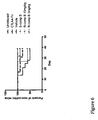
- Results for disease onset were expressed as a standard survival curve.
- a Log-Rank (Mantel-Cox) Test was performed using GraphPad Prism to determine significance.
- a p-value of 0.05 was used in the calculation to determine whether there were significant differences between any two groups.
- Results for clinical score and histology score were expressed as the mean ⁇ SEM.
- a Cochran-Mantel-Haenszel mean score test was performed using SAS software.
- a p-value of 0.05 was used in the calculation to determine whether there were significant differences between any two groups.
- This experiment demonstrates the effect of calcimimetics on inflammation in the DSS-induced mice model of IBD.
- mice were given 5% DSS in water ad libitum as drinking water for 9 days as described in Example 1 and were concurrently treated orally during that period with one of the treatments listed in Table 8.
- Table 8 5% DSS Treatment Dose Route no Untreated (normal) n/a n/a yes Calcimimetic Compound B 10 mg/kg oral yes FK 506 1 mg/kg oral yes Captisol (vehicle) 200 ⁇ l oral
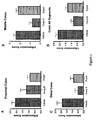
- Figure 1 and Table 8 summarize the effect of the calcimimetic compound B on colonic inflammation in 5% DSS induced colitis.
- Animals were euthanized with carbon dioxide on day nine post treatment.
- the large intestine (colon) was removed and processed for histopathologic changes of the proximal, middle and distal segments as described in Example 1.
- the intestine was scored as a global assessment of inflammation based on inflammatory infiltrate, edema, mucosal erosions or ulcerations as indicated in Table 6. All samples were scored in a blinded fashion.
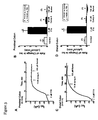
- Figure 3 summarizes the changes in short-circuit secretory current in the absence and presence of 2 ⁇ M TTX, before and after addition of 10 ⁇ M of a calcimimetic Compound A, before and after the addition of 100 ⁇ M bumetanide, an inhibitor of chloride secretion. Representative traces of the temporal changes in short-circuit current are shown for Proximal (Panel A) and Distal (Panel C) colon before and after addition of the agents indicated by arrows. TTX inhibited the secretory short-circuit current over 15 minutes. Subsequent addition of Compound A or bumetanide (Bumet) had no additional effect on short-circuit current.
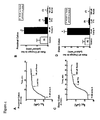
- Figure 4 summarizes the changes in short-circuit secretory current in the absence and presence of 10 ⁇ M of Compound A, a calcimimetic, before and after addition of 2 ⁇ M TTX, an inhibitor of ENS activity, before and after the addition of 100 ⁇ M bumetanide, an inhibitor of chloride secretion. Representative traces of the temporal changes in short-circuit current are shown for Proximal (A) and Distal (C) colon before and after addition of the agents indicated by arrows. Compound A inhibited the secretory short-circuit current over 15 minutes. Subsequent addition of TTX or bumetanide (Bumet) had no additional effect on short-circuit current. The rates of change in short-circuit current ( ⁇ A/cm 2 min) induced by addition of these agents are summarized for Proximal (B) and Distal (D) colon sheets. The number in parentheses indicates the number of observations.
- Example 1 Scores from each section of the colon were summed to generate a total large intestine (LI) score. The maximum LI score for each mouse was 12. Mouse 3-5 was found dead in its cage, so the tissue was not present (tnp).
- LI large intestine
- Serum calcium levels were significantly reduced in both R-Compound B treatment groups compared to the uninfected controls ( Figure 8 ).
- R-Compound B at the 10 mg/kg dose also induced significant calcium reductions compared to the CTLA4 and vehicle control groups. Calcium levels in the S-Compound B group were not statistically different from any other group.
- Serum phosphorus levels were significantly elevated in the R-Compound B 10 mg/kg group compared to all control groups. The lower 3 mg/kg dose induced a significant elevation in serum phosphorus compared to the S-Compound B treated group only.
- S-Compound B induced a significant reduction in phosphorus compared to CTLA4 treated animals. In all, these data demonstrate that the calcimimetic compound was biologically active, and that the higher dose generated more pronounced effects.
Landscapes
- Health & Medical Sciences (AREA)
- Veterinary Medicine (AREA)
- Chemical & Material Sciences (AREA)
- Medicinal Chemistry (AREA)
- Pharmacology & Pharmacy (AREA)
- Life Sciences & Earth Sciences (AREA)
- Animal Behavior & Ethology (AREA)
- General Health & Medical Sciences (AREA)
- Public Health (AREA)
- Epidemiology (AREA)
- Emergency Medicine (AREA)
- Engineering & Computer Science (AREA)
- Bioinformatics & Cheminformatics (AREA)
- Chemical Kinetics & Catalysis (AREA)
- General Chemical & Material Sciences (AREA)
- Nuclear Medicine, Radiotherapy & Molecular Imaging (AREA)
- Organic Chemistry (AREA)
- Pharmaceuticals Containing Other Organic And Inorganic Compounds (AREA)
- Acyclic And Carbocyclic Compounds In Medicinal Compositions (AREA)
Description
- This invention relates generally to the field of medicine and, more specifically, to compounds for use in treating an inflammatory bowel disorder (IBD), wherein the IBD is ulcerative colitis (UC) or Chron's disease (CD).
- Approximately 3.6 million people in the US and Europe (Lotus, E. (2004) Gastroenterol. 126: 1504-1517) and about 15.8 million people worldwide have inflammatory bowel disease or IBD (Lakatos, P. (2006) World J. Castroenterol.12(38): 6102-6108). IBD is a collective term used to describe two gastrointestinal disorders of unknown etiology; Chron's disease (CD) and ulcerative colitis (UC). Both diseases appear to result from the unrestrained activation of an inflammatory response in the intestine. Ulcerative colitis occurs in the large intestine, while Chron's disease can involve the entire gastrointestinal tract, as well as the small and large intestines. It has been suggested that the pathogenesis of IBD is multifactorial involving susceptibility genes and environmental factors Sartor et al. (1997) Am. J. Gastroenterol. 92: 5S-11S. Although the causative triggers remain unclear, the role of a persistent and likely dysregulated mucosal immune response is central to the pathogenesis of IBD. It remains unclear whether the persistent inflammation, an intrinsic feature of IBD, reflects a primary aberration in mucosal response or results from an inappropriate persistent stimulation. Curr. Opin. Gastroenterol. (2003) 19(4): 336-342. The course and prognosis of IBD varies widely. For most patients, it is a chronic condition with symptoms lasting for months to years. IBD is most common in young adults, but can occur at any age. The clinical symptoms of IBD include intermittent rectal bleeding, fever, abdominal pain, and diarrhea, which may range from mild to severe. Additional common signs of IBD are anemia and weight loss. 10 to 15% of all IBD patients will require surgery over ten year period. Protracted IBD is a risk factor for colon cancer, and the risk begins to rise significantly after eight to ten years of IBD.
- The first line therapy that is often used for IBD is aminosalicylates, which include sulfasalazine and the brands Asacol, Pentasa, Dipentum, and Colazal. Treatment for Chron's disease takes a stepwise approach with nutritional supplements and 5-ASA often used as chronic therapy aimed at prophylaxis against flare-up of the disease. Some physicians believe that 5-ASAs are not effective in CD and start with a steroid such as budesonide. When mild to moderate patients flare up, they are often treated with a short course of steroids. For more severe patients or those with more frequent flares, immunosuppressices such as aathioprine (Imuran), 6-MP, and methotrexate are used. The anti-TNF antibody Remicade is also used to treat Chron's disease. Treatment of ulcerative colitis is very similar to treatment of Chron's disease, following a similar stepwise approach with the use of 5-ASAs, short courses of steroids, other immunosuppressives and surgery. Remicade is sometimes used for severe disease not responding to steroids or traditional immune modulators. Methotrexate and antibiotics are generally not used in UC and it's believed by many physicians that methotrexate does not work in UC. Need for surgery is more prevalent in UC than in CD, with 25-40% of patients eventually requiring colectomy. Unlike in Chron's disease, surgery for ulcerative colitis is curable. There are unmet needs for IBD patients who fail on all of the currently available therapies. Approximately 20% of patients fail all therapies and need surgery in the short term, 40% of patients will require surgery in the long term.
- Irritable bowel syndrome, or IBS, is the most prevalent digestive disease, accounting for 12% of visits to primary care physicians and 28% of referrals to gastroenterologists. IBS is one of a heterogeneous family of functional gastrointestinal disorders, which are difficult to treat because no single etiology for these disorders is known and thus treatment is directed at controlling symptoms. IBS affects at least 10 to 20% of adults in the US, mostly women, and second only to the common cold as a cause of absenteeism from work. The majority of cases are undiagnosed because only 25-30% of patients seek medical attention (International Foundation for Functional Gastrointestinal Disorders). IBS produces disability rates equal to or greater than severe organic gastrointestinal disease. One study reported that 8% of patients with IBS retire early due to their symptoms. Rees, G. et al. (1994) J. R. Soc. Health 114: 182. IBS is characterized by altered bowel habits and abdominal pain, typically in the absence of detectable structural abnormalities. No clear diagnostic markers exist for IBS, and its definition is based on its clinical presentation. IBS is often confused with IBD, colitis, mucous colitis, spastic colon, or spastic bowel. Only recently physicians started considering IBS to be a brain-gut functional disorder, rather than a somatic manifestation of physiological stress. The Rome diagnostic criteria of IBS (currently, Rome II) can be used to rule out other disorders. According to the Rome II criteria, abdominal pain or discomfort is a prerequisite clinical feature of IBS. Drossman D. et al. (eds) Rome II: the functional gastrointestinal disorders: diagnosis, pathophysiology, and treatment: a multinational consensus. McLean, VA: Degnon Associates, 2000. Most IBS patients experience several IBS symptoms such as abdominal pain, altered bowel habits, flatulence, upper GI symptoms such as dyspepsia, heartburn nausea, and vomiting. IBS patients typically fall into two broad clinical groups. Most patients belong to the first group, presenting with abdominal pain associated with altered bowel habit that include constipation diarrhea or alternating constipation and diarrhea. The second group of patients have painless diarrhea. It is generally believed that the central nervous system plays an important role in the pathogenesis of IBS. This is supported by the clinical association of emotional disorders and stress with IBS symptom exacerbation, and the therapeutic response to IBS therapies that act on cerebral cortical sites.
- About 80% of IBS patients are treated with some form of therapy. The management approach for IBS depends on the patient's predominant symptoms. The goal in patients with constipation-predominant IBS (IBS-C) is to stimulate a bowel movement, thus, bulk fiber laxatives can be used several times per day. Second line therapy may involve Senekot and antispasmodics (e.g., Levsin) for periodic cramping and abdominal pain. Third line therapy may include Zelnorm. Usually, 40% of patients with IBS-C improve with treatment. In patients with diarrhea-predominant IBS, lactose intolerance and bacterial overgrowth must be ruled out first. Imodium is standard treatment for this type of IBS. Lotronex is rarely used and reserved only for the very severe patients due to risk of ischemic colitis. 60% of diarrhea-predominant IBS (IBS-D) patients improve with treatment. Patients with mixed-symptom IBS (IBS-A) may be treated with a combination of approaches depending on whether the patient is experiencing a period of constipation of diarrhea. A portion of these patients are also likely to be IBS-D or IBS-C patients that get overmedicated and swing to the other extreme. Most long-term studies of IBS report that symptoms persist for more than five years in greater than 75% of patients despite appropriate therapy.
- Bowel disorders such as IBD and IBS are a medical problem, and improved methods of treatment are necessary as no satisfactory treatments are currently available.
- The present invention is directed to a calcimimetic compound according to Formula I for use in treating an Inflammatory bowel disorder (IBD), wherein the IBD is ulcerative colitis (UC) or Chron's disease (CD)

- X1 and X2, which may be identical or different, are each a radical chosen from CH3, CH3O, CH3CH2O, Br, Cl, F, CF3, CHF2, CH2F, CF3O, CH3S, OH, CH2OH, CONH2, CN, NO2, CH3CH2, propyl, isopropyl, butyl, isobutyl, t-butyl, acetoxy, and acetyl radicals, or two of X1 may together form an entity chosen from fused cycloaliphatic rings, fused aromatic rings, and a methylene dioxy radical, or two of X2 may together form an entity chosen from fused cycloaliphatic, rings, fused aromatic rings, and a methylene dioxy radical; provided that X2 is not a 3-t-butyl radical;
- n ranges from 0 to 5;
- m ranges from 1 to 5; and
- the alkyl radical is chosen from C1-C3 alkyl radicals, which are optionally substituted with at least one group chosen from saturated and unsaturated, linear, branched, and cyclic C1-C9 alkyl groups, dihydroindolyl and thiodihydroindolyl groups, and 2-, 3-, and 4-piperidinyl groups;
- or a pharmaceutically acceptable salt thereof.
- Preferred embodiments are set forth in the subclaims.
- In one aspect, the subject can be mammal. In one aspect, the subject can be human .
-
Figure 1 illustrates the effect of the calcimimetic compound B on colonic inflammation in 5% DSS induced colitis model. Panel A, proximal colon; Panel B, middle colon, Panel C, distal colon; Panel D, combined colon. -
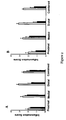
Figure 2 demonstrates that the calcimimetics Compound C (Panel A) and Compound D (Panel B) reduce inflammation scores in all parts of colon compare to the vehicle. Open bars, vehicle; black bars, calcimimetics. -
Figure 3 illustrates the changes in short-circuit secretory current in the absence and presence of 2 µM TTX, before and after addition of 10 µM of a calcimimetic Compound A, before and after the addition of 100 µM bumetanide, an inhibitor of chloride secretion. -
Figure 4 illustrates the changes in short-circuit secretory current in the absence and presence of 10 µM of Compound A, before and after addition of 2 µM TTX, before and after the addition of 100 µM bumetanide. -
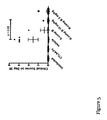
Figure 5 represents clinical score on the final day of study (day 38) for controls and compound B. scores are calculated by summing the stool score (0-4) and the anal inflammation score (0-4) and averaging the scores for the group (maximal score is 8). Error bars represent SEM. -
Figure 6 represents disease onset graph. Curve representing the percentage of mice showing signs of colitis at various time points throughout the study. Day of disease onset is determined by a subject having two consecutive days of positive clinical score. The 10 mg/kg Compound B group was significantly different from the vehicle control group. -
Figure 7 illustrates histology score. Histology scores represent the sums of scores given to the three section of colon taken: proximal, middle, and distal. The scoring system for each section is described in the methods. Error bars represent SEM. -
Figure 8 demonstrates the effect of calcimimetics on serum calcium (panel A) and phosphorus (panel B). Error bars represent SEM. -
Figure 9 demonstrates the effect of calcimimetics on serum IP-10 levels. Error bars represent SEM. - As used herein, the term "subject" is intended to mean a human, or an animal, in need of a treatment. This subject can have, or be at risk of developing, a bowel disorder, for example, inflammatory bowel disorder or irritable bowel syndrome.
- "Treating" or "treatment" of a disease includes: (1) preventing the disease, i.e., causing the clinical symptoms of the disease not to develop in a subject that may be or has been exposed to the disease or conditions that may cause the disease, or predisposed to the disease but does not yet experience or display symptoms of the disease, (2) inhibiting the disease, i.e., arresting or reducing the development of the disease or any of its clinical symptoms, or (3) relieving the disease, i.e., causing regression of the disease or any of its clinical symptoms.
- Administration "in combination with" or "together with" one or more further therapeutic agents includes simultaneous or concurrent administration and consecutive administration in any order.
- The phrase "therapeutically effective amount" is the amount of the compound of the invention that will achieve the goal of improvement in disorder severity and the frequency of incidence. The improvement in disorder severity includes the reversal of the disease, as well as slowing down the progression of the disease.
- As used herein, "calcium sensing receptor" or "CaSR" refers to the G-protein-coupled receptor responding to changes in extracellular calcium and/or magnesium levels. Activation of the CaSR produces rapid, transient increases in cytosolic calcium concentration by mobilizing calcium from thapsigargin-sensitive intracellular stores and by increasing calcium influx though voltage-insensitive calcium channels in the cell membrane (Brown et al., Nature 366: 575-580, 1993; Yamaguchi et al., Adv Pharmacol 47: 209-253, 2000).
- The phrase "bowel disorders" includes but is not limited to IBD, IBS, diverticular disease, collagenous and lymphatic colitis, diversion colitis, endometriosis, typhlitis, colitis, cystica profunda, pneumatosis cystoides intestinalis, and malakoplakia.
- As used herein, the term "calcimimetic compound" or "calcimimetic" refers to a compound that binds to calcium sensing receptors and induces a conformational change that reduces the threshold for calcium sensing receptor activation by the endogenous ligand Ca2+. These calcimimetic compounds can also be considered allosteric modulators of the calcium receptors.
- In one aspect, a calcimimetic can have one or more of the following activities: it evokes a transient increase in internal calcium, having a duration of less that 30 seconds (for example, by mobilizing internal calcium); it evokes a rapid increase in [Ca2+ i], occurring within thirty seconds; it evokes a sustained increase (greater than thirty seconds) in [Ca2+ i] (for example, by causing an influx of external calcium); evokes an increase in inositol-1,4,5-triphosphate or diacylglycerol levels, usually within less than 60 seconds; and inhibits dopamine- or isoproterenol-stimulated cyclic AMP formation. In one aspect, the transient increase in [Ca2+ i] can be abolished by pretreatment of the cell for ten minutes with 10 mM sodium fluoride or with an inhibitor of phospholipase C, or the transient increase is diminished by brief pretreatment (not more than ten minutes) of the cell with an activator of protein kinase C, for example, phorbol myristate acetate (PMA), mezerein or (-) indolactam V. In one aspect, a calcinimetic compound can be a small molecule. In another aspect, a calcimimetic can be an agonistic antibody to the CaSR.
- Calcimimetic compounds useful in the present description include those disclosed in, for example, European Patent No.
637,237 657,029 724,561 787,122 907,631 933,354 1,203,761 ,1,235 797 ,1,258,471 ,1,273,635 ,1,281,702 ,1,284,963 ,1,296,142 ,1,308,436 ,1,509,497 ,1,509,518 ,1,553,078 ; International Publication Nos.WO 93/04373 WO 94/18959 WO 95/11221 WO 96/12697 WO 97/41090 WO 01/34562 WO 01/90069 WO 02/14259 WO 02/059102 WO 03/099776 WO 03/099814 WO 04/017908 WO 04/094362 WO 04/106280 WO 06/117211 WO 06/123725 WO 07/060026 WO 08/006625 WO 08/019690 U.S. Patent Nos. 5,688,938 ,5,763,569 ,5,962,314 ,5,981,599 ,6,001,884 ,6,011,068 ,6,031,003 ,6,172,091 ,6,211,244 ,6,313,146 ,6,342,532 ,6,362,231 ,6,432,656 ,6,710,088 ,6,750,255 ,6,908,935 ,7,157,498 ,7,176,322 andU.S. Patent Application Publication No. 2002/0107406 ,2003/0008876 ,2003/0144526 ,2003/0176485 ,2003/0199497 ,2004/0006130 ,2004/0077619 ,2005/0032796 ,2005/0107448 ,2005/0143426 , European patent applicationPCT/EP2006/004166 0511940 - In one aspect, compounds binding at the CaSR-activity modulating site can be identified using, for example, a labeled compound binding to the site in a competition-binding assay format.
- Calcimimetic activity of a compound can be determined using techniques such as those described in International Publications
WO 93/04373 WO 94/18959 WO 95/11211 - Other methods that can be used to assess compounds calcimimetic activity are described below.
- HEK 293 cells engineered to express human parathyroid CaSR (HEK 293 4.0-7) have been described in detail previously (Nemeth EF et al. (1998) Proc. Natl. Acad. Sci. USA 95:4040-4045). This clonal cell line has been used extensively to screen for agonists, allosteric modulators, and antagonists of the CaSR (Nemeth EF et al. (2001) J. Pharmacol. Exp. Ther. 299:323-331).
- For measurements of cytoplasmic calcium concentration, the cells are recovered from tissue culture flasks by brief treatment with 0.02% ethylenediaminetetraacetic acid (EDTA) in phosphate-buffered saline (PBS) and then washed and resuspended in Buffer A (126 mM NaCl, 4 mM KCl, 1 mM CaCl2, 1 mM MgSO4, 0.7 mM K2HPO4/KH2PO4, 20 mM Na-Hepes, pH 7.4) supplemented with 0.1 % bovine serum albumin (BSA) and 1 mg/ml D-glucose. The cells are loaded with fura-2 by incubation for 30 minutes at 37°C in Buffer A and 2 µM fura-2 acetoxymethylester. The cells are washed with Buffer B (Buffer B is Buffer A lacking sulfate and phosphate and containing 5 mM KCl, 1 mM MgCl2, 0.5 mM CaCl2 supplemented with 0.5% BSA and 1 mg/ml D-glucose) and resuspended to a density of 4 to 5 x 10⁶ cells/ml at room temperature. For recording fluorescent signals, the cells are diluted five-fold into prewarmed (37°C) Buffer B with constant stirring. Excitation and emission wavelengths are 340 and 510 nm, respectively. The fluorescent signal is recorded in real time using a strip-chart recorder.
- For fluorometric imaging plate reader (FLIPR) analysis, HEK 293 cells are maintained in Dulbecco's modified Eagle's medium (DMEM) with 10% fetal bovine serum (FBS) and 200 µg/ml hygromycin. At 24 hrs prior to analysis, the cells are trypsinized and plated in the above medium at 1.2 x 10⁵ cells/well in black sided, clear-bottom, collagen 1-coated, 96-well plates. The plates are centrifuged at 1,000 rpm for 2 minutes and incubated under 5% CO2 at 37°C overnight. Cells are then loaded with 6 µM fluo-3 acetoxymethylester for 60 minutes at room temperature. All assays are performed in a buffer containing 126 mM NaCl, 5 mM KCl, 1 mM MgCl2, 20 mM Na-Hepes, supplemented with 1.0 mg/ml D-glucose and 1.0 mg/ml BSA fraction IV (pH 7.4).
- In one aspect, the EC50's for the CaSR-active compounds can be determined in the presence of 1 mM Ca2+. The EC50 for cytoplasmic calcium concentration can be determined starting at an extracellular Ca2+ level of 0.5 mM. FLIPR experiments are done using a laser setting of 0.8 W and a 0.4 second CCD camera shutter speed. Cells are challenged with calcium, CaSR-active compound or vehicle (20 µl) and fluorescence monitored at 1 second intervals for 50 seconds. Then a second challenge (50 µl) of calcium, CaSR-active compound, or vehicle can be made and the fluorescent signal monitored. Fluorescent signals are measured as the peak height of the response within the sample period. Each response is then normalized to the maximum peak observed in the plate to determine a percentage maximum fluorescence.
- The effect of calcimimetic compounds on CaSR-dependent regulation of PTH secretion can be assessed using primary cultures of dissociated bovine parathyroid cells. Dissociated cells can be obtained by collagenase digestion, pooled, then resuspended in Percoll purification buffer and purified by centrifugation at 14,500 x g for 20 minutes at 4°C. The dissociated parathyroid cells are removed and washed in a 1:1 mixture of Ham's F-12 and DMEM (F-12/DMEM) supplemented with 0.5% BSA, 100 U/ml penicillin, 100 µg/ml streptomycin, and 20 µg/ml gentamicin. The cells are finally resuspended in F-12/DMEM containing 10 U/ml penicillin, 10 µg/ml streptomycin, and 4 µg/ml gentamicin, and BSA was substituted with ITS+ (insulin, transferrin, selenous acid, BSA, and linoleic acid; Collaborative Research, Bedford, MA). Cells are incubated in T-75 flasks at 37°C in a humidified atmosphere of 5% CO2 in air.
- Following overnight culture, the cells are removed from flasks by decanting and washed with parathyroid cell buffer (126 mM NaCl, 4 mM KCl, 1 mM MgSO4, 0.7 mM K2HPO4/KH2PO4, 20 mM Na-Hepes, 20; pH 7.45 and variable amounts of CaCl2 as specified) containing 0.1 % BSA and 0.5 mM CaCl2. The cells are resuspended in this same buffer and portions (0.3 ml) are added to polystyrene tubes containing appropriate controls, CaSR-active compound, and/or varying concentrations of CaCl2. Each experimental condition is performed in triplicate. Incubations at 37°C are for 20 minutes and can be terminated by placing the tubes on ice. Cells are pelleted by centrifugation (1500 x g for 5 minutes at 4°C) and 0.1 ml of supernatant is assayed immediately. A portion of the cells is left on ice during the incubation period and then processed in parallel with other samples. The amount of PTH in the supernatant from tubes maintained on ice is defined as "basal release" and subtracted from other samples. PTH is measured according to the vendor's instructions using rat PTH-(1-34) immunoradiometric assay kit (Immunotopics, San Clemente, CA).
- Rat MTC 6-23 cells (clone 6), purchased from ATCC (Manassas, VA) are maintained in growth media (DMEM high glucose with calcium/15% HIHS) that is replaced every 3 to 4 days. The cultures are passaged weekly at a 1:4 split ratio. Calcium concentration in the formulated growth media is calculated to be 3.2 mM. Cells are incubated in an atmosphere of 90% O2/10% CO2, at 37°C. Prior to the experiment, cells from sub-confluent cultures are aspirated and rinsed once with trypsin solution. The flasks are aspirated again and incubated at room temperature with fresh trypsin solution for 5-10 minutes to detach the cells. The detached cells are suspended at a density of 3.0 x 10⁵ cells/mL in growth media and seeded at a density of 1.5 x 10⁵ cells/well (0.5 mL cell suspension) in collagen-coated 48 well plates (Becton Dickinson Labware, Bedford, MA). The cells are allowed to adhere for 56 hours post-seeding, after which the growth media was aspirated and replaced with 0.5 mL of assay media (DMEM high glucose without/2% FBS). The cells are then incubated for 16 hours prior to determination of calcium-stimulated calcitonin release. The actual calcium concentration in this media is calculated to be less than 0.07 mM. To measure calcitonin release, 0.35 mL of test agent in assay media is added to each well and incubated for 4 hours prior to determination of calcitonin content in the media. Calcitonin levels are quantified according to the vendor's instructions using a rat calcitonin immunoradiometric assay kit (Immutopics, San Clemente, CA).
- The calcimimetic properties of compounds could also be evaluated in a biochemical assay performed on Chinese hamster ovarian (CHO) cells transfected with an expression vector containing cloned CaSR from rat brain [CHO(CaSR)] or not [CHO(WT)] (Ruat M., Snowman AM., J. Biol. Chem 271, 1996, p 5972). CHO(CaSR) has been shown to stimulate tritiated inositol phosphate ([3H]IP) accumulation upon activation of the CaSR by Ca2+ and other divalent cations and by NPS 568 (Ruat et al., J. Biol. Chem 271, 1996). Thus, [3H]IP accumulation produced by 10 µM of each CaSR-active compound in the presence of 2 mM extracellular calcium can be measured and compared to the effect produced by 10 mM extracellular calcium, a concentration eliciting maximal CaSR activation (Dauban P. et al., Bioorganic & Medicinal Chemistry Letters, 10, 2000, p 2001).
- Calcimimetic compounds useful in the present invention can be used in the form of pharmaceutically acceptable salts derived from inorganic or organic acids. The salts include, the following: acetate, adipate, alginate, citrate, aspartate, benzoate, benzenesulfonate, bisulfate, butyrate, campborate, camphorsulfonate, digluconate, cyclopentanepropionate, dodecylsutfate, ethanesulfonate, glucoheptanoate, glycerophosphate, hemisulfate, heptanoate, hexanoate, fumarate, hydrochloride, hydrobromide, hydroiodide, 2-hydroxy-ethanesulfonate, lactate, maleate, mandelate, methansalfonate, nicotinate, 2-naphthalenesulfonate, oxalate, palmoate, pectinate, persulfate, 2-phenylpropionate, picrate, pivalate, propionate, salicylate, succinate, sulfate, tartrate, thiocyanate, tosylate, mesylate, and undecanoate. When compounds of the invention include an acidic function such as a carboxy group, then suitable pharmaceutically acceptable salts for the carboxy group are well known to those skilled in the art and include, for example, alkaline, alkaline earth, ammonium, quaternary ammonium cations and the like. For additional examples of "pharmacologically acceptable salts," see Berge et al. J. Pharm. Sci. 66: 1, 1977. In certain embodiments of the invention salts of hydrochloride and salts of methanesulfonic acid can be used.
- In some aspects of the present invention, the calcium-receptor active compound can be chosen from cinacalcet, i.e., N-(1-(R)-(1-naphthyl)ethyl]-3-[3-(trifluoromethyl)phenyl]-1-aminopropane, cinacalcet HCl, and cinacalcet methanesulfonate. The calcimimetic compound, such as cinacalcet HCl and cinacalcet methanesulfonate, can be in various forms such as amorphous powders, crystalline powders, and mixtures thereof. The crystalline powders can be in forms including polymorphs, psuedopolymorphs, crystal habits, micromeretics, and particle morphology.
- For administration, the compounds useful in this invention are ordinarily combined with one or more adjuvants appropriate for the indicated route of administration. The compounds may be admixed with lactose, sucrose, starch powder, cellulose esters of alkanoic acids, stearic acid, talc, magnesium stearate, magnesium oxide, sodium and calcium salts of phosphoric and sulphuric acids, acacia, gelatin, sodium alginate, polyvinyl-pyrrolidine, and/or polyvinyl alcohol, and tableted or encapsulated for conventional administration. Alternatively, the compounds useful in this invention may be dissolved in saline, water, polyethylene glycol, propylene glycol, ethanol, corn oil, peanut oil, cottonseed oil, sesame oil, tragacanth gum, and/or various buffers. Other adjuvants and modes of administration are well known in the pharmaceutical art. The carrier or diluent may include time delay material, such as glyceryl monostearate or glyceryl distearate alone or with a wax, or other materials well known in the art.
- The pharmaceutical compositions may be made up in a solid form (including granules, powders or suppositories) or in a liquid form (e.g., solutions, suspensions, or emulsions). The pharmaceutical compositions may be subjected to conventional pharmaceutical operations such as sterilization and/or may contain conventional adjuvants, such as preservatives, stabilizers, wetting agents, emulsifiers, buffers etc.
- Solid dosage forms for oral administration may include capsules, tablets, pills, powders, suppositories, and granules. In such solid dosage forms, the active compound may be admixed with at least one inert diluent such as sucrose, lactose, or starch. Such dosage forms may also comprise, as in normal practice, additional substances other than inert diluents, e.g., lubricating agents such as magnesium stearate. In the case of capsules, tablets, and pills, the dosage forms may also comprise buffering agents. Tablets and pills can additionally be prepared with enteric coatings.
- Liquid dosage forms for oral administration may include pharmaceutically acceptable emulsions, solutions, suspensions, syrups, and elixirs containing inert diluents commonly used in the art, such as water. Such compositions may also comprise adjuvants, such as wetting, sweetening, flavoring, and perfuming agents.
- The therapeutically effective amount of the calcium receptor-active compound in the compositions useful in the invention can range from 0.1 mg to 180 mg, for example from 5 mg to 180 mg, or from 1mg to 100 mg of the calcimimetic compound per subject. In some aspects, the therapeutically effective amount of calcium receptor-active compound in the composition can be chosen from about 0.1 mg, about 1 mg, 5 mg, about 15 mg, about 20 mg, about 30 mg, about 50 mg, about 60 mg, about 75 mg, about 90 mg, about 120 mg, about 150 mg, about 180 mg.
- While it may be possible to administer a calcium receptor-active compound to a subject alone, the compound administered will normally be present as an active ingredient in a pharmaceutical composition. Thus, a pharmaceutical composition of the invention may comprise a therapeutically effective amount of at least one calcimimetic compound, or an effective dosage amount of at least one calcimimetic compound.
- As used herein, an "effective dosage amount" is an amount that provides a therapeutically effective amount of the calcium receptor-active compound when provided as a single dose, in multiple doses, or as a partial dose. Thus, an effective dosage amount of the calcium receptor-active compound of the invention includes an amount less than, equal to or greater than an effective amount of the compound; for example, a pharmaceutical composition in which two or more unit dosages, such as in tablets, and capsules, are required to administer an effective amount of the compound, or alternatively, a multidose pharmaceutical composition, such as powders, liquids and the like, in which an effective amount of the calcimimetic compound is administered by administering a portion of the composition.
- Alternatively, a pharmaceutical composition in which two or more unit dosages, such as in tablets, and capsules, are required to administer an effective amount of the calcium receptor-active compound may be administered in less than an effective amount for one or more periods of time (e.g., a once-a-day administration, and a twice-a-day administration), for example to ascertain the effective dose for an individual subject, to desensitize an individual subject to potential side effects, to permit effective dosing readjustment or depletion of one or more other therapeutics administered to an individual subject, and/or the like.
- The effective dosage amount of the pharmaceutical composition useful in the invention can range from 1 mg to 360 mg from a unit dosage form, for example about 5 mg, about 15 mg, about 30 mg, about 50 mg, about 60 mg, about 75 mg, about 90 mg, about 120 mg, about 150 mg, about 180 mg, about 210 mg, about 240 mg, about 300 mg, or about 360 mg from a unit dosage form.
- In some aspects of the present invention, the compositions disclosed herein comprise a therapeutically effective amount of a calcium receptor-active compound for the treatment or prevention of bowel disorders. For example, in certain embodiments, the calcimimetic compound such as cinacalcet HCl can be present in an amount ranging from 1% to 70%, such as from 5% to 40%, from 10% to 30%, or from 15% to 20%, by weight relative to the total weight of the composition.
- The compositions useful in the invention may contain one or more active ingredients in addition to the calcium sensing receptor-active eompound. The additional active ingredient may be another calcimimetic compound, or it may be an active ingredient having a different therapeutic activity. Examples of such additional active ingredients include vitamins and their analogs, such as antibiotics, lanthanum carbonate, anti-inflammatory agents (steroidal and non-steroidal) and inhibitors of pro-inflammatory cytokine (ENBREL®, KINERET®). When administered as a combination, the therapeutic agents can be formulated as separate compositions that are given at the same time or different times, or the therapeutic agents can be given as a single composition.
- The pharmaceutical compositions useful for methods disclosed in the present specification may include additional compounds as described in more detail below.
- The compounds used to practice the methods disclosed in the present specification can be formulated for oral administration that release biologically active ingredients in the colon without substantial release into the upper gastrointestinal tract, e.g. stomach and intestine. Oral delivery of drugs to the colon can allow achieving high local concentration while minimizing side effects that occur because of release of drugs in the upper GI tract or unnecessary systemic absorption. The advantage of colonic delivery of drugs can be due to the fact that poorly absorbed drugs may have an improved bioavailability, colon is somewhat less hostile environments with less diversity and intensity of activity that the stomach and small intestine, and the colon has a longer retention time and appears highly responsive to agents that enhance the absorption of poorly absorbed drugs. Chourasia, M. et al. (2003) J. Pharm. Pharmaceut. Sci 6(1): 33-66. Some pharmaceutical approaches that can be used for the development if colon targeted drug delivery systems are summarized in Table 1.
Table 1 Approach Basic Features Covulent linkage of a drug and a carrier Azo conjugates The drug is conjugated with an azo bond Cyclodextrin conjugates The drug is conjugated with cyclodextrin Glycoside conjugates The drop is conjugated with glycisode Glucoronate conjugates The drug is conjugated with glucoronate Dextran conjugates The drug is conjugated with dextran Polypetide conjugates The drug is conjugated with poly(aspartic acid) Approaches to deliver the intact molecule to the colon Coating with pH-sensitive polymers Formulation coated with enteric polymers releases drug when pH moves towards alkaline range Coating with biodegradable polymers Drug is released following degradation of the polymer due to the action of colonic bacteria Embedding in biodegradable matrices and hydrogels The embedded drug in polysaccharide matrices is released by swelling and by the biodegradable action of polysaccharidases Embedding in ph-sensitive matrices Degradation of the pH-sensitive polymer in the GI tract releases the embedded drug Time released systems Once the multicoated formulation passes the stomach, the drug is released after a lag time of 3-5 h that is equivalent to small intestine transit time Redox-sensitive polymers Drug formulated with azo polymer and disulfide polymers that selectively respond to the redox potential of the colon provides colonic delivery Bioadhesive systems Drug coated with a bioadhesive polymer that selectively provides adhesion to the colonic mucosa may release drug in the colon Coating with microparticles Drug is Linked with microparticles Osmotic controlled drug delivery Drug is released through semipermeable membrane due to osmotic pressure Suppositories Drug is released from microscopic polymeric particles wherein drug is homogeneously incorporated within a pharmaceutically acceptable suppository base. - Pharmaceutical compositions of the invention can be used with the drug carrier including pectin and galactomannan, polysaccaharides that are both degradable by colonic bacterial enzymes (
US Pat No. 6,413,494 ). While pectin or galactomannan, if used alone as a drug carrier, are easily dissolved in simulated gastric fluid and simulated intestinal fluid, a mixture of these two polysaccharides prepared at a pH of about 7 or above produces a strong, elastic, and insoluble gel that is not dissolved or disintegrated in the simulated gastric and intestinal fluids, thus protecting drugs coated with the mixture from being released in the upper GI tract. When the mixture of pectin and galactomannan arrives in the colon, it is rapidly degraded by the synergic action of colonic bacterial enzymes. The compositions of the invention may be used with the pharmaceutical matrix of a complex of gelatin and an anionic polysaccharide (e.g., pectinate, pectate, alginate, chondroitin sulfate, polygalacturonic acid, tragacanth gum, arabic gum, and a mixture thereof), which is degradable by colonic enzymes (US Pat No. 6,319,518 ). - The present specification discloses methods for treatment of bowel disorders. In one aspect, bowels disorders include inflammatory bowel disease. In another aspect, bowel disorders include irritable bowel syndrome. In a further aspect, bowel disorders include diverticular disease, collagenous and lymphatic colitis, diversion colitis, endometriosis, typhlitis, colitis, cystica profunda, pneumatosis cystoides intestinalis, or malakoplakia.
- The present specification discloses a method of treatment or prevention of inflammatory bowel disease. Inflammatory bowel disease, or IBD, as used herein, is a disease characterized by inflammation or ulcerations in the small and/or large intestine with chronically recurring symptoms of abdominal pain and alteration in bowel habits. IBD has been classified into the broad categories of Chron's disease (CD) and ulcerative colitis (UC). Though patients with CD and UC may present with similar symptoms such as diarrhea and abdominal pain, the characteristic differences are listed in Table 2.
Table 2 Feature Ulcerative Colitis Chron's disease Distribution Affects only colon Can affect the entire digestive tract, although more likely to affect proximal, intestine Pattern of inflammation Continuous Patchy in spots of ulceration and normal tissue called "skips" Depth of inflammation Mucosal disease (shallow ulcers) Transmural disease (deep ulcers) Signs and symptoms Rectal bleeding, diarrhea, tenesmus, abdominal pain (rectal bleeding always present) Diarrhea, abdominal pain, weight loss. Can be associated with strictures, fistulas, granulomas and perianal sores (rectal bleeding may occur) - In one aspect, the invention provides compounds for use in treating UC according to claim 1.
- The compounds for use of the invention can be used for treatment of CD according to claim 1. In one aspect, compounds for use of the present invention result in prevention of onset or alleviation of one or more signs or symptoms of UC or CD. Table 3 further summarizes inflammatory markers in pathophysiology of IBD and signs /symptoms commonly found in ulcerative colitis and Chron's disease.
Table 3 Sign/Symptom Ulcerative Colitis Chron's Disease Area of intestinal tract affected Any part of innermost lining of colon, continuous with no patches of normal tissues Lower ileum most common but can flare up anywhere, including the colon, patches of normal tissue between affected areas; can affect entire intestinal wall Diarrhea Typically four episodes per day Typically four episodes per day Abdominal pain / cramping Mild tenderness, lower abdominal cramping Moderate to severe abdominal tenderness in rigbt lower quadrant Blood in stool Present; amount depends on disease severity May be present; amount depends on disease severity Fatigue Result of excessive blood loss and anemia Result of excessive blood loss, anemia, and poor nutrient absorption Fever Low-grade in severe cases Low-grade in severe cases Physical examination Rectal exam may show perianal irritation, fissures, hemorrhoids, fistulas, and abscesses Peritoneal irritation, abdominal or pelvis mass Weight loss / anorexia Weight loss in more severe cases Weight loss and anorexia common due to poor digestion and intestinal absorption Appetite Often decreased during periods of disease exacerbation Often decreased during periods of disease exacerbation Risk of colon cancer Increased Increased - To diagnose IBD, a careful medical history is taken, including details and durations of symptoms, and whether there is a family history of IBD or cigarette smoking history. Next, blood tests can help detect anemia, high white cell counts (indicating inflammation or infection), and low nutrient levels. Stool samples can rule out intestinal infection which can lead to similar symptoms as IBD. The diagnosis of IBD is established by finding characteristic changes in the lining of the intestinal tract by endoscopy and characteristic histological features on biopsy, which can be obtained via endoscopy. X-ray examinations such as double-contrast barium enemas or oral barium with small bowel follow-through ("upper GI series") are used to confirm the diagnosis following endoscopy and examine the extent of mucosal disease. CT or MRI scans are occasionally ordered to look for complications of IBD, such as obstruction. Current area of investigation includes genetic testing and video capsule endoscopy. In wireless capsule endoscopy, a pill is swallowed and travels through the small intestine taking pictures that are transmitted to a recorder and later viewed on a computer. This test is more sensitive for CD in the small intestine than X-rays.
- The present specification discloses methods for treating mild IBD. The present specification discloses methods for treating moderate IBD. The present specification discloses methods for treating severe IBD. The severity of inflammatory bowel disease is characterized in Table 4.
Table 4 Mild Moderate Severe Ulcerative colitis Fewer than 4 stools daily 4 to 6 stools daily Frequent bleeding More than 6 bloody stools daily Intermittent bleeding Normal hematocrit and erythrocyte sedimentation rate Hematocrit of 20 to 30% Hematocrit of less than 30% ESR of 20 to 30 mm/h Weight loss greater than 10% (ESR) levels ESR > 30 mm/h Chron's disease No dehydration or obstruction Fever Fever Anemia Obstruction Weight loss < 10% Weight loss > 10% Abscess - The compounds for use of the present invention can be practiced in combination with nutritional management. Deficiencies of specific nutrients in IBD can be managed by supplementation. For example, calcimimetic compounds and compositions can be administered in combination with calcium, magnesium, zinc, iron, folate, vitamin B12, vitamin D, or vitamin K. In another example, compound and compositions of the invention can be administered concurrently with cholestyramine therapy. In one aspect, compounds and compositions of the invention can be administered with antidiarrheal agents, antispasmodics or anticholinergics, or analgesics. Examples of antidiarrheal agents include loperamide or diphenoxylate. Examples of anticholinergics include belladonna, clidinium, propantheline bromides, and dicyclomine hydrochloride. An analgesic can be chosen based on the disease severity. In one aspect, compounds and compositions of the invention can be administered together with 5-aminosalicylic acid compounds (5-ASA). Examples of 5-ASA preparations include mesalamine (5-ASA) suppositories, 5-ASA enemas, sulfasalazine, asacol, pentasa, dipentum and colazol. In another aspect, compounds and compositions of the invention can be administered concurrently with steroids, such as cortisone, corticosteroid enemas, budesonide, or prednisone. In a further aspect, compounds and compositions of the invention can be administered together with immunomodulators (i.e., drugs that act by blocking lymphocyte proliferation, activation, or effector mechanisms). Examples of immunomodulators include 6-mercaptopurine (6-MP), azathioprine, methotrexate, cyclosporine, or anti-TNF antibodies such as infliximab (Remicade®) or CDP571 (humanized IgG4 antibody against TNF-α). In another aspect of the invention, compounds and compositions of the invention can be administered concurrently with antibiotics, such as metronidazole or ciproflaxin. In one aspect, compounds and compositions of the invention can be administered concurrently with Humira®. In another aspect, compounds and compositions of the invention can be administered together with CNTO-1275 (Centocor). In a further aspect, compounds and compositions of the invention can be administered concurrently with Basiliximab (Simulect), FK506 or sargramostim.
- In one aspect, compounds and compositions of the invention can be administered in conjunction with surgical treatments. In another aspect, calcimimetic compounds and compositions of the invention can be administered concurrently with treatment involving recombinant cytokines or antibodies to cytokines. In one aspect, a combination therapy may include recombinant IL-10. In another aspect, calcimimetic compounds and compositions of the invention can be used concurrently with probiotics. In a further aspect, the calcimimetic compounds of the present invention can be administered together with compounds or treatments that block the proinflammatory properties of CpG motifs, such as CpG-ODN or AV-ODN (See Obermeier, F. et al. (2005) Gastroenterology 129: 913-927; Obermeier, F. et al. (2005) Gut 54: 1428-1436). In another aspect, calcimimetic compounds and compositions of the invention can be used with heparin, lidocaine, or rosiglitazone.
- The following examples are offered to more fully illustrate the invention.
- This example outlines methods and techniques used in the present invention.
- Animals. Female SJL/J mice aged 8-10 weeks were used for this study, purchased from Jackson Laboratories (Bar Harbour, ME). Female Spraque-Dawley rats (approximately 150-300 grams) were purchased from Charles River Laboratories Inc. (Wilmington, MA). Mdrla-/- mice (FVB.129P2-Abcb1atmlBorN7), weight 20-21 g, 8 weeks at initiation of experiments, were housed and maintained (5 per cage) in the animal facility at Amgen Washington. All animals were cared for according to the standard protocols of the Amgen Institutional Animal Care and Use Committee.
- Chemical reagents. Dextran sodium sulfate (DSS) with molecular mass 36-50 kDa was purchased from ICN Chemicals, Aurora, Ohio. The DSS solution was prepared as a 5% w/v solution in sterile water (Baxter Healthcare Corporation) and sterile filtered through a 0.45 µm filter before being added to drinking water. Water for the negative control groups was similarly filtered. FK506, (also known as Tacrolimus, active ingredient in Prograf®), chemical name [3S-[3R*[E(1S*, 3S*, 4S*)], 4S*, 5R*, 8S*, 9E, 12R*, 14R*, 15S*, 16R*, 18S*, 19S*, 26aR*]]-5, 6, 8, 11, 12, 13, 14, 15, 16, 17, 18, 19, 24, 25, 26, 26a-hexadecahydro-5, 19-dihydroxy-3-[2-(4-hydroxy-3-methoxycyclohexyl)-1-methylethenyl]-14, 16-dimethoxy-4, 10, 12, 18-tetramethyl-8-(2-propenyl)-15, 19-epoxy-3H-pyrodi [2,1-c] [1,4] oxaazacyclotricosine-1, 7, 20, 21 (4H, 23H)-tetrone monohydrate, was used as a positive control for the inflammation treatment. Tacrolimus is a macrolide immunosuppressant produced by Streptomyces tsukubaensis. The solution of FK506 (Prograf®, Astellas) was prepared as follows: 0.1 mg/ml solution in phosphate buffered saline (PBS) was prepared by diluting 5 mg/ml stock solution. The animals were dosed with FK506 at 1 mg/kg in 200 µl of PBS.
- The HEPES-Ringer solution contained (in mmol/L): NaCl 125;
KCl 5; MgCl2 0.5; HEPES 22, CaCl2 0.1 or 1.6;glucose 10, pH 7.4. The solution was bubbled with 100%O2. Tetrodotoxin (TTX) and Bumetanide (Bumet) was obtained from Sigma Chemical (St Louis, MO, USA) and stock solutions were prepared in dimethyl sulphoxide (DMSO). - Calcimimetic solutions (Compound A, 3-(2-chlorophenyl)-N-((1R)-1-(3-(methyloxy)phenyl)ethyl)-1-propanamine, Compound B, (1R)-N-((6-(methyloxy)-4'-(trifluoromethyl)-3-biphenylyl)methyl)-1-phenylethanamine, Compound C, N-(2-chloro-5-((((1R)-1-phenylethyl)amino)methyl)phenyl)-5-methyl-3-isoxazolecarboxamide, and Compound D, N-(2-chloro-5-((((1R)-1-phenylethyl)amino)methyl)phenyl)-2-pyridinecarboxamide) were formulated and dosed in free base equivalents at volumes determined by the pharmacologist. Formulation vehicle was 20% (w/v) Captisol (β-Cyclodextrin Sulfobutyl Ether Sodium Salt, Research Grade from CyDex, Inc.) in water with a final pH of 2.0-2.2 at room temperature, adjusted with HCl and NaOH as required. Final concentrations of DMSO never exceeded 0.1% (v/v). Preliminary experiments indicated that the vehicle did not alter any baseline electrophysiological parameters.
- DSS colitis in rats. All experiments were performed on groups of 6 male Sprague-Dawley rats, housed 2 per cage. For disease induction, rats were given 3% or 5% DSS ad libitum as drinking water for 8 days according to Okayasu, et al. (1990) Gastroenterology 98: 694-702. The DSS solution was prepared as a 3% w/v solution in sterile water for Irrigation, USP (Baxter Healthcare Corporation) and then sterile filtered through a 0.45 mm filter before being added to the sterile drinking bottle for the cage. The control water was similarly filtered and handled. Animals were administered either filtered drinking water or water containing 5% DSS for 8 days and the water in the drinking bottle was replaced from the stock solution every 3-4 days.
- DSS colitis in mice. All experiments were performed on groups of 8 to 10 SJL-J mice, housed in the same cage. For disease induction, mice were given a 5% DSS ad libitum as drinking water for 9 days.
- Postmortem evaluation. Mice and rats were euthanized by CO2 asphyxiation. The large intestine were removed from the carcass, evaluated for gross lesions and three individual non-adjacent segments of proximal, middle and distal
large intestine 2 centimeters long were immersed in the Zinc Formalin fix for 24 hours. At the end of 24 hours the sections were washed with tap water and put into 70% ethanol. Each section was then cut into three 3 mm pieces (9 pieces per animal), processed into paraffin blocks, and sections were cut in 5 µm sections and stained with hematoxylin and eosin. - In other sets of experiments, animals were anaesthetized by isofluorane inhalation and killed by cervical dislocation. Segments of distal colon between the 1st and 2nd distal lymph nodes were removed quickly, cut along the mesenteric border into a flat sheet and flushed with ice-cold basal HEPES-Ringer solution containing 0.1 mM Ca and Mg. Up to four of these unstripped colonic sheets were obtained from each animal.
- Histopathologic changes of the proximal, middle, and distal small and large intestine was scored as a global assessment of inflammation based on inflammatory infiltrate, edema, mucosal erosions or ulcerations as described in Table 6.
Table 6 Grade Inflammation Comment 0 Absent Normal 1 Minimal Slight increase in cellularity (primarily lymphocytes in the laminia propria) 2 Mild Increase in cellularity, neutrophils present, mild edema 3 Moderate Diffuse increase in cellularity, focal erosions or ulcerations of mucosa, 4 Marked Increased cellularity, Large and or multifocal mucosal ulcerations 5 Severe Diffuse ulceration, loss mucosal architecture - All experiments were performed on groups of 6 rats, housed 2 per cage. Animals were preloaded with a diet containing calcium at 2, 3, or 4% (normal diet contains 1.13% of calcium) for 2 weeks. For disease induction, rats were given a 5% DSS ad libitum as drinking water for 8 days beginning at the last day of the calcium preload. The calcium diet continued throughout the DSS phase of the study.
- Spargue-Dawley rats were fed either a control "1% Ca2+ diet" (Altromin, Germany; containing 0.95% (w/w) calcium, 0.2% (w/w) tryptophan; 0% (w/w) spermine) or a "high spermine diet" (Altromin, Germany; containing 0.95% (w/w) calcium and 0.1 % (w/w) spermine) or a "high tryptophan diet" (Altromin, Germany; containing 0.95% (w/w) calcium, 1.0% (w/w) tryptophan; 0% (w/w) spermine) for 2 weeks before and also during the periods of DSS treatment.
- Unstripped sheets from either proximal or distal colon were mounted between two halves of a modified Ussing chamber and short-circuited by a voltage clamp (VCC MC6; Physiologic Instruments) with correction for solution resistance. The exposure area was 0.3 cm2 The mucosal and serosal surfaces of the tissue were bathed in reservoirs with 3-5 mL HEPES-Ringer solution, pH 7.4 (37°C), maintained at 37°C and continuously bubbled with 100% O2. Tissues were allowed a minimum of 40-minute stabilization and basal recording period before drugs were added directly to the apical or basolateral side of the epithelium. Responses were recorded continuously and data were acquired via DATAQ™ instruments and were stored in a PC and processed using the program Acqualize™.
- The pathology scores (0,1,2,3,4 and 5) are treated as ordinal data in the analysis. Analyses of the comparisons of the calcimimetic (Compound A) vs Vehicle, calcimimetic (Compound A) vs FK 506, and FK 506 vs Vehicle were conducted separately in the following two fashions. The scores in the groups were compared at each location and across all location, treating the scores from three locations as repeated measures. The analysis for each location was conducted using Mantel-Haenszel Chi-square Exact test. The analysis of repeated measures was done using Generalize Estimating Equation (GEE). (Models for discrete longitudinal data; Geert Molenberghs and Geert Verbeke, ).
- Colitis was induced in female mdr1a-/- mice by infection with Helicobacter bilis via oral gavage. Mdr1a-/- mice (FVB.129P2-Abcb1atmlBor N7) were obtained from Taconic (Hudson, NY). These mice spontaneously develop colitis, but inoculation with H. bilis can induce a more robust colitis in a shorter timeframe with a higher frequency of disease. The protocol used in this study was modeled after the protocol described by Maggio-Price et al. in 2002 (Am J Pathol. 160(2): 739-751).
- A frozen stock vial of H. bilis was thawed in a 1:1 mixture of brain heart infusion:Brucella broth and streaked onto blood agar plates. Plates were incubated for 2 days at 37°C in a microaerobic chamber containing an atmosphere of 90% N2, 5% H2, and 5% CO2. At the end of the 2 days of static growth, bacteria were harvested from the blood agar plate and placed into Erlenmeyer flasks containing Brucella broth supplemented with 5% FBS. This liquid culture was maintained with constant shaking for 24 hours at 37°C in a microaerobic chamber. After liquid culture, the bacteria were concentrated by centrifugation and resuspended in Brucella broth. Bacteria were examined by gram stain for morphology, and other tests were run to confirm the presence of peroxidase, oxidase and urease activity. Bacterial concentration was determined by measuring the optical density at 600 nm (1 OD600 ~ 108 CFU/mL). Bacteria were diluted to a concentration of 108/mL, and 100 µL (107 bacteria) was orally gavaged to 40 mdr1a-/- mice. As a control, 5 mdr1a-/- mice were dosed with 100 µL of Brucella broth, but were not further treated with any experimental compounds. H. bilis infections were done at the beginning of the study (day 0) and repeated one week later (day 7).
- Treatment groups were assigned by cage, not by randomization of individual mice; thus all mice in a given cage received the same treatment. The groups were closely matched in weight on
day 0 of the study. Mice were treated PO daily with the calcimimetic compound, R-Compound B, at doses of 10 mg/kg or 3 mg/kg. For controls, 100 µL of vehicle or 10 mg/kg of the less active enantiomer of Compound B, S-Compound B, were used. All treatments were given in 100 µL of vehicle beginning on day 1. As a positive control, mice were treated IP once per week with 250 µg of CTLA4-Fc in 100 µL of PBS beginning on day 1. All experimental compounds were generated at Amgen. -
Table 7 Group No. Treatment No. of Mice Day 0 Mean Weight ± SEM (g) Route Dose Level (mg/kg)b Conc. (mg/mL ) Volume (mL) Dosing Scheduled 1 Naivea 5 21.04 ± 0.31 NAc NA NA 0.1 NA 2 CTLA4- Fc 5 19.92 ± 1.21 IP 0.0125 2.5 0.1 1x/ week 3 Vehicle 10 21.88 ± 0.41 PO NA NA 0.1 7x/week 4 S- Comp B 5 20.16 ± 0.52 PO 10 2 0.1 7x/week 5 R- Comp B 10 21.20 ± 0.49 PO 10 2 0.1 7x/week 6 R- Comp B 10 21.01 ± 0.26 PO 3 0.6 0.1 7x/week aNaïve animals were control infected with Brucella broth, but received no experimental treatment
bBased on a 20 g mouse
cNot applicable
dDosing began on day 1 - Mice were monitored at least 3 times per week for clinical signs of colitis. Clinical scoring criteria consisted of two parts: fecal consistency and anal inflammation. Fecal consistency was scored as follows: 0 = Normal stool, 1 = Dirty anus, 2 = Soft or moist stool, 3 = Diarrhea, 4 = Bloody stool. Anal inflammation was scored as follows: 0 = No inflammation, 1 = Mild inflammation, 2 = Moderate inflammation, 3 = Severe inflammation, 4 = Prolapsed rectum. The individual scores for each mouse were summed, and the total was reported as the clinical score (maximum of 8).
- All mice were necropsied on
day 38 post initial inoculation. Mice were euthanized by CO2 asphyxiation. Blood was obtained by intracardiac puncture and collected in serum separator tubes. Serum was harvested and stored at -80°C. Colons were dissected below the cecum and just above the anus, and the contents of the lumen were removed. Sections of the proximal, middle, and distal colon regions were fixed in 10% neutral buffered formalin for histopathological analysis. - Serum clinical chemistry analysis was performed on the Olympus AU400 using standard tests and protocols. Calcium and phosphorus measurements were performed on undiluted serum for all samples. Serum cytokines and chemokines were assayed by Lincoplex mouse cytokine/chemokine muliplex immunoassasy (Millipore; Billerica, MA) per manufacturer instructions.
- Portions from the proximal, middle, and distal colon were placed into 10% neutral buffered formalin, processed, and paraffin embedded using routine histology practices. Hematoxylin and eosin stained slides were prepared using routine histology protocols. One 5 µm section per colon sample was evaluated and scored using the criteria of Maggio-Price et al. from 2002 (supra): 0 = no inflammation; 1 = mild inflammation limited to mucosa; 2 = moderate inflammation in mucosa and submucosa; 3 = severe inflammation with obliteration of normal architecture, superficial erosions and/or crypt abscesses; 4 = severe inflammation with obliteration of normal architecture, superficial erosions and/or crypt abscesses plus mucosal ulceration. For each animal, the histology score is the total of individual section scores.
- Results for serum analytes were expressed as the mean ± standard error of the mean (SEM). A one-way ANOVA with Tukey's post test was performed using GraphPad Prism. A p-value of 0.05 was used in the calculation to determine whether there were significant differences between any two groups. Results for disease onset were expressed as a standard survival curve. A Log-Rank (Mantel-Cox) Test was performed using GraphPad Prism to determine significance. A p-value of 0.05 was used in the calculation to determine whether there were significant differences between any two groups. Results for clinical score and histology score were expressed as the mean ± SEM. A Cochran-Mantel-Haenszel mean score test was performed using SAS software. A p-value of 0.05 was used in the calculation to determine whether there were significant differences between any two groups.
- This experiment demonstrates the effect of calcimimetics on inflammation in the DSS-induced mice model of IBD.
- For disease induction, treated mice were given 5% DSS in water ad libitum as drinking water for 9 days as described in Example 1 and were concurrently treated orally during that period with one of the treatments listed in Table 8.
Table 8 5% DSS Treatment Dose Route no Untreated (normal) n/a n/a yes Calcimimetic Compound B 10 mg/kg oral yes FK 506 1 mg/kg oral yes Captisol (vehicle) 200 µl oral -
Figure 1 and Table 8 summarize the effect of the calcimimetic compound B on colonic inflammation in 5% DSS induced colitis. Animals were euthanized with carbon dioxide on day nine post treatment. The large intestine (colon) was removed and processed for histopathologic changes of the proximal, middle and distal segments as described in Example 1. The intestine was scored as a global assessment of inflammation based on inflammatory infiltrate, edema, mucosal erosions or ulcerations as indicated in Table 6. All samples were scored in a blinded fashion. - Treatment of SJL/J female mice with 5% DSS ad libitum in their drinking water for 9 days induced detectible histomorphologic inflammatory changes in all segments of the large intestine (
Figure 1 , panels A, B, and C, vehicle treated animals). Treatment with 10 mg/kg of Compound B resulted in statistically significant decreased mean large intestine inflammatory scores in distal (p < 0.05,Fig 1C ), middle (p < 0.01,Fig 1B ) and combined segments (p < 0.01,Fig 1D ) when compared to the Captisol vehicle group. Four out of ten calcimimetic-treated animals lacked inflammatory changes, indicating that their colon was normal (Table 9). Additionally, treatment with Compound B resulted in statistically significant (p < 0.05) decrease in mean inflammatory score in combined colonic segments when compared to FK 506 treatment (positive control, Table 9).Table 9 5% DSS Treatment Dose Animals with colonic inflammation/total animals no Untreated (normal) n/a 0/10 yes Compound B 10 mg/kg 6/10 yes FK 506 1 mg/ kg 10/10 yes Captisol (vehicle) 200 µl 10/10 - In a separate study calcimimetic compounds that have been demonstrated not to be absorbed readily from the gut into the bloodstream (Compounds C and D) were evaluated on mouse colonic inflammation in 5% DSS induced colitis. Animals were euthanized with carbon dioxide on day nine post treatment. The large intestine (colon) was removed and processed for histopathologic changes of the proximal, middle and distal segments as described in Example 1. The intestine was scored as a global assessment of inflammation based on inflammatory infiltrate, edema, mucosal erosions or ulcerations as indicated in Table 6. All samples were scored in a blinded fashion.
Table 10 5% DSS Treatment Dose Route no Untreated (normal) n/a n/a yes Compound C 30 mg/kg oral yes Compound D 30 mg/kg oral yes Captisol (vehicle) 200 µl oral - Treatment of SJL/J female mice with 5% DSS ad libitum in their drinking water for 9 days induced detectible histomorphologic inflammatory changes in all segments of the large intestine (
Figure 2A , Captisol vehicle treated animals - open bars). Treatment with 30 mg/kg of Compound C resulted in decreases in mean large intestine inflammatory scores in distal (49%, p < 0.05), middle (20%), proximal (15%) and combined (30%) colon segments (Figure 2A , black bars) when compared to the Captisol vehicle group (open bars). - Treatment with 30 mg/kg of Compound D resulted in decreases in mean large intestine inflammatory scores in distal (68%; p < 0.01), middle (29%), proximal (44%; p < 0.05) and combined (48%; p <0.05) segments when compared to the Captisol vehicle group (
Figure 2B , Captisol vehicle-treated animal, open bars; calcimimetic Compound D-treated animals, black bars). Two out of eight Compound D treated animals lacked inflammatory changes, indicating that their colon was normal. - This example demonstrates that calcimimetics inhibit enteric nervous system activity. To assess the functional relevance of the CaSR in the Enteric Nervous System (ENS), particularly in its ability to inhibit the secretory response to secretagogues released from ENS activity, the effect of CaSR activation on basal short-circuit secretory current was determined in rat unstripped colonic sheets mounted in Ussing chambers before or after blocking ENS nervous activity by the voltage-activated sodium channel inhibitor, tetrodotoxin, TTX.
-
Figure 3 summarizes the changes in short-circuit secretory current in the absence and presence of 2 µM TTX, before and after addition of 10 µM of a calcimimetic Compound A, before and after the addition of 100 µM bumetanide, an inhibitor of chloride secretion. Representative traces of the temporal changes in short-circuit current are shown for Proximal (Panel A) and Distal (Panel C) colon before and after addition of the agents indicated by arrows. TTX inhibited the secretory short-circuit current over 15 minutes. Subsequent addition of Compound A or bumetanide (Bumet) had no additional effect on short-circuit current. The rates of change in short-circuit current (µA/cm2 min) induced by addition of these agents are summarized for Proximal (Panel B) and Distal (Panel D) colon sheets. The number in parentheses indicates the number of observations. -
Figure 4 summarizes the changes in short-circuit secretory current in the absence and presence of 10 µM of Compound A, a calcimimetic, before and after addition of 2 µM TTX, an inhibitor of ENS activity, before and after the addition of 100 µM bumetanide, an inhibitor of chloride secretion. Representative traces of the temporal changes in short-circuit current are shown for Proximal (A) and Distal (C) colon before and after addition of the agents indicated by arrows. Compound A inhibited the secretory short-circuit current over 15 minutes. Subsequent addition of TTX or bumetanide (Bumet) had no additional effect on short-circuit current. The rates of change in short-circuit current (µA/cm2 min) induced by addition of these agents are summarized for Proximal (B) and Distal (D) colon sheets. The number in parentheses indicates the number of observations. - This example demonstrates that the calcimimetic R-Compound B attenuates the development of colitis in mdr1a-/- mice.
- On the final day of the study, 50% of the mice in the vehicle control group showed clinical symptoms of disease and all of those animals had clinical scores ≥ 6 (
Figure 5 ). Only one animal in the S-Compound B treated group had clinical symptoms, and it had a score of 4, suggesting moderate disease. In each of the R-Compound B treatment groups, only one animal showed clinical signs of disease on the final day of the study. Of the R-Compound B treated animals that did show clinical symptoms, none had an anal inflammation score above moderate, and no animal developed diarrhea. Of note, the R-Compound B 10 mg/kg group had significantly lower clinical scores than the vehicle group (p < 0.05). The uninfected and CTLA4-Fc treated animals showed no clinical symptoms throughout the study. - Disease onset began on day 14 in the vehicle treated group, and by the end of the study, half of the vehicle treated mice were sick (
Figure 6 ). The S-Compound B group began showing symptoms on day 27, at which point two animals had clinical signs of disease. Disease persisted until the end of the study in only one of these animals. One animal treated with 3 mg/kg of R-Compound B began showing clinical signs of colitis on day 17. A second animal developed signs of disease on day 31, but this did not persist through the end of the study. One animal from the 10 mg/kg group began showing clinical symptoms on day 32, and this was the only mouse in this group to appear colitic. There was a statistically significant difference in disease onset between the vehicle control group and the R-Compound B 10 mg/kg group (p-value=0.04). Taken together, these data strongly suggest that treatment with R-Compound B delayed the onset of colitis and reduced the severity of disease. - Histological examination demonstrated that 10 animals in the study had evidence of colitis (Table 11).
Table 11 S08M-00850 Histopathology Results Group 1 => Uninfected/untreated Animal Nos.=> Segment Mean Microscopic Findings 1 2 3 4 5 GI Inflammation LI PROXIMAL 0 0 0 0 0 0.00 LI MIDDLE 0 0 0 0 0 0.00 LI DISTAL 0 0 0 0 0 0.00 Total LI score (Max = 12) 0 0 0 0 0 Average LI score 0 Group 2 => 250 µg CTLA4-Fc Animal Nos.=> 1 2 3 4 5 6 7 8 9 10 Segment Mean Microscopic Findings GI Inflammation LI PROXIMAL 0 0 0 0 0 0.00 LI MIDDLE 0 0 0 0 0 0.00 LI DISTAL 0 0 0 0 0 0.00 Total LI score (Max =12) 0 0 0 0 0 Average LI score 0 Group 3 => 100 µl Vehicle Alone Animal Nos.=> 1 2 3 4 5 6 7 8 9 10 Segment Mean Microscopic Findings GI Inflammation LI PROXIMAL 0 3 0 3 tnp 0 0 3 3 3 1.67 LI MIDDLE 0 4 0 3 tnp 0 0 3 3 3 1.78 LI DISTAL 0 3 0 3 tnp 0 0 3 3 3 1.67 Total LI score (Max =12) 0 10 0 9 0 0 9 9 9 Average LI score 5,1 Group 4 => 10 mg/kg S- B PO Daily Animal Nos.=> 1 2 3 4 5 6 7 8 9 10 Segment Mean Microscopic Findings GI Inflammation LI PROXIMAL 0 3 0 0 0 0.60 LI MIDDLE 0 3 0 0 0 0.60 LI DISTAL 0 3 0 0 0 0.60 Total LI score (Max =12) 0 9 0 0 0 Average LI score 1.8 Group 5 => 10 mg/kg R-B PO Daily Animal Nos.=> 1 2 3 4 5 6 7 8 9 10 Segment Mean Microscopic Findings GI Inflammation LI PROXIMAL 2 0 0 0 2 0 0 0 0 0 0.40 LI MIDDLE 0 0 0 0 2 0 0 0 0 0 0.20 LI DISTAL 0 0 0 0 3 0 0 0 0 0 0.30 Total LI score (Max =12) 2 0 0 0 7 0 0 0 0 0 Average LI score 0.9 Group 6 => 3 mg/kg R-B PO Daily Animal Nos.=> 1 2 3 4 5 6 7 8 9 10 Segment Mean Microscopic Findings GI Inflammation LI PROXIMAL 0 0 0 0 2 0 0 0 2 0 0.40 LI MIDDLE 0 0 0 0 3 0 0 0 3 0 0.60 LI DISTAL 0 0 0 0 3 0 0 0 3 0 0.60 Total LI score (Max = 12) 0 0 0 0 8 0 0 0 8 0 Average LI score 1.6 - Scoring criteria are described Example 1. Scores from each section of the colon were summed to generate a total large intestine (LI) score. The maximum LI score for each mouse was 12. Mouse 3-5 was found dead in its cage, so the tissue was not present (tnp).
- In the vehicle treated group, 5 out of 9 animals (55%) had colitis, while 2 out of 10 animals (20%) in each of the R-Compound B treated groups had colon pathology (
Figure 7 ). The total large intestine (LI) scores of the colitic mice in the vehicle group were all ≥ 9, while scores of the R-Compound B treated animals were 8, 8, 7, and 2. Taken together, these data indicate that treatment with R-Compound B reduced the incidence and severity of disease. In the S-Compound B group, 1 out of 5 animals developed colitis. This single afflicted animal had a colon pathology score of 9, indicating severe disease. Uninfected and CTLA4 treated mice showed no signs of disease. - Serum calcium levels were significantly reduced in both R-Compound B treatment groups compared to the uninfected controls (
Figure 8 ). R-Compound B at the 10 mg/kg dose also induced significant calcium reductions compared to the CTLA4 and vehicle control groups. Calcium levels in the S-Compound B group were not statistically different from any other group. Serum phosphorus levels were significantly elevated in the R-Compound B 10 mg/kg group compared to all control groups. The lower 3 mg/kg dose induced a significant elevation in serum phosphorus compared to the S-Compound B treated group only. S-Compound B induced a significant reduction in phosphorus compared to CTLA4 treated animals. In all, these data demonstrate that the calcimimetic compound was biologically active, and that the higher dose generated more pronounced effects. - Finally, to provide further evidence in the serum that calcimimetic treatment helped to prevent colitis, a panel of cytokines and chemokines was measured. Of these, IP-10, a chemokine that can play a role in cell migration, was the most clearly impacted by R-Compound B treatment (
Figure 9 ). The difference in production of IP-10 between the R-Compound B 10 mg/kg group and the vehicle control group approached significance (p = 0.06), but overall there was no statistically significant difference between any of the groups. Serum IP-10 levels were elevated in vehicle treated animals that demonstrated clinical symptoms of disease, and they correlated with the severity of the disease as measured by clinical score. This correlation with severity was present in every treatment group. In the R-Compound B and S-Compound B groups, less elevation of IP-10 was observed, further suggesting a protective benefit. - Overall, treatment with R-Compound B inhibited the development and severity of colitis in mdr1a-/- mice. This was confirmed both by clinical and histopathological scoring, and by reduction of the inflammatory chemokine IP-10. Overall, there is a definite, statistically significant trend in some of the measurements used to track the development of colitis that suggest that treatment with calcimimetic compounds, such as R-Compound B, can attenuate the development of disease.
Claims (6)
- A calcimimetic compound according to Formula I for use in treating an inflammatory bowel disorder (IBD), wherein the IBD is ulcerative colitis (UC) or Chron's disease (CD)
 X1 and X2, which may be identical or different, are each a radical chosen from CH3, CH3O, CH3CH2O, Br, Cl, F, CF3, CHF2, CH2F, CF3O, CH3S, OH, CH2OH, CONH2, CN, NO2, CH3CH2, propyl, isopropyl, butyl, isobutyl, t-butyl, acetoxy, and acetyl radicals, or two of X1 may together form an entity chosen from fused cycloaliphatic rings, fused aromatic rings, and a methylene dioxy radical, or two of X2 may together form an entity chosen from fused cycloaliphatic rings, fused aromatic rings, and a methylene dioxy radical; provided that X2 is not a 3-t-butyl radical;n ranges from 0 to 5;m ranges from 1 to 5; andthe alkyl radical is chosen from C1-C3 alkyl radicals, which are optionally substituted with at least one group chosen from saturated and unsaturated, linear, branched, and cyclic C1-C9 alkyl groups, dihydroindolyl and thiodihydroindolyl groups, and 2-, 3-, and 4-piperidinyl groups;or a pharmaceutically acceptable salt thereof.
 - The compound for use according to claim 1, wherein the calcimimetic compound is N-(3-[2-chlorophenyl]-propyl)-R-α-methyl-3-methoxybenzylamine or a pharmaceutically acceptable salt thereof.
- The compound for use according to claim 1, wherein the calcimimetic compound is cinacalcet HCl.
- The compound for use according to claim 1, wherein the compound is administered with an antidiarrheal agent, an antispasmodic agent, an anticholinergic agent, an analgesic agent, a 5-aminosalicylic compound, an immunomodulator, or an antibiotic.
- The compound for use according to claim 4, wherein the antidiarrheal agent is loperamide or diphenoxylate.
- The compound for use according to any of claims 1 to 3, wherein the subject to be treated is a mammal or a human.
Applications Claiming Priority (2)
| Application Number | Priority Date | Filing Date | Title |
|---|---|---|---|
| US92113207P | 2007-03-30 | 2007-03-30 | |
| PCT/US2008/004166 WO2008121386A2 (en) | 2007-03-30 | 2008-03-31 | Calcimimetic compounds for use in the treatment of bowel disorders |
Publications (2)
| Publication Number | Publication Date |
|---|---|
| EP2139462A2 EP2139462A2 (en) | 2010-01-06 |
| EP2139462B1 true EP2139462B1 (en) | 2014-01-22 |
Family
ID=39628941
Family Applications (1)
| Application Number | Title | Priority Date | Filing Date |
|---|---|---|---|
| EP08742406.5A Active EP2139462B1 (en) | 2007-03-30 | 2008-03-31 | Calcimimetic compounds for use in the treatment of bowel disorders |
Country Status (6)
| Country | Link |
|---|---|
| US (1) | US8093299B2 (en) |
| EP (1) | EP2139462B1 (en) |
| AU (1) | AU2008233088B2 (en) |
| CA (1) | CA2681582C (en) |
| ES (1) | ES2449340T3 (en) |
| WO (1) | WO2008121386A2 (en) |
Families Citing this family (10)
| Publication number | Priority date | Publication date | Assignee | Title |
|---|---|---|---|---|
| CA2719256A1 (en) * | 2008-03-28 | 2009-10-01 | Amgen Inc. | Methods of treating epithelial injury |
| US9276787B2 (en) | 2008-03-28 | 2016-03-01 | Qualcomm Incorporated | Transmission of signaling messages using beacon signals |
| US8995559B2 (en) | 2008-03-28 | 2015-03-31 | Qualcomm Incorporated | Signaling message transmission in a wireless communication network |
| US9770047B2 (en) * | 2008-04-10 | 2017-09-26 | U.S. Nutraceuticals, LLC | Perilla seed composition |
| WO2010104882A1 (en) * | 2009-03-10 | 2010-09-16 | Amgen Inc. | Methods of modulating sperm motility |
| AU2010315805B2 (en) * | 2009-09-29 | 2015-09-17 | Nektar Therapeutics | Oligomer-calcimimetic conjugates and related compounds |
| US8722732B2 (en) | 2009-09-29 | 2014-05-13 | Nektar Therapeutics | Oligomer-calcimimetic conjugates and related compounds |
| EP3317278B1 (en) | 2015-07-01 | 2021-04-14 | Crinetics Pharmaceuticals, Inc. | Somatostatin modulators and uses thereof |
| EP3658560A4 (en) | 2017-07-25 | 2021-01-06 | Crinetics Pharmaceuticals, Inc. | SOMATOSTATIN MODULATORS AND USES OF THESE LATEST |
| CN112220783A (en) * | 2020-10-26 | 2021-01-15 | 四川大学华西医院 | Medical application of cinacalcet in treating inflammatory bowel disease through NK1R target |
Family Cites Families (51)
| Publication number | Priority date | Publication date | Assignee | Title |
|---|---|---|---|---|
| FR511940A (en) | 1916-12-08 | 1921-01-07 | Rene Emile Trottier | Device for controlling apparatus intended for classifying or separating solids of all kinds |
| US6031003A (en) | 1991-08-23 | 2000-02-29 | Nps Pharmaceuticals, Inc. | Calcium receptor-active molecules |
| US5763569A (en) | 1991-08-23 | 1998-06-09 | The Brigham And Women's Hospital, Inc | Calcium receptor-active molecules |
| US6001884A (en) | 1991-08-23 | 1999-12-14 | Nps Pharmaceuticals, Inc. | Calcium receptor-active molecules |
| US6313146B1 (en) | 1991-08-23 | 2001-11-06 | Nps Pharmaceuticals, Inc. | Calcium receptor-active molecules |
| US5688938A (en) | 1991-08-23 | 1997-11-18 | The Brigham & Women's Hospital, Inc. | Calcium receptor-active molecules |
| DK0724561T3 (en) | 1991-08-23 | 2004-06-28 | Nps Pharma Inc | Calcium receptor active arylalkylamines |
| US6011068A (en) | 1991-08-23 | 2000-01-04 | Nps Pharmaceuticals, Inc. | Calcium receptor-active molecules |
| ES2256370T3 (en) | 1991-08-23 | 2006-07-16 | Nps Pharmaceuticals, Inc. | ACTIVE MOLECULES FOR THE CALCIUM RECEIVER. |
| EP0637237B1 (en) | 1993-02-23 | 2004-05-19 | Brigham And Women's Hospital, Inc. | Calcium receptor-active molecules |
| US5962314A (en) | 1993-02-23 | 1999-10-05 | Nps Pharmaceuticals, Inc. | Calcium receptor-active molecules |
| EP1203761B1 (en) | 1994-10-21 | 2005-01-19 | Nps Pharmaceuticals, Inc. | Calcium receptor-active compounds |
| US6861053B1 (en) * | 1999-08-11 | 2005-03-01 | Cedars-Sinai Medical Center | Methods of diagnosing or treating irritable bowel syndrome and other disorders caused by small intestinal bacterial overgrowth |
| EP1258471B1 (en) | 1996-05-01 | 2007-01-24 | Nps Pharmaceuticals, Inc. | Inorganic ion receptor-active compounds |
| DK0907631T3 (en) | 1996-05-01 | 2003-09-22 | Nps Pharma Inc | Inorganic ion receptor active compounds |
| TW510896B (en) | 1996-07-08 | 2002-11-21 | Kirin Brewery | Calcium receptor active compounds, the salt or hydrate thereof, and pharmaceutical composition comprising the same |
| TW483881B (en) | 1996-12-03 | 2002-04-21 | Nps Pharma Inc | Calcilytic compounds |
| KR100219918B1 (en) | 1997-07-03 | 1999-09-01 | 김윤 | Composition for colon specific drug delivery |
| MY121054A (en) * | 1998-04-08 | 2005-12-30 | Smithkline Beecham Corp | Calcilytic compounds as calcium receptor antagonists. |
| US6395273B1 (en) * | 1998-06-10 | 2002-05-28 | Promega Corporation | Prevention and treatment of inflammatory bowel disease |
| KR20000011247A (en) | 1998-07-23 | 2000-02-25 | 김윤 | Composition and pharmaceutical dosage form for colonic drug delivery using polysaccharides |
| US6172091B1 (en) | 1998-10-14 | 2001-01-09 | Ortho-Mcneil Pharmaceutical, Inc. | 1,2-Disubstituted cyclopropanes |
| US6214373B1 (en) * | 1999-10-07 | 2001-04-10 | Snowden-Sutton Associates, Inc. | Nutritional composition for treating inflammatory bowel diseases |
| FR2800735B1 (en) | 1999-11-09 | 2002-02-01 | Centre Nat Rech Scient | NOVEL ARALKYL-1,2-DIAMINES HAVING CALCIMIMETIC ACTIVITY AND THEIR METHOD OF PREPARATION |
| US6358939B1 (en) * | 1999-12-21 | 2002-03-19 | Northern Lights Pharmaceuticals, Llc | Use of biologically active vitamin D compounds for the prevention and treatment of inflammatory bowel disease |
| WO2001062207A2 (en) * | 2000-02-23 | 2001-08-30 | The Regents Of The University Of California | Method for treating inflammatory bowel disease and other forms of gastrointestinal inflammation |
| FR2809396B1 (en) | 2000-05-24 | 2005-10-14 | Centre Nat Rech Scient | NOVEL MOLECULES HAVING CALCIMIMETIC ACTIVITY AND THEIR METHOD OF PREPARATION |
| FR2812875B1 (en) | 2000-08-08 | 2003-12-12 | Centre Nat Rech Scient | NOVEL DIAMINES HAVING CASR MODULATING ACTIVITY AND THEIR METHOD OF PREPARATION |
| EP1308436B1 (en) | 2000-08-11 | 2008-10-15 | Japan Tobacco Inc. | Calcium receptor antagonists |
| CA2431077A1 (en) * | 2000-12-19 | 2002-06-27 | Merck Patent Gesellschaft Mit Beschraenkter Haftung | Pharmaceutical formulation comprising pyrazolo[4,3-d]pyrimidines and antithrombotics, calcium antagonists, prostaglandins or prostaglandin derivatives |
| FR2820136A1 (en) | 2001-01-26 | 2002-08-02 | Aventis Pharma Sa | NOVEL UREA DERIVATIVES, PROCESS FOR THEIR PREPARATION, USE THEREOF AS MEDICAMENTS, PHARMACEUTICAL COMPOSITIONS AND USE THEREOF |
| US20030092765A1 (en) * | 2001-11-15 | 2003-05-15 | John Kelly | Treatment of abnormal increases in gastrointestinal motility with (R)-verapamil |
| US6908935B2 (en) | 2002-05-23 | 2005-06-21 | Amgen Inc. | Calcium receptor modulating agents |
| US7176322B2 (en) | 2002-05-23 | 2007-02-13 | Amgen Inc. | Calcium receptor modulating agents |
| KR101050700B1 (en) | 2002-08-26 | 2011-07-20 | 다케다 야쿠힌 고교 가부시키가이샤 | Calcium receptor modulating compounds and uses thereof |
| US20040219232A1 (en) * | 2003-02-06 | 2004-11-04 | Zengen, Inc. | Methods and compounds for treating malabsorption diseases and inflammatory conditions of the gastrointestinal tract |
| US7205322B2 (en) * | 2003-02-12 | 2007-04-17 | Bristol-Myers Squibb Company | Thiazolidine compounds as calcium sensing receptor modulators |
| JP2006522817A (en) | 2003-04-08 | 2006-10-05 | プロジェニックス ファーマシューティカルズ,インコーポレーテッド | Use of peripheral opioid antagonists, especially methylnaltrexone, to treat irritable bowel syndrome |
| EP1615667A2 (en) * | 2003-04-11 | 2006-01-18 | Novo Nordisk A/S | Combinations of an 11-beta-hydroxysteroid dehydrogenase type 1 inhibitor and a glucocorticoid receptor agonist |
| EP1619180B1 (en) | 2003-04-23 | 2009-12-16 | Japan Tobacco Inc. | CaSR ANTAGONIST |
| US7265145B2 (en) | 2003-05-28 | 2007-09-04 | Bristol-Myers Squibb Company | Substituted piperidines and pyrrolidines as calcium sensing receptor modulators and method |
| WO2004106280A1 (en) | 2003-05-28 | 2004-12-09 | Japan Tobacco Inc. | CaSR ANTAGONIST |
| FR2885129B1 (en) | 2005-04-29 | 2007-06-15 | Proskelia Sas | NOVEL DERIVATIVES OF UREEE SUBSTITUTED WITH THIAZOLE OR BENZOTHIAZOLE, PROCESS FOR THE PREPARATION THEREOF, THEIR USE AS MEDICAMENTS, THE PHARMACEUTICAL COMPOSITIONS CONTAINING SAME AND THE USE THEREOF |
| DK1882684T3 (en) | 2005-05-19 | 2015-01-05 | Astellas Pharma Inc | PYRROLIDE INGREDIENTS OR SALTS THEREOF |
| AU2006285080B2 (en) | 2005-09-02 | 2012-05-03 | Amgen Inc. | Methods of modulating intestinal fluid balance |
| EP1965805B1 (en) | 2005-11-25 | 2009-12-02 | Galapagos SAS | Urea derivatives useful as calcium receptor modulators |
| US8415501B2 (en) * | 2006-03-23 | 2013-04-09 | Amgen, Inc. | Methods and compositions for making and using polymorphs of cinacalcet |
| AU2007240317B2 (en) | 2006-04-20 | 2012-11-29 | Amgen Inc. | Stable emulsion formulations |
| GB0613674D0 (en) | 2006-07-10 | 2006-08-16 | Proskelia Sas | Derivatives of urea and related diamines, methods for their manufacture, and uses therefor |
| TW200821276A (en) | 2006-08-18 | 2008-05-16 | Leo Pharma As | Substituted acetylenic compounds useful for the treatment of diseases |
| CA2672956C (en) | 2006-10-26 | 2015-02-10 | Amgen Inc. | Calcium receptor modulating agents |
-
2008
- 2008-03-31 EP EP08742406.5A patent/EP2139462B1/en active Active
- 2008-03-31 CA CA2681582A patent/CA2681582C/en active Active
- 2008-03-31 ES ES08742406.5T patent/ES2449340T3/en active Active
- 2008-03-31 WO PCT/US2008/004166 patent/WO2008121386A2/en not_active Ceased
- 2008-03-31 AU AU2008233088A patent/AU2008233088B2/en active Active
- 2008-03-31 US US12/080,086 patent/US8093299B2/en active Active
Also Published As
| Publication number | Publication date |
|---|---|
| CA2681582C (en) | 2015-07-14 |
| EP2139462A2 (en) | 2010-01-06 |
| ES2449340T3 (en) | 2014-03-19 |
| US8093299B2 (en) | 2012-01-10 |
| AU2008233088A1 (en) | 2008-10-09 |
| AU2008233088A8 (en) | 2009-10-15 |
| US20090018135A1 (en) | 2009-01-15 |
| CA2681582A1 (en) | 2008-10-09 |
| WO2008121386A2 (en) | 2008-10-09 |
| AU2008233088B2 (en) | 2013-09-26 |
| WO2008121386A3 (en) | 2008-12-31 |
Similar Documents
| Publication | Publication Date | Title |
|---|---|---|
| AU2008233088B2 (en) | Calcimimetic compounds for use in the treatment of bowel disorders | |
| JP6037615B2 (en) | How to treat hepatic encephalopathy | |
| US7879870B2 (en) | Treatment of inflammatory and ulcerative diseases of the bowel with opioid antagonists | |
| JP6837486B2 (en) | How to Prevent and / or Treat Age-Related Cognitive Disorders and Neuroinflammation | |
| CN1829532A (en) | Use of myostatin (GDF8) inhibitors and corticosteroids in combination for the treatment of neuromuscular disorders | |
| JP4466370B2 (en) | Overactive bladder treatment | |
| TW202140002A (en) | Therapeutic tyrosine kinase inhibitors for relapsing multiple sclerosis (rms) | |
| CN1211081C (en) | Medicinal compositions for treating evacuatory insufficiency | |
| JP2021500377A (en) | Delayed release deferiprone tablets and their usage | |
| US20230149295A1 (en) | Inflammatory bowel disease stem cells, agents which target ibd stem cells, and uses related thereto | |
| KR20120050512A (en) | Durable treatment with 4-aminopyridine in patients with demyelination | |
| WO2009080030A1 (en) | Treatment of autoimmune hepatitis with a once daily oral dosage form comprising tacrolimus | |
| KR20190064583A (en) | Treatment of multiple sclerosis with CHS-131 | |
| WO2017106584A1 (en) | Treatment of central nervous system and mental disorders with agonists of beta-3 adrenoceptor | |
| CN115715191B (en) | Therapeutic agent for urination symptom | |
| TW201038265A (en) | Agent for treatment of cognitive impairment | |
| KR20120030542A (en) | Modulation of systemic exposure to rifaximin | |
| JP2013502587A (en) | Diagnosis of diabetes and determination method of therapeutic effect | |
| JP5109132B2 (en) | Drugs for attention deficit / hyperactivity disorder | |
| US20250223560A1 (en) | Nox4 inhibitor compositions and methods for regeneration of dystrophic muscle | |
| JP2022535400A (en) | Irsogladine for the treatment of eosinophilic gastrointestinal disease | |
| US20190117624A1 (en) | Therapeutic agent for inflammatory bowel diseases | |
| WO2025264860A2 (en) | Methods of treating post-covid airway disease | |
| WO2023202439A1 (en) | Use of diterpene compound derivative or salt thereof in preparation of medicine for preventing and treating atopic dermatitis | |
| JP2025522052A (en) | Pharmaceutical composition for irritable bowel syndrome containing a quinolone compound |
Legal Events
| Date | Code | Title | Description |
|---|---|---|---|
| PUAI | Public reference made under article 153(3) epc to a published international application that has entered the european phase |
Free format text: ORIGINAL CODE: 0009012 |
|
| 17P | Request for examination filed |
Effective date: 20091026 |
|
| AK | Designated contracting states |
Kind code of ref document: A2 Designated state(s): AT BE BG CH CY CZ DE DK EE ES FI FR GB GR HR HU IE IS IT LI LT LU LV MC MT NL NO PL PT RO SE SI SK TR |
|
| AX | Request for extension of the european patent |
Extension state: AL BA MK RS |
|
| 17Q | First examination report despatched |
Effective date: 20100126 |
|
| R17C | First examination report despatched (corrected) |
Effective date: 20100211 |
|
| RIN1 | Information on inventor provided before grant (corrected) |
Inventor name: GEIBEL, JOHN P. Inventor name: MARTIN, DAVID Inventor name: HEBERT, STEVEN C. Inventor name: RUSSELL, DEBORAH A. |
|
| RAP1 | Party data changed (applicant data changed or rights of an application transferred) |
Owner name: HEBERT, PATRICIA R. Owner name: GEIBEL, JOHN PETER Owner name: AMGEN INC. |
|
| RIN1 | Information on inventor provided before grant (corrected) |
Inventor name: MARTIN, DAVID Inventor name: HEBERT, STEVEN C. Inventor name: GEIBEL, JOHN P. Inventor name: RUSSELL, DEBORAH A. |
|
| GRAP | Despatch of communication of intention to grant a patent |
Free format text: ORIGINAL CODE: EPIDOSNIGR1 |
|
| INTG | Intention to grant announced |
Effective date: 20130802 |
|
| GRAS | Grant fee paid |
Free format text: ORIGINAL CODE: EPIDOSNIGR3 |
|
| GRAA | (expected) grant |
Free format text: ORIGINAL CODE: 0009210 |
|
| AK | Designated contracting states |
Kind code of ref document: B1 Designated state(s): AT BE BG CH CY CZ DE DK EE ES FI FR GB GR HR HU IE IS IT LI LT LU LV MC MT NL NO PL PT RO SE SI SK TR |
|
| AX | Request for extension of the european patent |
Extension state: AL BA MK RS |
|
| REG | Reference to a national code |
Ref country code: GB Ref legal event code: FG4D |
|
| REG | Reference to a national code |
Ref country code: CH Ref legal event code: NV Representative=s name: KIRKER AND CIE S.A., CH Ref country code: CH Ref legal event code: EP |
|
| REG | Reference to a national code |
Ref country code: AT Ref legal event code: REF Ref document number: 650425 Country of ref document: AT Kind code of ref document: T Effective date: 20140215 |
|
| REG | Reference to a national code |
Ref country code: IE Ref legal event code: FG4D |
|
| REG | Reference to a national code |
Ref country code: DE Ref legal event code: R096 Ref document number: 602008030078 Country of ref document: DE Effective date: 20140306 |
|
| REG | Reference to a national code |
Ref country code: ES Ref legal event code: FG2A Ref document number: 2449340 Country of ref document: ES Kind code of ref document: T3 Effective date: 20140319 |
|
| REG | Reference to a national code |
Ref country code: NL Ref legal event code: VDEP Effective date: 20140122 |
|
| REG | Reference to a national code |
Ref country code: AT Ref legal event code: MK05 Ref document number: 650425 Country of ref document: AT Kind code of ref document: T Effective date: 20140122 |
|
| REG | Reference to a national code |
Ref country code: LT Ref legal event code: MG4D |
|
| PG25 | Lapsed in a contracting state [announced via postgrant information from national office to epo] |
Ref country code: IS Free format text: LAPSE BECAUSE OF FAILURE TO SUBMIT A TRANSLATION OF THE DESCRIPTION OR TO PAY THE FEE WITHIN THE PRESCRIBED TIME-LIMIT Effective date: 20140522 Ref country code: NO Free format text: LAPSE BECAUSE OF FAILURE TO SUBMIT A TRANSLATION OF THE DESCRIPTION OR TO PAY THE FEE WITHIN THE PRESCRIBED TIME-LIMIT Effective date: 20140422 Ref country code: LT Free format text: LAPSE BECAUSE OF FAILURE TO SUBMIT A TRANSLATION OF THE DESCRIPTION OR TO PAY THE FEE WITHIN THE PRESCRIBED TIME-LIMIT Effective date: 20140122 |
|
| PG25 | Lapsed in a contracting state [announced via postgrant information from national office to epo] |
Ref country code: FI Free format text: LAPSE BECAUSE OF FAILURE TO SUBMIT A TRANSLATION OF THE DESCRIPTION OR TO PAY THE FEE WITHIN THE PRESCRIBED TIME-LIMIT Effective date: 20140122 Ref country code: AT Free format text: LAPSE BECAUSE OF FAILURE TO SUBMIT A TRANSLATION OF THE DESCRIPTION OR TO PAY THE FEE WITHIN THE PRESCRIBED TIME-LIMIT Effective date: 20140122 Ref country code: PT Free format text: LAPSE BECAUSE OF FAILURE TO SUBMIT A TRANSLATION OF THE DESCRIPTION OR TO PAY THE FEE WITHIN THE PRESCRIBED TIME-LIMIT Effective date: 20140522 Ref country code: SE Free format text: LAPSE BECAUSE OF FAILURE TO SUBMIT A TRANSLATION OF THE DESCRIPTION OR TO PAY THE FEE WITHIN THE PRESCRIBED TIME-LIMIT Effective date: 20140122 Ref country code: CY Free format text: LAPSE BECAUSE OF FAILURE TO SUBMIT A TRANSLATION OF THE DESCRIPTION OR TO PAY THE FEE WITHIN THE PRESCRIBED TIME-LIMIT Effective date: 20140122 Ref country code: NL Free format text: LAPSE BECAUSE OF FAILURE TO SUBMIT A TRANSLATION OF THE DESCRIPTION OR TO PAY THE FEE WITHIN THE PRESCRIBED TIME-LIMIT Effective date: 20140122 |
|
| PG25 | Lapsed in a contracting state [announced via postgrant information from national office to epo] |
Ref country code: LV Free format text: LAPSE BECAUSE OF FAILURE TO SUBMIT A TRANSLATION OF THE DESCRIPTION OR TO PAY THE FEE WITHIN THE PRESCRIBED TIME-LIMIT Effective date: 20140122 Ref country code: HR Free format text: LAPSE BECAUSE OF FAILURE TO SUBMIT A TRANSLATION OF THE DESCRIPTION OR TO PAY THE FEE WITHIN THE PRESCRIBED TIME-LIMIT Effective date: 20140122 Ref country code: BE Free format text: LAPSE BECAUSE OF FAILURE TO SUBMIT A TRANSLATION OF THE DESCRIPTION OR TO PAY THE FEE WITHIN THE PRESCRIBED TIME-LIMIT Effective date: 20140122 |
|
| REG | Reference to a national code |
Ref country code: DE Ref legal event code: R097 Ref document number: 602008030078 Country of ref document: DE |
|
| PG25 | Lapsed in a contracting state [announced via postgrant information from national office to epo] |
Ref country code: CZ Free format text: LAPSE BECAUSE OF FAILURE TO SUBMIT A TRANSLATION OF THE DESCRIPTION OR TO PAY THE FEE WITHIN THE PRESCRIBED TIME-LIMIT Effective date: 20140122 Ref country code: RO Free format text: LAPSE BECAUSE OF FAILURE TO SUBMIT A TRANSLATION OF THE DESCRIPTION OR TO PAY THE FEE WITHIN THE PRESCRIBED TIME-LIMIT Effective date: 20140122 Ref country code: LU Free format text: LAPSE BECAUSE OF FAILURE TO SUBMIT A TRANSLATION OF THE DESCRIPTION OR TO PAY THE FEE WITHIN THE PRESCRIBED TIME-LIMIT Effective date: 20140331 Ref country code: EE Free format text: LAPSE BECAUSE OF FAILURE TO SUBMIT A TRANSLATION OF THE DESCRIPTION OR TO PAY THE FEE WITHIN THE PRESCRIBED TIME-LIMIT Effective date: 20140122 Ref country code: DK Free format text: LAPSE BECAUSE OF FAILURE TO SUBMIT A TRANSLATION OF THE DESCRIPTION OR TO PAY THE FEE WITHIN THE PRESCRIBED TIME-LIMIT Effective date: 20140122 |
|
| PG25 | Lapsed in a contracting state [announced via postgrant information from national office to epo] |
Ref country code: PL Free format text: LAPSE BECAUSE OF FAILURE TO SUBMIT A TRANSLATION OF THE DESCRIPTION OR TO PAY THE FEE WITHIN THE PRESCRIBED TIME-LIMIT Effective date: 20140122 Ref country code: SK Free format text: LAPSE BECAUSE OF FAILURE TO SUBMIT A TRANSLATION OF THE DESCRIPTION OR TO PAY THE FEE WITHIN THE PRESCRIBED TIME-LIMIT Effective date: 20140122 |
|
| PLBE | No opposition filed within time limit |
Free format text: ORIGINAL CODE: 0009261 |
|
| STAA | Information on the status of an ep patent application or granted ep patent |
Free format text: STATUS: NO OPPOSITION FILED WITHIN TIME LIMIT |
|
| 26N | No opposition filed |
Effective date: 20141023 |
|
| REG | Reference to a national code |
Ref country code: IE Ref legal event code: MM4A |
|
| PG25 | Lapsed in a contracting state [announced via postgrant information from national office to epo] |
Ref country code: IE Free format text: LAPSE BECAUSE OF NON-PAYMENT OF DUE FEES Effective date: 20140331 |
|
| REG | Reference to a national code |
Ref country code: DE Ref legal event code: R097 Ref document number: 602008030078 Country of ref document: DE Effective date: 20141023 |
|
| PG25 | Lapsed in a contracting state [announced via postgrant information from national office to epo] |
Ref country code: SI Free format text: LAPSE BECAUSE OF FAILURE TO SUBMIT A TRANSLATION OF THE DESCRIPTION OR TO PAY THE FEE WITHIN THE PRESCRIBED TIME-LIMIT Effective date: 20140122 |
|
| REG | Reference to a national code |
Ref country code: FR Ref legal event code: PLFP Year of fee payment: 9 |
|
| PG25 | Lapsed in a contracting state [announced via postgrant information from national office to epo] |
Ref country code: MT Free format text: LAPSE BECAUSE OF FAILURE TO SUBMIT A TRANSLATION OF THE DESCRIPTION OR TO PAY THE FEE WITHIN THE PRESCRIBED TIME-LIMIT Effective date: 20140122 |
|
| PG25 | Lapsed in a contracting state [announced via postgrant information from national office to epo] |
Ref country code: MC Free format text: LAPSE BECAUSE OF FAILURE TO SUBMIT A TRANSLATION OF THE DESCRIPTION OR TO PAY THE FEE WITHIN THE PRESCRIBED TIME-LIMIT Effective date: 20140122 Ref country code: BG Free format text: LAPSE BECAUSE OF FAILURE TO SUBMIT A TRANSLATION OF THE DESCRIPTION OR TO PAY THE FEE WITHIN THE PRESCRIBED TIME-LIMIT Effective date: 20140122 |
|
| PG25 | Lapsed in a contracting state [announced via postgrant information from national office to epo] |
Ref country code: GR Free format text: LAPSE BECAUSE OF FAILURE TO SUBMIT A TRANSLATION OF THE DESCRIPTION OR TO PAY THE FEE WITHIN THE PRESCRIBED TIME-LIMIT Effective date: 20140423 |
|
| PG25 | Lapsed in a contracting state [announced via postgrant information from national office to epo] |
Ref country code: TR Free format text: LAPSE BECAUSE OF FAILURE TO SUBMIT A TRANSLATION OF THE DESCRIPTION OR TO PAY THE FEE WITHIN THE PRESCRIBED TIME-LIMIT Effective date: 20140122 Ref country code: HU Free format text: LAPSE BECAUSE OF FAILURE TO SUBMIT A TRANSLATION OF THE DESCRIPTION OR TO PAY THE FEE WITHIN THE PRESCRIBED TIME-LIMIT; INVALID AB INITIO Effective date: 20080331 |
|
| REG | Reference to a national code |
Ref country code: FR Ref legal event code: PLFP Year of fee payment: 10 |
|
| REG | Reference to a national code |
Ref country code: FR Ref legal event code: PLFP Year of fee payment: 11 |
|
| PGFP | Annual fee paid to national office [announced via postgrant information from national office to epo] |
Ref country code: ES Payment date: 20250401 Year of fee payment: 18 |
|
| PGFP | Annual fee paid to national office [announced via postgrant information from national office to epo] |
Ref country code: CH Payment date: 20250401 Year of fee payment: 18 |
|
| REG | Reference to a national code |
Ref country code: CH Ref legal event code: U11 Free format text: ST27 STATUS EVENT CODE: U-0-0-U10-U11 (AS PROVIDED BY THE NATIONAL OFFICE) Effective date: 20260401 |
|
| PGFP | Annual fee paid to national office [announced via postgrant information from national office to epo] |
Ref country code: GB Payment date: 20260220 Year of fee payment: 19 |
|
| PGFP | Annual fee paid to national office [announced via postgrant information from national office to epo] |
Ref country code: DE Payment date: 20260219 Year of fee payment: 19 |
|
| PGFP | Annual fee paid to national office [announced via postgrant information from national office to epo] |
Ref country code: IT Payment date: 20260219 Year of fee payment: 19 |
|
| PGFP | Annual fee paid to national office [announced via postgrant information from national office to epo] |
Ref country code: FR Payment date: 20260219 Year of fee payment: 19 |