EP2123249A1 - Oil solution, and lubricant, moisture-retaining agent and preparation for external application containing the same - Google Patents
Oil solution, and lubricant, moisture-retaining agent and preparation for external application containing the same Download PDFInfo
- Publication number
- EP2123249A1 EP2123249A1 EP08710994A EP08710994A EP2123249A1 EP 2123249 A1 EP2123249 A1 EP 2123249A1 EP 08710994 A EP08710994 A EP 08710994A EP 08710994 A EP08710994 A EP 08710994A EP 2123249 A1 EP2123249 A1 EP 2123249A1
- Authority
- EP
- European Patent Office
- Prior art keywords
- acid
- oil
- agent
- oil agent
- extract
- Prior art date
- Legal status (The legal status is an assumption and is not a legal conclusion. Google has not performed a legal analysis and makes no representation as to the accuracy of the status listed.)
- Granted
Links
Images

Classifications
-
- A—HUMAN NECESSITIES
- A61—MEDICAL OR VETERINARY SCIENCE; HYGIENE
- A61K—PREPARATIONS FOR MEDICAL, DENTAL OR TOILETRY PURPOSES
- A61K8/00—Cosmetics or similar toiletry preparations
- A61K8/18—Cosmetics or similar toiletry preparations characterised by the composition
- A61K8/30—Cosmetics or similar toiletry preparations characterised by the composition containing organic compounds
- A61K8/33—Cosmetics or similar toiletry preparations characterised by the composition containing organic compounds containing oxygen
- A61K8/39—Derivatives containing from 2 to 10 oxyalkylene groups
-
- A—HUMAN NECESSITIES
- A61—MEDICAL OR VETERINARY SCIENCE; HYGIENE
- A61Q—SPECIFIC USE OF COSMETICS OR SIMILAR TOILETRY PREPARATIONS
- A61Q1/00—Make-up preparations; Body powders; Preparations for removing make-up
- A61Q1/02—Preparations containing skin colorants, e.g. pigments
-
- A—HUMAN NECESSITIES
- A61—MEDICAL OR VETERINARY SCIENCE; HYGIENE
- A61Q—SPECIFIC USE OF COSMETICS OR SIMILAR TOILETRY PREPARATIONS
- A61Q17/00—Barrier preparations; Preparations brought into direct contact with the skin for affording protection against external influences, e.g. sunlight, X-rays or other harmful rays, corrosive materials, bacteria or insect stings
- A61Q17/04—Topical preparations for affording protection against sunlight or other radiation; Topical sun tanning preparations
-
- A—HUMAN NECESSITIES
- A61—MEDICAL OR VETERINARY SCIENCE; HYGIENE
- A61Q—SPECIFIC USE OF COSMETICS OR SIMILAR TOILETRY PREPARATIONS
- A61Q19/00—Preparations for care of the skin
-
- A—HUMAN NECESSITIES
- A61—MEDICAL OR VETERINARY SCIENCE; HYGIENE
- A61Q—SPECIFIC USE OF COSMETICS OR SIMILAR TOILETRY PREPARATIONS
- A61Q19/00—Preparations for care of the skin
- A61Q19/007—Preparations for dry skin
-
- A—HUMAN NECESSITIES
- A61—MEDICAL OR VETERINARY SCIENCE; HYGIENE
- A61Q—SPECIFIC USE OF COSMETICS OR SIMILAR TOILETRY PREPARATIONS
- A61Q5/00—Preparations for care of the hair
- A61Q5/08—Preparations for bleaching the hair
-
- A—HUMAN NECESSITIES
- A61—MEDICAL OR VETERINARY SCIENCE; HYGIENE
- A61Q—SPECIFIC USE OF COSMETICS OR SIMILAR TOILETRY PREPARATIONS
- A61Q5/00—Preparations for care of the hair
- A61Q5/12—Preparations containing hair conditioners
-
- C—CHEMISTRY; METALLURGY
- C10—PETROLEUM, GAS OR COKE INDUSTRIES; TECHNICAL GASES CONTAINING CARBON MONOXIDE; FUELS; LUBRICANTS; PEAT
- C10M—LUBRICATING COMPOSITIONS; USE OF CHEMICAL SUBSTANCES EITHER ALONE OR AS LUBRICATING INGREDIENTS IN A LUBRICATING COMPOSITION
- C10M105/00—Lubricating compositions characterised by the base-material being a non-macromolecular organic compound
- C10M105/08—Lubricating compositions characterised by the base-material being a non-macromolecular organic compound containing oxygen
- C10M105/32—Esters
- C10M105/36—Esters of polycarboxylic acids
-
- C—CHEMISTRY; METALLURGY
- C10—PETROLEUM, GAS OR COKE INDUSTRIES; TECHNICAL GASES CONTAINING CARBON MONOXIDE; FUELS; LUBRICANTS; PEAT
- C10M—LUBRICATING COMPOSITIONS; USE OF CHEMICAL SUBSTANCES EITHER ALONE OR AS LUBRICATING INGREDIENTS IN A LUBRICATING COMPOSITION
- C10M2207/00—Organic non-macromolecular hydrocarbon compounds containing hydrogen, carbon and oxygen as ingredients in lubricant compositions
- C10M2207/28—Esters
- C10M2207/282—Esters of (cyclo)aliphatic oolycarboxylic acids
- C10M2207/2825—Esters of (cyclo)aliphatic oolycarboxylic acids used as base material
-
- C—CHEMISTRY; METALLURGY
- C10—PETROLEUM, GAS OR COKE INDUSTRIES; TECHNICAL GASES CONTAINING CARBON MONOXIDE; FUELS; LUBRICANTS; PEAT
- C10N—INDEXING SCHEME ASSOCIATED WITH SUBCLASS C10M RELATING TO LUBRICATING COMPOSITIONS
- C10N2020/00—Specified physical or chemical properties or characteristics, i.e. function, of component of lubricating compositions
- C10N2020/01—Physico-chemical properties
- C10N2020/02—Viscosity; Viscosity index
-
- C—CHEMISTRY; METALLURGY
- C10—PETROLEUM, GAS OR COKE INDUSTRIES; TECHNICAL GASES CONTAINING CARBON MONOXIDE; FUELS; LUBRICANTS; PEAT
- C10N—INDEXING SCHEME ASSOCIATED WITH SUBCLASS C10M RELATING TO LUBRICATING COMPOSITIONS
- C10N2030/00—Specified physical or chemical properties which is improved by the additive characterising the lubricating composition, e.g. multifunctional additives
- C10N2030/12—Inhibition of corrosion, e.g. anti-rust agents or anti-corrosives
-
- C—CHEMISTRY; METALLURGY
- C10—PETROLEUM, GAS OR COKE INDUSTRIES; TECHNICAL GASES CONTAINING CARBON MONOXIDE; FUELS; LUBRICANTS; PEAT
- C10N—INDEXING SCHEME ASSOCIATED WITH SUBCLASS C10M RELATING TO LUBRICATING COMPOSITIONS
- C10N2040/00—Specified use or application for which the lubricating composition is intended
- C10N2040/08—Hydraulic fluids, e.g. brake-fluids
-
- C—CHEMISTRY; METALLURGY
- C10—PETROLEUM, GAS OR COKE INDUSTRIES; TECHNICAL GASES CONTAINING CARBON MONOXIDE; FUELS; LUBRICANTS; PEAT
- C10N—INDEXING SCHEME ASSOCIATED WITH SUBCLASS C10M RELATING TO LUBRICATING COMPOSITIONS
- C10N2040/00—Specified use or application for which the lubricating composition is intended
- C10N2040/20—Metal working
Definitions
- the present invention relates to an oil agent having superior water solubility and oil solubility as well as suppressed stickiness when applied to skin, and to a lubricating agent, a moisturizing agent and an external preparation containing said oil agent.
- water-soluble oil agents While there is a large demand for water-soluble oil agents, conventionally-known water-soluble or water-containing oil agents have a high viscosity so that they have some problems in the feeling of use when applied to skin.
- glycerin is used in moisturizing agents, etc. to prevent the evaporation of water from the skin by forming a film on the skin surface; however, while it is necessary to increase the amount of blending the glycerin in order to obtain moist feeling when applied to the skin, when the amount of glycerin blending is sufficiently increased to obtain moist feeling, the feeling of oiliness also increases to generate stickiness, and therefore good feeling of use cannot be obtained.
- an external preparation such as a cosmetic material which contains an oligomer ester synthesized from divalent carboxylic acid and polyglycerin (Journal of Technical Disclosure of Japan Institute of Invention and Innovation (JIII) No. 2006-501820, Journal of Technical Disclosure of Japan Institute of Invention and Innovation (JIII) No. 2006-504729), and a lubricating agent having water solubility, lubrication and anti-rusting characteristics which contains the above oligomer ester (Journal of Technical Disclosure of Japan Institute of Invention and Innovation (JIII) No. 2006-505668) have been proposed.
- these oligomer esters have high molecular weights and high viscosities, they can provide moisturizing effects but cannot sufficiently prevent stickiness when used as a cosmetic material.
- a shampoo containing a plant-oil-derived water-soluble ester, a cation polymer, a pseudo-kaolinic polyamine, and a surfactant has been proposed with the aim of increasing the adsorption of treatment components that are applied to the hair after shampooing ( JP A No. 2006-347972 ).
- the plant-oil-derived water-soluble ester polyethylene glycol esters of plant oils such as jojoba oil, sunflower oil, macadamia ternifolia seed oil, olive oil, almond oil and castor oil have been listed; however, such esters derived from plant oils show stickiness when applied to skin, and therefore satisfactory good feeling of use cannot be obtained.
- water-soluble oil agents are hardly soluble in oil, and oil-soluble oil agents are hardly soluble in water. Oil agents that satisfy both of these features are not known. Therefore, in order to achieve a wide range of application of oil agents, an oil agent which is soluble in both water and oil, and shows no stickiness when applied to skin, has been strongly desired.
- an object of the present invention is to provide an oil agent having solubility in water and in oil which offers excellent feeling of use without stickiness when applied to skin, as well as a lubricating agent, moisturizing agent and external preparation containing said oil agent.
- an ester consisting of a specific dibasic acid and a poly- (or mono-) ethylene glycol monoether has excellent solubility in water and in oil, and offers excellent feeling of use without stickiness when applied to skin, and the present invention has thus been accomplished.
- the present invention relates to an oil agent comprising one or more dibasic acid ester compounds of general formula I: wherein R 1 is an alkylene group having a carbon number of 2-4, which may be mono- or poly substituted, R 2 and R 3 are, independently of each other, an alkyl group having a carbon number of 1-4, which may be mono- or poly substituted n and m are, independently of each other, an integer of 0-4 with m+n ⁇ 1 (provided that the cases wherein both of R 2 and R 3 are an ethyl group and both of n and m are 1 are excluded).
- R 1 is an alkylene group having a carbon number of 2-4, which may be mono- or poly substituted
- R 2 and R 3 are, independently of each other, an alkyl group having a carbon number of 1-4, which may be mono- or poly substituted
- n and m are, independently of each other, an integer of 0-4 with m+n ⁇ 1 (provided that the cases wherein both of R
- the present invention relates to said oil agent, wherein a poly- (or mono-)ethylene glycol monoether that constitutes the ester compound is one or two substances selected from the group consisting of diethylene glycol monoethyl ether, triethylene glycol monoethyl ether, diethylene glycol monopropyl ether, triethylene glycol monopropyl ether, diethylene glycol monoisopropyl ether and triethylene glycol monoisopropyl ether.
- a poly- (or mono-)ethylene glycol monoether that constitutes the ester compound is one or two substances selected from the group consisting of diethylene glycol monoethyl ether, triethylene glycol monoethyl ether, diethylene glycol monopropyl ether, triethylene glycol monopropyl ether, diethylene glycol monoisopropyl ether and triethylene glycol monoisopropyl ether.
- the present invention relates to said oil agent, wherein the dibasic acid is malic acid, succinic acid, tartaric acid or adipic acid.
- the present invention relates to said oil agent, wherein the dibasic acid is succinic acid.
- the present invention relates to said oil agent, wherein the solubility in water is 5 % by mass or more at 20°C.
- the present invention relates to said oil agent, wherein the viscosity is 5-200 (mPa ⁇ s) at 25°C.
- the present invention relates to a lubricating agent comprising said oil agent.
- the present invention relates to a moisturizing agent comprising said oil agent.
- the present invention relates to an external preparation comprising said oil agent.
- the present invention relates to said external preparation, wherein it is a cosmetic material.
- the oil agent of the present invention contains an ester compound of general formula I which consists of a specific dibasic acid and a specific polyethylene glycol monoether, as mentioned above.
- an ester compound has a low viscosity and good solubility in water; therefore, by blending the oil agent into moisturizing lotions (cosmetic solution), hair-care products (in particular shampoos and hair mists, etc.) and make-up cosmetic materials (lip-care products and foundations, etc.), moisturizing agents and external preparations including cosmetic materials which offer appropriate tightness and moist feeling to the skin without stickiness can be provided.
- moisturizing lotions cosmetic solution
- hair-care products in particular shampoos and hair mists, etc.
- make-up cosmetic materials lip-care products and foundations, etc.
- moisturizing agents and external preparations including cosmetic materials which offer appropriate tightness and moist feeling to the skin without stickiness
- the inventive oil agent has good solubility in water and in oil, it has a wide range of applicability, so that it can be
- the oil agent of the present invention comprises one or more dibasic acid ester compounds of general formula I: wherein R 1 is an alkylene group having a carbon number of 2-4, which may be mono- or poly substituted, R 2 and R 3 are, independently of each other, an alkyl group having a carbon number of 1-4, preferably a carbon number of 1-3, which may be mono- or poly substituted, and n and m are, independently of each other, an integer of 0-4, preferably 0-3, and more preferably 2-3 (provided that m+n ⁇ 1).
- R 1 examples include alkylene groups such as ethylene, propylene, isopropylene, butylene and isobutylene; examples of substituents bound to the alkylene group include hydroxyl group, alkoxy group, substituted or non-substituted amino group, and ester group, etc.
- the dibasic acid constituting the ester compound of general formula I is a dibasic acid with a carbon number of 4-6, and its specific examples include succinic acid, glutaric acid, adipic acid, malic acid and tartaric acid, etc. Preferably it is malic acid, succinic acid, tartaric acid or adipic acid.
- the dibasic acid is most preferably succinic acid.
- R 2 and R 3 include alkyl groups with a carbon number of 1-4 such as methyl group, ethyl group, n-propyl group, isopropyl group, n-butyl group, isobutyl group, sec-butyl group and tert-butyl group; preferably they are an alkyl group with a carbon number of 1-3 such as methyl group, ethyl group, n-propyl group and isopropyl group.
- substituents bound to the alkyl group include hydroxyl group, alkoxy group, substituted or non-substituted amino group, and ester group, etc.
- the alkyl groups represented by R 2 and R 3 may be identical to or different from each other.
- a poly- (or mono-)ethylene glycol monoether constituting the ester compound of general formula I include ethylene glycol monomethyl ether, ethylene glycol monoethyl ether, ethylene glycol monopropyl ether, ethylene glycol monoisopropyl ether, ethylene glycol monobutyl ether, ethylene glycolmonoisobutylether, diethylene glycol monomethyl ether, diethylene glycol monoethyl ether, diethylene glycol monopropyl ether, diethylene glycol monoisopropyl ether, diethylene glycol monobutyl ether, diethylene glycol monoisobutyl ether, triethylene glycol monomethyl ether, triethylene glycol monoethyl ether, triethylene glycol monopropyl ether, triethylene glycol monoisopropyl ether, triethylene glycol monobutyl ether, triethylene glycol monoisobutyl ether, tetraethylene glycol monomethyl ether, tetraethylene glycol monomethyl
- the above dibasic acid together with a same kind of poly-(or mono-)ethylene glycol monoethers, or together with two different kinds of poly- (or mono-)ethylene glycol monoethers, may form an ester compound.
- R 2 and R 3 are both an ethyl group, and n and m are both 1, are excluded.
- ester compounds of the above general formula I only one kind of the ester compounds of the above general formula I may be used, or two or more kinds of said ester compounds may be used together.
- the inventive oil agent has a high solubility in water.
- the water solubility of the inventive oil agent at 20°C is preferably 5 % by mass or more, more preferably 10 % by mass or more, and furthermore preferably the oil agent can be dissolved in water at any ratio.
- the inventive oil agent also has a high solubility in oil in addition to water.
- the solubility in KAK99 (isononyl isononanoate) of the inventive oil agent at 20°C is preferably 5 % by mass or more, more preferably 10 % by mass or more, and furthermore preferably the oil agent can be dissolved in KAK99 at any ratio.
- the viscosity of the oil agent of the present invention is, when used in external preparations such as moisturizers and cosmetic materials, preferably 5-200 (mPa ⁇ s, 25°C), and more preferably 8-100 (mPa ⁇ s, 25°C) .
- the viscosity is within the above range, good feeling of use without stickiness can be obtained upon application to skin, etc.
- the viscosity is preferably 50-200 (mPa ⁇ s, 25°C) , and more preferably 60-180 (mPa ⁇ s, 25°C). When the viscosity is within this range, appropriate lubricating property and workability can be obtained.
- viscosity refers to a value of viscosity measured using a Brookfield viscometer DV-II+ (Spindle No. 2, 12 rpm, 25°C).
- the acid value of the oil agent of the present invention is preferably 3 or less, and more preferably 1 or less.
- the hydroxyl value of the oil agent is preferably 300 or less, and more preferably 150 or less. When a hydroxyl value is within this range, the viscosity becomes low, leading to refreshing feeling of use and water solubility of the oil agent.
- the color (APHA) is desirably low for external preparations such as moisturizers and cosmetic materials, and is preferably 50 or less, and more preferably 20 or less.
- a process for producing the oil agent of the present invention is not particularly limited, and may employ a well-known method, or an appropriate combination of well-known methods.
- the inventive oil agent can be synthesized by the ester condensation of a dibasic acid and a poly- (or mono-)ethylene glycol monoether.
- the reaction temperature of the ester condensation is preferably 120-160°C.
- a catalyst include sodium hydroxide, p-toluenesulfonic acid, boron trifluoride, hydrogen fluoride, tin chloride, zinc, titanium, potassium hydroxide, mineral acid (sulfuric acid, hydrochloric acid, etc.), zinc chloride, hypophosphorous acid, and dibutyltin oxide etc.
- reaction may also be carried out without a catalyst.
- a reaction solvent include benzene, toluene and xylene, etc., and it is preferable to use toluene, xylene, etc.
- the reaction may also be carried out without a solvent.
- the ester condensation reaction is carried out, for example, using an acid value as the indicator, and it is carried out until the acid value becomes preferably 3 or less, and more preferably 1 or less.
- ester compound cross-esterification product
- a dibasic acid with two kinds of poly- (or mono-) ethylene glycol monoethers
- cross-esterification product are obtained from a mixed-system ester compound at a yield of approximately 50%.
- Ester compounds can be used for the inventive oil agent as a mixed system, or they can be used after isolation.
- the external preparation of the present invention is not particularly limited as long as it is an external preparation comprising the inventive oil agent and is applicable to skin, hair, mucosa, wounds, etc. ; it includes various types of cosmetic materials, quasi drugs, medicinal drugs, etc.
- cosmetic materials examples include emulsions, creams (skin cream, lip cream, hair cream, etc.), liquid foundation, eyeliner, mascara, eye shadow gel, lipstick, lip gloss, eye gloss, eye color, blusher, body gloss, ointments, soaps, mousses, tonics, gels, shampoo, hair mist, bath agents, and nail care products.
- Examples of the medicinal drugs and quasi drugs include preparations such as lotions, creams, ointments, sprays, aerosols, skin patches, and gels.
- active medicinal agents include anti-infective agents (antiviral agents, etc.), analgesics or analgesic mixtures, arthritis drugs, antidepressants, diabetes drugs, antihistamine agents, anti-inflammatory agents, migraine preparations, antiemetic agents, antitumor agents, antipruritics, psychosis drugs, xanthine derivatives, calcium channel blockers, beta blockers, antiarrhythmic agents, antihypertensive agents, diuretics, cardiovascular preparations, hormones, immunosuppressive drugs, muscle relaxants, vasoconstrictors, vasodilators, wound healing promoters, allergy inhibitors, anti-acne agents, antiaging agents, antitussive agents, hemorrhoid drugs, local anesthetics, inflammation inhibitors, and anticholinergic agents.
- the external preparation of the present invention may contain, depending on the intended purpose or as necessary, a skin-whitening agent, a moisturizer, an antioxidant, an anti-inflammatory agent, vitamins, a hormonal agent, an enzyme, acirculationpromotion agent,aminoacids,an UV-absorbingagent, a sunscreen agent, a suntan agent, a hair growth agent (a hair-loss prevention agent, a hair growth promotion agent, etc.), an animal or plant extract, an anti-wrinkle agent, an antiseptics, a hair softener, a hair moisturizer, a makeup preparation, a hair conditioner, a skin conditioner, a hair whitening agent, a chelating agent, a cell replacement promotion agent, a coloring agent, a skin softening agent or a skin moisturizer, a deodorant or an antiperspirant, etc.
- the skin-whitening agent examples include hydroquinone derivatives [hydroquinone glycosides such as hydroquinone ⁇ -D-glucose, hydroquinone ⁇ -D-glucose (arbutin), hydroquinone ⁇ -L-glucose, hydroquinone ⁇ -L-glucose, hydroquinone ⁇ -D-galactose, hydroquinone ⁇ -D-galactose, hydroquinone ⁇ -L-galactose, and hydroquinone ⁇ -L-galactose, etc.], kojic acid and derivatives thereof, L-ascorbic acid and derivatives thereof [L-ascorbic acid monoesters such as L-ascorbic acid monophosphate and L-ascorbic acid 2-sulfate, L-ascorbic acid glucosides such as L-ascorbic acid 2-glucoside, and salts thereof], tranexamic acid or derivatives thereof [tranexamic acid dim
- anti-inflammatory agent examples include glycyrrhizic acid salts (dipotassium glycyrrhizinate, ammonium glycyrrhizinate, etc.), allantoin, and mixtures thereof.
- antimicrobial agent examples include resorcin, sulfur, salicylic acid, zinc pyrithione, photosensitizer No. 101, photosensitizer No. 102, Octopirox, hinokitiol, bacitracin, erythromycin, neomycin, tetracycline, chlorotetracycline, benzethonium chloride, phenol, multivalent alcohols (1,2-pentanediol, 1,2-hexanediol, 1,2-octanediol, etc.) and mixtures thereof.
- vitamins A, C, D, E, and K examples include vitamins A, C, D, E, and K, vitamin A palmitate, thiamine, vitamin B 6 , vitamin B 6 derivatives such as vitamin B 6 hydrochloride, vitamin B 2 , vitamin B 12 , nicotinic acid, nicotinic acid derivatives such as nicotinic-acid amide, pantothenic acid, pantothenyl ethyl ether, pyridoxine, inositol, vitamin B complex such as carnitine, panthenol, and mixtures thereof.
- vitamins A, C, D, E, and K examples include vitamins A palmitate, thiamine, vitamin B 6 , vitamin B 6 derivatives such as vitamin B 6 hydrochloride, vitamin B 2 , vitamin B 12 , nicotinic acid, nicotinic acid derivatives such as nicotinic-acid amide, pantothenic acid, pantothenyl ethyl ether,
- hormonal agent examples include oxytocin, corticotropin, vasopressin, secretin, gastrin, and calcitonin.
- enzymes examples include trypsin, lysozyme chloride, chymotrypsin, chymotrypsin-like enzymes, aspartic proteinase, semialkaliproteinase, serrapeptase, lipase, and hyaluronidase.
- antioxidants examples include thiotaurine, glutathione, catechin, albumin, ferritin, metallothionein, and the above-mentioned L-ascorbic acid and derivatives thereof.
- blood circulation promoters examples include acetylcholine derivatives, cepharanthin, and carpronium chloride.
- amino acids examples include amphoteric amino acids such as stearyl acetyl glutamate, capryloyl silk amino acid, capryloyl collagen amino acid, capryloyl keratin amino acid, capryloyl p amino acid, cocodimonium hydroxypropyl silk amino acid, corn gluten amino acid, cysteine, glutamic acid, glycine, hair amino acids such as hair keratin amino acid and aspartic acid, threonine, serine, glutamic acid, proline, glycine, alanine, half-cystine, valine, methionine, isoleucine, leucine, tyrosine, phenylalanine, cysteic acid, histidine, arginine, cysteine, tryptophan, citrulline, lysine, silk amino acids, wheat amino acids, and mixtures thereof.
- amphoteric amino acids such as stearyl acetyl glutamate, capryloyl
- UV-absorbing agent examples include benzophenone, bornelone, butyl PABA, cinnamidopropyl trimethyl ammonium chloride, disodium distyrylbiphenyl disulfonate, PABA, potassium methoxycinnamate, and mixtures thereof.
- sunscreen agent examples include butylmethoxydibenzoylmethane, octylmethoxycinnamate, octocrylene, octylsalicylate, phenylbenzimidazole sulfonic acid, ethyl hydroxypropylaminobenzoate, menthyl anthranilate, aminobenzoic acid, cinoxate, diethanolamine methoxycinnamate, glyceryl aminobenzoate, titanium dioxide, zinc dioxide, oxybenzone, Padimate-O, red petrolatum, and mixtures thereof.
- hair growth agent examples include blood circulation promoters such as swertia japonica extract, acetylcoline derivatives, cepharanthin and carpronium chloride, local stimulants such as red pepper tincture, cantharis extract and nonylic acid vanillamide, antiseborrhea agents such as pyridoxine and derivatives thereof, antimicrobial agents such as benzalkonium chloride, isopropylmethylphenol, zinc pyrithione, photosensitizer No. 101, photosensitizer No. 102, Octopirox and hinokitiol, metabolic stimulants such as photosensitizer No. 301, placenta extract and biotin, amino acids such as serine, methionine and tryptophan, and vitamins such as vitamins B 2 and B 12 , pantothenic acid and derivatives thereof.
- blood circulation promoters such as swertia japonica extract, acetylcoline derivatives, cepharanthin and carpronium chloride, local
- examples of the plant extract include tea extract, rosa roxburghii extract, scutellaria root extract, houttuynia cordata extract, phellodendri cortex extract, melilotus officinalis extract, lamium album extract, glycyrrhiza extract, paeoniae radix extract, saponaria officinalis extract, luffa cylindrica extract, cinchona extract, saxifrage extract, sophora angustifolia extract, nuphar haponicum root extract, fennel extract, primrose extract, rose extract, rehmannia extract, lemon extract, lithospermum root extract, aloe extract, iris root extract, eucalyptus extract, equisetum arvense extract, sage extract, thyme extract, seaweed extract, cucumber extract, clove extract, raspberry extract, melissa officinalis extract, carrot extract, horse chestnut
- the external preparation of the present invention may contain an oily component other than the oil agent of the present invention.
- an oily component a component of any origin such as an animal oil, a plant oil, a synthetic oil, etc. and a component with any properties such as a solid oil, a semi-solid oil, a liquid oil, a volatile oil, etc. may be used, and examples thereof include hydrocarbons, silicone oils, fats, waxes, hydrogenated oil, ester oils, fatty acids, fatty alcohols, fluorine-containing oils, and lanolin derivatives.
- hydrocarbons such as light liquid isoparaffin, liquid paraffin, squalane, vaseline, polyisobutylene and polybutene
- oils such as olive oil, castor oil, jojoba oil, mink oil and macadamia ternifolia seed oil
- petroleum waxes such as paraffin wax and microcrystalline wax
- mineral waxes such as ozokerite and ceresine
- natural waxes such as carnauba wax and candelilla wax
- esters such as cetyl octanoate, isopropyl myristate, isopropyl palmitate, octyldodecyl myristate, glyceryl trioctanoate, polyglyceryl diisostearate, diglyceryl triisostearate, glyceryl tribehenate, pentaerythritol rosinate, neopentyl glycol dioctanoate and cholesterol fatty acid esters, fatty acids such
- the external preparation of the present invention may contain, in addition to the oil agent and the above-mentioned components, as appropriate and as necessary a component that is normally used in an external preparation, such as a moisturizer, a surfactant, a UV-absorbing agent, a UV-scattering agent, a fragrance, a viscosity increasing agent, an antiseptic, a coloring agent such as an extender pigment and a coloring pigment, a pH adjusting agent, and a chelating agent (citric acid, phosphoric acid, EDTA-4Na, etc.) in a range that does not impair the effects of the present invention.
- a component that is normally used in an external preparation such as a moisturizer, a surfactant, a UV-absorbing agent, a UV-scattering agent, a fragrance, a viscosity increasing agent, an antiseptic, a coloring agent such as an extender pigment and a coloring pigment, a pH adjusting agent, and a chelating agent (citric acid
- the form of the external preparation of the present invention is not particularly limited; the external preparation may be in the form of a liquid, an emulsion, a semi-solid agent, a solid agent, etc. according to its intended purpose.
- the emulsion is not particularly limited and may be any of a water-in-oil type (W/O type) or an oil-in-water type (O/W type), a W/O/W type, and an O/W/O type, etc.
- W/O type water-in-oil type
- O/W type oil-in-water type
- a water-in-oil type emulsion cosmetic material it is prepared by adding water and a water-soluble component (aqueous phase component) to the oil agent.
- aqueous phase component water-soluble component
- the content ratio of the oil agent and the aqueous phase component may be adjusted in accordance with desired properties of the emulsion, and is not particularly limited.
- the moisturizing agent of the present invention may be used in, in addition to the above-mentioned external preparations, adhesives (stick-type glue, etc.), inks (ink-jet ink, aqueous ink, etc.), sanitary paper (lotion tissue paper, lotion toilet paper, etc.), moisturizing supporters, moisture-adjusting sheet, bed-bath sheet, etc.
- the ink when the moisturizing agent is used in an aqueous ink, the ink is prepared by adding the oil agent of the invention together with other components used in general inks such as an aqueous pigment, a surfactant, a chelating agent, a dissolution auxiliary agent, a penetration control agent, a viscosity adjusting agent, a pH adjusting agent and an antioxidant, into an aqueous solution.
- the moisturizing agent of the invention when the moisturizing agent of the invention is used in sanitary paper, the sanitary paper containing the moisturizing agent may be prepared by coating, impregnating, or spray coating the moisturizing agent onto a sheet.
- the moisturizing agent of the invention is not limited so long as it contains the oil agent of the invention, and it may co-use other moisturizing agents within a range of not detracting the purpose of the invention.
- the other moisturizing agents include polyvalent alcohol moisturizing agents (glycerin, diglycerin, propylene glycol, dipropylene glycol, etc.), sugar-containing moisturizing agents (trehalose, sulfated tolehalose, pullulan, maltose, carboxymethyl dextran, etc.), amino-acid-containing moisturizing agents (proline, glycine, serine, threonine, glutamic acid, aspartic acid, lysine, etc.).
- the lubricating agent of the present invention can be used for, for example, a metal processing fluid which is used for cutting and grinding of metals, a hydraulic actuation fluid which is a pressure transmission medium in hydraulic systems, a lubricating fluid or an actuating fluid for action parts in machines and devices, etc., an anticorrosion fluid used upon processing of machines and devices, an anticorrosion lubricating fluid used for washing systems, a coolant liquid used for washing, grinding and molding of metals and quench annealing of steels.
- a metal processing fluid which is used for cutting and grinding of metals
- a hydraulic actuation fluid which is a pressure transmission medium in hydraulic systems
- a lubricating fluid or an actuating fluid for action parts in machines and devices etc.
- an anticorrosion fluid used upon processing of machines and devices an anticorrosion lubricating fluid used for washing systems
- a coolant liquid used for washing, grinding and molding of metals and quench annealing of steels.
- the lubricating agent of the invention may appropriately blend other additives as requested, such as fatty acids (straight-chain saturated fatty acids, monoene unsaturated fatty acids, polyene unsaturated fatty acids, alicyclic fatty acids, monohydroxy fatty acids, dihydroxy fatty acids, etc.), fatty acid esters (an ester of the above fatty acid with an alkyl alcohol, etc.), anticorrosion agents (carboxylic acids such as naphthene acid, alkenyl succinate, etc., or metal salts (Na, K, Ca, Mg, etc.) thereof, etc.), surfactants (nonionic, anionic, cationic, or ampholytic surfactants), antiseptics (1,2-alkane diol, phenol, triazine, or isothiazoline antiseptics, etc.), antifoam agents (silicone emulsions, fatty alcohols, metal soaps, etc.).
- fatty acids straight-chain saturated fatty acids, mono
- viscosity was measured using a Brookfield viscometer DV-II+ (Spindle No. 2, 12 rpm, 25°C).
- Acid values and hydroxyl values were measured in accordance with General Test Methods, 18: Acid Value Measurement Method and 24: Hydroxyl Value Measurement Method, Japanese Standards of Cosmetic Ingredients (newly revised, first edition, 30 August 1999 ).
- color (APHA) was measured using OME2000 (Nippon Denshoku Industries, Co., Ltd.).
- Example 1 Example 2 Example 3 Example 4 Example 5 Example 6 Comparative example 1 Acid value 0.2 0.6 0.8 0.9 0.4 0.3 0.6 Saponification value 304 291 282 279 260 203 194 Hydroxyl value 0.9 147 1.2 264 1.1 0.8 1.5 Color (APHA) 30 62 45 50 60 54 65 Viscosity 12.5 45 20 207 32.5 10.0 5 Water solubility *2 ⁇ ⁇ ⁇ ⁇ ⁇ ⁇ ⁇ ⁇ Oil solubility *3 ⁇ ⁇ ⁇ ⁇ ⁇ ⁇ ⁇ ⁇ ⁇ ⁇ Feeling of use *4 light slightly light light slightly heavy slightly light light light *1: mPa ⁇ s, 25°C *2: Evaluation: ⁇ : Dissolved in water at an arbitrary ratio, ⁇ : Dissolved in water up to 10 % by mass, ⁇ : Dissolved in water up to 5 % by mass, ⁇ : Insoluble in water.
- Example 1 The procedure of Example 1 was carried out except that 201.1 g (1.5 mol) of malic acid was used instead of succinic acid, to synthesize 505 g of dicarbitol malate.
- OH group/COOH group 1.5 (excluding OH groups in the malic acid), and the reaction time was 18 h.
- Table 1 shows measured results of the acid value, saponification value, hydroxyl value, color (APHA), viscosity, water solubility, oil solubility and feeling of use of the dicarbitol malate.
- APHA APHA
- Components shown in Table 2 were uniformly dissolved at 60°C-70°C, then cooled to 30°C, to prepare a skin lotion.
- Components shown in Table 3 were uniformly dissolved at 60°C-70°C, then cooled to 30°C, to prepare a skin lotion.
- Components shown in Table 4 were uniformly dissolved at 60°C-70°C, then cooled to 30°C, to prepare a skin lotion.
- Components shown in Table 5 were uniformly dissolved at 60°C-70°C, then cooled to 30°C, to prepare a skin lotion.
- Components shown in Table 6 were uniformly dissolved at 60°C-70°C, then cooled to 30°C, to prepare a skin lotion.
- Components shown in Table 7 were uniformly dissolved at 60°C-70°C, then cooled to 30°C, to prepare a skin lotion.
- composition A and composition B shown in Table 8 were individually and uniformly dissolved at 75°C-80°C. Then composition B was added to composition A while stirring, and the mixture was emulsified using a homo-mixer. The mixture was subsequently cooled to 30°C while stirring, to prepare an O/W type skin cream.
- composition A and composition B shown in Table 13 were individually and uniformly dissolved at 75°C-80°C. Then composition B was added to composition A while stirring, and the mixture was emulsified using a homo-mixer. The mixture was cooled to 30°C while stirring, to prepare a rinse-off hair treatment.
- Components 2-6 and 8 shown in Table 14 were uniformly dissolved at 90°C-105°C. Meanwhile, component 1 and component 7 were uniformly mixed. Subsequently all these components were uniformly mixed at 80°C, then cooled to 30°C to prepare an aqueous lip gloss.
- Components 2-8 and 10 shown in Table 15 were uniformly dissolved at 90°C-105°C. Meanwhile, component 1 and component 9 were uniformly mixed. Subsequently all these components were uniformly mixed at 80°C, then cooled to 30°C to prepare an aqueous lip gloss.
- Components 4-8 shown in Table 16 were preliminarily dispersed in components 1, 2 and 3 using a homo-mixer.
- Composition A and composition B were individually and uniformly dissolved at 75°C-80°C. Subsequently, composition A was gradually added to composition B while stirring, and the mixture was emulsified by a homo-mixer. It was subsequently cooled to 30 °C while stirring, to prepare an O/W type emulsified foundation.
- Components 1-5 and 7 shown in Table 17 were uniformly dissolved at 80°C then cooled to 50°C. Component 6 was subsequently added, and the mixture was further cooled to 30°C to prepare a hair mist.
- Components 1-6 and 8 shown in Table 18 were uniformly dissolved at 80°C, then cooled to 50°C. Component 7 was subsequently added, and the mixture was further cooled to 30°C to prepare a hair mist.
- Components 1-5 and 7-9 shown in Table 19 were uniformly dissolved at 60°C, then cooled to 50°C. Component 6 was subsequently added, and the mixture was further cooled to 30°C, to prepare a bath agent.
Landscapes
- Health & Medical Sciences (AREA)
- Life Sciences & Earth Sciences (AREA)
- Veterinary Medicine (AREA)
- Animal Behavior & Ethology (AREA)
- General Health & Medical Sciences (AREA)
- Public Health (AREA)
- Chemical & Material Sciences (AREA)
- Emergency Medicine (AREA)
- Dermatology (AREA)
- Chemical Kinetics & Catalysis (AREA)
- General Chemical & Material Sciences (AREA)
- Oil, Petroleum & Natural Gas (AREA)
- Organic Chemistry (AREA)
- Birds (AREA)
- Epidemiology (AREA)
- Cosmetics (AREA)
- Lubricants (AREA)
- Medicinal Preparation (AREA)
Abstract

Description
- The present invention relates to an oil agent having superior water solubility and oil solubility as well as suppressed stickiness when applied to skin, and to a lubricating agent, a moisturizing agent and an external preparation containing said oil agent.
- While there is a large demand for water-soluble oil agents, conventionally-known water-soluble or water-containing oil agents have a high viscosity so that they have some problems in the feeling of use when applied to skin. For example, glycerin is used in moisturizing agents, etc. to prevent the evaporation of water from the skin by forming a film on the skin surface; however, while it is necessary to increase the amount of blending the glycerin in order to obtain moist feeling when applied to the skin, when the amount of glycerin blending is sufficiently increased to obtain moist feeling, the feeling of oiliness also increases to generate stickiness, and therefore good feeling of use cannot be obtained.
- Under such circumstance, with the aim of increasing moisturizing effects and suppressing stickiness, an external preparation such as a cosmetic material which contains an oligomer ester synthesized from divalent carboxylic acid and polyglycerin (Journal of Technical Disclosure of Japan Institute of Invention and Innovation (JIII) No. 2006-501820, Journal of Technical Disclosure of Japan Institute of Invention and Innovation (JIII) No. 2006-504729), and a lubricating agent having water solubility, lubrication and anti-rusting characteristics which contains the above oligomer ester (Journal of Technical Disclosure of Japan Institute of Invention and Innovation (JIII) No. 2006-505668) have been proposed. However, because these oligomer esters have high molecular weights and high viscosities, they can provide moisturizing effects but cannot sufficiently prevent stickiness when used as a cosmetic material.
- A shampoo containing a plant-oil-derived water-soluble ester, a cation polymer, a pseudo-kaolinic polyamine, and a surfactant has been proposed with the aim of increasing the adsorption of treatment components that are applied to the hair after shampooing (
JP A No. 2006-347972 - Furthermore, in general, water-soluble oil agents are hardly soluble in oil, and oil-soluble oil agents are hardly soluble in water. Oil agents that satisfy both of these features are not known. Therefore, in order to achieve a wide range of application of oil agents, an oil agent which is soluble in both water and oil, and shows no stickiness when applied to skin, has been strongly desired.
- Therefore, an object of the present invention is to provide an oil agent having solubility in water and in oil which offers excellent feeling of use without stickiness when applied to skin, as well as a lubricating agent, moisturizing agent and external preparation containing said oil agent.
- As a result of an intensive investigation taking into account the above-mentioned object, the present inventors have found that an ester consisting of a specific dibasic acid and a poly- (or mono-) ethylene glycol monoether has excellent solubility in water and in oil, and offers excellent feeling of use without stickiness when applied to skin, and the present invention has thus been accomplished.
- Namely, the present invention relates to an oil agent comprising one or more dibasic acid ester compounds of general formula I:

wherein both of R2 and R3 are an ethyl group and both of n and m are 1 are excluded). - Inaddition, the present invention relates to said oil agent, wherein a poly- (or mono-)ethylene glycol monoether that constitutes the ester compound is one or two substances selected from the group consisting of diethylene glycol monoethyl ether, triethylene glycol monoethyl ether, diethylene glycol monopropyl ether, triethylene glycol monopropyl ether, diethylene glycol monoisopropyl ether and triethylene glycol monoisopropyl ether.
- Furthermore, the present invention relates to said oil agent, wherein the dibasic acid is malic acid, succinic acid, tartaric acid or adipic acid.
- In addition, the present invention relates to said oil agent, wherein the dibasic acid is succinic acid.
- Furthermore, the present invention relates to said oil agent, wherein the solubility in water is 5 % by mass or more at 20°C.
- In addition, the present invention relates to said oil agent, wherein the viscosity is 5-200 (mPa·s) at 25°C.
- Furthermore, the present invention relates to a lubricating agent comprising said oil agent.
- Inaddition, the present invention relates to a moisturizing agent comprising said oil agent.
- Furthermore, the present invention relates to an external preparation comprising said oil agent.
- In addition, the present invention relates to said external preparation, wherein it is a cosmetic material.
- The oil agent of the present invention contains an ester compound of general formula I which consists of a specific dibasic acid and a specific polyethylene glycol monoether, as mentioned above. Such an ester compound has a low viscosity and good solubility in water; therefore, by blending the oil agent into moisturizing lotions (cosmetic solution), hair-care products (in particular shampoos and hair mists, etc.) and make-up cosmetic materials (lip-care products and foundations, etc.), moisturizing agents and external preparations including cosmetic materials which offer appropriate tightness and moist feeling to the skin without stickiness can be provided. In addition, because the inventive oil agent has good solubility in water and in oil, it has a wide range of applicability, so that it can be applied to various fields such as in lubricating agents, paints and inks, etc.
-
- [
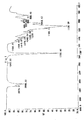
fig.1 ] Diagram showing an IR chart of dicarbitol succinate. - [
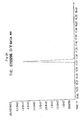
fig.2A ] Diagram showing a gas chromatography data from a GC/MS chart of dicarbitol succinate. - [
fig.2B ] Diagram showing a mass spectrometry data from a GC/MS chart of dicarbitol succinate. - The oil agent of the present invention comprises one or more dibasic acid ester compounds of general formula I:

- Examples of R1 include alkylene groups such as ethylene, propylene, isopropylene, butylene and isobutylene; examples of substituents bound to the alkylene group include hydroxyl group, alkoxy group, substituted or non-substituted amino group, and ester group, etc.
- The dibasic acid constituting the ester compound of general formula I is a dibasic acid with a carbon number of 4-6, and its specific examples include succinic acid, glutaric acid, adipic acid, malic acid and tartaric acid, etc. Preferably it is malic acid, succinic acid, tartaric acid or adipic acid. The dibasic acid is most preferably succinic acid.
- Examples of R2 and R3 include alkyl groups with a carbon number of 1-4 such as methyl group, ethyl group, n-propyl group, isopropyl group, n-butyl group, isobutyl group, sec-butyl group and tert-butyl group; preferably they are an alkyl group with a carbon number of 1-3 such as methyl group, ethyl group, n-propyl group and isopropyl group. Examples of substituents bound to the alkyl group include hydroxyl group, alkoxy group, substituted or non-substituted amino group, and ester group, etc. The alkyl groups represented by R2 and R3 may be identical to or different from each other.
- Specific examples of a poly- (or mono-)ethylene glycol monoether constituting the ester compound of general formula I include ethylene glycol monomethyl ether, ethylene glycol monoethyl ether, ethylene glycol monopropyl ether, ethylene glycol monoisopropyl ether, ethylene glycol monobutyl ether, ethylene glycolmonoisobutylether, diethylene glycol monomethyl ether, diethylene glycol monoethyl ether, diethylene glycol monopropyl ether, diethylene glycol monoisopropyl ether, diethylene glycol monobutyl ether, diethylene glycol monoisobutyl ether, triethylene glycol monomethyl ether, triethylene glycol monoethyl ether, triethylene glycol monopropyl ether, triethylene glycol monoisopropyl ether, triethylene glycol monobutyl ether, triethylene glycol monoisobutyl ether, tetraethylene glycol monomethyl ether, tetraethylene glycol monoethyl ether, tetraethylene glycol monopropyl ether, tetraethylene glycol monoisopropyl ether, tetraethylene glycol monobutyl ether, tetraethylene glycol monoisobutyl ether, etc.; particularly preferred are diethylene glycol monoethyl ether, triethylene glycol monoethyl ether, diethylene glycol monopropyl ether, triethylene glycol monopropyl ether, diethylene glycol monoisopropyl ether, triethylene glycol monoisopropyl ether, etc.
- The above dibasic acid together with a same kind of poly-(or mono-)ethylene glycol monoethers, or together with two different kinds of poly- (or mono-)ethylene glycol monoethers, may form an ester compound. However, cases wherein R2 and R3 are both an ethyl group, and n and m are both 1, are excluded.
- In the oil agent of the present invention, only one kind of the ester compounds of the above general formula I may be used, or two or more kinds of said ester compounds may be used together.
- The inventive oil agent has a high solubility in water. The water solubility of the inventive oil agent at 20°C is preferably 5 % by mass or more, more preferably 10 % by mass or more, and furthermore preferably the oil agent can be dissolved in water at any ratio.
- The inventive oil agent also has a high solubility in oil in addition to water. For example, the solubility in KAK99 (isononyl isononanoate) of the inventive oil agent at 20°C is preferably 5 % by mass or more, more preferably 10 % by mass or more, and furthermore preferably the oil agent can be dissolved in KAK99 at any ratio.
- The viscosity of the oil agent of the present invention is, when used in external preparations such as moisturizers and cosmetic materials, preferably 5-200 (mPa·s, 25°C), and more preferably 8-100 (mPa·s, 25°C) . When the viscosity is within the above range, good feeling of use without stickiness can be obtained upon application to skin, etc. In addition, when the oil agent is used in lubricating agents, the viscosity is preferably 50-200 (mPa·s, 25°C) , and more preferably 60-180 (mPa·s, 25°C). When the viscosity is within this range, appropriate lubricating property and workability can be obtained. In this specification, "viscosity" refers to a value of viscosity measured using a Brookfield viscometer DV-II+ (Spindle No. 2, 12 rpm, 25°C).
- The acid value of the oil agent of the present invention is preferably 3 or less, and more preferably 1 or less. When an oil agent has a high acid value, it causes odor and irritation in the skin; accordingly, a low acid value is preferred. The hydroxyl value of the oil agent is preferably 300 or less, and more preferably 150 or less. When a hydroxyl value is within this range, the viscosity becomes low, leading to refreshing feeling of use and water solubility of the oil agent.
- The color (APHA) is desirably low for external preparations such as moisturizers and cosmetic materials, and is preferably 50 or less, and more preferably 20 or less.
- A process for producing the oil agent of the present invention is not particularly limited, and may employ a well-known method, or an appropriate combination of well-known methods. In general, the inventive oil agent can be synthesized by the ester condensation of a dibasic acid and a poly- (or mono-)ethylene glycol monoether. The reaction temperature of the ester condensation is preferably 120-160°C. Examples of a catalyst include sodium hydroxide, p-toluenesulfonic acid, boron trifluoride, hydrogen fluoride, tin chloride, zinc, titanium, potassium hydroxide, mineral acid (sulfuric acid, hydrochloric acid, etc.), zinc chloride, hypophosphorous acid, and dibutyltin oxide etc. , and it is preferable to use p-toluenesulfonic acid, hypophosphorous acid, etc. The reaction may also be carried out without a catalyst. Examples of a reaction solvent include benzene, toluene and xylene, etc., and it is preferable to use toluene, xylene, etc. The reactionmay also be carried out without a solvent. The ester condensation reaction is carried out, for example, using an acid value as the indicator, and it is carried out until the acid value becomes preferably 3 or less, and more preferably 1 or less.
- When an ester compound (cross-esterification product) is to be prepared from a dibasic acid and two different kinds of poly- (or mono-)ethylene glycol monoethers, it is possible to react, for example, a dibasic acid with two kinds of poly- (or mono-) ethylene glycol monoethers to produce a mixed-system ester compound. In general, cross-esterification product are obtained from a mixed-system ester compound at a yield of approximately 50%. Ester compounds can be used for the inventive oil agent as a mixed system, or they can be used after isolation.
- The external preparation of the present invention is not particularly limited as long as it is an external preparation comprising the inventive oil agent and is applicable to skin, hair, mucosa, wounds, etc. ; it includes various types of cosmetic materials, quasi drugs, medicinal drugs, etc.
- Examples of the cosmetic materials include emulsions, creams (skin cream, lip cream, hair cream, etc.), liquid foundation, eyeliner, mascara, eye shadow gel, lipstick, lip gloss, eye gloss, eye color, blusher, body gloss, ointments, soaps, mousses, tonics, gels, shampoo, hair mist, bath agents, and nail care products.
- Examples of the medicinal drugs and quasi drugs include preparations such as lotions, creams, ointments, sprays, aerosols, skin patches, and gels. Examples of active medicinal agents include anti-infective agents (antiviral agents, etc.), analgesics or analgesic mixtures, arthritis drugs, antidepressants, diabetes drugs, antihistamine agents, anti-inflammatory agents, migraine preparations, antiemetic agents, antitumor agents, antipruritics, psychosis drugs, xanthine derivatives, calcium channel blockers, beta blockers, antiarrhythmic agents, antihypertensive agents, diuretics, cardiovascular preparations, hormones, immunosuppressive drugs, muscle relaxants, vasoconstrictors, vasodilators, wound healing promoters, allergy inhibitors, anti-acne agents, antiaging agents, antitussive agents, hemorrhoid drugs, local anesthetics, inflammation inhibitors, and anticholinergic agents.
- The external preparation of the present invention may contain, depending on the intended purpose or as necessary, a skin-whitening agent, a moisturizer, an antioxidant, an anti-inflammatory agent, vitamins, a hormonal agent, an enzyme, acirculationpromotion agent,aminoacids,an UV-absorbingagent, a sunscreen agent, a suntan agent, a hair growth agent (a hair-loss prevention agent, a hair growth promotion agent, etc.), an animal or plant extract, an anti-wrinkle agent, an antiseptics, a hair softener, a hair moisturizer, a makeup preparation, a hair conditioner, a skin conditioner, a hair whitening agent, a chelating agent, a cell replacement promotion agent, a coloring agent, a skin softening agent or a skin moisturizer, a deodorant or an antiperspirant, etc.
- Examples of the skin-whitening agent include hydroquinone derivatives [hydroquinone glycosides such as hydroquinone α-D-glucose, hydroquinone β-D-glucose (arbutin), hydroquinone α-L-glucose, hydroquinone β-L-glucose, hydroquinone α-D-galactose, hydroquinone β-D-galactose, hydroquinone α-L-galactose, and hydroquinone β-L-galactose, etc.], kojic acid and derivatives thereof, L-ascorbic acid and derivatives thereof [L-ascorbic acid monoesters such as L-ascorbic acid monophosphate and L-ascorbic acid 2-sulfate, L-ascorbic acid glucosides such as L-ascorbic acid 2-glucoside, and salts thereof], tranexamic acid or derivatives thereof [tranexamic acid dimer (trans-4-(trans-aminomethylcyclohexanecarbonyl)aminomethylcy clohexanecarboxylic acid hydrochloride, etc.), esters of tranexamic acid and hydroquinone (4'-hydroxyphenyl trans-4-aminomethylcyclohexanecarboxylate, etc.), esters of tranexamic acid and gentisic acid (2-(trans-4-aminomethylcyclohexylcarbonyloxy)-5-hydroxybenzo ic acid and salts thereof, etc.), amides of tranexamic acid (trans-4-aminomethylcyclohexanecarboxylic acid methylamide and salts thereof, etc.)], ellagic acid and derivatives thereof, salicylic acid and derivatives thereof [3-methoxysalicylic acid and salts thereof, 4-methoxysalicylic acid and salts thereof, 5-methoxysalicylic acid and salts thereof, etc.], resorcinol derivatives [alkylresorcinols such as 4-n-butylresorcinol and salts thereof, etc.], and plant extracts having a skin-whitening action.
- Examples of the anti-inflammatory agent include glycyrrhizic acid salts (dipotassium glycyrrhizinate, ammonium glycyrrhizinate, etc.), allantoin, and mixtures thereof.
- Examples of the antimicrobial agent include resorcin, sulfur, salicylic acid, zinc pyrithione, photosensitizer No. 101, photosensitizer No. 102, Octopirox, hinokitiol, bacitracin, erythromycin, neomycin, tetracycline, chlorotetracycline, benzethonium chloride, phenol, multivalent alcohols (1,2-pentanediol, 1,2-hexanediol, 1,2-octanediol, etc.) and mixtures thereof.
- Examples of the vitamins include vitamins A, C, D, E, and K, vitamin A palmitate, thiamine, vitamin B6, vitamin B6 derivatives such as vitamin B6 hydrochloride, vitamin B2, vitamin B12, nicotinic acid, nicotinic acid derivatives such as nicotinic-acid amide, pantothenic acid, pantothenyl ethyl ether, pyridoxine, inositol, vitamin B complex such as carnitine, panthenol, and mixtures thereof.
- Examples of the hormonal agent include oxytocin, corticotropin, vasopressin, secretin, gastrin, and calcitonin.
- Examples of the enzyme include trypsin, lysozyme chloride, chymotrypsin, chymotrypsin-like enzymes, aspartic proteinase, semialkaliproteinase, serrapeptase, lipase, and hyaluronidase.
- Examples of the antioxidant include thiotaurine, glutathione, catechin, albumin, ferritin, metallothionein, and the above-mentioned L-ascorbic acid and derivatives thereof.
- Examples of blood circulation promoters include acetylcholine derivatives, cepharanthin, and carpronium chloride.
- Examples of the amino acids include amphoteric amino acids such as stearyl acetyl glutamate, capryloyl silk amino acid, capryloyl collagen amino acid, capryloyl keratin amino acid, capryloyl p amino acid, cocodimonium hydroxypropyl silk amino acid, corn gluten amino acid, cysteine, glutamic acid, glycine, hair amino acids such as hair keratin amino acid and aspartic acid, threonine, serine, glutamic acid, proline, glycine, alanine, half-cystine, valine, methionine, isoleucine, leucine, tyrosine, phenylalanine, cysteic acid, histidine, arginine, cysteine, tryptophan, citrulline, lysine, silk amino acids, wheat amino acids, and mixtures thereof.
- Examples of the UV-absorbing agent include benzophenone, bornelone, butyl PABA, cinnamidopropyl trimethyl ammonium chloride, disodium distyrylbiphenyl disulfonate, PABA, potassium methoxycinnamate, and mixtures thereof.
- Examples of the sunscreen agent include butylmethoxydibenzoylmethane, octylmethoxycinnamate, octocrylene, octylsalicylate, phenylbenzimidazole sulfonic acid, ethyl hydroxypropylaminobenzoate, menthyl anthranilate, aminobenzoic acid, cinoxate, diethanolamine methoxycinnamate, glyceryl aminobenzoate, titanium dioxide, zinc dioxide, oxybenzone, Padimate-O, red petrolatum, and mixtures thereof.
- Examples of the hair growth agent include blood circulation promoters such as swertia japonica extract, acetylcoline derivatives, cepharanthin and carpronium chloride, local stimulants such as red pepper tincture, cantharis extract and nonylic acid vanillamide, antiseborrhea agents such as pyridoxine and derivatives thereof, antimicrobial agents such as benzalkonium chloride, isopropylmethylphenol, zinc pyrithione, photosensitizer No. 101, photosensitizer No. 102, Octopirox and hinokitiol, metabolic stimulants such as photosensitizer No. 301, placenta extract and biotin, amino acids such as serine, methionine and tryptophan, and vitamins such as vitamins B2 and B12, pantothenic acid and derivatives thereof.
- Among the animal and plant extracts, examples of the plant extract include tea extract, rosa roxburghii extract, scutellaria root extract, houttuynia cordata extract, phellodendri cortex extract, melilotus officinalis extract, lamium album extract, glycyrrhiza extract, paeoniae radix extract, saponaria officinalis extract, luffa cylindrica extract, cinchona extract, saxifrage extract, sophora angustifolia extract, nuphar haponicum root extract, fennel extract, primrose extract, rose extract, rehmannia extract, lemon extract, lithospermum root extract, aloe extract, iris root extract, eucalyptus extract, equisetum arvense extract, sage extract, thyme extract, seaweed extract, cucumber extract, clove extract, raspberry extract, melissa officinalis extract, carrot extract, horse chestnut extract, peach extract, peach leaf extract, mulberry extract, centaurea cyanus extract, witch hazel extract, ginkgo extract, wintergreen extract, swertia japonica extract, red pepper tincture extract, and cantharis extract. Examples of the animal extract include placenta extract and collagen.
- The external preparation of the present invention may contain an oily component other than the oil agent of the present invention. As the other oily component, a component of any origin such as an animal oil, a plant oil, a synthetic oil, etc. and a component with any properties such as a solid oil, a semi-solid oil, a liquid oil, a volatile oil, etc. may be used, and examples thereof include hydrocarbons, silicone oils, fats, waxes, hydrogenated oil, ester oils, fatty acids, fatty alcohols, fluorine-containing oils, and lanolin derivatives. Specific examples thereof include hydrocarbons such as light liquid isoparaffin, liquid paraffin, squalane, vaseline, polyisobutylene and polybutene, oils such as olive oil, castor oil, jojoba oil, mink oil and macadamia ternifolia seed oil, petroleum waxes such as paraffin wax and microcrystalline wax, mineral waxes such as ozokerite and ceresine, natural waxes such as carnauba wax and candelilla wax, esters such as cetyl octanoate, isopropyl myristate, isopropyl palmitate, octyldodecyl myristate, glyceryl trioctanoate, polyglyceryl diisostearate, diglyceryl triisostearate, glyceryl tribehenate, pentaerythritol rosinate, neopentyl glycol dioctanoate and cholesterol fatty acid esters, fatty acids such as stearic acid, lauric acid, myristic acid, behenic acid, isostearic acid, oleic acid and 12-hydroxystearic acid, fatty alcohols such as stearyl alcohol, cetyl alcohol, lauryl alcohol, oleyl alcohol, isostearyl alcohol and behenyl alcohol, silicones such as low-degree-of-polymerization dimethylpolysiloxane, decamethylcyclopentasiloxane, octamethylcyclosiloxane, high-degree-of-polymerization dimethylpolysiloxane, methylphenylpolysiloxane, polyether-modified polysiloxane, a polyoxyalkylene / alkylmethylpolysiloxane / methylpolysiloxane copolymer, alkoxy-modified polysiloxane and fluorine-modified polysiloxane, fluorine-containing oils such as perfluorodecane, perfluorooctane and perfluoropolyether, and lanolin derivatives such as lanolin, lanolin acetate, lanolin fatty acid isopropyl ester and lanolin alcohol.
- The external preparation of the present invention may contain, in addition to the oil agent and the above-mentioned components, as appropriate and as necessary a component that is normally used in an external preparation, such as a moisturizer, a surfactant, a UV-absorbing agent, a UV-scattering agent, a fragrance, a viscosity increasing agent, an antiseptic, a coloring agent such as an extender pigment and a coloring pigment, a pH adjusting agent, and a chelating agent (citric acid, phosphoric acid, EDTA-4Na, etc.) in a range that does not impair the effects of the present invention.
- The form of the external preparation of the present invention is not particularly limited; the external preparation may be in the form of a liquid, an emulsion, a semi-solid agent, a solid agent, etc. according to its intended purpose. The emulsion is not particularly limited and may be any of a water-in-oil type (W/O type) or an oil-in-water type (O/W type), a W/O/W type, and an O/W/O type, etc. For example, in the case of a water-in-oil type emulsion cosmetic material, it is prepared by adding water and a water-soluble component (aqueous phase component) to the oil agent. The content ratio of the oil agent and the aqueous phase component may be adjusted in accordance with desired properties of the emulsion, and is not particularly limited.
- The moisturizing agent of the present invention may be used in, in addition to the above-mentioned external preparations, adhesives (stick-type glue, etc.), inks (ink-jet ink, aqueous ink, etc.), sanitary paper (lotion tissue paper, lotion toilet paper, etc.), moisturizing supporters, moisture-adjusting sheet, bed-bath sheet, etc. For example, when the moisturizing agent is used in an aqueous ink, the ink is prepared by adding the oil agent of the invention together with other components used in general inks such as an aqueous pigment, a surfactant, a chelating agent, a dissolution auxiliary agent, a penetration control agent, a viscosity adjusting agent, a pH adjusting agent and an antioxidant, into an aqueous solution. In addition, when the moisturizing agent of the invention is used in sanitary paper, the sanitary paper containing the moisturizing agent may be prepared by coating, impregnating, or spray coating the moisturizing agent onto a sheet.
- The moisturizing agent of the invention is not limited so long as it contains the oil agent of the invention, and it may co-use other moisturizing agents within a range of not detracting the purpose of the invention. Examples of the other moisturizing agents include polyvalent alcohol moisturizing agents (glycerin, diglycerin, propylene glycol, dipropylene glycol, etc.), sugar-containing moisturizing agents (trehalose, sulfated tolehalose, pullulan, maltose, carboxymethyl dextran, etc.), amino-acid-containing moisturizing agents (proline, glycine, serine, threonine, glutamic acid, aspartic acid, lysine, etc.).
- The lubricating agent of the present invention can be used for, for example, a metal processing fluid which is used for cutting and grinding of metals, a hydraulic actuation fluid which is a pressure transmission medium in hydraulic systems, a lubricating fluid or an actuating fluid for action parts in machines and devices, etc., an anticorrosion fluid used upon processing of machines and devices, an anticorrosion lubricating fluid used for washing systems, a coolant liquid used for washing, grinding and molding of metals and quench annealing of steels.
- The lubricating agent of the invention may appropriately blend other additives as requested, such as fatty acids (straight-chain saturated fatty acids, monoene unsaturated fatty acids, polyene unsaturated fatty acids, alicyclic fatty acids, monohydroxy fatty acids, dihydroxy fatty acids, etc.), fatty acid esters (an ester of the above fatty acid with an alkyl alcohol, etc.), anticorrosion agents (carboxylic acids such as naphthene acid, alkenyl succinate, etc., or metal salts (Na, K, Ca, Mg, etc.) thereof, etc.), surfactants (nonionic, anionic, cationic, or ampholytic surfactants), antiseptics (1,2-alkane diol, phenol, triazine, or isothiazoline antiseptics, etc.), antifoam agents (silicone emulsions, fatty alcohols, metal soaps, etc.).
- The present invention is explained in further detail by reference to Examples below, but the present invention should not be construed as being limited thereto.
- In these examples, viscosity was measured using a Brookfield viscometer DV-II+ (Spindle No. 2, 12 rpm, 25°C).
- Acid values and hydroxyl values were measured in accordance with General Test Methods, 18: Acid Value Measurement Method and 24: Hydroxyl Value Measurement Method, Japanese Standards of Cosmetic Ingredients (newly revised, first edition, 30 August 1999). In addition, color (APHA) was measured using OME2000 (Nippon Denshoku Industries, Co., Ltd.).
- To a four-necked 1-L flask equipped with a stirring device, thermometer, reflux apparatus and nitrogen-gas supply nozzle, 177.2 g (1.5 mol) of succinic acid, 603.9 g (4.5 mol) of 2-(2-ethoxyethoxy)ethanol commonly known as carbitol (EDG; Yamaichi Chemical Industries, Co., Ltd.), 0.78 g of p-toluenesulfonic acid as a catalyst, and 120 ml of toluene as a solvent were added, and the reaction was carried out at 160°C under reflux until the acid value became 3 or less (OH group/COOH group = 1.5). The reaction time was approximately 15 h. Then, the reaction solution was decompressed to approximately 5 mmHg at 160°C, and unreacted carbitol was distilled away. To the reaction solution from which EDG was removed, 15.6 g of sodium carbonate decahydrate was added and stirred for 1 h at 120°C. This slurry reactant was filtered to obtain 497 g of pale yellow dicarbitol succinate.
Figures 1 and2A/2B show IR and GC/MS charts of the obtained dicarbitol succinate. Table 1 shows measured results of the acid value, saponification value, hydroxyl value, color (APHA), viscosity, water solubility, oil solubility and feeling of use of the dicarbitol succinate. -
[Table 1] Example 1 Example 2 Example 3 Example 4 Example 5 Example 6 Comparative example 1 Acid value 0.2 0.6 0.8 0.9 0.4 0.3 0.6 Saponification value 304 291 282 279 260 203 194 Hydroxyl value 0.9 147 1.2 264 1.1 0.8 1.5 Color (APHA) 30 62 45 50 60 54 65 Viscosity 12.5 45 20 207 32.5 10.0 5 Water solubility*2 ⊚ ○ ○ ⊚ ⊚ △ × Oil solubility*3 ⊚ △ ○ ○ △ ⊚ ⊚ Feeling of use*4 light slightly light light slightly heavy slightly light light light *1: mPa·s, 25°C
*2: Evaluation: ⊚: Dissolved in water at an arbitrary ratio, ○: Dissolved in water up to 10 % by mass, △: Dissolved in water up to 5 % by mass,
×: Insoluble in water.
*3: Evaluation: ⊚: Dissolved in KAK99 at an arbitrary ratio, ○: Dissolved
in KAK99 up to 10 % by mass, △: Dissolved in KAK99 up to 5 % by mass,
×: Insoluble in KAK99.
*4: Light: viscosity 5-20 (mPa·s, 25°C) Slightly light: viscosity 21-50 (mPa·s, 25°C)
Moderate: viscosity 51-150 (mPa·s, 25°C) Slightly heavy: viscosity 151-250 (mPa·s, 25°C)
Heavy: viscosity 251 (mPa·s, 25°C) or more - The procedure of Example 1 was carried out except that 201.1 g (1.5 mol) of malic acid was used instead of succinic acid, to synthesize 505 g of dicarbitol malate. OH group/COOH group = 1.5 (excluding OH groups in the malic acid), and the reaction time was 18 h. Table 1 shows measured results of the acid value, saponification value, hydroxyl value, color (APHA), viscosity, water solubility, oil solubility and feeling of use of the dicarbitol malate.
- The procedure of Example 1 was carried out except that 219 g (1.5 mol) of adipic acid was used instead of succinic acid, to synthesize 539 g of dicarbitol adipate. OH group/COOH group = 1.5, and the reaction time was 14 h. Table 1 shows measured results of the acid value, saponification value, hydroxyl value, color (APHA), viscosity, water solubility, oil solubility and feeling of use of the dicarbitol adipate.
- The procedure of Example 1 was carried out except that 225 g (1.5 mol) of tartaric acid was used instead of succinic acid, to synthesize 545 g of dicarbitol tartrate. OH group/COOH group = 1.5, and the reaction time was 16 h. Table 1 shows measured results of the acid value, saponification value, hydroxyl value, color (APHA), viscosity, water solubility, oil solubility and feeling of use of the dicarbitol tartrate.
- The procedure of Example 1 was carried out except that 739 g (4.5 mol) of triethylene glycol monoethyl ether was used instead of carbitol, to synthesize 585 g of di(triethylene glycol monoethyl ether) succinate. OH group/COOH group = 1.5, and the reaction time was 18 h. Table 1 shows measured results of the acid value, saponification value, hydroxyl value, color (APHA), viscosity, water solubility, oil solubility and feeling of use of the di(triethylene glycol monoethyl ether) succinate.
- The procedure of Example 1 was carried out except that 406 g (4.5 mol) of monoethylene glycol monoethyl ether was used instead of carbitol, to synthesize 374 g of di(monoethylene glycol monoethyl ether) succinate. OH group/COOH group = 1.5, and the reaction time was 18 h. Table 1 shows measured results of the acid value, saponification value, hydroxyl value, color (APHA), viscosity, water solubility, oil solubility and feeling of use of the di(monoethylene glycol monoethyl ether) succinate.
- The procedure of Example 1 was carried out except that 316 g (2 mol) of isononanoic acid was used instead of succinic acid and that 403 g (3 mol) of carbitol was used, to synthesize 521 g of carbitol isononanoate. OH group/COOH group = 1.5, and the reaction time was 20 h. Table 1 shows measured results of the acid value, saponification value, hydroxyl value, color (APHA), viscosity, water solubility, oil solubility and feeling of use of the carbitol isononanoate.
- Components shown in Table 2 were uniformly dissolved at 60°C-70°C, then cooled to 30°C, to prepare a skin lotion.
-
[Table 2] Component name Blending quantity (% by mass) 1 Esterified compound of Example 3 20.00 2 Citric acid 0.01 3 Sodium citrate 0.09 4 Pentylene glycol 3.00 5 Purified water Remainder - Components shown in Table 3 were uniformly dissolved at 60°C-70°C, then cooled to 30°C, to prepare a skin lotion.
-
[Table 3] Component name Blending quantity (% by mass) 1 Esterified compound of Example 1 30.00 2 Citric acid 0.01 3 Sodium citrate 0.09 4 Mixture of phenoxyethanol, methylparaben, ethylparaben, butylparaben, propylparaben and isobutylparaben 0.40 5 Purified water Remainder - Components shown in Table 4 were uniformly dissolved at 60°C-70°C, then cooled to 30°C, to prepare a skin lotion.
-
[Table 4] Component name Blending quantity (% by mass) 1 Esterified compound of Example 2 15.00 2 Disodium hydrogenphosphate 0.02 3 Sodium dihydrogen phosphate 0.08 4 Pentylene glycol 3.00 5 Aloe extract Appropriate quantity 6 Purified water Remainder - Components shown in Table 5 were uniformly dissolved at 60°C-70°C, then cooled to 30°C, to prepare a skin lotion.
-
[Table 5] Component name Blending quantity (% by mass) 1 Esterified compound of Example 5 15.00 2 Citric acid 0.01 3 Sodium citrate 0.09 4 Pentylene glycol 3.00 5 Dipotassium Glycyrrhizinate 0.04 6 Purified water Remainder - Components shown in Table 6 were uniformly dissolved at 60°C-70°C, then cooled to 30°C, to prepare a skin lotion.
-
[Table 6] Component name Blending quantity (% by mass) 1 Esterified compound of Example 1 15.00 2 EDTA-4Na 0.05 3 Pentylene glycol 3.00 4 glycerin 2.00 5 Fragrance Appropriate quantity 6 Purified water Remainder - Components shown in Table 7 were uniformly dissolved at 60°C-70°C, then cooled to 30°C, to prepare a skin lotion.
-
[Table 7] Component name Blending quantity (% by mass) 1 Esterified compound of Example 4 15.00 2 Citric acid 0.01 3 Sodium citrate 0.09 4 Pentylene glycol 3.00 5 1,3-Butylene Glycol 3.00 6 Purified water Remainder - Composition A and composition B shown in Table 8 were individually and uniformly dissolved at 75°C-80°C. Then composition B was added to composition A while stirring, and the mixture was emulsified using a homo-mixer. The mixture was subsequently cooled to 30°C while stirring, to prepare an O/W type skin cream.
-
[Table 8] Component name Blending quantity (% by mass) A 1 Squalane 10.00 2 Hydrogenated Rapeseed Oil Alcohol 1.00 3 Behenyl alcohol 2.00 4 Polyglyceryl-2 isostearate/dimer dilincleate copolymer 2.00 5 Polyglyceryl-10 stearate 1.50 6 Pentylene glycol 3.00 B 7 Esterified compound of Example 1 10.00 8 Citric acid 0.01 9 Sodium citrate 0.09 10 Xanthan gum 0.08 11 Ammonium acryloyldimethyltaurate/ beheneth-25 methacrylate copolymer 0.22 12 Purified water Remainder - Components shown in Table 9 were uniformly dissolved at 80°C, then cooled to 30°C, to prepare a cleansing oil.
-
[Table 9] Component name Blending quantity (% by mass) 1 Esterified compound of Example 4 45.00 2 Neopentyl glycol diisononanoate Remainder 3 PEG-20 glyceryl diisostearate 15.00 4 Polyglyceryl-2 triisostearate 10.00 5 Tocopherol Appropriate quantity - Components shown in Table 10 were uniformly dissolved at 80°C, then cooled to 30°C, to prepare a cleansing oil.
-
[Table 10] Component name Blending quantity (% by mass) 1 Esterified compound of Example 1 30.00 2 Isononyl isononanoate Remainder 3 PEG-20 glyceryl diisostearate 10.00 4 PEG-8 diisostearate 8.00 5 Polyglyceryl-2 isostearate 5.00 6 Polyglyceryl-2 triisostearate 5.00 7 Tocopherol Appropriate quantity - Components shown in Table 11 were uniformly dissolved at 80°C, then cooled to 30°C, to prepare a cleansing oil.
-
[Table 11] Component name Blending quantity (% by mass) 1 Esterified compound of Example 5 30.00 2 Neopentyl glycol diethylhexanoate Remainder 3 PEG-30 glyceryl trioleate 12.00 4 PEG-8 diisostearate 8.00 5 Polyglyceryl-2 isostearate 4.00 6 Polyglyceryl-2 triisostearate 5.00 7 Tocopherol Appropriate quantity - In accordance with the standard process except that the esterified compound of Example 6 and
components 4 and 5 shown in Table 12 were preliminarily dissolved by heating, all the components were uniformly dissolved at 75°C-80°C, then cooled to 30°C to prepare a shampoo. -
[Table 12] Component name Blending quantity (% by mass) 1 Esterified compound of Example 6 5.00 2 Polyquaternium-10 1.00 3 Purified water Remainder 4 Polyglyceryl-10 isostearate 1.50 5 Polyglyceryl-2 laurate 1.00 6 Lauryl betaine (30% aqueous solution) 10.00 7 Cocamide DEA 4.00 8 Lauryldimethylamine oxide 1.00 9 Ceteareth-60 myristyl glycol 2.00 10 Sodium cocoyl methyl taurine (30% aqueous solution) 27.00 11 Sodium laureth sulfate (30% aqueous solution) 23.00 12 Glycol distearate 2.00 13 Pentylene glycol 3.00 14 Stearamide propyl dimethylamine 0.30 15 Citric acid (10% aqueous solution) 3.50 - Composition A and composition B shown in Table 13 were individually and uniformly dissolved at 75°C-80°C. Then composition B was added to composition A while stirring, and the mixture was emulsified using a homo-mixer. The mixture was cooled to 30°C while stirring, to prepare a rinse-off hair treatment.
-
[Table 13] Component name Blending quantity (% by mass) A 1 Esterified compound of Example 3 8.00 2 Polyglyceryl-10 laurate 0.50 3 Polyglyceryl-2 triisostearate 2.00 4 Glyceryl stearate 1.00 5 Cetyl palmitate 0.50 6 Cetearyl alcohol 4.40 7 Behenyl alcohol 1.10 8 Behen trimonium chloride 2.70 9 Quaternium-18 0.40 10 Dipropylene Glycol 2.00 11 Steareth-6 1.50 12 Steareth-3 1.50 13 Dimethicone 1.00 B 14 Hydroxypropylmethyl cellulose 0.30 15 Pentylene glycol 3.00 16 Polyquaternium-7 1.00 17 Purified water Remainder - Components 2-6 and 8 shown in Table 14 were uniformly dissolved at 90°C-105°C. Meanwhile,
component 1 and component 7 were uniformly mixed. Subsequently all these components were uniformly mixed at 80°C, then cooled to 30°C to prepare an aqueous lip gloss. -
[Table 14] Component name Blending quantity (% by mass) 1 Esterified compound of Example 5 10.00 2 Polyglyceryl-2 isostearate/dimer dilinoleate copolymer 40.00 3 Diisostearyl malate 15.00 4 Polyglyceryl-2 triisostearate 8.00 5 Pentaerythrityl tetraisostearate Remainder 6 Dextrin palmitate/ethylhexanoate 4.00 7 Purified water 5.00 8 Antiseptic Appropriate quantity - Components 2-8 and 10 shown in Table 15 were uniformly dissolved at 90°C-105°C. Meanwhile,
component 1 and component 9 were uniformly mixed. Subsequently all these components were uniformly mixed at 80°C, then cooled to 30°C to prepare an aqueous lip gloss. -
[Table 15] Component name Blending quantity (% by mass) 1 Esterified compound of Example 6 10.00 2 Polyglyceryl-2 isostearate/dimer dilinoleate copolymer 20.00 3 Hydrogenated polyisobutene 20.00 4 Diisostearyl malate 12.00 5 Polyglyceryl-2 diisostearate 10.00 6 Isotridecyl isononanoate Remainder 7 Dextrin palmitate 3.50 8 Di-C20-40 alkyl dimer dilinoleate 1.00 9 Purified water 2.00 10 Antiseptic Appropriate quantity - Components 4-8 shown in Table 16 were preliminarily dispersed in
components -
[Table 16] Component name Blending quantity (% by mass) A 1 Neopentyl glycol diisononanoate 10.00 2 Squalane 5.00 3 Cyclomethicone 3.00 4 Talc 5.00 5 Titanium oxide 7.00 6 Iron oxide (red oxide of iron) 1.00 7 Iron oxide (yellow oxide of iron) 3.50 8 Iron oxide (black oxide of iron) 0.50 9 Hydrogenated Rapeseed Oil Alcohol 1.00 10 Behenyl alcohol 2.00 11 Polyglyceryl-2 isostearate/dimer dilinoleate copolymer 2.00 12 Polyglyceryl-10 stearate 1.50 13 Pentylene glycol 3.00 B 14 Esterified compound of Example 4 5.00 15 Citric acid 0.01 16 Sodium citrate 0.09 17 Xanthan gum 0.08 18 Ammonium acryloyldimethyltaurate/ beheneth-25 methacrylate copolymer 0.22 19 Purified water Remainder - Components 1-5 and 7 shown in Table 17 were uniformly dissolved at 80°C then cooled to 50°C. Component 6 was subsequently added, and the mixture was further cooled to 30°C to prepare a hair mist.
-
[Table 17] Component name Blending quantity (% by mass) 1 Esterified compound of Example 1 5.00 2 Citric acid 0.01 3 Sodiumcitrate 0.09 4 Behenyl trimethyl ammonium chloride 0.50 5 Pentylene glycol 3.00 6 Fragrance 0.04 7 Purified water Remainder - Components 1-6 and 8 shown in Table 18 were uniformly dissolved at 80°C, then cooled to 50°C. Component 7 was subsequently added, and the mixture was further cooled to 30°C to prepare a hair mist.
-
[Table 18] Component name Blending quantity (% by mass) 1 Esterified compound of Example 2 5.00 2 Polyglyceryl-2 isostearate/dimer dilinoleate copolymer 2.00 3 Citric acid 0.01 4 Sodium citrate 0.09 5 Behenyl trimethyl ammonium chloride 0.50 6 Pentylene glycol 3.00 7 Fragrance 0.04 8 Purified water Remainder - Components 1-5 and 7-9 shown in Table 19 were uniformly dissolved at 60°C, then cooled to 50°C. Component 6 was subsequently added, and the mixture was further cooled to 30°C, to prepare a bath agent.
-
[Table 19] Component name Blending quantity (% by mass) 1 Esterified compound of Example 5 8.00 2 Citric acid 0.01 3 Sodium citrate 0.09 4 Jojoba oil 3.00 5 Polygryceryl-10 laurate 0.50 6 Pentylene glycol 2.50 7 Tocopherol 0.01 8 Fragrance 0.04 9 Purified water Remainder
Claims (10)
- An oil agent comprising one or more dibasic acid ester compounds of general formula I:

- The oil agent according to Claim 1, wherein a poly- (or mono-)ethylene glycol monoether that constitutes the ester compound is one or two substances selected from the group consisting of diethylene glycol monoethyl ether, triethylene glycol monoethyl ether, diethylene glycol monopropyl ether, triethylene glycol monopropyl ether, diethylene glycol monoisopropyl ether and triethylene glycol monoisopropyl ether.
- The oil agent according to Claim 1 or 2, wherein the dibasic acid is malic acid, succinic acid, tartaric acid or adipic acid.
- The oil agent according to Claim 3, wherein the dibasic acid is succinic acid.
- The oil agent according to at least one of the Claims 1 to 4, wherein the solubility in water is 5 % by mass or more at 20°C.
- The oil agent according to at least one of the Claims 1 to 5, wherein the viscosity is 5-200 (mPa·s) at 25°C.
- A lubricating agent comprising the oil agent according to at least one of the Claims 1 to 6.
- A moisturizing agent comprising the oil agent according to at least one of the Claims 1 to 6.
- An external preparation comprising the oil agent according to at least one of the Claims 1 to 6.
- The external preparation according to Claim 9, wherein it is a cosmetic material.
Applications Claiming Priority (2)
| Application Number | Priority Date | Filing Date | Title |
|---|---|---|---|
| JP2007030323 | 2007-02-09 | ||
| PCT/JP2008/052115 WO2008096845A1 (en) | 2007-02-09 | 2008-02-08 | Oil solution, and lubricant, moisture-retaining agent and preparation for external application containing the same |
Publications (3)
| Publication Number | Publication Date |
|---|---|
| EP2123249A1 true EP2123249A1 (en) | 2009-11-25 |
| EP2123249A4 EP2123249A4 (en) | 2015-01-14 |
| EP2123249B1 EP2123249B1 (en) | 2020-07-22 |
Family
ID=39681746
Family Applications (1)
| Application Number | Title | Priority Date | Filing Date |
|---|---|---|---|
| EP08710994.8A Active EP2123249B1 (en) | 2007-02-09 | 2008-02-08 | Oil solution, and lubricant, moisture-retaining agent and preparation for external application containing the same |
Country Status (4)
| Country | Link |
|---|---|
| EP (1) | EP2123249B1 (en) |
| JP (1) | JP5400394B2 (en) |
| KR (1) | KR101445160B1 (en) |
| WO (1) | WO2008096845A1 (en) |
Cited By (6)
| Publication number | Priority date | Publication date | Assignee | Title |
|---|---|---|---|---|
| RU2522451C1 (en) * | 2013-01-25 | 2014-07-10 | Открытое акционерное общество "Швабе-Оборона и Защита"(ОАО "Швабе-Оборона и Защита") | Lubricant composition |
| EP2392314A4 (en) * | 2009-01-30 | 2015-01-14 | Kokyu Alcohol Kogyo Co Ltd | Oily hair cosmetic |
| EP2374447A4 (en) * | 2008-12-25 | 2015-02-18 | Kokyu Alcohol Kogyo Co Ltd | COSMETICS IN EMULSION WATER IN OIL |
| EP3856356A1 (en) * | 2018-10-29 | 2021-08-04 | Lonza Solutions AG | Hair cleansing and conditioning composition |
| KR102830169B1 (en) * | 2024-11-01 | 2025-07-04 | 주식회사 하도코리아 | Engine oil additive composition for improving engine performance and fuel efficiency and method of manufacturing thereof |
| LU509184B1 (en) * | 2024-12-03 | 2026-06-03 | Luxcos S A | MAKEUP COMPOSITION FOR EYELASHES |
Families Citing this family (11)
| Publication number | Priority date | Publication date | Assignee | Title |
|---|---|---|---|---|
| JP5096829B2 (en) * | 2007-07-31 | 2012-12-12 | 日本精化株式会社 | Makeup remover |
| JP2009035497A (en) * | 2007-07-31 | 2009-02-19 | Nippon Fine Chem Co Ltd | Penetration enhancer |
| JP2009035500A (en) * | 2007-07-31 | 2009-02-19 | Nippon Fine Chem Co Ltd | Cosmetics and external preparation for skin |
| JP2009057350A (en) * | 2007-09-03 | 2009-03-19 | Nippon Fine Chem Co Ltd | Antibacterial agent and antibacterial cosmetic or external preparation containing the same |
| JP2009096770A (en) * | 2007-10-18 | 2009-05-07 | Kokyu Alcohol Kogyo Co Ltd | Acid hair dye composition |
| US8562957B2 (en) | 2009-01-30 | 2013-10-22 | Kokyu Alcohol Kogyo Co., Ltd. | Oily hair cosmetics |
| WO2012008442A1 (en) * | 2010-07-12 | 2012-01-19 | ライオン株式会社 | Metalworking fluid base oil |
| JP5521025B2 (en) * | 2012-12-21 | 2014-06-11 | 日本精化株式会社 | Penetration enhancer |
| JP6342796B2 (en) * | 2014-12-27 | 2018-06-13 | 株式会社パイロットコーポレーション | Water-based ink composition for ballpoint pen and ballpoint pen incorporating the same |
| JP7020941B2 (en) * | 2017-02-03 | 2022-02-16 | 日本精化株式会社 | Cosmetics |
| JP7731654B2 (en) * | 2019-08-05 | 2025-09-01 | 日本精化株式会社 | Hair cavity repair agent and hair cavity repair method using the same |
Family Cites Families (13)
| Publication number | Priority date | Publication date | Assignee | Title |
|---|---|---|---|---|
| GB1083324A (en) * | 1964-06-18 | 1967-09-13 | Castrol Ltd | Improvements in or relating to hydraulic fluids |
| US3520758A (en) * | 1967-08-07 | 1970-07-14 | Eastman Kodak Co | Laminated photographic identification card |
| JP3160732B2 (en) * | 1992-09-25 | 2001-04-25 | パイロットインキ株式会社 | Solid cursive for writing board |
| KR20010101122A (en) * | 1999-12-20 | 2001-11-14 | 겜마 아키라 | Skin preparations for external use |
| JP2001335465A (en) * | 2000-03-24 | 2001-12-04 | Shiseido Co Ltd | Bathing agent |
| JP2001342116A (en) * | 2000-03-27 | 2001-12-11 | Shiseido Co Ltd | Hair cosmetic |
| JP2001342118A (en) * | 2000-03-30 | 2001-12-11 | Shiseido Co Ltd | Hairdressing agent |
| JP2002047122A (en) * | 2000-08-01 | 2002-02-12 | Shiseido Co Ltd | Cosmetic |
| JP2002114624A (en) * | 2000-08-01 | 2002-04-16 | Shiseido Co Ltd | Cosmetic |
| JP2002047164A (en) * | 2000-08-04 | 2002-02-12 | Shiseido Co Ltd | Antiperspirant aerosol cosmetic |
| JP2002053450A (en) * | 2000-08-07 | 2002-02-19 | Shiseido Co Ltd | Pack cosmetic |
| JP4116015B2 (en) * | 2004-11-25 | 2008-07-09 | 花王株式会社 | Plasticizer for biodegradable resin |
| JP4707474B2 (en) | 2005-06-17 | 2011-06-22 | 株式会社ミルボン | Hair cleanser |
-
2008
- 2008-02-08 KR KR1020097018843A patent/KR101445160B1/en active Active
- 2008-02-08 EP EP08710994.8A patent/EP2123249B1/en active Active
- 2008-02-08 JP JP2008557161A patent/JP5400394B2/en active Active
- 2008-02-08 WO PCT/JP2008/052115 patent/WO2008096845A1/en not_active Ceased
Cited By (6)
| Publication number | Priority date | Publication date | Assignee | Title |
|---|---|---|---|---|
| EP2374447A4 (en) * | 2008-12-25 | 2015-02-18 | Kokyu Alcohol Kogyo Co Ltd | COSMETICS IN EMULSION WATER IN OIL |
| EP2392314A4 (en) * | 2009-01-30 | 2015-01-14 | Kokyu Alcohol Kogyo Co Ltd | Oily hair cosmetic |
| RU2522451C1 (en) * | 2013-01-25 | 2014-07-10 | Открытое акционерное общество "Швабе-Оборона и Защита"(ОАО "Швабе-Оборона и Защита") | Lubricant composition |
| EP3856356A1 (en) * | 2018-10-29 | 2021-08-04 | Lonza Solutions AG | Hair cleansing and conditioning composition |
| KR102830169B1 (en) * | 2024-11-01 | 2025-07-04 | 주식회사 하도코리아 | Engine oil additive composition for improving engine performance and fuel efficiency and method of manufacturing thereof |
| LU509184B1 (en) * | 2024-12-03 | 2026-06-03 | Luxcos S A | MAKEUP COMPOSITION FOR EYELASHES |
Also Published As
| Publication number | Publication date |
|---|---|
| WO2008096845A9 (en) | 2009-05-22 |
| WO2008096845A1 (en) | 2008-08-14 |
| KR20090110375A (en) | 2009-10-21 |
| JP5400394B2 (en) | 2014-01-29 |
| EP2123249B1 (en) | 2020-07-22 |
| EP2123249A4 (en) | 2015-01-14 |
| JPWO2008096845A1 (en) | 2010-05-27 |
| KR101445160B1 (en) | 2014-09-29 |
Similar Documents
| Publication | Publication Date | Title |
|---|---|---|
| EP2123249B1 (en) | Oil solution, and lubricant, moisture-retaining agent and preparation for external application containing the same | |
| US7993631B2 (en) | Oil base and external preparation containing same | |
| KR100755766B1 (en) | Oil materials comprising dimerdiol ester and cosmetics comprising the ester | |
| JP5406708B2 (en) | Cosmetic composition for skin whitening comprising a combination of a sugar fatty acid ester and a plant extract of Walteria indica or Pisumsativum | |
| US5334713A (en) | N-long chain acyl neutral amino acid esters | |
| EP1857091A1 (en) | Cosmetic | |
| US20080200544A1 (en) | Oil agent and lubricant agent, moisturizer and external preparation composition containing the same | |
| KR20010014687A (en) | Oily material composition | |
| JPWO2002051939A1 (en) | Gel composition | |
| JP4747075B2 (en) | Cosmetics and external preparations | |
| JP2025124783A (en) | Oil-in-water emulsion cosmetics | |
| JP2022168512A (en) | Oil-in-water emulsion composition | |
| JP3329668B2 (en) | Novel polysaccharide derivative, method for producing the same, and cosmetic containing the same | |
| EP3597691A1 (en) | Novel composite and emulsified composition | |
| JP4778352B2 (en) | Oily base and external preparation containing the same | |
| JP6472038B2 (en) | Cosmetic oil and cosmetics containing the same | |
| JP2004131401A (en) | Skin cosmetic | |
| JP4912175B2 (en) | Oil base | |
| JP2004503571A (en) | Cosmetic preparation containing dialkyl carbonate and metal oxide | |
| JP5731739B2 (en) | Nonionic surfactant composition and cosmetics and external preparations using the same | |
| JP2005281135A (en) | Skin care preparation for external use | |
| JPH07118290A (en) | N-long chain acyl acidic amino acid ester | |
| JP3165377B2 (en) | Novel polysaccharide derivative, method for producing the same, and cosmetic containing the same | |
| EP3703650B1 (en) | 1,3-propylene ether derived compounds for personal care | |
| JP3046340B2 (en) | Esterification products and cosmetics containing them |
Legal Events
| Date | Code | Title | Description |
|---|---|---|---|
| PUAI | Public reference made under article 153(3) epc to a published international application that has entered the european phase |
Free format text: ORIGINAL CODE: 0009012 |
|
| 17P | Request for examination filed |
Effective date: 20090908 |
|
| AK | Designated contracting states |
Kind code of ref document: A1 Designated state(s): AT BE BG CH CY CZ DE DK EE ES FI FR GB GR HR HU IE IS IT LI LT LU LV MC MT NL NO PL PT RO SE SI SK TR |
|
| DAX | Request for extension of the european patent (deleted) | ||
| A4 | Supplementary search report drawn up and despatched |
Effective date: 20141212 |
|
| RIC1 | Information provided on ipc code assigned before grant |
Ipc: C10M 105/36 20060101ALI20141208BHEP Ipc: C10N 40/00 20060101ALI20141208BHEP Ipc: A61Q 19/00 20060101ALI20141208BHEP Ipc: C10N 30/00 20060101ALI20141208BHEP Ipc: A61K 8/39 20060101AFI20141208BHEP |
|
| 17Q | First examination report despatched |
Effective date: 20151222 |
|
| STAA | Information on the status of an ep patent application or granted ep patent |
Free format text: STATUS: EXAMINATION IS IN PROGRESS |
|
| GRAP | Despatch of communication of intention to grant a patent |
Free format text: ORIGINAL CODE: EPIDOSNIGR1 |
|
| STAA | Information on the status of an ep patent application or granted ep patent |
Free format text: STATUS: GRANT OF PATENT IS INTENDED |
|
| INTG | Intention to grant announced |
Effective date: 20200212 |
|
| GRAS | Grant fee paid |
Free format text: ORIGINAL CODE: EPIDOSNIGR3 |
|
| GRAA | (expected) grant |
Free format text: ORIGINAL CODE: 0009210 |
|
| STAA | Information on the status of an ep patent application or granted ep patent |
Free format text: STATUS: THE PATENT HAS BEEN GRANTED |
|
| AK | Designated contracting states |
Kind code of ref document: B1 Designated state(s): AT BE BG CH CY CZ DE DK EE ES FI FR GB GR HR HU IE IS IT LI LT LU LV MC MT NL NO PL PT RO SE SI SK TR |
|
| REG | Reference to a national code |
Ref country code: GB Ref legal event code: FG4D |
|
| REG | Reference to a national code |
Ref country code: CH Ref legal event code: EP |
|
| REG | Reference to a national code |
Ref country code: DE Ref legal event code: R096 Ref document number: 602008063023 Country of ref document: DE |
|
| REG | Reference to a national code |
Ref country code: AT Ref legal event code: REF Ref document number: 1292711 Country of ref document: AT Kind code of ref document: T Effective date: 20200815 |
|
| REG | Reference to a national code |
Ref country code: IE Ref legal event code: FG4D |
|
| REG | Reference to a national code |
Ref country code: LT Ref legal event code: MG4D |
|
| REG | Reference to a national code |
Ref country code: AT Ref legal event code: MK05 Ref document number: 1292711 Country of ref document: AT Kind code of ref document: T Effective date: 20200722 |
|
| PG25 | Lapsed in a contracting state [announced via postgrant information from national office to epo] |
Ref country code: GR Free format text: LAPSE BECAUSE OF FAILURE TO SUBMIT A TRANSLATION OF THE DESCRIPTION OR TO PAY THE FEE WITHIN THE PRESCRIBED TIME-LIMIT Effective date: 20201023 Ref country code: FI Free format text: LAPSE BECAUSE OF FAILURE TO SUBMIT A TRANSLATION OF THE DESCRIPTION OR TO PAY THE FEE WITHIN THE PRESCRIBED TIME-LIMIT Effective date: 20200722 Ref country code: SE Free format text: LAPSE BECAUSE OF FAILURE TO SUBMIT A TRANSLATION OF THE DESCRIPTION OR TO PAY THE FEE WITHIN THE PRESCRIBED TIME-LIMIT Effective date: 20200722 Ref country code: NO Free format text: LAPSE BECAUSE OF FAILURE TO SUBMIT A TRANSLATION OF THE DESCRIPTION OR TO PAY THE FEE WITHIN THE PRESCRIBED TIME-LIMIT Effective date: 20201022 Ref country code: ES Free format text: LAPSE BECAUSE OF FAILURE TO SUBMIT A TRANSLATION OF THE DESCRIPTION OR TO PAY THE FEE WITHIN THE PRESCRIBED TIME-LIMIT Effective date: 20200722 Ref country code: BG Free format text: LAPSE BECAUSE OF FAILURE TO SUBMIT A TRANSLATION OF THE DESCRIPTION OR TO PAY THE FEE WITHIN THE PRESCRIBED TIME-LIMIT Effective date: 20201022 Ref country code: AT Free format text: LAPSE BECAUSE OF FAILURE TO SUBMIT A TRANSLATION OF THE DESCRIPTION OR TO PAY THE FEE WITHIN THE PRESCRIBED TIME-LIMIT Effective date: 20200722 Ref country code: PT Free format text: LAPSE BECAUSE OF FAILURE TO SUBMIT A TRANSLATION OF THE DESCRIPTION OR TO PAY THE FEE WITHIN THE PRESCRIBED TIME-LIMIT Effective date: 20201123 Ref country code: HR Free format text: LAPSE BECAUSE OF FAILURE TO SUBMIT A TRANSLATION OF THE DESCRIPTION OR TO PAY THE FEE WITHIN THE PRESCRIBED TIME-LIMIT Effective date: 20200722 Ref country code: LT Free format text: LAPSE BECAUSE OF FAILURE TO SUBMIT A TRANSLATION OF THE DESCRIPTION OR TO PAY THE FEE WITHIN THE PRESCRIBED TIME-LIMIT Effective date: 20200722 |
|
| PG25 | Lapsed in a contracting state [announced via postgrant information from national office to epo] |
Ref country code: IS Free format text: LAPSE BECAUSE OF FAILURE TO SUBMIT A TRANSLATION OF THE DESCRIPTION OR TO PAY THE FEE WITHIN THE PRESCRIBED TIME-LIMIT Effective date: 20201122 Ref country code: PL Free format text: LAPSE BECAUSE OF FAILURE TO SUBMIT A TRANSLATION OF THE DESCRIPTION OR TO PAY THE FEE WITHIN THE PRESCRIBED TIME-LIMIT Effective date: 20200722 Ref country code: LV Free format text: LAPSE BECAUSE OF FAILURE TO SUBMIT A TRANSLATION OF THE DESCRIPTION OR TO PAY THE FEE WITHIN THE PRESCRIBED TIME-LIMIT Effective date: 20200722 |
|
| PG25 | Lapsed in a contracting state [announced via postgrant information from national office to epo] |
Ref country code: NL Free format text: LAPSE BECAUSE OF FAILURE TO SUBMIT A TRANSLATION OF THE DESCRIPTION OR TO PAY THE FEE WITHIN THE PRESCRIBED TIME-LIMIT Effective date: 20200722 |
|
| REG | Reference to a national code |
Ref country code: DE Ref legal event code: R097 Ref document number: 602008063023 Country of ref document: DE |
|
| PG25 | Lapsed in a contracting state [announced via postgrant information from national office to epo] |
Ref country code: CZ Free format text: LAPSE BECAUSE OF FAILURE TO SUBMIT A TRANSLATION OF THE DESCRIPTION OR TO PAY THE FEE WITHIN THE PRESCRIBED TIME-LIMIT Effective date: 20200722 Ref country code: DK Free format text: LAPSE BECAUSE OF FAILURE TO SUBMIT A TRANSLATION OF THE DESCRIPTION OR TO PAY THE FEE WITHIN THE PRESCRIBED TIME-LIMIT Effective date: 20200722 Ref country code: EE Free format text: LAPSE BECAUSE OF FAILURE TO SUBMIT A TRANSLATION OF THE DESCRIPTION OR TO PAY THE FEE WITHIN THE PRESCRIBED TIME-LIMIT Effective date: 20200722 Ref country code: RO Free format text: LAPSE BECAUSE OF FAILURE TO SUBMIT A TRANSLATION OF THE DESCRIPTION OR TO PAY THE FEE WITHIN THE PRESCRIBED TIME-LIMIT Effective date: 20200722 |
|
| PLBE | No opposition filed within time limit |
Free format text: ORIGINAL CODE: 0009261 |
|
| STAA | Information on the status of an ep patent application or granted ep patent |
Free format text: STATUS: NO OPPOSITION FILED WITHIN TIME LIMIT |
|
| 26N | No opposition filed |
Effective date: 20210423 |
|
| PG25 | Lapsed in a contracting state [announced via postgrant information from national office to epo] |
Ref country code: SK Free format text: LAPSE BECAUSE OF FAILURE TO SUBMIT A TRANSLATION OF THE DESCRIPTION OR TO PAY THE FEE WITHIN THE PRESCRIBED TIME-LIMIT Effective date: 20200722 |
|
| PG25 | Lapsed in a contracting state [announced via postgrant information from national office to epo] |
Ref country code: SI Free format text: LAPSE BECAUSE OF FAILURE TO SUBMIT A TRANSLATION OF THE DESCRIPTION OR TO PAY THE FEE WITHIN THE PRESCRIBED TIME-LIMIT Effective date: 20200722 |
|
| PG25 | Lapsed in a contracting state [announced via postgrant information from national office to epo] |
Ref country code: MC Free format text: LAPSE BECAUSE OF FAILURE TO SUBMIT A TRANSLATION OF THE DESCRIPTION OR TO PAY THE FEE WITHIN THE PRESCRIBED TIME-LIMIT Effective date: 20200722 |
|
| REG | Reference to a national code |
Ref country code: NL Ref legal event code: MP Effective date: 20200722 |
|
| GBPC | Gb: european patent ceased through non-payment of renewal fee |
Effective date: 20210208 |
|
| REG | Reference to a national code |
Ref country code: BE Ref legal event code: MM Effective date: 20210228 |
|
| PG25 | Lapsed in a contracting state [announced via postgrant information from national office to epo] |
Ref country code: CH Free format text: LAPSE BECAUSE OF NON-PAYMENT OF DUE FEES Effective date: 20210228 Ref country code: LU Free format text: LAPSE BECAUSE OF NON-PAYMENT OF DUE FEES Effective date: 20210208 Ref country code: LI Free format text: LAPSE BECAUSE OF NON-PAYMENT OF DUE FEES Effective date: 20210228 |
|
| PG25 | Lapsed in a contracting state [announced via postgrant information from national office to epo] |
Ref country code: IE Free format text: LAPSE BECAUSE OF NON-PAYMENT OF DUE FEES Effective date: 20210208 Ref country code: GB Free format text: LAPSE BECAUSE OF NON-PAYMENT OF DUE FEES Effective date: 20210208 |
|
| PG25 | Lapsed in a contracting state [announced via postgrant information from national office to epo] |
Ref country code: BE Free format text: LAPSE BECAUSE OF NON-PAYMENT OF DUE FEES Effective date: 20210228 |
|
| PG25 | Lapsed in a contracting state [announced via postgrant information from national office to epo] |
Ref country code: HU Free format text: LAPSE BECAUSE OF FAILURE TO SUBMIT A TRANSLATION OF THE DESCRIPTION OR TO PAY THE FEE WITHIN THE PRESCRIBED TIME-LIMIT; INVALID AB INITIO Effective date: 20080208 Ref country code: CY Free format text: LAPSE BECAUSE OF FAILURE TO SUBMIT A TRANSLATION OF THE DESCRIPTION OR TO PAY THE FEE WITHIN THE PRESCRIBED TIME-LIMIT Effective date: 20200722 |
|
| P01 | Opt-out of the competence of the unified patent court (upc) registered |
Effective date: 20230529 |
|
| PG25 | Lapsed in a contracting state [announced via postgrant information from national office to epo] |
Ref country code: TR Free format text: LAPSE BECAUSE OF FAILURE TO SUBMIT A TRANSLATION OF THE DESCRIPTION OR TO PAY THE FEE WITHIN THE PRESCRIBED TIME-LIMIT Effective date: 20200722 |
|
| PG25 | Lapsed in a contracting state [announced via postgrant information from national office to epo] |
Ref country code: MT Free format text: LAPSE BECAUSE OF FAILURE TO SUBMIT A TRANSLATION OF THE DESCRIPTION OR TO PAY THE FEE WITHIN THE PRESCRIBED TIME-LIMIT Effective date: 20200722 |
|
| PGFP | Annual fee paid to national office [announced via postgrant information from national office to epo] |
Ref country code: DE Payment date: 20260218 Year of fee payment: 19 |
|
| PGFP | Annual fee paid to national office [announced via postgrant information from national office to epo] |
Ref country code: IT Payment date: 20260224 Year of fee payment: 19 |
|
| PGFP | Annual fee paid to national office [announced via postgrant information from national office to epo] |
Ref country code: FR Payment date: 20260218 Year of fee payment: 19 |