EP2122054B1 - Nonwoven panel and method of construction thereof - Google Patents
Nonwoven panel and method of construction thereof Download PDFInfo
- Publication number
- EP2122054B1 EP2122054B1 EP08727505.3A EP08727505A EP2122054B1 EP 2122054 B1 EP2122054 B1 EP 2122054B1 EP 08727505 A EP08727505 A EP 08727505A EP 2122054 B1 EP2122054 B1 EP 2122054B1
- Authority
- EP
- European Patent Office
- Prior art keywords
- cardboard
- panel
- nonwoven
- recycled
- asian
- Prior art date
- Legal status (The legal status is an assumption and is not a legal conclusion. Google has not performed a legal analysis and makes no representation as to the accuracy of the status listed.)
- Not-in-force
Links
Images
Classifications
-
- D—TEXTILES; PAPER
- D04—BRAIDING; LACE-MAKING; KNITTING; TRIMMINGS; NON-WOVEN FABRICS
- D04H—MAKING TEXTILE FABRICS, e.g. FROM FIBRES OR FILAMENTARY MATERIAL; FABRICS MADE BY SUCH PROCESSES OR APPARATUS, e.g. FELTS, NON-WOVEN FABRICS; COTTON-WOOL; WADDING ; NON-WOVEN FABRICS FROM STAPLE FIBRES, FILAMENTS OR YARNS, BONDED WITH AT LEAST ONE WEB-LIKE MATERIAL DURING THEIR CONSOLIDATION
- D04H1/00—Non-woven fabrics formed wholly or mainly of staple fibres or like relatively short fibres
- D04H1/40—Non-woven fabrics formed wholly or mainly of staple fibres or like relatively short fibres from fleeces or layers composed of fibres without existing or potential cohesive properties
- D04H1/54—Non-woven fabrics formed wholly or mainly of staple fibres or like relatively short fibres from fleeces or layers composed of fibres without existing or potential cohesive properties by welding together the fibres, e.g. by partially melting or dissolving
-
- D—TEXTILES; PAPER
- D21—PAPER-MAKING; PRODUCTION OF CELLULOSE
- D21J—FIBREBOARD; MANUFACTURE OF ARTICLES FROM CELLULOSIC FIBROUS SUSPENSIONS OR FROM PAPIER-MACHE
- D21J1/00—Fibreboard
- D21J1/16—Special fibreboard
-
- D—TEXTILES; PAPER
- D21—PAPER-MAKING; PRODUCTION OF CELLULOSE
- D21H—PULP COMPOSITIONS; PREPARATION THEREOF NOT COVERED BY SUBCLASSES D21C OR D21D; IMPREGNATING OR COATING OF PAPER; TREATMENT OF FINISHED PAPER NOT COVERED BY CLASS B31 OR SUBCLASS D21G; PAPER NOT OTHERWISE PROVIDED FOR
- D21H11/00—Pulp or paper, comprising cellulose or lignocellulose fibres of natural origin only
- D21H11/14—Secondary fibres
-
- D—TEXTILES; PAPER
- D21—PAPER-MAKING; PRODUCTION OF CELLULOSE
- D21H—PULP COMPOSITIONS; PREPARATION THEREOF NOT COVERED BY SUBCLASSES D21C OR D21D; IMPREGNATING OR COATING OF PAPER; TREATMENT OF FINISHED PAPER NOT COVERED BY CLASS B31 OR SUBCLASS D21G; PAPER NOT OTHERWISE PROVIDED FOR
- D21H13/00—Pulp or paper, comprising synthetic cellulose or non-cellulose fibres or web-forming material
- D21H13/10—Organic non-cellulose fibres
-
- D—TEXTILES; PAPER
- D21—PAPER-MAKING; PRODUCTION OF CELLULOSE
- D21H—PULP COMPOSITIONS; PREPARATION THEREOF NOT COVERED BY SUBCLASSES D21C OR D21D; IMPREGNATING OR COATING OF PAPER; TREATMENT OF FINISHED PAPER NOT COVERED BY CLASS B31 OR SUBCLASS D21G; PAPER NOT OTHERWISE PROVIDED FOR
- D21H5/00—Special paper or cardboard not otherwise provided for
- D21H5/0002—Flame-resistant papers; (complex) compositions rendering paper fire-resistant
-
- D—TEXTILES; PAPER
- D21—PAPER-MAKING; PRODUCTION OF CELLULOSE
- D21H—PULP COMPOSITIONS; PREPARATION THEREOF NOT COVERED BY SUBCLASSES D21C OR D21D; IMPREGNATING OR COATING OF PAPER; TREATMENT OF FINISHED PAPER NOT COVERED BY CLASS B31 OR SUBCLASS D21G; PAPER NOT OTHERWISE PROVIDED FOR
- D21H5/00—Special paper or cardboard not otherwise provided for
- D21H5/12—Special paper or cardboard not otherwise provided for characterised by the use of special fibrous materials
- D21H5/20—Special paper or cardboard not otherwise provided for characterised by the use of special fibrous materials of organic non-cellulosic fibres too short for spinning, with or without cellulose fibres
Definitions
- This invention relates generally to nonwoven panels and methods for their construction, and more particularly to acoustic, thermal and/or structural panels constructed at least partially from waste material constituents ordinarily not suitable for reprocessing, more particularly, a mixture including Asian cardboard.
- Asian cardboard has constituents of very short, very fine fibers from previously recycled pine cardboard, as well as bamboo and rice fibers.
- attempts to recycle Asian cardboard into paper, cardboard or other structural panel products through the paper mill process has been met with failure, with the very fine constituents of the Asian cardboard being flushed through the screens or mesh used to carry pulp in the paper/cardboard manufacturing process into the environment via the resulting waste stream of the recycling process.
- Asian cardboard is typically considered to be waste, and thus, is either sorted from standard cardboard at a relatively high labor cost and sent to landfills (during sorting, the Asian cardboard is readily identifiable from standard cardboard due to its relatively flimsy structure and its pale brown or greenish color) or the entire bale is scraped if there is more than 5% Asian cardboard mixed in a bale of recycled cardboard, also with a relatively high cost to both the product manufacturer and the environment.
- a method of constructing a nonwoven sheet material from post consumer mixed Asian cardboard (with at least 5% to 100% Asian cardboard) is provided, as specified in appended claim 1.
- a structural nonwoven panel is provided as specified in appended claim 5.
- a method of manufacturing a vehicle component panel may include receiving a shipment of goods in cardboard containers and reclaiming at least some of the cardboard containers. Next, reducing the reclaimed cardboard containers by grinding or shredding the reclaimed cardboard containers into a dry fibrous state and combining the reduced reclaimed cardboard with a binder material. And then, shaping the combined reduced reclaimed cardboard and binder material to form the vehicle component.
- nonwoven panels such as those suitable for use in acoustic, thermal or structural applications and methods for their construction by recycling selected types of cardboard materials and using them in combination with heat bondable textile materials to create a nonwoven acoustical, thermal or otherwise structural panels that can be used in a variety of applications, such as in automobiles.
- Figure 1 illustrates a structural member or panel 10 constructed in accordance with one aspect of the invention.
- the panel can be configured for use in any number of applications, such as for an automotive vehicle component, for example.
- the panel 10 aside from being capable of providing a formable structural member, can be fabricated with noise damping or attenuation properties, thus, functioning as an acoustic panel. Further the panel 10 can be constructed having fire retardant properties, if intended for use in high temperature environments, such as near an exhaust system or within a vehicle engine compartment, for example.
- the panel 10 is constructed from mixed Asian cardboard, filler fibers, and bi-component fibers, with the processed cardboard materials being bonded in the form of the panel 10 by low temperature, heat bondable textile fiber and/or other suitable binder materials. With the panel 10 being constructed at least in part from post consumer or recycled cardboard materials 12, the environment is benefited, such that the reclaimed cardboard is kept from being sent to landfills or from being incinerated.
- the mixed recycled cardboard material 12 can be provided as any mixture of Asian (an inferior grade of cardboard commonly produced in Asian countries, e.g. China and Korea and shipped into the U.S., which is typically considered non-recycleable by various state environment agencies heretofore, such as in Connecticut, New Hampshire and Massachusetts) and standard cardboard material (that made from wood, such as pine, which is typical in the U.S). Because recyclers typically allow only 5% Asian cardboard mixed with the "Standard Cardboard", the focus of this patent is on recycled cardboard with between 5% and 100% Asian cardboard. This "Standard” and “Asian” mixture will hereafter be referred to as "mixed Asian cardboard".
- a method of recycling cardboard materials for use in manufacturing vehicle components negates the need to separate inferior, low-grade cardboard materials, including Asian cardboard, from higher grade cardboard, such as that manufactured in the U.S. Accordingly, piles, bundles, or mixtures of standard high grade cardboard material from cardboard containers can be readily recycled in combination with the Asian cardboard without concern of separating the two types of cardboard materials from one another.
- the content of the cardboard, whether mixed or 100% Asian is preferably between about 25-99 weight percent of the total web weight, depending on the desired characteristics of the panel 10 being constructed. Generally, about 25% recycled material in a new product is needed in order to be considered a "Recycled" product.
- the Asian cardboard is considered to be a low grade, non-recycleable cardboard due to its being constructed from inferior constituent ingredients, such as low quality recycled fibers, bamboo fibers, jute, rice fibers, and/or other scrap/waste materials.
- Asian cardboard is typically considered to be a serious non-recycleable contaminant, whether on its own or if bailed or otherwise included in reclaimed post consumer cardboard loads. Accordingly, if Asian cardboard is bailed with standard U.S. cardboard, then the entire bail or load is typically considered to be non-recycleable waste (again, typically including a content of Asian cardboard above 5%).
- Asian cardboard can be distinguished from higher quality U.S. cardboard by its flimsiness and characteristic pale brown, yellow or greenish color. Accordingly, Asian cardboard is typically separated from higher U.S. quality cardboard, and sent to landfills, burned, or otherwise disposed.
- Asian cardboard The inability of Asian cardboard to be recycled stems from the constituent ingredients of the inferior fibers used in the construction of the Asian cardboard, which are generally very short and thus very weak. Given the relatively fine size of the fibers and other powdery ingredients in Asian cardboard, if the Asian cardboard is processed in known wet recycling processes along with standard cardboard having fibers of an increased length, the ingredients of the Asian cardboard get flushed through the screens and carried into the waste stream and/or plug and otherwise damage the recycling equipment. Accordingly, in accordance with the invention, the construction of the panel 10 is performed in a dry process, thereby allowing the utilization of the inferior Asian cardboard along with the fibers having a length less than 0.2mm (referred to as "fines") in it's manufacture.
- fines a length less than 0.2mm
- the heat bondable textile material can be provided, for example, as a low temperature melt polymeric material, such as fibers of polyethylene, PET or Nylon. It should be recognized that other low melt polymeric materials could be used, such as thermoplastic bi-component fibers whose outer sheath, such as polypropylene, for example, melts when heated above its melting point. This melted resin then fuses with the mixture of any textile fibers present and the cardboard fibers and with remaining binders from the recycled cardboard materials. As an example, the melting point of the outer portion of a PET low melt fiber may be approximately 110°C - 180°C as compared to the core melting at 250°C.
- thermoformings or fillers and filler fibers may be used in place of low melt fibers to achieve the desired result, and further that the heat bondable material 14 can be used in combination with or replaced by a binder (for example, less low melt fiber can be used if a binder is used to stiffen the feel of the fabric).
- a binder for example, less low melt fiber can be used if a binder is used to stiffen the feel of the fabric.
- An SBR with a Tg of +41 is an example of a binder that can be used.
- the heat bondable textile materials can be combined with other organic or inorganic fibers and/or coated with heat resistant or fire retardant (FR) coatings (Ammonium Sulfate, Ammonium Phosphate, or Boric Acid, for example) and/or coated with an anti-microbial coating (Polyphase 678, Rocima 200, or UF-15, for example) on at least one of the heat bondable textile materials or the recycled cardboard material.
- FR heat resistant or fire retardant
- a method of manufacturing acoustic, and/or thermal panels 10 includes providing the reclaimed or recycled cardboard materials 12, as discussed above, such as by reclaiming the cardboard materials from containers carrying goods shipped to a manufacturer, such as an automotive components manufacturer, for example. Then, comminuting the cardboard materials 12 into the desired size pieces and/or dry fibrous state, such as in a chopping, shredding, and/or grinding operation. It is contemplated that, with the mixed Asian cardboard being used, the pieces be fiberized using a screen size between 3/32" (0.24 cm) and 1 ⁇ 2" (1.27 cm) when using the hammer-mill type method.
- the size of the comminuted pieces or nits can be altered. It has been found that by altering the size of the pieces, the acoustic absorption properties of the panels 10 changes.
- the cardboard particle size is determined by the size of the screen used. This screen size is not the actual size of the cardboard particles or nits that are formed The actual size of the largest pieces is closer to half the screen size. However, much of the cardboard within a certain labeled size is also smaller than half the size of the screen size and includes particle sizes down to dust size (also called "fines").
- the screen may be oriented in various directions or take on various shapes, including circular, vertical, or horizontal. If the ground/hammer-milled mixture will be combined with textile fibers, it is then fluffed to facilitate being mixed with the textile fibers.
- Another possibility within the invention includes changing the percentage of cardboard used in the panel to customize the sound absorption curve of the final panel.
- the cardboard may increase the sound absorption values or it may actually decrease the sound absorption values of the final panel.
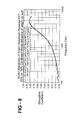
- Figures 5 through 8 examples of how the absorption curves differ with different filler fibers when the amount of fiberized mixed cardboard is increased. Jute, recycled carpet, recycled shoddy, and recycled white PET fibers were all used for the filler fibers. In these particular tests, the amount of cardboard used was 25% and 50% of the total panel weight. These tests showed that the more fiberized mixed Asian cardboard percentage the higher the sound absorption within the frequency range tested for the Jute, recycled carpet, and recycled shoddy.
- the recycled white PET fibers showed lower sound absorption with the addition of more mixed Asian cardboard. This leads to the belief that the more mixed Asian cardboard in the lower performing fibers, the better the absorption values and the more mixed Asian cardboard in the higher performing fibers, the worse the absorption values of the nonwoven. However, this is not a hard and fast rule because the size of the nits/dust will also affect the absorption values. These tests used a 3/8" (0.95 cm) screened hammer-milled product. Because of some preliminary testing, there is reason to believe a high percentage of very small nit mixed Asian cardboard along with the fines, can produce a panel with superior sound absorption as compared to PET fibers. By changing the percentage of mixed Asian cardboard used in the panel along with the size of the nits, the panel can be engineered to have any absorption curve required by the application while reducing the waste stream.
- the hammer-milled fibers and fragments of the cardboard 12 are next blended with any desired recycled or virgin textile fibers, which may include the low-melt fibers 14 or other binder materials, as mentioned.
- the proportion of the hammer-milled fibers and fragments of cardboard 12 to textile fibers 14 can be varied between about 25 to 99 weight percent (wt%) of the finished panel 10.
- the proportion of low-melt fibers 14 to recycled cardboard fibers 12 can be varied as best suited for the intended application of the panel 10, but the low melt fibers 14, if any, and are generally provided to be between about 5% to 45 wt% of the panel 10.
- the mixture is then subjected to a nonwoven webbing process, which may be performed, for example, on a Rando machine.
- the webbing process forms a homogenously mixed fiber/paper mat or web, with the fibers of the cardboard 12 being randomly oriented.
- the web is then run through a heat bonding oven to melt the low melt fibers, or if desired for the intended application, the web can be fed through a needle loom to be needle punched.
- the heating process may be performed by passing the web into or through any suitable oven, or by feeding it through one or more heated rollers.
- the resulting web may be passed between cooling rollers after heating to control its thickness and density.
- a thin nonwoven that resists tearing, or a scrim layer may be applied to one or both sides of the web to prevent any of the cardboard fibers or pieces from building up on the needles, as build-up of cardboard on the needles is undesirable and may cause them to break.
- the scrim layer also serves as a "net” to control dust from being released from the web.
- Reemay fabric is one example of a scrim that can be used for this purpose.
- the scrim or protective layer of fabric may additionally add strength to the web and facilitate the webbing process.
- the web can also be coated with a binder that further binds all of the fibers and paper in place and prevents it from forming dust (SBR, Acrylic, or Latex binders are some examples of what can be used), Flame retardant additives can also be added to the coating.
- a binder that further binds all of the fibers and paper in place and prevents it from forming dust
- Flame retardant additives can also be added to the coating.
- the binder Upon applying the binder, it is preferably dried and cured.
- the web can then be rolled up or cut into desired lengths.
- a cutting press or a comparable apparatus, can be used to separate the roll/sheets into panels or parts as dictated by the application of the fiber product.
- the resulting nonwoven fiber panels 10 may have a thin nonwoven fabric or scrim layer attached or bonded to one side or both sides, or the scrim layer may be sandwiched between layers of the nonwoven fiber panels 10.
- the scrim layer can be bonded using a suitable heat resistant adhesive, a low-melt blend of fibers within the scrim, or it can be attached via stitch-bonding
- the nonwoven panels 10 constructed in accordance with the invention are suitable for use in a variety of applications, including acoustic panels and thermal panels in automobiles. Such applications more specifically include the acoustic panels between the finished interior panel and the steel of the car, including, the headliner, side door panels, the trunk, and under the carpet. Thermal applications include, for example, heat shields with the addition of a reflective layer, such as adjacent exhaust system components or within an engine compartment.
Landscapes
- Engineering & Computer Science (AREA)
- Textile Engineering (AREA)
- Nonwoven Fabrics (AREA)
- Superstructure Of Vehicle (AREA)
- Laminated Bodies (AREA)
Description
- This invention relates generally to nonwoven panels and methods for their construction, and more particularly to acoustic, thermal and/or structural panels constructed at least partially from waste material constituents ordinarily not suitable for reprocessing, more particularly, a mixture including Asian cardboard.
- In order to reduce the costs associated with manufacturing nonwoven fabrics and materials and to minimize potentially negative affects on the environment, many consumer products are constructed using recycled constituents. For example, automobile manufacturers in the United States use recycled materials to construct nonwoven fabrics and materials having various uses, including sound absorption and/or insulation materials. Some reclaimed or recycled materials used to construct sound absorbing vehicle panels include fabric shoddy, such as, for example, cotton, polyester, nylon, or blends of recycled fabric fibers. Cotton shoddy is made from virgin or recycled fabric scraps that are combined and needled to form a nonwoven fabric. Another product constructed from recycled standard cardboard papers or fibers, used on a limited basis to absorb oils, is Ecco paper. In the process of constructing Ecco paper, the standard cardboard fibers are broken down using conventional wet recycling techniques, wherein constituent binder ingredients of the recycled cardboard are flushed into a waste stream, and the remaining fibers are combined with various additives.
- U.S. commercial establishments and consumer product manufacturers, for example, automotive component parts and original equipment manufacturers, receive numerous shipments from various Asian countries, such as China and Korea, in boxes or containers constructed of low grade "Asian cardboard." The Asian cardboard has constituents of very short, very fine fibers from previously recycled pine cardboard, as well as bamboo and rice fibers. As such, attempts to recycle Asian cardboard into paper, cardboard or other structural panel products through the paper mill process has been met with failure, with the very fine constituents of the Asian cardboard being flushed through the screens or mesh used to carry pulp in the paper/cardboard manufacturing process into the environment via the resulting waste stream of the recycling process. Accordingly, Asian cardboard is typically considered to be waste, and thus, is either sorted from standard cardboard at a relatively high labor cost and sent to landfills (during sorting, the Asian cardboard is readily identifiable from standard cardboard due to its relatively flimsy structure and its pale brown or greenish color) or the entire bale is scraped if there is more than 5% Asian cardboard mixed in a bale of recycled cardboard, also with a relatively high cost to both the product manufacturer and the environment.
- According to one aspect of the invention, a method of constructing a nonwoven sheet material from post consumer mixed Asian cardboard (with at least 5% to 100% Asian cardboard) is provided, as specified in appended
claim 1. - According to another aspect of the invention, a structural nonwoven panel is provided as specified in appended claim 5.
- In embodiments of the invention, a method of manufacturing a vehicle component panel may include receiving a shipment of goods in cardboard containers and reclaiming at least some of the cardboard containers. Next, reducing the reclaimed cardboard containers by grinding or shredding the reclaimed cardboard containers into a dry fibrous state and combining the reduced reclaimed cardboard with a binder material. And then, shaping the combined reduced reclaimed cardboard and binder material to form the vehicle component.
- Accordingly, the invention herein overcomes the limitations discussed above by providing nonwoven panels, such as those suitable for use in acoustic, thermal or structural applications and methods for their construction by recycling selected types of cardboard materials and using them in combination with heat bondable textile materials to create a nonwoven acoustical, thermal or otherwise structural panels that can be used in a variety of applications, such as in automobiles.
- These and other aspects, features and advantages of the present invention will become more readily appreciated when considered in connection with the following detailed description of presently preferred embodiments and best mode, appended claims and accompanying drawings, in which:
-
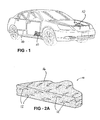
Figure 1 is a perspective view of a nonwoven panel constructed in accordance with one presently preferred aspect of the invention; -
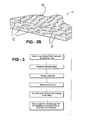
Figures 2A and2B are enlarged cross-sectional views of the nonwoven panel ofFigure 1 showing different weight percents of the panel constituents; -
Figure 3 is a process flow diagram illustrating a method of constructing a nonwoven material in accordance with one aspect of the invention; and -
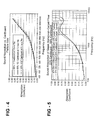
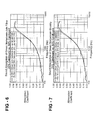
Figure 4-8 are graphs illustrating sound absorption characteristics of a nonwoven material constructed in accordance with the invention. - Referring in more detail to the drawings,
Figure 1 illustrates a structural member orpanel 10 constructed in accordance with one aspect of the invention. The panel can be configured for use in any number of applications, such as for an automotive vehicle component, for example. Thepanel 10, aside from being capable of providing a formable structural member, can be fabricated with noise damping or attenuation properties, thus, functioning as an acoustic panel. Further thepanel 10 can be constructed having fire retardant properties, if intended for use in high temperature environments, such as near an exhaust system or within a vehicle engine compartment, for example. Thepanel 10 is constructed from mixed Asian cardboard, filler fibers, and bi-component fibers, with the processed cardboard materials being bonded in the form of thepanel 10 by low temperature, heat bondable textile fiber and/or other suitable binder materials. With thepanel 10 being constructed at least in part from post consumer or recycledcardboard materials 12, the environment is benefited, such that the reclaimed cardboard is kept from being sent to landfills or from being incinerated. - The mixed recycled
cardboard material 12 can be provided as any mixture of Asian (an inferior grade of cardboard commonly produced in Asian countries, e.g. China and Korea and shipped into the U.S., which is typically considered non-recycleable by various state environment agencies heretofore, such as in Connecticut, New Hampshire and Massachusetts) and standard cardboard material (that made from wood, such as pine, which is typical in the U.S). Because recyclers typically allow only 5% Asian cardboard mixed with the "Standard Cardboard", the focus of this patent is on recycled cardboard with between 5% and 100% Asian cardboard. This "Standard" and "Asian" mixture will hereafter be referred to as "mixed Asian cardboard". As such, a method of recycling cardboard materials for use in manufacturing vehicle components, in accordance with one aspect of the invention, negates the need to separate inferior, low-grade cardboard materials, including Asian cardboard, from higher grade cardboard, such as that manufactured in the U.S. Accordingly, piles, bundles, or mixtures of standard high grade cardboard material from cardboard containers can be readily recycled in combination with the Asian cardboard without concern of separating the two types of cardboard materials from one another. The content of the cardboard, whether mixed or 100% Asian, is preferably between about 25-99 weight percent of the total web weight, depending on the desired characteristics of thepanel 10 being constructed. Generally, about 25% recycled material in a new product is needed in order to be considered a "Recycled" product. - The Asian cardboard is considered to be a low grade, non-recycleable cardboard due to its being constructed from inferior constituent ingredients, such as low quality recycled fibers, bamboo fibers, jute, rice fibers, and/or other scrap/waste materials. As such, Asian cardboard is typically considered to be a serious non-recycleable contaminant, whether on its own or if bailed or otherwise included in reclaimed post consumer cardboard loads. Accordingly, if Asian cardboard is bailed with standard U.S. cardboard, then the entire bail or load is typically considered to be non-recycleable waste (again, typically including a content of Asian cardboard above 5%). Asian cardboard can be distinguished from higher quality U.S. cardboard by its flimsiness and characteristic pale brown, yellow or greenish color. Accordingly, Asian cardboard is typically separated from higher U.S. quality cardboard, and sent to landfills, burned, or otherwise disposed.
- The inability of Asian cardboard to be recycled stems from the constituent ingredients of the inferior fibers used in the construction of the Asian cardboard, which are generally very short and thus very weak. Given the relatively fine size of the fibers and other powdery ingredients in Asian cardboard, if the Asian cardboard is processed in known wet recycling processes along with standard cardboard having fibers of an increased length, the ingredients of the Asian cardboard get flushed through the screens and carried into the waste stream and/or plug and otherwise damage the recycling equipment. Accordingly, in accordance with the invention, the construction of the
panel 10 is performed in a dry process, thereby allowing the utilization of the inferior Asian cardboard along with the fibers having a length less than 0.2mm (referred to as "fines") in it's manufacture. - The heat bondable textile material can be provided, for example, as a low temperature melt polymeric material, such as fibers of polyethylene, PET or Nylon. It should be recognized that other low melt polymeric materials could be used, such as thermoplastic bi-component fibers whose outer sheath, such as polypropylene, for example, melts when heated above its melting point. This melted resin then fuses with the mixture of any textile fibers present and the cardboard fibers and with remaining binders from the recycled cardboard materials. As an example, the melting point of the outer portion of a PET low melt fiber may be approximately 110°C - 180°C as compared to the core melting at 250°C. Persons skilled in the art will recognize that other coatings or fillers and filler fibers may be used in place of low melt fibers to achieve the desired result, and further that the heat
bondable material 14 can be used in combination with or replaced by a binder (for example, less low melt fiber can be used if a binder is used to stiffen the feel of the fabric). An SBR with a Tg of +41 is an example of a binder that can be used. Further, the heat bondable textile materials can be combined with other organic or inorganic fibers and/or coated with heat resistant or fire retardant (FR) coatings (Ammonium Sulfate, Ammonium Phosphate, or Boric Acid, for example) and/or coated with an anti-microbial coating (Polyphase 678, Rocima 200, or UF-15, for example) on at least one of the heat bondable textile materials or the recycled cardboard material. This is similar to the cellulose insulation industry where an FR treatment and a mildeweide are added to the paper during the fiberization process. - In embodiments of the invention, a method of manufacturing acoustic, and/or
thermal panels 10 is provided. The method includes providing the reclaimed or recycledcardboard materials 12, as discussed above, such as by reclaiming the cardboard materials from containers carrying goods shipped to a manufacturer, such as an automotive components manufacturer, for example. Then, comminuting thecardboard materials 12 into the desired size pieces and/or dry fibrous state, such as in a chopping, shredding, and/or grinding operation. It is contemplated that, with the mixed Asian cardboard being used, the pieces be fiberized using a screen size between 3/32" (0.24 cm) and ½" (1.27 cm) when using the hammer-mill type method. This produces a similar sized fiber and nit of that in the blown insulation industry. Depending on the characteristics sought, such as acoustic damping or structural characteristics, the size of the comminuted pieces or nits can be altered. It has been found that by altering the size of the pieces, the acoustic absorption properties of thepanels 10 changes. Using a hammer-mill to fiberize the cardboard, the cardboard particle size is determined by the size of the screen used. This screen size is not the actual size of the cardboard particles or nits that are formed The actual size of the largest pieces is closer to half the screen size. However, much of the cardboard within a certain labeled size is also smaller than half the size of the screen size and includes particle sizes down to dust size (also called "fines"). Approximately one half the mass of the cardboard in each labeled size are "large" pieces (meaning half the screen size) and the other half is smaller pieces with lot of dust. As shown inFigure 4 , test samples containing 50% cardboard, 30% low-melt PET, 20% Shoddy with no coating or binder, show the correlations between cardboard particle size versus sound absorption values. Basically, the smaller the sized "nit" the higher the sound absorption for the insulation. The textile manufacturing process must also be taken into account as to what sized particles will run most efficiently and practically. This may change the final air-laid system depending on what sized fiber nit is determined to best suit the application, keeping in mind that using the most "dust" that is produced in the fiberizing system is the best environmental option which may also negatively affect the "dust-out" requirements. If using a hammer mill, the screen may be oriented in various directions or take on various shapes, including circular, vertical, or horizontal. If the ground/hammer-milled mixture will be combined with textile fibers, it is then fluffed to facilitate being mixed with the textile fibers. - Another possibility within the invention includes changing the percentage of cardboard used in the panel to customize the sound absorption curve of the final panel. Depending on what "filler" fiber is used, the cardboard may increase the sound absorption values or it may actually decrease the sound absorption values of the final panel. As shown in
Figures 5 through 8 , examples of how the absorption curves differ with different filler fibers when the amount of fiberized mixed cardboard is increased. Jute, recycled carpet, recycled shoddy, and recycled white PET fibers were all used for the filler fibers. In these particular tests, the amount of cardboard used was 25% and 50% of the total panel weight. These tests showed that the more fiberized mixed Asian cardboard percentage the higher the sound absorption within the frequency range tested for the Jute, recycled carpet, and recycled shoddy. The recycled white PET fibers showed lower sound absorption with the addition of more mixed Asian cardboard. This leads to the belief that the more mixed Asian cardboard in the lower performing fibers, the better the absorption values and the more mixed Asian cardboard in the higher performing fibers, the worse the absorption values of the nonwoven. However, this is not a hard and fast rule because the size of the nits/dust will also affect the absorption values. These tests used a 3/8" (0.95 cm) screened hammer-milled product. Because of some preliminary testing, there is reason to believe a high percentage of very small nit mixed Asian cardboard along with the fines, can produce a panel with superior sound absorption as compared to PET fibers. By changing the percentage of mixed Asian cardboard used in the panel along with the size of the nits, the panel can be engineered to have any absorption curve required by the application while reducing the waste stream. - The hammer-milled fibers and fragments of the
cardboard 12 are next blended with any desired recycled or virgin textile fibers, which may include the low-melt fibers 14 or other binder materials, as mentioned. The proportion of the hammer-milled fibers and fragments ofcardboard 12 totextile fibers 14 can be varied between about 25 to 99 weight percent (wt%) of thefinished panel 10. The proportion of low-melt fibers 14 torecycled cardboard fibers 12 can be varied as best suited for the intended application of thepanel 10, but thelow melt fibers 14, if any, and are generally provided to be between about 5% to 45 wt% of thepanel 10. - The mixture is then subjected to a nonwoven webbing process, which may be performed, for example, on a Rando machine. The webbing process forms a homogenously mixed fiber/paper mat or web, with the fibers of the
cardboard 12 being randomly oriented. The web is then run through a heat bonding oven to melt the low melt fibers, or if desired for the intended application, the web can be fed through a needle loom to be needle punched. The heating process may be performed by passing the web into or through any suitable oven, or by feeding it through one or more heated rollers. The resulting web may be passed between cooling rollers after heating to control its thickness and density. If needle punching the web, a thin nonwoven that resists tearing, or a scrim layer, may be applied to one or both sides of the web to prevent any of the cardboard fibers or pieces from building up on the needles, as build-up of cardboard on the needles is undesirable and may cause them to break. The scrim layer also serves as a "net" to control dust from being released from the web. Reemay fabric is one example of a scrim that can be used for this purpose. The scrim or protective layer of fabric may additionally add strength to the web and facilitate the webbing process. The web can also be coated with a binder that further binds all of the fibers and paper in place and prevents it from forming dust (SBR, Acrylic, or Latex binders are some examples of what can be used), Flame retardant additives can also be added to the coating. Upon applying the binder, it is preferably dried and cured. - The web can then be rolled up or cut into desired lengths. A cutting press, or a comparable apparatus, can be used to separate the roll/sheets into panels or parts as dictated by the application of the fiber product.
- The resulting
nonwoven fiber panels 10 may have a thin nonwoven fabric or scrim layer attached or bonded to one side or both sides, or the scrim layer may be sandwiched between layers of thenonwoven fiber panels 10. The scrim layer can be bonded using a suitable heat resistant adhesive, a low-melt blend of fibers within the scrim, or it can be attached via stitch-bonding - The
nonwoven panels 10 constructed in accordance with the invention are suitable for use in a variety of applications, including acoustic panels and thermal panels in automobiles. Such applications more specifically include the acoustic panels between the finished interior panel and the steel of the car, including, the headliner, side door panels, the trunk, and under the carpet. Thermal applications include, for example, heat shields with the addition of a reflective layer, such as adjacent exhaust system components or within an engine compartment.
Claims (8)
- A method of constructing a nonwoven sheet material comprising:providing post consumer cardboard which includes at least 5% Asian cardboard;comminuting said cardboard into predetermined reduced sized pieces which include fragments up to about 12.5mm in length and also fibres less than 0.2mm in length;combining said reduced sized pieces with a heat bondable textile material or heat bondable fragments of polymeric material to form a substantially homogenous mixture;forming a web of said mixture of a predetermined thickness in a dry nonwoven webbing process; andheating said web to bond said heat bondable material with said reduced sized pieces to form said nonwoven sheet.
- A method according to claim 1 further including needle punching said web prior to said heating step.
- A method according to claim 1 or 2 further including attaching or bonding a non-woven fabric or scrim layer to one or both sides of the web.
- A method according to claim 1, 2 or 3 wherein the heat bondable material comprises fibres of polyethylene or polyethylterephthalate (PET) or nylon or polypropylene (PP).
- A nonwoven panel for use in an automotive vehicle component, comprising:a heat bondable textile fibre material; anda recycled post consumer cardboard material, said recycled cardboard material being bonded with said heat bondable textile fibre material, characterised in that said recycled cardboard material includes at least 5% Asian cardboard and said recycled cardboard material includes fragments up to about 12.5mm in length and also fibres less than 0.2mm in length.
- A nonwoven panel according to claim 5 wherein said Asian cardboard material comprises at least 5 weight percent of said panel.
- A nonwoven panel according to claim 5 or 6 further comprising a flame retardant coating on at least one of said heat bondable textile material or said recycled post consumer Asian cardboard material.
- A nonwoven panel according to any of claims 5 to 7 further comprising a non-woven fabric or scrim layer attached or bonded to one or both sides of the panel or sandwiched between layers of the panel.
Applications Claiming Priority (3)
| Application Number | Priority Date | Filing Date | Title |
|---|---|---|---|
| US88436807P | 2007-01-10 | 2007-01-10 | |
| US88453407P | 2007-01-11 | 2007-01-11 | |
| PCT/US2008/050698 WO2008086458A1 (en) | 2007-01-10 | 2008-01-10 | Nonwoven panel and method of construction thereof |
Publications (3)
| Publication Number | Publication Date |
|---|---|
| EP2122054A1 EP2122054A1 (en) | 2009-11-25 |
| EP2122054A4 EP2122054A4 (en) | 2012-08-29 |
| EP2122054B1 true EP2122054B1 (en) | 2015-07-08 |
Family
ID=39609068
Family Applications (1)
| Application Number | Title | Priority Date | Filing Date |
|---|---|---|---|
| EP08727505.3A Not-in-force EP2122054B1 (en) | 2007-01-10 | 2008-01-10 | Nonwoven panel and method of construction thereof |
Country Status (7)
| Country | Link |
|---|---|
| US (2) | US7744143B2 (en) |
| EP (1) | EP2122054B1 (en) |
| JP (1) | JP5578410B2 (en) |
| KR (1) | KR101413020B1 (en) |
| CN (1) | CN101627163B (en) |
| BR (1) | BRPI0806520B8 (en) |
| WO (1) | WO2008086458A1 (en) |
Families Citing this family (28)
| Publication number | Priority date | Publication date | Assignee | Title |
|---|---|---|---|---|
| US20110189911A1 (en) * | 2007-01-10 | 2011-08-04 | Ritesh Mehbubani | High loft nonwoven sheet material and method of construction thereof |
| US20110305878A1 (en) * | 2007-01-10 | 2011-12-15 | Gladfelter Harry F | Nonwoven panel and method of construction thereof |
| US7918952B1 (en) * | 2008-02-06 | 2011-04-05 | Gary Young | Process for transforming headliner |
| US8534419B2 (en) * | 2008-10-16 | 2013-09-17 | Zephyros, Inc. | Composite sound absorber |
| WO2010151627A2 (en) * | 2009-06-24 | 2010-12-29 | Federal-Mogul Powertrain, Inc. | Nonwoven sheet material, panel constructed therefrom and methods of construction thereof |
| CN102741046B (en) * | 2010-02-09 | 2015-04-22 | 费德罗-莫格尔动力系公司 | High loft nonwoven sheet material and method of construction thereof |
| US8663427B2 (en) | 2011-04-07 | 2014-03-04 | International Paper Company | Addition of endothermic fire retardants to provide near neutral pH pulp fiber webs |
| WO2012018749A1 (en) | 2010-08-03 | 2012-02-09 | International Paper Company | Fire retardant treated fluff pulp web and process for making same |
| CA2810741A1 (en) * | 2010-09-20 | 2012-03-29 | Federal-Mogul Powertrain, Inc. | Composite panel having bonded nonwoven and biodegradable resinous-fiber layers and method of construction thereof |
| US8388807B2 (en) | 2011-02-08 | 2013-03-05 | International Paper Company | Partially fire resistant insulation material comprising unrefined virgin pulp fibers and wood ash fire retardant component |
| JP6313207B2 (en) * | 2011-08-22 | 2018-04-18 | フェデラル−モーグル・パワートレイン・リミテッド・ライアビリティ・カンパニーFederal−Mogul Powertrain Llc | Non-woven battery cover that is flexible green and its construction method |
| CN102733226A (en) * | 2012-07-16 | 2012-10-17 | 上海殷泰纸业有限公司 | Method for preparing stainless steel interleaving paper by wastepaper |
| US9027706B2 (en) | 2013-02-11 | 2015-05-12 | Federal-Mogul Powertrain, Inc. | Enhanced, lightweight acoustic scrim barrier |
| KR101361184B1 (en) * | 2013-09-30 | 2014-02-25 | (주)국제리프라텍 | A car interior sheet for using hygiene products and its manufacturing method |
| WO2015130909A1 (en) * | 2014-02-26 | 2015-09-03 | Federal-Mogul Powertrain, Inc. | Nonwoven panel formed of end-of-life ingredients and method of construction thereof |
| US9546439B2 (en) | 2014-05-15 | 2017-01-17 | Zephyros, Inc. | Process of making short fiber nonwoven molded articles |
| WO2016094395A1 (en) | 2014-12-08 | 2016-06-16 | Zephyros, Inc. | Vertically lapped fibrous flooring |
| EP3245105B1 (en) | 2015-01-12 | 2021-03-03 | Zephyros Inc. | Acoustic floor underlay system |
| WO2016118587A1 (en) | 2015-01-20 | 2016-07-28 | Zephyros, Inc. | Sound absorption materials based on nonwovens |
| WO2016187526A1 (en) | 2015-05-20 | 2016-11-24 | Zephyros, Inc. | Multi-impedance composite |
| KR101883692B1 (en) * | 2015-10-19 | 2018-08-01 | 성현산업 주식회사 | Manufacturing method of vehicle battery insulation pad using recycle materials |
| US10403328B2 (en) * | 2016-01-29 | 2019-09-03 | Western Digital Technologies, Inc. | Acoustic attenuation in data storage enclosures |
| US11339507B2 (en) | 2017-08-18 | 2022-05-24 | Patricia M. ERMECHEO | Yarn manufactured from recycled clothing fibers and process for making same |
| CN107541858A (en) * | 2017-09-07 | 2018-01-05 | 丹阳市汇航复合材料有限公司 | A kind of new anti-flaming thermal-insulation noise elimination felt preparation method |
| CN108589024A (en) * | 2018-05-18 | 2018-09-28 | 启东启雅复合材料有限公司 | A kind of water suction non-woven fabrics and preparation method thereof |
| JP6402299B1 (en) * | 2018-06-07 | 2018-10-10 | 山田 昌夫 | Preparation method of flame retardant insulation |
| CN109468890A (en) * | 2018-11-09 | 2019-03-15 | 长沙云聚汇科技有限公司 | The preparation method of non-woven fabrics sowing material |
| TWI780793B (en) * | 2021-06-25 | 2022-10-11 | 連橫生技股份有限公司 | Composite material automation process system |
Family Cites Families (58)
| Publication number | Priority date | Publication date | Assignee | Title |
|---|---|---|---|---|
| US2543101A (en) * | 1944-07-20 | 1951-02-27 | American Viscose Corp | Composite fibrous products and method of making them |
| US3718536A (en) * | 1970-04-22 | 1973-02-27 | Thilmany Pulp & Paper Co | Composite board and method of manufacture |
| DE2457848A1 (en) | 1974-12-06 | 1976-06-10 | Klaus Lesti | COMPRESSED BODY |
| FR2415688A1 (en) * | 1978-01-25 | 1979-08-24 | Voisin & Pascal Carton | Hot-mouldable cardboard prodn. from reclaimed materials - esp. thermoplastics powder in core, with plant fibres and synthetic fibres in outer layers |
| US5080594A (en) | 1990-09-04 | 1992-01-14 | Swinford Stephen W | Pigtail connector with light |
| JPH06136696A (en) | 1991-08-02 | 1994-05-17 | Takatoshi Kiyooka | Porous sheet with deodorant antibacterial properties |
| JPH0672466A (en) | 1992-08-21 | 1994-03-15 | Hitoshi Hayakawa | Paper-made heat insulative shock absorber and manufacture of the same |
| US5718802A (en) | 1992-11-16 | 1998-02-17 | Board Of Supervisors Of Louisiana State University And Agricultural And Mechanical College | Process for obtaining cellulosic fiber bundles at least 2.5 cm long from plant stalk rind |
| JPH06207362A (en) | 1993-01-11 | 1994-07-26 | Ikeda Bussan Co Ltd | Fibrous material |
| US5443389A (en) | 1993-07-16 | 1995-08-22 | Hughes; Michael T. | Unified connector interface |
| US5418031A (en) * | 1993-11-22 | 1995-05-23 | The United States Of America As Represented By The Secretary Of Agriculture | Combination cellulosic/thermoplastic batt insulation and a method of production for such insulation |
| SE503272C2 (en) | 1994-08-22 | 1996-04-29 | Moelnlycke Ab | Nonwoven material prepared by hydroentangling a fiber web and method for making such nonwoven material |
| US5516580A (en) * | 1995-04-05 | 1996-05-14 | Groupe Laperriere Et Verreault Inc. | Cellulosic fiber insulation material |
| ES2123426B1 (en) | 1996-08-13 | 2000-01-16 | Irausa Ing Sa | A PROCESS FOR THE MANUFACTURE OF RESISTANT PANELS. |
| JP2896499B2 (en) | 1996-08-22 | 1999-05-31 | 林野庁森林総合研究所長 | Composite material and method for producing the same |
| WO1998013540A1 (en) * | 1996-09-27 | 1998-04-02 | Wwj, Llc | Automotive acoustical insulator |
| JPH10235665A (en) | 1997-02-24 | 1998-09-08 | Kanegafuchi Chem Ind Co Ltd | Plate or molded body and method for producing the same |
| US20030187102A1 (en) * | 1997-09-02 | 2003-10-02 | Marshall Medoff | Compositions and composites of cellulosic and lignocellulosic materials and resins, and methods of making the same |
| JPH11147211A (en) | 1997-11-17 | 1999-06-02 | Tooken Jushi Kagaku Kk | Chopped strand mat based on bamboo fiber and method for producing the same |
| NL1007945C2 (en) | 1997-12-31 | 1999-07-01 | Vertis Bv | Process for the manufacture of a product with a blown, foam-like structure starting from a mass comprising at least natural polymers and water. |
| US20050249931A1 (en) | 1998-12-11 | 2005-11-10 | Japan Vilene Company, Ltd. | Nonwoven fabric-laminate and an automotive internal trim panel |
| US20010046587A1 (en) | 1998-12-21 | 2001-11-29 | Raj S. Michael | Encapsulated self adhering acoustic mat for sandwich used in vehicle interior systems |
| JP2000240266A (en) | 1999-02-22 | 2000-09-05 | Tadao Takano | Floor surface construction method using charcoal |
| EP1090973B1 (en) | 1999-02-26 | 2004-04-28 | Nagoya Oilchemical Co., Ltd. | Dispersion of hot-melt adhesive particles, heat-bondable sheet, interior material, thermoformable textile sheet, and carpet |
| EP1052021A1 (en) | 1999-05-06 | 2000-11-15 | von Deym, Carl-Ludwig, Graf | Sorting/separating method and plant for recycling plastics |
| CA2316586C (en) | 1999-08-27 | 2009-06-30 | Armstrong World Industries, Inc. | Acoustical panel having a calendered, flame-retardant paper backing and method of making the same |
| FR2802759B1 (en) | 1999-12-16 | 2002-02-15 | Pierre Fontaine | METHOD FOR MANUFACTURING SURFACE MECHANICAL ABSORBENT MATERIAL, SURFACE MECHANICAL ABSORBENT MATERIAL AND ELECTROACOUSTIC TRANSDUCER THUS OBTAINED |
| AU2130801A (en) * | 1999-12-20 | 2001-07-03 | Flavio Marques Ferreira | Process for rigid foam obtention from a fibrous material and foam produced therefore |
| US6568142B2 (en) | 2000-01-31 | 2003-05-27 | Japan Blower Ind. Co., Ltd. | Bamboo floor plate for sound insulation |
| US6841231B1 (en) | 2000-08-10 | 2005-01-11 | Masonite Corporation | Fibrous composite article and method of making the same |
| KR100887460B1 (en) | 2000-10-10 | 2009-03-10 | 제임스 하디 인터내셔널 파이낸스 비.브이. | Composite building materials |
| JP2002127284A (en) | 2000-10-26 | 2002-05-08 | Sanwa Kogyo Kk | Interior finish sheet for vehicle |
| JP2002178848A (en) * | 2000-12-14 | 2002-06-26 | Kasai Kogyo Co Ltd | Soundproof material for vehicle and manufacturing method thereof |
| JP2002240647A (en) | 2001-02-19 | 2002-08-28 | Toyoda Gosei Co Ltd | Interior trim for automobile |
| JP3687962B2 (en) | 2001-09-19 | 2005-08-24 | 有限会社勝山テクノス | How to use salmon skin |
| US20030060113A1 (en) * | 2001-09-20 | 2003-03-27 | Christie Peter A. | Thermo formable acoustical panel |
| JP2003201657A (en) * | 2001-12-27 | 2003-07-18 | Nissan Motor Co Ltd | Sound absorbing material |
| WO2003070656A1 (en) | 2002-02-25 | 2003-08-28 | Foundation For Development Aid Acp-Eec Asbl | Fibrous non-woven material, non-woven body and non-woven composite body, method for producing a fibrous non-woven material, and use of the same |
| JP4080901B2 (en) | 2002-09-20 | 2008-04-23 | 名古屋油化株式会社 | Sound absorbing material |
| JP2004162246A (en) | 2002-10-24 | 2004-06-10 | Toray Ind Inc | Non-woven fabric containing cellulosic fiber |
| JP2005009062A (en) | 2002-12-03 | 2005-01-13 | Tamapack Kk | Waste paper fibrous material utilizing system and waste paper defibrating machine |
| JP2004183181A (en) | 2002-12-06 | 2004-07-02 | Toray Ind Inc | Cellulosic fiber-containing nonwoven fabric and method for producing the same |
| US20050281999A1 (en) | 2003-03-12 | 2005-12-22 | Petritech, Inc. | Structural and other composite materials and methods for making same |
| JP4108512B2 (en) | 2003-03-17 | 2008-06-25 | 学校法人同志社 | Sound absorbing material and manufacturing method thereof |
| KR100574547B1 (en) * | 2003-03-21 | 2006-04-27 | 율촌화학 주식회사 | Biodegradable composition with improved water resistance and manufacturing method thereof |
| JP2006526081A (en) | 2003-03-31 | 2006-11-16 | リーター テクノロジーズ アー ゲー | Non-woven fabric with acoustic effect for vehicle lining |
| JP2005061045A (en) | 2003-08-12 | 2005-03-10 | Ibiken Kk | Honeycomb core door and its manufacturing method |
| US7171010B2 (en) | 2003-09-11 | 2007-01-30 | Boston Acoustics, Inc. | Dynamic bass boost apparatus and method |
| JP2005113360A (en) | 2003-09-17 | 2005-04-28 | Kayoko Oku | Clothing, wallpaper, and construction material for floor and ceiling given by using nonwoven fabric of bamboo |
| JP2005253454A (en) | 2004-03-12 | 2005-09-22 | Eisho:Kk | Agricultural sheet |
| JP4466429B2 (en) * | 2004-03-30 | 2010-05-26 | 王子製紙株式会社 | Chip-type electronic component storage mount |
| JP2005350794A (en) | 2004-06-09 | 2005-12-22 | Eitoku Sagawa | Nonwoven fabric using bamboo fiber |
| JP4679854B2 (en) | 2004-08-03 | 2011-05-11 | 株式会社ナファ生活研究所 | Sterilized bamboo fiber gauze |
| ATE463390T1 (en) * | 2005-02-21 | 2010-04-15 | Li & S Co Ltd | ELEMENT FOR MOTOR VEHICLE INTERIOR PRODUCTS WITH MULTI-LAYER STRUCTURE |
| US7837009B2 (en) * | 2005-04-01 | 2010-11-23 | Buckeye Technologies Inc. | Nonwoven material for acoustic insulation, and process for manufacture |
| CA2603421C (en) * | 2005-04-01 | 2013-05-21 | James R. Gross | Nonwoven material for acoustic insulation, and process for manufacture |
| JP2006322097A (en) * | 2005-05-18 | 2006-11-30 | Oji Paper Co Ltd | Luxury paperboard |
| US20060289231A1 (en) | 2005-06-28 | 2006-12-28 | Priebe Joseph A | Acoustic absorber/barrier composite |
-
2008
- 2008-01-09 US US11/971,484 patent/US7744143B2/en not_active Expired - Fee Related
- 2008-01-10 EP EP08727505.3A patent/EP2122054B1/en not_active Not-in-force
- 2008-01-10 KR KR1020097015630A patent/KR101413020B1/en not_active Expired - Fee Related
- 2008-01-10 WO PCT/US2008/050698 patent/WO2008086458A1/en not_active Ceased
- 2008-01-10 JP JP2009545670A patent/JP5578410B2/en not_active Expired - Fee Related
- 2008-01-10 BR BRPI0806520A patent/BRPI0806520B8/en not_active IP Right Cessation
- 2008-01-10 CN CN2008800076183A patent/CN101627163B/en not_active Expired - Fee Related
-
2010
- 2010-03-09 US US12/720,119 patent/US20100168286A1/en not_active Abandoned
Also Published As
| Publication number | Publication date |
|---|---|
| BRPI0806520A2 (en) | 2014-04-22 |
| JP2010531392A (en) | 2010-09-24 |
| BRPI0806520B8 (en) | 2019-02-12 |
| KR20090105948A (en) | 2009-10-07 |
| BRPI0806520B1 (en) | 2018-02-27 |
| EP2122054A1 (en) | 2009-11-25 |
| CN101627163A (en) | 2010-01-13 |
| WO2008086458A1 (en) | 2008-07-17 |
| US7744143B2 (en) | 2010-06-29 |
| US20080211253A1 (en) | 2008-09-04 |
| KR101413020B1 (en) | 2014-06-30 |
| US20100168286A1 (en) | 2010-07-01 |
| JP5578410B2 (en) | 2014-08-27 |
| CN101627163B (en) | 2013-06-26 |
| EP2122054A4 (en) | 2012-08-29 |
Similar Documents
| Publication | Publication Date | Title |
|---|---|---|
| US7744143B2 (en) | Nonwoven panel and method of construction thereof | |
| US20110305878A1 (en) | Nonwoven panel and method of construction thereof | |
| US20110070794A1 (en) | Nonwoven sheet material, panel constructed therefrom and methods of construction thereof | |
| EP3274493B1 (en) | Reuse of used woven or knitted textile | |
| WO2001031131A1 (en) | Fibrous acoustical insulation product | |
| EP2534290B1 (en) | Method of construction of a high loft nonwoven sheet material | |
| US20110189911A1 (en) | High loft nonwoven sheet material and method of construction thereof | |
| KR102608212B1 (en) | Bio-recycling complex interior material for vehicles | |
| EP3110995B1 (en) | Nonwoven panel formed of end-of-life ingredients and method of construction thereof | |
| JP2000276179A (en) | Soundproofing material and method for manufacturing the soundproofing material | |
| JPH1086247A (en) | Low density waste paper board | |
| WO2026093857A1 (en) | Recyclable bonded air-laid blanks |
Legal Events
| Date | Code | Title | Description |
|---|---|---|---|
| PUAI | Public reference made under article 153(3) epc to a published international application that has entered the european phase |
Free format text: ORIGINAL CODE: 0009012 |
|
| 17P | Request for examination filed |
Effective date: 20090723 |
|
| AK | Designated contracting states |
Kind code of ref document: A1 Designated state(s): AT BE BG CH CY CZ DE DK EE ES FI FR GB GR HR HU IE IS IT LI LT LU LV MC MT NL NO PL PT RO SE SI SK TR |
|
| DAX | Request for extension of the european patent (deleted) | ||
| RIN1 | Information on inventor provided before grant (corrected) |
Inventor name: STAUD, ERIC, K. Inventor name: GLADFELTER, HARRY, F. Inventor name: FOY, CHRISTOPHER, A. Inventor name: BRIGGS, DAVID |
|
| A4 | Supplementary search report drawn up and despatched |
Effective date: 20120727 |
|
| RIC1 | Information provided on ipc code assigned before grant |
Ipc: D21H 13/10 20060101ALI20120723BHEP Ipc: D21J 1/20 20060101ALI20120723BHEP Ipc: D21J 3/12 20060101ALI20120723BHEP Ipc: D21J 1/16 20060101AFI20120723BHEP |
|
| 17Q | First examination report despatched |
Effective date: 20130306 |
|
| GRAP | Despatch of communication of intention to grant a patent |
Free format text: ORIGINAL CODE: EPIDOSNIGR1 |
|
| INTG | Intention to grant announced |
Effective date: 20150311 |
|
| RIN1 | Information on inventor provided before grant (corrected) |
Inventor name: GLADFELTER, HARRY, F. Inventor name: FOY, CHRISTOPHER, A. Inventor name: BRIGGS, DAVID Inventor name: STAUD, ERIC, K. |
|
| GRAS | Grant fee paid |
Free format text: ORIGINAL CODE: EPIDOSNIGR3 |
|
| GRAA | (expected) grant |
Free format text: ORIGINAL CODE: 0009210 |
|
| AK | Designated contracting states |
Kind code of ref document: B1 Designated state(s): AT BE BG CH CY CZ DE DK EE ES FI FR GB GR HR HU IE IS IT LI LT LU LV MC MT NL NO PL PT RO SE SI SK TR |
|
| REG | Reference to a national code |
Ref country code: GB Ref legal event code: FG4D |
|
| REG | Reference to a national code |
Ref country code: AT Ref legal event code: REF Ref document number: 735529 Country of ref document: AT Kind code of ref document: T Effective date: 20150715 Ref country code: CH Ref legal event code: EP |
|
| REG | Reference to a national code |
Ref country code: IE Ref legal event code: FG4D |
|
| REG | Reference to a national code |
Ref country code: DE Ref legal event code: R096 Ref document number: 602008038904 Country of ref document: DE |
|
| REG | Reference to a national code |
Ref country code: AT Ref legal event code: MK05 Ref document number: 735529 Country of ref document: AT Kind code of ref document: T Effective date: 20150708 |
|
| REG | Reference to a national code |
Ref country code: NL Ref legal event code: MP Effective date: 20150708 |
|
| REG | Reference to a national code |
Ref country code: LT Ref legal event code: MG4D |
|
| REG | Reference to a national code |
Ref country code: FR Ref legal event code: PLFP Year of fee payment: 9 |
|
| PG25 | Lapsed in a contracting state [announced via postgrant information from national office to epo] |
Ref country code: LV Free format text: LAPSE BECAUSE OF FAILURE TO SUBMIT A TRANSLATION OF THE DESCRIPTION OR TO PAY THE FEE WITHIN THE PRESCRIBED TIME-LIMIT Effective date: 20150708 Ref country code: GR Free format text: LAPSE BECAUSE OF FAILURE TO SUBMIT A TRANSLATION OF THE DESCRIPTION OR TO PAY THE FEE WITHIN THE PRESCRIBED TIME-LIMIT Effective date: 20151009 Ref country code: FI Free format text: LAPSE BECAUSE OF FAILURE TO SUBMIT A TRANSLATION OF THE DESCRIPTION OR TO PAY THE FEE WITHIN THE PRESCRIBED TIME-LIMIT Effective date: 20150708 Ref country code: NO Free format text: LAPSE BECAUSE OF FAILURE TO SUBMIT A TRANSLATION OF THE DESCRIPTION OR TO PAY THE FEE WITHIN THE PRESCRIBED TIME-LIMIT Effective date: 20151008 Ref country code: LT Free format text: LAPSE BECAUSE OF FAILURE TO SUBMIT A TRANSLATION OF THE DESCRIPTION OR TO PAY THE FEE WITHIN THE PRESCRIBED TIME-LIMIT Effective date: 20150708 |
|
| PG25 | Lapsed in a contracting state [announced via postgrant information from national office to epo] |
Ref country code: SE Free format text: LAPSE BECAUSE OF FAILURE TO SUBMIT A TRANSLATION OF THE DESCRIPTION OR TO PAY THE FEE WITHIN THE PRESCRIBED TIME-LIMIT Effective date: 20150708 Ref country code: IS Free format text: LAPSE BECAUSE OF FAILURE TO SUBMIT A TRANSLATION OF THE DESCRIPTION OR TO PAY THE FEE WITHIN THE PRESCRIBED TIME-LIMIT Effective date: 20151108 Ref country code: PT Free format text: LAPSE BECAUSE OF FAILURE TO SUBMIT A TRANSLATION OF THE DESCRIPTION OR TO PAY THE FEE WITHIN THE PRESCRIBED TIME-LIMIT Effective date: 20151109 Ref country code: AT Free format text: LAPSE BECAUSE OF FAILURE TO SUBMIT A TRANSLATION OF THE DESCRIPTION OR TO PAY THE FEE WITHIN THE PRESCRIBED TIME-LIMIT Effective date: 20150708 Ref country code: ES Free format text: LAPSE BECAUSE OF FAILURE TO SUBMIT A TRANSLATION OF THE DESCRIPTION OR TO PAY THE FEE WITHIN THE PRESCRIBED TIME-LIMIT Effective date: 20150708 Ref country code: PL Free format text: LAPSE BECAUSE OF FAILURE TO SUBMIT A TRANSLATION OF THE DESCRIPTION OR TO PAY THE FEE WITHIN THE PRESCRIBED TIME-LIMIT Effective date: 20150708 Ref country code: HR Free format text: LAPSE BECAUSE OF FAILURE TO SUBMIT A TRANSLATION OF THE DESCRIPTION OR TO PAY THE FEE WITHIN THE PRESCRIBED TIME-LIMIT Effective date: 20150708 |
|
| REG | Reference to a national code |
Ref country code: DE Ref legal event code: R097 Ref document number: 602008038904 Country of ref document: DE |
|
| PG25 | Lapsed in a contracting state [announced via postgrant information from national office to epo] |
Ref country code: SK Free format text: LAPSE BECAUSE OF FAILURE TO SUBMIT A TRANSLATION OF THE DESCRIPTION OR TO PAY THE FEE WITHIN THE PRESCRIBED TIME-LIMIT Effective date: 20150708 Ref country code: EE Free format text: LAPSE BECAUSE OF FAILURE TO SUBMIT A TRANSLATION OF THE DESCRIPTION OR TO PAY THE FEE WITHIN THE PRESCRIBED TIME-LIMIT Effective date: 20150708 Ref country code: DK Free format text: LAPSE BECAUSE OF FAILURE TO SUBMIT A TRANSLATION OF THE DESCRIPTION OR TO PAY THE FEE WITHIN THE PRESCRIBED TIME-LIMIT Effective date: 20150708 Ref country code: CZ Free format text: LAPSE BECAUSE OF FAILURE TO SUBMIT A TRANSLATION OF THE DESCRIPTION OR TO PAY THE FEE WITHIN THE PRESCRIBED TIME-LIMIT Effective date: 20150708 |
|
| PLBE | No opposition filed within time limit |
Free format text: ORIGINAL CODE: 0009261 |
|
| STAA | Information on the status of an ep patent application or granted ep patent |
Free format text: STATUS: NO OPPOSITION FILED WITHIN TIME LIMIT |
|
| PG25 | Lapsed in a contracting state [announced via postgrant information from national office to epo] |
Ref country code: RO Free format text: LAPSE BECAUSE OF FAILURE TO SUBMIT A TRANSLATION OF THE DESCRIPTION OR TO PAY THE FEE WITHIN THE PRESCRIBED TIME-LIMIT Effective date: 20150708 Ref country code: BE Free format text: LAPSE BECAUSE OF NON-PAYMENT OF DUE FEES Effective date: 20160131 |
|
| 26N | No opposition filed |
Effective date: 20160411 |
|
| PG25 | Lapsed in a contracting state [announced via postgrant information from national office to epo] |
Ref country code: SI Free format text: LAPSE BECAUSE OF FAILURE TO SUBMIT A TRANSLATION OF THE DESCRIPTION OR TO PAY THE FEE WITHIN THE PRESCRIBED TIME-LIMIT Effective date: 20150708 Ref country code: LU Free format text: LAPSE BECAUSE OF FAILURE TO SUBMIT A TRANSLATION OF THE DESCRIPTION OR TO PAY THE FEE WITHIN THE PRESCRIBED TIME-LIMIT Effective date: 20160110 |
|
| REG | Reference to a national code |
Ref country code: CH Ref legal event code: PL |
|
| GBPC | Gb: european patent ceased through non-payment of renewal fee |
Effective date: 20160110 |
|
| PG25 | Lapsed in a contracting state [announced via postgrant information from national office to epo] |
Ref country code: MC Free format text: LAPSE BECAUSE OF FAILURE TO SUBMIT A TRANSLATION OF THE DESCRIPTION OR TO PAY THE FEE WITHIN THE PRESCRIBED TIME-LIMIT Effective date: 20150708 |
|
| PG25 | Lapsed in a contracting state [announced via postgrant information from national office to epo] |
Ref country code: GB Free format text: LAPSE BECAUSE OF NON-PAYMENT OF DUE FEES Effective date: 20160110 Ref country code: CH Free format text: LAPSE BECAUSE OF NON-PAYMENT OF DUE FEES Effective date: 20160131 Ref country code: LI Free format text: LAPSE BECAUSE OF NON-PAYMENT OF DUE FEES Effective date: 20160131 |
|
| REG | Reference to a national code |
Ref country code: IE Ref legal event code: MM4A |
|
| PG25 | Lapsed in a contracting state [announced via postgrant information from national office to epo] |
Ref country code: BE Free format text: LAPSE BECAUSE OF FAILURE TO SUBMIT A TRANSLATION OF THE DESCRIPTION OR TO PAY THE FEE WITHIN THE PRESCRIBED TIME-LIMIT Effective date: 20150708 |
|
| REG | Reference to a national code |
Ref country code: FR Ref legal event code: PLFP Year of fee payment: 10 |
|
| PG25 | Lapsed in a contracting state [announced via postgrant information from national office to epo] |
Ref country code: IE Free format text: LAPSE BECAUSE OF NON-PAYMENT OF DUE FEES Effective date: 20160110 |
|
| PG25 | Lapsed in a contracting state [announced via postgrant information from national office to epo] |
Ref country code: NL Free format text: LAPSE BECAUSE OF FAILURE TO SUBMIT A TRANSLATION OF THE DESCRIPTION OR TO PAY THE FEE WITHIN THE PRESCRIBED TIME-LIMIT Effective date: 20150708 |
|
| PG25 | Lapsed in a contracting state [announced via postgrant information from national office to epo] |
Ref country code: MT Free format text: LAPSE BECAUSE OF FAILURE TO SUBMIT A TRANSLATION OF THE DESCRIPTION OR TO PAY THE FEE WITHIN THE PRESCRIBED TIME-LIMIT Effective date: 20150708 |
|
| REG | Reference to a national code |
Ref country code: FR Ref legal event code: PLFP Year of fee payment: 11 |
|
| PGFP | Annual fee paid to national office [announced via postgrant information from national office to epo] |
Ref country code: DE Payment date: 20180109 Year of fee payment: 11 |
|
| PG25 | Lapsed in a contracting state [announced via postgrant information from national office to epo] |
Ref country code: HU Free format text: LAPSE BECAUSE OF FAILURE TO SUBMIT A TRANSLATION OF THE DESCRIPTION OR TO PAY THE FEE WITHIN THE PRESCRIBED TIME-LIMIT; INVALID AB INITIO Effective date: 20080110 Ref country code: CY Free format text: LAPSE BECAUSE OF FAILURE TO SUBMIT A TRANSLATION OF THE DESCRIPTION OR TO PAY THE FEE WITHIN THE PRESCRIBED TIME-LIMIT Effective date: 20150708 |
|
| PGFP | Annual fee paid to national office [announced via postgrant information from national office to epo] |
Ref country code: IT Payment date: 20180111 Year of fee payment: 11 |
|
| PG25 | Lapsed in a contracting state [announced via postgrant information from national office to epo] |
Ref country code: MT Free format text: LAPSE BECAUSE OF FAILURE TO SUBMIT A TRANSLATION OF THE DESCRIPTION OR TO PAY THE FEE WITHIN THE PRESCRIBED TIME-LIMIT Effective date: 20160131 Ref country code: TR Free format text: LAPSE BECAUSE OF FAILURE TO SUBMIT A TRANSLATION OF THE DESCRIPTION OR TO PAY THE FEE WITHIN THE PRESCRIBED TIME-LIMIT Effective date: 20150708 |
|
| PG25 | Lapsed in a contracting state [announced via postgrant information from national office to epo] |
Ref country code: BG Free format text: LAPSE BECAUSE OF FAILURE TO SUBMIT A TRANSLATION OF THE DESCRIPTION OR TO PAY THE FEE WITHIN THE PRESCRIBED TIME-LIMIT Effective date: 20150708 |
|
| REG | Reference to a national code |
Ref country code: DE Ref legal event code: R119 Ref document number: 602008038904 Country of ref document: DE |
|
| PG25 | Lapsed in a contracting state [announced via postgrant information from national office to epo] |
Ref country code: DE Free format text: LAPSE BECAUSE OF NON-PAYMENT OF DUE FEES Effective date: 20190801 |
|
| PG25 | Lapsed in a contracting state [announced via postgrant information from national office to epo] |
Ref country code: IT Free format text: LAPSE BECAUSE OF NON-PAYMENT OF DUE FEES Effective date: 20190110 |
|
| PGFP | Annual fee paid to national office [announced via postgrant information from national office to epo] |
Ref country code: FR Payment date: 20211222 Year of fee payment: 15 |
|
| P01 | Opt-out of the competence of the unified patent court (upc) registered |
Effective date: 20230528 |
|
| PG25 | Lapsed in a contracting state [announced via postgrant information from national office to epo] |
Ref country code: FR Free format text: LAPSE BECAUSE OF NON-PAYMENT OF DUE FEES Effective date: 20230131 |