EP2120891B1 - Polynuclear microcapsules - Google Patents
Polynuclear microcapsules Download PDFInfo
- Publication number
- EP2120891B1 EP2120891B1 EP07869790.1A EP07869790A EP2120891B1 EP 2120891 B1 EP2120891 B1 EP 2120891B1 EP 07869790 A EP07869790 A EP 07869790A EP 2120891 B1 EP2120891 B1 EP 2120891B1
- Authority
- EP
- European Patent Office
- Prior art keywords
- emulsion
- polynuclear
- water
- alkoxysilane
- microcapsules
- Prior art date
- Legal status (The legal status is an assumption and is not a legal conclusion. Google has not performed a legal analysis and makes no representation as to the accuracy of the status listed.)
- Active
Links
Images

Classifications
-
- B—PERFORMING OPERATIONS; TRANSPORTING
- B01—PHYSICAL OR CHEMICAL PROCESSES OR APPARATUS IN GENERAL
- B01J—CHEMICAL OR PHYSICAL PROCESSES, e.g. CATALYSIS OR COLLOID CHEMISTRY; THEIR RELEVANT APPARATUS
- B01J13/00—Colloid chemistry, e.g. the production of colloidal materials or their solutions, not otherwise provided for; Making microcapsules or microballoons
- B01J13/02—Making microcapsules or microballoons
- B01J13/06—Making microcapsules or microballoons by phase separation
- B01J13/14—Polymerisation; cross-linking
- B01J13/16—Interfacial polymerisation
-
- A—HUMAN NECESSITIES
- A45—HAND OR TRAVELLING ARTICLES
- A45C—PURSES; LUGGAGE; HAND CARRIED BAGS
- A45C11/00—Receptacles for purposes not provided for in groups A45C1/00-A45C9/00
-
- A—HUMAN NECESSITIES
- A45—HAND OR TRAVELLING ARTICLES
- A45F—TRAVELLING OR CAMP EQUIPMENT: SACKS OR PACKS CARRIED ON THE BODY
- A45F5/00—Holders or carriers for hand articles; Holders or carriers for use while travelling or camping
- A45F5/02—Fastening articles to the garment
- A45F5/021—Fastening articles to the garment to the belt
-
- A—HUMAN NECESSITIES
- A61—MEDICAL OR VETERINARY SCIENCE; HYGIENE
- A61K—PREPARATIONS FOR MEDICAL, DENTAL OR TOILETRY PURPOSES
- A61K8/00—Cosmetics or similar toiletry preparations
- A61K8/02—Cosmetics or similar toiletry preparations characterised by special physical form
- A61K8/04—Dispersions; Emulsions
- A61K8/06—Emulsions
- A61K8/066—Multiple emulsions, e.g. water-in-oil-in-water
-
- A—HUMAN NECESSITIES
- A61—MEDICAL OR VETERINARY SCIENCE; HYGIENE
- A61K—PREPARATIONS FOR MEDICAL, DENTAL OR TOILETRY PURPOSES
- A61K8/00—Cosmetics or similar toiletry preparations
- A61K8/02—Cosmetics or similar toiletry preparations characterised by special physical form
- A61K8/11—Encapsulated compositions
-
- A—HUMAN NECESSITIES
- A61—MEDICAL OR VETERINARY SCIENCE; HYGIENE
- A61K—PREPARATIONS FOR MEDICAL, DENTAL OR TOILETRY PURPOSES
- A61K9/00—Medicinal preparations characterised by special physical form
- A61K9/10—Dispersions; Emulsions
- A61K9/107—Emulsions ; Emulsion preconcentrates; Micelles
- A61K9/113—Multiple emulsions, e.g. oil-in-water-in-oil
-
- A—HUMAN NECESSITIES
- A61—MEDICAL OR VETERINARY SCIENCE; HYGIENE
- A61K—PREPARATIONS FOR MEDICAL, DENTAL OR TOILETRY PURPOSES
- A61K9/00—Medicinal preparations characterised by special physical form
- A61K9/48—Preparations in capsules, e.g. of gelatin, of chocolate
- A61K9/50—Microcapsules having a gas, liquid or semi-solid filling; Solid microparticles or pellets surrounded by a distinct coating layer, e.g. coated microspheres, coated drug crystals
- A61K9/5005—Wall or coating material
- A61K9/501—Inorganic compounds
-
- A—HUMAN NECESSITIES
- A61—MEDICAL OR VETERINARY SCIENCE; HYGIENE
- A61K—PREPARATIONS FOR MEDICAL, DENTAL OR TOILETRY PURPOSES
- A61K9/00—Medicinal preparations characterised by special physical form
- A61K9/48—Preparations in capsules, e.g. of gelatin, of chocolate
- A61K9/50—Microcapsules having a gas, liquid or semi-solid filling; Solid microparticles or pellets surrounded by a distinct coating layer, e.g. coated microspheres, coated drug crystals
- A61K9/5089—Processes
-
- A—HUMAN NECESSITIES
- A45—HAND OR TRAVELLING ARTICLES
- A45C—PURSES; LUGGAGE; HAND CARRIED BAGS
- A45C11/00—Receptacles for purposes not provided for in groups A45C1/00-A45C9/00
- A45C11/001—Receptacles for purposes not provided for in groups A45C1/00-A45C9/00 for storing portable audio devices, e.g. headphones or digital music players
-
- A—HUMAN NECESSITIES
- A45—HAND OR TRAVELLING ARTICLES
- A45C—PURSES; LUGGAGE; HAND CARRIED BAGS
- A45C11/00—Receptacles for purposes not provided for in groups A45C1/00-A45C9/00
- A45C11/003—Receptacles for purposes not provided for in groups A45C1/00-A45C9/00 for storing portable computing devices, e.g. laptops, tablets or calculators
-
- A—HUMAN NECESSITIES
- A45—HAND OR TRAVELLING ARTICLES
- A45C—PURSES; LUGGAGE; HAND CARRIED BAGS
- A45C13/00—Details; Accessories
- A45C13/26—Special adaptations of handles
-
- A—HUMAN NECESSITIES
- A45—HAND OR TRAVELLING ARTICLES
- A45F—TRAVELLING OR CAMP EQUIPMENT: SACKS OR PACKS CARRIED ON THE BODY
- A45F5/00—Holders or carriers for hand articles; Holders or carriers for use while travelling or camping
- A45F5/02—Fastening articles to the garment
- A45F2005/025—Fastening articles to the garment with a holder or item rotatably connected to the fastening device, e.g. having a rotation axis perpendicular to the garment
- A45F2005/026—Fastening articles to the garment with a holder or item rotatably connected to the fastening device, e.g. having a rotation axis perpendicular to the garment with a pin having an enlarged head detachably connected to a fastening device, e.g. to a pin receiving slot
-
- A—HUMAN NECESSITIES
- A45—HAND OR TRAVELLING ARTICLES
- A45F—TRAVELLING OR CAMP EQUIPMENT: SACKS OR PACKS CARRIED ON THE BODY
- A45F5/00—Holders or carriers for hand articles; Holders or carriers for use while travelling or camping
- A45F5/02—Fastening articles to the garment
-
- A—HUMAN NECESSITIES
- A45—HAND OR TRAVELLING ARTICLES
- A45F—TRAVELLING OR CAMP EQUIPMENT: SACKS OR PACKS CARRIED ON THE BODY
- A45F5/00—Holders or carriers for hand articles; Holders or carriers for use while travelling or camping
- A45F5/1508—Holders or carriers for portable audio devices, e.g. headphones or digital music players
-
- A—HUMAN NECESSITIES
- A45—HAND OR TRAVELLING ARTICLES
- A45F—TRAVELLING OR CAMP EQUIPMENT: SACKS OR PACKS CARRIED ON THE BODY
- A45F5/00—Holders or carriers for hand articles; Holders or carriers for use while travelling or camping
- A45F5/1516—Holders or carriers for portable handheld communication devices, e.g. pagers or smart phones
-
- Y—GENERAL TAGGING OF NEW TECHNOLOGICAL DEVELOPMENTS; GENERAL TAGGING OF CROSS-SECTIONAL TECHNOLOGIES SPANNING OVER SEVERAL SECTIONS OF THE IPC; TECHNICAL SUBJECTS COVERED BY FORMER USPC CROSS-REFERENCE ART COLLECTIONS [XRACs] AND DIGESTS
- Y10—TECHNICAL SUBJECTS COVERED BY FORMER USPC
- Y10S—TECHNICAL SUBJECTS COVERED BY FORMER USPC CROSS-REFERENCE ART COLLECTIONS [XRACs] AND DIGESTS
- Y10S224/00—Package and article carriers
- Y10S224/929—Article carrier for electrical device
- Y10S224/93—Attached to animate bearer
Definitions
- This invention relates to polynuclear microcapsules and to a process for preparing polynuclear microcapsules by polymerizing an alkoxysilane at the oil/water interface of a multiple phase emulsion to form a suspension of polynuclear microcapsules.
- One technique in the art is to entrap hydrophilic cosmetic, chemical, biological or pharmaceutical active material compositions in liposomes or vesicular structures. Their structure integrities are known to be sensitive to the presence of surfactants.
- Another entrapment technique is to encapsulate hydrophilic cosmetic, chemical, biological or pharmaceutical active material compositions in water in oil in water (W/O/W) multiple emulsions.
- W/O/W oil in water
- EP 0120967 B1 describes a process of making W/O/W oil and fat composition for food. The oil phase is not an alkoxysilane composition.
- EP 0174377 B2 describes a method of making W/O/W complex emulsion for medicinal and cosmetic use.
- WO-A-98/31333 describes sunscreen-doped sol-gel materials and a method for their preparation comprising condensation polymerization of a metal or semi-metal alkoxide or ester in the presence of at least one sunscreen ingredient, resulting in the entrapment of the sunscreen ingredients within the formed sol-gel matrix.
- US Pat. No. 6,303,149 describes a process for preparing sol-gel microcapsules loaded with functional molecules by emulsifying sol-gel precursors and the functional molecules in an aqueous solution, and mixing the emulsion with an acidic, neutral or basic aqueous solution to obtain a suspension of microcapsules.
- EP-A-281034 describes a perfume encapsulated and/or clathrated in a matrix of an organic polymer prepared from a metal alkoxide such as tetraethyl orthosilicate (TEOS).
- a metal alkoxide such as tetraethyl orthosilicate (TEOS).
- TEOS tetraethyl orthosilicate
- An aqueous dispersion or solution of perfume and TEOS is treated with an acid catalyst to cause hydrolysis, then with a base catalyst to cause polymerization to a gel.
- WO-A-01/80823 describes a therapeutic or cosmetic composition comprising microcapsules of diameter 0.1-100 ⁇ M having a core-shell structure.
- the core includes at least one active.
- the shell comprises an inorganic polymer obtained by a sol-gel process, and releases the active after topical application.
- WO-A- 03/066209 describes a process of making lipophilic cosmetic, chemical, or pharmaceutical active material compositions encapsulated within a shell obtained from the emulsion polymerization products of tetraalkoxysilane.
- the process of making these microcapsules is a one kettle process without removal of the continuous phase.
- WO-A- 03/066209 describes an encapsulation process by ex-situ emulsion polymerization from tetraalkoxysilanes and the surfactant concentration in the starting cationic emulsion.
- FR 2876028A1 describes the encapsulation of plant extracts in precipitated silica. This process is not suitable for the encapsulation of hydrophilic cosmetic, chemical, biological or pharmaceutical active material compositions.
- JP 2004331617 A2 and JP 2003238342 A2 describe W/O emulsion compositions containing silylated peptide-silane compound copolymers for cosmetics.
- M. Fujiwara et al. (Journal of Biomedical materials research Part A 2007, 81, 103-112 ) report direct encapsulation methods of biomacromolecules soluble in aqueous solution by W/O/W interfacial reaction method.
- M.-H. Lee et al. (Journal of Colloidal and Interface Science 2001, 240, 83-89 ) describe entrapment of retinol globules in silica matrixes, which are carried out in O/W/O multiple emulsion as an organic template, and sol-gel method, which are employed for the synthesis of inorganic particles.
- bioactivity of biologics is very sensitive to the conditions in which they are used. Many attempts to improve their robustness have been made.
- One consists of immobilization of the biologics by covalent bonding onto surfaces.
- immobilization can lead to significant biologic loss and only delays the loss of bioactivity.
- a recent approach consists of the encapsulation of biologics into a sol-gel matrix coated onto a surface.
- Some drawbacks to the use of this approach is that the shrinking of the matrix during the sol-gel process can affect the enzymatic molecular conformation and therefore its activity.
- a coating limits the surface for exchange between the encapsulated biologic and the substrate present in the reaction vessel.
- the present inventors have discovered an improved encapsulation process to produce stable compositions by polymerizing an alkoxysilane at the oil/water interface of a multiple phase emulsion of hydrophilic actives to form polynuclear microcapsules that are useful to encapsulate hydrophilic materials such as cosmetic, chemical, biological or pharmaceutical active materials which result in compositions having improved stability.
- the invention relates to a polynuclear microcapsule which comprises an outer-capsule wherein the outer-capsule comprises a shell and a plurality of inner-capsules, wherein each of the inner-capsules comprises a shell and an aqueous phase core, wherein the shell of the outer-capsule and the shell of the inner capsule further comprise a silica or an organofunctional silica.
- the invention relates to a polynuclear microcapsule which comprises an outer-capsule, wherein the outer-capsule comprises a shell and a plurality of inner-capsules, wherein each of the inner-capsules comprises a shell and an aqueous phase core, wherein the shell of the outer-capsule and the shell of the inner-capsule further comprise a silica or an organofunctional silica, and the silica or organofunctional silica comprises a reaction product from the polymerization of an alkoxysilane or a mixture of alkoxysilanes at the oil/water interfaces of a multiple phase emulsion.
- the invention relates to a polynuclear microcapsule which comprises an outer-capsule, wherein the outer-capsule comprises a shell and a plurality of inner-capsules, wherein each of the inner-capsules comprises a shell and an aqueous phase core comprising a hydrophilic active, wherein the shell of the outer-capsule and the shell of the inner-capsule further comprise a silica or an organofunctional silica.
- the invention relates to a polynuclear microcapsule which comprises an outer-capsule, wherein the outer-capsule comprises a shell and a plurality of inner-capsules, wherein each of the inner-capsules comprises a shell and an aqueous phase core comprising a hydrophilic active, wherein the shell of the outer-capsule and the shell of the inner-capsule further comprise a silica or an organofunctional silica and the silica or organofunctional silica comprises a reaction product from the polymerization of an alkoxysilane or a mixture of alkoxysilanes at the oil/water interfaces of a multiple phase emulsion.
- the invention also relates to compositions comprising a polynuclear microcapsule of the invention in association with at least one pharmaceutically-acceptable carrier, adjuvant or diluent.
- the invention also relates to the use of the polynuclear microcapsules of the invention for the entrapment or stabilization of biologic.
- This invention also relates to a process for preparing polynuclear microcapsules comprising:
- This invention also relates to the microcapsules, and suspensions of the microcapsules, prepared according to present process.
- Alkyl means a linear or branched hydrocarbon radical.
- the number of carbon atoms is expressed for example as "C 1 -C 5 ", indicating that the alkyl radical has from 1 to 5 carbon atoms.
- Alkylene means an organic radical formed from an unsaturated aliphatic hydrocarbon; for example ethylene.
- Entrapped means that the hydrophilic active that is encapsulated in the polynuclear microcapsule can not freely diffuse in or out of the polynuclear microcapsule.
- Organofunctional silica is the reaction product obtained from the polymerization of a mixture of one or more tetraalkoxysilane and one or more trialkoxysilane, dialkoxysilane or monoalkoxysilane or the reaction product obtained from polymerization of a mixture of any combination of trialkoxysilanes, dialkoxysilanes or monoalkoxysilanes.
- Volume particle size equals the diameter of a sphere that has same volume as a given particle.
- hydrophilic materials and “hydrophilic actives” are used interchangeably.
- Stabilization means to prevent or slow deactivation of a biologic. For example an encapsulated biologic is stabilized when the activity of the biologic is maintained for a longer period of time than if unencapsulated.
- One embodiment of the invention is a process for preparing polynuclear microcapsules.
- Step I of the process of the present invention to prepare polynuclear microcapsules comprises mixing;
- Step II of the process comprises admixing to the emulsion having the alkoxysilane in the continuous phase
- Step III comprises polymerizing the alkoxysilane at the oil/water interfaces of the multiple phase emulsion to form the suspension of polynuclear microcapsules.
- Component A) may be any molecule or particle capable of orientating at the interface between an aqueous or hydrophilic phase and a hydrophobic phase, wherein the resulting emulsion has the hydrophobic phase as the continuous phase (for example a water in oil or inverse emulsion).
- the aqueous or hydrophilic phase may also contain a hydrophilic cosmetic, chemical, biological or pharmaceutical active material.
- Suitable first emulsifiers may be selected from surfactant molecules considered to be water/oil or water/silicone emulsifiers, such as nonionic surfactants having an HLB ⁇ 8.
- Some representative examples include, but are not limited to, silicone polyethers, aminofunctional silicones, sorbitan derivatives, alkoxylated alcohols, alkoxylated amides, trans-esters, lanoline derivatives, amino acid derivatives, alkoxylated carboxylic acids derivatives, alkoxylated amines, polymeric ethers derivatives, glyceryl esters and derivatives, polysaccharides derivatives.
- emulsifiers include particles treated or not, including but not limited to, treated silica, such as fumed or colloidal silica, treated clays, or synthetic clays such as laponite.
- Component A) may be selected from any emulsifier that is typically classified as a water/oil or a water/silicone emulsifier.
- the organopolysiloxane having at least one hydrophilic substituent group is selected from silicone polyethers.
- Silicone polyethers generally refer to silicones containing polyether or polyoxyalkylene groups, which could take in many different structural forms. Typically such forms are either rake-type or ABA type SPEs which are derived most commonly from hydrosilylation of SiH functional organosiloxanes with allyloxy-functional polyethers in the presence of a Pt catalyst.
- component (A) is a silicone polyether having the structure represented by: or
- R1 represents a (C 1 -C 6 ) alkyl group for example: methyl, ethyl, propyl, butyl, pentyl, and hexyl
- R2 represents the group - (CH 2 ) a O(C 2 H 4 O) b (C 3 H 6 O) c R3
- x has a value of 1-1,000, alternatively 1 - 500, or alternatively 100 - 500
- y has a value of 1-500, alternatively 1- 100, or alternatively 1 - 20
- z has a value of 1-500, or alternatively 1 - 100
- a has a value of 3-6
- b has a value of 1-40
- c has a value of 0-40
- R3 is hydrogen, a methyl group, or an acyl group such as acetyl.
- the silicone polyethers disclosed in US Pat. No. 4,122,029 may be selected as component A) and teaches polydiorganosiloxanepolyoxyalkylene block copolymers containing at least one polydiorganosiloxane block and at least one polyoxyalkylene block.
- An illustrative, non-limiting silicone polyether useful as component A) is [Me 3 SiO][Me 2 SiO] 396 [MeR'SiO] 4 [OSiMe 3 ] where Me is -CH 3 and R' is -(CH 2 ) 3 (EO) 18 (PO) 18 OH containing 3-40 carbon atoms.
- the silicone polyethers disclosed in US Pat. No. 4,853,474 may be selected as component A) and teaches organopolysiloxane-polyoxyalkylene emulsifiers for polar in nonpolar liquid emulsions wherein the organopolysiloxane-polyoxyalkylene polymer molecules are intentionally cross linked through a cross linking agent joined thereto by non-hydrolyzable bonds and being free of internal hydrolyzable bonds.
- Elastomeric silicone polyether elastomers such as those disclosed in US Pat. No. 5811487 may be selected as component A).
- component A) may be selected from an amino functional organopolysiloxane, such as those represented by the following formula; [Me 3 SiO][Me 2 SiO] 1-1000 [MeR 3 SiO] 1-100 [OSiMe 3 ] where Me is -CH 3 and R 3 is an amine functional organic group such as -(CH 2 ) 3 NH 2 , -(CH 2 ) 3 NH(CH 2 ) 2 NH 2 or, -CH 2 CH(CH 3 )CH 2 NH(CH 2 ) 2 NH 2
- the first emulsifier may also be a combination or mixture of various emulsifiers, for example any of those described above.
- the first emulsifier may also include the addition of auxiliary surfactants.
- the emulsifier or mixture of emulsifiers may be used neat, or the emulsifier may be dissolved in a hydrophobic solvent, such as a volatile silicone.
- the first emulsifier may also be an organic based W/O emulsifier like sorbitan isostearate, sorbitan stearate, polyglyceryl oleate, lecithin, sorbitan monooleate, sorbitan trioleate, sorbitan laurate, glyceryl monooleate, lanolin and lanolin alcohols, PEG-30 Dipolyhydroxystearate, steareth-2, hydrogenated palm glycerides, polyglyceryl-3-diisostearate, polyglyceryl-4-diisostearate, polyglyceryl-3-polyricinoleate, sorbitan sesquioleate, PEG-2 Hydrogenated castor oil, PEG-7 Hydrogen
- Component B) is an alkoxysilane.
- alkoxysilanes include, but are not limited to, tetraethoxysilane, tetramethoxysilane, methyltrimethoxysilane, diethyldiethoxysilane, dimethyldimethoxysilane and trimethylmonomethoxysilane.
- Component C) is a hydrophilic active.
- the hydrophilic active may be solvated in water or a water soluble solvent.
- Water soluble solvents include, but are not limited to alcohols, such as ethanol.
- hydrophilic actives include; drugs, vitamins, antioxidants, hormones, topical antimicrobial agents such as antibiotics, antifungals for example those used for the treatment of athlete's foot, jock itch, or ringworm, and acne; astringents; deodorants; wart removers ; corn and callus removers ; pediculicides for example, those used for the treatment of head, pubic (crab), and body lice; agents for the control of dandruff, seborrheic dermatitis, or psoriasis; colorants for example FD&C blue No.1, FD&C blue No.2, FD&C green No.3, FD&C red No. 40, FD&C yellow No.5, FD&C yellow No.6; metaloxides, for example: titanium dioxide or iron oxides; and sunburn prevention and treatment agents.
- drugs drugs, vitamins, antioxidants, hormones, topical antimicrobial agents such as antibiotics, antifungals for example those used for the treatment of athlete's
- Vitamins useful herein include, but are not limited to, Vitamin A 1 , retinol, C 2 -C 18 esters of retinol, vitamin E, tocopherol, esters of vitamin E, and mixtures thereof.
- Retinol includes trans-retinol, 1, 3-cis-retinol, 11-cis-retinol, 9-cis-retinol, and 3,4-didehydro-retinol, Vitamin C and its derivatives, Vitamin B 1 , Vitamin B 2 , Pro Vitamin B5, panthenol, Vitamin B 6 , Vitamin B 12 , niacin, folic acid, biotin, and pantothenic acid.
- vitamins and the INCI names for the vitamins considered included herein are ascorbyl dipalmitate, ascorbyl methylsilanol pectinate, ascorbyl palmitate, ascorbyl stearate, ascorbyl glucocide, sodium ascorbyl phosphate, sodium ascorbate, disodium ascorbyl sulfate, potassium (ascorbyl / tocopheryl) phosphate.
- Vitamin A Acetate product of Fluka Chemie AG, Buchs, Switzerland
- COVI-OX T-50 a vitamin E product of Henkel Corporation, La Grange, Illinois
- COVI-OX T-70 another vitamin E product of Henkel Corporation, La Grange, Illinois
- vitamin E Acetate a product of Roche Vitamins & Fine Chemicals, Nutley, New Jersey.
- the active component C) of the present invention can be a biologic, such as an enzyme or cell. Encapsulation of biologics, for example enzymes, in the polynuclear microcapsules of the invention may prevent or slow deactivation of the enzyme or biologic thus maintaining activity for a longer period of time than if unencapsulated.
- a biologic such as an enzyme or cell. Encapsulation of biologics, for example enzymes, in the polynuclear microcapsules of the invention may prevent or slow deactivation of the enzyme or biologic thus maintaining activity for a longer period of time than if unencapsulated.
- Enzymes include, but are not limited to, commercially available types, improved types, recombinant types, wild types, variants not found in nature, and mixtures thereof.
- suitable enzymes include, but are not limited to, hydrolases, cutinases, oxidases, transferases, reductases, hemicellulases, esterases, isomerases, deamidases, decarboxylases, lyases, peptidases, racemases, pectinases, lactases, peroxidases, laccases, catalases, and mixtures thereof.
- Hydrolases include, but are not limited to, proteases (bacterial, fungal, acid, neutral or alkaline), amylases (alpha or beta), lipases, mannanases, cellulases, collagenases, lisozymes, superoxide dismutase, catalase, and mixtures thereof.
- Peptidases include, but are not limited to, thermolysin and trans-glutaminase.
- Proteases include, but are not limited to, trypsin, chymotrypsin, pepsin, pancreatin and other mammalian enzymes; papain, bromelain and other botanical enzymes; subtilisin, epidermin, nisin, naringinase(L-rhammnosidase), urokinase and other bacterial enzymes.
- Lipases include, but are not limited to, triacyl-glycerol lipases, monoacyl-glycerol lipases, lipoprotein lipases, e.g. steapsin, erepsin, pepsin, other mammalian, botanical, bacterial lipases and purified ones. Further, stimulating hormones, e.g. insulin, can be used together with these enzymes to boost the effectiveness of them.
- Biologics can be isolated from a variety of natural sources and may be produced by biotechnology methods. Biologics may comprise sugars, proteins, or nucleic acids, or complex combinations of the same. Biologics also may be living entities. Examples of such living entities include, but are not limited to, mammalian cells and microorganisms such as fungi, bacteria and yeasts. Biologics also include mammalian tissues; cell bodies such as cell nuclei, mitochondria and ribosomes.
- biologics described herein include both medicinal and non-medicinal biologics.
- medicinal biologics include, but are not limited to, vaccines, blood and blood components, allergenics, and therapeutic biologics.
- biologics useful as therapeutic biologics include monoclonal antibodies or fragments thereof, recombinant proteins, RNAi, aptamers, and dendrimers, RNA, and DNA.
- Non-medicinal biologics include biologics used in industrial processes or products. For example: detergent enzymes for use in laundry detergents; enzymes for the starch, textile and bioethanol industries; food enzymes for dairy, baking, brewing, and wine industries; and feed enzymes for the animal feed industries.
- Other non-medicinal biologics include microorganisms for use in cleaning, wastewater treatment, aquaculture and plant care.
- Biologics also include proteins that may be used to catalyse chemical reactions, for example: specially designed enzymes may be used to catalyze industrially relevant chemical reaction such in the synthesis of organic molecules such as drugs.
- Components A), B), and C) are mixed with water to form an emulsion having the alkoxysilane in the continuous phase.
- the amounts of components A), B), C), and water may vary, but typically range as follows as based on weight percents of each component;
- step II in present process may occur using any known techniques in the art, and in particular, those useful for the formation of water in oil, oil continuous, or inverse emulsions.
- the hydrophobic phase (components A and B) and hydrophilic phase (component C and water) are combined using simple stirring techniques to form an emulsion having the component B (the alkoxysilane) in the continuous phase.
- simple stirring techniques are used, at this stage the emulsion has a particle size typically classified as a "coarse" emulsion. Particle size of the emulsion may then be reduced by further shearing using any known in the art emulsification device to produce a "fine" emulsion.
- Useful emulsification devices in this invention can be static mixer, homogenizer, sonolator, Ultra Sonic probes, rotor-stator turbines, colloid mill, microfluidizer, blades, helix and combination thereof but is not limited to this list of emulsification devices.
- This further processing step reduces the particle size of the starting water in oil emulsion to values ranging from 0.2 to 500 micrometers, with typical particle sizes ranging between 0.5 micrometers and 100 micrometers.
- the weight ratio of the hydrophilic phase to the continuous hydrophobic phase in the emulsion is generally between 40:1 and 1:50. Usually the weight ratio of hydrophilic phase to hydrophobic continuous phase is between 4:1 and 1:4.
- Step II in the process of the present invention involves adding a second emulsifier to the emulsion having the alkoxysilane in the continuous phase to form a multiple phase emulsion.
- the second emulsifier may be selected from any emulsifier known in the art to stabilize oil in water or water continuous emulsions.
- the second emulsifier can be used either alone or in combination with other emulsifiers.
- the second emulsifier is selected from a cationic, nonionic, anionic, or zwitterionic surfactant.
- an aqueous solution of the second emulsifier is used in step II.
- Cationic surfactants useful as the second emulsifier in this invention are quaternary ammonium hydroxides such as octyl trimethyl ammonium hydroxide, dodecyl trimethyl ammonium hydroxide, hexadecyl trimethyl ammonium hydroxide, octyl dimethyl benzyl ammonium hydroxide, decyl dimethyl benzyl ammonium hydroxide, didodecyl dimethyl ammonium hydroxide, dioctadecyl dimethyl ammonium hydroxide, tallow trimethyl ammonium hydroxide and coco trimethyl ammonium hydroxide as well as corresponding salts of these materials, for example, cetyl trimethyl ammonium chloride; fatty amines and fatty acid amides and their derivatives, basic pyridinium compounds, quaternary ammonium bases of benzimidazolines and polypropanolpolyethanol amines but is not limited to this list of cati
- the second emulsifier may also be selected from an amphoteric surfactant such as cocamidopropyl betaine, cocamidopropyl hydroxysulfate, cocobetaine, sodium cocoamidoacetate, cocodimethyl betaine, N-coco-3-aminobutyric acid and imidazolinium carboxyl compounds but is not limited to this list of amphoteric surfactants.
- an amphoteric surfactant such as cocamidopropyl betaine, cocamidopropyl hydroxysulfate, cocobetaine, sodium cocoamidoacetate, cocodimethyl betaine, N-coco-3-aminobutyric acid and imidazolinium carboxyl compounds but is not limited to this list of amphoteric surfactants.
- the above surfactants may be used individually or in combination.
- the cationic or amphoteric surfactant is dissolved in water and the resulting aqueous solution used as a component in aqueous or continuous phase of the oil in water emulsion of step I.
- Suitable non-ionic surfactants are: polyoxyalkylene alkyl ethers such as, polyethylene glycol long chain (C 12 -C 14 ) alkyl ether; polyoxyalkylene sorbitan ethers; polyoxyalkylene alkoxylate esters; polyoxyalkylene alkylphenol ethers; ethylene glycol propylene glycol copolymers, such as block copolymers of the formula (EO) 1-200 (PO) 1-200 (EO) 1-200 ; polyvinyl alcohol; and alkylpolysaccharides, for example materials of the structure R 1 -O-(R 2 O) m -(G) n wherein R1 represents a linear or branched (C 8 -C 50 ) alkyl group, a linear or branched (C 8 -C 50 ) alkenyl group or a (C 8 -C 50 ) alkylphenyl group, R 2 represent a (C 8 -C 50 ) alkylene group,
- Non-ionic surfactants include particles treated or not, including but not limited to, treated silica, such as fumed or colloidal silica, treated clays, or synthetic clays such as laponite.
- Component D may also be an acrylate copolymer known in the art to stabilize emulsions, such as Pemulen® TR1 and Pemulen® TR2 (Acrylates/C10-30 Alkyl Acrylate Crosspolymer).
- Component D may also be a mixture of emulsifiers including the addition of auxiliary surfactants.
- the auxiliary surfactants may be selected from non-ionic surfactants, such as an ethoxylated fatty alcohol like Laureth-3.
- the amount of component D added to the emulsion from step I may vary but typically ranges from 0.1 to 20 wt % of the emulsion, or 0.25 to 10 wt % of the emulsion, or 0.5 to 5 wt % of the emulsion.
- Component D is added to the emulsion from step I and sufficiently mixed to form a multiple phase emulsion.
- the emulsion from step I is added to an aqueous solution of component D with mixing.
- the mixing technique is not critical, and may be any mixing method, especially those known in the art for effecting the formation of oil/water emulsions.
- Useful devices to effect this mixing include static mixers, homogenizers, sonolators, ultra Sonic probes, rotor-stator turbines, colloid mills, microfluidizers, blades, helix and combinations thereof, but is not limited to this list of emulsification devices.
- a multiple phase emulsion forms as a result of the process of Step II. Multiple phase emulsions are sometimes referred to as "triple emulsions". The formation of the multiple phase emulsion in Step II may be confirmed by known microscopic observations of the particles.
- Step III in the process of the present invention involves polymerizing the alkoxysilane at the oil/water interface of the multiple phase emulsion to form a suspension of polynuclear microcapsules.
- the polymerization of the alkoxysilane at the oil/water interface typically is a condensation reaction which may be conducted at acidic, neutral or basic pH.
- the condensation reaction is generally carried out at ambient temperature and pressure, but can be carried out at increased temperature, for example up to 95°C, and increased or decreased pressure, for example under vacuum to strip the volatile alcohol produced during the condensation reaction.
- the condensation reaction may be monitored by the non-volatile content of the reaction mixture.
- the alkoxysilane will generate a volatile alcohol during the condensation reaction. Thus, volatile content will provide a stoichiometric correlation with the reaction progress.
- the non-volatile content may be monitored by any means known, e.g. heating the reaction samples until the samples reach a constant mass.
- the catalyst is preferably an oil soluble organic metal compound, for example an organic tin compound, particularly an organotin compound such as a diorganotin diester, for example dimethyl tin di(neodecanoate), dibutyl tin dilaurate or dibutyl tin diacetate, or alternatively a tin carboxylate such as stannous octoate, or an organic titanium compound such as tetrabutyl titanate.
- An organotin catalyst can for example be used at 0.05 to 2% by weight based on the water reactive silicon compound.
- An organotin catalyst has the advantage of effective catalysis at neutral pH.
- the catalyst is typically mixed with the oil phase components before it is emulsified, since this promotes condensation of the water reactive silicon compound at the surface of the emulsified oil phase droplets.
- a catalyst can alternatively be added to the emulsion before the addition of the water-reactive silicon compound, or simultaneously with the tetraalkoxysilane, or after the addition of the tetraalkoxysilane to harden and make more impervious the shell of silicon-based polymer which has been formed. Encapsulation can however be achieved without catalyst.
- the catalyst when used, can be added undiluted, or as a solution in an organic solvent such as a hydrocarbon, alcohol or ketone, or as a multiphase system such as an emulsion or suspension.
- the formed polynuclear microcapsules from step III typically remain in suspension.
- the aqueous continuous phase may contain water miscible organic solvent; for example it usually contains an alcohol such as ethanol generated by hydrolysis of Si-bonded alkoxy groups. It may be advantageous to use the suspension of microcapsules in a water based preparation, for example a cosmetic, chemical or pharmaceutical product without separating the polynuclear microcapsules from the suspension.
- the polynuclear microcapsules are recovered from suspension, for example for subsequent dispersion in a different medium.
- An encapsulated active in the polynuclear microcapsule may be dispersed in a water based cosmetic preparation.
- the polynuclear microcapsules can be re-dispersed in an organic solvent, optionally with additives such as surfactant and/or polymer.
- Recovery of the polynuclear microcapsules can be achieved by any known liquid removal technique, for example by spray drying, spray chilling, filtering, oven drying or lyophilisation.
- the present invention thus further relates to the microcapsule suspension, and isolated microcapsules, as prepared according to the processes as described above.
- the polynuclear microcapsules of the invention may be used for example, for the entrapment of hydrophilic actives or for controlled or triggered delivery systems for the hydrophilic active.
- Hydrophilic actives suitable for entrapment in the polynuclear microcapsules of the invention include those described above in the section relating to the processes of the invention.
- the polynuclear microcapsule comprises a vitamin or antioxidant.
- the polynuclear microcapsule comprises a sun screen agent.
- the polynuclear microcapsule provides entrapment of a larger hydrophilic active such as a protein but allows smaller molecules to freely diffuse in and out of the polynuclear microcapsule.
- the polynuclear microcapsule comprises a biologic. In one embodiment the polynuclear microcapsule comprises a therapeutic biologic. In another embodiment the polynuclear microcapsule comprises a cell. In another embodiment the polynuclear microcapsule comprises a microorganism. In another embodiment the microcapsule comprises a protein.
- the polynuclear microcapsule may comprise an enzyme such as catalase and allow for its substrate, H 2 O 2 , to freely diffuse in and out of the polynuclear microcapsule. Thus in another the polynuclear microcapsules comprise an enzyme. In another embodiment the polynuclear microcapsules are used to stabilize the hydrophilic active.
- polynuclear microcapsules are used to facilitate the separation of the entrapped hydrophilic active from a molecule that is not entrapped. In another embodiment the polynuclear microcapsules are used to increase the shelf-life of a pharmaceutical ingredient. In another embodiment of the invention the polynuclear microcapsules are used for industrial processes or products. In another embodiment the polynuclear microcapsules are used to catalyse chemical reactions such as in the synthesis of organic molecules such as drugs. In another embodiment of the invention the polynuclear microcapsules are used in cleaning, wastewater treatment, aquaculture and plant care. In another embodiment the polynuclear microcapsules comprise detergent enzymes, food enzymes, or feed enzymes.
- the polynuclear microcapsule of the invention comprises a plurality of inner-capsules. In one embodiment the polynuclear microcapsule comprises between 2 and 10,000 inner-capsules. In another embodiment the polynuclear microcapsule comprises between 2 and 1000 inner-capsules. In another embodiment the polynuclear microcapsule comprises between 50 and 500 inner-capsules. In another embodiment the polynuclear microcapsule comprises between 100 and 500 inner-capsules.
- polynuclear microcapsule having different porosities it may be desirable to use polynuclear microcapsule having different porosities. For example if encapsulation of the hydrophilic active is desired for example, to prevent direct contact with a surface, e.g. skin or fabric, it may be desirable to have low porosity. In this case, a lower ratio of water to oil may be used to obtain the porosity desired.
- hydrophilic active is encapsulated but the use requires that low molecular weight molecules be able to diffuse in and out of the polynuclear microcapsule, it may be desirable to have a higher degree of porosity. In this case, a higher water to oil ratio may be used to obtain the porosity desired.
- the porosity of the polynuclear microcapsule can also be controlled by using tri, di and monoakoxysilanes in addition to or instead of tetralkoxysilanes.
- the porosity may be controlled by any of the above method, alone or in combination.
- the above examples are illustrative and are not intended to be limiting.
- the average volume particle size of a polynuclear microcapsule of the invention is between 0.05 ⁇ m and 1000 ⁇ m; or between 0.5 ⁇ m and 1000 ⁇ m; or between 1 ⁇ m and 500 ⁇ m; or between 5 and 100 ⁇ m; or between 10 ⁇ m and 50 ⁇ m; or between 0.5 ⁇ m and 20 ⁇ m; or between 0.05 ⁇ m and 20 ⁇ m.
- the particle size of microcapsules is measured by laser diffraction of a suspension of microcapsules. Suitable laser diffraction techniques are well known in the art.
- the particle size is obtained from a particle size distribution (PSD).
- PSD particle size distribution
- the volume particle size is equal to the diameter of the sphere that has the same volume as a given particle.
- Dv represents the average volume particle size of the polynuclear microcapsules.
- the process of the present invention was used in the following examples to prepare the polynuclear microcapsules of the invention.
- a hydrophilic active for example an enzyme
- the activity of the entrapped hydrophilic active for example the activity of an enzyme, is stabilized when it is encapsulated in the polynuclear microcapsules of the invention.
- CTAC cetyltrimethylammonium chloride
- Laureth 3 surfactant using a Hauschild type AM 501 mixer
- the non volatile content may be monitored by any means known.
- reaction samples were placed in a thermal oven and allowed to reach a constant mass.
- CTAC cetyltrimethylammonium chloride
- the remaining TEOS in the mixture was allowed to completely hydrolyze and condense for 10 hours at pH 4.5 resulting in the formation of a suspension of polynuclear microcapsules having an average volume particle size (Dv 0.5) of 14.2 micrometers.
- PLURONIC® F127 an ethylene glycol propylene glycol block copolymer having the formula (EO) 98 (PO) 67 (EO) 98 sold by BASF Corp, 3000 Continental Drive-North, Mount Olive, NJ 07828-1234
- the TEOS in the resulting emulsion was allowed to completely hydrolyze and condense for 15 hours at pH 7 resulting in the formation of a suspension of polynuclear microcapsules having an average volume particle size (Dv 0.5) of 17.6 micrometers.
- the catalase enzyme present in the external water phase of the suspension was assayed by the Biuret protein assay method which is well known in the art. Briefly, samples of unknown catalase concentration are obtained after separation of the polynuclear microcapsule from the continuous phase. Standard samples are prepared using bovine serum albumin (Merck) at 0.5, 1, 2, 3, 4 and 5 grams per liter. One ml of sample or standard solution is added to 2 ml of Bioquant® reagent, Merck KGaA, Darmstadt. The samples are mixed and incubated for 30 minutes at room temperature. The samples are put into a 1 centimeter plastic cuvette and the absorbance at 546 nm is measured against a blank of double distilled water. The amount of catalase in a sample is determined by comparison of a standard curve generated from the measurements of the standard solution.
- the TEOS in the resulting emulsion was allowed to completely hydrolyze and condense for 15 hours at pH 7 resulting in the formation of a suspension of polynuclear microcapsules having an average volume particle size (Dv 0.5) of 22.5 micrometers.
- Bovine Serum Albumin present in the external water phase of the suspension was assayed by the Biuret assay, as described in example 8. No BSA was detected in the external water phase demonstrating that all the BSA was entrapped inside the polynuclear microcapsules.
- the Biuret assay the diffusion of catalase was monitored over time. No diffusion was observed over a 49 day period.
- the TEOS in the resulting emulsion was allowed to completely hydrolyze and condense for 15 hours at pH 7 resulting in the formation of a suspension of polynuclear microcapsules having an average volume particle size (Dv 0.5) of 28.6 micrometers.
- the catalase enzyme present in the external water phase of the suspension was assayed by the Biuret assay as described in example 8. No catalase was detected in the external water phase demonstrating that all the catalase was entrapped inside the polynuclear microcapsules.
- the Biuret protein assay the diffusion of catalase was monitored over time. No diffusion was observed over a 49 day period.
- the fine emulsion was inverted by the addition of 100 g of a pH 4 water solution containing 1.25 g PLURONIC® F127and mixed with a Hauschild type AM 501 mixer for 20 seconds.
- Polyethylene Glycol 400 in silica polynuclear microcapsules of average volume particle size (Dv 0.5) 28.7 micrometers were produced in water suspension.
- the fine emulsion was inverted by the addition of 100 g of a pH 4 water solution containing 1.25 g PLURONIC® F127and mixed with a Hauschild type AM 501 mixer for 20 seconds.
- a pH 4 water solution containing 1.25 g PLURONIC® F127and mixed with a Hauschild type AM 501 mixer for 20 seconds.
- propylene glycol in silica polynuclear microcapsules of average volume particle size (Dv 0.5) 28.7 micrometers were produced in water suspension.
- the TEOS in the mixture was allowed to completely hydrolyze and condense for 15 hours at pH 4 resulting in the formation of a suspension of polynuclear microcapsules having an average volume particle size (Dv 0.5) of 39.4 micrometers.
- Catalase was purchased from Sigma-Aldrich as a lyophilized powder having 2,000-5000 units/mg. One unit is the amount of enzyme that will decompose 1.0 ⁇ mole of H 2 O 2 per min at pH 7 at 25°C, while the H 2 O 2 conc. falls from 10.3 to 9.2 mM, measured by the rate of decrease of A 240 .
- a catalase solution was prepared by mixing 50 grams of water at pH 4.5, with 0.2 grams of Catalase enzyme.
- Catalase is an oxydo-reductase enzyme. It catalyses the decomposition of hydrogen peroxide to water. Catalase activity is monitored by measuring the decomposition of hydrogen peroxide (H 2 O 2 ) using the following procedure.
- Nitrogen is bubbled, with mild stirring, in 100 ml of a 50 mM Phosphate Buffer solution having a pI of 110 mM and a pH of 7 until the dissolve oxygen concentration is less than 10%.
- Oxygen concentration is measured by an WTW® Oxi 340i oxygen pocket meter (Cole-Parmer Instrument Company), equipped with a CellOx® 325 dissolved oxygen sensor (Cellox L.L.C.).
- the sensor comprises a gold working cathode and a lead counter anode.
- a catalase solution was prepared by mixing 50 grams of water at pH 4.5, with 0.2 grams of Catalase enzyme. Ethanol was added to a concentration of 8% v/v. The enzymatic activity of the catalase was measured after 1, 7, 28, 35, 48 and 267 days. Catalase activity was monitored using the procedure described in example 14. Catalase activity after storage is shown below. Days 1 7 28 35 48 267 Activity %O 2 /minute 134 119 119 105 90 0
- PLURONIC® F127 an ethylene glycol propylene glycol block copolymer having the formula (EO) 98 (PO) 67 (EO) 98 sold by BASF Corp, 3000 Continental Drive-North, Mount Olive, NJ 07828-1234
- the TEOS in the resulting emulsion was allowed to completely hydrolyze and condense for 15 hours at pH 7 resulting in the formation of a suspension of polynuclear microcapsules having an average volume particle size (Dv 0.5) of 17.6 micrometers.
- the enzymatic activity of the catalase was measured after 1, 7, 28, 35, 48 and 267 days. Catalase activity was monitored using the procedure described in example 14. Catalase activity after storage is shown below. Days 1 7 28 35 48 267 Activity %O 2 /minute 18 46 82 82 91 96
- catalase enzyme present in the external water phase of the suspension was assayed. No catalase was detected in the external water phase demonstrating that all the catalase was entrapped inside the polynuclear microcapsules. The diffusion of catalase was monitored over time. No diffusion was observed over a 49 day period.
- PLURONIC® F127 an ethylene glycol propylene glycol block copolymer having the formula (EO) 98 (PO) 67 (EO) 98 sold by BASF Corp, 3000 Continental Drive-North, Mount Olive, NJ 07828-1234
- the TEOS in the resulting emulsion was allowed to completely hydrolyze and condense for 15 hours at pH 7 resulting in the formation of a suspension of polynuclear microcapsules having an average volume particle size (Dv 0.5) of 17.6 micrometers.
- the enzymatic activity of the catalase was measured after 1, 7, 28, 35, 48 and 267 days. Catalase activity was monitored using the procedure described in example 14. Catalase activity after storage is shown below. Days 1 7 28 35 48 267 Activity %O 2 /minute 42 80 99 94 87 105
- catalase enzyme present in the external water phase of the suspension was assayed as described in example 8. No catalase was detected in the external water phase demonstrating that all the catalase was entrapped inside the polynuclear microcapsules. The diffusion of catalase was monitored over time. No diffusion was observed over a 49 day period.
- Pluronic® F127 an ethylene glycol propylene glycol block copolymer having the formula (EO)98(PO)67(EO)98 sold by BASF Corp, 3000 Continental Drive-North, Mount Olive, NJ 07828-1234
- the TEOS in the resulting emulsion was allowed to completely hydrolyze and condense for 15 hours at pH 7 resulting in the formation of a suspension of polynuclear microcapsules having an average volume particle size (Dv 0.5) of 17.6 micrometers.
- the enzymatic activity of the catalase was measured after 1, 7, 28, 35, 48 and 267 days. Catalase activity was monitored using the procedure described in example 14. Catalase activity after storage is shown below. Days 1 7 28 35 48 267 Activity %O 2 /minute 50 85 103 112 113 97
- catalase enzyme present in the external water phase of the suspension was assayed as described in example 8. No catalase was detected in the external water phase demonstrating that all the catalase was entrapped inside the polynuclear microcapsules. The diffusion of catalase was monitored over time. No diffusion was observed over a 49 day period.
Landscapes
- Health & Medical Sciences (AREA)
- Chemical & Material Sciences (AREA)
- Life Sciences & Earth Sciences (AREA)
- Animal Behavior & Ethology (AREA)
- Veterinary Medicine (AREA)
- Public Health (AREA)
- General Health & Medical Sciences (AREA)
- Epidemiology (AREA)
- Medicinal Chemistry (AREA)
- Pharmacology & Pharmacy (AREA)
- Engineering & Computer Science (AREA)
- Bioinformatics & Cheminformatics (AREA)
- Inorganic Chemistry (AREA)
- Dispersion Chemistry (AREA)
- Oil, Petroleum & Natural Gas (AREA)
- Birds (AREA)
- Organic Chemistry (AREA)
- Chemical Kinetics & Catalysis (AREA)
- Medicinal Preparation (AREA)
- Manufacturing Of Micro-Capsules (AREA)
- Cosmetics (AREA)
- Emulsifying, Dispersing, Foam-Producing Or Wetting Agents (AREA)
- Silicon Compounds (AREA)
- General Preparation And Processing Of Foods (AREA)
- Gastroenterology & Hepatology (AREA)
- Immunology (AREA)
- Proteomics, Peptides & Aminoacids (AREA)
- Biophysics (AREA)
- Molecular Biology (AREA)
- General Chemical & Material Sciences (AREA)
- Pigments, Carbon Blacks, Or Wood Stains (AREA)
- Medicines That Contain Protein Lipid Enzymes And Other Medicines (AREA)
Description
- This invention relates to polynuclear microcapsules and to a process for preparing polynuclear microcapsules by polymerizing an alkoxysilane at the oil/water interface of a multiple phase emulsion to form a suspension of polynuclear microcapsules.
- Only few encapsulation techniques have been described in the art as a manner for protecting and delivering cosmetic/pharmaceutical actives or for protecting the bioactivity of biologics, i.e. stabilization such as enzymes and cells.
- One technique in the art is to entrap hydrophilic cosmetic, chemical, biological or pharmaceutical active material compositions in liposomes or vesicular structures. Their structure integrities are known to be sensitive to the presence of surfactants. Another entrapment technique is to encapsulate hydrophilic cosmetic, chemical, biological or pharmaceutical active material compositions in water in oil in water (W/O/W) multiple emulsions. For example,
EP 0120967 B1 describes a process of making W/O/W oil and fat composition for food. The oil phase is not an alkoxysilane composition.EP 0174377 B2 describes a method of making W/O/W complex emulsion for medicinal and cosmetic use. -
WO-A-98/31333 -
US Pat. No. 6,303,149 describes a process for preparing sol-gel microcapsules loaded with functional molecules by emulsifying sol-gel precursors and the functional molecules in an aqueous solution, and mixing the emulsion with an acidic, neutral or basic aqueous solution to obtain a suspension of microcapsules. -
EP-A-281034 -
EP-A-934773 -
WO-A-01/80823 -
WO-A- 03/066209 -
WO-A- 03/066209 -
FR 2876028A1 -
JP 2004331617 A2 JP 2003238342 A2 - M. Fujiwara et al. (Journal of Biomedical materials research Part A 2007, 81, 103-112) report direct encapsulation methods of biomacromolecules soluble in aqueous solution by W/O/W interfacial reaction method. M.-H. Lee et al. (Journal of Colloidal and Interface Science 2001, 240, 83-89) describe entrapment of retinol globules in silica matrixes, which are carried out in O/W/O multiple emulsion as an organic template, and sol-gel method, which are employed for the synthesis of inorganic particles.
- The bioactivity of biologics is very sensitive to the conditions in which they are used. Many attempts to improve their robustness have been made. One consists of immobilization of the biologics by covalent bonding onto surfaces. However the immobilization can lead to significant biologic loss and only delays the loss of bioactivity.
- A recent approach consists of the encapsulation of biologics into a sol-gel matrix coated onto a surface. Some drawbacks to the use of this approach is that the shrinking of the matrix during the sol-gel process can affect the enzymatic molecular conformation and therefore its activity. In addition, a coating limits the surface for exchange between the encapsulated biologic and the substrate present in the reaction vessel.
- Many of these aforementioned processes are not suitable for the encapsulation of hydrophilic materials because of the conditions or techniques used. In addition, the capsules formed by the aforementioned processes do not provide capsules suitable for long-term entrapment of hydrophobic materials or improving the stability of hydrophilic materials such as biologics. Thus, there is a need for a process for encapsulating hydrophilic materials such as cosmetics, chemicals, biologics or pharmaceutical active material compositions wherein the encapsulated materials have improved stability or the ability to entrap the hydrophobic material.
- The present inventors have discovered an improved encapsulation process to produce stable compositions by polymerizing an alkoxysilane at the oil/water interface of a multiple phase emulsion of hydrophilic actives to form polynuclear microcapsules that are useful to encapsulate hydrophilic materials such as cosmetic, chemical, biological or pharmaceutical active materials which result in compositions having improved stability.
- The invention relates to a polynuclear microcapsule which comprises an outer-capsule wherein the outer-capsule comprises a shell and a plurality of inner-capsules, wherein each of the inner-capsules comprises a shell and an aqueous phase core, wherein the shell of the outer-capsule and the shell of the inner capsule further comprise a silica or an organofunctional silica.
- The invention relates to a polynuclear microcapsule which comprises an outer-capsule, wherein the outer-capsule comprises a shell and a plurality of inner-capsules, wherein each of the inner-capsules comprises a shell and an aqueous phase core, wherein the shell of the outer-capsule and the shell of the inner-capsule further comprise a silica or an organofunctional silica, and the silica or organofunctional silica comprises a reaction product from the polymerization of an alkoxysilane or a mixture of alkoxysilanes at the oil/water interfaces of a multiple phase emulsion.
- The invention relates to a polynuclear microcapsule which comprises an outer-capsule, wherein the outer-capsule comprises a shell and a plurality of inner-capsules, wherein each of the inner-capsules comprises a shell and an aqueous phase core comprising a hydrophilic active, wherein the shell of the outer-capsule and the shell of the inner-capsule further comprise a silica or an organofunctional silica.
- The invention relates to a polynuclear microcapsule which comprises an outer-capsule, wherein the outer-capsule comprises a shell and a plurality of inner-capsules, wherein each of the inner-capsules comprises a shell and an aqueous phase core comprising a hydrophilic active, wherein the shell of the outer-capsule and the shell of the inner-capsule further comprise a silica or an organofunctional silica and the silica or organofunctional silica comprises a reaction product from the polymerization of an alkoxysilane or a mixture of alkoxysilanes at the oil/water interfaces of a multiple phase emulsion.
- The invention also relates to compositions comprising a polynuclear microcapsule of the invention in association with at least one pharmaceutically-acceptable carrier, adjuvant or diluent.
- The invention also relates to the use of the polynuclear microcapsules of the invention for the entrapment or stabilization of biologic.
- This invention also relates to a process for preparing polynuclear microcapsules comprising:
- I) mixing
- A) a first emulsifier,
- B) an alkoxysilane,
- C) a hydrophilic active,
- II) admixing to the emulsion having the alkoxysilane in the continuous phase
- D) a second emulsifier to form a multiple phase emulsion having multiple oil/water interfaces;
- III) polymerizing the alkoxysilane at the oil/water interfaces of the multiple phase emulsion to form a suspension of polynuclear microcapsules;
- IV) optionally recovering the polynuclear microcapsule from the suspension.
- This invention also relates to the microcapsules, and suspensions of the microcapsules, prepared according to present process.
-
-
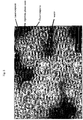
Figure 1 is a graphic illustration of a representative polynuclear microcapsule of the invention. -
Figure 2 is a micrograph showing representative polynuclear microcapsules of the invention. - Alkyl means a linear or branched hydrocarbon radical. The number of carbon atoms is expressed for example as "C1-C5", indicating that the alkyl radical has from 1 to 5 carbon atoms.
- Alkylene means an organic radical formed from an unsaturated aliphatic hydrocarbon; for example ethylene.
- Entrapped means that the hydrophilic active that is encapsulated in the polynuclear microcapsule can not freely diffuse in or out of the polynuclear microcapsule.
- Organofunctional silica is the reaction product obtained from the polymerization of a mixture of one or more tetraalkoxysilane and one or more trialkoxysilane, dialkoxysilane or monoalkoxysilane or the reaction product obtained from polymerization of a mixture of any combination of trialkoxysilanes, dialkoxysilanes or monoalkoxysilanes.
- Volume particle size equals the diameter of a sphere that has same volume as a given particle.
- The terms "hydrophilic materials" and "hydrophilic actives" are used interchangeably.
- Stabilization means to prevent or slow deactivation of a biologic. For example an encapsulated biologic is stabilized when the activity of the biologic is maintained for a longer period of time than if unencapsulated.
-
- TMOS
- tetramethoxysilane
- TEOS
- tetraethoxysilane
- ml
- milliliters
- µm
- micrometer
- g
- grams
- mM
- millimolar
- One embodiment of the invention is a process for preparing polynuclear microcapsules. Step I of the process of the present invention to prepare polynuclear microcapsules comprises mixing;
- A) a first emulsifier,
- B) an alkoxysilane,
- C) a hydrophilic active
- Step II of the process comprises admixing to the emulsion having the alkoxysilane in the continuous phase
- D) a second emulsifier
to form a multiple phase emulsion having multiple oil/water interfaces. - Step III comprises polymerizing the alkoxysilane at the oil/water interfaces of the multiple phase emulsion to form the suspension of polynuclear microcapsules.
- Component A) may be any molecule or particle capable of orientating at the interface between an aqueous or hydrophilic phase and a hydrophobic phase, wherein the resulting emulsion has the hydrophobic phase as the continuous phase (for example a water in oil or inverse emulsion). The aqueous or hydrophilic phase may also contain a hydrophilic cosmetic, chemical, biological or pharmaceutical active material. Suitable first emulsifiers may be selected from surfactant molecules considered to be water/oil or water/silicone emulsifiers, such as nonionic surfactants having an HLB ≤ 8. Some representative examples include, but are not limited to, silicone polyethers, aminofunctional silicones, sorbitan derivatives, alkoxylated alcohols, alkoxylated amides, trans-esters, lanoline derivatives, amino acid derivatives, alkoxylated carboxylic acids derivatives, alkoxylated amines, polymeric ethers derivatives, glyceryl esters and derivatives, polysaccharides derivatives. Such emulsifiers include particles treated or not, including but not limited to, treated silica, such as fumed or colloidal silica, treated clays, or synthetic clays such as laponite.
- Component A) may be selected from any emulsifier that is typically classified as a water/oil or a water/silicone emulsifier.
- In one embodiment of the present invention, the organopolysiloxane having at least one hydrophilic substituent group is selected from silicone polyethers. Silicone polyethers (SPEs) generally refer to silicones containing polyether or polyoxyalkylene groups, which could take in many different structural forms. Typically such forms are either rake-type or ABA type SPEs which are derived most commonly from hydrosilylation of SiH functional organosiloxanes with allyloxy-functional polyethers in the presence of a Pt catalyst. In this embodiment, component (A) is a silicone polyether having the structure represented by:


- In these structures, R1 represents a (C1-C6) alkyl group for example: methyl, ethyl, propyl, butyl, pentyl, and hexyl; R2 represents the group - (CH2)aO(C2H4O)b(C3H6O)cR3;
x has a value of 1-1,000, alternatively 1 - 500, or alternatively 100 - 500;
y has a value of 1-500, alternatively 1- 100, or alternatively 1 - 20;
z has a value of 1-500, or alternatively 1 - 100;
a has a value of 3-6;
b has a value of 1-40;
c has a value of 0-40; and
R3 is hydrogen, a methyl group, or an acyl group such as acetyl. - The silicone polyethers disclosed in
US Pat. No. 4,122,029 may be selected as component A) and teaches polydiorganosiloxanepolyoxyalkylene block copolymers containing at least one polydiorganosiloxane block and at least one polyoxyalkylene block. - An illustrative, non-limiting silicone polyether useful as component A) is
[Me3SiO][Me2SiO]396[MeR'SiO]4[OSiMe3]
where Me is -CH3 and R' is -(CH2)3(EO)18(PO)18OH containing 3-40 carbon atoms. - The silicone polyethers disclosed in
US Pat. No. 4,853,474 may be selected as component A) and teaches organopolysiloxane-polyoxyalkylene emulsifiers for polar in nonpolar liquid emulsions wherein the organopolysiloxane-polyoxyalkylene polymer molecules are intentionally cross linked through a cross linking agent joined thereto by non-hydrolyzable bonds and being free of internal hydrolyzable bonds. - Elastomeric silicone polyether elastomers such as those disclosed in
US Pat. No. 5811487 may be selected as component A). - In another embodiment, component A) may be selected from an amino functional organopolysiloxane, such as those represented by the following formula;
[Me3SiO][Me2SiO]1-1000[MeR3SiO]1-100[OSiMe3]
where Me is -CH3 and R3 is an amine functional organic group such as -(CH2)3NH2 , -(CH2)3NH(CH2)2NH2 or, -CH2CH(CH3)CH2NH(CH2)2NH2 - The first emulsifier may also be a combination or mixture of various emulsifiers, for example any of those described above. The first emulsifier may also include the addition of auxiliary surfactants. Furthermore, the emulsifier or mixture of emulsifiers may be used neat, or the emulsifier may be dissolved in a hydrophobic solvent, such as a volatile silicone.
- Commercial products suitable as component A) include, but are not limited to: DC5225C, DC3225C, DC5200, DC9011, DC9040, DC9050 DC8822A, (Dow Corning Corp., Midland, MI 48686). The first emulsifier may also be an organic based W/O emulsifier like sorbitan isostearate, sorbitan stearate, polyglyceryl oleate, lecithin, sorbitan monooleate, sorbitan trioleate, sorbitan laurate, glyceryl monooleate, lanolin and lanolin alcohols, PEG-30 Dipolyhydroxystearate, steareth-2, hydrogenated palm glycerides, polyglyceryl-3-diisostearate, polyglyceryl-4-diisostearate, polyglyceryl-3-polyricinoleate, sorbitan sesquioleate, PEG-2 Hydrogenated castor oil, PEG-7 Hydrogenated castor oil, polyperfluoroethoxymethoxy difluoromethyl distearamide, cholesterol or a combination thereof and not limited to this list.
- Component B) is an alkoxysilane. As used herein the term "alkoxysilane" means a compound or a mixture of compounds, wherein each compound is independently selected from compounds having the formula RnSi(OR5)(4-n) where n = 0-3 and R represents an organic group, and R5 is a hydrocarbon group having 1 to 8 carbons or hydrogen. Examples of alkoxysilanes include, but are not limited to, tetraethoxysilane, tetramethoxysilane, methyltrimethoxysilane, diethyldiethoxysilane, dimethyldimethoxysilane and trimethylmonomethoxysilane.
- Component C) is a hydrophilic active.
- The hydrophilic active may be solvated in water or a water soluble solvent. Water soluble solvents include, but are not limited to alcohols, such as ethanol.
- Some representative examples of hydrophilic actives include; drugs, vitamins, antioxidants, hormones, topical antimicrobial agents such as antibiotics, antifungals for example those used for the treatment of athlete's foot, jock itch, or ringworm, and acne; astringents; deodorants; wart removers ; corn and callus removers ; pediculicides for example, those used for the treatment of head, pubic (crab), and body lice; agents for the control of dandruff, seborrheic dermatitis, or psoriasis; colorants for example FD&C blue No.1, FD&C blue No.2, FD&C green No.3, FD&C red No. 40, FD&C yellow No.5, FD&C yellow No.6; metaloxides, for example: titanium dioxide or iron oxides; and sunburn prevention and treatment agents.
- Vitamins useful herein include, but are not limited to, Vitamin A1, retinol, C2-C18 esters of retinol, vitamin E, tocopherol, esters of vitamin E, and mixtures thereof. Retinol includes trans-retinol, 1, 3-cis-retinol, 11-cis-retinol, 9-cis-retinol, and 3,4-didehydro-retinol, Vitamin C and its derivatives, Vitamin B1, Vitamin B2, Pro Vitamin B5, panthenol, Vitamin B6, Vitamin B12, niacin, folic acid, biotin, and pantothenic acid. Other suitable vitamins and the INCI names for the vitamins considered included herein are ascorbyl dipalmitate, ascorbyl methylsilanol pectinate, ascorbyl palmitate, ascorbyl stearate, ascorbyl glucocide, sodium ascorbyl phosphate, sodium ascorbate, disodium ascorbyl sulfate, potassium (ascorbyl / tocopheryl) phosphate.
- Some examples of commercially available products suitable for use herein are Vitamin A Acetate product of Fluka Chemie AG, Buchs, Switzerland; COVI-OX T-50, a vitamin E product of Henkel Corporation, La Grange, Illinois; COVI-OX T-70, another vitamin E product of Henkel Corporation, La Grange, Illinois; and vitamin E Acetate, a product of Roche Vitamins & Fine Chemicals, Nutley, New Jersey.
- The active component C) of the present invention can be a biologic, such as an enzyme or cell. Encapsulation of biologics, for example enzymes, in the polynuclear microcapsules of the invention may prevent or slow deactivation of the enzyme or biologic thus maintaining activity for a longer period of time than if unencapsulated.
- Enzymes include, but are not limited to, commercially available types, improved types, recombinant types, wild types, variants not found in nature, and mixtures thereof. For example, suitable enzymes include, but are not limited to, hydrolases, cutinases, oxidases, transferases, reductases, hemicellulases, esterases, isomerases, deamidases, decarboxylases, lyases, peptidases, racemases, pectinases, lactases, peroxidases, laccases, catalases, and mixtures thereof. Hydrolases include, but are not limited to, proteases (bacterial, fungal, acid, neutral or alkaline), amylases (alpha or beta), lipases, mannanases, cellulases, collagenases, lisozymes, superoxide dismutase, catalase, and mixtures thereof. Peptidases include, but are not limited to, thermolysin and trans-glutaminase.
- Proteases include, but are not limited to, trypsin, chymotrypsin, pepsin, pancreatin and other mammalian enzymes; papain, bromelain and other botanical enzymes; subtilisin, epidermin, nisin, naringinase(L-rhammnosidase), urokinase and other bacterial enzymes.
- Lipases include, but are not limited to, triacyl-glycerol lipases, monoacyl-glycerol lipases, lipoprotein lipases, e.g. steapsin, erepsin, pepsin, other mammalian, botanical, bacterial lipases and purified ones. Further, stimulating hormones, e.g. insulin, can be used together with these enzymes to boost the effectiveness of them.
- Biologics can be isolated from a variety of natural sources and may be produced by biotechnology methods. Biologics may comprise sugars, proteins, or nucleic acids, or complex combinations of the same. Biologics also may be living entities. Examples of such living entities include, but are not limited to, mammalian cells and microorganisms such as fungi, bacteria and yeasts. Biologics also include mammalian tissues; cell bodies such as cell nuclei, mitochondria and ribosomes.
- The biologics described herein include both medicinal and non-medicinal biologics. Specific examples of medicinal biologics include, but are not limited to, vaccines, blood and blood components, allergenics, and therapeutic biologics. Specific examples of biologics useful as therapeutic biologics include monoclonal antibodies or fragments thereof, recombinant proteins, RNAi, aptamers, and dendrimers, RNA, and DNA.
- Non-medicinal biologics include biologics used in industrial processes or products. For example: detergent enzymes for use in laundry detergents; enzymes for the starch, textile and bioethanol industries; food enzymes for dairy, baking, brewing, and wine industries; and feed enzymes for the animal feed industries. Other non-medicinal biologics include microorganisms for use in cleaning, wastewater treatment, aquaculture and plant care. Biologics also include proteins that may be used to catalyse chemical reactions, for example: specially designed enzymes may be used to catalyze industrially relevant chemical reaction such in the synthesis of organic molecules such as drugs.
- Components A), B), and C) are mixed with water to form an emulsion having the alkoxysilane in the continuous phase. The amounts of components A), B), C), and water may vary, but typically range as follows as based on weight percents of each component;
- A) 0.1 to 30, or 0.5 to 20, or 1 to 10,
- B) 1 to 99, or 10 to 90, or 15 to 50,
- C) .01 to 90, or 1 to 99, or 10 to 90, or 50 to 85,
- Mixing and emulsion formation of step II in present process may occur using any known techniques in the art, and in particular, those useful for the formation of water in oil, oil continuous, or inverse emulsions. Typically, the hydrophobic phase (components A and B) and hydrophilic phase (component C and water) are combined using simple stirring techniques to form an emulsion having the component B (the alkoxysilane) in the continuous phase. If simple stirring techniques are used, at this stage the emulsion has a particle size typically classified as a "coarse" emulsion. Particle size of the emulsion may then be reduced by further shearing using any known in the art emulsification device to produce a "fine" emulsion. Useful emulsification devices in this invention can be static mixer, homogenizer, sonolator, Ultra Sonic probes, rotor-stator turbines, colloid mill, microfluidizer, blades, helix and combination thereof but is not limited to this list of emulsification devices. This further processing step reduces the particle size of the starting water in oil emulsion to values ranging from 0.2 to 500 micrometers, with typical particle sizes ranging between 0.5 micrometers and 100 micrometers.
- The weight ratio of the hydrophilic phase to the continuous hydrophobic phase in the emulsion is generally between 40:1 and 1:50. Usually the weight ratio of hydrophilic phase to hydrophobic continuous phase is between 4:1 and 1:4.
- Step II in the process of the present invention involves adding a second emulsifier to the emulsion having the alkoxysilane in the continuous phase to form a multiple phase emulsion. The second emulsifier may be selected from any emulsifier known in the art to stabilize oil in water or water continuous emulsions. The second emulsifier can be used either alone or in combination with other emulsifiers. Typically, the second emulsifier is selected from a cationic, nonionic, anionic, or zwitterionic surfactant. Typically, an aqueous solution of the second emulsifier is used in step II.
- Cationic surfactants useful as the second emulsifier in this invention are quaternary ammonium hydroxides such as octyl trimethyl ammonium hydroxide, dodecyl trimethyl ammonium hydroxide, hexadecyl trimethyl ammonium hydroxide, octyl dimethyl benzyl ammonium hydroxide, decyl dimethyl benzyl ammonium hydroxide, didodecyl dimethyl ammonium hydroxide, dioctadecyl dimethyl ammonium hydroxide, tallow trimethyl ammonium hydroxide and coco trimethyl ammonium hydroxide as well as corresponding salts of these materials, for example, cetyl trimethyl ammonium chloride; fatty amines and fatty acid amides and their derivatives, basic pyridinium compounds, quaternary ammonium bases of benzimidazolines and polypropanolpolyethanol amines but is not limited to this list of cationic surfactants. The cationic surfactant may also be a polymer or copolymer such as Eudragit® E 100 (Acrylates/Dimethylaminoethyl Methacrylate Copolymer).
- The second emulsifier may also be selected from an amphoteric surfactant such as cocamidopropyl betaine, cocamidopropyl hydroxysulfate, cocobetaine, sodium cocoamidoacetate, cocodimethyl betaine, N-coco-3-aminobutyric acid and imidazolinium carboxyl compounds but is not limited to this list of amphoteric surfactants.
- The above surfactants may be used individually or in combination. The cationic or amphoteric surfactant is dissolved in water and the resulting aqueous solution used as a component in aqueous or continuous phase of the oil in water emulsion of step I.
- Suitable non-ionic surfactants are: polyoxyalkylene alkyl ethers such as, polyethylene glycol long chain (C12-C14) alkyl ether; polyoxyalkylene sorbitan ethers; polyoxyalkylene alkoxylate esters; polyoxyalkylene alkylphenol ethers; ethylene glycol propylene glycol copolymers, such as block copolymers of the formula (EO)1-200(PO)1-200 (EO)1-200; polyvinyl alcohol; and alkylpolysaccharides, for example materials of the structure R1-O-(R2O)m-(G)n wherein R1 represents a linear or branched (C8-C50) alkyl group, a linear or branched (C8-C50) alkenyl group or a (C8-C50) alkylphenyl group, R2 represent a (C8-C50) alkylene group, G represents a reduced sugar, m denotes 0 or a positive integer and n represent a positive integer as described in
US Pat. No. 5,035,832 but is not limited to this list of non-ionic surfactants. Other suitable emulsifiers include particles treated or not, including but not limited to, treated silica, such as fumed or colloidal silica, treated clays, or synthetic clays such as laponite. - Component D may also be an acrylate copolymer known in the art to stabilize emulsions, such as Pemulen® TR1 and Pemulen® TR2 (Acrylates/C10-30 Alkyl Acrylate Crosspolymer).
- Component D may also be a mixture of emulsifiers including the addition of auxiliary surfactants. When used, the auxiliary surfactants may be selected from non-ionic surfactants, such as an ethoxylated fatty alcohol like Laureth-3.
- The amount of component D added to the emulsion from step I may vary but typically ranges from 0.1 to 20 wt % of the emulsion, or 0.25 to 10 wt % of the emulsion, or 0.5 to 5 wt % of the emulsion.
- Component D is added to the emulsion from step I and sufficiently mixed to form a multiple phase emulsion. Typically, the emulsion from step I is added to an aqueous solution of component D with mixing. The mixing technique is not critical, and may be any mixing method, especially those known in the art for effecting the formation of oil/water emulsions. Useful devices to effect this mixing include static mixers, homogenizers, sonolators, ultra Sonic probes, rotor-stator turbines, colloid mills, microfluidizers, blades, helix and combinations thereof, but is not limited to this list of emulsification devices.
- A multiple phase emulsion forms as a result of the process of Step II. Multiple phase emulsions are sometimes referred to as "triple emulsions". The formation of the multiple phase emulsion in Step II may be confirmed by known microscopic observations of the particles.
- Step III in the process of the present invention involves polymerizing the alkoxysilane at the oil/water interface of the multiple phase emulsion to form a suspension of polynuclear microcapsules.
- The polymerization of the alkoxysilane at the oil/water interface typically is a condensation reaction which may be conducted at acidic, neutral or basic pH. The condensation reaction is generally carried out at ambient temperature and pressure, but can be carried out at increased temperature, for example up to 95°C, and increased or decreased pressure, for example under vacuum to strip the volatile alcohol produced during the condensation reaction. The condensation reaction may be monitored by the non-volatile content of the reaction mixture. The alkoxysilane will generate a volatile alcohol during the condensation reaction. Thus, volatile content will provide a stoichiometric correlation with the reaction progress. The non-volatile content may be monitored by any means known, e.g. heating the reaction samples until the samples reach a constant mass.
- Any catalyst known to promote the polymerization of the alkoxysilane may be added to step III to form the shell of the polynuclear microcapsule. The catalyst is preferably an oil soluble organic metal compound, for example an organic tin compound, particularly an organotin compound such as a diorganotin diester, for example dimethyl tin di(neodecanoate), dibutyl tin dilaurate or dibutyl tin diacetate, or alternatively a tin carboxylate such as stannous octoate, or an organic titanium compound such as tetrabutyl titanate. An organotin catalyst can for example be used at 0.05 to 2% by weight based on the water reactive silicon compound. An organotin catalyst has the advantage of effective catalysis at neutral pH. The catalyst is typically mixed with the oil phase components before it is emulsified, since this promotes condensation of the water reactive silicon compound at the surface of the emulsified oil phase droplets. A catalyst can alternatively be added to the emulsion before the addition of the water-reactive silicon compound, or simultaneously with the tetraalkoxysilane, or after the addition of the tetraalkoxysilane to harden and make more impervious the shell of silicon-based polymer which has been formed. Encapsulation can however be achieved without catalyst. The catalyst, when used, can be added undiluted, or as a solution in an organic solvent such as a hydrocarbon, alcohol or ketone, or as a multiphase system such as an emulsion or suspension.
- The formed polynuclear microcapsules from step III typically remain in suspension. The aqueous continuous phase may contain water miscible organic solvent; for example it usually contains an alcohol such as ethanol generated by hydrolysis of Si-bonded alkoxy groups. It may be advantageous to use the suspension of microcapsules in a water based preparation, for example a cosmetic, chemical or pharmaceutical product without separating the polynuclear microcapsules from the suspension.
- For many uses the polynuclear microcapsules are recovered from suspension, for example for subsequent dispersion in a different medium. An encapsulated active in the polynuclear microcapsule may be dispersed in a water based cosmetic preparation. Alternatively the polynuclear microcapsules can be re-dispersed in an organic solvent, optionally with additives such as surfactant and/or polymer.
- Recovery of the polynuclear microcapsules can be achieved by any known liquid removal technique, for example by spray drying, spray chilling, filtering, oven drying or lyophilisation.
- The present invention thus further relates to the microcapsule suspension, and isolated microcapsules, as prepared according to the processes as described above.
- The polynuclear microcapsules of the invention may be used for example, for the entrapment of hydrophilic actives or for controlled or triggered delivery systems for the hydrophilic active. Hydrophilic actives suitable for entrapment in the polynuclear microcapsules of the invention include those described above in the section relating to the processes of the invention. In an embodiment of the invention the polynuclear microcapsule comprises a vitamin or antioxidant. In another embodiment the polynuclear microcapsule comprises a sun screen agent. In an embodiment the polynuclear microcapsule provides entrapment of a larger hydrophilic active such as a protein but allows smaller molecules to freely diffuse in and out of the polynuclear microcapsule. In another embodiment of the invention the polynuclear microcapsule comprises a biologic. In one embodiment the polynuclear microcapsule comprises a therapeutic biologic. In another embodiment the polynuclear microcapsule comprises a cell. In another embodiment the polynuclear microcapsule comprises a microorganism. In another embodiment the microcapsule comprises a protein. For example, the polynuclear microcapsule may comprise an enzyme such as catalase and allow for its substrate, H2O2, to freely diffuse in and out of the polynuclear microcapsule. Thus in another the polynuclear microcapsules comprise an enzyme. In another embodiment the polynuclear microcapsules are used to stabilize the hydrophilic active. In another embodiment the polynuclear microcapsules are used to facilitate the separation of the entrapped hydrophilic active from a molecule that is not entrapped. In another embodiment the polynuclear microcapsules are used to increase the shelf-life of a pharmaceutical ingredient. In another embodiment of the invention the polynuclear microcapsules are used for industrial processes or products. In another embodiment the polynuclear microcapsules are used to catalyse chemical reactions such as in the synthesis of organic molecules such as drugs. In another embodiment of the invention the polynuclear microcapsules are used in cleaning, wastewater treatment, aquaculture and plant care. In another embodiment the polynuclear microcapsules comprise detergent enzymes, food enzymes, or feed enzymes.
- The polynuclear microcapsule of the invention comprises a plurality of inner-capsules. In one embodiment the polynuclear microcapsule comprises between 2 and 10,000 inner-capsules. In another embodiment the polynuclear microcapsule comprises between 2 and 1000 inner-capsules. In another embodiment the polynuclear microcapsule comprises between 50 and 500 inner-capsules. In another embodiment the polynuclear microcapsule comprises between 100 and 500 inner-capsules.
- One of skill in the art would recognize that depending on the use, it may be desirable to use polynuclear microcapsule having different porosities. For example if encapsulation of the hydrophilic active is desired for example, to prevent direct contact with a surface, e.g. skin or fabric, it may be desirable to have low porosity. In this case, a lower ratio of water to oil may be used to obtain the porosity desired.
- In contrast, where the hydrophilic active is encapsulated but the use requires that low molecular weight molecules be able to diffuse in and out of the polynuclear microcapsule, it may be desirable to have a higher degree of porosity. In this case, a higher water to oil ratio may be used to obtain the porosity desired.
- One of skill in the art would also recognize that the porosity of the polynuclear microcapsule can also be controlled by using tri, di and monoakoxysilanes in addition to or instead of tetralkoxysilanes.
- The porosity may be controlled by any of the above method, alone or in combination. The above examples are illustrative and are not intended to be limiting.
- The average volume particle size of a polynuclear microcapsule of the invention is between 0.05 µm and 1000 µm; or between 0.5 µm and 1000 µm; or between 1 µm and 500 µm; or between 5 and 100 µm; or between 10 µm and 50 µm; or between 0.5 µm and 20 µm; or between 0.05 µm and 20 µm.
- The particle size of microcapsules is measured by laser diffraction of a suspension of microcapsules. Suitable laser diffraction techniques are well known in the art. The particle size is obtained from a particle size distribution (PSD). The PSD can be determined on a volume, surface, length basis. The volume particle size is equal to the diameter of the sphere that has the same volume as a given particle. The term Dv represents the average volume particle size of the polynuclear microcapsules. Dv 0.5 is the particle size measured in volume corresponding to 50% of the cumulative particle population. In other words if Dv 0.5 = 10 µm, 50% of the particle have an average volume particle size below 10 µm and 50% of the particle have a volume average particle size above 10 µm. Unless indicated otherwise all average volume particle sizes are calculated using Dv 0.5.
- The following examples are intended to illustrate the invention to one of ordinary skill in the art and should not be interpreted as limiting the scope of the invention set forth in the claims.
- The process of the present invention was used in the following examples to prepare the polynuclear microcapsules of the invention. These examples demonstrate that a hydrophilic active, for example an enzyme, may be entrapped and that the activity of the entrapped hydrophilic active, for example the activity of an enzyme, is stabilized when it is encapsulated in the polynuclear microcapsules of the invention.
- The results of the experiments of Examples 1-18 show that, under a variety of conditions, that the activity of the encapsulated catylase enzyme was maintained for a longer period of time than was the activity of the unencapsulated enzyme.
- All measurements and experiments were conducted at 23°C, unless indicated otherwise. Because it is well known in the art that hydrolysis and condensation of alkoxysilanes are greatly dependent of pH, the encapsulation was conducted at three different pH in order to measure pH impact on, for example, enzyme diffusion, activity and stabilization.
- First, 5 g of Dow Corning® 5225c Formulation aid (Dow Corning Corporation, Midland MI) was mixed with 25 g of tetraethoxysilane (TEOS). Then, 70 g of water at pH 4.5 were added and mixed to form a coarse emulsion having TEOS in the continuous phase (i.e. an inverse emulsion). The coarse inverse emulsion was then further sheared with a rotor/stator type mixer (IKA® Ultra-Turrax Basic 25) at 9500 rpm for one minute to reduce particle size and form a fine inverse emulsion. Then, 20 g of the fine inverse emulsion was mixed for 20 seconds with 20 g of an aqueous solution (pH = 4.5) of 1 wt. % cetyltrimethylammonium chloride (CTAC) and 1.25 wt.% of a Laureth 3 surfactant using a Hauschild type AM 501 mixer, which resulted in the formation of a water continuous emulsion. The TEOS in the mixture was allowed to completely hydrolyze and condense for 10 hours at pH 4.5 resulting in the formation of a suspension of polynuclear microcapsules having an average volume particle size (Dv 0.5) of 18.6 micrometers.
- First, 5 g of Dow Corning® 5225c Formulation aid (Dow Corning Corporation, Midland MI) was mixed with 25 g of tetraethoxysilane (TEOS). Then, 70 g of water at pH 4.5 containing 0.07 g of NaCl were added and mixed to form a coarse emulsion having TEOS in the continuous phase, i.e. an inverse emulsion. The coarse inverse emulsion was then further sheared with a rotor/stator type mixer (IKA® Ultra-Turrax Basic 25) at 9500 rpm for one minute to reduce particle size and form a fine inverse emulsion. Then, 20 g of the fine inverse emulsion was mixed for 20 seconds with 20 g of an aqueous solution (pH = 4.5) of 1 wt. % cetyltrimethylammonium chloride (CTAC) and 1.25 wt.% of Laureth 3 using a Hauschild type AM 501 mixer, which resulted in the formation of a water continuous emulsion. The TEOS in the resulting emulsion was allowed to completely hydrolyze and condense for 10 hours at pH 4.5 resulting in the formation of a suspension of polynuclear microcapsules having an average volume particle size (Dv 0.5) of 11.6 micrometers.
- First, 5 g of Dow Corning® 5225c Formulation aid (Dow Corning Corporation, Midland MI) was mixed with 25 g of tetraethoxysilane (TEOS). Then, 70 g of water at pH 4.5 containing 0.35 g Vitamin C were added and mixed to form a coarse emulsion having TEOS in the continuous phase (i.e. an inverse emulsion). The coarse inverse emulsion was then further sheared with a rotor/stator type mixer (IKA® Ultra-Turrax Basic 25) at 9500 rpm for one minute to reduce particle size and form a fine inverse emulsion. Then, 20 g of the fine inverse emulsion was mixed for 20 seconds with 20 g of an aqueous solution (pH = 4.5) of 1 wt. % cetyltrimethylammonium chloride (CTAC) and 1.25 wt.% of Laureth 3 using a Hauschild type AM 501 mixer, which resulted in the formation of a water continuous emulsion. The TEOS in the resulting emulsion was allowed to completely hydrolyze and condense for 10 hours at pH 4.5 resulting in the formation of a suspension of polynuclear microcapsules having an average volume particle size (Dv 0.5) of 20.4 micrometers.
- First, 5 g of Dow Corning® 5225c Formulation aid (Dow Corning Corporation, Midland MI) was mixed with 25 g of tetraethoxysilane (TEOS). Then, 70 g of water at pH 4.5 containing 0.35 g Catalase enzyme were added and mixed to form a coarse emulsion having TEOS in the continuous phase (i.e. an inverse emulsion). The coarse inverse emulsion was then further sheared with a rotor/stator type mixer (IKA® Ultra-Turrax Basic 25) at 9500 rpm for one minute to reduce particle size and form a fine inverse emulsion. Then, 20 g of the fine inverse emulsion was mixed for 20 seconds with 20 g of an aqueous solution (pH = 4.5) of 1 wt. % cetyltrimethylammonium chloride (CTAC) and 1.25 wt.% of Laureth 3 using a Hauschild type AM 501 mixer, which resulted in the formation of a water continuous emulsion. The TEOS in the resulting emulsion was allowed to completely hydrolyze and condense for 10 hours at pH 4.5 resulting in the formation of a suspension of polynuclear microcapsules having an average volume particle size (Dv 0.5) of 18 micrometers.
- First, 5 g of Dow Corning® 5225c Formulation aid (Dow Corning Corporation, Midland MI) was mixed with 25 g of tetraethoxysilane (TEOS). Then, 70 g of water at pH 4.5 containing 0.35 g Bovine Serum Albumin (BSA) protein were added and mixed to form a coarse emulsion having TEOS in the continuous phase, i.e. an inverse emulsion. The coarse inverse emulsion was then further sheared with a rotor/stator type mixer (IKA® Ultra-Turrax Basic 25) at 9500 rpm for one minute to reduce particle size and form a fine inverse emulsion. Then, 20 g of the fine inverse emulsion was mixed for 20 seconds with 20 g of an aqueous solution (pH = 4.5) of 1 wt. % cetyltrimethylammonium chloride (CTAC) and 1.25 wt.% of Laureth 3 using a Hauschild type AM 501 mixer, which resulted in the formation of a water continuous emulsion. The TEOS in the resulting emulsion was allowed to completely hydrolyze and condense for 10 hours at pH 4.5 resulting in the formation of a suspension of polynuclear microcapsules having an average volume particle size (Dv 0.5) of 27.5 micrometers.
- First, 5 g of Dow Corning® 5225c Formulation aid (Dow Corning Corporation, Midland MI) was mixed with 25 g of tetraethoxysilane (TEOS). Then, 70 g of water at pH 4.5 were added and mixed to form a coarse emulsion having TEOS in the continuous phase (i.e. an inverse emulsion). The coarse inverse emulsion was then further sheared with a rotor/stator type mixer (IKA® Ultra-Turrax Basic 25) at 9500 rpm for one minute to reduce particle size and form a fine inverse emulsion. The polymerization reaction was monitored by measurement of the silica produced during the hydrolysis and condensation of the TEOS. The non volatile content may be monitored by any means known. In these examples, reaction samples were placed in a thermal oven and allowed to reach a constant mass. After 40% of the TEOS hydrolysed and condensed to silica, 20 g of the emulsion was mixed for 20 seconds with 20 g of an aqueous solution (pH = 4.5) of 1 wt. % cetyltrimethylammonium chloride (CTAC) and 1.25 wt.% of Laureth 3 using a Hauschild type AM 501 mixer, which resulted in the formation of a water continuous emulsion. The remaining TEOS in the mixture was allowed to completely hydrolyze and condense for 10 hours at pH 4.5 resulting in the formation of a suspension of polynuclear microcapsules having an average volume particle size (Dv 0.5) of 14.2 micrometers.
- First, 5 g of Dow Corning® 5225c Formulation aid (Dow Corning Corporation, Midland MI) was mixed with 25 g of tetraethoxysilane (TEOS). Then, 70 g of water at pH 4.5 were added and mixed to form a coarse emulsion having TEOS in the continuous phase, i.e. an inverse emulsion. The coarse inverse emulsion was then further sheared with a rotor/stator type mixer (IKA® Ultra-Turrax Basic 25) at 9500 rpm for one minute to reduce particle size and form a fine inverse emulsion. The polymerization reaction was monitored as in example 6. After 80% of the TEOS hydrolysed and condensed to silica, 20 g of the emulsion was mixed for 20 seconds with 25 g of an aqueous solution (pH = 4.5) of 1 wt. % cetyltrimethylammonium chloride (CTAC) and 1.25 wt.% of Laureth 3 using a Hauschild type AM 501 mixer, which resulted in the formation of a water continuous emulsion. The remaining TEOS in the mixture was allowed to completely hydrolyze and condense for 5 hours at pH 4.5 resulting in the formation of a suspension of polynuclear microcapsules having an average volume particle size (Dv 0.5) of 33.3 micrometers.
- First, 6 g of Dow Corning® 5225c Formulation aid (Dow Corning Corporation, Midland MI) was mixed with 20 g of tetraethoxysilane (TEOS). Then, 50 g of water at pH 4.5 containing 0.2 g Catalase enzyme were added and mixed to form a coarse emulsion having TEOS in the continuous phase (i.e. an inverse emulsion). The catalase was purchased from Sigma-Aldrich Corp, St. Louis Missouri as a lyophilized powder having 2,000-5000 units/mg. One unit is the amount of enzyme that will decompose 1.0 µmole of H2O2 per min at pH 7 at 25°C, while the H2O2 conc. falls from 10.3 to 9.2 mM, measured by the rate of decrease of A240. The coarse inverse emulsion was then further sheared with a rotor/stator type mixer (IKA® Ultra-Turrax Basic 25) at 9500 rpm for one minute to reduce particle size and form a fine inverse emulsion. Then, the fine inverse emulsion was mixed for 20 seconds with 100 g of an aqueous solution (pH = 7) of 1.25 g PLURONIC® F127 (an ethylene glycol propylene glycol block copolymer having the formula (EO)98(PO)67(EO)98 sold by BASF Corp, 3000 Continental Drive-North, Mount Olive, NJ 07828-1234) using a Hauschild type AM 501 mixer, which resulted in the formation of a water continuous emulsion. The TEOS in the resulting emulsion was allowed to completely hydrolyze and condense for 15 hours at pH 7 resulting in the formation of a suspension of polynuclear microcapsules having an average volume particle size (Dv 0.5) of 17.6 micrometers.
- The catalase enzyme present in the external water phase of the suspension was assayed by the Biuret protein assay method which is well known in the art. Briefly, samples of unknown catalase concentration are obtained after separation of the polynuclear microcapsule from the continuous phase. Standard samples are prepared using bovine serum albumin (Merck) at 0.5, 1, 2, 3, 4 and 5 grams per liter. One ml of sample or standard solution is added to 2 ml of Bioquant® reagent, Merck KGaA, Darmstadt. The samples are mixed and incubated for 30 minutes at room temperature. The samples are put into a 1 centimeter plastic cuvette and the absorbance at 546 nm is measured against a blank of double distilled water. The amount of catalase in a sample is determined by comparison of a standard curve generated from the measurements of the standard solution.
- As determined by the Biuret assay, no catalase was detected in the external water phase demonstrating that all the catalase was entrapped inside the polynuclear microcapsules. Using the Biuret assay, the diffusion of catalase was monitored over time. No diffusion was observed over a 49 day period.
- First, 6 g of Dow Corning® 5225c Formulation aid (Dow Corning Corporation, Midland MI) was mixed with 20 g of tetraethoxysilane (TEOS). Then, 50 g of water at pH 4.5 containing 0.2g of Bovine Serum Albumin (BSA) were added and mixed to form a coarse emulsion having TEOS in the continuous phase, i.e. an inverse emulsion. The coarse inverse emulsion was then further sheared with a rotor/stator type mixer (IKA® Ultra-Turrax Basic 25) at 9500 rpm for one minute to reduce particle size and form a fine inverse emulsion. Then, the fine inverse emulsion was mixed for 20 seconds with 100 g of an aqueous solution (pH = 7) of 1.25 g PLURONIC® F127 (BASF Corp, 3000 Continental Drive-North, Mount Olive, NJ 07828-1234) using a Hauschild type AM 501 mixer, which resulted in the formation of a water continuous emulsion. The TEOS in the resulting emulsion was allowed to completely hydrolyze and condense for 15 hours at pH 7 resulting in the formation of a suspension of polynuclear microcapsules having an average volume particle size (Dv 0.5) of 22.5 micrometers.
- Bovine Serum Albumin (BSA) present in the external water phase of the suspension was assayed by the Biuret assay, as described in example 8. No BSA was detected in the external water phase demonstrating that all the BSA was entrapped inside the polynuclear microcapsules. Using the Biuret assay, the diffusion of catalase was monitored over time. No diffusion was observed over a 49 day period.
- First, 3 g of Dow Corning® 8822A Polymer (Dow Corning Corporation, Midland MI) was mixed with 20 g of tetraethoxysilane (TEOS). Then, 50 g of water at pH 4 containing 0.2 g Catalase enzyme were added and mixed to form a coarse emulsion having TEOS in the continuous phase, i.e. an inverse emulsion. The coarse inverse emulsion was then further sheared with a rotor/stator type mixer (IKA® Ultra-Turrax Basic 25) at 9500 rpm for one minute to reduce particle size and form a fine inverse emulsion. Then, the fine inverse emulsion was mixed for 20 seconds with 100 g of an aqueous solution (pH = 7) of 1.25 g PLURONIC® F127 (no CTAC) using a Hauschild type AM 501 mixer, which resulted in the formation of a water continuous emulsion. The TEOS in the resulting emulsion was allowed to completely hydrolyze and condense for 15 hours at pH 7 resulting in the formation of a suspension of polynuclear microcapsules having an average volume particle size (Dv 0.5) of 28.6 micrometers.
- The catalase enzyme present in the external water phase of the suspension was assayed by the Biuret assay as described in example 8. No catalase was detected in the external water phase demonstrating that all the catalase was entrapped inside the polynuclear microcapsules. Using the Biuret protein assay, the diffusion of catalase was monitored over time. No diffusion was observed over a 49 day period.
- First, 6 g of Dow Corning® 5225c Formulation aid (5225c) was mixed with 20 g of Tetraethoxysilane (TEOS). Then, 50 g of polyethylene glycol (Polyethylene Glycol 400) was mixed in the 5225C /TEOS blend to form a coarse polyethylene glycol in TEOS inverse emulsion. The particle size was reduced by shearing the coarse inverse emulsion with a rotor/stator IKA® Ultra-Turrax Basic 25 type mixer at 9500 rpm for 60 seconds to produce a fine emulsion. Then, the fine emulsion was inverted by the addition of 100 g of a pH 4 water solution containing 1.25 g PLURONIC® F127and mixed with a Hauschild type AM 501 mixer for 20 seconds. After complete hydrolysis and condensation of TEOS, Polyethylene Glycol 400 in silica polynuclear microcapsules of average volume particle size (Dv 0.5) 28.7 micrometers were produced in water suspension.
- First, 6 g of Dow Corning® 5225c Formulation aid (5225c) was mixed with 20 g of Tetraethoxysilane (TEOS). The, 50 g of propylene glycol was mixed in the 5225C /TEOS blend to form a coarse propylene glycol in TEOS inverse emulsion. The particle size was reduced by shearing the coarse inverse emulsion with a rotor/stator IKA® Ultra-Turrax Basic 25 type mixer at 9500 rpm for 60 seconds to produce a fine emulsion. Then, the fine emulsion was inverted by the addition of 100 g of a pH 4 water solution containing 1.25 g PLURONIC® F127and mixed with a Hauschild type AM 501 mixer for 20 seconds. After complete hydrolysis and condensation of TEOS, propylene glycol in silica polynuclear microcapsules of average volume particle size (Dv 0.5) 28.7 micrometers were produced in water suspension.
- First, 6 g of Dow Corning® 5225c Formulation aid (Dow Corning Corporation, Midland MI) was mixed with 20 g of tetraethoxysilane (TEOS). Then, 50 g of water at pH 4.5 containing 0.0005g of blue dye (FD&C Blue n°1) were added and mixed to form a coarse emulsion having TEOS in the continuous phase (i.e. an inverse emulsion). The coarse inverse emulsion was then further sheared with a rotor/stator type mixer (IKA® Ultra-Turrax Basic 25) at 9500 rpm for one minute to reduce particle size and form a fine inverse emulsion. Then, the fine inverse emulsion was mixed for 30 seconds with 100 g of an aqueous solution (pH = 4) containing 1.25 g PLURONIC® F127 using a Hauschild type AM 501 mixer, which resulted in the formation of a water continuous emulsion. The TEOS in the mixture was allowed to completely hydrolyze and condense for 15 hours at pH 4 resulting in the formation of a suspension of polynuclear microcapsules having an average volume particle size (Dv 0.5) of 39.4 micrometers.
- Catalase was purchased from Sigma-Aldrich as a lyophilized powder having 2,000-5000 units/mg. One unit is the amount of enzyme that will decompose 1.0 µmole of H2O2 per min at pH 7 at 25°C, while the H2O2 conc. falls from 10.3 to 9.2 mM, measured by the rate of decrease of A240. A catalase solution was prepared by mixing 50 grams of water at pH 4.5, with 0.2 grams of Catalase enzyme.
- The enzymatic activity of the catalase in the catalase solution was measured after 1, 7, 28, 35, 48 and 267 days of storage. Catalase is an oxydo-reductase enzyme. It catalyses the decomposition of hydrogen peroxide to water. Catalase activity is monitored by measuring the decomposition of hydrogen peroxide (H2O2) using the following procedure.
- Nitrogen is bubbled, with mild stirring, in 100 ml of a 50 mM Phosphate Buffer solution having a pI of 110 mM and a pH of 7 until the dissolve oxygen concentration is less than 10%. Oxygen concentration is measured by an WTW® Oxi 340i oxygen pocket meter (Cole-Parmer Instrument Company), equipped with a CellOx® 325 dissolved oxygen sensor (Cellox L.L.C.). The sensor comprises a gold working cathode and a lead counter anode.
- During nitrogen bubbling, H2O2 is added to yield a concentration of 40 mM and then allowed to oxygenate for 3 minutes. Oxygen concentration is measured for 3 minutes to determine the increase in the percent of dissolved oxygen per minute. Then free or encapsulated catalase enzyme is added to a yield a concentration of 9 ppm. Oxygen concentration after the addition of enzyme is measured until oxygen saturation of the solution. The increase in the percent of dissolved oxygen per minute is the oxygenation rate. Enzyme activity is calculated with the following formula: (oxygenation rate after addition of enzyme) - (oxygenation rate before addition of enzyme).
Catalase activity after storage is shown below.Days 1 7 28 35 48 267 Activity %O2/mmute 112 110 0 0 0 0 - A catalase solution was prepared by mixing 50 grams of water at pH 4.5, with 0.2 grams of Catalase enzyme. Ethanol was added to a concentration of 8% v/v. The enzymatic activity of the catalase was measured after 1, 7, 28, 35, 48 and 267 days. Catalase activity was monitored using the procedure described in example 14.
Catalase activity after storage is shown below.Days 1 7 28 35 48 267 Activity %O2/minute 134 119 119 105 90 0 - First, 6 g of Dow Corning® 5225c Formulation aid (Dow Corning Corporation, Midland MI) was mixed with 20 g of tetraethoxysilane (TEOS). Then, 50 g of water at pH 4.5 containing 0.2 g Catalase enzyme were added and mixed to form a coarse emulsion having TEOS in the continuous phase (i.e. an inverse emulsion). The coarse inverse emulsion was then further sheared with a rotor/stator type mixer (IKA® Ultra-Turrax Basic 25) at 9500 rpm for one minute to reduce particle size and form a fine inverse emulsion. Then, the fine inverse emulsion was mixed for 20 seconds with 100 g of an aqueous solution (pH = 4) of 1.25 g PLURONIC® F127 (an ethylene glycol propylene glycol block copolymer having the formula (EO)98(PO)67(EO)98 sold by BASF Corp, 3000 Continental Drive-North, Mount Olive, NJ 07828-1234) using a Hauschild type AM 501 mixer, which resulted in the formation of a water continuous emulsion. The TEOS in the resulting emulsion was allowed to completely hydrolyze and condense for 15 hours at pH 7 resulting in the formation of a suspension of polynuclear microcapsules having an average volume particle size (Dv 0.5) of 17.6 micrometers.
- The enzymatic activity of the catalase was measured after 1, 7, 28, 35, 48 and 267 days. Catalase activity was monitored using the procedure described in example 14.
Catalase activity after storage is shown below.Days 1 7 28 35 48 267 Activity %O2/minute 18 46 82 82 91 96 - The amount of catalase enzyme present in the external water phase of the suspension was assayed. No catalase was detected in the external water phase demonstrating that all the catalase was entrapped inside the polynuclear microcapsules. The diffusion of catalase was monitored over time. No diffusion was observed over a 49 day period.
- First, 6 g of Dow Corning® 5225c Formulation aid (Dow Corning Corporation, Midland MI) was mixed with 20 g of tetraethoxysilane (TEOS). Then, 50 g of water at pH 4.5 containing 0.2 g Catalase enzyme were added and mixed to form a coarse emulsion having TEOS in the continuous phase (i.e. an inverse emulsion). The coarse inverse emulsion was then further sheared with a rotor/stator type mixer (IKA® Ultra-Turrax Basic 25) at 9500 rpm for one minute to reduce particle size and form a fine inverse emulsion. Then, the fine inverse emulsion was mixed for 20 seconds with 100 g of an aqueous solution (pH = 7) of 1.25 g PLURONIC® F127 (an ethylene glycol propylene glycol block copolymer having the formula (EO)98(PO)67(EO)98 sold by BASF Corp, 3000 Continental Drive-North, Mount Olive, NJ 07828-1234) using a Hauschild type AM 501 mixer, which resulted in the formation of a water continuous emulsion. The TEOS in the resulting emulsion was allowed to completely hydrolyze and condense for 15 hours at pH 7 resulting in the formation of a suspension of polynuclear microcapsules having an average volume particle size (Dv 0.5) of 17.6 micrometers.
- The enzymatic activity of the catalase was measured after 1, 7, 28, 35, 48 and 267 days. Catalase activity was monitored using the procedure described in example 14.
Catalase activity after storage is shown below.Days 1 7 28 35 48 267 Activity %O2/minute 42 80 99 94 87 105 - The amount of catalase enzyme present in the external water phase of the suspension was assayed as described in example 8. No catalase was detected in the external water phase demonstrating that all the catalase was entrapped inside the polynuclear microcapsules. The diffusion of catalase was monitored over time. No diffusion was observed over a 49 day period.
- First, 6 g of Dow Corning® 5225c Formulation aid (Dow Corning Corporation, Midland MI) was mixed with 20 g of tetraethoxysilane (TEOS). Then, 50 g of water at pH 4.5 containing 0.2 g Catalase enzyme were added and mixed to form a coarse emulsion having TEOS in the continuous phase (i.e. an inverse emulsion). The coarse inverse emulsion was then further sheared with a rotor/stator type mixer (IKA® Ultra-Turrax Basic 25) at 9500 rpm for one minute to reduce particle size and form a fine inverse emulsion. Then, the fine inverse emulsion was mixed for 20 seconds with 100 g of an aqueous solution (pH = 8.6) of 1.25 g Pluronic® F127 (an ethylene glycol propylene glycol block copolymer having the formula (EO)98(PO)67(EO)98 sold by BASF Corp, 3000 Continental Drive-North, Mount Olive, NJ 07828-1234) using a Hauschild type AM 501 mixer, which resulted in the formation of a water continuous emulsion. The TEOS in the resulting emulsion was allowed to completely hydrolyze and condense for 15 hours at pH 7 resulting in the formation of a suspension of polynuclear microcapsules having an average volume particle size (Dv 0.5) of 17.6 micrometers.
- The enzymatic activity of the catalase was measured after 1, 7, 28, 35, 48 and 267 days. Catalase activity was monitored using the procedure described in example 14.
Catalase activity after storage is shown below.Days 1 7 28 35 48 267 Activity %O2/minute 50 85 103 112 113 97 - The amount of catalase enzyme present in the external water phase of the suspension was assayed as described in example 8. No catalase was detected in the external water phase demonstrating that all the catalase was entrapped inside the polynuclear microcapsules. The diffusion of catalase was monitored over time. No diffusion was observed over a 49 day period.
Claims (15)
- A polynuclear microcapsule which comprises an outer-capsule
wherein the outer-capsule comprises a shell and a plurality of inner-capsules,
wherein each of the inner-capsules comprises a shell and an aqueous phase core,
wherein the shell of the outer-capsule and the shell of the inner-capsule further comprise a silica or an organofunctional silica. - The polynuclear microcapsule of claim 1 wherein the silica or organofunctional silica comprises a reaction product from the polymerization of an alkoxysilane or a mixture of alkoxysilanes at the oil/water interfaces of a multiple phase emulsion.
- The polynuclear microcapsule of any of claims 1 or 2 wherein the aqueous phase core comprises a hydrophilic active, wherein the hydrophilic active preferably comprises a drug, a vitamin, a sunscreen agent, a colorant, a metaloxide, or a biologic, wherein the biologic is preferably an enzyme.
- The polynuclear microcapsule of claim 3 wherein the alkoxysilane is tetraethoxysilane.
- The polynuclear microcapsule of claim 3 wherein the weight percent of the hydrophilic active is between 0.01 percent and 90 percent.
- The polynuclear microcapsule of claim 3, wherein the polynuclear microcapsule has an average volume particle size of between 0.5 µm and 1000 µm, preferably between 0.5 µm and 20 µm, more preferred between 10 and 500 µm.
- The use of the polynuclear microcapsule of any one of claims 1 to 6, for the entrapment or stabilization of biologic.
- A composition comprising a polynuclear microcapsule of any one of claims 1 to 6, and at least one pharmaceutically-acceptable carrier, adjuvant or diluent.
- A process for preparing a suspension of polynuclear microcapsules of claim 1 comprising the following steps:I) mixingA) a first emulsifier,B) an alkoxysilane,C) a hydrophilic active,with water to form an emulsion having a continuous phase and a disperse phase wherein the alkoxysilane is in the continuous phase;II) admixing to the emulsion having the alkoxysilane in the continuous phaseD) a second emulsifier
to form a multiple phase emulsion having multiple oil/water interfaces; andIII) polymerizing the alkoxysilane at the oil/water interfaces of the multiple phase emulsion to form the suspension of polynuclear microcapsules;IV) optionally recovering the polynuclear microcapsules from the suspension. - The process of claim 9 wherein the first emulsifier comprises a silicone polyether having the formula I or II:

 wherein R1 is a (C1-C6) alkyl group,x is an integer of 1-1,000, y is an integer of 1-500, z is an integer of 1-500,R2 represents the group -(CH2)aO(C2H4O)b(C3HeO)cR3;a is an integer of 3-6; b is an integer of 1-40; c is an integer of 0-40; andR3 is hydrogen, a methyl group, or an acyl group, wherein preferably x is 396, y is 4, a is 3, b is 18, c is 18 and d is 18.
 - The process of claim 9 wherein the alkoxysilane is tetraalkoxysilane.
- The process of claim 9 wherein the second emulsifier is a cationic surfactant, a non-ionic surfactant, amphoteric surfactant, or any combination the surfactants, wherein the second emulsifier is preferably a polymeric surfactant or particle, wherein the polymeric surfactant is preferably an ethylene glycol propylene glycol copolymer.
- The process of claim 12 wherein the particle is fumed silica, colloidal silica or synthetic clay.
- The process of claim 9 wherein the weight percent of components A, B and C in step I range from;A) 0.1 to 30 weight percent,B) 1 to 99 weight percent,C) 1 to 99 weight percent,wherein the weight percent of component D ranges from 0.1 to 20 weight percent in the multiple phase emulsion of step II.
- A product obtainable by the process of any one of claims 9-14.
Applications Claiming Priority (2)
| Application Number | Priority Date | Filing Date | Title |
|---|---|---|---|
| US87753806P | 2006-12-28 | 2006-12-28 | |
| PCT/US2007/088623 WO2008083092A2 (en) | 2006-12-28 | 2007-12-21 | Polynuclear microcapsules |
Publications (3)
| Publication Number | Publication Date |
|---|---|
| EP2120891A2 EP2120891A2 (en) | 2009-11-25 |
| EP2120891B1 true EP2120891B1 (en) | 2018-12-05 |
| EP2120891B9 EP2120891B9 (en) | 2019-04-24 |
Family
ID=58015784
Family Applications (1)
| Application Number | Title | Priority Date | Filing Date |
|---|---|---|---|
| EP07869790.1A Active EP2120891B9 (en) | 2006-12-28 | 2007-12-21 | Polynuclear microcapsules |
Country Status (6)
| Country | Link |
|---|---|
| US (2) | US8435560B2 (en) |
| EP (1) | EP2120891B9 (en) |
| JP (2) | JP5259621B2 (en) |
| KR (2) | KR101538295B1 (en) |
| CN (1) | CN101594854B (en) |
| WO (1) | WO2008083092A2 (en) |
Families Citing this family (19)
| Publication number | Priority date | Publication date | Assignee | Title |
|---|---|---|---|---|
| EP2120891B9 (en) * | 2006-12-28 | 2019-04-24 | Dow Silicones Corporation | Polynuclear microcapsules |
| CA2732368C (en) * | 2008-07-31 | 2017-11-14 | Sol-Gel Technologies Ltd. | Microcapsules comprising active ingredients and a metal oxide shell, a method for their preparation and uses thereof |
| GB0818864D0 (en) | 2008-10-15 | 2008-11-19 | Dow Corning | Fabric and fibre conditioning additives |
| EP2560752B1 (en) * | 2010-04-20 | 2019-06-19 | Basf Se | Cosmetic preparation comprising a capsule comprising an active ingredient |
| DE102010022174A1 (en) * | 2010-05-12 | 2011-11-17 | Maria Clementine Martin Klosterfrau Vertriebsgesellschaft Mbh | New dosage forms for Cineol |
| SG190009A1 (en) * | 2010-11-24 | 2013-06-28 | Univ Nanyang Tech | Method for encapsulating particles |
| US10016490B2 (en) * | 2011-07-06 | 2018-07-10 | The Regents Of The University Of California | Multiple-enzyme nanocomplexes |
| KR101265783B1 (en) * | 2011-09-28 | 2013-05-20 | 주식회사 코렌텍 | Implant capable of containing physiologically active substance and the method preparing thereof |
| FR2992231B1 (en) * | 2012-06-21 | 2014-08-01 | Centre Nat Rech Scient | MULTICOMPARTIMENT MATERIAL FOR THE THERMOSTIMULATED DELIVERY OF INTEREST SUBSTANCES, PROCESS FOR PREPARATION,. |
| US9119875B2 (en) | 2013-03-14 | 2015-09-01 | International Business Machines Corporation | Matrix incorporated fluorescent porous and non-porous silica particles for medical imaging |
| CN103464062B (en) * | 2013-09-05 | 2015-08-12 | 东华大学 | A kind of total silicon colloid body microcapsules encapsulating biology enzyme and preparation method thereof |
| US10046291B2 (en) * | 2013-12-06 | 2018-08-14 | Kao Corporation | Method for manufacturing microcapsules |
| FR3017295B1 (en) * | 2014-02-07 | 2018-01-12 | Guerbet | COMPOSITION FOR VECTORIZING AN ANTICANCER AGENT |
| KR102279240B1 (en) * | 2014-10-29 | 2021-07-19 | 삼성전자주식회사 | Fluid for electrowetting device and electrowetting device comprising the same |
| DE102015108803A1 (en) * | 2015-06-03 | 2016-12-08 | Leibniz-Institut Für Neue Materialien Gemeinnützige Gmbh | Process for the preparation of modified nanoparticles |
| FR3039767B1 (en) | 2015-08-04 | 2017-09-08 | Guerbet Sa | COMPOSITION FOR VECTORIZING AN ANTICANCER AGENT |
| WO2019012537A1 (en) | 2017-07-12 | 2019-01-17 | Sol-Gel Technologies Ltd | Compositions comprising encapsulated tretinoin |
| CN109908526B (en) * | 2019-04-28 | 2021-02-23 | 太原理工大学 | Thermal response throwing microcapsule product and application thereof in long-acting prevention and control of early spontaneous combustion disasters of large-inclination-angle goaf of coal mine |
| US12540291B2 (en) | 2021-09-23 | 2026-02-03 | The George Washington University | Microencapsulation of friction modifier additives and other additives for performance enhancement in automotive and industrial applications |
Family Cites Families (48)
| Publication number | Priority date | Publication date | Assignee | Title |
|---|---|---|---|---|
| DE2642032C2 (en) * | 1976-09-18 | 1987-04-30 | Rupprecht, Herbert, Prof. Dr., 8400 Regensburg | Process for incorporating active ingredients into silicon dioxide-containing carrier materials and a silicon dioxide-containing preparation |
| US4122029A (en) * | 1977-07-27 | 1978-10-24 | Dow Corning Corporation | Emulsion compositions comprising a siloxane-oxyalkylene copolymer and an organic surfactant |
| WO1983003061A1 (en) * | 1982-03-04 | 1983-09-15 | Battelle Development Corp | Dual microcapsules |
| US4637905A (en) | 1982-03-04 | 1987-01-20 | Batelle Development Corporation | Process of preparing microcapsules of lactides or lactide copolymers with glycolides and/or ε-caprolactones |
| DE3390056T (en) | 1982-10-01 | 1984-11-15 | Meiji Milk Products Co. Ltd., Tokyo | Process for the preparation of a W / O / W oil and fat composition for food |
| JPS60199833A (en) | 1984-03-26 | 1985-10-09 | Meiji Milk Prod Co Ltd | Preparation of w/o/w-type composite emulsion for pharmaceutical, cosmetic, etc. |
| EP0281034A3 (en) | 1987-02-26 | 1990-09-19 | Tohru Yamamoto | An aromatic composition and a method for the production of the same |
| US4853474A (en) * | 1987-07-08 | 1989-08-01 | Dow Corning Corporation | Cross-linked organopolysiloxanes and emulsions based thereon |
| JPH0768115B2 (en) * | 1989-05-17 | 1995-07-26 | 花王株式会社 | Cleaning composition |
| US5895757A (en) * | 1993-06-30 | 1999-04-20 | Pope; Edward J. A. | Encapsulation of living tissue cells in inorganic microspheres prepared from an organosilicon |
| JP3539008B2 (en) | 1995-10-25 | 2004-06-14 | 綜研化学株式会社 | Method for producing resin particles |
| JPH09290146A (en) * | 1996-04-30 | 1997-11-11 | Fuji Photo Film Co Ltd | Micro capsule, its manufacture, and thermal recording material and mulrticolor thermal recording material using the micro capsule |
| US5811487A (en) * | 1996-12-16 | 1998-09-22 | Dow Corning Corporation | Thickening silicones with elastomeric silicone polyethers |
| IL120022A (en) | 1997-01-16 | 2003-02-12 | Yissum Res Dev Co | Sunscreens for protection from sun radiation |
| DE69914515T2 (en) | 1998-02-06 | 2004-12-16 | Seiwa Kasei Co., Ltd., Higashi-Osaka | Microcapsule with specific wall and method of manufacture |
| JPH11226383A (en) * | 1998-02-18 | 1999-08-24 | Nippon Paper Industries Co Ltd | Emulsification assistant for manufacturing microcapsule |
| EP1104287B9 (en) | 1998-08-13 | 2012-12-19 | Sol-Gel Technologies Ltd. | Method for the preparation of oxide microcapsules loaded with functional molecules and the products obtained thereof |
| FR2785292B1 (en) * | 1998-10-30 | 2002-06-28 | Rhodia Chimie Sa | CAPSULES WITH POROUS MINERAL SHELL IN WHICH ARE IMMOBILIZED IN A LIQUID BIOLOGICAL MEDIUM, ONE OR MORE BIOLOGICAL MATERIALS, THEIR PREPARATION PROCESS AND USES |
| AU1266000A (en) * | 1998-11-04 | 2000-05-22 | Basf Aktiengesellschaft | 2-phenoxyphenylacetic acid derivatives, method and intermediate products for theproduction thereof, their use, and agents containing the same for combating fun gicidal pests |
| US6238650B1 (en) * | 1999-05-26 | 2001-05-29 | Sol-Gel Technologies Ltd. | Sunscreen composition containing sol-gel microcapsules |
| ATE353210T1 (en) | 1999-05-25 | 2007-02-15 | Sol Gel Technologies Ltd | A METHOD FOR PRODUCING A LIGHT-STABLE SUNSCREEN |
| JP2001038193A (en) * | 1999-07-28 | 2001-02-13 | Nippon Millipore Kk | A method for producing a composite silica microcapsule and a method for immobilizing a core substance of the composite silica microcapsule and controlling a sustained release action. |
| FR2799119B1 (en) | 1999-10-01 | 2001-11-30 | Oreal | PROCESS FOR IMPROVING THE STABILITY TO UV RADIATION OF PHOTOSENSITIVE SOLAR FILTERS |
| US6348218B1 (en) | 1999-10-04 | 2002-02-19 | Invent Resources, Inc. | Self dosing skin preparation |
| DE19954772A1 (en) | 1999-11-15 | 2001-05-17 | Remmers Bauchemie Gmbh | Use of microcapsules as a latent heat storage medium, e.g. in fireproof linings or insulating plaster, involves using capsules with a lipophilic core and a wall made by polymerisation of organosilicon monomers |
| JP2001288064A (en) | 2000-04-10 | 2001-10-16 | Kao Corp | Cosmetics |
| JP4979109B2 (en) * | 2000-04-21 | 2012-07-18 | ゾル−ゲル テクノロジーズ リミテッド | Compositions showing enhanced formulation stability and delivery of topical active ingredients |
| DE10044635A1 (en) | 2000-09-08 | 2002-04-04 | Henkel Kgaa | Transparent drug capsules |
| EP1411888A2 (en) | 2001-07-31 | 2004-04-28 | MERCK PATENT GmbH | Sunscreen composition |
| GB0202853D0 (en) * | 2002-02-07 | 2002-03-27 | Dow Corning | Encapsulation process and encapsulated compositions |
| JP2003238342A (en) | 2002-02-22 | 2003-08-27 | Seiwa Kasei:Kk | Emulsifying base for cosmetics |
| CN1720021A (en) | 2002-12-04 | 2006-01-11 | 陶氏康宁公司 | Vesicular and microemulsion compositions of polar organic oils based on silicone surfactants |
| JP2004331617A (en) | 2003-05-12 | 2004-11-25 | Seiwa Kasei:Kk | Water-in-oil emulsion cosmetics |
| KR100524820B1 (en) * | 2003-06-17 | 2005-10-31 | 한국화학연구원 | A preparation method of silica microcapsule |
| US7563748B2 (en) | 2003-06-23 | 2009-07-21 | Cognis Ip Management Gmbh | Alcohol alkoxylate carriers for pesticide active ingredients |
| EA008771B1 (en) * | 2003-07-31 | 2007-08-31 | Сол-Джел Текнолоджиз Лтд. | Microcapsules loaded with active ingredients and a method for their preparation |
| KR101123520B1 (en) | 2003-12-04 | 2012-03-13 | 디에스엠 아이피 어셋츠 비.브이. | Microcapsules with uv filter activity and process for producing them |
| RU2346996C2 (en) | 2004-06-29 | 2009-02-20 | ЮРОПИЭН НИКЕЛЬ ПиЭлСи | Improved leaching of base metals |
| GB2416524A (en) | 2004-07-24 | 2006-02-01 | Dow Corning | Microcapsules with siloxane walls formed in situ |
| FR2876028B1 (en) | 2004-10-05 | 2009-10-16 | Axiss France Sas | ENCAPSULATION OF PLANT EXTRACTS |
| WO2006061124A1 (en) | 2004-12-10 | 2006-06-15 | Dsm Ip Assets B.V. | Encapsulated cosmetic materials |
| KR20070110084A (en) | 2005-02-14 | 2007-11-15 | 오스트레일리언뉴클리어사이언스앤드테크놀로지오거나이제이션 | Layered nanoparticles |
| BRPI0611886B8 (en) | 2005-06-17 | 2021-05-25 | Australian Nuclear Science & Tech Organisation | particles comprising a hydrophobic dopant and its process for manufacturing and method for dispensing a hydrophobic dopant |
| EP1895898B1 (en) | 2005-06-29 | 2011-02-16 | Compumedics Limited | Sensor assembly with conductive bridge |
| WO2007000316A1 (en) | 2005-06-29 | 2007-01-04 | Dsm Ip Assets B.V. | Composition with tight capsules containing a sunscreen agent |
| KR101374756B1 (en) | 2006-06-27 | 2014-03-17 | 다우 코닝 코포레이션 | Microcapsules from emulsion polymerization of tetraalkoxysilane |
| TW200801513A (en) | 2006-06-29 | 2008-01-01 | Fermiscan Australia Pty Ltd | Improved process |
| EP2120891B9 (en) * | 2006-12-28 | 2019-04-24 | Dow Silicones Corporation | Polynuclear microcapsules |
-
2007
- 2007-12-21 EP EP07869790.1A patent/EP2120891B9/en active Active
- 2007-12-21 US US12/519,403 patent/US8435560B2/en active Active
- 2007-12-21 KR KR1020097015800A patent/KR101538295B1/en not_active Expired - Fee Related
- 2007-12-21 JP JP2009544228A patent/JP5259621B2/en active Active
- 2007-12-21 WO PCT/US2007/088623 patent/WO2008083092A2/en not_active Ceased
- 2007-12-21 KR KR1020157007795A patent/KR20150039881A/en not_active Ceased
- 2007-12-21 CN CN2007800505593A patent/CN101594854B/en active Active
-
2013
- 2013-02-04 JP JP2013019684A patent/JP2013136054A/en active Pending
- 2013-04-04 US US13/856,486 patent/US8734840B2/en active Active
Non-Patent Citations (1)
| Title |
|---|
| JIANAN ZHANG ET AL: "Hybrid hollow microspheres templated from double Pickering emulsions", CHEMICAL COMMUNICATIONS - CHEMCOM., vol. 46, no. 24, 1 January 2010 (2010-01-01), pages 4318, XP055306722, ISSN: 1359-7345, DOI: 10.1039/c002844d * |
Also Published As
| Publication number | Publication date |
|---|---|
| EP2120891A2 (en) | 2009-11-25 |
| JP2013136054A (en) | 2013-07-11 |
| JP5259621B2 (en) | 2013-08-07 |
| WO2008083092A2 (en) | 2008-07-10 |
| JP2010514560A (en) | 2010-05-06 |
| CN101594854B (en) | 2012-02-08 |
| US8435560B2 (en) | 2013-05-07 |
| US8734840B2 (en) | 2014-05-27 |
| KR20150039881A (en) | 2015-04-13 |
| WO2008083092A3 (en) | 2008-08-21 |
| CN101594854A (en) | 2009-12-02 |
| EP2120891B9 (en) | 2019-04-24 |
| KR101538295B1 (en) | 2015-07-22 |
| US20100172999A1 (en) | 2010-07-08 |
| KR20090098907A (en) | 2009-09-17 |
| US20130302413A1 (en) | 2013-11-14 |
Similar Documents
| Publication | Publication Date | Title |
|---|---|---|
| EP2120891B9 (en) | Polynuclear microcapsules | |
| EP1471995B1 (en) | Encapsulation process and encapsulated compositions | |
| EP2367619B1 (en) | Suspensions of silicate shell microcapsules for temperature controlled release | |
| AU752466B2 (en) | Stabilized ascorbic acid, composition, and method of use | |
| GB2416524A (en) | Microcapsules with siloxane walls formed in situ | |
| WO2003034979A2 (en) | Composition exhibiting enhanced formulation stability and delivery of topical active ingredients | |
| JP2003534249A (en) | Compositions exhibiting enhanced formulation stability and delivery of topically active ingredients | |
| CN1164561A (en) | Stable water/oil/water emulsions containing cosmetic and/or dermatological water-sensitive active ingredients | |
| EP1455735A1 (en) | Stabilization of vitamins in water-in-silicone oil (w/o) emulsions | |
| US20090053301A1 (en) | Silicone vesicles containing actives | |
| EP1858957B1 (en) | Polyoxyalkylene-alkyl functional siloxane resins and aqueous compositions thereof | |
| EP1718404B1 (en) | Polyaphron dispersions containing a complex internal phase | |
| EP4346771B1 (en) | Nanotechnological platform based on polyurethane/polyurea chemistry to furnish water-oil-water multi walled and functionalizable nanocapsules and liposomes and their preparation process | |
| CN117224481B (en) | A food-grade O/W quercetin microemulsion, its preparation method and application | |
| Misra et al. | 17 Microemulsions in Biotechnology and Pharmacy: An Overview | |
| JP2002265388A (en) | Transdermal absorption promoting agent | |
| Misra et al. | 17 Microemulsions in Biotechnology and |
Legal Events
| Date | Code | Title | Description |
|---|---|---|---|
| PUAI | Public reference made under article 153(3) epc to a published international application that has entered the european phase |
Free format text: ORIGINAL CODE: 0009012 |
|
| 17P | Request for examination filed |
Effective date: 20090626 |
|
| AK | Designated contracting states |
Kind code of ref document: A2 Designated state(s): AT BE BG CH CY CZ DE DK EE ES FI FR GB GR HU IE IS IT LI LT LU LV MC MT NL PL PT RO SE SI SK TR |
|
| DAX | Request for extension of the european patent (deleted) | ||
| 17Q | First examination report despatched |
Effective date: 20140519 |
|
| STAA | Information on the status of an ep patent application or granted ep patent |
Free format text: STATUS: EXAMINATION IS IN PROGRESS |
|
| GRAP | Despatch of communication of intention to grant a patent |
Free format text: ORIGINAL CODE: EPIDOSNIGR1 |
|
| STAA | Information on the status of an ep patent application or granted ep patent |
Free format text: STATUS: GRANT OF PATENT IS INTENDED |
|
| GRAJ | Information related to disapproval of communication of intention to grant by the applicant or resumption of examination proceedings by the epo deleted |
Free format text: ORIGINAL CODE: EPIDOSDIGR1 |
|
| STAA | Information on the status of an ep patent application or granted ep patent |
Free format text: STATUS: EXAMINATION IS IN PROGRESS |
|
| INTG | Intention to grant announced |
Effective date: 20180502 |
|
| GRAP | Despatch of communication of intention to grant a patent |
Free format text: ORIGINAL CODE: EPIDOSNIGR1 |
|
| STAA | Information on the status of an ep patent application or granted ep patent |
Free format text: STATUS: GRANT OF PATENT IS INTENDED |
|
| INTC | Intention to grant announced (deleted) | ||
| RIC1 | Information provided on ipc code assigned before grant |
Ipc: A45C 13/26 20060101ALI20180518BHEP Ipc: A45F 5/02 20060101ALI20180518BHEP Ipc: A45C 11/00 20060101ALI20180518BHEP Ipc: F16M 13/04 20060101ALI20180518BHEP Ipc: A61K 9/50 20060101AFI20180518BHEP Ipc: F16M 11/10 20060101ALI20180518BHEP Ipc: F16M 13/02 20060101ALI20180518BHEP |
|
| INTG | Intention to grant announced |
Effective date: 20180607 |
|
| RAP1 | Party data changed (applicant data changed or rights of an application transferred) |
Owner name: DOW SILICONES CORPORATION |
|
| GRAS | Grant fee paid |
Free format text: ORIGINAL CODE: EPIDOSNIGR3 |
|
| GRAJ | Information related to disapproval of communication of intention to grant by the applicant or resumption of examination proceedings by the epo deleted |
Free format text: ORIGINAL CODE: EPIDOSDIGR1 |
|
| GRAL | Information related to payment of fee for publishing/printing deleted |
Free format text: ORIGINAL CODE: EPIDOSDIGR3 |
|
| STAA | Information on the status of an ep patent application or granted ep patent |
Free format text: STATUS: EXAMINATION IS IN PROGRESS |
|
| GRAR | Information related to intention to grant a patent recorded |
Free format text: ORIGINAL CODE: EPIDOSNIGR71 |
|
| STAA | Information on the status of an ep patent application or granted ep patent |
Free format text: STATUS: GRANT OF PATENT IS INTENDED |
|
| GRAA | (expected) grant |
Free format text: ORIGINAL CODE: 0009210 |
|
| INTC | Intention to grant announced (deleted) | ||
| GRAA | (expected) grant |
Free format text: ORIGINAL CODE: 0009210 |
|
| STAA | Information on the status of an ep patent application or granted ep patent |
Free format text: STATUS: THE PATENT HAS BEEN GRANTED |
|
| AK | Designated contracting states |
Kind code of ref document: B1 Designated state(s): AT BE BG CH CY CZ DE DK EE ES FI FR GB GR HU IE IS IT LI LT LU LV MC MT NL PL PT RO SE SI SK TR |
|
| INTG | Intention to grant announced |
Effective date: 20181026 |
|
| REG | Reference to a national code |
Ref country code: GB Ref legal event code: FG4D |
|
| REG | Reference to a national code |
Ref country code: CH Ref legal event code: EP |
|
| REG | Reference to a national code |
Ref country code: AT Ref legal event code: REF Ref document number: 1072185 Country of ref document: AT Kind code of ref document: T Effective date: 20181215 |
|
| REG | Reference to a national code |
Ref country code: IE Ref legal event code: FG4D |
|
| REG | Reference to a national code |
Ref country code: DE Ref legal event code: R096 Ref document number: 602007057087 Country of ref document: DE |
|
| REG | Reference to a national code |
Ref country code: CH Ref legal event code: PK Free format text: BERICHTIGUNG B9 |
|
| REG | Reference to a national code |
Ref country code: NL Ref legal event code: MP Effective date: 20181205 |
|
| REG | Reference to a national code |
Ref country code: AT Ref legal event code: MK05 Ref document number: 1072185 Country of ref document: AT Kind code of ref document: T Effective date: 20181205 |
|
| REG | Reference to a national code |
Ref country code: LT Ref legal event code: MG4D |
|
| PG25 | Lapsed in a contracting state [announced via postgrant information from national office to epo] |
Ref country code: BG Free format text: LAPSE BECAUSE OF FAILURE TO SUBMIT A TRANSLATION OF THE DESCRIPTION OR TO PAY THE FEE WITHIN THE PRESCRIBED TIME-LIMIT Effective date: 20190305 Ref country code: LT Free format text: LAPSE BECAUSE OF FAILURE TO SUBMIT A TRANSLATION OF THE DESCRIPTION OR TO PAY THE FEE WITHIN THE PRESCRIBED TIME-LIMIT Effective date: 20181205 Ref country code: FI Free format text: LAPSE BECAUSE OF FAILURE TO SUBMIT A TRANSLATION OF THE DESCRIPTION OR TO PAY THE FEE WITHIN THE PRESCRIBED TIME-LIMIT Effective date: 20181205 Ref country code: AT Free format text: LAPSE BECAUSE OF FAILURE TO SUBMIT A TRANSLATION OF THE DESCRIPTION OR TO PAY THE FEE WITHIN THE PRESCRIBED TIME-LIMIT Effective date: 20181205 Ref country code: ES Free format text: LAPSE BECAUSE OF FAILURE TO SUBMIT A TRANSLATION OF THE DESCRIPTION OR TO PAY THE FEE WITHIN THE PRESCRIBED TIME-LIMIT Effective date: 20181205 Ref country code: LV Free format text: LAPSE BECAUSE OF FAILURE TO SUBMIT A TRANSLATION OF THE DESCRIPTION OR TO PAY THE FEE WITHIN THE PRESCRIBED TIME-LIMIT Effective date: 20181205 |
|
| PG25 | Lapsed in a contracting state [announced via postgrant information from national office to epo] |
Ref country code: SE Free format text: LAPSE BECAUSE OF FAILURE TO SUBMIT A TRANSLATION OF THE DESCRIPTION OR TO PAY THE FEE WITHIN THE PRESCRIBED TIME-LIMIT Effective date: 20181205 Ref country code: GR Free format text: LAPSE BECAUSE OF FAILURE TO SUBMIT A TRANSLATION OF THE DESCRIPTION OR TO PAY THE FEE WITHIN THE PRESCRIBED TIME-LIMIT Effective date: 20190306 |
|
| PG25 | Lapsed in a contracting state [announced via postgrant information from national office to epo] |
Ref country code: NL Free format text: LAPSE BECAUSE OF FAILURE TO SUBMIT A TRANSLATION OF THE DESCRIPTION OR TO PAY THE FEE WITHIN THE PRESCRIBED TIME-LIMIT Effective date: 20181205 |
|
| PG25 | Lapsed in a contracting state [announced via postgrant information from national office to epo] |
Ref country code: PL Free format text: LAPSE BECAUSE OF FAILURE TO SUBMIT A TRANSLATION OF THE DESCRIPTION OR TO PAY THE FEE WITHIN THE PRESCRIBED TIME-LIMIT Effective date: 20181205 Ref country code: PT Free format text: LAPSE BECAUSE OF FAILURE TO SUBMIT A TRANSLATION OF THE DESCRIPTION OR TO PAY THE FEE WITHIN THE PRESCRIBED TIME-LIMIT Effective date: 20190405 Ref country code: CZ Free format text: LAPSE BECAUSE OF FAILURE TO SUBMIT A TRANSLATION OF THE DESCRIPTION OR TO PAY THE FEE WITHIN THE PRESCRIBED TIME-LIMIT Effective date: 20181205 Ref country code: IT Free format text: LAPSE BECAUSE OF FAILURE TO SUBMIT A TRANSLATION OF THE DESCRIPTION OR TO PAY THE FEE WITHIN THE PRESCRIBED TIME-LIMIT Effective date: 20181205 |
|
| REG | Reference to a national code |
Ref country code: CH Ref legal event code: PL |
|
| PG25 | Lapsed in a contracting state [announced via postgrant information from national office to epo] |
Ref country code: LU Free format text: LAPSE BECAUSE OF NON-PAYMENT OF DUE FEES Effective date: 20181221 Ref country code: EE Free format text: LAPSE BECAUSE OF FAILURE TO SUBMIT A TRANSLATION OF THE DESCRIPTION OR TO PAY THE FEE WITHIN THE PRESCRIBED TIME-LIMIT Effective date: 20181205 Ref country code: IS Free format text: LAPSE BECAUSE OF FAILURE TO SUBMIT A TRANSLATION OF THE DESCRIPTION OR TO PAY THE FEE WITHIN THE PRESCRIBED TIME-LIMIT Effective date: 20190405 Ref country code: SK Free format text: LAPSE BECAUSE OF FAILURE TO SUBMIT A TRANSLATION OF THE DESCRIPTION OR TO PAY THE FEE WITHIN THE PRESCRIBED TIME-LIMIT Effective date: 20181205 Ref country code: RO Free format text: LAPSE BECAUSE OF FAILURE TO SUBMIT A TRANSLATION OF THE DESCRIPTION OR TO PAY THE FEE WITHIN THE PRESCRIBED TIME-LIMIT Effective date: 20181205 |
|
| REG | Reference to a national code |
Ref country code: DE Ref legal event code: R097 Ref document number: 602007057087 Country of ref document: DE |
|
| REG | Reference to a national code |
Ref country code: IE Ref legal event code: MM4A |
|
| REG | Reference to a national code |
Ref country code: BE Ref legal event code: MM Effective date: 20181231 |
|
| PLBE | No opposition filed within time limit |
Free format text: ORIGINAL CODE: 0009261 |
|
| STAA | Information on the status of an ep patent application or granted ep patent |
Free format text: STATUS: NO OPPOSITION FILED WITHIN TIME LIMIT |
|
| PG25 | Lapsed in a contracting state [announced via postgrant information from national office to epo] |
Ref country code: DK Free format text: LAPSE BECAUSE OF FAILURE TO SUBMIT A TRANSLATION OF THE DESCRIPTION OR TO PAY THE FEE WITHIN THE PRESCRIBED TIME-LIMIT Effective date: 20181205 Ref country code: MC Free format text: LAPSE BECAUSE OF FAILURE TO SUBMIT A TRANSLATION OF THE DESCRIPTION OR TO PAY THE FEE WITHIN THE PRESCRIBED TIME-LIMIT Effective date: 20181205 Ref country code: FR Free format text: LAPSE BECAUSE OF NON-PAYMENT OF DUE FEES Effective date: 20190205 Ref country code: IE Free format text: LAPSE BECAUSE OF NON-PAYMENT OF DUE FEES Effective date: 20181221 Ref country code: SI Free format text: LAPSE BECAUSE OF FAILURE TO SUBMIT A TRANSLATION OF THE DESCRIPTION OR TO PAY THE FEE WITHIN THE PRESCRIBED TIME-LIMIT Effective date: 20181205 |
|
| 26N | No opposition filed |
Effective date: 20190906 |
|
| GBPC | Gb: european patent ceased through non-payment of renewal fee |
Effective date: 20190305 |
|
| PG25 | Lapsed in a contracting state [announced via postgrant information from national office to epo] |
Ref country code: BE Free format text: LAPSE BECAUSE OF NON-PAYMENT OF DUE FEES Effective date: 20181231 |
|
| PG25 | Lapsed in a contracting state [announced via postgrant information from national office to epo] |
Ref country code: CH Free format text: LAPSE BECAUSE OF NON-PAYMENT OF DUE FEES Effective date: 20181231 Ref country code: LI Free format text: LAPSE BECAUSE OF NON-PAYMENT OF DUE FEES Effective date: 20181231 |
|
| PG25 | Lapsed in a contracting state [announced via postgrant information from national office to epo] |
Ref country code: MT Free format text: LAPSE BECAUSE OF NON-PAYMENT OF DUE FEES Effective date: 20181221 Ref country code: GB Free format text: LAPSE BECAUSE OF NON-PAYMENT OF DUE FEES Effective date: 20190305 |
|
| PG25 | Lapsed in a contracting state [announced via postgrant information from national office to epo] |
Ref country code: TR Free format text: LAPSE BECAUSE OF FAILURE TO SUBMIT A TRANSLATION OF THE DESCRIPTION OR TO PAY THE FEE WITHIN THE PRESCRIBED TIME-LIMIT Effective date: 20181205 |
|
| PG25 | Lapsed in a contracting state [announced via postgrant information from national office to epo] |
Ref country code: HU Free format text: LAPSE BECAUSE OF FAILURE TO SUBMIT A TRANSLATION OF THE DESCRIPTION OR TO PAY THE FEE WITHIN THE PRESCRIBED TIME-LIMIT; INVALID AB INITIO Effective date: 20071221 Ref country code: CY Free format text: LAPSE BECAUSE OF FAILURE TO SUBMIT A TRANSLATION OF THE DESCRIPTION OR TO PAY THE FEE WITHIN THE PRESCRIBED TIME-LIMIT Effective date: 20181205 |
|
| P01 | Opt-out of the competence of the unified patent court (upc) registered |
Effective date: 20230526 |
|
| PGFP | Annual fee paid to national office [announced via postgrant information from national office to epo] |
Ref country code: DE Payment date: 20250930 Year of fee payment: 19 |