EP2098024B1 - Techniken für verlustlosen paketübergang über basisstationen in drahtlosen netzen - Google Patents
Techniken für verlustlosen paketübergang über basisstationen in drahtlosen netzen Download PDFInfo
- Publication number
- EP2098024B1 EP2098024B1 EP07862380.8A EP07862380A EP2098024B1 EP 2098024 B1 EP2098024 B1 EP 2098024B1 EP 07862380 A EP07862380 A EP 07862380A EP 2098024 B1 EP2098024 B1 EP 2098024B1
- Authority
- EP
- European Patent Office
- Prior art keywords
- sta
- transition
- post
- session
- interval
- Prior art date
- Legal status (The legal status is an assumption and is not a legal conclusion. Google has not performed a legal analysis and makes no representation as to the accuracy of the status listed.)
- Not-in-force
Links
Images

Classifications
-
- H—ELECTRICITY
- H04—ELECTRIC COMMUNICATION TECHNIQUE
- H04W—WIRELESS COMMUNICATION NETWORKS
- H04W36/00—Hand-off or reselection arrangements
- H04W36/02—Buffering or recovering information during reselection ; Modification of the traffic flow during hand-off
-
- H—ELECTRICITY
- H04—ELECTRIC COMMUNICATION TECHNIQUE
- H04W—WIRELESS COMMUNICATION NETWORKS
- H04W84/00—Network topologies
- H04W84/02—Hierarchically pre-organised networks, e.g. paging networks, cellular networks, WLAN [Wireless Local Area Network] or WLL [Wireless Local Loop]
- H04W84/10—Small scale networks; Flat hierarchical networks
- H04W84/12—WLAN [Wireless Local Area Networks]
-
- Y—GENERAL TAGGING OF NEW TECHNOLOGICAL DEVELOPMENTS; GENERAL TAGGING OF CROSS-SECTIONAL TECHNOLOGIES SPANNING OVER SEVERAL SECTIONS OF THE IPC; TECHNICAL SUBJECTS COVERED BY FORMER USPC CROSS-REFERENCE ART COLLECTIONS [XRACs] AND DIGESTS
- Y02—TECHNOLOGIES OR APPLICATIONS FOR MITIGATION OR ADAPTATION AGAINST CLIMATE CHANGE
- Y02D—CLIMATE CHANGE MITIGATION TECHNOLOGIES IN INFORMATION AND COMMUNICATION TECHNOLOGIES [ICT], I.E. INFORMATION AND COMMUNICATION TECHNOLOGIES AIMING AT THE REDUCTION OF THEIR OWN ENERGY USE
- Y02D30/00—Reducing energy consumption in communication networks
- Y02D30/70—Reducing energy consumption in communication networks in wireless communication networks
Definitions
- Packet loss is a well-known issue when a mobile client transitions from one Access Point (AP) to another AP.
- IEEE Institute for Electronic and Electrical Engineers
- 802.1 Ir Flust BSS Transition
- the transition time between two APs has been reduced significantly, but there is still a window of time, while the 802.1 Ir signaling finishes up its last phase, where packets will still be directed to the old AP and thus be lost.
- Packet losses are mainly caused by queued packets in the old AP awaiting transmission once the client has moved to the new AP, and misdirected packets (to the old AP) during the transition processes.
- the introduction of the Aggregated MSDU in IEEE 802.1 In device significantly worsens the situation that is described above.
- WO 98/47302 relates to avoiding packet loss at a handover in a packet-based telecommunications network.
- Embodiments of the invention may be used in a variety of applications. Some embodiments of the invention may be used in conjunction with various devices and systems, for example, a transmitter, a receiver, a transceiver, a transmitter-receiver, a wireless communication station, a wireless communication device, a wireless Access Point (AP), a modem, a wireless modem, a Personal Computer (PC), a desktop computer, a mobile computer, a laptop computer, a notebook computer, a tablet computer, a server computer, a handheld computer, a handheld device, a Personal Digital Assistant (PDA) device, a handheld PDA device, a network, a wireless network, a Local Area Network (LAN), a Wireless LAN (WLAN), a Metropolitan Area Network (MAN), a Wireless MAN (WMAN), a Wide Area Network (WAN), a Wireless WAN (WWAN), devices and/or networks operating in accordance with existing IEEE 802.11, 802.11a, 802.11b, 802.11e, 802.11g, 802.
- Some embodiments of the invention may be used n conjunction with one or more types of wireless communication signals and/or systems, for example, Radio Frequency (RF), Infra Red (IR), Frequency Division Multiplexing (FDM), Orthogonal FDM (OFDM), Time-Division Multiplexing (TDM), Time-Division Multiple Access (TDMA), Extended TDMA (E-TDMA), General Packet Radio Service (GPRS), Extended GPRS, Code-Division Multiple Access (CDMA), Wideband CDMA (WCDMA), CDMA 2000, Multi-Carrier Modulation (MDM), Discrete Multi-Tone (DMT), Bluetooth (RTM), ZigBee (TM), or the like.
- RF Radio Frequency
- IR Frequency Division Multiplexing
- FDM Frequency Division Multiplexing
- OFDM Orthogonal FDM
- TDM Time-Division Multiplexing
- TDMA Time-Division Multiple Access
- E-TDMA Extended TDMA
- the terms “plurality” and “a plurality” as used herein may include, for example, “multiple” or “two or more”.
- the terms “plurality” or “a plurality” may be used throughout the specification to describe two or more components, devices, elements, units, parameters, or the like.
- a plurality of stations may include two or more stations.
- packet loss is a key issue when a mobile client transitions from one AP to another AP.
- IEEE 802.11r Fast BSS Transition
- the transition time between APs has been significantly reduced, but there is still a window of time where packets may be lost Especially, those packets queued in the current AP during the transition phase or misdirected to the old AP during this same transition period will be lost. This will become worse with 802.11n A-MSDU capability, increasing the losses during the transition.
- Packet Loss may occur during the BSS transition.
- DS connects AP1 and AP2 which may wirelessly communicate with wireless station (STA) 135 and in this scenario packet loss is caused by the queued packets 117 at AP1 115.
- STA wireless station
- packet loss is caused by the queued packets 117 at AP1 115.
- packet loss may be caused by the misdirected packets 127 at AP1 140.
- An embodiment of the present invention provides a network/AP assisted scheme to allow STA to receive the queued packets from the old AP after the STA re-associates to the new AP.
- the proposed scheme results in zero packet loss during BSS transition.
- This packet loss avoidance scheme enables seamless connectivity of VoIP, Video conferencing, and Video stream during BSS transition.
- An embodiment of the present invention may be easily deployed in Communication Platforms, handheld devices, or access points to improve wireless product performance and enable a richer wireless LAN experience for mobile users.
- An embodiment of the present invention enables seamless and lossless transition among APs and may be particularly important for incoming type of devices like Ultra-Mobile PC (UMPC), handheld devices, etc. as it provides the following:
- Some embodiments of the present invention provide a Post-Transition Extended Session and a Post-Transition Extended Session Aliveness Interval (PostTransitionSessionAlivenessInterval).
- PostTransitionSessionAlivenessInterval After the station (STA) transitioned to the new AP, STA and old AP shall keep the old session alive, Pairwise Temporal Key (PTK) and Group Temporal Key (GTK) alive for the duration of the Post-Transition Extended Session Aliveness Interval.
- PTK Pairwise Temporal Key
- GTK Group Temporal Key
- the Post-Transition Session Aliveness Interval may be 2 bytes long, and may be negotiated between AP and STA during (re)association process. The value of 0 indicates that AP and STA don't support this feature.
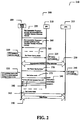
- Some embodiments of the present invention may be implemented, for example, using a machine-readable medium or article which may store an instruction or a set of instructions that, if executed by a machine, for example, by the apparatus and system of FIG. 2 , by mobile client or wireless station (STA) 205, in communication with AP1 210 and AP2 215, by a processor (not shown), or by other suitable machines, cause the machine to perform a method and/or operations in accordance with embodiments of the invention.
- Such machine may include, for example, any suitable processing platform, computing platform, computing device, processing device, computing system, processing system, computer, processor, or the like, and may be implemented using any suitable combination of hardware and/or software.
- the machine-readable medium or article may include, for example, any suitable type of memory unit, memory device, memory article, memory medium, storage device, storage article, storage medium and/or storage unit, for example, memory, removable or non-removable media, erasable or non-erasable media, writeable or re-writeable media, digital or analog media, hard disk, floppy disk, Compact Disk Read Only Memory (CD-ROM), Compact Disk Recordable (CD-R), Compact Disk Re-Writeable (CD-RW), optical disk, magnetic media, various types of Digital Versatile Disks (DVDs), a tape, a cassette, or the like.
- the instructions may include any suitable type of code, for example, source code, compiled code, interpreted code, executable code, static code, dynamic code, or the like, and may be implemented using any suitable high-level, low-level, object-oriented, visual, compiled and/or interpreted programming language, e.g., C, C++, Java, BASIC, Pascal, Fortran, Cobol, assembly language, machine code, or the like.
- code for example, source code, compiled code, interpreted code, executable code, static code, dynamic code, or the like
- suitable high-level, low-level, object-oriented, visual, compiled and/or interpreted programming language e.g., C, C++, Java, BASIC, Pascal, Fortran, Cobol, assembly language, machine code, or the like.
- the machine-accessible medium that provides instructions, which when accessed, may cause the machine to perform operations comprising using a Post-Transition Extended Session and a Post-Transition Extended Session Aliveness Interval by wireless station (STA) to transition wireless communications from a first access point (AP1) to a second access point (AP2).
- STA wireless station
- AP1 first access point
- AP2 second access point
- the machine-accessible medium may further comprise the instructions causing the machine to perform operations further comprising allowing the STA and AP1 to keep an old session alive for the duration of the Post-Transition Extended Session Aliveness Interval and during the Post-transition Extended Session and coming back to the AP1 and recovering all the leftover packets by the STA; the instructions may cause the machine to perform operations further comprising, causing the Post-Transition Session Aliveness Interval to be 2 bytes long.
- the machine-accessible medium may further comprise the instructions causing the machine to perform operations further comprising sending a Power Saving Mode indication to AP1 when the STA decides to roam to AP2 so AP1 will buffer any incoming data for the STA and whereafter the STA will conduct Reassociation process and key derivation with AP2, and also may comprise the instructions causing the machine to perform operations further comprising when the STA receives a Reassociation response from AP2, causing the STA to immediately send a Power saving mode indication to AP2 so AP2 will buffer any incoming data for the STA and causing the STA to switch to AP1 and to check whether there is any data buffered and, if yes, causing the STA to poll the buffered data from AP1.
- the machine-accessible medium may further comprise the instructions causing the machine to perform operations further comprising switching to the new AP and indicating its "active" and polling the buffered packet from AP2 once the STA cleans up the data, and subsequently cleaning up the association state by AP1 or, based on time-out, letting the state expire.
- Embodiments of the present invention may be implemented by software, by hardware, or by any combination of software and/or hardware as may be suitable for specific applications or in accordance with specific design requirements.
- Embodiments of the invention may include units and/or sub-units, which may be separate of each other or combined together, in whole or in part, and may be implemented using specific, multipurpose or general processors or controllers, or devices as are known in the art.
- Some embodiments of the invention may include buffers, registers, stacks, storage units and/or memory units, for temporary or long-term storage of data or in order to facilitate the operation of a specific embodiment.
- Yet another embodiment of the present invention provides a system, comprising a wireless station (STA); a first access point (API) operable to communicate with the wireless station; a second access point (AP2) operable to communicate with the wireless station; and wherein the STA is adapted to transition wireless communications from the first access point (API) to the second access point (AP2) using a Post-Transition Extended Session and a Post-Transition Extended Session Aliveness Interval to allow the STA and API to keep an old session alive for the duration of the Post- Transition Extended Session Aliveness Interval and during the Post-transition Extended Session, the STA can come back to the API and recover all the leftover packets.
- STA wireless station
- API first access point
- AP2 second access point
- the STA is adapted to transition wireless communications from the first access point (API) to the second access point (AP2) using a Post-Transition Extended Session and a Post-Transition Extended Session Aliveness Interval to allow the STA
- the system may comprise a di-pole directional antenna connected to AP1 or AP2.
Landscapes
- Engineering & Computer Science (AREA)
- Computer Networks & Wireless Communication (AREA)
- Signal Processing (AREA)
- Mobile Radio Communication Systems (AREA)
Claims (15)
- Vorrichtung, die Folgendes umfasst:eine drahtlose Station, STA (205), die eingerichtet ist für einen Übergang drahtloser Kommunikationen von einem ersten Zugangspunkt, AP1 (210), zu einem zweiten Zugangspunkt, AP2 (215), in einem IEEE-802.11n-konformen drahtlosen Netz, das die MAC-Service-Data-Unit(MSDU)-Aggregation unterstützt; undwobei die STA (205) während des Übergangs drahtloser Kommunikationen eingerichtet ist, um eine verlängerte Sitzung nach einem Übergang und ein Intervall zur Aufrechterhaltung einer verlängerten Sitzung nach einem Übergang zu nutzen, wobei die verlängerte Sitzung nach einem Übergang eine Verlängerung der Sitzung für das Intervall zur Aufrechterhaltung einer verlängerten Sitzung nach einem Übergang ist, bei dem es sich um einen Zeitraum handelt, in dem die STA (205) und der AP1 (210) eine Sitzung nach dem Übergang aufrechterhalten, und wobei, wenn die STA (205) durch Roaming zum AP2 (215) wechselt, die STA (205) eingerichtet ist:um einen Energiesparmodushinweis an den AP1 (210) zu senden;der AP1 (210) als Antwort auf den Energiesparmodushinweis von der STA (205) eingerichtet ist, um eingehende Daten für die STA (205) zu puffern,die STA (205) nach dem Senden des Energiesparmodushinweises eingerichtet ist, um einen Reassoziierungsprozess und eine Schlüsselableitung mit dem AP2 (215) vorzunehmen,wenn die STA (205) eine Reassoziierungsantwort vom AP2 (215) empfängt, die STA (205) eingerichtet ist, um einen Energiesparmodushinweis an den AP2 (215) zu senden, um zu bewirken, dass der AP2 (215) eingehende Daten für die STA (205) puffert, unddie STA (205) eingerichtet ist, um zum AP1 (210) umzuschalten, um jegliche vom AP1 (210) gepufferten Daten zu empfangen, während der AP2 (215) Daten für die STA (205) puffert, während die STA (205) gepufferte Daten vom AP1 (210) empfängt.
- Vorrichtung nach Anspruch 1, wobei die verlängerte Sitzung nach einem Übergang und das Intervall zur Aufrechterhaltung einer verlängerten Sitzung nach einem Übergang eingerichtet sind, um zuzulassen, dass die STA (205) und der AP1 (210) eine alte Sitzung für die Dauer des Intervalls zur Aufrechterhaltung einer verlängerten Sitzung nach einem Übergang und während der verlängerten Sitzung nach einem Übergang aufrechterhalten, die STA (205) eingerichtet ist, um zum AP1 (210) zurückkommen und alle übrigen Pakete wiederherstellen zu können.
- Vorrichtung nach Anspruch 2, wobei das Intervall zur Aufrechterhaltung einer Sitzung nach einem Übergang 2 Byte lang ist und zwischen dem AP1 (210) und der STA (205) während eines Assoziierungs- oder eines Reassoziierungsprozesses ausgehandelt wird.
- Vorrichtung nach Anspruch 1, wobei, sobald die STA (205) die Daten bereinigt, die STA (205) eingerichtet ist, um zum AP2 (215) umzuschalten und darauf hinzuweisen, dass er "aktiv" ist, und das gepufferte Paket aus dem AP2 (215) abzurufen, und anschließend der AP1 (210) eingerichtet ist, um den Assoziierungszustand zu bereinigen oder basierend auf einem Timeout den Zustand ablaufen zu lassen.
- Verfahren, das Folgendes umfasst:Nutzen einer verlängerten Sitzung nach einem Übergang und eines Intervalls zur Aufrechterhaltung einer verlängerten Sitzung nach einem Übergang durch eine drahtlose Station, STA (205), für einen Übergang drahtloser Kommunikationen von einem ersten Zugangspunkt, AP1 (210), zu einem zweiten Zugangspunkt, AP2 (215), in einem IEEE-802.11n-konformen drahtlosen Netz, das die MAC-Service-Data-Unit(MSDU)-Aggregation unterstützt, wobei die verlängerte Sitzung nach einem Übergang eine Verlängerung der Sitzung für das Intervall zur Aufrechterhaltung einer verlängerten Sitzung nach einem Übergang ist, bei dem es sich um einen Zeitraum handelt, in dem die STA (205) und der AP1 (210) eine Sitzung nach dem Übergang aufrechterhalten;Senden eines Energiesparmodushinweises an den AP1 (210), wenn die STA (205) durch Roaming zum AP2 (215) wechselt, um zu bewirken, dass der AP1 (210) eingehende Daten für die STA (205) puffert;Bewirken, dass die STA (205) einen Reassoziierungsprozess und eine Schlüsselableitung mit dem AP2 (215) vornimmt, wobei, wenn die STA (205) eine Reassoziierungsantwort vom AP2 (215) empfängt;Senden eines Energiesparmodushinweises an den AP2 (215) mit der STA (205), um zu bewirken, dass der AP2 (215) jegliche eingehenden Daten für die STA (205) puffert;Umschalten der STA (205) zum AP1 (210);Überprüfen, ob irgendwelche gepufferten Daten vorliegen; undAbrufen der gepufferten Daten aus dem AP1 (210) mit der STA (205), falls am AP1 (210) gepufferte Daten vorliegen.
- Verfahren nach Anspruch 5, das ferner Zulassen, dass die STA (205) und der AP1 (210) eine alte Sitzung für die Dauer des Intervalls zur Aufrechterhaltung einer verlängerten Sitzung nach einem Übergang und während der verlängerten Sitzung nach einem Übergang aufrechterhalten, und Zurückkommen zum AP1 (210) und Wiederherstellen aller übrigen Pakete durch die STA (205) umfasst.
- Verfahren nach Anspruch 6, wobei das Intervall zur Aufrechterhaltung einer Sitzung nach einem Übergang 2 Byte lang ist und zwischen dem AP1 (210) und der STA (205) während eines Assoziierungs- oder eines Reassoziierungsprozesses ausgehandelt wird.
- Verfahren nach Anspruch 5, das ferner Umschalten zum AP2 (215) und Hinweisen darauf, dass er "aktiv" ist, und Abrufen des gepufferten Pakets aus dem AP2 (215), sobald die STA (205) die Daten bereinigt, und anschließendes Bereinigen des Assoziierungszustands durch den AP1 (210) oder basierend auf einem Timeout Ablaufenlassen des Zustands umfasst.
- Nicht transientes maschinenzugängliches Medium, das Befehle bereitstellt, die, wenn auf sie zugegriffen wird, bewirken, dass eine Maschine Vorgänge durchführt, die Folgendes umfassen:Nutzen einer verlängerten Sitzung nach einem Übergang und eines Intervalls zur Aufrechterhaltung einer verlängerten Sitzung nach einem Übergang durch eine drahtlose Station, STA (205), für einen Übergang drahtloser Kommunikationen von einem ersten Zugangspunkt, AP1 (210), zu einem zweiten Zugangspunkt, AP2 (215), in einem IEEE-802.11n-konformen drahtlosen Netz, das die MAC-Service-Data-Unit(MSDU)-Aggregation unterstützt, wobei die verlängerte Sitzung nach einem Übergang eine Verlängerung der Sitzung für das Intervall zur Aufrechterhaltung einer verlängerten Sitzung nach einem Übergang ist, bei dem es sich um einen Zeitraum handelt, in dem die STA (205) und der AP1 (210) eine Sitzung nach dem Übergang aufrechterhalten;Senden eines Energiesparmodushinweises an den AP1 (210), wenn die STA (205) durch Roaming zum AP2 (215) wechselt, um zu bewirken, dass der AP1 (210) eingehende Daten für die STA (205) puffert, woraufhin die STA (205) einen Reassoziierungsprozess und eine Schlüsselableitung mit dem AP2 (215) vornimmt, wobei, wenn die STA (205) eine Reassoziierungsantwort vom AP2 (215) empfängt, die STA (205) einen Energiesparmodushinweis an den AP2 (215) sendet, um zu bewirken, dass der AP2 (215) jegliche eingehenden Daten für die STA (205) puffert, und die STA (205) zum AP1 (210) umschaltet und überprüft, ob irgendwelche gepufferten Daten vorliegen, und, falls ja, die STA (205) die gepufferten Daten aus dem AP1 (210) abruft.
- Maschinenzugängliches Medium nach Anspruch 9, das ferner umfasst, dass die Befehle bewirken, dass die Maschine Vorgänge durchführt, die ferner Zulassen, dass die STA (205) und der AP1 (210) eine alte Sitzung für die Dauer des Intervalls zur Aufrechterhaltung einer verlängerten Sitzung nach einem Übergang und während der verlängerten Sitzung nach einem Übergang aufrechterhalten, und Zurückkommen zum AP1 (210) und Wiederherstellen aller übrigen Pakete durch die STA (205) umfassen.
- Maschinenzugängliches Medium nach Anspruch 10, das ferner umfasst, dass die Befehle bewirken, dass die Maschine Vorgänge durchführt, die ferner Bewirken, dass das Intervall zur Aufrechterhaltung einer Sitzung nach einem Übergang 2 Byte lang ist, umfassen.
- Maschinenzugängliches Medium nach Anspruch 10, das ferner umfasst, dass die Befehle bewirken, dass die Maschine Vorgänge durchführt, die ferner Umschalten zum AP2 (215) und Hinweisen darauf, dass er "aktiv" ist, und Abrufen des gepufferten Pakets aus dem AP2 (215), sobald die STA (205) die Daten bereinigt, und anschließendes Bereinigen des Assoziierungszustands durch den AP1 (210) oder basierend auf einem Timeout Ablaufenlassen des Zustands umfassen.
- System eines IEEE-802.11n-konformen drahtlosen Netzes, das die MAC-Service-Data-Unit(MSDU)-Aggregation unterstützt, das Folgendes umfasst:eine drahtlose Station, STA (205);einen ersten Zugangspunkt, AP1 (210), der eingerichtet ist, um mit der drahtlosen Station zu kommunizieren;einen zweiten Zugangspunkt, AP2 (215), der eingerichtet ist, um mit der drahtlosen Station zu kommunizieren; undwobei die STA (205) während des Übergangs drahtloser Kommunikationen eingerichtet ist, um eine verlängerte Sitzung nach einem Übergang und ein Intervall zur Aufrechterhaltung einer verlängerten Sitzung nach einem Übergang zu nutzen, wobei die verlängerte Sitzung nach einem Übergang eine Verlängerung der Sitzung für das Intervall zur Aufrechterhaltung einer verlängerten Sitzung nach einem Übergang ist, bei dem es sich um einen Zeitraum handelt, in dem die STA (205) und der AP1 (210) eine Sitzung nach dem Übergang aufrechterhalten, und wobei, wenn die STA (205) durch Roaming zum AP2 (215) wechselt, die STA (205) eingerichtet ist, um:einen Energiesparmodushinweis an den AP1 (210) zu senden,der AP1 (210) als Antwort auf den Energiesparmodushinweis von der STA (205) eingerichtet ist, um eingehende Daten für die STA (205) zu puffern,die STA (205) nach dem Senden des Energiesparmodushinweises eingerichtet ist, um einen Reassoziierungsprozess und eine Schlüsselableitung mit dem AP2 (215) vorzunehmen,wenn die STA (205) eine Reassoziierungsantwort vom AP2 (215) empfängt, die STA (205) eingerichtet ist, um einen Energiesparmodushinweis an den AP2 (215) zu senden, um zu bewirken, dass der AP2 (215) eingehende Daten für die STA (205) puffert, unddie STA (205) eingerichtet ist, um zum AP1 (210) umzuschalten, um jegliche vom AP1 (210) gepufferten Daten zu empfangen, während die Verbindung zum AP2 (215) gehalten wird.
- System nach Anspruch 13, wobei das Intervall zur Aufrechterhaltung einer Sitzung nach einem Übergang 2 Byte lang ist und zwischen dem AP1 (210) und der STA (205) während eines Assoziierungs- oder eines Reassoziierungsprozesses ausgehandelt wird.
- System nach Anspruch 14, wobei, wenn die STA (205) entscheidet, durch Roaming zum AP2 (215) zu wechseln, die STA (205) eingerichtet ist, um einen Energiesparmodushinweis an den AP1 (210) zu senden, sodass der AP1 (210) jegliche eingehenden Daten für die STA (205) puffert, woraufhin die STA (205) eingerichtet ist, um einen Reassoziierungsprozess und eine Schlüsselableitung mit dem AP2 (215) vorzunehmen.
Applications Claiming Priority (2)
| Application Number | Priority Date | Filing Date | Title |
|---|---|---|---|
| US11/648,338 US20080159204A1 (en) | 2006-12-28 | 2006-12-28 | Techniques for lossless packet transition across basic service sets in wireless networks |
| PCT/US2007/024652 WO2008088470A1 (en) | 2006-12-28 | 2007-11-29 | Techniques for lossless packet transition across basic service sets in wireless networks |
Publications (3)
| Publication Number | Publication Date |
|---|---|
| EP2098024A1 EP2098024A1 (de) | 2009-09-09 |
| EP2098024A4 EP2098024A4 (de) | 2013-09-04 |
| EP2098024B1 true EP2098024B1 (de) | 2016-04-27 |
Family
ID=39583839
Family Applications (1)
| Application Number | Title | Priority Date | Filing Date |
|---|---|---|---|
| EP07862380.8A Not-in-force EP2098024B1 (de) | 2006-12-28 | 2007-11-29 | Techniken für verlustlosen paketübergang über basisstationen in drahtlosen netzen |
Country Status (8)
| Country | Link |
|---|---|
| US (1) | US20080159204A1 (de) |
| EP (1) | EP2098024B1 (de) |
| JP (1) | JP4871397B2 (de) |
| CN (1) | CN101573925B (de) |
| ES (1) | ES2584843T3 (de) |
| HU (1) | HUE027836T2 (de) |
| TW (1) | TWI474749B (de) |
| WO (1) | WO2008088470A1 (de) |
Families Citing this family (5)
| Publication number | Priority date | Publication date | Assignee | Title |
|---|---|---|---|---|
| GB2463009B (en) | 2008-08-26 | 2010-12-08 | Nomad Spectrum Ltd | Mobile data communication |
| US9326144B2 (en) * | 2013-02-21 | 2016-04-26 | Fortinet, Inc. | Restricting broadcast and multicast traffic in a wireless network to a VLAN |
| US10244444B2 (en) | 2015-03-04 | 2019-03-26 | Qualcomm Incorporated | Dual link handover |
| JP6539891B2 (ja) * | 2016-12-13 | 2019-07-10 | サイレックス・テクノロジー株式会社 | 基地局システム、通信端末、無線通信システム、基地局システムの制御方法、通信端末の制御方法、及び、プログラム |
| WO2018217901A1 (en) * | 2017-05-24 | 2018-11-29 | Intel IP Corporation | Multi-connectivity coordination |
Family Cites Families (16)
| Publication number | Priority date | Publication date | Assignee | Title |
|---|---|---|---|---|
| US5991287A (en) * | 1996-12-30 | 1999-11-23 | Lucent Technologies, Inc. | System and method for providing seamless handover in a wireless computer network |
| FI109503B (fi) * | 1997-04-15 | 2002-08-15 | Nokia Corp | Pakettien menetyksen estäminen pakettipohjaisen tietoliikenneverkon handoverissa sekä handovermenetelmä |
| WO2003041430A1 (en) * | 2001-11-07 | 2003-05-15 | Cyneta Networks, Inc. | System and method for efficient handover in wireless packet data network |
| JP2003158481A (ja) * | 2001-11-21 | 2003-05-30 | Nec Corp | 無線アクセス通信システム |
| JP2003224874A (ja) * | 2002-01-29 | 2003-08-08 | Fujitsu Ltd | 移動通信ネットワークのルータおよび移動通信端末 |
| JP3822120B2 (ja) * | 2002-03-06 | 2006-09-13 | 松下電器産業株式会社 | パケット通信方法 |
| ATE325519T1 (de) * | 2002-10-17 | 2006-06-15 | Motorola Inc | Verfahren und vorrichtung zum weiterreichen eines teilnehmerendgeräts zwischen zellulären kommunikationsnetzen |
| US20050047381A1 (en) * | 2003-01-27 | 2005-03-03 | Proxim Corporation, A Delaware Corporation | System and method for a topology map related to access point usage in a wireless network |
| US7599339B2 (en) * | 2003-11-12 | 2009-10-06 | Interdigital Technology Corporation | Method and system for transferring wireless transmit/receive unit-specific information |
| US8027326B2 (en) * | 2004-01-12 | 2011-09-27 | Xocyst Transfer Ag L.L.C. | Method and system for high data rate multi-channel WLAN architecture |
| JP2006093945A (ja) * | 2004-09-22 | 2006-04-06 | Nec Corp | 無線lanハンドオーバー方法、及び無線lan装置 |
| US7643451B2 (en) * | 2004-10-15 | 2010-01-05 | Nortel Networks Limited | Method and apparatus for extending a mobile unit data path between access points |
| WO2006062428A1 (en) * | 2004-11-29 | 2006-06-15 | Intel Corporation | Method and system for multicarrier communication between a base station and subscribers of different bandwidths |
| JP4215010B2 (ja) * | 2005-03-04 | 2009-01-28 | 日本電気株式会社 | 可変ipアドレス環境下におけるセキュリティアソシエーション継続方法および端末装置 |
| US7876735B2 (en) * | 2005-07-29 | 2011-01-25 | Microsoft Corporation | Transmitting a communication from a wireless access point indicating available networks and their capabilities |
| EP1819183B1 (de) * | 2006-02-10 | 2009-06-17 | Research In Motion Limited | Verfahren und System zur Signalisierung der Weiterleitung von Sprachverbindungen zwischen Zugangspunkten in einem drahtlosen lokalen Netz |
-
2006
- 2006-12-28 US US11/648,338 patent/US20080159204A1/en not_active Abandoned
-
2007
- 2007-11-23 TW TW96144528A patent/TWI474749B/zh not_active IP Right Cessation
- 2007-11-29 HU HUE07862380A patent/HUE027836T2/en unknown
- 2007-11-29 JP JP2009544006A patent/JP4871397B2/ja not_active Expired - Fee Related
- 2007-11-29 ES ES07862380.8T patent/ES2584843T3/es active Active
- 2007-11-29 EP EP07862380.8A patent/EP2098024B1/de not_active Not-in-force
- 2007-11-29 WO PCT/US2007/024652 patent/WO2008088470A1/en not_active Ceased
- 2007-11-29 CN CN200780048683.6A patent/CN101573925B/zh not_active Expired - Fee Related
Also Published As
| Publication number | Publication date |
|---|---|
| ES2584843T3 (es) | 2016-09-29 |
| TW200838326A (en) | 2008-09-16 |
| US20080159204A1 (en) | 2008-07-03 |
| EP2098024A4 (de) | 2013-09-04 |
| TWI474749B (zh) | 2015-02-21 |
| CN101573925A (zh) | 2009-11-04 |
| JP2010515343A (ja) | 2010-05-06 |
| HUE027836T2 (en) | 2016-11-28 |
| CN101573925B (zh) | 2013-09-25 |
| WO2008088470A1 (en) | 2008-07-24 |
| EP2098024A1 (de) | 2009-09-09 |
| JP4871397B2 (ja) | 2012-02-08 |
Similar Documents
| Publication | Publication Date | Title |
|---|---|---|
| US7903645B2 (en) | Methods, apparatus and systems configured for heterogeneous secure associations in Wi-Fi PAN | |
| US10638353B2 (en) | Evolved data compression scheme for unreliable transmission modes | |
| JP5085729B2 (ja) | 無線ネットワークでの位置決定の最適化技術 | |
| WO2008008102A1 (en) | Device, system and method of layer 2 handover between hetreogenous networks | |
| US8121091B2 (en) | Method and system for the reduction of scanning time while roaming | |
| US11218925B2 (en) | Data forwarding for inter-radio access technology wireless networks | |
| EP3419368A1 (de) | Benutzervorrichtung, basisstation und kommunikationsverfahren | |
| US7809355B2 (en) | Techniques for identification of connected and idle mode users in wireless networks | |
| EP2946582A1 (de) | Kommunikation von sicherheitsschlüsselinformationen | |
| EP2098024A1 (de) | Techniken für verlustlosen paketübergang über grundlegende dienstsätze in drahtlosen netzen | |
| US8594020B2 (en) | Wireless communication system, control apparatus, communication method switching method, and program | |
| US20250358875A1 (en) | Creating new access point connections prior to roam point in wireless network | |
| US20220006753A1 (en) | Reducing latency at packet data convergence protocol (pdcp) in new radio | |
| US20240306225A1 (en) | Creating new access point connections prior to roam point in wireless network | |
| Machan et al. | Performance of mobility support mechanisms in a heterogeneous UMTS and IEEE 802.11 network offered under the IEEE 802.21 standard | |
| WO2024235076A1 (zh) | 一种通信方法及装置 | |
| KR20080015812A (ko) | 액세스 개체들에 대한 강화된 스캐닝 | |
| US7366177B2 (en) | Transmit scheduling supporting temporarily unavailable receivers | |
| CN101185291A (zh) | 对接入实体的增强扫描 | |
| Baek et al. | Multiple preauthentication schemes based on fast channel switching in public wireless LANs | |
| Schloer | Reducing Handoff Latencies in IEEE 802.11 Wireless Networks on Link Layer and on Level-2 Layer | |
| JP2018064190A (ja) | ユーザ装置、及びデータ送信方法 |
Legal Events
| Date | Code | Title | Description |
|---|---|---|---|
| PUAI | Public reference made under article 153(3) epc to a published international application that has entered the european phase |
Free format text: ORIGINAL CODE: 0009012 |
|
| 17P | Request for examination filed |
Effective date: 20090701 |
|
| AK | Designated contracting states |
Kind code of ref document: A1 Designated state(s): AT BE BG CH CY CZ DE DK EE ES FI FR GB GR HU IE IS IT LI LT LU LV MC MT NL PL PT RO SE SI SK TR |
|
| DAX | Request for extension of the european patent (deleted) | ||
| REG | Reference to a national code |
Ref country code: DE Ref legal event code: R079 Ref document number: 602007046058 Country of ref document: DE Free format text: PREVIOUS MAIN CLASS: H04L0012560000 Ipc: H04W0036020000 |
|
| A4 | Supplementary search report drawn up and despatched |
Effective date: 20130807 |
|
| RIC1 | Information provided on ipc code assigned before grant |
Ipc: H04W 36/02 20090101AFI20130801BHEP |
|
| 17Q | First examination report despatched |
Effective date: 20140523 |
|
| GRAP | Despatch of communication of intention to grant a patent |
Free format text: ORIGINAL CODE: EPIDOSNIGR1 |
|
| INTG | Intention to grant announced |
Effective date: 20151218 |
|
| RAP1 | Party data changed (applicant data changed or rights of an application transferred) |
Owner name: INTEL CORPORATION |
|
| GRAS | Grant fee paid |
Free format text: ORIGINAL CODE: EPIDOSNIGR3 |
|
| GRAA | (expected) grant |
Free format text: ORIGINAL CODE: 0009210 |
|
| AK | Designated contracting states |
Kind code of ref document: B1 Designated state(s): AT BE BG CH CY CZ DE DK EE ES FI FR GB GR HU IE IS IT LI LT LU LV MC MT NL PL PT RO SE SI SK TR |
|
| REG | Reference to a national code |
Ref country code: GB Ref legal event code: FG4D |
|
| REG | Reference to a national code |
Ref country code: CH Ref legal event code: EP |
|
| REG | Reference to a national code |
Ref country code: AT Ref legal event code: REF Ref document number: 795958 Country of ref document: AT Kind code of ref document: T Effective date: 20160515 |
|
| REG | Reference to a national code |
Ref country code: IE Ref legal event code: FG4D |
|
| REG | Reference to a national code |
Ref country code: DE Ref legal event code: R096 Ref document number: 602007046058 Country of ref document: DE |
|
| REG | Reference to a national code |
Ref country code: NL Ref legal event code: FP |
|
| REG | Reference to a national code |
Ref country code: LT Ref legal event code: MG4D |
|
| REG | Reference to a national code |
Ref country code: ES Ref legal event code: FG2A Ref document number: 2584843 Country of ref document: ES Kind code of ref document: T3 Effective date: 20160929 |
|
| REG | Reference to a national code |
Ref country code: EE Ref legal event code: FG4A Ref document number: E012412 Country of ref document: EE Effective date: 20160725 |
|
| REG | Reference to a national code |
Ref country code: FR Ref legal event code: PLFP Year of fee payment: 10 |
|
| PG25 | Lapsed in a contracting state [announced via postgrant information from national office to epo] |
Ref country code: LT Free format text: LAPSE BECAUSE OF FAILURE TO SUBMIT A TRANSLATION OF THE DESCRIPTION OR TO PAY THE FEE WITHIN THE PRESCRIBED TIME-LIMIT Effective date: 20160427 Ref country code: PL Free format text: LAPSE BECAUSE OF FAILURE TO SUBMIT A TRANSLATION OF THE DESCRIPTION OR TO PAY THE FEE WITHIN THE PRESCRIBED TIME-LIMIT Effective date: 20160427 Ref country code: FI Free format text: LAPSE BECAUSE OF FAILURE TO SUBMIT A TRANSLATION OF THE DESCRIPTION OR TO PAY THE FEE WITHIN THE PRESCRIBED TIME-LIMIT Effective date: 20160427 |
|
| REG | Reference to a national code |
Ref country code: HU Ref legal event code: AG4A Ref document number: E027836 Country of ref document: HU |
|
| PG25 | Lapsed in a contracting state [announced via postgrant information from national office to epo] |
Ref country code: LV Free format text: LAPSE BECAUSE OF FAILURE TO SUBMIT A TRANSLATION OF THE DESCRIPTION OR TO PAY THE FEE WITHIN THE PRESCRIBED TIME-LIMIT Effective date: 20160427 Ref country code: SE Free format text: LAPSE BECAUSE OF FAILURE TO SUBMIT A TRANSLATION OF THE DESCRIPTION OR TO PAY THE FEE WITHIN THE PRESCRIBED TIME-LIMIT Effective date: 20160427 Ref country code: PT Free format text: LAPSE BECAUSE OF FAILURE TO SUBMIT A TRANSLATION OF THE DESCRIPTION OR TO PAY THE FEE WITHIN THE PRESCRIBED TIME-LIMIT Effective date: 20160829 |
|
| REG | Reference to a national code |
Ref country code: SK Ref legal event code: T3 Ref document number: E 21571 Country of ref document: SK |
|
| PG25 | Lapsed in a contracting state [announced via postgrant information from national office to epo] |
Ref country code: BE Free format text: LAPSE BECAUSE OF FAILURE TO SUBMIT A TRANSLATION OF THE DESCRIPTION OR TO PAY THE FEE WITHIN THE PRESCRIBED TIME-LIMIT Effective date: 20160427 Ref country code: IT Free format text: LAPSE BECAUSE OF FAILURE TO SUBMIT A TRANSLATION OF THE DESCRIPTION OR TO PAY THE FEE WITHIN THE PRESCRIBED TIME-LIMIT Effective date: 20160427 |
|
| REG | Reference to a national code |
Ref country code: DE Ref legal event code: R097 Ref document number: 602007046058 Country of ref document: DE |
|
| PG25 | Lapsed in a contracting state [announced via postgrant information from national office to epo] |
Ref country code: CZ Free format text: LAPSE BECAUSE OF FAILURE TO SUBMIT A TRANSLATION OF THE DESCRIPTION OR TO PAY THE FEE WITHIN THE PRESCRIBED TIME-LIMIT Effective date: 20160427 Ref country code: RO Free format text: LAPSE BECAUSE OF FAILURE TO SUBMIT A TRANSLATION OF THE DESCRIPTION OR TO PAY THE FEE WITHIN THE PRESCRIBED TIME-LIMIT Effective date: 20160427 Ref country code: DK Free format text: LAPSE BECAUSE OF FAILURE TO SUBMIT A TRANSLATION OF THE DESCRIPTION OR TO PAY THE FEE WITHIN THE PRESCRIBED TIME-LIMIT Effective date: 20160427 |
|
| PGFP | Annual fee paid to national office [announced via postgrant information from national office to epo] |
Ref country code: EE Payment date: 20161026 Year of fee payment: 10 Ref country code: HU Payment date: 20161109 Year of fee payment: 10 Ref country code: SK Payment date: 20161102 Year of fee payment: 10 |
|
| REG | Reference to a national code |
Ref country code: GR Ref legal event code: EP Ref document number: 20160401790 Country of ref document: GR Effective date: 20161020 |
|
| PGFP | Annual fee paid to national office [announced via postgrant information from national office to epo] |
Ref country code: AT Payment date: 20161025 Year of fee payment: 10 Ref country code: ES Payment date: 20161027 Year of fee payment: 10 Ref country code: GR Payment date: 20161027 Year of fee payment: 10 |
|
| PLBE | No opposition filed within time limit |
Free format text: ORIGINAL CODE: 0009261 |
|
| STAA | Information on the status of an ep patent application or granted ep patent |
Free format text: STATUS: NO OPPOSITION FILED WITHIN TIME LIMIT |
|
| 26N | No opposition filed |
Effective date: 20170130 |
|
| PG25 | Lapsed in a contracting state [announced via postgrant information from national office to epo] |
Ref country code: SI Free format text: LAPSE BECAUSE OF FAILURE TO SUBMIT A TRANSLATION OF THE DESCRIPTION OR TO PAY THE FEE WITHIN THE PRESCRIBED TIME-LIMIT Effective date: 20160427 |
|
| REG | Reference to a national code |
Ref country code: CH Ref legal event code: PL |
|
| PG25 | Lapsed in a contracting state [announced via postgrant information from national office to epo] |
Ref country code: CH Free format text: LAPSE BECAUSE OF NON-PAYMENT OF DUE FEES Effective date: 20161130 Ref country code: LI Free format text: LAPSE BECAUSE OF NON-PAYMENT OF DUE FEES Effective date: 20161130 |
|
| REG | Reference to a national code |
Ref country code: IE Ref legal event code: MM4A |
|
| PG25 | Lapsed in a contracting state [announced via postgrant information from national office to epo] |
Ref country code: LU Free format text: LAPSE BECAUSE OF NON-PAYMENT OF DUE FEES Effective date: 20161130 |
|
| REG | Reference to a national code |
Ref country code: FR Ref legal event code: PLFP Year of fee payment: 11 |
|
| PG25 | Lapsed in a contracting state [announced via postgrant information from national office to epo] |
Ref country code: IE Free format text: LAPSE BECAUSE OF NON-PAYMENT OF DUE FEES Effective date: 20161129 |
|
| PGFP | Annual fee paid to national office [announced via postgrant information from national office to epo] |
Ref country code: NL Payment date: 20171115 Year of fee payment: 11 Ref country code: FR Payment date: 20171026 Year of fee payment: 11 |
|
| PGFP | Annual fee paid to national office [announced via postgrant information from national office to epo] |
Ref country code: GB Payment date: 20171129 Year of fee payment: 11 |
|
| PG25 | Lapsed in a contracting state [announced via postgrant information from national office to epo] |
Ref country code: CY Free format text: LAPSE BECAUSE OF FAILURE TO SUBMIT A TRANSLATION OF THE DESCRIPTION OR TO PAY THE FEE WITHIN THE PRESCRIBED TIME-LIMIT Effective date: 20160427 |
|
| REG | Reference to a national code |
Ref country code: EE Ref legal event code: MM4A Ref document number: E012412 Country of ref document: EE Effective date: 20171130 |
|
| PG25 | Lapsed in a contracting state [announced via postgrant information from national office to epo] |
Ref country code: TR Free format text: LAPSE BECAUSE OF FAILURE TO SUBMIT A TRANSLATION OF THE DESCRIPTION OR TO PAY THE FEE WITHIN THE PRESCRIBED TIME-LIMIT Effective date: 20160427 Ref country code: MC Free format text: LAPSE BECAUSE OF FAILURE TO SUBMIT A TRANSLATION OF THE DESCRIPTION OR TO PAY THE FEE WITHIN THE PRESCRIBED TIME-LIMIT Effective date: 20160427 Ref country code: IS Free format text: LAPSE BECAUSE OF FAILURE TO SUBMIT A TRANSLATION OF THE DESCRIPTION OR TO PAY THE FEE WITHIN THE PRESCRIBED TIME-LIMIT Effective date: 20160427 |
|
| REG | Reference to a national code |
Ref country code: AT Ref legal event code: MM01 Ref document number: 795958 Country of ref document: AT Kind code of ref document: T Effective date: 20171129 |
|
| PG25 | Lapsed in a contracting state [announced via postgrant information from national office to epo] |
Ref country code: BG Free format text: LAPSE BECAUSE OF FAILURE TO SUBMIT A TRANSLATION OF THE DESCRIPTION OR TO PAY THE FEE WITHIN THE PRESCRIBED TIME-LIMIT Effective date: 20160427 Ref country code: SK Free format text: LAPSE BECAUSE OF NON-PAYMENT OF DUE FEES Effective date: 20171129 Ref country code: EE Free format text: LAPSE BECAUSE OF NON-PAYMENT OF DUE FEES Effective date: 20171130 |
|
| REG | Reference to a national code |
Ref country code: SK Ref legal event code: MM4A Ref document number: E 21571 Country of ref document: SK Effective date: 20171129 |
|
| PG25 | Lapsed in a contracting state [announced via postgrant information from national office to epo] |
Ref country code: HU Free format text: LAPSE BECAUSE OF NON-PAYMENT OF DUE FEES Effective date: 20171130 Ref country code: AT Free format text: LAPSE BECAUSE OF NON-PAYMENT OF DUE FEES Effective date: 20171129 Ref country code: GR Free format text: LAPSE BECAUSE OF NON-PAYMENT OF DUE FEES Effective date: 20180604 |
|
| REG | Reference to a national code |
Ref country code: AT Ref legal event code: UEP Ref document number: 795958 Country of ref document: AT Kind code of ref document: T Effective date: 20160427 |
|
| PG25 | Lapsed in a contracting state [announced via postgrant information from national office to epo] |
Ref country code: MT Free format text: LAPSE BECAUSE OF NON-PAYMENT OF DUE FEES Effective date: 20161129 |
|
| REG | Reference to a national code |
Ref country code: ES Ref legal event code: FD2A Effective date: 20190103 |
|
| PGFP | Annual fee paid to national office [announced via postgrant information from national office to epo] |
Ref country code: DE Payment date: 20181113 Year of fee payment: 12 |
|
| PG25 | Lapsed in a contracting state [announced via postgrant information from national office to epo] |
Ref country code: ES Free format text: LAPSE BECAUSE OF NON-PAYMENT OF DUE FEES Effective date: 20171130 |
|
| REG | Reference to a national code |
Ref country code: NL Ref legal event code: MM Effective date: 20181201 |
|
| GBPC | Gb: european patent ceased through non-payment of renewal fee |
Effective date: 20181129 |
|
| PG25 | Lapsed in a contracting state [announced via postgrant information from national office to epo] |
Ref country code: NL Free format text: LAPSE BECAUSE OF NON-PAYMENT OF DUE FEES Effective date: 20181201 |
|
| PG25 | Lapsed in a contracting state [announced via postgrant information from national office to epo] |
Ref country code: FR Free format text: LAPSE BECAUSE OF NON-PAYMENT OF DUE FEES Effective date: 20181130 |
|
| PG25 | Lapsed in a contracting state [announced via postgrant information from national office to epo] |
Ref country code: GB Free format text: LAPSE BECAUSE OF NON-PAYMENT OF DUE FEES Effective date: 20181129 |
|
| REG | Reference to a national code |
Ref country code: DE Ref legal event code: R119 Ref document number: 602007046058 Country of ref document: DE |
|
| PG25 | Lapsed in a contracting state [announced via postgrant information from national office to epo] |
Ref country code: DE Free format text: LAPSE BECAUSE OF NON-PAYMENT OF DUE FEES Effective date: 20200603 |