EP2097387B1 - Heterocyclic aspartyl protease inhibitors - Google Patents
Heterocyclic aspartyl protease inhibitors Download PDFInfo
- Publication number
- EP2097387B1 EP2097387B1 EP08714220.4A EP08714220A EP2097387B1 EP 2097387 B1 EP2097387 B1 EP 2097387B1 EP 08714220 A EP08714220 A EP 08714220A EP 2097387 B1 EP2097387 B1 EP 2097387B1
- Authority
- EP
- European Patent Office
- Prior art keywords
- compound
- tautomer
- mmol
- solution
- inhibitor
- Prior art date
- Legal status (The legal status is an assumption and is not a legal conclusion. Google has not performed a legal analysis and makes no representation as to the accuracy of the status listed.)
- Active
Links
- 0 CC(C)(C)CC(C)(*)C1CCN(*)CC1 Chemical compound CC(C)(C)CC(C)(*)C1CCN(*)CC1 0.000 description 102
- GRILGUMXDJBYEZ-UHFFFAOYSA-N B=C(N1Cc2ccc(CCCC(NCCCCc3ccccc3)=O)cc2)N(CC(CCCC2)C2C2)C2(CCCC)C1=O Chemical compound B=C(N1Cc2ccc(CCCC(NCCCCc3ccccc3)=O)cc2)N(CC(CCCC2)C2C2)C2(CCCC)C1=O GRILGUMXDJBYEZ-UHFFFAOYSA-N 0.000 description 1
- USNKGQPVACPPJL-UHFFFAOYSA-N Bc1cccc(NC(NCc2ccc(CN(C(C(C)(C#Cc3cc(F)cc(F)c3)N3)=O)C3=N)cc2)=O)c1 Chemical compound Bc1cccc(NC(NCc2ccc(CN(C(C(C)(C#Cc3cc(F)cc(F)c3)N3)=O)C3=N)cc2)=O)c1 USNKGQPVACPPJL-UHFFFAOYSA-N 0.000 description 1
- VARYHQIEXNCEAC-UHFFFAOYSA-N C=C(CCC1)CC1O Chemical compound C=C(CCC1)CC1O VARYHQIEXNCEAC-UHFFFAOYSA-N 0.000 description 1
- BQZMJPUNHHUXGL-UHFFFAOYSA-N CC(C(C1)C1C1=O)NC1(c1ccccc1)c(cc1)cc(-c2cncnc2)c1F Chemical compound CC(C(C1)C1C1=O)NC1(c1ccccc1)c(cc1)cc(-c2cncnc2)c1F BQZMJPUNHHUXGL-UHFFFAOYSA-N 0.000 description 1
- NRAAQVJNFLEDHL-UHFFFAOYSA-N CC(C(N1C)=O)(c2cc(-c3ccc(C)[s]3)ccc2)NC1=N Chemical compound CC(C(N1C)=O)(c2cc(-c3ccc(C)[s]3)ccc2)NC1=N NRAAQVJNFLEDHL-UHFFFAOYSA-N 0.000 description 1
- HHGYIPVTTPIBPK-UHFFFAOYSA-N CC(C(N1C)=O)(c2cccc(-c3cc(COC)ccc3)c2)NC1=N Chemical compound CC(C(N1C)=O)(c2cccc(-c3cc(COC)ccc3)c2)NC1=N HHGYIPVTTPIBPK-UHFFFAOYSA-N 0.000 description 1
- MMKIPGPSXZBESC-UHFFFAOYSA-N CC(C(N1CC(CC2)CCN2C(C)=O)=O)(c2cc(-c(cc(cc3)Cl)c3O)ccc2)NC1=N Chemical compound CC(C(N1CC(CC2)CCN2C(C)=O)=O)(c2cc(-c(cc(cc3)Cl)c3O)ccc2)NC1=N MMKIPGPSXZBESC-UHFFFAOYSA-N 0.000 description 1
- ZDZQZCZVTAATIQ-UHFFFAOYSA-N CC(C(N1CC(CC2)CCN2C(C)=O)=O)(c2cc(-c(cc(cc3)Cl)c3OC)ccc2)NC1=N Chemical compound CC(C(N1CC(CC2)CCN2C(C)=O)=O)(c2cc(-c(cc(cc3)Cl)c3OC)ccc2)NC1=N ZDZQZCZVTAATIQ-UHFFFAOYSA-N 0.000 description 1
- LYCTWLGFUWCXQJ-UHFFFAOYSA-N CC(C(OC1c2ccccc2)=O)N1OC(c1ccccc1)=O Chemical compound CC(C(OC1c2ccccc2)=O)N1OC(c1ccccc1)=O LYCTWLGFUWCXQJ-UHFFFAOYSA-N 0.000 description 1
- GDIYILQDSNCQDY-UHFFFAOYSA-N CC(C)CC(C)(C(N1C(C)c2ccccc2)=O)NC1=N Chemical compound CC(C)CC(C)(C(N1C(C)c2ccccc2)=O)NC1=N GDIYILQDSNCQDY-UHFFFAOYSA-N 0.000 description 1
- PLHFNLMUZZLXSB-UHFFFAOYSA-N CC(C)CC(C)(C(N1CC(CC2)CCN2C(C2=COc(cccc3)c3O2)=O)=O)NC1=N Chemical compound CC(C)CC(C)(C(N1CC(CC2)CCN2C(C2=COc(cccc3)c3O2)=O)=O)NC1=N PLHFNLMUZZLXSB-UHFFFAOYSA-N 0.000 description 1
- SDACWFZCJUSPOP-UHFFFAOYSA-N CC(C)CC(C)(C(N1CC(CC2)CCN2C(N)O)=O)NC1=N Chemical compound CC(C)CC(C)(C(N1CC(CC2)CCN2C(N)O)=O)NC1=N SDACWFZCJUSPOP-UHFFFAOYSA-N 0.000 description 1
- XDDPUTURUOXMNP-UHFFFAOYSA-N CC(C)CC(C)(C(N1CC(CC2)CCN2S(c(cc2)cc(F)c2F)(=O)=O)=O)NC1=N Chemical compound CC(C)CC(C)(C(N1CC(CC2)CCN2S(c(cc2)cc(F)c2F)(=O)=O)=O)NC1=N XDDPUTURUOXMNP-UHFFFAOYSA-N 0.000 description 1
- ZOZQFMKDEXUIMF-UHFFFAOYSA-N CC(C)CC(C)(C(N1CC(CC2)CCN2S(c(cc2)ccc2C(C)=O)(=O)=O)=O)NC1=N Chemical compound CC(C)CC(C)(C(N1CC(CC2)CCN2S(c(cc2)ccc2C(C)=O)(=O)=O)=O)NC1=N ZOZQFMKDEXUIMF-UHFFFAOYSA-N 0.000 description 1
- HWXJIZOKKGPOBK-UHFFFAOYSA-N CC(C)CC(C)(C(N1CC(CC2)CCN2S(c(cccc2)c2Br)(=O)=O)=O)NC1=N Chemical compound CC(C)CC(C)(C(N1CC(CC2)CCN2S(c(cccc2)c2Br)(=O)=O)=O)NC1=N HWXJIZOKKGPOBK-UHFFFAOYSA-N 0.000 description 1
- VKTFIZCKDADHOQ-UHFFFAOYSA-N CC(C)CC(C)(C(N1CC(CC2)CCN2S(c2cc(OC)ccc2)(=O)=O)=O)NC1=N Chemical compound CC(C)CC(C)(C(N1CC(CC2)CCN2S(c2cc(OC)ccc2)(=O)=O)=O)NC1=N VKTFIZCKDADHOQ-UHFFFAOYSA-N 0.000 description 1
- DMBPAQPNJGRSLS-UHFFFAOYSA-N CC(C)CC(C)(C(N1CC(CC2)CCN2S(c2cccc(C(F)(F)F)c2)(=O)=O)=O)NC1=N Chemical compound CC(C)CC(C)(C(N1CC(CC2)CCN2S(c2cccc(C(F)(F)F)c2)(=O)=O)=O)NC1=N DMBPAQPNJGRSLS-UHFFFAOYSA-N 0.000 description 1
- YYURSQNSTFKIGQ-UHFFFAOYSA-N CC(C)CC(C)(C(N1CC(CCC2)CN2C(C2CCCCCC2)=O)=O)NC1=N Chemical compound CC(C)CC(C)(C(N1CC(CCC2)CN2C(C2CCCCCC2)=O)=O)NC1=N YYURSQNSTFKIGQ-UHFFFAOYSA-N 0.000 description 1
- JCVDMTMOHMGKQN-UHFFFAOYSA-N CC(C)CC(C)(C(N1CC(CCC2)CN2C(C2COCC2)=O)=O)NC1=N Chemical compound CC(C)CC(C)(C(N1CC(CCC2)CN2C(C2COCC2)=O)=O)NC1=N JCVDMTMOHMGKQN-UHFFFAOYSA-N 0.000 description 1
- KPPCTGDYIMRLGL-UHFFFAOYSA-N CC(C)CC(C)(C(N1CC2CCN(CC(C)c3ccccc3)CC2)=O)NC1=N Chemical compound CC(C)CC(C)(C(N1CC2CCN(CC(C)c3ccccc3)CC2)=O)NC1=N KPPCTGDYIMRLGL-UHFFFAOYSA-N 0.000 description 1
- IRINFDRIRIVBCX-UHFFFAOYSA-N CC(C)CC(C)(C(N1CC2CCN(CC(COCC#C)O)CC2)=O)NC1=N Chemical compound CC(C)CC(C)(C(N1CC2CCN(CC(COCC#C)O)CC2)=O)NC1=N IRINFDRIRIVBCX-UHFFFAOYSA-N 0.000 description 1
- WGVPTNNTAHNODF-UHFFFAOYSA-N CC(C)CC(C)(C(N1CC2OCCC2)=O)NC1=N Chemical compound CC(C)CC(C)(C(N1CC2OCCC2)=O)NC1=N WGVPTNNTAHNODF-UHFFFAOYSA-N 0.000 description 1
- MKOSDWPPHPKIDN-UHFFFAOYSA-N CC(C)CC(C)(C(N1CCC(CC2)CCN2C(C2Oc(cccc3)c3OC2)=O)=O)NC1=N Chemical compound CC(C)CC(C)(C(N1CCC(CC2)CCN2C(C2Oc(cccc3)c3OC2)=O)=O)NC1=N MKOSDWPPHPKIDN-UHFFFAOYSA-N 0.000 description 1
- KMQKZLSUJMGOFM-UHFFFAOYSA-N CC(C)CC(C)(C(N1CCC(CC2)CCN2C(CC2CC2)=O)=O)NC1=N Chemical compound CC(C)CC(C)(C(N1CCC(CC2)CCN2C(CC2CC2)=O)=O)NC1=N KMQKZLSUJMGOFM-UHFFFAOYSA-N 0.000 description 1
- RVXNKFCZEYQUQN-UHFFFAOYSA-N CC(C)CC(C)(C(N1CCC(CC2)CCN2C(CC2CCCCC2)=O)=O)NC1=N Chemical compound CC(C)CC(C)(C(N1CCC(CC2)CCN2C(CC2CCCCC2)=O)=O)NC1=N RVXNKFCZEYQUQN-UHFFFAOYSA-N 0.000 description 1
- DCZDNOVTNPYANO-UHFFFAOYSA-N CC(C)CC(C)(C(N1Cc(cc2)ccc2Oc2ccccc2)=O)NC1=N Chemical compound CC(C)CC(C)(C(N1Cc(cc2)ccc2Oc2ccccc2)=O)NC1=N DCZDNOVTNPYANO-UHFFFAOYSA-N 0.000 description 1
- VZPSGRAGPGFDSZ-UHFFFAOYSA-N CC(C)CC(C)(C(N1Cc(cc2)ccc2[NH+]([O-])O)=O)NC1=N Chemical compound CC(C)CC(C)(C(N1Cc(cc2)ccc2[NH+]([O-])O)=O)NC1=N VZPSGRAGPGFDSZ-UHFFFAOYSA-N 0.000 description 1
- UIXCIKWHFBKYKB-UHFFFAOYSA-N CC(C)CC(C)(C(N1Cc2c(C=C)cc(CNC(Nc(cccc3O)c3O)=O)cc2)=O)NC1=N Chemical compound CC(C)CC(C)(C(N1Cc2c(C=C)cc(CNC(Nc(cccc3O)c3O)=O)cc2)=O)NC1=N UIXCIKWHFBKYKB-UHFFFAOYSA-N 0.000 description 1
- DVXIILLQGOTSLO-UHFFFAOYSA-N CC(C)CC(C)(C(N1Cc2cc(-c3c(cccc4)c4cnc3)ccc2)=O)NC1=N Chemical compound CC(C)CC(C)(C(N1Cc2cc(-c3c(cccc4)c4cnc3)ccc2)=O)NC1=N DVXIILLQGOTSLO-UHFFFAOYSA-N 0.000 description 1
- XGXBNWLHKZZKAO-UHFFFAOYSA-N CC(C)CC(C)(C(N1Cc2cc(C(OC)=O)ccc2)=O)NC1=N Chemical compound CC(C)CC(C)(C(N1Cc2cc(C(OC)=O)ccc2)=O)NC1=N XGXBNWLHKZZKAO-UHFFFAOYSA-N 0.000 description 1
- BOJYGJGHBIETHZ-UHFFFAOYSA-N CC(C)CC(C)(C(N1Cc2ccc(CNC(NI)O)cc2)=O)NC1=N Chemical compound CC(C)CC(C)(C(N1Cc2ccc(CNC(NI)O)cc2)=O)NC1=N BOJYGJGHBIETHZ-UHFFFAOYSA-N 0.000 description 1
- FKQNPDYKOLCORE-UHFFFAOYSA-N CC(C)CC(C)(C(N1Cc2ccc(CNC(Nc(cc3O)ccc3O)=O)cc2)=O)NC1=N Chemical compound CC(C)CC(C)(C(N1Cc2ccc(CNC(Nc(cc3O)ccc3O)=O)cc2)=O)NC1=N FKQNPDYKOLCORE-UHFFFAOYSA-N 0.000 description 1
- NKNGWQUYDKJVFE-UHFFFAOYSA-N CC(C)CC(C)(C(N1Cc2ccc(CNC(Nc3cccc(Br)c3)=O)cc2)=O)NC1=N Chemical compound CC(C)CC(C)(C(N1Cc2ccc(CNC(Nc3cccc(Br)c3)=O)cc2)=O)NC1=N NKNGWQUYDKJVFE-UHFFFAOYSA-N 0.000 description 1
- ZAXTYDPRIWMWAV-UHFFFAOYSA-N CC(C)CC(C)(C(N1Cc2cccc(-c3ccccc3)c2)=O)NC1=N Chemical compound CC(C)CC(C)(C(N1Cc2cccc(-c3ccccc3)c2)=O)NC1=N ZAXTYDPRIWMWAV-UHFFFAOYSA-N 0.000 description 1
- ZLKRRVDPOBGGCA-UHFFFAOYSA-N CC(C)CC(C)(C(N1Cc2cccc(NC(NCc3ccccc3)=O)c2)=O)NC1=N Chemical compound CC(C)CC(C)(C(N1Cc2cccc(NC(NCc3ccccc3)=O)c2)=O)NC1=N ZLKRRVDPOBGGCA-UHFFFAOYSA-N 0.000 description 1
- QPMUUOFFUDYLJE-UHFFFAOYSA-N CC(C)CC(CCC1CCCCC1)(C(OC)=O)N Chemical compound CC(C)CC(CCC1CCCCC1)(C(OC)=O)N QPMUUOFFUDYLJE-UHFFFAOYSA-N 0.000 description 1
- UAIIDQHIEWHIIH-UHFFFAOYSA-N CC(C)CC1(C)NC(N)N(Cc2ccc(CNC(Nc3cccc(C)c3)=O)cc2)C1=O Chemical compound CC(C)CC1(C)NC(N)N(Cc2ccc(CNC(Nc3cccc(C)c3)=O)cc2)C1=O UAIIDQHIEWHIIH-UHFFFAOYSA-N 0.000 description 1
- JBRPHRKUMLDHEF-UHFFFAOYSA-N CC(C)CC1(C)NC(NC)NC1=O Chemical compound CC(C)CC1(C)NC(NC)NC1=O JBRPHRKUMLDHEF-UHFFFAOYSA-N 0.000 description 1
- HULAZUHUBWRXEH-UHFFFAOYSA-N CC(C)CCC(N1CCC(CCN(C(C(C)(CC(C)C)N2)=O)C2=N)CC1)=O Chemical compound CC(C)CCC(N1CCC(CCN(C(C(C)(CC(C)C)N2)=O)C2=N)CC1)=O HULAZUHUBWRXEH-UHFFFAOYSA-N 0.000 description 1
- RNGCZTZTFHEORF-UHFFFAOYSA-N CC(C)CNC(NCc1ccc(CN(C(C(CC2CCCCC2)(CC2CCCCC2)N2)=O)C2=N)cc1)=O Chemical compound CC(C)CNC(NCc1ccc(CN(C(C(CC2CCCCC2)(CC2CCCCC2)N2)=O)C2=N)cc1)=O RNGCZTZTFHEORF-UHFFFAOYSA-N 0.000 description 1
- DOKJNGFRCFYXNM-CILPGNKCSA-N CC(C)C[C@H](CO)N(C(C(CCC1CCCCC1)(CC1CCCCC1)N1)=O)C1=N Chemical compound CC(C)C[C@H](CO)N(C(C(CCC1CCCCC1)(CC1CCCCC1)N1)=O)C1=N DOKJNGFRCFYXNM-CILPGNKCSA-N 0.000 description 1
- RZDYDVOHURQFHS-XMMPIXPASA-N CC(C)OCCCN(C([C@@](CCC1CCCCC1)(CC1CCCCC1)N1)=O)C1=N Chemical compound CC(C)OCCCN(C([C@@](CCC1CCCCC1)(CC1CCCCC1)N1)=O)C1=N RZDYDVOHURQFHS-XMMPIXPASA-N 0.000 description 1
- PFLFJFZGZHGURD-UHFFFAOYSA-N CC(C)Oc(cccc1)c1OCC(CC1CCCCC1)(C(N1C)=O)NC1=N Chemical compound CC(C)Oc(cccc1)c1OCC(CC1CCCCC1)(C(N1C)=O)NC1=N PFLFJFZGZHGURD-UHFFFAOYSA-N 0.000 description 1
- FSEBACFWQKCRDC-LSJNQWAISA-N CC(C=N)(NC([C@@H](CC=C)C1=O)c2cc(-c3cncnc3)c[s]2)N1C#C Chemical compound CC(C=N)(NC([C@@H](CC=C)C1=O)c2cc(-c3cncnc3)c[s]2)N1C#C FSEBACFWQKCRDC-LSJNQWAISA-N 0.000 description 1
- YOELOJGMDLKNMT-UHFFFAOYSA-N CC(CC(NCCCc1ccccc1)=O)(C(N1Cc2cc([O]=C)ccc2)=O)NC1=N Chemical compound CC(CC(NCCCc1ccccc1)=O)(C(N1Cc2cc([O]=C)ccc2)=O)NC1=N YOELOJGMDLKNMT-UHFFFAOYSA-N 0.000 description 1
- APIIQWMNLIXIJH-UHFFFAOYSA-N CC(CC1CCCCC1)(C(N1Cc2ccc(CNC(Nc(cccc3[O]4CC4)c3O)=O)cc2)=O)NC1=N Chemical compound CC(CC1CCCCC1)(C(N1Cc2ccc(CNC(Nc(cccc3[O]4CC4)c3O)=O)cc2)=O)NC1=N APIIQWMNLIXIJH-UHFFFAOYSA-N 0.000 description 1
- SVCQHHHSJAREPC-UHFFFAOYSA-N CC(CCC1CCCCC1)(C(OC)=O)N Chemical compound CC(CCC1CCCCC1)(C(OC)=O)N SVCQHHHSJAREPC-UHFFFAOYSA-N 0.000 description 1
- SHGXWIKUFZAWOD-UHFFFAOYSA-N CC(CON1C)(c2cccc(-c(cncc3)c3OC)c2)NC1=N Chemical compound CC(CON1C)(c2cccc(-c(cncc3)c3OC)c2)NC1=N SHGXWIKUFZAWOD-UHFFFAOYSA-N 0.000 description 1
- VSFUBEFRVGYODK-UHFFFAOYSA-N CC(N(C)CCc1cccc(C(C(N2C)=O)(c3ccccc3)NC2=N)c1)=O Chemical compound CC(N(C)CCc1cccc(C(C(N2C)=O)(c3ccccc3)NC2=N)c1)=O VSFUBEFRVGYODK-UHFFFAOYSA-N 0.000 description 1
- GCFVUSRUCJHQFY-UHFFFAOYSA-N CC(N1CC(CCN(C(C(CC2CCCCC2)(CC2CCCCC2)N2)=O)C2=N)CC1)=O Chemical compound CC(N1CC(CCN(C(C(CC2CCCCC2)(CC2CCCCC2)N2)=O)C2=N)CC1)=O GCFVUSRUCJHQFY-UHFFFAOYSA-N 0.000 description 1
- MHLRJSIZRIPYQZ-UHFFFAOYSA-N CC(NC1CC2(CC2)CCC1)O Chemical compound CC(NC1CC2(CC2)CCC1)O MHLRJSIZRIPYQZ-UHFFFAOYSA-N 0.000 description 1
- OSJQRSRSHLORTN-UHFFFAOYSA-N CC(c1cc(-c2cc(Cl)cc(Cl)c2)ccc1)(N1)ON(C)C1=N Chemical compound CC(c1cc(-c2cc(Cl)cc(Cl)c2)ccc1)(N1)ON(C)C1=N OSJQRSRSHLORTN-UHFFFAOYSA-N 0.000 description 1
- UNBNMNPKGZQYDD-UHFFFAOYSA-N CC(c1cc(-c2cc(OC)ccc2OC)ccc1)(N1)ON(C)C1=N Chemical compound CC(c1cc(-c2cc(OC)ccc2OC)ccc1)(N1)ON(C)C1=N UNBNMNPKGZQYDD-UHFFFAOYSA-N 0.000 description 1
- ALJZAZIUMDBCFW-UHFFFAOYSA-N CC(c1cc(C#[N]C)ccc1)=O Chemical compound CC(c1cc(C#[N]C)ccc1)=O ALJZAZIUMDBCFW-UHFFFAOYSA-N 0.000 description 1
- JZMGSTTXFQMRQF-UHFFFAOYSA-N CC1(C(C(N2CC(CC3)CCN3C(Nc(cc3)ccc3F)=O)=O)(c3ccccc3)NC2=N)C=CC=CC1 Chemical compound CC1(C(C(N2CC(CC3)CCN3C(Nc(cc3)ccc3F)=O)=O)(c3ccccc3)NC2=N)C=CC=CC1 JZMGSTTXFQMRQF-UHFFFAOYSA-N 0.000 description 1
- RFJWXBXLTXXRLR-UHFFFAOYSA-N CC1C=C(CNC(NCc(cc2O)ccc2O)=O)C=CC1CN(C(C(C)(CC1CCCCC1)N1)=O)C1=N Chemical compound CC1C=C(CNC(NCc(cc2O)ccc2O)=O)C=CC1CN(C(C(C)(CC1CCCCC1)N1)=O)C1=N RFJWXBXLTXXRLR-UHFFFAOYSA-N 0.000 description 1
- HYNYTDPUYHVRJZ-UHFFFAOYSA-N CCC(C(C(C(C)=C1)(c2ccccc2)c2cccc(-c3cc(C4CC4)cnc3)c2)=O)C1=[N]=C Chemical compound CCC(C(C(C(C)=C1)(c2ccccc2)c2cccc(-c3cc(C4CC4)cnc3)c2)=O)C1=[N]=C HYNYTDPUYHVRJZ-UHFFFAOYSA-N 0.000 description 1
- ZZOAHGDVOBYYRK-UHFFFAOYSA-N CCCC(C)OCC(CC1CCCCC1)(C(N1C)=O)NC1=N Chemical compound CCCC(C)OCC(CC1CCCCC1)(C(N1C)=O)NC1=N ZZOAHGDVOBYYRK-UHFFFAOYSA-N 0.000 description 1
- XKIHSCSQINXUMT-UHFFFAOYSA-N CCCCC(C1CCCCC1)(C(OC)=O)N Chemical compound CCCCC(C1CCCCC1)(C(OC)=O)N XKIHSCSQINXUMT-UHFFFAOYSA-N 0.000 description 1
- CUOMBVZYSASVMY-UHFFFAOYSA-N CCCCC(C1CN(CCCC)CCC1)(C(N1CC(CC2)CCN2C(COc2ccccc2)=O)=O)NC1=N Chemical compound CCCCC(C1CN(CCCC)CCC1)(C(N1CC(CC2)CCN2C(COc2ccccc2)=O)=O)NC1=N CUOMBVZYSASVMY-UHFFFAOYSA-N 0.000 description 1
- ABROWISIPVNOKV-UHFFFAOYSA-N CCCCC(C1CNCCC1)(C(N1Cc2ccc(CNC(NCCCC)=O)cc2)=O)NC1=N Chemical compound CCCCC(C1CNCCC1)(C(N1Cc2ccc(CNC(NCCCC)=O)cc2)=O)NC1=N ABROWISIPVNOKV-UHFFFAOYSA-N 0.000 description 1
- DRWFJLGBWFMQFI-UHFFFAOYSA-N CCCCC(CC1CCCCC1)(C(N1CC(CC2)CCN2C(COc2ccccc2)=O)=O)NC1=N Chemical compound CCCCC(CC1CCCCC1)(C(N1CC(CC2)CCN2C(COc2ccccc2)=O)=O)NC1=N DRWFJLGBWFMQFI-UHFFFAOYSA-N 0.000 description 1
- WNUOOXQWRBCDGI-YNCDZRIHSA-N CCCCC(CC1CCCCC1)(C(N1C[C@H](CC2)CC/C2=C/NC(NCCCC)=O)=O)NC1=N Chemical compound CCCCC(CC1CCCCC1)(C(N1C[C@H](CC2)CC/C2=C/NC(NCCCC)=O)=O)NC1=N WNUOOXQWRBCDGI-YNCDZRIHSA-N 0.000 description 1
- CDRGVCDFDPXMGC-UHFFFAOYSA-N CCCCC(CC1CCCCC1)(C(N1Cc2ccc(CNC(N(C)CCc3ccccn3)=O)cc2)=O)NC1=N Chemical compound CCCCC(CC1CCCCC1)(C(N1Cc2ccc(CNC(N(C)CCc3ccccn3)=O)cc2)=O)NC1=N CDRGVCDFDPXMGC-UHFFFAOYSA-N 0.000 description 1
- NDSQHZUWBBNQJO-UHFFFAOYSA-N CCCCC(CC1CCCCC1)(C(N1Cc2ccc(CNC(N(CCC)CC3CC3)=O)cc2)=O)NC1=N Chemical compound CCCCC(CC1CCCCC1)(C(N1Cc2ccc(CNC(N(CCC)CC3CC3)=O)cc2)=O)NC1=N NDSQHZUWBBNQJO-UHFFFAOYSA-N 0.000 description 1
- IROHFAGWVBLFJH-UHFFFAOYSA-N CCCCC(CC1CCCCC1)(C(N1Cc2ccc(CNC(NCCCCO)=[O]=C)cc2)=O)NC1=N Chemical compound CCCCC(CC1CCCCC1)(C(N1Cc2ccc(CNC(NCCCCO)=[O]=C)cc2)=O)NC1=N IROHFAGWVBLFJH-UHFFFAOYSA-N 0.000 description 1
- PMJUFDFSQHLXBT-UHFFFAOYSA-N CCCCC(CC1CCCCC1)(C(N1Cc2ccc(CNC(NCCCOC)=O)cc2)=O)NC1=N Chemical compound CCCCC(CC1CCCCC1)(C(N1Cc2ccc(CNC(NCCCOC)=O)cc2)=O)NC1=N PMJUFDFSQHLXBT-UHFFFAOYSA-N 0.000 description 1
- AKORFBFCWODZQJ-UHFFFAOYSA-N CCCCC(CC1CCCCC1)(C(N1Cc2ccc(CNC(NCCc(cc3)ccc3O)=O)cc2)=O)NC1=N Chemical compound CCCCC(CC1CCCCC1)(C(N1Cc2ccc(CNC(NCCc(cc3)ccc3O)=O)cc2)=O)NC1=N AKORFBFCWODZQJ-UHFFFAOYSA-N 0.000 description 1
- KIYZFBUQACEOCL-UHFFFAOYSA-N CCCCC(CC1CCCCC1)(C(OC)=O)N Chemical compound CCCCC(CC1CCCCC1)(C(OC)=O)N KIYZFBUQACEOCL-UHFFFAOYSA-N 0.000 description 1
- OHUUHPILRFFMNF-LCUIJRPUSA-N CCCCC(CCCC)(C(N1CCCCCNC(NCc2cccc(C)c2)=O)=O)N/C1=C(\C)/CC Chemical compound CCCCC(CCCC)(C(N1CCCCCNC(NCc2cccc(C)c2)=O)=O)N/C1=C(\C)/CC OHUUHPILRFFMNF-LCUIJRPUSA-N 0.000 description 1
- ZSWVLAOTNZHJIA-UHFFFAOYSA-N CCCCC(CCCC)(C(N1CCCNC(C(C)c2ccccc2)=O)=O)NC1=N Chemical compound CCCCC(CCCC)(C(N1CCCNC(C(C)c2ccccc2)=O)=O)NC1=N ZSWVLAOTNZHJIA-UHFFFAOYSA-N 0.000 description 1
- LXOSAZCJDYAHIF-UHFFFAOYSA-N CCCCC(CCCC)(C(N1CCCNC(NCCCC)=O)=O)NC1=N Chemical compound CCCCC(CCCC)(C(N1CCCNC(NCCCC)=O)=O)NC1=N LXOSAZCJDYAHIF-UHFFFAOYSA-N 0.000 description 1
- XTYLSJVWPUVUMC-UHFFFAOYSA-N CCCCC(CCCC)(C(N1Cc2ccc(CNC(NCCCC)=O)cc2)=O)NC1=N Chemical compound CCCCC(CCCC)(C(N1Cc2ccc(CNC(NCCCC)=O)cc2)=O)NC1=N XTYLSJVWPUVUMC-UHFFFAOYSA-N 0.000 description 1
- LKLOCXLBDRCNMU-UHFFFAOYSA-N CCCCCCC(NCc1cccc(CN(C(C(C)(CC(C)C)N2)=O)C2=N)c1)=O Chemical compound CCCCCCC(NCc1cccc(CN(C(C(C)(CC(C)C)N2)=O)C2=N)c1)=O LKLOCXLBDRCNMU-UHFFFAOYSA-N 0.000 description 1
- TUGVRKCAQFDPNX-UHFFFAOYSA-N CCCCN/C(/Nc1ccc(CN(C(C(C)(CC(C)C)N2)=O)C2=N)cc1)=[O]\C Chemical compound CCCCN/C(/Nc1ccc(CN(C(C(C)(CC(C)C)N2)=O)C2=N)cc1)=[O]\C TUGVRKCAQFDPNX-UHFFFAOYSA-N 0.000 description 1
- HOAFSWMDMGBRNF-UHFFFAOYSA-N CCCCNC(NCc1ccc(CN(C(C(CCC2CCCCC2)(c2cccc(Br)c2)N2)=O)C2=N)cc1)=O Chemical compound CCCCNC(NCc1ccc(CN(C(C(CCC2CCCCC2)(c2cccc(Br)c2)N2)=O)C2=N)cc1)=O HOAFSWMDMGBRNF-UHFFFAOYSA-N 0.000 description 1
- LOBUEQWDHWLZSW-UHFFFAOYSA-N CCCCOC(c1ccccc1)OC Chemical compound CCCCOC(c1ccccc1)OC LOBUEQWDHWLZSW-UHFFFAOYSA-N 0.000 description 1
- DNKCKVKMJKXQOQ-UHFFFAOYSA-N CCCCOCC(CN1CCC(CN(C(C(C)(CC(C)C)N2)=O)C2=N)CC1)O Chemical compound CCCCOCC(CN1CCC(CN(C(C(C)(CC(C)C)N2)=O)C2=N)CC1)O DNKCKVKMJKXQOQ-UHFFFAOYSA-N 0.000 description 1
- CHOMXJPJPQZWET-LMNIDFBRSA-N CCCNC(N1CC(C[C@](CCC2CCCCC2)(C(N2C)=O)NC2=N)CCC1)=O Chemical compound CCCNC(N1CC(C[C@](CCC2CCCCC2)(C(N2C)=O)NC2=N)CCC1)=O CHOMXJPJPQZWET-LMNIDFBRSA-N 0.000 description 1
- KJGVRSVOEUVBFP-OLMNPRSZSA-N CCC[C@H]([C@H]([C@H](CCC1)CN1c1cc(OC)ccc1)NC(N1C)=N)C1=O Chemical compound CCC[C@H]([C@H]([C@H](CCC1)CN1c1cc(OC)ccc1)NC(N1C)=N)C1=O KJGVRSVOEUVBFP-OLMNPRSZSA-N 0.000 description 1
- RUOMNXDWYYZYIT-UHFFFAOYSA-N CCN(CC)CCCC(C)N(C(C(C)(CC(C)C)N1)=O)C1=N Chemical compound CCN(CC)CCCC(C)N(C(C(C)(CC(C)C)N1)=O)C1=N RUOMNXDWYYZYIT-UHFFFAOYSA-N 0.000 description 1
- IRUHDGOCCXVEHP-UHFFFAOYSA-N CCN(CC)c1cc(OCC(CC2CCCCC2)(C(N2C)=O)NC2=N)ccc1 Chemical compound CCN(CC)c1cc(OCC(CC2CCCCC2)(C(N2C)=O)NC2=N)ccc1 IRUHDGOCCXVEHP-UHFFFAOYSA-N 0.000 description 1
- RBFHBAYXNCHONL-UHFFFAOYSA-N CCOC(C(CC1)CCN1C(CC(C)(C(N1Cc2cccc(O)c2)=O)NC1=N)O)=O Chemical compound CCOC(C(CC1)CCN1C(CC(C)(C(N1Cc2cccc(O)c2)=O)NC1=N)O)=O RBFHBAYXNCHONL-UHFFFAOYSA-N 0.000 description 1
- NTHCEMBOIDRQEV-UHFFFAOYSA-N CCc1cccc(CN(C(C(C)(CN)N2)=O)C2=N)c1 Chemical compound CCc1cccc(CN(C(C(C)(CN)N2)=O)C2=N)c1 NTHCEMBOIDRQEV-UHFFFAOYSA-N 0.000 description 1
- SSZDIHUZBUGQPM-UHFFFAOYSA-N CN(C(C(CC1CCCCC1)(CN)N1)=O)C1=N Chemical compound CN(C(C(CC1CCCCC1)(CN)N1)=O)C1=N SSZDIHUZBUGQPM-UHFFFAOYSA-N 0.000 description 1
- XZMBDWLCGAQFJO-UHFFFAOYSA-N CN(C(C(CC1CCCCC1)(CN1CCOCC1)N1)=O)C1=N Chemical compound CN(C(C(CC1CCCCC1)(CN1CCOCC1)N1)=O)C1=N XZMBDWLCGAQFJO-UHFFFAOYSA-N 0.000 description 1
- LFHIWIMUEDMQBQ-UHFFFAOYSA-N CN(C(C(CC1CCCCC1)(CNS(C)(=O)=O)N1)=O)C1=N Chemical compound CN(C(C(CC1CCCCC1)(CNS(C)(=O)=O)N1)=O)C1=N LFHIWIMUEDMQBQ-UHFFFAOYSA-N 0.000 description 1
- HNYBDYQUPQJEPS-UHFFFAOYSA-N CN(C(C(CC1CCCCC1)(COC1CCCC1)N1)=O)C1=N Chemical compound CN(C(C(CC1CCCCC1)(COC1CCCC1)N1)=O)C1=N HNYBDYQUPQJEPS-UHFFFAOYSA-N 0.000 description 1
- QKMUKLUTMGHIAS-UHFFFAOYSA-N CN(C(C(CC1CCCCC1)(COCC1CCC1)N1)=O)C1=N Chemical compound CN(C(C(CC1CCCCC1)(COCC1CCC1)N1)=O)C1=N QKMUKLUTMGHIAS-UHFFFAOYSA-N 0.000 description 1
- XWMYDIMMQBJDLN-UHFFFAOYSA-O CN(C(C(CC1CCCCC1)(COc1cc(F)cc(C(F)(F)F)c1)N1)=O)C1=[NH2+] Chemical compound CN(C(C(CC1CCCCC1)(COc1cc(F)cc(C(F)(F)F)c1)N1)=O)C1=[NH2+] XWMYDIMMQBJDLN-UHFFFAOYSA-O 0.000 description 1
- FKDUFDIEPYCGQH-UHFFFAOYSA-N CN(C(C(Cc1cc(OC)ccc1)(c1ccccc1)N1)=O)C1=N Chemical compound CN(C(C(Cc1cc(OC)ccc1)(c1ccccc1)N1)=O)C1=N FKDUFDIEPYCGQH-UHFFFAOYSA-N 0.000 description 1
- ZVXKANRRIRMBCC-UHFFFAOYSA-N CN(C(C(c1ccccc1)(c(cc1)cc(-c2cccc(OC)c2)c1F)N1)=O)C1=N Chemical compound CN(C(C(c1ccccc1)(c(cc1)cc(-c2cccc(OC)c2)c1F)N1)=O)C1=N ZVXKANRRIRMBCC-UHFFFAOYSA-N 0.000 description 1
- VTKKPNRHTFJNLZ-UHFFFAOYSA-N CN(C(C(c1ccccc1)(c1cc(-c(cc2)cc3c2OCO3)ccc1)N1)=O)C1=N Chemical compound CN(C(C(c1ccccc1)(c1cc(-c(cc2)cc3c2OCO3)ccc1)N1)=O)C1=N VTKKPNRHTFJNLZ-UHFFFAOYSA-N 0.000 description 1
- PLXGBMVPCAECOP-UHFFFAOYSA-N CN(C(C1(c2ccccc2)N2c3c1cccc3)=O)C2=N Chemical compound CN(C(C1(c2ccccc2)N2c3c1cccc3)=O)C2=N PLXGBMVPCAECOP-UHFFFAOYSA-N 0.000 description 1
- ZUWVIAGONOGQNQ-UHFFFAOYSA-N CN(C(NC1(c2ccccc2)c2ccccc2)=N)P1(OC)=O Chemical compound CN(C(NC1(c2ccccc2)c2ccccc2)=N)P1(OC)=O ZUWVIAGONOGQNQ-UHFFFAOYSA-N 0.000 description 1
- QSQUKLGJIJJPPI-UHFFFAOYSA-N CN(C(NC1(c2ccccc2)c2ccccc2)=O)P1(OC)=O Chemical compound CN(C(NC1(c2ccccc2)c2ccccc2)=O)P1(OC)=O QSQUKLGJIJJPPI-UHFFFAOYSA-N 0.000 description 1
- MZSPIGXXXJHSRK-UHFFFAOYSA-N CN(C(NC1(c2ccccc2)c2ccccc2)=S)P1(OC)=O Chemical compound CN(C(NC1(c2ccccc2)c2ccccc2)=S)P1(OC)=O MZSPIGXXXJHSRK-UHFFFAOYSA-N 0.000 description 1
- SVQNYPQKWMFQJJ-LJQANCHMSA-N CN(C([C@@](CCC1CCCCC1)(CC1CCCCC1)N1)=O)C1=N Chemical compound CN(C([C@@](CCC1CCCCC1)(CC1CCCCC1)N1)=O)C1=N SVQNYPQKWMFQJJ-LJQANCHMSA-N 0.000 description 1
- DDYGWDOKSBGNRV-ITHYLLKYSA-N CN(C([C@@](CCC1CCCCC1)(CCC(CCC1)C[C@H]1NCc1cnccc1)N1)=O)C1=N Chemical compound CN(C([C@@](CCC1CCCCC1)(CCC(CCC1)C[C@H]1NCc1cnccc1)N1)=O)C1=N DDYGWDOKSBGNRV-ITHYLLKYSA-N 0.000 description 1
- YTRNAEJRTKMZME-NIRIFSCTSA-N CN(C([C@@](CCC1CCCCC1)(C[C@@H](CCC1)C[C@@H]1NC1CCCCC1)N1)=O)C1=N Chemical compound CN(C([C@@](CCC1CCCCC1)(C[C@@H](CCC1)C[C@@H]1NC1CCCCC1)N1)=O)C1=N YTRNAEJRTKMZME-NIRIFSCTSA-N 0.000 description 1
- NGADYCJHWSWQRT-NIRIFSCTSA-N CN(C([C@@](CCC1CCCCC1)(C[C@@H](CCC1)C[C@@H]1NCc1cccnc1)N1)=O)C1=N Chemical compound CN(C([C@@](CCC1CCCCC1)(C[C@@H](CCC1)C[C@@H]1NCc1cccnc1)N1)=O)C1=N NGADYCJHWSWQRT-NIRIFSCTSA-N 0.000 description 1
- NBYBHVMFDIVQMR-CNNODRBYSA-N CN(C([C@@](CCC1CCCCC1)(C[C@@H](CCC1)C[C@H]1NCCOC)N1)=O)C1=N Chemical compound CN(C([C@@](CCC1CCCCC1)(C[C@@H](CCC1)C[C@H]1NCCOC)N1)=O)C1=N NBYBHVMFDIVQMR-CNNODRBYSA-N 0.000 description 1
- MUVATRXSDWGZGW-YKSBVNFPSA-N CN(C([C@](CCC1CCCCC1)(C[C@@H]1CN(Cc2ncccc2)CCC1)N1)=O)C1=N Chemical compound CN(C([C@](CCC1CCCCC1)(C[C@@H]1CN(Cc2ncccc2)CCC1)N1)=O)C1=N MUVATRXSDWGZGW-YKSBVNFPSA-N 0.000 description 1
- UJFBYQVBUVFBKW-UHFFFAOYSA-N CN(C1NC1NC1(c2ccccc2)c(cc2)cc(-c3ccncc3)c2F)C1=O Chemical compound CN(C1NC1NC1(c2ccccc2)c(cc2)cc(-c3ccncc3)c2F)C1=O UJFBYQVBUVFBKW-UHFFFAOYSA-N 0.000 description 1
- BDZLTBNPKQKSET-UHFFFAOYSA-N COC(C(CC1CCCCC1)(CC1CCCCC1)N)=O Chemical compound COC(C(CC1CCCCC1)(CC1CCCCC1)N)=O BDZLTBNPKQKSET-UHFFFAOYSA-N 0.000 description 1
- DTWUHMAUUDVINZ-UHFFFAOYSA-N COP(N=C=O)OC Chemical compound COP(N=C=O)OC DTWUHMAUUDVINZ-UHFFFAOYSA-N 0.000 description 1
- ILGDLMUOLFXXGD-ZETCQYMHSA-N C[C@@H](CC(N1C)=O)N/C1=N/C(OC(C)(C)C)=O Chemical compound C[C@@H](CC(N1C)=O)N/C1=N/C(OC(C)(C)C)=O ILGDLMUOLFXXGD-ZETCQYMHSA-N 0.000 description 1
- HMAPVCLXPPVXAA-HNNXBMFYSA-N C[C@@](C(N1C)=O)(c2cccc(-c3c[s]cc3)c2)NC1=N Chemical compound C[C@@](C(N1C)=O)(c2cccc(-c3c[s]cc3)c2)NC1=N HMAPVCLXPPVXAA-HNNXBMFYSA-N 0.000 description 1
- HWGAFMABNCDTRN-DQEYMECFSA-N C[C@@](C[C@@](CCC1CCCCC1)(C(N1C)=O)NC1=N)(CCC1)CN1C(c1ccncc1)=O Chemical compound C[C@@](C[C@@](CCC1CCCCC1)(C(N1C)=O)NC1=N)(CCC1)CN1C(c1ccncc1)=O HWGAFMABNCDTRN-DQEYMECFSA-N 0.000 description 1
- IGVVRDIKTPXGHK-SSEXGKCCSA-N C[C@@](Cc1cc(F)cc(F)c1)(C(N1Cc2ccc(CNC(CCc3cc(C)cc(C)c3)=O)cc2)=O)NC1=N Chemical compound C[C@@](Cc1cc(F)cc(F)c1)(C(N1Cc2ccc(CNC(CCc3cc(C)cc(C)c3)=O)cc2)=O)NC1=N IGVVRDIKTPXGHK-SSEXGKCCSA-N 0.000 description 1
- FRQPTXYFNDKMEH-QDCRPUQUSA-N C[C@H]1OCOC1/C=C(\C)/C(N1CCC(CN(C2(C(CC3CCCCC3)(CC3CCCCC3)N3)OC2)C3=N)CC1)=O Chemical compound C[C@H]1OCOC1/C=C(\C)/C(N1CCC(CN(C2(C(CC3CCCCC3)(CC3CCCCC3)N3)OC2)C3=N)CC1)=O FRQPTXYFNDKMEH-QDCRPUQUSA-N 0.000 description 1
- UXSBRZQVDSXACZ-KRWDZBQOSA-N C[C@](CC(N1C)=O)(c2cc(-c3cccnc3)ccc2)NC1=N Chemical compound C[C@](CC(N1C)=O)(c2cc(-c3cccnc3)ccc2)NC1=N UXSBRZQVDSXACZ-KRWDZBQOSA-N 0.000 description 1
- KOGMPVSNEXPUGA-LBPRGKRZSA-N C[C@](CC(N1C)=O)(c2cccc(Br)c2)NC1=N Chemical compound C[C@](CC(N1C)=O)(c2cccc(Br)c2)NC1=N KOGMPVSNEXPUGA-LBPRGKRZSA-N 0.000 description 1
- UGJODNLYJCTHAG-KSSFIOAISA-N C[C@]([C@@H](c1ccc(C(F)(F)F)cc1)C(N1C)=O)(c(c(F)ccc2)c2F)NC1=N Chemical compound C[C@]([C@@H](c1ccc(C(F)(F)F)cc1)C(N1C)=O)(c(c(F)ccc2)c2F)NC1=N UGJODNLYJCTHAG-KSSFIOAISA-N 0.000 description 1
- DNHYCCMXBDKHQX-UHFFFAOYSA-N Cc(cc1OCC(CC2CCCCC2)(C(N2C)=O)NC2=N)ccc1F Chemical compound Cc(cc1OCC(CC2CCCCC2)(C(N2C)=O)NC2=N)ccc1F DNHYCCMXBDKHQX-UHFFFAOYSA-N 0.000 description 1
- VOZKAJLKRJDJLL-UHFFFAOYSA-N Cc(ccc(N)c1)c1N Chemical compound Cc(ccc(N)c1)c1N VOZKAJLKRJDJLL-UHFFFAOYSA-N 0.000 description 1
- JPCGDIHHXBTLKY-UHFFFAOYSA-N Cc1c(C2CC2)c(C)cc(OCC(CC2CCCCC2)(C(N2C)=O)NC2=N)c1 Chemical compound Cc1c(C2CC2)c(C)cc(OCC(CC2CCCCC2)(C(N2C)=O)NC2=N)c1 JPCGDIHHXBTLKY-UHFFFAOYSA-N 0.000 description 1
- ZZUIJMSDEKBLAH-HHHXNRCGSA-N Cc1cc(C)c(CN(C([C@@](CCC2CCCCC2)(CC2CCCCC2)N2)=O)C2=N)cc1 Chemical compound Cc1cc(C)c(CN(C([C@@](CCC2CCCCC2)(CC2CCCCC2)N2)=O)C2=N)cc1 ZZUIJMSDEKBLAH-HHHXNRCGSA-N 0.000 description 1
- IJSVSIAEPYRICC-UHFFFAOYSA-N N=C(NC1(C2CC2)c2cc(-c3cncc(Br)c3)ccc2)NC1=O Chemical compound N=C(NC1(C2CC2)c2cc(-c3cncc(Br)c3)ccc2)NC1=O IJSVSIAEPYRICC-UHFFFAOYSA-N 0.000 description 1
- XLRQAEKLSXIJOF-UHFFFAOYSA-N N=C(NC1(CCC2CCCCC2)CC2CCCCC2)N(CC(CC2)CCN2C(COc2ccccc2)=O)C1=O Chemical compound N=C(NC1(CCC2CCCCC2)CC2CCCCC2)N(CC(CC2)CCN2C(COc2ccccc2)=O)C1=O XLRQAEKLSXIJOF-UHFFFAOYSA-N 0.000 description 1
- MQSFRPHZNZUPJR-UHFFFAOYSA-N N=C(NC1(CCC2CCCCC2)CC2CCCCC2)N(CC2CC2)C1=O Chemical compound N=C(NC1(CCC2CCCCC2)CC2CCCCC2)N(CC2CC2)C1=O MQSFRPHZNZUPJR-UHFFFAOYSA-N 0.000 description 1
- SMZWZWDHZODSDJ-UHFFFAOYSA-N N=C(NC1(CCC2CCCCC2)CC2CCCCC2)N(CC2OCCC2)C1=O Chemical compound N=C(NC1(CCC2CCCCC2)CC2CCCCC2)N(CC2OCCC2)C1=O SMZWZWDHZODSDJ-UHFFFAOYSA-N 0.000 description 1
- MHUVIPQOTMQDRE-UHFFFAOYSA-N N=C(NC1(Cc2ccccc2)c2ccccc2)NC1=O Chemical compound N=C(NC1(Cc2ccccc2)c2ccccc2)NC1=O MHUVIPQOTMQDRE-UHFFFAOYSA-N 0.000 description 1
- LXDHCARZLJVSRL-OAQYLSRUSA-N N=C(N[C@]1(CCC2CCCCC2)CC2CCCCC2)N(C2CC2)C1=O Chemical compound N=C(N[C@]1(CCC2CCCCC2)CC2CCCCC2)N(C2CC2)C1=O LXDHCARZLJVSRL-OAQYLSRUSA-N 0.000 description 1
- RGZUKAILQPEUBI-RUZDIDTESA-N N=C(N[C@]1(CCC2CCCCC2)CC2CCCCC2)N(Cc(cc2)ccc2F)C1=O Chemical compound N=C(N[C@]1(CCC2CCCCC2)CC2CCCCC2)N(Cc(cc2)ccc2F)C1=O RGZUKAILQPEUBI-RUZDIDTESA-N 0.000 description 1
- KLSAAUKYRULGLM-RUZDIDTESA-N N=C(N[C@]1(CCC2CCCCC2)CC2CCCCC2)N(Cc2cccc(N=O)c2)C1=O Chemical compound N=C(N[C@]1(CCC2CCCCC2)CC2CCCCC2)N(Cc2cccc(N=O)c2)C1=O KLSAAUKYRULGLM-RUZDIDTESA-N 0.000 description 1
- KXMMNJQMGILZDB-UHFFFAOYSA-N O=C(C=CC=C1)N1C(N(C=CC=C1)C1=O)=S Chemical compound O=C(C=CC=C1)N1C(N(C=CC=C1)C1=O)=S KXMMNJQMGILZDB-UHFFFAOYSA-N 0.000 description 1
Classifications
-
- C—CHEMISTRY; METALLURGY
- C07—ORGANIC CHEMISTRY
- C07D—HETEROCYCLIC COMPOUNDS
- C07D233/00—Heterocyclic compounds containing 1,3-diazole or hydrogenated 1,3-diazole rings, not condensed with other rings
- C07D233/54—Heterocyclic compounds containing 1,3-diazole or hydrogenated 1,3-diazole rings, not condensed with other rings having two double bonds between ring members or between ring members and non-ring members
- C07D233/66—Heterocyclic compounds containing 1,3-diazole or hydrogenated 1,3-diazole rings, not condensed with other rings having two double bonds between ring members or between ring members and non-ring members with hetero atoms or with carbon atoms having three bonds to hetero atoms with at the most one bond to halogen, e.g. ester or nitrile radicals, directly attached to ring carbon atoms
- C07D233/88—Nitrogen atoms, e.g. allantoin
-
- A—HUMAN NECESSITIES
- A61—MEDICAL OR VETERINARY SCIENCE; HYGIENE
- A61P—SPECIFIC THERAPEUTIC ACTIVITY OF CHEMICAL COMPOUNDS OR MEDICINAL PREPARATIONS
- A61P25/00—Drugs for disorders of the nervous system
-
- A—HUMAN NECESSITIES
- A61—MEDICAL OR VETERINARY SCIENCE; HYGIENE
- A61P—SPECIFIC THERAPEUTIC ACTIVITY OF CHEMICAL COMPOUNDS OR MEDICINAL PREPARATIONS
- A61P25/00—Drugs for disorders of the nervous system
- A61P25/28—Drugs for disorders of the nervous system for treating neurodegenerative disorders of the central nervous system, e.g. nootropic agents, cognition enhancers, drugs for treating Alzheimer's disease or other forms of dementia
-
- A—HUMAN NECESSITIES
- A61—MEDICAL OR VETERINARY SCIENCE; HYGIENE
- A61P—SPECIFIC THERAPEUTIC ACTIVITY OF CHEMICAL COMPOUNDS OR MEDICINAL PREPARATIONS
- A61P29/00—Non-central analgesic, antipyretic or antiinflammatory agents, e.g. antirheumatic agents; Non-steroidal antiinflammatory drugs [NSAID]
-
- A—HUMAN NECESSITIES
- A61—MEDICAL OR VETERINARY SCIENCE; HYGIENE
- A61P—SPECIFIC THERAPEUTIC ACTIVITY OF CHEMICAL COMPOUNDS OR MEDICINAL PREPARATIONS
- A61P31/00—Antiinfectives, i.e. antibiotics, antiseptics, chemotherapeutics
-
- A—HUMAN NECESSITIES
- A61—MEDICAL OR VETERINARY SCIENCE; HYGIENE
- A61P—SPECIFIC THERAPEUTIC ACTIVITY OF CHEMICAL COMPOUNDS OR MEDICINAL PREPARATIONS
- A61P31/00—Antiinfectives, i.e. antibiotics, antiseptics, chemotherapeutics
- A61P31/04—Antibacterial agents
-
- A—HUMAN NECESSITIES
- A61—MEDICAL OR VETERINARY SCIENCE; HYGIENE
- A61P—SPECIFIC THERAPEUTIC ACTIVITY OF CHEMICAL COMPOUNDS OR MEDICINAL PREPARATIONS
- A61P31/00—Antiinfectives, i.e. antibiotics, antiseptics, chemotherapeutics
- A61P31/10—Antimycotics
-
- A—HUMAN NECESSITIES
- A61—MEDICAL OR VETERINARY SCIENCE; HYGIENE
- A61P—SPECIFIC THERAPEUTIC ACTIVITY OF CHEMICAL COMPOUNDS OR MEDICINAL PREPARATIONS
- A61P31/00—Antiinfectives, i.e. antibiotics, antiseptics, chemotherapeutics
- A61P31/12—Antivirals
- A61P31/14—Antivirals for RNA viruses
- A61P31/18—Antivirals for RNA viruses for HIV
-
- A—HUMAN NECESSITIES
- A61—MEDICAL OR VETERINARY SCIENCE; HYGIENE
- A61P—SPECIFIC THERAPEUTIC ACTIVITY OF CHEMICAL COMPOUNDS OR MEDICINAL PREPARATIONS
- A61P33/00—Antiparasitic agents
- A61P33/02—Antiprotozoals, e.g. for leishmaniasis, trichomoniasis, toxoplasmosis
-
- A—HUMAN NECESSITIES
- A61—MEDICAL OR VETERINARY SCIENCE; HYGIENE
- A61P—SPECIFIC THERAPEUTIC ACTIVITY OF CHEMICAL COMPOUNDS OR MEDICINAL PREPARATIONS
- A61P43/00—Drugs for specific purposes, not provided for in groups A61P1/00-A61P41/00
-
- A—HUMAN NECESSITIES
- A61—MEDICAL OR VETERINARY SCIENCE; HYGIENE
- A61P—SPECIFIC THERAPEUTIC ACTIVITY OF CHEMICAL COMPOUNDS OR MEDICINAL PREPARATIONS
- A61P9/00—Drugs for disorders of the cardiovascular system
-
- A—HUMAN NECESSITIES
- A61—MEDICAL OR VETERINARY SCIENCE; HYGIENE
- A61P—SPECIFIC THERAPEUTIC ACTIVITY OF CHEMICAL COMPOUNDS OR MEDICINAL PREPARATIONS
- A61P9/00—Drugs for disorders of the cardiovascular system
- A61P9/10—Drugs for disorders of the cardiovascular system for treating ischaemic or atherosclerotic diseases, e.g. antianginal drugs, coronary vasodilators, drugs for myocardial infarction, retinopathy, cerebrovascula insufficiency, renal arteriosclerosis
-
- C—CHEMISTRY; METALLURGY
- C07—ORGANIC CHEMISTRY
- C07D—HETEROCYCLIC COMPOUNDS
- C07D239/00—Heterocyclic compounds containing 1,3-diazine or hydrogenated 1,3-diazine rings
- C07D239/02—Heterocyclic compounds containing 1,3-diazine or hydrogenated 1,3-diazine rings not condensed with other rings
- C07D239/20—Heterocyclic compounds containing 1,3-diazine or hydrogenated 1,3-diazine rings not condensed with other rings having two double bonds between ring members or between ring members and non-ring members
- C07D239/22—Heterocyclic compounds containing 1,3-diazine or hydrogenated 1,3-diazine rings not condensed with other rings having two double bonds between ring members or between ring members and non-ring members with hetero atoms directly attached to ring carbon atoms
-
- C—CHEMISTRY; METALLURGY
- C07—ORGANIC CHEMISTRY
- C07D—HETEROCYCLIC COMPOUNDS
- C07D401/00—Heterocyclic compounds containing two or more hetero rings, having nitrogen atoms as the only ring hetero atoms, at least one ring being a six-membered ring with only one nitrogen atom
-
- C—CHEMISTRY; METALLURGY
- C07—ORGANIC CHEMISTRY
- C07D—HETEROCYCLIC COMPOUNDS
- C07D401/00—Heterocyclic compounds containing two or more hetero rings, having nitrogen atoms as the only ring hetero atoms, at least one ring being a six-membered ring with only one nitrogen atom
- C07D401/02—Heterocyclic compounds containing two or more hetero rings, having nitrogen atoms as the only ring hetero atoms, at least one ring being a six-membered ring with only one nitrogen atom containing two hetero rings
- C07D401/06—Heterocyclic compounds containing two or more hetero rings, having nitrogen atoms as the only ring hetero atoms, at least one ring being a six-membered ring with only one nitrogen atom containing two hetero rings linked by a carbon chain containing only aliphatic carbon atoms
-
- C—CHEMISTRY; METALLURGY
- C07—ORGANIC CHEMISTRY
- C07D—HETEROCYCLIC COMPOUNDS
- C07D401/00—Heterocyclic compounds containing two or more hetero rings, having nitrogen atoms as the only ring hetero atoms, at least one ring being a six-membered ring with only one nitrogen atom
- C07D401/02—Heterocyclic compounds containing two or more hetero rings, having nitrogen atoms as the only ring hetero atoms, at least one ring being a six-membered ring with only one nitrogen atom containing two hetero rings
- C07D401/10—Heterocyclic compounds containing two or more hetero rings, having nitrogen atoms as the only ring hetero atoms, at least one ring being a six-membered ring with only one nitrogen atom containing two hetero rings linked by a carbon chain containing aromatic rings
-
- C—CHEMISTRY; METALLURGY
- C07—ORGANIC CHEMISTRY
- C07D—HETEROCYCLIC COMPOUNDS
- C07D403/00—Heterocyclic compounds containing two or more hetero rings, having nitrogen atoms as the only ring hetero atoms, not provided for by group C07D401/00
- C07D403/02—Heterocyclic compounds containing two or more hetero rings, having nitrogen atoms as the only ring hetero atoms, not provided for by group C07D401/00 containing two hetero rings
- C07D403/06—Heterocyclic compounds containing two or more hetero rings, having nitrogen atoms as the only ring hetero atoms, not provided for by group C07D401/00 containing two hetero rings linked by a carbon chain containing only aliphatic carbon atoms
-
- C—CHEMISTRY; METALLURGY
- C07—ORGANIC CHEMISTRY
- C07D—HETEROCYCLIC COMPOUNDS
- C07D409/00—Heterocyclic compounds containing two or more hetero rings, at least one ring having sulfur atoms as the only ring hetero atoms
- C07D409/02—Heterocyclic compounds containing two or more hetero rings, at least one ring having sulfur atoms as the only ring hetero atoms containing two hetero rings
- C07D409/04—Heterocyclic compounds containing two or more hetero rings, at least one ring having sulfur atoms as the only ring hetero atoms containing two hetero rings directly linked by a ring-member-to-ring-member bond
-
- C—CHEMISTRY; METALLURGY
- C07—ORGANIC CHEMISTRY
- C07D—HETEROCYCLIC COMPOUNDS
- C07D409/00—Heterocyclic compounds containing two or more hetero rings, at least one ring having sulfur atoms as the only ring hetero atoms
- C07D409/14—Heterocyclic compounds containing two or more hetero rings, at least one ring having sulfur atoms as the only ring hetero atoms containing three or more hetero rings
-
- C—CHEMISTRY; METALLURGY
- C07—ORGANIC CHEMISTRY
- C07D—HETEROCYCLIC COMPOUNDS
- C07D413/00—Heterocyclic compounds containing two or more hetero rings, at least one ring having nitrogen and oxygen atoms as the only ring hetero atoms
- C07D413/02—Heterocyclic compounds containing two or more hetero rings, at least one ring having nitrogen and oxygen atoms as the only ring hetero atoms containing two hetero rings
- C07D413/04—Heterocyclic compounds containing two or more hetero rings, at least one ring having nitrogen and oxygen atoms as the only ring hetero atoms containing two hetero rings directly linked by a ring-member-to-ring-member bond
-
- C—CHEMISTRY; METALLURGY
- C07—ORGANIC CHEMISTRY
- C07D—HETEROCYCLIC COMPOUNDS
- C07D417/00—Heterocyclic compounds containing two or more hetero rings, at least one ring having nitrogen and sulfur atoms as the only ring hetero atoms, not provided for by group C07D415/00
- C07D417/02—Heterocyclic compounds containing two or more hetero rings, at least one ring having nitrogen and sulfur atoms as the only ring hetero atoms, not provided for by group C07D415/00 containing two hetero rings
- C07D417/10—Heterocyclic compounds containing two or more hetero rings, at least one ring having nitrogen and sulfur atoms as the only ring hetero atoms, not provided for by group C07D415/00 containing two hetero rings linked by a carbon chain containing aromatic rings
-
- C—CHEMISTRY; METALLURGY
- C07—ORGANIC CHEMISTRY
- C07D—HETEROCYCLIC COMPOUNDS
- C07D417/00—Heterocyclic compounds containing two or more hetero rings, at least one ring having nitrogen and sulfur atoms as the only ring hetero atoms, not provided for by group C07D415/00
- C07D417/14—Heterocyclic compounds containing two or more hetero rings, at least one ring having nitrogen and sulfur atoms as the only ring hetero atoms, not provided for by group C07D415/00 containing three or more hetero rings
-
- C—CHEMISTRY; METALLURGY
- C07—ORGANIC CHEMISTRY
- C07D—HETEROCYCLIC COMPOUNDS
- C07D495/00—Heterocyclic compounds containing in the condensed system at least one hetero ring having sulfur atoms as the only ring hetero atoms
- C07D495/02—Heterocyclic compounds containing in the condensed system at least one hetero ring having sulfur atoms as the only ring hetero atoms in which the condensed system contains two hetero rings
- C07D495/10—Spiro-condensed systems
-
- A—HUMAN NECESSITIES
- A61—MEDICAL OR VETERINARY SCIENCE; HYGIENE
- A61K—PREPARATIONS FOR MEDICAL, DENTAL OR TOILETRY PURPOSES
- A61K31/00—Medicinal preparations containing organic active ingredients
- A61K31/33—Heterocyclic compounds
- A61K31/395—Heterocyclic compounds having nitrogen as a ring hetero atom, e.g. guanethidine or rifamycins
- A61K31/41—Heterocyclic compounds having nitrogen as a ring hetero atom, e.g. guanethidine or rifamycins having five-membered rings with two or more ring hetero atoms, at least one of which being nitrogen, e.g. tetrazole
- A61K31/4164—1,3-Diazoles
- A61K31/4168—1,3-Diazoles having a nitrogen attached in position 2, e.g. clonidine
-
- A—HUMAN NECESSITIES
- A61—MEDICAL OR VETERINARY SCIENCE; HYGIENE
- A61K—PREPARATIONS FOR MEDICAL, DENTAL OR TOILETRY PURPOSES
- A61K31/00—Medicinal preparations containing organic active ingredients
- A61K31/33—Heterocyclic compounds
- A61K31/395—Heterocyclic compounds having nitrogen as a ring hetero atom, e.g. guanethidine or rifamycins
- A61K31/41—Heterocyclic compounds having nitrogen as a ring hetero atom, e.g. guanethidine or rifamycins having five-membered rings with two or more ring hetero atoms, at least one of which being nitrogen, e.g. tetrazole
- A61K31/4164—1,3-Diazoles
- A61K31/4178—1,3-Diazoles not condensed 1,3-diazoles and containing further heterocyclic rings, e.g. pilocarpine, nitrofurantoin
Definitions
- This invention relates to heterocyclic aspartyl protease inhibitors, pharmaceutical compositions comprising said compounds, their use in the treatment of cardiovascular diseases, cognitive and neurodegenerative diseases, and their use as inhibitors of the Human Immunodeficiency Virus, plasmepsins, cathepsin D and protozoal enzymes.
- pepsin-like family Eight human aspartic proteases of the A1 (pepsin-like) family are known to date: pepsin A and C, renin, BACE, BACE 2, Napsin A, cathepsin D in pathological conditions.
- renin-angiotensin system (RAS) in regulation of blood pressure and fluid electrolyte has been well established ( Oparil, S, etal. N Engl J Med 1974; 291:381-401/446-57 ).
- the octapeptide Angiotensin-II a potent vasoconstrictor and stimulator for release of adrenal aldosterone, was processed from the precursor decapeptide Angiotensin-I, which in turn was processed from angiotensinogen by the renin enzyme.
- Angiotensin-II was also found to play roles in vascular smooth muscle cell growth, inflammation, reactive oxygen species generation and thrombosis, influence atherogenesis and vascular damage.
- Cathepsin-D Another protease, Cathepsin-D, is involved in lysosomal biogenesis and protein targeting, and may also be involved in antigen processing and presentation of peptide fragments. It has been linked to numerous diseases including, Alzheimer's, disease, connective tissue disease, muscular dystrophy and breast cancer.
- AD Alzheimer's disease
- Behavioral changes including confusion, depression and aggression also manifest as the disease progresses.
- the cognitive and behavioral dysfunction is believed to result from altered neuronal function and neuronal loss in the hippocampus and cerebral cortex.
- the currently available AD treatments are palliative, and while they ameliorate the cognitive and behavioral disorders, they do not prevent disease progression. Therefore there is an unmet medical need for AD treatments that halt disease progression.
- AD extracellular ⁇ -amyloid
- a ⁇ extracellular ⁇ -amyloid
- intracellular neurofibrillary tangles comprised of abnormally phosphorylated protein tau.
- Individuals with AD exhibit characteristic A ⁇ deposits, in brain regions known to be important for memory and cognition. It is believed that A ⁇ is the fundamental causative agent of neuronal cell loss and dysfunction which is associated with cognitive and behavioral decline.
- Amyloid plaques consist predominantly of A ⁇ peptides comprised of 40 - 42 amino acid residues, which are derived from processing of amyloid precursor protein (APP). APP is processed by multiple distinct protease activities.
- APP amyloid precursor protein
- a ⁇ peptides result from the cleavage of APP by ⁇ -secretase at the position corresponding to the N-terminus of A ⁇ , and at the C-terminus by ⁇ -secretase activity.
- APP is also cleaved by ⁇ -secretase activity resulting in the secreted, non-amyloidogenic fragment known as soluble APP.
- BACE-1 An aspartyl protease known as BACE-1 has been identified as the ⁇ -secretase activity responsible for cleavage of APP at the position corresponding to the N-terminus of A ⁇ peptides.
- a ⁇ has been shown to be toxic to neuronal cells in vitro and when injected into rodent brains.
- APP or the presenilins are present. These mutations enhance the production of A ⁇ and are considered causative of AD.
- inhibition of BACE-1 should inhibit formation of A ⁇ peptides.
- inhibition of BACE-1 is a therapeutic approach to the treatment of AD and other cognitive and neurodegenerative diseases caused by A ⁇ plaque deposition.
- HIV Human immunodeficiency virus
- AIDS acquired immune deficiency syndrome
- compounds such as indinavir, ritonavir and saquinavir which are inhibitors of the HIV aspartyl protease result in lowering of viral load.
- the compounds described herein would be expected to be useful for the treatment of AIDS.
- HIV-1 protease an aspartyl protease related to renin.
- HTLV-I Human T-cell leukemia virus type I
- HTLV-I Human T-cell leukemia virus type I
- retroviruses Like other retroviruses, HTLV-I requires an aspartyl protease to process viral precursor proteins, which produce mature virions. This makes the protease an attractive target for inhibitor design.
- Plasmepsins are essential aspartyl protease enzymes of the malarial parasite.
- Compounds for the inhibition of aspartyl proteases plasmepsins, particularly I, II, IV and HAP, are in development for the treatment of malaria.
- Aspartic proteases of Plasmodium vivax are highly conserved in wild isolates Korean Journal of Prasitology (2004 June), 42(2) 61-6 . Journal code: 9435800
- compounds used to target aspartyl proteases plasmepsins e.g. I, II, IV and HAP
- have been used to kill malarial parasites thus treating patients thus afflicted.
- WO 2005/058311 and WO 2006/065277 disclose heterocyclic aspartyl protease inhibitors and their use in the treatment of various disorders.
- the present invention provides a compound, or a tautomer thereof, or a pharmaceutically acceptable salt of said compound or said tautomer, wherein said compound is selected from compound numbers 1945, 2118, 2174, 2438, 2522, 2723, 2759, 2782, 2833, 2937, 2983, 3206, 3306, 3383, 3659, 3783, 3888, 3963, 3986, 4088, 4115, 4308 and 4328 as defined in the appended claims.
- the present invention provides a pharmaceutical composition
- a pharmaceutical composition comprising a compound of the invention, or a tautomer thereof, or a pharmaceutically acceptable salt of said compound or said tautomer; and a pharmaceutically acceptable carrier.
- the present invention provides a compound for use in a method of treating a cardiovascular disease, a cognitive or neurodegenerative disease, a fungal infection, or a protozoal infection in a patient, wherein said compound is a compound of the invention, or a tautomer thereof, or a pharmaceutically acceptable salt of said compound or said tautomer.
- the present invention provides the use of a compound for the manufacture of a medicament for treating a cardiovascular disease, a cognitive or neurodegenerative disease, a fungal infection, or a protozoal infection in a patient, wherein said compound is a compound of the invention, or a tautomer thereof, or a pharmaceutically acceptable salt of said compound or said tautomer.
- the present disclosure relates to compounds having the structural formula I or a stereoisomer, tautomer, or pharmaceutically acceptable salt, solvate or ester thereof, wherein
- carbons of formula I may be replaced with 1 to 3 silicon atoms so long as all valency requirements are satisfied.
- “Mammal” means humans and other mammalian animals.
- Alkyl means an aliphatic hydrocarbon group which may be straight or branched and comprising about 1 to about 20 carbon atoms in the chain. Preferred alkyl groups contain about 1 to about 12 carbon atoms in the chain. More preferred alkyl groups contain about 1 to about 6 carbon atoms in the chain. Branched means that one or more lower alkyl groups such as methyl, ethyl or propyl, are attached to a linear alkyl chain. "Lower alkyl” means a group having about 1 to about 6 carbon atoms in the chain which may be straight or branched.
- Non-limiting examples of suitable alkyl groups include methyl, ethyl, n-propyl, isopropyl, n-butyl, t-butyl, n-pentyl, heptyl, nonyl and decyl.
- R 21 -substituted alkyl groups include fluoromethyl, trifluoromethyl and cyclopropylmethyl.
- Alkenyl means an aliphatic hydrocarbon group containing at least one carbon-carbon double bond and which may be straight or branched and comprising about 2 to about 15 carbon atoms in the chain.
- Preferred alkenyl groups have about 2 to about 12 carbon atoms in the chain; and more preferably about 2 to about 6 carbon atoms in the chain.
- Branched means that one or more lower alkyl groups such as methyl, ethyl or propyl, are attached to a linear alkenyl chain.
- “Lower alkenyl” means about 2 to about 6 carbon atoms in the chain which may be straight or branched.
- suitable alkenyl groups include ethenyl, propenyl, n-butenyl, 3-methylbut-2-enyl, n-pentenyl, octenyl and decenyl.
- Alkynyl means an aliphatic hydrocarbon group containing at least one carbon-carbon triple bond and which may be straight or branched and comprising about 2 to about 15 carbon atoms in the chain.
- Preferred alkynyl groups have about 2 to about 12 carbon atoms in the chain; and more preferably about 2 to about 4 carbon atoms in the chain.
- Branched means that one or more lower alkyl groups such as methyl, ethyl or propyl, are attached to a linear alkynyl chain.
- “Lower alkynyl” means about 2 to about 6 carbon atoms in the chain which may be straight or branched.
- suitable alkynyl groups include ethynyl, propynyl, 2-butynyl, 3-methylbutynyl, n-pentynyl, and decynyl.
- Aryl means an aromatic monocyclic or multicyclic ring system comprising about 6 to about 14 carbon atoms, preferably about 6 to about 10 carbon atoms.
- the aryl group can be optionally substituted with one or more substituents (e.g., R 18 , R 21 , R 22 , etc.) which may be the same or different, and are as defined herein or two substituents on adjacent carbons can be linked together to form
- substituents e.g., R 18 , R 21 , R 22 , etc.
- suitable aryl groups include phenyl and naphthyl.
- Heteroaryl means an aromatic monocyclic or multicyclic ring system comprising about 5 to about 14 ring atoms, preferably about 5 to about 10 ring atoms, in which one to eight of the ring atoms is an element other than carbon, for example nitrogen, oxygen or sulfur, alone or in combination. Preferred heteroaryls contain about 5 to about 6 ring atoms.
- the "heteroaryl” can be optionally substituted by one or more R 21 substituents which may be the same or different, and are as defined herein.
- the prefix aza, oxa or thia before the heteroaryl root name means that at least a nitrogen, oxygen or sulfur atom respectively, is present as a ring atom.
- a nitrogen atom of a heteroaryl can be optionally oxidized to the corresponding N-oxide.
- suitable heteroaryls include pyridyl, pyrazinyl, furanyl, thienyl, pyrimidinyl, isoxazolyl, isothiazolyl, oxazolyl, thiazolyl, pyrazolyl, furazanyl, pyrrolyl, pyrazolyl, triazolyl, 1,2,4-thiadiazolyl, pyrazinyl, pyridazinyl, quinoxalinyl, phthalazinyl, imidazo[1,2-a]pyridinyl, imidazo[2,1-b]thiazolyl, benzofurazanyl, indolyl, azaindolyl, benzimidazolyl, benzothienyl, quinolinyl, imidazolyl, thienopyridyl, quinazol
- Cycloalkyl means a non-aromatic mono- or multicyclic ring system comprising about 3 to about 10 carbon atoms, preferably about 5 to about 10 carbon atoms. Preferred cycloalkyl rings contain about 5 to about 7 ring atoms.
- the cycloalkyl can be optionally substituted with one or more R 21 substituents which may be the same or different, and are as defined above.
- suitable monocyclic cycloalkyls include cyclopropyl, cyclopentyl, cyclohexyl, cycloheptyl and the like.
- Non-limiting examples of suitable multicyclic cycloalkyls include 1-decalin, norbornyl, adamantyl and the like. Further non-limiting examples of cycloalkyl include the following
- Cycloalkylether means a non-aromatic ring of 3 to 7 members comprising an oxygen atom and 2 to 7 carbon atoms. Ring carbon atoms can be substituted, provided that substituents adjacent to the ring oxygen do not include halo or substituents joined to the ring through an oxygen, nitrogen or sulfur atom.
- Cycloalkenyl means a non-aromatic mono or multicyclic ring system comprising about 3 to about 10 carbon atoms, preferably about 5 to about 10 carbon atoms which contains at least one carbon-carbon double bond.
- the cycloalkenyl ring can be optionally substituted with one or more R 21 substituents which may be the same or different, and are as defined above.
- Preferred cycloalkenyl rings contain about 5 to about 7 ring atoms.
- suitable monocyclic cycloalkenyls include cyclopentenyl, cyclohexenyl, cycloheptenyl, and the like.
- Non-limiting example of a suitable multicyclic cycloalkenyl is norbornylenyl.
- Heterocyclenyl means a non-aromatic monocyclic or multicyclic ring system comprising about 3 to about 14 ring atoms, preferably about 5 to about 10 ring atoms, in which one or more of the atoms in the ring system is an element other than carbon, for example nitrogen, oxygen or sulfur atom, alone or in combination, and which contains at least one carbon-carbon double bond or carbon-nitrogen double bond. There are no adjacent oxygen and/or sulfur atoms present in the ring system.
- Preferred heterocyclenyl rings contain about 5 to about 6 ring atoms.
- the prefix aza, oxa or thia before the heterocyclenyl root name means that at least a nitrogen, oxygen or sulfur atom respectively is present as a ring atom.
- the heterocyclenyl can be optionally substituted by one or more ring system substituents, wherein "ring system substituent" is as defined above.
- the nitrogen or sulfur atom of the heterocyclenyl can be optionally oxidized to the corresponding N-oxide, S-oxide or S,S-dioxide.
- Non-limiting examples of suitable monocyclic azaheterocyclenyl groups include 1,2,3,4-tetrahydropyridine, 1,2-dihydropyridyl, 1,4-dihydropyridyl, 1,2,3,6-tetrahydropyridine, 1,4,5,6-tetrahydropyrimidine, 2-pyrrolinyl, 3-pyrrolinyl, 2-imidazolinyl, 2-pyrazolinyl, and the like.
- suitable oxaheterocyclenyl groups include 3,4-dihydro-2H-pyran, dihydrofuranyl, fluorodihydrofuranyl, and the like.
- Non-limiting example of a suitable multicyclic oxaheterocyclenyl group is 7-oxabicyclo[2.2.1]heptenyl.
- suitable monocyclic thiaheterocyclenyl rings include dihydrothiophenyl, dihydrothiopyranyl, and the like.
- Halo means fluoro, chloro, bromo, or iodo groups. Preferred are fluoro, chloro or bromo, and more preferred are fluoro and chloro.
- Haloalkyl means an alkyl as defined above wherein one or more hydrogen atoms on the alkyl is replaced by a halo group defined above.
- Heterocyclyl (or heterocycloalkyl) means a non-aromatic saturated monocyclic or multicyclic ring system comprising about 3 to about 14 ring atoms, preferably about 5 to about 10 ring atoms, in which 1-3, preferably 1 or 2 of the atoms in the ring system is an element other than carbon, for example nitrogen, oxygen or sulfur, alone or in combination. There are no adjacent oxygen and/or sulfur atoms present in the ring system.
- Preferred heterocyclyls contain about 5 to about 6 ring atoms.
- the prefix aza, oxa or thia before the heterocyclyl root name means that at least a nitrogen, oxygen or sulfur atom respectively is present as a ring atom.
- the heterocyclyl can be optionally substituted by one or more R 21 substituents which may be the same or different, and are as defined herein.
- the nitrogen or sulfur atom of the heterocyclyl can be optionally oxidized to the corresponding N-oxide, S-oxide or S,S-dioxide.
- Non-limiting examples of suitable monocyclic heterocyclyl rings include piperidyl, pyrrolidinyl, piperazinyl, morpholinyl, thiomorpholinyl, thiazolidinyl, 1,3-dioxolanyl, 1,4-dioxanyl, tetrahydrofuranyl, tetrahydrothiophenyl, tetrahydrothiopyranyl, and the like.
- Arylalkyl means an aryl-alkyl- group in which the aryl and alkyl are as previously described. Preferred aralkyls comprise a lower alkyl group. Non-limiting examples of suitable aralkyl groups include benzyl, 2-phenethyl and naphthalenylmethyl. The bond to the parent moiety is through the alkyl.
- Arylcycloalkyl means a group derived from a fused aryl and cycloalkyl as defined herein.
- Preferred arylcycloalkyls are those wherein aryl is phenyl and cycloalkyl consists of about 5 to about 6 ring atoms.
- the arylcycloalkyl can be optionally substituted by 1-5 R 21 substituents.
- suitable arylcycloalkyls include indanyl and 1,2,3,4-tetrahydronaphthyl and the like.
- the bond to the parent moiety is through a non-aromatic carbon atom.
- Arylheterocycloalkyl means a group derived from a fused aryl and heterocycloalkyl as defined herein.
- Preferred arylcycloalkyls are those wherein aryl is phenyl and heterocycloalkyl consists of about 5 to about 6 ring atoms.
- the arylheterocycloalkyl can be optionally substituted by 1-5 R 21 substituents.
- suitable arylheterocycloalkyls include
- the bond to the parent moiety is through a non-aromatic carbon atom.
- heteroarylalkyl means a heteroaryl-, cycloalkyl- or heterocycloalkyl-alkyl- group in which the heteroaryl, cycloalkyl, heterocycloalkyl and alkyl are as previously described.
- Preferred groups contain a lower alkyl group. The bond to the parent moiety is through the alkyl.
- acyl means an H-C(O)-, alkyl-C(O)-, alkenyl-C(O)-, alkynyl-C(O)- or cycloalkyl-C(O)- group in which the various groups are as previously described.
- the bond to the parent moiety is through the carbonyl.
- Preferred acyls contain a lower alkyl.
- suitable acyl groups include formyl, acetyl, propanoyl, 2-methylpropanoyl, butanoyl and cyclohexanoyl.
- Alkoxy means an alkyl-O- group in which the alkyl group is as previously described.
- suitable alkoxy groups include methoxy, ethoxy, n-propoxy, isopropoxy, n-butoxy and heptoxy.
- the bond to the parent moiety is through the ether oxygen.
- Alkyoxyalkyl means a group derived from an alkoxy and alkyl as defined herein. The bond to the parent moiety is through the alkyl.
- Arylalkenyl means a group derived from an aryl and alkenyl as defined herein. Preferred arylalkenyls are those wherein aryl is phenyl and the alkenyl consists of about 3 to about 6 atoms. The arylalkenyl can be optionally substituted by one or more R 27 substituents. The bond to the parent moiety is through a non-aromatic carbon atom.
- Arylalkynyl means a group derived from a aryl and alkynyl as defined herein. Preferred arylalkynyls are those wherein aryl is phenyl and the alkynyl consists of about 3 to about 6 atoms. The arylalkynyl can be optionally substituted by one or more R 27 substituents. The bond to the parent moiety is through a non-aromatic carbon atom.
- alkyl, aryl, hetercycloalkyl, etc. indicates a divalent moiety, e.g., -CH 2 CH 2 - is ethylene, and is para-phenylene.
- Substitution on a cycloalkylalkyl, heterocycloalkylalkyl, arylalkyl, or heteroarylalkyl moiety includes substitution on the ring portion and/or on the alkyl portion of the group.
- variables can be the same or different.
- composition is intended to encompass a product comprising the specified ingredients in the specified amounts, as well as any product which results, directly or indirectly, from combination of the specified ingredients in the specified amounts.
- the wavy line as a bond generally indicates a mixture of, or either of, the possible isomers, e.g., containing (R)- and (S)- stereochemistry.
- the possible isomers e.g., containing (R)- and (S)- stereochemistry.
- Lines drawn into the ring systems such as, for example: indicate that the indicated line (bond) may be attached to any of the substitutable ring carbon atoms.
- a compound wherein X is -N(R 5 )- and R 1 and R 5 are each H can be represented by any of the following structures:
- R 21 and R 22 are, for example, -N(R 15 )C(O)N(R 16 )(R 17 ) and R 15 and R 16 form a ring, the moiety formed, is, for example,
- purified refers to the physical state of said compound after being isolated from a synthetic process (e.g. from a reaction mixture), or natural source or combination thereof.
- purified refers to the physical state of said compound after being obtained from a purification process or processes described herein or well known to the skilled artisan (e.g., chromatography, recrystallization and the like), in sufficient purity to be characterizable by standard analytical techniques described herein or well known to the skilled artisan.
- protecting groups When a functional group in a compound is termed "protected", this means that the group is in modified form to preclude undesired side reactions at the protected site when the compound is subjected to a reaction. Suitable protecting groups will be recognized by those with ordinary skill in the art as well as by reference to standard textbooks such as, for example, T. W. Greene et al, Protective Groups in organic Synthesis (1991), Wiley, New York .
- variable e.g., aryl, heterocycle, R 2 , etc.
- its definition on each occurrence is independent of its definition at every other occurrence.
- composition is intended to encompass a product comprising the specified ingredients in the specified amounts, as well as any product which results, directly or indirectly, from combination of the specified ingredients in the specified amounts.
- Prodrugs and solvates of the compounds of the disclosure are also contemplated herein.
- the term "prodrug”, as employed herein, denotes a compound that is a drug precursor which, upon administration to a subject, undergoes chemical conversion by metabolic or chemical processes to yield a compound of formula I or a salt and/or solvate thereof.
- a discussion of prodrugs is provided in T. Higuchi and V. Stella, Pro-drugs as Novel Delivery Systems (1987) Volume 14 of the A.C.S. Symposium Series , and in Bioreversible Carriers in Drug Design, (1987) Edward B. Roche, ed., American Pharmaceutical Association and Pergamon Press .
- a prodrug can comprise an ester formed by the replacement of the hydrogen atom of the acid group with a group such as, for example, (C 1 -C 8 )alkyl, (C 2 -C 12 )alkanoyloxymethyl, 1-(alkanoyloxy)ethyl having from 4 to 9 carbon atoms, 1-methyl-1-(alkanoyloxy)-ethyl having from 5 to 10 carbon atoms, alkoxycarbonyloxymethyl having from 3 to 6 carbon atoms,1-(alkoxycarbonyloxy)ethyl having from 4 to 7 carbon atoms, 1-methyl-1-(alkoxycarbonyloxy)ethyl having from 5 to 8 carbon atoms, N-(alkoxycarbonyl)aminomethyl having from 3 to 9 carbon atoms, 1-(N-(alkoxy)alkyl, (C 1 -C 8 )alkyl, (C 2 -C 12 )alkanoyloxymethyl, 1-(alkan
- a prodrug can be formed by the replacement of the hydrogen atom of the alcohol group with a group such as, for example, (C 1 -C 6 )alkanoyloxymethyl, 1-((C 1 -C 6 )alkanoyloxy)ethyl, 1-methyl-1-((C 1 -C 6 )alkanoyloxy)ethyl, (C 1 -C 6 )alkoxycarbonyloxymethyl, N-(C 1 -C 6 )alkoxycarbonylaminomethyl, succinoyl, (C 1 -C 6 )alkanoyl, ⁇ -amino(C 1 -C 4 )alkanyl, arylacyl and ⁇ -aminoacyl, or ⁇ -aminoacyl- ⁇ -aminoacyl, where each ⁇ -aminoacyl group is independently selected from the naturally occurring L-amino acids, P(O)
- a prodrug can be formed by the replacement of a hydrogen atom in the amine group with a group such as, for example, R-carbonyl, RO-carbonyl, NRR'-carbonyl where R and R' are each independently (C 1 -C 10 )alkyl, (C 3 -C 7 ) cycloalkyl, benzyl, or R-carbonyl is a natural ⁇ -aminoacyl or natural ⁇ -aminoacyl, -C(OH)C(O)OY 1 wherein Y 1 is H, (C 1 -C 6 )alkyl or benzyl, -C(OY 2 )Y 3 wherein Y 2 is (C 1 -C 4 ) alkyl and Y 3 is (C 1 -C 6 )alkyl, carboxy (C 1 -C 6 )alkyl, amino(C 1 -C 4 )alkyl or mono
- R-carbonyl RO-carbonyl
- One or more compounds of the disclosure may exist in unsolvated as well as solvated forms with pharmaceutically acceptable solvents such as water, ethanol, and the like, and it is intended that the disclosure embrace both solvated and unsolvated forms.
- “Solvate” means a physical association of a compound of this disclosure with one or more solvent molecules. This physical association involves varying degrees of ionic and covalent bonding, including hydrogen bonding. In certain instances the solvate will be capable of isolation, for example when one or more solvent molecules are incorporated in the crystal lattice of the crystalline solid. "Solvate” encompasses both solution-phase and isolatable solvates. Non-limiting examples of suitable solvates include ethanolates, methanolates, and the like.
- “Hydrate” is a solvate wherein the solvent molecule is H 2 O.
- One or more compounds of the disclosure may optionally be converted to a solvate.
- Preparation of solvates is generally known.
- M. Caira et al, J. Pharmaceutical Sci., 93(3), 601-611 (2004 ) describe the preparation of the solvates of the antifungal fluconazole in ethyl acetate as well as from water.
- Similar preparations of solvates, hemisolvate, hydrates and the like are described by E. C. van Tonder et al, AAPS PharmSciTech., 5(1), article 12 (2004 ); and A. L. Bingham et al, Chem. Commun., 603-604 (2001 ).
- a typical, non-limiting, process involves dissolving the compound in desired amounts of the desired solvent (organic or water or mixtures thereof) at a higher than ambient temperature, and cooling the solution at a rate sufficient to form crystals which are then isolated by standard methods.
- Analytical techniques such as, for example I. R. spectroscopy, show the presence of the solvent (or water) in the crystals as a solvate (or hydrate).
- Effective amount or “therapeutically effective amount” is meant to describe an amount of compound or a composition of the present disclosure effective in inhibiting aspartyl protease and/or inhibiting BACE-1 and thus producing the desired therapeutic effect in a suitable patient.
- salts form salts which are also within the scope of this disclosure.
- Reference to a compound of formula I herein is understood to include reference to salts thereof, unless otherwise indicated.
- zwitterions inner salts may be formed and are included within the term "salt(s)" as used herein.
- Salts of the compounds of the formula I may be formed, for example, by reacting a compound of formula I with an amount of acid or base, such as an equivalent amount, in a medium such as one in which the salt precipitates or in an aqueous medium followed by lyophilization.
- Acids (and bases) which are generally considered suitable for the formation of pharmaceutically useful salts from basic (or acidic) pharmaceutical compounds are discussed, for example, by S. Berge et al, Journal of Pharmaceutical Sciences (1977) 66(1) 1-19 ; P. Gould, International J.
- Exemplary acid addition salts include acetates, adipates, alginates, ascorbates, aspartates, benzoates, benzenesulfonates, bisulfates, borates, butyrates, citrates, camphorates, camphorsulfonates, cyclopentanepropionates, digluconates, dodecylsulfates, ethanesulfonates, fumarates, glucoheptanoates, glycerophosphates, hemisulfates, heptanoates, hexanoates, hydrochlorides, hydrobromides, hydroiodides, 2-hydroxyethanesulfonates, lactates, maleates, methanesulfonates, methyl sulfates, 2-naphthalenesulfonates, nicotinates, nitrates, oxalates, pamoates, pectinates, persulfates, 3-
- Exemplary basic salts include ammonium salts, alkali metal salts such as sodium, lithium, and potassium salts, alkaline earth metal salts such as calcium and magnesium salts, aluminum salts, zinc salts, salts with organic bases (for example, organic amines) such as benzathines, diethylamine, dicyclohexylamines, hydrabamines (formed with N,N-bis(dehydroabietyl)ethylenediamine), N-methyl-D-glucamines, N-methyl-D-glucamides, t-butyl amines, piperazine, phenylcyclohexylamine, choline, tromethamine, and salts with amino acids such as arginine, lysine and the like.
- organic bases for example, organic amines
- organic bases for example, organic amines
- Basic nitrogen-containing groups may be quarternized with agents such as lower alkyl halides (e.g. methyl, ethyl, propyl, and butyl chlorides, bromides and iodides), dialkyl sulfates (e.g. dimethyl, diethyl, dibutyl, and diamyl sulfates), long chain halides (e.g. decyl, lauryl, myristyl and stearyl chlorides, bromides and iodides), aralkyl halides (e.g. benzyl and phenethyl bromides), and others.
- lower alkyl halides e.g. methyl, ethyl, propyl, and butyl chlorides, bromides and iodides
- dialkyl sulfates e.g. dimethyl, diethyl, dibutyl, and diamyl sulfates
- long chain halides
- esters of the present compounds include the following groups: (1) carboxylic acid esters obtained by esterification of the hydroxy groups, in which the non-carbonyl moiety of the carboxylic acid portion of the ester grouping is selected from straight or branched chain alkyl (for example, acetyl, n-propyl, t-butyl, or n-butyl), alkoxyalkyl (for example, methoxymethyl), aralkyl (for example, benzyl), aryloxyalkyl (for example, phenoxymethyl), aryl (for example, phenyl optionally substituted with, for example, halogen, C 1-4 alkyl, or C 1-4 alkoxy or amino); (2) sulfonate esters, such as alkyl- or aralkylsulfonyl (for example, methanesulfonyl); (3) amino acid esters (for example, L-valyl or L-isoleucyl); (4) phosphoric acid
- the compounds of Formula (I) may contain asymmetric or chiral centers, and, therefore, exist in different stereoisomeric forms. It is intended that all stereoisomeric forms of the compounds of Formula (I) as well as mixtures thereof, including racemic mixtures, form part of the present disclosure.
- the present disclosure embraces all geometric and positional isomers. For example, if a compound of Formula (I) incorporates a double bond or a fused ring, both the cis- and trans-forms, as well as mixtures, are embraced within the scope of the disclosure.
- Diastereomeric mixtures can be separated into their individual diastereomers on the basis of their physical chemical differences by methods well known to those skilled in the art, such as, for example, by chromatography and/or fractional crystallization.
- Enantiomers can be separated by converting the enantiomeric mixture into a diastereomeric mixture by reaction with an appropriate optically active compound (e.g., chiral auxiliary such as a chiral alcohol or Mosher's acid chloride), separating the diastereomers and converting (e.g., hydrolyzing) the individual diastereomers to the corresponding pure enantiomers.
- an appropriate optically active compound e.g., chiral auxiliary such as a chiral alcohol or Mosher's acid chloride
- some of the compounds of Formula (I) may be atropisomers (e.g., substituted biaryls) and are considered as part of this disclosure.
- Enantiomers can also be separated by use of chiral HPLC column
- All stereoisomers for example, geometric isomers, optical isomers and the like
- of the present compounds including those of the salts, solvates, esters and prodrugs of the compounds as well as the salts, solvates and esters of the prodrugs
- those which may exist due to asymmetric carbons on various substituents including enantiomeric forms (which may exist even in the absence of asymmetric carbons), rotameric forms, atropisomers, and diastereomeric forms, are contemplated within the scope of this disclosure, as are positional isomers (such as, for example, 4-pyridyl and 3-pyridyl).
- Individual stereoisomers of the compounds of the disclosure may, for example, be substantially free of other isomers, or may be admixed, for example, as racemates or with all other, or other selected, stereoisomers.
- the chiral centers of the present compounds can have the S or R configuration as defined by the IUPAC 1974 Recommendations.
- the use of the terms "salt”, “solvate”, “ester”, “prodrug” and the like, is intended to equally apply to the salt, solvate, ester and prodrug of enantiomers, stereoisomers, rotamers, tautomers, positional isomers, racemates or prodrugs of the compounds of the disclosure.
- the present disclosure also embraces isotopically-labelled compounds of the present disclosure which are identical to those recited herein, but for the fact that one or more atoms are replaced by an atom having an atomic mass or mass number different from the atomic mass or mass number usually found in nature.
- isotopes that can be incorporated into compounds of the disclosure include isotopes of hydrogen, carbon, nitrogen, oxygen, phosphorus, fluorine and chlorine, such as 2 H, 3 H, 13 C, 14 C, 15 N, 18 O, 17 O, 31 P, 32 P, 35 S, 18 F, and 36 Cl, respectively.
- Certain isotopically-labelled compounds of Formula (I) are useful in compound and/or substrate tissue distribution assays. Tritiated (i.e., 3 H) and carbon-14 (i.e., 14 C) isotopes are particularly preferred for their ease of preparation and detectability. Further, substitution with heavier isotopes such as deuterium (i.e., 2 H) may afford certain therapeutic advantages resulting from greater metabolic stability (e.g., increased in vivo half-life or reduced dosage requirements) and hence may be preferred in some circumstances.
- Isotopically labelled compounds of Formula (I) can generally be prepared by following procedures analogous to those disclosed in the Schemes and/or in the Examples hereinbelow, by substituting an appropriate isotopically labelled reagent for a non-isotopically labelled reagent.
- the compounds of the disclosure have pharmacological properties; in particular, the compounds of Formula I can be heterocyclic aspartyl protease inhibitors.
- pharmaceutical composition is also intended to encompass both the bulk composition and individual dosage units comprised of more than one (e.g., two) pharmaceutically active agents such as, for example, a compound of the present disclosure and an additional agent selected from the lists of the additional agents described herein, along with any pharmaceutically inactive excipients.
- the bulk composition and each individual dosage unit can contain fixed amounts of the afore-said "more than one pharmaceutically active agents”.
- the bulk composition is material that has not yet been formed into individual dosage units.
- An illustrative dosage unit is an oral dosage unit such as tablets, pills and the like.
- the herein-described method of treating a patient by administering a pharmaceutical composition of the present disclosure is also intended to encompass the administration of the afore-said bulk composition and individual dosage units.
- the compounds of the disclosure may be produced by processes known to those skilled in the art and as shown in the following reaction schemes and in the preparations and examples described below.
- the tables contain the compounds with observed m/e values from mass spectroscopy and/or NMR data. These compounds can be obtained with synthetic methods similar to these listed in the last column using appropriate reagents.
- Polystyrene isocyanate resin 45 mg, 3 eq
- polystyrene trisamine resin 40 mg, 6 eq
- a 1:1 mixture of CH 3 CN:THF 0.5 mL
- the mixture was agitated for 6 h.
- -Z-NH-C(O)R 16 - is equivalent to R 1 substituted by R 21 , or R 1 Subsitituted by alkyl-R 22 , wherein R 21 and R 22 are -N(R 15 )C(O)R 16 and R 15 is H, and wherein Z is optionally substituted alkylene-arylene, alkylene-arylene-alkylene, alkylene-heteroarylene, alkylene-heteroarylene-alkylene, alkylene-cycloalkylene, alkylene-cycloalkylene-alkylene, alkylene-heterocycloalkylene, alkylene-heterocycloalkylene-alkylene, arylene, heteroarylene, cycloalkylene or heterocycloalkylene)
- R 21 and R 22 are -N(R 15 )-C(O)-N(R 16 )(R 17 ) and R 15 and R 16 form a ring as defined above, and wherein Z is optionally substituted alkylene-arylene, alkylene-arylene-alkylene, alkylene-heteroarylene, alkylene-heteroarylene-alkylene, alkylene-cycloalkylene, alkylene-cycloalkylene-alkylene, alkylene-heterocycloalkylene, alkylene-heterocycloalkylene-alkylene, arylene, heteroarylene, cycloalkylene or heterocycloalkylene)
- the reaction mixture was stirred at room temperature overnight before it was partitioned between ether and saturated NaHCO 3 water solution.
- the aqueous phase was extracted with ether 2 times.
- the combined organic phase was washed with brine 2 times, and dried over anhydrous NaSO 4 .
- the reaction mixture was stirred at room temperature overnight under N 2 before the solid was filtered, and the solvent was evaporated. The residue was dissolved in 100 ml ether, washed with water 2X and dried over anhydrous MgSO 4 .
- BA1 prepared according to a literature procedure ( Terao, Y; Kotaki, H; Imai, N and Achiwa K. Chemical and Pharmaceutical Bulletin, 33 (7), 1985, 2762-2766 ) was converted to BA2 using a procedure described by Coldham, I; Crapnell, K.M; Fernandez, J-C; Moseley J.D. and Rabot, R. (Journal of Organic Chemistry, 67 (17), 2002, 6185-6187 ).
- BA3 was generated from BA2 using a literature procedure described by Winkler J. D.; Axten J.; Hammach A. H.; Kwak, Y-S; Lengweiler, U.; Lucero, M. J.; Houk, K. N. (Tetrahedron, 54 1998, 7045-7056 ).
- Analytical data for compound BA3 MS m/e: 262.1, 264.1 (M+H).
- 1 H NMR(CDCl 3 ) 1.43 (s, 9H), 3.98 (s, 2H), 4.11 (d, 4H), 5.78 (d, 1 H).
- BQ1 was prepared according to Method AZ.
- # Structure MW Obs. m/e # Structure MW Obs. m/e 639 361 362 640 361 NA
- Compound CC6 was generated from CC5 using a similar procedure in Method E. Crude compound CC6 was purified by flash chromatography (gradient 0-10% EtOAc in hexane). Two isomers were isolated during purification isomer A which eluted first followed by isomer B.
- Compound CC7 was obtained from CC6 (isomer B) through treatment with 1 N TBAF in THF for 30 min followed by extraction with ether/water. The organic phase was separated and washed four times with water. The aqueous phase was pooled and washed once with Et 2 O (pH ⁇ 6 to 7). The organic phase was dried over Na 2 SO 4 , filtered and evaporated to give product CC7 in 94% yield.
- Step 1 tert -Butyl 2-(3-bromophenyl)-1-oxopropan-2-ylcarbamate
- Step 2 tert -Butyl 2-(3-bromophenyl)-1-(methylamino)propan-2-ylcarbamate
- Step 4 4-(3-(3,4-Difluorophenyl)phenyl)-1,4-dimethylimidazolidin-2-imine
- Compound CK3 was obtained from CK2 using method BK, step 3.
- CK3 (1.18 g, 2.83 mmol) in THF (15 mL) and 2 N LiOH (4 mL, 8 mmol) was stirred overnight at RT. The mixture was quenched with 6 N HCl (2 mL, 12 mmol) and then partitioned between water and EtOAc. The dried EtOAc layer was concentrated in vacuo and the residue subjected to reverse-phase HPLC (gradient from 10% ⁇ 95% CH 3 CN/H 2 O with 0.1 % HCO 2 H, 30 mL/min flow rate on a preparative C18 reverse-phase column) to afford CK4.
- reverse-phase HPLC gradient from 10% ⁇ 95% CH 3 CN/H 2 O with 0.1 % HCO 2 H, 30 mL/min flow rate on a preparative C18 reverse-phase column
- CL2 was obtained from CL1 (3-chlorophenyl boronic acid) following method AW.
- Trimethylsilyldiazomethane (2 M hexanes, 2.5 mL, 5.0 mmol) was added to a solution of LDA (freshly prepared from DIPA and n BuLi) in THF at -78° C. After 30 min at -78° C, a solution of aldehyde CL2 (900 mg, 4.13 mmol) in THF (5 mL) was added and the reaction slowly warmed to RT over 3 h. The reaction was quenched with water, then extracted with Et 2 O (2x 100 mL). The combined organic layers were washed with brine (1x), dried over MgSO 4 , filtered, and evaporated under vacuum.
- LDA freshly prepared from DIPA and n BuLi
- methanol 20 mL
- 10% Pd/C 200 mg
- the mixture was hydrogenated by a hydrogen balloon for 3 hour 40 min at stirring.
- the tube was sealed, and evacuated and back-filled with N 2 (5X). The mixture was then exposed to microwave irradiation (110 °C, 30 min). The resulting mixture was filtered with copious MeOH washes.
- step 3 CP4 is used to prepare the title compound (CP5).
- step 3 CQ2 is used to prepare the title compound.
- step 3 CR3 is used to prepare the title compound.
- methylisothiocyanate (1.2 equivalents) is added to a solution of dimethyl [1-(4-methoxy)phenylmethylamino-2-(4-bromo)phenyl]ethylphosphonate (CS1) in chloroform and the mixture is gradually warmed to reflux. After 2 h at reflux, the mixture is cooled and solvent is removed by evaporation. Purification of the crude product by flash chromatography provide the title compound.
- step 3 CS2 is used to prepare the title compound.
- step 3 is used to prepare the title compound.
- methylisothiocyanate (1.2 equivalents) is added to a solution of dimethyl (2-amino-1-phenyl)ethylphosphonate (CU1) in chloroform and the mixture is gradually warmed to reflux. After 2 h at reflux, the mixture is cooled and solvent is removed by evaporation. Purification of the crude product by flash chromatography provides the title compound.
- step 3 CU2 is used to prepare the title compound.
- step 3 Using a route similar to that described in Method A, step 3, CV3 is used to prepare the title compound.
- the mixture was diluted with DCM (20 mL), washed with H 2 O (10 mL) and saturated brine (10 mL), and concentrated in vacuo.
- the residue was then treated with TsCl (0.035 g, 0.18 mmol, 1.5 eq), Et 3 N (0.046 mL, 0.31 mmol, 2.6 eq), and DMAP (0.002 g, 0.016 mmol, 0.13 eq) in DCM (0.25 mL) at RT for 16 h.
- the mixture was diluted with DCM (20 mL), washed with H 2 O (10 mL) and saturated brine (10 mL), and concentrated in vacuo.
Landscapes
- Chemical & Material Sciences (AREA)
- Organic Chemistry (AREA)
- Health & Medical Sciences (AREA)
- Life Sciences & Earth Sciences (AREA)
- Veterinary Medicine (AREA)
- Chemical Kinetics & Catalysis (AREA)
- Public Health (AREA)
- General Chemical & Material Sciences (AREA)
- Medicinal Chemistry (AREA)
- Nuclear Medicine, Radiotherapy & Molecular Imaging (AREA)
- Pharmacology & Pharmacy (AREA)
- Animal Behavior & Ethology (AREA)
- General Health & Medical Sciences (AREA)
- Bioinformatics & Cheminformatics (AREA)
- Engineering & Computer Science (AREA)
- Oncology (AREA)
- Communicable Diseases (AREA)
- Neurology (AREA)
- Biomedical Technology (AREA)
- Neurosurgery (AREA)
- Virology (AREA)
- Heart & Thoracic Surgery (AREA)
- Cardiology (AREA)
- Tropical Medicine & Parasitology (AREA)
- Rheumatology (AREA)
- Psychiatry (AREA)
- Pain & Pain Management (AREA)
- Vascular Medicine (AREA)
- AIDS & HIV (AREA)
- Molecular Biology (AREA)
- Urology & Nephrology (AREA)
- Hospice & Palliative Care (AREA)
- Pharmaceuticals Containing Other Organic And Inorganic Compounds (AREA)
- Plural Heterocyclic Compounds (AREA)
- Medicines That Contain Protein Lipid Enzymes And Other Medicines (AREA)
- Nitrogen Condensed Heterocyclic Rings (AREA)
- Acyclic And Carbocyclic Compounds In Medicinal Compositions (AREA)
- Heterocyclic Carbon Compounds Containing A Hetero Ring Having Oxygen Or Sulfur (AREA)
- Gas Separation By Absorption (AREA)
- Electroluminescent Light Sources (AREA)
Description
- This invention relates to heterocyclic aspartyl protease inhibitors, pharmaceutical compositions comprising said compounds, their use in the treatment of cardiovascular diseases, cognitive and neurodegenerative diseases, and their use as inhibitors of the Human Immunodeficiency Virus, plasmepsins, cathepsin D and protozoal enzymes.
- Eight human aspartic proteases of the A1 (pepsin-like) family are known to date: pepsin A and C, renin, BACE, BACE 2, Napsin A, cathepsin D in pathological conditions.
- The role of renin-angiotensin system (RAS) in regulation of blood pressure and fluid electrolyte has been well established (Oparil, S, etal. N Engl J Med 1974; 291:381-401/446-57). The octapeptide Angiotensin-II, a potent vasoconstrictor and stimulator for release of adrenal aldosterone, was processed from the precursor decapeptide Angiotensin-I, which in turn was processed from angiotensinogen by the renin enzyme. Angiotensin-II was also found to play roles in vascular smooth muscle cell growth, inflammation, reactive oxygen species generation and thrombosis, influence atherogenesis and vascular damage. Clinically, the benefit of interruption of the generation of angiotensin-II through antagonism of conversion of angiotensin-I has been well known and there are a number of ACE inhibitor drugs on the market. The blockade of the earlier conversion of angiotensinogen to angiotensin-I, i.e. the inhibition of renin enzyme, is expected to have similar but not identical effects. Since renin is an aspartyl protease whose only natural substrate is angiotensinogen, it is believed that there would be less frequent adverse effect for controlling high blood pressure and related symptoms regulated by angiotensin-II through its inhibition.
- Another protease, Cathepsin-D, is involved in lysosomal biogenesis and protein targeting, and may also be involved in antigen processing and presentation of peptide fragments. It has been linked to numerous diseases including, Alzheimer's, disease, connective tissue disease, muscular dystrophy and breast cancer.
- Alzheimer's disease (AD) is a progressive neurodegenerative disease that is ultimately fatal. Disease progression is associated with gradual loss of cognitive function related to memory, reasoning, orientation and judgment. Behavioral changes including confusion, depression and aggression also manifest as the disease progresses. The cognitive and behavioral dysfunction is believed to result from altered neuronal function and neuronal loss in the hippocampus and cerebral cortex. The currently available AD treatments are palliative, and while they ameliorate the cognitive and behavioral disorders, they do not prevent disease progression. Therefore there is an unmet medical need for AD treatments that halt disease progression.
- Pathological hallmarks of AD are the deposition of extracellular β-amyloid (Aβ) plaques and intracellular neurofibrillary tangles comprised of abnormally phosphorylated protein tau. Individuals with AD exhibit characteristic Aβ deposits, in brain regions known to be important for memory and cognition. It is believed that Aβ is the fundamental causative agent of neuronal cell loss and dysfunction which is associated with cognitive and behavioral decline. Amyloid plaques consist predominantly of Aβ peptides comprised of 40 - 42 amino acid residues, which are derived from processing of amyloid precursor protein (APP). APP is processed by multiple distinct protease activities. Aβ peptides result from the cleavage of APP by β-secretase at the position corresponding to the N-terminus of Aβ, and at the C-terminus by γ-secretase activity. APP is also cleaved by α-secretase activity resulting in the secreted, non-amyloidogenic fragment known as soluble APP.
- An aspartyl protease known as BACE-1 has been identified as the β-secretase activity responsible for cleavage of APP at the position corresponding to the N-terminus of Aβ peptides.
- Accumulated biochemical and genetic evidence supports a central role of Aβ in the etiology of AD. For example, Aβ has been shown to be toxic to neuronal cells in vitro and when injected into rodent brains. Furthermore inherited forms of early-onset AD are known in which well-defined mutations of APP or the presenilins are present. These mutations enhance the production of Aβ and are considered causative of AD.
- Since Aβ peptides are formed as a result β-secretase activity, inhibition of BACE-1 should inhibit formation of Aβ peptides. Thus inhibition of BACE-1 is a therapeutic approach to the treatment of AD and other cognitive and neurodegenerative diseases caused by Aβ plaque deposition.
- Human immunodeficiency virus (HIV), is the causative agent of acquired immune deficiency syndrome (AIDS). It has been clinically demonstrated that compounds such as indinavir, ritonavir and saquinavir which are inhibitors of the HIV aspartyl protease result in lowering of viral load. As such, the compounds described herein would be expected to be useful for the treatment of AIDS. Traditionally, a major target for researchers has been HIV-1 protease, an aspartyl protease related to renin.
- In addition, Human T-cell leukemia virus type I (HTLV-I) is a human retrovirus that has been clinically associated with adult T-cell leukemia and other chronic diseases. Like other retroviruses, HTLV-I requires an aspartyl protease to process viral precursor proteins, which produce mature virions. This makes the protease an attractive target for inhibitor design. (Moore, et al. Purification of HTLV-I Protease and Synthesis of Inhibitors for the treatment of HTLV-I Infection 55th Southeast Regional Meeting of the American Chemical Society, Atlanta, GA, US November 16-19, 2003 (2003), 1073. CODEN; 69EUCH Conference, AN 2004:137641 CAPLUS.)
- Plasmepsins are essential aspartyl protease enzymes of the malarial parasite. Compounds for the inhibition of aspartyl proteases plasmepsins, particularly I, II, IV and HAP, are in development for the treatment of malaria. (
Freire, et al. WO 2002074719 . Na Byoung-Kuk, et al. Aspartic proteases of Plasmodium vivax are highly conserved in wild isolates Korean Journal of Prasitology (2004 June), 42(2) 61-6. Journal code: 9435800) Furthermore, compounds used to target aspartyl proteases plasmepsins (e.g. I, II, IV and HAP), have been used to kill malarial parasites, thus treating patients thus afflicted. -
WO 2005/058311 andWO 2006/065277 disclose heterocyclic aspartyl protease inhibitors and their use in the treatment of various disorders. - In a first aspect, the present invention provides a compound, or a tautomer thereof, or a pharmaceutically acceptable salt of said compound or said tautomer, wherein said compound is selected from compound numbers 1945, 2118, 2174, 2438, 2522, 2723, 2759, 2782, 2833, 2937, 2983, 3206, 3306, 3383, 3659, 3783, 3888, 3963, 3986, 4088, 4115, 4308 and 4328 as defined in the appended claims.
- In a second aspect, the present invention provides a pharmaceutical composition comprising a compound of the invention, or a tautomer thereof, or a pharmaceutically acceptable salt of said compound or said tautomer; and a pharmaceutically acceptable carrier.
- In a third aspect, the present invention provides a compound for use in a method of treating a cardiovascular disease, a cognitive or neurodegenerative disease, a fungal infection, or a protozoal infection in a patient, wherein said compound is a compound of the invention, or a tautomer thereof, or a pharmaceutically acceptable salt of said compound or said tautomer.
- In a fourth aspect, the present invention provides the use of a compound for the manufacture of a medicament for treating a cardiovascular disease, a cognitive or neurodegenerative disease, a fungal infection, or a protozoal infection in a patient, wherein said compound is a compound of the invention, or a tautomer thereof, or a pharmaceutically acceptable salt of said compound or said tautomer.
- The present disclosure relates to compounds having the structural formula I

- W is a bond, -C(=S)-, -S(O)-, -S(O)2-, -C(=O)-, -O-, -C(R6)(R7)-, -N(R5)- or -C(=N(R5))-;
- X is -O-, -N(R5)- or -C(R6)(R7)-; provided that when X is -O-, U is not -O-, -S(O)-, -S(O)2-, -C(=O)- or -C(=NR5)-;
- U is a bond, -S(O)-, -S(O)2-, -C(O)-, -O-, -P(O)(OR15)-, -C(=NR5)-, -(C(R6)(R7))b- or -N(R5)-; wherein b is 1 or 2; provided that when W is -S(O)-, -S(O)2-, -O-, or -N(R5)-, U is not -S(O)-, -S(O)2-, -O-, or -N(R5)-; provided that when X is-N(R5)- and W is -S(O)-, -S(O)2-, -O-, or -N(R5)-, then U is not a bond;
- R1, R2 and R5 are independently selected from the group consisting of H, alkyl, alkenyl, cycloalkyl, cycloalkylalkyl, heterocycloalkyl, heterocycloalkylalkyl, aryl, arylalkyl, heteroaryl, heteroarylalkyl, arylcycloalkyl, -OR15, -CN, -C(O)R8, -C(O)OR9, -S(O)R10, -S(O)2R10, -C(O)N(R11)(R12), -S(O)N(R11)(R12), -S(O)2N(R11)(R12), -NO2, -N=C(R8)2 and -N(R8)2, provided that R1 and R5 are not both selected from -NO2, -N=C(R8)2 and -N(R8)2;
- R3, R4, R6 and R7 are independently selected from the group consisting of H, alkyl, cycloalkyl, cycloalkylalkyl, heterocycloalkyl, heterocycloalkylalkyl, aryl, arylalkyl, heteroaryl, heteroarylalkyl, halo, -CH2-O-Si(R9)(R10)(R19), -SH, -CN, -OR9, -C(O)R8, -C(O)OR9, -C(O)N(R11)(R12), -SR19, -S(O)N(R11)(R12), -S(O)2N(R11)(R12), -N(R11)(R12), -N(R11)C(O)R8, -N(R11)S(O)R10, -N(R11)C(O)N(R12)(R13), -N(R11)C(O)OR9 and -C(=NOH)R8; provided that when U is -O- or -N(R5)-, then R3, R4, R6 and R7 are not halo, -SH, -OR9, -SR19, -S(O)N(R11)(R12), -S(O)2N(R11)(R12), -N(R11)(R12), -N(R11)C(O)R8, -N(R11)S(O)R10, -N(R11)C(O)N(R12)(R13), or -N(R11)C(O)OR9; provided that when W is -O- or -N(R5)-, then R3 and R4 are not halo, -SH, -OR9, -SR19, -S(O)N(R11)(R12), -S(O)2N(R11)(R12), -N(R11)(R12), -N(R11)C(O)R8, -N(R11)S(O)R10, -N(R11)C(O)N(R12)(R13), or -N(R11)C(O)OR9; and provided that when X is -N(R5)-, W is -C(O)- and U is a bond, R3 and R4 are not halo, -CN, -SH, -OR9, -SR19, -S(O)N(R11)(R12) or -S(O)2N(R11)(R12); or R3, R4, R6 and R7, together with the carbon to which they are attached, form a 3-7 membered cycloalkyl group optionally substituted by R14 or a 3-7 membered cycloalkylether optionally substituted by R14;
- or R3 and R4 or R6 and R7 together with the carbon to which they are attached, are combined to form multicyclic groups such as


- R8 is independently selected from the group consisting of H, alkyl, alkenyl, alkynyl, cycloalkyl, cycloalkylalkyl, cycloalkenyl, heterocycloalkyl, heterocycloalkylalkyl, aryl, arylalkyl, heteroaryl, heteroarylalkyl, -OR15, -N(R15)(R16), -N(R15)C(O)R16, -N(R15)S(O)R16, -N(R15)S(O)2R16, -N(R15)S(O)2N(R16)(R17), -N(R15)S(O)N(R16)(R17), -N(R15)C(O)N(R16)(R17) and -N(R15)C(O)OR16;
- R9 is independently selected from the group consisting of H, alkyl, cycloalkyl, cycloalkylalkyl, heterocycloalkyl, heterocycloalkylalkyl, aryl, arylalkyl, heteroaryl and heteroarylalkyl;
- R10 is independently selected from the group consisting of H, alkyl, alkenyl, cycloalkyl, cycloalkylalkyl, cycloalkenyl, heterocycloalkyl, heterocycloalkylalkyl, aryl, arylalkyl, heteroaryl, heteroarylalkyl and -N(R15)(R16);
- R11, R12 and R13 are independently selected from the group consisting of H, alkyl, cycloalkyl, cycloalkylalkyl, heterocycloalkyl, heterocycloalkylalkyl, aryl, arylalkyl, heteroaryl, heteroarylalkyl, -C(O)R8, -C(O)OR9, -S(O)R10, -S(O)2R10, -C(O)N(R15)(R16), -S(O)N(R15)(R16), -S(O)2N(R15)(R16) and -CN;
- R14 is 1-5 substituents independently selected from the group consisting of alkyl, alkenyl, alkynyl, cycloalkyl, cycloalkylalkyl, cycloalkenyl, heterocycloalkyl, heterocycloalkylalkyl, aryl, arylalkyl, heteroaryl, heteroarylalkyl, halo, -CN, -OR15, -C(O)R15, -C(O)OR15, -C(O)N(R15)(R16), -SR15, -S(O)N(R15)(R16), -S(O)2N(R15)(R16), -C(=NOR15)R16, -P(O)(OR15)(OR16), -N(R15)(R16), -N(R15)C(O)R16, -N(R15)S(O)R16, -N(R15)S(O)2R16, -N(R15)S(O)2N(R16)(R17), -N(R15)S(O)N(R16)(R17), -N(R15)C(O)N(R16)(R17) and -N(R15)C(O)OR16;
- R15, R16 and R17 are independently selected from the group consisting of H, alkyl, alkenyl, alkynyl, cycloalkyl, cycloalkylalkyl, heterocycloalkyl, heterocycloalkylalkyl, aryl, arylalkyl, heteroaryl, heteroarylalkyl, arylcycloalkyl, arylheterocycloalkyl, R18-alkyl, R18-cycloalkyl, R18-cycloalkylalkyl, R18-heterocycloalkyl, R18-heterocycloalkylalkyl, R18-aryl, R18-arylalkyl, R18-heteroaryl and R18-heteroarylalkyl; or
- R15, R16 and R17 are

- R18 is 1-5 substituents independently selected from the group consisting of alkyl, alkenyl, aryl, arylalkyl, arylalkenyl, arylalkynyl, -NO2, halo, heteroaryl, HO-alkyoxyalkyl, -CF3, -CN, alkyl-CN, -C(O)R19, -C(O)OH, -C(O)OR19, -C(O)NHR20, -C(O)NH2, -C(O)NH2-C(O)N(alkyl)2, -C(O)N(alkyl)(aryl), -C(O)N(alkyl)(heteroaryl), -SR19, -S(O)2R20, -S(O)NH2, -S(O)NH(alkyl), -S(O)N(alkyl)(alkyl), -S(O)NH(aryl), -S(O)2NH2, -S(O)2NHR19, -S(O)2NH(heterocycloalkyl), -S(O)2N(alkyl)2, -S(O)2N(alkyl)(aryl), -OCF3, -OH, -OR20, -O-heterocycloalkyl, -O-cycloalkylalkyl, -O-heterocycloalkylalkyl, -NH2, -NHR20, -N(alkyl)2, -N(arylalkyl)2, -N(arylalkyl)-(heteroarylalkyl), -NHC(O)R20, -NHC(O)NH2, -NHC(O)NH(alkyl), -NHC(O)N(alkyl)(alkyl), -N(alkyl)C(O)NH(alkyl), -N(alkyl)C(O)N(alkyl)(alkyl), -NHS(O)2R20, -NHS(O)2NH(alkyl), -NHS(O)2N(alkyl)(alkyl), -N(alkyl)S(O)2NH(alkyl) and -N(alkyl)S(O)2N(alkyl)(alkyl);
- or two R18 moieties on adjacent carbons can be linked together to form

- R19 is alkyl, cycloalkyl, aryl, arylalkyl or heteroarylalkyl;
- R20 is alkyl, cycloalkyl, aryl, halo substituted aryl, arylalkyl, heteroaryl or heteroarylalkyl;
- and wherein each of the alkyl, cycloalkyl, cycloalkylalkyl, heterocycloalkyl, heterocycloalkylalkyl, aryl, arylalkyl, heteroaryl, heteroarylalkyl, alkenyl and alkynyl groups in R1, R2, R3, R4, R5, R6, R7, R8, R9, R10, R11, R12, R13 and R14 are independently unsubstituted or substituted by 1 to 5 R21 groups independently selected from the group consisting of alkyl, alkenyl, alkynyl, cycloalkyl, cycloalkylalkyl, cycloalkenyl, heterocycloalkyl, heterocycloalkylalkyl, aryl, arylalkyl, heteroaryl, heteroarylalkyl, halo, -CN, -OR15, -C(O)R15, -C(O)OR15, -C(O)N(R15)(R16), -SR15, -S(O)N(R15)(R16), -CH(R15)(R16), -S(O)2N(R15)(R16), -C(=NOR15)R16, -P(O)(OR15)(OR16), -N(R15)(R16), -alkyl-N(R15)(R16), -N(R15)C(O)R16, -CH2-N(R15)C(O)R16, -CH2-N(R15)C(O)N(R16)(R17), -CH2-R15; -CH2N(R15)(R16), -N(R15)S(O)R16, -N(R15)S(O)2R16, -CH2-N(R15)S(O)2R16, -N(R15)S(O)2N(R16)(R17), -N(R15)S(O)N(R16)(R17), -N(R15)C(O)N(R16)(R17), -CH2-N(R15)C(O)N(R16)(R17), -N(R15)C(O)OR16, -CH2-N(R15)C(O)OR16, -S(O)R15, =NOR15, -N3, -NO2 and -S(O)2R15; and wherein each of the alkyl, cycloalkenyl, cycloalkyl, cycloalkylalkyl, heterocycloalkyl, heterocycloalkylalkyl, aryl, arylalkyl, heteroaryl, heteroarylalkyl, alkenyl and alkynyl groups in R21 are independently unsubstituted or substituted by 1 to 5 R22 groups independently selected from the group consisting of alkyl, cycloalkyl, cycloalkenyl, heterocycloalkyl, aryl, heteroaryl, halo, -CF3, -CN, -OR15, -C(O)R15, -C(O)OR15, -alkyl-C(O)OR15, C(O)N(R15)(R16), -SR15, -S(O)N(R15)(R16), -S(O)2N(R15)(R16), -C(=NOR15)R16, -P(O)(OR15)(OR16), -N(R15)(R16), -alkyl-N(R15)(R16), -N(R15)C(O)R16, -CH2-N(R15)C(O)R16, -N(R15)S(O)R16, -N(R15)S(O)2R16, -CH2-N(R15)S(O)2R16, -N(R15)S(O)2N(R16)(R17), -N(R15)S(O)N(R16)(R17), -N(R15)C(O)N(R16)(R17), -CH2-N(R15)C(O)N(R16)(R17), -N(R15)C(O)OR16, -CH2-N(R15)C(O)OR16, -N3, =NOR15, -NO2, -S(O)R15 and -S(O)2R15;
- or two R21 or two R22 moieties on adjacent carbons can be linked together to form

- and when R21 or R22 are selected from the group consisting of -C(=NOR15)R16, -N(R15)C(O)R16, -CH2-N(R15)C(O)R16, -N(R15)S(O)R16, -N(R15)S(O)2R16, -CH2-N(R15)S(O)2R16, -N(R15)S(O)2N(R16)(R17), -N(R15)S(O)N(R16)(R17), -N(R15)C(O)N(R16)(R17), -CH2-N(R15)C(O)N(R16)(R17), -N(R15)C(O)OR16 and -CH2-N(R15)C(O)OR16, R15 and R16 together can be a C2 to C4 chain wherein, optionally, one, two or three ring carbons can be replaced by -C(O)- or -N(H)- and R15 and R16, together with the atoms to which they are attached, form a 5 to 7 membered ring, optionally substituted by R23;
- R23 is 1 to 5 groups independently selected from the group consisting of alkyl, alkenyl, alkynyl, cycloalkyl, cycloalkylalkyl, cycloalkenyl, heterocycloalkyl, heterocycloalkylalkyl, aryl, arylalkyl, heteroaryl, heteroarylalkyl, halo, -CN, -OR24, -C(O)R24, -C(O)OR24, -C(O)N(R24)(R25), -SR24, -S(O)N(R24)(R25), -S(O)2N(R24)(R25), -C(=NOR24)R25, -P(O)(OR24)(OR25), -N(R24)(R25), -alkyl-N(R24)(R25), -N(R24)C(O)R25, -CH2-N(R24)C(O)R25, -N(R24)S(O)R25, -N(R24)S(O)2R25, -CH2-N(R24)S(O)2R25, -N(R24)S(O)2N(R25)(R26), -N(R24)S(O)N(R25)(R26), -N(R24)C(O)N(R25)(R26), -CH2-N(R24)C(O)N(R25)(R26), -N(R24)C(O)OR25, -CH2-N(R24)C(O)OR25, -S(O)R24 and -S(O)2R24; and wherein each of the alkyl, cycloalkyl, cycloalkylalkyl, heterocycloalkyl, heterocycloalkylalkyl, aryl, arylalkyl, heteroaryl, heteroarylalkyl, alkenyl and alkynyl groups in R23 are independently unsubstituted or substituted by 1 to 5 R27 groups independently selected from the group consisting of alkyl, cycloalkyl, heterocycloalkyl, aryl, heteroaryl, halo, -CF3, -CN, -OR24, -C(O)R24, -C(O)OR24, alkyl-C(O)OR24, C(O)N(R24)(R25), -SR24, -S(O)N(R24)(R25), -S(O)2N(R24)(R25), -C(=NOR24)R25, -P(O)(OR24)(OR25), -N(R24)(R25), -alkyl-N(R24)(R25), -N(R24)C(O)R25, -CH2-N(R24)C(O)R25, -N(R24)S(O)R25, -N(R24)S(O)2R25, -CH2-N(R24)S(O)2R25, -N(R24)S(O)2N(R25)(R26), -N(R24)S()N(R25)(R26), -N(R24)C()N(R25)(R26), -CH2-N(R24)C(O)N(R25)(R26), -N(R24)C(O)OR25, -CH2-N(R24)C(O)OR25, -S(O)R24 and -S(O)2R24;
- R24, R25 and R26 are independently selected from the group consisting of H, alkyl, cycloalkyl, cycloalkylalkyl, heterocycloalkyl, heterocycloalkylalkyl, aryl, arylalkyl, heteroaryl, heteroarylalkyl, arylcycloalkyl, R27-alkyl, R27-cycloalkyl, R27-cycloalkylalkyl, R27-heterocycloalkyl, R27-heterocycloalkylalkyl, R27-aryl, R27-arylalkyl, R27-heteroaryl and R27-heteroarylalkyl;
- R27 is 1-5 substituents independently selected from the group consisting of alkyl, aryl, arylalkyl, -NO2, halo, -CF3, -CN, alkyl-CN, -C(O)R28, -C(O)OH, -C(O)OR28, -C(O)NHR29, -C(O)N(alkyl)2, -C(O)N(alkyl)(aryl), -C(O)N(alkyl)(heteroaryl), -SR28, -S(O)2R29, -S(O)NH2, -S(O)NH(alkyl), -S(O)N(alkyl)(alkyl), -S(O)NH(aryl), -S(O)2NH2, -S(O)2NHR28, -S(O)2NH(aryl), -S(O)2NH(heterocycloalkyl), -S(O)2N(alkyl)2, -S(O)2N(alkyl)(aryl), -OH, -OR29, -O-heterocycloalkyl, -O-cycloalkylalkyl, -O-heterocycloalkylalkyl, -NH2, -NHR29, -N(alkyl)2, -N(arylalkyl)2, -N(arylalkyl)(heteroarylalkyl), -NHC(O)R29, -NHC(O)NH2, -NHC(O)NH(alkyl), -NHC(O)N(alkyl)(alkyl), -N(alkyl)C(O)NH(alkyl), -N(alkyl)C(O)N(alkyl)(alkyl), -NHS(O)2R29, -NHS(O)2NH(alkyl), -NHS(O)2N(alkyl)(alkyl), -N(alkyl)S(O)2NH(alkyl) and -N(alkyl)S(O)2N(alkyl)(alkyl);
- R28 is alkyl, cycloalkyl, arylalkyl or heteroarylalkyl; and
- R29 is alkyl, cycloalkyl, aryl, arylalkyl, heteroaryl or heteroarylalkyl;
- provided that when W is -C(O)- and U is a bond, R1 is not optionally substituted phenyl, and that when U is -C(O)- and W is a bond, R5 is not optionally substituted phenyl;
- provided that neither R1 nor R5 is -C(O)-alkyl-azetidinone or alkyl di-substituted with (-COOR15 or -C(O)N(R15)(R16)) and (-N(R15)(R16), -N(R15)C(O)R16, -N(R15)S(O)R16, -N(R15)S(O)2R16, -N(R15)S(O)2N(R16)(R17), -N(R15)S(O)N(R16)(R17), -N(R15)C(O)N(R16)(R17), or -N(R15)C(O)OR16);
- provided that when R1 is methyl, X is -N(R5)-, R2 is H, W is -C(O)- and U is a bond, (R3, R4) is not (H, H), (phenyl, phenyl), (H, phenyl), (benzyl, H), (benzyl, phenyl), (i-butyl, H), (i-butyl, phenyl), (OH-phenyl, phenyl), (halo-phenyl, phenyl), or (CH3O-phenyl, NO2-phenyl); and when W is a bond and U is -C(O)-, (R3, R4) is not (H, H), (phenyl, phenyl), (H, phenyl), (benzyl, H), (benzyl, phenyl), (i-butyl, H), (i-butyl, phenyl), (OH-phenyl, phenyl), (halo-phenyl, phenyl), or (CH3O-phenyl, NO2-phenyl);
- provided that when X is -N(R5)-, R1 and R5 are each H, W is -C(O)- and U is a bond, (R3, R4) is not (optionally substituted phenyl, optionally substituted benzyl), (optionally substituted phenyl, heteroarylalkyl) or (heteroaryl, heteroarylalkyl);
- provided that when U is a bond, W is -C(O)-, and R3 and R4 form a ring with the carbon to which they are attached, R1 is not 2-CF3-3-CN-phenyl;
- provided that when X is -N(R5)-, U is -0- and W is a bond or -C(R6)(R7)-, (R3,R4) is not (H, -NHC(O)-alkyl-heteroaryl) or (H, alkyl-NHC(O)-alkyl-heteroaryl); and
- provided that when X is -N(R5)-, R1 and R5 are not -alkylaryl-aryl-SO2-N(R15)(R16) wherein R15 is H and R16 is heteroaryl;
- provided that when R1 is R21-aryl or R21-arylalkyl, wherein R21 is -OCF3, -S(O)CF3, -S(O)2CF3, -S(O)alkyl, -S(O)2alkyl, -S(O)2CHF2, -S(O)2CF2CF3, -OCF2CHF2, -OCHF2, -OCH2CF3, -SF5 or -S(O)2NR15R16;
wherein R15 and R16 are independently selected from the group consisting of H, alkyl, alkenyl, cycloalkyl, heterocycloalkyl, aryl and heteroaryl, R18-alkyl, R18-cycloalkyl, R18-heterocycloalkyl, R18-aryl and R18-heteroaryl; U is a bond or -CH2; and X is -N(R5)-; then R5 is H; - provided that when U is a bond,
- R3 and R4 are alkyl,

- and R1 is


- then R21a is not H, -C(O)2R15, wherein R15 is selected from the group consisting of alkyl, cycloalkyl and alkyl substituted with phenyl, alkyl or alkyl-R22, wherein R22 is selected from the group consisting of
- phenyl,
- phenyl substituted with alkyl, and
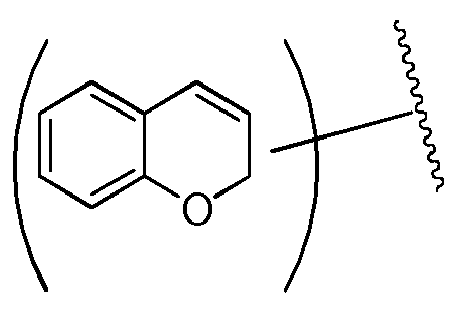
methoxy, nitro, oxo, -OH, halo and alkyl,


- Some of the compounds of formula I are compounds of the present invention. Compounds of the present invention are defined in the appended claims.
- It is noted that the carbons of formula I may be replaced with 1 to 3 silicon atoms so long as all valency requirements are satisfied.
- As used above, and throughout the specification, the following terms, unless otherwise indicated, shall be understood to have the following meanings:
- "Patient" includes both human and animals.
- "Mammal" means humans and other mammalian animals.
- "Alkyl" means an aliphatic hydrocarbon group which may be straight or branched and comprising about 1 to about 20 carbon atoms in the chain. Preferred alkyl groups contain about 1 to about 12 carbon atoms in the chain. More preferred alkyl groups contain about 1 to about 6 carbon atoms in the chain. Branched means that one or more lower alkyl groups such as methyl, ethyl or propyl, are attached to a linear alkyl chain. "Lower alkyl" means a group having about 1 to about 6 carbon atoms in the chain which may be straight or branched. Non-limiting examples of suitable alkyl groups include methyl, ethyl, n-propyl, isopropyl, n-butyl, t-butyl, n-pentyl, heptyl, nonyl and decyl. R21-substituted alkyl groups include fluoromethyl, trifluoromethyl and cyclopropylmethyl.
- "Alkenyl" means an aliphatic hydrocarbon group containing at least one carbon-carbon double bond and which may be straight or branched and comprising about 2 to about 15 carbon atoms in the chain. Preferred alkenyl groups have about 2 to about 12 carbon atoms in the chain; and more preferably about 2 to about 6 carbon atoms in the chain. Branched means that one or more lower alkyl groups such as methyl, ethyl or propyl, are attached to a linear alkenyl chain. "Lower alkenyl" means about 2 to about 6 carbon atoms in the chain which may be straight or branched. Non-limiting examples of suitable alkenyl groups include ethenyl, propenyl, n-butenyl, 3-methylbut-2-enyl, n-pentenyl, octenyl and decenyl.
- "Alkynyl" means an aliphatic hydrocarbon group containing at least one carbon-carbon triple bond and which may be straight or branched and comprising about 2 to about 15 carbon atoms in the chain. Preferred alkynyl groups have about 2 to about 12 carbon atoms in the chain; and more preferably about 2 to about 4 carbon atoms in the chain. Branched means that one or more lower alkyl groups such as methyl, ethyl or propyl, are attached to a linear alkynyl chain. "Lower alkynyl"
means about 2 to about 6 carbon atoms in the chain which may be straight or branched. Non-limiting examples of suitable alkynyl groups include ethynyl, propynyl, 2-butynyl, 3-methylbutynyl, n-pentynyl, and decynyl. - "Aryl" means an aromatic monocyclic or multicyclic ring system comprising about 6 to about 14 carbon atoms, preferably about 6 to about 10 carbon atoms. The aryl group can be optionally substituted with one or more substituents (e.g., R18, R21, R22, etc.) which may be the same or different, and are as defined herein or two substituents on adjacent carbons can be linked together to form

- "Heteroaryl" means an aromatic monocyclic or multicyclic ring system comprising about 5 to about 14 ring atoms, preferably about 5 to about 10 ring atoms, in which one to eight of the ring atoms is an element other than carbon, for example nitrogen, oxygen or sulfur, alone or in combination. Preferred heteroaryls contain about 5 to about 6 ring atoms. The "heteroaryl" can be optionally substituted by one or more R21 substituents which may be the same or different, and are as defined herein. The prefix aza, oxa or thia before the heteroaryl root name means that at least a nitrogen, oxygen or sulfur atom respectively, is present as a ring atom. A nitrogen atom of a heteroaryl can be optionally oxidized to the corresponding N-oxide. Non-limiting examples of suitable heteroaryls include pyridyl, pyrazinyl, furanyl, thienyl, pyrimidinyl, isoxazolyl, isothiazolyl, oxazolyl, thiazolyl, pyrazolyl, furazanyl, pyrrolyl, pyrazolyl, triazolyl, 1,2,4-thiadiazolyl, pyrazinyl, pyridazinyl, quinoxalinyl, phthalazinyl, imidazo[1,2-a]pyridinyl, imidazo[2,1-b]thiazolyl, benzofurazanyl, indolyl, azaindolyl, benzimidazolyl, benzothienyl, quinolinyl, imidazolyl, thienopyridyl, quinazolinyl, thienopyrimidyl, pyrrolopyridyl, imidazopyridyl, isoquinolinyl, benzoazaindolyl, 1,2,4-triazinyl, benzothiazolyl and the like.
- "Cycloalkyl" means a non-aromatic mono- or multicyclic ring system comprising about 3 to about 10 carbon atoms, preferably about 5 to about 10 carbon atoms. Preferred cycloalkyl rings contain about 5 to about 7 ring atoms. The cycloalkyl can be optionally substituted with one or more R21 substituents which may be the same or different, and are as defined above. Non-limiting examples of suitable monocyclic cycloalkyls include cyclopropyl, cyclopentyl, cyclohexyl, cycloheptyl and the like. Non-limiting examples of suitable multicyclic cycloalkyls include 1-decalin, norbornyl, adamantyl and the like. Further non-limiting examples of cycloalkyl include the following


- "Cycloalkylether" means a non-aromatic ring of 3 to 7 members comprising an oxygen atom and 2 to 7 carbon atoms. Ring carbon atoms can be substituted, provided that substituents adjacent to the ring oxygen do not include halo or substituents joined to the ring through an oxygen, nitrogen or sulfur atom.
- "Cycloalkenyl" means a non-aromatic mono or multicyclic ring system comprising about 3 to about 10 carbon atoms, preferably about 5 to about 10 carbon atoms which contains at least one carbon-carbon double bond. The cycloalkenyl ring can be optionally substituted with one or more R21 substituents which may be the same or different, and are as defined above. Preferred cycloalkenyl rings contain about 5 to about 7 ring atoms. Non-limiting examples of suitable monocyclic cycloalkenyls include cyclopentenyl, cyclohexenyl, cycloheptenyl, and the like. Non-limiting example of a suitable multicyclic cycloalkenyl is norbornylenyl.
- "Heterocyclenyl" means a non-aromatic monocyclic or multicyclic ring system comprising about 3 to about 14 ring atoms, preferably about 5 to about 10 ring atoms, in which one or more of the atoms in the ring system is an element other than carbon, for example nitrogen, oxygen or sulfur atom, alone or in combination, and which contains at least one carbon-carbon double bond or carbon-nitrogen double bond. There are no adjacent oxygen and/or sulfur atoms present in the ring system. Preferred heterocyclenyl rings contain about 5 to about 6 ring atoms. The prefix aza, oxa or thia before the heterocyclenyl root name means that at least a nitrogen, oxygen or sulfur atom respectively is present as a ring atom. The heterocyclenyl can be optionally substituted by one or more ring system substituents, wherein "ring system substituent" is as defined above. The nitrogen or sulfur atom of the heterocyclenyl can be optionally oxidized to the corresponding N-oxide, S-oxide or S,S-dioxide. Non-limiting examples of suitable monocyclic azaheterocyclenyl groups include 1,2,3,4-tetrahydropyridine, 1,2-dihydropyridyl, 1,4-dihydropyridyl, 1,2,3,6-tetrahydropyridine, 1,4,5,6-tetrahydropyrimidine, 2-pyrrolinyl, 3-pyrrolinyl, 2-imidazolinyl, 2-pyrazolinyl, and the like. Non-limiting examples of suitable oxaheterocyclenyl groups include 3,4-dihydro-2H-pyran, dihydrofuranyl, fluorodihydrofuranyl, and the like. Non-limiting example of a suitable multicyclic oxaheterocyclenyl group is 7-oxabicyclo[2.2.1]heptenyl. Non-limiting examples of suitable monocyclic thiaheterocyclenyl rings include dihydrothiophenyl, dihydrothiopyranyl, and the like.
- "Halo" means fluoro, chloro, bromo, or iodo groups. Preferred are fluoro, chloro or bromo, and more preferred are fluoro and chloro.
- "Haloalkyl" means an alkyl as defined above wherein one or more hydrogen atoms on the alkyl is replaced by a halo group defined above.
- "Heterocyclyl" (or heterocycloalkyl) means a non-aromatic saturated monocyclic or multicyclic ring system comprising about 3 to about 14 ring atoms, preferably about 5 to about 10 ring atoms, in which 1-3, preferably 1 or 2 of the atoms in the ring system is an element other than carbon, for example nitrogen, oxygen or sulfur, alone or in combination. There are no adjacent oxygen and/or sulfur atoms present in the ring system. Preferred heterocyclyls contain about 5 to about 6 ring atoms. The prefix aza, oxa or thia before the heterocyclyl root name means that at least a nitrogen, oxygen or sulfur atom respectively is present as a ring atom. The heterocyclyl can be optionally substituted by one or more R21 substituents which may be the same or different, and are as defined herein. The nitrogen or sulfur atom of the heterocyclyl can be optionally oxidized to the corresponding N-oxide, S-oxide or S,S-dioxide. Non-limiting examples of suitable monocyclic heterocyclyl rings include piperidyl, pyrrolidinyl, piperazinyl, morpholinyl, thiomorpholinyl, thiazolidinyl, 1,3-dioxolanyl, 1,4-dioxanyl, tetrahydrofuranyl, tetrahydrothiophenyl, tetrahydrothiopyranyl, and the like.
- "Arylalkyl" means an aryl-alkyl- group in which the aryl and alkyl are as previously described. Preferred aralkyls comprise a lower alkyl group. Non-limiting examples of suitable aralkyl groups include benzyl, 2-phenethyl and naphthalenylmethyl. The bond to the parent moiety is through the alkyl.
- "Arylcycloalkyl" means a group derived from a fused aryl and cycloalkyl as defined herein. Preferred arylcycloalkyls are those wherein aryl is phenyl and cycloalkyl consists of about 5 to about 6 ring atoms. The arylcycloalkyl can be optionally substituted by 1-5 R21 substituents. Non-limiting examples of suitable arylcycloalkyls include indanyl and 1,2,3,4-tetrahydronaphthyl and the like. The bond to the parent moiety is through a non-aromatic carbon atom.
- "Arylheterocycloalkyl" means a group derived from a fused aryl and heterocycloalkyl as defined herein. Preferred arylcycloalkyls are those wherein aryl is phenyl and heterocycloalkyl consists of about 5 to about 6 ring atoms. The arylheterocycloalkyl can be optionally substituted by 1-5 R21 substituents. Non-limiting examples of suitable arylheterocycloalkyls include

- The bond to the parent moiety is through a non-aromatic carbon atom.
- Similarly, "heteroarylalkyl" "cycloalkylalkyl" and "heterocycloalkylalkyl" mean a heteroaryl-, cycloalkyl- or heterocycloalkyl-alkyl- group in which the heteroaryl, cycloalkyl, heterocycloalkyl and alkyl are as previously described. Preferred groups contain a lower alkyl group. The bond to the parent moiety is through the alkyl.
- "Acyl" means an H-C(O)-, alkyl-C(O)-, alkenyl-C(O)-, alkynyl-C(O)- or cycloalkyl-C(O)- group in which the various groups are as previously described. The bond to the parent moiety is through the carbonyl. Preferred acyls contain a lower alkyl. Non-limiting examples of suitable acyl groups include formyl, acetyl, propanoyl, 2-methylpropanoyl, butanoyl and cyclohexanoyl.
- "Alkoxy" means an alkyl-O- group in which the alkyl group is as previously described. Non-limiting examples of suitable alkoxy groups include methoxy, ethoxy, n-propoxy, isopropoxy, n-butoxy and heptoxy. The bond to the parent moiety is through the ether oxygen.
- "Alkyoxyalkyl" means a group derived from an alkoxy and alkyl as defined herein. The bond to the parent moiety is through the alkyl.
- "Arylalkenyl" means a group derived from an aryl and alkenyl as defined herein. Preferred arylalkenyls are those wherein aryl is phenyl and the alkenyl consists of about 3 to about 6 atoms. The arylalkenyl can be optionally substituted by one or more R27 substituents. The bond to the parent moiety is through a non-aromatic carbon atom.
- "Arylalkynyl" means a group derived from a aryl and alkynyl as defined herein. Preferred arylalkynyls are those wherein aryl is phenyl and the alkynyl consists of about 3 to about 6 atoms. The arylalkynyl can be optionally substituted by one or more R27 substituents. The bond to the parent moiety is through a non-aromatic carbon atom.
- The suffix "ene" on alkyl, aryl, hetercycloalkyl, etc. indicates a divalent moiety, e.g., -CH2CH2- is ethylene, and

- The term "optionally substituted" means optional substitution with the specified groups, radicals or moieties, in available position or positions.
- Substitution on a cycloalkylalkyl, heterocycloalkylalkyl, arylalkyl, or heteroarylalkyl moiety includes substitution on the ring portion and/or on the alkyl portion of the group.
- When a variable appears more than once in a group, e.g., R8 in -N(R8)2, or a variable appears more than once in the structure of formula I, e.g., R15 may appear in both R1 and R3, the variables can be the same or different.
- With reference to the number of moieties (e.g., substituents, groups or rings) in a compound, unless otherwise defined, the phrases "one or more" and "at least one" mean that there can be as many moieties as chemically permitted, and the determination of the maximum number of such moieties is well within the knowledge of those skilled in the art. With respect to the compositions and methods comprising the use of "at least one compound of formula I," one to three compounds of formula I can be administered at the same time, preferably one.
- As used herein, the term "composition" is intended to encompass a product comprising the specified ingredients in the specified amounts, as well as any product which results, directly or indirectly, from combination of the specified ingredients in the specified amounts.
- The wavy lineas a bond generally indicates a mixture of, or either of, the possible isomers, e.g., containing (R)- and (S)- stereochemistry. For example,


- Lines drawn into the ring systems, such as, for example:

- As well known in the art, a bond drawn from a particular atom wherein no moiety is depicted at the terminal end of the bond indicates a methyl group bound through that bond to the atom, unless stated otherwise. For example:


- It should also be noted that any heteroatom with unsatisfied valences in the text, schemes, examples, structural formulae, and any Tables herein is assumed to have the hydrogen atom or atoms to satisfy the valences.
- Those skilled in the art will recognize that certain compounds of formula I are tautomeric, and all such tautomeric forms are contemplated herein as part of the present disclosure. For example, a compound wherein X is -N(R5)- and R1 and R5 are each H can be represented by any of the following structures:


- The term "purified", "in purified form" or "in isolated and purified form" for a compound refers to the physical state of said compound after being isolated from a synthetic process (e.g. from a reaction mixture), or natural source or combination thereof. Thus, the term "purified", "in purified form" or "in isolated and purified form" for a compound refers to the physical state of said compound after being obtained from a purification process or processes described herein or well known to the skilled artisan (e.g., chromatography, recrystallization and the like), in sufficient purity to be characterizable by standard analytical techniques described herein or well known to the skilled artisan.
- It should also be noted that any carbon as well as heteroatom with unsatisfied valences in the text, schemes, examples and Tables herein is assumed to have the sufficient number of hydrogen atom(s) to satisfy the valences.
- When a functional group in a compound is termed "protected", this means that the group is in modified form to preclude undesired side reactions at the protected site when the compound is subjected to a reaction. Suitable protecting groups will be recognized by those with ordinary skill in the art as well as by reference to standard textbooks such as, for example, T. W. Greene et al, Protective Groups in organic Synthesis (1991), Wiley, New York.
- When any variable (e.g., aryl, heterocycle, R2, etc.) occurs more than one time in any constituent or in Formula I, its definition on each occurrence is independent of its definition at every other occurrence.
- As used herein, the term "composition" is intended to encompass a product comprising the specified ingredients in the specified amounts, as well as any product which results, directly or indirectly, from combination of the specified ingredients in the specified amounts.
- Prodrugs and solvates of the compounds of the disclosure are also contemplated herein. The term "prodrug", as employed herein, denotes a compound that is a drug precursor which, upon administration to a subject, undergoes chemical conversion by metabolic or chemical processes to yield a compound of formula I or a salt and/or solvate thereof. A discussion of prodrugs is provided in T. Higuchi and V. Stella, Pro-drugs as Novel Delivery Systems (1987) Volume 14 of the A.C.S. Symposium Series, and in Bioreversible Carriers in Drug Design, (1987) Edward B. Roche, ed., American Pharmaceutical Association and Pergamon Press. For example, if a compound of Formula (I) or a pharmaceutically acceptable salt, hydrate or solvate of the compound contains a carboxylic acid functional group, a prodrug can comprise an ester formed by the replacement of the hydrogen atom of the acid group with a group such as, for example, (C1-C8)alkyl, (C2-C12)alkanoyloxymethyl, 1-(alkanoyloxy)ethyl having from 4 to 9 carbon atoms, 1-methyl-1-(alkanoyloxy)-ethyl having from 5 to 10 carbon atoms, alkoxycarbonyloxymethyl having from 3 to 6 carbon atoms,1-(alkoxycarbonyloxy)ethyl having from 4 to 7 carbon atoms, 1-methyl-1-(alkoxycarbonyloxy)ethyl having from 5 to 8 carbon atoms, N-(alkoxycarbonyl)aminomethyl having from 3 to 9 carbon atoms, 1-(N-(alkoxycarbonyl)amino)ethyl having from 4 to 10 carbon atoms, 3-phthalidyl, 4-crotonolactonyl, gamma-butyrolacton-4-yl, di-N,N-(C1-C2)alkylamino(C2-C3)alkyl (such as β-dimethylaminoethyl), carbamoyl-(C1-C2)alkyl, N,N-di (C1-C2)alkylcarbamoyl-(C1-C2)alkyl and piperidino-, pyrrolidino- or morpholino(C2-C3)alkyl, and the like.
- Similarly, if a compound of Formula (I) contains an alcohol functional group, a prodrug can be formed by the replacement of the hydrogen atom of the alcohol group with a group such as, for example, (C1-C6)alkanoyloxymethyl, 1-((C1-C6)alkanoyloxy)ethyl, 1-methyl-1-((C1-C6)alkanoyloxy)ethyl, (C1-C6)alkoxycarbonyloxymethyl, N-(C1-C6)alkoxycarbonylaminomethyl, succinoyl, (C1-C6)alkanoyl, α-amino(C1-C4)alkanyl, arylacyl and α-aminoacyl, or α-aminoacyl-α-aminoacyl, where each α-aminoacyl group is independently selected from the naturally occurring L-amino acids, P(O)(OH)2, -P(O)(O(C1-C6)alkyl)2 or glycosyl (the radical resulting from the removal of a hydroxyl group of the hemiacetal form of a carbohydrate), and the like.
- If a compound of Formula (I) incorporates an amine functional group, a prodrug can be formed by the replacement of a hydrogen atom in the amine group with a group such as, for example, R-carbonyl, RO-carbonyl, NRR'-carbonyl where R and R' are each independently (C1-C10)alkyl, (C3-C7) cycloalkyl, benzyl, or R-carbonyl is a natural α-aminoacyl or natural α-aminoacyl, -C(OH)C(O)OY1 wherein Y1 is H, (C1-C6)alkyl or benzyl, -C(OY2)Y3 wherein Y2 is (C1-C4) alkyl and Y3 is (C1-C6)alkyl, carboxy (C1-C6)alkyl, amino(C1-C4)alkyl or mono-N-or di-N,N-(C1-C6)alkylaminoalkyl, -C(Y4)Y5 wherein Y4 is H or methyl and Y5 is mono-N- or di-N,N-(C1-C6)alkylamino morpholino, piperidin-1-yl or pyrrolidin-1-yl, and the like.
- One or more compounds of the disclosure may exist in unsolvated as well as solvated forms with pharmaceutically acceptable solvents such as water, ethanol, and the like, and it is intended that the disclosure embrace both solvated and unsolvated forms. "Solvate" means a physical association of a compound of this disclosure with one or more solvent molecules. This physical association involves varying degrees of ionic and covalent bonding, including hydrogen bonding. In certain instances the solvate will be capable of isolation, for example when one or more solvent molecules are incorporated in the crystal lattice of the crystalline solid. "Solvate" encompasses both solution-phase and isolatable solvates. Non-limiting examples of suitable solvates include ethanolates, methanolates, and the like. "Hydrate" is a solvate wherein the solvent molecule is H2O.
- One or more compounds of the disclosure may optionally be converted to a solvate. Preparation of solvates is generally known. Thus, for example, M. Caira et al, J. Pharmaceutical Sci., 93(3), 601-611 (2004) describe the preparation of the solvates of the antifungal fluconazole in ethyl acetate as well as from water. Similar preparations of solvates, hemisolvate, hydrates and the like are described by E. C. van Tonder et al, AAPS PharmSciTech., 5(1), article 12 (2004); and A. L. Bingham et al, Chem. Commun., 603-604 (2001). A typical, non-limiting, process involves dissolving the compound in desired amounts of the desired solvent (organic or water or mixtures thereof) at a higher than ambient temperature, and cooling the solution at a rate sufficient to form crystals which are then isolated by standard methods. Analytical techniques such as, for example I. R. spectroscopy, show the presence of the solvent (or water) in the crystals as a solvate (or hydrate).
- "Effective amount" or "therapeutically effective amount" is meant to describe an amount of compound or a composition of the present disclosure effective in inhibiting aspartyl protease and/or inhibiting BACE-1 and thus producing the desired therapeutic effect in a suitable patient.
- The compounds of formula I form salts which are also within the scope of this disclosure. Reference to a compound of formula I herein is understood to include reference to salts thereof, unless otherwise indicated. The term "salt(s)", as employed herein, denotes acidic salts formed with inorganic and/or organic acids, as well as basic salts formed with inorganic and/or organic bases. In addition, when a compound of formula I contains both a basic moiety, such as, but not limited to a pyridine or imidazole, and an acidic moiety, such as, but not limited to a carboxylic acid, zwitterions ("inner salts") may be formed and are included within the term "salt(s)" as used herein. Pharmaceutically acceptable (i.e., non-toxic, physiologically acceptable) salts are preferred, although other salts are also useful. Salts of the compounds of the formula I may be formed, for example, by reacting a compound of formula I with an amount of acid or base, such as an equivalent amount, in a medium such as one in which the salt precipitates or in an aqueous medium followed by lyophilization. Acids (and bases) which are generally considered suitable for the formation of pharmaceutically useful salts from basic (or acidic) pharmaceutical compounds are discussed, for example, by S. Berge et al, Journal of Pharmaceutical Sciences (1977) 66(1) 1-19; P. Gould, International J. of Pharmaceutics (1986) 33 201-217; Anderson et al, The Practice of Medicinal Chemistry (1996), Academic Press, New York; in The Orange Book (Food & Drug Administration, Washington, D.C. on their website); and P. Heinrich Stahl, Camille G. Wermuth (Eds.), Handbook of Pharmaceutical Salts: Properties, Selection, and Use, (2002) Int'l. Union of Pure and Applied Chemistry, pp. 330-331.
- Exemplary acid addition salts include acetates, adipates, alginates, ascorbates, aspartates, benzoates, benzenesulfonates, bisulfates, borates, butyrates, citrates, camphorates, camphorsulfonates, cyclopentanepropionates, digluconates, dodecylsulfates, ethanesulfonates, fumarates, glucoheptanoates, glycerophosphates, hemisulfates, heptanoates, hexanoates, hydrochlorides, hydrobromides, hydroiodides, 2-hydroxyethanesulfonates, lactates, maleates, methanesulfonates, methyl sulfates, 2-naphthalenesulfonates, nicotinates, nitrates, oxalates, pamoates, pectinates, persulfates, 3-phenylpropionates, phosphates, picrates, pivalates, propionates, salicylates, succinates, sulfates, sulfonates (such as those mentioned herein), tartarates, thiocyanates, toluenesulfonates (also known as tosylates) undecanoates, and the like.
- Exemplary basic salts include ammonium salts, alkali metal salts such as sodium, lithium, and potassium salts, alkaline earth metal salts such as calcium and magnesium salts, aluminum salts, zinc salts, salts with organic bases (for example, organic amines) such as benzathines, diethylamine, dicyclohexylamines, hydrabamines (formed with N,N-bis(dehydroabietyl)ethylenediamine), N-methyl-D-glucamines, N-methyl-D-glucamides, t-butyl amines, piperazine, phenylcyclohexylamine, choline, tromethamine, and salts with amino acids such as arginine, lysine and the like. Basic nitrogen-containing groups may be quarternized with agents such as lower alkyl halides (e.g. methyl, ethyl, propyl, and butyl chlorides, bromides and iodides), dialkyl sulfates (e.g. dimethyl, diethyl, dibutyl, and diamyl sulfates), long chain halides (e.g. decyl, lauryl, myristyl and stearyl chlorides, bromides and iodides), aralkyl halides (e.g. benzyl and phenethyl bromides), and others.
- All such acid salts and base salts are intended to be pharmaceutically acceptable salts within the scope of the disclosure and all acid and base salts are considered equivalent to the free forms of the corresponding compounds for purposes of the disclosure.
- Pharmaceutically acceptable esters of the present compounds include the following groups: (1) carboxylic acid esters obtained by esterification of the hydroxy groups, in which the non-carbonyl moiety of the carboxylic acid portion of the ester grouping is selected from straight or branched chain alkyl (for example, acetyl, n-propyl, t-butyl, or n-butyl), alkoxyalkyl (for example, methoxymethyl), aralkyl (for example, benzyl), aryloxyalkyl (for example, phenoxymethyl), aryl (for example, phenyl optionally substituted with, for example, halogen, C1-4alkyl, or C1-4alkoxy or amino); (2) sulfonate esters, such as alkyl- or aralkylsulfonyl (for example, methanesulfonyl); (3) amino acid esters (for example, L-valyl or L-isoleucyl); (4) phosphonate esters and (5) mono-, di- or triphosphate esters. The phosphate esters may be further esterified by, for example, a C1-20 alcohol or reactive derivative thereof, or by a 2,3-di (C6-24)acyl glycerol.
- Compounds of Formula I, and salts, solvates, esters and prodrugs thereof, may exist in their tautomeric form (for example, as an amide or imino ether). All such tautomeric forms are contemplated herein as part of the present disclosure.
- The compounds of Formula (I) may contain asymmetric or chiral centers, and, therefore, exist in different stereoisomeric forms. It is intended that all stereoisomeric forms of the compounds of Formula (I) as well as mixtures thereof, including racemic mixtures, form part of the present disclosure. In addition, the present disclosure embraces all geometric and positional isomers. For example, if a compound of Formula (I) incorporates a double bond or a fused ring, both the cis- and trans-forms, as well as mixtures, are embraced within the scope of the disclosure.
- Diastereomeric mixtures can be separated into their individual diastereomers on the basis of their physical chemical differences by methods well known to those skilled in the art, such as, for example, by chromatography and/or fractional crystallization. Enantiomers can be separated by converting the enantiomeric mixture into a diastereomeric mixture by reaction with an appropriate optically active compound (e.g., chiral auxiliary such as a chiral alcohol or Mosher's acid chloride), separating the diastereomers and converting (e.g., hydrolyzing) the individual diastereomers to the corresponding pure enantiomers. Also, some of the compounds of Formula (I) may be atropisomers (e.g., substituted biaryls) and are considered as part of this disclosure. Enantiomers can also be separated by use of chiral HPLC column.
- It is also possible that the compounds of Formula (I) may exist in different tautomeric forms, and all such forms are embraced within the scope of the disclosure. Also, for example, all keto-enol and imine-enamine forms of the compounds are included in the disclosure.
- All stereoisomers (for example, geometric isomers, optical isomers and the like) of the present compounds (including those of the salts, solvates, esters and prodrugs of the compounds as well as the salts, solvates and esters of the prodrugs), such as those which may exist due to asymmetric carbons on various substituents, including enantiomeric forms (which may exist even in the absence of asymmetric carbons), rotameric forms, atropisomers, and diastereomeric forms, are contemplated within the scope of this disclosure, as are positional isomers (such as, for example, 4-pyridyl and 3-pyridyl). (For example, if a compound of Formula (I) incorporates a double bond or a fused ring, both the cis- and trans-forms, as well as mixtures, are embraced within the scope of the disclosure. Also, for example, all keto-enol and imine-enamine forms of the compounds are included in the disclosure.)
- Individual stereoisomers of the compounds of the disclosure may, for example, be substantially free of other isomers, or may be admixed, for example, as racemates or with all other, or other selected, stereoisomers. The chiral centers of the present compounds can have the S or R configuration as defined by the IUPAC 1974 Recommendations. The use of the terms "salt", "solvate", "ester", "prodrug" and the like, is intended to equally apply to the salt, solvate, ester and prodrug of enantiomers, stereoisomers, rotamers, tautomers, positional isomers, racemates or prodrugs of the compounds of the disclosure.
- The present disclosure also embraces isotopically-labelled compounds of the present disclosure which are identical to those recited herein, but for the fact that one or more atoms are replaced by an atom having an atomic mass or mass number different from the atomic mass or mass number usually found in nature. Examples of isotopes that can be incorporated into compounds of the disclosure include isotopes of hydrogen, carbon, nitrogen, oxygen, phosphorus, fluorine and chlorine, such as 2H, 3H, 13C, 14C, 15N, 18O, 17O, 31P, 32P, 35S, 18F, and 36Cl, respectively.
- Certain isotopically-labelled compounds of Formula (I) (e.g., those labeled with 3H and 14C) are useful in compound and/or substrate tissue distribution assays. Tritiated (i.e., 3H) and carbon-14 (i.e., 14C) isotopes are particularly preferred for their ease of preparation and detectability. Further, substitution with heavier isotopes such as deuterium (i.e., 2H) may afford certain therapeutic advantages resulting from greater metabolic stability (e.g., increased in vivo half-life or reduced dosage requirements) and hence may be preferred in some circumstances. Isotopically labelled compounds of Formula (I) can generally be prepared by following procedures analogous to those disclosed in the Schemes and/or in the Examples hereinbelow, by substituting an appropriate isotopically labelled reagent for a non-isotopically labelled reagent.
- Polymorphic forms of the compounds of Formula I, and of the salts, solvates, esters and prodrugs of the compounds of Formula I, are intended to be included in the present disclosure.
- The compounds of the disclosure have pharmacological properties; in particular, the compounds of Formula I can be heterocyclic aspartyl protease inhibitors.
- The term "pharmaceutical composition" is also intended to encompass both the bulk composition and individual dosage units comprised of more than one (e.g., two) pharmaceutically active agents such as, for example, a compound of the present disclosure and an additional agent selected from the lists of the additional agents described herein, along with any pharmaceutically inactive excipients. The bulk composition and each individual dosage unit can contain fixed amounts of the afore-said "more than one pharmaceutically active agents". The bulk composition is material that has not yet been formed into individual dosage units. An illustrative dosage unit is an oral dosage unit such as tablets, pills and the like. Similarly, the herein-described method of treating a patient by administering a pharmaceutical composition of the present disclosure is also intended to encompass the administration of the afore-said bulk composition and individual dosage units.
- Compounds of formula I can be made using procedures known in the art. Preparative methods for preparing starting materials and compounds of formula I are show below as general reaction schemes (Method A, Method B, etc.) followed by specific procedures, but those skilled in the art will recognize that other procedures can also be suitable. In the Schemes and in the Examples below, the following abbreviations are used:
- methyl: Me; ethyl: Et; propyl: Pr; butyl: Bu; benzyl: Bn; tertiary butyloxycarbonyl: Boc or BOC
- high pressure liquid chromatography: HPLC
- liquid chromatography mass spectroscopy: LCMS
- room temperature: RT or rt
- day: d; hour: h; minute: min
- retention time: Rt
- microwave: µW
- saturated: sat.; anhydrous: anhyd.
- 1-hydroxybenzotriazole: HOBt
- 1-(3-dimethylaminopropyl)-3-ethylcarbodiimide hydrochloride: EDCI ethyl acetate: EtOAc
- Benzyloxycarbonyl: CBZ
- [1-(chloromethyl)-4-fluoro-1,4-diazoniabicyclo[2.2.2] octane bis(tetrafluoroborate)]: Selectfluor
- 1,8-diazabicyclo[5,4,0]undec-7-ene: DBU
- tetrahydrofuran: THF; N,N-dimethylformamide: DMF; methanol: MeOH; diethyl ether: Et2O; acetic acid: AcOH; acetonitrile: MeCN; trifluoroacetic acid: TFA; dichloromethane: DCM; dimethoxyethane: DME; diphenylphosphinoferrocene (dppf);
- n-butyllithium: n-BuLi; lithium diisopropylamide: LDA
- 1-hydroxy-7-azabenzotriazole: HOAt
- 4-N,N-dimethylaminopyridine: DMAP; diisopropylethylamine: DIEA; N-methylmorpholine: NMM
- Microporous Toluene sulfonic acid resin (MP-TsOH resin) tris-(2-aminoethyl)aminomethyl polystyrene (PS-trisamine) methylisocyanate polystyrene (PS-NCO)
- Saturated (sat.); anhydrous. (anhyd); room temperature (rt); hour (h); Minutes (Min), Retention Time (Rt); molecular weight (MW); milliliter (mL); gram (g). milligram (mg); equivalent (eq); day (d); microwave (µW); microliter(µL);
- All NMR data were collected on 400 MHz NMR spectrometers unless otherwise indicated. LC-Electrospray-Mass spectroscopy with a C-18 column and 5% to 95% MeCN in water as the mobile phase was used to determine the molecular mass and retention time. The tables contain the compounds with retention time/observed MW and/or NMR data.
- For internal consistency in the reaction schemes shown in Methods A to DF, the product of each method is shown as structure A4, B4, C3, etc., wherein certain variables are as defined for that method, but it will be apparent that, for example, A4 has the same structure as C3. That is, different methods can be used to prepare similar compounds.
- The compounds of the disclosure may be produced by processes known to those skilled in the art and as shown in the following reaction schemes and in the preparations and examples described below. The tables contain the compounds with observed m/e values from mass spectroscopy and/or NMR data. These compounds can be obtained with synthetic methods similar to these listed in the last column using appropriate reagents.
- Except where indicated otherwise, the compounds disclosed in the Schemes and Examples below are reference compounds.
-

- To a solution of A1 (R3 = CH3 & R4 = CH2CH(CH3)2) (10 mmol, 1 eq) in 30ml of anhyd. CH2Cl2 was added thiocarbonyl dipyridone (1.2 eq). After stirring overnight the solution was diluted with CH2Cl2, washed with 1 N HCl, H2O (2x), and a saturated aqueous NaCl solution (2x). The organic solution was dried over Na2SO4, filtered and concentrated. The crude material was purified via flash chromatography to afford A2 (R3 = CH3 & R4 = CH2CH(CH3)2).
- A solution of 3,5-difluorobenzyl amine (0.15 mmol, 1.5 eq) in THF (0.15 mL) was added to a solution of A2 (R3 = CH3 & R4 = CH2CH(CH3)2) (0.1 mmol, 1 eq) in anhydrous CH2Cl2 (1 mL). The reaction mixture was refluxed overnight. The reaction solution was added to MP-TsOH resin (2-3 eq) and diluted with CH3CN. The suspension was agitated overnight. The mixture was filtered and the filtrate was concentrated to afford A3 (R1 =3,5-difluorobenzyl, R3 = CH3, & R4 = CH2CH(CH3)2).
- To a solution of A3 (R1 = 3,5-difluorobenzyl, R3 = CH3, & R4= CH2CH(CH3)2) (10 mg) in CH3OH (1 mL) was added NH4OH (0.44 mL) and t-butyl hydrogen peroxide (0.1 mL) and the reaction mixture was agitated for 2 d. The solution was concentrated, the resulting residue was dissolved in CH3OH (1.2 mL) and was treated with sulfonic acid resin. The suspension was agitated overnight and the resin was washed with CH3OH (4 x 10 min) before it was treated with 2 N NH3 in CH3OH for 1 h. The suspension was filtered and the filtrate was concentrated to give the crude material which was purified by preparative HPLC/LCMS eluting with a CH3CN/H2O gradient to afford A4 (R1 = 3,5-difluorobenzyl, R2 = H, R3 = CH3, & R4 = CH2CH(CH3)2). NMR (CD3OD): δ6.9, m, 3H; δ4.8-4.9, m; δ1.75, d, 2H; δ1.5, m, 1 H; δ1.42, s, 3H; δ0.85, d, 3H; δ0.65, d, 3H. ES_LCMS (m/e) 296.1.
- The following compounds were synthesized using similar methods:
# Structure MW Obs. m/e # Structure MW Obs. m/e 1 
223 224 94 
363 364 2 
223 224 95 
363 364 3 
225 226 96 
369 370 4 
225 226 97 
374 375 5 
227 228 98 
375 376 6 
237 238 99 
375 376 7 
239 240 100 
377 378 8 
239 240 101 
377 378 9 
239 240 102 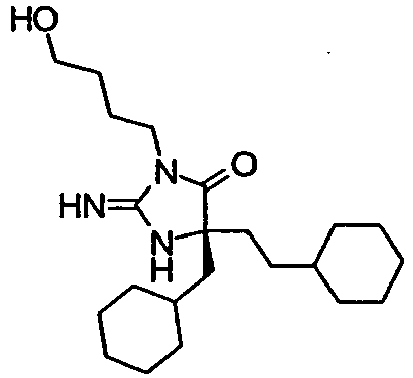
377 378 10 
240 241 103 
381 382 11 
241 242 104 
382 383 12 
241 242 105 
385 386 13 
251 252 106 
385 386 14 
253 254 107 
386 387 15 
254 255 108 
389 390 16 
255 256 109 
391 392 17 
255 256 110 
391 392 18 
255 256 111 
391 392 19 
260 261 112 
391 392 20 
260 261 113 
393 394 21 
265 266 114 
393 394 22 
265 266 115 
400 401 23 
265 266 116 
401 402 24 
267 268 117 
401 402 25 
268 269 118 
401 402 26 
268 269 119 
401 402 27 
269 270 120 
403 404 28 
273 274 121 
403 404 29 
273 274 122 
403 404 30 
274 275 123 
405 406 31 
274 275 124 
405 406 32 
274 275 125 
409 410 33 
277 278 126 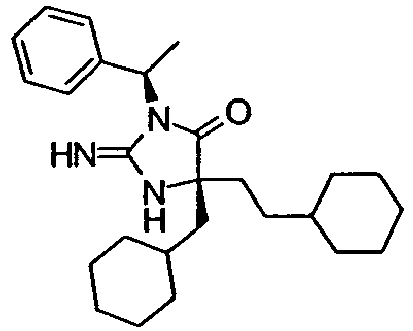
409 410 34 
279 280 127 
409 410 35 
280 281 128 
409 410 36 
280 281 129 
411 412 37 
280 281 130 
413 414 38 
280 281 131 
413 414 39 
281 282 132 
414 415 40 
282 283 133 
415 416 41 
282 283 134 
415 416 42 
282 283 135 
415 416 43 
283 284 136 
417 418 44 
285 286 137 
419 420 45 
287 288 138 
421 422 46 
287 288 139 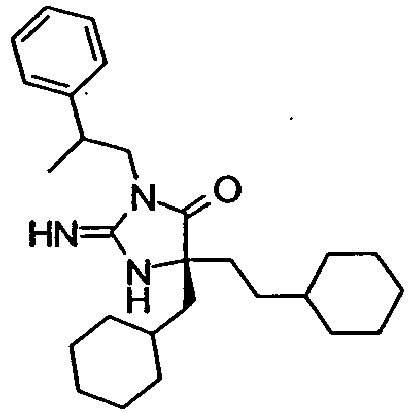
423 424 47 
289 290 140 
425 426 48 
293 294 141 
425 426 49 
294 295 142 
425 426 50 
294 295 143 
427 428 51 
295 296 144 
429 430 52 
296 297 145 
430 431 53 
301 302 146 
430 431 54 
303 304 147 
431 432 55 
304 305 148 
433 434 56 
304 305 149 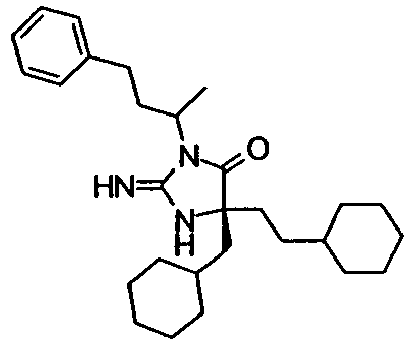
437 438 57 
305 306 150 
439 440 58 
307 308 151 
440 441 59 
307 308 152 
440 441 60 
308 309 153 
441 442 61 
310 311 154 
441 442 62 
317 318 155 
442 443 63 
319 320 156 
447 448 64 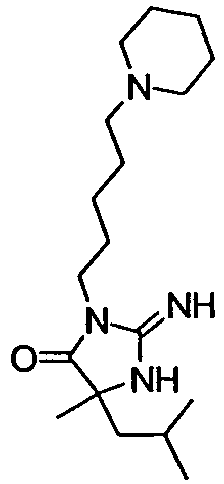
322 323 157 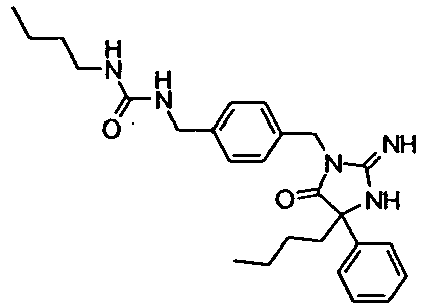
449 450 65 
324 325 158 
455 456 66 
327 328 159 
463 464 67 
327 328 160 
463 464 68 
327 328 161 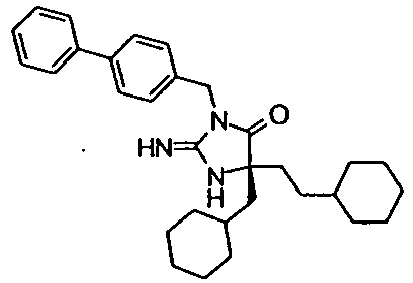
471 472 69 
327 328 162 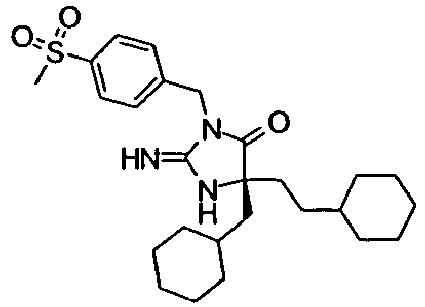
473 474 70 
328 329 163 
481 482 71 
330 331 164 
481 482 72 
331 332 165 
487 488 73 
331 332 166 
488 489 74 
335 336 167 
499 500 75 
335 336 168 
504 505 76 
337 338 169 
523 524 77 
337 338 170 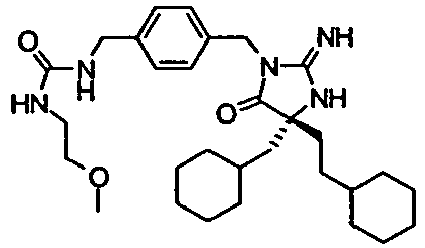
525 526 78 
342 343 171 
525 526 79 
345 346 172 
527 528 80 
345 346 173 
528 529 81 
349 350 174 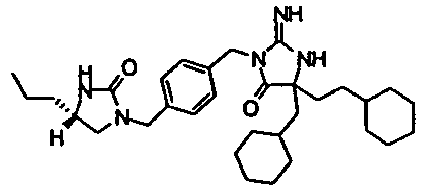
535 536 82 
349 350 175 
535 536 83 
351 352 176 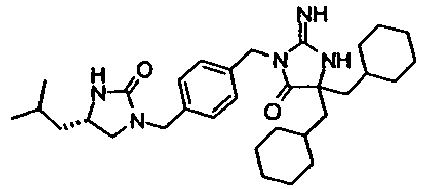
535 536 84 
351 352 177 
535 536 85 
351 352 178 
550 551 86 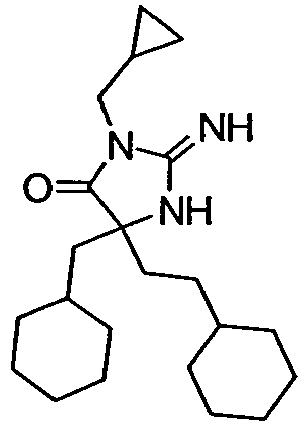
359 360 179 
554 555 87 
361 362 180 
556 557 88 
361 362 181 
569 570 89 
361 362 182 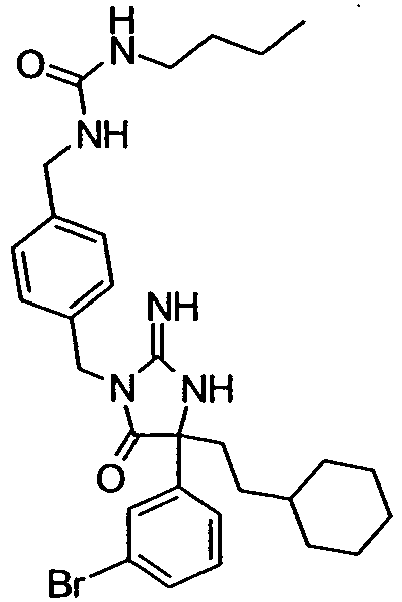
581 582 90 
363 364 183 
374 NA 91 
363 364 184 
388 NA 92 
363 364 185 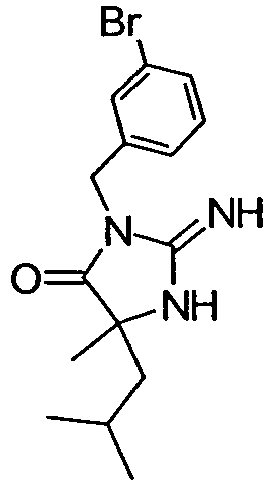
337 NMR 93 
363 364 186 
351 NMR -

- A modified literature procedure was used (Ugi, I. Angew. Chem. 1962, 74 9-22).
- To a solution of B1 (HCl salt, R1 = 3-chlorophenethyl) (1.1 g, 5.73 mmol) in anhydrous CH3OH (15 mL) was added potassium thiocyanate (0.56 g, 5.73 mmol). The reaction mixture was heated to 60°C for 1 h. The suspension was filtered and the filtrate was added to B5 (R3=Me, R4=iBu) (0.72 mL, 5.73 mmol) and benzyl isocyanide (0.77 mL, 6.3 mmol). The mixture was stirred overnight before the solution was concentrated and the residue was purified via flash chromatography eluting with ethyl acetate in hexane to yield 0.28 g of B2 (R3 = CH3, R4 = CH2CH(CH3)2, and R1 = 3-Chlorophenethyl).
- A solution of 40% concentrated HCl in CH3CH2OH was added to B2 (R3 = CH3, R4 = CH2CH(CH3)2, and R1 =3-Chlorophenethyl) and the solution was heated in a microwave at 160°C for 30 min. The solution was concentrated and purified via reverse phase preparative HPLC eluting with a CH3CN/H2O (with 0.1 % formic acid) gradient to afford B3 (R3 = CH3, R4 = CH2CH(CH3)2, and R1 = 3-Chlorophenethyl).
- Compound B4 (R2 = H, R3 = CH3, R4 = CH2CH(CH3)2, and R1 =3-Chlorophenethyl) was prepared from B3 (R3 = CH3, R4 = CH2CH(CH3)2, and R1 =3-Chlorophenethyl) following a procedure similar to Method A, Step 3. NMR(CD3OD): δ 8.1, br, 1 H; δ 7.35, s, 1 H; δ 7.25, m, 3H; δ 3.6, m, 1 H; δ 3.4, m, 1 H; δ 3.0, m, 1H; δ 2.8, m, 1 H; δ 1.75, m, 1H; δ 1.6, m, 1H; δ 1.35, m, 1H; δ 1.2 s, 3H; δ 0.8, m, 6H. ES_LCMS (m/e): 308.1
The following compounds were prepared using similar methods# Structure MW Obs. m/e # Structure MW Obs. m/e 545 
251 252 549 
371 372 546 
293 294 550 
413 547 
307 308 551 
265 548 
357 358 -

- A solution of C1 (R3 = R4 = CH2CH2CH2CH3) (50 mg, 0.25 mmol) and C4 (R1=3-chlorophenyl) (38 µL, 0.26 mmol) was refluxed overnight. Trisamine resin (2 eq) and polystyrene isocyanate resin (2 eq) was added and the mixture was agitated. After 3 h, the suspension was filtered and the resin was washed with CH2Cl2 (3x) and CH3OH (3x). The filtrate was concentrated to afford C2 (R1 = 3-Cl-C6H4, R3 = R4 = CH2CH2CH2CH3) (60 mg, 68%).
- Compound C3 (R1 = 3-Cl-C6H4, R2 = H, R3 = R4 = CH2CH2CH2CH3) was prepared from C2 (R1 = 3-Cl-C6H4, R3 = R4 = CH2CH2CH2CH3) following a procedure similar to Method A, Step 3. NMR(CDCl3): δ 7.4, m, 2H; δ 7.2, m, 2H; δ 5.0, s, 2H; δ 1.7, m, 4H; δ 1.1, m, 8H; δ 0.7; m, 6H. ES-LCMS (m/e): 336.1.
- The following compounds were prepared using similar method.
# Structure MW Obs. m/e # Structure MW Obs. m/e 641 
209 210 655 
329 330 642 
211 212 656 
329 330 643 
215 216 657 
335 336 644 
225 226 658 
335 336 645 
239 240 659 
335 336 646 
245 246 660 
335 336 647 
246 247 661 
335 336 648 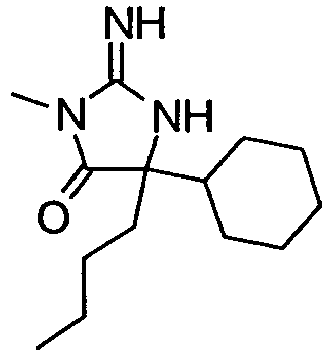
251 252 662 
352 353 649 
267 268 663 
352 353 650 
309 310 664 
377 378 651 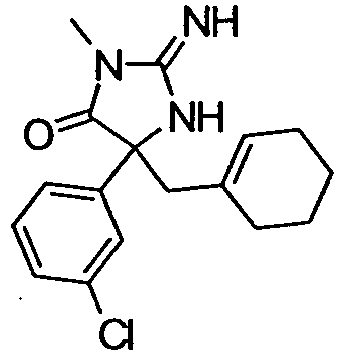
317 318 665 
385 386 652 
319 320 666 
391 392 653 
323 324 667 
420 421 654 
324 325 668 
420 421 -

- A mixture of D1 (R3 = R4 = CH2C6H5) (20 g), potassium cyanide (40 g) and ammonium carbonate (15 g) in ethanol (100 mL) and H2O (200 mL) was heated in a sealed flask at 130°C overnight to yield 25 g of D2 (R3 = R4 = CH2C6H5) after filtration followed by washing with water.
- A solution of 2 N KOH (3eq) was added to D2 (R3 = R4 = CH2C6H5) (1 eq) and irradiated via microwave at 185°C for 3h followed by addition of concentrated HCl to the solution until a pH = 2-3 was obtained. The solid was filtered and washed with water to afford D3 (R3 = R4 = CH2C6H5).
- A solution of trimethylsilyldiazomethane in hexane (2 N) (2 eq) was added drop wise to a solution of D3 (R3 = R4 = CH2C6H5) (1 eq) in anhydrous CH3OH (30 mL). After 1 h, an additional 2 eq of trimethylsilyldiazomethane in hexane (2 N) was added and the reaction was stirred for 20 minutes before it was was concentrated. The residue was dissolved in a 0.2 N HCl solution (25 mL) and washed with ether (3x). A saturated solution of Na2CO3 was added to the aqueous phase until the pH of the solution was basic. The solution was extracted with ethyl acetate (3x). The organic extracts were combined, dried over Na2SO4, and concentrated to afford D4 (R3 = R4 = CH2C6H5).
- The following amino esters were prepared using a similar method.


-

- Thionyl chloride (0.47, 6.38 mmol) was added drop wise to a solution of E1 (R3 = CH2CH2C6H5) (2g, 6.38 mmol) and benzaldehyde dimethyl acetal (0.96 mL, 6.38 mmol) in anhydrous THF at 0°C under N2. After 5 min, ZnCl2 (0.87 g, 6.38 mmol) was added and the reaction mixture was stirred at 0 °C. After 3 h, an additional amount of ZnCl2 (0.18 g, 1.28 mmol) and thionyl chloride (0.1 mL, 1.28 mmol) were added and stirred for 1 h at 0 °C. The reaction mixture was poured into a stirred suspension of ice/H2O The mixture was stirred occasionally until the ice melted. The aqueous solution was extracted with ether (3x). The combined organic extracts were washed with H2O (3x), a sat. aqueous solution of NaHCO3 (1x), and H2O (2x). The organic solution was dried over Na2SO4, filtered and concentrated. The crude material was purified via flash chromatography eluting with ethyl acetate in hexane to yield compound E2 (R3 = CH2CH2C6H5).
- A solution of lithium hexamethyldisilazide in hexane (1.0 M, 1.65 mL, 1.64 mmol) was added drop wise to a solution of E2 (R3 = CH2CH2C6H5) (600 mg, 1.49 mmol) and HMPA (0.85 mL) in THF (6.5 mL) cooled at -78 °C under N2. After 15 min, isobutyl iodide (0.52 mL, 4.48 mmol) was added drop wise and the reaction mixture was stirred at -78 °C for 3 h. The reaction was warmed to -65 °C, stirred for 2 h and warmed to rt overnight. The reaction solution was poured into a mixture of sat. NaHCO3 (aq)/ether/ice. The aqueous layer was extracted with ether (3x). The organic extracts were combined and washed with brine (2x). The organic solution was dried over Na2SO4, filtered and concentrated. The crude material was purified via flash chromatography eluting with ethyl acetate in hexane to yield compound E3 (R3 = CH2CH2C6H5, R4 = CH2CH(CH3)2).
- A solution of lithium methoxide (1 N in CH3OH) (0.36 mL, 0.36 mmol) was added to compound E3 (R3 = CH2CH2C6H5, R4 = CH2CH(CH3)2). The reaction mixture was shaken at rt for 50 min. An additional 0.55 eq of lithium methoxide were added. After 2.5 h, a sat. aqueous solution of NaHSO3 (0.75 mL) and ethyl acetate (3 mL) was added to the reaction mixture and shaken for 15 min. The suspension was filtered. The resulting white solid was washed with a sat. aqueous solution of NaHSO3 (1x) and ethyl acetate (1x). The aqueous phase of the filtrate was separated and extracted with ethyl acetate (2x). The organic extracts were combined and washed with a sat. aqueous solution of NaHSO3 (8x). The organic solution was dried over Na2SO4, filtered and concentrated to afford E4 (R3 = CH2CH2C6H5, R4 = CH2CH(CH3)2) (109 mg, 87%).
- To a solution of E4 (R3 = CH2CH2C6H5, R4 = CH2CH(CH3)2) (109 mg, 0.28 mmol) in CH3OH (4 mL) was added 1 N HCl (0.28 mL, 0.28 mmol) and 20% palladium hydroxide on carbon (22 mg). The reaction mixture was hydrogenated at 40 psi. After 2.5 h, the reaction was filtered and the catalyst was washed with CH3OH (3x). The filtrate was concentrated to afford E5 (R3 = CH2CH2C6H5, R4 = CH2CH(CH3)2) (78 mg, 96%).
- The following aminoesters were prepared using similar method.


-

- A 500 mL methanol solution of 20 g of D5 (R3 = benzyl, n = 1) with 1.5 eq of HCl was hydrogenated with 1 g of Rh/C (5% w/w) and 2 g of Pt/C (5% w/w) at 60 psi for 2 days. The solid was filtered and washed with excessive methanol. The combined solution was evaporated to give 20 g of F1 (R3 = cyclohexylmethyl, n = 1) as HCl salt.
- The following amino esters were examples prepared using similar method.


-

- To a solution of G1 (R1 = CH2(3-ClC6H4) and R3 = CH3) (400 mg, 1.23 mmol, generated following a procedure similar to Method C, Step 1) in ethanol (5 mL) was added lithium hydroxide monohydrate (100 mg, 2.45 mmol) in H2O (0.5 mL). After 2.5 h, another portion of lithium hydroxide monohydrate (100 mg, 2.45 mmol) was added. After 5.5 h, the reaction mixture was diluted with H2O (15 mL) and extracted with ether (2x). A solution of 30% HCl was added to the aqueous phase until its pH = 1 to 2. The solution was saturated with NaCl and extracted with ethyl acetate (3x). The organic solution was dried over Na2SO4, filtered and concentrated to afford G2 (R1 = CH2(3-ClC6H4) and R3 = CH3) (357 mg, 93%).
- A solution of benzyl amine (1.2 eq) was added to G2 (R1 = CH2(3-ClC6H4) and R3 = CH3) (1 eq), HOBT (1.5 eq) and polystyrene EDC resin (94 mg, 1.53 mmol/g, 3eq) in 1:1 THF:CH3CN (1 mL). The reaction mixture was shaken overnight at rt. Trisamine resin (85 mg, 3.38 mmol/g, 6 eq) and isocyanate resin (100 mg, 1.47 mmol/g, 3 eq) was added. After 6 h, the suspension was filtered and the filtrate was concentrated to afford G3 (R1 = CH2(3-ClC6H4), R3 = CH3, R15 = CH2C6H5 and R16 = H).
- Compound G4 (R1 = CH2(3-ClC6H4), R2 = H, R3 = CH3, R15 = CH2C6H5 and R15 = H) was prepared from G3 (R1 = CH2(3-ClC6H4), R3 = CH3, R15 = CH2C6H5 and R16 = H) following a procedure similar to Method A, Step 3.
- The following compounds were prepared using similar methods.
# Structure MW Obs. m/e # Structure MW Obs. m/e 669 
322 323 682 
412 413 670 
334 335 683 
414 415 671 
336 337 684 
414 415 672 
348 349 685 
414 415 673 
364 365 686 
421 422 674 
364 365 687 
428 429 675 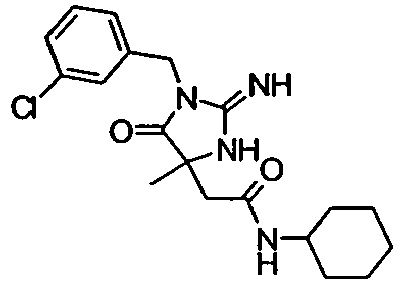
376 377 688 
434 435 676 
384 385 689 
442 443 677 
390 391 690 
449 450 678 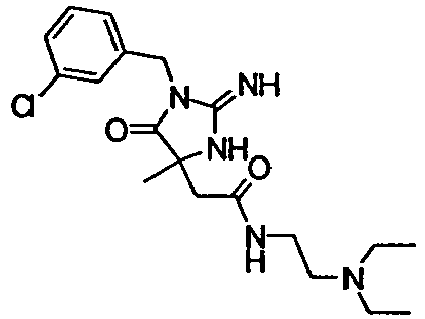
393 394 691 
461 462 679 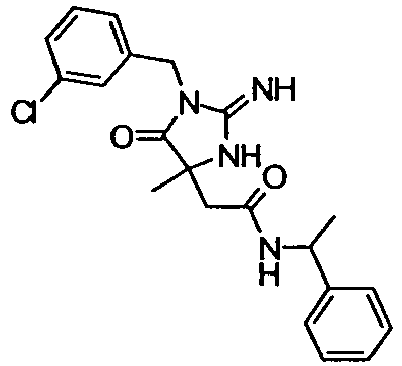
398 399 692 
511 512 680 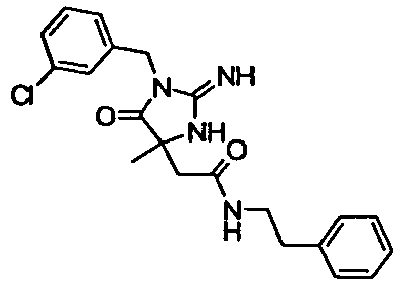
398 399 693 
511 512 681 
406 407 -

- To a solution of H1 (R3 = CH3) (5 g, 39 mmol) in a 1:1 mixture of 0.5 M NaHCO3:CH3CH2OH was added R1-NCS (R1=3-chlorobenzyl) (11.5 mL, 78 mmol). The reaction mixture was heated at 50°C overnight. The reaction was cooled and diluted with water. The aqueous phase was extracted with ethyl acetate (5x). The organic extracts were combined, washed with water (2x) and dried over Na2SO4. The solution was filtered and solvent was removed to give a small volume of solution. Hexane was added and the resulting suspension was filtered to yield 6.8 g of a solid H2 (R3 = CH3, R1 = CH2(3-ClC6H4)) (61 %).
- Compound H3 (R3 = CH3, R1 = CH2(3-ClC6H4))was synthesized from H2 (R3 = CH3, R1 = CH2(3-ClC6H4)) following a procedure similar to Method A, Step 3.
- To a solution of crude H3 (R3 = CH3, R1 = CH2(3-ClC6H4)) (14 mmol) in a 1:3 mixture of CH3OH:THF was added 0.5 M NaHCO3 in H2O (28 mL, 14 mmol) and di-tert-butyl dicarbonate (3.69 g, 16.9 mmol). The reaction was stirred at rt for 2.5 h and then stored at -10 °C overnight. The reaction was diluted with brine and extracted with ethyl acetate (4x). The organic extracts were combined and washed with brine (1x). The organic solution was dried over Na2SO4, filtered and concentrated. The crude material was purified via flash chromatography eluting with ethyl acetate in hexane to afford 1.5 g of H4 (R1 = CH2(3-ClC6H4) and R3 = CH3).
- A solution of triflic anhydride (128 µL, 0.76 mmol) in CH2Cl2 (5 mL) was added drop wise to a solution of H4 (R1 = CH2(3-ClC6H4) and R3 = CH3) (200 mg, 0.55 mmol) and 2,6-lutidine (176 µL, 2.18 mmol) at -30 °C. The reaction mixture was stirred for 1.5 h. Water (10 mL) was added at -20 °C and the ice bath was removed. The reaction was stirred until it reached 0 °C. The organic layer was separated, dried over Na2SO4, filtered and concentrated to afford 310 mg of H5 (R1 = CH2(3-ClC6H4) and R3 = CH3).
- A solution of crude H5 (R1 = CH2(3-ClC6H4) and R3 = CH3) (0.11 mmol) and 7N ammonia in Methanol (R21-H = NH2-H) (10 eq) was stirred overnight at rt. The reaction solution was concentrated. The crude material was purified using reverse phase preparative HPLC eluting with a CH3CN/H2O gradient with 0.1 % formic acid to yield H6 (R1 = CH2(3-ClC6H4), R3 = CH3, R21 = NH2).
- A solution of 50% trifluoroacetic acid in CH2Cl2 (2 mL) was added to H6 (R1 = CH2(3-ClC6H4), R3 = CH3, R21 = NH2). After 40 min the solvent was evaporated and residue purified by preparative HPLC/LCMS eluting with a CH3CN/H2O gradient to afford H7 (R1 = CH2(3-ClC6H4), R3 = CH3, R21 = NH2). NMR (CDCl3), δ 7.45, m, 3H; δ 7.35, m, 1 H; δ 4.9, m, 2H; δ 3.5, m, 2H; δ1.65, s, 3H. ES_LCMS (m/e) 267.07.
- The following compounds were prepared using similar methods.
# Structure MW Obs. m/e # Structure MW Obs. m/e 694 
238 239 702 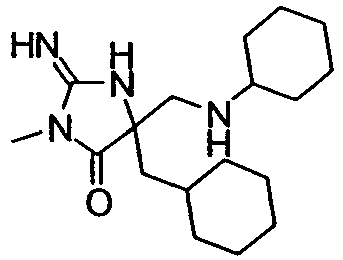
320 321 695 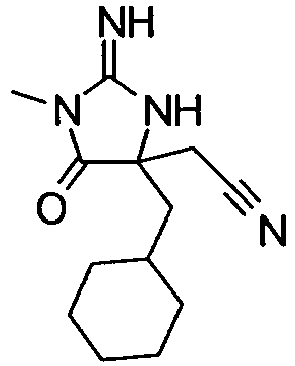
248 249 703 
328 329 696 
257 258 704 
334 335 697 
264 265 705 
342 343 698 
266 267 706 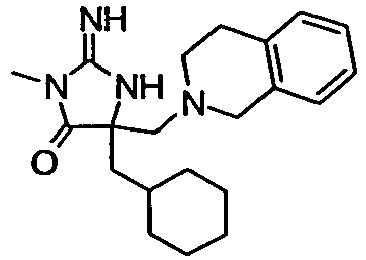
354 355 699 
292 293 707 
372 373 700 
308 309 708 
418 419 701 
314 315 709 
483 484 -

- Diethylaminomethyl polystyrene resin (5 eq) was added to a solution of the formate salt of I1 (R1 = CH2(3-ClC6H4), R3 = CH3 and R16 =H) in CH2Cl2 and the suspension was agitated. After 15 min, the mixture was filtered and the resin was washed with CH2Cl2 (4x). The filtrate was concentrated to afford the free base I1 (R1 = CH2(3-ClC6H4), R3 = CH3 and R16 =H).
- A solution of R15COOH (R15=Phenethyl) (1.3 eq) was added to a mixture of EDC resin (41 mg, 1.53 mmol/g, 3eq), HOBT (1.5 eq), and the free base of I1 (R1 = CH2(3-ClC6H4), R3 = CH3 and R16 =H) (0.021 mmol) in 1:1 CH3CN:THF. The suspension was agitated overnight. Polystyrene isocyanate resin (45 mg, 3 eq), polystyrene trisamine resin (40 mg, 6 eq) and a 1:1 mixture of CH3CN:THF (0.5 mL) was added. The mixture was agitated for 6 h. The suspension was filtered and the filtrate was concentrated to afford I2 (R1 = CH2(3-ClC6H4), R3 = CH3, R16=H and R15 = CH2CH2C6H5).
- I3 (R1 = CH2(3-ClC6H4), R3 = CH3, R16=H and R15 = CH2CH2C6H5) was prepared from 12 (R1 = CH2(3-ClC6H4), R3 = CH3, R16=H and R15 = CH2CH2C6H5) using method similar to method H step 6.
- The following compounds were prepared using similar method.
# Structure M W Obs. m/e # Structure MW Obs. m/e 710 
280 281 718 
398 399 711 
308 309 719 
406 407 712 
308 309 720 
410 11 713 
334 335 721 
410 11 714 
342 343 722 
414 15 715 
362 363 723 
420 21 716 
372 373 724 
428 29 717 
376 377 725 
511 12 -

- Diethylaminomethyl polystyrene resin (5 eq) was added to a solution of J1 (TFA salt, R1 = CH2(3-ClC6H4) and R3 = CH3) in CH2Cl2 and the suspension was agitated. After 15 min, the mixture was filtered and the resin was washed with CH2Cl2 (4x). The filtrate was concentrated to afford the free base. A solution of R15NCO (R15= butyl) (2 eq) in CH2Cl2 was added to the free base of J1 (R1 = CH2(3-ClC6H4) and R3 = CH3) (0.021 mmol) in 1:1 CH3CN:THF. The suspension was agitated overnight. Polystyrene isocyanate resin (45 mg, 3 eq), polystyrene trisamine resin (40 mg, 6 eq) and a 1:1 mixture of CH3CN:THF (0.5 mL) was added. The mixture was agitated for 6 h. The suspension was filtered and the filtrate was concentrated to afford J2 (R1 = CH2(3-ClC6H4), R3 = CH3, and R15 = CH2CH2CH2CH3).
- Compound J3 (R1 = CH2(3-ClC6H4), R3 = CH3, and R15 = CH2CH2CH2CH3) was prepared from J2 (R1 = CH2(3-ClC6H4), R3 = CH3, and R15 = CH2CH2CH2CH3) following the procedure described in Method H, Step 2.
- The following compounds were prepared using similar method.
# Structure MW Obs. m/e # Structure MW Obs. m/e 726 
323 324 731 
377 378 727 
337 338 732 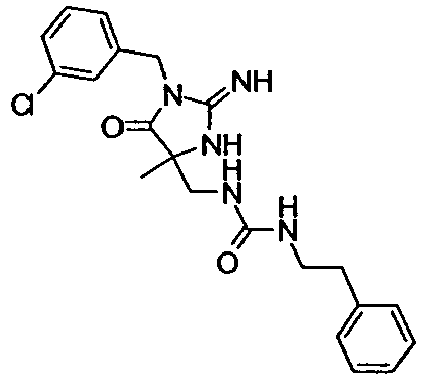
413 414 728 
352 733 
417 418 729 
358 734 
421 422 730 
365 366 735 
425 426 -

- A solution of R15SO2Cl (R15=Propyl)(1.5 eq) was added to a suspension of polystyrene diisopropylethylamine resin (18 mg, 3.45 mmol/g, 3 eq) and the free base of K1 prepared using method H (R1 = CH2(3-ClC6H4) and R3 = CH3) (0.021 mmol) in 1:1 CH3CN:THF. The suspension was agitated overnight. Polystyrene isocyanate resin (45 mg, 3 eq), polystyrene trisamine resin (40 mg, 6 eq) and a 1:1 mixture of CH3CN:THF (0.5 mL) was added. The mixture was agitated for 6 h. The suspension was filtered and the filtrate was concentrated to afford K2 (R1 = CH2(3-ClC6H4), R3 = CH3, and R15 =CH2CH2CH3).
- Compound K3 (R1 = CH2(3-ClC6H4), R3 = CH3, and R15 = CH2CH2CH3) was prepared from K2 (R1 = CH2(3-ClC6H4), R3 = CH3, and R15 = CH2CH2CH3) following the procedure described in Method H, Step 6.
- The following compounds were prepared using similar method.
# Structure MW Obs. m/e # Structure MW Obs. m/e 736 
316 317 740 
442 443 737 
344 345 741 
454 455 738 
372 373 742 
492 493 739 
378 379 -

- (In the scheme, -Z-NH-C(O)R16 - is equivalent to R1 substituted by R21, or R1 Subsitituted by alkyl-R22, wherein R21 and R22 are -N(R15)C(O)R16 and R15 is H, and wherein Z is optionally substituted alkylene-arylene, alkylene-arylene-alkylene, alkylene-heteroarylene, alkylene-heteroarylene-alkylene, alkylene-cycloalkylene, alkylene-cycloalkylene-alkylene, alkylene-heterocycloalkylene, alkylene-heterocycloalkylene-alkylene, arylene, heteroarylene, cycloalkylene or heterocycloalkylene)
- A solution of L1 (R3 = CH3 and R4 = CH2CH(CH3)2) (1 eq) and Z = -paramethylene-benzyl) (1.05 eq) in CH2Cl2 was stirred at rt. The reaction solution was concentrated and purified via flash chromatography. The material was treated with 50% trifluoroacetic acid in CH2Cl2 for 30 min. The solution was concentrated. The residue was dissolved in 1 N HCl (10mL) and washed with ether (2x). A saturated solution of Na2CO3 in H2O was added to the aqueous phase until the solution became basic. The solution was extracted with CH2Cl2 (3x). The CH2Cl2 extracts were combined, dried over Na2SO4, filtered and concentrated to yield L2 (R3 = CH3, R4 = CH2CH(CH3)2, Z = para-(CH2)C6H4(CH2)-).
- Compound L3 (R3 = CH3, R4 = CH2CH(CH3)2, Z = para-(CH2)C6H4(CH2)-, R16 = CH2CH2CH2CH3) was prepared from L2 (R3 = CH3, R4 = CH2CH(CH3)2, Z = para-(CH2)C6H4(CH2)-) following the procedure described in Method I, Step 1.
- Compound L4 (R3 = CH3, R4 = CH2CH(CH3)2, Z = para-(CH2)C6H4(CH2)-, R1 = CH2CH2CH2CH3) was prepared from (R3 = CH3, R4 = CH2CH(CH3)2, Z = para-(CH2)C6H4(CH2)-, R16 = CH2CH2CH2CH3) following the procedure described in Method A, Step 3.
- The following compounds were prepared using similar method.
# Structure MW Obs. m/e # Structure MW Obs. m/e 743 
316 317 761 
450 451 744 
316 317 762 
450 451 745 
330 331 763 
450 451 746 
330 331 764 
450 451 747 
344 345 765 
464 465 748 
344 345 766 
464 465 749 
358 359 767 
470 471 750 
358 359 768 
478 479 751 
386 387 769 
478 479 752 
386 387 770 
484 485 753 
386 387 771 
484 485 754 
400 401 772 
492 493 755 
400 401 773 
492 493 756 
420 421 774 
519 520 757 
434 435 775 
519 520 758 
434 435 776 
533 534 759 
436 437 777 
533 534 760 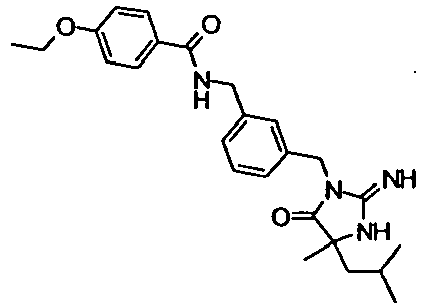
436 437 -

- (In the scheme, -Z-NH-C(O)-NHR15 - is equivalent to R1 substituted by R21, or R1 Subsitituted by alkyl-R22, wherein R21 and R22 are -N(R16)-C(O)-NHR15 and R16 is H, and wherein Z is optionally substituted alkylene-arylene, alkylene-arylene-alkylene, alkylene-heteroarylene, alkylene-heteroarylene-alkylene, alkylene-cycloalkylene, alkylene-cycloalkylene-alkylene, alkylene-heterocycloalkylene, alkylene-heterocycloalkylene-alkylene, arylene, heteroarylene, cycloalkylene or heterocycloalkylene)
- Compound M2 (R3 = CH3, R4 = CH2CH(CH3)2, Z = para-(CH2)C6H4(CH2)-, R15 = 3,4-difluorophenyl) was prepared from M1 (R3 = CH3, R4 = CH2CH(CH3)2, Z = para-(CH2)C6H4(CH2)-) following the procedure described in Method J, Step 1.
- Compound M3 (R3 = CH3, R4 = CH2CH(CH3)2, Z = para-(CH2)C6H4(CH2)-, R15 = 3,4-difluorophenyl) was prepared from M2 (R3 = CH3, R4 = CH2CH(CH3)2, Z = para-(CH2)C6H4(CH2)-, R15 = 3,4-difluorophenyl) following the procedure described in Method A, Step 3. NMR(CD3OD) δ 7.45, m, 1 H; δ 7.26, m, 4H; 7.24, m, 1 H; δ 6.96, m, 1 H; δ 4.8, m; δ 4.3, s, 2H; δ 1.69, m, 2H; δ 1.44, m, 1 H; δ 1,37, s, 3H; δ 0.8, m, 3H; δ 0.63, m, 3H. ES_LCMS (m/e) 430.27
- The following compounds were prepared using similar method.
# Structure MW Obs. m/e # Structure MW Obs. m/e 778 
331 332 870 
461 462 779 
359 360 871 
461 462 780 
359 360 872 
461 462 781 
373 374 873 
461 462 782 
373 374 874 
463 464 783 
373 374 875 
466 467 784 
373 374 876 
466 467 785 
387 388 877 
467 468 786 
387 388 878 
469 470 787 
387 388 879 
469 470 788 
387 388 880 
471 472 789 
401 402 881 
471 472 790 
401 402 882 
472 473 791 
405 406 883 
472 473 792 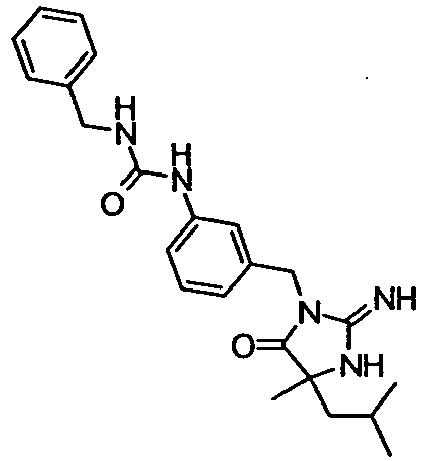
407 408 884 
475 476 793 
407 408 885 
475 476 794 
407 408 886 
475 476 795 
413 414 887 
475 476 796 
413 414 888 
475 476 797 
418 419 889 
475 476 798 
418 419 890 
475 476 799 
421 422 891 
475 476 800 
421 422 892 
475 476 801 
421 422 893 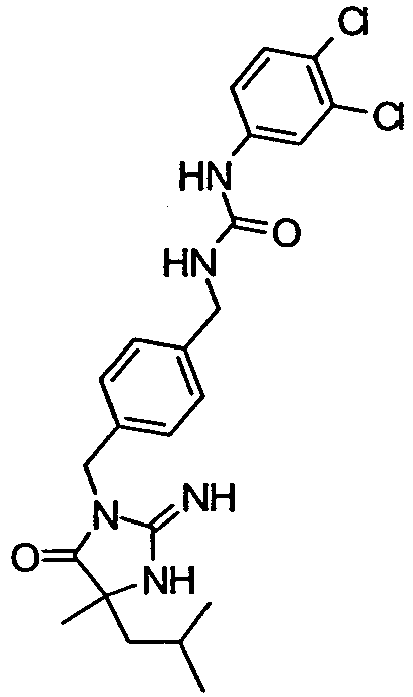
475 476 802 
421 422 894 
475 476 803 
421 422 895 
475 476 804 
421 422 896 
477 478 805 
421 422 897 
477 478 806 
421 422 898 
479 480 807 
423 424 899 
479 480 808 
423 424 900 
480 481 809 
423 424 901 
483 484 810 
423 424 902 
483 484 811 
425 426 903 
485 486 812 
425 426 904 
485 486 813 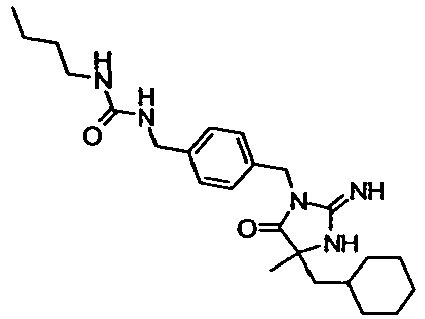
427 428 905 
485 486 814 
429 430 906 
485 486 815 
429 430 907 
485 486 816 
429 430 908 
489 490 817 
432 433 909 
489 490 818 
432 433 910 
489 490 819 
432 433 911 
491 492 820 
433 434 912 
493 494 821 
433 434 913 
493 494 822 
435 436 914 
493 494 823 
435 436 915 
493 494 824 
435 436 916 
496 497 825 
435 436 917 
496 497 826 
435 436 918 
497 498 827 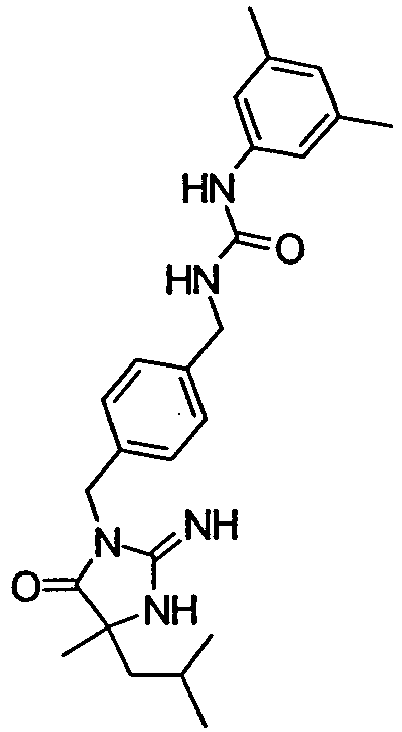
435 436 919 
497 498 828 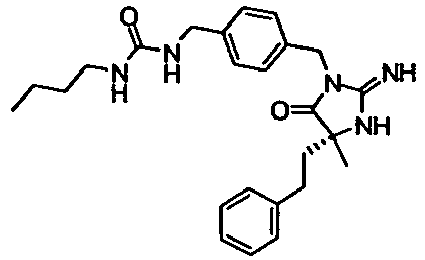
435 436 920 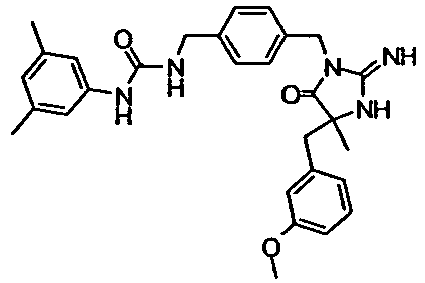
499 500 829 
437 438 921 
501 502 830 
437 438 922 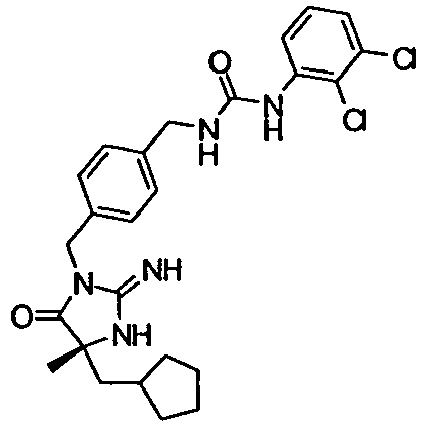
501 502 831 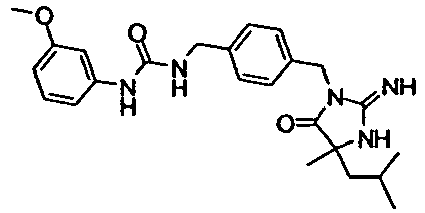
437 438 923 
502 503 832 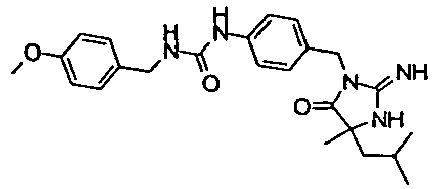
437 438 924 
502 503 833 
437 438 925 
502 503 834 
437 438 926 
502 503 835 
437 438 927 
503 504 836 
439 440 928 
505 506 837 
439 440 929 
507 508 838 
439 440 930 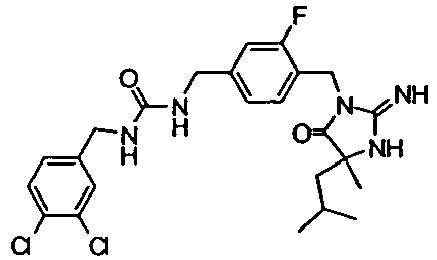
507 508 839 
441 442 931 
507 508 840 
441 442 932 
509 510 841 
441 442 933 
509 510 842 
441 442 934 
509 510 843 
443 444 935 
510 511 844 
443 444 936 
511 512 845 
443 444 937 
511 512 846 
447 448 938 
514 515 847 
447 448 939 
515 516 848 
449 450 940 
515 516 849 
450 451 941 
519 520 850 
450 451 942 
519 520 851 
450 451 943 
522 523 852 
451 452 944 
523 524 853 
451 452 945 
523 524 854 
451 452 946 
525 526 855 
452 453 947 
527 528 856 
453 454 948 
529 530 857 
453 454 949 
533 534 858 
455 456 950 
537 538 859 
455 456 951 
539 540 860 
455 456 952 
543 544 861 
457 458 953 
545 546 862 
457 458 954 
545 546 863 
457 458 955 
547 548 864 
458 459 956 
549 550 865 
458 459 957 
553 554 866 
460 461 958 
555 556 867 
461 462 959 
559 560 868 
461 462 960 
559 560 869 
461 462 961 
387 -

- (In the scheme, -Z-NH-S(O)2R16 - is equivalent to R1 substituted by R21, or R1 Subsitituted by alkyl-R22, wherein R21 and R22 are -N(R16)-C(O)-NHR15 and R16 is H, and wherein Z is optionally substituted alkylene-arylene, alkylene-arylene-alkylene, alkylene-heteroarylene, alkylene-heteroarylene-alkylene, alkylene-cycloalkylene, alkylene-cycloalkylene-alkylene, alkylene-heterocycloalkylene, alkylene-heterocycloalkylene-alkylene, arylene, heteroarylene, cycloalkylene or heterocycloalkylene)
- Compound N2 (R3 = CH3, R4 = CH2CH(CH3)2, Z = para-(CH2)C6H4(CH2)-, R16 = CH2CH(CH3)2) was prepared from N1 (R3 = CH3, R4 = CH2CH(CH3)2, Z = para-(CH2)C6H4(CH2)-) following the procedure described in Method K, Step 1.
- Compound N3 (R3 = CH3, R4 = CH2CH(CH3)2, Z = para-(CH2)C6H4(CH2)-, R16 = CH2CH(CH3)2) was prepared from N2 (R3 = CH3, R4 = CH2CH(CH3)2, Z = para-(CH2)C6H4(CH2)-, R16 = CH2CH(CH3)2) following the procedure described in Method A, Step 3.
- The following compounds were prepared using similar method.
# Structure MW Obs. m/e # Structure MW Obs. m/e 962 
380 381 967 
484 485 963 
380 381 968 
484 485 964 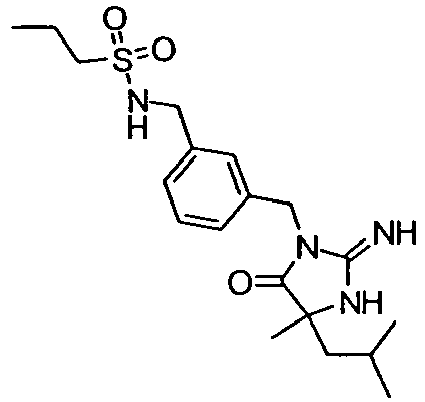
394 395 969 
498 499 965 
394 395 970 
498 499 966 
451 452 -

- A solution of indole-6-methanol (400 mg, 2.72 mmol), tert-butyldimethysilyl choride (816 mg, 5.41 mmol) and imidazole (740 mg, 10.9 mmol) in CH2Cl2 was stirred at rt. overnight before the solvent was evaporated and residue chromatographed using ethylacetate/hexane to give product 02.
- To a solution of 02 (200 mg, 0.77 mmol) in THF (10 mL) at -78 °C was added butyl lithium (1.2 eq). The solution was stirred at -78 °C for 5 min and then warmed to rt. The reaction mixture was cooled to -78 °C and p-toluenesulfonyl chloride was added. The solution was warmed to rt and stirred overnight. The reaction was quenched with a saturated aqueous K2CO3 solution, extracted with ethyl acetate and CH2Cl2. The crude material was purified via flash chromatography using ethylacetate/hexane to afford 360 mg of 03.
- A solution butyl lithium (1.2 eq) was added to a solution of 03 (340 mg, 0.829 mmol) in THF (20 mL). The reaction mixture was stirred for 15 min at -78 °C then sulfur dioxide was bubbled through the solution for 15 min. Hexane (100 mL) was added to the reaction mixture. The reaction mixture was evaporated to afford 04 which was used in the next step without further purification.
- To a solution of 04 (0.829 mmol) in CH2Cl2 cooled to 0 °C was added N-chlorosuccinimide (220 mg, 1.66 mmol). After 2 h of stirring, the solution was filtered through a Celite plug. The filtrate was concentrated to afford 05.
- To a solution of 05 in anhydrous pyridine (3 mL) was added butyl amine (100 µL). The reaction was agitated at rt for 4 d. The reaction mixture was partitioned between 1 N HCl and CH2Cl2. The organic layer was separated and washed with 1 N HCl (3x). The organic solution was dried over Na2SO4, filtered and concentrated. The crude material was purified via flash chromatography using ethylacetate/hexane to yield 06.
- To a solution of 06 (70 mg) in THF was added TBAF. The reaction was stirred at rt. before the reaction mixture was chromatographed using ethylacetate/hexane to afforded 50 mg of 07 (95%).
- To a solution of 07 (50 mg) in CH2Cl2 (5 mL) was added thionyl chloride (1 mL) the reaction was stirred for 5 min and then evaporated to afford 08.
- To a solution of 08 in CH3OH (5 mL) was added sodium azide (50 mg). The solution was stirred at rt overnight and solvent evaporated. The residue was chromatographed using ethylacetate/hexane to afforded 09 after purification.
- To a suspension of 09 (70 mg) in CH3OH was added 1 eq HCl (aq) and palladium on carbon. The reaction mixture was hydrogenated at 1 atm for 20 min to yield 90 mg of crude product 010.
- A solution of lithium hydroxide (30 mg) in H2O was added to a solution of O10 (40 mg) in CH3OH (3 mL). The reaction was stirred at rt for 2 h and an additional portion of LiOH (40 mg) was added and solution was stirred for 2 more hours. The solvent was evaporated and residue chromatographed using ethylacetate/hexane to afforded O11.
-

- A 300 mL of THF solution of 100 g of P1 (R23=n-Pr) was added to a suspension of 38 g of LAH in 2 L of anhydrous THF at 0 C. The reaction mixture is stirred at r.t: for 1 h before 30 ml of H2O, 90 ml of 15% NaOH was added at 0 °C. The mixture was stirred at r.t. for one hour before Na2SO4 (anh) was added, the mixture was filtered, and the solution evaporated to give a product which was dried under vacuo overnight. This product was dissolved in 600 ml of DCM and the solution was added into a solution of oxalyl chloride (37.3 ml) and DMSO (60.8 ml) in 1.4 L of DCM at -78 °C over 40 min before Diisopropylethylamine (299 ml) was added at -78 °C. The reaction was allowed to reach -10 °C. The reaction was quenched with 1 L H2O at -10 °C and the mixture was extracted with DCM. After removal of solvent, P2 (R23=Pr, 106 g) was obtained. The crude material was used for next step without purification.
- To a 1.5 L DCM solution of P2 (R23=Pr, 106 g) was added p-Boc-aminomethylbenzylamine (1.1 eq) and sodium triacetoxyborohydride (1.1 eq) and the reaction was stirred at r.t. overnight. The reaction was quenched with H2O and content extracted with DCM. After removal of solvents the residue was chromatographed using a silica gel column eluted with 3% MeOH in DCM to give 42.5 g of P3 (R23=Pr).
- A 10 ml MeOH solution of P3 (R23=Pr, 110 mg) was hydrogenated using Pd/C (5%, 11 mg) at 1 atm of hydrogen to give product P4 (R23=Pr) after removal of solvent and catalyst.
- To a 10 ml DCM solution of P4 at 0 °C (R23=Pr) was added triphosgene ( 1.2 eq) and triethylamine (2.4 eq) and the solution was stirred at 0 C for 2 h before the reaction was extracted with DCM/H2O. After removal of the solvent, the residue was chromatographed using a silica gel column eluted with EtOAc/Hexane to give a white solid which was treated with 2N HCl in dioxane for 2 h. After removal of the solvent, compound P5 (R23=Pr) as a white solid was obtained (80 mg).
The following compounds were synthesized using similar methods:
-

- At room temperature, Q1 (R3=Me; R4= iBu) (1.00 g) and Q8 (n=1, p=2, m=1) (1.24 g) in dichloromethane (30 mL) were stirred for 42 h. This mixture was concentrated in vacuo to give an amber oil which was purified on a column of silica gel (200 mL) eluted with ethylacetate/hexane to give Q2 (n=1, p=2, m=1, R3=Me; R4= iBu), a colorless oil (1.59 g).
- Compound Q3 (n=1, p=2, m=1, R2=H, R3=Me; R4= iBu) was prepared from Q2 (n=1, p=2, m=1, R3=Me; R4= iBu) using method similar to method A step 3.
- Compound Q3 (n=1, p=2, m=1, R2=H, R3=Me; R4= iBu) (1.37 g) in anhydrous dichloromethane (25 mL) was treated with di-tert-butyl dicarbonate (0.68 g, 1.1 equiv.) and diisopropylethylamine (0.66 mL, 1.1.equiv.). The resulting solution was stirred at room temperature for 20 h before it was diluted with dichloromethane and washed with 1 N hydrochloric acid. The dried dichloromethane solution was concentrated in vacuo to give a colorless film (1.32 g) which was purified on a column of silica gel (125 mL) and eluted with hexane : ethyl acetate to give compound Q4 (n=1, p=2, m=1, R2=H, R3=Me; R4= i-Bu ) as a white foam (0.74 g).
- Compound Q4 (n=1, p=2, m=1, R2=H, R3=Me; R4=iBu) (0.540 g) in absolute EtOH (20 mL) was hydrogenated with 10% Pd/C (0.400 g) at 1 atm for 2 h. The reaction mixture was filtered and the filtrate was concentrated in vacuo to give Q5 (n=1, p=2, m=1, R2=H, R3=Me; R4=iBu) as a colorless oil (0.35 g).
- Compound Q5 (n=1, p=2, m=1, R2=H, R3=Me; R4= iBu) (0.012 g) and HOBt (0.005 g) dissolved in acetonitrile (0.8 mL) and tetrahydrofuran (0.25 mL) was treated with EDC resin (0.080 g, 3 eq., 1.53 mmol/g) in a microtiter plate well followed by addition of a 1 M dichloroethane solution of R15-COOH (40uL, 1.25 eq.). After the well was capped and shaken for 18 h, the mixture was filtered and the resin washed with acetonitrile (0.5 mL). The combined solution was treated with Trisamine resin (0.050 g, 6 eq., 4.23 mmol/g) and Isocyanate resin (0.067 g, 3 eq., 1.53 mmol/g) for 18 h before the solution was filtered and the solvent was removed in vacuo to give Q6 (n=1, p=2, m=1, R2=H, R3=Me; R4= iBu, R15 = Me).
- A dichloromethane solution (1.0 mL) of Q6 (n=1, p=2, m=1, R2=H, R3=Me; R4= iBu, R16 =Me) was mixed with trifluoroacetic acid (1.0 mL) and the solution was shaken for 2 h before it was concentrated. Diethyl ether (0.5 mL) was added and then concentrated in vacuo to give a residue, which was was purified on a Prep LCMS unit to give Q7 (=1, p=2, m=1, R2=H, R3=Me; R4= iBu, R15 = Me). NMR (CDCl3): δ 8.38, br, 2H; δ 4.56, m, 1H; δ 3.79, m, 1H; δ 3.57, m, 2H; δ 2.99, m, 1 H; δ 2.48, m, 1 H; δ 2.04, s, 3H; δ 1.95, m, 1 H; δ 1.5-1.8, m, 5H; δ 1.5, s, 3H; 1.25, m, 2H; δ 0.95, m, 3H; δ 0.85, m, 3H. ES_LCMS (m/e) 309.17.
- The following compounds were prepared using similar methods:
# Structure MW Obs. m/e # Structure MW Obs. m/e 971 
308 309 1074 
428 429 972 
308 309 1075 
428 429 973 
310 311 1076 
428 429 974 
322 323 1077 
128 429 975 
324 325 1078 
428 429 976 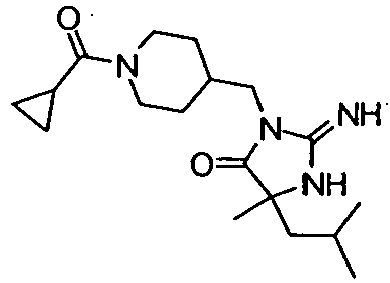
334 335 1079 
430 431 977 
336 337 1080 
430 431 978 
348 349 1081 
430 431 979 
348 349 1082 
432 433 980 
0 351 1083 
432 433 981 
350 351 1084 
432 433 982 
350 351 1085 
432 433 983 
360 361 1086 
432 433 984 
360 361 1087 
432 433 985 
362 363 1088 
438 439 986 
362 363 1089 
438 439 987 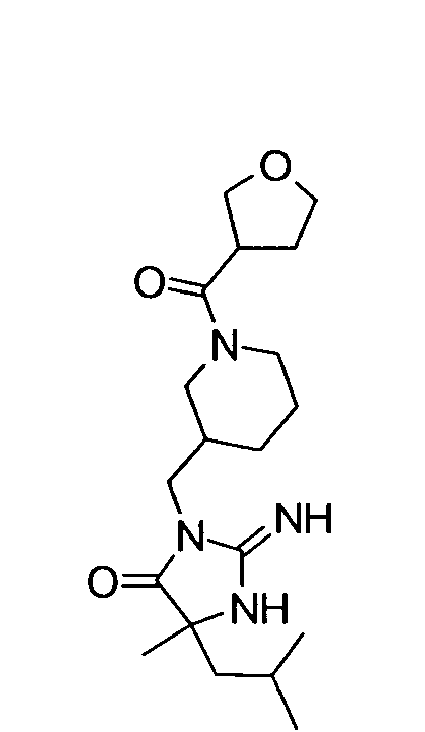
364 365 1090 438 439 
988 
364 365 1091 
438 439 989 
364 365 1092 
438 439 990 
370 371 1093 
440 441 991 
370 371 1094 
440 441 992 
376 377 1095 
440 441 993 
376 377 1096 
440 441 994 
376 377 1097 
442 443 995 
378 379 1098 
442 443 996 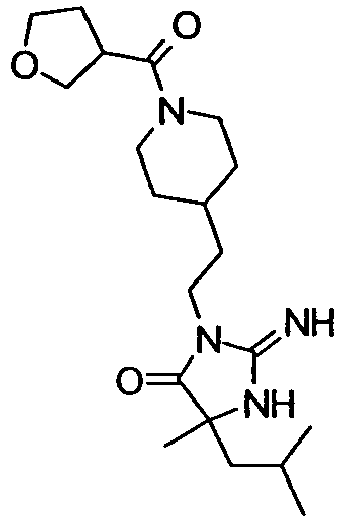
378 379 1099 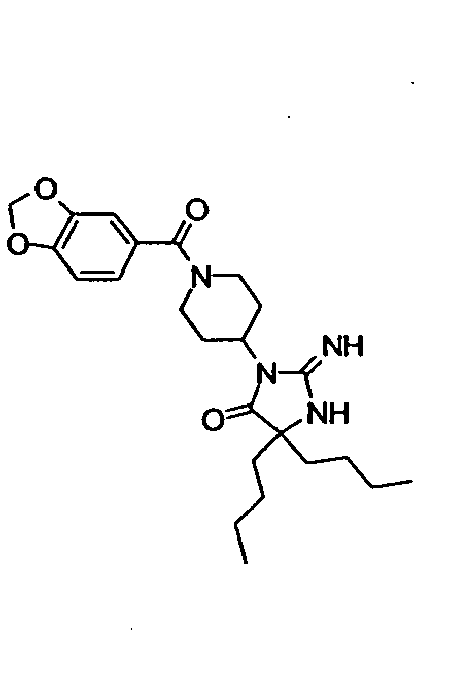
442 443 997 
378 379 1100 
442 443 998 
378 379 1101 
442 443 999 
379 380 1102 
444 445 1000 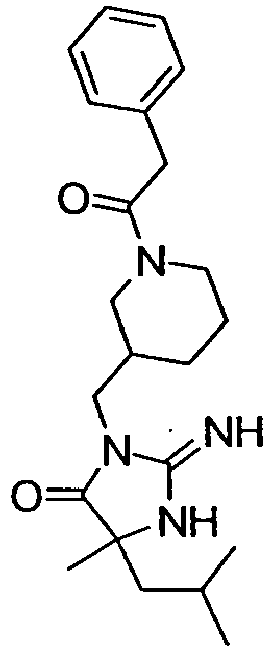
384 385 1103 
444 445 1001 
384 385 1104 
444 445 1002 
384 385 1105 
446 447 1003 
386 387 1106 
446 447 1004 
388 389 1107 
446 447 1005 
389 390 1108 
449 450 1006 
390 391 1109 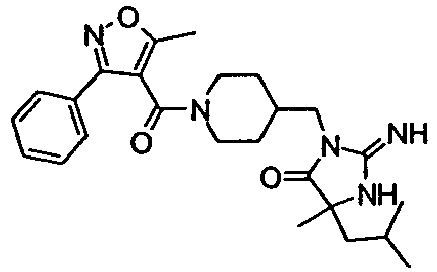
451 452 1007 
390 391 1110 
452 453 1008 
390 391 1111 
452 453 1009 
390 391 1112 
452 453 1010 
390 391 1113 
456 457 1011 
390 391 1114 
456 457 1012 
390 391 1115 
456 457 1013 
390 391 1116 
458 459 1014 
390 391 1117 
460 461 1015 
392 393 1118 
460 461 1016 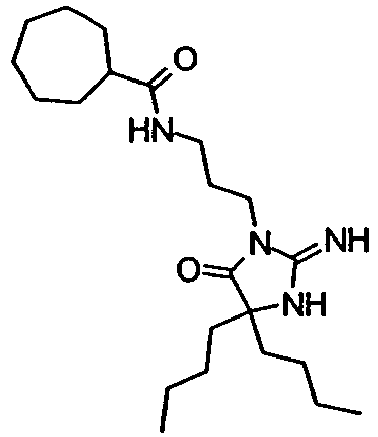
392 393 1119 
460 461 1017 
392 393 1120 
460 461 1018 
394 395 1121 
462 463 1019 
398 399 1122 
462 463 1020 
398 399 1123 
462 463 1021 
398 399 1124 
462 463 1022 
398 399 1125 
462 463 1023 
398 399 1126 
464 465 1024 
400 401 1127 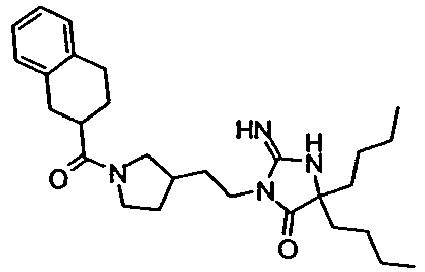
466 467 1025 
400 401 1128 
466 467 1026 
400 401 1129 
470 471 1027 
400 401 1130 
472 473 1028 
400 401 1131 
474 475 1029 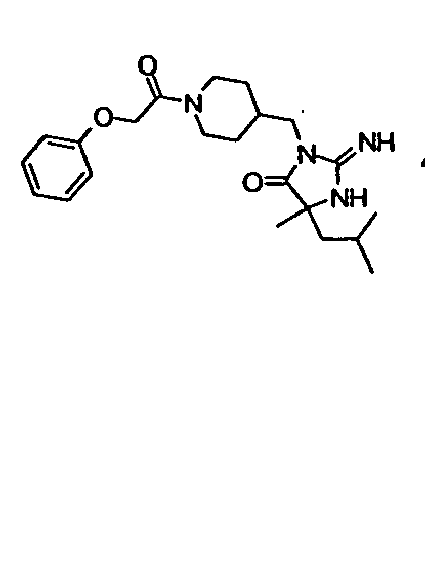
400 401 1132 
474 475 1030 
400 401 1133 
476 477 1031 
400 401 1134 
476 477 1032 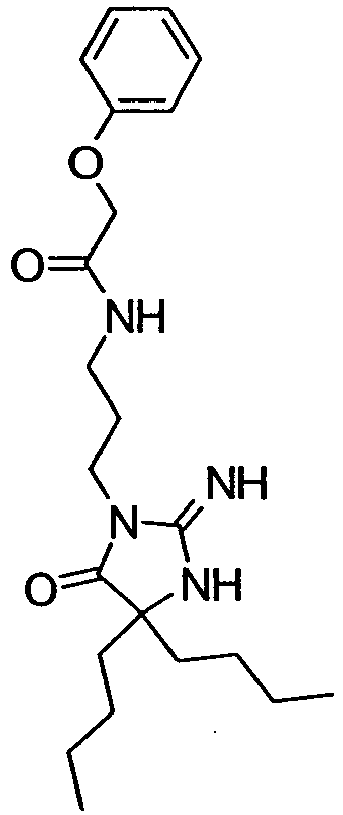
102 403 1135 
478 479 1033 
402 403 1136 
482 483 1034 
404 405 1137 
482 483 1035 
404 405 1138 
482 483 1036 
404 405 1139 
488 489 1037 
404 405 1140 
490 491 1038 
404 405 1141 
500 501 1039 
404 405 1142 
502 503 1040 
404 405 1143 
502 503 1041 
404 405 1144 
504 505 1042 
409 410 1145 
504 505 1043 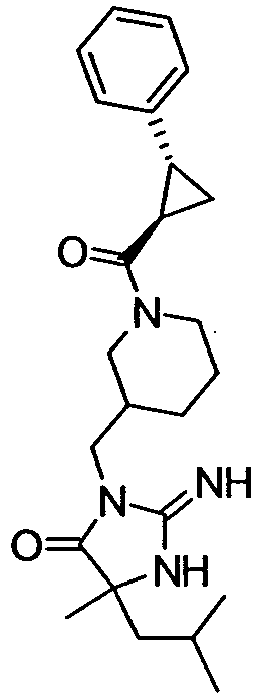
410 411 1146 
504 505 1044 
0 411 1147 
511 512 1045 
410 411 1148 
512 513 1046 
412 413 1149 
512 513 1047 
412 413 1150 
520 521 1048 
412 413 1151 
520 521 1049 
414 415 1152 
520 521 1050 
414 415 1153 
520 521 1051 
414 415 1154 
522 523 1052 
414 415 1155 
522 523 1053 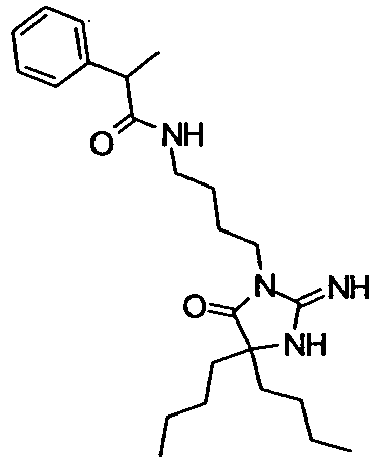
414 415 1156 
536 537 1054 
414 415 1157 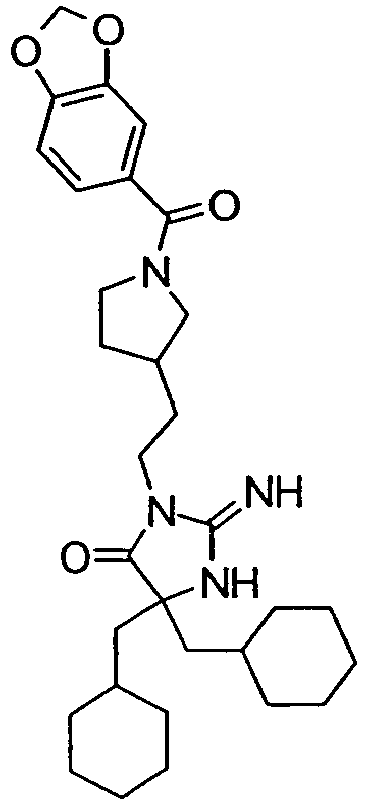
536 537 1055 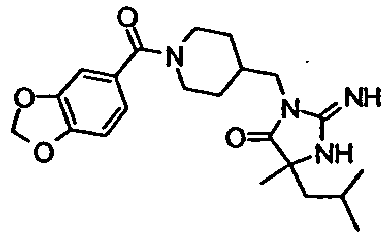
414 415 1158 
536 537 1056 
416 417 1159 
538 539 1057 
416 417 1160 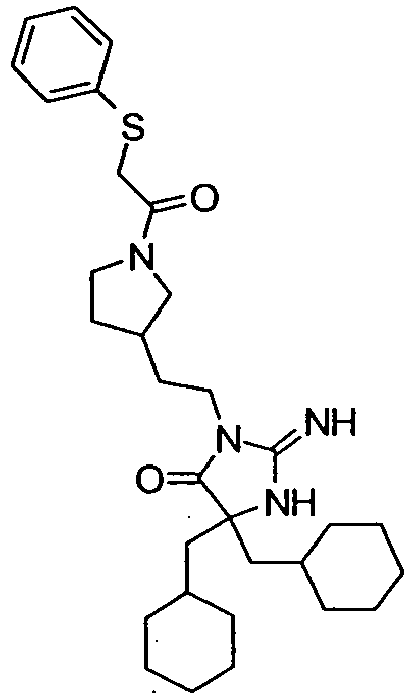
538 539 1058 
417 418 1161 
540 541 1059 
418 419 1162 
541 542 1060 
418 419 1163 
542 543 1061 
418 419 1164 
546 547 1062 
418 419 1165 
546 547 1063 
418 419 1166 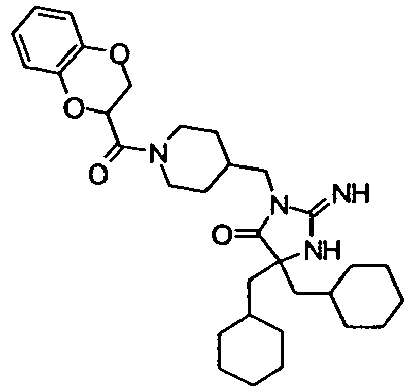
550 551 1064 
420 421 1167 
550 551 1065 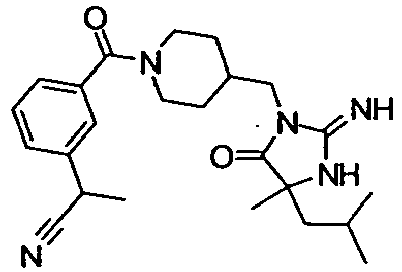
423 424 1168 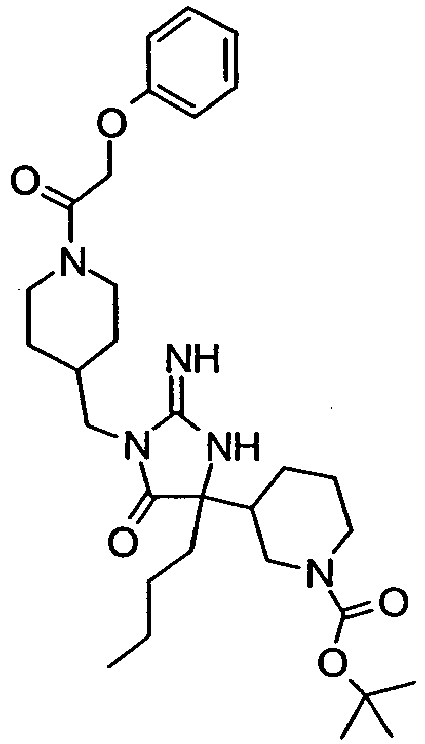
569 570 1066 
424 425 1169 
582 583 1067 
424 425 1170 
582 583 1068 
426 427 1171 
584 585 1069 
426 427 1172 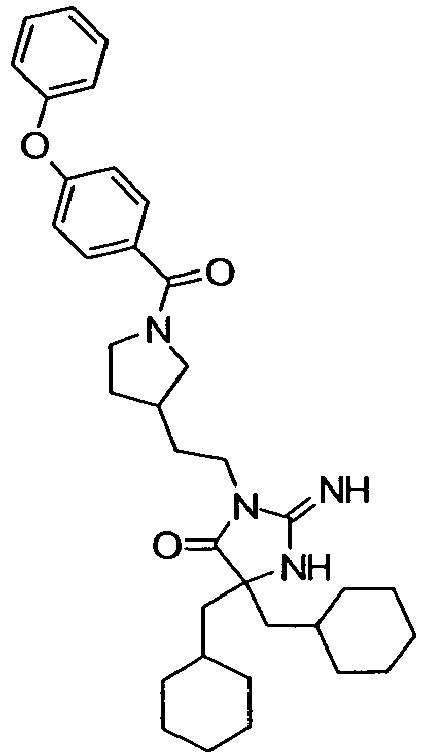
584 585 1070 
426 427 1173 
594 595 1071 
426 427 1174 
596 597 1072 
426 427 1175 
596 597 1073 
427 428 -

- A solution of R1 (n=1, p=2, m=1, R2=H, R3=Me; R4=iBu) (0.010 g) in acetonitrile (0.85 mL) and dichloroethane (0.15 mL) was put into a microtiter plate well followed by addition of 0.12 ml of 0.5M phenylisocyanate solution in dichloroethane. The well was sealed and the plate shaken for 20 h before the mixture was filtered and the solid washed with acetonitrile (0.5ml). The combined solution was treated with Trisamine resin (0.050 g, 6 eq., 4.23 mmol/g) and Isocyanate resin (0.067 g, 3 eq., 1.53 mmol/g) and the mixture was shaken for 18 h. The mixture was filtered and the solution was evaporated to give R2 (n=1, p=2, m=1, R2=H, R3=Me; R4=iBu and R15=Ph).
- Procedure similar to Method Q, step 6 was used for the transformation of R2 (n=1, p=2, m=1, R2=H, R3=Me; R4=iBu and R15=Ph) to R3 (n=1, p=2, m=1, R2=H, R3=Me; R4=iBu and R15=Ph).
- The following compounds were prepared using similar methods:
# Structure MW Obs. m/e # Structure MW Obs. m/e 1176 
309 310 1215 
419 420 1177 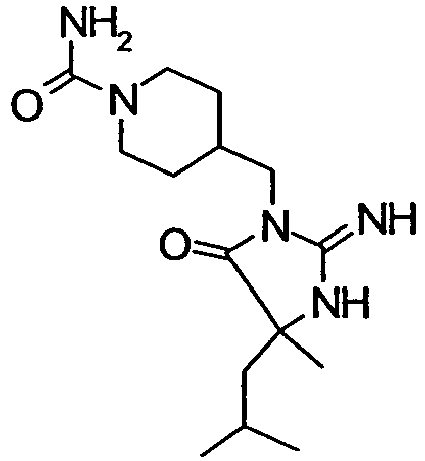
309 310 1216 
419 420 1178 
311 312 1217 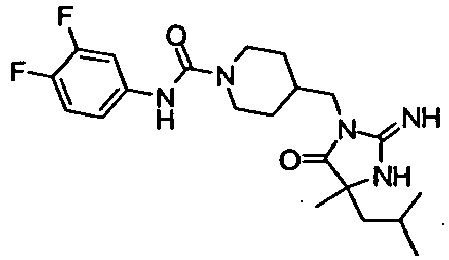
421 422 1179 
325 326 1218 
421 422 1180 
337 338 1219 
425 426 1181 
346 347 1220 
427 428 1182 
351 352 1221 
427 428 1183 
351 352 1222 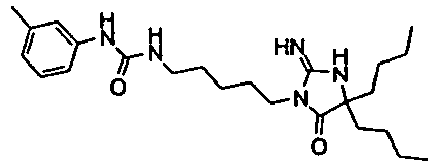
429 430 1184 
351 352 1223 
429 430 1185 
365 366 1224 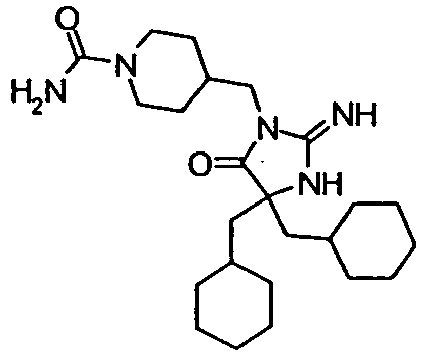
431 432 1186 
365 366 1225 
431 432 1187 
365 366 1226 
433 434 1188 
367 368 1227 
435 436 1189 
377 378 1228 
441 442 1190 
381 382 1229 
441 442 1191 
385 386 1230 
441 442 1192 
391 392 1231 
445 446 1193 
393 394 1232 
449 450 1194 
395 396 1233 
453 454 1195 
399 400 1234 
453 454 1196 
399 400 1235 
453 454 1197 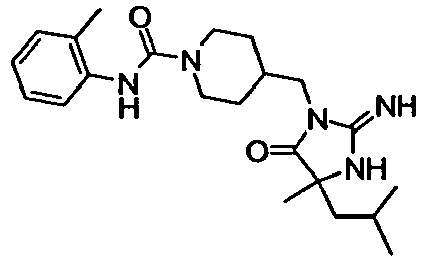
399 400 1236 
453 454 1198 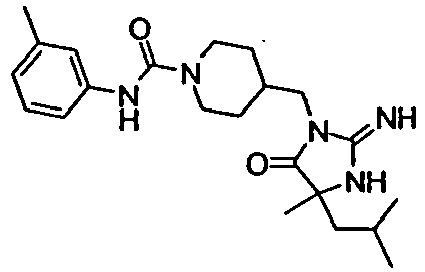
399 400 1237 
453 454 1199 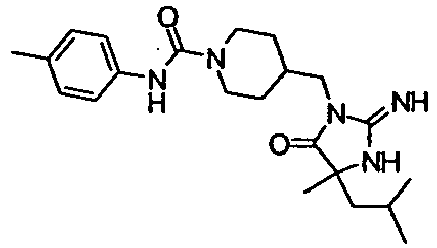
399 400 1238 
455 456 1200 
401 402 1239 
455 456 1201 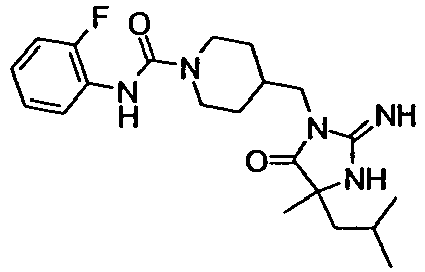
403 404 1240 
457 458 1202 
403 404 1241 
461 462 1203 
407 408 1242 
463 464 1204 
407 408 1243 
467 468 1205 
410 411 1244 
467 468 1206 
410 411 1245 
471 472 1207 
413 414 1246 
475 476 1208 
413 414 1247 
477 478 1209 
415 416 1248 
477 478 1210 
415 416 1249 
487 488 1211 
415 416 1250 
487 488 1212 
415 416 1251 
487 488 1213 
417 418 1252 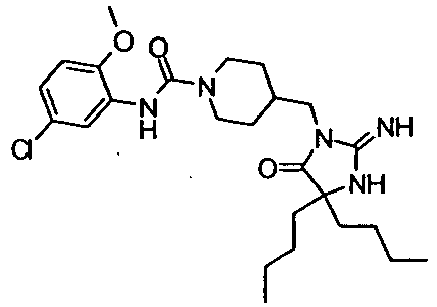
491 492 1214 
419 420 -

- A solution of S1 (n=1, p=2, m=1, R2=H, R3=Me; R4= iBu) (0.010 g) in acetonitrile (0.85 mL) and dichloroethane (0.15 mL) was put into a microtiter plate followed by addition of DIPEA-MP resin (0.030 g, 4 eq) and phenylsulfonyl chloride in dioxane (1M, 45 µL, 0.045 mmol. The well was capped and shaken for 18 h before it was filtered and residue washed with acetonitrile (0.5 mL). The combined solution was treated with Trisamine resin (0.040 g, 6 eq., 4.23 mmol/g) and Isocyanate resin (0.060 g, 3 equiv., 1.53 mmol/g) and shaken for 18 h before the mixture was filtered and the solvent removed to give S2 (n=1, p=2, m=1, R2=H, R3=Me; R4= iBu and R15=Ph).
- Procedure similar to Method Q, step 6 was used for the transformation of S2 to S3 (n=1, p=2, m=1, R2=H, R3=Me; R4=iBu and R15=Ph).
- The following compounds were prepared using similar methods:
# Structure MW Obs. m/e # Structure MW Obs. m/e 1253 
344 345 1293 
448 449 1254 
344 345 1294 
454 455 1255 
358 359 1295 
456 457 1256 
358 359 1296 
456 457 1257 
360 361 1297 
458 459 1258 
372 373 1298 
458 459 1259 
372 373 1299 
458 459 1260 
386 387 1300 
462 463 1261 
406 407 1301 
464 465 1262 
406 407 1302 
466 467 1263 
406 407 1303 
466 467 1264 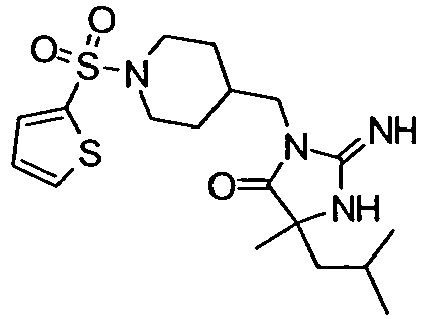
412 413 1304 
466 467 1265 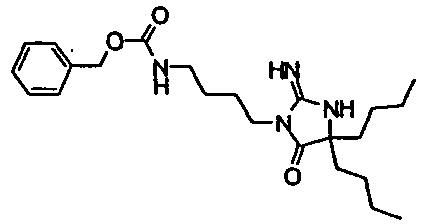
416 417 1305 
466 467 1266 
420 421 1306 
470 471 1267 
420 421 1307 
474 475 1268 
420 421 1308 
474 475 1269 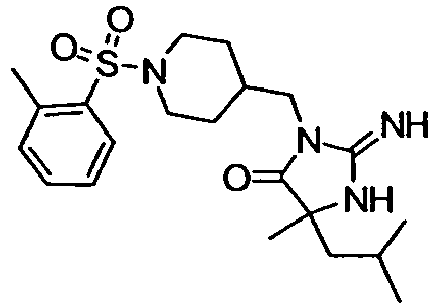
420 421 1309 
474 475 1270 
420 421 1310 
474 475 1271 
420 421 1311 
474 475 1272 
424 425 1312 
474 475 1273 
424 425 1313 
474 475 1274 
424 425 1314 
474 475 1275 
431 432 1315 
474 475 1276 
432 433 1316 
474 475 1277 
434 435 1317 
476 477 1278 
434 435 1318 
480 481 1279 
436 437 1319 
482 483 1280 
436 437 1320 
484 485 1281 
438 439 1321 
484 485 1282 
440 441 1322 
488 489 1283 
440 441 1323 
490 491 1284 
440 441 1324 
490 491 1285 
442 443 1325 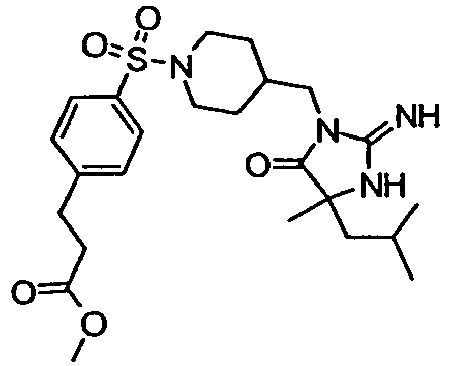
492 493 1286 
442 443 1326 
498 499 1287 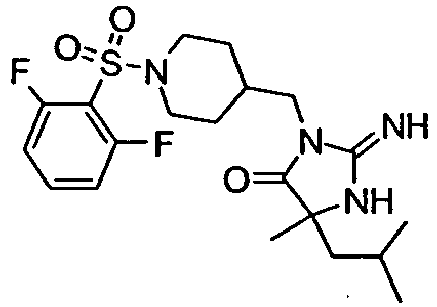
442 443 1327 
508 509 1288 
442 443 1328 
508 509 1289 
442 443 1329 
508 509 1290 
446 447 1330 
508 509 1291 
448 449 1331 
542 543 1292 
448 449 1332 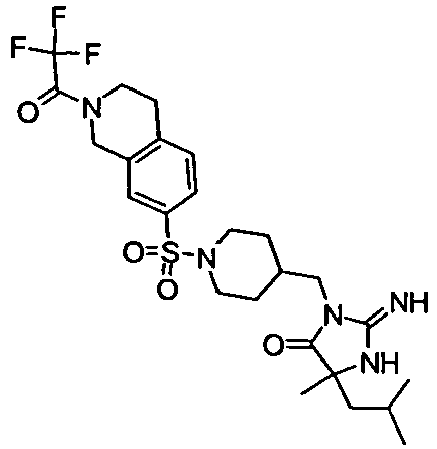
557 558 -

- To a microtiter plate well containing 1 ml solution of T1 (n=1, p=2, m=1, R2=H, R3=Me; R4= iBu) in DCM (0.010 g) and R15C(O)R16 (5 equiv, R15=H, R16=Ph) was added Sodium cyanoborohydride in dichloroethane (14.3 mg / mL, 2 equiv.). The well was capped and shaken for 20h before MP-TsOH Resin (100 mg, 1.29 mmol/g) was added to the well followed by additional MP-TsOH resin (50 mg) after 2 h. After the mixture was shaken for another 1 h, the mixture was filtered and the resin washed with dichloroethane (1 mL) (3 X), then MeOH (1 mL) (2 X).The resin was treated with 7N ammonia in MeOH (1 mL) for 30 min (2X) followed by filtration and evaporation of solvent to give T2 (n=1, p=2, m=1, R2=H, R3=Me; R4=iBu and R15=Ph and R16=H).
- Procedure similar to Method Q, step 6 was used for the transformation of T2 (n=1, p=2, m=1, R2=H, R3=Me; R4= iBu and R15=Ph and R16=H) to T3 (n=1, p=2, m=1, R2=H, R3=Me; R4=iBu and R15=Ph and R16=H).
- The following compounds were prepared using similar methods:
# Structure MW Obs. m/e # Structure MW Obs. m/e 1333 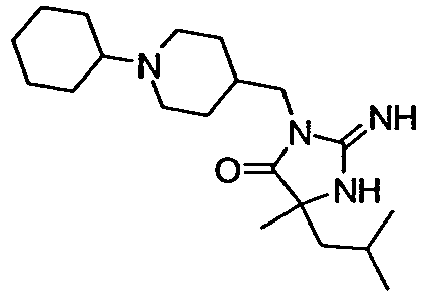
348 349 1339 
384 385 1334 
350 351 1340 
384 385 1335 
350 351 1341 
400 401 1336 
356 357 1342 
446 447 1337 
362 363 1343 
448 449 1338 
370 371 -

- Alternatively, similar synthetic method can be used for the generation of other types of compounds. i.e.

- In a microwave vial was charged U1 (R2= H; R3= i-Bu, R4=Me) (0.025 g) in toluene (4 mL), potassium carbonate (0.035 g), Pd(dppf)Cl2 (0.020 g). water (0.02 mL) and R21B(OH)2 (R21 = m-Methoxyphenyl) (3 eq.) were placed. The vial was placed in a microwave for 10 min. at 150°C. The reaction mixture was diluted with dichloromethane and extracted with 2.5N NaOH. The dried (MgSO4) dichloromethane solution was concentrated in vacuo to give a brown residue which was purified via a RP Prep LCMS system to give product U2 (R2= H; R3= iBu: R4 = Me; R21= m-methoxyphenyl).
- The following compounds were prepared using similar methods:
# Structure MW Obs. m/e # Structure MW Obs. m/e 1344 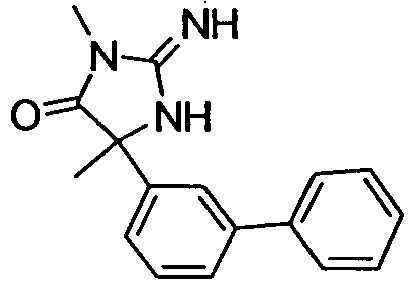
279 280 1381 
365 366 1345 
285 286 1382 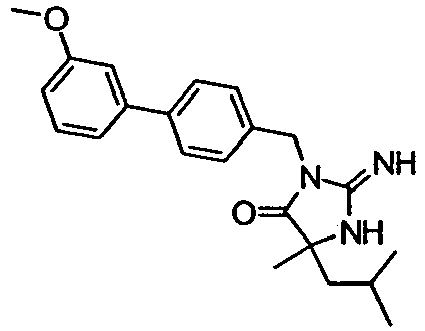
365 366 1346 
293 294 1383 
366 367 1347 
299 300 1384 
371 372 1348 
299 300 1385 
371 372 1349 
304 305 1386 
371 372 1350 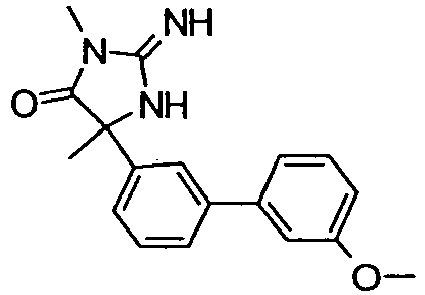
309 310 1387 
372 373 1351 
313 314 1388 
372 373 1352 
318 319 1389 
375 376 1353 
323 324 1390 
377 378 1354 
323 324 1391 
377 378 1355 
323 324 1392 
377 378 1356 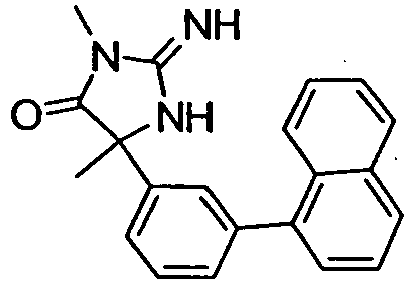
329 330 1393 
377 378 1357 
335 336 1394 
379 380 1358 
335 336 1395 
379 380 1359 
337 338 1396 
380 381 1360 
343 344 1397 
381 382 1361 
347 348 1398 
383 384 1362 
347 348 1399 
384 385 1363 
347 348 1400 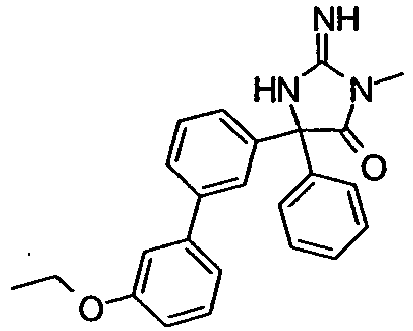
385 386 1364 
347 348 1401 
385 386 1365 
347 348 1402 
386 387 1366 
349 350 1403 
387 388 1367 
349 350 1404 
389 390 1368 
350 351 1405 
389 390 1369 
351 352 1406 
392 393 1370 
352 353 1407 
395 396 1371 
357 358 1408 
403 404 1372 
359 360 1409 
403 404 1373 
360 361 1410 
405 406 1374 
360 361 1411 
406 407 1375 
360 361 1412 
413 414 1376 
360 361 1413 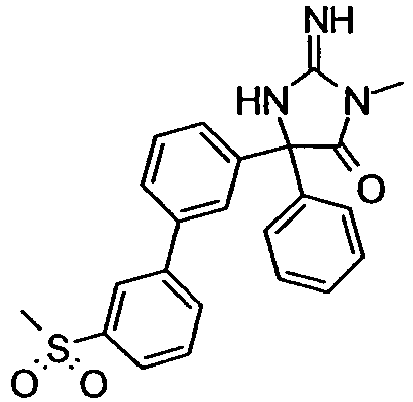
419 420 1377 
360 361 1414 
497 498 1378 
360 361 1415 
398 TBD 1379 
365 366 1416 
399 TBD 1380 
365 366 -

- Compound V1 (R3 = R4=Me) (14.76mmole), EDCI (14.76mmole), HOAt (14.76mmole), and DIEA (14.76mmole) were mixed with 36 ml DCM. This mixture was stirred at RT for 15min before 3-chlorobenzylamine was added. After the reaction solution was stirred at RT overnight, it was washed with sodium carbonate (3X), water, 1 N HCl (4 X), and aq sodium bicarbonate and dried over anhydrous sodium sulfate. The solvent was evaporated and the residue was purified on flash column to give the amide product V2 (R1 = 3-chlorobenzyl; R3=R4 = Me).
- Compound V2 (R1 = 3-chlorobenzyl; R3 = R4 = Me) (8.33mmole) was dissolved in 35 ml anhydrous DCM, and cooled to 0-5°C. Thiophosgene (9.16mmole) in 10ml DCM was added dropwise under N2 followed by addition of DIEA (11.96mmole). The solution was stirred in ice bath for 0.5 h before the reaction mixture was washed with saturated sodium bicarbonate (3 X), brine, and dried over anhydrous sodium sulfate. The solvent was evaporated and residue purified on flash column using ethylacetate/hexane to give the thiohydantoin V3 (R1 = 3-chlorobenzyl; R3=R4 = Me).
- The thiohydantoin V3 (R1 = 3-chlorobenzyl; R3=R4 = Me) was treated with t-butyl hydroperoxide and ammonium hydroxide in MeOH at RT for 48 h to give compound V4 (R1 = 3-chlorobenzyl; R2 = H; R3=R4 = Me).
- The following compounds were prepared using similar method.
# Structure MW Obs. m/e # Structure MW Obs. m/e 1417 
251 252 1420 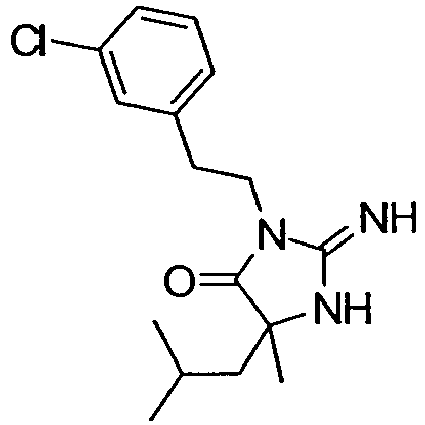
307 308 1418 
265 266 1421 
357 358 1419 
293 294 1422 
371 372 -

- Compound W1 obtained using method A (n=1, R2=m-Cl-Bn, R3=Me) was hydrolyzed to W2 (n=1, R2=m-Cl-Bn, R3=Me) using two equivalent of LiOH in MeOH.
- The following compounds were synthesized in similar fashion:
# Structure MW Obs. m/e # Structure MW Obs. m/e 1423 
295 296 1426 
411 412 1424 
311 312 1427 
425 426 1425 
325 326 -

- (In the scheme, -Z-NH-C(O)-N(R16)(R17)- is equivalent to R1 substituted by R21, or R1 Subsitituted by alkyl-R22, wherein R21 and R22 are -NH-C(O)-N(R16)(R17) and R15 is H, and wherein Z is optionally substituted alkylene-arylene, alkylene-arylene-alkylene, alkylene-heteroarylene, alkylene-heteroarylene-alkylene, alkylene-cycloalkylene, alkylene-cycloalkylene-alkylene, alkylene-heterocycloalkylene, alkylene-heterocycloalkylene-alkylene, arylene, heteroarylene, cycloalkylene or heterocycloalkylene)
- To a mixture of the amine X1 obtained using method L (R3 = Me; R4 =i-Bu; Z = para-(CH2)C6H4(CH2)-) (10 mg) in DCM and sat. NaHCO3 (1:1 by volume) was added triphosgene (0.33 eq) at r.t. The solution was stirred vigorously for 40 minutes before the organic layer was separated and dried over anhydrous Na2SO4. The organic solution was evaporated to give compound X2 (R3 = Me; R4 = i-Bu; Z = para-(CH2)C6H4(CH2)-).
- Compound X3 (R15 = H; R16 = cyclopropylmethyl; R3 = Me; R4=iBu; Z = para-(CH2)C6H4(CH2)-) was prepared from X2 (R3 = Me; R4 = i-Bu; Z = para-(CH2)C6H4(CH2)-) using method similar to method M, step 1.
- Compound X4 (R16 = H; R17 = cyclopropylmethyl; R2=H; R3 = Me; R4 = iBu; Z= para-(CH2)C6H4(CH2)-) was prepared from X3 (R16=H; R17= cyclopropylmethyl; R2 = H; R3 = Me; R4 =iBu; Z = para-(CH2)C6H4(CH2)-) using method similar to method A Step 3. NMR (CD3OD): δ 7.25, s, 4H; δ 4.8, m, 2H; δ 4.25, s, 2H; δ 2.9, m, 2H; δ 1.68, m, 2H; δ 1.44, m, 1 H; δ 1.36, s, 3H; δ 0.9, m, 1 H; δ 0.82, m, 3H; δ 0.66, m, 3H; δ 0.4, m, 2H; δ 0.12, m, 2H. ES_LCMS (m/e) 386.1.
- The following compounds were prepared using a similar method.
# Structure MW Obs. m/e # Structure MW Obs. m/e 1428 
385 386 1443 
518 519 1429 
401 402 1444 
518 519 1430 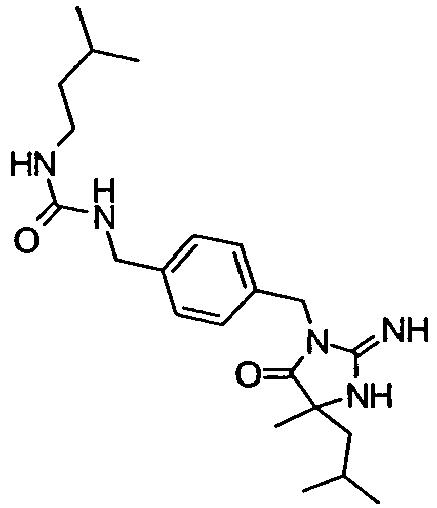
401 402 1445 
524 525 1431 
415 416 1446 
524 525 1432 
427 428 1447 
526 527 1433 
435 436 1448 
532 533 1434 
435 436 1449 
533 534 1435 
443 444 1450 
537 538 1436 
449 450 1451 
537 538 1437 
463 464 1452 
545 546 1438 
471 472 1453 
559 560 1439 
485 486 1454 
570 571 1440 
496 497 1455 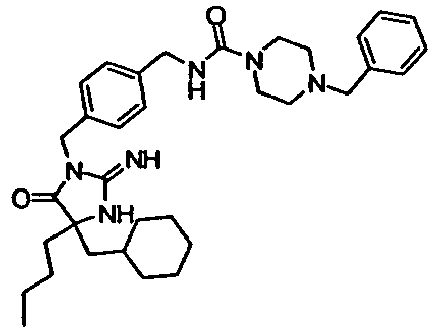
572 573 1441 
504 505 1456 
598 599 1442 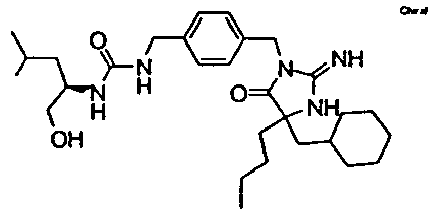
513 514 -

- (In the scheme,

- The reaction mixture of compound Y1 obtained from Method L (R3 = Me; R4 = i-Bu; Z = para-(CH2)C6H4(CH2)-) (0.1639mmole), Y2 (R23 = H; R23 = Pr) (0.1967mmole), PS-EDC resin (0.4917mmole) and HOBT (0.2459mmole) in 3.5 ml of mixture of THF, MeCN and DMF (1:1:0.3) was shaken overnight at RT before 6 eq of PS-trisamine resin 3 eq of PS-isocyanate resin were added. After 6hrs the reaction mixture was filtered and the resin was washed with THF, DCM and MeOH. The combined filtrate was evaporated and the crude was treated with 40% TFA in DCM for 40 min before the solvent was evaporated and residue purified on RP HPLC system to give product Y3 (R3 = Me; R4 = i-Bu; Z = para-(CH2)C6H4(CH2)-, R23 = H; R23=Pr).
- The reaction solution of Y3 (R3 = Me; R4 = i-Bu; Z = para-(CH2)C6H4(CH2)-, R23 = H; R23 = Pr) (0.030mmole), carbonyl diimidazole (0.032mmole), and DIEA (0.09mmole) in 0.5 ml DCM was shaken overweekend at RT. The crude was then purified on reverse column to give the thiohydantoin product which was converted into Y4 (R2 = H; R3 = Me; R4 =iBu; Z = para-(CH2)C6H4(CH2)-, R23 = H; R23 = Pr).
- The following compounds were prepared using similar method.
# Structure M W Obs. m/e # Structure MW Obs. m/e 1457 
413 414 1459 
427 428 1458 
413 414 -

- (In the scheme, -Z-NH-C(O)-N(R16)(R17)- is equivalent to R1 substituted by R21, or R1 Subsitituted by alkyl-R22, wherein R21 and R22 are -N(R15)-C(O)-N(R16)(R17) and R15 is H, and wherein Z is optionally substituted alkylene-arylene, alkylene-arylene-alkylene, alkylene-heteroarylene, alkylene-heteroarylene-alkylene, alkylene-cycloalkylene, alkylene-cycloalkylene-alkylene, alkylene-heterocycloalkylene, alkylene-heterocycloalkylene-alkylene, arylene, heteroarylene, cycloalkylene or heterocycloalkylene)
- To the solution of the Phoxime™ resin (1.23 mmol/g) in DCM was added the amine Z1 obtained from method L (R3 = Me; R4=iBu; Z = para-(CH2)C6H4(CH2)-) (2 eq). The mixture was shaken overnight before the resin was filtered and washed with DCM, MeOH, THF (3 cycles), then DCM (x2), dried in vacuum to get resin Z2 (R3 = Me; R4 ='Bu; Z = para-(CH2)C6H4(CH2)-).
- To the resin Z2 (R3 = Me; R4=iBu; Z = para-(CH2)C6H4(CH2)-), swelled in DCM, in toluene was added N-methylbenzylamine (4 eq). The mixture was heated at 80-90°C overnight before MP-TSOH resin (1.3 mmol/g, 12 eq) was added. The mixture was shaken for 1.5 hours, the solution was filtered and the resin washed with DCM and MeOH. The combined organic solution was concentrated in vacuo to get Z3 (R3 = Me; R4 ='Bu; Z = para-(CH2)C6H4(CH2)-; R16 = Me; R17 = Bn).
- Compound Z4 (R3 = Me; R4 =iBu; Z = para-(CH2)C6H4(CH2)-; R16=Me; R17 = Bn) was generated from Z3 (R3 = Me; R4 ='Bu; Z = para-(CH2)C6H4(CH2)-; R16 = Me; R17 = Bn) using method similar to Method A step 3.
- The following compounds were prepared using similar method.
# Structure MW Obs. m/e # Structure MW Obs. m/e 1460 
457 458 1474 
531 532 1461 
469 470 1475 
533 534 1462 
471 472 1476 
533 534 1463 
471 472 1477 
538 539 1464 
483 484 1478 
545 546 1465 
485 486 1479 
547 548 1466 
485 486 1480 
547 548 1467 
495 496 1481 
547 548 1468 
499 500 1482 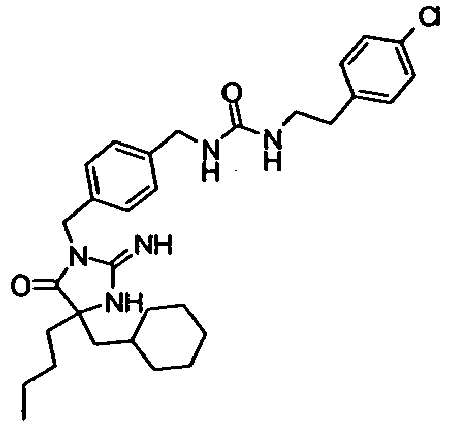
551 552 1469 
501 502 1483 
568 569 1470 
507 508 1484 
571 572 1471 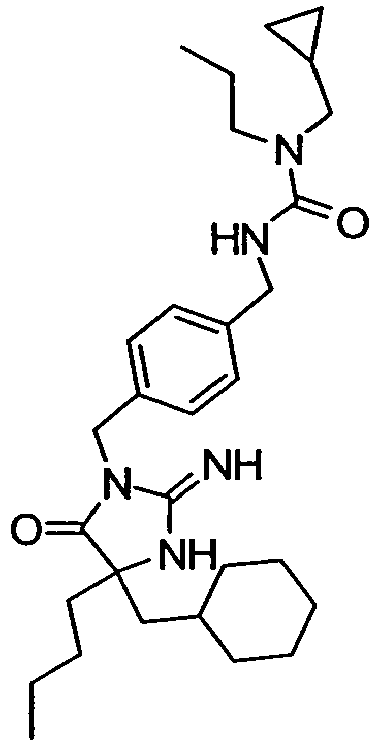
509 510 1485 
593 594 1472 
517 518 1486 
596 597 1473 
517 518 1487 
607 608 1488 
364 365 1489 
377 377 1490 
513 514 -

- 8,11-Dichloro-6,11-dihydro-5H-benzo[5,6]cyclohepta[1,2-b]pyridine (AA2) (18 mg) was reacted with AA1, obtained from method Q, and diisopropylethylamine (14 uL) in acetonitrile (2.5 mL). The resulting mixture was heated at 65°C for 18 h. The reaction mixture was placed on a preparative silica gel plate and eluted with hexane : ethyl acetate 3:1 to give the desired product which was treated with 40% TFA. Evaporation of the solvent followed by purification afforded compound AA3.
- The following compounds were prepared by similar methods:
# Structure MW Obs. m/e # Structure MW Obs m/e 187 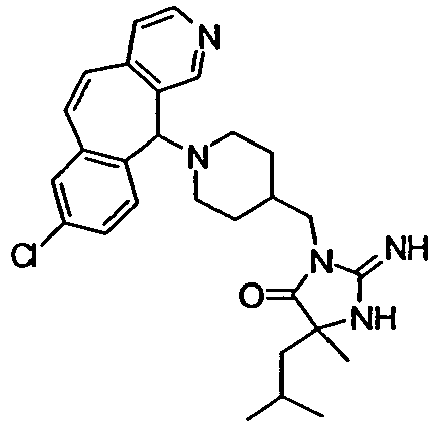
491 492 188 
493 494 -
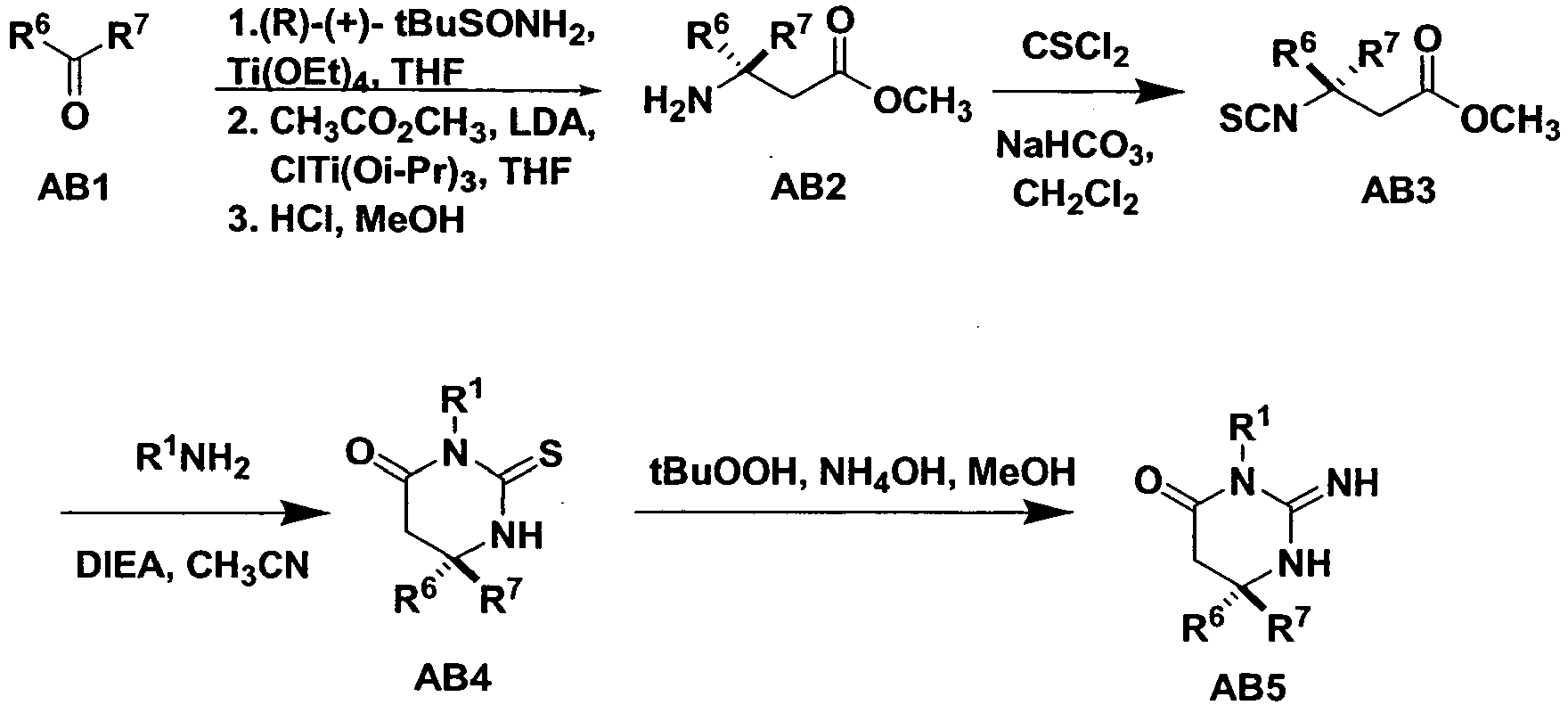
- To a solution of (R)-(+)-2-methyl-2-propane sulfinamide (1.0 g, 8.3 mmol, 1 eq) and AB1 (R6=Ph, R7= n-Bu) (3 mL, 9.1 mmol, 1.1 eq) in anhydrous THF (30 mL) at room temperature was added Ti(OEt)4 (7 mL, 17 mmol, 2 eq). The mixture was heated at 70 °C for 24 h. After cooling to room temperature, the mixture was poured into 30 mL of brine under vigourous stirring. The resulting suspension was filtered through a pad of Celite and the solid was washed with EtOAc (2 x 20 mL). The filtrate was washed with brine (30 mL), dried (Na2SO4), and concentrated in vacuo. The residue was chromatographed on silica by eluting with hexane/Et2O (5:1) to give 1.9 g (85%) of (R)-2-methyl-N-(1-phenylpentylidene)propane-2-sulfinamide. 1HNMR (CDCl3, 300 MHz): δ 7.91 (m, 2H), 7.52-7.37 (m, 3H), 3.27 (m, 1H), 3.15 (m, 1H), 1.73-1.61 (m, 2H), 1.47-1.38 (m, 2H), 1.31 (s, 9H), 0.95 (m, 3H). MS(ESI): MH+ = 265.9. HPLC tR =7.24, 7.58 min (E/Z = 5.5:1).
- To a solution of methyl acetate (0.6 mL, 6.9 mmol, 2 eq) in THF (5 mL), LDA (2M in heptane/THF, 3.4 mL, 6.9 mmol, 2 eq) was added dropwise via a syringe at -78°C. After stirring at -78 °C for 30 min, a solution of ClTi(Oi-Pr)3 (1.8 mL, 7.6 mmol, 2.2 eq) in THF (5 mL) was added dropwise. After stirring for another 30 min, a solution of (R)-2-methyl-N-(1-phenylpentylidene)propane-2-sulfinamide (0.9 g, 3.4 mmol, 1 eq) in THF (2 mL) was added dropwise via a syringe. The mixture was stirred at -78°C for 3 h and TLC showed no starting material left. A saturated aqueous solution of NH4Cl (10 eq) was added and the suspension was warmed to room temperature. The mixture was diluted with H2O (50 mL) and stirred for 10 min. The mixture was then partitioned between H2O (50 mL) and EtOAc (50 mL). The organic layer was separated and the aqueous layer was extracted with EtOAc (3 x 50 mL). The combined organic layers were washed with brine, dried (MgSO4) and concentrated to give 1.1 g of a brown oil. Chromatography on silica gel using 50% EtOAc/hexanes as eluent gave 0.8 g (76%) of methyl 3-((R)-2-methylpropan-2-ylsulfinamido)-3-phenylheptanoate as a yellow oil. 1HNMR (CDCl3, 300 MHz):7.15-7.07 (m, 5H), 3.35 (s, 1 H), 3.19 (dd, J=16, 5.6Hz, 1 H), 3.01 (dd, J=15.8, 5.5Hz, 1 H), 2.07 (m, 2H), 1.71 (m, 2H), 1.35-1.26 (m,4H), 1.17 (s, 9H), 0.89 (m, 3H). MS(ESI): MH+ = 339.9. HPLC tR = 7.50, 7.6 min (E/Z = 1.5:1)

- To a solution of methyl 3-((R)-2-methylpropan-2-ylsulfinamido)-3-phenylheptanoate (0.4 g, 1.1 mmol) in 12 mL of MeOH was added 16 mL of 4N HCl/dioxane. After stirring for 30 min, the volatiles were removed in vacuo. The residue was re-dissolved in MeOH (6 mL), stirred for 5 min, and evaporated again to afford 0.30 g (97%) of AB2 (R6=Ph, R7= n-Bu) as a yellow solid. 1HNMR (CDCl3, 300 MHz):9.01 (br s, 2H), 7.37-7.12 (m, 5H), 3.64 (m, 1 H), 3.54 (s, 3H), 3.31 (m, 1 H), 2.09 (m, 2H), 1.8 (m, 2H), 1.1 (m,4H), 1.07 (s, 9H), 0.7 (m, 3H). MS(ESI): MH+ = 235.9. HPLC tR = 4.72 min.
- Treatment of compound AB2 (R6=Ph, R7=n-butyl) with thiophosgene in CH2Cl2 in the presence of aqueous NaHCO3 at 0 °C generates isothiocyanate AB3 (R6=Ph, R7=n-butyl) which was converted into final product using method similar to Method A Step 2 and Method A Step 3 to give product AB5 (R6=Ph, R7=n-butyl, R1=Me). 1HNMR (CDCl3, 300 MHz): δ 10.4(brs, 1H), 7.25-7.11 (m, 5H), 3.23 (dd, J = 16, 5.6 Hz, 1 H), 3.03 (s, 3H), 2.8 (dd, J = 15.8, 5.5 Hz, 1 H), 2.49 (s, 1H), 1.78 (m, 2H), 1.1-1.0 (m, 4H), 0.99 (m, 3H). MS(ESI): MH+ = 260.2. HPLC tR = 5.09 min.
- The following compounds were synthesized using similar methods:
# Structure MW Obs. m/e # Structure MW Obs m/e 189 
239 240 195 
443 444 190 
253 254 196 
463 464 191 
259 260 197 
537 538 192 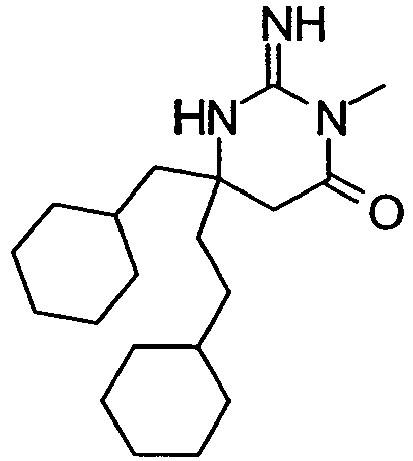
333 334 198 
537 538 193 
333 334 199 
295 296 194 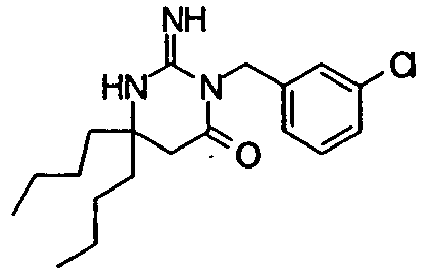
349 350 200 
295 296 -

- The synthesis was adapted from a procedure by Hull, R. et al, J. Chem. Soc. 1963, 6028-6033. Thus, to a solution of AC2 (R1=Benzyl) (0.72 g, 5.9 mmol) in AC1 (R4=Me, R3=Me) (1.4 mL) was added a 50% aqueous solution of cyanamide (0.31 mL, 8.0 mmol). The reaction was heated with stirring at reflux (∼40°C) for 0.5 h, then cooled to 25°C and stirred for an additional 16 h. The volatiles were removed in vacuo and the residue was partitioned between ether and H2O. The organic layer was dried over Na2SO4, filtered and the volatiles were removed in vacuo. The residue was purified by column chromatography using 5-10% CH3OH/CH2Cl2 as eluent followed by reverse phase preparative HPLC to give 0.15 g (8.0%) of AC3 (R1=benzyl, R4=Me and R3=Me) as a white solid. 1H NMR (CH3OH, 300 MHz): δ 7.35-7.33 (m, 5H), 4.71 (s, 2H), 1.46 (s, 6H); 13C NMR (CDCl3, 75 MHz) δ 157.8, 135.6, 129.1, 128.5, 127.9, 104.2, 59.6, 28.8. MS (ESI) m/e 206.1 (M+H)+.
# Structure MW Obs. m/e 201 
205 206 -

- AD2 (R3=Ph, R4=tButyl) was prepared from AD1 using method similar to Method AB, step 2.
- The synthesis was adapted from a procedure by Hussein, A. Q. et al, Chem. Ber. 1979, 112, 1948-1955. Thus, to a mixture of AD2 (R3=Ph, R4=tert-Butyl) (0.56 g, 2.7 mmol) and boiling chips in CCl4 (25 mL) was added N-bromosuccinimide (0.49 g, 2.7 mmol). The mixture was irradiated with a 200 watt light source for 1 h. The reaction was cooled, the solid filtered off and the volatiles were removed in vacuo. Chromatography on silica gel by eluting with 5% EtOAc/hexane gave 0.57 g (73%) of 1-(1-bromo-1-isothiocyanato-2,2-dimethylpropyl)benzene as a beige powder. 1H NMR (CDCl3, 300 MHz): δ 7.63-7.61 (m, 2H), 7.37-7.26 (m, 3H), 1.17 (s, 9H); 13C NMR (CDCl3, 75 MHz): δ 139.1, 129.0, 128.9, 128.6, 127.5, 91.2, 45.6, 26.6. MS (ESI) m/e 284.9 (M+H)+.
- To a solution of 1-(1-bromo-1-isothiocyanato-2,2-dimethylpropyl)benzene (0.13 g, 0.47 mmol) and the hydrochloride salt of N-methylhydroxylamine (0.047 g, 0.57 mmol) in THF (3 mL) was added triethylamine (0.18 mL, 1.32 mmol). The mixture was stirred at 25°C for 16 h, filtered and the volatiles were removed in vacuo. The residue was purified by column chromatography using CH3OH/CH2Cl2 as eluent to give 0.050 g (42%) of AD3 (R3=Ph, R4=tert-Butyl) as a glassy solid. 1H NMR (CDCl3, 300 MHz): δ 7.35-7.26 (m, 5H), 3.38 (s, 3H), 1.0 (s, 9H); MS (ESI) m/e 251.1 (M+H)+.
- To a solution of AD3 (R3=Ph, R4=tert-Butyl) (0.065 g, 0.26 mmol) in CH3OH (5 mL) at 0 °C was added a solution of aqueous ammonia (2 mL) followed by a 70% aqueous solution of t-butylhydroperoxide (2 mL). The reaction was allowed to warm to 25°C and stirred for 16 h, The volatiles were removed and the residue was purified by reverse phase HPLC to give 2.0 mg (2.2%) of AD4 (R3=Ph, R4=tert-Butyl) as a colorless oil. 1H NMR (CDCl3, 300 MHz) δ 7.47-7.43 (m, 2H), 7.39-7.35 (m, 3H), 3.23 (s, 3H), 1.0 (s, 9H); MS (ESI) m/e 234.2 (M+H)+.
- The following compounds were synthesized using similar methods:
# Structure MW Obs. m/e # Structure MW Obs. m/e 202 
213 214 204 
309 310 203 
233 234 -

- TBDMS-Cl (5.3g, 35.19mmole) and imidazole (2.4g, 35.19mmole) were added to a suspension of H2 (R1=Me, R3=cyclohexylmethyl) (8.2g, 31.99mmole) in 220 ml DCM. The reaction mixture was stirred at room temperature overnight. The reaction mixture was filtered, and the filtrate was diluted with 1200ml EtOAc. The organic phase was washed with saturated NaHCO3 3X and brine 3X, and dried over anhydrous Na2SO4 to give 12g of AE2 (R1=Me, R3=cyclohexylmethyl), which was used for next step without further purification.
- AE2 (R1=Me, R3=cyclohexylmethyl; 12 grams crude) was converted to iminohydantoin using conditions similar to Method A Step 3, which was subsequently treated with 75% TFA in DCM at room temperature for 24 hrs. The solvent was evaporated in vacuo to give 13.6g of a product that was reacted with Boc anhydride to give 5.8g AE3 (R1=Me, R3=cyclohexylmethyl) after column purification.
- AE4 (R1=Me, R3=cyclohexylmethyl )(8.2 g) was obtained from AE3 (5.8g) according to the step 4 of the method H.
- To a solution of AE4 (R1=Me, R3=cyclohexylmethyl) ((3.95 g, 8.38 mmol) in anhydrous THF (98 mL) was added diisopropylethylamine (7 mL, 40 mmol). The reaction was stirred under N2 (gas) at room temperature. After 5.5 h, the reaction was concentrated and the crude material was purified via flash chromatography eluting with a gradient of 0 to 75% ethyl acetate in hexane to afford AE5 (R1=Me, R3=cyclohexylmethyl) (2.48 g, 92%).
- To a solution of R15OH (R15=cyclobutyl) (10 µl) and HBF4 (1 equiv) in anhydrous methylene chloride (0.5 mL) was added a solution of AE5 (R1=Me, R3=cyclohexylmethyl) (20 mg, 0.062 mmol) in methylene chloride (0.5 mL). The reaction was agitated overnight at rt. Trifluoroacetic acid (1 mL) was added to the reaction mixture and the solution was agitated for 1 h at rt. The reaction was concentrated and the crude material was purified via reverse phase preparative HPLC/MS eluting with a 7 min gradient of 5 to 95% CH3CN in H2O with 0.1 % formic acid to afford AE5 (R1=Me, R3=cyclohexylmethyl, R15 = cyclobutyl).
- The following compounds were synthesized using similar method:
# Structure MW Obs. m/e # Structure MW Obs. m/e 205 
267 268 226 
335 336 206 
293 294 227 
335 336 207 
295 296 228 
335 336 208 
295 296 229 
335 336 209 
295 296 230 
335 336 210 
295 296 231 
335 336 211 
305 306 232 
335 336 212 
307 308 233 
337 338 213 
307 308 234 
337 338 214 
309 310 235 
349 350 215 
309 310 236 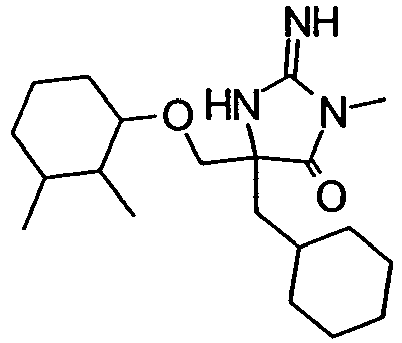
349 350 216 
309 310 237 
349 350 217 
309 310 238 
349 350 218 
321 322 239 
353 354 219 
321 322 240 
361 362 220 
321 322 241 
363 364 221 
322 323 242 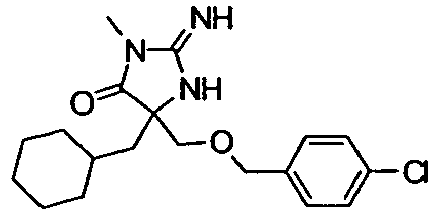
363 364 222 
329 330 243 
363 364 223 
333 334 244 
389 390 224 
335 336 245 
321 NA 225 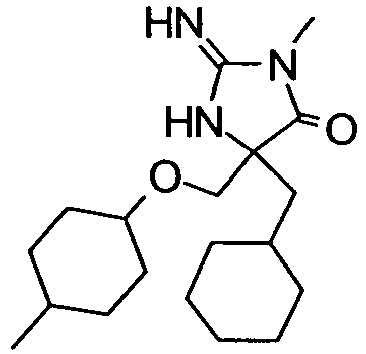
335 336 -

- To a solution of tBuOK (9.5mg, 0.0848mmole) in 0.5ml anhydrous THF was added ArOH (Ar=m-Chlorophenyl)(13µl, 0.1273mmole) in 0.5ml anhydrous THF followed by addition of AE4 (R1=Me, R3=cyclohexylmethyl) (20mg, 0.0424mmole) in 0.5ml anhydrous THF. The reaction mixture was stirred at room temperature for 2 days before it was diluted with 1 ml MeCN, treated with 100mg, MP-TsOH resin and 100mg Amberlyst A26 resin. The resin was removed by filtration and the filtrate was evaporated down to give a product that was treated with 50% TFA for 1 hr. After evaporation of TFA in vacuo, the residue was dissolved in 2ml MeCN, and treated with 100mg MP-TsOH resin. The resin was washed thoroughly with THF, MeCN and MeOH, and then treated with 2M NH3 in MeoH to give AF2 (R1=Me, R3=cyclohexylmethyl and R15=3-chlorophenyl).
- The following compounds were synthesized using similar method:
# Structure MW Obs. m/e # Structure MW Obs. m/e 246 
316 317 309 
365 366 247 
316 317 310 
365 366 248 
316 317 311 
366 367 249 
329 330 312 
366 367 250 
329 330 313 
366 367 251 
329 330 314 
366 367 252 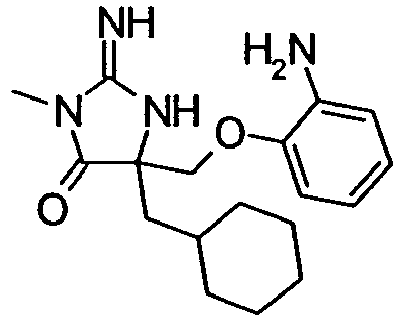
330 331 315 
366 367 253 
331 332 316 
366 367 254 
331 332 317 
366 367 255 
333 334 318 
367 368 256 
333 334 319 
367 368 257 
333 334 320 
367 368 258 
333 334 321 
369 370 259 
333 334 322 
371 372 260 
340 341 323 
371 372 261 
340 341 324 
371 372 262 
340 341 325 
372 373 263 
343 344 326 
372 373 264 
343 344 327 
372 373 265 
343 344 328 
372 373 266 
343 344 329 
373 374 267 
344 345 330 
373 374 268 
344 345 331 
375 376 269 
345 346 332 
375 376 270 
345 346 333 
375 376 271 
345 346 334 
377 378 272 
345 346 335 
377 378 273 
347 348 336 
377 378 274 
347 348 337 
383 384 275 
349 350 338 
383 384 276 
349 350 339 
383 384 277 
349 350 340 
383 384 278 
349 350 341 
383 384 279 
351 352 342 
383 384 280 
351 352 343 
383 384 281 
351 352 344 
383 384 282 
351 352 345 
383 384 283 
351 352 346 
383 384 284 
351 352 347 
385 386 285 
351 352 348 
385 386 286 
351 352 349 
386 387 287 
355 356 350 
387 388 288 
355 356 351 
387 388 289 
357 358 352 
393 394 290 
357 358 353 
393 394 291 
357 358 354 
393 394 292 
357 358 355 
393 394 293 
358 359 356 
399 400 294 
358 359 357 
399 400 295 
358 359 358 
400 401 296 
358 359 359 
400 401 297 
359 360 360 
400 401 298 
359 360 361 
401 402 299 
359 360 362 
401 402 300 
359 360 363 
401 402 301 
359 360 364 
405 406 302 
360 361 365 
411 412 303 
360 361 366 
414 415 304 
360 361 367 
417 418 305 
363 364 368 
417 418 306 
363 364 369 
421 422 307 
363 364 370 
434 435 308 
363 364 371 
451 452 -

- R21-H (R21 =PhS-) (33µl, 0.318mmole) was treated with NaH (10.2mg, 60% in mineral oil) in 0.5ml anhydrous THF. A solution of AE4 (R1=Me, R3=Cyclohexylmethyl) (20mg, 0.0424mmol) in 0.5ml anhydrous THF was added. The reaction mixture was stirred at room temperature overnight before it was partitioned between ether and saturated NaHCO3 water solution. The aqueous phase was extracted with ether 2 times. The combined organic phase was washed with brine 2 times, and dried over anhydrous NaSO4. The crude was purified on flash column with EtOAc / hexane to give 9 mg of AG1 (R21=PhS-, R1=Me, R3=cyclohexylmethyl) (49.2 % yield).
- AG1 (R21=PhS-, R1=Me, R3=cyclohexylmethyl) was treated with 50% TFA according to the Step 6 of the method H to give AG2 (R21=PhS-, R1=Me, R3=cyclohexylmethyl).
- The following compounds were synthesized using similar method:
# Structure MW Obs. m/e # Structure MW Obs. m/e 372 
315 316 374 
337 338 373 
331 332 -

- Benzophenone imine (3.27g, 18.04mmole) was added to a suspension of AH1 (R3=cyclohexylmethyl) (4g, 18.04mmole) in 65ml DCM. The reaction mixture was stirred at room temperature overnight under N2 before the solid was filtered, and the solvent was evaporated. The residue was dissolved in 100 ml ether, washed with water 2X and dried over anhydrous MgSO4. The crude was purified on flash column to give 5.08 g (80.57% yield) of AH2 (R3=cyclohexylmethyl).
- A solution of AH2 (R3=cyclohexylmethyl) (1g, 2.86mmole) in 12 ml anhydrous THF was added to a suspension of 18-crown-6 (0.76g, 2.86mmole) and 30% KH in mineral oil (1.16g, 8.58mmole) in 4ml anhydrous THF under N2. The mixture was cooled in ice-bath and R4Br (R4=3-pyridylmethyl, as a hydrobromide salt) was then added. The reaction mixture was stirred in ice-bath for 30min and at room temperature for 2 more hrs before the reaction was quenched with 2ml of HOAc/THF/H2O (0.25:0.75:1). The mixture was diluted with 40ml EtOAc/H2O (1:1). The aqueous phase was extracted with EtOAc 3 times. The combined organic phase was washed with brine 3 times and dried over anhydrous MgSO4. The crude was purified on flash column to give 0.44g (35.14% yield) of product which was treated with1N HCl (2.2ml, 2.22mmole) in 3ml ether in ice-bath followed by stirred at r.t. overnight. The aqueous phase was evaporated and purified on C-18 reverse phase column to give 0.22g (66% yield) of AH3 (R4=3-pyridylmethyl; R3=cyclohexylmethyl).
-

- To a solution of compound AI1 (R1=Me, R3=n-Bu) (34mg, 0.105mmol) in methanol (1ml) was added 10% Pd/C (5mg). The mixture was kept under an H2 balloon for 1 hr. After filtration of the catalyst, the filtrate was concentrated to get crude product. This residue was purified by RP HPLC to get compound AI2 (R1=Me, R3=n-Bu) (25mg, 100%). Observed MW (M+H) 246.1; exact mass 245.15. 1H NMR (400 MHz, CD3OD): δ = 7.59 (m, 2H), 7.36 (m, 3H), 3.17 (s, 3H), 2.17 (m, 2H), 1.27 (m, 4H), 0.86 (t, 3H, J=7.2Hz).
- The following compounds were synthesized using similar method:
# Structure MW Obs. m/e # Structure MW Obs. m/e 375 
283 284 380 
463 464 376 
285 286 381 
487 488 377 
299 300 382 
489 490 378 
450 451 383 
503 504 379 
462 463 384 
516 517 -

- To a mixture of compound AJ1 (R1=Me, R3=n-Bu) (70mg, 0.165mmol) and butylzincbromide (1.32ml, 0.6mmol) was added Pd(dppf)Cl2. The mixture was degassed, sealed and heated at 55 °C for 1 day. The mixture was diluted with CH2Cl2 and NH3/H2O. The organic layer was separated, dried, concentrated, and purified by RP HPLC to get product which was then treated with 4N HCl/dioxane for 30min to give compound AJ2(R1=Me, R3=n-Bu) (12mg, 25%). Observed MW (M+H) 302.1; 1H NMR (400 MHz, CD3OD): δ = 7.32 (m, 3H), 7.22 (m, 1H), 3.19 (s, 3H), 2.65 (m, 2H), 2.20 (m, 2H), 1.60 (m, 2H), 1.38 (m, 4H), 1.24 (m, 2H), 0.92 (m, 6H).
- The following compound was synthesized in a similar fashion:
# Structure MW Obs. m/e # Structure MW Obs. m/e 386 
518 519 385 
301 302 -

- To a solution of AK1 (R1=Me, R3=n-Butyl, R21=n-Bu) (9mg, 0.03mmol) in methanol (1 ml) was added 5% Pt/C (5mg), Rh/C (5mg) and conc. HCl (0.05ml). The mixture was kept under H2 (50 psi) for 2 days. After the filtration of the catalyst, the filtrate was concentrated to get compound AK2 (R1=Me, R3=n-butyl, R21 =n-Bu) Observed MW (M+H) 308.1. 1H NMR (CD3OD): δ = 3.16 (s, 3H), 1.80 (m, 6H), 1.26 (m, 16H), 0.88 (m, 6H).
- The following compounds were synthesized using similar method:
# Structure MW Obs. m/e # Structure MW Obs. m/e 387 
277 278 391 
391 392 388 
291 292 392 
391 392 389 
305 306 390 
307 308 -

- To a solution of compound AL1 (R3=n-Bu) (418mg, 1.39mmol) in methanol (8ml) was added PtO2 (40mg) and conc. HCl (0.4ml). The mixture was hydrogenated (50psi) for 1 day. After filtration of the catalyst, the filtrate was concentrated. The crude residue was basified to pH=11-12 by 1 N NaOH. This mixture was extracted with ethyl acetate. The organic layer was separated, dried and concentrated to get compound AL2 (R3=n-Bu) (316mg, 100%).
- To a solution of compound AL2 (R3=n-Bu) (300mg, 1.32mmol) in dichloromethane (6ml) was added (BOC)2O (316mg, 1.45mmol). The mixture was stirred at RT for 1.5hr. It was diluted with water and dichloromethane. The organic layer was separated, dried and concentrated to get compound AL3 (R3=n-Bu) (464mg, 100%).
-
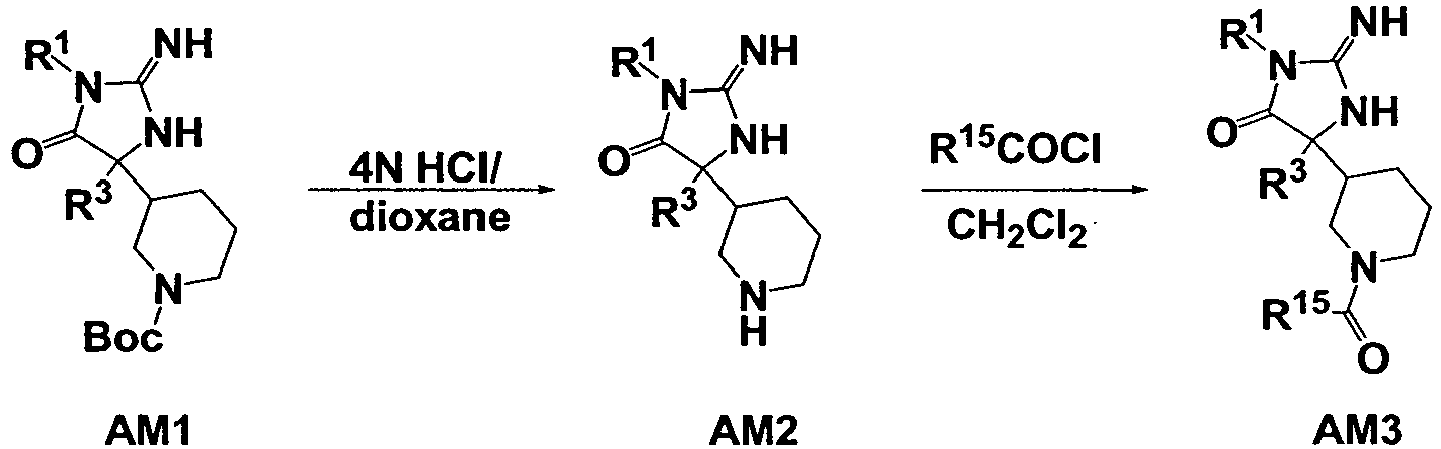
- Compound AM1 (R1=Me, R3=n-Butyl) was treated with 4N HCl in dioxane for 2 hr. The mixture was concentrated to get compound AM2 as an HCl salt (R1=Me, R3=n-Butyl). Observed MW (M+H) 470.1; 1H NMR (CD3OD): δ = 7.28 (m, 2H), 6.96 (m, 3H), 4.80 (m, 2H), 4.56 (m, 1 H), 4.00 (m, 1 H), 3.64 (m, 4H), 3.37 (m, 2H), 3.12 (m, 1H), 3.00 (m, 1H), 2.90 (m, 1H), 2.72 (m, 1H), 2.38 (m, 1 H), 2.12-1.62 (m, 8H), 1.35 (m, 6H), 1.12 (m, 1 H), 0.91 (m, 3H).
- To a solution of compound AM2 (R1=Me, R3=n-Butyl) (32mg, 0.068mmol) in dichloromethane (1ml) was added acetyl chloride (5ul, 0.072mmol). The mixture was stirred for 2 hr. It was then diluted with CH2Cl2 and water. The organic layer was separated, dried, concentrated and purified by RP HPLC to get compound AM3 (R1=Me, R3=n-Butyl and R15=Me) Observed MW (M+H) 512.3; 1H NMR (400 MHz, CDCl3): δ = 7.27 (m, 2H), 6.98 (m, 1 H), 6.92 (m, 2H), 4.65 (s, 2H), 4.50 (m, 2H), 3.98 (m, 1 H), 3.70 (m, 1 H), 3.41 (m, 2H), 2.98 (m, 2H), 2.62 (m, 1 H), 2.50 (m, 1 H), 2.47 (m, 1 H), 2.02 (m, 5H), 1.75 (m, 6H), 1.26 (m, 7H), 0.84 (m, 3H).
- The following compounds were synthesized using similar method:
# Structure MW Obs. m/e # Structure MW Obs. m/e 394 
252 253 397 
469 470 395 
252 253 398 
498 499 396 
456 457 399 
511 512 -

- To a solution of compound AN2 (R1=4-N-(α-phenoxyacetyl)piperidinylmethyl, R3=n-Butyl) (28mg, 0.06mmol) in dichloroethane (2ml) was added butyraldehyde (5.3ul, 0.06mmol), triethylamine (8.4ul, 0.06mmol) and NaBH(OAc)3 (18mg, 0.084mmol). The mixture was stirred overnight. It was then diluted with dichloromethane and water. The organic layer was separated, dried, concentrated and purified by RP HPLC to get AN2 (R1=4-N-(a-phenoxyacetyl)piperidinylmethyl, R3=n-Butyl, R15=propyl and R16=H) (5.4mg, 17%). Observed MW (M+H) 526.1; exact mass 525.37. 1H NMR (CD3OD): δ = 7.28 (m, 2H), 6.96 (m, 3H), 4.76 (m, 2H), 4.55 (m, 1 H), 4.05 (m, 1 H), 3.77 (m, 1 H), 3.61 (m, 3H), 3.50 (m, 1 H), 3.11 (m, 4H), 2.85 (m, 1 H), 2.68 (m, 1 H), 2.38 (m, 1 H), 2.05 (m, 2H), 1.95 (m, 2H), 1.73 (m, 5H), 1.39 (m, 8H), 1.10 (m, 1 H), 0.99 (m, 3H), 0.92 (m, 3H).
- The following compound was synthesized using similar method:
# Structure MW Obs. m/e # Structure MW Obs. m/e 400 
308 309 402 
525 526 401 
308 309 -

- A mixture of copper chloride (2.06g, 20.8mmol) and lithium chloride (1.76g, 41.6mmol) in 100ml of THF was cooled down to -78 °C. To this mixture, a 2.0M solution of AO1(R3=n-butyl) (10ml, 20mmol) was added gradually. The reaction was warmed up to -60 °C, and AO2 (R4=m-Br-Ph) (2.9ml, 22mmol) was injected. The mixture was stirred at -60 °C for 15 minutes and then quickly warmed up to RT by removing the dry-ice bath. The reaction was quenched with water and sat. NaHCO3. After addition of diethyl ether, a lot of precipitate formed and was filtered. From the biphasic filtrate, the organic layer was separated, dried, concentrated and purified by silica gel chromatography (10% EtOAc/ hexane) to get ketone A03 (R4=m-BrPh, R3=n-Bu) (3.93g, 82%). Observed MW (M+H) 241.1; exact mass 240.01. 1H NMR (400 MHz, CDCl3): δ = 8.07 (m, 1 H), 7.88 (m, 1 H), 7.64 (m, 1 H), 7.34 (m, 1 H), 2.94 (t, 3H, J=7.2Hz), 1.71 (m, 2H), 1.40 (m, 2H), 0.95 (t, 3H, J=7.6Hz).
- The following ketones were made according to Method 9:
Structure Observed MW (M+H) Exact mass 
242.1 241.01 -

- To a solution of AP1 (R4=3-Bromophenyl) (5g, 25mmol) in dichloromethane (10ml) were added N,O-dimethylhydroxylamine hydrochloride (2.56g, 26.25mmol) and 4-methylmorpholine (2.95ml, 26.25mmol). EDCI (5.04g, 26.25mmol) was then added portionwise. The reaction mixture was stirred at RT overnight and was then quenched with 1 N HCl (60ml). The mixture was extracted with dichloromethane. The organic layer was washed with 1 N HCl and brine, dried over Na2SO4, and concentrated to give the Weinreb amide AP2 (R4=m-BromoPhenyl) (5.96g, 98%). Observed MW (M+H) 244.1; exact mass 243.99. 1H NMR (CDCl3): δ = 7.78 (m, 1H), 7.58 (m, 2H), 7.24 (m, 1H), 3.51 (s, 3H), 3.32 (s, 3H). This material was used in the next step without purification.
- To a suspension of magnesium turnings (1.19g, 48.8mmol) in 30ml of THF was added dropwise a solution of R3Br (R3=cyclohexylethyl) (5.73ml, 36.6mmol) in 24ml of THF. After addition of half of the solution of bromide, several crystals of iodine were added to initiate the reaction. The mixture became cloudy and heat evolved. The rest of the solution of bromide was added dropwise. The mixture was stirred at RT for 30 minutes and then was cooled to 0 °C, and the AP2 (R4=m-BromoPhenyl) (5.96g, 24.4mmol) was added. The mixture was stirred at RT for 3 hr and then quenched with 1 N HCl until no residual Mg(0) was left. The phases was separated, and the water layer was extracted with ether. The combined organic layers were washed with brine, dried, and concentrated. The crude was purified by silica chromatography (15% EtOAc/hexane) to get ketone AP3 (R4=m-BromoPhenyl, R3=Cyclohexylethyl) (8.06g, 100%). Observed MW (M+H) 295.2; exact mass 294.06. 1H NMR (400 MHz, CDCl3): δ = 8.18 (m, 1 H), 7.85 (m, 1 H), 7.64 (m, 1 H), 7.33 (m, 1 H), 2.94 (t, 3H, J=7.2Hz), 1.70 (m, 9H), 1.63 (m, 4H).
-

- To a -78 °C solution of AQ1 (R4 = cyclopropyl) (2.55 g, 38.0 mmol) in diethyl ether (100 ml) was added AQ3 (R3=n-Bu) (38 ml, 1.5 M in hexanes, 57 mmol). After 45 min, the cooling bath was removed. After 3h at RT, the reaction was quenched by dropwise addition of water and then diluted further with EtOAc and water. The phases were separated and the aqueous layer was extracted with EtOAc (2X). The organic portions were combined, washed with brine, dried over MgSO4, and concentrated. This crude residue was subjected to column chromatography (silica gel, 0%→100% CH2Cl2/hexanes) to provide the desired ketone AQ4 (R4=cyclopropyl, R3=n-Butyl) (2.57 g, 20.4 mmol, 54%). 1H NMR (CDCl3) δ 2.52 (t, J = 7.2 Hz, 2 H), 1.90 (m, 1 H), 1.57 (m, 2 H), 1.30 (m, 2 H), 0.98 (m, 2 H), 0.89 (t, J = 7.6 Hz, 3 H), 0.83 (m, 2 H).
-
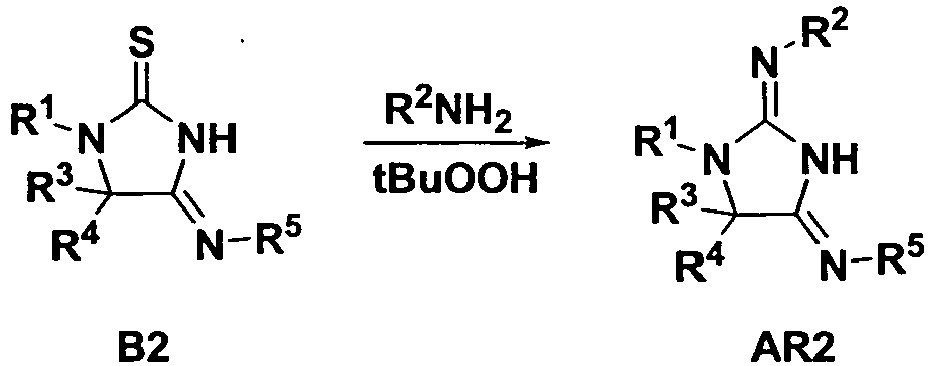
- Compound B2 (R1=m-Cl-Phenethyl, R3=Me, R4=i-butyl and R5=benzyl) was converted into AR2 (R1=m-Cl-Phenethyl, R3=Me, R4=i-butyl and R5=benzyl) using method A step 3.
- The following compounds were synthesized using similar methods:
# Structure MW Obs. m/e # Structure MW Obs. m/e 403 
396 397 407 
340 NA 404 
354 NA 408 
382 NA 405 
477 NA 409 
446 NA 406 
460 NA -

- To a mixture of AS1 (R3=Ph) (3.94 g) in toluene (10 ml) was added thionyl chloride (1.61 ml) and the resulting mixture as heated under reflux for 6 h (until HCl evolution ceased). The reaction mixture was kept overnight at rt before it was concentrated in vacuo. Toluene (10 ml) was added and the mixture was concentrated in vacuo again. The reaction mixture was dissolved in CH2Cl2, solid sodium bicarbonate added, filtered and then the CH2Cl2 solution was concentrated in vacuo to give AS2 (R3=Ph).
- To AS2 (R3=Ph) (0.645 g) and AS5 (R4=4-chlorophenyl) (0.464 g), and 1,3-dimethylimidazolium iodide (0.225 g) in anhydrous THF (20 ml) was added 60% sodium hydride in oil (0.132 g). The resulting mixture was stirred at rt for 18 h. The reaction mixture was concentrated and partitioned between H2O and Et2O. The dried Et2O solution was concentrated in vacuo to give a yellow residue which was placed on preparative silica gel plates and eluted with CH2Cl2 to give AS3 (R3=Ph, R4=p-ClPh). (Miyashita, A., Matsuda, H., Hiagaskino, T., Chem. Pharm. Bull., 1992, 40 (10), 2627-2631).
- Hydrochloric acid (1 N, 1.5 ml) was added to AS3 (R3=Ph, R4=p-ClPh) in THF (10 ml) and the resulting solution was stirred at rt for 20 h. The reaction mixture was concentrated in vacuo and then partitioned between CH2Cl2 and H2O. The dried CH2Cl2 was concentrated in vacuo to give a residue which was placed on preparative silica gel plates and eluted with CH2Cl2:hexane 1:1 to afford AS4 (R3=Ph, R4=p-ClPh).
- AS4 (R3=Ph, R4=p-ClPh) (0.12 g) and methylguanidine, HCl (AS6, R1= Me) (0.055 g) were mixed in absolute EtOH (5 ml) with triethylamine (0.2 ml) and then heated under reflux for 20 h. The resulting mixture was concentrated and then partitioned between CH2Cl2 and H2O. The dried CH2Cl2 was concentrated in vacuo to give a residue which was placed on preparative silica gel plates and eluted with CH2Cl2:MeOH 9:1 to afford AS5 (R3=Ph, R4=p-ClPh and R1=Me).
- The following compounds were synthesized using similar methods:
# Structure MW Obs. m/e # Structure MW Obs. m/e 419 
299 300 411 
265 266 420 
309 310 412 
265 266 421 
325 326 413 
271 272 422 
343 344 414 
271 272 423 
343 344 415 
279 280 424 
421 422 416 
295 296 425 
482 483 417 
295 296 426 
512 513 418 
299 300 427 
560 561 -

- AT1, prepared using a method similar to Method H, Step1,2 and 3, (n=4, R3=R4=n-Bu) (0.146 g) in MeOH (3 ml) and 1 N NaOH (0.727 ml) were stirred overnight at rt. The mixture was concentrated and then partitioned in water (pH ~3, adjusted using conc. HCl) and EtOAc. The dried EtOAc layer was concentrated in vacuo to afford AT2 (n=4, R3=R4=n-Bu).
- Compound AT2 (n=4, R3=R4=n-Bu) (0.012 g) in MeCN (1 ml) was treated with EDC resin (0.12 g, 1.44 mmol/g), HOBT (0.004 g) in THF (1 ml), and n-butylamine (R15=H, R16=n-butyl) (0.007 ml). The reaction was carried out overnight at rt. before Argonaut PS-NCO resin (0.150 g), PS-polyamine resin (0.120g) and THF (2 ml) were added and the mixture shaken for 4 h. The reaction mixture was filtered and resin washed with THF (2 ml). The combined organic phase was concentrated in vacuo before the residue was treated with 1 N HCl in MeOH (1 ml) for 4 h followed by evaporation of solvent to give AT3 (n=4, R3=R4=n-Bu, R15=H and R16=n-Butyl).
- The following compounds were synthesized using similar method:
# Structure MW Obs. m/e # Structure MW Obs. m/e 428 
324 325 436 
400 401 429 
325 326 437 
406 407 430 
338 339 438 
414 415 431 
339 340 439 
414 415 432 
366 367 440 
420 421 433 
368 369 441 
428 429 434 
380 381 442 
444 445 435 
382 383 443 
458 459 -

- A published procedure was adapted (Varga, I.; Nagy, T.; Kovesdi, I.; Benet-Buchholz, J.; Dormab, G.; Urge, L.; Darvas, F. Tetrahedron, 2003, (59) 655-662).
- AU1 (R15=H, R16=H) (0.300 g), prepared according to procedure described by Furniss, B. S.; Hannaford, A. J.; Smith, P. W. G.; Tatchell, A. R., (Vogel's Textbook of Practical Organic Chemistry. 5th ed. Longman: new York, 1989; pp1034-1035), AU2 (HCl salt, R1=Me) (0.237 g), 50% KOH (0.305 ml), 30% H2O2 (0.115 ml) and EtOH (4.6 ml) were heated in a sealed tube for 2 h. Reaction mixture was concentrated and extracted with CH2Cl2. The dried organic solution was concentrated in vacuo to give a residue which was placed on preparative silica gel plates eluting with CH2Cl2:MeOH 9:1 to afford AU3 (R15=H, R16=H, R1= Me).
- The following compounds were synthesized using similar method:
# Structure MW Obs. m/e # Structure MW Obs. m/e 444 
265 266 448 
285 286 449 
309 310 446 
280 281 450 
309 310 447 
285 286 -

- In a microwave tube, AV1 (R3=Me, R4=Bu-i) (0.0012 g) and AV2 (R22=OPh) (0.0059 ml) in isopropanol (2 ml) was placed in a microwave at 125°C for 5 min. The reaction mixture was concentrated in vacuo to give AV3 (R3=Me, R4=i-Bu, R22=OPh).
- AV3 (R3=Me, R4=i-Bu, R22=OPh) in CH2Cl2 (1 ml) and TFA (1 ml) was shaken for 2h and the concentrated in vacuo and purified on Prep LCMS to afford AV4 (R3=Me, R4=i-Bu, R22=OPh).
- The following compounds were synthesized in a simlar fashion.
# Structure M W mOB m/e # Structure M W Obs. m/e 451 
378 379 453 
416 417 452 
396 397 -

- Method similar to Method U was used for this transformation. The following compounds were generated using similar methods.
- The following compounds were synthesized in a similar fashion:
# Structure MW Obs. m/e # Structure MW Obs. m/e 454 
341 342 458 
347 348 455 
341 342 459 
359 360 456 
342 343 460 
323 324 457 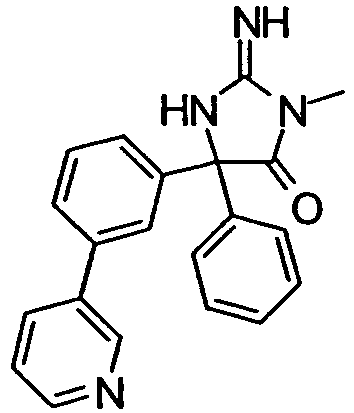
342 343 461 
294 295 -

- A literature procedure was adapted.(J-Q Yu and E.J. Corey, Organic Letters, 2002, 4, 2727-2730).
- To a 400 ml DCM solution of AX1 (n=1, R4=phenethyl) (52 grams) in a ice bath was added 5 g of Pd/C (5% w/w), 50 g of potassium carbonate and 100 ml of anhydrous t-BuOOH. The mixture was stirred in air for overnight before it was diluted with DCM and washed with water. The residue after removal of organic solvent and drying was chromatographed using ethylacetate/hexane to give 25 g of AX2 (n=1, R4=phenethyl).
- A solution of AX2 (4.5 g, n=1, R4=phenethyl) in MeOH (50 ml) was treated with 0.4 g of Sodium borohydride and the reaction was stirred for 30 min before the solvent was removed and residue chromatographed to give a mixtrue of AX3 (n=1, R4=phenethyl) and AX4 (n=1, R4=phenethyl) which was separated using an AS chiralpak column eluted with 8% IPA in Hexane (0.05% DEA) to give 2.1 g of AX3 (n=1, R4=phenethyl) as the first fraction and 2.2 g of AX4 (n=1, R4=phenethyl) as the second fraction.
- A 100 ml methanolic solution of AX4 (n=1, R4=phenethyl) (2.2 g) and 1,1'-bis(di-i-propylphosphino)ferrocene (1,5-cyclooctadiene)rhodium (I) tetrafluoroborate (0.4 g, 0.57 mmol) was hydrogenated at 55 psi overnight. The reaction was concentrated, and the brown oil was purified by silica gel chromatography to yield AX6 (n=1, R4=phenethyl) (1.7g).
- The following compounds were generated using similar method.


-

- A solution of AY1 (n = 1; 1.5g, 3.4 mmol), 5% Rh/C (1.5g), 5% Pd/C (0.5g) in AcOH (30 mL) was shaken in a Parr apparatus at 55 psi for 18 hours. The vessel was flushed with N2, and the reaction was filtered through a pad of celite. After concentration AY2 was obtained which was carried on without purification. MS m/e: 312.0 (M+H).
- AY3 was generated using similar method.

-

- To a solution of AZ1 (n=1, R1=Me, R3=2-cyclohexylethyl) (0.441 g, 1.01 mmol), generated from AY2 using Method C and Method H Step 3, in DCM was added Dess-Martin Periodinane (0.880 g, 2.07 mmol). The reaction was stirred for 3 hours at room temperature. The reaction was quenched with H2O and diluted with EtOAc. After removal of the organic phase, the aqueous layer was extracted with EtOAc (3x). The combined organics were dried (Na2SO4), filtered, and concentrated. The residue was purified by silica gel chromatography (0-100% EtOAc/hexanes) to yield AZ2 (n=1, R1=Me, R3=2-cyclohexylethyl) (0.408 g, 0.94 mmol, 93% yield). MS m/e: 434.1 (M+H).
- To a solution of AZ2 (n=1, R1=Me, R3=2-cyclohexylethyl) (0.011 g, 0.025 mmol) and AZ5 (R15=H and R16=m-pyridylmethyl) (0.0067 mL, 0.066 mmol) in DCE (1.8 mL) and MeOH (0.2 mL) was added AcOH (4 drops) and MP-cycanoborohydride resin (.095 g, 2.42 mmol/g). The reaction was agitated for 40 hours at room temperature. The reaction was treated with 7N NH3/MeOH, and solution was filtered. After concentration, the residue was purified by silica gel HPLC (0-4% [(5% 7N NH3/MeOH)/MeOH]/(50%DCM/hexanes) to furnish fraction 1 and fraction 2 which, after removal of solvent, were treated with 20% TFA in DCM for 3h at r.t. to give AZ4 (n=1, R1=Me, R3=2-cyclohexylethyl, R15=H and R16=m-pyridylmethyl) (0.005 g, 0.009 mmol) and the AZ3 (n=1, R1=Me, R3=2-cyclohexylethyl, R15=H and R16=m-pyridylmethyl) (0.012 g, 0.022 mmol) respectively.
- The following compounds were generated using similar methods:
# Structure MW Obs. m/e # Structure MW Obs. m/e 462 
333 334 504 
406 407 463 
348 349 505 
410 411 464 
374 375 506 
410 411 465 
374 375 507 
410 411 466 
374 375 508 
411 412 467 
374 375 509 
411 412 468 
376 377 510 
411 412 469 
376 377 511 
416 417 470 
376 377 512 
416 417 471 
376 377 513 
416 417 472 
377 378 514 
416 417 473 
377 378 515 
417 418 474 
378 379 516 
417 418 475 
378 379 517 
424 425 476 
388 389 518 
424 425 477 
388 389 519 
424 425 478 
388 389 520 
424 425 479 
388 389 521 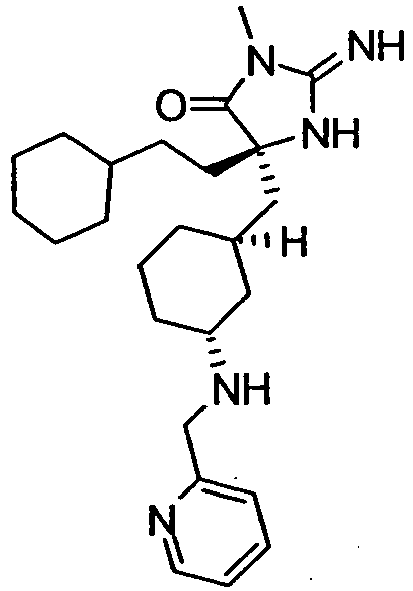
425 426 480 
388 389 522 
425 426 481 
388 389 523 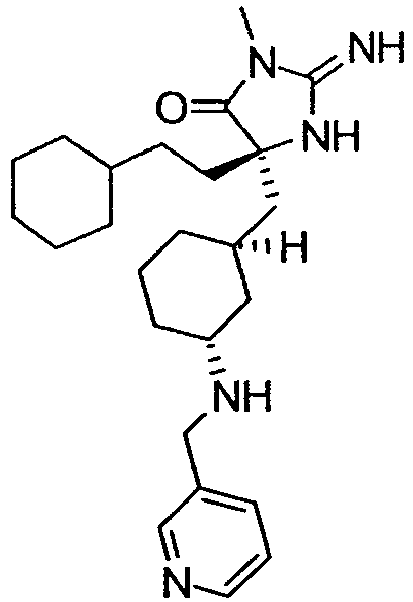
425 426 482 
388 389 524 
425 426 483 
388 389 525 
425 426 484 
390 391 526 
425 426 485 
390 391 527 
425 426 486 
390 391 528 
425 426 487 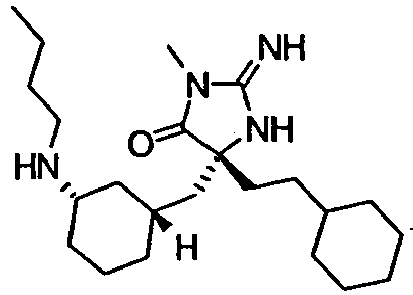
390 391 529 
425 426 488 
391 392 530 
425 426 489 
391 392 531 
425 426 490 
391 392 532 
425 426 491 
391 392 533 
428 429 492 
392 393 534 
428 429 493 
392 393 535 
439 440 494 
392 393 536 
439 440 495 
392 393 537 
442 443 496 
402 403 538 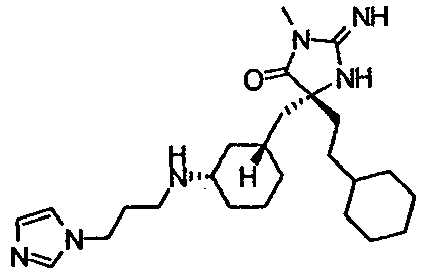
442 443 497 
402 403 539 
442 443 498 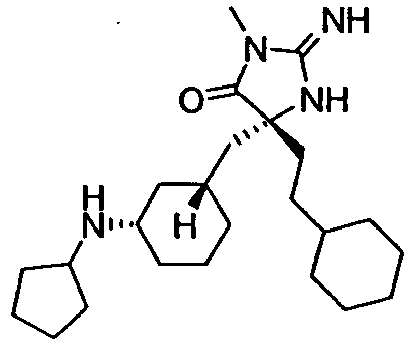
402 403 540 
442 443 499 
405 406 541 
444 445 500 
406 407 542 
445 446 501 
406 407 543 
459 460 502 
406 407 544 
459 460 503 
406 407 -

- BA1, prepared according to a literature procedure (Terao, Y; Kotaki, H; Imai, N and Achiwa K. Chemical and Pharmaceutical Bulletin, 33 (7), 1985, 2762-2766) was converted to BA2 using a procedure described by Coldham, I; Crapnell, K.M; Fernandez, J-C; Moseley J.D. and Rabot, R. (Journal of Organic Chemistry, 67 (17), 2002, 6185-6187).
- 1H NMR(CDCl3) for BA2: 1.42 (s, 9H), 4.06 (d, 4H), 4.09 (s, 1 H), 4.18 (s, 2H), 5.62 (d, 1 H).
- BA3 was generated from BA2 using a literature procedure described by Winkler J. D.; Axten J.; Hammach A. H.; Kwak, Y-S; Lengweiler, U.; Lucero, M. J.; Houk, K. N. (Tetrahedron, 54 1998, 7045-7056). Analytical data for compound BA3: MS m/e: 262.1, 264.1 (M+H). 1H NMR(CDCl3) 1.43 (s, 9H), 3.98 (s, 2H), 4.11 (d, 4H), 5.78 (d, 1 H).
-

- Compound BB1 (n=1, R1=Me, R3=cyclohexylethyl) was converted to BB2 (n=1, R1=Me, R3=cyclohexylethyl) and BB3 (n=1, R1=Me, R3=cyclohexylethyl) which were separated via a silica gel column eluted with EtOAc in Hexane (0-15%).
- Compound BB4 (n=1, R1=Me, R3=cyclohexylethyl) was generated from BB2 (n=1, R1=Me, R3=cyclohexylethyl) using 20% TFA in DCM.
- The following compounds were generated using similar method:

-

- Compound BC2 (n=1, R1=Me, R3=cyclohexylethyl and R15=m-Pyridyl) was obtained from BC1 (n=1, R2=Me, R3=cyclohexylethyl) using method L step 2.
- Compound BC3 (n=1, R1=Me, R3=cyclohexylethyl and R15=m-Pyridyl) was obtained from BC2(n=1, R1=Me, R3=cyclohexylethyl and R15=m-Pyridyl) using method L step 3.
- The following compounds were generated using a similar method:
# Structure MW Obs. m/e # Structure MW Obs. m/e 552 
374 375 574 
411 412 553 
388 389 575 
416 417 554 
388 389 576 
416 417 555 
388 389 577 
416 417 556 
388 389 578 
416 417 557 
390 391 579 
424 425 558 
390 391 580 
424 425 559 
402 403 581 
424 425 560 
402 403 582 
424 425 561 
402 403 583 
425 426 562 
402 403 584 
425 426 563 
404 405 585 
425 426 564 
404 405 586 
425 426 565 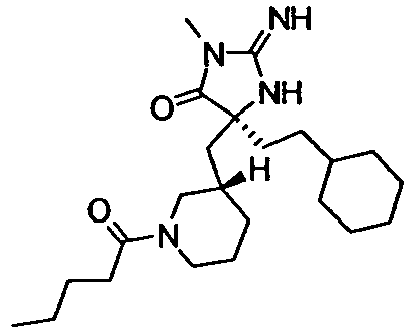
404 405 587 
425 426 566 
404 405 588 
425 426 567 
410 411 589 
425 426 568 
410 411 590 
430 431 569 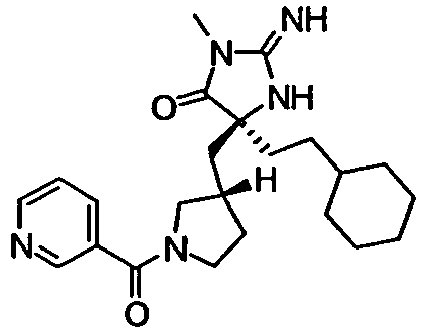
411 412 591 
430 431 570 
411 412 592 
438 439 571 
411 412 593 
438 439 572 
411 412 594 
439 440 573 
411 412 -

- Compound BD2 (n=1, R1=Me, R3=cyclohexylethyl and R15=Ph) was obtained from BD1 (n=1, R2=Me, R3=cyclohexylethyl) using Method N, Step 1.
- Compound BD3 (n=1, R1=Me, R3=cyclohexylethyl and R15=Ph) was obtained from BD2 (n=1, R1=Me, R3=cyclohexylethyl and R15=m-Pyridyl) using Method N, Step 2.
- The following compounds were generated using a similar method:
# Structure MW Obs. m/e # Structure MW Obs. m/e 595 
440 441 596 
460 461 -

- Method similar to Method M was adapted for these transformations. The following compounds were generated similar methods.
# Structure MW Obs. m/e # Structure MW Obs. m/e 597 
405 406 598 
439 440 -

- Method similar to Method T, Step 1 was used for the synthesis of BF2 (n =1, R1=Me and R3=phenethyl, R15=H and R16=n-propyl).
- Method similar to method L Step 3 was adapted for this transformation. The following compounds were generated using similar methods.
# Structure MW Obs. m/e # Structure MW Obs m/e 599 
376 377 604 
397 398 600 
390 391 605 
397 398 601 
390 391 606 
397 398 602 
390 391 607 
411 412 603 
397 398 -

- To a solution of BG1 (n=1, R3=cyclohexylethyl) (0.136 g, 0.31 mmol) in CH2Cl2 was added 2,6-lutidine, AgOTf, and butyl iodide. The reaction was stirred at room temperature for 96 hours. The reaction was filtered through a pad of Celite, and the solution was concentrated. The residue was purified by silica chromatography (0-100% EtOAc/hexanes) to furnish BG2 (n=1, R3=cyclohexylethyl, R15=n-butyl) (0.124 g, 0.25 mmol, 80% yield). MS m/e: 426.1 (M-OBu).
- The following compound was prepared using similar method:

-

- Compound BH1 (n=1, R3=cyclohexylethyl and R15=n-butyl) (0.060 g, 0.12 mmol) and 5% Pd(OH)2/C (0.040 g) in EtOAc (1 mL)/MeOH (0.2 mL) was stirred under an atmosphere of H2 for 20 hours at room temperature. The reaction was filtered through a pad of Celite, and the solution was concentrated. The crude product mixture BH2 (n=1, R3=cyclohexylethyl and R15=n-butyl) was carried on to the next step without purification.
- A solution of BH2 (n=1, R3=cyclohexylethyl and R15=n-butyl) was converted to a product mixture of BH4 and BH3 using a method similar to Method C Step 1. The mixture was purified by silica gel chromatography using EtOAc/hexanes to yield BH4 (n=1, R2=Me, R3=cyclohexylethyl and R15=n-butyl) (0.032 g, 0.078 mmol, 56% yield) and BH3 (n=1, R2=Me, R3=cyclohexylethyl and R15=n-butyl) (0.008 g, 0.020 mmol, 14% yield). For BH4 (n=1, R2=Me, R3=cyclohexylethyl and R15=n-butyl), MS m/e: 409.1M+H). For BH3 (n=1, R2=Me, R3=cyclohexylethyl and R15=n-butyl), MS m/e: 409.1 (M+H).
- Compound BH4 (n=1, R2=Me, R3=cyclohexylethyl and R15=n-butyl) (0.032 g, 0.078 mmol) was converted to BH5 (n=1, R2=Me, R3=cyclohexylethyl and R15=n-butyl) (0.016 g, 0.043 mmol, 57% yield)using a method similar to Method A, step 3. MS m/e: 392.1 (M+H).
- The following compound was generated using a similar method:
# Structure MW Obs. m/e # Structure MW Obs. m/e 608 
391 392 610 
391 392 609 
391 392 -

- A solution of BI1(0.020 g, 0.040 mmol) in DCM (1 mL) was degassed using freeze/pump/thaw (4x) method. At the end of the fourth cycle Crabtree's catalyst was added and the system was evacuated. While thawing, the system was charged with hydrogen gas, and the reaction was stirred at room temperature for 16 hours under an H2 atmosphere. The reaction was concentrated, and the brown oil was purified by reverse phase HPLC to furnish BI2(0.011 g, 0.022 mmol, 55% yield). MS m/e: 368.2 (M+H).
-

- A mixture of 2 ml dioxane solution of BJ1 (R1=Me, R3=Me) (140 mg, 0.5 mmol) generated using Method BK Steps 1 & 2, indole (1.2 eq), potassium t-Butoxide (1.4 eq), Pd2(dba)3 (0.02 eq) and 2-di-t-butylphospinobiphenyl (0.04 eq) in a sealed tube was irradiated in a microwave oven at 120 °C for 10 min and the mixture was separated via a silica gel column to give BJ2(R1=Me, R3=Me) (0.73 mg).
- BJ2(R1=Me, R3=Me) was converted to BJ3 (R1=Me, R3=Me) using Method BK, Steps 3 & 4. Obs. Mass for BJ3 (R1=Me, R3=Me): 319.2.
# Structure MW Obs. m/e 614 
318 319 -

- Hydantoin BK2 (R3=N-benzyl-3-piperidyl, R4=n-Bu) was prepared according to Method D, Step 1 from the corresponding ketone BK1 (R3=N-benzyl-3-piperidyl, R4=n-Bu). Analytical data for BK2 (R3=N-benzyl-3-piperidyl, R4=n-Bu): (M+H) = 330.1.
- To a suspension of hydantoin BK2 (R3=N-benzyl-3-piperidyl, R4=n-Bu) (138 mg, 0.419 mmol) in DMF (1.5 ml) was added dimethylformamide dimethylacetal (0.11 ml, 0.84 mmol). The resulting mixture was heated in a 100 °C oil bath for 16h and then cooled to RT and concentrated under vacuum. This crude residue was purified by column chromatography (MeOH/DCM) to give product BK3 (R3=N-benzyl-3-piperidyl, R4=n-Bu) (140 mg, 0.408 mmol, 97%), (M+H) = 344.1.
- To a solution of a portion of BK3 (R3=N-benzyl-3-piperidyl, R4=n-Bu) (70 mg, 0.20 mmol) in toluene (1 ml) was added Lawesson's reagent (107 mg, 0.26 mmol). The resulting mixture was placed in an oil bath at 60 °C for 16h and then at 100 °C for 24h. After cooling to RT, the reaction was quenched by addition of several drops of 1 N HCl and then diluted with EtOAc and 1 N KOH. The phases were separated and the aqueous layer extracted with EtOAc (2X). The organic portions were combined, washed with brine, dried over MgSO4, filtered, and concentrated. This crude residue was purified by preparative TLC (1000 µm silica, 15% EtOAc/DCM) to give two separated diastereomers BK4 (R3=N-benzyl-3-piperidyl, R4=n-Bu) (24 mg, 0.067 mmol, 33%, MS: (M+H) = 360.2) and BK5 (R3=N-benzyl-m-piperidyl; R4=n-Bu) (22 mg, 0.062 mmol, 31%, MS: (M+H) = 360.2).
- Diastereomer BK5 (R3=N-benzyl-3-piperidyl, R4=n-Bu) was treated with NH4OH (2 ml) and t-butyl hydrogen peroxide (70% aqueous, 2 ml) in MeOH (4 ml) for 24 h. After concentration, the crude sample was purified by preparative TLC (1000 mm silica, 7.5% 7N NH3/MeOH in DCM). The resulting sample was dissolved in DCM (1 ml), treated with 4N HCl in dioxane for 5 min, and finally concentrated to give diastereomeric products BK7 (R3=N-benzyl-3-piperidyl, R4=n-Bu) (12 mg, 0.029 mmol, 43%). 1H NMR (CD3OD) δ 7.60 (m, 2 H), 7.49 (m, 3 H), 4.39 (ABq, J AB = 12.8 Hz, ΔVAB = 42.1 Hz, 2 H), 3.69 (m, 1 H), 3.39 (br d, J = 13.6 Hz, 1 H), 3.20 (s, 3 H), 2.96 (m, 2 H), 2.45 (m, 1 H), 1.99 (m, 1 H), 1.92-1.78 (m, 3 H), 1.68 (br d, J = 12.4 Hz, 1 H), 1.50 (dq, J d = 3.6 Hz, Jq = 12.8 Hz, 1 H), 1.36-1.22 (m, 4 H), 1.03 (m, 1 H), 0.90 (t, J = 7.2 Hz, 3 H). LCMS: tR (doubly protonated) = 0.52 min, (singly protonated) = 2.79 min; (M+H) for both peaks = 343.2.
- The following compounds were synthesized using similar methods:
# Structure M W Obs. m/e 615 
281 282 -

- To a 2ml Methanolic solution of BL1 (n=1, R3=cyclohexylethyl, R1=Me) (10 mg) was added BL3 (HCl salt, R15=H, 2 eq) and NaOAc (2 eq) and the mixture was heated to 60 C for 16 h. After removal of solvent, the residue was treated with 20% TFA in DCM for 30 min before the solvent was evaporated and residue purified using a reverse phase HPLC to give BL2 (n=1, R3=cyclohexylethyl, R1 = Me and R15 = H).
- The following compounds were synthesized using similar methods.
# Structure MW Obs. m/e # Structure MW Obs. m/e 616 
348 349 617 
388 389 -

- To a toulene solution (3ml) of BM1 (n=1, R3=cyclohexylethyl, R2=Me) (0.050 mg) was added 1.5 eq of diphenylphosphorylazide and 1.5 eq of DBU and the solution was stirred at r.t. overnight. The reaction mixture was diluted with EtOAc and washed with 1% aq HOAc before the organic layer was dried and solvent evaporated. The residue was chromatographed using EtOAc/Hex to give a product that was treated with triphenylphosphine (2 eq) in THF (1 % water) overnight to give BM2 (n=1, R3=cyclohexylethyl, R2=Me) after reverse phase purification.
- To a DCM solution of BM2 (n=1, R3=cyclohexylethyl, R2=Me) was added 1 eq of benzyloxycarbonyl-OSu and the reaction was stirred overnight before the solvent was evaporated and residue chromatographed to give BM3 (n=1, R3=cyclohexylethyl, R2=Me).
- Compound BM4 (n=1, R3=cyclohexylethyl, R2=Me) and BM5 (n=1, R3=cyclohexylethyl, R2=Me) were generated from BM2 (n=1, R3=cyclohexylethyl, R2=Me) and BM3 (n=1, R3=cyclohexylethyl, R2=Me) through Boc-deprotection.
- The following compounds were synthesized using similar method:
# Structure MW Obs. m/e # Structure MW Obs. m/e 618 
332 333 619 
468 469 -

- A mixture of Pd(OAc)2 (9 mg), triethylamine (17 microliter), triethylsilane (11 microliter) and BN1 (20 mg) in DCM was hydrogenated at 1atm at rt for 1.5 h before the reaction was filtered through a Celite pad to give BN2 after removal of solvent.
- The following compounds were generated through boc-deprotection of the corresponding starting material using 50% TFA in DCM, rt 30 min.
# Structure MW Obs. m/e # Structure MW Obs. m/e 620 
266 267 624 
288 289 621 
266 267 625 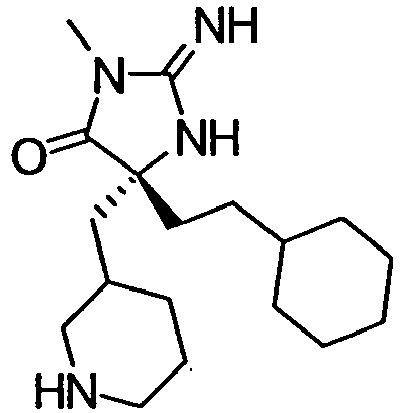
320 321 622 
274 275 626 
320 321 623 
274 275 -

- To a solution of BP1 (n=1, R1=Me, R2=H, R3 = cyclohexylethyl) (0.012 g, 0.028 mmol) in CH2Cl2 (0.5 mL) was added 2,6-lutidine (0.010 mL, 0.086 mmol), AgOTf (0.024 g, 0.093 mmol), and benzyl bromide (0.010 mL, 0.084 mmol). The reaction was stirred at room temperature for 16 hours. The solid was filtered, and after concentration the residue was purified by reverse phase HPLC to yield BP2 (n=1, R1=Me, R2=H, R3 = cyclohexylethyl) (0.010 g, 0.019 mmol). MS m/e: 526.1 (M+H).
- BP3(n=1, R1=Me, R2=H, R3 = cyclohexylethyl) was prepared from BP2(n=1, R1=Me, R2=H, R3 = cyclohexylethyl) using 30% TFA/DCM. MS m/e: 426.1 (M+H).
# Structure M W Obs. m/e 627 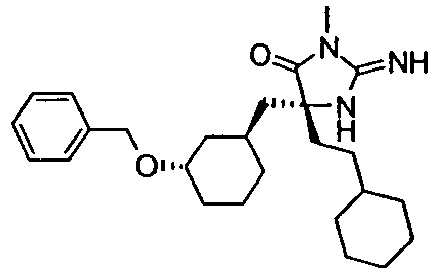
425 426 -

- BQ1 was prepared according to Method AZ.
- To a solution of BQ1(n=1, R1=Me, R2=H, R3 = cyclohexylethyl) (0.004 g, 0.007 mmol) in CH2Cl2 (0.3 mL) was added DIEA (0.007 mL, 0.040 mmol), acetic acid (0.001 mL, 0.017 mmol), HOBt (0.003 g, 0.019 mmol), and EDCl (0.003 g, 0.016 mmol). The reaction was stirred at room temperature for 16 hours. The reaction was concentrated and purified by reverse phase HPLC to provide BQ2 (n=1, R1=Me, R2=H, R3 = cyclohexylethyl) (0.003 g, 0.005 mmol). MS m/e: 627.1 (M+H).
- BQ2 (n=1, R1=Me, R2=H, R3 = cyclohexylethyl) (0.003 g, 0.005 mmol) was treated with 20% TFA/CH2Cl2 (1 mL) in the presence of PS-thiophenol resin (0.030 g, 1.42 mmol/g) for 3 hours. The solution was filtered and concentrated to produce BQ3 (n=1, R1=Me, R2=H, R3 = cyclohexylethyl) (0.002 g, 0.005 mmol). MS m/e: 377.2 (M+H).
# Structure MW Obs. m/e 628 
376 377 -
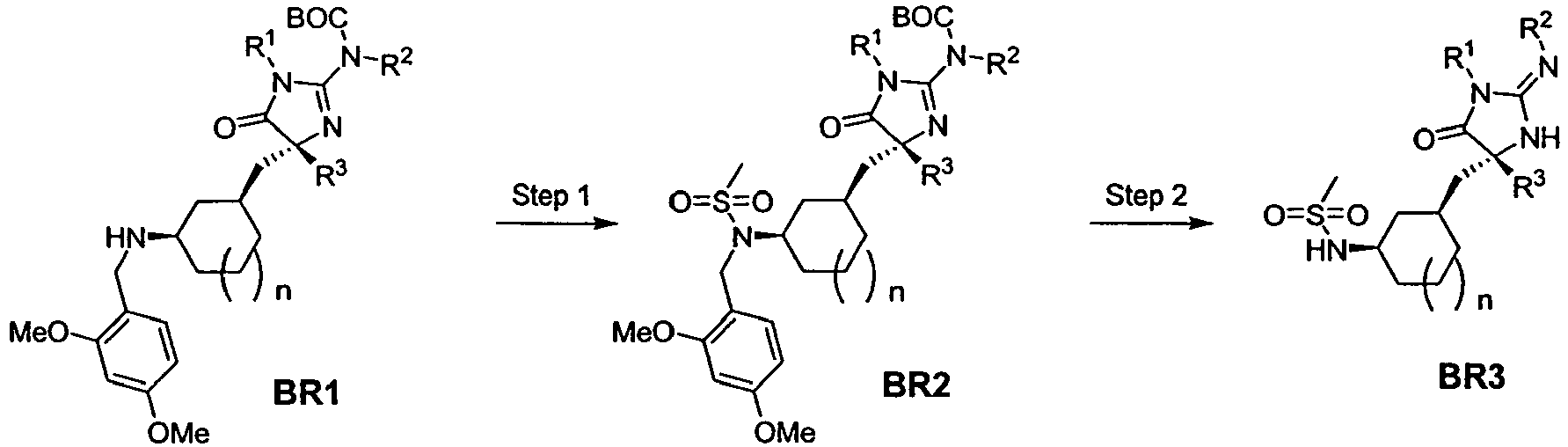
- To a solution of BR1(n=1, R1=Me, R2=H, R3 = cyclohexylethyl) (0.004 g, 0.007 mmol) in pyridine (0.2 ml) was added DMAP (a few crystals) and methylsulfonyl chloride (3 drops). The reaction was stirred at room temperature for 6 days. The reaction was quenched with water and diluted with CH2Cl2. The organic layer was removed, and the aqueous phase was extracted with CH2Cl2 (3x). After concentration, the brown residue was purified by reverse phase HPLC to yield BR2(n=1, R1=Me, R2=H, R3 = cyclohexylethyl) (0.003 g, 0.004 mmol). MS m/e: 663.2 (M+H).
- BR3 (n=1, R1=Me, R2=H, R3 = cyclohexylethyl) was prepared from BR2(n=1, R1=Me, R2=H, R3 = cyclohexylethyl) following a procedure similar to Method BQ Step 2. MS m/e: 413.1 (M+H).
# Structure MW Obs. m/e 629 
412 413 -

- To a solution of BS1(n=1, R1=Me, R2=H, R3 = cyclohexylethyl) (0.003 g, 0.006 mmol) in CH2Cl2 (0.3 mL) was added phenyl isocyanate (2 drops). The reaction was stirred at room temperature for 16 hours. The reaction was concentrated and purified by reverse phase HPLC to provide BS2 (n=1, R1=Me, R2=H, R3 = cyclohexylethyl) (0.002 g, 0.002 mmol). MS m/e: 823.5 (M+H).
- Compound BS2 (n=1, R1=Me, R2=H, R3 = cyclohexylethyl) was subjected to the same conditions in Method BQ Step 2. The crude mixture prepared above was treated with LiOH (0.006 g, 0.25 mmol) in MeOH (0.3 mL) for 2 hours. The reaction was concentrated, and the residue was purified by reverse phase HPLC to furnish BS3 (n=1, R1=Me, R2=H, R3 = cyclohexylethyl) (0.0012 g, 0.002 mmol). MS m/e: 454.1 (M+H).
# Structure MW Obs. m/e 630 
453 454 -

- To a round bottom flask were added compound BT1 (R1=Me, R3=Me) (100 mg, 0.29 mmol), anhydrous toluene (2 ml), 3-aminopyridine (55 mg, 0.58 mmol) and 2-(di-tert-butyl phosphino) biphenyl (17 mg, 0.058). The solution was then degassed by N2 for 2 minutes before NaO-t-Bu (61 mg, 0.638 mmol) and Pd2(dba)3 (27 mg, 0.029 mmol) were added. The reaction was stirred at 80 °C for 22 hours. After cooling down to room temperature, the reaction was poured to cold water and extracted by CH2Cl2. The combined organic layer was then dried over Na2SO4. After the filtration, the concentrated residue was separated by TLC (CH3OH:CH2Cl2=1:10) and reverse phase HPLC (10%-100% acetonitrile in water w/0.1%formic acid) to produce the desired compound BT2 (R1=Me, R3=Me and R21= m-pyridyl) as a formate salt (23.6 mg, white solid, 20%). 1HNMR (CDCl3) δ 7.50-6.90 (m, 13 H), 3.14 (s, 3H) MS m/e 358 (M+H).
# Structure MW Obs. m/e # Structure MW Obs. m/e 631 
347 348 632 
356 357 633 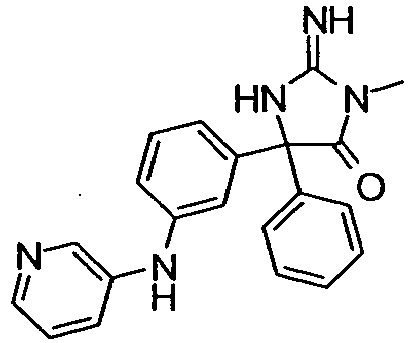
357 358 635 
357 358 634 
357 358 636 
358 359 -

- To a round bottmed flask containing BU1 (m =1, n = 1, R1=Me, R3=Cyclohexylethyl) (99 mg, 0.307 mmol) of the trifluroacetic acid salt of pyrollidine derivative in 5 ml of DCM was added (86 µL, 0.614 mmol) of triethylamine followed by addition of (76 mg, 0.307 mmol) N-(benzyyloxycarbonyloxy)succinimide. Stir at room temperature for 18h. Dilute the mixture with DCM and extract with sat'd NaHCO3 soln, then water. Collect the organic portion and dry over Na2SO4, filter and concentrate in vacuo. Purify by silica gel chromatography (eluting with 0 to 60% EtOAc/hexanes) to yield BU2 (m =1, n = 1, R1=Me, R3=Cyclohexylethyl) (130 mg, 0.284 mmol, 93% yield). MS m/e: 458.1 (M+H).
- To a solution of BU2 (m =1 , n = 1, R1=Me, R3=Cyclohexylethyl) (130 mg) in 1 ml of MeOH in a reaction vial was added 0.5 ml of a solution of 70% tBuOOH in water and 0.5 ml of NH4OH. Seal the vial and shake at room temperature for 72h. The mixture was concentrated in vacuo. The mixture was diluted with 1 ml of MeOH and a mixture 30 mg of NaHCO3 and Boc2O (87 mg, 0.398 mmol) were added. The solution mixture was stirred at room temperature for 18h before it was concentrated and the residue purified by silica gel chromatography using EtOAc/hexanes to yield the BU3 (m =1, n = 1, R1=Me, R3=Cyclohexylethyl) (90 mg, 0.167 mmol, 58% yield). MS m/e: 541.1, 441.1 (M+H).
- A solution of BU3 (m =1, n = 1, R1=Me, R3=Cyclohexylethyl) (90mg, 0.167 mmol) in 5 ml of MeOH was hydrogenated using 100 mg of Pd(OH)2-C (20% w/w) at 1 atm for 1 h. The reaction mixture was filtered through a pad of diatomaceous earth and the pad was washed with MeOH. Concentration of the collected organic portions in vacuo yielded BU4 (m =1 , n = 1, R1=Me, R3=Cyclohexylethyl) (47 mg 0.116 mmol, 70% yield). MS m/e: 407.1 (M+H).
- To a vial containing 10 mg of powdered 4 4Ǻ molecular sieves was added 3-methoxyphenyl boronic acid (60 mg, 0.395 mmol) then 3 ml of anhydrous MeOH. To this mixture was added pyridine (100 ml, 0.650 mmol), Cu(OAc)2 (7 mg, 0.038 mmol), and BU4 (m =1 , n = 1, R1=Me, R3=Cyclohexylethyl) (7.83 mg, 0.019 mmol) and the mixture was stirred at room temperature for 96 h before it was quenched with 0.25 ml of 7N ammonia in methanol solution. The reaction mixture was extracted with water and DCM and the organic layers were dried and concentrate in vacuo. The residue was purified via a reverse-phase HPLC to give a product which was treated with 5ml of 40% of TFA in DCM for 5 h. After removal of the volatiles, the residue was purified using a reverse phase HPLC system to furnish BU5 (m =1, n = 1, R1=Me, R3=Cyclohexylethyl and R21=m-MeOPh) as the formic acid salt (0.7 mg, 0.0015 mmol, 30.1% yield). MS m/e: 413.1 (M+H).
# Structure MW Obs. m/e # Structure MW Obs. m/e 637 
358 359 638 
412 413 -

- The method was adapted from a literature procedure (Page et al., Tetrahedron 1992, 35, 7265-7274)
- A hexane solution of nBuLi (4.4 mL, 11 mmol) was added to a -78 C solution of BV2 (R4 = phenyl) (2.0 g, 10 mmol) in THF (47 mL). After 60 minutes at -78 C, a solution of BV1 (R3 = 3-bromo-4-fluorophenyl) (2.24 g, 11 mmol) was added and the reaction slowly warmed to RT over 18 h. The reaction mixture was quenched with saturated ammonium chloride solution and extracted with CH2Cl2 (2 x), dried over MgSO4 and concentrated under vacuum. The resulting oil was subjected to silica gel chromatography using 4-10% EtOAc/Hexanes to give a white solid BV3 (R3 = 3-bromo-4-fluorophenyl and R4 = phenyl) (1.69 g, 4.23 mmol, 42%).1H NMR (CDCl3) δ 7.61 (m, 2 H), 7.27 (m, 3 H), 6.94 (m, 1 H), 6.92 (m, 1 H), 6.68 (m, 1 H), 3.15 (bs, 1 H), 2.57-2.73 (m, 4 H), 1.89 (m, 2 H).
- A solution of BV3 (R3 = 3-bromo-4-fluorophenyl and R4 = phenyl) (1.69 g, 4.23 mmol) in acetone (40 mL) was slowly added via addition funnel to a 0 °C solution of N-bromosuccinimide (NBS, 11.3 g, 63.3 mmol) in acetone (200 mL) and water (7.5 mL). The mixture was slowly warmed to RT, and quenched after 60 minutes with 10% aqueous Na2SO3. After diluting with CH2Cl2, the layers were separated, and the organic layer washed with water (2x), brine (1x) and dried over MgSO4. Concentration under vacuum afforded an oil which was subjected to silica gel chromatography using 5% EtOAc/Hexanes to give a solid BV4 (R3 = 3-bromo-4-fluorophenyl and R4 = phenyl) (690 mg, 2.24 mmol, 53%). 1H NMR (CDCl3)8.19 (m, 1 H), 7.93 (m, 3 H), 7.66 (m, 1 H), 7.50 (m, 2 H), 7.20 (m, 1 H).
- BV5 (R3 = 3-bromo-4-fluorophenyl and R4 = phenyl and R1=Me and R2 = H) was prepared from BV4 (R3 = 3-bromo-4-fluorophenyl and R4 = phenyl) using Method AS, Step 4.
# Structure MW Obs. m/e # Structure MW Obs. m/e 639 
361 362 640 
361 NA -

-

- To a solution of BX1 (R4 = Me and n = 1) (0.78g, 3.63 mmol) in 10 mL of anhydrous DMF, was added N-Boc-N'-methyl thiourea (0.70g, 3.70 mmol), EDCl.HCl (0.90g, 4.71 mmol), and diisopropylethylamine (2.5 mL). The mixture was stirred at RT for 16h before it was quenched with water and extracted with EtOAc (3 x 50 mL). The organic solution was dried, concentrated and the residue chromatographed via a silica gel column to yield BX2 (R1 = R4 = Me and n = 1) (1.23g, 100%). ES_LCMS (m/e): 340.1
- To a solution of BX2 (R1 = R4 = Me and n = 1) (1.23g, 3.63 mmol) in 40 mL of anhydrous THF was added triphenylphosphine (1.43g, 5.44 mmol) and the mixture was cooled to 0°C followed by slow addition of diisopropylcarbodiimide (1.07 mL, 5.44 mmol). After the mixture was stirred for 15 min at 0°C, nicotinoyl azide (Synthesis, 2004 (17), 2886) (0.66g, 4.71 mmol) was added in one portion and the reaction was allowed to warm to RT and stir for 3h. The reaction was diluted with EtOAc (200 mL) and washed with water (3 x 100 mL). The residue from the organic layer was purified through a silica gel column to yield the product azide which was hydrogenation using 20% Pd(OH)2 /C (0.64 mg) in MeOH to give BX3 (R1 = R4 = Me and n = 1). ES_LCMS (m/e): 339.1.
- The following compounds were synthesized using methods similar to Methods AO or AP.

- The following aminoacids were generated using methods similar to Method D

-

- Compound CA2 (R3 = R4 = Ph; Z = m-phenylene, R15 = H and R16 = cyclopentyl) was obtained from CA1 (R3 = R4 = Ph; Z= m-phenylene, R15 = H and R16 = cyclopentyl) using a method similar to Method G.
- The following compounds were synthesized using methods similar to Method E and/or AX.

-

- To a methanol solution (20 mL) of CC1 (5 g) cooled to 0 °C was added sodium borohydride (1 eq) and the reaction was stirred for 30 min before the reaction mixture was evaporated to dryness then extracted with DCM/water. The DCM fractions were pooled, dried (MgSO4), filtered and concentrated to dryness. The crude product was dissolved in 20 mL. of anhydrous DCM. To this solution was added t-butyldimethylchlorosilane (2 eq.) and imidazole (2 eq.). The reaction was stirred overnight at RT before it was quenched DCM and saturated NaHCO3. The organic phase was dried (MgSO4), filtered and evaporated to dryness to give crude product CC2.
- A literature procedure was adapted (Aust. J. Chem. 1990, 43(7), 1195). Compound CC2 (50 g) in 80 mL. THF was added to mercuric oxide (1.5 eq.) and borontrifluoride etherate(1.6 eq.) in 540 mL. of THF/H2O (5:1) and the mixture was stirred under nitrogen for 2 h before the reaction was quenched with saturated NaHCO3 (aq.) and ether. The ether phase was dried over anhyd. Na2SO4, filtered through a silica pad and concentrated to give crude CC3.
- To CC3 (10.4 grams) in 200 mL MeOH was added 1.1 eq. of sodium borohydride and the mixture was stirred for 30 min before the reaction mixture was concentrated and the residue partitioned in DCM/H2O. The organic phase was dried over Na2SO4, filtered and concentrated. The residue was chromatographed to give product CC4.
- Compound CC4 (2.5) in 5 mL. anhydrous DCM was added Bis(1,2-diphenylphosphino)ethane (DPPE; 1.2 eq.) followed by carbon tetrabromide (1.1eq.) at 0 °C and the reaction was stirred for 30 min. The reaction was quenched with hexane and poured over a silica pad. The organic solution was evaporated to give product CC5 as an oil. 1H-NMR (CDCl3) δ 5.72, br s, 1 H; 4.18, t, 1 H; 3.83, q, 2H; 2.00-2.10, m, 2H; 1.76-1.81, m, 2H; 1.43-1.56, m, 2H; 0.84, s, 9H; 0.03, s, 6H.
- Compound CC6 was generated from CC5 using a similar procedure in Method E. Crude compound CC6 was purified by flash chromatography (gradient 0-10% EtOAc in hexane). Two isomers were isolated during purification isomer A which eluted first followed by isomer B.
- ISOMER A: 1H-NMR (CDCl3) δ 7.26-7.37, m, 5H; 5.57, s, 1H; 5.38, s, 1H; 5.02, q, 2H; 4.08, br s, 1 H; 3.67, s, 3H; 3.08, d, 1 H; 2.58, d, 1 H; 1.80-1.92, m, 1 H; 1.60-1.75, m, 3H; 1.32-1.44, m, 3H; 0.83, s, 9H; 0.35-0.45, m, 4H; 0.01, s, 6H.
- ISOMER B: 1H-NMR (CDCl3) δ 7.286-7.36, m, 5H; 5.56, s, 1H; 5.39, s, 1H; 5.06, q, 2H; 4.15, br s, 1 H; 3.71, s, 3H; 3.06, d, 1 H; 2.70, d, 1 H, 1.60-1.90, m, 4H; 1.33-1.48, m, 3H; 0.87, s, 9H; 0.37-0.51, m, 4H; 0.03, s, 6H. Yield 26% isomer A and 22% isomer B.
- Compound CC7 was obtained from CC6 (isomer B) through treatment with 1 N TBAF in THF for 30 min followed by extraction with ether/water. The organic phase was separated and washed four times with water. The aqueous phase was pooled and washed once with Et2O (pH ∼6 to 7). The organic phase was dried over Na2SO4, filtered and evaporated to give product CC7 in 94% yield. 1H-NMR (CDCl3) δ 7.28-7.39, m, 5H; 5.58, br s, 1 H; 5.49, br s, 1 H; 5.10, d, 1 H; 5.02, d, 1 H; 4.09, br s, 1 H; 3.72, s, 3H; 3.14, d, 1H; 2.70, s, 1H; 1.79-1.87, m, 2H; 1.67-1.79, m, 1H; 1.53-1.67, m, 2H; 1.44-1.53, m, 2H. ; 1.31-1.39, m, 1 H; 0.35-0.54, m, 4H
-

- To a solution of tert-butyl 2-(3-bromophenyl)-1-hydroxypropan-2-ylcarbamate (CD1; R4 = Me) (1.5 g, 4.6 mmol) in EtOAc (150 mL) at reflux was added IBX (3.82 g, 13.6 mmol, 3 eq). Reflux was continued for another 2 h and then the mixture was cooled to RT. The white precipitate was filtered and the filtrate was concentrated. The residue was purified by chromatography on silica gel by eluting with EtOAc/hexanes to give 1.0 g (66%) of tert-butyl 2-(3-bromophenyl)-1-oxopropan-2-yl carbamate (CD2; R4 = Me) as a colorless oil. 1H NMR (CDCl3) δ 9.42 (s, 1 H), 7.69 (m, 1 H), 7.60 (m, 1 H), 7.55-7.40 (m, 2H), 5.85 (bs, 1 H), 1.96 (s, 3H), 1.56 (s, 9H).
- To a solution of tert-butyl 2-(3-bromophenyl)-1-oxopropan-2-ylcarbamate (CD2; R4 = Me) (1.0 g, 3 mmol) in dichloroethane (50 mL) was added methylamine (0.48 g, 6.1 mmol, 2 eq) in water (40%) and 1 mL of AcOH. The solution was allowed to stir at RT for 1 h followed by the addition of sodium triacetoxyborohydride (1.8 g, 8.5 mmol, 2.8 eq). The resulting mixture was stirred at RT for 16 h and quenched with MeOH. After stirring for 30 min the mixture was concentrated in vacuo. The residue was purified by chromatography on silica gel by eluting with EtOAc/MeOH to give 0.62 g (60%) of tert-butyl 2-(3-bromophenyl)-1-(methylamino)propan-2-ylcarbamate (CD3; R1 = Me, R4 = Me) as a colorless oil. 1H NMR (CDCl3) δ 7.47(bs, 1 H), 7.37 (m, 1 H), 7.27 (m, 1 H), 7.23 (m, 1 H), 5.97 (bs, 1 H), 3.18-2.82 (m, 2H), 2.45 (s, 3H), 1.74 (s, 3H), 1.40 (s, 9H). MS (ESI) m/e 342.9 (M+H)+.
- tert-Butyl 2-(3-bromophenyl)-1-(methylamino)propan-2-ylcarbamate (CD3; R1 = Me, R4 = Me) (0.62 g, 1.8 mmol) was dissolved in 25% TFA in DCM (25 mL) and the mixture was left stirring at RT for 1 h. The mixture was concentrated in vacuo and the residue was redissolved in CHCl3 (20 mL). The solution was washed with 15% NaOH (10 mL) and the aqueous layer was extracted with CHCl3 (3 x 10 mL). The combined organic layer was dried over MgSO4 and concentrated in vacuo to give 0.33 g (76%) of crude 2-(3-bromophenyl)-N1-methylpropan-1,2-diamine as a colorless oil. 1H NMR (CDCl3) δ 7.65 (t, J = 1.7 Hz, 1 H), 7.41-7.34 (m, 2H), 7.21 (t, J = 7.8 Hz, 1 H), 2.86 (dd, J = 11.7, 0.6 Hz, 1 H), 2.64 (dd, J = 11.7, 0.6 Hz, 1 H), 2.38 (s, 3H), 1.54 (bs, 3H), 1.43 (s, 9H). MS (ESI) m/e 242.9 (M+H)+. The compound was used in the next step without further purification.
- To a solution of 2-(3-bromophenyl)-N1-methylpropan-1,2-diamine (0.12 g, 0.50 mmol) in EtOH (10 mL) was added BrCN (0.073 g, 0.70 mmol, 1.4 eq). The mixture was stirred at RT for 16 h and then concentrated in vacuo. The residue was redissolved in CHCl3 (20 mL) and the solution was washed with 15% NaOH (10 mL). The aqueous layer was extracted with CHCl3 (3 x 10 mL) and the combined organic layer was dried (MgSO4), and concentrated to give 0.14 g (100%) of 4-(3-bromophenyl)-1,4-dimethylimidazolidin-2-imine (CD4; R1 = Me, R4 = Me) as a colorless oil. 1H NMR (CDCl3) δ 7.42 (t, J = 1.7 Hz, 1 H), 7.35 (dd, J = 8.1, 1.7 Hz, 2H), 7.15 (t, J = 8.1 Hz, 1H), 3.62 (d, J = 9.3 Hz, 1H), 3.53 (d, J = 9.0 Hz, 1H), 3.08 (s, 3H), 1.56 (bs, 3H). MS (ESI) m/e 268.1, 270.1 (M+H)+.
- A mixture of 4-(3-bromophenyl)-4-methyloxazolidin-2-imine (0.027 g, 0.1 mmol, 1 eq), 3,4-difluorophenyl boronic acid (0.020 g, 0.13 mmol, 1.3 eq), FibreCat (20 mg), anhydrous ethanol (2 mL), and a 1 N K2CO3 aqueous solution (0.12 mL, 0.12 mmol, 1.2 eq) was heated in a microwave reactor (Emrys Optimizer) at 110 °C for 15 min. The mixture was transferred to a prepacked column of Si-carbonate (2 g, 0.79 mmol/g), which had been conditioned with MeOH/DCM (1:1). The column was eluted with 1:1 MeOH/DCM (3 x 3 mL) and the eluants were collected and concentrated to give 0.019 g (63%) of 4-(3-(3,4-difluorophenyl)phenyl)-1,4-dimethylimidazolidin-2-imine (CD5; R1 = Me, R4 = Me, R21 = 3,4-difluorophenyl) as a white solid. 1H NMR (CDCl3) δ 7.60 (s, 1H), 7.50-7.20 (m, 6H), 3.48 (m, 2H), 2.79 (s, 3H), 1.66 (s, 3H). MS(ESI) m/e 302.2 (M+H)+, HPLC (A) Rt = 5.48 min.
- To a solution of tert-butyl 2-(3-bromophenyl)-1-oxopropan-2-ylcarbamate (CD2; R4 = Me) (2.7 g, 8.2 mmol) in dichloroethane (40 mL) was added methoxylamine hydrochloride (0.89 g, 10.7 mmol, 1.3 eq) and 1 mL of AcOH. The solution was allowed to stir at RT for 16 h. The reaction mixture was concentrated to give the oxime intermediate. The oxime was dissolved in EtOH (20 mL) and borane-pyridine complex (0.74 g, 7.9 mmol) was added dropwise. After stirring at r.t for 20 min, the reaction mixture was concentrated in vacuo. The residue was redissolved in DCM (50 mL) and washed with water (3x20 mL). The organic layer was dried (Na2SO4) and concentrated to give 1.6 g (54%) of tert-butyl 2-(3-bromophenyl)-1-(methoxyamino)propan-2-ylcarbamate (CD3; R1 = OMe, R4 = Me). 1H NMR (CDCl3) δ 7.60-7.10 (m, 4H), 5.82 (s, 1H), 3.90 (s, 3H), 3.70 (m, 2H), 1.80 (s, 3H), 1.40 (s, 9H). The crude compound was used in the next step without further purification.
- tert-Butyl 2-(3-bromophenyl)-1-(methoxyamino)propan-2-yl carbamate (CD3; R1 = OMe, R4 = Me) (1.6 g, 4.4 mmol) was dissolved in 25% TFA in DCM (25 mL) and the mixture was left stirring at RT for 1 h. The mixture was concentrated in vacuo. The residue was redissolved in CHCl3 (20 mL) and washed with 15% NaOH (10 mL). The aqueous layer was extracted with CHCl3 (3 x 10 mL). The combined organic layer was dried over MgSO4 and concentrated in vacuo. The residue was dissolved in EtOH (10 mL) and BrCN (0.096 g, 0.91 mmol) was added. After stirring at RT for 16 h, the mixture was concentrated in vacuo. The residue was redissolved in CHCl3 (20 mL) and washed with 15% NaOH (10 mL). The aqueous layer was extracted with CHCl3 (3 x 10 mL). The combined organic layer was dried over MgSO4 and concentrated to give 0.2 g (16%) of 4-(3-bromophenyl)-1-methoxy-4-methylimidazolidin-2-imine (CD4; R1 = OMe, R4 = Me) as a colorless oil. 1H NMR (CDCl3) δ 7.65-7.35 (m, 4H), 4.02 (s, 3H), 3.98 (d, 1 H), 3.91 (d, 1 H), 1.94 (s, 3H).
- A mixture of 4-(3-bromophenyl)-4-methyloxazolidin-2-imine (CD4; R1 = OMe, R4 = Me) (0.027 g, 0.1 mmol, 1 eq), 3-chloro phenylboronic acid (0.023 g, 0.13 mmol, 1.3 eq), FibreCat (0.020 g), anhydrous ethanol (2 mL), and 1 N K2CO3 aqueous solution (0.12 mL, 0.12 mmol, 1.2 eq) was heated in a microwave reactor (Emrys Optimizer) at 110 °C for 15 min. The mixture was transferred to a prepacked column of Si-carbonate (2 g, 0.79 mmol/g), which had been conditioned with MeOH/DCM (1:1). The column was eluted with 1:1 MeOH/DCM (3x3 mL) and the eluants were collected and concentrated to give 0.008 g (25%) of 4-(3-(3-chlorophenyl)phenyl)-1-methoxy-4-methylimidazolidin-2-imine (CD5; R1 = OMe, R4 = Me, R21 = 3-ClC6H4) as a white solid. 1H NMR (CDCl3) δ 7.75-7.60 (m, 5H), 7.58-7.42 (m, 3H), 4.00 (m, 2H), 3.97 (s, 3H), 1.97 (s, 3H). MS(ESI) m/e 316.0, 318.0 (M+H)+, HPLC (A) Rt = 5.64 min.
-

- The synthesis of CE2 (R1= R4=Me, R 21=Br and R4=Me) was adapted from the procedure of Spanu, P. et. al., Tet. Lett., 2003, 44, 671-675. Thus, to a solution of (S)-tert-butyl 4-(3-bromophenyl)-1,4-dimethyl-6-oxo-tetrahydropyrimidin-2(1H)-ylidenecarbamate (CE1; R1 = R6 = Me, R21 = Br) (0.24 g, 0.6 mmol, 1 eq) in THF (4 mL), LDA (2M in heptane/THF, 0.6 mL, 0.12 mmol, 2 eq) was added dropwise via a syringe at -78 °C. After stirring at -78 °C for 30 min, a solution of iodomethane (0.080 mL, 0.12 mmol, 2 eq) in THF (4 mL) was added dropwise to form an orange-colored enolate solution. The mixture was stirred at -78 °C for 3 h. Water was added to quench the reaction and the suspension was warmed to RT. The mixture was then partitioned between H2O and Et2O. The organic layer was separated and the aqueous layer was extracted with Et2O (3 x 25 mL).
- The combined organic layers were washed with brine, dried (MgSO4) and concentrated to give 0.38 g of a brown oil. Chromatography on silica gel using 50% EtOAc/hexanes as eluent gave 0.14 g (54%) of tert-butyl (4S,5R)-4-(3-bromophenyl)-1,4,5-trimethyl-6-oxo-tetrahydropyrimidin-2(1H)-ylidenecarbamate (CE2; R1= R4=Me, R21=Br and R6=Me) as a white solid. 1HNMR (CDCl3, 300 MHz):10.16 (s, 1H), 7.46 (m, 2H), 7.26 (m, 2H), 3.21 (s, 1H), 3.01 (m, 3H), 3.02 (m, 1H), 1.51(s, 12H), 1.17 (d, J= 7.1 Hz, 3H). MS(ESI): MH+ = 441.7 HPLC (A) Rt = 7.20 min.
- A mixture of (S)-tert-butyl 4-(3-bromophenyl)-1,4-dimethyl-6-oxo-tetrahydropyrimidin-2(1 H)-ylidene carbamate (CE2; R1 = R4 = Me, R6 = Me, R21 = Br) (0.25 g, 0.6 mmol), 5-cyanothien-1-ylboronic acid (0.2 g, 1.3 mmol, 2 eq), Fibrecat (4.26% Pd, 0.7g), and 1 N aq. K2CO3 (0.5 mL) was heated at 110 °C in a 20 mL Smith process vial using the Emrys microwave synthesizer. After cooling, the reaction mixture was transferred to a pre-packed column of Si-Carbonate column and eluted with with MeOH/CH2Cl2 (1:1). The eluent was concentrated to give 0.32 g of a yellow oil, which was purified by silica gel chromatography (20-50% EtOAc/hexanes to give 0.13 g (0.3 mmol, 48% yield, syn:anti ratio: 5:1) of (S)-tert-butyl 4-(3-(5-cyanothien-1-yl)phenyl)-1,4-dimethyl-6-oxotetrahydro-pyrimidin-2(1H)-ylidenecarbamate as a white solid. 1HNMR (CDCl3, 300 MHz): δ 10.15 (s, 1 H), 7.58-7.53 (m, 3H), 7.53-7.38 (m, 2H), 7.23 (m, 1 H), 3.32 (s, 3H), 3.16(m, 1H), 1.57 (s, 9H), 1.23 (d, J = 6.9 Hz, 3H). MS (ESI): MH+ = 438.7; M+-56 = 383.1. HPLC Rt = 7.28 min (syn isomer).
- (S)-tert-Butyl 4-(3-(5-cyanothien-1-yl)phenyl)-1,4-dimethyl-6-oxo-tetrahyd ropyrimid in-2(1 H)-ylidenecarbamate (23 mg, 0.05 mmol) was treated with 1 mL of 30%TFA/CH2Cl2 at RT for 30 min. The volatiles were removed in vacuo and the residue was re-dissolved in acetonitrile (5 mL) and evaporated again to afford 17 mg of crude iminopyrimidinone as a yellow solid. The crude product was purified by reverse phase HPLC (B) to provide 10 mg (60%) of (S)-6-(3-(5-cyanothien-1-yl)phenyl)-6-ethyl-2-imino-3-methyl-tetrahydropyrimidin-4(1H)-one (CE3; R1 = R4 = Me, R6 = Me, R21 = 5-cyanothien-1-yl) as a white solid. 1HNMR (CDCl3, 300 MHz):11.1 (br s, 1 H), 10.0 (s, 1 H), 7.58-7.53 (m, 3H), 7.44 (m, 1 H), 7.40-7.26 (m, 2H), 3.30 (m, 1H), 3.16(s ,3H),1.60 (s, 3H), 1.27 (d, J = 7.2 Hz, 3H). MS (ESI): MH+ = 438.7; M+-56 = 339.1. HPLC Rt = 7.24 min (syn isomer).

-

- To a solution of t-butylcarbamate (0.5 g, 4.3 mmol, 1 eq) in anhydrous THF (5.0 mL) at RT was added NaH (0.17 g, 4.3 mmol, 1 eq). The mixture was stirred at RT for 15 min. Then a solution of methyl isocyanate (0.3 g, 4.2 mmol, 1 eq.) in anhydrous THF (5.0 mL) was added dropwise. The reaction mixture was allowed to stir at 25 °C for 15 min. The mixture was then poured into 30 mL of ice-water under vigorous stirring. The reaction solution was extracted with Et2O (2 x 25 mL). The organic layers were combined and washed with brine (30 mL), dried (Na2SO4), and concentrated in vacuo to give 0.42 g (50% yield) of tert-butyl methylcarbamothioylcarbamate CF1 (R1 = Me) as a white solid. 1HNMR (CDCl3, 300 MHz): δ 8.3 (br s, 1 H), 3.19 (d, 3H, J = 4.8 Hz), 1.8 (br s, 1 H), 1.5 (s, 9H).
- To a solution of an HCl salt of AB2 (R6 = 3-bromophenyl and R7 = Me) (0.2 g, 0.7 mmol) and CF1 (R1 = Me) in DMF (2 mL) at RT was added DIEA (0.5 mL, 2.8 mmol, 4 eq) and 1-[3-(dimethylamino)propyl]-3-ethylcarbodiimide HCl (EDCl, 0.2g, 1.0 mmol, 1.4 eq). After stirring at RT for 16 h, the mixture was diluted with EtOAc (10 mL), washed with brine, dried (MgSO4), and filtered. The filtrate was evaporated under reduced pressure to afford 0.34 g of crude product as a yellow oil which was purified using silica gel chromatography by eluting with 20% EtOAc/hexanes to give 0.17 g (0.4 mmol, 60%) of (S)-tert-butyl 4-(3-bromophenyl)-1,4-dimethyl-6-oxotetrahydropyrimidin-2(1H)-ylidenecarbamate (CF2; R1=R6=Me) as a white solid. 1HNMR (CDCl3, 300 MHz): δ 10.63 (s, 1H), 7.42 (m, 2H), 7.24 (m, 2H), 3.21 (s, 3H), 3.2 (d, 1 H, J = 16.3 Hz), 2.87 (d, 1 H, J = 16.1 Hz), 1.65 (s, 3H), 1.55 (s, 9H). MS(ESI): MH+ = 395.7, 398.7. HPLC Rt = 7.11 min.
- A mixture of (S)-tert-butyl 4-(3-bromophenyl)-1,4-dimethyl-6-oxo-tetrahydropyrimidin-2(1 H)-ylidenecarbamate (CF2; R1=R6=Me) (0.25 g, 0.6 mmol), 5-chloro-2-hydroxyphenylboronic acid (R21 = 5-chloro-2-hydroxyphenyl; 0.2 g, 1.2 mmol, 2 eq), Fibrecat (4.26% of Pd, 0.7 g) and 1N aq. K2CO3 (0.5 mL) in dimethoxyethane (DME, 10 mL) or tert-butanol (10 mL) in a 20 mL Smith process vial equipped with stir a bar was sealed and heated in an Emrys optimizer at 110 °C for 15 min. After cooling, the reaction mixture was transferred to a pre-packed Si-Carbonate column and eluted with MeOH/CH2Cl2 (1:1). The eluant was collected and concentrated under reduced pressure to give 0.32g of the crude product as an oil. The crude product was purified by silica gel chromatography (20-50% EtOAc/hexanes gradient) to yield 0.13 g (0.3 mmol, 48%) of (S)-tert-butyl 4-(3-(3-chloro-6-hydroxyphenyl)-phenyl)-1,4-dimethyl-6-oxo-tetrahydropyrimidin-2(1H)-ylidenecarbamate (CF3; R1 = R6 = Me, R21 = 3-chloro-6-hydroxyphenyl) as a white solid. 1HNMR (CDCl3, 300 MHz): δ 7.48-4.32 (m, 2H), 7.20 (m, 3H), 6.84 (m, 2H), 5.68 (br s, 1 H), 3.28 (d, J= 15.7 Hz, 1 H), 3.21 (s, 3H), 2.96(d, J = 15.3 Hz ,1H),1.68 (s, 3H), 1.53 (s, 9H). MS (ESI): MH+ = 443.7, 445.7; M+-56 = 388.0. HPLC Rt (A) = 6.99 min.
- (S)-tert-butyl 4-(3-(3-chloro-6-hydroxyphenyl)phenyl)-1,4-dimethyl-6-oxotetrahydropyrimidin-2(1H)-ylidenecarbamate (CF3; R1 = R6 = Me, R21 = 3-chloro-6-hydroxyphenyl) (23 mg, 0.05 mmol) was treated with 1 mL of 30%TFA/CH2Cl2 at RT for 30 min. The volatiles were removed in vacuo. The residue was redissolved in acetonitrile (5 mL) and evaporated again to afford 17 mg of the crude product as a yellow solid. The crude product was purified via reverse phase HPLC to provide 10 mg (60%) of (S)-6-(3-(3-chloro-6-hydroxy-phenyl)phenyl)-6-ethyl-2-imino-3-methyl-tetrahydropyrimidin-4(1H)-one (CF4; R1 = R6 = Me, R21 = 3-chloro-6-hydroxyphenyl) as a white solid. 1HNMR (CDCl3, 300 MHz):11.4 (br s, 1 H), 7.6-4.25 (m, 3H), 7.24-6.84 (m, 3H), 3.68 (br s, 1 H), 5.18 (br s, 1 H), 3.39 (d, J= 16.1 Hz, 1 H), 3.20 (s, 3H), 2.95(d, J = 15.8 Hz,1 H),1.74 (s, 3H). MS(ESI): MH+ = 344.1. HPLC (A) Rt = 5.07 min.
-

- A solution of CG1 (R21 = Br, 12.29 g, 45 mmol) and NaOH (1.93 g, 49 mmol) in MeOH (70 mL) and water (10 mL) was refluxed for 3 h. After removal of MeOH under vacuum, the aqueous residue was adjusted to pH 3 and the resulting solid filtered off, dried under vacuum to give CG2 (R21 = Br, 11.41 g, 98%). 1H NMR (400 MHz, CD3OD) δ 8.49 (m, 1 H), 8.27 (m, 1 H), 3.90 (s, 3 H).
- A mixture of CG2 (R21 = Br, 11.41 g, 44 mmol), EDCI (8.6 g, 45 mmol), dipropylamine (6.2 mL, 44.8 mmol), HOBt (6.0 g, 44.4 mmol) and NEt3 (10 mL, 72 mmol) in CH2Cl2 (100 mL) was stirred at RT for 48 h. The reaction was washed with sat. NaHCO3, water (1x), NH4Cl (1x), water (1x), brine (1x), dried over MgSO4, filtered and concentrated under vacuum. The resulting material was subjected to silica gel chromatography (0% → 40% EtOAc/hexanes) to give CG3 (R21 = Br, R15 = R16 = Pr, 3.62 g, 24%).
- A mixture of CG3 (R21 = Br, R15 = R16 = Pr, 3.6 g, 10.5 mmol), HN(Me)SO2Me (1.4 mL, 16.3 mmol), Pd(OAc)2 (355 mg, 1.58 mmol), Xantphos (1.41 g, 2.44 mmol), Cs2CO3 (5.17 g, 15.8 mmol) in toluene (40 mL) was degassed under a stream of N2 for 10 min, then heated at 95 °C for 18 h. The reaction was cooled to RT, filtered through celite, and the filtrate partitioned between EtOAc and water. The organic layer was washed with water (1x), brine (1x), dried over MgSO4, filtered, and evaporated under vacuum. The resulting residue was subjected twice to silica gel chromatography (0% → 3% MeOH/CH2Cl2) to give CG4 (R21 = N(Me)SO2M R15 = R16 =Pr, 2.65 g, 68%).
- LiBH4 (2 M THF, 8 mL, 16 mmol) was added to a solution of CG4 (R21= N(Me)SO2Me, R15 = R16 = Pr, 2.65 g, 7.15 mmol) in THF (40 mL) at 0° C. After 18 h at RT, the reaction was quenched with 1 M HCl and extracted with EtOAc. The organic layer was washed with brine (1x), dried over MgSO4, filtered, and evaporated under vacuum. The resulting residue was subjected to silica gel chromatography (0% - 5% MeOH/CH2Cl2) to give CG5 (R21 = N(Me)SO2Me R15 = R16 = Pr, 1.77 g, 72%).
- A mixture of CG5 (R21 = N(Me)SO2Me, R15 = R16 = Pr, 1.77 g, 5.17 mmol), sodium azide (404 mg, 6.21 mmol), and PPh3 (2.85 g, 10.87 mmol) in CCl4 (5 mL) and DMF (20 mL) was stirred at 90° C for 5 h, then at RT for 18 h. The reaction was stirred with water (10 mL) for 10 min, then diluted with Et2O. The organic layer was triturated with water, filtered, dried over MgSO4, and evaporated under vacuum. The resulting material was directly used in the next step (azide reduction).
- The product from method CG, step 5 was dissolved in EtOH (5 mL) and stirred in the presence of 10% Pd/carbon under an atmosphere of hydrogen (50 psi) for 18 h at RT. The reaction mixture was passed through a PTFE-filter, and the filtrate evaporated under reduced pressure. The resulting material was subjected to preparative thin layer chromatography (5% MeOH/CH2Cl2) to give CG6 (R21 = N(Me)SO2Me, R15 = R16 = Pr, 130 mg, 7.5% from CG5).
- A mixture of CG6 (R21 = N(Me)SO2Me, R15 = R16 = Pr, 130 mg, 0.38 mmol), 1,3-di(tert-butoxycarbonyl)-2-methylisothiourea (110 mg, 0.38 mmol), NEt3 (55 µL, 0.38 mmol) in DMF (1.5 mL) was stirred at RT for 48 h. After removal of the volatiles in vacuo, the resulting material was subjected to preparative thin layer chromatography (5% MeOH/CH2Cl2 as eluent). The resulting intermediate (140 mg, 0.24 mmol) was treated with 50% TFA/ CH2Cl2 at RT for 3 h, followed by removal of all volatiles under vacuum to give CG7 (R21 = N(Me)SO2Me, R15 = R16 = Pr, 140 mg, 74% from CG6).
- A mixture of CG7 (R21 = N(Me)SO2Me, R15 = R16 = Pr, 120 mg, 0.24 mmol), benzil (50 mg, 0.24 mmol) and NEt3 (134 µL, 0.96 mmol) in EtOH (5 mL) was heated at 100 °C for 18 h. After evaporating all volatiles, the residue was partitioned between water and CH2Cl2. The organic layer was washed with brine (1x), dried over MgSO4, filtered and evaporated. The resulting material was subjected to preparative thin layer chromatography (10% MeOH/CH2Cl2 as eluent) to give CG8 (R21 = N(Me)SO2Me, R15 = R16 = Pr, R3= R4= Ph, 69 mg, 50%) as the formate salt. 1H NMR (400 MHz, CDCl3) δ 7.10-7.4 (m, 13 H), 4.72 (m, 2 H), 3.34 (m, 2 H), 3.08 (s, 3 H), 3.00 (m, 2H), 2.60 (s, 3 H), 1.59 (m, 2H), 1.39 (m, 2 H), 0.92 (m, 3 H), 0.64 (m, 3 H); LCMS: 576.3 (M+H).
-

- A solution of 0.35 mL of 1 M BBr3 in DCM (0.35 mmole) was added dropwise to a solution of CH1 (52 mg, 0.11 mole) in 1.5 mL anhydrous DCM in ice bath. The reaction solution was stirred in ice bath for 10 min. and 2 hrs at RT. The reaction was quenched with 5 mL MeOH in ice bath. After concentration the crude was purified on C18 reverse phase column to give CH2 (37.3 mg, 67.% yield) as a formate.
-

- A solution of CI1 (20 mg as a formate; 0.042 mmole) in 4mL of DCM was treated with mCPBA (0.42 mmole) at RT for 2 hrs. The crude mixture was purified on C18 reverse phase column to give compound CI2.
-


- To a solution of CJ1 (R1 = R6 = Me; 324 mg, 0.87 mmole) in 2.5 mL CHCl3 and 2.5 mL HOAc in ice bath was added NBS (312mg, 1.75 mmole) and the reaction mixture was stirred at RT. Upon reaction completion, the crude mixture was diluted with DCM, and washed with saturated aqueous Na2S2O3, aqueous NaHCO3 and brine. The crude was purified on flash column to give a product which was treated with 50% TFA in DCM to give CJ2 (R1 = R6 =Me 220mg, 56.% yield) after evaporation.
-

- Similar to a literature procedure (Moloney et al., J. Med. Chem. 1997, 2347-2362), methyl bromomethylbenzoate (7.00 g, 30.5 mmol) was added to a suspension of CK1 (R3 = R4 = Ph, 7.00 g, 27.8 mmol) and K2CO3 (3.85 g, 27.8 mmol) in DMF (50 mL) at RT. After 18 h, the reaction mixture was diluted with water and extracted with CH2Cl2 (3x). The combined organic layers were washed with NaHCO3 (1x), water (3x), dried over MgSO4, filtered and concentrated under vacuum to give compound CK2 (12.7 g, 100%)
- Compound CK3 was obtained from CK2 using method BK, step 3.
- CK3 (1.18 g, 2.83 mmol) in THF (15 mL) and 2 N LiOH (4 mL, 8 mmol) was stirred overnight at RT. The mixture was quenched with 6 N HCl (2 mL, 12 mmol) and then partitioned between water and EtOAc. The dried EtOAc layer was concentrated in vacuo and the residue subjected to reverse-phase HPLC (gradient from 10% → 95% CH3CN/H2O with 0.1 % HCO2H, 30 mL/min flow rate on a preparative C18 reverse-phase column) to afford CK4.
- Compounds CK5 were obtained from CK4 using method G, step 2.
- Compounds CK6 were obtained from CK5 using method A, step 3.
-

- CL2 was obtained from CL1 (3-chlorophenyl boronic acid) following method AW.
- Trimethylsilyldiazomethane (2 M hexanes, 2.5 mL, 5.0 mmol) was added to a solution of LDA (freshly prepared from DIPA and nBuLi) in THF at -78° C. After 30 min at -78° C, a solution of aldehyde CL2 (900 mg, 4.13 mmol) in THF (5 mL) was added and the reaction slowly warmed to RT over 3 h. The reaction was quenched with water, then extracted with Et2O (2x 100 mL). The combined organic layers were washed with brine (1x), dried over MgSO4, filtered, and evaporated under vacuum. The resulting material was subjected to silica gel chromatography (100% hexanes) to give CL3 (752 mg, 86%). 1H NMR (400 MHz, CDCl3) δ 7.21-7.65 (m, 8 H), 3.08 (s, 1 H).
- A mixture of CL3 (202 mg, 0.95 mmol), aryl bromide (Ar = 3,5-pyrimidinyl, 181 mg, 1.14 mmol), Pd(dba)2 (27 mg. 47.5 µmol), PPh3 (25 mg, 95 µmol), Cul (18 mg, 95 µmol) and DIPA (400 µL, 285 µmol) in DMF (2 mL) was degassed for 10 min under a stream of N2, then heated at 100° C for 30 min in a Smith Synthesizer microwave. The reaction was cooled to RT, filtered and diluted with EtOAc. The organic layer was washed with water (1x), brine (1x), dried over MgSO4, filtered, and evaporated under vacuum. The resulting material was subjected to silica gel chromatography (0 → 20% EtOAc/hexanes) to give CL4 (R3 = 3,5-pyrimidinyl, 220 mg, 80%).
- A mixture of CL4 (R3 = 3,5-pyrimidinyl, 210 mg, 0.72 mmol), KMnO4 (297 mg, 1.88 mmol), tetrabutylammonium bromide (TBAB, 55 mg, 0.17 mmol) in AcOH (263 µL) and CH2Cl2 (5 mL) was stirred for 3 h at RT. The reaction mixture was filtered through a plug of silica gel, eluting with MeOH, and the filtrate was concentrated under vacuum. The residue was subjected to preparative thin layer chromatography (5% MeOH/DCM) to give CL5 (R3 = 3,5-pyrimidinyl, 154 mg, 66%).
- Diketone CL5 was converted into CL6 as described in Method CG, step 8. LCMS (CL6, R3 = 3,5-pyrimidinyl): 378.2 (M+H).
-

- To a round bottom flask were added CM1 (R1 = Me, R3=Ph; 500 mg, 1.22 mmol), methanol (20 mL) and 10% Pd/C (200 mg). The mixture was hydrogenated by a hydrogen balloon for 3 hour 40 min at stirring. After filtration, the concentrated residue was purified by Analogix flash column chromatography (EtOAc/Hexane=0%-50%) to produce CM2 (R1 = Me, R3=Ph; 443 mg, 92%) as white solid. Observed MW (M+H) 381.2. (400 MHz, CD3OD): δ = 9.13 (s, br, 1H), 7.36-7.26 (m, 5H), 7.09 (m, 1H), 6.68-6.57 (m, 3H), 3.13 (s, 3H), 1.49 (s, 9H).
-

- To an Ace pressure tube were added CN1 (R3=phenyl; R1=Me; 100 mg, 0.290 mmol), bis(pinacolato)diboron (81.0 mg, 0.319 mmol), KOAc (85.0 mg, 0.87 mmol), PdCl2(dppf)2·CH2Cl2 (24 mg, 0.029 mmol) and anhydrous DMSO (1.0 mL). The reaction was then heated to 120 °C (oil bath temperature) at stirring for 2 hour 15 min. After cooling down to RT, the reaction were added 3,5-dibromo pyridine (206 mg, 0.87 mmol), anhydrous DMSO (1.0 mL) and 1 M aq. K2CO3 (1.45 mL, 1.45 mmol). The reaction was then heated to 120 °C at stirring for 45 min. After cooling down to RT, the reaction was poured to cold water. The aqueous layer was extracted by DCM (3x50 mL) and the combined organic layer was dried over Na2SO4. The concentrated residue was purified first by preparative TLC (7M NH3/MeOH:DCM=1:10) and then preparative HPLC (reverse phase, C-18 column, 0.1% HCOOH/CH3CN: 0.1% HCOOH/H2O =10%-100%) to afford the desired product CN2 (formic acid salt; R3=phenyl; R1=Me; R21=3'-(5-bromopyridyl; 53.5 mg, 40%) as a white solid. Observed MW (M+H) 421.1. (400 MHz, CD3OD): δ = 8.83-8.50 (m, br. 2H), 8.21 (s, 1 H), 7.65 (m, 2H), 7.50 (m, 2H), 7.37 (m, 5H), 3.22 (s, 3H).
-

- A microwave tube was charged with CO1 (R1 = Me, R2= H; R3= cyclopropyl, n = 0) (30 mg, 0.097 mmol), PS-Ph3P-Pd (49 mg, 0.12 mmol), and R21SnBu3 (R21 = 2-pyrazinyl) (43 mg, 0.12 mmol) as a solution in 1 mL of PhCF3. The tube was sealed, and evacuated and back-filled with N2 (5X). The mixture was then exposed to microwave irradiation (110 °C, 30 min). The resulting mixture was filtered with copious MeOH washes. Concentration of the filtrate gave a crude product that was subjected to RP-HPLC to give CO2 (R1 = Me, R2 = H; R3 = c-Pr, n = 0, R21 = 2-pyrazinyl) as a formate salt (12 mg, 0.063mmol, 35%). LCMS Rt = 3.58 min, m/e = 308.2 (M+H).
-

- Using methods similar to those described by I. V. Konovalova et al. (Zhurnal Obshchei Khimii, 50(7), 1653-1654), 1.0 equivalent of phosphorisocyanatidous acid dimethyl ester (CP2), is added to a solution of benzophenone imine (CP1) in toluene and the mixture is warmed to reflux for 4 h. Removal of solvent and purification by flash chromatography provides the title compound (CP3).
- To a solution of CP3 in toluene (or xylene) is added Lawesson's reagent (1.2 equivalents), and the mixture is stirred at reflux for 2 h. The mixture is cooled and poured into cold water. The organic phase is dried (MgSO4) and filtered, and solvent is removed. The crude product is purified by flash chromatography to provide the title compound (CP4).
- Using a route similar to that described in Method A, step 3, CP4 is used to prepare the title compound (CP5).
- As a variant of Method CP, benzophenone imine (CP1) is treated with I.0 equivalent of phosphorisocyanatidous acid dimethyl ester [(CH3O)2P-N=C=S], giving directly CP4, which is coverted to CP5 as described in Method CP, Step 3.
-

- Using an approach similar to that described by R. Merten et al. [(Chem. Ber., 102, 2143 (1969)], methylisothiocyanate (1.2 equivalents) is added to a solution of dimethyl [1-amino-1-(4-chloro)phenyl]ethylphosphonate (CQ1) in chloroform and the mixture is gradually warmed to reflux. After 2 h at reflux, the mixture is cooled and solvent is removed by evaporation. Purification of the crude product by flash chromatography provides the title compound.
- Using a route similar to that described in Method A, step 3, CQ2 is used to prepare the title compound.
-

- Using an approach similar to that described by R. Merten et al. [(Chem. Ber., 102, 2143 (1969)), methylisocyanate (1.2 equivalents) is added to a solution of dimethyl [1-amino-1-(4-bromo)phenyl]ethylphosphonate (CR1) in chloroform and the mixture is gradually warmed to reflux. After 2 h at reflux, the mixture is cooled and solvent is removed by evaporation. Purification of the crude product by flash chromatography provides the title compound (CR2).
- To a solution of CR2 in toluene or xylene is added Lawesson's reagent (1.2 equivalents), and the mixture is stirred at reflux for 2 h. The mixture is cooled and poured into cold water. The organic phase is dried (MgSO4) and filtered, and solvent is removed. The crude product is purified by flash chromatography to provide the title compound.
- Using a route similar to that described in Method A, step 3, CR3 is used to prepare the title compound.
-

- Using an approach similar to that described by R. Merten et al. [(Chem. Ber., 102, 2143 (1969)), methylisothiocyanate (1.2 equivalents) is added to a solution of dimethyl [1-(4-methoxy)phenylmethylamino-2-(4-bromo)phenyl]ethylphosphonate (CS1) in chloroform and the mixture is gradually warmed to reflux. After 2 h at reflux, the mixture is cooled and solvent is removed by evaporation. Purification of the crude product by flash chromatography provide the title compound.
- Using a route similar to that described in Method A, step 3, CS2 is used to prepare the title compound.
- A solution of CS3 in methanol is hydrogenated at 1 atm in the presence of 5-mol% Pd/C, yielding the title compound after filtration and purification by flash chromatography.
-

- To a mixture of CT1 in DCM and 0.1 N aqueous sodium bicarbonate (1.0 equivalent) is added thiophosgene (1.5 equivalents), and the mixture is stirred for 4 h at RT. Water is added, and the organic phase is dried (MgSO4), filtered and concentrated to give the product CT2 which is used without purification.
- To a solution of CT2 in acetonitrile is added ethylamine (2 equivalents) and diisopropylethylamine (2 equivalents) and the solution is slowly warmed to reflux for 2 h. After removal of solvent, the product is purified by flash chromatography to give the title product.
- Using a route similar to that described in Method A, step 3, CT3 is used to prepare the title compound.
-

- Using an approach similar to that described by R. Merten et al. [(Chem. Ber., 102, 2143 (1969)), methylisothiocyanate (1.2 equivalents) is added to a solution of dimethyl (2-amino-1-phenyl)ethylphosphonate (CU1) in chloroform and the mixture is gradually warmed to reflux. After 2 h at reflux, the mixture is cooled and solvent is removed by evaporation. Purification of the crude product by flash chromatography provides the title compound.
- Using a route similar to that described in Method A, step 3, CU2 is used to prepare the title compound.
-

- To a mixture of CV1 in methylene chloride and 0.1 N aqueous sodium bicarbonate (1.0 equivalent) is added thiophosgene (1.5 equivalents), and the mixture is stirred for 4 h at RT. Water is added, and the organic phase is dried (MgSO4), filtered and concentrated to give the product which is used without purification.
- To a solution of CV2 in acetonitrile is added cyclopropylamine (2 equivalents) and diisopropylethylamine (2 equivalents) and the solution is heated at reflux for 2 h. After removal of solvent, the product is purified by flash chromatography to give the title product.
- Using a route similar to that described in Method A, step 3, CV3 is used to prepare the title compound.
-
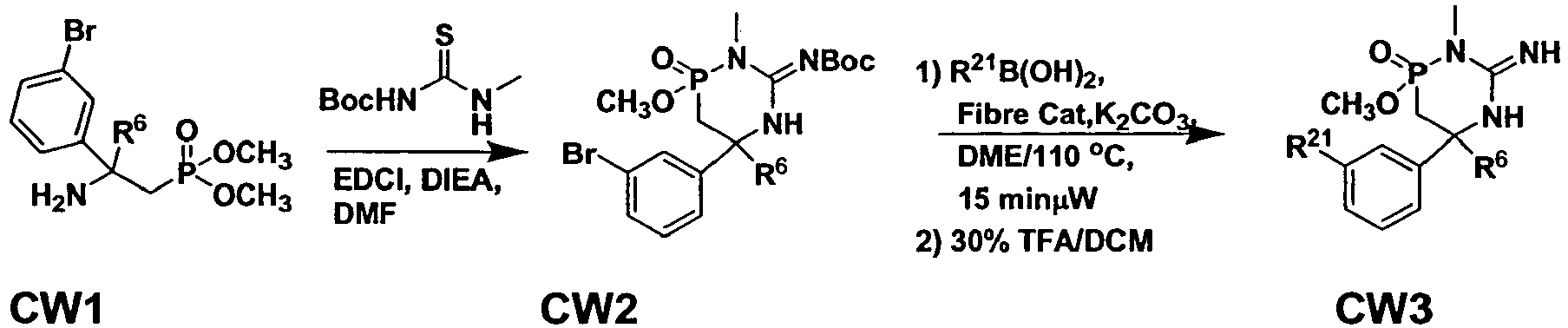
- Reaction of tert-butyl methylcarbamothioylcarbamate with CW1 (R6 = Me) using EDCl and DIEA in DMF affords CW2 (R6 = Me) after purification.
- Following the procedure of Sauer, D. R. et al, Org. Lett., 2004, 6, 2793-2796, Suzuki reaction of CW2 (R6 = Me) with aryl boronic acids using polymer-support Pd catalysts such as Fibre Cat or PS-PPh3-Pd under microwave heating conditions provides CW3 (R6 = Me and R21 = m-CN-Ph) of the invention after subsequent Boc-deprotection.
-

- To a solution of (S)-tert-butyl 4-(furan-2-yl)-1,4-dimethyl-6-oxo-tetrahydropyrimidin-2(1H)-ylidenecarbamate CX1 (R6 = Me) (1.12 g, 3.64 mmol, prepared using Method CF) in DCM (7 mL) was added MeCN (7 mL) and H2O (10.5 mL), followed by RuCl3•H2O (7.6 mg, 0.036 mmol, 1 mol%), and NaIO4 (11.6 g, 54.2 mmol, 15 eq). The mixture was stirred at RT for 2 h. The mixture was diluted with DCM (100 mL) and the organic layer was separated, dried (Na2SO4), and concentrated to give 0.90 g (86%) of (S)-2-(tert-butoxycarbonyl)-1,4-dimethyl-6-oxo-hexahydropyrimidine-4-carboxylic acid CX2 (R6 = Me) as a brown solid. 1H NMR (CD3OD):3.17 (s, 3H), 3.02 (m, 2H), 1.63 (s, 9H), 1.57 (s, 3H).
- To a solution of (S)-2-(tert-butoxycarbonyl)-1,4-dimethyl-6-oxo-hexahydropyrimidine-4-carboxylic acid (CX2, R6 = Me, 0.035 g, 0.12 mmol) in DMF (0.24 mL) was added TBTU (0.040 mg, 0.12 mmol, 1 eq), HOBt (0.0035 mg, 0.024 mmol, 0.2 eq), and DIEA (0.107 mL, 0.60 mmol, 5 eq). The mixture was stirred at RT for 10 min and then N'-hydroxy-3-(trifluoromethyl)benzamidine (0.028 mg, 0.13 mmol, 1.1 eq) was added. After stirring for another 2 h, the reaction mixture was diluted with EtOAc (20 mL), washed with H2O (10 mL) and saturated brine (10 mL), and concentrated in vacuo. The crude residue was dissolved in THF (0.4 mL) and then TBAF (1 M in THF, 0.099 mL, 0.9 eq) was added. The mixture was stirred at RT for 2 h. EtOAc (20 mL) was added to the reaction mixture, which was washed with H2O (10 mL) and saturated brine (10 mL), and concentrated in vacuo. The residue was treated with 30% TFA/DCM (1 mL) at RT for 1. The reaction mixture was concentrated in vacuo and the crude product was purified on reverse phase HPLC (B) to give 0.015 g (26%) of (6S)-2-imino-3,6-dimethyl-6-(3-(3-(trifluoromethyl)phenyl)-1,2,4-oxadiazol-5-yl)-tetrahydropyrimidin-4(1H)-one (CX3; R6 = Me, R7 = 3-(3-(trifluoromethyl)phenyl)-1,2,4-oxadiazol-5-yl)) as a white solid. 1H NMR (CD3OD):8.40 (m, 2H), 8.04 (d, 1 H, J = 6.9 Hz), 7.90 (t, 1H, J = 8.1 Hz), 3.81 (m, 2H), 3.39 (s, 3H), 1.82 (s, 3H). MS (ESI): MH+ = 354.2, HPLC (A) Rt = 6.234 min.
-

- To a solution of (S)-2-(tert-butoxycarbonyl)-1,4-dimethyl-6-oxo-hexahydropyrimidine-4-carboxylic acid CX2 (R6 = Me) (0.357 g, 1.25 mmol) in 1:5 MeOH/toluene (3 mL) was added TMSCHN2 (2M in hexane, 1.9 mL, 3.8 mmol, 3 eq). The mixture was stirred at RT for 2 h. The mixture was concentrated in vacuo to give 0.37 g (100%) of (S)-methyl 2-(tert-butoxycarbonyl)-1,4-dimethyl-6-oxo-hexahydropyrimidine-4-carboxylate as a brown solid. 1H NMR (CDCl3):8.80 (s, 1 H), 3.70 (s, 3H), 3.14 (s, 1 H), 2.79 (s, 2H), 1.53 (s, 9H), 1.50 (s, 3H).
- To a solution of (S)-methyl 2-(tert-butoxycarbonyl)-1,4-dimethyl-6-oxohexahydropyrimidine-4-carboxylate (0.074 g, 0.25 mmol) in EtOH (0.5 mL) was added NH2NH2 (0.023 mL, 0.75 mmol, 3 eq) and the mixture was stirred at RT for 4 h. The mixture was concentrated in vacuo to give 0.074 g (100%) of (S)-2-(tert-butoxycarbonyl)-1,4-dimethyl-6-oxo-hexahydropyrimidine-4-carbohydrazide (CY1, R6=Me) as a yellow solid. 1H NMR (CDCl3)8.95 (s, 1 H), 3.11 (s, 3H), 2.28 (m, 2H), 1.50 (s, 9H), 1.47 (s, 3H).
-

- To a solution of (S)-2-(tert-butoxycarbonyl)-1,4-dimethyl-6-oxo-hexahydropyrimidine-4-carbohydrazide (CY1; R6= Me, 0.037 g, 0.12 mmol) in DCM (0.3 mL) at 0 °C was added Et3N (0.035 mL, 0.24 mmol, 2 eq) followed by 3-cyanobenzoyl chloride (0.027 g, 0.16 mmol, 1.3 eq). The mixture was stirred at RT for 6 h. The mixture was diluted with DCM (20 mL), washed with H2O (10 mL) and saturated brine (10 mL), and concentrated in vacuo. The residue was then treated with TsCl (0.035 g, 0.18 mmol, 1.5 eq), Et3N (0.046 mL, 0.31 mmol, 2.6 eq), and DMAP (0.002 g, 0.016 mmol, 0.13 eq) in DCM (0.25 mL) at RT for 16 h. The mixture was diluted with DCM (20 mL), washed with H2O (10 mL) and saturated brine (10 mL), and concentrated in vacuo. The residue was treated with 30% TFA/DCM (1 mL) at RT for 1 h. The mixture was concentrated in vacuo and the residue was purified on reverse phase HPLC (B) to give 0.006 g (12%) of 3-(5-((S)-2-imino-1,4-dimethyl-6-oxo-hexahydropyrimidin-4-yl)-1,3,4-oxadiazol-2-yl)benzonitrile as a white solid (CZ1; R6 = Me) .1HNMR (CD3OD, 300 MHz):8.49 (m, 2H), 8.12 (d, 1 H), 7.92 (t, 1 H), 3.75 (m, 2H), 3.36 (s, 3H), 1.82 (s, 3H). MS (ESI): MH+ = 311.2, HPLC (A) Rt = 4.175 min.
-

- To a solution of (S)-2-(tert-butoxycarbonyl)-1,4-dimethyl-6-oxo-hexahydropyrimidine-4-carbohydrazide (CY1, R6 = Me, 0.030 g, 0.10 mmol) in DCM (0.25 mL) was added 3-chlorophenylisocyanate (0.015 mL, 0.20 mmol, 2 eq). The mixture was stirred at RT for 3 h and volatiles were then removed in vacuo. The residue was treated with TsCl (0.020 g, 0.10 mmol, 1 eq), Et3N (0.083 mL, 0.60 mmol, 6 eq), and DMAP (0.002 g, 0.016 mmol, 0.16 eq) in DCM (0.25 mL) at RT for 16 h. The mixture was diluted with DCM (20 mL), washed with H2O (10 mL) and saturated brine (10 mL), and concentrated in vacuo. The residue was treated with 30% TFA/DCM (1 mL) at RT for 1 h. The mixture was concentrated in vacuo and the residue was purified on reverse phase HPLC (B) to give 0.006 g (10%) of (S)-6-(5-(3-chlorophenylamino)-1,3,4-oxadiazol-2-yl)-2-imino-3,6-dimethyl-tetrahydropyrimidin-4(1 H)-one (DA1; R6 = Me). 1HNMR (CD3OD, 300 MHz):7.78 (t, 1H), 7.47 (m, 2H), 7.17 (dt, 1 H), 3.53 (m, 2H), 3.36 (s, 3H), 1.78 (s, 3H). MS (ESI): MH+ = 335.3, HPLC (A) Rt = 5.710 min.
-

- Following the procedure of Cuccia, S.J.; Fleming, L.B.; France, D.J. Synth. Comm. 2002, 32 (19), 3011-3018: 3-Bromoacetophenone (2.0 g, 10 mmol, 1 eq), was dissolved in 20 mL DCM. A 1.0 N solution of titanium tetrachloride in DCM (20 mL, 20 mmol, 2 eq) was added dropwise over 15 min and the resulting mixture was stirred at 25 °C for 1 h. Bis-trimethylsilylcarbodiimide (5.0 mL, 22 mmol, 2.2 eq) in 5 mL of DCM was added over 15 min and the reaction was stirred for 16 h under argon. The reaction was poured onto 200 mL of an ice/water mixture and extracted with 3 x 200 mL of DCM. The combined organic phase was dried over MgSO4, filtered, and concentrated to give 2.3 g (100%) of (1-(3-bromophenyl)ethylidene)cyanamide (DB1, R4 = Me) as a white solid: 1H NMR (CDCl3)8.16 (t, J = 1.8 Hz, 1H), 7.94 (dd, J = 1.7, 1.1 Hz, 1H), 7.76 (dd, J = 1.7, 1.1 Hz, 1 H), 7.38 (t, J = 8.0 Hz, 1 H), 2.82 (s, 3H).
- To a solution of the HCl salt of methylhydroxylamine (0.19 g, 2.2 mmol, 1 eq) in ethanol (25 mL) at 25 °C was added a 21% solution of NaOEt in ethanol (0.75 mL, 2.0 mmol, 0.9 eq) followed by (1-(3-bromophenyl) ethylidene) cyanamide (0.50 g, 2.2 mmol, 1 eq). After stirring at 25 °C for 10 min, the solvent was removed in vacuo. The residue was redissolved in CH2Cl2 (25 mL), the mixture was filtered, and the solvent was removed in vacuo to give 0.5 g (83%) of 5-(3-bromophenyl)-2,5-dimethyl-1,2,4-oxadiazolidin-3-imine (DB2, R1 = Me, R4 = Me) as a colorless oil: 1H NMR (CDCl3)7.63 (t, J = 1.8 Hz, 1H), 7.52 (dd, J = 2.0, 1.1 Hz, 1 H), 7.38 (dd, J = 2.0, 1.1 Hz, 1H), 7.29 (t, J = 7.9 Hz, 1 H), 3.28 (s, 3H), 1.88 (s, 3H). MS (ESI) m/e 270.0, 272.0 (M+H)+.
- To a solution of 5-(3-bromophenyl)-2,5-dimethyl-1,2,4-oxadiazolidin-3-imine (25 mg, 0.093 mmol) and 3-chlorophenyl boronic acid (17 mg, 0.11 mmol) in ethanol (1 mL) was added a 1 M aqueous solution of K2CO3 (0.22 mL, 0.22 mmol) and PS-PPh3-Pd (46 mg, 0.0046 mmol). The sample was heated in an Emrys Optimizer Microwave at 110 °C for 10 min. The resin was filtered off and rinsed alternately three times with CH2Cl2 (5 mL) and CH3OH (5 mL). The combined filtrates were concentrated and the residue was purified by reverse phase prep-HPLC to give 12.3 mg (44%) of 5-(3-(3'-chlorophenyl)-phenyl)-2,5-dimethyl-1,2,4-oxadiazolidin-3-imine (DB3; R1 = Me, R4 = Me, R21 = 3-chlorophenyl) as a colorless oil: 1H NMR (CDCl3)7.69 (s, 1 H), 7.58 (m, 2H), 7.49 (m, 3H), 7.37 (m, 2H), 3.29 (s, 3H), 1.94 (s, 3H). MS (ESI) m/e 302.0, 304.0 (M+H)+.
Using a similar procedure, the following compounds were also prepared. -

- 1H NMR (CDCl3)7.72 (s, 1 H), 7.62 (dt, 1 H), 7.49 (m, 2H), 7.38 (t, J = 8.2Hz, 1 H), 7.20 (m, 1 H), 7.14 (t, 1 H), 6.93 (m, 1 H), 3.88 (s, 3H), 3.27 (s, 3H), 1.95 (s, 3H). MS m/e 298.1 (M+H)
-

- 1H NMR (CDCl3)7.67 (s, 1 H), 7.57 (m, 1 H), 7.45 (m, 2H), 6.92 (m, 3H), 3.82 (s, 3H), 3.77 (s, 3H), 3.27 (s, 3H), 1.95 (s, 3H). MS m/e 328.1 (M+H)
-

- 1H NMR (CDCl3)7.71 (s, 1 H), 7.60 (m, 1 H), 7.50 (m, 2H), 7.41 (m, 2H), 7.31 (m, 1 H), 7.08 (m, 1 H), 3.29 (s, 3H), 1.94 (s, 3H). MS m/e 286.0 (M+H)
-

- 1H NMR (CDCl3)7.70 (s, 1 H), 7.59 (m, 1 H), 7.55 (m, 1 H), 7.50 (m, 2H), 7.46-7.48 (m, 2H), 7.26 (m, 1H), 3.29 (s, 3H), 1.95 (s, 3H). MS m/e 352.1 (M+H)
-

- 1H NMR (CD3OD)9.17 (s, 1 H), 8.84 (m, 2H), 8.08 (m, 1 H), 7.99 (s, 1 H), 7.88 (m, 1 H), 7.72 (m, 2H), 3.37 (s, 3H), 2.00 (s, 3H). MS m/e 269.1 (M+H)
-

- 1H NMR (CDCl3)7.66 (s, 1 H), 7.54 (m, 1 H), 7.52 (m, 2H), 7.47 (m, 2H), 7.38 (m, 1 H), 3.30 (s, 3H), 1.94 (s, 3H). MS m/e 336.1 (M+H)
-

- 1H NMR (CDCl3)7.59 (m, 1 H), 7.50 (m, 4H), 7.34 (m, 3H), 3.28 (s, 3H), 1.95 (s, 3H). MS m/e 302.1 (M+H)
-

- 1H NMR (CDCl3)7.65 (m, 2H), 7.48-7.54 (m, 4H), 7.22 (m, 1H), 3.30 (s, 3H), 1.94 (s, 3H). MS m/e 320.1 (M+H)
-

- A mixture of 3-bromoacetophenone (10 g, 50 mmol), KCN (8.16 g, 130 mmol, 2.5 eq) and (NH4)2CO3 (21.7 g, 225 mmol, 4.5 eq) in EtOH/H2O (1:1,110 mL) was heated at 60 °C for 16 h. The reaction mixture was cooled to 0 °C. The resulting precipitate was filtered, washed with water, hexane, and then dried to give 12.6 g (93%) of 5-(3-bromophenyl)-5-methylimidazolidine-2,4-dione as an off-white solid (DC1; R6 = Me). 1H NMR (CD3OD)7.64 (s, 1 H), 7.45 (t, J = 9.7 Hz, 2H), 7.26 (t, J = 7.6 Hz, 1 H), 1.68 (s, 3H).
- 5-(3-Bromophenyl)-5-methylimidazolidine-2,4-dione (DC1; R6 = Me) (1.5 g, 5.6 mmol) was dissolved in 15 mL of 1 N KOH, heated to 185 °C in a microwave reactor (Emrys Optimizer) for 2 h. Afterward, the mixture was carefully acidified using conc. HCl to pH ∼2. The mixture was extracted once with Et2O (20 mL). The aqueous layer was concentrated in vacuo to give 1.6 g (100%) of 2-amino-2-(3-bromophenyl)-2-propanoic acid (DC2; R6 = Me) as an off white solid. 1H NMR (CD3OD)7.75 (t, J = 2.0, 1 H), 7.66 (m, 1 H), 7.56 (m, 1 H), 7.45 (t, J = 8.1 Hz, 1 H), 1.99 (s, 3H).
- To a solution of 2-amino-2-(3-bromophenyl)-propanoic acid (DC2; R6 = Me) (10.5 g, 43 mmol) in 1 N KOH (105 mL) and dioxane (70 mL) at 0 °C was added (Boc)2O (20.6 g, 95 mmol, 2.2 eq). The mixture was stirred at RT for 16 h. The reaction mixture was concentrated to 100 mL. EtOAc (100 mL) was added and the mixture was cooled to 0 °C. After acidifying with 2N KHSO4 to pH 2 - 3, the aqueous layer was extracted with EtOAc (3 x 50 mL). The combined EtOAc layer was washed with H2O (2 x 50 mL), dried (Na2SO4), and concentrated to give 11.7 g (79%) of 2-(3-bromophenyl)-2-(tert-butoxycarbonyl) propanoic acid as a white solid. 1H NMR (CDCl3)7.61 (s, 1H), 7.41 (m, 2H), 7.24 (m, 1 H), 1.98 (s, 3H), 1.44 (s, 9H).
- To a solution of 2-(3-bromophenyl)-2-(tert-butoxycarbonyl) propanoic acid (11.3 g, 32.8 mmol) in MeOH (35 mL) was added toluene (175 mL) followed by TMSCHN2 (2M in hexane, 44 mL, 98 mmol, 3 eq). The mixture was stirred at RT for 16 h. Solvents were evaporated and the residue was chromatographed on silica by eluting with EtOAc/hexanes to give 11.8 g (100%) of methyl 2-(3-bromophenyl)-2-(tert-butoxycarbonyl)propanoate as a yellow oil. 1H NMR (CDCl3)7.59 (t, J = 1.8 Hz, 1 H), 7.36-7.44 (m, 2H), 7.21 (t, J = 8.0 Hz, 1 H), 5.92 (s, 1 H), 3.70 (s, 3H), 1.97 (s, 3H), 1.36 (br s, 9H).
- To a solution of methyl 2-(3-bromophenyl)-2-(tert-butoxycarbonyl) propanoate (11.8 g, 33 mmol) in THF (150 mL) at -78 °C was added LAH powder (3.1 g, 82.0 mmol, 2.5 eq). The mixture was stirred at -78 °C and allowed to warm to RT over 16 h. The mixture was cooled to 0 °C and the reaction was quenched by slowly adding 3 mL of H2O. The mixture was diluted with DCM (500 mL) followed by the addition of 1 N NaOH (6 mL) and H2O (9 mL). After stirring at 0 °C for 30 min, the mixture was filtered and the filtrate was concentrated to give 10 g (95%) of tert-butyl 2-(3-bromophenyl)-1-hydroxypropan-2-ylcarbamate (DC3; R6 = Me) as a colorless oil. 1H NMR (CDCl3)7.49 (t, J = 1.8 Hz, 1 H), 7.35-7.39 (m, 1 H), 7.27-7.30 (m, 1 H), 7.21 (t, J = 7.8 Hz, 1 H), 3.72 (m, 2H), 1.57 (s, 3H), 1.41 (br s, 9H).
- To a solution of SOCl2 (5.7 mL, 2.5 eq) in dry CH3CN (37 mL) under argon was cooled to -40 °C was added tert-butyl 2-(3-bromophenyl)-1-hydroxypropan-2-ylcarbamate (DC3; R4 = Me) (10.3 g, 31 mmol) in dry CH3CN (27 mL) was added dropwise, followed by the addition of dry pyridine (12.4 mL, 160 mmol, 5 eq). The mixture was then allowed to warm to RT in 1 h. The mixture was concentrated to about 30 mL. EtOAc (30 mL) was added and the precipitate was filtered off. The filtrate was concentrated in vacuo to give 10.4 g (89%) of 3-(tert-butoxycarbonyl)-4-(3-bromophenyl)-4-methyl-[1,2,3]-oxathiazolidine-2-oxide as a colorless oil. 1H NMR (CDCl3)7.64 (t, J = 2.0 Hz, 1H), 7.36-7.53 (m, 2H), 7.24 (m, 1H), 4.52 (q, J = 9.5 Hz, 2H), 1.86 (s, 3H), 1.42 (br s, 9H).
- To a solution of 3-(tert-butoxycarbonyl)-4-(3-bromophenyl)-4-methyl-[1,2,3]-oxathiazolidine-2-oxide (10.4 g, 28 mmol) in CH3CN (50 mL) at 0 °C was added RuO4 (0.5% in stabilized aq., 50 mg, 0.1 % by weight) in H2O (10 mL) amd NaIO4 (8.9 g, 41.5 mmol, 1.5 eq) in H2O (35 mL). The mixture was stirred at RT for 2 h. The mixture was partitioned between Et2O (200 mL) and H2O (50 mL). The organic layer was separated and the aqueous layer was extracted with Et2O (3 x 50 mL). The combined organic layer was dried (Na2SO4), and concentrated to give 10.8 g (100%) of 3-(tert-butoxycarbonyl)-4-(3-bromophenyl)-4-methyl-[1,2,3]-oxathiazolidine-2,2-dioxide (DC4; R6 = Me) as a white solid (∼ 10.8 g, yield: 100%). 1H NMR (CDCl3)7.56 (t, J = 1.8 Hz, 1 H), 7.48-7.52 (m, 1 H), 7.38-7.44 (m, 1 H), 7.30 (t, J = 8.0 Hz, 1 H), 4.41 (dd, J1 = 9.3 Hz, J2 = 20.4 Hz, 2H), 2.01 (s, 3H), 1.39 (s, 9H).
- 3-(tert-Butoxycarbonyl)-4-(3-bromophenyl)-4-methyl-[1,2,3]-oxathiazolidine-2,2-dioxide (DC4; R6 = Me) (10.8 g, 28 mmol) was dissolved in 25% TFA in DCM (40 mL, 5 eq) and the mixture was left standing at RT for 3 h. The mixture was concentrated in vacuo to give 7.3 g (91%) of 4-(3-bromophenyl)-4-methyl-[1,2,3]-oxathiazolidine-2,2-dioxide as a yellow oil. 1H NMR (CDCl3)7.59 (t, J = 1.8 Hz, 1 H), 7.48-7.52 (m, 1 H), 7.39-7.42 (m, 1H), 7.30 (t, J = 8.1 Hz, 1H), 4.59 (m, 2H), 1.82 (s, 3H).
- To a solution of 4-(3-bromophenyl)-4-methyl-[1,2,3]-oxathiazolidine-2,2-dioxide (7.3 g, 25 mmol) in DCM (77 mL) was added allyl iodide (9.1 mL, 100 mmol, 4 eq), followed by BnBu3NCl (0.39 g, 1.3 mmol) and 40% NaOH (28 mL). The mixture was stirred at RT for 16 h. The organic layer was separated and the solvent was evaporated. Silica gel chromatography using 5-20% EtOAc/hexanes gave 8.3 g (100%) of 3-allyl-4-(3-bromophenyl)-4-methyl-[1,2,3]-oxathiazolidine-2,2-dioxide (DC5; R6 = Me) as a colorless oil. 1H NMR (CDCl3)7.64 (t, J = 1.8 Hz, 1H), 7.46-7.54 (m, 2H), 7.31 (t, J = 8.0 Hz, 1H), 5.77-5.89 (m, 1H), 5.19-5.33 (m, 2H), 4.38 (dd, J1 = 8.7 Hz, J2 = 23.7 Hz, 2H), 3.46-3.68 (m, 2H), 1.83 (s, 3H).
- To a suspension of NaH (60%, 0.14 g, 1.5 eq) in 0.5 mL of anhydrous DMF was added tert-butyl hydroxy(methyl)carbamate (0.52 g, 1.5 eq) in 1.5 mL of DMF. After stirring at RT for 15 min, a solution of 3-allyl-4-(3-bromophenyl)-4-methyl-[1,2,3]-oxathiazolidine-2,2-dioxide (DC5; R6 = Me) (0.78 g, 2.3 mmol) in 6 mL of anhydrous DMF was added dropwise. The mixture was stirred at RT for 16 h. The mixture was partitioned between EtOAc (10 mL) and 1N HCl (3 mL). The organic layer was separated and the aqueous layer was extracted with EtOAc (3 x 5 mL). The combined organic layer was dried over Na2SO4 and concentrated to give 0.45 g (41 %) of a product which was used without purification.
- To a solution of the above product (3.86 g, 8.1 mmol) in THF (30 mL) was added a pre-stirred (15 min) mixture of Pd2(dba)3 (0.51 g, 0.41 mmol) and 1,4-bis(diphenylphosphio)butane (0.25 g, 0.41 mmol) in THF (5 mL), followed by thiosalicyliacid (2.2 g, 1.2 eq). The mixture was stirred at RT for 16 h. Solvent was evaporated and the residue was chromatographed on silica by eluting with 50% EtOAc/hexanes to give 1.3 g (37%) product as a oil which was dissolved in 4M HCl/dioxane (11 mL) and the mixture was stirred at RT for 2 h. Solvent was evaporated in vacuo and the residue was diluted with CHCl3 (10 mL) followed by treatment with 1 N NaOH tol pH ∼ 12. The organic layer was separated and the aqueous layer was extracted with CHCl3 (3 x 10 mL). The combined organic layer was dried (Na2SO4) and concentrated to give 0.56 g (76%) of N-(2-(3-bromophenyl)-2-amino)prop-1-oxy)-methylamine (DC6; R6 = Me, R1 = Me) as a colorless oil. 1H NMR (CDCl3)7.74 (t, J = 1.8 Hz, 1 H), 7.41-7.50 (m, 2H), 7.26 (t, J = 8.0 Hz, 1 H), 3.85 (dd, J1 = 9.6 Hz, J2 = 28.8 Hz, 2H), 2.72 (s, 3H), 1.48 (s, 3H).
- To a solution of N-(2-(3-bromophenyl)-2-amino)prop-1-oxy)-methylamine (DC6; R6 = Me, R1 = Me) (0.76 g, 2.9 mmol) in EtOH (10 mL) was added BrCN (0.46 g, 4.4 mmol, 1.5 eq). After stirring at RT for 16 h, the mixture was concentrated. The residue was redissolved in CHCl3 (20 mL) and washed with 2N NaOH (10 mL). The aqueous layer was extracted with CHCl3 (3 x 10 mL). The combined organic layer was dried over Na2SO4 and concentrated to give 0.82 g (100%) of 5-(3-bromophenyl)-2,5-dimethyl-1,2,4-oxadiazinan-3-imine (DC7; R6 = Me, R1 = Me) as a light yellow oil. 1H NMR (CDCl3) δ 10.59 (s, 1H), 8.12 (br s, 1H), 7.46 (m, 2H), 7.29 (m, 2H), 4.14 (dd, J1 = 11.5 Hz, J2 = 57.7 Hz, 2H), 3.39 (s, 3H), 1.69 (s, 3H).
- A mixture of 5-(3-bromophenyl)-2,5-dimethyl-1,2,4-oxadiazinan-3-imine (DC7; R6 = Me, R1 = Me) (0.025 g, 0.088 mmol, 1 eq), 3-cyanophenylboronic acid (0.019 g, 0.13 mmol, 1.5 eq), FibreCat (40 mg), anhydrous ethanol (1.5 mL), and a 1N K2CO3 aqueous solution (0.12 mL, 0.12 mmol, 1.4 eq) in a microwave vial was heated in a microwave reactor ( Emrys Optimizer) at 110 °C for 15 min. The mixture was filtered, concentrated and purified by prep HPLC (B) to give 0.012 g (44%) of 5-(3-(3-cyanophenyl)phenyl)-2,5-dimethyl-1,2,4-oxadiazinan-3-imine (DC8; R6 = Me, R1 = Me, R21 = 3-cyanophenyl) as a white solid. 1H NMR (CDCl3)10.67 (s, 1 H), 8.05 (br s, 1 H), 7.85 (m, 2H), 7.50-7.66 (m, 5H), 7.35 (m, 1 H), 4.22 (dd, J1 = 11.8 Hz, J2 = 48.6 Hz, 2H), 3.40 (s, 3H), 1.76 (s, 3H). MS m/e 307.3 (M+H)
- Using a similar procedure, the following compounds were also prepared:
-

- 1H NMR (CDCl3)10.85 (s, 1 H), 9.13 (s, 1 H), 8.76 (m, 1 H), 8.65 (m, 1 H), 7.92 (m, 2H), 7.81 (s, 1 H), 7.60 (m, 2H), 7.44 (m, 1 H), 4.26 (dd, J1 = 11.8 Hz, J2 = 37.4 Hz, 2H), 3.41 (s, 3H), 1.77 (s, 3H). MS m/e 283.2 (M+H)
-

- 1H NMR (CDCl3)10.77 (br s, 1 H), 10.42 (s, 1 H), 9.26 (s, 1 H), 9.07 (s, 1 H), 7.84 (br s, 1 H), 7.57-7.63 (m, 3H), 7.46 (m, 1 H), 4.23 (dd, J1 = 11.5 Hz, J2 = 45.9 Hz, 2H), 3.41 (s, 3H), 1.77 (s, 3H). MS m/e 284.2 (M+H)
-

- 1H NMR (CDCl3)10.63 (s, 1 H), 8.00 (br s, 1 H), 7.46-7.55 (m, 5H), 7.31-7.7.40 (m, 3H), 4.20 (dd, J1 = 11.5 Hz, J2 = 54.4 Hz, 2H), 3.39 (s, 3H), 1.76 (s, 3H). MS m/e 316.2 (M+H)
-

- 1H NMR (CDCl3)10.72 (s, 1 H), 8.03 (br s, 1 H), 7.55 (m, 1 H), 7.51 (m, 2H), 7.46 (m, 2H), 7.41 (m, 1 H), 7.32-7.34 (dt, J1 = 1.6 Hz, J2 = 7.2 Hz, 1 H), 7.21-7.23 (m, 1 H), 4.21 (dd, J1 = 11.8 Hz, J2 = 53.0 Hz, 2H), 3.39 (s, 3H), 1.76 (s, 3H). MS m/e 366.2 (M+H)
-

- 1H NMR (CDCl3)10.61 (s, 1H), 8.07 (br s, 1H), 7.53 (m, 2H), 7.45 (m, 1H), 7.33-7.37 (m, 3H), 7.28-7.32 (m, 1H), 7.17-7.19 (m, 1H), 4.20 (dd, J1 = 11.8 Hz, J2 = 58.2 Hz, 2H), 3.38 (s, 3H), 2.42 (s, 3H), 1.76 (s, 3H). MS m/e 296.4 (M+H)
-

- 1H NMR (CDCl3)10.71 (s, 1 H), 8.06 (br s, 1 H), 7.47 (m, 3H), 7.43 (m, 2H), 7.35 (m, 2H), 4.20 (dd, J1 = 11.7 Hz, J2 = 54.9 Hz, 2H), 3.40 (s, 3H), 1.76 (s, 3H). MS m/e 350.2 (M+H)
-

- 1H NMR (CDCl3)10.50 (s, 1 H), 7.86 (br s, 1 H), 7.77 (dd, J1 = 2.1 Hz, J2 = 6.9 Hz, 1 H), 7.65 (m, 1 H), 7.50 (m, 2H), 7.42 (m, 1 H), 7.27 (t, J = 5.0 Hz, 2H), 4.20 (dd, J1 = 12.0 Hz, J2 = 50.4 Hz, 2H), 3.40 (s, 3H), 1.76 (s, 3H). MS mle 325.1 (M+H)
-

- 1H NMR (CDCl3)10.53 (s, 1 H), 7.94 (br s, 1 H), 7.47 (m, 3H), 7.37 (m, 1 H), 7.07 (t, J = 9.5 Hz, 1 H), 6.93 (m, 1 H), 6.86 (m, 1 H), 4.19 (dd, J1 = 11.7 Hz, J2 = 58.5 Hz, 2H), 3.82 (s, 3H), 3.38 (s, 3H), 1.75 (s, 3H). MS m/e 330.1 (M+H)
-

- 1H NMR (CDCl3)10.58 (s, 1 H), 7.95 (br s, 1 H), 7.26-7.65 (m, 8H), 4.20 (dd, J1 = 11.5 Hz, J2 = 54.7 Hz, 2H), 3.38 (s, 3H), 3.14 (s, 3H), 3.02 (s, 3H), 1.75 (s, 3H). MS m/e 353.2 (M+H)
-

- 1H NMR (CDCl3)10.50 (s, 1 H), 7.99 (br s, 1 H), 7.40-7.50 (m, 3H), 7.29-7.33 (m, 1 H), 6.84-6.94 (m, 3H), 4.18 (dd, J1 = 11.5 Hz, J2 = 65.4 Hz, 2H), 3.80 (s, 3H), 3.74 (s, 3H), 3.37 (s, 3H), 1.74 (s, 3H). MS m/e 342.2 (M+H)
-

- 1H NMR (CDCl3)9.75 (s, 1H), 7.39-7.54 (m, 3H), 7.21-7.30 (m, 2H), 7.10-7.12 (m, 2H), 6.82-6.84 (m, 1 H), 5.83 (br s, 2H), 4.15 (dd, J1 = 11.5 Hz, J2 = 35.7 Hz, 2H), 3.36 (s, 3H), 1.74 (s, 3H). MS m/e 298.3 (M+H)
-

- 1H NMR (CDCl3)10.77 (s, 1 H), 8.15 (s, 1H), 7.25-7.56 (m, 7H), 7.01-7.08 (m, 1 H), 4.20 (dd, J1 = 11.5 Hz, J2 = 53.0 Hz, 2H), 3.40 (s, 3H), 1.76 (s, 3H). MS m/e 300.2 (M+H)
-

- 1H NMR (CDCl3)10.67 (s, 1 H), 8.01 (br s, 1 H), 7.74 (s, 4H), 7.63 (s, 1H), 7.48-7.56 (m, 2H), 7.33-7.35 (m, 1 H), 4.23 (dd, J1 = 11.5 Hz, J2 = 47.2 Hz, 2H), 3.40 (s, 3H), 1.76 (s, 3H). MS m/e 307.2 (M+H)
-

- 1H NMR (CDCl3)10.55 (s, 1 H), 8.74 (d, J = 6.0 Hz, 1 H), 8.64 (s, 1 H), 7.83 (br s, 1 H), 7.49-7.53 (m, 3H), 7.37-7.42 (m, 2H), 4.20 (dd, J1 = 11.5 Hz, J2 = 49.4 Hz, 2H), 4.11 (s, 3H), 3.39 (s, 3H), 1.76 (s, 3H). MS mle 313.2 (M+H)
-

- To a 10 mL MeOH solution of DD1 (R3 = R6 = H, R7 = Me, 1 g) was added p-methoxybenzaldehyde (1 eq) and 4 A molecular sieves (4 g). The solution was stirred overnight before sodium borohydride (1 eq) was added and reaction stirred for 1 h. The reaction mixture was filted and solvent evaporated. The residue was chromatographed using MeOH/DCM to afford compound DD2 (R3 = R6 = H, R7 = Me).
- Procedure similar to Method CF, step 2 was used for generation of DD3 (R1 = Me, R3 = R6 = H, R7 = Me,).
- Procedure similar to Method CF, step 3 was used for generation of DD4 (R1 = Me, R3 = R6 = H, R7 = Me) from DD3
- Compound DD4 was hydrogenated using Pd(OH)2/C in Methanol. After removal of the catalyst and solvent the crude product was treated with 20% TFA in DCM to give product DD5 (R1 = Me, R3 = R6 = H, R7 = Me) after purification.
-

- 2-(4-Chlorophenyl)ethenesulfonyl chloride DE1 is treated with 1.2 equivalents of S-methyl isothiourea hemisulfate and a slight excess of 1 N NaOH in acetone. After 12 h at RT the mixture is concentrated in vacuo and the precipitate collected to give the title compound.
- Using a method similar to that described by K. Hasegawa and S. Hirooka (Bull. Chem. Soc. Jap., 1972, 45, 1893), N-(2-(4-clorophenyl)ethylene-1-sulfonyl)thiourea DE2 in DMF is treated with 1 N NaOH (2.4 equivalents) and dimethyl sulfate (1.2 equivalents) at 0-10 °C. After 3 h at RT, the reaction mixture is poured into ice water. The precipitate is collected, washed with water and dried to give the title compound DE3.
- Using a method similar to that described by K. Hasegawa and S. Hirooka (Bull. Chem. Soc. Jap., 1972, 45, 1893), 5-(4-chlorophenyl)-3-methylsulfanyl-5,6-dihydro-4H-[1,2,4]thiadiazine 1,1-dioxide DE2 in acetone is treated with 1 N NaOH and the mixture is refluxed for 2 h. The acetone is evaporated and the mixture is acidified with conc. HCl to afford the title compound DE3.
- Using a method similar to that described by A. Etienne et al. (Bull. Soc. Chim. Fr., 1974, 1395) 5-(4-chlorophenyl)-1,1-dioxo-[1,2,4]thiadiazinan-3-one DE3 is treated with sodium methoxide (1 equivalent) in methanol. Add methyl iodide (1.2 equivalent) in DMF and allow to stir for 12 h. Pour the mixture into ice water and collect the precipitate of the title compound DE4.
- To a solution of DE4 in toluene (or xylene) is added Lawesson's reagent (1.2 equivalents), and the mixture is stirred at reflux for 2 h. The mixture is cooled and poured into cold water. The organic phase is dried (MgSO4) and filtered, and solvent is removed. The crude product is purified by flash chromatography to provide the title compound (DE5).
- Using a route similar to that described in Method A, step 3, DE5 is used to prepare the title compound (DE6).
- As a variant of this method, DE2 is treated with ammonia and the resultant product is treated with sodium hydride and methyl iodide in DMF to give the product DE6
-

- Using a method similar to that described by S. Paik and E.H. White (Tetrahedron, 1996, 52, 5303), 2-cyclohexylsulfamoyl-2-methylpropionic acid ethyl ester DF1 (which is prepared by the method of A. De Blic et al. (Synthesis, 1982, 281)) in ethanol is treated with 1.2 equivalent of 95% hydrazine under N2 and the mixture is allowed to stand at RT for 12 h. The reaction mixture is concentrated to give the title compound DF2 which is used directly in Step 2.
- A solution of DF2 in CH2Cl2 is refluxed under a N2 for 10 h. The solvent is removed in vacuo and the crude product is purified by flash chromatography to provide the title compound DF3.
- To a solution of DF3 in toluene (or xylene) is added Lawesson's reagent (1.2 equivalents), and the mixture is stirred at reflux for 2 h. The mixture is cooled and poured into cold water. The organic phase is dried (MgSO4) and filtered, and solvent is removed. The crude product is purified by flash chromatography to provide the title compound (DF4).
- Using a route similar to that described in Method A, step 3, DF4 is used to prepare the title compound (DF5).
-

- To a stirred solution of the iminopyrimidinone DG1 (R1 = Me, W = -(CO)-, R7 = Me, R6 = 4-(m-cyanophenyl)thien-2-yl; 200 mg, 0.47 mmol, 1 equiv) in 1 mL THF at-20 °C in a reaction vial protected with nitrogen was slowly added 1 M LiHMDS in THF (1 mL, 1.04 mmol, 2.2 equiv). After 20 min at -20°C, a solution of zinc chloride (142 mg, 1.04 mmol, 2.2 equiv) in THF (0.71 mL) was added. After 30 min at -20°C, the solution was transferred to a mixture of 2-(Dicyclohexylphosphino)-2-(N,N-dimethylamino)biphenyl (DavePhos) (14 mg, 35.3 µmol, 7.5 mol%), Pd2 (dba3 (22 mg, 23.6 µmol, 5.0 mol%) and Br-R3 (R3 = Ph, 50 µL, 0.47 mmol, 1 equiv) in THF (0.5 mL). The reaction mixture was heated to 65 °C overnight, cooled to rt, quenched with saturated aqueous NH4Cl and extracted with EtOAc. The organic phase was washed with aqueous NaHCO3, brine and dried over anhydrous Na2SO4. The crude was purified on a flash column with EtOAc/hexane from 0 to 50% in 25 min.
- The purified material was treated with 25% TFA in DCM for 30 min. After evaporation of TFA in vacuum, the residue was dissolved in DCM and neutralized with aqueous NaHCO3. The organic phase was washed with brine and dried over anhydrous Na2SO4. Solvent was evaporated in vacuum to give 78 mg (41.3%) of DG2 (R1 = Me, W = -(CO)-, R7 = Me, R6 = 4-(m-cyanophenyl)thien-2-yl, R3 = Ph) as free base. 1H NMR (CDCl3) δ: 7.74 (m, 1H), 7.70-7.67 (m, 1H), 7.57-7.52 (m, 1H), 7.50-7.44 (m, 1H), 7.37-7.30 (m, 4H), 7.18-7.16 (m, 2H), 6.93 (m, 1H), 4.10 (s, 1H), 3.30 (s, 3H), 1.45 (s, 3H). MS (LCMS): Calcd for C23H21N4OS (M+H+): 401.14. Found: 401.2.
- The following table contains example compounds which were synthesized with procedure(s) similar to methods listed in the corresponding column and whose LCMS data (obs. mass) (M + 1) are also listed.
# Compounds Method Obs. Mass # Compounds Method Obs. Mass 1491 
CF 297 1662 
AW 328.2 1492 
CF 333.9 1663 
AW 331.2 1493 
CF 329.9 1664 
CE 335.2 1494 
CF 367.9 1665 
AW 336.2 1495 
AW 281 1666 
AW 337.2 1496 
CF 306 1667 
CF 339.2 1497 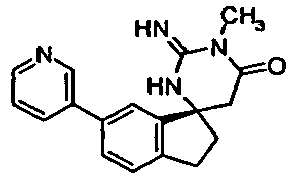
AB 307 1668 
AW 340.2 1498 
CF 314 1669 
CO 341.2 1499 
CF 318 1670 
AW 342.2 1500 
CF 325 1671 
AW 346.2 1501 
CF 325 1672 
AW 350.2 1502 
CF 330 1673 
CJ 352.2 1503 
CF 336 1674 
AW 354.2 1504 
CF 336 1675 
AW 355.2 1505 
AB 340 1676 
CE 359.2 1506 
CE 342 1677 
AW 361.2 1507 
CF 343 1678 
AW 361.2 1508 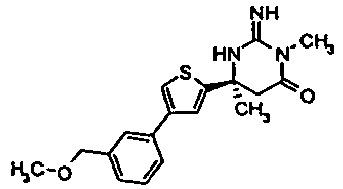
CF 344 1679 
AW 361.2 1509 
CF 344 1680 
AW 362.2 1510 
CF 344 1681 
AW 368.2 1511 
AB 354 1682 
AW 372.2 1512 
A 354 1683 
AW 374.2 1513 
CF 358 1684 
BQ 375.2 1514 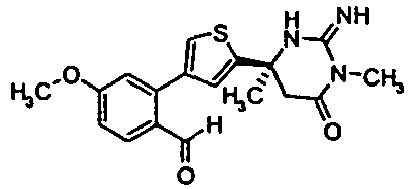
CF 358 1685 
CL 377.2 1515 
BS 358 1686 
BK 377.2 1516 
A 364 1687 
AW 377.2 1517 
A 366 1688 
CG 378.2 1518 
A 366 1689 
AW 383.2 1519 
A 368 1690 
CO 385.2 1520 
A 370 1691 
BQ 386.2 1521 
AB 374 1692 
AW 406.2 1522 
A 380 1693 
CL 408.2 1523 
A 382 1694 
BS 409.2 1524 
A 382 1695 
BW 412.2 1525 
BS 383 1696 
BW 413.2 1526 
CF 384 1697 
BW 413.2 1527 
A 384 1698 
BS 420.2 1528 
A 384 1699 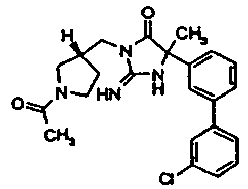
R 425.2 1529 
A 384 1700 
R 425.2 1530 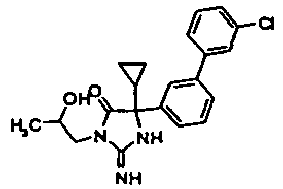
A 384 1701 
BQ 429.2 1531 
A 396 1702 
BQ 430.2 1532 
A 396 1703 
R 434.2 1533 
A 397 1704 
R 434.2 1534 
A 398 1705 
BW 437.2 1535 
A 398 1706 
AW 439.2 1536 
A 398 1707 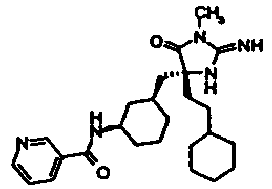
BQ 440.2 1537 
A 398 1708 
BQ 441.2 1538 
A 398 1709 
BQ 441.2 1539 
A 400 1710 
BW 442.2 1540 
A 402 1711 
BQ 445.2 1541 
AB 404 1712 
BQ 446.2 1542 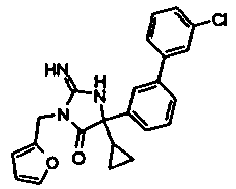
A 406 1713 
R 446.2 1543 
A 406 1714 
R 446.2 1544 
BS 408 1715 
BS 448.2 1545 
A 410 1716 
R 448.2 1546 
A 410 1717 
BQ 450.2 1547 
A 411 1718 
BQ 450.2 1548 
A 412 1719 
BW 451.2 1549 
A 412 1720 
CI 452.2 1550 
A 414 1721 
BQ 454.2 1551 
CE 415 1722 
BQ 454.2 1552 
A 416 1723 
AW 419.2 1553 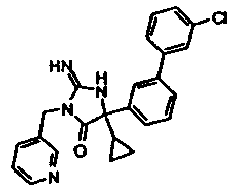
A 417 1724 
AW 423.2 1554 
A 417 1725 
AW 430.2 1555 
A 419 1726 
AW 431.2 1556 
A 420 1727 
AW 435.2 1557 
A 421 1728 
CK 439.2 1558 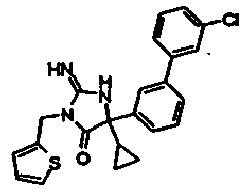
A 422 1729 
AW 441.2 1559 
A 422 1730 
AW 450.3 1560 
A 422 1731 
CK 453.3 1561 
A 423 1732 
CK 453.3 1562 
A 423 1733 
AW 453.3 1563 
CE 424 1734 
CK 455.3 1564 
A 425 1735 
L 467.3 1565 
A 426 1736 
L 467.3 1566 
A 426 1737 
CK 469.3 1567 
A 426 1738 
CK 481.3 1568 
A 431 1739 
CK 483.3 1569 
A 431 1740 
CK 497.3 1570 
A 431 1741 
CK 525.3 1571 
A 433 1742 
BQ 515.3 1572 
A 434 1743 
BQ 516.3 1573 
A 437 1744 
BQ 519.3 1574 
A 439 1745 
BS 522.3 1575 
A 465 1746 
BQ 525.3 1576 
CG 470 1747 
BQ 532.3 1577 
CG 470 1748 
CG 576.3 1578 
CG 470 1749 
BQ 455.3 1579 
CG 470 1750 
BW 456.3 1580 
CE 474 1751 
BQ 456.3 1581 
CG 484 1752 
BQ 456.3 1582 
CG 484 1753 
BS 456.3 1583 
BR 489 1754 
BQ 456.3 1584 
CF 274.1 1755 
AW 456.3 1585 
AW 311.1 1756 
BQ 458.3 1586 
AB 312.1 1757 
BQ 458.3 1587 
AB 319.1 1758 
BQ 458.3 1588 
CF 320.1 1759 
BQ 458.3 1589 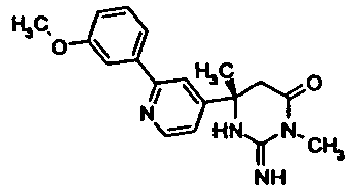
CF 325.1 1760 
BS 460.3 1590 
AB 328.1 1761 
R 460.3 1591 AW 332.1 1762 
BW 462.3 1592 
CE 333.1 1763 
BW 462.3 1593 
CF 336.1 1764 
BW 463.3 1594 
AW 337.1 1765 
BQ 464.3 1595 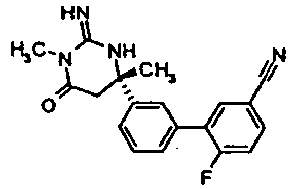
CF 337.1 1766 
BQ 464.3 1596 
CF 337.1 1767 
BW 465.3 1597 
CF 337.1 1768 
BQ 467.3 1598 
AB 338.1 1769 
Q 467.3 1599 
AB 338.1 1770 
BS 468.3 1600 
CE 338.1 1771 
BW 468.3 1601 
CF 339.1 1772 
Q 468.3 1602 
CE 339.1 1773 
BQ 469.3 1603 
AB 342.1 1774 
BQ 469.3 1604 
AW 343.1 1775 
CG 469.3 1605 
AB 345.1 1776 
BQ 470.3 1606 
AB 346.1 1777 
BQ 470.3 1607 
AB 350.1 1778 
BS 472.3 1608 
CF 350.1 1779 
BQ 473.3 1609 
AW 356.1 1780 
BQ 473.3 1610 
AW 357.1 1781 
BS 473.3 1611 
AW 359.1 1782 
Q 473.3 1612 
AB 362.1 1783 
AW 473.3 1613 
CE 364.1 1784 
BQ 474.3 1614 
CE 365.1 1785 
BQ 478.3 1615 
AW 367.1 1786 
AZ 478.3 1616 
AW 368.1 1787 
AZ 478.3 1617 
AW 372.1 1788 
BS 479.3 1618 
CF 373.1 1789 
Q 481.3 1619 
AB 378.1 1790 
BS 482.3 1620 
AW 378.1 1791 
Q 482.3 1621 
CF 379.1 1792 
R 482.3 1622 
CF 384.1 1793 
R 482.3 1623 
BQ 386.1 1794 
482.3 1624 
BQ 387.1 1795 
R 482.3 1625 
AB 388.1 1796 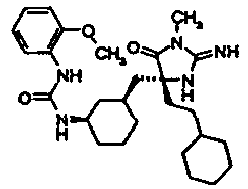
BS 484.3 1626 
CO 399.1 1797 
R 486.3 1627 
BW 412.1 1798 
R 486.3 1628 
BW 412.1 1799 
CK 487.3 1629 
CE 414.1 1800 
BS 488.3 1630 
BQ 419.1 1801 
BS 488.3 1631 
AW 421.1 1802 
BS 488.3 1632 
AM 425.1 1803 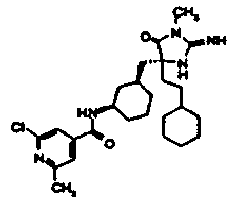
BQ 488.3 1633 
AW 425.1 1804 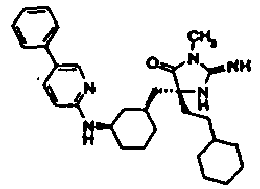
BW 488.3 1634 
BW 426.1 1805 
R 488.3 1635 
AW 436.1 1806 
BQ 489.3 1636 
BQ 439.1 1807 
BQ 489.3 1637 
BQ 440.1 1808 
AW 489.3 1638 
BQ 453.1 1809 
BQ 492.3 1639 
CH 455.1 1810 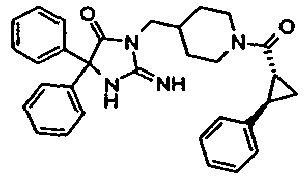
Q 493.3 1640 
BW 463.1 1811 
BS 497.3 1641 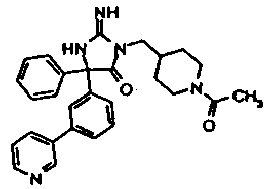
Q 468.1 1812 
CG 497.3 1642 
BS 478.1 1813 
BS 498.3 1643 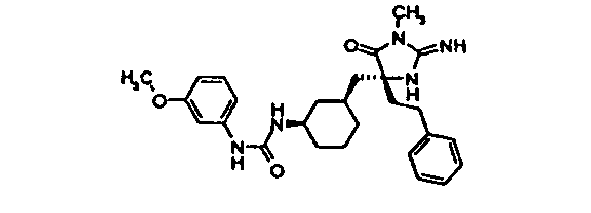
BS 478.1 1814 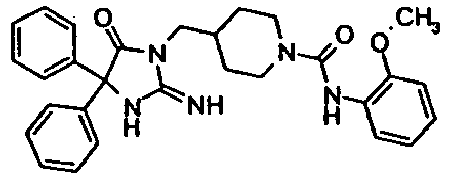
R 498.3 1644 
BS 484.1 1815 
498.3 1645 
BS 484.1 1816 
498.3 1646 
BQ 492.1 1817 
R 500.3 1647 
BW 492.1 1818 
R 502.3 1648 
BW 495.1 1819 
R 502.3 1649 
BW 496.1 1820 
BS 504.3 1650 
Q 560.1 1821 
BS 504.3 1651 
AW 569.1 1822 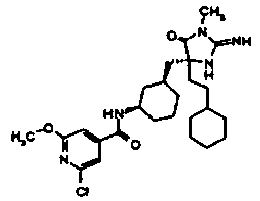
BQ 504.3 1652 
BW 573.1 1823 
BQ 508.3 1653 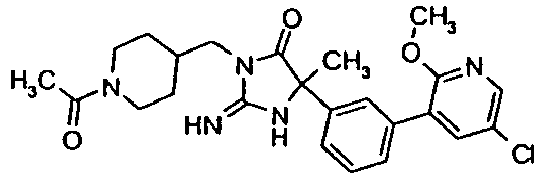
AW 470.1 1824 
CF 329.1, 331.1 1654 
AW 307.2 1825 
CF 334.0, 336.0 1655 
AW 308.2 1826 
CF 342.1, 344.1 1656 
CP 308.2 1827 
CF 352.0, 353.9 1657 
AW 315.2 1828 
CF 358.1, 360.1 1658 
AW 321.2 1829 
CF 363.1, 365.1 1659 
CO 321.2 1830 
CF 367.9, 369.9 1660 
AW 325.2 1831 
A 501.1 499 1661 
AW 326.2 1832 
CE 309 - The following compounds with their observed molecular masses (M + 1) are listed in the table below. Of these compounds, compound numbers 1945, 2118, 2174, 2438, 2522, 2723, 2759, 2782, 2833, 2937, 2983, 3206, 3306, 3383, 3659, 3783, 3888, 3963, 3986, 4088, 4115, 4308 and 4328 are compounds of the present invention.


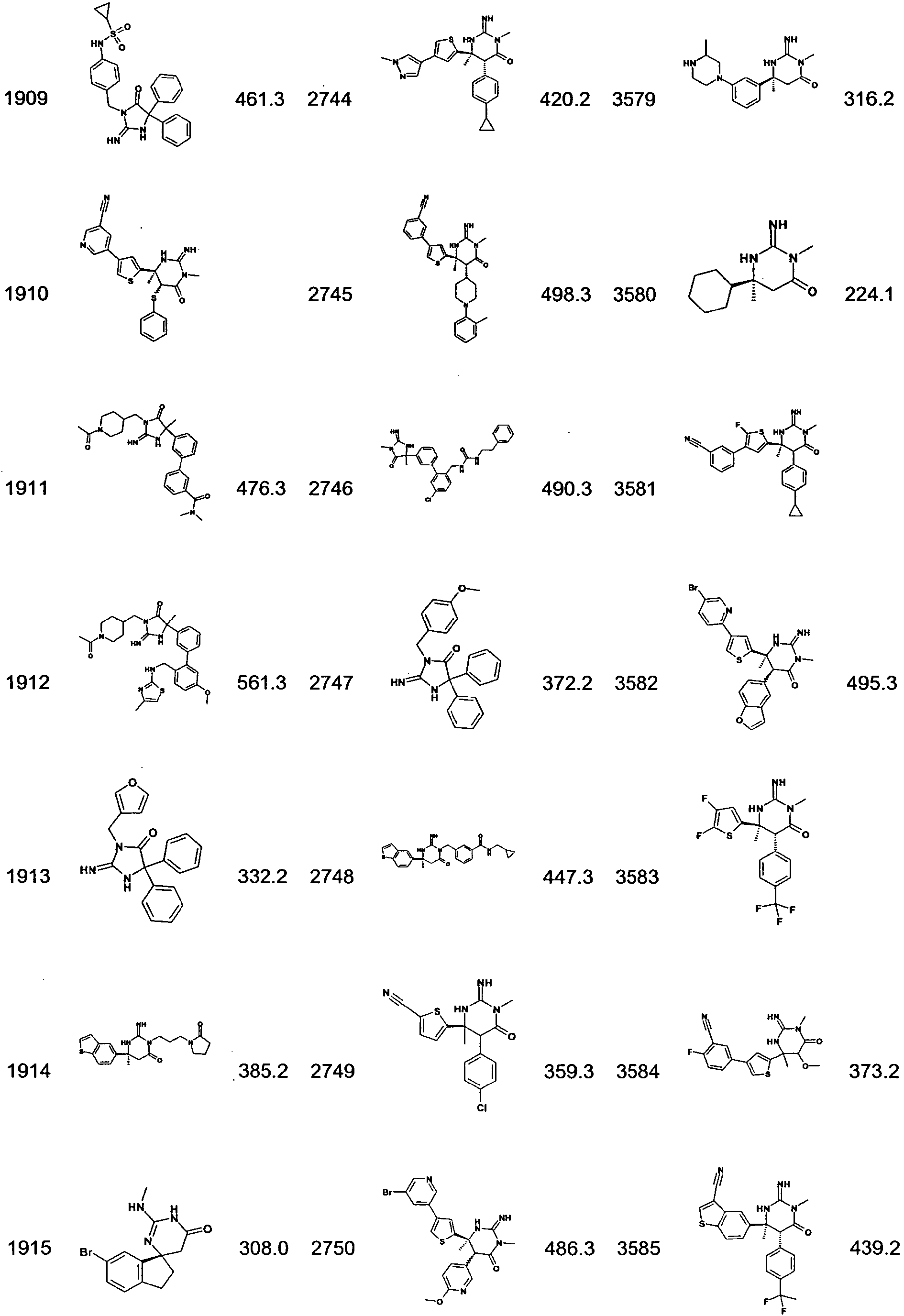


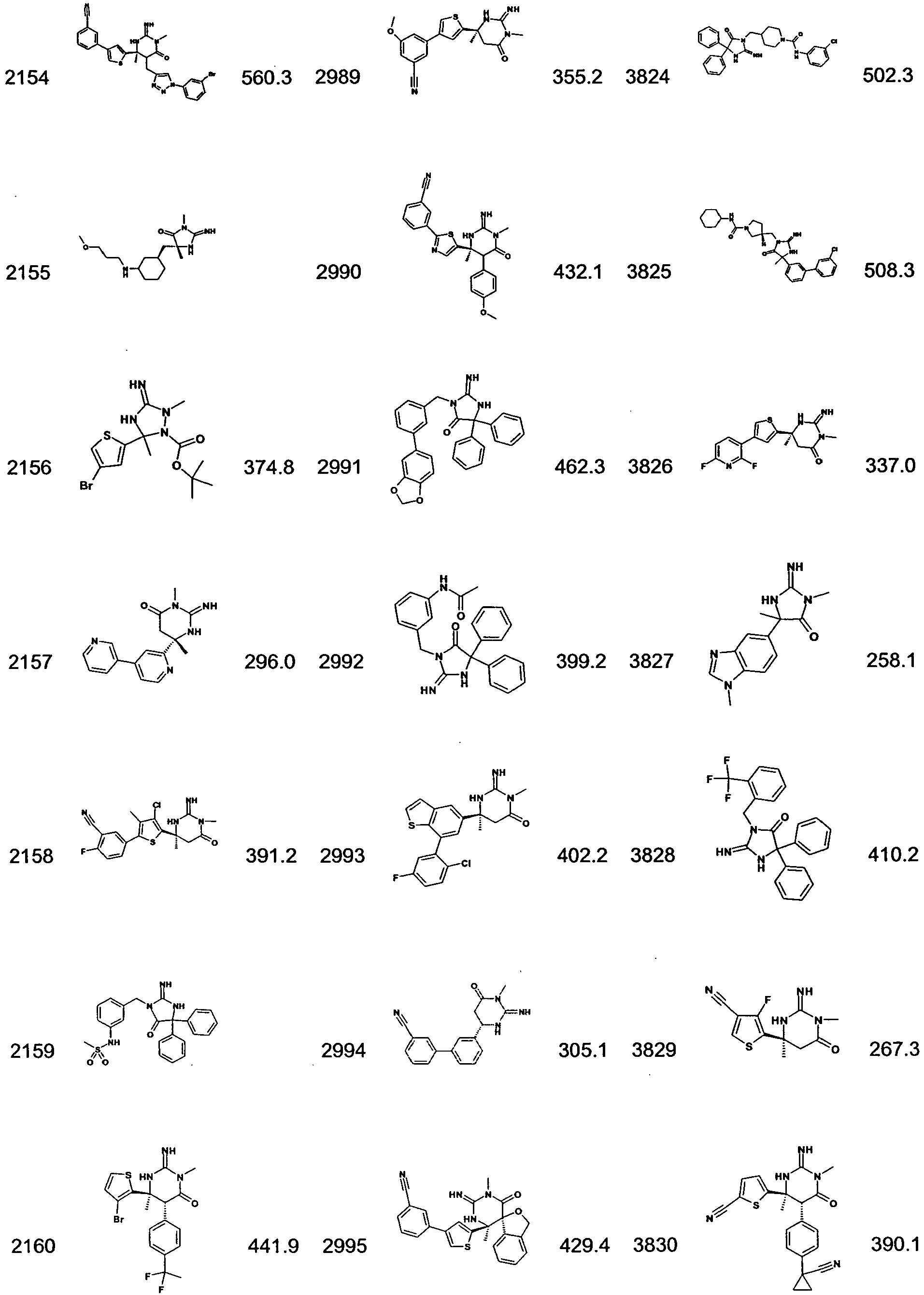


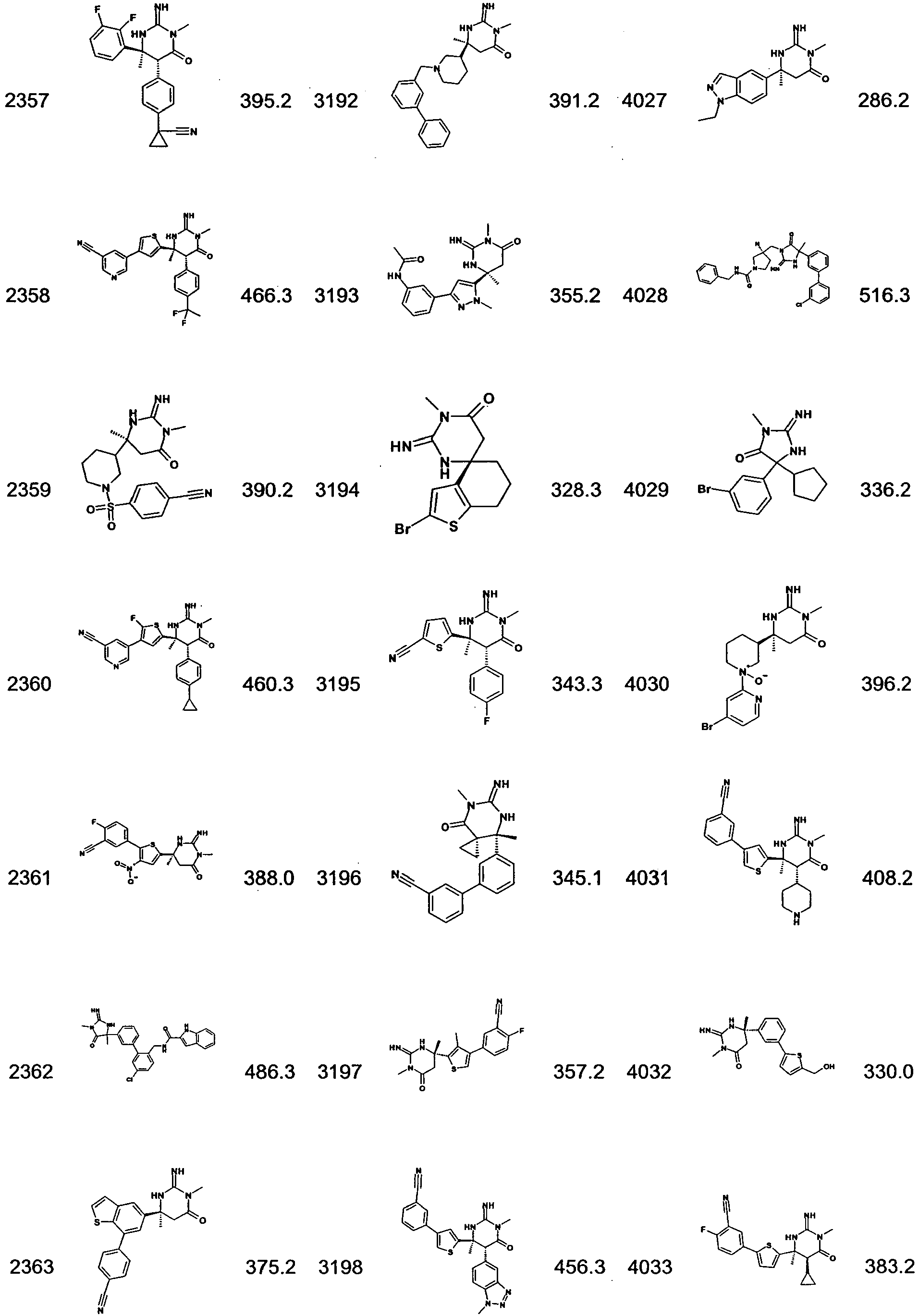


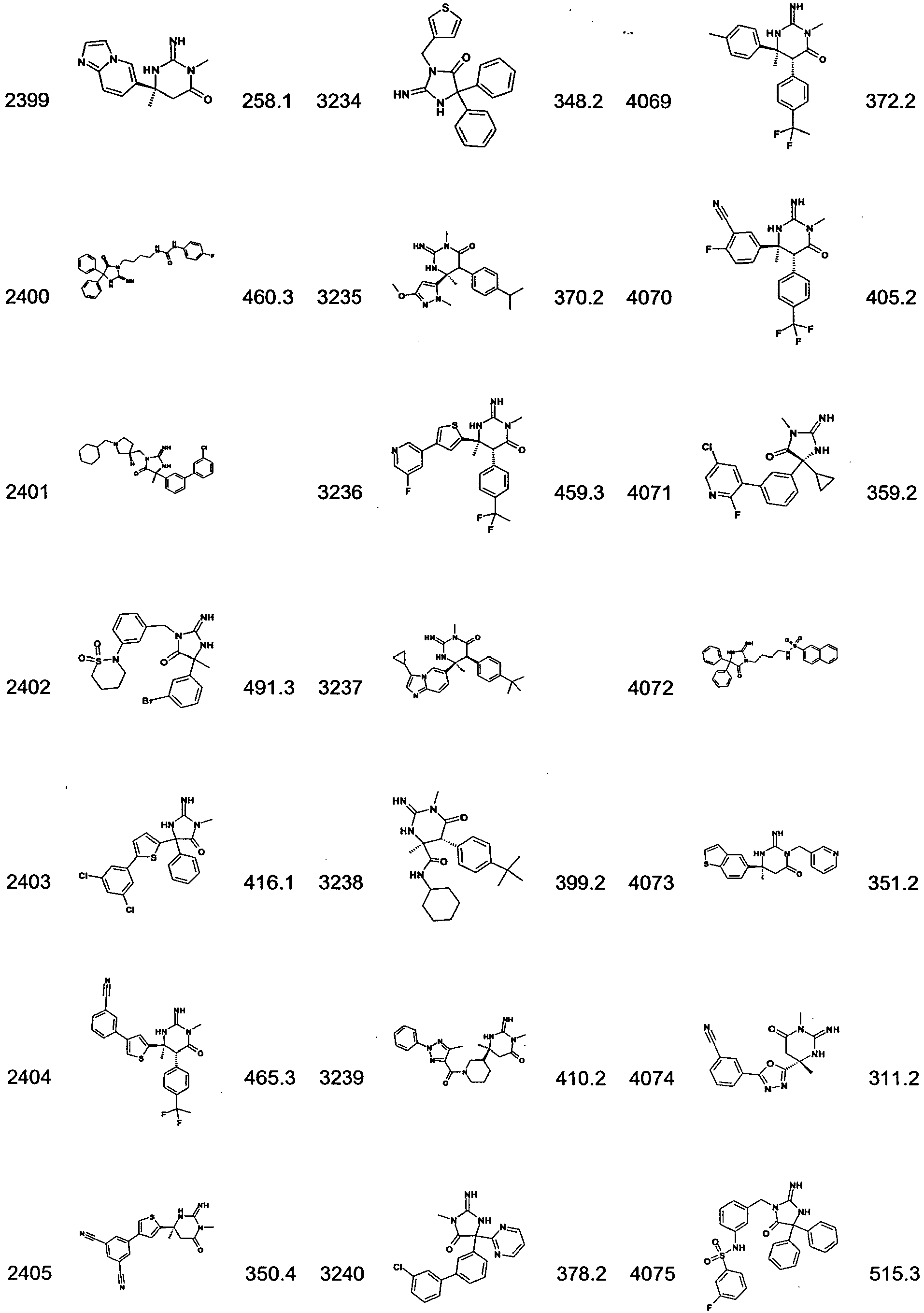


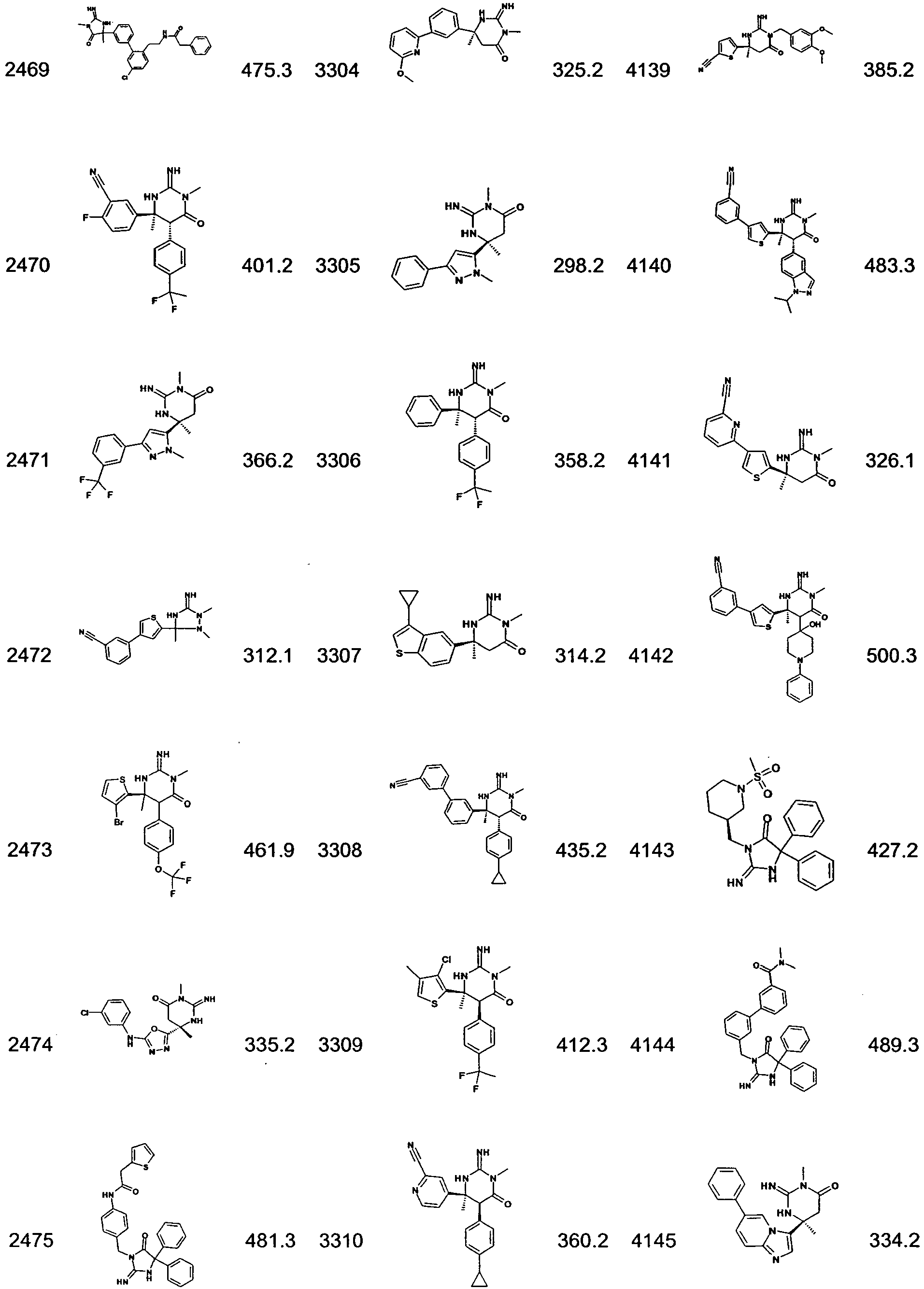


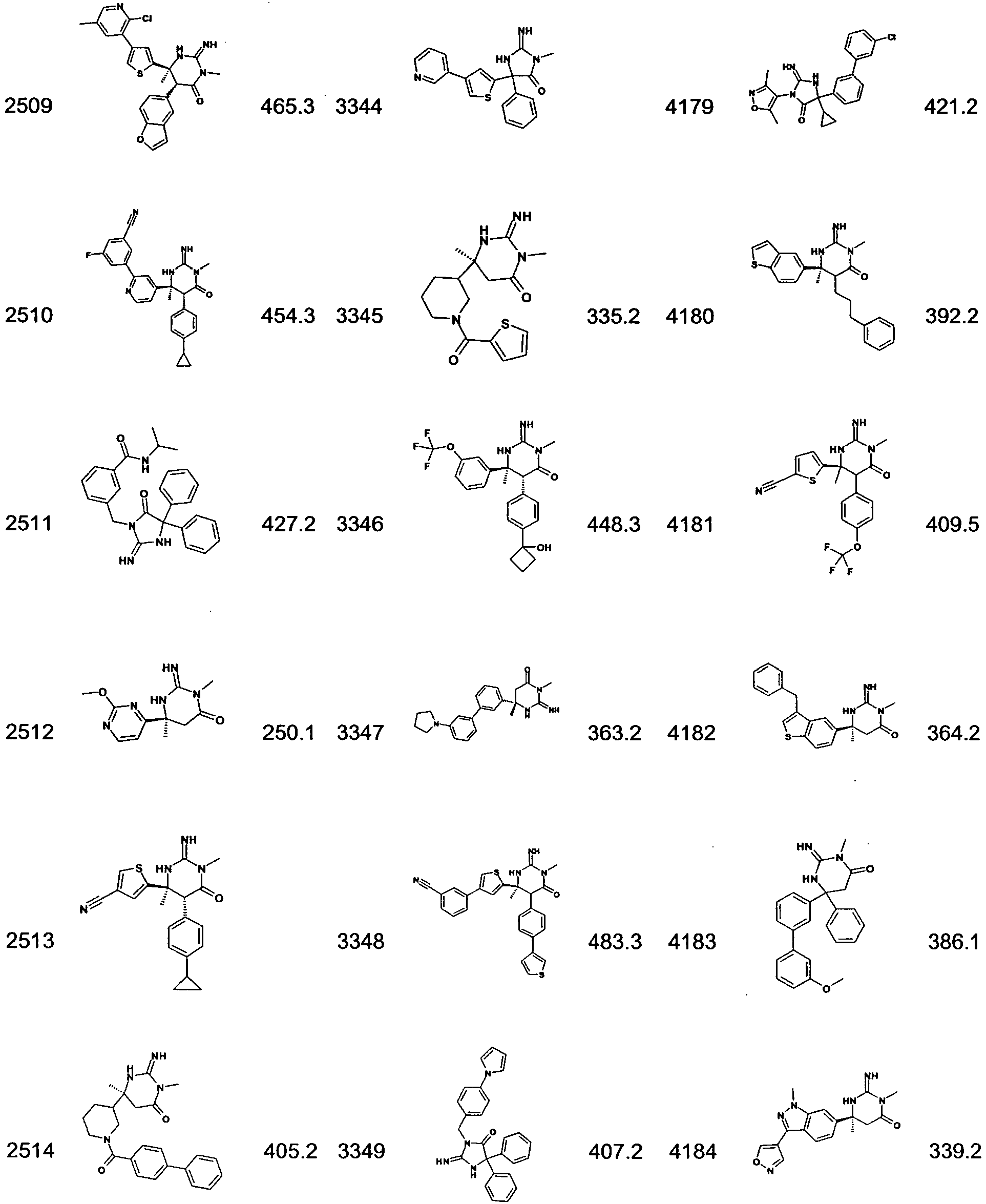


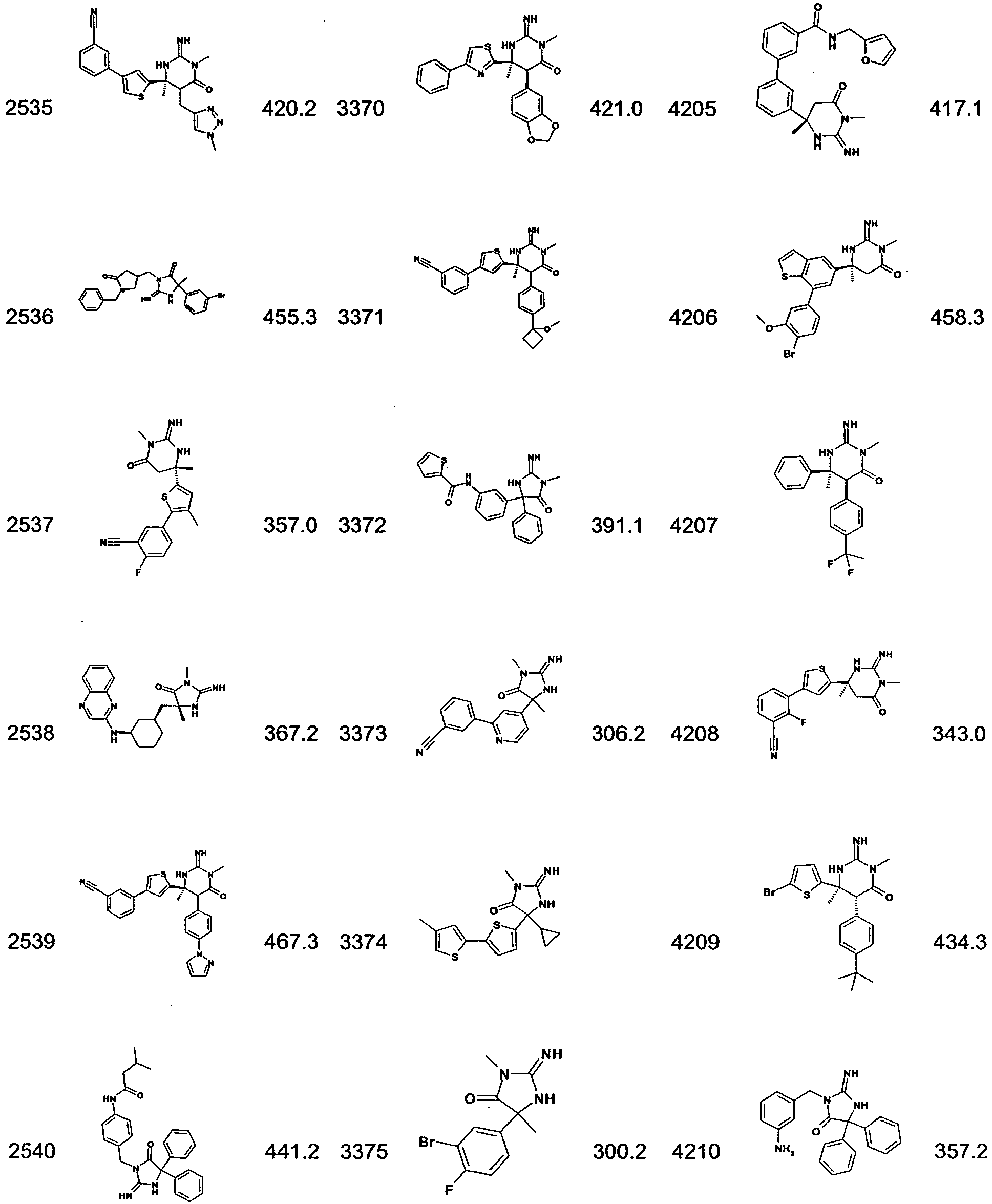


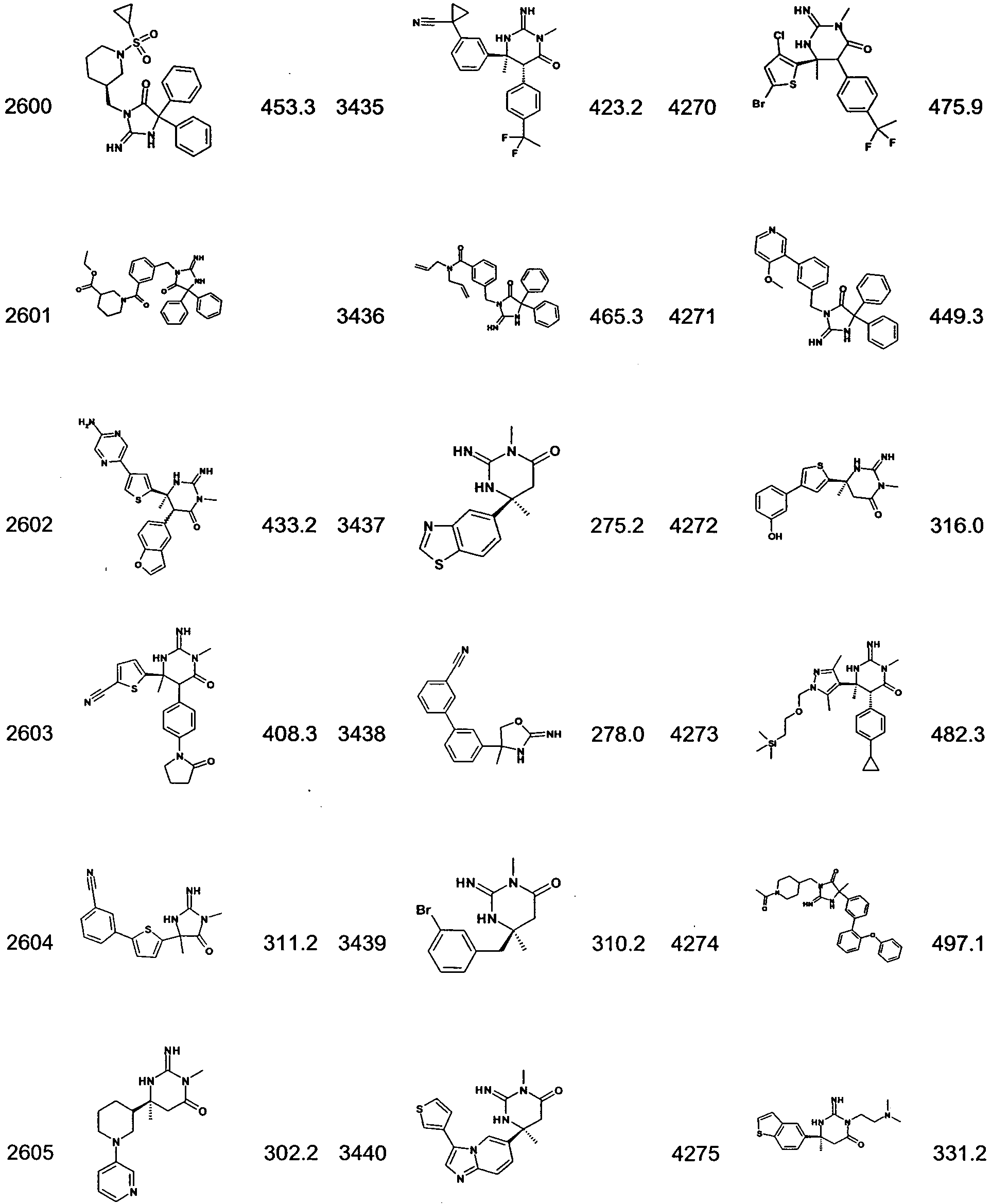

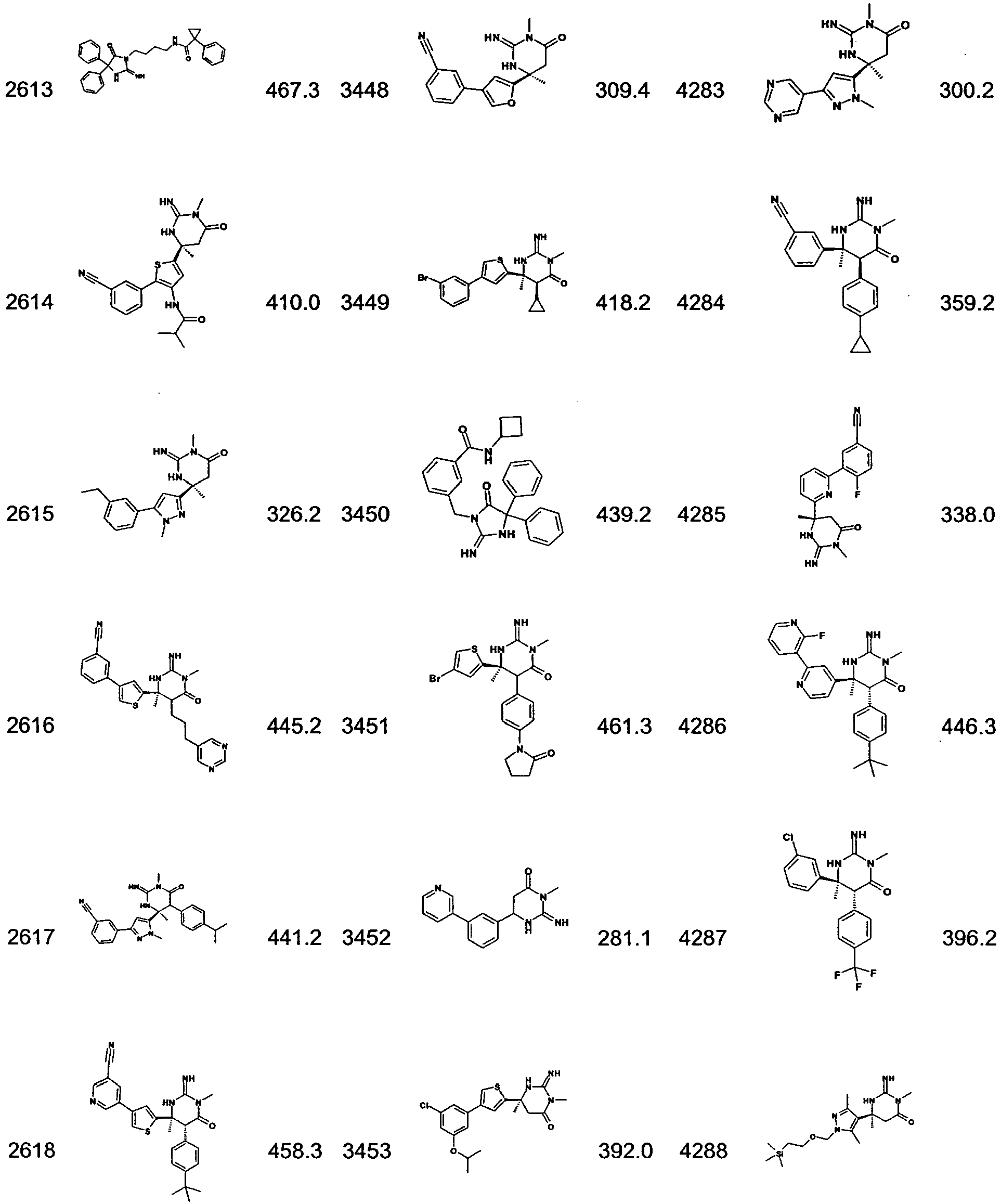

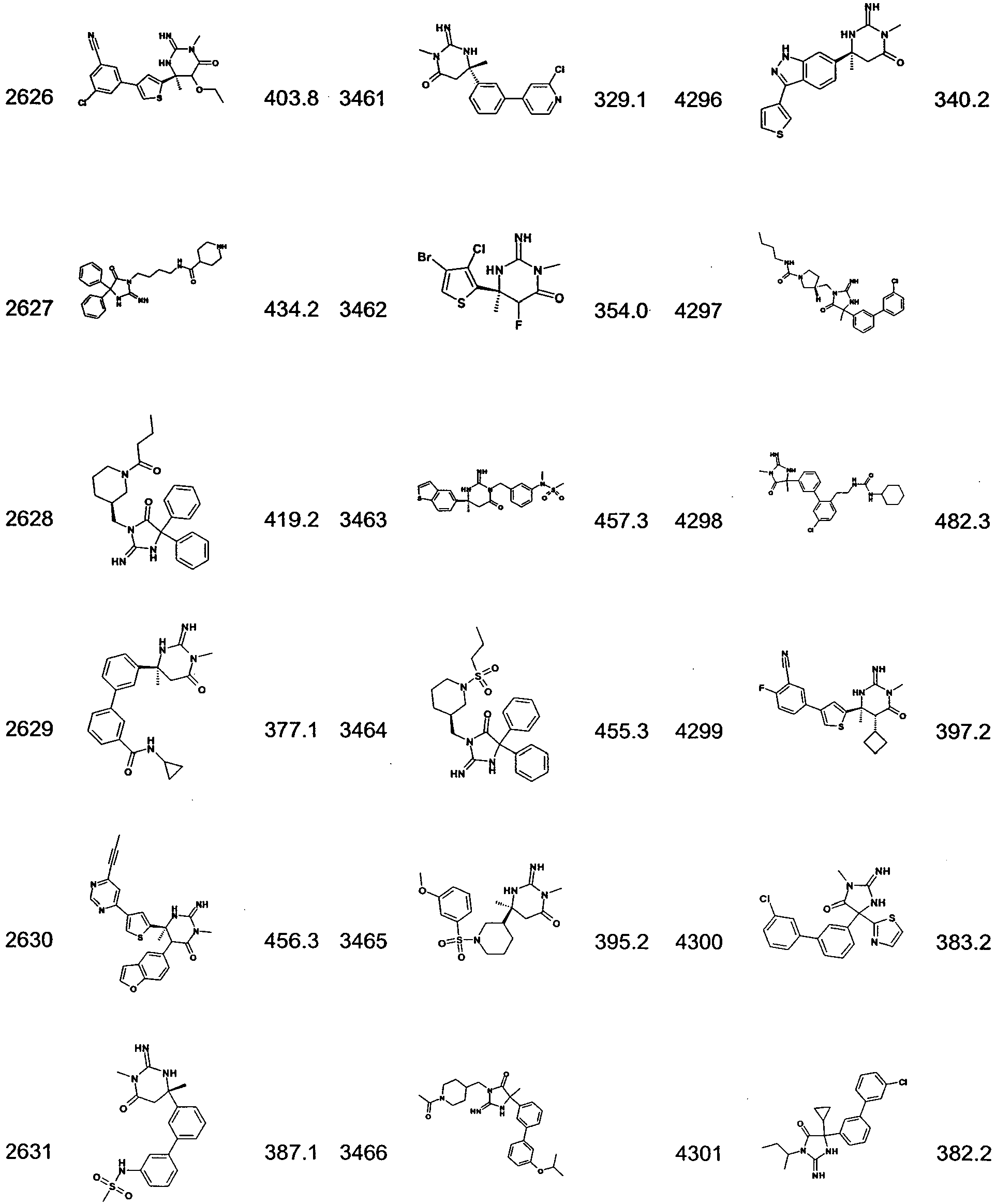


- This assay can be run in either continuous or endpoint format. The substrate used below has been described ( Y.Yasuda et al., J. Biochem. , 125, 1137 (1999 )). Substrate and enzyme are commercially available.
- The assay is run in a 30ul final volume using a 384 well Nunc black plate. 8 concentrations of compound are pre-incubated with enzyme for 30mins at 37C followed by addition of substrate with continued incubation at 37C for 45 mins. The rate of increase in fluorescence is linear for over 1 h and is measured at the end of the incubation period using a Molecular Devices FLEX station plate reader. Kis are interpolated from the IC50s using a Km value of 4uM and the substrate concentration of 2.5uM.
-
- Na-Acetate pH 5
- 1% Brij-35 from 10% stock (Calbiochem)
- DMSO
- Purified (>95%) human liver Cathepsin D (Athens Research & Technology Cat# 16-12-030104) Peptide substrate(Km=4uM) Mca-Gly-Lys-Pro-lle-Leu-Phe-Phe-Arg-Leu-Lys(Dnp)-D-Arg-NH2 Bachem Cat # M-2455
- Pepstatin is used as a control inhibitor (Ki~0.5nM) and is available from Sigma.
- Nunc 384 well black plates
-
- 100mM Na Acetate pH 5.0
- 0.02% Brij-35
- 1% DMSO
- Compound is diluted to 3x final concentration in assay buffer containing 3% DMSO. 10ul of compound is added to 10ul of 2.25nM enzyme(3x) diluted in assay buffer without DMSO, mixed briefly, spun, and incubated at 37C for 30mins. 3x substrate (7.5uM) is prepared in 1x assay buffer without DMSO. 10ul of substrate is added to each well mixed and spun briefly to initiate the reaction. Assay plates are incubated at 37 C for 45mins and read on 384 compatible fluorescence plate reader using a 328nm Ex and 393nm Em.
- Compounds of the present disclosure exhibit hCathD Ki data ranges from about 0.1 to about 500 nM, preferably about 0.1 to about 100 nM more preferably about 0.1 to about 75 nM.
- The following are examples of compounds that exhibit hCathD Ki data under 75 nM.


- The following compound
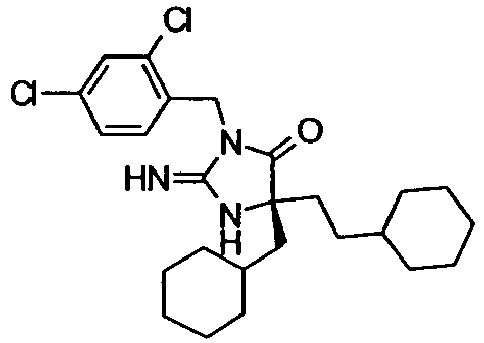
- A predicted soluble form of human BACE1 (sBACE1, corresponding to amino acids 1-454) was generated from the full length BACE1 cDNA (full length human BACE1 cDNA in pCDNA4/mycHisA construct; University of Toronto) by PCR using the advantage-GC cDNA PCR kit (Clontech, Palo Alto, CA). A HindIII/Pmel fragment from pCDNA4-sBACE1 myc/His was blunt ended using Klenow and subcloned into the Stu I site of pFASTBACI(A) (Invitrogen). A sBACE1mycHis recombinant bacmid was generated by transposition in DH10Bac cells(GIBCO/BRL). Subsequently, the sBACE1mycHis bacmid construct was transfected into sf9 cells using CellFectin (Invitrogen, San Diego, CA) in order to generate recombinant baculovirus. Sf9 cells were grown in SF 900-II medium (Invitrogen) supplemented with 3% heat inactivated FBS and 0.5X penicillin/streptomycin solution (Invitrogen). Five milliliters of high titer plaque purified sBACEmyc/His virus was used to infect 1 L of logarithmically growing sf9 cells for 72 hours. Intact cells were pelleted by centrifugation at 3000xg for 15 minutes. The supernatant, containing secreted sBACE1, was collected and diluted 50% v/v with 100 mM HEPES, pH 8.0. The diluted medium was loaded onto a Q-sepharose column. The Q-sepharose column was washed with Buffer A (20 mM HEPES, pH 8.0, 50 mM NaCl).
- Proteins, were eluted from the Q-sepharose column with Buffer B (20 mM HEPES, pH 8.0, 500 mM NaCl). The protein peaks from the Q-sepharose column were pooled and loaded onto a Ni-NTA agarose column. The Ni-NTA column was then washed with Buffer C (20 mM HEPES, pH 8.0, 500 mM NaCl). Bound proteins were then eluted with Buffer D (Buffer C+250 mM imidazole). Peak protein fractions as determined by the Bradford Assay (Biorad, CA) were concentrated using a Centricon 30 concentrator (Millipore). sBACE1 purity was estimated to be ∼90% as assessed by SDS-PAGE and Commassie Blue staining. N-terminal sequencing indicated that greater than 90% of the purified sBACE1 contained the prodomain; hence this protein is referred to as sproBACE1.
- The inhibitor, 25 nM EuK-biotin labeled APPsw substrate (EuK-KTEEISEVNLDAEFRHDKC-biotin; CIS-Bio International, France), 5 µM unlabeled APPsw peptide (KTEEISEVNLDAEFRHDK; American Peptide Company, Sunnyvale, CA), 7 nM sproBACE1, 20 mM PIPES pH 5.0, 0.1%Brij-35 (protein grade, Calbiochem, San Diego, CA), and 10% glycerol were preincubated for 30 min at 30°C. Reactions were initiated by addition of substrate in a 5 µl aliquot resulting in a total volume of 25 µl. After 3 hr at 30° C reactions were terminated by addition of an equal volume of 2x stop buffer containing 50 mM Tris-HCl pH 8.0, 0.5 M KF, 0.001% Brij-35, 20 µg/ml SA-XL665 (cross-linked allophycocyanin protein coupled to streptavidin; CIS-Bio International, France) (0.5 µg/well). Plates were shaken briefly and spun at 1200xg for 10 seconds to pellet all liquid to the bottom of the plate before the incubation. HTRF measurements were made on a Packard Discovery® HTRF plate reader using 337 nm laser light to excite the sample followed by a 50 µs delay and simultaneous measurements of both 620 nm and 665 nm emissions for 400 µs.
- IC50 determinations for inhibitors, (I), were determined by measuring the percent change of the relative fluorescence at 665 nm divided by the relative fluorescence at 620 nm, (665/620 ratio), in the presence of varying concentrations of I and a fixed concentration of enzyme and substrate. Nonlinear regression analysis of this data was performed using GraphPad Prism 3.0 software selecting four parameter logistic equation, that allows for a variable slope. Y=Bottom + (Top-Bottom)/ (1+10^((LogEC50-X)*Hill Slope)); X is the logarithm of concentration of I, Y is the percent change in ratio and Y starts at bottom and goes to top with a sigmoid shape.
- Compounds of the present disclosure have an IC50 range from about 0.001 to about 500 µM, preferably about 0.001 to about 100 µM, more preferably about 0.001 to about 20 µM.
- Examples of compounds with human BACE 1 IC50 < 1 µM are listed below:
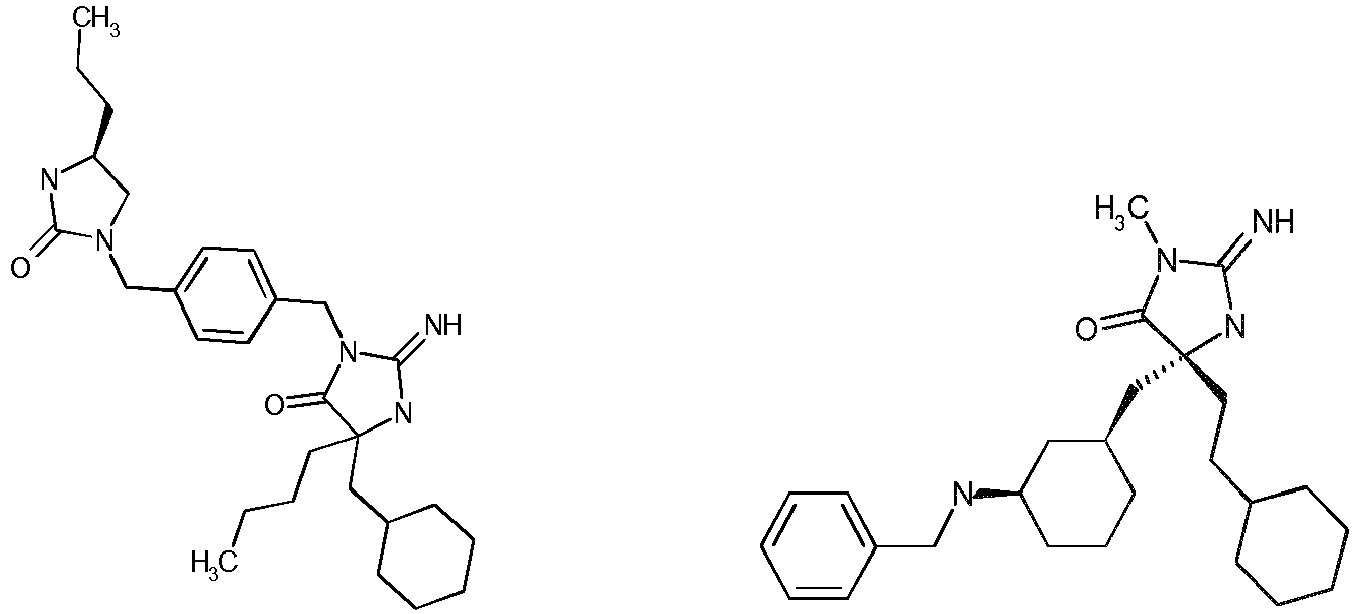


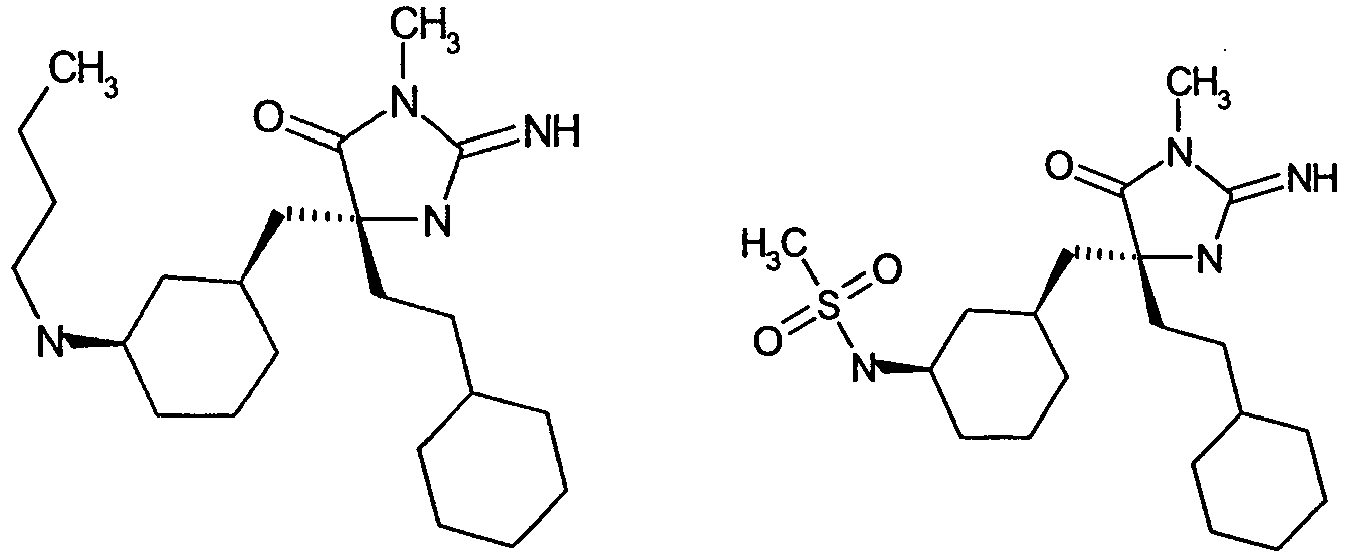


- The following compounds below were named with the CAS name generating program: ACD/Labs Version 6.0; (Advanced Chemistry Development, Inc./110 Yonge Street/14th floor/Toronto, Ontario, Canada M5C 1T4). Examples of compounds with a BACE-1 Ki less than 5 micromolar (uM) are listed below. Of these compounds, compound numbers 3659 and 3986 are compounds of the present invention:
- 4-imidazolidinone, 5-(3'-chloro[1,1'-biphenyl]-3-yl)-5-cyclopropyl-2-imino-3-(2,2,2-trifluoroethyl)-
- 3-[5-[5-[(E)-3-(4-FLUOROPHENYL)-2-PROPENYL]HEXAHYDRO-2-IMINO-1,4(S)-DIMETHYL-6-OXO-4-PYRIMIDINYL]-3-THIENYL]BENZONITRILE
- 3'-(4(R)-CYCLOPROPYL-2-IMINO-1-METHYL-5-OXO-4-IMIDAZOLIDINYL)-4-FLUORO[1,1'-BIPHENYL]-3-CARBONITRILE
- 3-CYANO-N-[3-(2-IMINO-1-METHYL-5-OXO-4-PHENYL-4-IMIDAZOLIDINYL)PHENYL]BENZENESULFONAMIDE (RACEMIC)
- N-[3-(2-IMINO-1-METHYL-5-OXO-4-PHENYL-4-IMIDAZOLIDINYL)PHENYL]CYCLOPROPANEACETAMIDE (RACEMIC)
- 5-[4-(3-CHLOROPHENYL)-2-THIENYL]-2-IMINO-3-METHYL-5-PHENYL-4-IMIDAZOLIDINONE
- PIPERIDINE, 1-(3-AMINO-1-OXOPROPYL)-4-[(2-IMINO-5-OXO-4,4-DIPHENYL-1-IMIDAZOLIDINYL)METHYL]-2-IMINO-5-METHYL-5-[3-(3-PYRIDINYL)PHENYL]-3-[[3-(TETRAHYDRO-1,1-DIOXIDO-2H-1,2-THIAZIN-2-YL)PHENYL]METHYL]-4-IMIDAZOLIDINONE (RACEMIC)
- 5(R)-[3-(5-CHLORO-3-PYRIDINYL)PHENYL]-5-CYCLOPROPYL-2-IMINO-3-METHYL-4-IMIDAZOLIDINONE
- N-[3-[(2-IMINO-5-OXO-4,4-DIPHENYL-1-IMIDAZOLIDINYL)METHYL]PHENYL]METHANESULFONAMIDE
- 5-[5-[HEXAHYDRO-2-IMINO-1,4(S)-DIMETHYL-6-OXO-4-PYRIMIDINYL]BENZO[b]THIEN-3-YL]-2-THIOPHENECARBONITRILE
- 2-IMINO-5-[3-(5-METHOXY-3-PYRIDINYL)PHENYL]-5-METHYL-3-[[5-OXO-1-(PHENYLMETHYL)-3-PYRROLIDINYL]METHYL]-4-IMIDAZOLIDINONE
- urea, N-[[5-chloro-3'-(2-imino-1,4-dimethyl-5-oxo-4-imidazolidinyl)[1,1'-biphenyl]-2-yl]methyl]-N'-(4-chlorophenyl)-5-(3-BROMOPHENYL)-2-IMINO-3-METHYL-5-(1-METHYLCYCLOPROPYL)-4-IMIDAZOLIDINONE
- 5(R)-ETHYLTETRAHYDRO-2-IMINO-6(S)-[3'-METHOXY[1,1'-BIPHENYL]-3-YL]-3,6-DIMETHYL-4(1 H)-PYRIMIDINONE
- 3-[2-(HEXAHYDRO-2-IMINO-1,4(S)-DIMETHYL-6-OXO-4-PYRIMIDINYL)-4-THIAZOLYL]BENZONITRILE
- -FLUORO-5-[5-(HEXAHYDRO-2-IMINO-1,4(S),5(R)-TRIMETHYL-6-OXO-4-PYRIMIDINYL)-3-THIENYL]BENZONITRILE
- TETRAHYDRO-2-IMINO-3,6(S)-DIMETHYL-6-(1-METHYL-1H-INDOL-5-YL)-4(1H)-PYRIMIDINONE
- TETRAHYDRO-2-IMINO-3,6(S)-DIMETHYL-6-(2-METHYL-2H-INDAZOL-5-YL)-4(1H)-PYRIMIDINONE (ISOMER 2)
- 1-piperidinecarboxamide, N-(3-fluorophenyl)-4-[(2-imino-5-oxo-4,4-diphenyl-1-imidazolidinyl)methyl]-3-[5-(TETRAHYDRO-3-IMINO-2,5-DIMETHYL-2H-1,2,4-OXADIAZIN-5-YL)-3-THIENYL]BENZONITRILE
- 3-[2-ETHYL-5-(5(R)-ETHYLHEXAHYDRO-2-IMINO-1,4(S)-DIMETHYL-6-OXO-4-PYRIMIDINYL)-3-THIENYL]BENZONITRILE
- 3(S)-[[4-[3'-CHLORO[1,1'-BIPHENYL]-3-YL]-2-IMINO-4-METHYL-5-OXO-1-IMIDAZOLIDINYL]METHYL]-1-(METHYLSULFONYL)PYRROLIDINE
- 1-(3-(HEXAHYDRO-2-IMINO-1,4(S)-DIMETHYL-6-OXO-4-PYRIMIDINYL)PHENYL]-3-PYRROLIDINECARBONITRILE
- TETRAHYDRO-2-IMINO-3,6(S)-DIMETHYL-6-[3-(1-PIPERIDINYL)PHENYL]-4(1H)-PYRIMIDINONE
- 5(R)-(2-CYCLOHEXYLETHYL)-2-IMINO-3-METHYL-5-[[3(R)-[(2-OXO-3(S)-PYRROLIDINYL)AMINO]-1(S)-CYCLOHEXYL]METHYL]-4-IMIDAZOLIDINONE
- 5(R)-[3-(5-BROMO-3-PYRIDINYL)PHENYL]-5-CYCLOPROPYL-2-IMINO-3-METHYL-4-IMIDAZOLIDINONE
- 6(S)-[3-(5-BENZOTHIAZOLYL)PHENYL]TETRAHYDRO-2-IMINO-3,6-DIMETHYL-4(1H)-PYRIMIDINONE
- 2-IMINO-5-OXO-4,4-DIPHENYL-N,N-DIPROPYL-1-IMIDAZOLIDINEPENTANAMIDE
- TETRAHYDRO-2-IMINO-3,6(S)-DIMETHYL-6-[4-METHYL-5-[3-(TRIFLUOROMETHOXY)PHENYL]-2-THIENYL]-4(1H)-PYRIMIDINONE
- 6(S)-[7-(6-FLUORO-3-PYRIDINYL)BENZO[b]THIEN-5-YL]TETRAHYDRO-2-IMINO-3,6-DIMETHYL-4(1 H)-PYRIMIDINONE
- 5-['-CHLORO[1,1'-BIPHENYL]-3-YL]-2-IMINO-3-METHYL-5-(1-METHYL-1H-IMIDAZOL-2-YL)-4-IMIDAZOLIDINONE
- 6(S)-[7-(3-FLUOROPHENYL)BENZO[b]THIEN-5-YL]TETRAHYDRO-2-IMINO-3,6-DIMETHYL-4(1 H)-PYRIMIDINONE
- piperidine, 4-[(2-imino-5-oxo-4,4-diphenyl-1-imidazolidinyl)methyl]-1-(2-naphthalenylsulfonyl)-piperidine, 1-(ethylsulfonyl)-4-[(2-imino-5-oxo-4,4-diphenyl-1-imidazolidinyl)methyl]-
- 5(R)-[3-(4-BROMO-2-PYRIDINYL)PHENYL]-5-CYCLOPROPYL-2-IMINO-3-METHYL-4-IMIDAZOLIDINONE
- 5-[5-(HEXAHYDRO-2-IMINO-1,4(S)-DIMETHYL-6-OXO-4-PYRIMIDINYL)-3-THIENYL]-2-METHYLBENZONITRILE
- 5-[5-(HEXAHYDRO-2-IMINO-1,4(S)-DIMETHYL-6-OXO-4-PYRIMIDINYL)-1-METHYL-1H-PYRAZOL-3-YL]-1,3-BENZENEDICARBONITRILE
- 6(S)-[4-BROMO-5-(5-BROMO-3-PYRIDINYL)-2-THIENYL]TETRAHYDRO-2-IMINO-3,6-DIMETHYL-4(1 H)-PYRIMIDINONE
- 2-FLUORO-5-[4-(HEXAHYDRO-2-IMINO-1,4(S)-DIMETHYL-6-OXO-4-PYRIMIDINYL)-2-THIENYL]BENZONITRILE
- 6(S)-(2,4-DIFLUOROPHENYL)TETRAHYDRO-2-IMINO-3,6-DIMETHYL-4(1H)-PYRIMIDINONE
- 5-[3-[(1-ETHYL-1H-PYRAZOL-5-YL)AMINO]PHENYL]-2-IMINO-3-METHYL-5-PHENYL-4-IMIDAZOLIDINONE
- 1-ACETYL-4-[[2-IMINO-4-[5'-METHOXY-2'-[(PHENYLAMINO)METHYL][1,1'-BIPHENYL]-3-YL]-4-METHYL-5-OXO-1-IMIDAZOLIDINYL]METHYL]PIPERIDINE
- TETRAHYDRO-2-IMINO-3,6(S)-DIMETHYL-6-[7-(4-PYRIDINYL)BENZO[b]THIEN-5-YL]-4(1 H)-PYRIMIDINONE
- PIPERIDINE, 3-[(2-IMINO-5-OXO-4,4-DIPHENYL-1-IMIDAZOLlDINYL)METHYL]-1-(1-OXOBUTYL)-, (3S)-
- 6(S)-[3-(2-CYCLOPROPYLETHYL)BENZO[b]THIEN-5-YL]TETRAHYDRO-2-IMINO-3,6-DIMETHYL-4(1 H)-PYRIMIDINONE
- PIPERIDINE, 1-ACETYL-3-[(2-IMINO-5-OXO-4,4-DIPHENYL-1-IMIDAZOLIDINYL)METHYL]-, (3S)-
- N-[3(S)-[[4(R)-(2-CYCLOHEXYLETHYL)-2-IMINO-1-METHYL-5-OXO-4-IMIDAZOLIDINYL]METHYL]-1(R)-CYCLOHEXYL]-4-PYRIDAZINECARBOXAMIDE
- 2-IMINO-3-METHYL-5-PHENYL-5-[4-(3-PYRIDINYL)-2-THIENYL]-4-IMIDAZOLIDINONE
- N-[3-(2-IMINO-1-METHYL-5-OXO-4-PHENYL-4-IMIDAZOLIDINYL)PHENYL]-2-THIOPHENESULFONAMIDE (RACEMIC)
- 6(S)-[3-(3-BROMOPHENYL)-1-METHYL-1H-PYRAZOL-5-YL]TETRAHYDRO-2-IMINO-3,5,5,6-TETRAMETHYL-4(1 H)-PYRIMIDINONE
- 6(S)-(1,3-DIMETHYL-1H-THIENO[2,3-c]PYRAZOL-5-YL)TETRAHYDRO-2-IMINO-3,6-DIMETHYL-4(1H)-PYRIMIDINONE
- 6(S)-[4-(3-CHLOROPHENYL)-2-PYRIDINYL]TETRAHYDRO-2-IMINO-3,6-DIMETHYL-4(1H)-PYRIMIDINONE
- 2-IMINO-3-[(1-METHYL-1H-PYRAZOL-5-YL)METHYL]-5,5-DIPHENYL-4-IMIDAZOLIDINONE
- 6(S)-[4-(3-ETHOXY-5-FLUOROPHENYL)-2-THIENYL]TETRAHYDRO-2-IMINO-3,6-DIMETHYL-4(1 H)-PYRIMIDINONE
- 2-FLUORO-5-[5-(HEXAHYDRO-2-IMINO-5-METHOXY-1,4-DIMETHYL-6-OXO-4-PYRIMIDINYL)-3-THIENYL]BENZONITRILE (ENANTIOMER C)
- 5(R)-[[3(R)-(CYCLOHEXYLAMINO)-1(S)-CYCLOHEXYL]METHYL]-2-IMINO-3-METHYL-5-(2-PHENYLETHYL)-4-IMIDAZOLIDINONE
- 2-IMINO-3-METHYL-5-PHENYL-5-[4-(5-PYRIMIDINYL)-2-THIENYL]-4-IMIDAZOLIDINONE
- 6(S)-[3-(3-BROMOPHENYL)-5-ISOTHIAZOLYL]TETRAHYDRO-2-IMINO-3,6-DIMETHYL-4(1H)-PYRIMIDINONE
- TETRAHYDRO-2-IMINO-3,6(S)-DIMETHYL-6-[4-(3-PYRIDINYL)-2-THIAZOLYL]-4(1 H)-PYRIMIDINONE
- 4-[3-[(2-IMINO-5-OXO-4,4-DIPHENYL-1-IMIDAZOLIDINYL)METHYL]BENZOYL]MORPHOLINE
- 5-[5-FLUORO-3'-METHOXY[1,1'-BIPHENYL]-3-YL]-2-IMINO-3-METHYL-5-PHENYL-4-IMIDAZOLIDINONE (RACEMIC)
- TETRAHYDRO-2-IMINO-3,6(S)-DIMETHYL-6-[4-[3-(TRIFLUOROMETHOXY)PHENYL]-2-PYRIDINYL]-4(1 H)-PYRIMIDINONE
- 1-ACETYL-4-[[4-(3'-HYDROXY[1,1'-BIPHENYL]-3-YL)-2-IMINO-4-METHYL-5-OXO-1-IMIDAZOLIDINYL]METHYL]PIPERIDINE
- 3(S)-[[4-[3'-CHLORO[1,1'-BIPHENYL]-3-YL]-2-IMINO-4-METHYL-5-OXO-1-IMIDAZOLIDINYL]METHYL]-1-(PHENYLSULFONYL)PYRROLIDINE
- 2-IMINO-3-METHYL-5(R)-(2-PHENYLETHYL)-5-[[3(S)-(3-PYRIDINYLAMINO)-1(S)-CYCLOHEXYL]METHYL]-4-IMIDAZOLIDINONE
- 5-[5-(HEXAHYDRO-2-IMINO-1,4(S),5(R)-TRIMETHYL-6-OXO-4-PYRIMIDINYL)-3-THIENYL]-1,3-BENZENEDICARBONITRILE
- CYCLOPENTANECARBOXAMIDE, N-[3-[(2-IMINO-5-OXO-4,4-DIPHENYL-1-IMIDAZOLIDINYL)METHYL]PHENYL]-piperidine, 4-[(2-imino-5-oxo-4,4-diphenyl-1-imidazolidinyl)methyl]-1-(methylsulfonyl)-
- 3-CHLORO-5-[5-(HEXAHYDRO-2-IMINO-1,4(S)-DIMETHYL-6-OXO-4-PYRIMIDINYL)-3-THIENYL]BENZONITRILE
- N-[3-(2-IMINO-1-METHYL-5-OXO-4-PHENYL-4-IMIDAZOLIDINYL)PHENYL]-3-FURANCARBOXAMIDE (RACEMIC)
- 3-[4-(4-CYCLOPROPYL-2-IMINO-1-METHYL-5-OXO-4-IMIDAZOLIDINYL)-2-THIENYL]BENZONITRILE
- 6-(5-BROMO-2-THIENYL)-6-CYCLOPROPYLTETRAHYDRO-2-IMINO-3-METHYL-4(1H)-PYRIMIDINONE
- 5-[5-[5(R)-CYCLOPROPYLHEXAHYDRO-2-IMINO-1,4(S)-DIMETHYL-6-OXO-4-PYRIMIDINYL]-2-FLUORO-3-THIENYL]-2-FLUOROBENZONITRILE
- 3-FLUORO-5-[2-(HEXAHYDRO-2-IMINO-1,4(S)-DIMETHYL-6-OXO-4-PYRIMIDINYL)-5-THIAZOLYL]BENZONITRILE
- 2-IMINO-5,5-DIPHENYL-3-(3-PYRIDINYLMETHYL)-4-IMIDAZOLIDINONE
- 3-[[4-(3-BROMOPHENYL)-2-IMINO-4-METHYL-5-OXO-1-IMIDAZOLIDINYL]METHYL]-N,N-DIPROPYLBENZAMIDE (RACEMIC)
- 1-[[5-[[4-(3-BROMOPHENYL)-4-CYCLOPROPYL-2-IMINO-5-OXO-1-IMIDAZOLIDINYL]METHYL]-3-PYRIDINYL]CARBONYL]-2(R)-(METHOXYMETHYL)PYRROLIDINE
- N-[3(S)-[[4(R)-(2-CYCLOHEXYLETHYL)-2-IMINO-1-METHYL-5-OXO-4-IMIDAZOLIDINYL]METHYL]-1(R)-CYCLOHEXYL]BENZENESULFONAMIDE
- 5-[4-FLUORO-3-(3-PYRIDINYL)PHENYL]-2-IMINO-3,5-DIMETHYL-4-IMIDAZOLIDINONE (RACEMIC)
- 5(R)-(2-CYCLOHEXYLETHYL)-2-IMINO-3-METHYL-5-[[3(R)-[(2-PHENYLETHYL)AMINO]-1(S)-CYCLOHEXYL]METHYL]-4-IMIDAZOLIDINONE
- N-[3(S)-[[4(R)-(2-CYCLOHEXYLETHYL)-2-IMINO-1-METHYL-5-OXO-4-IMIDAZOLIDINYL]METHYL]-(S)-CYCLOHEXYL]-N'-PHENYLUREA
- piperidine, 4-[(2-imino-5-oxo-4,4-diphenyl-1-imidazolidinyl)methyl]-1-([4-(trifluoromethoxy)phenyl]sulfonyl]-4-FLUORO-5-(HEXAHYDRO-2-IMINO-1,4(S)-DIMETHYL-6-OXO-4-PYRIMIDINYL)-3-THIOPHENECARBONITRILE
- 3-[5-(HEXAHYDRO-2-IMINO-1,4(S)-DIMETHYL-6-OXO-4-PYRIMIDINYL)-3-METHYL-2-THIENYL]BENZONITRILE
- 3-[5-[HEXAHYDRO-2-IMINO-1,4(S)-DIMETHYL-5(R)-[1-(4-METHYLPHENYL)-4-PIPERIDINYL]-6-OXO-4-PYRIMIDINYL]-3-THIENYL]BENZONITRILE
- 5(S)-CYCLOPROPYL-2-IMINO-3-METHYL-5-[[3(R)-(2-QUINOLINYLAMINO)-1(S)-CYCLOHEXYL]METHYL]-4-IMIDAZOLIDINONE
- N-ETHYL-N-[2-[3-(2-IMINO-1-METHYL-5-OXO-4-PHENYL-4-IMIDAZOLIDINYL)PHENYL]ETHYL]ACETAMIDE (RACEMIC)
- 3-[5-(HEXAHYDRO-2-IMINO-1,4(S)-DIMETHYL-6-OXO-4-PYRIMIDINYL)-4-METHYL-3-THIENYL]BENZONITRILE
- 1-BUTANESULFONAMIDE, N-[3-[(2-IMINO-5-OXO-4,4-DIPHENYL-1-IMIDAZOLIDINYL)METHYL]PHENYL]-
- TETRAHYDRO-2-IMINO-3,6(S)-DIMETHYL-6-[4-(3-PYRIDINYL)-2-THIENYL]-4(1 H)-PYRIMIDINONE
- PIPERIDINE, 1-(CYCLOPROPYLSULFONYL)-3-[(2-IMINO-5-OXO-4,4-DIPHENYL-1-IMIDAZOLlDINYL)METHYL]-, (3R)-3-[5-(HEXAHYDRO-2-IMINO-1,4(S),5(R)-TRIMETHYL-6-OXO-4-PYRIMIDINYL)-2-METHYL-3-THIENYL]-5-METHOXYBENZONITRILE
- 6(S)-(3-BROMO-1H-INDAZOL-6-YL)TETRAHYDRO-2-IMINO-3,6-DIMETHYL-4(1H)-PYRIMIDINONE
- 5-[4-(5-CHLORO-3-PYRIDINYL)-2-THIENYL]-5-CYCLOPROPYL-2-IMINO-3-METHYL-4-IMIDAZOLIDINONE
- 4-imidazolidinone, 5-(3'-chloro[1,1'-biphenyl]-3-yl)-5-cyclopropyl-3-[1-(hydroxymethyl)propyl]-2-imino-
- N-[3(S)-[[2-IMINO-1-METHYL-5-OXO-4(R)-(2-PHENYLETHYL)-4-IMIDAZOLIDINYL]METHYL]-1(R)-CYCLOHEXYL]-4-PYRIDINECARBOXAMIDE
- 2-IMINO-3,5-DIMETHYL-5-[3-(5-METHYL-3-PYRIDINYL)PHENYL]-4-IMIDAZOLIDINONE (RACEMIC)
- 6(S)-(2,4-DIFLUOROPHENYL)-5(R)-[1-(4-FLUOROPHENYL)-4-PIPERIDINYL]TETRAHYDRO-2-IMINO-3,6-DIMETHYL-4(1H)-PYRIMIDINONE
- 2-propanesulfonamide, N-[4-[(2-imino-5-oxo-4,4-diphenyl-1-imidazolidinyl)methyl]phenyl]-
- 2-IMINO-3-METHYL-5(R)-(2-PHENYLETHYL)-5-[[3(R)-(3-PYRIDINYLAMINO)-1 (S)-CYCLOHEXYL]METHYL]-4-IMIDAZOLIDINONE
- benzeneacetamide, N-[[5-chloro-3'-(2-imino-1,4-dimethyl-5-oxo-4-imidazolidinyl)[1,1'-biphenyl]-2-yl]methyl]-
- 4(S)-[4-(3-CYANOPHENYL)-2-THIENYL]HEXAHYDRO-2-IMINO-1,4-DIMETHYL-6-OXO-5(R/S)-PYRIMIDINEACETONITRILE
- PIPERIDINE, 1-(CYCLOPROPYLCARBONYL)-3-[(2-IMINO-5-OXO-4,4-DIPHENYL-1-IMIDAZOLIDINYL)METHYL]-, (3S)-
- 2-IMINO-5-[3-(5-METHOXY-3-PYRIDINYL)PHENYL]-5-METHYL-3-[(5-OXO-1-PHENYL-3-PYRROLIDINYL)METHYL]-4-IMIDAZOLIDINONE
- (R)-[[4-[3'-CHLORO[1,1'-BIPHENYL]-3-YL]-2-IMINO-4-METHYL-5-OXO-1-IMIDAZOLIDINYL]METHYL]-N-PHENYL-1-PYRROLIDINECARBOXAMIDE
- 3-[5-[HEXAHYDRO-2-IMINO-1,4(S)-DIMETHYL-5(R)-[1-(1-METHYLETHYL)-1H-PYRAZOL-4-YL]-6-OXO-4-PYRIMIDINYL]-3-THIENYL]BENZONITRILE
- 3-[5-(2-IMINO-1-METHYL-5-OXO-4-PHENYL-4-IMIDAZOLIDINYL)-3-THIENYL]BENZONITRILE
- 4-imidazolidinone, 5-(3'-chloro[1,1'-biphenyl]-3-yl)-5-cyclopropyl-2-imino-3-(1-methylethyl)-5(R)-CYCLOPROPYL-6(S)-[4-(2-FLUORO-3-PYRIDINYL)-2-THIENYL]TETRAHYDRO-2-IMINO-3,6-DIMETHYL-4(1 H)-PYRIMIDINONE
- 6(S)-[1-(3-ETHYLPHENYL)-1 H-PYRAZOL-4-YL]TETRAHYDRO-2-IMINO-3,6-DIMETHYL-4(1 H)-PYRIMIDINONE
- 2-IMINO-5-[3'-METHOXY[1,1'-BIPHENYL]-3-YL]-5-METHYL-3-[[3-(TETRAHYDRO-1,1-DIOXIDO-2H-1,2-THIAZIN-2-YL)PHENYL]METHYL]-4-IMIDAZOLIDINONE (RACEMIC)
- 4-imidazolidinone, 5-(3'-chloro[1,1'-biphenyl]-3-yl)-3-cyclopentyl-5-cyclopropyl-2-imino-TETRAHYDRO-2-IMINO-3,6(S)-DIMETHYL-6-[4-[3-(METHYLTHIO)PHENYL]-2-THIENYL]-4(1 H)-PYRIMIDINONE
- 1-ACETYL-4-[[4-[2'-FORMYL-5'-METHOXY[1,1'-BIPHENYL]-3-YL]-2-IMINO-4-METHYL-5-OXO-1-IMIDAZOLIDINYL]METHYL]PIPERIDINE
- N-[3-[(2-IMINO-5-OXO-4,4-DIPHENYL-1-IMIDAZOLIDINYL)METHYL]PHENYL]-N-METHYLMETHANESULFONAMIDE
- 5-[3-(3-CHLOROPYRAZINYL)PHENYL]-2-IMINO-3-METHYL-5-PHENYL-4-IMIDAZOLIDINONE (RACEMIC)
- CYCLOHEXANECARBOXAMIDE, N-[3-[(2-IMINO-5-OXO-4,4-DIPHENYL-1-IMIDAZOLIDINYL)METHYL]PHENYL]-2,6-DICHLORO-N-[3(S)-[[4(R)-(2-CYCLOHEXYLETHYL)-2-IMINO-1-METHYL-5-OXO-4-IMIDAZOLIDINYL]METHYL]-1(R)-CYCLOHEXYL]-4-PYRIDINECARBOXAMIDE
- N-[3(S)-[[4(R)-(2-CYCLOHEXYLETHYL)-2-IMINO-1-METHYL-5-OXO-4-IMIDAZOLIDINYL]METHYL]-1(R)CYCLOHEXYL]-2-PYRIDINECARBOXAMIDE
- TETRAHYDRO-2-IMINO-3,6(S)-DIMETHYL-6-[4-[3-(1-METHYLETHOXY)PHENYL]-2-THIENYL]-4(1 H)-PYRIMIDINONE
- urea, N-[[5-chloro-3'-(2-imino-1,4-dimethyl-5-oxo-4-imidazolidinyl)[1,1'-biphenyl]-2-yl]methyl]-N'-phenyl-6(S)-(7-BROMOBENZO[b]THIEN-2-YL)TETRAHYDRO-2-IMINO-3,6-DIMETHYL-4(1H)-PYRIMIDINONE
- 3-[5-(1-ETHYLHEXAHYDRO-2-IMINO-4(S)-METHYL-6-OXO-4-PYRIMIDINYL)-3-THIENYL]BENZONITRILE
- 1-[3-[(2-IMINO-4-METHYL-5-OXO-4-PHENYL-1-IMIDAZOLIDINYL)METHYL]BENZOYL]-2(R)-(METHOXYMETHYL)PYRROLIDINE
- 6(S)-(BENZO[b]THIEN-2-YL)TETRAHYDRO-2-IMINO-3,5(R),6-TRIMETHYL-4(1H)-PYRIMIDINONE
- 5-CYCLOPROPYL-5-[4-[3-(HYDROXYMETHYL)PHENYL]-2-THIENYL]-2-IMINO-3-METHYL-4-IMIDAZOLIDINONE
- 5-CYCLOPROPYL-5-[3-(1H-IMIDAZOL-1-YL)PHENYL]-2-IMINO-3-METHYL-4-IMIDAZOLIDINONE
- 3-[5-[HEXAHYDRO-2-IMINO-1,4(S)-DIMETHYL-6-OXO-5-(1 H-PYRAZOL-1-YL)-4-PYRIMIDINYL]-3-THIENYL]BENZONITRILE (ISOMER 2)
- 2-FLUORO-5-[5-(TETRAHYDRO-3-IMINO-2,5-DIMETHYL-2H-1,2,4-OXADIAZIN-5-YL)-3-THIENYL]BENZONITRILE
- 3-[5-[HEXAHYDRO-2-IMINO-1,4(S)-DIMETHYL-6-OXO-5-[(E)-3-PHENYL-2-PROPENYL]-4-PYRIMIDINYL]-3-THIENYL]BENZONITRILE
- N-[3(S)-[[2-IMINO-1-METHYL-5-OXO-4(R)-(2-PHENYLETHYL)-4-IMIDAZOLIDINYL]METHYL]-1(R)-CYCLOHEXYL]-3-PYRIDINECARBOXAMIDE
- 5(R)-CYCLOPROPYL-5-(4'-HYDROXY-3'-METHOXY[1,1'-BIPHENYL]-3-YL)-2-IM INO-3-METHYL-4-IMIDAZOLIDINONE
- 3-[5-(4(S)-ETHYLHEXAHYDRO-2-IMINO-1-METHYL-6-OXO-4-PYRIMIDINYL)-2-THIENYL]BENZONITRILE
- 2-IMINO-3,5(R)-DIMETHYL-5-[[3(R)-(PYRAZINYLAMINO)-1 (S)-CYCLOHEXYL]METHYL]-4-IMIDAZOLIDINONE
- 5-[2-(3,5-DICHLOROPHENYL)-4-PYRIDINYL]-2-IMINO-3,5-DIMETHYL-4-IMIDAZOLIDINONE
- 5-[3'-CHLORO[1,1'-BIPHENYL]-3-YL]-5-CYCLOHEXYL-2-IMINO-3-METHYL-4-IMIDAZOLIDINONE
- N-[3(S)-[[4(R)-(2-CYCLOHEXYLETHYL)-2-IMINO-1-METHYL-5-OXO-4-IMIDAZOLIDINYL]METHYL]-1(R)-CYCLOHEXYL]CYCLOPENTANECARBOXAMIDE
- 5-[4-(1,3-BENZODIOXOL-5-YL)-2-THIENYL]-2-IMINO-3-METHYL-5-PHENYL-4-IMIDAZOLIDINONE
- 3-[5-(HEXAHYDRO-2-IMINO-1,4(S)-DIMETHYL-6-OXO-4-PYRIMIDINYL)-3-THIENYL]-4-HYDROXYBENZONITRILE
- 3-[5-(HEXAHYDRO-2-IMINO-1,4(S)-DIMETHYL-6-OXO-4-PYRIMIDINYL)-1-METHYL-1H-PYRAZOL-3-YL]BENZONITRILE
- TETRAHYDRO-2-IMINO-3,6(S)-DIMETHYL-6-[7-(3-THIENYL)BENZO[b]THIEN-3-YL]-4(1 H)-PYRIMIDINONE
- PIPERIDINE, 4-[(2-IMINO-5-OXO-4,4-DIPHENYL-1-IMIDAZOLIDINYL)METHYL]-1-(3-PYRIDINYLACETYL)-
- N-[[[3(S)-[[4(R)-(2-CYCLOHEXYLETHYL)-2-IMINO-1-METHYL-5-OXO-4-IMIDAZOLIDINYL]METHYL]-1(R)-CYCLOHEXYL]AMINO]CARBONYL]BENZAMIDE
- N-[3(S)-[[4(R)-(2-CYCLOHEXYLETHYL)-2-IMINO-1-METHYL-5-OXO-4-IMIDAZOLIDINYL]METHYL]-1(R)-CYCLOHEXYL]-2-NAPHTHALENEACETAMIDE
- 5-[5-(3,4-DICHLOROPHENYL)HEXAHYDRO-2-IMINO-1,4(S)-DIMETHYL-6-OXO-4-PYRIMIDINYL]-2-THIOPHENECARBONITRILE
- N-[3-[(2-IMINO-5-OXO-4,4-DIPHENYL-1-IMIDAZOLIDINYL)METHYL]PHENYL]ETHANESULFONAMIDE
- N-[3-[(2-IMINO-5-OXO-4,4-DIPHENYL-1-IMIDAZOLIDINYL)METHYL]PHENYL]-1-PROPANESULFONAMIDE
- 5-[3'-CHLORO[1,1'-BIPHENYL]-3-YL]-DIHYDRO-2,5-DIMETHYL-2H-1,2,4-OXADIAZIN-3(4H)-IMINE
- 6(S)-ETHYLTETRAHYDRO-2-IMINO-3-METHYL-6-[4-(3-PYRIDINYL)-2-THIENYL]-4(1H)-PYRIMIDINONE
- 6(S)-[3-(2-FLUORO-3-PYRIDINYL)PHENYL]TETRAHYDRO-2-IMINO-3,6-DIMETHYL-4(1 H)-PYRIMIDINONE
- 4-CHLORO-3-[5-(HEXAHYDRO-2-IMINO-1,4(S)-DIMETHYL-6-OXO-4-PYRIMIDINYL)BENZO[b]THIEN-7-YL]BENZONITRILE
- 1-piperidinecarboxamide, N-(3-chlorophenyl)-4-[(2-imino-5-oxo-4,4-diphenyl-1-imidazolidinyl)methyl]-3'-(TETRAHYDRO-3-IMINO-2,5-DIMETHYL-2H-1,2,4-OXADIAZIN-5-YL)[1,1'-BIPHENYL]-3-CARBONITRILE
- 6(S)-[5-(3-ETHYLPHENYL)-1-METHYL-1 H-PYRAZOL-3-YL]TETRAHYDRO-2-IMINO-3,6-DIMETHYL-4(1 H)-PYRIMIDINONE
- PIPERIDINE, 3-[(2-IMINO-5-OXO-4,4-DIPHENYL-1-IMIDAZOLIDINYL)METHYL]-1-(1-OXOBUTYL)-, (3R)-1-ACETYL-4-[[2-IMINO-4-[3-(1H-INDOL-4-YL)PHENYL]-4-METHYL-5-OXO-1-IMIDAZOLIDINYL]METHYL]PIPERIDINE
- 1-ACETYL-4-[[4(R)-[3-(5-BROMO-3-PYRIDINYL)PHENYL]-4-CYCLOPROPYL-2-IMINO-5-OXO-1-IMIDAZOLIDINYL]METHYL]PIPERIDINE
- 5-(3-BROMOPHENYL)-5-CYCLOHEXYL-2-IMINO-3-METHYL-4-IMIDAZOLIDINONE
- 6(S)-[5-(3-BROMOPHENYL)-2-THIAZOLYL]TETRAHYDRO-2-IMINO-3,6-DIMETHYL-4(1 H)-PYRIMIDINONE
- 5(R)-[4-(1,1-DIFLUOROETHYL)PHENYL]TETRAHYDRO-2-IMINO-3,6(S)-DIMETHYL-6-(2,4,6-TRIFLUOROPHENYL)-4(1 H)-PYRIMIDINONE (COMPOUND NO. 3986)
- piperidine, 1-[(3-chloro-4-fluorophenyl)sulfonyl]-4-[(2-imino-5-oxo-4,4-diphenyl-1-imidazolidinyl)methyl]-5-[4-CHLORO-5-(HEXAHYDRO-2-IMINO-1,4(R)-DIMETHYL-6-OXO-4-PYRIMIDINYL)-3-METHYL-2-THIENYL]-2-FLUOROBENZONITRILE
- 6(S)-[4-(6-CHLOROPYRAZINYL)-2-THIENYL]TETRAHYDRO-2-IMINO-3,6-DIMETHYL-4(1 H)-PYRIMIDINONE
- 3-[5-(HEXAHYDRO-2-IMINO-1,4(S)-DIMETHYL-6-OXO-4-PYRIMIDINYL)-3-TH IENYL]-5-METHOXYBENZON ITRI LE
- 3-CHLORO-5-[5-(5(R)-CYCLOPROPYLHEXAHYDRO-2-IMINO-1,4(S)-DIMETHYL-6-OXO-4-PYRIMIDINYL)-2-THIENYL]BENZONITRILE
- 3-[2-(2-IMINO-5-OXO-4,4-DIPHENYL-1-IMIDAZOLIDINYL)ETHYL]-1-(METHYLSULFONYL)PIPERIDINE (RACEMIC)
- 3(S)-[[4-[3'-CHLORO[1,1'-BIPHENYL]-3-YL]-2-IMINO-4-METHYL-5-OXO-1-IMIDAZOLIDINYL]METHYL]-1-(CYCLOHEXYLCARBONYL)PYRROLIDINE
- 1-ACETYL-4-[[2-IMINO-4-METHYL-4-[3-(1-METHYL-1H-PYRAZOL-4-YL)PHENYL]-5-OXO-1-IMIDAZOLIDINYL]METHYL]PIPERIDINE
- 2-THIOPHENEACETAMIDE, N-[3-[(2-IMINO-5-OXO-4,4-DIPHENYL-1-IMIDAZOLIDINYL)METHYL]PHENYL]-5(R)-(2-CYCLOHEXYLETHYL)-5-[[3(S)-(3(S)-HYDROXY-1-PYRROLIDINYL)-1(S)-CYCLOHEXYL]METHYL]-2-IMINO-3-METHYL-4-IMIDAZOLIDINONE
- PIPERIDINE, 3-[(2-IMINO-5-OXO-4,4-DIPHENYL-1-IMIDAZOLIDINYL)METHYL]-1-(PROPYLSULFONYL)-, (3R)-3(S)-[[4-[3'-CHLORO[1,1'-BIPHENYL]-3-YL]-2-IMINO-4-METHYL-5-OXO-1-IMIDAZOLIDINYL]METHYL]-1-(CYCLOHEXYLACETYL)PYRROLIDINE
- 5-[3',5'-DICHLORO[1,1'-BIPHENYL]-3-YL]-DIHYDRO-2,5-DIMETHYL-2H-1,2,4-OXADIAZIN-3(4H)-IMINE
- 6(S)-[1-(CYCLOPENTYLMETHYL)-1 H-INDAZOL-5-YL]TETRAHYDRO-2-IMINO-3,6-DIMETHYL-4(1 H)-PYRIMIDINONE
- 1-BENZOYL-3(S)-[[4-[3'-CHLORO[1,1'-BIPHENYL]-3-YL]-2-IMINO-4-METHYL-5-OXO-1-IMIDAZOLIDINYL]METHYL]PYRROLIDINE
- CYCLOPROPANESULFONAMIDE, N-[3-[(2-IMINO-5-OXO-4,4-DIPHENYL-1-IMIDAZOLIDINYL)METHYL]PHENYL]-5-(3-BROMOPHENYL)-5-CYCLOBUTYL-2-IMINO-3-METHYL-4-IMIDAZOLIDINONE
- 5-CYCLOPROPYL-2-IMINO-3-METHYL-5-[3-(2-METHYL-4-PYRIDINYL)PHENYL]-4-IMIDAZOLIDINONE
- 2-IMINO-3,5(R)-DIMETHYL-5-[[3(R)-(2-QUINOXALINYLAMINO)-1(S)-CYCLOHEXYL]METHYL]-4-IMIDAZOLIDINONE
- N-[3-(2-IMINO-1-METHYL-5-OXO-4-PHENYL-4-IMIDAZOLIDINYL)PHENYL]BENZAMIDE (RACEMIC)
- BUTANAMIDE, N-[3-[(2-IMINO-5-OXO-4,4-DIPHENYL-1-IMIDAZOLIDINYL)METHYL]PHENYL]-3,3-DIMETHYL-TETRAHYDRO-2-IMINO-3,6(S)-DIMETHYL-6-[1-METHYL-3-(2-THIENYL)-1 H-INDOL-5-YL]-4(1 H)-PYRIMIDINONE
- 3-[3-(HEXAHYDRO-2-IMINO-1,4(S)-DIMETHYL-6-OXO-4-PYRIMIDINYL)BENZO[b]THIEN-7-YL]BENZONITRILE
- 3-[5-[(1R)-1',2,3,3',4',6'-HEXAHYDRO-2'-IMINO-5-METHOXY-1',4'(S)-DIMETHYL-6'-OXOSPIRO[1H-INDENE-1,5'(2'H)-PYRIMIDIN]-4'-YL]-3-THIENYL]BENZONITRILE
- BENZAMIDE, N-[3-[(2-IMINO-5-OXO-4,4-DIPHENYL-1-IMIDAZOLIDINYL)METHYL]PHENYL]-TETRAHYDRO-2-IMINO-6(S)-[5-(3-METHOXYPHENYL)-4-METHYL-2-THIENYL]-3,6-DIMETHYL-4(1 H)-PYRIMIDINONE
- 5(R)-[3-(5-CHLORO-2-FLUORO-3-PYRIDINYL)PHENYL]-5-CYCLOPROPYL-2-IMINO-3-METHYL-4-IMIDAZOLIDINONE
- N-[[5-CHLORO-3'-(2-IMINO-1,4-DIMETHYL-5-OXO-4-IMIDAZOLIDINYL)[1,1 BIPHENYL]-2-YL]METHYL]-3-PYRIDINECARBOXAMIDE
- 5-[3'-(HYDROXYMETHYL)[1,1'-BIPHENYL]-3-YL]-2-IMINO-3-METHYL-5-PHENYL-4-IMIDAZOLIDINONE
- 5-[3-(2-IMINO-1,4-DIMETHYL-5-OXO-4-IMIDAZOLIDINYL)PHENYL]-3-PYRIDINECARBONITRILE (RACEMIC)
- 6(S)-[5-CHLORO[2,3'-BITHIOPHEN]-5'-YL]TETRAHYDRO-2-IMINO-3,6-DIMETHYL-4(1 H)-PYRIMIDINONE
- 3-FLUORO-5-[5-(HEXAHYDRO-2-IMINO-1,4(S)-DIMETHYL-6-OXO-4-PYRIMIDINYL)-1-METHYL-1 H-PYRAZOL-3-YL]BENZONITRILE
- 1-ACETYL-4-[[4-[3-(3-FURANYL)PHENYL]-2-IMINO-4-METHYL-5-OXO-1-IMIDAZOLIDINYL]METHYL]PIPERIDINE
- 6(S)-(2,6-DIFLUOROPHENYL)TETRAHYDRO-2-IMINO-3,6-DIMETHYL-5(R)-[4-(TRIFLUOROMETHYL)PHENYL]-4(1H)-PYRIMIDINONE (COMPOUND NO. 3659)
- 5-[5(R)-(4-CYCLOPROPYLPHENYL)HEXAHYDRO-2-IMINO-1,4(S)-DIMETHYL-6-OXO-4-PYRIMIDINYL]-3-THIOPHENECARBONITRILE
- 5-(3-BROMOPHENYL)-2-IMINO-3-METHYL-5-(1-METHYLETHYL)-4-IMIDAZOLIDINONE
- 6(S)-[4-[3-CHLORO-5-(1-METHYLETHOXY)PHENYL]-2-THIENYL]TETRAHYDRO-2-IMINO-3,6-DIMETHYL-4(1 H)-PYRIMIDINONE
- 3-[5-[HEXAHYDRO-2-IMINO-1,4(S)-DIMETHYL-6-OXO-5-[2-(1-PIPERIDINYL)ETHYL]-4-PYRIMIDINYL]-3-THIENYL]BENZONITRILE
- 5-[5-(5(S)-CYCLOBUTYLHEXAHYDRO-2-IMINO-1,4(S)-DIMETHYL-6-OXO-4-PYRIMIDINYL)-3-THIENYL]-3-PYRIDINECARBONITRILE
- 5-[5-(5-BROMOHEXAHYDRO-2-IMINO-1,4(R)-DIMETHYL-6-OXO-4-PYRIMIDINYL)-3-THIENYL]-2-FLUOROBENZONITRILE
- N-[3-(2-IMINO-1-METHYL-5-OXO-4-PHENYL-4-IMIDAZOLlDINYL)PHENYL]METHANESULFONAMIDE (RACEMIC)
- 2-IMINO-3-[(4-METHYLPHENYL)METHYL]-5,5-DIPHENYL-4-IMIDAZOLIDINONE
- 3-[5-(HEXAHYDRO-2-IMINO-1,4(S)-DIMETHYL-6-OXO-5(R)-PROPYL-4-PYRIMIDINYL)-3-THIENYL]BENZONITRILE
- 5(R)-CYCLOPROPYLTETRAHYDRO-2-IMINO-3,6(S)-DIMETHYL-6-[5-[3-(TRIFLUOROMETHYL)PHENYL]-2-THIENYL]-4(1H)-PYRIMIDINONE
- 2-IMINO-5,5-DIPHENYL-3-[(TETRAHYDRO-2H-PYRAN-4-YL)METHYL]-4-IMIDAZOLIDINONE
- 3-[5-(HEXAHYDRO-2-IMINO-1,4(S)-DIMETHYL-6-OXO-4-PYRIMIDINYL)-2-THIAZOLYL]BENZONITRILE
- N-[3(S)-[[4(R)-(2-CYCLOHEXYLETHYL)-2-IMINO-1-METHYL-5-OXO-4-IMIDAZOLIDINYL]METHYL]-1(R)-CYCLOHEXYL]-2-QUINOLINECARBOXAMIDE
- N-[3(S)-[[2-IMINO-1-METHYL-5-OXO-4(R)-(2-PHENYLETHYL)-4-IMIDAZOLIDINYL]METHYL]-1(R)-CYCLOHEXYL]ACETAMIDE
- N-ETHYL-N-[2-[3-(2-IMINO-1-METHYL-5-OXO-4-PHENYL-4-IMIDAZOLlDINYL)PHENYL]ETHYL]METHANESULFONAMIDE (RACEMIC)
- 2-IMINO-3-METHYL-5-PHENYL-5-[3-(2-PYRIDINYL)PHENYL]-4-IMIDAZOLIDINONE (RACEMIC)
- 6(S)-(3-CHLORO-2-THIENYL)TETRAHYDRO-2-IMINO-3,6-DIMETHYL-4(1H)-PYRIMIDINONE
- 3'-(HEXAHYDRO-2-IMINO-1,4(R)-DIMETHYL-5-METHYLENE-6-OXO-4-PYRIMID INYL)[1,1'-BIPHENYL]-3-CARBONITRILE
- 4-imidazolidinone, 5-(3'-chloro[1,1'-biphenyl]-3-yl)-5-cyclopropyl-2-imino-3-(1-methylpropyl)-2-FLUORO-5-[5-(HEXAHYDRO-2-IMINO-1,4(S)-DIMETHYL-6-OXO-4-PYRIMIDINYL)-4-METHYL-3-THIENYL]BENZONITRILE
- 2-IMINO-3-METHYL-5(R)-(2-PHENYLETHYL)-5-[[3-(2-PYRIDINYLAMINO)-1 (S)-CYCLOHEXYL]METHYL]-4-IMIDAZOLIDINONE
- 6(S)-[5-(3-CHLOROPHENYL)-2-THIAZOLYL]TETRAHYDRO-2-IMINO-3,6-DIMETHYL-4(1H)-PYRIMIDINONE
- 5-[3'-CHLORO[1,1'-BIPHENYL]-3-YL]-2-IMINO-3-METHYL-5-(2-THIAZOLYL)-4-IMIDAZOLIDINONE
- 2-IMINO-3-METHYL-5-PHENYL-5-[3-[(PHENYLMETHYL)AMINO]PHENYL]-4-IMIDAZOLIDINONE (RACEMIC)
- 6(S)-[7-(2-CHLORO-5-METHOXYPHENYL)BENZO[b]THIEN-5-YL]TETRAHYDRO-2-IMINO-3,6-DIMETHYL-4(1H)-PYRIMIDINONE
- 5(R)-CYCLOPROPYL-5-[3-(2-FLUORO-3-PYRIDINYL)PHENYL]-2-IMINO-3-METHYL-4-IMIDAZOLIDINONE
- 6(S)-(3-BROMO-1-METHYL-1H-INDOL-5-YL)TETRAHYDRO-2-IMINO-3,6-DIMETHYL-4(1H)-PYRIMIDINONE
- benzenesulfonamide, N-([5-chloro-3'-(2-imino-1,4-dimethyl-5-oxo-4-imidazolidinyl)[1,1'-biphenyl]-2-yl]methyl]-2-IMINO-3,5(R)-DIMETHYL-5-[[3(R)-(2-QUINOLINYLAMINO)-1(S)-CYCLOHEXYL]METHYL]-4-IMIDAZOLIDINONE
- 1-ACETYL-4-[[4-[3-[(1-ETHYL-1H-PYRAZOL-5-YL)AMINO]PHENYL]-2-IMINO-4-METHYL-5-OXO-1-IMIDAZOLIDINYL]METHYL]PIPERIDINE (RACEMIC)
- 6(S)-[2-(CYCLOHEXYLMETHYL)-2H-INDAZOL-5-YL]TETRAHYDRO-2-IMINO-3,6-DIMETHYL-4(1H)-PYRIMIDINONE
- 6(S)-(BENZO[b]THIEN-5-YL)TETRAHYDRO-2-IMINO-3-(2-METHOXYETHYL)-6-METHYL-4(1 H)-PYRIMIDINONE
- 5(S)-[[3(R)-[(8-CHLORO-2-QUINOLINYL)AMINO]-1(S)-CYCLOHEXYL]METHYL]-5-(2-CYCLOHEXYLETHYL)-2-IMINO-3-METHYL-4-IMIDAZOLIDINONE
- 6(S)-BENZO[b]THIEN-5-YLTETRAHYDRO-3-(2-HYDROXYETHYL)-2-IMINO-6-METHYL-4(1 H)-PYRIMIDINONE
- piperidine, 4-[(2-imino-5-oxo-4,4-diphenyl-1-imidazolidinyl)methyl]-1-(phenylsulfonyl)-5(R)-(2-CYCLOHEXYLETHYL)-5-[[3(R)-(3(R)-HYDROXY-1-PYRROLIDINYL)-1(S)-CYCLOHEXYL]METHYL]-2-IMINO-3-METHYL-4-IMIDAZOLIDINONE
- 3-BROMO-5-[5-(HEXAHYDRO-2-IMINO-1,4(S)-DIMETHYL-6-OXO-4-PYRIMIDINYL)-3-THIENYL]BENZONITRILE
- 3-[2-BROMO-5-(HEXAHYDRO-2-IMINO-1,4(S)-DIMETHYL-6-OXO-4-PYRIMIDINYL)-3-THIENYL]BENZONITRILE
- 6(S)-(2,4-DIFLUOROPHENYL)-5(R)-[4-(1,1-DIOXIDO-2-ISOTHIAZOLIDINYL)PHENYL]TETRAHYDRO-2-IMINO-3,6-DIMETHYL-4(1H)-PYRIMIDINONE
- 2-IMINO-3-METHYL-5(R)-[[3(R)-(PHENYLAMINO)-1(S)-CYCLOHEXYL]METHYL]-5-(2-PHENYLETHYL)-4-IMIDAZOLIDINONE
- 1-ACETYL-4-[[2-IMINO-4-METHYL-5-OXO-4-[3-(1H-PYRAZOL-4-YL)PHENYL]-1-IMIDAZOLIDINYL]METHYL]PIPERIDINE
- TETRAHYDRO-2-IMINO-3,6-DIMETHYL-6(S)-[3-(1-PYRROLIDINYL)PHENYL]-4(1H)-PYRIMIDINONE
- CYCLOPENTANEACETAMIDE, N-[3-[(2-IMINO-5-OXO-4,4-DIPHENYL-1-IMIDAZOLIDINYL)METHYL]PHENYL]-2-IMINO-5,5-DIPHENYL-3-(3-THIENYLMETHYL)-4-IMIDAZOLIDINONE
- DIHYDRO-5-[3'-METHOXY[1,1'-BIPHENYL]-3-YL]-2,5-DIMETHYL-2H-1,2,4-OXADIAZIN-3(4H)-IMINE
- 5(R)-(2-CYCLOHEXYLETHYL)-2-IMINO-3-METHYL-5-[[3(S)-[(2-PHENYLETHYL)AMINO]-1 (S)-CYCLOHEXYL]METHYL]-4-IMIDAZOLIDINONE
- 5-[5-(5(S)-CYCLOBUTYLHEXAHYDRO-2-IMINO-1,4(S)-DIMETHYL-6-OXO-4-PYRIMIDINYL)-3-THIENYL]-2-FLUOROBENZONITRILE
- benzamide, N-[[5-chloro-3'-(2-imino-1,4-dimethyl-5-oxo-4-imidazolidinyl)[1,1'-biphenyl]-2-yl]methyl]-2-methoxy-4-imidazolidinone, 5-(3'-chloro[1,1'-biphenyl]-3-yl)-3-cyclobutyl-5-cyclopropyl-2-imino-
- 3-CHLORO-5-[5-(5(S)-CYCLOPROPYLHEXAHYDRO-2-IMINO-1,4(S)-DIMETHYL-6-OXO-4-PYRIM1DINYL)-3-THIENYL]BENZONITRILE
- 3-[5-[HEXAHYDRO-2-IMINO-1,4(S)-DIMETHYL-6-OXO-5-(3-PHENYLPROPYL)-5-(1H-PYRAZOL-1-YL)-4-PYRIMIDINYL]-3-THIENYL]BENZONITRILE
- N-[3(S)-[[4(R)-(2-CYCLOHEXYLETHYL)-2-IMINO-1-METHYL-5-OXO-4-IMIDAZOLIDINYL]METHYL]-1(R)-CYCLOHEXYL]-2-METHOXYBENZAMIDE
- 5-[3-(5-BROMO-3-PYRIDINYL)PHENYL]-2-IMINO-3-METHYL-5-(1-METHYLCYCLOPROPYL)-4-IMIDAZOLIDINONE
- 5(R)-(2-CYCLOHEXYLETHYL)-2-IMINO-3-METHYL-5-[[3(S)-[(2-OXO-3(S)-PYRROLIDINYL)AMINO]-1(S)-CYCLOHEXYL]METHYL]-4-IMIDAZOLIDINONE
- 3-[5-[5-[(E)-3-(3-FLUOROPHENYL)-2-PROPENYLIHEXAHYDRO-2-IMINO-1,4(S)-DIMETHYL-6-OXO-4-PYRIMIDINYL]-3-THIENYL]BENZONITRILE
- 5-[3-BROMO-5-(HEXAHYDRO-2-IMINO-1,4(S)-DIMETHYL-6-OXO-4-PYRIMIDINYL)-2-THIENYL]-3-PYRIDINECARBONITRILE
- TETRAHYDRO-2-IMINO-3,6(S)-DIMETHYL-6-[7-(3-PYRIDINYL)BENZO[b]THIEN-5-YL]-4(1 H)-PYRIMIDINONE
- 5-[5'-CHLORO-2'-(2-HYDROXYETHYL)[1,1'-BIPHENYL]-3-YL]-2-IMINO-3,5-DIMETHYL-4-IMIDAZOLIDINONE
- 5-[5'-CHLORO-2'-[2-(FORMYLOXY)ETHYL][1,1'-BIPHENYL]-3-YL]-2-IMINO-3,5-DIMETHYL-4-IMIDAZOLIDINONE
- BUTANAMIDE, N-[3-[(2-IMINO-5-OXO-4,4-DIPHENYL-1-IMIDAZOLIDINYL)METHYL]PHENYL]-3-METHYL-5-CYCLOPROPYL-2-IMINO-5-[4-(5-METHOXY-3-PYRIDINYL)-2-THIENYL]-3-METHYL-4-IMIDAZOLIDINONE
- 5-[3'-CHLORO[1,1'-BIPHENYL]-3-YL]-2-IMINO-3-METHYL-5-(2-PYRIMIDINYL)-4-IMIDAZOLIDINONE
- ethanesulfonamide, N-[4-[(2-imino-5-oxo-4,4-diphenyl-1-imidazolidinyl)methyl]phenyl]-5-[3'-BROMO-5'-(TRIFLUOROMETHOXY)[1,1'-BIPHENYL]-3-YL]-2-IMINO-3-METHYL-5-PHENYL-4-IMIDAZOLIDINONE (RACEMIC)
- N-[[5-CHLORO-3'-(2-IMINO-1,4-DIMETHYL-5-OXO-4-IMIDAZOLIDINYL)[1,1'-BIPHENYL]-2-YL]METHYL]-4-PYRIDAZINECARBOXAMIDE
- 6(S)-(4-ETHYL-2-THIENYL)TETRAHYDRO-2-IMINO-3,6-DIMETHYL-4(1H)-PYRIMIDINONE
- 4-CHLORO-5-(HEXAHYDRO-2-IMINO-1,4(S)-DIMETHYL-6-OXO-4-PYRIMIDINYL)-3-THIOPHENECARBONITRILE
- 5-[5-(4-CYCLOPROPYLHEXAHYDRO-2-IMINO-1-METHYL-6-OXO-4-PYRIMIDINYL)-2-THIENYL]-2-FLUOROBENZONITRILE
- TETRAHYDRO-2-IMINO-6(S)-[1-(3-IODOPHENYL)-1H-PYRAZOL-4-YL]-3,6-DIMETHYL-4(1H)-PYRIMIDINONE
- 3'-(HEXAHYDRO-2-IMINO-1,4(S)-DIMETHYL-6-OXO-5(R)-PROPYL-4-PYRIMIDINYL)[1,1'-BIPHENYL]-3-CARBONITRILE
- 5-[5-(HEXAHYDRO-2-IMINO-1,4(S)-DIMETHYL-6-OXO-4-PYRIMIDINYL)-3-THIENYL]-1,3-BENZENEDICARBONITRILE
- 1-[3-[[4-[3'-CHLORO[1,1'-BIPHENYL]-3-YL]-2-IMINO-4-METHYL-5-OXO-1-IMIDAZOLIDINYL]METHYL]BENZOYL]-2(R)-(METHOXYMETHYL)PYRROLIDINE
- TETRAHYDRO-2-IMINO-5(R)-(4-METHOXYPHENYL)-3,6(S)-DIMETHYL-6-(5-THIAZOLYL)-4(1 H)-PYRIMIDINONE
- 1-[[5-[(4-CYCLOPROPYL-2-IMINO-5-OXO-4-PHENYL-1-IMIDAZOLIDINYL)METHYL]-3-PYRIDINYL]CARBONYL]-2(R)-(METHOXYMETHYL)PYRROLIDINE
- 5-(3-BROMOPHENYL)-5-CYCLOPENTYL-2-IMINO-3-METHYL-4-IMIDAZOLIDINONE
- 4-imidazolidinone, 5-(3'-chloro[1,1'-biphenyl]-3-yi)-5-cyclopropyl-3-[3-(diethylamino)propyl]-2-imino-5(R)-(4-CYCLOPROPYLPHENYL)-6(S)-[2'-FLUORO[2,3'-BIPYRIDIN]-4-YL]TETRAHYDRO-2-IMINO-3,6-DIMETHYL-4(1 H)-PYRIMIDINONE
- 5-CYCLOPROPYL-2-IMINO-3-METHYL-5-[3-(6-METHYL-2-PYRIDINYL)PHENYL]-4-IMIDAZOLIDINONE
- N-[3(S)-[[4(R)-(2-CYCLOHEXYLETHYL)-2-IMINO-1-METHYL-5-OXO-4-IMIDAZOLIDINYL]ETHYL]-1 (R)-,CYCLOHEXYL][1,1'-BIPHENYL]-2-CARBOXAMIDE
- 3-[5-[HEXAHYDRO-2-IMINO-4(S)-METHYL-6-OXO-1-(4-PYRIDINYLMETHYL)-4-PYRIMIDINYL]-3-THIENYL]BENZONITRILE
- 5(R)-CYCLOPROPYL-5-[3'-(HYDROXYMETHYL)[1,1'-BIPHENYL]-3-YL]-2-IMINO-3-METHYL-4-IMIDAZOLIDINONE
- TETRAHYDRO-2-IMINO-6(S)-(3-IODOPHENYL)-3,6-DIMETHYL-5(R)-PROPYL-4(1 H)-PYRIMIDINONE
- 2-IMINO-5-PHENYL-3-(4-PIPERIDINYLMETHYL)-5-[3-(3-PYRIDINYL)PHENYL]-4-IMIDAZOLIDINONE
- 5-[5-[5(R)-CYCLOPROPYLHEXAHYDRO-2-IMINO-1,4(S)-DIMETHYL-6-OXO-4-PYRIMIDINYL]-3-THIENYL]-2-FLUOROBENZONITRILE
- 5(R)-[[3(R)-(CYCLOPENTYLAMINO)-1(S)-CYCLOHEXYL]METHYL]-2-IMINO-3-METHYL-5-(2-PHENYLETHYL)-4-IMIDAZOLIDINONE
- 6(S)-[4-(2,6-DIFLUORO-3-PYRIDINYL)-2-THIENYL]TETRAHYDRO-2-IMINO-3,6-DIMETHYL-4(1 H)-PYRIMIDINONE
- 5(R)-(2-CYCLOHEXYLETHYL)-5-[[3(S)-(3(R)-HYDROXY-1-PYRROLIDINYL)-1(S)-CYCLOHEXYL]METHYL]-2-IMINO-3-METHYL-4-IMIDAZOLIDINONE
- TETRAHYDRO-2-IMINO-3,6(S)-DIMETHYL-6-(1-PROPYL-1H-INDAZOL-6-YL)-4(1H)-PYRIMIDINONE
- 6(S)-(4-FLUORO-2-METHYLPHENYL)TETRAHYDRO-2-IMINO-3,6-DIMETHYL-4(1H)-PYRIMIDINONE
- TETRAHYDRO-2-IMINO-3,6(S)-DIMETHYL-6-(7-PHENYLBENZO[b]THIEN-3-YL)-4(1H)-PYRIMIDINONE
- piperidine, 4-[(2-imino-5-oxo-4,4-diphenyl-1-imidazolidinyl)methyl]-1-(propylsulfonyl)-5-[3'-CHLORO[1,1'-BIPHENYL]-3-YL]-5-(CYCLOPROPYLMETHYL)-2-IMINO-3-METHYL-4-IMIDAZOLIDINONE
- piperidine, 4-[(2-imino-5-oxo-4,4-diphenyl-1-imidazolidinyl)methyl]-1-[(4-methoxyphenyl)sulfonyl]-TETRAHYDRO-2-IMINO-3,6(S)-DIMETHYL-6-[4-(5-PYRIMIDINYL)-2-THIENYL]-4(1H)-PYRIMIDINONE
- 4-imidazolidinone, 5-(3'-chloro[1,1'-biphenyl]-3-yl)-5-cyclopropyl-3-[(1R)-1-(hydroxymethyl)-2-methylpropyl]-2-imino-3-[5-[HEXAHYDRO-2-IMINO-1,4(S)-DIMETHYL-6-OXO-5-[3-(4-PYRIDINYL)PROPYL]-4-PYRIMIDINYL]-3-THIENYL]BENZONITRILE
- 5-[3'-CHLORO[1,1'-BIPHENYL]-3-YL]-2-IMINO-3-METHYL-5-(1-METHYLCYCLOPROPYL)-4-IMIDAZOLIDINONE
- 5-[3'-CHLORO[1,1'-BIPHENYL]-3-YL]-2-IMINO-5-METHYL-3-[(1-METHYL-3(S)-PYRROLIDINYL)METHYL]-4-IMIDAZOLIDINONE
- 6(S)-(4-BROMO-2-FURANYL)TETRAHYDRO-2-IMINO-3,6-DIMETHYL-4(1H)-PYRIMIDINONE
- 3(S)-[[4-[3'-CHLORO[1,1'-BIPHENYL]-3-YL]-2-IMINO-4-METHYL-5-OXO-1-IMIDAZOLlDINYL]METHYL]-1-(PHENYLACETYL)PYRROLlDINE
- 3-(3-FURANYLMETHYL)-2-IMINO-5,5-DIPHENYL-4-IMIDAZOLIDINONE
- 5(R)-(2-CYCLOHEXYLETHYL)-5-[[3(R)-(DIMETHYLAMINO)-1 (S)-CYCLOHEXYL]METHYL]-2-IMINO-3-METHYL-4-IMIDAZOLIDINONE
- 3-[5-[HEXAHYDRO-2-IMINO-1,4(S)-DIMETHYL-5(R)-[3-(1-METHYLETHOXY)PHENYL]-6-OXO-4-PYRIMIDINYL]-3-THIENYL]BENZONITRILE
- PIPERIDINE, □4-[(2-IMINO-5-OXO-4,4-DIPHENYL-1-IMIDAZOLIDINYL)METHYL]-1-[(1-PHENYLCYCLOPROPYL)CARBONYL]-BUTANAMIDE, N-[3-[(2-IMINO-5-OXO-4,4-DIPHENYL-1-IMIDAZOLIDINYL)METHYL]PHENYL]-3-[5-[HEXAHYDRO-2-IMINO-1,4(S)-DIMETHYL-6-OXO-5-(3-PHENYLPROPYL)-4-PYRIMIDINYL]-3-THIENYL]BENZONITRILE
- 5-[(2-IMINO-5-OXO-4,4-DIPHENYL-1-IMIDAZOLIDINYL)METHYL]-N,N-DIPROPYL-1H-IMIDAZOLE-2-CARBOXAMIDE
- N-[[5-CHLORO-3'-(2-IMINO-1,4-DIMETHYL-5-OXO-4-IMIDAZOLIDINYL)[1,1'-BIPHENYL]-2-YL]METHYL]-4-PYRIDINECARBOXAMIDE
- 6(S)-[2'-FLUORO[2,3'-BIPYRIDIN]-4-YL]TETRAHYDRO-2-IMINO-3,6-DIMETHYL-4(1H)-PYRIMIDINONE
- 2-FLUORO-5-[5-(HEXAHYDRO-2-IMINO-1,4(S)-DIMETHYL-6-OXO-4-PYRIMIDINYL)-1-METHYL-1 H-PYRAZOL-3-YL]BENZONITRILE
- 3-CHLORO-5-[5-(HEXAHYDRO-2-IMINO-1,4(S),5(R)-TRIMETHYL-6-OXO-4-PYRIMIDINYL)-3-THIENYL]BENZONITRILE
- N-[3-(2-IMINO-1-METHYL-5-OXO-4-PHENYL-4-IMIDAZOLIDINYL)PHENYL]BENZENESULFONAMIDE (RACEMIC)
- 2-FLUORO-5-[(4S)-2',3',5',6,6',7-HEXAHYDRO-2'-IMINO-1'-METHYL-6'-OXOSPIRO[BENZO[b]THIOPHENE-4(5H),4'(1'H)-PYRIMIDIN]-2-YL]BENZONITRILE
- 5-[3-(5-FLUORO-3-PYRIDINYL)PHENYL]-2-IMINO-3,5-DIMETHYL-4-IMIDAZOLIDINONE
- 5-[2'-FLUORO-5'-METHOXY[1,1'-BIPHENYL]-3-YL]-DIHYDRO-2,5-DIMETHYL-2H-1,2,4-OXADIAZIN-3(4H)-IMINE
- 5-[3-(3-FURANYL)PHENYL]-2-IMINO-3-METHYL-5-PHENYL-4-IMIDAZOLIDINONE (RACEMIC)
- piperidine, 1-(butylsulfonyl)-4-[(2-imino-5-oxo-4,4-diphenyl-1-imidazolidinyl)methyl]-2-IMINO-3-METHYL-5-PHENYL-5-[3-(3-PYRIDINYL)PHENYL]-4-IMIDAZOLIDINONE (ENANTIOMER B)
- 5(S)-[[3(R)-[(6-CHLORO-2-QUINOXALINYL)AMINO]-1(S)-CYCLOHEXYL]METHYL]-5-(2-CYCLOHEXYLETHYL)-2-IMINO-3-METHYL-4-IMIDAZOLIDINONE
- 3-[5-[5(R)-BENZO[b]THIEN-3-YLHEXAHYDRO-2-IMINO-1,4(S)-DIMETHYL-6-OXO-4-PYRIMIDINYL]-3-THIENYL]BENZONITRILE
- 5-[5(R)-[3-(1,1-DIFLUOROETHYL)PHENYL]HEXAHYDRO-2-IMINO-1,4(S)-DIMETHYL-6-OXO-4-PYRIMIDINYL]-1H-IMIDAZOLE
- 5-CYCLOPROPYL-2-IMINO-3-METHYL-5-[4-METHYL[2,3'-BITHIOPHEN]-5'-YL]-4-IMIDAZOLIDINONE
- 1-butanesulfonamide, N-[4-[(2-imino-5-oxo-4,4-diphenyl-1-imidazolidinyl)methyl]phenyl]-5-[4-(3-FLUOROPHENYL)-2-THIENYL]-2-IMINO-3-METHYL-5-PHENYL-4-IMIDAZOLIDINONE
- 2-IMINO-5,5-DIPHENYL-3-[[1-(2-QUINOLINYL)-4-PIPERIDINYL]METHYL]-4-IMIDAZOLIDINONE
- PIPERIDINE, 1-(AMINOACETYL)-4-[(2-IMINO-5-OXO-4,4-DIPHENYL-1-IMIDAZOLIDINYL)METHYL]-
- 4-imidazolidinone, 5-(3'-chloro[1,1'-biphenyl]-3-yl)-5-cyclopropyl-2-imino-3-(tetrahydro-2H-pyran-4-yl)-3'-[1-[(1-ACETYL-4-PIPERIDINYL)METHYL]-2-IMINO-4-METHYL-5-OXO-4-IMIDAZOLIDINYL]-N-(2-FURANYLMETHYL)[1,1'-BIPHENYL]-3-CARBOXAMIDE
- 5(R)-CYCLOPROPYL-2-IMINO-3-METHYL-5-[3'-(METHYLTHIO)[1,1'-BIPHENYL]-3-YL]-4-IMIDAZOLIDINONE
- 4-imidazolidinone, 5-(3'-chloro[1,1'-biphenyl]-3-yl)-5-cyclopropyl-3-[2-hydroxy-1-(hydroxymethyl)ethyl]-2-imino-2-FLUORO-5-[5-(HEXAHYDRO-2-IMINO-5-METHOXY-1,4-DIMETHYL-6-OXO-4-PYRIMIDINYL)-3-THIENYL]BENZONITRILE (ENANTIOMER B)
- 5-[5(R)-[4-(1,1-DIFLUOROETHYL)PHENYL]HEXAHYDRO-2-IMINO-1,4(S)-DIMETHYL-6-OXO-4-PYRIMIDINYL]-2-THIOPHENECARBONITRILE
- 4-[4(S)-[4-(3-CYANOPHENYL)-2-THIENYL]HEXAHYDRO-2-IMINO-1,4-DIMETHYL-6-OXO-5(R)-PYRIMIDINYL]-N,N-DIMETHYL-1-PIPERIDINECARBOXAMIDE TETRAHYDRO-2-IMINO-3,6(S)-DIMETHYL-6-[3-METHYL-4-[3-(TRIFLUOROMETHOXY)PHENYL]-2-THIENYL]-4(1H)-PYRIMIDINONE
- 3-[5-(HEXAHYDRO-2-IMINO-1,4(S)-DIMETHYL-6-OXO-4-PYRIMIDINYL)-2-(1,2,3,6-TETRAHYDRO-1-PHENYL-4-PYRIDINYL)-3-THIENYL]BENZONITRILE
- Human Renin was cloned from a human kidney cDNA library and C-terminally epitope-tagged with the V5-6His sequence into pCDNA3.1. pCNDA3.1-Renin-V5-6His was stably expressed in HEK293 cells and purified to >80% using standard Ni-Affinity chromatography. The prodomain of the recombinant human renin-V5-6His was removed by limited proteolysis using immobilized TPCK-trypsin to give mature-human renin. Renin enzymatic activity was monitored using a commercially available fluorescence resonance energy transfer(FRET) peptide substrate,RS-1(Molecular Probes, Eugene, OR) in 50mM Tris-HCl pH 8.0, 100mM NaCl, 0.1%Brij-35 and 5% DMSO buffer for 40mins at 30 degrees celsius in the presence or absence of different concentrations of test compounds. Mature human Renin was present at approximately 200nM. Inhibitory activity was defined as the percent decrease in renin induced fluorescence at the end of the 40min incubation compared to vehicle controls and samples lacking enzyme.
I% of hRenin at 100 µM Compound 
68.8 
75.3 
76.9 - Also disclosed herein is a process for preparing a compound of Formula B:

- (a) reacting the compound of Formula A:

- (b) raising the temperature of the reaction mixture to about 50-100°C; and
- (c) treating with an acid, to provide the compound of Formula B,
- W is -C(O)- or -S(O)2-;
- R1 is selected from the group consisting of alkyl, cycloalkyl, cycloalkylalkyl, heterocycloalkyl, heterocycloalkylalkyl, arylalkyl, heteroarylalkyl, aryl and heteroaryl;
- R3 is selected from the group consisting of aryl, heteroaryl and alkenyl; and
- R6 and R7 are selected from the group consisting of H, aryl, heteroaryl, alkyl, cycloalkyl, cycloalkylalkyl, heterocycloalkyl, heterocycloalkylalkyl, arylalkyl and heteroarylalkyl.
- In another embodiment of the process to prepare the compound of Formula B the solvent is an ether (e.g. THF, diethyl ether), hydrocarbon (e.g. toluene), amide (e.g. DMF) or sulfoxide (e.g. DMSO).
- In another embodiment of the process to prepare the compound of Formula B, the palladium/phosphine catalyst is Pd2(dba)3, PdCl2, PdOAc2/Davephos, 1,2,3,4,5-pentaphenyl-1'-(di-tert-butylphosphino)ferrocene (Q-phos), Bis(2-diphenylphosphinophenyl) ether, 9,9-Dimethyl-4,5-bis(diphenylphoshino)xanthene, 2,2'-Bis(diphenylphosphino)-1,1'-binaphthyl, 1,1'-Bis(diphenylphosphino)ferrocene, 1,4-Bis(diphenylphosphino)butane, 1-dicyclohexylphosphino-2-di-tert-butylphosphinoethylferrocene (CyPF-tBu), Bis(2-diphenylphosphinophenyl)ether (DPEphos), 9,9-Dimethyl-4,5-bis(diphenylphosphino)xanthene (Xantphos) or 1,1'-Bis(diphenylphosphino)ferrocene (DPPF), triphenylphosphine, 1,3-bis(diphenylphospino)propane, 1,2-bis(diphenylphosphino)ethane, 1,4-bis(diphenylphosphino)butane, tri-tertbutylphosphine, tricyclohexylphosphine, 1,1'-bis(di-tert-butylphosphino)ferrocene, 1,1 '-bis(di-isopropylphosphino)ferrocene, tri-o-tolylphosphine, 1,1'-bis(diphenylphosphino)ferrocene, di-tert-butylphenylphosphine, 2,2'-bis(diphenylphosphino)-1,1'-binaphthyl, FibreCat (e.g. Fibrecat Anchored Homogenous Catalysts, FibreCat 1001, 1007, 1026, 1032 from Johnson Matthey Catalysts) or 2-Dicyclohexylphosphino-2',4',6'-triisopropylbiphenyl (XPhos).
- In another embodiment of the process to prepare the compound of Formula B, the acid is selected from the group consisting of trifluoroacetic acid, hydrochloric acid and hydrobromic acid.
- In another embodiment of the process to prepare the compound of Formula B, X is bromide.
- In another embodiment of the process to prepare the compound of Formula B, the base is selected from the group consisting of LIHMDS, LDA, BuLi, s-BuLi and tert-Butyllithium.
- In embodiments of the disclosure relating to a combination of at least one compound of formula I with at least one cholinesterase inhibitor, acetyl- and/or butyrylchlolinesterase inhibitors can be used. Examples of cholinesterase inhibitors are tacrine, donepezil, rivastigmine, galantamine, pyridostigmine and neostigmine, with tacrine, donepezil, rivastigmine and galantamine being preferred. Preferably, these combinations are directed to the treatment of Alzheimer's disease.
- In embodiments of the disclosure relating to a combination of at least one compound of formula I with at least one muscarinic m1 agonist or m2 antagonist can be used. Examples of m1 agonists are known in the art. Examples of m2 antagonists are also known in the art; in particular, m2 antagonists are disclosed in
US patents 5,883,096 ;6,037,352 ;5,889,006 ;6,043,255 ;5,952,349 ;5,935,958 ;6,066,636 ;5,977,138 ;6,294,554 ;6,043,255 ; and6,458,812 ; and inWO 03/031412 - In other embodiments of the disclosure relating to a combination of at least one compound of formula I and at least one other agent, for example a beta secretase inhibitor; a gamma secretase inhibitor; an HMG-CoA reductase inhibitor such as atorvastatin, lovastatin, simvistatin, pravastatin, fluvastatin and rosuvastatin; cholesterol absorption inhibitors such as ezetimibe; non-steroidal anti-inflammatory agents such as, but not necessarily limited to ibuprofen, relafen or naproxen; N-methyl-D-aspartate receptor antagonists such as memantine; anti-amyloid antibodies including humanized monoclonal antibodies; vitamin E; nicotinic acetylcholine receptor agonists; CB1 receptor inverse agonists or CB1 receptor antagonists; antibiotics such as doxycycline; growth hormone secretagogues; histamine H3 antagonists; AMPA agonists; PDE4 inhibitors; GABAA inverse agonists; inhibitors of amyloid aggregation; glycogen synthase kinase beta inhibitors; promoters of alpha secretase activity. Preferably, these combinations are directed to the treatment of Alzheimer's disease.
- For preparing pharmaceutical compositions, inert, pharmaceutically acceptable carriers can be either solid or liquid. Solid form preparations include powders, tablets, dispersible granules, capsules, cachets and suppositories. The powders and tablets may be comprised of from about 5 to about 95 percent active ingredient. Suitable solid carriers are known in the art, e.g. magnesium carbonate, magnesium stearate, talc, sugar or lactose. Tablets, powders, cachets and capsules can be used as solid dosage forms suitable for oral administration. Examples of pharmaceutically acceptable carriers and methods of manufacture for various compositions may be found in A. Gennaro (ed.), Remington's Pharmaceutical Sciences, 18th Edition, (1990), Mack Publishing Co., Easton, Pennsylvania.
- Liquid form preparations include solutions, suspensions and emulsions. As an example may be mentioned water or water-propylene glycol solutions for parenteral injection or addition of sweeteners and opacifiers for oral solutions, suspensions and emulsions. Liquid form preparations may also include solutions for intranasal administration.
- Aerosol preparations suitable for inhalation may include solutions and solids in powder form, which may be in combination with a pharmaceutically acceptable carrier, such as an inert compressed gas, e.g. nitrogen.
- Also included are solid form preparations which are intended to be converted, shortly before use, to liquid form preparations for either oral or parenteral administration. Such liquid forms include solutions, suspensions and emulsions.
- The compounds of the disclosure may also be deliverable transdermally. The transdermal compositions can take the form of creams, lotions, aerosols and/or emulsions and can be included in a transdermal patch of the matrix or reservoir type as are conventional in the art for this purpose.
- Preferably the compound is administered orally.
- Preferably, the pharmaceutical preparation is in a unit dosage form. In such form, the preparation is subdivided into suitably sized unit doses containing appropriate quantities of the active component, e.g., an effective amount to achieve the desired purpose.
- The quantity of active compound in a unit dose of preparation may be varied or adjusted from about 1 mg to about 100 mg, preferably from about 1 mg to about 50 mg, more preferably from about 1 mg to about 25 mg, according to the particular application.
- The actual dosage employed may be varied depending upon the requirements of the patient and the severity of the condition being treated. Determination of the proper dosage regimen for a particular situation is within the skill of the art. For convenience, the total daily dosage may be divided and administered in portions during the day as required.
- The amount and frequency of administration of the compounds of the disclosure and/or the pharmaceutically acceptable salts thereof will be regulated according to the judgment of the attending clinician considering such factors as age, condition and size of the patient as well as severity of the symptoms being treated. A typical recommended daily dosage regimen for oral administration can range from about 1 mg/day to about 300 mg/day, preferably 1 mg/day to 50 mg/day, in two to four divided doses.
- When a compound of formula I is used in combination with a cholinesterase inhibitor to treat cognitive disorders, these two active components may be co-administered simultaneously or sequentially, or a single pharmaceutical composition comprising a compound of formula I and a cholinesterase inhibitor in a pharmaceutically acceptable carrier can be administered. The components of the combination can be administered individually or together in any conventional oral or parenteral dosage form such as capsule, tablet, powder, cachet, suspension, solution, suppository, nasal spray, etc. The dosage of the cholinesterase inhibitor can be determined from published material, and may range from 0.001 to 100 mg/kg body weight.
- When separate pharmaceutical compositions of a compound of formula I and a cholinesterase inhibitor are to be administered, they can be provided in a kit comprising in a single package, one container comprising a compound of formula I in a pharmaceutically acceptable carrier, and a separate container comprising a cholinesterase inhibitor in a pharmaceutically acceptable carrier, with the compound of formula I and the cholinesterase inhibitor being present in amounts such that the combination is therapeutically effective. A kit is advantageous for administering a combination when, for example, the components must be administered at different time intervals or when they are in different dosage forms.
Claims (45)
- A compound, or a tautomer thereof, or a pharmaceutically acceptable salt of said compound or said tautomer, wherein said compound is selected from the group consisting of:


- A compound according to claim 1, or a tautomer thereof, wherein said compound or said tautomer is in the form of a pharmaceutically acceptable salt, wherein said salt is selected from: acetate, adipate, alginate, ascorbate, aspartate, benzoate, benzenesulfonate, bisulfate, borate, butyrate, citrate, camphorate, camphorsulfonate, cyclopentanepropionate, digluconate, dodecylsulfate, ethanesulfonate, fumarate, glucoheptanoate, glycerophosphate, hemisulfate, heptanoate and hexanoate.
- A compound according to claim 1, or a tautomer thereof, wherein said compound or said tautomer is in the form of a pharmaceutically acceptable salt, wherein said salt is selected from: hydrochloride, hydrobromide, hydroiodide, 2-hydroxyethanesulfonate, lactate, maleate, methanesulfonate, methyl sulfate, 2-naphthalenesulfonate, nicotinate, nitrate, oxalate, pamoate, pectinate, persulfate, 3-phenylpropionate, phosphate, picrate, pivalate, propionate, salicylate, succinate, sulfate, sulfonates, tartarate, thiocyanate, tosylate and undecanoate.
- A compound according to claim 1, or a tautomer thereof, or a pharmaceutically acceptable salt of said compound or said tautomer, wherein said compound is:
Str # Structure 2782 
- A compound according to claim 1, or a tautomer thereof, or a pharmaceutically acceptable salt of said compound or said tautomer, wherein said compound is:
Str # Structure 3306 
- A compound according to claim 1, or a tautomer thereof, or a pharmaceutically acceptable salt of said compound or said tautomer, wherein said compound is:
Str # Structure 3383 
- A compound according to claim 1, or a tautomer thereof, or a pharmaceutically acceptable salt of said compound or said tautomer, wherein said compound is:
Str # Structure 3659 
- A compound according to claim 7, or a tautomer thereof, wherein said compound or said tautomer is in the form of a pharmaceutically acceptable salt, wherein said salt is a tosylate salt or a hydrochloride salt.
- A compound according to claim 1, or a tautomer thereof, or a pharmaceutically acceptable salt of said compound or said tautomer, wherein said compound is:
Str # Structure 3783 
- A compound according to claim 1, or a tautomer thereof, or a pharmaceutically acceptable salt of said compound or said tautomer, wherein said compound is:
Str # Structure 3963 
- A compound according to claim 1, or a tautomer thereof, or a pharmaceutically acceptable salt of said compound or said tautomer, wherein said compound is:
Str # Structure 3986 
- A compound according to claim 11, or a tautomer thereof, wherein said compound or said tautomer is in the form of a pharmaceutically acceptable salt, wherein said salt is a tosylate salt or a hydrochloride salt.
- A compound according to claim 1, or a tautomer thereof, or a pharmaceutically acceptable salt of said compound or said tautomer, wherein said compound is:
Str # Structure 4308 
- A pharmaceutical composition comprising: a compound according to any one of claims 1 to 13, or a tautomer thereof, or a pharmaceutically acceptable salt of said compound or said tautomer; and a pharmaceutically acceptable carrier.
- A pharmaceutical composition according to claim 14, further comprising at least one additional active agent selected from: a cholinesterase inhibitor; a muscarinic m1 agonist; a muscarinic m2 antagonist; a N-methyl-D-aspartate receptor antagonist; a beta secretase inhibitor other than a compound of claim 1; a gamma secretase inhibitor; an HMG-CoA reductase inhibitor; a cholesterol absorption inhibitor; a non-steroidal anti-inflammatory agent; an anti-amyloid antibody; vitamin E; a nicotinic acetylcholine receptor agonist; a CB1 receptor inverse agonist; a CB1 receptor antagonist; an antibiotic; a growth hormone secretagogue; a histamine H3 antagonist; an AMPA agonist; a PDE4 inhibitor; a GABAA inverse agonist; an inhibitor of amyloid aggregation; a glycogen synthase kinase beta inhibitor; and a promoter of alpha secretase activity.
- A pharmaceutical composition according to claim 15, wherein said at least one additional active agent is a cholinesterase inhibitor selected from tacrine, donepezil, rivastigmine, galantamine, pyridostigmine and neostigmine.
- A pharmaceutical composition according to claim 16, wherein said cholinesterase inhibitor is selected from tacrine, donepezil, rivastigmine and galantamine.
- A pharmaceutical composition according to claim 15, wherein said at least one additional active agent is selected from a muscarinic m1 agonist and a muscarinic m2 antagonist.
- A pharmaceutical composition according to claim 15, wherein said at least one additional active agent is an N-methyl-D-aspartate receptor antagonist.
- A pharmaceutical composition according to claim 19, wherein said N-methyl-D-aspartate receptor antagonist is memantine.
- A pharmaceutical composition according to claim 15, wherein said at least one additional active agent is a gamma secretase inhibitor.
- A pharmaceutical composition according to claim 15, wherein said at least one additional active agent is at least one agent selected from an HMG-CoA reductase inhibitor and a cholesterol absorption inhibitor.
- A pharmaceutical composition according to claim 22, wherein said HMG-CoA reductase inhibitor is selected from atorvastatin, lovastatin, simvistatin, pravastatin, fluvastatin and rosuvastatin.
- A pharmaceutical composition according to claim 22, wherein said cholesterol absorption inhibitor is ezetimibe.
- A pharmaceutical composition according to claim 15, wherein said at least one additional active agent is at least one non-steroidal anti-inflammatory agent.
- A pharmaceutical composition according to claim 25, wherein said at least one non-steroidal anti-inflammatory agent is selected from ibuprofen, relafen and naproxen.
- A compound for use in a method of treating a cardiovascular disease, a cognitive or neurodegenerative disease, a fungal infection, or a protozoal infection in a patient, wherein said compound is a compound according to any one of claims 1 to 13, or a tautomer thereof, or a pharmaceutically acceptable salt of said compound or said tautomer.
- A compound for use in a method of treating a cognitive or neurodegenerative disease in a patient, wherein said compound is a compound according to any one of claims 1 to 13, or a tautomer thereof, or a pharmaceutically acceptable salt of said compound or said tautomer.
- The compound for use of claim 28, wherein said cognitive or neurodegenerative disease is Alzheimer's disease.
- The compound for use of claim 28, wherein said method further comprises administering to said patient at least one additional active agent selected from: a cholinesterase inhibitor; a muscarinic m1 agonist; a muscarinic m2 antagonist; a N-methyl-D-aspartate receptor antagonist; a beta secretase inhibitor other than a compound of claim 1; a gamma secretase inhibitor; an HMG-CoA reductase inhibitor; a cholesterol absorption inhibitor; a non-steroidal anti-inflammatory agent; an anti-amyloid antibody; vitamin E; a nicotinic acetylcholine receptor agonist; a CB1 receptor inverse agonist; a CB1 receptor antagonist; an antibiotic; a growth hormone secretagogue; a histamine H3 antagonist; an AMPA agonist; a PDE4 inhibitor; a GABAA inverse agonist; an inhibitor of amyloid aggregation; a glycogen synthase kinase beta inhibitor; and a promoter of alpha secretase activity.
- The compound for use of claim 30, wherein said cognitive or neurodegenerative disease is Alzheimer's disease.
- The compound for use of claim 30, wherein said at least one additional active agent is a cholinesterase inhibitor selected from tacrine, donepezil, rivastigmine, galantamine, pyridostigmine and neostigmine.
- The compound for use of claim 32, wherein said at least one cholinesterase inhibitor is selected from tacrine, donepezil, rivastigmine and galantamine.
- The compound for use of claim 30, wherein said at least one additional active agent is at least one agent selected from a muscarinic m1 agonist and a muscarinic m2 antagonist.
- The compound for use of claim 30, wherein said at least one additional active agent is an N-methyl-D-aspartate receptor antagonist.
- The compound for use of claim 35, wherein said at least one N-methyl-D-aspartate receptor antagonist is memantine.
- The compound for use of claim 30, wherein said at least one additional active agent is a gamma secretase inhibitor.
- The compound for use of claim 30, wherein said at least one additional active agent is selected from an HMG-CoA reductase inhibitor and a cholesterol absorption inhibitor.
- The compound for use of claim 30, wherein said at least one additional active agent is an HMG-CoA reductase inhibitor selected from atorvastatin, lovastatin, simvistatin, pravastatin, fluvastatin and rosuvastatin.
- The compound for use of claim 30, wherein said at least one additional active agent is a cholesterol absorption inhibitor, wherein said cholesterol absorption inhibitor is ezetimibe.
- The compound for use of claim 30, wherein said at least one additional active agent is a non-steroidal anti-inflammatory agent.
- The compound for use of claim 41 wherein said at least one non-steroidal anti-inflammatory agent is selected from ibuprofen, relafen and naproxen.
- Use of a compound for the manufacture of a medicament for treating a cardiovascular disease, a cognitive or neurodegenerative disease, a fungal infection, or a protozoal infection in a patient, wherein said compound is a compound according to any one of claims 1 to 13, or a tautomer thereof, or a pharmaceutically acceptable salt of said compound or said tautomer.
- Use of a compound for the manufacture of a medicament for treating a cognitive or neurodegenerative disease in a patient, wherein said compound is a compound according to any one of claims 1 to 13, or a tautomer thereof, or a pharmaceutically acceptable salt of said compound or said tautomer.
- The use according to claim 44, wherein said cognitive or neurodegenerative disease is Alzheimer's disease.
Priority Applications (4)
| Application Number | Priority Date | Filing Date | Title |
|---|---|---|---|
| MEP-2016-142A ME02528B (en) | 2007-02-23 | 2008-02-20 | Heterocyclic aspartyl protease inhibitors |
| SI200831653A SI2097387T1 (en) | 2007-02-23 | 2008-02-20 | Heterocyclic aspartyl protease inhibitors |
| RS20160558A RS54979B1 (en) | 2007-02-23 | 2008-02-20 | HETEROCYCLIC ASPARTYL PROTEASE INHIBITORS |
| HRP20160876TT HRP20160876T1 (en) | 2007-02-23 | 2008-02-20 | Heterocyclic aspartyl protease inhibitors |
Applications Claiming Priority (2)
| Application Number | Priority Date | Filing Date | Title |
|---|---|---|---|
| US11/710,582 US7763609B2 (en) | 2003-12-15 | 2007-02-23 | Heterocyclic aspartyl protease inhibitors |
| PCT/US2008/002182 WO2008103351A2 (en) | 2007-02-23 | 2008-02-20 | Heterocyclic aspartyl protease inhibitors |
Publications (2)
| Publication Number | Publication Date |
|---|---|
| EP2097387A2 EP2097387A2 (en) | 2009-09-09 |
| EP2097387B1 true EP2097387B1 (en) | 2016-05-04 |
Family
ID=39511364
Family Applications (1)
| Application Number | Title | Priority Date | Filing Date |
|---|---|---|---|
| EP08714220.4A Active EP2097387B1 (en) | 2007-02-23 | 2008-02-20 | Heterocyclic aspartyl protease inhibitors |
Country Status (33)
| Country | Link |
|---|---|
| US (5) | US7763609B2 (en) |
| EP (1) | EP2097387B1 (en) |
| JP (2) | JP5340177B2 (en) |
| KR (1) | KR101612961B1 (en) |
| CN (1) | CN101715442B (en) |
| AR (2) | AR065421A1 (en) |
| AU (1) | AU2008219071B2 (en) |
| BR (1) | BRPI0807547A2 (en) |
| CA (1) | CA2678958C (en) |
| CL (1) | CL2008000531A1 (en) |
| CO (1) | CO6220968A2 (en) |
| CY (1) | CY1117946T1 (en) |
| DK (1) | DK2097387T3 (en) |
| EC (1) | ECSP099597A (en) |
| ES (1) | ES2582367T3 (en) |
| HR (1) | HRP20160876T1 (en) |
| HU (1) | HUE029867T2 (en) |
| IL (1) | IL200561A (en) |
| LT (1) | LT2097387T (en) |
| ME (1) | ME02528B (en) |
| MX (1) | MX2009009063A (en) |
| MY (1) | MY149183A (en) |
| NZ (1) | NZ579301A (en) |
| PE (2) | PE20081884A1 (en) |
| PL (1) | PL2097387T3 (en) |
| PT (1) | PT2097387T (en) |
| RS (1) | RS54979B1 (en) |
| RU (1) | RU2496774C2 (en) |
| SG (1) | SG179407A1 (en) |
| SI (1) | SI2097387T1 (en) |
| TW (2) | TWI355937B (en) |
| WO (1) | WO2008103351A2 (en) |
| ZA (1) | ZA200905837B (en) |
Families Citing this family (116)
| Publication number | Priority date | Publication date | Assignee | Title |
|---|---|---|---|---|
| JP3259012B2 (en) | 1995-08-02 | 2002-02-18 | ミヤチテクノス株式会社 | Inverter type resistance welding control device |
| JP3259013B2 (en) | 1995-08-10 | 2002-02-18 | ミヤチテクノス株式会社 | Inverter type resistance welding power supply |
| US7763609B2 (en) | 2003-12-15 | 2010-07-27 | Schering Corporation | Heterocyclic aspartyl protease inhibitors |
| US7592348B2 (en) | 2003-12-15 | 2009-09-22 | Schering Corporation | Heterocyclic aspartyl protease inhibitors |
| US7700603B2 (en) | 2003-12-15 | 2010-04-20 | Schering Corporation | Heterocyclic aspartyl protease inhibitors |
| AR054510A1 (en) * | 2005-06-14 | 2007-06-27 | Schering Corp | HETEROCICLICAL COMPOUNDS AS INHIBITORS OF ASPARTIL PROTEASAS AND PHARMACEUTICAL COMPOSITIONS THAT UNDERSTAND THEM. |
| US7759354B2 (en) * | 2005-06-14 | 2010-07-20 | Schering Corporation | Bicyclic guanidine derivatives as asparyl protease inhibitors, compositions, and uses thereof |
| CA2610828A1 (en) | 2005-06-14 | 2006-12-28 | Schering Corporation | Heterocyclic aspartyl protease inhibitors, preparation and use thereof |
| CN101228163A (en) | 2005-06-14 | 2008-07-23 | 先灵公司 | Aspartyl protease inhibitors |
| EP2612854B1 (en) | 2005-10-25 | 2015-04-29 | Shionogi&Co., Ltd. | Aminothiazolidine and aminotetrahydrothiazepine derivatives as BACE 1 inhibitors |
| CN101360737A (en) * | 2005-12-19 | 2009-02-04 | 惠氏公司 | 2-amino-5-piperidinylimidazolone compounds and use thereof for (insert beta symbol)-secretase modulation |
| EP2032542A2 (en) | 2006-06-12 | 2009-03-11 | Schering Corporation | Heterocyclic aspartyl protease inhibitors |
| JP2010512389A (en) | 2006-12-12 | 2010-04-22 | シェーリング コーポレイション | Aspartyl protease inhibitor |
| KR20090090364A (en) * | 2006-12-12 | 2009-08-25 | 쉐링 코포레이션 | Aspartyl Protease Inhibitor Containing Tricyclic Ring System |
| WO2008133273A1 (en) | 2007-04-24 | 2008-11-06 | Shionogi & Co., Ltd. | Pharmaceutical composition for treatment of alzheimer's disease |
| TW200902526A (en) | 2007-04-24 | 2009-01-16 | Shionogi & Amp Co Ltd | Aminodihydrothiazin derivative substituted with a cyclic group |
| CL2009000954A1 (en) | 2008-04-22 | 2010-12-31 | Schering Corp | Compounds derived from 2-imino-3-methyl pyrrolo pyrimidinone, inhibitors of bace-1; pharmaceutical composition; and its use to treat, prevent and / or delay the onset of a beta-amyloid pathology selected from Alzheimer's disease, Parkinson's disease, memory loss, Down syndrome, among others. |
| WO2009151098A1 (en) * | 2008-06-13 | 2009-12-17 | 塩野義製薬株式会社 | SULFUR-CONTAINING HETEROCYCLIC DERIVATIVE HAVING β-SECRETASE-INHIBITING ACTIVITY |
| BRPI0916218B1 (en) * | 2008-07-17 | 2018-11-27 | Bayer Cropscience Ag | heterocyclic compounds as pesticides compositions |
| WO2010021680A2 (en) | 2008-08-19 | 2010-02-25 | Vitae Pharmaceuticals, Inc. | Inhibitors of beta-secretase |
| CA2736130C (en) * | 2008-09-11 | 2014-01-14 | Amgen Inc. | Spiro-tetracyclic ring compounds as beta-secretase modulators and methods of use |
| JPWO2010047372A1 (en) * | 2008-10-22 | 2012-03-22 | 塩野義製薬株式会社 | 2-Aminopyrimidin-4-one and 2-aminopyridine derivatives having BACE1 inhibitory activity |
| DE102008063992A1 (en) * | 2008-12-19 | 2010-09-02 | Lerner, Zinoviy, Dipl.-Ing. | New aliphatic substituted pyrazolopyridines and their use |
| EP2375899B1 (en) * | 2009-01-12 | 2015-02-25 | Array Biopharma Inc. | Piperidine-containing compounds and use thereof in the treatment of diabetes |
| KR101908255B1 (en) * | 2009-03-13 | 2018-10-15 | 비타이 파마슈티컬즈, 인코포레이티드 | Inhibitors of beta-secretase |
| US10265311B2 (en) | 2009-07-22 | 2019-04-23 | PureTech Health LLC | Methods and compositions for treatment of disorders ameliorated by muscarinic receptor activation |
| EP3061821B1 (en) | 2009-07-22 | 2019-07-10 | Puretech Health LLC | Compositions for treatment of disorders ameliorated by muscarinic receptor activation |
| GB0912778D0 (en) | 2009-07-22 | 2009-08-26 | Eisai London Res Lab Ltd | Fused aminodihydro-oxazine derivatives |
| GB0912777D0 (en) | 2009-07-22 | 2009-08-26 | Eisai London Res Lab Ltd | Fused aminodihydropyrimidone derivatives |
| UA108363C2 (en) * | 2009-10-08 | 2015-04-27 | IMINOTIADIASIADIOXIDE OXIDES AS BACE INHIBITORS, COMPOSITIONS THEREOF AND THEIR APPLICATIONS | |
| WO2011044185A2 (en) | 2009-10-08 | 2011-04-14 | Schering Corporation | Pentafluorosulfur imino heterocyclic compounds as bace-1 inhibitors, compositions, and their use |
| WO2011044187A1 (en) | 2009-10-08 | 2011-04-14 | Schering Corporation | Iminothiadiazine dioxide compounds as bace inhibitors, compositions, and their use |
| WO2011044184A1 (en) | 2009-10-08 | 2011-04-14 | Schering Corporation | Pentafluorosulfur imino heterocyclic compounds as bace-1 inhibitors, compositions, and their use |
| UA110467C2 (en) | 2009-12-11 | 2016-01-12 | Шионогі Енд Ко., Лтд. | OXASIN DERIVATIVES |
| JP5828848B2 (en) | 2010-02-24 | 2015-12-09 | ヴァイティー ファーマシューティカルズ,インコーポレイテッド | Beta-secretase inhibitor |
| WO2011115938A1 (en) | 2010-03-15 | 2011-09-22 | Amgen Inc. | Spiro-tetracyclic ring compounds as beta - secretase modulators |
| AU2011227501B9 (en) | 2010-03-15 | 2013-08-22 | Amgen Inc. | Amino -dihydrooxazine and amino - dihydrothiazine spiro compounds as Beta - secretase modulators and their medical use |
| WO2012019056A1 (en) | 2010-08-05 | 2012-02-09 | Amgen Inc. | Amino-iso-indole, amino-aza-iso-indole, amino-dihydroisoquinoline and amino-benzoxazine compounds as beta-secretase modulators and methods of use |
| CN103261199A (en) | 2010-10-29 | 2013-08-21 | 盐野义制药株式会社 | Naphthyridine derivative |
| EP2634188A4 (en) | 2010-10-29 | 2014-05-07 | Shionogi & Co | Fused aminodihydropyrimidine derivative |
| WO2012071279A1 (en) | 2010-11-23 | 2012-05-31 | Amgen Inc. | Spiro-amino-imidazolone and spiro-amino-dihydro-pyrimidinone compounds as beta-secretase modulators and methods of use |
| GB201100181D0 (en) | 2011-01-06 | 2011-02-23 | Eisai Ltd | Fused aminodihydrothiazine derivatives |
| GB201101139D0 (en) | 2011-01-21 | 2011-03-09 | Eisai Ltd | Fused aminodihydrothiazine derivatives |
| GB201101140D0 (en) | 2011-01-21 | 2011-03-09 | Eisai Ltd | Fused aminodihydrothiazine derivatives |
| US9346827B2 (en) | 2011-02-07 | 2016-05-24 | Amgen Inc. | 5-amino-oxazepine and 5-amino-thiazepane compounds as beta secretase antagonists and methods of use |
| EP2675810A1 (en) | 2011-02-15 | 2013-12-25 | Amgen Inc. | Spiro-amino-imidazo-fused heterocyclic compounds as beta-secretase modulators and methods of use |
| WO2012138734A1 (en) | 2011-04-07 | 2012-10-11 | Merck Sharp & Dohme Corp. | C5-c6 oxacyclic-fused thiadiazine dioxide compounds as bace inhibitors, compositions, and their use |
| US9145426B2 (en) | 2011-04-07 | 2015-09-29 | Merck Sharp & Dohme Corp. | Pyrrolidine-fused thiadiazine dioxide compounds as BACE inhibitors, compositions, and their use |
| MX2013011947A (en) | 2011-04-13 | 2014-01-16 | Merck Sharp & Dohme | 5-substituted iminothiazines and their mono-and dioxides as bace inhibitors,compositions,and their use. |
| WO2012147763A1 (en) | 2011-04-26 | 2012-11-01 | 塩野義製薬株式会社 | Oxazine derivative and bace 1 inhibitor containing same |
| KR20140054295A (en) | 2011-08-22 | 2014-05-08 | 머크 샤프 앤드 돔 코포레이션 | 2-spiro-substituted iminothiazines and their mono- and dioxides as bace inhibitors, compositions and their use |
| US9296759B2 (en) | 2011-09-21 | 2016-03-29 | Amgen Inc. | Amino-oxazine and amino-dihydrothiazine compounds as beta-secretase modulators and methods of use |
| TWI557112B (en) | 2012-03-05 | 2016-11-11 | 百靈佳殷格翰國際股份有限公司 | --secretase inhibitor |
| USRE49873E1 (en) | 2012-03-19 | 2024-03-19 | Buck Institute For Research On Aging | APP specific bace inhibitors (ASBIs) and uses thereof |
| WO2013142396A1 (en) * | 2012-03-23 | 2013-09-26 | Merck Sharp & Dohme Corp. | N3-substituted iminopyrimidinones as renin inhibitors, compositions, and their use |
| EP2669286A1 (en) * | 2012-05-31 | 2013-12-04 | Ares Trading S.A. | Spiro tetrahydro-benzothiophen derivatives useful for the treatment of neurodegenerative diseases |
| TW201422592A (en) | 2012-08-27 | 2014-06-16 | Boehringer Ingelheim Int | Inhibitors of beta-secretase |
| US9290477B2 (en) | 2012-09-28 | 2016-03-22 | Vitae Pharmaceuticals, Inc. | Inhibitors of β-secretase |
| EP2908825B1 (en) | 2012-10-17 | 2018-04-18 | Merck Sharp & Dohme Corp. | Tricyclic substituted thiadiazine dioxide compounds as bace inhibitors, compositions, and their use |
| WO2014062553A1 (en) | 2012-10-17 | 2014-04-24 | Merck Sharp & Dohme Corp. | Tricyclic substituted thiadiazine dioxide compounds as bace inhibitors, compositions, and their use |
| EP2912035A4 (en) | 2012-10-24 | 2016-06-15 | Shionogi & Co | Dihydrooxazine or oxazepine derivatives having bace1 inhibitory activity |
| US9353072B2 (en) * | 2012-10-31 | 2016-05-31 | Purdue Research Foundation | Antimicrobial substituted thiazoles and methods of use |
| WO2014078314A1 (en) | 2012-11-15 | 2014-05-22 | Amgen Inc. | Amino-oxazine and amino-dihydrothiazine compounds as beta-secretase modulators and methods of use |
| EP2931284B1 (en) * | 2012-12-14 | 2017-08-23 | Merck Sharp & Dohme Corp. | Bace inhibitors of iminothiadiazine dioxides |
| US9489013B2 (en) | 2012-12-20 | 2016-11-08 | Merck Sharp & Dohme Corp. | C6-azaspiro iminothiadiazine dioxides as bace inhibitors, compositions, and their use |
| CA2894919A1 (en) | 2012-12-20 | 2014-06-26 | Merck Sharp & Dohme Corp. | C5,c6 oxacyclic-fused iminothiazine dioxide compounds as bace inhibitors, compositions, and their use |
| EP2934534B1 (en) | 2012-12-21 | 2017-12-13 | Merck Sharp & Dohme Corp. | C5-spiro iminothiadiazine dioxides as bace inhibitors |
| WO2014127042A1 (en) | 2013-02-12 | 2014-08-21 | Buck Institute For Research On Aging | Hydantoins that modulate bace-mediated app processing |
| US9663475B2 (en) | 2013-02-25 | 2017-05-30 | Merck Patent Gmbh | 2 amino-3,4-dihydrcquinazoline derivatives and the use thereof as cathepsin D inhibitors |
| CA2902212C (en) | 2013-03-01 | 2020-10-13 | Amgen Inc. | Perfluorinated 5,6-dihydro-4h-1,3-oxazin-2-amine compounds as beta-secretase inhibitors and methods of use |
| AU2014225604B2 (en) | 2013-03-08 | 2018-05-17 | Amgen Inc. | Perfluorinated cyclopropyl fused 1,3-oxazin-2-amine compounds as beta-secretase inhibitors and methods of use |
| US9353089B2 (en) * | 2013-03-26 | 2016-05-31 | Saint Louis University | Compositions and methods for the treatment of malaria |
| US9725468B2 (en) | 2013-09-13 | 2017-08-08 | Merck Sharp & Dohme Corp. | C5-spiro iminothiazine dioxides as BACE inhibitors, compositions, and their use |
| EP3083575B1 (en) | 2013-12-18 | 2021-11-03 | Merck Sharp & Dohme Corp. | C-6 spirocarbocyclic iminothiadiazine dioxides as bace inhibitors, compositions, and their use |
| US9745324B2 (en) | 2013-12-18 | 2017-08-29 | Merck Sharp & Dohme Corp. | Iminothiadiazepane dioxide compounds as BACE inhibitors, compositions, and their use |
| TW201623295A (en) | 2014-04-11 | 2016-07-01 | 塩野義製藥股份有限公司 | Dihydrothiazine and dihydrooxazine derivatives having BACE1 inhibitory activity |
| AU2015301028B2 (en) | 2014-08-08 | 2019-09-26 | Amgen Inc. | Cyclopropyl fused thiazin-2-amine compounds as beta-secretase inhibitors and methods of use |
| US9957269B2 (en) | 2014-09-12 | 2018-05-01 | Merck Sharp & Dohme Corp. | S-imino-S-oxo iminothiazine compounds as bace inhibitors, compositions, and their use |
| WO2016044120A1 (en) | 2014-09-19 | 2016-03-24 | Merck Sharp & Dohme Corp. | Diazine-fused amidine compounds as bace inhibitors, compositions, and their use |
| US10047098B2 (en) | 2014-11-25 | 2018-08-14 | Merck Sharp & Dohme Corp. | C5-C6-oxacyclic fused iminopyrimidinone compounds as bace inhibitors, compositions, and their use |
| WO2016118404A1 (en) | 2015-01-20 | 2016-07-28 | Merck Sharp & Dohme Corp. | Iminothiadiazine dioxides bearing an amine-linked substituent as bace inhibitors, compositions, and their use |
| WO2016172255A1 (en) * | 2015-04-21 | 2016-10-27 | Allgenesis Biotherapeutics, Inc. | Compounds and their use as bace1 inhibitors |
| WO2017061534A1 (en) | 2015-10-08 | 2017-04-13 | Shionogi & Co., Ltd. | Dihydrothiazine derivatives |
| JP6826116B2 (en) * | 2015-11-25 | 2021-02-03 | ユーシービー バイオファルマ エスアールエル | Iminotetrahydropyrimidinone derivative as a plasmepsin V inhibitor |
| WO2017095759A1 (en) | 2015-12-04 | 2017-06-08 | Merck Sharp & Dohme Corp. | C5-c6-carbocyclic fused iminothiadiazine dioxides as bace inhibitors, compositions, and their use |
| WO2017139209A1 (en) | 2016-02-11 | 2017-08-17 | Merck Sharp & Dohme Corp. | C5-c6-oxacylic fused iminothiazine dioxide compounds bearing an ether linker as bace inhibitors, compositions, and their use |
| EP3413895B1 (en) | 2016-02-11 | 2021-07-21 | Merck Sharp & Dohme Corp. | C5-c6-oxacylic fused iminothiadiazine dioxide compounds bearing an ether linker as bace inhibitors, compositions, and their use |
| EP3416645A4 (en) * | 2016-02-18 | 2019-10-16 | Merck Sharp & Dohme Corp. | COMPOUNDS FOR THE TREATMENT OF MALARIA |
| WO2017142825A2 (en) * | 2016-02-18 | 2017-08-24 | Merck Sharp & Dohme Corp. | N3-substituted iminopyrimidinones as antimalarial agents |
| GB201603104D0 (en) * | 2016-02-23 | 2016-04-06 | Ucb Biopharma Sprl | Therapeutic agents |
| EP3428150B1 (en) * | 2016-03-11 | 2023-07-12 | Takeda Pharmaceutical Company Limited | Aromatic ring compound having a cholinergic muscarine m1 receptor positive allosteric modulator activity |
| US11352328B2 (en) | 2016-07-12 | 2022-06-07 | Arisan Therapeutics Inc. | Heterocyclic compounds for the treatment of arenavirus |
| EP3497102B1 (en) | 2016-08-15 | 2022-12-07 | Bayer CropScience Aktiengesellschaft | Condensed bicyclic heterocycle derivatives as pesticides |
| CA3034211A1 (en) | 2016-08-18 | 2018-02-22 | Vidac Pharma Ltd. | Piperazine derivatives, pharmaceutical compositions and methods of use thereof |
| WO2018106519A1 (en) * | 2016-12-06 | 2018-06-14 | Merck Sharp & Dohme Corp. | Heterocyclic compounds as hiv protease inhibitors |
| EP3558285A4 (en) * | 2016-12-22 | 2020-09-09 | Merck Sharp & Dohme Corp. | HETEROCYCLIC COMPOUNDS AS HIV PROTEASE INHIBITORS |
| WO2018118829A1 (en) * | 2016-12-22 | 2018-06-28 | Merck Sharp & Dohme Corp. | Heterocyclic compounds as hiv protease inhibitors |
| CN106810458B (en) * | 2016-12-31 | 2019-05-03 | 武汉工程大学 | A kind of method for splitting DL-2-aminopropanol to prepare L-2-aminopropanol |
| JOP20180092A1 (en) * | 2017-10-13 | 2019-04-13 | Gilead Sciences Inc | Hiv protease inhibitors |
| GB201805816D0 (en) | 2018-04-06 | 2018-05-23 | Ucb Biopharma Sprl | Therapeutic agents |
| US11629154B2 (en) | 2018-04-27 | 2023-04-18 | Shionogi & Co., Ltd. | Tetrahydropyranooxazine derivatives having selective BACE1 inhibitory activity |
| US10844044B2 (en) * | 2018-06-14 | 2020-11-24 | Vanderbilt University | WDR5 inhibitors and modulators |
| IL281809B (en) | 2018-09-28 | 2022-09-01 | Karuna Therapeutics Inc | Compositions and methods for treating disorders ameliorated by muscarinic receptor activation |
| US12419865B2 (en) | 2018-12-06 | 2025-09-23 | Arisan Therapeutics Inc. | Compounds for the treatment of arenavirus infection |
| TW202104210A (en) | 2019-04-17 | 2021-02-01 | 美商基利科學股份有限公司 | Hiv protease inhibitors |
| GB201906804D0 (en) | 2019-05-14 | 2019-06-26 | Ucb Biopharma Sprl | Therapeutic agents |
| CN110066221B (en) * | 2019-05-16 | 2022-03-08 | 海门瑞一医药科技有限公司 | Preparation method of cyclopropylmethylamine |
| CN110256285B (en) * | 2019-07-09 | 2022-03-18 | 上海出入境检验检疫局动植物与食品检验检疫技术中心 | Synthetic method of stable isotope labeled pyrethroid |
| WO2021026884A1 (en) * | 2019-08-15 | 2021-02-18 | Merck Sharp & Dohme Corp. | Antimalarial agents |
| CA3141524A1 (en) | 2019-08-19 | 2021-02-25 | UCB Biopharma SRL | Antimalarial hexahydropyrimidine analogues |
| WO2021097676A1 (en) | 2019-11-19 | 2021-05-27 | Merck Sharp & Dohme Corp. | Antimalarial agents |
| WO2021155612A1 (en) * | 2020-02-09 | 2021-08-12 | Merck Sharp & Dohme Corp. | Antimalarial agents |
| GB202010606D0 (en) | 2020-07-10 | 2020-08-26 | Ucb Biopharma Sprl | Therapeutic agents |
| WO2023102747A1 (en) * | 2021-12-07 | 2023-06-15 | Merck Sharp & Dohme Llc | Antimalarial agents |
| CN117120436A (en) * | 2021-03-30 | 2023-11-24 | 苏州开拓药业股份有限公司 | A one-step method for synthesizing hydantoin thiourea derivatives |
| EP4476201A1 (en) | 2022-02-08 | 2024-12-18 | UCB Biopharma SRL | Antimalarial hexahydropyrimidine analogues |
Family Cites Families (274)
| Publication number | Priority date | Publication date | Assignee | Title |
|---|---|---|---|---|
| US3200123A (en) | 1962-01-26 | 1965-08-10 | Richardson Merreil Inc | Imidazoquinolines |
| US3197476A (en) | 1962-12-06 | 1965-07-27 | Air Prod & Chem | Method of synthesis of 1-acyl imidazoles |
| US3632814A (en) | 1968-11-25 | 1972-01-04 | Velsicol Chemical Corp | Phosphoramidate esters |
| ZA87563B (en) | 1986-02-03 | 1987-09-30 | Squibb & Sons Inc | N-heterocyclic alcohol renin inhibitors |
| DE3643890A1 (en) | 1986-12-22 | 1988-06-30 | Basf Ag | NEW POLYALKYLPIPERIDE INDEXIVES WITH ALKYLENE BRIDGES, THEIR USE AS A STABILIZER AND INTERMEDIATE PRODUCTS |
| WO1989003842A1 (en) | 1987-10-21 | 1989-05-05 | The Upjohn Company | Renin inhibitors containing a (1-amino-2-hydroxy-2-heterocyclic) ethyl moiety |
| EP0361341A3 (en) | 1988-09-28 | 1991-07-03 | Miles Inc. | Therapeutics for aids based on inhibitors of hiv protease |
| IL92011A0 (en) | 1988-10-19 | 1990-07-12 | Abbott Lab | Heterocyclic peptide renin inhibitors |
| US5852029A (en) * | 1990-04-10 | 1998-12-22 | Israel Institute For Biological Research | Aza spiro compounds acting on the cholinergic system with muscarinic agonist activity |
| US5534520A (en) * | 1990-04-10 | 1996-07-09 | Fisher; Abraham | Spiro compounds containing five-membered rings |
| GB9109972D0 (en) | 1991-05-09 | 1991-07-03 | Ici Plc | Therapeutic compounds |
| US5731431A (en) * | 1991-12-26 | 1998-03-24 | Nippon Soda Co., Ltd. | Process for preparing 4-substituted azetidinone derivatives |
| DE69231874T2 (en) | 1991-12-26 | 2001-09-27 | Nippon Soda Co. Ltd., Tokio/Tokyo | METHOD FOR PRODUCING 4-SUBSTITUTED AZETIDINONE DERIVATIVES |
| CA2135173A1 (en) | 1992-05-20 | 1993-11-25 | Bruce E. Witzel | Ester derivatives of 4-aza-steroids |
| AU668180B2 (en) | 1992-05-20 | 1996-04-26 | Merck & Co., Inc. | 17-ethers and thioethers of 4-aza-steroids |
| DE4233715A1 (en) | 1992-10-07 | 1994-04-14 | Bayer Ag | Substituted carbamoyl pyrazolines |
| US5338740A (en) * | 1993-07-13 | 1994-08-16 | Pfizer Inc. | Angiotensin II receptor antagonists |
| US5502222A (en) | 1994-06-01 | 1996-03-26 | Schering Corporation | Process for preparing delta 9,11 and 21-chloro corticosteroids |
| US5889006A (en) * | 1995-02-23 | 1999-03-30 | Schering Corporation | Muscarinic antagonists |
| IL117149A0 (en) * | 1995-02-23 | 1996-06-18 | Schering Corp | Muscarinic antagonists |
| US5691372A (en) * | 1995-04-19 | 1997-11-25 | Vertex Pharmaceuticals Incorporated | Oxygenated-Heterocycle containing sulfonamide inhibitors of aspartyl protease |
| US5945417A (en) | 1995-07-31 | 1999-08-31 | Novo Nordisk | Heterocyclic compounds, their preparation and use |
| FR2741342B1 (en) | 1995-11-22 | 1998-02-06 | Roussel Uclaf | NOVEL FLUORINATED OR HYDROXYLATED PHENYLIMIDAZOLIDINES, METHOD, PREPARATION MEDIA, APPLICATION AS MEDICAMENTS, NEW USE AND PHARMACEUTICAL COMPOSITIONS |
| GB9611046D0 (en) | 1996-05-25 | 1996-07-31 | Wivenhoe Techn Ltd | Pharmacological compounds |
| US5935958A (en) * | 1996-07-01 | 1999-08-10 | Schering Corporation | Muscarinic antagonists |
| US5952349A (en) * | 1996-07-10 | 1999-09-14 | Schering Corporation | Muscarinic antagonists for treating memory loss |
| GB9615831D0 (en) | 1996-07-27 | 1996-09-11 | Agrevo Uk Ltd | Fungicides |
| US5977138A (en) * | 1996-08-15 | 1999-11-02 | Schering Corporation | Ether muscarinic antagonists |
| US5981556A (en) | 1997-07-22 | 1999-11-09 | G.D. Searle & Co. | 1,3-diazolino and 1,3-diazolidino heterocycles as useful nitric oxide synthase inhibitors |
| JPH11335518A (en) | 1998-03-25 | 1999-12-07 | Polyplastics Co | Polyacetal resin composition and method for producing the same |
| US6066636A (en) * | 1998-06-30 | 2000-05-23 | Schering Corporation | Muscarinic antagonists |
| US6638937B2 (en) | 1998-07-06 | 2003-10-28 | Bristol-Myers Squibb Co. | Biphenyl sulfonamides as dual angiotensin endothelin receptor antagonists |
| US6413725B1 (en) * | 1998-08-07 | 2002-07-02 | California Institute Of Technology | Biochemical assay to monitor the ubiquitin ligase activities of cullins |
| US6864240B1 (en) | 1999-06-15 | 2005-03-08 | Elan Pharmaceuticals, Inc. | Dipeptide inhibitors of β-secretase |
| CA2374346C (en) | 1999-06-28 | 2010-06-22 | Jordan J. N. Tang | Inhibitors of memapsin 2 and use thereof |
| US6492408B1 (en) | 1999-07-21 | 2002-12-10 | Boehringer Ingelheim Pharmaceuticals, Inc. | Small molecules useful in the treatment of inflammatory disease |
| US6294554B1 (en) * | 1999-09-22 | 2001-09-25 | Schering Corporation | Muscarinic antagonists |
| EP1741713A3 (en) | 1999-12-15 | 2009-09-09 | Bristol-Myers Squibb Company | Biphenyl sulfonamides as dual angiotensin endothelin receptor antagonists |
| JP2003528071A (en) * | 2000-03-23 | 2003-09-24 | エラン ファーマスーティカルズ インコーポレイテッド | Compositions and methods for treating Alzheimer's disease |
| EP1268433A1 (en) | 2000-04-03 | 2003-01-02 | Bristol-Myers Squibb Pharma Company | Cyclic lactams as inhibitors of a-beta-protein production |
| CA2404273A1 (en) | 2000-04-11 | 2001-10-18 | Bristol-Myers Squibb Pharma Company | Substituted lactams as inhibitors of a.beta. protein production |
| US6713276B2 (en) * | 2000-06-28 | 2004-03-30 | Scios, Inc. | Modulation of Aβ levels by β-secretase BACE2 |
| PE20020276A1 (en) | 2000-06-30 | 2002-04-06 | Elan Pharm Inc | SUBSTITUTE AMINE COMPOUNDS AS ß-SECRETASE INHIBITORS FOR THE TREATMENT OF ALZHEIMER |
| JP2004502665A (en) | 2000-06-30 | 2004-01-29 | イーラン ファーマスーティカルズ、インコーポレイテッド | Compounds treating Alzheimer's disease |
| US6846813B2 (en) | 2000-06-30 | 2005-01-25 | Pharmacia & Upjohn Company | Compounds to treat alzheimer's disease |
| AU2001273429A1 (en) | 2000-07-14 | 2002-01-30 | Vigilant Networks Llc | Single ended attenuation measurement |
| US6344473B1 (en) * | 2000-08-07 | 2002-02-05 | G.D. Searle & Co. | Imidazoles useful as nitric oxide synthase inhibitors |
| JP2004505978A (en) | 2000-08-09 | 2004-02-26 | ベーリンガー インゲルハイム ファーマシューティカルズ インコーポレイテッド | Synthesis of (R) -3- (4-bromobenzyl) -1- (3,5-dichlorophenyl) -5-iodo-3-methyl-1-H-imidazo [1,2-a] imidazol-2-one |
| ES2329975T3 (en) * | 2000-12-22 | 2009-12-03 | Schering Corporation | MUSCARINIC ANTAGONISTS. |
| WO2002062803A1 (en) | 2001-02-08 | 2002-08-15 | Yamanouchi Pharmaceutical Co., Ltd. | Thienopyrimidine derivative |
| AU2002306734A1 (en) | 2001-03-15 | 2002-10-03 | The Johns Hopkins University | Inhibitors of plasmepsins |
| AU2002256418A1 (en) | 2001-04-27 | 2002-11-11 | Vertex Pharmaceuticals Incorporated | Inhibitors of bace |
| US7384773B1 (en) * | 2001-05-10 | 2008-06-10 | Pfizer Inc | Crystal of HIV protease-cleaved human beta secretase and method for crystallization thereof |
| WO2002098849A2 (en) | 2001-06-01 | 2002-12-12 | Elan Pharmaceuticals, Inc. | Hydroxy alkyl amine derivatives as beta-secretase inhibitors and their use for the treatment of alzheimer’s disease and similar diseases |
| US20070213407A1 (en) * | 2001-06-29 | 2007-09-13 | Elan Pharmaceuticals And Pharmacia & Upjohn Company Llc | Compounds to treat Alzheimer's disease |
| US7244755B2 (en) | 2001-10-04 | 2007-07-17 | Pharmacia & Upjohn Company | Hydroxypropylamines |
| WO2003031412A1 (en) | 2001-10-10 | 2003-04-17 | Schering Corporation | Piperidine compounds as muscarinic antagonists |
| US6673821B2 (en) | 2001-10-22 | 2004-01-06 | Enanta Pharmaceuticals, Inc. | Nitrogen heterocycle inhibitors of aspartyl protease |
| CA2464736A1 (en) | 2001-10-23 | 2003-05-15 | Oklahoma Medical Research Foundation | Beta-secretase inhibitors and methods of use |
| RS50504A (en) * | 2001-11-08 | 2007-04-10 | Elan Pharmaceuticals Inc., | N,n'-substituted-1,3-diamino-2- hydroxypropane derivatives |
| JP2005514362A (en) | 2001-11-19 | 2005-05-19 | イーラン ファーマスーティカルズ、インコーポレイテッド | 3,4 disubstituted, 3,5 disubstituted, and 3,4,5 substituted piperidine and piperazine |
| MXPA04005428A (en) | 2001-12-06 | 2004-12-06 | Elan Pharm Inc | Substituted hydroxyethylamines. |
| ES2325205T3 (en) | 2001-12-20 | 2009-08-28 | Bristol-Myers Squibb Company | DERIVATIVES OF ALPHA- (N-SULFONAMIDE) ACETAMIDE AS BETA-AMYLOID INHIBITORS. |
| EP1572904B1 (en) | 2002-02-21 | 2009-04-15 | Pharmacia & Upjohn Company LLC | Modified bace |
| AU2003276047A1 (en) | 2002-06-17 | 2003-12-31 | Sunesis Pharmaceuticals, Inc. | Aspartyl protease inhibitors |
| AU2003247758A1 (en) | 2002-06-27 | 2004-01-19 | Elan Pharmaceuticals, Inc. | Methods for treating alzheimer's disease using hydroxyethylene compounds containing a heterocyclic amide bond isostere |
| NZ538625A (en) * | 2002-09-06 | 2008-05-30 | Pharmacia & Upjohn Co Llc | 1,3-Diamino-2-hydroxypropane prodrug derivatives |
| UY27967A1 (en) | 2002-09-10 | 2004-05-31 | Pfizer | 2-HINDROXI-1,3-DIAMINOALCANE OIL |
| MXPA05003432A (en) | 2002-10-09 | 2005-07-05 | Pfizer Prod Inc | Pyrazole compounds for treatment of neurodegenerative disorders. |
| WO2004042026A2 (en) | 2002-11-04 | 2004-05-21 | Florida State University Research Foundation | NUCLEIC ACID AND ALLERGENIC POLYPEPTIDES ENCODED THEREBY IN CASHEW NUTS (Anacardium occidentale) |
| EP1562897B1 (en) | 2002-11-12 | 2009-09-16 | Merck & Co., Inc. | Phenylcarboxamide beta-secretase inhibitors for the treatment of alzheimer s disease |
| JP2006508166A (en) | 2002-11-27 | 2006-03-09 | イーラン ファーマスーティカルズ、インコーポレイテッド | Substituted ureas and carbamates |
| GB0228410D0 (en) | 2002-12-05 | 2003-01-08 | Glaxo Group Ltd | Novel Compounds |
| WO2004058727A1 (en) | 2002-12-20 | 2004-07-15 | Bayer Pharmaceuticals Corporation | Substituted 3,5-dihydro-4h-imidazol-4-ones for the treatment of obesity |
| FR2850652B1 (en) | 2003-01-31 | 2008-05-30 | Aventis Pharma Sa | NOVEL CYCLIC UREA DERIVATIVES, THEIR PREPARATION AND THEIR PHARMACEUTICAL USE AS INHIBITORS OF KINASES |
| US7354933B2 (en) | 2003-01-31 | 2008-04-08 | Aventis Pharma Sa | Cyclic urea derivatives, preparation thereof and pharmaceutical use thereof as kinase inhibitors |
| WO2004076478A1 (en) | 2003-02-28 | 2004-09-10 | Yoshiaki Kiso | PEPTIDE DERIVATIVES HAVING β-SECRETASE INHIBITORY ACTIVITY |
| MXPA05011150A (en) | 2003-04-21 | 2005-12-14 | Elan Pharm Inc | (HETERO) ARYLAMIDE 2-HYDROXY-3-DIAMINOALKANES FOR USE IN THE TREATMENT OF ALZHEIMERaCOES DISEASE. |
| GB0309221D0 (en) | 2003-04-23 | 2003-06-04 | Glaxo Group Ltd | Novel compounds |
| CA2524511A1 (en) | 2003-05-12 | 2004-11-18 | Pfizer Products Inc. | Isoxazole and isothiazole compounds for the treatment of neurodegenerative disorders |
| GB0314302D0 (en) | 2003-06-19 | 2003-07-23 | Glaxo Group Ltd | Novel compounds |
| JP2007516207A (en) | 2003-06-30 | 2007-06-21 | メルク エンド カムパニー インコーポレーテッド | N-alkylphenylcarboxamide β-secretase inhibitors for the treatment of Alzheimer's disease |
| DE10336035A1 (en) | 2003-08-01 | 2005-03-24 | Endress + Hauser Wetzer Gmbh + Co Kg | Method for automatically adapting a bus-capable field device of process automation technology to the bus protocol used on the fieldbus |
| MXPA06001558A (en) | 2003-08-08 | 2006-05-15 | Schering Corp | Cyclic amine base-1 inhibitors having a heterocyclic substituent. |
| EP1660443B1 (en) * | 2003-08-08 | 2009-03-04 | Schering Corporation | Cyclic amine bace-1 inhibitors having a benzamide substituent |
| MXPA06001845A (en) | 2003-08-21 | 2006-05-04 | Pfizer Prod Inc | Compounds for the treatment of neurodegenerative disorders. |
| JP2007509988A (en) * | 2003-10-30 | 2007-04-19 | イーラン ファーマスーティカルズ、インコーポレイテッド | Hydroxypropylamide for the treatment of Alzheimer's disease |
| US20050171112A1 (en) * | 2003-11-03 | 2005-08-04 | Probiodrug Ag | Combinations useful for the treatment of neuronal disorders |
| US20060034848A1 (en) * | 2003-11-07 | 2006-02-16 | Ayae Kinoshita | Methods and compositions for treating Alzheimer's disease |
| KR101225311B1 (en) * | 2003-11-21 | 2013-01-22 | 비쥬얼 피직스 엘엘씨 | Micro-optic security and image presentation system |
| US7763609B2 (en) | 2003-12-15 | 2010-07-27 | Schering Corporation | Heterocyclic aspartyl protease inhibitors |
| US7592348B2 (en) * | 2003-12-15 | 2009-09-22 | Schering Corporation | Heterocyclic aspartyl protease inhibitors |
| US7700603B2 (en) * | 2003-12-15 | 2010-04-20 | Schering Corporation | Heterocyclic aspartyl protease inhibitors |
| EP2335701B1 (en) * | 2003-12-15 | 2012-07-11 | Schering Corporation | Heterocyclic aspartyl protease inhibitors |
| WO2005065195A2 (en) | 2003-12-19 | 2005-07-21 | Merck & Co., Inc. | Phenylamide and pyridylamide beta-secretase inhibitors for the treatment of alzheimer's disease |
| US7205370B2 (en) * | 2004-01-12 | 2007-04-17 | Bridgestone Corporation | Polymeric nano-particles of flower-like structure and applications |
| CA2553973A1 (en) | 2004-01-21 | 2005-08-04 | Elan Pharmaceuticals, Inc. | Methods of treatment of amyloidosis using aspartyl-protease inihibitors |
| US20050261273A1 (en) | 2004-03-09 | 2005-11-24 | Varghese John | Substituted urea and carbamate, phenacyl-2-hydroxy-3-diaminoalkane, and benzamide-2-hydroxy-3-diaminoalkane aspartyl-protease inhibitors |
| CA2561267A1 (en) | 2004-03-30 | 2005-10-20 | Merck & Co., Inc. | 2-aminothiazole compounds useful as aspartyl protease inhibitors |
| US7232820B2 (en) | 2004-04-01 | 2007-06-19 | Pfizer Inc | Thiadiazole-amine compounds for the treatment of neurodegenerative disorders |
| US7244757B2 (en) | 2004-04-01 | 2007-07-17 | Pfizer Inc | Pyrazole-amine compounds for the treatment of neurodegenerative disorders |
| CA2563615A1 (en) | 2004-04-20 | 2005-11-03 | Merck & Co., Inc. | 1,3,5-substituted phenyl derivative compounds useful as beta-secretase inhibitors for the treatment of alzheimer's disease |
| AU2005236063A1 (en) | 2004-04-20 | 2005-11-03 | Merck & Co., Inc. | 2, 4, 6-substituted pyridyl derivative compounds useful as beta-secretase inhibitors for the treatment of Alzheimer's disease |
| US7585885B2 (en) | 2004-04-22 | 2009-09-08 | Eli Lilly And Company | Pyrrolidine derivatives useful as BACE inhibitors |
| US7618978B2 (en) | 2004-04-22 | 2009-11-17 | Eli Lilly And Company | Amides as BACE inhibitors |
| AU2005245376A1 (en) | 2004-05-13 | 2005-12-01 | Merck & Co., Inc. | Phenyl carboxamide compounds useful as beta-secretase inhibitors for the treatment of Alzheimer's disease |
| WO2005113582A1 (en) | 2004-05-22 | 2005-12-01 | Boehringer Ingelheim International Gmbh | Substituted ethane-1,2-diamines for the treatment of alzheimer's disease |
| US7714021B2 (en) | 2004-06-15 | 2010-05-11 | Merck & Co., Inc. | Pyrrolidin-3-yl compounds useful as beta-secretase inhibitors for the treatment of Alzheimer's disease |
| AR049300A1 (en) | 2004-06-15 | 2006-07-12 | Schering Corp | MGLUR1 ANTAGONIST TRICICLIC COMPOUNDS AS THERAPEUTIC AGENTS |
| ATE423121T1 (en) | 2004-06-16 | 2009-03-15 | Wyeth Corp | DIPHENYLIMIDAZOPYRIMIDINE AND IMIDAZOLAMINE AS B-SECRETASE INHIBITORS |
| ES2332659T3 (en) * | 2004-06-16 | 2010-02-10 | Wyeth | DERIVATIVES OF AMINO-5,5-DIFENYLIMIDAZOLONE FOR THE INHIBITION OF BETA-SECRETASA. |
| US7385085B2 (en) * | 2004-07-09 | 2008-06-10 | Elan Pharmaceuticals, Inc. | Oxime derivative substituted hydroxyethylamine aspartyl protease inhibitors |
| ATE491693T1 (en) * | 2004-07-22 | 2011-01-15 | Schering Corp | SUBSTITUTED AMIDES AS INHIBITORS OF BETA SECRETASE |
| WO2006014944A1 (en) * | 2004-07-28 | 2006-02-09 | Schering Corporation | Macrocyclic beta-secretase inhibitors |
| US8436006B2 (en) | 2004-08-06 | 2013-05-07 | Jansssen Pharmaceutica N.V. | 2-amino-quinazoline derivatives useful as inhibitors of β-secretase (BACE) |
| ES2403185T3 (en) | 2004-08-06 | 2013-05-16 | Janssen Pharmaceutica N.V. | New 2-amino-quinazoline derivatives useful as ss-secretase inhibitors (BACE) |
| RS51631B (en) | 2004-08-06 | 2011-08-31 | Janssen Pharmaceutica N.V. | 2-AMINO-QUINAZOLINE DERIVATIVES USEFUL AS β-SECRETASE INHIBITORS (BACE) |
| WO2006018287A1 (en) | 2004-08-17 | 2006-02-23 | Novartis Ag | Three-dimensional strcture of the human aspartyl protease beta-site amyloid precursor-protein-cleaving enzyme 2 (bace2), methods and use thereof |
| US7388007B2 (en) * | 2004-08-26 | 2008-06-17 | Bristol-Myers Squibb Company | Gamma-lactams as beta-secretase inhibitors |
| US20080166332A1 (en) * | 2004-08-27 | 2008-07-10 | Elan Pharmaceuticals, Inc. | Methods of Treatment of Amyloidosis Using Subsituted Ethanolcyclicamine Aspartyl Protease Inhibitors |
| WO2006029850A1 (en) | 2004-09-14 | 2006-03-23 | The Genetics Company, Inc. | Hydrazone derivatives and their use as beta secretase inhibitors |
| WO2006034277A1 (en) | 2004-09-17 | 2006-03-30 | Comentis, Inc. | Bicyclic compounds which inhibit beta-secretase activity and methods of use thereof |
| TW200624426A (en) | 2004-09-21 | 2006-07-16 | Lilly Co Eli | BACE inhibitors |
| GB0422755D0 (en) | 2004-10-13 | 2004-11-17 | Glaxo Group Ltd | Novel compounds |
| GB0422766D0 (en) | 2004-10-13 | 2004-11-17 | Glaxo Group Ltd | Novel compounds |
| CA2583342A1 (en) | 2004-10-13 | 2006-04-27 | Merck And Co., Inc. | Spiropiperidine compounds useful as beta-secretase inhibitors for the treatment of alzhermer's disease |
| GB0422765D0 (en) | 2004-10-13 | 2004-11-17 | Glaxo Group Ltd | Novel compounds |
| US20090221579A1 (en) | 2004-10-15 | 2009-09-03 | Jeffrey Scott Albert | Substituted Amino-Compounds and Uses Thereof |
| JP2008516946A (en) | 2004-10-15 | 2008-05-22 | アストラゼネカ・アクチエボラーグ | Substituted amino-pyrimidones and their use |
| US7932275B2 (en) * | 2004-10-29 | 2011-04-26 | Merck, Sharp & Dohme Corp. | 2-aminopyridine compounds useful as β-secretase inhibitors for the treatment of alzheimer's disease |
| WO2006050862A1 (en) | 2004-11-10 | 2006-05-18 | Boehringer Ingelheim International Gmbh | Statine derivatives for the treatment of alzheimer's disease |
| AU2005309708A1 (en) | 2004-11-23 | 2006-06-01 | Merck & Co., Inc. | Macrocyclic aminopyridyl beta-secretase inhibitors for the treatment of Alzheimer's disease |
| ES2259891B1 (en) | 2004-11-30 | 2007-11-01 | Laboratorios Almirall S.A. | NEW DERIVATIVES OF PYRIDOTIENOPIRIMIDINE. |
| JP4932735B2 (en) * | 2004-12-17 | 2012-05-16 | アムジエン・インコーポレーテツド | Aminopyrimidine compounds and methods of use |
| GB0500683D0 (en) * | 2005-01-13 | 2005-02-23 | Novartis Ag | Organic compounds |
| CN101103034A (en) | 2005-01-14 | 2008-01-09 | 惠氏公司 | Amino-imidazolones that inhibit β-secretase |
| AU2006206654A1 (en) | 2005-01-19 | 2006-07-27 | Merck & Co., Inc. | Tertiary carbinamines having substituted heterocycles, which are active as inhibitors of beta-secretase, for the treatment of Alzheimer's disease |
| CA2594943A1 (en) | 2005-01-19 | 2006-07-27 | Merck & Co., Inc. | Aminomethyl beta-secretase inhibitors for the treatment of alzheimer's disease |
| WO2006081072A1 (en) | 2005-01-24 | 2006-08-03 | Abbott Laboratories | Antagonists of the mglu receptor and uses thereof |
| US20070299093A1 (en) | 2005-01-27 | 2007-12-27 | Alma Mater Studiorum-Universitá Di Bologna | Organic Compounds Useful for the Treatment of Alzheimer's Disease, Their Use and Method of Preparation |
| EP1853594A2 (en) | 2005-01-27 | 2007-11-14 | Alma Mater Studiorum -Universita' di Bologna | Organic compounds useful for the treatment of alzheimer's disease, their use and method of preparation |
| MX2007009313A (en) * | 2005-02-01 | 2007-09-12 | Wyeth Corp | Amino-pyridines as inhibitors of ????-secretase. |
| WO2006088694A1 (en) | 2005-02-14 | 2006-08-24 | Wyeth | SUBSTITUTED THIENYL AND FURYL ACYLGUANIDINES AS β-SECRETASE MODULATORS |
| WO2006088705A1 (en) * | 2005-02-14 | 2006-08-24 | Wyeth | Terphenyl guanidines as [beta symbol] -secretase inhibitors |
| BRPI0606902A2 (en) * | 2005-02-14 | 2009-07-28 | Wyeth Corp | compound; method for treating a disease or disorder associated with excessive baceous activity in a patient in need thereof; method for modulating bace activity; pharmaceutical composition |
| WO2006099352A1 (en) | 2005-03-10 | 2006-09-21 | Bristol-Myers Squibb Company | Novel isophthalates as beta-secretase inhibitors |
| NZ562314A (en) | 2005-04-08 | 2010-02-26 | Comentis Inc | Compounds which inhibit beta-secretase activity and methods of use thereof |
| WO2006133588A1 (en) | 2005-06-13 | 2006-12-21 | Oncalis Ag | ARYL UREA COMPOUNDS AS β-SECRETASE INHIBITORS |
| CA2610828A1 (en) * | 2005-06-14 | 2006-12-28 | Schering Corporation | Heterocyclic aspartyl protease inhibitors, preparation and use thereof |
| JP2008543844A (en) | 2005-06-14 | 2008-12-04 | シェーリング コーポレイション | Aspartyl protease inhibitor |
| AR054618A1 (en) * | 2005-06-14 | 2007-07-04 | Schering Corp | AZETIDINE COMPOUNDS AND ITS USE AS PROTEASE INHIBITORS |
| US7759354B2 (en) | 2005-06-14 | 2010-07-20 | Schering Corporation | Bicyclic guanidine derivatives as asparyl protease inhibitors, compositions, and uses thereof |
| CN101228163A (en) | 2005-06-14 | 2008-07-23 | 先灵公司 | Aspartyl protease inhibitors |
| MX2007016185A (en) * | 2005-06-14 | 2008-03-07 | Schering Corp | Macrocyclic heterocyclic aspartyl protease inhibitors. |
| AR054510A1 (en) * | 2005-06-14 | 2007-06-27 | Schering Corp | HETEROCICLICAL COMPOUNDS AS INHIBITORS OF ASPARTIL PROTEASAS AND PHARMACEUTICAL COMPOSITIONS THAT UNDERSTAND THEM. |
| US20060286591A1 (en) | 2005-06-21 | 2006-12-21 | Medimmune Vaccines, Inc. | Methods and compositions for expressing negative-sense viral RNA in canine cells |
| WO2007002214A2 (en) | 2005-06-21 | 2007-01-04 | Bristol-Myers Squibb Company | Acyl guanidines as beta-secretase inhibitors |
| WO2007002220A2 (en) | 2005-06-21 | 2007-01-04 | Bristol-Myers Squibb Company | Aminoacetamide acyl guanidines as beta-secretase inhibitors |
| TW200738683A (en) * | 2005-06-30 | 2007-10-16 | Wyeth Corp | Amino-5-(5-membered)heteroarylimidazolone compounds and the use thereof for β-secretase modulation |
| EP1896448A1 (en) * | 2005-06-30 | 2008-03-12 | Wyeth | AMINO-5-(6-MEMBERED)HETEROARYLIMIDAZOLONE COMPOUNDS AND THE USE THEREOF FOR ß-SECRETASE MODULATION |
| US8211904B2 (en) | 2005-07-18 | 2012-07-03 | Merck, Sharp & Dohme Corp. | Spiropiperidine beta-secretase inhibitors for the treatment of alzheimer's disease |
| TW200730523A (en) * | 2005-07-29 | 2007-08-16 | Wyeth Corp | Cycloalkyl amino-hydantoin compounds and use thereof for β-secretase modulation |
| JP2009504611A (en) | 2005-08-11 | 2009-02-05 | ベーリンガー インゲルハイム インターナショナル ゲゼルシャフト ミット ベシュレンクテル ハフツング | Β-secretase inhibitor for the treatment of Alzheimer's disease |
| CA2618474A1 (en) | 2005-08-11 | 2007-02-15 | Boehringer Ingelheim International Gmbh | Compounds for treating alzheimer's disease |
| US20090042867A1 (en) * | 2005-08-11 | 2009-02-12 | Klaus Fuchs | Compounds for the treatment of alzheimer's disease |
| JP2009504614A (en) | 2005-08-11 | 2009-02-05 | ベーリンガー インゲルハイム インターナショナル ゲゼルシャフト ミット ベシュレンクテル ハフツング | Compounds for the treatment of Alzheimer's disease |
| US7338974B2 (en) * | 2005-08-12 | 2008-03-04 | Bristol-Myers Squibb Company | Macrocyclic diaminopropanes as beta-secretase inhibitors |
| US7601751B2 (en) * | 2005-09-01 | 2009-10-13 | Bristol-Myers Squibb Company | Indole acetic acid acyl guanidines as β-secretase inhibitors |
| KR20080050430A (en) | 2005-09-26 | 2008-06-05 | 와이어쓰 | Amino-5- [4- (difluoromethoxy) phenyl] -5-phenylimidazolone compounds as beta-secretase (CAC) inhibitors |
| WO2007047305A1 (en) | 2005-10-12 | 2007-04-26 | Elan Pharmaceuticals, Inc. | Methods of treating amyloidosis using cyclopropyl derivative aspartyl protease inhibitors |
| CA2624904A1 (en) | 2005-10-12 | 2007-04-26 | Elan Pharmaceuticals, Inc. | Methods of treating amyloidosis using aryl-cyclopropyl derivative aspartyl protease inhibitors |
| EP2612854B1 (en) | 2005-10-25 | 2015-04-29 | Shionogi&Co., Ltd. | Aminothiazolidine and aminotetrahydrothiazepine derivatives as BACE 1 inhibitors |
| ATE502036T1 (en) | 2005-10-25 | 2011-04-15 | Janssen Pharmaceutica Nv | 2-AMINO-3,4-DIHYDROPYRIDOÄ3,4-DÜPYRIMIDINE DERIVATIVES SUITABLE AS BETA-SECRETASE (BACE) INHIBITORS |
| ATE478070T1 (en) * | 2005-10-27 | 2010-09-15 | Schering Corp | HETEROCYCLIC ASPARTYL PROTEASE INHIBITORS |
| EP1943246A1 (en) | 2005-10-31 | 2008-07-16 | Schering Corporation | Aspartyl protease inhibitors |
| WO2007051333A1 (en) | 2005-11-02 | 2007-05-10 | Oncalis Ag | Triazine beta-secretase inhibitors |
| CN101360722A (en) | 2005-11-15 | 2009-02-04 | 阿斯利康(瑞典)有限公司 | Novel 2-aminopyrimidine derivatives and uses thereof |
| JP2009515949A (en) | 2005-11-15 | 2009-04-16 | アストラゼネカ・アクチエボラーグ | Novel 2-aminopyrimidinone derivatives and their use |
| TW200804290A (en) | 2005-11-15 | 2008-01-16 | Astrazeneca Ab | Compounds and uses thereof |
| US20080318985A1 (en) | 2005-11-15 | 2008-12-25 | Astrazeneca Ab | Novel 2-Aminopyrimidinone Or 2-Aminopyridinone Derivatives and Their Use |
| US7745484B2 (en) | 2005-11-21 | 2010-06-29 | Amgen Inc. | Beta-secretase modulators and methods of use |
| JP5274258B2 (en) | 2005-11-21 | 2013-08-28 | アムジエン・インコーポレーテツド | β-secretase modulator and method of use |
| TW200734311A (en) | 2005-11-21 | 2007-09-16 | Astrazeneca Ab | New compounds |
| US7872009B2 (en) | 2005-11-21 | 2011-01-18 | Amgen Inc. | Beta-Secretase modulators and methods of use |
| US7838676B2 (en) * | 2005-11-21 | 2010-11-23 | Amgen Inc. | Beta-secretase modulators and methods of use |
| WO2007058601A1 (en) | 2005-11-21 | 2007-05-24 | Astrazeneca Ab | Novel 2-amino-imidazole-4-one compounds and their use in the manufacture of a medicament to be used in the treatment of cognitive impairment, alzheimer’s disease, neurodegeneration and dementia |
| EP1957448A1 (en) | 2005-11-22 | 2008-08-20 | Pfizer Products Inc. | Substituted azacycloalkanes useful for treating cns conditions |
| AR057579A1 (en) | 2005-11-23 | 2007-12-05 | Merck & Co Inc | SPIROCICLICAL COMPOUNDS AS INHIBITORS OF ACETYLASE HISTONE (HDAC) |
| AR058381A1 (en) * | 2005-12-19 | 2008-01-30 | Astrazeneca Ab | COMPOUNDS DERIVED FROM 2-AMINOPIRIDIN-4-ONAS AND A PHARMACEUTICAL COMPOSITION |
| CN101360737A (en) | 2005-12-19 | 2009-02-04 | 惠氏公司 | 2-amino-5-piperidinylimidazolone compounds and use thereof for (insert beta symbol)-secretase modulation |
| GB0526614D0 (en) * | 2005-12-30 | 2006-02-08 | Novartis Ag | Organic compounds |
| EP1816122A3 (en) * | 2006-01-19 | 2007-09-19 | Speedel Experimenta AG | 3,4,5-substituted piperidines as therapeutic compounds |
| WO2007092846A2 (en) | 2006-02-06 | 2007-08-16 | Janssen Pharmaceutica N.V. | 2-AMINO-3,4-DIHYDRO-QUINOLINE DERIVATIVES USEFUL AS INHIBITORS OF β-SECRETASE (BACE) |
| US7868022B2 (en) | 2006-02-06 | 2011-01-11 | Janssen Pharmaceutica Nv | 2-amino-quinoline derivatives useful as inhibitors of β-secretase (BACE) |
| WO2007092839A2 (en) | 2006-02-06 | 2007-08-16 | Janssen Pharmaceutica N.V. | Macrocycle derivatives useful as inhibitors of beta-secretase (bace) |
| GB0602951D0 (en) | 2006-02-14 | 2006-03-29 | Novartis Ag | Organic Compounds |
| WO2007100536A1 (en) * | 2006-02-24 | 2007-09-07 | Wyeth | DIHYDROSPIRO[DIBENZO[A,D][7]ANNULENE-5,4'-IMIDAZOL] COMPOUNDS FOR THE INHIBITION OF β-SECRETASE |
| US20070232624A1 (en) * | 2006-04-03 | 2007-10-04 | Palumbo Joseph M | Use of paliperidone for the treatment of sleep disturbances and/or excessive daytime sleepiness in psychiatric patients |
| US7390925B2 (en) * | 2006-04-03 | 2008-06-24 | Bristol-Myers Squibb Company | Oxime-containing acyl guanidines as beta-secretase inhibitors |
| US7408071B2 (en) * | 2006-04-03 | 2008-08-05 | Bristol-Myers Squibb Company | N-aryl pyrrolidine derivatives as beta-secretase inhibitors |
| JP2009532464A (en) | 2006-04-05 | 2009-09-10 | アストラゼネカ・アクチエボラーグ | 2-Aminopyrimidin-4-one and its use for treating or preventing Aβ-related pathologies |
| TW200808751A (en) | 2006-04-13 | 2008-02-16 | Astrazeneca Ab | New compounds |
| CA2649396A1 (en) | 2006-04-21 | 2007-11-08 | Wyeth | Production of chirally pure amino alcohol intermediates, derivatives thereof, and uses thereof |
| EP2032542A2 (en) * | 2006-06-12 | 2009-03-11 | Schering Corporation | Heterocyclic aspartyl protease inhibitors |
| US20080051420A1 (en) * | 2006-06-14 | 2008-02-28 | Astrazeneca Ab | New Compounds 317 |
| TW200808796A (en) | 2006-06-14 | 2008-02-16 | Astrazeneca Ab | New compounds III |
| TW200815447A (en) * | 2006-06-14 | 2008-04-01 | Astrazeneca Ab | Novel compounds IV |
| TW200815443A (en) | 2006-06-14 | 2008-04-01 | Astrazeneca Ab | Novel compounds I |
| TW200815449A (en) * | 2006-06-14 | 2008-04-01 | Astrazeneca Ab | Novel compounds II |
| TW200815349A (en) | 2006-06-22 | 2008-04-01 | Astrazeneca Ab | New compounds |
| MX2009000768A (en) | 2006-07-20 | 2009-01-28 | Novartis Ag | Macrocyclic lactams. |
| US7700606B2 (en) * | 2006-08-17 | 2010-04-20 | Wyeth Llc | Imidazole amines as inhibitors of β-secretase |
| TW200817406A (en) | 2006-08-17 | 2008-04-16 | Wyeth Corp | Imidazole amines as inhibitors of β-secretase |
| EP2064201A2 (en) * | 2006-09-21 | 2009-06-03 | Wyeth | Indolylalkylpyridin-2-amines for the inhibition of beta-secretase |
| EP2073635B1 (en) | 2006-10-06 | 2012-03-21 | Merck Sharp & Dohme Corp. | Macrocyclic spiropiperidine beta-secretase inhibitors for the treatment of alzheimer's disease |
| WO2008063114A1 (en) | 2006-11-20 | 2008-05-29 | Astrazeneca Ab | Amino- imidazolones and their use as medicament for treating cognitive impairment alzheimer disease, neurodegeneration and dementia |
| US7902218B2 (en) * | 2006-12-12 | 2011-03-08 | Bristol-Myers Squibb Company | Substituted tetrahydroisoquinolines as β-secretase inhibitors |
| KR20090090364A (en) | 2006-12-12 | 2009-08-25 | 쉐링 코포레이션 | Aspartyl Protease Inhibitor Containing Tricyclic Ring System |
| JP2010512389A (en) * | 2006-12-12 | 2010-04-22 | シェーリング コーポレイション | Aspartyl protease inhibitor |
| TW200831484A (en) * | 2006-12-20 | 2008-08-01 | Astrazeneca Ab | New compounds |
| WO2008076043A1 (en) | 2006-12-20 | 2008-06-26 | Astrazeneca Ab | Novel 2-amino-5,5-diaryl-imidazol-4-ones |
| TW200831091A (en) | 2006-12-20 | 2008-08-01 | Astrazeneca Ab | New compounds |
| CN101209976B (en) | 2006-12-29 | 2012-01-11 | 中国人民解放军军事医学科学院毒物药物研究所 | Substituted tartaric acid derivatives and use thereof for preparing beta-secretase inhibitor |
| AU2007342368A1 (en) | 2007-01-04 | 2008-07-17 | Merck & Co., Inc. | Bicyclic spiropiperidine beta-secretase inhibitors for the treatment of Alzheimer's disease |
| ES2510546T3 (en) | 2007-02-02 | 2014-10-21 | F. Hoffmann-La Roche Ag | New 2-aminooxazolines as TAAR1 ligands for CNS disorders |
| CL2008000784A1 (en) * | 2007-03-20 | 2008-05-30 | Wyeth Corp | AMINO-5 COMPOUNDS - [- 4- (DIFLOUROMETOXI) SUBSTITUTED PHENYL] -5-PHENYLMIDAZOLONE, B-SECRETASE INHIBITORS; PHARMACEUTICAL COMPOSITION THAT INCLUDES SUCH COMPOUNDS; AND ITS USE TO TREAT ALZHEIMER, COGNITIVE DETERIORATION, DOWN SYNDROME, DECREASE CO |
| CL2008000791A1 (en) | 2007-03-23 | 2008-05-30 | Wyeth Corp | COMPOUNDS DERIVED FROM 2-AMINO-5- (4-DIFLUOROMETOXI-FENIL) -5-FENIL-IMIDAZOLIDIN-4-ONA; PHARMACEUTICAL COMPOSITION THAT INCLUDES SUCH COMPOUNDS; AND ITS USE IN THE TREATMENT OF A DISEASE ASSOCIATED WITH EXCESSIVE BACE ACTIVITY, SUCH AS ILLNESS |
| EP2154967B9 (en) | 2007-04-16 | 2014-07-23 | Hutchison Medipharma Enterprises Limited | Pyrimidine derivatives |
| WO2008133273A1 (en) | 2007-04-24 | 2008-11-06 | Shionogi & Co., Ltd. | Pharmaceutical composition for treatment of alzheimer's disease |
| TW200902526A (en) | 2007-04-24 | 2009-01-16 | Shionogi & Amp Co Ltd | Aminodihydrothiazin derivative substituted with a cyclic group |
| TW200902503A (en) | 2007-05-15 | 2009-01-16 | Astrazeneca Ab | New compounds |
| TW200902499A (en) | 2007-05-15 | 2009-01-16 | Astrazeneca Ab | New compounds |
| WO2009005470A1 (en) | 2007-07-05 | 2009-01-08 | Astrazeneca Ab | Aryl and heteroaryl substituted isoindole derivatives as bace inhibitors |
| WO2009005471A1 (en) | 2007-07-05 | 2009-01-08 | Astrazeneca Ab | Aryl and heteroaryl substituted isoindole derivatives as bace inhibitors |
| JP5450407B2 (en) | 2007-07-06 | 2014-03-26 | ベーリンガー インゲルハイム インターナショナル ゲゼルシャフト ミット ベシュレンクテル ハフツング | Substituted amino-quinazolinones, drugs containing said compounds, their use and methods of manufacture |
| WO2009013293A1 (en) | 2007-07-24 | 2009-01-29 | Novartis Ag | Substituted cyclohexanecarboxamides useful as bace inhibitors |
| ES2548774T3 (en) | 2008-01-18 | 2015-10-20 | Eisai R&D Management Co., Ltd. | Condensed aminodihydrotiazine derivative |
| WO2009092566A1 (en) | 2008-01-22 | 2009-07-30 | Boehringer Ingelheim International Gmbh | Substituted amino-benzimidazoles, medicaments comprising said compound, their use and their method of manufacture |
| NZ586831A (en) | 2008-01-28 | 2012-02-24 | Janssen Pharmaceutica Nv | 6-substituted-thio-2-amino-quinoline derivatives useful as inhibitors of beta-secretase (bace) |
| EP2240472B1 (en) | 2008-01-29 | 2012-11-21 | Janssen Pharmaceutica NV | 2-amino-quinoline derivatives useful as inhibitors of beta-secretase (bace) |
| CA2712228C (en) * | 2008-02-18 | 2013-04-16 | F. Hoffmann-La Roche Ag | 4,5-dihydro-oxazol-2-yl amine derivatives |
| AU2009217518A1 (en) | 2008-02-28 | 2009-09-03 | Merck Sharp & Dohme Corp. | 2-aminoimidazole beta-secretase inhibitors for the treatment of Alzheimer's disease |
| CL2009000954A1 (en) | 2008-04-22 | 2010-12-31 | Schering Corp | Compounds derived from 2-imino-3-methyl pyrrolo pyrimidinone, inhibitors of bace-1; pharmaceutical composition; and its use to treat, prevent and / or delay the onset of a beta-amyloid pathology selected from Alzheimer's disease, Parkinson's disease, memory loss, Down syndrome, among others. |
| TWI431004B (en) | 2008-05-02 | 2014-03-21 | Lilly Co Eli | Bace inhibitors |
| KR20110000749A (en) | 2008-05-05 | 2011-01-05 | 화이자 인코포레이티드 | Spiro piperidines for the treatment of neurodegenerative diseases |
| WO2009151098A1 (en) | 2008-06-13 | 2009-12-17 | 塩野義製薬株式会社 | SULFUR-CONTAINING HETEROCYCLIC DERIVATIVE HAVING β-SECRETASE-INHIBITING ACTIVITY |
| WO2010013302A1 (en) | 2008-07-28 | 2010-02-04 | エーザイ・アール・アンド・ディー・マネジメント株式会社 | Spiroaminodihydrothiazine derivative |
| CN102105475B (en) | 2008-07-28 | 2014-04-09 | 卫材R&D管理有限公司 | Spiroaminodihydrothiazine derivatives |
| CA2736130C (en) | 2008-09-11 | 2014-01-14 | Amgen Inc. | Spiro-tetracyclic ring compounds as beta-secretase modulators and methods of use |
| AU2009300836B2 (en) | 2008-09-30 | 2014-02-27 | Eisai R&D Management Co., Ltd. | Novel fused aminodihydrothiazine derivative |
| WO2010042030A1 (en) | 2008-10-07 | 2010-04-15 | Medivir Ab | Aspartyl protease inhibitors |
| US20130102593A1 (en) | 2008-10-10 | 2013-04-25 | Geoffrey M. Bilcer | Pyrrolidine compounds which inhibit beta-secretase activity and methods of use thereof |
| JPWO2010047372A1 (en) | 2008-10-22 | 2012-03-22 | 塩野義製薬株式会社 | 2-Aminopyrimidin-4-one and 2-aminopyridine derivatives having BACE1 inhibitory activity |
| US20100125081A1 (en) | 2008-11-14 | 2010-05-20 | Astrazeneca Ab | New compounds 574 |
| US8394807B2 (en) | 2008-11-20 | 2013-03-12 | Purdue Research Foundation | Quinazoline inhibitors of BACE 1 and methods of using |
| CN102414210A (en) | 2009-04-27 | 2012-04-11 | 高点制药有限责任公司 | Substituted imidazo[1,2-a]pyridine derivatives as beta-secretase inhibitors, pharmaceutical compositions and methods of use |
| EP2424533A4 (en) | 2009-04-27 | 2012-10-17 | High Point Pharmaceuticals Llc | Substituted isoquinoline derivatives, pharmaceutical compositions, and methods of use as -secretase inhibitors |
| AR077277A1 (en) | 2009-07-09 | 2011-08-17 | Lilly Co Eli | BICYCLE COMPOUNDS (1,3) TIAZIN-2-AMINA PHARMACEUTICAL FORMULATION THAT INCLUDES IT AND ITS USE FOR THE MANUFACTURE OF A USEFUL MEDICINAL PRODUCT FOR THE TREATMENT OF ALZHEIMER'S DISEASE |
| GB0912777D0 (en) | 2009-07-22 | 2009-08-26 | Eisai London Res Lab Ltd | Fused aminodihydropyrimidone derivatives |
| GB0912778D0 (en) | 2009-07-22 | 2009-08-26 | Eisai London Res Lab Ltd | Fused aminodihydro-oxazine derivatives |
| AR077328A1 (en) | 2009-07-24 | 2011-08-17 | Novartis Ag | DERIVATIVES OF OXAZINE AND ITS USE IN THE TREATMENT OF NEUROLOGICAL DISORDERS |
| US8188079B2 (en) * | 2009-08-19 | 2012-05-29 | Hoffman-La Roche Inc. | 3-amino-5-phenyl-5,6-dihydro-2H-[1,4]oxazines |
| US20130059840A1 (en) | 2009-10-05 | 2013-03-07 | Comentis, Inc. | Sulfonamido pyrrolidine compounds which inhibit beta-secretase activity and methods of use thereof |
| WO2011044187A1 (en) | 2009-10-08 | 2011-04-14 | Schering Corporation | Iminothiadiazine dioxide compounds as bace inhibitors, compositions, and their use |
| WO2011044184A1 (en) | 2009-10-08 | 2011-04-14 | Schering Corporation | Pentafluorosulfur imino heterocyclic compounds as bace-1 inhibitors, compositions, and their use |
| WO2011044185A2 (en) | 2009-10-08 | 2011-04-14 | Schering Corporation | Pentafluorosulfur imino heterocyclic compounds as bace-1 inhibitors, compositions, and their use |
| UA108363C2 (en) | 2009-10-08 | 2015-04-27 | IMINOTIADIASIADIOXIDE OXIDES AS BACE INHIBITORS, COMPOSITIONS THEREOF AND THEIR APPLICATIONS | |
| EP2504315A1 (en) | 2009-11-23 | 2012-10-03 | Amgen Inc. | Amino heteroaryl compounds as beta-secretase modulators and methods of use |
| WO2011063272A1 (en) | 2009-11-23 | 2011-05-26 | Amgen Inc. | Amino heteroaryl compounds as beta-secretase modulators and methods of use |
| UA110467C2 (en) | 2009-12-11 | 2016-01-12 | Шионогі Енд Ко., Лтд. | OXASIN DERIVATIVES |
| JPWO2011071109A1 (en) | 2009-12-11 | 2013-04-22 | 塩野義製薬株式会社 | Fused heterocyclic compounds having an amino group |
| JPWO2011077726A1 (en) | 2009-12-24 | 2013-05-02 | 塩野義製薬株式会社 | 4-amino-1,3-thiazine or oxazine derivatives |
| WO2011115938A1 (en) | 2010-03-15 | 2011-09-22 | Amgen Inc. | Spiro-tetracyclic ring compounds as beta - secretase modulators |
| AU2011227501B9 (en) | 2010-03-15 | 2013-08-22 | Amgen Inc. | Amino -dihydrooxazine and amino - dihydrothiazine spiro compounds as Beta - secretase modulators and their medical use |
-
2007
- 2007-02-23 US US11/710,582 patent/US7763609B2/en not_active Expired - Lifetime
-
2008
- 2008-02-20 DK DK08714220.4T patent/DK2097387T3/en active
- 2008-02-20 LT LTEP08714220.4T patent/LT2097387T/en unknown
- 2008-02-20 MX MX2009009063A patent/MX2009009063A/en active IP Right Grant
- 2008-02-20 MY MYPI20093468A patent/MY149183A/en unknown
- 2008-02-20 RU RU2009135277/04A patent/RU2496774C2/en not_active IP Right Cessation
- 2008-02-20 HU HUE08714220A patent/HUE029867T2/en unknown
- 2008-02-20 PE PE2008000363A patent/PE20081884A1/en active IP Right Grant
- 2008-02-20 ES ES08714220.4T patent/ES2582367T3/en active Active
- 2008-02-20 SG SG2012012993A patent/SG179407A1/en unknown
- 2008-02-20 PT PT87142204T patent/PT2097387T/en unknown
- 2008-02-20 NZ NZ579301A patent/NZ579301A/en not_active IP Right Cessation
- 2008-02-20 PE PE2010000443A patent/PE20100731A1/en not_active Application Discontinuation
- 2008-02-20 WO PCT/US2008/002182 patent/WO2008103351A2/en not_active Ceased
- 2008-02-20 CN CN200880013100.0A patent/CN101715442B/en not_active Expired - Fee Related
- 2008-02-20 SI SI200831653A patent/SI2097387T1/en unknown
- 2008-02-20 RS RS20160558A patent/RS54979B1/en unknown
- 2008-02-20 BR BRPI0807547-6A2A patent/BRPI0807547A2/en not_active Application Discontinuation
- 2008-02-20 KR KR1020097019655A patent/KR101612961B1/en not_active Expired - Fee Related
- 2008-02-20 CA CA2678958A patent/CA2678958C/en not_active Expired - Fee Related
- 2008-02-20 AU AU2008219071A patent/AU2008219071B2/en not_active Ceased
- 2008-02-20 JP JP2009550601A patent/JP5340177B2/en not_active Expired - Fee Related
- 2008-02-20 PL PL08714220.4T patent/PL2097387T3/en unknown
- 2008-02-20 ME MEP-2016-142A patent/ME02528B/en unknown
- 2008-02-20 EP EP08714220.4A patent/EP2097387B1/en active Active
- 2008-02-20 HR HRP20160876TT patent/HRP20160876T1/en unknown
- 2008-02-21 TW TW097106150A patent/TWI355937B/en not_active IP Right Cessation
- 2008-02-21 AR ARP080100716A patent/AR065421A1/en not_active Application Discontinuation
- 2008-02-21 TW TW100129604A patent/TW201139415A/en unknown
- 2008-02-21 CL CL200800531A patent/CL2008000531A1/en unknown
-
2009
- 2009-08-21 CO CO09088065A patent/CO6220968A2/en active IP Right Grant
- 2009-08-21 ZA ZA2009/05837A patent/ZA200905837B/en unknown
- 2009-08-23 IL IL200561A patent/IL200561A/en active IP Right Grant
- 2009-08-24 EC EC2009009597A patent/ECSP099597A/en unknown
-
2010
- 2010-01-26 US US12/693,874 patent/US8183252B2/en active Active
-
2012
- 2012-03-08 US US13/415,404 patent/US8691833B2/en not_active Expired - Fee Related
- 2012-03-09 US US13/416,140 patent/US8691831B2/en not_active Expired - Fee Related
- 2012-03-14 US US13/420,007 patent/US8829036B2/en active Active
- 2012-10-22 JP JP2012232894A patent/JP2013014628A/en active Pending
-
2016
- 2016-07-29 CY CY20161100753T patent/CY1117946T1/en unknown
- 2016-09-30 AR ARP160103017A patent/AR106237A2/en unknown
Also Published As
Similar Documents
| Publication | Publication Date | Title |
|---|---|---|
| DK2097387T3 (en) | HETEROCYCLIC ASPARTYL PROTEASE INHIBITORS | |
| EP1838304B1 (en) | Heterocyclic aspartyl protease inhibitors | |
| US8242112B2 (en) | Heterocyclic aspartyl protease inhibitors | |
| EP2153832B1 (en) | Heterocyclic aspartyl protease inhibitors | |
| HK1130792B (en) | Heterocyclic aspartyl protease inhibitors | |
| AU2013201438A1 (en) | Heterocyclic aspartyl protease inhibitors | |
| HK1106430B (en) | Heterocyclic aspartyl protease inhibitors | |
| HK1154507A (en) | Heterocyclic aspartyl protease inhibitors |
Legal Events
| Date | Code | Title | Description |
|---|---|---|---|
| PUAI | Public reference made under article 153(3) epc to a published international application that has entered the european phase |
Free format text: ORIGINAL CODE: 0009012 |
|
| 17P | Request for examination filed |
Effective date: 20080330 |
|
| AK | Designated contracting states |
Kind code of ref document: A2 Designated state(s): AT BE BG CH CY CZ DE DK EE ES FI FR GB GR HR HU IE IS IT LI LT LU LV MC MT NL NO PL PT RO SE SI SK TR |
|
| AX | Request for extension of the european patent |
Extension state: AL BA MK RS |
|
| RAP1 | Party data changed (applicant data changed or rights of an application transferred) |
Owner name: PHARMACOPEIA, LLC Owner name: SCHERING CORPORATION |
|
| REG | Reference to a national code |
Ref country code: HK Ref legal event code: DE Ref document number: 1130792 Country of ref document: HK |
|
| RIN1 | Information on inventor provided before grant (corrected) |
Inventor name: SHAO, YUEFEI Inventor name: QU, CHUANXING Inventor name: DUO, JINGQI Inventor name: LAI, GAIFA Inventor name: TADESSE, DAWIT Inventor name: QIAN, GANG Inventor name: GU, HUIZHONG Inventor name: MORRIS, MICHELLE, L. Inventor name: HUNTER, RACHAEL, C. Inventor name: BABU, SURESH, D. Inventor name: SAIONZ, KURT, W. Inventor name: LE, THUY X. H. Inventor name: GUO, TAO Inventor name: MISIASZEK, JEFFREY, A. Inventor name: PAN, JIANPING Inventor name: LI, GUOQING Inventor name: HUANG, YING Inventor name: LIU, XIAOXIANG Inventor name: ISERLOH, ULRICH Inventor name: WU, YUSHENG Inventor name: WANG, LINGYAN Inventor name: CUMMING, JARED, N. Inventor name: CALDWELL, JOHN Inventor name: MAZZOLA, JR., ROBERT, D. Inventor name: GREENLEE, WILLIAM, J. Inventor name: STAMFORD, ANDREW Inventor name: SMITH, ELIZABETH, M. Inventor name: STRICKLAND, COREY Inventor name: VOIGT, JOHANNES, H. Inventor name: YE, YUANZAN, C. Inventor name: SUN, ZHONG-YUE Inventor name: MCKITTRICK, BRIAN Inventor name: ZHU, ZHAONING |
|
| RAP1 | Party data changed (applicant data changed or rights of an application transferred) |
Owner name: MERCK SHARP & DOHME CORP. Owner name: PHARMACOPEIA, LLC |
|
| 17Q | First examination report despatched |
Effective date: 20120807 |
|
| GRAP | Despatch of communication of intention to grant a patent |
Free format text: ORIGINAL CODE: EPIDOSNIGR1 |
|
| INTG | Intention to grant announced |
Effective date: 20151127 |
|
| GRAS | Grant fee paid |
Free format text: ORIGINAL CODE: EPIDOSNIGR3 |
|
| GRAA | (expected) grant |
Free format text: ORIGINAL CODE: 0009210 |
|
| AK | Designated contracting states |
Kind code of ref document: B1 Designated state(s): AT BE BG CH CY CZ DE DK EE ES FI FR GB GR HR HU IE IS IT LI LT LU LV MC MT NL NO PL PT RO SE SI SK TR |
|
| AX | Request for extension of the european patent |
Extension state: AL BA MK RS |
|
| REG | Reference to a national code |
Ref country code: GB Ref legal event code: FG4D |
|
| REG | Reference to a national code |
Ref country code: CH Ref legal event code: EP |
|
| REG | Reference to a national code |
Ref country code: AT Ref legal event code: REF Ref document number: 796786 Country of ref document: AT Kind code of ref document: T Effective date: 20160515 |
|
| REG | Reference to a national code |
Ref country code: IE Ref legal event code: FG4D |
|
| REG | Reference to a national code |
Ref country code: DE Ref legal event code: R096 Ref document number: 602008043984 Country of ref document: DE |
|
| REG | Reference to a national code |
Ref country code: CH Ref legal event code: NV Representative=s name: MARKS AND CLERK (LUXEMBOURG) LLP, CH |
|
| REG | Reference to a national code |
Ref country code: HR Ref legal event code: TUEP Ref document number: P20160876 Country of ref document: HR |
|
| REG | Reference to a national code |
Ref country code: PT Ref legal event code: SC4A Ref document number: 2097387 Country of ref document: PT Date of ref document: 20160720 Kind code of ref document: T Free format text: AVAILABILITY OF NATIONAL TRANSLATION Effective date: 20160713 |
|
| REG | Reference to a national code |
Ref country code: RO Ref legal event code: EPE |
|
| REG | Reference to a national code |
Ref country code: DK Ref legal event code: T3 Effective date: 20160812 |
|
| REG | Reference to a national code |
Ref country code: NL Ref legal event code: FP |
|
| REG | Reference to a national code |
Ref country code: SE Ref legal event code: TRGR |
|
| REG | Reference to a national code |
Ref country code: NO Ref legal event code: T2 Effective date: 20160504 Ref country code: ES Ref legal event code: FG2A Ref document number: 2582367 Country of ref document: ES Kind code of ref document: T3 Effective date: 20160912 |
|
| REG | Reference to a national code |
Ref country code: HR Ref legal event code: T1PR Ref document number: P20160876 Country of ref document: HR |
|
| REG | Reference to a national code |
Ref country code: EE Ref legal event code: FG4A Ref document number: E012328 Country of ref document: EE Effective date: 20160802 |
|
| REG | Reference to a national code |
Ref country code: FR Ref legal event code: PLFP Year of fee payment: 10 |
|
| REG | Reference to a national code |
Ref country code: GR Ref legal event code: EP Ref document number: 20160401823 Country of ref document: GR Effective date: 20161118 |
|
| REG | Reference to a national code |
Ref country code: DE Ref legal event code: R097 Ref document number: 602008043984 Country of ref document: DE |
|
| REG | Reference to a national code |
Ref country code: HK Ref legal event code: GR Ref document number: 1130792 Country of ref document: HK |
|
| PLBE | No opposition filed within time limit |
Free format text: ORIGINAL CODE: 0009261 |
|
| STAA | Information on the status of an ep patent application or granted ep patent |
Free format text: STATUS: NO OPPOSITION FILED WITHIN TIME LIMIT |
|
| 26N | No opposition filed |
Effective date: 20170207 |
|
| REG | Reference to a national code |
Ref country code: HU Ref legal event code: AG4A Ref document number: E029867 Country of ref document: HU |
|
| REG | Reference to a national code |
Ref country code: SK Ref legal event code: T3 Ref document number: E 23222 Country of ref document: SK |
|
| PG25 | Lapsed in a contracting state [announced via postgrant information from national office to epo] |
Ref country code: MC Free format text: LAPSE BECAUSE OF FAILURE TO SUBMIT A TRANSLATION OF THE DESCRIPTION OR TO PAY THE FEE WITHIN THE PRESCRIBED TIME-LIMIT Effective date: 20160504 |
|
| REG | Reference to a national code |
Ref country code: FR Ref legal event code: PLFP Year of fee payment: 11 |
|
| REG | Reference to a national code |
Ref country code: AT Ref legal event code: UEP Ref document number: 796786 Country of ref document: AT Kind code of ref document: T Effective date: 20160504 |
|
| REG | Reference to a national code |
Ref country code: HR Ref legal event code: ODRP Ref document number: P20160876 Country of ref document: HR Payment date: 20190129 Year of fee payment: 12 |
|
| PGFP | Annual fee paid to national office [announced via postgrant information from national office to epo] |
Ref country code: LU Payment date: 20191230 Year of fee payment: 13 |
|
| REG | Reference to a national code |
Ref country code: HR Ref legal event code: ODRP Ref document number: P20160876 Country of ref document: HR Payment date: 20200204 Year of fee payment: 13 |
|
| PGFP | Annual fee paid to national office [announced via postgrant information from national office to epo] |
Ref country code: MT Payment date: 20191219 Year of fee payment: 13 |
|
| PGFP | Annual fee paid to national office [announced via postgrant information from national office to epo] |
Ref country code: EE Payment date: 20200124 Year of fee payment: 13 Ref country code: LV Payment date: 20200127 Year of fee payment: 13 Ref country code: IE Payment date: 20200128 Year of fee payment: 13 Ref country code: HU Payment date: 20200131 Year of fee payment: 13 Ref country code: PT Payment date: 20200129 Year of fee payment: 13 Ref country code: RO Payment date: 20200205 Year of fee payment: 13 Ref country code: BG Payment date: 20200108 Year of fee payment: 13 Ref country code: ES Payment date: 20200302 Year of fee payment: 13 Ref country code: PL Payment date: 20191219 Year of fee payment: 13 Ref country code: IT Payment date: 20200220 Year of fee payment: 13 Ref country code: NL Payment date: 20200130 Year of fee payment: 13 Ref country code: FI Payment date: 20200128 Year of fee payment: 13 Ref country code: LT Payment date: 20200205 Year of fee payment: 13 Ref country code: GR Payment date: 20200128 Year of fee payment: 13 Ref country code: AT Payment date: 20200128 Year of fee payment: 13 Ref country code: NO Payment date: 20200128 Year of fee payment: 13 Ref country code: DK Payment date: 20200128 Year of fee payment: 13 Ref country code: SE Payment date: 20200210 Year of fee payment: 13 |
|
| PGFP | Annual fee paid to national office [announced via postgrant information from national office to epo] |
Ref country code: IS Payment date: 20200116 Year of fee payment: 13 Ref country code: HR Payment date: 20200204 Year of fee payment: 13 Ref country code: CH Payment date: 20200106 Year of fee payment: 13 Ref country code: SI Payment date: 20200204 Year of fee payment: 13 Ref country code: CZ Payment date: 20200210 Year of fee payment: 13 Ref country code: BE Payment date: 20200117 Year of fee payment: 13 Ref country code: SK Payment date: 20200123 Year of fee payment: 13 |
|
| PGFP | Annual fee paid to national office [announced via postgrant information from national office to epo] |
Ref country code: TR Payment date: 20200211 Year of fee payment: 13 |
|
| PGFP | Annual fee paid to national office [announced via postgrant information from national office to epo] |
Ref country code: CY Payment date: 20200129 Year of fee payment: 13 |
|
| REG | Reference to a national code |
Ref country code: EE Ref legal event code: MM4A Ref document number: E012328 Country of ref document: EE Effective date: 20210228 |
|
| REG | Reference to a national code |
Ref country code: HR Ref legal event code: PBON Ref document number: P20160876 Country of ref document: HR Effective date: 20210220 |
|
| REG | Reference to a national code |
Ref country code: DK Ref legal event code: EBP Effective date: 20210228 |
|
| REG | Reference to a national code |
Ref country code: NO Ref legal event code: MMEP |
|
| REG | Reference to a national code |
Ref country code: SE Ref legal event code: EUG |
|
| REG | Reference to a national code |
Ref country code: FI Ref legal event code: MAE |
|
| REG | Reference to a national code |
Ref country code: AT Ref legal event code: MM01 Ref document number: 796786 Country of ref document: AT Kind code of ref document: T Effective date: 20210220 |
|
| REG | Reference to a national code |
Ref country code: LT Ref legal event code: MM4D Effective date: 20210220 |
|
| REG | Reference to a national code |
Ref country code: BE Ref legal event code: MM Effective date: 20210228 Ref country code: SK Ref legal event code: MM4A Ref document number: E 23222 Country of ref document: SK Effective date: 20210220 |
|
| PG25 | Lapsed in a contracting state [announced via postgrant information from national office to epo] |
Ref country code: LI Free format text: LAPSE BECAUSE OF NON-PAYMENT OF DUE FEES Effective date: 20210228 Ref country code: LU Free format text: LAPSE BECAUSE OF NON-PAYMENT OF DUE FEES Effective date: 20210220 Ref country code: CY Free format text: LAPSE BECAUSE OF NON-PAYMENT OF DUE FEES Effective date: 20210220 Ref country code: CZ Free format text: LAPSE BECAUSE OF NON-PAYMENT OF DUE FEES Effective date: 20210220 Ref country code: EE Free format text: LAPSE BECAUSE OF NON-PAYMENT OF DUE FEES Effective date: 20210228 Ref country code: FI Free format text: LAPSE BECAUSE OF NON-PAYMENT OF DUE FEES Effective date: 20210220 Ref country code: HU Free format text: LAPSE BECAUSE OF NON-PAYMENT OF DUE FEES Effective date: 20210221 Ref country code: BG Free format text: LAPSE BECAUSE OF NON-PAYMENT OF DUE FEES Effective date: 20210831 Ref country code: AT Free format text: LAPSE BECAUSE OF NON-PAYMENT OF DUE FEES Effective date: 20210220 Ref country code: CH Free format text: LAPSE BECAUSE OF NON-PAYMENT OF DUE FEES Effective date: 20210228 |
|
| PG25 | Lapsed in a contracting state [announced via postgrant information from national office to epo] |
Ref country code: SK Free format text: LAPSE BECAUSE OF NON-PAYMENT OF DUE FEES Effective date: 20210220 Ref country code: NO Free format text: LAPSE BECAUSE OF NON-PAYMENT OF DUE FEES Effective date: 20210228 Ref country code: PT Free format text: LAPSE BECAUSE OF NON-PAYMENT OF DUE FEES Effective date: 20210820 Ref country code: LV Free format text: LAPSE BECAUSE OF NON-PAYMENT OF DUE FEES Effective date: 20210220 Ref country code: GR Free format text: LAPSE BECAUSE OF NON-PAYMENT OF DUE FEES Effective date: 20210906 Ref country code: SE Free format text: LAPSE BECAUSE OF NON-PAYMENT OF DUE FEES Effective date: 20210221 Ref country code: RO Free format text: LAPSE BECAUSE OF NON-PAYMENT OF DUE FEES Effective date: 20210220 |
|
| REG | Reference to a national code |
Ref country code: NL Ref legal event code: MM Effective date: 20210301 |
|
| PG25 | Lapsed in a contracting state [announced via postgrant information from national office to epo] |
Ref country code: NL Free format text: LAPSE BECAUSE OF NON-PAYMENT OF DUE FEES Effective date: 20210301 |
|
| PG25 | Lapsed in a contracting state [announced via postgrant information from national office to epo] |
Ref country code: LT Free format text: LAPSE BECAUSE OF NON-PAYMENT OF DUE FEES Effective date: 20210220 Ref country code: HR Free format text: LAPSE BECAUSE OF NON-PAYMENT OF DUE FEES Effective date: 20210220 Ref country code: IE Free format text: LAPSE BECAUSE OF NON-PAYMENT OF DUE FEES Effective date: 20210220 Ref country code: DK Free format text: LAPSE BECAUSE OF NON-PAYMENT OF DUE FEES Effective date: 20210228 |
|
| REG | Reference to a national code |
Ref country code: SI Ref legal event code: KO00 Effective date: 20211129 |
|
| PG25 | Lapsed in a contracting state [announced via postgrant information from national office to epo] |
Ref country code: SI Free format text: LAPSE BECAUSE OF NON-PAYMENT OF DUE FEES Effective date: 20210221 |
|
| PG25 | Lapsed in a contracting state [announced via postgrant information from national office to epo] |
Ref country code: IT Free format text: LAPSE BECAUSE OF NON-PAYMENT OF DUE FEES Effective date: 20210220 |
|
| REG | Reference to a national code |
Ref country code: ES Ref legal event code: FD2A Effective date: 20220513 |
|
| PG25 | Lapsed in a contracting state [announced via postgrant information from national office to epo] |
Ref country code: MT Free format text: LAPSE BECAUSE OF NON-PAYMENT OF DUE FEES Effective date: 20210220 |
|
| PG25 | Lapsed in a contracting state [announced via postgrant information from national office to epo] |
Ref country code: ES Free format text: LAPSE BECAUSE OF NON-PAYMENT OF DUE FEES Effective date: 20210221 Ref country code: BE Free format text: LAPSE BECAUSE OF NON-PAYMENT OF DUE FEES Effective date: 20210228 |
|
| REG | Reference to a national code |
Ref country code: DE Ref legal event code: R081 Ref document number: 602008043984 Country of ref document: DE Owner name: PHARMACOPEIA, LLC, SAN DIEGO, US Free format text: FORMER OWNERS: MERCK SHARP & DOHME CORP., RAHWAY, N.J., US; PHARMACOPEIA, LLC, SAN DIEGO, CALIF., US Ref country code: DE Ref legal event code: R081 Ref document number: 602008043984 Country of ref document: DE Owner name: MERCK SHARP & DOHME LLC, RAHWAY, US Free format text: FORMER OWNERS: MERCK SHARP & DOHME CORP., RAHWAY, N.J., US; PHARMACOPEIA, LLC, SAN DIEGO, CALIF., US |
|
| REG | Reference to a national code |
Ref country code: GB Ref legal event code: 732E Free format text: REGISTERED BETWEEN 20220908 AND 20220914 |
|
| PG25 | Lapsed in a contracting state [announced via postgrant information from national office to epo] |
Ref country code: PL Free format text: LAPSE BECAUSE OF NON-PAYMENT OF DUE FEES Effective date: 20210220 |
|
| PG25 | Lapsed in a contracting state [announced via postgrant information from national office to epo] |
Ref country code: TR Free format text: LAPSE BECAUSE OF NON-PAYMENT OF DUE FEES Effective date: 20210220 |
|
| PG25 | Lapsed in a contracting state [announced via postgrant information from national office to epo] |
Ref country code: IS Free format text: LAPSE BECAUSE OF NON-PAYMENT OF DUE FEES Effective date: 20210906 |
|
| PGFP | Annual fee paid to national office [announced via postgrant information from national office to epo] |
Ref country code: GB Payment date: 20260113 Year of fee payment: 19 |
|
| PGFP | Annual fee paid to national office [announced via postgrant information from national office to epo] |
Ref country code: DE Payment date: 20260115 Year of fee payment: 19 |
|
| PGFP | Annual fee paid to national office [announced via postgrant information from national office to epo] |
Ref country code: FR Payment date: 20260109 Year of fee payment: 19 |