EP2086678B1 - A method for preparing porous organic-inorganic hybrid materials, porous organic-inorganic hybrid materials obtained by the method and catalytic uses of the materials - Google Patents
A method for preparing porous organic-inorganic hybrid materials, porous organic-inorganic hybrid materials obtained by the method and catalytic uses of the materials Download PDFInfo
- Publication number
- EP2086678B1 EP2086678B1 EP07834299.5A EP07834299A EP2086678B1 EP 2086678 B1 EP2086678 B1 EP 2086678B1 EP 07834299 A EP07834299 A EP 07834299A EP 2086678 B1 EP2086678 B1 EP 2086678B1
- Authority
- EP
- European Patent Office
- Prior art keywords
- inorganic hybrid
- acid
- organic
- porous organic
- hybrid materials
- Prior art date
- Legal status (The legal status is an assumption and is not a legal conclusion. Google has not performed a legal analysis and makes no representation as to the accuracy of the status listed.)
- Active
Links
Images


Classifications
-
- B—PERFORMING OPERATIONS; TRANSPORTING
- B01—PHYSICAL OR CHEMICAL PROCESSES OR APPARATUS IN GENERAL
- B01J—CHEMICAL OR PHYSICAL PROCESSES, e.g. CATALYSIS OR COLLOID CHEMISTRY; THEIR RELEVANT APPARATUS
- B01J31/00—Catalysts comprising hydrides, coordination complexes or organic compounds
- B01J31/16—Catalysts comprising hydrides, coordination complexes or organic compounds containing coordination complexes
- B01J31/1691—Coordination polymers, e.g. metal-organic frameworks [MOF]
-
- B—PERFORMING OPERATIONS; TRANSPORTING
- B01—PHYSICAL OR CHEMICAL PROCESSES OR APPARATUS IN GENERAL
- B01J—CHEMICAL OR PHYSICAL PROCESSES, e.g. CATALYSIS OR COLLOID CHEMISTRY; THEIR RELEVANT APPARATUS
- B01J31/00—Catalysts comprising hydrides, coordination complexes or organic compounds
- B01J31/02—Catalysts comprising hydrides, coordination complexes or organic compounds containing organic compounds or metal hydrides
- B01J31/06—Catalysts comprising hydrides, coordination complexes or organic compounds containing organic compounds or metal hydrides containing polymers
- B01J31/069—Hybrid organic-inorganic polymers, e.g. silica derivatized with organic groups
-
- B—PERFORMING OPERATIONS; TRANSPORTING
- B01—PHYSICAL OR CHEMICAL PROCESSES OR APPARATUS IN GENERAL
- B01J—CHEMICAL OR PHYSICAL PROCESSES, e.g. CATALYSIS OR COLLOID CHEMISTRY; THEIR RELEVANT APPARATUS
- B01J37/00—Processes, in general, for preparing catalysts; Processes, in general, for activation of catalysts
- B01J37/34—Irradiation by, or application of, electric, magnetic or wave energy, e.g. ultrasonic waves ; Ionic sputtering; Flame or plasma spraying; Particle radiation
- B01J37/341—Irradiation by, or application of, electric, magnetic or wave energy, e.g. ultrasonic waves ; Ionic sputtering; Flame or plasma spraying; Particle radiation making use of electric or magnetic fields, wave energy or particle radiation
- B01J37/344—Irradiation by, or application of, electric, magnetic or wave energy, e.g. ultrasonic waves ; Ionic sputtering; Flame or plasma spraying; Particle radiation making use of electric or magnetic fields, wave energy or particle radiation of electromagnetic wave energy
- B01J37/346—Irradiation by, or application of, electric, magnetic or wave energy, e.g. ultrasonic waves ; Ionic sputtering; Flame or plasma spraying; Particle radiation making use of electric or magnetic fields, wave energy or particle radiation of electromagnetic wave energy of microwave energy
-
- C—CHEMISTRY; METALLURGY
- C07—ORGANIC CHEMISTRY
- C07C—ACYCLIC OR CARBOCYCLIC COMPOUNDS
- C07C1/00—Preparation of hydrocarbons from one or more compounds, none of them being a hydrocarbon
- C07C1/26—Preparation of hydrocarbons from one or more compounds, none of them being a hydrocarbon starting from organic compounds containing only halogen atoms as hetero-atoms
-
- C—CHEMISTRY; METALLURGY
- C07—ORGANIC CHEMISTRY
- C07F—ACYCLIC, CARBOCYCLIC OR HETEROCYCLIC COMPOUNDS CONTAINING ELEMENTS OTHER THAN CARBON, HYDROGEN, HALOGEN, OXYGEN, NITROGEN, SULFUR, SELENIUM OR TELLURIUM
- C07F15/00—Compounds containing elements of Groups 8, 9, 10 or 18 of the Periodic Table
- C07F15/02—Iron compounds
- C07F15/025—Iron compounds without a metal-carbon linkage
-
- B—PERFORMING OPERATIONS; TRANSPORTING
- B01—PHYSICAL OR CHEMICAL PROCESSES OR APPARATUS IN GENERAL
- B01J—CHEMICAL OR PHYSICAL PROCESSES, e.g. CATALYSIS OR COLLOID CHEMISTRY; THEIR RELEVANT APPARATUS
- B01J2231/00—Catalytic reactions performed with catalysts classified in B01J31/00
- B01J2231/40—Substitution reactions at carbon centres, e.g. C-C or C-X, i.e. carbon-hetero atom, cross-coupling, C-H activation or ring-opening reactions
- B01J2231/42—Catalytic cross-coupling, i.e. connection of previously not connected C-atoms or C- and X-atoms without rearrangement
- B01J2231/4205—C-C cross-coupling, e.g. metal catalyzed or Friedel-Crafts type
-
- B—PERFORMING OPERATIONS; TRANSPORTING
- B01—PHYSICAL OR CHEMICAL PROCESSES OR APPARATUS IN GENERAL
- B01J—CHEMICAL OR PHYSICAL PROCESSES, e.g. CATALYSIS OR COLLOID CHEMISTRY; THEIR RELEVANT APPARATUS
- B01J2231/00—Catalytic reactions performed with catalysts classified in B01J31/00
- B01J2231/70—Oxidation reactions, e.g. epoxidation, (di)hydroxylation, dehydrogenation and analogues
-
- B—PERFORMING OPERATIONS; TRANSPORTING
- B01—PHYSICAL OR CHEMICAL PROCESSES OR APPARATUS IN GENERAL
- B01J—CHEMICAL OR PHYSICAL PROCESSES, e.g. CATALYSIS OR COLLOID CHEMISTRY; THEIR RELEVANT APPARATUS
- B01J2231/00—Catalytic reactions performed with catalysts classified in B01J31/00
- B01J2231/70—Oxidation reactions, e.g. epoxidation, (di)hydroxylation, dehydrogenation and analogues
- B01J2231/72—Epoxidation
-
- B—PERFORMING OPERATIONS; TRANSPORTING
- B01—PHYSICAL OR CHEMICAL PROCESSES OR APPARATUS IN GENERAL
- B01J—CHEMICAL OR PHYSICAL PROCESSES, e.g. CATALYSIS OR COLLOID CHEMISTRY; THEIR RELEVANT APPARATUS
- B01J2531/00—Additional information regarding catalytic systems classified in B01J31/00
- B01J2531/50—Complexes comprising metals of Group V (VA or VB) as the central metal
- B01J2531/56—Vanadium
-
- B—PERFORMING OPERATIONS; TRANSPORTING
- B01—PHYSICAL OR CHEMICAL PROCESSES OR APPARATUS IN GENERAL
- B01J—CHEMICAL OR PHYSICAL PROCESSES, e.g. CATALYSIS OR COLLOID CHEMISTRY; THEIR RELEVANT APPARATUS
- B01J2531/00—Additional information regarding catalytic systems classified in B01J31/00
- B01J2531/60—Complexes comprising metals of Group VI (VIA or VIB) as the central metal
- B01J2531/62—Chromium
-
- B—PERFORMING OPERATIONS; TRANSPORTING
- B01—PHYSICAL OR CHEMICAL PROCESSES OR APPARATUS IN GENERAL
- B01J—CHEMICAL OR PHYSICAL PROCESSES, e.g. CATALYSIS OR COLLOID CHEMISTRY; THEIR RELEVANT APPARATUS
- B01J2531/00—Additional information regarding catalytic systems classified in B01J31/00
- B01J2531/80—Complexes comprising metals of Group VIII as the central metal
- B01J2531/84—Metals of the iron group
- B01J2531/842—Iron
Definitions
- a method for preparing porous organic-inorganic hybrid materials and the catalytic uses of the materials is described. More particularly, porous organic-inorganic hybrid materials containing metal are described and a method for preparing said materials.
- a method for preparing porous organic-inorganic hybrid materials containing iron is described, which can be used not only for adsorbents, gas storing materials, sensors, catalysts and catalyst carriers, etc., but also for including guest molecules smaller than the pore size or separating molecules larger than pore size, since these porous organic-inorganic hybrid materials have a large surface area and a pore of a molecular size or nano size, wherein the organic compound ligand is bonded to a central metal by the preparing porous organic-inorganic hybrid materials containing iron by irradiating microwaves instead of heat treatments such as the conventional electric heating, etc.
- the method for preparing porous organic-inorganic hybrid materials described further comprises a step of purifying the obtained porous organic-inorganic hybrid materials by treating them with an inorganic salt. Furthermore, a method for preparing porous organic-inorganic hybrid materials without using hydroflouric acid and the use of porous organic-inorganic hybrid materials obtained by said preparation method as a heterogeneous catalyst is described.
- porous organic-inorganic hybrid materials prepared according to the methods described can be defined as porous organic-inorganic polymer compounds formed by binding a central metal ion with an organic ligand, wherein the central metal ion may be an iron ion,
- the compounds are crystalline compounds having a pore structure of a molecular size or nano-size and contain both organic and inorganic compounds within the framework structure.
- porous organic-inorganic hybrid materials has a broad meaning, and in general, it is also referred to as “ porous coordination polymers” [Angew. Chem. Intl. Ed., 43, 2334 (2004 )], or " metal-organic frameworks” [Chem. Soc. Rev., 32, 276 (2003 )].
- Said materials have large surface area and pores of a molecular size or nano-size, and thus can be used not only for adsorbents, gas storing materials, sensors, membranes, functional thin films, catalysts and catalyst carriers, etc., but also for including guest molecules smaller than their pore size or separating molecules depending on sizes of the molecules by using their pores. Thus, they have gained much importance.
- Porous organic-inorganic hybrid materials have been prepared by various methods. Usually, they have been prepared by a hydrothermal synthesis reacting at high temperature using water as a solvent or by reacting near room temperature by using solvent diffusion, or a solvothermal synthesis using an organic solvent [ Microporous Mesoporous Mater., 73, 15 (2004 ); Accounts of Chemical Research, 38, 217 (2005 )].
- porous organic-inorganic hybrid materials have been prepared through crystallization at a synthesis temperature of at least the boiling point of a solvent or solution mixture under an autogeneous pressure using water or a suitable organic solvent, as in methods for preparing other inorganic porous materials such as zeolites or mesoporous compounds.
- the hydrothermal preparation methods mentioned above have problems such that an excessive amount of energy is consumed because usually a reaction time of at least several days is required for obtaining complete crystalline organic-inorganic hybrid materials since the nuclei formation or crystallization process is very slow. In particular, it shows a very low efficiency since the reaction is proceeded only by a batch-type manner [ Angew. Chem. Intl. Ed. vol. 42, p. 5314 (2003 ); Angew. Chem. Intl. Ed. vol. 43, p. 6296 (2004 )].
- porous organic-inorganic hybrid materials have been recognized to have unique features that they can be used not only for catalysts, catalyst carriers, adsorbents, ion exchanging materials and gas storing materials, but also for storing, preparing and separating nano-materials, and for nano-reactors, due to their characteristics such as large surface area, crystalline structure of a very high regularity and relatively high thermal stability, etc.
- Cr-MIL-100 which is an organic-inorganic hybrid material of MIL-100 structure (MIL: Materials of Institute Lavoisier), has been reported [ Bulletin of Korean Chemical Society vol.26, p.880 (2005 )].
- porous organic-inorganic hybrid materials by hydrothermal synthesis
- a mixed-acid comprising nitric acid, hydrofluoric acid, etc. is used in order to regulate the rate of forming crystals.
- MIL-100 (Cr) represented by formula of Cr 3 O(H 2 O) 2 F[C 6 H 3 -(CO 2 ) 3 ] 2 ⁇ nH 2 O, wherein n is approximatelyl 4.5
- MIL-101 (Cr) represented by formula of Cr 3 F(H 2 O) 2 O[C 6 H 4 (CO 2 ) 2 ] 3 ⁇ nH 2 O, wherein n is approximately25
- MIL-100 (Cr) represented by formula of Cr 3 F(H 2 O) 2 O[C 6 H 4 (CO 2 ) 2 ] 3 ⁇ nH 2 O, wherein n is approximately25
- Organic-inorganic hybrid materials of a metal-organic framework structure where the Cr component is substituted by another metal have not been reported yet.
- a first method for preparing iron-containing organic-inorganic hybrid materials is described, and iron-containing organic-inorganic hybrid materials having very high porosity and nano-crystallinity prepared by said preparation method are described.
- porous organic-inorganic hybrid materials described can be prepared in a short reaction time, energy consumption can be reduced, and thus they are economically and environmentally useful.
- the organic-inorganic hybrid materials described can be prepared not only by a batch-type manner but also by a continuous-type manner due to a short reaction time.
- the porous organic-inorganic hybrid materials described can be prepared in a short period of time, and it becomes possible to synthesize organic-inorganic hybrid materials having a unique crystal structure.
- a second environmentally friendly method for preparing and purifying porous organic-inorganic hybrid materials having a relatively small nano-particle size is described, which further comprises the step of purifying by treating the obtained porous organic-inorganic hybrid materials with inorganic salt, wherein hydrofluoric acid is not used at all when preparing porous organic-inorganic hybrid materials. Furthermore, the catalytic use of porous organic-inorganic hybrid materials prepared by said method is described.
- the first method relates to a method for preparing porous organic-inorganic hybrid materials containing Fe, which can be used not only for adsorbents, gas storing materials, sensors, catalysts and catalyst carriers, etc., but also for including guest molecules smaller than the pore size or separating molecules larger than pore size, because the porous organic-inorganic hybrid materials have a large surface area and a pore of molecular size or nano-size, wherein the organic compound ligand is bonded to a central metal by preparing porous organic-inorganic hybrid materials by irradiating microwaves as a heating source of the hydrothermal or solvothermal synthesis reaction after forming crystal nuclei by a predetermined pre-treatment operation in the presence of iron or iron salt which is the central metal of the porous organic-inorganic hybrid materials, an organic compound which is the ligand bonded to the metal component, a mixed-acid comprising nitric acid and hydrofluoric acid, and a solvent.
- a method for preparing porous organic-inorganic hybrid materials by using iron or iron salt and an organic compound as a reaction raw materials and by heat-treatment in the presence of a solvent which comprises: pre-treating a reaction solution containing an iron or iron salt, an organic compound, a mixed-acid comprising nitric acid and hydrofluoric acid, and a solvent by stirring the reaction solution at 50 - 2000 rpm for 5 - 600 min or by irradiating the reaction solution with supersonic waves of 15,000 Hz - 30 MHz for 1- 600 min to form crystal nuclei; and preparing organic-inorganic hybrid materials by irradiating the reaction solution in which the crystal nuclei are formed with microwaves of 1 - 30 GHz at the temperature in the range of 100°C to 250°C.
- the second method relates to an efficient method for preparing porous organic-inorganic hybrid materials, characterized by comprising a process of purification in order to increase the surface area of the porous organic-inorganic hybrid materials.
- it is characterized by preparing porous organic-inorganic hybrid materials having nano-sized particles without using hydrofluoric acid during hydrothermal synthesis.
- porous organic-inorganic hybrid materials obtained by the preparation method as a catalyst for an oxidation reaction is described.
- porous organic-inorganic hybrid materials which comprises:
- the porous organic-inorganic hybrid materials prepared by said preparation method can be obtained as nano-particles, and the size of said nano-particle is about 450 nm or below. Also, the porous organic-inorganic hybrid materials prepared by said preparation method can be in a form of powder, thin film or membrane.
- porous organic-inorganic hybrid materials in a form of nano-particles, thin film or membrane can be easily prepared by methods such as electric heating and irradiating microwaves after immersing the substrate to the mixed reaction solution.
- the technical characteristic of the first method described lies in that microwaves can be applied instead of electric heating which is generally used as a heat source of high temperature reactions.
- microwaves can be applied instead of electric heating which is generally used as a heat source of high temperature reactions.
- a metal component and organic compound are pre-treated in the presence of a solvent.
- the first method described comprises a step for preparing iron-containing organic-inorganic hybrid materials which have excellent crystallinity, reduced the size of crystals, and a large surface area, by using a mixed-acid comprising hydrofluoric acid and nitric acid. That is, the method described comprises a pre-treating step in which nuclei are formed, and a crystallizing step by using a mixed-acid comprising hydrofluoric acid and nitric acid.
- the method comprises a pre-treating step in which crystal nuclei are formed by stirring or irradiating supersonic waves in the presence of iron or iron salt as a metal component, an organic compound, a mixed-acid comprising nitric acid and hydrofluoric acid, and a solvent.
- a metal component such as iron powder, iron sheet, iron salt, etc. can be used as a component contained in the porous iron-containing organic-inorganic hybrid materials described.
- any organic compound having a functional group that can coordinate with a metal component presented in the above can be used.
- functional groups that can coordinate in such organic compound can be -CO 2 - , -N, carboxylic acid group, anion group of carboxylic acid, amino group (-NH 2 ), imino group ( ), amide group (-CONH 2 ), sulfonic acid group (-SO 3 H), anion group of sulfonic acid (-SO 3 - ), methanedithioic acid group (-CS 2 H), anion group of methanedithioic acid (-CS 2 - ), pyridine group, pyrazine group, etc.
- organic compounds having at least two sites for coordination are advantageous.
- the organic compound may be a neutral organic compound such as bipyridine, pyrazine, etc., anionic organic compounds, e.g., anions of carbonic acid such as terephthalate, naphthalenedicarboxylate, benzenetricarboxylate, glutarate, succinate, etc., and cationic materials, if these have a site for coordination.
- any anions e.g., linear carbonic acid anions such as formate, and anions having non-aromatic rings such as cyclohexyldicarbonate can be used.
- an organic compound which may be converted to be coordinated in reaction condition due to a potential site for coordination can be used as well. That is, even though organic acids such as terephthalic acid are used, the organic compound such as terephthalate may be bonded to a metal component, after reaction.
- organic compounds which can be used include an organic acid or anion thereof selected from benzenedicarboxylic acid, naphthalenedicarboxylic acid, benzenetricarboxylic acid, naphthalenetricarboxylic acid, pyridinedicarboxylic acid, bipyridyldicarboxylic acid, formic acid, oxalic acid, malonic acid, succinic acid, glutaric acid, hexanedioic acid, heptanedioic acid and cyclohexyldicarboxylic acid, pyrazine, bipyridine, etc. Further, one or more organic compounds can be mixed together to be used.
- Said metal component can be mixed with an organic compound in a ratio of 1:0.1 - 10 (molar ratio). Said ratio can be properly adjusted depending on the kind of the metal component and organic compound.
- a suitable solvent is required for preparing porous organic-inorganic hybrid materials.
- any substance among water, alcohols, ketones and hydrocarbons can be used, and two or more solvents can be mixed together to be used.
- one or a mixture of at least one selected from water, alcohols having 1-10 carbon atoms such as methanol, ethanol, propanol, ketones having 2- 10 carbon atoms such as acetone, methylethylketone, and hydrocarbons having 5-20 carbon atoms such as hexane, heptane, octane can be used. More preferably, water can be used.
- the methods described are characterized by using acid in order to prepare organic-inorganic hybrid materials.
- the iron-containing organic-inorganic hybrid materials described show a remarkable improvement in crystallinity and decreased crystal size in comparison with the conventional synthetic methods which uses only hydrofluoric acid. Also, it has been found that the methods described have the remarkable effect that the synthesis can be completed within a couple of minutes. It has been confirmed that the methods described have an effect such that the crystallinity is improved and the yield is almost the same.
- the iron-containing organic-inorganic hybrid materials obtained according to the first method can be prepared by using nitric acid and hydrofluoric acid in a molar ratio of 0.1- 1:1-0.1 in a mixed-acid. If the molar ratio of nitric acid or hydrofluoric acid deviates from the above range, there are some disadvantages such that the yield is decreased and the reaction time elongated too much.
- the pre-treating step is performed by stirring a reaction solution comprising said metal component and organic compound in the presence of a solvent at 50 - 2000 rpm for 5 - 600 minutes, or by irradiating the reaction solution with supersonic waves of 15000 Hz - 30 MHz for 1 - 600 minutes.
- the temperature may raise to a certain extent due to the stirring and the irradiation of supersonic waves. However, it is not preferable if the temperature is raised above the reaction temperature, which it causes the evaporation of the solvent and inclusion of impurities, etc. It is preferable to maintain the pre-treating temperature to 500°C and below, and more preferable to maintain the temperature to 100°C and below.
- the crystallizing step is performed after performing the pre-treating step so as to enhance the uniformity and solubility of the reaction materials and to partly form crystal nuclei.
- Said pre-treating step is performed by vigorously stirring, e.g., at 50 - 2000 rpm, or irradiating microwaves.
- pre-treating temperature room temperature (about 20-25°C) is the preferable temperature range for the crystallization. If the pre-treating temperature is low, the pre-treating effect is weak and thus crystal nuclei are not generated sufficiently. Also, if the pre-treating temperature is high, impurities are easily generated and the pre-treating facility becomes complex.
- said pre-treating is conducted for 1 minute - 10 hours. If the pre-treating time is short, the pre-treating effect is weak and thus crystal nuclei are not generated sufficiently. Also, if the pre-treating time is long, the pre-treating efficiency becomes low. As for said pre-treating step, irradiating supersonic waves is more efficient since pre-treating time can be decreased, and the reaction materials can be formed more uniformly.
- the crystallizing step to form organic-inorganic hybrid materials by irradiating microwaves to the reaction solution in which the crystal nuclei are formed is performed.
- microwaves of 1 - 30 GHz can be irradiated.
- microwaves of a frequency of 2. 54 GHz which is used generally in industries.
- the reaction temperature is not substantially limited.
- the reaction can be performed in the range of 100 - 250°C, preferably in the range of 150 - 220°C.
- the reaction temperature is below 100°C, the crystallization rate is slow and thus not efficient, and if the reaction temperature exceeds 250°C, materials having no pores can be easily obtained and the reaction rate becomes too fast so that impurities can be easily included, and the inner pressure of the reactor becomes higher, which makes the constitution of the reactor not economic.
- the pressure within the reactor while performing said crystallization is not substantially limited. However, it is simple to synthesize the materials at autogeneous pressure of the reaction materials at the reaction temperature. Also, the reaction may be performed at high pressure by adding inert gas such as nitrogen, helium.
- the method described comprising a pre-treating step and a crystallizing step can be performed both in the batch-type manner and in the continuous-type manner unlike methods using the conventional electric heating.
- the batch-type reactor has a low productivity per hour, and thus is suitable for producing a small amount of porous organic-inorganic hybrid materials.
- the continuous-type reactor needs a large amount of investment cost, but is suitable for mass-production.
- a reaction time of 1 minute - 8 hours, preferably, 1 minute - 1 hour is suitable. If the reaction time is too long, impurities can be easily included.
- a residence time of 1 minute - 1 hour, preferably, 1 minute - 20 minutes is suitable. However, if the residence time is too long, the productivity is low, and if the residence time is too short, the conversion rate of the reaction is low.
- the reaction material may be stirred during the reaction, and a stirring rate of 50 - 2000 rpm is suitable.
- the reaction may be performed without the stirring process, which makes the constitution and operation of the reactor simple and easy for application.
- porous organic-inorganic hybrid materials containing Fe which have features such as large surface area, crystalline structure of a very high regularity and relatively high thermal stability, etc. can be prepared within a short period of time. Also, because the crystallization time has been remarkably reduced, porous organic-inorganic hybrid materials having a crystal structure which was not obtained by applying the conventional electric heating can be prepared. In particular, as for the porous organic-inorganic hybrid materials containing iron prepared according to the first method by using a mixed-acid, the crystal size of the porous organic-inorganic hybrid materials is reduced by 1/6 or below, and thus the surface area has increased by at least 15%.
- a method for preparing porous organic-inorganic hybrid materials is described, whichis directed at increasing the surface area of the porous organic-inorganic hybrid materials, characterized by further comprising a step of purifying impurities within the pore of the organic-inorganic hybrid materials by treating them using inorganic salts such as ammonium chloride or potassium fluoride, etc. in addition to a generally used solvent.
- inorganic salts such as ammonium chloride or potassium fluoride, etc.
- said porous organic-inorganic hybrid materials are characterized by having the use of being applied as a catalyst for oxidation reaction.
- any metal can be used as a metal component, which is one of components contained in porous organic-inorganic hybrid materials.
- the representative metal components include Ti, Zr, Hf, V, Nb, Ta, Cr, Mo, W, Mn, Re, Fe, Ru, Os, Co, Rh, Ir, Ni, Pd, Pt, Cu, Ag, Au, Zn, Cd, Hg, Mg, Ca, Sr, Ba, Sc, Y, Ga, In, Tl, Si, Ge, Sn, Pb, As, Sb, Bi, etc.
- transition metals which easily form a coordination compound are suitable.
- transition metals chromium, vanadium, iron, nickel, cobalt, copper, titanium and manganese, etc. are suitable, and chromium and iron are most suitable.
- representative elements forming a coordination compound and metals such as lanthanide can also be used.
- aluminum and silicon are suitable, and among lanthanide metals, cerium and lanthanum are suitable.
- metal source metal itself, and any compound of metal can be used.
- the organic compound which may be another component contained in the organic-inorganic hybrid materials and may act as a ligand, and the solvent used in the synthesis of the organic-inorganic hybrid materials are the same as those used in the first method described.
- an acid in particular, a mixed-acid comprising hydrofluoric acid along with nitric acid, hydrochloric acid and hydrofluoric acid can be used in the first method.
- the second method described for preparing porous organic-inorganic hybrid materials is characterized by using an inorganic acid except hydrofluoric acid for preparing porous organic-inorganic hybrid materials, in order to solve the above problems caused by using hydrofluoric acid.
- nano-porous organic-inorganic hybrid materials having a relatively small nano-particle size can be prepared by said preparation method without using hydrofluoric acid at all.
- impurities were conventionally removed using a solvent.
- impurities within the pore of nano-porous organic-inorganic hybrid materials can be efficiently removed by treating porous organic-inorganic hybrid materials using an inorganic salt, in particular, comprising monovalent or divalent cation selected from the group consisting of NH + 4 , alkali metal and alkali earth metal, and monovalent or divalent anion selected from the group consisting of halogen anion, carbonic acid ion (CO 3 2- ), nitric acid ion and sulfuric acid ion. Accordingly, nano-porous organic-inorganic hybrid materials having large surface area can be obtained.
- an inorganic salt in particular, comprising monovalent or divalent cation selected from the group consisting of NH + 4 , alkali metal and alkali earth metal, and monovalent or divalent anion selected from the group consisting of halogen anion, carbonic acid ion (CO 3 2- ), nitric acid ion and sulfuric acid ion.
- At least one inorganic salt selected from the group consisting of a salt comprising Ca 2+ or Mg 2+ as divalent cation and F - , I - or Br - as monovalent anion, a salt comprising monovalent cation and divalent anion, NH 4 F, KF, KI and KBr can be used as said inorganic salt.
- inorganic salt such as ammonium chloride or potassium fluoride, etc. can be used.
- the reaction temperature for preparing porous organic-inorganic hybrid materials is not substantially limited. However, a temperature of at least 100°C is suitable. A temperature of 100°C - 250°C is preferable, and a temperature of 150°C - 220°C is more preferable. If the reaction temperature is too low, the reaction rate is slow and thus not efficient, and if the reaction temperature is too high, materials having no pore can be easily obtained and the reaction rate becomes too high so that impurities can be easily included. Also the inner pressure of the reactor becomes higher, and thus the constitution of the reactor is not economic. Although the reactor pressure is not substantially limited, it is convenient to synthesize the materials at autogeneous pressure of the reaction materials at reaction temperature. Also, the reaction may be performed at high pressure by adding inert gas such as nitrogen, helium.
- hydrothermal synthesis in a batch-type manner or continuous-type manner with irradiating microwaves can be used.
- the membrane or thin film of the organic-inorganic hybrid materials can be prepared by irradiating microwaves to heat after immersing the substrate to the mixed solution of the reaction materials from said step 1).
- organic-inorganic hybrid materials represented by formula of Cr 3 OH(H 2 O) 2 O[C 6 H 4 (CO 2 ) 2 ] 3 ⁇ nH 2 O, wherein n is approximately25 or formula of Fe 3 O(H 2 O) 2 OH[C 6 H 3 -(CO 2 ) 3 ] 2 ⁇ nH 2 O, wherein n is approximatelyl 4.5 which do not contain fluorine can be obtained.
- the porous organic-inorganic hybrid materials obtained by the preparation method described can be used as a catalyst for oxidation reaction or as an acid catalyst.
- the catalyst shows activity for oxidation reactions such as sulfoxidation reaction, epoxidation reaction, phospine oxidation reaction or Fridel-Crafts benzylation reaction, etc.
- the catalyst shows activity for acid-catalystic reactions such as alkylation reaction, esterification reaction or Beckman rearrangement reaction, etc.
- the crystallizing step is performed by using microwaves as a heat source after performing the pre-treating step to form crystal nuclei by stirring the mixture comprising a metal component, an organic compound, a mixed-acid comprising nitric acid and hydrofluoric acid, and a solvent and irradiating with microwaves in advance before the step of crystallizing the porous organic-inorganic hybrid materials.
- the preparation time of porous organic-inorganic hybrid materials can be remarkably reduced, and the reactor capacity can be reduced.
- porous organic-inorganic hybrid materials containing iron can be prepared using environmentally and economically advantageous methods such as the continuous-type process.
- porous organic-inorganic hybrid materials containing iron of a crystal structure which could not be obtained by the conventional electric heating requiring a longer period of time, can be selectively synthesized because the reaction time has been reduced as stated above.
- the prepared porous organic-inorganic hybrid materials as described above can be widely applied such as for the preparation of catalysts, catalyst carriers, adsorbents, gas storing materials, ion exchanging materials, and nano-reactors, and nano-materials, etc.
- the porous organic-inorganic hybrid materials prepared according to the preparation method described which does not use hydrofluoric acid during the hydrothermal synthesis are nano-porous materials having high crystallinity. In particular, their surface area can be increased by purifying them by removing the impurities within the pore of the nano-porous organic-inorganic hybrid materials by treating them with an inorganic salt.
- the nano-porous organic-inorganic hybrid materials prepared in accordance with the preparation method described can be used as a selective catalyst for oxidation reactions or an acidic catalyst.
- Such organic-inorganic hybrid materials can be used for the preparation of other catalysts, catalyst carriers, adsorbents, gas storing materials, ion exchanging materials, nano-reactors and nano-materials.
- the nano-particles of said organic-inorganic hybrid materials can be used as catalysts having excellent activity, sensors, optoelectronic materials and materials for medical use.
- Example 1 (not according to the present invention): Preparation of porous organic-inorganic hybrid material (Fe-BTC) using a mixed-acid
- the mixed reaction material was stirred at 500 rpm for 20 minutes at room temperature to make the reaction material was as homogeneous as possible.
- the X-ray diffraction pattern of the solid phase porous organic-inorganic hybrid material obtained as above is as shown in A of Fig. 1 .
- it had a BET surface area of 2,050 m 2 /g and a pore volume of 1.0 cc/g.
- it formed as porous particles with yield 96%.
- the relative intensity of the first three XRD peaks of Fig. 1 are very strong in the organic-inorganic hybrid material synthesized using a mixed-acid. From the above, it can be found that the crystallinity is improved.
- Comparative Example 1 Compared with Comparative Example 1 ( Fig. 1b ), the reaction time was decreased 30 times, and the yield was almost the same. In particular, the crystal size confirmed by an electron microscope was reduced by 1/6 in comparison with the hybrid material synthesized using a single acid ( see A of Fig. 2 ). As for Comparative Example 1, which was a synthesized using a single acid, the surface area was reduced due to non-porous impurities ( see B of Fig. 3 ; surface area 1,590 m 2 /g).
- porous organic-inorganic hybrid materials can be obtained very efficiently in a very short period of time, by preparing porous organic-inorganic hybrid materials through performing pre-treating of the reaction material and then irradiating microwaves.
- Comparative Example 1 Preparation of porous organic-inorganic hybrid materials (Fe-BTC) using a single acid
- the yield of the solid phase porous organic-inorganic hybrid material obtained was 82%.
- the X-ray diffraction shape and adsorption feature of the porous organic-inorganic hybrid material were very similar to the results as in Example 1. However, it can be known that the overall peak intensity was low, the surface area was reduced by 15% due to non-porous impurities and large particle size ( see B of Fig. 3 ), and the reaction time increased 30 times compared with Example 1.
- the chromiumterephthalate which is a porous organic-inorganic hybrid material obtained, does not contain F, and thus its structure is the same as MIL-101 but it does not include F in its structure, thus being materials that can be represented by formula of Cr 3 OH(H 2 O) 2 O[C 6 H 4 (CO 2 ) 2 ] 3 ⁇ nH 2 O, wherein n is approximately25.
- Organic-inorganic hybrid materials with improved surface area were prepared by removing impurities present in pores of the porous materials by putting the porous organic-inorganic hybrid materials 1g prepared in Example 2 in 1M NH 4 F 50ml and stirring it at 70°C. From the X-ray diffraction spectrum ( Fig. 5 ), it can be confirmed that its crystallinity was maintained without being damaged after treating with ammonium fluoride.
- Example 4 Preparation of porous organic-inorganic hybrid material (Fe-BTC-1) by microwaves irradiation
- reaction mixture was cooled to room temperature, centrifuged, washed with distilled water and dried to obtain the us organic-inorganic hybrid material (Fe-BTC). It is shown that the shape of the X-ray diffraction spectrum was similar to that of the Cr-MIL-100 structure which is the crystal structure previously published [ Bulletin of Korean Chemical Society vol.26, p.880 (2005 )].
- Fe-BTC iron benzenetricarboxylate
- Example 5 Preparation of porous organic-inorganic hybrid material (Fe-BTC-2) by electric heating
- a porous organic-inorganic hybrid material was prepared in the same method as Example 4 except that the organic-inorganic hybrid material was prepared by heating for 6 hours by an electric heating using the conventional electric heating instead of irradiating microwaves as a heat source.
- XRD analysis it can be confirmed that relative intensity of the peak was different; however, a diffraction pattern was shown in the same position as Example 4 as for the crystal structure of the organic-inorganic hybrid material prepared as above.
- a relatively large crystal whose particle size is 2-5 ⁇ m was obtained.
- An organic-inorganic hybrid material was prepared in the same method as Example 2 except that heating by microwaves irradiation was used instead of the electric heating in Example 2.
- the organic-inorganic hybrid material was prepared by using microwaves reaction device of 2.5 GHz and maintaining the reaction temperature at 210°C for 40 minutes. As a result of X-ray diffraction spectrum analysis, it is known that a material having the same structure as in Example 2 was obtained.
- An organic-inorganic hybrid material was prepared in the same manner as in Example 2 except that Fe was used instead of Cr(NO 3 ) 3 ⁇ 9H 2 O. It can be known from the X-ray diffraction pattern that the material having the same structure as in Example 1 (not according to the present invention) was obtained.
- An organic-inorganic hybrid material was prepared in the same manner as in Example 2 except that VCl 3 was used instead of Cr(NO 3 ) 3 ⁇ 9H 2 O as in Example 2.
- the X-ray diffraction spectrum show that the material having the same structure as in Example 2 was obtained.
- the electron microscope photograph shows that the organic-inorganic hybrid material having uniform particle size of 50-80 nm was obtained.
- the Fridel-Crafts benzylation reaction was performed at 70°C by mixing the nano-porous organic-inorganic material, Fe-BTC 0.1g, obtained from Example 5, with benzene (7.8ml) and benzyl chloride (1.3 ml).
- the nano-porous organic-inorganic hybrid materials described have very high activity as a catalyst to enable the reaction to be completed 100% within 10 minutes ( Fig. 8 ).
- Fe-BTC 0.1g obtained in Example 5, as a catalyst, it has been confirmed that the Fe-BTC has very high oxidation catalyst activity showing conversion rate of 88% and selectivity of 100%.
- a nano-porous organic-inorganic hybrid material was prepared using hydrofluoric acid for preparing a reaction mixture in the preparation method as in Example 2.
- a nano-porous organic-inorganic hybrid material was prepared using hydrofluoric acid for preparing a reaction mixture in the preparation method as in Example 4.
- the material having very large crystal size (1 - 5 ⁇ m) was obtained instead of a organic-inorganic hybrid material having the same crystallinity as in Example 4 ( Fig. 7b ).
- nano-porous organic-inorganic hybrid materials having the same crystallinity were prepared by the preparation method that does not use hydrofluoric acid.
- the surface area increases by at least 10% when treated with inorganic salt such as ammonium salt and potassium fluoride, etc.
- the nano-porous organic-inorganic hybrid materials prepared in accordance with the preparation method described have very high activity as a catalyst.
Landscapes
- Chemical & Material Sciences (AREA)
- Organic Chemistry (AREA)
- Engineering & Computer Science (AREA)
- Physics & Mathematics (AREA)
- Materials Engineering (AREA)
- Chemical Kinetics & Catalysis (AREA)
- Inorganic Chemistry (AREA)
- Electromagnetism (AREA)
- Optics & Photonics (AREA)
- Health & Medical Sciences (AREA)
- Plasma & Fusion (AREA)
- Toxicology (AREA)
- Catalysts (AREA)
- Organic Low-Molecular-Weight Compounds And Preparation Thereof (AREA)
- Solid-Sorbent Or Filter-Aiding Compositions (AREA)
Description
- A method for preparing porous organic-inorganic hybrid materials and the catalytic uses of the materials is described. More particularly, porous organic-inorganic hybrid materials containing metal are described and a method for preparing said materials. In particular a method for preparing porous organic-inorganic hybrid materials containing iron is described, which can be used not only for adsorbents, gas storing materials, sensors, catalysts and catalyst carriers, etc., but also for including guest molecules smaller than the pore size or separating molecules larger than pore size, since these porous organic-inorganic hybrid materials have a large surface area and a pore of a molecular size or nano size, wherein the organic compound ligand is bonded to a central metal by the preparing porous organic-inorganic hybrid materials containing iron by irradiating microwaves instead of heat treatments such as the conventional electric heating, etc. as a heat source of the hydrothermal or solvothermal synthesis reaction after forming crystal nuclei by pre-treating a metal or metal salt and an organic compound in the presence of a solvent. Also, the method for preparing porous organic-inorganic hybrid materials described further comprises a step of purifying the obtained porous organic-inorganic hybrid materials by treating them with an inorganic salt. Furthermore, a method for preparing porous organic-inorganic hybrid materials without using hydroflouric acid and the use of porous organic-inorganic hybrid materials obtained by said preparation method as a heterogeneous catalyst is described.
- The porous organic-inorganic hybrid materials prepared according to the methods described can be defined as porous organic-inorganic polymer compounds formed by binding a central metal ion with an organic ligand, wherein the central metal ion may be an iron ion, The compounds are crystalline compounds having a pore structure of a molecular size or nano-size and contain both organic and inorganic compounds within the framework structure.
- The term "porous organic-inorganic hybrid materials" has a broad meaning, and in general, it is also referred to as "porous coordination polymers" [Angew. Chem. Intl. Ed., 43, 2334 (2004)], or "metal-organic frameworks" [Chem. Soc. Rev., 32, 276 (2003)].
- At present scientific research is focused on materials developed by integrating molecular coordination bonding with material science. Said materials have large surface area and pores of a molecular size or nano-size, and thus can be used not only for adsorbents, gas storing materials, sensors, membranes, functional thin films, catalysts and catalyst carriers, etc., but also for including guest molecules smaller than their pore size or separating molecules depending on sizes of the molecules by using their pores. Thus, they have gained much importance.
- Porous organic-inorganic hybrid materials have been prepared by various methods. Usually, they have been prepared by a hydrothermal synthesis reacting at high temperature using water as a solvent or by reacting near room temperature by using solvent diffusion, or a solvothermal synthesis using an organic solvent [Microporous Mesoporous Mater., 73, 15 (2004); Accounts of Chemical Research, 38, 217 (2005)].
- Such porous organic-inorganic hybrid materials have been prepared through crystallization at a synthesis temperature of at least the boiling point of a solvent or solution mixture under an autogeneous pressure using water or a suitable organic solvent, as in methods for preparing other inorganic porous materials such as zeolites or mesoporous compounds.
- The hydrothermal preparation methods mentioned above have problems such that an excessive amount of energy is consumed because usually a reaction time of at least several days is required for obtaining complete crystalline organic-inorganic hybrid materials since the nuclei formation or crystallization process is very slow. In particular, it shows a very low efficiency since the reaction is proceeded only by a batch-type manner [Angew. Chem. Intl. Ed. vol. 42, p. 5314 (2003); Angew. Chem. Intl. Ed. vol. 43, p. 6296 (2004)].
- In order to overcome these problems, a method to maximize the efficiency by applying microwaves to the synthesis of porous inorganic materials including zeolites has been suggested, and methods applying microwaves were known in some patents and articles published since 1988 [
US Patent No. 4,778,666 ; Catal. Survey Asia, vol. 8, p. 91 (2004)]. In many cases, it has been reported that the synthesis time has been decreased and porous inorganic materials can be continuously synthesized when microwaves were used compared to the hydrothermal synthesis by conventional heating. - Unlike the porous inorganic materials above, porous organic-inorganic hybrid materials have been recognized to have unique features that they can be used not only for catalysts, catalyst carriers, adsorbents, ion exchanging materials and gas storing materials, but also for storing, preparing and separating nano-materials, and for nano-reactors, due to their characteristics such as large surface area, crystalline structure of a very high regularity and relatively high thermal stability, etc. In this regard, Cr-MIL-100, which is an organic-inorganic hybrid material of MIL-100 structure (MIL: Materials of Institute Lavoisier), has been reported [Bulletin of Korean Chemical Society vol.26, p.880 (2005)].
- However, as for the organic-inorganic hybrid materials containing Cr as stated above, due to the Cr component that is harmful to the human body, its use is relatively limited. In particular, iron-organic-inorganic hybrid materials having Fe as a central metal which is not harmful to the human body cannot be easily formed by the synthetic method of the organic-inorganic hybrid materials containing the Cr component, and thus development of a preparation method for said materials has been needed.
- Also, as for the synthesis of porous organic-inorganic hybrid materials by hydrothermal synthesis, in general, a mixed-acid comprising nitric acid, hydrofluoric acid, etc. is used in order to regulate the rate of forming crystals. As for representative porous organic-inorganic hybrid materials prepared by the hydrothermal synthesis, MIL-100 (Cr) represented by formula of Cr3O(H2O)2F[C6H3-(CO2)3]2·nH2O, wherein n is approximatelyl 4.5) and MIL-101 (Cr) represented by formula of Cr3F(H2O)2O[C6H4(CO2)2]3·nH2O, wherein n is approximately25) have been reported [Science 23, 2040 (2005); Accounts of Chemical Research, 38, 217 (2005)]. Organic-inorganic hybrid materials of a metal-organic framework structure where the Cr component is substituted by another metal have not been reported yet.
- Therefore, development of porous organic-inorganic hybrid materials that are environmentally friendly and also expected to be practically used for industrial application the new future and a preparation method thereof has been keenly required.
- A first method for preparing iron-containing organic-inorganic hybrid materials is described, and iron-containing organic-inorganic hybrid materials having very high porosity and nano-crystallinity prepared by said preparation method are described.
- The porous organic-inorganic hybrid materials described can be prepared in a short reaction time, energy consumption can be reduced, and thus they are economically and environmentally useful.
- The organic-inorganic hybrid materials described can be prepared not only by a batch-type manner but also by a continuous-type manner due to a short reaction time. The porous organic-inorganic hybrid materials described can be prepared in a short period of time, and it becomes possible to synthesize organic-inorganic hybrid materials having a unique crystal structure.
- A second environmentally friendly method for preparing and purifying porous organic-inorganic hybrid materials having a relatively small nano-particle size is described, which further comprises the step of purifying by treating the obtained porous organic-inorganic hybrid materials with inorganic salt, wherein hydrofluoric acid is not used at all when preparing porous organic-inorganic hybrid materials. Furthermore, the catalytic use of porous organic-inorganic hybrid materials prepared by said method is described.
- The invention is described in the independent claims.
- Preferred embodiments of the invention are described in the dependent claims.
- The first method, the method not according to the present invention, relates to a method for preparing porous organic-inorganic hybrid materials containing Fe, which can be used not only for adsorbents, gas storing materials, sensors, catalysts and catalyst carriers, etc., but also for including guest molecules smaller than the pore size or separating molecules larger than pore size, because the porous organic-inorganic hybrid materials have a large surface area and a pore of molecular size or nano-size, wherein the organic compound ligand is bonded to a central metal by preparing porous organic-inorganic hybrid materials by irradiating microwaves as a heating source of the hydrothermal or solvothermal synthesis reaction after forming crystal nuclei by a predetermined pre-treatment operation in the presence of iron or iron salt which is the central metal of the porous organic-inorganic hybrid materials, an organic compound which is the ligand bonded to the metal component, a mixed-acid comprising nitric acid and hydrofluoric acid, and a solvent.
- That is, a method is described for preparing porous organic-inorganic hybrid materials by using iron or iron salt and an organic compound as a reaction raw materials and by heat-treatment in the presence of a solvent, which comprises: pre-treating a reaction solution containing an iron or iron salt, an organic compound, a mixed-acid comprising nitric acid and hydrofluoric acid, and a solvent by stirring the reaction solution at 50 - 2000 rpm for 5 - 600 min or by irradiating the reaction solution with supersonic waves of 15,000 Hz - 30 MHz for 1- 600 min to form crystal nuclei; and preparing organic-inorganic hybrid materials by irradiating the reaction solution in which the crystal nuclei are formed with microwaves of 1 - 30 GHz at the temperature in the range of 100°C to 250°C.
- The second method, the method according to the present invention, relates to an efficient method for preparing porous organic-inorganic hybrid materials, characterized by comprising a process of purification in order to increase the surface area of the porous organic-inorganic hybrid materials. In particular, it is characterized by preparing porous organic-inorganic hybrid materials having nano-sized particles without using hydrofluoric acid during hydrothermal synthesis. In this respect also the use of porous organic-inorganic hybrid materials obtained by the preparation method as a catalyst for an oxidation reaction is described.
- That is, a method is described for preparing porous organic-inorganic hybrid materials, which comprises:
- (1) preparing a reaction solution containing a mixture of a metal precursor, an organic compound which may act as a ligand, and a solvent;
- (2) heating the reaction solution to higher than or equal to 100°C with electric heating or microwave-irradiation; and
- (3) purifying the porous organic-inorganic hybrid materials obtained in the step (2) by treatment with an inorganic salt.
- The porous organic-inorganic hybrid materials prepared by said preparation method can be obtained as nano-particles, and the size of said nano-particle is about 450 nm or below. Also, the porous organic-inorganic hybrid materials prepared by said preparation method can be in a form of powder, thin film or membrane.
- The porous organic-inorganic hybrid materials in a form of nano-particles, thin film or membrane can be easily prepared by methods such as electric heating and irradiating microwaves after immersing the substrate to the mixed reaction solution.
- The technical characteristic of the first method described lies in that microwaves can be applied instead of electric heating which is generally used as a heat source of high temperature reactions. In order to prepare organic-inorganic hybrid materials by such microwaves irradiation, a metal component and organic compound are pre-treated in the presence of a solvent.
- Also, while preparing said iron-containing organic-inorganic hybrid materials, the first method described comprises a step for preparing iron-containing organic-inorganic hybrid materials which have excellent crystallinity, reduced the size of crystals, and a large surface area, by using a mixed-acid comprising hydrofluoric acid and nitric acid. That is, the method described comprises a pre-treating step in which nuclei are formed, and a crystallizing step by using a mixed-acid comprising hydrofluoric acid and nitric acid.
- First, the method comprises a pre-treating step in which crystal nuclei are formed by stirring or irradiating supersonic waves in the presence of iron or iron salt as a metal component, an organic compound, a mixed-acid comprising nitric acid and hydrofluoric acid, and a solvent.
- Also, a metal component such as iron powder, iron sheet, iron salt, etc. can be used as a component contained in the porous iron-containing organic-inorganic hybrid materials described.
- As an organic compound which may be another component contained in porous organic-inorganic hybrid materials and may act as a ligand, referred to as a linker, any organic compound having a functional group that can coordinate with a metal component presented in the above can be used. For example, functional groups that can coordinate in such organic compound can be -CO2 -, -N, carboxylic acid group, anion group of carboxylic acid, amino group (-NH2), imino group (
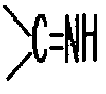
- In order to induce more stable organic-inorganic hybrid materials, organic compounds having at least two sites for coordination, e.g., being bidentate or tridentate are advantageous. The organic compound may be a neutral organic compound such as bipyridine, pyrazine, etc., anionic organic compounds, e.g., anions of carbonic acid such as terephthalate, naphthalenedicarboxylate, benzenetricarboxylate, glutarate, succinate, etc., and cationic materials, if these have a site for coordination. As for the anions of carbonic acid, in addition to anions having aromatic rings such as terephthalate, any anions, e.g., linear carbonic acid anions such as formate, and anions having non-aromatic rings such as cyclohexyldicarbonate can be used.
- Also, in addition to an organic compound having a site for coordination, an organic compound which may be converted to be coordinated in reaction condition due to a potential site for coordination can be used as well. That is, even though organic acids such as terephthalic acid are used, the organic compound such as terephthalate may be bonded to a metal component, after reaction.
- Representative examples of the organic compounds which can be used include an organic acid or anion thereof selected from benzenedicarboxylic acid, naphthalenedicarboxylic acid, benzenetricarboxylic acid, naphthalenetricarboxylic acid, pyridinedicarboxylic acid, bipyridyldicarboxylic acid, formic acid, oxalic acid, malonic acid, succinic acid, glutaric acid, hexanedioic acid, heptanedioic acid and cyclohexyldicarboxylic acid, pyrazine, bipyridine, etc. Further, one or more organic compounds can be mixed together to be used.
- Said metal component can be mixed with an organic compound in a ratio of 1:0.1 - 10 (molar ratio). Said ratio can be properly adjusted depending on the kind of the metal component and organic compound.
- In addition to a metal component and an organic compound, a suitable solvent is required for preparing porous organic-inorganic hybrid materials. As said solvent, any substance among water, alcohols, ketones and hydrocarbons can be used, and two or more solvents can be mixed together to be used. Preferably, one or a mixture of at least one selected from water, alcohols having 1-10 carbon atoms such as methanol, ethanol, propanol, ketones having 2- 10 carbon atoms such as acetone, methylethylketone, and hydrocarbons having 5-20 carbon atoms such as hexane, heptane, octane can be used. More preferably, water can be used.
- The methods described are characterized by using acid in order to prepare organic-inorganic hybrid materials. The iron-containing organic-inorganic hybrid materials described show a remarkable improvement in crystallinity and decreased crystal size in comparison with the conventional synthetic methods which uses only hydrofluoric acid. Also, it has been found that the methods described have the remarkable effect that the synthesis can be completed within a couple of minutes. It has been confirmed that the methods described have an effect such that the crystallinity is improved and the yield is almost the same.
- The iron-containing organic-inorganic hybrid materials obtained according to the first method can be prepared by using nitric acid and hydrofluoric acid in a molar ratio of 0.1- 1:1-0.1 in a mixed-acid. If the molar ratio of nitric acid or hydrofluoric acid deviates from the above range, there are some disadvantages such that the yield is decreased and the reaction time elongated too much.
- The pre-treating step is performed by stirring a reaction solution comprising said metal component and organic compound in the presence of a solvent at 50 - 2000 rpm for 5 - 600 minutes, or by irradiating the reaction solution with supersonic waves of 15000 Hz - 30 MHz for 1 - 600 minutes. During the pre-treating step, the temperature may raise to a certain extent due to the stirring and the irradiation of supersonic waves. However, it is not preferable if the temperature is raised above the reaction temperature, which it causes the evaporation of the solvent and inclusion of impurities, etc. It is preferable to maintain the pre-treating temperature to 500°C and below, and more preferable to maintain the temperature to 100°C and below.
- Since the reaction using microwaves is conducted in a very fast rate, the crystallizing step is performed after performing the pre-treating step so as to enhance the uniformity and solubility of the reaction materials and to partly form crystal nuclei.
- In case of irradiating microwaves without subjecting to above pre-treating step, the crystallization of organic-inorganic hybrid materials is proceeded slowly, and impurities can be easily included during the reaction.
- Said pre-treating step is performed by vigorously stirring, e.g., at 50 - 2000 rpm, or irradiating microwaves. As for said pre-treating temperature, room temperature (about 20-25°C) is the preferable temperature range for the crystallization. If the pre-treating temperature is low, the pre-treating effect is weak and thus crystal nuclei are not generated sufficiently. Also, if the pre-treating temperature is high, impurities are easily generated and the pre-treating facility becomes complex.
- It is suitable that said pre-treating is conducted for 1 minute - 10 hours. If the pre-treating time is short, the pre-treating effect is weak and thus crystal nuclei are not generated sufficiently. Also, if the pre-treating time is long, the pre-treating efficiency becomes low. As for said pre-treating step, irradiating supersonic waves is more efficient since pre-treating time can be decreased, and the reaction materials can be formed more uniformly.
- In case of performing the pre-treating step by stirring, it is preferable to stir the metal component and the organic compound in the presence of a solvent at 50 - 2000 rpm for 5 - 600 minutes, and in case of performing the pre-treating step by irradiating supersonic waves, it is more preferable to irradiate supersonic waves of 15000 Hz - 30 MHz for 1 - 600 minutes.
- After performing the pre-treating step as above, the crystallizing step to form organic-inorganic hybrid materials by irradiating microwaves to the reaction solution in which the crystal nuclei are formed is performed.
- In said crystallizing step, microwaves of 1 - 30 GHz can be irradiated. Preferably, using microwaves of a frequency of 2. 54 GHz, which is used generally in industries.
- In said crystallizing step, the reaction temperature is not substantially limited. However, the reaction can be performed in the range of 100 - 250°C, preferably in the range of 150 - 220°C. In this regard, if said reaction temperature is below 100°C, the crystallization rate is slow and thus not efficient, and if the reaction temperature exceeds 250°C, materials having no pores can be easily obtained and the reaction rate becomes too fast so that impurities can be easily included, and the inner pressure of the reactor becomes higher, which makes the constitution of the reactor not economic.
- The pressure within the reactor while performing said crystallization is not substantially limited. However, it is simple to synthesize the materials at autogeneous pressure of the reaction materials at the reaction temperature. Also, the reaction may be performed at high pressure by adding inert gas such as nitrogen, helium.
- As stated above, the method described comprising a pre-treating step and a crystallizing step can be performed both in the batch-type manner and in the continuous-type manner unlike methods using the conventional electric heating.
- The batch-type reactor has a low productivity per hour, and thus is suitable for producing a small amount of porous organic-inorganic hybrid materials. The continuous-type reactor needs a large amount of investment cost, but is suitable for mass-production. As for the batch-type reactor, a reaction time of 1 minute - 8 hours, preferably, 1 minute - 1 hour, is suitable. If the reaction time is too long, impurities can be easily included. As for the continuous-type reactor, a residence time of 1 minute - 1 hour, preferably, 1 minute - 20 minutes, is suitable. However, if the residence time is too long, the productivity is low, and if the residence time is too short, the conversion rate of the reaction is low.
- In case of using a batch-type reactor, the reaction material may be stirred during the reaction, and a stirring rate of 50 - 2000 rpm is suitable. However, the reaction may be performed without the stirring process, which makes the constitution and operation of the reactor simple and easy for application.
- According to the methods described above, porous organic-inorganic hybrid materials containing Fe which have features such as large surface area, crystalline structure of a very high regularity and relatively high thermal stability, etc. can be prepared within a short period of time. Also, because the crystallization time has been remarkably reduced, porous organic-inorganic hybrid materials having a crystal structure which was not obtained by applying the conventional electric heating can be prepared. In particular, as for the porous organic-inorganic hybrid materials containing iron prepared according to the first method by using a mixed-acid, the crystal size of the porous organic-inorganic hybrid materials is reduced by 1/6 or below, and thus the surface area has increased by at least 15%.
- In the second method, the method according to the present invention, a method for preparing porous organic-inorganic hybrid materials is described, whichis directed at increasing the surface area of the porous organic-inorganic hybrid materials, characterized by further comprising a step of purifying impurities within the pore of the organic-inorganic hybrid materials by treating them using inorganic salts such as ammonium chloride or potassium fluoride, etc. in addition to a generally used solvent. In particular, it is possible to provide an environmentally friendly preparation method because organic-inorganic hybrid materials having a particle size of nano-size can be prepared without using hydrofluoric acid in the hydrothermal synthesis for preparing nano-porous materials. Also, said porous organic-inorganic hybrid materials are characterized by having the use of being applied as a catalyst for oxidation reaction.
- In said preparation method, as a metal component, which is one of components contained in porous organic-inorganic hybrid materials, any metal can be used. The representative metal components include Ti, Zr, Hf, V, Nb, Ta, Cr, Mo, W, Mn, Re, Fe, Ru, Os, Co, Rh, Ir, Ni, Pd, Pt, Cu, Ag, Au, Zn, Cd, Hg, Mg, Ca, Sr, Ba, Sc, Y, Ga, In, Tl, Si, Ge, Sn, Pb, As, Sb, Bi, etc. In particular, transition metals which easily form a coordination compound are suitable. Among said transition metals, chromium, vanadium, iron, nickel, cobalt, copper, titanium and manganese, etc. are suitable, and chromium and iron are most suitable. In addition to transition metals, representative elements forming a coordination compound and metals such as lanthanide can also be used. Among elements, aluminum and silicon are suitable, and among lanthanide metals, cerium and lanthanum are suitable. As a metal source, metal itself, and any compound of metal can be used.
- In the second method described, the organic compound which may be another component contained in the organic-inorganic hybrid materials and may act as a ligand, and the solvent used in the synthesis of the organic-inorganic hybrid materials are the same as those used in the first method described.
- In order to regulate the crystal growth rate of the nano-porous organic-inorganic hybrid materials, an acid, in particular, a mixed-acid comprising hydrofluoric acid along with nitric acid, hydrochloric acid and hydrofluoric acid can be used in the first method.
- Meanwhile, in the process using hydrofluoric acid, there may be a limitation in using reactors other than the Teflon reactor. Until now, for the crystal growth rate of the nano-porous organic-inorganic hybrid materials, it is well known that the nuclei formation rate is low, while the crystal growth rate is relatively high. Therefore, in reaction materials including hydrofluoric acid, the nuclei formation rate becomes relatively slow due to the strong bonding characteristics between metal ion and fluoride ion, and thus it may be difficult to obtain nano-porous materials having a small crystal size.
- Therefore, the second method described for preparing porous organic-inorganic hybrid materials is characterized by using an inorganic acid except hydrofluoric acid for preparing porous organic-inorganic hybrid materials, in order to solve the above problems caused by using hydrofluoric acid. Thereby, nano-porous organic-inorganic hybrid materials having a relatively small nano-particle size can be prepared by said preparation method without using hydrofluoric acid at all.
- Also, in order to remove the metal or organic ligand present within the pores of the porous organic-inorganic hybrid materials prepared by the second method described, impurities were conventionally removed using a solvent. However, as for such case, there is a limitation in removing organic or inorganic impurities chelated within the pore. In comparison with the above, in the preparation method described, impurities within the pore of nano-porous organic-inorganic hybrid materials can be efficiently removed by treating porous organic-inorganic hybrid materials using an inorganic salt, in particular, comprising monovalent or divalent cation selected from the group consisting of NH+ 4, alkali metal and alkali earth metal, and monovalent or divalent anion selected from the group consisting of halogen anion, carbonic acid ion (CO3 2-), nitric acid ion and sulfuric acid ion. Accordingly, nano-porous organic-inorganic hybrid materials having large surface area can be obtained. At least one inorganic salt selected from the group consisting of a salt comprising Ca2+ or Mg2+ as divalent cation and F-, I- or Br- as monovalent anion, a salt comprising monovalent cation and divalent anion, NH4F, KF, KI and KBr can be used as said inorganic salt. In particular, inorganic salt such as ammonium chloride or potassium fluoride, etc. can be used.
- It has been confirmed by measuring the surface area that the nitrogen adsorption amount of the nano-porous organic-inorganic hybrid materials after being treated with inorganic salt increases by 200 ml/g.
- The reaction temperature for preparing porous organic-inorganic hybrid materials is not substantially limited. However, a temperature of at least 100°C is suitable. A temperature of 100°C - 250°C is preferable, and a temperature of 150°C - 220°C is more preferable. If the reaction temperature is too low, the reaction rate is slow and thus not efficient, and if the reaction temperature is too high, materials having no pore can be easily obtained and the reaction rate becomes too high so that impurities can be easily included. Also the inner pressure of the reactor becomes higher, and thus the constitution of the reactor is not economic. Although the reactor pressure is not substantially limited, it is convenient to synthesize the materials at autogeneous pressure of the reaction materials at reaction temperature. Also, the reaction may be performed at high pressure by adding inert gas such as nitrogen, helium.
- In addition to the hydrothermal synthetic using the electric heating, hydrothermal synthesis in a batch-type manner or continuous-type manner with irradiating microwaves can be used. Also, the membrane or thin film of the organic-inorganic hybrid materials can be prepared by irradiating microwaves to heat after immersing the substrate to the mixed solution of the reaction materials from said step 1).
- According to the preparation method described, in particularporous organic-inorganic hybrid materials represented by formula of Cr3OH(H2O)2O[C6H4(CO2)2]3·nH2O, wherein n is approximately25 or formula of Fe3O(H2O)2OH[C6H3-(CO2)3]2·nH2O, wherein n is approximatelyl 4.5 which do not contain fluorine can be obtained.
- Also, the porous organic-inorganic hybrid materials obtained by the preparation method described can be used as a catalyst for oxidation reaction or as an acid catalyst. In case the porous organic-inorganic hybrid materials obtained by the preparation method of the described are used as a catalyst for oxidation reaction, the catalyst shows activity for oxidation reactions such as sulfoxidation reaction, epoxidation reaction, phospine oxidation reaction or Fridel-Crafts benzylation reaction, etc. In case the porous organic-inorganic hybrid materials obtained by the preparation method described are used as an acidic catalyst, the catalyst shows activity for acid-catalystic reactions such as alkylation reaction, esterification reaction or Beckman rearrangement reaction, etc.
- As stated above, according to the first methodin which the crystallizing step is performed by using microwaves as a heat source after performing the pre-treating step to form crystal nuclei by stirring the mixture comprising a metal component, an organic compound, a mixed-acid comprising nitric acid and hydrofluoric acid, and a solvent and irradiating with microwaves in advance before the step of crystallizing the porous organic-inorganic hybrid materials.The preparation time of porous organic-inorganic hybrid materials can be remarkably reduced, and the reactor capacity can be reduced. Also, porous organic-inorganic hybrid materials containing iron can be prepared using environmentally and economically advantageous methods such as the continuous-type process.
- Also, porous organic-inorganic hybrid materials containing iron of a crystal structure, which could not be obtained by the conventional electric heating requiring a longer period of time, can be selectively synthesized because the reaction time has been reduced as stated above. The prepared porous organic-inorganic hybrid materials as described above can be widely applied such as for the preparation of catalysts, catalyst carriers, adsorbents, gas storing materials, ion exchanging materials, and nano-reactors, and nano-materials, etc.
- The porous organic-inorganic hybrid materials prepared according to the preparation method described which does not use hydrofluoric acid during the hydrothermal synthesis, are nano-porous materials having high crystallinity. In particular, their surface area can be increased by purifying them by removing the impurities within the pore of the nano-porous organic-inorganic hybrid materials by treating them with an inorganic salt. Also, the nano-porous organic-inorganic hybrid materials prepared in accordance with the preparation method described can be used as a selective catalyst for oxidation reactions or an acidic catalyst. Such organic-inorganic hybrid materials can be used for the preparation of other catalysts, catalyst carriers, adsorbents, gas storing materials, ion exchanging materials, nano-reactors and nano-materials. In particular, the nano-particles of said organic-inorganic hybrid materials can be used as catalysts having excellent activity, sensors, optoelectronic materials and materials for medical use.
-
-
Fig. 1 is an X-ray diffraction patterns of iron benzenetricarboxylate organic-inorganic hybrid materials: (A) is an X-ray diffraction pattern of the organic-inorganic hybrid material obtained by Example 1 (not according to the present invention), and (B) is an X-ray diffraction pattern of the organic-inorganic hybrid material obtained by Comparative Example 1. -
Fig. 2 are electron microscope images of iron benzenetricarboxylate organic-inorganic hybrid materials: (A) is an electron microscope image of the organic-inorganic hybrid material obtained by Example 1 (not according to the present invention), and (B) is an electron microscope image of the organic-inorganic hybrid material obtained by Comparative Example 1. -
Fig. 3 is a graph illustrating the experimental results of nitrogen adsorption of iron benzenetricarboxylate organic-inorganic hybrid materials: (A) is the result for Example 1 (not according to the present invention), and (B) is the result for Comparative Example 1. -
Fig. 4 is an X-ray diffraction pattern of the chromiumterephthalate, which is a porous organic-inorganic hybrid material prepared in accordance with the preparation method of Example 2. -
Fig. 5 is the result of X-ray diffraction pattern before and after purifying the chromiumterephthalate which is the porous organic-inorganic hybrid material prepared in accordance with the purifying method of Example 2, wherein (a) is the spectrum before purifying, and (b) is the spectrum after purifying. -
Fig. 6 is an isotherm result of nitrogen adsorption of the chromiumterephthalate which is the porous organic-inorganic hybrid material obtained by Example 3. -
Fig. 7 are electron microscope images of the iron benzenetricarboxylate (Fe-BTC) which is the porous organic-inorganic hybrid materials obtained by Example 4(a) and Comparative Example 3(b). -
Fig. 8 is the result of the Fridel-Crafts benzylation reaction using the porous organic-inorganic hybrid material obtained by Example 10 as a catalyst. - Hereinafter, the subject-matter described will be explained in more detail with reference to examples, but not limited thereto.
- After adding metallic iron 1 mmol,
1M HNO 3 60 ml, 5M HF (aqueous solution) 40 ml and 1,3,5-benzenetricarboxylic acid (BTCA) 7 mmol to a Teflon reactor, distilled water was added. The final molar ratio of the reaction material was Fe:HF:HNO3:BTCA:H2O = 1:2:0.6:0.7:278. - The mixed reaction material was stirred at 500 rpm for 20 minutes at room temperature to make the reaction material was as homogeneous as possible.
- After mounting the Teflon reactor containing said pre-treated reaction material on a microwaves reactor (CEM company, model Mars-5) and then raising the temperature to 200°C by irradiating microwaves (2.54 GHz), crystallization was performed by maintaining the reaction material at 200°C for 2 minutes. Then, the reaction material was cooled to room temperature, centrifuged, washed with distilled water and dried to obtain a porous organic-inorganic hybrid material (Fe-BTC; Fe-benzebetricarboxylate).
- The X-ray diffraction pattern of the solid phase porous organic-inorganic hybrid material obtained as above is as shown in A of
Fig. 1 . As a result of elementary analysis, it showed a molar ratio of Fe:C:F=1:6.5:0.32, and as a result of a nitrogen adsorption experiment, it had a BET surface area of 2,050 m2/g and a pore volume of 1.0 cc/g. And it formed as porous particles with yield 96%. The relative intensity of the first three XRD peaks ofFig. 1 are very strong in the organic-inorganic hybrid material synthesized using a mixed-acid. From the above, it can be found that the crystallinity is improved. Also, compared with Comparative Example 1 (Fig. 1b ), the reaction time was decreased 30 times, and the yield was almost the same. In particular, the crystal size confirmed by an electron microscope was reduced by 1/6 in comparison with the hybrid material synthesized using a single acid (see A ofFig. 2 ). As for Comparative Example 1, which was a synthesized using a single acid, the surface area was reduced due to non-porous impurities (see B ofFig. 3 ; surface area 1,590 m2/g). - The above results show that the material has a crystal structure similar to the Cr-MIL-100 structure, which has been previously published [Bulletin of Korean Chemical Society vol.26, p.880 (2005)].
- From above results, it can be known that porous organic-inorganic hybrid materials can be obtained very efficiently in a very short period of time, by preparing porous organic-inorganic hybrid materials through performing pre-treating of the reaction material and then irradiating microwaves.
- After adding metallic iron 1 mmol, 5M HF (aqueous solution) 40ml and 1,3,5-benzenetricarboxylic acid (BTCA) 7 mmol to a Teflon reactor, distilled water was added. The final molar ratio of the reaction material was Fe:HF:BTCA:H2O=1:2:0.6:278. The mixed reaction material was stirred at 500 rpm for 20 minutes at room temperature to make the reaction material as homogenous as possible.
- After mounting the Teflon reactor containing said pre-treated reaction material on a microwave reactor (CEM company, model Mars-5) and then raising the temperature to 200 °C by irradiating microwaves (2.54 GHz), crystallization was performed by maintaining the reaction material at 200°C for 1 hour. Then, the reaction material was cooled to room temperature, centrifuged, washed with distilled water and dried to obtain a porous organic-inorganic hybrid material.
- The yield of the solid phase porous organic-inorganic hybrid material obtained was 82%. The X-ray diffraction shape and adsorption feature of the porous organic-inorganic hybrid material were very similar to the results as in Example 1. However, it can be known that the overall peak intensity was low, the surface area was reduced by 15% due to non-porous impurities and large particle size (see B of
Fig. 3 ), and the reaction time increased 30 times compared with Example 1. - After adding Cr(NO3)3·9H2O, and 1,4-benzenedicarboxylic acid (BDCA) to a Teflon reactor, distilled water was added so that the final molar ratio of the reaction material was Cr:HNO3:BDCA:H2O=1:0.1:1:272. Basically, if Cr(NO3)3 dissolves in water, it is hydrated to become a strong acid. Thus, it has the same effect as adding HNO3 After putting the Teflon reactor containing said reaction material in an electric oven and reacting it for 11 hours at 210°C, it was cooled to room temperature, centrifuged, washed with distilled water and dried to obtain chromiumterephthalate (Cr-BDC) as a porous organic-inorganic hybrid material. The result of the X-ray diffraction analysis of the thus prepared Cr-BDC showed characteristic diffraction peaks of 2θ values at about 3.3, 5.2, 5.9, 8.5 and 9.1, and it can be known that the chromiumterephthalate having cubic crystallinity was obtained (
Fig. 4 ). It has been confirmed that the XRD pattern of the chromiumterephthalate crystal obtained from the present example was consistent with the values published in prior art [Science 23, 2040, 2005]. Thus, it can be shown that the porous organic-inorganic hybrid materials can be obtained very efficiently by an environmentally friendly process that does not use hydrofluoric acid (HF) in the reaction materials. As a result of ICP analysis, it can be shown that the chromiumterephthalate, which is a porous organic-inorganic hybrid material obtained, does not contain F, and thus its structure is the same as MIL-101 but it does not include F in its structure, thus being materials that can be represented by formula of Cr3OH(H2O)2O[C6H4(CO2)2]3·nH2O, wherein n is approximately25. - Organic-inorganic hybrid materials with improved surface area were prepared by removing impurities present in pores of the porous materials by putting the porous organic-inorganic hybrid materials 1g prepared in Example 2 in 1M NH4F 50ml and stirring it at 70°C. From the X-ray diffraction spectrum (
Fig. 5 ), it can be confirmed that its crystallinity was maintained without being damaged after treating with ammonium fluoride. Also, from the result of measuring the nitrogen adsorption of the porous organic-inorganic hybrid material before and after treating with ammonium fluoride, it can be shown that organic-inorganic hybrid materials having features such that the surface area increases by 700 m2/g (before treating with ammonium fluoride, 3373 m2/g → after treatment, 4074 m2/g) due to the ammonium fluoride treatment, and the adsorption amount at P/Po=0.5 increases by 200 ml/g (before treating with ammonium fluoride, 1050 ml/g → after treatment, 1250 ml/g) can be obtained (Fig. 6 ). - After adding metallic iron 1 mmol, 1M HNO3 60ml and 1,3,5-benzenetricarboxylic acid (BTCA) 7 mmol to a Teflon reactor, distilled water was added. The final molar ratio of the reaction material was Fe:HNO3:BTCA:H2O=1:0.6:0.7:278. The reaction material was stirred at 500 rpm for 20 minutes at room temperature, to make reaction material homogeneous. After mounting the Teflon reactor containing said pre-treated reaction material on a microwaves reactor (CEM company, model Mars-5) and raising the temperature to 200°C by irradiating microwaves (2.54 GHz), crystallization was performed by maintaining the reaction mixture at 200°C for 2 minutes. Then, the reaction mixture was cooled to room temperature, centrifuged, washed with distilled water and dried to obtain the us organic-inorganic hybrid material (Fe-BTC). It is shown that the shape of the X-ray diffraction spectrum was similar to that of the Cr-MIL-100 structure which is the crystal structure previously published [Bulletin of Korean Chemical Society vol.26, p.880 (2005)]. As a result of ICP analysis, it can be known that the iron benzenetricarboxylate (Fe-BTC), which is a porous organic-inorganic hybrid material obtained, does not contain F, and thus its structure is the same as MIL-100, but it does not include F within its structure, and it is materials that can be represented by formula of Fe3O(H2O)2OH[C6H3-(CO2)3]2·nH2O, wherein n is approximately 14.5. As a result of electron microscope analysis, it can be shown that its particle size was reduced to at most 200-500 nm (
Fig. 7a ). - A porous organic-inorganic hybrid material was prepared in the same method as Example 4 except that the organic-inorganic hybrid material was prepared by heating for 6 hours by an electric heating using the conventional electric heating instead of irradiating microwaves as a heat source. As a result of XRD analysis, it can be confirmed that relative intensity of the peak was different; however, a diffraction pattern was shown in the same position as Example 4 as for the crystal structure of the organic-inorganic hybrid material prepared as above. As a result of analysis using an electron microscope, a relatively large crystal whose particle size is 2-5 µm was obtained.
- An organic-inorganic hybrid material was prepared in the same method as Example 2 except that heating by microwaves irradiation was used instead of the electric heating in Example 2. However, the organic-inorganic hybrid material was prepared by using microwaves reaction device of 2.5 GHz and maintaining the reaction temperature at 210°C for 40 minutes. As a result of X-ray diffraction spectrum analysis, it is known that a material having the same structure as in Example 2 was obtained.
- An organic-inorganic hybrid material was prepared in the same manner as in Example 2 except that Fe was used instead of Cr(NO3)3·9H2O. It can be known from the X-ray diffraction pattern that the material having the same structure as in Example 1 (not according to the present invention) was obtained.
- An organic-inorganic hybrid material was prepared in the same manner as in Example 2 except that VCl3 was used instead of Cr(NO3)3·9H2O as in Example 2. The X-ray diffraction spectrum show that the material having the same structure as in Example 2 was obtained. The electron microscope photograph shows that the organic-inorganic hybrid material having uniform particle size of 50-80 nm was obtained.
- After adding Cr(NO3)3·9H2O, and 1,4-benzenedicarboxylic acid (BDCA) to a Teflon reactor, distilled water was added so that the final molar ratio of the reaction material was Cr:BDCA:H2O=1:1:275. The Teflon reactor containing a reaction material and an alumina substrate wherein the alumina substrate is perpendicularly aligned in the solution was placed into a microwaves reactor (CEM company, model Mars-5), and the temperature was raised to 210°C over 3 minutes by irradiating microwaves of 2.54 GHz. After the reaction was conducted at 210°C for 30 minutes, the reaction mixture was cooled to room temperature, centrifuged, washed with distilled water and dried to obtain an organic-inorganic hybrid material, Cr-BDC. The X-ray diffraction spectrum of the obtained thin film was consistent with the result of as in Example 2. The electron microscope photograph of the crystal of the thin film of the organic-inorganic hybrid material obtained as above is shown in
Fig. 4 , which shows the Cr-BDC/alumina thin film is coated with very uniform particles. Accordingly, it can be confirmed that the preparation method described is a very efficient method by which thin films of organic-inorganic hybrid materials can be directly prepared using microwaves irradiation, (the same as in Example 2). - In order to use the nano-porous organic-inorganic materials obtained by the preparation method described as a catalyst for the Fridel-Crafts benzylation reaction, the Fridel-Crafts benzylation reaction was performed at 70°C by mixing the nano-porous organic-inorganic material, Fe-BTC 0.1g, obtained from Example 5, with benzene (7.8ml) and benzyl chloride (1.3 ml). As a result, it has been confirmed that the nano-porous organic-inorganic hybrid materials described have very high activity as a catalyst to enable the reaction to be completed 100% within 10 minutes (
Fig. 8 ). - As a result of reacting thioanisole with hydrogen peroxide at room temperature using the organic-inorganic hybrid material, Fe-BTC 0.1g, obtained in Example 5, as a catalyst, it has been confirmed that the Fe-BTC has very high oxidation catalyst activity showing conversion rate of 88% and selectivity of 100%.
- A nano-porous organic-inorganic hybrid material was prepared using hydrofluoric acid for preparing a reaction mixture in the preparation method as in Example 2. The final molar ratio of the reaction mixture was Cr:HF:BDCA:H2O=1:1:1:272. A result of analyzing the surface area of the nano-porous organic-inorganic hybrid material prepared as above shows that the organic-inorganic hybrid material has adsorption amount of 1044 ml/g and BET of 3439 m2/g at P/Po=0.5.
- A nano-porous organic-inorganic hybrid material was prepared using hydrofluoric acid for preparing a reaction mixture in the preparation method as in Example 4. The final molar ratio of the reaction mixture was Fe:HF:HNO3:BTCA:H2O=1:1:0.6:0.7:278. As a result of X-ray diffraction analysis of the organic-inorganic hybrid material prepared as above, it can be known that the material having very large crystal size (1 - 5 µm) was obtained instead of a organic-inorganic hybrid material having the same crystallinity as in Example 4 (
Fig. 7b ). - From the results of the examples and comparative examples above, in comparison with the method using hydrofluoric acid, it has been confirmed that nano-porous organic-inorganic hybrid materials having the same crystallinity were prepared by the preparation method that does not use hydrofluoric acid. In particular, it has been confirmed that the surface area increases by at least 10% when treated with inorganic salt such as ammonium salt and potassium fluoride, etc. Also, it has been confirmed that the nano-porous organic-inorganic hybrid materials prepared in accordance with the preparation method described have very high activity as a catalyst.
Claims (8)
- A solvothermal or hydrothermal method for preparing porous organic-inorganic hybrid materials, which comprises:(1) preparing a reaction solution containing a mixture of a metal precursor, an organic compound which may act as a ligand, an inorganic acid except for hydrofluoric acid and a solvent, wherein the metal precursor is at least one metal or compound thereof selected from the group consisting of Ti, Zr, V, Cr, Fe, Cu, Zn and Al and the organic compound is a compound containing at least one functional group selected from the group consisting of carboxylic acid group, anion group of carboxylic acid, amino group (-NH2), imino group (
 (2) heating the reaction solution with electric heating or microwave-irradiation to higher than or equal to 100 °C;
and(3) purifying the porous organic-inorganic hybrid materials obtained in the step (2) by treatment with an inorganic salt which comprises a monovalent or divalent cation selected from the group consisting of NH4 +, alkali metals and alkali earth metals, and a monovalent or divalent anion selected from the group consisting of halogen anions, carbonate anion (CO3 2-), nitrate ion and sulfate ion. - The method as set forth in claim 1, wherein the solvent contained in the reaction solution is a mixture of at least one selected from the group consisting of water, alcohols having 1 - 10 carbon atoms, ketones having 2 - 10 carbon atoms and hydrocarbons having 5 - 20 carbon atoms.
- The method as set forth in claim 1, wherein the compound containing anion group of carboxylic acid is derived from a compound selected from the group consisting of benzenedicarboxylic acid, naphthalenedicarboxylic acid, benzenetricarboxylic acid, naphthalenetricarboxylic acid, pyridinedicarboxylic acid, bipyridyldicarboxylic acid, formic acid, oxalic acid, malonic acid, succinic acid, glutaric acid, hexanedioic acid, heptanedioic acid and cyclohexyldicarboxylic acid.
- The method as set forth in claim 1, wherein the porous organic-inorganic hybrid materials are prepared in a form of nanoparticles.
- The method as set forth in claim 1, wherein the porous organic-inorganic hybrid materials are prepared in a form of thin film or membrane.
- Porous organic-inorganic hybrid materials which do not contain fluorine, wherein the porous organic-inorganic hybrid materials are represented by formula of Cr3OH(H2O)2O[C6H4(CO2)2]3·nH2O, wherein n is approximately 25, and wherein the porous organic-inorganic hybrid materials are obtained according to the method of claim 1.
- Porous organic-inorganic hybrid material which do not contain fluorine, wherein the porous organic-inorganic hybrid materials are represented by formula of Fe3O(H2O)2OH[C6H3(CO2)3]2·nH2O, wherein n is approximately 14.5, and wherein the porous organic-inorganic hybrid materials are obtained according to the method of claim 1.
- An acid catalyst which comprises the porous organic-inorganic hybrid materials as set forth in claim 6 or 7.
Applications Claiming Priority (3)
| Application Number | Priority Date | Filing Date | Title |
|---|---|---|---|
| KR1020060117549A KR100816547B1 (en) | 2006-11-27 | 2006-11-27 | Method for producing porous organic-inorganic hybrids containing iron |
| KR1020070063881A KR100895413B1 (en) | 2007-06-27 | 2007-06-27 | Method for producing porous organic-inorganic hybrid, organic-inorganic hybrid obtained by the method and catalytic use thereof |
| PCT/KR2007/006004 WO2008066293A1 (en) | 2006-11-27 | 2007-11-26 | A method for preparing porous organic-inorganic hybrid materials, porous organic-inorganic hybrid materials obtained by the method and catalytic uses of the materials |
Publications (3)
| Publication Number | Publication Date |
|---|---|
| EP2086678A1 EP2086678A1 (en) | 2009-08-12 |
| EP2086678A4 EP2086678A4 (en) | 2011-09-14 |
| EP2086678B1 true EP2086678B1 (en) | 2017-08-16 |
Family
ID=39468041
Family Applications (1)
| Application Number | Title | Priority Date | Filing Date |
|---|---|---|---|
| EP07834299.5A Active EP2086678B1 (en) | 2006-11-27 | 2007-11-26 | A method for preparing porous organic-inorganic hybrid materials, porous organic-inorganic hybrid materials obtained by the method and catalytic uses of the materials |
Country Status (4)
| Country | Link |
|---|---|
| US (2) | US8173827B2 (en) |
| EP (1) | EP2086678B1 (en) |
| JP (2) | JP2010510881A (en) |
| WO (1) | WO2008066293A1 (en) |
Families Citing this family (36)
| Publication number | Priority date | Publication date | Assignee | Title |
|---|---|---|---|---|
| US8779175B2 (en) | 2004-10-25 | 2014-07-15 | Synthonics, Inc. | Coordination complexes, pharmaceutical solutions comprising coordination complexes, and methods of treating patients |
| KR100680767B1 (en) | 2006-02-07 | 2007-02-09 | 한국화학연구원 | Method for producing porous organic-inorganic hybrid |
| KR100806586B1 (en) * | 2006-03-10 | 2008-02-28 | 한국화학연구원 | Absorbent for water adsorption and desorption |
| US8236787B2 (en) | 2008-12-09 | 2012-08-07 | Synthonics, Inc. | Frequency modulated drug delivery (FMDD) |
| JP5434114B2 (en) * | 2009-02-10 | 2014-03-05 | 三菱化学株式会社 | Porous material |
| FR2942229B1 (en) * | 2009-02-18 | 2011-02-25 | Univ Paris Curie | TITANIUM-BASED POLYCARBOXYLATE INORGANIC-ORGANIC HYBRID SOLID MATERIAL, PROCESS FOR PREPARING THE SAME AND USES THEREOF |
| FR2945966B1 (en) * | 2009-05-28 | 2014-06-20 | Centre Nat Rech Scient | USE OF A POROUS CRYSTALLINE HYBRID SOLID AS A CATALYST FOR REDUCING NITROGEN OXIDES AND DEVICES |
| US9038409B2 (en) | 2009-09-21 | 2015-05-26 | Korea Research Institute Of Chemical Technology | Apparatus for treating air by using porous organic-inorganic hybrid materials as an absorbent |
| KR101158456B1 (en) * | 2009-11-19 | 2012-06-19 | 한국화학연구원 | Porous organic-inorganic hybrid materials with crystallinity and method for preparing thereof |
| DE102009047201A1 (en) | 2009-11-26 | 2011-06-01 | Hagen, Gunter, Dipl.-Ing. | Use of organometallic framework material comprising organic compound that is at least bidentate and coordinately bonded to metal ion comprising ion of iron, zinc, copper, aluminum or cobalt to produce sorption layer for humidity sensor |
| WO2011123795A1 (en) | 2010-04-02 | 2011-10-06 | Battelle Memorial Institute | Methods for associating or dissociating guest materials with a metal organic framework, systems for associating or dissociating guest materials within a series of metal organic frameworks, and gas separation assemblies |
| US10150792B2 (en) | 2010-11-08 | 2018-12-11 | Synthonics, Inc. | Bismuth-containing compounds, coordination polymers, methods for modulating pharmacokinetic properties of biologically active agents, and methods for treating patients |
| KR101273877B1 (en) * | 2011-08-16 | 2013-06-25 | 한국화학연구원 | Composites comprising crystallne porous hybrid powders and a method for preparing thereof |
| JP2013111563A (en) * | 2011-11-30 | 2013-06-10 | Sumitomo Chemical Co Ltd | Composition and ammonia production method using the same |
| JP5880193B2 (en) * | 2012-03-23 | 2016-03-08 | 昭栄化学工業株式会社 | Method for producing composite catalyst of porous metal complex and inorganic catalyst material |
| CN103418164B (en) * | 2012-05-16 | 2015-07-08 | 中国石油化工股份有限公司 | Method for removing oxygen-containing compound in hydrocarbon stream |
| GB201414113D0 (en) | 2013-11-26 | 2014-09-24 | Texas A & M Univ Sys | Process for preparing metal organic framework materials |
| DE102014215568A1 (en) | 2014-08-06 | 2016-02-11 | Fraunhofer-Gesellschaft zur Förderung der angewandten Forschung e.V. | Process for producing an adsorbent from organometallic frameworks (MOF) |
| MX357162B (en) | 2014-12-17 | 2018-06-08 | Mexicano Inst Petrol | Process for obtaining metal-organic materials with structure type mil-101 (cr) and mil-101-cr-mx+. |
| EP3378114B1 (en) | 2015-11-16 | 2024-07-31 | Hheli, LLC | Synthesized surface-functionalized, acidified metal oxide materials for energy storage, catalytic, photovoltaic, and sensor applications |
| KR20180134866A (en) * | 2016-03-18 | 2018-12-19 | 푼다시오 인스티투트 카탈라 데 나노시엔시아 이 나노테크놀로히아 | METHOD FOR MANUFACTURE |
| WO2018093945A1 (en) | 2016-11-15 | 2018-05-24 | Hheli, Llc. | A surface-functionalized, acidified metal oxide material in an acidified electrolyte system or an acidified electrode system |
| CN117727928A (en) | 2017-04-10 | 2024-03-19 | 氢氦锂有限公司 | Batteries with new components |
| KR20200004417A (en) | 2017-05-17 | 2020-01-13 | 에이치헬리, 엘엘씨 | Battery with Acidifying Cathode and Lithium Anode |
| JP7340460B2 (en) | 2017-05-17 | 2023-09-07 | ヒーリー,エルエルシー | Battery cell with new structure |
| US10978731B2 (en) | 2017-06-21 | 2021-04-13 | HHeLI, LLC | Ultra high capacity performance battery cell |
| CN111373576B (en) | 2017-09-22 | 2023-09-01 | 氢氦锂有限公司 | Structure of ultra-high capacity performance battery cell |
| US11283267B2 (en) | 2018-09-10 | 2022-03-22 | HHeLI, LLC | Methods of use of ultra high capacity performance battery cell |
| US12278342B2 (en) | 2019-06-12 | 2025-04-15 | HHeLI, LLC | Alkaline and acidified metal oxide blended active materials |
| US12401018B2 (en) | 2019-06-12 | 2025-08-26 | HHeLI, LLC | Blended active materials for battery cells |
| CN110408046A (en) * | 2019-07-30 | 2019-11-05 | 陕西科技大学 | Nickel-terephthalic acid MOF constructed with HF, preparation method and application |
| CN111085215B (en) * | 2019-12-24 | 2023-08-15 | 燕山大学 | Preparation method and application of a kind of α-Fe2O3/Cr@C composite photocatalyst |
| CN113214295A (en) * | 2021-04-12 | 2021-08-06 | 安徽伟祥新材料有限公司 | Organic-inorganic hybrid material with polyacid unit and preparation method thereof |
| CN117085740B (en) * | 2022-11-10 | 2025-12-05 | 上海应用技术大学 | A Ce/MIL-101(Fe) composite material, its preparation, and its application in the degradation of organic dyes. |
| CN116422379A (en) * | 2023-04-06 | 2023-07-14 | 安徽中核桐源科技有限公司 | A kind of platinum-iron-based catalyst and its preparation method and application |
| GB2642304A (en) * | 2024-07-01 | 2026-01-07 | Viridico2 Ltd | Methods of preparing polymers using CO2 |
Family Cites Families (9)
| Publication number | Priority date | Publication date | Assignee | Title |
|---|---|---|---|---|
| US4778666A (en) | 1986-12-04 | 1988-10-18 | Mobil Oil Corporation | Crystallization method employing microwave radiation |
| JPH11124543A (en) * | 1997-10-24 | 1999-05-11 | Masahiro Shigemitsu | Preparation of composite material having inorganicorganic hybrid film |
| JP2001302558A (en) * | 2000-04-18 | 2001-10-31 | Fuji Photo Film Co Ltd | Method for producing metal complex, method for using the same and silver halide photographic emulsion using the same complex |
| US6528167B2 (en) * | 2001-01-31 | 2003-03-04 | Waters Investments Limited | Porous hybrid particles with organic groups removed from the surface |
| US6893564B2 (en) * | 2002-05-30 | 2005-05-17 | Basf Aktiengesellschaft | Shaped bodies containing metal-organic frameworks |
| JP2004262945A (en) * | 2004-05-18 | 2004-09-24 | Japan Science & Technology Agency | Solid organometallic compounds with small molecule trapping ability |
| US7662746B2 (en) * | 2005-04-07 | 2010-02-16 | The Regents Of The University Of Michigan | High gas adsorption metal-organic framework |
| KR100627634B1 (en) * | 2005-07-18 | 2006-09-25 | 한국화학연구원 | Continuous manufacturing method and continuous manufacturing apparatus of porous material and mixed metal oxide using continuous stirring reactor |
| WO2008072896A1 (en) * | 2006-12-13 | 2008-06-19 | Korea Research Institute Of Chemical Technology | A porous organic-inorganic hybrid materials and an absorbent comprising the same |
-
2007
- 2007-11-26 JP JP2009539183A patent/JP2010510881A/en active Pending
- 2007-11-26 EP EP07834299.5A patent/EP2086678B1/en active Active
- 2007-11-26 WO PCT/KR2007/006004 patent/WO2008066293A1/en not_active Ceased
-
2009
- 2009-05-27 US US12/473,048 patent/US8173827B2/en active Active
-
2012
- 2012-03-01 US US13/409,786 patent/US8759245B2/en active Active
-
2013
- 2013-02-06 JP JP2013021177A patent/JP5689903B2/en active Active
Also Published As
| Publication number | Publication date |
|---|---|
| JP5689903B2 (en) | 2015-03-25 |
| WO2008066293A1 (en) | 2008-06-05 |
| JP2010510881A (en) | 2010-04-08 |
| EP2086678A4 (en) | 2011-09-14 |
| US20090227446A1 (en) | 2009-09-10 |
| US8173827B2 (en) | 2012-05-08 |
| EP2086678A1 (en) | 2009-08-12 |
| US20120165183A1 (en) | 2012-06-28 |
| JP2013091667A (en) | 2013-05-16 |
| US8759245B2 (en) | 2014-06-24 |
Similar Documents
| Publication | Publication Date | Title |
|---|---|---|
| US8173827B2 (en) | Method for preparing porous organic-inorganic hybrid materials, porous organic-inorganic hybrid materials obtained by the method and catalytic uses of the materials | |
| KR100680767B1 (en) | Method for producing porous organic-inorganic hybrid | |
| US8168813B2 (en) | Porous organic-inorganic hybrid materials and adsorbent comprising the same | |
| EP2152414B1 (en) | Preparation of surface functionalized porous organic-inorganic hybrid materials with coordinatively unsaturated metal sites and catalytic applications thereof | |
| KR100806586B1 (en) | Absorbent for water adsorption and desorption | |
| CN101541427B (en) | Preparation method of porous organic-inorganic hybrid material, hybrid material obtained by the method and catalytic application of the material | |
| KR100982641B1 (en) | Adsorbent including crystalline porous organic-inorganic hybrid materials | |
| WO2007102676A1 (en) | A new preparation method of porous coordination polymer compounds composed of zinc ion and carboxylates | |
| EP2502671A2 (en) | Crystalline porous organic-inorganic hybrid material and a production method therefor | |
| KR100895413B1 (en) | Method for producing porous organic-inorganic hybrid, organic-inorganic hybrid obtained by the method and catalytic use thereof | |
| KR100656878B1 (en) | Method for producing porous organic-inorganic hybrid | |
| KR101091875B1 (en) | A purification method of porous metal-organic framework materials | |
| KR100912790B1 (en) | Method for producing porous organic-inorganic hybrids, organic-inorganic hybrids obtained by the method and catalytic uses thereof | |
| JP5551119B2 (en) | Porous organic / inorganic hybrid and adsorbent containing the same | |
| KR100816538B1 (en) | Surface functionalization method of porous organic-inorganic hybrids or mesoporous bodies having unsaturated metal sites | |
| KR102880718B1 (en) | Preparing Method of Porous Hybrid Materials | |
| Noori et al. | What can only occur in supramolecular systems; first solid-state conversion of micro to nanostructures without any treatment in environmental conditions | |
| HK1128476A (en) | A preparation method of porous organic inorganic hybrid materials |
Legal Events
| Date | Code | Title | Description |
|---|---|---|---|
| PUAI | Public reference made under article 153(3) epc to a published international application that has entered the european phase |
Free format text: ORIGINAL CODE: 0009012 |
|
| 17P | Request for examination filed |
Effective date: 20090520 |
|
| AK | Designated contracting states |
Kind code of ref document: A1 Designated state(s): AT BE BG CH CY CZ DE DK EE ES FI FR GB GR HU IE IS IT LI LT LU LV MC MT NL PL PT RO SE SI SK TR |
|
| RIN1 | Information on inventor provided before grant (corrected) |
Inventor name: SERRE, CHRISTIAN Inventor name: HWANG, YOUNG KYU Inventor name: JHUNG, SUNG HWA Inventor name: CHANG, JONG-SAN Inventor name: FEREY, GERARD Inventor name: HONG, DO-YOUNG Inventor name: SEO, YOU-KYUNG |
|
| DAX | Request for extension of the european patent (deleted) | ||
| A4 | Supplementary search report drawn up and despatched |
Effective date: 20110817 |
|
| RIC1 | Information provided on ipc code assigned before grant |
Ipc: B01J 31/16 20060101ALI20110808BHEP Ipc: B01J 35/10 20060101AFI20110808BHEP |
|
| 17Q | First examination report despatched |
Effective date: 20141223 |
|
| REG | Reference to a national code |
Ref country code: DE Ref legal event code: R079 Ref document number: 602007052037 Country of ref document: DE Free format text: PREVIOUS MAIN CLASS: B01J0035100000 Ipc: B01J0031160000 |
|
| RIC1 | Information provided on ipc code assigned before grant |
Ipc: C07C 1/26 20060101ALI20160404BHEP Ipc: B01J 31/06 20060101ALI20160404BHEP Ipc: C07F 15/02 20060101ALI20160404BHEP Ipc: B01J 37/34 20060101ALI20160404BHEP Ipc: B01J 31/16 20060101AFI20160404BHEP |
|
| GRAP | Despatch of communication of intention to grant a patent |
Free format text: ORIGINAL CODE: EPIDOSNIGR1 |
|
| INTG | Intention to grant announced |
Effective date: 20160610 |
|
| GRAJ | Information related to disapproval of communication of intention to grant by the applicant or resumption of examination proceedings by the epo deleted |
Free format text: ORIGINAL CODE: EPIDOSDIGR1 |
|
| INTC | Intention to grant announced (deleted) | ||
| GRAP | Despatch of communication of intention to grant a patent |
Free format text: ORIGINAL CODE: EPIDOSNIGR1 |
|
| INTG | Intention to grant announced |
Effective date: 20161027 |
|
| STAA | Information on the status of an ep patent application or granted ep patent |
Free format text: STATUS: GRANT OF PATENT IS INTENDED |
|
| GRAJ | Information related to disapproval of communication of intention to grant by the applicant or resumption of examination proceedings by the epo deleted |
Free format text: ORIGINAL CODE: EPIDOSDIGR1 |
|
| GRAP | Despatch of communication of intention to grant a patent |
Free format text: ORIGINAL CODE: EPIDOSNIGR1 |
|
| INTG | Intention to grant announced |
Effective date: 20170426 |
|
| GRAS | Grant fee paid |
Free format text: ORIGINAL CODE: EPIDOSNIGR3 |
|
| GRAA | (expected) grant |
Free format text: ORIGINAL CODE: 0009210 |
|
| STAA | Information on the status of an ep patent application or granted ep patent |
Free format text: STATUS: THE PATENT HAS BEEN GRANTED |
|
| AK | Designated contracting states |
Kind code of ref document: B1 Designated state(s): AT BE BG CH CY CZ DE DK EE ES FI FR GB GR HU IE IS IT LI LT LU LV MC MT NL PL PT RO SE SI SK TR |
|
| REG | Reference to a national code |
Ref country code: GB Ref legal event code: FG4D |
|
| REG | Reference to a national code |
Ref country code: CH Ref legal event code: EP |
|
| REG | Reference to a national code |
Ref country code: IE Ref legal event code: FG4D Ref country code: FR Ref legal event code: PLFP Year of fee payment: 11 |
|
| REG | Reference to a national code |
Ref country code: AT Ref legal event code: REF Ref document number: 918539 Country of ref document: AT Kind code of ref document: T Effective date: 20170915 |
|
| REG | Reference to a national code |
Ref country code: DE Ref legal event code: R096 Ref document number: 602007052037 Country of ref document: DE |
|
| REG | Reference to a national code |
Ref country code: NL Ref legal event code: FP |
|
| REG | Reference to a national code |
Ref country code: LT Ref legal event code: MG4D |
|
| REG | Reference to a national code |
Ref country code: AT Ref legal event code: MK05 Ref document number: 918539 Country of ref document: AT Kind code of ref document: T Effective date: 20170816 |
|
| PG25 | Lapsed in a contracting state [announced via postgrant information from national office to epo] |
Ref country code: LT Free format text: LAPSE BECAUSE OF FAILURE TO SUBMIT A TRANSLATION OF THE DESCRIPTION OR TO PAY THE FEE WITHIN THE PRESCRIBED TIME-LIMIT Effective date: 20170816 Ref country code: SE Free format text: LAPSE BECAUSE OF FAILURE TO SUBMIT A TRANSLATION OF THE DESCRIPTION OR TO PAY THE FEE WITHIN THE PRESCRIBED TIME-LIMIT Effective date: 20170816 Ref country code: AT Free format text: LAPSE BECAUSE OF FAILURE TO SUBMIT A TRANSLATION OF THE DESCRIPTION OR TO PAY THE FEE WITHIN THE PRESCRIBED TIME-LIMIT Effective date: 20170816 Ref country code: FI Free format text: LAPSE BECAUSE OF FAILURE TO SUBMIT A TRANSLATION OF THE DESCRIPTION OR TO PAY THE FEE WITHIN THE PRESCRIBED TIME-LIMIT Effective date: 20170816 |
|
| PG25 | Lapsed in a contracting state [announced via postgrant information from national office to epo] |
Ref country code: PL Free format text: LAPSE BECAUSE OF FAILURE TO SUBMIT A TRANSLATION OF THE DESCRIPTION OR TO PAY THE FEE WITHIN THE PRESCRIBED TIME-LIMIT Effective date: 20170816 Ref country code: ES Free format text: LAPSE BECAUSE OF FAILURE TO SUBMIT A TRANSLATION OF THE DESCRIPTION OR TO PAY THE FEE WITHIN THE PRESCRIBED TIME-LIMIT Effective date: 20170816 Ref country code: BG Free format text: LAPSE BECAUSE OF FAILURE TO SUBMIT A TRANSLATION OF THE DESCRIPTION OR TO PAY THE FEE WITHIN THE PRESCRIBED TIME-LIMIT Effective date: 20171116 Ref country code: IS Free format text: LAPSE BECAUSE OF FAILURE TO SUBMIT A TRANSLATION OF THE DESCRIPTION OR TO PAY THE FEE WITHIN THE PRESCRIBED TIME-LIMIT Effective date: 20171216 Ref country code: LV Free format text: LAPSE BECAUSE OF FAILURE TO SUBMIT A TRANSLATION OF THE DESCRIPTION OR TO PAY THE FEE WITHIN THE PRESCRIBED TIME-LIMIT Effective date: 20170816 Ref country code: GR Free format text: LAPSE BECAUSE OF FAILURE TO SUBMIT A TRANSLATION OF THE DESCRIPTION OR TO PAY THE FEE WITHIN THE PRESCRIBED TIME-LIMIT Effective date: 20171117 |
|
| PG25 | Lapsed in a contracting state [announced via postgrant information from national office to epo] |
Ref country code: CZ Free format text: LAPSE BECAUSE OF FAILURE TO SUBMIT A TRANSLATION OF THE DESCRIPTION OR TO PAY THE FEE WITHIN THE PRESCRIBED TIME-LIMIT Effective date: 20170816 Ref country code: DK Free format text: LAPSE BECAUSE OF FAILURE TO SUBMIT A TRANSLATION OF THE DESCRIPTION OR TO PAY THE FEE WITHIN THE PRESCRIBED TIME-LIMIT Effective date: 20170816 Ref country code: RO Free format text: LAPSE BECAUSE OF FAILURE TO SUBMIT A TRANSLATION OF THE DESCRIPTION OR TO PAY THE FEE WITHIN THE PRESCRIBED TIME-LIMIT Effective date: 20170816 |
|
| REG | Reference to a national code |
Ref country code: DE Ref legal event code: R097 Ref document number: 602007052037 Country of ref document: DE |
|
| PG25 | Lapsed in a contracting state [announced via postgrant information from national office to epo] |
Ref country code: EE Free format text: LAPSE BECAUSE OF FAILURE TO SUBMIT A TRANSLATION OF THE DESCRIPTION OR TO PAY THE FEE WITHIN THE PRESCRIBED TIME-LIMIT Effective date: 20170816 Ref country code: SK Free format text: LAPSE BECAUSE OF FAILURE TO SUBMIT A TRANSLATION OF THE DESCRIPTION OR TO PAY THE FEE WITHIN THE PRESCRIBED TIME-LIMIT Effective date: 20170816 Ref country code: IT Free format text: LAPSE BECAUSE OF FAILURE TO SUBMIT A TRANSLATION OF THE DESCRIPTION OR TO PAY THE FEE WITHIN THE PRESCRIBED TIME-LIMIT Effective date: 20170816 |
|
| PLBE | No opposition filed within time limit |
Free format text: ORIGINAL CODE: 0009261 |
|
| STAA | Information on the status of an ep patent application or granted ep patent |
Free format text: STATUS: NO OPPOSITION FILED WITHIN TIME LIMIT |
|
| PG25 | Lapsed in a contracting state [announced via postgrant information from national office to epo] |
Ref country code: MC Free format text: LAPSE BECAUSE OF FAILURE TO SUBMIT A TRANSLATION OF THE DESCRIPTION OR TO PAY THE FEE WITHIN THE PRESCRIBED TIME-LIMIT Effective date: 20170816 |
|
| 26N | No opposition filed |
Effective date: 20180517 |
|
| GBPC | Gb: european patent ceased through non-payment of renewal fee |
Effective date: 20171126 |
|
| PG25 | Lapsed in a contracting state [announced via postgrant information from national office to epo] |
Ref country code: CH Free format text: LAPSE BECAUSE OF NON-PAYMENT OF DUE FEES Effective date: 20171130 Ref country code: LI Free format text: LAPSE BECAUSE OF NON-PAYMENT OF DUE FEES Effective date: 20171130 |
|
| PG25 | Lapsed in a contracting state [announced via postgrant information from national office to epo] |
Ref country code: SI Free format text: LAPSE BECAUSE OF FAILURE TO SUBMIT A TRANSLATION OF THE DESCRIPTION OR TO PAY THE FEE WITHIN THE PRESCRIBED TIME-LIMIT Effective date: 20170816 Ref country code: LU Free format text: LAPSE BECAUSE OF NON-PAYMENT OF DUE FEES Effective date: 20171126 |
|
| REG | Reference to a national code |
Ref country code: IE Ref legal event code: MM4A |
|
| REG | Reference to a national code |
Ref country code: FR Ref legal event code: PLFP Year of fee payment: 12 |
|
| PG25 | Lapsed in a contracting state [announced via postgrant information from national office to epo] |
Ref country code: MT Free format text: LAPSE BECAUSE OF NON-PAYMENT OF DUE FEES Effective date: 20171126 |
|
| PG25 | Lapsed in a contracting state [announced via postgrant information from national office to epo] |
Ref country code: IE Free format text: LAPSE BECAUSE OF NON-PAYMENT OF DUE FEES Effective date: 20171126 |
|
| PG25 | Lapsed in a contracting state [announced via postgrant information from national office to epo] |
Ref country code: GB Free format text: LAPSE BECAUSE OF NON-PAYMENT OF DUE FEES Effective date: 20171126 |
|
| PG25 | Lapsed in a contracting state [announced via postgrant information from national office to epo] |
Ref country code: HU Free format text: LAPSE BECAUSE OF FAILURE TO SUBMIT A TRANSLATION OF THE DESCRIPTION OR TO PAY THE FEE WITHIN THE PRESCRIBED TIME-LIMIT; INVALID AB INITIO Effective date: 20071126 |
|
| PG25 | Lapsed in a contracting state [announced via postgrant information from national office to epo] |
Ref country code: CY Free format text: LAPSE BECAUSE OF NON-PAYMENT OF DUE FEES Effective date: 20170816 |
|
| PG25 | Lapsed in a contracting state [announced via postgrant information from national office to epo] |
Ref country code: TR Free format text: LAPSE BECAUSE OF FAILURE TO SUBMIT A TRANSLATION OF THE DESCRIPTION OR TO PAY THE FEE WITHIN THE PRESCRIBED TIME-LIMIT Effective date: 20170816 |
|
| PG25 | Lapsed in a contracting state [announced via postgrant information from national office to epo] |
Ref country code: PT Free format text: LAPSE BECAUSE OF FAILURE TO SUBMIT A TRANSLATION OF THE DESCRIPTION OR TO PAY THE FEE WITHIN THE PRESCRIBED TIME-LIMIT Effective date: 20170816 |
|
| PGFP | Annual fee paid to national office [announced via postgrant information from national office to epo] |
Ref country code: NL Payment date: 20250922 Year of fee payment: 19 |
|
| PGFP | Annual fee paid to national office [announced via postgrant information from national office to epo] |
Ref country code: BE Payment date: 20250922 Year of fee payment: 19 |
|
| PGFP | Annual fee paid to national office [announced via postgrant information from national office to epo] |
Ref country code: FR Payment date: 20250925 Year of fee payment: 19 |
|
| PGFP | Annual fee paid to national office [announced via postgrant information from national office to epo] |
Ref country code: DE Payment date: 20250922 Year of fee payment: 19 |