EP2081318B1 - Verfahren und vorrichtung zur initiierung einer sitzungsverbindung - Google Patents
Verfahren und vorrichtung zur initiierung einer sitzungsverbindung Download PDFInfo
- Publication number
- EP2081318B1 EP2081318B1 EP08748555.3A EP08748555A EP2081318B1 EP 2081318 B1 EP2081318 B1 EP 2081318B1 EP 08748555 A EP08748555 A EP 08748555A EP 2081318 B1 EP2081318 B1 EP 2081318B1
- Authority
- EP
- European Patent Office
- Prior art keywords
- client
- server
- information
- session
- device information
- Prior art date
- Legal status (The legal status is an assumption and is not a legal conclusion. Google has not performed a legal analysis and makes no representation as to the accuracy of the status listed.)
- Active
Links
Images





Classifications
-
- H—ELECTRICITY
- H04—ELECTRIC COMMUNICATION TECHNIQUE
- H04L—TRANSMISSION OF DIGITAL INFORMATION, e.g. TELEGRAPHIC COMMUNICATION
- H04L63/00—Network architectures or network communication protocols for network security
- H04L63/08—Network architectures or network communication protocols for network security for authentication of entities
-
- H—ELECTRICITY
- H04—ELECTRIC COMMUNICATION TECHNIQUE
- H04L—TRANSMISSION OF DIGITAL INFORMATION, e.g. TELEGRAPHIC COMMUNICATION
- H04L63/00—Network architectures or network communication protocols for network security
- H04L63/20—Network architectures or network communication protocols for network security for managing network security; network security policies in general
-
- H—ELECTRICITY
- H04—ELECTRIC COMMUNICATION TECHNIQUE
- H04L—TRANSMISSION OF DIGITAL INFORMATION, e.g. TELEGRAPHIC COMMUNICATION
- H04L67/00—Network arrangements or protocols for supporting network services or applications
- H04L67/14—Session management
-
- H—ELECTRICITY
- H04—ELECTRIC COMMUNICATION TECHNIQUE
- H04L—TRANSMISSION OF DIGITAL INFORMATION, e.g. TELEGRAPHIC COMMUNICATION
- H04L67/00—Network arrangements or protocols for supporting network services or applications
- H04L67/14—Session management
- H04L67/141—Setup of application sessions
-
- H—ELECTRICITY
- H04—ELECTRIC COMMUNICATION TECHNIQUE
- H04W—WIRELESS COMMUNICATION NETWORKS
- H04W4/00—Services specially adapted for wireless communication networks; Facilities therefor
- H04W4/50—Service provisioning or reconfiguring
-
- H—ELECTRICITY
- H04—ELECTRIC COMMUNICATION TECHNIQUE
- H04L—TRANSMISSION OF DIGITAL INFORMATION, e.g. TELEGRAPHIC COMMUNICATION
- H04L67/00—Network arrangements or protocols for supporting network services or applications
- H04L67/01—Protocols
- H04L67/10—Protocols in which an application is distributed across nodes in the network
- H04L67/1095—Replication or mirroring of data, e.g. scheduling or transport for data synchronisation between network nodes
Definitions
- the present invention relates to the communication field, especially to device management and data synchronization technologies, and in particular, to a method and device for initiating a session.
- Data Synchronization is a very important index.
- the Open Mobile Alliance (OMA) DS technology is a technology for synchronizing data between a mobile device and a network server. The synchronized data includes telephone directory, phonebook, schedule, short message, e-mail and etc.
- the OMA DS technology is based on the Synchronization Markup Language (SyncML).
- the OMA Device Management (DM) technology is also based on SyncML.
- the OMA DM technology is a technology for the network server to manage a terminal device in Over-The-Air (OTA) mode, for example, parameter configuration, firmware update, software download, installation, deletion, failure diagnosis and recovery, and terminal monitoring.
- OTA Over-The-Air
- a notification mechanism is provided for the server to send a Notification message to the terminal device.
- the terminal device initiates a session with the server according to the session ID and server ID in the Notification message.
- the Notification message may be sent through a short message or by Over-the-Air PUSH (OTA PUSH).
- OTA PUSH Over-the-Air PUSH
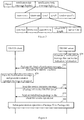
- the procedure for managing the session between a DS/DM server and a DS/DM client is shown in Figure 1 .
- the DS/DM server sends a Notification message to the DS/DM client, requesting the client to initiate a session.
- the DS/DM client initiates a session to the DS/DM server, and sends the authentication information and device information of the DS/DM client to the DS/DM server.
- the authentication information and device information is included in a Package #1 (Package 1) message for managing the session.
- the DS/DM server sends a Package #2 message to the DS/DM client.
- the message carries an initialization package for session operations. Then subsequent session operations are performed through Package #3 and Package #4 messages, as shown in step 140.
- the Notification messages of the OMA DS and the OMA DM are in a similar format. The only difference is that the message body (notification-body) of the DS Notification message is extended.
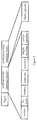
- Figure 2 shows the formats of the public digest and message header (Notification-hdr) of the DS/DM Notification message. The following explains each field in the Notification message.
- the notification-body of the Notification message is extended.
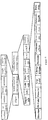
- the format of the extended part is shown in Figure 3 .
- the num-syncs field indicates that there are multiple synchronization operations;
- the future-use field indicates that the field is reserved for future use;
- the sync1 field to the syncN field indicate multiple synchronization operations;
- the sync-type field indicates the synchronization type;
- the content-type field indicates the type of database contents to be synchronized;
- the server-URI-length field indicates the length of the server-URI field that is used to store the database name of the server to be synchronized. It can be seen that the Notification message of the OMA DS indicates such information as the synchronization type and the database to be synchronized.
- the inventor of the present invention finds that the current session management mechanism has at least a problem: wasting air interface resources.
- the client and the server have passed the transport layer authentication, so the client does not need to report the authentication information.
- the air interface resources are wasted if the client reports the authentication information in this case.
- the server still requires the client to report the authentication information for the application layer authentication before the setup of a management/synchronization session. If the client does not report the authentication information, the server may return a No Client Authentication Information error message to the client. Then the client needs to report the authentication information again. This requires one more interaction between the client and the server, thus wasting the air interface resources.
- the client sends complete device information to the server although the server has no such requirement. This also wastes air interface resources.
- the type of synchronization that the client initiates after receiving the Notification message is selected according to the data change information of the client.
- the synchronization type for example, slow synchronization, fast synchronization, and refresh synchronization, is outdated.
- both synchronization parties should be able to select data information and data fingerprint information for transmission by analyzing the data change information and database information of each other. For example, if the server specifies bidirectional synchronization, the client does not initiate a unidirectional synchronization. If the client cannot select a proper synchronization mechanism, the session efficiency may be reduced.
- Document WO 02/077860 A1 discloses a method of a method and device for initiating a session are disclosed.
- the method includes: receiving a session triggering message from a Data Synchronization or Device Management DS/DM server, where the message carries indication information indicating whether to report security authentication information and/or device information; and if authentication information and/or device information needs to be reported, sending a session initiation message carrying the required information to the DS/DM server.
- the messages send from a server to a terminal and a message is in the XML format.
- the message has an "auth" element and the auth element determined the authentication method and the credentials used in the SyncML session.
- the session triggering message carries the indication information indicating whether to report the security authentication information and/or device information or not.
- the DS/DM client determines whether to carry the security authentication information and/or device information or not in the session initiation message sent to the DS/DM server. Because the DS/DM client can know the intention of the DS/DM server to initiate the session through the session triggering message, unnecessary interactions between the client and the server may be avoided when the reported security authentication information and/or device information does not meet the requirements of the server.
- the embodiments of the present invention can save network resources and improve the session efficiency.
- the first embodiment of the present invention provides a method for initiating a session.
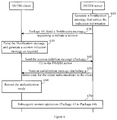
- the specific process is shown in Figure 4 .
- step 410 the DS/DM server generates a session triggering message carrying indication information.
- this message is a Notification message.
- the DS/DM server determines whether the DS/DM client is required to report the security authentication information and device information or not according to actual requirements, and determines the authentication mechanism for reporting the security authentication information (for example, the auth-basic or auth-MD5 mechanism), and the mode for reporting the device information.
- the DS/DM server carries the determination results in the Notification message through the indication information, so that the DS/DM client that receives the Notification message can know whether the DS/DM server requires reporting the security authentication information and/or device information or not, the authentication mechanism for reporting the security authentication information and/or device information, and the mode for reporting the device information.
- the indication information may be carried in the Notification message by extending the format of the Notification message.
- the extended fields for carrying the indication information are added to the vendor-specific field of the notification-body of the Notification message.
- the extended fields may also be added to the notification-hdr; for example, the extended fields are added to the future-use field of the notification-hdr.
- the extended fields include auth-code, dev-code, and future-use.
- the auth-code field indicates whether to report the security authentication information ,and the mechanism for reporting the security authentication information.
- the dev-code field indicates whether to report the device information or not, and the mode for reporting the device information.
- the future-use field is reserved for future use.
- Table 1 Status Code Description 000 The transport layer authentication is passed, and the security authentication information does not need to be reported. 001 The transport layer authentication is passed, but the security authentication information still needs to be reported, and the authentication mechanism is auth-basic. 010 The transport layer authentication is passed, but the security authentication information still needs to be reported, and the authentication mechanism is auth-MD5. 011 The transport layer authentication fails, and the security authentication information needs to be reported by using the auth-basic mechanism. 100 The transport layer authentication fails, and the security authentication information needs to be reported by using the auth-MD5 mechanism. 101 Not specified 110 to 111 Reserved for future use
- the DS/DM server does not specify the authentication mode.
- the DS/DM client may perform the authentication in an authentication mode specified by the AAuthPref value of DMAcc in the DS/DM standard or an authentication mode used during the previous successful session, where DMAcc is a management object set for managing server and client accounts.
- the value and meaning of the dev-code field are shown in Table 2.
- Table 2 Status Code Description 000 The DS/DM client is required to initiate a null session. 001 The DS/DM client is required to report complete device information. 010 The DS/DM client is required to report updated device information. 011 The DS/DM client is not required to report device information. 100 The DS/DM client is required to report the Uniform Resource Identifier (URI) of the device information. 101 The DS/DM client is required to report proper device information at its own discretion. 110 The DS/DM client is required to report partial device information. 111 Reserved for future use.
- URI Uniform Resource Identifier
- the DS/DM server when the value of the dev-code field is 000, the DS/DM server requires the DS/DM client to initiate a null session. That is, the DS/DM client does not need to report the device information in a session initiation message (Package #1).
- the DS/DM client may report the device information of the DS/DM client when receiving a command for obtaining the device information from the DS/DM server.
- the DS/DM server may send a Get command to obtain the device information, as shown below:
- the DS/DM server When the value of the dev-code field is 001, the DS/DM server requires the DS/DM client to report complete device information. During the first time of session management, the DS/DM client needs to report complete device information to the DS/DM server. In the subsequent session management, the client may report only the updated device information so as to reduce transmission traffic.
- the DS/DM server When the value of the dev-code field is 010, the DS/DM server requires the DS/DM client to report updated device information.
- the DS/DM client may report updated device information to the DS/DM server by using a Put command.
- the DS/DM client stores the update records of the device information.
- the DS/DM server does not require the DS/DM client to report device information. If the DS/DM server does not care about the device information of the DS/DM client or the DS/DM server thinks that the device information of the DS/DM client is useless, the DS/DM server may require the DS/DM client not to report such device information. This may reduce transmission traffic.
- the DS/DM server When the value of the dev-code field is 100, the DS/DM server requires the DS/DM client to report the URI of the device information.
- the DS/DM server may obtain the device information at related storage addresses according to the URI of the device information reported by the DS/DM client.
- the DS/DM server When the value of the dev-code field is 101, the DS/DM server requires the DS/DM client to report proper device information at its own discretion.
- the DS/DM client may report proper device information at its own discretion, for example, partially updated device information.
- the DS/DM server When the value of the dev-code field is 110, the DS/DM server requires the DS/DM client to report partial device information. At this time, the DS/DM server may further extend two fields in the vendor-specific field for specifying the URI of partial device information. For example:
- the DS/DM server sends the generated Notification message carrying the indication information to the DS/DM client.
- the DS/DM server may send the generated Notification message carrying the indication information to the DS/DM client through OTA PUSH, Session Initiation Protocol (SIP) PUSH, or short message, requesting the client to initiate a session.
- SIP Session Initiation Protocol
- the DS/DM client parses the received Notification message, and generates a session initiation message as required, that is, a Package #1 message. Specifically, the DS/DM client parses the indication information carried in the Notification message, and judges how to report the security authentication information and device information in the subsequent Package #1 message. This process includes: judging whether to report the security authentication information and what mechanism is used to report the security authentication information; and judging whether to report the device information or not and how to report the device information.
- the DS/DM client parses the extended fields in the Notification message, and judges how to report the security authentication information according to the value of the auth-code field among the extended fields. For example, if the value of this field is 000, the transport layer authentication is passed, and the security authentication information does not need to be reported. If the value of this field is 011, the transport layer authentication fails and the security authentication information needs to be reported by using the auth-basic mechanism. The process of judging how to report the device information according to the value of the dev-code field among the extended fields is similar, and is not further described.
- the DS/DM client generates a Package #1 message according to the parse result, where the message carries the security authentication information and/or device information required by the DS/DM server. For example, if the value of the auth-code field is 011 and the value of the dev-code field is 010, the security authentication information and updated device information are carried in the Package #1 message by using the auth-basic authentication mechanism.
- step 440 the DS/DM client sends the generated Package #1 message to the DS/DM server.
- Step 450 and step 460 are the same as step 130 and step 140, and are not further described.
- the DS/DM client can know whether the DS/DM server requires the client to report the security authentication information and/or device information or not, the mechanism for reporting the security authentication information, and the mode for reporting the device information.
- unnecessary interactions between the client and the server are avoided when the reported security authentication information and/or device information does not meet the requirements of the server, thus saving network resources.
- the DS/DM client and the DS/DM server have passed the transport layer authentication, so the DS/DM client does not need to report the authentication information.
- the DS/DM client may not report the security authentication information if the value of the auth-code field is set to 000 in the Notification message. In this way, the air interface resources may be saved.
- the DS/DM server only wants to set up a null session with the DS/DM client, not requiring the DS/DM client to report the device information.
- the DS/DM client may not report the security authentication information if the value of the dev-code field is set to 000 in the Notification message. In this way, the air interface resources may be saved.
- the DS/DM client is a terminal device in this embodiment. If the DS/DM client cannot receive the Notification message, the DS/DM client needs to receive the Notification message through the Notification client.
- the Notification client depends on the service implementation mode. For example, if the Notification message is sent in OTA PUSH mode, the Notification client is an OTA PUSH client; if the Notification message is sent through a short message, the Notification client is a short message client. Similarly, if the DS/DM server cannot send the Notification message, the DS/DM server needs to send the Notification message through the Notification server.
- the second embodiment of the present invention relates to a method for initiating a session.
- the specific operations of the DS/DM client are added in the case that the Notification message does not indicate whether to report the security authentication information.
- Step 610 to step 650 are the same as step 410 to step 450, and are not further described.
- the Notification message does not indicate whether to report the security authentication information. That is, the value of the auth-code field in the Notification message is 101.
- the DS/DM client may check whether the AAuthPref node is available on the management object DMAcc. If this node is available and is assigned a value, the security authentication information is reported in the authentication mode indicated by the value. If this node is unavailable or this node is available but is not assigned a value, the security authentication is performed in the default authentication mode.
- the DS/DM client carries the security authentication information by using the auth-basic authentication mechanism in the generated Package # 1 message.
- the authentication is passed in the default authentication mode, that is, the Package #2 message that the DS/DM server sends to the DS/DM client carries a status code indicating successful authentication.
- the DS/DM client After knowing that the authentication is passed according to the received Package #2 message, the DS/DM client records the default authentication mode. Therefore, the default authentication mode may be used in the subsequent authentication, increasing the probability of successful authentication. Specifically, the default authentication mode may be recorded in the following two ways:
- Step 670 is the same as step 460, and is not further described.
- the third embodiment of the present invention provides a method for initiating a synchronization session.
- the DS client receives a session triggering message from the DS server, where the message carries the negotiation parameter of the data synchronization mechanism.
- the DS client selects a synchronization mechanism according to the negotiation parameter of the data synchronization mechanism, and initiates a synchronization session to the DS server by using the synchronization mechanism.
- the session triggering message is a Notification message.
- step 710 the DS server generates a Notification message carrying the negotiation parameter of the data synchronization mechanism.
- the negotiation parameter of the data synchronization mechanism may be carried in the Notification message by extending the format of the Notification message.
- the fields that are extended in the Notification message include: length-info, info, Direction, ID-Valid, preserve, log-valid, Changed-Items, Decision, Continuous-sync, Datastore-length, and Data-Store. The following describes each extended field.
- the length-info field indicates the length of the info field.
- the info field indicates the session information.
- the DS client may display the session information to the user in displayable text format, for example, "Please Check Your New E-mail.”
- the DS client may initiate a synchronization session, and synchronize the new E-mail on the DS server to the DS client. That is, after receiving the Notification message, the DS client can judge whether to initiate a session according to the session information in the extended field.
- the DS client can select a synchronization mechanism, and synchronize the new E-mail on the DS server to the DS client.
- the Direction field indicates the synchronization direction, and is described as follows:
- the ID-Valid field indicates whether the ID of the data item of the DS server is valid, and is described as follows:
- the DS server needs to maintain the mapping between the ID information of the data items of the server and the client.
- the server may require the client to send a fingerprint after the client initiates a session. Then the server determines the available data in the server according to the fingerprint, and instructs the client to send required data.
- the preserve field indicates the data storage details, for example, clearing of data on the DS server or the DS client, and is described as follows:
- the log-valid field indicates whether the change log on the DS server is valid.
- the change log is used to record the changes of the database and data items on the DS server. If the change log is invalid, the DS server cannot notify the DS client of changed data items on the DS server. This may affect the selection of a synchronization mechanism by the client and the server. Details are as follows:
- the Changed-Items field indicates the information of changed data items on the DS server, and is described as follows:
- the Decision field indicates the decision direction, that is, the decision maker.
- the decision contents include collision detection, synchronization direction, and synchronization type. Details are as follows:
- the Continuous-sync field indicates whether the DS server wants to start a continuous synchronization session.
- the DS client needs to keep a constant connection with the DS server. If the DS server uses this field to indicate that the session with the DS client is a continuous synchronization session, the DS client needs to keep a constant connection with the DS server.
- the DS server may initiate a session with the DS client without notifying the DS client by using the Notification message. This session may be kept to ensure that the data of the DS client and the data of the DS server are synchronized on a real-time basis until either of the client and the server disconnects the session by using a session command/or the session is disconnected suddenly. Details are as follows:
- Datastore-length field indicates the length of the Data-Store field.
- Data-Store indicates the ID of the database to be synchronized. Details are as follows:
- the DS server sends the generated Notification message carrying the indication information to the DS client.
- the DS server may send the Notification message carrying the negotiation parameter to the DS client in OTA PUSH (or SIP PUSH) mode or through a short message.
- the DS client parses the received Notification message, and selects a synchronization mechanism. Specifically, the DS client obtains the negotiation parameter of the data synchronization mechanism by parsing the Notification message, and selects a proper synchronization mechanism according to the negotiation parameter.
- the selection of a synchronization mechanism includes one of the following items or any combination thereof: selecting a synchronization direction, selecting whether to send all data items, selecting whether to send changed data items only, selecting whether to send the data fingerprint information, selecting whether the server is required to compare the data items, and selecting whether the server is required to replace the stored data items by using the received data items.
- the DS client should select to send data fingerprint information or all the data.
- the DS client should select bidirectional synchronization or unidirectional synchronization of the DS server, and send data fingerprint information so as to avoid collision between the changed data items of the client and the server. There may also be other cases, which are not further enumerated.
- step 740 the DS client initiates a synchronization session to the DS server by using the selected synchronization mechanism.
- the DS client can select a synchronization mechanism according to the Notification message because the negotiation parameter of the data synchronization mechanism is carried in the Notification message.
- this embodiment reduces the number of session interactions for selecting a synchronization mechanism, and improves the session efficiency.
- the fourth embodiment of the present invention provides another method for initiating a synchronization session.
- the indication information indicating how to report the security authentication information and device information is carried in the Notification message, where the indication information includes: whether to report the security authentication information, the mechanism for reporting the security authentication information, whether to report the device information or not, and the mode for reporting the device information.
- the fourth embodiment is a combination of the third embodiment and the first or second embodiment.
- the Notification message carries the negotiation parameter of the data synchronization mechanism; in the fourth embodiment, the Notification message carries not only the negotiation parameter of the data synchronization mechanism but also the indication information indicating how to report the security authentication information and device information.
- the server is a DS server or a DM server
- the client is a DS client or a DM client
- the Notification message carries the indication information indicating how to report the security authentication information and device information
- the server is a DS server
- the client is a DS client
- the Notification message carries not only the indication information indicating how to report the security authentication information and device information but also the negotiation parameter of the synchronization mechanism.
- the fields in the Notification message need to be extended to carry the indication information indicating how to report the security authentication information and device information and the negotiation parameter of the data synchronization mechanism.
- the fields that are extended in the Notification message include length-info, info, auth-code, dev-code, Direction, ID-valid, preserve, log-valid, Changed-Items, Decision, Datastore-length, and Data-Store. Each field has been described in the first or third embodiment, and is not further described.
- this embodiment may avoid unnecessary interactions between the client and the server when the reported security authentication information and/or device information does not meet the requirements of the server, thus saving network resources.
- the DS client can select a proper synchronization mechanism according to the negotiation parameter of the data synchronization mechanism carried in the Notification message. This reduces the number of session interactions for selecting a synchronization mechanism, and improves the session efficiency.
- the fifth embodiment of the present invention provides a system for initiating a session.
- the system includes a DS/DM client 101 and a DS/DM server 102.
- the DS/DM server 102 includes: a generating module 21, adapted to generate a session triggering message, where the message carries indication information indicating whether to report the security authentication information and/or device information or not; and a sending module 22, adapted to send the session triggering message generated by the generating module 21 to the DS/DM client 101.
- the indication information may also indicate the mechanism for reporting the security authentication information and/or the mode for reporting the device information. For example, it indicates whether to report the security authentication information by using the auth-basic authentication mechanism or auth-MD5 authentication mechanism, and whether to report the device information in one of the following modes: reporting complete device information, reporting updated device information, initiating a null session, and reporting the URI of the device information.
- the DS/DM client 101 includes: a receiving module 11, adapted to receive a session triggering message from the DS/DM server 102, where the message carries the indication information indicating whether to report the security authentication information and/or device information or not; a parsing module 12, adapted to parse the session triggering message received by the receiving module; and a sending module 13, adapted to send a session initiation message to the DS/DM server 102 when the parsing module 12 knows that the security authentication information and/or device information needs to be reported by parsing the indication information, where the session initiation message carries the security authentication information and/or device information.
- the session triggering message may be a Notification message.
- this embodiment may avoid unnecessary interactions between the client and the server when the reported security authentication information and/or device information does not meet the requirements of the server, thus saving network resources.
- the DS/DM client 101 in this embodiment may further include a security authenticating module and a recording module (not shown in the figure), where the security authentication module is adapted to perform security authentication in a default authentication mode when the parsed indication information does not indicate whether to report the security authentication information; and the recording module is adapted to record the default authentication mode after the security authentication is passed according to the default authentication mode.
- the default authentication mode may be used in subsequent authentication, increasing the probability of successful authentication.
- the sixth embodiment of the present invention provides a system for initiating a synchronization session.
- the system includes a DS client 111 and a DS server 112.
- the DS server 112 includes: a generating module 31, adapted to generate a session triggering message, where the message carries the negotiation parameter of the data synchronization mechanism; and a sending module 32, adapted to send the session triggering message generated by the generating module 31 to the DS client 111.
- the negotiation parameter of the data synchronization mechanism includes one of the following items or any combination thereof: information indicating the session content, information indicating the length of the session content, information indicating the synchronization direction, information indicating whether the data item ID of the DS server is valid, information indicating the data storage details, information indicating whether the change log on the DS server is valid, information indicating the number of changed data items on the DS server, information indicating the decision direction, information indicating whether the DS server wants to start a continuous synchronization session, information indicating the ID of the database to be synchronized, and information indicating the length of the ID of the database to be synchronized.
- the DS client 111 includes: a receiving module 41, adapted to receive a session triggering message from the DS server, where the message carries the negotiation parameter of the data synchronization mechanism; a parsing module 42, adapted to parse the session triggering message received by the receiving module 41; a selecting module 43, adapted to select a synchronization mechanism according to the negotiation parameter that the parsing module 43 parses out from the session triggering message; and a synchronization session initiating module 44, adapted to initiate a synchronization session to the DS server 112 by using the synchronization mechanism selected by the selecting module 43.
- the session triggering message may be a Notification message.
- the DS client can select a proper synchronization mechanism according to the session triggering message because the negotiation parameter of the data synchronization mechanism is carried in the message.
- this embodiment reduces the number of session interactions for selecting a synchronization mechanism, and improves the session efficiency.
- the session triggering message generated by the generating module 31 of the DS server 112 may further carry indication information indicating whether to report the security authentication information and/or device information or not.
- the DS client 111 may further include a sending module (not shown in the figure), which is adapted to send a session initiation message carrying the security authentication information and/or device information to the DS server when the parsing module 42 knows that the security authentication information and/or device information needs to be reported by parsing the session triggering message. This may avoid unnecessary interactions between the client and the server when the reported security authentication information and/or device information does not meet the requirements of the server, thus saving network resources.
- the session triggering message carries indication information indicating whether to report the security authentication information and/or device information or not.
- the DS/DM client determines whether to carry the security authentication information and/or device information in the session initiation message sent to the DS/DM server. Because the DS/DM client can know the intention of the DS/DM server to initiate the session through the session triggering message, the embodiments of the present invention may avoid unnecessary interactions between the client and the server when the reported security authentication information and/or device information does not meet the requirements of the server, thus saving network resources.
- the indication information carried in the session triggering message may further indicate the mechanism for reporting the security authentication information and/or the mode for reporting the device information, so that the security authentication information and/or device information reported by the DS/DM client can further meet the requirements of the DS/DM server.
- the DS/DM client performs security authentication in a default authentication mode, and records the authentication mode after successful authentication. Therefore, the default authentication mode may be used in subsequent authentication, increasing the probability of successful authentication.
- the DS client can select a proper synchronization mechanism according to the session triggering message because the negotiation parameter of the data synchronization mechanism is carried in the message. This reduces the number of session interactions for selecting a synchronization mechanism, and improves the session efficiency.
Landscapes
- Engineering & Computer Science (AREA)
- Computer Networks & Wireless Communication (AREA)
- Signal Processing (AREA)
- Computer Security & Cryptography (AREA)
- Computer Hardware Design (AREA)
- Computing Systems (AREA)
- General Engineering & Computer Science (AREA)
- Computer And Data Communications (AREA)
Claims (9)
- Verfahren zum Einleiten einer Datensynchronisations- oder Vorrichtungsmanagement-Sitzung, DS/DM-Sitzung, wobei das Verfahren Folgendes umfasst:Empfangen durch einen DS/DM-Client einer DS/DM-Sitzungsauslösungsnachricht von einem Datensynchronisations- oder Vorrichtungsmanagement-Server, DS/DM-Server, wobei die Nachricht Angabeinformationen führt, die angeben, ob Vorrichtungsinformationen zu melden sind oder nicht; undfalls die Angabeinformationen angeben, dass die Vorrichtungsinformationen gemeldet werden müssen, Senden durch den DS/DM-Client einer DS/DM-Sitzungseinleitungsnachricht, die die Vorrichtungsinformationen führt, an den DS/DM-Server;wobei die DS/DM-Sitzungsauslösungsnachricht eine Anzeigenachricht ist und die Angabeinformationen in erweiterten Feldern der Anzeigenachricht geführt werden.
- Verfahren nach Anspruch 1, dadurch gekennzeichnet, dass die Angabeinformationen ferner angeben, ob Sicherheitsauthentifizierungsinformationen zu melden sind, und einen Mechanismus zum Melden der Sicherheitsauthentifizierungsinformationen angeben, wobei der Mechanismus zum Melden der Sicherheitsauthentifizierungsinformationen der "Auth-basic" oder der "Auth-MD5" ist.
- Verfahren nach Anspruch 1 oder 2, dadurch gekennzeichnet, dass die Angabeinformationen ferner einen Modus zum Melden der Vorrichtungsinformationen umfassen, wobei der Modus zum Melden der Vorrichtungsinformationen einer der Folgenden ist:Melden der vollständigen Vorrichtungsinformationen, Melden aktualisierter Vorrichtungsinformationen, Melden richtiger Vorrichtungsinformationen, Melden einiger spezifizierter Vorrichtungsinformationen, Einleiten einer Nullsitzung und Melden einer Verknüpfung eines einheitlichen Betriebsmittelidentifizierers, URI-Verknüpfung, der Vorrichtungsinformationen.
- Verfahren nach Anspruch 3, dadurch gekennzeichnet, dass der Modus zum Melden der Vorrichtungsinformationen durch das Einleiten einer Nullsitzung Folgendes umfasst:Melden durch den DS/DM-Client der Vorrichtungsinformationen, wenn ein Befehl zum Erhalten der Vorrichtungsinformationen von dem DS/DM-Server empfangen wird.
- Verfahren nach einem der Ansprüche 2 bis 4, dadurch gekennzeichnet, dass es ferner Folgendes umfasst:die Nachricht, die die Angabeinformationen führt, die angeben, ob Sicherheitsauthentifizierungsinformationen zu melden sind, wobei, falls die Angabeinformationen nicht angeben, ob die Sicherheitsauthentifizierungsinformationen zu melden sind, Ausführen der Sicherheitsauthentifizierung in einem vorgegebenen Authentifizierungsmodus und Aufzeichnen des Authentifizierungsmodus nach einer erfolgreichen Authentifizierung.
- Verfahren nach Anspruch 5, dadurch gekennzeichnet, dass das Aufzeichnen des Authentifizierungsmodus Folgendes umfasst:Aufzeichnen durch den DS/DM-Client des vorgegebenen Authentifizierungsmodus in einem AAuthPref-Knoten zum Spezifizieren des Authentifizierungsmodus; oderAufzeichnen durch den DS/DM-Client des vorgegebenen Authentifizierungsmodus in einem auf die Authentifizierung bezogenen Knoten, der im DMAcc erweitert ist, was eine Managementobjektmenge zum Managen von Server- und Client-Benutzerkonten ist.
- Datensynchronisations- oder Vorrichtungsmanagement-Client, DS/DM-Client, der Folgendes umfasst:ein Empfangsmodul, das dafür ausgelegt ist, eine DS/DM-Sitzungsauslösungsnachricht von einem DS/DM-Server zu empfangen, wobei die Nachricht Angabeinformationen führt, die angeben, ob Vorrichtungsinformationen zu melden sind oder nicht;wobei die DS/DM-Sitzungsauslösungsnachricht eine Anzeigenachricht ist und die Angabeinformationen in erweiterten Feldern der Anzeigenachricht geführt werden;ein Parsing-Modul, das dafür ausgelegt ist, die in den erweiterten Feldern der durch das Empfangsmodul empfangenen Anzeigenachricht geführten Angabeinformationen zu parsen; undein Sendemodul, das dafür ausgelegt ist, eine DS/DM-Sitzungseinleitungsnachricht, die die Vorrichtungsinformationen führt, an den DS/DM-Server zu senden, wenn das Parsing-Modul durch das Parsen der DS/DM-Sitzungsauslösungsnachricht weiß, dass die Vorrichtungsinformationen gemeldet werden müssen.
- DS/DM-Client nach Anspruch 7, dadurch gekennzeichnet, dass er ferner Folgendes umfasst:ein Sicherheitsauthentifizierungsmodul, das dafür ausgelegt ist, eine Sicherheitsauthentifizierung in einem vorgegebenen Authentifizierungsmodus auszuführen, wenn die Angabeinformationen ferner angeben, ob Sicherheitsauthentifizierungsinformationen zu melden sind; undein Aufzeichnungsmodul, das dafür ausgelegt ist, den vorgegebenen Authentifizierungsmodus aufzuzeichnen, nachdem die Sicherheitsauthentifizierung in dem vorgegebenen Authentifizierungsmodus erfolgreich ausgeführt worden ist.
- Datensynchronisations- oder Vorrichtungsmanagement-Server, DS/DM-Server, der Folgendes umfasst:ein Erzeugungsmodul, das dafür ausgelegt ist, eine DS/DM-Sitzungsauslösungsnachricht zu erzeugen, wobei die Nachricht Angabeinformationen führt, die angeben, ob Vorrichtungsinformationen zu melden sind oder nicht; wobei die DS/DM-Sitzungsauslösungsnachricht eine Anzeigenachricht ist und die Angabeinformationen in erweiterten Feldern der Anzeigenachricht geführt werden; undein Sendemodul, das dafür ausgelegt ist, die durch das Erzeugungsmodul erzeugte DS/DM-Sitzungsauslösungsnachricht an einen DS/DM-Client zu senden.
Applications Claiming Priority (2)
| Application Number | Priority Date | Filing Date | Title |
|---|---|---|---|
| CN200710137726XA CN101340286B (zh) | 2007-05-30 | 2007-05-30 | 会话连接发起方法及设备 |
| PCT/CN2008/070946 WO2008145047A1 (fr) | 2007-05-30 | 2008-05-13 | Procédé et dispositif pour initier la connexion de session |
Publications (3)
| Publication Number | Publication Date |
|---|---|
| EP2081318A1 EP2081318A1 (de) | 2009-07-22 |
| EP2081318A4 EP2081318A4 (de) | 2009-11-11 |
| EP2081318B1 true EP2081318B1 (de) | 2016-07-13 |
Family
ID=40074577
Family Applications (1)
| Application Number | Title | Priority Date | Filing Date |
|---|---|---|---|
| EP08748555.3A Active EP2081318B1 (de) | 2007-05-30 | 2008-05-13 | Verfahren und vorrichtung zur initiierung einer sitzungsverbindung |
Country Status (4)
| Country | Link |
|---|---|
| US (1) | US20090271845A1 (de) |
| EP (1) | EP2081318B1 (de) |
| CN (1) | CN101340286B (de) |
| WO (1) | WO2008145047A1 (de) |
Families Citing this family (7)
| Publication number | Priority date | Publication date | Assignee | Title |
|---|---|---|---|---|
| US8010997B2 (en) * | 2005-06-30 | 2011-08-30 | Microsoft Corporation | Enforcing device settings for mobile devices |
| US8626128B2 (en) | 2011-04-07 | 2014-01-07 | Microsoft Corporation | Enforcing device settings for mobile devices |
| CN102487406B (zh) * | 2011-06-15 | 2017-03-15 | 上海博路信息技术有限公司 | 一种云模式的终端通讯录增强系统 |
| EP2704359A1 (de) * | 2012-08-31 | 2014-03-05 | HTC Corporation | Verfahren zur Handhabung von Web-Interaktionssitzungen in OMA DM Systemen |
| CN105306233B (zh) * | 2014-06-19 | 2021-01-22 | 中兴通讯股份有限公司 | 终端管理方法及系统、服务器、终端 |
| CN106302343A (zh) * | 2015-05-26 | 2017-01-04 | 中兴通讯股份有限公司 | 一种设备管理系统中会话的交互方法及服务器、用户终端 |
| US11831654B2 (en) * | 2015-12-22 | 2023-11-28 | Mcafee, Llc | Secure over-the-air updates |
Family Cites Families (18)
| Publication number | Priority date | Publication date | Assignee | Title |
|---|---|---|---|---|
| FI113129B (fi) * | 2001-03-26 | 2004-02-27 | Nokia Corp | Sovellusdatan synkronointi tietoliikennejärjestelmässä |
| JP4588271B2 (ja) * | 2001-09-18 | 2010-11-24 | 富士通株式会社 | データ同期システム、データ同期方法、データセンタ及びクライアント端末 |
| US20040044799A1 (en) * | 2002-09-03 | 2004-03-04 | Nokia Corporation | Method, device and system for synchronizing of data providing for the handling of an interrupted synchronization process |
| FI116703B (fi) * | 2003-07-11 | 2006-01-31 | Nokia Corp | Solmujen määrittäminen laitteenhallintajärjestelmässä |
| US7685257B2 (en) * | 2003-11-10 | 2010-03-23 | Sun Microsystems, Inc. | Portable thin client for the enterprise workspace |
| US7428599B2 (en) * | 2004-01-09 | 2008-09-23 | Vitesse Semiconductor Corporation | Method for detecting link partner state during auto negotiation and switching local state to establish link |
| KR100641237B1 (ko) * | 2004-08-05 | 2006-11-02 | 엘지전자 주식회사 | 장치관리 서비스 유알엘을 이용한 장치관리 시스템 및 방법 |
| US7889869B2 (en) * | 2004-08-20 | 2011-02-15 | Nokia Corporation | Methods and apparatus to integrate mobile communications device management with web browsing |
| US20060174103A1 (en) * | 2004-09-16 | 2006-08-03 | Nokia Corporation | System and method for integrating PKI and XML-based security mechanisms in SyncML |
| KR100689774B1 (ko) * | 2005-07-20 | 2007-03-08 | 주식회사 현대오토넷 | 텔레매틱스 단말기와 컴퓨터간 동기화 서비스를 제공하는홈 텔레매틱스 시스템 및 그 방법 |
| US20070027971A1 (en) * | 2005-07-26 | 2007-02-01 | Sunil Marolia | Device management network with notifications comprising multiple choice prompts |
| CN1929475A (zh) * | 2005-09-09 | 2007-03-14 | 乐金电子(昆山)电脑有限公司 | 以SyncML协议为基础的认证方法 |
| RU2447586C2 (ru) * | 2005-12-02 | 2012-04-10 | Эл Джи Электроникс Инк. | Способ управления устройством с использованием широковещательного канала |
| CN100531212C (zh) * | 2006-01-21 | 2009-08-19 | 华为技术有限公司 | 一种协商设备信息的系统、方法 |
| CN100372311C (zh) * | 2006-03-08 | 2008-02-27 | 华为技术有限公司 | 一种同步标示语言中终端管理的无线搜索方法 |
| US7925247B2 (en) * | 2006-05-02 | 2011-04-12 | Hewlett-Packard Development Company, L.P. | Managing mobile devices based on roaming status |
| US8638676B2 (en) * | 2007-03-27 | 2014-01-28 | Blackberry Limited | Methods and systems to allow multiple SIP applications on a SIP client the ability to select specific applications and features on a SIP server |
| CN101355524B (zh) * | 2007-07-24 | 2013-10-09 | 华为技术有限公司 | 一种消息处理方法、系统、服务器和终端 |
-
2007
- 2007-05-30 CN CN200710137726XA patent/CN101340286B/zh active Active
-
2008
- 2008-05-13 WO PCT/CN2008/070946 patent/WO2008145047A1/zh not_active Ceased
- 2008-05-13 EP EP08748555.3A patent/EP2081318B1/de active Active
-
2009
- 2009-07-08 US US12/499,486 patent/US20090271845A1/en not_active Abandoned
Also Published As
| Publication number | Publication date |
|---|---|
| EP2081318A4 (de) | 2009-11-11 |
| CN101340286B (zh) | 2011-03-30 |
| CN101340286A (zh) | 2009-01-07 |
| US20090271845A1 (en) | 2009-10-29 |
| WO2008145047A1 (fr) | 2008-12-04 |
| EP2081318A1 (de) | 2009-07-22 |
Similar Documents
| Publication | Publication Date | Title |
|---|---|---|
| CN101316221B (zh) | 通知消息处理方法及设备 | |
| EP2091210B1 (de) | Nachrichtenverarbeitungsverfahren sowie system, server und endgerät dafür | |
| US8051186B2 (en) | Method for device capability negotiation, method, system and device for synchronization | |
| EP2432154B1 (de) | Verfahren, Endgerät, Vorrichtung und System zur Vorrichtungsverwaltung | |
| CN101471871B (zh) | 终端、服务器、终端管理方法和终端能力信息上报方法 | |
| US20090271845A1 (en) | Method and device for initiating session | |
| US12388877B2 (en) | Packet flow descriptor provisioning | |
| AU2005283874A1 (en) | Integrated method and apparatus to manage mobile devices and services | |
| WO2008125057A1 (fr) | Procédé et système de communication avec un abonné supportant divers services de messagerie | |
| CN101099398B (zh) | 用于在管理网络中在管理器和代理之间匹配信息的方法和装置 | |
| CN102484784B (zh) | 在无线通信网络中使用dhcp服务器的通知 | |
| CN114520974B (zh) | 网络认证系统、网络认证方法、云端服务器及网络设备 | |
| CN101374161A (zh) | 网络地址簿的实现方法和网络地址簿服务器 | |
| WO2026031617A1 (zh) | 信息的处理方法、计算机程序产品、存储介质及电子装置 | |
| JP5095831B6 (ja) | 機器管理の方法、端末、装置およびシステム |
Legal Events
| Date | Code | Title | Description |
|---|---|---|---|
| PUAI | Public reference made under article 153(3) epc to a published international application that has entered the european phase |
Free format text: ORIGINAL CODE: 0009012 |
|
| 17P | Request for examination filed |
Effective date: 20090527 |
|
| AK | Designated contracting states |
Kind code of ref document: A1 Designated state(s): AT BE BG CH CY CZ DE DK EE ES FI FR GB GR HR HU IE IS IT LI LT LU LV MC MT NL NO PL PT RO SE SI SK TR |
|
| RIC1 | Information provided on ipc code assigned before grant |
Ipc: H04L 29/06 20060101AFI20090929BHEP |
|
| A4 | Supplementary search report drawn up and despatched |
Effective date: 20091008 |
|
| 17Q | First examination report despatched |
Effective date: 20120322 |
|
| DAX | Request for extension of the european patent (deleted) | ||
| REG | Reference to a national code |
Ref country code: DE Ref legal event code: R079 Ref document number: 602008045090 Country of ref document: DE Free format text: PREVIOUS MAIN CLASS: H04L0009320000 Ipc: H04L0029060000 |
|
| RIC1 | Information provided on ipc code assigned before grant |
Ipc: H04W 4/00 20090101ALI20150615BHEP Ipc: H04L 29/06 20060101AFI20150615BHEP Ipc: H04L 29/08 20060101ALI20150615BHEP |
|
| GRAP | Despatch of communication of intention to grant a patent |
Free format text: ORIGINAL CODE: EPIDOSNIGR1 |
|
| INTG | Intention to grant announced |
Effective date: 20150818 |
|
| INTG | Intention to grant announced |
Effective date: 20160121 |
|
| GRAS | Grant fee paid |
Free format text: ORIGINAL CODE: EPIDOSNIGR3 |
|
| GRAA | (expected) grant |
Free format text: ORIGINAL CODE: 0009210 |
|
| AK | Designated contracting states |
Kind code of ref document: B1 Designated state(s): AT BE BG CH CY CZ DE DK EE ES FI FR GB GR HR HU IE IS IT LI LT LU LV MC MT NL NO PL PT RO SE SI SK TR |
|
| REG | Reference to a national code |
Ref country code: GB Ref legal event code: FG4D |
|
| REG | Reference to a national code |
Ref country code: AT Ref legal event code: REF Ref document number: 813084 Country of ref document: AT Kind code of ref document: T Effective date: 20160715 Ref country code: CH Ref legal event code: EP |
|
| REG | Reference to a national code |
Ref country code: IE Ref legal event code: FG4D |
|
| REG | Reference to a national code |
Ref country code: DE Ref legal event code: R096 Ref document number: 602008045090 Country of ref document: DE |
|
| REG | Reference to a national code |
Ref country code: NL Ref legal event code: FP |
|
| REG | Reference to a national code |
Ref country code: LT Ref legal event code: MG4D |
|
| REG | Reference to a national code |
Ref country code: AT Ref legal event code: MK05 Ref document number: 813084 Country of ref document: AT Kind code of ref document: T Effective date: 20160713 |
|
| PG25 | Lapsed in a contracting state [announced via postgrant information from national office to epo] |
Ref country code: LT Free format text: LAPSE BECAUSE OF FAILURE TO SUBMIT A TRANSLATION OF THE DESCRIPTION OR TO PAY THE FEE WITHIN THE PRESCRIBED TIME-LIMIT Effective date: 20160713 Ref country code: IS Free format text: LAPSE BECAUSE OF FAILURE TO SUBMIT A TRANSLATION OF THE DESCRIPTION OR TO PAY THE FEE WITHIN THE PRESCRIBED TIME-LIMIT Effective date: 20161113 Ref country code: HR Free format text: LAPSE BECAUSE OF FAILURE TO SUBMIT A TRANSLATION OF THE DESCRIPTION OR TO PAY THE FEE WITHIN THE PRESCRIBED TIME-LIMIT Effective date: 20160713 Ref country code: NO Free format text: LAPSE BECAUSE OF FAILURE TO SUBMIT A TRANSLATION OF THE DESCRIPTION OR TO PAY THE FEE WITHIN THE PRESCRIBED TIME-LIMIT Effective date: 20161013 |
|
| PG25 | Lapsed in a contracting state [announced via postgrant information from national office to epo] |
Ref country code: SE Free format text: LAPSE BECAUSE OF FAILURE TO SUBMIT A TRANSLATION OF THE DESCRIPTION OR TO PAY THE FEE WITHIN THE PRESCRIBED TIME-LIMIT Effective date: 20160713 Ref country code: PL Free format text: LAPSE BECAUSE OF FAILURE TO SUBMIT A TRANSLATION OF THE DESCRIPTION OR TO PAY THE FEE WITHIN THE PRESCRIBED TIME-LIMIT Effective date: 20160713 Ref country code: GR Free format text: LAPSE BECAUSE OF FAILURE TO SUBMIT A TRANSLATION OF THE DESCRIPTION OR TO PAY THE FEE WITHIN THE PRESCRIBED TIME-LIMIT Effective date: 20161014 Ref country code: LV Free format text: LAPSE BECAUSE OF FAILURE TO SUBMIT A TRANSLATION OF THE DESCRIPTION OR TO PAY THE FEE WITHIN THE PRESCRIBED TIME-LIMIT Effective date: 20160713 Ref country code: AT Free format text: LAPSE BECAUSE OF FAILURE TO SUBMIT A TRANSLATION OF THE DESCRIPTION OR TO PAY THE FEE WITHIN THE PRESCRIBED TIME-LIMIT Effective date: 20160713 Ref country code: PT Free format text: LAPSE BECAUSE OF FAILURE TO SUBMIT A TRANSLATION OF THE DESCRIPTION OR TO PAY THE FEE WITHIN THE PRESCRIBED TIME-LIMIT Effective date: 20161114 Ref country code: BE Free format text: LAPSE BECAUSE OF FAILURE TO SUBMIT A TRANSLATION OF THE DESCRIPTION OR TO PAY THE FEE WITHIN THE PRESCRIBED TIME-LIMIT Effective date: 20160713 Ref country code: ES Free format text: LAPSE BECAUSE OF FAILURE TO SUBMIT A TRANSLATION OF THE DESCRIPTION OR TO PAY THE FEE WITHIN THE PRESCRIBED TIME-LIMIT Effective date: 20160713 |
|
| REG | Reference to a national code |
Ref country code: FR Ref legal event code: PLFP Year of fee payment: 10 |
|
| REG | Reference to a national code |
Ref country code: DE Ref legal event code: R097 Ref document number: 602008045090 Country of ref document: DE |
|
| PG25 | Lapsed in a contracting state [announced via postgrant information from national office to epo] |
Ref country code: EE Free format text: LAPSE BECAUSE OF FAILURE TO SUBMIT A TRANSLATION OF THE DESCRIPTION OR TO PAY THE FEE WITHIN THE PRESCRIBED TIME-LIMIT Effective date: 20160713 Ref country code: RO Free format text: LAPSE BECAUSE OF FAILURE TO SUBMIT A TRANSLATION OF THE DESCRIPTION OR TO PAY THE FEE WITHIN THE PRESCRIBED TIME-LIMIT Effective date: 20160713 |
|
| PLBE | No opposition filed within time limit |
Free format text: ORIGINAL CODE: 0009261 |
|
| STAA | Information on the status of an ep patent application or granted ep patent |
Free format text: STATUS: NO OPPOSITION FILED WITHIN TIME LIMIT |
|
| PG25 | Lapsed in a contracting state [announced via postgrant information from national office to epo] |
Ref country code: CZ Free format text: LAPSE BECAUSE OF FAILURE TO SUBMIT A TRANSLATION OF THE DESCRIPTION OR TO PAY THE FEE WITHIN THE PRESCRIBED TIME-LIMIT Effective date: 20160713 Ref country code: SK Free format text: LAPSE BECAUSE OF FAILURE TO SUBMIT A TRANSLATION OF THE DESCRIPTION OR TO PAY THE FEE WITHIN THE PRESCRIBED TIME-LIMIT Effective date: 20160713 Ref country code: BG Free format text: LAPSE BECAUSE OF FAILURE TO SUBMIT A TRANSLATION OF THE DESCRIPTION OR TO PAY THE FEE WITHIN THE PRESCRIBED TIME-LIMIT Effective date: 20161013 Ref country code: DK Free format text: LAPSE BECAUSE OF FAILURE TO SUBMIT A TRANSLATION OF THE DESCRIPTION OR TO PAY THE FEE WITHIN THE PRESCRIBED TIME-LIMIT Effective date: 20160713 |
|
| 26N | No opposition filed |
Effective date: 20170418 |
|
| PG25 | Lapsed in a contracting state [announced via postgrant information from national office to epo] |
Ref country code: SI Free format text: LAPSE BECAUSE OF FAILURE TO SUBMIT A TRANSLATION OF THE DESCRIPTION OR TO PAY THE FEE WITHIN THE PRESCRIBED TIME-LIMIT Effective date: 20160713 Ref country code: LU Free format text: LAPSE BECAUSE OF NON-PAYMENT OF DUE FEES Effective date: 20170531 |
|
| REG | Reference to a national code |
Ref country code: CH Ref legal event code: PL |
|
| PG25 | Lapsed in a contracting state [announced via postgrant information from national office to epo] |
Ref country code: MC Free format text: LAPSE BECAUSE OF FAILURE TO SUBMIT A TRANSLATION OF THE DESCRIPTION OR TO PAY THE FEE WITHIN THE PRESCRIBED TIME-LIMIT Effective date: 20160713 |
|
| REG | Reference to a national code |
Ref country code: IE Ref legal event code: MM4A |
|
| PG25 | Lapsed in a contracting state [announced via postgrant information from national office to epo] |
Ref country code: LI Free format text: LAPSE BECAUSE OF NON-PAYMENT OF DUE FEES Effective date: 20170531 Ref country code: CH Free format text: LAPSE BECAUSE OF NON-PAYMENT OF DUE FEES Effective date: 20170531 |
|
| PG25 | Lapsed in a contracting state [announced via postgrant information from national office to epo] |
Ref country code: LU Free format text: LAPSE BECAUSE OF NON-PAYMENT OF DUE FEES Effective date: 20170513 |
|
| REG | Reference to a national code |
Ref country code: FR Ref legal event code: PLFP Year of fee payment: 11 |
|
| PG25 | Lapsed in a contracting state [announced via postgrant information from national office to epo] |
Ref country code: IE Free format text: LAPSE BECAUSE OF NON-PAYMENT OF DUE FEES Effective date: 20170513 |
|
| PG25 | Lapsed in a contracting state [announced via postgrant information from national office to epo] |
Ref country code: MT Free format text: LAPSE BECAUSE OF NON-PAYMENT OF DUE FEES Effective date: 20170513 |
|
| PG25 | Lapsed in a contracting state [announced via postgrant information from national office to epo] |
Ref country code: HU Free format text: LAPSE BECAUSE OF FAILURE TO SUBMIT A TRANSLATION OF THE DESCRIPTION OR TO PAY THE FEE WITHIN THE PRESCRIBED TIME-LIMIT; INVALID AB INITIO Effective date: 20080513 |
|
| PG25 | Lapsed in a contracting state [announced via postgrant information from national office to epo] |
Ref country code: CY Free format text: LAPSE BECAUSE OF NON-PAYMENT OF DUE FEES Effective date: 20160713 |
|
| PG25 | Lapsed in a contracting state [announced via postgrant information from national office to epo] |
Ref country code: TR Free format text: LAPSE BECAUSE OF FAILURE TO SUBMIT A TRANSLATION OF THE DESCRIPTION OR TO PAY THE FEE WITHIN THE PRESCRIBED TIME-LIMIT Effective date: 20160713 |
|
| REG | Reference to a national code |
Ref country code: DE Ref legal event code: R079 Ref document number: 602008045090 Country of ref document: DE Free format text: PREVIOUS MAIN CLASS: H04L0029060000 Ipc: H04L0065000000 |
|
| REG | Reference to a national code |
Ref country code: FR Ref legal event code: PLFP Year of fee payment: 16 |
|
| P01 | Opt-out of the competence of the unified patent court (upc) registered |
Effective date: 20230510 |
|
| PGFP | Annual fee paid to national office [announced via postgrant information from national office to epo] |
Ref country code: NL Payment date: 20250409 Year of fee payment: 18 |
|
| PGFP | Annual fee paid to national office [announced via postgrant information from national office to epo] |
Ref country code: FI Payment date: 20250513 Year of fee payment: 18 |
|
| PGFP | Annual fee paid to national office [announced via postgrant information from national office to epo] |
Ref country code: DE Payment date: 20250402 Year of fee payment: 18 |
|
| PGFP | Annual fee paid to national office [announced via postgrant information from national office to epo] |
Ref country code: GB Payment date: 20250401 Year of fee payment: 18 |
|
| PGFP | Annual fee paid to national office [announced via postgrant information from national office to epo] |
Ref country code: IT Payment date: 20250422 Year of fee payment: 18 |
|
| PGFP | Annual fee paid to national office [announced via postgrant information from national office to epo] |
Ref country code: FR Payment date: 20250401 Year of fee payment: 18 |