EP2026880B2 - Pharmaceutical and cosmetic use of silica - Google Patents
Pharmaceutical and cosmetic use of silica Download PDFInfo
- Publication number
- EP2026880B2 EP2026880B2 EP07736621.9A EP07736621A EP2026880B2 EP 2026880 B2 EP2026880 B2 EP 2026880B2 EP 07736621 A EP07736621 A EP 07736621A EP 2026880 B2 EP2026880 B2 EP 2026880B2
- Authority
- EP
- European Patent Office
- Prior art keywords
- silica
- skin
- emulsion
- water
- cosmetic
- Prior art date
- Legal status (The legal status is an assumption and is not a legal conclusion. Google has not performed a legal analysis and makes no representation as to the accuracy of the status listed.)
- Active
Links
Images


Classifications
-
- A—HUMAN NECESSITIES
- A61—MEDICAL OR VETERINARY SCIENCE; HYGIENE
- A61K—PREPARATIONS FOR MEDICAL, DENTAL OR TOILETRY PURPOSES
- A61K33/00—Medicinal preparations containing inorganic active ingredients
-
- A—HUMAN NECESSITIES
- A61—MEDICAL OR VETERINARY SCIENCE; HYGIENE
- A61K—PREPARATIONS FOR MEDICAL, DENTAL OR TOILETRY PURPOSES
- A61K8/00—Cosmetics or similar toiletry preparations
- A61K8/18—Cosmetics or similar toiletry preparations characterised by the composition
- A61K8/19—Cosmetics or similar toiletry preparations characterised by the composition containing inorganic ingredients
- A61K8/25—Silicon; Compounds thereof
-
- A—HUMAN NECESSITIES
- A61—MEDICAL OR VETERINARY SCIENCE; HYGIENE
- A61P—SPECIFIC THERAPEUTIC ACTIVITY OF CHEMICAL COMPOUNDS OR MEDICINAL PREPARATIONS
- A61P17/00—Drugs for dermatological disorders
- A61P17/18—Antioxidants, e.g. antiradicals
-
- A—HUMAN NECESSITIES
- A61—MEDICAL OR VETERINARY SCIENCE; HYGIENE
- A61Q—SPECIFIC USE OF COSMETICS OR SIMILAR TOILETRY PREPARATIONS
- A61Q17/00—Barrier preparations; Preparations brought into direct contact with the skin for affording protection against external influences, e.g. sunlight, X-rays or other harmful rays, corrosive materials, bacteria or insect stings
-
- A—HUMAN NECESSITIES
- A61—MEDICAL OR VETERINARY SCIENCE; HYGIENE
- A61Q—SPECIFIC USE OF COSMETICS OR SIMILAR TOILETRY PREPARATIONS
- A61Q19/00—Preparations for care of the skin
-
- A—HUMAN NECESSITIES
- A61—MEDICAL OR VETERINARY SCIENCE; HYGIENE
- A61Q—SPECIFIC USE OF COSMETICS OR SIMILAR TOILETRY PREPARATIONS
- A61Q19/00—Preparations for care of the skin
- A61Q19/08—Anti-ageing preparations
Definitions
- the present invention is within the field of cosmetics and cosmetically effective ingredients, and specifically concerns the use of silica for cosmetic and/or medical treatment of skin, including improving and enhancing the skin-barrier.
- Silica is widely used in cosmetics as a non-active carrier or base component, or a vehicle delivering other components to the skin. Specifically, silica particles are found to adsorb sweat and oil in skin, which prevents light reflection by sweat/oil and keeps make-up on the skin longer. Spherical particle type of silica improves smoothness and spreading of foundation and cream. Fumed silica can be used in liquid formulations to provide rheology control, improved suspension and viscosity stability.
- US Patent application No. 2003/0114572 discloses a gel composition that imparts a powdery non-oily feel to the skin.
- the silica powder in this composition functions as a gelling agent in the composition to form a gel matrix with a non-volatile compound, e.g., squalene, liquid paraffin, C12-C15 alcohol benzoates and the like.
- a non-volatile compound e.g., squalene, liquid paraffin, C12-C15 alcohol benzoates and the like.
- EP 1284277 discloses metal oxide particles having a metal oxide core and a silicon dioxide coating, which may be used in sun screening agents.
- the silicon dioxide coating is indicated to improve UV-screening properties of the metal oxides by reducing the photocatalytic activity of the metal oxides.
- this prior art reference is directed to an external barrier on the skin.
- US 2004151673 discloses a pressurising dispenser comprising a reservoir containing a composition intended for protecting the skin against UV radiation, where the composition comprises (a) a photoprotective system capable of screening out UV radiation (b) generally spherical microparticles of porous silica.
- Silica is the general term for silicon dioxide (SiO 2 ) which is found in nature in several forms and can also be synthesised by precipitating silicious acids and by processes based on acid leaching of silicious minerals.
- Silica is a major component in bioglass, which is specially designed glass that contains silicon, calcium and sodium oxides. A common formulation has proportions of 45:25:25 % of these components, with the rest being phosphorus oxide. In warm water, such as within the body, sodium at the bioglass surface dissolves. The remaining material is not stable and reorganizes into silica (some of this dissolves) and tiny crystals of hydroxy apatite. The thus obtained porous surface layer is a favourable substrate for the re-growth of bone tissue.
- BG60S 60% silica
- Silica has, however, not been indicated as an active agent which itself directly affects physiological processes in the skin that support the natural skin barrier function, induce keratinocyte proliferation, induce collagen synthesis and affords a photo-protective effect.
- the transcription factor AP1 is activated upon UVA stimulation and exerts the induction of MMP-1 and the repression of Collagen 1A1 and Collagen 1A2 ( Chung et al., An AP-1 binding sequence is essential for regulation of the human alpha2(I) collagen (COL1A2) promoter activity by transforming growth factor-beta. J. Biol. Chem. 271:3272-3278, 1996 ).
- agents that stimulate collagen synthesis and preferably as well inhibit photo-reduced up-regulation of MMPs would be very beneficial in cosmetically active skin-care products to provide an anti-aging effect.
- the invention provides silica for use in the treatment of skin conditions selected from damage due to cortico steroids, skin atrophy, atophic dermatitis, eczema, psoriasis, androsacea.
- the preferred silica material according to the invention is natural silica mud precipitated from geothermal saline sources, such as the Blue Lagoon geothermal basin in Iceland ("Blue Lagoon", Svartsengi) with water originating from underground reservoirs filled with very hot geothermal seawater.
- geothermal saline sources such as the Blue Lagoon geothermal basin in Iceland
- silica precipitation As the hot underground water reaches the ground surface its temperature and pressure drops leading to silica precipitation, forming a white colloidal mud-like substance with a high salt content, which is referred to herein as "silica mud".
- the salinity of the geothermal seawater indicates that it is composed of 65% seawater and 35% freshwater.
- the silica precipitate is collected at about 80°C.
- the lagoon water has an average temperature of about 37°C, with local and seasonal variations in the range of about 30-45°C, a pH of about 7,5 and a salt content of 2,5 wt%.
- the silica which is suitable for use in accordance with the invention will generally have material properties typical for precipitated silica, such as with respect to particle size distribution, specific surface area and porosity. It should be noted that the parameters can be affected by treating silicious material to obtain silica with desired material properties depending on the intended application and formulation. Consequently, in useful embodiments the silica used in the invention will have a BET specific surface are in the range of about 10-200 m 2 /g, such as in the range of about 10-100 m 2 /g including the range of 20-100 m 2 /g or the range of 10-50 m 2 /g but not limited to those particular ranges, as long as the material exhibits the desired biological properties as exemplified herein.
- Particle size of silica for use in the invention can vary and the particle size can be affected by treating silica material, e.g. by ultrasound, in order to break up agglomerates into smaller particles.
- silica used as described herein may have a particle size d50 ( ⁇ m) value in the range from about 2 ⁇ m to about 75 ⁇ m, such as in the range of 4-50 ⁇ m, e.g. in the range of about 4-25 ⁇ m or the range of about 10-50 ⁇ m.
- the stratum corneum is formed from granular layer keratinocytes during terminal differentiation of normal adult epidermis and as a result, an insoluble cornified envelope is formed by sequential incorporation of precursor proteins including involucrin, loricrin and small proline-rich proteins (SPRs)), followed by covalent attachment of extracellular lipid.
- precursor proteins including involucrin, loricrin and small proline-rich proteins (SPRs)
- SPRs small proline-rich proteins
- silica on the induction of Col1A1 and Col1A2 expression in human dermal fibroblasts using real time RT-PCR has been verified.
- the tested silica mud showed a dose dependent expression increase of the collagen genes with a maximal 2-fold expression at 10 ⁇ g/mL, as described in more detail in the Examples below.
- silica for enhancing skin barrier function and/or anti-aging treatment by inducing collagen synthesis, of the skin of a human.
- silica useful for the invention is advantageously obtainable from saline hot water environment and can be precipitated from natural saline hot water sources. Suitable silica is however as well obtainable from diatoms and other sources (precipitated silica, silicic acid and the like).
- the silica obtained from saline geothermal environment as disclosed herein or another suitable source can be mixed with an acceptable cosmetic carrier to form a cosmetic composition, which can be topically applied to skin.
- the cosmetic composition can be applied to the skin in cosmetically biologically effective amounts over a period of time sufficient to result in repair or remodelling of the dermis. This repair or remodelling will typically be apparent from a visible improvement of the appearance of the outside of the skin.
- the amount of the cosmetic composition, according to the present invention, to be applied to the skin and the duration or number of applications can be determined easily on an individual basis by utilizing the cosmetic composition until a visible improvement of the outer surface of the skin results.
- cosmetic or “cosmetic composition,” according to the invention is intended to include all types of products that are applied in any manner directly to the skin for the purpose of affecting the general visual appearance of the skin.
- the cosmetic compositions described herein may comprise, in addition to a component of silica disclosed herein, conventional ingredients and carriers used in cosmetic or pharmaceutical products.
- cream used herein is meant to encompass all cosmetic cream-type materials which include, for instance, hand creams, cleansing creams, milky lotions, cold creams, vanishing creams, hair creams, foundation creams, beauty washes, facial packs and the like.
- the amount of active ingredient contained in the compositions of the present invention may vary between wide limits, depending upon the formulation and the frequency of use of said compositions. Generally, said compositions contain from 0,05%-99% by weight of the silica. However, the preferred amount of the active silica is in the range of about 0,05-10 wt% and more preferably the range of 0,05-5 wt%, including the range of about 0,1-0,5 wt%, such as about 0,10 wt%, 0,15 wt%, 0,20 wt% or about 0,25 wt%. In some products a higher concentration may be useful, e.g. in the range of about 0,25-5 wt% such as in the range of about 0,25-2,5 wt%, including about 0,5 wt% or 1,0 wt%.
- the cosmetic compositions used in the method according to the invention can also contain conventional vehicles or carriers, such as solvents, fats, oils and mineral waxes, fatty acids and derivatives thereof, alcohols and derivatives thereof, glycols and derivatives thereof, glycerol and derivatives thereof, sorbitol and derivatives thereof, surface-active agents of the anionic, cationic or non-ionic type, emulsifying agents, preserving agents, perfumes, etc.
- conventional vehicles or carriers such as solvents, fats, oils and mineral waxes, fatty acids and derivatives thereof, alcohols and derivatives thereof, glycols and derivatives thereof, glycerol and derivatives thereof, sorbitol and derivatives thereof, surface-active agents of the anionic, cationic or non-ionic type, emulsifying agents, preserving agents, perfumes, etc.
- the invention also relates to silica for the use in therapeutic treatment of diseases, disorders and conditions which respond to the therapeutic effect disclosed herein. Consequently, these pharmaceutical compositions may be used in the treatment of skin conditions such as skin damage due to cortico steroids, skin atrophy, atophic dermatitis, eczema, psoriasis, rosacea and other skin diseases.
- Silica mud precipitate was obtained from a natural source (Blue Lagoon geothermal basin, Svartsengi, Iceland).
- Sodium metasilicate was obtained from Prof. Dr. G. Lehmann, Biochemistry, Regensburg University.
- As control a ceramide mix (10 ⁇ M) was used to induce the differentiation markers.
- Human dermal fibroblasts, HDF, prepared from neonatal foreskin are cultured in DMEM supplemented with 10% FBS in 5% CO 2 for 4 days until they reached confluence as described (Vielhaber et al., 2006).
- DMEM fetal calf serum
- FBS fetal bovine serum
- the fibroblasts are incubated with different amount of colloidal silica and subjected to UV light.
- UVA radiation the medium was replaced by phosphate buffered saline, lids were removed and cells were exposed to a dose of 30 J/cm 2 UVA1 using a UVASUN 24,000 system (Sellas GmbH, Dr. Sellmeier Gevelsberg, Germany).
- the UVA1 output was determined with a UVAMETER type II (Waldmann, Villingen-Schwenningen, Germany) and found to be approximately 150 mW/cm 2 UVA1 at a tube to target distance of 30 cm (Grether-Beck et al., 1996; Grether-Beck et al., 2003).
- Controls without silica are run in parallel. After either 6 or 24 h from UV irradiation, cells are collected and total RNA isolated as described above in Example 2. Quantitative PC is run as described above in Example 2 using specific primer pairs as indicated in Table 4. PCR reactions were carried out as in Example 2.
- FIG. 4 shows that precipitated Silica mud from geothermal sources inhibits, in a dose dependent manner, the up-regulation of IL-6 and MMP-1. Similar results have been observed for the control substance sodium metasilicate. This strongly indicates that both silica mud ( FIG 4a and b ) as well as sodium metasilicate (FIG 4c and d) both prevent photoaging of the skin by inhibition of UVA-induced MMP-1 expression in human fibroblasts.
- FIG. 5 shows the capacity of silica mud to induce the expression of genes coding for the extracellular matrix proteins collagen 1A1 and collagen 1A2, but induced collagen expression prevents skin aging by inducing skin regeneration.
- Sodium metasilicate did not show any increase in the expression of genes coding for the collagen 1A1 and 1A2.
- the silica mud induced proteins collagen 1A1 and collagen 1A2 expression at a concentration of 10 ⁇ g/ml, implicating that silica mud further supports skin regeneration through de novo collagen synthesis.
- Example 5 Preparation of skin-care products with biologically active silica for cosmetic or pharmaceutical use
- Table 6 Ingredients A Water 80% A Sodium laureth sulfate 10,0% A Sea water ( maris aqua ) 2,0% A Cocamidopropyl betaine, cocoglucoside 3,0% A Sodium chloride 1,0% A Glycerin 0,80% A Silica mud 0,20% B Phenoxyethanol (and) methylparaben (and) ethylparaben (and) propylparaben (and) butylparaben (and) isobutylparaben 1,0% B Preservatives, perfume, minor excipients 2,0%
- phase A Ingredients of phase A are mixed, ingredients of phase B are mixed, and subsequently phase B is added to and mixed with phase A.
- Table 7 Ingredients A Water 77% A Carbomer 0,4% B Hydrogenated vegetable glycerides 2,5% B Cetearyl alcohol 2,0% B C6-C10 Fatty acid triglycerides 2,0% B Viscosity adjusting agent(s) 2,5% B Further emulsifier agent(s) 3,5% C Sea water ( maris aqua ) 3% C Glycerin 1,50% C Silica mud 0,20% C Sodium hydroxide and other pH-adjusters 0,75% D Phenoxyethanol (and) methylparaben (and) ethylparaben (and) propylparaben (and) butylparaben (and) isobutylparaben 1,0% D Other preservatives, perfume, other minor excipients 1,6% E Aluminum starch octenyl succinate 2,0%
- Ingredients A are mixed at 70°C, ingredients B are mixed at and added to phase A.
- ingredients C are added in the order shown to the mix at 45°C, ingredients D are added at 40°C and ingredients E are added at 35°C.
Landscapes
- Health & Medical Sciences (AREA)
- Life Sciences & Earth Sciences (AREA)
- Animal Behavior & Ethology (AREA)
- General Health & Medical Sciences (AREA)
- Public Health (AREA)
- Veterinary Medicine (AREA)
- Dermatology (AREA)
- Chemical & Material Sciences (AREA)
- Inorganic Chemistry (AREA)
- Epidemiology (AREA)
- Medicinal Chemistry (AREA)
- Pharmacology & Pharmacy (AREA)
- Birds (AREA)
- Gerontology & Geriatric Medicine (AREA)
- Engineering & Computer Science (AREA)
- Bioinformatics & Cheminformatics (AREA)
- Chemical Kinetics & Catalysis (AREA)
- General Chemical & Material Sciences (AREA)
- Biochemistry (AREA)
- Nuclear Medicine, Radiotherapy & Molecular Imaging (AREA)
- Organic Chemistry (AREA)
- Cosmetics (AREA)
Description
- The present invention is within the field of cosmetics and cosmetically effective ingredients, and specifically concerns the use of silica for cosmetic and/or medical treatment of skin, including improving and enhancing the skin-barrier.
- There is a growing interest in natural ingredient beauty products and products that prevent and improve aging symptoms as well as products that can protect the skin from various environmental stress. A multitude of components from various sources have been used in cosmetic products, although evidence of beneficial effects of individual components is in some cases very limited.
- Silica is widely used in cosmetics as a non-active carrier or base component, or a vehicle delivering other components to the skin. Specifically, silica particles are found to adsorb sweat and oil in skin, which prevents light reflection by sweat/oil and keeps make-up on the skin longer. Spherical particle type of silica improves smoothness and spreading of foundation and cream. Fumed silica can be used in liquid formulations to provide rheology control, improved suspension and viscosity stability.
- As a recent example,
US Patent application No. 2003/0114572 discloses a gel composition that imparts a powdery non-oily feel to the skin. The silica powder in this composition functions as a gelling agent in the composition to form a gel matrix with a non-volatile compound, e.g., squalene, liquid paraffin, C12-C15 alcohol benzoates and the like. -
WO 98/26788 -
EP 1284277 discloses metal oxide particles having a metal oxide core and a silicon dioxide coating, which may be used in sun screening agents. The silicon dioxide coating is indicated to improve UV-screening properties of the metal oxides by reducing the photocatalytic activity of the metal oxides. Thus, also this prior art reference is directed to an external barrier on the skin. -
US 2004151673 discloses a pressurising dispenser comprising a reservoir containing a composition intended for protecting the skin against UV radiation, where the composition comprises (a) a photoprotective system capable of screening out UV radiation (b) generally spherical microparticles of porous silica. -
GB 2205239 - Although the mechanisms behind skin aging are not completely understood, the cosmetic market offers an enormous variety of alleged anti-aging products. Most of the products available are directed to the mechanisms of stimulating collagen and glycosaminoglycan synthesis by fibroblasts in the epidermis, lowering free radical levels in the skin or increasing firmness and flexibility of the stratum corneum.
- Silica is the general term for silicon dioxide (SiO2) which is found in nature in several forms and can also be synthesised by precipitating silicious acids and by processes based on acid leaching of silicious minerals. Silica is a major component in bioglass, which is specially designed glass that contains silicon, calcium and sodium oxides. A common formulation has proportions of 45:25:25 % of these components, with the rest being phosphorus oxide. In warm water, such as within the body, sodium at the bioglass surface dissolves. The remaining material is not stable and reorganizes into silica (some of this dissolves) and tiny crystals of hydroxy apatite. The thus obtained porous surface layer is a favourable substrate for the re-growth of bone tissue. Additionally, many such materials appear to stimulate osteoblast turnover and bone formation, as discussed by e.g., by Gao et al. (Silica-based bioacative glasses modulates expression of bone morphogenetic protein-2 mRNA in Sao-2 osteoblasts in vitro. Biomaterials 22: 1475-1483 (2001), Xynos et al. (Bioglass(R)45S5 stimulates osteoblast turnover and enhances bone formation in vitro: Implications and applications for bone tissue engineering. Calcif. Tissue Int. 67: 321-329 (2000), Valerios P., (The effect of ionic products from bioacative glass dissolution on osteoblast proliferation and collagen production. Biomaterials 25:2941-2948 (2004), and Knabe et al. (The effect of bioactive glass ceramics on the expression of bone-related genes and proteins in vitro. Clin. Oral Impl. Res. 16:119-127 (2005), report that a specific tested bioglass material with 60% silica (BG60S) also enhances collagen production in osteoblasts.
- Silica has, however, not been indicated as an active agent which itself directly affects physiological processes in the skin that support the natural skin barrier function, induce keratinocyte proliferation, induce collagen synthesis and affords a photo-protective effect.
- The skin barrier, also referred to as the epidermal permeability barrier, protects against infection and poisoning, prevents desiccation and is essential for terrestrial life. Barrier function is conferred by the outer layer of epidermis, the stratum corneum which consists of dead, keratin-filled cells embedded in a lipid matrix. Stratum corneum is formed from granular layer keratinocytes during terminal differentiation of normal adult epidermis. As keratinocytes terminally differentiate, they flatten and the intracellular contents are degraded. Lipid-containing lamellar bodies fuse with the plasma membrane and disperse their contents extracellularly. A tough, insoluble cornified envelope is assembled by sequential incorporation of precursor proteins (e.g. involucrin, loricrin and small proline-rich proteins (SPRs)), followed by covalent attachment of extracellular lipid.
- Agents that enhance and improve the natural skin barrier function are useful in cosmetic products, e.g. for better retention of moisture in the skin, lessening dry skin formation and for generally keeping the skin in a healthy and visually appealing condition.
- Medical research has demonstrated that wrinkle formation occurs due to an imbalance between induction of MMP-1 expression due to photoaging which cannot be compensated by a concomitant induction of collagen synthesis (Scharfetter et al., UVA irradiation induces collagenase in human dermal fibroblasts in vitro and in vivo. Arch. Dermatol. Res. 283: 506-511, 1991). This imbalance is further increased by the fact that UVA irradiation results in a decreased expression of Collagen 1A1 and Collagen 1A2 (Südel et al., Novel Aspects of Intrinsic and Extrinsic Aging of Human Skin: Beneficial Effects of Soy Extract. Photochem. Photobiol. 81: 581-587, 2005). The transcription factor AP1 is activated upon UVA stimulation and exerts the induction of MMP-1 and the repression of Collagen 1A1 and Collagen 1A2 (Chung et al., An AP-1 binding sequence is essential for regulation of the human alpha2(I) collagen (COL1A2) promoter activity by transforming growth factor-beta. J. Biol. Chem. 271:3272-3278, 1996). Hence, agents that stimulate collagen synthesis and preferably as well inhibit photo-reduced up-regulation of MMPs would be very beneficial in cosmetically active skin-care products to provide an anti-aging effect.
- The present inventors have found that silica can be used as a cosmetically and pharmaceutically active ingredient. Specifically, as disclosed herein and supported by experimental data, silica exhibits measurable activity in terms of enhancing skin barrier function through enhancing collagen formation.
- In one aspect, the invention provides silica for use in the treatment of skin conditions selected from damage due to cortico steroids, skin atrophy, atophic dermatitis, eczema, psoriasis, androsacea.
- The invention provides in a further aspect a non-therapeutic cosmetic method for enhancing natural skin barrier function and a non-therapeutic cosmetic method for inducing collagen formation in the skin.
- Different types of silica have been tested for the bioactivity underlying the present invention. The preferred silica material according to the invention is natural silica mud precipitated from geothermal saline sources, such as the Blue Lagoon geothermal basin in Iceland ("Blue Lagoon", Svartsengi) with water originating from underground reservoirs filled with very hot geothermal seawater. As the hot underground water reaches the ground surface its temperature and pressure drops leading to silica precipitation, forming a white colloidal mud-like substance with a high salt content, which is referred to herein as "silica mud". The salinity of the geothermal seawater indicates that it is composed of 65% seawater and 35% freshwater. The silica precipitate is collected at about 80°C. The lagoon water has an average temperature of about 37°C, with local and seasonal variations in the range of about 30-45°C, a pH of about 7,5 and a salt content of 2,5 wt%.
- For the use in accordance with the present invention, silica mud as described above may be suitably further purified, by removing coarse particles, rinsing and washing. The marine type salts, (mainly NaCL, KCI and CaCl2) will not be completely rinsed from the material, hence the material will have a significant salt content, which is, however, not considered detrimental and is in fact believed to be advantageous. In certain cosmetic products coarse particles may however be desired and in such cases finer particles can be separated out to give a higher ratio of coarse material (agglomerates).
- Even though the above described particular material is found particularly advantageous, the present inventors have conducted as well parallel comparative experiments which clearly indicate that the surprising bioactive effects that have been observed are not limited to silica precipitated from hot saline geothermal sources.
- Commercially available colloidal silica has been tested and as is documented herein, such material exhibits significant activity in all the employed activity assays. Consequently, the invention relates as well to the indicated use of silica in any other cosmetically suitable form from other and preferably more conventional sources, e.g. silica from diatoms, refined diatomaceous earth (kieselguhr), colloidal silica in the form a mud-like material or suspension, precipitated silica such as produced from sodium silicate solutions and acid and/or by dissolution of silicate minerals, also various forms of silicic acids may as well be used for the invention, for use as solutions (e.g. supersaturated solutions) or for precipitating silica.
- Also, the precipitated geothermal silica mud can be simulated with other forms of silica by admixing the characteristic salts in appropriate amounts to silica in a suitable form.
- The silica which is suitable for use in accordance with the invention will generally have material properties typical for precipitated silica, such as with respect to particle size distribution, specific surface area and porosity. It should be noted that the parameters can be affected by treating silicious material to obtain silica with desired material properties depending on the intended application and formulation. Consequently, in useful embodiments the silica used in the invention will have a BET specific surface are in the range of about 10-200 m2/g, such as in the range of about 10-100 m2/g including the range of 20-100 m2/g or the range of 10-50 m2/g but not limited to those particular ranges, as long as the material exhibits the desired biological properties as exemplified herein. Particle size of silica for use in the invention can vary and the particle size can be affected by treating silica material, e.g. by ultrasound, in order to break up agglomerates into smaller particles. Accordingly silica used as described herein may have a particle size d50 (µm) value in the range from about 2 µm to about 75 µm, such as in the range of 4-50 µm, e.g. in the range of about 4-25 µm or the range of about 10-50 µm. The particle size distribution can be narrow or wide, such as having a d90 value anywhere in the range of about 10-350 µm, where depending on the desired product texture characteristics, the silica can be selected and/or treated to have a generally coarse particle size or a generally fine particle size.
- As described above the outer layer of epidermis, the stratum corneum is formed from granular layer keratinocytes during terminal differentiation of normal adult epidermis and as a result, an insoluble cornified envelope is formed by sequential incorporation of precursor proteins including involucrin, loricrin and small proline-rich proteins (SPRs)), followed by covalent attachment of extracellular lipid. It has surprisingly been discovered, as is disclosed in the Examples herein, that silica can enhance the natural skin barrier function, as clearly indicated by experimental data where silica is shown to induce markers for barrier formation in cultured human keratinocytes.
- The tested silica mud significantly induced expression of the differentiation markers involucrin, filaggrin and transglutaminase-1, especially at the early time point (24h post addition of the tested substance). The second tested silica sample (sodium metasilicate) showed as well substantial up-regulation.
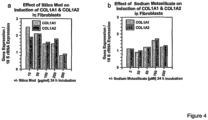
- The effect of silica on the induction of Col1A1 and Col1A2 expression in human dermal fibroblasts using real time RT-PCR has been verified. The tested silica mud showed a dose dependent expression increase of the collagen genes with a maximal 2-fold expression at 10µg/mL, as described in more detail in the Examples below.
- The present invention describes cosmetic and pharmaceutical compositions for enhancing skin barrier function and anti-aging treatment by inducing de novo collagen formation. The compositions are preferably suitably formulated for topical application as described in further detail herein.
- In the present context the term "topical application" relates to directly laying on or spreading on outer skin. The term "skin aging" relates to the thinning and/or general degradation of the dermis. This involves a decrease in collagen gene expression, lower fibroblast activity and fibroblast regeneration as well as shrinking of the lamellar barrier, which is shown in the inability of the skin to retain moisture. Accordingly, the term "anti-aging" refers to an effect which counteracts skin aging, i.e., acts against the above effects for retaining smooth and healthy skin.
- In an embodiment of the present invention the use of silica is provided for enhancing skin barrier function and/or anti-aging treatment by inducing collagen synthesis, of the skin of a human. As mentioned above, silica useful for the invention is advantageously obtainable from saline hot water environment and can be precipitated from natural saline hot water sources. Suitable silica is however as well obtainable from diatoms and other sources (precipitated silica, silicic acid and the like).
- The silica obtained from saline geothermal environment as disclosed herein or another suitable source can be mixed with an acceptable cosmetic carrier to form a cosmetic composition, which can be topically applied to skin. The cosmetic composition can be applied to the skin in cosmetically biologically effective amounts over a period of time sufficient to result in repair or remodelling of the dermis. This repair or remodelling will typically be apparent from a visible improvement of the appearance of the outside of the skin.
- The amount of the cosmetic composition, according to the present invention, to be applied to the skin and the duration or number of applications can be determined easily on an individual basis by utilizing the cosmetic composition until a visible improvement of the outer surface of the skin results.
- In the present context the term "cosmetic" or "cosmetic composition," according to the invention is intended to include all types of products that are applied in any manner directly to the skin for the purpose of affecting the general visual appearance of the skin. The cosmetic compositions described herein may comprise, in addition to a component of silica disclosed herein, conventional ingredients and carriers used in cosmetic or pharmaceutical products. Said compositions may take the form of a fatty or non-fatty cream, a milky suspension or emulsion of the water-in-oil or oil-in-water type, a lotion, a gel or jelly, a colloidal aqueous or oily solution, a paste, a soap, a foam, an anhydrous base including a powder, an ointment, a semi-soluble tablet (to be suspended in a fluid, such as water) or a stick.
- In the present context the term "cream" used herein is meant to encompass all cosmetic cream-type materials which include, for instance, hand creams, cleansing creams, milky lotions, cold creams, vanishing creams, hair creams, foundation creams, beauty washes, facial packs and the like.
- The amount of active ingredient contained in the compositions of the present invention may vary between wide limits, depending upon the formulation and the frequency of use of said compositions. Generally, said compositions contain from 0,05%-99% by weight of the silica. However, the preferred amount of the active silica is in the range of about 0,05-10 wt% and more preferably the range of 0,05-5 wt%, including the range of about 0,1-0,5 wt%, such as about 0,10 wt%, 0,15 wt%, 0,20 wt% or about 0,25 wt%. In some products a higher concentration may be useful, e.g. in the range of about 0,25-5 wt% such as in the range of about 0,25-2,5 wt%, including about 0,5 wt% or 1,0 wt%.
- The cosmetic compositions used in the method according to the invention can also contain conventional vehicles or carriers, such as solvents, fats, oils and mineral waxes, fatty acids and derivatives thereof, alcohols and derivatives thereof, glycols and derivatives thereof, glycerol and derivatives thereof, sorbitol and derivatives thereof, surface-active agents of the anionic, cationic or non-ionic type, emulsifying agents, preserving agents, perfumes, etc.
- The invention also relates to silica for the use in therapeutic treatment of diseases, disorders and conditions which respond to the therapeutic effect disclosed herein. Consequently, these pharmaceutical compositions may be used in the treatment of skin conditions such as skin damage due to cortico steroids, skin atrophy, atophic dermatitis, eczema, psoriasis, rosacea and other skin diseases.
- The cosmetic effect of silica for enhancing skin barrier function and anti-aging (collagen synthesis) can be measured by monitoring several biomarkers such as:
- induction of involucrin, transglutaminase-1, filaggrin and loricrin in human keratinocytes.
- The monitoring of the biomarkers can be monitored by following the gene expression of these markers using methods such as, but not limited to microarrays and RT-PCR. The monitoring of the biomarkers can further be monitored by measuring protein levels using methods such as, but not limited to immunoassay including ELISA, RIA, EIA and FACS analysis etc., or mass spectrometry including protein microarrays and immunohistochemisty methods.
- In another aspect the invention provides a method for enhancing skin barrier function of the skin of a mammal comprising applying to said skin a cosmetic composition with a skin barrier function enhancing amount of silica. The method is set forth as a cosmetic method, i.e. a method for affecting the visual appearance of the skin. The cosmetic composition is suitably selected from any of the conventional types of topical cosmetic formulations such as those described herein above.
- As is understood from the description set forth above, the effective amount of silica for inducing collagen formation in the skin can be assessed with methods described in the Examples disclosed.
-
-
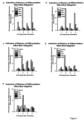
FIG. 1 shows results from Example 2, illustrating the inductive effect of the extract of precipitated silica mud at varying concentrations on gene expression of human epidermal keratinocytes. -
FIG. 2 shows results from Example 2, illustrating the inductive effect of the extract of sodium metasilicate at varying concentrations on gene expression of human epidermal keratinocytes. -
FIG. 4 shows results from Example 3, with different concentration of silica mud and sodium metasilicate on UVA-induced IL-6 gene expression in fibroblasts. - FIG. 5 shows results from Example 4, with different concentration of silica mud and sodium metasilicate on collagen 1A1 and collagen 1A2 gene expression in fibroblasts.
- Sample 1: precipitated silica mud from Svartsengi geothermal basin, dried without washing. Sample 2: same source material, washed with water until conductance was below 500 µS/cm. Sample 3: wet silica filter cake (same source as
samples 1 and 2). - Specific surface area and porosity: adsorption and desorption isotherm for nitrogen at liquid nitrogen temperature were measured with Tristar 3000 from Micromeritics. Surface area and porosity are calculated with software provided with the instrument. Samples were ground and sieved prior to analysis.
- Particle size distribution: Particle size was determined with Malvern Mastersizer 2000. The samples were suspended in distilled water and the concentration adjusted to the appropriate range for the instrument. In the analysis of the data it is assumed that refraction index for the particles is 1,45 and the
adsorption 0,1. -
Table 1: Surface characteristics Sample 1 Sample 2BET specific surface area (m2/g) 66,3 17,9 t-plot micropore area (m2/g) 10,9 3,0 BJH adsorption cumulative volume of pores between 13 Å and 3000 Å width (cm3/g) 0,371 0,098 BJH adsorption avg. pore width (Å) 230 225 Table 2: Particle size distribution Sample 3, No pre-treatment Sample 3 Mixed with water in mech. stirrer for 10 min. Sample 3 after 2x1 min ultrasonic treatmentd10 (µm) 10,0 5,7 0,84 D50 (µm) 37,3 18,9 3,97 D90 (µm) 155 42,1 10,6 - The values of the parameters d10, d50 and d90 indicate that 10%, 50% and 90%, respectively, of the total volume of the particles is made up of particles with a diameter smaller than the given value.
- The effect of silica mud and sodium metasilicate on the differentiation markers Involucrin, transglutaminase-1, Filaggrin, and Loricrin in human epidermal keratinocytes has been assessed.
- Silica mud precipitate was obtained from a natural source (Blue Lagoon geothermal basin, Svartsengi, Iceland). Sodium metasilicate was obtained from Prof. Dr. G. Lehmann, Biochemistry, Regensburg University. As control a ceramide mix (10µM) was used to induce the differentiation markers.
- Long term cultured normal human epidermal keratinocytes, NHEK, prepared from neonatal foreskin are cultured in Keratinocyte SFM (Invitrogen , Heidelberg, Germany) supplemented with bovine pituitary extract (Invitrogen, Heidelberg, Germany) and recombinant epidermal growth factor (Invitrogen, Heidelberg, Germany). Cells are propagated up to
passage - Total RNA was isolated using RNeasy Total RNA Kits (Qiagen, Hilden, Germany). The RNA concentration was determined via photometric measurement at 260/280 (Biophotometer, Eppendorf AG, Hamburg, Germany). An aliquot of 100ng RNA was used for cDNA synthesis. Superscript™III First-Strand synthesis system for RT-PCR (Invitrogen, Karlsruhe, Germany) was used for the reverse transcription step with random hexamers. For each gene, a specific primer pair was designed by Primer Express™ 2.0 software (Applied Biosystems, Darmstadt, Germany) based on the cDNA sequence published as indicated. The following primer pairs were used:
Table 3: Genes and primer pairs used for real time RT-PCR to determine gene expression in Example 1 Gene Primer pairs 18S rRNA 5'-GCCGCTAGAGGTGAAATTCTTG-3' SEQ ID NO: 1 5' -CATTCTTGGCAAATGCTTTCG' -3' SEQ ID NO: 2 Transglutaminase-1 5'-CCCCCGCAATGAGATCTACA-3' SEQ ID NO: 3 5' -ATCCTCATGGTCCACGTACACA-3' SEQ ID NO: 4 Involucrin 5'-CCCATCAGGAGCAAATGAAAC-3' SEQ ID NO: 5 5'-GCTCGACAGGCACCTTCTG-3 ' SEQ ID NO: 6 Filaggrin 5' -AAGGAACTTCTGGAAAAGGAATTTC-3 ' SEQ ID NO: 7 5'-TTGTGGTCTATATCCAAGTGATCCAT-3' SEQ ID NO: 8 Loricrin 5' -TCACATTGCCAGCATCTTCTCT-3' SEQ ID NO: 9 5'-GGCTGCTTTTTCTGATAAGACATCT-3' SEQ ID NO: 10 - PCR reactions were carried out on an Opticon 1(MJ Research, Waltham, MA, USA) using SYBR Green® PCR Master Mix (Applied Biosystems, Darmstadt, Germany). Each sample was analyzed in double employing the universal protocol over 36 cycles. In detail, 10 minutes 94°C activation of hot start taq polymerase, 20 seconds 95°C denaturation, 20 seconds 55°C annealing, 30 seconds 72°C extension. For comparison of relative expression in real time PCR control cells and treated cells the 2(-delta delta C(T)) method was used.
- As a positive of the art reference a ceramide mix was used which induced the markers transglutaminase-1, involucrin, filaggrin and loricrin to a similar extent (not shown).
-
FIG. 1 shows the expression pattern of transglutaminase-1, involucrin, filaggrin and loricrin, in response to silica mud and metasilicate, which all represent skin barrier enhancement.
A rapid aggregation of the keratin cytoskeleton, which causes a collapse of the granular cells into flattened anuclear squames, is a key step in formation of the outermost barrier layer of the skin. This condensed cytoskeleton is cross linked by transglutaminases during formation of the cornified cell envelope (CE). Transglutaminases are expressed and activated during terminal differentiation of Keratinocytes. The membrane-bound form of the transglutaminase-1 and forms ester bonds between specific glutaminyl residues of human involucrin during formation of the cornified cell envelope enzyme. The CE not only prevents water loss but also impedes the entry of allergens and infectious agents. During the last stage of its terminal differentiation of keratinocytes is the formation of a cross linked envelope. This envelope is made up of membrane and cytosolic proteins cross linked by glutamyl lysine isopeptide bonds. Involucrin, being a keratinocyte protein which appears first in the cytoplasm and later becomes cross linked to membrane proteins by transglutaminase, is the most abundant component is of the envelope. Loricrin is another major component of the cross linked cell envelope of the epidermis of the skin, also known as the cornified cell envelope (CE). Filaggrin is a protein which is expressed in granules in the granular layer of interfollicular epidermis is predominantly composed of the protein profilaggrin. Upon terminal differentiation of granular cells, profilaggrin is proteolytically cleaved into filaggrin peptides. Filaggrin aggregates the keratin cytoskeleton and is therefore a key protein in facilitating epidermal differentiation and maintaining barrier function. -
FIG. 1a-e shows induced expression of all four markers in response to silica mud. The two highest concentrations of silica mud show a pronounced increase in expression of INV and TG-1. Increased FILA and LORI expression is also observed, but at lower concentrations.FIG. 2 shows the expression pattern of transglutaminase-1, involucrin, filaggrin and loricrin, in response to sodium metasilicate. All four markers are induced in response to metasilicate, as can be seen inFIG. 2a-e , but here the FILA expression is stronger than with silica mud. - As state of the art reference a ceramide mix was used which induced the markers transglutaminase-1, involucrin, filaggrin and loricrin to a similar extent (not shown).
- These results show that silica as exemplified with the silica mud and sodium metasilicate not only induce terminal differentiation of keratinocytes, but induces expression of the most important genes in skin barrier enhancement.
- The photo-protective capacity of silica was assessed in UVA-irradiated human dermal fibroblasts. Induction of MMP-1 is a marker for skin aging. UVA-induced up-regulation of the cytokine IL-6 has previously been shown to be a prerequisite of UVA-induced MMP-1 induction.
- Human dermal fibroblasts, HDF, prepared from neonatal foreskin are cultured in DMEM supplemented with 10% FBS in 5% CO2 for 4 days until they reached confluence as described (Vielhaber et al., 2006). For all studies, only early passage (<12) fibroblasts will be used to avoid changes in their original phenotype during subculture.
- The fibroblasts are incubated with different amount of colloidal silica and subjected to UV light. Briefly, for UVA radiation the medium was replaced by phosphate buffered saline, lids were removed and cells were exposed to a dose of 30 J/cm2 UVA1 using a UVASUN 24,000 system (Sellas GmbH, Dr. Sellmeier Gevelsberg, Germany). The UVA1 output was determined with a UVAMETER type II (Waldmann, Villingen-Schwenningen, Germany) and found to be approximately 150 mW/cm2 UVA1 at a tube to target distance of 30 cm (Grether-Beck et al., 1996; Grether-Beck et al., 2003). Controls without silica are run in parallel. After either 6 or 24 h from UV irradiation, cells are collected and total RNA isolated as described above in Example 2. Quantitative PC is run as described above in Example 2 using specific primer pairs as indicated in Table 4. PCR reactions were carried out as in Example 2.
Table 4: Genes and primer pairs used for real time RT-PCR to determine gene expression in Example 3 Gene Primer Pairs 18S rRNA 5'-GCCGCTAGAGGTGAAATTCTTG-3' SEQ ID NO: 1 5'-CATTCTTGGCAAATGCTTTCG'-3' SEQ ID NO: 2 MMP-1 5'-GGGAGATCATCGGGACAACTC-3' SEQ ID NO: 11 5'-GGGCCTGGTTGAAAAGCAT-3' SEQ ID NO: 12 IL-6 5'-AGCCGCCCCACACAGA -3' SEQ ID NO: 13 5'-CCGTCGAGGATGTACCGAAT-3' SEQ ID NO: 14 -
FIG. 4 shows that precipitated Silica mud from geothermal sources inhibits, in a dose dependent manner, the up-regulation of IL-6 and MMP-1. Similar results have been observed for the control substance sodium metasilicate. This strongly indicates that both silica mud (FIG 4a and b ) as well as sodium metasilicate (FIG 4c and d) both prevent photoaging of the skin by inhibition of UVA-induced MMP-1 expression in human fibroblasts. - Human dermal fibroblasts, HDF, prepared from neonatal foreskin and cultured for 4 days until they reached confluence as described in Example 3. PCR reactions were carried out as in Example 2 using specific primer pairs as indicated in Table 5.
Table 5: Genes and primer pairs used for real time RT-PCR to determine gene expression in Example 4 Gene Primer Pairs Reference 18S rRNA 5'-GCCGCTAGAGGTGAAATTCTTG-3' SEQ ID NO: 1 5'-CATTCTTGGCAAATGCTTTCG'-3' SEQ ID NO: 2 Collagen 1A1 5'-CCTGCGTGTACCCCACTCA-3' SEQ ID NO: 15 5'-ACCAGACATGCCTCTTGTCCTT-3' SEQ ID NO: 16 Collagen 1A2 5'-GATTGAGACCCTTCTTACTCCTGAA-3' SEQ ID NO: 17 5'-GGGTGGCTGAGTCTCAAGTCA-3' SEQ ID NO: 18 - FIG. 5 shows the capacity of silica mud to induce the expression of genes coding for the extracellular matrix proteins collagen 1A1 and collagen 1A2, but induced collagen expression prevents skin aging by inducing skin regeneration. Sodium metasilicate did not show any increase in the expression of genes coding for the collagen 1A1 and 1A2. However, the silica mud induced proteins collagen 1A1 and collagen 1A2 expression at a concentration of 10 µg/ml, implicating that silica mud further supports skin regeneration through de novo collagen synthesis.
-
Table 6: Ingredients A Water 80% A Sodium laureth sulfate 10,0% A Sea water (maris aqua) 2,0% A Cocamidopropyl betaine, cocoglucoside 3,0% A Sodium chloride 1,0% A Glycerin 0,80% A Silica mud 0,20% B Phenoxyethanol (and) methylparaben (and) ethylparaben (and) propylparaben (and) butylparaben (and) isobutylparaben 1,0% B Preservatives, perfume, minor excipients 2,0% - Ingredients of phase A are mixed, ingredients of phase B are mixed, and subsequently phase B is added to and mixed with phase A.
-
Table 7: Ingredients A Water 77 % A Carbomer 0,4% B Hydrogenated vegetable glycerides 2,5% B Cetearyl alcohol 2,0% B C6-C10 Fatty acid triglycerides 2,0% B Viscosity adjusting agent(s) 2,5% B Further emulsifier agent(s) 3,5% C Sea water (maris aqua) 3 % C Glycerin 1,50% C Silica mud 0,20% C Sodium hydroxide and other pH-adjusters 0,75% D Phenoxyethanol (and) methylparaben (and) ethylparaben (and) propylparaben (and) butylparaben (and) isobutylparaben 1,0% D Other preservatives, perfume, other minor excipients 1,6% E Aluminum starch octenyl succinate 2,0% - Ingredients A are mixed at 70°C, ingredients B are mixed at and added to phase A. ingredients C are added in the order shown to the mix at 45°C, ingredients D are added at 40°C and ingredients E are added at 35°C.
-
Table 8: Ingredients A Talc 81,5 % B dimethicone 1,0% B kaolin 9% B Oriza sativa starch 2,0 % C Talc 5,0% C Silica mud 0,50% C preservatives, perfume, anticoagulant, other minor excipients 1,0% - Ingredients B are added to A, ingredients C are mixed together and added to the A+B mix.
Claims (15)
- Silica for use in the treatment of skin conditions selected from the group consisting of skin damage due to cortico steroids, skin atrophy, atopic dermatitis, eczema, psoriasis, and rosacea.
- Silica for use according to claim 1, wherein said silica is precipitated from natural saline hot water sources.
- Silica for use according to claim 1, wherein said silica is obtainable from diatoms.
- Silica for use according to claim 1, wherein said silica is in a colloidal form.
- Silica for use according to claim 1, formulated in a form selected from the group consisting of a lotion, a cream, an emulsion including a water-in-oil emulsion and an oil-in-water emulsion, a colloidal solution, a paste, a gel, an ointment, a foam, an anhydrous base, a soap and a suspension.
- A non-therapeutic cosmetic method for enhancing natural skin barrier function of the skin of a human comprising applying to said skin a cosmetic composition comprising silica as the active ingredient.
- The method of claim 6, wherein said cosmetic composition is in a form selected from the group consisting of a lotion, a cream, an emulsion including a water-in-oil emulsion and an oil-in-water emulsion, a colloidal solution, a paste, a gel, an ointment, a foam, an anhydrous base, a soap and a suspension.
- The method of claim 6, where said silica is precipitated from natural saline hot water sources.
- The method of claim 6, wherein said silica is obtainable from diatoms.
- The method of claim 6, wherein said silica is in colloidal form.
- A non-therapeutic cosmetic method for inducing collagen synthesis of the skin of a human comprising applying to said skin a cosmetic composition comprising silica as the active ingredient.
- The method of claim 11, wherein said cosmetic composition is in a form selected from the group consisting of a lotion, a cream, an emulsion including a water-in-oil emulsion and an oil-in-water emulsion, a colloidal solution, a paste, a gel, an ointment, a foam, an anhydrous base, a soap and a suspension.
- The method of claim 11, where said silica is precipitated from natural saline hot water sources.
- The method of claim 11, wherein said silica is obtainable from diatoms.
- The method of claim 11, wherein said silica is in a colloidal form.
Applications Claiming Priority (2)
| Application Number | Priority Date | Filing Date | Title |
|---|---|---|---|
| IS8442 | 2006-05-05 | ||
| PCT/IS2007/000011 WO2007129330A1 (en) | 2006-05-05 | 2007-05-07 | Pharmaceutical and cosmetic use of silica |
Publications (3)
| Publication Number | Publication Date |
|---|---|
| EP2026880A1 EP2026880A1 (en) | 2009-02-25 |
| EP2026880B1 EP2026880B1 (en) | 2018-07-04 |
| EP2026880B2 true EP2026880B2 (en) | 2025-04-16 |
Family
ID=38265524
Family Applications (1)
| Application Number | Title | Priority Date | Filing Date |
|---|---|---|---|
| EP07736621.9A Active EP2026880B2 (en) | 2006-05-05 | 2007-05-07 | Pharmaceutical and cosmetic use of silica |
Country Status (5)
| Country | Link |
|---|---|
| US (1) | US20090311348A1 (en) |
| EP (1) | EP2026880B2 (en) |
| DK (1) | DK2026880T4 (en) |
| ES (1) | ES2688931T5 (en) |
| WO (1) | WO2007129330A1 (en) |
Families Citing this family (14)
| Publication number | Priority date | Publication date | Assignee | Title |
|---|---|---|---|---|
| DE102008025576A1 (en) * | 2008-05-28 | 2009-12-03 | Henkel Ag & Co. Kgaa | Sunscreen compositions |
| CN102666384B (en) * | 2010-01-07 | 2015-12-09 | 三菱综合材料株式会社 | Synthetic Amorphous Silica Powder |
| EP2524223B1 (en) | 2010-01-17 | 2018-03-21 | The Procter & Gamble Company | Biomarker-based methods for formulating compositions that improve skin quality and reduce the visible signs of aging in skin |
| FR2959413B1 (en) * | 2010-04-29 | 2012-07-13 | Oreal | ANHYDROUS FOAM COMPRISING SILICA |
| CN105919832A (en) | 2010-06-11 | 2016-09-07 | 宝洁公司 | Compositions For Treating Skin |
| US9671410B2 (en) | 2011-01-16 | 2017-06-06 | The Procter & Gamble Company | Biomarker-based methods for identifying and formulating compositions that improve skin quality and reduce the visible signs of aging in skin |
| WO2016077327A1 (en) | 2014-11-10 | 2016-05-19 | The Procter & Gamble Company | Personal care compositions with two benefit phases |
| US10966916B2 (en) | 2014-11-10 | 2021-04-06 | The Procter And Gamble Company | Personal care compositions |
| WO2016077325A1 (en) | 2014-11-10 | 2016-05-19 | The Procter & Gamble Company | Personal care compositions with two benefit phases |
| CN107148263B (en) | 2014-11-10 | 2021-07-06 | 宝洁公司 | personal care composition |
| EP3697374B1 (en) | 2017-10-20 | 2022-02-16 | The Procter & Gamble Company | Aerosol foam skin cleanser |
| CN111212625B (en) | 2017-10-20 | 2023-05-23 | 宝洁公司 | Aerosol Foaming Cleanser |
| WO2019113035A1 (en) | 2017-12-08 | 2019-06-13 | The Procter & Gamble Company | Methods of screening for mild skin cleanser |
| WO2020112486A1 (en) | 2018-11-29 | 2020-06-04 | The Procter & Gamble Company | Methods for screening personal care products |
Citations (2)
| Publication number | Priority date | Publication date | Assignee | Title |
|---|---|---|---|---|
| DE102004014615A1 (en) † | 2004-03-23 | 2005-10-13 | Beiersdorf Ag | Taurine-containing preparations for improving the skin barrier |
| EP1640041A2 (en) † | 2004-09-24 | 2006-03-29 | Henkel Kommanditgesellschaft auf Aktien | Cosmetic and dermatological composition for the treatment of aging or photodamaged skin |
Family Cites Families (16)
| Publication number | Priority date | Publication date | Assignee | Title |
|---|---|---|---|---|
| US4496357A (en) * | 1981-06-10 | 1985-01-29 | Hollister Incorporated | Skin barrier composition |
| US4822600A (en) * | 1987-05-27 | 1989-04-18 | Neutrogena Corporation | Infrared blocker |
| US5571518A (en) * | 1995-10-30 | 1996-11-05 | Chesebrough-Pond's Usa Co., Division Of Conopco, Inc. | Cosmetic compositions containing tricholine citrate |
| SE9604610D0 (en) * | 1996-12-16 | 1996-12-16 | Noviscens Ab | Medical composition |
| DE59811624D1 (en) | 1997-08-13 | 2004-08-05 | Beiersdorf Ag | Use of X-ray amorphous oxides to enhance the sun protection factor and / or the UV-A protection performance of cosmetic or dermatological light protection agents |
| AUPP112497A0 (en) * | 1997-12-24 | 1998-01-22 | Novogen Research Pty Ltd | Compositions and method for protecting skin from UV induced immunosupression and skin damage |
| DE10031703A1 (en) | 2000-06-29 | 2002-01-10 | Beiersdorf Ag | Use of calcium-releasing or binding substances for targeted scavenging or strengthening of the barrier function of the skin |
| FR2827515B1 (en) | 2001-07-20 | 2005-06-03 | Oreal | FOAMING COMPOSITION BASED ON SILICA AND CATIONIC POLYMER |
| ATE280203T1 (en) * | 2001-08-08 | 2004-11-15 | Degussa | METAL OXIDE PARTICLES COVERED WITH SILICON DIOXIDE |
| US6673863B2 (en) * | 2001-12-17 | 2004-01-06 | Avon Products, Inc. | Gel composition and methods of use |
| DE10163938A1 (en) * | 2001-12-22 | 2003-07-10 | Degussa | Flame-hydrolytically produced silicon-titanium mixed oxide powder with surface-enriched silicon dioxide, its production and use |
| DE10250711A1 (en) * | 2002-10-31 | 2004-05-19 | Degussa Ag | Pharmaceutical and cosmetic preparations |
| US20040151673A1 (en) * | 2002-11-21 | 2004-08-05 | Societe L'oreal S.A. | Nonaerosol/aerosol dispensing of sunscreen sprays comprising silica microparticles |
| US20040234469A1 (en) * | 2003-05-22 | 2004-11-25 | Unilever Home & Personal Care Usa, Division Of Conopco, Inc. | Personal product bar compositions comprising crystalline wax structured premix or delivery vehicle |
| DE10357046A1 (en) | 2003-12-04 | 2005-06-30 | Beiersdorf Ag | Cosmetic or dermatological preparations containing a combination of green dye and anti-inflammatory agent |
| US20060134156A1 (en) * | 2004-12-17 | 2006-06-22 | L'oreal | Method for caring for the skin and associated kit |
-
2007
- 2007-05-07 DK DK07736621.9T patent/DK2026880T4/en active
- 2007-05-07 WO PCT/IS2007/000011 patent/WO2007129330A1/en not_active Ceased
- 2007-05-07 ES ES07736621T patent/ES2688931T5/en active Active
- 2007-05-07 EP EP07736621.9A patent/EP2026880B2/en active Active
- 2007-05-07 US US12/299,758 patent/US20090311348A1/en not_active Abandoned
Patent Citations (2)
| Publication number | Priority date | Publication date | Assignee | Title |
|---|---|---|---|---|
| DE102004014615A1 (en) † | 2004-03-23 | 2005-10-13 | Beiersdorf Ag | Taurine-containing preparations for improving the skin barrier |
| EP1640041A2 (en) † | 2004-09-24 | 2006-03-29 | Henkel Kommanditgesellschaft auf Aktien | Cosmetic and dermatological composition for the treatment of aging or photodamaged skin |
Non-Patent Citations (7)
| Title |
|---|
| "Auf den Spuren von Fjallagrös und Thorskalysi", PHARMAZEUTISCHE ZEITUNG, 8 November 2003 (2003-11-08), pages 1 - 12 † |
| "Hunnius Pharmazeutisches Wörterbuch", 2004, Berlin, article HERMANN P T AMMON: "Siliciomdioxid", pages: 1386 † |
| BÄRÖUR SIGURGEIRSSON ET AL.: "The Blue Lagoon and Psoriasis", PATENTINHABERIN BLUE LAGOON, 13 June 2008 (2008-06-13), pages 1 - 12 † |
| Deutsche Welle, "German health insurers urged to end homeopathy refunds" 11.07.2019 † |
| Deutsches Ärzteblatt, "KBV ruft nach Erstattungsverbot für Homöopathie" 06.09.2019, [cited 07.04.2021] † |
| KARL HECHT, GESUND SEIN UND GESUND WERDEN MIT DER URSUBSTANZ SILIZIUMDIOXID (SI02) SYNONYM KIESELSÄURE, 15 February 2006 (2006-02-15) † |
| Maibach-Nagel, Egbert, "Homöopathie - Kein Sommerlochthema"Deutsches Ärzteblatt, Vol. 116, 22 July 2019 † |
Also Published As
| Publication number | Publication date |
|---|---|
| DK2026880T3 (en) | 2018-10-01 |
| ES2688931T5 (en) | 2025-06-30 |
| US20090311348A1 (en) | 2009-12-17 |
| WO2007129330A1 (en) | 2007-11-15 |
| DK2026880T4 (en) | 2025-05-26 |
| EP2026880B1 (en) | 2018-07-04 |
| EP2026880A1 (en) | 2009-02-25 |
| ES2688931T3 (en) | 2018-11-07 |
Similar Documents
| Publication | Publication Date | Title |
|---|---|---|
| EP2026880B2 (en) | Pharmaceutical and cosmetic use of silica | |
| EP2026759B1 (en) | Pharmaceutical and cosmetic use of extracts from algae obtainable from saline hot water sources | |
| ES2549534T3 (en) | Use of a natural agent in cosmetic compositions | |
| CN114206905B (en) | Peptide with skin condition improving activity and application thereof | |
| ES2701598T3 (en) | Use of natural active substances in cosmetic or therapeutic compositions | |
| JP7387741B2 (en) | rose tree extract | |
| JP2016510016A (en) | Cosmetic composition containing brown algae extract, yeast extract and ascorbic acid | |
| KR101908408B1 (en) | A cosmetic composition for skin desquamation comprising spicule powder and natural powder | |
| KR20190014477A (en) | Tremella fuciformis extraxt, preparation method thereof and Use the same | |
| WO2006109888A1 (en) | Antiwrinkle agent | |
| KR102761304B1 (en) | Compositions for improving skin comprising upcycled giant centella asiatica extract as an active ingredient and manufacturing method thereof | |
| CN120078665A (en) | A composition containing recombinant triple helical collagen and its preparation and application | |
| KR102530481B1 (en) | External composition for antiaging comprising osthole | |
| JP2009084243A (en) | Horny layer hyaluronic acid production accelerator and external dermatological preparation, cosmetic, and quasi-drug containing horny layer hyaluronic acid production accelerator | |
| KR102253894B1 (en) | Skin regeneration, skin moisturizing and skin whitening composition containing diatomaceous earth | |
| KR20220091239A (en) | Composition for preventing and alleviating redness and atopy using natural materials, and cosmetics containing the same | |
| JP7736388B2 (en) | Cosmetic composition containing exosomes derived from black yeast | |
| JP2003128573A (en) | Hyaluronic acid production stimulator, and skin care preparation containing the same | |
| JP7836471B2 (en) | Peptides with skin condition improving activity and their uses | |
| TW202210061A (en) | Use of wasabia japonica leaves for inhibiting the production of acne and reducing cutibacterium acnes secretions | |
| KR102838714B1 (en) | Cosmetic Composition for Moisturizing and Soothing Skin Comprising Extracts of Jewelry | |
| KR102656259B1 (en) | Cosmetic composition generating carbon dioxide with excellent shelf life in in hign temperature environment | |
| JP7278564B2 (en) | Hyaluronic Acid Production Promoter, Collagen Production Promoter, MMP Inhibitor, Wrinkle Improving Agent, Pharmaceutical or Food Composition | |
| KR101230932B1 (en) | Cosmetic composition containing macromolecular composite particles with flavon | |
| KR20240070403A (en) | The exosome containing PDRN, composition comprising the same and method for preparing the same |
Legal Events
| Date | Code | Title | Description |
|---|---|---|---|
| PUAI | Public reference made under article 153(3) epc to a published international application that has entered the european phase |
Free format text: ORIGINAL CODE: 0009012 |
|
| 17P | Request for examination filed |
Effective date: 20081205 |
|
| AK | Designated contracting states |
Kind code of ref document: A1 Designated state(s): AT BE BG CH CY CZ DE DK EE ES FI FR GB GR HU IE IS IT LI LT LU LV MC MT NL PL PT RO SE SI SK TR |
|
| AX | Request for extension of the european patent |
Extension state: AL BA HR MK RS |
|
| DAX | Request for extension of the european patent (deleted) | ||
| 17Q | First examination report despatched |
Effective date: 20130117 |
|
| TPAC | Observations filed by third parties |
Free format text: ORIGINAL CODE: EPIDOSNTIPA |
|
| STAA | Information on the status of an ep patent application or granted ep patent |
Free format text: STATUS: EXAMINATION IS IN PROGRESS |
|
| GRAP | Despatch of communication of intention to grant a patent |
Free format text: ORIGINAL CODE: EPIDOSNIGR1 |
|
| STAA | Information on the status of an ep patent application or granted ep patent |
Free format text: STATUS: GRANT OF PATENT IS INTENDED |
|
| INTG | Intention to grant announced |
Effective date: 20180213 |
|
| GRAS | Grant fee paid |
Free format text: ORIGINAL CODE: EPIDOSNIGR3 |
|
| GRAA | (expected) grant |
Free format text: ORIGINAL CODE: 0009210 |
|
| STAA | Information on the status of an ep patent application or granted ep patent |
Free format text: STATUS: THE PATENT HAS BEEN GRANTED |
|
| AK | Designated contracting states |
Kind code of ref document: B1 Designated state(s): AT BE BG CH CY CZ DE DK EE ES FI FR GB GR HU IE IS IT LI LT LU LV MC MT NL PL PT RO SE SI SK TR |
|
| REG | Reference to a national code |
Ref country code: GB Ref legal event code: FG4D |
|
| REG | Reference to a national code |
Ref country code: CH Ref legal event code: EP |
|
| REG | Reference to a national code |
Ref country code: AT Ref legal event code: REF Ref document number: 1013856 Country of ref document: AT Kind code of ref document: T Effective date: 20180715 |
|
| REG | Reference to a national code |
Ref country code: IE Ref legal event code: FG4D |
|
| REG | Reference to a national code |
Ref country code: DE Ref legal event code: R096 Ref document number: 602007055269 Country of ref document: DE |
|
| REG | Reference to a national code |
Ref country code: DK Ref legal event code: T3 Effective date: 20180926 |
|
| REG | Reference to a national code |
Ref country code: SE Ref legal event code: TRGR |
|
| REG | Reference to a national code |
Ref country code: NL Ref legal event code: FP |
|
| REG | Reference to a national code |
Ref country code: ES Ref legal event code: FG2A Ref document number: 2688931 Country of ref document: ES Kind code of ref document: T3 Effective date: 20181107 |
|
| REG | Reference to a national code |
Ref country code: LT Ref legal event code: MG4D |
|
| REG | Reference to a national code |
Ref country code: AT Ref legal event code: MK05 Ref document number: 1013856 Country of ref document: AT Kind code of ref document: T Effective date: 20180704 |
|
| PG25 | Lapsed in a contracting state [announced via postgrant information from national office to epo] |
Ref country code: PL Free format text: LAPSE BECAUSE OF FAILURE TO SUBMIT A TRANSLATION OF THE DESCRIPTION OR TO PAY THE FEE WITHIN THE PRESCRIBED TIME-LIMIT Effective date: 20180704 Ref country code: LT Free format text: LAPSE BECAUSE OF FAILURE TO SUBMIT A TRANSLATION OF THE DESCRIPTION OR TO PAY THE FEE WITHIN THE PRESCRIBED TIME-LIMIT Effective date: 20180704 Ref country code: FI Free format text: LAPSE BECAUSE OF FAILURE TO SUBMIT A TRANSLATION OF THE DESCRIPTION OR TO PAY THE FEE WITHIN THE PRESCRIBED TIME-LIMIT Effective date: 20180704 Ref country code: AT Free format text: LAPSE BECAUSE OF FAILURE TO SUBMIT A TRANSLATION OF THE DESCRIPTION OR TO PAY THE FEE WITHIN THE PRESCRIBED TIME-LIMIT Effective date: 20180704 Ref country code: GR Free format text: LAPSE BECAUSE OF FAILURE TO SUBMIT A TRANSLATION OF THE DESCRIPTION OR TO PAY THE FEE WITHIN THE PRESCRIBED TIME-LIMIT Effective date: 20181005 Ref country code: BG Free format text: LAPSE BECAUSE OF FAILURE TO SUBMIT A TRANSLATION OF THE DESCRIPTION OR TO PAY THE FEE WITHIN THE PRESCRIBED TIME-LIMIT Effective date: 20181004 Ref country code: CZ Free format text: LAPSE BECAUSE OF FAILURE TO SUBMIT A TRANSLATION OF THE DESCRIPTION OR TO PAY THE FEE WITHIN THE PRESCRIBED TIME-LIMIT Effective date: 20180704 |
|
| PG25 | Lapsed in a contracting state [announced via postgrant information from national office to epo] |
Ref country code: LV Free format text: LAPSE BECAUSE OF FAILURE TO SUBMIT A TRANSLATION OF THE DESCRIPTION OR TO PAY THE FEE WITHIN THE PRESCRIBED TIME-LIMIT Effective date: 20180704 |
|
| REG | Reference to a national code |
Ref country code: DE Ref legal event code: R026 Ref document number: 602007055269 Country of ref document: DE |
|
| PLBI | Opposition filed |
Free format text: ORIGINAL CODE: 0009260 |
|
| PLAX | Notice of opposition and request to file observation + time limit sent |
Free format text: ORIGINAL CODE: EPIDOSNOBS2 |
|
| PG25 | Lapsed in a contracting state [announced via postgrant information from national office to epo] |
Ref country code: RO Free format text: LAPSE BECAUSE OF FAILURE TO SUBMIT A TRANSLATION OF THE DESCRIPTION OR TO PAY THE FEE WITHIN THE PRESCRIBED TIME-LIMIT Effective date: 20180704 Ref country code: EE Free format text: LAPSE BECAUSE OF FAILURE TO SUBMIT A TRANSLATION OF THE DESCRIPTION OR TO PAY THE FEE WITHIN THE PRESCRIBED TIME-LIMIT Effective date: 20180704 |
|
| 26 | Opposition filed |
Opponent name: BEIERSDORF AG Effective date: 20190403 |
|
| PG25 | Lapsed in a contracting state [announced via postgrant information from national office to epo] |
Ref country code: SK Free format text: LAPSE BECAUSE OF FAILURE TO SUBMIT A TRANSLATION OF THE DESCRIPTION OR TO PAY THE FEE WITHIN THE PRESCRIBED TIME-LIMIT Effective date: 20180704 |
|
| PG25 | Lapsed in a contracting state [announced via postgrant information from national office to epo] |
Ref country code: SI Free format text: LAPSE BECAUSE OF FAILURE TO SUBMIT A TRANSLATION OF THE DESCRIPTION OR TO PAY THE FEE WITHIN THE PRESCRIBED TIME-LIMIT Effective date: 20180704 |
|
| PLBB | Reply of patent proprietor to notice(s) of opposition received |
Free format text: ORIGINAL CODE: EPIDOSNOBS3 |
|
| PG25 | Lapsed in a contracting state [announced via postgrant information from national office to epo] |
Ref country code: MC Free format text: LAPSE BECAUSE OF FAILURE TO SUBMIT A TRANSLATION OF THE DESCRIPTION OR TO PAY THE FEE WITHIN THE PRESCRIBED TIME-LIMIT Effective date: 20180704 |
|
| REG | Reference to a national code |
Ref country code: BE Ref legal event code: MM Effective date: 20190531 |
|
| PG25 | Lapsed in a contracting state [announced via postgrant information from national office to epo] |
Ref country code: LU Free format text: LAPSE BECAUSE OF NON-PAYMENT OF DUE FEES Effective date: 20190507 |
|
| PG25 | Lapsed in a contracting state [announced via postgrant information from national office to epo] |
Ref country code: TR Free format text: LAPSE BECAUSE OF FAILURE TO SUBMIT A TRANSLATION OF THE DESCRIPTION OR TO PAY THE FEE WITHIN THE PRESCRIBED TIME-LIMIT Effective date: 20180704 |
|
| PG25 | Lapsed in a contracting state [announced via postgrant information from national office to epo] |
Ref country code: BE Free format text: LAPSE BECAUSE OF NON-PAYMENT OF DUE FEES Effective date: 20190531 |
|
| PG25 | Lapsed in a contracting state [announced via postgrant information from national office to epo] |
Ref country code: PT Free format text: LAPSE BECAUSE OF FAILURE TO SUBMIT A TRANSLATION OF THE DESCRIPTION OR TO PAY THE FEE WITHIN THE PRESCRIBED TIME-LIMIT Effective date: 20181105 |
|
| PG25 | Lapsed in a contracting state [announced via postgrant information from national office to epo] |
Ref country code: CY Free format text: LAPSE BECAUSE OF FAILURE TO SUBMIT A TRANSLATION OF THE DESCRIPTION OR TO PAY THE FEE WITHIN THE PRESCRIBED TIME-LIMIT Effective date: 20180704 |
|
| PG25 | Lapsed in a contracting state [announced via postgrant information from national office to epo] |
Ref country code: MT Free format text: LAPSE BECAUSE OF FAILURE TO SUBMIT A TRANSLATION OF THE DESCRIPTION OR TO PAY THE FEE WITHIN THE PRESCRIBED TIME-LIMIT Effective date: 20180704 Ref country code: HU Free format text: LAPSE BECAUSE OF FAILURE TO SUBMIT A TRANSLATION OF THE DESCRIPTION OR TO PAY THE FEE WITHIN THE PRESCRIBED TIME-LIMIT; INVALID AB INITIO Effective date: 20070507 |
|
| RIC2 | Information provided on ipc code assigned after grant |
Ipc: A61P 17/18 20060101ALI20210630BHEP Ipc: A61K 33/00 20060101ALI20210630BHEP Ipc: A61K 8/25 20060101ALI20210630BHEP Ipc: A61K 9/00 20060101ALI20210630BHEP Ipc: A61K 8/00 20060101ALI20210630BHEP Ipc: A61Q 19/08 20060101ALI20210630BHEP Ipc: A61Q 19/00 20060101ALI20210630BHEP Ipc: A61Q 17/04 20060101ALI20210630BHEP Ipc: A61Q 17/00 20060101AFI20210630BHEP |
|
| APBM | Appeal reference recorded |
Free format text: ORIGINAL CODE: EPIDOSNREFNO |
|
| APBP | Date of receipt of notice of appeal recorded |
Free format text: ORIGINAL CODE: EPIDOSNNOA2O |
|
| APAH | Appeal reference modified |
Free format text: ORIGINAL CODE: EPIDOSCREFNO |
|
| APBQ | Date of receipt of statement of grounds of appeal recorded |
Free format text: ORIGINAL CODE: EPIDOSNNOA3O |
|
| RAP4 | Party data changed (patent owner data changed or rights of a patent transferred) |
Owner name: BLAA LONID HF. |
|
| P01 | Opt-out of the competence of the unified patent court (upc) registered |
Effective date: 20231003 |
|
| APBU | Appeal procedure closed |
Free format text: ORIGINAL CODE: EPIDOSNNOA9O |
|
| PUAH | Patent maintained in amended form |
Free format text: ORIGINAL CODE: 0009272 |
|
| STAA | Information on the status of an ep patent application or granted ep patent |
Free format text: STATUS: PATENT MAINTAINED AS AMENDED |
|
| 27A | Patent maintained in amended form |
Effective date: 20250416 |
|
| AK | Designated contracting states |
Kind code of ref document: B2 Designated state(s): AT BE BG CH CY CZ DE DK EE ES FI FR GB GR HU IE IS IT LI LT LU LV MC MT NL PL PT RO SE SI SK TR |
|
| REG | Reference to a national code |
Ref country code: DE Ref legal event code: R102 Ref document number: 602007055269 Country of ref document: DE |
|
| REG | Reference to a national code |
Ref country code: DK Ref legal event code: T4 Effective date: 20250521 |
|
| REG | Reference to a national code |
Ref country code: NL Ref legal event code: FP |
|
| PGFP | Annual fee paid to national office [announced via postgrant information from national office to epo] |
Ref country code: NL Payment date: 20250522 Year of fee payment: 19 |
|
| REG | Reference to a national code |
Ref country code: SE Ref legal event code: RPEO |
|
| REG | Reference to a national code |
Ref country code: ES Ref legal event code: DC2A Ref document number: 2688931 Country of ref document: ES Kind code of ref document: T5 Effective date: 20250630 |
|
| PGFP | Annual fee paid to national office [announced via postgrant information from national office to epo] |
Ref country code: DE Payment date: 20250520 Year of fee payment: 19 |
|
| PGFP | Annual fee paid to national office [announced via postgrant information from national office to epo] |
Ref country code: GB Payment date: 20250519 Year of fee payment: 19 Ref country code: ES Payment date: 20250611 Year of fee payment: 19 Ref country code: DK Payment date: 20250522 Year of fee payment: 19 |
|
| PGFP | Annual fee paid to national office [announced via postgrant information from national office to epo] |
Ref country code: IS Payment date: 20250523 Year of fee payment: 19 |
|
| PGFP | Annual fee paid to national office [announced via postgrant information from national office to epo] |
Ref country code: IT Payment date: 20250520 Year of fee payment: 19 |
|
| PGFP | Annual fee paid to national office [announced via postgrant information from national office to epo] |
Ref country code: FR Payment date: 20250516 Year of fee payment: 19 |
|
| PGFP | Annual fee paid to national office [announced via postgrant information from national office to epo] |
Ref country code: CH Payment date: 20250601 Year of fee payment: 19 |
|
| PGFP | Annual fee paid to national office [announced via postgrant information from national office to epo] |
Ref country code: IE Payment date: 20250522 Year of fee payment: 19 |
|
| PGFP | Annual fee paid to national office [announced via postgrant information from national office to epo] |
Ref country code: SE Payment date: 20250520 Year of fee payment: 19 |